Presenting at PCAS
Written by Allie Plunk
Our first day in New Orleans began late, but with plenty of excitement! I was going to present my paper, Modernism in Billy Collins‘ Poem “Forgetfulness,” at the PCAS/ACAS conference.
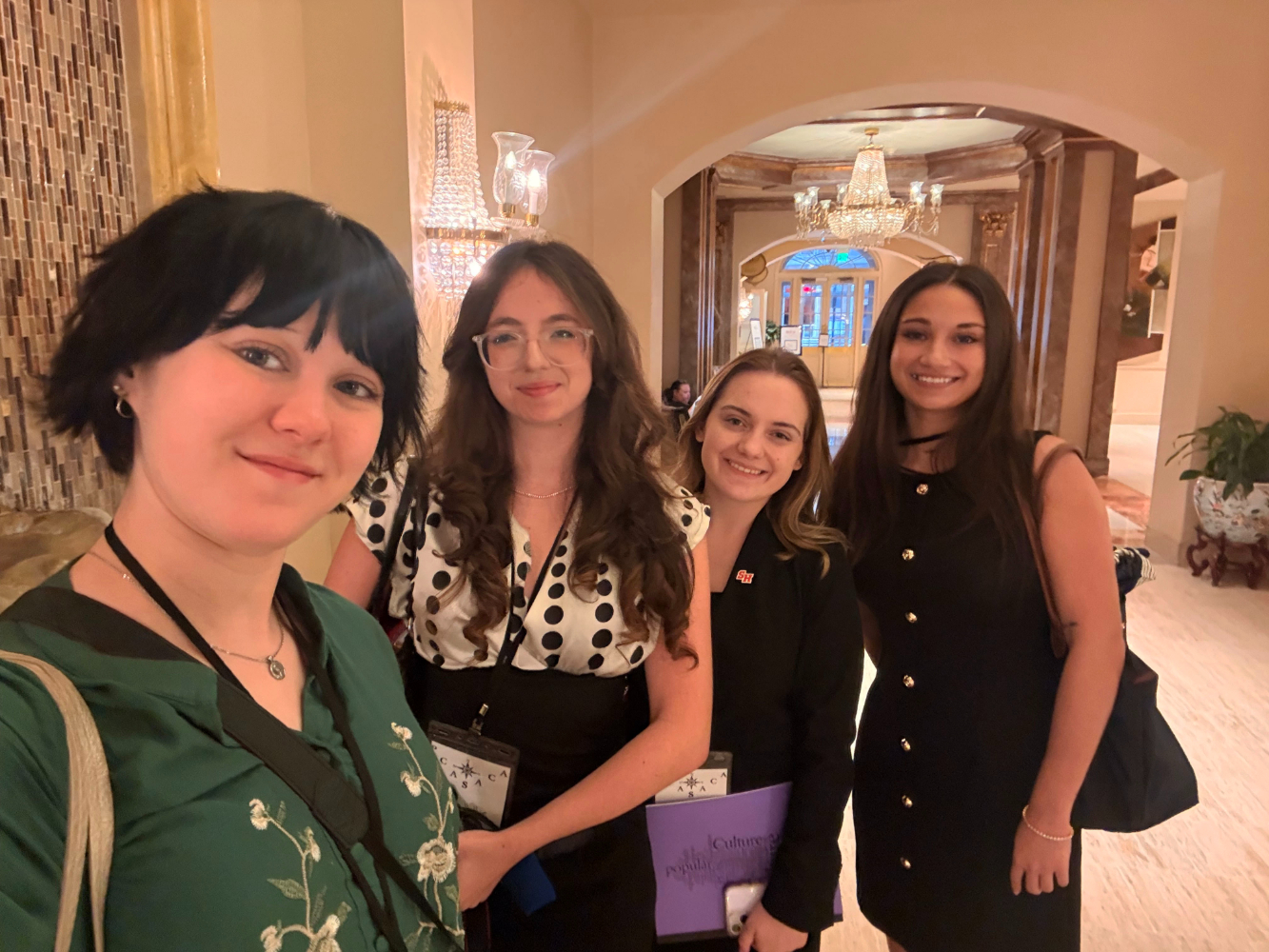
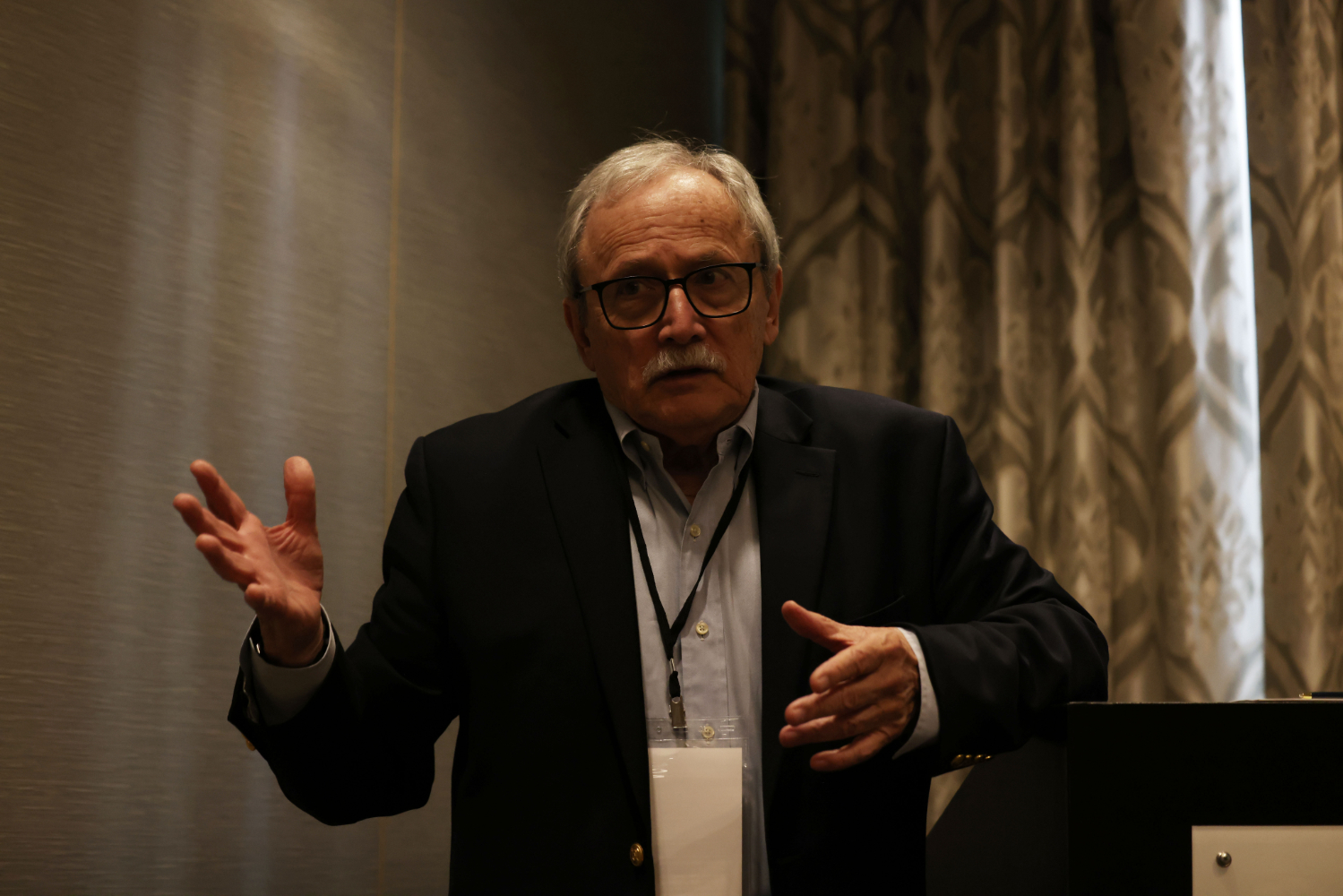
As soon as we arrived at the Royal Sonesta Hotel New Orleans, I checked in and found my room. As I waited for my session to start, fellow presenter Richard Vela introduced himself. He was very friendly and said he was excited to present. A former professor at the University of North Carolina–Pembroke, he was sharing his research on Hispanic poet Julia Alvarez. Though we were supposed to have a third presenter, it ultimately ended up being just the two of us.
Professor Vela acted as Chair for the room, introducing our topics as well as the overall theme of the session: “Poetry and Postmodernisms.” His presentation was first, and his insight into Julia Alvarez was intriguing! Personally, I had never read any of her work, but his presentation was well thought out and ended up tying neatly into mine, as we both addressed Postmodern poets and the intersection of memory and identity.
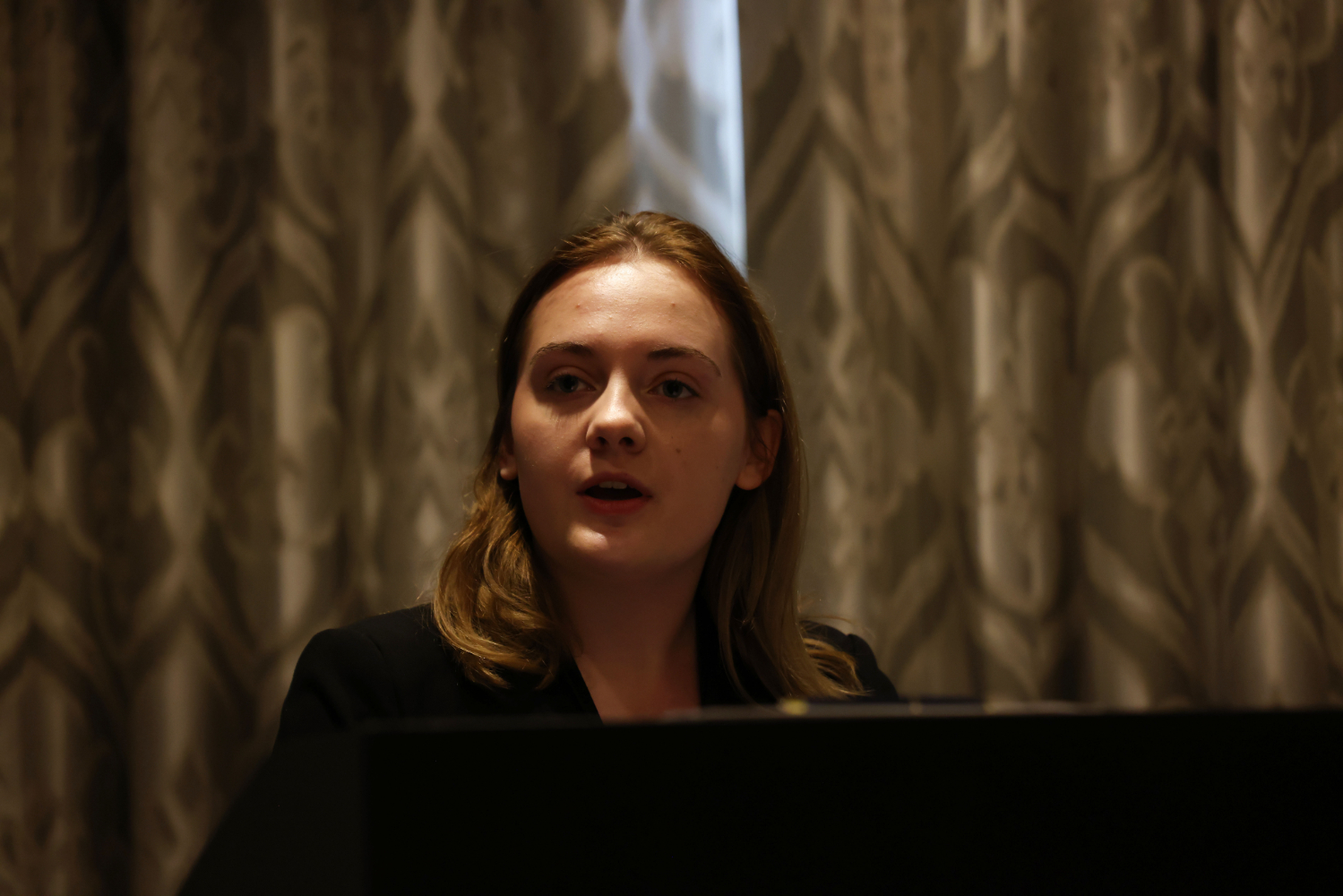
Though there were some technical difficulties that resulted in me being unable to display my slides, I did my best to read my paper as interactively as possible. The lack of slides definitely threw me off, but I was delighted to hear afterward that no one could tell I was bothered!
Following my presentation, we had a brief Q&A, during which we were able to discuss some key features that might not have made their way into our presentations, such as more of the key factors of postmodernism and how they likely affected Alvarez’s work, and the presence of mythology in Collins’ poem.
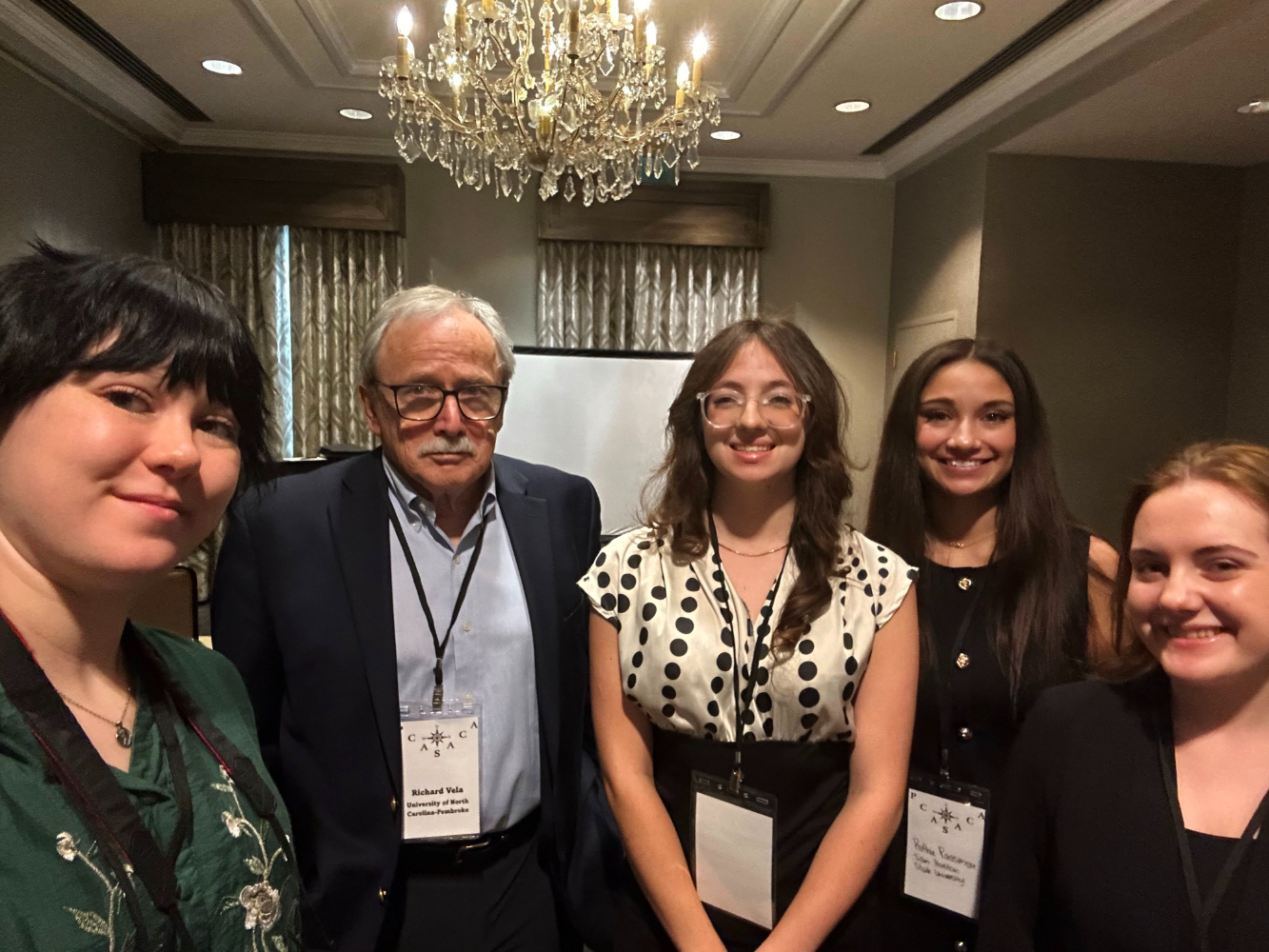
Overall, it was an incredibly impactful experience, and I am very grateful to have had the opportunity to present at my very first academic conference. It was a wonderful opportunity to share my research, meet another scholar, and experience what presenting at an academic conference is actually like. I hope it will be the first of many.
Exploring Southern Culture at PCAS/ACAS
Written by Ruthie Passmore
After the first session, we moved on to Southern Gothic 4, which covered folklore, masculinity, and southern decline, led by Chair Grace Becker, and included presentations by Lauren Butte and Kerbie Addis. All three speakers explored how the region’s anxieties refuse to stay buried, shifting from the monstrous myths of local cryptids to the slow violence of environmental and psychological decay.
Grace Becker opened the floor by interpreting William Faulkner’s The Sound and the Fury. She gave a depiction of how the novel captures misogyny and toxic masculinity through Jason’s actions throughout the story, focusing on the femininity and repressed sexuality seen in characters like Caddy and Quentin. I found it interesting to see how these ideas could be explored through the relationships between the characters and the expectations placed on them.
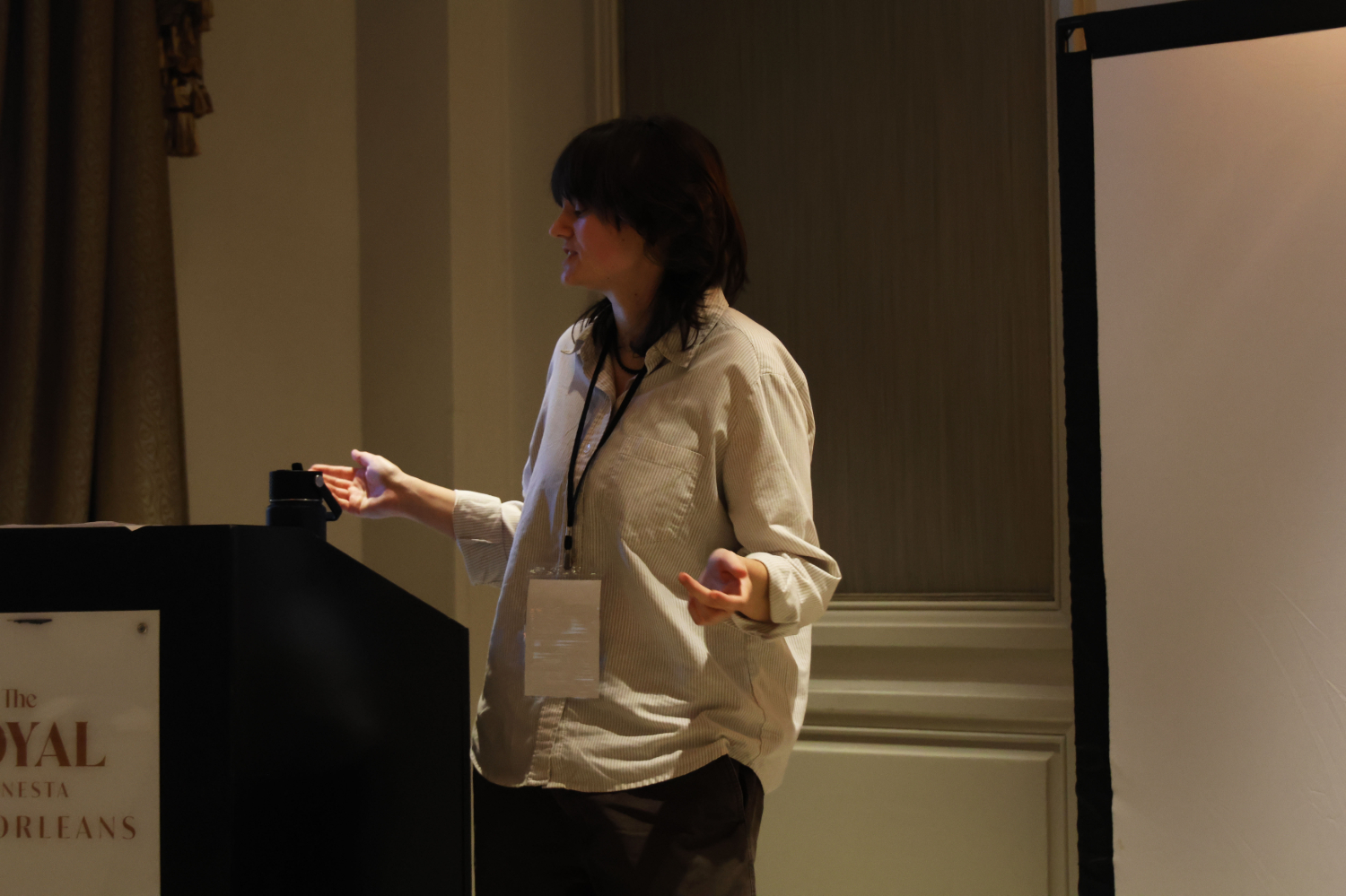
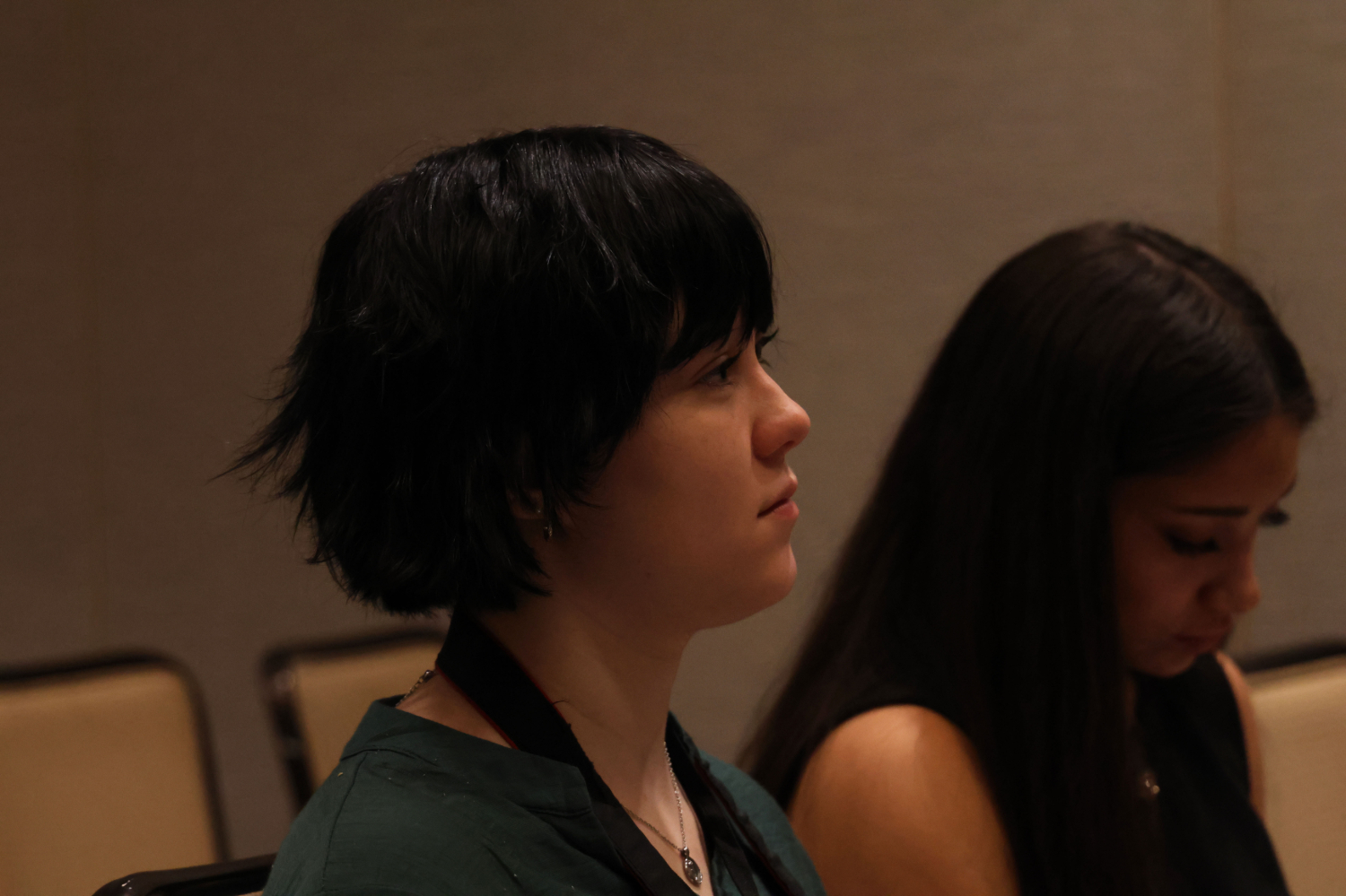
Lauren Butte then began talking about the “Alabama White Thang,” explicating the folklore in a way that was very comprehensible. She explained that sightings began in the early 1900s, with the most recent being August 2026. Being described as anywhere from seven to eight feet tall, white, cat-like, and elusive, the “White Thang” certainly sounded like an intriguing beast. Her presentation showed how folklore can continue to exist and evolve even as the culture surrounding it changes.
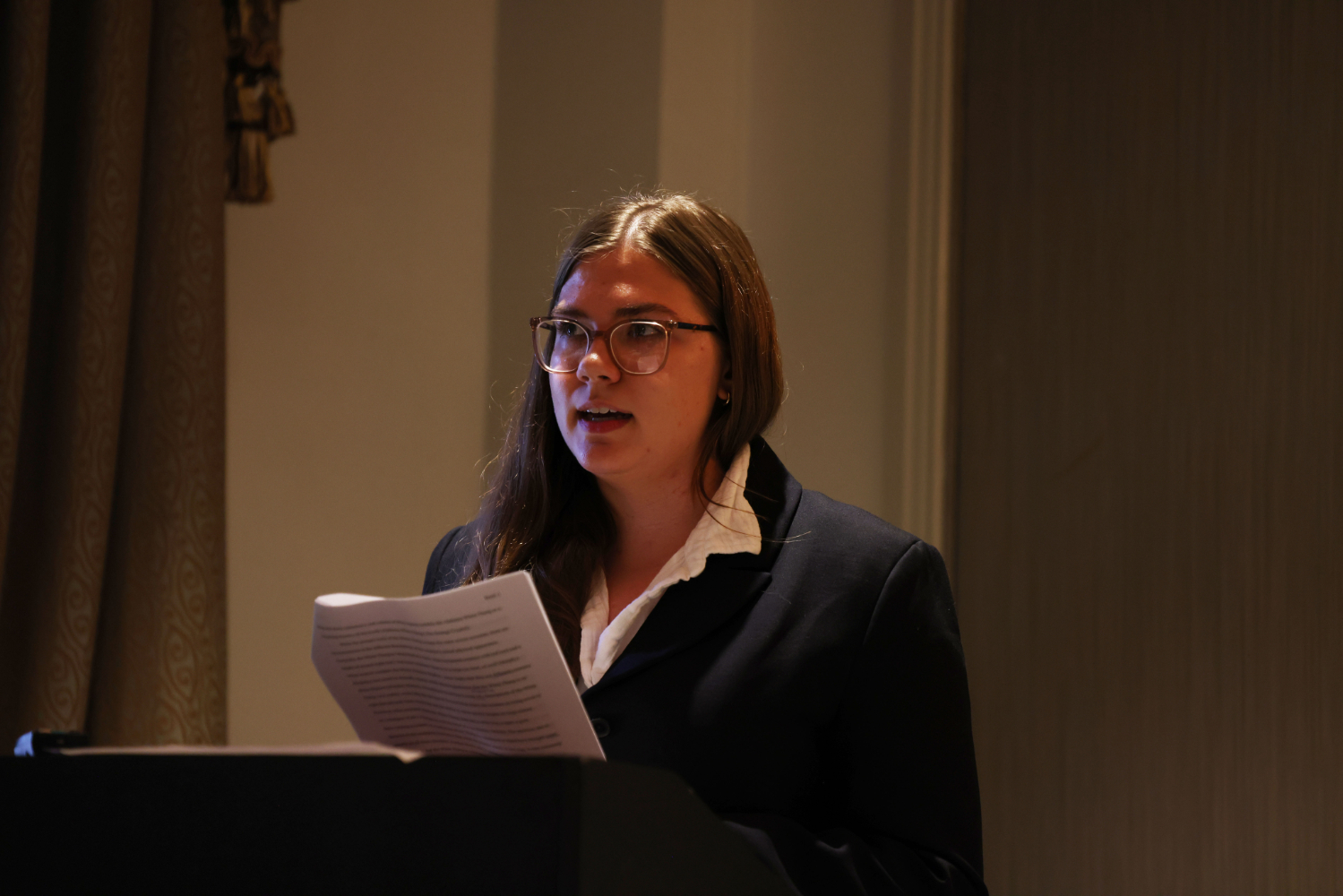
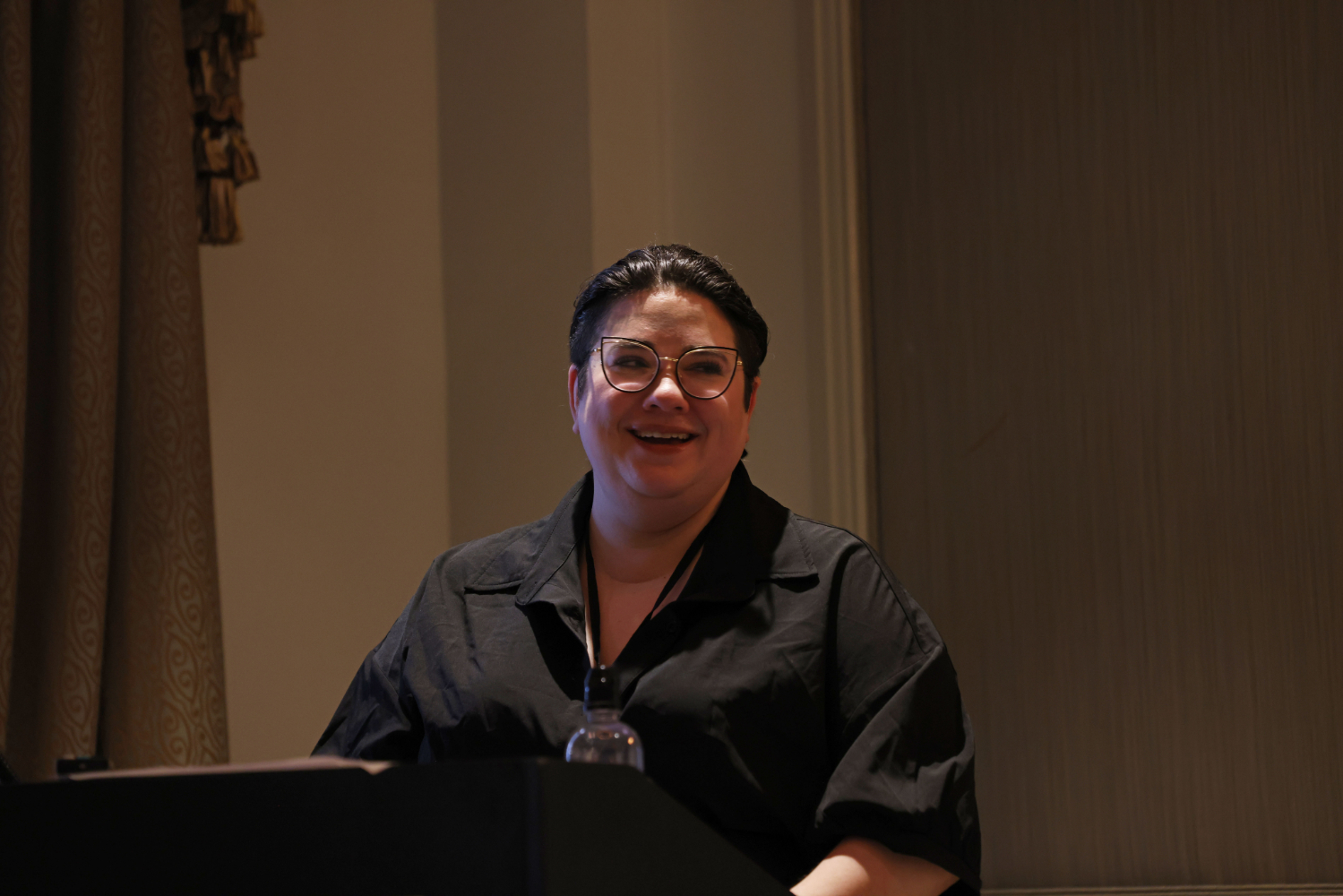
Kerbie Addis proceeded to give a brief analysis of literature, cinema, and digital media, exploring Jesmyn Ward’s acclaimed novel Salvage the Bones, the movie Beasts of Southern Wild, and the video game Norco. She focused on the environmental aspects in the Southern Gothic and how this is transcribed across different media platforms. I especially liked seeing how the same concerns can be expressed through different forms of storytelling, rather than being limited to traditional literature.
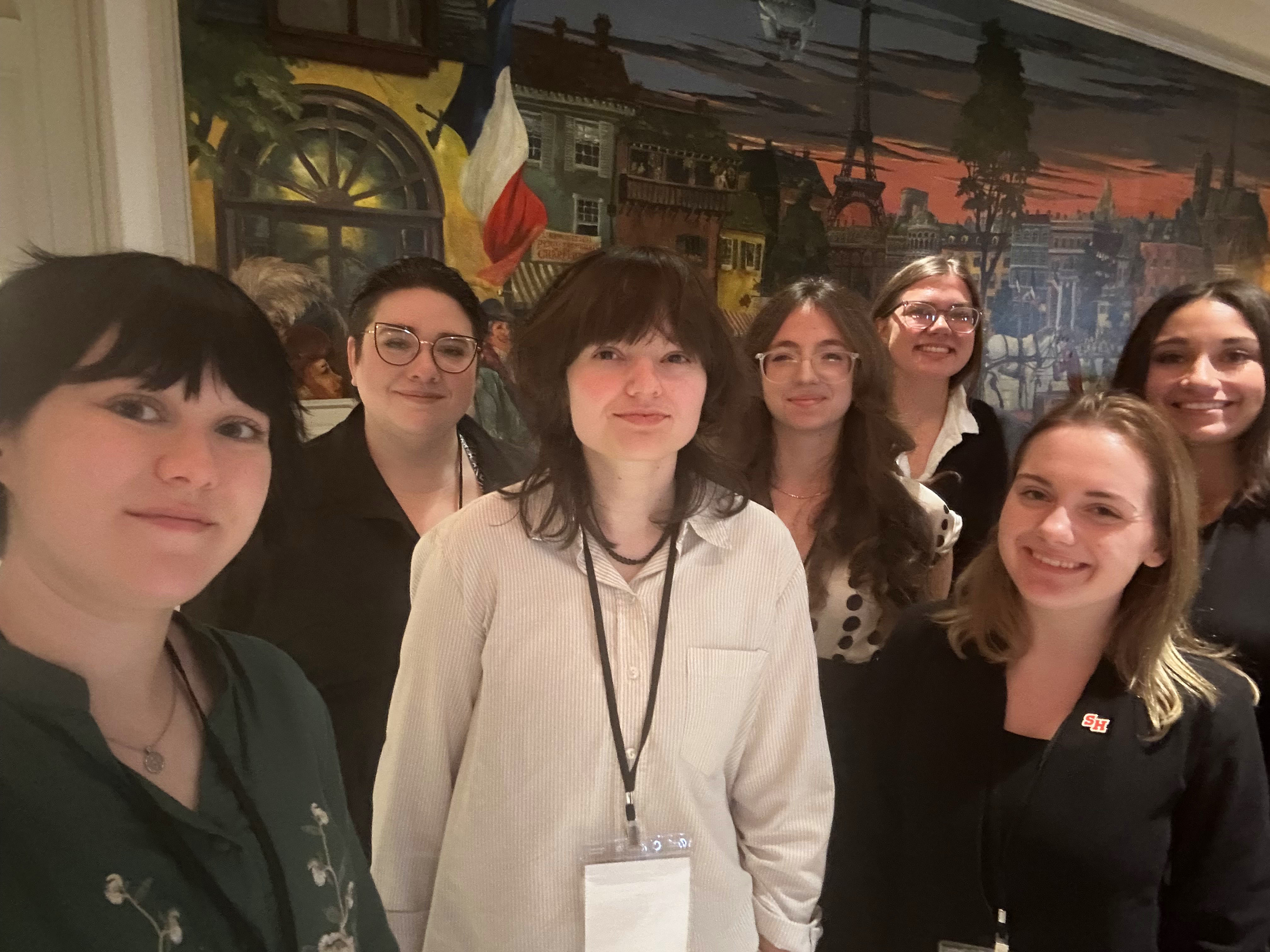
Shifting to the last session of our day, we got to hear about Vampire Literatures as Decolonizing Practice from three professors from Louisiana State University of New Orleans. The chair and one of the presenters was Lisa Verner, along with colleagues Robin Werner and Elizabeth Lewis, who deconstructed three different texts in an analysis of minority representation in vampire literature.
Robin Werner started by discussing Certain Dark Things by Silvia Moreno-Garcia, and I liked how she focused on the idea of identity in the book. Elizabeth Lewis then talked about The Black Vampyre and shared how her students reacted to it. Lisa Verner wrapped things up by looking at Indigenous literature through Stephen Graham Jones’s The Buffalo Hunter Hunter.
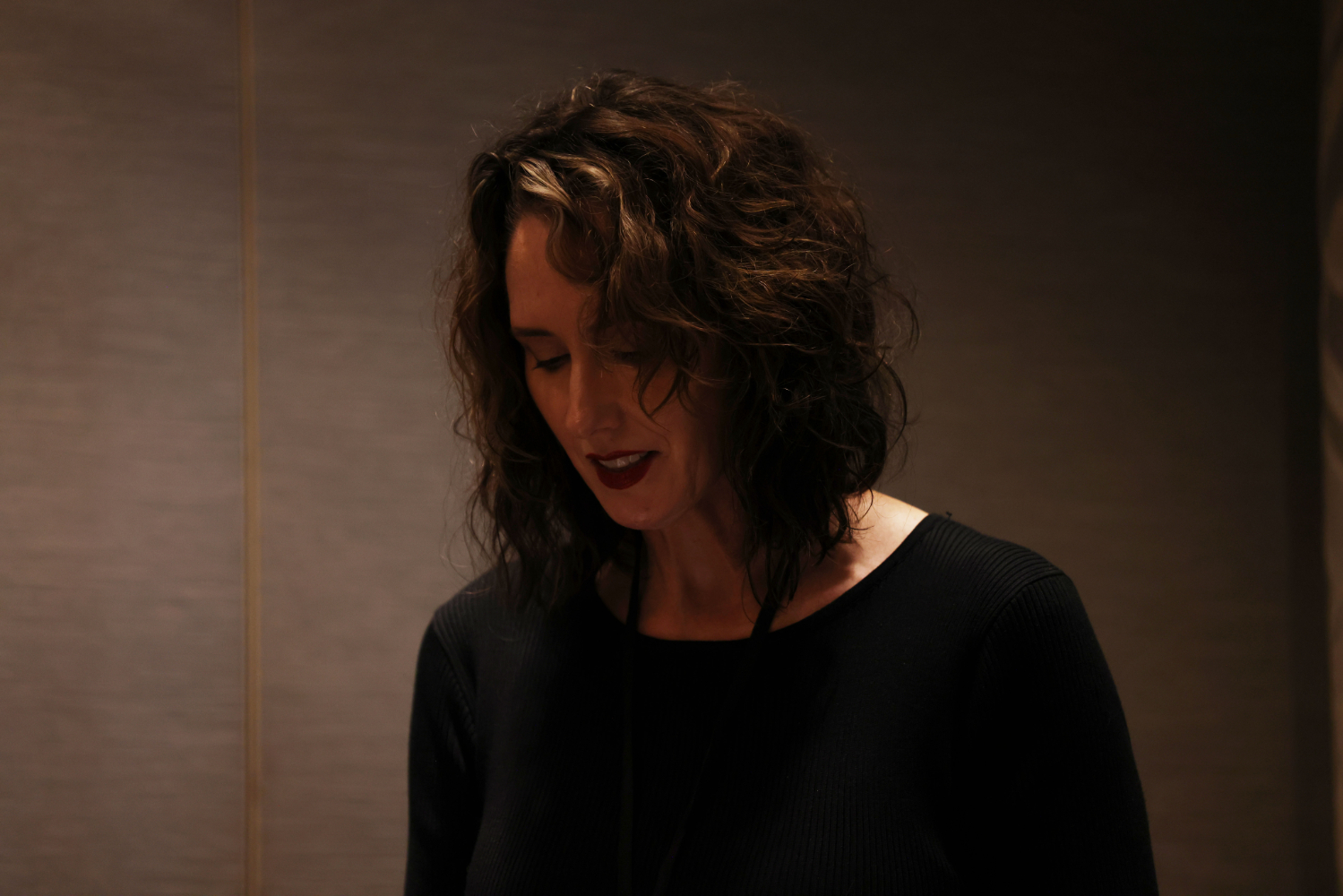
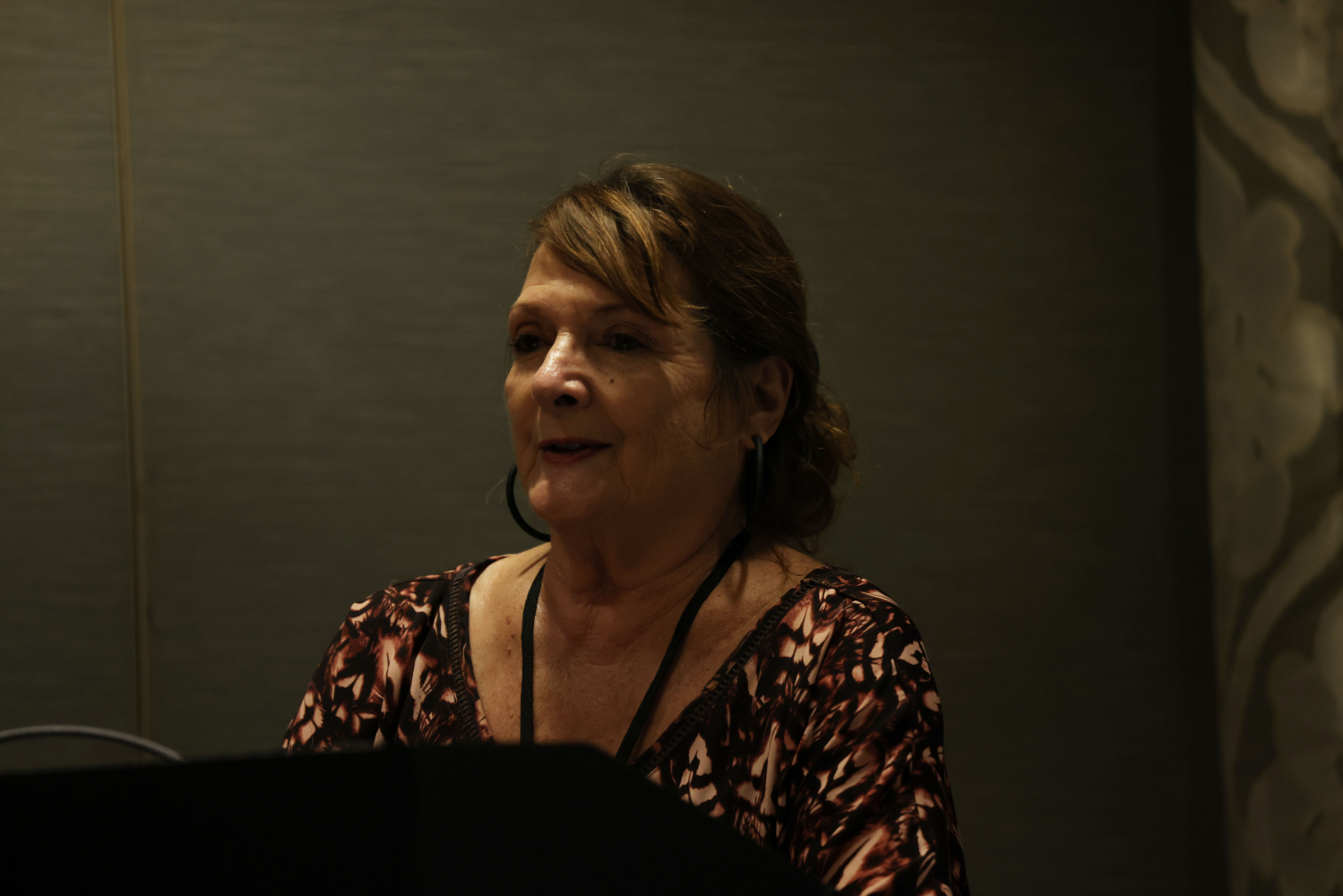
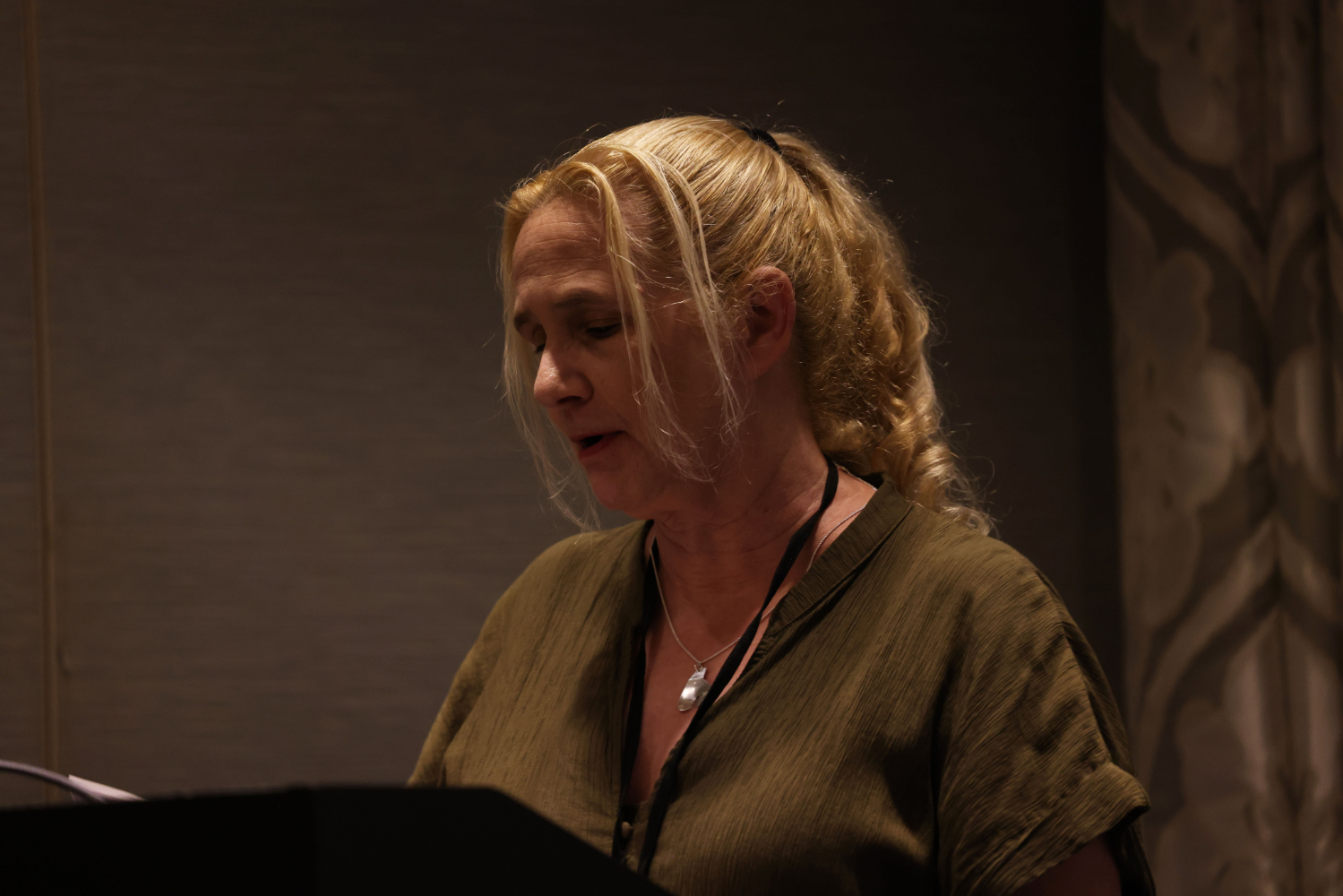
Ultimately, the speakers all shared a common goal: presenting their research, asking for feedback, and ensuring that the books they teach leave a lasting impression on their students. Even though the presentations covered very different subjects, each one demonstrated how literature and other forms of storytelling can be used to examine larger cultural anxieties and give readers new ways of understanding them.
Creole Delights at Arnaud’s
Written by Robin Houghton
Feeling pretty hungry after a busy day at the conference, we visited Arnaud’s, which specializes in Louisiana Creole cuisine. We started boldly with Oysters Arnaud, a collection of baked Oysters: Bienville, Kathryn, Ohan, Rockefeller, and Suzette, as well as Escargots en Casserole—baked snails with a flaky pastry top. The escargot’s earthy taste received mixed reviews; however, the oysters were agreed to be one of the best dishes of the night.
To experience Creole cuisine in its brevity, we chose a wide variety of entrees: a fittingly-shaped Crabmeat Karen, flavorful Chicken and Andouille Gumbo, and a delicious bowl of Turtle Soup. We all loved Arnaud’s savory Crab Cakes, as well as the Shrimp Creole. We even had the opportunity to try Frog Legs Provençale!
For dessert, we had the Chantilly Pavlova, Baked Alaska, and a New Orleans staple: Bananas Foster. The latter two desserts — which were served flamed — were a highlight of our meal. Arnaud’s was a wonderful introduction to Louisiana Creole, and we left full and happy, a satisfying conclusion to our day.
Conclusion
Our first day at PCAS/ACAS was a busy one, but it was also an incredibly rewarding experience. From presenting our own research to listening to scholars discuss poetry, Southern Gothic literature, folklore, and decolonization, we were able to see just how many different perspectives can come together at an academic conference. Beyond the presentations themselves, getting to experience New Orleans added another layer to the day. Between the conference sessions and our exploration of New Orleans, our first day at PCAS/ACAS was a great beginning to what would become an unforgettable conference experience.


