Exploring the Southern Gothic
Written by Ruthie Passmore
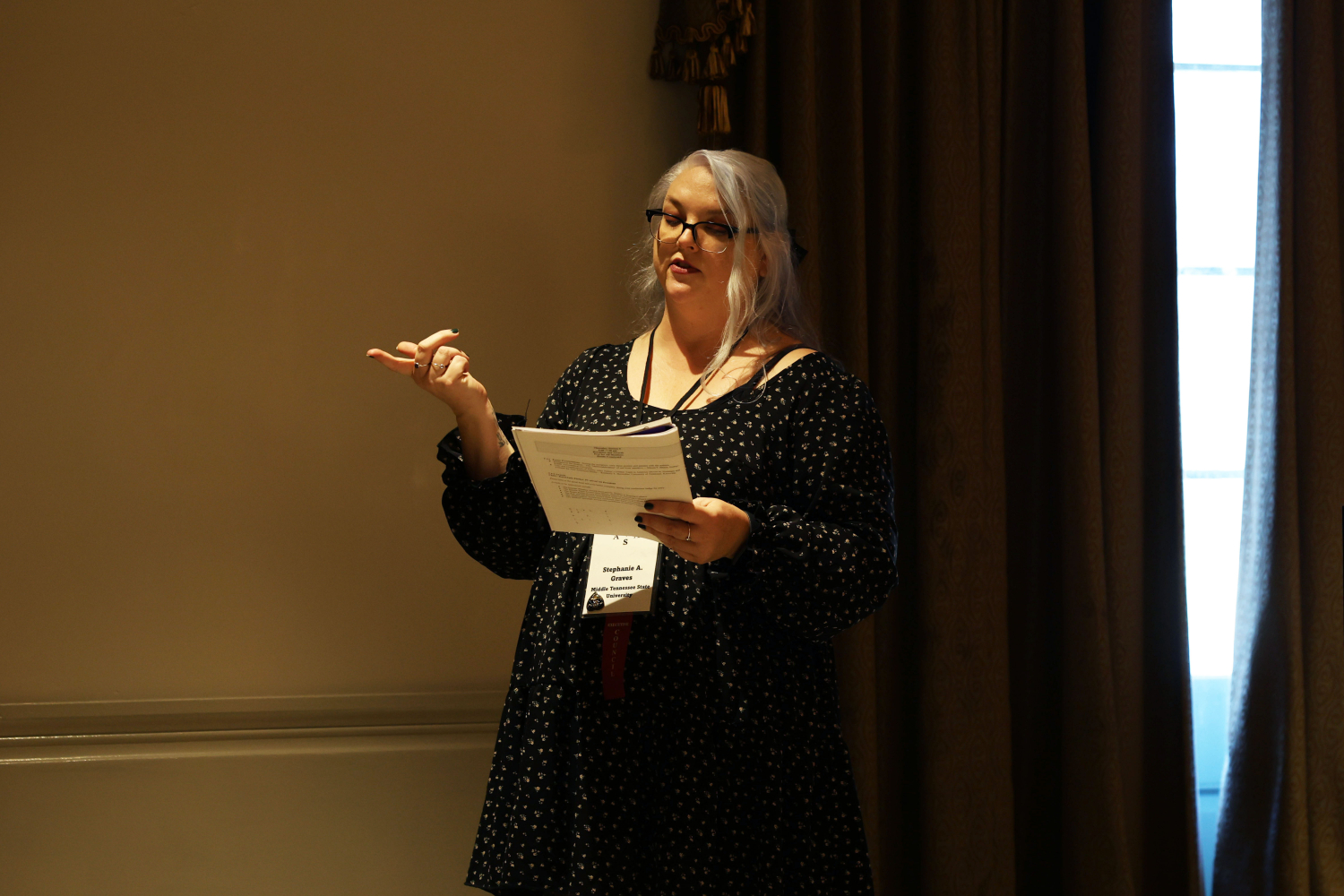
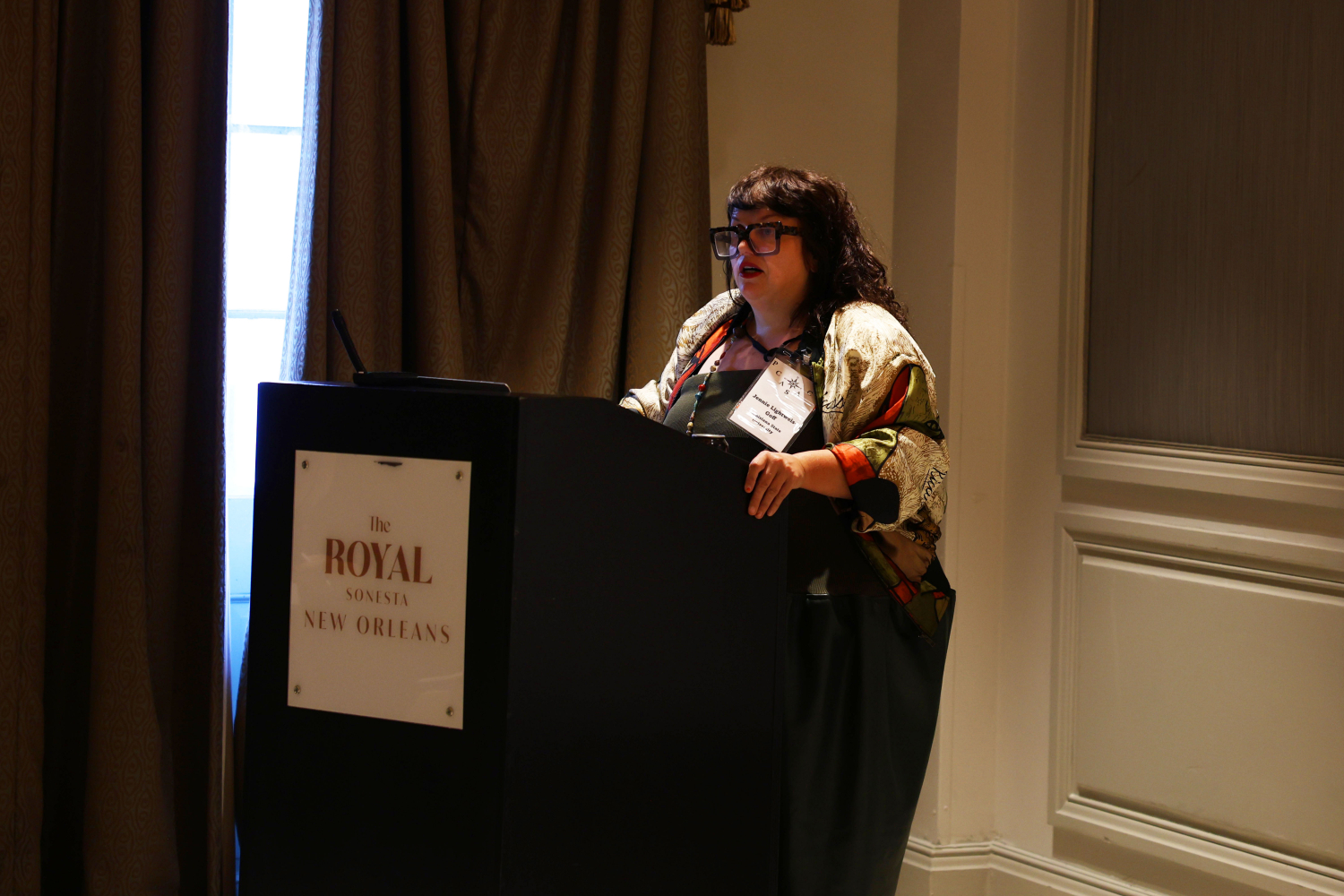
We started off the second day strong by attending our first session, which was about Southern Gothic Transformations and Reimaginings; the conversation was led by Chair Stephanie Graves, who was accompanied by Rachel Pittman, Anne Bertram, and Jennie Lightweis-Goff. We got to hear about Appalachian Gothic Cinema, Southern Gothic within social media, a piece discussing the film adaptation of Midnight in the Garden of Good and Evil, and research discussing the differences between the three adaptations of Cape Fear.
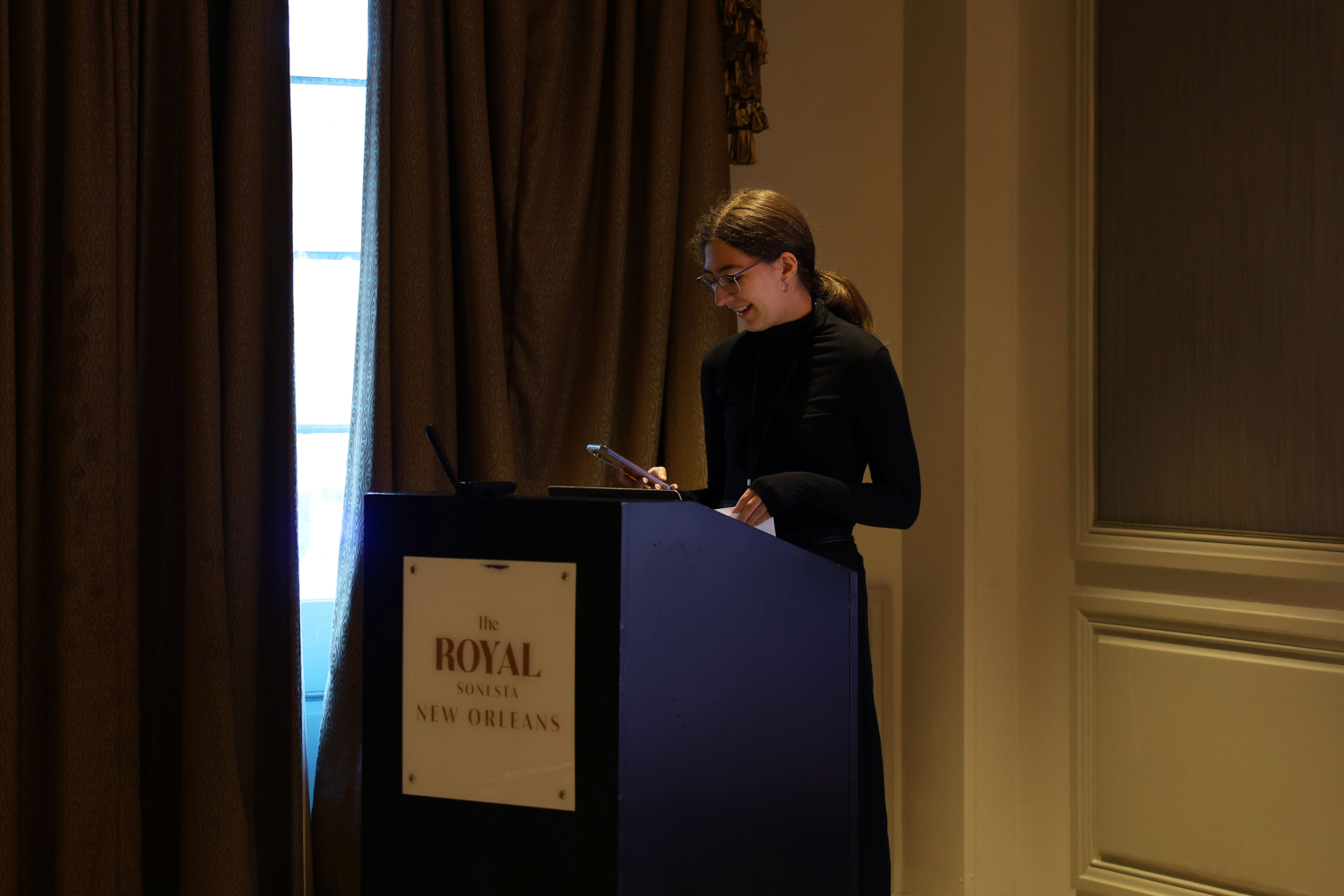
First, Rachel Pittman presented her paper, “Deep in the Bone,” which explores Gothic themes in Appalachian literature and highlights the region’s historical economic lag. From her findings, I interpreted Appalachia in literature as fundamentally isolated and decaying, a key part of the Southern Gothic. I found it very interesting how literature seems to interact with the culture and folklore of a place with such a rich history.
Anne Bertram then discussed the impact of the Southern Gothic on popular culture. By sharing various TikTok videos, Bertram demonstrated how the genre is depicted online, highlighting artist Ethel Cain and the film Sinners as key reasons why it keeps growing. Additionally, she emphasized the irony that the vast majority of people interested in Southern Gothic online are young, teenage females from Russia, though the genre emphasizes its location in the South United States as a defining feature.
Moving forward, we heard from Jennie Lightweis-Goff, who covered John Berendt’s novel, Midnight in the Garden of Good and Evil. She noted that the story takes place in Savannah, Georgia, where the main character Jim Williams kills Danny Hansford. Since this novel is based on a true story, it led her to discuss modern true crime, claiming that much of today’s true crime coverage is fraudulent, and that true crime capitalizes on tragedy itself, turning real loss into a profitable trend.
Finally, Chair Stephanie Graves shed light on the three different adaptations of Cape Fear, first examining the 1962 version, moving on to 1991, and lastly the new series that came out in 2026. Across all three iterations, one thing remains constant: Max Cady remains the antagonist. She went on to explain that the differences among the three alter the central Gothic relationship. For instance, in the 1991 movie, Bowden represents Cady as his criminal defense attorney, unlike in the 1962 film, where he is not his attorney. This complicates the conflict in the story, giving Cady a motive for his crime, because in this adaptation, Bowden suppresses evidence that would have been able to lessen Cady’s sentence.
Though I was previously unfamiliar with these works, it was a wonderful opportunity to gain new insights, and I thoroughly enjoyed attending!
Sports & Video Games
Written by Robin Houghton
Isis and I decided to sit in on the panel discussing Games, Fans, and Fandoms for our conference session. Led by chair Vlada Botoric, all three panelists discussed the use of media, mostly video games, in fostering community and culture.
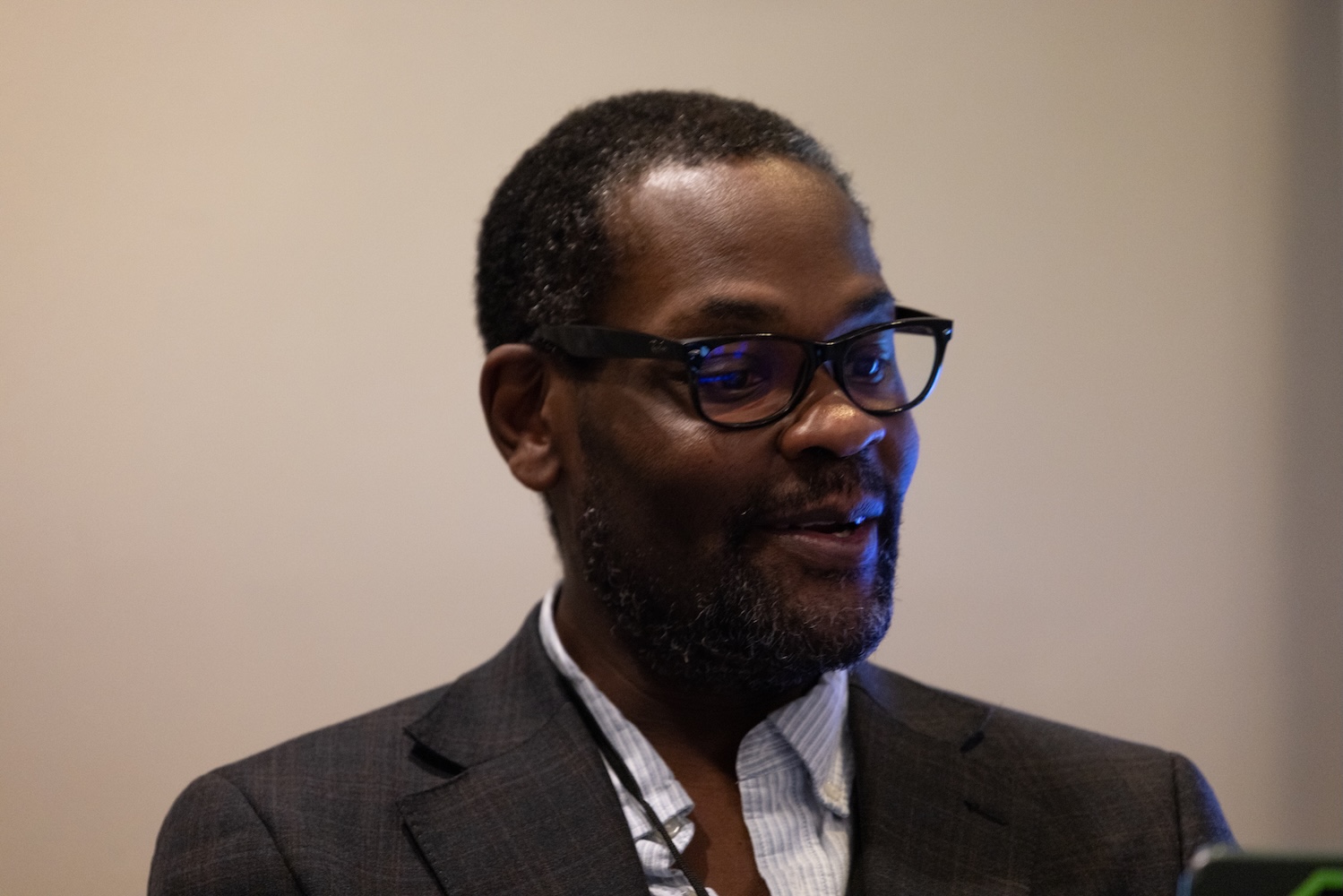
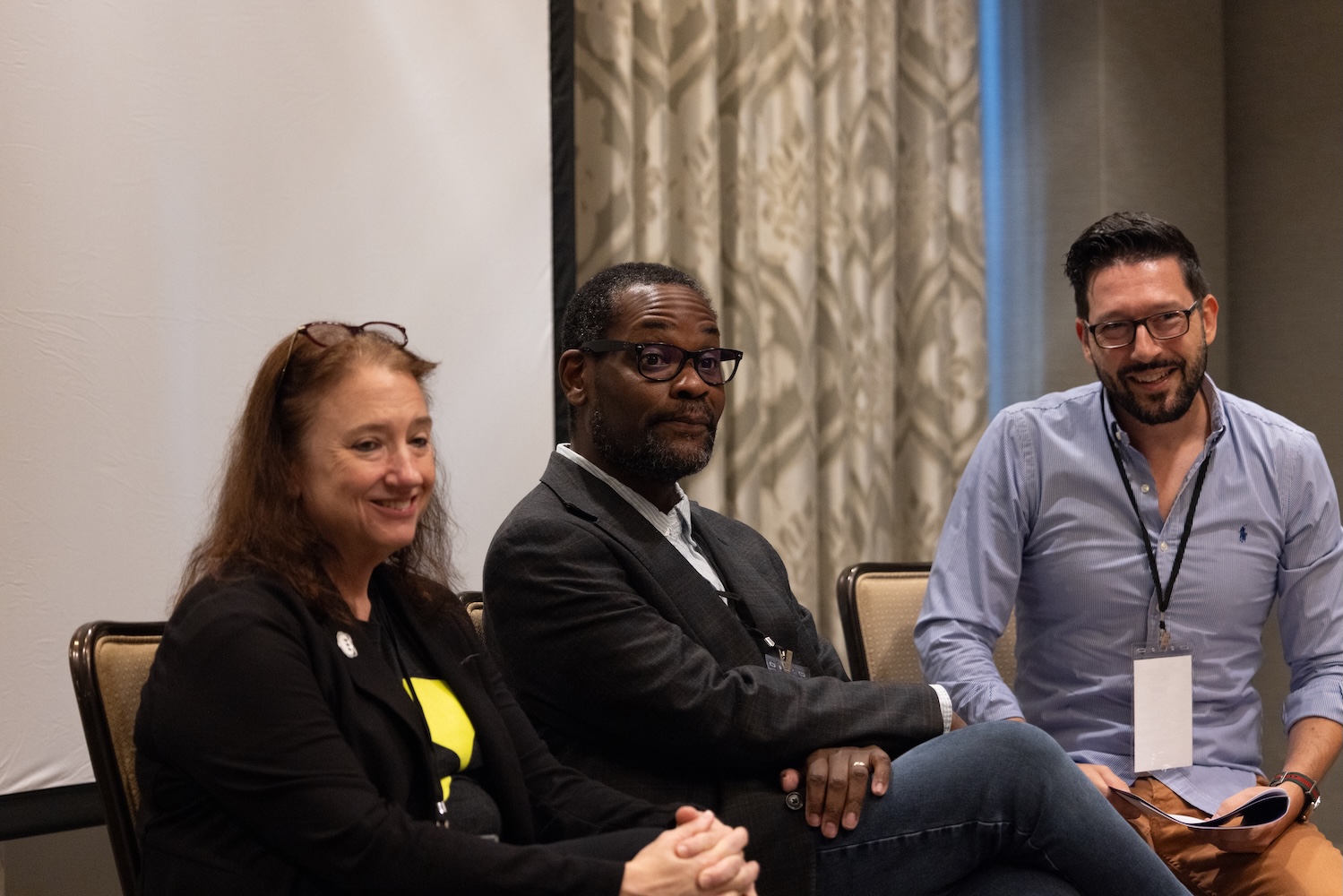
Vlada Botoric began with his presentation on LEGO fan cultures and the concept of peripheral fandom, a term he defined as a subordinated fan community experience, where members are deprived of access to their objects of fandom.
Botoric explained that although material conditions and accessibility of LEGO products affected creativity, across cultures such as Japan and Mexico, they still managed to create unique cultural expressions with LEGO products.
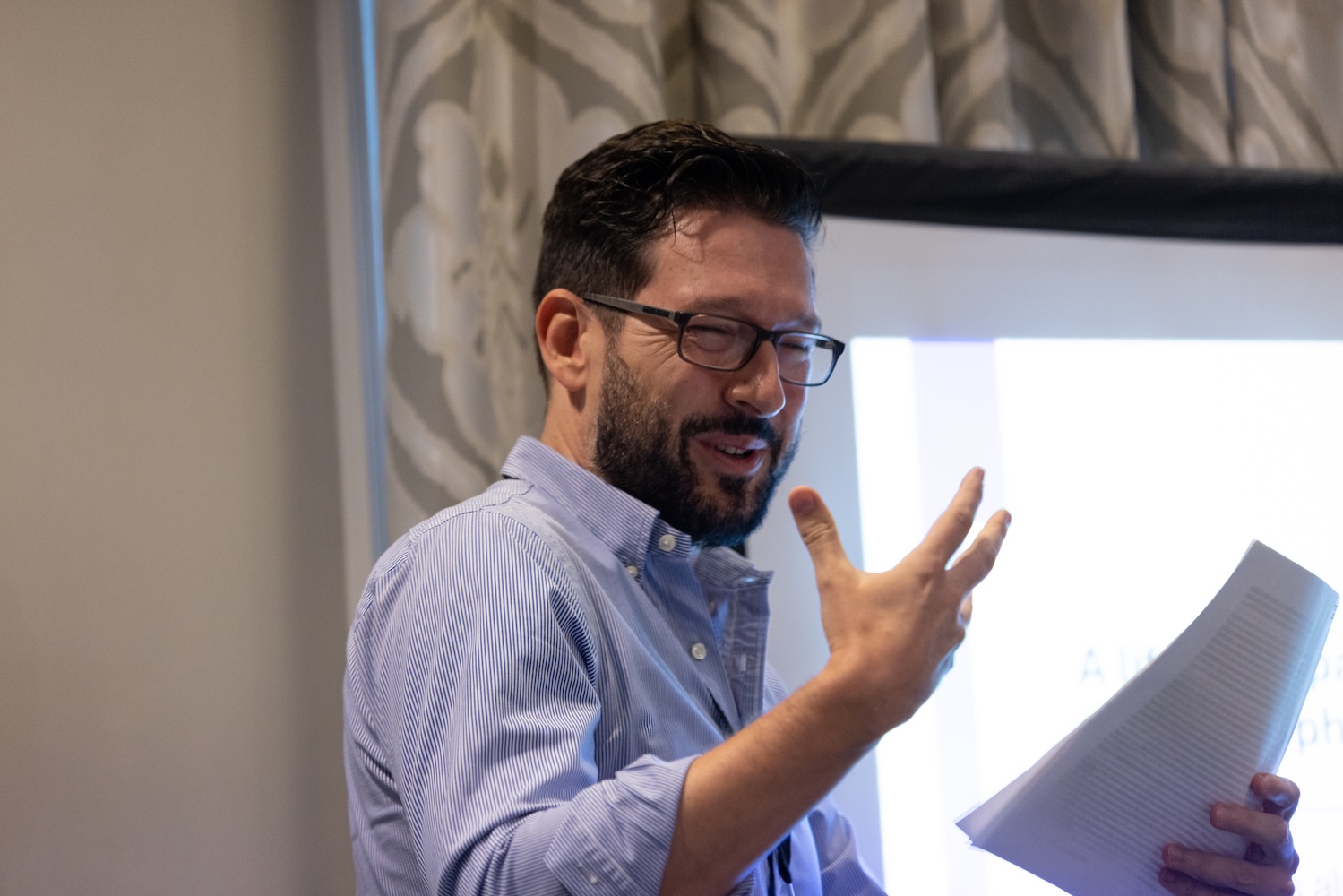
Next, Cheryl Briggs presented on digital communities, particularly through the VR exercise game Supernatural. Supernatural is unique from most exercise media as its VR platform allows the user’s body to produce the experience, rather than simply being a passive participant. The formatting creates a workout experience that turns exercise into play — but it was its multiplayer feature that turned Supernatural into a way to develop community. Briggs detailed how scheduling routines with people through Supernatural also turned the platform into a community of friends that also helped keep her and thousands of users motivated to continue exercising.
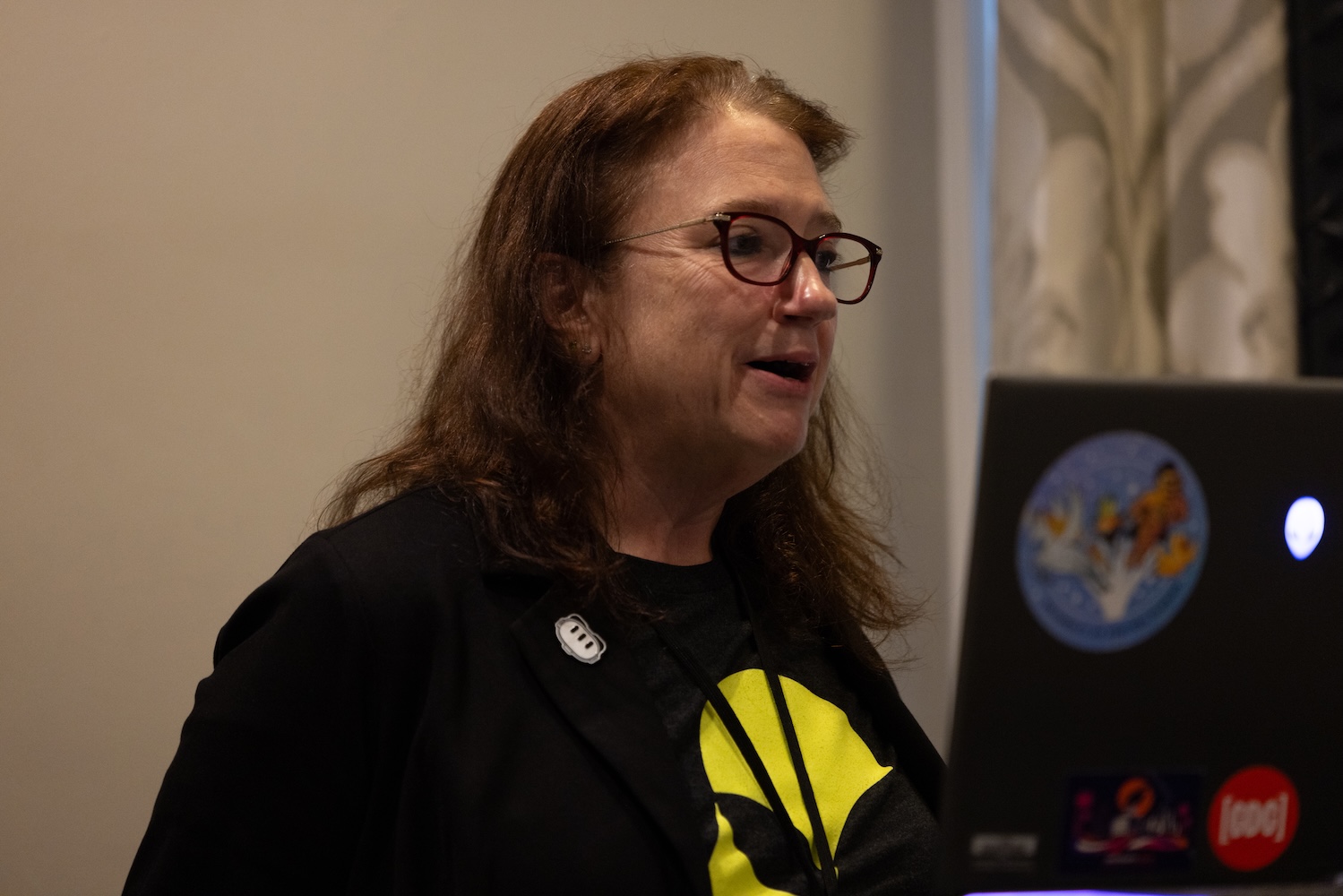
Finally, Dr. Tom Attah presented on how culture, particularly of the American South, can be depicted through video games. Using the game South of Midnight, Dr. Attah discussed how, compared to most media, video games turn a cultural witness into a performer of the culture, using the characters as functions to tell a story. Players gain agency when experiencing the cultures represented that could be otherwise inaccessible without the means to travel to those locations. Attah concluded that video games should be treated as a form of cultural expression similar to music or literature. With more and more people regularly playing video games, the cultural impact of the games people consume can no longer be ignored.
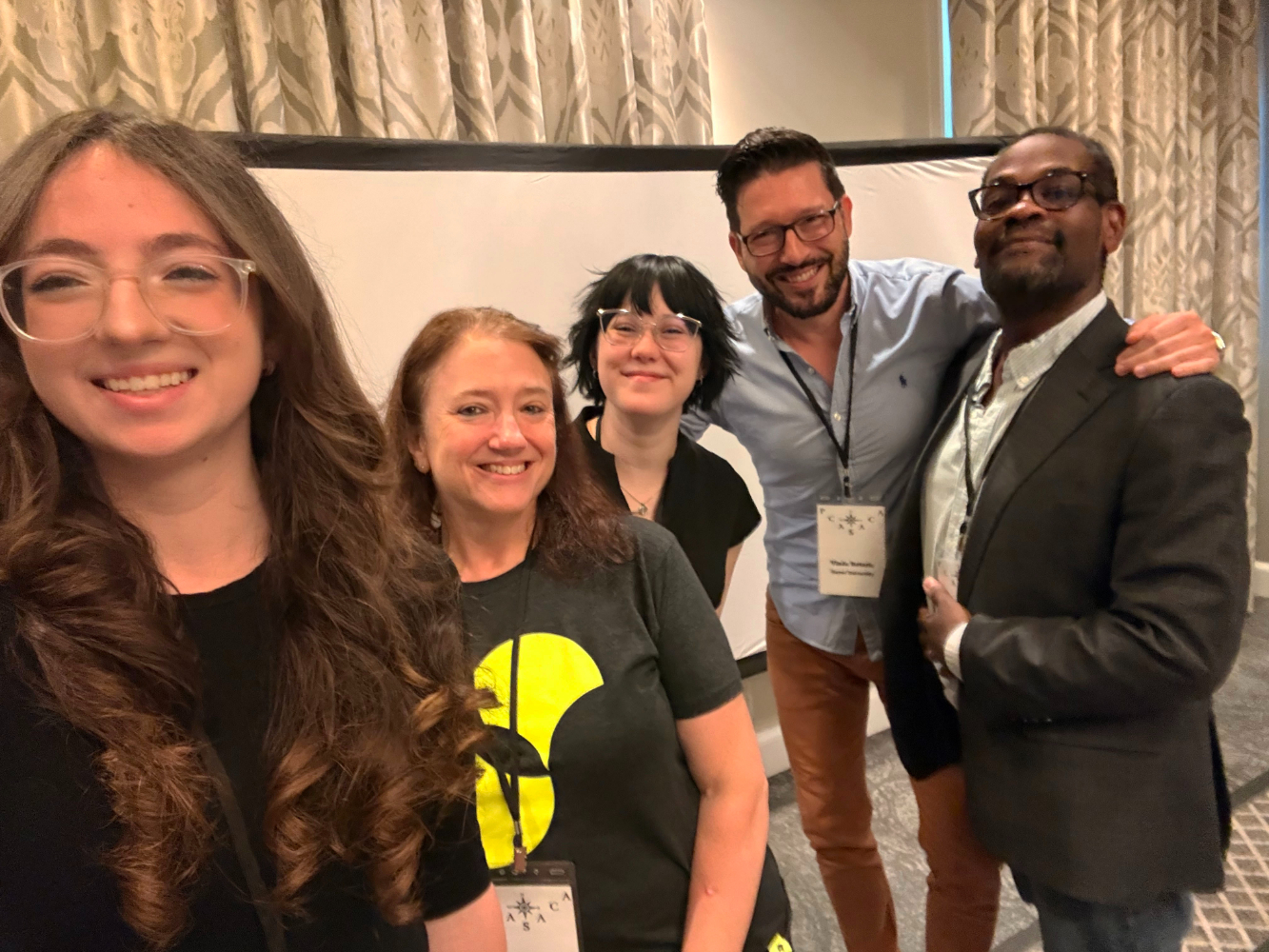
We found the session to be an enlightening discussion on the connection between community, video games, and fandom that left us more curious about the ways we connect with individuals and cultures through technology.
Lunch at Reconcile & Sno-Bliz
Written by Allie Plunk
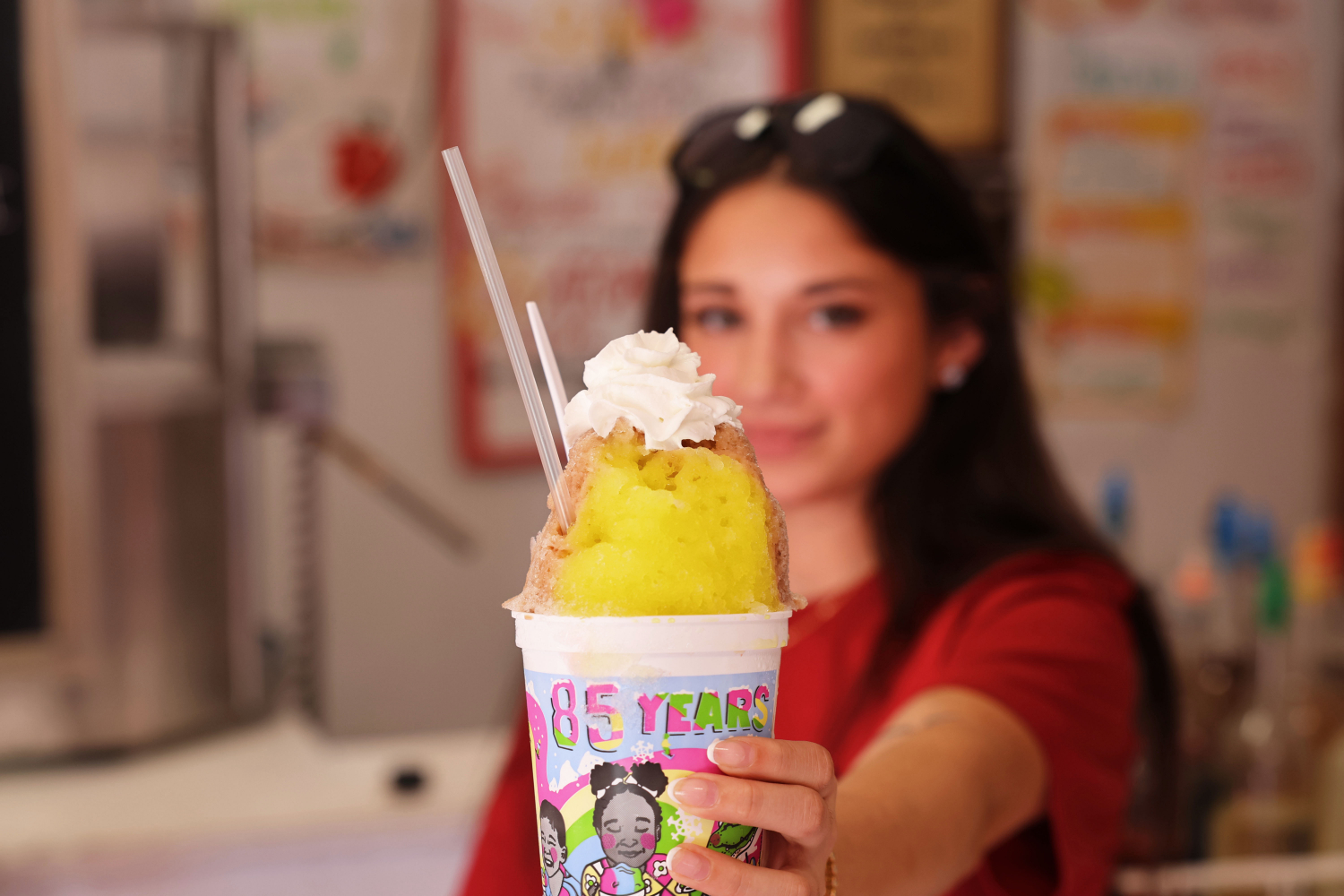
Following the morning’s sessions, we had time for a little fun and food! We had initially planned to eat at Reconcile, a restaurant known for its community outreach and internship programs for disadvantaged youth, but since there was an hour-long wait, we decided to head for Sno-Bliz!
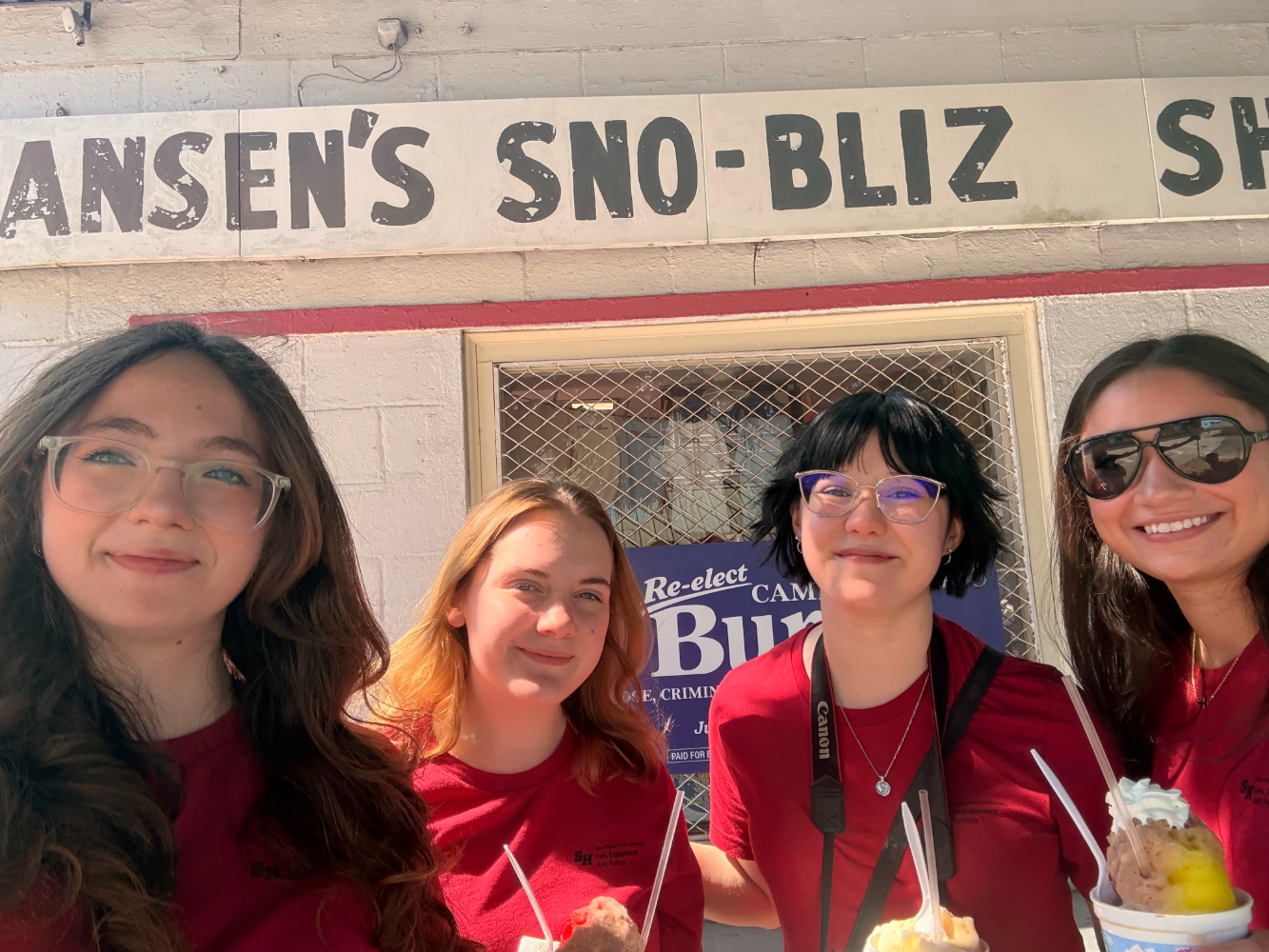
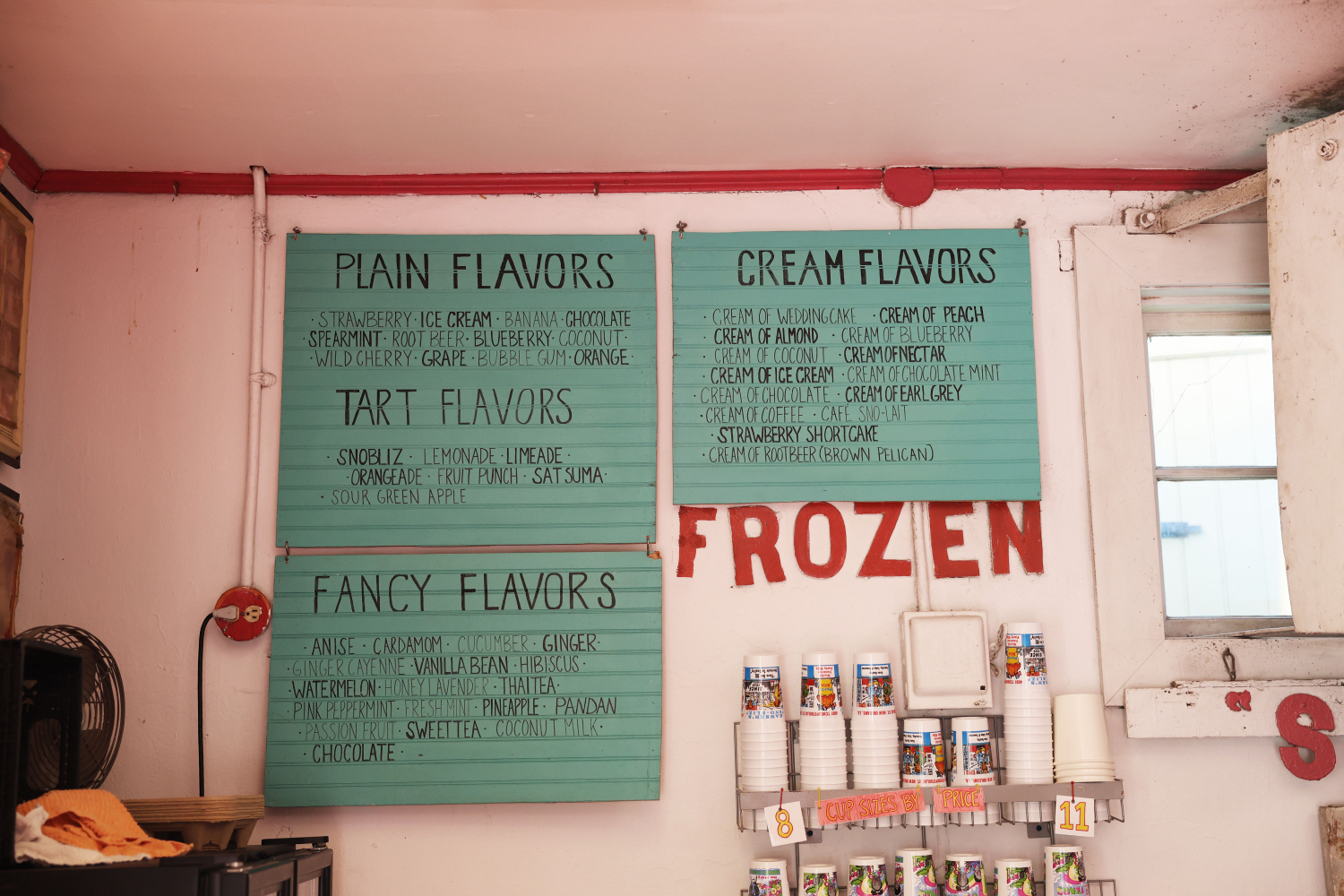
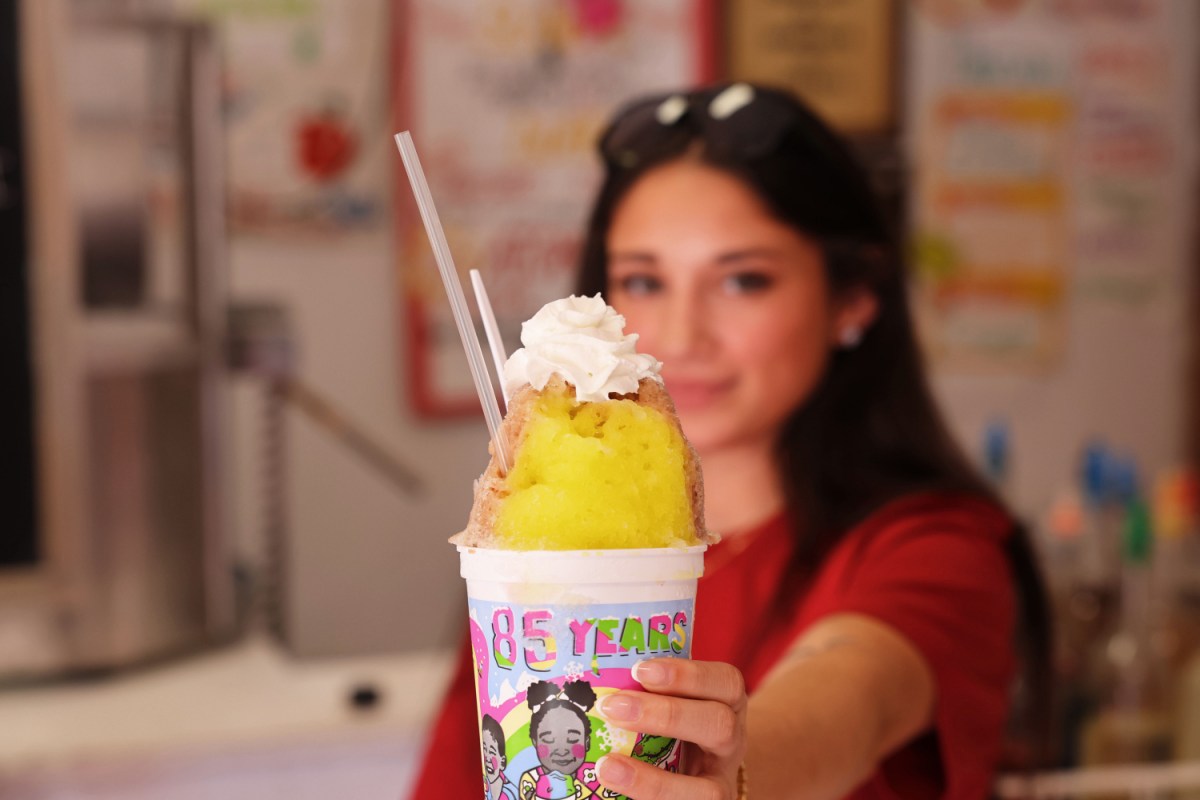
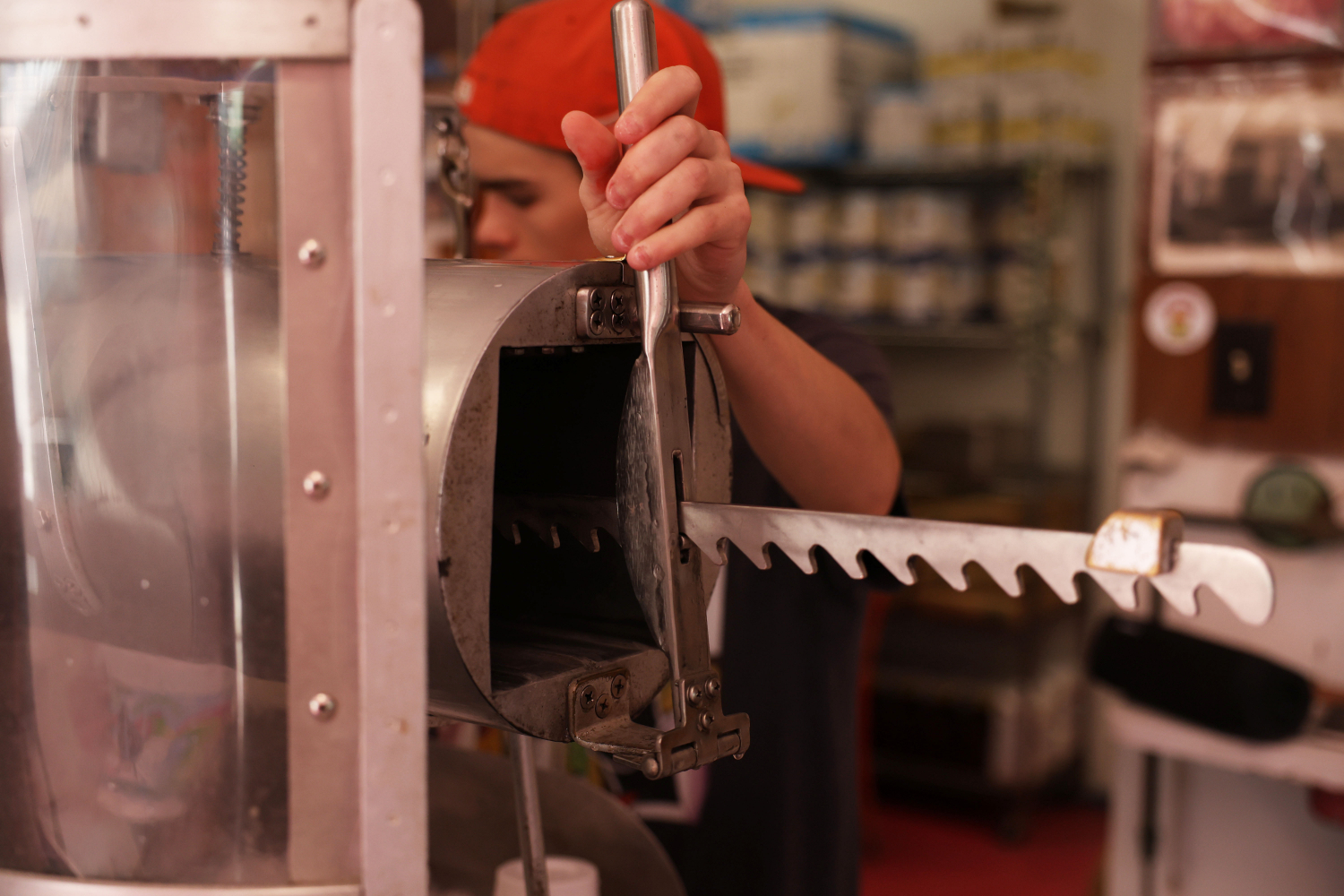
Sno-Bliz was unlike any snow cone shop we’d been to. The ice that made up the core of the “snowbliz” was soft and fluffy, almost the texture of ice cream. The flavor choices were unique too, offering selections that ranged from cardamom and ginger cayenne to cream of chocolate and coffee.
We all tried different combinations of flavors, though our favorite was probably Stephanie’s ginger and cardamom snowbliz, topped with condensed milk. Some other delicious combinations were strawberry and chocolate cream, banana and chocolate cream, and cardamom and chocolate cream with ice cream.
After dessert, we headed back to Reconcile for lunch, where we enjoyed a variety of dishes! I had the Reconcile Cheeseburger, which featured a massive onion ring atop a classic cheeseburger. A few other favorites were the fried chicken, the red beans and rice, and the portobello poboy.
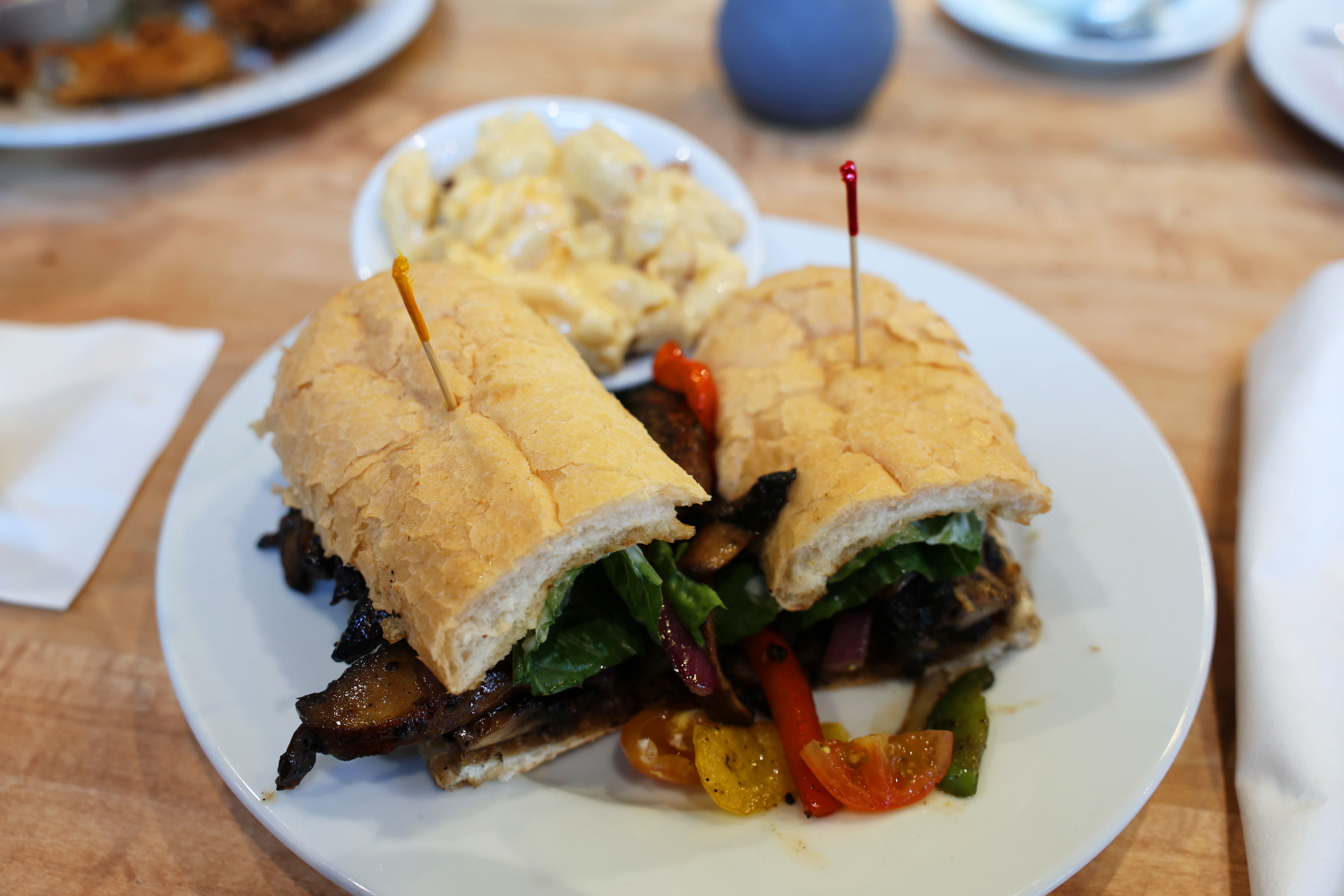
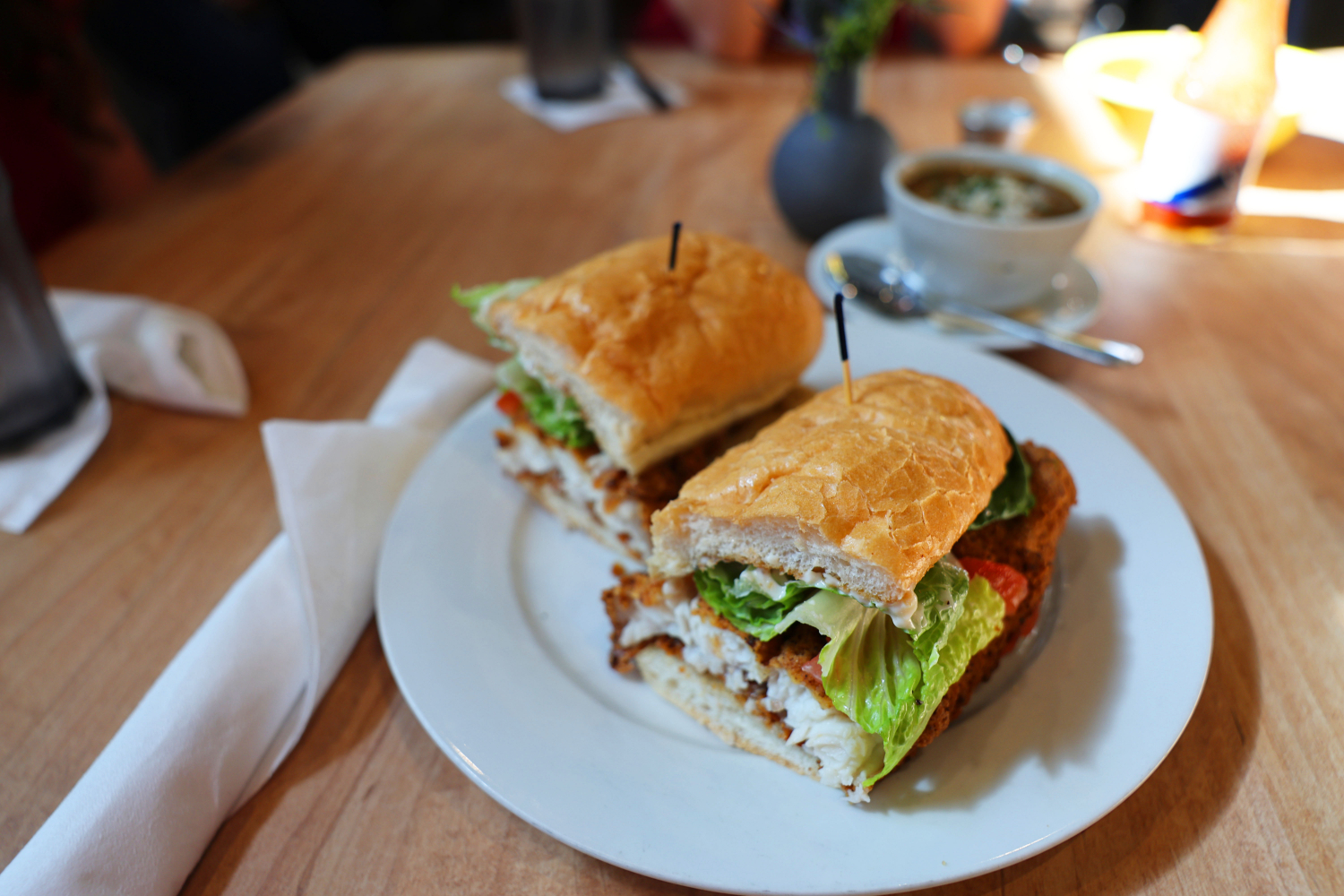
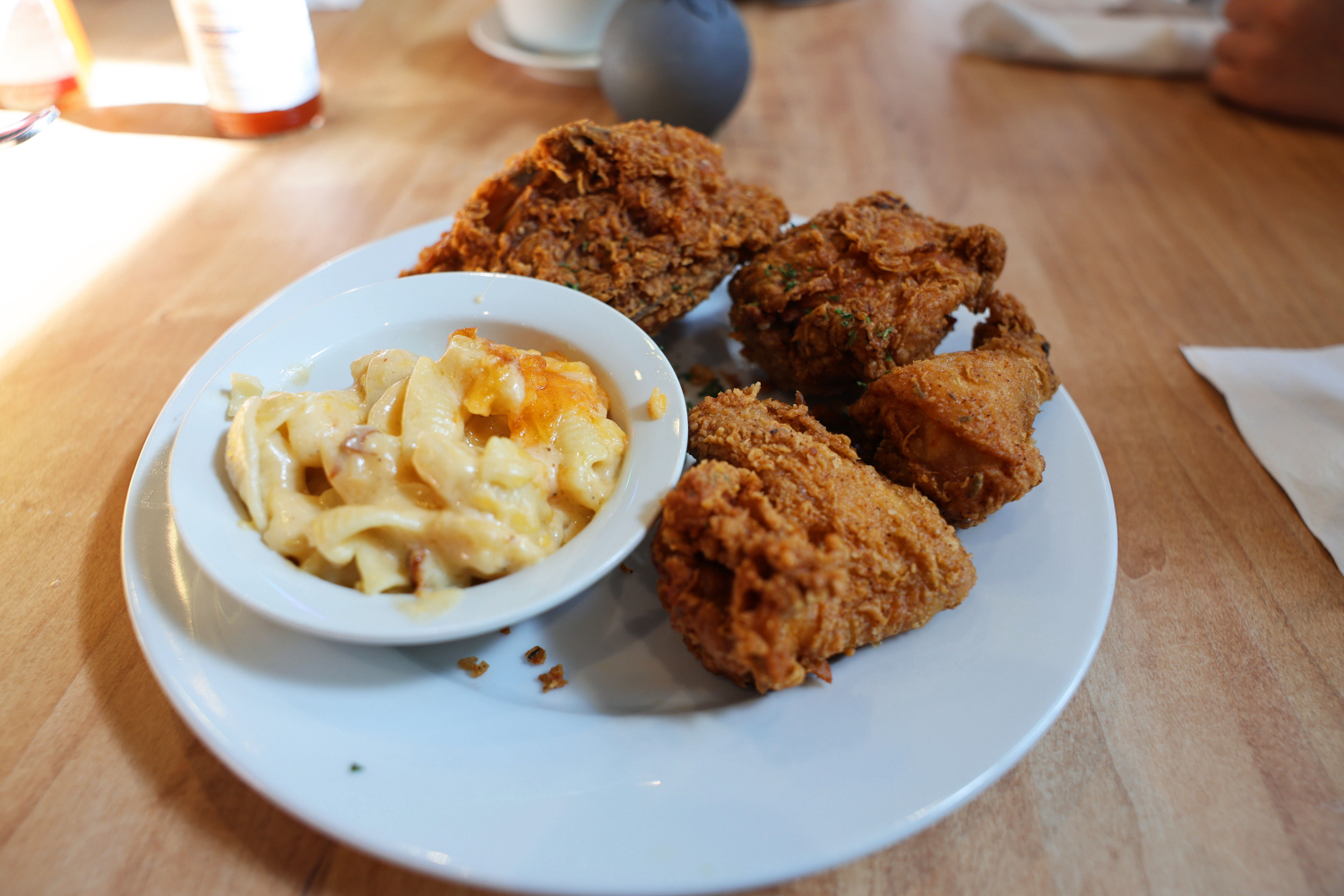
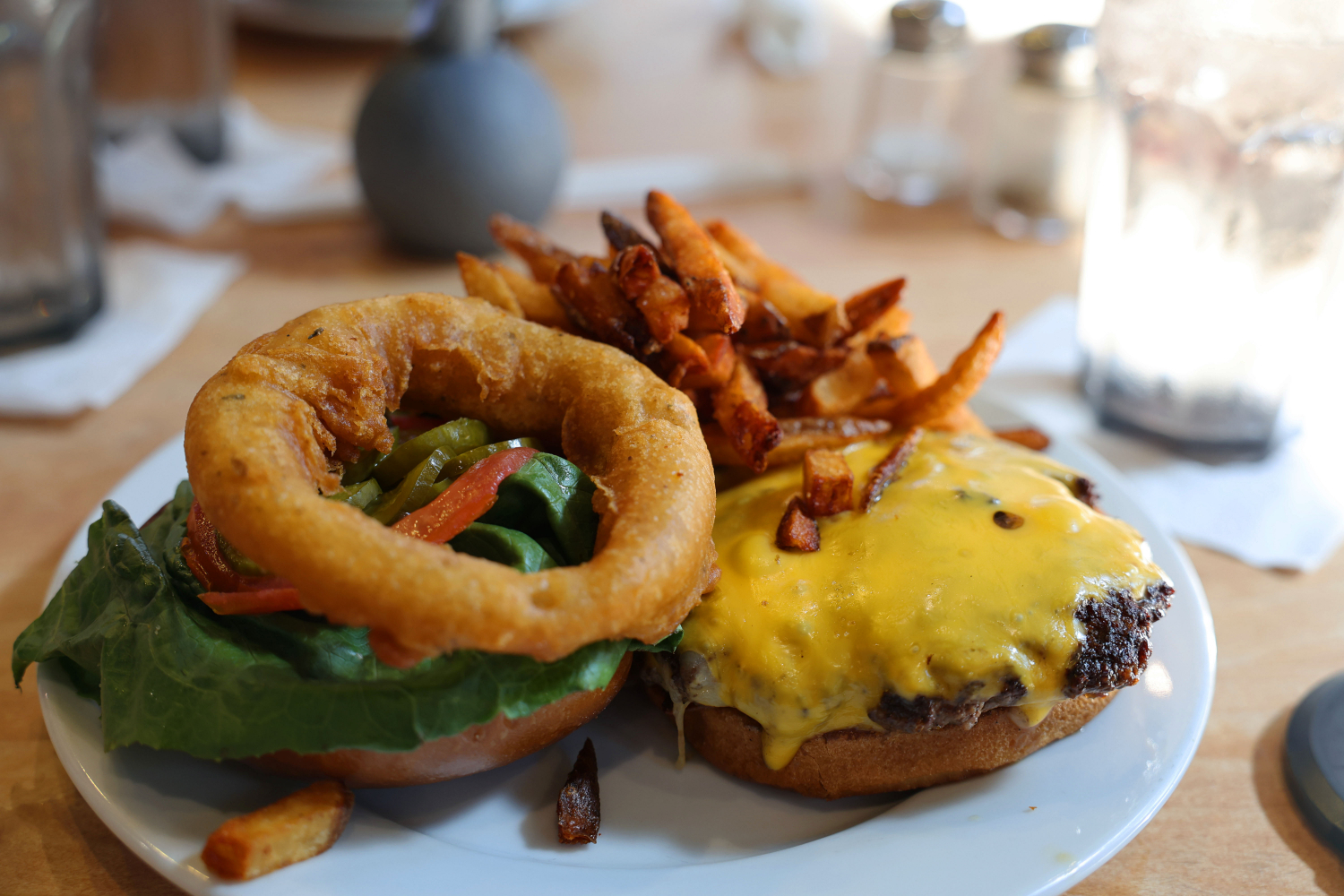
Overall, it was a wonderful experience and a delicious lunch that allowed us to try new things, as well as twists on familiar favorites.
Experiencing Culture at the New Orleans Museum of Art
Written by Isis Hollis
Following our delicious lunch, we had the opportunity to visit the New Orleans Museum of Art. We were able to explore some of the major forms of art LEAP typically sees, such as impressionism, expressionism, and modernism, in addition to some of Louisiana’s characteristic folk art!
With three floors to explore, we started on the second with Professor Yawn as our guide. Something we don’t see often in the museums we visit is decorative art. Many people know this as Tiffany lamps or floral vases, but we were able to see this in various forms. The Eames chair, most popularly known for its mass reproduction and modern look, is one of the many decorative art pieces we saw. One of my favorite decorative art pieces was a Tiffany vase adorned with intricate flowers. It caught my attention specifically for its variety of colors in the glass and its unique shape. Another notable piece was an intricate stair railing by Louis Sullivan, who’s credited with designing the first-ever skyscraper!
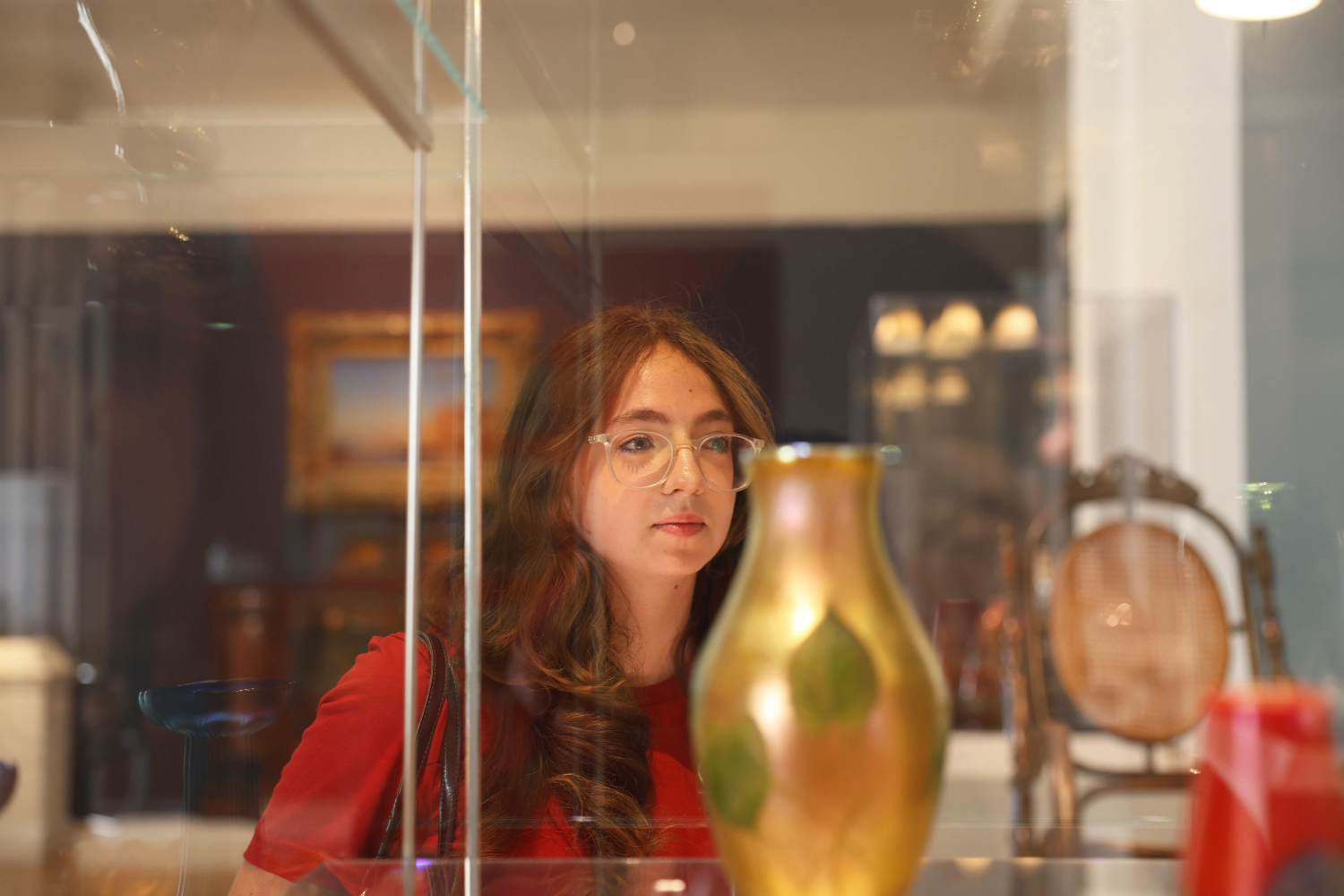
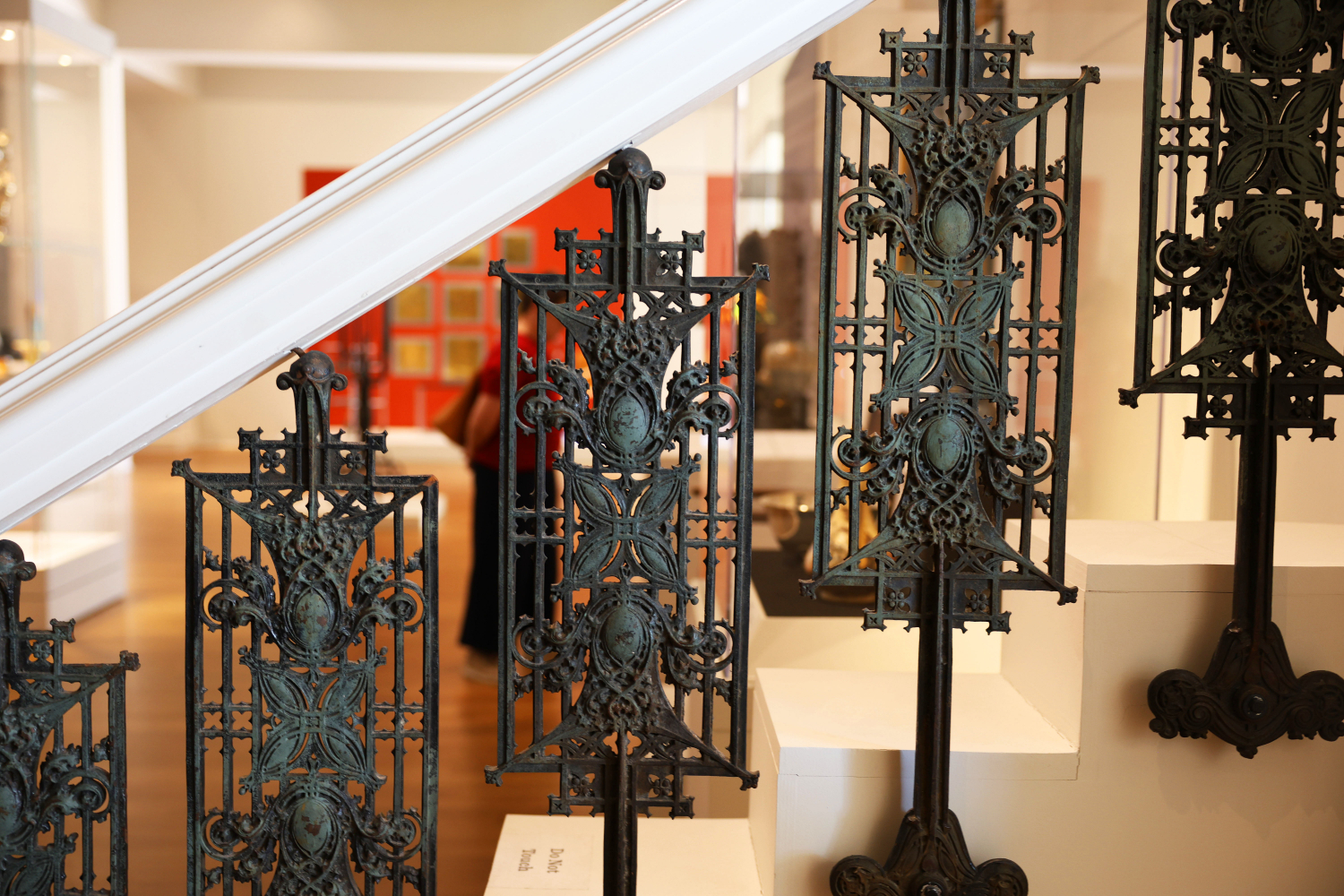
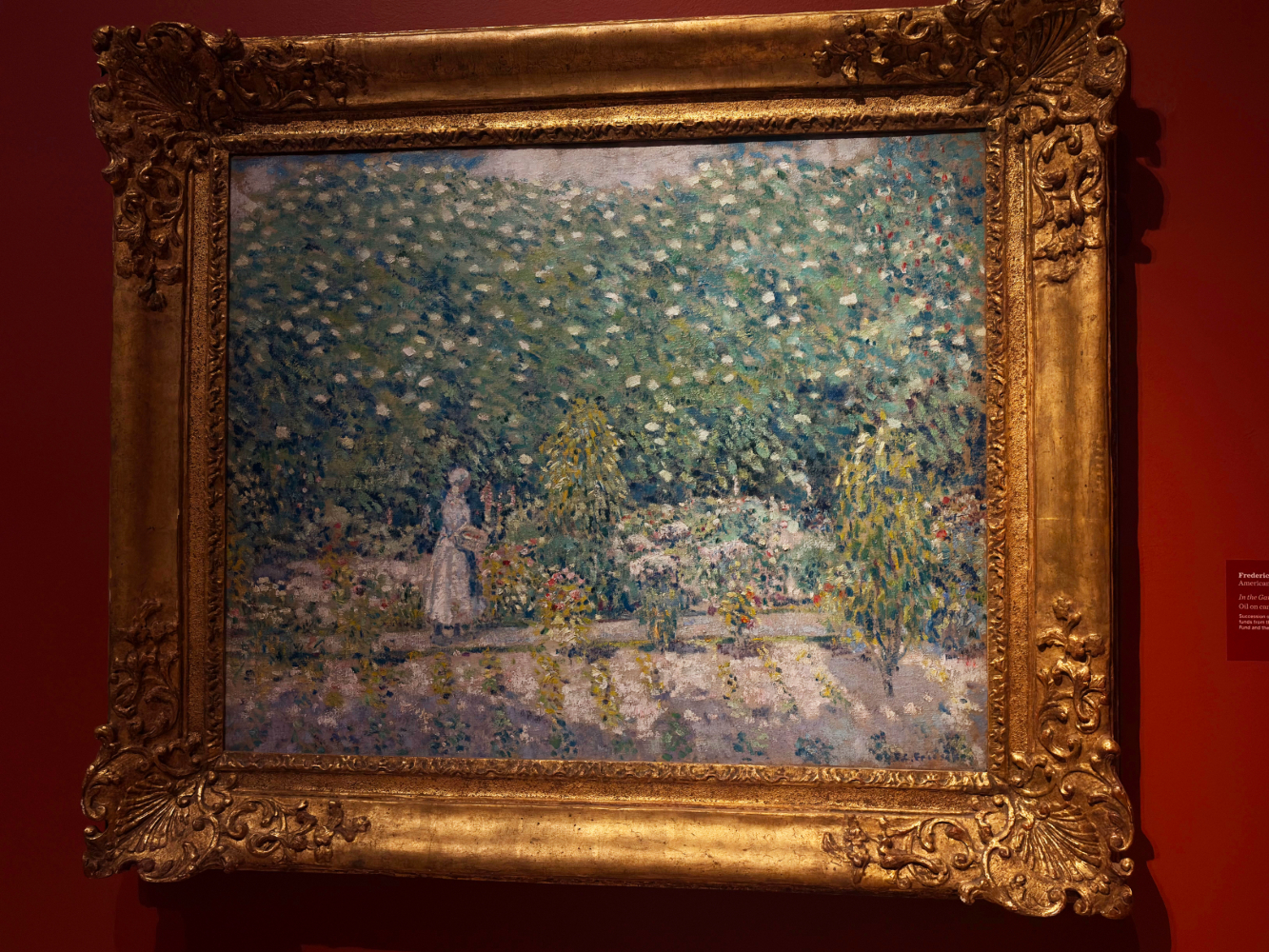
Another highlight from the second level was impressionist art. Many of us particularly like the impressionist style and the range of moods that it can encompass. My favorite piece, In the Garden, Giverny by Frederick C. Frieseke, is an American impressionist piece depicting a woman walking through a garden with flowers and a wall of greenery behind her. One of my favorite features was the cool-toned colors and pops of white throughout the painting.
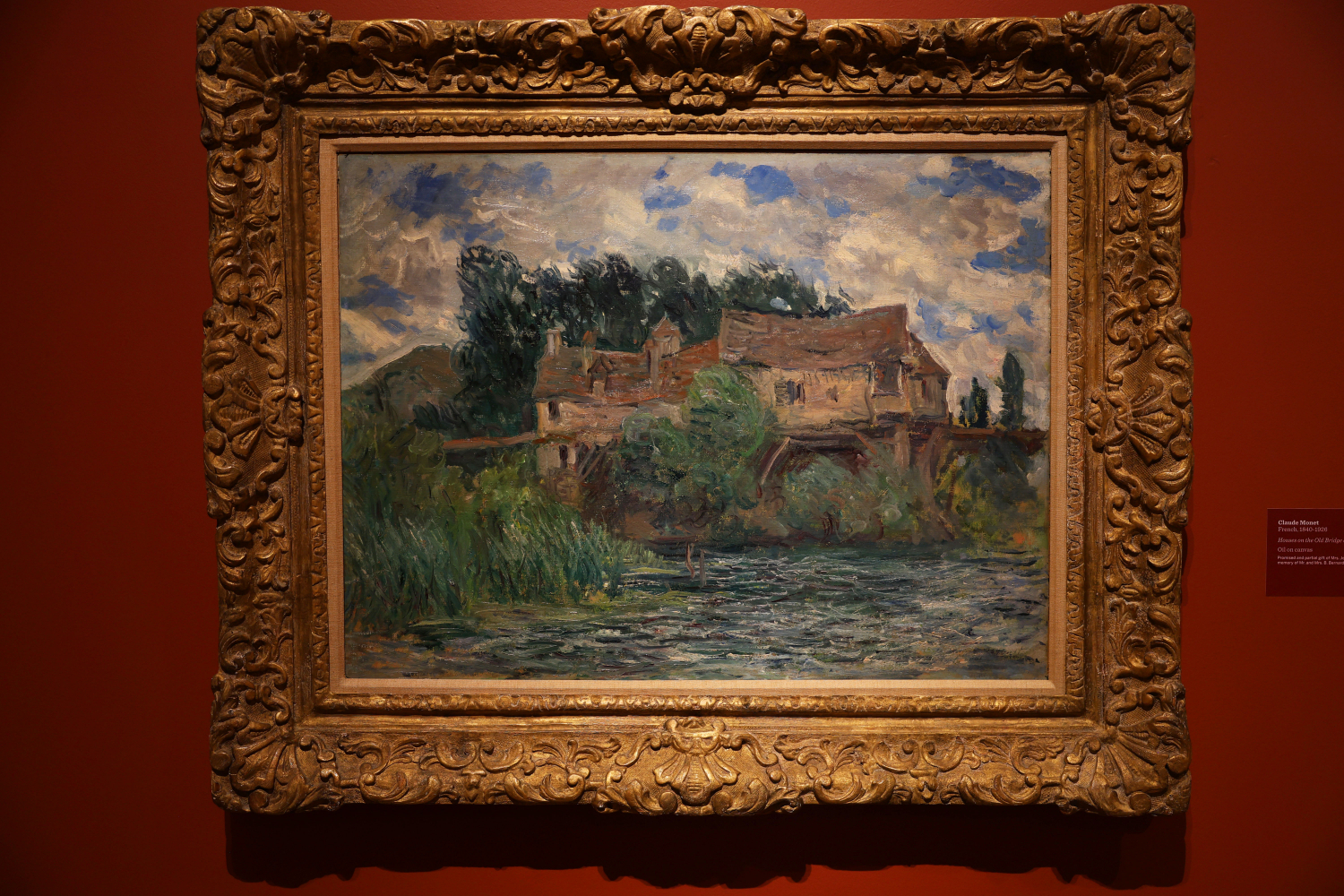
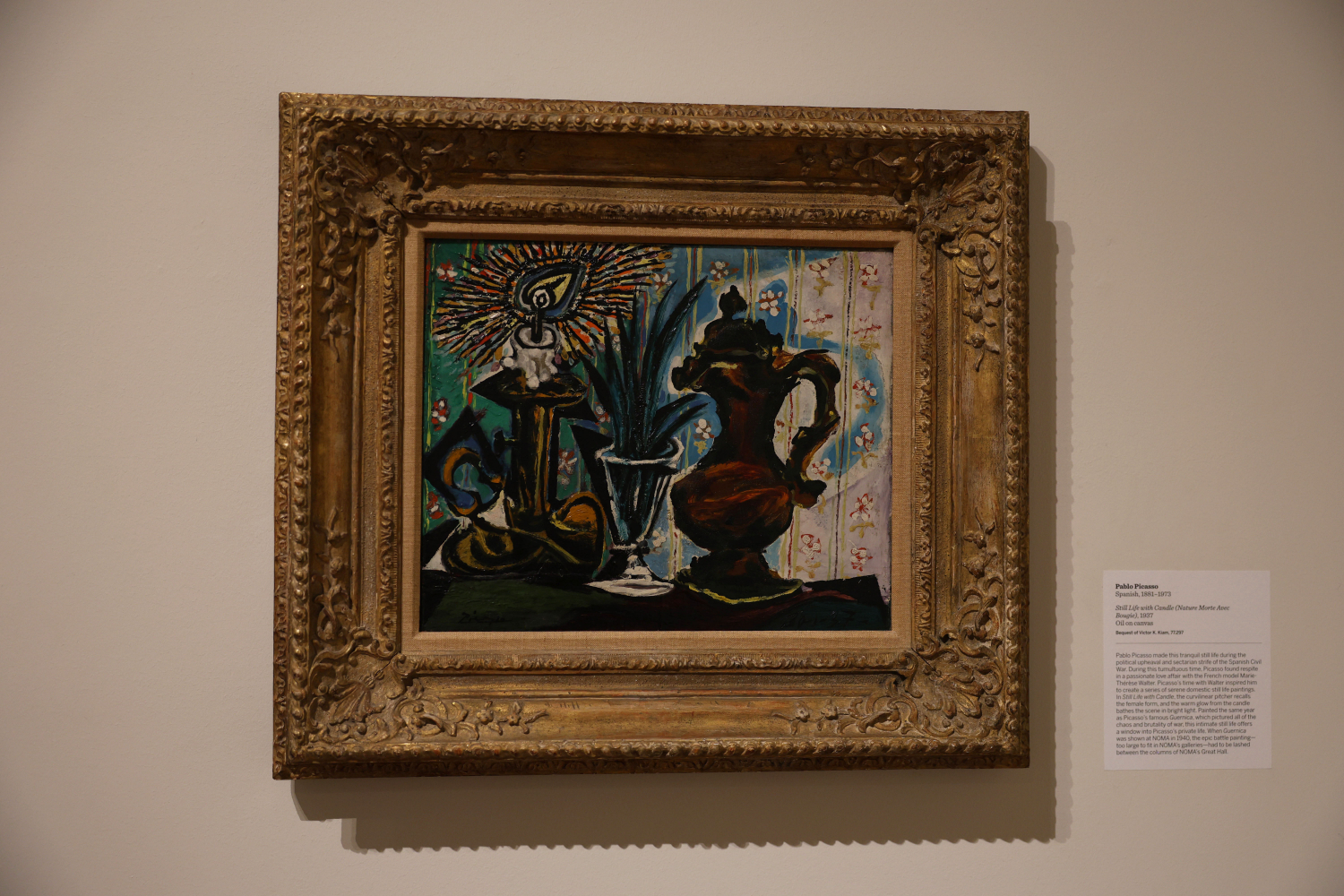
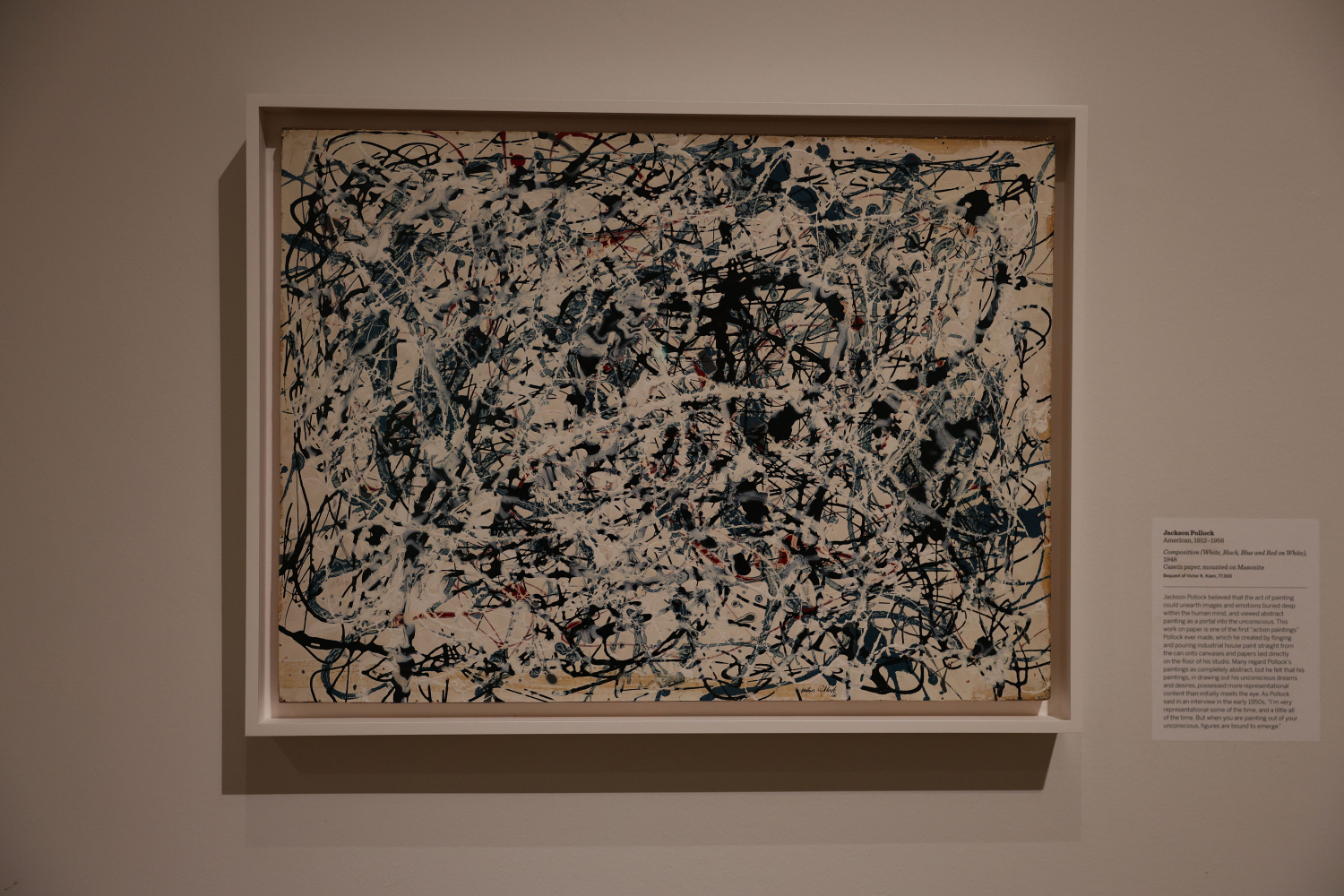
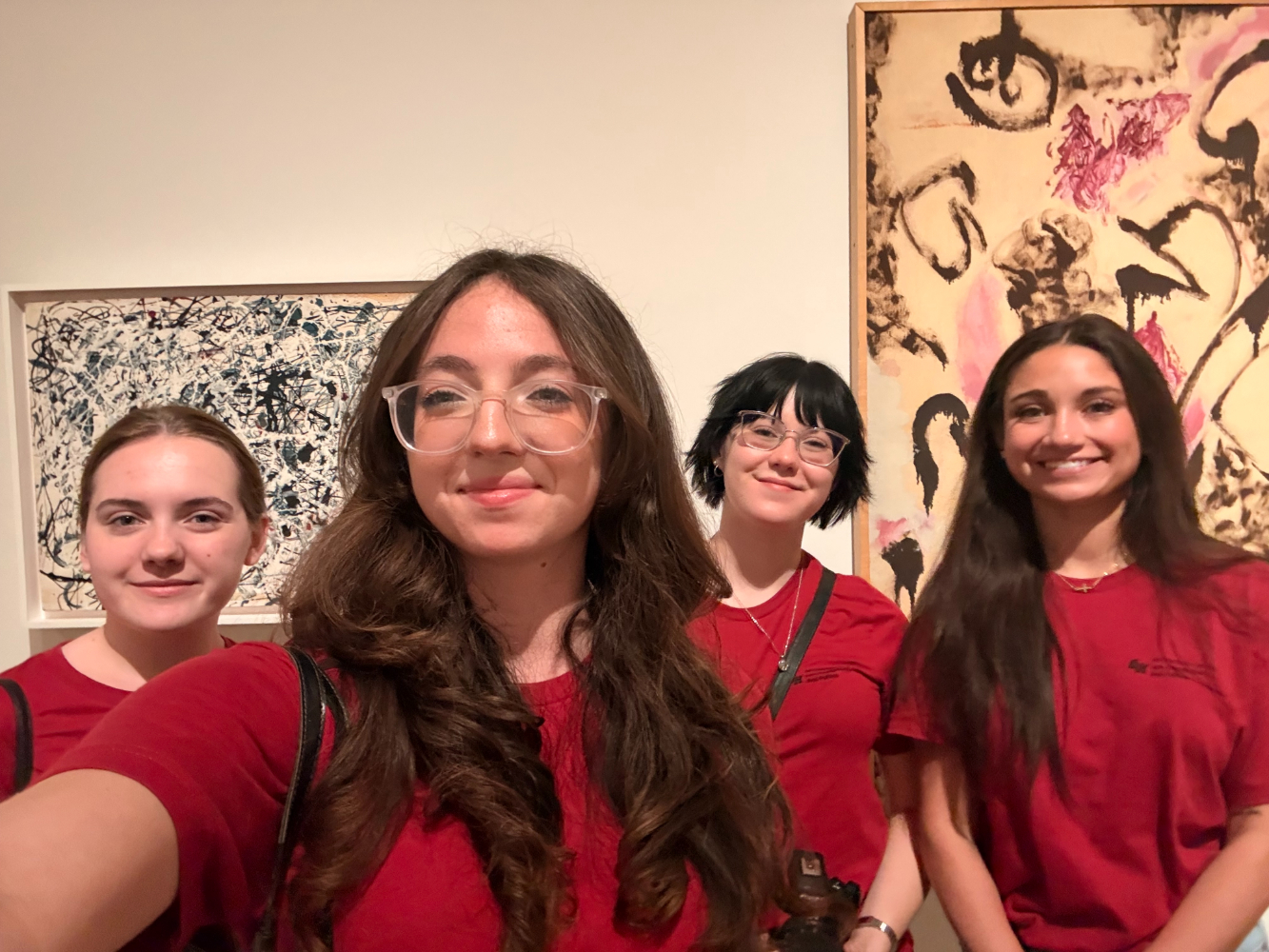
On that same floor were pieces by Jackson Pollock, Picasso, and Monet.
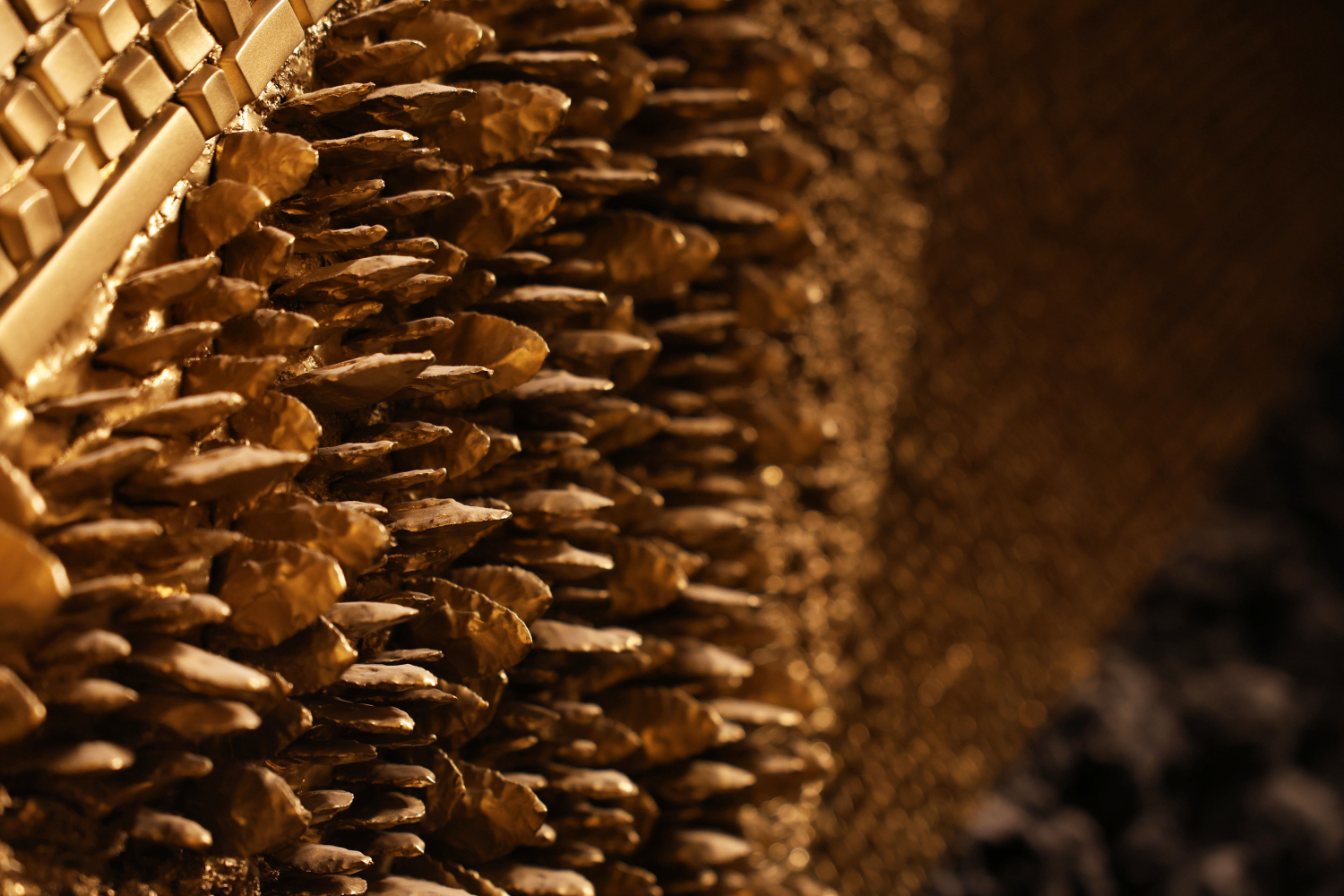
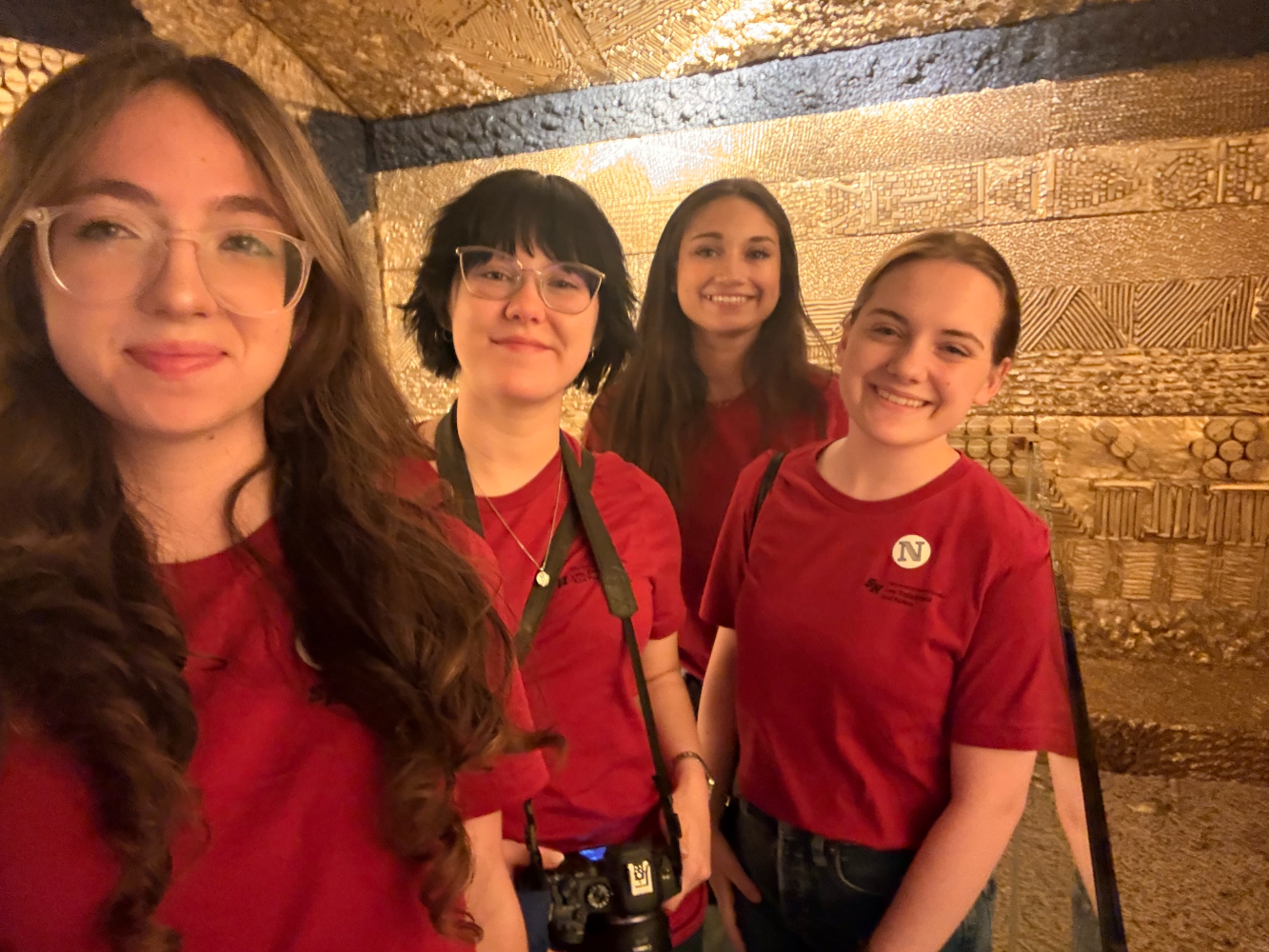
What was perhaps our favorite exhibit was a life-sized cabin titled America, by Will Ryman. Created entirely out of symbols of American industrialization, such as iphones, bullets, lightbulbs, and even chains, it proved to be an incredibly thought provoking piece that asked us to reflect on the impacts that rapid industry growth that had on America.
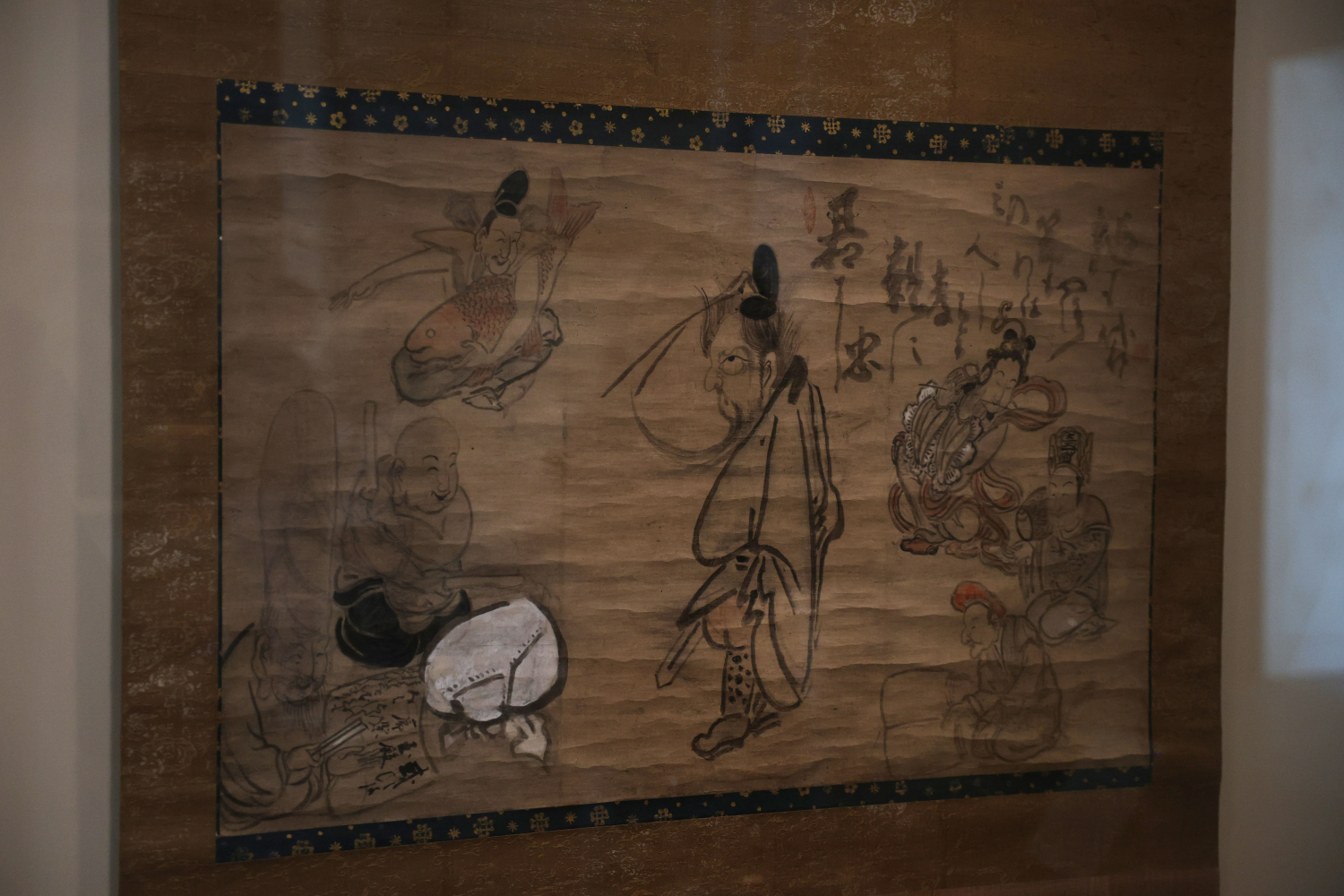
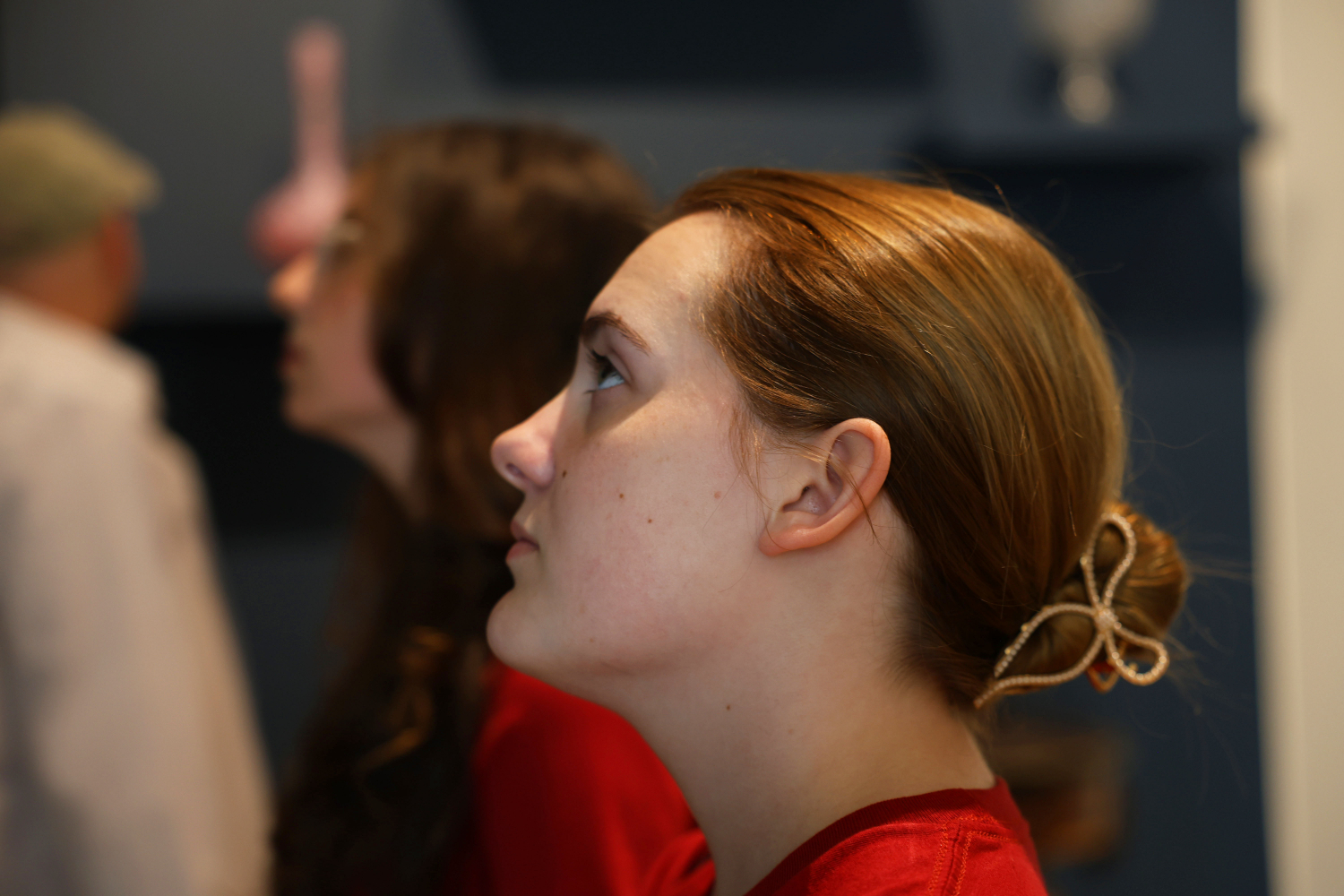
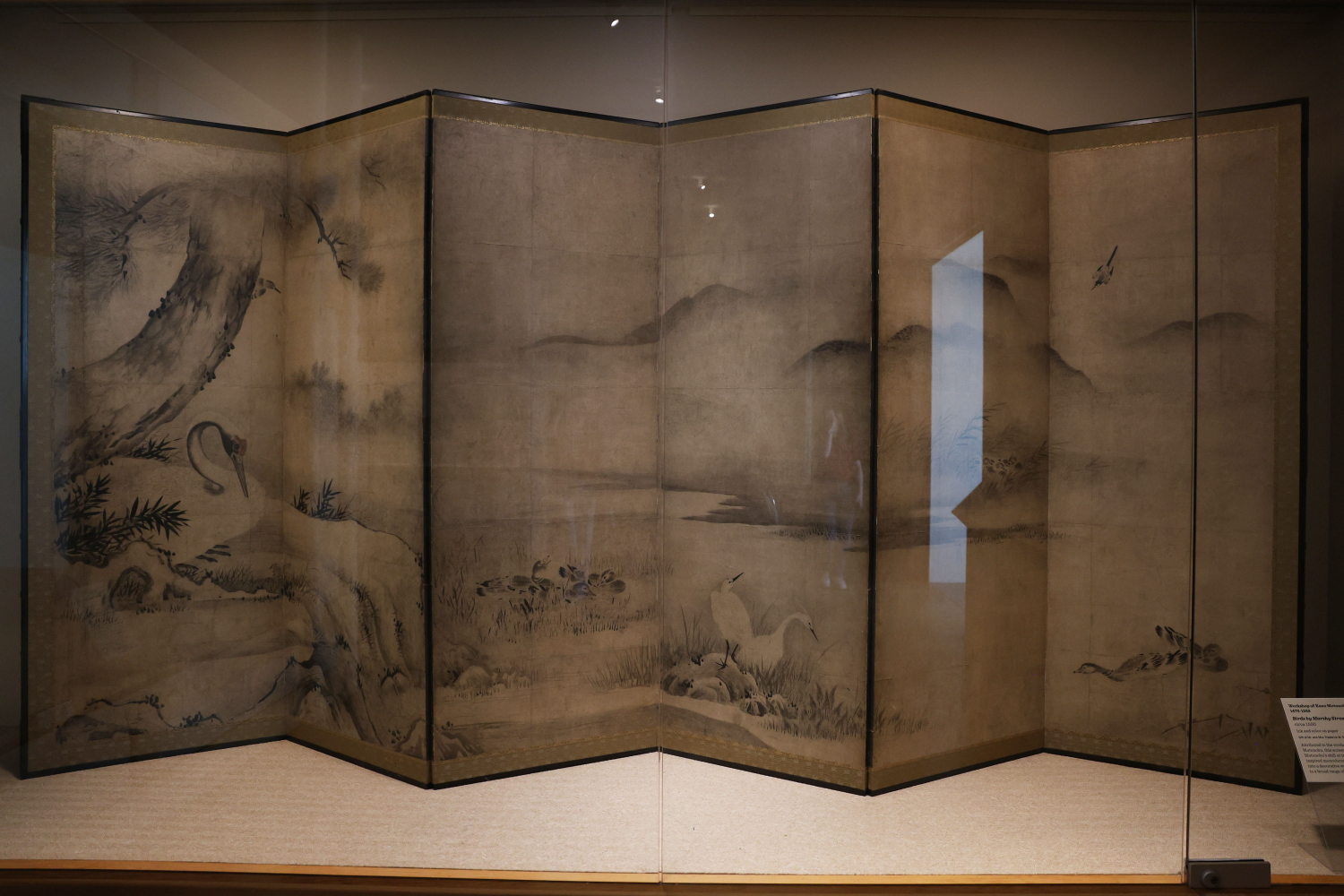
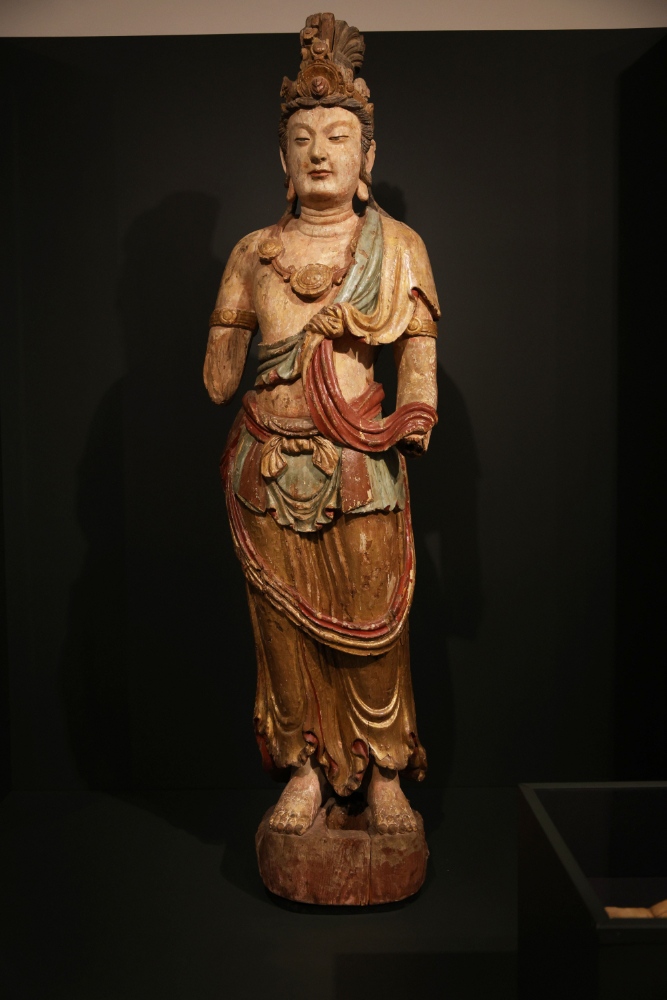
After our guided exploration, we got to view the other parts of the museum on our own! Allie, Ruthie, and I looked at the Asian art, including Japanese, Indian, and Chinese pieces. Allie and I liked many of the Japanese pieces, specifically the Byobu art. Byobu pieces are traditional Japanese folding screens, often painted with intricate landscapes, portraits, or animals.
Overall, the museum strengthened connections between the artists we’ve seen before and gave us a better look into art throughout different times in different parts of the world.
Plessy Train Stop and Heard Dat Kitchen
Written by Allie Plunk
As a conclusion to our busy day, we ordered delicious meals from New Orleans hole-in-the-wall Heard Dat Kitchen! However, while our food was being prepared, we paid a visit to the Homer Plessy Train Stop, made famous in court case Plessy v. Ferguson, which established the separate but equal ruling that was later overturned by Brown v. Board of Education. There was a beautiful mural in honor of the amazing steps towards civil equality that have been made over the years, featuring figures like Ruby Bridges.
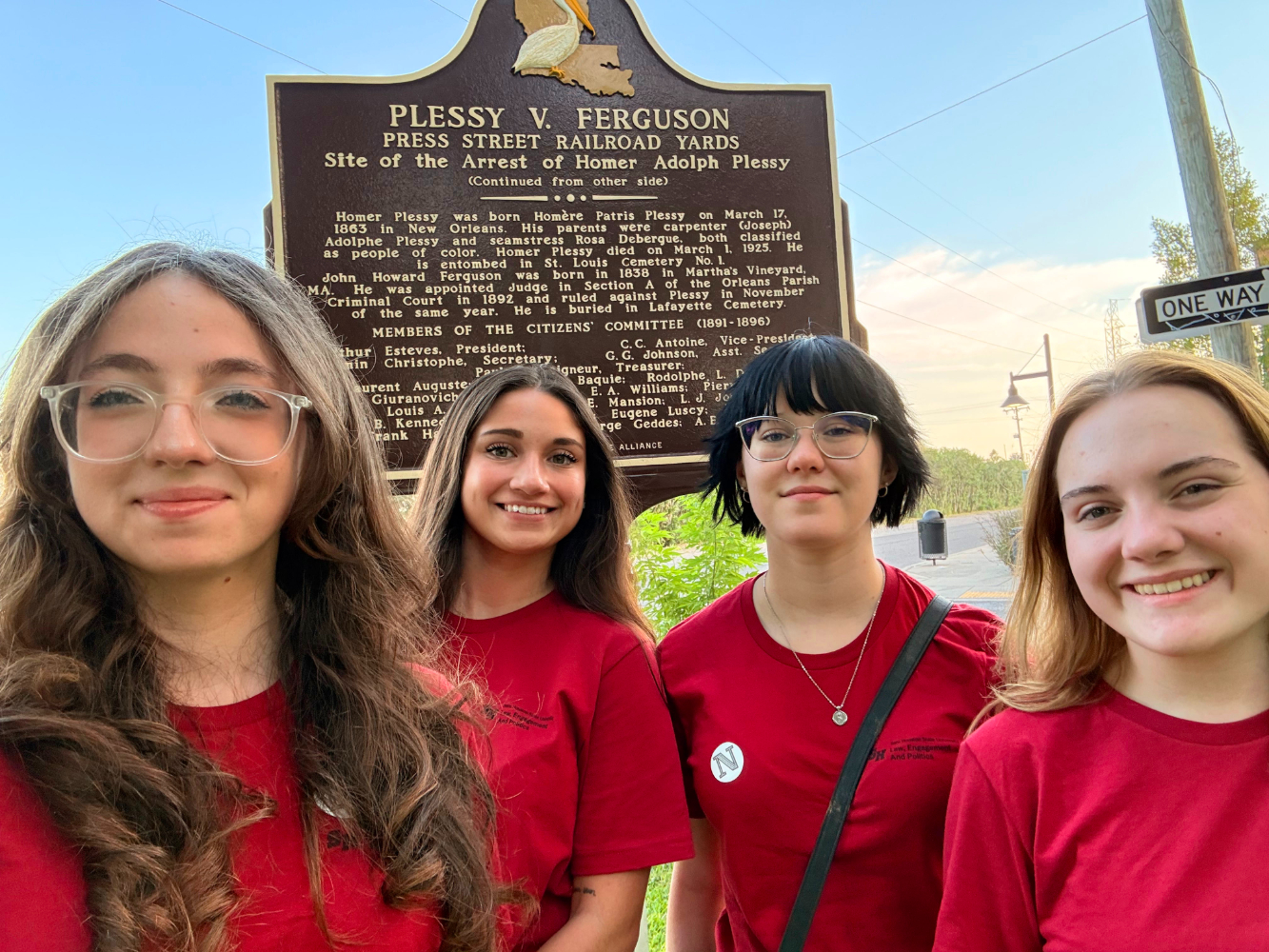
After our pit stop at the Homer Plessy Train Stop, we headed over to Heard Dat Kitchen, eager to eat. Sitting outside at tables while we enjoyed our food provided a New Orleans atmosphere that paired well with our meals.
Some of our dinnertime favorites were the creamy Superdome, a blackened fish dish with mashed potatoes and lobster sauce, and the Heard Dat Pasta, a crawfish pasta topped with fried shrimp and green onions.
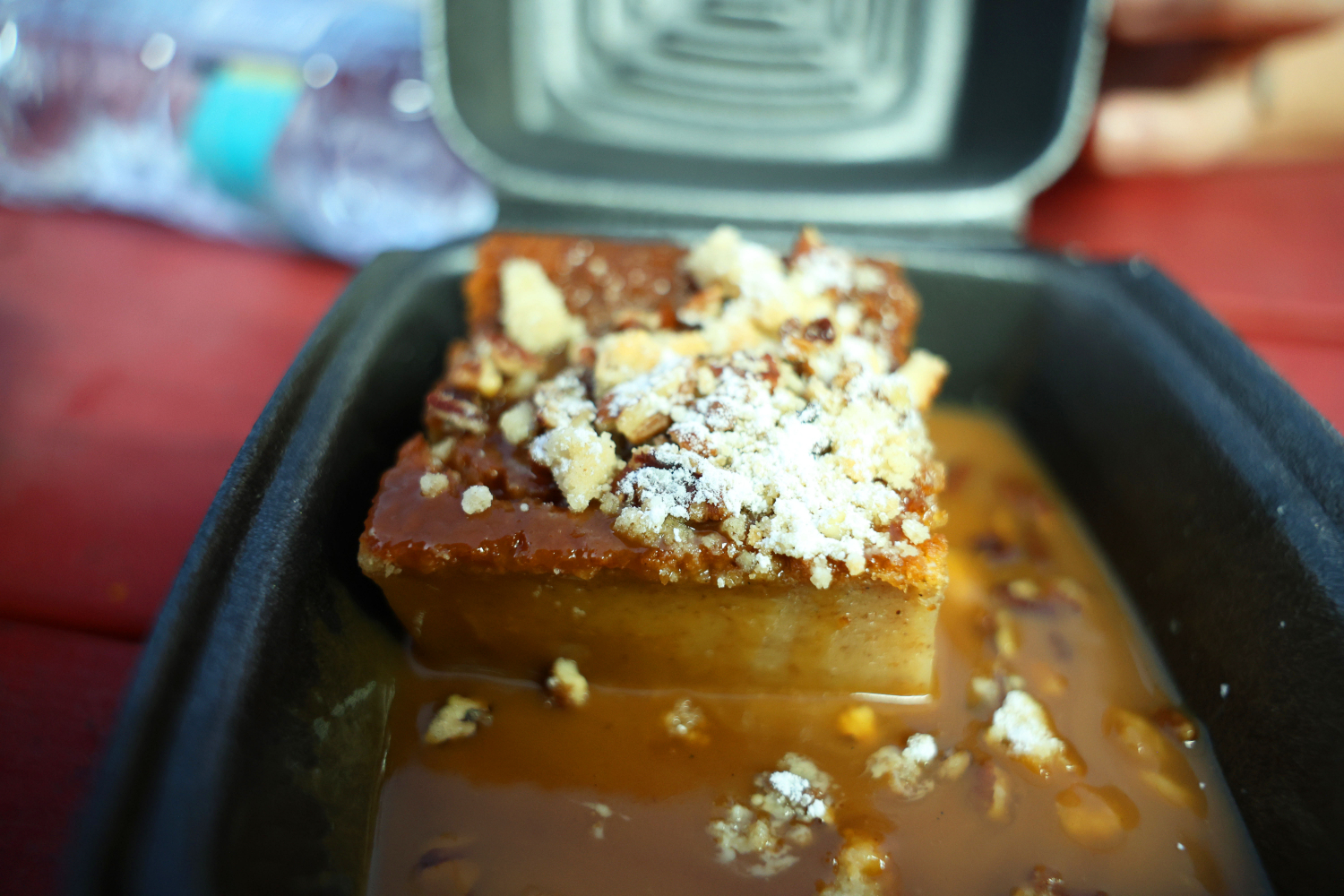
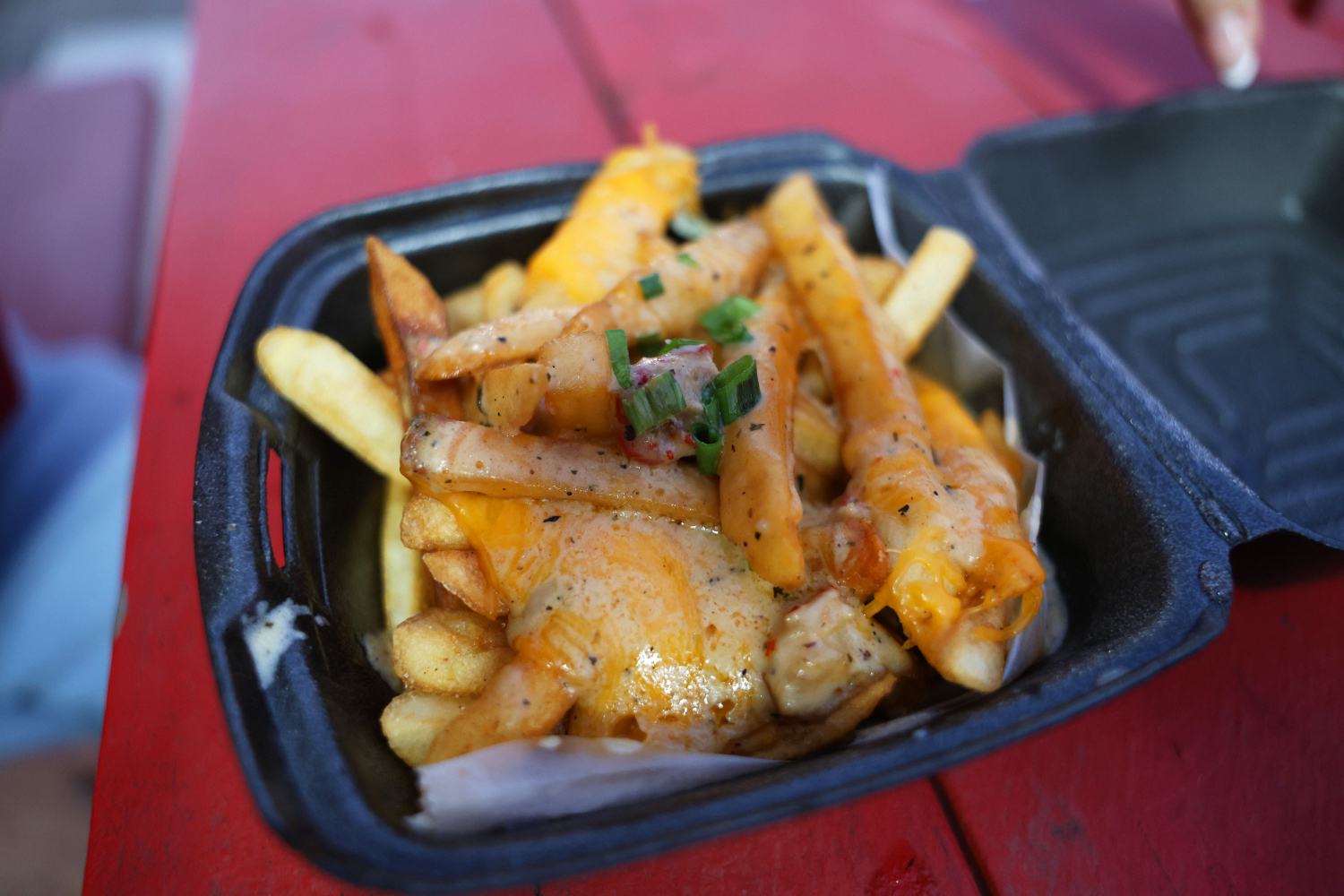
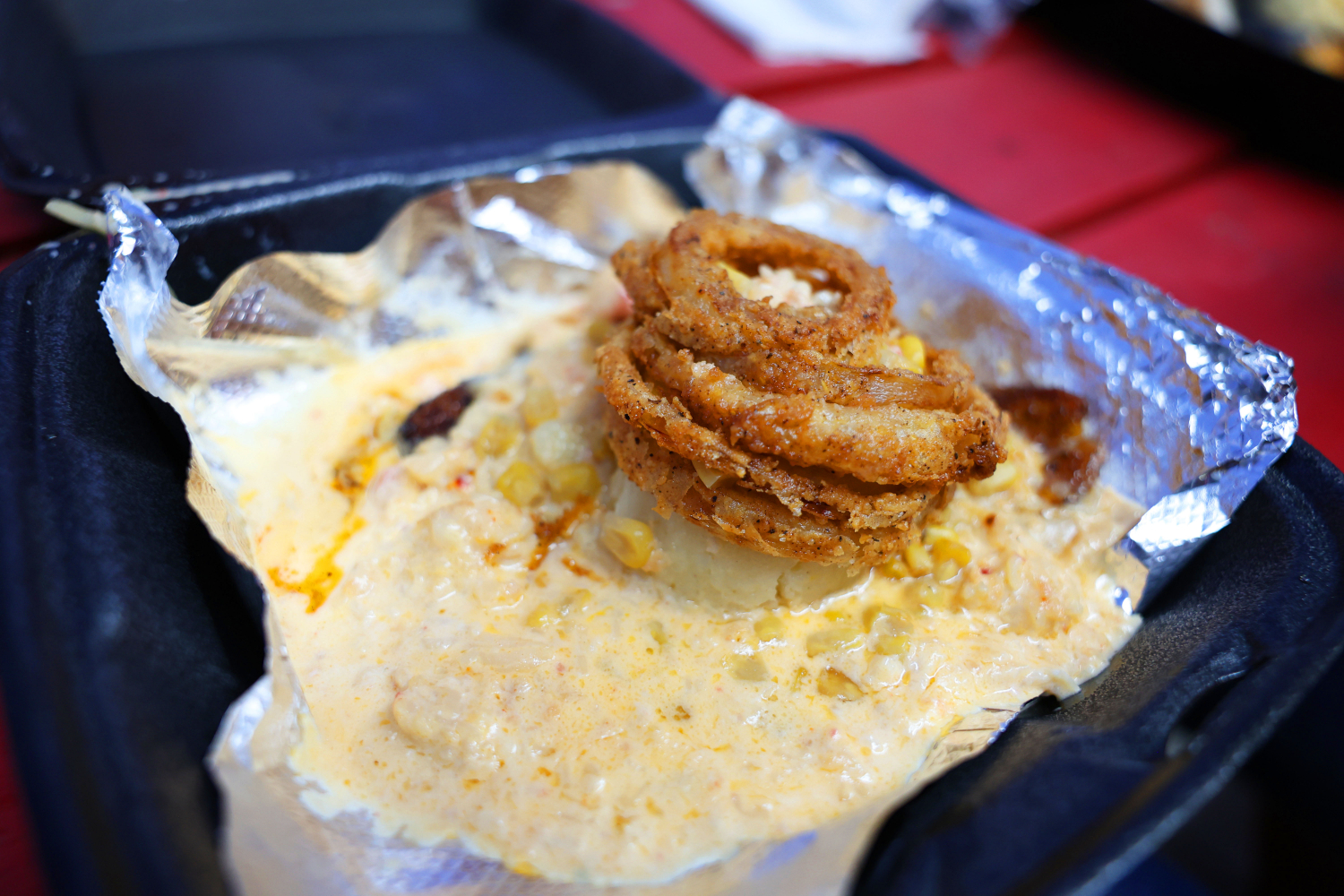

Following our deliciously seasoned meals, we enjoyed bread pudding, many of us trying it for the first time! The delicious, nutty dessert was well-liked by all the LEAP students and provided an excellent close to an excellent day.
Conclusion
Our second day in New Orleans gave us the opportunity to experience the city from several different perspectives. From exploring Southern Gothic literature and the cultural communities surrounding video games to enjoying New Orleans cuisine and examining art from around the world, we continued to discover how culture can be expressed through many different forms. Each experience gave us something new to consider and helped us better understand the history and creativity of the city around us. After such a busy and exciting day, we are all looking forward to seeing what our next day in NOLA brings!


