Brazil Culinary Passport

by Olivia Discon

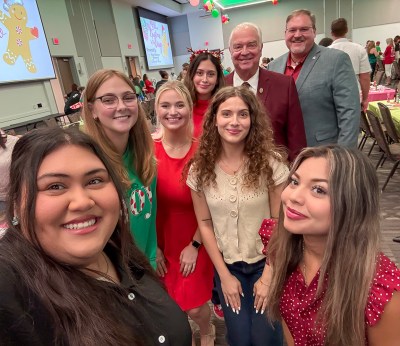
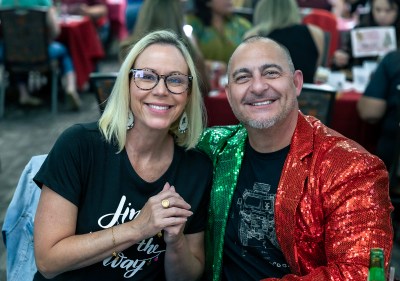
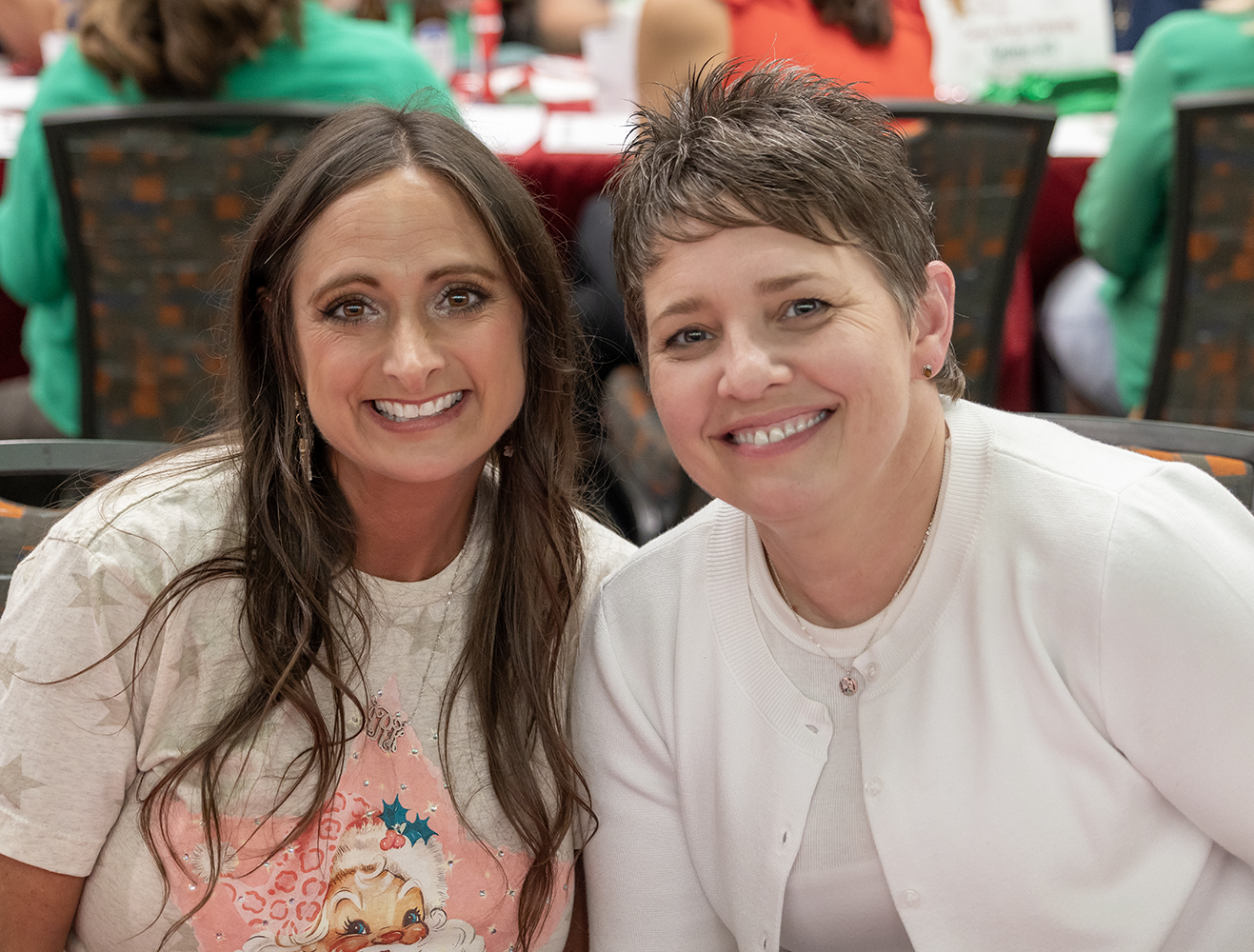
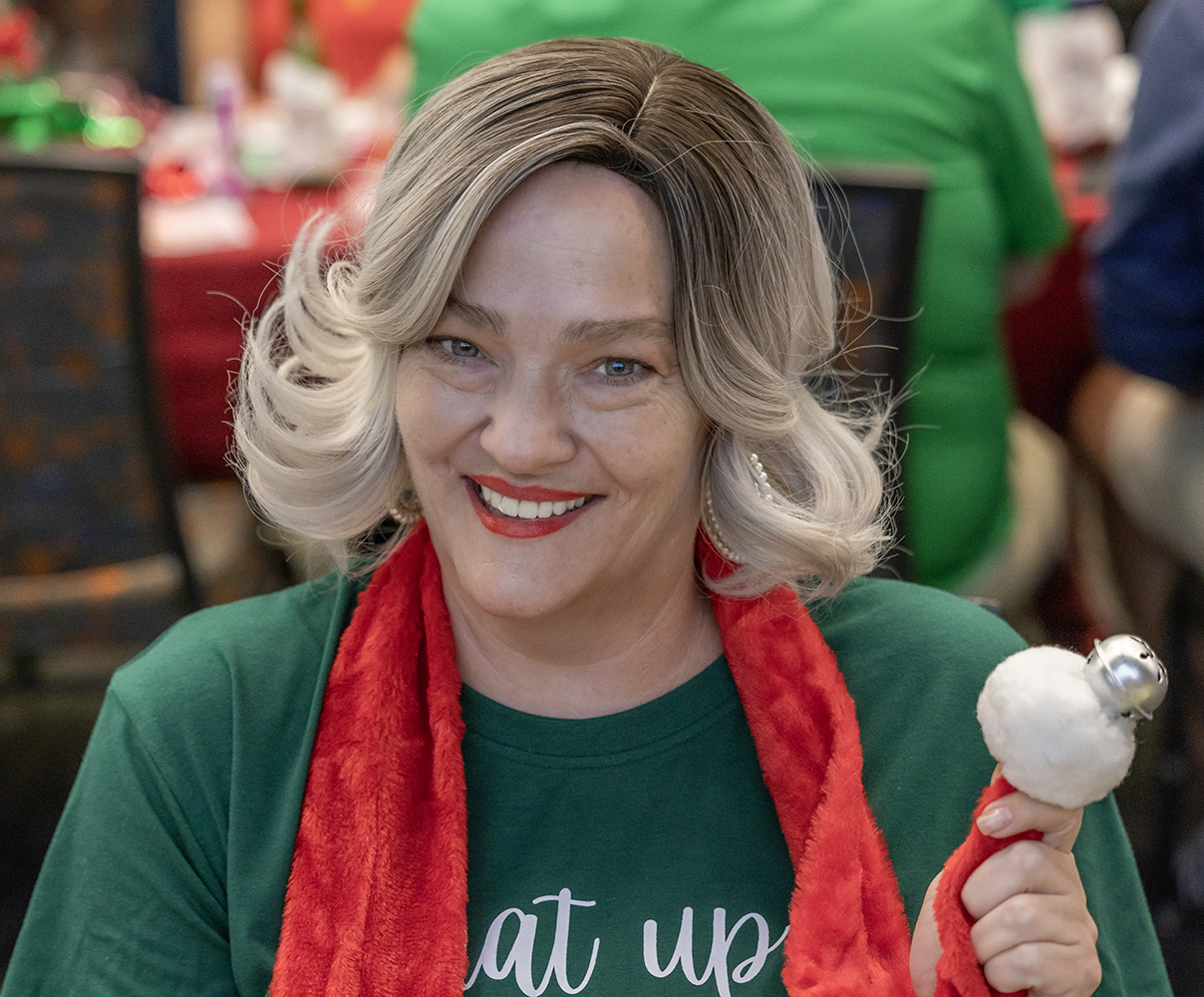
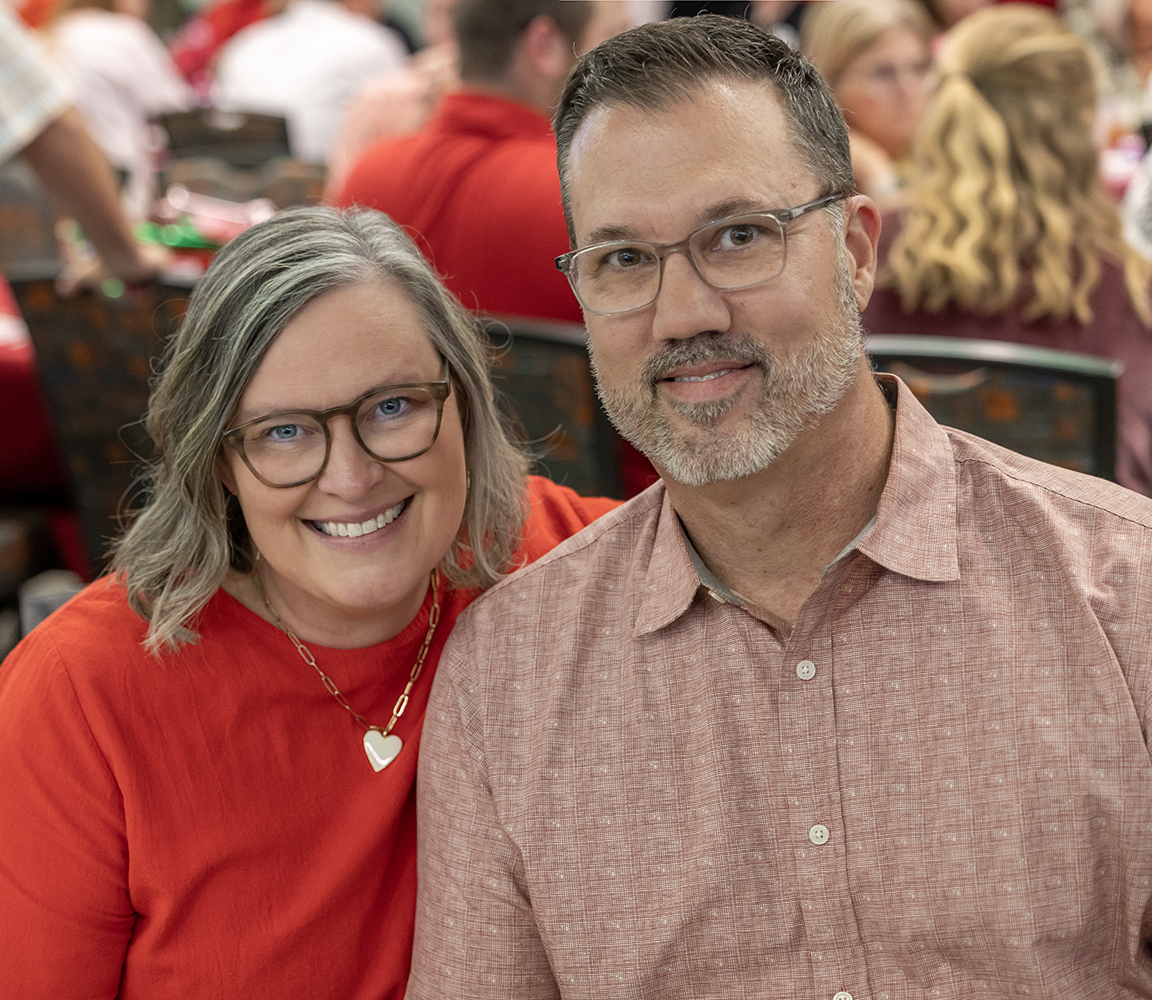
We stamped our passports once again—this time for Brazil—at the World Affairs Council of Greater Houston’s Global Young Professionals “Culinary Passport” series. Held at Tourão Brazilian Churrascaria, this experience gave us the chance to explore Brazilian food and learn more about the country’s growing role in clean energy.

For about half of our group, it was the first time at a Brazilian steakhouse. We were joined by Dr. Elise Herrmann and Dr. Jamile Forcelini, both professors at Sam Houston State University. Dr. Hermann recently completed our Citizenship Prep course (and just this week, earned her citizenship!), and it was great to have her with us for an evening that touched on both international culture and policy.

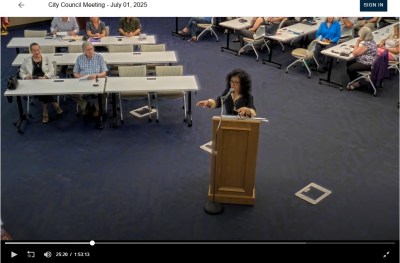
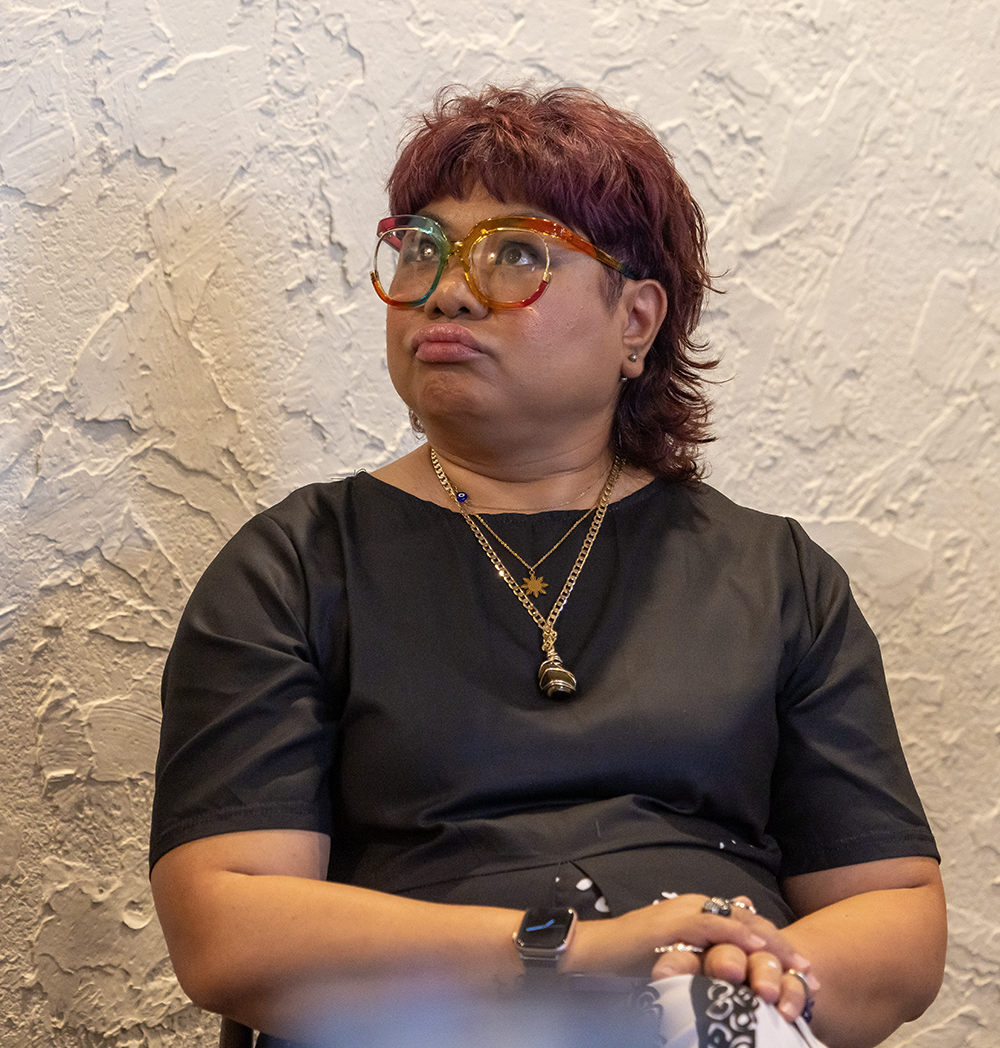
During dinner, we heard from two speakers involved in the energy sector: Fernando C. Hernandez, who founded the Society for Low Carbon Technologies…

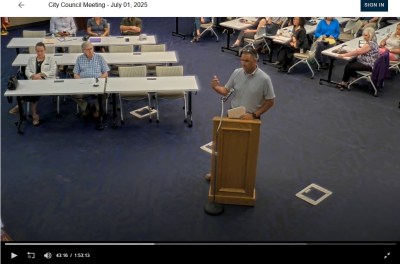
…and Taís Soares, who works in business development at Vallourec.

Their focus, through moderation by Eli Quezeda, was on carbon capture, utilization, and storage (CCUS)—a process that removes carbon dioxide from the air or from industrial sources and stores it underground to keep it from entering the atmosphere.

One of the main ideas they touched on was being part of “Track 1.5”: a policy and technology goal aimed at keeping global temperature rise below 1.5°C, which is seen as a critical threshold to avoid the worst impacts of climate change.

To hit that goal, they emphasized the need for both policy and private-sector innovation to move fast, which is where projects like Brazil’s carbon storage law come in.

Their innovative carbon capture methodology is actually quite interesting: emissions are captured from factories or plants, compressed, and then injected into rock formations deep underground where they can stay for centuries. It’s not a silver bullet, but paired with other strategies, it can make a real difference. The speakers explained that these technologies are already being used and expanded in places like Brazil, which is becoming a global leader in this space.

 Although some of the science went over our heads, it was a good reminder that global issues depend on people from many backgrounds and countries working together–while also having the chance to interact and enjoy great food.

As always, we’re grateful to the World Affairs Council of Greater Houston for putting together events that are both fun and informative. And we’re glad to keep expanding our knowledge (and our palates) one country at a time.

Immigrant Stories: Success in Citizenship Preparation

Mike Yawn

Each year, the Center for Law, Engagement, And Politics partners with the Huntsville Public Library, hosting a five-week “Citizenship Preparatory Course” for local documented immigrants. This year, with the help of intern Jose Carreno, Library Literacy Coordinator Mary Kokot, and three unpaid student volunteers, we were able to assist 13 local immigrants on their journey to citizenship.

Many people–even citizens–don’t know what it takes to naturalize, which is one reason Richard Lane and I established this program in 2008. For most immigrants, they have to pay approximately $1,000 for the paperwork, submit extensive records–including travel records for many years–demonstrate that they can read English, demonstrate they can speak and understand English, and also pass a Civics Quiz.

What are some of the questions on the quiz?

  • Name one of the authors of the Federalist Papers.
  • There are fifteen cabinet departments. Name two of them.
  • What is one power of the federal government?
  • What is one right reserved only for citizens?
  • There are four amendments to the US Constitution that involve voting. Describe one of them.
  • Who was President during World War I?

If the immigrants can show they know this information, while also demonstrating a clean criminal record and good moral character (not, for example, an excessive drinker or a former prostitute), then they earn their citizenship.

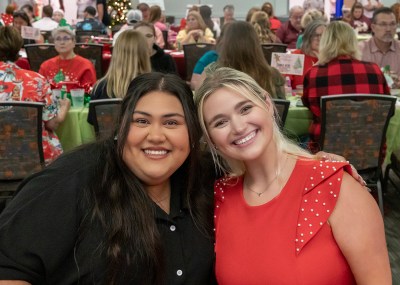
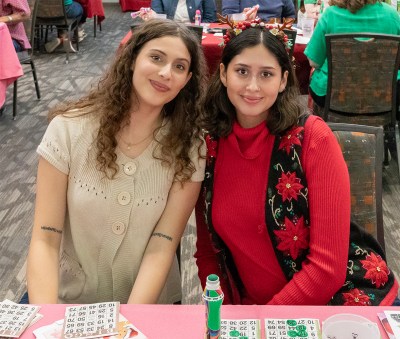
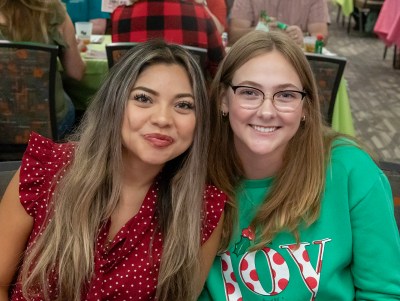
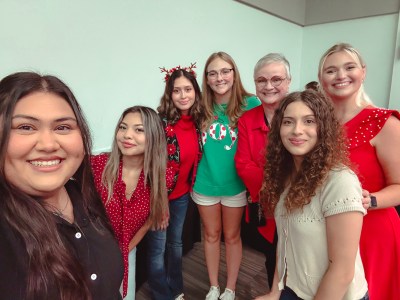
Over the five weeks of the course, we cover these materials, alternating between boring lectures (led by me) and more hands-on help and translation by the volunteers, which this year, included Nataly Elizondo, Michelle Moya, and Yajaira Gutierrez–with a photography assist by Olivia Discon.

While the volunteers’ bilingual skills are helpful, almost all of the immigrants are required to take the test in English (there is an exception for those who are 55 years old and who have been in the country for 20 years), so we try to avoid extensive communication in Spanish.

This year’s immigrant roster was impressive, with two professors, professional staff from the College of Osteopathic Medicine, two janitorial staff, and eight other local residents. This list included: Dr. Elisa Herrmann, Jose Arroyo, Maria Elena, Junior Jepjio, Alexandra Herrera, Nancy Vasquez, Iris Santos, Veronica Garcia, Dr. Juan Diego Daza, Nancy Martinez, Marisa Pimental, Carmen Cedeno, and Gregoria McGuire. McGuire passed her citizenship test during the course, and she continued to attend the course to work on her writing and learn more about US history and government.

One of the most appealing aspects of the course is the friendships that develop over the five weeks, despite broad differences in background, occupations, and cultures. Among our 13 classmates, for example, eight different countries were represented–including Cameroon, a first for us in the 16th year of leading the course!

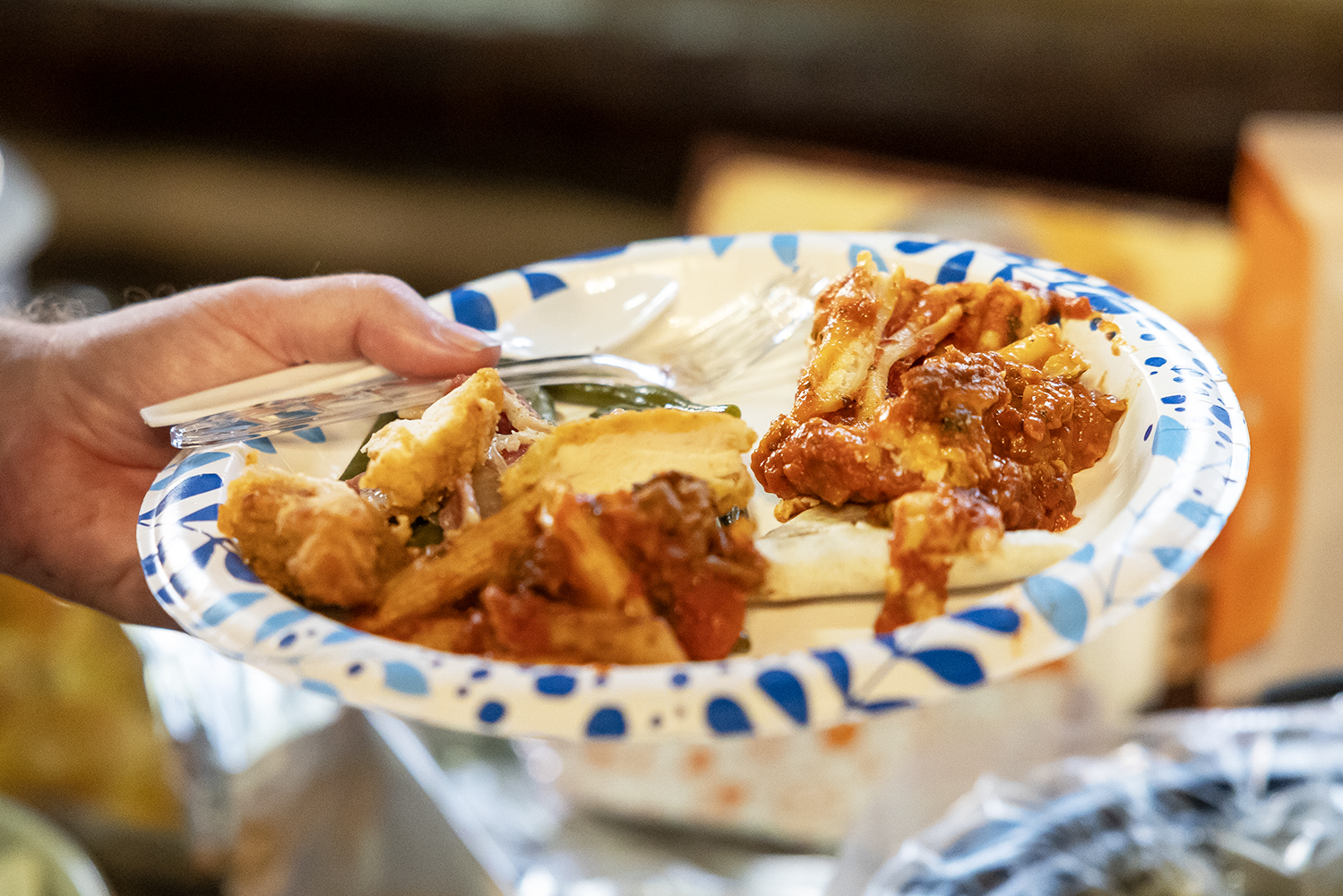
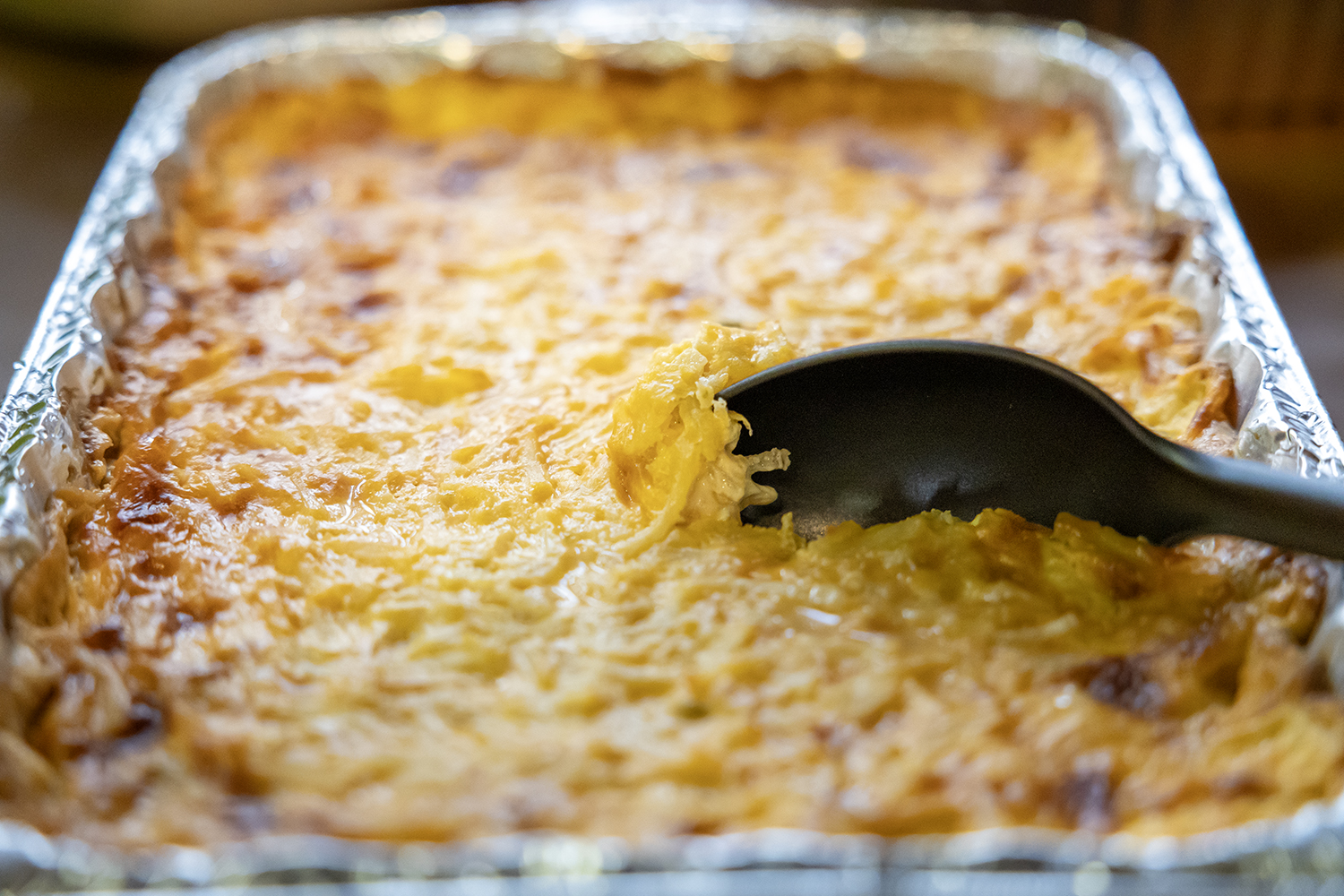
Our final class is a “Thanksgiving,” with immigrants and volunteers bringing dishes from their native countries. With a healthy helping of bar-b-que and desserts and drinks from Mexico, Germany, El Salvador, and Brazil.

This Thanksgiving is not just part of what is taught in the class and on the citizenship test, it also reflects the friendships that have formed.

Thus the smiles you see in our photos are genuine. Indeed, even as the class was over, groups lingered, continuing to talk, exchange phone numbers and the like.

And thus it was with much inner warmth that I exited the building for our final class. This warmth was enhanced when Gregoria walked out with me, noting, “You are a good person, and I am grateful to know you.”

This struck me as very generous, and also coincidental, inasmuch as this is how I think of her. And as we parted for our cars, she added, “I think you must have a Mexican heart.”

Murder Most Foul: An April Adios

For all Pre-Law Society members, our April was the last get together of the academic year. But for one unlucky member, it was, at least in the world of fictional fun, the last meeting ever. That’s because our social involved a murder mystery, something of a theme for our sinister solicitors.

Our officers and activity committee put together treats to bribe encourage us to attend, and it worked!

A healthy 30 or so students attended, a reflection of our growing sociality as an organization.

Mikaela Baires was the unlucky victim. Indeed, she was doubly unlucky, inasmuch as the murder weapon was a laxative, giving new meaning to Shakespeare’s phrase “murder so foul” (thankfully, we did not meet at the beautiful Wynne Home this year…).

The suspects were Mikaela’s peers: Chrissy Biello…

Jose Carreno…

Katherine Burnett…

Madison Cawthon…

Neehal Ahmed…

and Niya Thompson.

Given the suspects–any one of whom is capable of such a dastardly act–it was going to be a tough evening for our social sleuths.

Thankfully, there were four clues uncovered, and throwing Miranda out the window, the suspects were questioned without their lawyers being present.

After much debate, hand-wringing, and interrogation, the law-enforcement, apparently imitating the Keystone Kops, accused the wrong person–Katherine Burnett–perhaps motivated by a strong desire to sequester her from society for eternity, or at least until they graduate.

In fairness, the actual murderer, Jose Carreno, broke the rules of the game and lied. Who knew a murderer would lie about his whereabouts? Following the game, Jose vowed that, “when things have settled a bit, I will pursue as my primary goal in life the killer or killers who slaughtered Nicole and Mr. GoldmanMikaela Baires.”

On a happier note, Madison Cawthon led the speed debating contest.

Befitting our status as future lawyers in society–and, perhaps, lawmakers–we spent our time arguing over trivialities ending in ludicrous judgments.

Neehal Ahmed, for example, argued that it should be illegal to text a single “k” to indicate affirmation via messaging.

The debate over whether “ttyl” should be punishable by firing squad was tabled. And thank God we didn’t even get to people who use odd text colors or emojis.