Skip to content

Center for Law, Engagement, and Politics

Leap At SHSU!

  • About LEAP
  • LEAP Ambassadors
Center for Law, Engagement, and Politics

Category: Civil Rights

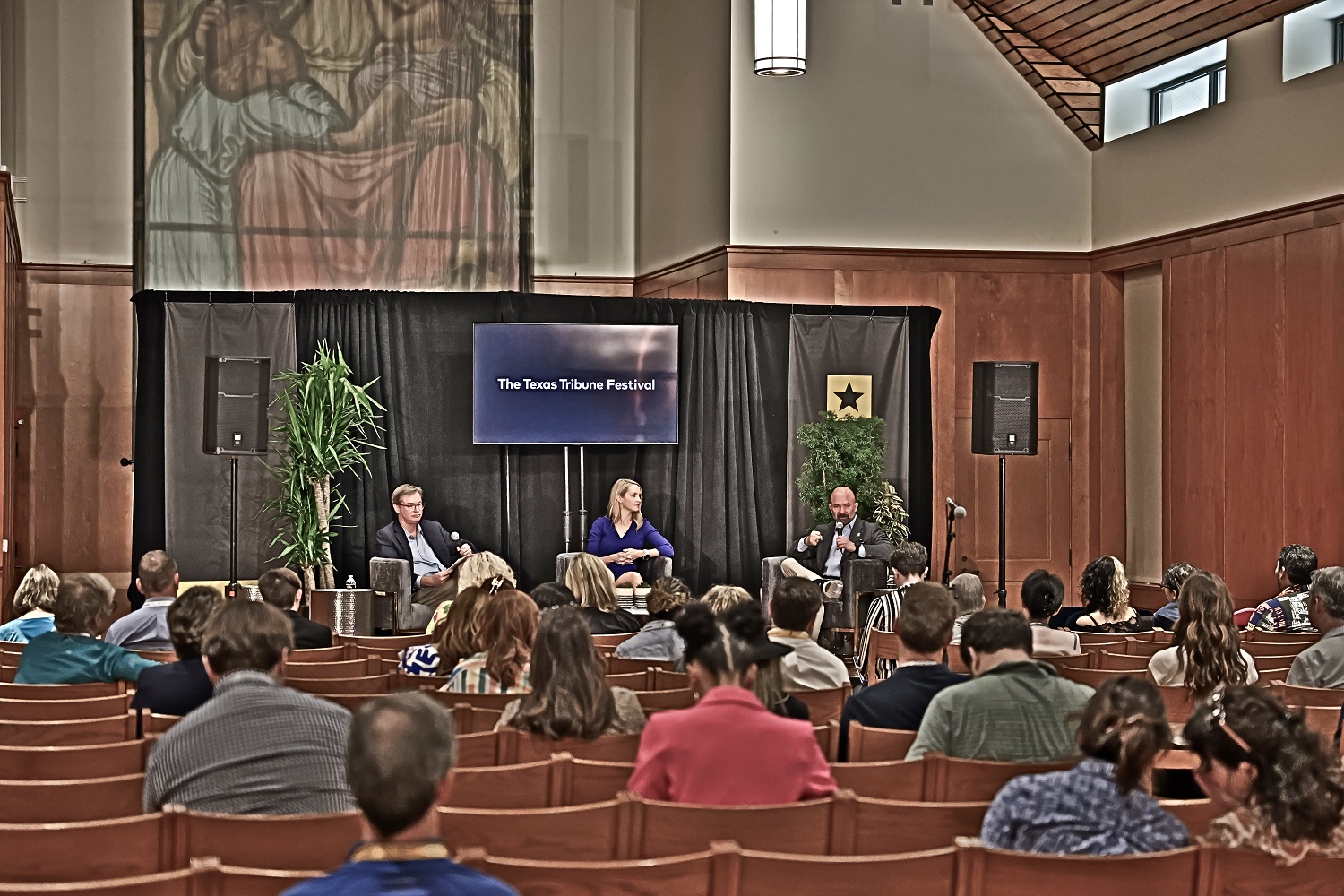
Important Conversations at The Texas Tribune Festival

Morgan Robertson

Higher education, religion in government, water infrastructure, and domestic policy. What do all these topics have in common? They were all topics deliberated on during LEAP’s first day at The Texas Tribune Festival! With many absorbing and diverse topics covering legal happenings on varying scales, we were eager to expand our knowledge over the course of two days.

We saw a great deal of interesting and influential speakers, including three Chancellors from major Texas University Systems, who discussed the importance of establishing and maintaining their universities as Research Powerhouses…

Chancellor Mitchell encapsulated what it means to work for a university system with this impactful quote: “We are not in the higher (education) business, we are in the business of developing young people.”

And Morgan was able to ask a question!

Before leaving, we were able to get a photo with Chancellors Sharp and Khator.

Olivia and I especially enjoyed the panel regarding water infrastructure with Representative Tracy King and CEO of the Texas Water Foundation Sarah Schlessinger…

…as we are the most interested in local government. In fact, Olivia even asked a question…

….and we were all able to get a photo with Rep. King.

We also had a chance to learn from Fort Worth Mayor Mattie Parker and Police Chief Neal Nokes, both of whom were excellent. They discussed “Crime in Cowtown”….

…specifically discussing some of the challenges associated with high-density areas. Although not explicitly asked by the moderator, many of the questions related to how high-profile leaders address the media and, specifically, themes or issues that they cover.

Although there are no magic bullets, both the Mayor and Chief stressed the importance of getting information out quickly and accurately whenever possible.

Our final panel was comprised of three directors of the Domestic Policy Council, who explained their roles and the importance of their staff in the White House.

Ariza and Ashlyn enjoyed speaking with Melody Barnes after the panel and even got a photo!

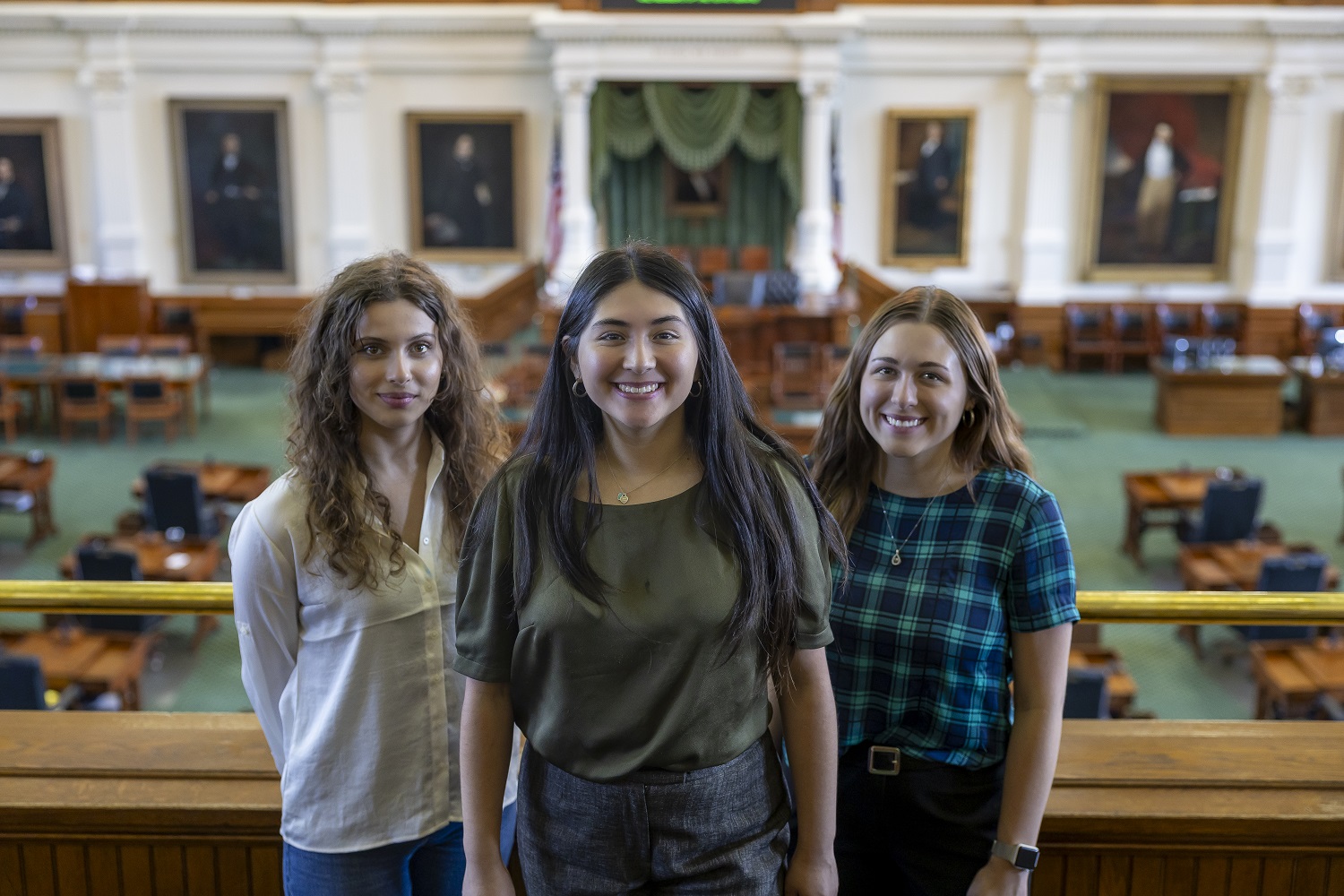
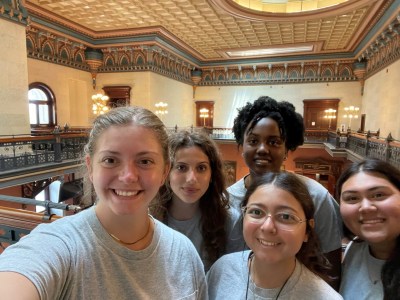
Upon completing our panels, we took a side trip to the Capitol, where Ashlyn and Morgan had interned this spring–and where Olivia might intern in a future spring!

It was Ariza’s first time in the capitol, and it was a great learning experience and a good activity cap to a day of fun and learning.

But our day of experiences and learning was not over! We concluded our evening with an amazing dinner at Taste of Ethiopia, which was a new food experience for Olivia and Ariza.

Over the delicious meal, we discussed some of what we learned from the day’s sessions and what we are looking forward to learning the next day!

Unknown's avatarAuthor mikeyawnPosted on September 23, 2023September 23, 2023Format AsideCategories Civic Engagement, Civil Rights, Food, Law, PoliticsTags Center for Law Engagement And Politics, LEAP Ambassadors, Sam Houston State University, Texas Tribune FestivalLeave a comment on Important Conversations at The Texas Tribune Festival

Dr. Jianli Yang: Chinese Dissident and Tiananmen Square Survivor

Morgan Robertson

This past summer marked the 34th anniversary of the Tiananmen Square Massacre in the Peoples Republic of China, and when we noted that the World Affairs Council was bringing in Dr. Jianli Yang, a Tiananmen Square survivor, we wanted to be sure to be there.

As a refresh for our readers, from April to June in 1989, Chinese students held demonstrations in the well-known Tiananmen Square, Beijing. The students were protesting their limited political freedom, the educational system and much more under the CCP (Chinese Communist Party). In June of 1989, Martial Law was declared and troops were moved into the Square. The massacre began on the night of June 3 and resulted in the loss of thousands. 

The LEAP Center strives to allow students to make connections across various disciplines and have opportunities to learn via firsthand accounts. This past Wednesday, LEAP Ambassadors, Olivia, Michelle and myself were accompanied by three new students, Macey Schank, Madison Cawthon, and Abraham Roby, and made our way to hear Dr. Jianli Yang. The noted Chinese dissident has dedicated his life to peacefully securing democratization in China and supporting human rights. 

Once again, ChampionX graciously hosted this WAC event. ChampionX is proving to be one of our favorite venues, not just for the amazing views, but for the dedication and quality of the staff.

We were fortunate enough to meet John Breed, Manager of External Affairs for ChampionX, as well as President and CEO, Sivasankaran “Soma” Somasundaram, who spoke with us and who gave a few opening remarks about their partnership with WAC and the company. 

Ronan O’Malley, Chief Programs Officer of WAC, began the dialogue with a brief outline of what shaped Dr. Yang’s humanitarian efforts. Dr. Yang opened by describing how his involvement and interest in human rights began. Dr. Yang was an official party member before 1986, believing he would have a positive impact on the CCP. However, his membership was defined by keeping tabs on other students and friends; Dr. Yang quickly realized that individuals do not change the party; the party changes individuals. At the time, such thing as revoking party membership did not exist and the only way to quit the party was to dissent. 

In May 1989, Dr. Yang was studying mathematics at the University of Berkley, while watching the progression of student led protests in Beijing on CBS—covered by SUSU Alum, Dan Rather. Dr. Yang and other similarly motivated students watched on international news as CCP police began beating students in Tiananmen Square. Appalled by what he had seen, Dr. Yang made the decision to return to China to help in whatever way possible; he arrived one day before martial law was declared on the square. 

Dr. Yang joined the demonstrations in the square, and like most students, returned occasionally to campus housing to shower and rest. On June 3, Dr. Yang returned to the Square, just as the soldiers opened fire on the crowds. 

Dr. Yang described the atrocities he witnessed over those fateful days and how many of his friends were gunned down, beaten, or flattened by tanks. Many people are familiar with the famous “Tank-Man” photo, in which a lone demonstrator blocks the path of the encroaching tank; but for Dr. Yang, this was his reality.

During the reprieves of gunfire, demonstrators attempted to persuade and appeal to the soldier’s hearts by singing widely known nursery rhymes; the efforts ultimately were to no avail.

Many students made their way back to campus to await in terror of what was to come. Dr. Yang was directed by his advisor to flee, and he did. On June 7, 1989, Dr. Yang managed to secure a seat on a flight and several hours later landed in the United States. News had travelled fast, and reporters were waiting for the newly arrived Chinese passengers for any information as to what happened. From that point forward, Dr. Yang shared his story and hasn’t stopped. 

The Human Rights Committee in the United States Congress invited Dr. Yang to testify, greatly contributing to the United States’ response. During the labor movement in China began in 2002, Dr. Yang seized the opportunity to return to China and offer his assistance. With a fake ID and a borrowed passport, Dr. Yang reentered China and immediately began helping groups strategize to protect their basic rights. 

It was through these efforts that Dr. Yang was caught by country police and detained in for 5 years, with most of that time being spent in solitary confinement.

If the LEAP Students’ mood reflected the audience’s mood, the room was full of disbelief and sadness after hearing Dr. Yang’s experiences. Dr. Yang kept his hope, and encouraged us to do so as well. The work he has done for human rights is immeasurable.

Despite this somber closing note, our moods turned happy as we had the chance to meet Dr. Yang. He reminded us to be hopeful, and he offered us encouraging thoughts.

Thank you once again to the amazing WAC staff for organizing a great event, to ChampionX for hosting, and to Dr. Yang for inspiring others with his story.

_______________________________________________

Shanghai Bistro–Closing Note

As with all–or almost all–LEAP events, we sought a restaurant that would complement the theme of the evening’s program. We selected Shanghai Bistro, which proved to be excellent.

The staff were very friendly and accommodating. This was nice, because not all restaurants in The Woodlands are flexible.

This also gave us the chance to talk to the first-time attendees at a WAC event and to reflect on the evening and what we had learned. Such reflected fostered thankfulness, for friendships, for unique learning experiences, and for the sacrifices made by leaders such as Dr. Yang.

Unknown's avatarAuthor mikeyawnPosted on September 22, 2023September 26, 2023Format AsideCategories Civic Engagement, Civil Rights, Food, Law, PoliticsTags Center for Law Engagement And Politics, LEAP Ambassadors, Sam Houston State University, World Affairs Council HoustonLeave a comment on Dr. Jianli Yang: Chinese Dissident and Tiananmen Square Survivor

Welcome Back, SHSU Pre-Law Society!

McKenna McNonnenmann

On Wednesday, September 13, Pre-Law Society (PLS) was thrilled to have our first meeting of the Fall ’23 semester! With a fantastic guest speaker, distinguished attorney and SHSU Alumni Chris Tritico, along with having broken a record for the largest membership in the organization’s history, PLS set an exemplary tone for the evening-and for the rest of the 2023-2024 academic year. It was also an opportunity for our new officers–including our new President, Olivia Discon–to put their stamp on the organization.

We had several new and familiar faces to acquaint ourselves with, so we began our meeting with an icebreaker in which everyone introduced themselves with their name, major/minor, classification, and one thing they would like to see from Pre-Law Society. This opening, while giving us the opportunity to get to know each other, also allowed for collective understanding of our goals as an organization.

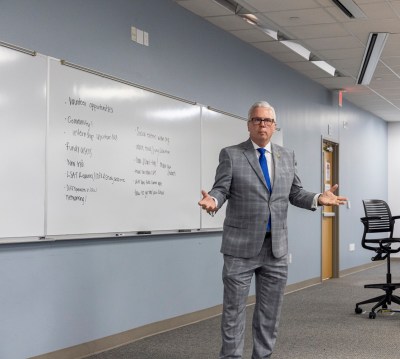
 After doing some general housekeeping, we went on to have our guest speaker, Chris Tritico, present to our members. Tritico graduated from Sam Houston State University in 1983 and has worked under Richard “Racehorse” Haynes, who was regarded as one of the best criminal defense attorneys in the nation. Mr. Tritico is most famously known for representing Timothy McVeigh, otherwise known as the Oklahoma City Bomber, but has also gone on to represent several notable athletes, such as former Houston Rocket Moses Malone and former Houston Astro Julio Lugo.

“People don’t come to me for plea bargains, people come to me to do a good job.”, he noted.

Being a defense attorney is a tough job, but it’s crucial to do it the right way. It involves defending individuals, often accused of serious crimes, and dealing with complex legal and ethical issues. Chris Tritico, who represented a domestic terrorist, epitomized this commitment. He emphasized that beyond his client’s heinous acts, he had a profound responsibility to the justice system, ensuring a fair and rigorous defense, even in the most challenging cases.

Chris Tritico went on to answer several of our member’s pressing questions about his career, in which he thoughtfully gave his insight into law schools, challenges and triumphs in his career, and how the legal field has changed over the last 20 years. Through these questions, he highlighted the highly rewarding nature of being a defense attorney, providing a fascinating glimpse into the dynamic world of law.

With that, our first meeting of the year ended tremendously! We greatly appreciate Chris Tritico for taking the time to speak at length to our members, and for our coalition of 2023-2024 Pre-Law Society members for joining us.

Unknown's avatarAuthor mikeyawnPosted on September 21, 2023April 1, 2025Format AsideCategories Civic Engagement, Civil Rights, LawTags Center for Law Engagement And Politics, Sam Houston State University, SHSU Pre-Law SocietyLeave a comment on Welcome Back, SHSU Pre-Law Society!

A Capitol Day in South Carolina!

The Southern Legislative Conference indeed came to an end, but our adventures pressed on! On our way to Atlanta, LEAP Ambassadors took some key stops through South Carolina and Georgia to learn about this region and its historic relevance.

Tour of South Carolina’s Capitol Building

Ingrid Cuero

Before leaving South Carolina altogether, we made sure we stopped in Columbia, the Capital of the state. We approached the capitol grounds to find a full-blown protest occurring–with labor unions objecting the flight of jobs.

This did not stop us from getting some photos of the exterior….

…or from seeing several statues, including Strom Thurmond, who is famously known for conducting the longest filibuster in history: 24 hours and 18 minutes! (He was filibustering to prevent passage of a civil rights bill.) 

Passing by South Carolina’s state tree; a lone palmetto on the South end of the structure, we entered the building, which opened to a marvelously decorated interior.

I was immediately taken by the two flags, the U.S. and the South Carolina flag on either side of the entrance. 

One of my favorite details of the interior design was the consistent use of the palmetto tree and the state flower, the Yellow Jessamine. It’s all in the details; for example, the lamps and chandeliers emulated the palmetto in their structural composition, and the staircase was engraved with the flower. 

John C. Calhoun, another of the State’s notable figures, was commemorated with a statue. Calhoun is the only man to have served as Vice President of the United States for two different presidents. He, like Thurmond, is not much of a figure for modern times, but is a key part of the Palmetto’s State’s history.

We then came across The Battle of Cowpens; one of the first portraits to portray an African American in battle. Painted by William Ranney, the scene depicts a “servant” intervening in battle to save Col. William Washington.

 After interning in the Texas Capitol building this past semester, it was very interesting to see the many differences between the TX Capitol and the SC Capitol.

The first, and most obvious difference, is the size. While Texas’ Capitol building is much larger, the interior of South Carolina’s is far more intricate and elegant.

Another key difference is that in South Carolina, both chambers are in session every year, whereas in Texas the legislature convenes every biennium.

Although judges in Texas are elected, in South Carolina judges are selected by the General Assembly.

This was the second state capitol building I had ever been in, so to be able to compare my experiences–especially right after an internship in the TX Capitol–was an insightful opportunity! Meanwhile, we were all able to check off one more capitol out of 50, South Carolina was Michelle’s and Olivia’s favorite Capitol Building of the trip.

Unknown's avatarAuthor mikeyawnPosted on July 26, 2023Format AsideCategories Civic Engagement, Civil Rights, Law, Politics, TravelTags Center for Law Engagement And Politics, Sam Houston State University, South Carolina CapitolLeave a comment on A Capitol Day in South Carolina!

Exploring the “Holy City:” A Day in Charleston, South Carolina

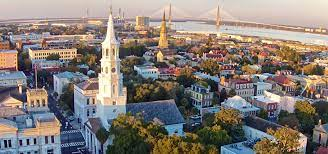
All agree that Charleston is most commonly known as the “Holy City,” but explanations differ as to why. Some say it is because people of many religions settled here, motivated partially by its religious tolerance. The more prevalent explanation is that the skyline is punctuated by churches. We are agnostic on the origin of the name, but we are more knowledgeable today about the city thanks to…

Bulldog Historic Walking Tour

By Ingrid Cuero

The Southern Legislative Conference sponsored a “Bulldog Walking History Tour” for us today, and for two hours on a (hot) Sunday morning, we learned about the past and present of The Holy City.

As a way of warning, we learned that Charleston has “tourism police,” whose primary job is to keep tourists from obstructing the city’s transportation. Who knew?

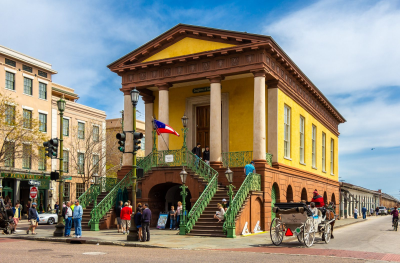
Our first stop was the Charleston City Market, which was built on land donated by Charles C. Pinckney and other landowners . Interestingly, Pinckney was a founding father, was nominated once for VP, and twice for President (under the Federalist Party). He had conditions on the donation of this land, one of which was that it must be used as a City Market–and it has been for the past 235 years!

Many people confuse the City Market with the Old Slave Mart in Charleston, but these are not the same buildings and, in fact, the City Market has never been used for the sale, transport, or storage of slaves.

Charleston is architecturally intriguing. It is not blessed with an abundance of stone, so the “stone buildings” you see are probably brick that has been scored to appear to be stone. On the other hand, stones were imported from England to make the cobblestone streets. “Imported” may be a bit pretentious, in that they were actually used for ballast on the ships and then discarded in Charleston Bay when cargo was loaded. The discarded stones were then used for the roads.

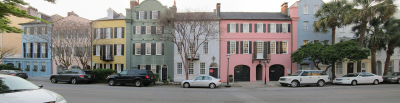
Perhaps the most famous of Charleston’s homes are on “Rainbow Row,” 13 homes marked by pastel colors. Many myths exist to explain the origin of this colorful street, but the most likely account is that the original preservationists wanted a Caribbean look, and subsequent buyers/restorers followed suit.

Interestingly, a tour guide told me that Oprah Winfrey owned one of the homes, although I was not able to verify that. I did find, however, that she stayed at Charleston Place, which is the site of our conference.

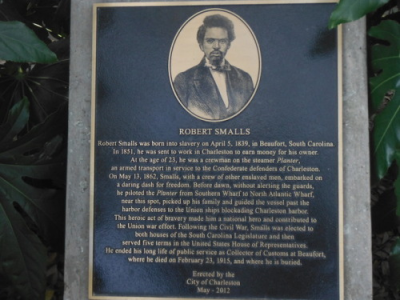
We also passed the Robert Smalls historical marker…

…which was especially interesting to us because, on the way to Charleston, Professor Yawn drove us to Robert Small’s house in Beaufort, SC and told us a bit about him.

Smalls is best known for leading one of the Civil War’s greatest intelligence victories, while also securing his freedom and the freedom of fellow slaves (and their enslaved families). Following the war, he returned to South Carolina, and he purchased the home of his former “master.” He lived there for the remainder of his life with his wife and children, and he let his former master’s widow, Margaret Johnson-McKee continue to live there. According to our tour guide, Smalls actually never told Johnson-McKee that she no longer owned the house, sparing her embarrassment. Smalls was one of the founders of the Republican Party in South Carolina and was elected to both the SC state legislature and the US Congress.

In reading more about Smalls, I was particularly moved by one of his speeches, in which he asserted, “My race needs no special defense, for the past history of them in this country proves them to be the equal of any people anywhere. All they need is an equal chance in the battle of life.”


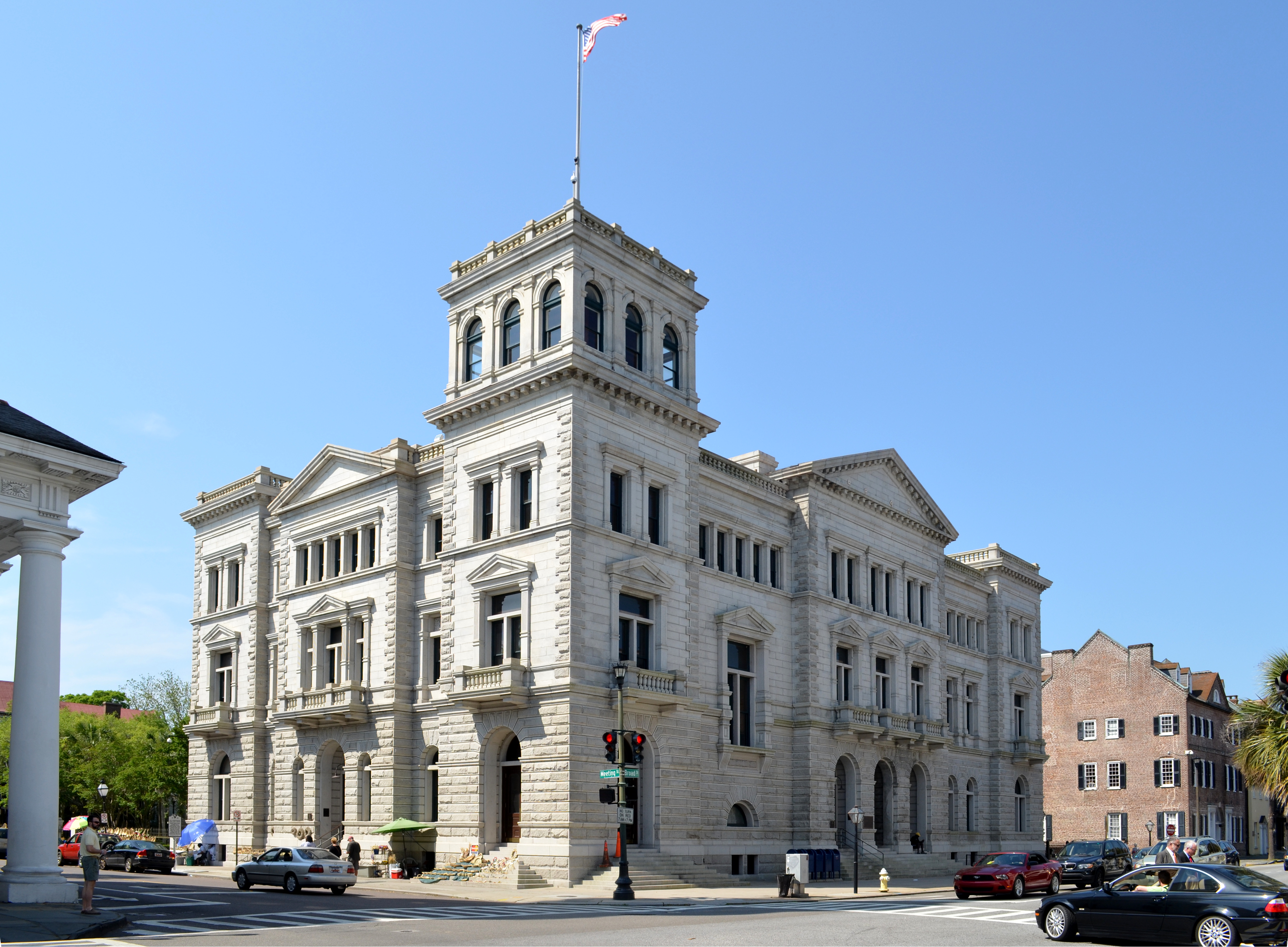
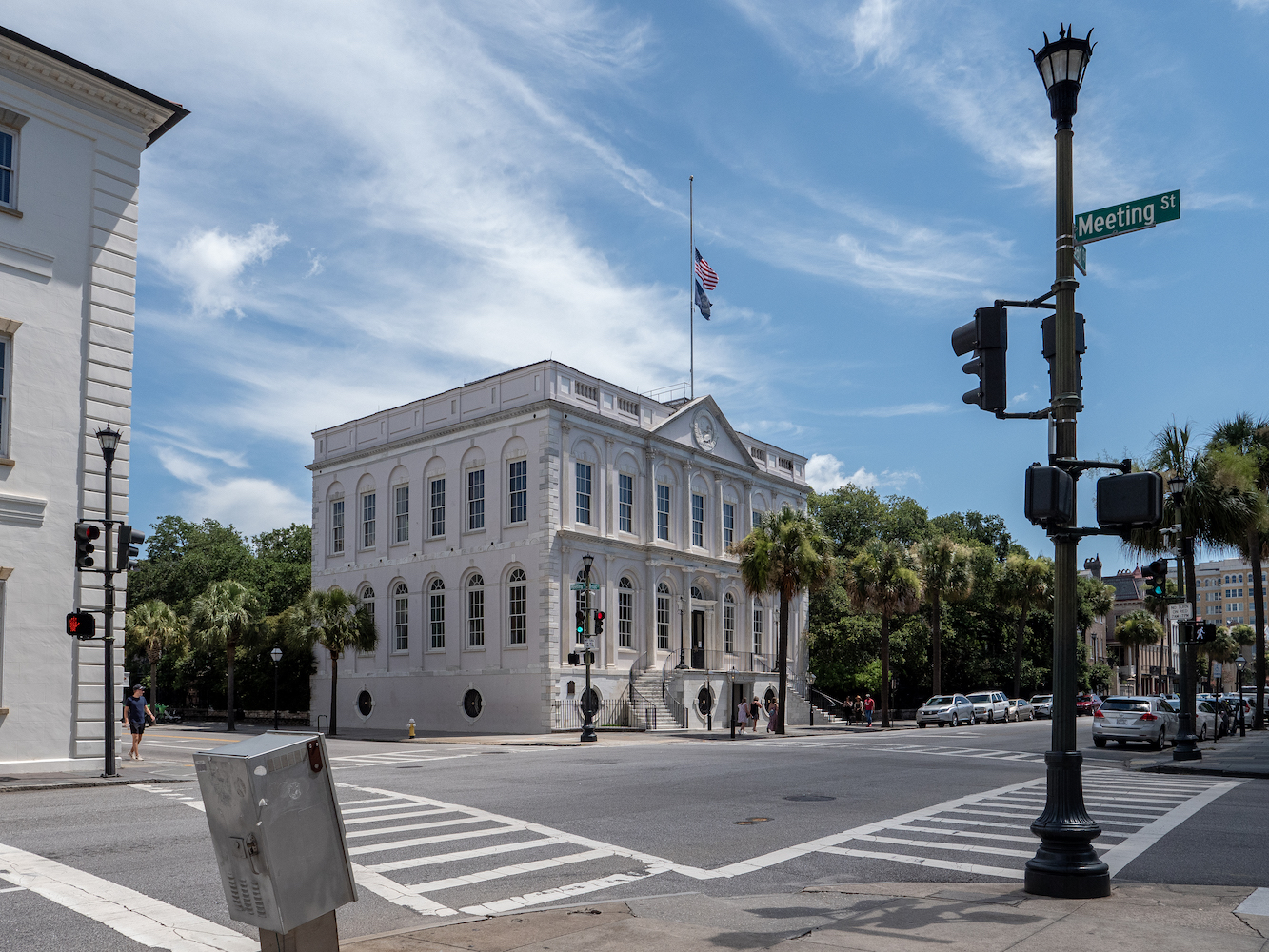
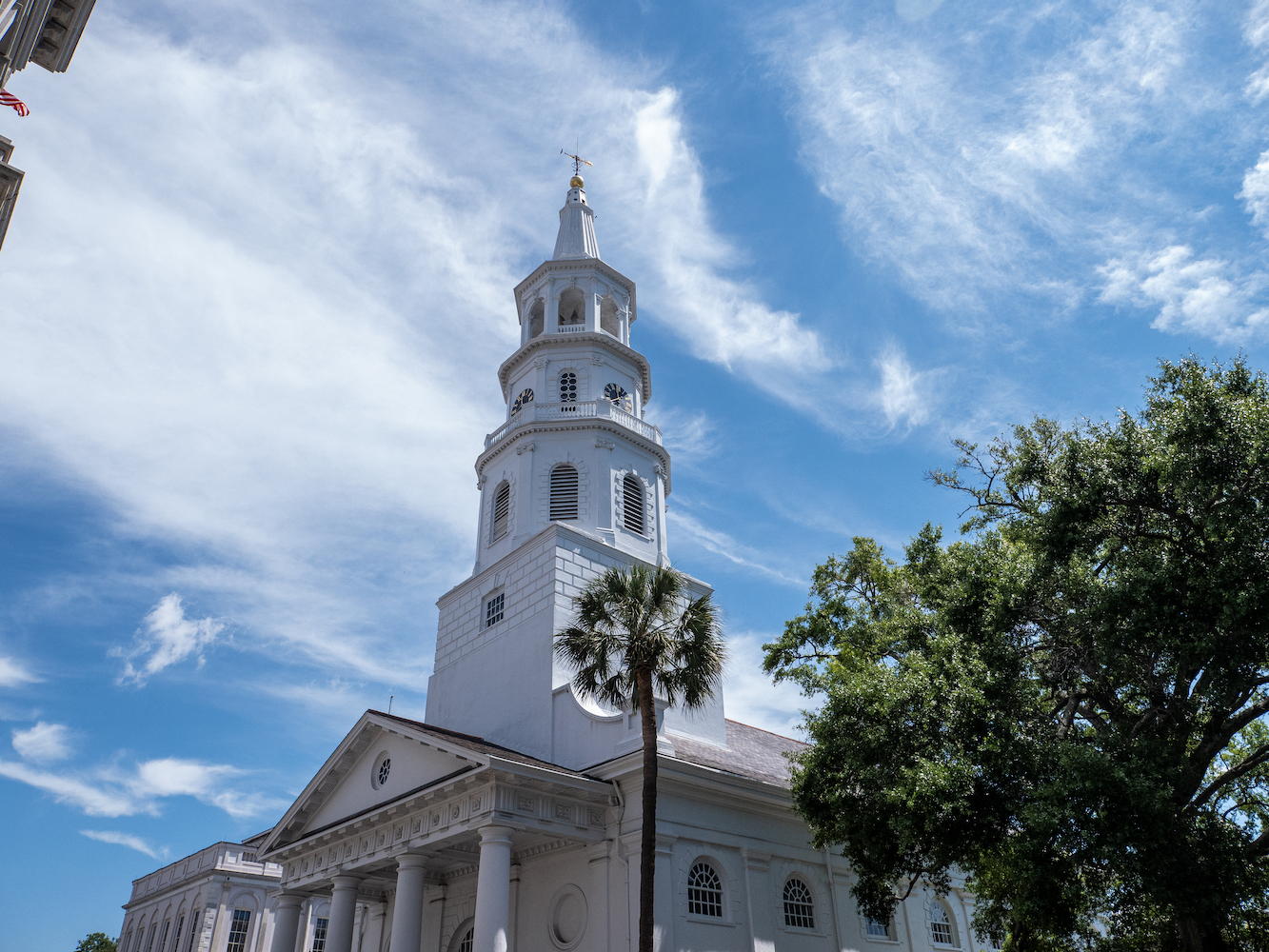
Also of interest was the Charleston intersection known as the “Four Corners of Law.” Each of the street corners hosts a legal institution of sorts: (1) Charleston City Hall (municipal law), (2) the County Courthouse and former provincial capital (state/county law), (3) the Post Office and Courthouse (federal law), and St. Michael’s Episcopal Church (God’s law).

This lesson illuminated both the literal and figurative intersections of government and social institutions, as well as the importance of working together to achieve results–which, also, incidentally, is the theme of the Southern Legislative Conference!

LEAP Makes a SPLASH at Family Night!

Jessica Cuevas

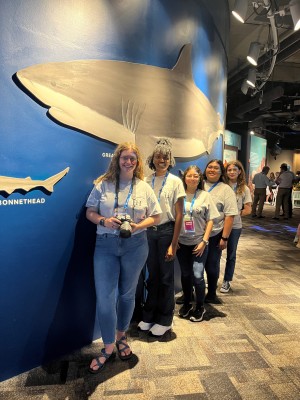
LEAP Ambassadors have attended many SLCs over the years, and they always enjoy “family night.” This year, the host city, Charleston, selected South Carolina Aquarium as the venue for this evening, and the results were FUNtastic!

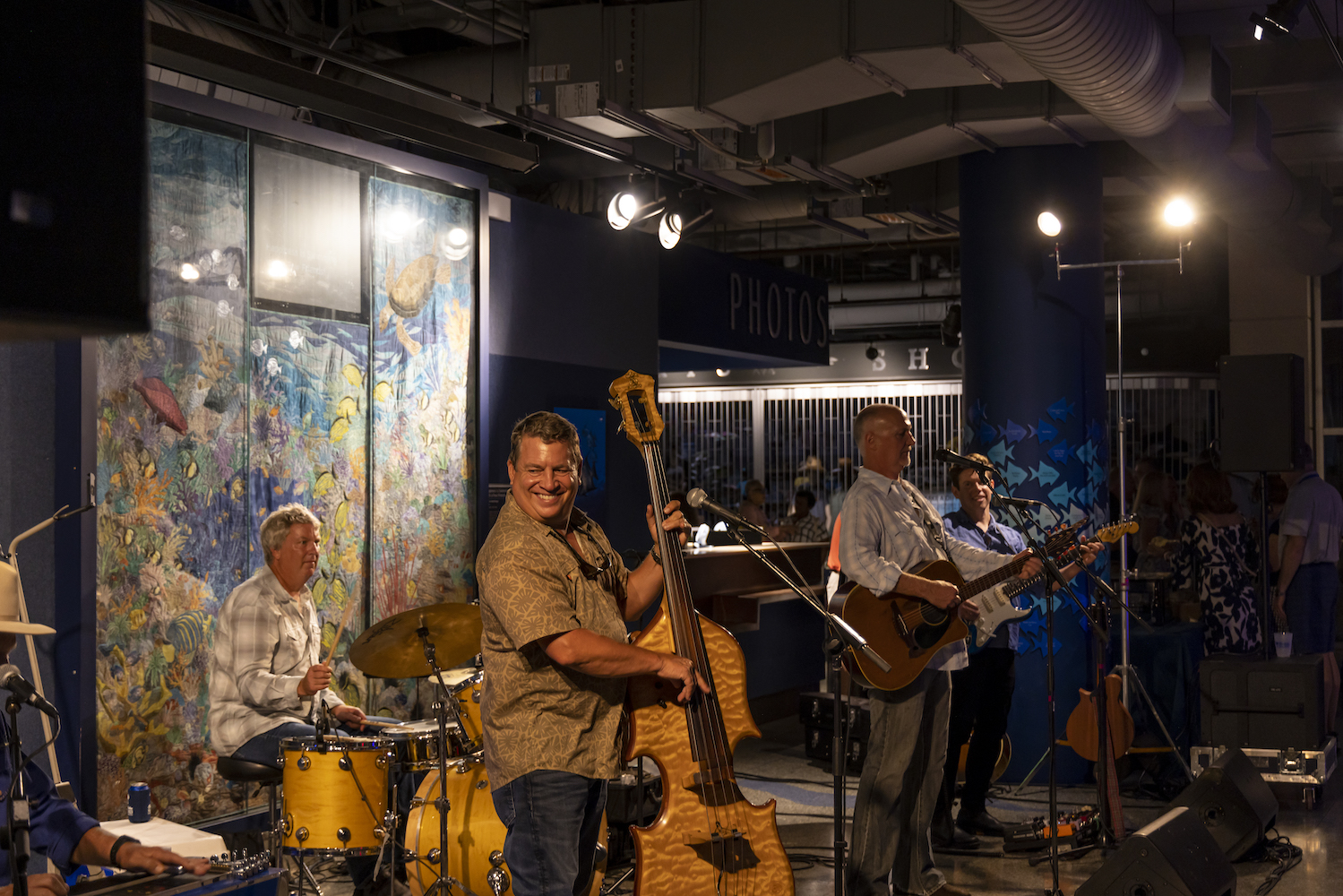
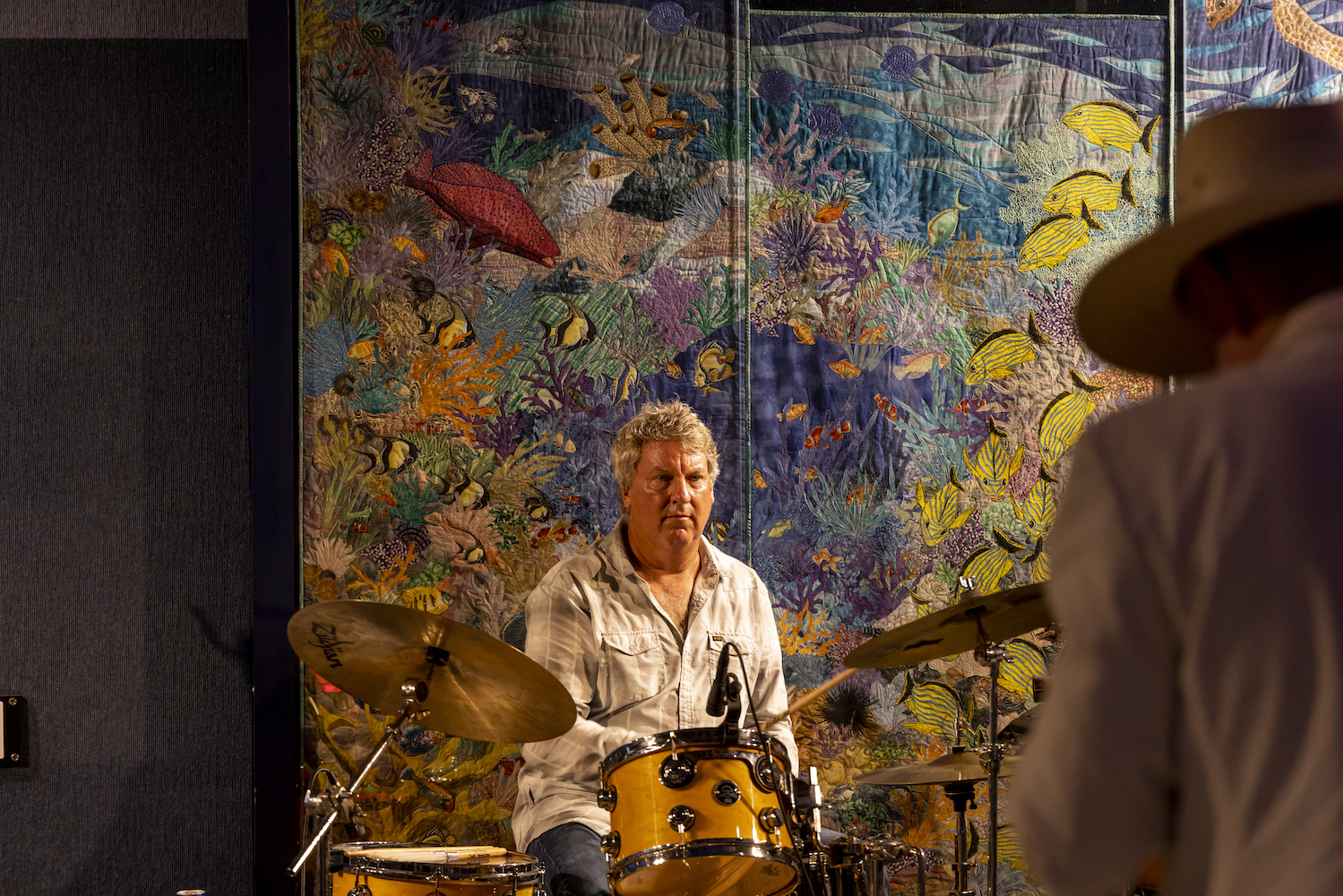
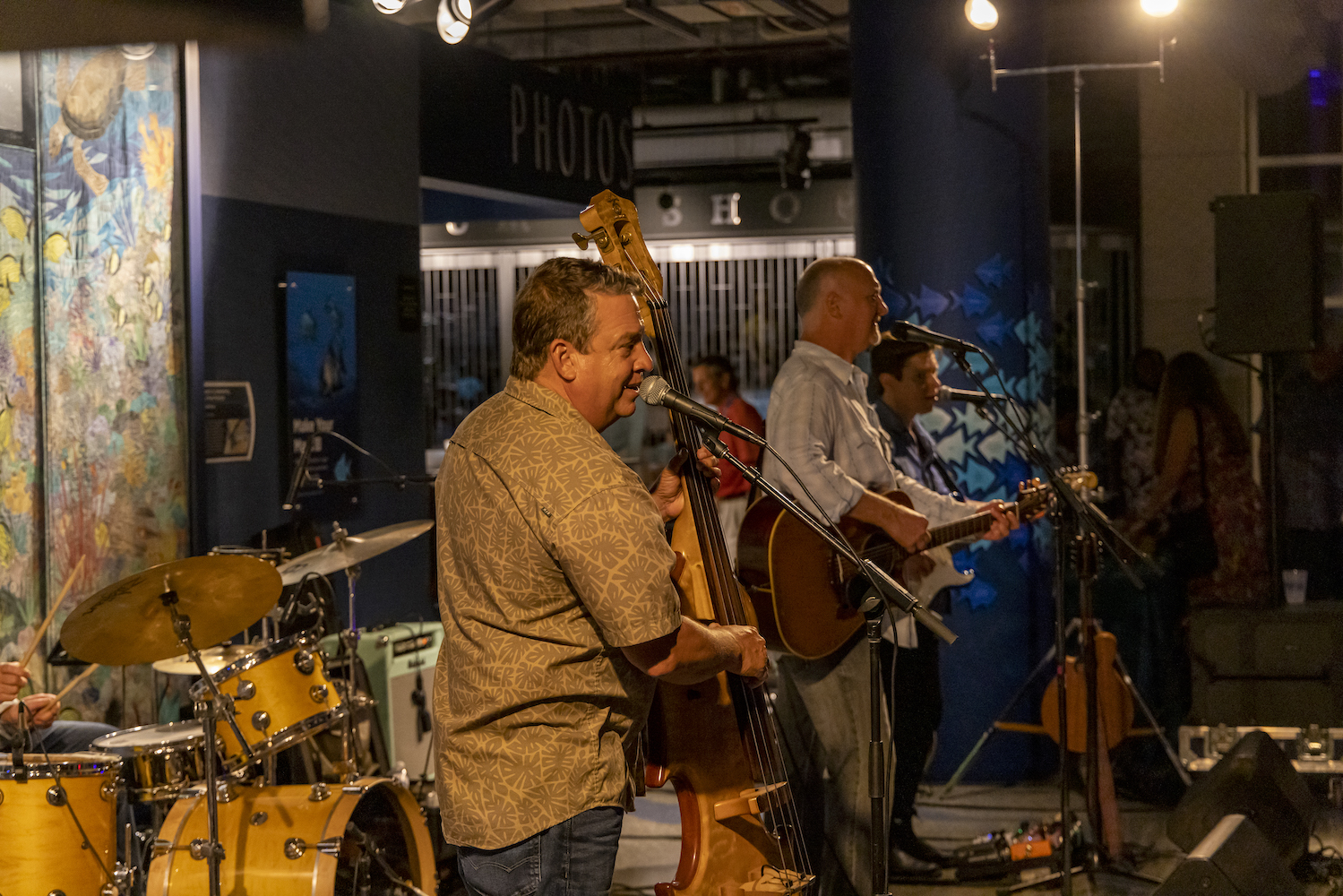
Welcoming us was the Blue Dogs Band…

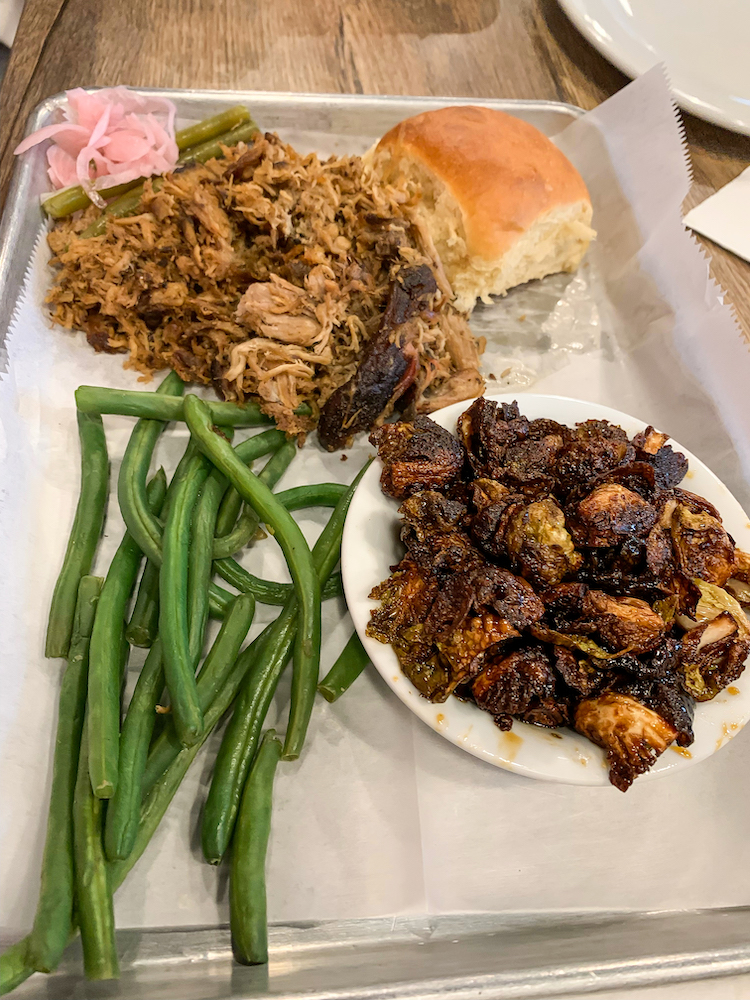
…and the aroma of great food. The songs were good, and the menu featured pulled pork, chicken, beans, house salad, bread rolls, poppy-seed cole slaw, various sauces, and gouda mac ‘n cheese. Amazingly, while we ate we had a chance to gaze at the “Great Ocean Tank,” the deepest tank in North America at 42 feet. We were all grateful no seafood was on the menu.

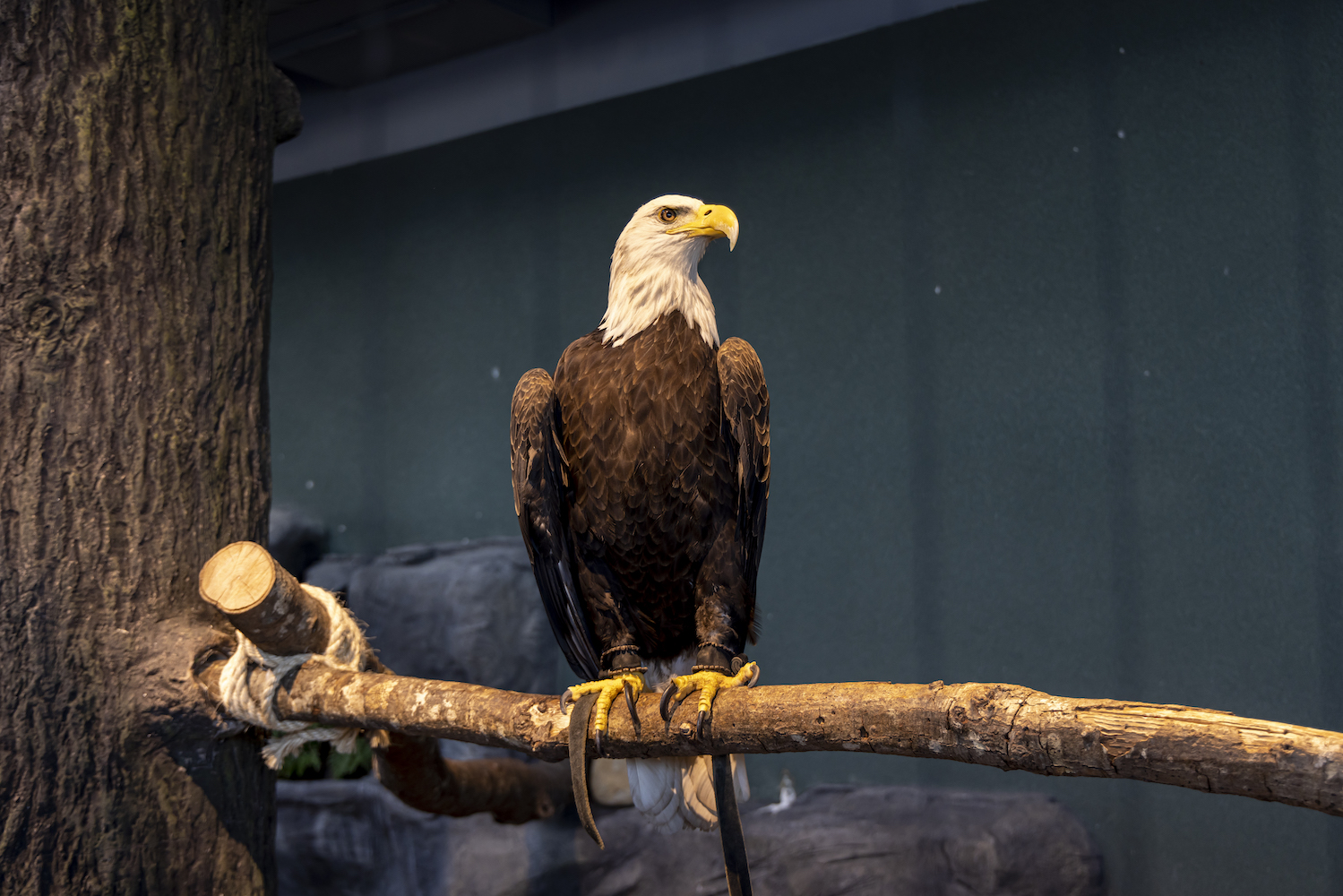
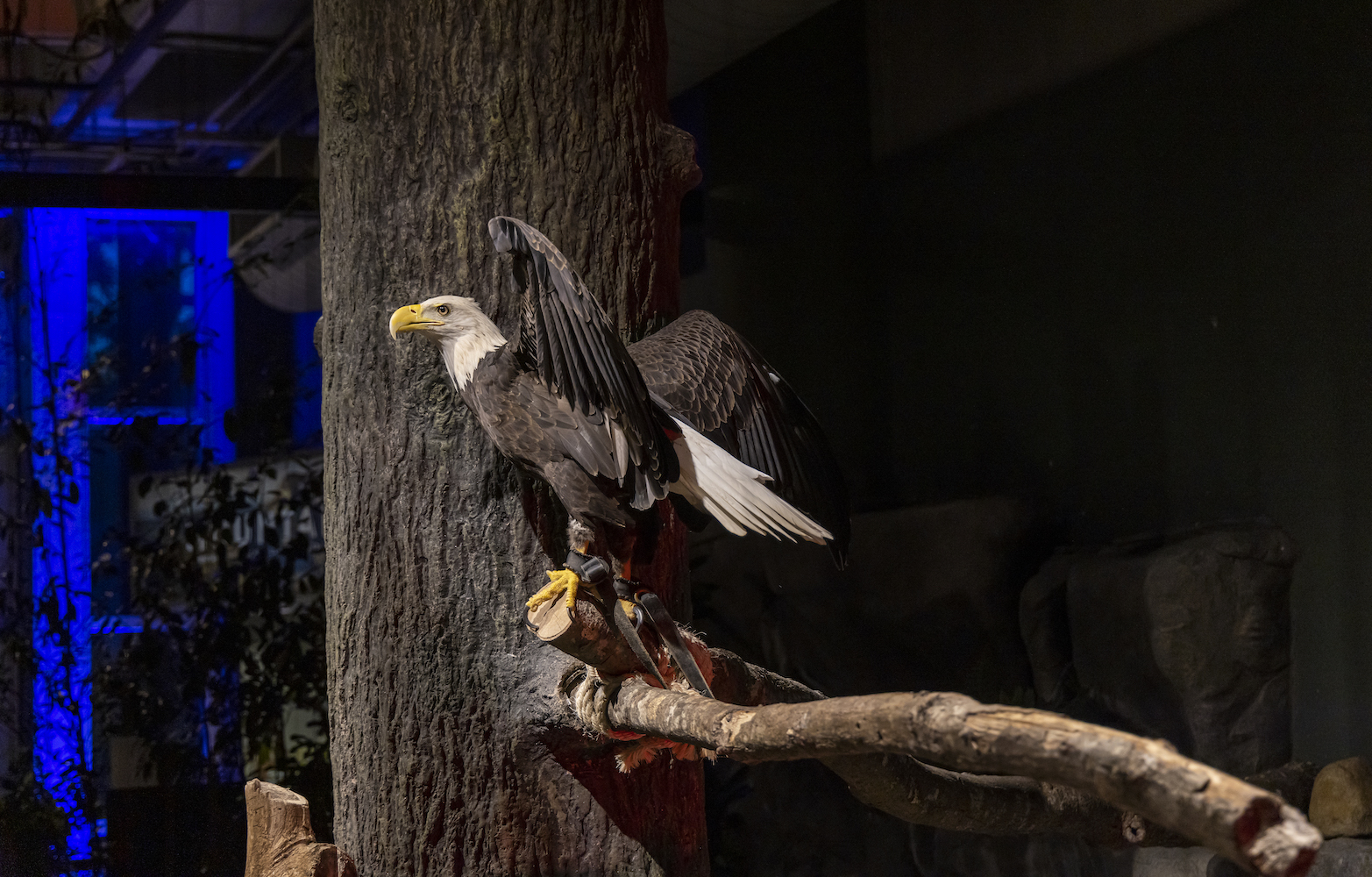
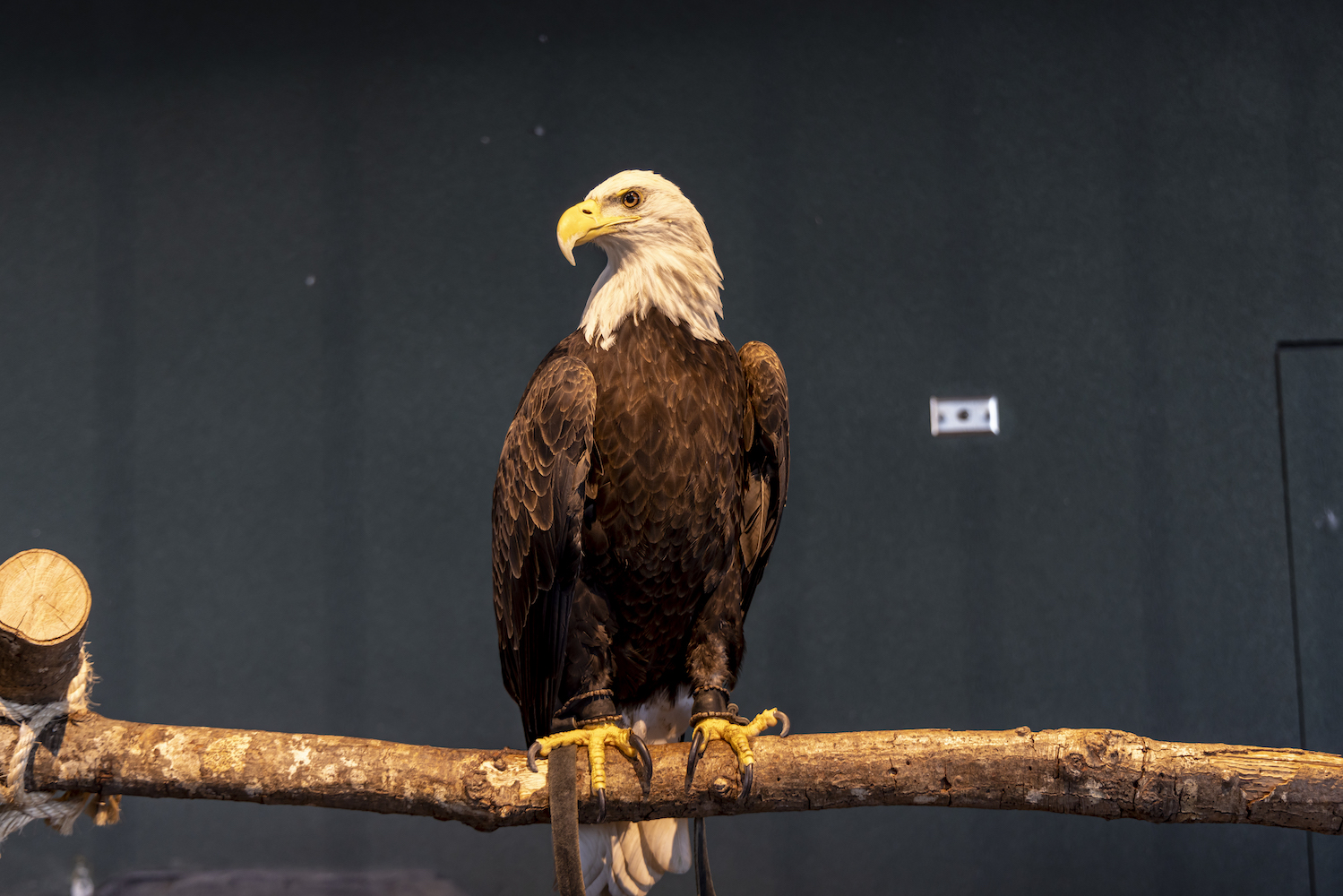
Nearby was the Bald Eagle exhibit, and we had a chance to see–and pose with–a bald eagle.

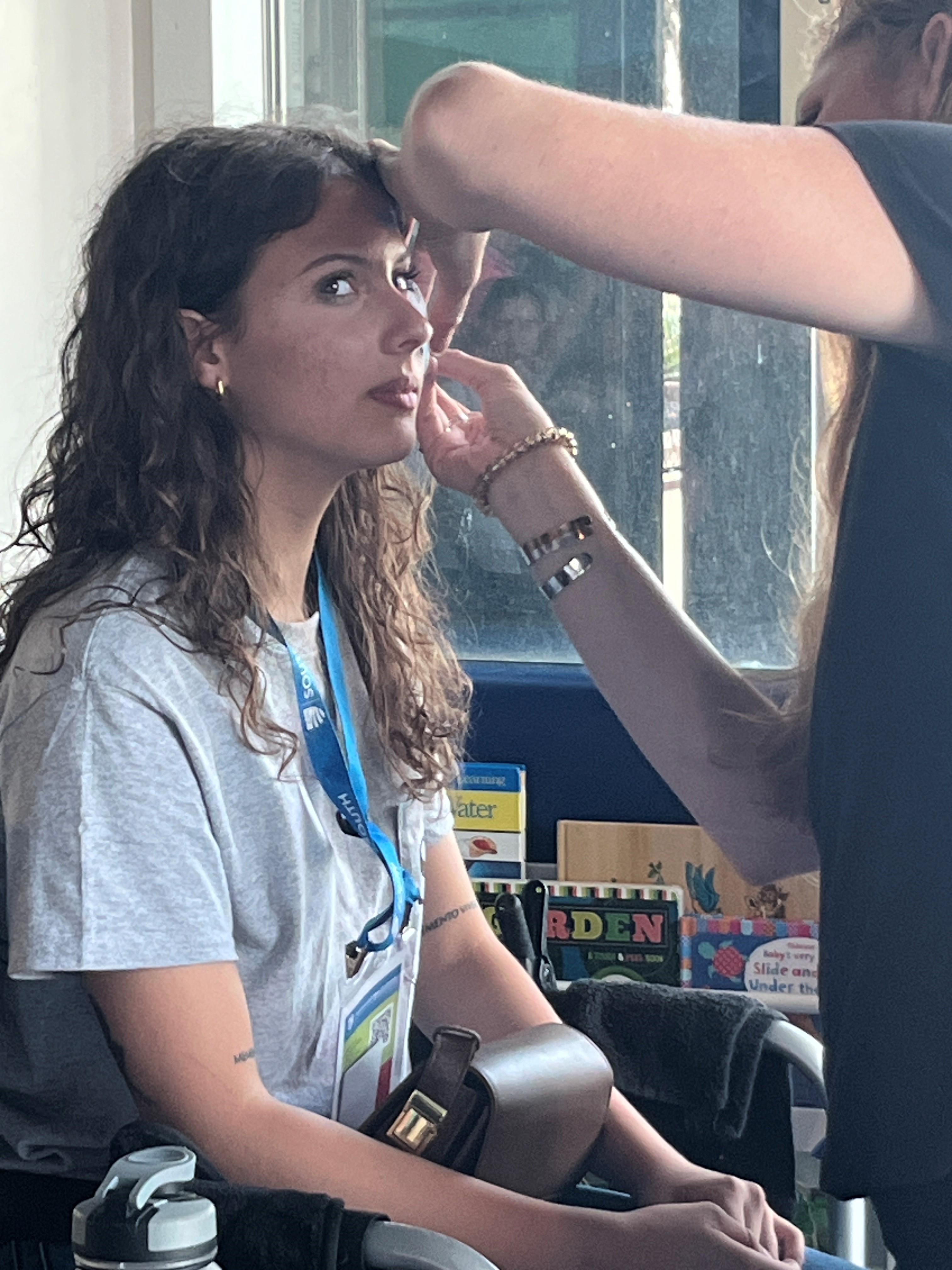
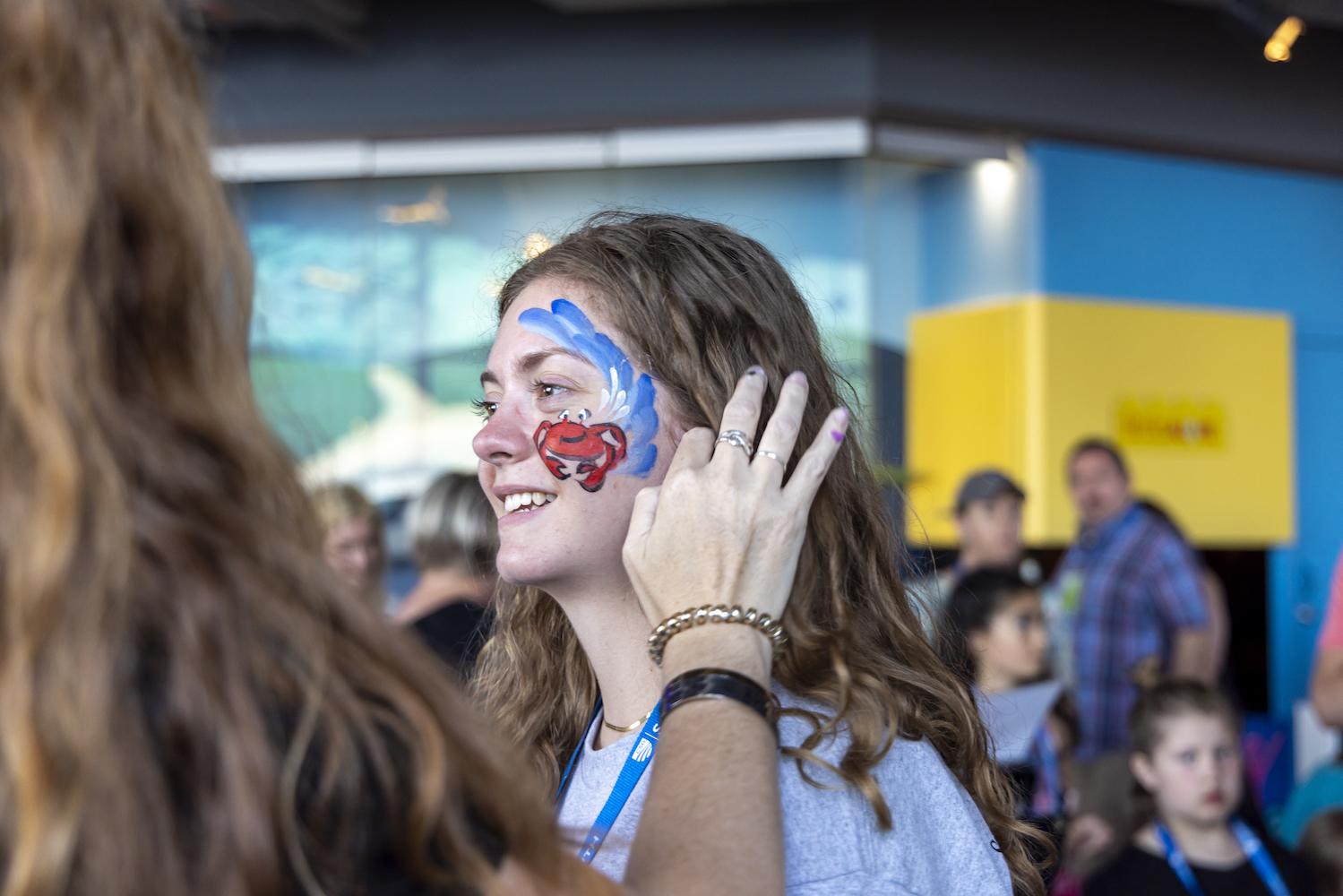
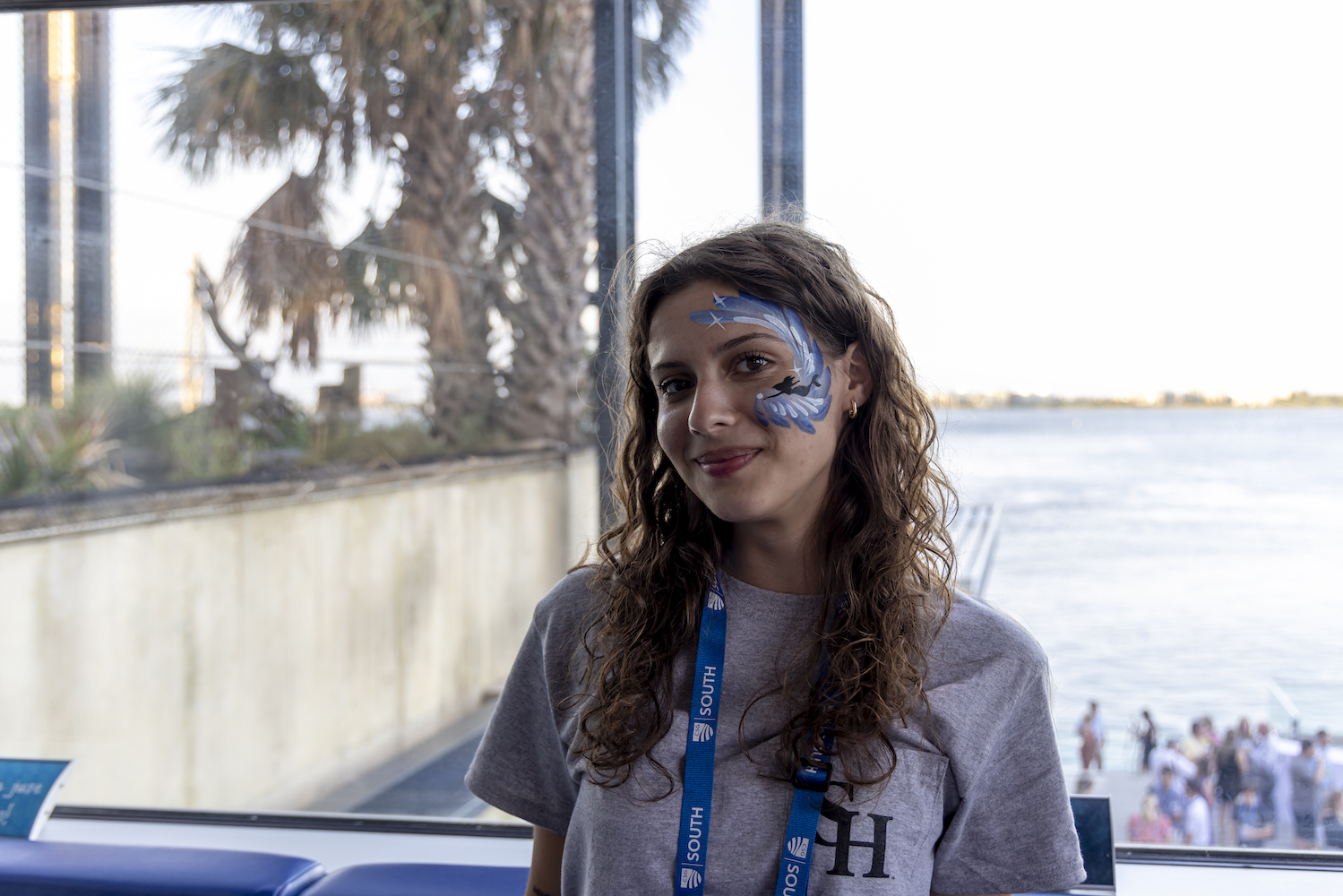
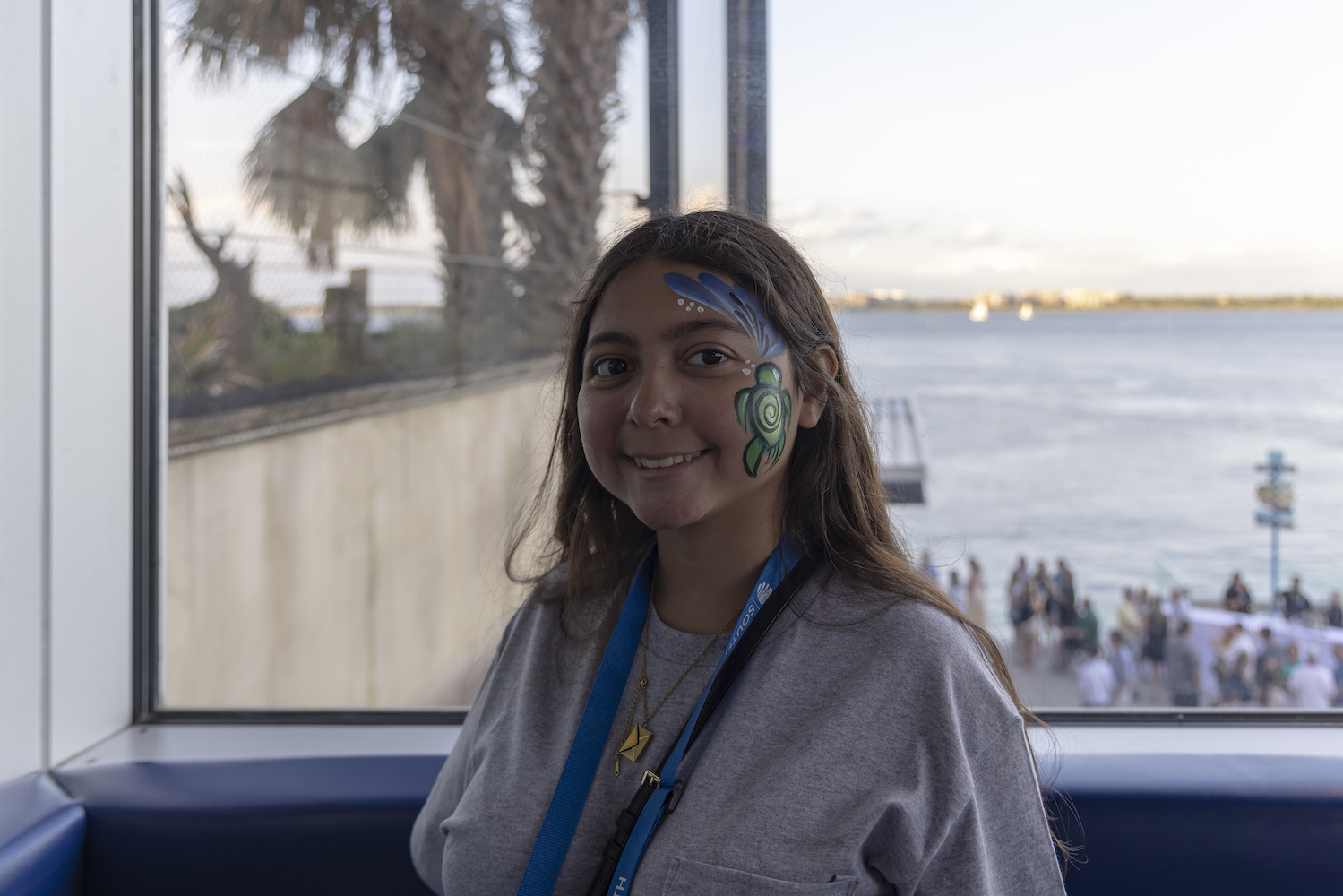
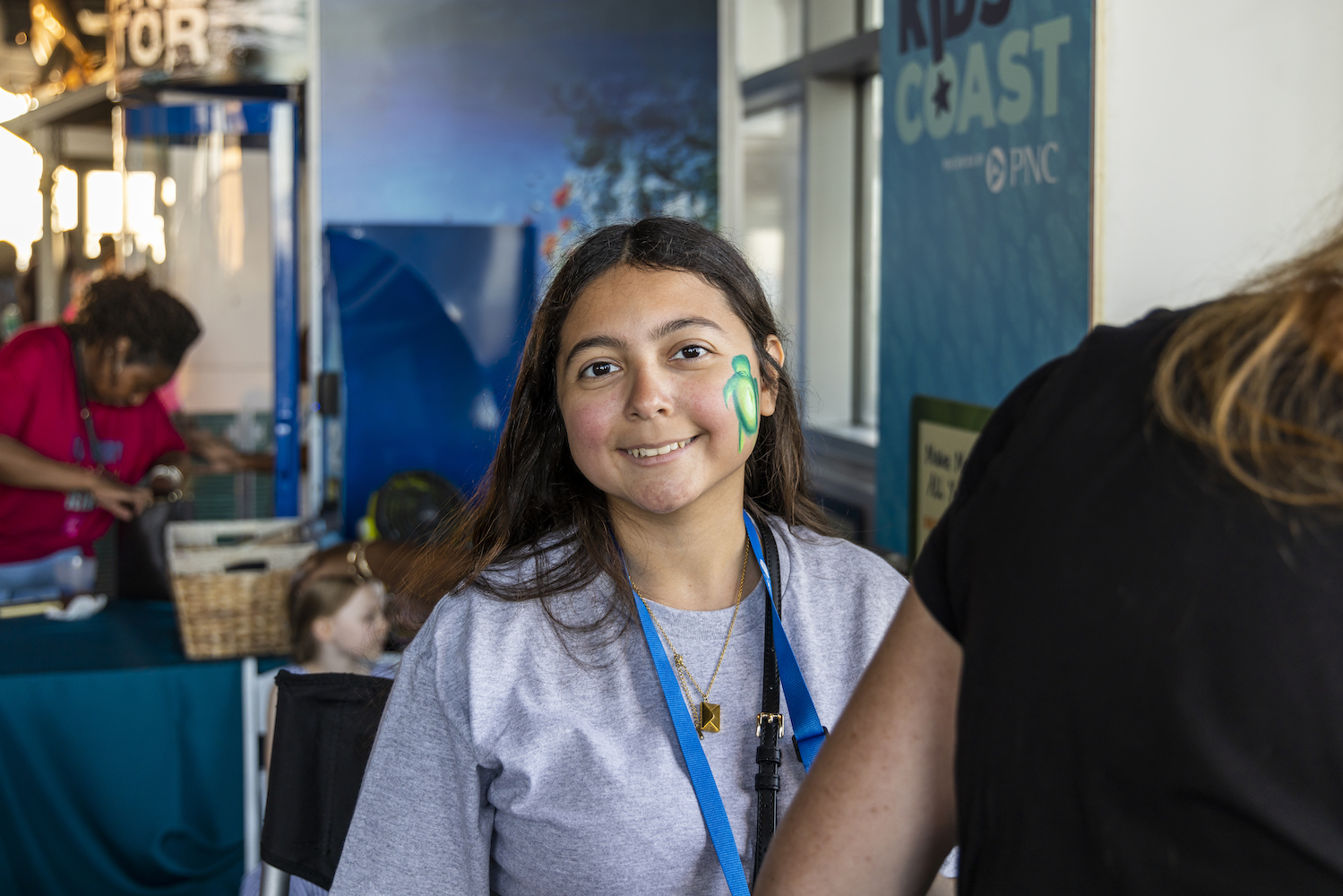
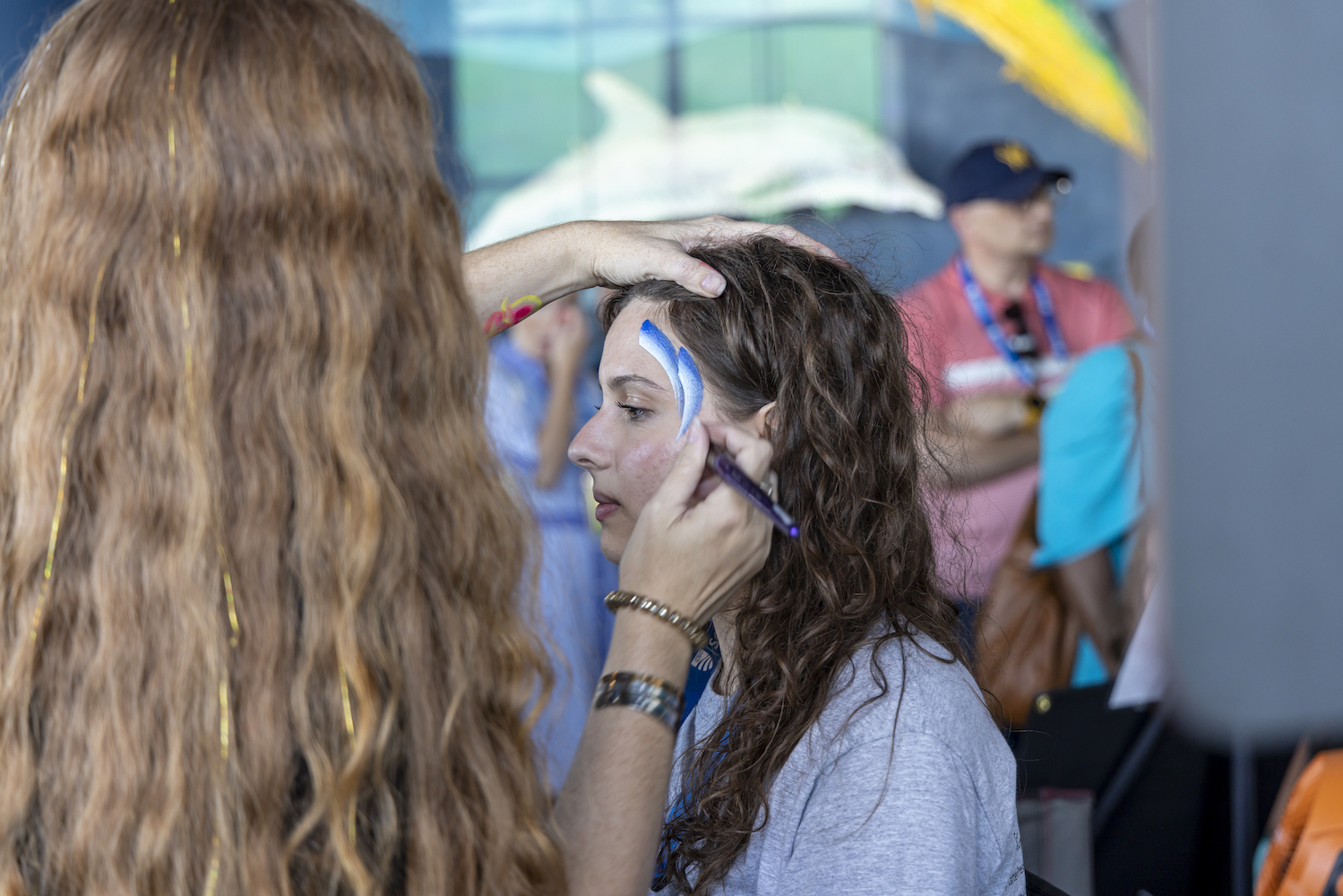
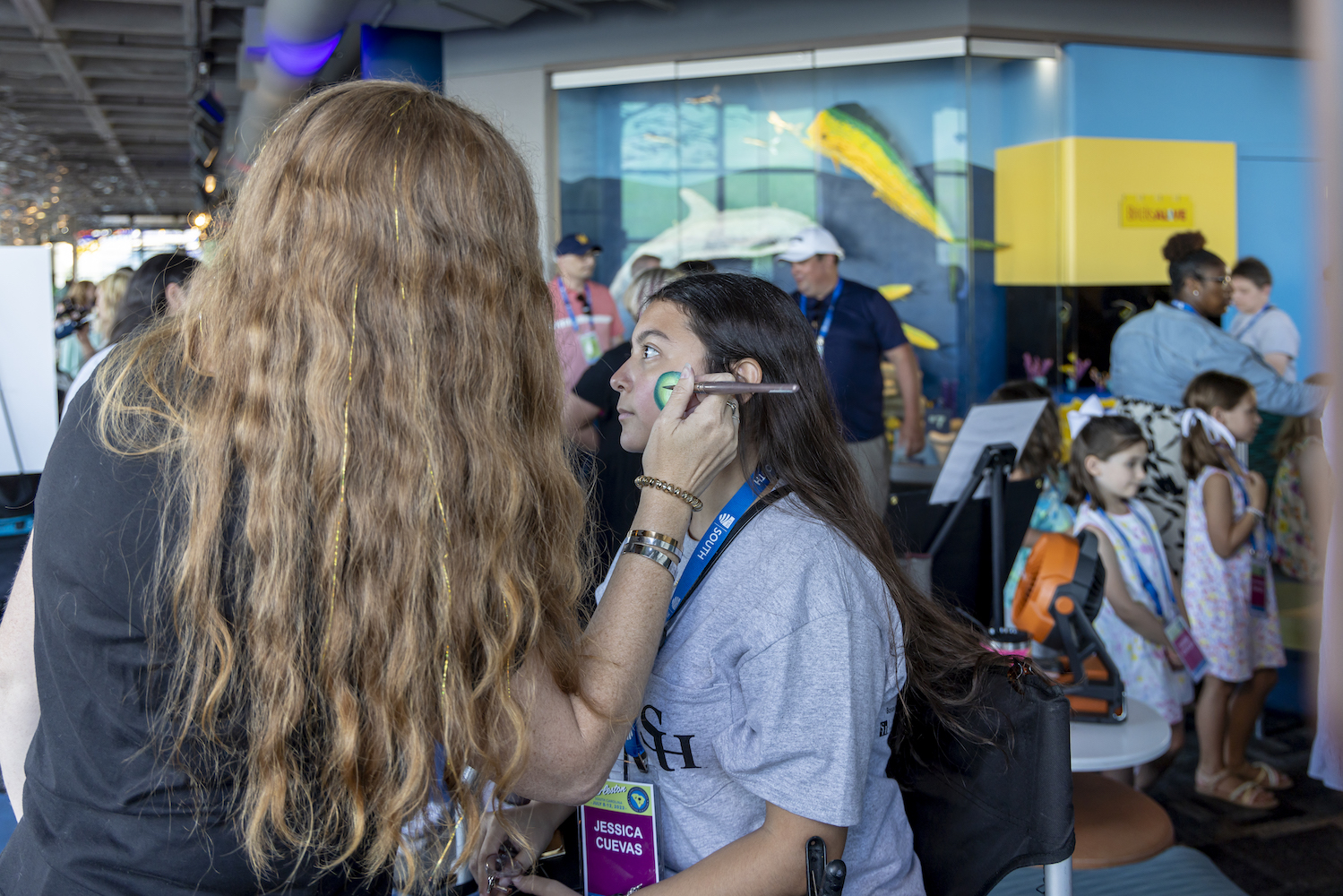
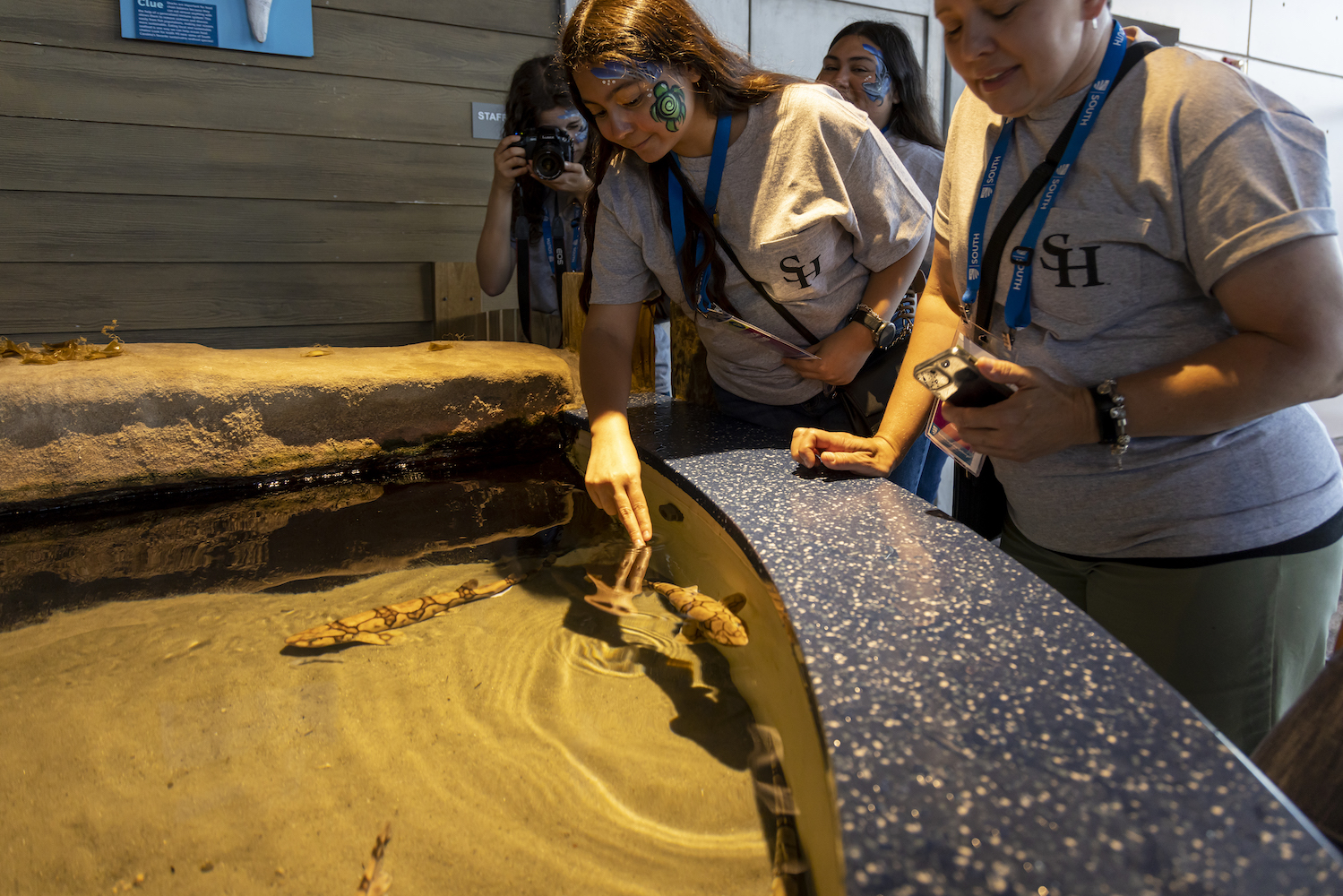
But when we heard there was face painting on the second floor, we joined other five-year olds in line. Continuing with our theme of the aquarium, Olivia adorned her face with mermaid; Michelle, a shark; Morgan, an (oddly) smiling crab; and I got a sea turtle.

Ingrid, not getting the gist of the evening, got a flower, making her a flower child.

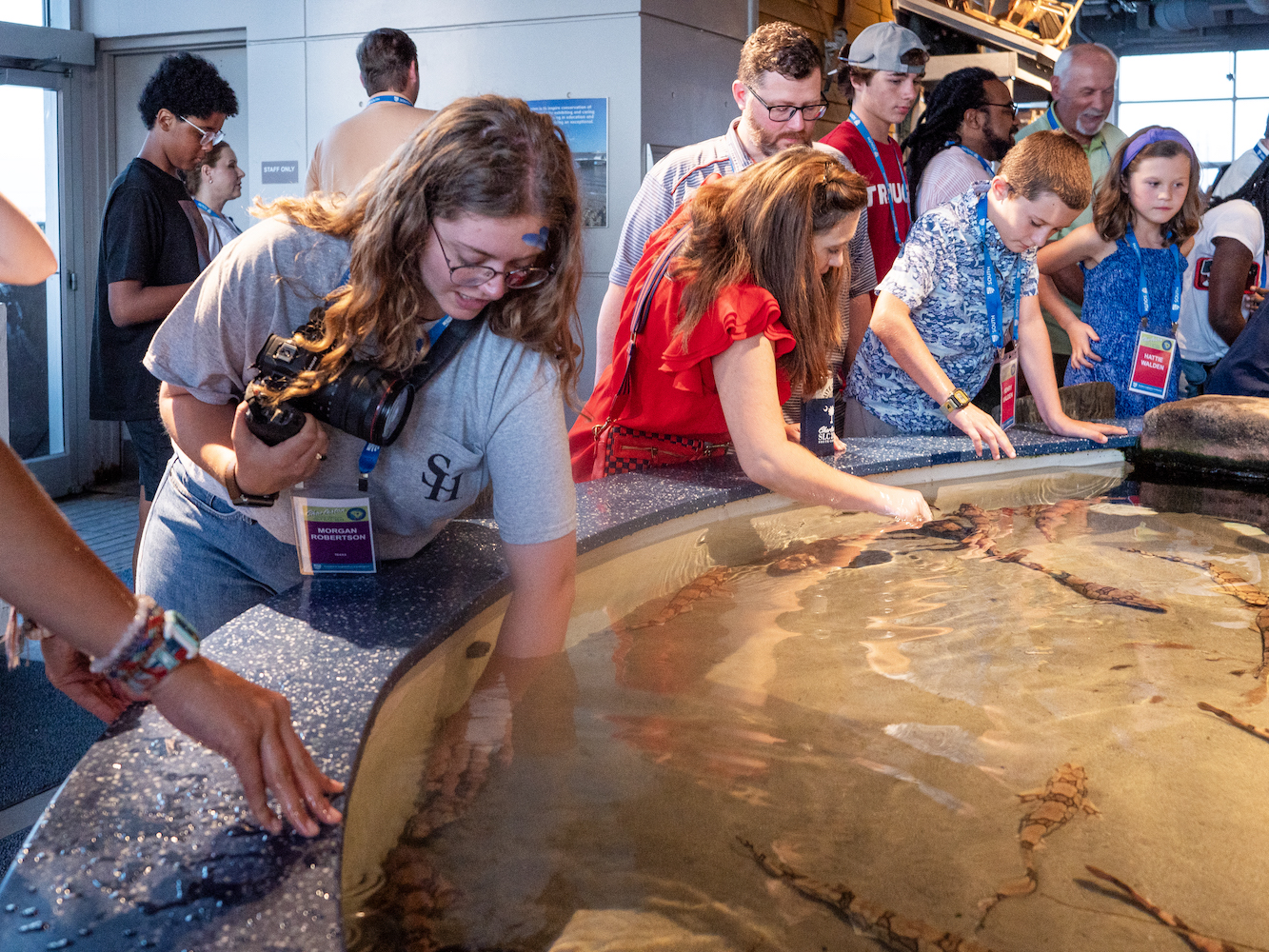
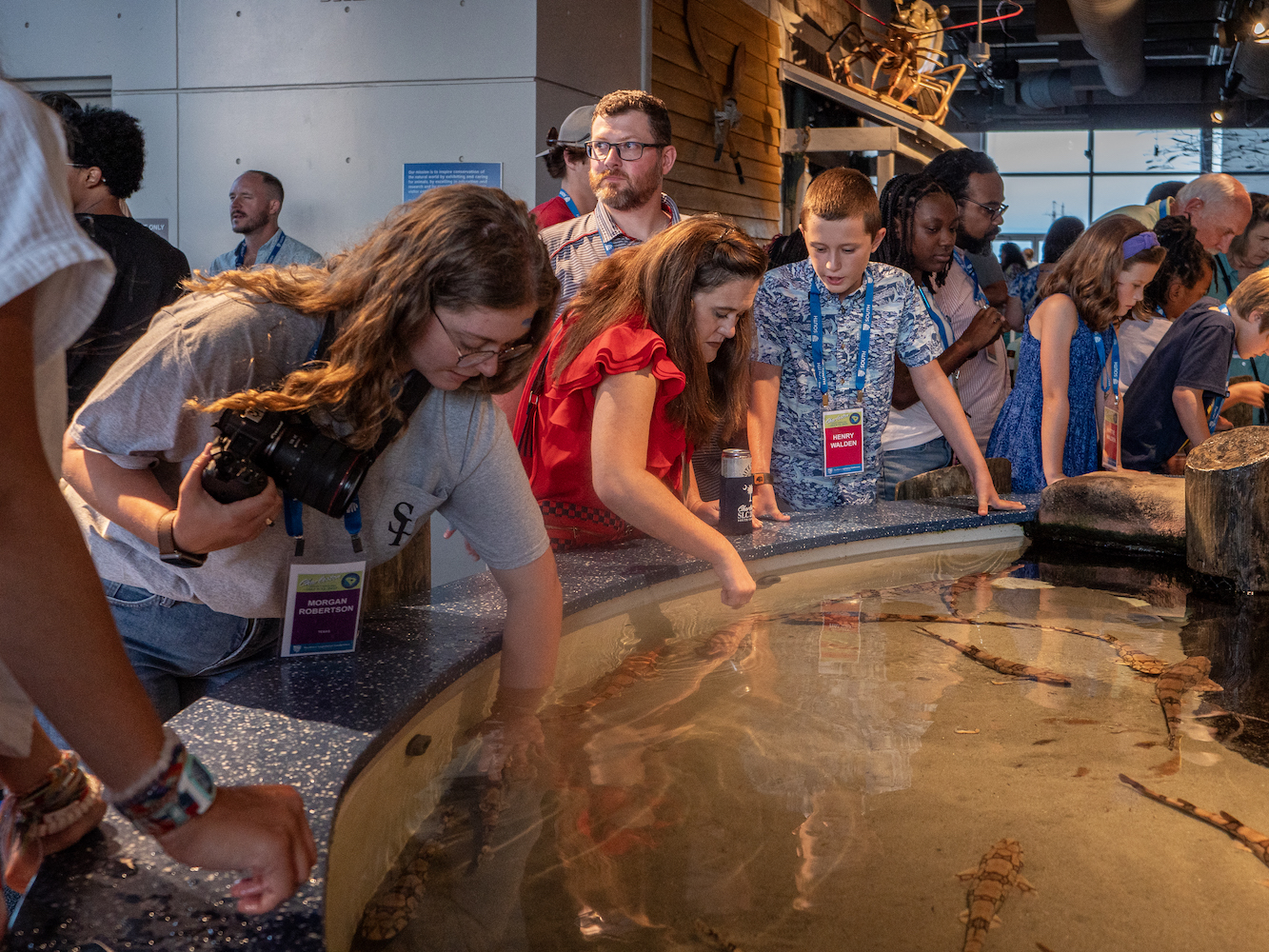
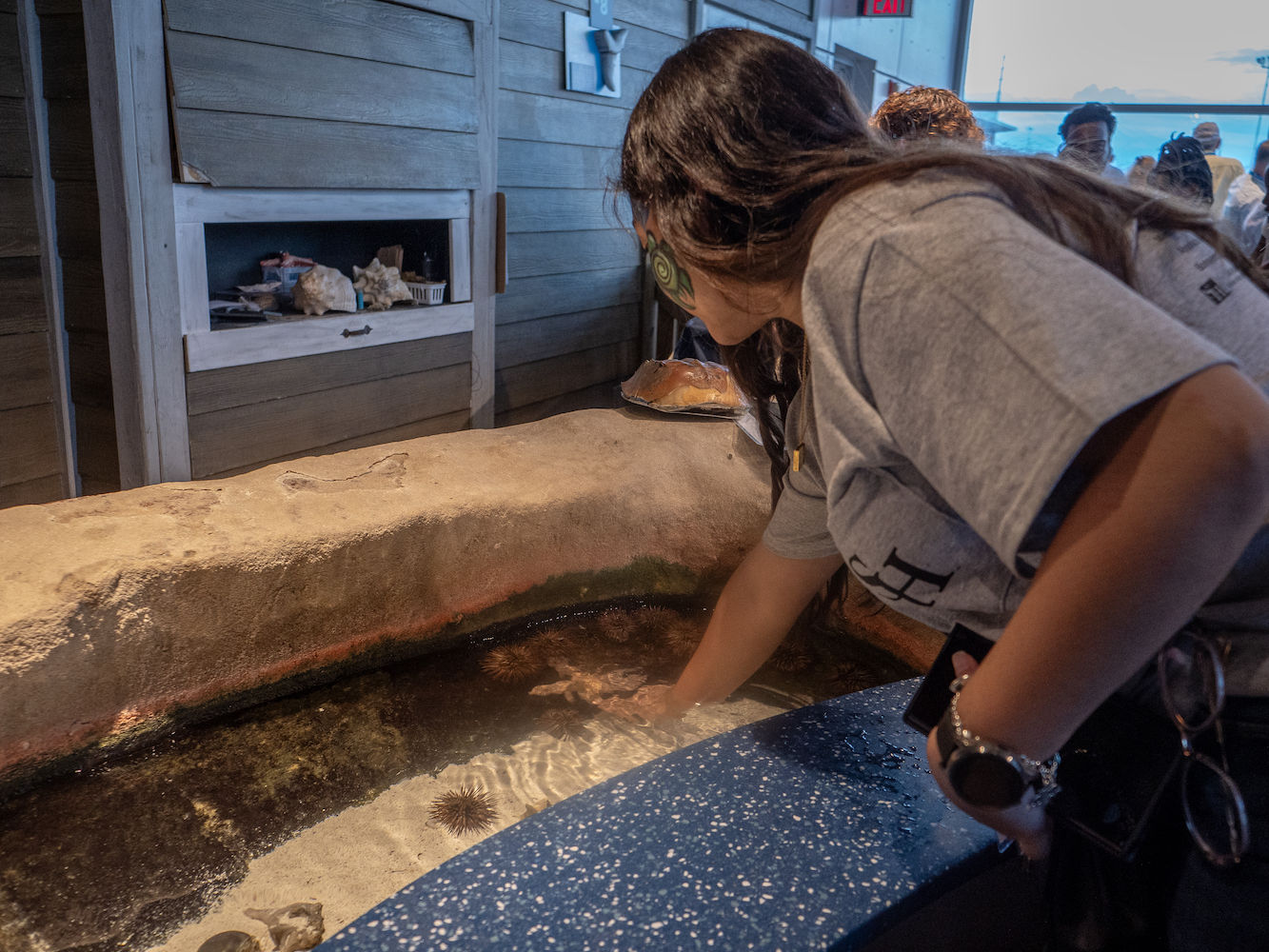
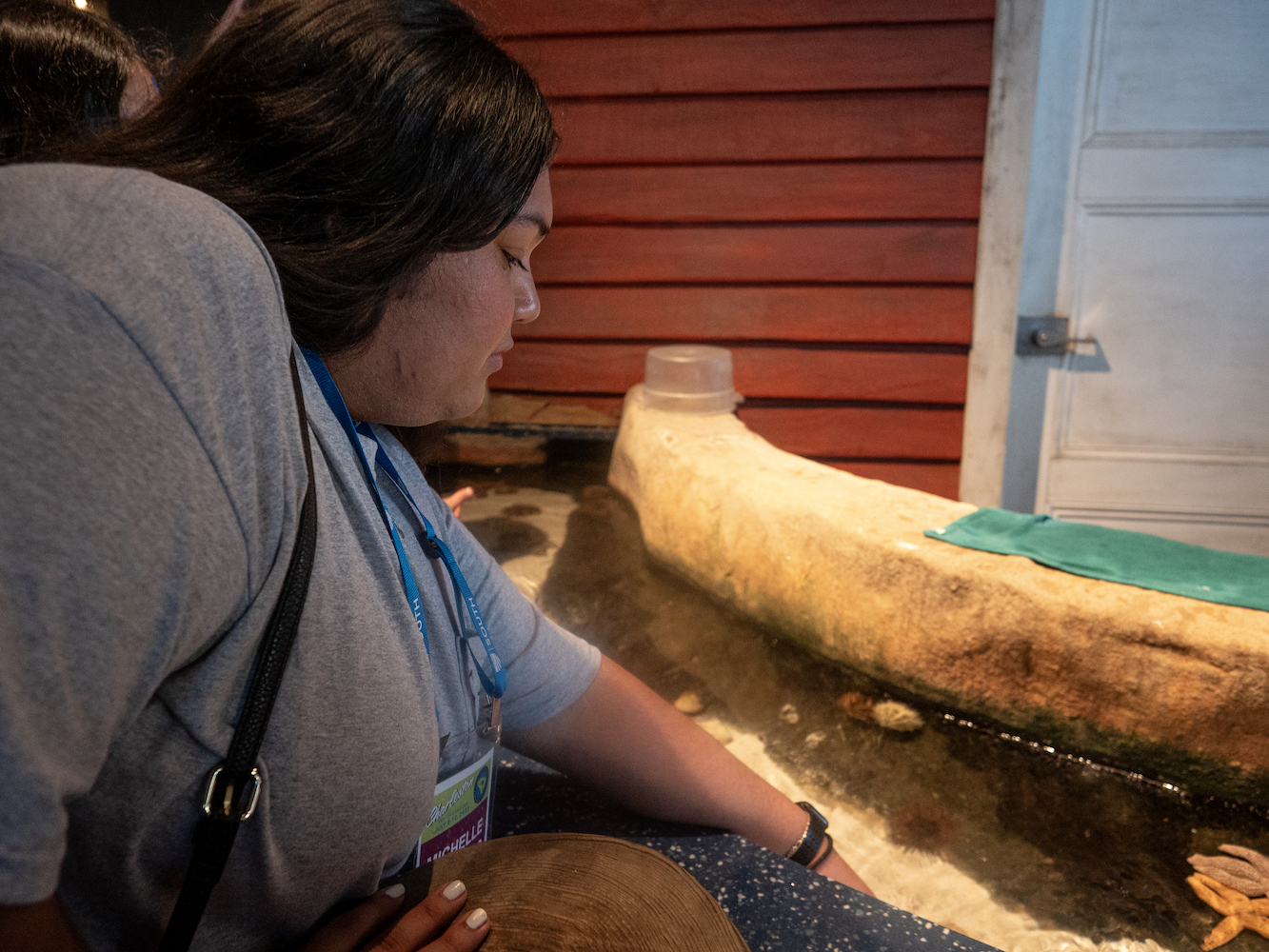
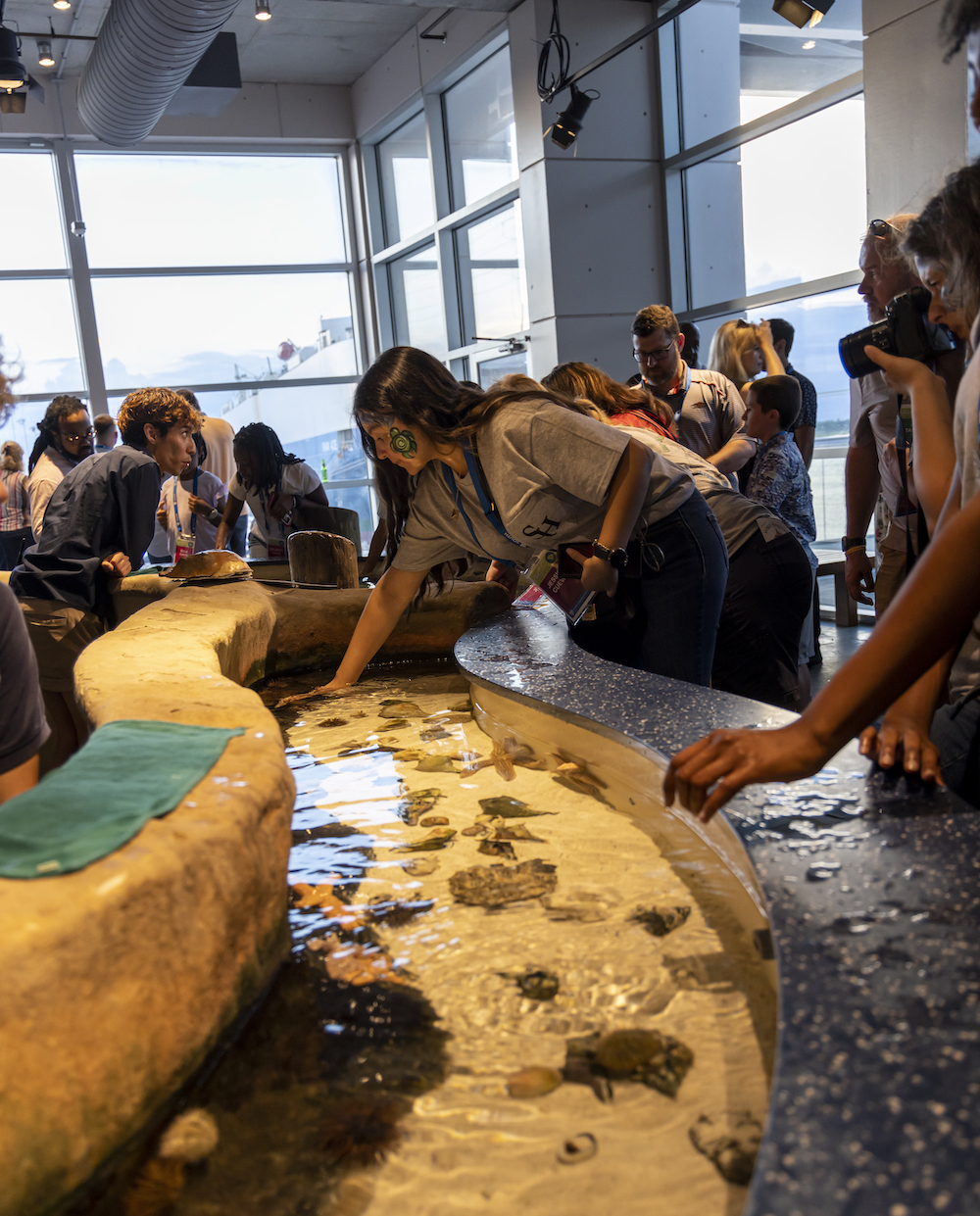
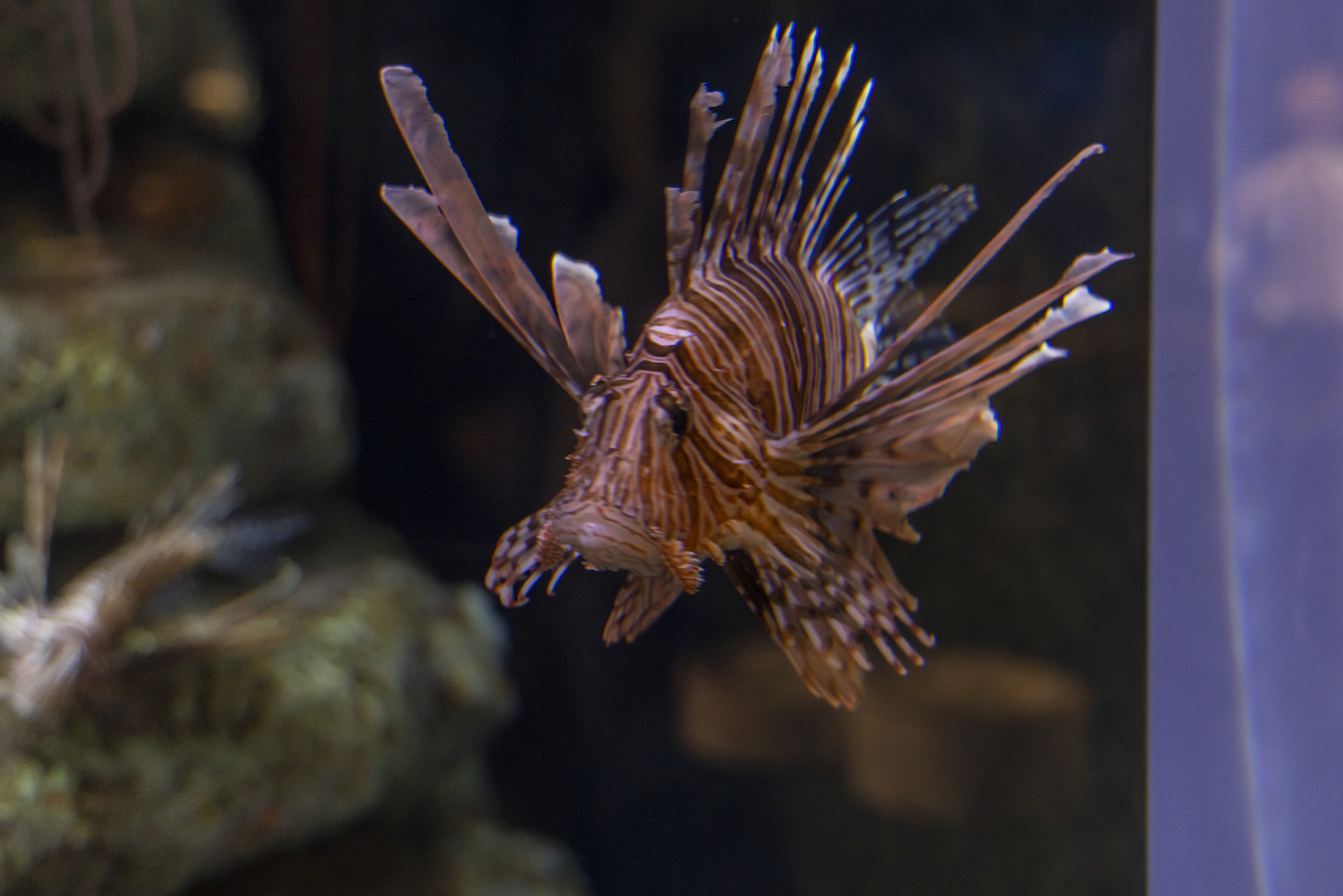
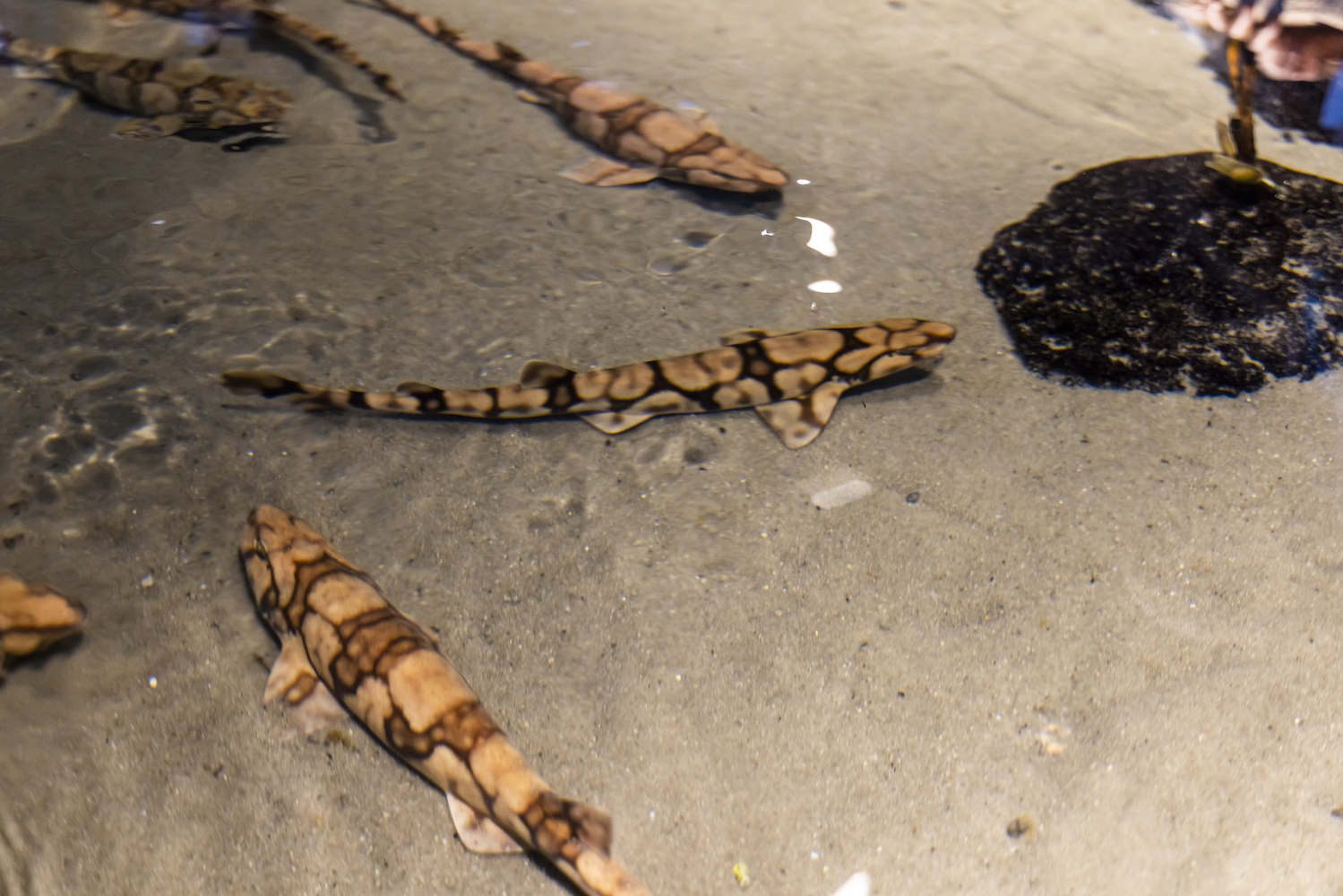
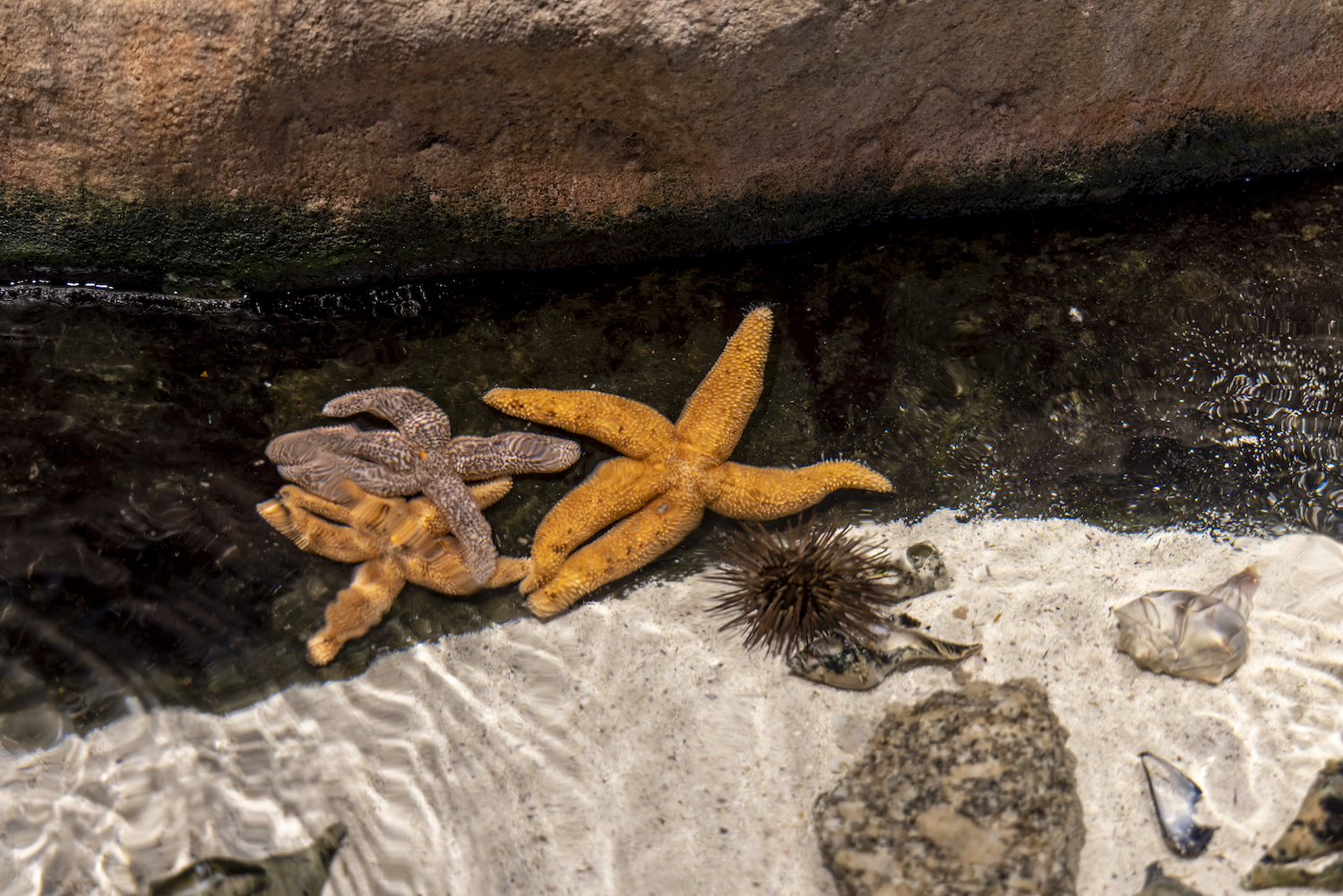
With the attention span of goldfish (2 seconds), and being naturally drawn to interactive museum features that do not require literacy, we saw the “touch and feed center” and immediately raced to it. We were able to touch starfish, sea urchins, hermit crabs, baby sand-tiger sharks, and sting rays!

At least one LEAP Ambassador was too frightened to touch the animals. The LEAP Code of Discretion prevents us from identifying this individual, but we would just like to apologize for Olivia’s absence from the preceding gallery.

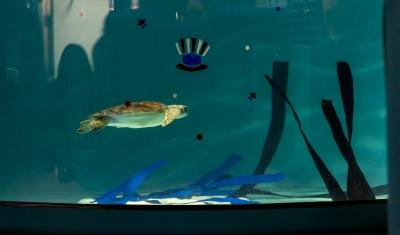
We learned that Charleston is home to three different turtles: (1) Green Sea Turtle, (2) Kemp’s Ridley, and (3) the Loggerhead Turtle (South Carolina State Turtle). They vary in color and size, and there was a couple in the Recovery Theater. The Recovery Theater – Sea Turtle Care Center is a portion of the aquarium that features an x-ray room, surgical rooms, many turtles, and interactive exhibits about the 13 patients in residence: 2 Loggerheads, 5 Green Sea Turtles, and 6 Kemp’s Ridleys.

The turtles often get hurt due to the pollution in the oceans from humans. In fact, it is estimated that by “2050, oceans are projected to contain more plastic than fish!” The most common reasons for ill or injured turtles are due to (1) fishhooks, (2) fishing lines, (3) broken bones, (4) pneumonia, and (5) osteomyelitis (bone infection). 

Although it was disheartening to read about the stories of the different turtles, most of which were named after cheese (Mozzarella, Parmesan, etc.), I was glad to see they were recovering. Soon they might be able to swim among the other 385 sea turtles that have been released from this center. 

Caretta, a loggerhead sea turtle, is the only turtle that will always call the aquarium home, due to her high dependency on humans impeding her from surviving in the ocean.

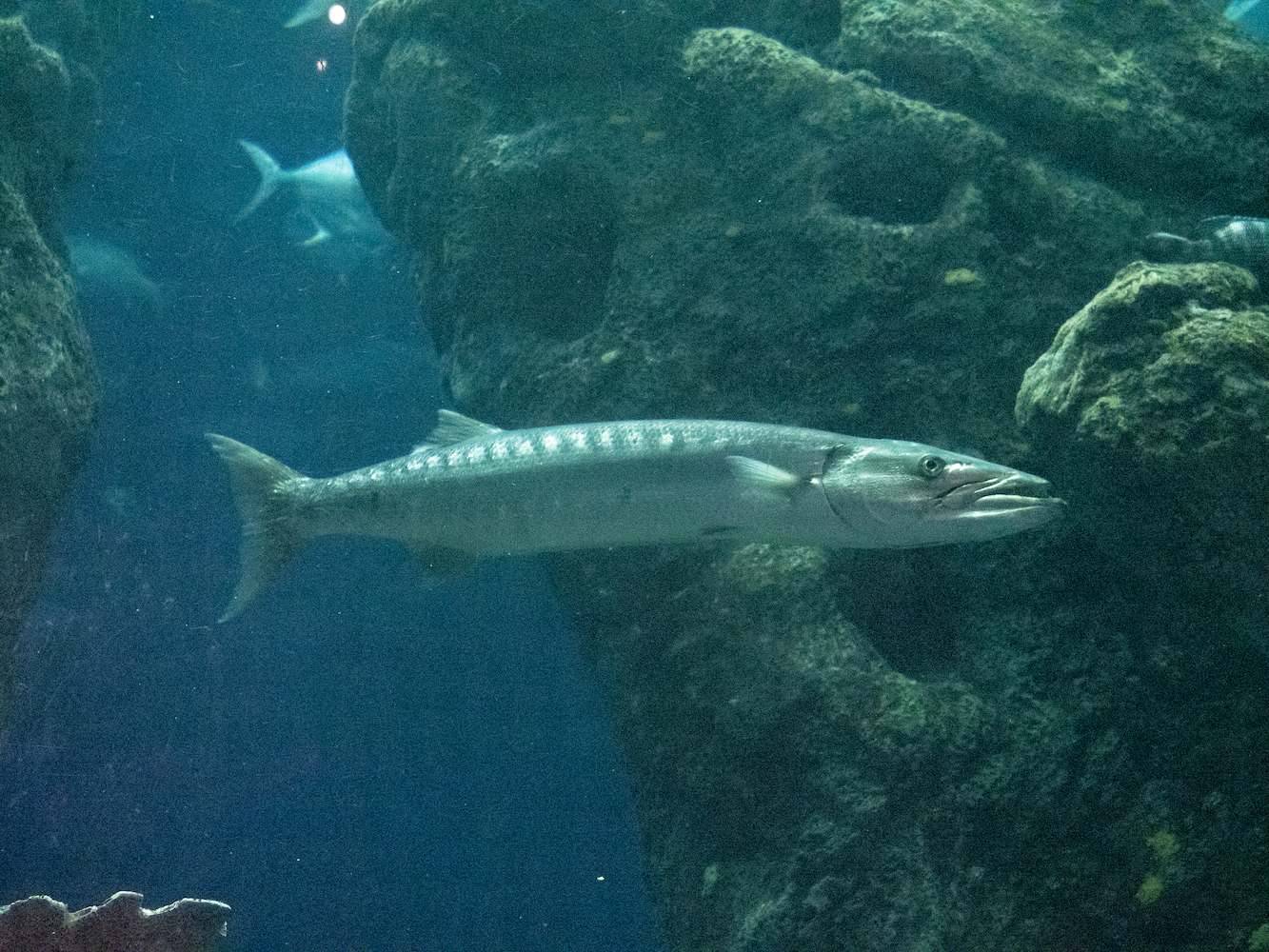
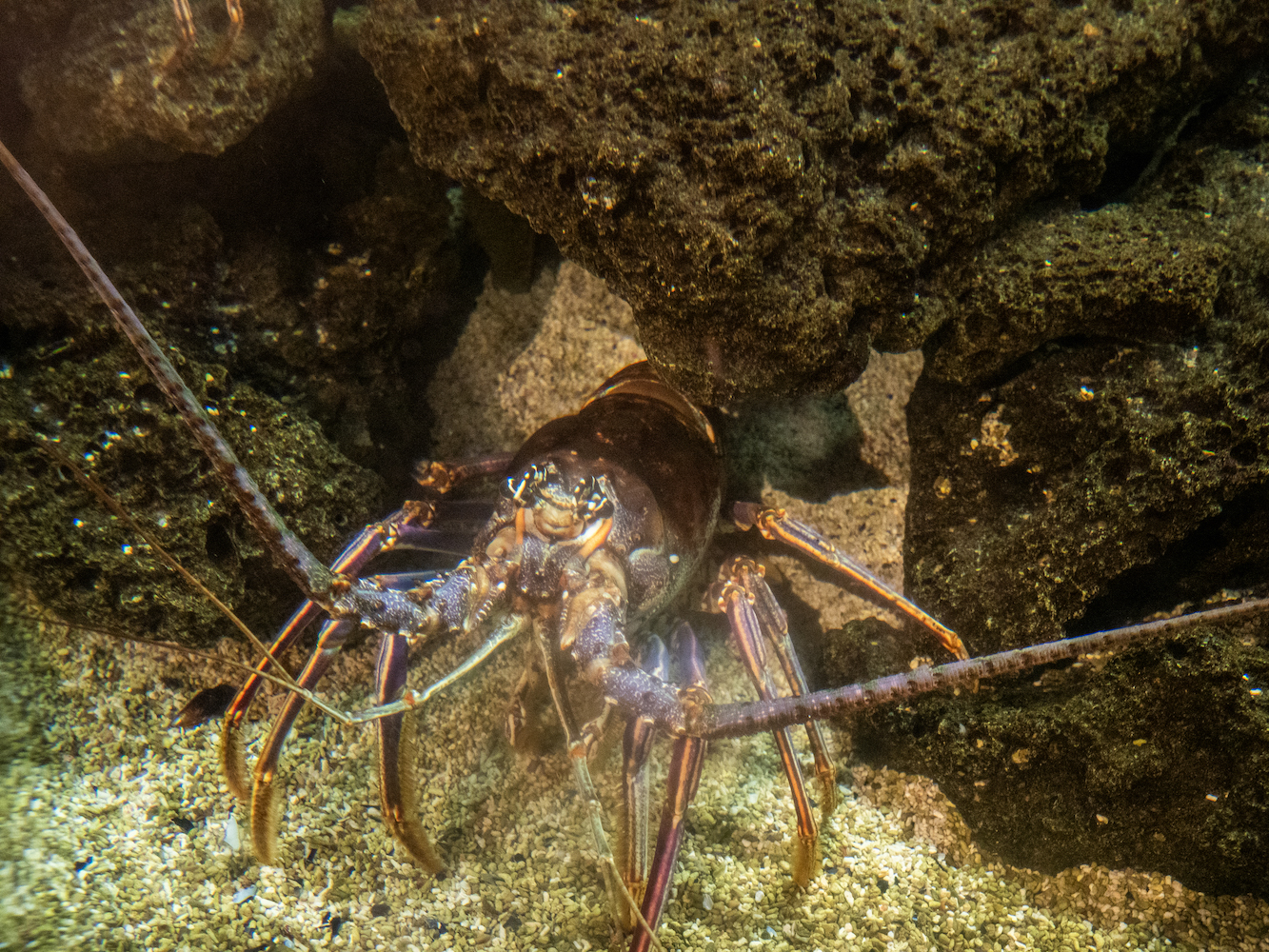
To nobody’s surprise, turtles were the highlight of my evening. However, this aquarium had many types of sea creatures to enjoy and learn about, such as; fish, jellyfish, sharks, lobsters, shrimp, and much more.

As Take Me Home, Country Road was echoing throughout the aquarium, and with children and adults dancing, we “o-fish-ally” called this turtle-tastic evening a night.
Unknown's avatarAuthor mikeyawnPosted on July 10, 2023Format AsideCategories Civic Engagement, Civil Rights, Fun, Politics, Science, TravelTags Center for Law Engagement And Politics, LEAP Ambassadors, Robert Smalls, Sam Houston State University, South Carolina Aquarium, Southern Legislative ConferenceLeave a comment on Exploring the “Holy City:” A Day in Charleston, South Carolina

Savannah Smiles on LEAP Ambassadors

Savannah, the oldest city in the State of Georgia, is a lively town with a vast and rich history. For our second day in the Deep South, we endeavored to learn more of Savannah’s history, and maybe experience some of it, too!

So, with an assist from Old Town Trolley Tours, we set out to learn more. And did we! For example, did you know that Savannah is where Eli Whitney developed the cotton gin? Or that the second deadliest battle of the Revolutionary War (The Siege of Savannah) occurred here? Or that Savannah was America’s first “planned city”? James Oglethorpe laid out the city in a grid system with 24 original squares but only 22 are still in existence today! There is a statute of Oglethorpe in Chippewa Square that is facing the south towards Florida – his Spanish enemies.

All the statues we saw were facing in the direction of their enemies since one should never give their back to them.

Our first stop was the First African Baptist Church, which is the oldest Black congregation in North America.

The church played an integral role in American history by serving as a part of the Underground Railroad, hiding those who were escaping enslavement. It was also the place where Dr. Martin Luther King Jr. preached his first sermon.

Savannah has been featured in several popular films and in literature. Forrest Gump, Something to Talk About, Midnight in the Garden of Good and Evil, and Lady & the Tramp are just a few of the films set in (or filmed in–or both!) Savannah. We were able to drive past and explore the famous locations where some scenes from the blockbuster films were shot, including Chippewa Square, often referred to as Forrest Gump Square since that’s where the scene of Forrest sitting on a bench waiting for the bus was filmed.

The Cathedral of St. John the Baptist was another highlight of our tour. Savannah once had four prohibitions: slavery, liquor, lawyers, and Catholics. The cathedral’s congregation was reorganized and established in 1796, becoming the first Catholic church in Savannah, consisting primarily of Haitian immigrants.
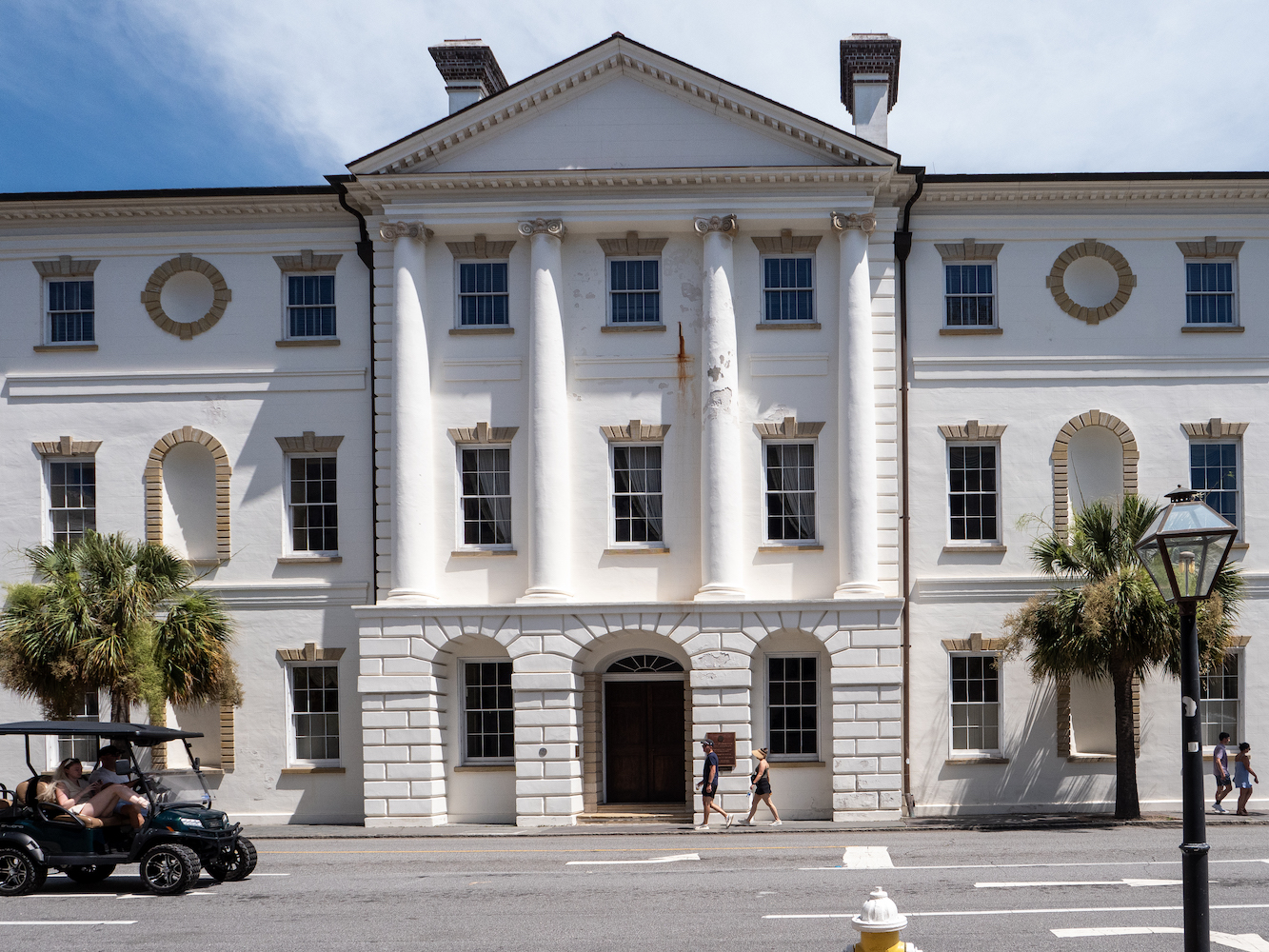
Although the original structure burned in 1898, the current building beautifully replaces the original while reflecting the long-standing Haitian and French influences on the region.

The trolley was an excellent way to get a glimpse into the beautiful city of Savannah! Exploring cities with a vibrant culture allows us to broaden our sense of the world through a comparison to our individual communities and experiences.

Goose Feathers Café

After a long morning of exploring, we decided to hop off the trolley at the City Market stop to head over to Goose Feathers Cafe. Greeted by the staff’s warm hospitality, we browsed menu options before ordering. Many of their menu items were named after historical streets and city celebrities of Savannah. Therefore, our entrees included the Oglethorpe sandwich, the Barnard Street Club (both the regular and gluten-free options), and the Greek salad. 

The food was both delicious and flavorful, showcasing the delicious flavor combinations of the Deep South. 

Mercer House

After our great lunch from Goose Feathers Café, we felt refreshed and energized, ready to continue sightseeing!  

LEAP trips differ from most other educational field trips. While no class credit is earned for the trip, homework and preparations are expected. We might, for example, research a town, watch a documentary, or read a book. For this trip, we did all three!

Collectively, our favorite read for the trip was John Berendt’s Midnight in the Garden of Good and Evil. This book details Savannah in the 1980s through the eyes of an outsider (Berendt) who describes the murder trial of Jim Williams. To us today, Williams is something of a celebrity and savior of Savannahian architecture and culture.

To Savannahians in the 1980s, Williams was the proprietor of countless homes and host of infamous Christmas parties. To everyone, he is the subject of arguably the largest controversy in the Low Country.

The Mercer-Williams House faces Monterrey Square in the historic downtown of Savannah and was originally built for the great-grandparents of Johnny Mercer (General Hugh Mercer is Johnny’s famous great-grandparent) in 1860. Williams purchased the home in 1969, and it was almost in complete disrepair. Like the art and antique dealer that he was, Williams completely revamped the house down to hand-mixed, original paint colors, and hand-painted granite designs on the baseboards.

From a young age and under the guidance of his carpenter father, Williams renovated or restored different items. He used the basement of the Mercer-Williams as his workshop to repair the antiques, which he would later sell in the main house. Williams had a unique love for portraits, which was clearly displayed as we ventured around the house. Notable portraitists included Gilbert Stuart, Thomas Hudson, and John James Audubon. My favorite of the Williams collection was the 20 Audubon prints in one of the parlors.

The most impactful portion of the house was the study where Williams shot and killed his employee/lover Danny Hansford. Berendt describes in detail the events that did (or did not, depending on your belief in Williams’ innocence) take place in that room. The room felt heavier as we all knew we were in the room where Hansford threatened Williams with a German Luger, misfired, and seconds later fell to the ground with three new wounds.

Over the course of eight years and four trials, Williams was found not guilty by the Georgia Supreme Court, only to die a few months later at the age of 59, just a few feet from where he killed Danny Hansford.

Our experience in the Mercer Home was further enriched by having read Midnight in the Garden of Good and Evil. With that background knowledge, we were able to associate the beautifully decorated interior with the events that occurred within the walls of the house.

Our tour guide, Max, gave a great overview of the history of the House and its few occupants. Some of the Williams family still take residence in the upper levels of the House, so sadly photography was not allowed. However, we did not let this distract us from our tour, as we visualized the scenes in the book in the rooms before us–and took advantage of much outdoor photography!

Leopold’s Ice Cream

We couldn’t leave Savannah without trying Leopold’s Ice Cream. After almost a full day of walking the historic squares of Savannah, we were due for a cold yet sweet Savannah tradition.

Leopold’s is known for their rich homemade ice cream dating all the way back to 1919. They pride themselves in having the “Best ice cream in Georgia.”

Due to Leopold’s reputation and the ice cream shop’s popularity, we were met with a long line and waiting time. To maximize this time we thought about the flavors we would order, perspired, and waited some more.  

After a long debate and thought, I opted for the Butter Pecan and one of Professor Yawn’s favorites, the Peanut Butter Chippy. Olivia decided on the coffee chocolate chip; Ingrid, the vanilla. Jessica had a scoop of Rum Bisque and a scoop of Chocolate Chewies and Cream. Morgan took a different route and opted for a combination of lemon custard and coffee chocolate chip, a weird combination if you ask me. Nonetheless, we were all very pleased with our selections, and a majority of us would agree that this is the best ice cream in Georgia!

Jekyll Island

Jekyll Island is one of the “Golden Isles” of Georgia, and it is one of the most popular. Interestingly, it is owned by the State of Georgia, and it is governed by its own board of directors, which limit its development. That’s a happy reality for us, because we were visiting to explore some of its more natural elements.

And while we may have been there to see the island’s natural elements, but this did not stop us from driving through the “historic district,” where wealthy individuals such as Frank Henry Goodyear (Goodyear Tires) and William Rockefeller had houses. They were beautiful, and more closely resembled mansions than cottages.

Our main destination, however, was “Driftwood Beach,” which features hundreds of dead trees, victims of beach erosion. At low tide, these trees lie in impossibly intriguing angles across the beach, perfect for climbing, posing, or nature photography. We attempted all three.

Not all of the Ambassadors, we learned, are equally adept at climbing.

Or taking photos.

But, generally, we persevered, got a few notable photographs, and we experienced the beauty of a natural setting in the Georgia Low Country.

With that accomplishment, we traversed the Sidney Lanier Bridge (whose poetry we read prior to traveling, and whose home we stopped by yesterday), and returned to Savannah.

Unknown's avatarAuthor mikeyawnPosted on July 8, 2023July 9, 2023Format AsideCategories Art, Civic Engagement, Civil Rights, Law, PoliticsTags Center for Law Engagement And Politics, Driftwood Beach, Jekyll Island, LEAP Ambassadors, Leopold's Ice Cream, Sam Houston State University, SavannahLeave a comment on Savannah Smiles on LEAP Ambassadors

A Dive into the Deep South: Georgia

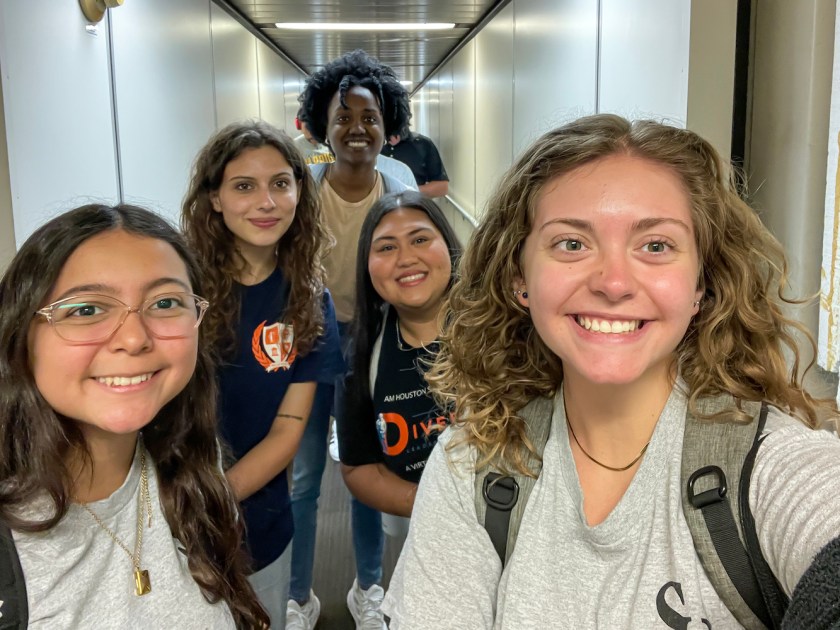
For LEAP Ambassadors, July means not only higher temperatures, but also the opportunity to attend the Southern Legislative Conference! And although this year’s program is in Charleston, South Carolina, we flew into Atlanta, with the idea of seeing a bit more of the deep south along the way. And while a few of us may be considered ‘seasoned’ travelers, traveling is a new experience for others. In fact, this was Michelle’s first time on an airplane!

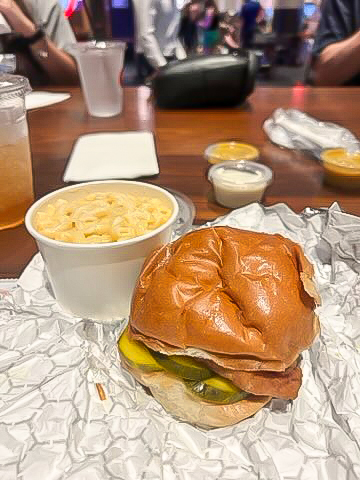
We were all very hungry after our two hour flight, so we made our first stop at the Ponce City Market, which is in a 20th century mixed-use building with a intriguing industrial interior. It consists of two floors, with the restaurants on the first and some retail shops on the first and second floors. There are a variety of cuisines from all over the world that we could have had for lunch, but instead most Ambassadors opted to pursue the deep south theme and order from Hop’s Chicken, with orders of fried chicken sandwiches, mac & cheese sides, and, of course, sweet tea.

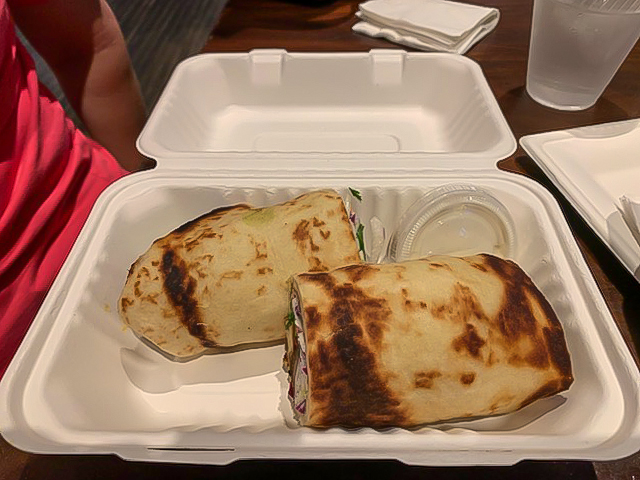
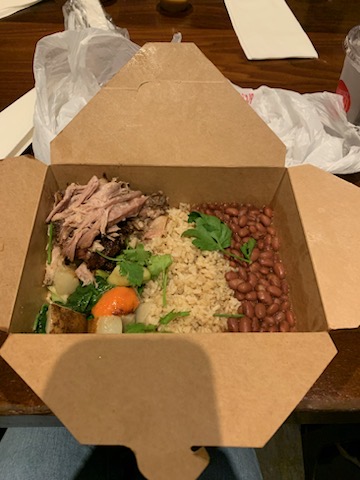
Feeling a bit more “experimental,” Professor Yawn and Stephanie ate a wrap from Botiwalla along with SPDP, which are flour crisps with yogurt and two kinds of chutneys. Ingrid chose to get a plate of pork, rice, and beans from El Super Pan.

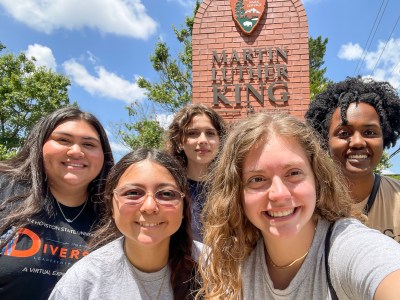
With full stomachs, we were ready to take on the rest of our day, starting with The Martin Luther King Jr. National Historic Park.

Martin Luther King Jr. National Historic Park

By Michelle Cardenas

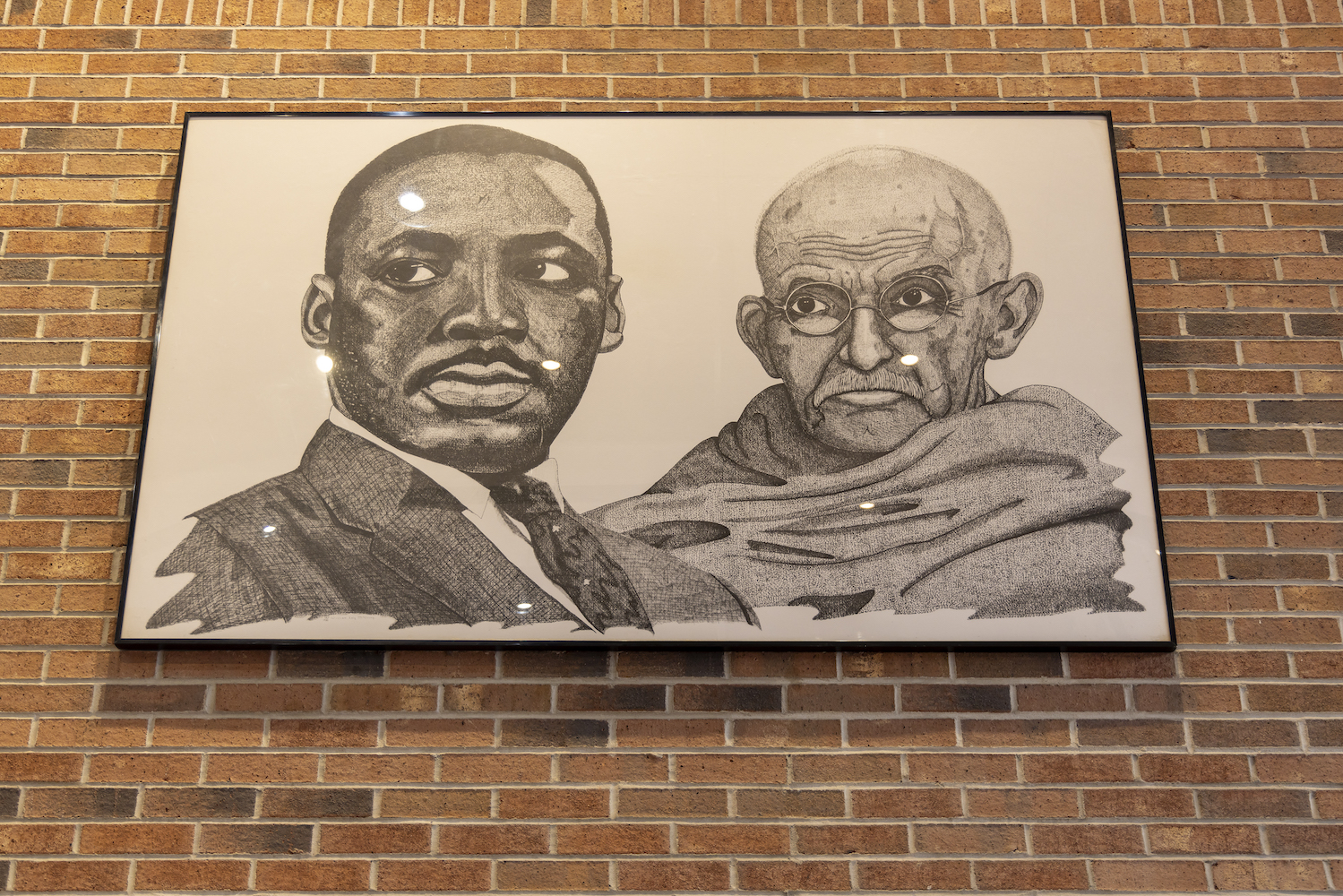
Upon arriving at Dr. Martin Luther King’s gravesite and museum, we were met with a recording of Dr. King’s powerful words echoing across the surrounding area. We were instantly drawn to the Civil Rights Walk of Fame, where many highly influential figures in the civil rights movement, such as Rosa Parks, Gandhi, and Judge Thurgood Marshall, were featured.

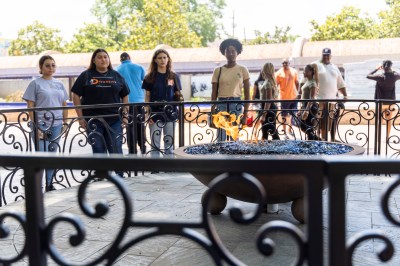
The park was decorated with inspiring quotes which encapsulates the hopes MLK had for future America. We were enthralled by the powerful messaging and representative structures. The eternal flame had to have been one of my favorite pieces in the park. The flame’s symbolism was incredibly profound; its persistence emulating Dr. King’s fight against racism and segregation. 

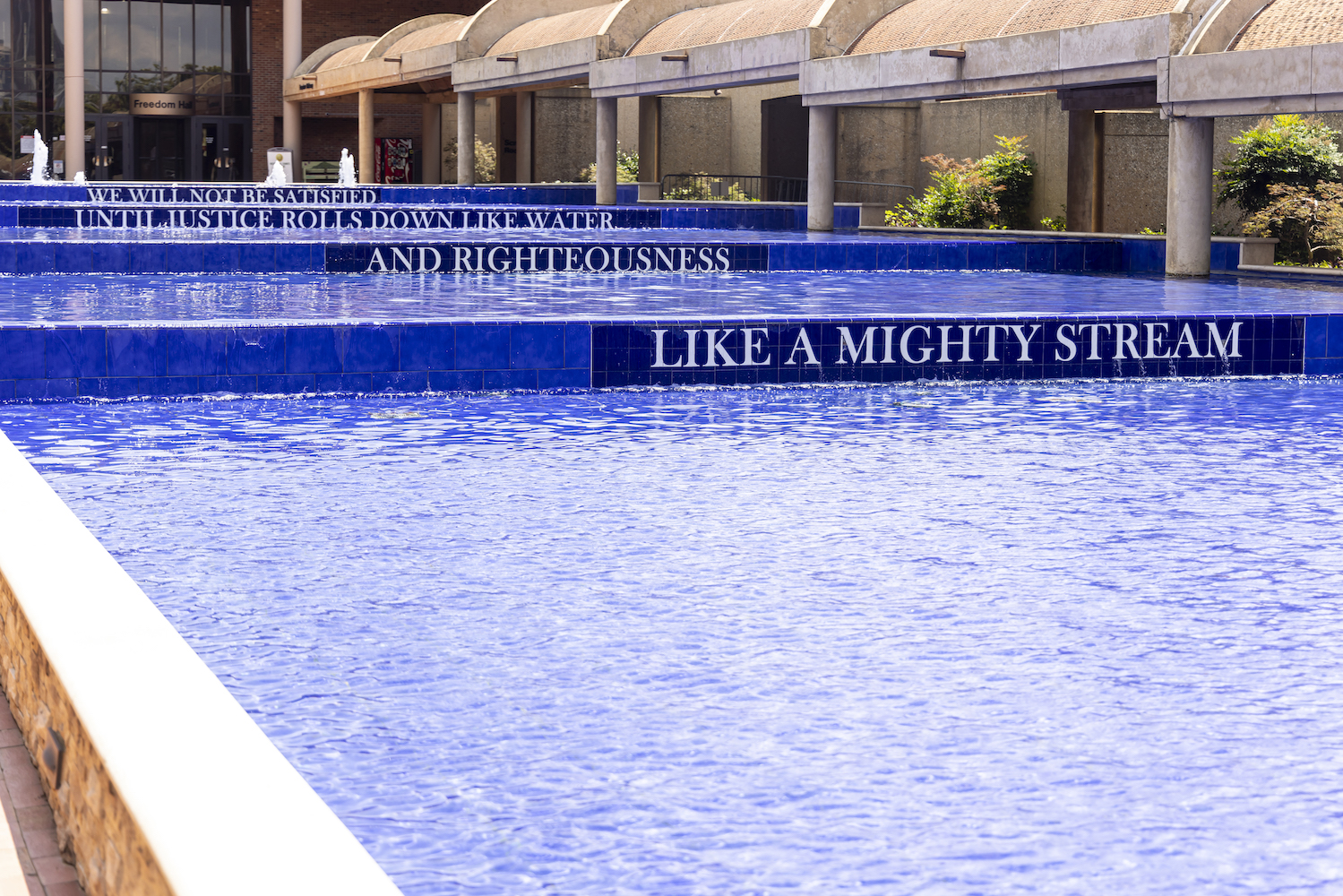
The real showstopper was definitely Dr. Martin Luther King, Jr. and wife Coretta Scott King’s grave and memorial. The memorial has a vibrant pool and fountain surrounding the graves, which displayed a quote from Dr.King: “We will not be satisfied until justice rolls down like water and righteousness like a mighty stream.” The words, placed on what looks like a shallow staircase, have a serene stream of water pouring down, which resonated heavily with the group.  

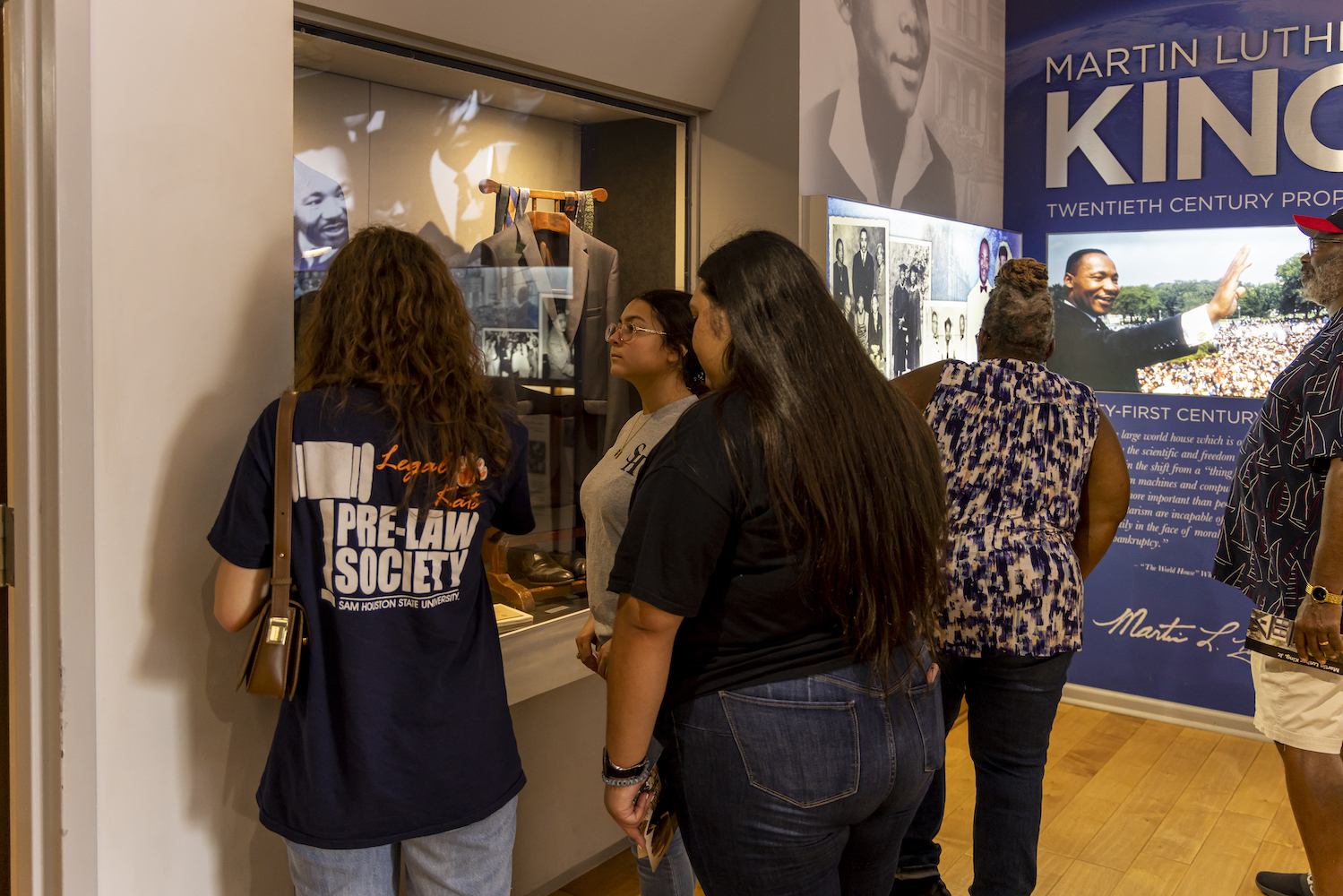
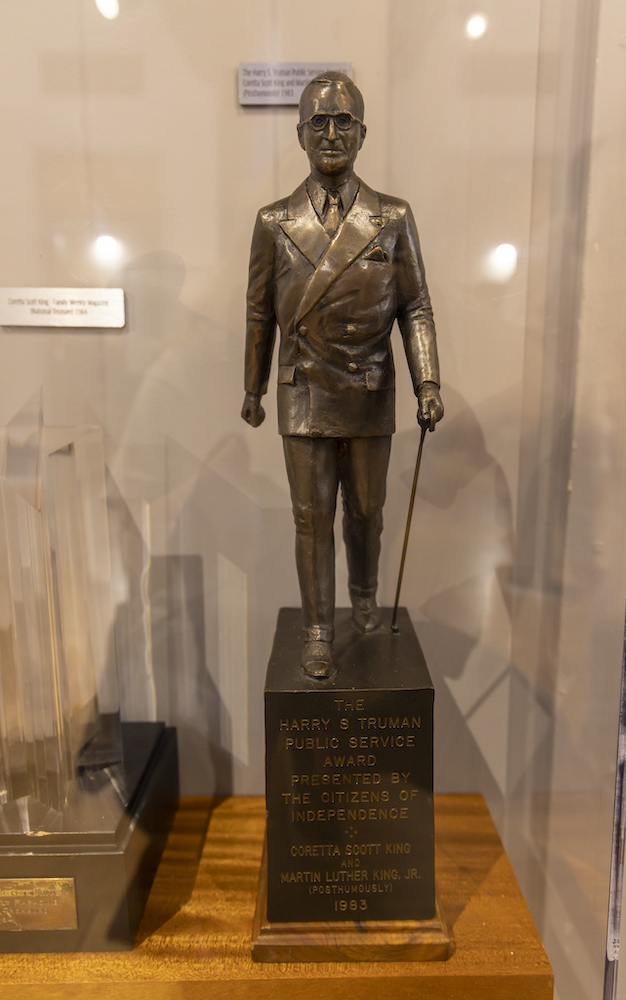
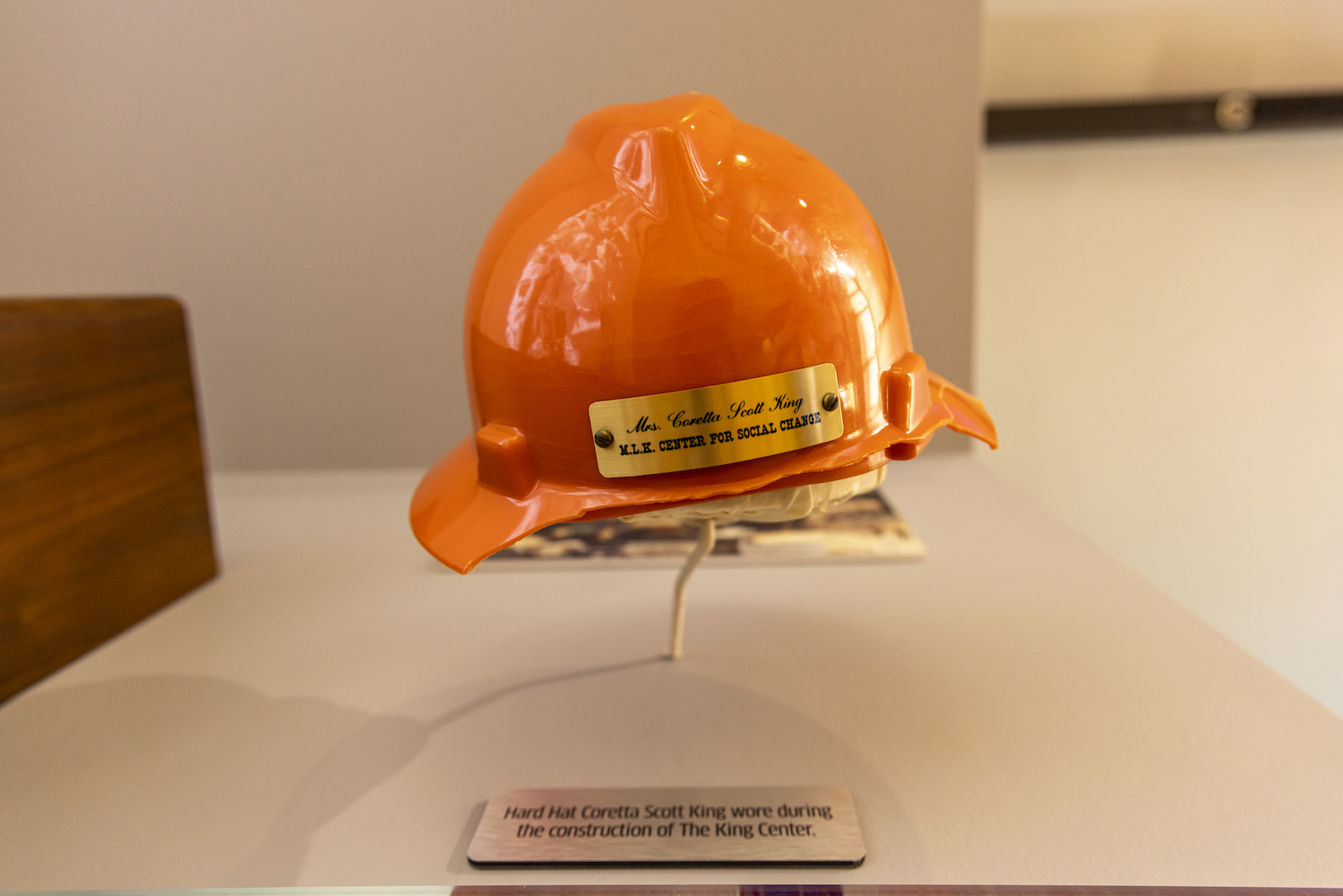
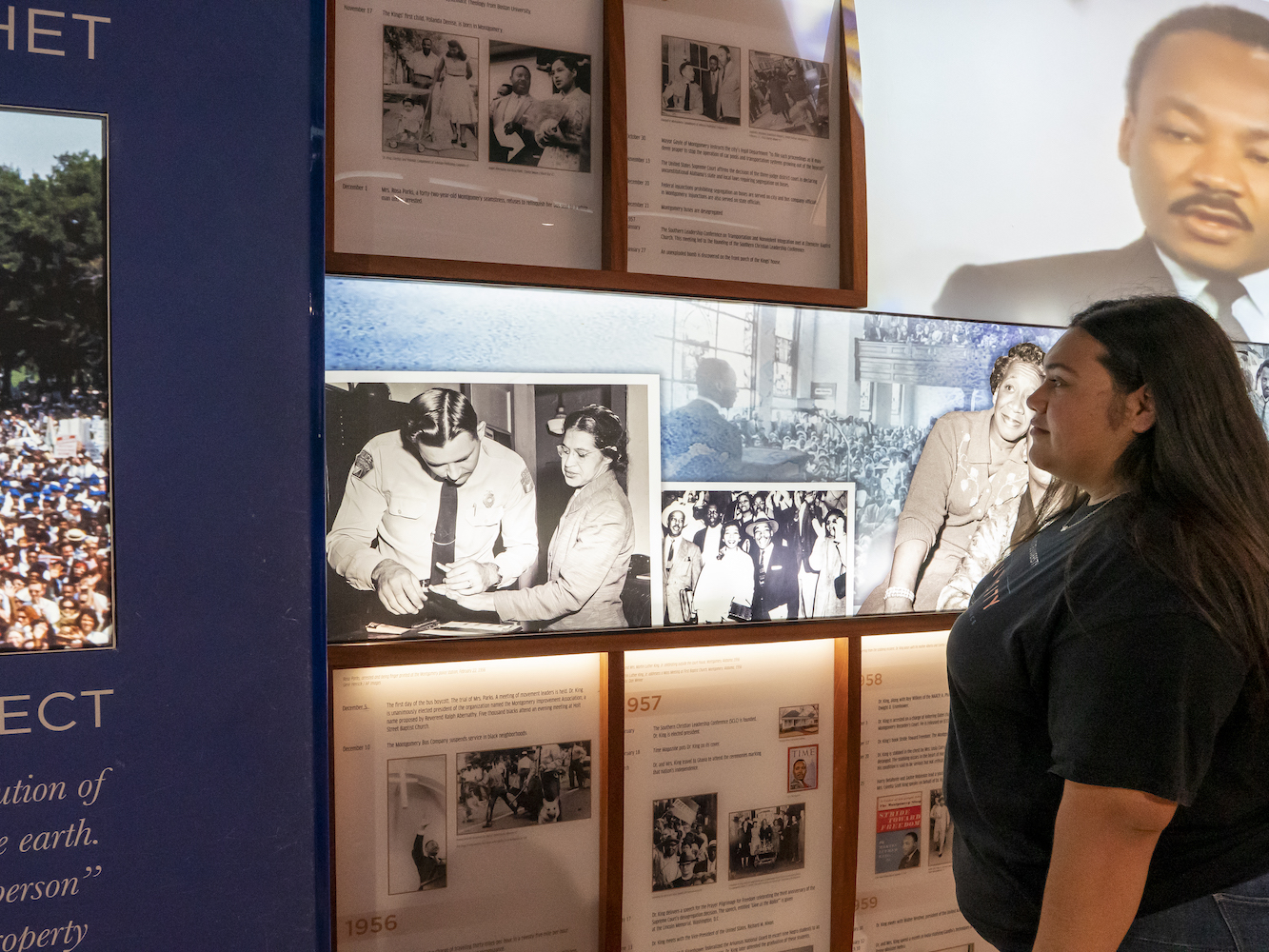
We eventually made our way to the Martin Luther King Jr. Museum located on the grounds of the National Historic Park. There were many of Dr. King’s personal items on display, such as his suits, shoes, robes, wallet and my personal favorite; his cufflinks and tie clips.

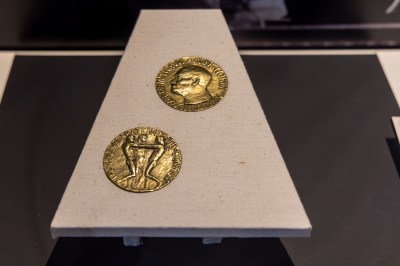
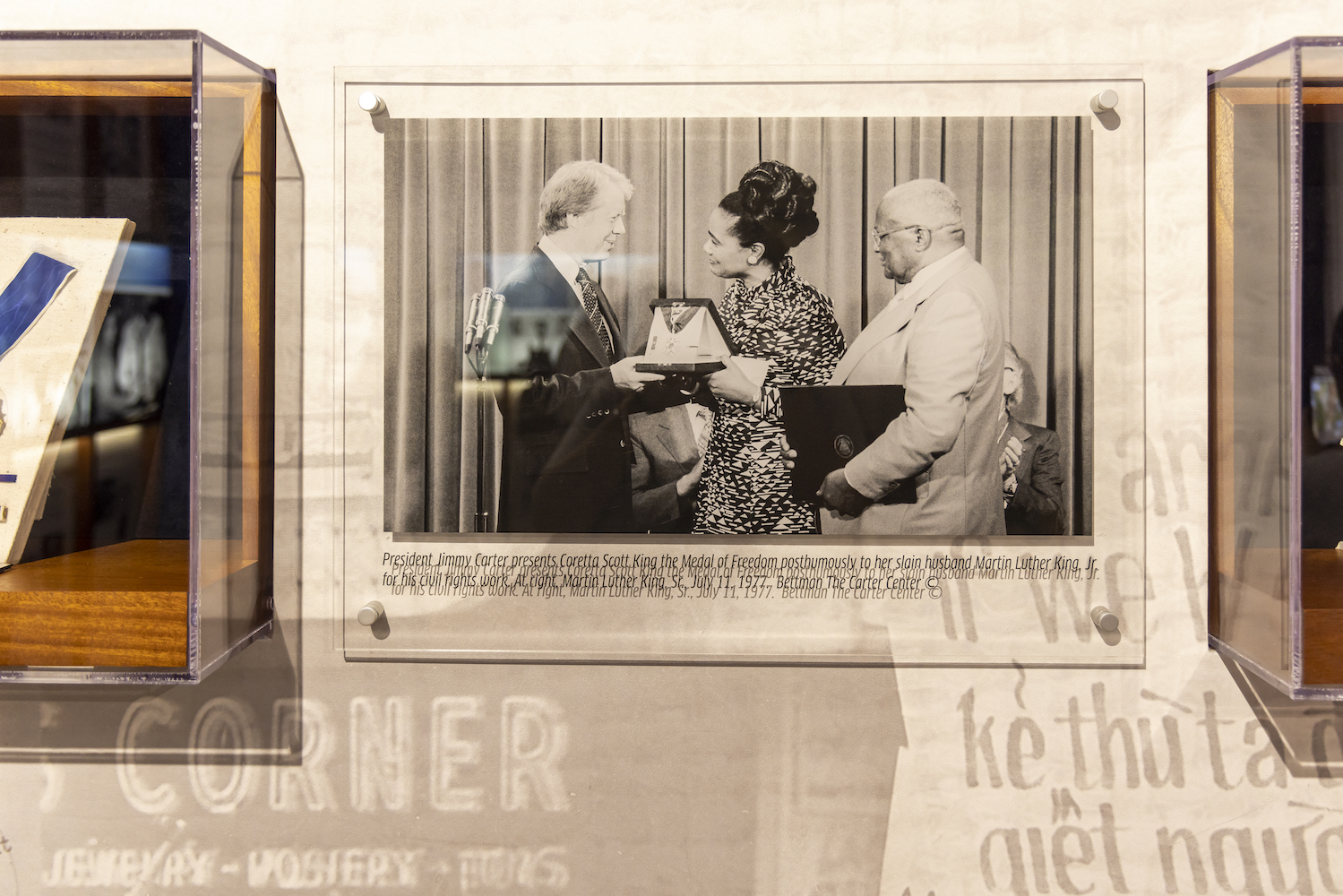
Some of Martin Luther King’s biggest accomplishments were also on display including his Presidential Medal of Freedom Award, presented to him by President Jimmy Carter and his Grammy, which he won for his speech “I Have a Dream”. 

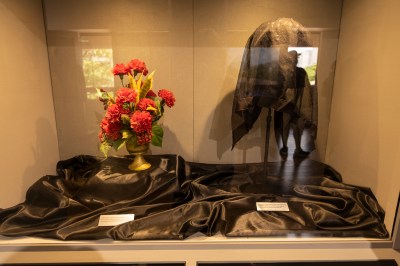
Dr. Martin Luther King’s wife, Coretta Scott King, had many pieces featured in the museum. A piece that stood out from her collection included the veil she wore for her husband’s funeral; some lipstick and tear stains still remained on the garment.

After seeing so many remarkable pieces and mementos of history,  we headed to the gift shop! We made sure to pick up some mementos of our own to commemorate the visit. 

Before leaving, we took the time to let the beautiful exterior truly sink in. In this time, Ingrid was able to capture the vivacity of the area with some excellent photos of the flowers.

It was a beautiful and moving experience, and it was both an inspirational and educational way to start the trip.

Jimmy Carter Presidential Museum

By Ingrid Cuero

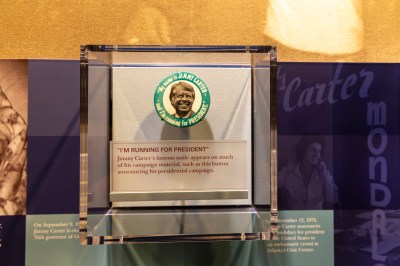
We then headed to the Jimmy Carter Presidential Library, which was fitting following the MLK museum. Dr. Martin Luther King, Jr. actually endorsed President Carter during one of his early campaigns! Upon entry, we encountered a beautiful display with international flags surrounding a patch of vibrant flowers, signifying the 39th President’s commitment to a connection with other countries.

We began with a film providing an overview of the Carter Presidency, which was a great way to set the tone for our visit. Carter grew up on a farm in Plains, Georgia, and had a rich background. He was the first in his family to leave Georgia to pursue higher education, served in the military, and had a career as a nuclear engineer. President Carter was portrayed as a President who led with his conscience before his politics, passing key civil rights legislation in his time in office. Something that stood out to me was that he decided to leave the Navy to take over his father’s farmland. He was not necessarily invested in politics at first, but when a previous Senator vocalized a few issues that went against his beliefs of an equal society, President Carter decided to run for state senator. This marked the beginning of a career surrounding Carter’s passion for equality, civic engagement, and ethics.

President Carter’s election into office can be described as a fluke of fate. After experiencing the presidencies of two career politicians, Johnson and Nixon and the misfortunes of The Vietnam War and Watergate, voters were looking for something other than a “traditional” politician. Carter came across as an everyday American, earning trust with voters.

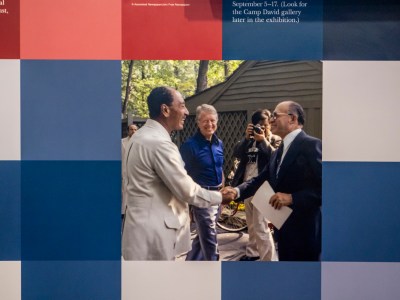
One of the highlights of the Carter Presidency was the peace negotiations with Egyptian President Anwar Sadat and Israeli Prime Minister Menachem. We were able to view some pictures and videos of the monumental achievement of restoring peace among the two countries.

One of my favorite pieces in the museum was a portrait of President Carter by Octavio Ocampo, a mosaic. If you look closely, President Carter is made up of painted buildings, boats, flags, and 18-wheelers.

We viewed a model of Carter’s Oval Office, which had a collection of art curated by the President himself. To note a few, there was a sculpture from an early American sculptor we were familiar with, Frederic Remington; a portrait of a young George Washington; and a bust of Benjamin Franklin.

We thoroughly enjoyed our experience in President Carter’s Museum!

Erica Davis Lowcountry

By Jessica Cuevas

Following a long day–one in which we woke up in Houston–we made our way from Atlanta to Savannah, a 3.5 hour drive. In Savannah, we headed to Erica Davis Lowcountry for dinner. For our appetizers, we had fried green tomatoes and oysters rockefeller, all-time classic dishes of the South.

The fried green tomatoes were highly popular amongst all of us, but Ingrid’s favorite was, by far, the oysters rockefeller.

With great starters, we were eager to indulge in our main entrees.

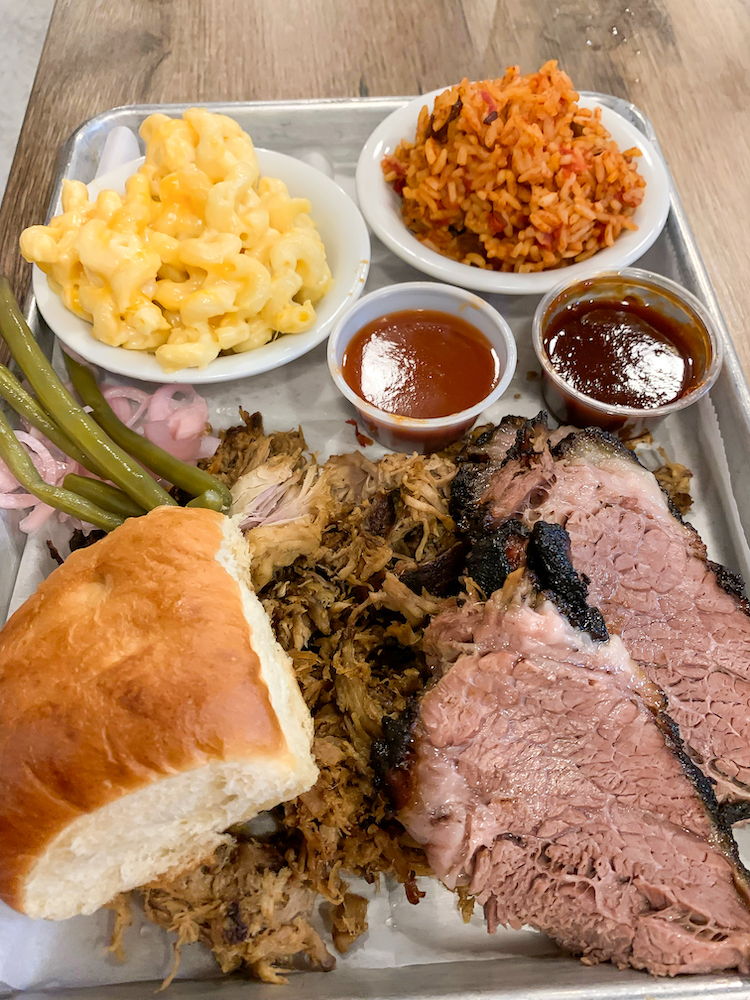
Morgan ordered the best thing on the menu, which, according to the person who took our order, was the Wassaw Redfish; Ingrid had the Crab Stuffed Flounder; Michelle had a Flounder Po’Boy; Professor Yawn and Stephanie shared the low country boil and a pulled pork plate; meanwhile, Olivia and I shared a BBQ combo of smoked brisket, pulled pork with mac n cheese and savannah red rice.

We were intrigued to know that all the barbeque sauces at this restaurant are made there and that they had experimented with and created a sweet and delicious *peach* barbeque sauce–and it was our favorite!

Although some of us were full, others could not leave without having dessert. Following our entrees we treated ourselves to a banana pudding, key lime cup, and a slice of carrot cake. They were all delightful!

With full stomachs, we headed back to the hotel, ready to write about our experiences, edit photos, and prepare for an even more action-packed day tomorrow.

Unknown's avatarAuthor mikeyawnPosted on July 7, 2023July 7, 2023Format AsideCategories Civic Engagement, Civil Rights, Food, Politics, TravelTags Center for Law Engagement And Politics, Jimmy Carter Presidential Library, LEAP Ambassadors, Martin Luther King, Sam Houston State UniversityLeave a comment on A Dive into the Deep South: Georgia

WAC: The Fall of Afghanistan and realities under the Taliban

Morgan Robertson & Olivia Discon

A little over two years ago, President Joe Biden announced the United States of America’s intent to withdraw from the Afghanistan War; our longest standing war in history. The aftermath of this cataclysmic event has been felt around the world, but no more so than in Afghanistan itself.

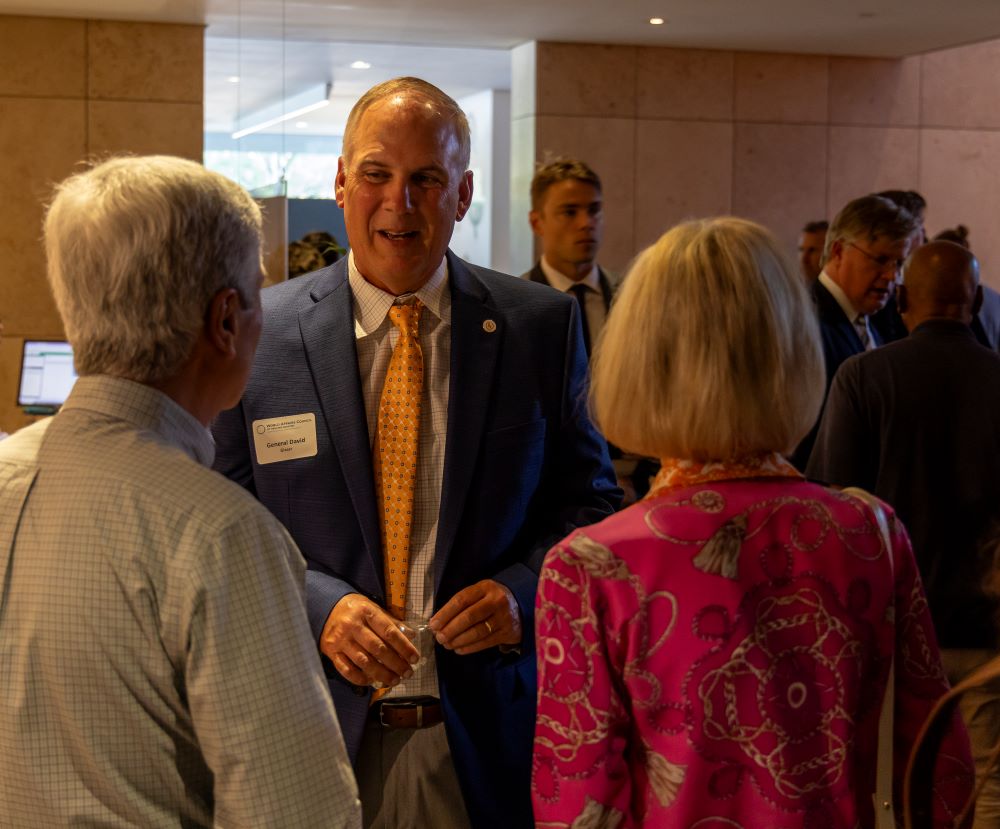
The World Affairs Council of Greater Houston (WAC) is widely known for bringing in big names and esteemed speakers. However, the panel for this past Wednesday was by far one of our favorites. One of LEAP’s goals is to broaden our knowledge of, and establish relationships with, the various departments on campus. For this event in particular, we had the privilege of having Major General David Glaser, Chief Strategy Officer for SHSU, join LEAP on our trip to Houston. General Glaser was a career military officer, and he offered us not only insights into the Afghanistan conflict, but also a unique perspective on the University’s strategic plan. On our drive down, we were able to ask General Glaser questions about his career and what it means to undertake a strategic plan for a large organization. He happily answered our questions, and asked a few of his own about our experiences at SHSU!

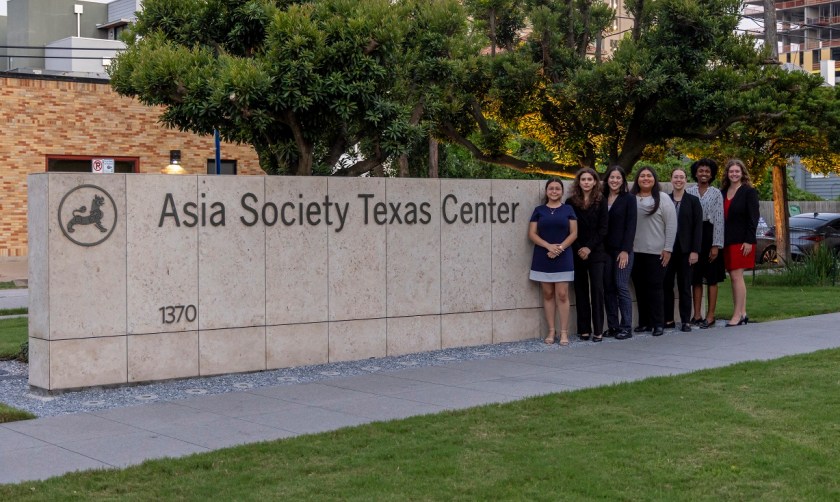
The event was hosted at the Asia Society of Houston, a beautiful contemporary structure that mixes Asian and American architecture influences.

While the architecture was certainly captivating aesthetically, its construction is equally admirable. The Asia Society is a LEED (Leadership in Energy and Environmental Design) Certified building. LEED certified buildings are green structures that are environmentally conscious in terms of reducing its carbon footprint and its water and energy conservation.

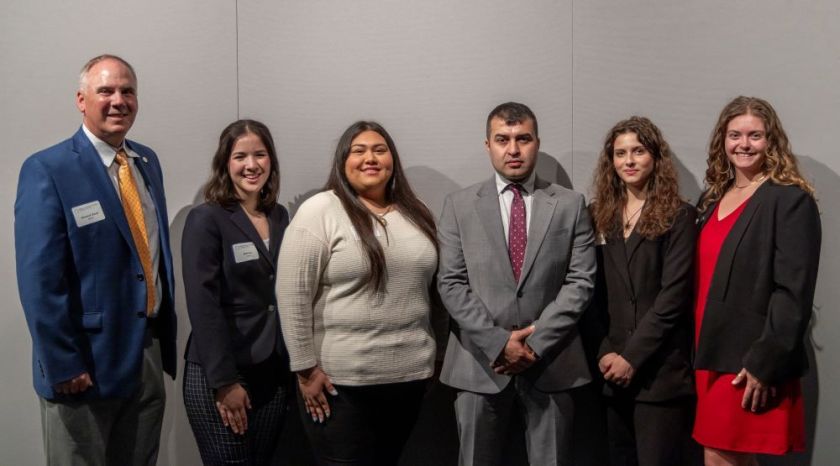
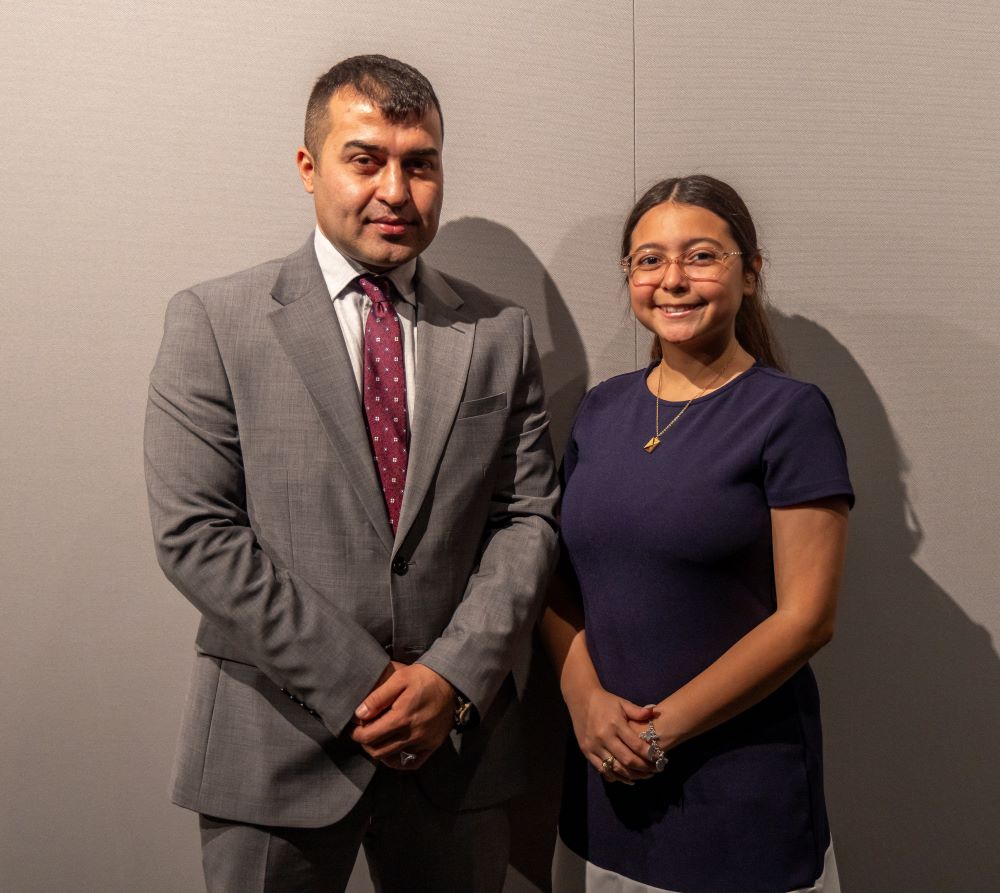
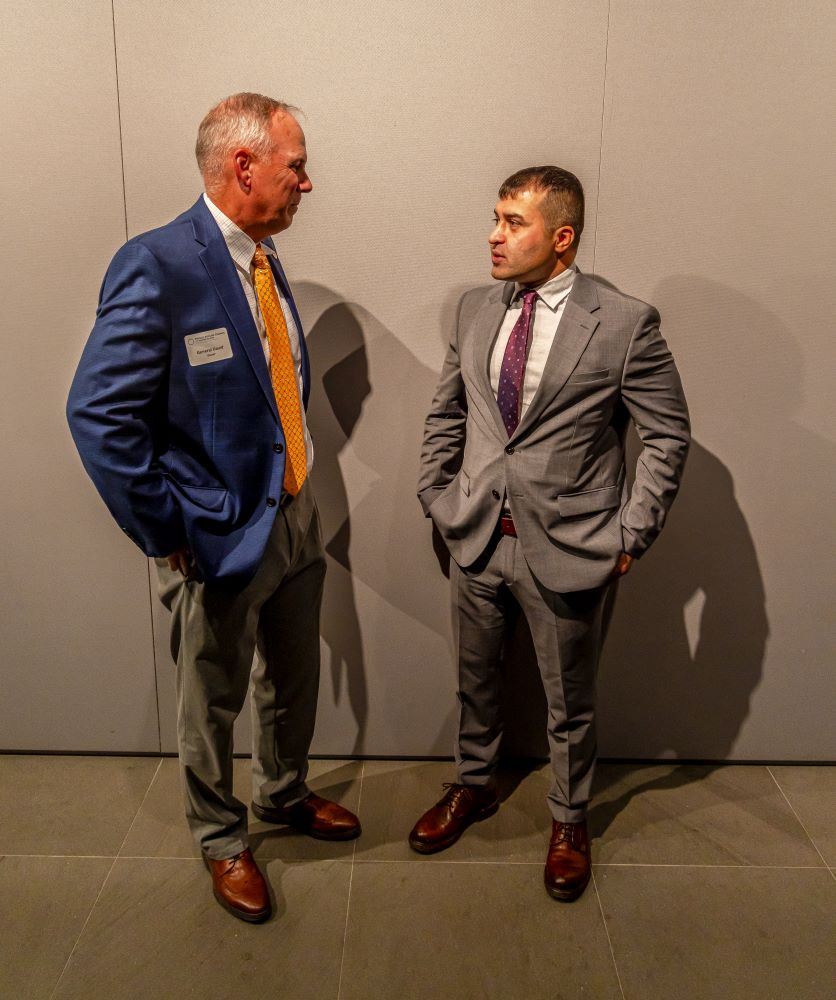
We arrived early so that we could participate in the social hour held before the program, and we were glad we did ! We had the opportunity to meet Jalil Shahkar, who works closely with General Sami Sadat. After a friendly introduction, we were able to take a photo with both General Sami Sadat…

…and Lt. General Khoshal Sadat, who would both be sitting on the panel later that evening.

Indeed, the social hour gave us the opportunity to interact with many people and represent SHSU, something we watched General Glaser do as well!

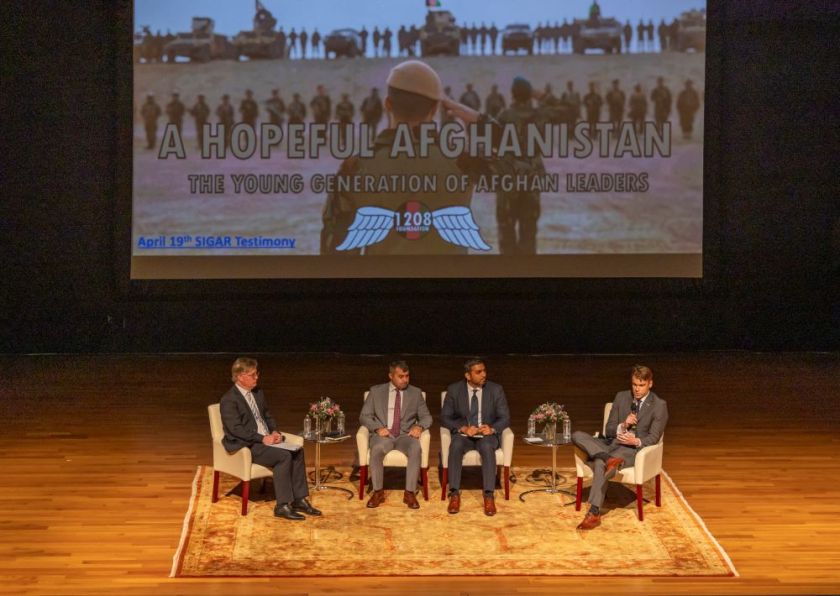
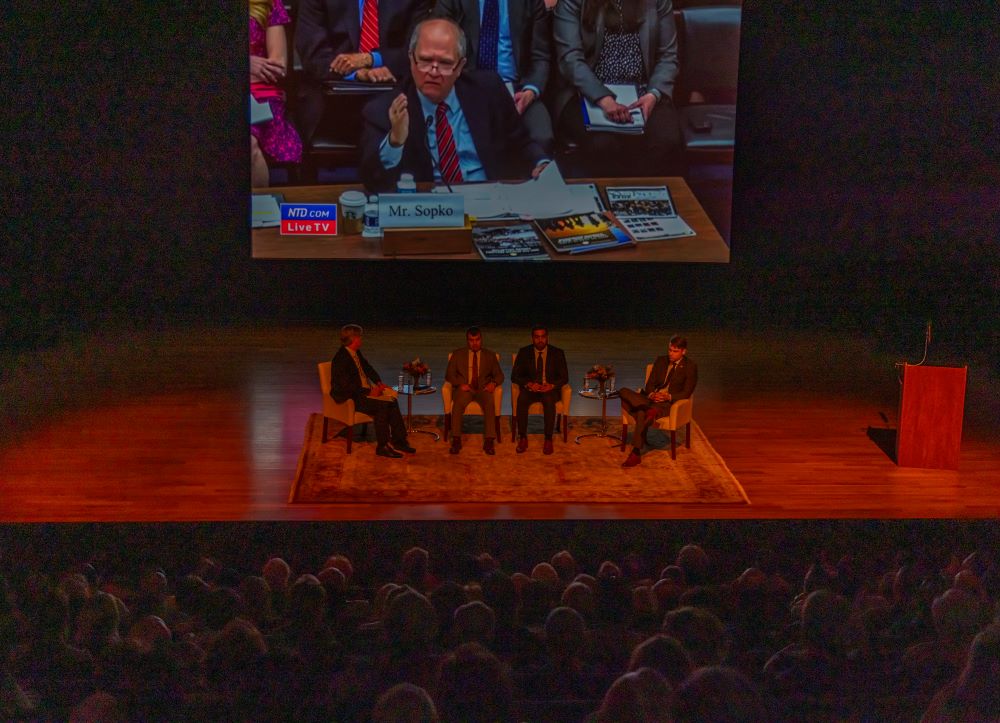
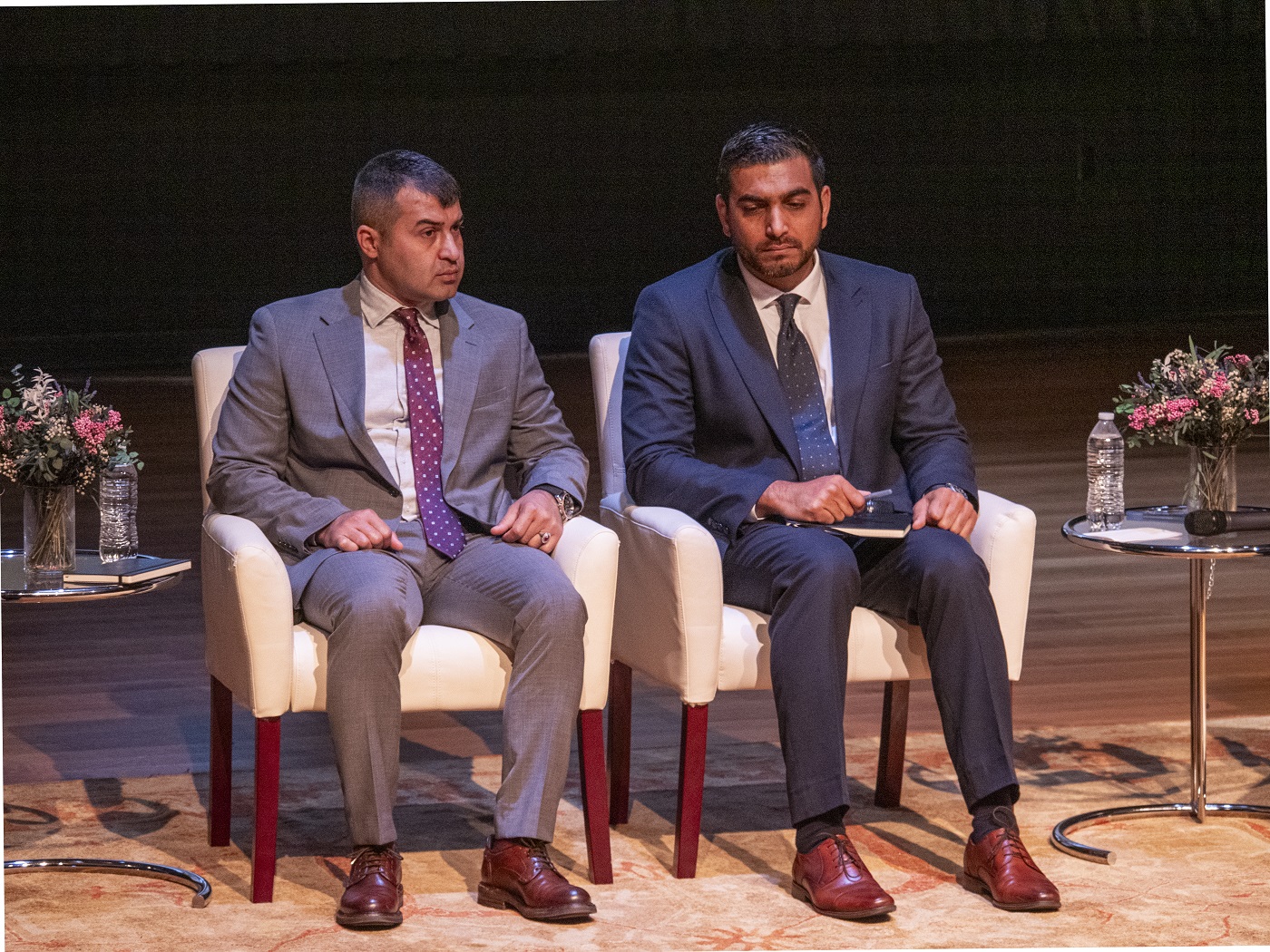
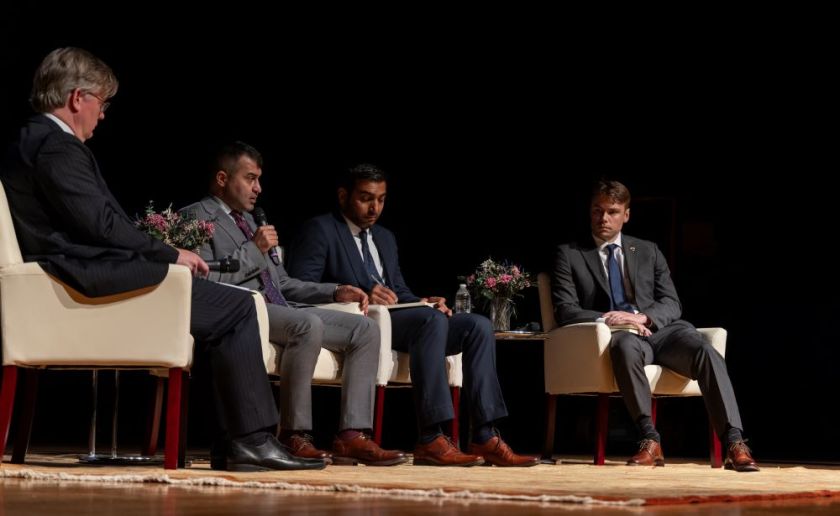
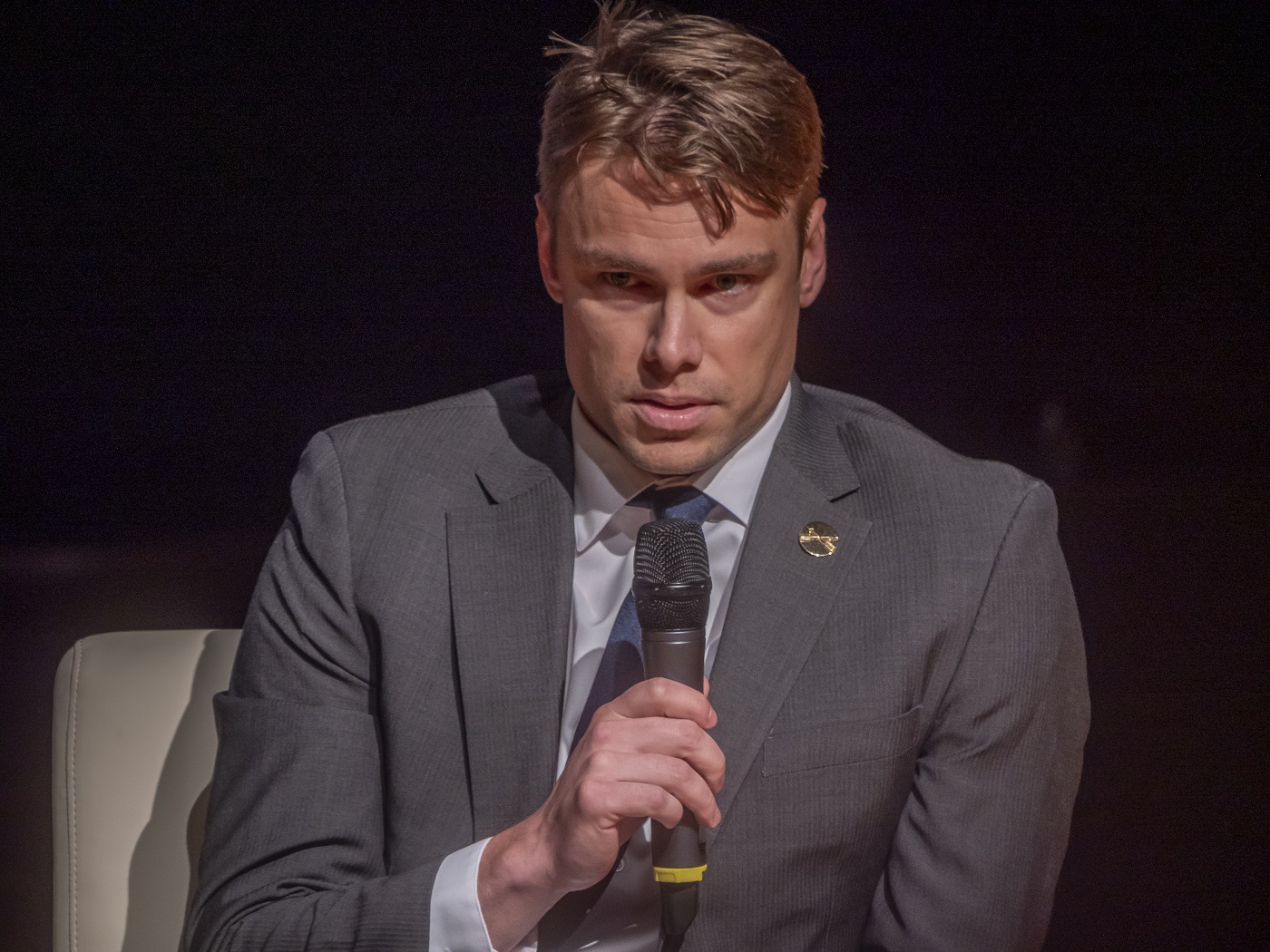
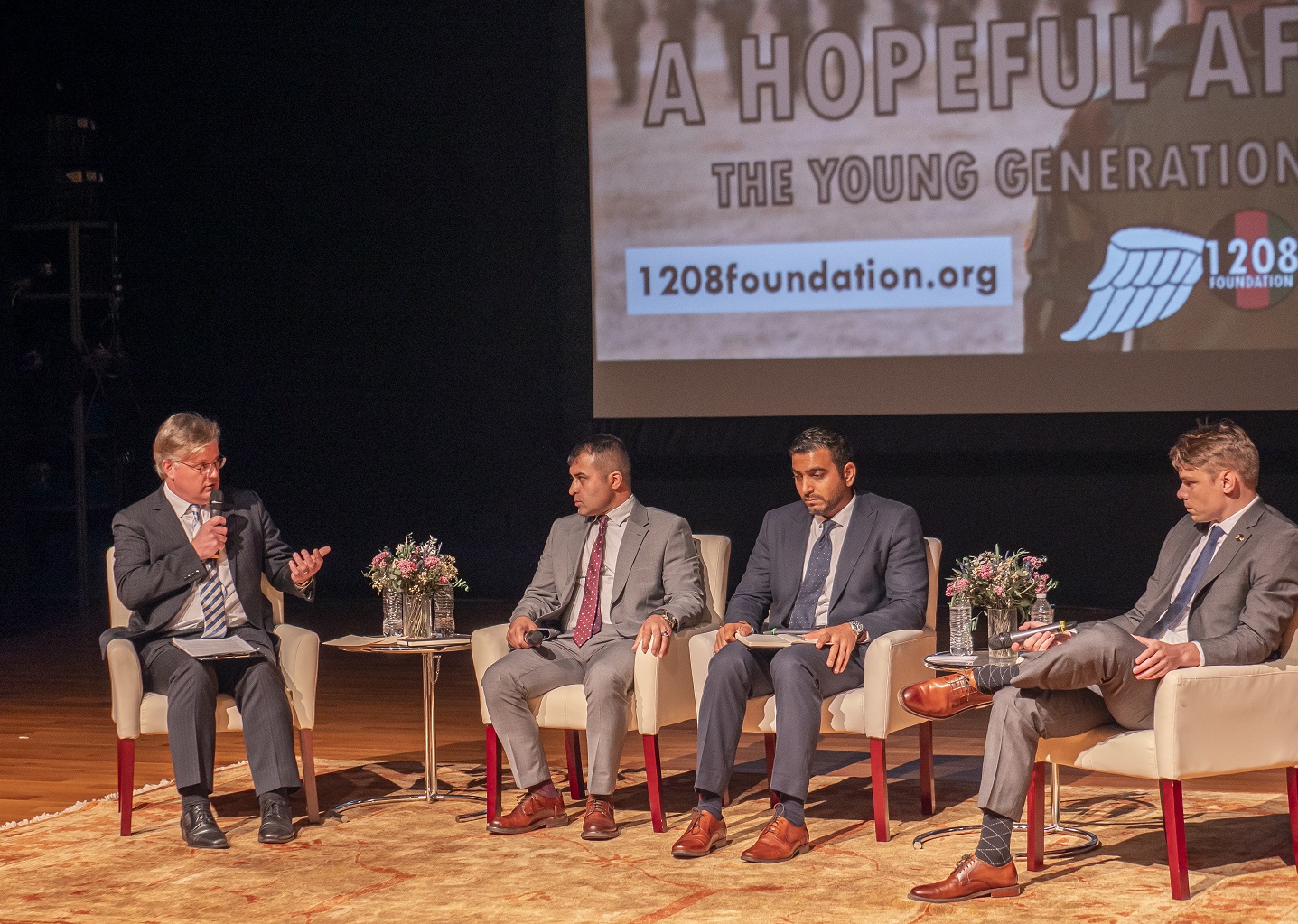
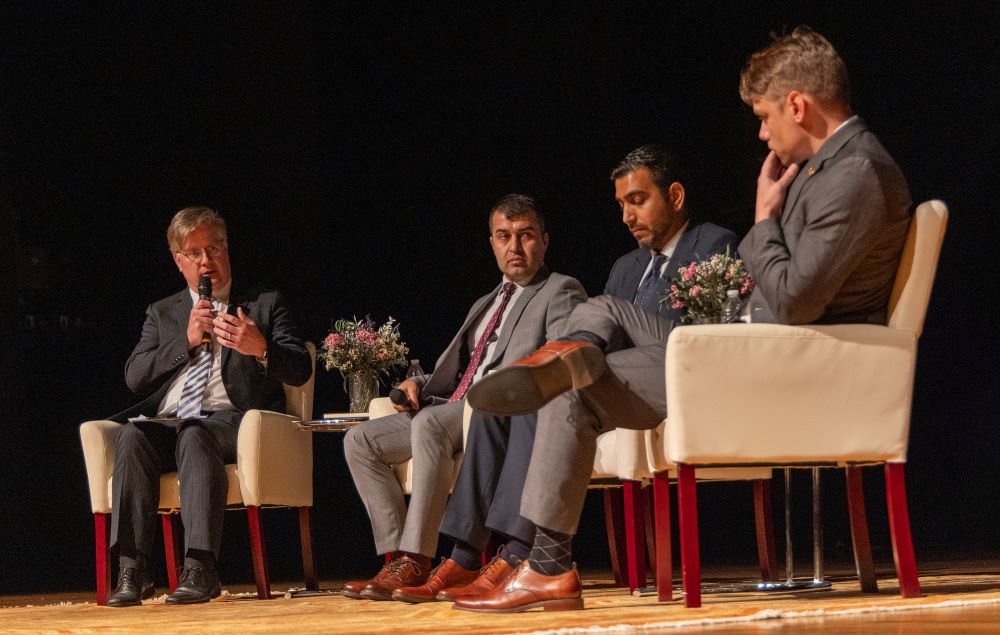
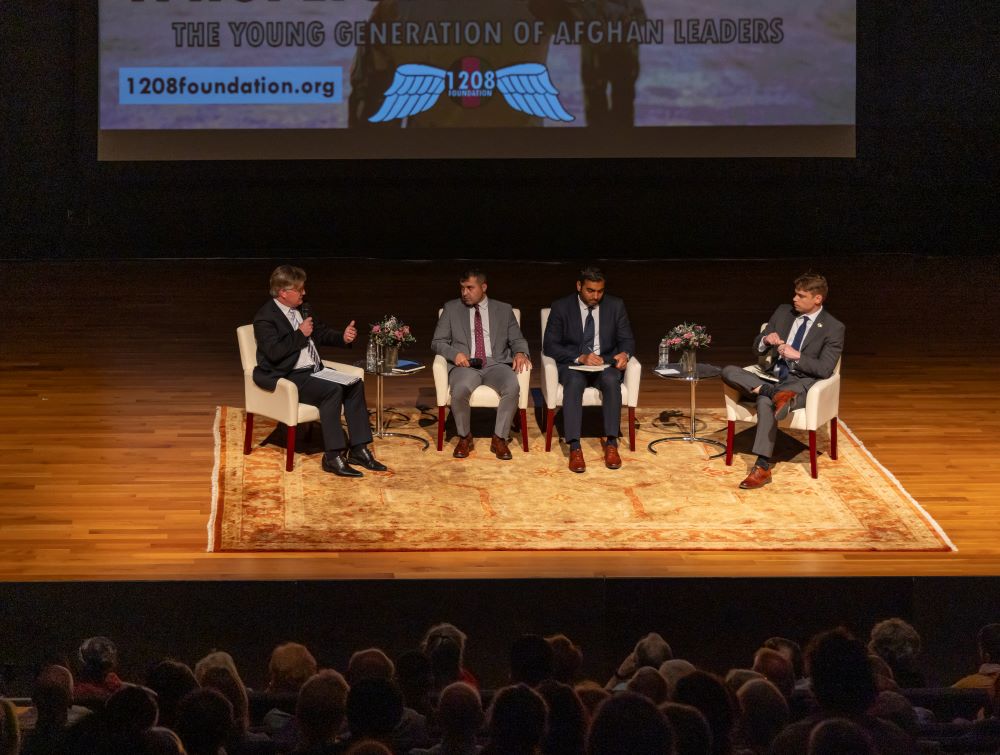
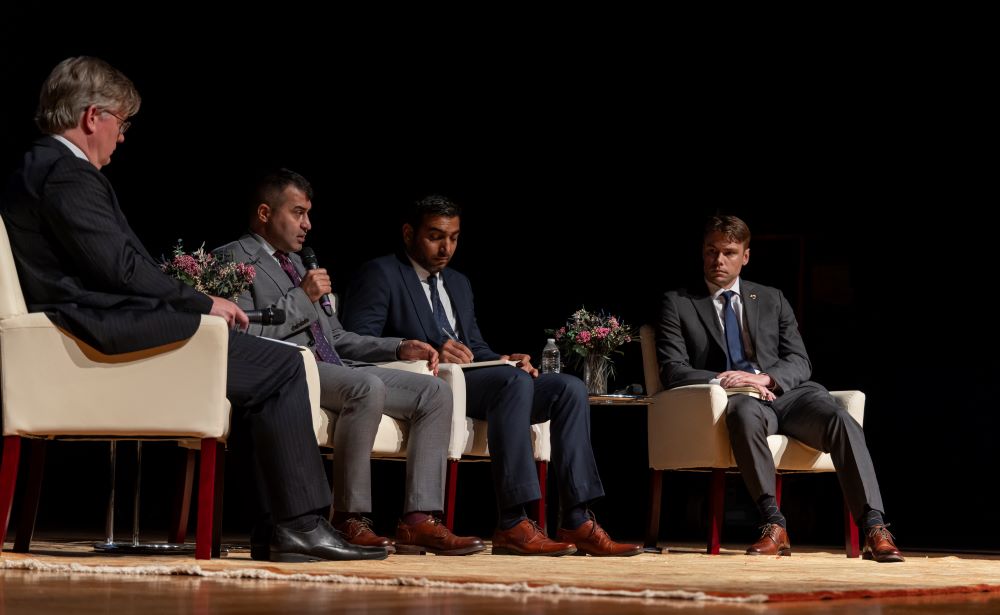
Chief Programs Officer Ronan O’Malley began the program by formally introducing the panelists for the evening: Green Beret and Executive Director of the 1208 Foundation, Thomas Kasza; Lt. General Sami Sadat, the final commander of the Afghan Special Operations; and Lt. General Khoshal Sadat, a former Deputy Minister of the Interior.

The audience then watched three clips from the 2022 documentary, Retrograde. These clips set the tone for the evening in three parts…

…before the end, which was Biden’s announcement of withdrawal and the suddenness of evacuating Afghanistan; the fall, which was the effects on Afghan troops after the abrupt loss of the United States’ support; and the chaos of the evacuation itself, which the panelists was not fully captured in media/governmental reports.

Both General S. Sadat and General K. Sadat spent their entire adult lives in war.

By virtue of their promotions near the end of the war, they were poised to be able to make major shifts in the war’s direction. The military effort, however, was terminated by the Americans just as they emerged in these leadership roles. The new leaders simply ran out of time.

While the outcome of the war and the implications of the U.S. withdrawal are grim, General Sami Sadat still has hope for Afghanistan for three reasons, in particular: (1) the Afghan people are against the Taliban, (2) the surrounding regions, such as Iran and Pakistan, are against the Taliban, and (3) Afghanistan, according to the panelists, will not allow or bring back corrupt politicians.

Thomas Kasza added a fourth hope, which was the absence of Americans. He noted that the presence of a perceived “Western Invader” provided life and ammunition (literally and figuratively) to the Taliban. The absence of the US may be, he hoped, “removing the fuel from the fire.”

This experience was humbling. Many Americans, including ourselves, are not aware of the realities of life under the Taliban today. Through this panel, we were better able to comprehend the present injustices and how United States legislation played a role in them.

Something that resonated with the entire group was a statement made by General Sami Sadat: “…We are alive. We have military training, we have soldiers, we have good friends in America, and we are combining everything we have to save our country.”

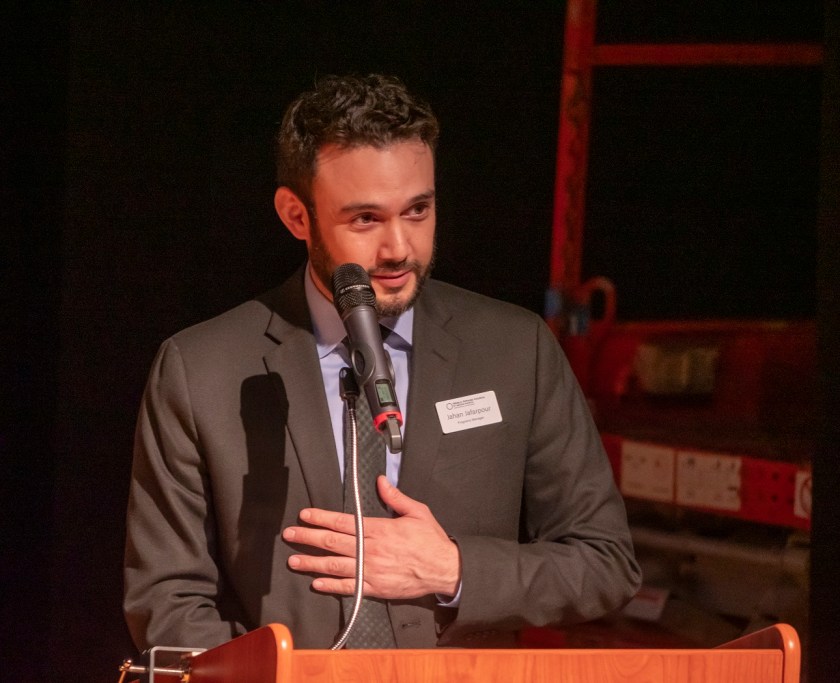
WAC’s Jahan Jafarpour wrapped up the evening, providing additional information about upcoming WAC events–which we hope to attend!

Dinner at Mary’z

In our typical LEAP fashion we try to dine at locations similar to our country of topic. Unfortunately we are unable to find traditional Afghan cuisine, but we did get to experience Lebanese food! There is an added layer of connection for the group Wednesday. Our own Olivia is half Lebanese, so naturally, questions regarding our dinner selections were directed towards her!

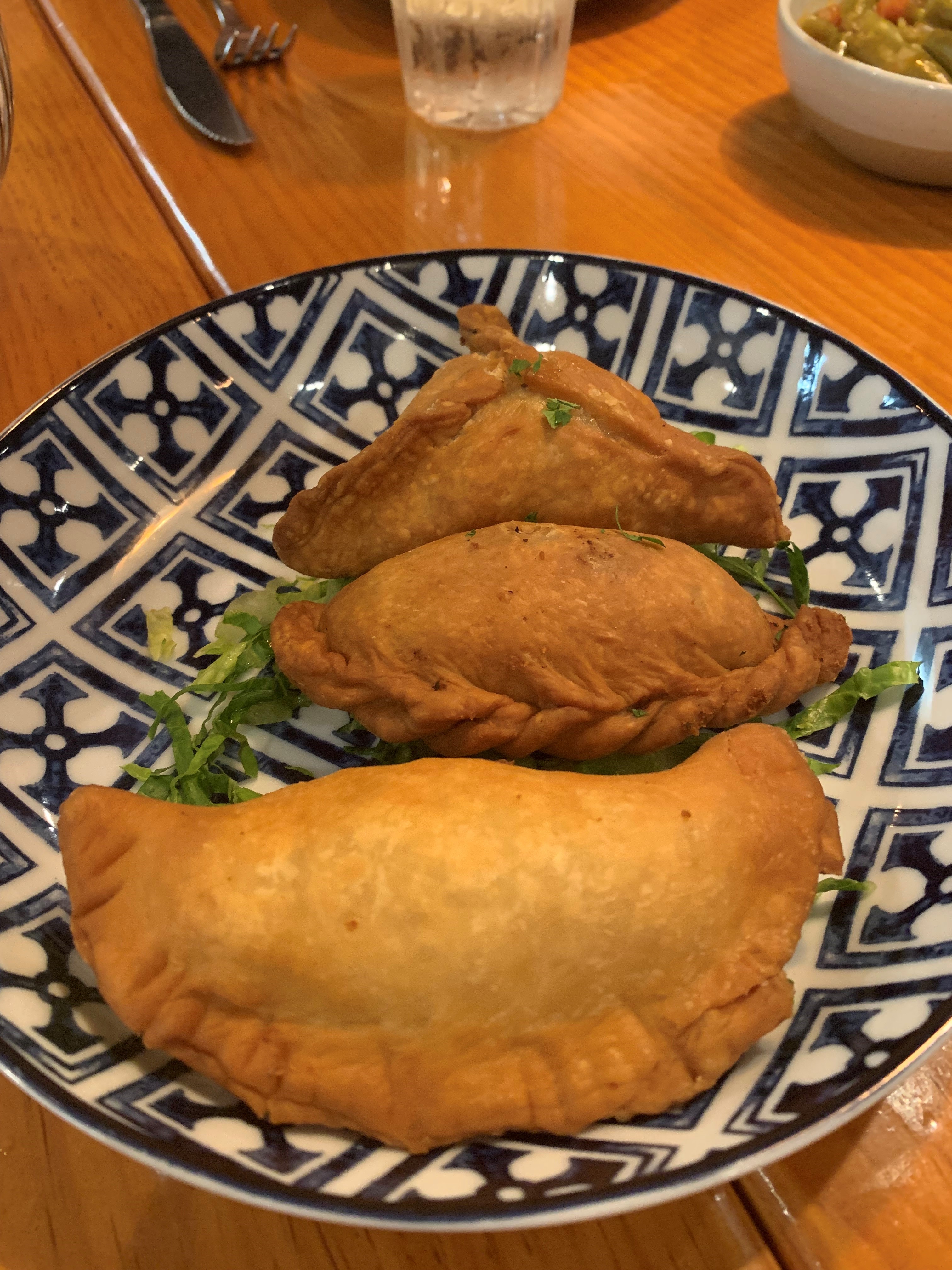
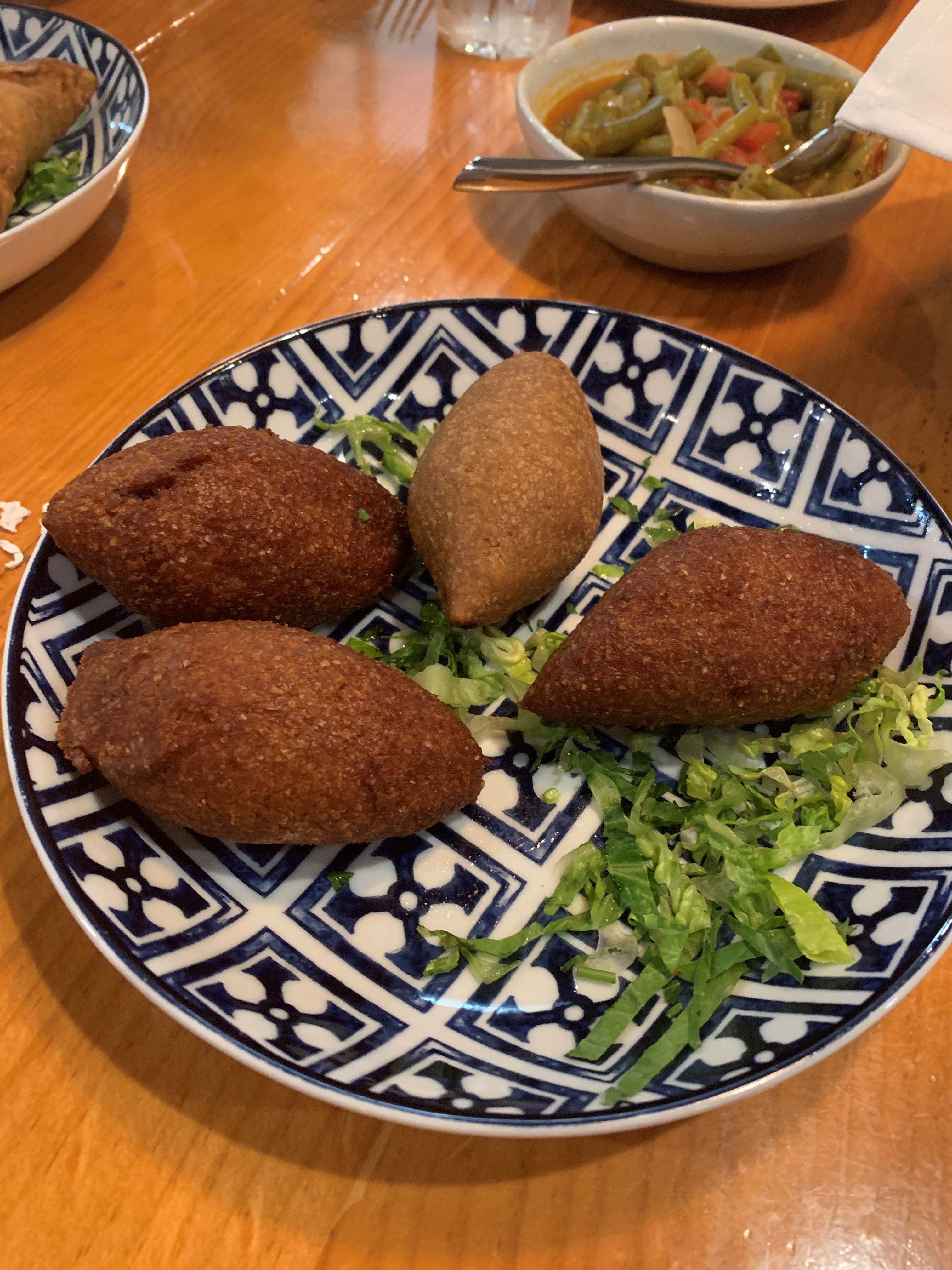
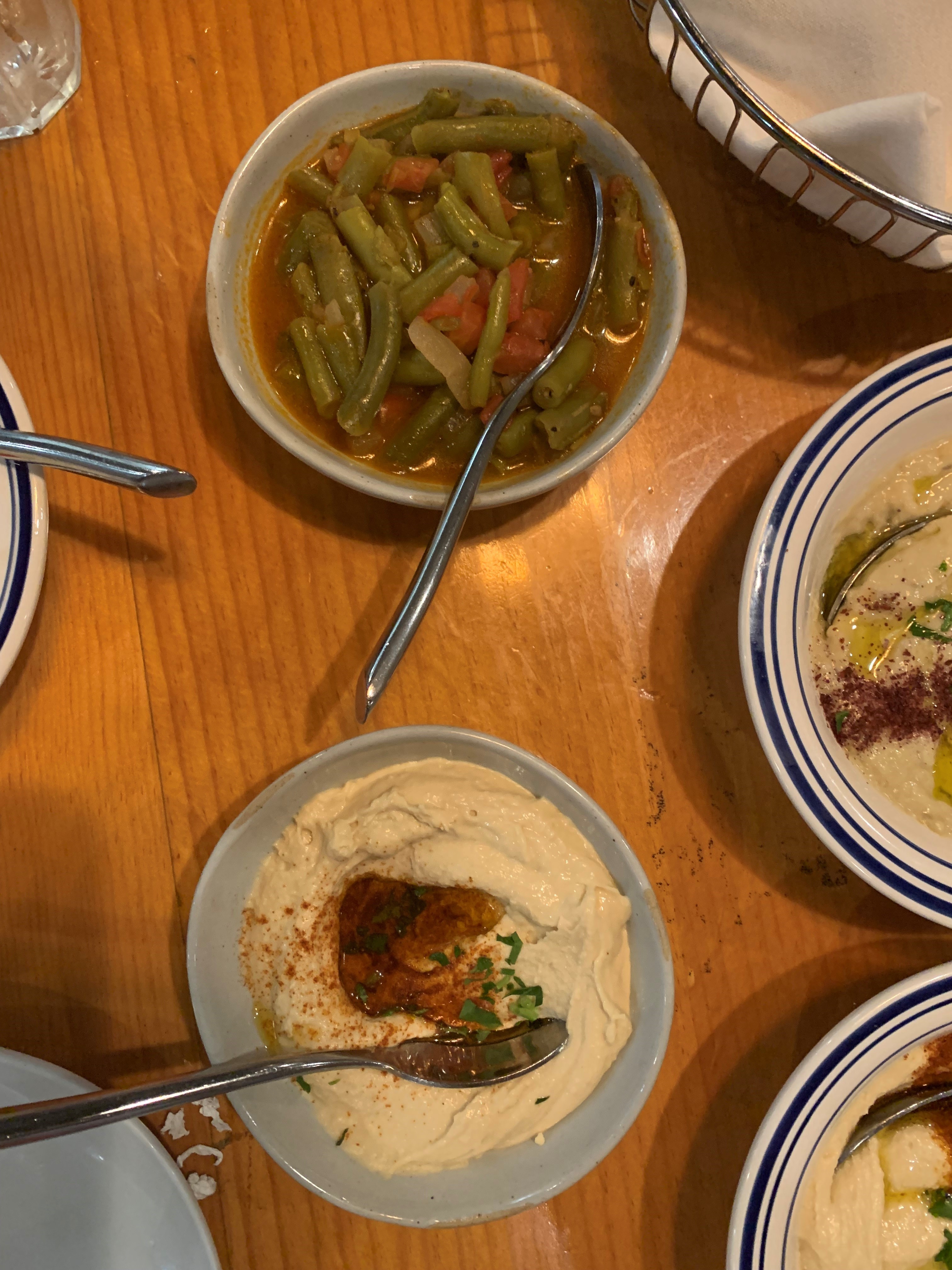
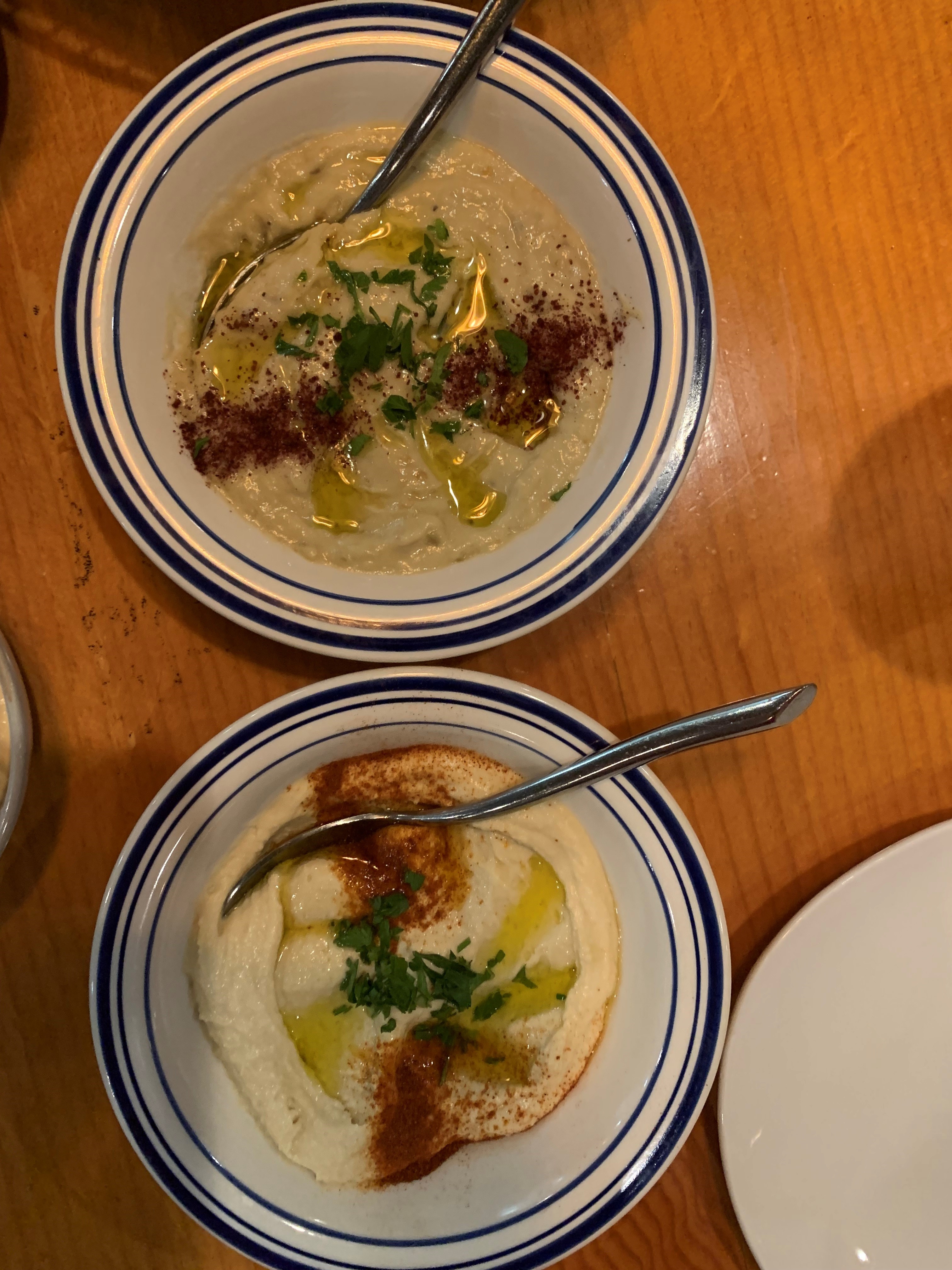
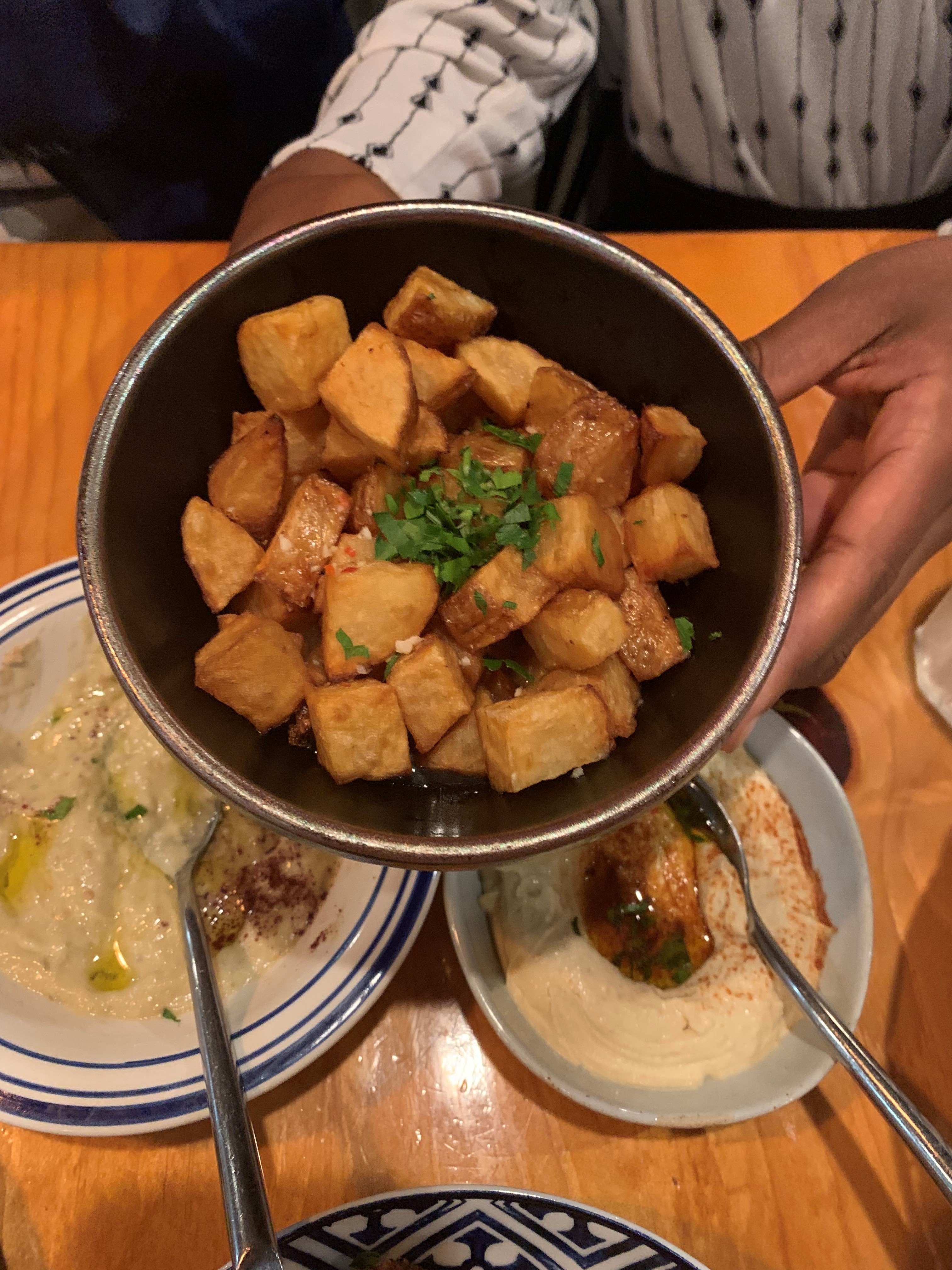
Mary’z offers a wide variety of new and great flavors. We started with that in mind, and ordered different dips and hummuses for the table. General Glaser noted that some of the best food he’s ever had was in the company of Afghan commanders. We were able to converse over dinner about the night’s event, and what we learned. Despite growing up during the war, much of the information was new to us.

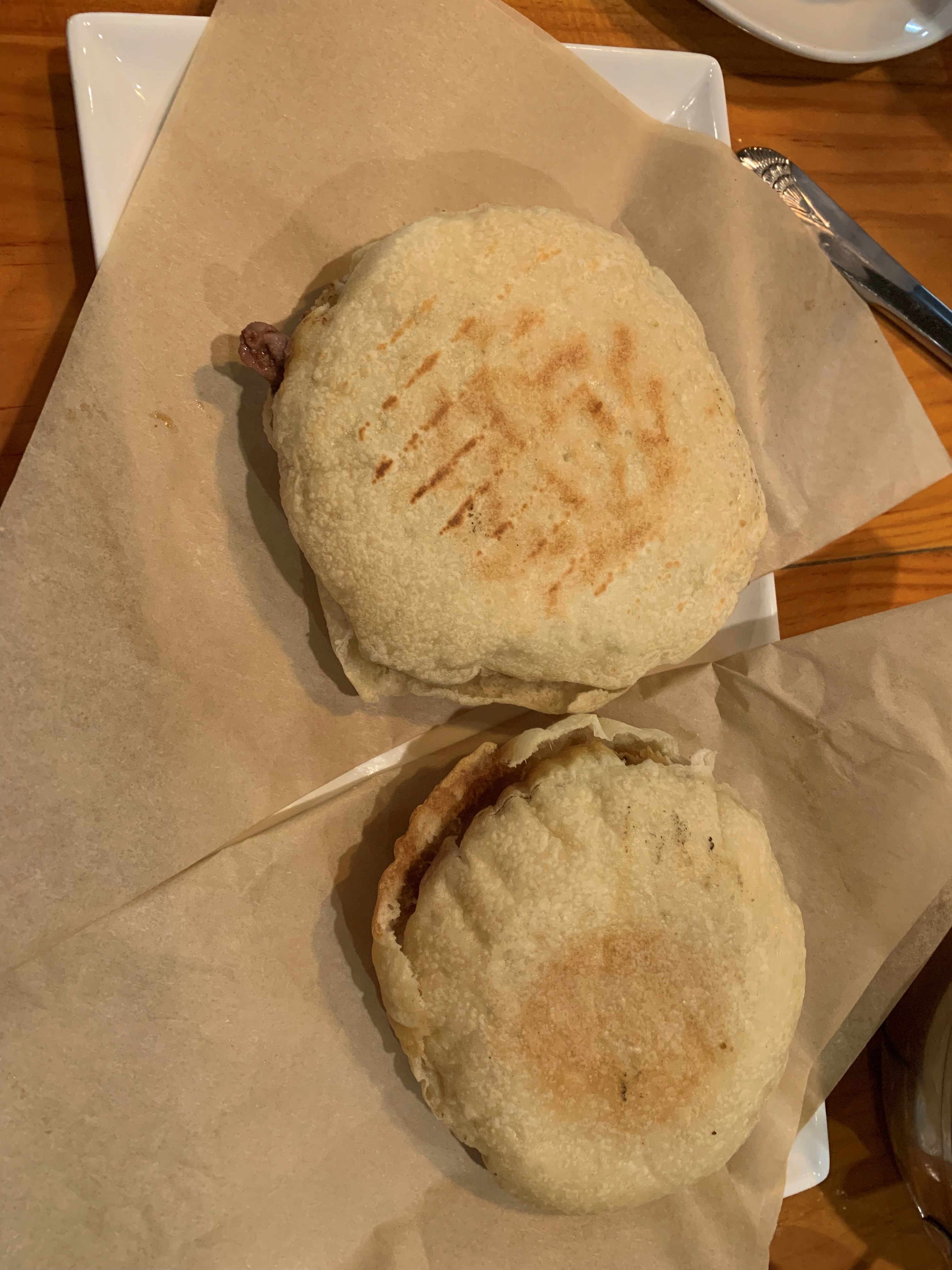
Our meal selections ranged from Lebanese pita pockets, chicken and beef shawarmas, and beef kabob. We also ordered a variety of different sides, including more hummus, fafa beans, cauliflower, green beans, and baba gahanoush. We all enjoyed our selections, but we enjoyed the company more!

We were also eager to try their various types of Baklava, which proved to be interesting and rewarding!

On behalf of the LEAP Ambassadors, we thank WAC for continuing to host educational programs and allow us such opportunities as this.

We are also especially grateful to General David Glaser for joining us. It means a lot to have administrators support our efforts, and the presence of an expert on the Middle East and strategy added to our education immensely.

Unknown's avatarAuthor mikeyawnPosted on June 30, 2023Format AsideCategories Civic Engagement, Civil Rights, Food, PoliticsTags Asia Society, Center for Law Engagement And Politics, General David Glaser, General Khoshal Sadat, General Sami Sadat, LEAP Ambassadors, Sam Houston State University, Thomas Kasza, World Affairs Council HoustonLeave a comment on WAC: The Fall of Afghanistan and realities under the Taliban

Posts pagination

Previous page Page 1 … Page 3 Page 4 Page 5 … Page 15 Next page

LEAP Ambassadors Are Involved!

This slideshow requires JavaScript.

Follow Us On Facebook!

Follow Us On Facebook!

Catch Up With Us

  • Internship Informational: City Fellows, Sam Houston Austin Internship Program, and Washington, DC February 17, 2026
  • Contracts, Promissory Estoppel, & Chess: Simulated Law Class with Professor Val Ricks February 10, 2026
  • Fun, Games, and Education: Volunteering at the Senior Center February 9, 2026
  • Multi-Platform Media Exposure with LEAP February 8, 2026
  • The Rise of Africa’s Youth: Insights from Ambassador Michelle Gavin February 5, 2026

Join The Conversation!

Highlights from the… on Glazing-A-Trail with Lauren…
The Civic Leadership… on Foundational Activities of the…
The Civic Leadership… on The Philosophical Foundations…
LEAPing Into Action… on The Philosophical Foundations…
Jada Cook's avatarJada Cook on SHSU Students LEAP Across Five…

Find Previous Posts

We also have Twitter!

My Tweets

LEAPing Into LEARNing

This slideshow requires JavaScript.

  • About LEAP
  • LEAP Ambassadors
Center for Law, Engagement, and Politics Blog at WordPress.com.
  • Subscribe Subscribed
    • Center for Law, Engagement, and Politics
    • Join 491 other subscribers
    • Already have a WordPress.com account? Log in now.
    • Center for Law, Engagement, and Politics
    • Subscribe Subscribed
    • Sign up
    • Log in
    • Report this content
    • View site in Reader
    • Manage subscriptions
    • Collapse this bar
 

Loading Comments...