Texas 10th Court of Appeals Hosted by the Walker County Bar Association

by Chrissy Biello

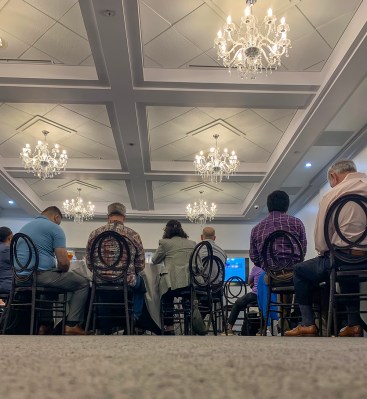
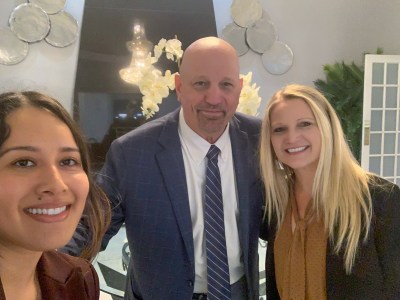
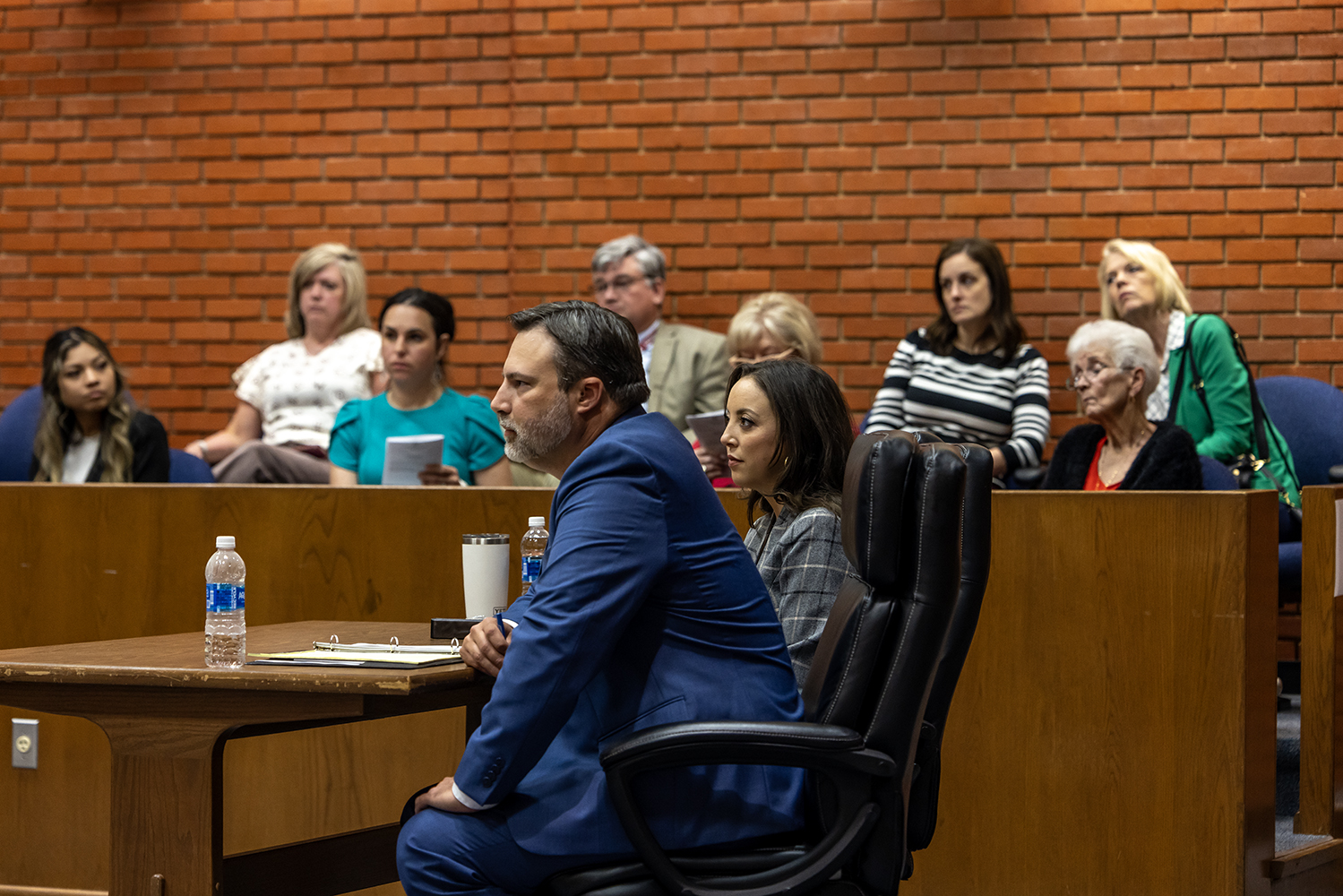
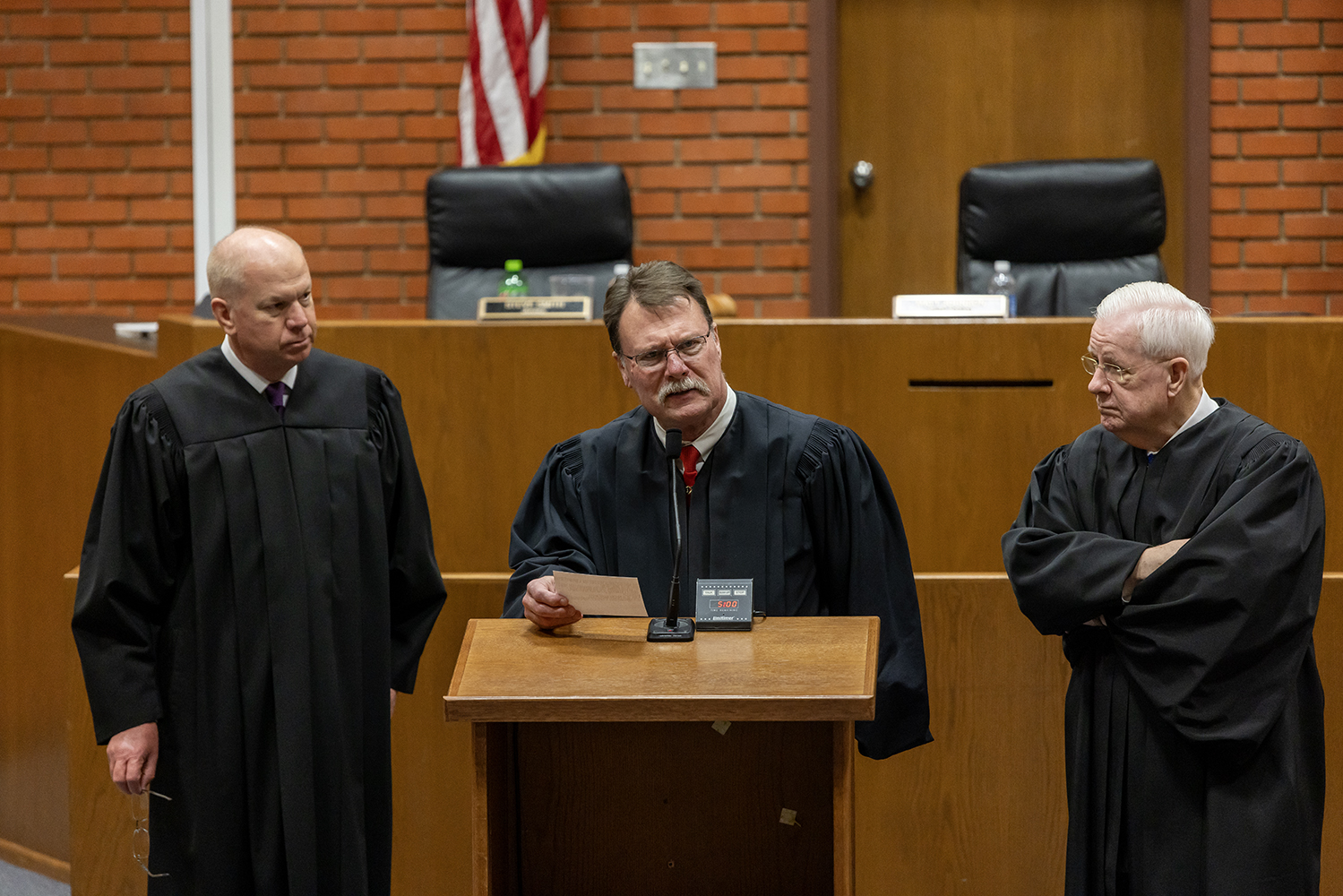
The night before the Texas Tenth Court of Appeals convened for oral arguments at Sam Houston State University (SHSU), the Walker County Bar Association hosted a dinner at Sam’s Table to welcome the visiting justices. The guests of honor were Chief Justice Matt Johnson, Justice Lee Harris, and Justice Steven Smith, along with Clerk of the Court Sherry Williamson.

Approximately thirty members of the local legal community gathered for the occasion, including 278th District Judge Tracy Sorensen, 12th Judicial District Judge David Moorman, County Court at Law Judge John Gaines, Municipal Court Judge Devan Dawson, and County Judge Colt Christian. The dinner also drew several prominent attorneys, including Alvin Martin of Smither, Martin, and Henderson; Michael Foreman of Haney, Paschal and Romoser; and multiple representatives from the Walker County Criminal District Attorney’s Office: Assistant District Attorneys Malori Martin (who is arguing a case tomorrow), Jennifer Jenkins, and Graciela Garcia.

Throughout the evening, there were multiple conversations taking place, some filled with friendly laughter, while others centered on the cases scheduled for the following day. Some exchanged thoughts on the legal questions involved, as some of the cases have some interesting aspects that could have greater implications on the legal field. 

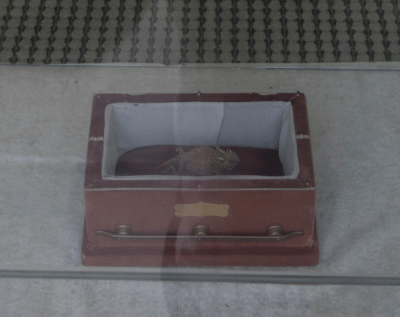
Clerk of the Court Sherry Williamson shared stories from her early career, including her time serving as clerk of the Eleventh Court of Appeals in Eastland, Texas. While reflecting on her time there, she mentioned “Ol’ Rip,” the legendary horned toad that Eastland is known for. According to local lore, Ol’ Rip survived a thirty-one-year hibernation, only to later pass away from pneumonia. The toad is now on display at the Eastland Courthouse!

Ol Rip in a custom-made coffin at the Courthouse

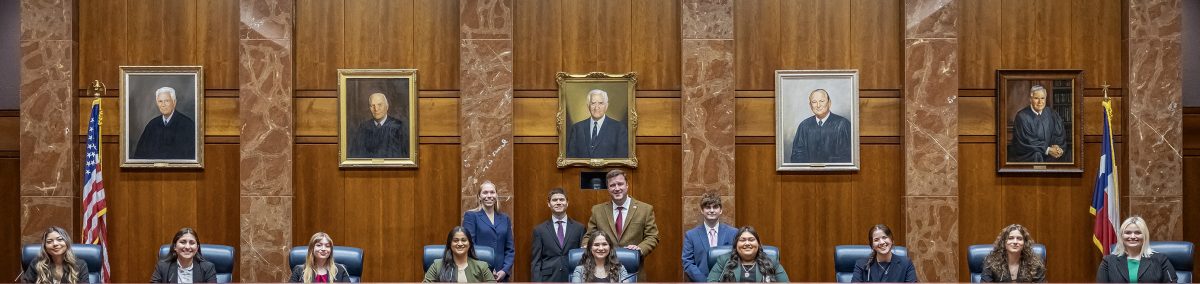
While speaking with SHSU LEAP students, Chief Justice Johnson shared his journey into law. He spoke about his early career as a practicing attorney and the transition into becoming a judge. He first served as Justice of the Peace in McLennan County, then as Judge of the 54th District Court for fourteen years, before being elected to the Texas Tenth Court of Appeals in 2020. During the conversation, he emphasized the importance of gaining trial experience for those who aspire to serve on the bench.

Judge David Moorman also spoke highly of the opportunity for students to observe the appellate court in action, calling it a unique and valuable educational experience. 

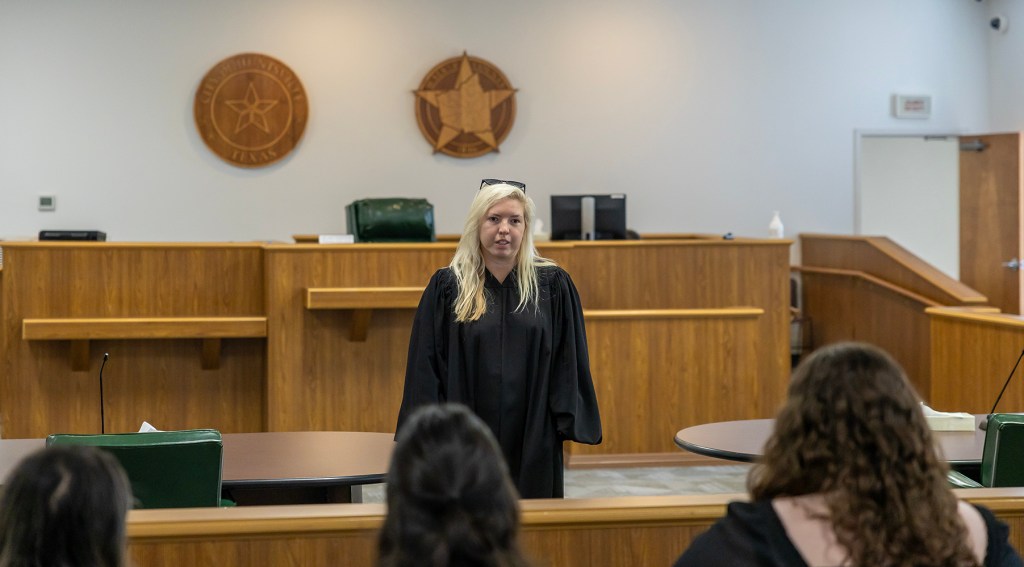
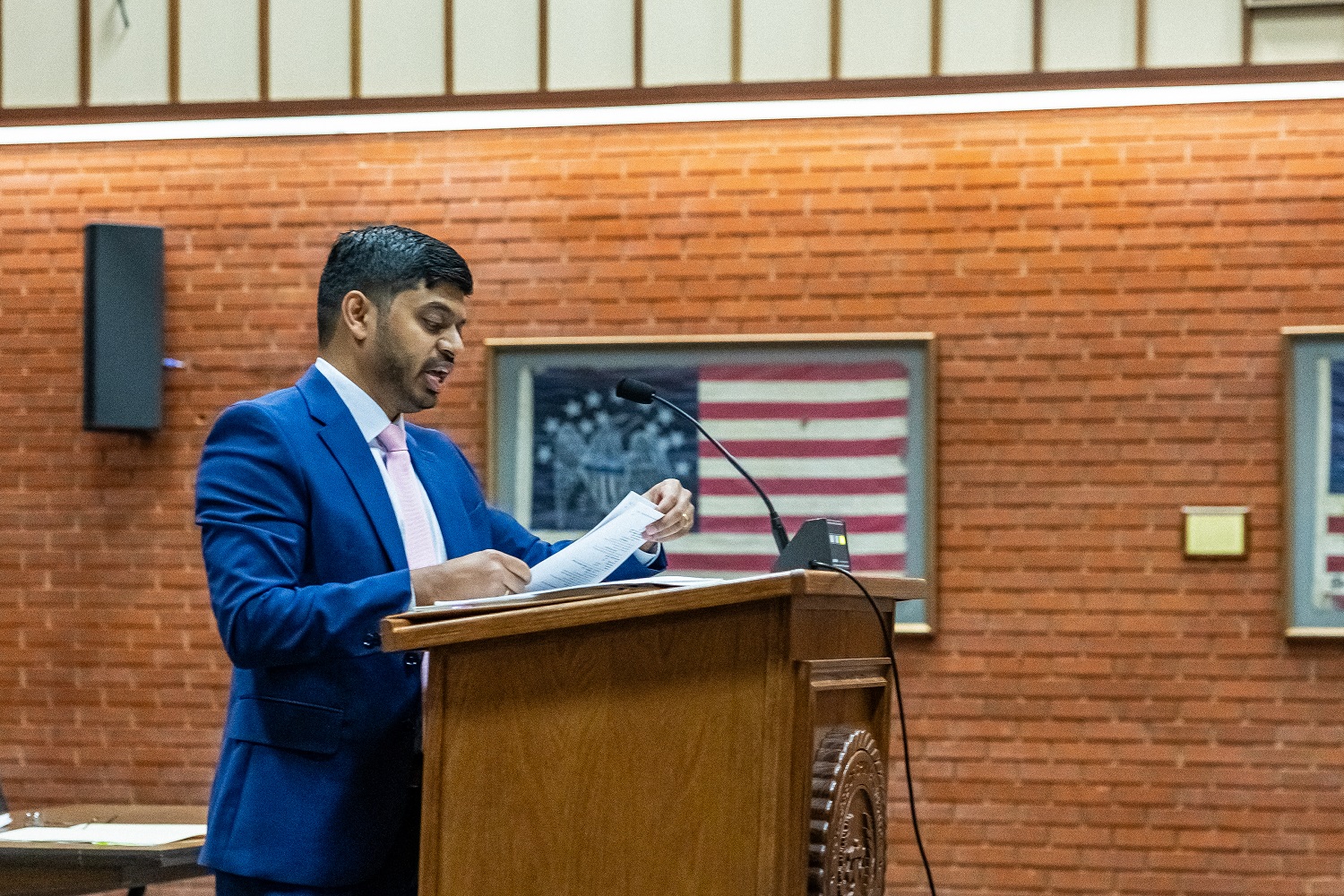
The event served as both a warm welcome to the visiting court and a reminder of the strength and collegiality within the local legal community. The justices will hear three cases at SHSU tomorrow, including two driving while intoxicated cases and one involving injury to a child. The Center for Law, Engagement, and Politics continues to be grateful that the Texas Tenth Court of Appeals visits Sam Houston State University each year. The event offers a multitude of valuable learning experiences. You can read more about the event here.

Book Talk with Lise Olsen: The Scientist and the Serial Killer

Michelle Cardenas

Even with the busiest time of the legislative session in full swing, the LEAP Ambassadors always find ways to stay engaged and keep learning. After a long day at the Capitol, we made our way to BookPeople in downtown Austin for an author event featuring Lise Olsen and her latest true crime book, The Scientist and the Serial Killer.

As true crime fans and students focused on criminal justice and pre-law, this event was right up our alley. Lise Olsen, known for her investigative reporting and current work with the Texas Observer, has spent her career uncovering the truth behind long-forgotten crimes. The conversation was moderated by Michelle Pitcher, one of Olsen’s colleagues who also covers criminal justice topics.

The book centers around Dean Corll (Nicknamed Candy Man), a Houston serial killer responsible for the abduction and murder of over 27 teenage boys in the 1970s. Despite the scale of the crimes, police negligence allowed Corll to operate undetected for years. After the crimes were uncovered, the investigation was shockingly mishandled. The Houston Police Department sent inmates with trash bags and shovels to dig up remains from a boat shed where the victims were buried—no forensic experts, no proper evidence collection, and very little communication with the victims’ families.

That’s where the heart of the book lies. Olsen reported on the findings and the work of Sharon Derrick, a forensic anthropologist who became deeply invested in identifying the unnamed victims. Derrick took on the challenge of reexamining the case, believing at first it might be simple but she quickly realized she was wrong. Many of the families were gone, DNA matches were limited, and records were scarce. Still, Derrick worked to connect the dots, uncovering overlooked evidence, personal items, and even previously unidentified remains. Olsen followed and reported on this journey, often reaching out to families herself to gather clues and piece together the victims’ stories along the way.

Pitcher asked Olsen about how she was able to capture not just the investigation but also the social and institutional failings of the time.

The book dives into what policing looked like in 1970s Houston: limited resources, no communication systems, and almost no understanding of serial killer patterns. Authorities often dismissed missing teens as runaways or troublemakers, even blaming parents. There were rumors that some had fled to avoid the draft. And the juvenile crime division? It consisted of officers who would write a one-page report/description and move on.

Olsen interviewed hundreds of people—friends, family members, investigators—and gave space for those who had been grieving in silence for decades. Her mission wasn’t to glorify a serial killer, but to give voice to the nameless victims and to honor the hard work of investigators still trying to bring justice and closure. The book is haunting, especially as a Houston native who’s grown up hearing stories about the Candy Man.

After the talk, we got the chance to chat with Ms. Olsen for a bit about criminal justice and let her know how much we enjoyed the event. It was a great way to end the night—getting to meet someone who’s doing meaningful work and hearing firsthand how much time and care goes into telling these stories. We snapped a quick selfie and left BookPeople feeling a little more curious, a little more inspired, and definitely glad we made the time to go.