Skip to content

Center for Law, Engagement, and Politics

Leap At SHSU!

  • About LEAP
  • LEAP Ambassadors
Center for Law, Engagement, and Politics

Category: Politics

Former French President Francois Hollande Discusses National Security

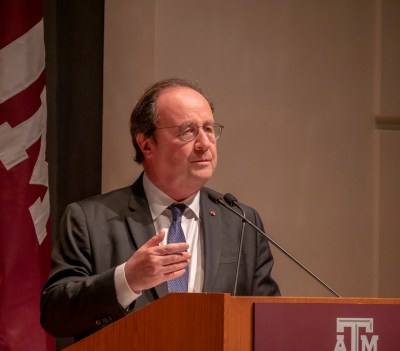
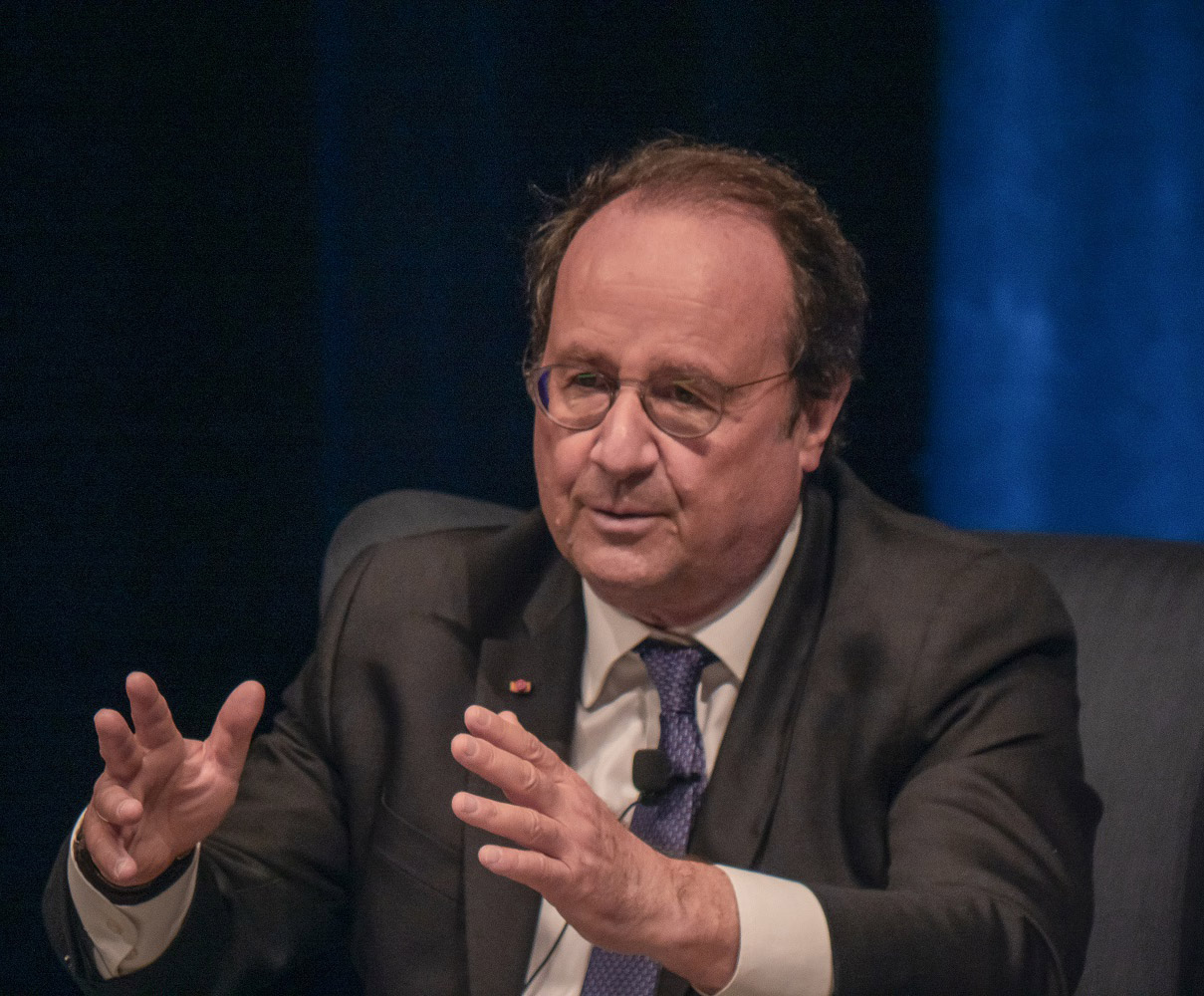
During his tenure as President of the French Republic from 2012 to 2017, François Hollande confronted a cascade of formidable challenges both within France and on the global stage. These trials ranged from combating extremist groups in Africa to grappling with the escalating threats posed by climate change and the spate of terrorist attacks that shook the nation.

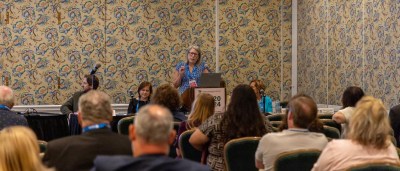
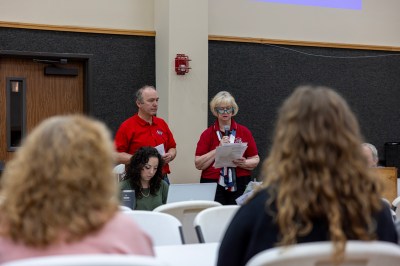
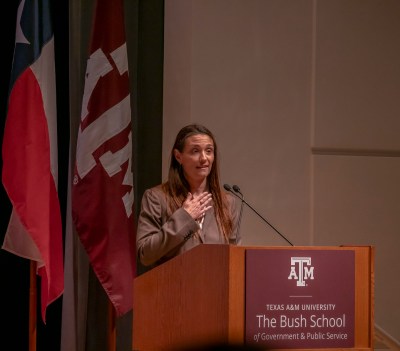
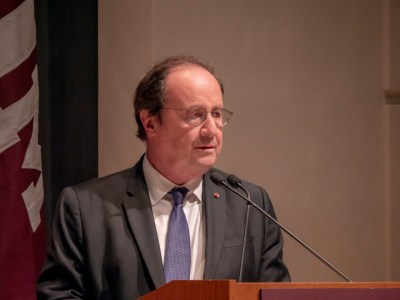
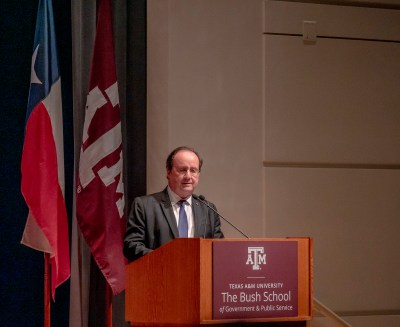
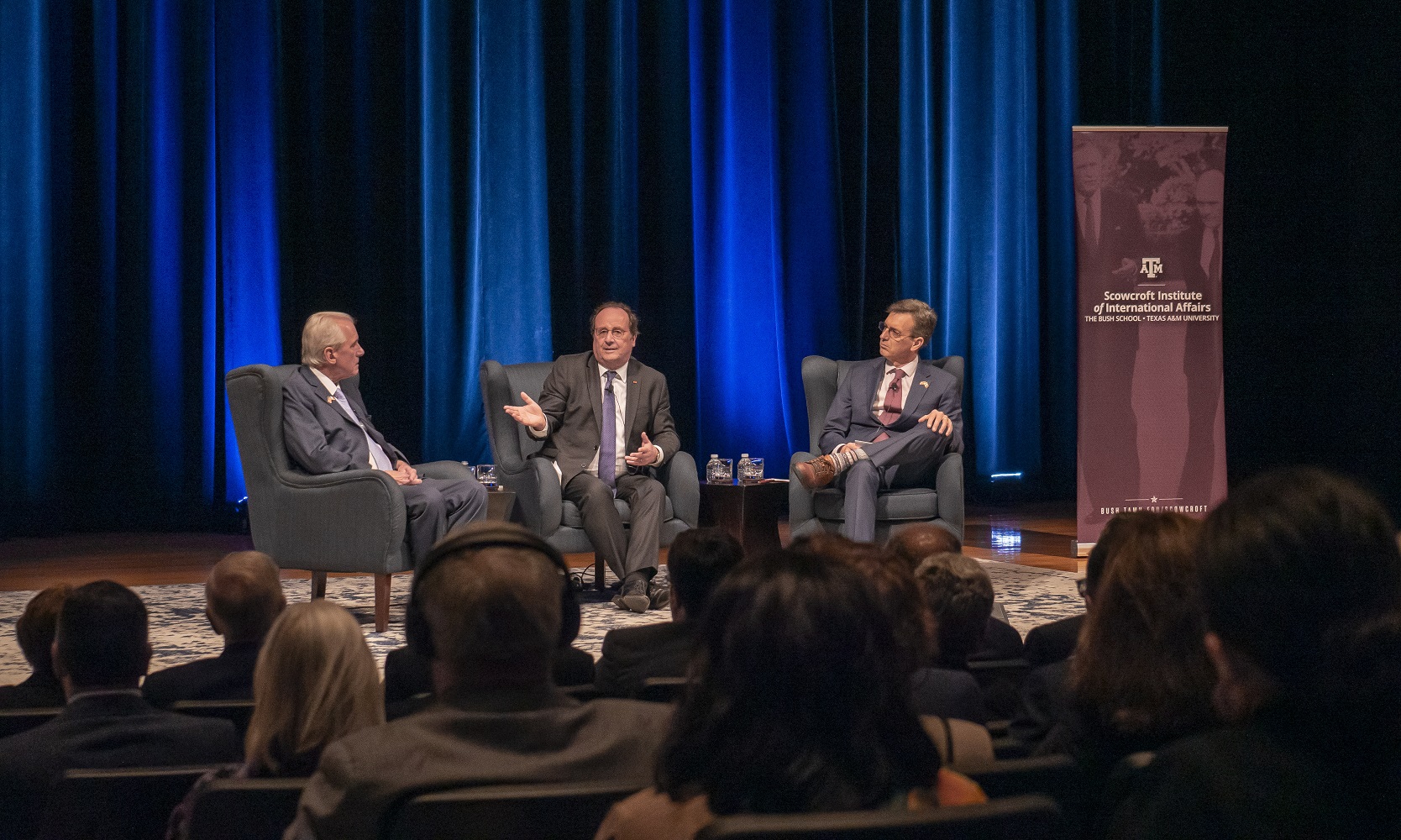
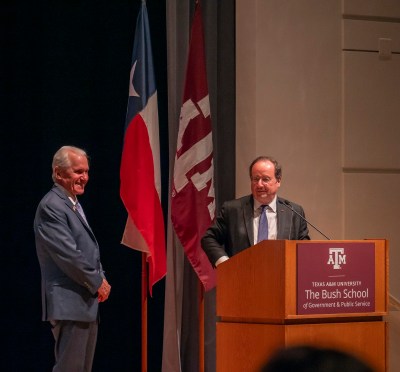
Following an introduction by Professor Escobar-Lemmon…

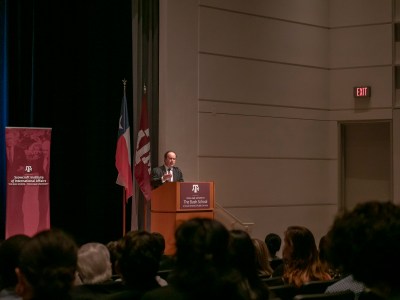
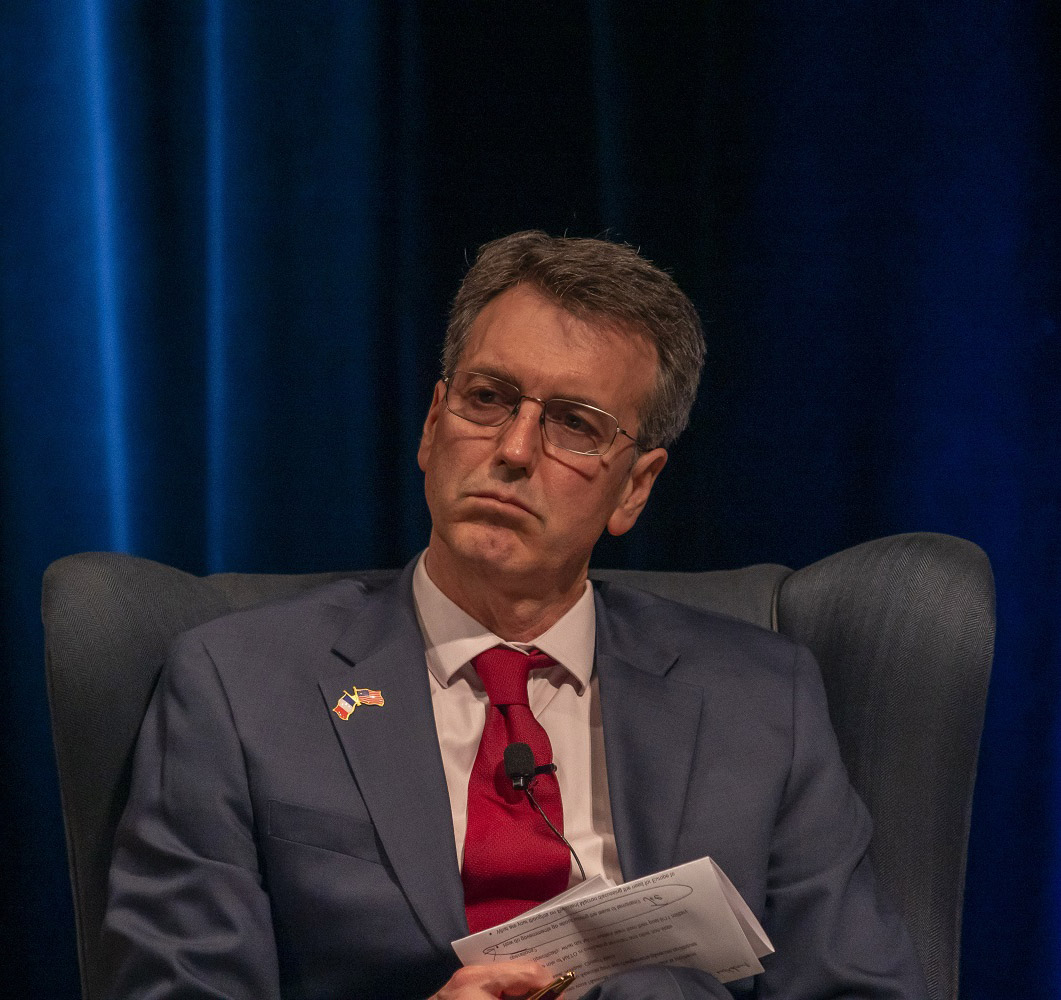
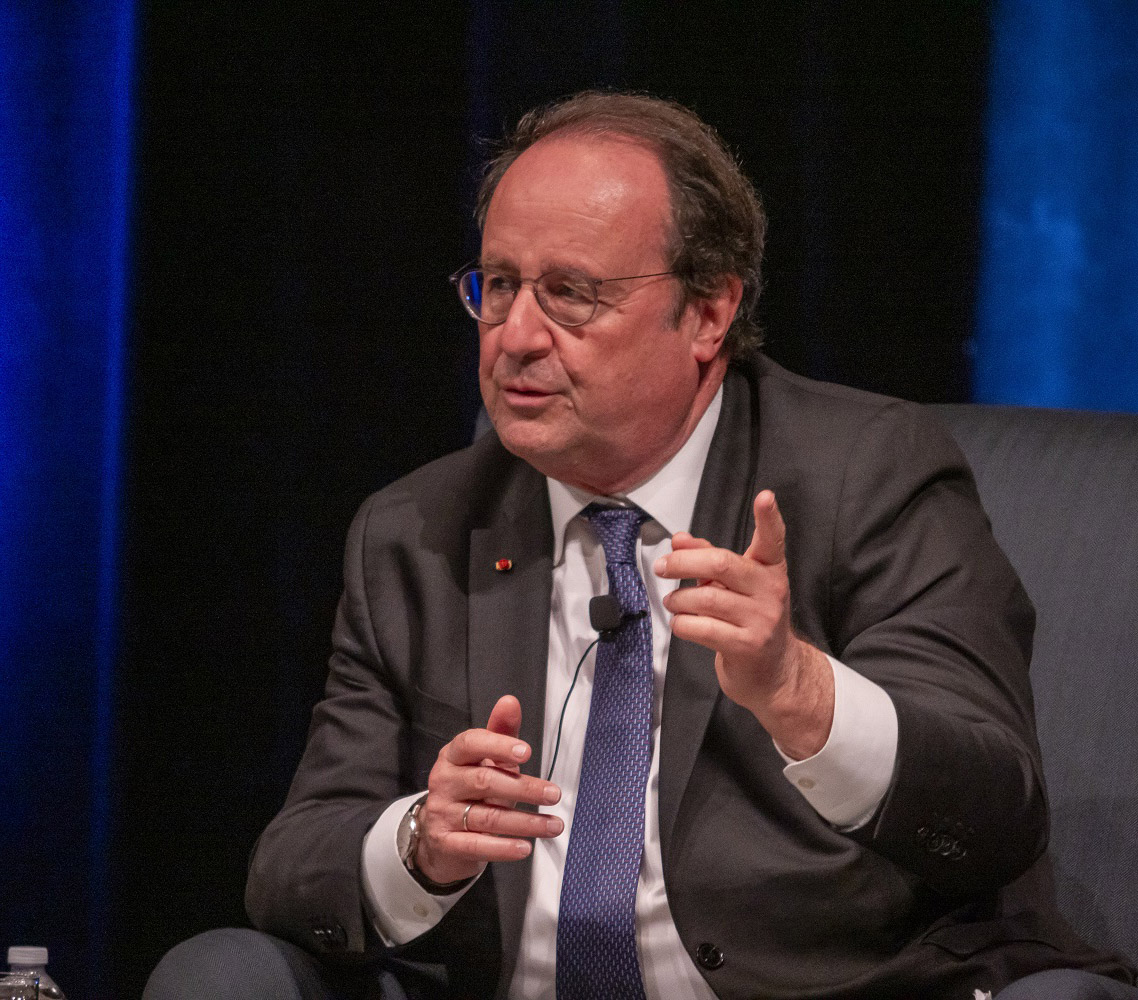
…President Hollande first discussed his perspectives on the critical global issues confronting Western democracies today. This was followed by a panel discussion moderated by Professor Bearce.
Chief among Hollande’s concerns was the resurgence of authoritarianism, exemplified by the actions of states like China and Russia.

He cautioned against a deepening divide between democracies and authoritarian regimes, drawing parallels to the Cold War era and stressing the need for continued cooperation between the United States, Europe, and outreach to other nations.

Hollande’s discourse encompassed a broad spectrum of challenges, including the evolving face of global terrorism and the urgent implications of climate change. He emphasized the imperative for sustained international collaboration to address these pressing issues, which he described as existential threats to democratic societies.

Moreover, he highlighted emerging challenges such as global pandemics and the disruptive impact of technologies like artificial intelligence, which he argued have profound implications for global stability and democratic governance.

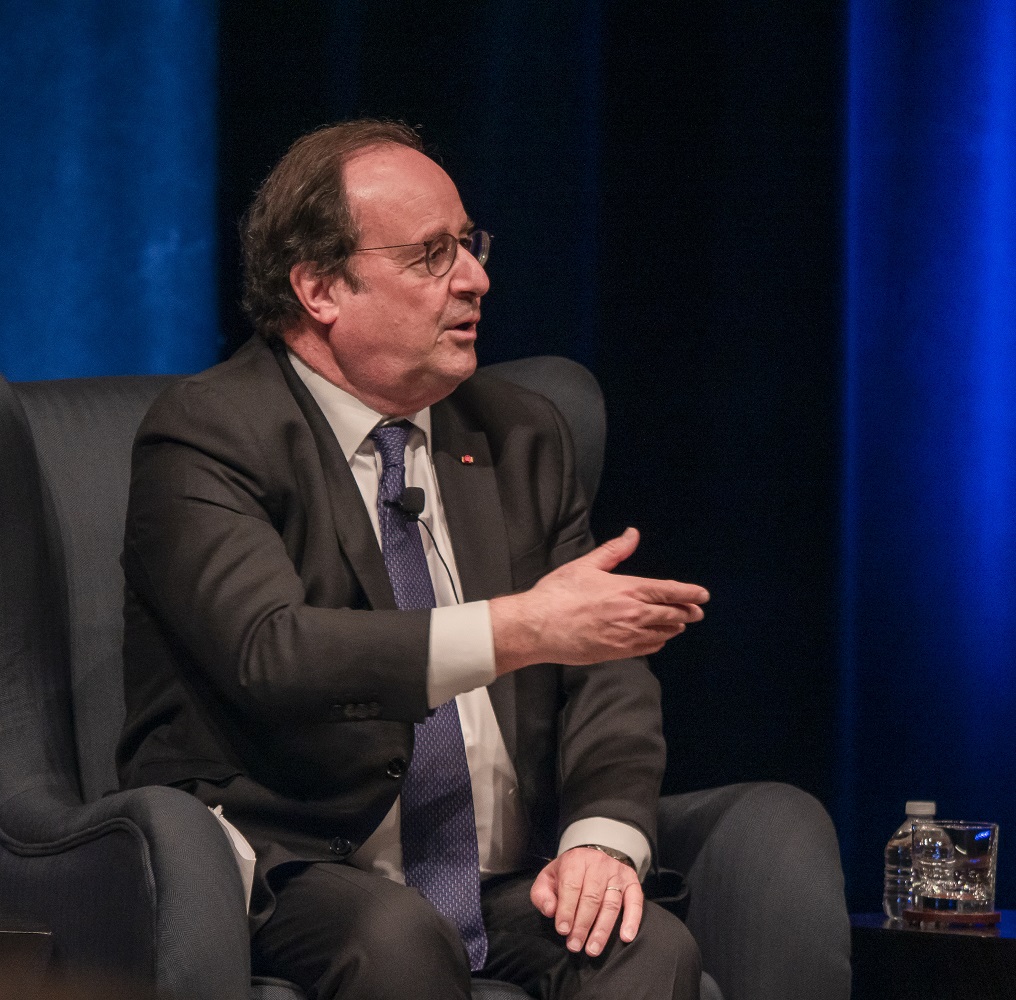
Following President Hollande’s formal presentation, he engaged in a moderated discussion with Dr. David Bearce of the Bush School. While President Hollande had delivered his prepared remarks in English, he engaged in this discussion in French, which we listed to through a translation app provided by the Bush School.

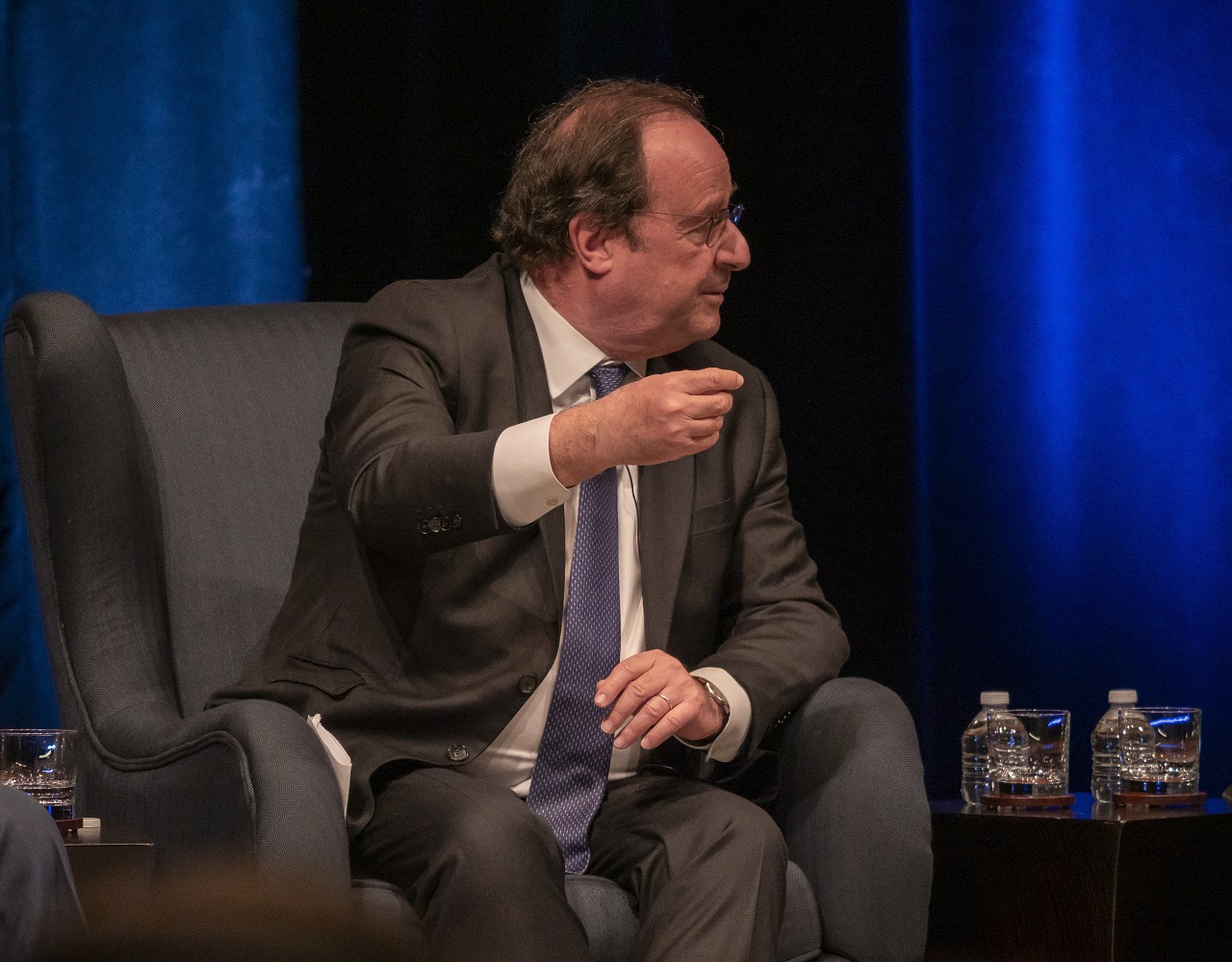
This portion of the discussion was lively, with President Holland interjecting humor and intrigue into the discussion.

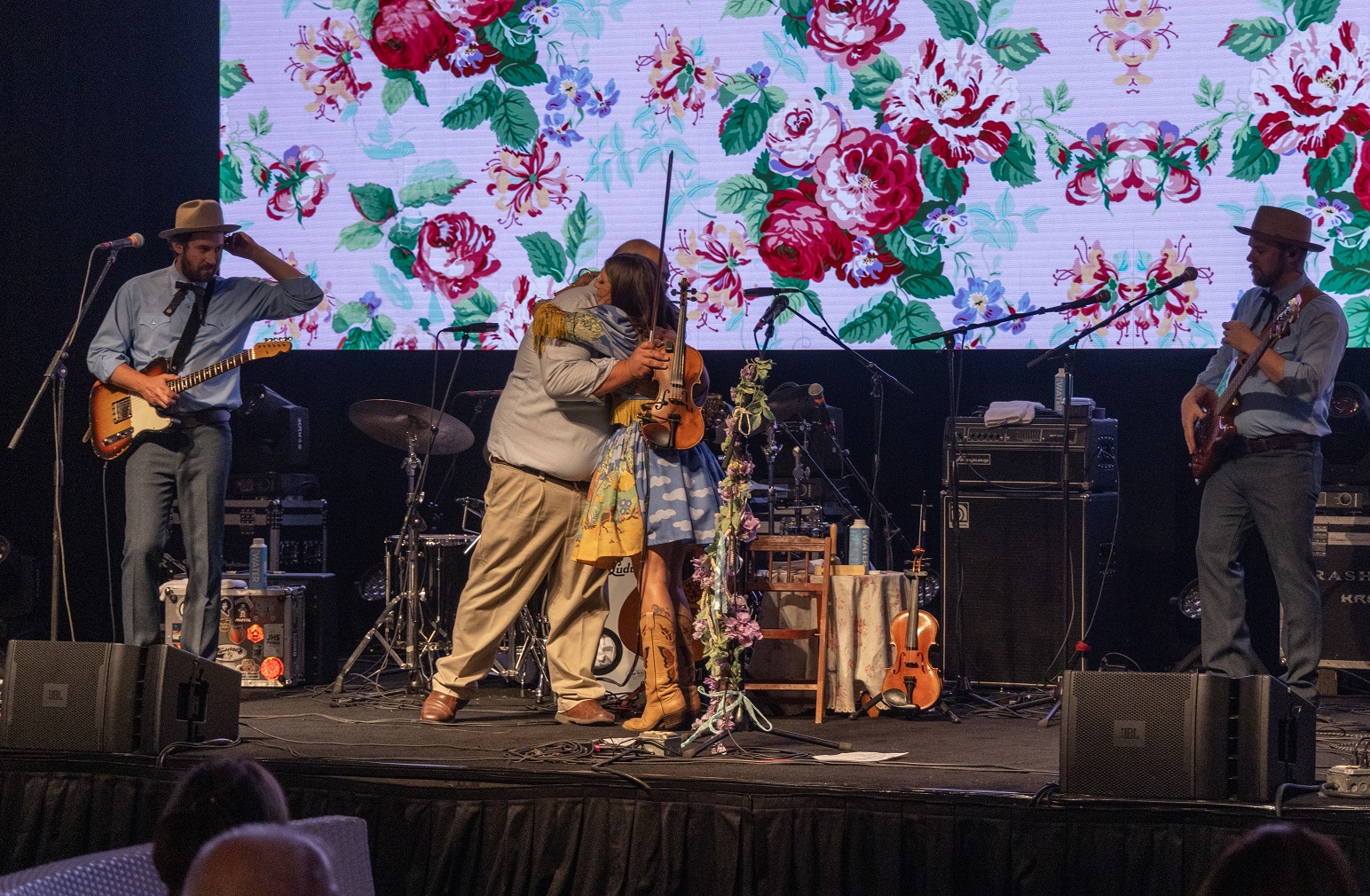
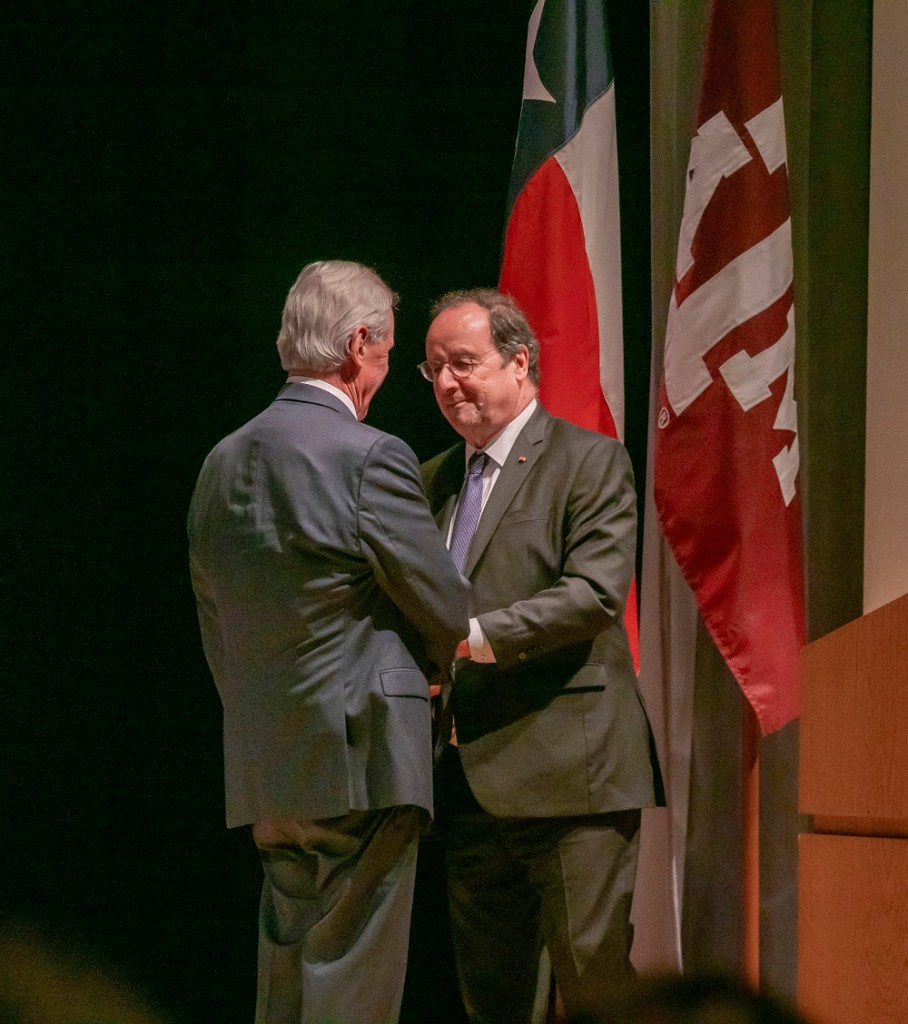
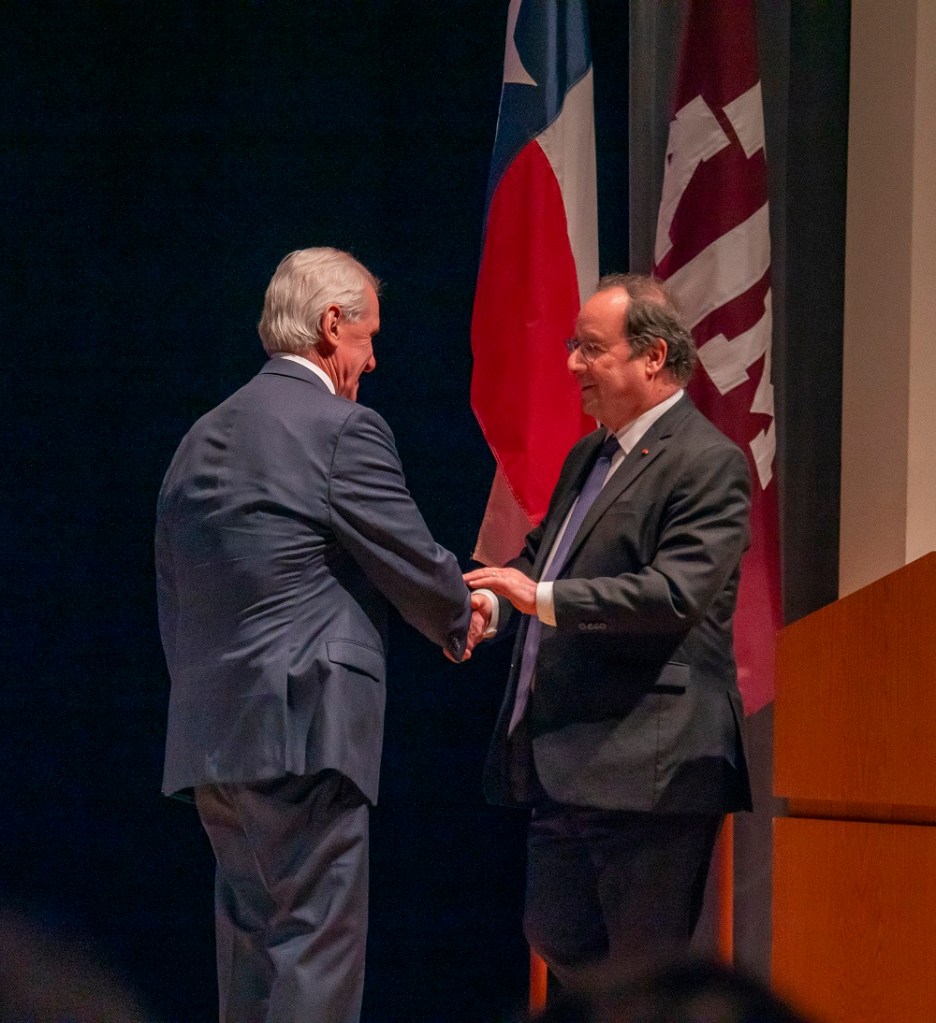
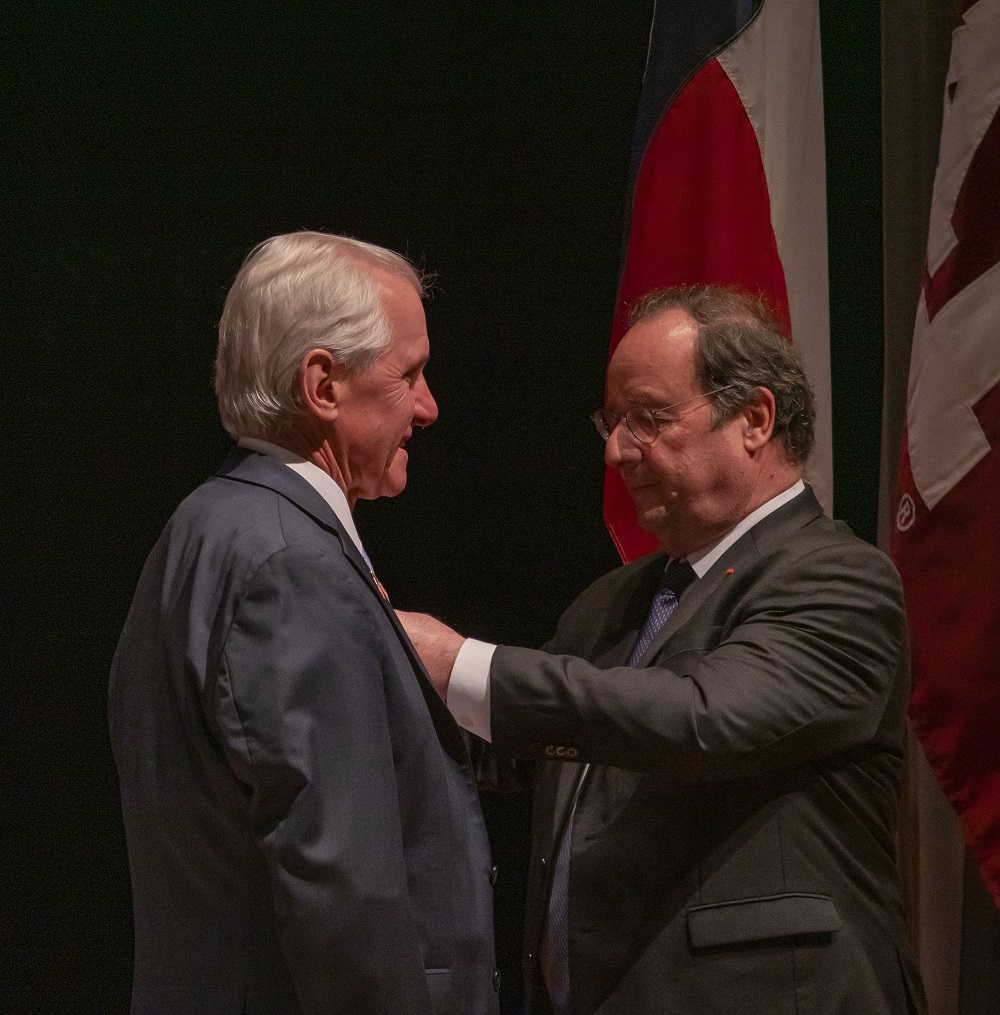
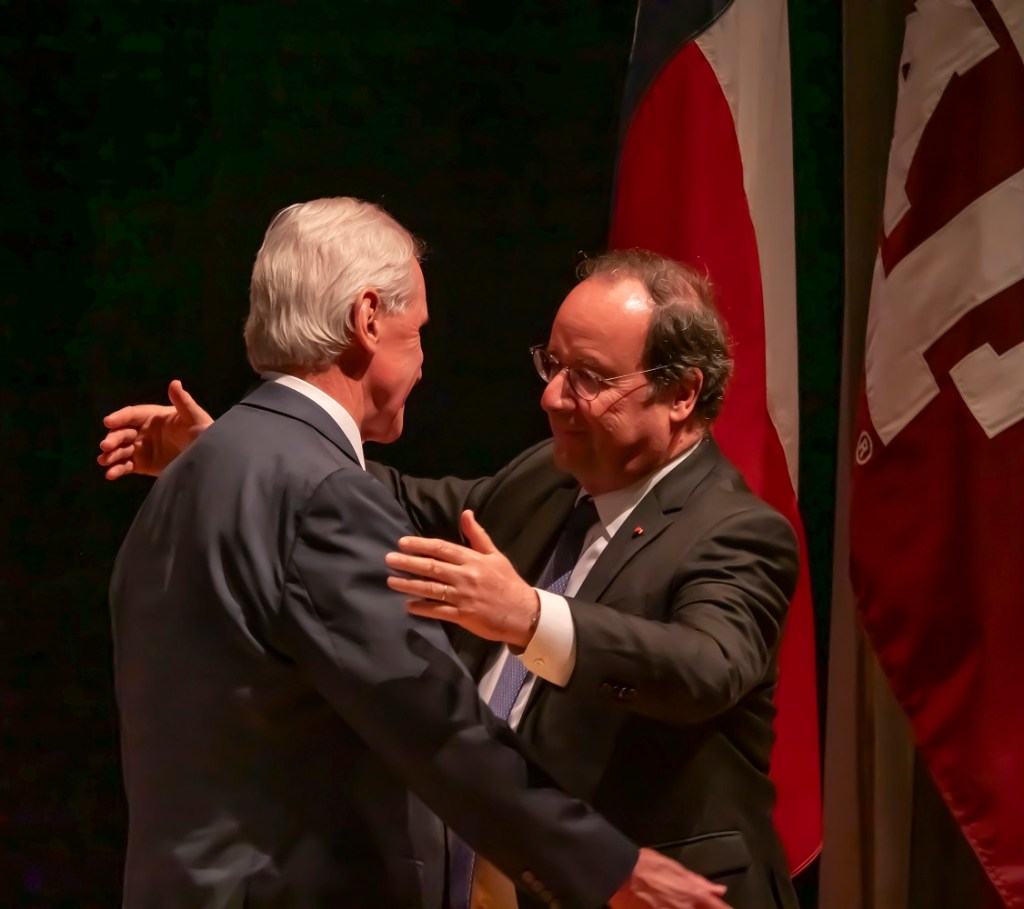
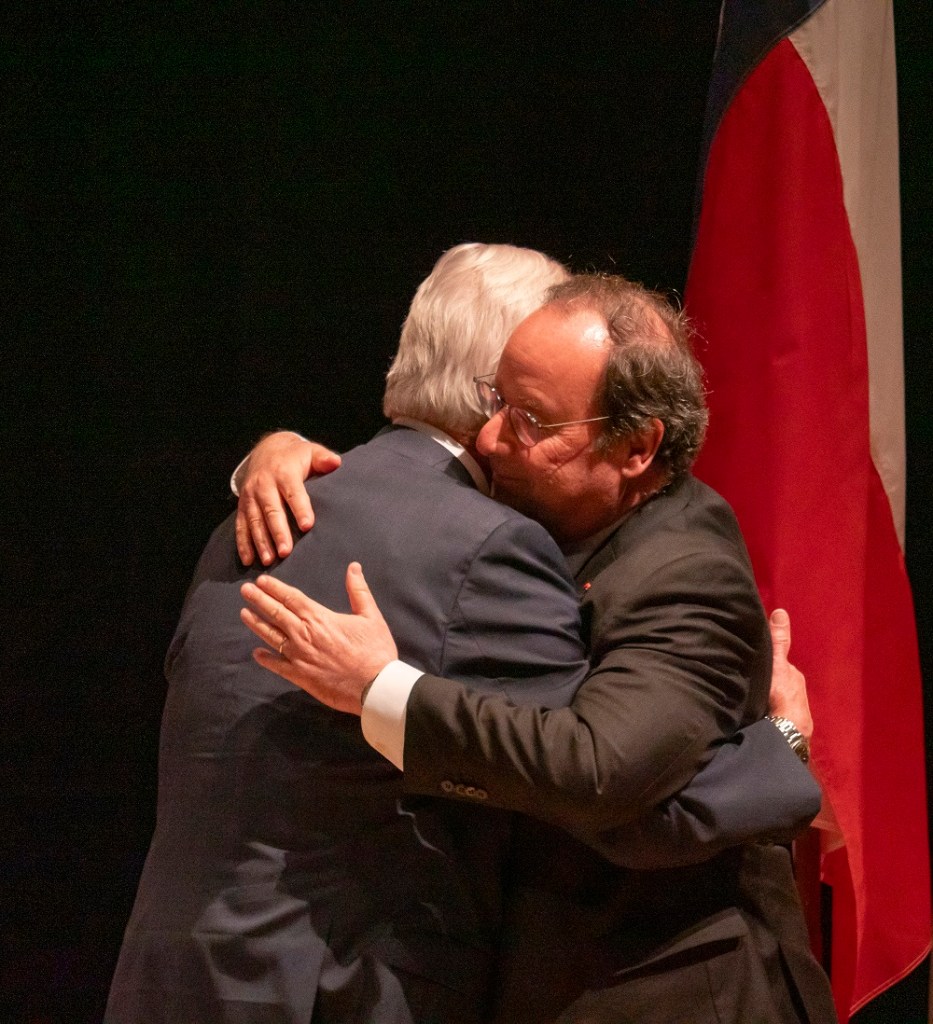
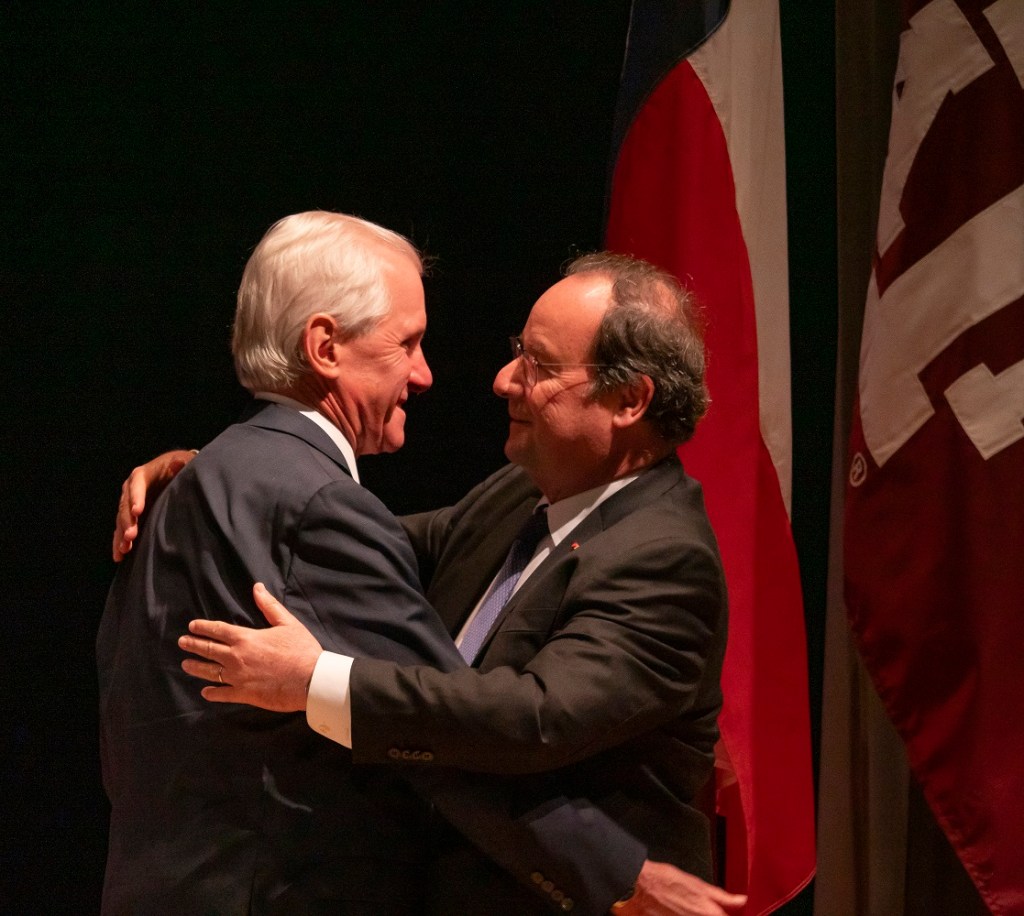
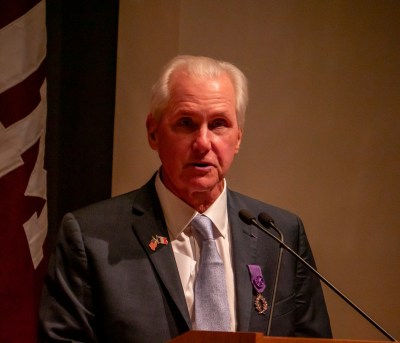
The evening concluded with Hollande honoring Dr. Richard Golsan, Director of the French Institute, with France’s prestigious Ordre des Palmes académiques in recognition of his scholarly contributions to French culture and education.

In his remarks, Hollande praised Golsan’s outstanding achievements and expressed his appreciation for the enriching exchange of ideas during his visit to Texas A&M University.

Golsan made gracious and brief remarks, striking just the right tone for the evening.

Overall, Hollande’s visit underscored his commitment to fostering dialogue on pressing global issues and his belief in the power of international cooperation to navigate an increasingly complex and interconnected world. His insights resonated deeply with the audience, leaving a lasting impression on the importance of solidarity and collaboration in safeguarding democratic principles and addressing shared global challenges.

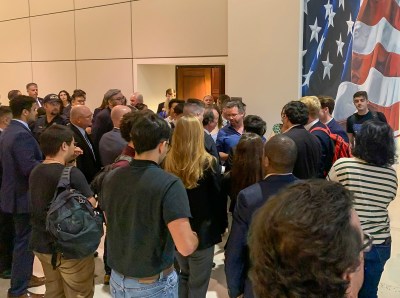
President Hollande Conversing with Students
Unknown's avatarAuthor mikeyawnPosted on July 7, 2024July 4, 2024Format AsideCategories Civic Engagement, PoliticsTags Bush School TAMU, Center for Law Engagement And Politics, France, LEAP Ambassadors, President Hollande, Sam Houston State UniversityLeave a comment on Former French President Francois Hollande Discusses National Security

White House Press Secretary Jen Psaki: the Art of Communication

Olivia Discon

Attending a World Affairs Council meeting is always an enriching experience, but the recent event featuring Jen Psaki was particularly enlightening. As a key figure in modern American politics, Psaki’s perspective was a refreshing and exciting one to hear , and her book, Say More: Lessons from Work, the White House, and the World, provides a deeper understanding of the intricate world of political communication.

Jen Psaki’s tenure as the White House Press Secretary under two administrations has cemented her reputation as a master communicator. During her talk–which also featured our favorite moderator, Ronan O’Malley– she delved into the essential skills required for the role.

Psaki discussed the importance of knowing your audience, which she made sure to clarify was not “everyone”, as well as connecting emotionally with the audience.

Whether it’s addressing the nation during a crisis or discussing policy changes, evoking empathy and understanding is crucial. This emotional connection can often be the difference between a message being heard or ignored, exacerbated or undermined. To emphasize her point, she quoted Maya Angelou’s famous line “people will forget what you said, people will forget what you did, but people will never forget how you made them feel.” The ability to convey complex information clearly and succinctly is vital. Psaki shared anecdotes about how meticulous preparation and anticipating questions helped her deliver concise and effective responses.

Jen Psaki’s unique experience of working under both President Obama and President Biden offered intriguing insights into the differences between their administrations. She described President Obama as an introverted yet incredible communicator, whose well-spoken nature and thoughtful deliberation were key assets. In contrast, President Biden is extroverted, bringing a different dynamic to the administration. Psaki emphasized that working with these presidents required recognizing their “superpowers” and leveraging those strengths in various situations. For Obama, this meant utilizing his eloquence and calm demeanor to inspire and reassure. For Biden, it involved harnessing his relational skills and accessibility to connect with the public and foreign leaders.

Psaki also noted that listening skills are often undervalued, but crucial for effective communication and leadership. Another significant difference she highlighted was in handling times of conflict. Obama tended to communicate passively to the public regarding diplomatic matters, whereas Biden has been more proactive in declassifying information, especially to counter misinformation and call out Russian falsehoods.

Psaki’s discussion on the current polarizing political climate was particularly relevant. She reflected on how the rise of misinformation and the fragmentation of media have contributed to increasing division. Within this discussion, she stressed the importance of transparency and consistent reporting in rebuilding public trust. In an era where clear and empathetic communication is more crucial than ever, Psaki’s lessons resonate.

The ability to connect, listen, and convey messages with integrity and clarity remains a cornerstone of effective leadership and public service.

Unknown's avatarAuthor mikeyawnPosted on July 6, 2024July 4, 2024Format AsideCategories Civic Engagement, Law, PoliticsTags Center for Law Engagement And Politics, Jenn Psaki, LEAP Ambassadors, Sam Houston State University, Say More: Lessons from Work the White House and the World, World Affairs Council of Greater HoustonLeave a comment on White House Press Secretary Jen Psaki: the Art of Communication

Wrapping Up our first Texas City Management Association Conference

With our competition out of the way, we were determined to make the most of our remaining time at the TCMA conference. To do this, we heard from a rewarding speaker, got an Association update from the new President of TCMA, engaged in a networking lunch, and stole a few moments on the beach.

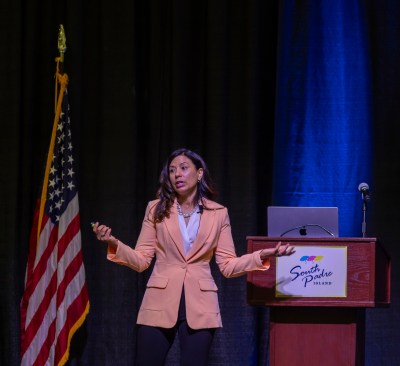
AI and City Government

Our last true session of the conference featured, Ann Marie Sastry, a distinguished mechanical engineer and entrepreneur known for her groundbreaking work in energy systems engineering and artificial intelligence. She earned her bachelor’s degree in mechanical engineering from the University of Delaware and a PhD from Cornell University.

Following a career in academia, Dr. Sastry co-founded Sakti3, and she currently serves as President and CEO of Amesite, an AI software company. She brought this work home to us by noting that the days of City Managers being able to ignore AI in their communications and analyses are over. She went so far to say that any company who doesn’t begin use of AI in the immediate future won’t be in business in 2030, comparing such a decision to a business in 1995 choosing not to use computers.

Her talk was well received, and for us, two things stood out, both of which are relevant to what we do. One, she mentioned that AI could write a blog in 8 seconds, which is significantly shorter than the time we take! Second, she noted that AI can easily do a PowerPoint for free; but free AI cannot do an excellent PowerPoint. And while this was a suggestion from her that City Managers should look closely at which AI companies they use, it was a reminder to us to put some old-fashioned thought and sweat equity into our blogs and our PowerPoints.

Passing of the Torch: A New President of the TCMA

The last day of the conference, Sunday, June 23, began by foreshadowing the 2025 conference in San Antonio…

…with a nice promotional video that stirred some excitement among the audience.

It also marked the passing of the torch from President Opal Mauldin-Jones to Jay Abercrombie, City Manager of Henderson.

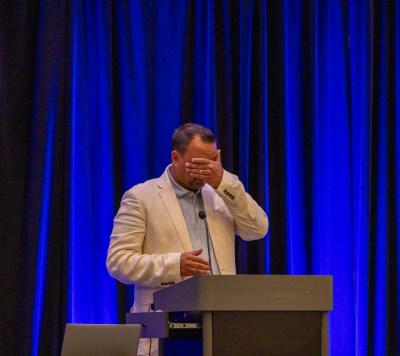
Mr. Abercrombie became emotional as he thanked his family, Association members, and noted the passing of his father.

But he composed himself quickly, making a joke about his inability (the day before) to pronounce the word “academician.” With much fanfare, he demonstrated a successful pronunciation of the term.

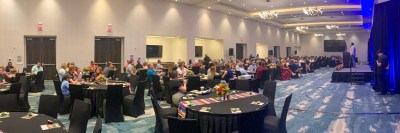
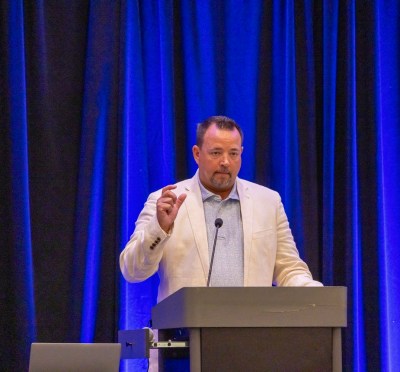
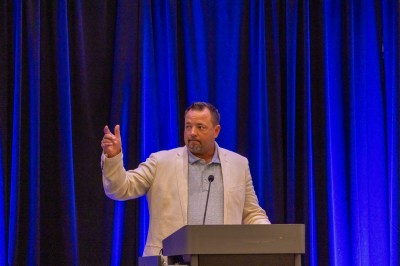
In an animated speech, he highlighted some features of the Association…

…ensured everyone was aware of next year’s meeting in San Antonio, and encouraged members not to become cliquish which, he noted, they have a “tendency to do.”

And with that admonishment, the Conference ended…

…with members mingling (uncliquishly), and reflecting on a positive and productive conference.

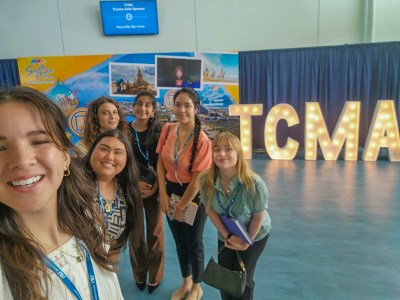
Among those members were a group of six SHSU students, all newly minted TCMA members!

Unknown's avatarAuthor mikeyawnPosted on July 3, 2024Format AsideCategories Civic Engagement, Politics, Public Administration, TravelTags Center for Law Engagement And Politics, Dr Ann Marie Sastry, Jay Abercrombie, LEAP Ambassadors, Sam Houston State University, South Padre Island, TCMA, Texas City Management AssociationLeave a comment on Wrapping Up our first Texas City Management Association Conference

TCMA InterCollegiate Bowl: The Lead Up

Each year, the Texas City Management Association hosts a conference, for high-ranking public officials to learn more about the challenges facing (and solutions for) local government. One of the goals of the TCMA is to attract, recruit, and develop young professionals who might seek a career in government. To that end, they sponsor the “InterCollegiate Bowl (ICB)”, allowing college students to compete for the title of “Best Public Administration School in Texas.”

Competitors:

Our participation in this contest was unique, in that we are the only undergraduate team competing–indeed, as far as we know, we are the only undergraduate team to ever compete. This year, the competitors included:

  • Sam Houston State University (The LEAP Center)
  • UTSA (MPA Program)
  • TAMU (Bush School’s MPA Program)
  • SFA (MPA Program)
  • UNT (MPA Program)

It is a little intimidating, because our competition is generally older (our mean team age is 20) and more professionally experienced. But our goal is not necessarily to win (although we aren’t averse to the idea…), but to do the best we can do. And what we know we can control is our preparation and our professionalism, and we want to excel in those areas.

Contest Components:

The contest consists of five broad components:

  • Networking: involving developing fully a LinkedIn profile, making connections in City Government, and attending a regional TCMA meeting;
  • Coaching: working with city professionals to learn the careers in the field;
  • Community Service: a specific project that benefits the community;
  • Capstone Project: A research project that can benefit the communtiy;
  • A knowledge contest: A Jeopardy-style game reflecting the knowledge of the students about city government.

The networking, coaching, and community service aspects of the contest were largely completed prior to the event, and we submitted our completed folder early on Day One of the TCMA.

Our capstone was also completed, but the grading of that component is done at the conference on Day 3. Thus, we stayed late on Day 2, and we set up our presentation so we would be ready for the morning session.

There is much to do before our “showdown day,” which is Saturday, June 22, but we’ve done what we can do, and the results show it!

Of course, the other teams will catch up and get very close to our score before the Jeopardy-Style knowledge contest, but at this early stage, our preparation has paid off!

Unknown's avatarAuthor mikeyawnPosted on June 22, 2024Format AsideCategories Civic Engagement, Politics, Public AdministrationTags Center for Law Engagement And Politics, InterCollegiate Bowl, LEAP Ambassadors, Sam Houston State University, TCMA, Texas City Managemnt Association Conference1 Comment on TCMA InterCollegiate Bowl: The Lead Up

Navigating the TCMA: Day 1

Following our day of travel and storm-related adventure, we were ready to get down to business in preparation of our “Intercollegiate Bowl.”

The contest is part of the larger Texas City Management Association Conference, in which City Managers (and other managers and stakeholders) come together to learn about trends in urban governance. While all the attendees will be attending sessions on employee retention, staff morale, and urban planning, we, the students, will also be preparing for the ICB.

We were greeted with a much better weather day than yesterday, for which we were grateful.

We were also thankful for the networking lunch, where we learned a bit more about the contest from Crane Petty, and we met with students from other Universities participating in the ICB. It is valuable to us meet with the other students–all of whom are graduate students, and most of whom are already in the professional field.

This was followed by a session led by “young professionals,” in which we had the chance to break into group discussions. Our group were asked questions such as “What is the biggest issue facing your community?” Or “when is a good time to bring up an issue to City Council?” Responses to the latter included comments such as, “when they understand their role better,” “when we get a new city manager,” and “when we can convince them they thought of it.”

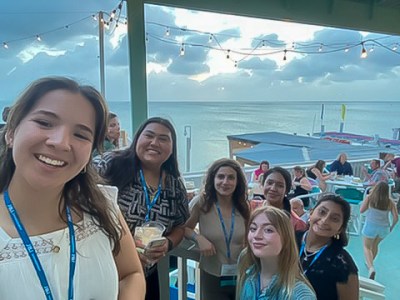
The culmination of the day was dinner at “Louie’s Backyard,” where the opening reception was held.

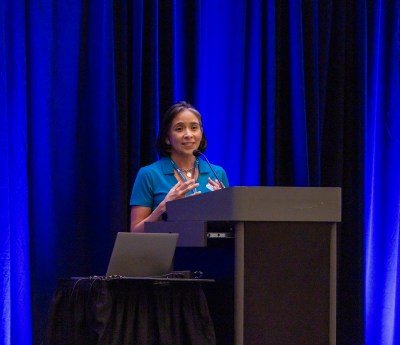
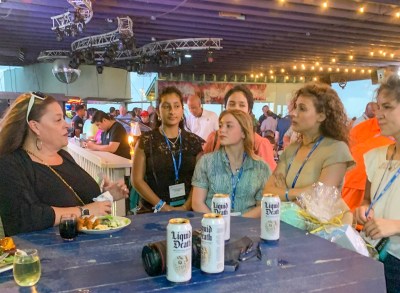
We were fortunate to share a table with Trish Kordas and Dr. Maria Church, the latter of whom is speaking at the conference.

Both were interesting, and they provided tips on networking, public speaking, and promoting a culture of leadership. We are looking forward to Dr. Church’s talk!

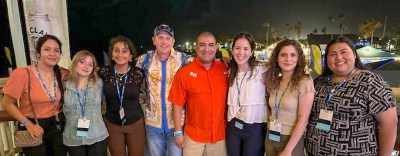
As our first day wound down, we found new ways to enjoy it. Olivia won a gift basket, we listened to the band play oldies, and we spent time with friends and mentors, such as Aron Kulhavy and Sam Maisel, while meeting other professionals in the field.

Of course, the City Managers and other City staff did not have an ICB to prepare for, so we left a bit earlier than the others. Following a debriefing at the hotel, we renewed our studying for the Jeopardy contest, which will likely decide the ultimate winner of the title, “The Best Public Administration Program in Texas.”

Unknown's avatarAuthor mikeyawnPosted on June 21, 2024June 21, 2024Format AsideCategories Civic Engagement, Politics, Public AdministrationTags Center for Law Engagement And Politics, LEAP Ambassadors, Sam Houston State University, South Padre Island, TCMA, Texas City Management AssociationLeave a comment on Navigating the TCMA: Day 1

A Day With the Founding Fathers

It’s difficult to see everything in Washington, DC. Knowing we would have limited time, we wanted to prioritize, and we made a “Founding Fathers” tour a priority. Fortunately, there are a lot of presidential homes in this area, and we were able to see Mount Vernon, Montpelier, and Monticello.

Mt. Vernon

Olivia Discon

Nestled along the banks of the Potomac River, Mount Vernon stands as a testament to the life and legacy of George Washington, the first President of the United States. Visiting this historic estate offers a glimpse into the luxurious lifestyle of the Father of the United States. After all, we had to see for ourselves what compelled President Washington to remark “I can truly say I had rather be at Mount Vernon with a friend or two about me, than to be attended at the Seat of Government by the Officers of State and Representatives of every Power in Europe”.

As you approach Mount Vernon, the sprawling estate emerges, surrounded by lush greenery and overlooking the tranquil waters of the Potomac. The estate’s centerpiece, the mansion itself, is a beautiful example of 18th-century architecture, with its iconic cupola and striking symmetry. Interestingly enough, the structure was entirely crafted with wood and painted with sand to make the exterior appear as stone.

Before our tour, we witnessed a performance on the field, where a group of volunteers played “Grand Old Flag” and “Star Spangled Banner.” The music filled the air, creating a sense of reverence and patriotism that was truly moving. The crowd, including us, thoroughly enjoyed this beautiful moment!

Stepping inside the Home, you are transported back in time to the days when Washington called Mount Vernon home.

The mansion’s interior reflects the elegance and charm of the period, with meticulously restored rooms that offer a glimpse into Washington’s life as a plantation owner, military leader, and statesman.

The 9 guest rooms, in particular, are stunningly beautiful, showcasing the luxury and comfort that guests of Mount Vernon would have experienced.

During the tour, we also had the opportunity to see George Washington’s place of death, adding a poignant note to the visit. Standing in the room where Washington spent his final moments was a powerful reminder of his humanity and longstanding impact on the United States of America.

We also had the honor of participating in a ceremony for George Washington at his tomb. It was here that we were able to pledge allegiance, listen to a piccolo rendition of “Taps” before our President.

The ceremony was a beautiful and respectful tribute to Washington’s memory, highlighting the reverence with which he is still held by many Americans today.
In our short time in D.C., we had the opportunity to witness both our first and current U.S. President’s firsthand. These experiences have very built on top of each other to reinforce and contextualize the future experiences we will make both in the rest of our time in D.C. and beyond.

Montpelier

Olivia Discon

In the midst of exploring the foundation of our country (and its various presidential residences), it seemed only fitting to add another to our list: James Madison’s “Montpelier.” The home of the founding father was a testament to his remarkable intellect, his refined attention to detail and his dedication to serving others.

The elegance of the mansion was immediately noted upon entry.
The grand foyer, with soaring ceilings and an immediate immersion into fanciful busts and portraiture, welcomed us into the home with a sense of grandeur. The parlors and sitting rooms, with their period furnishings and delicate decor, spoke of a time when entertaining was an art form.
My favorite room in President Madison’s lavish home was his study. His desk was littered with papers…

…and the room’s walls were lined with books.

It was here that he spent hours contemplating the future of the nation. The study opened into one of the most intriguing features of the home, which would be President Madison’s final resting place. Even as President Madison continued to grow sick, his sharp wit and intellectual curiosity never faltered. Though he laid in bed sick, there was a door that connected the bedroom to the dining room, allowing him to engage in conversations with guests and work late into the night without disturbing his wife, Dolley.

One of the most beautiful aspects of Montpelier was its gardens. Similarly to Madison’s Presidential counterparts, the gardens were a testament to his desire to create a retreat from the demands of such a highly publicized life. We spent a bit of time here enjoying the serene landscape and botanical design.

It was easy to imagine James Madison himself walking these halls, pondering the future of the young nation he helped create…

…and we were immensely grateful to be guests—albeit a couple of centuries late!

Monticello

Michelle Cardenas

After visiting Washington’s Mount Vernon and James Madison’s Montpelier, we were eager to explore Thomas Jefferson’s Monticello. His beautiful estate is located in the rolling hills of Virginia.

I was extremely excited to visit Monticello, especially after my recent viewing of “Thomas Jefferson” by Ken Burns, a documentary that gave me a little bit of insight into Jefferson’s life and his home. Jefferson inherited thousands of acres from his father after he passed away. He had high hopes of one day building a home and with that the idea of Monticello was born. 

Thomas Jefferson was incredibly intelligent; he was a man knowledgeable of many disciplines. He served as the third president of the United States and the principal author of the Declaration of Independence. However, he also had an incline toward architecture, engineering, innovation, and design. His love for Greek and Roman architecture influenced his design for Monticello as well as his admiration for the works of Andrea Palladio.

The home is incredible, the elements of the exterior are incredible, showcasing symmetry and one of the most famous Jeffersonian features, the dome. However, it does not compare to the interior of the home. Each room showcased amazing pieces that were collected by Jefferson and put on display for guests to observe and indulge in. Clocks, hunting trophies, animal skins, and fossils were on display.

The Parlor, which was my favorite room, was adorned with several paintings, portraits, chairs, Jefferson’s gadgets…

…beautiful drapery, chess boards, and maps.

One of the most fascinating aspects of Monticello is Jefferson’s inventive spirit. He wasn’t just a statesman; he was a visionary inventor. Jefferson created ingenious devices to make his daily life easier and more convenient. Amongst these inventions was the polygraph, a machine capable of making three copies of a document simultaneously. His home was adorned with various pulley systems, orchestrating tasks like serving wine with remarkable efficiency.

Construction of the home began in 1769 and concluded over 40 years later. The residence includes multiple guest bedrooms and cellars for food and wine storage to accommodate guests. Additionally, the home also included living quarters for servants, a blacksmith’s workshop,…

…a kitchen area, stables, and extensive farmland surrounding the main residence.

Walking through the halls of Monticello, there was something to admire in every corner. Jefferson held Monticello near and dear to his heart, it was his haven from his hectic career and political efforts. The home is a true testament to his brilliance and creativity. As we explored the grounds, we were reminded of the remarkable individuals who shaped our nation’s past and left an incredible mark on its future.

Unknown's avatarAuthor mikeyawnPosted on June 16, 2024Format AsideCategories Architecture, Art, Civic Engagement, Politics, TravelTags Center for Law Engagement And Politics, George Washington, James Madison, LEAP Ambassadors, Monticello, Montpelier, Mount Vernon, Sam Houston State University, Thomas JeffersonLeave a comment on A Day With the Founding Fathers

Innovation in International Relations: A Conversation with Sweden’s Minister Tobias Billström

Michelle Cardenas

Although the semester has ended, the LEAP Ambassadors continue expanding their horizons, this time at a World Affairs Council event featuring Sweden’s Minister of Foreign Affairs, Tobias Billström. The event promised insightful dialogue and certainly delivered. 

Before the moderated interview, Minister Billström took the podium to discuss Sweden’s latest efforts in space exploration.

It was fitting that he was about to present a talk on space in Houston, a city renowned as “Space City.” But Billstrom also highlighted the ways Sweden is leveraging its expertise to push the boundaries of space science and technology. 

He spoke passionately about the need for safe and peaceful navigation of space, underscoring the potential for congestion and geopolitical conflicts in space. Sweden’s commitment to avoiding such conflicts is rooted in its Space Diplomacy Agenda, which aims to maximize the benefits of space exploration while fostering international cooperation and security.

Following his address on space, the stage was set for a discussion moderated by the World Affairs Council’s Sandija Bayot.

The conversation swiftly transitioned to Sweden’s strategic shift in defense policy, notably its recent decision to join NATO. Historically neutral, Sweden’s choice to join the alliance marks a significant departure from its non-military stance—a response, as Billström explained, to escalating threats from Russia.

“Sweden has always been a nation committed to peace,” Billström remarked, “but recent actions by Russia have made it clear that we must stand with our allies to ensure stability and security.” He pointed out that over 70% of Sweden’s parliament supported NATO membership, reflecting a strong consensus for collective defense.

Minister Billström also discussed the unique strengths Sweden brings to NATO. With advanced technology in defense and a  well-equipped military, Sweden is fit to significantly contribute to the alliance. Billström emphasized the importance of integrating Sweden’s capabilities, particularly in areas like space and artificial intelligence, to enhance NATO’s overall defense strategy.

When asked about some of the challenges of joining NATO the minister acknowledged some of the complexities of aligning national interests within the alliance. “Defending Sweden now means defending our allies,” he noted, pointing out the need for a cohesive approach to security that respects the diverse interests of NATO members.

The discussion also touched upon broader geopolitical threats, including challenges posed by China and Russia. Billström articulated a clear-eyed view of global security, noting that Sweden’s defense strategies encompass a wide range of potential threats, from cyberattacks to strategic territorial ambitions. He emphasized that Sweden is prepared to defend itself and its allies. Addressing the issue of Russian aggression, he remarked, “Russia will always remain resentful unless there is a shift towards a better government,” highlighting the persistent challenge posed by Russia.

Nonetheless, Minister Billström’s sense of optimism, grounded in Sweden’s strategic alliances and technological advancements, left a lasting impression. The evening provided a unique opportunity to gain insight into diverse perspectives and varying national priorities. Hearing about Sweden’s forward-thinking plans was enlightening, sparking new considerations about cybersecurity and space exploration. 

Unknown's avatarAuthor mikeyawnPosted on June 1, 2024June 1, 2024Format AsideCategories Civic Engagement, PoliticsTags Center for Law Engagement And Politics, LEAP Ambassadors, nato, Sam Houston State University, Sweden, Tobias Billström, World Affairs CouncilLeave a comment on Innovation in International Relations: A Conversation with Sweden’s Minister Tobias Billström

Culinary Passport: Unveiling the Tastes of Indonesia

Michelle Cardenas

Last week, we had the privilege to attend an event hosted by the World Affairs Council as part of their Culinary Passport Series. This time, our gastronomic adventure took us to the Consulate General of the Republic of Indonesia in Houston.

This event was especially fitting as it coincided with Asian American Pacific Islander (AAPI) Month, a time dedicated to celebrating the rich heritage and contributions of the AAPI community. 

The event began with the Consulate General, Andre Omer Siregar, who graced us with his welcoming remarks, sharing his pride in Indonesia’s rich cultural diversity and dynamic growth. He expressed his excitement to be among a group of people eager to learn more about his home country.

The main presentation offered us an overview of Indonesia and highlighted some of its best qualities. We learned about Indonesia’s current Democratic style of government and how it became home to a vibrant population and a robust economy. The Economic Affairs team, represented by Ita A. Puspitasari and Aswidya Indririsk, highlighted Indonesia’s economic innovations and the growing trade relationship with the United States. Their enthusiasm and pride in their country were evident, and it was inspiring to hear about the strides Indonesia is making on the global stage.

A  part of the presentation I found particularly interesting was the mention of Indonesia’s representation in international media, with films such as “Cigarette Girl” on Netflix showcasing Indonesian culture and storytelling. Cultural representation matters, and it is clear that this is a source of immense pride for Indonesians and an exciting development for global audiences.

As the program drew to a close, we were introduced to an array of traditional Indonesian dishes.

The Consulate staff explained that hosting and preparing lavish banquets is an integral part of Indonesian culture, especially on special occasions. We were presented with a buffet-style dinner laid out for us, featuring a mouthwatering selection of dishes such as Nasi Goreng, Rendang, Sate Ayam, Gado-Gado, and Lontong.

Each dish was a testament to Indonesia’s rich culinary heritage, bursting with savory flavors and spices.

For many of us, this was our first encounter with Indonesian cuisine, and it was an experience we won’t soon forget.

Sampling these dishes was not just about tasting new flavors but also about gaining a deeper appreciation for the culture and traditions of Indonesia. Events like this enrich our understanding of the diverse world we live in and prepare us for future travels and cultural explorations.

We left with full stomachs and a newfound appreciation for the hospitality and warmth that Indonesian culture embodies. It was a perfect celebration of AAPI Month, fostering cultural exchange and culinary delight.

Unknown's avatarAuthor mikeyawnPosted on May 31, 2024Format AsideCategories Art, Civic Engagement, Food, PoliticsTags Center for Law Engagement And Politics, Indonesia, LEAP Ambassadors, Sam Houston State University, World Affairs Council HoustonLeave a comment on Culinary Passport: Unveiling the Tastes of Indonesia

Posts pagination

Previous page Page 1 … Page 5 Page 6 Page 7 … Page 61 Next page

LEAP Ambassadors Are Involved!

This slideshow requires JavaScript.

Follow Us On Facebook!

Follow Us On Facebook!

Catch Up With Us

  • LEAP Alumni Panel: Life, Skills, and Careers February 19, 2026
  • Internship Informational: City Fellows, Sam Houston Austin Internship Program, and Washington, DC February 17, 2026
  • Contracts, Promissory Estoppel, & Chess: Simulated Law Class with Professor Val Ricks February 10, 2026
  • Fun, Games, and Education: Volunteering at the Senior Center February 9, 2026
  • Multi-Platform Media Exposure with LEAP February 8, 2026

Join The Conversation!

Multi-Platform Media… on Fun and Flavor: Chilly at the…
Highlights from the… on Glazing-A-Trail with Lauren…
The Civic Leadership… on Foundational Activities of the…
The Civic Leadership… on The Philosophical Foundations…
LEAPing Into Action… on The Philosophical Foundations…

Find Previous Posts

We also have Twitter!

My Tweets

LEAPing Into LEARNing

This slideshow requires JavaScript.

  • About LEAP
  • LEAP Ambassadors
Center for Law, Engagement, and Politics Blog at WordPress.com.
  • Subscribe Subscribed
    • Center for Law, Engagement, and Politics
    • Join 491 other subscribers
    • Already have a WordPress.com account? Log in now.
    • Center for Law, Engagement, and Politics
    • Subscribe Subscribed
    • Sign up
    • Log in
    • Report this content
    • View site in Reader
    • Manage subscriptions
    • Collapse this bar
 

Loading Comments...