In a Sprint to the Finish, LEAP Ambassadors Visit Bush Library, Meet Ken Burns and Mark Burns

Even as the semester winds to a close, the LEAP Center Ambassadors refuse to slow down.  Indeed, on their first day in school following the Thanksgiving break, the Ambassadors embarked on an educational trifecta, attending three venues to learn about politics, history, nature, and art.

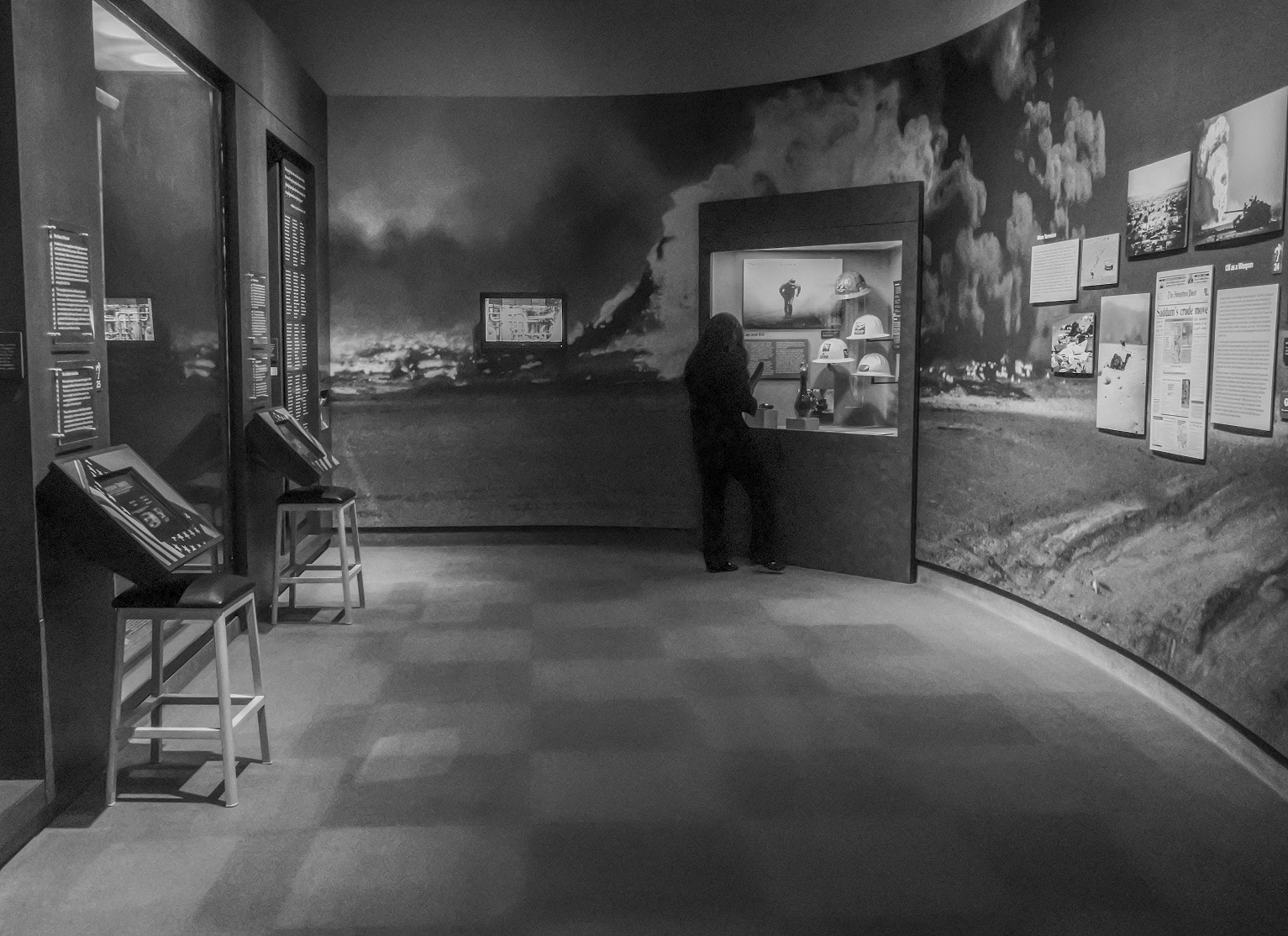
The tour began shortly after the Ambassadors got out of class on Monday, November 30.  From class the students drove to the George H. W. Bush Presidential Library in College Station, Texas, where they learned about World War II, the CIA, China, the United Nations, the fall of the Berlin Wall, and other historical events in which former President Bush was involved.

Bush_Museum_Christina_Web

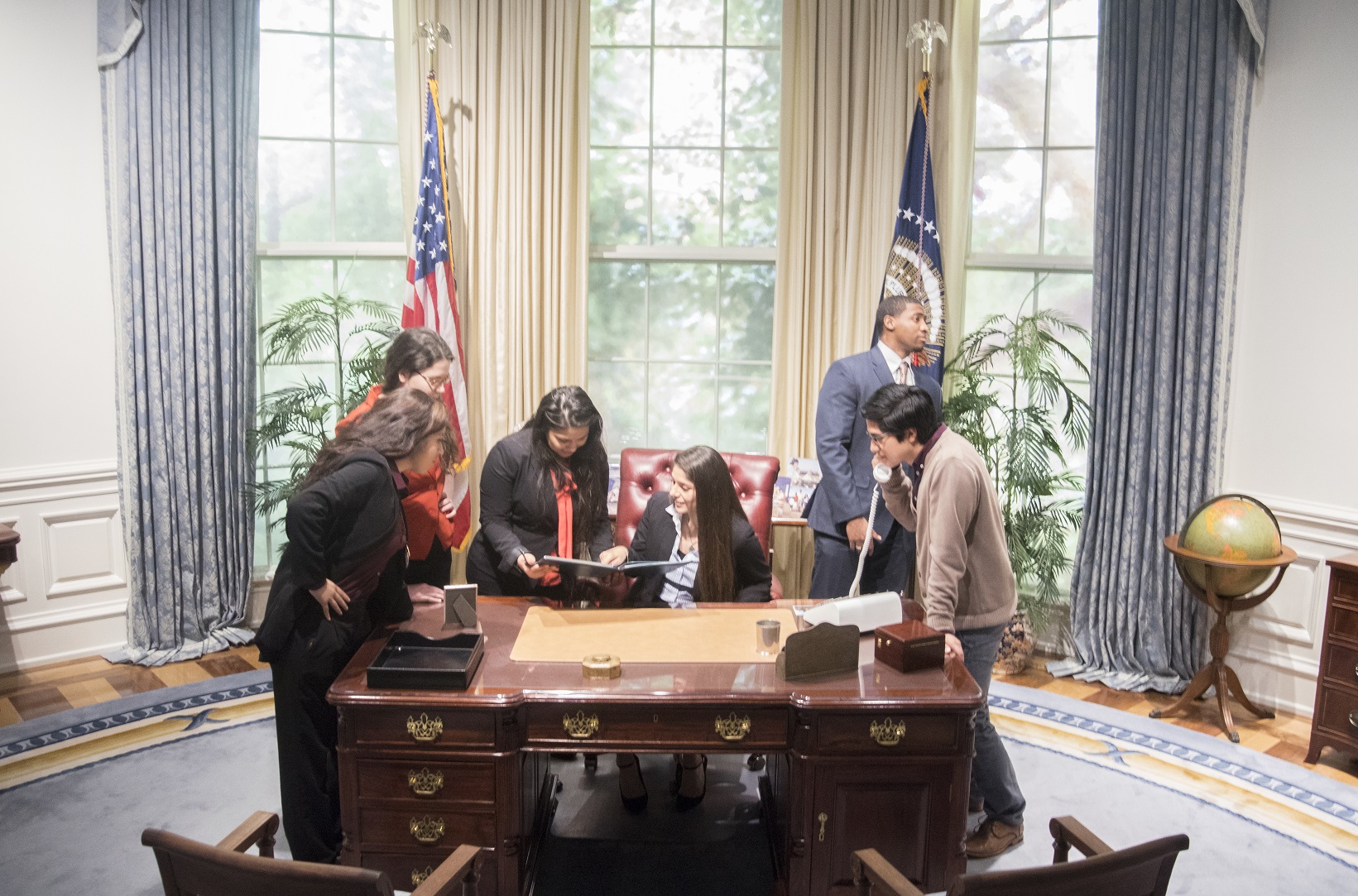
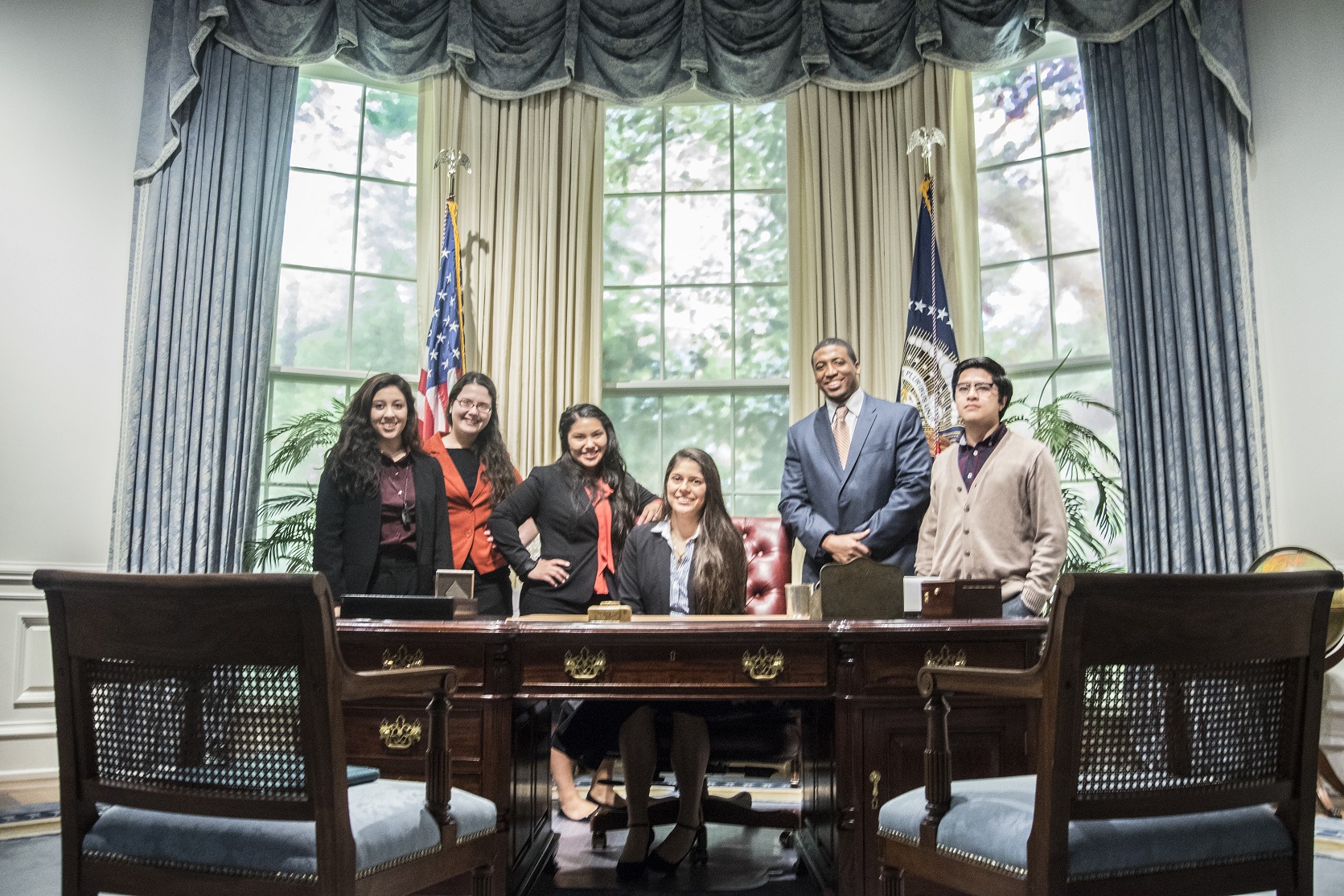
“My favorite exhibit,” noted senior Austin Campbell, “was the Oval Office, where the political action unfolds.” The students gathered with Campbell for a “presidential conference” in the office, much to the amusement of Museum staff…

Bush_Museum_OVal_Office_Group_Action_2_Web

…as well as a more formal portrait…

Bush_Museum_Oval_Office_Group_2_Web

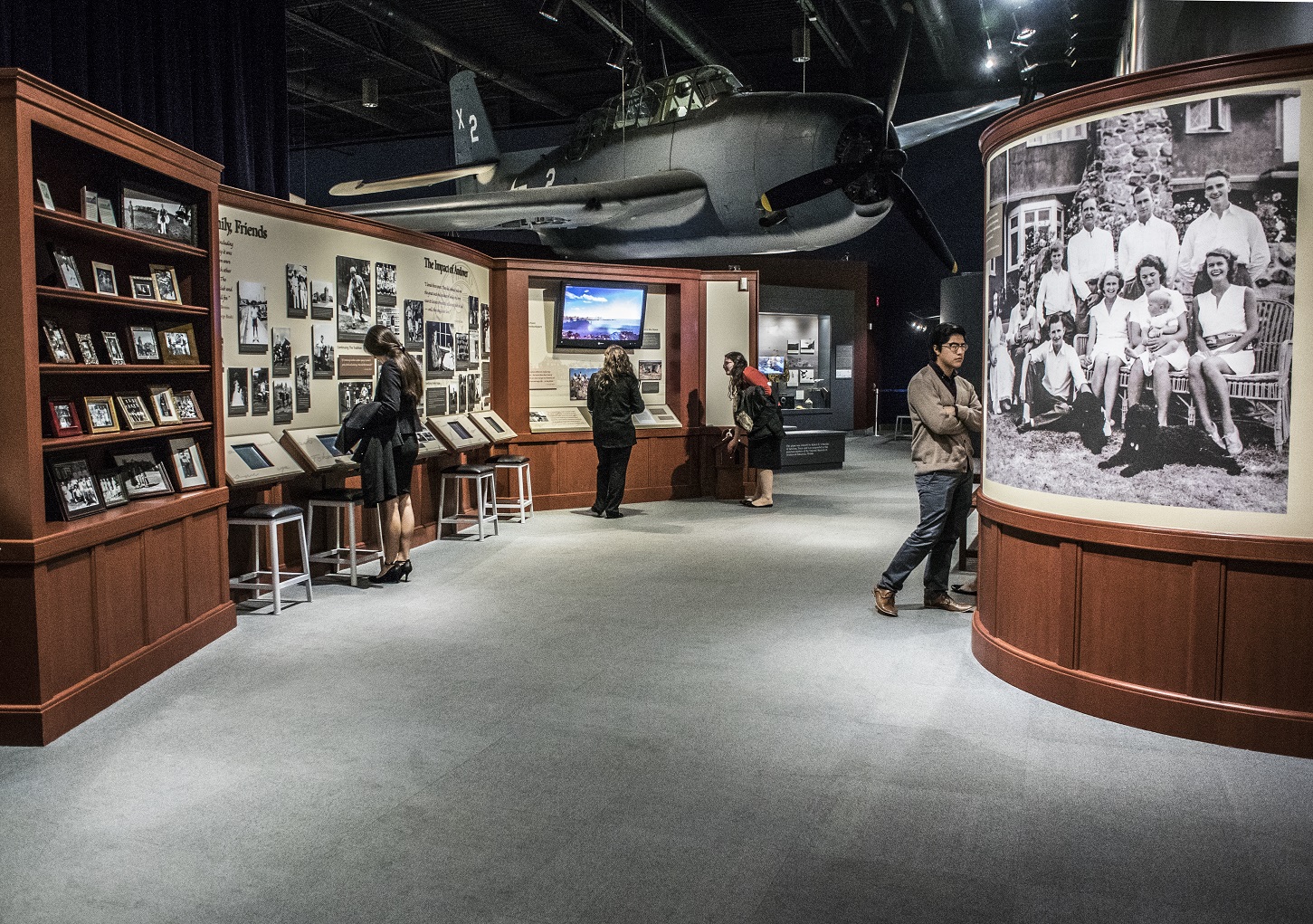
Brian Aldaco, on the other hand, most enjoyed the wing addressing Bush’s move from Yale to Texas. “I enjoyed learning more about his personal qualities and his family, which I think contributed to his success later in life.”

Bush_Museum_Beginning_Web

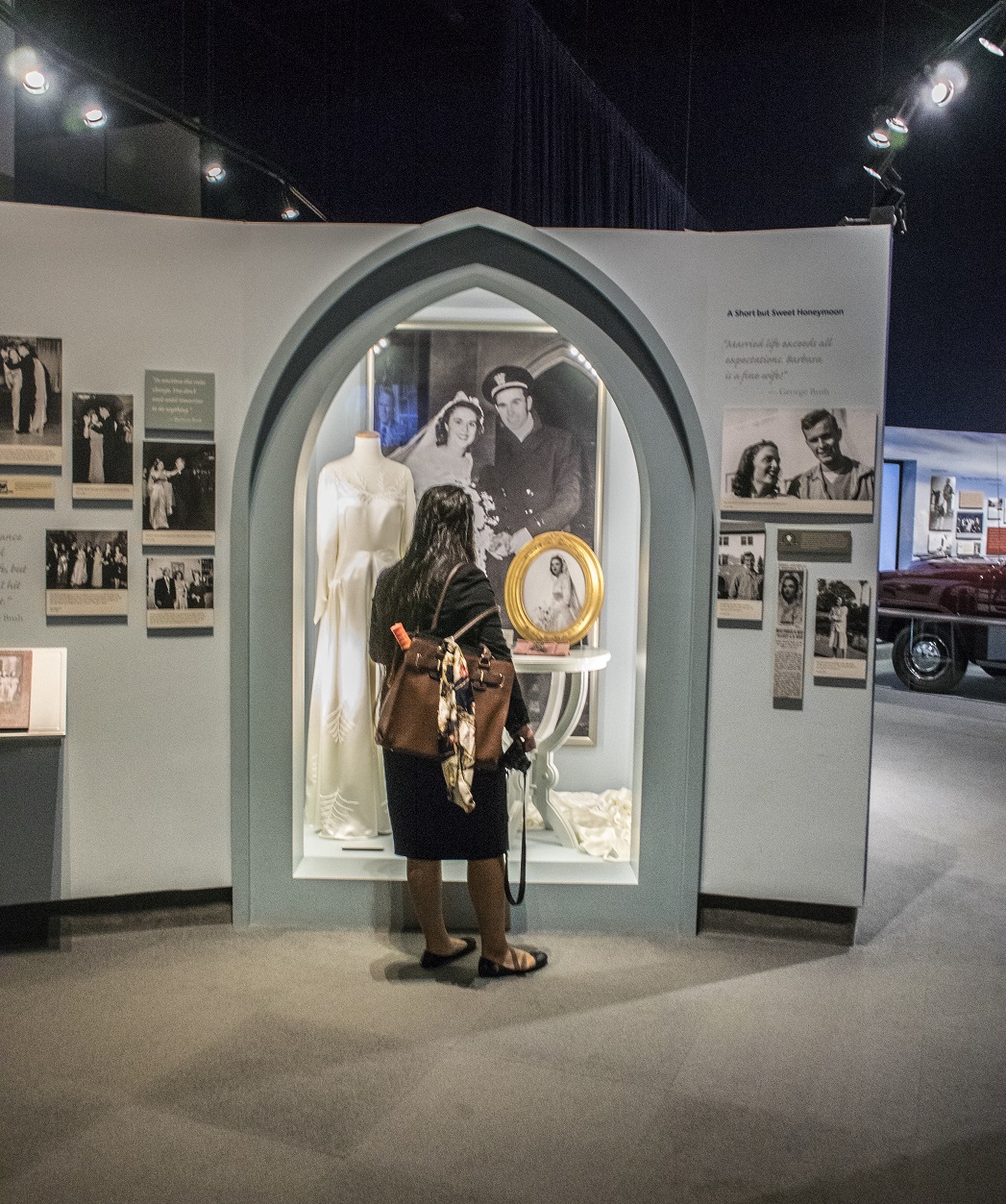
This was also true of Megan Chapa, who enjoyed seeing the wedding exhibit on the Bushes.

Bush_Museum_Wedding_Megan_Web

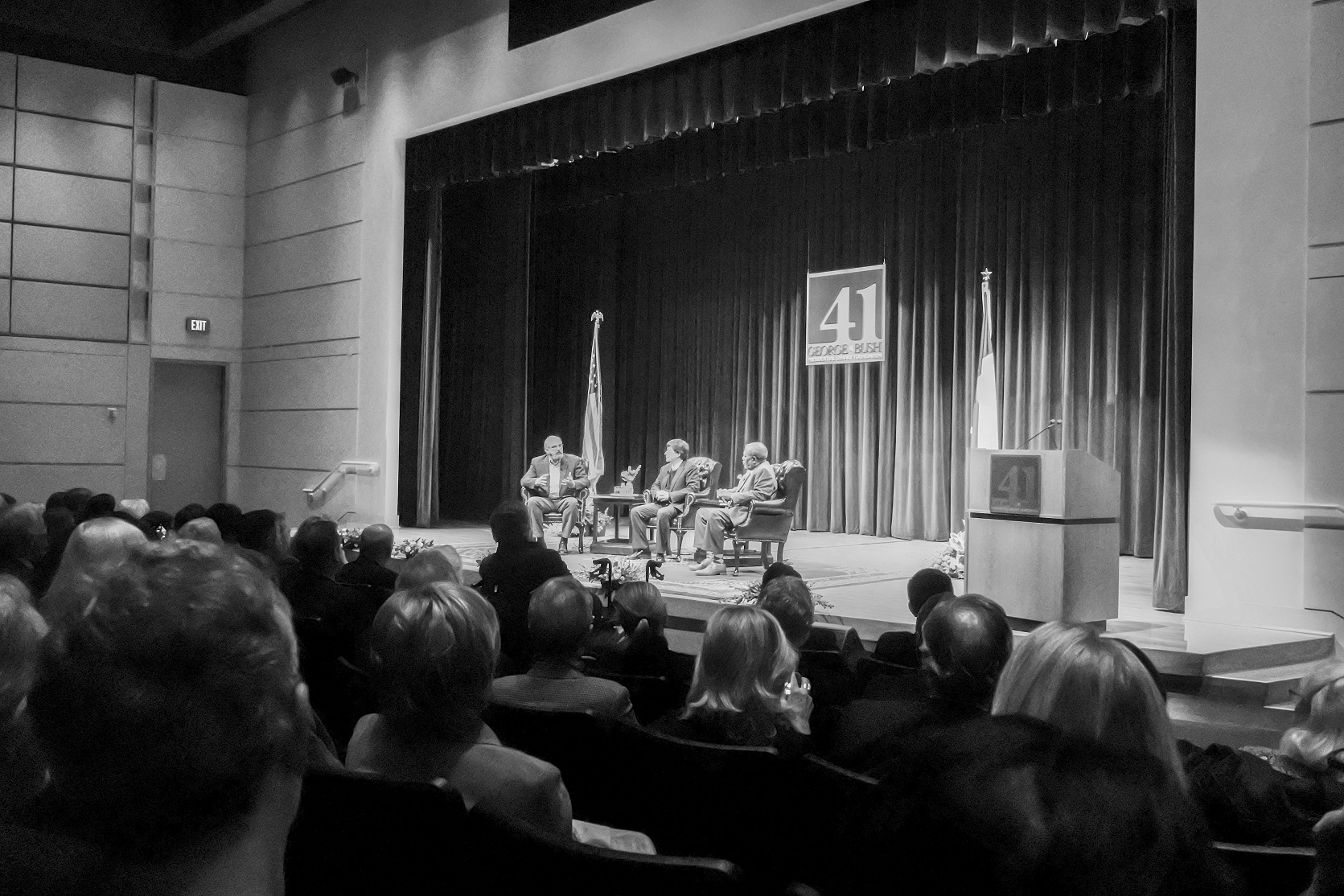
The students got a closer view of the seventy-year marriage of George and Barbara Bush hours later, when they sat about 20 feet from the couple for a presentation by Ken Burns and Mark Burns, who came to the Bush Library to discuss the 100th Anniversary of the national park system.

Burns_Presentation_Stage_Web

Ken Burns has won two Emmys, two Grammys, a Peabody Award, and has twice been nominated for Academy Awards. He was also the director of “National Parks: America’s Best Idea,” excerpts of which were shown. Burns provided an eloquent defense of the national park system, noting that “In Europe, governments erect cathedrals or palaces, and these ‘monuments’ are often reserved for the national elite. In the United States, we invented the idea of preserving the land for the entire nation. It’s a democratic idea.”

The national parks system was created as part of the Organic Act of 1916, legislation designed “…to conserve the scenery and the natural and historic objects and the wild life therein and to provide for the enjoyment of the same in such manner…as will leave them unimpaired for the enjoyment of future generations.”

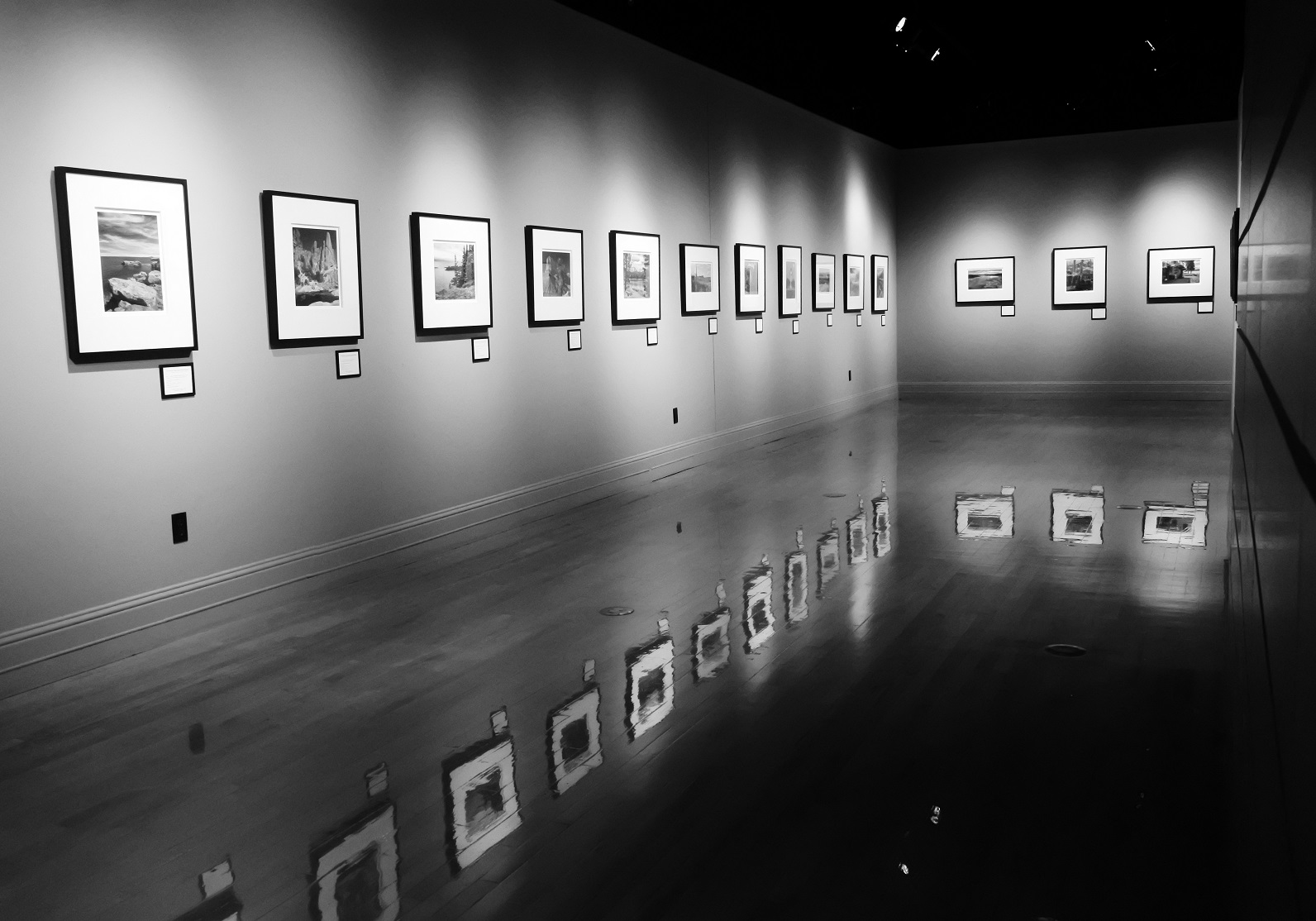
This idealistic notion was punctuated by Mark Burns’ (no relation to Ken) photographs, which captured the remarkable beauty of these sites. In fact, Burns is one of only three photographers to photograph all 59 of the US national parks and the only one to photograph them all in black and white.

Photography_Exhibit_2_Web

Burns’ monochromatic photography—evoking Ansel Adams—was on display at the Bush Library alongside paintings by Albert Bierstadt, Thomas Moran, and other painters of the natural world. Enriching the exhibit was the presence of Mark Burns…

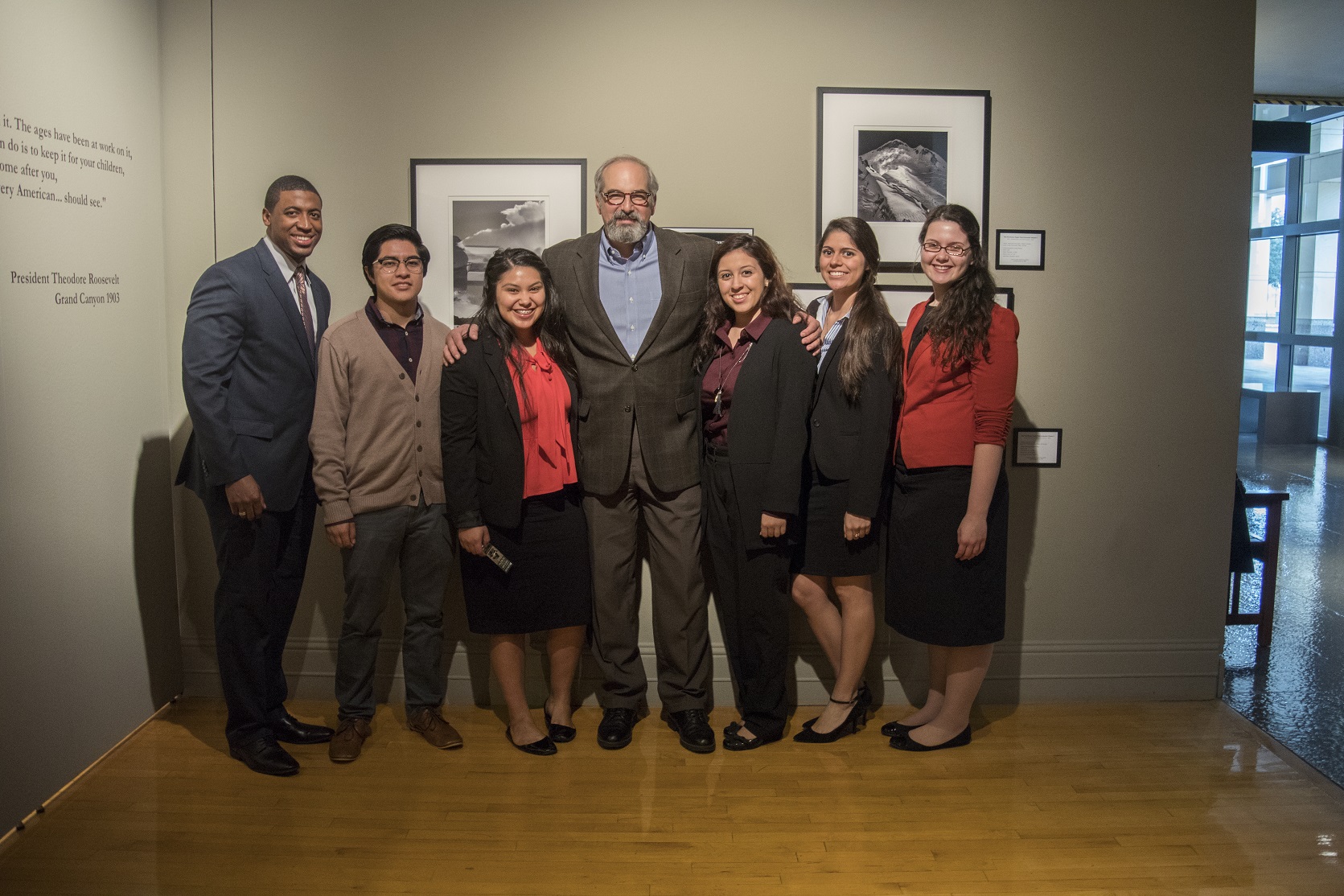
Mark_Burns_Ambassadors_Web

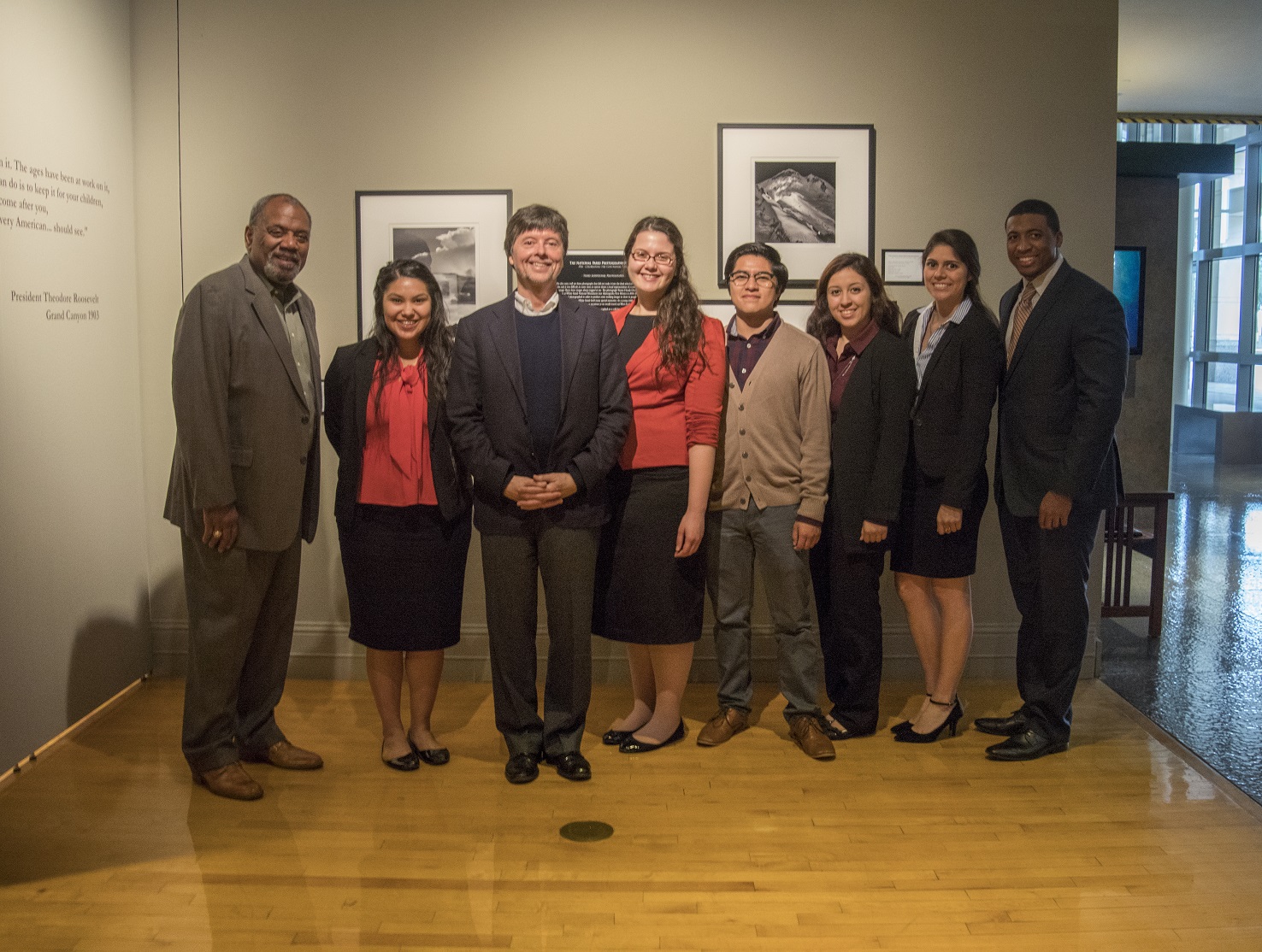
…and Ken Burns, whom the students had the opportunity to interact with on the tour of the exhibit.

Burns_Ambassadors_2_Web

Campbell, combining politics and the environment, asked Ken Burns whether he had noticed global warming affecting the national parks. “Absolutely,” noted Burns, who went on to observe that it was possible that in a couple of decades, visitors to Montana might come across a sign that says, “the site of the former Waterton-Glacier International Peace Park.”

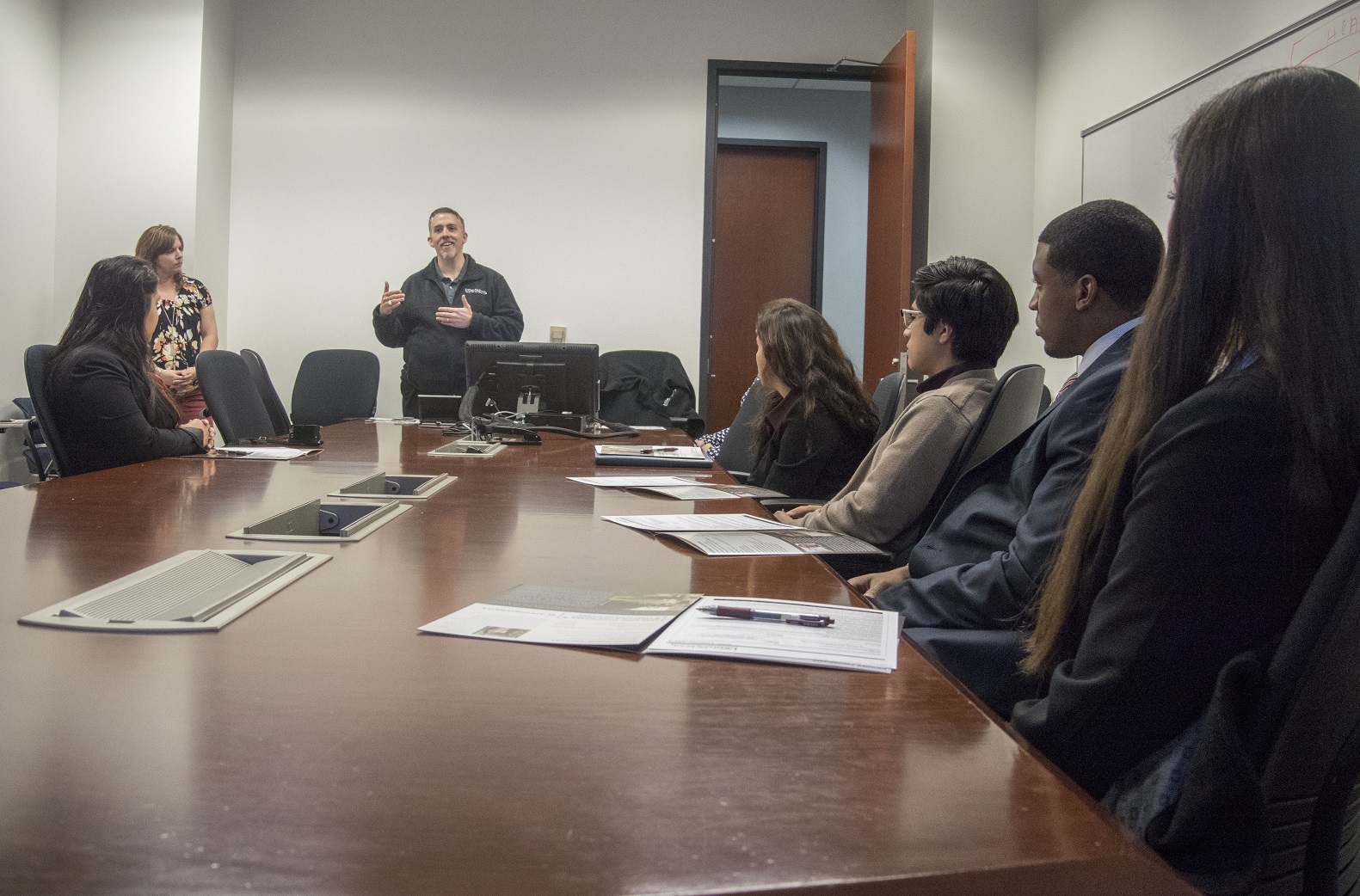
On this ominous note, the students walked the short distance from the Bush Presidential Museum to the Bush School of Government and Public Service, where they learned about careers—with an emphasis on those that might allow them to influence public policy for the better.

Bush_School_Overview_Web

Staff were welcoming, reinforcing the strong relationship that the Bush School has with SHSU. Indeed, the Bush School’s Master’s Program at Texas A&M has more undergraduates from SHSU than any other national university with the exception of TAMU. Some of those former SHSU students are now in the workplace, holding down careers in the state legislature, in management positions for city governments, and even as administrators at SHSU.

It was a lot to take in at the end of the semester, and although only eight hours elapsed on the tour, the students vicariously experienced World War II, the fall of the Berlin Wall, the Persian Gulf War, and the development of the national park system. And, as future public servants, they may also make history—as advisors, legislators, park rangers, or even presidents.


Law-School Admissions Workshop

Twenty-five SHSU students just moved closer to enrolling in law school, thanks to an appearance by Ricky Kaplan at the LEAP Center’s first-ever “law-school workshop.”  Kaplan, a consultant and instructor for Kaplan Testing, also served as Legislative Counsel for the state of Oregon, Assistant Attorney General for the state of Illinois, and Assistant Attorney General for the state of Texas.  He also has a BA from U of Minnesota, a Masters from Northwestern, and a law degree from U of Minnesota.  He knows about law.

And he shared it with SHSU students last week, kicking off the workshop with the major factors that law schools look at when deciding whether to admit a student.  The factors are:

  1. LSAT
  2. GPA
  3. Personal Statement
  4. Letters of Recommendation
  5. Resume
  6. Background

He purposefully led with LSAT because, whatever its flaws, “it is the only measure the law schools have that is consistent across every student in the US, and it does a pretty good job of predicting first-year law school success.”

Law_School_Workshop_Kaplan_Speaking_Web

The LSAT and GPA guide students in which law schools to apply.  If a law school, say Texas Tech, has a mean LSAT of 155 and a mean GPA of 3.4, then a student with a 156 and 3.5 is probably going to get in.  A student with a 149 and a 2.9 probably won’t.

While the numbers for schools vary from year to year, the following numbers generally reflect the law-school “means” of Texas law schools:

UT: 165, 3.65
SMU: 161, 3.6
Baylor: 160, 3.5
UH: 159, 3.5
TX Tech: 155, 3.4
TAMU: 154, 3.3
South TX: 150, 3.1
St. Mary’s: 150, 3.0
UNT: 148, 2.9
TSU: 145, 2.9

While these two measures (LSAT and GPA) are the most important factors in getting into law school, the personal statements, letters of recommendation, and the resume can also make a difference in a close case.  His advice for the personal statement was to be genuine, to emphasize narratives, and to emphasize the positives about yourself.  When stuck with writer’s block, he encourages students to forget they are writing a personal statement and write four-five stories about their life.  These often reveal something meaningful about the person and can subsequently form the basis of a compelling personal statement.

Law_School_Workshop_Kaplan_Speaking_2_Web

For personal statements, go with people who know you and your work.  Professors are probably best, but for people out of college for several years, employers can write the letters.  Avoid “friends of the family” or folks you think are important but aren’t directly familiar with your critical thinking, writing, and communication.

After arming us with advice, Kaplan took a break and then worked with individual students on their personal statements, answering questions about addenda to the applications, and how best to prepare for the LSAT.

Such advice may not get students into the University of Minnesota or Northwestern, but it will maximize the chances they have of getting into the best law school available to them.