February 7, 2022, Jessica Cuevas
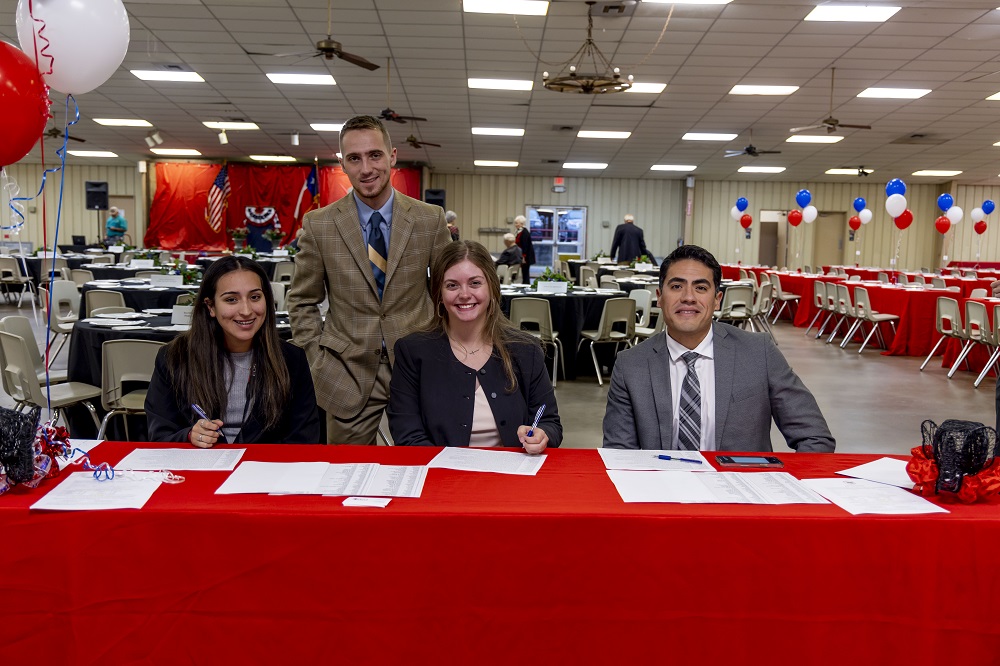
On a chilly Saturday afternoon, the LEAP Ambassadors went out to Josey Scout Lodge for a Chili Cook-Off. This was a bona fide International Chili Society competition with more than 2 dozen contestants grouped into two categories: professional and community. Many of these competitors drove in from out of state, some as far as Arizona and Nebraska, just to be in this competition! The winner of this chili cook-off is moving on to the national competition.
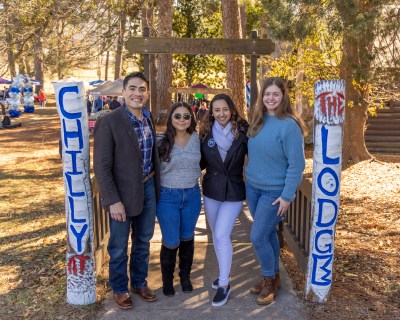
Before we leaped into sampling chili, we explored the Scout Lodge where we learned about former members and what boy and girl scouts do. As we wandered around the grounds of the lodge, we saw community leaders such as former Mayor Mac Woodward, Economic Development Coordinator Tammy Gann, City Manager Aron Kulhavy, as well as Mrs. Leanne Woodward and Mr. Gene Roberts, both of whom serve on the board at the Josey Scout Lodge.


The Josey Lodge wasn’t only filled with “celebrity chili judges,” but it was also provisioned with games set up by the scouts, along with items for sale, such as embroidered coin bags, hats, and ponchos.


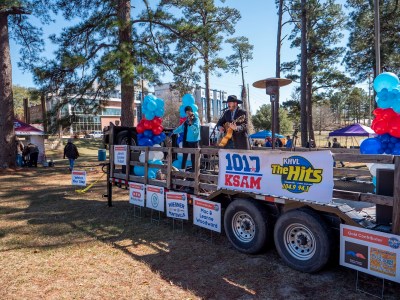
The overall atmosphere was one of community involvement, with much to do for everyone. There was even live country music being played by Kate Watson and Drew Fish, along with our friends from KSAM doing live broadcasts in the middle of the Josey grounds.
Our director, Professor Yawn, was asked to be a judge and was able to test quite a variety of salsas and chili. He judged five separate contests, and participated alongside other judges such as SHSU President Dr. Alisa White, Mac Woodward, Will Durham (DA), Judge David Moorman, Mayor Andy Brauninger, HISD Superintendent Scott Sheppard, HISD Principal Paul Trevino, SHSU Associate VP Kristy Vienne, HISD School Board Trustee Trey Wharton, Josey Scout Lodge Board Member Gene Roberts, and many others.

As customers (six tickets for $5), we were able to sample up to six different types of chili, most of which tasted better than any chili we ever had before. The savory flavors and consistency varied: from spicy to sweet, to green salsa, white chili, and even chili with crawfish!. Every single one that we sampled had us in astonishment and it was hard to choose the best one. It was a close call between many but ultimately Morgan and Mario really enjoyed a crawfish white chili, while Yvette and I preferred a mild homestyle chili.
Before we headed back home, we each acted as “judges” by filling out the slip we were given upon entry and voted for our favorite chili.
The community voted, too, and the “People’s Choice Chili” was won by Scott Williams and his team: Come bust a Bowl! And as the winner of the Community Choice award, he was invited to compete against the “professionals” the next day, and he placed! Congratulations to Scott and to all the contestants and winners, the latter of which you can find here.
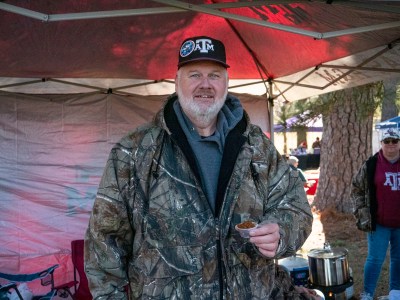
Despite the cold weather, it was nice to see how community members came out to support each other at the wonderful Josey Lodge “Chilly” Cook-Off.






















 Center for Law, Engagement, and Politics