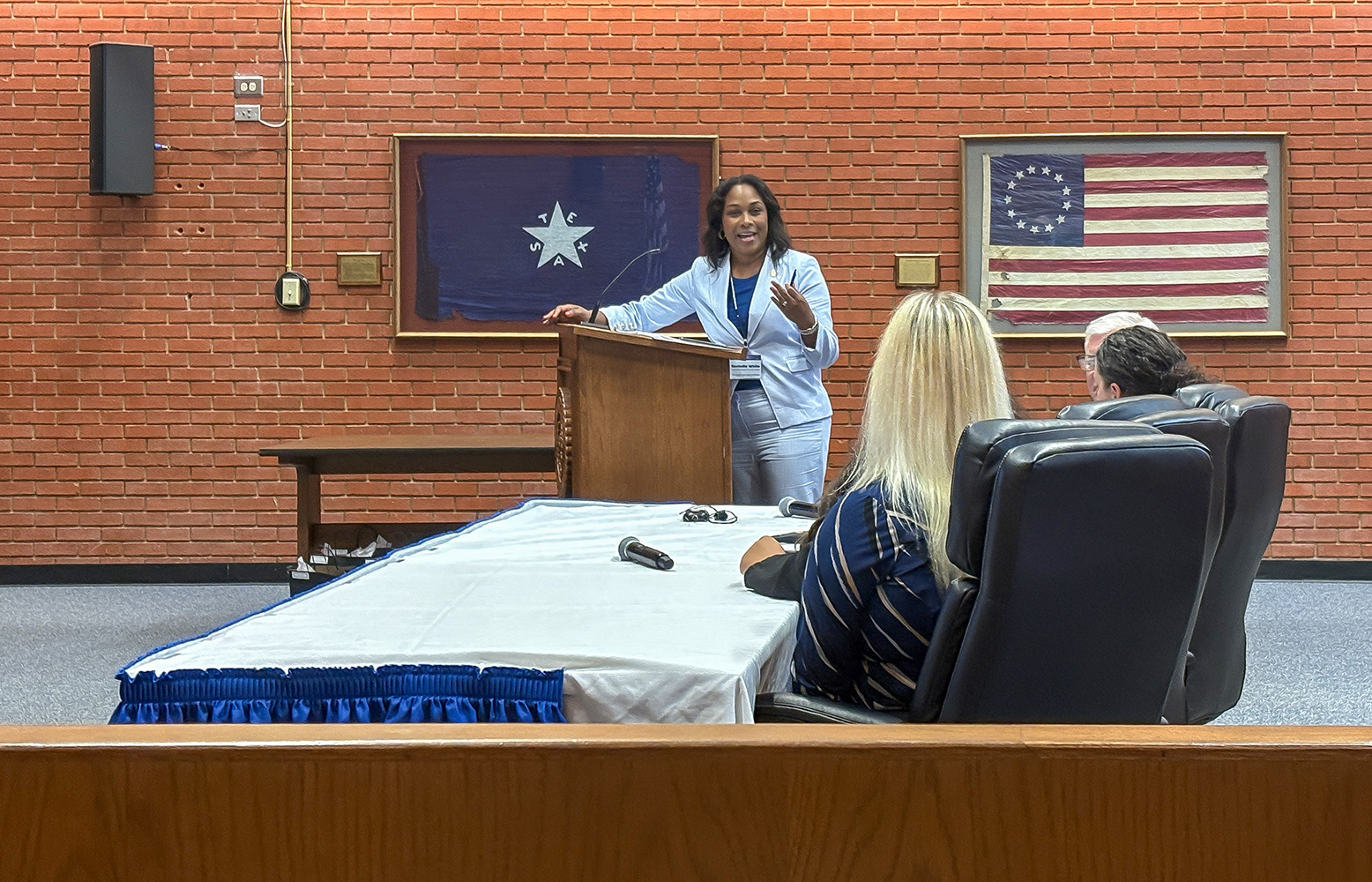
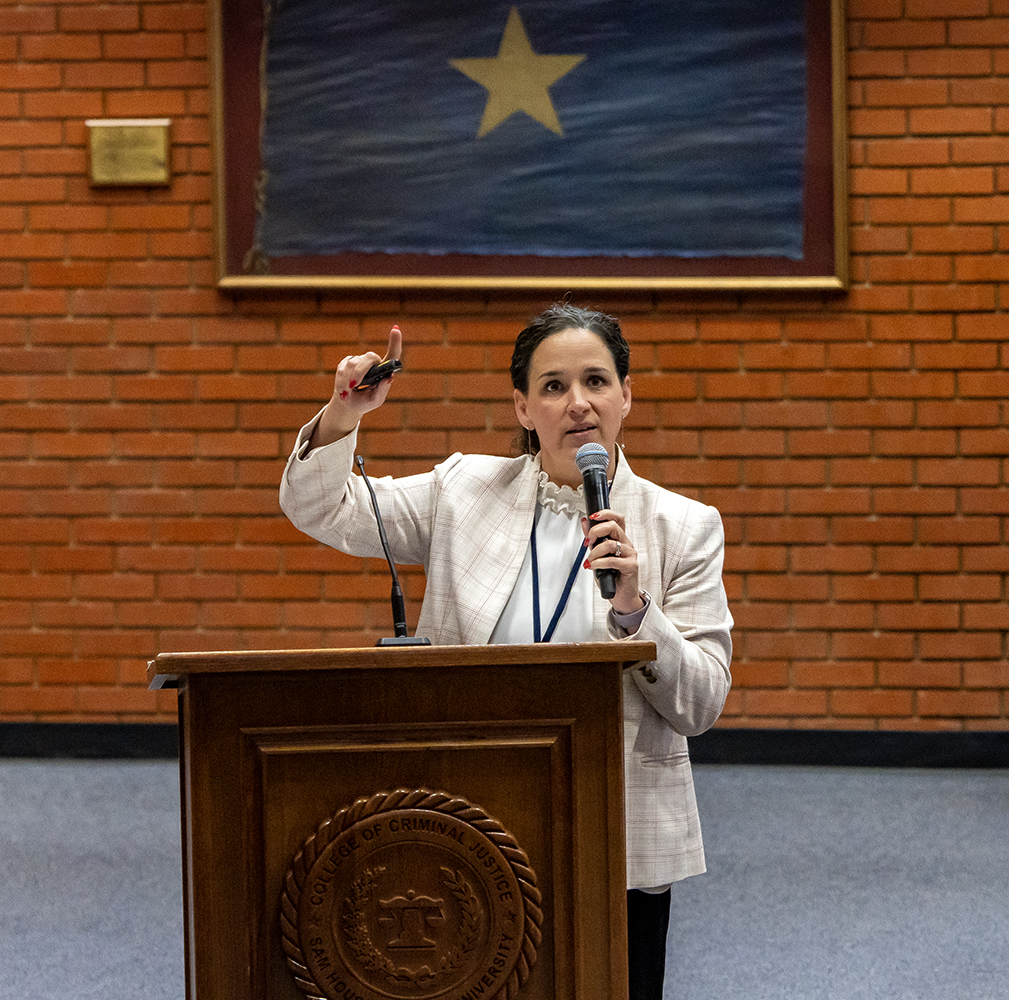
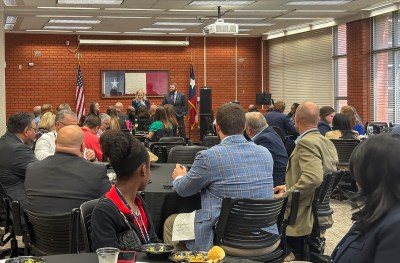
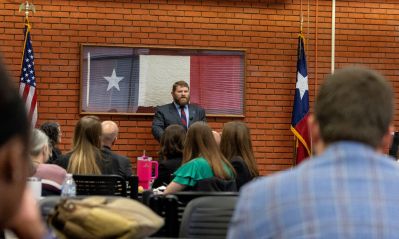
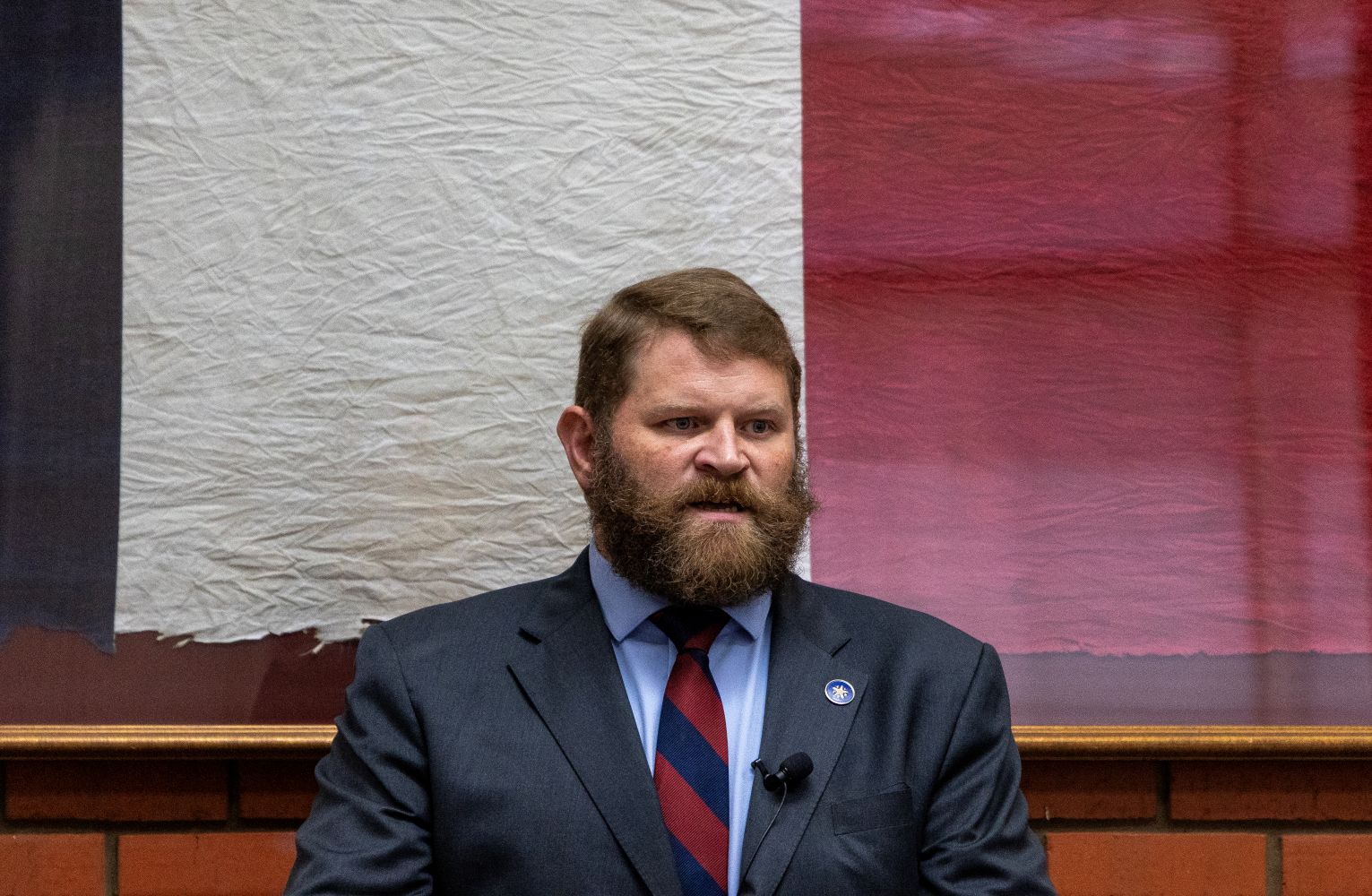
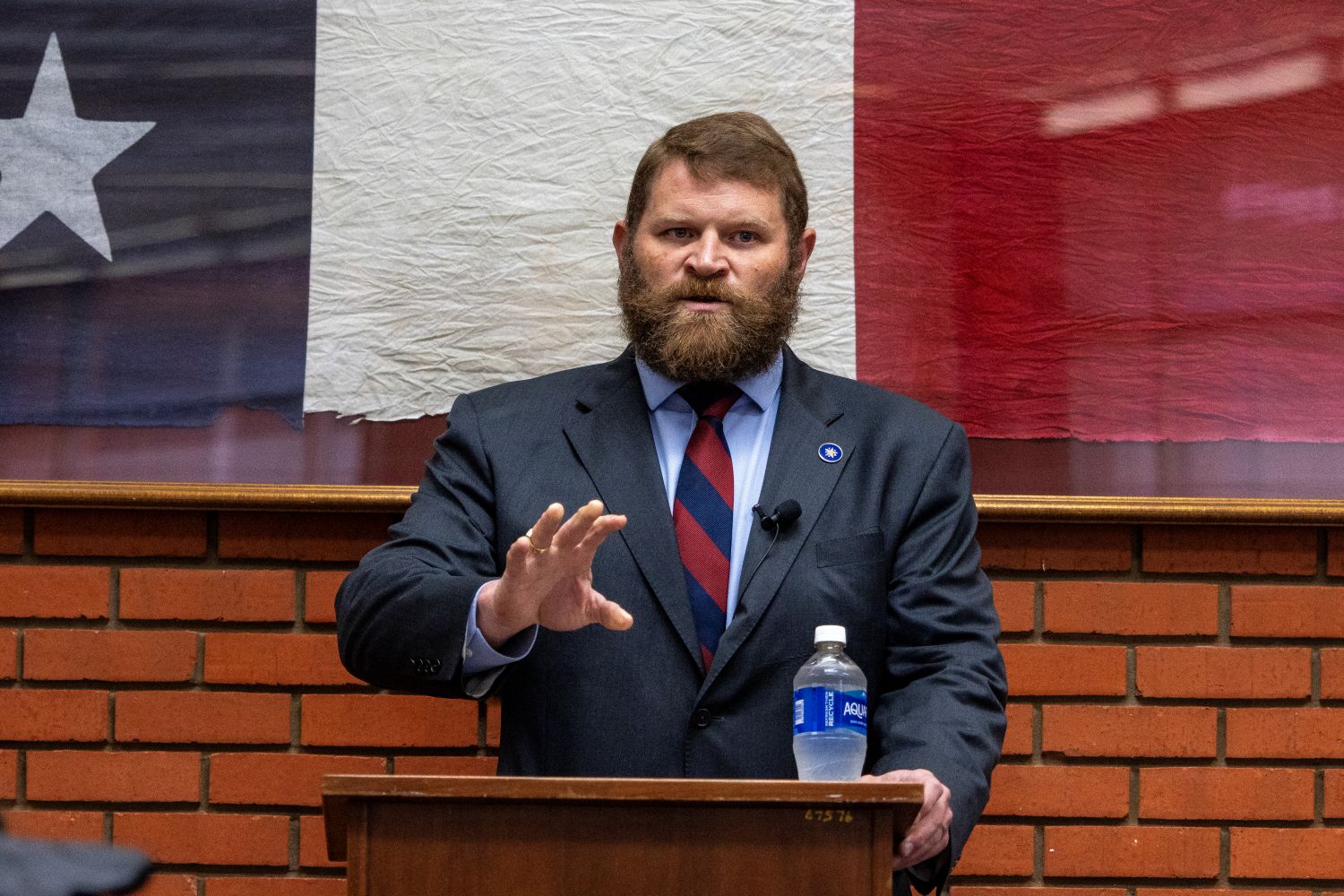
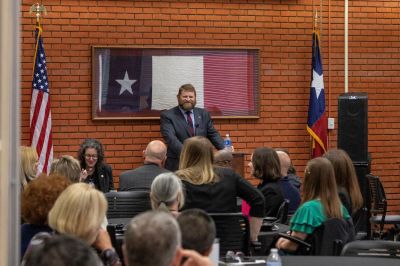
In our four years at Sam Houston State University, we have had many opportunities to attend conferences. And, perhaps unusually, we have also had the opportunity to present at conferences, and one of those opportunities arose late this semester–two weeks prior to our graduation!
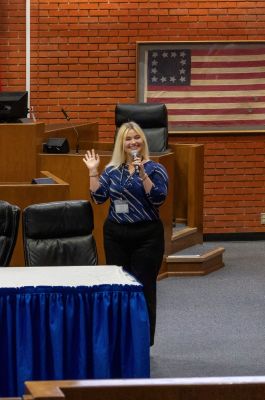
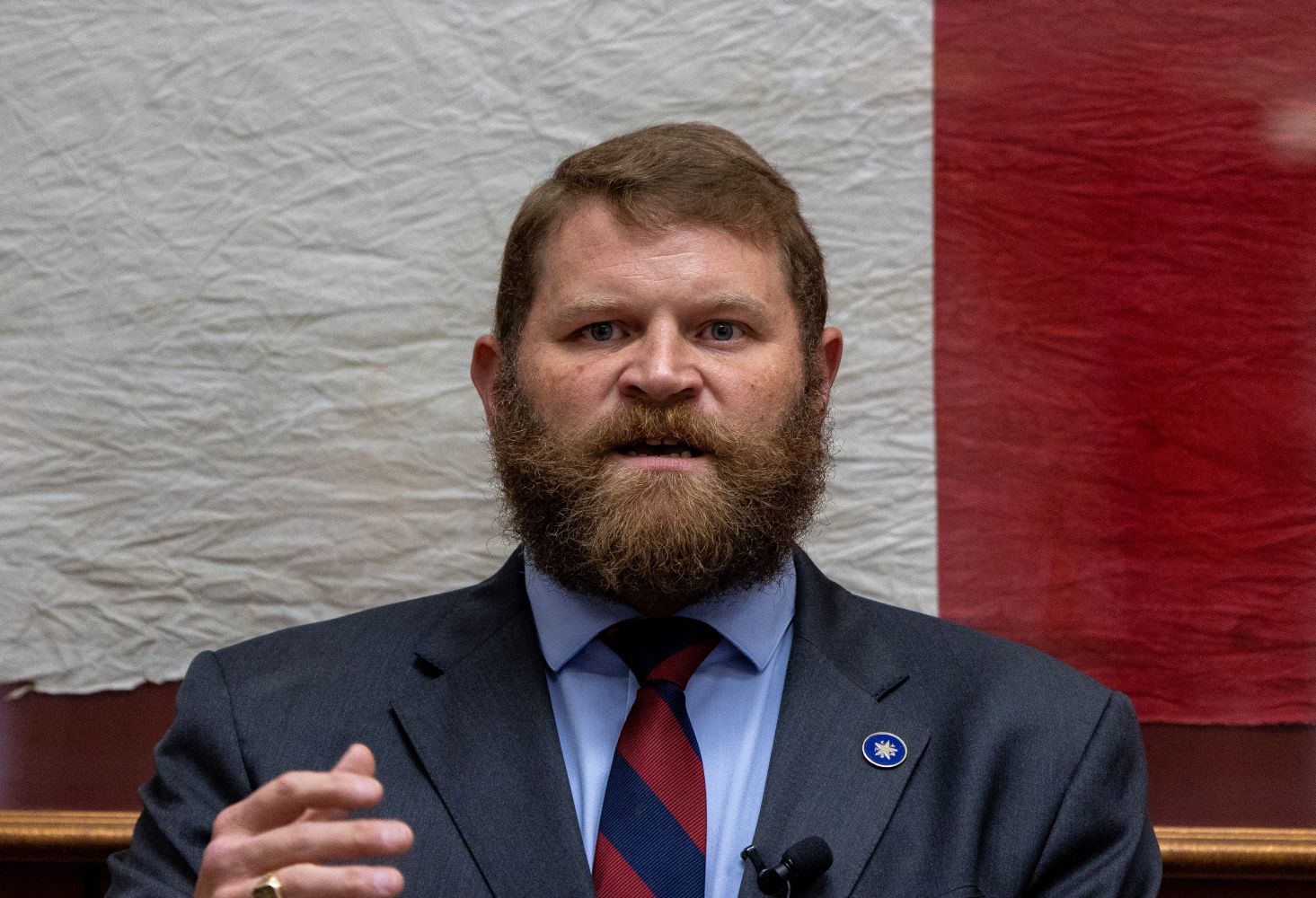
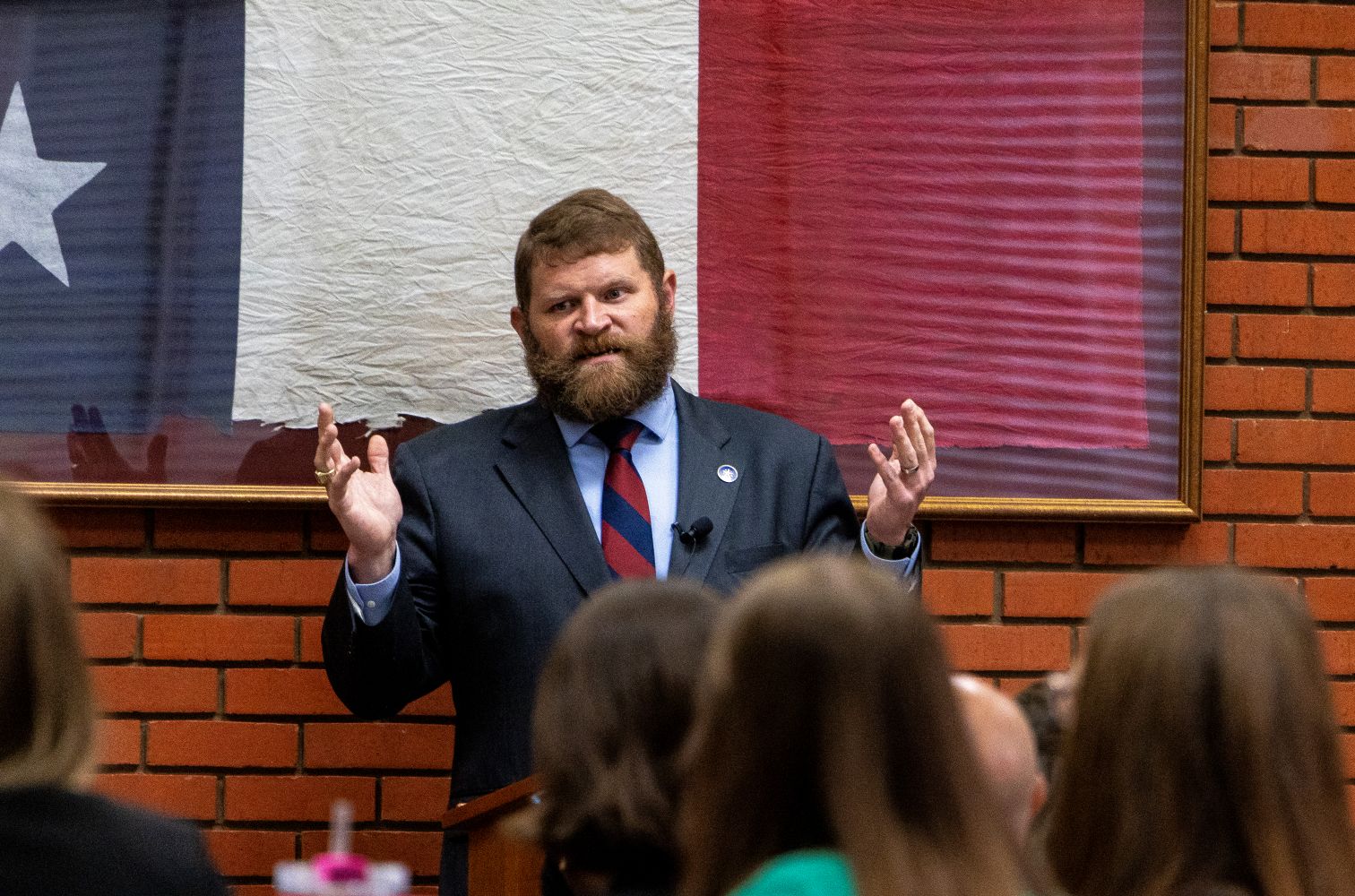
Our presentation, alongside Dean Lyons and Associate Dean Boisvert, was to highlight the many ways that SHSU, the College of Criminal Justice, and the LEAP Center help bridge the gap between academia and the “real-world.”
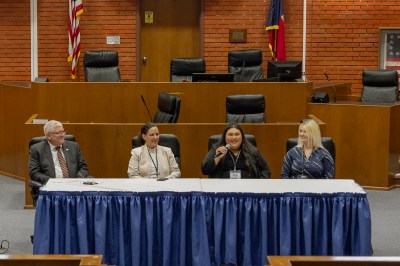
While the Deans ably handled high-level things such as state mandates, trends in higher education, and challenges faced across the educational industry, we offered an overview of some of the ways that this curricular “bridge” has helped us participate in and transition to the workplace.
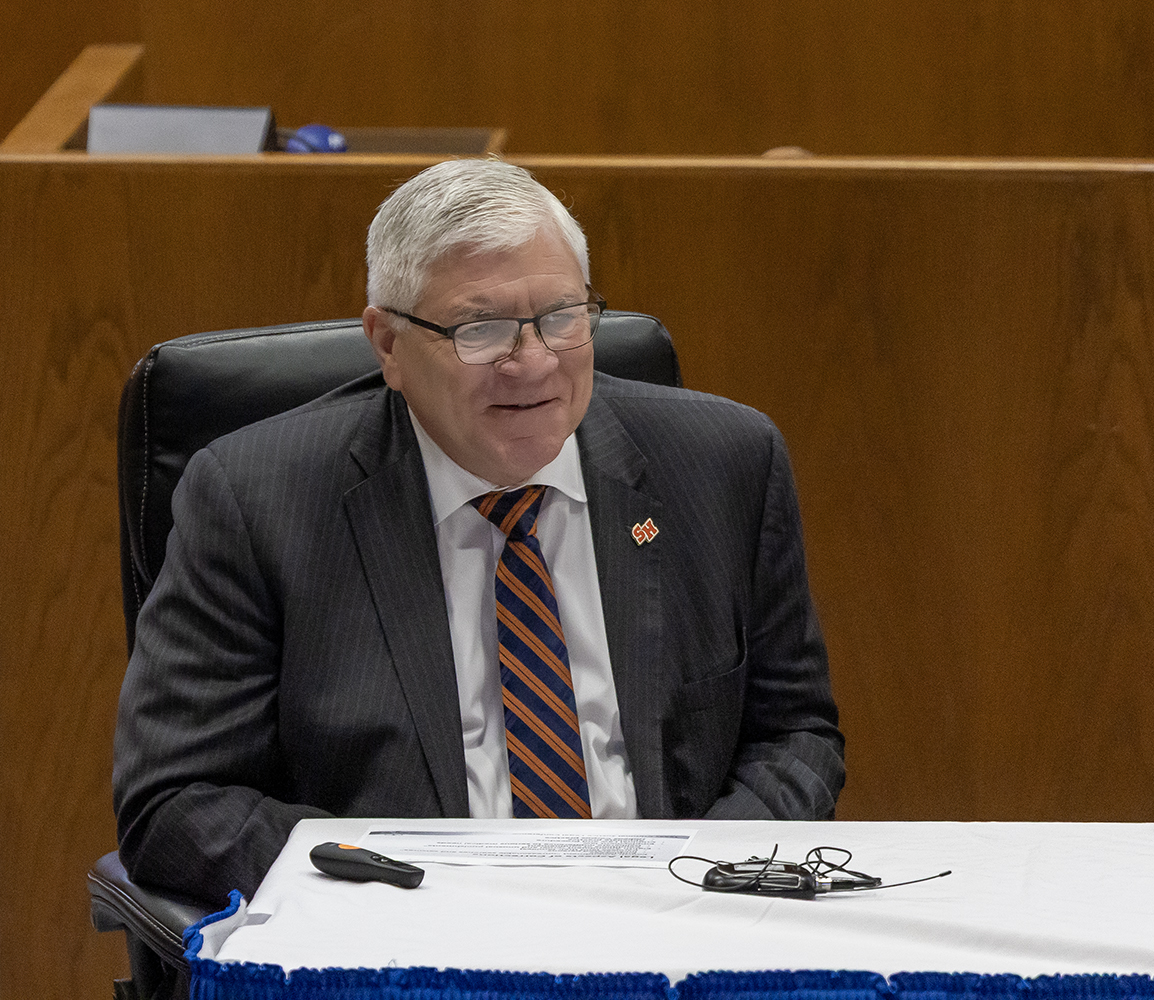
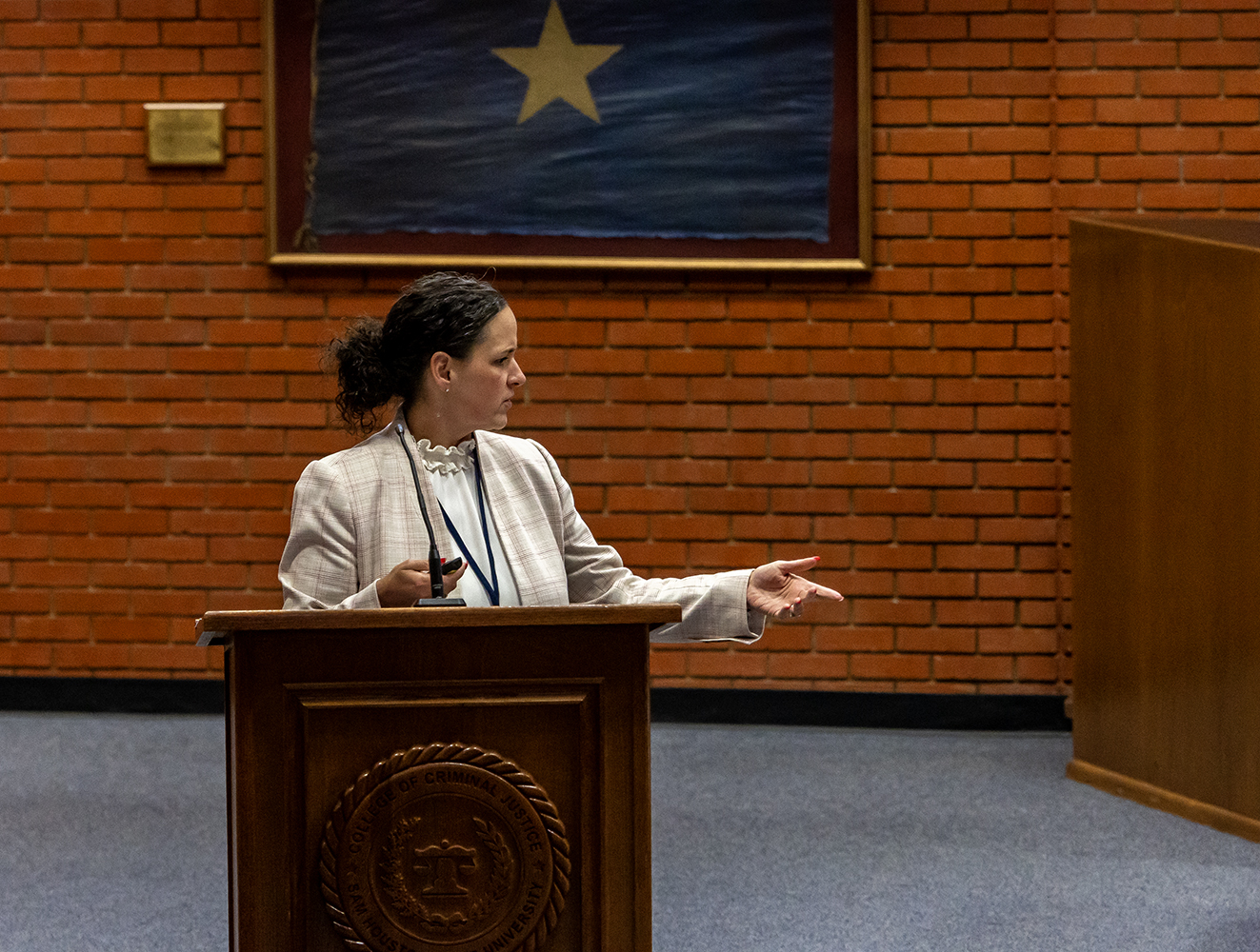
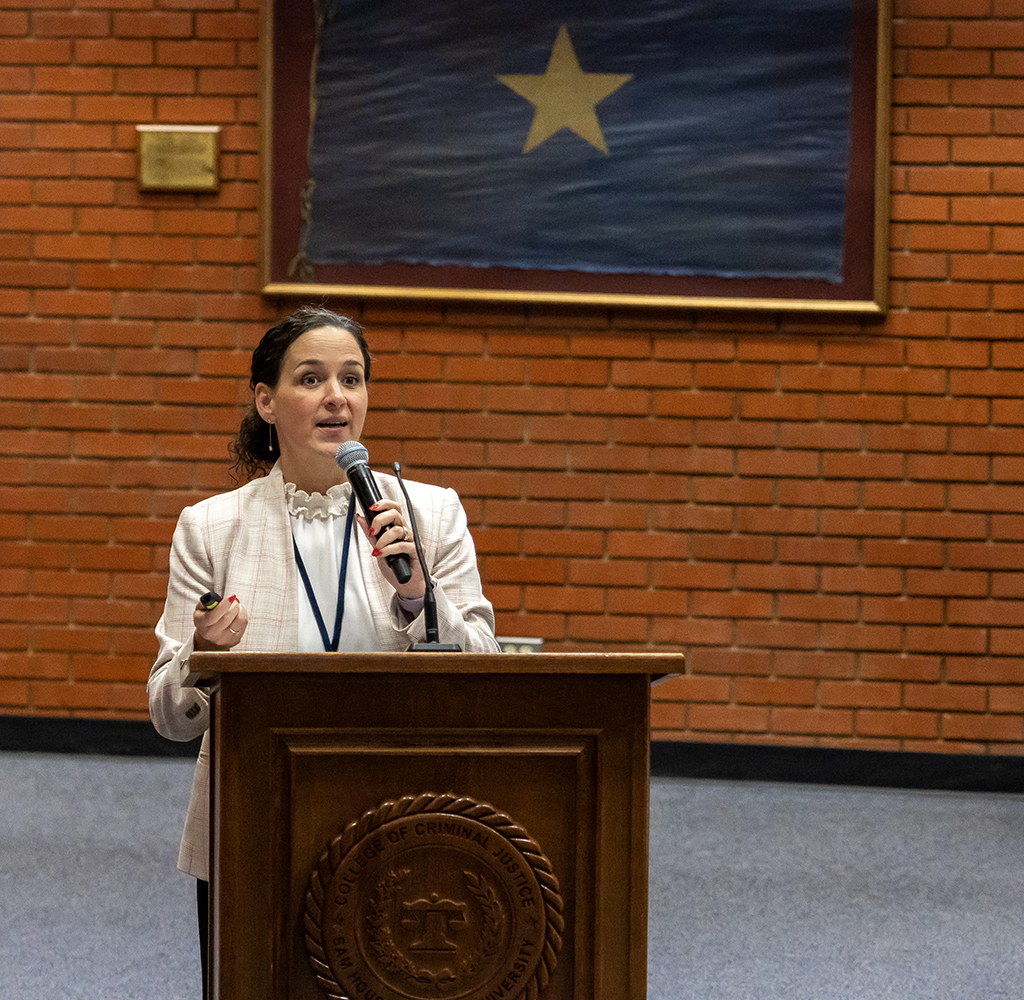
This included discussions of things we experience in the classroom, such as police simulations; internship opportunities we have had in and outside of our fields of study; travel opportunities we have enjoyed; and the community service in which we have engaged. This approach was taken to demonstrate that, in a world where a career lattice (rather than career ladder) is likely, it’s important to have broad and well-rounded skills rather than narrow and inflexible skills.
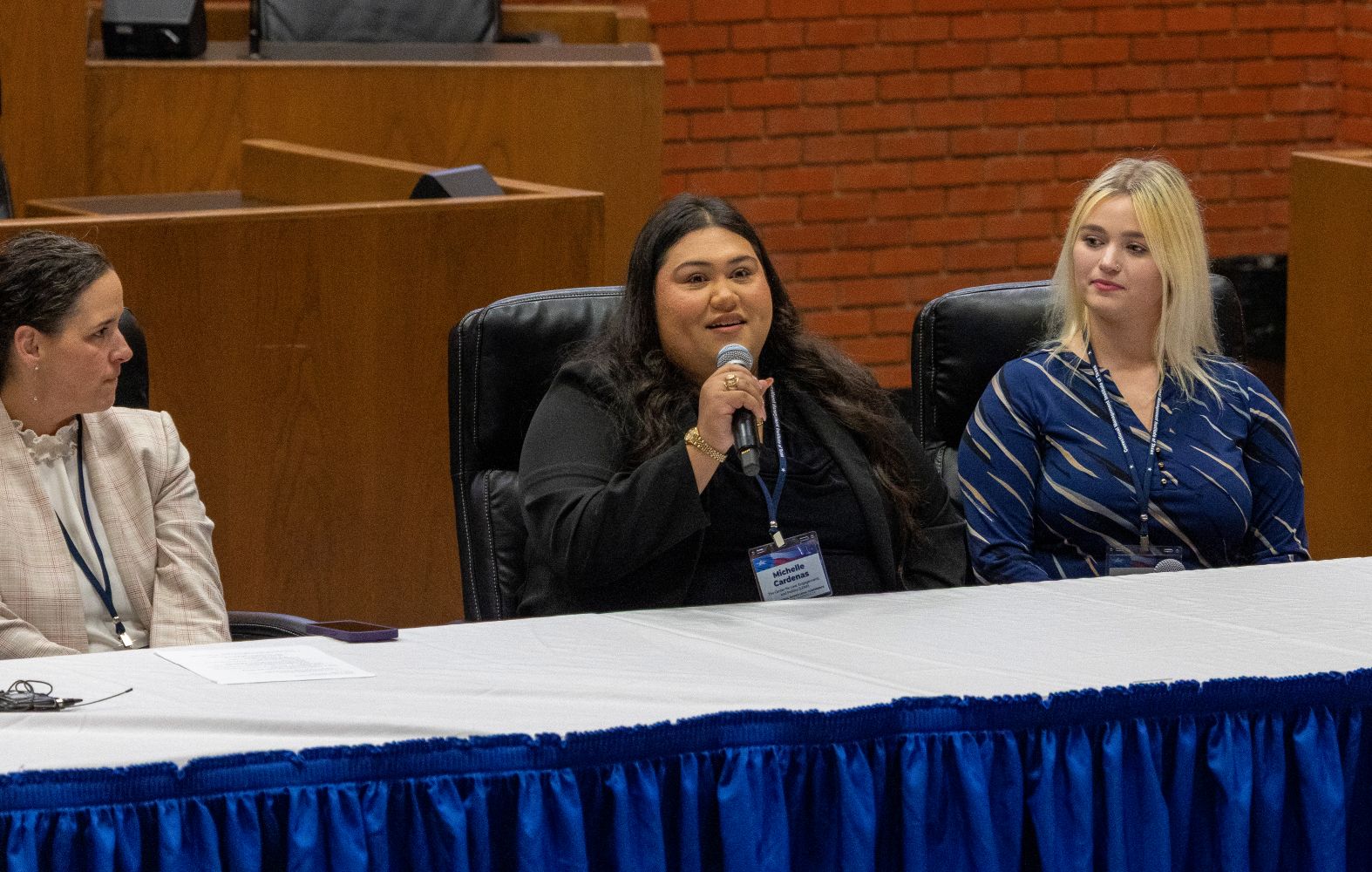
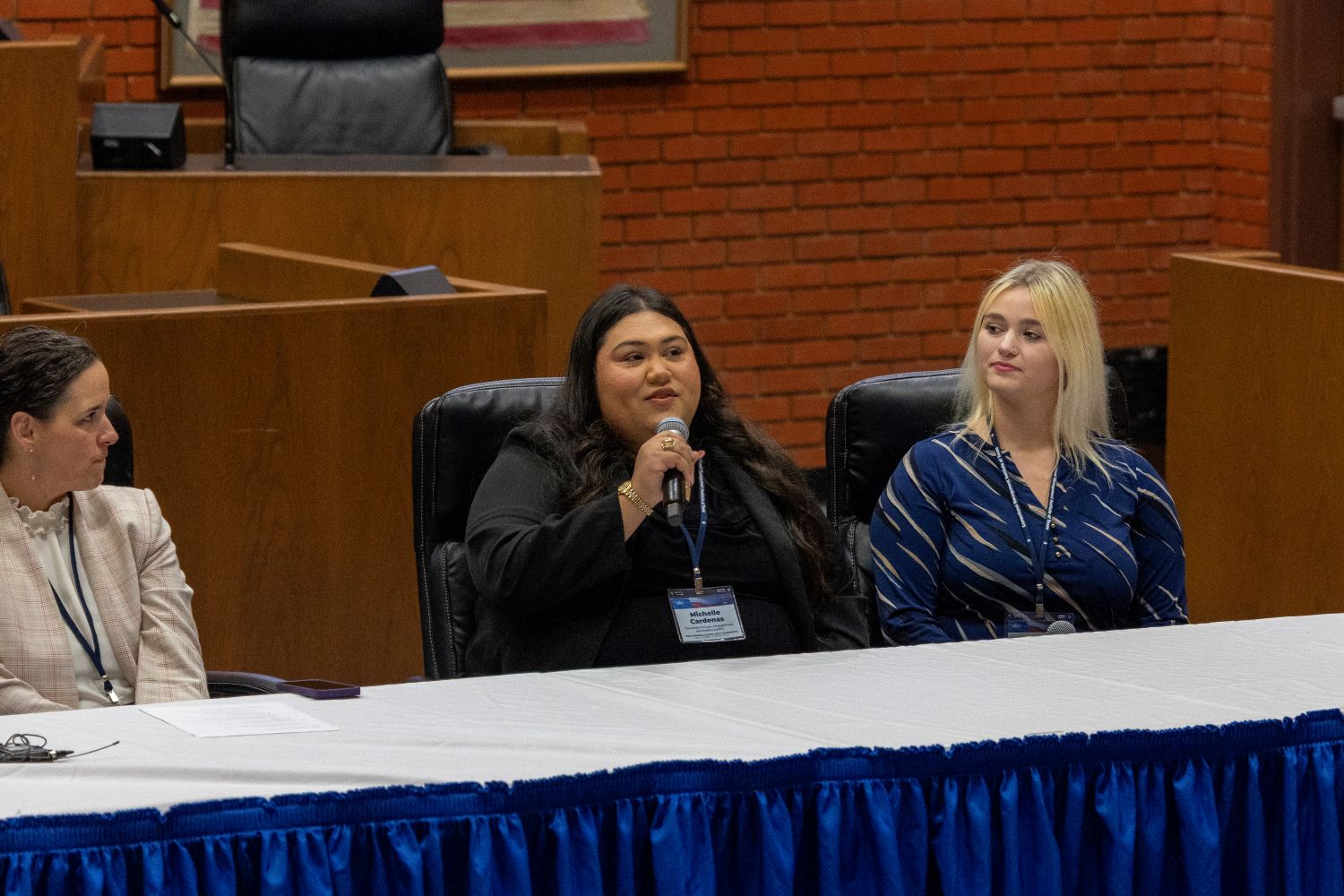
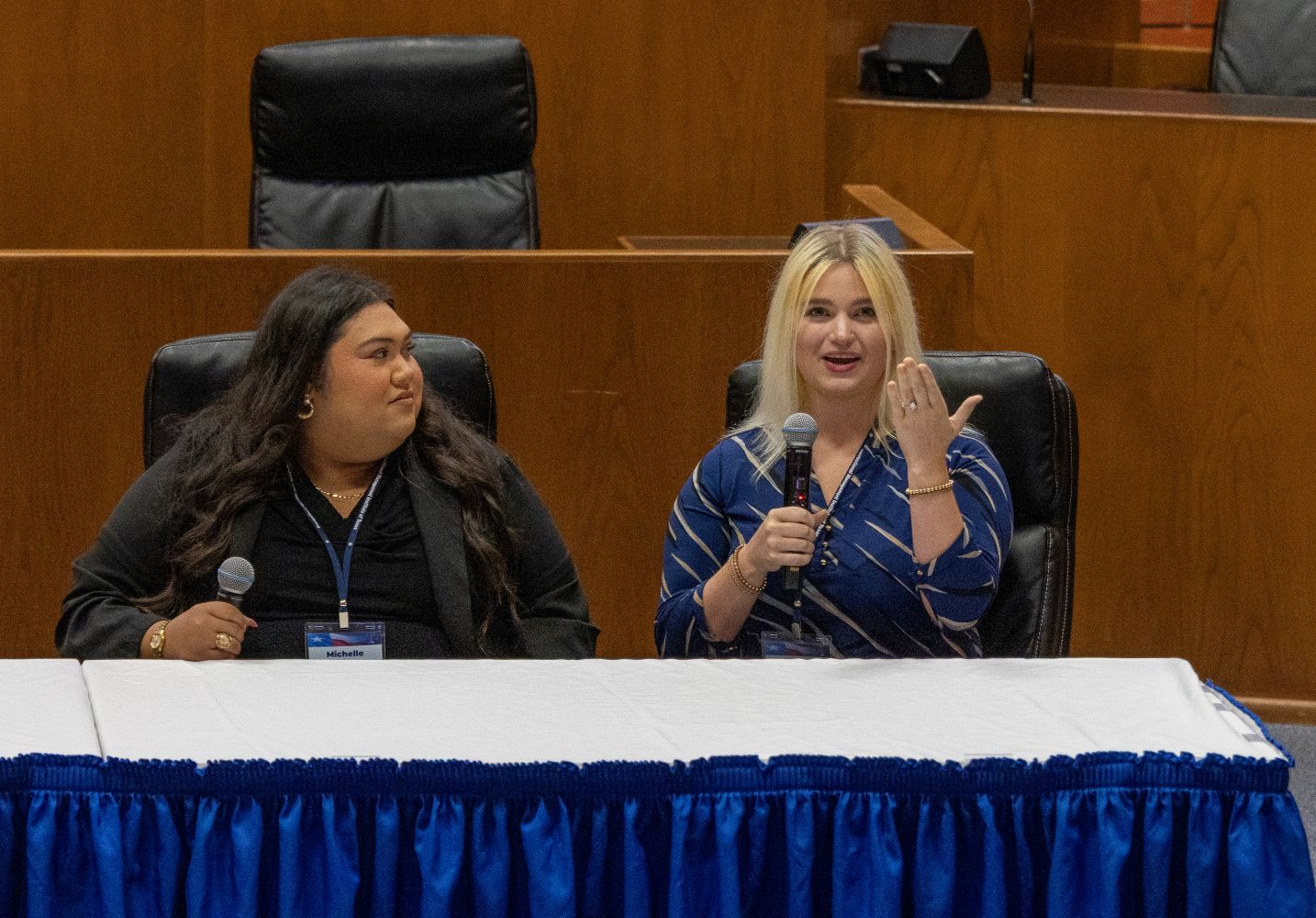
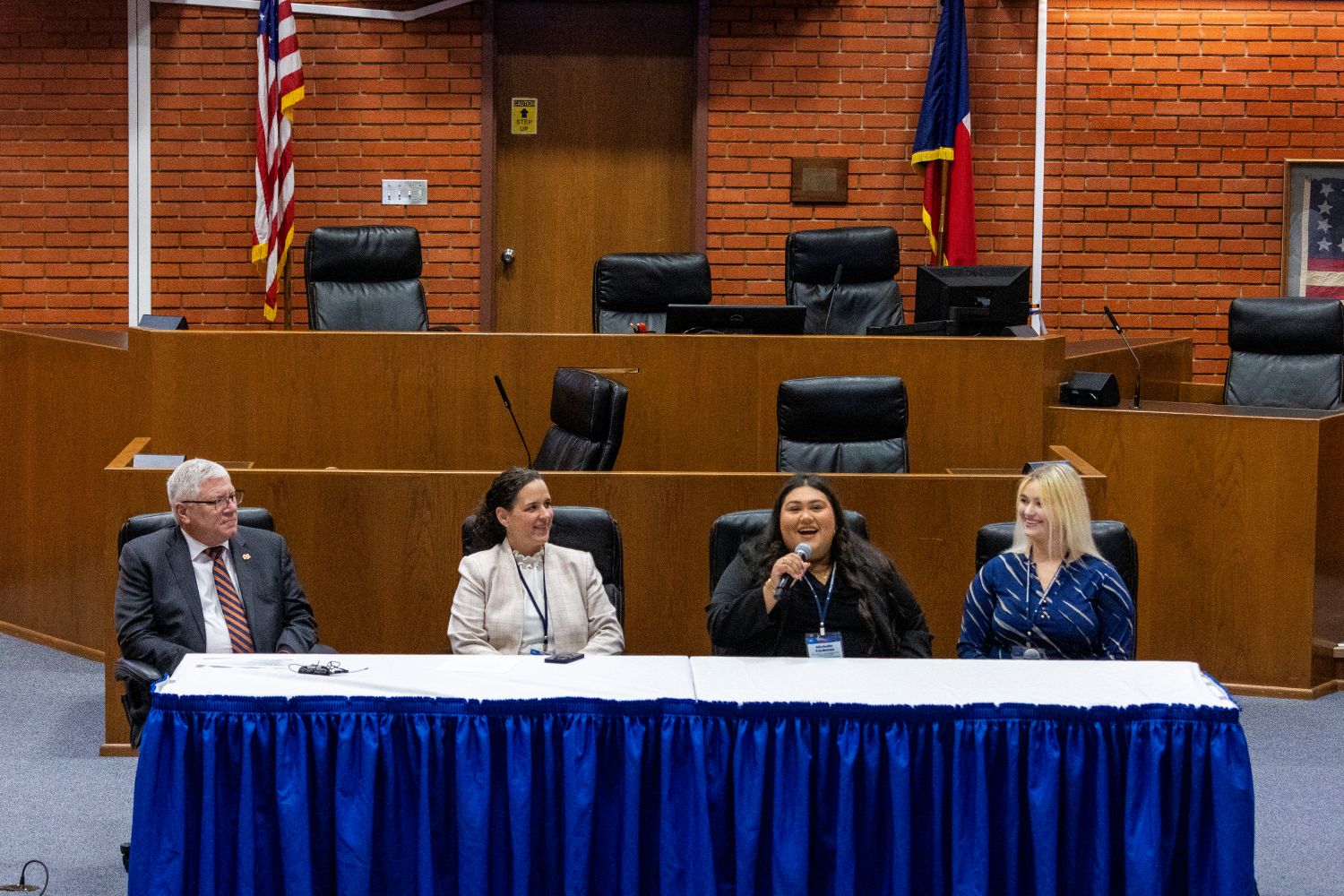
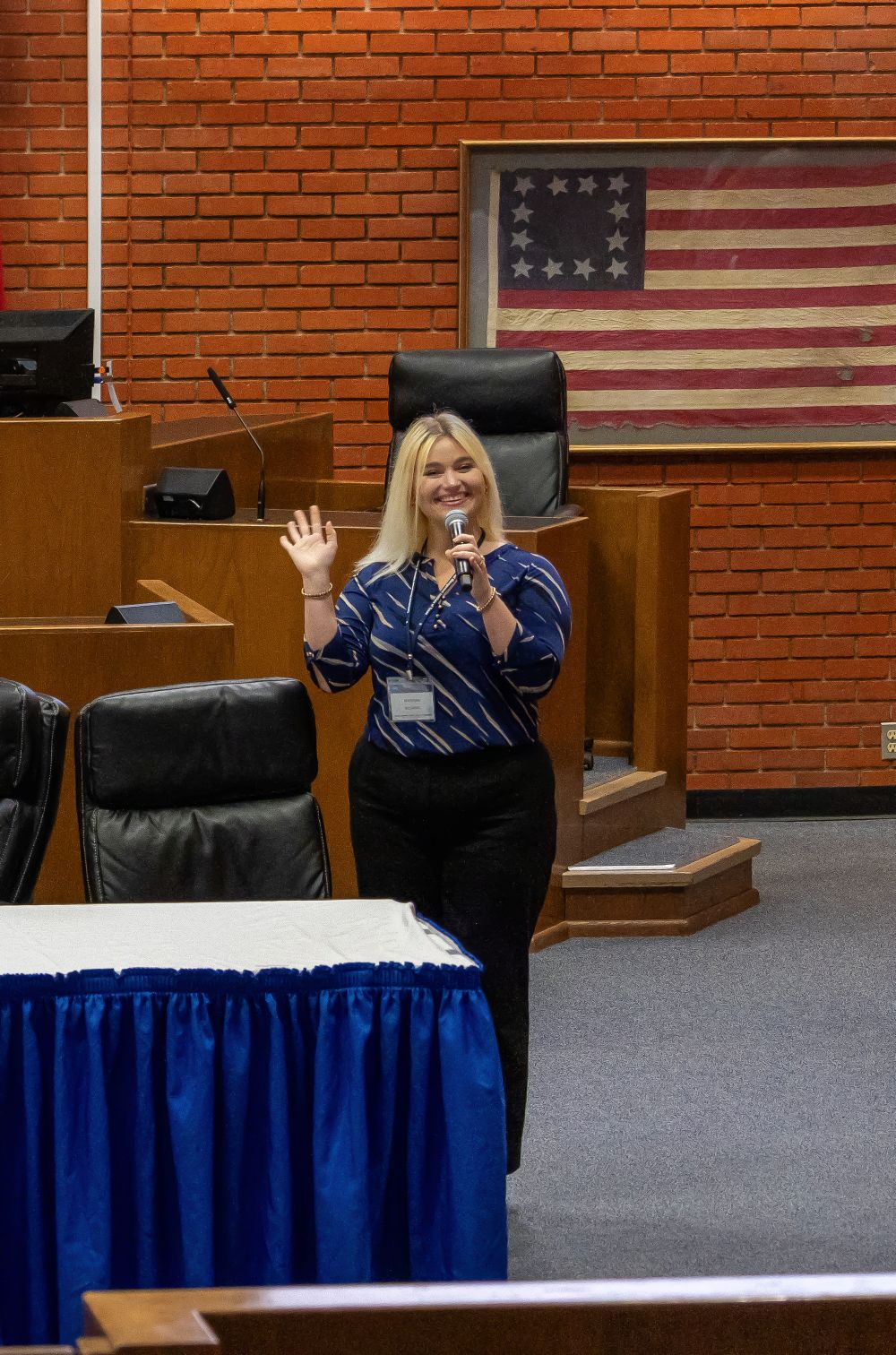
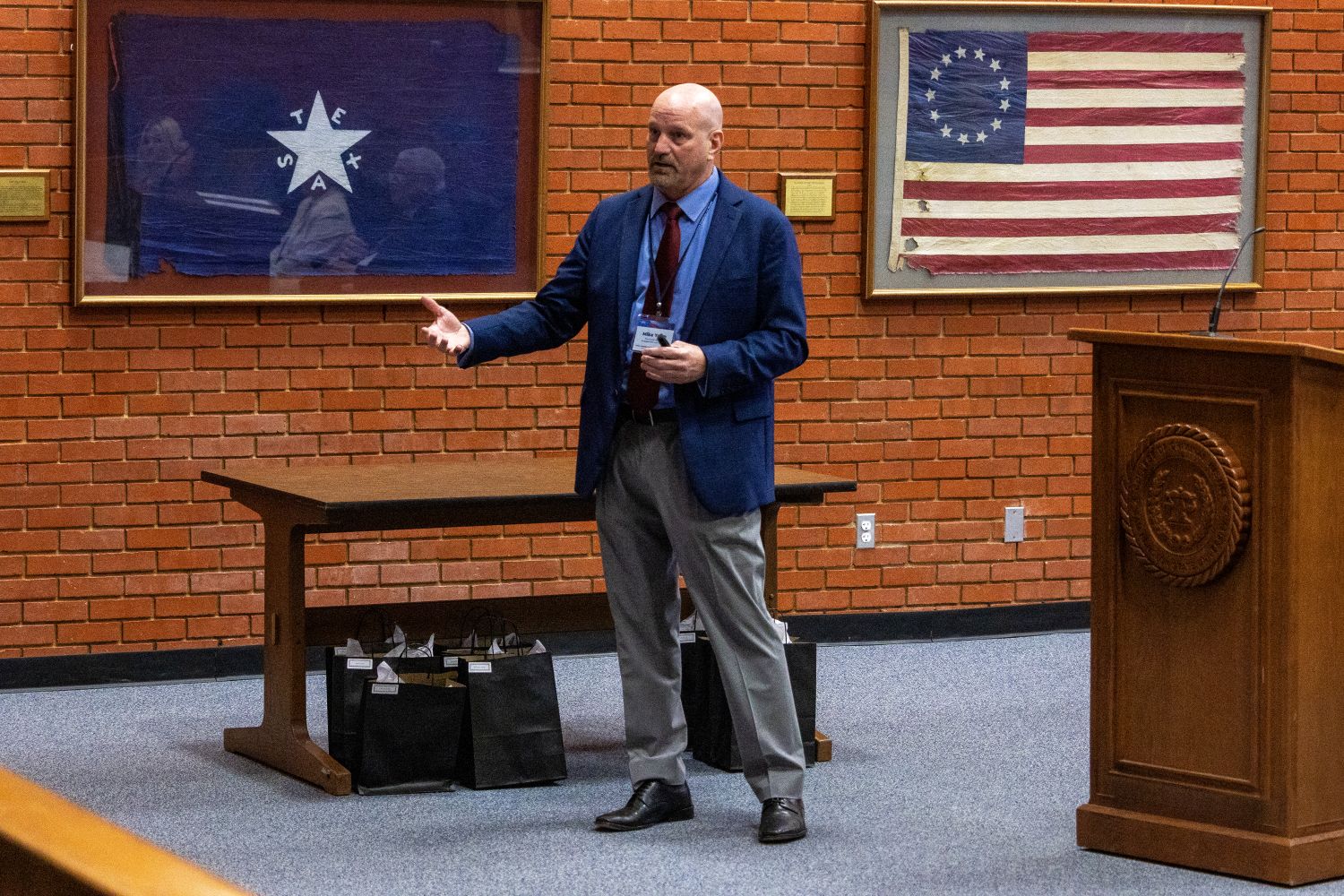
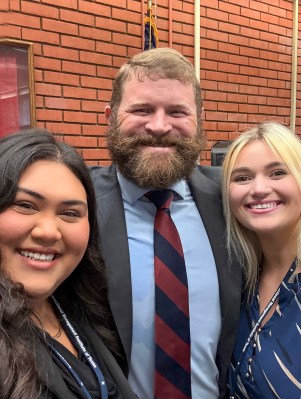
It was a pleasure to have this opportunity–and especially together–as we approach our graduation. As fellow Criminal Justice majors with an assortment of minors, and as former SHAIP interns, and as students very active in the LEAP program, it was a pleasure to share some of our experiences with Dean Lyons and Associate Dean Danielle Boisvert…
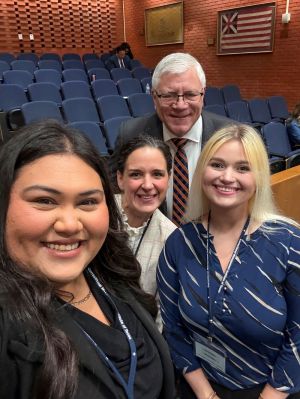
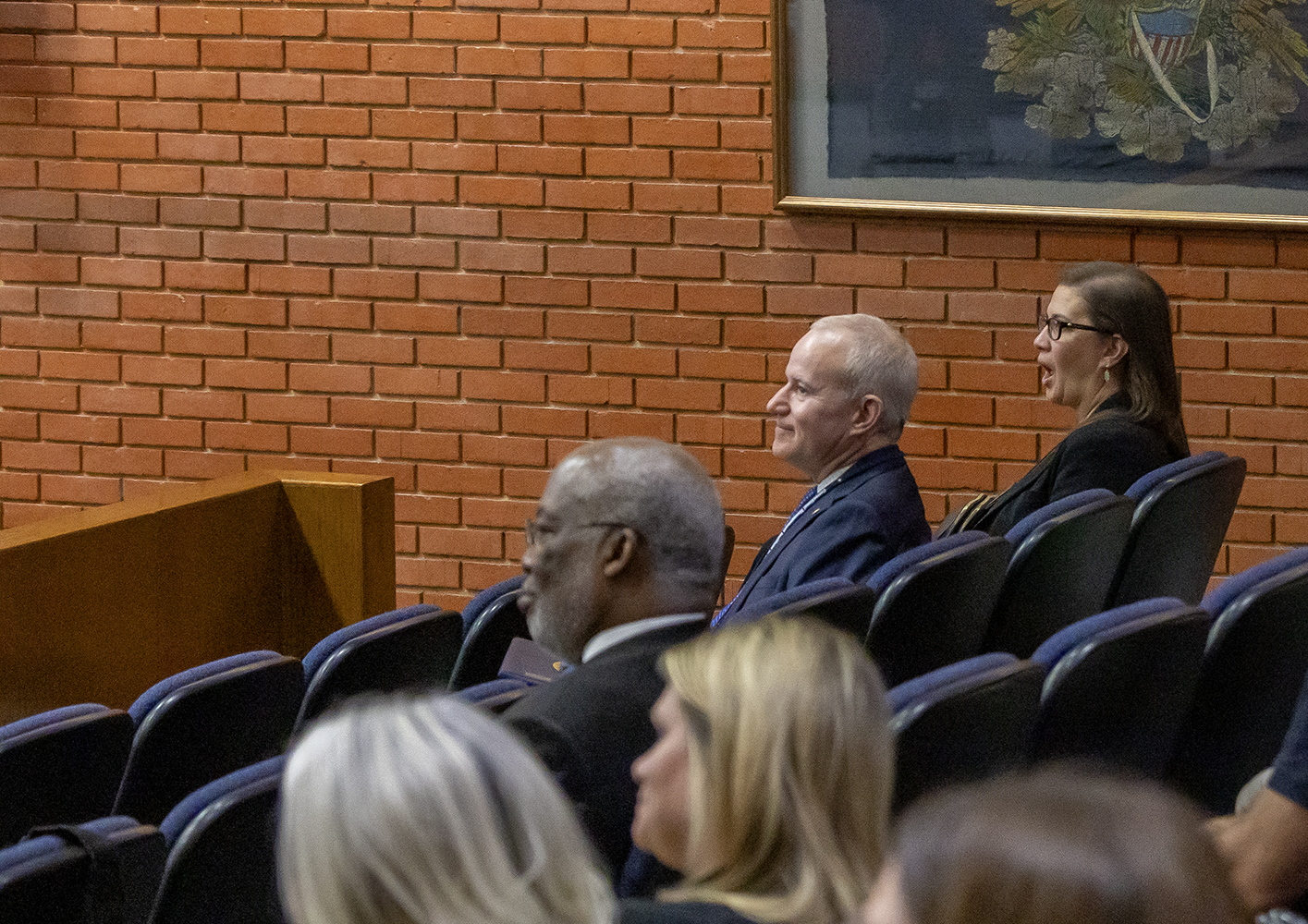
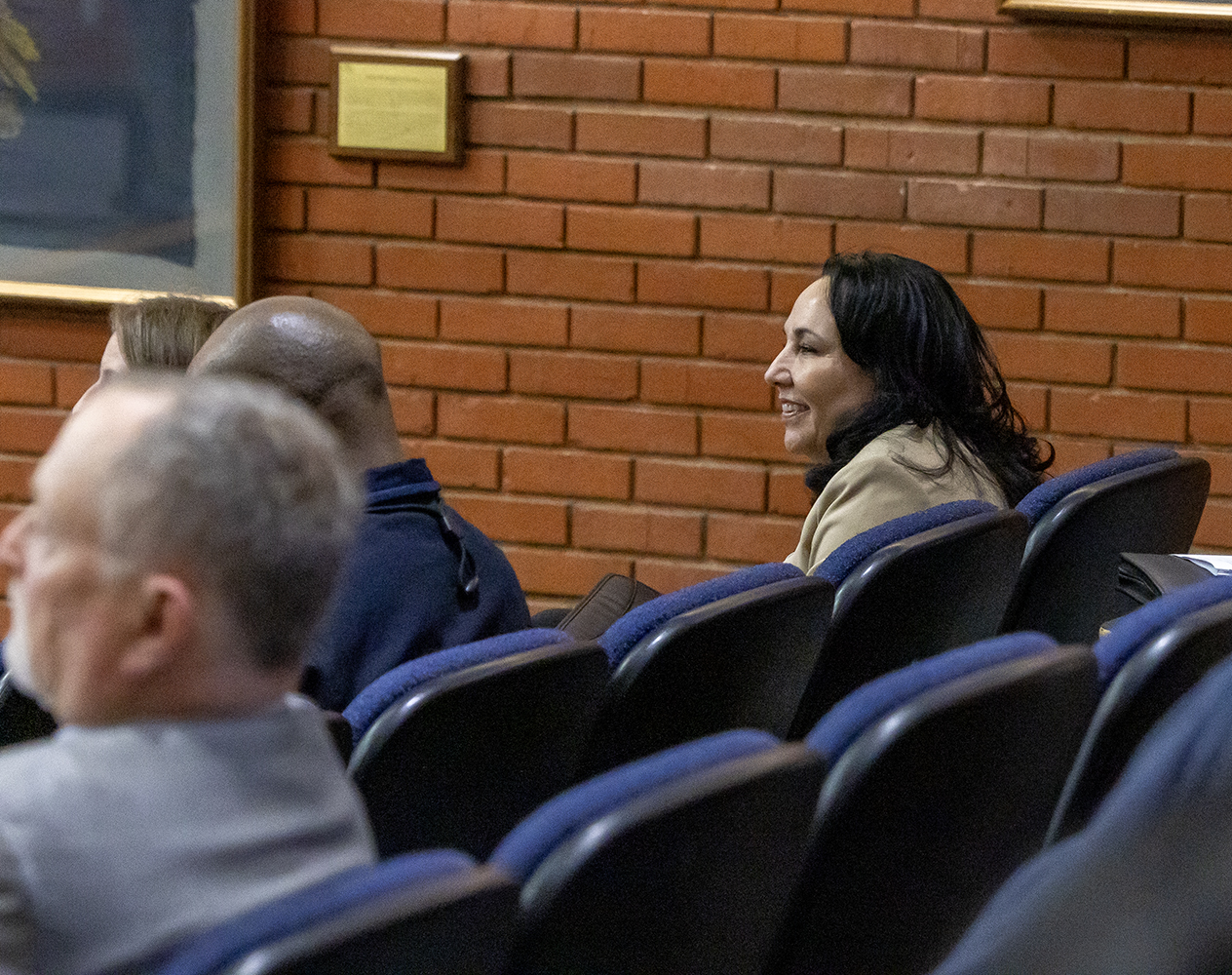
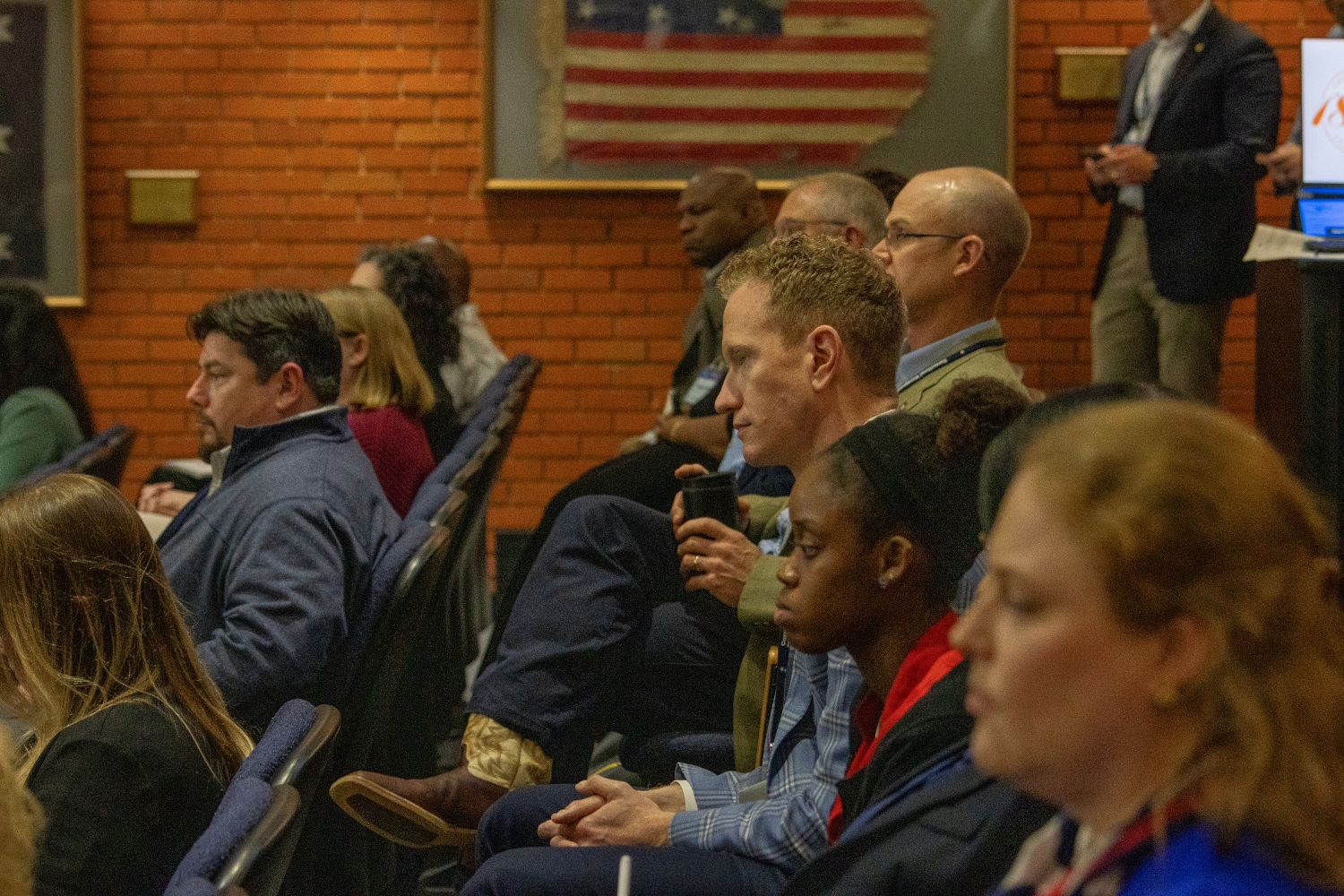
…in front of many of the leading professionals in the correctional-legal field.