Skip to content

Center for Law, Engagement, and Politics

Leap At SHSU!

  • About LEAP
  • LEAP Ambassadors
Center for Law, Engagement, and Politics

Tag: World Affairs Council Houston

The Future of Public Service

by Michelle Cardenas

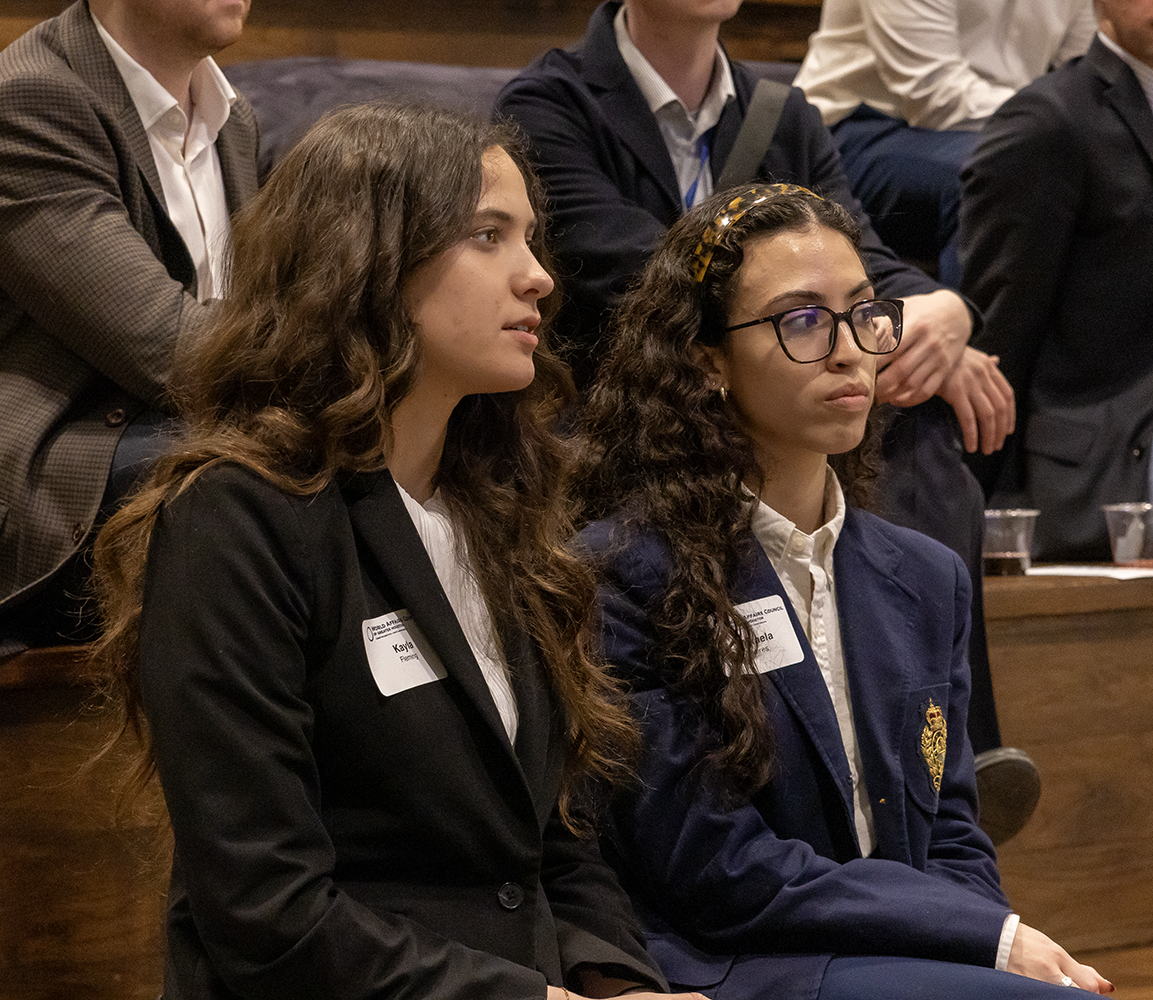
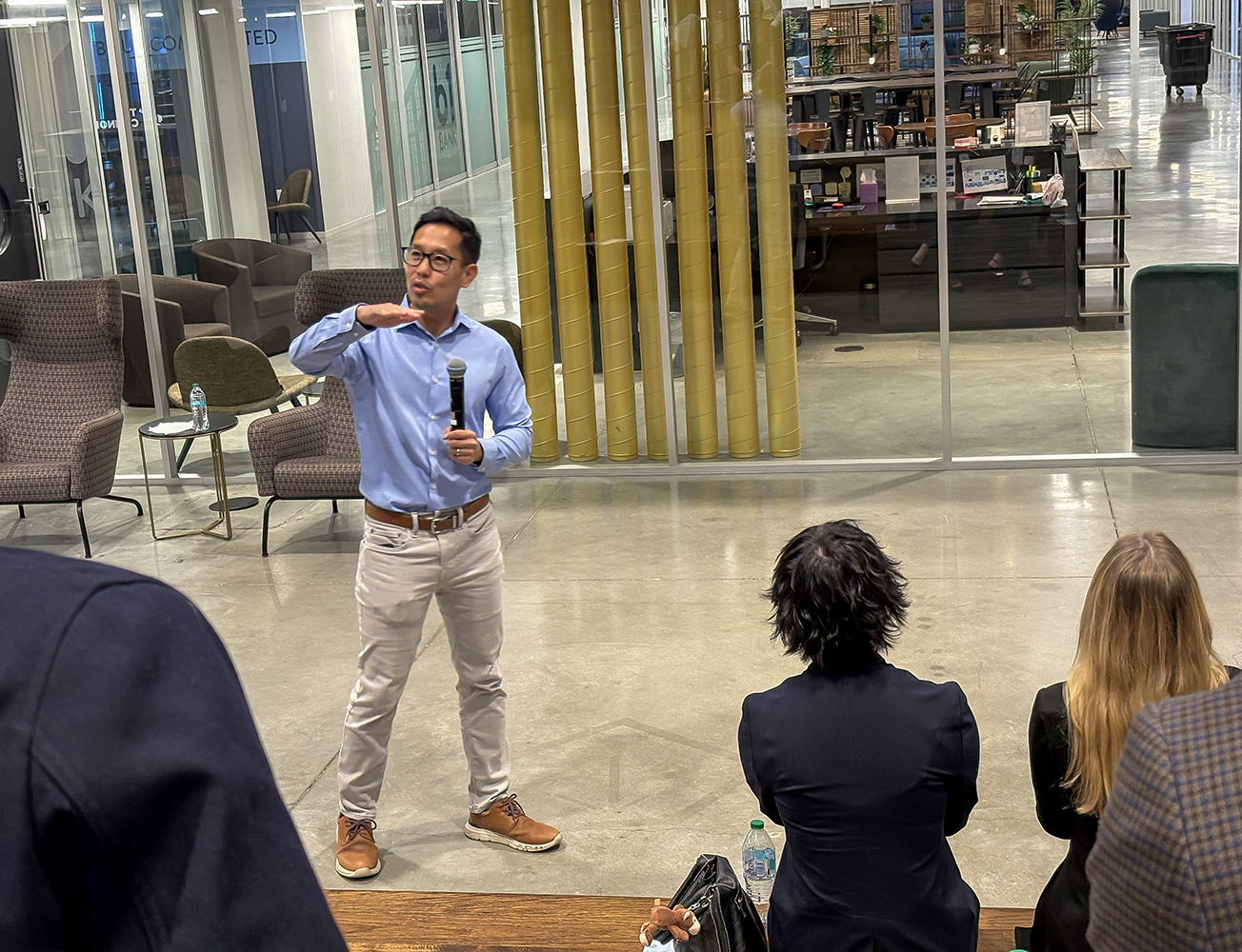
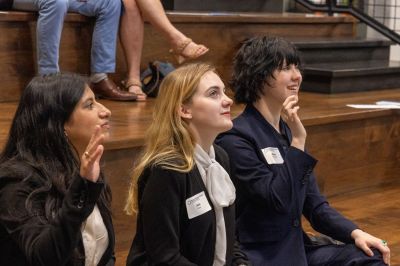
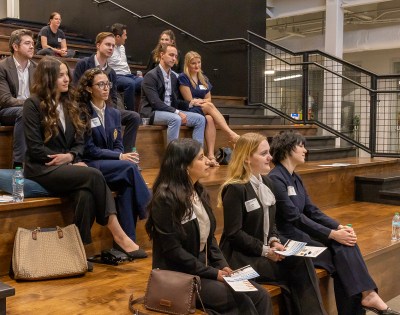
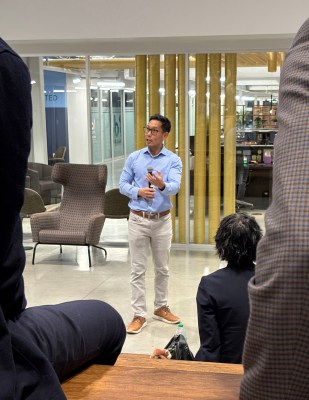
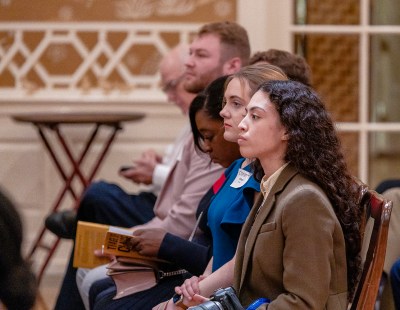
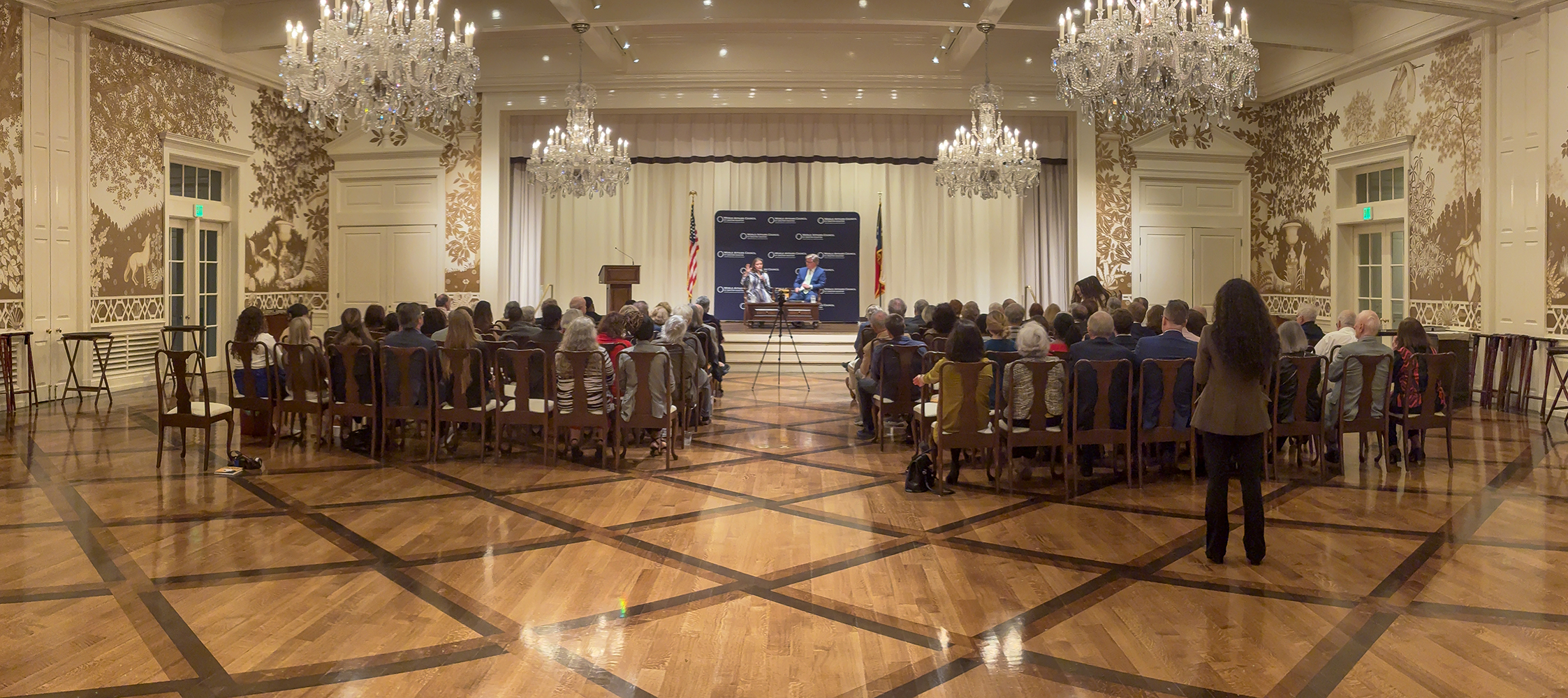
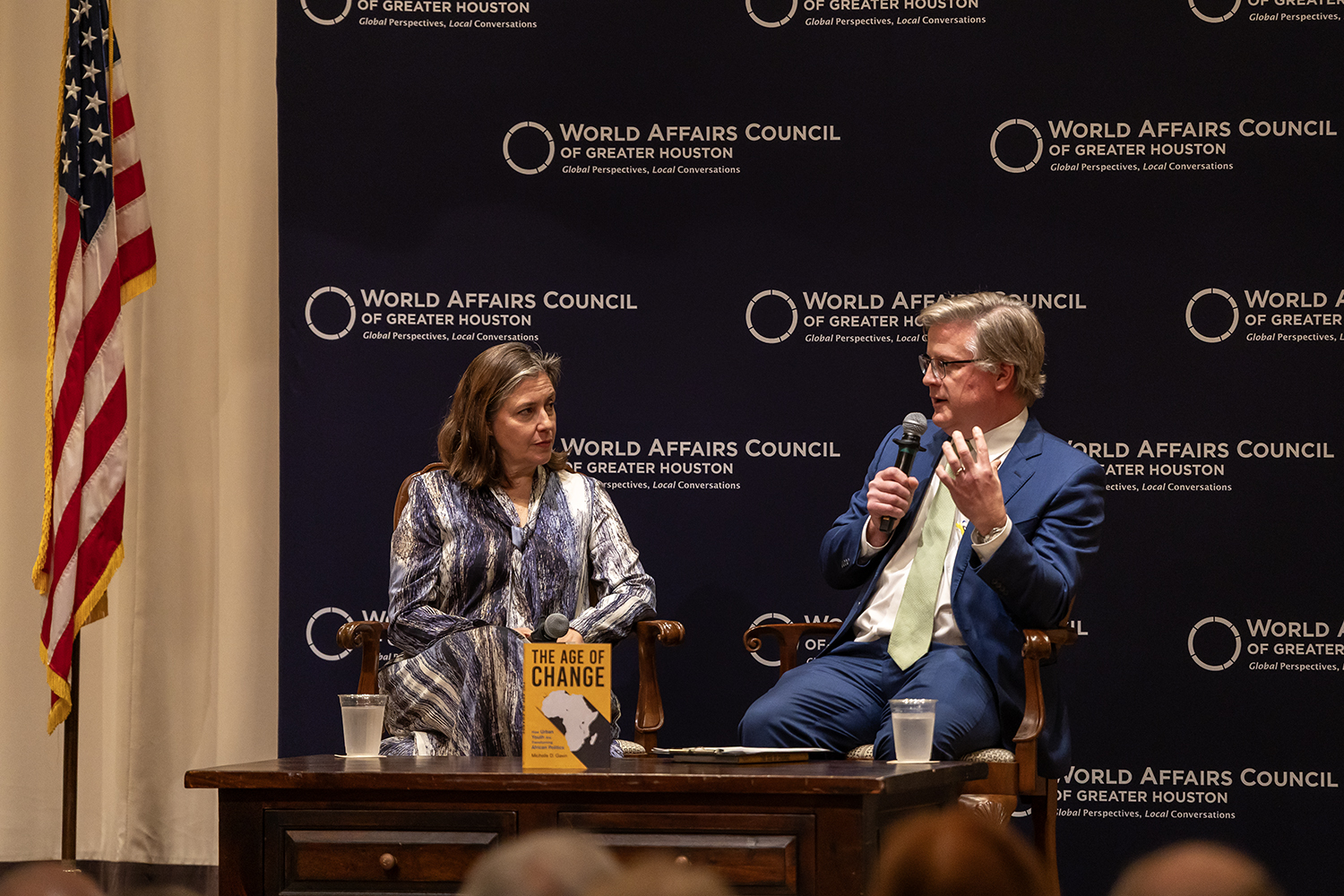
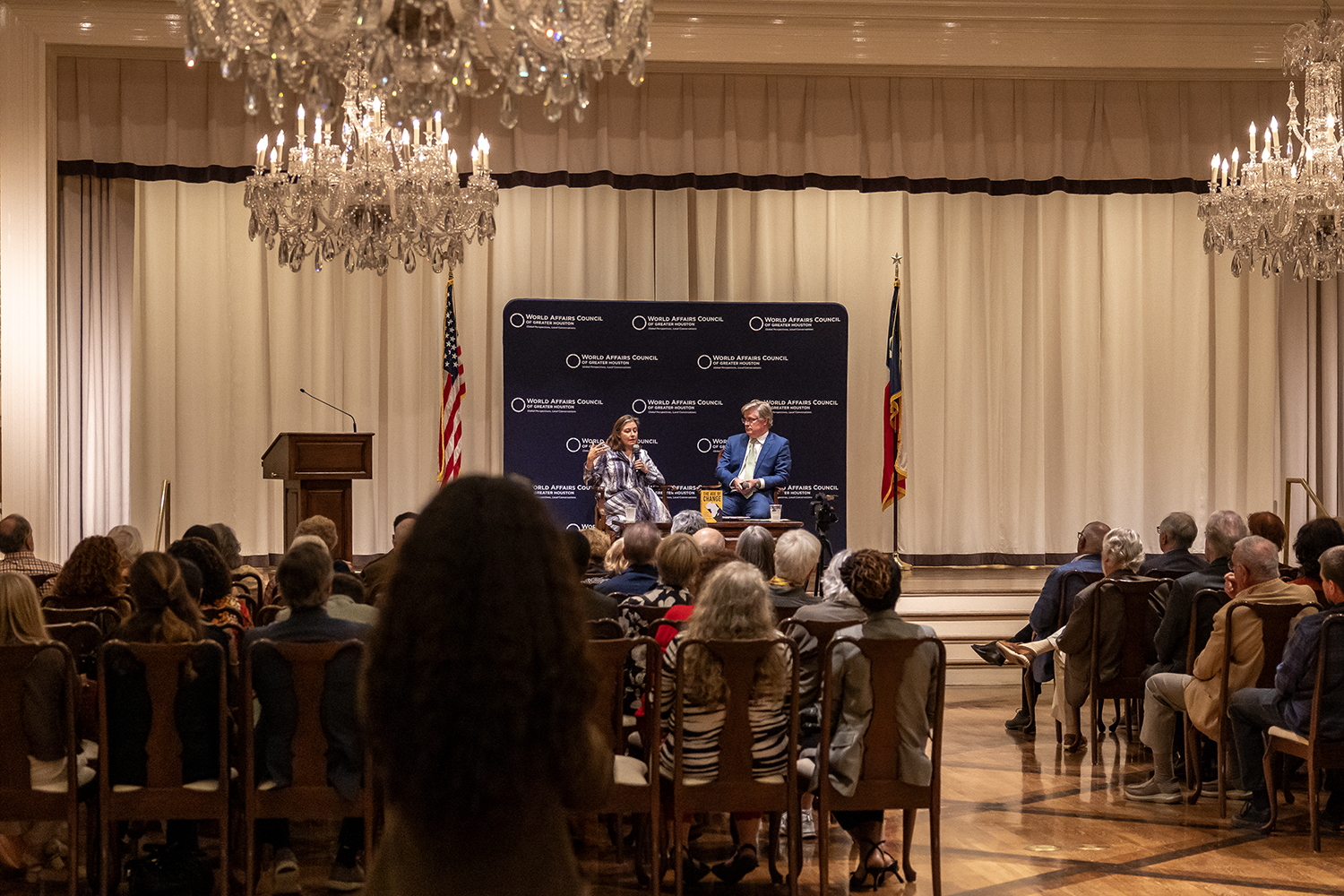
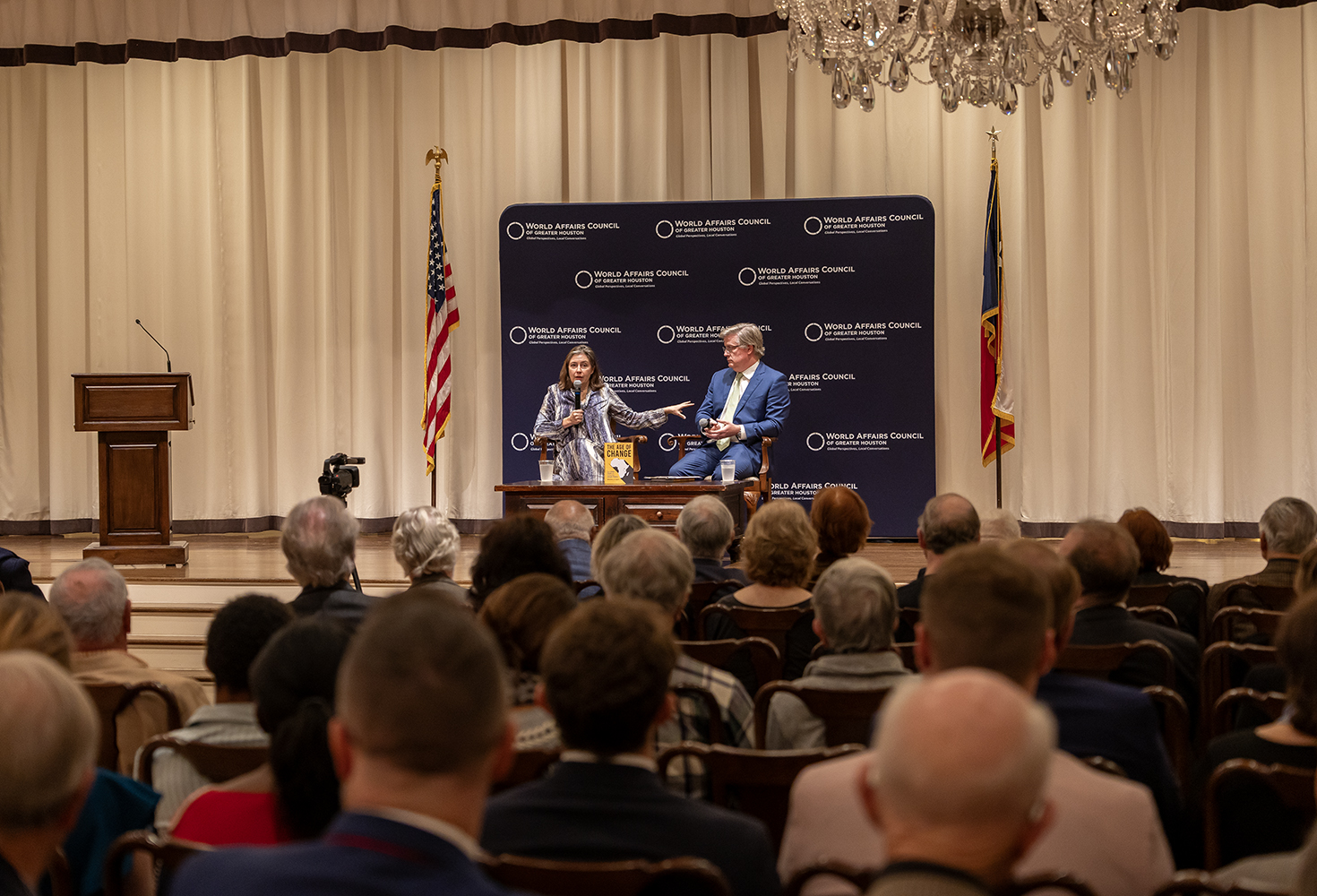
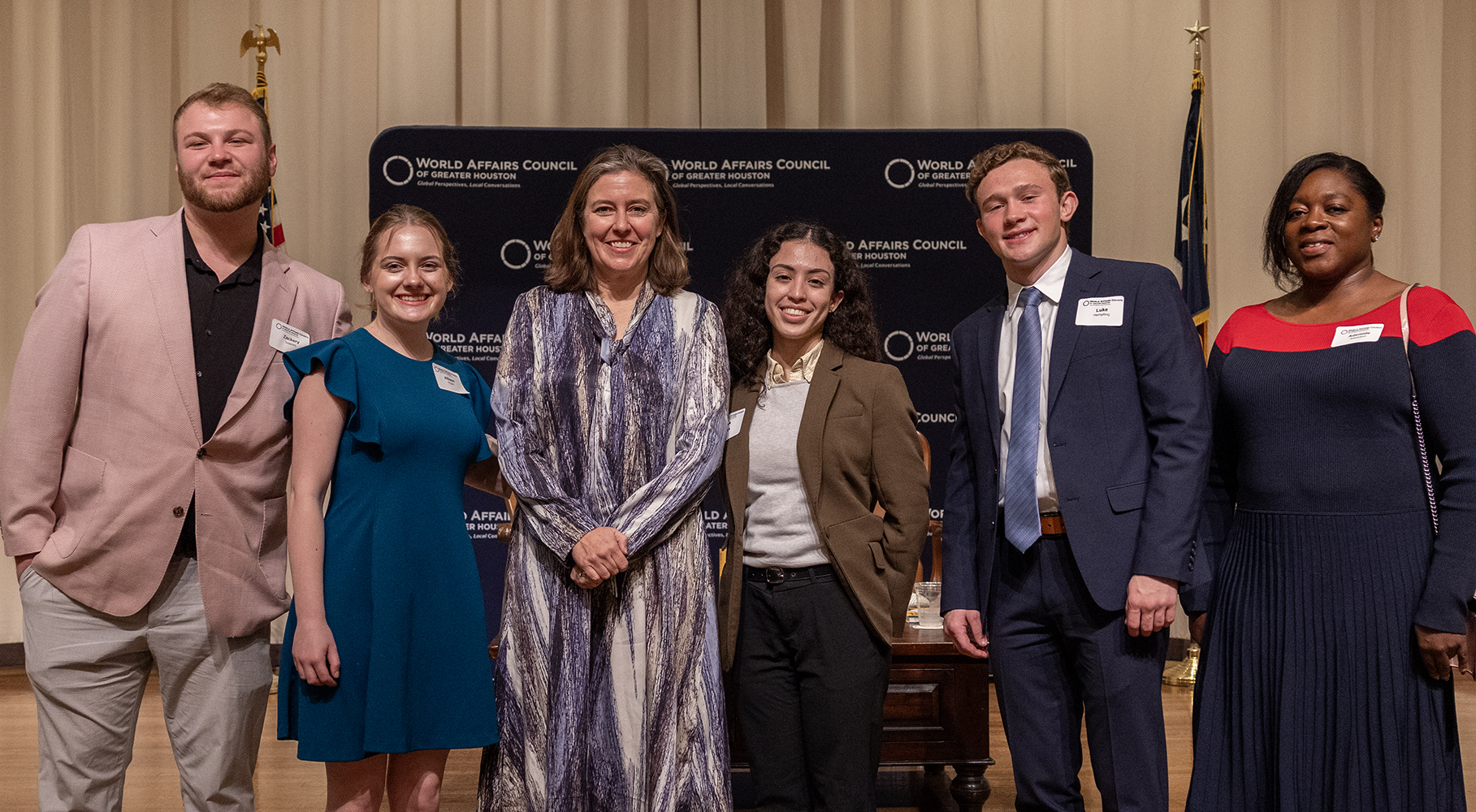
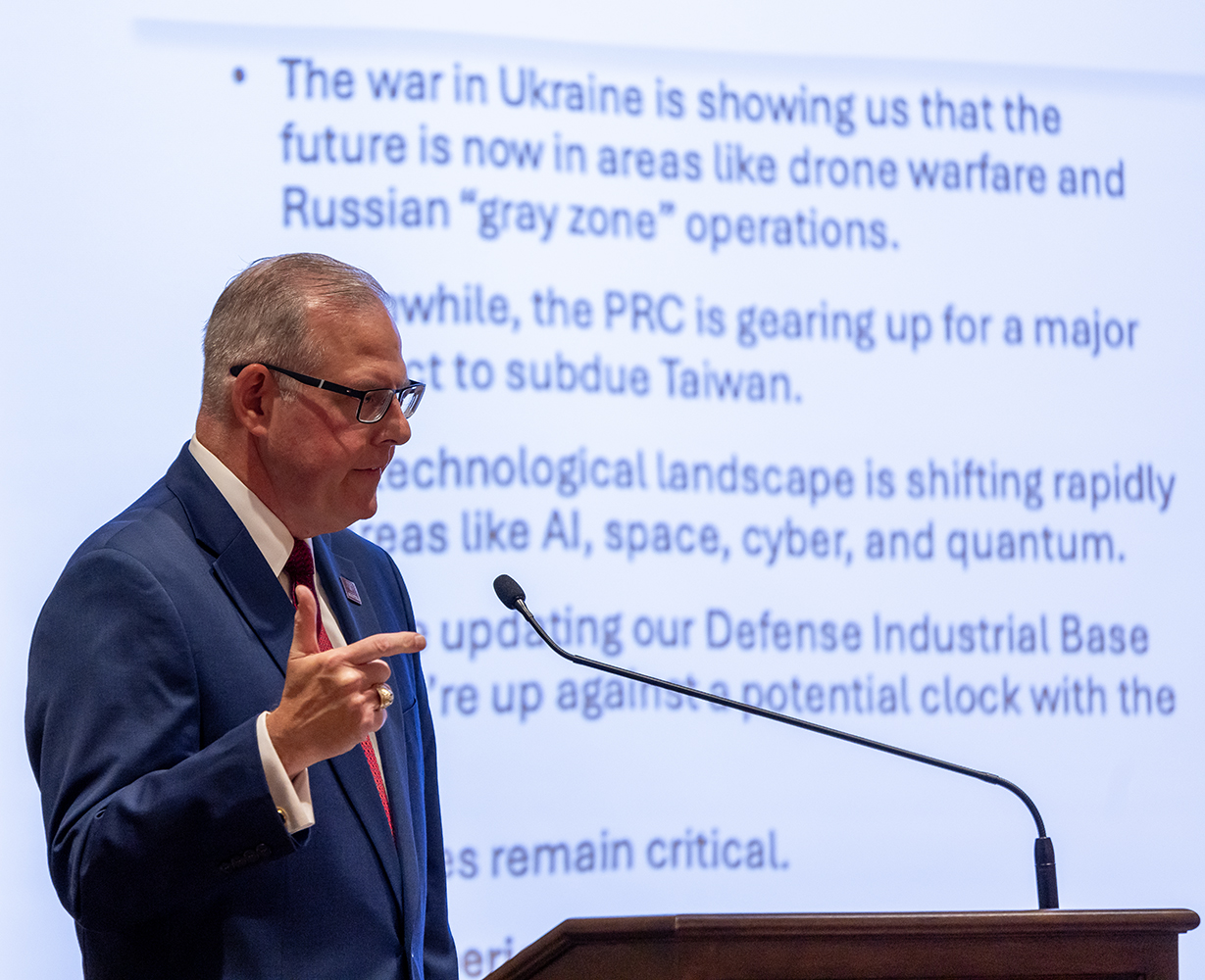
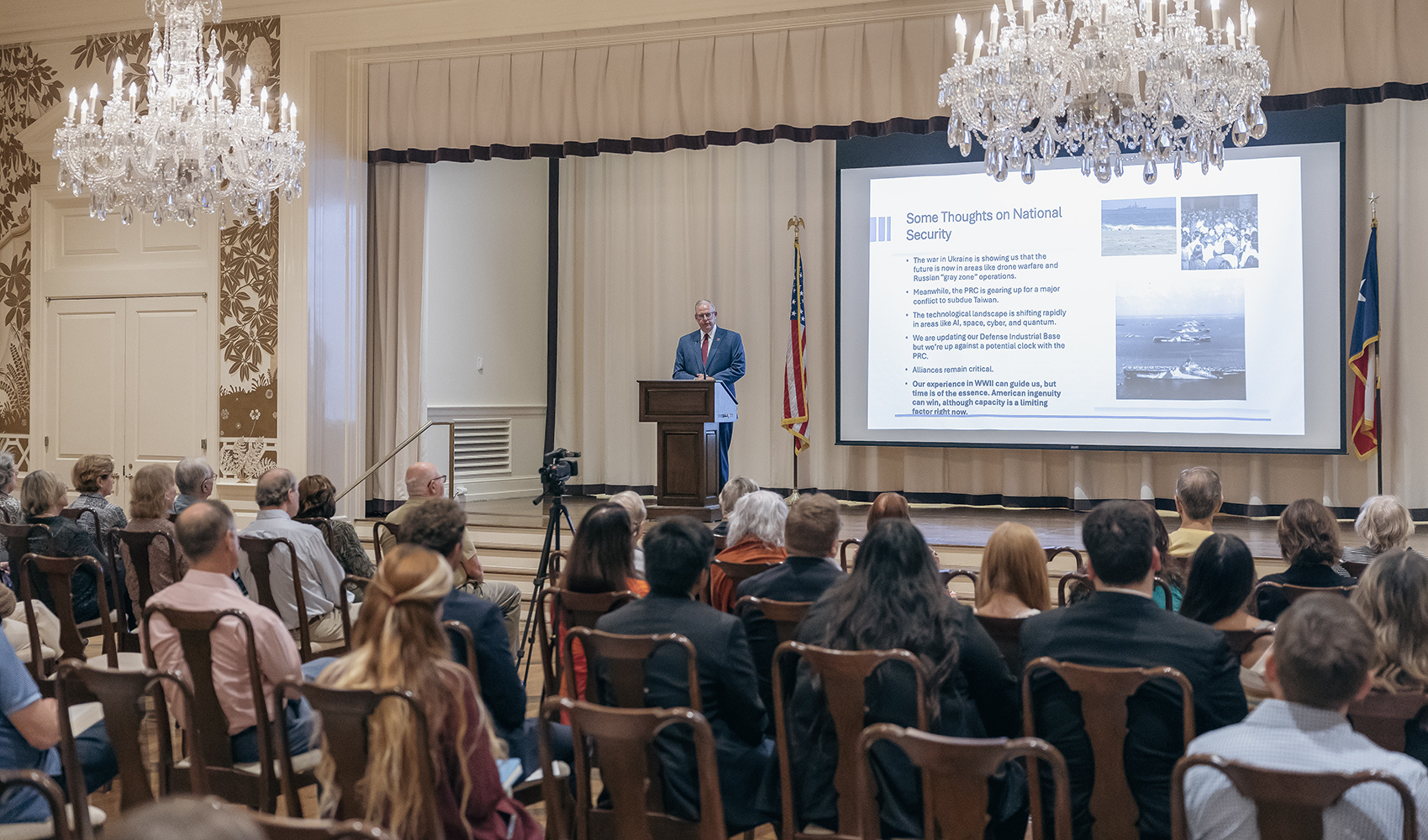
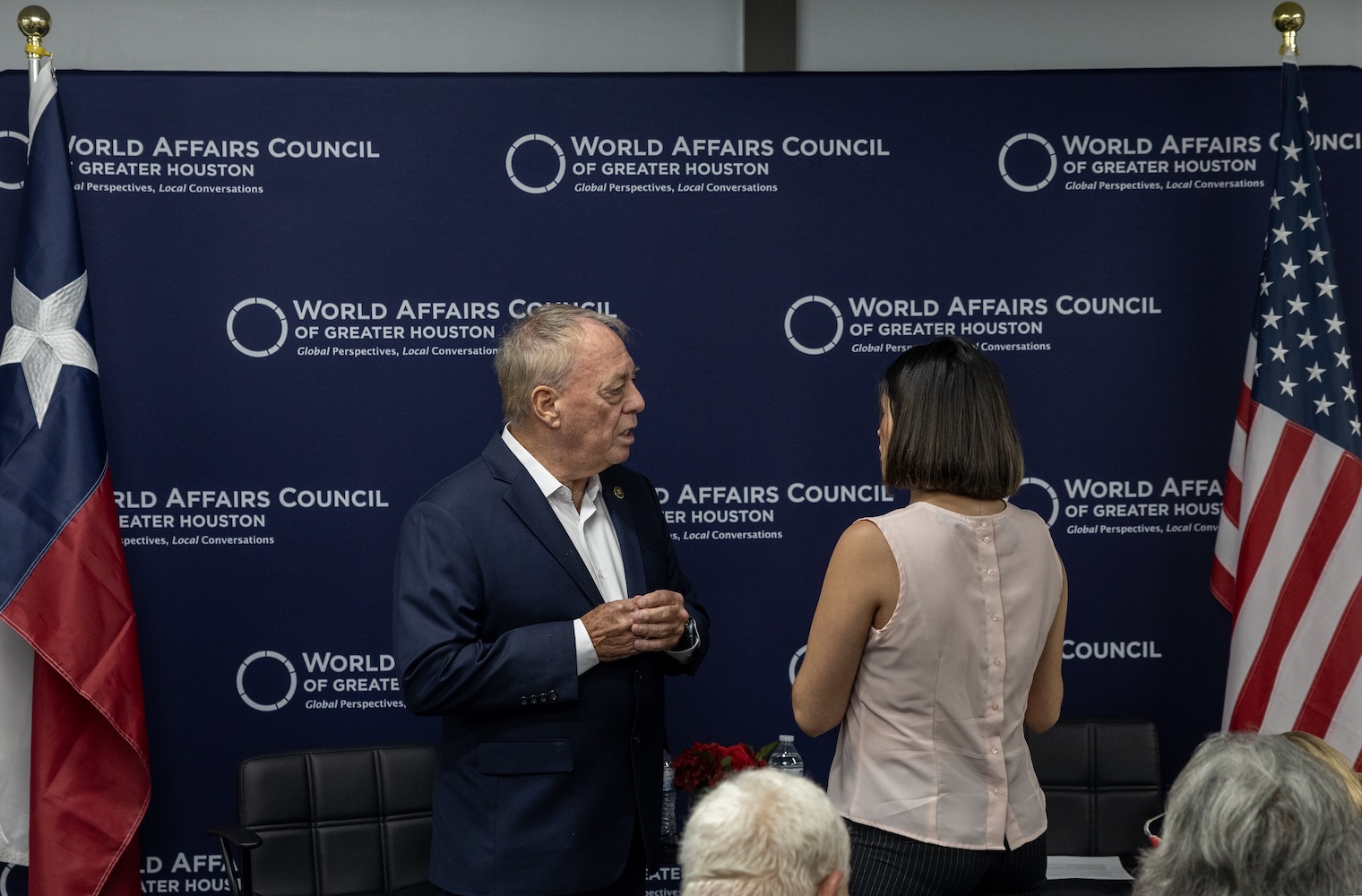
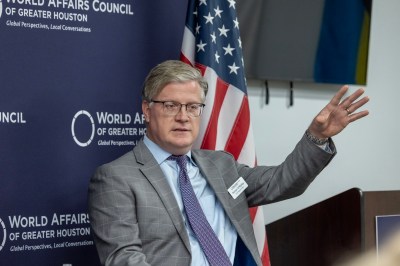
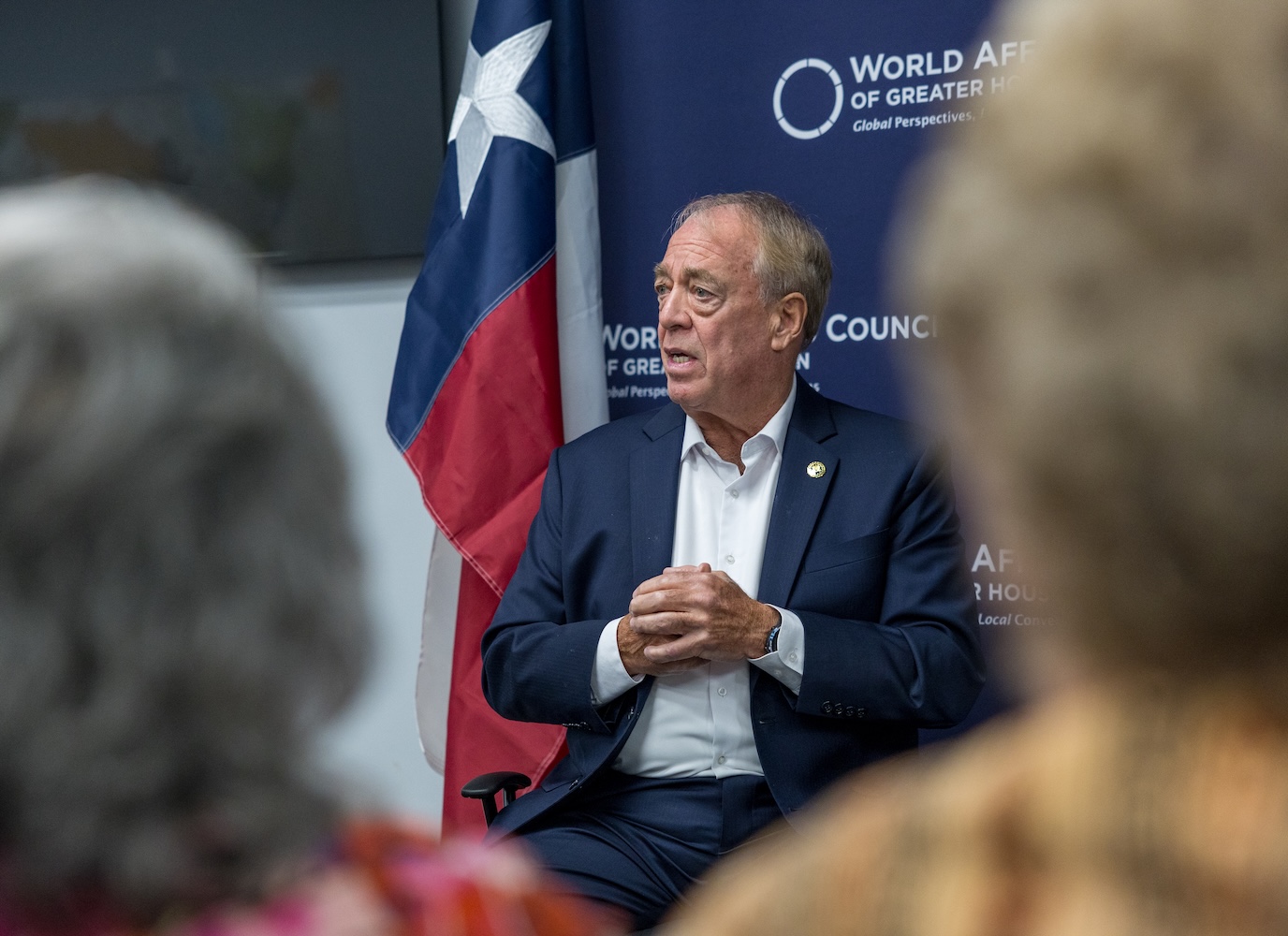
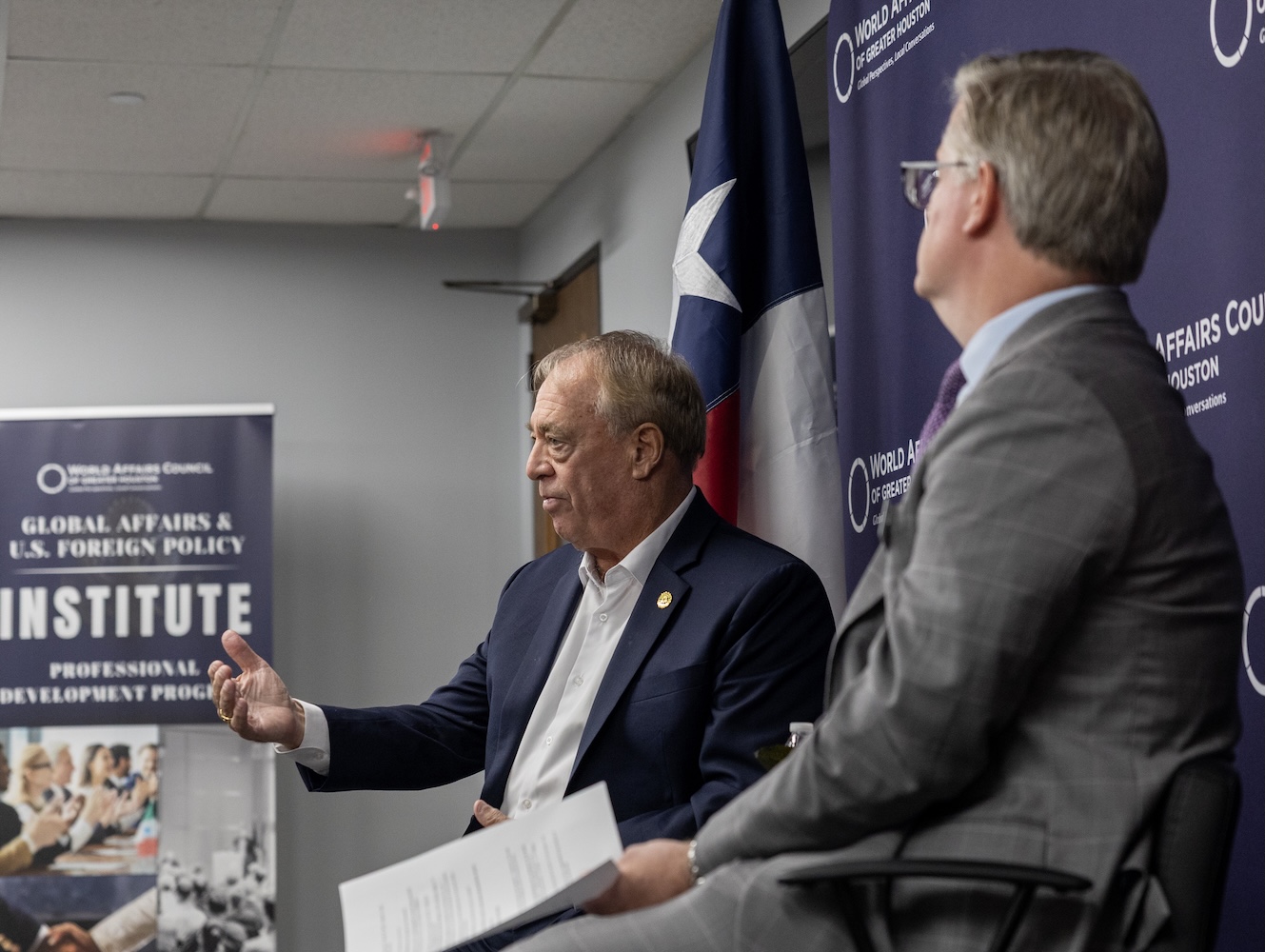
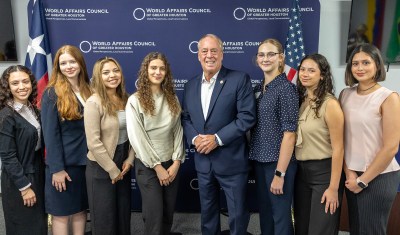
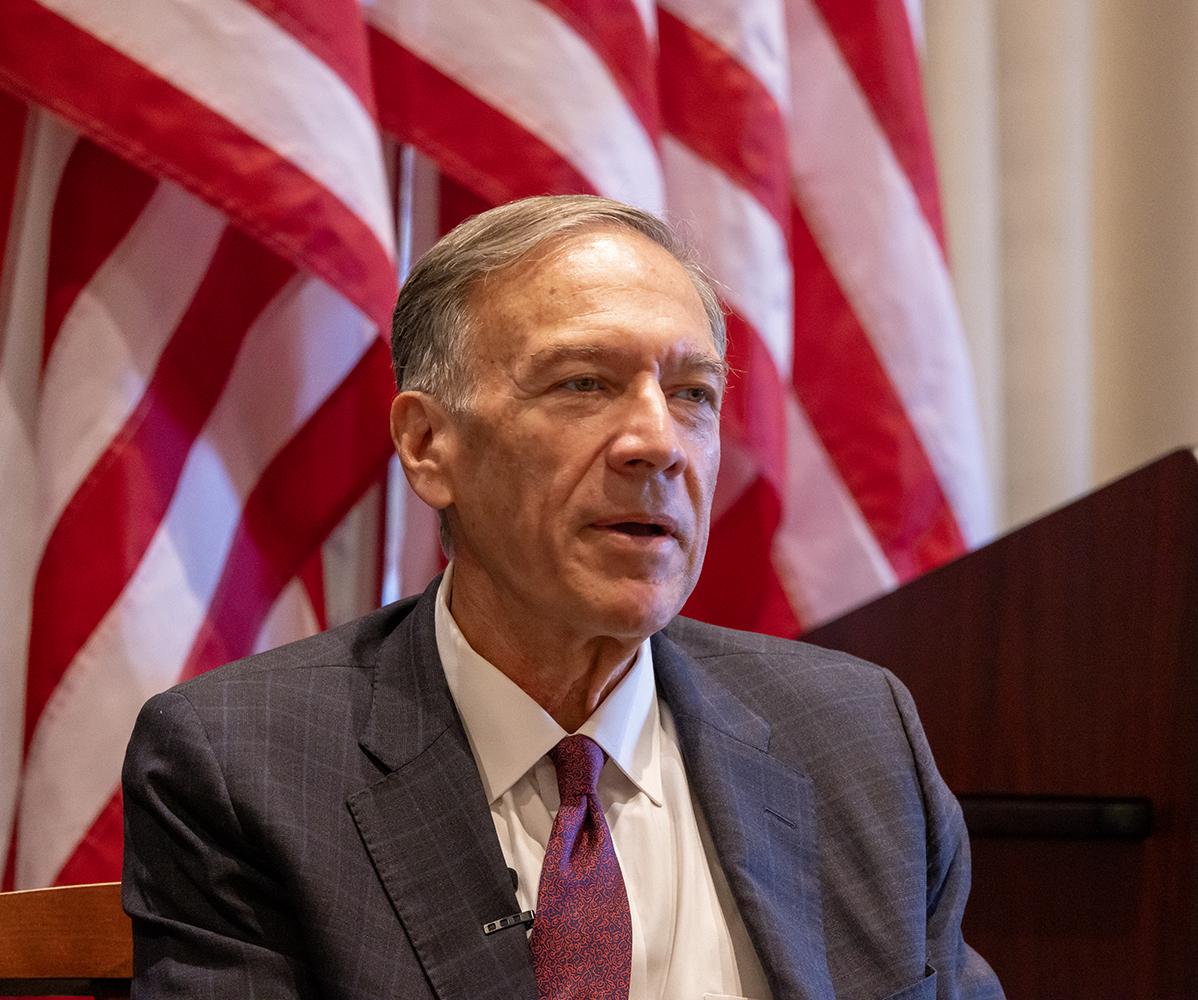
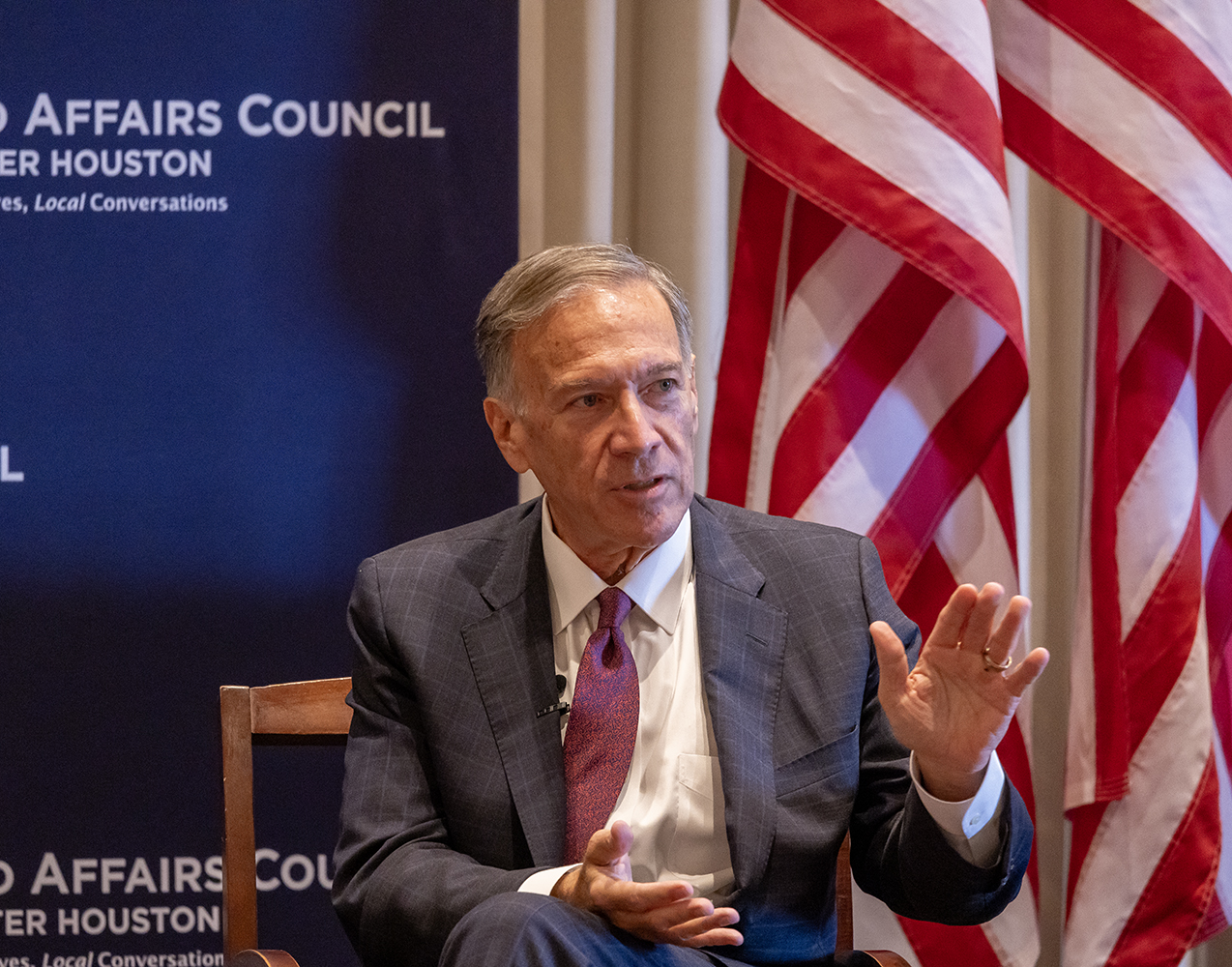
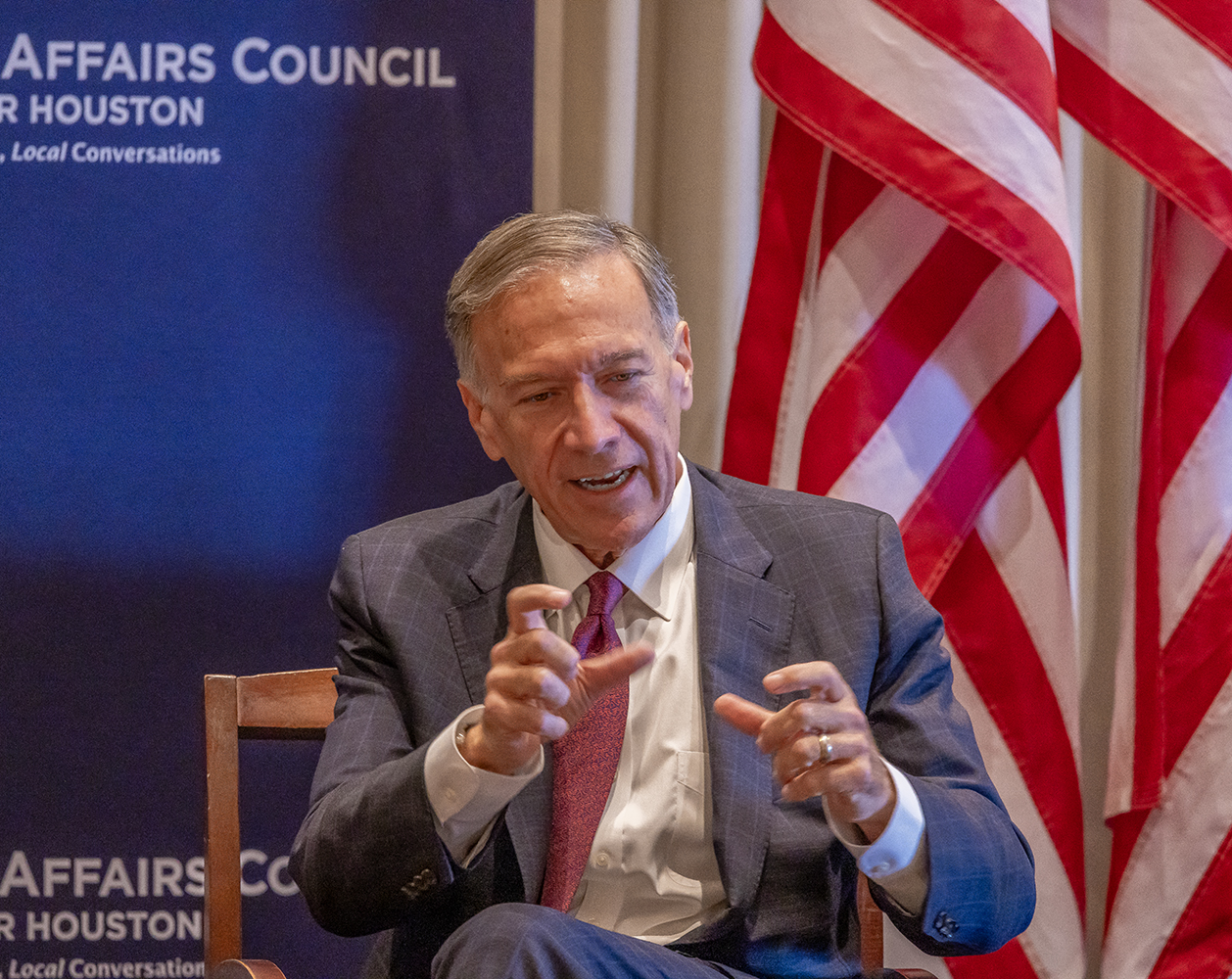
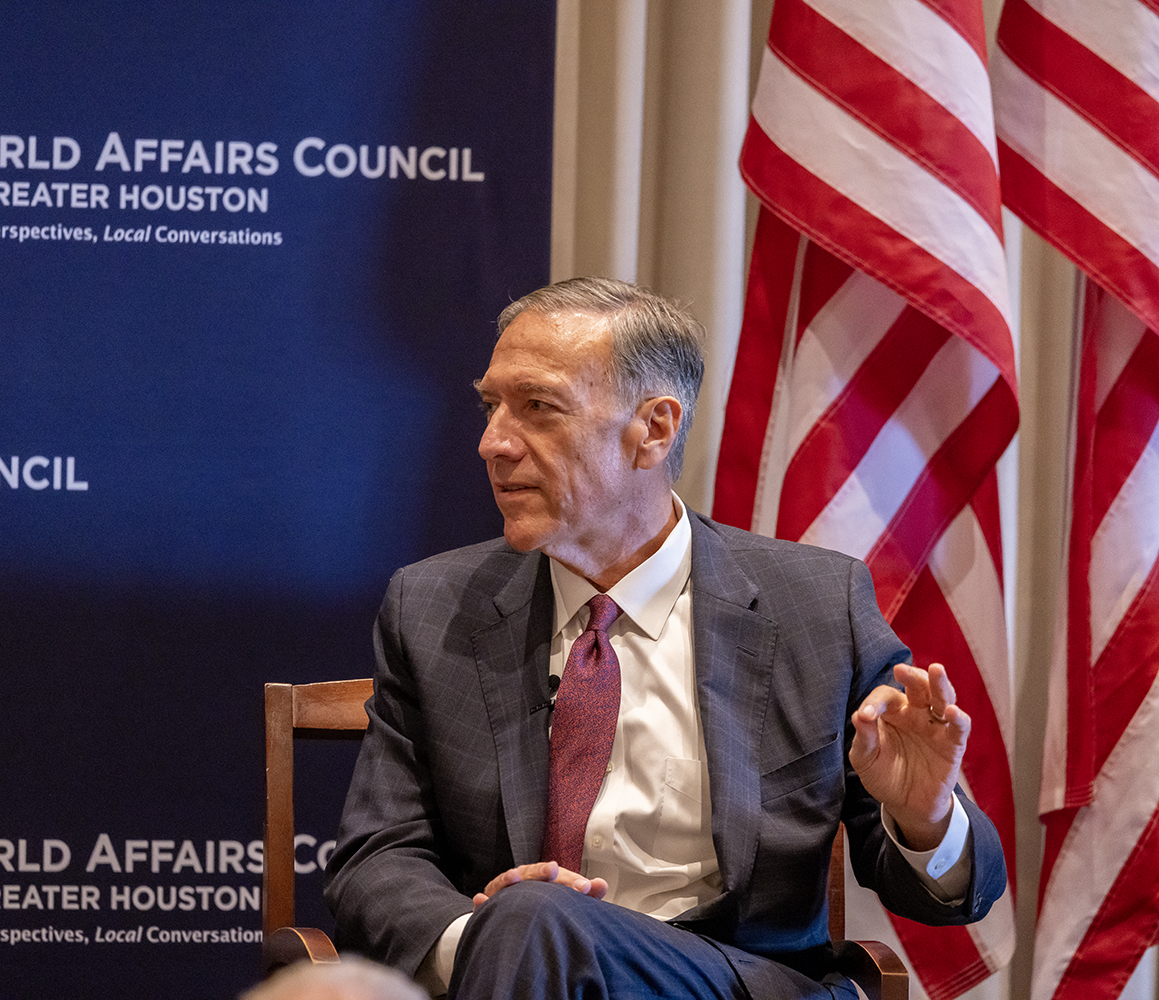
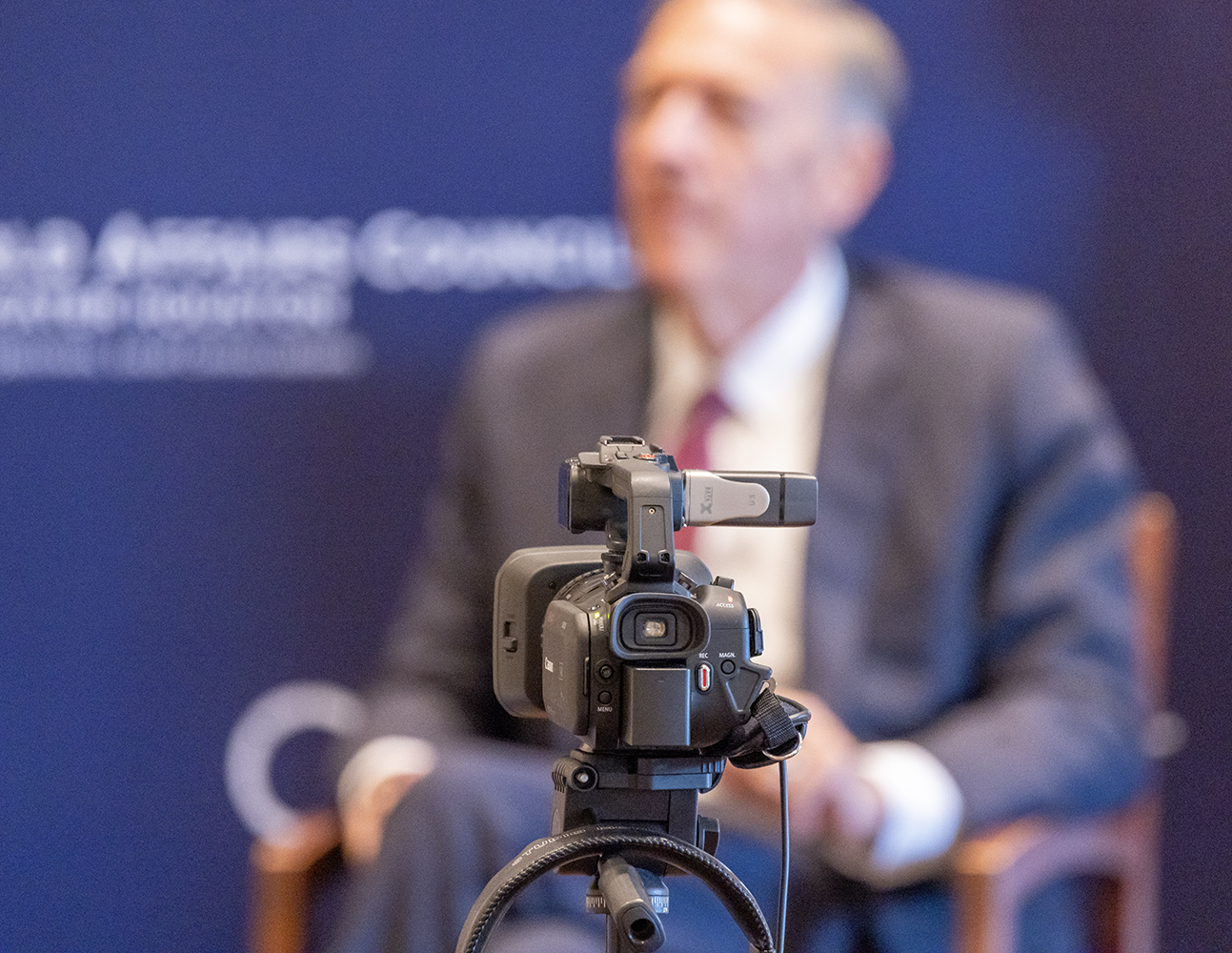
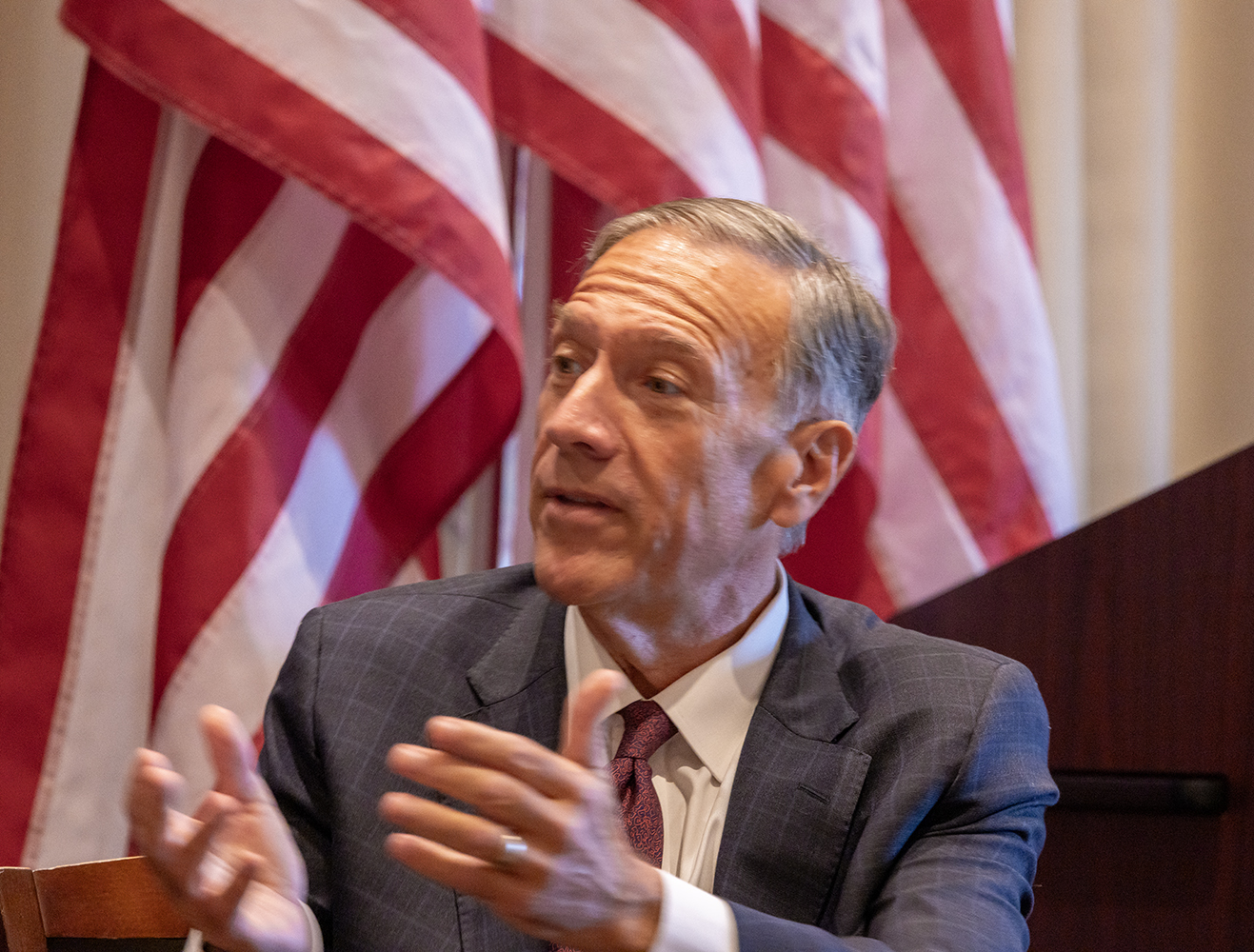
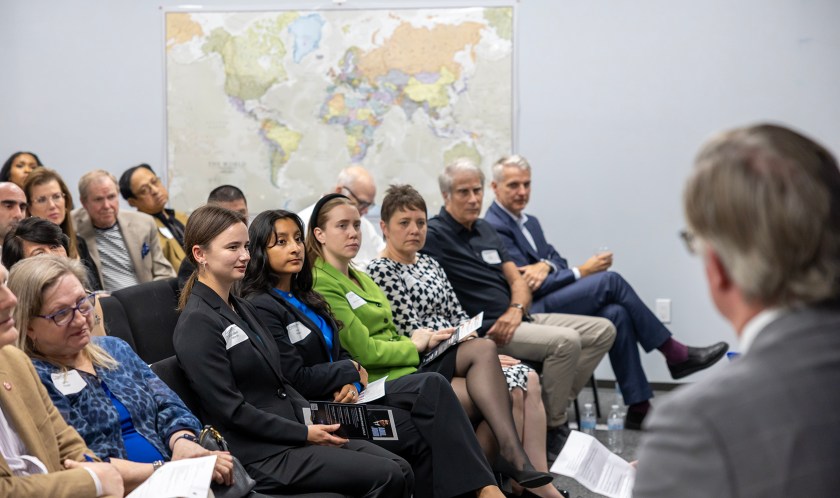
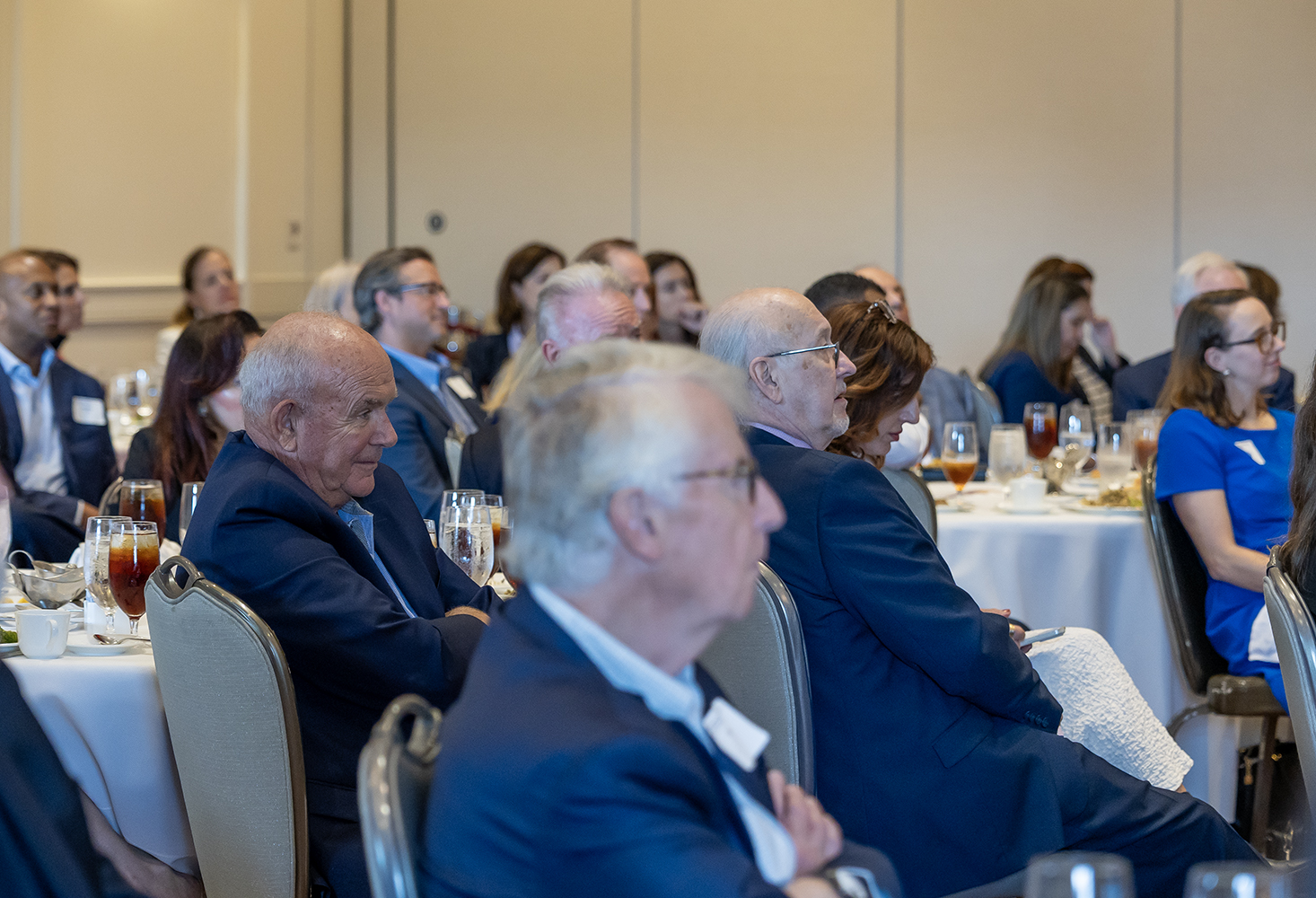
Another inspiring evening for the LEAP Ambassadors and fellow students took place at the World Affairs Council event featuring John B. Sherman, Dean of the Bush School of Government & Public Service at Texas A&M University. The event was held at the Junior League in Houston, a nonprofit organization dedicated to promoting volunteerism, developing women’s leadership, and improving communities through service, providing a fitting backdrop for an evening focused on public service. Even away from Huntsville, connections to home were everywhere, including a plaque honoring Junior League donors such as the Houston Endowment, which has ties to our hometown.

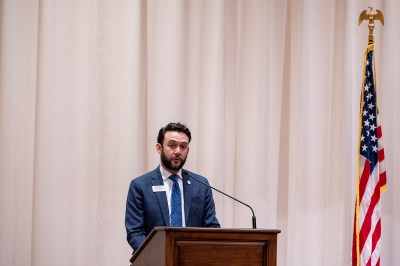
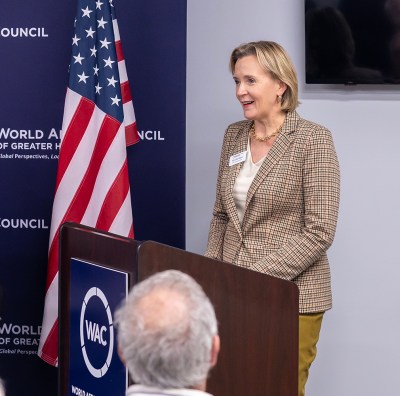
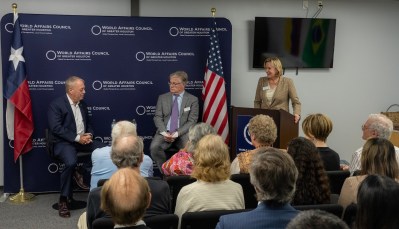
The evening began with Maryanne Maldonado, CEO of the World Affairs Council, who shared the Council’s mission and upcoming events. Dean Sherman was then introduced by his childhood friend, TJ Raguso, who spoke warmly about Sherman’s lifelong commitment to public service. From a young age, Sherman’s dedication to serving others was evident, and his friend’s introduction captured that spirit perfectly. 

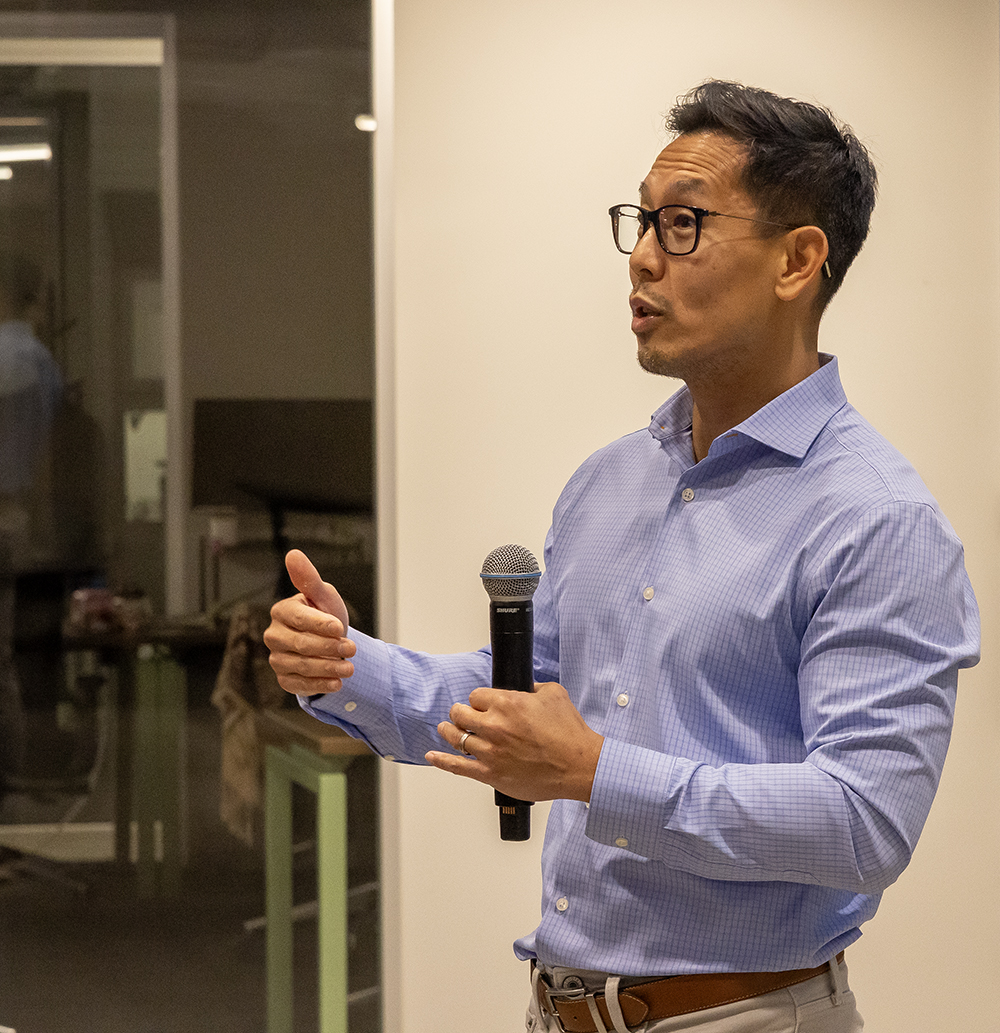
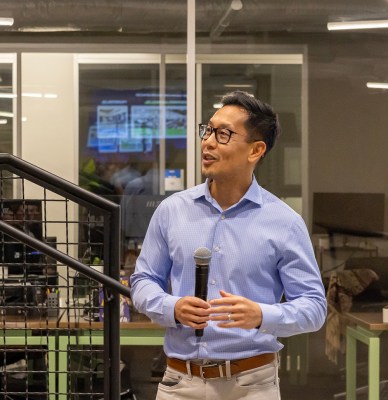
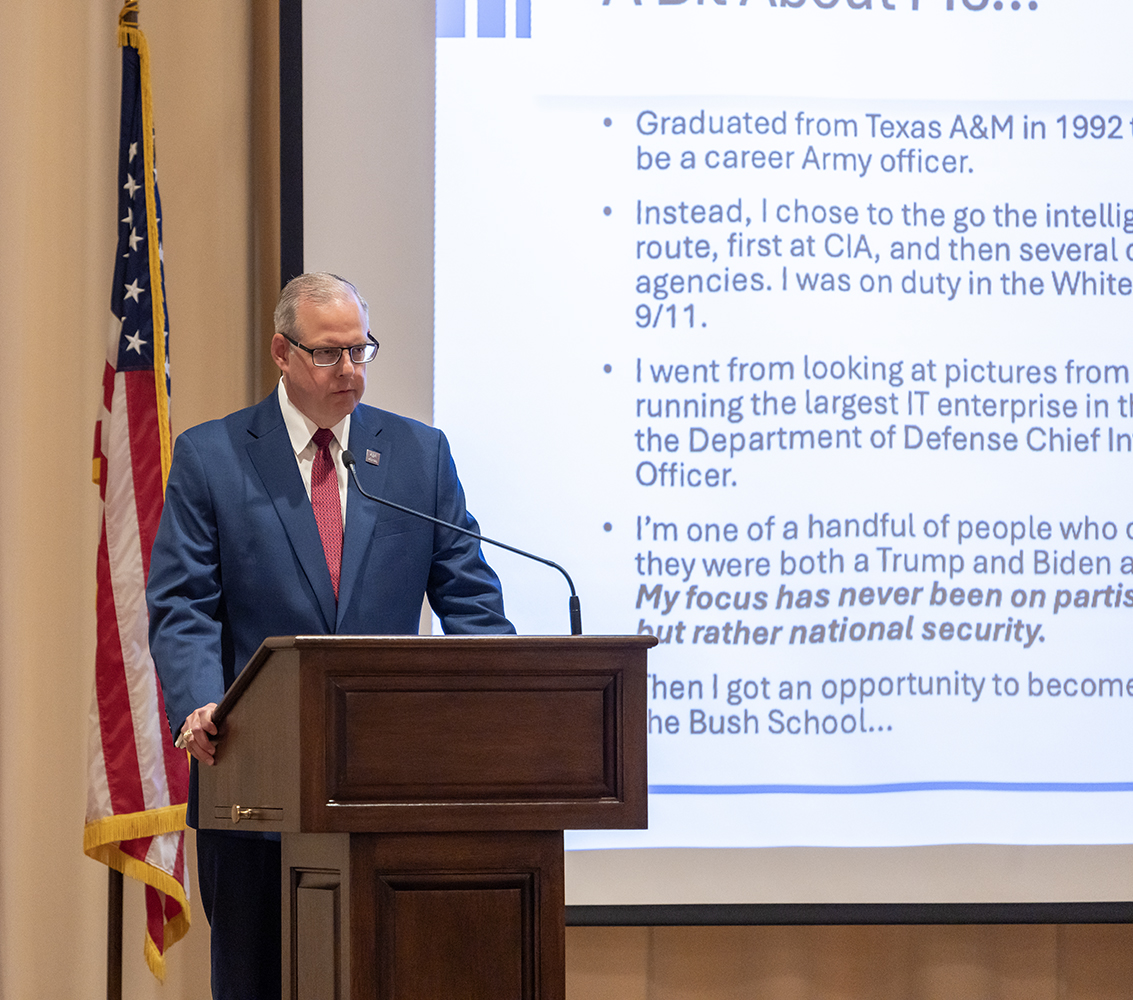
Dean Sherman shared insights from his remarkable career, which spans over 30 years of leadership in national security and technology. A Texas A&M graduate and former Corps Commander of the Corps of Cadets, Sherman has held senior positions at the CIA, the National Geospatial-Intelligence Agency, and the Office of the Director of National Intelligence. Most recently, he served as Chief Information Officer of the U.S. Department of Defense, overseeing the Pentagon’s global IT and cybersecurity operations. 

He recounted stories from his time in public service, including being in the Situation Room during 9/11 and taking on unexpected leadership roles that required quick learning and high-stakes decision-making. Sherman emphasized that public service is not about money or prestige but about the fulfillment that comes from serving the nation and community. Reflecting on the words of President George H.W. Bush, he reminded us that public service is a calling–a commitment to something larger than oneself. He encouraged students to embrace opportunities, saying, “When an opportunity comes through, you always say yes.” His advice resonated deeply with many of us who have grown through LEAP, learning to take initiative and step into challenges. 

Dean Sherman also discussed the Bush School and how it prepares students to lead through both rigorous academic curriculum and hands-on real-world experiences.

He encouraged students to pursue public service at any stage of life, noting that meaningful experience can come from unexpected places. He also highlighted that the Bush School is a top feeder into the CIA, illustrating the real-world opportunities available to students willing to embrace leadership roles. 

Throughout his talk, Sherman addressed the evolving nature of global security. Leading the Pentagon’s IT and cybersecurity operations, he explained how modern warfare extends beyond physical combat to cyber attacks, satellite operations, and information breaches. Protecting the nation now requires innovation, vigilance, and strategic thinking in technology as much as in traditional defense. 

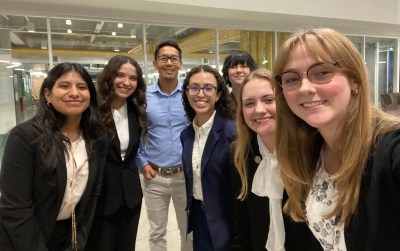
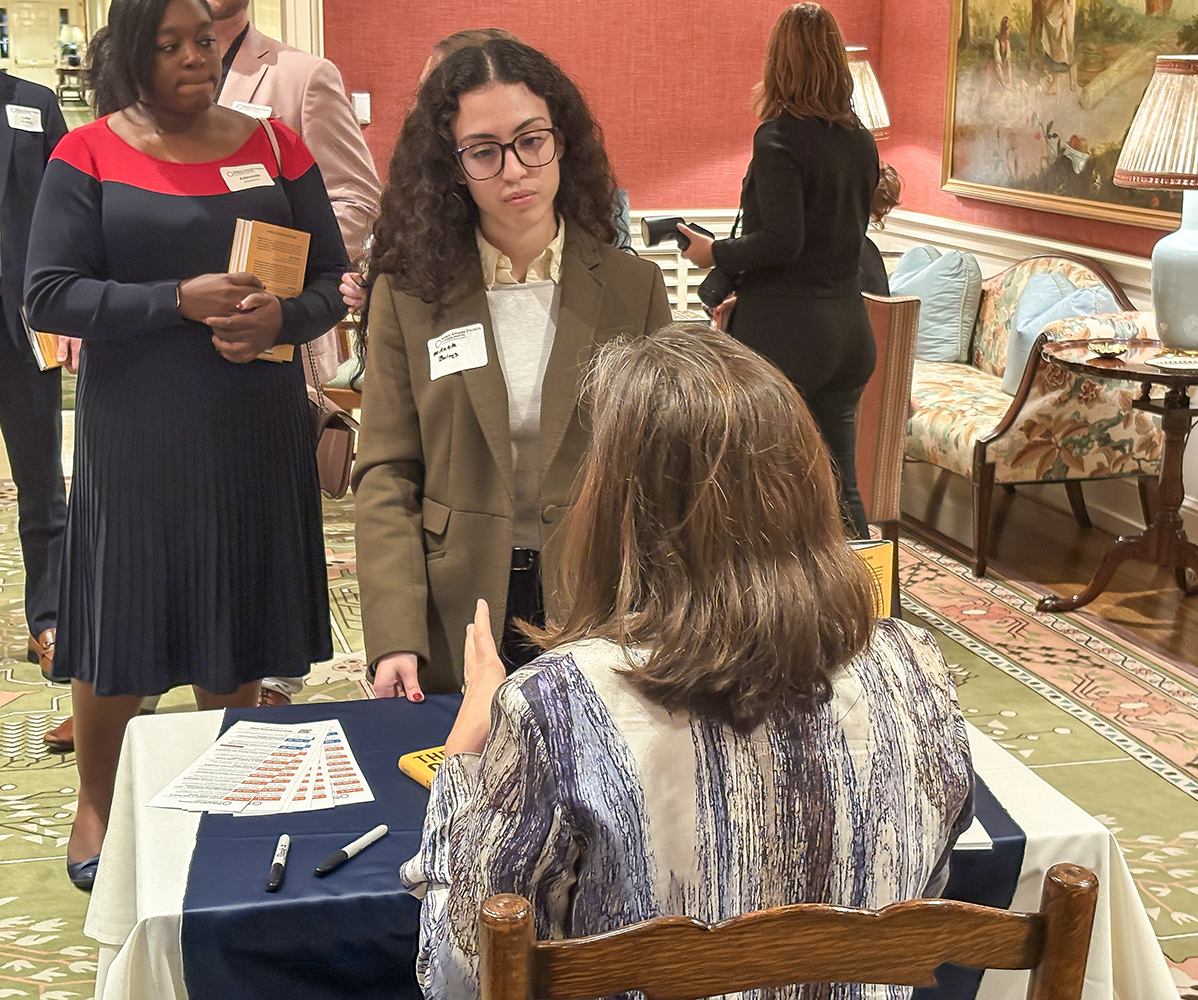
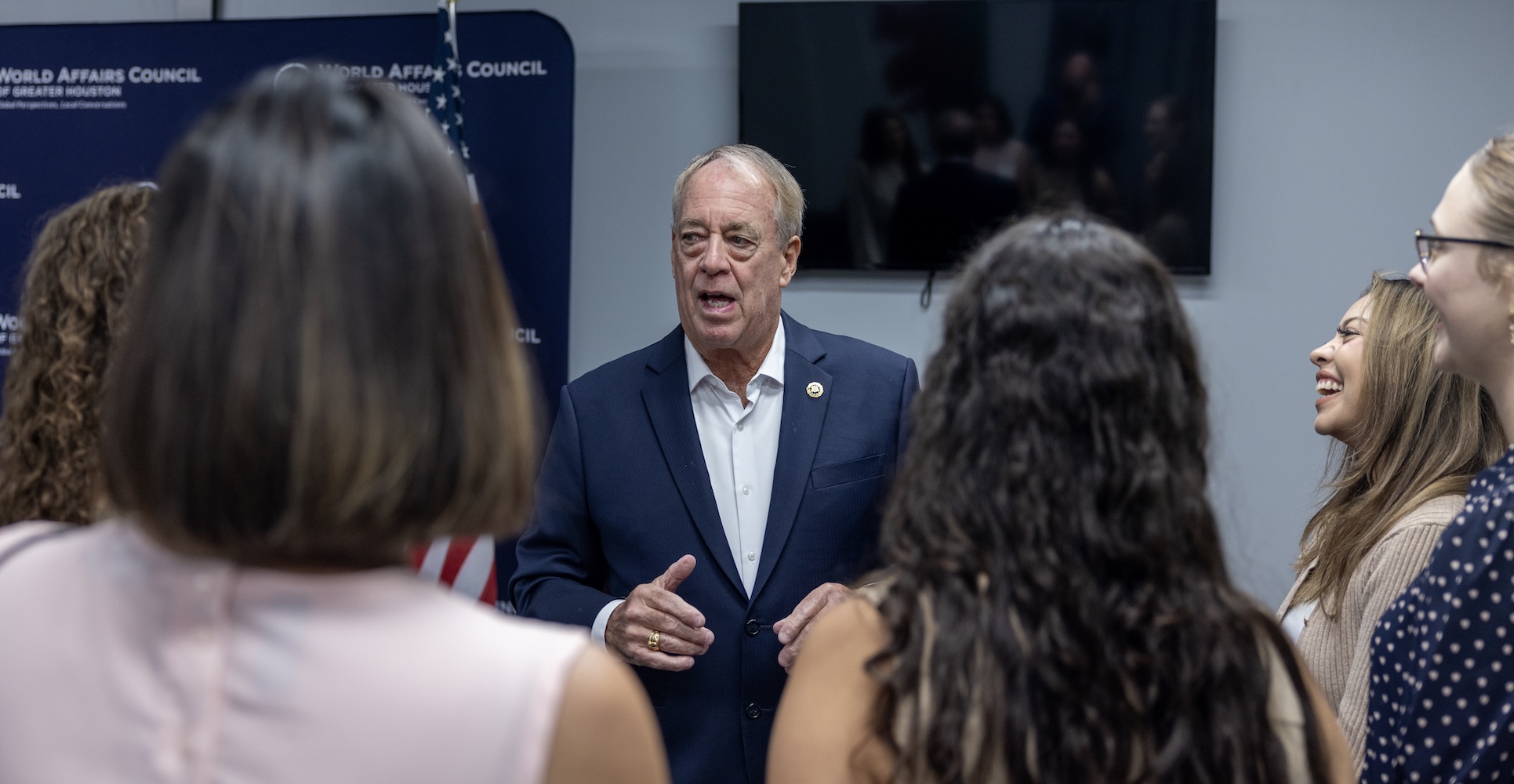
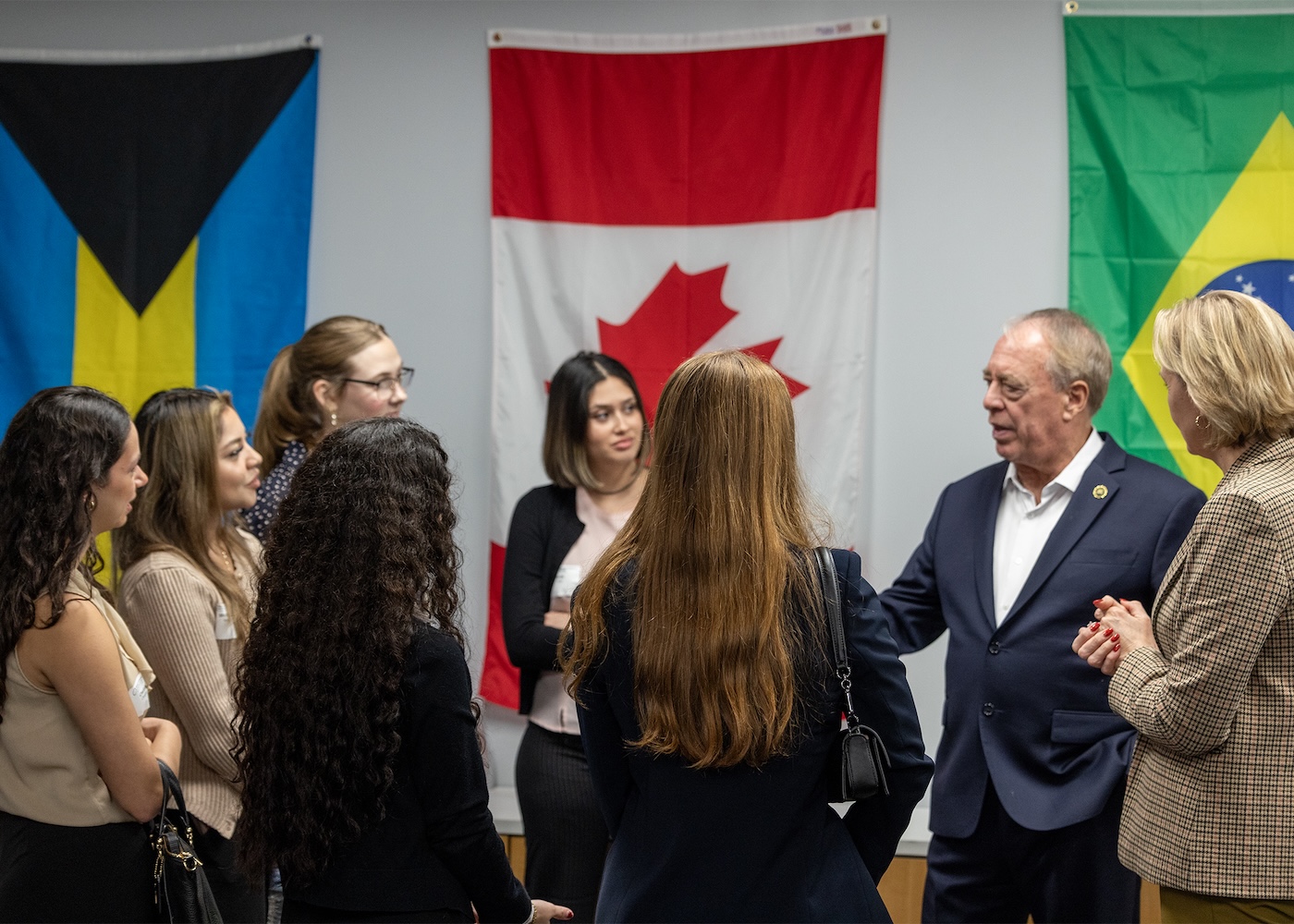
He concluded on an uplifting note, encouraging everyone to be engaged citizens, contribute to their communities, and embrace innovation, particularly in technology. After the talk, we had the privilege of meeting Dean Sherman, who spent time speaking with students individually, asking about our goals and offering thoughtful guidance. For those aspiring to be attorneys, he encouraged us to follow our dreams. For those interested in public service or foreign affairs, he highlighted the fulfillment that comes from serving others, reminding us that career paths are not fixed and that each new skill, experience, or challenge can prepare us for opportunities we cannot yet imagine. 

Following the formal event, we had a great opportunity to spend time with Dean Sherman in small groups, while also saying “hi” to Wendall Braniff, who has been very generous to us at various WAC events.

This kind of individualized interaction is a key part of what keeps us returning to the World Affairs Council events, but even in large groups, we have great opportunities to learn.

Dean Sherman’s guidance reinforced the importance of stepping into opportunities and giving back to the community– principles that are at the heart of the LEAP Center. Whether it is organizing events for the local community, participating in city and state internships, or serving through other civic initiatives, LEAP students actively embody the spirit of public service. Experiences like this event remind us that engaging with the world around us, learning from leaders, and stepping forward in our own communities are all part of preparing to be the next generation of public servants. Public service truly is a calling and through LEAP, we are already answering it. 

Unknown's avatarAuthor mikeyawnPosted on October 24, 2025October 23, 2025Format AsideCategories Civic Engagement, International Affairs, Public AdministrationTags Bush School of Public Service, Center for Law Engagement And Politics, Dean John Sherman, Sam Houston State University, World Affairs Council HoustonLeave a comment on The Future of Public Service

Inside the FBI–with James Conway

By Olivia McCaughan

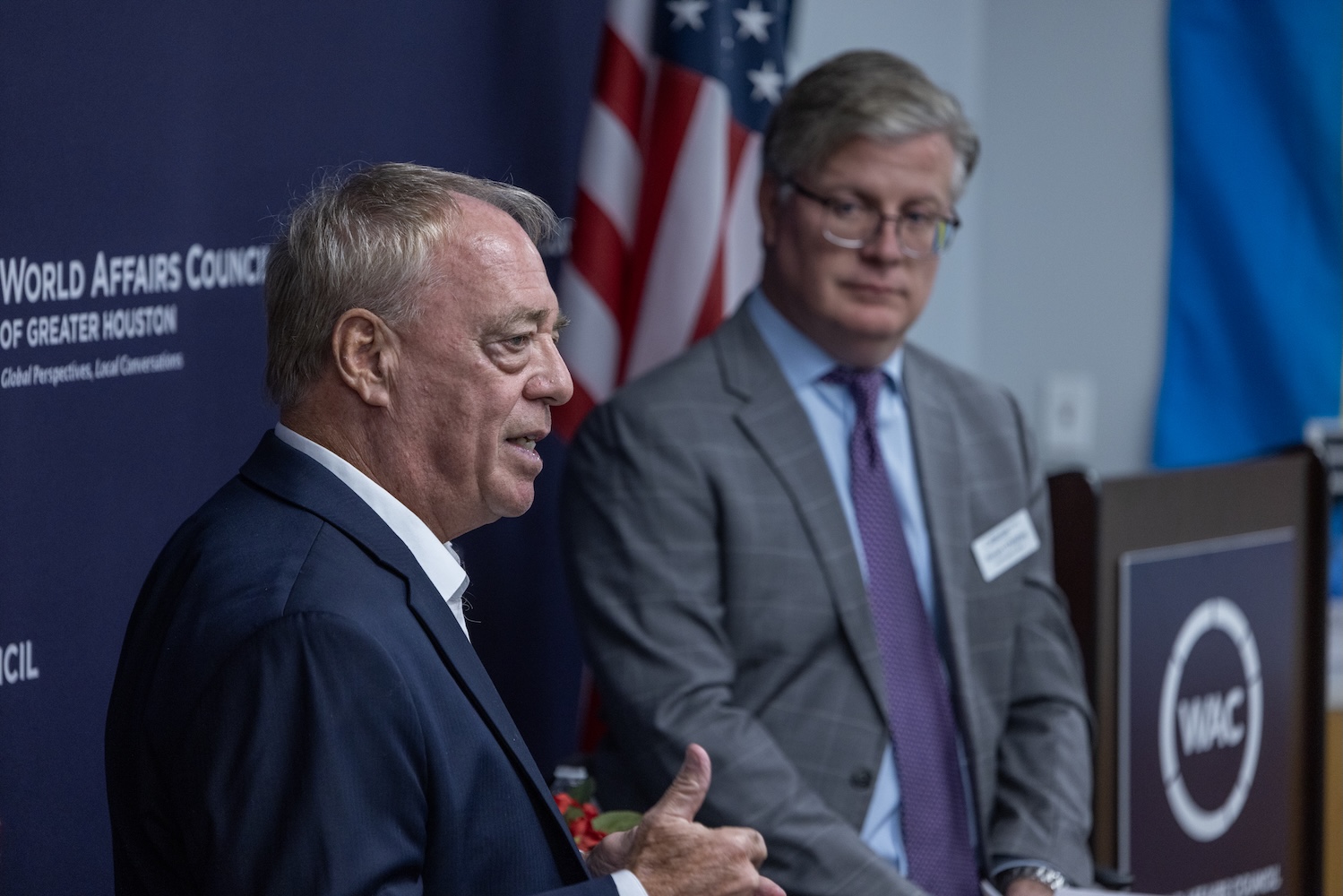
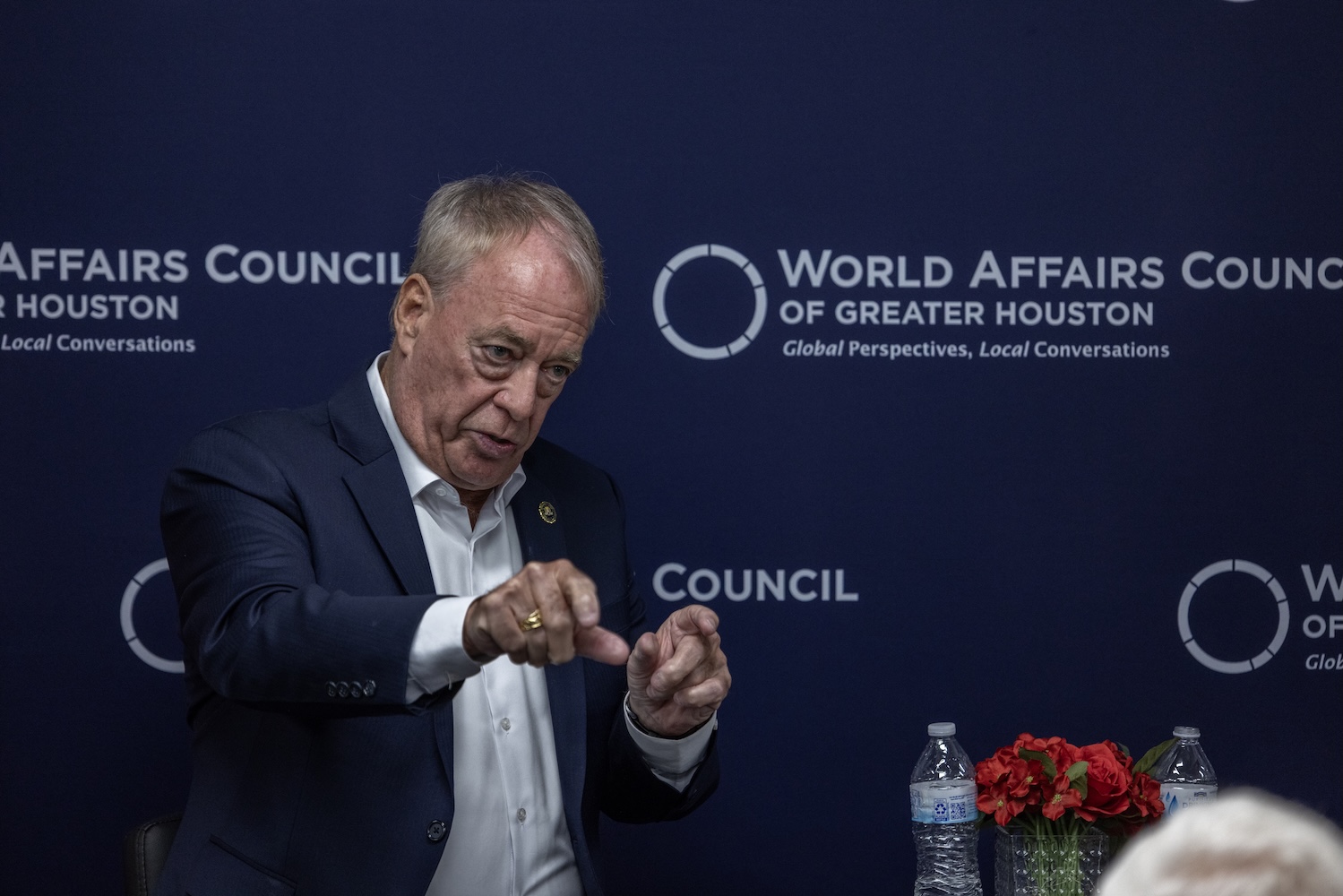
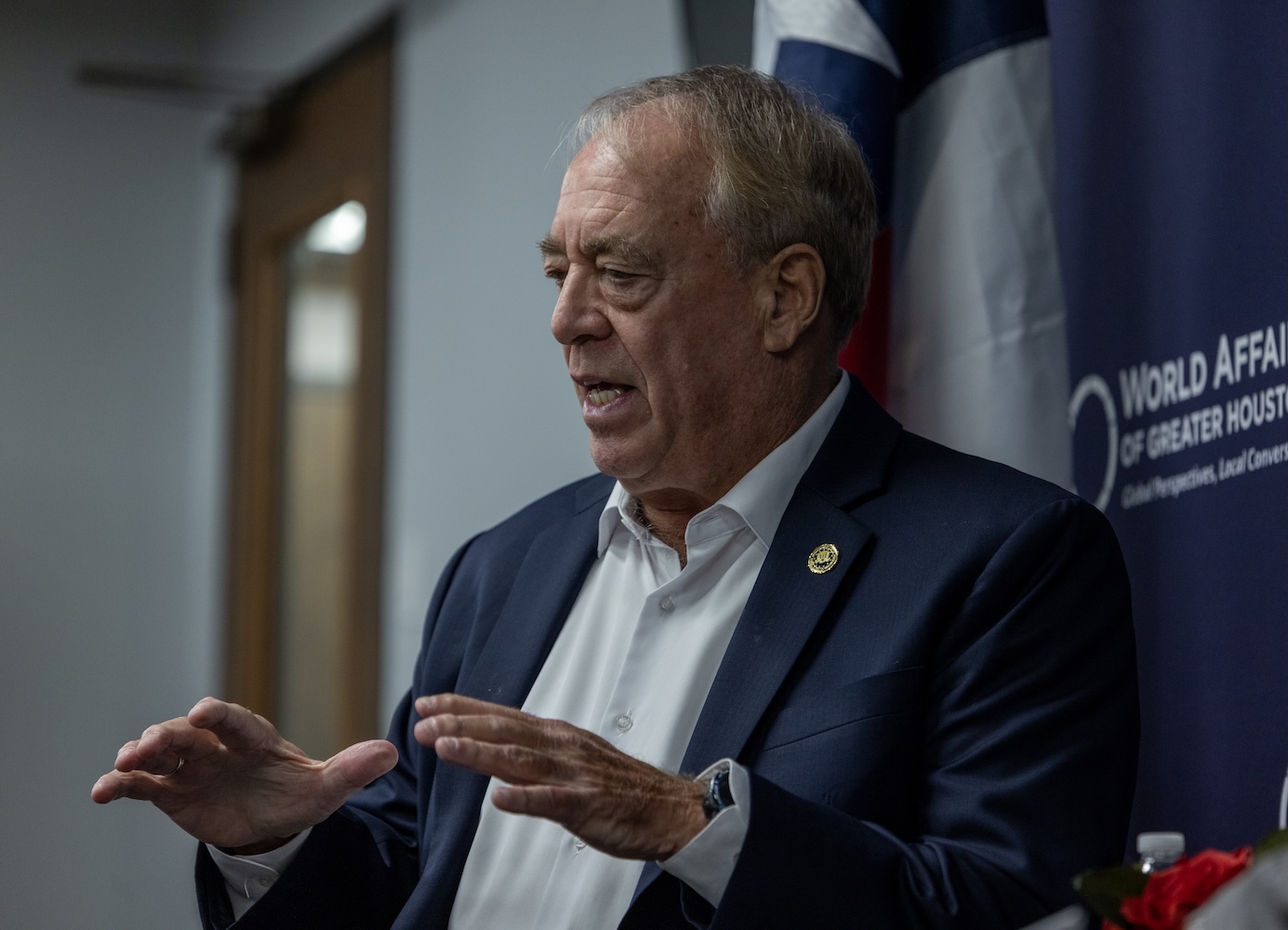
The FBI pops up a lot in discussions, but few people really know what the FBI does, the dangers and tasks involved, or the people who do the job. To help remedy this issue, the World Affairs Council brought in former FBI Agent (and Counterintelligence expert) James Conway, who offered an insightful, interesting, and engaging discussion on numerous law-enforcement and intelligence related topics.

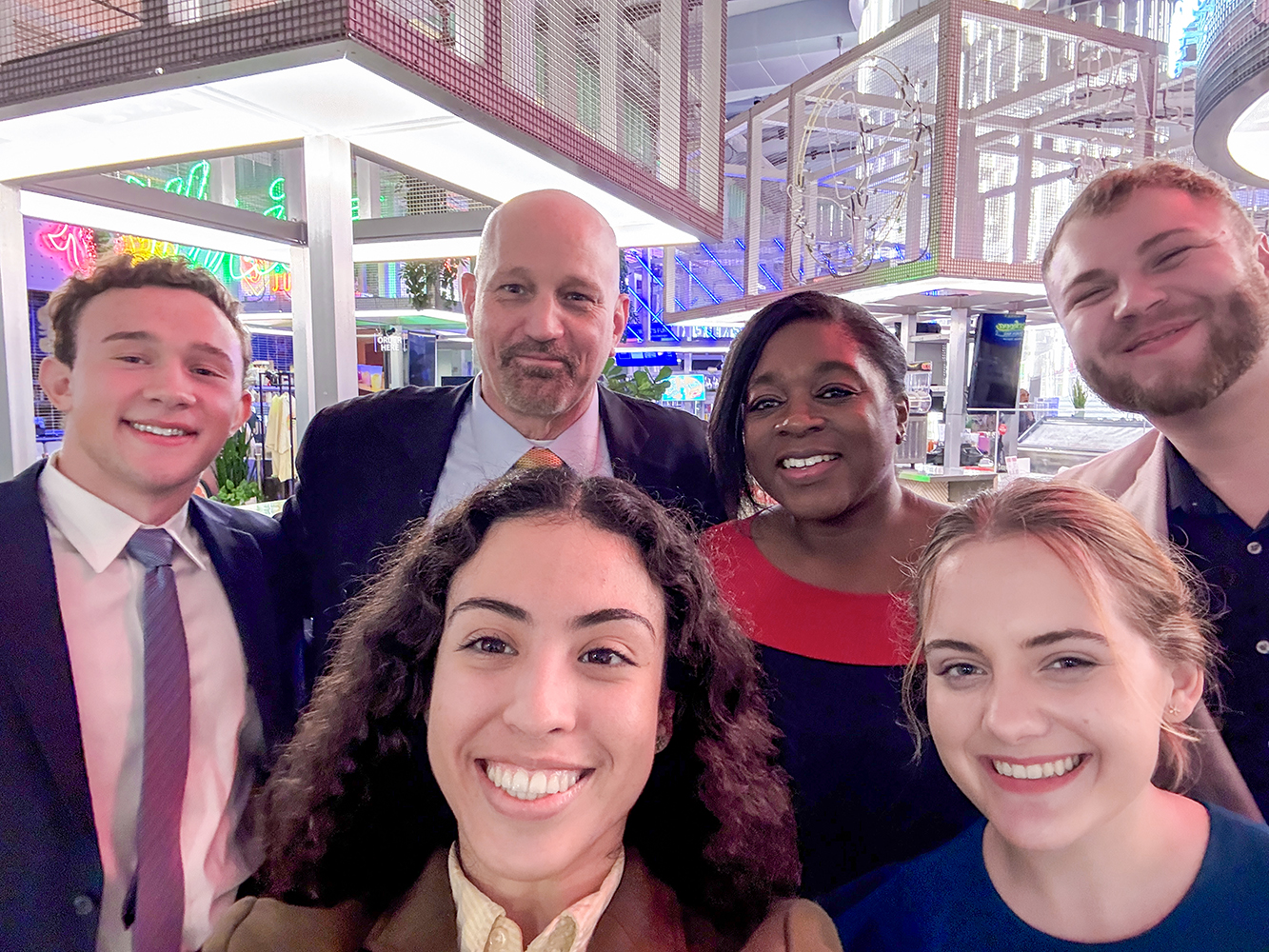
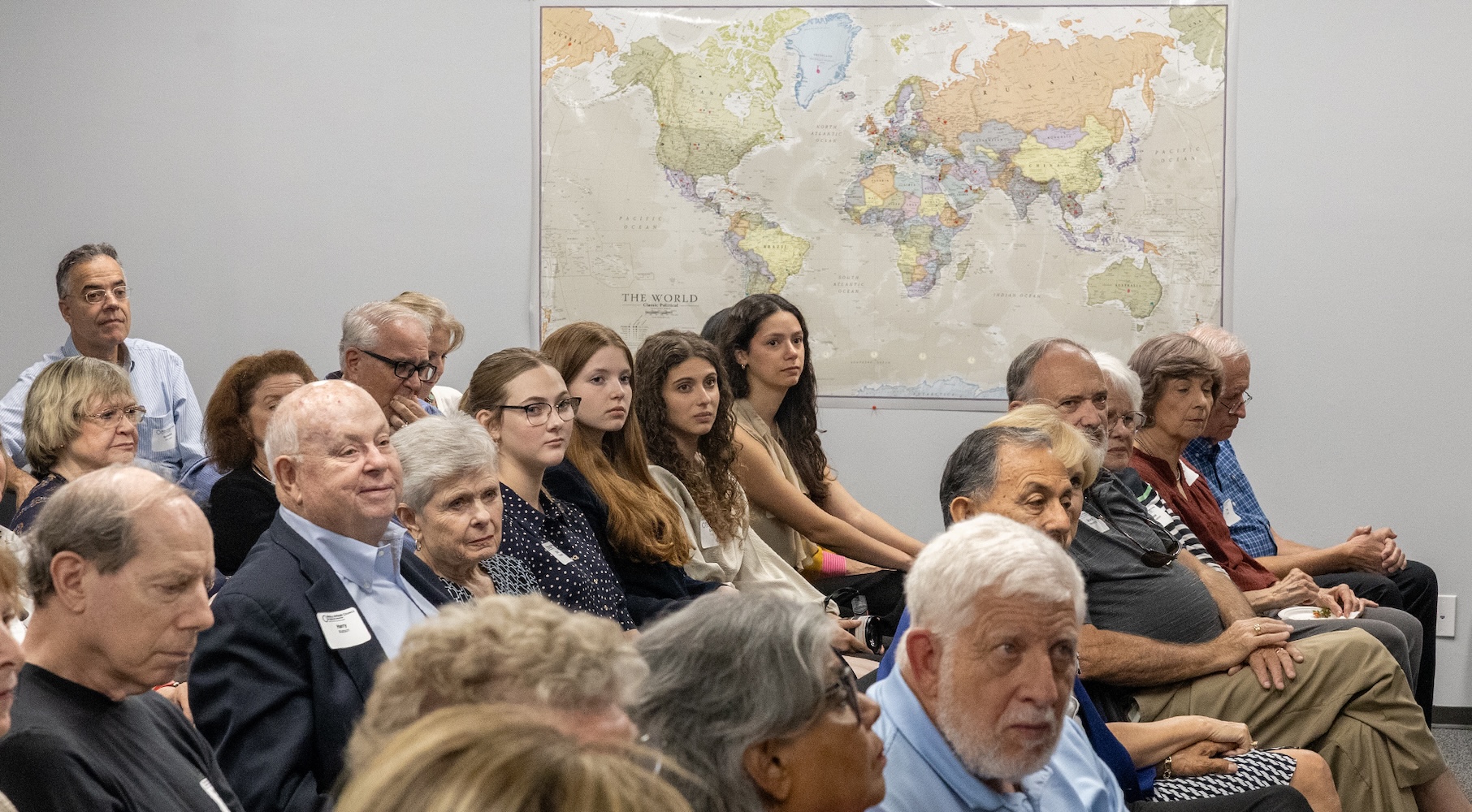
During the networking session, we had a chance to meet a number of friendly professionals, who took us in. It was a very welcoming experience, and we are grateful for everyone’s friendliness–and this was especially true of Mr. Conway, who spent a very generous amount of time with us.

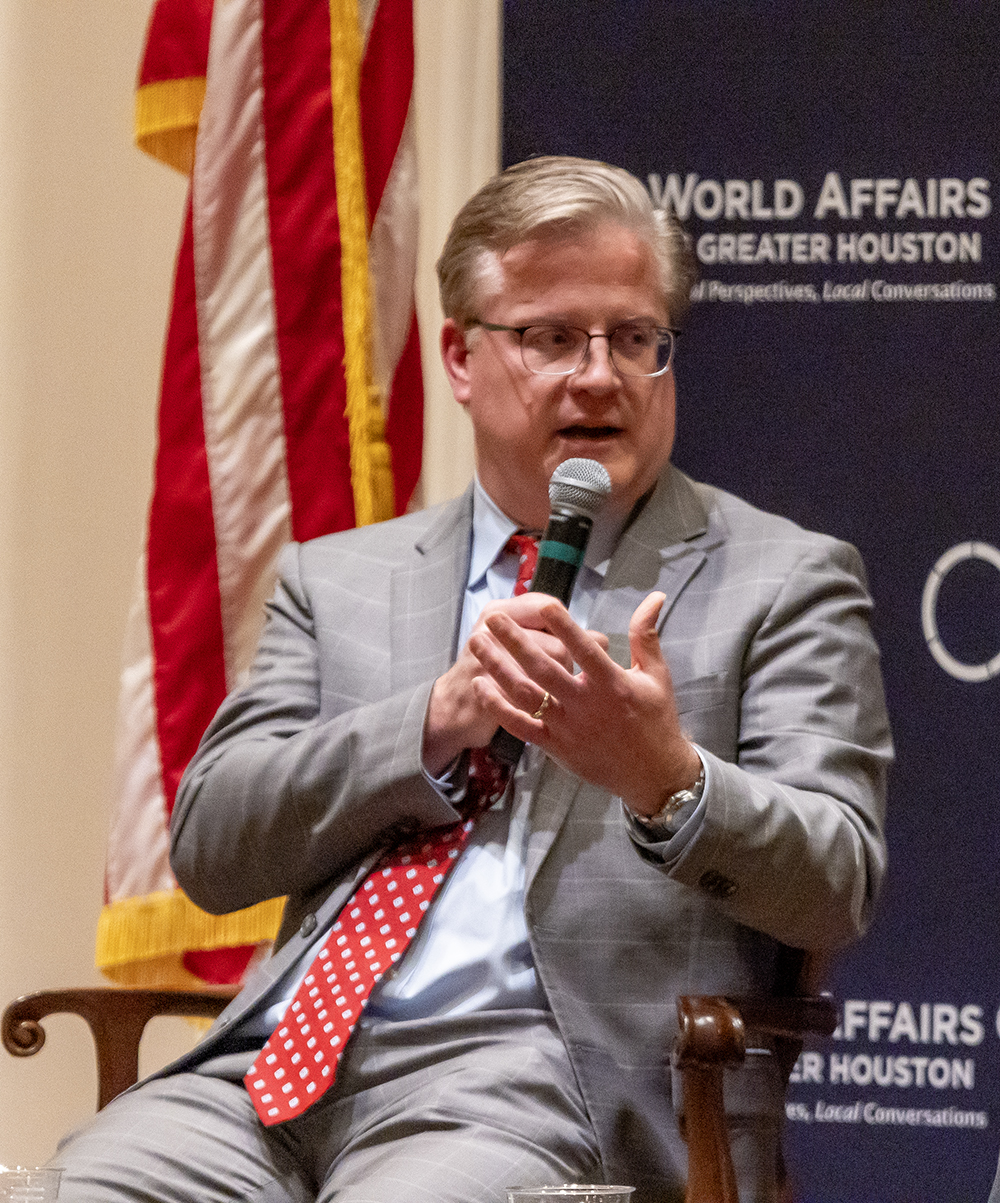
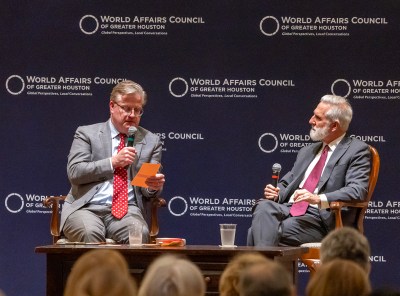
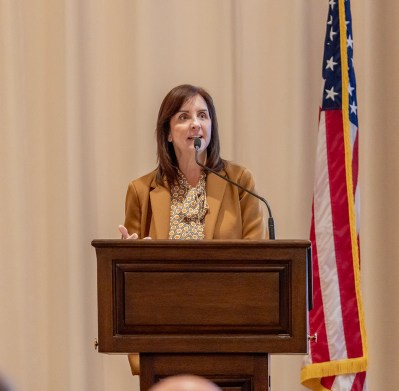
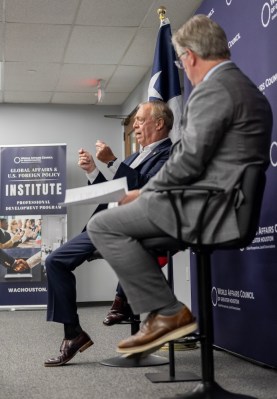
The formal program began with remarks by WAC Director of Advancement Sandija Bayot…

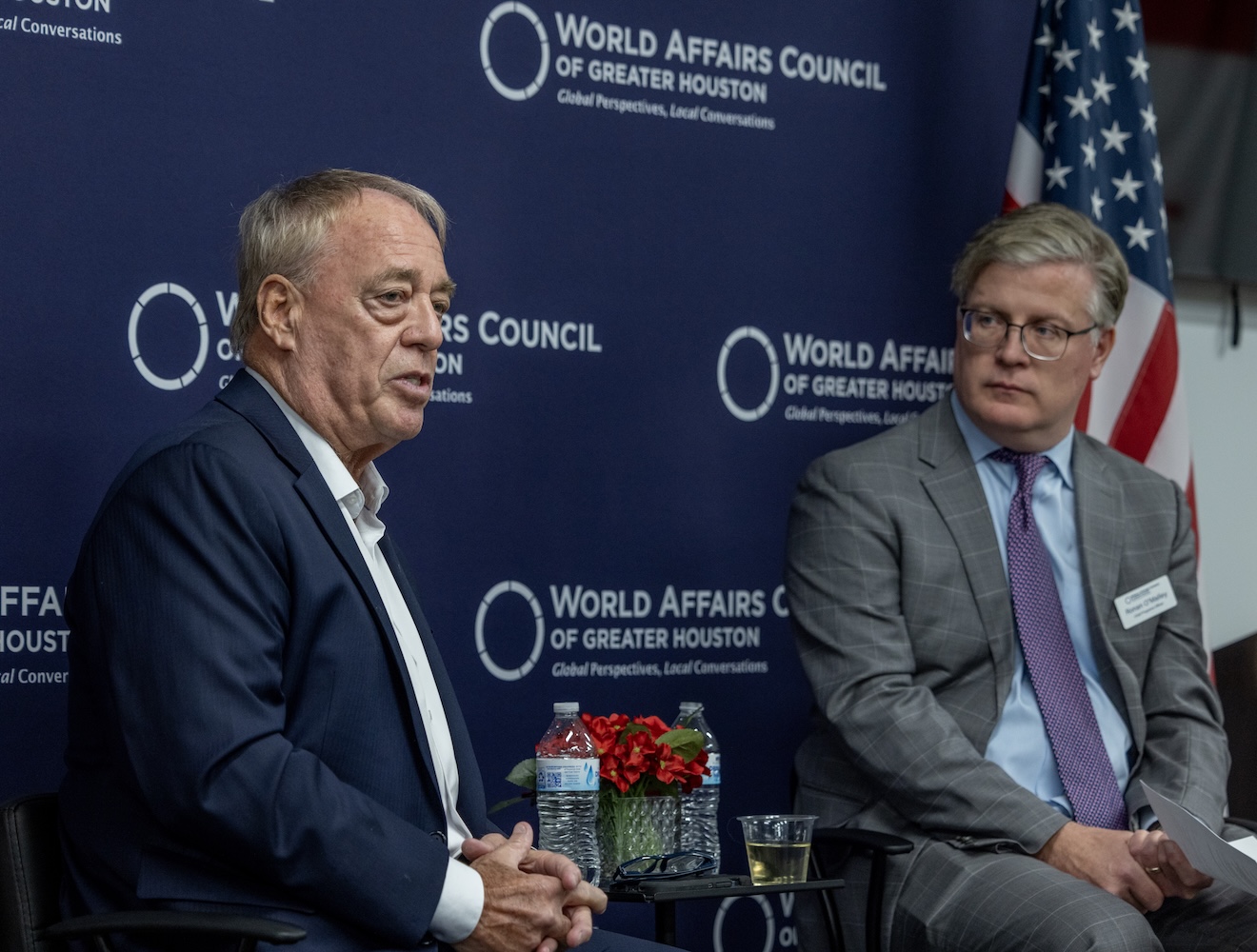
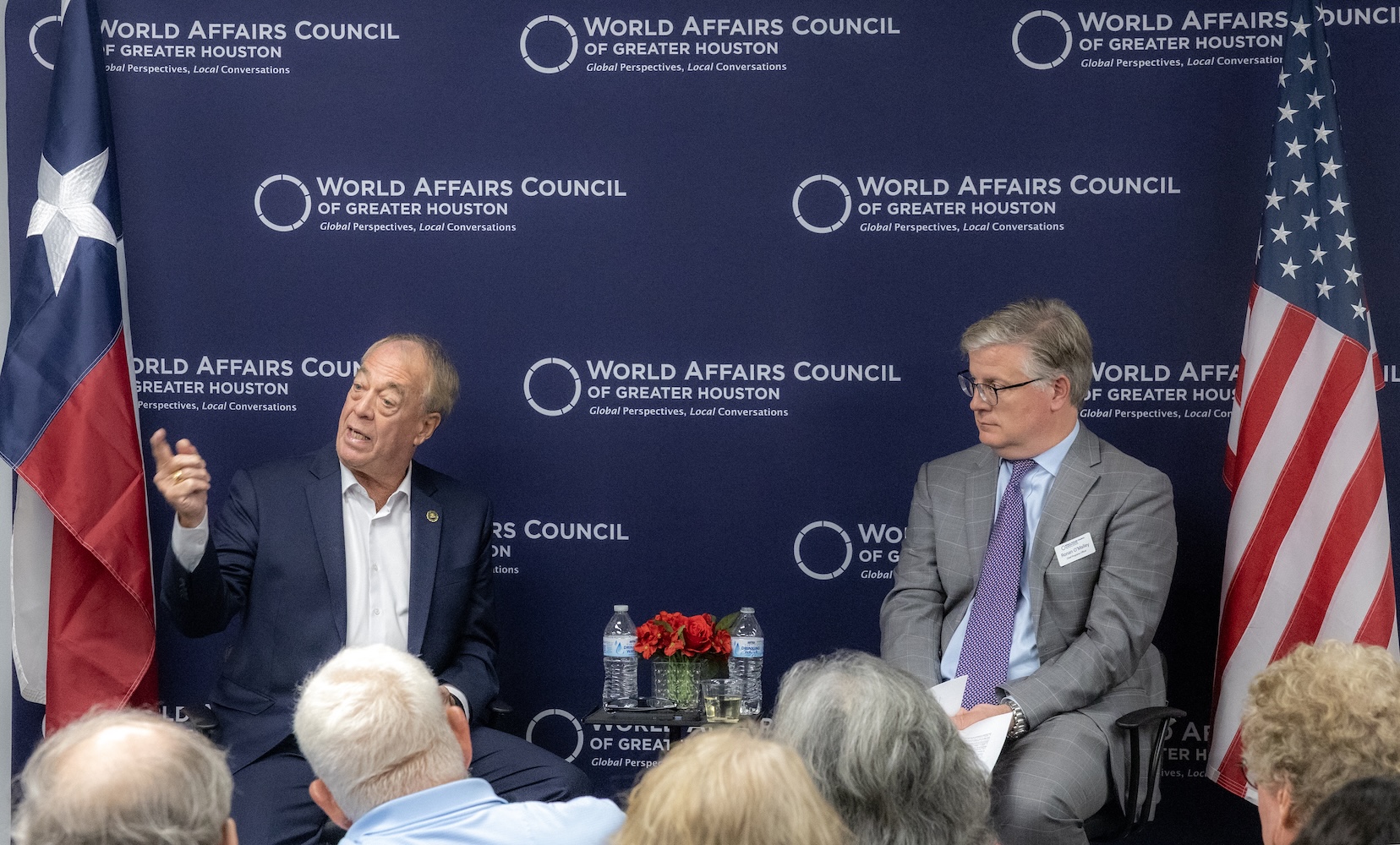
She also introduced Ronan O’Malley and James Conway…

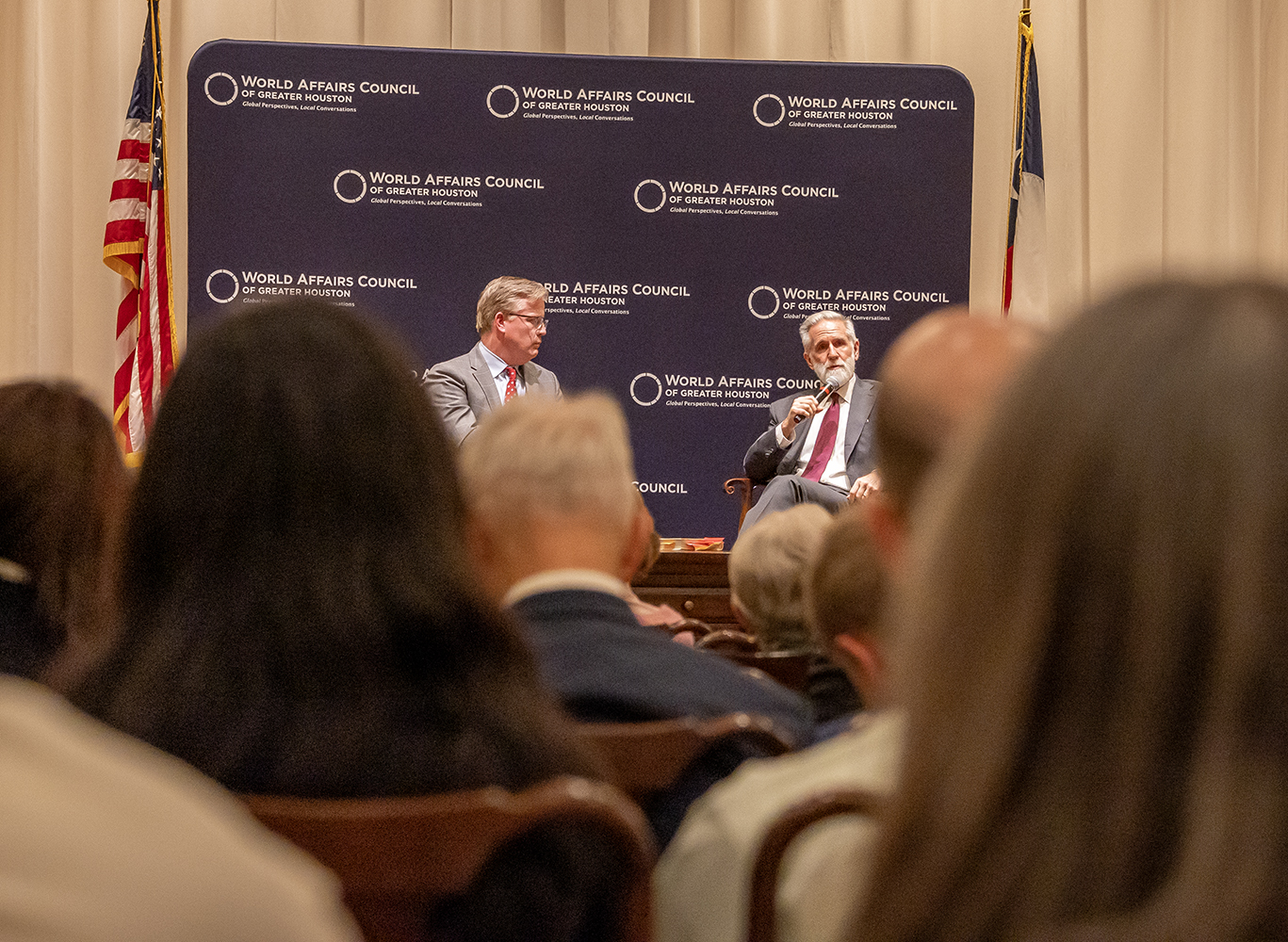
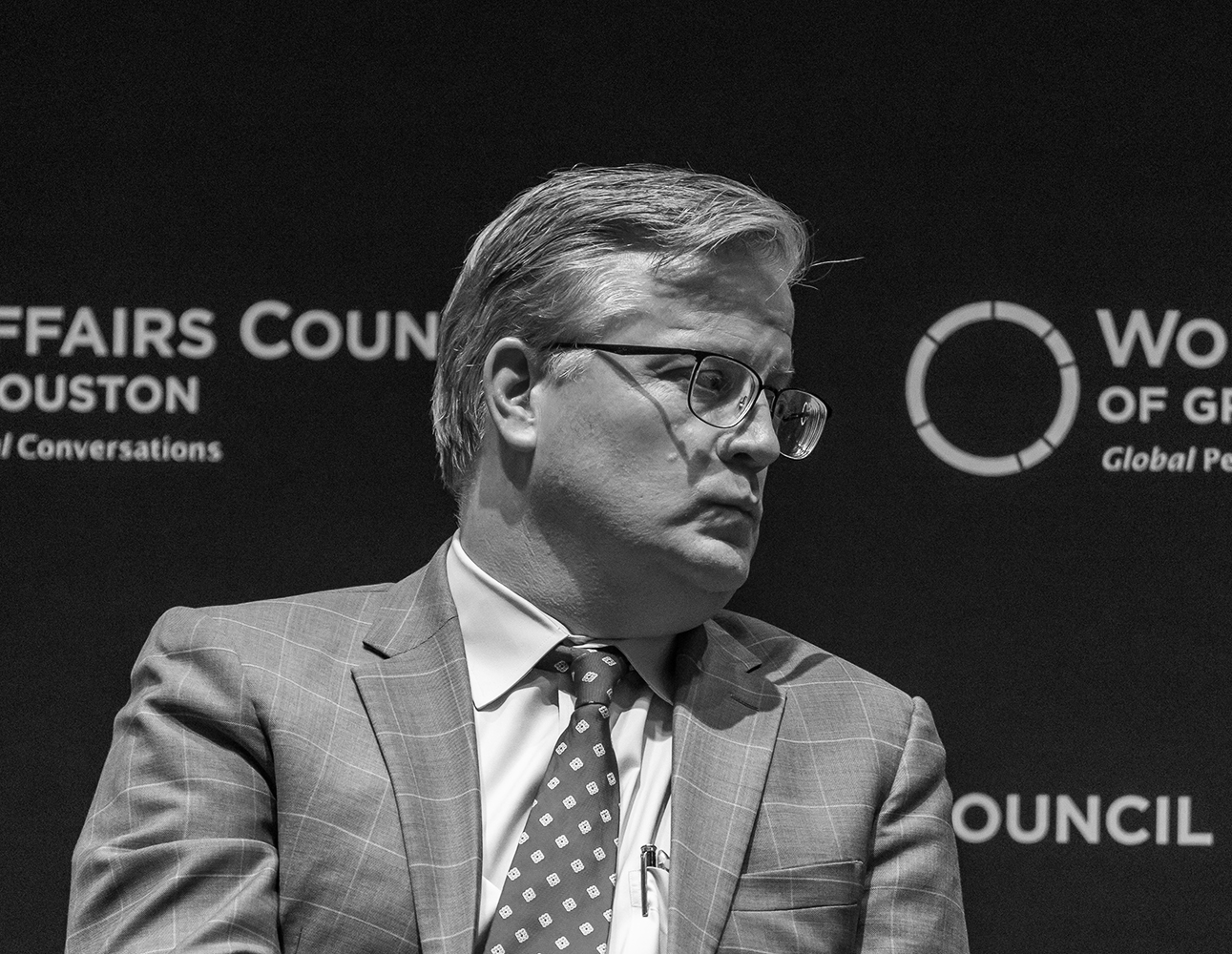
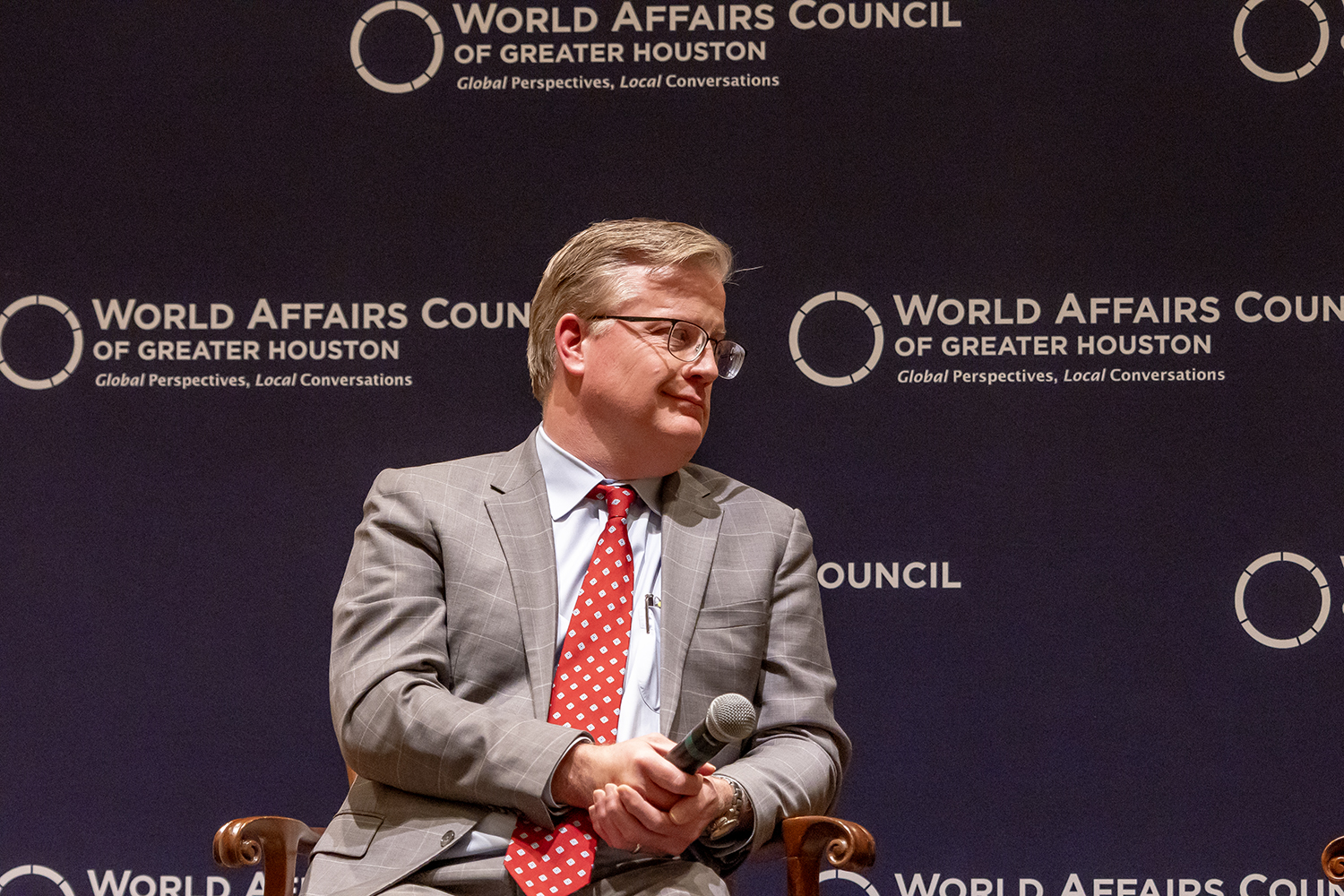
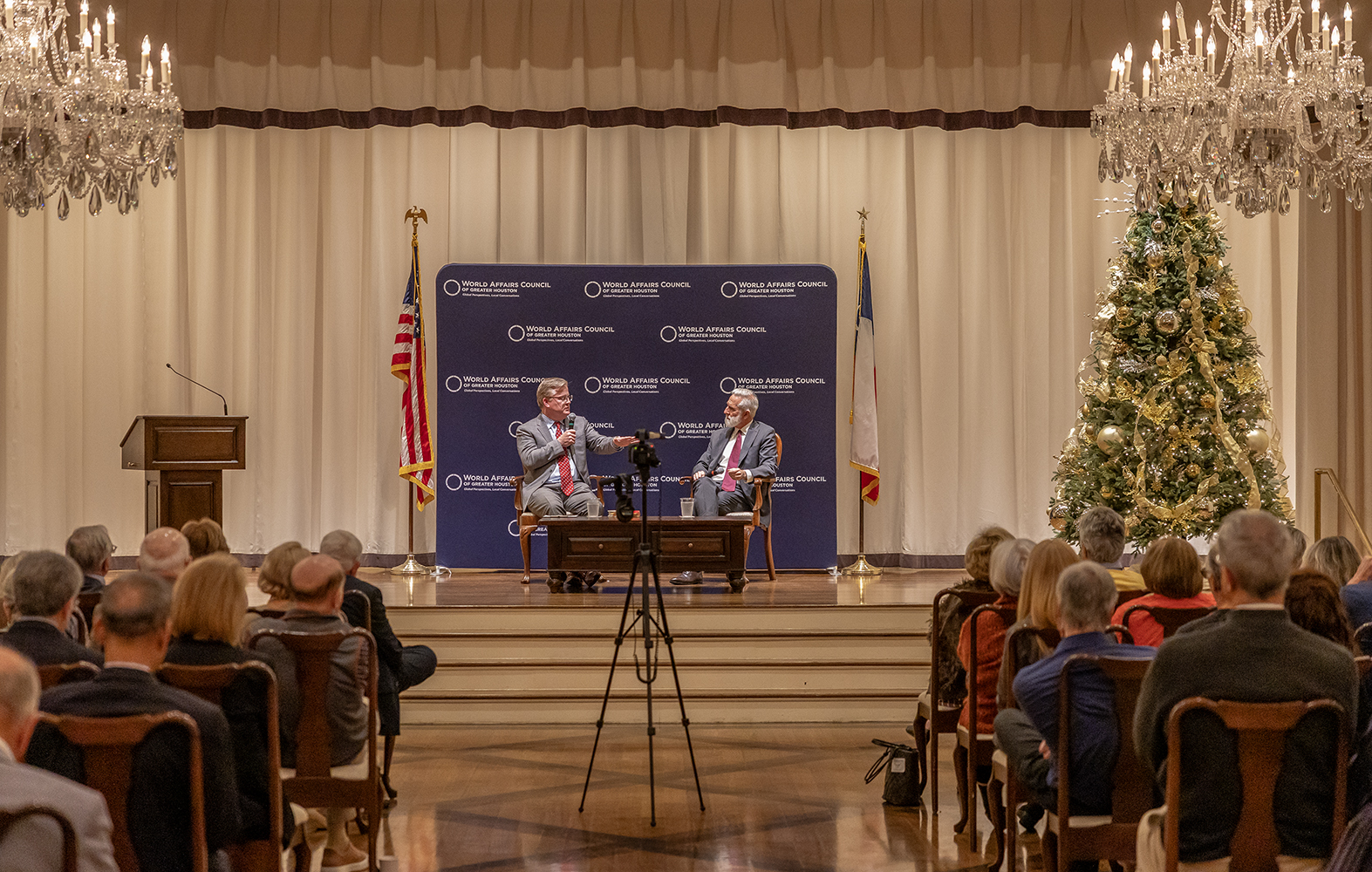
…and then turned the microphone over to Ronan, who moderated the event.

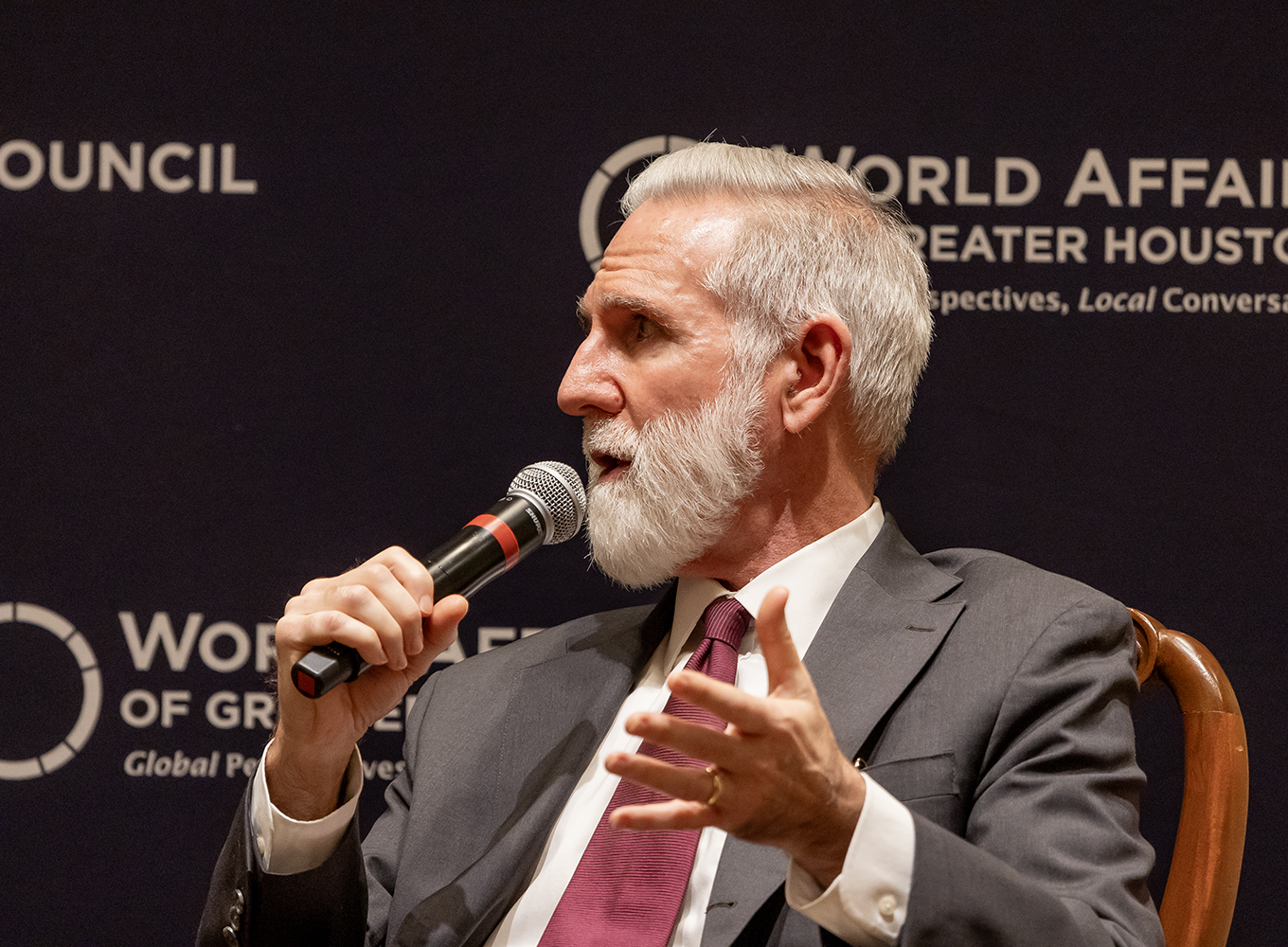
Mr. Conway is a former FBI Special Agent who built a distinguished career focused on national security and counterterrorism. Over his years of service, he investigated high-profile cases, collaborated with law enforcement agencies across the world, and developed expertise in intelligence operations. He described many of his operations–including as counterintelligence expert in Mexico City–in an animated fashion.

After retiring from the FBI, Mr. Conway transitioned into public speaking, teaching, and consulting–sharing his deep knowledge of security strategy and crisis response with organizations and communities nationwide. 

Throughout the discussion, Mr. Conway touched on policies and shifts in leadership in the FBI, providing a wonderful history of the relationship between the last ten presidents and the CIA–relationships that have not always been close.

He also discussed operations in Houston, Galveston, and New York, particularly with organized crime. The stories were fascinating, but they also illuminated the painstaking care that FBI professionals take with their cases. On a darker note, Conway expressed concern that politics has crept–or been pushed–int0 the agency, and that professionalism could erode, if such politics-creep continues.

It was apparent that this prospect caused Conway pain, but he reiterated his optimism and confidence in the United States people and government, a wonderful way to close a wonderful event.

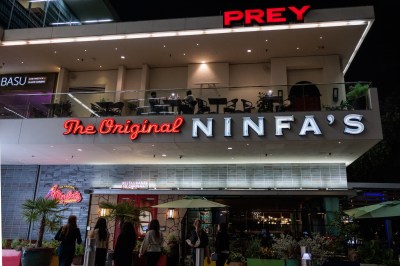
After this wonderful event, LEAP enjoyed a nice dinner at The Original Ninfa’s.

They had delicious Tex-Mex and Coastal Mexican cuisine. Their service was excellent. After some great conversation about the event, we concluded our day with some unique and flavorful desserts.

We had a wonderful time and will definitely be attending more World Affairs Council events throughout the year with the hope of seeing James Conway and more fascinating speakers in the future.

Unknown's avatarAuthor mikeyawnPosted on October 14, 2025Format AsideCategories Civic Engagement, Civil Rights, Criminal Justice, LawTags Center for Law Engagement And Politics, FBI, LEAP Ambassadors, Sam Houston State University, World Affairs Council HoustonLeave a comment on Inside the FBI–with James Conway

Navigating International Relations With Secretary Mike Pompeo

By Michelle Moya

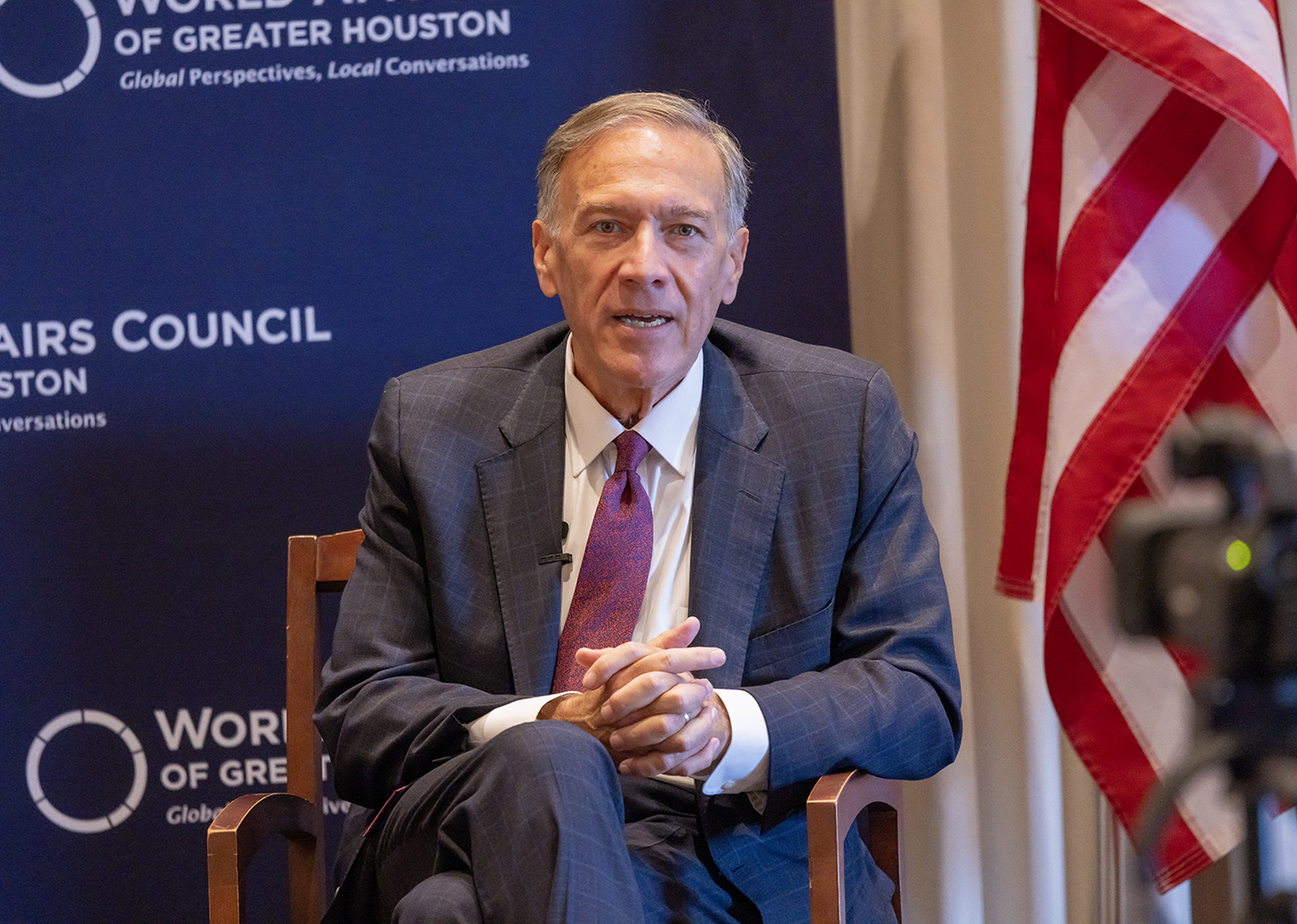
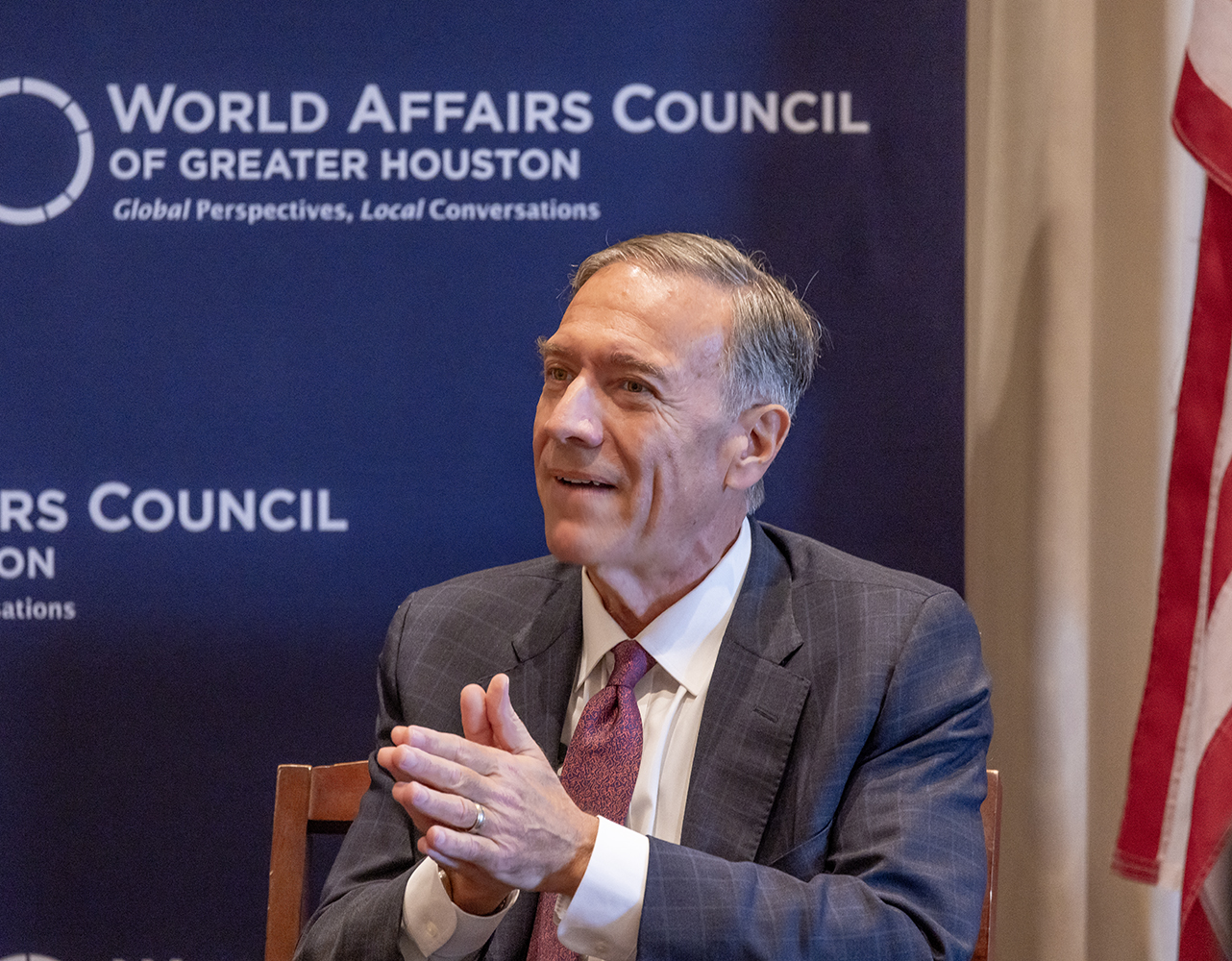
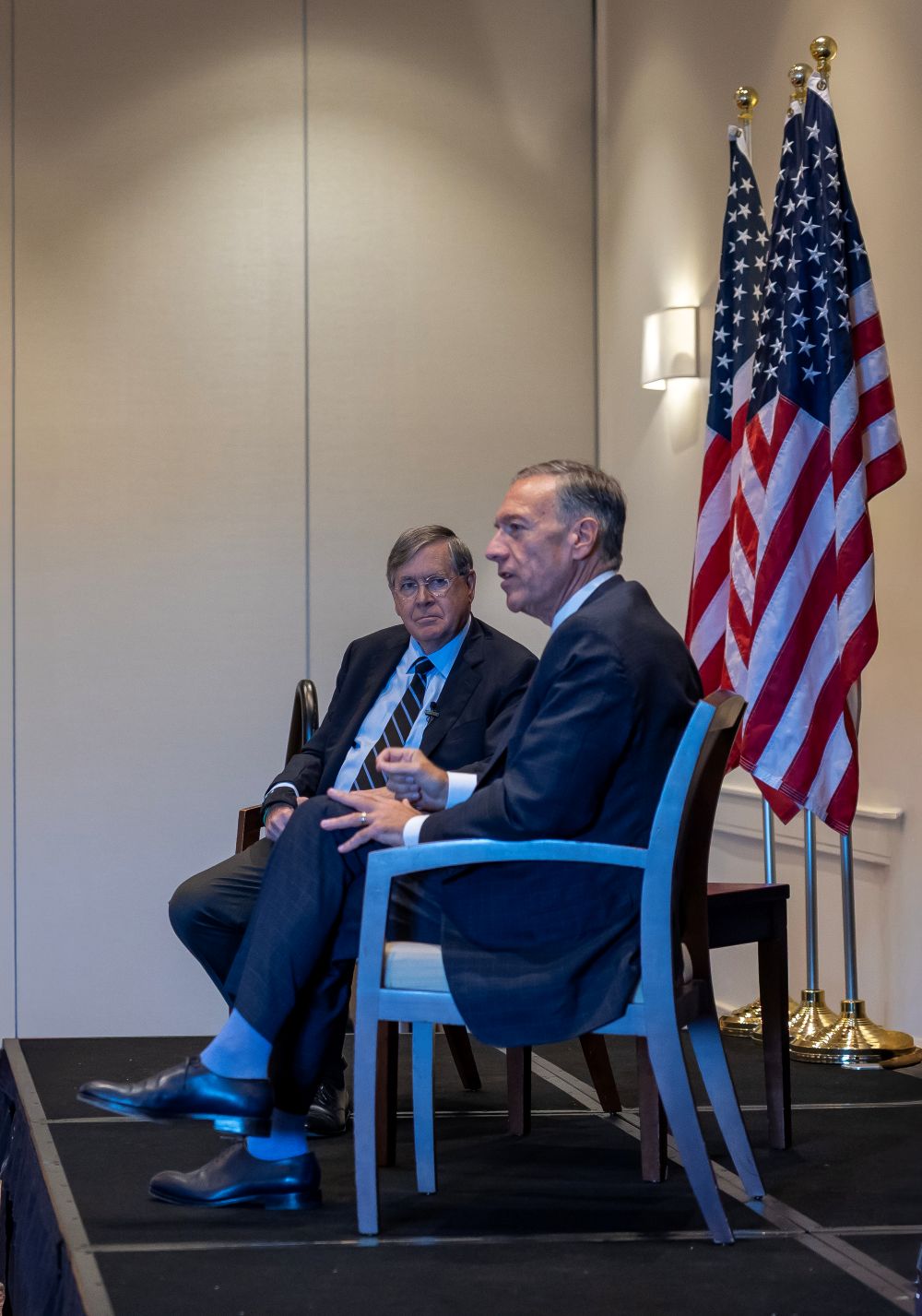
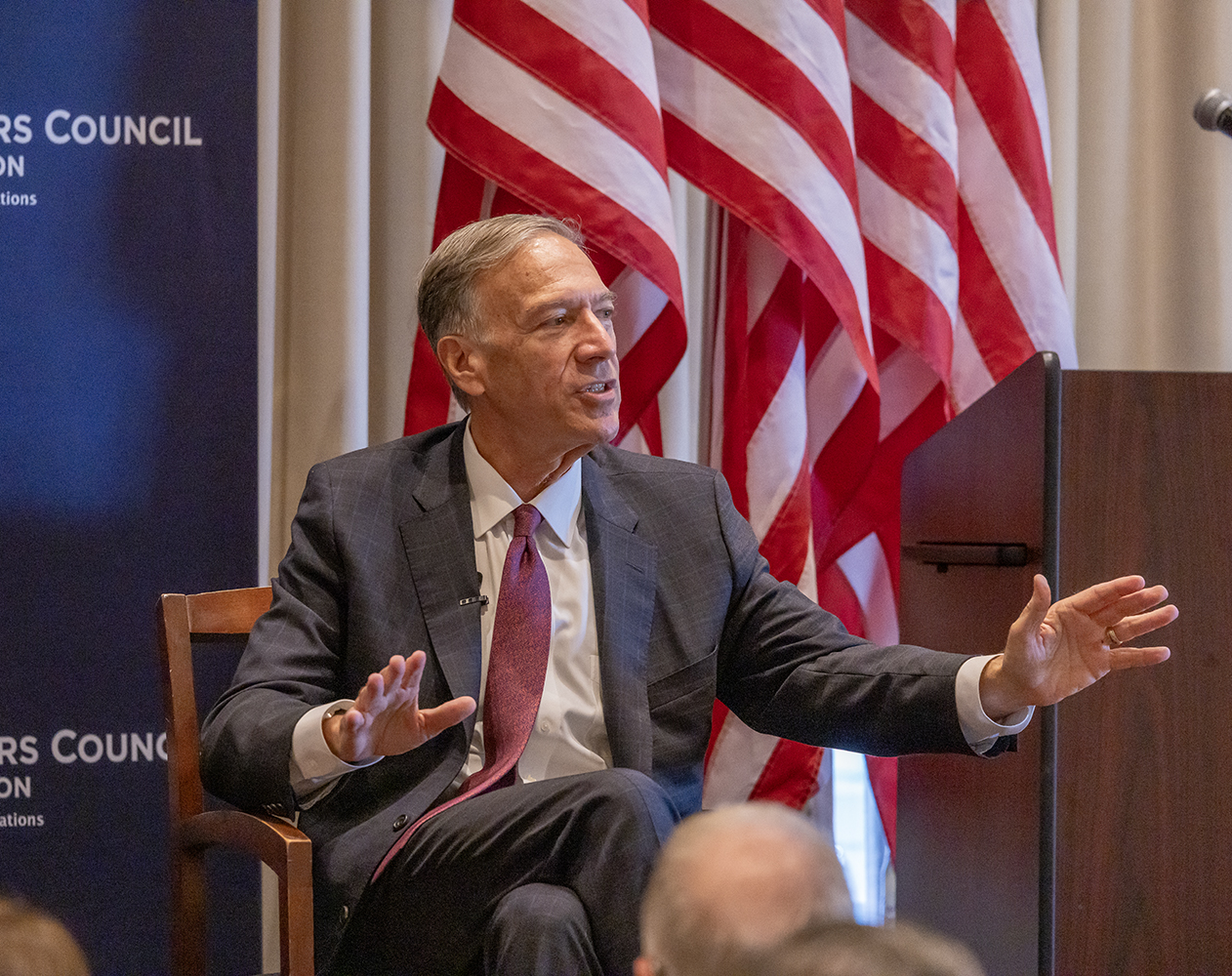
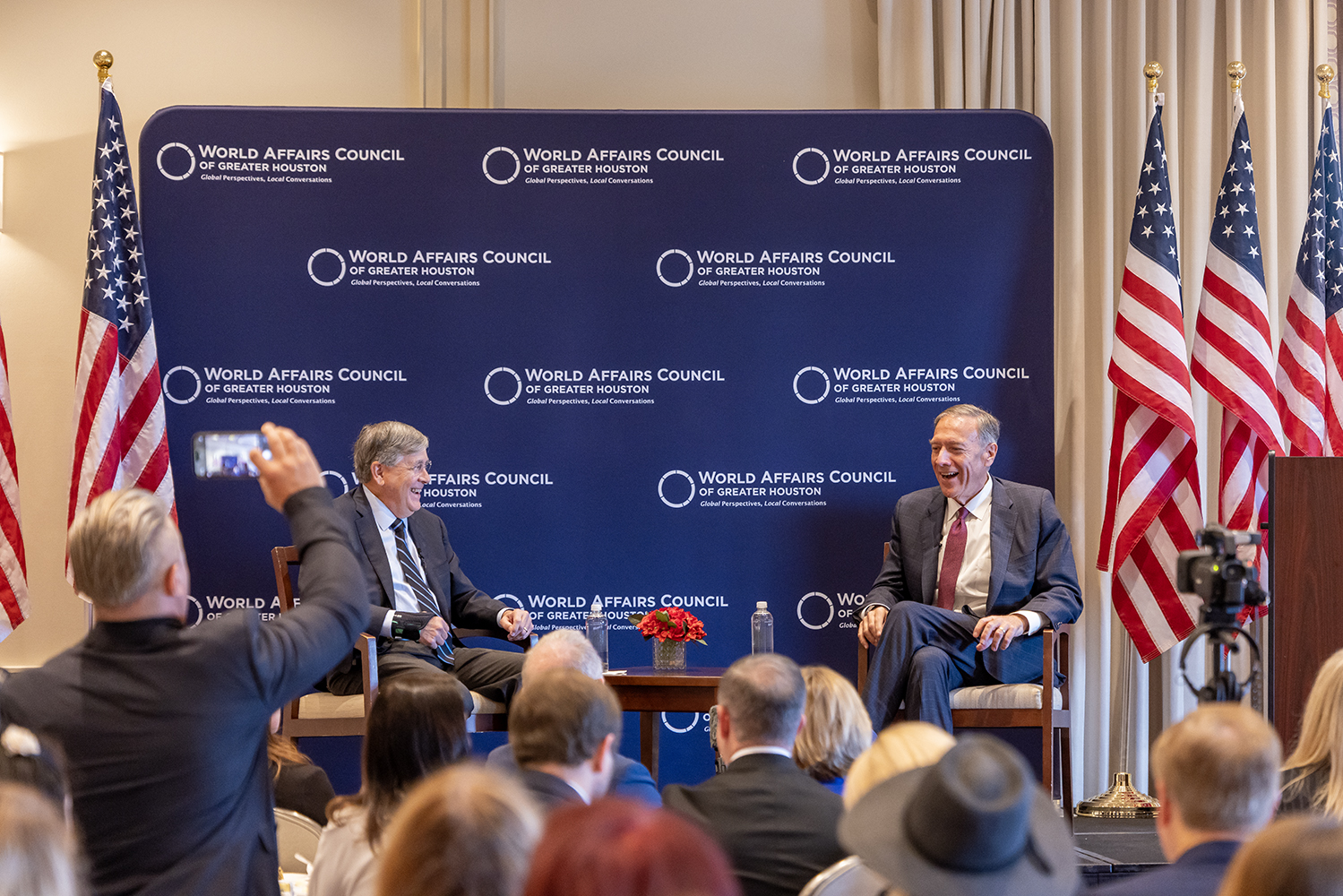
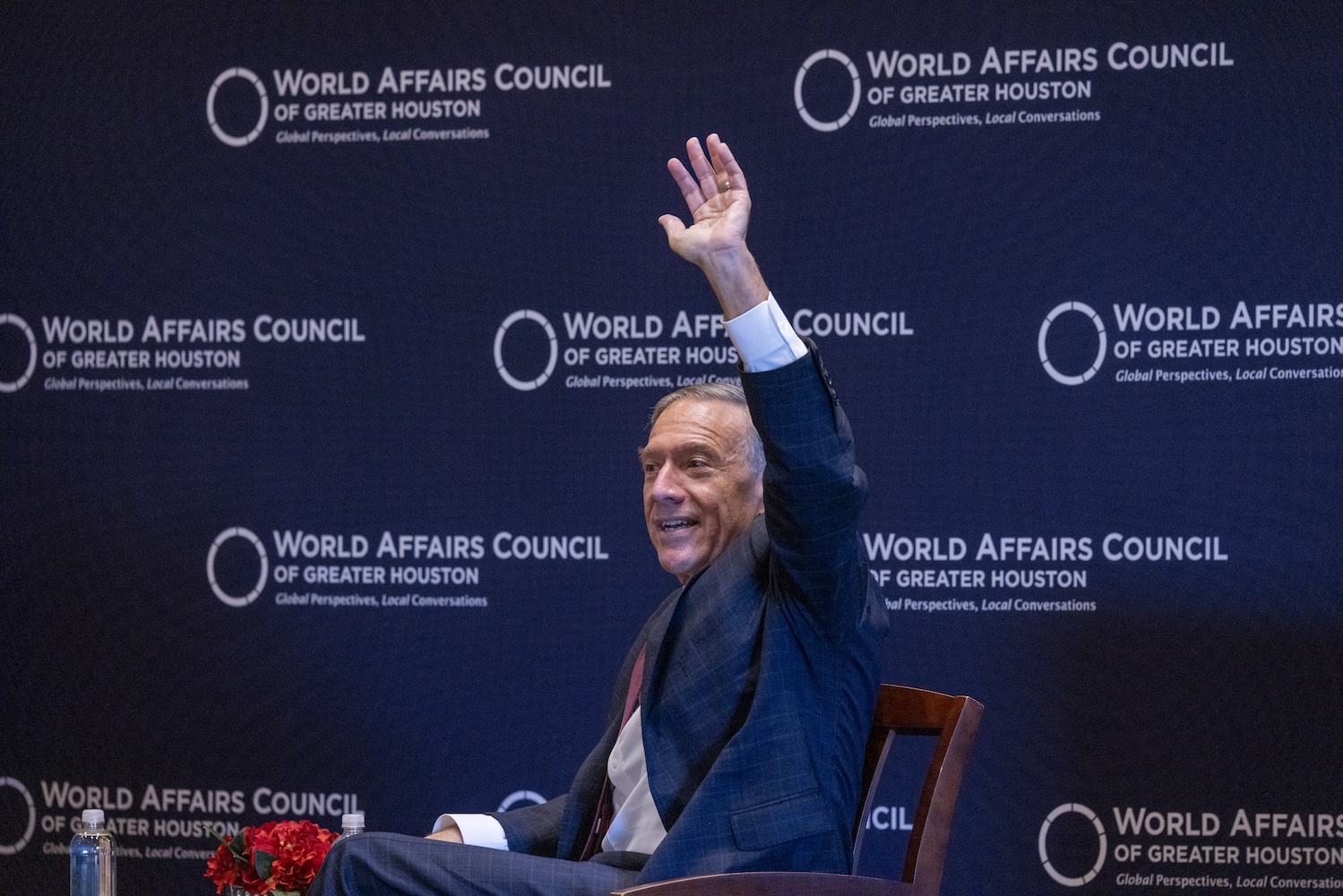
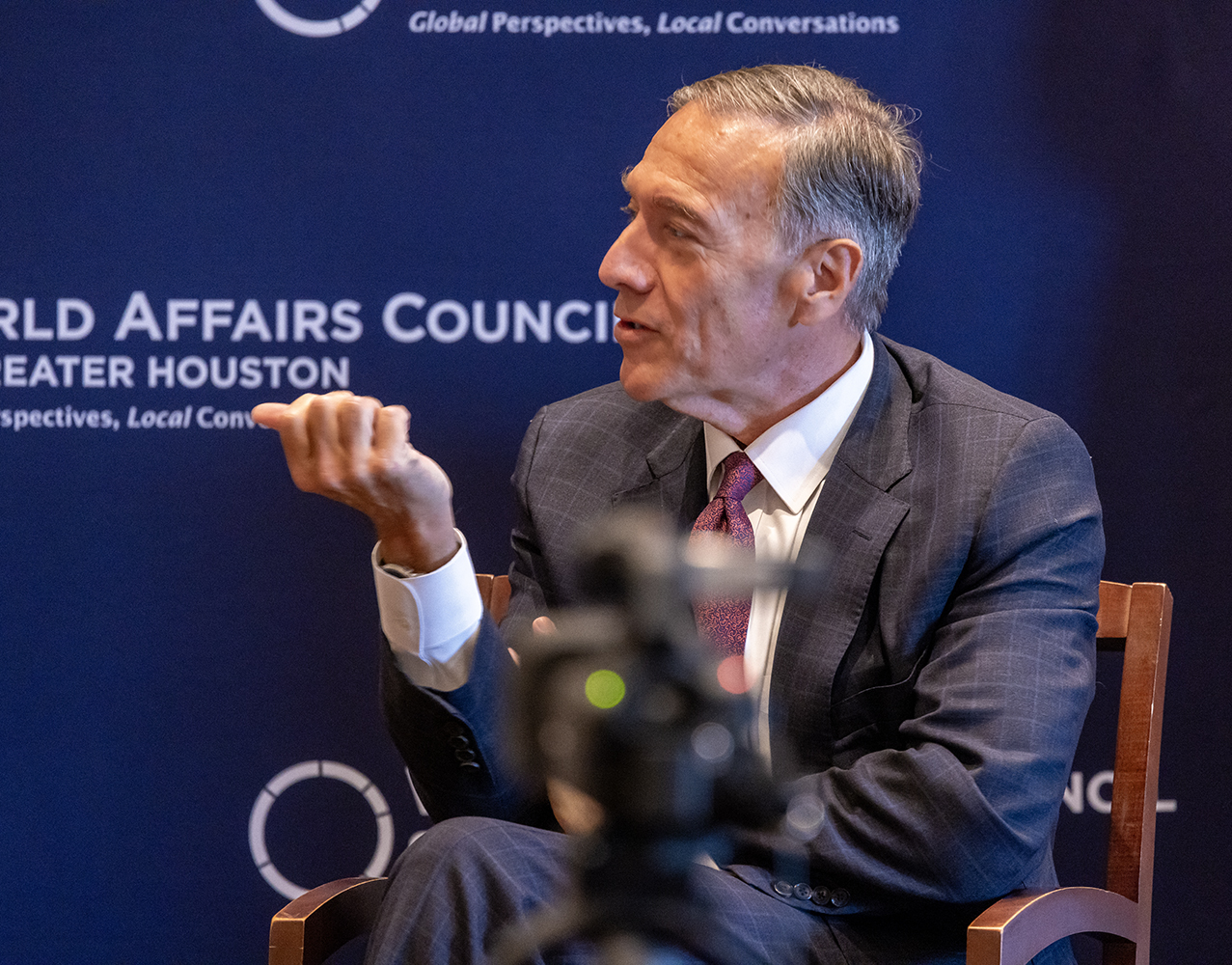
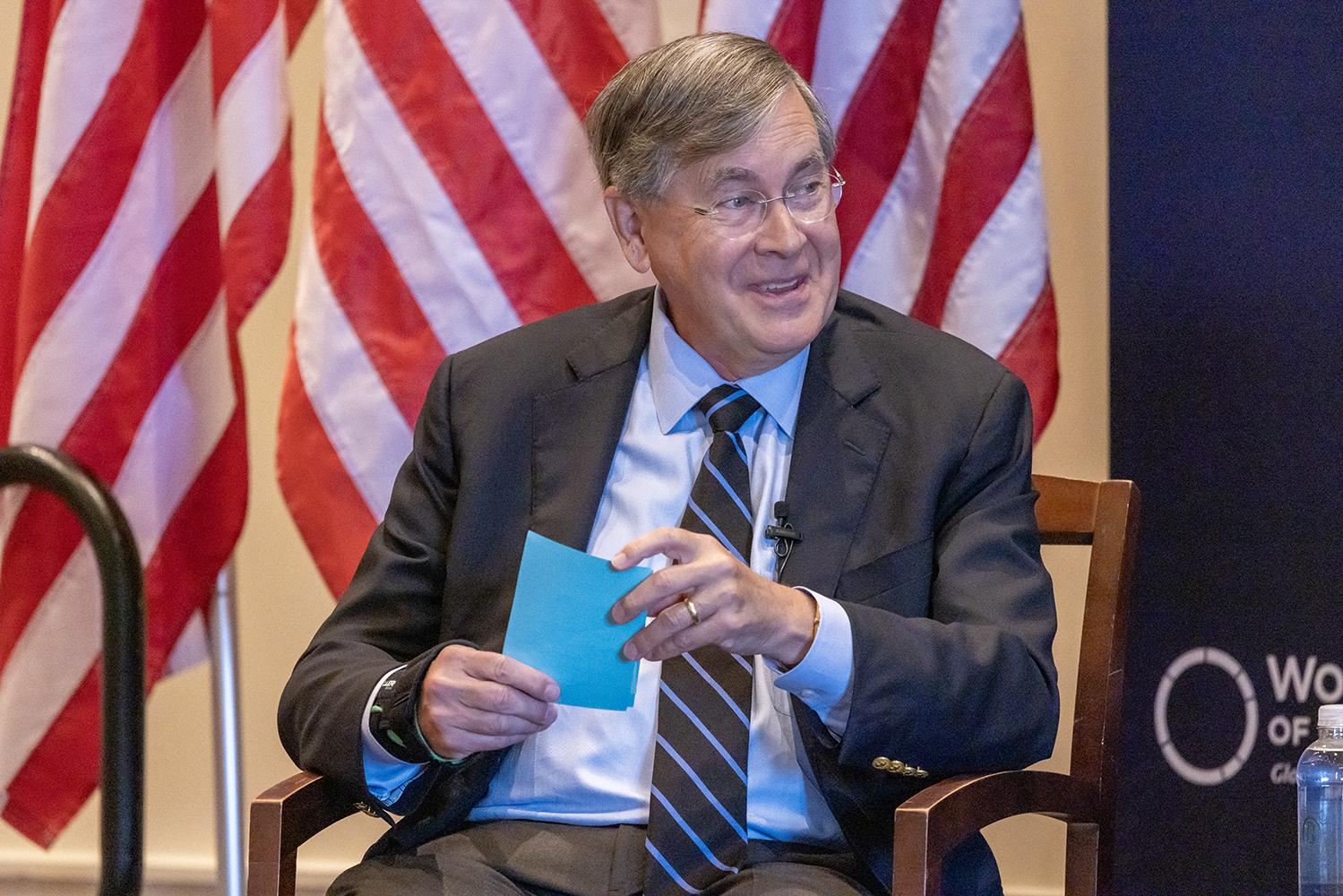
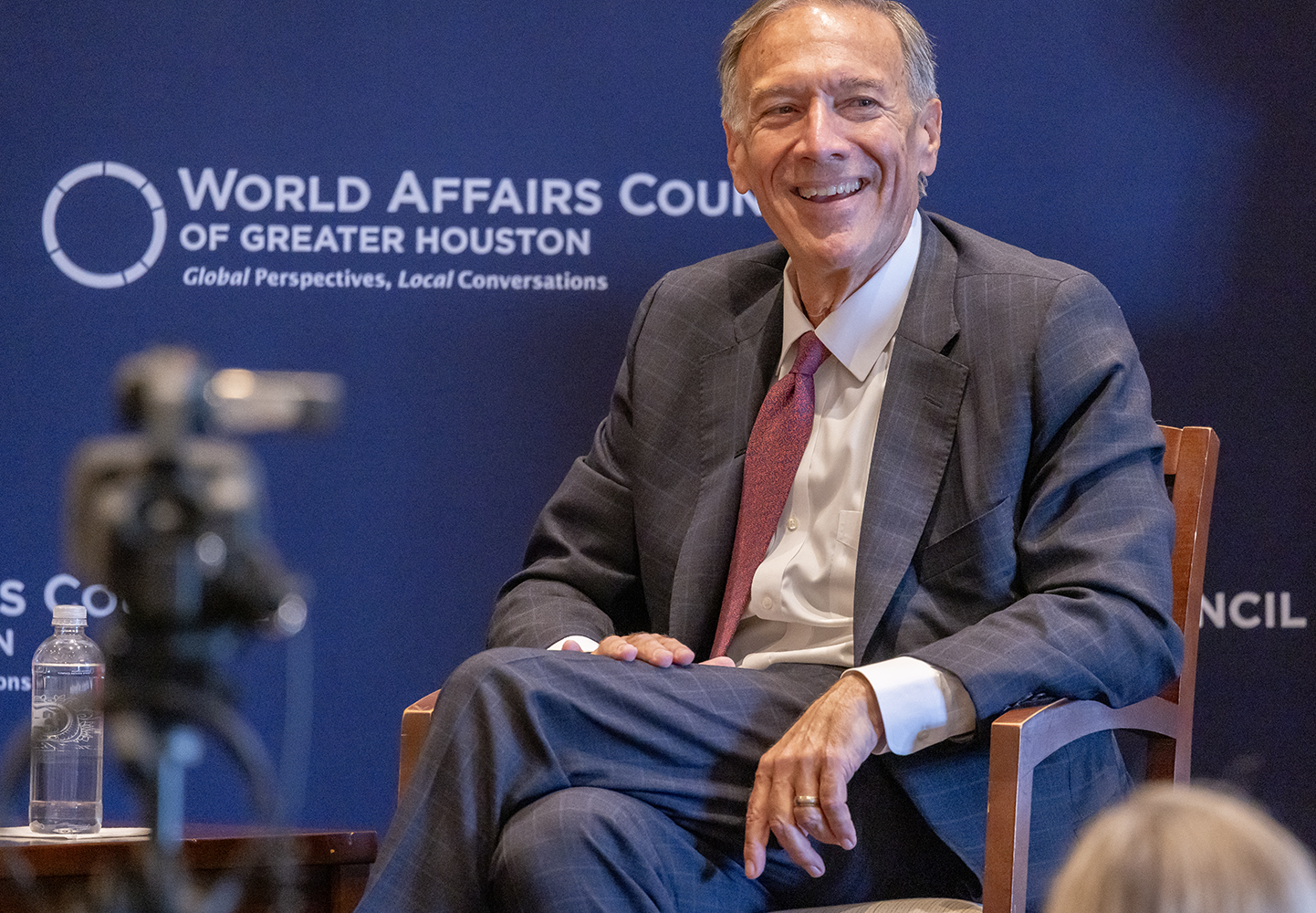
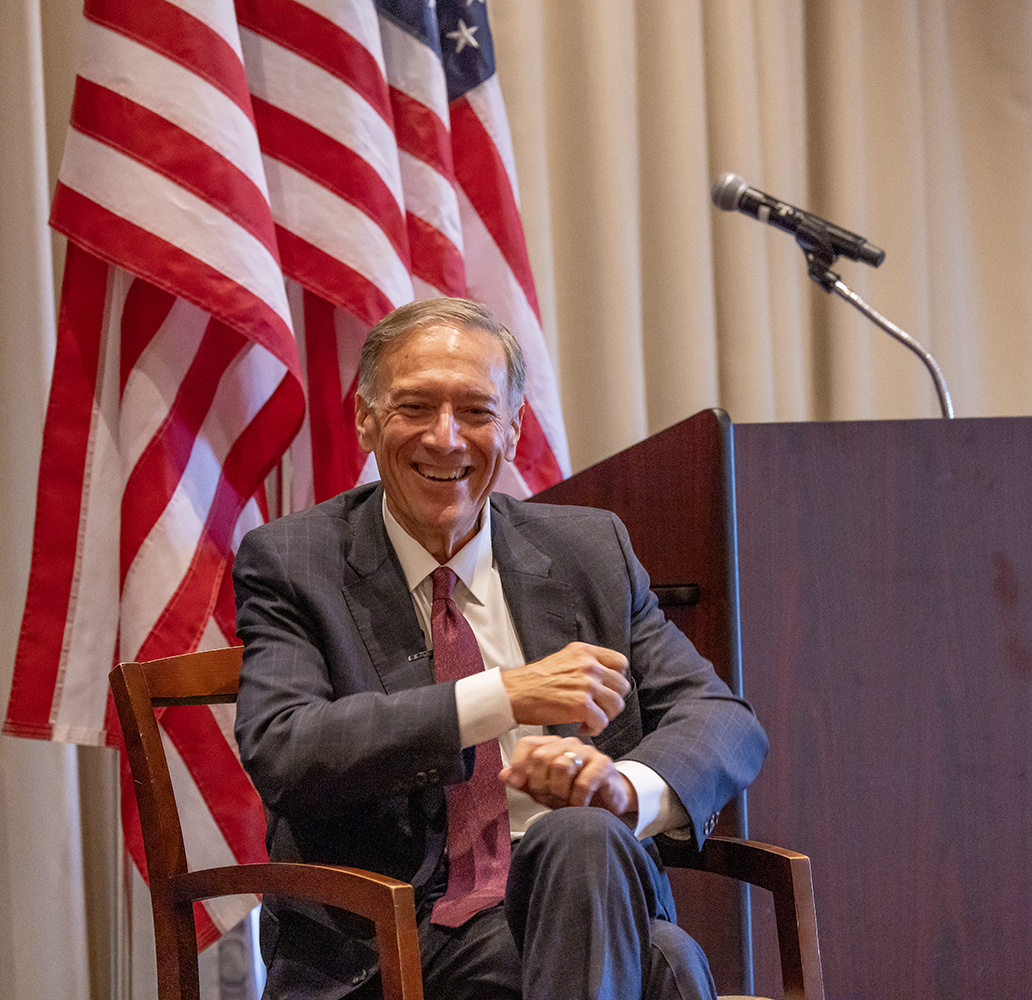
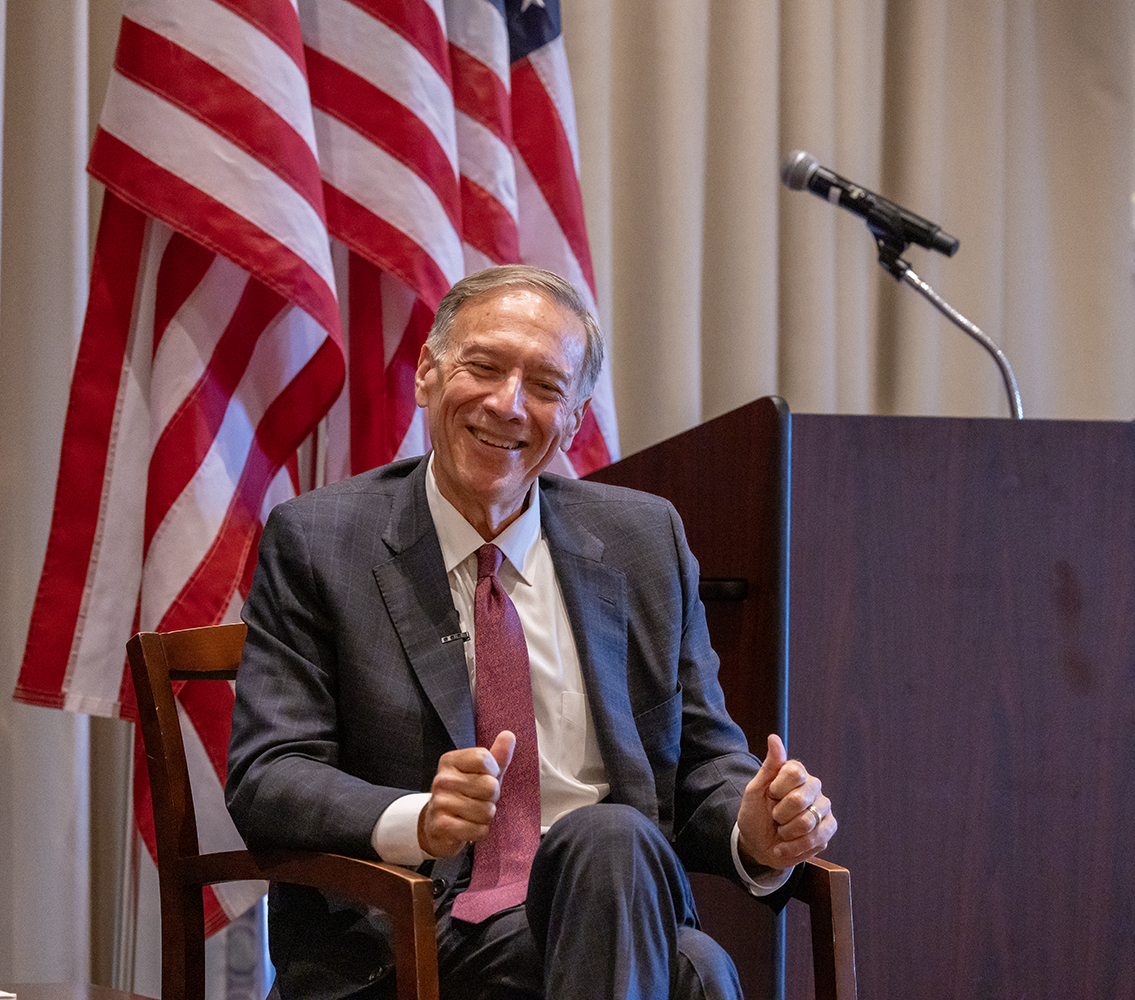
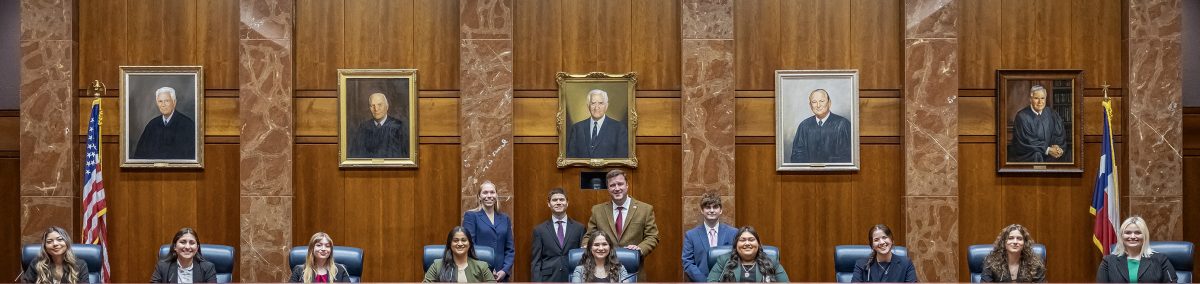
It was a rare lunch event for us with the World Affairs Council. With the LEAP Ambassadors all working part-time jobs and enrolled full-time in classes, getting away for a day-time event isn’t easy. But when students have the chance to meet Mike Pompeo–the 70th U.S. Secretary of State, former CIA Director, and four-term Congressman from Kansas–and Ambassador David Satterfield, we make accommodations.

The event format included a full hour dedicated to networking before the program began–a structure that exemplifies why World Affairs Council events are so valuable for professional development. During this time, we had the opportunity to meet several professionals, including Attorney Wendall Corrigan Braniff, whose advice and civic encouragement added a great deal to our afternoon.  

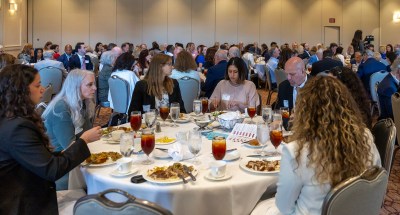
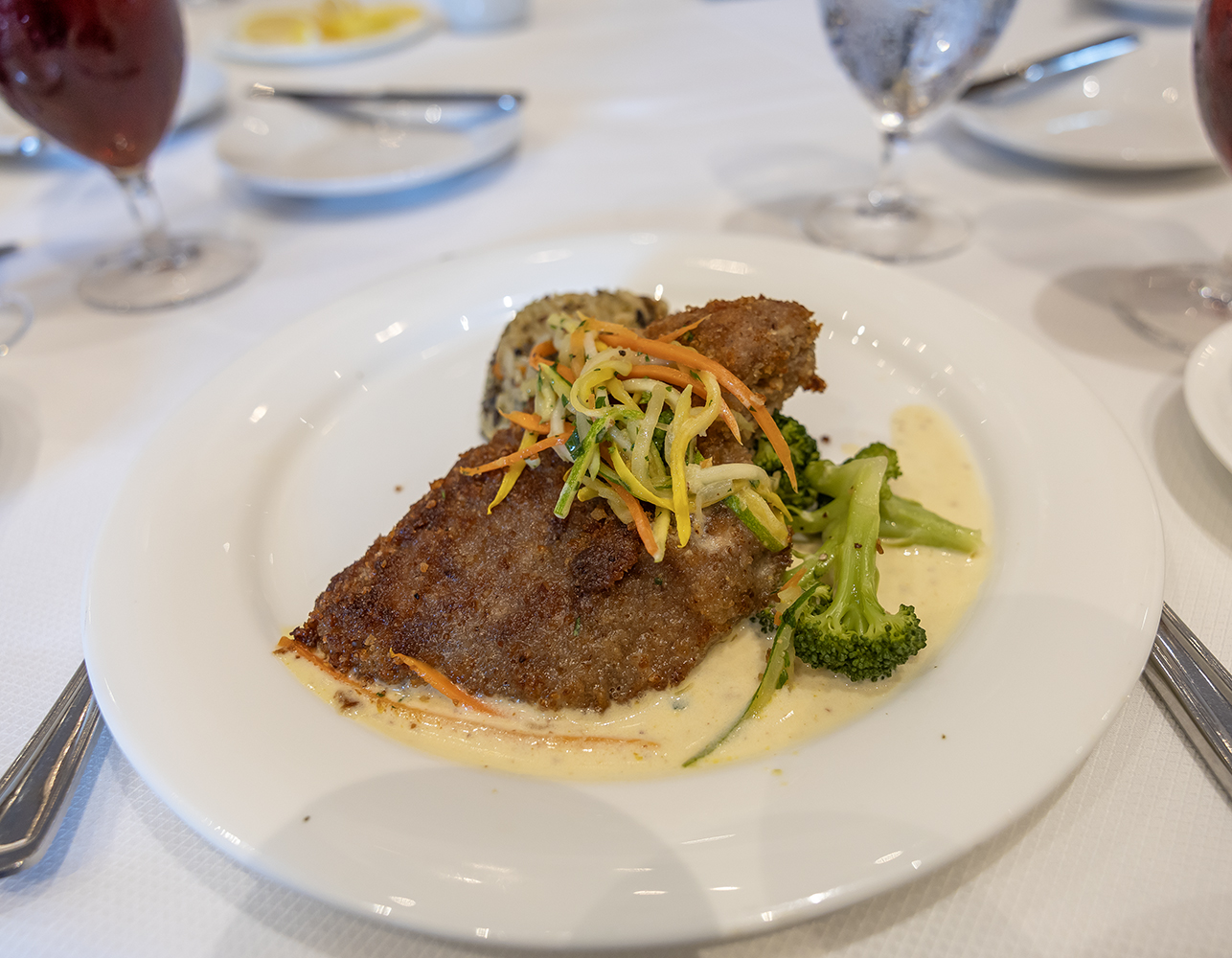
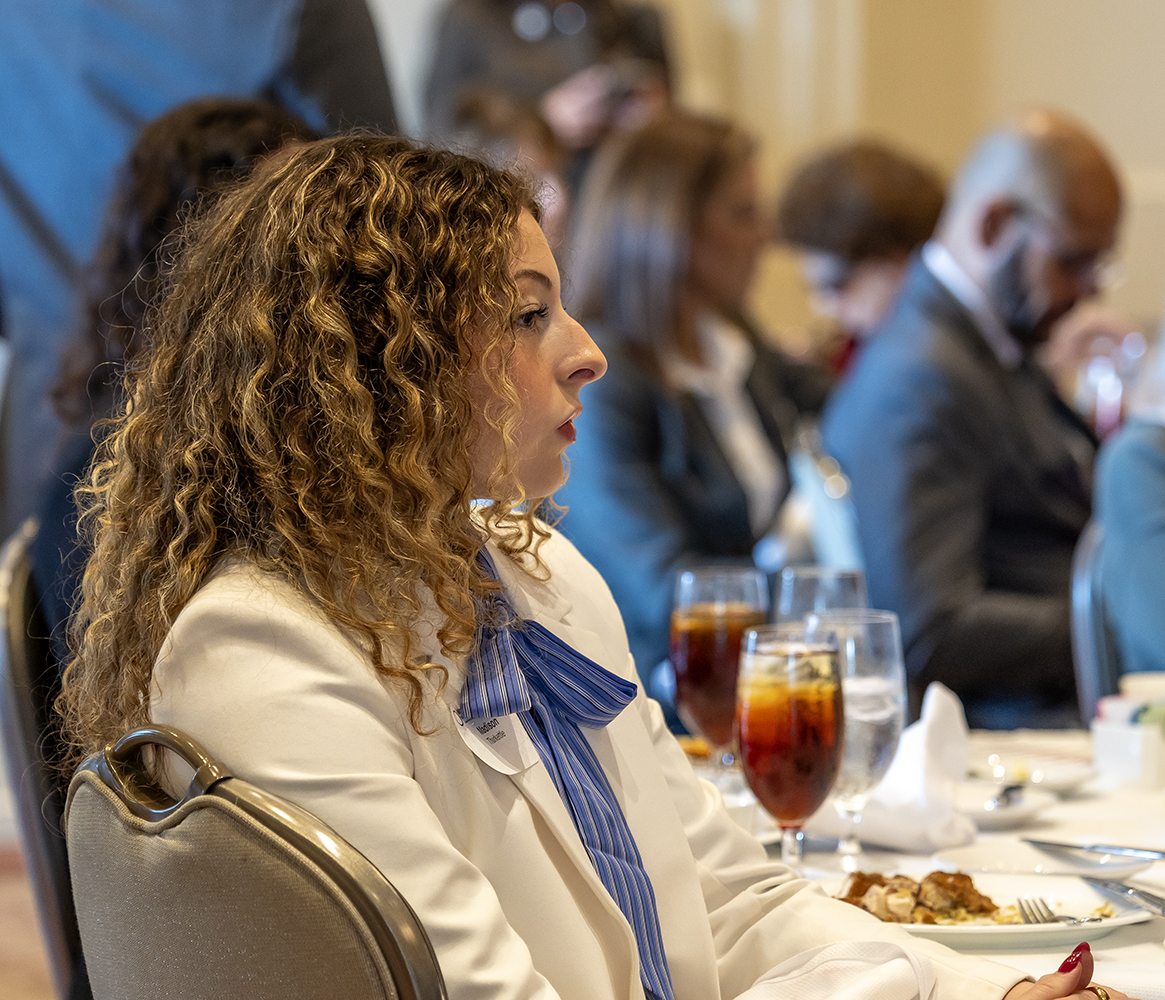
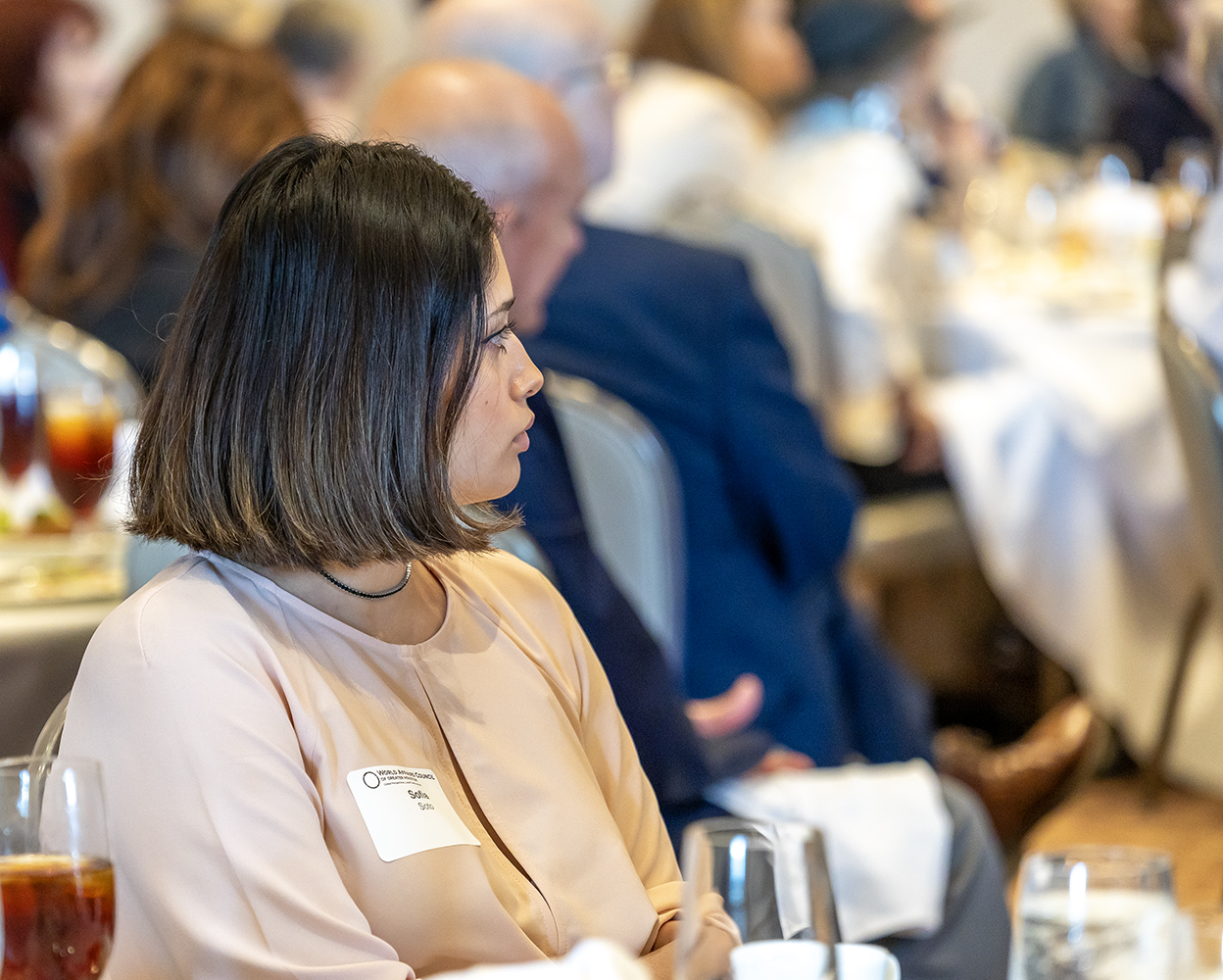
Alongside a delicious meal…

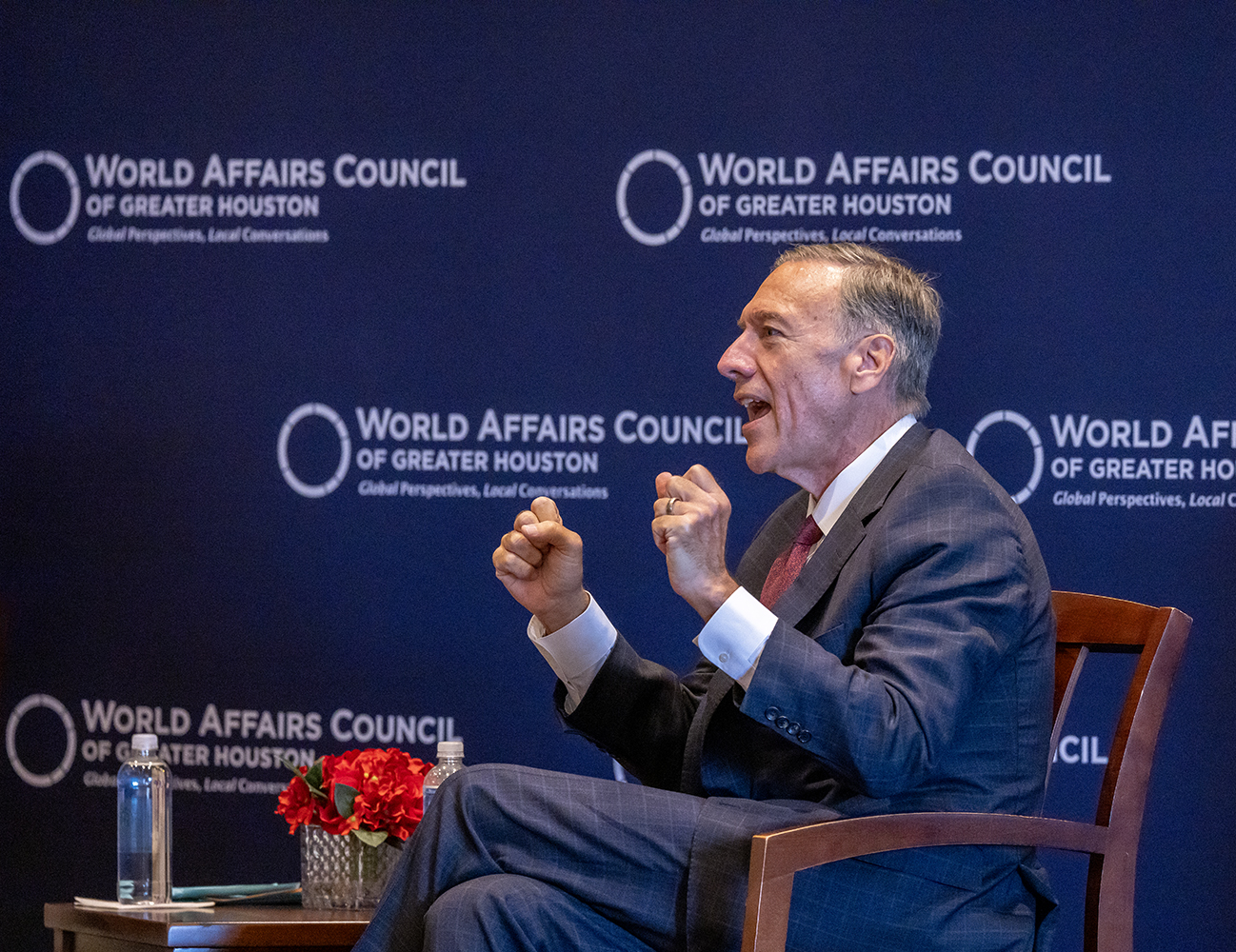
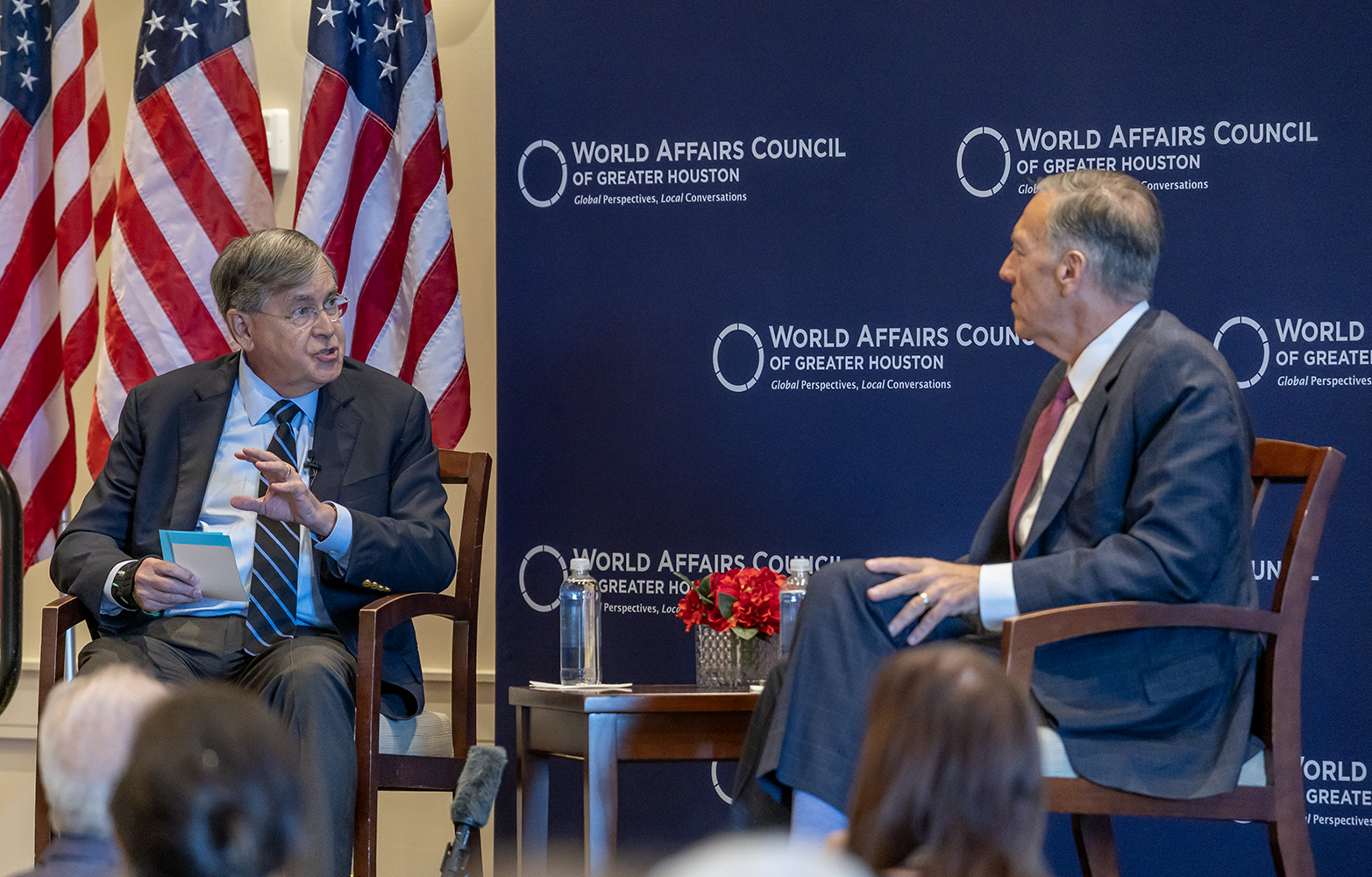
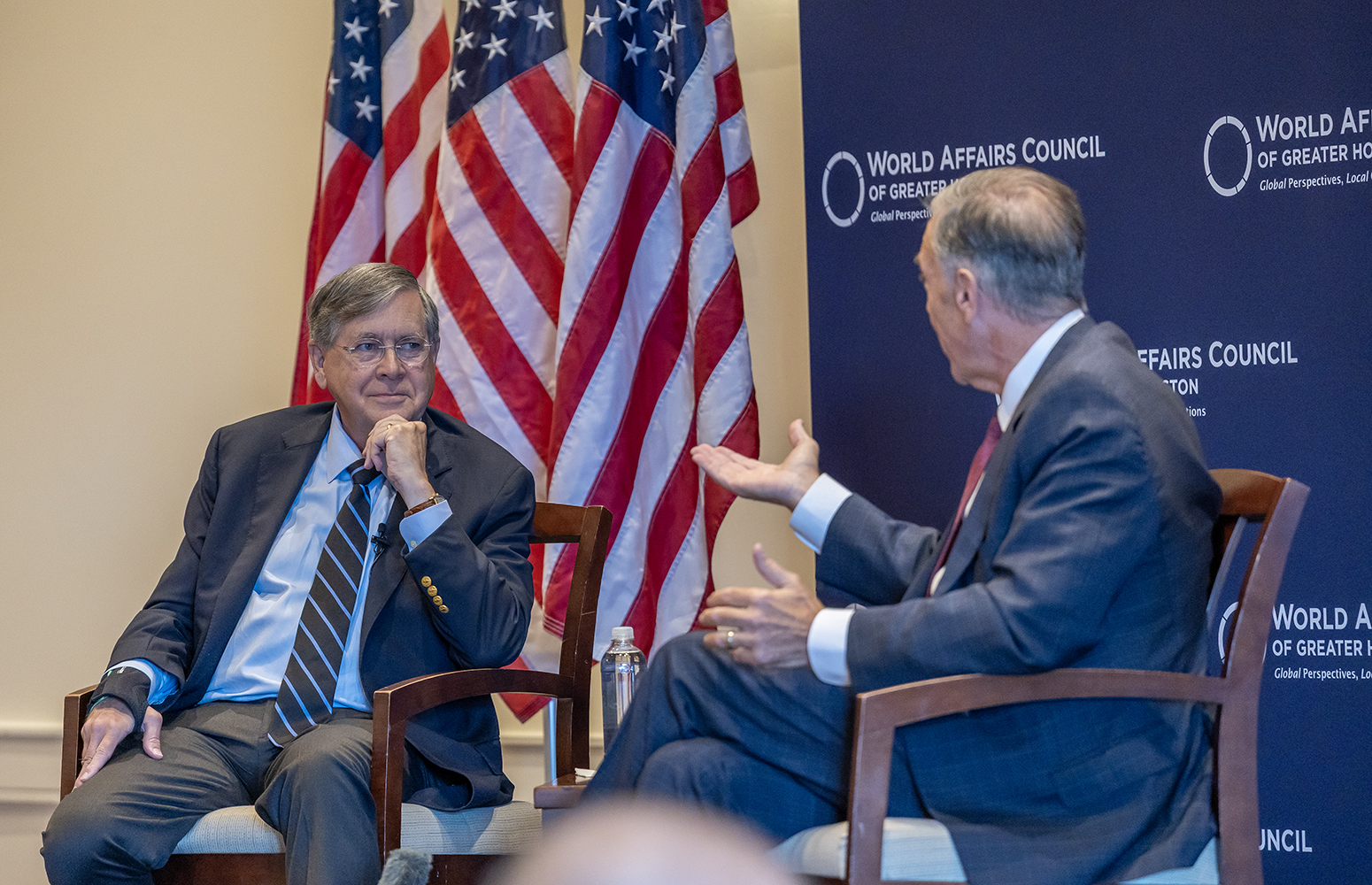
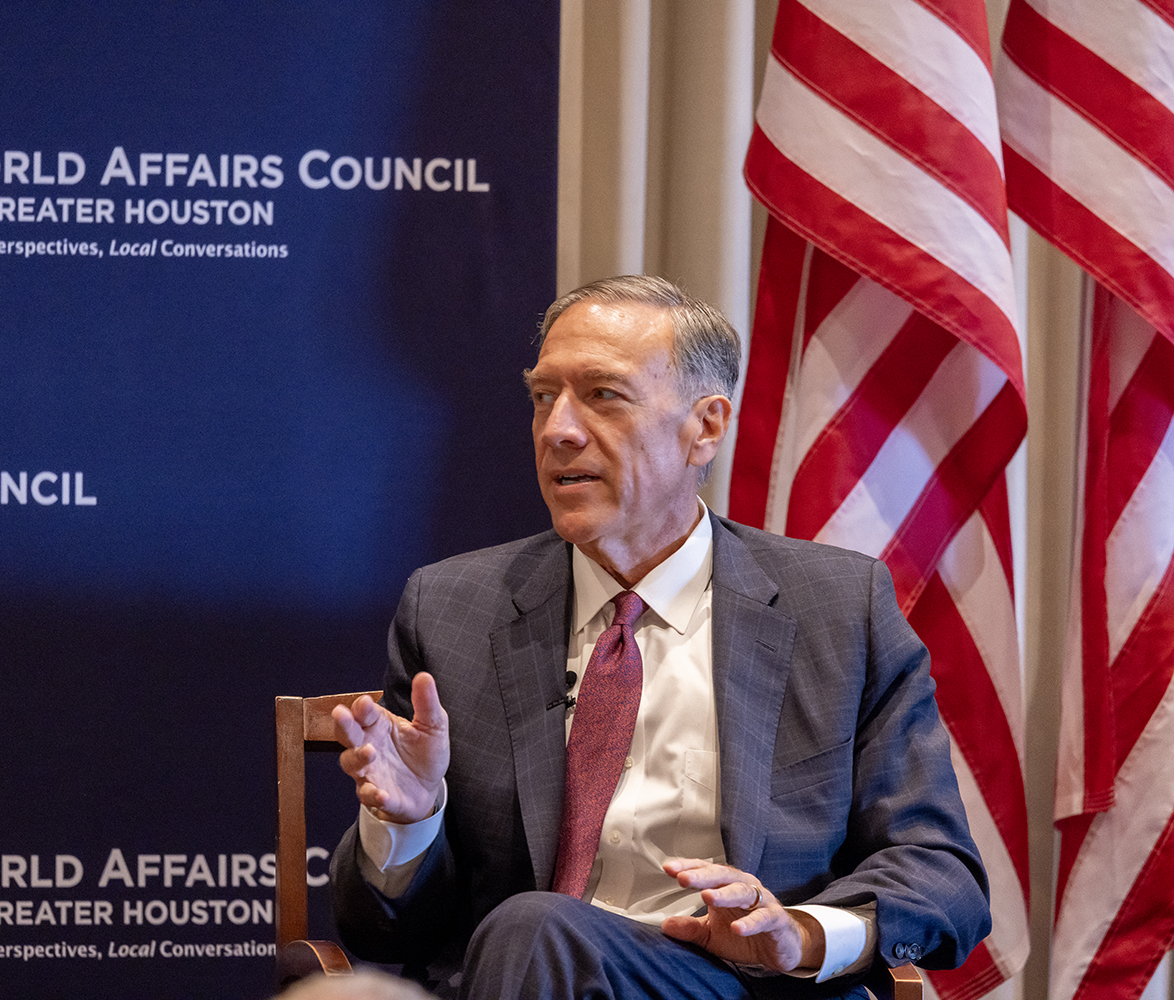
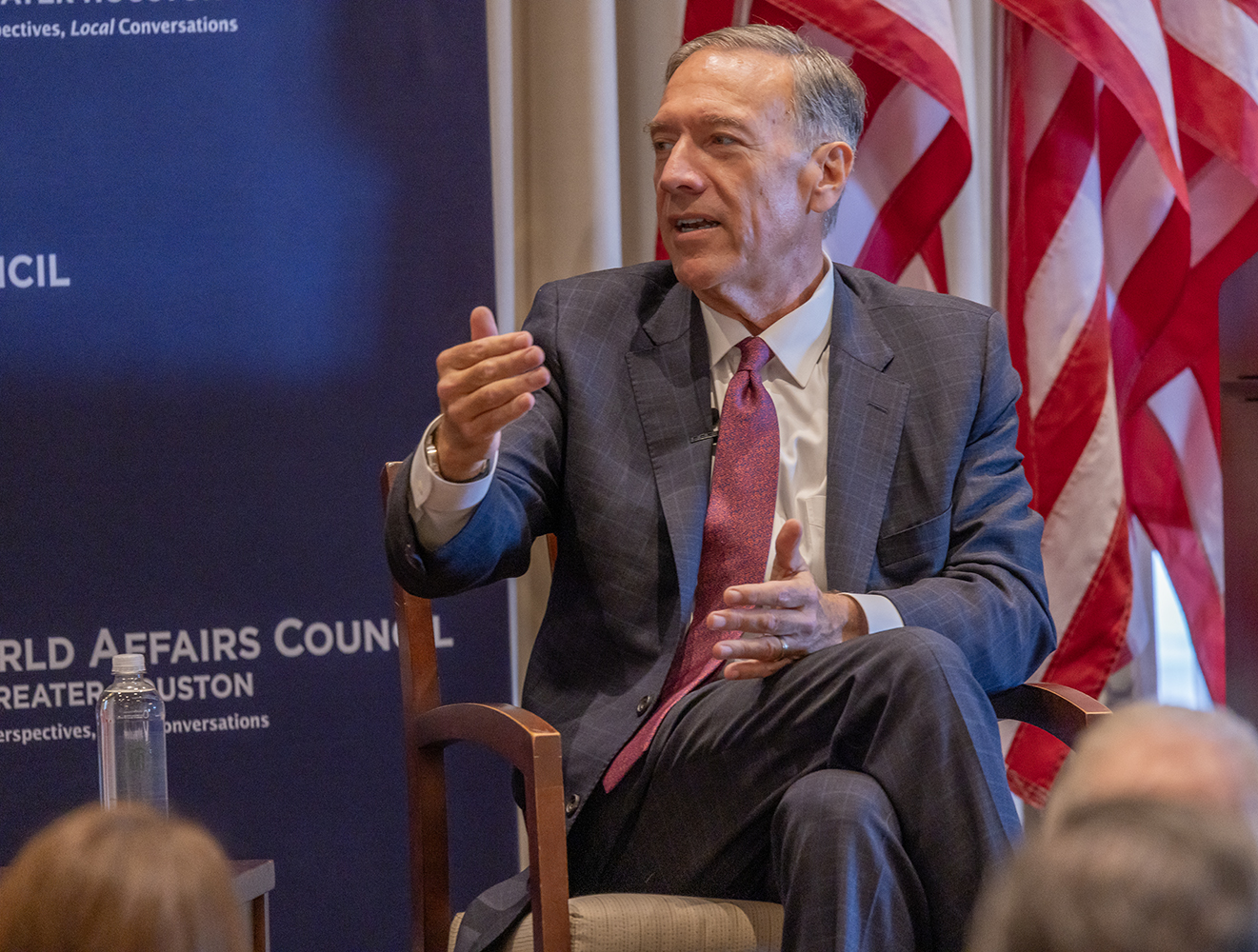
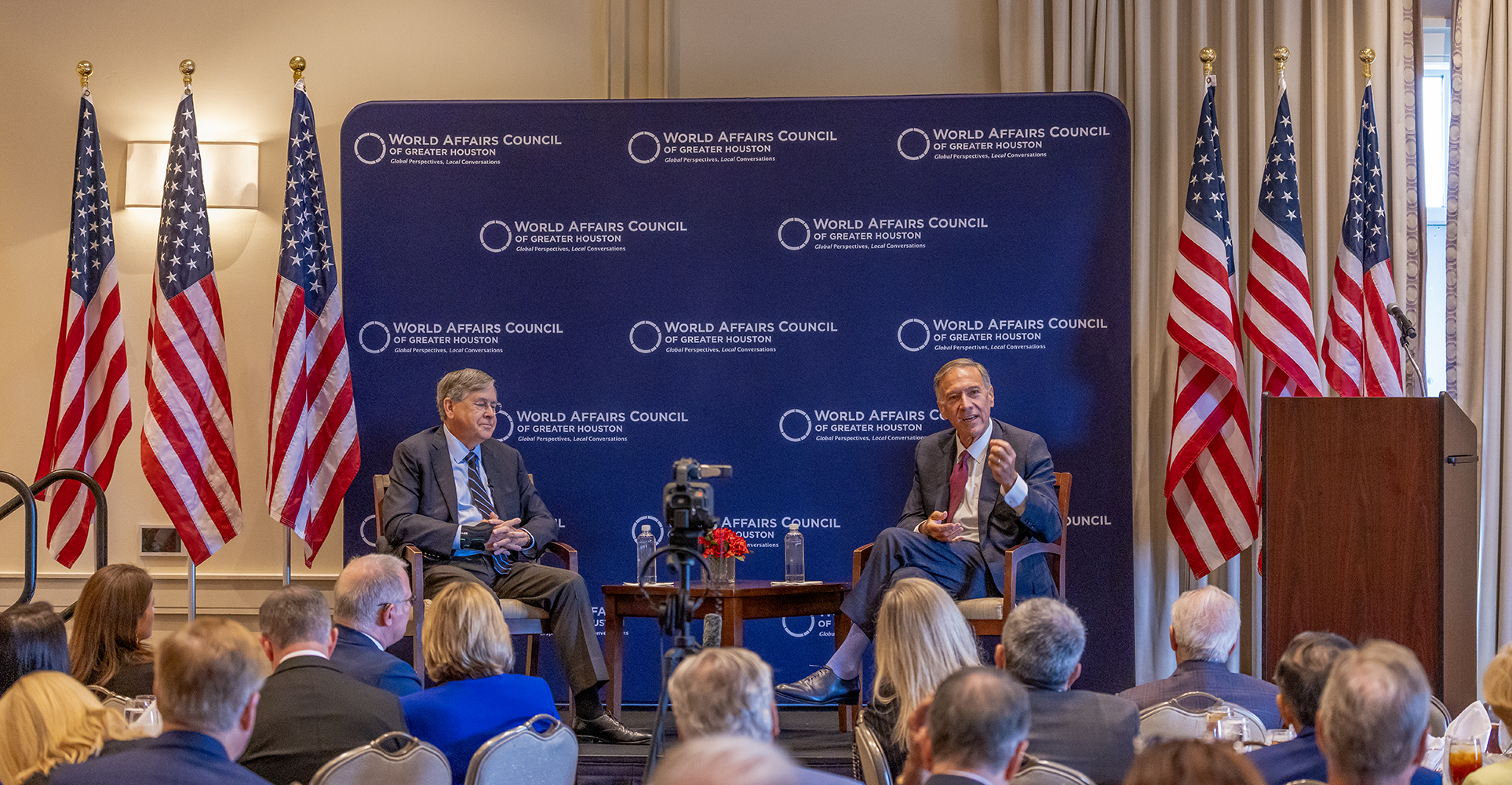
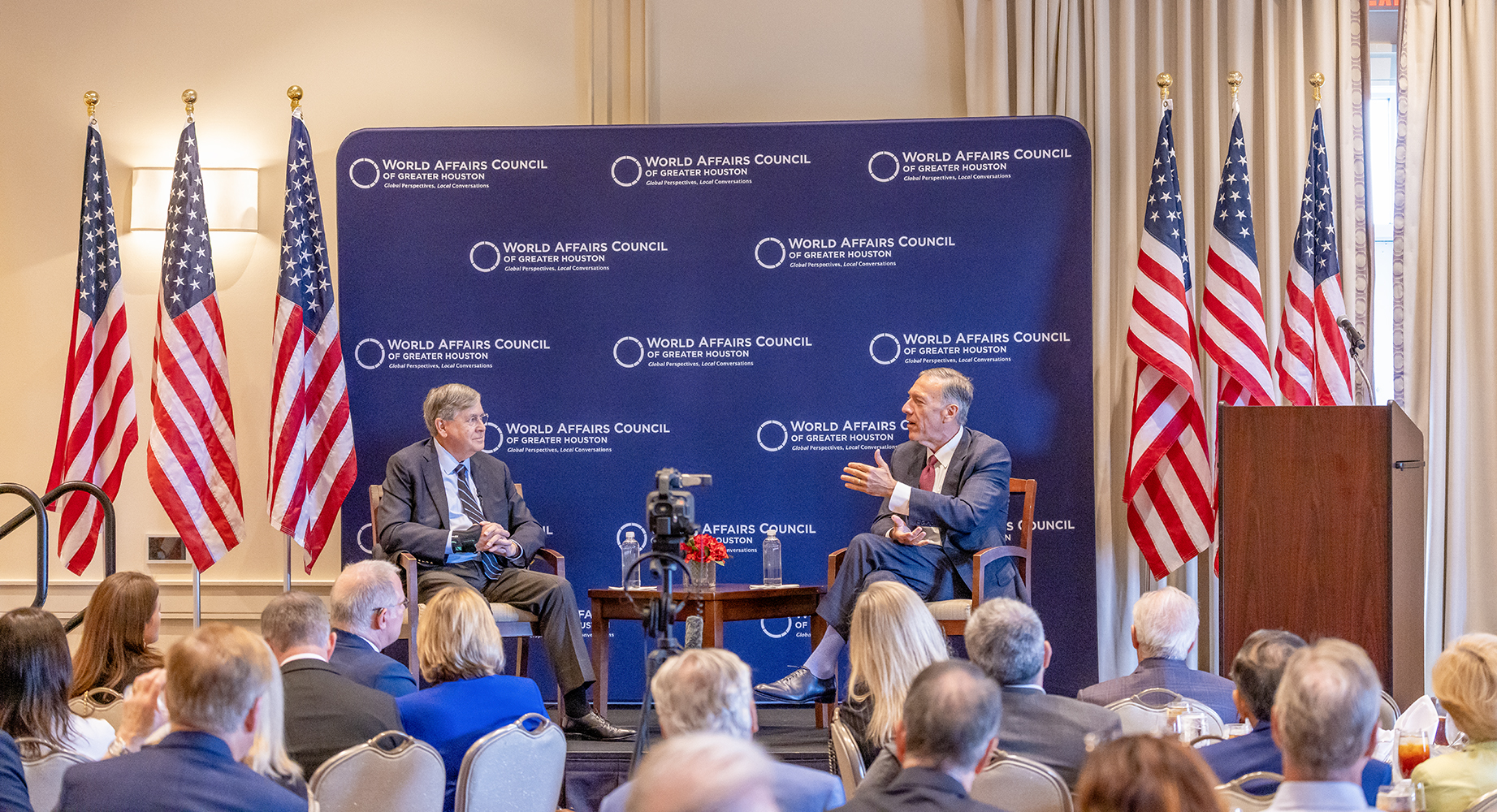
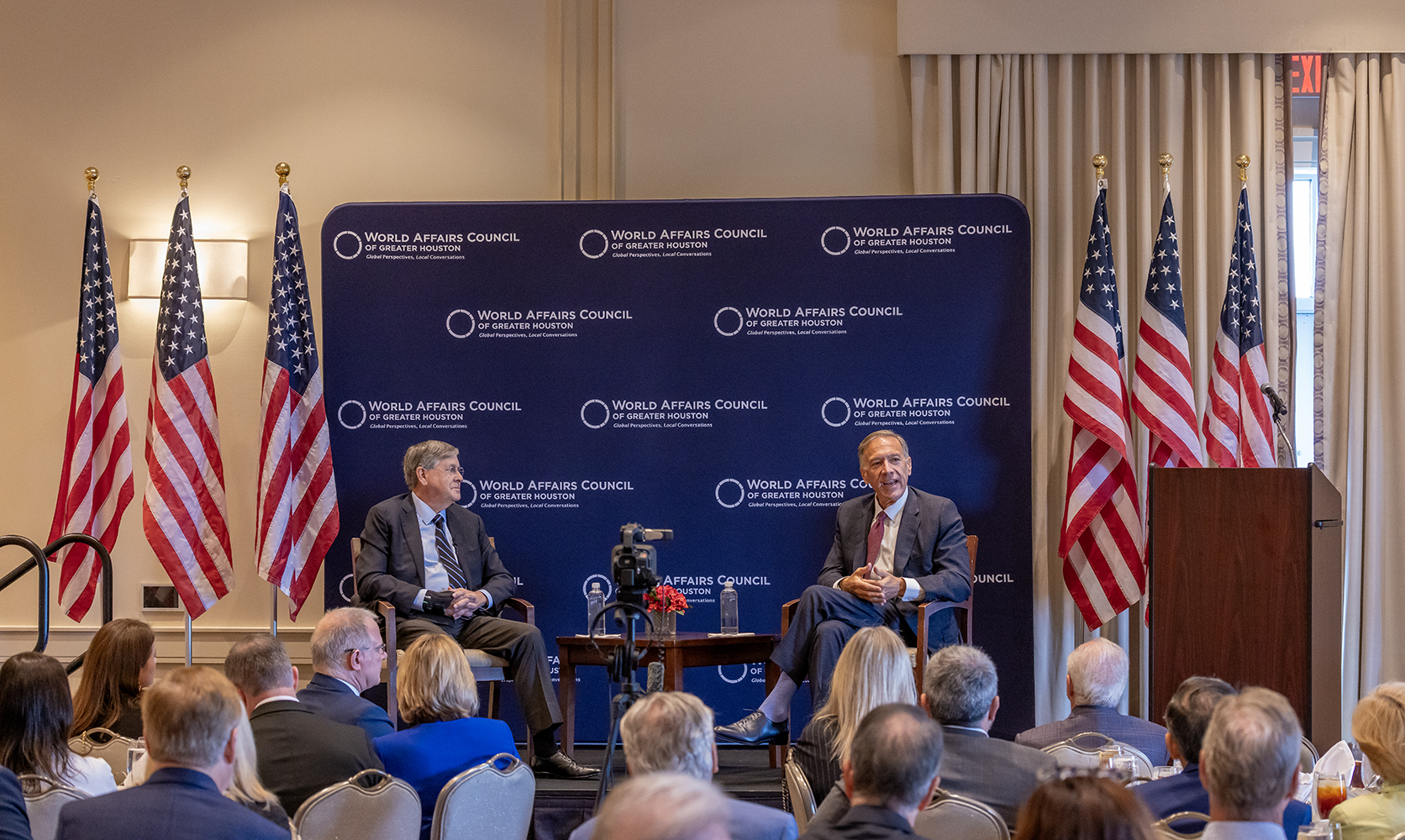
…the luncheon featured a discussion that moved seamlessly between grand strategy and practical governance. Secretary Pompeo, drawing on his experience as CIA Director and top diplomat, offered insights into the challenges facing American leadership in an increasingly complex world.

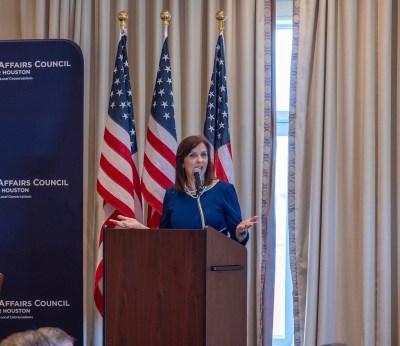
Following an introduction by World Affairs Council CEO Maryanne Maldonado…

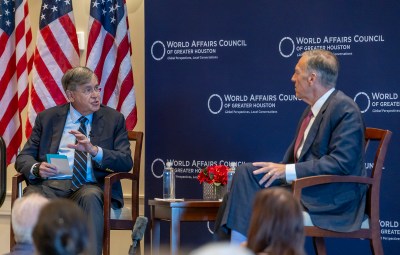
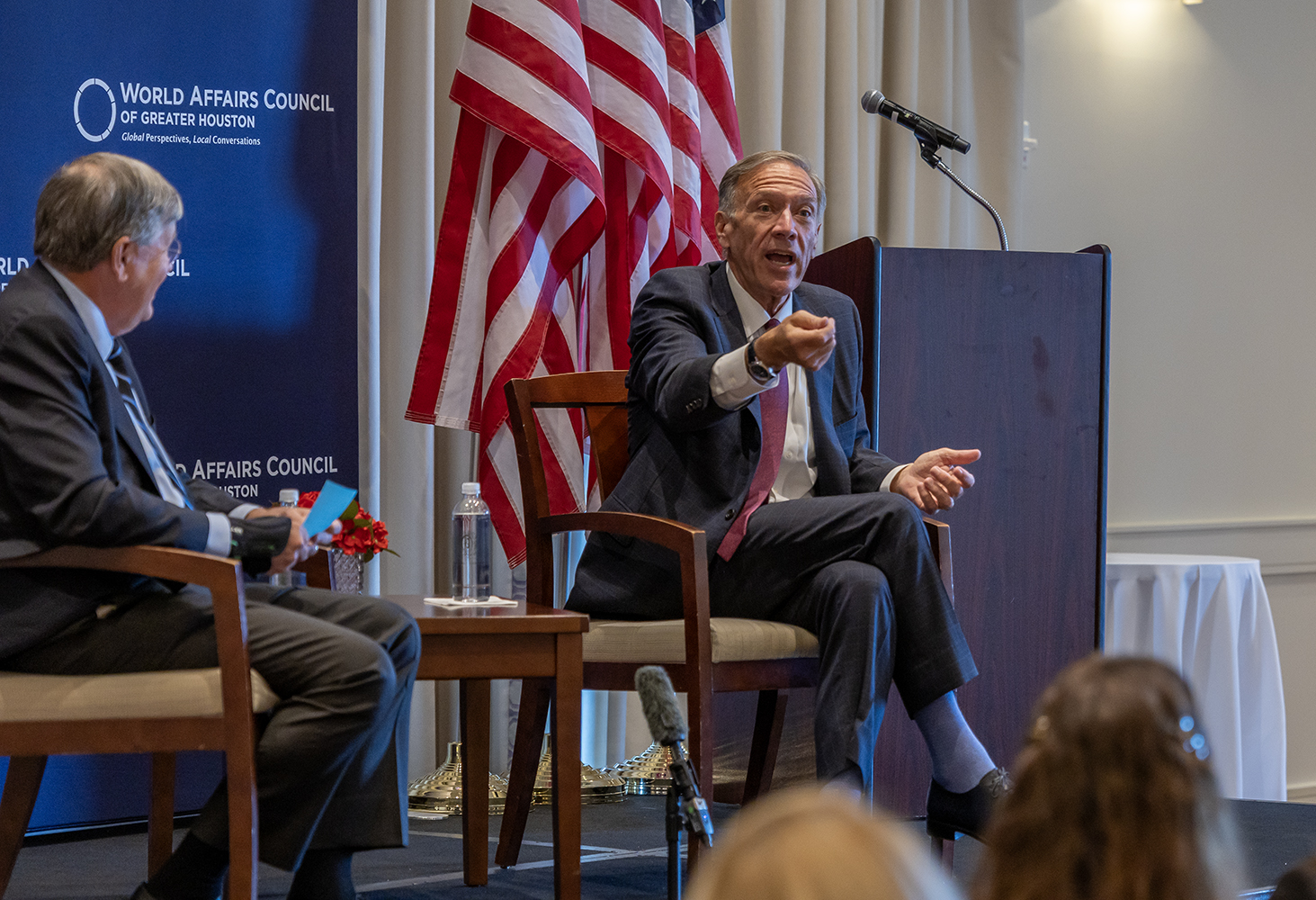
…Ambassador David Satterfield…

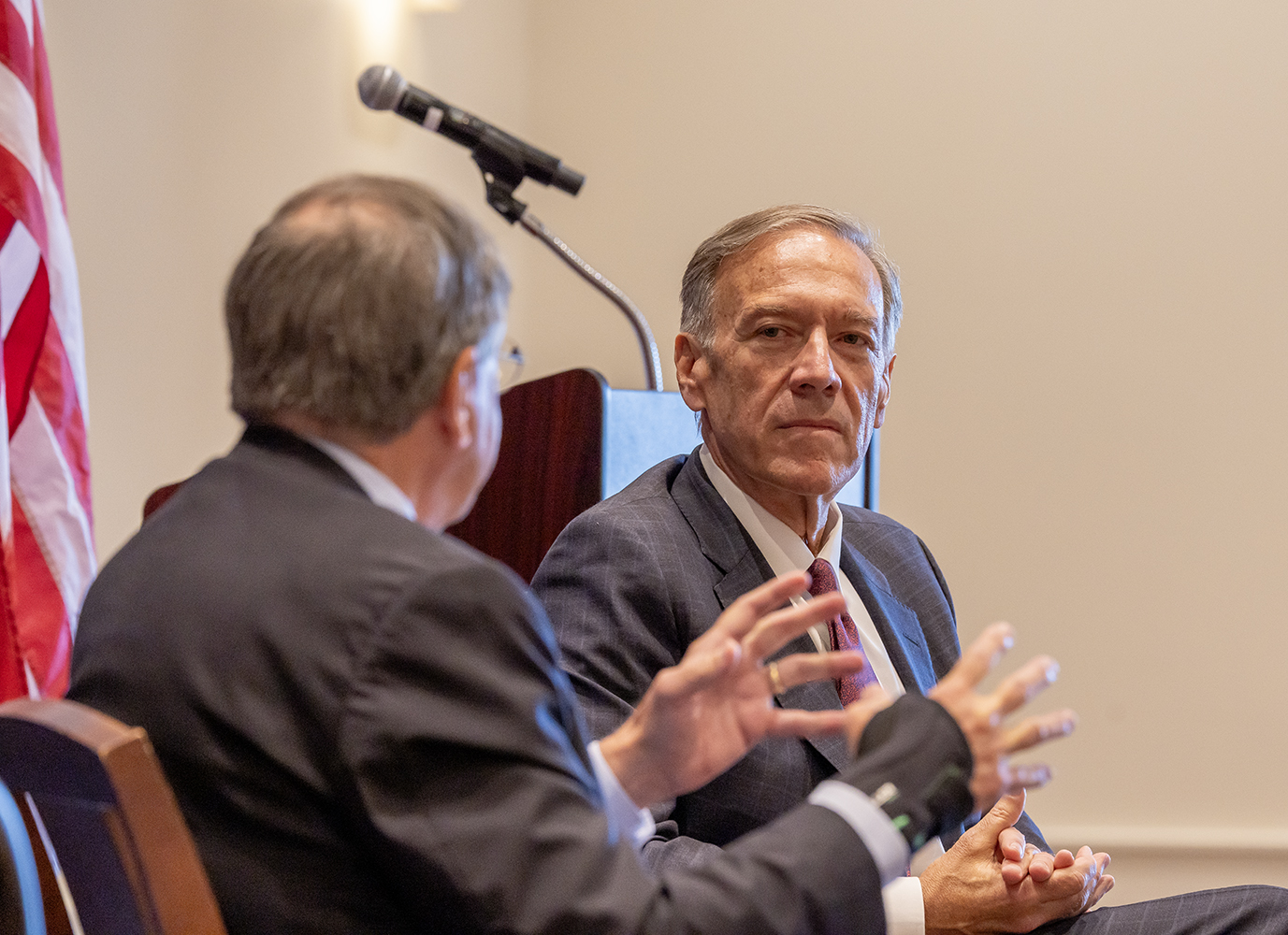
…moderated the discussion with Secretary Pompeo, who emphasized that global conflicts stem from (1) a failure of American leadership, (2) the influence of powerful and negative international actors (chief among the Chinese Communist Party), and the ineffectiveness of international institutions. He is, however, a firm believer in the United States’ role internationally.

The conversation touched on several key international relationships. Secretary Pompeo stressed that achieving national objectives requires partnerships worldwide, acknowledging that not all allies share the same governance systems and how some relationships are built on shared interests rather than shared values. He noted that recent events have done more to energize NATO and European defense spending than decades of diplomatic pressure.

One particularly interesting topic concerned Houston directly: Secretary Pompeo discussed closing the Chinese consulate in Houston, revealing it had been conducting what he described as the largest spy operation ever directed against the United States. He characterized the U.S.-China relationship as a decades-long economic competition rather than an immediate military threat, noting that this competition extends far beyond government–affecting businesses, universities, and local institutions across America.

The afternoon took a more local turn when Secretary Pompeo shifted from international affairs to civic engagement. His most passionate remarks focused on participation in community institutions–school boards, city councils, HOAs, and PTAs.

He posed some direct questions to the room: How many people had attended a PTA meeting in the last decade? When was the last time anyone went to a city council meeting just to observe?

To illustrate his point, he shared a humorous story about serving on his HOA board–becoming deeply invested in a dispute over shake shingles, only to admit he’d forgotten which side he supported decades later. His point resonated: while thousands rally for various causes, local meetings where decisions directly affect communities often struggle to draw audiences. He argued that America’s real strength comes from people willing to do the unglamorous work of local governance.

Pompeo also spoke candidly about education, particularly the state of K–12 public schools. He expressed concern over declining test scores and connected educational strength directly to America’s long-term national success. Without a strong foundation in civics, history, and critical thinking, he argued, other national achievements lose their significance. His recommendation was straightforward: get involved with local school boards, support strong candidates, or run yourself.

Most interestingly, he emphasized the importance of maintaining trust in America’s institutions–the FBI, federal courts, and the judicial system. He noted that these institutions are what set America apart globally, and they must remain above political manipulation to maintain their effectiveness and public trust.

Secretary Pompeo’s message was one of practical optimism. Despite challenges, he expressed confidence in America’s direction–but emphasized that success depends on active citizenship rather than who occupies any particular office. Foreign policy matters, he argued, but so does showing up to your local school board meeting. Both require the same fundamental commitment to civic duty.

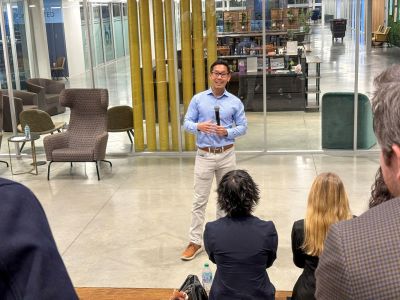
The luncheon was a meaningful reminder of how interconnected global leadership and local involvement truly are. From honoring public service at the Houston Police Memorial to hearing Secretary Pompeo reflect on America’s role in the world, the afternoon offered both perspective and valuable networking opportunities.

As always, we’re grateful to the World Affairs Council of Houston for providing opportunities that expand our understanding of international affairs, and we are grateful for Ms. Braniff for her hospitality, her tips, and for sharing her knowledge with us!
Unknown's avatarAuthor mikeyawnPosted on October 13, 2025October 12, 2025Format AsideCategories Civic Engagement, International Affairs, Local GovernmentTags Ambassador David Satterfield, Center for Law Engagement And Politics, CIA Director, LEAP Ambassadors, Sam Houston State University, Secretary of State Mike Pompeo, World Affairs Council HoustonLeave a comment on Navigating International Relations With Secretary Mike Pompeo

Bridging Military and Civilian Divides: Lessons from Admiral Kirby and the World Affairs Council

One of the most valuable aspects of the LEAP experience is the chance to learn from leaders who have dedicated their lives to public service. The World Affairs Council regularly provides such opportunities, and at the Royal Sonesta in Houston, we had the privilege of hearing from Admiral John Kirby.

Admiral Kirby began his career in the United States Navy as a Public Affairs Officer, which eventually led him to serve as Press Secretary for the Pentagon and later as Coordinator for Strategic Communications at the National Security Council. Having worked under both the Obama and Biden administrations, Admiral Kirby has long been at the center of national security, communications, and public affairs.

The evening’s conversation, emceed by Sandiya Bayot…

…and introduced by WAC Board Chair Ken Tubman (President of PPA Resources)…

…and moderated by our good friend Ronan O’Malley, touched on a wide range of issues: foreign affairs with superpower nations, military missions and operations, the role of the media, and the importance of sharing information responsibly.

One of Admiral Kirby’s first reflections was on the difficulty of his role: explaining tough decisions to the American people. He emphasized that while he could not alter the facts or decisions already made, his responsibility was to provide clarity about why those decisions were in the nation’s best interest and how different choices might have carried heavier consequences.

On military matters, Admiral Kirby spoke about the Russia-Ukraine conflict, Afghanistan, and broader concerns about military culture. Regarding Russia, he explained how U.S. intelligence delayed some of Vladimir Putin’s plans and stressed the importance of declassifying information when possible. By making certain intelligence public, the U.S. can share insights with allies and citizens without compromising sources.

Reflecting on Afghanistan, he noted how the Vietnam War left a strained relationship between the press and the military. Later, steps were taken to rebuild trust, such as embedding reporters with platoons during the Bush administration. This gave journalists firsthand experience and allowed them to write more accurate, informed accounts for the American people.

Even with these improvements, Admiral Kirby expressed concern that military service is increasingly becoming “a family business,” passed down through generations. While traditions of service are admirable, he worries this could widen the divide between those who serve and the broader public. For him, bridging that gap remains essential.

A recurring theme throughout the evening was the power of stories and information. Admiral Kirby explained that every story matters, and sharing them connects the military to the people it serves. Stories, he said, keep the world turning.

The conversation then turned toward media and technology. Admiral Kirby noted that while the rapid spread of information makes misinformation difficult to contain, it also provides powerful opportunities when used correctly. He drew comparisons across history: President Kennedy mastering live television, Roosevelt using photography, and Lincoln embracing the telegraph. For today’s leaders, the revolutionizing force is technology and social media, and Admiral Kirby stressed the importance of adapting to it.

One of his most powerful points was that, regardless of political party, Americans ultimately want “information, not confirmation.” Rational decision-making, he reminded us, depends on honest, clear information.

On a personal note, I had the chance to meet Admiral Kirby before the event. As we arranged for a group photo, he asked me about my studies and future goals. When I shared that I wanted to become an attorney and later involve myself in politics, he responded with a smile: “You’ve got it, go get ’em!” 

That moment reflected what made the entire evening so meaningful. Admiral Kirby has a rare ability to connect with people, whether addressing an audience of hundreds or speaking one-on-one. His insights were powerful, but it was his ability to inspire and make each person feel included in the conversation that left a lasting impression.

This event will remain one of my favorites from the World Affairs Council.

Unknown's avatarAuthor mikeyawnPosted on September 29, 2025Format AsideCategories Civic Engagement, Education, International Affirs, PoliticsTags Admiral John Kirby, Center for Law Engagement And Politics, LEAP Ambassadors, LEAP Center, Ronan O'Malley, Sam Houston State University, World Affairs Council HoustonLeave a comment on Bridging Military and Civilian Divides: Lessons from Admiral Kirby and the World Affairs Council

Outside the Classroom; Inside the CIA

LEAP Ambassadors enjoy learning in the classroom, a fact made evident by a collective 3.81 GPA. But the special part of the program is the learning outside of the classroom, where we work to expand our professional networks, learn new information, and venture outside our comfort zones. Such outcomes were on full display at the World Affairs Council‘s “Inside the CIA” event featuring Michael Ard.

A former CIA Analyst now teaching international affairs at Johns Hopkins University, Ard took us on a far-ranging tour of the CIA and the world in a discussion facilitated by everyone’s favorite moderator, Ronan O’Malley.

The CIA oversees 11 centers and undertakes, according to Ard, four major activities:

  • Analysis
  • Collection
  • Covert Action
  • Counterintelligence

Obviously, these actions involve sensitive operations, and Ard noted that this can lead to conflict with the rest of the world, the Congress, and, most notably, the President. The President relies heavily on the CIA, and when operations do not go well, it can lead to negative consequences for the Chief Executive, which can, in turn, lead to strained relationships. Nixon, in particular, was distrustful, a fact punctuated by Ard, when he quoted Nixon: “What are those clowns in Langley doing? Reading the newspaper?”

But it wasn’t just Nixon: JFK felt burned after The Bay of Pigs disaster in Cuba; Congress was disillusioned during the Church Hearings in the 1970s, when many of the CIA’s activities came to light; and George W. Bush, according to Ard, was sorely disappointed in the CIA’s investigation into Weapons of Mass Destruction (WMD) in Iraq.

Speaking of which, during Q&A, the audience asked whether the Bush Administration put pressure on the CIA to find what it wanted to find: WMD. Ard said, “No.”

He encouraged the audience to read the Silberman-Robb report, noting that the biggest problem in Iraq was that Hussein wanted some countries (his regional enemies) to believe he had WMD, and he wanted us to believe he didn’t. This caused him to act with much furtiveness, which was then interpreted as guilty behavior. It wasn’t correct, he noted, but it was a reasonable conclusion.

Ard was also asked whether any movies get the CIA right. The former analyst noted he doesn’t watch a lot of movies, and he was generally dismissive (“they’re movies”), but he noted that “Argo” had the right feel, and “The Sum of All Fears” captured some of the banter among analysts.

Following the event, Dr. Ard put on his professorial hat, and spoke to us as students for a while.

Even as he noted the challenges associated with recent budget cuts, he was encouraging, prompting us to dream big, take opportunities, and to be assertive in putting our goals into action.

Unknown's avatarAuthor mikeyawnPosted on September 19, 2025September 19, 2025Format AsideCategories Civic Engagement, Criminal Justice, International Affairs, Law, Public AdministrationTags Center for Law Engagement And Politics, Central Intelligence Agency, CIA, LEAP Ambassadors, Michael Ard, Sam Houston State University, World Affairs Council HoustonLeave a comment on Outside the Classroom; Inside the CIA

Next Stop, Italy! World Affairs Council’s Culinary Passport Series

by Jacob Wessels

LEAP students added another country to its World Affairs Council culinary passport: Italy. While Italy is most known for pizzas, pastas and their ketchup-despising attitude, it is also known as the wine capital of the world. We learned more about wine and its profound impact on people’s lives.

In true European fashion, there was plenty of snacking to be had, rather than a full-course meal. A variety of cheeses and meats ensued, and we spent time conversing in the beautiful Italian Cultural and Community Center.

The speaker for the evening, Ferdinando Favara, has grown up appreciating this aspect of Italian culture his whole life. His family, who has longstanding roots in the wine industry, have a vineyard in Sicily–which we came to learn is on the up-and-up in terms of regional “quality”. Favara helped his grandmother in the wine fields starting at just 14 years old.

Ferdinando spoke about how wine helps to bring people together. His “philosophy”, so to speak, is that wine creates stories, keeps stories alive, and connects people in a vital way. While LEAP students didn’t personally indulge in any wine tasting, it was fun to partake in the storytelling and learn about the many intricacies that come with a high-quality experience. Much like the efforts of the LEAP Center!

He also talked about the deep history of wine which started 3,000 years ago in Sicily. Sicily, which is the largest island in the Mediterranean, uses a terrace-type farming technique. It uses this form of farming because it has the largest active volcano in Europe! Our discussion then traveled to Piemonte, once the land of the King of Italy. While on the verbal excursion, we learned the king entrusted his vineyard to one of his servants (who was rumored to be one of his lovers!), a legacy that lives on today. This region is home to one of the oldest vineyards in all of Italy.

LEAP students truly appreciated attending another World Affairs Council program which has helped broaden our understanding of the world around us. While we didn’t engage in the wine component of the evening, we definitely appreciated Italy’s culture, history and significance in the wine industry. 

Unknown's avatarAuthor mikeyawnPosted on September 12, 2025Format AsideCategories Civic Engagement, Food, TravelTags Center for Law Engagement And Politics, Ferdinando Favara, Italy, LEAP, LEAP Ambassadors, LEAP Center, Pre-Law Society, SHSU, World Affairs Council HoustonLeave a comment on Next Stop, Italy! World Affairs Council’s Culinary Passport Series

WAC Event Highlights Filipino Cuisine and Contributions

Over the years, the World Affairs Council (WAC) has exposed LEAP students (and many other students) to new cultures, concepts, and speakers, greatly enriching our education. Last week, WAC did it again, offering an intriguing look at the culture of the Philippines in another of their “Culinary Passport” series featuring moderator Saege Anzueto; Dr. Riza Mauricio, a Professor at UTHealth Houston; Cybil Pallugna-Saenz, President of the Filipino American National Historical Society; Nathaniel Uy, President of the Filipino Graduate Student Association at Rice University; and artist Nixxio Castrillo.

The event was held at Houston’s Gerry’s Grill, a restaurant that originated in the Philippines, then migrated to California, before reaching its apex in Houston. With approximately 40 guests for this event alone, the restaurant provided a wonderful menu that included Lumpiang Shanghai (Filipino eggrolls), Chicken Skewers, (probably) Bistek Pinoy, Pancit Bami, and Chop Suey. The food was wonderful; the restaurant did a great job curating the food choices. Although everyone expressed satisfaction with all the meals, there was probably a consensus that the Bistek Pinoy was especially good, both tender and flavorful.

The speakers offered perspectives that were as diverse as the food. Professor Mauricio, not surprisingly, stressed the importance of Filipinos in health care, noting the large numbers and impressive contributions that Filipinos have made in nursing, particularly at the Texas Medical Center.

She noted with pride that May 13 of this year was named “Filipino Nurses Day,” while also noting with some regret that it took so long for these contributions to be recognized.

Pallugna-Saenz discussed the contributions the Filipino American National Historical Society has made in archiving Filipino contributions, while also expressing a desire to grow the organization.

Nixxio Castrillo made note of his approach to art, highlighting some of the materials he uses (copper, brass, stainless steel) which require a detailed, nuanced approach–much like that of fine jewelry–to achieve the desired effect.

And Nathaniel Uy spoke specifically to the young professionals in the audience, encouraging them to build a foundation for their future careers, take risks, and to treat the world “as [their] oyster. He knows of which he speaks.

When he left the Philippines to attend Rice, he scheduled a visit with the Filipino consulate. He wanted help adapting to a new country, but he also, as he put it, “just wanted the Consul to know who I was.”

As we have come to expect at WAC events, the evening was informative, interesting, and not least, tasty. We enjoyed meeting the distinguished speakers, other guests, and, of course, seeing our friends at the World Affairs Council.

It’s always fun at a World Affairs Council event, especially when food is involved, and tonight was no different.

Unknown's avatarAuthor mikeyawnPosted on July 15, 2025July 14, 2025Format AsideCategories Art, Civic Engagement, Food, International Affairs, PoliticsTags Center for Law Engagement And Politics, LEAP Ambassadors, Philippines, Sam Houston State University, World Affairs Council HoustonLeave a comment on WAC Event Highlights Filipino Cuisine and Contributions

World Affairs Council– Qatar

by Olivia Discon

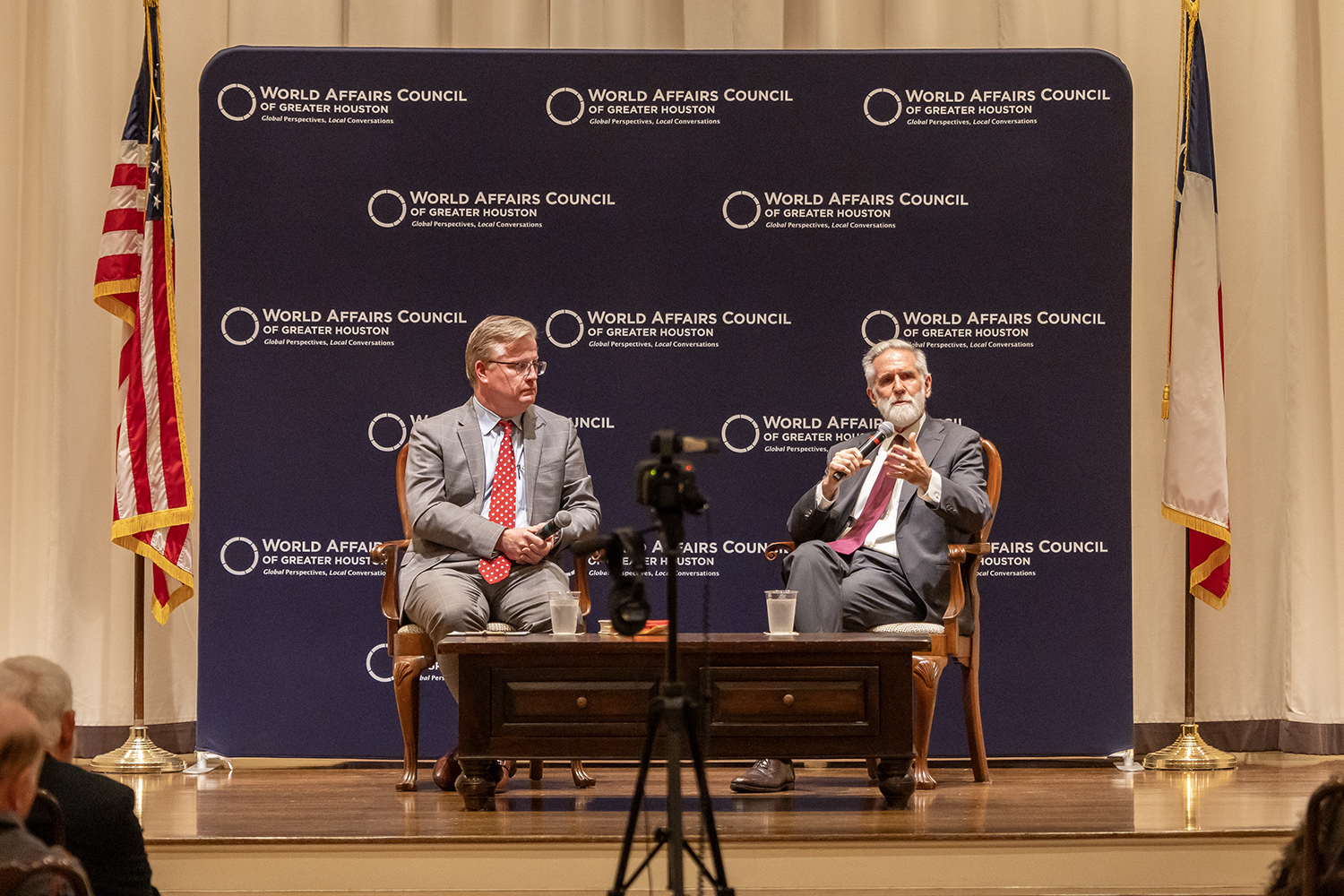
Even during the summer, LEAP Ambassadors stay engaged in opportunities to learn more about the world and the issues shaping it. Recently, we attended a World Affairs Council event focused on Qatar, featuring a panel of experts with deep backgrounds in diplomacy, energy, and Gulf region politics.

Sandija Bayot introduced the distinguished panel, which included Ambassador Chase Untermeyer, who served as U.S. Ambassador to Qatar under President George W. Bush from 2004 to 2007. He has worked across all levels of government over a four-decade career. He was joined by Dr. Jim Krane, who specializes in Middle East energy policy at Rice University’s Baker Institute, and Dr. Kristian Coates Ulrichsen, who focuses on Gulf State politics and international relations. The event was moderated by the wonderful Ronan O’Malley.

Ambassador Untermeyer began the discussion with a historical overview of Qatar’s development.

Once a relatively quiet country with limited economic activity, Qatar’s fortunes changed with the discovery and export of its vast natural gas reserves. The country also timed the development of its port infrastructure well, aligning with broader global shifts.

Today, Qatar ranks as the wealthiest country in the world per capita, while also being one of the highest emitters of carbon per person. Interestingly enough, Qatar is the only Gulf country to not commit to net-zero emissions–outpacing U.S. emissions nearly five-fold!

Much of the discussion focused on Qatar’s strategic position. Located in a complex region and bordered by major players like Iran and Saudi Arabia, the country takes a pragmatic approach to diplomacy.

Qatar maintains a posture of being “friendly, but firm,” navigating relationships with the U.S. and neighboring countries carefully while preserving its own interests.

After the event, we had the opportunity to meet and briefly chat with the speakers.

Ambassador Untermeyer very kindly signed copies of his book that every young professional should read, How Important People Act.

Though it was a rainy drive into Houston, the event left us–and the sun–rejuvenated. Having attended this event, especially with two LEAP alums, was rewarding. We always enjoy WAC’s programming, but this is one for the books!
Unknown's avatarAuthor mikeyawnPosted on June 16, 2025June 15, 2025Format AsideCategories Civic Engagement, International Affairs, PoliticsTags Ambassador Chase Untermeyer, Center for Law Engagement And Politics, Dr. Jim Krane, Dr. Kristian Ulrichsen, Qatar, Sam Houston State University, World Affairs Council HoustonLeave a comment on World Affairs Council– Qatar

Posts pagination

Page 1 Page 2 … Page 9 Next page

LEAP Ambassadors Are Involved!

This slideshow requires JavaScript.

Follow Us On Facebook!
Follow Us On Facebook!

Catch Up With Us

  • Crafting for a Cause December 18, 2025
  • Exploring The Shining: A Kubrickian Journey December 15, 2025
  • Interactive Experiences at Asia Society Texas: A Student’s Perspective December 14, 2025
  • A Culinary and Artistic Journey Through Houston December 13, 2025
  • Alumni Insights: Jessica Rodriguez-Wahlquist Returns to LEAP December 11, 2025

Join The Conversation!

The Civic Leadership… on Foundational Activities of the…
The Civic Leadership… on The Philosophical Foundations…
LEAPing Into Action… on The Philosophical Foundations…
Jada Cook's avatarJada Cook on SHSU Students LEAP Across Five…
Reflections from the… on Kicking off the Semester Right…

Find Previous Posts

Many thanks to Professor Lauren Clay, who led a ceramics class for LEAP students. This effort promotes the arts while fighting food insecurity through the Empty Bowls program, benefitting Meals on Wheels.

We also have Twitter!

My Tweets

LEAPing Into LEARNing

This slideshow requires JavaScript.

  • About LEAP
  • LEAP Ambassadors
Center for Law, Engagement, and Politics Blog at WordPress.com.
  • Subscribe Subscribed
    • Center for Law, Engagement, and Politics
    • Join 486 other subscribers
    • Already have a WordPress.com account? Log in now.
    • Center for Law, Engagement, and Politics
    • Subscribe Subscribed
    • Sign up
    • Log in
    • Report this content
    • View site in Reader
    • Manage subscriptions
    • Collapse this bar
 

Loading Comments...