Truman’s Terrain and the Land of Lincoln

Although our trip’s primary purpose is to assist Mr. Jeff Guinn with his research, our path to and from Detroit consists of various related (and otherwise educational) stops.  Today, the stops included the World War I Museum in Kansas City, the Capitol of Missouri in Jefferson City, and some historical sites in Springfield, IL.


World War I Museum

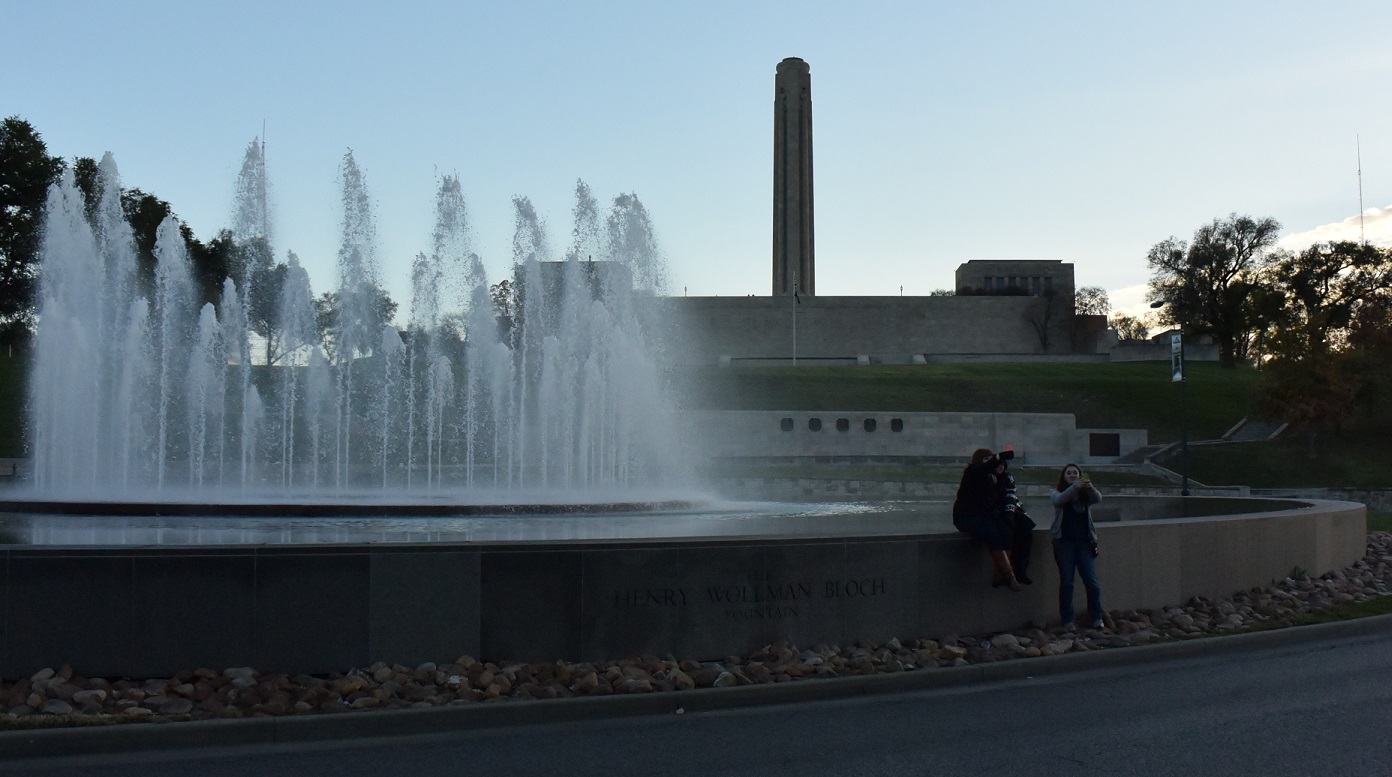
With a towering concrete edifice, the World War I Monument was recognized as the national commemorative memorial of the war’s destructive toll.

Liberty Tower, World War I Monument, World War I Museum, Kansas City
Liberty Tower, World War I Monument

Standing at the foot of the tower, we looked up to a blinding peak, which seemed to scratch the sun. With such an admiring sight, we found the elevator to climb the approximately ten-story structure. As we stepped onto the balcony of the memorial our sights were lost among the mesmerizing vista of Kansas City.

Kansas City, Skyline, Union Station, World War I Museum
Kansas City Skyline

Perched on our elevated vantage point, we spotted various spouting fountains riddled amidst the city, appropriately nicknamed the City of Fountains.

After descending the 90-year old elevator–a very cozy metal enclosure hanging over rickety wires-we returned to the ground. We then rendezvoused outside the memorial and returned inside the museum, ready to view the exhibits of diverse aspects of the Great War.

With a brief overview of the complexity of the war’s inception, composed of treaties and alliances among the European nations, we began the tour with relics of the nations’ emperors and rulers.

World War I Museum, Timeline, Kansas City
Paul Examines the World War I Timeline

Such antiquities included marksmanship trophies, luxurious smoking pipes and flasks, and  other royal artifacts. As we followed the museum’s exhibits we also viewed the different models of the combatant’s firearms with pistols and rifles from each of the European countries. This exhibit provided a sense of the period’s need for manufacturing, where each nation used its resources and laborers to mass produce their own firearms. Among the exhibits were showcased other aspects of the war which had not been experienced prior to the Great War, such as chemical warfare. With masks worn by these trench soldiers, grenades which contaminated the air with hazardous gas, and the spray of mustard gas which would burn the flesh of patriotic fighters, the atrocities witnessed in this war were unlike any other. Furthermore, the dugouts in which the military denizens took, what could loosely be termed, refuge, imposed a very deplorable, unsanitary, demoralizing lifestyle for the fighters of World War I. To further exhibit the effects of industrialization on war, there were also maquettes and life-size models of the war’s u-boats, primitive military air-crafts (some made out of cloth and wood!). and missiles.

WWI_Museum_Ryan_Paul_Missile_Web

Most notably, in the American campaign section of the museum, we found two modified Ford Model T’s which would have been used during the war.

Model T, Henry Ford, World War I, WWI Museum, Kansas City
Paul and Ryan Examine the War-Purposed Model T

Even though the war acted as a catalyst for the modern industrial culture and economy, it also began a new age of catastrophic war. No other showcased artifact was able to capture this horror than Wilfred Owen’s “Dulce Et Decorum Est,” which we listened to inside one of the museum’s powerful exhibits. It was this poem that spoke the truth of the war’s atrocious effects on the lives of those who died and survived World War I. After this reflective visit to the museum, we went back to our traveling mini-van and got back on the road in order to reach Jefferson City on time for our tour of Missouri’s Capital Building.


Jefferson City, Missouri’s Capital

After the two hour drive into Jefferson City, we hopped on an already-started capitol tour. Our tour began on the second floor, where there are sixteen murals done in a style called three point perspective, where, at different angles, objects in the painting seem to be altered. For example, in one mural depicting a civil war battle, Union forces look to be attacking, while Confederate forces are retreating, but, at another angle, the roles of the opposing sides seem to switch.

On this same level are the House and Senate chambers. On the house side, there is the House Lounge room, where Thomas Hart Benton, a native Missourian, painted a mural covering all of the walls.

Thomas Hart Benton, Missouri Capitol, House Lounge
Thomas Hart Benton’s Murals in the House Lounge

The murals depict the history of Missouri, both good and bad, from French traders and farmers trading with the natives, to the time of Tom Pendergast, also known as “Boss Tom” (seen in the mural above on the bottom right).

When Boss Tom was arrested on tax fraud and sent to prison, one senator snuck in at night and carved Pendergast’s prison number on the back of his suit. Other congressmen would put out their cigars and cigarettes on his face, and Mr. Benton had to come back years later to repair the mural.

All the faces in the murals are native Missourians, except for one: an Osage Native American who was living on a reserve in Kansas, since natives were removed from their lands in Missouri.

Interestingly and sadly, when Mormons settled in Missouri, they were hated by many, and the governor passed an executive order in 1838 to allow anyone to drive them off of their land by any means necessary, whether that be tar and feathering, burning their house, or murder.

Missouri_Capitol_Mural_Inset_Mormon_Web
Benton Depicts the Treatment of Mormons in Missouri’s Early History

On the third floor is a hall of famous Missourians, where busts of well-known natives of the state are featured. Two in particular—Emmet Kelley, a famous clown, and Stan Musial, a famous baseball player—are special in that, if you take a picture of them with the flash on, you see features not visible to the naked eye.  With Kelley, for example, you can see his clown makeup when photographed with a flash.

When Stan Musial is photographed with flash, the red “SL” on his cap is visible; without the flash, or by the naked eye, the SL is visible, but not in Cardinal red.

Also on this floor is the grand staircase, a huge staircase which leads from the grounds outside to the third floor, the largest bronze doors cast since the Roman Empire, and a 9,000 pound bronze chandelier suspended from the ceiling of the dome. Having finished the tour of one of the “most interactive capital buildings” (according to Brian Aldaco), our hunger was calling our attention.

Missouri's Capitol Dome
Missouri’s Capitol Rotunda

For lunch we went to a place called Arris, right next to the beautiful Missouri Capitol. Arris is a Greek pizzeria. Every pizza that they serve is named after a different figure from Greek mythology or history, including Achilles, Athena, Atlas, Poseidon, and Plato. Curiously, it seems that the philosopher has determined that eating animals is unjust, as the Plato was a vegetarian pizza.  We went for a meat option.

Arris_Pizza_Web

Between the LEAPsters we split the Aiyaiys pizza, made up of cheese, mushroom, green peppers, and sausage. Professor Yawn got a gyro sandwich of Illiadic proportions in lieu of pizza. We also discovered that Greek pizza bears more resemblance to Italian pizza than American pizza. “Like the Italian pizza, this one had less tomato sauce, and a thinner crust,” commented Paul Oliver. Having tasted among the finest in Greek pie we drove towards Springfield, Illinois in hopes that we would make there on time before the closing of Lincoln’s burial grounds.


Lincoln’s Tomb

After another long car ride we arrived at Lincoln’s Tomb. It is an impressive edifice, boasting a central obelisk that rises to a point high above the rest of the mausoleum.

Lincoln's Tomb, Springfield, IL

A statue of Lincoln adorns the front, his hand outstretched before him. Beneath him various statues of heroes stand. At the base of the tomb is a heavy, metal door that allows entrance into his sepulcher.

The rest of the necropolis was quite beautiful as well. The landscape of lush, green grass and tall trees provided a verdant resting place for the dead. Most curiously, adjacent to Lincoln’s tomb was the old home for the tomb’s caretaker. Due to an edict issued by the governor at the time of the crypt’s construction, all government buildings had to be made in a gothic style. The caretaker’s home is therefore made of stone bricks, and has a presumably faux-watchtower built into its side, as well as battlements upon the roof.

As the tower’s bell knoll marked the time for the cemetery to close, we rode to take a peak of Illinois’ Capital Building. On its grounds stood a statue of Abraham Lincoln…

Abraham Lincoln, Illinois Capitol Building
The LEAP Guys with Abraham Lincoln and the Illinois Capitol

….and Stephen Douglas which we were fond of (he appeared to be strutting). After admiring the very dramatic architecture…

Illinois_Capitol_2_Web

…we rode a few blocks in search of Frank Lloyd Wright’s Dana-Thomas home.

Unlike the Usonian homes we had visited in our previous trip, the Dana-Thomas home was designed in a more oriental-inspired design but it still stood as a home far ahead of its time. Even though it was built a hundred years ago, due to its very modern appearance, it could have very well been built yesterday.

To continue on our search for interesting homes, we also went in search for Lincoln’s Springfield home. Situated along South 8th St. and East Jackson St., the homes that surround the former Illinois senator’s residence are preserved as they were in the 19th century. With the street left unpaved, walking towards Lincoln’s home was an enjoyable stroll down a period of American history that is left frozen in time in those few blocks near The Great Emancipator’s home. As we caught the last glimpses of the residence, with the sun already beneath the horizon and fireflies glittering along the dirt road, we hoped onto our minivan ready to make our three-hour ride to Chicago. With a very satisfying day of historical learning coupled with an estimated total travel time of eleven hours we deemed it appropriate to pat ourselves on the back for having enjoyably finished the second day of our trip.
 

Midwest Tour, Day 8: Kansas City, Home of the MLB Champs!

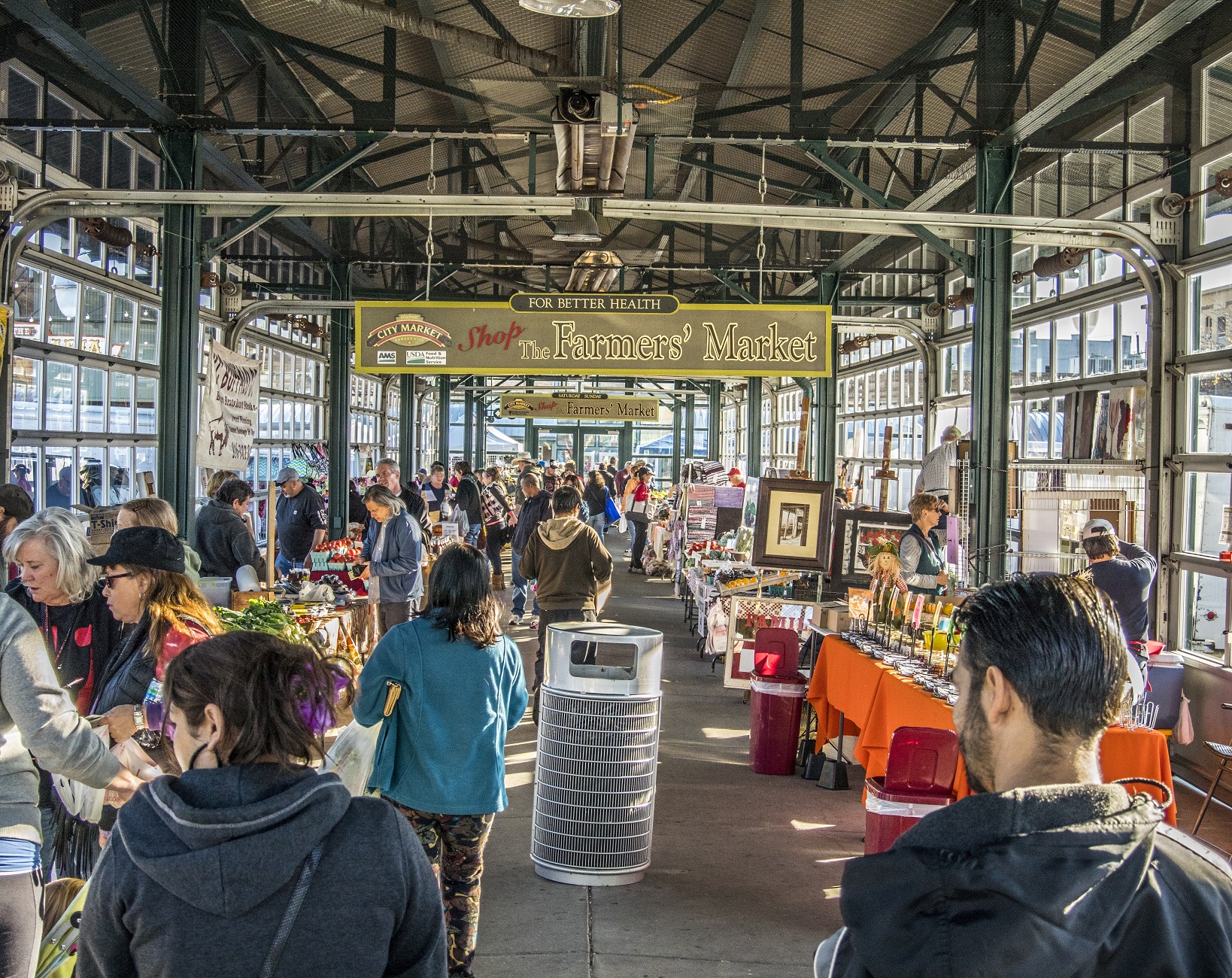
We began our Saturday morning exploring Kansas City’s own River Market. Although we arrived a bit early, we got a head start on all of the produce, cheeses, spices, and home goods that the farmers market had to offer. The brisk morning air refreshed us after a short night of sleep and we enjoyed strolling through the different vendors, smelling the fresh flowers, appreciating the colorful produce, and tasting different foods foreign to Texas.

City_Market_KC_2_Web

With just a little over an hour to explore, we tried coffee at Quay Coffee and wandered through the shops open at the early hour. With our noses exhausted from the various smells permeating the market, we left to make it to our Segway tour reservation on time.

Led by Kelly, we hopped on the available segways like pros and began the tour of downtown Kansas City.

Segway_Line_Web

We started in an area called Westport, home to bars, shops, and many a hipster. The area prides itself on preserving its history, which we observed in the established community and some of the buildings being the oldest sanding in Kansas City. Founded in 1831 by Isaac McCoy, Westport originally sat three miles south of what is today downtown Kansas City. His son, John Calvin McCoy, is credited as the “Father of Kansas City” and we observed a statue of him during the first part of our tour. We left the area of Westport to continue our tour, segwaying past pedestrians and through a few linear parks. Kansas City, known as the least dense and city with the most green space in America, is home to many beautiful parks. We had the chance to enjoy these areas, albeit, on segway. We followed Kelly along a couple creeks, walking trails, and even spotted public work out equipment along the way. We ambled upon Kauffman Memorial Garden after visiting Westport, a clear juxtaposition to the hip, bar district we had just explored.

Kaufman_Memorial_Garden_Web

The garden, quiet and serene, serves as gravesite to Ewing and Muriel Kauffman, philanthropists to the city in the mid 1960s. We left the garden to continue on our tour, only after appreciating the giant chrysanthemums in the greenhouse.

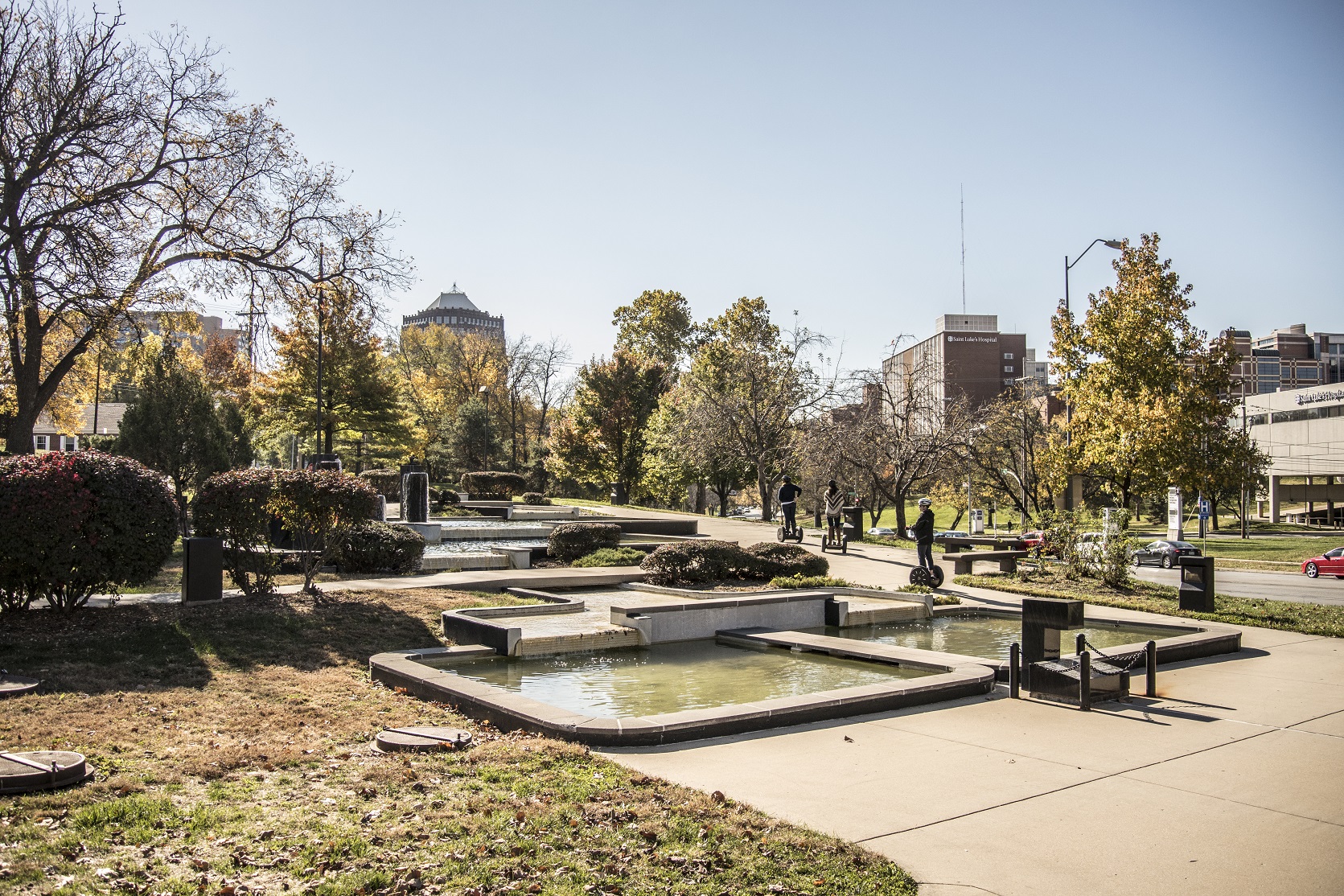
Kansas City is known as the “City of Fountains,” and one of the more interesting fountains we encountered was a memorial to the Vietnam War.  It was laid out in a series of cascading waterfalls, a reference to the U.S’s cascading involvement in the war.  It culminates in two pools of water at the end, a symbol for the split in public opinion over the war.

Segway_Vietnam_Memorial_Web

We spent the most time on our tour on the grounds of the Nelson-Atkins museum, avoiding photographers and muses as best we could. We even had the chance to explore grounds unfamiliar to Professor Yawn, home to sculptures by Ursula von Rydingsvard (Three Bowls), Henry Moore, and Roxy Paine (Ferment).

Segway_Sculpture_Garden_Constance_Alex_Moore_Paine_Web

We also had the chance to get off our segways and try out Robert Morris’ Glass Labyrinth, which we luckily made it out of without running into any of the glass walls.

Segway_Sculpture_Garden_Labyrinth_2_Web

We left the grounds, after quite a few photo opportunities, including the chance to see a Claes Oldenburg sculpture (a shuttlecock!)….

Segway_Sculpture_Garden_Constance_Alex_Shuttlecock_Web…and an unsettling sculpture titled “Standing Figures,” which is actually a sculpture of 30 headless men standing in rows.

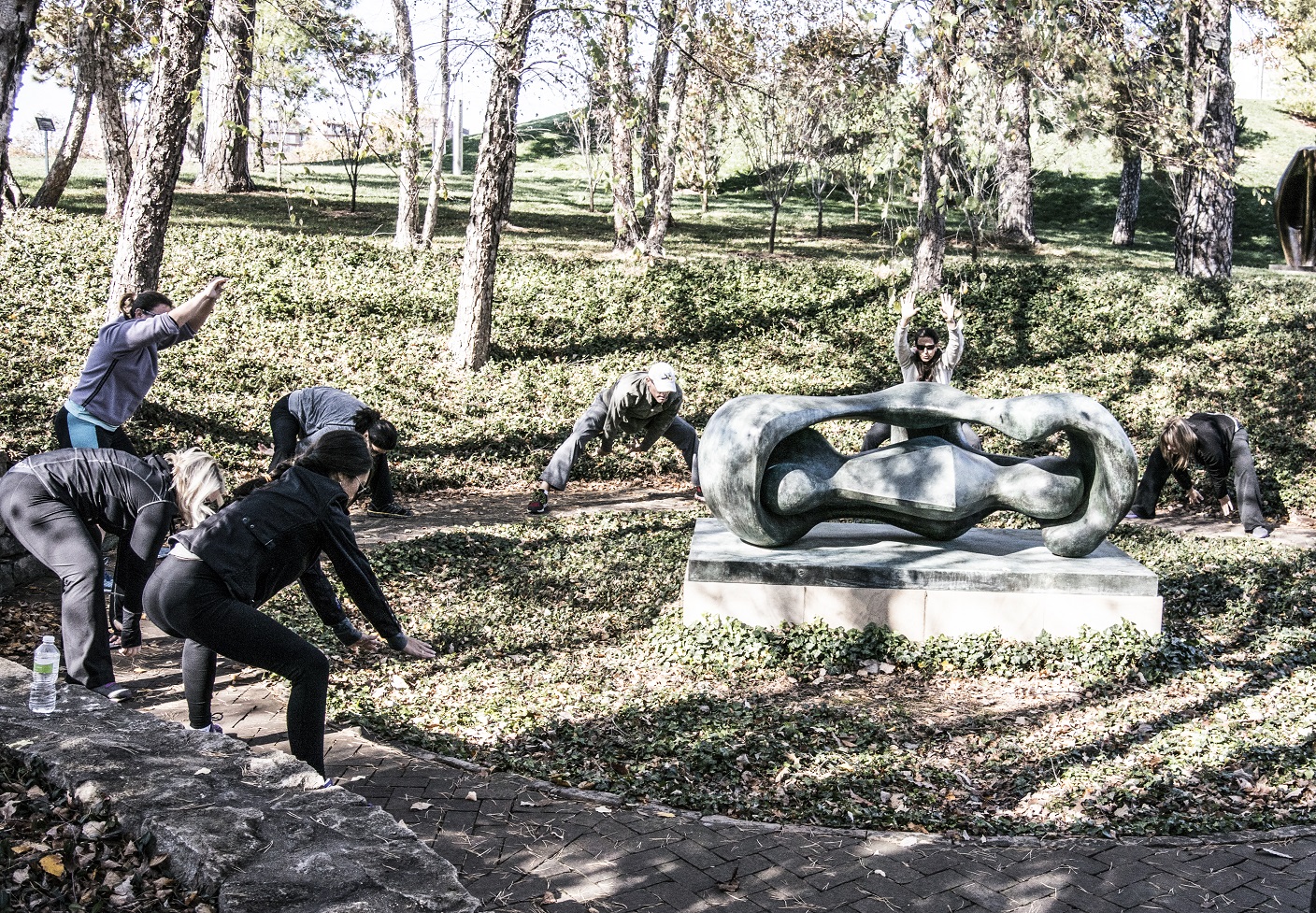
Segway_Sculpture_Garden_30_Men_Standing_WebMeandering through the parks, we also encountered some yoga practitioners, taking advantage of the peacefulness of the park (other than the speeding Segways, of course)…

Segway_Nelson_Atkins_Sculpture_Yoga_Group_Web

From there, we made it back to the Kemper Museum of Modern Art, which we had visited the evening before but had yet to observe in daylight.  We were re-acquainted with Louise Bourgeois’s “Spider”…

Segway_Kemper_Burgeoise_2_Web


…as well as Tom Otterness’s “Crying Giant.”

Segway_Kemper_Crying_Giant_WebWe had previously seen Bourgeois’s work in Iowa and in New Orleans, and we had only recently seen Otterness’s work (City Garden, in St. Louis).

That being our last stop…

…we bid adieu to Kelly and her insightful information and headed to scrounge up some lunch.

Much to the recommendation of our tour guide, we decided to eat lunch at Q39, a local Kansas City barbeque joint. We found the restaurant to be very popular and were confronted with an hour wait. With that information, Professor Yawn and Stephanie decided to let us wait and enjoy lunch while they left to grab our bags at the hotel in preparation for our departure this evening. We finally got a table, which was worth every second of the wait, once we received our appetizer of fried onion strings and meals consisting of ribs, sausage, pulled pork, and even better Kansas City barbeque sauce.

Q_39_BBQ_Web

Slightly tangy and very sweet, we enjoyed the barbeque that is so different than what we can enjoy in Texas. We left the restaurant full and ready to take on the rest of our afternoon.

We spent the first part of the rest of our afternoon exploring and learning at The National WWI Museum and Memorial. We arrived just in time to sit and watch the introductory video that left us wanting to learn more, so we ventured into the museum. We began with the WWI timeline that started with the assassination of Archduke Franz Ferdinand and led to Austria declaring war on Serbia.

WWI_Cannon_Wall_Web

This led to an entanglement of treaties and soon after, the five Great Powers were at war.

WWI_Global_War_Alex_Web

The museums timeline was easy to read and separated every year. The year of 1915 showed how the momentum of the war shifted to the east and highlighted the sinking of Lusitania by a German submarine. The year of 1916 on the timeline highlighted the Battle of Verdun and the Battle of the Somme. The timeline then moved on to the year of 1917, which is when Germany began to renew their unrestricted submarine warfare. One U-boat had cost American lives, which led to America severing its diplomatic relations with Germany and having to decide upon entering the war. The first American troops landed in France on June 25, 1917 and the spirits of France were renewed. The museum also features sections on Air warfare and others. As we walked through the museum we were able to watch another more interactive video about the war which then escorted us to the back portion of the museum that highlighted the America’s role in the War. The museum was very detailed and included many aspects of the war such as every branch of the military, a woman’s position in the war, civilian’s positions in the war, and an exhibit on war propaganda.

WWI_Propoganda_Alex_WebWe entered a reflections box where we were able to listen to voices from the War. We then took an elevator up to the Memorial where the tower commemorating the fallen soldiers stands. After enjoying the view, we walked back over the glass bridge hanging over the poppies that represent the fallen soldiers of the War.

We left the National World War I Museum to stroll down the hill in front of it, capturing the beautiful fall afternoon with a few photographs.

WWI_Constance-Tree_Closeup_Web

We loved feeling the breeze and seeing the burgundy leaves fly through the air off the trees preparing for the first winter frost.

WWI_Museum_Constance_Tree_2_Web

We walked across the street, following the museum, to enter Union Station in search of the temporary Da Vinci exhibit that the train station holds.  We found the exhibit on the bottom floor of the station and proceeded to get in line, thrilled with the anticipation of learning about one of history’s most prominent inventors and scholars. We entered the exhibit and watched an introductory video about the Renaissance man. Following, we left the compression of the video space and were awed by the expansion of the rest of the exhibit, full of Da Vinci’s inventions.

Da_Vinci_Exhibit_Wings_Web

We had the chance to read about his work in military science, flying machines, scientific diagrams about the human body, civil engineering, and inventions that would make everyday work easier and more efficient. We always knew about the inventor’s paintings, “Mona Lisa”…

Da_Vinci_Exhibit_Mona_Lisa_Alex_Web

…and “The Last Supper,”

Da_Vinci_Exhibit_Last_Supper_Alex_Web…but it was even more compelling to learn about all the musings that were found in his journals ranging from thoughts about poetry to the making of the ideal city. We even had the chance to touch multiple replicas of his inventions, like a pulley and a lock system.

Da_Vinci_Exhibit_Pulleys_Web

Following the section about his inventions, we had the opportunity to read about his artwork, which about fifteen have survived to this day due to the precariousness of Da Vinci’s experiments with new techniques. It was interesting to read about his work with the golden ration, which can be seen in his paintings and in his drawing of the Vitruvian Man. We left the exhibit awed by a man that we knew very little about before and inspired to expand our horizons just as he did during his lifetime.

We also had a chance to return to the Nelson-Atkins and see the special Thomas Hart Benton exhibit.  The theme was Thomas Hart Benton and the Hollywood epic, highlighting styles that tied in with epic films, as well as the time that Benton spent working in Hollywood.

Nelson_Atkins_Benton_Exhibit_WebWhile in the Museum, we took an opportunity to see some of the pieces we had missed the day before, such as the beautiful gardens…

Segway_Sculpture_Garden_Thinker_Web…Rodin’s “Thinker” up close…

Nelson_Atkins_Thinker_Web…and the strange, intriguing folk art of Philip Haas…

Nelson_Atkins_Phillip_Haas_Summer_Web

Before leaving KC, we returned to Union Station to grab a few souvenirs before beginning the drive out of town.

After a while on the road we stopped at Pie Five Pizza Co., in Topeka, KS, for a quick dinner. Constance and I shared the biggest Greek salad that I had ever seen and a pesto chicken Alfredo pizza that was delicious. We left the restaurant, and took advantage of our stop in Topeka to see the state’s capitol and other sites.

Kansas_Capitol_Constance_Alex_Web

We stopped at the capitol building, standing majestically in the middle of town. We weren’t able to go into the Capitol because it was late, but we did capture a few photos. Before getting back on the road we had to make one more stop. We stopped at the Brown V. Board of Education National Historic Site. Sadly it was closed by the time we arrived, but we were able to have a glimpse inside provided by the glass doors.
Brown_V_Board_Constance_Alex_2_Web

In the building we saw the labels “White” and “Color” that segregated the school. Even though we were not able to go inside, it was still a very sobering experience.

We hopped back in the van, en route to our last stop for the night, Wichita, to sleep before getting back on the road in the morning for the long trek back to Huntsville.

LEAP Center Midwestern Tour (Day 6): Kansas City

We started our day in Independence, Missouri, with hot chocolate, mocha, coffee, and various pastries at Home Sweet Home Bakery in town. The hostess was welcoming, had an interesting haircut, and was very helpful.

Following breakfast, we headed to the Harry S. Truman Presidential Library, starting with a short movie that introduced us to how Truman came to be, from his life in Independence as a young boy up until his career as 33rd President of the United States.

Truman_Ariel

The Library features various exhibits, including parts of his personal diary, and pictures from his presidency.

Harry Truman Library, With Mural by Thomas Hart Benton

One favorite picture of the group was the famous “Dewey Defeats Truman” news headline in which Truman holds the Chicago Daily Tribune with an erroneous headline that indicated Dewey had defeated Truman in the 1948 election.  Truman is laughing in the picture, clearly celebrating his victory and ready to begin his second term. The Library also features an original of the newspaper that was published in 1948.

dewey_defeats_truman

The Library’s largest exhibit is “The Presidential Years,” featuring videos, Truman’s personal diary, newspaper covers, and other artifacts depicting his presidential years. One interesting feature of the Library was the replica of the Oval Office during Truman’s presidency. Also interesting was a documentary on the Cold War, which was very informative.

Truman_Library_Girls

Another favorite exhibit, also of the newspaper variety, included a display of enlarged newspaper covers, presented in chronological order, and featuring headlines such as “ROOSEVELT IS DEAD: TRUMAN TAKES OATH,” and “FIRST ATOMIC BOMB DROPPED ON JAPAN.” Finally, we took pictures with Truman’s statue…

Truman_Girls…and we visited the graves of him and his wife, Bess Wallace.

After visiting the Library, we headed to the Truman Home. Even though the Trumans were not wealthy, the house is far from modest. In fact, the house belonged to Bess’s family, which was wealthy. A wraparound porch surrounds most of the house, and stained glass windows front the house.

Truman_House_Girls

The guide led us into the kitchen, which is very modest, with furniture and wallpaper that reflect 1950s style. The chairs, counters, table, and cupboards are all painted apple green, a popular color at the time.

The rest of the house is filled with wooden furniture and golden interiors. The second floor is closed to the public, so we only visited the dining room, Truman’s studio, the two living rooms, and the main hallway. In the larger living room, used for special occasions and guests, is a portrait of Harry, while in the family living room hangs a portrait of Bess. The portrait liked most was in the main hallway, of Margaret Truman, their daughter and only child. At the end of the tour, more pictures in front of the house, and then on to our next destination, Kansas City.

It was lunchtime, and we had to eat Kansas City style barbecue! Our research led us to try Oklahoma Joe’s Kansas City Barbecue, rated the number one place for barbecue in KC. We arrived at a very long line outside the restaurant and decided to utilize our backup plan. We headed to Fiorella’s Jack Shack.

Fiorella’s Jack Shack was voted by The Zagat to be one of the best places to eat in Kansas City; but, we were not impressed. We faced a wait of 30 minutes, at least that was the story according to the waittress. An hour and fifteen minutes later, and after some slight vocalization of our displeasure, we were seated. Overall, the food was average.  The sliced pork was above average and the beans were good, but the bulk of the meats were no better than you can find in Huntsville.

We had a negative experience at lunch, but we would not let lunch defeat us! We headed over to the World War I Museum with full stomachs, armed with curiosity. The Museum was beautiful and showcased the Monument in a spectacular way.

WWI_Monument_Girls

The inside of the Museum had a glass floor that led from the main entrance to the museum exhibits, showcasing poppies commemorating those fallen in World War I. Each of the 9,000 poppies in the display represented 1,000 fallen soldiers. Walking across the glass floor and seeing the poppies below really demonstrated the vastness and destruction of World War I.

Poppies_Girls_Walking

There were several great exhibits. One of the most interesting and informative was on wartime weapons development. The war started with very basic weapons; however, many developments were made in terms of weaponry and battle strategy. One particularly effective strategy was camouflage. The British would paint their ships in various patterns that they pulled from Cubist paintings to confuse enemies and make it harder to track the ship’s speed and course.

In terms of weaponry, countries were still in the early development stages. The first machine guns were poorly designed and very slow – but the Germans developed the German Maxim machine gun that performed fast, concise and very well. Grenades were also introduced in World War I and made trench warfare brutal. Various gases were used as well, making World War I a chemical war. Other developments such as tanks and submarines changed transportation for troops during the war and helped improve reconnaissance efforts.

WWI_Museum_Ariel_Silvia

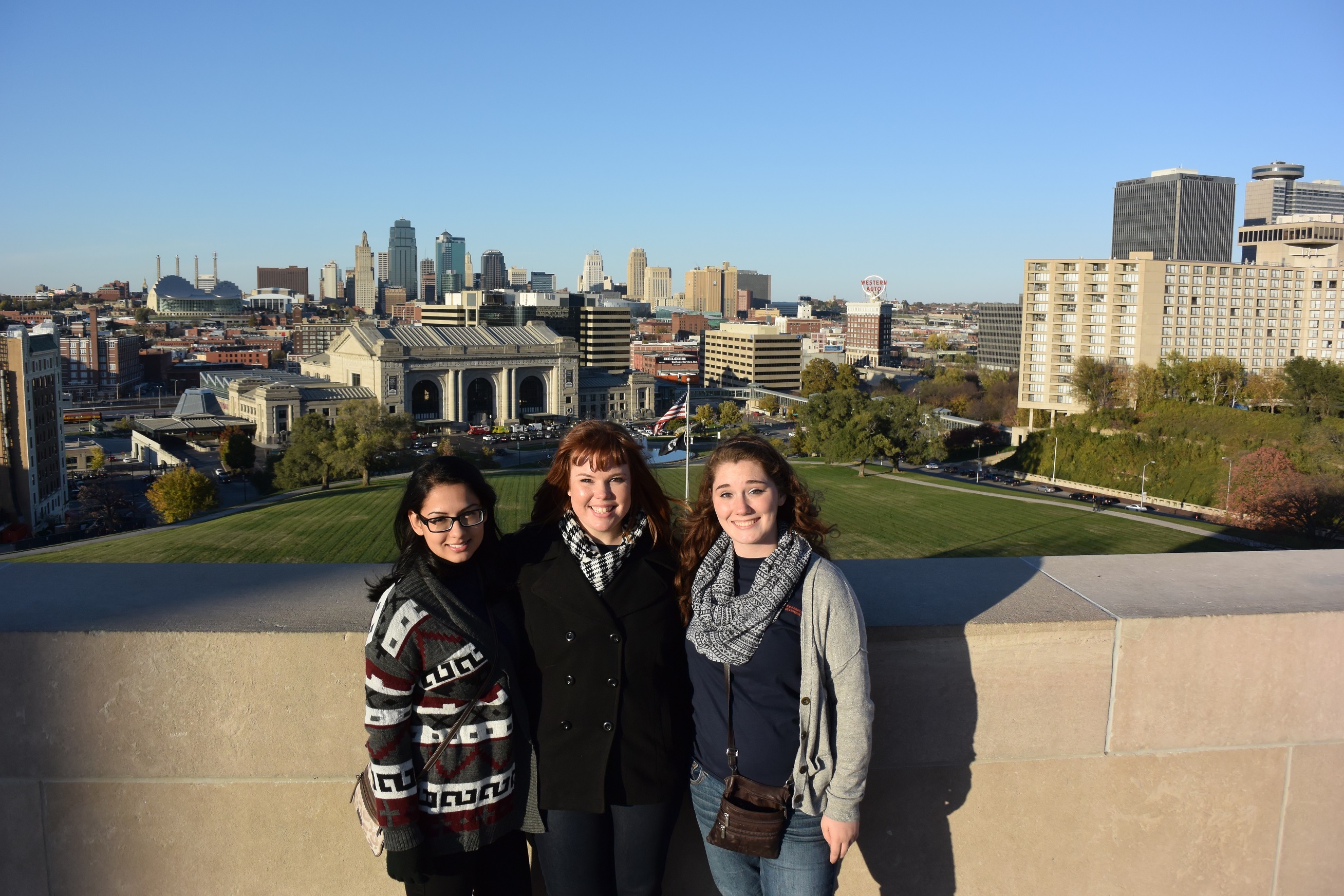
We closed down the World War I Museum and continued our exploration of KC starting from the top of the museum, which is the bottom of the 265-foot tall Liberty Memorial. We walked up the stairs to the Liberty Memorial and were astonished at the view: the entire skyline of Kansas City.

KC_Skyline_Girls

After taking several pictures of the skyline (selfies and groupies), we walked the several blocks to Union Station. On our walk, we encountered a large field of grass with an American Flag in the middle: the perfect place for a race.  We had tried a race the night before, but because Professor Yawn left Silvia in the dust, he agreed to run backwards against her this time.  It was much closer this time, and Silvia edged out Yawn in a photo finish.

The Race!
The Race!

During the race, though, we stumbled upon a beautiful tree in full fall foliage, displaying red, orange and brown leaves like a proud peacock. The tree served as a perfect backdrop for more pictures of us as a group…

Autumn_Tree_Girls

…and individually…

Constance_Tree_2

We finished our stroll in the brisk Kansas City air at Union Station, an historic train station. Built in 1914, the train hub is home to Amtrak, museum exhibits like Science City, and theaters. Awed by the extravagant architecture and design of the interior, it was interesting to learn that after being closed in 1985, $20M was spent on restoration of the building to recover it from its solitude and dilapidation.  Intriguingly, it’s still an active train station.

Train_Sunset

Historically, the KC Union Station was the second to be built in the country and followed Second Empire Style and Gothic Revival. After consuming all available space in the 1878 location and eventually flooding, the decision was made to move the station to its current location. Designed by Jarvis Hunt, the great hall with three massive chandeliers and ornate ceiling adornments is what we see today.

Union_Station

We were fortunate enough to be spectators to all the 100th year celebrations the Saturday evening held for Union Station. Drinking our coffee, we watched patron after patron stroll past, determination in their eyes, dressed in authentic 1920’s regalia. Unsure of what was happening, we followed a few to find, to our surprise, swing dance lessons going on. We watched, thankful for such perfect timing for something so entertaining.

With the sun setting…

Fountain_Girls

…we hightailed it out of the enormous train station and headed back to the car in search of the Kemper Museum of Contemporary Art. Sighting a Chihuly, we knew we had arrived at the home to many inspiring pieces of modern art.

Chihuly_Constance

We wandered through the museum, admiring exhibits such as Summoning Ghosts: The Art of Hung Liu, full of poignant, politically vocal pieces about communistic China, and Miss Your Mark, which sought to allow artists to make their mark using the manipulation of different materials.

We even explored the museum’s café, full of art by Frederick James Brown, which paid tribute to many artists throughout time. Our artistic appetite not quite satisfied, we left the Kemper and walked to the Donald J. Hall Sculpture Park, to appreciate the pieces by moonlight. Among those seen, our favorites included Shuttlecocks by Claes Oldenburg and Rodin’s Thinker. Although we had filled one appetite, our hunger made an appearance, so we left in search of sustenance.

An all-time favorite of our own Professor Yawn, we walked into Grunauer’s, not knowing what to expect. We quickly learned of the many Austrian delicacies available but had trouble narrowing it down to just a few. We began the meal with an assortment of sampler appetizers, including different kinds of cheeses, bratwursts, meats, and breads. Some of the unusual choices included currywurst, liverwurst, and brie. We downed the wonderful, new foods in preparation for the main course. Among some of the delectable entrees we enjoyed were Hungarian Beef Goulash, Cordon Bleu, Kasespatzle (noodles and cheese), and Fisch im Strudelteig-a fish baked in pastry adorned with spinach and mushrooms.

Stuffed to the gills, we surprisingly found room for apple strudel, chocolate cake, and nutella crepes for dessert, much to our full bellies’ dismay. Such an enjoyable end to an exciting day, we loaded up in the car to make our way to Bentonville, Arkansas for our final day of the Midwestern Tour.

Train_Station_Girls_Sleeping_man