Brock Williams-Rodriguez
On October 30th, Jean Becker came to Sam Houston State University to give a special presentation about her time as Chief of Staff to President George H.W. Bush, Deputy White House Press Secretary to Mrs. Barbara Bush, and her book Character Matters. Although that was almost a month ago, it seems appropriate to post this now, in the midst of the Thanksgiving holidays, for we are, indeed, grateful for her visit to SHSU.

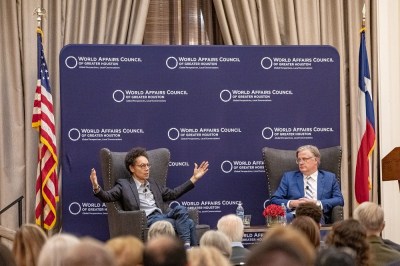
The discussion began with Professor Yawn introducing Ms. Becker…

…while also noting that she is on the board of the “Points of Light Foundation”–a non-profit that promotes public service.

In fact, it was noted that President Bush’s motto, “any definition of a successful life must involve service to others,” is similar to SHSU’s motto, “a measure of a life is its service.”

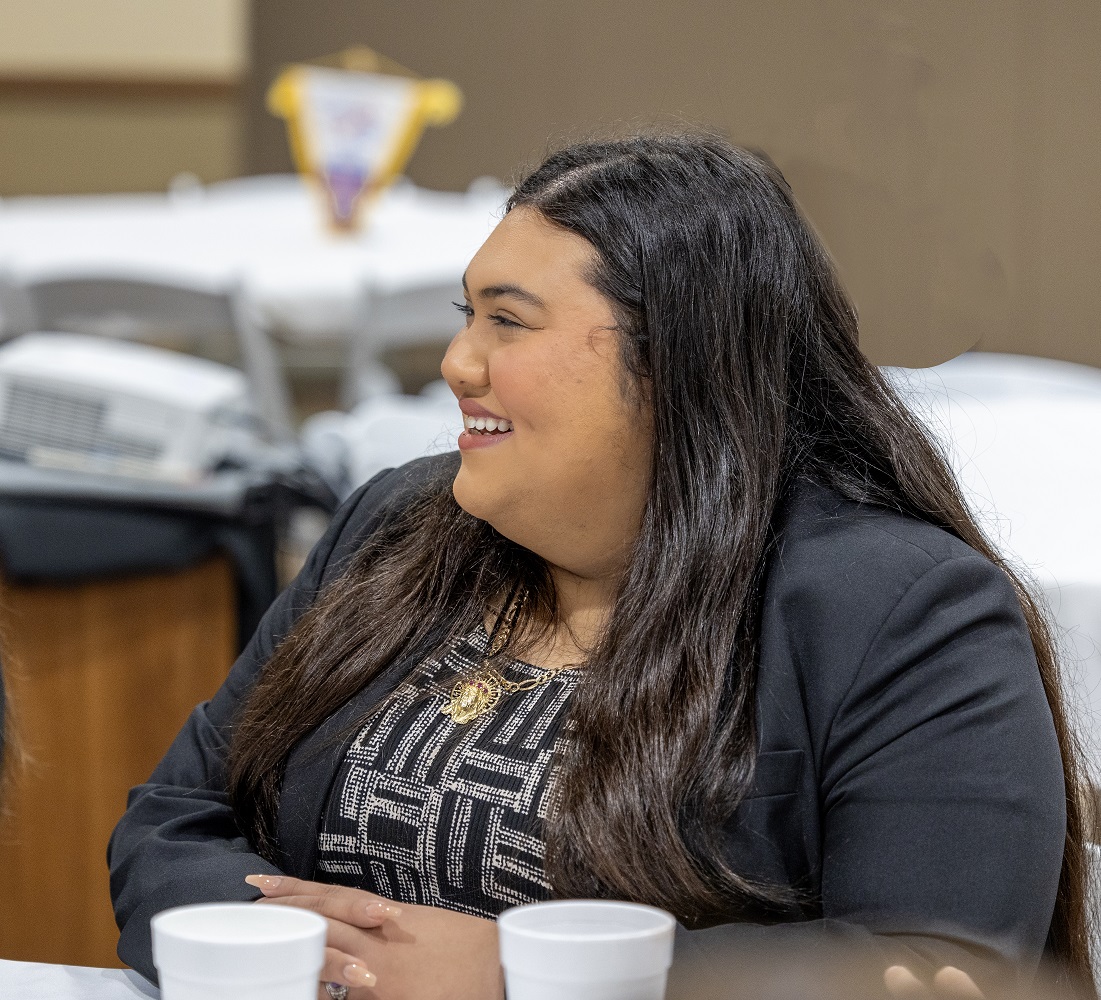
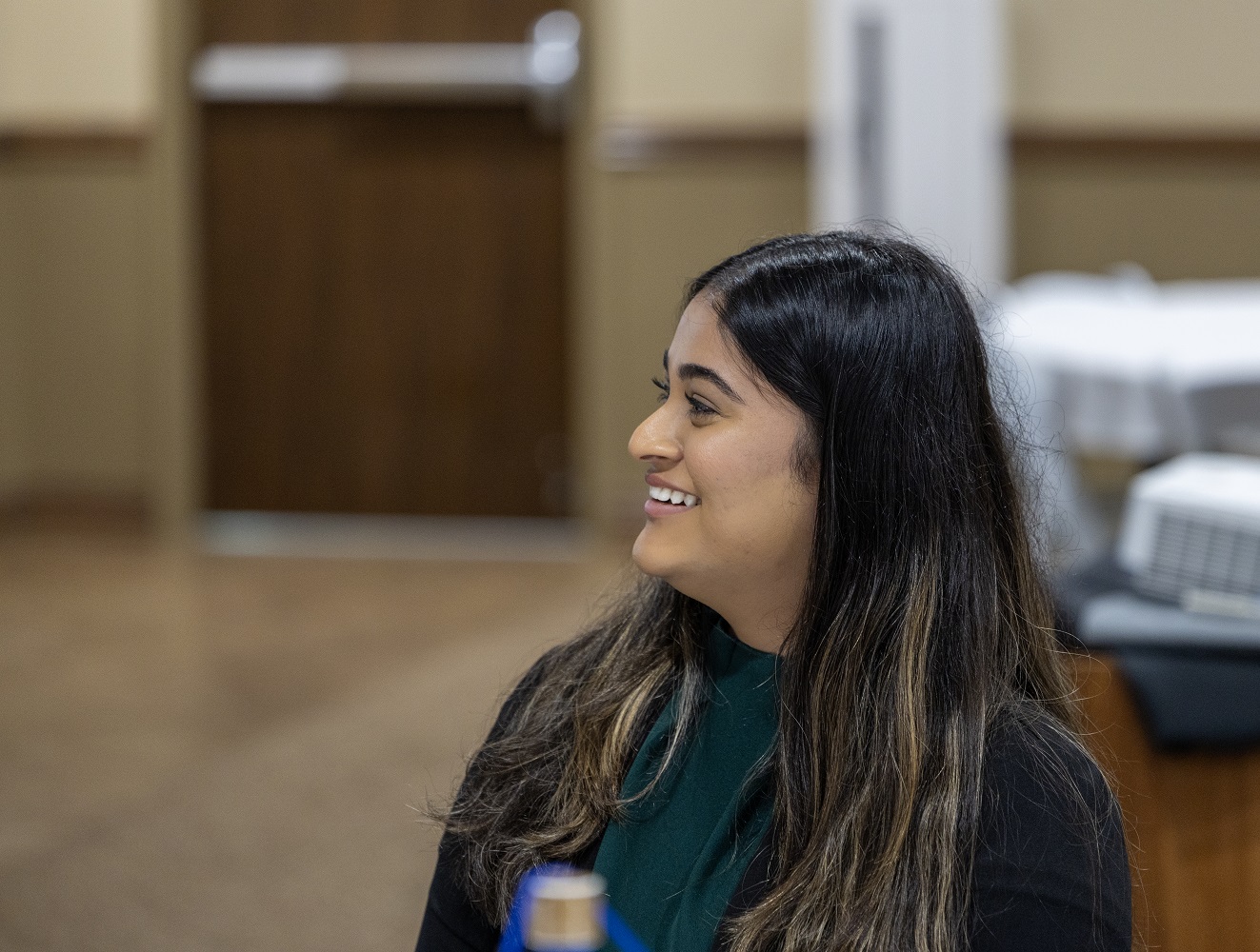
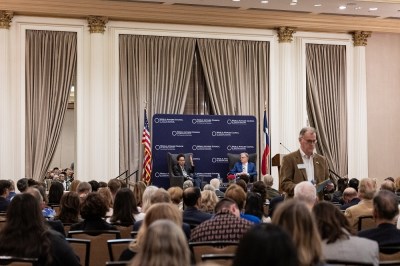
This likely resonated with the 100+ students there, including the Freshman Leadership Program, which was on hand specifically to see Ms. Becker. Professor Hester, Ulbig, and Callaway also attended, as did President White!
Ms. Becker transitioned to discuss the early life of President Bush, including his time in World War II and being a Navy Airmen. A story that left me deeply reflective was about President Bush and two fellow soldiers being shot down on September 2, 1944. Only President Bush survived, a loss that he carried with him for the rest of his life. He frequently asked, “Why me? Why was I spared?” This question fueled his lifelong commitment to helping others and making a positive impact on as many lives as possible.
Next, Ms. Becker shared a light hearted story about how she learned to fear four words, at least when brought to her by President Bush: ‘I have an idea.'” She further explained by illustrating that on the 75th birthday of President Bush, he said those four words to her, conveying his interest in parachuting out of an airplane. After President Bush did this, he parachuted out of a plane for his 80th, 85th, and his 90th birthdays!

Ms. Becker shifted to speak on her experiences as the Deputy Press Secretary to Mrs. Barbara Bush. Before she landed this role, she was a reporter for USA Today and was covering the 1988 Presidential Election between President Bush and Michael Dukakis. Mrs. Bush had noticed how good Ms. Becker was at covering the story, especially the weekly election column with Mrs. Bush and Mrs. Dukakis; this is when she was offered the position.
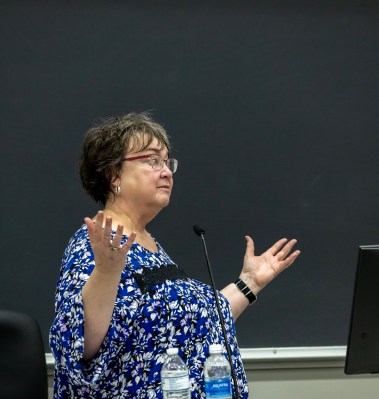
Ms. Becker was delighted to share her stories of working with Mrs. Bush, from traveling to Hawaii (where she had an unfortunate encounter with a biker gang) to Rome, where she met the Pope. She also discussed Mrs. Bush’s ability to communicate, perhaps best illustrated when she was invited to give a speech at Wellesley College, and the students there protested her choice as commencement speaker. Ms. Becker encouraged us to watch the Commencement Speech and note how Mrs. Bush was able to take an antagonistic crowd and win them over, without giving ground.

Ms. Becker moved into broad topics: the relationship between Presidents Bush and Clinton, which began as competitors but ended up in a type of father-son relationship, one strengthened as they travelled the world to raise funds for natural disasters. The time she met George Clooney…
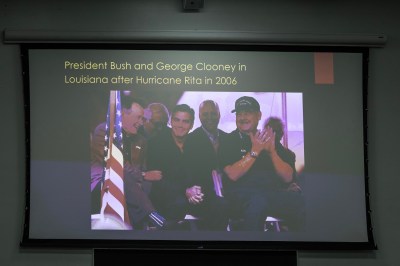
…and the importance of character in all that you do.
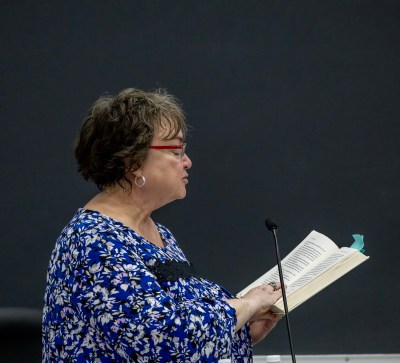
While Ms. Becker might highlight Mrs. Bush’s strong communication skills, we had a chance to see not only Ms. Becker’s skill with speaking, but also her non-verbal communication as well….


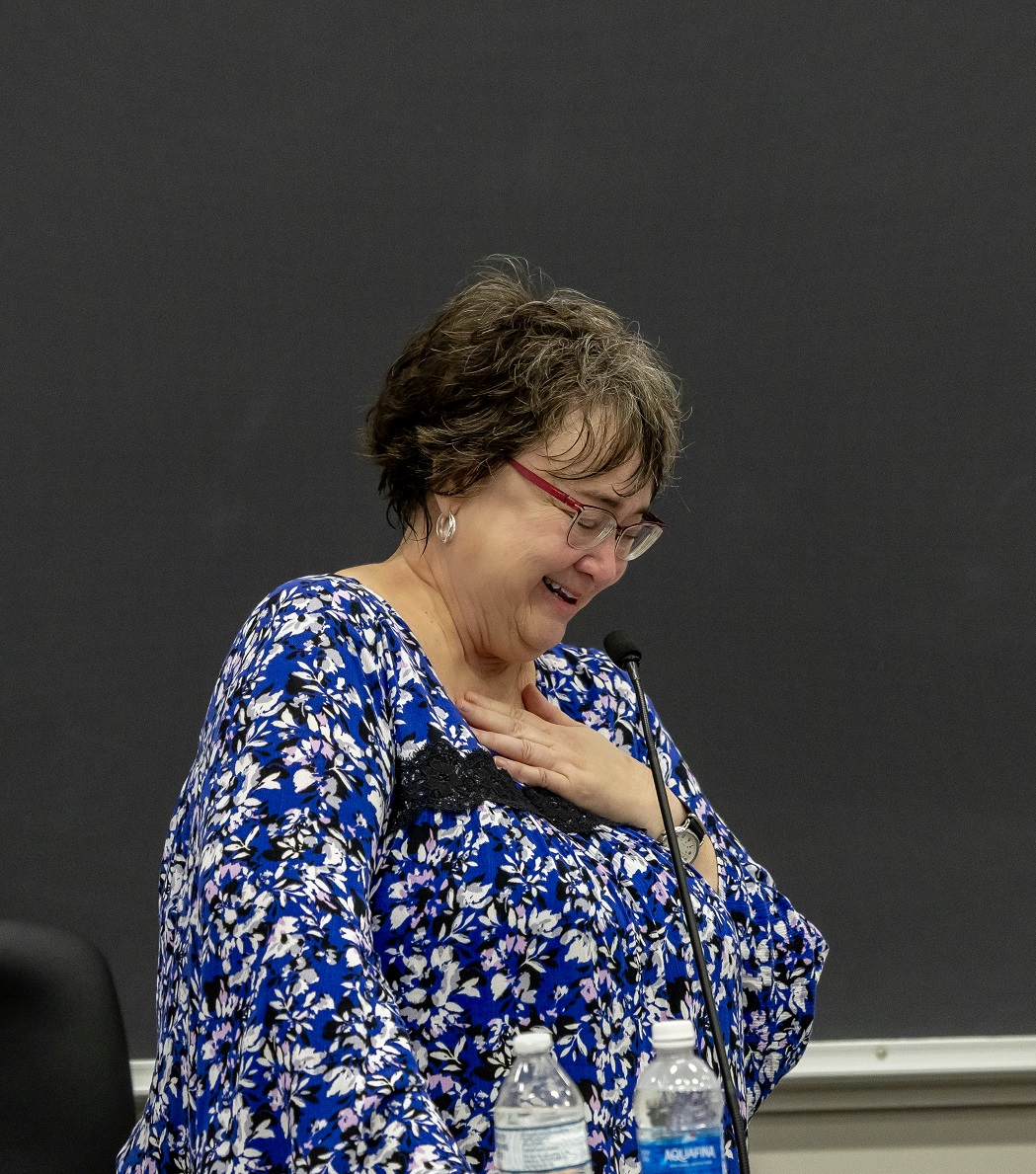

…which sometimes was directed at Professor Yawn…


Ms. Becker also engaged in a spirited Q&A session, including a discussion of her 9/11 experiences, when she was stuck in a DC hotel. She attempted to get in contact with President Bush and Mrs. Bush; however, she was told by Secret Service that they were safe but “they were in an undisclosed location” and could not be reached.
A bit worried but assuming “they were safe in an underground concrete bunker somewhere,” she got a call from President Bush. They were fine, he noted, while also offering that they were “staying at a Hampton Inn in Milwaukee, WI.” They had, he continued, walked across the street to an Outback Steakhouse, where the patrons, surprised to see them, broke into a round of applause. “Those people,” he said, “were really nice.” It was, Ms. Becker said, one of the only good stories from a day that involved much tragedy.
Professor Stacy Ulbig, who teaches media and politics…

…also asked an excellent question: “What got you interested in politics and journalism?” Ms. Becker responded, “All the Presidents Men.” This was a fortuitous response, inasmuch as Dr. Ulbig uses the movie and the Watergate Scandal in her class.
It was a wonderful experience, hearing from someone who has lived many stories and developed the communication skills to tell them well. And it was made even more enjoyable when, following the discussion, Ms. Becker graciously signed books for the students.


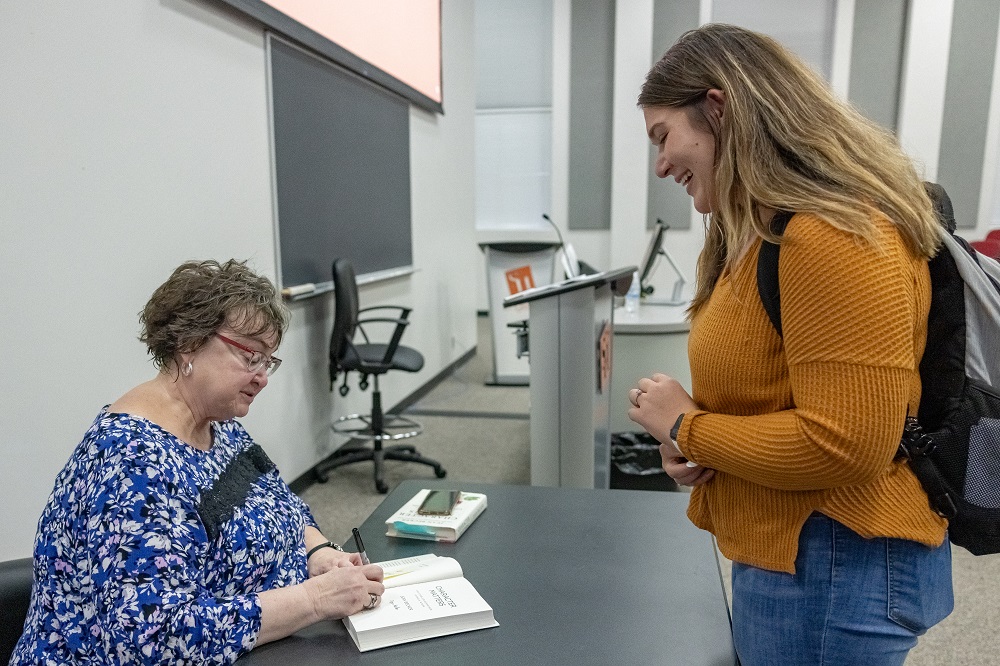
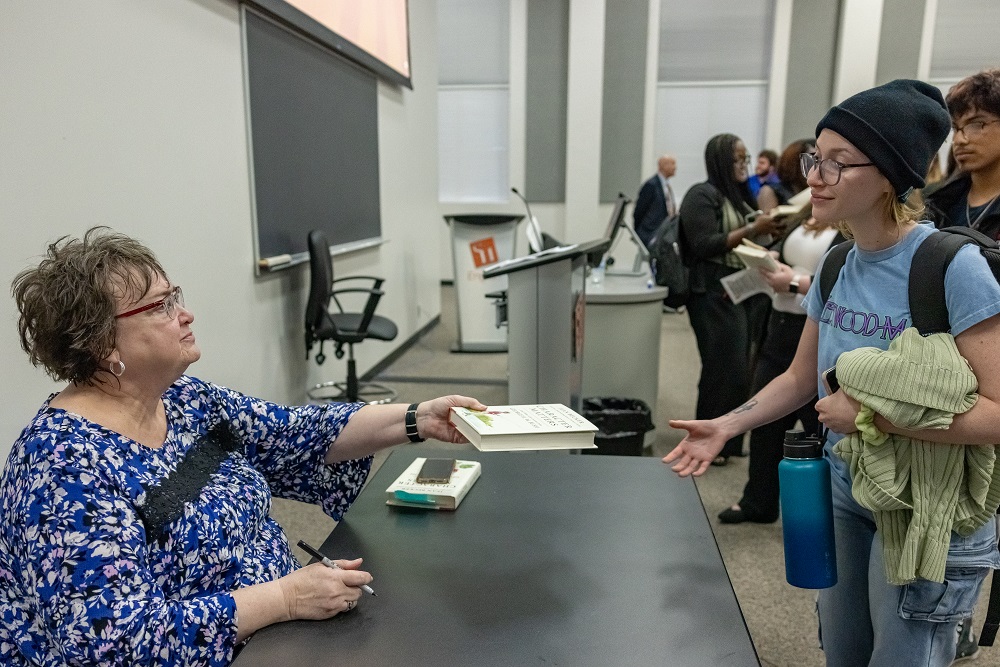


We would like to give a special thank you to Ms. Jean Becker for sharing her experiences with Sam Houston State University students. Her stories from her time as Chief of Staff to President George H.W. Bush and Deputy Press Secretary to Mrs. Barbara Bush were both inspiring and enlightening. Her insights left a lasting impact on all who attended.


























































 Center for Law, Engagement, and Politics