Master the Art of Courtroom Advocacy with Moot Court

Each year, the American Moot Court Association fields national competition for pre-law students. The competition consists of regional tournaments, preliminary nationals, and then nationals. For those into writing, there is a separate brief writing contest.

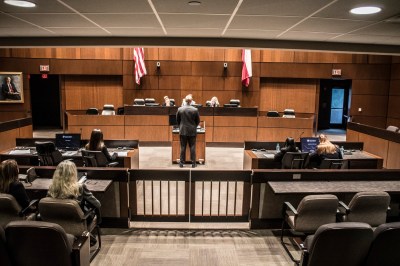
The Moot Court experience simulates that of an appeals court, an appropriate match for SHSU, inasmuch as we are one of the few institutions to bring in an appeals court annually to hear cases.

This Year’s Moot Court Case & “How to Win in the Courtroom”

Each summer, Professor Yawn teaches “How to Win in the Courtroom,” which uses the Moot Court case as the class curriculum. Students who sign up for this course will not only receive academic credit, but also have a head start in learning the material. The course unfolds as follows:

  • Introduction to Courts and the Judicial System
  • How to Brief a Case / Moot Court Rules
  • Bronner v. US
  • Con Law Cases (8 involving the 4th Amendment and search and seizure; 9 involving Article II of the US Constitution and Presidential Powers)
  • Oral Arguments

This year’s case involves the detention of Bobby Bronner following a 93-day period of visual surveillance, posing questions of (1) the extent to which the government can use surveillance techniques (in this case, “Ring” cameras installed on telephone poles) and (2) the legality of detaining non-citizens under presidential order.
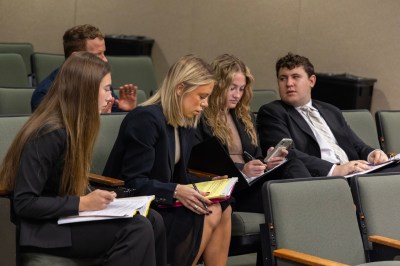
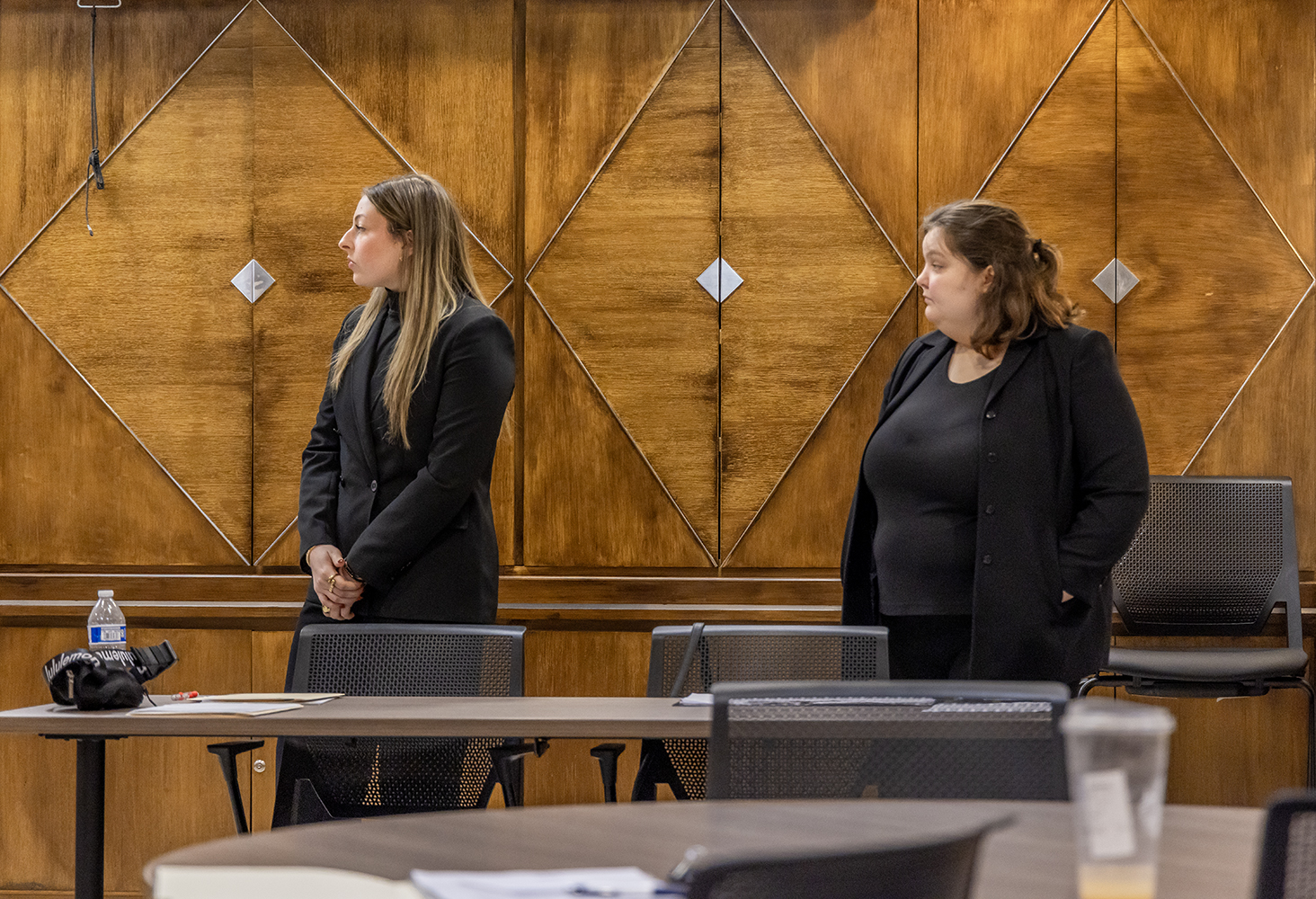
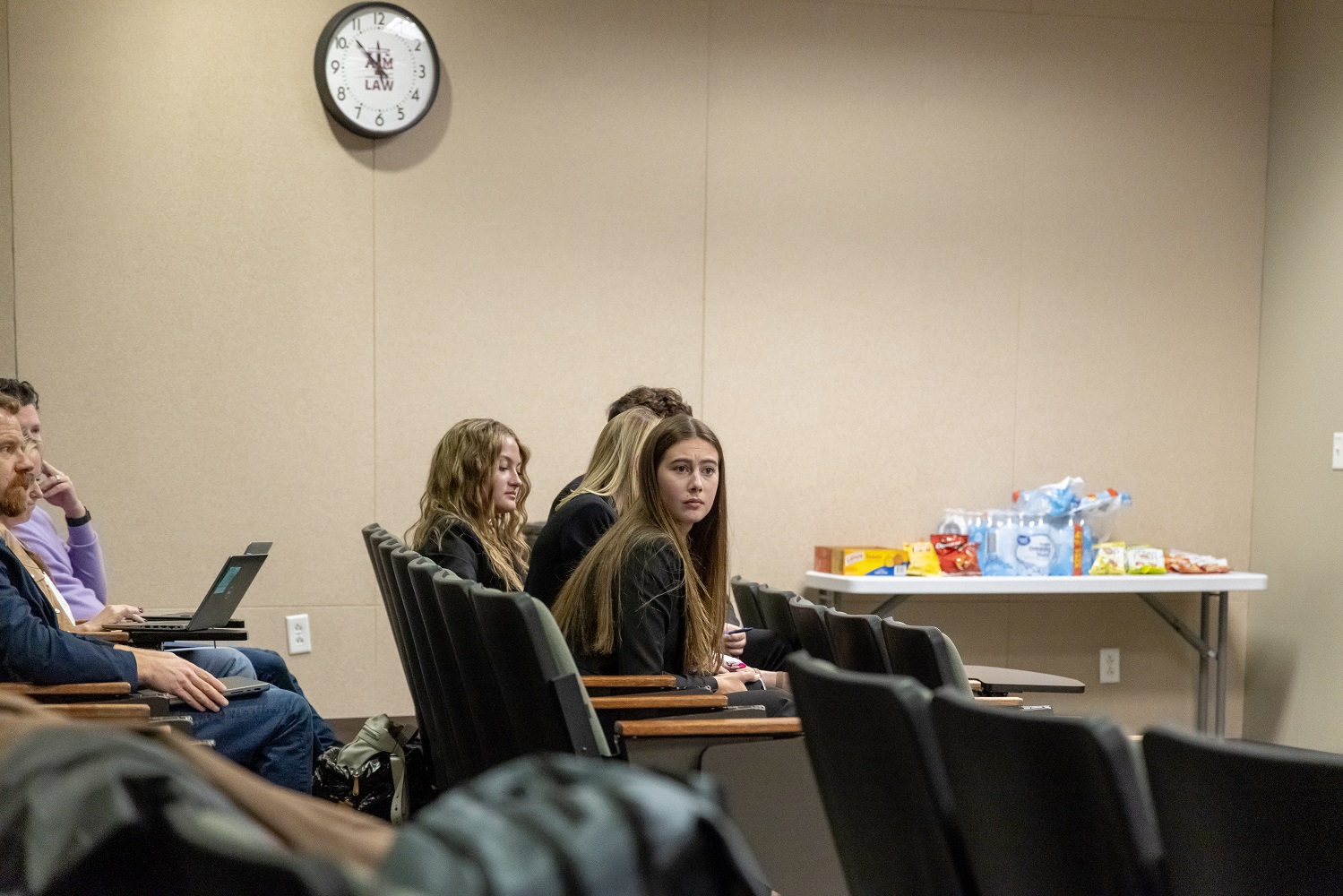
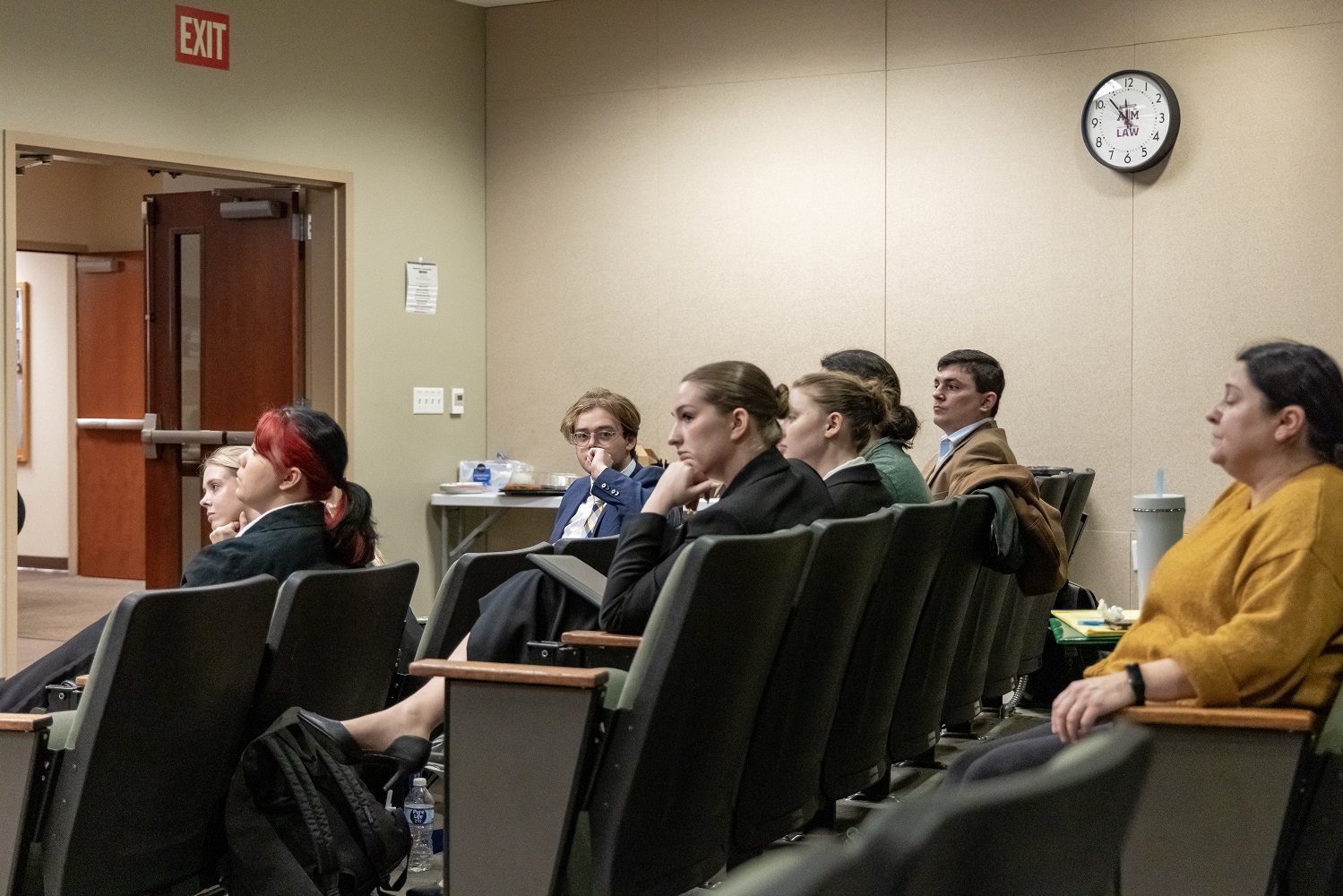
Moot Court Team Awaits Its Assignment

Students interested in Moot Court are thus encouraged to take the class, allowing them earn credit while gaining low-pressure exposure to Moot Court. Students who do well in the course and otherwise show desirable characteristics of a moot court participant are invited to meet with the coach and team lead.

Depending on the number of participants and the budget, additional students may be able to try out for the team.

How Moot Court Works

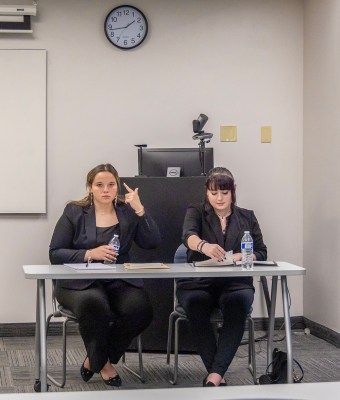
“Mooters,” as participants are called, compete in teams of two. One individual handles the first legal issue (in this year’s case, it is the fourth amendment); the second member of the team handles the second legal issue (Article II powers of the President, in this year’s case). with one of the team handling rebuttal, when called for.

To prepare for the Oral Arguments, the team members have to thoroughly know their own issue, and have some knowledge of their teammate’s issue. This involves reading and re-reading the hypothetical scenario posed by AMCA (i.e., Bronner v. US) and the cases that form the backbone of their issue. For the Fourth Amendment issue, as previously mentioned, this involves eight cases, including landmark USSC cases such as Katz v. US. For the Article II issue, this involves reading nine cases, including landmark USSC cases such as Youngstown Sheet & Tube Co v. Sawyer.

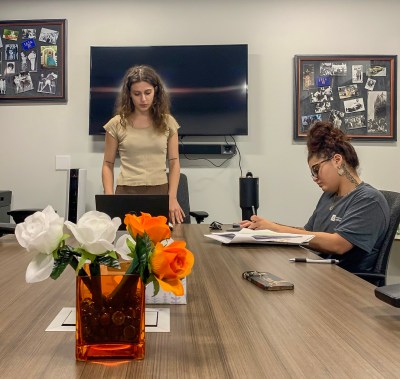
Mooters Participate in Weekly Meetings to Prepare

Even after taking the class “How to Win in the Courtroom,” students will need to engage in weekly meetings (approximately two hours long) in preparation of the regional tournament, which typically takes place in late October or early November. Because registration for the tournaments takes place September 1, teams have to be established by then.

The Competition

There are approximately 15 regional tournaments each year, and in the last two years, SHSU has attended tournaments in Fort Worth (TAMU Law) and Fort Lauderdale (Shepard Broad College of Law).

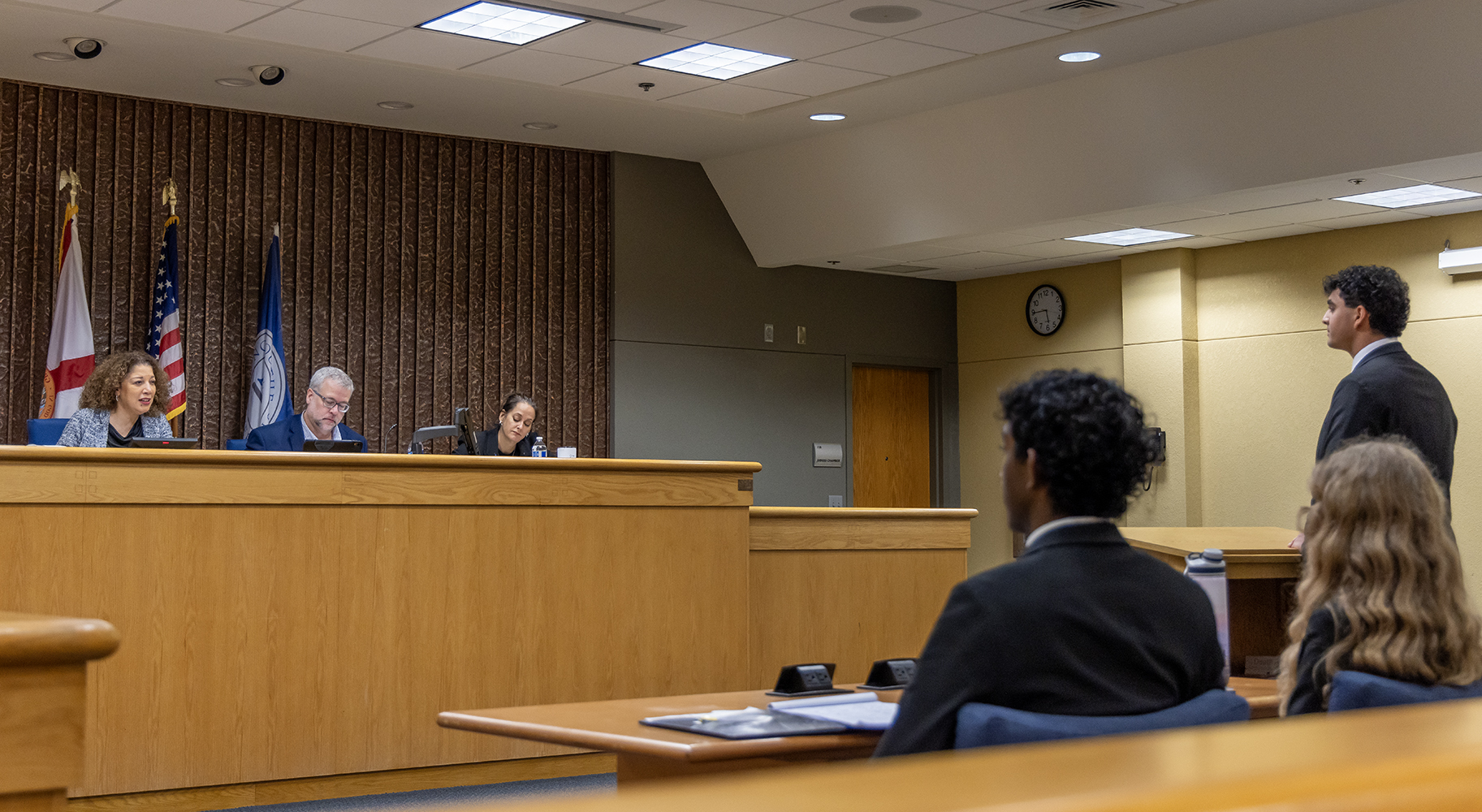
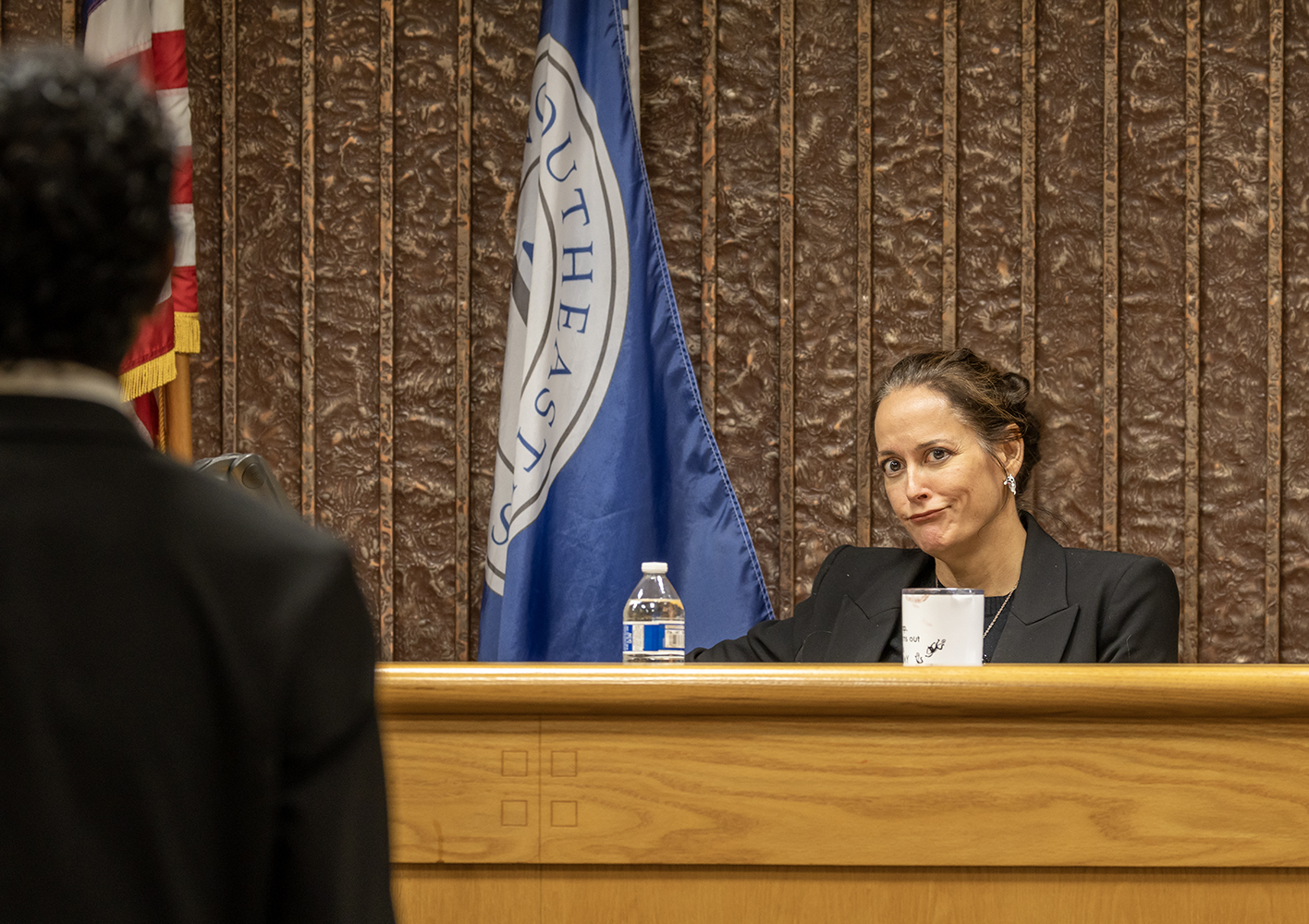
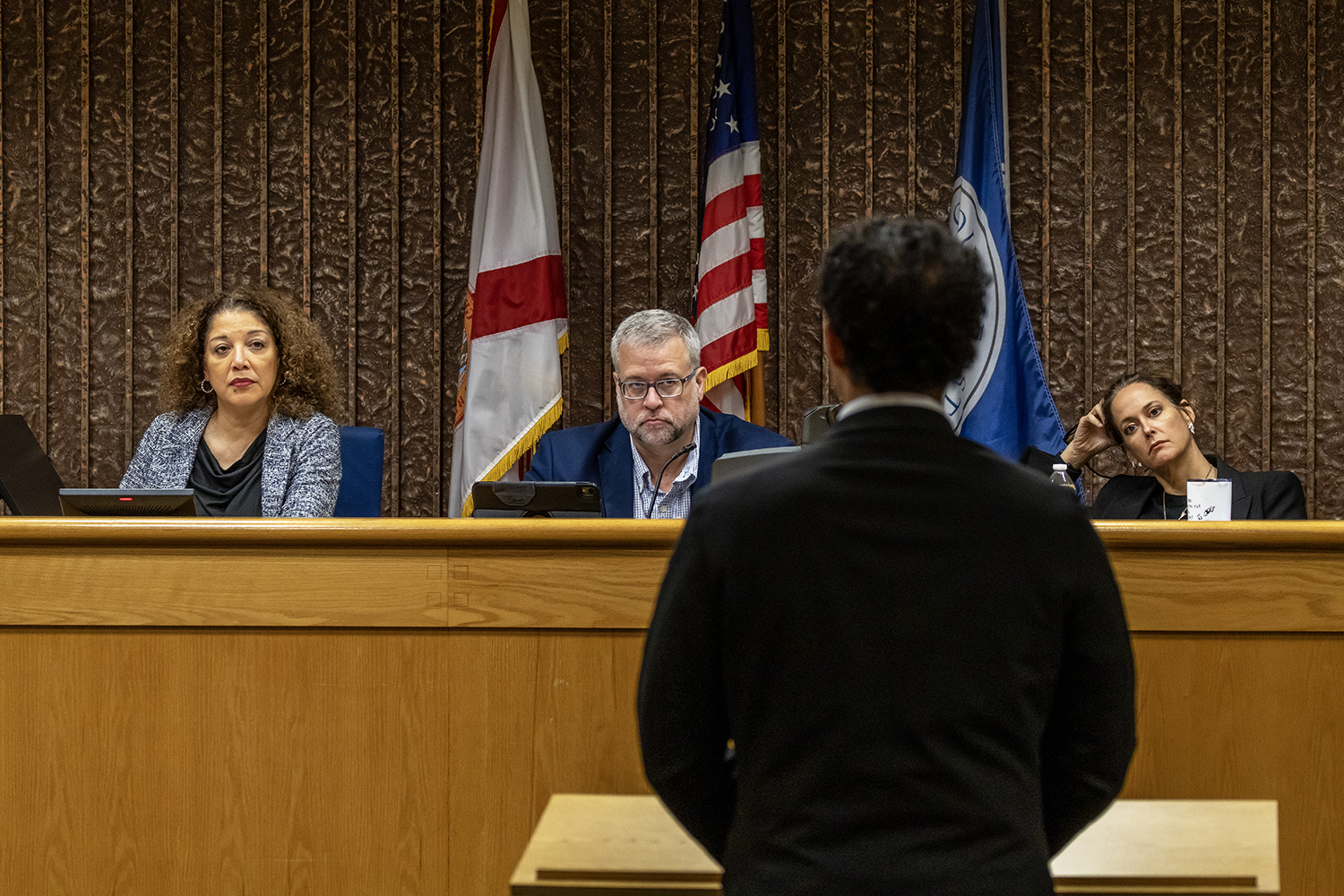
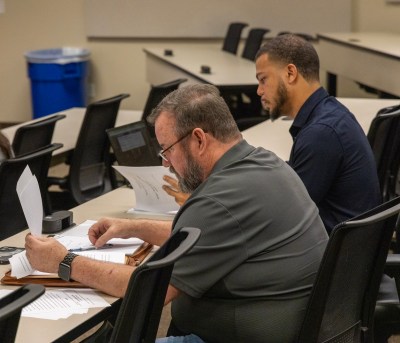
For the first round, teams are assigned their role: either petitioner or respondent, with the petitioner having the opportunity for rebuttal. Three judges (actual attorneys) hear the cases, interrupting as they see fit, and scoring each participant following the round.
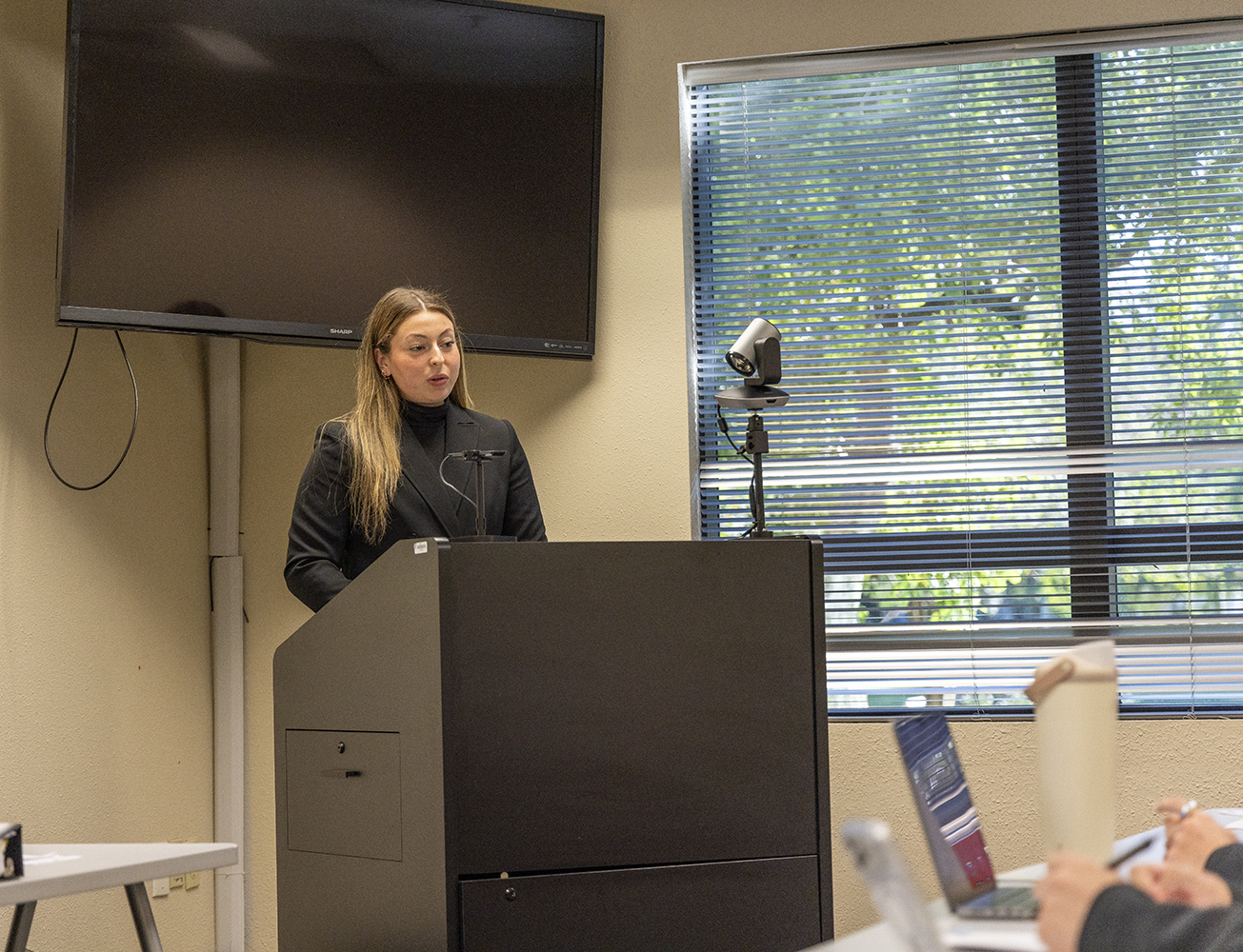
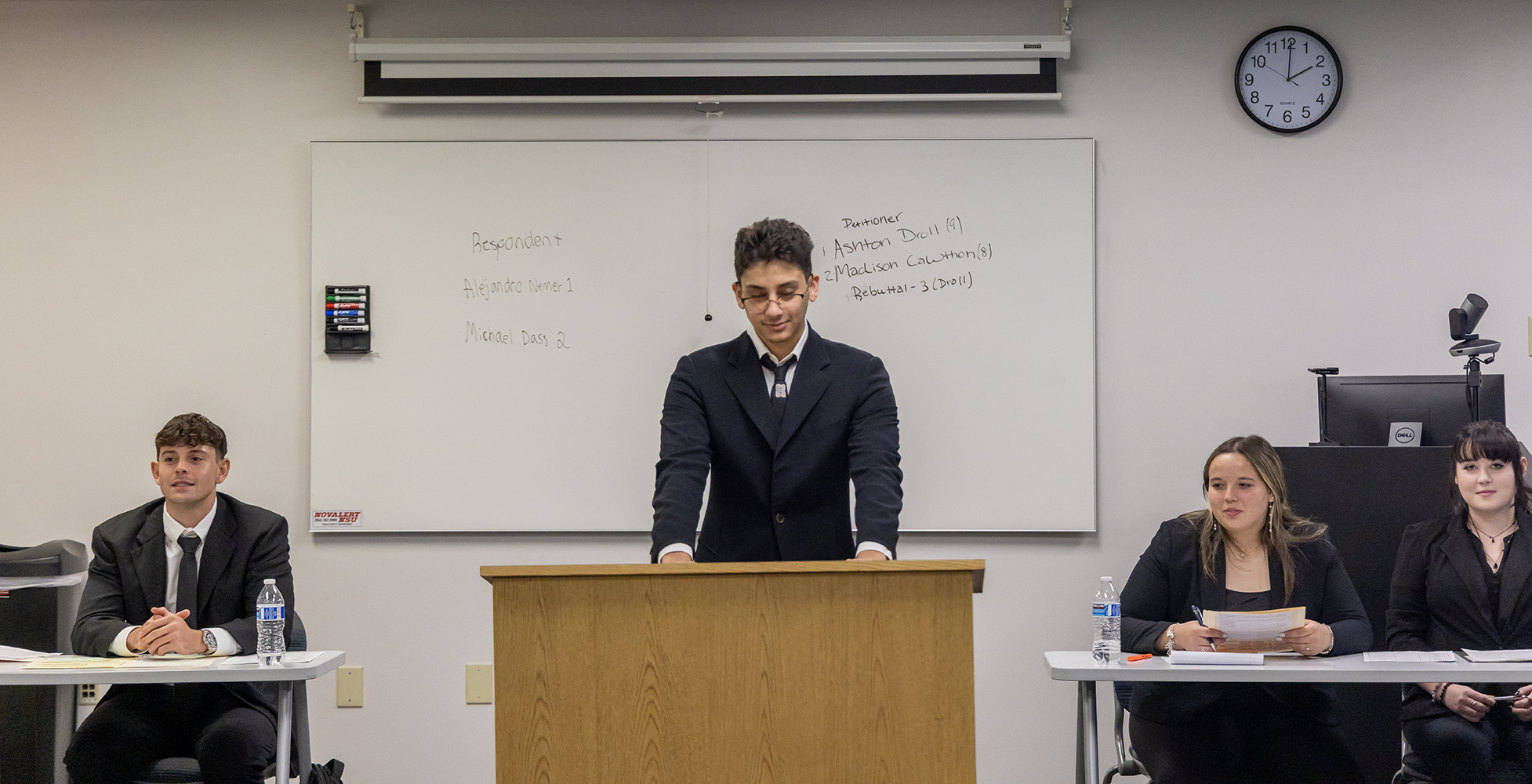
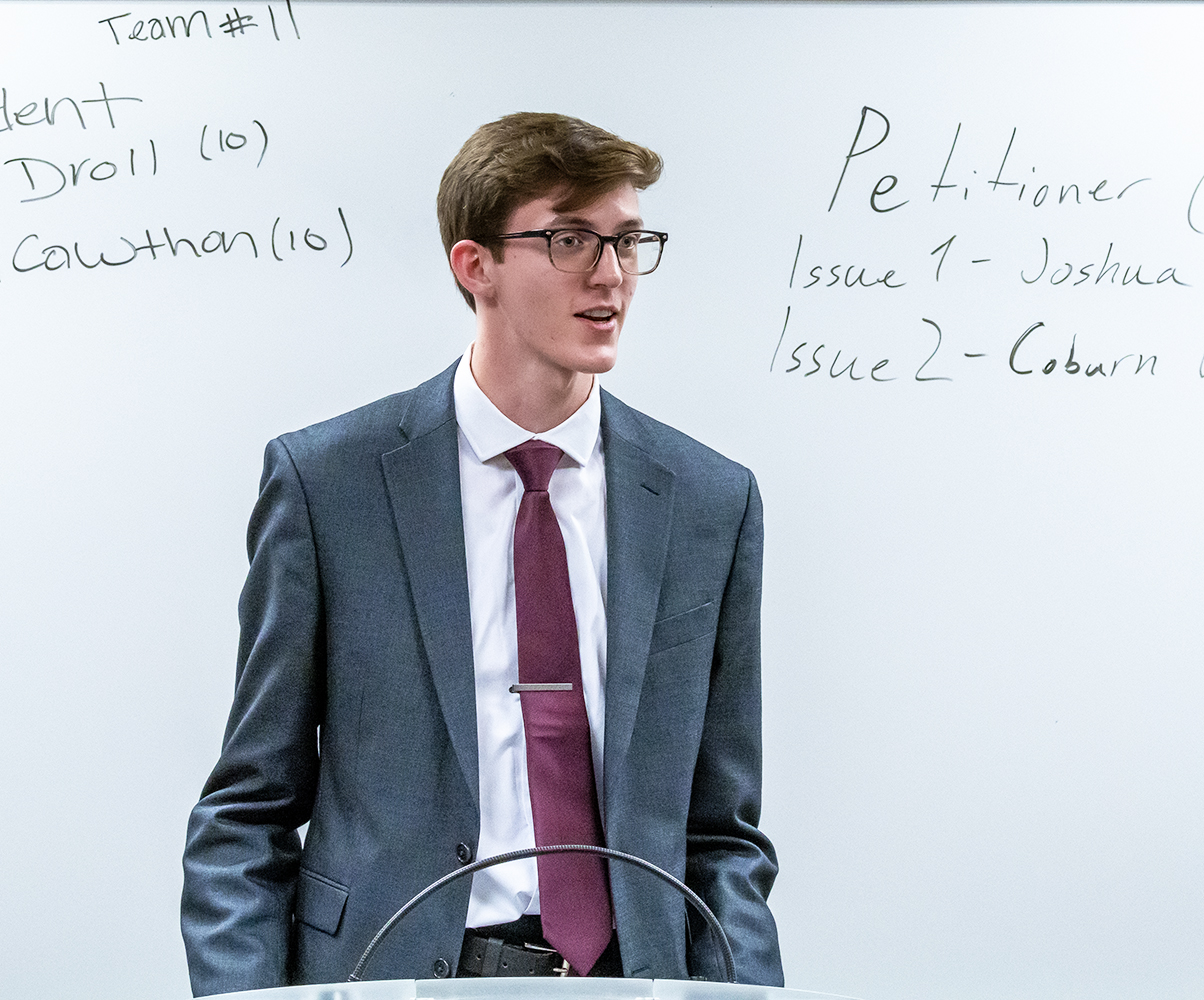
Participants are scored on (1) knowledge, (2) response to questions, (3) forensic skill/courtroom demeanor, and (4) organization, logic, and clarity of argument.

For the second round, teams take the side opposite they argued in the first round, and for round three, a coin toss determines the team’s side.
Depending on the size of the tournament, a quarter to half the teams will advance to the tournament’s second day, where the competition will proceed much like the first day.

Benefits of Moot Court

Moot Court sharpens the mind, pushing students to develop reading comprehension skills, sharpen their persuasive skills, enhance their public speaking, refine their use of logic, and expand their legal network.

Almost all law schools offer a Moot Court team, and law students have the option to choose among Moot Court, Mock Law, Negotiations, or all three. Participating as an undergraduate can give students a head start on this decision, while also providing skills and exposure that helps in law school.

Students who would like to learn more about Moot Court can go the American Moot Court Association’s website.

Mooting in Miami

After a summer of study and two additional months of practice, LEAP’s Moot Court team made their way to Fort Lauderdale (which, in fairness to the title, is near Miami) for the Sunshine State Regional Moot Court Tournament–part of the American Moot Court Association’s annual national competition.

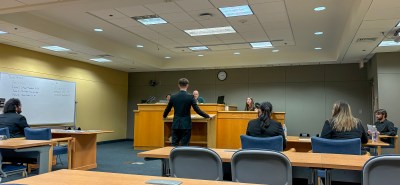
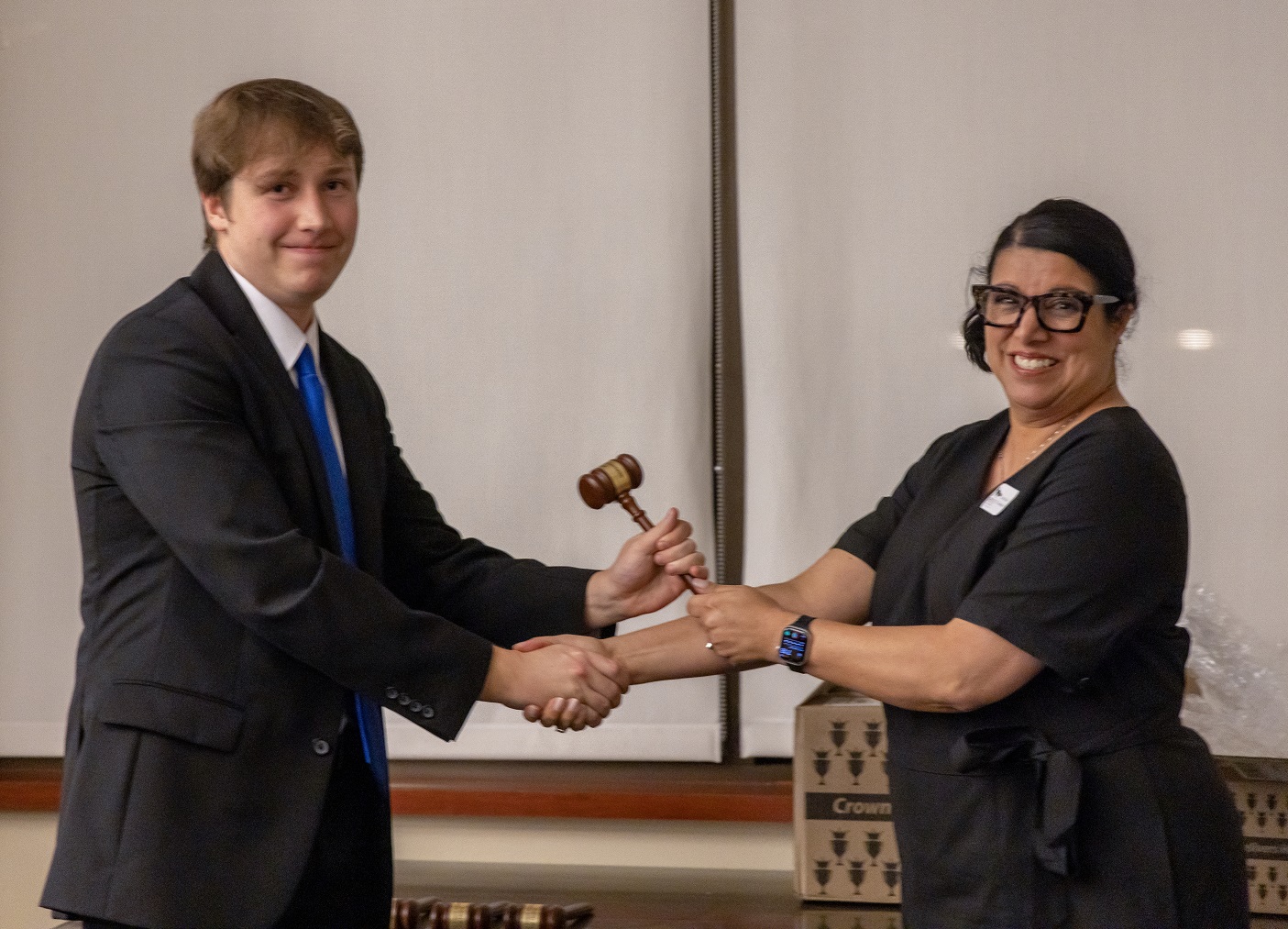
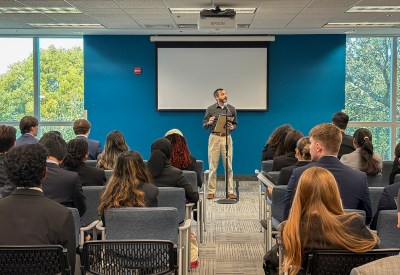
AMCA Board Member Ben Rathsam Kicking Things Off

The Moot Court Process

The Moot Court process has many moving parts, but the steps are straightforward:

  • Each team has two members, with one tackling the 14th amendment (equal protection) and one tackling the 1st amendment (speech);
  • Teams then register for one of 18 regional tournaments across the US;
  • Teams then compete in the tournament for which they registered, and if they qualify, they move on to a “Preliminary National Tournament” and, if they qualify again, the National Tournament.

Teams are evaluated on four broad categories: Knowledge, Courtroom Demeanor, Response to Questions, and the Clarity and Logic of the Argument.

Michael Dass from NSU

Moot Court at Sam Houston State University (SHSU)

SHSU begins its Moot Court involvement shortly after AMCA releases the Case Problem (May 1). Over the summer, Professor Mike Yawn teaches “How to Win in the Courtroom,” using the Case Problem (and the ancillary 20 other cases) as the curriculum, and culminating with live “hearings.”

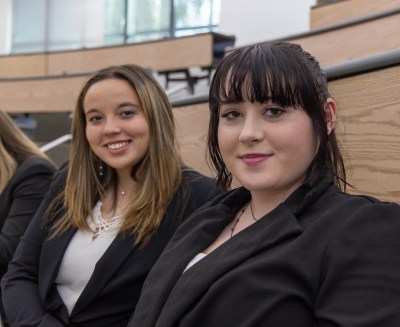
In late August or early September, official tryouts are held, and students compete for team spots. The LEAP Center selected five participants this year, making up two teams and a “spare:” Team One is Madison Thurkettle and Allison Lindle; Team Two is Ashton Droll and Maddie Cawthon. A fifth student, Katie Wilson, made the team, but lacked a teammate.

All of these students committed to weekly practices during September and October, with the goal of being prepared for today’s tournament.

The Sunshine Tournament

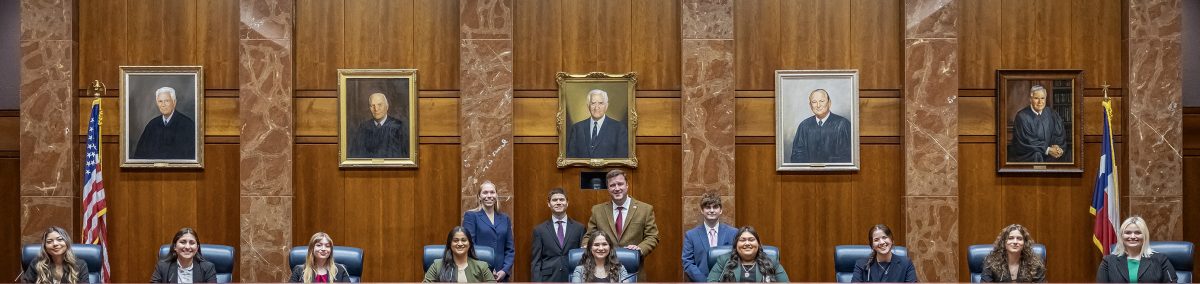
The Shepard Broad College of Law at Nova Southeastern University hosted the Sunshine Tournament, giving 64 students the opportunity to travel; visit a law school; perform in front of judges, bailiffs, and tournament organizers; and meet other pre-law students from across the country. AMCA Representative Ben Rathsam introduced the event, and Shepard Broad Law Professor Marc Consalo provided additional guidance, helping orient the students, and focusing their minds.

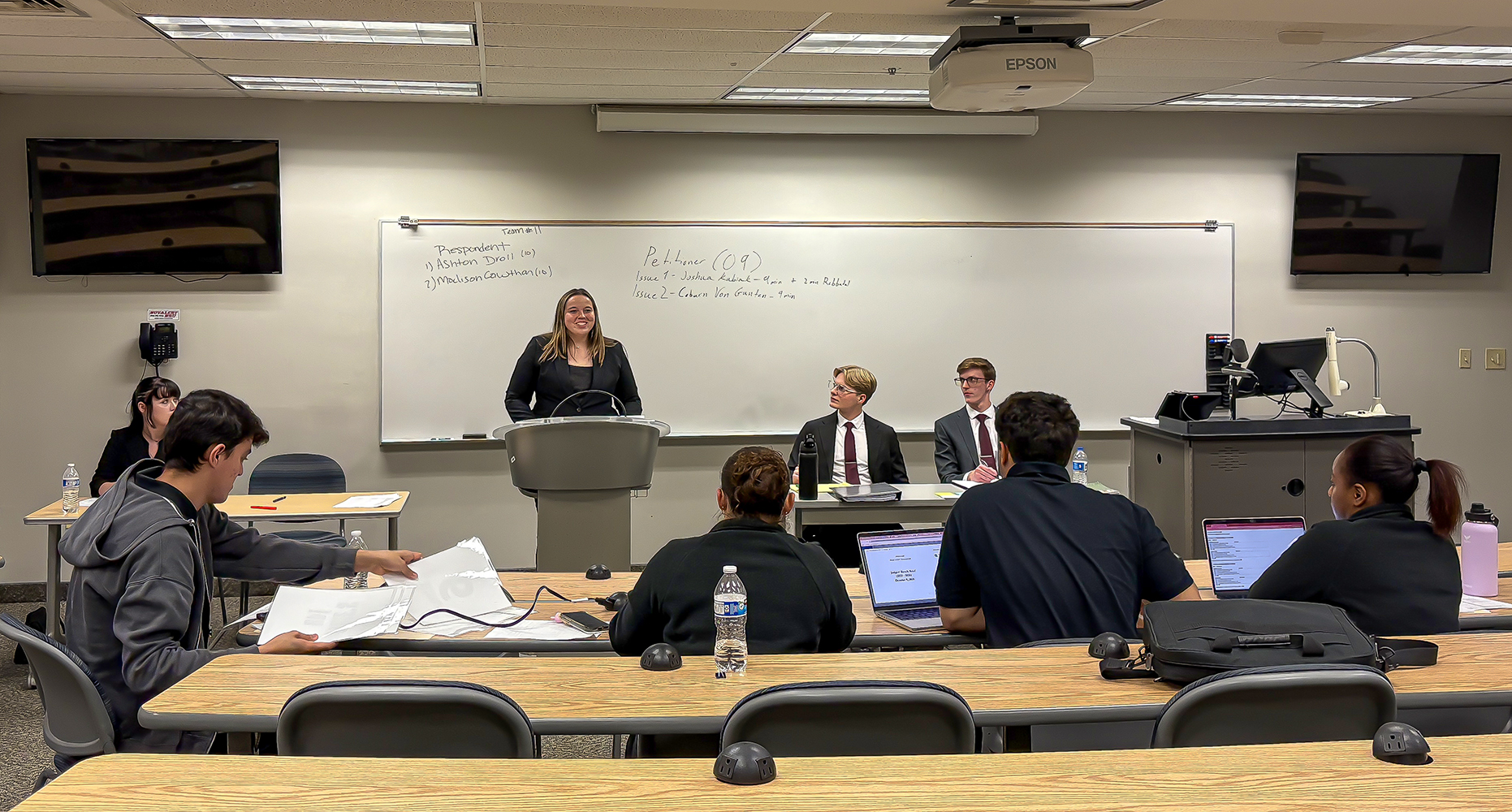
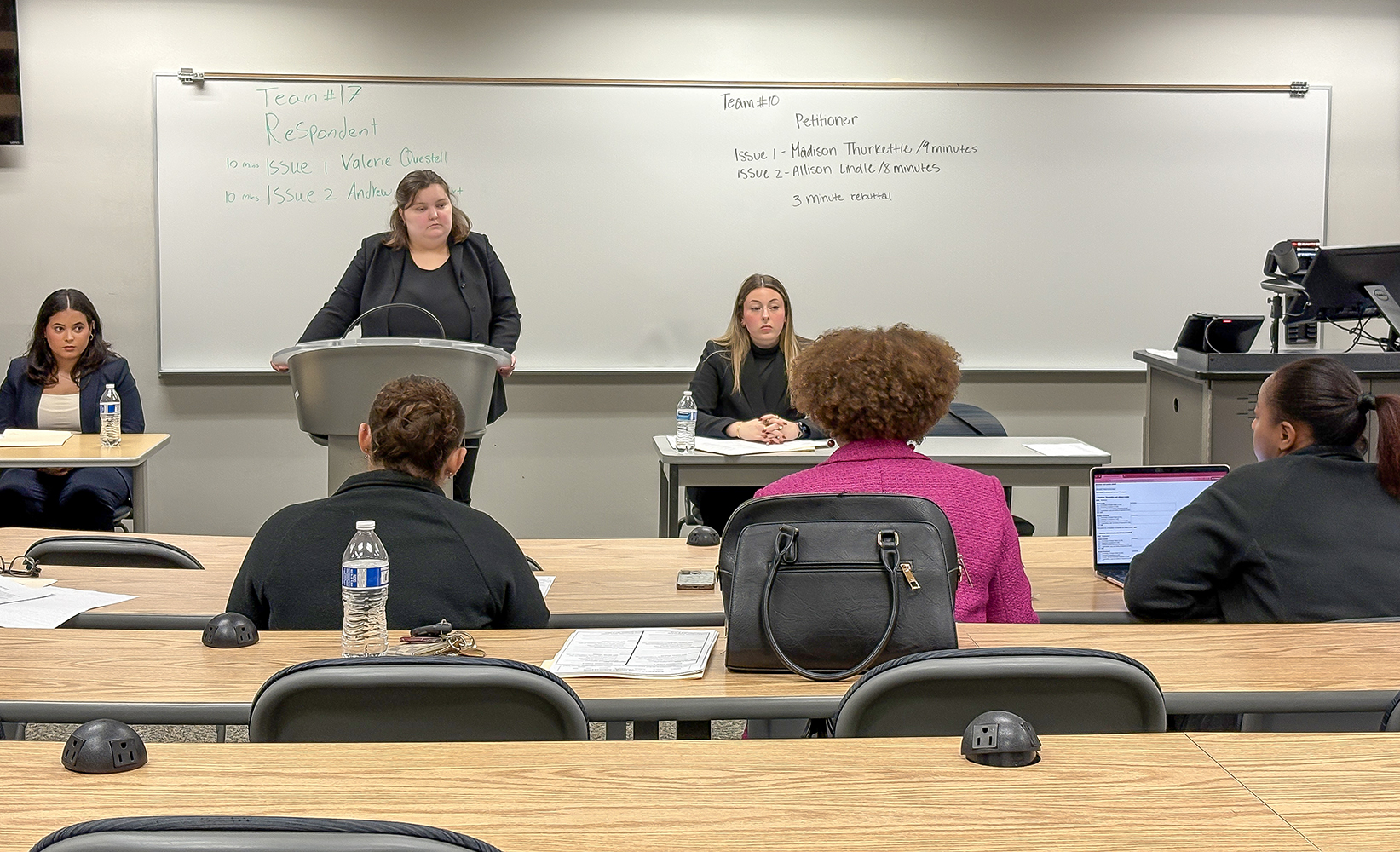
Day One, to use a sport analogy, is the “regular season,” and it consists of three rounds for each team. The first round began at 2:00pm, with Thurkettle and Lindle representing the petitioner and competing at a team from Central Florida; Droll and Cawthon also represented the petitioner, and they competed against a team from Nova Southeastern University. In subsequent rounds, SHSU teams faced competitors from Stetson University, Benedictine College, Liberty University, and the University of Tampa.

Moot Court Self Care

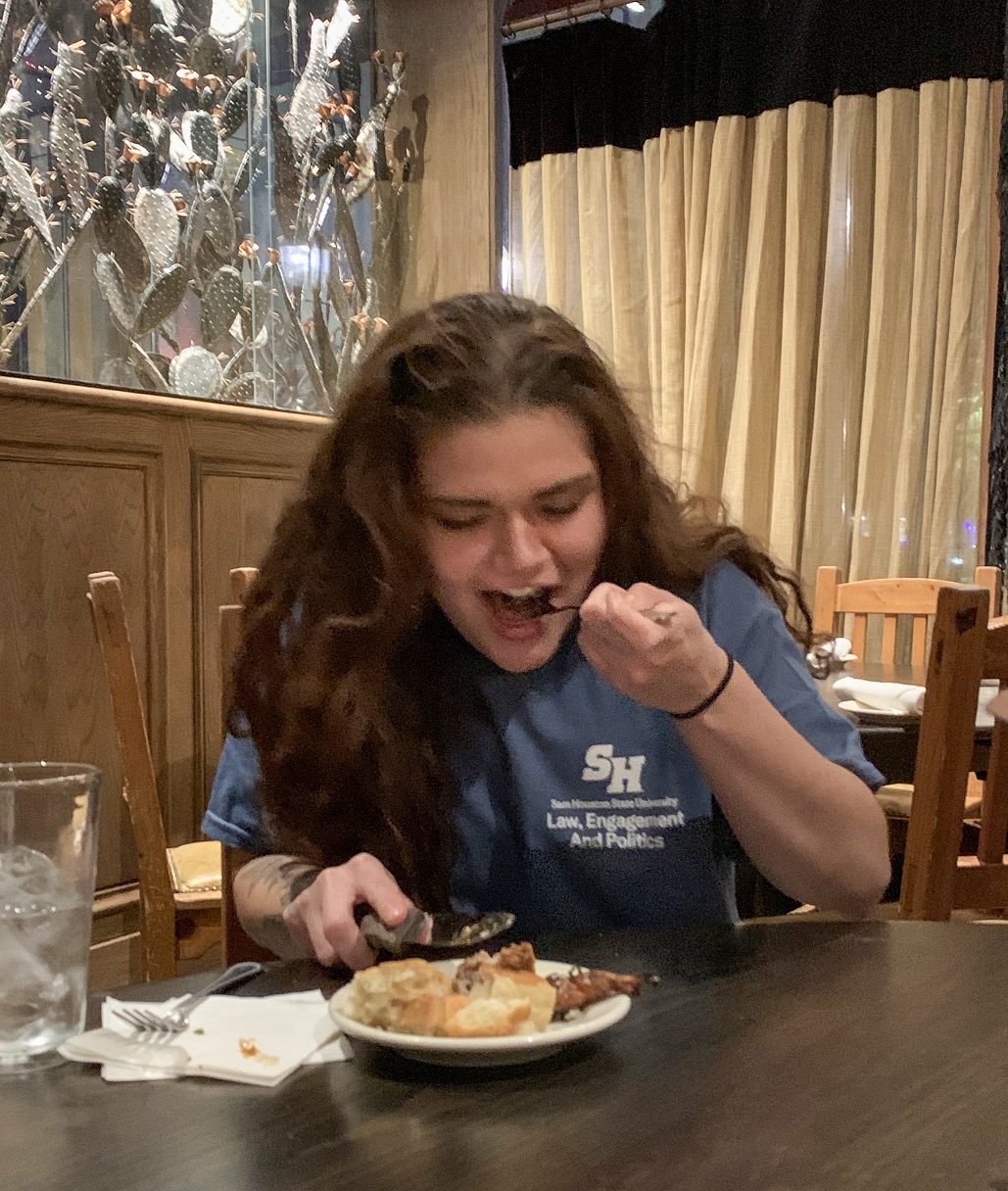
Katie Wilson, although not competing this year, travelled with the team, proving herself an expert navigator, and a quick-learning photographer.

Competing

Although the students have been involved in more than a dozen formal practices and numerous individual practices, the real thing brings a fresh sense of nerves.

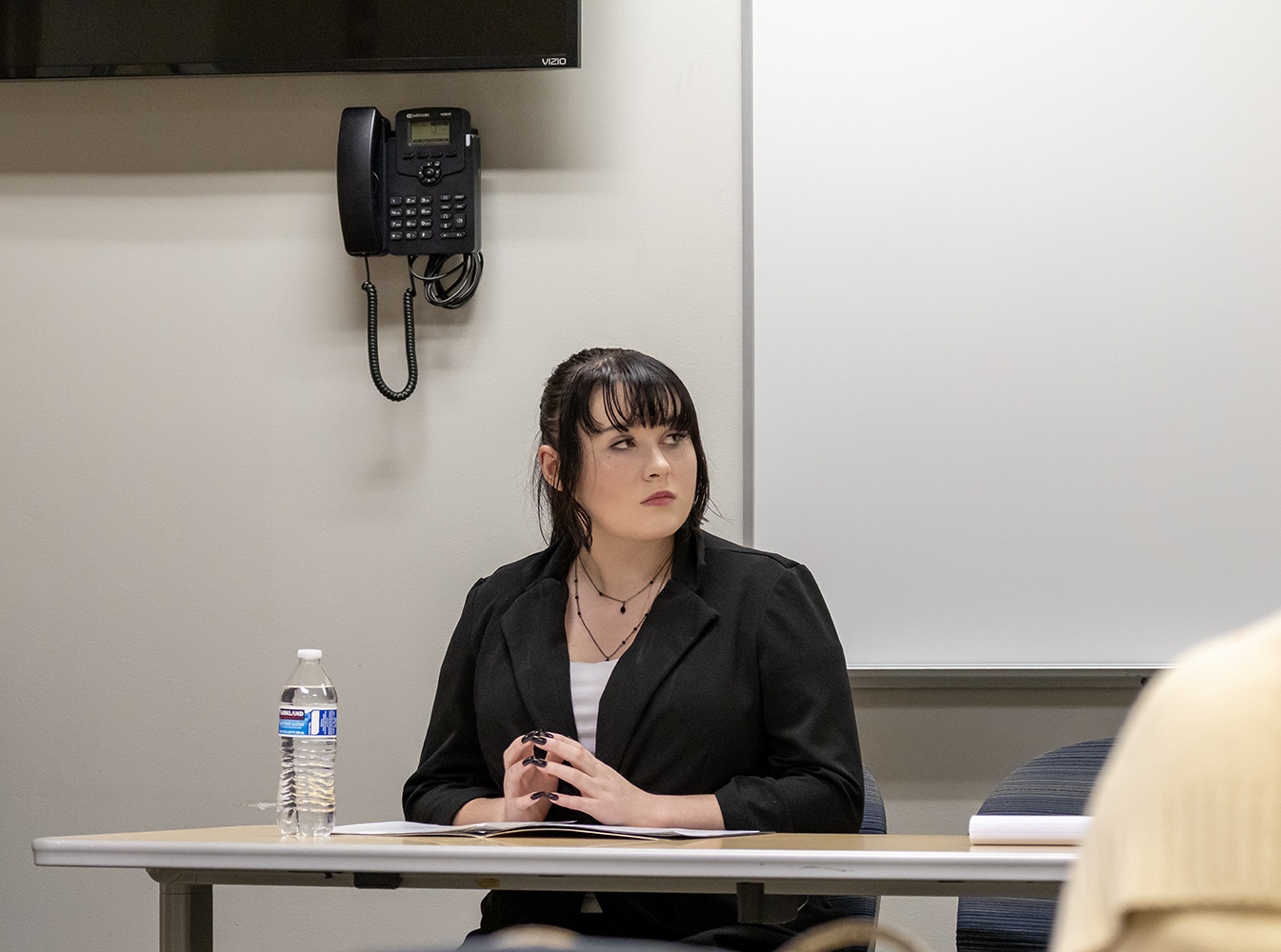
“For me, the first round was the worst,” noted Madison Thurkettle, a Junior at SHSU, and a first-time competitor in Moot Court, “and I was able to loosen up in the subsequent rounds.”

Allison Lindle, Thurkettle’s teammate, agreed: “The first round was nerves; the second round, we were able to see some success; and by the third round, we were hitting our stride.”

Only Known Photo of Thurkettle Smiling While at a Podium

For Ashton Droll, who did debate in high school, nerves weren’t a huge issue. But there was still the adapting to representing different parties in different rounds and learning the idiosyncrasies of the different judges. In Round One, for example, one judge gave Droll an average score of 87.5; another gave her an average score of 99.25.
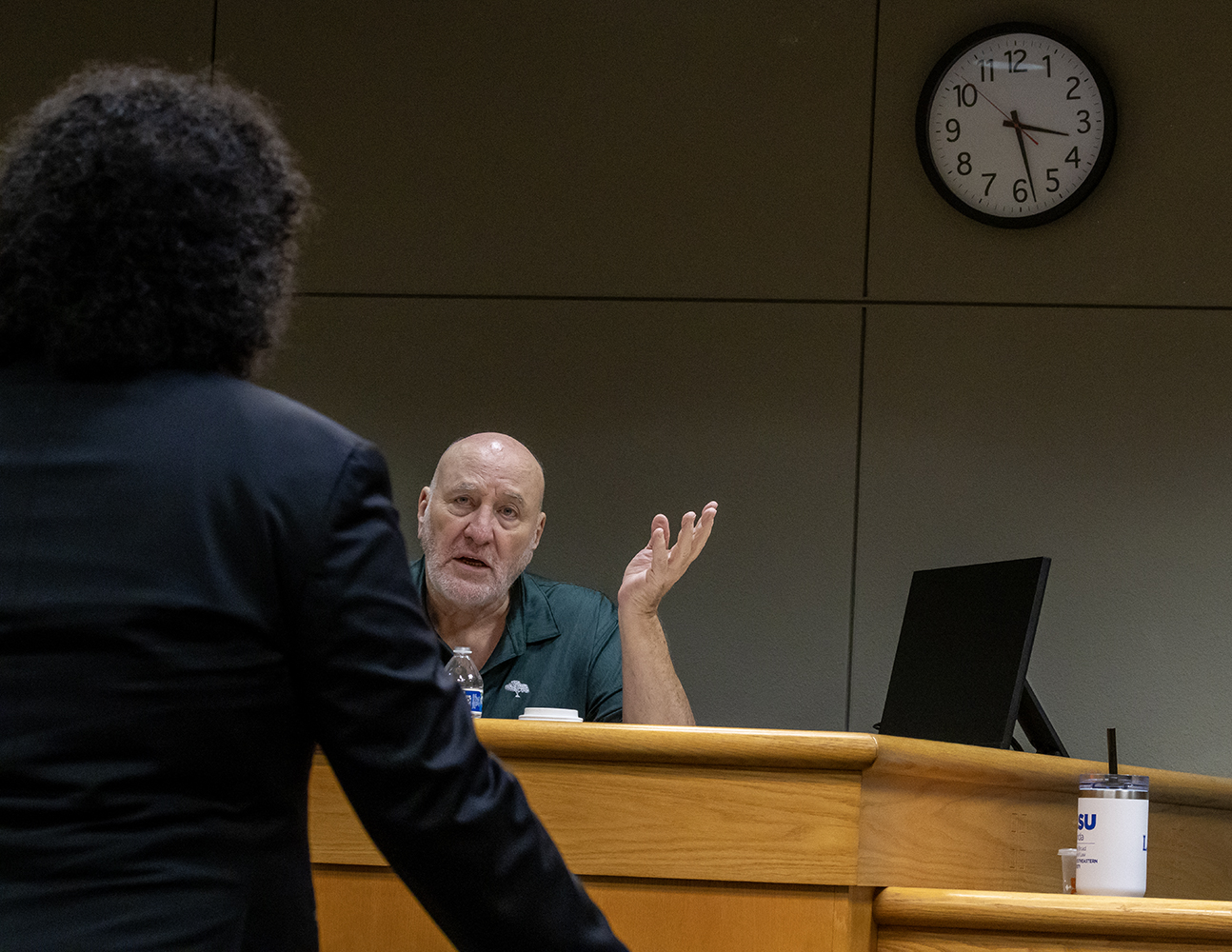
At times, the judges’ feedback can be contradictory. One judge told Maddie Cawthon that she “sometimes got lost while answering questions.” The same round, a different judge told her: “Great responses to questions.” A frustrated Cawthon lamented: “they can’t both be correct.”

Outcomes

One of the outcomes of tournaments such as this is seeing the competition from other schools. Getting students out of the classroom and seeing high-achieving students from other schools is a key part of moot court, and in this setting, there were many strong students representing top universities across the nation.

For Lindle and Thurkettle, it was a steep learning curve, one punctuated by some near misses. On the final round, for example, they lost two ballots by one point each ballot. It was a tough round. Nonetheless, they both had strong showings. On one ballot, Thurkettle averaged a 98; on the same ballot, Lindle averaged a 97.5.

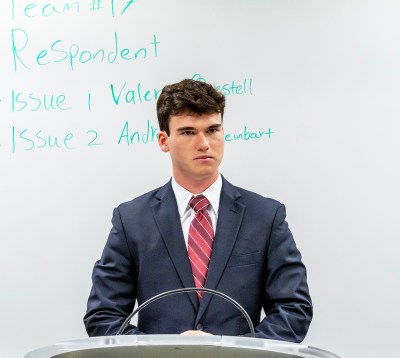
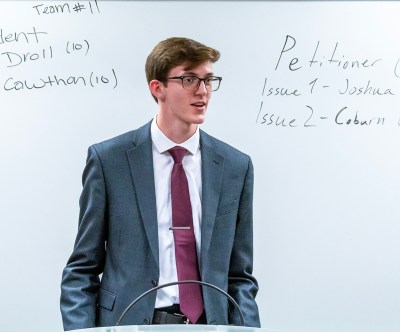
Droll and Cawthon similarly saw some close calls. Two of their ballot losses came from margins of 10 points or less (out of 1600), but they were in the running on every ballot–and this consistency helped them break into the Sweet 16. Indeed, they were seeded 11th out of 32 teams!

This was a victory not only for Droll and Cawthon, but for the entire SHSU delegation. As Katie Wilson noted, “I’ve spent the last couple of months with these girls, and it was rewarding to see them grow and have the opportunity to compete in front of real judges. I am already getting excited for next year’s case!”

Wrapping Up

But, of course, there is at least one more round in this year’s tournament for Droll and Cawthon, a prospect making for a long night (thankfully, Daylight Savings Time will add an hour…). But whatever that outcome, the tournament–and the organizers, judges, and volunteers–has provided the thrill and stress of competition, exposure to new places and people, and the opportunity for growth.

LEAPing into Moot Court

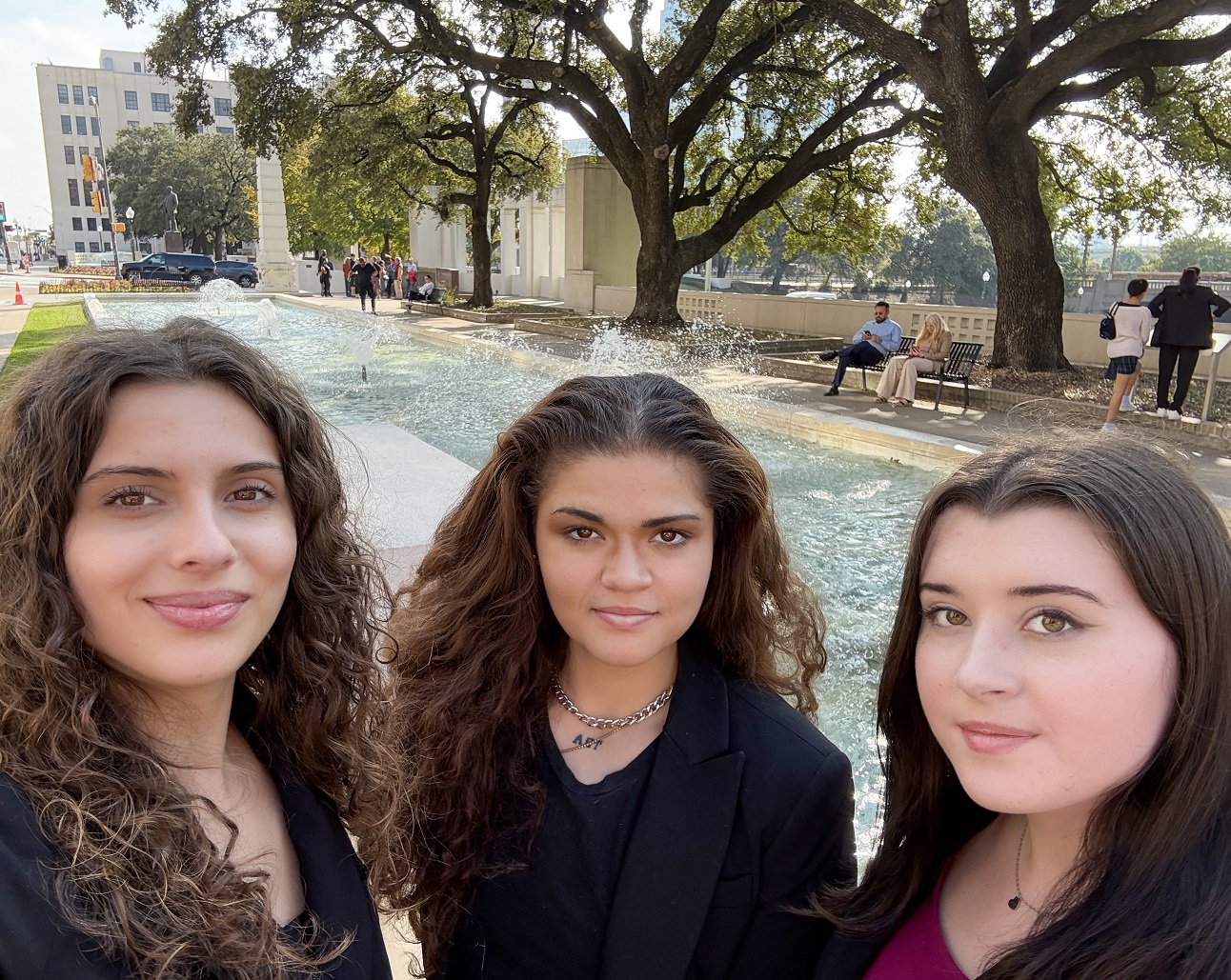
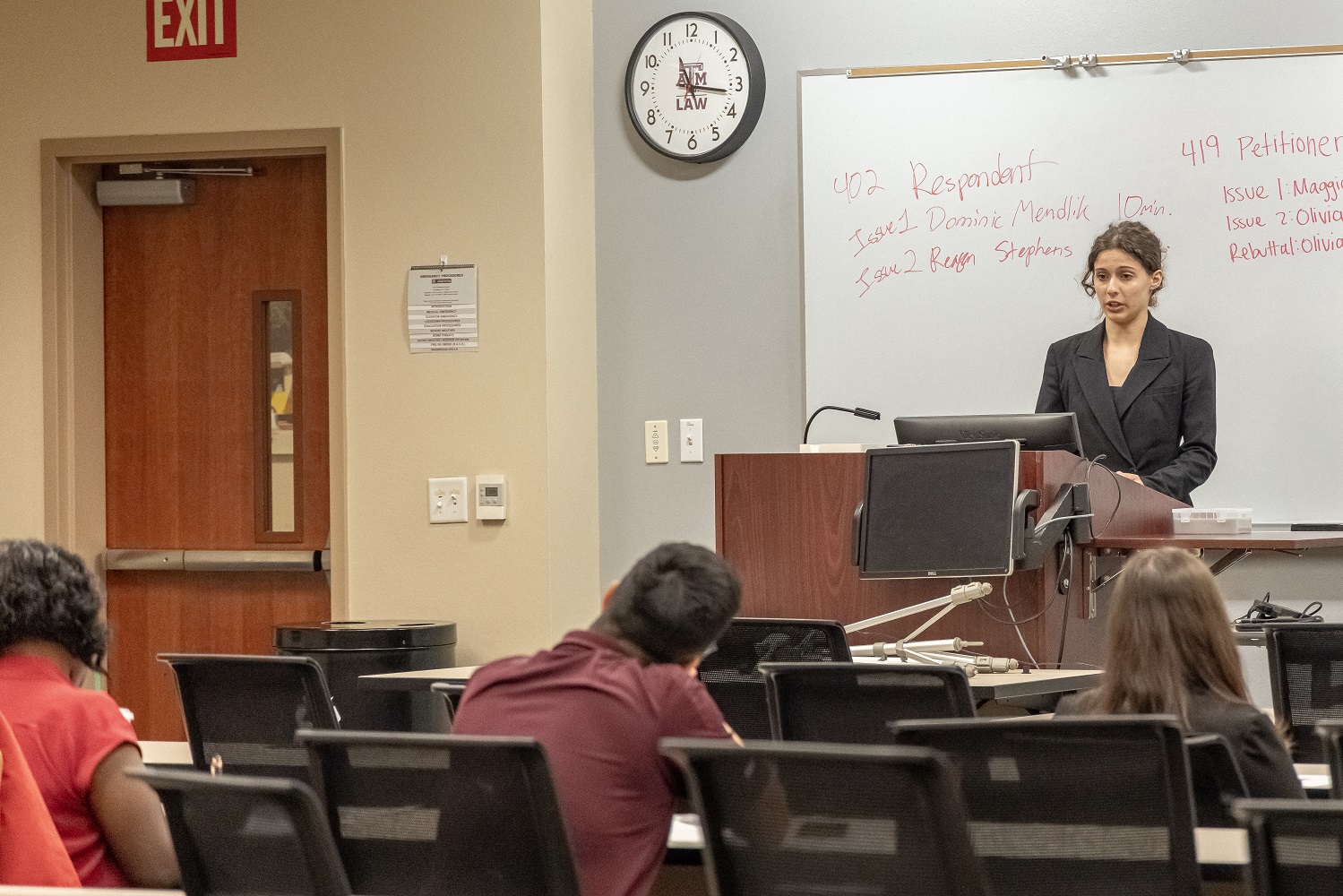
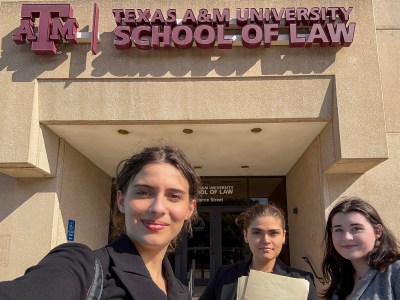
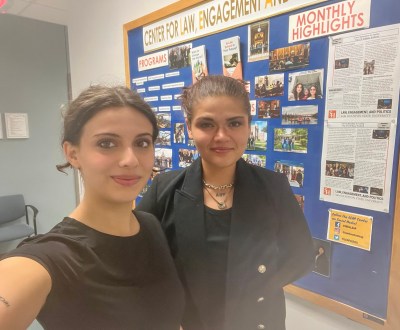
After a multi-year hiatus, the LEAP Center has revived its Moot Court Team, and SHSU Students Olivia Discon (Team Captain) and Maggie Betancourt will be competing at the Texas A&M Law School Regional Tournament on November 16-17.

What is Moot Court, Anyway?

Moot Court replicates the appellate process. Most people are familiar with the trial courts, where (typically) a jury judges the guilt of a defendant; witnesses are called to testify, are involved in direct and cross examination; and a single judge presides over the proceedings. But in an Appellate Court, attorneys compile documents, provide a written brief, and offer oral arguments, making the case that the lower court erred (petitioner) or didn’t (respondent) in the proceedings.

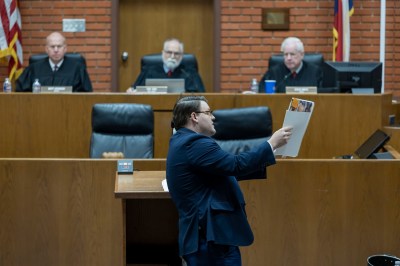
This fits right in with the LEAP Center’s activities, which already many law-school related activities, including inviting the 10th Court of Appeals to campus once a year to hear cases.

Without knowing it, then, the LEAP Ambassadors have had a mini-preparation for the Moot Court experience.

Moot Court Preparation

Although we may change formats in future years, the Moot Court experience works like this:

  • May 1: AMCA Releases Case;
  • August: Students read case and take “Foundations Quiz” to participate;
  • September: Weekly practices begin;
  • October: Practices continue and students may scrimmage other teams;
  • November: Regional Tournament
  • January: National Tournament

For the students, this means reading the cases (there are 21 cases in all) thoroughly, and developing arguments, modified over weekly practices, that can be used for their “courtroom” appearance.

Moot Court Benefits

In following this regimen, students gain many benefits. They…

  • Learn how to read and understand court opinions;
  • Learn how to write appellate briefs;
  • Sharpen their critical thinking, writing, and communications;
  • Gain substantive knowledge in the field of law;
  • Gain exposure to law schools to which they may be applying.

Rules of Moot Court

After familiarizing themselves with the main case and associated cases, the competitors decide which of two issues they will be arguing before the court. This year’s case, which is based on the Michelle Carter encouraging suicide through text-messaging case, involves both the 5th Amendment (self-incrimination, tackled by Maggie) and 1st Amendment (free speech, addressed by Olivia).

The students also (more or less) split the 20-minute time limit, with each student making their case before the judges for about ten minutes.

SHSU Competing in 2016 Moot Court Competition

This can be tricky, because judges can interrupt as often as they want, and the time spent being interrupted counts against the time allotted. (See full rules below).

Although teams may compete in scrimmages that are self-arranged, their first (and probably only) appearance is at one of 15-16 regional tournaments across the United States, which host, collectively, approximately 120 Universities, many of which field multiple teams. The top 25-percent of these teams then compete in nationals in January.

SHSU Moving Forward

With help from Dean Gene Roberts, Stephanie Fors, and Victoria McClendon-Leggett, the students have gone through increasingly rigorous practices…

…culminating with a scrimmage on October 19, 2024.

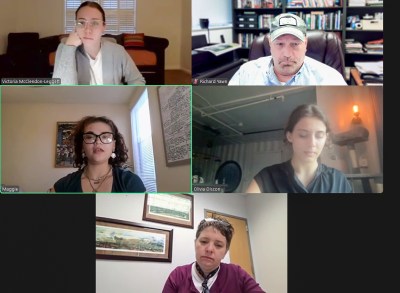
This scrimmage, which took place on Zoom in three different states, involved 12 teams. Organized by Blacin Godfrey from the University of Louisiana at Lafayette, the students competed in three rounds, twice representing the petitioner and once representing the respondent.

Although the results have not yet been delivered to the teams, the SHSU team was able to enhance its practice in more realistic conditions, hear perspectives from more people, and commiserate with other moot court participants across the country.

Importantly, the scrimmage identified weaknesses in the team’s arguments; highlighted applications of other cases that should be considered for incorporation; and spotlighted weaknesses in delivery and presentation.

The team will continue its practice through November 16-7, when they will be one of 24 teams competing at TAMU Law School.

Getting Involved

For students who would like to be considered for SHSU’s Moot Court team next year, please contact Olivia Discon at oliviadiscon@shsu.edu or Professor Mike Yawn at mike.yawn@shsu.edu.