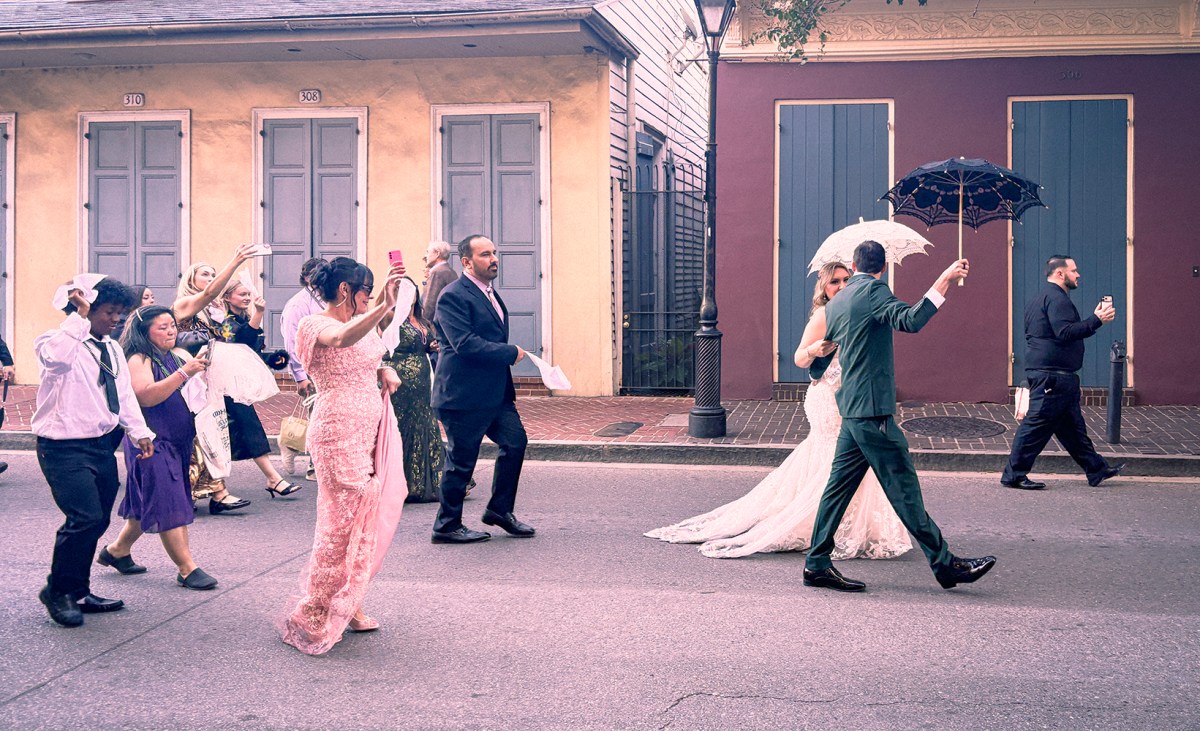
Our third day in New Orleans offered a unique look at the melting pot of Creole culture. Creole, as the name suggests, grew from the city’s status as a global port, blending the best parts of nearly every nation and state, including customs, traditions, and ideas. Today, we took a deeper look at that concept, experiencing the city’s cultural blend with the rest of the world.
History at the National World War II Museum
Written by Robin Houghton
We started our Saturday by taking a taxi to the National World War II Museum, the largest of its kind in the United States. Spanning seven acres, the museum is so expansive that it offers two-day passes to see everything.
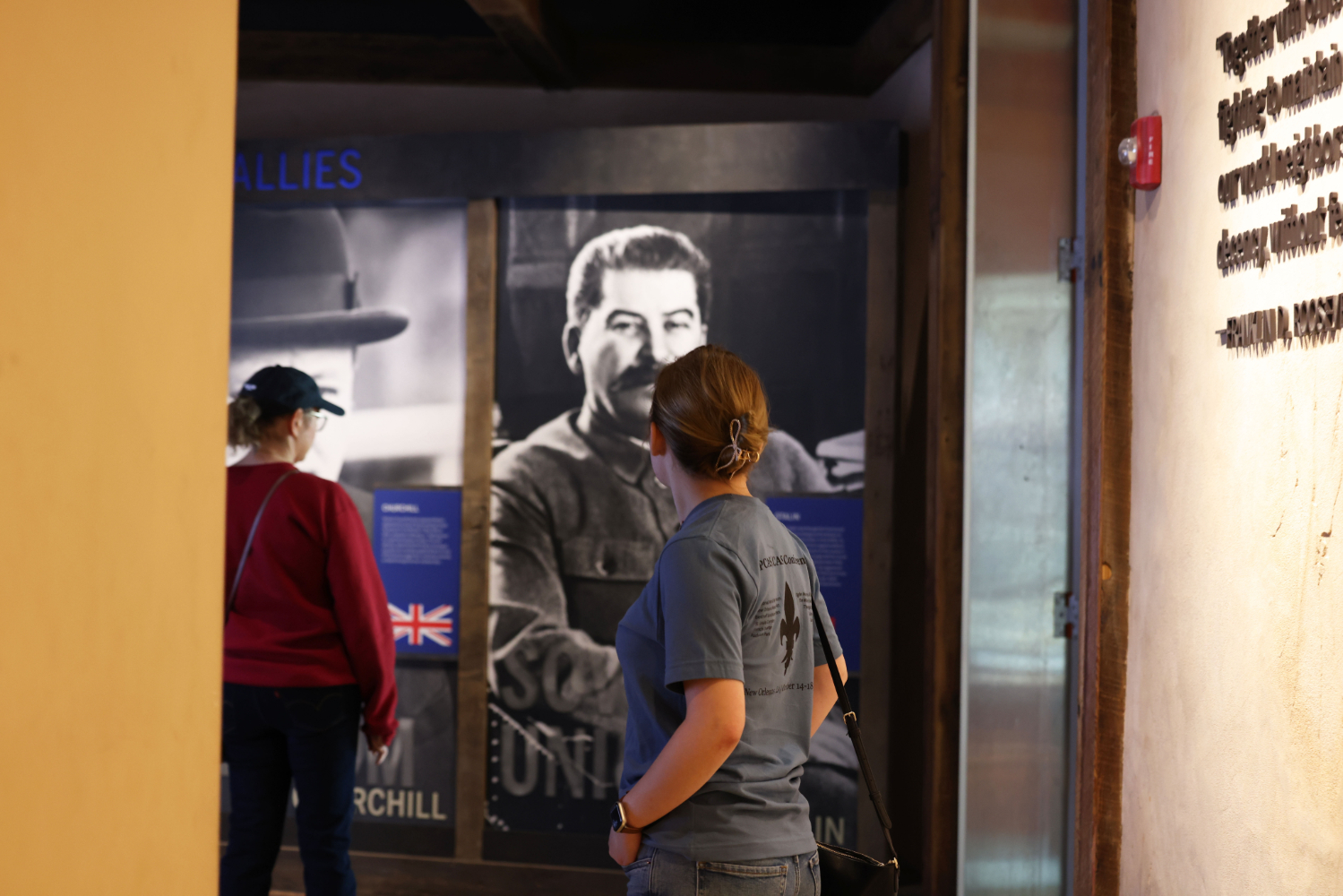
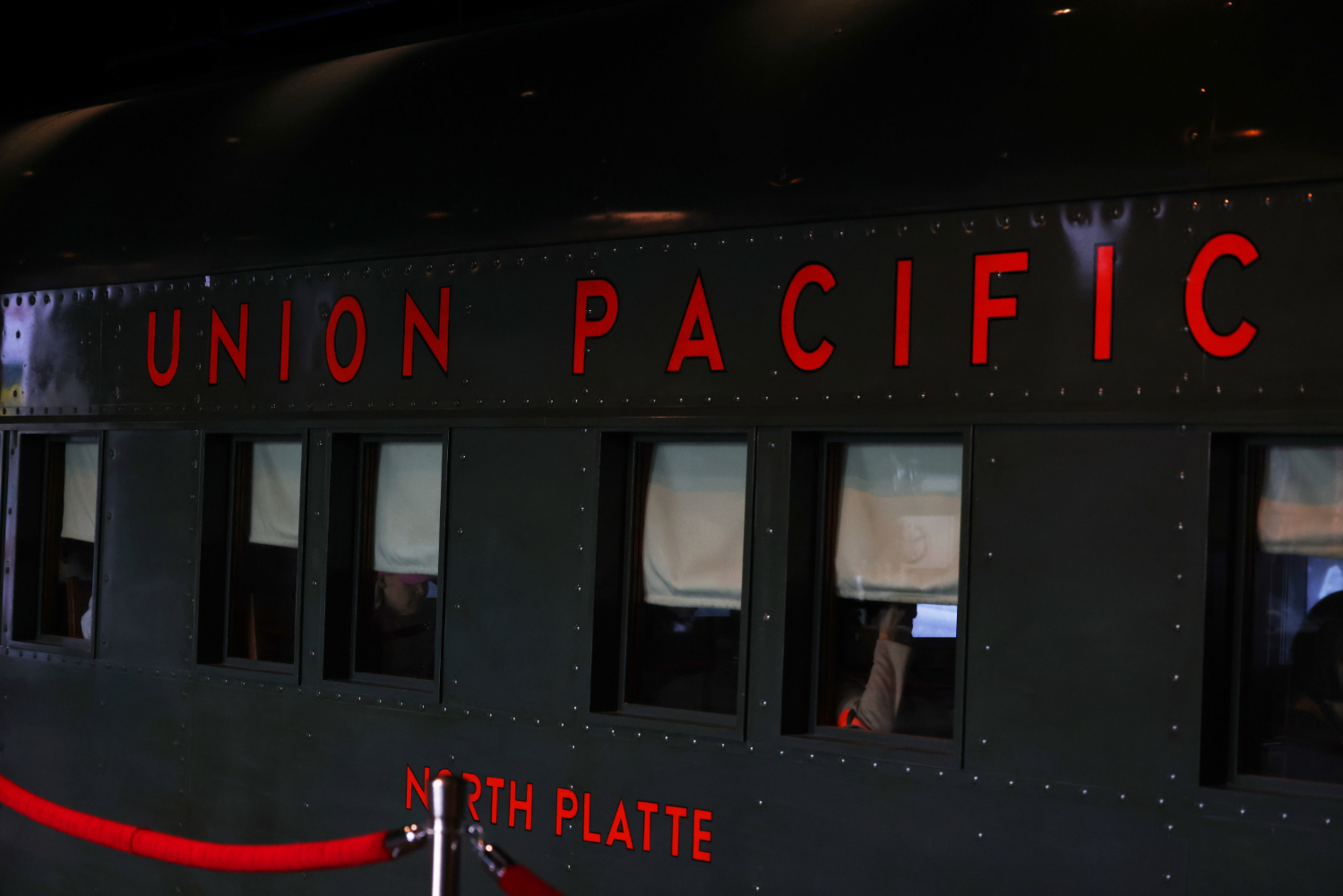
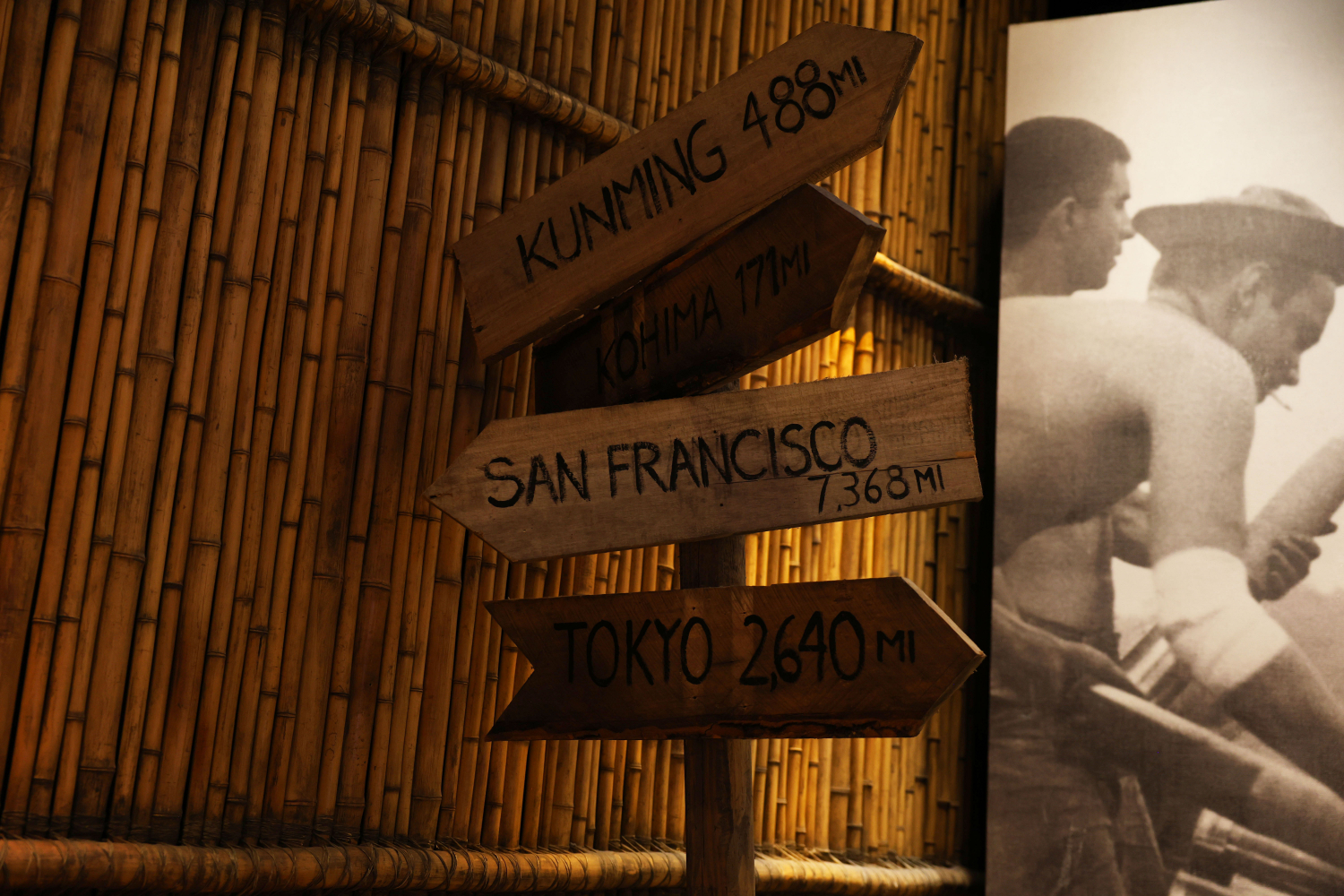
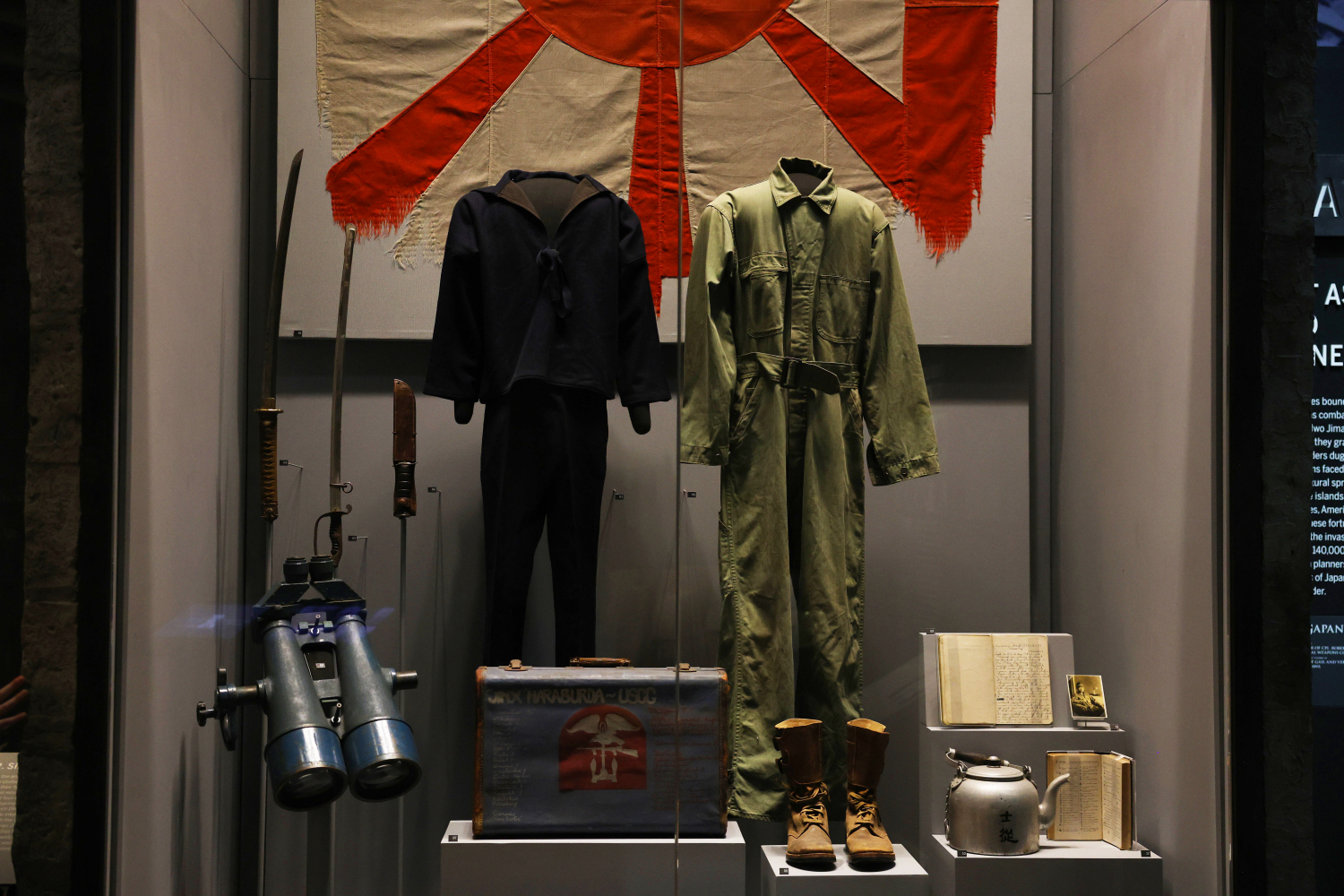
Our visit began in the Pacific Theatre, since we were less familiar with that side of the war. Given less attention both during the war and in teaching about it afterward, there was a lot we learned about this area for the first time.
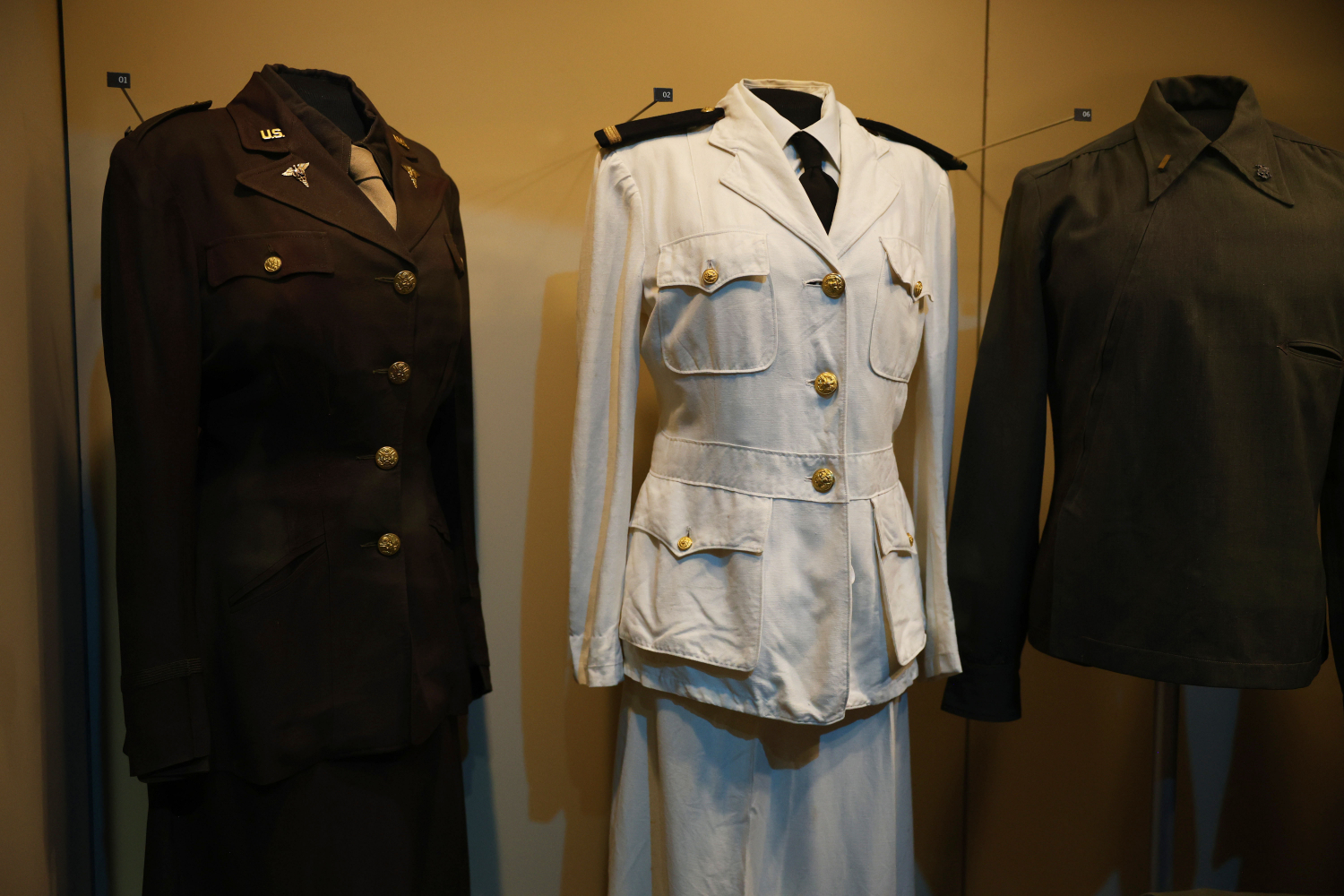
The museum was jam-packed with artifacts, most frequently artillery and an impressive collection of uniforms. We especially found the nurse’s uniforms fascinating!
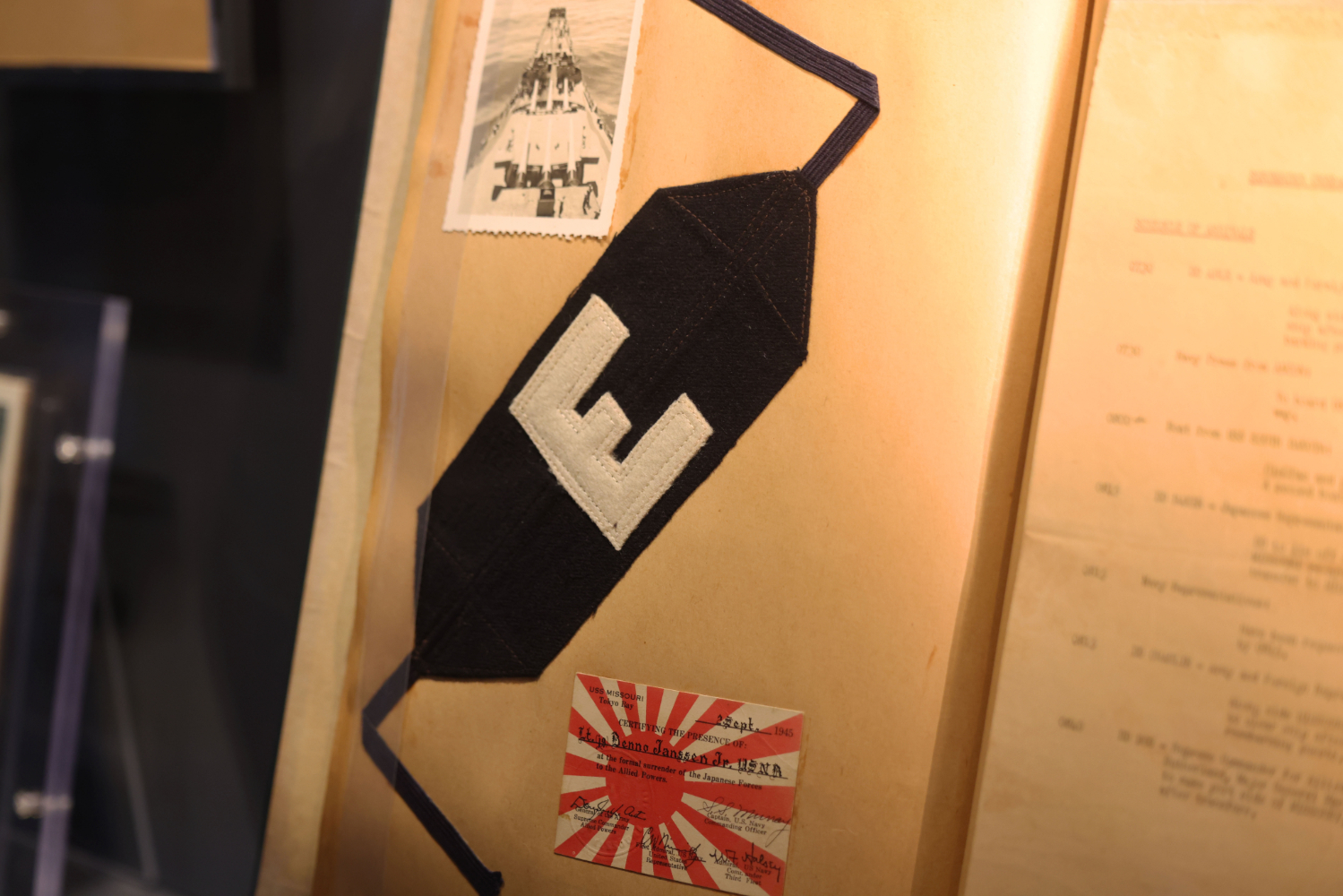

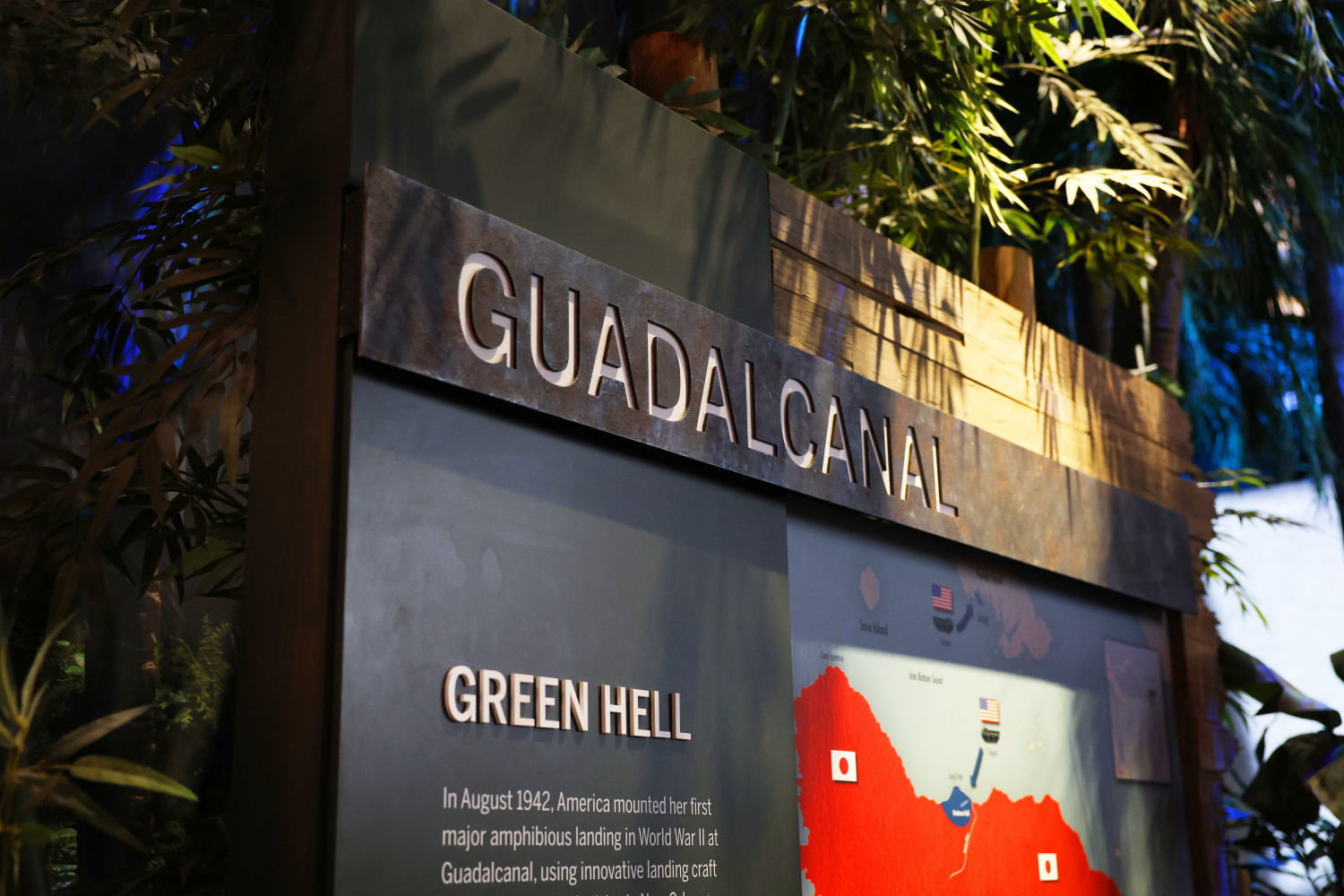
One thing we found interesting was the Allied strategy of island hopping. After landing in Guadalcanal, the Allied powers devised a strategy to continue advancing in the Pacific by “hopping” over heavily fortified islands — isolating Japanese-occupied islands and moving closer to Japan. This strategy was crucial to the Allied powers’ victory in the Pacific.
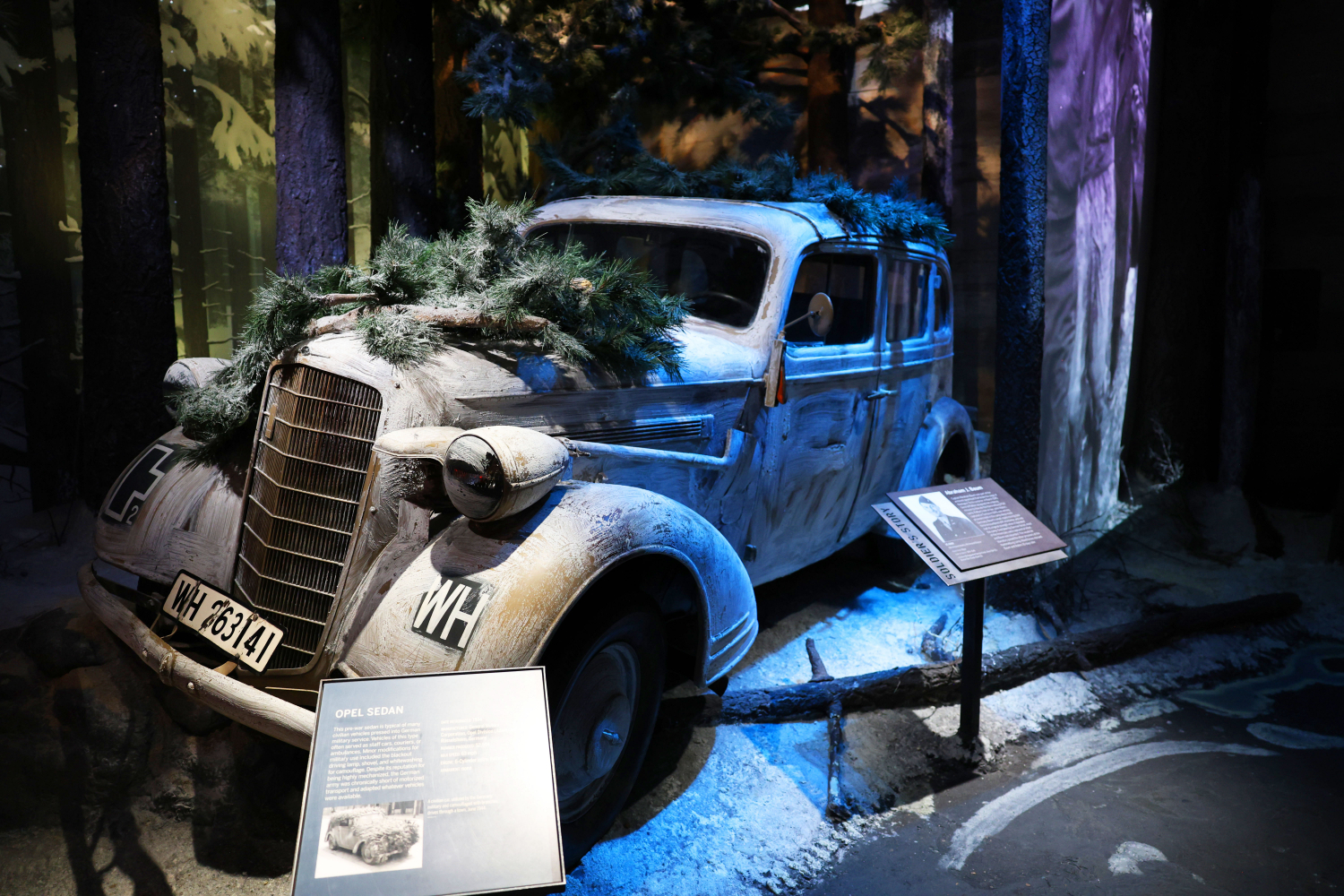

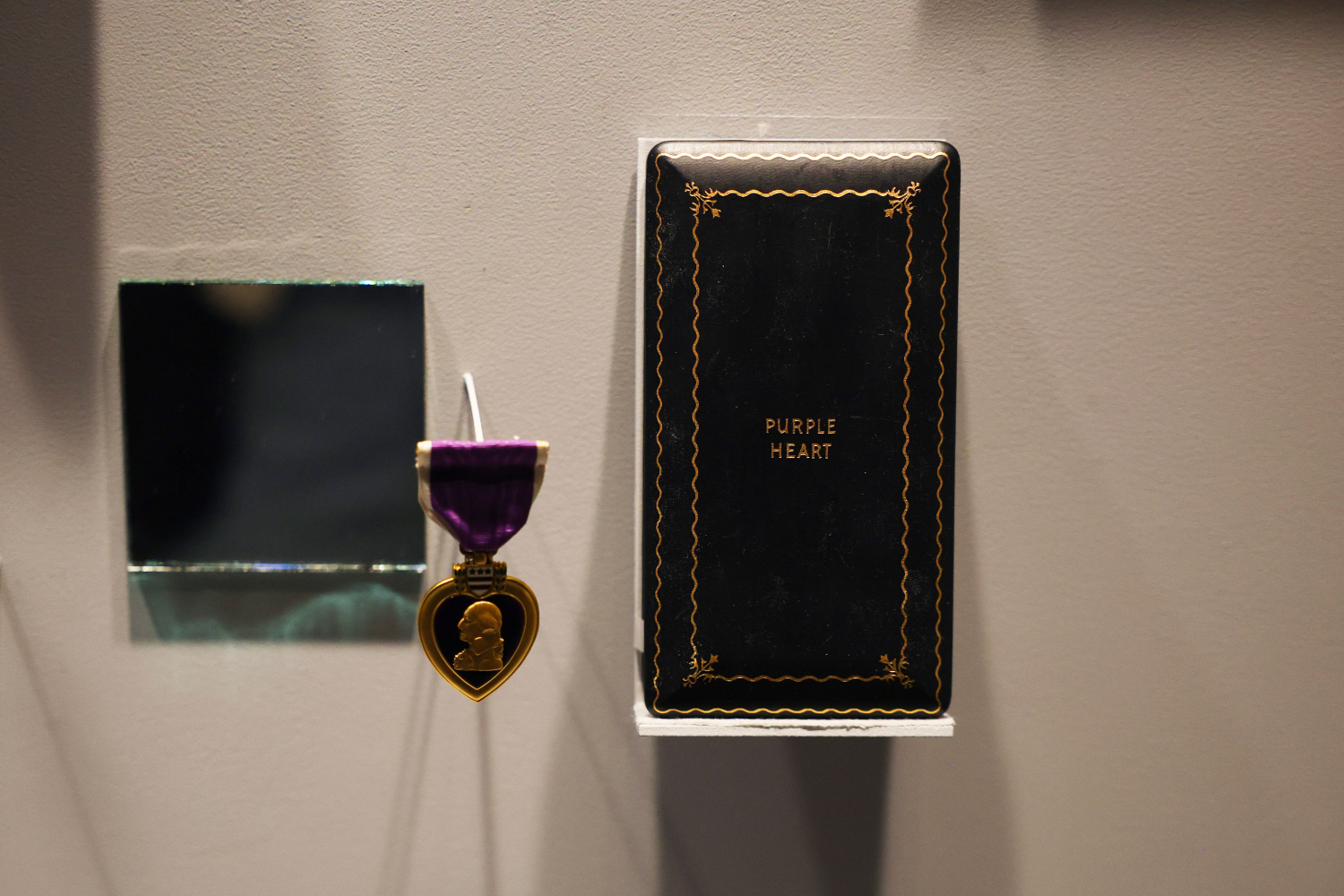
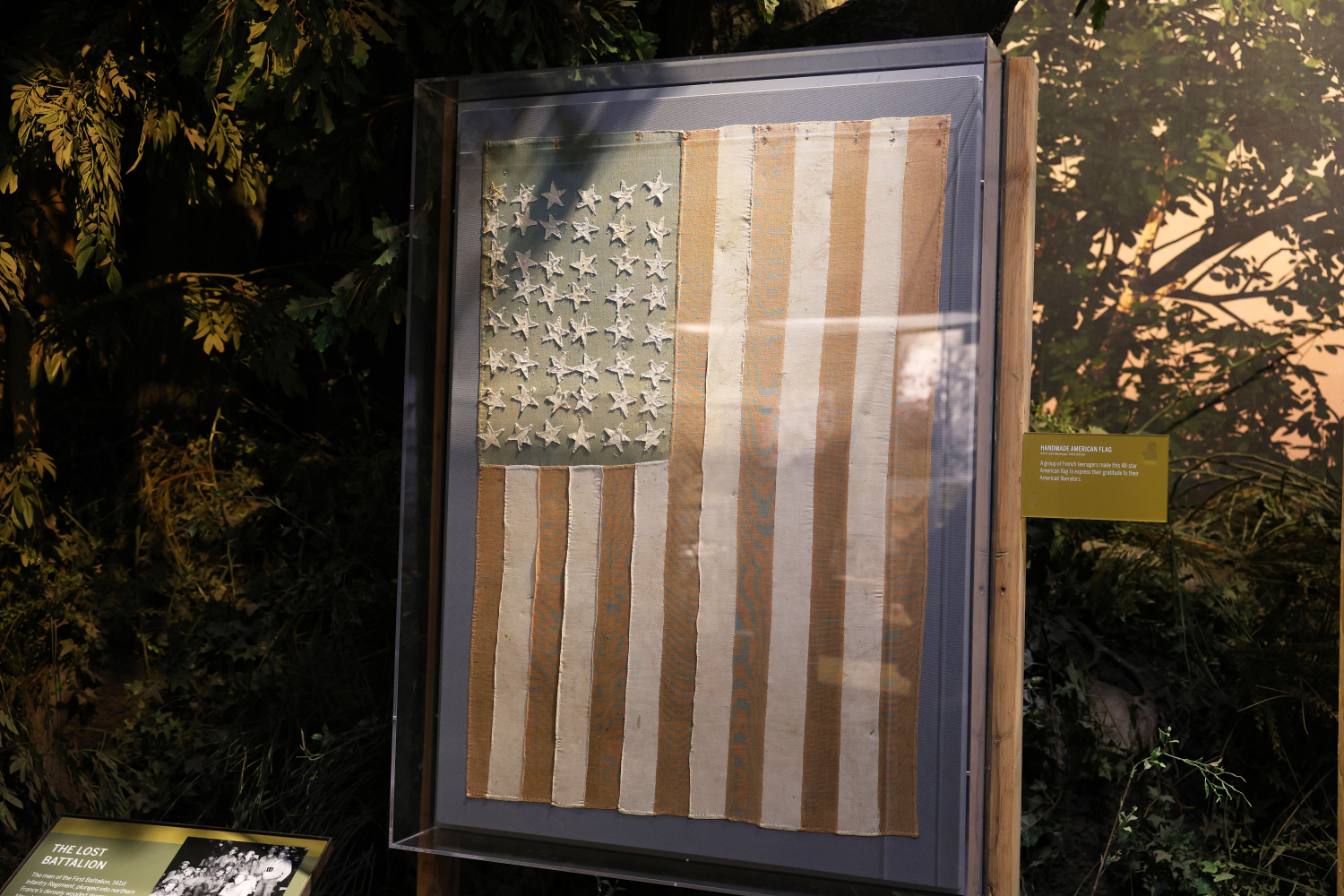
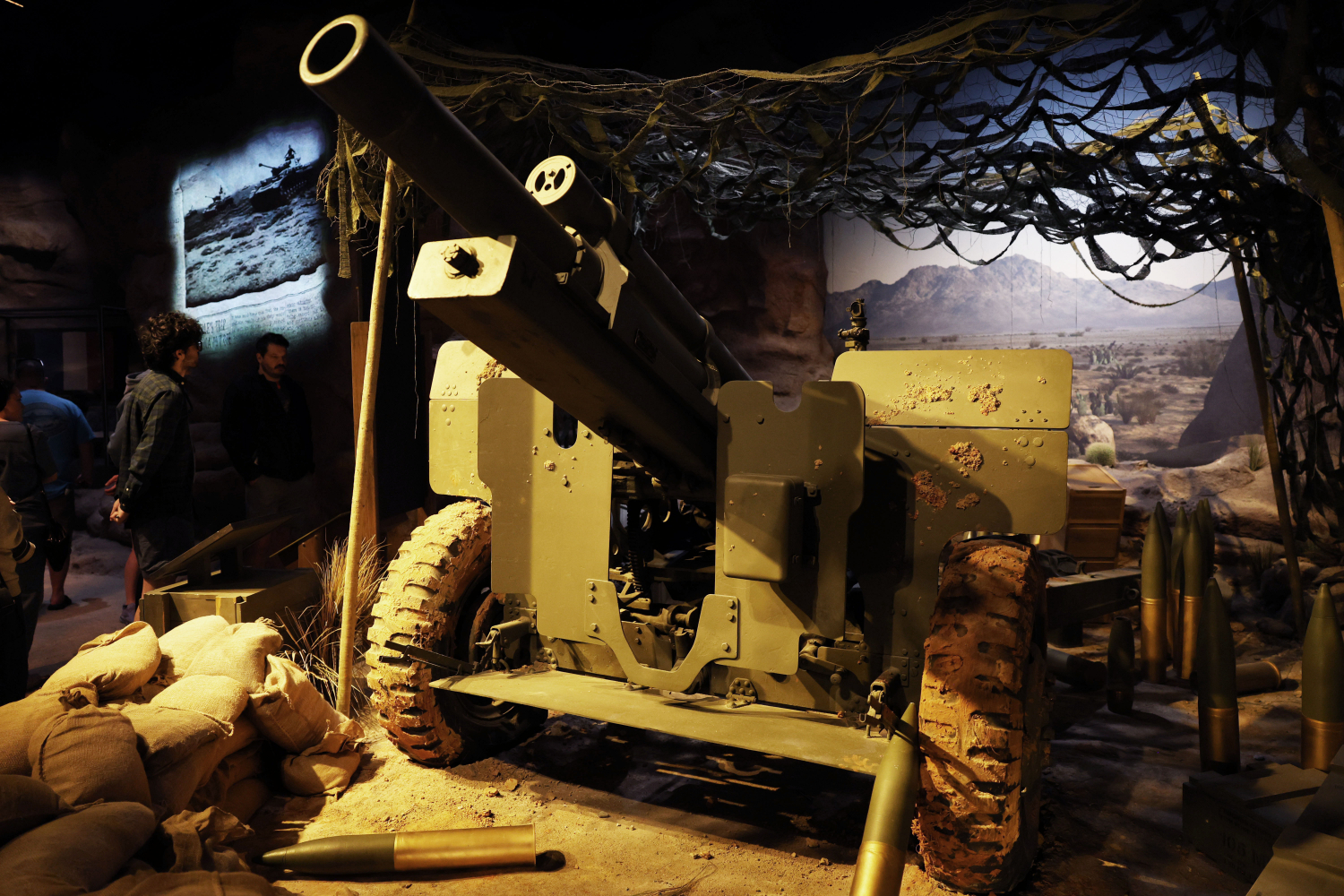

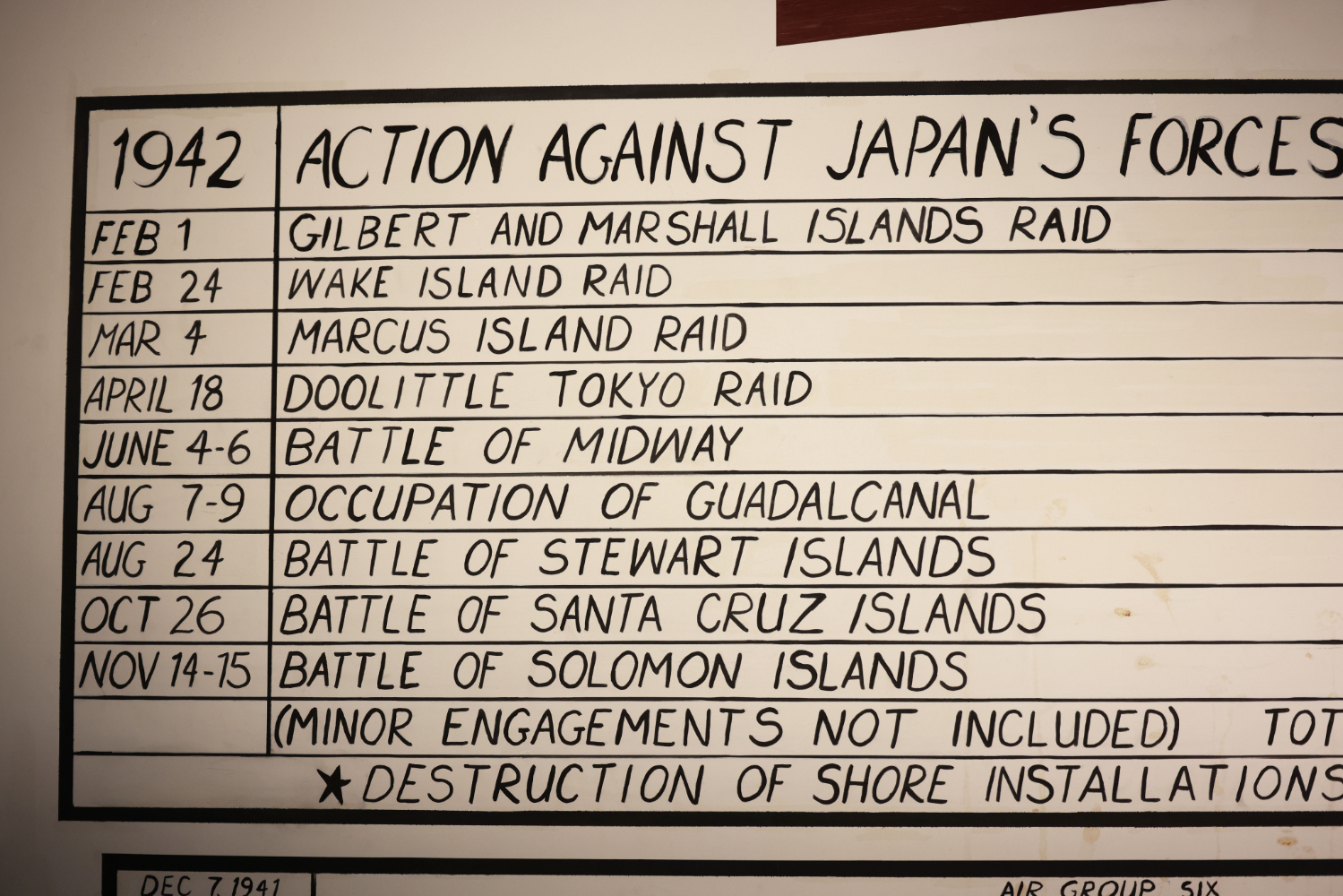
Near the end, we found ourselves in a replica of the room Anne Frank and her family stayed in while in hiding. Being able to immerse ourselves in the life of the Franks allowed us to experience the routine they had during their time in hiding.
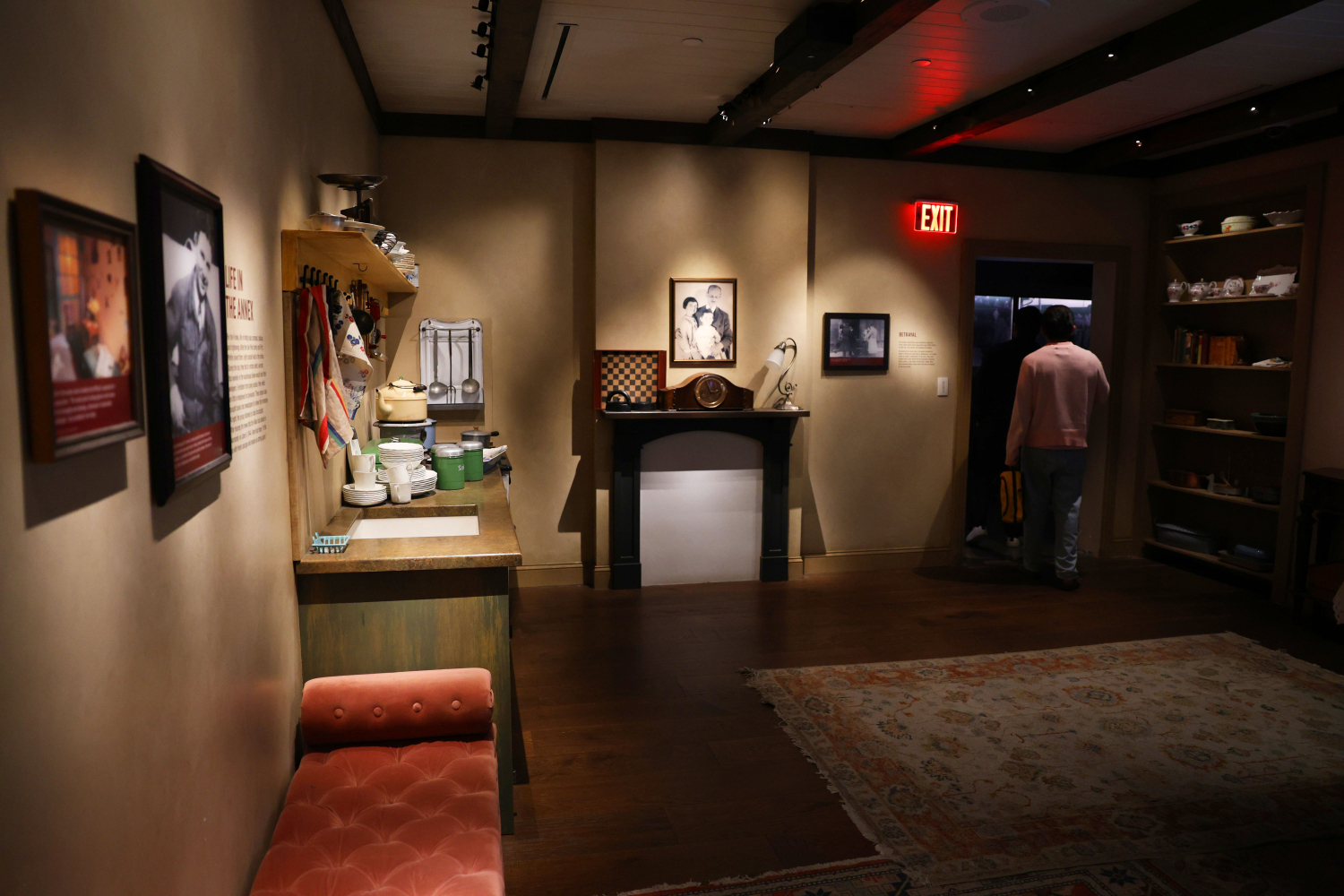
Although we did not spend the two days needed to explore the museum in its entirety, the National World War II Museum gave us plenty to learn, and even more to be excited for if we come back to New Orleans!
A Look into Society and Film
Written by Ruthie Passmore
Our last session of the weekend was a deep dive into film and how it reflects society. First hearing from Chair Daniel S. Traber about Trainspotting, then Kathleen Hardesty about Social Services as the Villain, and lastly from our very own Professor Mike Yawn, speaking about The Manchurian Candidate.
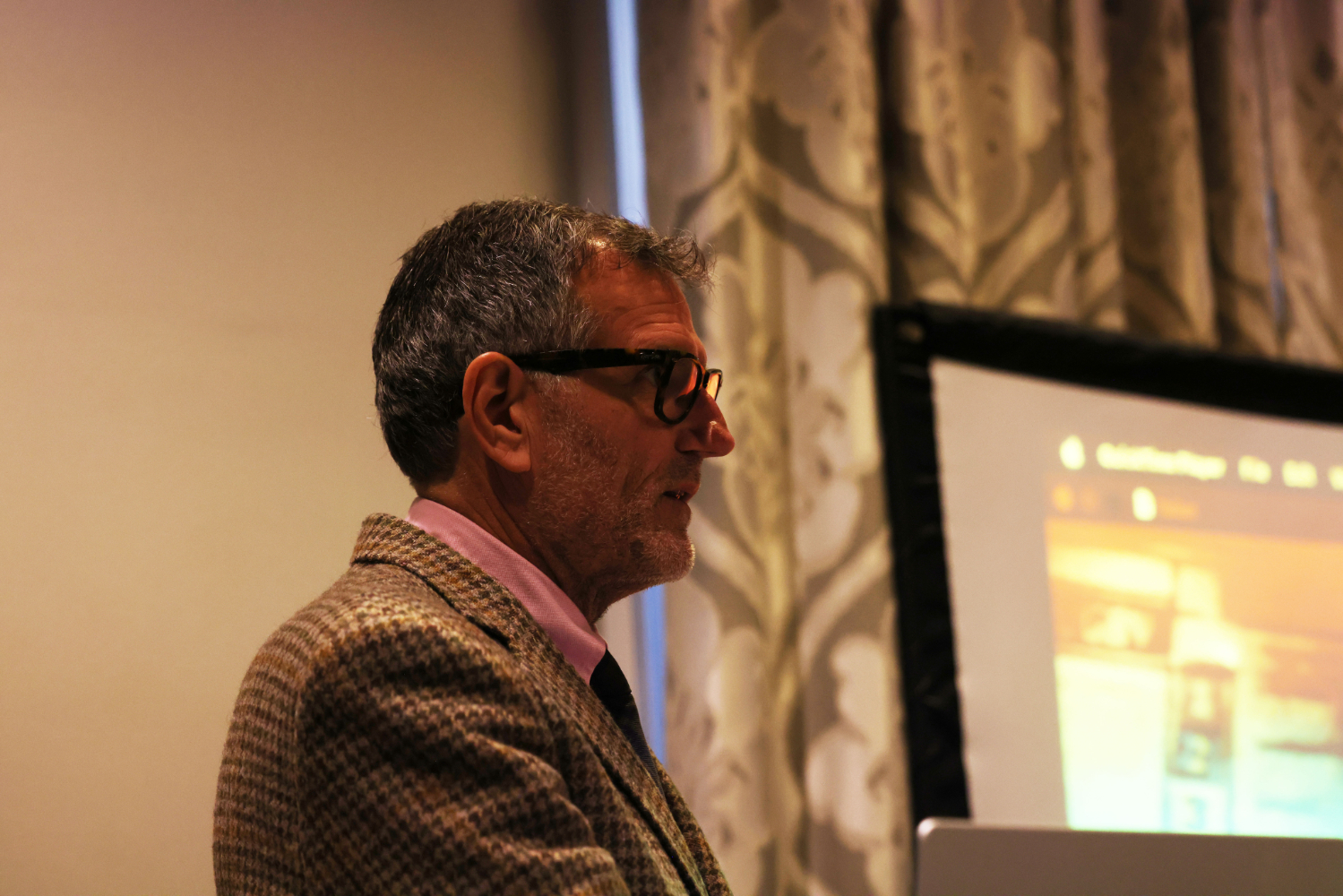
Daniel Traber opened by evaluating Trainspotting through a lens that captured addiction through layers. He reflected on the film’s portrayal of addiction through a combination of surrealism and realism. This helps contribute to a more overarching theme of addiction, the main character’s drug addiction allowing audiences to draw parallels to alcoholism, nicotine addiction, gambling addiction, interpersonal dependency, and consumerism.
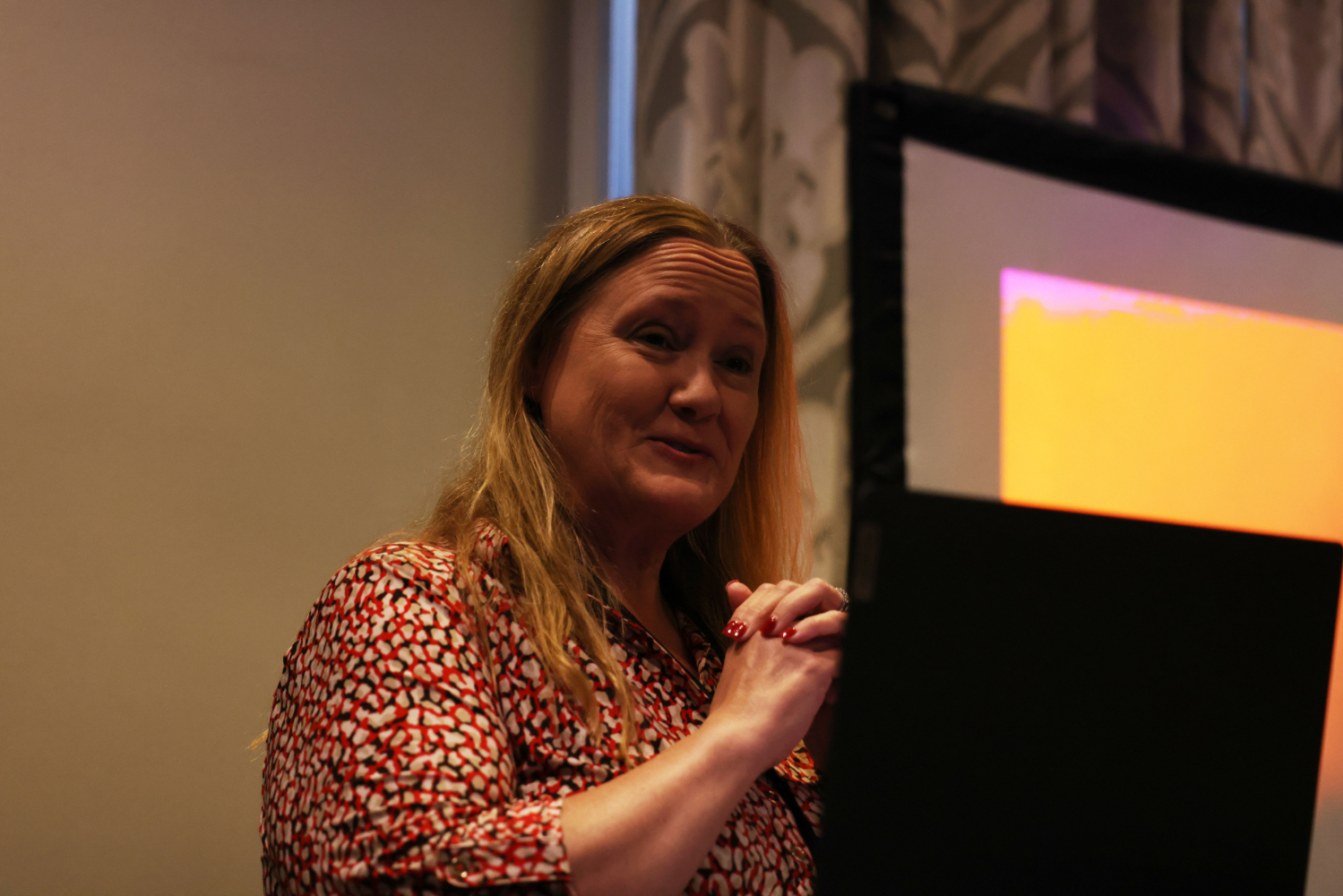
Following Traber’s research on addiction, Kathleen Hardesty presented on the portrayal of social workers in film. She began by studying adoption in film, noting that the language surrounding adoption in these works is usually negative. She observed multiple different children’s films that portray social work in a negative light: Mrs. Doubtfire (1993), Despicable Me (2010), Lilo & Stitch (2002), and The Willoughbys (2020). In most of these movies, social workers are being painted as the “bad guys.” Hardesty argues that children’s movies play an important role in the narrative of social work and adoption, and that finding more positive ways to refer to social workers in media may reduce stigmas and biases surrounding adoption and social work.
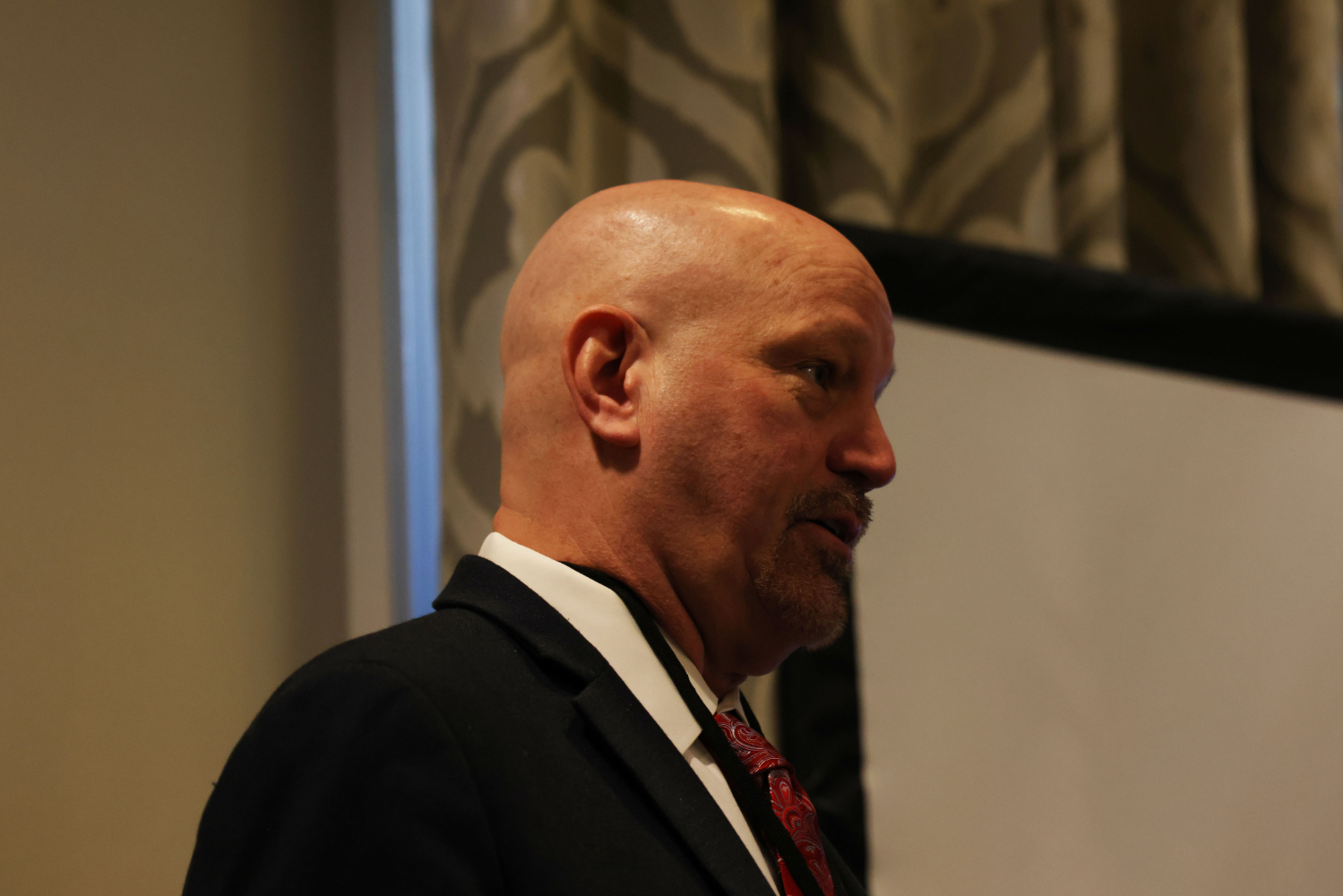
We might be biased, but saving the best for last, we got to hear from Professor Yawn, who gave a reflection on free will in The Manchurian Candidate. He mentioned the Oresteia Trilogy, arguing that there is a narrative structure similarity between the 1962 film and the Greek tragedy. Justifying this argument requires examining how Orestes, in the Oresteia Trilogy, and Raymond Shaw, in The Manchurian Candidate, both face moral dilemmas that force them to choose between family loyalty and moral responsibility. Like Orestes, who must choose between protecting his mother and avenging his father, Raymon struggles between loyalty to his mother and carrying out her orders to kill for her personal vendetta. Together, these works help display the complex relationship between The Manchurian Candidate and free will.
It was a striking ending to a very insightful conference. The LEAP students all agreed that this session was our favorite.
Blending India and Louisiana at Saffron Nola
Written by Ruthie Passmore
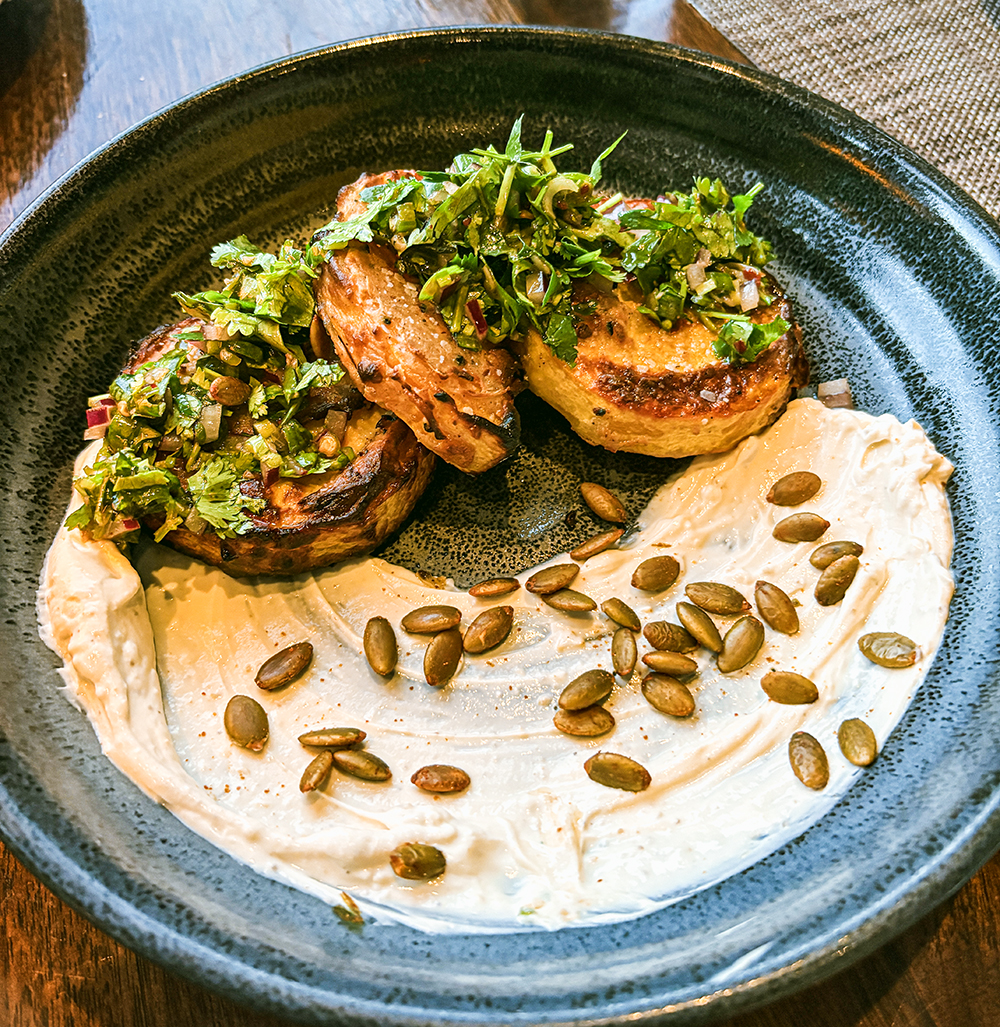
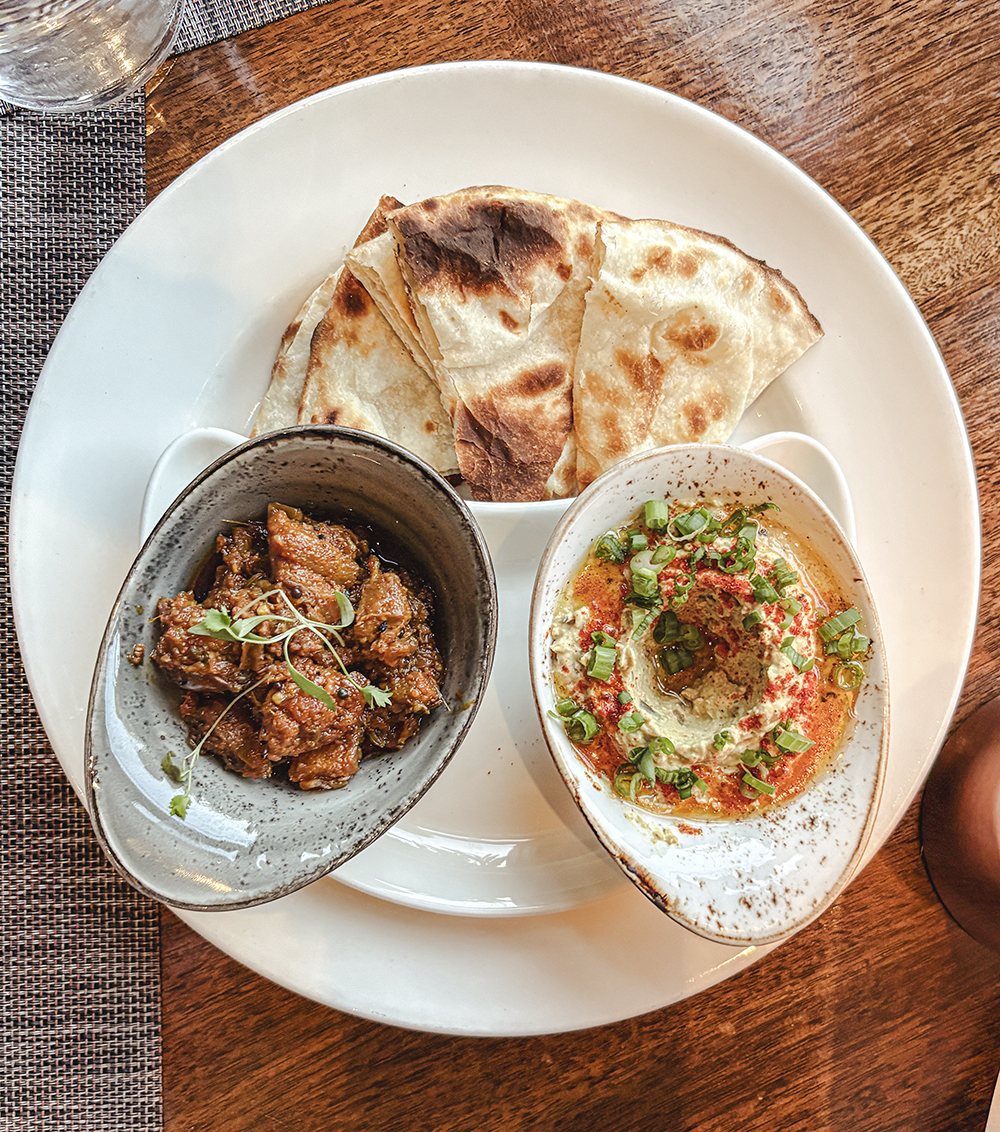
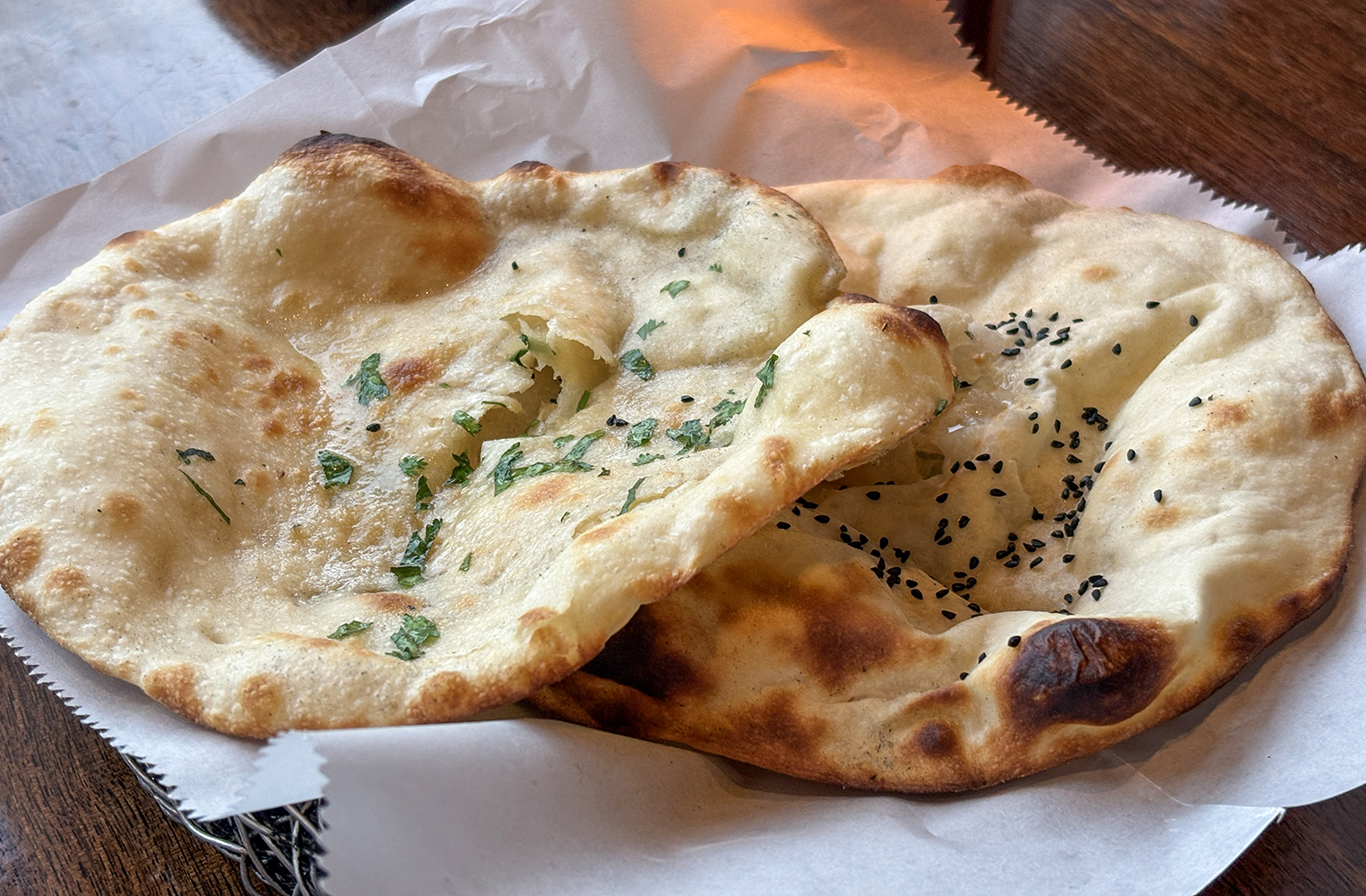
We ended the day by indulging in delicious Indian cuisine at Saffron Nola in uptown, near the Garden District. We started with appetizers: garlic and truffle tandoori naan, breads and spreads, and tandoori squash, which our waiter recommended. We all thoroughly enjoyed the starters, describing them as rich and savory, with a perfect balance of spices.
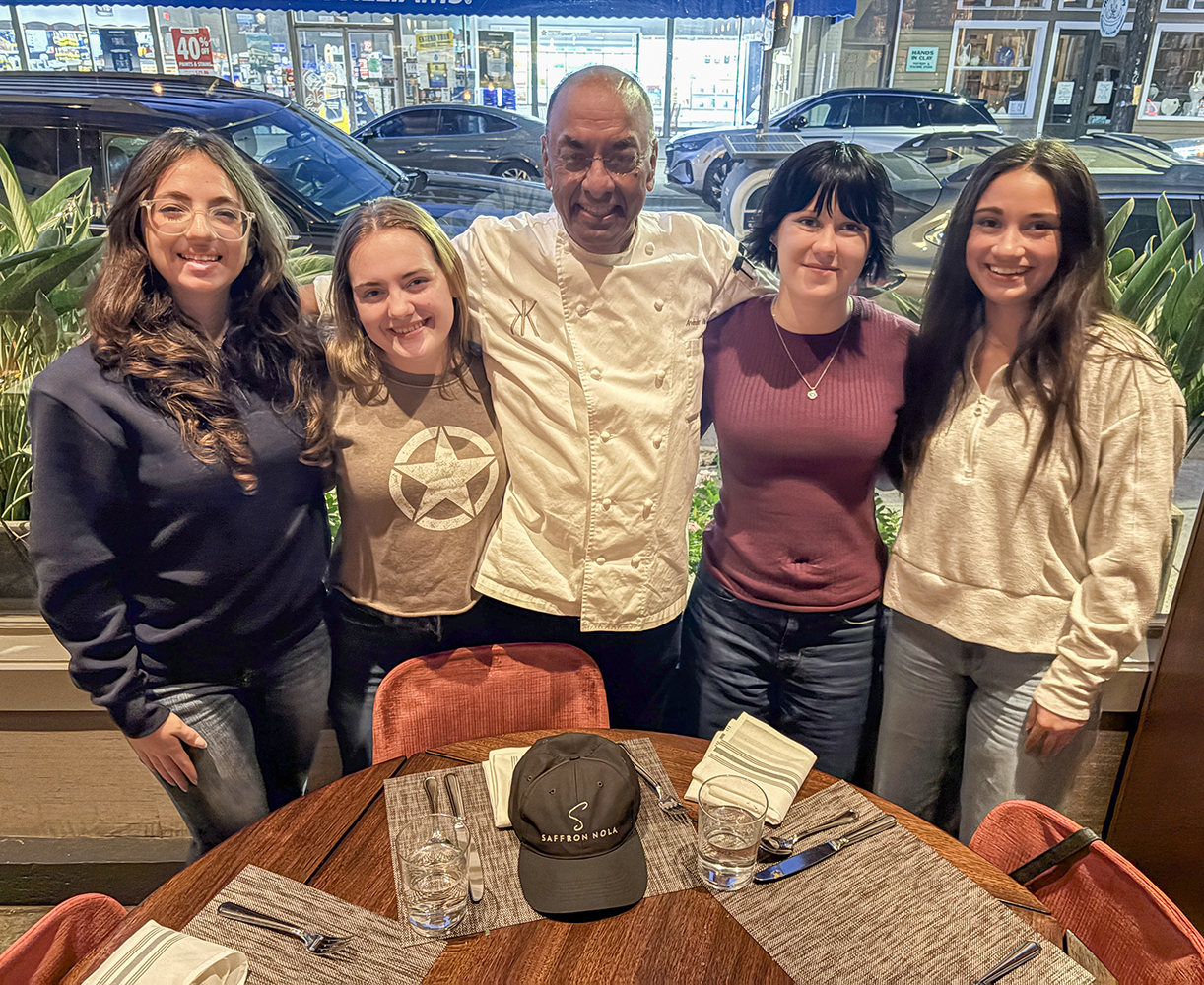
While waiting for our entrees, we had the delight of speaking with Chef Arvinder Vilkhu, who couldn’t have been kinder. He even shared how his son wrote the business plan for Saffron. After chatting with him about the restaurant and its delicious food, he was nice enough to allow us to take a photo with him.
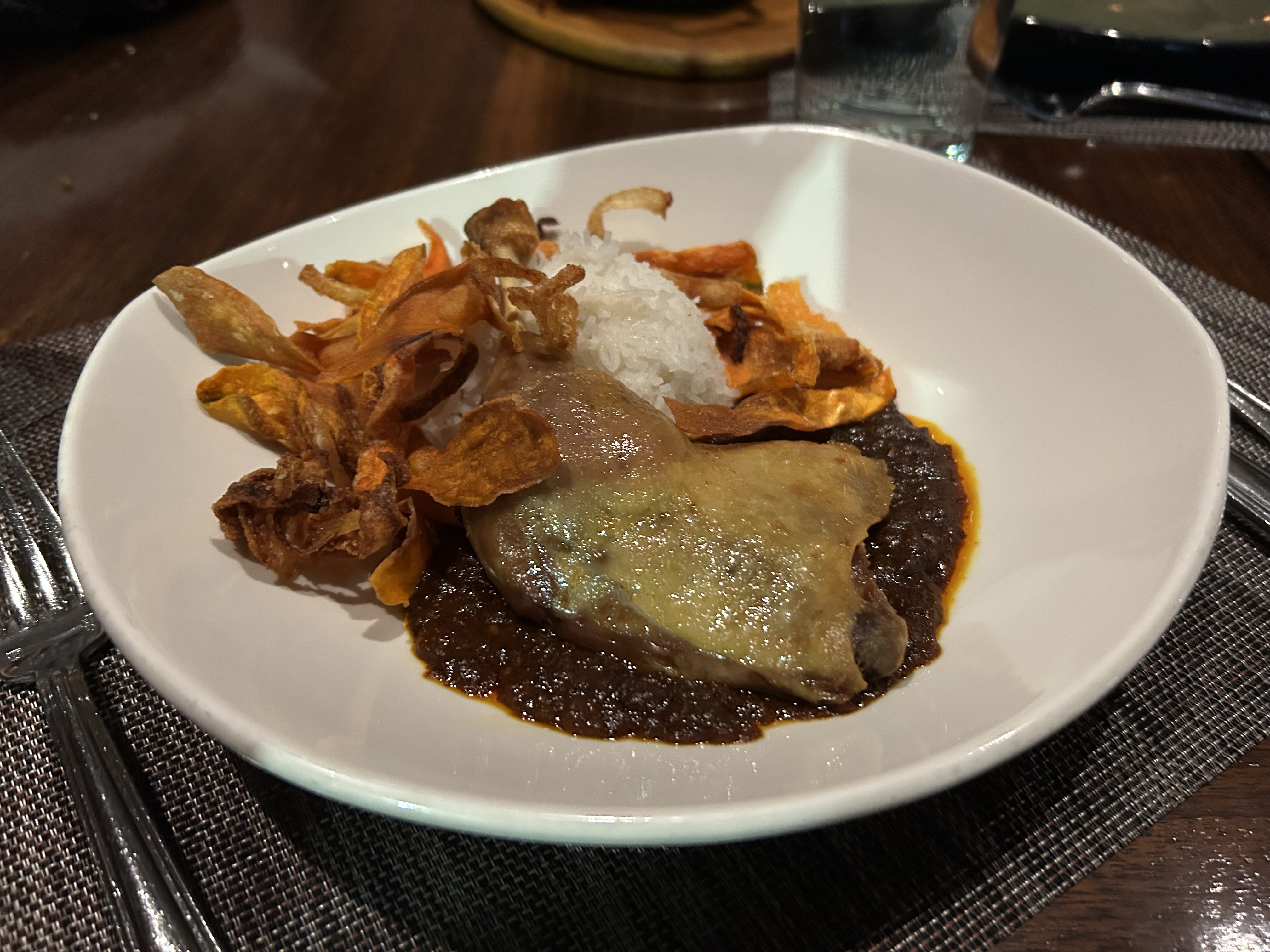
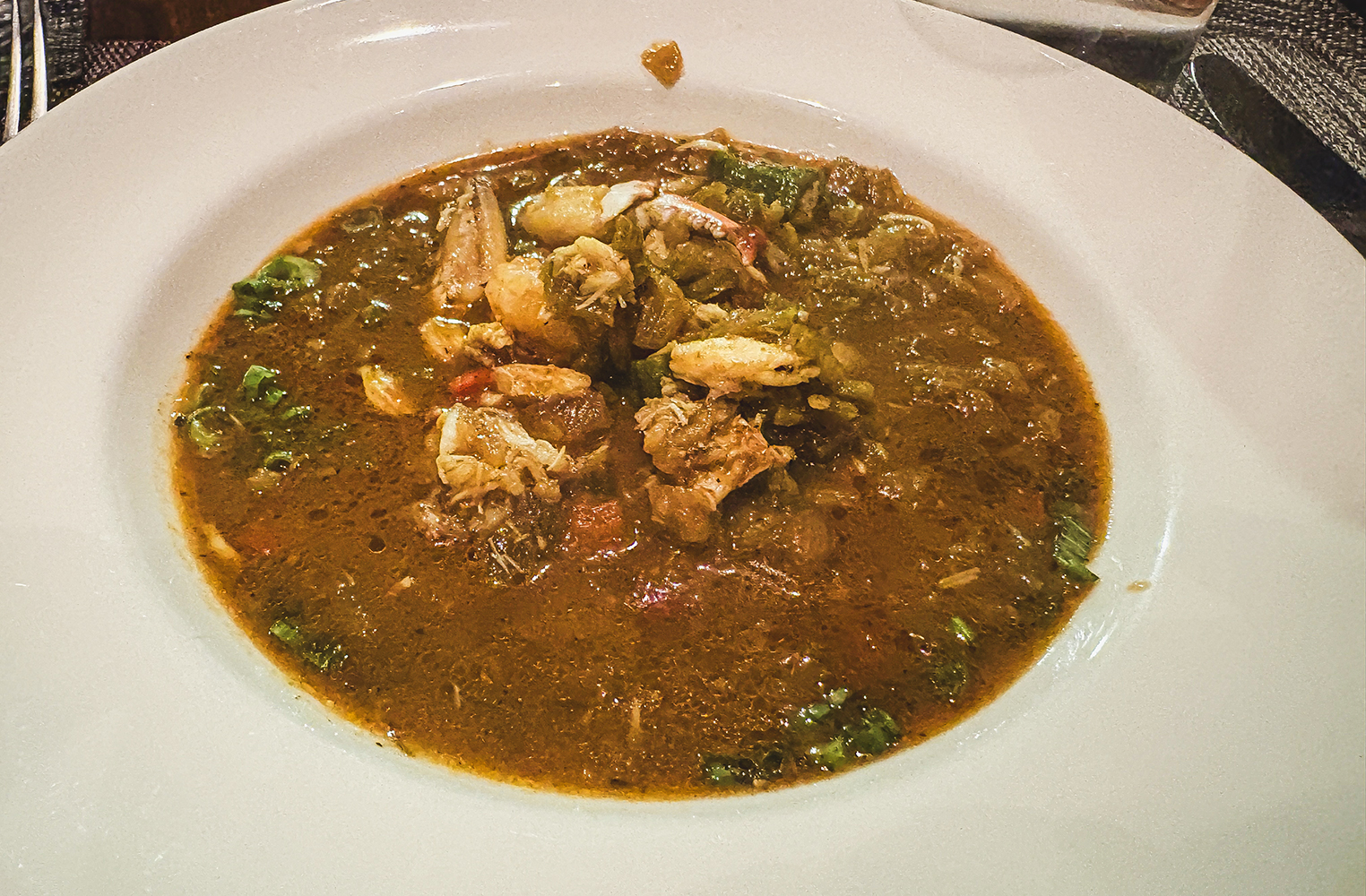
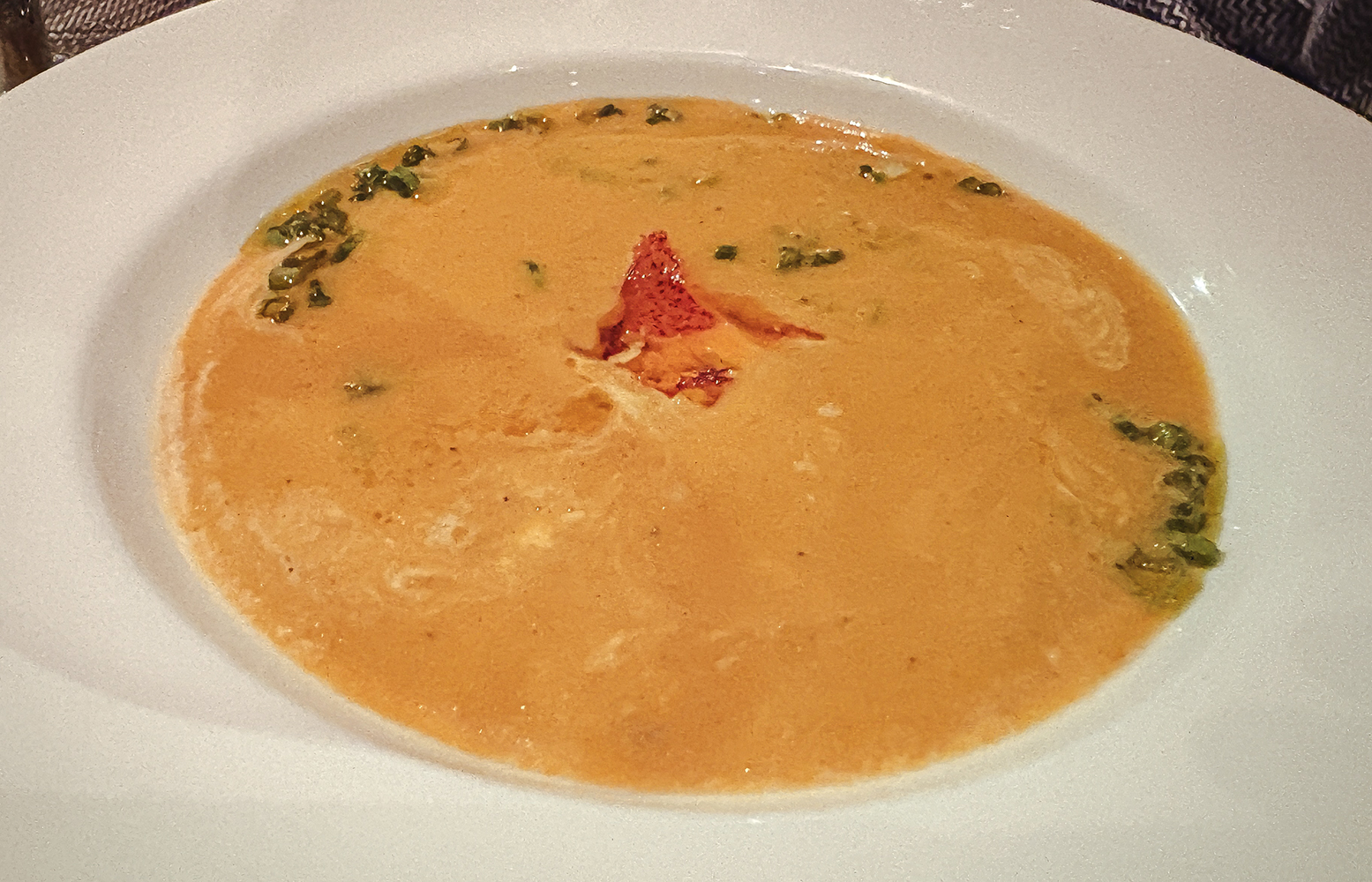
As for our entrees, we ordered four distinct large plates and two small plates. Allie chose the Duck Confit Masala, Isis opted for the Chicken Biryani, and Robin selected the Pork Vindaloo. Meanwhile, Professor Yawn enjoyed the Curried Seafood Gumbo, Stephanie went with the Homestyle Seafood Bisque, and I tried the Grilled Pepper Steak. I would describe my steak as being juicy, tender, and all-around delectable, especially being soaked in the coconut white Malabar sauce, but every dish was spectacular.
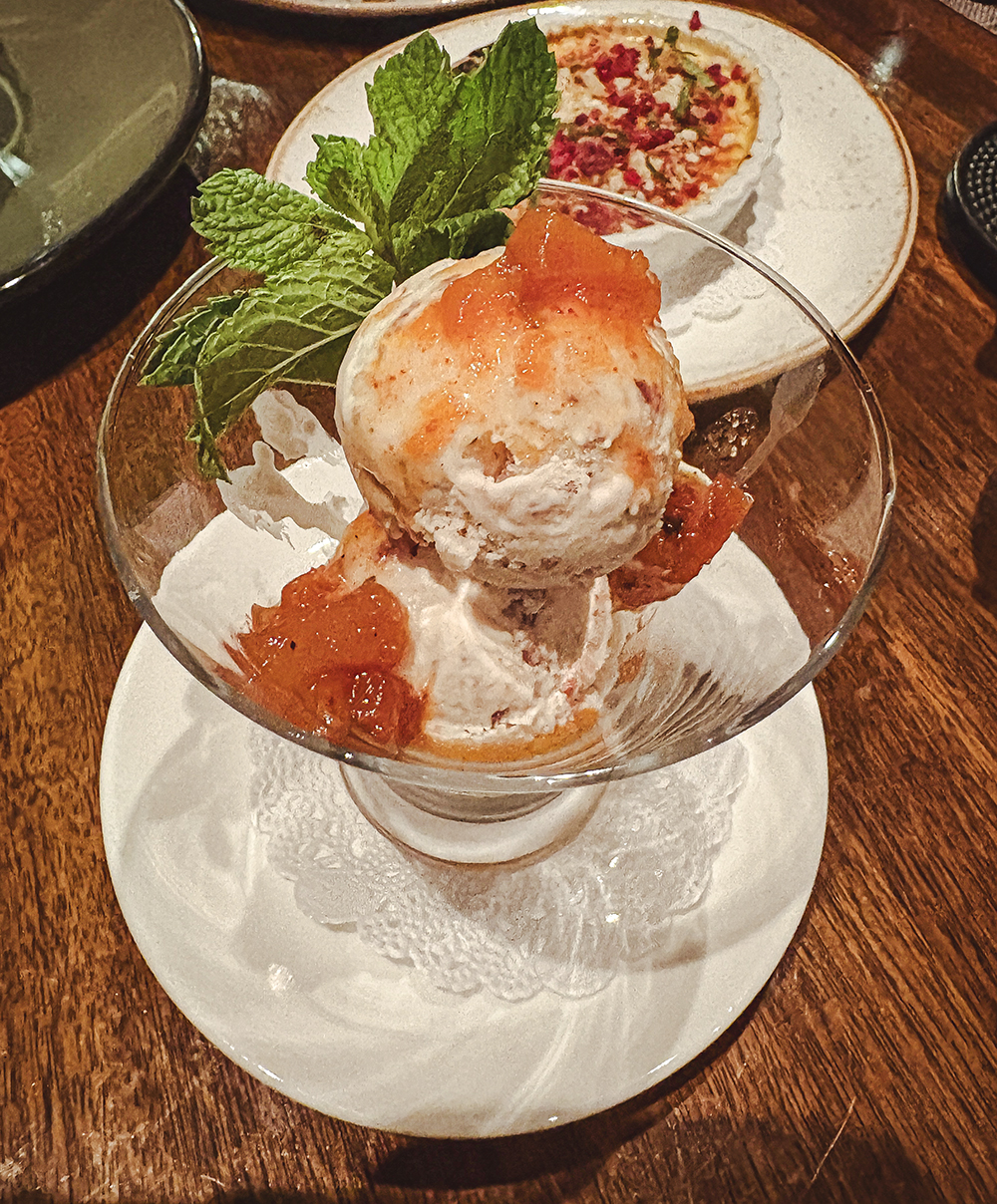
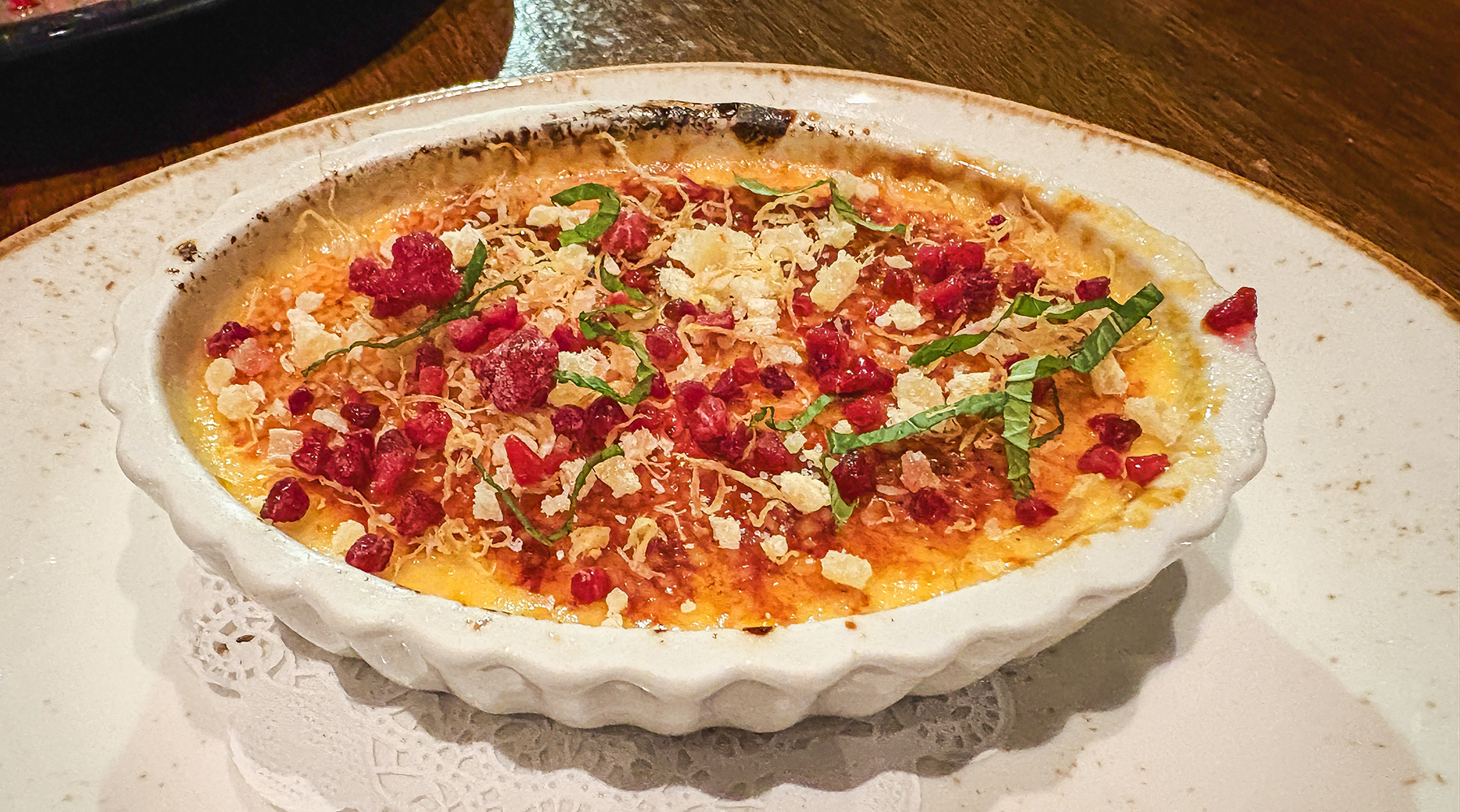
For dessert, we got to try five different dishes: English Bread Pudding, Kiss From a Rose, It’s Not Even Your Birthday Cake, Ginger Creme Brulee, and the Peach Seasonal Ice Cream. Robin and I were particularly fond of the Peach Ice Cream. The flavor was perfectly balanced, subtle and delicate, rather than overwhelming. It was topped with peach chutney, which added a savory and tangy depth to the taste. Others enjoyed the Kiss From a Rose, which included ice cream, vermicelli, rose, and pistachios, describing it as floral, in a good way, but sweet at the same time.
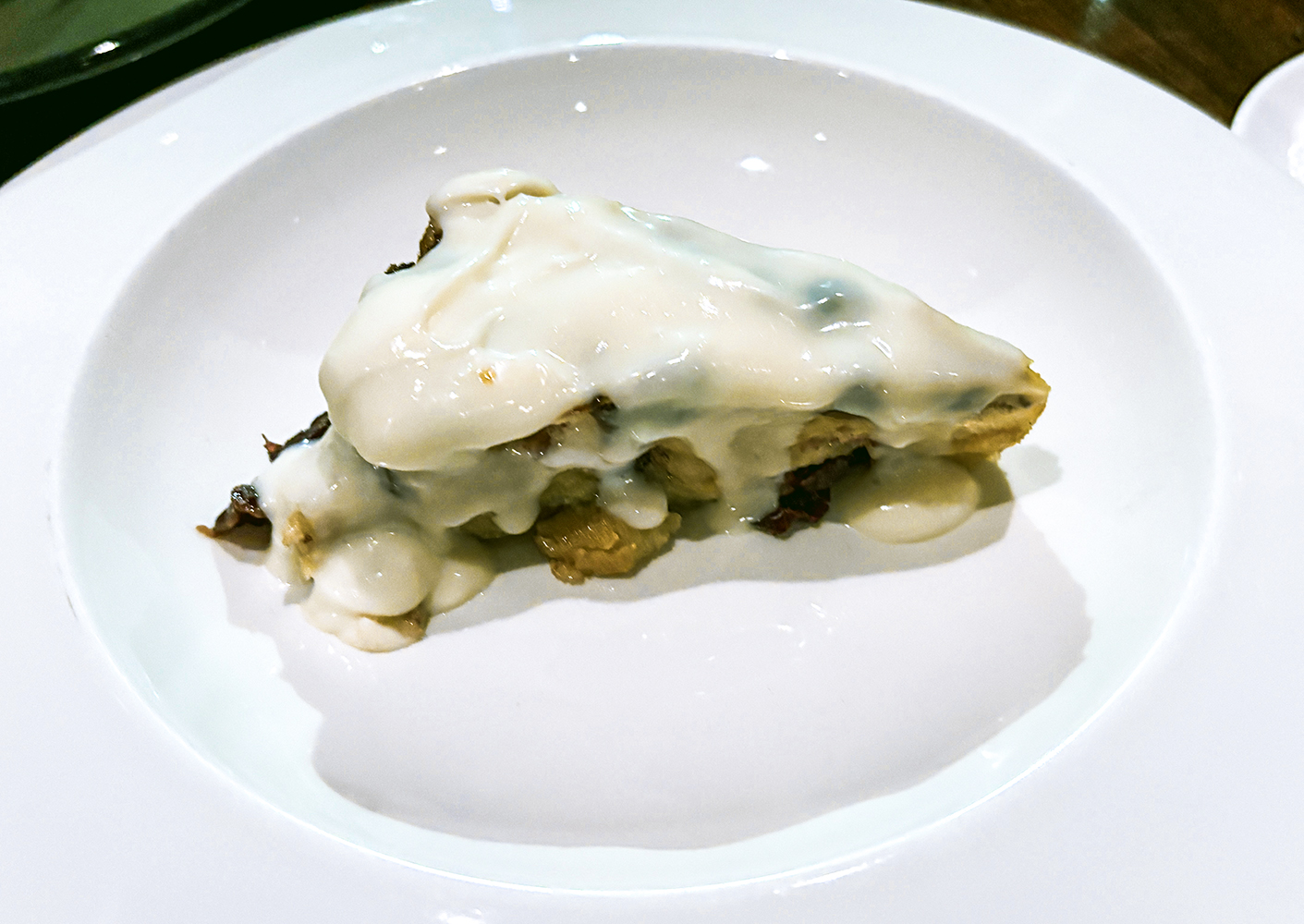
This was the perfect way to wrap up the day. It was such a pleasure to hear from the Chef and gain a little insight into how he started the restaurant and his background. His personal touch and willingness to share a little bit about his story with us made it even more worthwhile.
Conclusion
Throughout our stay, we had the opportunity to learn not only from the conference speakers, but also from the city itself. New Orleans has a way of bringing together different histories, cultures, traditions, and ideas, creating something that feels entirely its own. Our last full day was a fitting reflection of that spirit, leaving us with plenty of new memories, new ideas, and a deeper appreciation for the city and the people who make it what it is.


