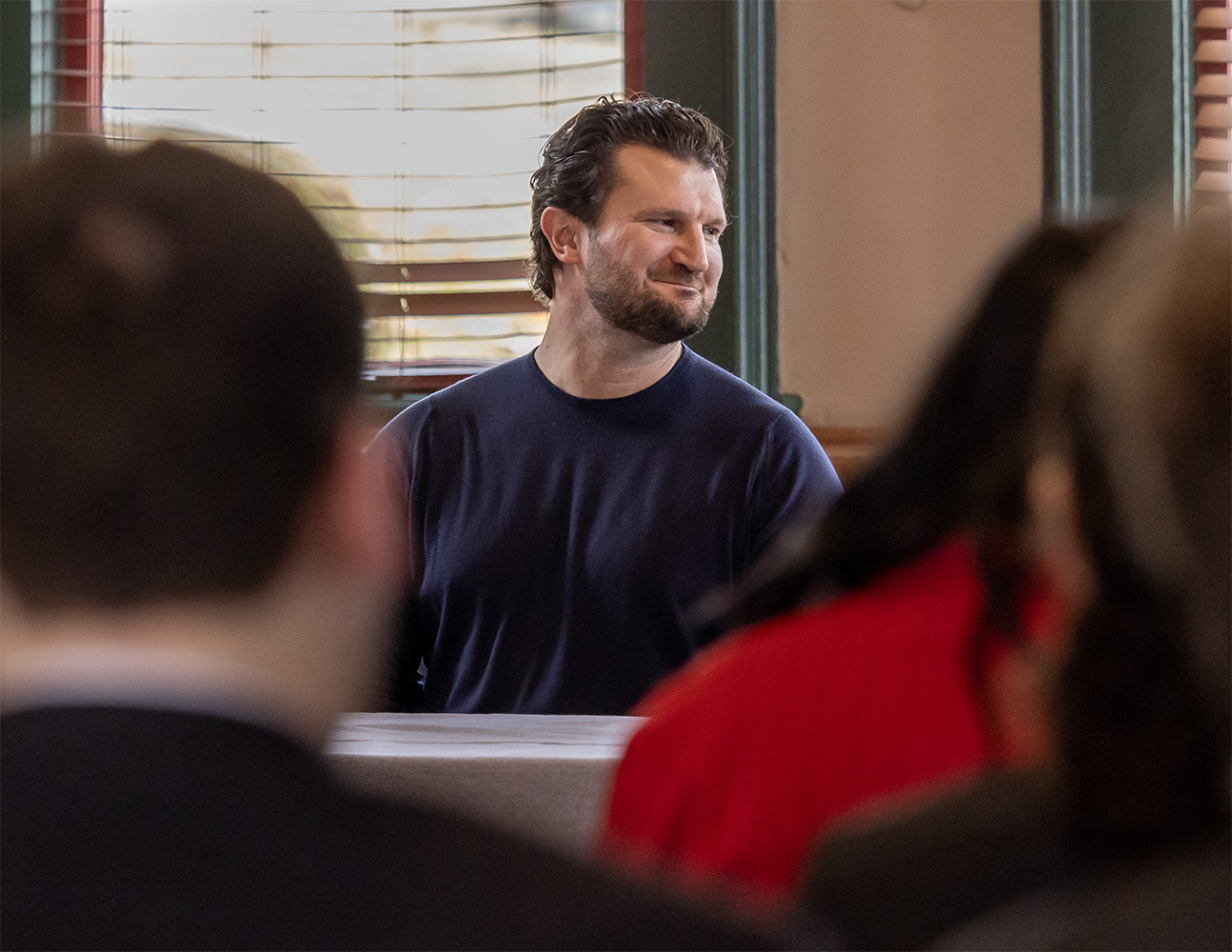
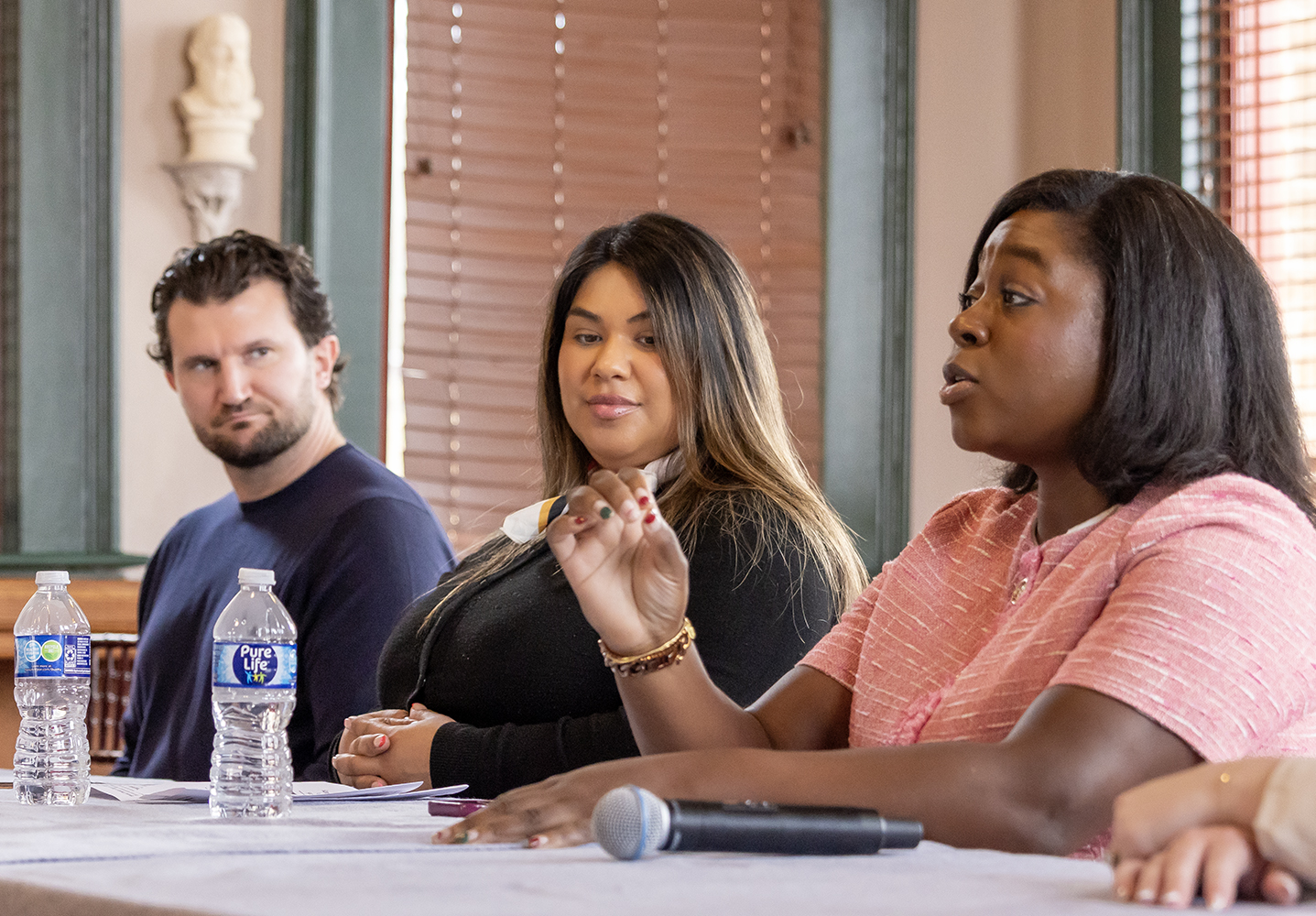
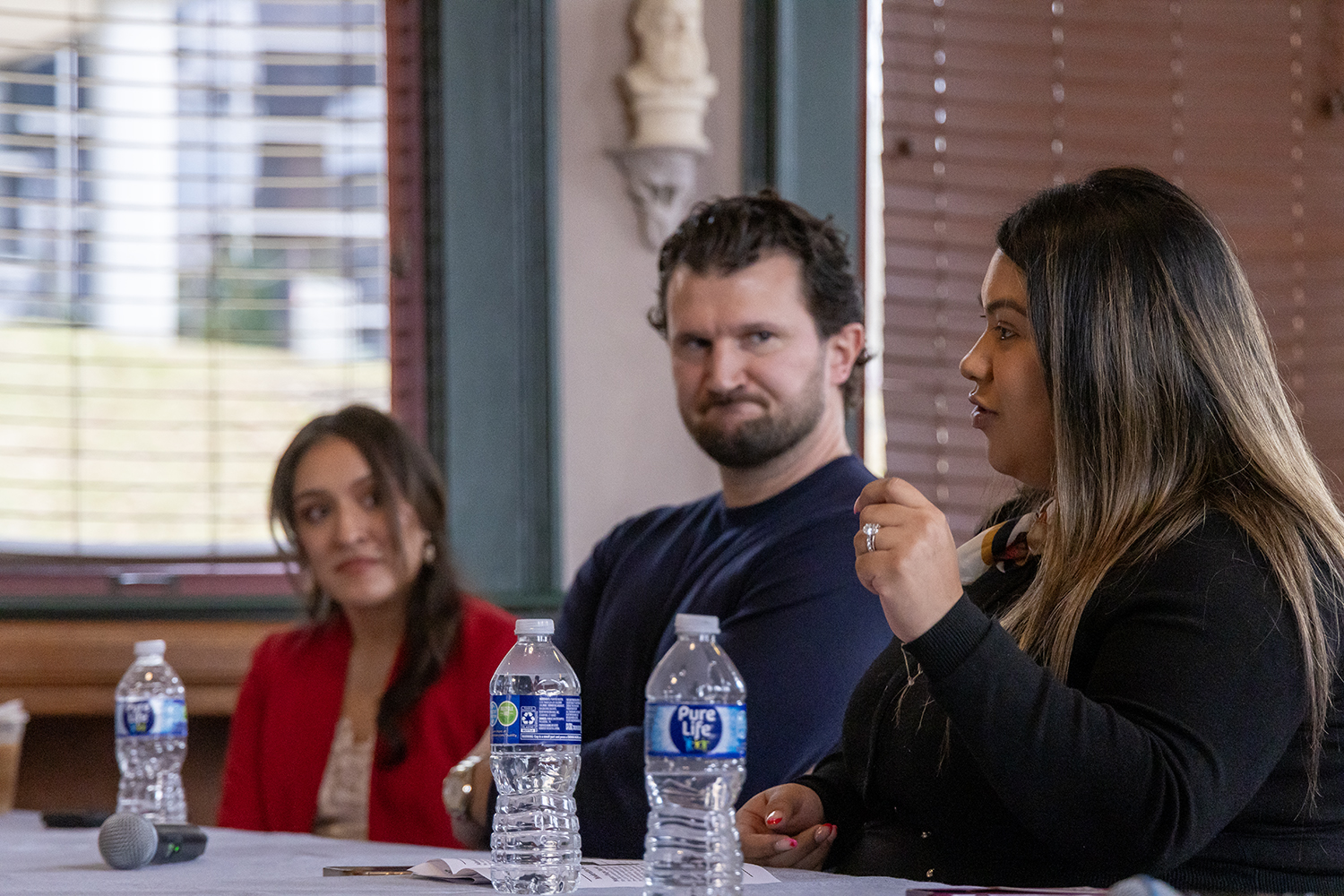
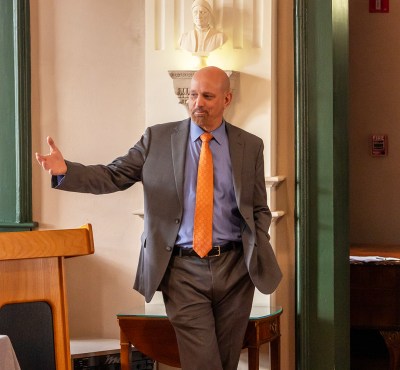
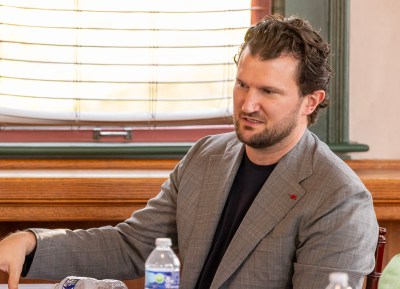
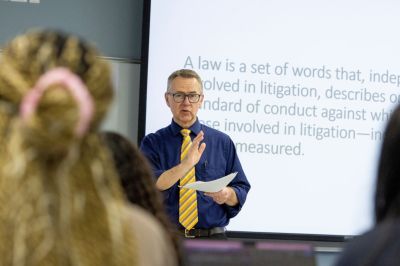
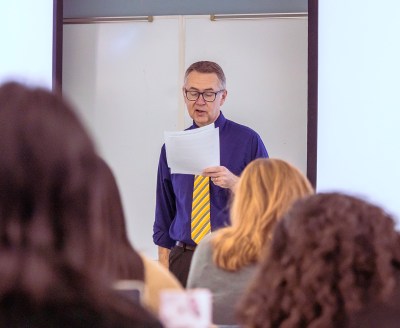
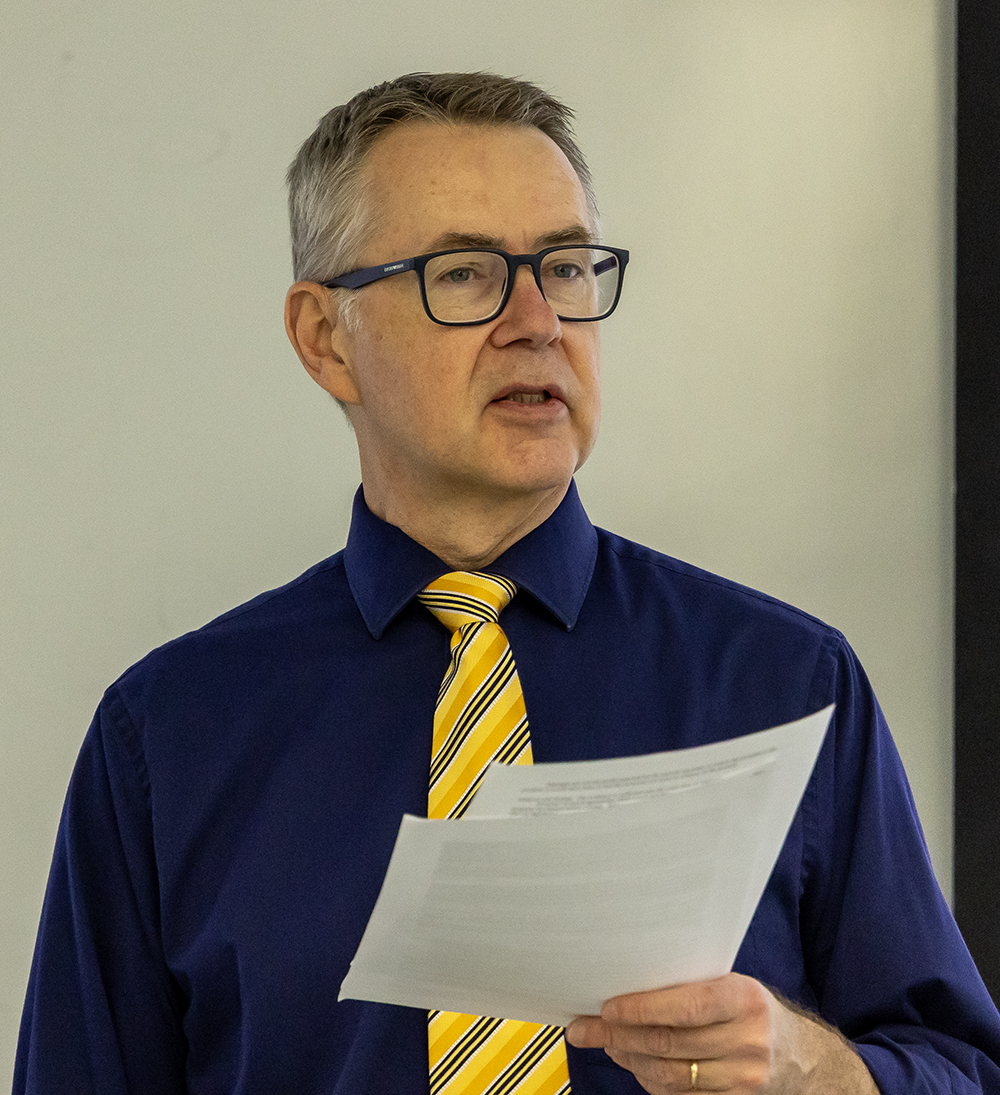
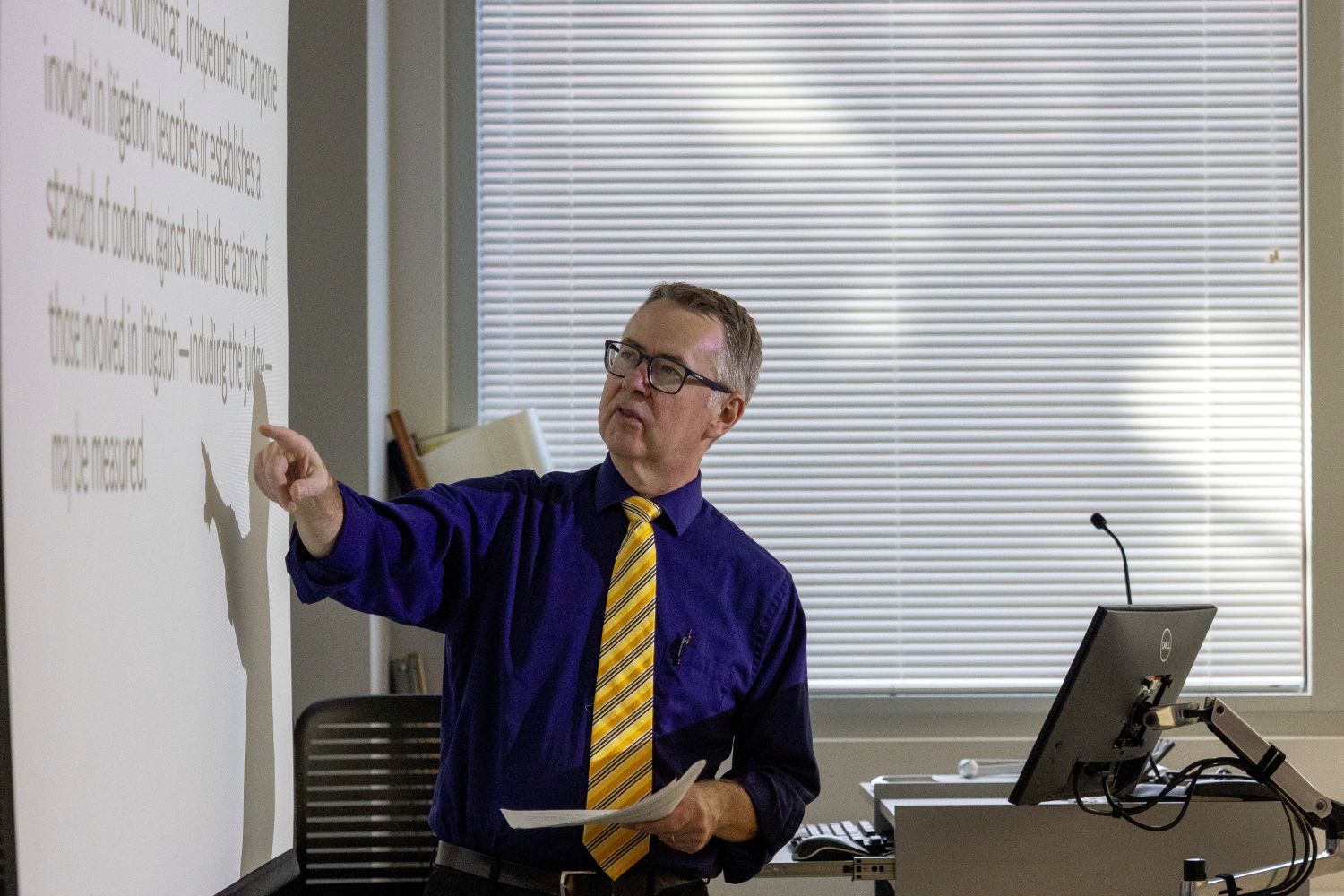
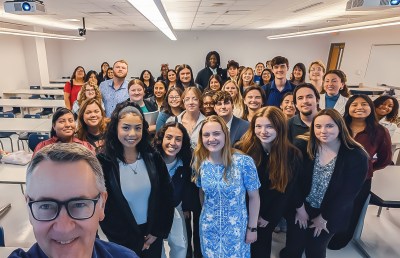
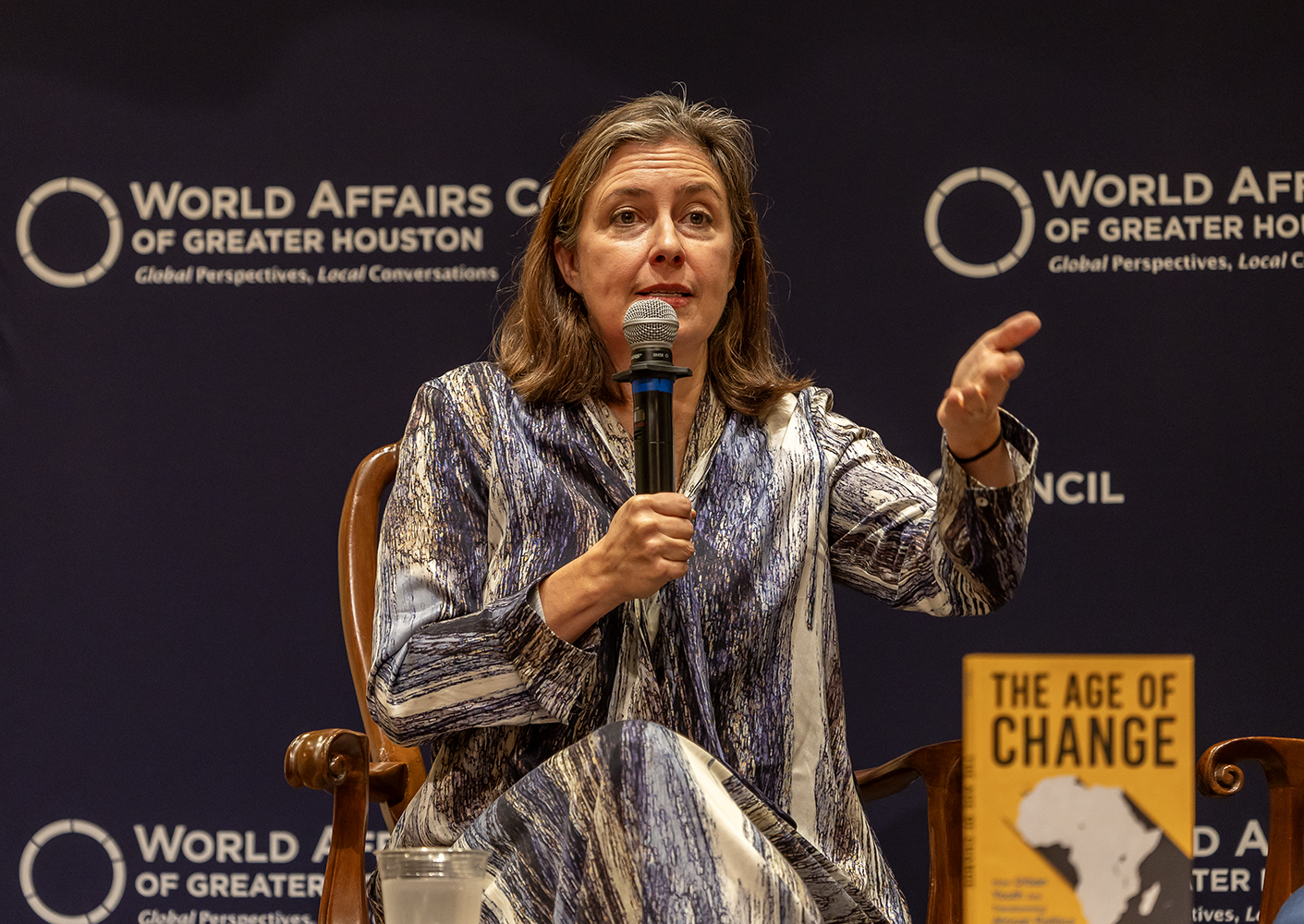
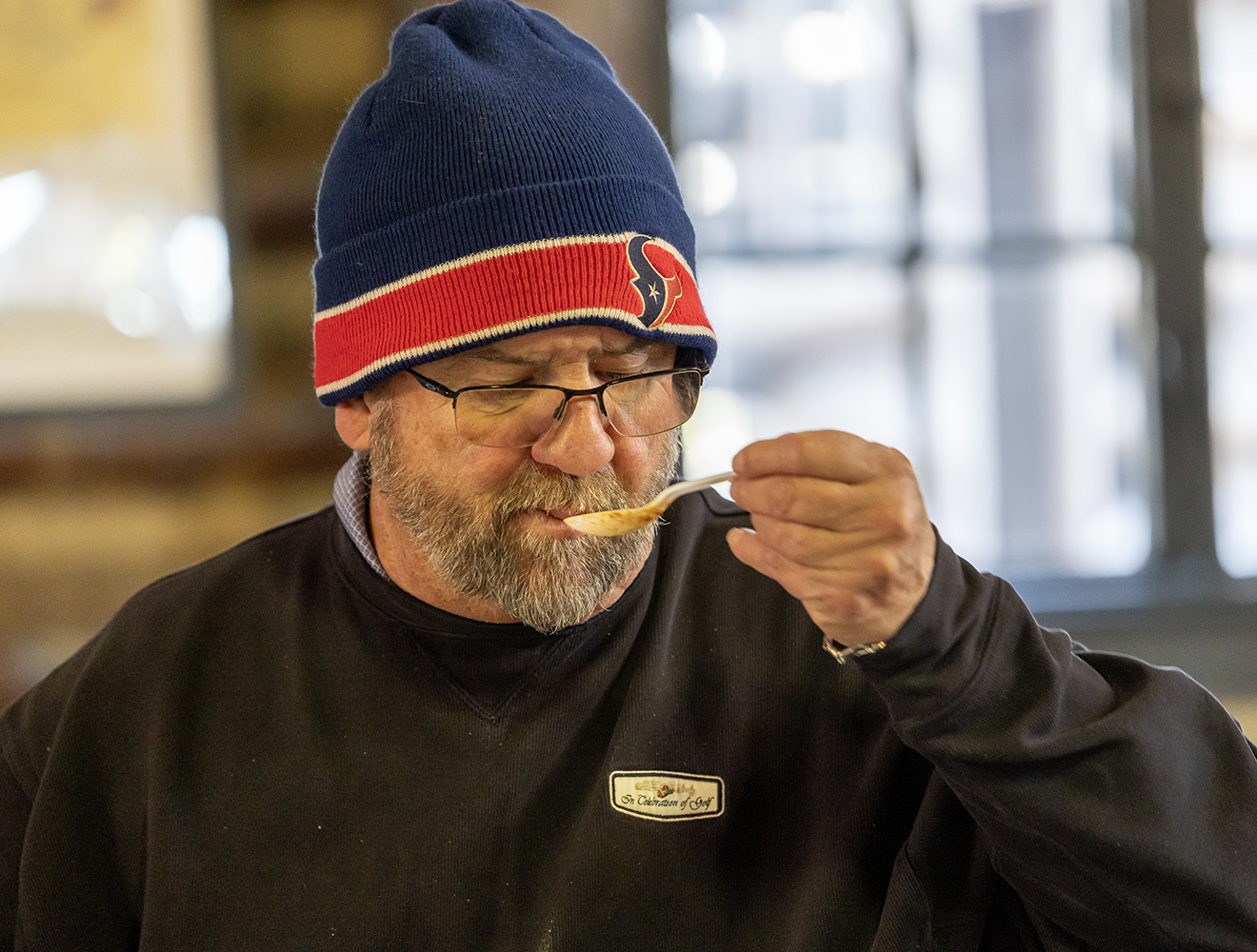
Mike Yawn teaches at Sam Houston State University. In the past few years, he has taught courses on Politics & Film, Public Policy, the Presidency, Media & Politics, Congress, Statistics, Research & Writing, Field Research, and Public Opinion.
He has published academic papers in the Journal of Politics, Political Behavior, Social Security Quarterly, Film & History, American Politics Review, and contributed a chapter to the textbook Politics and Film.
He also contributes columns, news analysis, and news stories to newspapers such as the Houston Chronicle, San Antonio Express News, Seattle Post-Intelligencer, Stamford Advocate, Greenwich Time, Huron Daily Tribune, Laredo Morning Times, Beaumont Enterprise, Connecticut Post, and Midland Reporter Telegram.
Yawn is also active in his local community, serving on the board of directors of the local YMCA and Friends of the Wynne. Previously, he served on the Huntsville's Promise and Stan Musial World Series Boards of Directors.
In 2007-2008, Yawn was one of eight scholars across the nation named as a Carnegie Civic Engagement Scholar by the Carnegie Foundation.
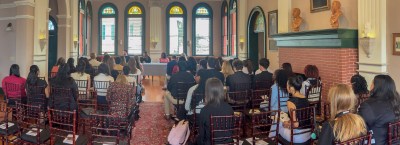
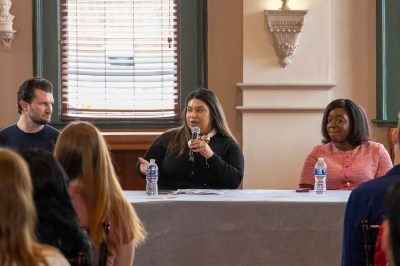
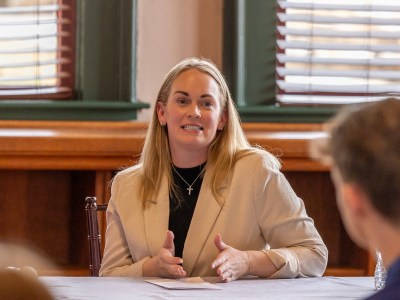
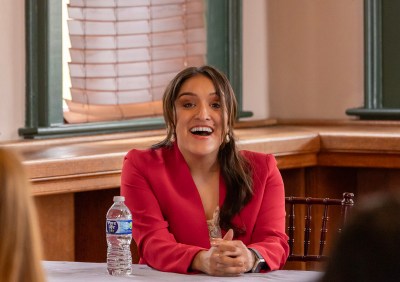
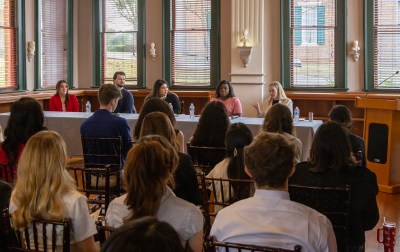
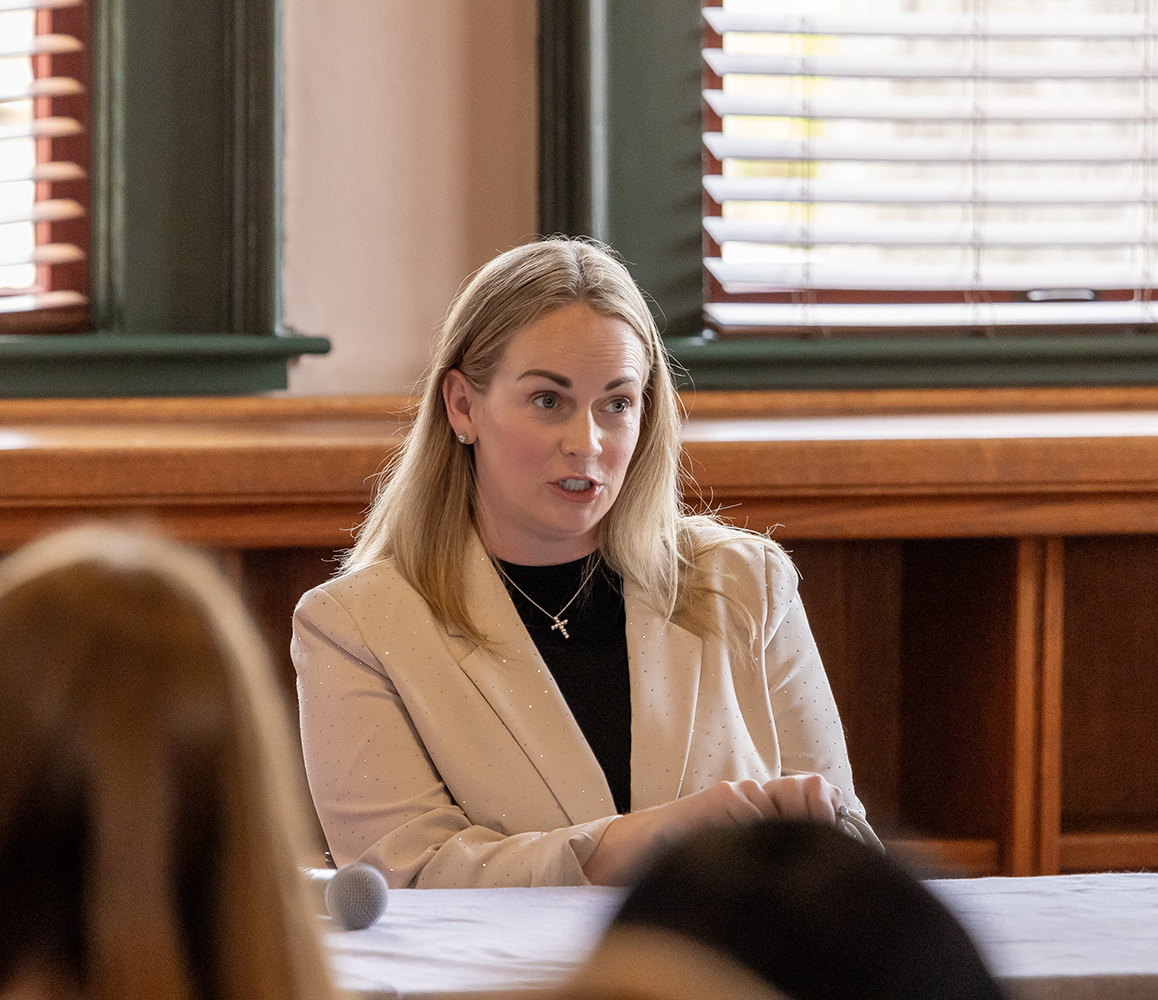
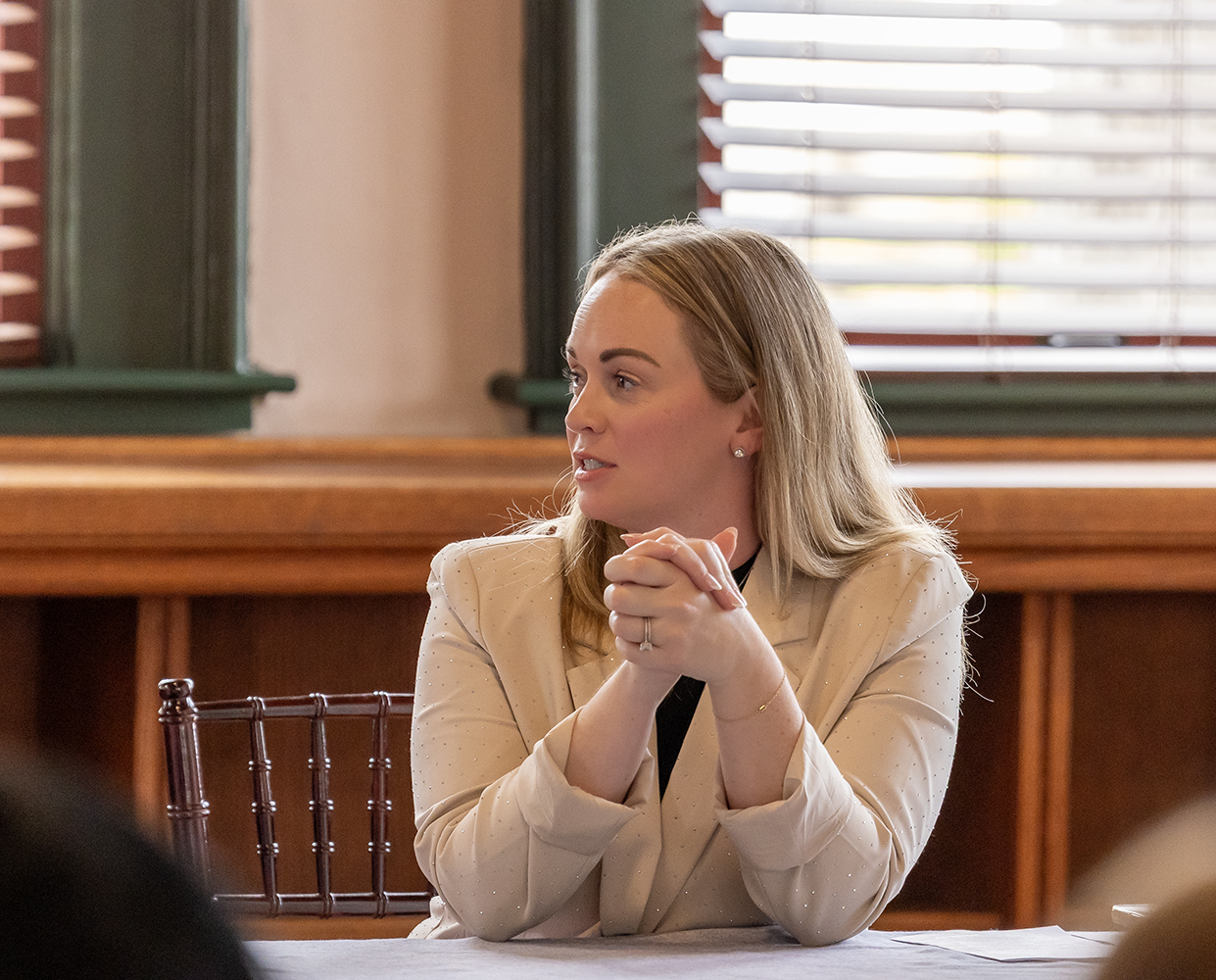
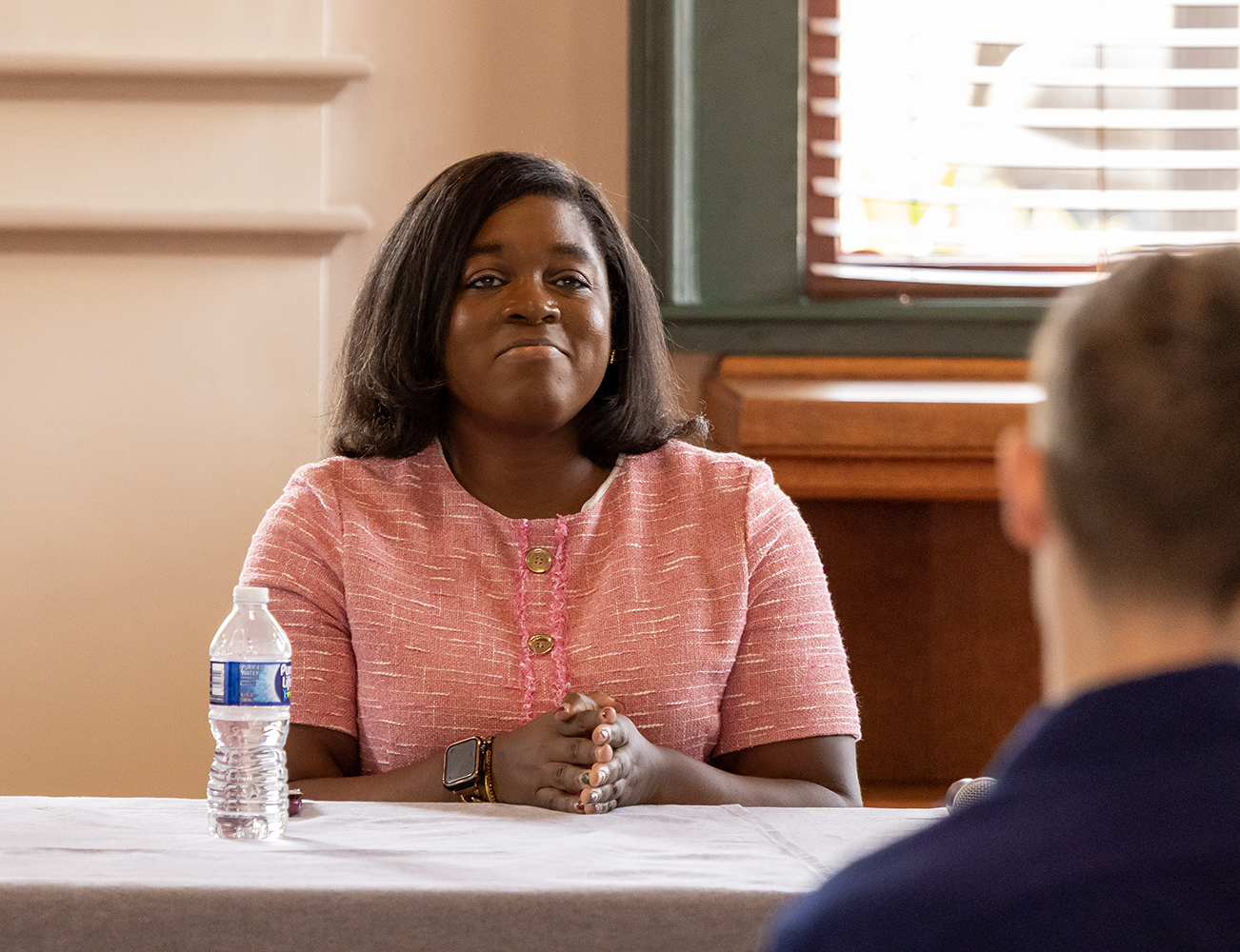
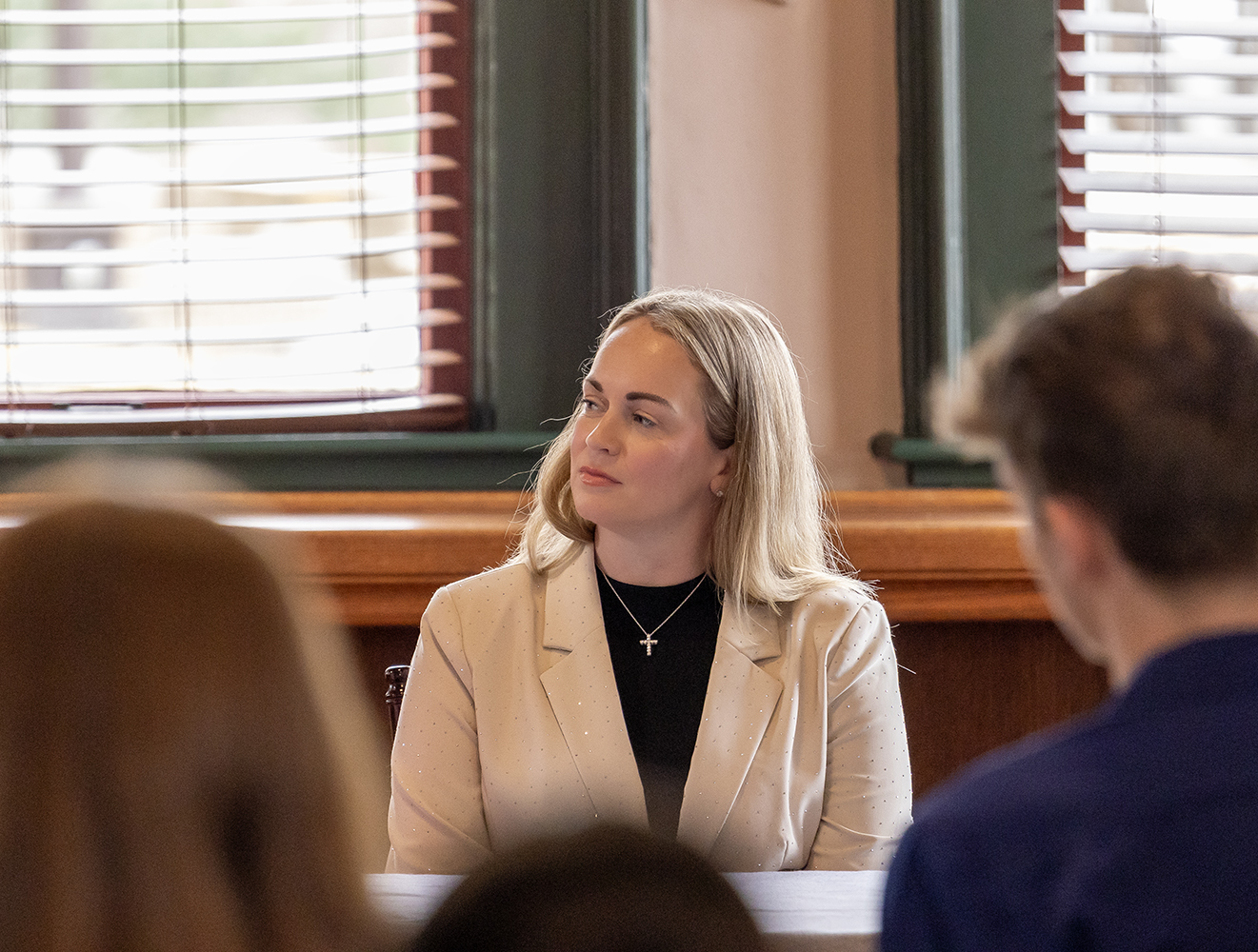
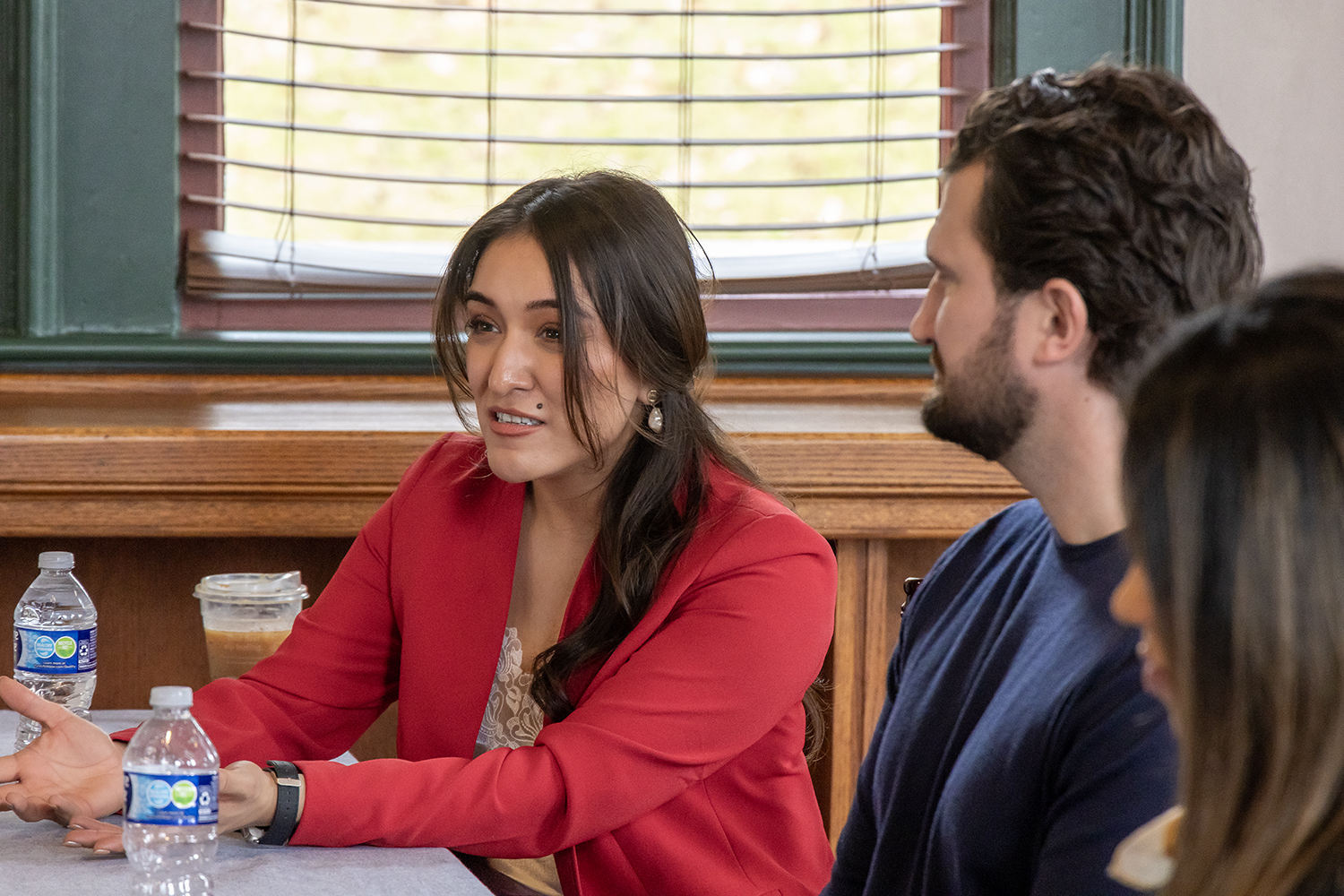
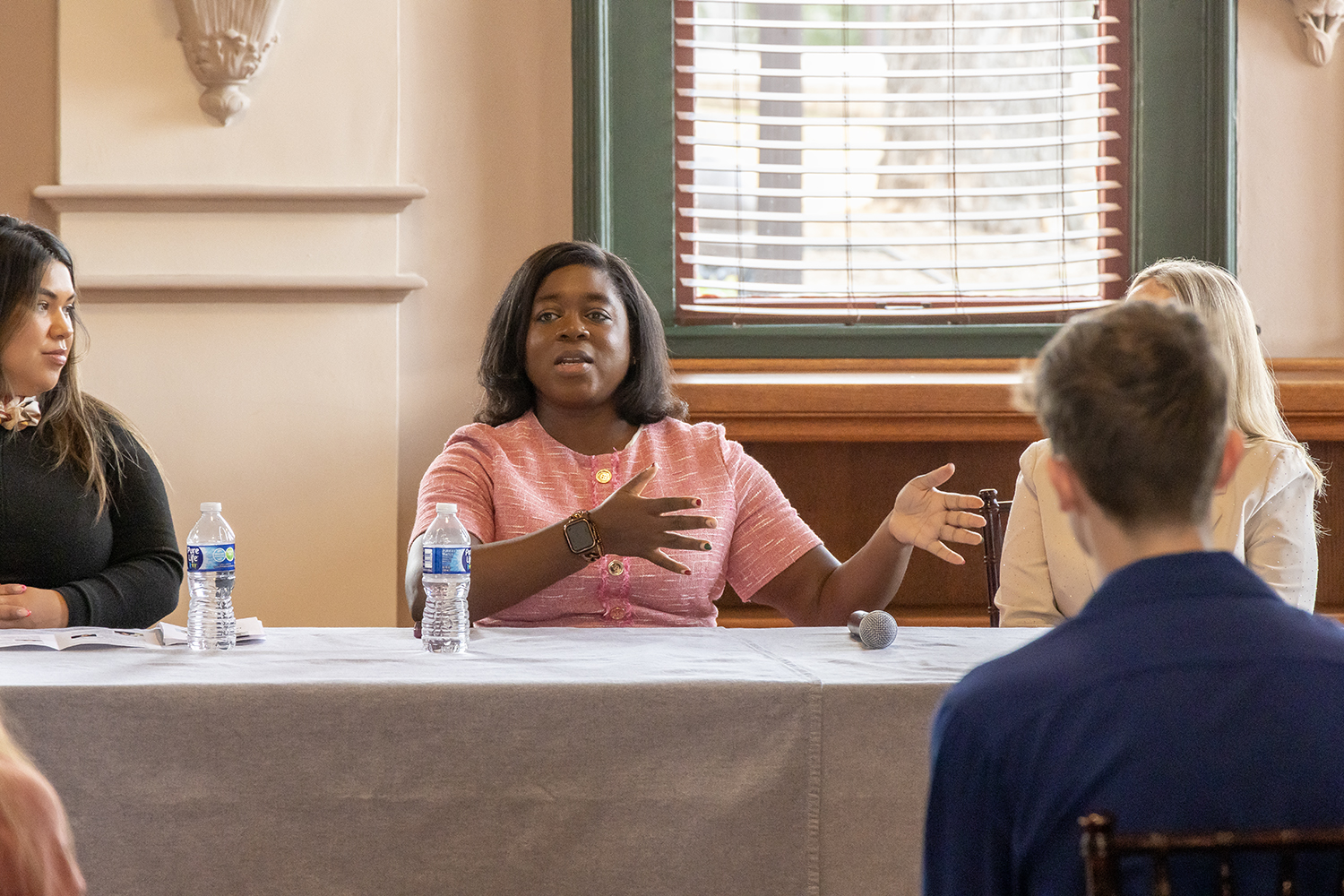
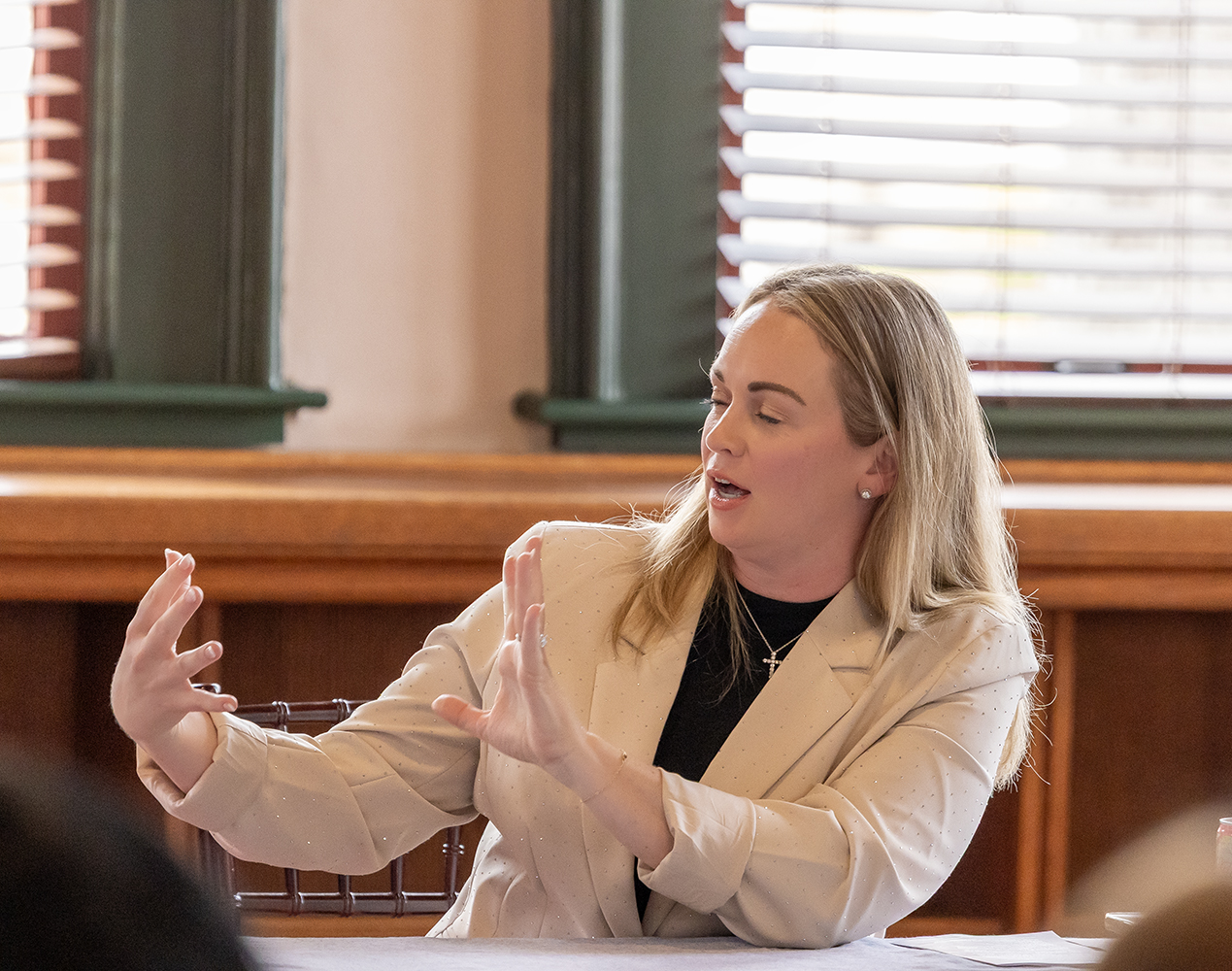
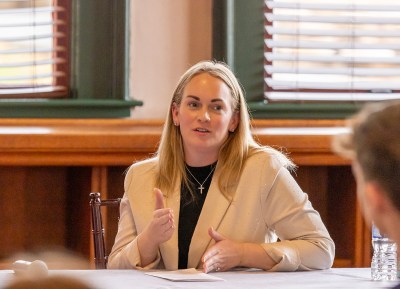
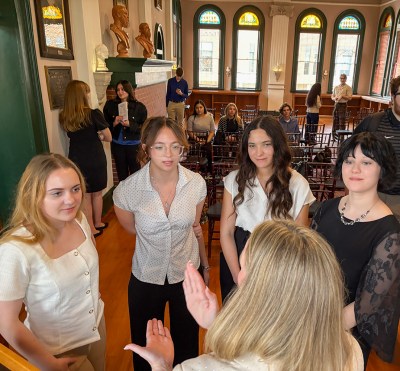
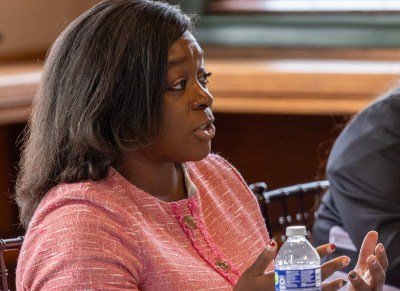
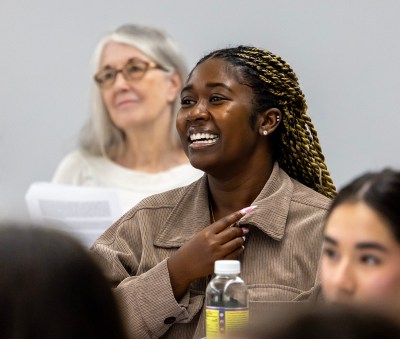
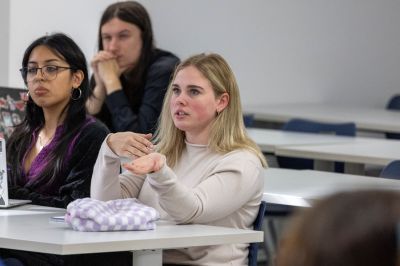
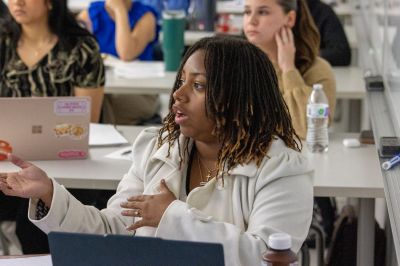
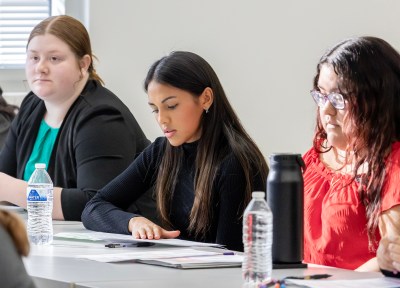
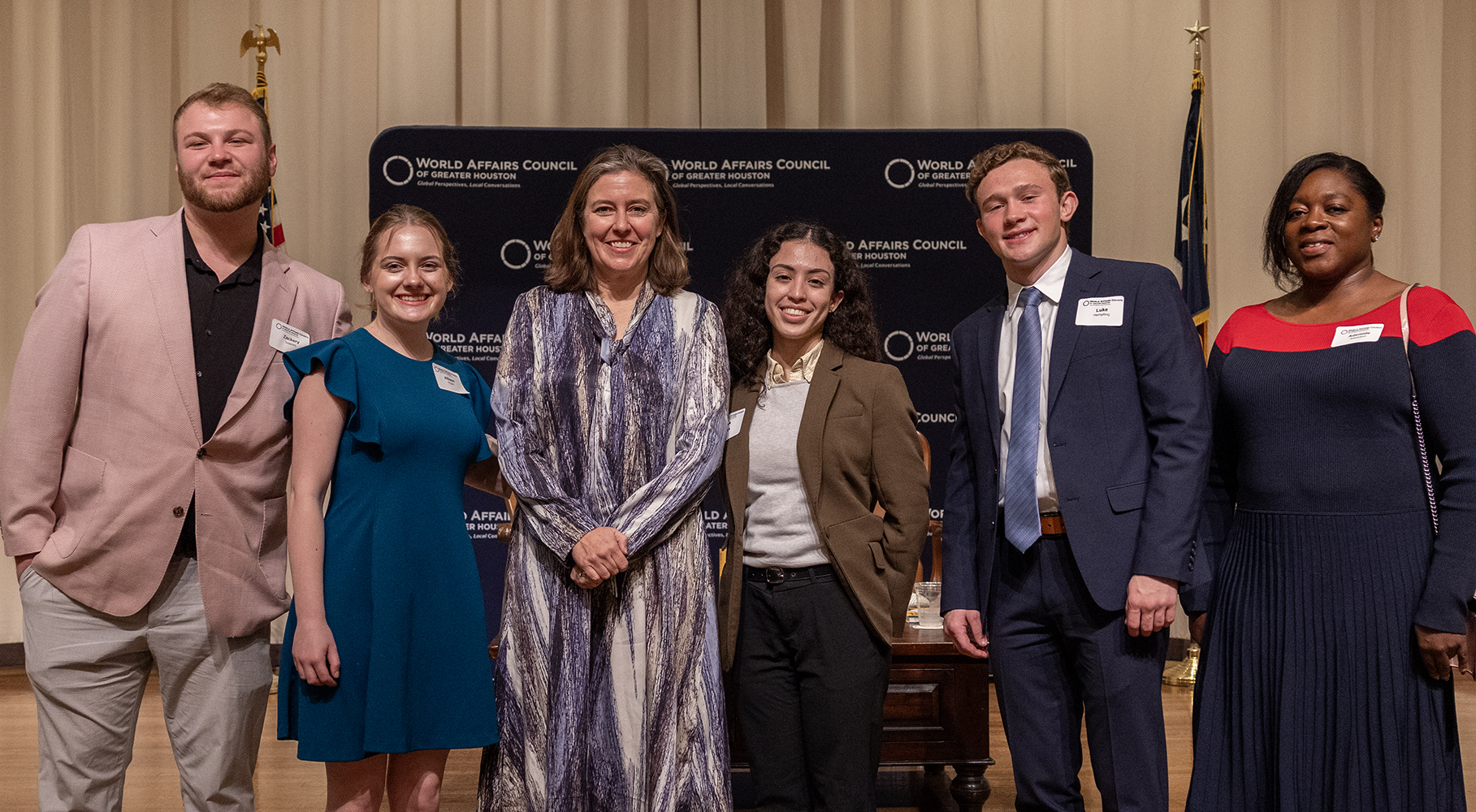
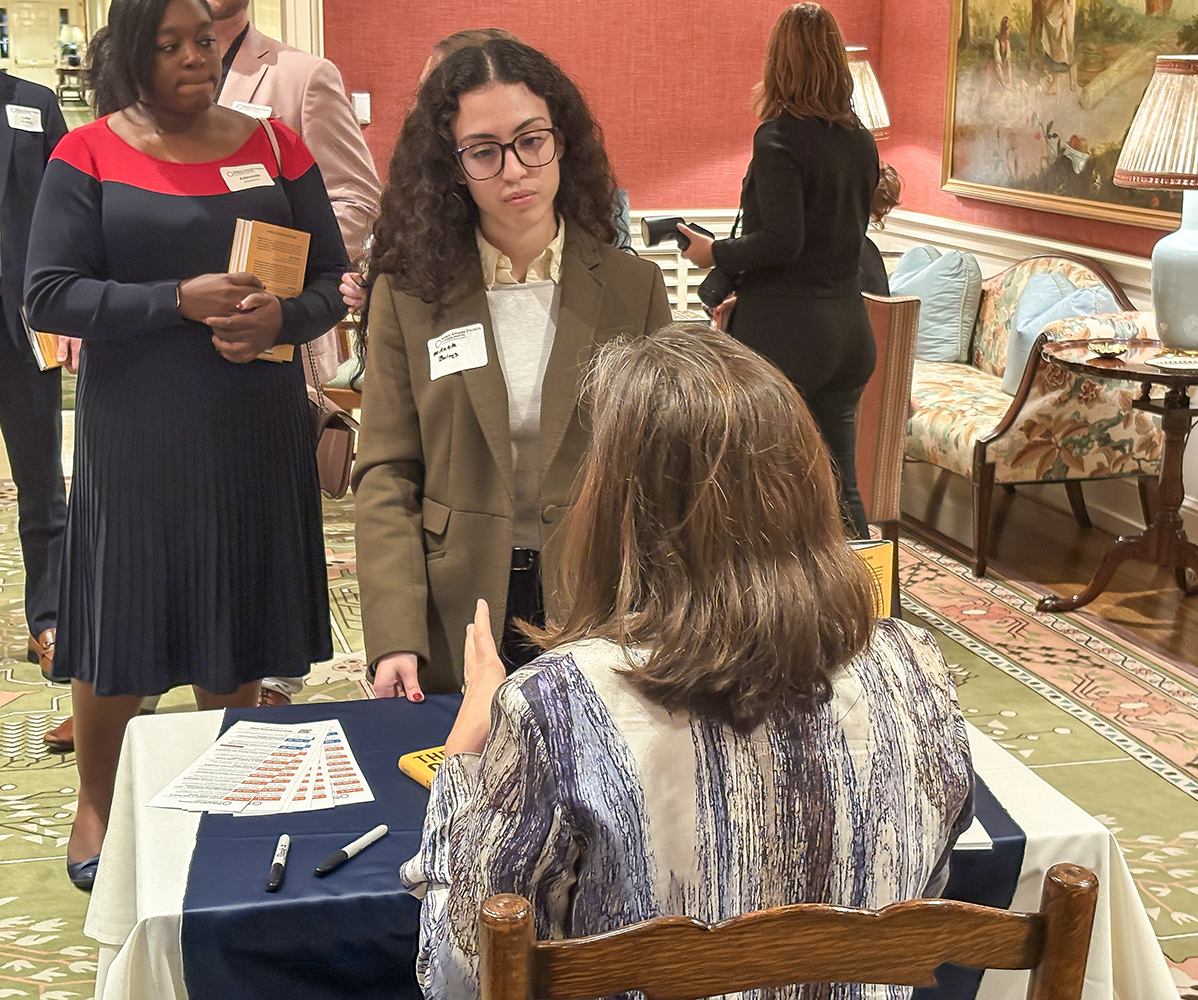
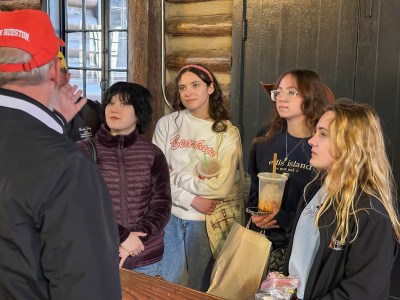
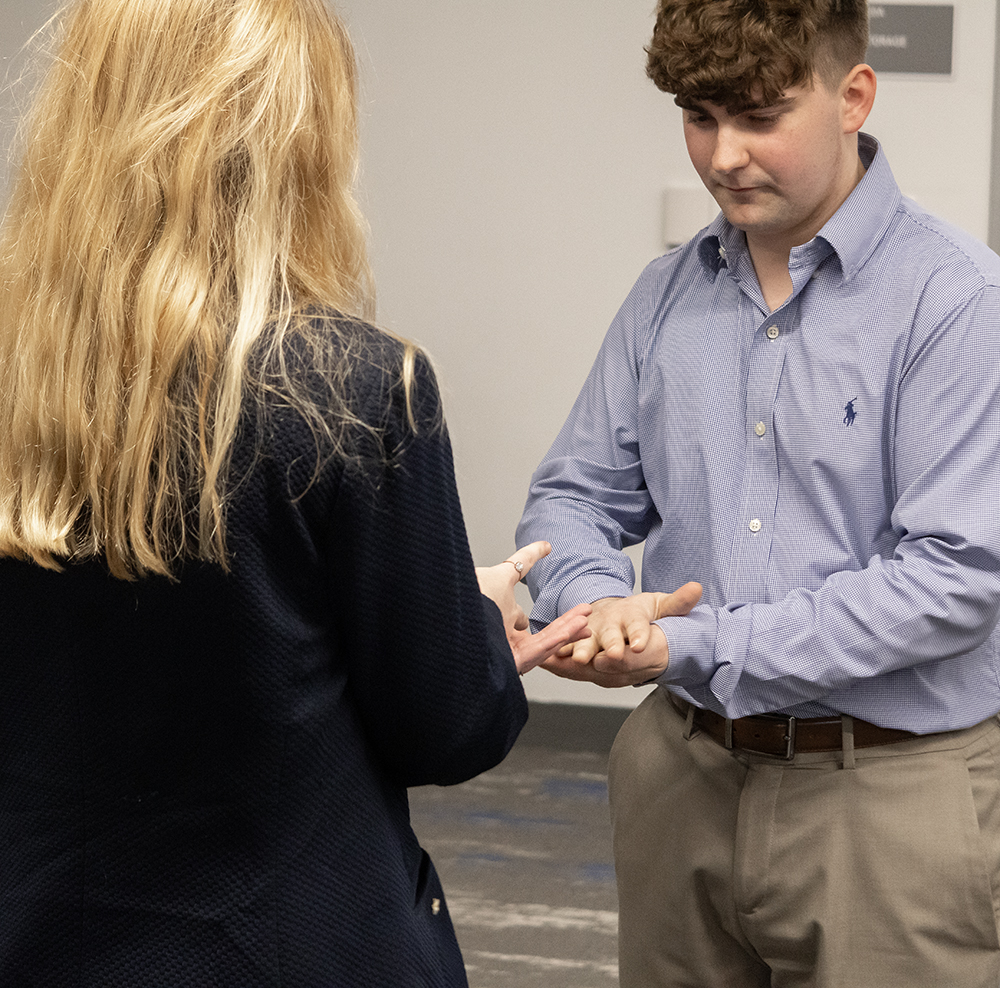
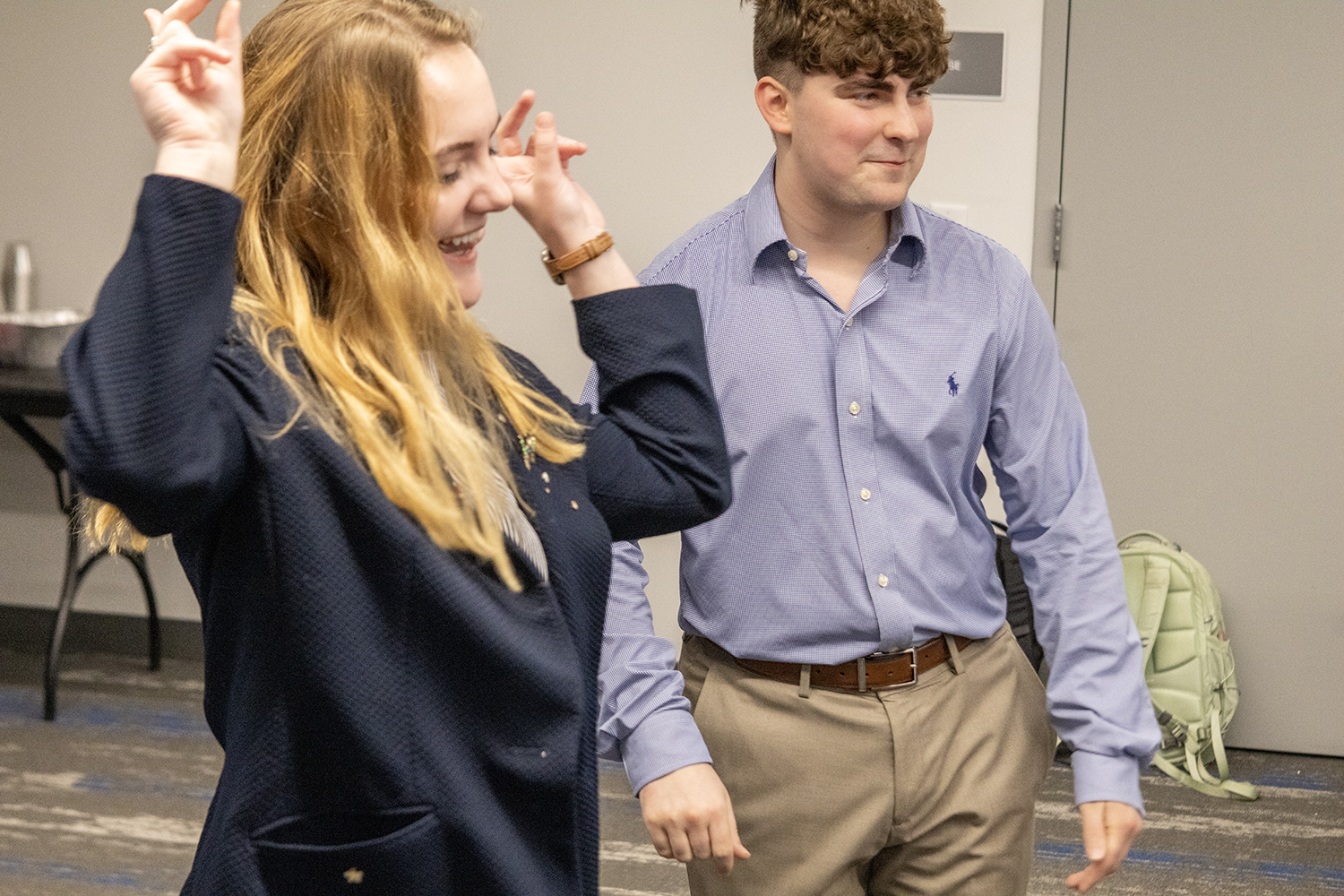
One of this year’s class of SHSU Distinguished Alumni was Tiffany Thomas, Houston City Councilmember for District F. Ms. Thomas was unable to attend the Distinguished Alumni Gala (she was in DC), but she did stop by SHSU the day after, and she met with various offices and individuals, including LEAP Center students.
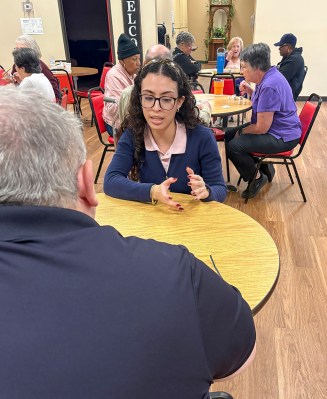
Councilmember Thomas, who graduated from SHSU in 2003 with a Bachelor’s in Communications, immediately struck a friendly and positive tone with the students, inviting an interactive meeting, one that stretched to almost an hour in total.
She focused on the importance of taking initiative rather than waiting for others, ensuring, as she described it, a “seat at the table.” For her, that meant getting involved in the issues she cared about. For her that eventually meant eventually running for office–first for Alief School Board and then for Houston City Council. But there are many ways to serve, and electoral office isn’t the only path.
But as an elected official, Thomas has stressed Economic Development, Quality of Life, Youth Programming, Neighborhood Revitalization, and Public Safety. Representing one of the most diverse districts in the nation gives Thomas credibility when she says, “If we can get it right in this district, then America can get it right, too.”
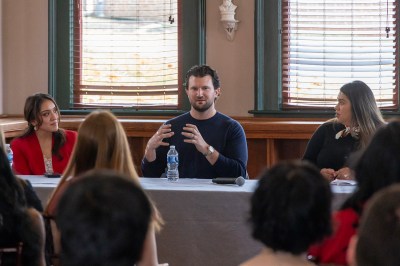
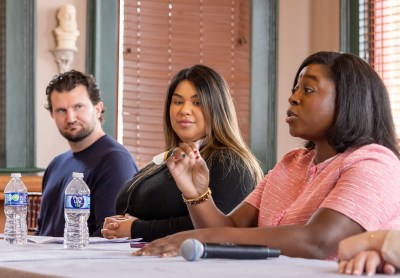
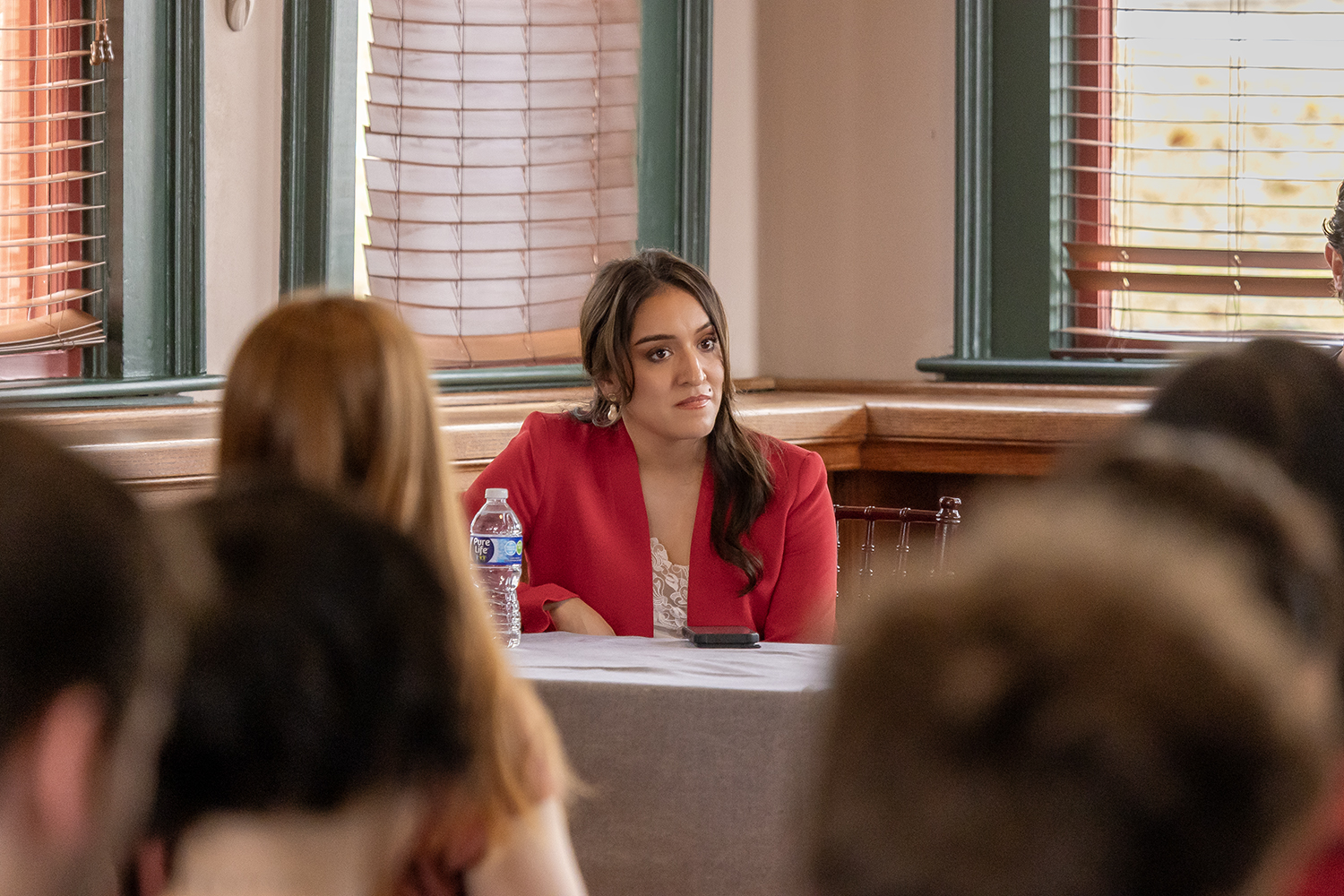
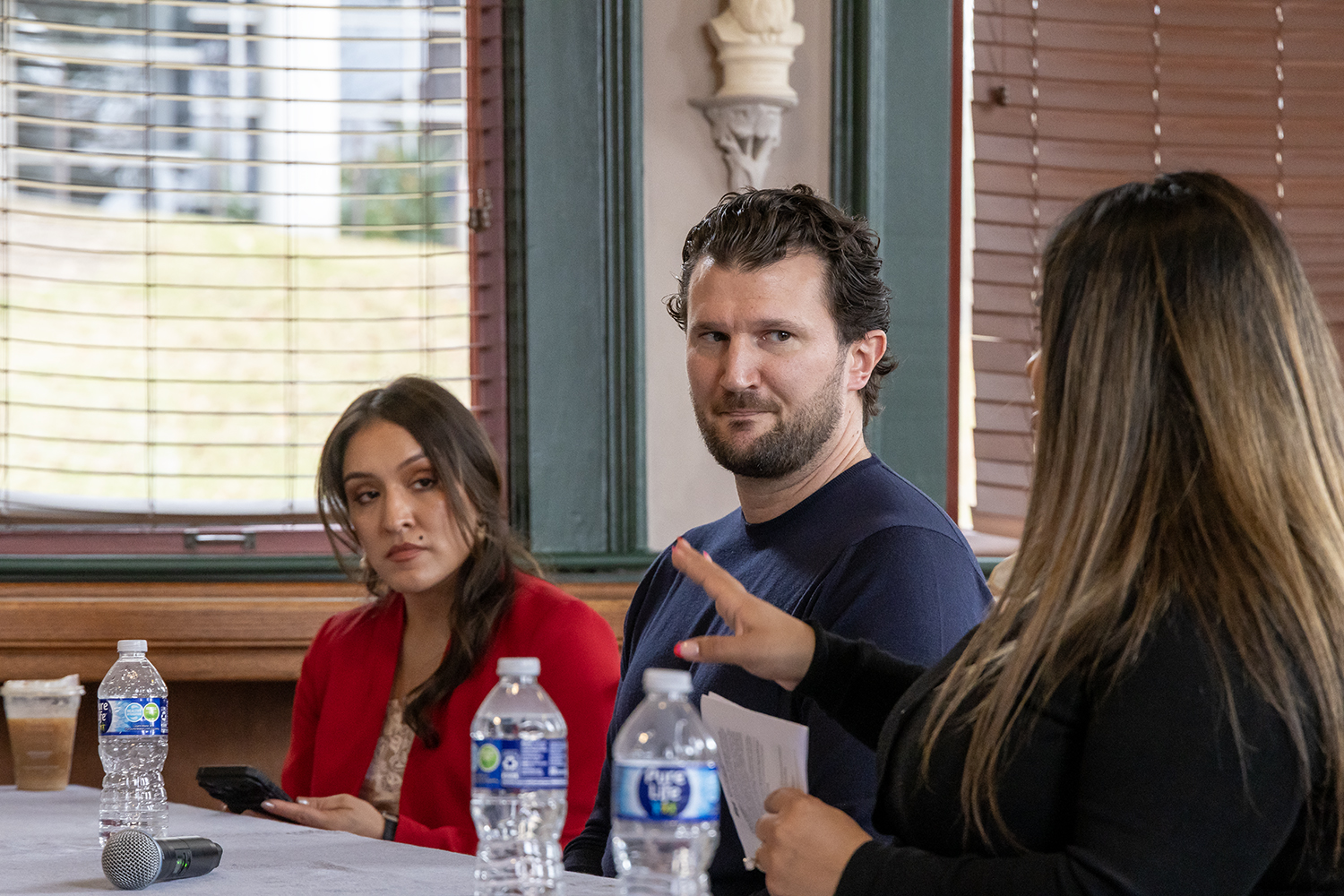
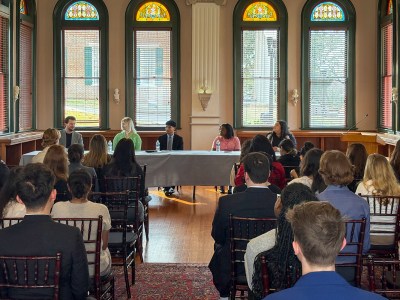
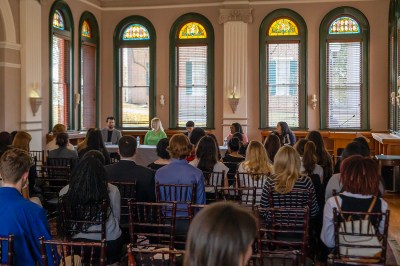
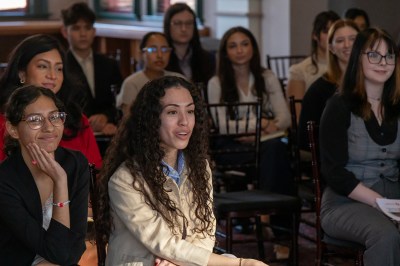
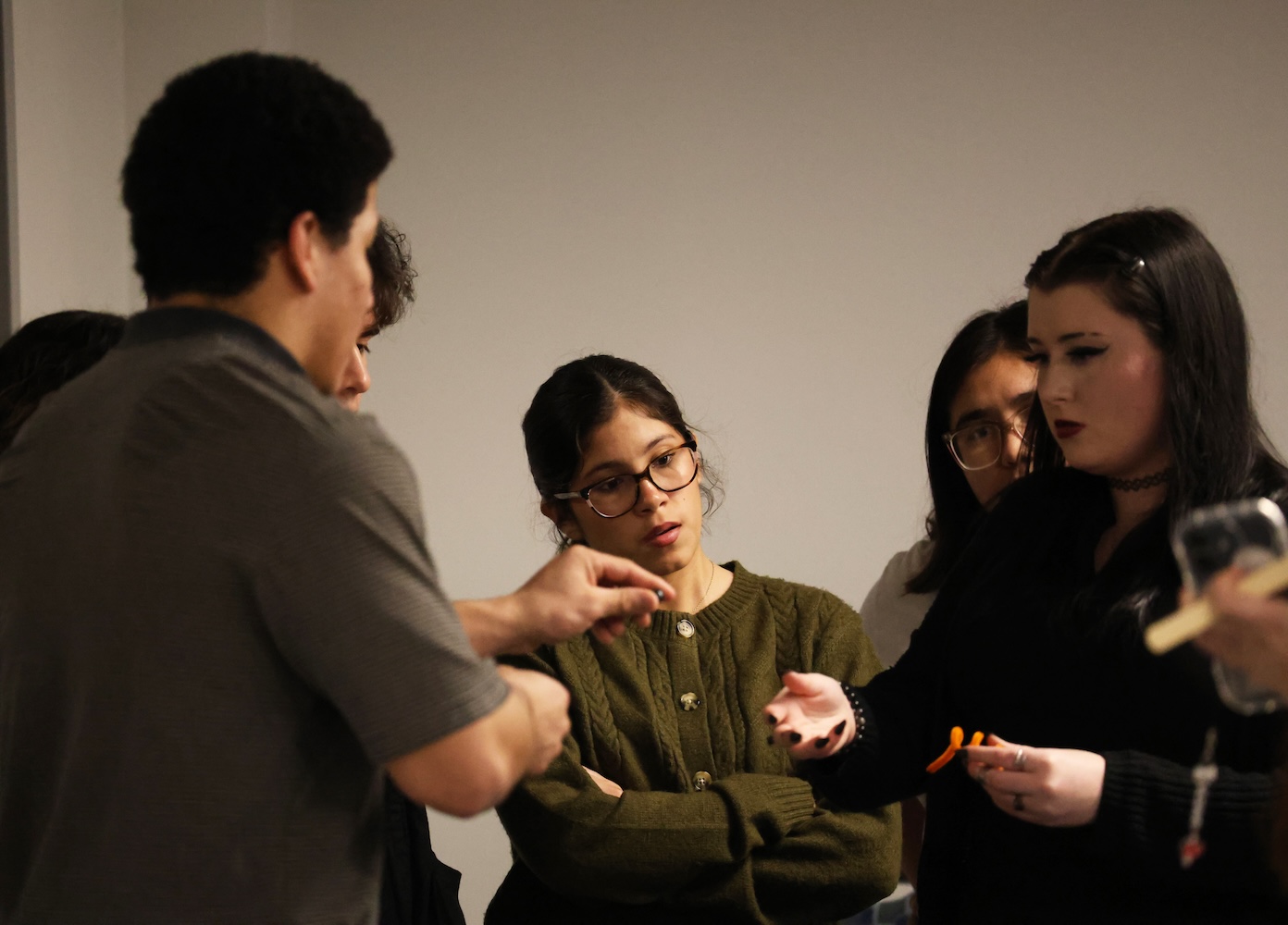
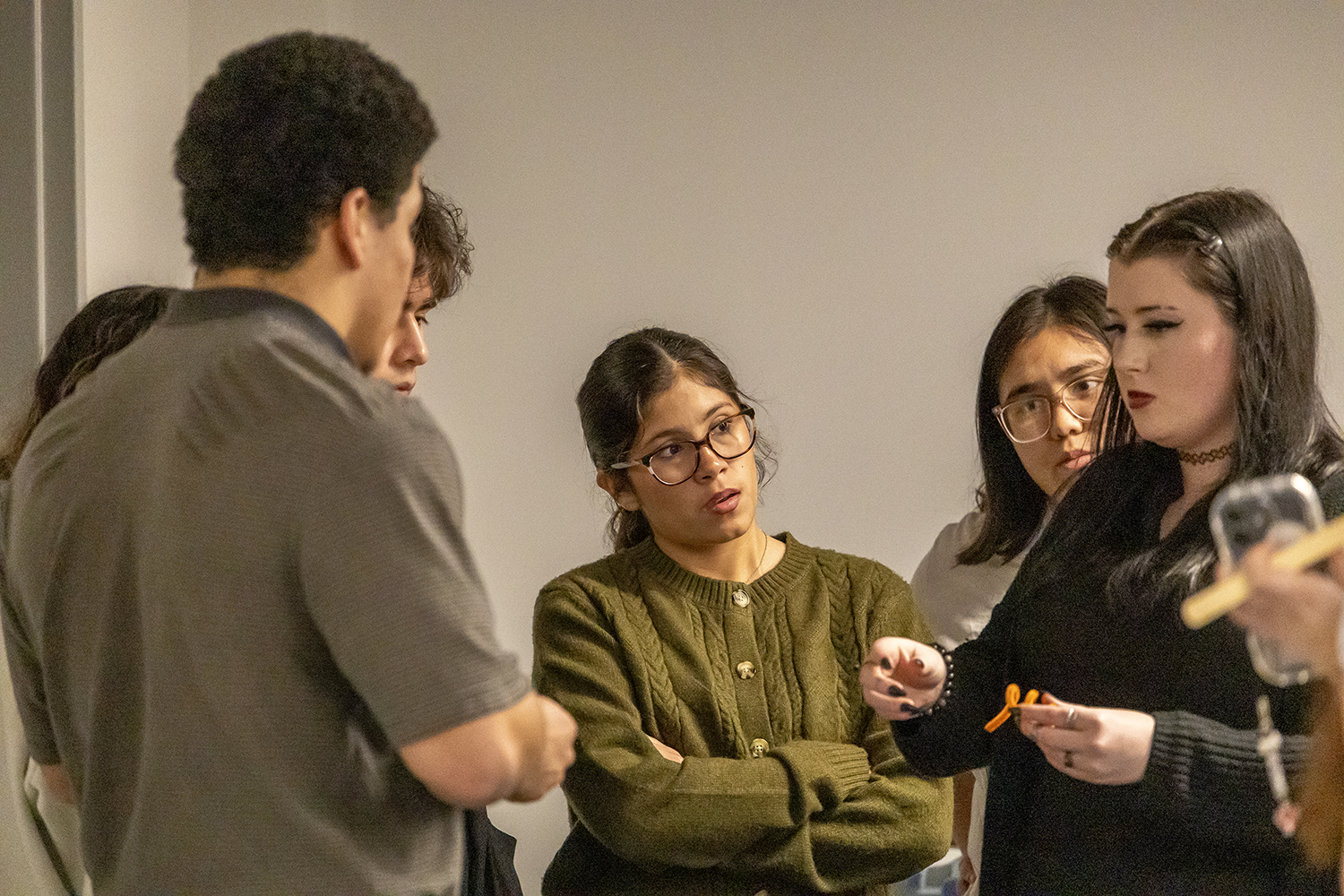
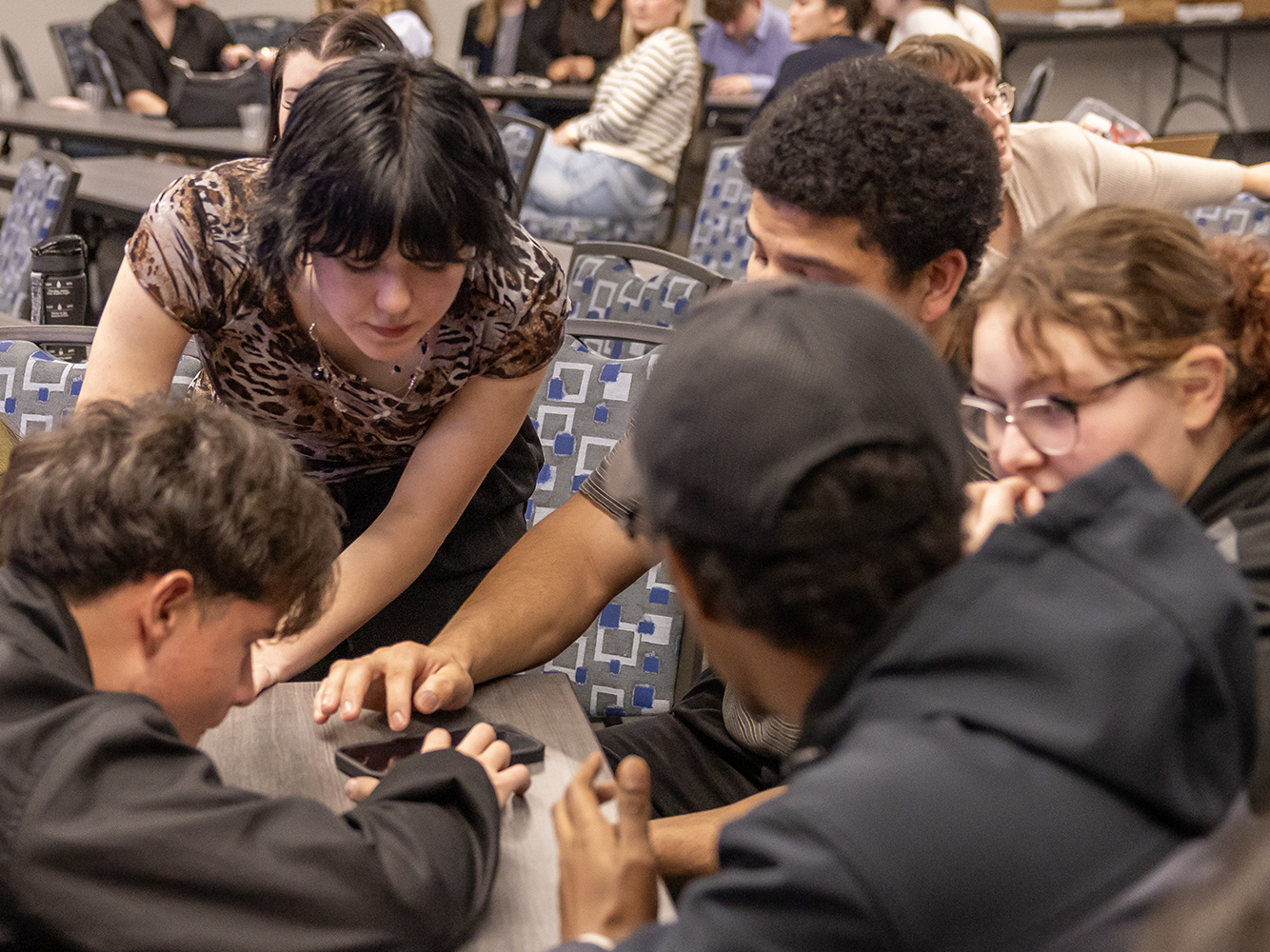
The Q&A period was engaging…
…and Councilmember Thomas used the time to encourage empowerment, to encourage the students to get involved, to stay engaged, and to show persistence–all of which, she reminded them, will help their communities and America get it right.
In a week full of reminiscing, celebrating, and reconnecting, the highlight event that truly brings Bearkats home to Huntsville is the Distinguished Alumni Gala.
While our group of LEAP students aren’t quite alumni yet, a few of us are in the final stretch of our undergraduate journeys, making the evening timely and motivating.
We were honored to be guests of Mac and Leanne Woodward (with tickets provided by the Woodwards and the McCarleys)…
…joining them at their table along with Charlie Vienne, Associate Vice President for Alumni Relations and Annual Giving. At another table, Professor Yawn and Stephanie…
…hosted several LEAP students who had the chance to visit with Ken and Nicole Holland.
As the evening began, our groups settled in among warm greetings and lively conversations that filled the room…
…a room filled with many familiar faces from SHSU and the Huntsville community, such as President Alisa White, General Glaser, Dean Lyons, and Dean Li.
After opening remarks by Matt Bethea, Vice President for University Advancement…
…the program began under the direction of our Master of Ceremonies, Mia Gradney, an SHSU alumna and news anchor for KHOU 11.
She guided the evening with professionalism, beginning with the posting of the colors by SHSU’s ROTC and a fantastic performance of the national anthem by a member of the SHSU choir.
Throughout the evening, six remarkable Bearkats were recognized for their achievements, each introduced through short video tributes that highlighted their journeys, impact, and connection to SHSU.
Clyde “Kooter” Roberson, the unmistakable voice of Bearkat Athletics for nearly five decades, kicked off the awards. His long career behind the microphone–calling games for both SHSU and Huntsville High School, and working for KSAM radio–made him a fixture in the community and an enduring symbol of local pride. Fittingly, they displayed a photo of his work for KSAM’s annual food drive, known to Huntsvillians as M*A*S*H (Make A Smile Happen). Upon his retirement in 2019, he has since realized the joy of being able to watch several games at once from the comfort of his own home!
Jenna Zibton was honored for her excellence in journalism and public communication. From her time as a morning anchor at WSLS in Virginia to her leadership in community initiatives like 30 Days of Hope and Solutionaries–which help orphans find homes–and even fostering children in her own home, Zibton’s career has lived up to her alma mater’s motto: “The measure of a life is its service.”
Eddie Blazek, a rancher, businessman, and devoted supporter of SHSU’s agriculture programs, was recognized for his commitment to education and mentorship. His work connecting students with hands-on experiences at Mound Creek Ranch reflects the spirit of giving back that defines so many Bearkats. Additionally, with SHSU’s rodeo program happening over the same weekend, the timing felt especially fitting.
Although Councilmember Tiffany D. Thomas was unable to attend due to a speaking engagement in Washington, D.C., her nephew (currently an SHSU student), accepted the award on her behalf. As the first woman to represent Houston’s District F, Thomas has advocated for housing affordability, equity, and disaster recovery funding. With plans to meet with her the following day (stay tuned for the blog!), LEAP students couldn’t help but feel excited and inspired by her work.
Senator Borris L. Miles was celebrated for his decades of advocacy and leadership. From his early career in law enforcement to his work as a state legislator, Senator Miles has dedicated his life to improving education, healthcare, and public safety for Texans. When he gave his speech, he looked to his children and said, “This is where it all began for your dad.” The entire room felt the weight of that statement.
Finally, Russell Molina, a successful entrepreneur and philanthropist, was recognized for his business achievements and community leadership. From revitalizing a business known as The Hat Store, to leading several companies and chairing the Sam Houston University Foundation, Molina exemplifies the values of hard work, innovation, and service that SHSU seeks to instill in its graduates.
After the awards were all dispersed, the evening ended on a musical note. The crowd sang our school song in unison, followed by the lively and well choreographed SHSU Marching Band.
The Distinguished Alumni Gala reflected what makes Sam Houston State special: a community built on service, resilience, and purpose. What stood out most by the end of the night was the connection between the honorees and the students in the room. Each story carried the same mix of persistence and pride that runs through SHSU’s history. The evening served as a reminder that the values shaping our time here are the same ones that carry forward long after graduation.
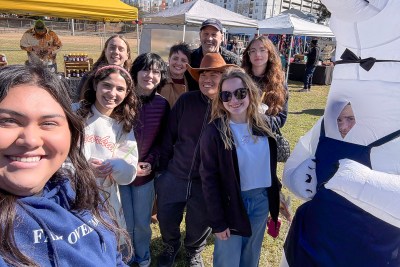
The holiday season has officially arrived at Sam Houston State University, and campus celebrated with our oldest and most beloved tradition – the Tree of Lights. This year marks the 104th year, making it the longest-running tradition in SHSU history. Even though it happens every year, the ceremony still brings the same excitement and joy, bringing our community together.
As the sun set, the plaza was filled with activities for everyone to enjoy. There was a walk-in snow globe for photos, a hot chocolate station with sweet treats, informational tables highlighting different holiday traditions from around the world, and even a mechanical reindeer rider, all of which added an interesting touch.
The night kicked off with the SHSU Choir singing “Deck the Halls.” Their voices filled the plaza and got everybody in the holiday spirit. After the opening song, our Homecoming Queen, Penelope Holden, and Homecoming King, Kevon Paire, welcomed everyone and helped lead the candle lighting.
With our glowing candles, we listened to the SHSU Chorale perform – they sounded incredible! Their energy made the ceremony feel even more special.
Following the Chorale’s performance, the Orange Pride Dance Team took center stage with lively performances to classic Christmas songs. Their cheerful energy, combined with Sammy the Bearkat’s presence, brought even more school spirit to the night and had the crowd smiling and clapping along.
After the performances, Student Government Association President Lily Temple-Dozier shared heartfelt words about the meaning behind the ornaments and why this tradition matters so much to SHSU.
Her remarks were followed by Monte Robinson, director of the Good Shepherd Mission, who expressed his gratitude for the SHSU community’s generous donations through the annual canned food drive. Throughout November, students donated canned goods in exchange for Tree of Lights shirts, with all donations going to support the Good Shepherd Mission – a local organization that provides meals, shelter, clothing, and support services to individuals and families experiencing homelessness and poverty in the Huntsville community.
President White wrapped up the ceremony by thanking students for their honor, pride, and dedication to SHSU traditions. She closed with a quote: “Cheerfulness that never frowns bravely maintains its beauty” – words that captured the spirit of the night perfectly.
To finish, student organizations came together to hang their ornaments on the tree. With this being the last Tree of Lights for some and the first for others, it was a bittersweet moment filled with pride and nostalgia.
Both the LEAP Ambassadors and the Pre-Law Society proudly added theirs, and everyone gathered around to take pictures and soak in the moment. With every ornament added, the 104th Tree of Lights ceremony continues to grow in meaning and remains a cherished part of who we are as Bearkats!
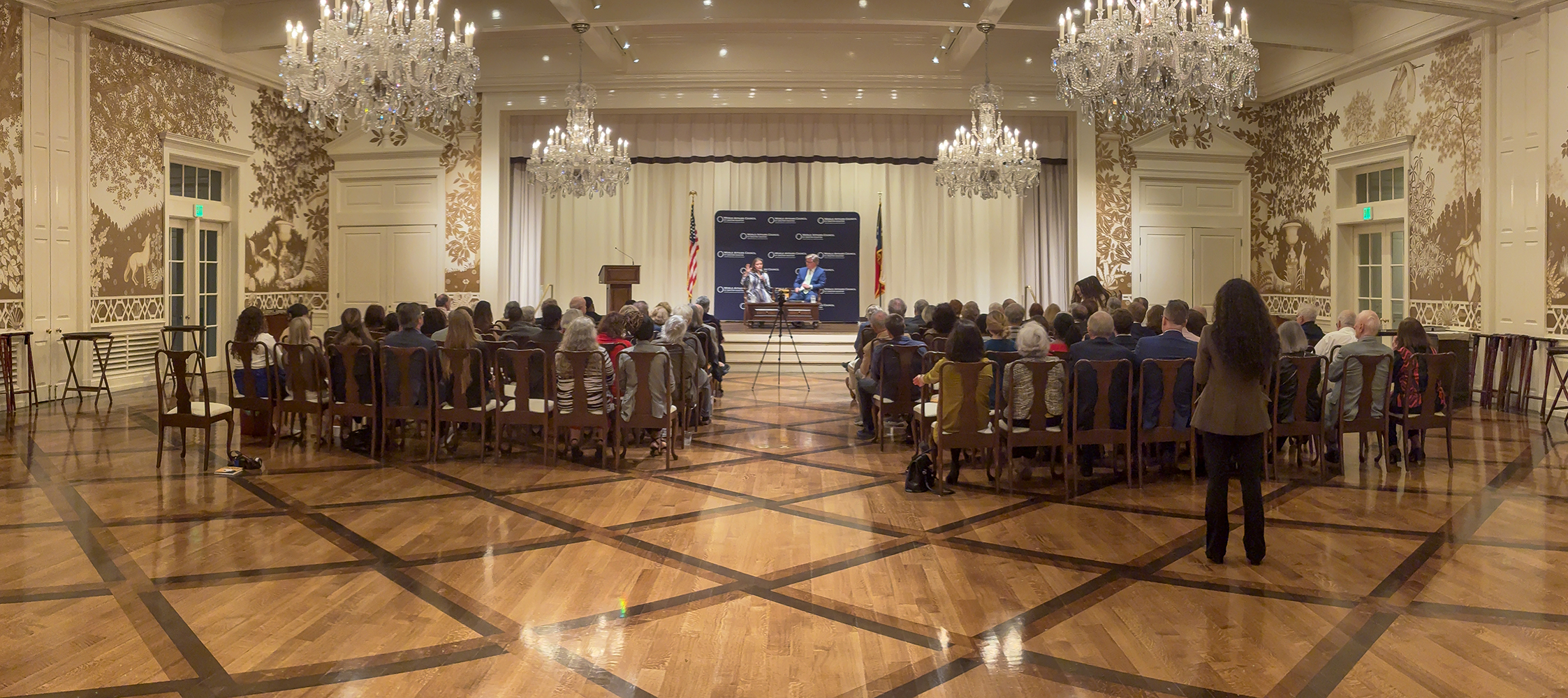
On November 11, 2025, LEAP students had the privilege of meeting Robert Olen Butler on his latest book tour. Butler, of course, is widely respected across the literary world and earned the 1993 Pulitzer Prize for Fiction for A Good Scent from a Strange Mountain. His newest novel, Twice Around a Marriage, has taken him to the Texas Book Festival, the Louisiana Book Festival, and Fort Worth—where LEAP’s Professor Yawn and Stephanie Fors met him while seeing the always-generous Jeff Guinn. And when we saw Butler was appearing at Brazos Bookstore, we knew we had to get to Houston.
With the help of Jeff Guinn, however, we were unexpectedly offered something even better: dinner with the author himself. And so it was we found ourselves with Butler over dinner, asking him questions about his broad range of work, with a particular emphasis on Jealous Husband Returns in the Form of a Parrot, Boy Born with Tattoo of Elvis, Tabloid Dreams, and From Where You Dream.
Butler, a professor at Florida State University, is accustomed to interacting with students, but he is also genuinely a great conversationalist. For us, it was a once-in-a-lifetime experience to talk with a distinguished author and learn more about his unique writing process, which he says stems from a “dreamspace.” It is from this space that the senses and a sense of “yearning” leads, he argues, to the most effective writing. With so many majors around the table (Butler himself was a theatre major), everyone walked away with something a little different from the conversation.
At Brazos Bookstore, LEAP Alumnus and attorney Quinn Kobrin joined us for the booktalk. This provided us with something of a double treat, getting to catch up with Quinn…
…while also hearing Butler do a dramatic performance of two sections in his book.
As noted, Butler studied acting in college, and, indeed, he discusses the writing craft as akin to “method acting.” And this is the approach he takes to his book talks, where he carefully relays each sentence with emotion.
As a quick synopsis: Twice Around a Marriage follows a couple in their seventies who are trying to decide whether their second attempt at marriage is worth holding onto.
A sudden Covid lockdown traps them together in a tiny Paris apartment, forcing them to confront old memories and unresolved questions. They take turns telling stories from their lives to make sense of where they’ve been and where they’re going. While I haven’t read the book yet, Butler’s performance was the perfect precursor to the book!
Following the reading, we lined up to have our copies of Twice Around a Marriage signed.
With books in hand, we wrapped up the evening at Brazos Bookstore and headed back to Huntsville. It was a wonderful experience that we will cherish for a lifetime.
Even during a government shutdown, the Federal Bureau of Investigation engages in outreach to the broader community. Accordingly, on Wednesday, November 12th, 2025, forty-five students from Sam Houston State University with an interest in federal law enforcement were selected to attend SHSU’s first-ever FBI Collegiate Academy, organized and led by the LEAP Center.
Over a half-day, students heard from a career panel, learned about the role of genealogy and DNA in solving crimes, helped “solve” an art crime, and learned about the Emergency Response Team.
Douglas Williams, the Special Agent in Charge of the Houston Division, welcomed he students to the Field Office before turning it over to a Special Agent who offered insight into a new technique employed by the Bureau to solve crimes and cold cases: genealogy investigation. The session outlined the FBI’s work in evidence examination and presented his work in closing a cold case dating back to 1983: the murder of Susan Eads. Tracing DNA found in a long forgotten, yet perfectly preserved, piece of evidence, investigators were able to retrace the family’s genealogical tree up to a single great-grandparent, and down again. Further testing of recent relatives provided a concrete identification that put the case to rest and brought Eads’ family long needed closure. The work showed the students that the work of the FBI may not be all high-stress and high action, but methodical, research-based, and compassionate for victims who have felt forgotten about.
This presentation was followed by a Career Panel, moderated by Public Affairs Officer Connor Hagan. Five panelists (unnamed here for security reasons) each showcased their positions within the FBI: an Intelligence Analyst working cyber, a Tactical Specialist working gangs, a Special Agent, a Digital Forensic Examiner, and a Supervisory Investigative Specialist. Highly interesting was the fact that four of the five panelists were either alumni or received some sort of graduate education from Sam Houston State University–and the fifth took a class at SHSU! The panelists shared their journeys to becoming Bureau employees, whether it was interning while an undergraduate at Sam Houston State or bouncing through the law enforcement field. Emphasis was placed on the fact that anyone from anywhere can work for the FBI – anyone with the right sort of skills can make it. The panelists cleared up some common misconceptions about their jobs showcased in the media and provided examples of cases they worked on.
Recruiting Agent Becky Nguyen then guided students through the process of an FBI investigation, using the example of a high-profile art crime involving a stolen Stradivarius violin. Students participated by answering questions prompted by SA Nguyen, and received insight into how investigations operate, the jurisdictional processes that are involved, and FBI values and practices. This session segued perfectly into a presentation by an Evidence Response Team Special Agent, Mary Beth. The Houston ERT was notably present during the series of mail bombings in both Austin and Beaumont, TX and the Sutherland Springs mass shooting. Nationally, ERT secured major crime scenes such as 9/11’s Ground Zero and the recent New Year’s Eve terror attack in New Orleans. The Bureau’s forensic evidence technology is groundbreaking and expansive, using such methods as robots and drones, and laser environment scanning for crime scene reconstruction. As Public Affairs Officer Hagan added, the training the FBI’s Evidence Response Team undergoes is “the best of the best”.
Following the morning of activities, students thanked the presenters for their support and service, especially during the government shutdown. The students made their way back downstairs, passing a wall memorializing fallen FBI employees in the line of duty. Students left the building with a new sense of fulfillment and understanding of the sacrifice and commitment every FBI employee embodies, which comes from, as noted by SAC Williams, faith in an institution and purpose “that has been here long before us and will be here long after us.”
It’s common for the Texas Tribune Festival to tackle hot topics and few topics are as discussed as artificial intelligence. This year’s festival offered multiple sessions on AI, including panels that addressed the regulations implemented in response to the technology as well as speculation on what the future holds.
The panels included Rep. Giovanni Capriglione; Mayor Pro Temp Vanessa Fuentes; Matte Dunne, Director, Center on Rural Innovation; Betsy Greytok, Associate General Counsel, IBM; Professor Sherri Greenberg, UT Austin; Amanda Crawford, Director, Texas Department of Information Services; Daniel Culbertson, Economist, Indeed; and Elizabeth Rhodes, Director, OpenResearch. In short, a lot of human intelligence to discuss the importance of artificial intelligence.
A key part of the discussion was Capriglione’s HB 149 (TRAIGA), a sprawling bill that prevents companies from manipulating software to encourage self-harm; prohibits government entities from creating “social credit” scores; bans governments from capturing biometric information; forbids individuals from creating sexual deepfakes or simulated child pornography; while also providing for various enforcement mechanisms.
The legislation, Capriglione emphasized, is limited in what it bans, but it is capable of accommodating future directions of AI. Such would allow the legislation to keep up with developments in the field.
One such development on minds is the extent to which AI threatens people’s jobs. Rep. Capriglione addressed this, asking the audience, “How many of you think AI will take your job in the next five years?” When only about six people raised their hands, Rep. Capriglione said something to the effect of (I am paraphrasing): “The rest of you are in denial, I guess?”
Not everyone agreed with this assessment. Culbertson suggested that AI would be a position augmenter rather than a position replacer. Of course, if productivity is augmented, then companies may not need their current work forces–suggesting they could let employees go and retain their current levels of productivity and profits.
A recurring theme is that, in most cases, AI will not replace jobs. But people who can use AI well may replace people who cannot use AI well. This may be bad news for seniors and those who primarily perform menial tasks, people not well-known for keeping up with technological advances. In a major study, Goldman Sachs estimates that “at most” 2.5 percent of the workforce may be replaced by automation owing to AI.
For what it’s worth, Chat GPT seems to agree with the panelists. According to Chat GPT, “You won’t compete against AI — you’ll compete with people who use AI.”
The panel–and Chat GPT–have thus provided some programming suggestions for LEAP Center staff and the LEAP Ambassadors.
Although our foray into The Texas Tribune Festival brought us to different panels, focusing on different levels of government, and from different branches of government, a common theme pervaded: government works best when it isn’t dominated by one figure or one branch. It’s perhaps no surprise to hear federal judges push back against pressure from the executive branch, but it was more unusual to hear former Texas Speaker of the House Dade Phelan share the same sentiment.
Nonetheless, this is what we heard as we ventured into the Bethel Hall at St. David’s Episcopal Church. Despite the presence of the Texas Tribune Editor-in-Chief Matthew Watkins and Political Reporter Eleanor Kilbanoff, the focus was on former Texas House Speaker Dade Phelan, who recently announced his retirement from the Texas House.
Somewhat unusually, this elicited a comment from President Donald Trump weighed in on Phelan’s impending retirement: “Fortunately for the Great State of Texas, their Former Speaker, who is no longer Speaker, Dade Phelan, is quitting politics…” Trump’s unhappiness with Phelan probably stems from 2023, when the then-Speaker brought impeachment proceedings against Attorney General Ken Paxton, a close Trump ally. President Trump went on to endorse Phelan’s primary opponent in his next election, although Phelan was able to manage a win in a closely-contested runoff.
Ultimately, however, Phelan made a choice not to run for Speaker: “I couldn’t ask the House Republicans to choose between me and President Trump.” Noting that he wasn’t a MAGA Republican, he felt like his confrontations with the President would make things difficult for his constituents (the members of the House of Representatives) if he continued as Speaker.
President Trump also dominated the discussion at “Living Document” panel, in which UT Law Professor Grove moderated a discussion with former Federal District Judges Royal Ferguson, Lee Yeakel, and Vanessa Gilmore.
The words “messy,” “wrong,” and “unprecedented” popped up again and again like literary motifs throughout the hourlong session. A recurring theme was the role of the “Shadow Docket” of the Supreme Court, which are often decided without full oral arguments and in unsigned form. President Trump has filed 20 “emergency applications” in seven months to the shadow docket, and the Court has, at least for now, seemingly expanded Trump’s control over the executive branch.
This has resulted in the overturning of many appellate and district-level decisions, the latter of which was particularly unsettling to the panel. “The District Court level,” noted Judge Ferguson, “is where the facts are settled.” The judge and the jury have the ability to assess the credibility of the witnesses and, at times, the defendant beyond merely reading a transcript. Overturning these cases with such regularity is, according to the panel, disregarding the role of fact assessment in reaching a verdict.
Equally as appalling to the panel have been the “attacks on the judiciary,” a point Judge Gilmore noted repeatedly. Top level executive branch officials have called for impeaching judges (something that has rarely occurred throughout history) or used harsh language to criticize judges for rulings adverse to the administration.
More alarming, however, are the increasing threats against judges. Last year there were more than 500 threats to federal judges, and the threats are becoming increasingly personal. In many cases, pizzas are being delivered to the judges’ homes, ordered by a “Daniel Anderl”–the name of a judge’s son who was murdered at his front door in 2020. Such “pizza doxxings” are a clear message to judges, a reminder of their vulnerability.
It is also a clear and concerning repudiation of the philosophical foundations on which the US Government was built, laid out in the Constitution and in Madison’s Federalist #51, in which he said, “it is evident that each department should have a will of its own; and consequently should be so constituted that the members of each should have as little agency as possible in the appointment of the members of the others…”
On that discordant, we retreated to the Voltron Room at the Capitol Factory, where we listened to the soothing sounds of Texan singer Mollie Danel and contemplated the responsibilities of citizenship.
After months of anticipation and careful planning, we opened the doors to our Citizenship Celebration at The Woodlands Center–an evening that marked not just a milestone, but the launch of an exciting new chapter for our existing citizenship program.
The celebration brought together naturalized citizens, aspiring citizens, LEAP friends and alumni, all united by a shared support for those on their journey toward citizenship and the program.
What began in 2008 as a local initiative in Walker County has grown far beyond its original scope. Thanks to National Partnership for New Americans, the program now reaches into Montgomery County, creating new connections and expanding the community in meaningful ways.
One of the many goals for this celebration was to ensure every guest left with a meaningful takeaway. This is always easier when everyone shares a common purpose. For us, this growth brought new connections in the Montgomery area, including volunteers from Caney Creek High School…
…who joined SHSU students to create a welcoming, vibrant atmosphere for the guests as they arrive.
As guests arrived, they settled in with plates of delicious food–empanadas, beef satay, ceviche, and an array of other cultural dishes–setting the stage for an evening of culture and connections. The room itself was beautifully decorated with a patriotic theme symbolizing the civic pride and sense of belonging that come with citizenship.
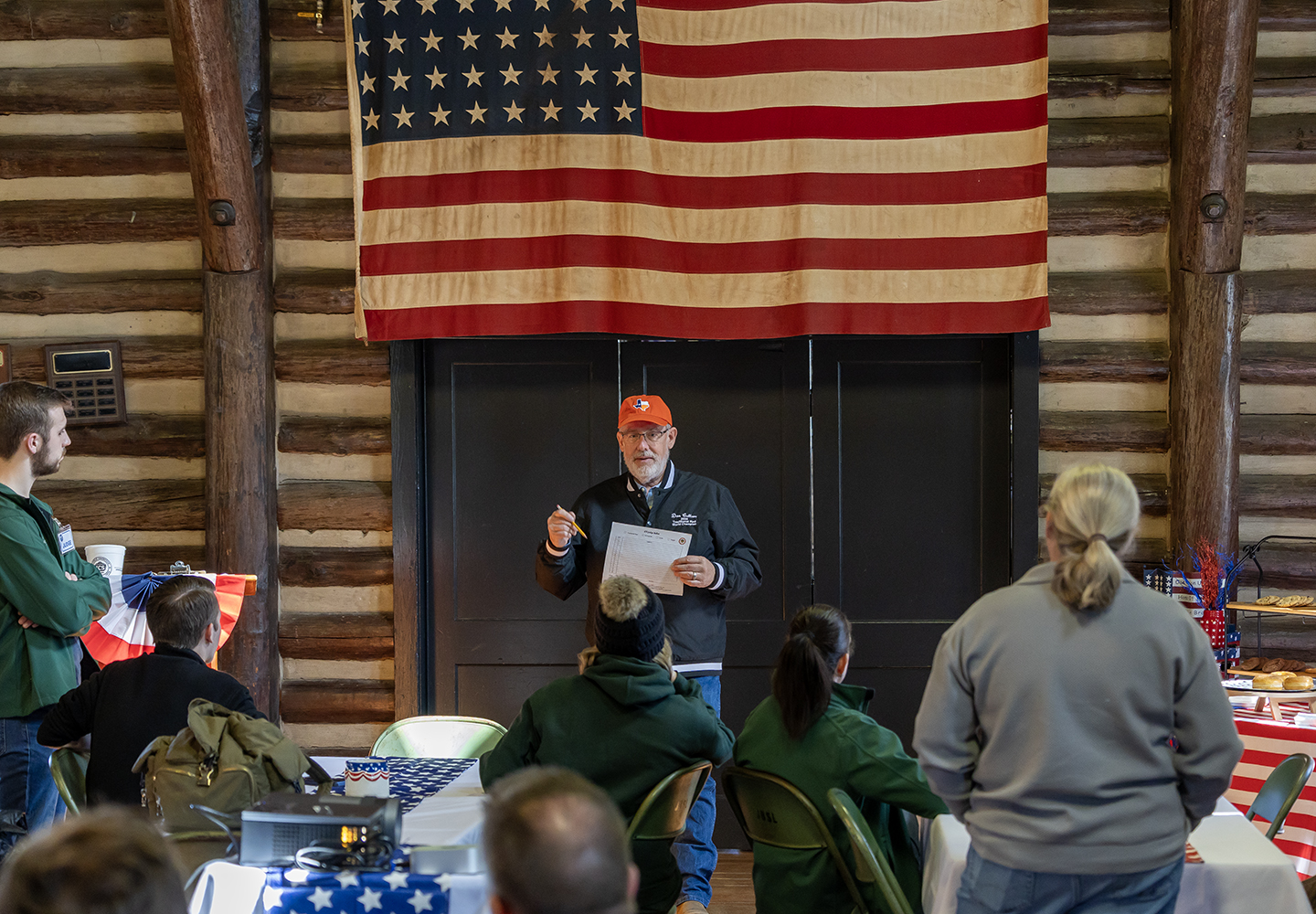
The ceremony began with Professor Yawn, who welcomed attendees and explained how LEAP’s citizenship program is expanding beyond Walker County.
The audience included familiar faces like Gregoria McGuire and Roxana Woychesin, former course participants, alongside eager newcomers ready to begin their journey.
LEAP alumni–Brian Aldaco, Bianca Saldierna, Ademide Adedokun, and Megan Chapa–also in attendance, perfectly timed to coincide with LEAP’s upcoming 20th anniversary celebration and the launch of new initiatives.
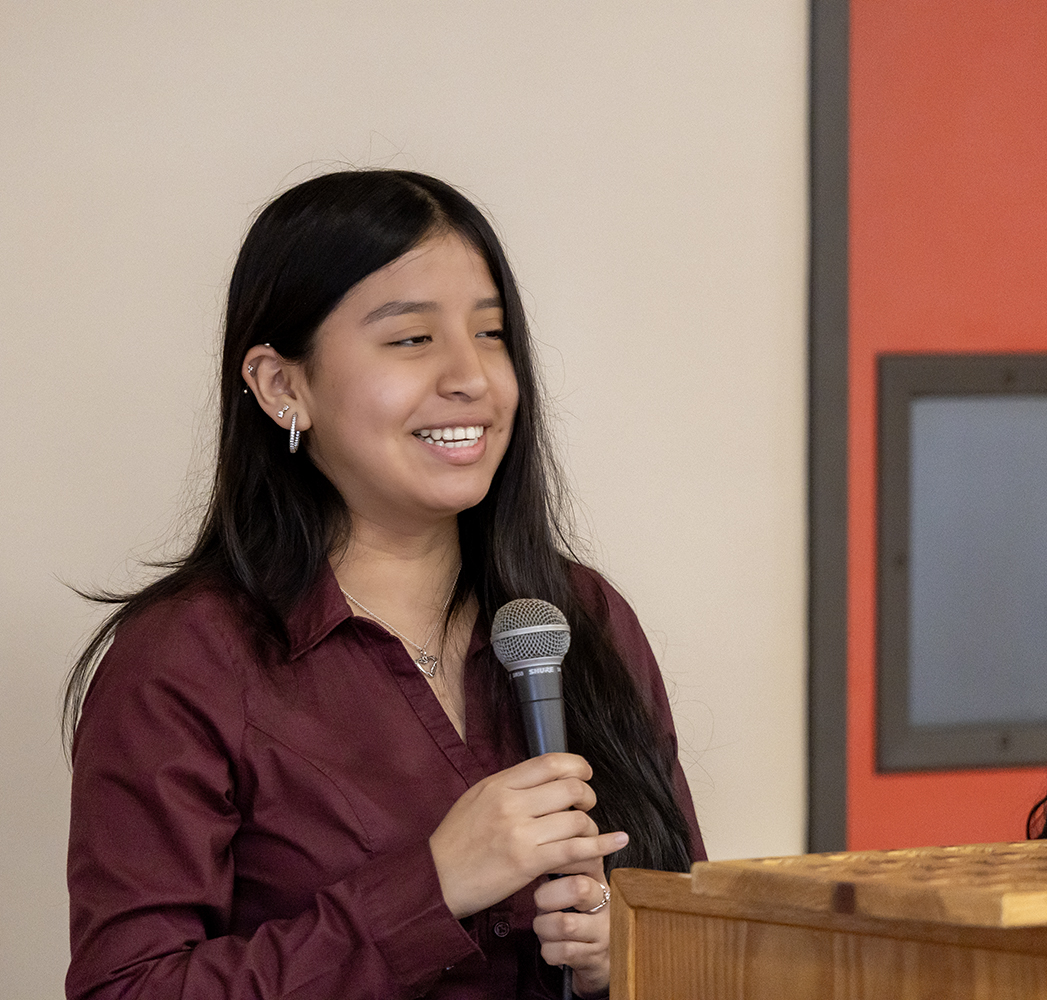
I then had the chance to offer my own words of welcome — thanking everyone for their incredible support and emphasizing that this event was truly a celebration for all: those who had been naturalized, those beginning the journey, and those supporting this civic milestone.
Then came the moment I’d been looking forward to — introducing Christina Sato, who so graciously agreed to share her journey and beautiful words with us. Christina Sato is an accomplished actress, singer, and University of Texas at Austin graduate who interned for former U.S. Senator Kay Bailey Hutchison and has built an impressive career bridging entertainment and public service.
Christina spoke beautifully about three important themes, with one particularly powerful message about the importance of an invitation…
…recalling that she first met Professor Yawn in an elevator, three years ago. That chance meeting, followed by some networking, led to the invitation to speak at this event.
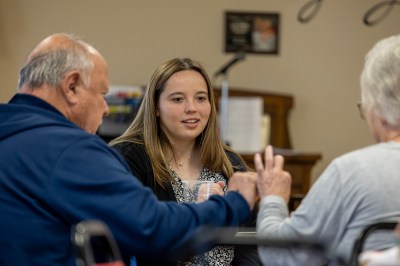
She tied this concept perfectly to the crowd and their purpose, making everyone feel the significance of being present and being welcomed into community.
Her story was one of unexpected turns and beautiful detours. Sato shared how she began her career with aspirations in public service, only to find life taking her down different paths-through entertainment, through various roles and opportunities that she never initially imagined. Rather than viewing these changes as setbacks, she embraced them as part of life’s natural rhythm. Her journey wasn’t linear, and she owned that truth with grace and authenticity.
For the naturalized citizens in the room– many of whom had taken long, winding roads to reach that point–her story struck a personal note. For those still on their journey toward citizenship, her message offered hope, encouragement, and a reminder that every experience brings us closer to where we’re meant to be.

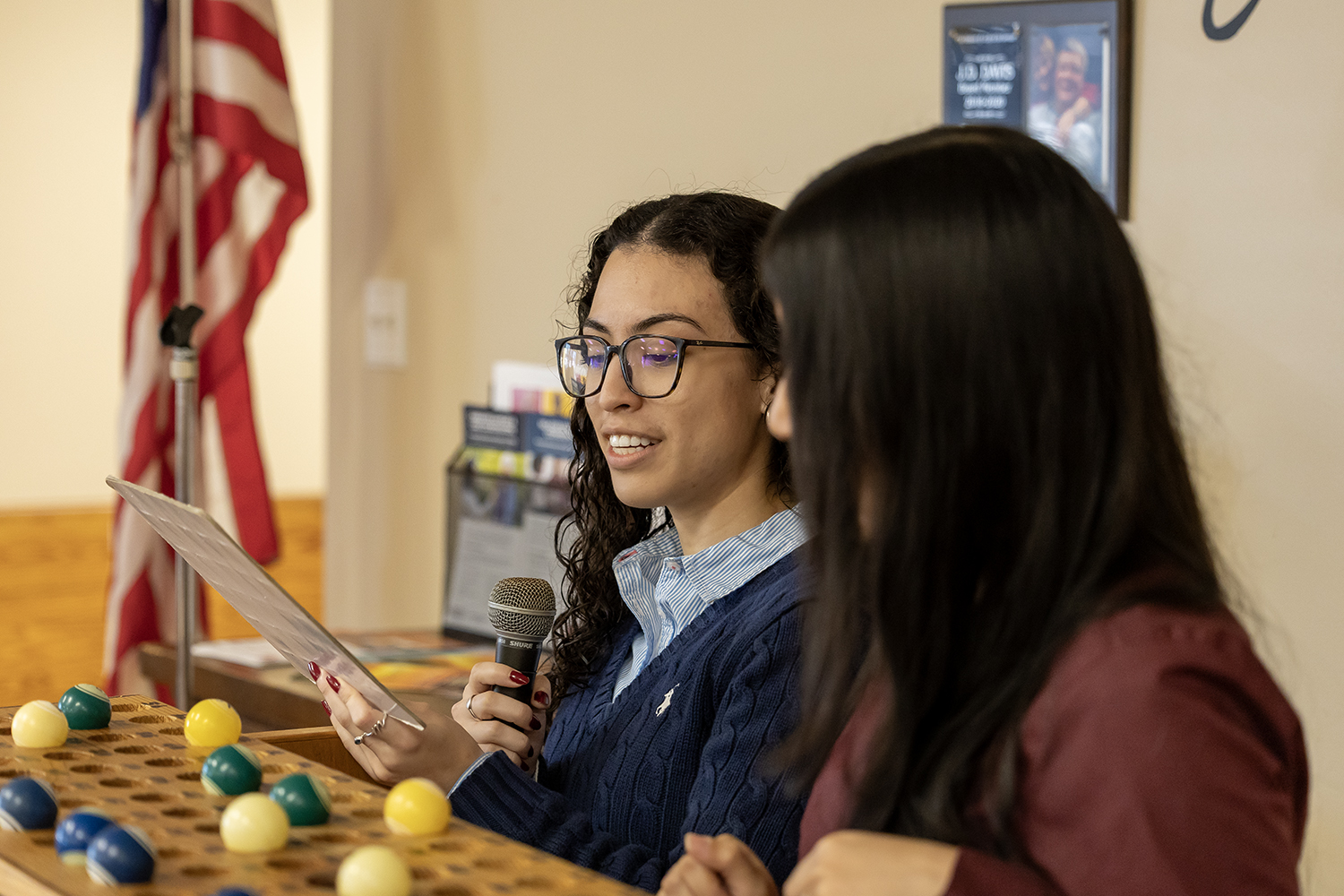
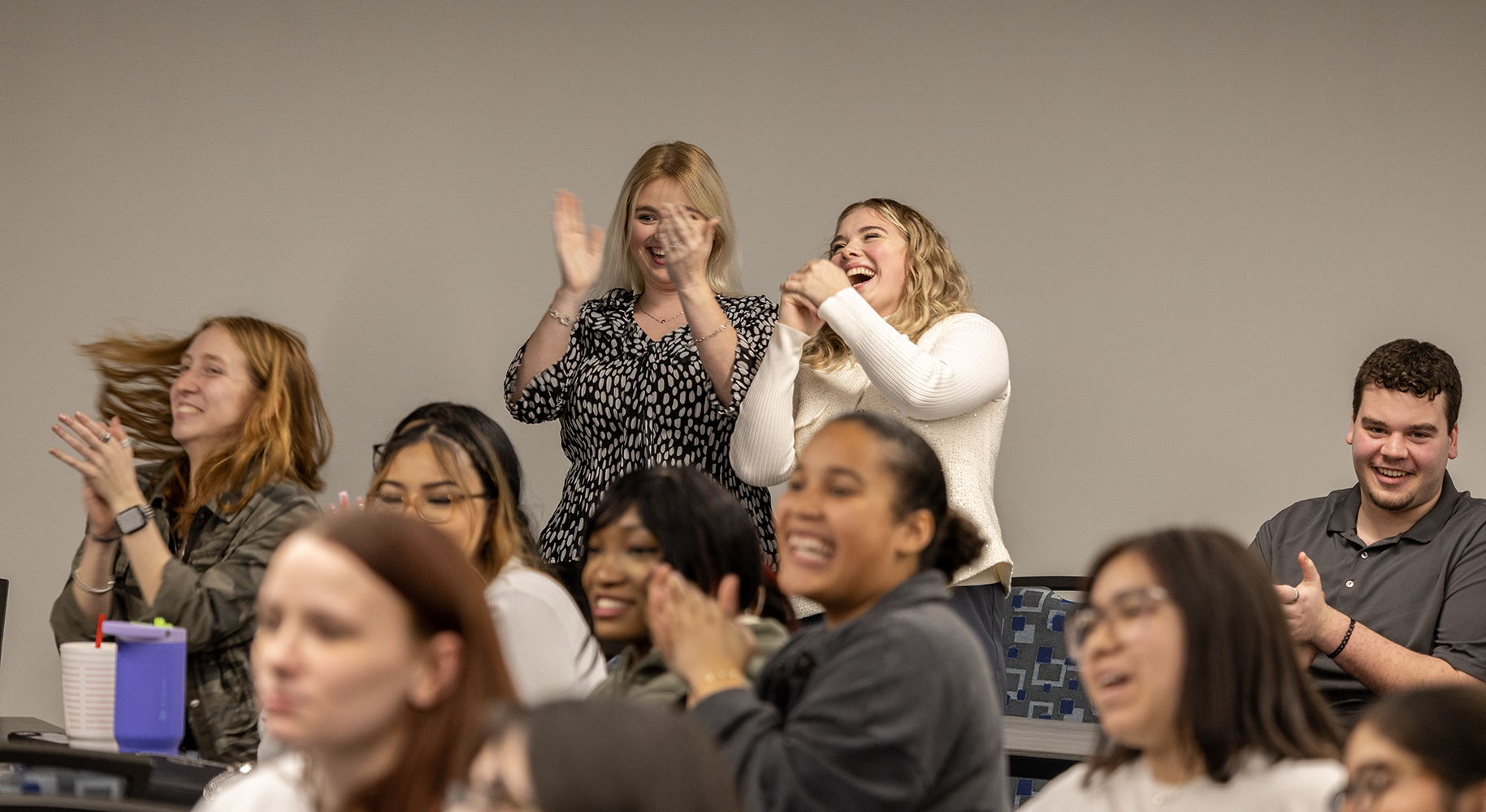
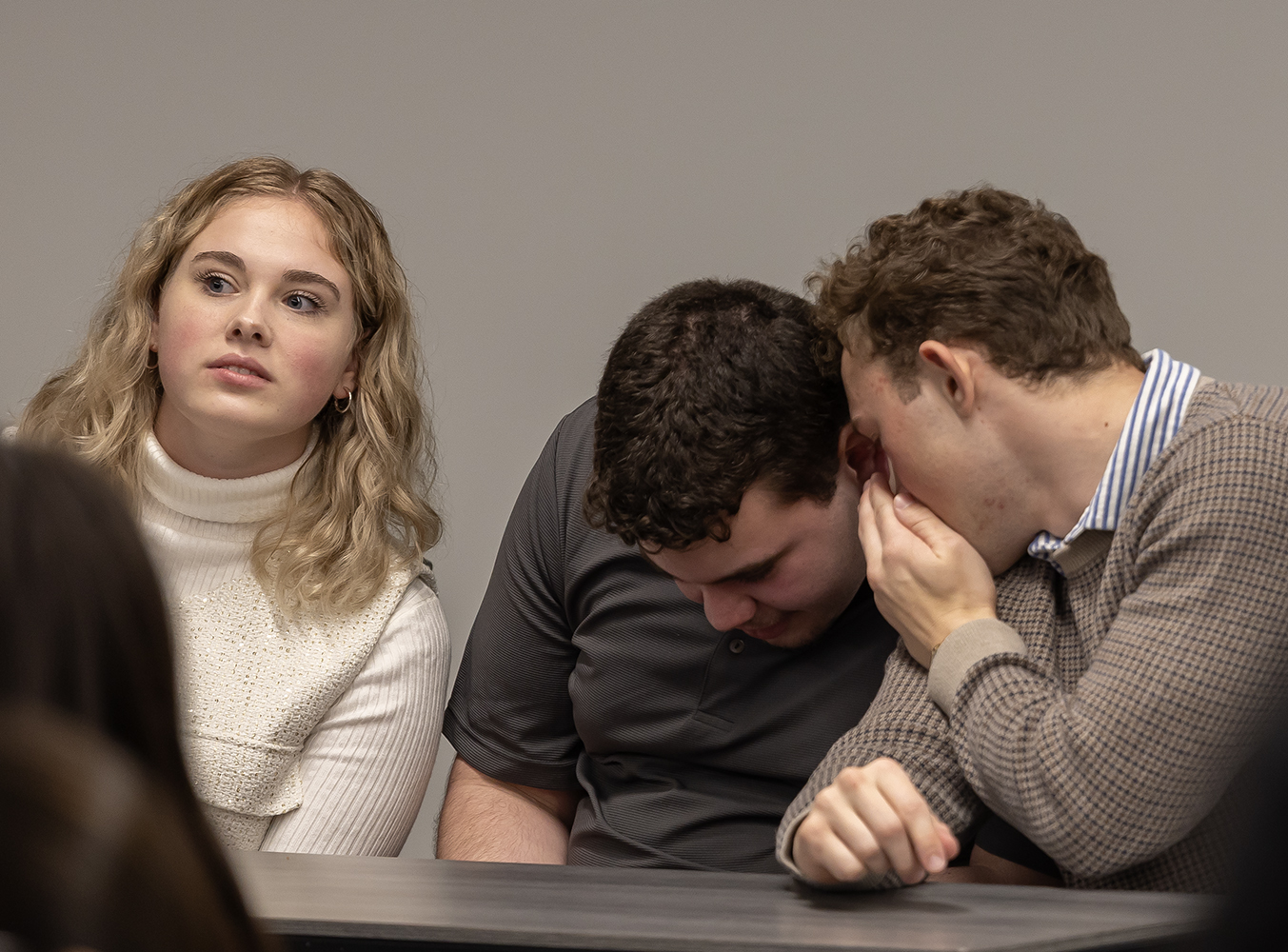
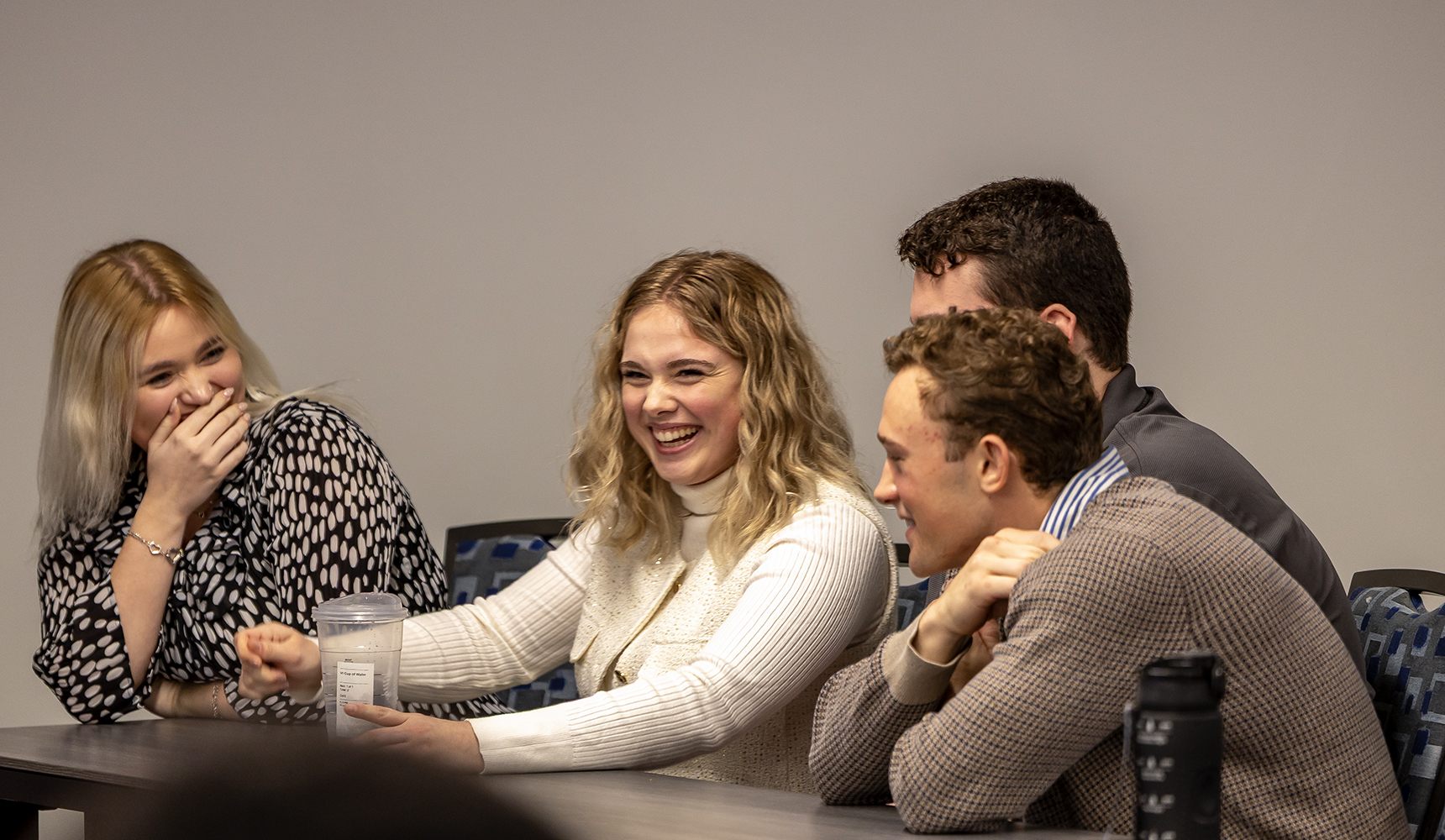
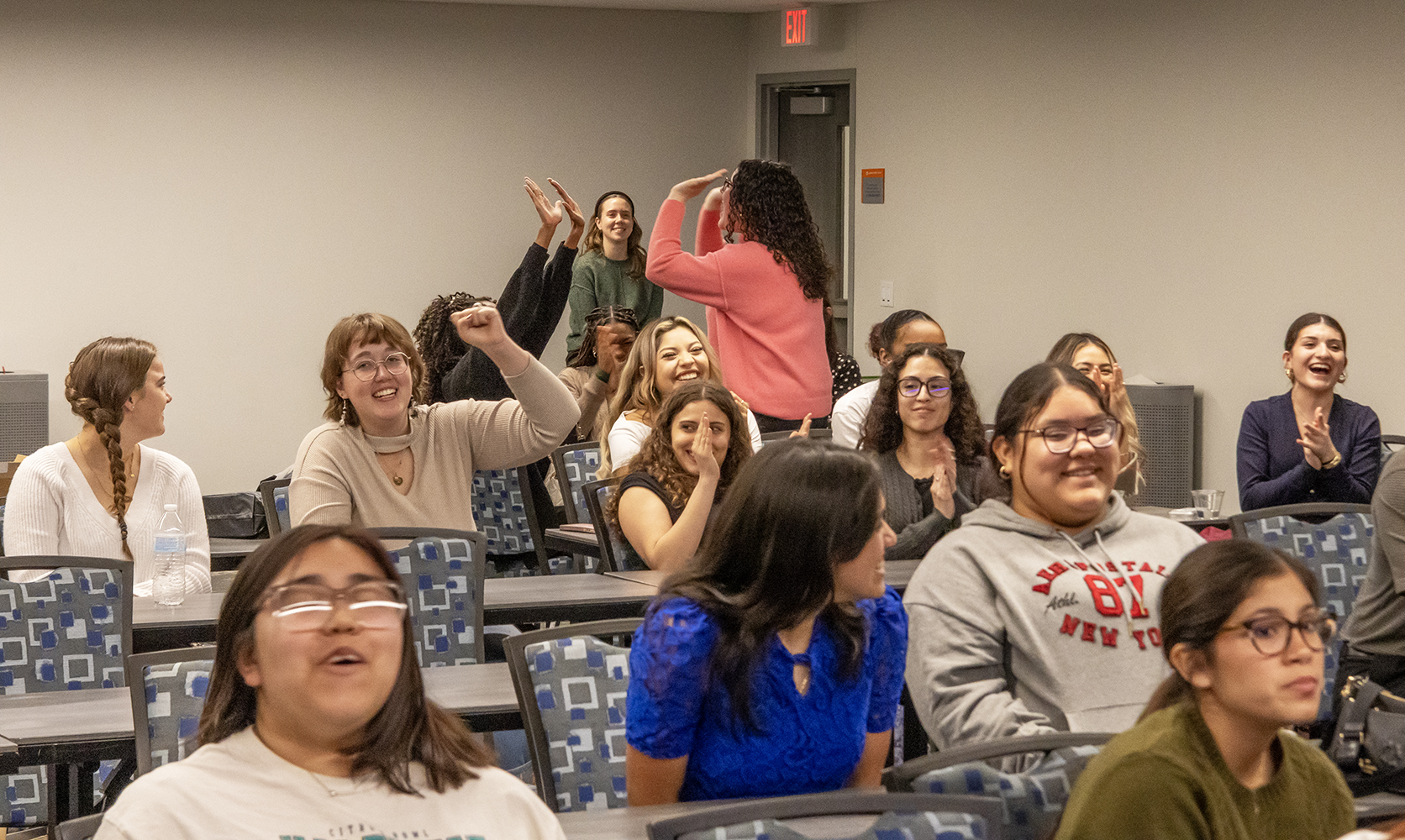
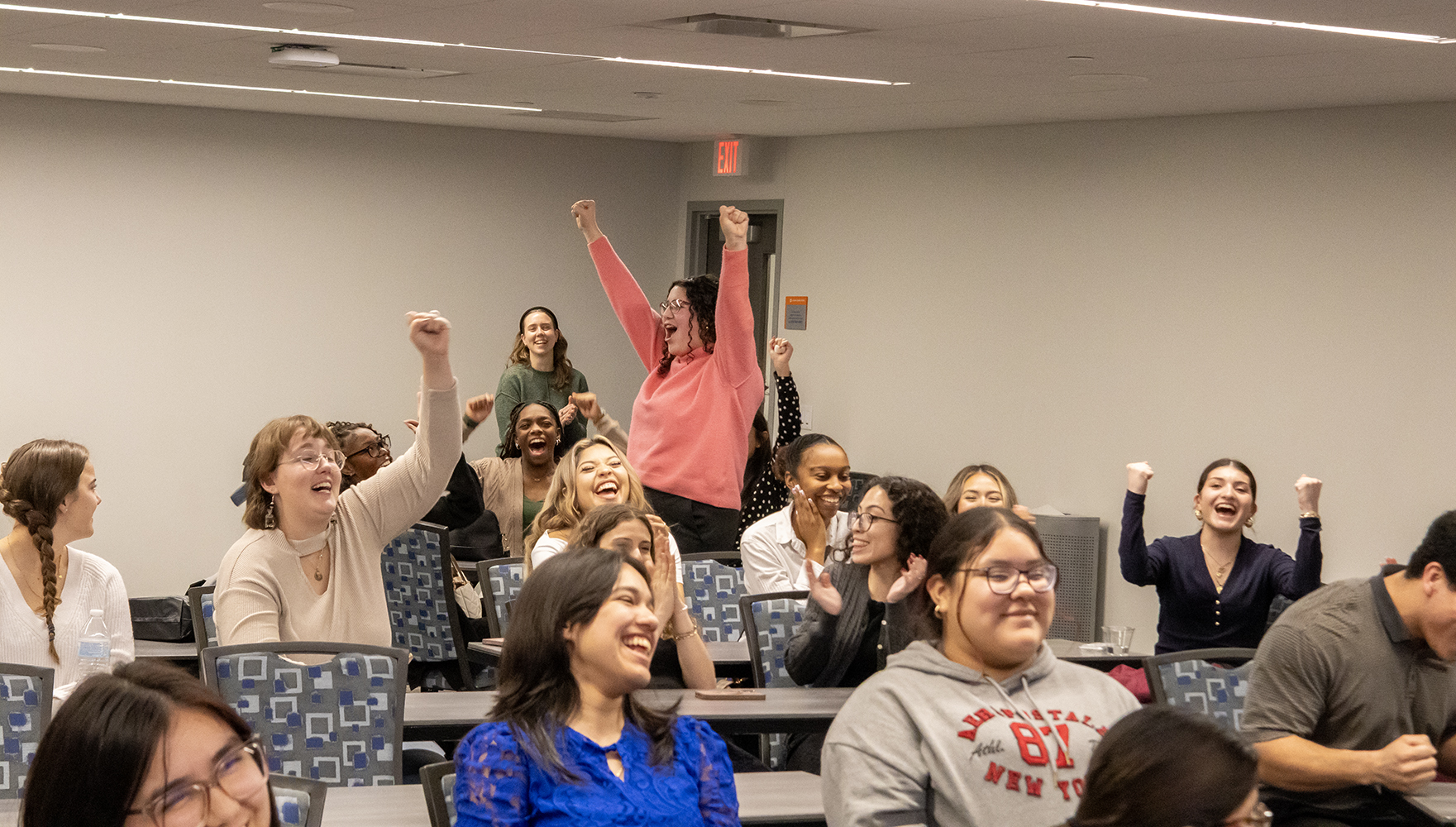
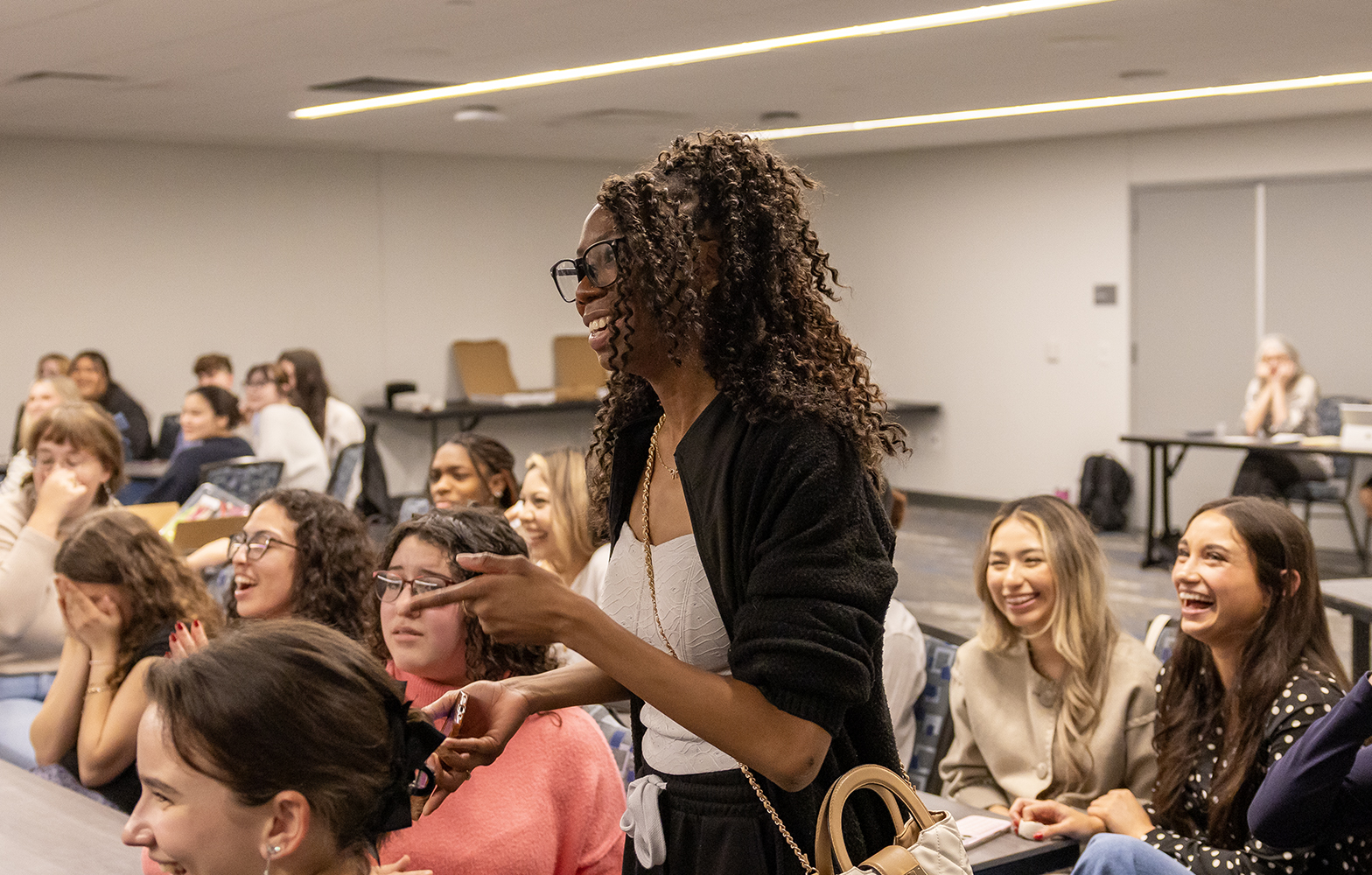
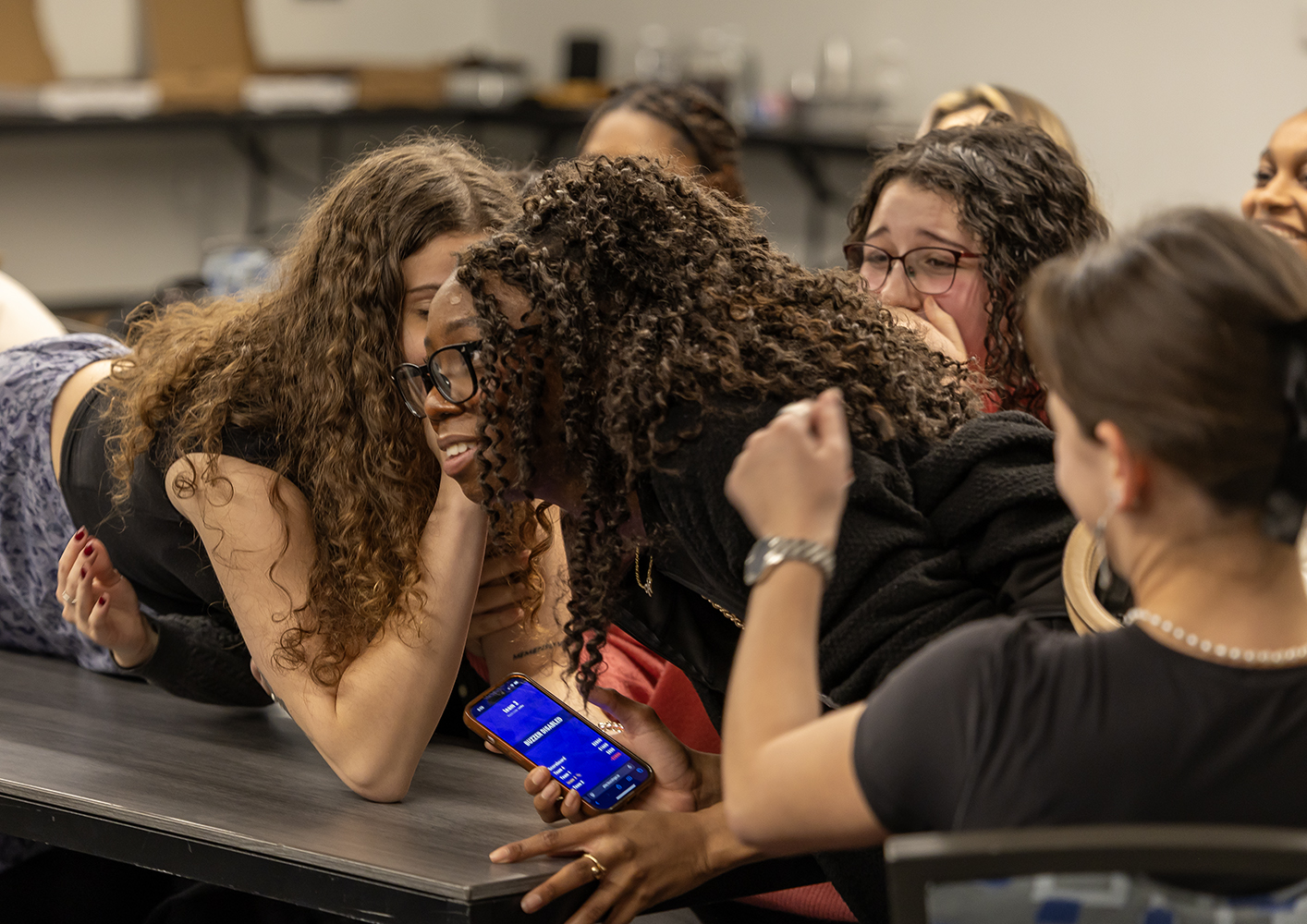
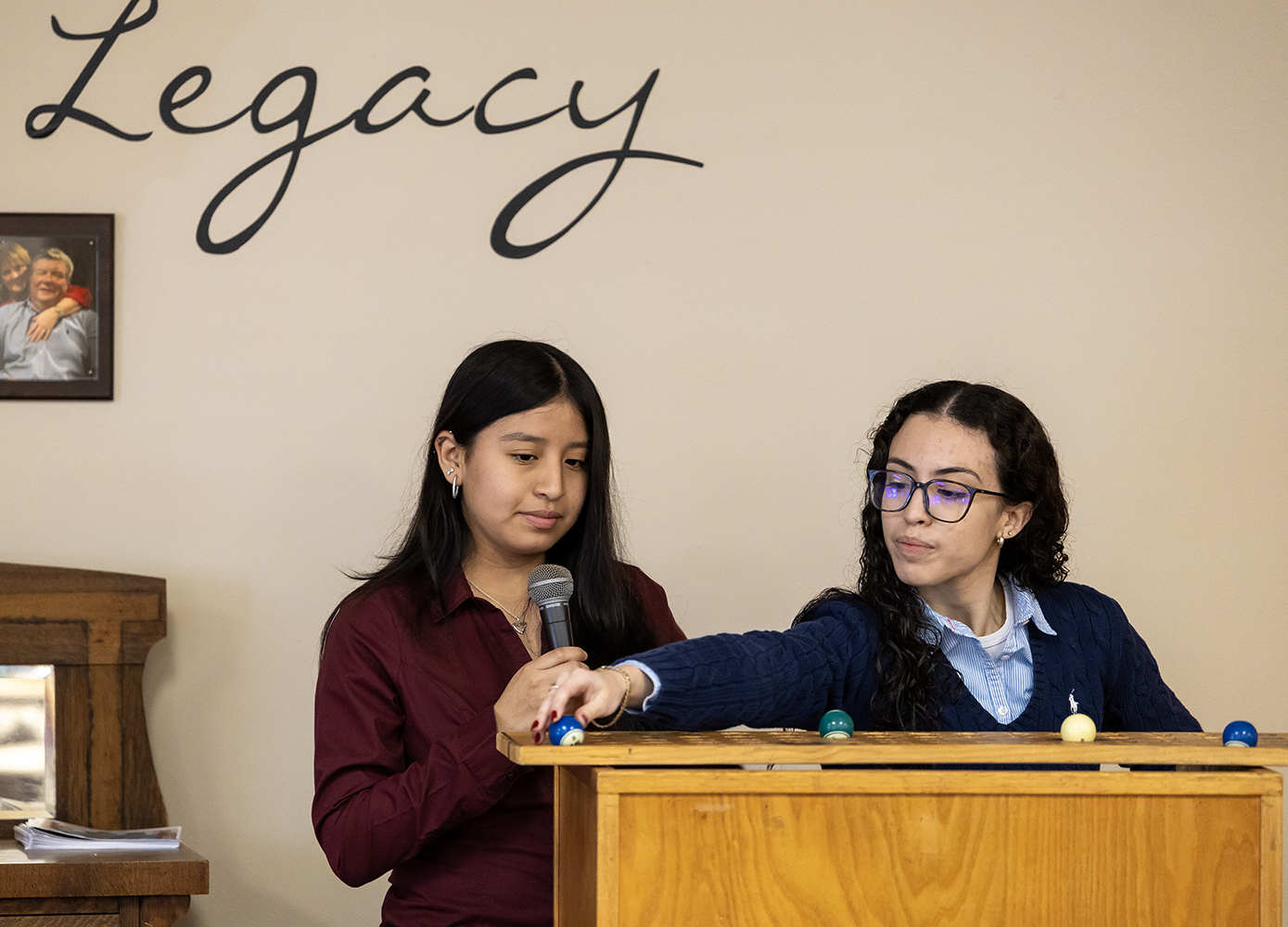
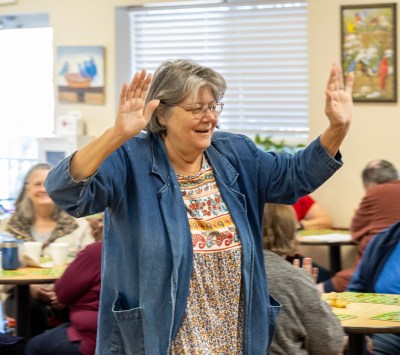
The evening then shifted to something wonderfully fun–Lotería! For those unfamiliar with this traditional game, it’s similar to bingo but with a uniquely cultural twist.
We played a couple of rounds, giving away prizes to lucky winners throughout the evening, with the help of volunteers Andrea Torres, Olivia Discon, and Laura Juarez Ordonez.
It was a beautiful reminder that while we gather for serious purposes – citizenship, community, growth – we also come together to celebrate, to play, and to enjoy each other’s company.
As the celebration concluded, we announced the next phase of our program: our Spring 2026 Citizenship Course. This course will be held on April 2nd, 9th, 16th, 23rd, and 30th at The Woodlands Center, to support immigrants as they work toward their citizenship, providing the resources, guidance, and encouragement they need to succeed.
A heartfelt thank-you to everyone who made this evening possible: thevolunteers and LEAP alumni whose ongoing support sustains the program, Christina Sato for generously sharing her time, inspiring story, and wisdom, and most importantly, the naturalized citizens and immigrants whose journeys continue to inspire this program and remind us of why it initially started.
Here’s to the journey ahead–and to all the events yet to come!
For more information about LEAP’s citizenship program or our upcoming Spring course, email Professor Mike Yawn at mikeyawn@shsu.edu.