
Creating Common Ground: Civil Discourse Strategies
by Michelle Moya
In the heart of New Orleans, we were looking forward to our second day of the CSG conference with enthusiasm and optimism. We woke ready for another day with an itinerary loaded with much exploration, walking, and cultivating visual art of the “city that never sleeps.” Fueled by coffee from Fourth Wall, we hurried off to our first session of the day!
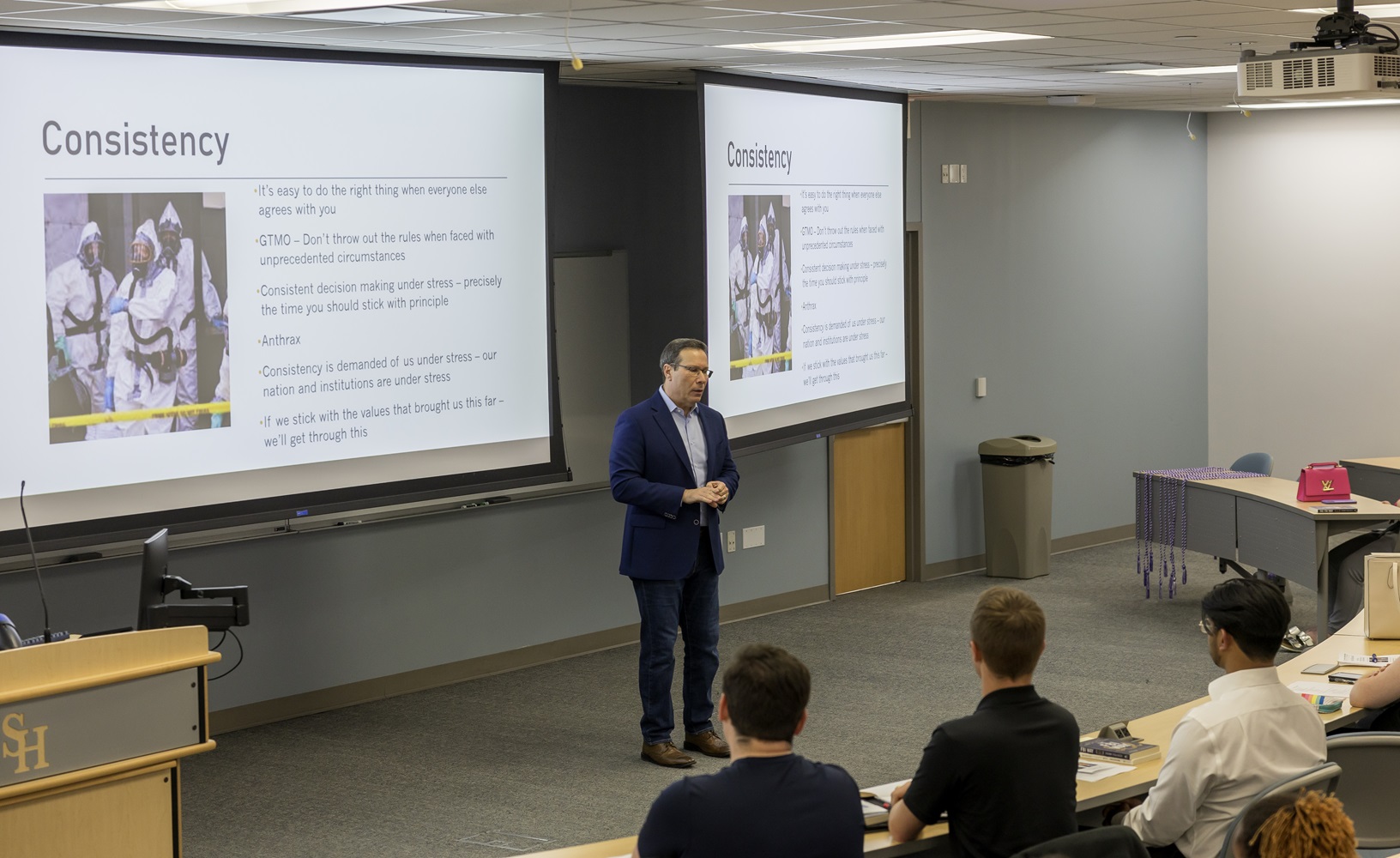
Our second day at the CSG conference was a masterclass on civic debate and leadership. The session, “Creating Common Ground: Civil Discourse Strategies,” led by NICD Executive Director Keith Allred (who, unintentionally, made me wonder if he was related to Colin Allred), transformed what could have been a dry lecture into a riveting analysis of historical decision-making.
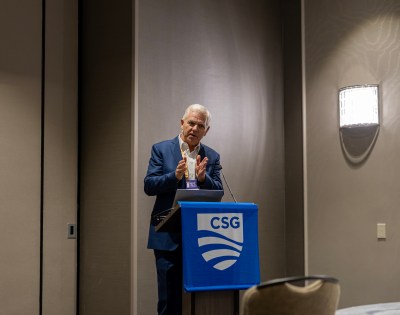
With his professor’s precision, he drew a sharp contrast between two watershed periods in Kennedy’s presidency: the Bay of Pigs disaster and the Cuban Missile Crisis to illustrate his points. These weren’t just history teachings; rather, they were contrasting examples of how government officials should approach their decision-making. While this may not sound so interesting on a Friday morning, that session was the greatest one!
Allred began by describing the split of effective conversation inside contemporary governments, which is mostly due to a significant unbalanced change in political parties. However, his nonpartisan approach is effective in all areas of government and in our daily lives. He briefly outlined the Bay of Pigs disaster, as well as the administrative initiatives and coordination they took to come to it. The result? A catastrophic failure that lasted mere days but left an indelible mark on American history. The culprit was not just poor planning—it was the silence of those who knew better but chose not to speak. While the majority opposed the plan, they failed to share honest views, which was taken as a “green light” for JFK to go with the plan. The lack of communication and interpersonal contentions resided in the decision-making process, which ended in disaster only 3 days after the plan went into effect.

Allred soon shifted his focus to how they should have handled the situation and why it ultimately became a disaster. He accomplished this using the Cuban Missile Crisis, where a different approach would save America from the brink of nuclear disaster. The “commonsense sweet spot,” as Allred refers to it, is built on three pillars: embracing contrasting perspectives, avoiding the stampede effect, and navigating interpersonal tensions.

Through compelling footage from “13 Days,” we witnessed the transformation from Day 1’s despair to Day 2’s advancement, led by Robert Kennedy’s courage to voice dissent. We were able to understand the audience’s viewpoints and the lessons learned from Allred’s participatory approach, which helped us make wise conclusions. My favorite portion was undoubtedly this, and it has even inspired me to put the film on my “watch next” list!

The session closed with a powerful message that resonates beyond government powers: “There is something immoral about abandoning your own judgment.” In an era of increasing polarization, these words carry special weight. People elect officials for their judgment, not their ability to follow the crowd. Like great coffee, great decisions are best made when they are bold, well thought out, and discussed with people who aren’t scared to voice their concerns.

Washington Watch: What States Can Expect from the Next Congress and Administration
by Chrissy Biello
With a new administration moving into the White House, many are predicting the future of the country. Because of this, the next session, “Washington Watch: What States Can Expect from the Next Congress and Administration,” posed a high amount of interest for us to gain insight from. The speaker, William Crozer, is the Co-Head of BGR’s Bipartisan State and Local Advocacy Practice. Moreover, from 2018-2021, Crozer served as the Special Assistant to the President and Deputy Director of the White House Office of Intergovernmental Affairs (IGA) in the Trump-Pence Administration, highlighting he has a wealth of experience to discuss the upcoming Congress and the new administration.

Crozer began by speaking on his past role in the White House Office of IGA, noting that during the pandemic, he “ran the local Covid calls from the White House,” making it likely that he spoke with individuals in the room. However, they are probably unaware of this since there was not much face-to-face contact. This being the case, he was coined the “emailer in chief,” sending various information to the state, local, and tribal officials.

Pivoting to the upcoming administration, Crozer spotlighted what he believes to be the “day one priorities” for President-elect Donald Trump. He maintained that it boils down to key issues: trade, taxes, the economy, and immigration. Further, that SNAP Pilot Programs will be a significant focus.

When the moderator asked about the executive orders Biden passed, Crozer stated that “everything will be on the chopping block; Biden repealed Trump’s executive orders.” He then hypothesized that the most likely roll backs will be those that are high spending, such as the CHIPS Act; thus, President Biden is dispersing as many awards as possible.

Speaking on partisanship, he stated that the “red states are getting redder, and the blue states are getting bluer,” remarking that some state governor’s will attempt to challenge Trump on executive orders. He gave the example of Gavin Newsom, the Governor of California, which many were not surprised to hear. Nonetheless, he emphasized that the legislatures in the room should engage with the Trump Administration, no matter what side of the party line they are on.

Transitioning to a humorous anecdote from his time in the White House, he described that when sending invitations to municipal mayors to travel to DC, many thought it was a “Russian Hoax.” The room filled with smirks and chuckles; however, Crozer quickly commented how this displays the lack of outreach to state and local officials. To end on a light note, he closed the conversation by asserting that if someone in the room receives something from the White House, it is likely not spam. But, he ensured to clarify that the White House will never ask for a person’s Social Security Number!
Lunch Break at Cafe Reconcile
by Michelle Moya
After two great sessions, we headed to try another great taste! In New Orleans’ Central City neighborhood, we were successfully able to go to Café Reconcile. As requested by Professor Yawn, we did some research into the café and its history. To our surprise, this place was not just serving up amazing food—it was serving up hope and opportunities for young adults in NOLA.
While the food was absolutely amazing, what actually distinguishes Café Reconcile is that it is a non-profit that uses its program to alter the lives of young people. Upon being seated, we saw that the restaurant featured various frames showcasing these students’ lives, including their personal aspirations and triumphs, which was quite encouraging. When you eat here, you’re supporting a program that helps young adults ages 16-24 kick-start their careers in various industries. We collectively agreed that we need something like this in Huntsville. Imagine having a restaurant that not only serves amazing food but also gives young people in our community real career opportunities and life skills. This little touch of history enhanced the overall experience and made it more delightful!
Now, moving on to the food, I kept with my borderline seafood fixation and ordered their catfish plate with veggies. To my surprise, the veggies stole the shine on my plate (never thought I’d say that). The catfish was great too! It came with an incredibly colorful side salad that popped with personality thanks to these vibrant radishes that made the whole plate “Instagram-worthy.”

LEAP Ambassadors Olivia and Chrissy shared this plate of jerk chicken that resembled a Thanksgiving turkey—or as Professor Yawn joked, perfect for “eating for two.” They ordered potato salad and the mac and cheese, which they mentioned, had them fighting over the last bites. Speaking of Professor Yawn, he went classic with red beans and rice, while Stephanie tackled a traditional New Orleans po’boy and this sweet potato crumb that she would not stop raving about and sharing—bless her.


For the grand dessert? A banana bread pudding that had everyone at the table seemed to enjoy (except me) team no bananas here.

Next time you’re in NOLA, skip the tourist traps and head to Café Reconcile. The food and service was amazing, the portions are generous, and best of all? Your money goes toward helping young people build better futures. This was a great experience and gave me a grasp of the great food New Orleans had to offer!
Cybersecurity in Focus: Assessing and Mitigating Risks of Cyberattacks Against State Governments and Critical Infrastructure
by Olivia Discon
Our last session for the day, and ultimately, for our time at the conference, was Cybersecurity in Focus: Assessing and Mitigating Risks of Cyberattacks Against State Governments and Critical Infrastructure.
We were fortunate to hear from three panelists; Brad Manuel, Jing de Jong-Chen, and Dr. Mike Garcia, each providing an individual presentation from their respective backgrounds on prioritizing cyber resiliency.
Brad Manuel, Region IV’s Cybersecurity State Coordinator for the Cybersecurity & Infrastructure Security Agency (CISA) took the podium first to discuss cyber infrastructure and “Best Practices”.

Having formerly worked as a Chief Information Officer for a state agency and contributed several statues to state legislatures on cybersecurity, he is a huge proponent of everyone in organizations holding stake in risk management and cyber hygiene practices.
Jing de Jong-Chen, current Senior Associate at CSIS and former executive at the External and Legal Affairs Division at Microsoft Co., focused on Supply Chain and Policy Alignment. She emphasized the importance of executive orders and strategic partnerships with federal agencies to enhance cybersecurity frameworks. Jing also highlighted the need for investment in IT modernization and fostering a resilient ecosystem through public-private partnerships. Her approach centered on integrating security into every layer of the supply chain, prioritizing cultural awareness, and creating holistic assessments to identify vulnerabilities. She also discussed the critical role of real-time monitoring and compliance attestations in maintaining system integrity.

Dr. Mike Garcia, Senior Elections and Security Person, Center for Internet Security, closed the panel with an in-depth look at the global impact of cybersecurity risks, focusing on international cooperation and domestic investment. He stressed the importance of adapting to rapidly evolving threats by fostering relationships in the field and engaging with vendors to align their goals with long-term resilience strategies. Dr. Garcia also addressed lessons learned from incidents like SolarWinds, emphasizing the value of competition and diversification in creating robust defense mechanisms.

As state governments increasingly rely on digital infrastructure, the discussions reinforced the urgent need to integrate proactive security measures to mitigate cyber security risks.

The Sydney and Walda Besthoff Sculpture Garden
by Olivia Discon
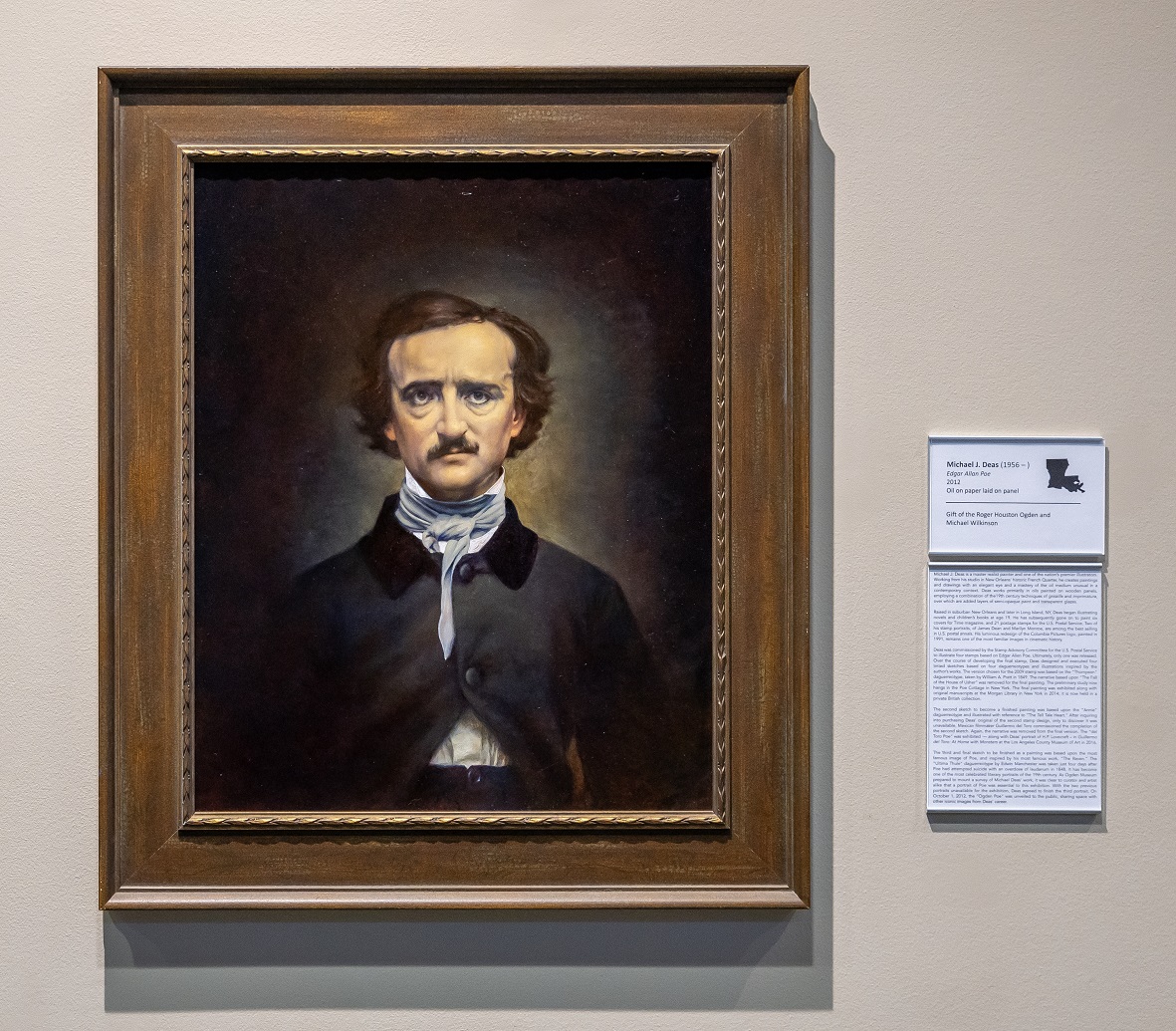
My favorite aspect of the LEAP experience is the opportunity to improve our cultural literacy. One way this is achieved is through reinforced exposure to key artists in various places across the country. New Orleans’ city-owned park was a perfect iteration of the LEAP experience, as it is home to the Besthoff Sculpture Garden.
There were some heavy hitters immediately upon entry. Roy Lichtenstein was featured at the front of the museum.

In addition to that we saw a Louise Bourgeois’ Spider…

…alongside works by, Robert Indiana, Jaume Plensa, and Claus Oldenburg.


As we continued exploring, we encountered works by Henry Moore and, to our delight, an Isamu Noguchi piece. The collection also included unexpected surprises such as Renoir and Rodin—names often associated with painting or smaller sculptures, but here showcased in a new context. Jesus Moroles, SHSU alumni and LEAP favorite artist, is also featured in this collection.

One artist I didn’t recognize but thoroughly enjoyed was Do-Ho Suh. His sculpture, a stack of figures resembling a spinal cord, was visually striking to me.


Michelle and Chrissy were drawn to two particular sculptures. One, Leandro Erlich’s Too Late for Help, featured an interesting hidden ladder to a gateway.
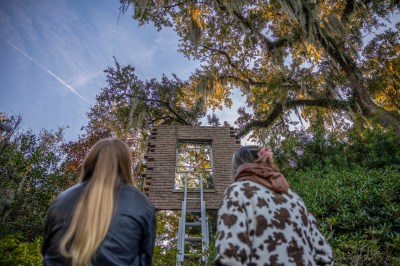
They were especially caught up in the physics of how such a sculpture could exist. The other, Rona Pondick’s Monkeys, had a strange, morphing form that they initially thought depicted humans or dogs—until Stephanie pointed out we were mistaken.

We also saw kinetic sculptures by George Rickey, whose moving parts added a dynamic element to the collection, and a work by Deborah Butterfield…

…and George Segal. Of course, no trip to New Orleans would be complete without encountering a Blue Dog piece by George Rodrigue.

On our way out, there was one final surprise—a sculpture by René Magritte (one of my favorite artists). Although the work differed from his typical surrealist paintings, it was an unexpected and satisfying way to end the visit.

The beautiful Spanish Moss was the excellent backdrop for these amazing works.

Oceana Grill
by Chrissy Biello
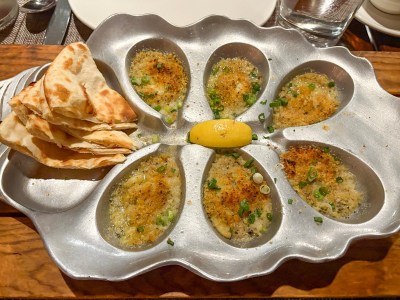
After exploring the French Quarter, we headed to Oceana Grill, a popular restaurant favored by both tourists and locals! Known for its contemporary Louisiana dishes, the restaurant offered a new set of choices to those of us that have not had much experience with New Orleans cuisine.
Alligator Bites was the relatively new item for the table, a food I had tried before and reassured Olivia tasted much like chicken. To her surprise, she did not hate it; however, I would definitely say she would not order it again if given the opportunity.
When it came time to order our main courses, Olivia shocked the table by ordering Cajun Jambalaya Pasta, which contains shrimp! For those that do not know Olivia, the pasta part is not unexpected, but the shrimp part is. She noted that the “dish was very flavorful, and it drowned out the shrimp.” Needless to say, she left the restaurant still not a fan of shrimp.
Michelle also dabbled in a little bit of experimentation. Her meal, the Blackened Chicken Platter, was served with Jambalaya, a dish she had never heard of. However, I ended up being the boring one of the group by ordering something I have had several times in the past, Crawfish Etouffee.


When making our choices for dessert, we were experiencing a shared sweet tooth and decided to order three! The desserts included La Boheme Crème Brûlée, New Orleans Bread Pudding, and the Chocolate Kahlua Mousse. After finishing off all of them, we had a slow but satisfied walk back to our hotel for the night.












































































 Center for Law, Engagement, and Politics