
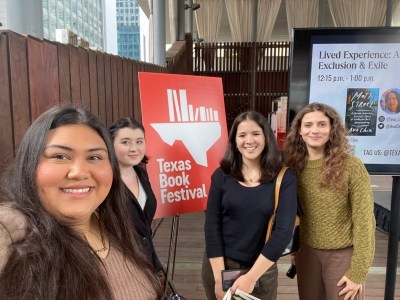
We were eager to begin our second day of the Texas Book Festival. Having attended the first day, we were no longer rookies, and we had a better idea of how to navigate the lines, accommodate the back-to-back schedule, and, in short, what to expect.
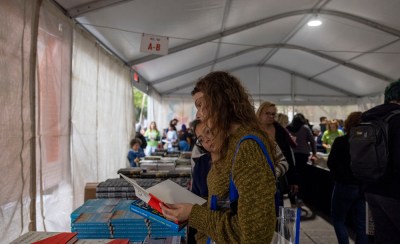
Poking Around the TX Book Festival
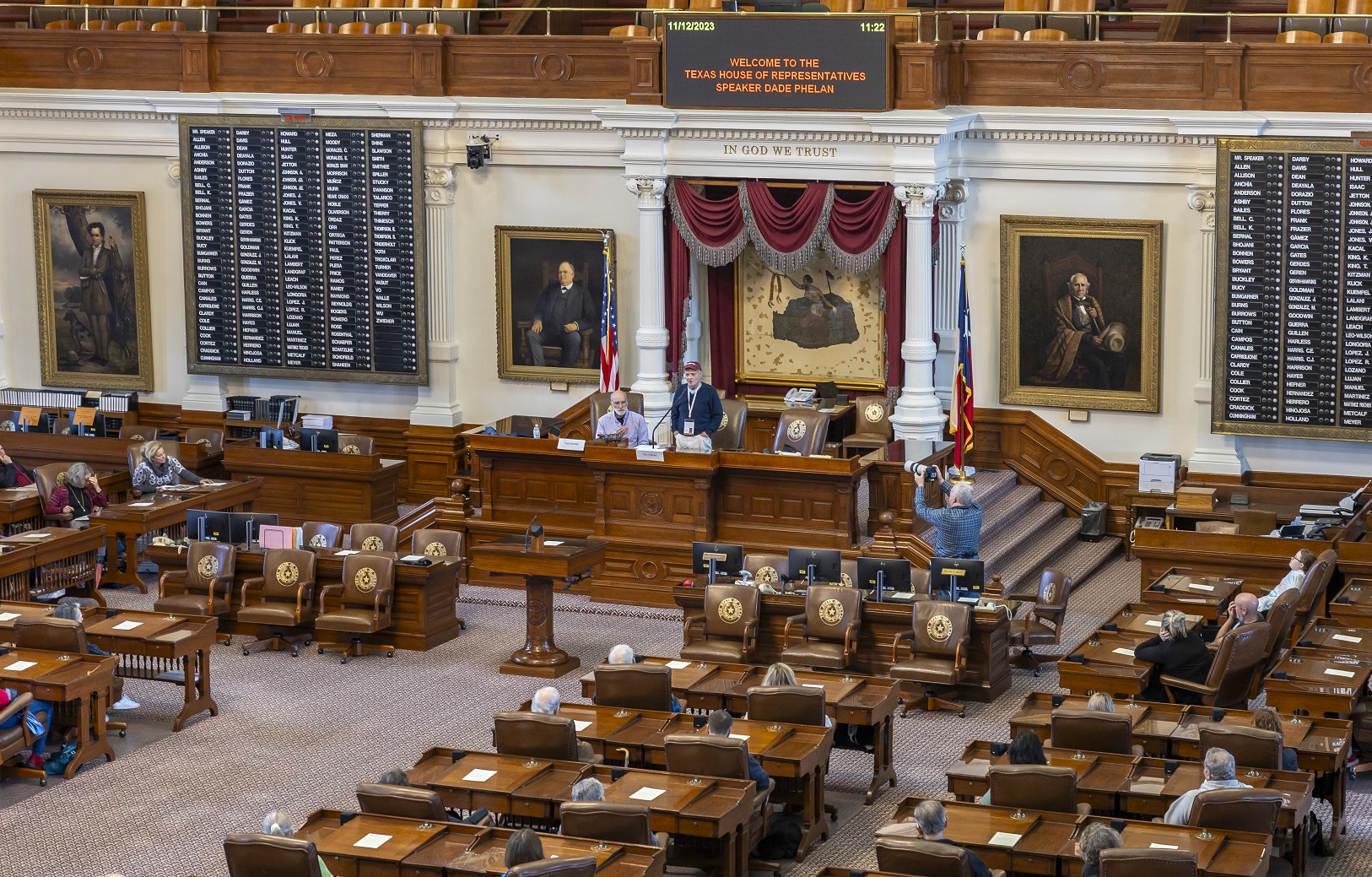
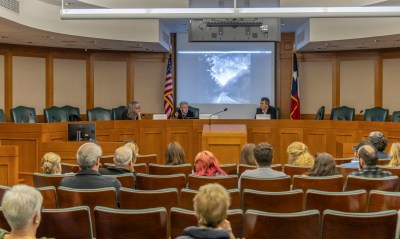
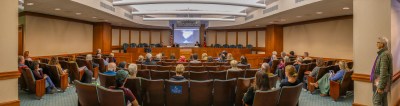
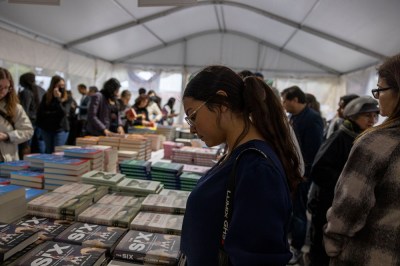
Much of what we learned at the festival came from just breathing in the book culture. We peaked in on some panels just to see if the author could capture our attention. We were exposed to books, ideas, and authors we would not have sought out, but then found they had something interesting to say and something to teach us. We had a chance to see some of the most respected authors in the nation, and in two cases, we had a chance to see hear them discuss their work for the floor of the House of Representatives!

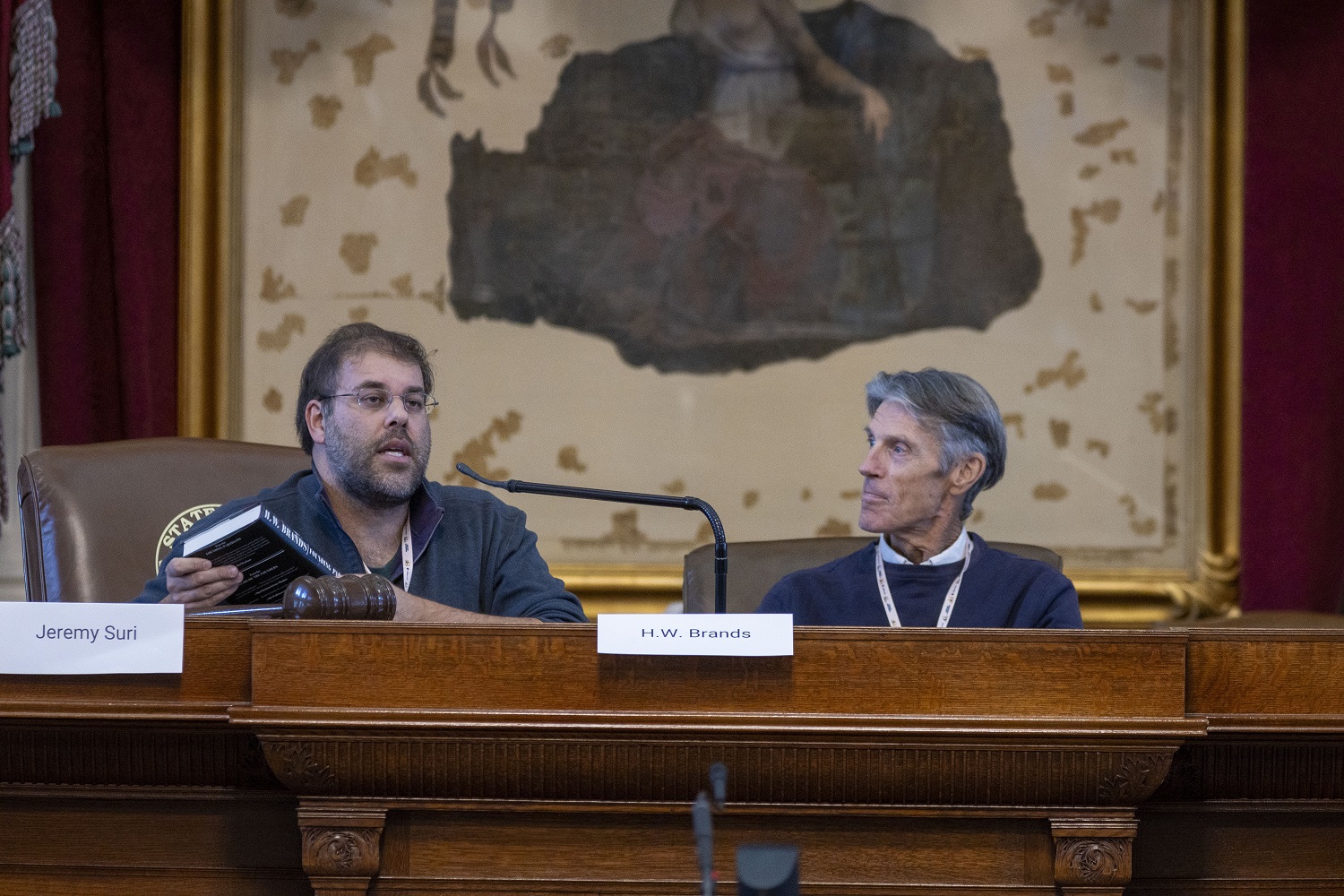
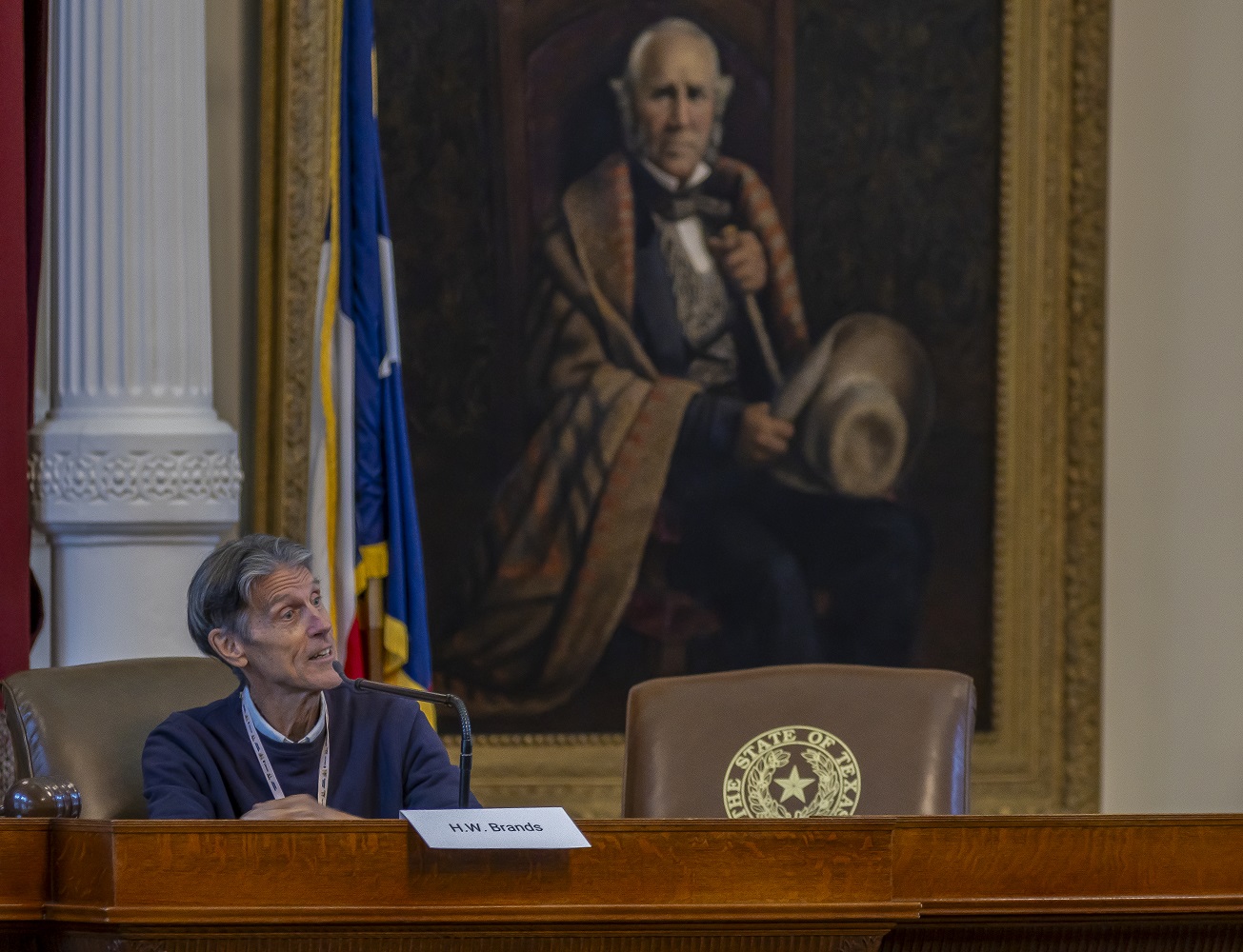
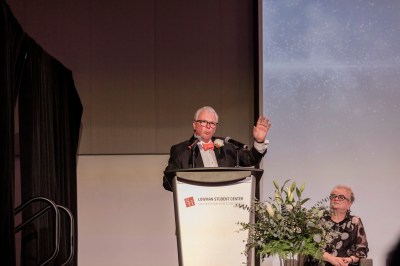
One of these was H.W. Brand, the UT Historian and best-selling author of numerous books.

He discussed his latest book, Founding Partisans, and he revealed the founding father he thought most interesting (James Madison).


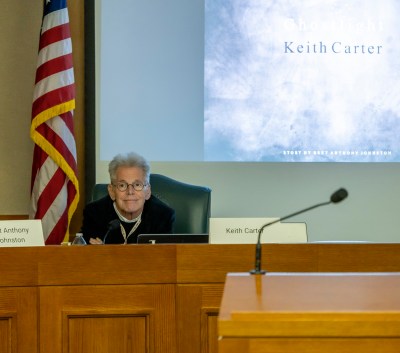
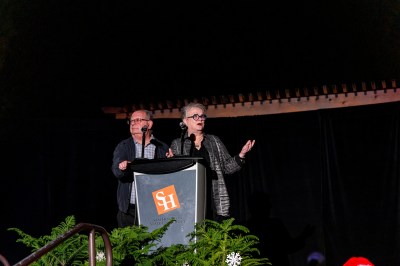
Tim O’Brien, the celebrated author of The Things They Carried and the National Book Award winning Going After Cacciato, also spoke from the House floor–standing at the Speaker’s dais!

Although O’Brien was born in Austin, it was Austin, MN, not Austin, TX. Nonetheless, he lives in central Texas and is considered a “Texas author.”

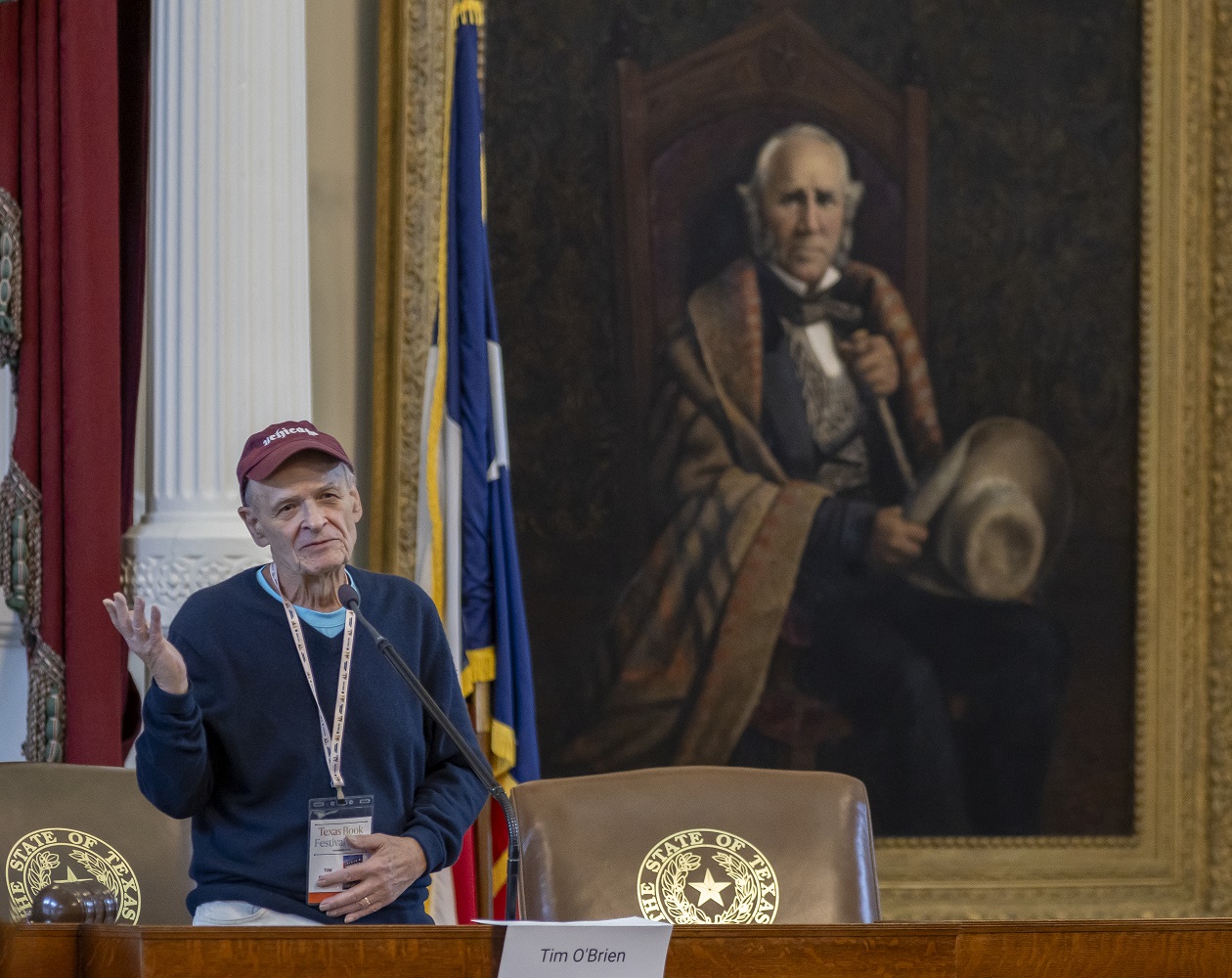
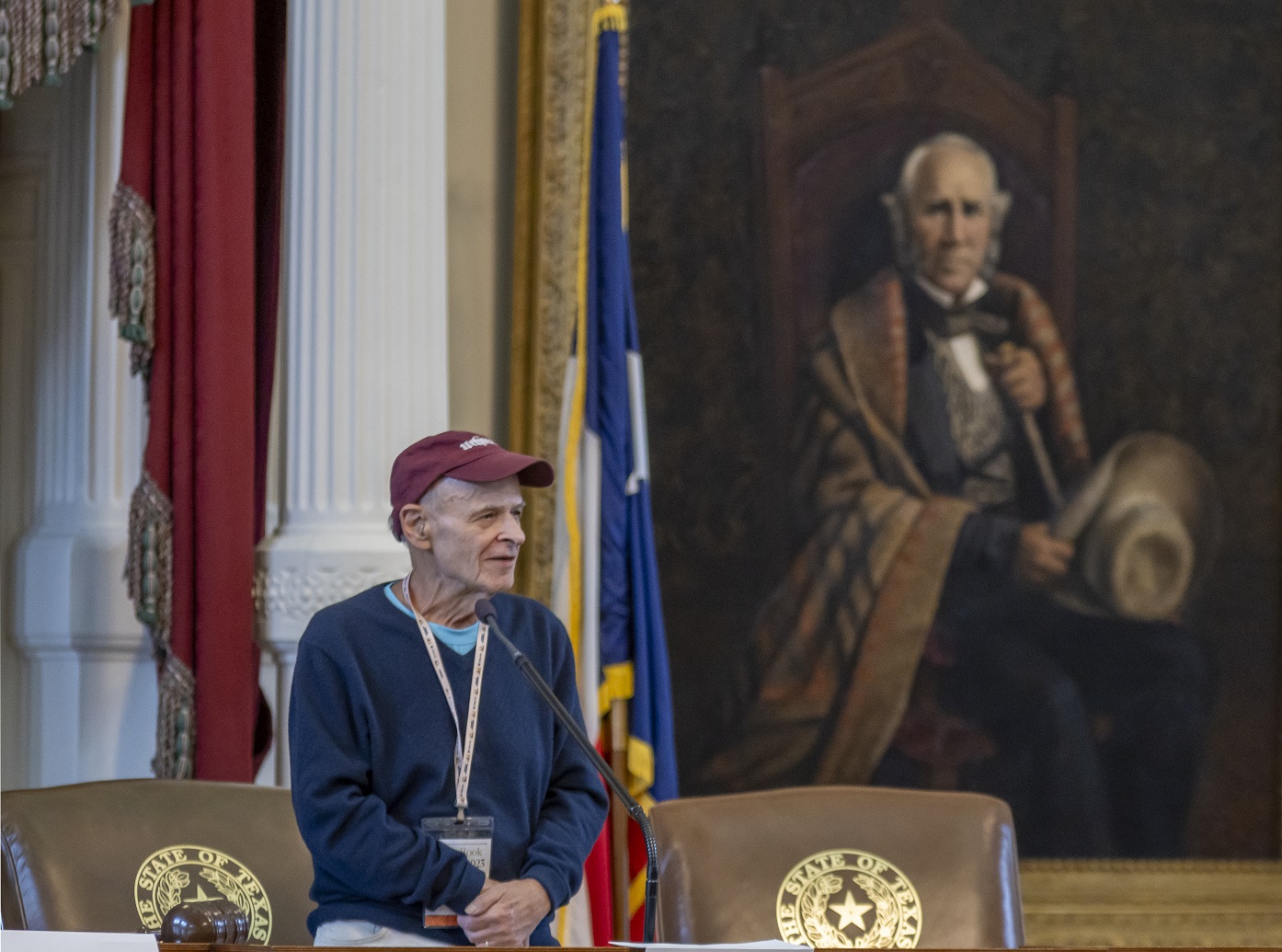
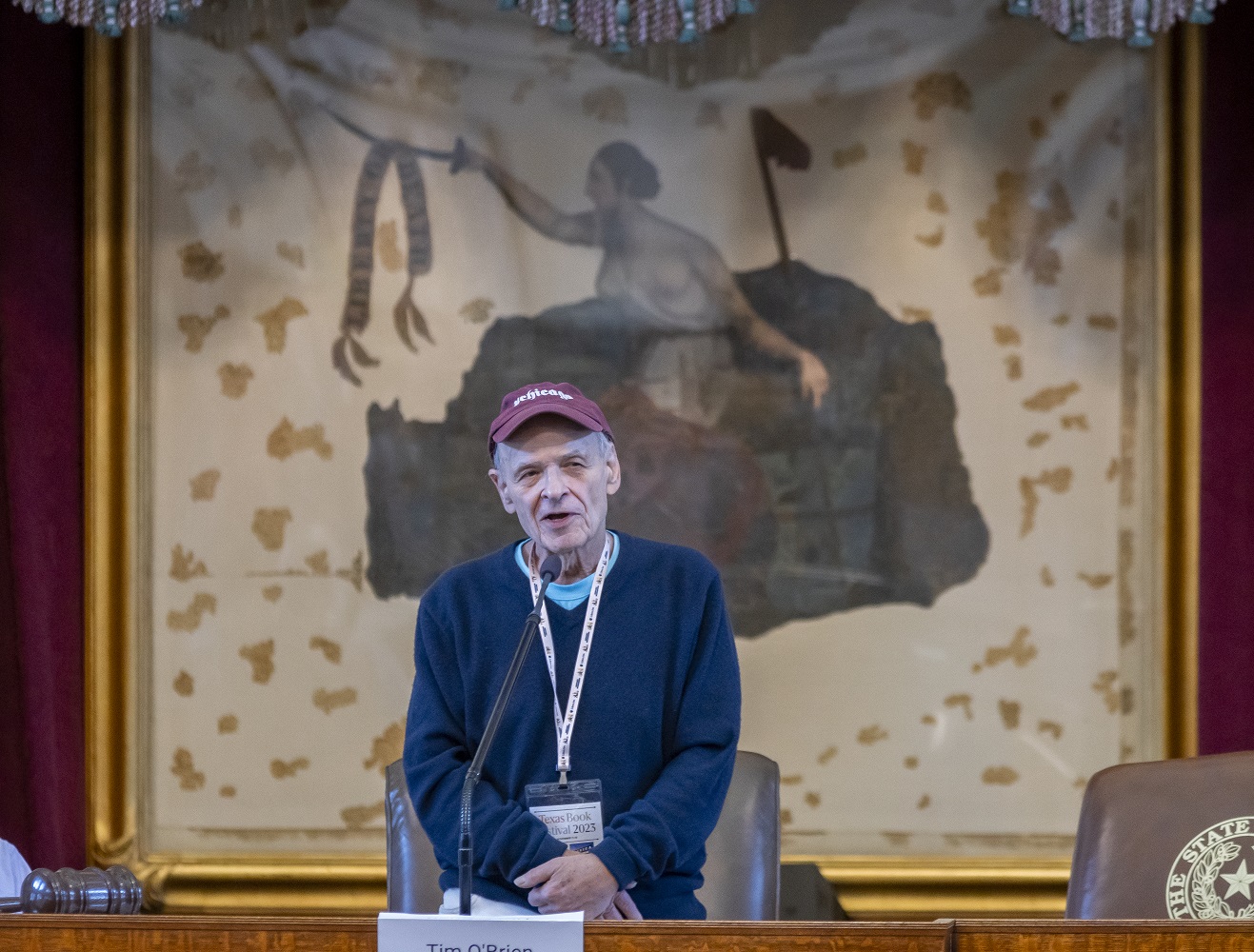

In fact, for many years, he taught at Texas State University, and he donated his papers to the Harry Ransom Center.
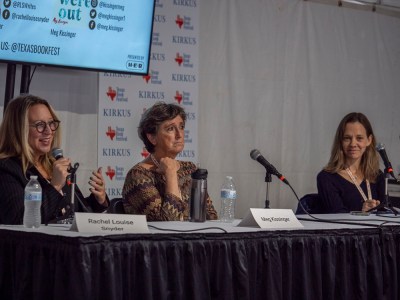
Beyond these unique experiences, we each wrote about a panel that stood out to us, which you can find below.
Fighting to Survive: Rebellions in Epic Fantasy
Madison Cawthon
Our first panel was an interesting exploration of fantasy books, featuring Tracy Wolff and Ehigbor Okosun. Their discussion unveiled the intricate process of world-building, emphasizing how their characters acted as architects of the realms within their books.


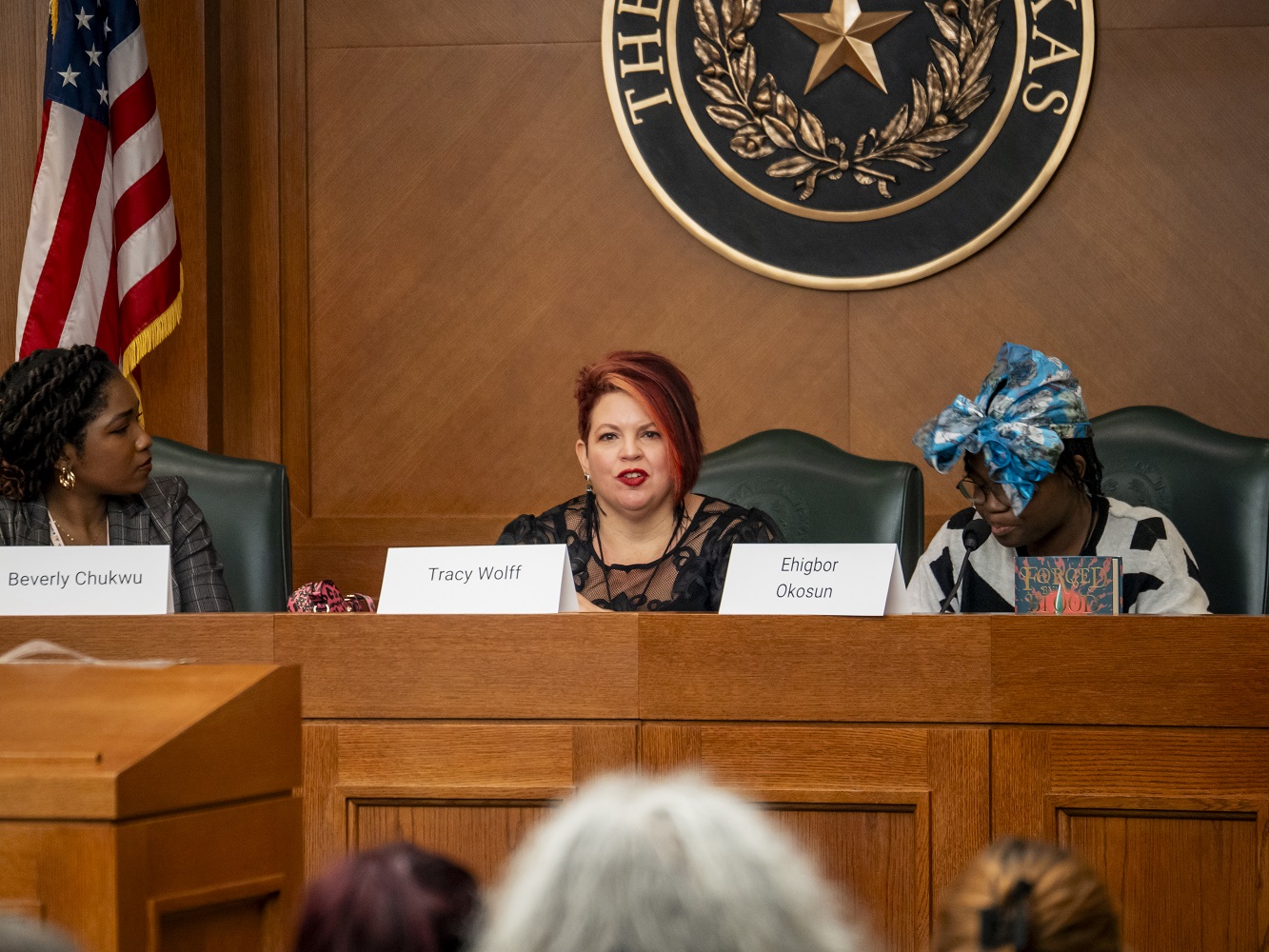
Both authors revealed that their characters organically guided the storytelling process. Okosun notably delved into the incorporation of Nigerian culture, shedding light on how its appreciation often relies on readers’ familiarity with its nuances. It was interesting to hear about all the planning and behind-the-scenes work that went into writing their novels. Ultimately, this panel was one of my favorite panels of the festival.

A Night of Screams: Latino Horror Stories
by Jessica Cuevas
Growing up, I heard different versions of Latin American lore, such as La Llorona (the weeping woman), El Cucuy (the Boogeyman), and La Chupacabra (a goat sucker). All of these stories, perhaps not coincidentally, reminded us to behave and listen to our parents. When I was a child, these stories instilled a fear in me, and if my parents or siblings just mentioned these names, I knew I was in trouble. With a large Hispanic membership in LEAP, this background influenced our decision to attend the session, “A Night of Screams: Latino Horror Stories.” Richard Santos, himself a novelist, moderated the event, in conversation with Leticia Ortiz, Ruben Degollado, and Monica Teresa Ortiz.

When asked to gather Latino artists to create the First Anthology of Latin Horror Stories, Richard Santos jumped at the opportunity. Although unsure of who he would ask at first, he knew it was something he could get done, and he was right! Together, they put together an anthology of some of the most common and traditional horror stories, but they took some liberty in writing their own version and creating other stories. Mónica shared an anecdote about her grandfather and father in a near encounter with La Chupacabra, while Rubén took this opportunity to create a story about zombies down at the US-Mexico Border, and Leticia wrote about body horror and generational trauma in her book, “Las Criaturas”. Together they filled the room with laughter as many Hispanics in the room related to the authors’ experiences that influenced their stories.
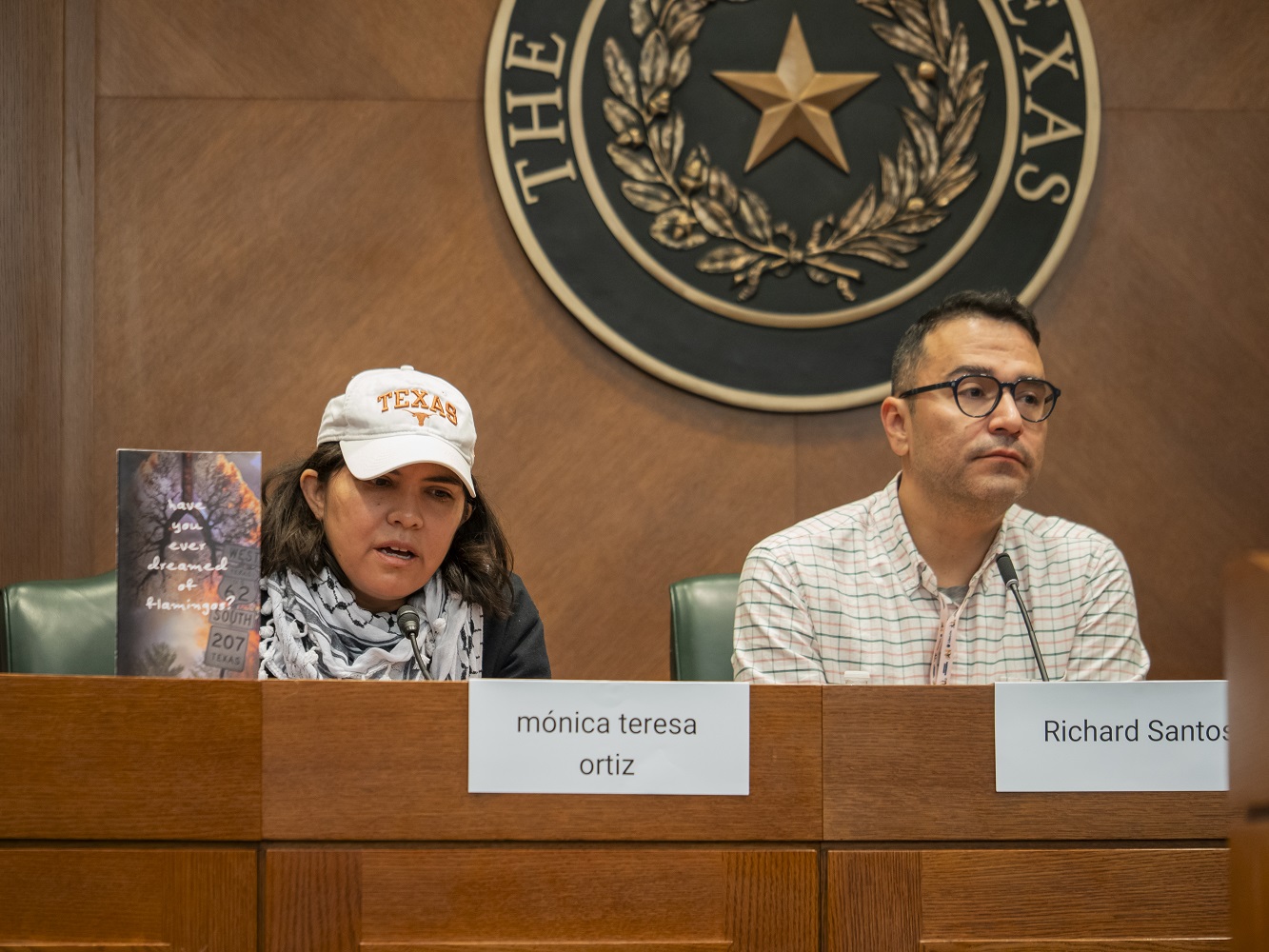
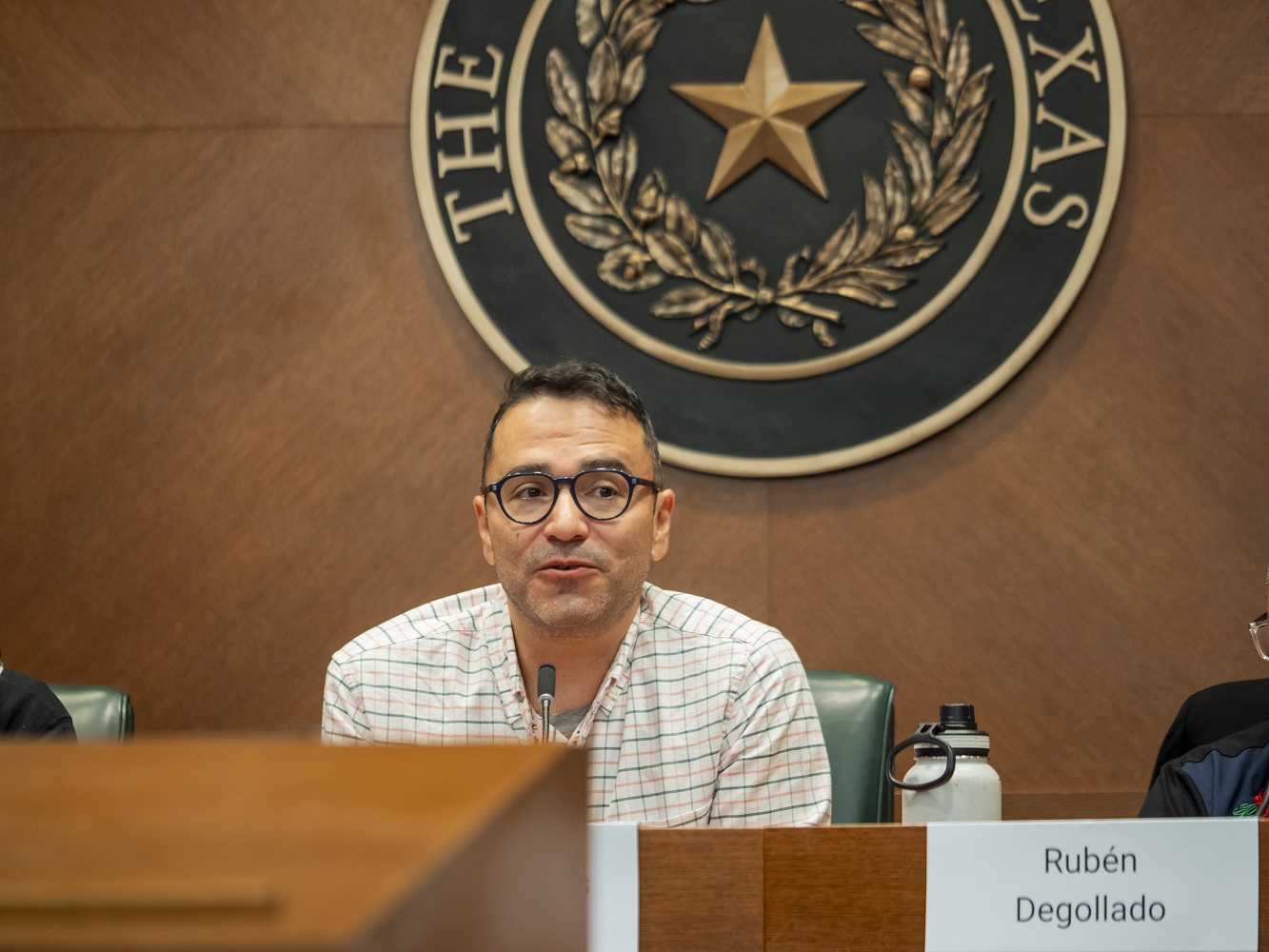


Fortunately for the panelists, their book sold out at the event. Unfortunately for the LEAP Ambassadors, the books sold out before they could get copies!
The Security of a Free State & The Distortion of the Second Amendment
by Michelle Cardenas
One of the timeliest panels of the day was The Security of a Free State & The Distortion of the Second Amendment. This panel featured Cameron McWhirter, author of American Gun: The True Story of the AR15, and Jeff Sharlet, author of The Undertow: Scenes from a Slow Civil War. Both authors shared a bit about their books and tackled the topic of the origin of guns and how much change they have brought to society over time.

Cameron McWhirter focused on explaining the creation of the AR15 and how its original purpose has been distorted over time. McWhirter explained that the AR15 was designed to provide military troops with a more accessible and easy weapon in combat. Despite its original intent, the AR15 is the most common gun used in mass shootings and other high-profile criminal cases. One of the most shocking details he gave during the talk was his very own experience purchasing an AR15. According to Cameron McWhirter, it only took him 38 minutes to buy such a deadly weapon; it was that quick!

Jeff Sharlet took a different approach to the conversation and asked the crowd to reflect on how we accept guns in our everyday lives. He explained how over the years guns have become a huge part of our social norm. Owning a gun is no longer uncommon or odd, instead, it is deemed a necessity to protect oneself. He shared with us a staggering statistic; the United States is the country with the most civilian-owned guns with a ratio of 120 guns to every 100 civilians.
Both authors acknowledged the issues the United States is currently having with firearms ending up in the hands of the wrong people. They did a phenomenal job educating the public on the real purpose of firearms and the reality of the world we live in today. They embraced the topic and encouraged us to enjoy and protect the freedom that we have been blessed with.

Wrapping Up the Book Festival
These were far from the only sessions we experienced. We also learned about the State Parks, which just this week received a windfall from voters, who voted to create a Conservation Fund for State Parks. This 1 billion is sorely needed, a fact elaborated on by George Bristol and Andrew Sansom, both of whom have written books on the State Parks.

Intriguingly, Andrew Sansom’s book, on the Art in Texas State Parks, features the work of one of our favorites: Lee Jamison.
We also had a chance to see a cooking demonstration by Judd Servidio, whose book, Salt & Vanilla, offers both recipes and some stories about cooking for the rich and famous.
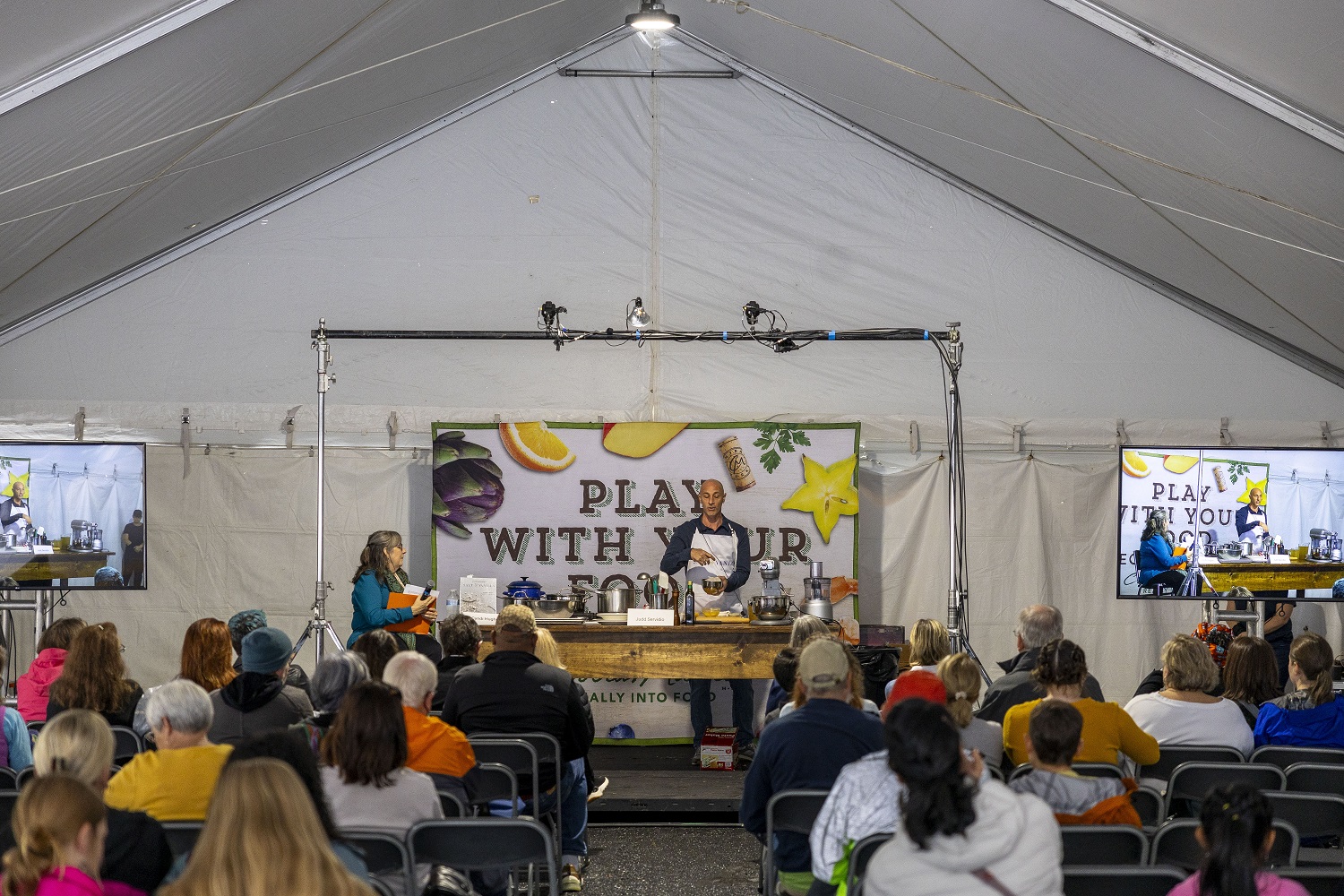


And where besides the TX Book Festival can you go from a cooking demonstration to a panel on “family thrillers…”
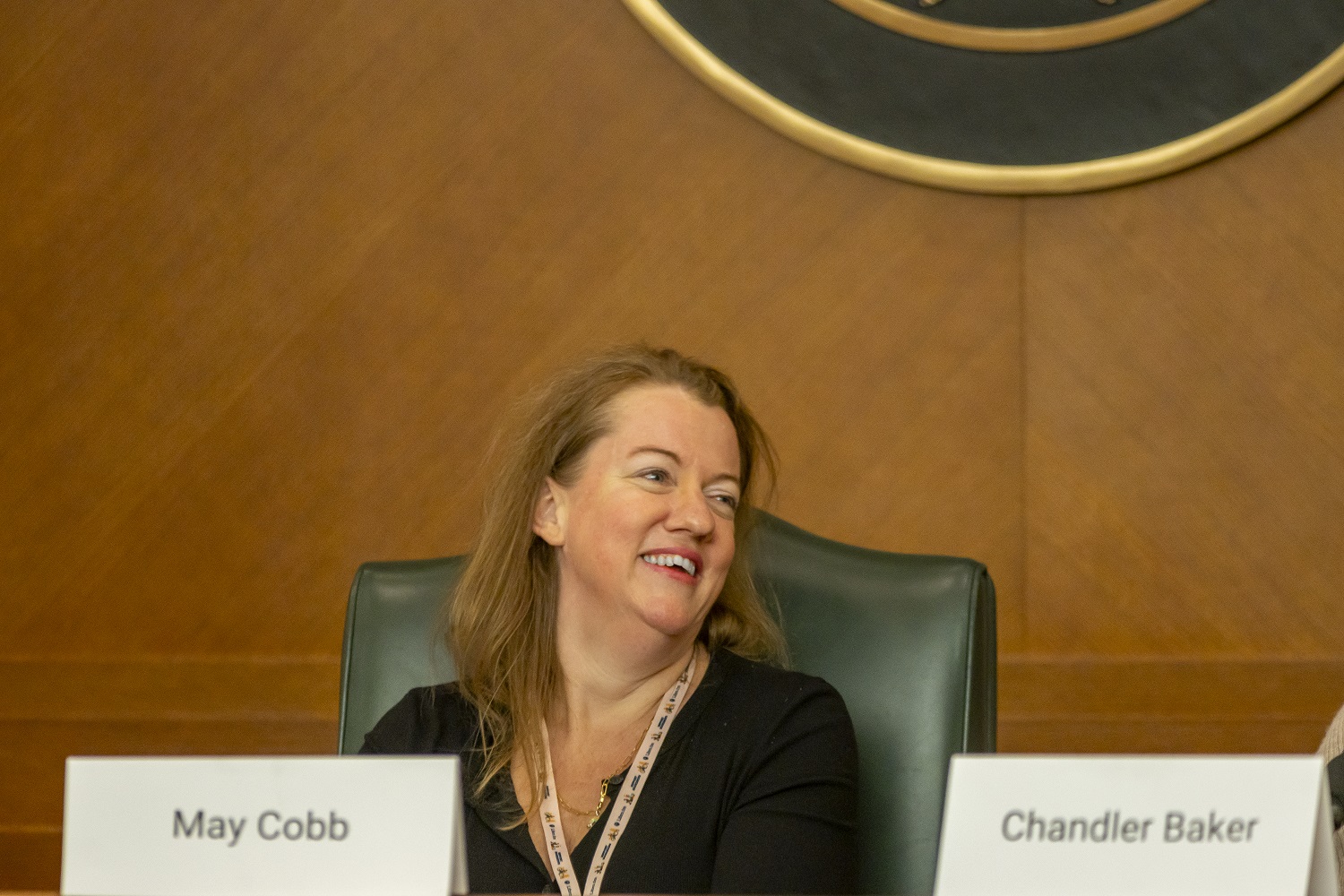
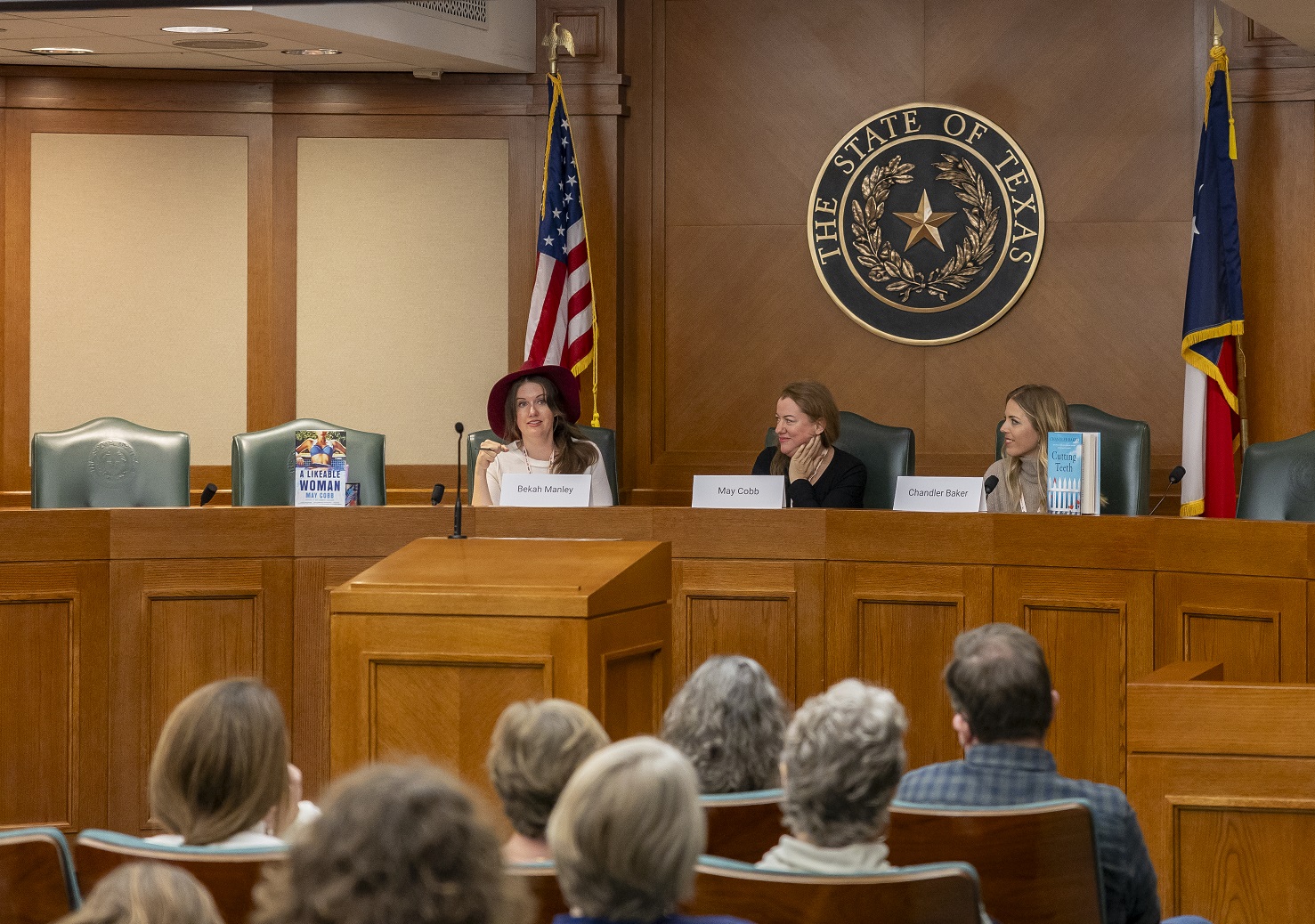
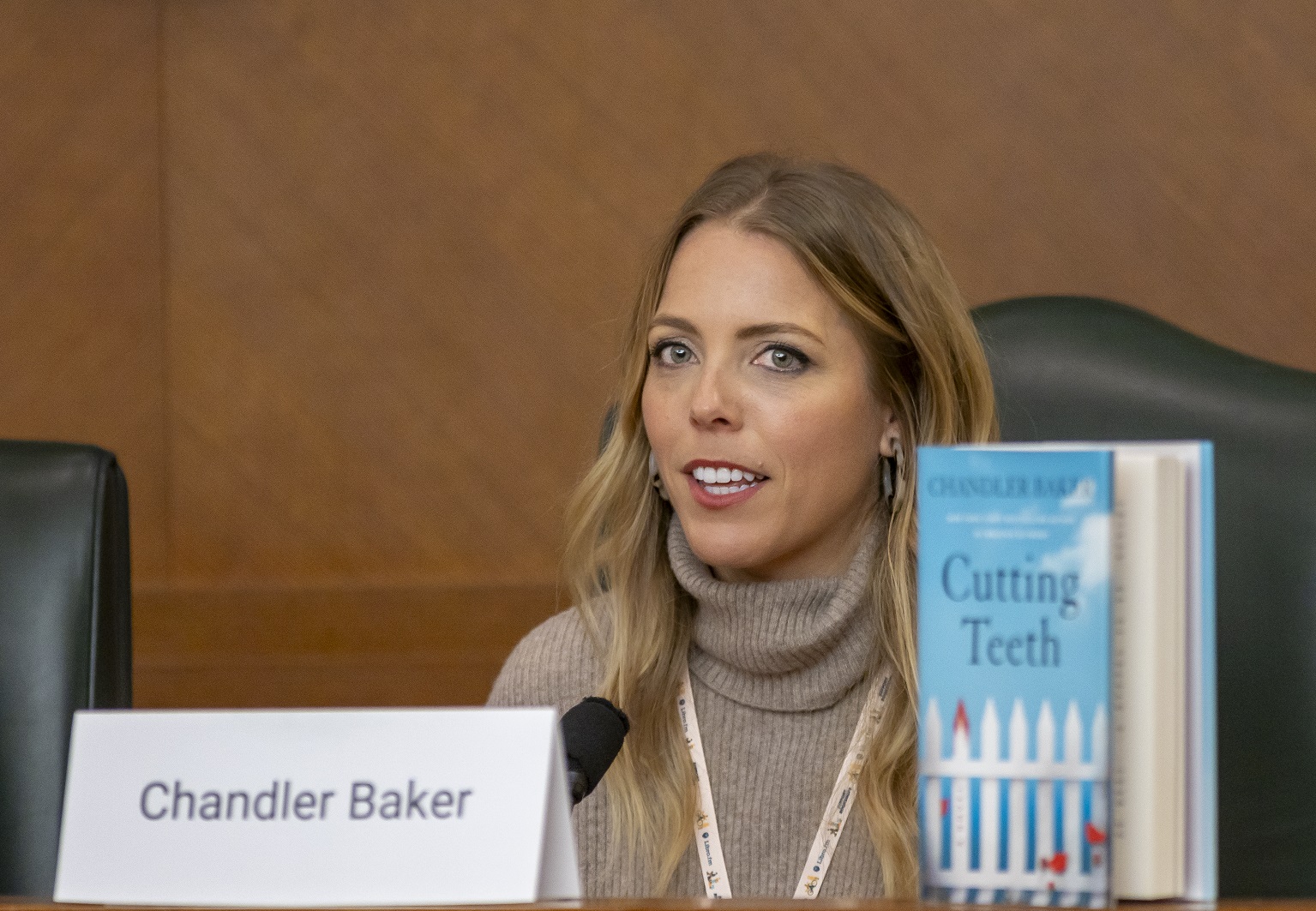
…and then go to a panel about women in law enforcement?

In the latter case, we had a chance to see author–and former CIA agent–Jana Monroe, whom we saw last month at Murder By the Book.
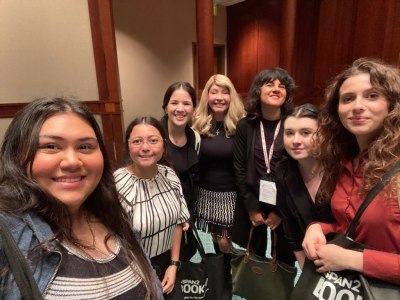
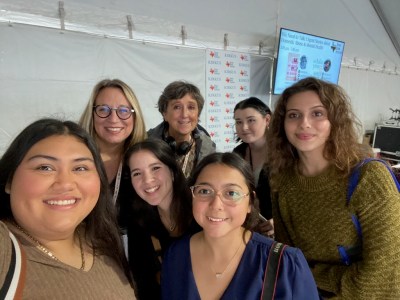
In short, it was a weekend full of learning and enrichment, and we look forward to next year’s Book Festival, which we hope is the beginning of a LEAP Tradition.






































 Center for Law, Engagement, and Politics