Skip to content

Center for Law, Engagement, and Politics

Leap At SHSU!

  • About LEAP
  • LEAP Ambassadors
Center for Law, Engagement, and Politics

Category: Civic Engagement

Understanding the Legal Process: Insights from a LEAP/COCJ Collaboration

by Chrissy Biello

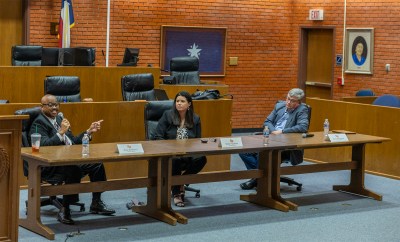
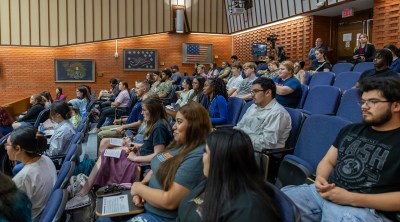
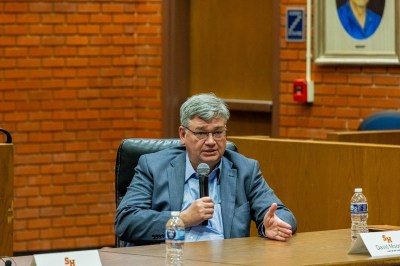
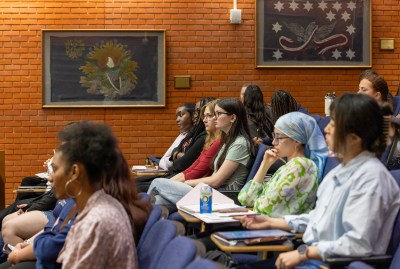
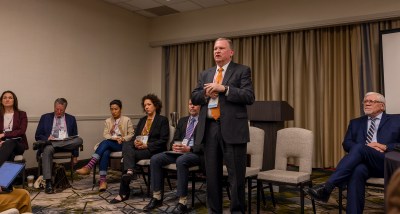
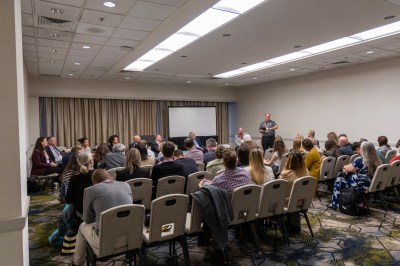
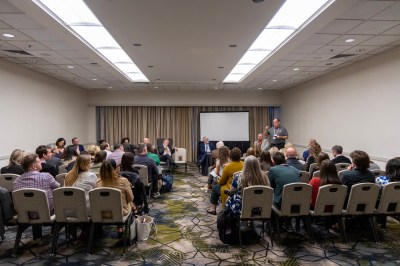
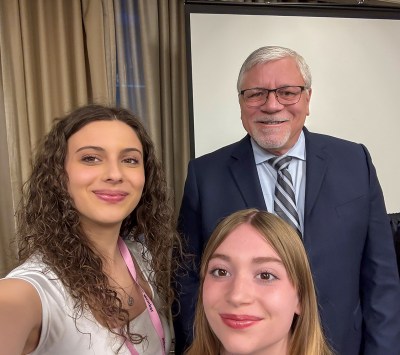
The Sam Houston State University Center for Law, Engagement, and Politics recently partnered with the SHSU Criminal Justice Department to host a CJ Real Talk event. With approximately 50 students in attendance and moderated by Professor Mike Yawn, the panel featured Montgomery County Chief Prosecutor Darla Faulkner, retired Lieutenant Criminal Investigator for Harris County Paul Smithers, and 12th District Court Judge David Moorman. 

Professor Yawn structured the discussion chronologically, guiding the panelists through the legal process from the moment a crime is committed to when it reaches a judge’s docket. To set the stage, he introduced a hypothetical scenario in which a Sam Houston student is caught drinking and driving, registering a blood alcohol concentration of 0.12, which is above the legal limit of 0.08.

The conversation began with Investigator Smithers, who explained the circumstances under which an officer could pull the student over. He noted that probable cause is required to initiate a traffic stop. If the officer administers field sobriety tests, the next steps depend on the county’s policies.

In Harris County, for example, officers must contact a district attorney, provide all relevant details, and obtain approval before filing a charge for driving while intoxicated.

As the case progresses, investigators remain actively involved. When asked about her collaboration with criminal investigators, ADA Faulkner emphasized the close working relationship between prosecutors and investigators.

Smithers elaborated, comparing the dynamic to that of a married couple. Investigators, he explained, are responsible for gathering all available evidence and ensuring no crucial details are overlooked. Their role is to present a complete case during discovery so that defendants receive a fair trial.

When asked what factors could influence a case, Faulkner stressed the importance of mitigation evidence. She explained that defense attorneys should present information that humanizes their clients, such as testimony about their family life, employment, or community involvement.

These factors, she noted, can significantly impact the district attorney’s decision on whether to offer a plea deal. Faulkner further emphasized that many ordinary individuals receive DUI charges, and understanding their personal circumstances can shape the outcome of their cases.

Judge Moorman was then asked whether he had ever defended a DUI case while practicing law and what advice he would offer a student defendant.

He responded that he would begin by looking at the student’s academic record and community involvement, as prosecutors often focus solely on the risks posed by the defendant’s actions. Highlighting positive character traits could help, but he cautioned that students must take responsibility for their actions and avoid making the situation worse by repeating their mistakes.

The discussion then turned to last-minute developments during trials. Investigator Smithers explained that unexpected evidence can surface, requiring investigators to act quickly to obtain necessary documents or verify new information.

This, he said, is why district attorney investigators must be present in court; they need to assist prosecutors in real time. He emphasized that when prosecutors are in trial, investigators are actively involved as well. Professor Yawn humorously added that he had once been told that if a prosecutor asked an investigator to procure a goat for a closing argument, the only acceptable response would be, “What color eyes should the goat have?”

During the Q&A  session, many students took the opportunity to ask a question, including one about common misconceptions in the courtroom. ADA Faulkner addressed a prevalent myth about prosecutors: that they must secure a certain number of convictions to meet a quota. She clarified that her duty is to ensure justice is served, whether through dismissals, pre-trial diversions, fines, or other resolutions.

With strong student participation and insightful discussions from the panelists, the Center for Law, Engagement, and Politics was proud to work with the always-wonderful Doris Pratt and the SHSU Criminal Justice Department.

For those interested in similar opportunities, the Texas Tenth Court of Appeals will be visiting Sam Houston State University on April 16 in the CJ Courtroom. Cases will be heard at 10:00 a.m., 11:00 a.m., and 1:30 p.m.

Unknown's avatarAuthor mikeyawnPosted on March 28, 2025March 28, 2025Format AsideCategories Civic Engagement, Criminal Justice, LawTags Center for Law Engagement And Politics, College of Criminal Justice, Darla Faulkner, Judge David Moorman, Legal System, Paul Smithers, Sam Houston State UniversityLeave a comment on Understanding the Legal Process: Insights from a LEAP/COCJ Collaboration

The Plains of Kansas

With our longest driving day of the trip (8.5 hours in the car), we set out to see as much as we could while driving across the “Sunflower State.” While some may think of the Plains as plain, we were determined to see interesting spots, and we did!

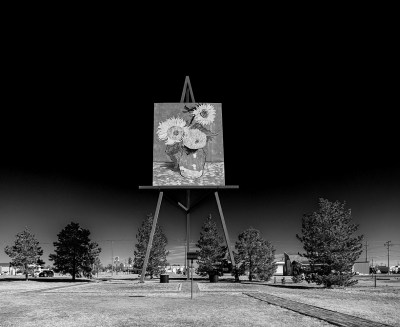
The Largest Easel

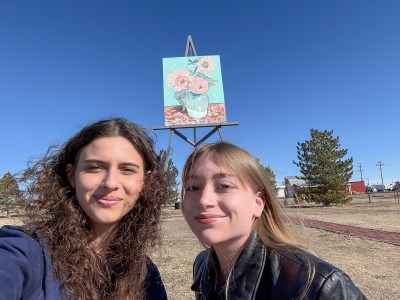
Goodland, KS is the unlikely destination of artist Cameron Cross’s “The Big Easel” installation. The art project includes not only the titular easel, but also a replication of Vincent Van Gogh’s “Three Sunflowers in a Vase.”

Cameron Cross’s Homage to Van Gogh in Goodland, KS

Interestingly, it is one of seven such pieces that Cross has either created or hopes to create, with the other completed projects being in Emerald, Central Queensland; Altona, Manitoba; and Arles, France.

In all, the Goodland structure is eighty-feet tall, and it is a creditable replica of Van Gogh’s masterpiece.

Further, it is located in the midst of a city park, complete with a pagoda, a lending library, and some walking trails. It was a pleasant stop while traversing the western corridor of Kansas.

Lindsborg, KS

Nestled amidst the plains of Kansas is Lindsborg, KS, otherwise known as “Little Sweden USA.” The moniker derives from the fact that city was founded by a hardy group of Swedish immigrants in 1869, led by pastor Olaff Olssen. Even today, thirty percent of the population is of Swedish origin, and it is home to the biennial Svensk Hyllningsfest.

Downtown Lindsborg

It is a lovely town and a delight to explore. The street is lined with “Dala” horses, a representation of Swedish culture and heritage. They are cleverly done, with a “one-Dala” horse being painted green and adorned with features from US Currency; a “Blue-Colla Dala,” recognizing the workhorses in the community; and, probably our favorite, a “Salvador Dala” horse, featuring the Spanish artist’s characteristic surrealist landscape.

Salvador Dala

We also loved City Hall…

City Hall, Lindsborg, KS

…a historic bank building originally built in 1887 (and reminiscent of the Roche Building in Huntsville, TX)…

…the quaint downtown streets, which were wonderfully walkable…

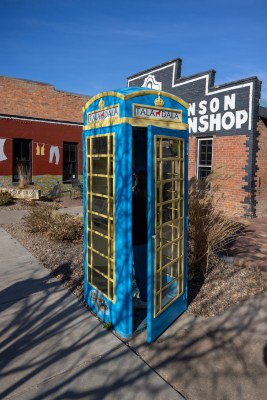
…and Swedish-themed telephone booth, as charmingly anachronistic as the town.

Small World Gallery

by Chrissy Biello

Jim Richardson is a legend in the field of photography, with countless features in National Geographic and a long list of prestigious awards to his name. His work has shaped how people see the world, especially Scotland and Midwestern America. But despite his global recognition, he calls the small town of Lindsborg, Kansas, home, where he owns a Main Street gallery and studio called Small World.

Small World Gallery

I recently had the chance to take Richardson’s The Working iPhone Photography Class over Zoom. The two-session course, each lasting two hours, completely changed the way I look at phone photography. Before, my approach was basically point, click, and hope for the best. But Richardson’s class made me realize just how much potential my iPhone camera had if I actually took the time to use it properly.

Jim Richardson’s “iPhone Photography” Class

During our trip to the Academy of Criminal Justice Sciences Conference, I tried to put some of Richardson’s lessons into practice. I was not sure if I was using his advice correctly, but I made an effort to be more intentional with my photos.

On the day we left Colorado and entered Kansas, we decided to stop in Lindsborg and visit Small World. To our surprise, Richardson was there in person. It also happened to be the first day of a new exhibit featuring some of his latest photographs from Scotland, Kansas, and other areas of interest.

Inside the studio, there was a lot to take in. Along with Richardson’s prints, there were books, drawings from other artists, and handmade jewelry crafted by his wife Kathy and Briana Zimmerling. Every part of the space had something interesting to look at.

Seeing Richardson’s work in person gave me a new appreciation for his photography. His photos capture people in a way that feels natural and genuine. His landscapes and wildlife shots show the same kind of attention to detail and care.

“Wheat Fields,” by Jim Richardson

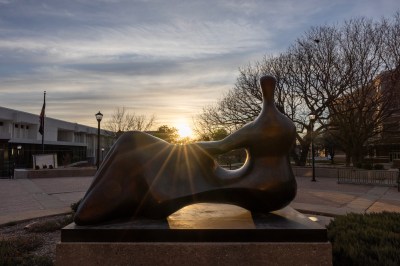
While looking around, we had the chance to talk with Richardson. Since I had taken his class online, I was excited to meet him in person. He was just as engaging and knowledgeable as he had been on Zoom. He even gave Olivia a photography tip, suggesting she use her hand as a shade when harsh light was hitting the frame. She later tried it while photographing a Henry Moore sculpture at Wichita State University, and sure enough, it worked like a charm.

Henry Moore’s “Reclining Figure”

Of course, we could not leave without taking a few prints home. Choosing just one was nearly impossible, but after much debate, we each settled on the piece that spoke to us the most. As a bonus, each print purchase came with a free postcard; Olivia and I chose one that featured the Great Sand Dunes National Park as we had just visited.

Jim Richardson

Before we left, Richardson took the time to personally sign all our purchases, making them even more special. The visit had already been unforgettable, but this was a very thoughtful gesture that meant much to us all. 

It is clear that Richardson is not only an exceptional photographer but also a truly kind and genuine person, qualities reflected in both his work and how he connects with others. It was an honor to meet him and have the opportunity to learn from him, even if only for a few hours. I gained valuable insights and look forward to applying them to my future photography.

Birger Sandzen Museum

One of the city’s most famous native sons is Birger Sandzen, a world-renowned artist who also taught art at the local Bethany College. Indeed, Sandzen was part of the Bethany faculty for an astounding fifty-two years.

Sandzen was known for his impressionist paintings, which he created using impasto strokes and vivid, sometimes unnatural colors. The result is a striking, three-dimensional effect, making Sandzen a highly collectable artist. Indeed, his work is in the Denver Art Museum, the Smithsonian American Art Museum, Art Institute of Chicago, the Nelson-Atkins Museum, the Brooklyn Museum of Art, and many others. But it is the Birger Sandzen Museum in Lindsborg, KS, that has the most works on display at any given time.

Birger Sandzen Memorial Art Gallery

The Museum, founded in 1957–three years after Sandzen’s death–now houses an impressive collection of the artist’s body of work, which was voluminous. It is tastefully displayed in two galleries, with three additional galleries devoted to rotating exhibits

Sandzen’s work, which ranges from small, monochrome lithographs to expansive, colorful landscape, is effectively showcased in the gallery.

We enjoyed looking through the rooms, seeing his body of work, distinguishing among his different styles, and picking our favorites.

Chrissy’s favorite featured Rockport Massachusetts, one of several paintings Sandzen did while visiting the Bay State.

Olivia’s favorite featured the Garden of the Gods, a wonderful area in Colorado Springs, CO, where Sandzen taught in 1923 and 1924. The artist painted several such pieces in the area, and his work in Colorado was featured in 2016 at the Colorado Springs Fine Art Center.

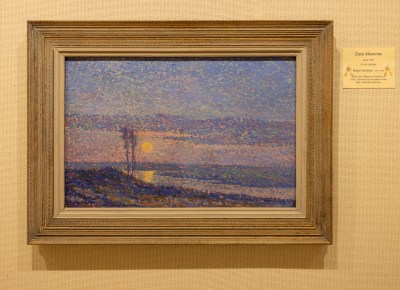
Professor Yawn’s favorite was “Early Moonrise,” where Sandzen ventured into pointillism, producing a work with strong overtones of Paul Signac.

Beyond the main gallery, the Museum also featured an exhibit by Wayne Conyers, who had some clever riffs on other artists and some very nice ceramics.

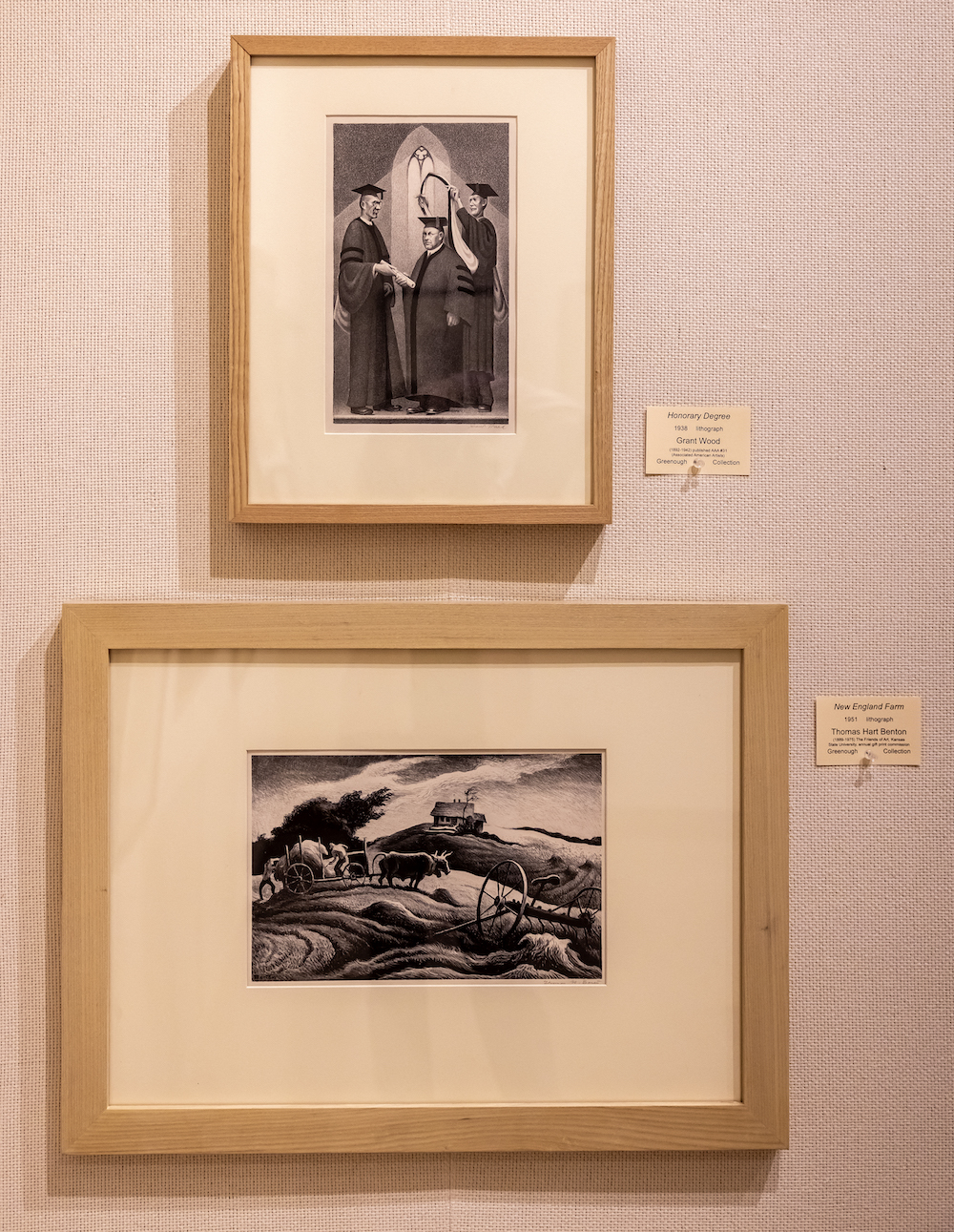
In our group, other pieces from the Museum’s collection stood out prominently. Professor Yawn found Grant Wood and Thomas Hart Benton pieces; Chrissy was surprised to see works by Rembrandt; and Olivia spotted two Albrecht Durer works!

Wichita State University

Following a day of driving and art-themed exploration, we doubled down and did some more! We ventured onto the grounds of Wichita State University…

…which has a public art collection of almost 100 pieces, and we soon learned that many luminaries were among them.

We began with some big-hitters–Jesus Moroles, Joan Miro, and one of Robert Indiana’s “LOVE” sculptures.

LEAP Ambassadors with Robert Indiana’s “LOVE”

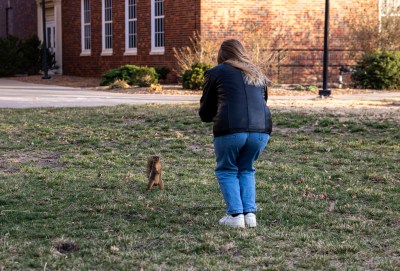
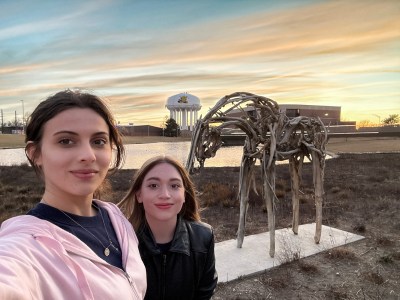
We then did a walking tour of the campus, where we met many oddly friendly squirrels, and we saw even more great art. There was Oldenburg’s “Inverted Q”…

Claes Oldenburg’s “Inverted Q”

…one of George Rickey’s kinetic sculptures…

One of George Rickey’s Kinetic Sculptures

…Auguste Rodin’s “The Cathedral”…

Rodin’s “Cathedral”

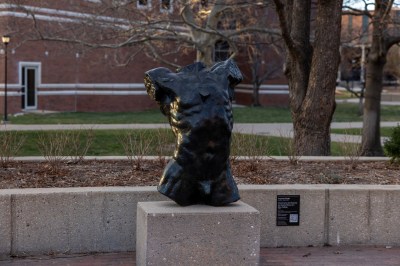
…another Rodin, “Grand Torse de L’homme qui Tombe”…

…a “Reclining Figure” by the incomparable Henry Moore…

…Louise Nevelson’s “Night Tree;” and a large and attention-drawing Luis Jiminez sculpture, “Sodbuster San Isidro.”

Luis Jimenez Sculpture: “Sodbuster San Isidro”

We noticed that many of these pieces had been donated by (1) collectivities of students (such as cohorts or organizations); (2) alumni; or (3) funds from the Student Government Association. As LEAP Ambassadors and students who are passionate about arts, we have been excited about TSUS’s recent emphasis on the arts. We have also offered our own arts programs, and we hope to do so again.

But seeing the investments made by current students and the SGA on WSU’s campus provided examples of how collective action by students and governing organizations could be used to beautify the campus, engage the student body, and raise the profile of the University.

as another day closed on our art tours, and we headed to Oklahoma City–following a brief stop at the Allen House, by Frank Lloyd Wright– en route to a return to SHSU.

Unknown's avatarAuthor mikeyawnPosted on March 26, 2025March 26, 2025Format AsideCategories Architecture, Art, Civic Engagement, TravelTags Birger Sandzen, Center for Law Engagement And Politics, Claes Oldenburg, Frank Lloyd Wright, Henry Moore, Jim Richardson, Lindsborg KS, Luis Jimenez, Robert Indiana, Rodin, Sam Houston State University, Small World Gallery, Wichita KS, Wichita State UniversityLeave a comment on The Plains of Kansas

ALPR at ACJS: More Crime and Punishment in Denver

by Olivia Discon

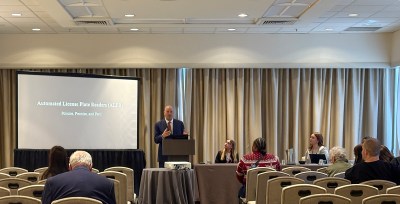
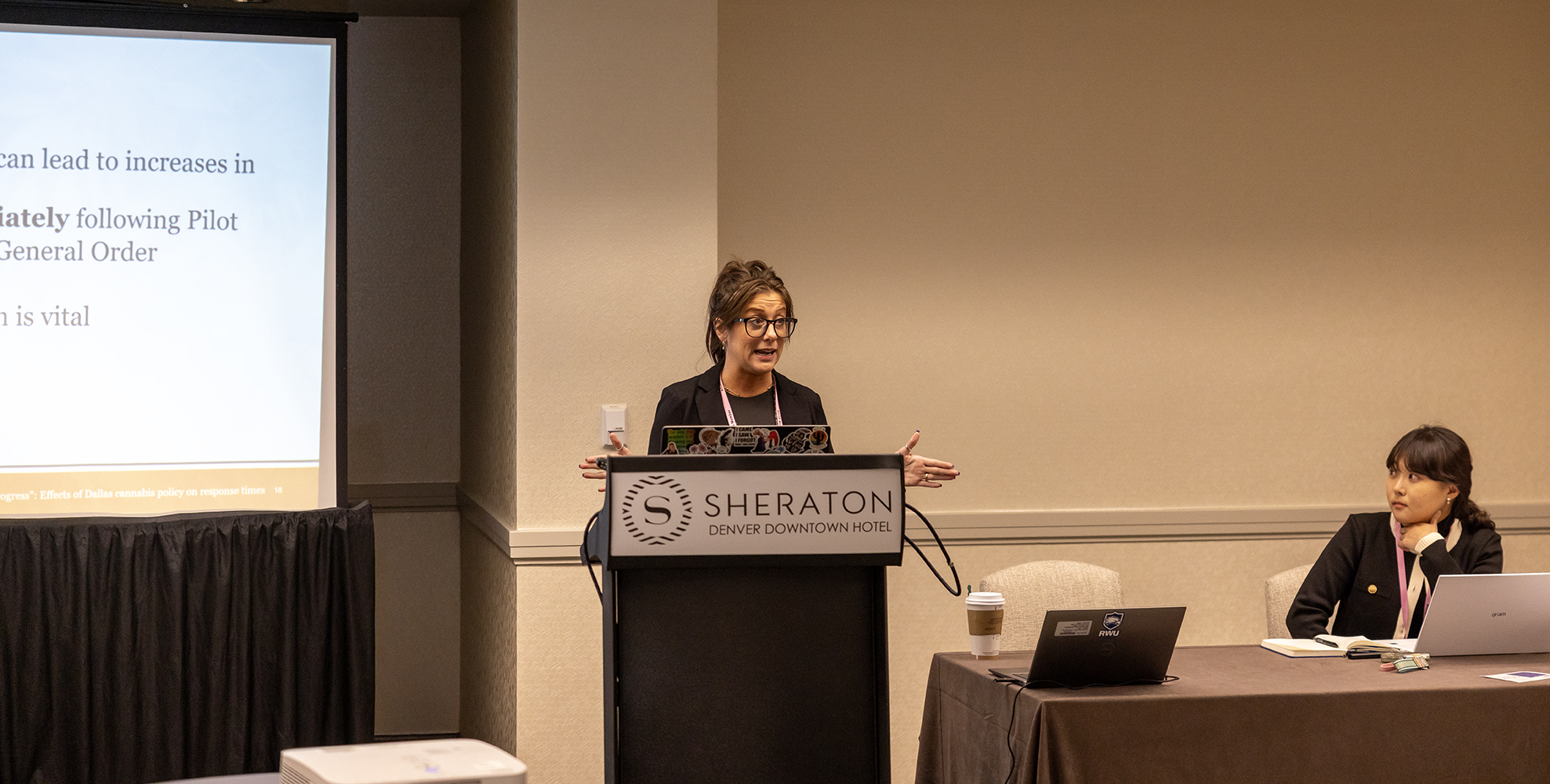
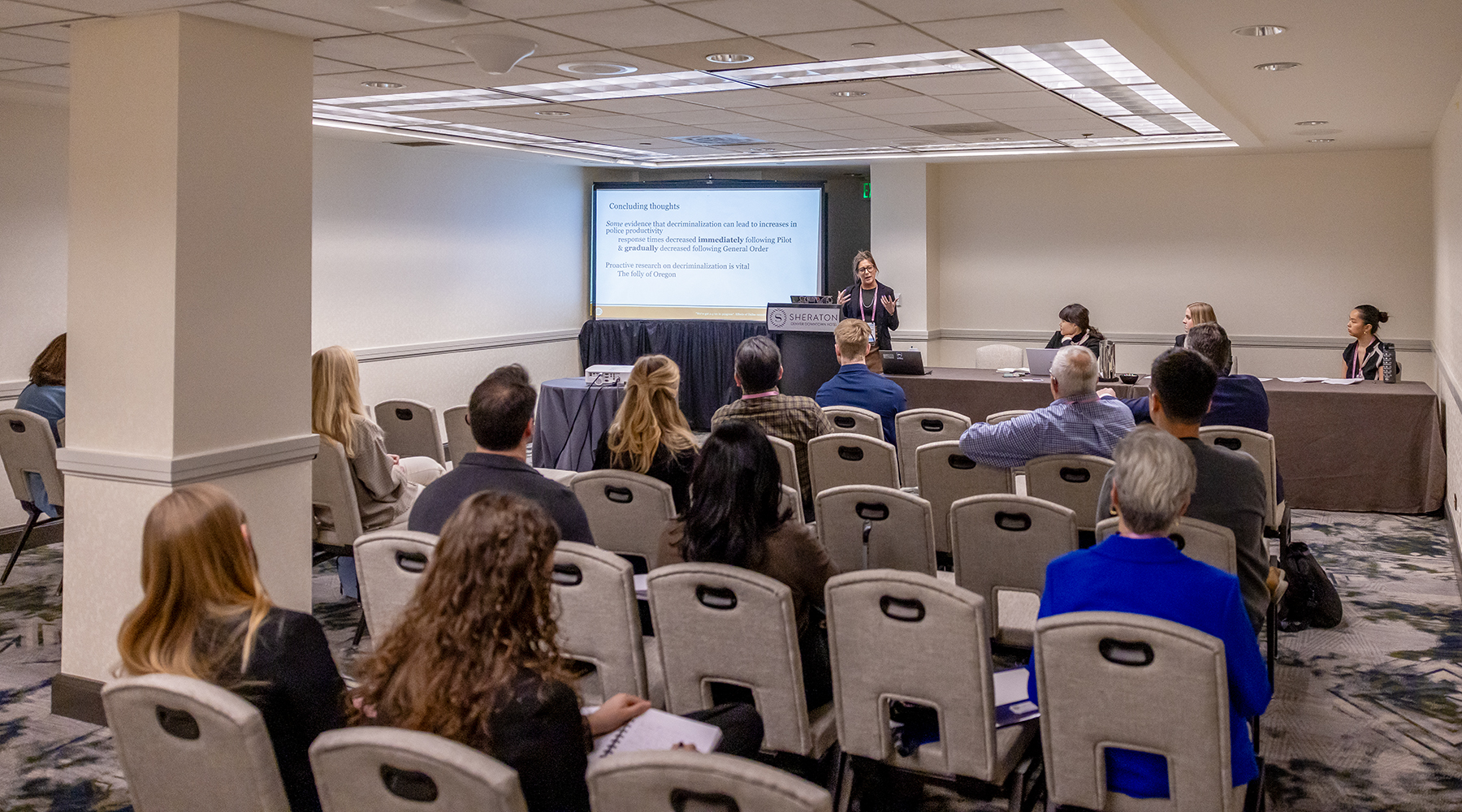
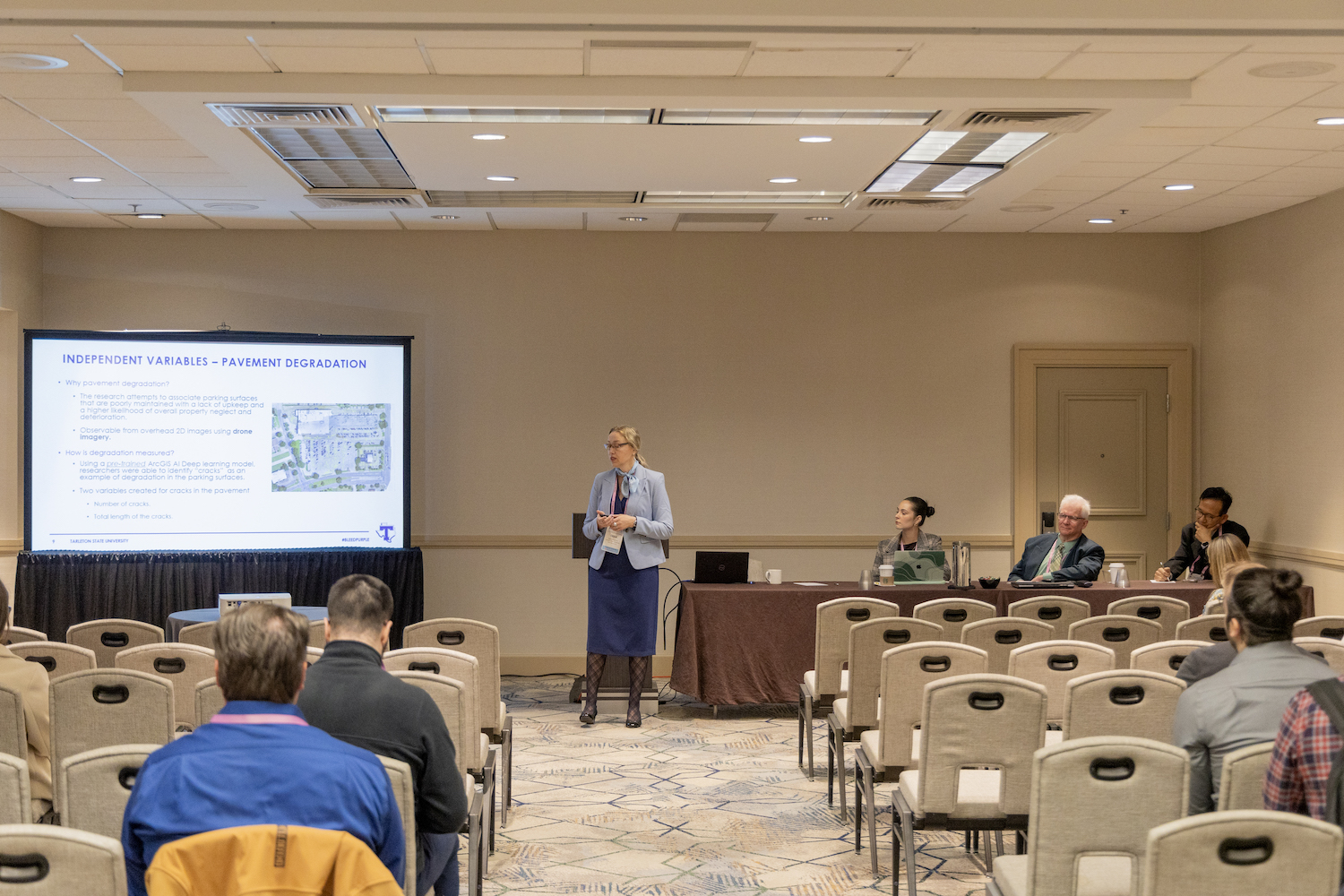
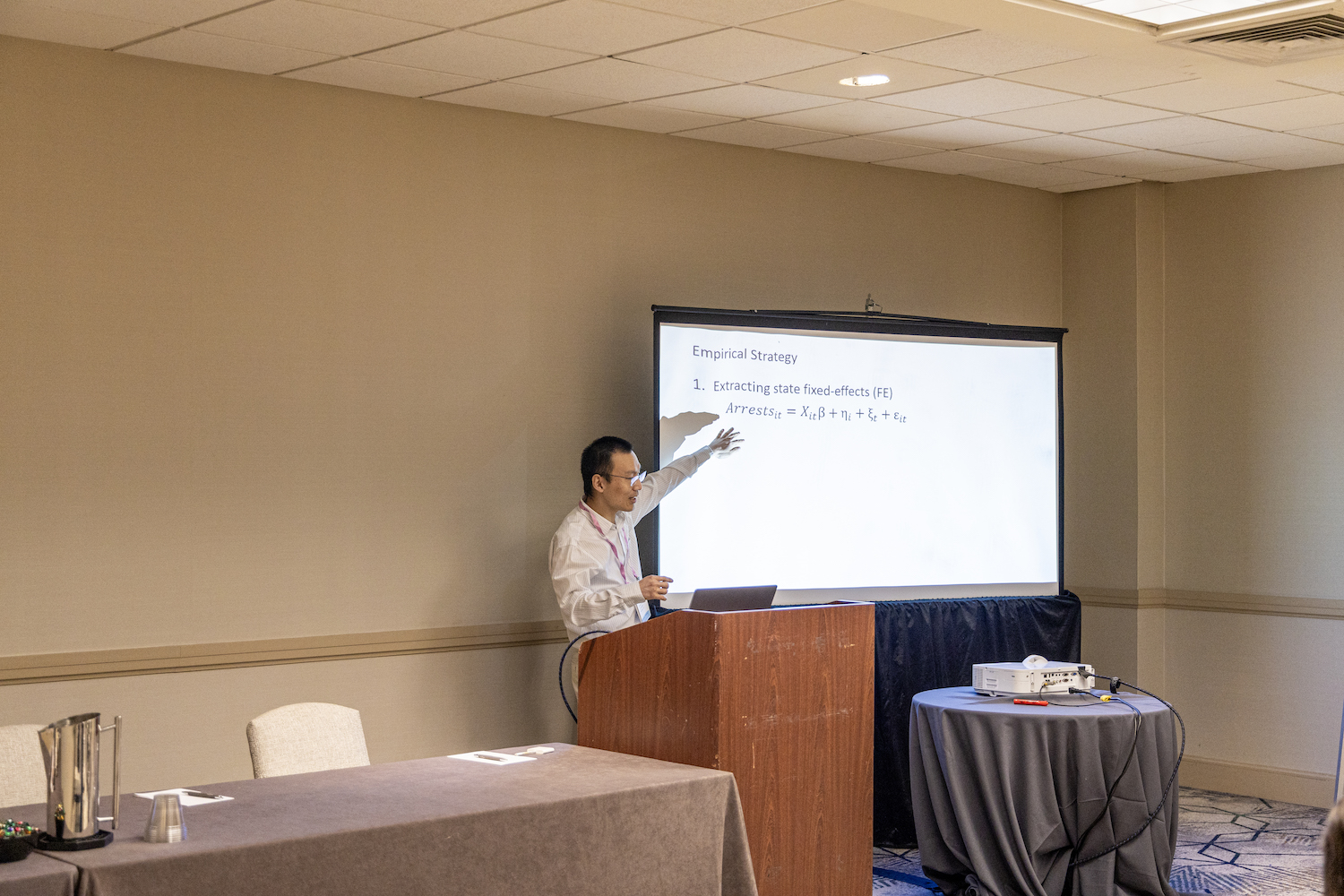
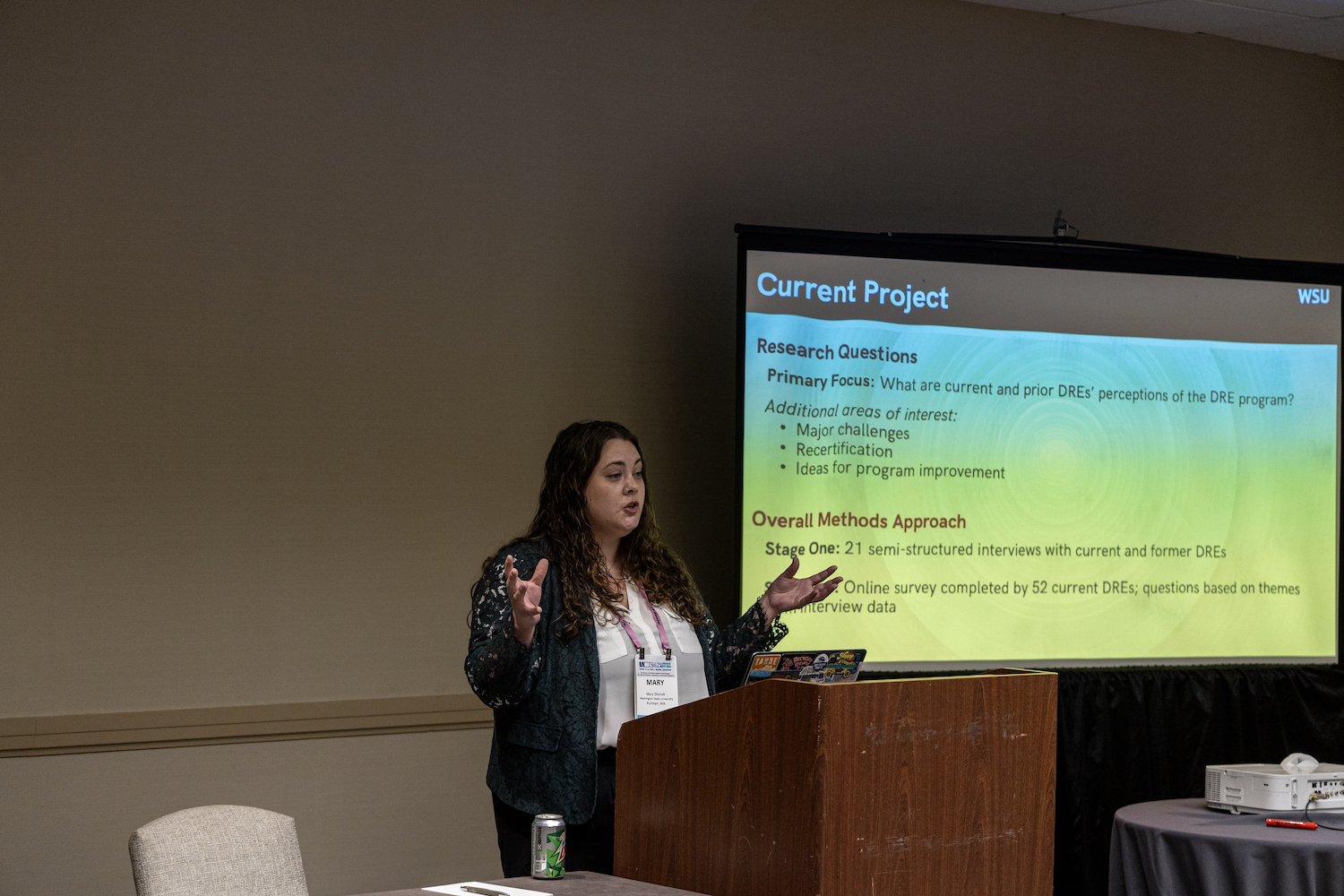
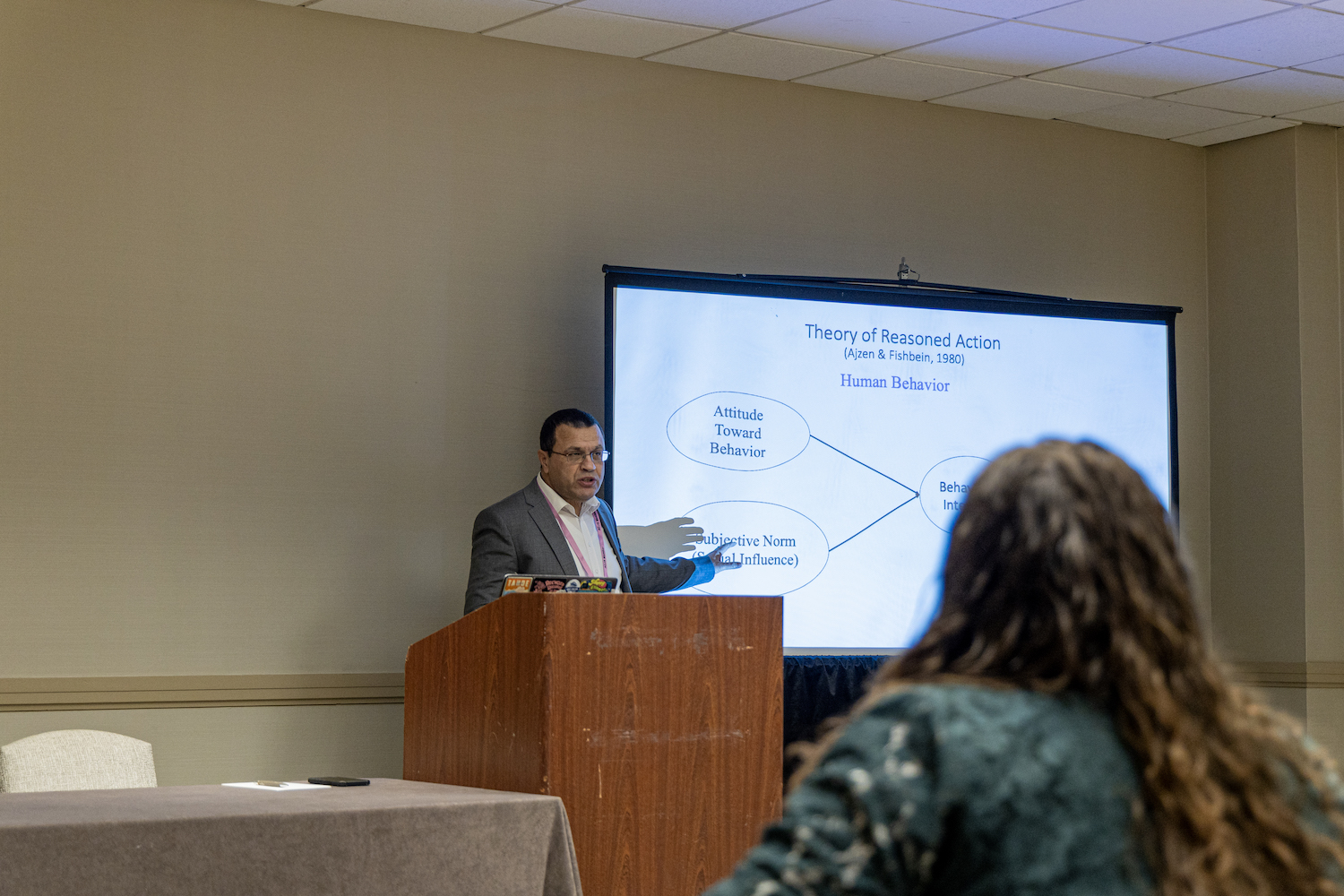
After months of compiling data, conducting interviews, and researching, Professor Yawn, Chrissy, and I finally had the opportunity to present our work at the ACJS Conference in Denver, CO. This experience was unlike anything I’d encountered before, and presenting research at an academic conference as an undergraduate was both exhilarating and nerve-wracking.

So, what is our research about? In short, our group is examining the implementation of police technology in home-rule cities across Texas. Contrary to common perception, innovation in cities isn’t driven by a single department, organization, or state entity. Instead, it emerges from a complex interplay of governance. Our primary focus is on Automatic License Plate Readers (ALPRs), which rapidly scan license plates to aid in crime prevention. From a policy perspective, ALPRs are particularly interesting because they raise important questions about efficiency, privacy, and local governance.

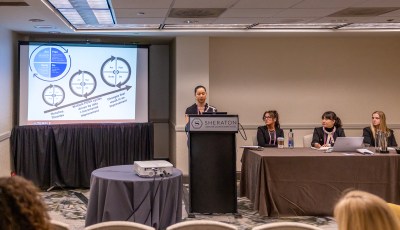
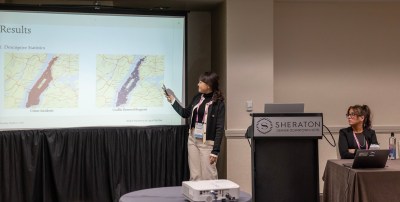
Professor Yawn, who chaired the panel, led the presentation. As the primary researcher on this project, he has created an incredible opportunity for Chrissy and me to contribute meaningfully to the work.

While we still have a way to go before we “reach saturation” in our research, presenting at ACJS and receiving feedback from an engaged audience was invaluable.

Chrissy, who spearheaded our quantitative data collection, presented the methodology and preliminary findings. She did an excellent job of breaking down the statistical nuances and translating them into clear, digestible insights for us common folk.

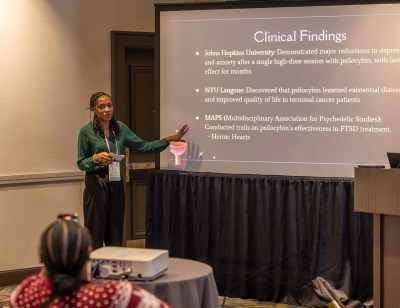
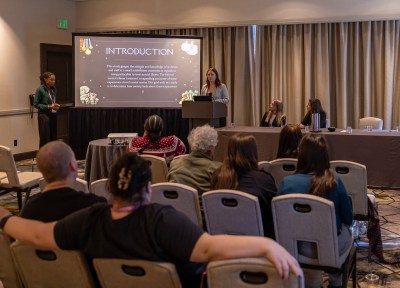
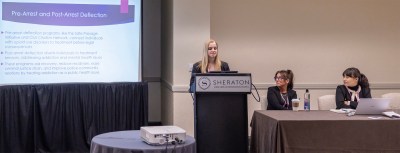
Our session also featured a presentation from Tiffin University (TU), where undergraduates Zaria Moore…

…and Lauren Swartzlander…

…shared their public health study on mental health and alternative treatments.

They pursued this research voluntarily with strong mentorship support from TU faculty.

After both presentations, we engaged in a Q&A session with the audience…

…whose thoughtful questions and feedback left us excited to refine and expand our work further.

Safety, Crime, and Health in Urban Spaces

After our presentation, we attended another fascinating session on urban crime patterns and community development. One standout presentation came from Lauren Perron of Temple University, who examined agency collaboration in response to opioid use disorder.

She explored how organizational structure, leadership, and policy decisions impact the outcomes of the opioid crisis, particularly in the context of steering committees.

My favorite presentation of the session was Broken Windows in the Age of Big Data, which focused on Graffiti-Free NYC, a program led by the New York Sanitation Department. The study examined the correlation between quality-of-life indicators—such as graffiti removal and cleanliness—and crime rates.

While perceptions of crime can be subjective, this research provided compelling data-driven correlations that reinforced the impact of environmental factors on urban safety.

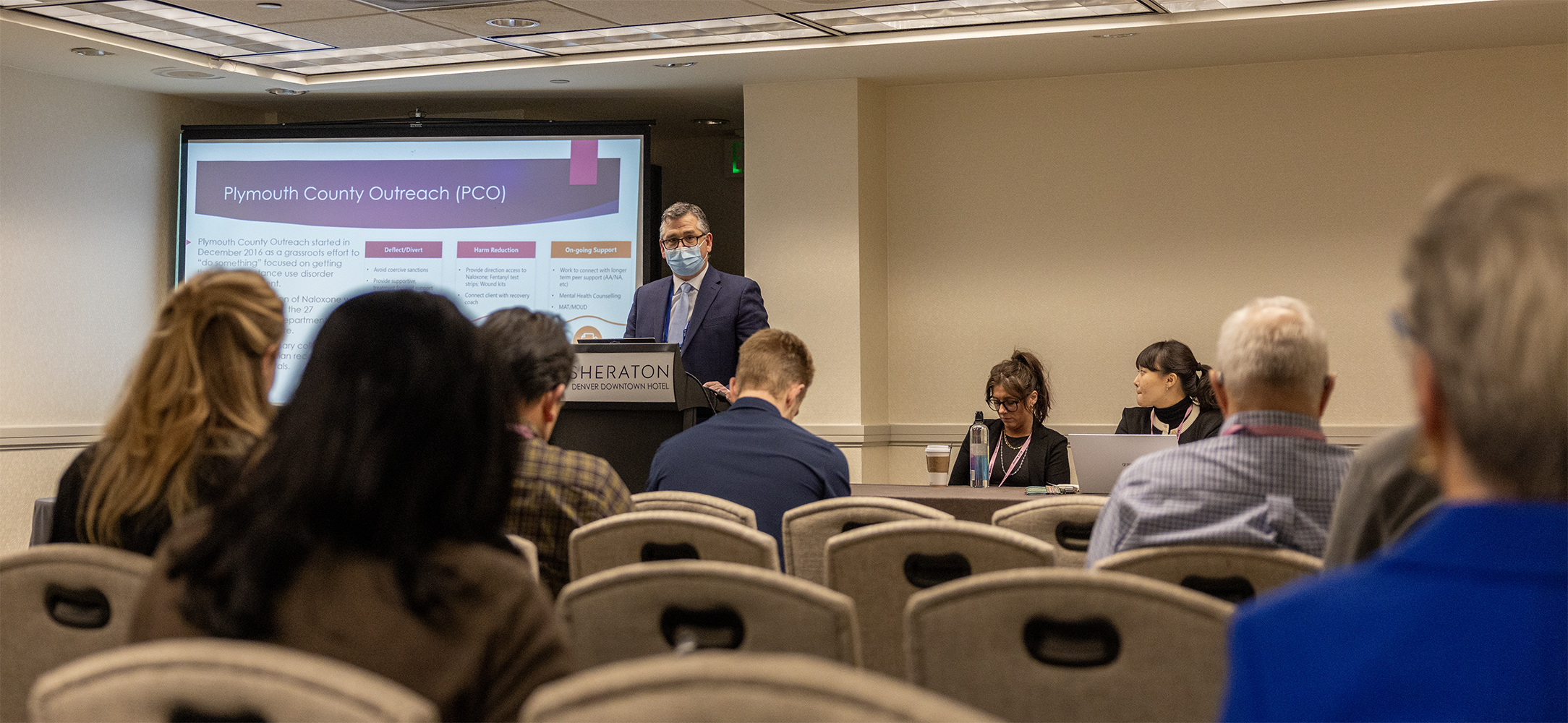
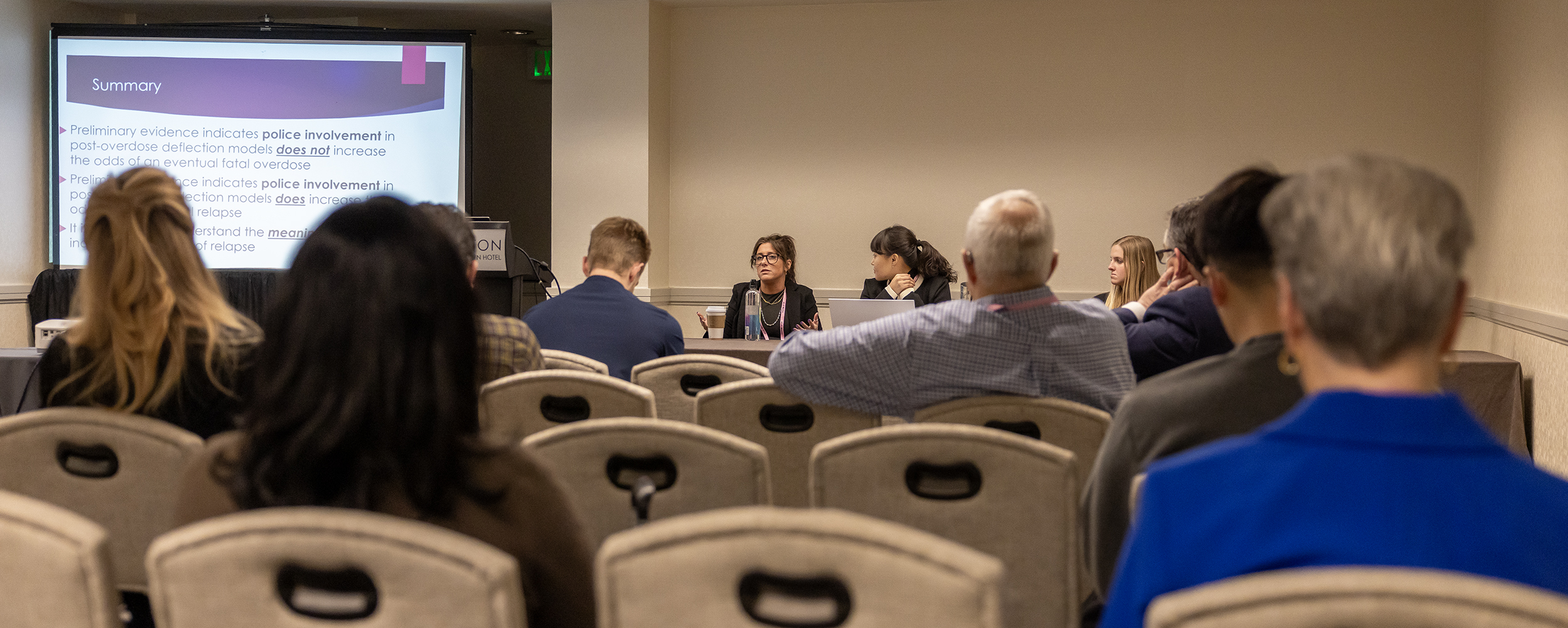
Chrissy’s favorite session was Policing the Opioid Crisis, which analyzed police-led deflection programs in Plymouth County, Massachusetts.

This case study, conducted by Professor Sean Verano and student Niki Poutre, explored the effectiveness of these programs in helping individuals struggling with addiction and how police officers ranked the anticipated success of different approaches.

One particularly striking finding was that while deflection programs increased the odds of relapse, they did not significantly impact fatal overdoses.

This session was our favorite of the conference—not just because we could finally relax after our own presentation, but because the discussions were incredibly thought-provoking. The insights we gained from these panels will undoubtedly inform our research moving forward.

Presenting at ACJS was a milestone experience, giving us the chance to engage with experts in the field, refine our work, and gain a deeper appreciation for the complexity of crime, policing, and policy implementation.

Dinner at Le French

by Chrissy Biello

Feeling the weight lifted off our shoulders, we headed to Le French for dinner. Founded by Senegalese-French sisters Aminata Dia and Rougui Dia, Le French is known for its combination of many worldwide influences and modern French cuisine. As semifinalists for the James Beard Best Chef in the Mountain Region in 2024, the Dia sisters have brought their culinary expertise to the forefront, making this dining experience even more exciting.

Through LEAP, my peers and I have had the unique opportunity to dine at James Beard-nominated and award-winning restaurants, and this was another highly anticipated experience for Olivia and me. Having not eaten much due to nerves, we were more than ready to indulge in what promised to be a great meal after a long day.

With little experience in French cuisine, Olivia and I found many menu items intriguing. To sample a variety of dishes, Olivia opted for the prix fixe menu. For her starter, she chose French Onion Soup, a dish she had never tried before.

When it arrived, she was thrilled with her choice. Not only did she enjoy a new experience, but she also discovered a dish she truly liked.

Professor Yawn and Stephanie ordered the escargot as their appetizer, and they were equally pleased with their selection.

For our main courses, I ordered the Saumon Fumé Savory Crepe, Olivia got the Suprême de Poulet Sauce Champagne (chicken breast with champagne sauce), Professor Yawn chose the Colorado Bass et Plantains, and Stephanie decided on the French Onion Soup.

When our meals arrived, we were all delighted with our choices. In true LEAP fashion, we made sure to sample each other’s dishes. Every selection turned out to be excellent, giving us a variety of flavors to experience.

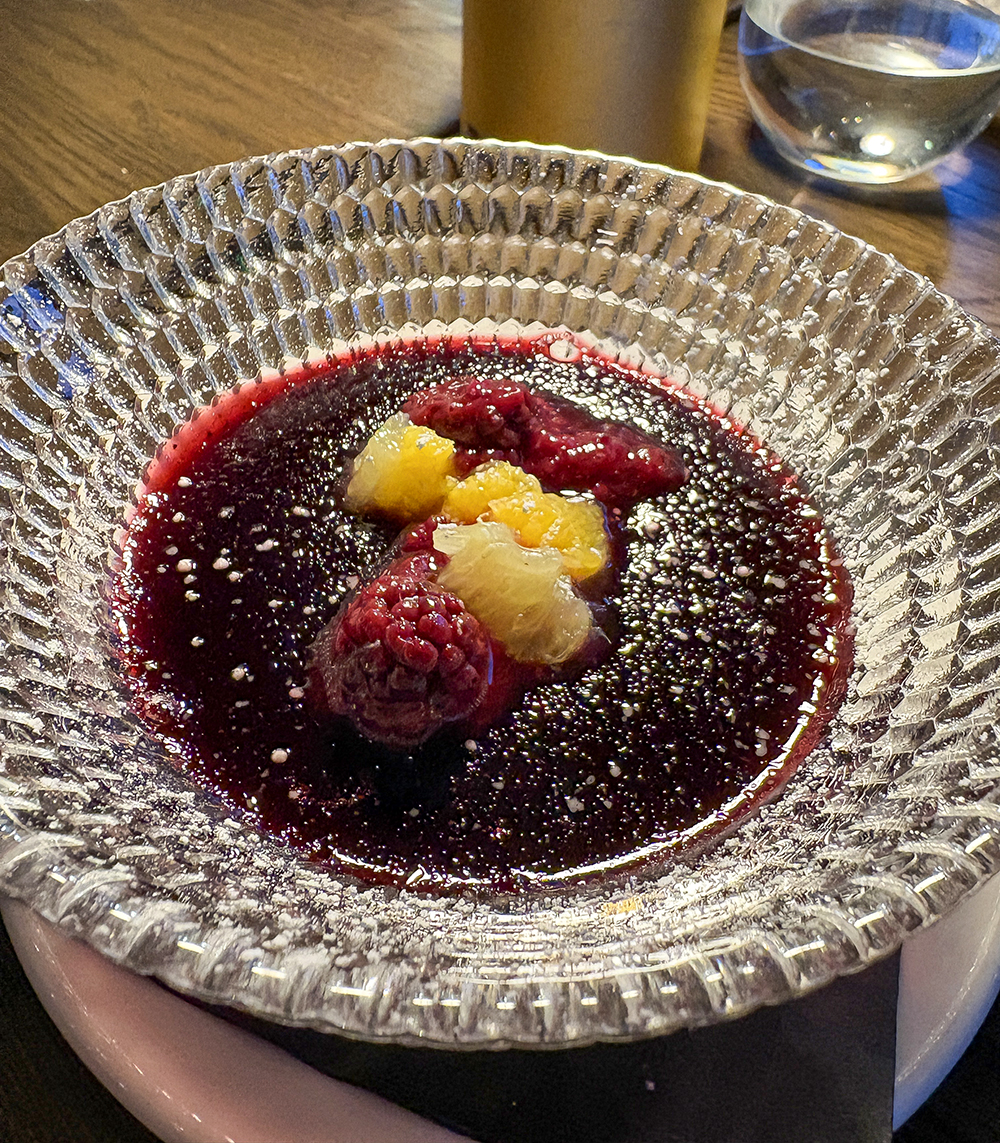
For dessert, Olivia had the Panna Cotta, a dish featuring hibiscus, citrus, and marmalade berries. This was another first for her. Additionally, we shared a crème brûlée as a table.

It was a day full of firsts, from trying great new foods to presenting at our first academic conference. Nevertheless, we are especially grateful for the guidance of Professor Yawn and Stephanie. Their insights and encouragement, even their lighthearted stories to ease our nerves, were invaluable and something we could not have found elsewhere.

The Yard Milkshake Bar

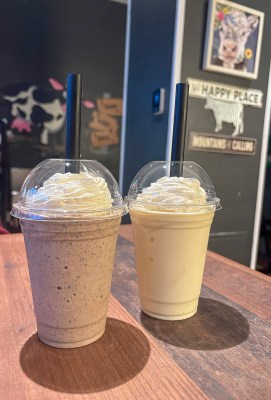
Later in the night, after doing some laundry, Olivia and I walked to The Yard Milkshake Bar for another sweet treat. I chose the Cookies and Cream Cheesecake milkshake, while Olivia went for the Cake Batter milkshake. Both were delicious and well worth the walk from our hotel.

With the stress behind us, we are excited to continue our trip, filled with fun, learning, and new experiences.

Unknown's avatarAuthor mikeyawnPosted on March 24, 2025March 22, 2025Format AsideCategories Civic Engagement, Criminal Justice, Food, Law, Public AdministrationTags Academy of Criminal Justice Sciences, Center for Law Engagement And Politics, College of Criminal Justice, Denver CO, Le French Denver, Sam Houston State UniversityLeave a comment on ALPR at ACJS: More Crime and Punishment in Denver

Crime & Punishment in Denver

by Olivia Discon

The ACJS Conference has officially begun! As we inch closer towards our presentation on Automated License Plate Reader technology (as it relates to the Criminal Justice world), the anticipation only continues to rise. This is our first time presenting on a panel at an academic conference–or any conference, for that matter! With that being said, we of course scoped out the space and enjoyed several sessions on day one. 

Criminologists Converge

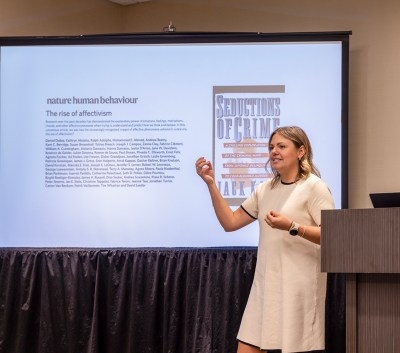
While hundreds of criminologists converged at the Sheraton in Denver, we split up a bit, maximizing the coverage of the conference and the sessions it offered. Collectively, we attended sessions on “Perceptions of Law Enforcement Technology,” where the standout presentation was “Support of BWCs by Type of Law Enforcement Agency,” by Dr. Mustafa Demir (John Jay);

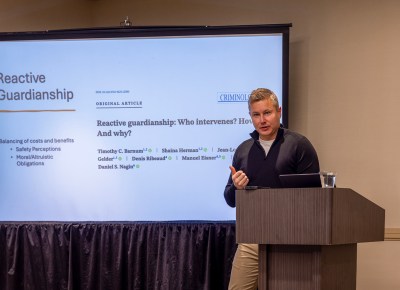
“Rational Choice Theory and Crime: Emotions, Cognitions and Opportunity Structures,” which featured SHSU professors Timothy Barnam…

…and Shaina Herman;

…”Crime, Data, and Technology;” and the Presidential Panel: Key Strategies for Successful Academic-Practitioner Partnerships, the latter of which, we turn to next.

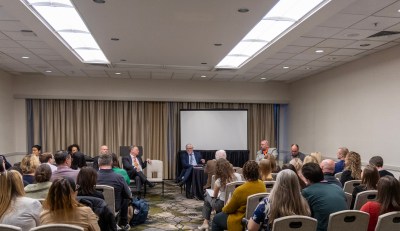
A Presidential Panel with the College of Criminal Justice at Sam Houston State University

The highlight of these sessions was unanimous among our group, which was the Presidential Panel from Sam Houston State University’s (SHSU) College of Criminal Justice. We were, of course, incredibly biased, but it was fascinating to see the various leaders within the college along with the diverse institutes they represent.

As noted by Dean Lyons, SHSU is uniquely positioned to serve as a leader in the criminal justice field, and the College has “its finger on the pulse” of criminal justice.

Whether it be forensic science, corrections, policing, criminal justice legislation, or sociological phenomena, SHSU remains a leader, a resource, and an asset to the state of Texas. Interestingly, the nationally recognized program is the reason I chose to attend college and, by extension, to major in criminal justice.

We had the opportunity to hear from John Ray, Executive Director of LEMIT;

…William Wells, Faculty Research Director of LEMIT; Christie Haney, Assistant Director of CEMIT; Michael Aspland, Executive Director of the Institute of Homeland Security;

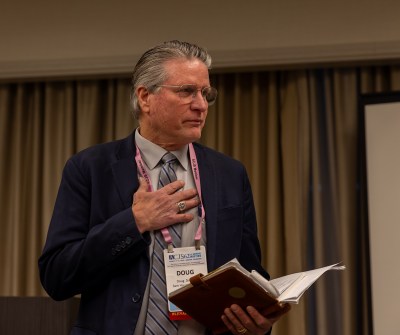
Ryan Randa, Associate Professor; Doug Dretke, Director for the Office of Comparative and International Education and Leadership;

…Erin Orrick,  Associate Dean for Programs and Assessment; and Dr. Bitna Kim, President of ACJS, professor at SHSU, and former doctoral candidate at SHSU!

Among the College of Criminal Justice at SHSU’s many accolades and amenities, what stuck out was its embodiment of a concept, noted by John Ray, as “pracademics”.

The relationship between academician and practitioner, as we devolve further into niches and silos, is more important than ever. I truly respect how SHSU has gone beyond what others simplify Huntsville to be–a “prison town” – and instead aim to drive crucial research and policy that impacts the state, our country, and impressively, the entire world as it relates to criminal justice.

It was a great opening to a first experience for us, made all the more comfortable and welcoming by being among friends and mentors.

Unknown's avatarAuthor mikeyawnPosted on March 14, 2025Format AsideCategories Civic Engagement, Criminal Justice, LawTags Academy of Criminal Justice Sciences, ACJS 2025, SHSU College of Criminal JusticeLeave a comment on Crime & Punishment in Denver

A Capitol Day in Denver

When LEAP Ambassadors travel, they aim to make the most of it, unsure of when they might be able to return. Today exemplified that spirit, as we tried interesting food, dropped in to our ACJS Conference site, roamed the Denver Public Library, toured the Clyfford Still Museum, explored the Colorado State Capitol Building, and visited a National Wildlife Refuge.

Denver Public Library

The Denver Public Library is not only the home of thousands of books, ideaLAB Makerspaces, and research materials, but it also owns some impressive art, and that is one of the major reasons we stopped by.

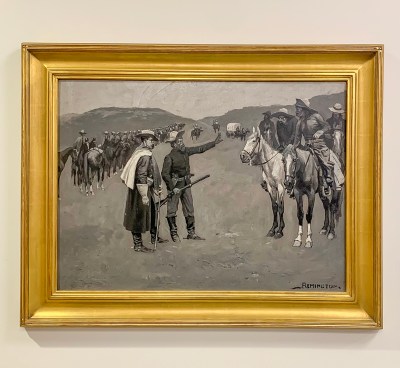
Along the way, we saw some impressive pieces, such as a Frederic Remington…

…but we also had a chance to see the work of artists new to us, such as Marie McFarland, Chase Varney, and, especially, Otto Kuhler.

Perhaps most impressive among the paintings was an Albert Bierstadt!

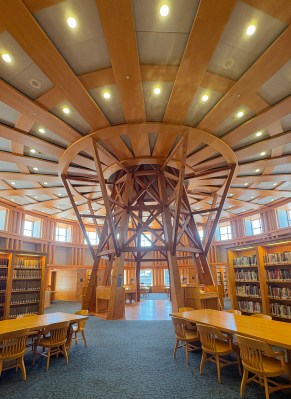
Although we also just loved some of the spaces, such as one of the reading rooms…

Our experience suggests that a robust library system across a wide variety of services benefits the community greatly. They promote literacy; allow for research in the community, which foster a sense of community identity; if done correctly, they can beautify the community; and, perhaps most important, they bring a community together. And this is what we witnessed in Denver: a friendly staff, a beautiful interior–further beautified by the art; and a diverse group of users, which included us!

Clyfford Still Museum

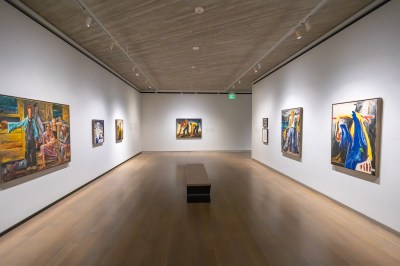
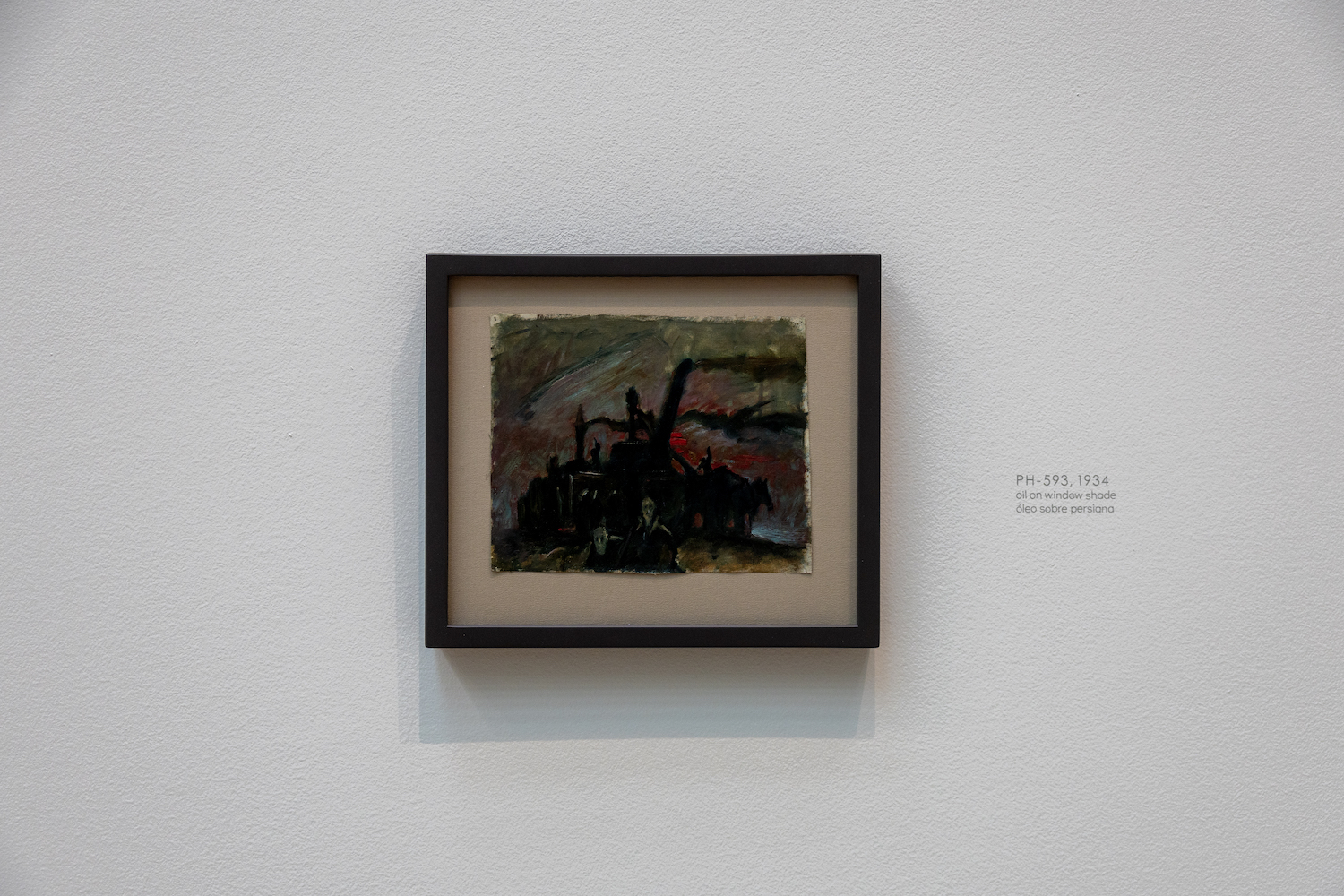
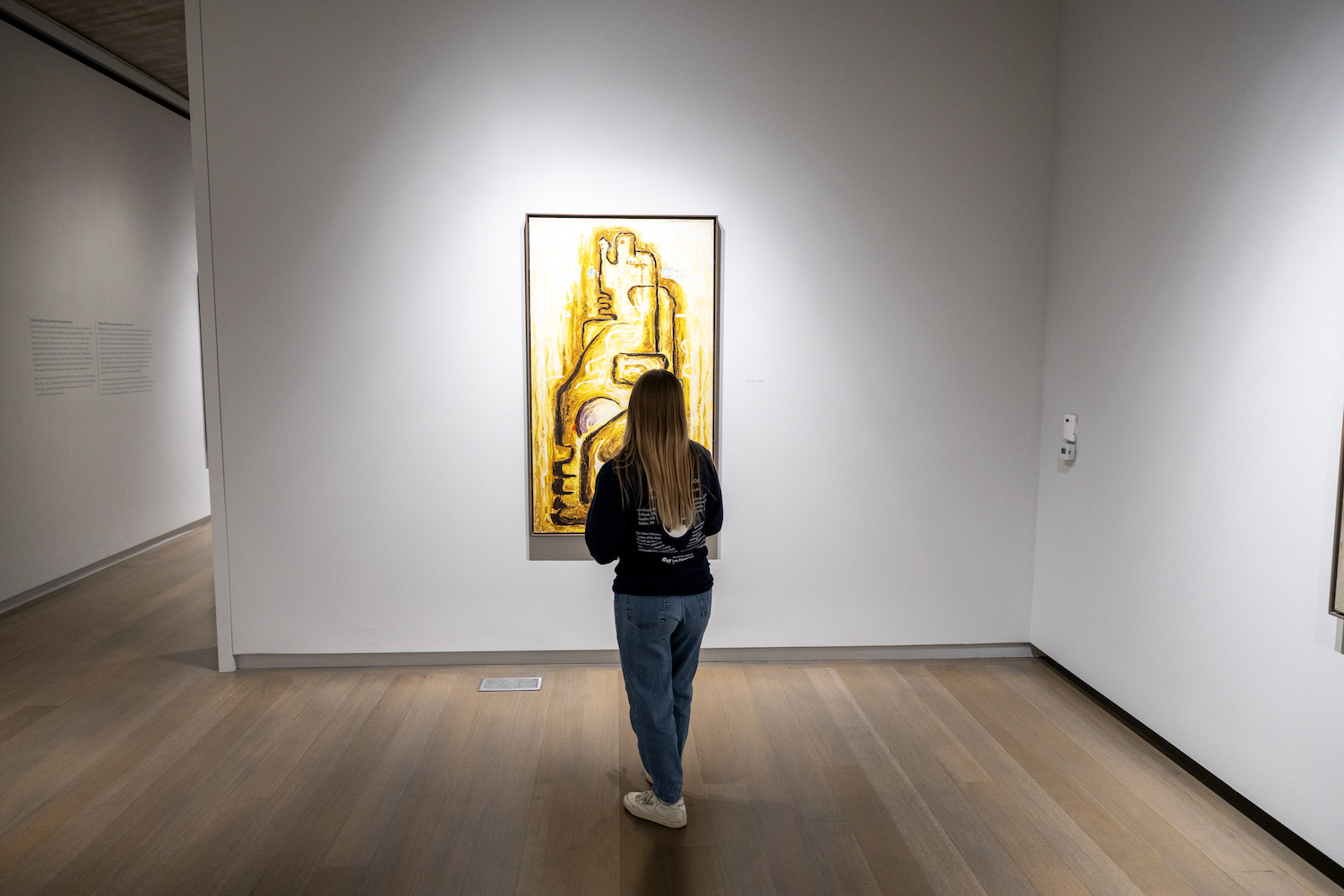
The Clyfford Still Museum gave us a chance to see the evolution of an artist who refused to conform to the art world’s expectations. The galleries were arranged to show the progression of his work, starting with his early pieces, which were more representative and realistic, before gradually shifting toward abstraction.

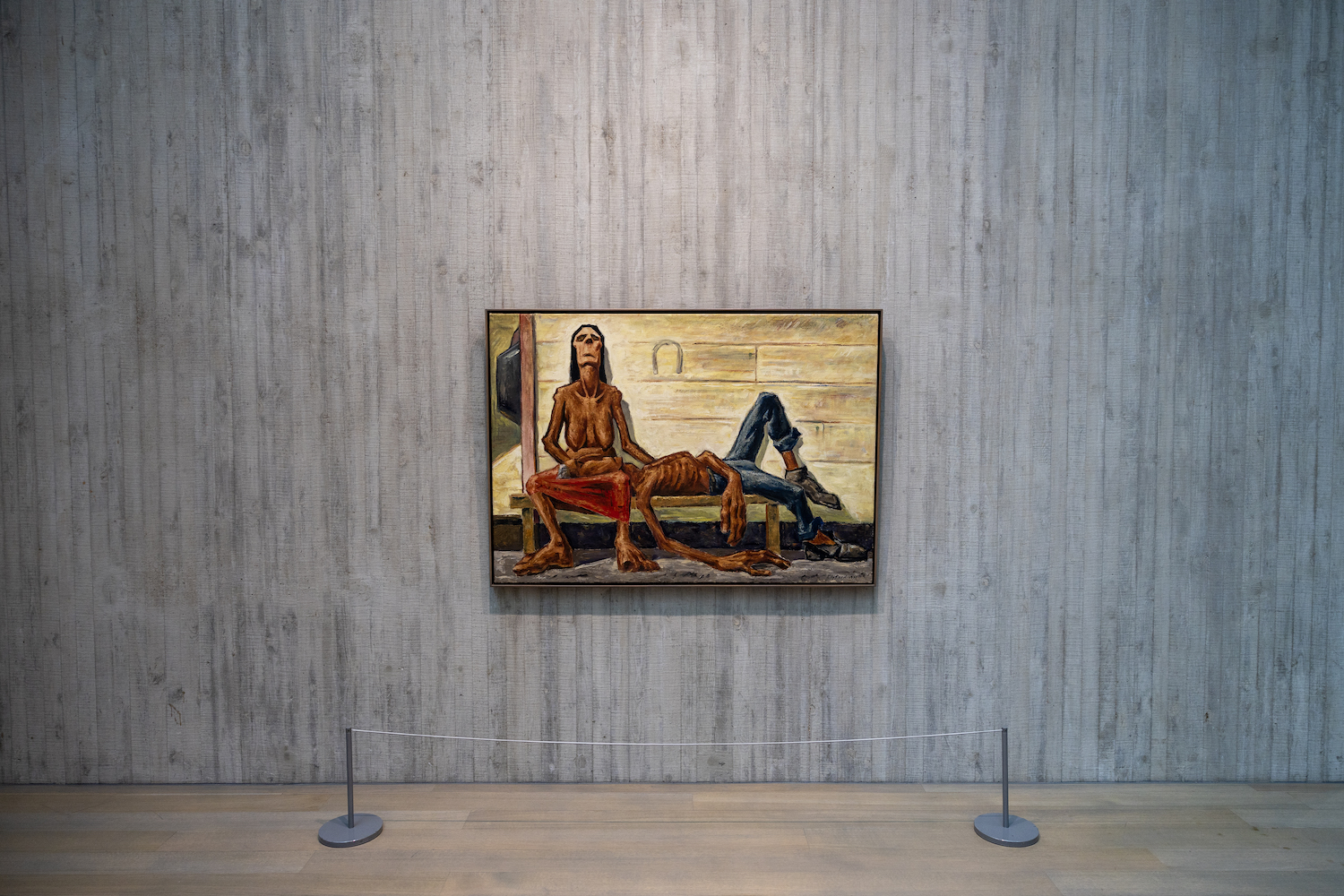
I found his earlier works particularly interesting, especially the ones featuring figures with large hands and elongated faces.

While I’m still not entirely sure what to make of them, they seem to reflect struggle and resilience, possibly tied to the hardships of the Great Depression.

What stood out to me the most, though, was Still’s complete rejection of the art industry. He despised galleries, museums, and critics, believing they distorted the meaning of art and prioritized profit over artistic integrity. He was known to pull out of exhibitions and refused to title his paintings, even going so far as to remove preexisting titles to prevent outside interpretation.

His frustration was clear in a statement he made in 1971: “I am deeply outraged that my entire life is being interpreted as a long struggle to be recognized by some damn fool art critics or to be sold successfully in the galleries or even to find their way into art museums because I consider these institutions to be corrupt in the purpose and their meaning and their effect on the artist and society.”

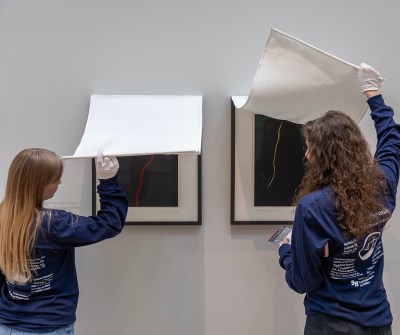
One of the more unexpected features of the museum was the use of canvas screens to partially cover certain pieces, allowing them to be revealed while also being preserved.

As we moved through the galleries, we could see how Still’s work became more abstract and how much control he maintained over his legacy.

Even after his death, his wishes shaped how his art was displayed and handled. Unlike many of his peers, his work wasn’t scattered across various museums or private collections—it was kept together, exactly as he intended. He may have been a particular man, but he was also a particularly fascinating man.

Colorado State Capitol Building

by Chrissy Biello

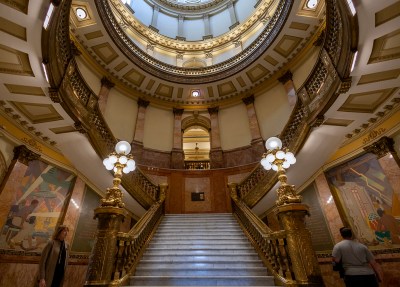
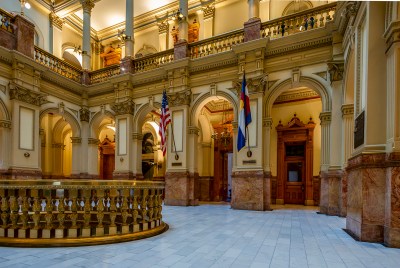
The Colorado State Capitol took fifteen years to complete, finishing in 1901 at a cost of nearly three million dollars. Despite its distance from Texas, the building evokes a sense of recognition among many Texas visitors. This familiarity comes from its design by Elijah E. Myers, the same architect who designed the Texas State Capitol. In fact, Myers’ influence extends beyond these two states, as he also designed the Michigan State Capitol in Lansing.

Walking into the building, visitors can see many features that connect it to significant landmarks across the country.

The floors, made from white Yule marble, are the same material used in the construction of the Lincoln Memorial and the Tomb of the Unknown Soldier at Arlington National Cemetery in Virginia.

Moreover, the building showcases rare Colorado Rose Onyx, a pink-hued stone found only in a quarry near Beulah in Pueblo County. Nearly the entire known supply was used in the Capitol’s construction, making it the only building in the world to feature this material.

For sci-fi fans, one particular design in the Rose Onyx resembles the likeness of Princess Leia‘s hair from Star Wars…

And one interesting detail for those interested in city government is that John Hickenlooper, the 42nd Governor of Colorado, was the mayor of Denver from 2003 to 2011. His gubernatorial portrait stands out dramatically among the gallery of solemn official paintings in the West Foyer. Instead of opting for a conventional formal pose, Hickenlooper is captured atop the dome of the Capitol with the Denver City and County Building behind him, dressed casually in a plaid shirt.

When touring the Capitol, one will also notice how some of the building’s design nods to the British Parliamentary system. The Senate chamber is filled with red-colored stencils on the wall, while the House features green. 

In the Senate, there are multiple stained glass portraits of some of the state’s most influential figures. Ruth Stockton, the first woman to serve as President pro tem of the Senate, is one that is frequently mentioned. She made history not only by being the first woman in that role but also by serving longer than any other woman in the legislature (24 years).

While the Senate has several stained glass portraits, the House Chamber has just one: a stained glass portrait of Barney L. Ford. Ford was an escaped slave who became a civil rights leader and fought for voting rights for African Americans in Colorado.

The ending highlight of touring the Colorado State Capitol is the opportunity to go up to the dome.

However, you will need to brace yourself for the 99-step climb, which is also pretty steep.

From this elevated vantage point, the panoramic view encompasses significant landmarks throughout the city.

Straight ahead, one can spot the Denver City and County Building featured in John Hickenlooper’s gubernatorial portrait.

To the left, one can see the Colorado Supreme Court building. Most notably, the Rocky Mountains can be seen in the distance, providing a stunning backdrop that highlights Denver’s unique geographical setting.

Rocky Mountain Arsenal National Park

To end the day on an even higher note of adventure, we headed eight miles northwest of Denver, where forty years ago, the United States Army operated a chemical weapons manufacturing plant—scary stuff.  After an expensive clean-up process, the site is now the Rocky Mountain Arsenal National Wildlife Refuge, an expanse of land that hosts more then 330 species of animal.

We did not see all of those species, but we saw a sufficient amount to make our afternoon. 

We saw rabbits and deer.  We have, of course, seen these species previously, but on this day we saw more than 60 deer on the eleven-mile driving tour!

Moreover, we saw some species that, for us, were first-time spottings.  A favorite was Prairie Dogs, which we saw scurrying from the sound of our vehicle, barking a warning to their fellow Dogs, or simply going about their business of eating.  They were a delight.

We also saw several species of birds, including the ever-present Canadian Geese…

…Robins, Red-Tailed Hawks, Canvasbacks, a Tri-Colored Heron, Northern Shovelers, European Starlings, Red-Winged Blackbirds, and a murder of crows–one of which was carrying a bone.

That may not sound exciting, but we also saw a Bald Eagle (Chrissy’s first), , numerous Magpies (first for both Chrissy and Olivia), and three Wild Turkeys (another first for both Chrissy and Olivia).

Of course, the big find was the herd of Bison.  Numbering more than 100, they spent most of their time eating, but they were surrounded by some amazing scenery, as they roamed the prairies with the towering and snow-capped Rocky Mountains in the background. 

We even saw part of the herd begin to run, kicking up dust all the way, as they rejoined part of the herd from which they had separated.  It was a majestic sight at a majestic site.

As we headed to the close of the wildlife drive, we were able to spot the Denver skyline framed against the beautiful Rocky Mountains.

Tocabe

Our final stop of this long and adventurous involved additional adventure: dinner. Keeping with the LEAP tradition of exploring food consistent with the cultures we are visiting and/or learning about, we decided to eat at Tocabe, which is co-owned by a member of the Osage Nation, and which bills itself as a restaurant offering meals that tell the stories “of our American Indian culture through native-sourced recipes and ingredients.”

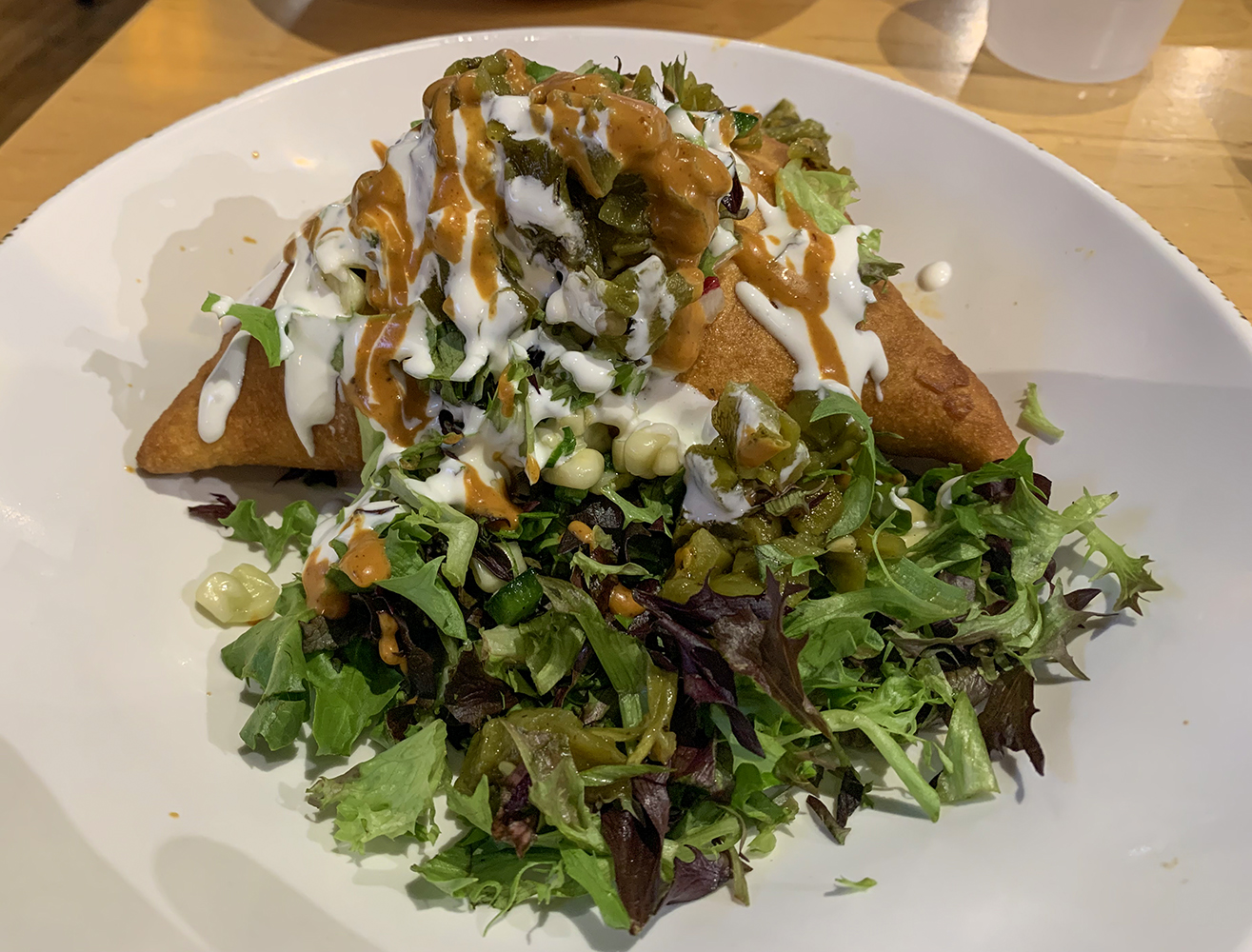
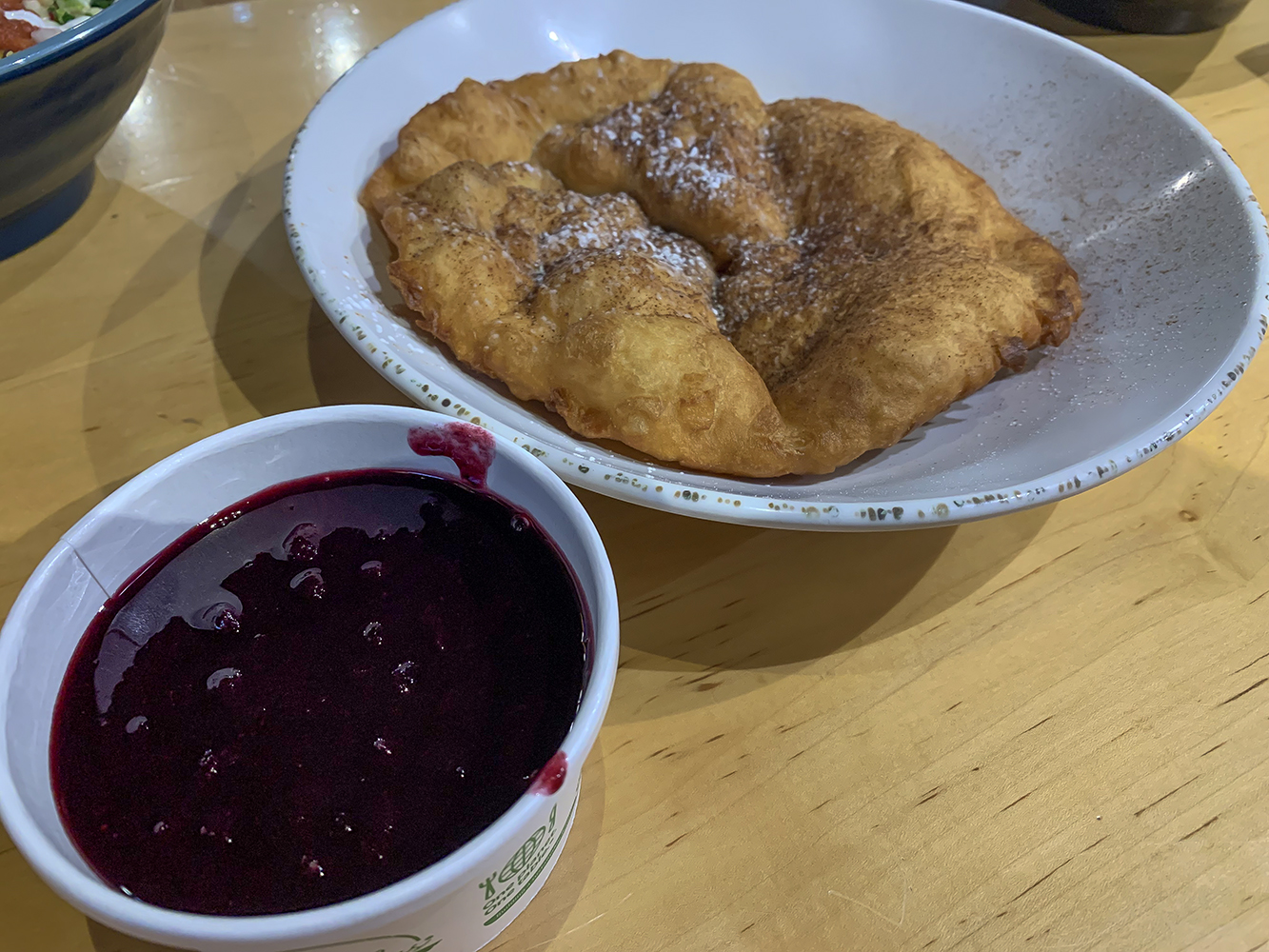
We tried a variety of dishes and did some sharing, hoping to get sampling of their entire menu. Professor Yawn tried the Indian Fry Bread, stuffed with shredded Bison; Olivia opted for the chicken; and Chrissy explored the ground Bison; and we also ordered a bowl of Bison chili and, for desert, we tried Wojapi with Indian Fry Bread (with cinnamon and sugar, of course).

It was a fulfilling way to end the day, providing insight into the culinary traditions of Native Americans, offering a new food experience, and whetting our appetite for more Bison and Wojapi.

Unknown's avatarAuthor mikeyawnPosted on March 12, 2025Format AsideCategories Architecture, Art, Civic Engagement, Food, History, Outdoors, Photography, TravelTags Center for Law Engagement And Politics, Clyfford Still Museum, Colorado Capitol Building, Denver Public Library, Rocky Mountain Arsenal National Wildlife Refuge, Sam Houston State University, TocabeLeave a comment on A Capitol Day in Denver

Things to Do in Denver When You’re a Day Ahead

Two LEAP Ambassadors, Chrissy Biello and Olivia Discon, are presenting at their first conference, the Academy of Criminal Justice Sciences conference in Denver, CO. There is a certain amount of dread associated with your first formal academic conference, and Biello and Discon are not immune from such anxieties. Fortunately, having arrived a day early to the conference–LEAP Ambassadors are punctual–they had a day to prepare and to explore the mile-high city, having as much food and fun as they could bear.
Coffee:

Being coffee fiends, we explored two coffee shops on our first day in Denver. The first, “Dandy Lion Coffee,” is a coffee and boutique plant shop. While we admit that we are not exactly world travelers, we suspect that this is not a common combination. But it works in this charming cafe, which is located in the Park Hill neighborhood of Denver.

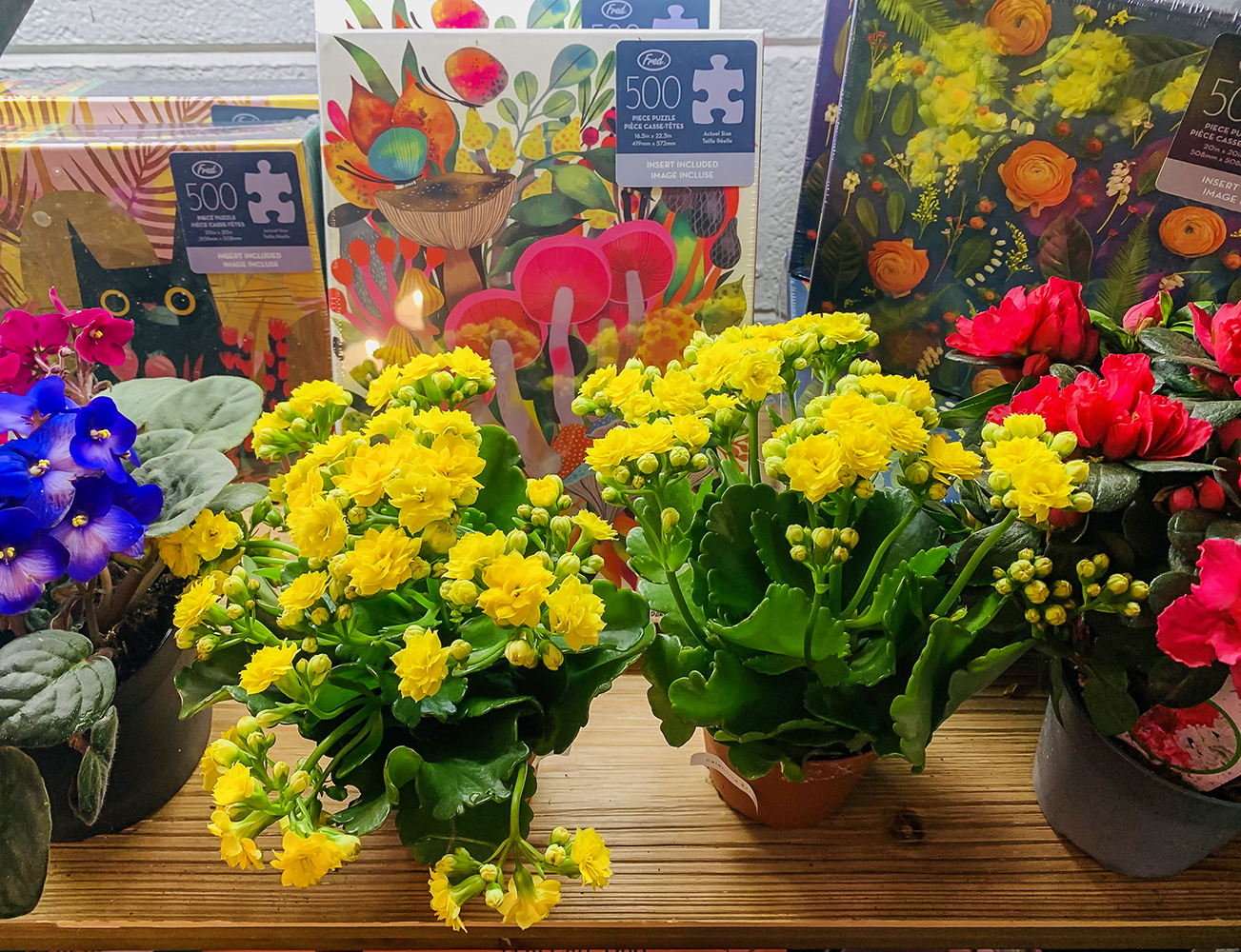
The shop’s plants are warm and colorful, and they add a vibrant, down-home quality that is reinforced by the friendly and professional staff.

The warm and welcoming ambiance had its desired effect. The store was filled with customers, some speaking with each other, some mixing in small groups, and others doing their own thing, but they all exuded a comfort borne of an environment that was cozy without being crowded.

While the shop was pleasing, we were there for the coffee. And it, too, delivered. With an enormously helpful and friendly barista named Taylor leading the way, we tried an “everything croissant,” which was excellent, and we sampled a chocolate croissant–which was excellent and chocolate.

The drip coffee was very good, and the iced vanilla latte, which is what the store is famous for, was very, very good.

This was the perfect pick-me-up spot for what would prove to be a long day. Also, please note that while the pronunciation of the cafe suggests a weed, the name of the coffee-plant shop is referring to a well-dressed king of the jungle–monocle and all.

Needing an afternoon burst of energy and a place to work, we also visited Novo Coffee, a third-wave coffee shop indigenous to Denver. We each enjoyed a vanilla latte and settled into a cozy and productive atmosphere, where the hum of conversations and the scent of freshly brewed coffee fueled our focus. Novo offered just the right balance—bustling enough to be lively but quiet enough to get some work done.

Food

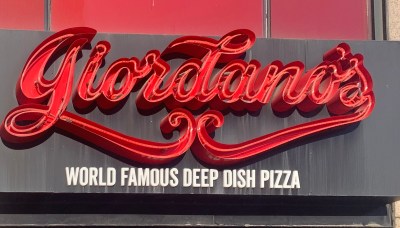
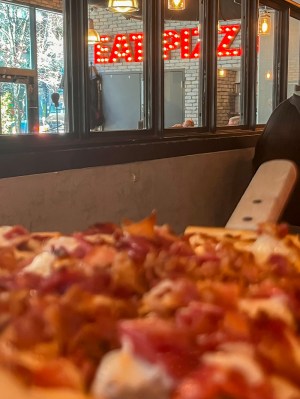
After being on the road for a couple of days and eating like scavengers in a desert, we made the most of a city filled with restaurants. For lunch, we had Giordano’s Pizza, an Italian eatery on the famous 16th-Street (pedestrian) Mall in Denver.

With garlic bread and a “meat and more meat” pizza, we may have overdone it.

This did not, however, get in the way of us finishing the pizza and the bread sticks. And, in our defense, it did not get in the way of us also getting some work done and, several hours later, searching for a hearty dinner to bookend our day of culinary adventures.

Dinner took us to the world of Asian cuisine in the form of Chopstickers, where we sampled chicken potstickers, soup dumplings, and edamame. The food was excellent, though one of us (who shall remain nameless) had a slight mishap that led to an unfortunate spill. Let’s just say soup dumplings live up to their name. Still, no mess could ruin the experience, and we left satisfied, if slightly damp.

Exploration

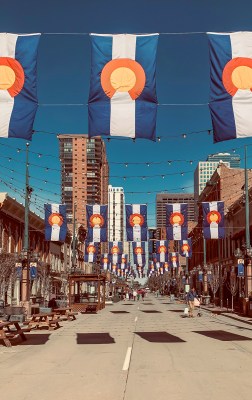
With a conference presentation approaching (have we mentioned that?) and with us impersonating foodies, we didn’t have a whole lot of time for exploration. But we did manage to walk almost half-a-mile of the 16th-Street Mall, venture down many other streets, and see a bit of what Denver has to offer.

It is a very walkable city. Indeed, it’s downtown and capitol hill area have a 94 walkability score, and at least one publication ranks Denver second in walkability, trailing only New York City. Interestingly, this means we have walked the two most walkable cities in the United States in the past two months!

We also saw our share of critters. With a lot of food establishments and many pedestrians, there are also a lot of pigeons. Generally speaking, they are not scared of humans. We were also visited by some aggressive squirrels. One squirrel actually ran a circle around us, as if he was determined to singlehandedly surround us and demand food–despite already having a nut in his mouth!

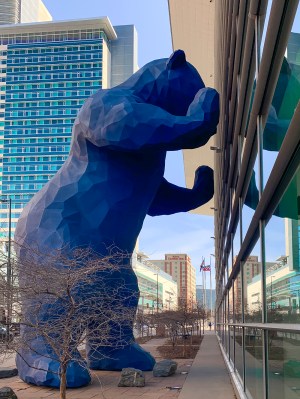
By far the most interesting animal we encountered, however, was a blue bear.

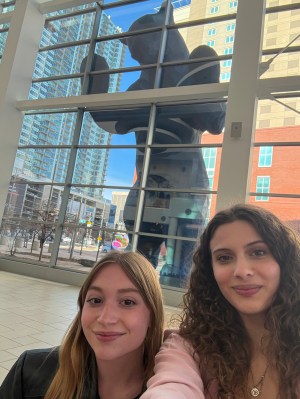
As fearsome as he looks from below, he is rather tame and endearing. He simply wants to see what the humans are doing in the Colorado Convention Center.

The bear, a creation of the late artist (and art professor) Lawrence Argent, is titled “I See What You Mean” and was installed in Denver in 2005. Over the past two decades, he has become a symbol of Denver.

He certainly brought a smile to our faces, and with his whimsical blue color, curiosity, and potential for ferocity, he provided just the attitude we were looking for to approach our first-ever conference.

Unknown's avatarAuthor mikeyawnPosted on March 11, 2025Format AsideCategories Art, Civic Engagement, Food, TravelTags Academy of Criminal Justice Sciences, ACJS2025, Center for Law Engagement And Politics, Dandy Lion Cafe, Denver CO, Sam Houston State UniversityLeave a comment on Things to Do in Denver When You’re a Day Ahead

Filling Empty Bowls: 2025

In 2007, SHSU student Sarah Lisenbe volunteered for the Montgomery County Food Bank, and she learned about, and assisted with, a program called Empty Bowls. The next year, she interned for the Wynne Home, and she worked with local artist Tamara Chasteen to put on the program in Walker County. For 18 years, this program has been helping fight food insecurity in Walker County by benefitting the Walker County Senior Center and the “Meals on Wheels” program.

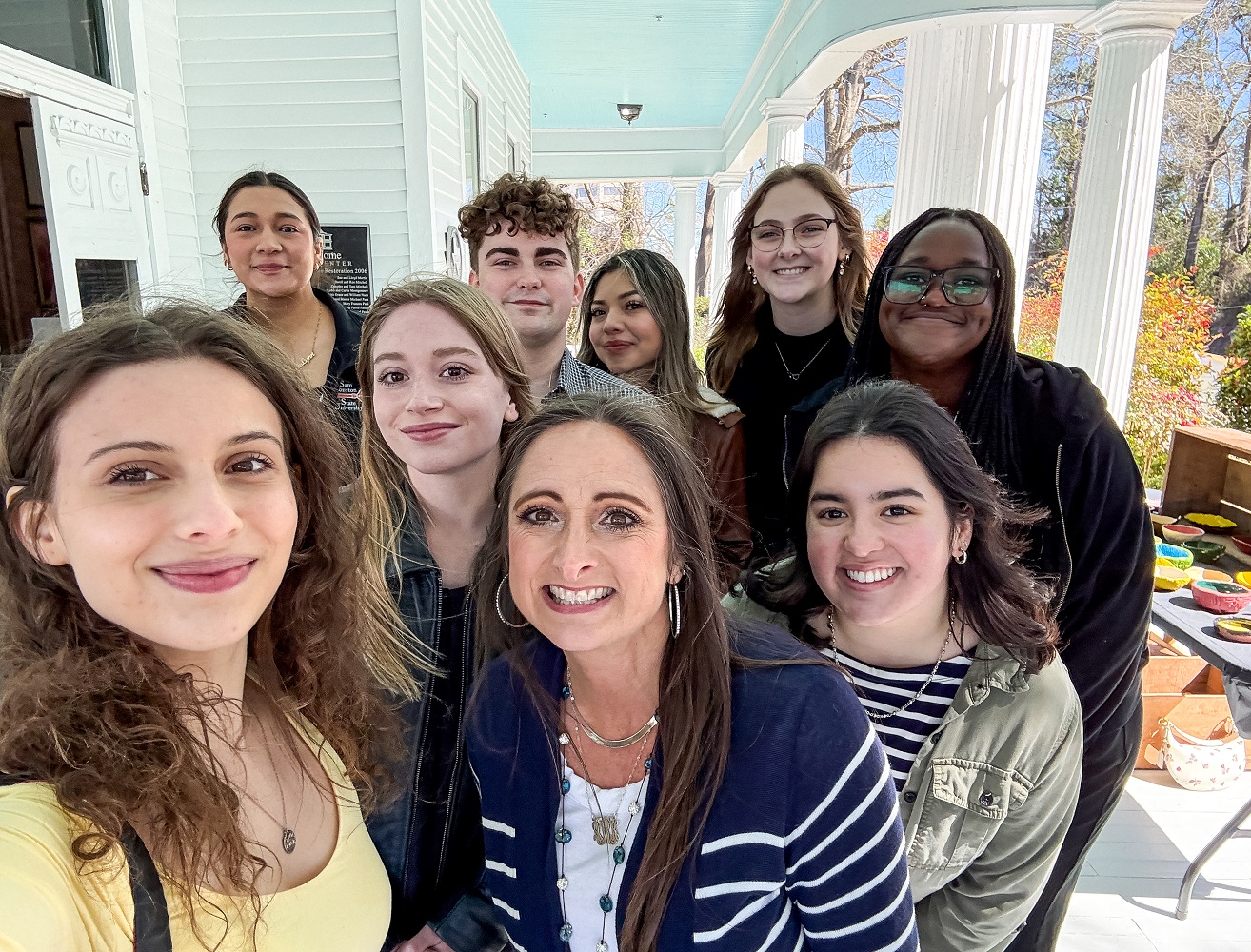
The Wynne Home has led this charge, with Angela Robinson spearheading this effort the past several years, and the LEAP Ambassadors assisting each year since the program’s inception.

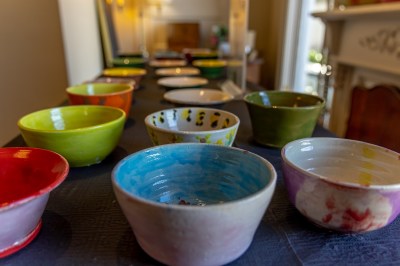
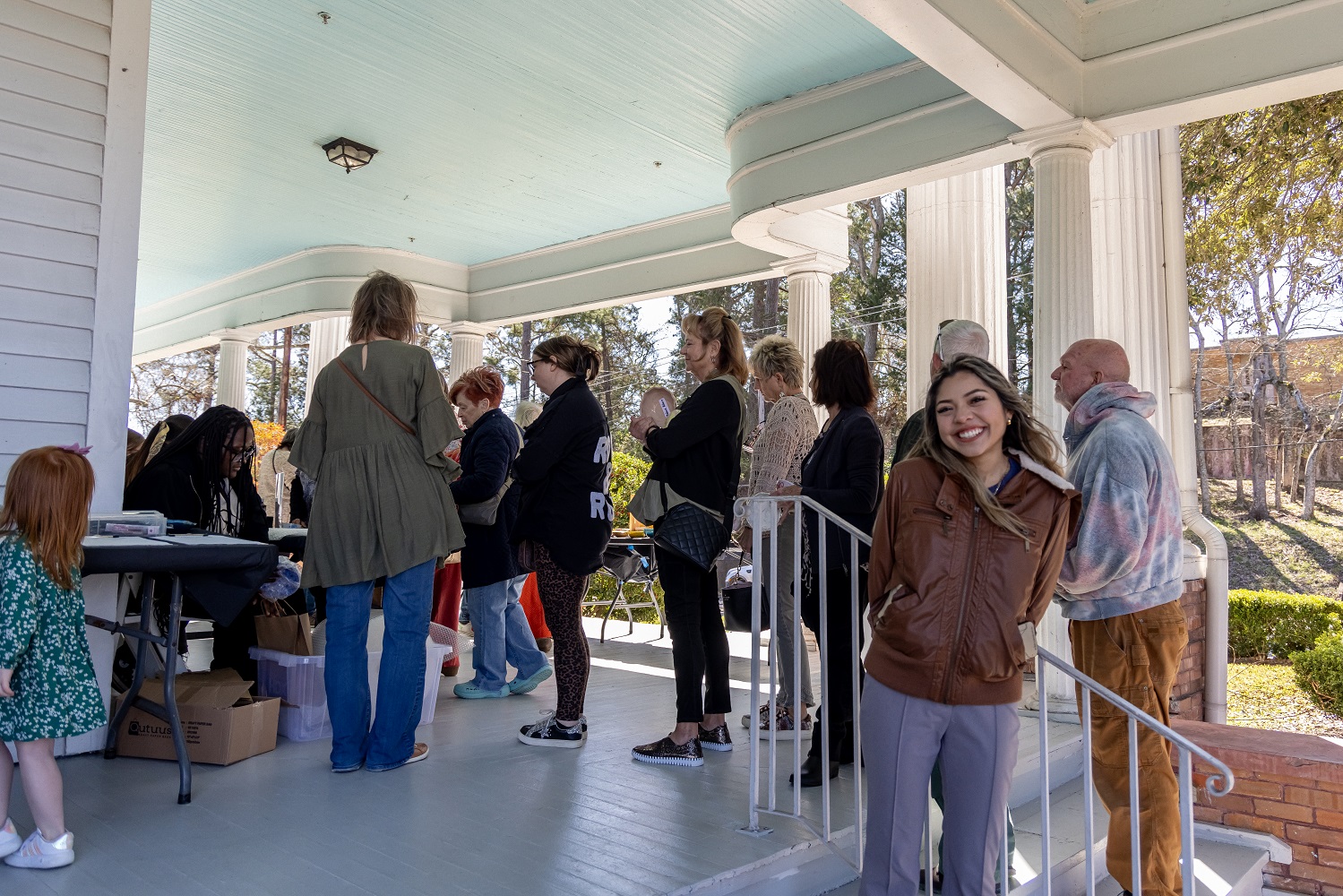
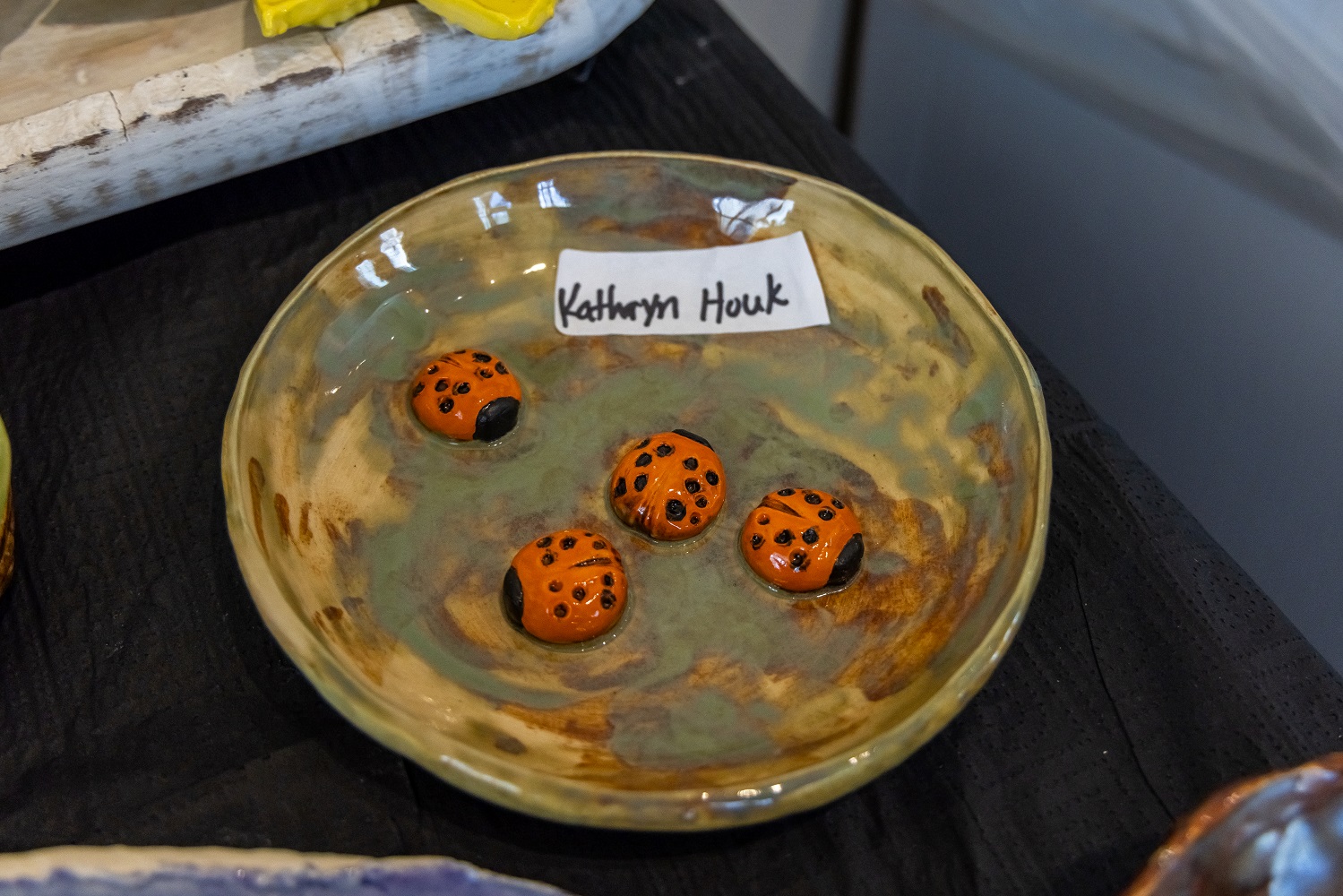
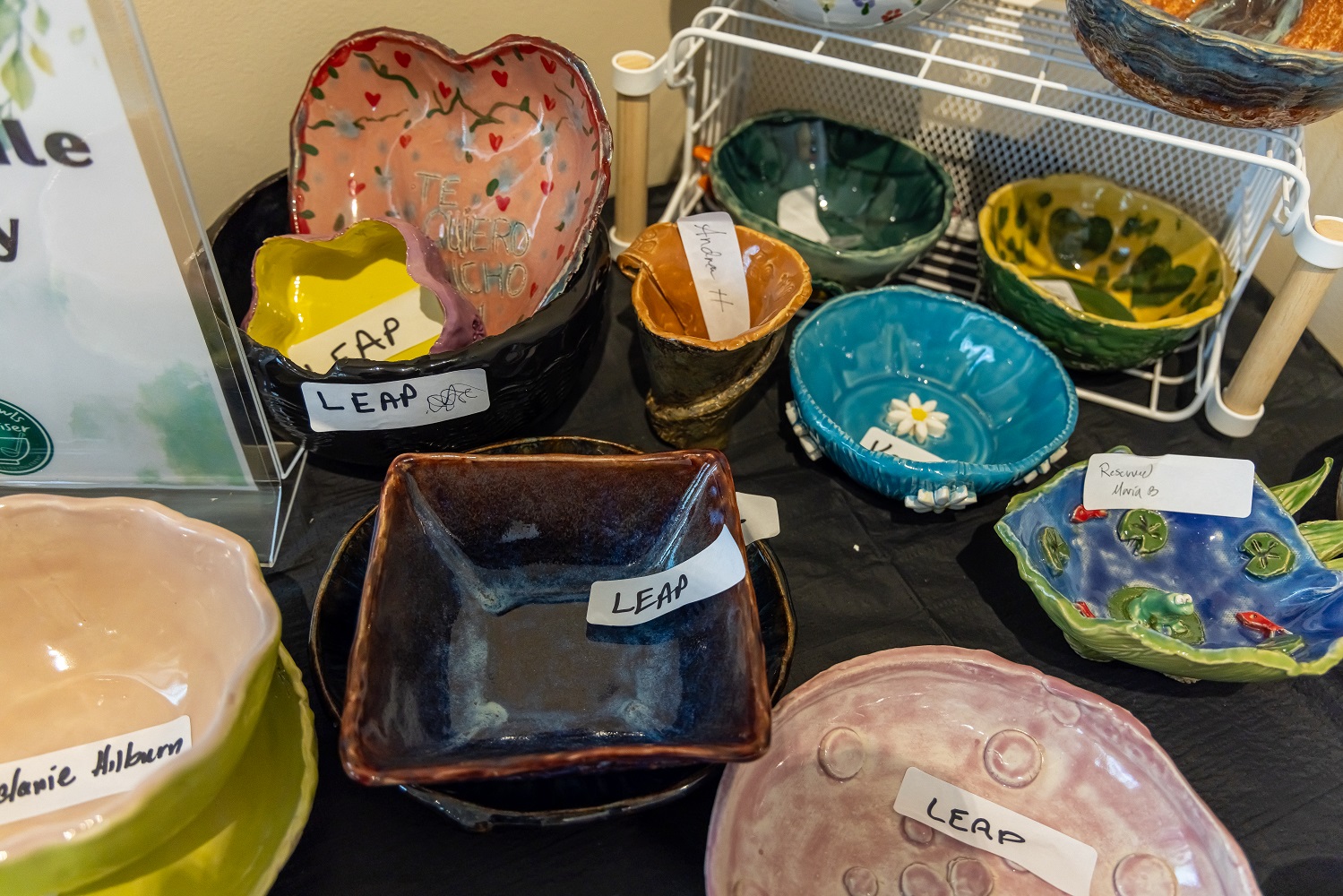
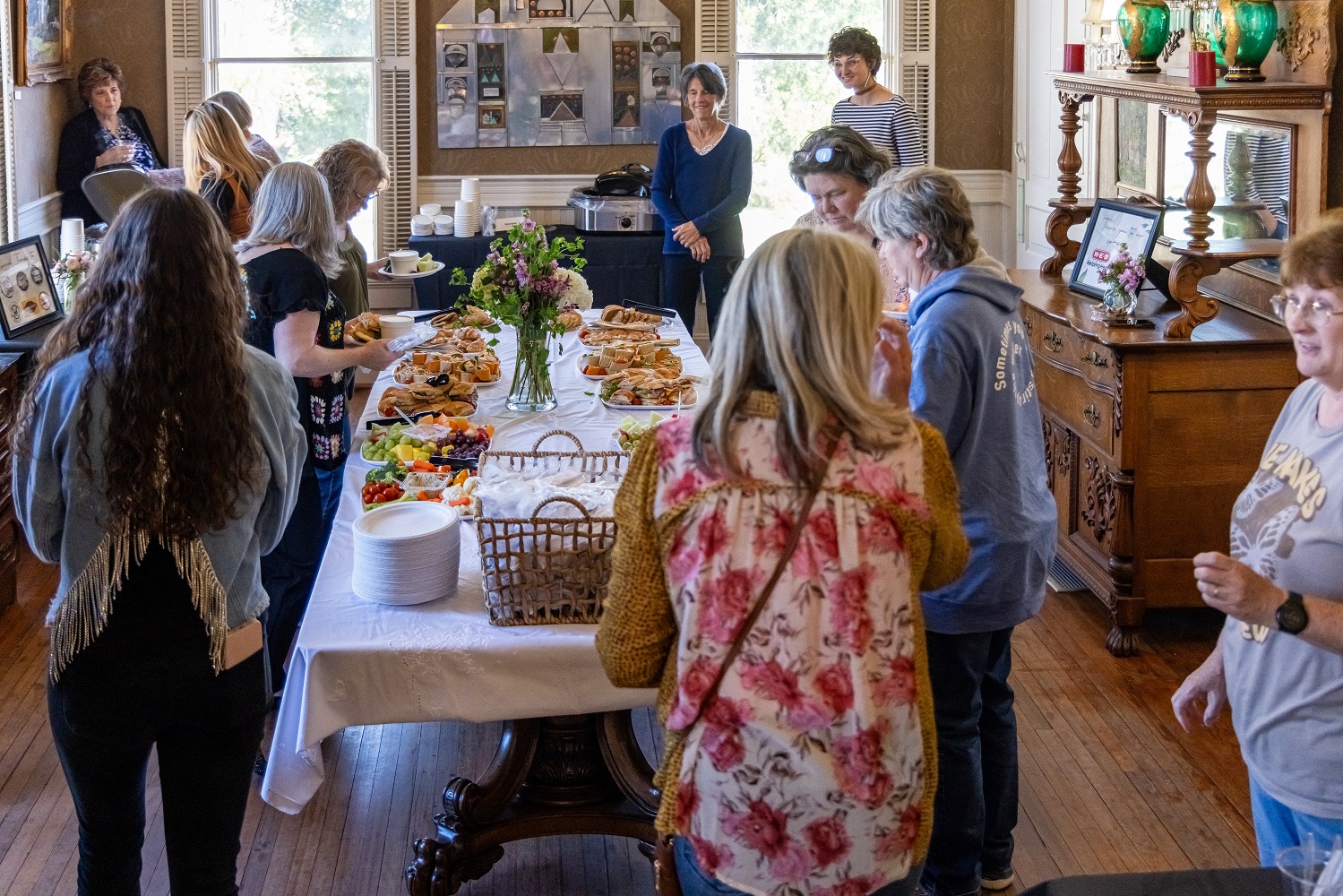
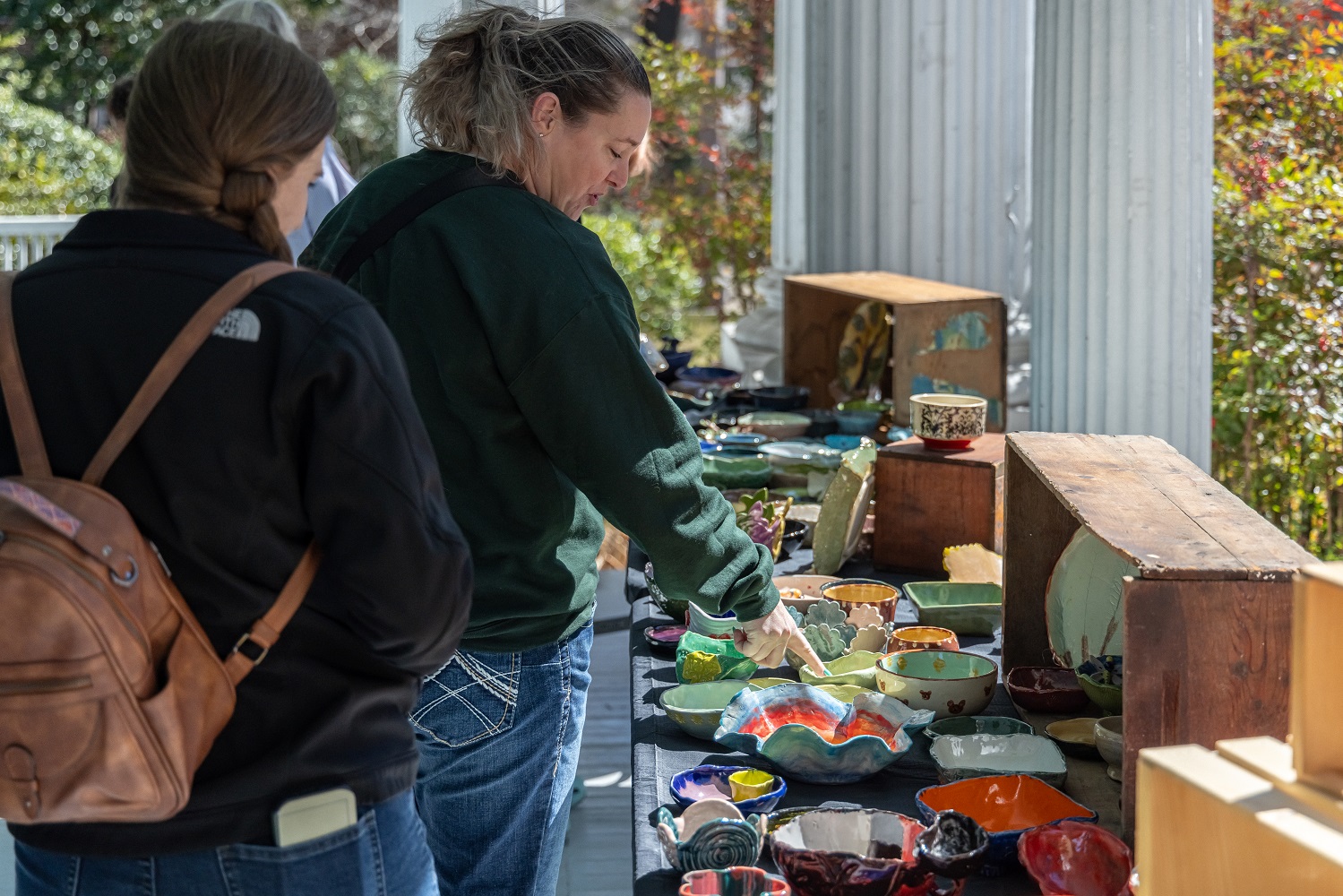
The program involves two broad phases. First, art teachers offer classes to community members bowls are created and glazed. Second, just before or during Lent, the community comes to the Wynne Home, and with a suggested donation of $15, they can select a ceramic bowl, and then enjoy a hot meal donated by area businesses. For 2025, the generous sponsors were Five Loaves Deli, City Hall Cafe, Sam’s Table, Potato Shack, Huntsville High School Culinary Class, and HEB.

This year, under Robinson’s leadership and the assistance of many talented art teachers, the program produced more bowls (300) and, if preliminary reports are accurate, a record amount of donations (approximately $7,200)–to which the LEAP students contributed almost $600.

But it is a true community event. Teachers promote the arts in the community by hosting pottery sessions; local residents learn to mold and shape and glaze bowls; businesses donate to the worthy cause (Diego Varela, owner of Sam’s Table not only donated soup, he stopped by to donate!); and locals come to support the fight against food insecurity, see the Wynne Home, and enjoy each other’s company.

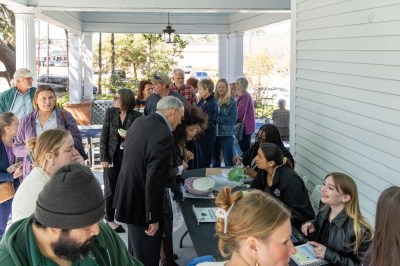
This was on full display today, with elected officials, city employees, non-profit leaders, and more than a hundred others supporting the cause. It was an Ash Wednesday to remember, but it’s purpose is to help fight food insecurity year-round. So, with each ceramic bowl that a local resident takes home, they have a reminder not only of the beauty and creativity inherent in art, but also that there are others who are suffering from a lack of the basic necessities. That is, they lack even food to put in bowl.

But, with the help of events such as “Empty Bowls,” there are fewer such bowls in Walker County.

Unknown's avatarAuthor mikeyawnPosted on March 7, 2025March 7, 2025Format AsideCategories Art, Civic Engagement, Food, VolunteeringTags Ash Wednesday, Center for Law Engagement And Politics, Empty Bowls, Meals on Wheels Program, Walker County Senior Center, Wynne Home Arts CenterLeave a comment on Filling Empty Bowls: 2025

Around the World with Dr. Negroponte

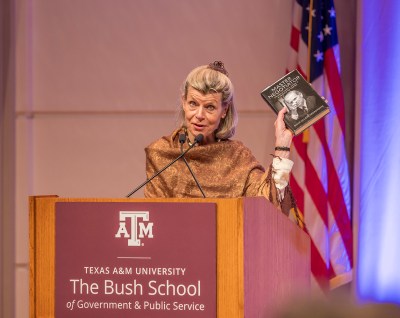
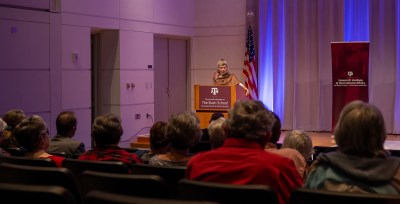
There are few people who know the world better than Diana Negroponte–who has a law degree from American University, a PhD in International Affairs from Georgetown University, has written two books, and who is married to John Negroponte, former US Deputy Secretary of State, Director of National Intelligence, and Ambassador to the UN. We got a glimpse of Negroponte’s wisdom, intelligence, and knowledge at the Bush School last week.

The author’s subject was James Baker, whom she refers to as a “Master Negotiator” (which is also the name of her book on Baker), while highlighting four of Baker’s major accomplishments and how his work offers insights into today’s problems.

To take just one of these issues, Dr. Negroponte brought up the issue of Germany’s reunification as the USSR was crumbling. In the United States, there were hardliners who wanted Premier Gorbachev to fail, and many of these believed that working too closely with him would be a form of capitulation. On the other hand, a complete failure by Gorbachev would give Soviet hardliners a chance to retrench and exert a more powerful control over the Soviet Union.

Baker suggested a step-by-step approach, one that would allow for continued progress but not provoke retrenchment among what President Reagan called “The Evil Empire.” There were also Europeans who were not crazy about the idea of a German reunification–remembering that a unified Germany had once wreaked havoc across the continent.

Baker provided a steady hand. As the Berlin Wall began to crumble–metaphorically and then literally–Baker proposed four principles by which reunification should be considered:

  • Self-determination should be pursued;
  • Reunification, should it occur, should take place within the context of NATO and the larger European community;
  • The process should be peaceful, gradual, and in steps;
  • The “inviolability of existing borders should be respected (meaning the existing Polish-German border).”

Baker’s approach held sway, and while the US refused to “dance on the rubble” of the Wall, they did become increasingly adamant that reunification proceed. In part, this reflected the Bush Administration’s belief that they had to get ahead of the process to help guide it and ensure that it unfolded properly.

This approach, which proved successful, was marriage “between idealism and realism.” While idealists sometimes sacrificed lives and treasure for unobtainable ideals, and while realists sometimes sacrificed American ideals in the name of order, Baker sought to use a realistic approach in pursuit of gradual policies that would ultimately secure human rights.

Negroponte communicated these complex thoughts in an impeccable English–something much commented on–with a vaguely European or Ivy League accent.

She also took questions, with the help of moderator Andrew Natsios–who was the former Director of USAID (which came up in the discussion), a former state legislator (MA), US Special Envoy to Sudan, a Professor, and an author.

Afterward, Ms. Negroponte kindly signed our books, took a photo with us, and shared a few more stories.

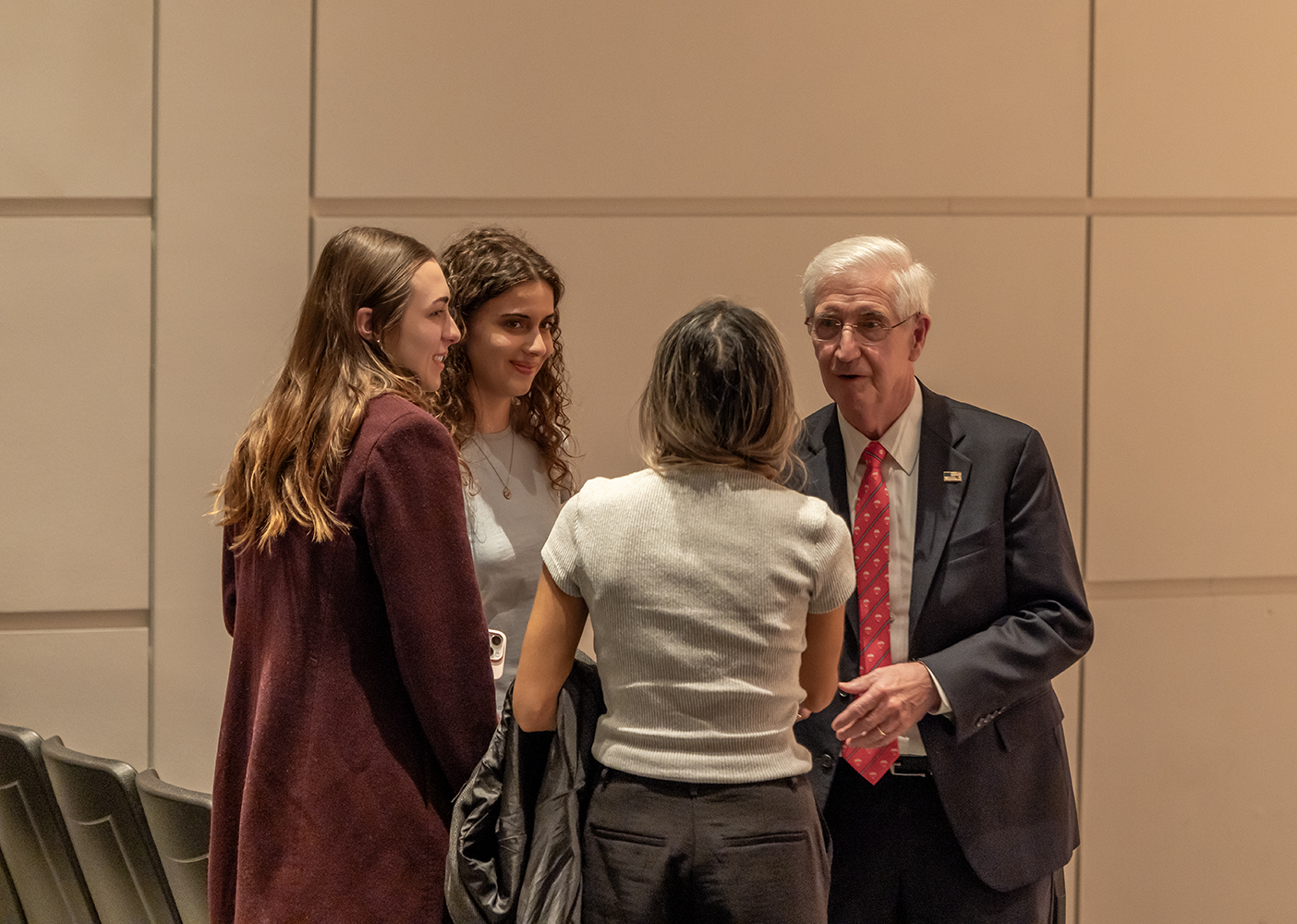
We also had the opportunity to meet Andy Card…

…who, after serving in the Massachusetts Legislature, served in three presidential administrations: (1) Deputy Assistant to the President during the Reagan Administration; (2) Secretary of Transportation for President G.W.H. Bush; and (3) Chief of Staff for President G.W. Bush. He is perhaps best known for informing President Bush of the attack on the World Trade Center on September 11, 2001.

It was a perfect cap to an event that took us across centuries of political history, around the world, and a hand-shake away from some of the people who helped shape that history.

Unknown's avatarAuthor mikeyawnPosted on March 5, 2025March 5, 2025Format AsideCategories Civic Engagement, History, International Affairs, Law, Public AdministrationTags Andy Card, Brent Scowcroft Institute, Center for Law Engagement And Politics, Diana Negroponte, James Baker, Texas A&M Bush SchoolLeave a comment on Around the World with Dr. Negroponte

Posts pagination

Previous page Page 1 … Page 12 Page 13 Page 14 … Page 106 Next page

LEAP Ambassadors Are Involved!

This slideshow requires JavaScript.

Follow Us On Facebook!

Follow Us On Facebook!

Catch Up With Us

  • Filling Empty Bowls: A Community Tradition March 13, 2026
  • CHSS Wall of Honor ceremony and Speakeasy celebration March 11, 2026
  • Jean Becker and Tom Collamore Discuss Advance Work in ‘Don’t Tell the President’ March 10, 2026
  • Public Service Lessons from George H.W. Bush March 9, 2026
  • Mexican Delights & Mediterranean Bites: Retreat Eating, Done Right March 8, 2026

Join The Conversation!

Multi-Platform Media… on Fun and Flavor: Chilly at the…
Highlights from the… on Glazing-A-Trail with Lauren…
The Civic Leadership… on Foundational Activities of the…
The Civic Leadership… on The Philosophical Foundations…
LEAPing Into Action… on The Philosophical Foundations…

Find Previous Posts

We also have Twitter!

My Tweets

LEAPing Into LEARNing

This slideshow requires JavaScript.

  • About LEAP
  • LEAP Ambassadors
Center for Law, Engagement, and Politics Blog at WordPress.com.
  • Subscribe Subscribed
    • Center for Law, Engagement, and Politics
    • Join 490 other subscribers
    • Already have a WordPress.com account? Log in now.
    • Center for Law, Engagement, and Politics
    • Subscribe Subscribed
    • Sign up
    • Log in
    • Report this content
    • View site in Reader
    • Manage subscriptions
    • Collapse this bar
 

Loading Comments...