Making the Most of New England

By Mike Yawn

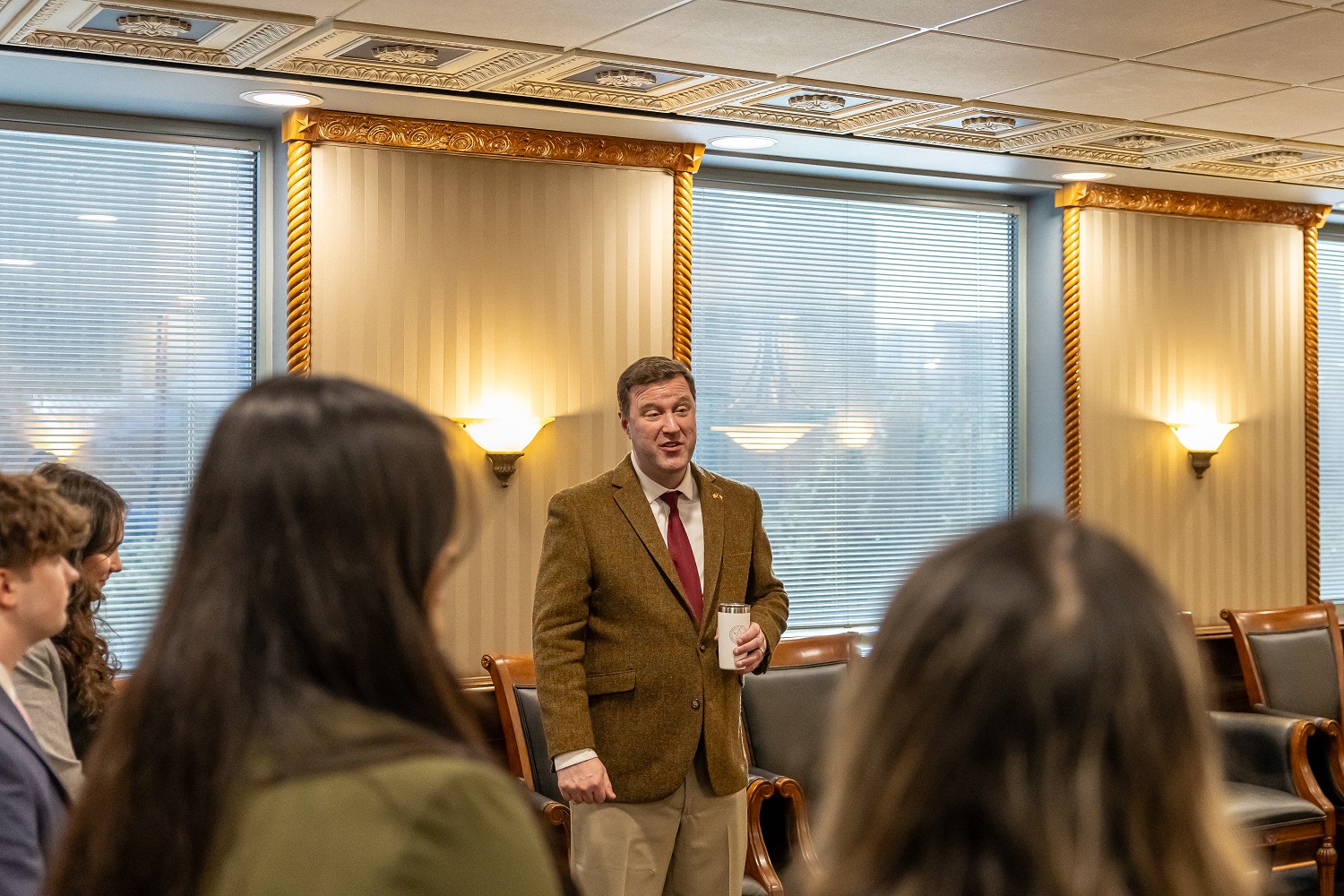
When LEAP Ambassadors have the opportunity to travel, they follow a process that is in line with their approach to education: prepare, experience, and reflect–sometimes called the P.E.R. model. In this manner, the Center promotes learning, while also providing the flexibility and individual discretion to have fun and find their experiences personally rewarding.

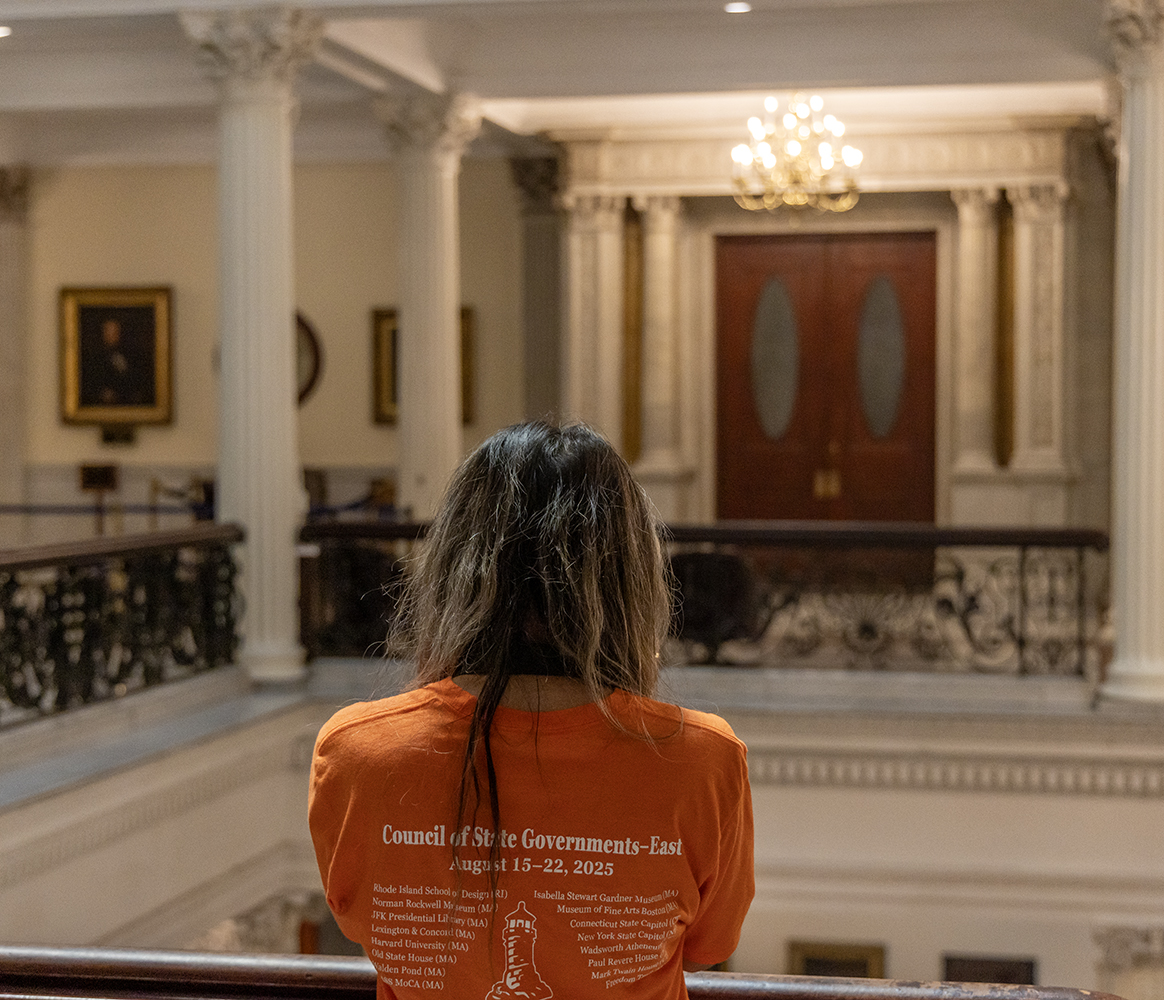
In advance of the students’ participation in the Council of State Governments Conference, they prepared by doing various levels of research on the many sites, people, and locations they would explore. For the students, this also involves research the sites, the costs, allocating their own funds, and creating the trip-themed t-shirt.

The central aspect of the learning process, however, is the experience, and there were many on this eight-day trip. To help with the refection, the students write blogs such as this one, of course, but they also select their favorite experiences from a trip–like all LEAP travel–that involved much diversity in experiences, perspectives, and geography.
Restaurants

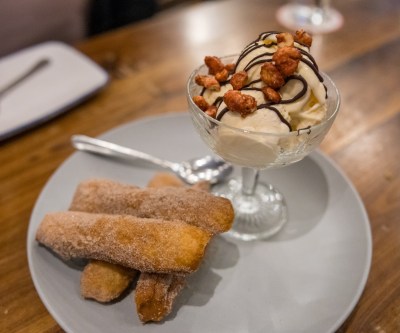
The overwhelming favorite among restaurants was Boston’s ‘Fox & the Knife,” which is no surprise in that Chef Karen Akunowicz won the “Best Chef: Northeast,” in 2018. The service was impeccable, and the food was even better, with the Carne Cruda Crostini and the Tagliatelle Bolognese standing out as favorites, with the fried chickpeas as a surprise favorite snack.

Another favorite was Track 15 in Providence, Rhode Island, a refurbished railroad station with half a dozen restaurant choices. We made the most of these, and the combination of the food and the environment made this a favorite.

Art Museum

The clear favorite of the art museums was the Boston Museum of Fine Arts, owing no doubt in part to the Van Gogh exhibit on display when we arrived. The students had a chance to see three different Van Gogh self portraits (Olivia has seen 5-6 or at different museums across the country), a giant piece by Dale Chihuly, and explore some others that became favorites.

Most LEAP Ambassadors come into the program with little knowledge of art, and with varying degrees of art affinity. Olivia came in with a love of art, but with very little experience visiting museums. She had only visited one museum in her life–a science museum–and she has now visited approximately 80 museums across 18 states, all of which she visited on LEAP trips.

Favorite Art Pieces

A favorite among both Michelle and Olivia was Rodin’s “Eternal Springtime,” on display at the Boston Museum of Fine Arts. Interestingly, Olivia was exposed to this at both the Metropolitan Museum of Art in NYC and the High Museum of Art in Atlanta, GA, making this her third viewing of a version of this sculpture.

Another favorite was Thomas Cole’s “Expulsion from the Garden of Eden,” a good example of the Hudson River School–appropriate, since we crossed the Hudson River on this trip!

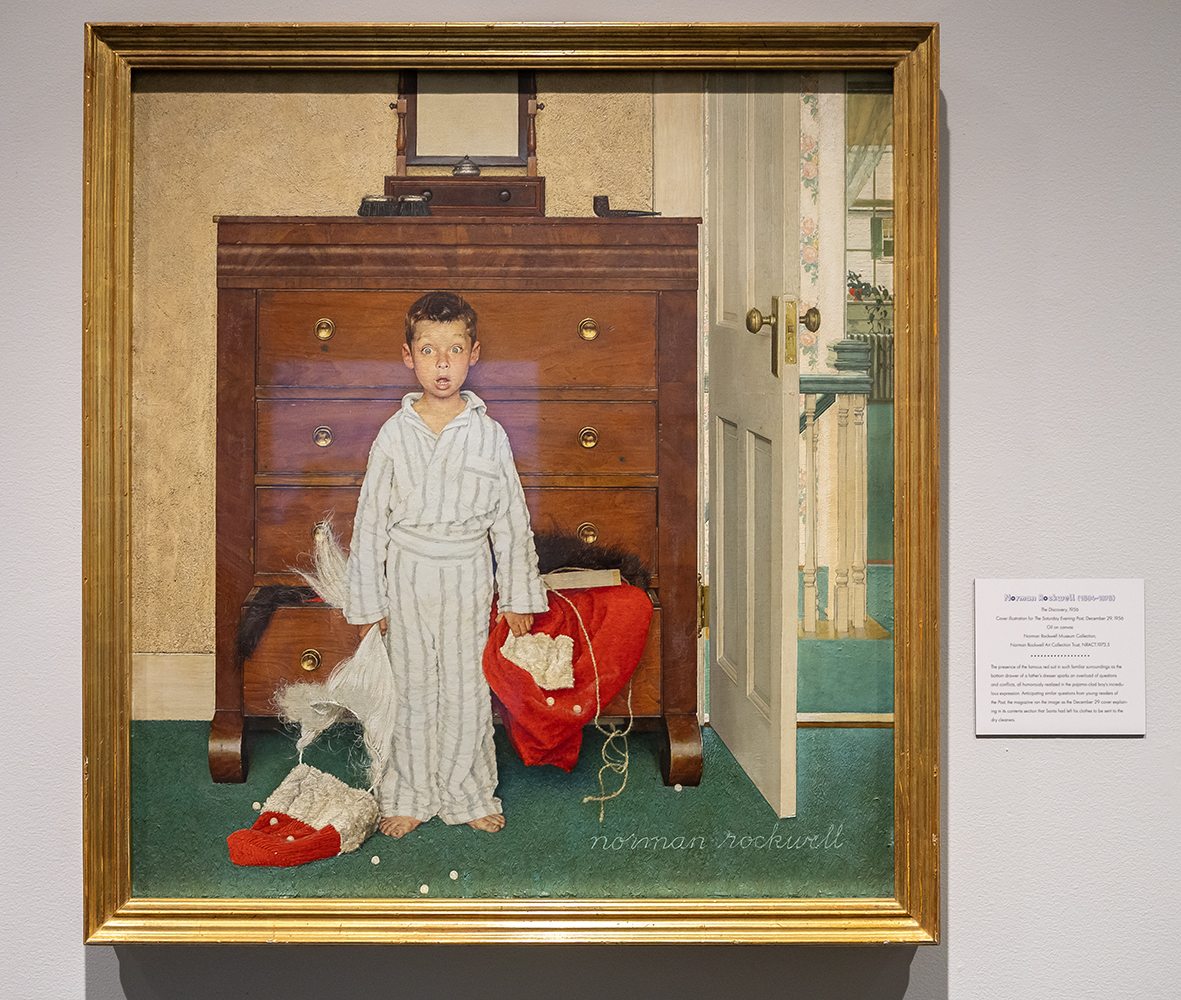
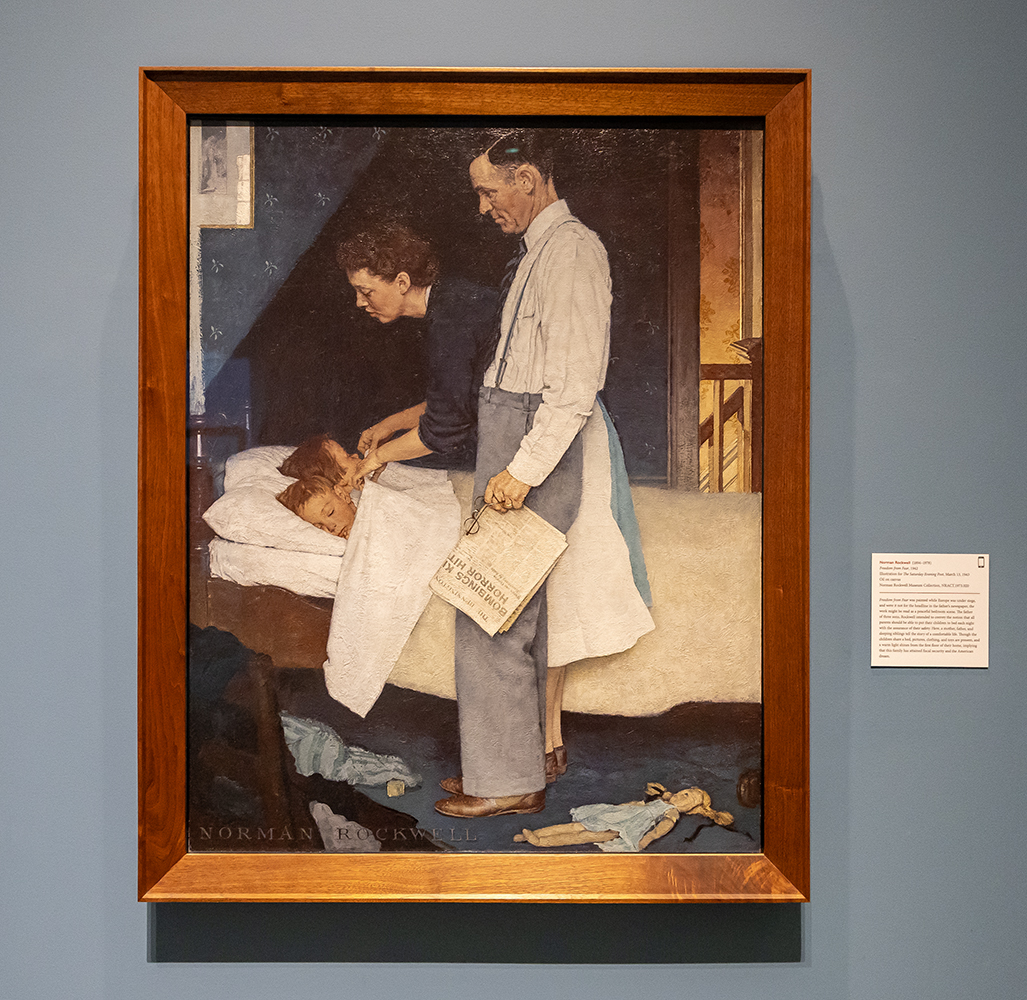
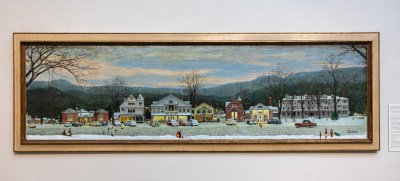
And of course, there were some “comfort favorites” from the Norman Rockwell Museum, including a rendering of Stockbridge, MA, where we stayed; his famous self-portrait; “Freedom from Want,” a copy of which hangs in Huntsville’s Wynne Home Arts Center; and “New Kids in the Neighborhood,” by Norman Rockwell.

Literary Sites

New England is rich in literary landmarks, and Ambassadors carefully planned their travel maximize their exposure to such sites. While many of these involved mere photo ops, they were able to see the homes of Herman Melville, Edith Wharton, Ralph Waldo Emerson, and Mark Twain, while also seeing the graves of Nathaniel Hawthorne, Henry David Thoreau, Emerson, and Louisa May Alcott–not to mention Thoreau’s cabin and Walden Pond!

But the favorite literary site of the trip was Mark Twain’s Hartford home.

Our enthusiastic tour guide (Josh), the home’s beauty, and the monumental stature of Mark Twain separated this site from the others we visited.

State Capitols

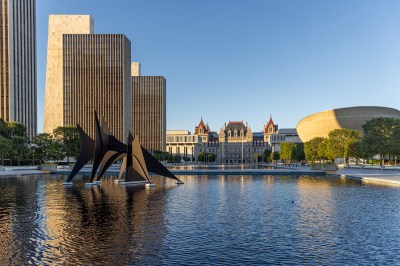
As students of political science, the Ambassadors made a point of visiting the capitols of the states they were in: Massachusetts, Rhode Island, Connecticut, and New York. While it’s perhaps not fair to compare (we didn’t receive full tours of all; some were self tours), the overwhelming favorite was the Rhode Island Capitol building.

Our tour guide, Tony was very knowledgeable, and when a special tour arrived, other staff from the tour office came in to relieve Tony, showing us the Museum portion of the capitol. It was a beautiful building, well complemented by the tour, and we believed, a microcosm of the state’s beauty and interesting history.

Favorite Activities

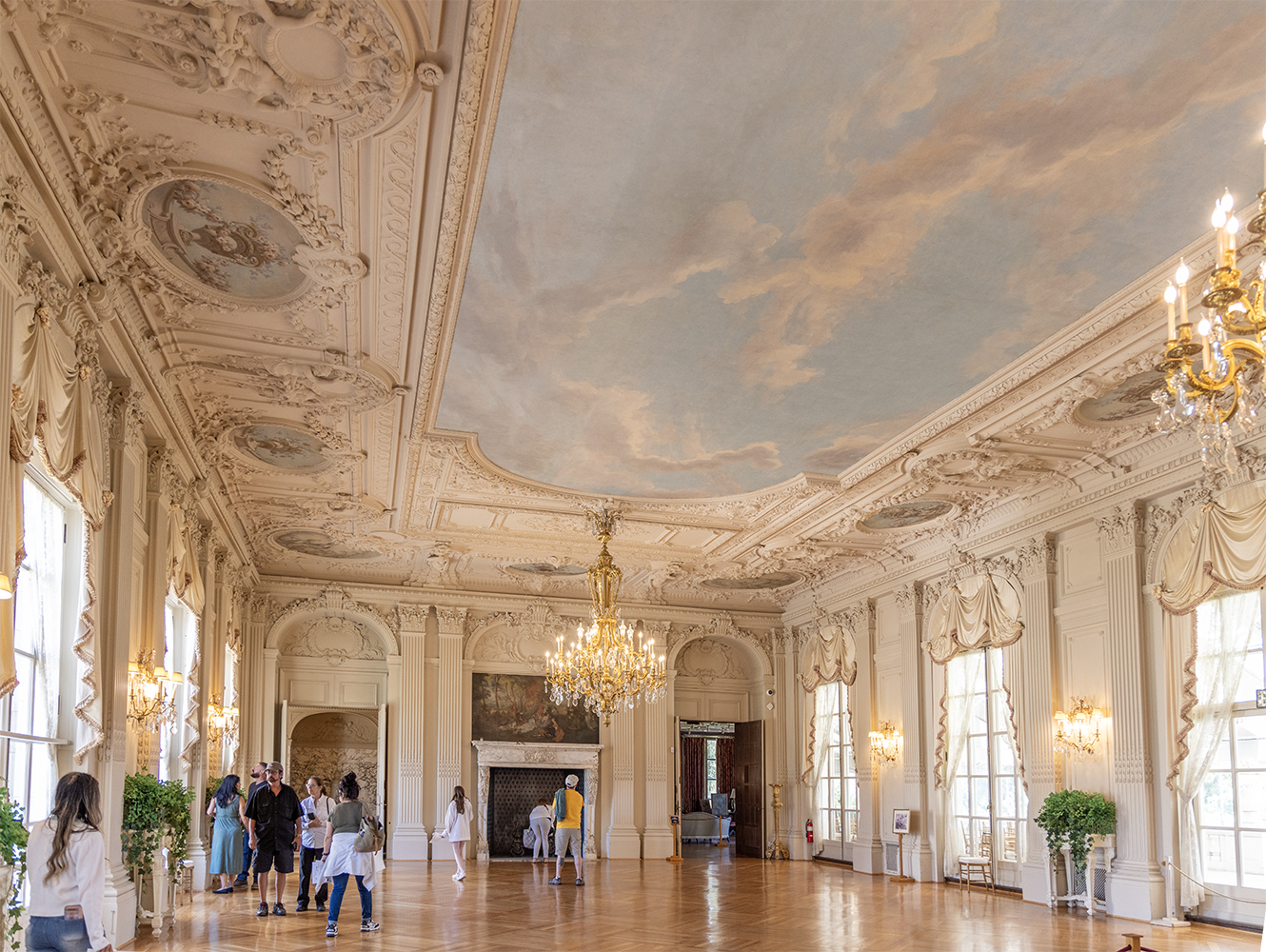
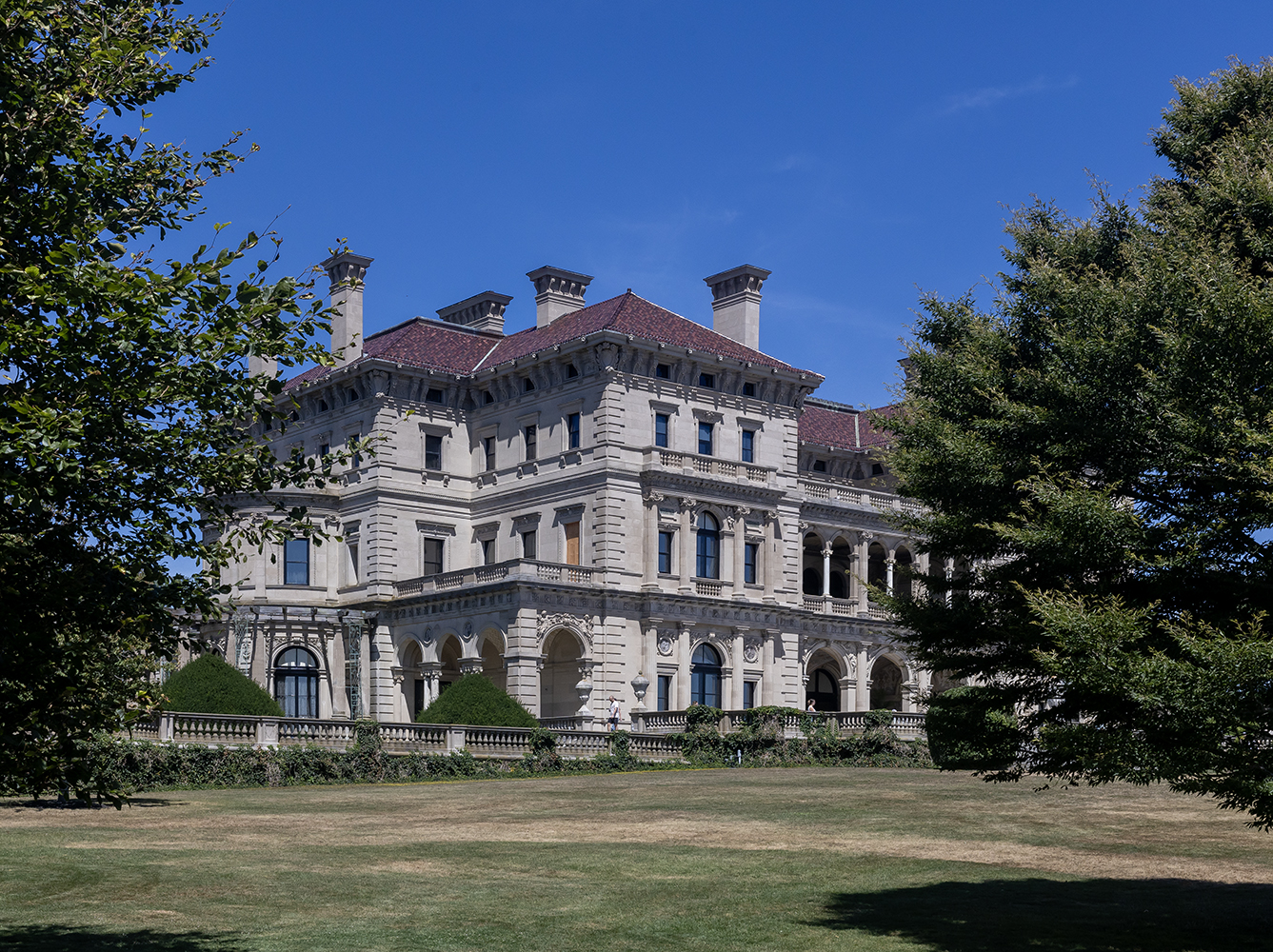
When the students weren’t engaged in conference activities or scheduled tours, they made time for additional fun and educational activities. Their favorites among these including touring the Breakers and Rosecliff (students were split on their favorite).

Of course, when Parasailing in the Atlantic Ocean is one of your activities, it is likely to be a favorite. It was both students’ first time to parasail, and it was Olivia’s first time on a boat!

They made the most of it!

Concluding Thoughts

“They made the most of it,” might just be the best phrase for capturing LEAP Ambassadors’ approach to their college education. These trips can be difficult, involving much preparation, many activities, a lot of writing, photography, and both writing and photo editing, but this is the work that goes into making the travel rewarding.

This program, however, only works with the help of generous donors and a small group of bright, motivated, and civic-minded students who are truly interested in “making the most of it.”

Beards, Bibles, and Barristers: A Day in Austin

We had a full day ahead of us, with a stop for a hearty brunch, a visit to the Harry Ransom Center, and a tour of the Texas Supreme Court, led by Justice Evan Young. With that in mind, we loaded up in the car, ready to tackle the day.

Joe’s Bakery

by Chrissy Biello

Experiencing LEAP means discovering amazing places worth remembering, and many even start making a checklist. A must-have on that list is James Beard Award winners and nominees. Joe’s Bakery, which won the James Beard America’s Classic Restaurant Award in 2022, was packed when we tried to step inside, suggesting we had picked the perfect lunch spot.

The restaurant has a rich history dating back to 1935, when it was established as La Oriental Grocery & Bakery by the current owner’s mother and stepfather. Their introduction of traditional pan mexicano to the community made it a gathering space that many would come together to. Although the original bakery closed in 1957 after 22 years of operation, Joe later reopened the establishment with his brother in law in 1962, expanding it into both a bakery and restaurant.

The sense of community was immediately apparent as we waited. Customers greeted each other warmly, which is unusual in a city as large as Austin; however, Joe’s has clearly maintained a loyal customer base that treats the establishment as a second home. While waiting, our group discussed our typical food preferences. Michelle, having grown up eating seafood, generally gravitates toward healthier options. Jacob, though not having tried much Tex-Mex food, expressed enthusiasm about trying something different.

When our turn came to order, Michelle and Jacob both selected the Caldo, a beef and vegetable soup…

Jacob was surprised when his meal arrived, indicating he didn’t know it was a soup–despite “soup” being clearly stated in the menu description. I opted for the beef tacos. Both Michelle and Jacob thoroughly enjoyed their selections, and my tacos were excellent.

In all, Joe’s Bakery proved to be a top choice for experiencing some of what Austin culture has to offer. From the strong sense of community to the classic appeal of the entire restaurant, it was a great spot to cross off of our LEAP checklist!

Harry Ransom Center

by Jacob Wessels

After having brunch at Joe’s Bakery, we headed over to the Ransom Center on the University of Texas at Austin campus. As we walked inside, we were immersed in a world of history, art, and innovation, surrounded by incredible artifacts that showcased human creativity and achievement. 

We started our tour by looking at a Frida Kahlo self-portrait, a piece that showed her unique style and deep emotions. Unfortunately, we couldn’t take any pictures. 

Next, we explored one of the most significant artifacts in the history of photography—the Niepce Heliograph. Created by Joseph Nicéphore Niépce in the 1820s, this is widely considered the world’s first surviving photograph. At first, we had a hard time seeing the picture until we were told that the best way to view it was from the middle of the doorway.

One of the most impressive things at the museum was the Gutenberg Bible, one of only 49 copies left in the world. Printed in the 1400s by Johannes Gutenberg, this book changed how people shared information and led to the start of mass printing. The pages had beautiful writing and detailed designs, showing why this book is still considered so important today. 

Next, we admired the stunning landscapes captured by Ansel Adams.

One that Professor Yawn, Chrissy, and Michelle became particularly intrigued in was Moonrise, Hernandez, New Mexico. Scanning a barcode to learn more about the photograph, Chrissy read the description out loud.

In 1941, Adams was driving in New Mexico when he quickly jumped out of his vehicle after noticing something that caught his eye: snow-covered mountains, a church, and the moon rising over a graveyard. It was a beautiful photograph to observe, one that showed Adams truly had a “photographer’s eye.”

Moving through the exhibit, we came across a stereoscope—the first 3D viewing device. Looking through the device through the glass enclosure, we could see the image inside in 3D. While we did this, a lady walking by informed us she had one of her very own, passed down from her grandmother!

Besides these highlights, the Harry Ransom Center has a huge collection of old books, important documents, and historical items. This was largely centered around PEN America, an organization that was founded in 1922 to promote the freedom of speech and human rights through literature in America.

The Harry Ransom Center is a great place for anyone who loves art, history, or literature. After gaining new insights—whether about ourselves, our personal interests, or a piece of history—we made our way to the Texas Supreme Court for a discussion with Justice Evan A. Young…

Tour of the Texas Supreme Court by Justice Young

by Michelle Moya

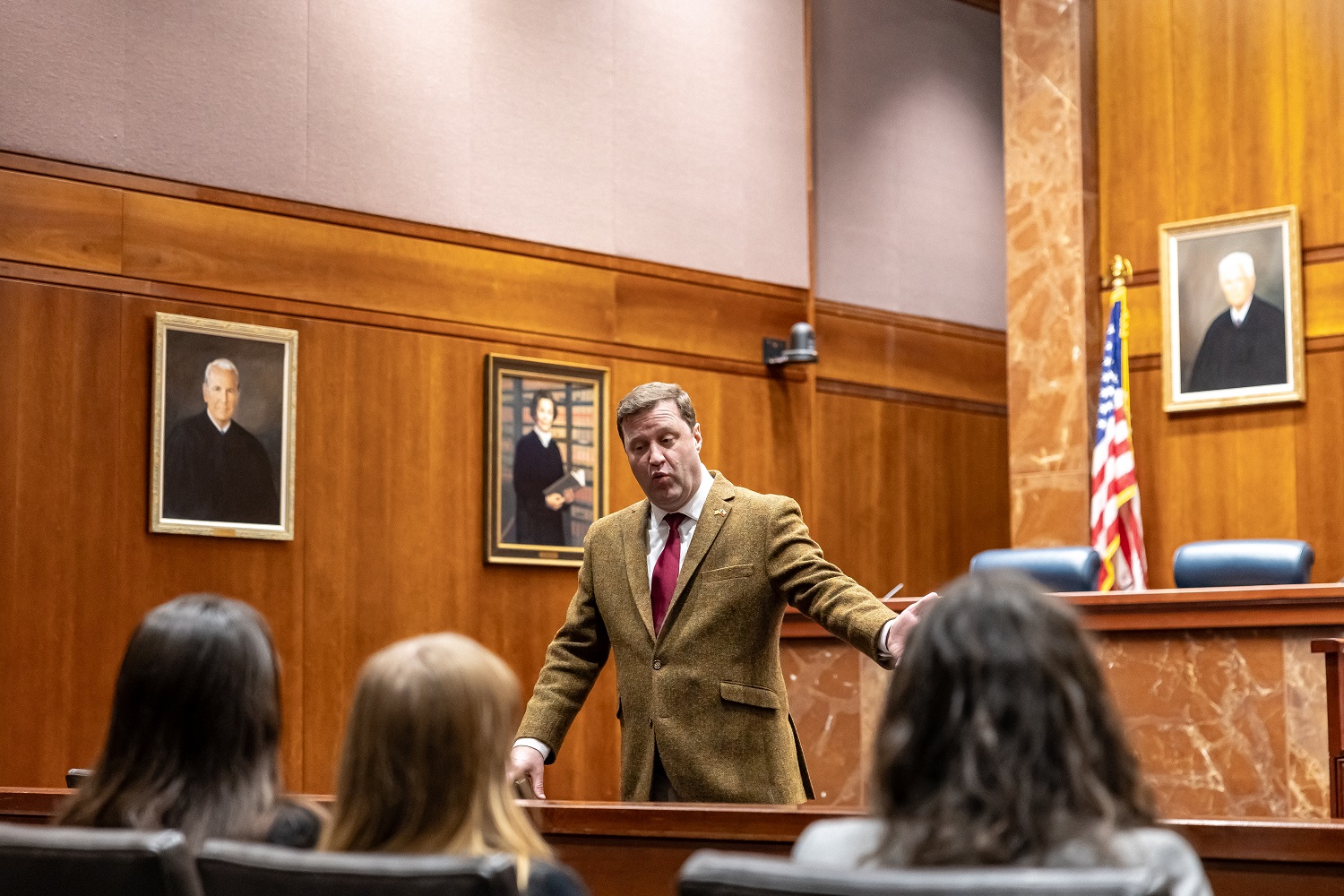
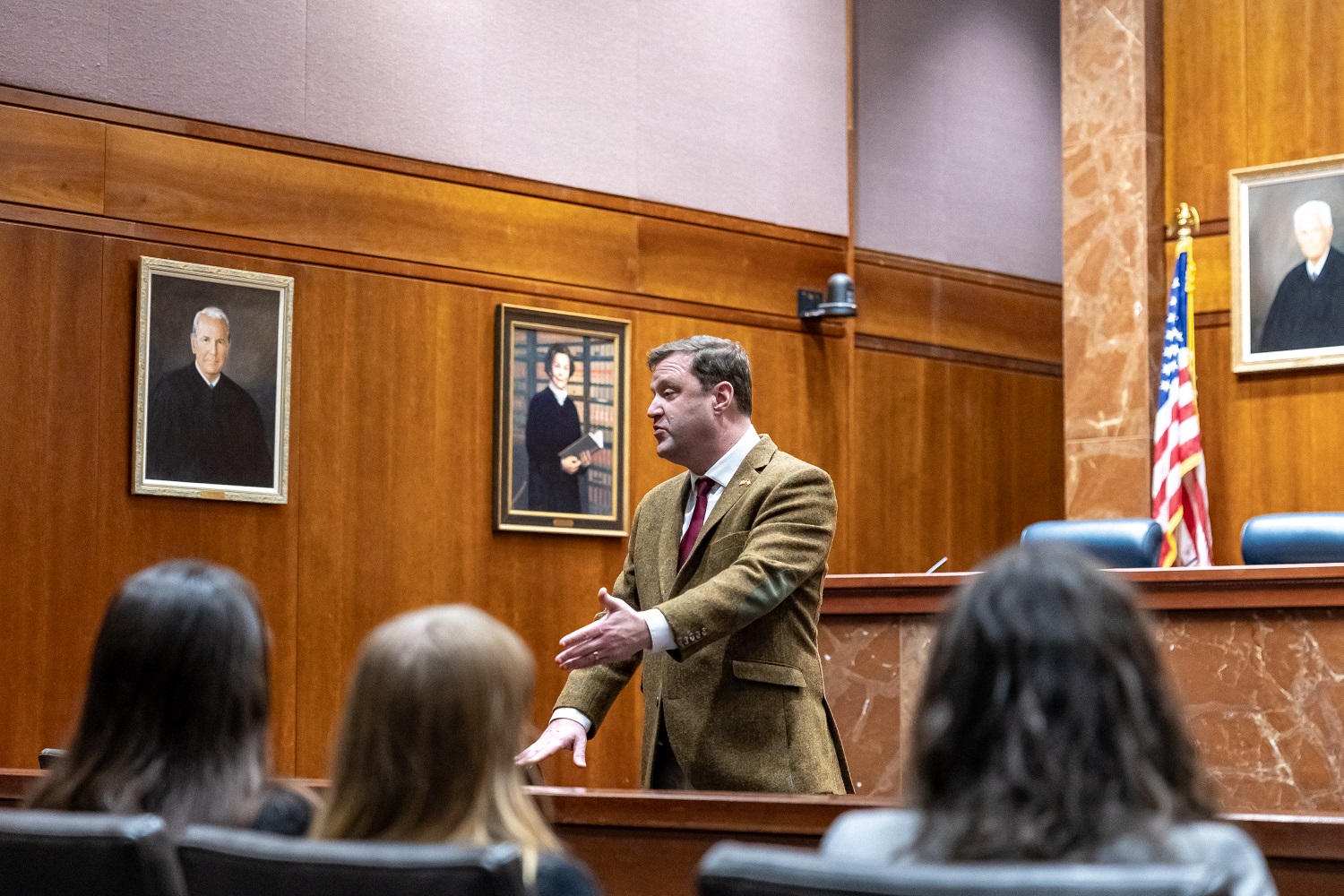
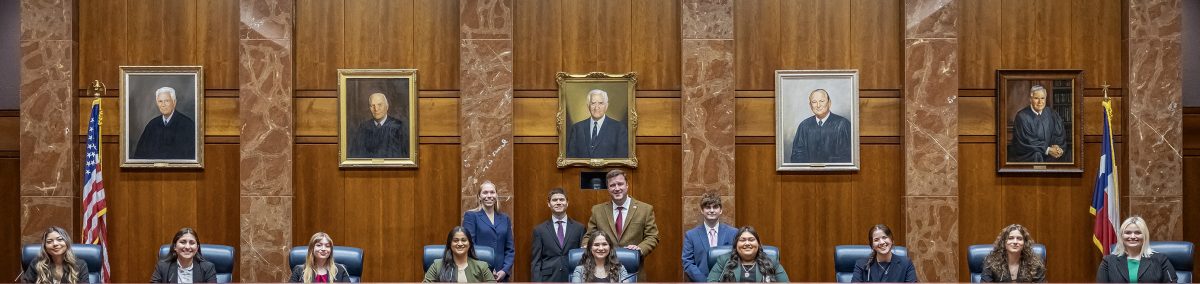
Throughout the years, LEAP has had several traditions of engaging in judicial court experiences. To carry on with this tradition, we, alongside SHIAP interns, went on a tour visit to the Texas Supreme Court, guided by Justice Evan A. Young himself! 

Interestingly enough, few people realize that Texas has one of the nation’s most unique judicial systems. Along with Oklahoma, it’s one of just two states with a bicameral supreme court—one for criminal cases and the Texas Supreme Court for civil and juvenile matters. 

To start off, Amy Starnes, the Court’s Director of Public Affairs, warmly welcomed us to begin our tour. Our first stop was the courtroom where justices hear oral arguments and deliver their rulings.

The room’s walls display portraits of former Justices, Justice Young touching on the idea that these Justices past decisions will forever be remembered, even if the justices deciding upon them might not be. Notably, one of the displayed Justices being Robert Gammage, a Sam Houston alum! 

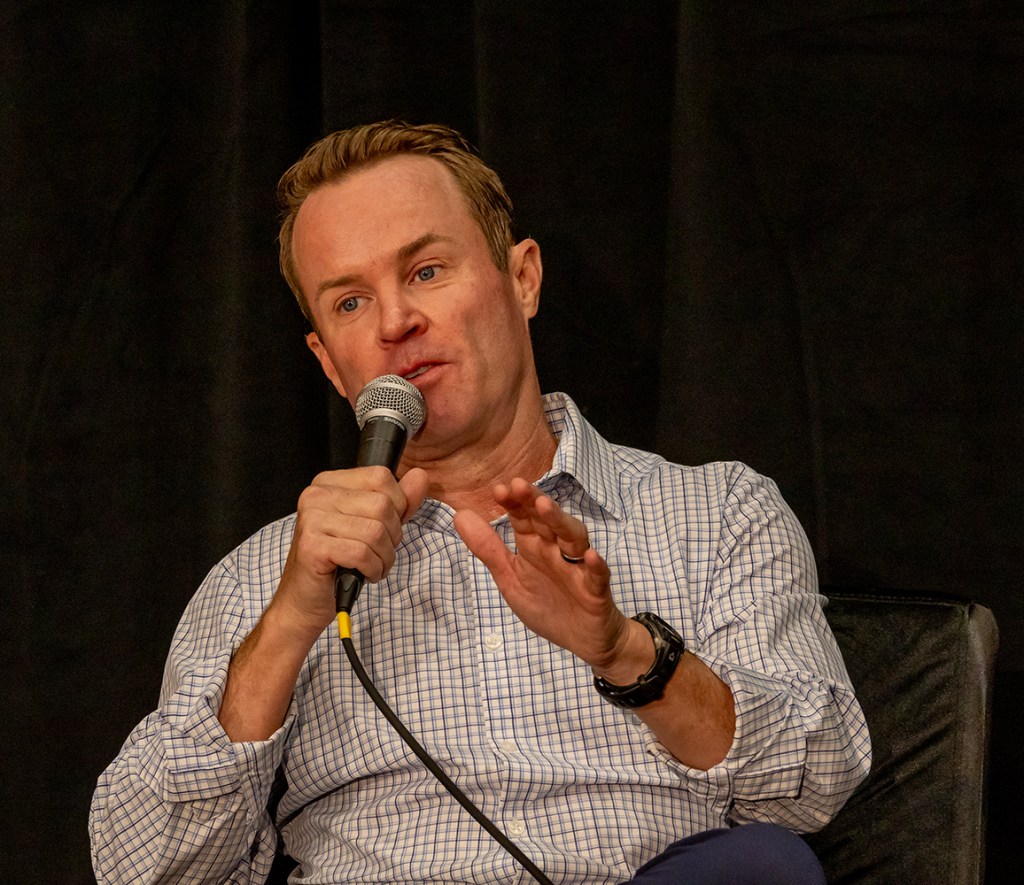
Justice Young offered particularly compelling insights into our judicial system and informed voting. He emphasized Texas’s distinctive history of putting judicial selection in citizens’ hands while stressing the importance of researching candidates before casting our ballots. This helps us preserve the quality of our state, and these nominees are just a reflection of the citizens that vote them in. 

He then shared candid reflections about the challenges judges face, especially the crucial task of interpreting law without letting emotions guide decisions—a valuable lesson for our group of, hopefully, legal professionals. 

The tour continued to the judges’ robing room, which is a private space where justices can retreat for breaks, discussions, and moments of respite. (A fun detail: there’s a TV showing the courtroom, hence the need to whisper!) 

One highlight was returning to the courtroom for a photo opportunity at the justice’s bench—a moment none of us will soon forget. Although I have attended many Austin trips, this will surely be in the books for my favorite! 

Justice Young concluded by showing us the conference room where Justices deliberate cases, emphasizing its confidential nature. As we departed, Mrs. Starnes pointed out a fascinating historical artifact: a portrait commemorating three women judges from 1925, highlighting the advocacy for women’s rights in Texas and empowering women in the legal profession!