Skip to content

Center for Law, Engagement, and Politics

Leap At SHSU!

  • About LEAP
  • LEAP Ambassadors
Center for Law, Engagement, and Politics

Category: Civil Rights

LEAP Favorites from the Pelican State

After four educationally filled days in New Orleans, it is time to reflect on our favorites adventures in New Orleans.

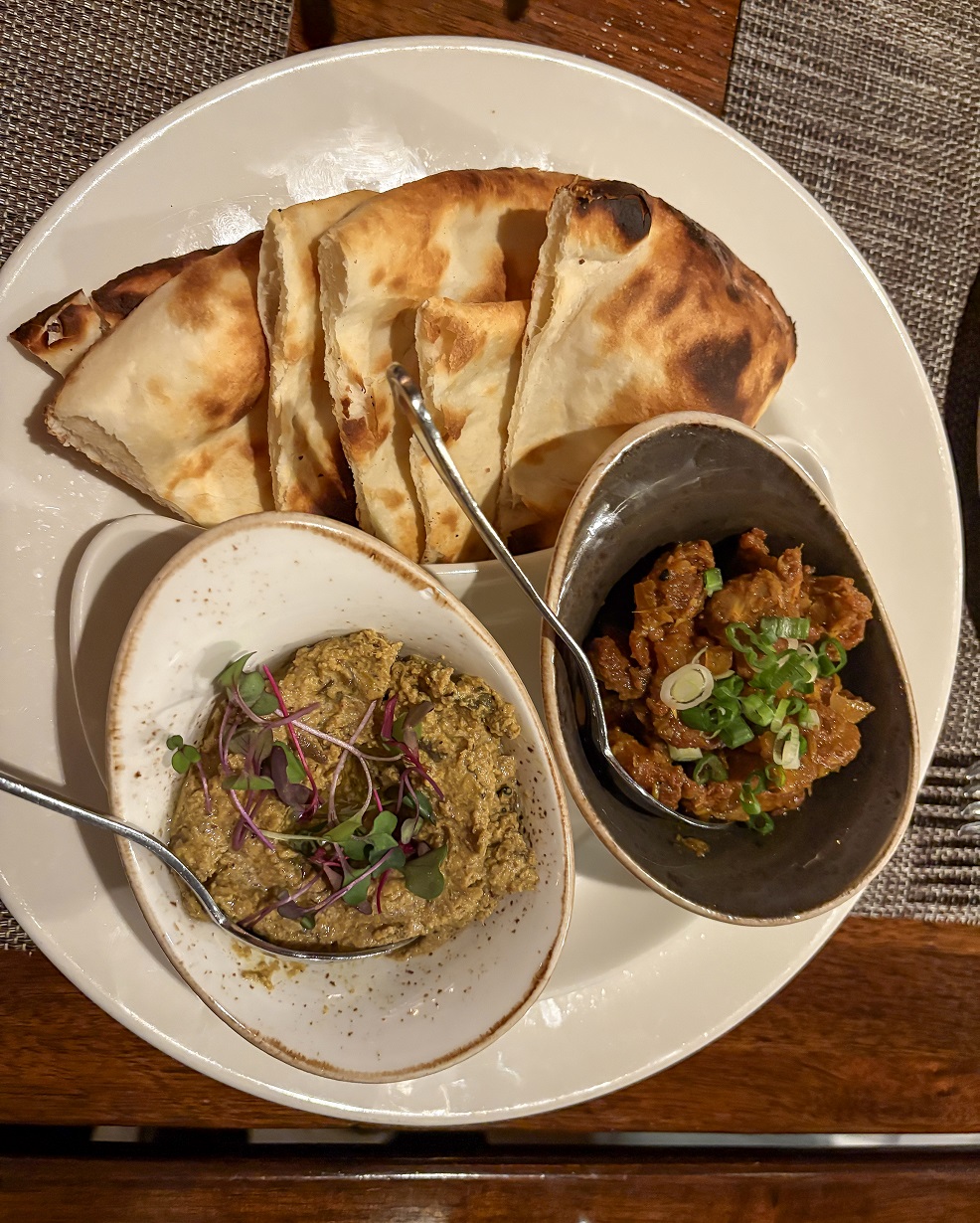
Saffron was a hit amongst the group, being their highest ranked restaurant!

There was so much food variety that is no clear favorite, but the Chicken Lasooni and the Ginger Creme Brulee from Saffron would be the closest to it.

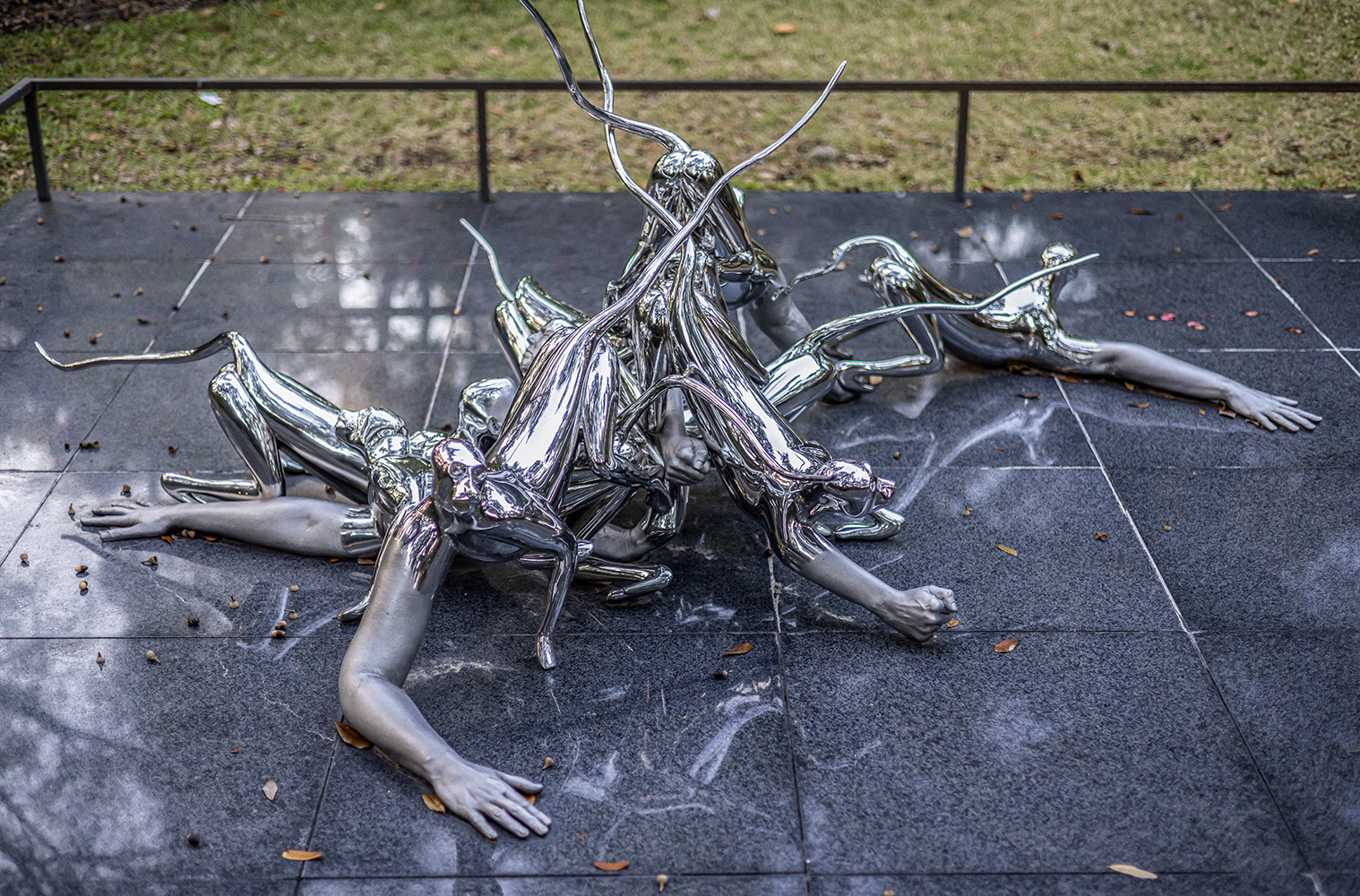
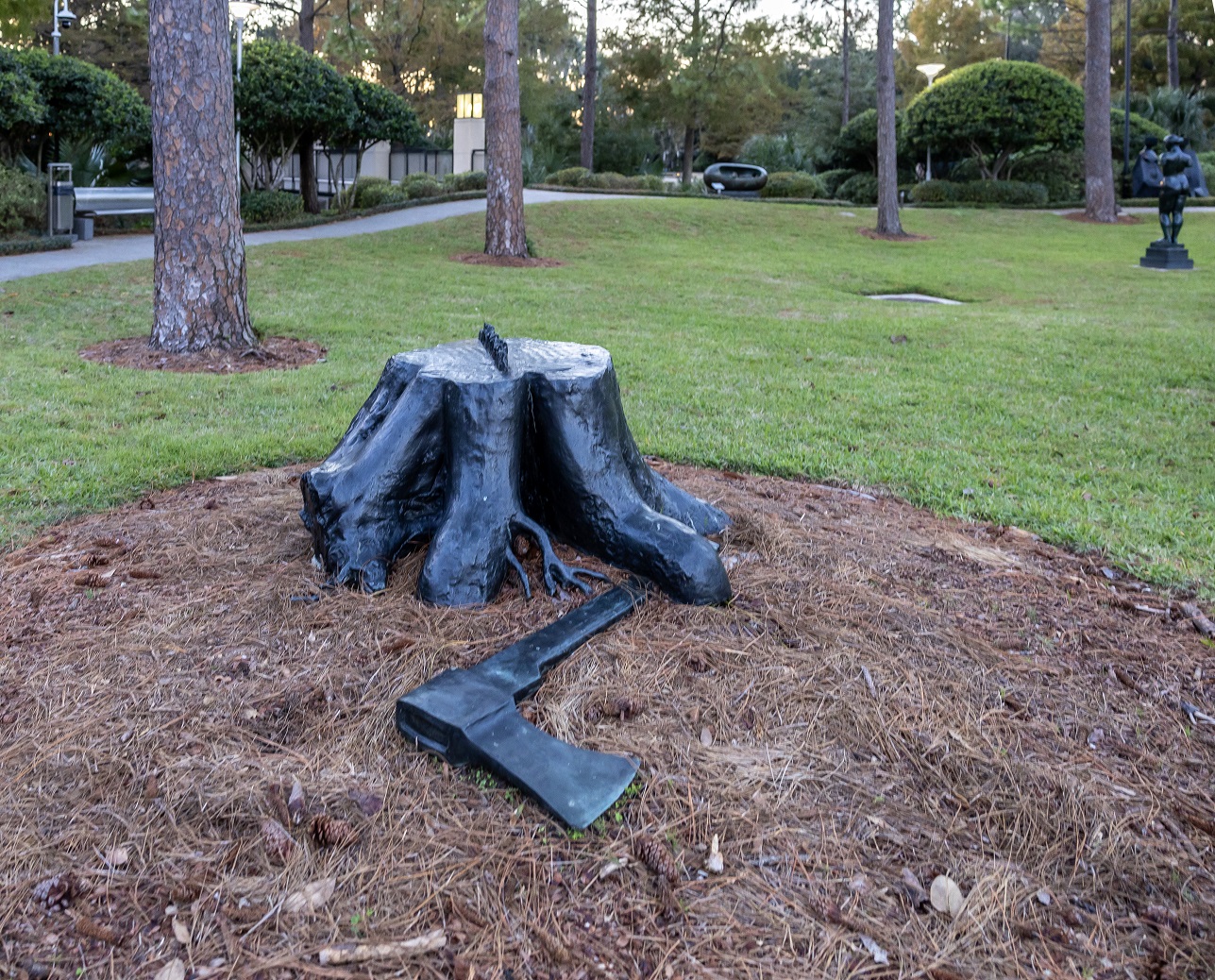
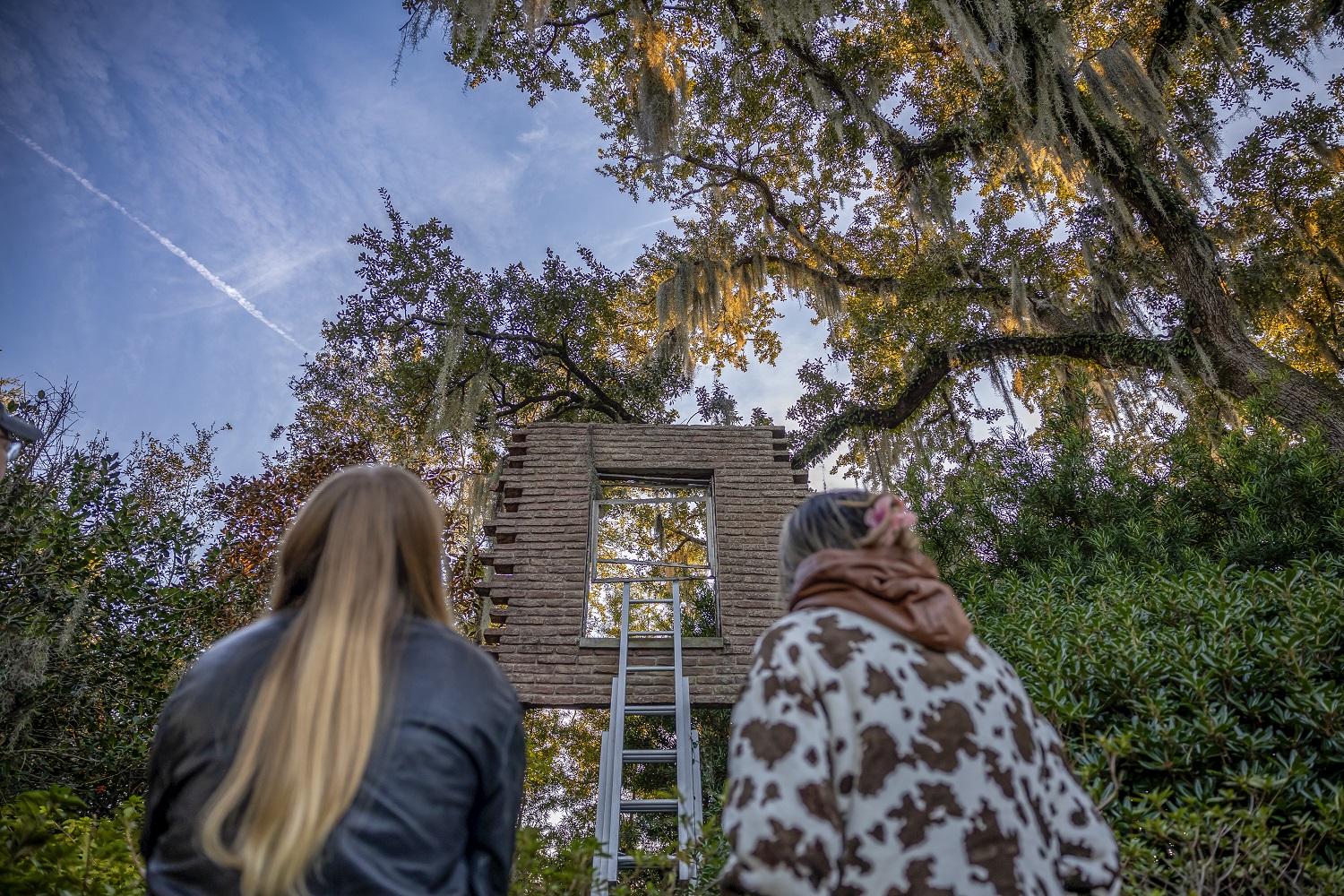
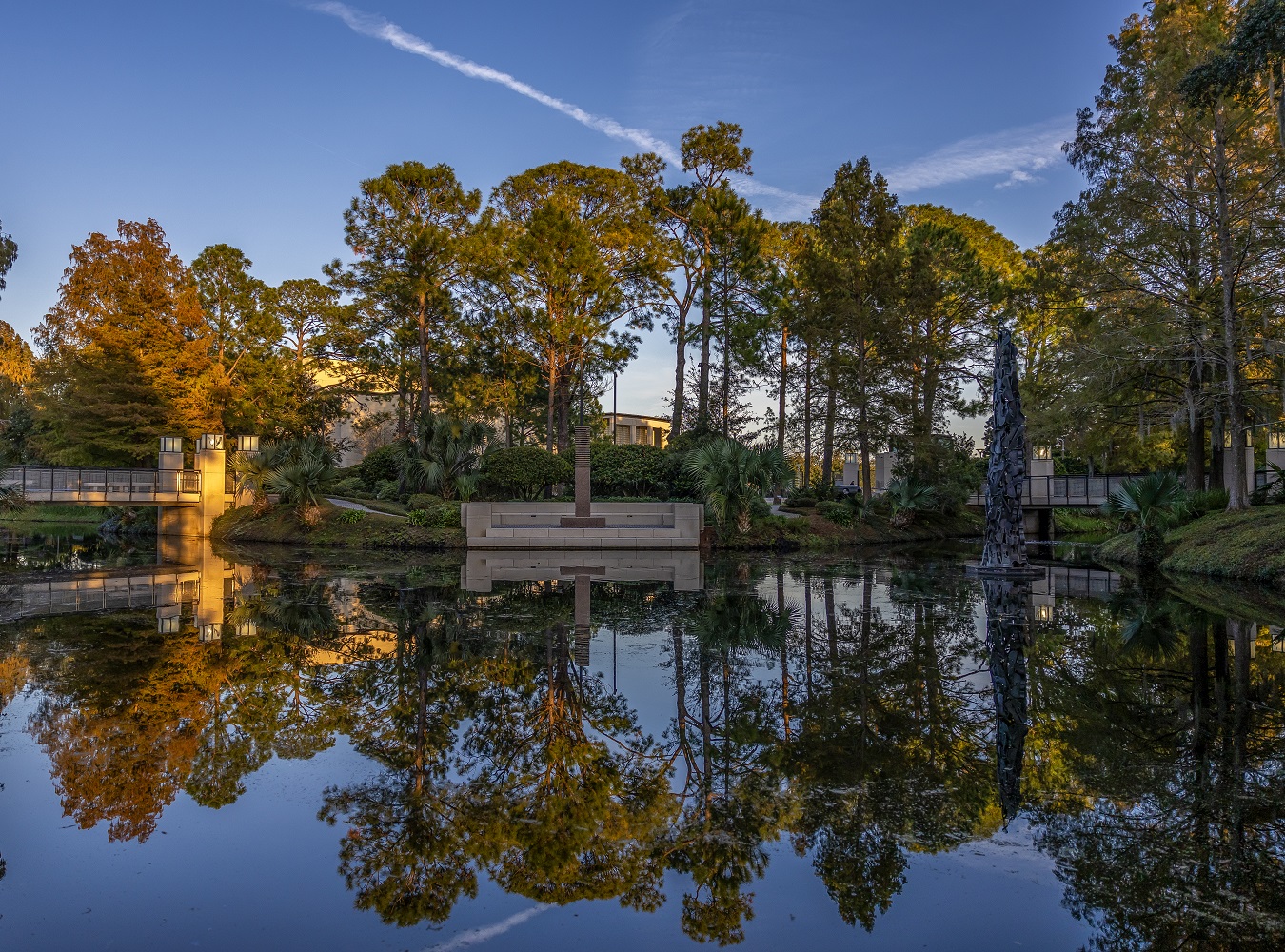
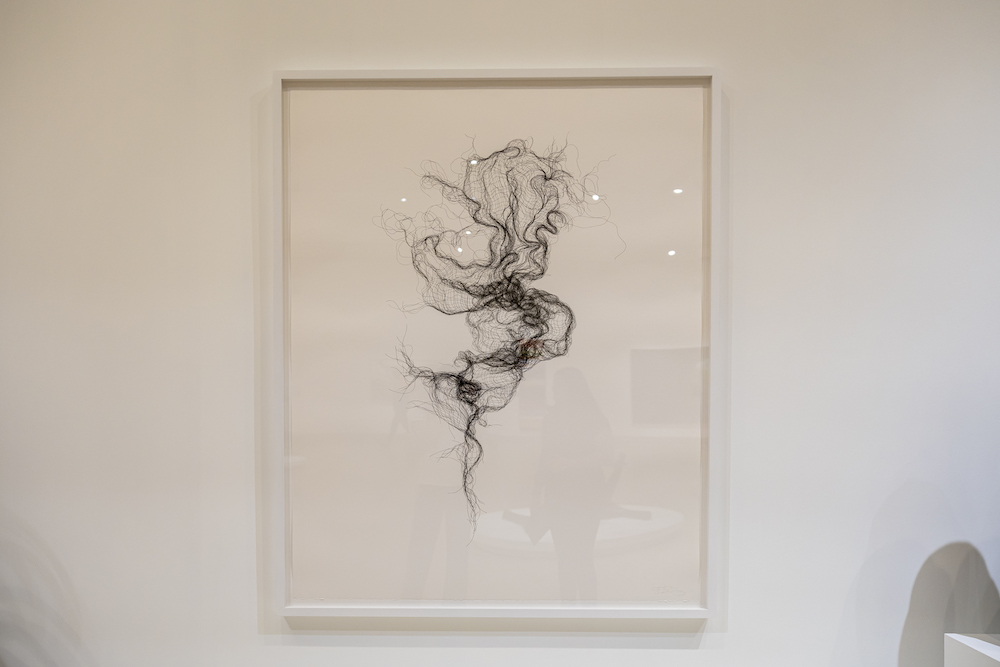
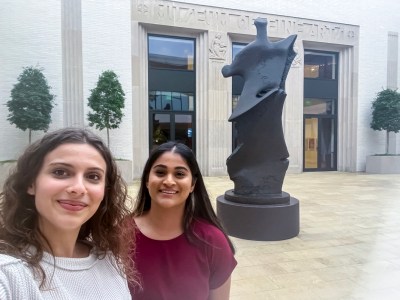
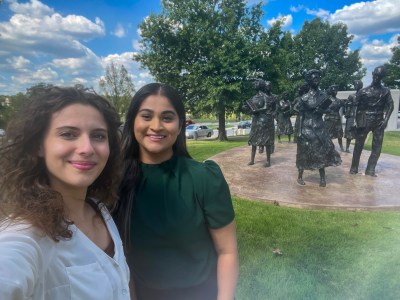
The Besthoff Sculpture Garden was the most talked about attraction in NOLA!

But Chrissy thoroughly enjoyed the World War II Museum, making it her favorite.

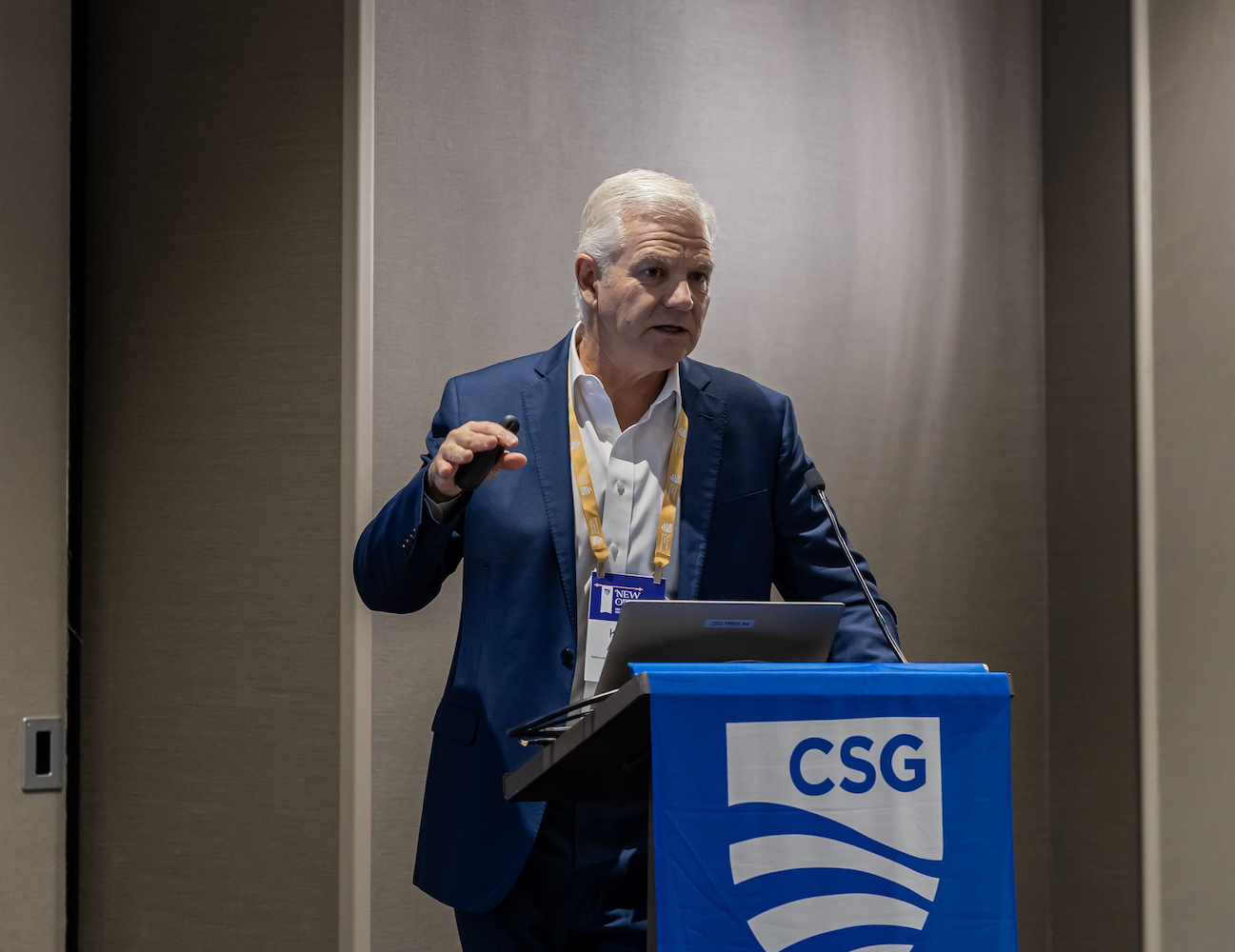
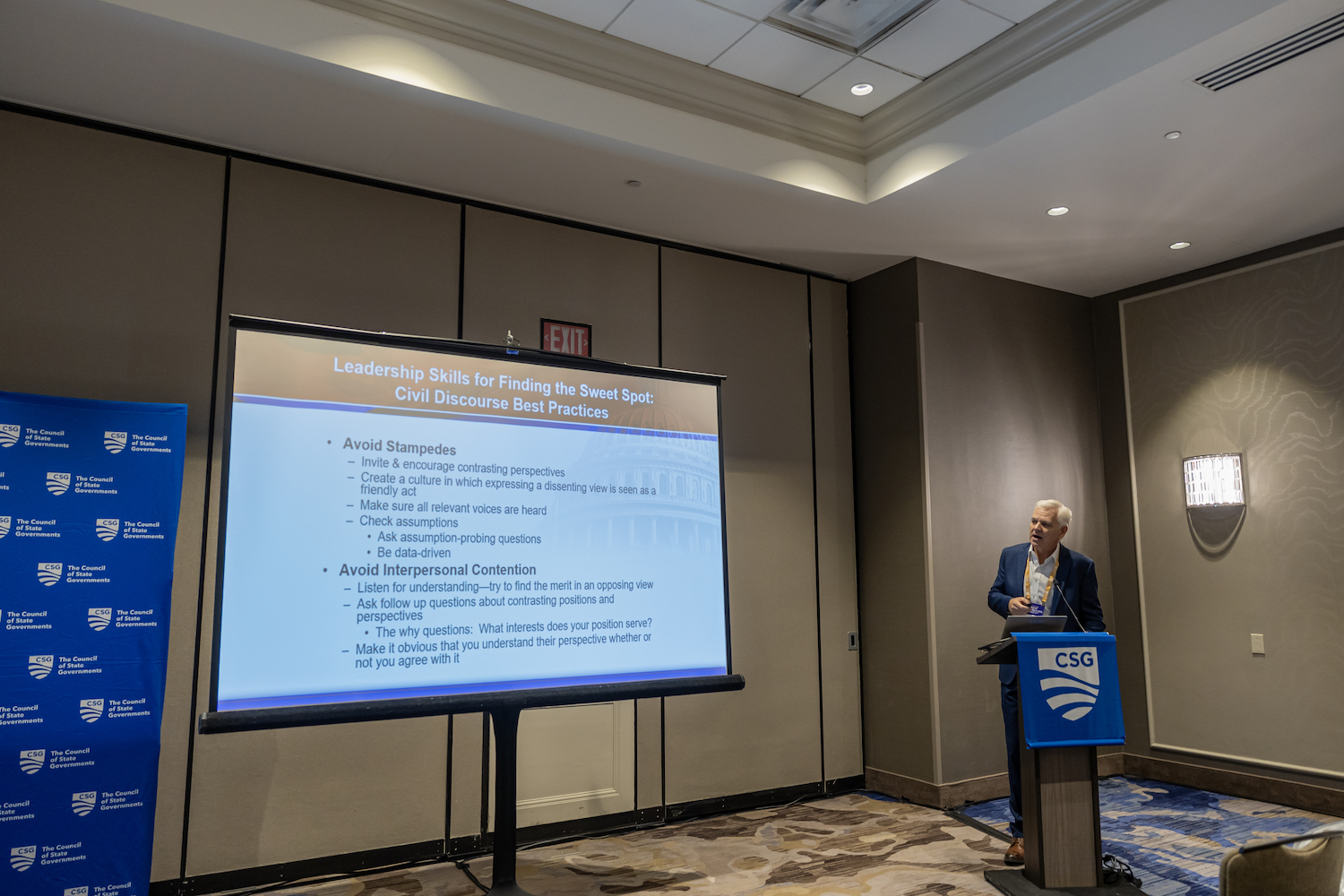
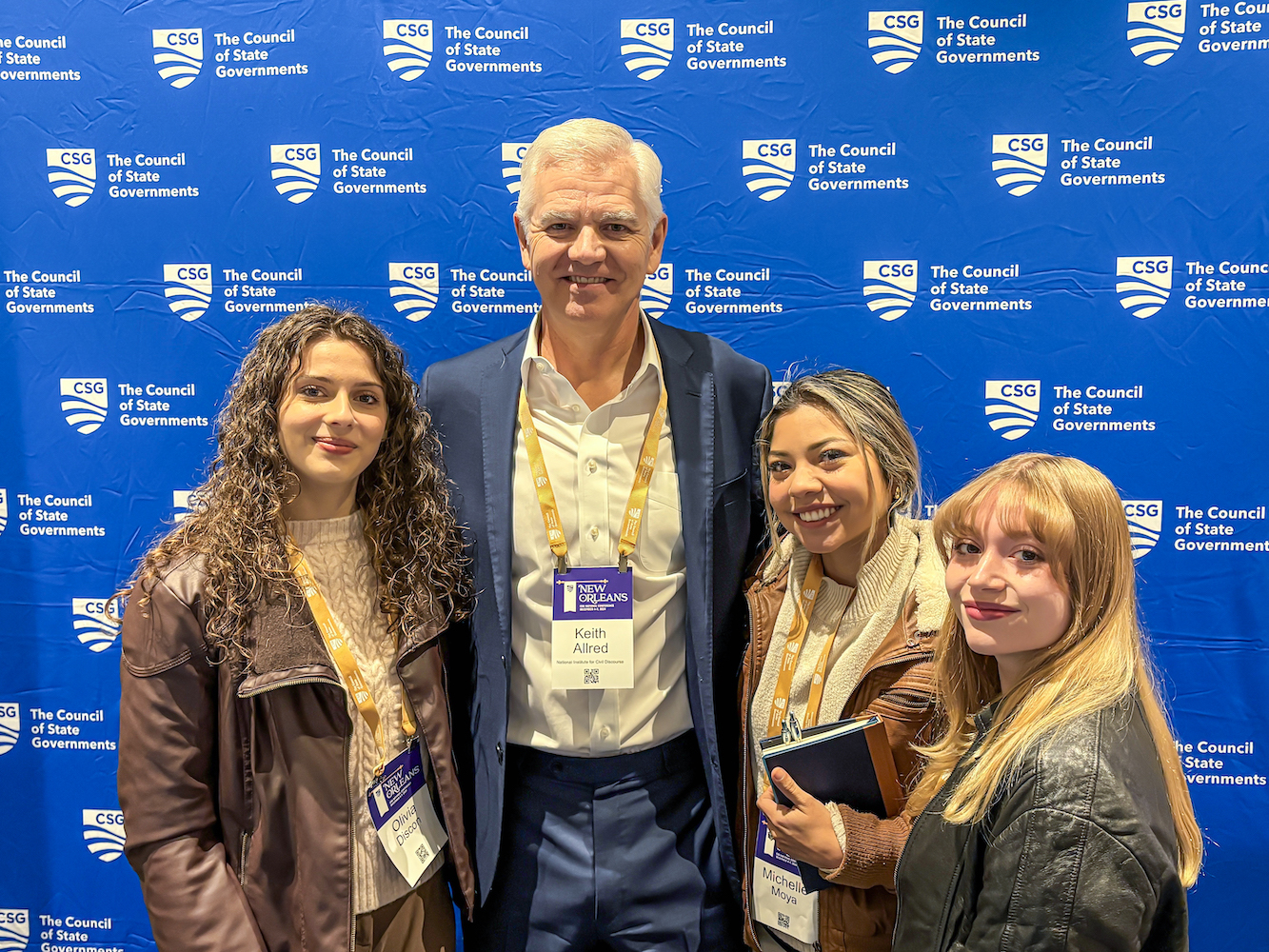
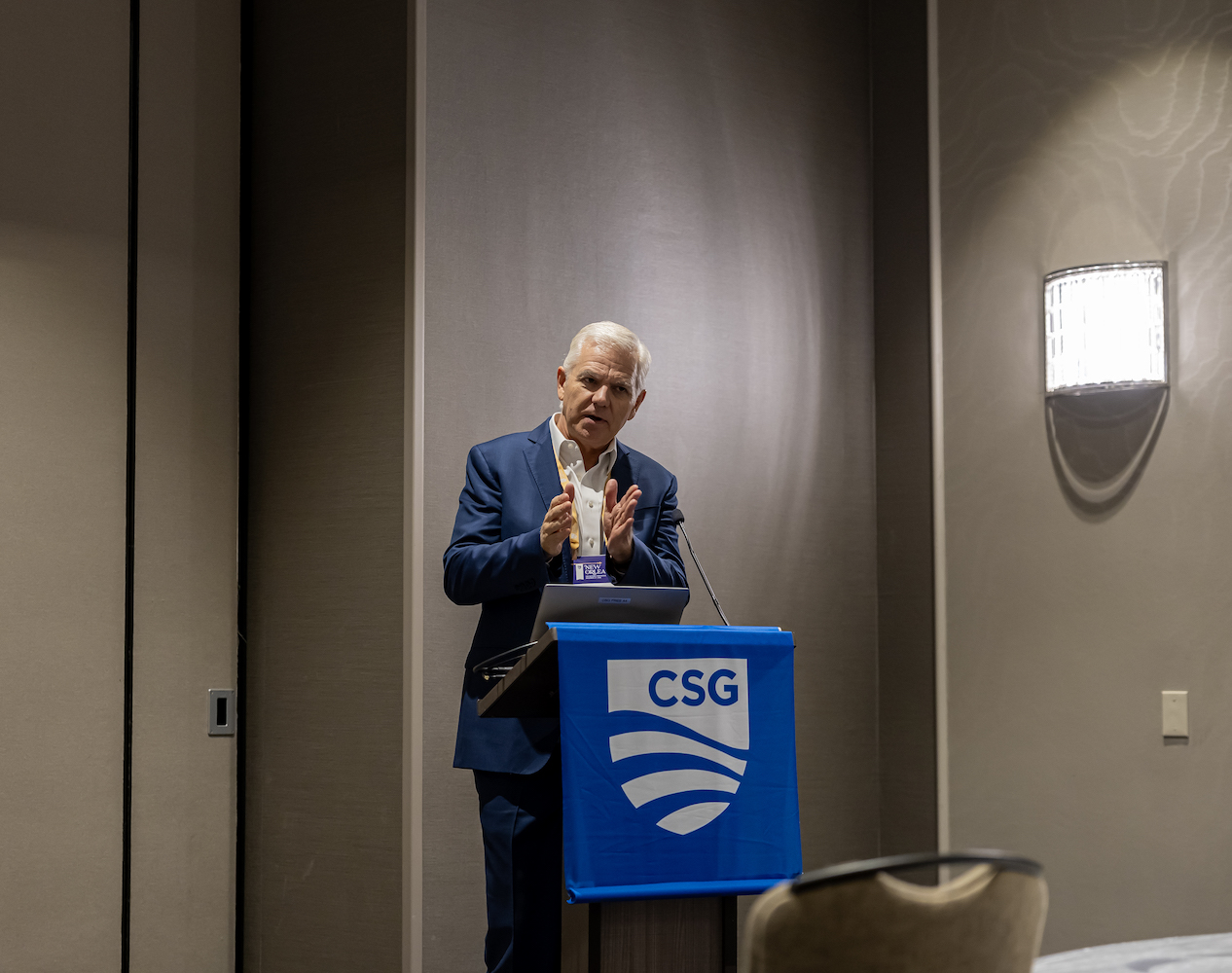
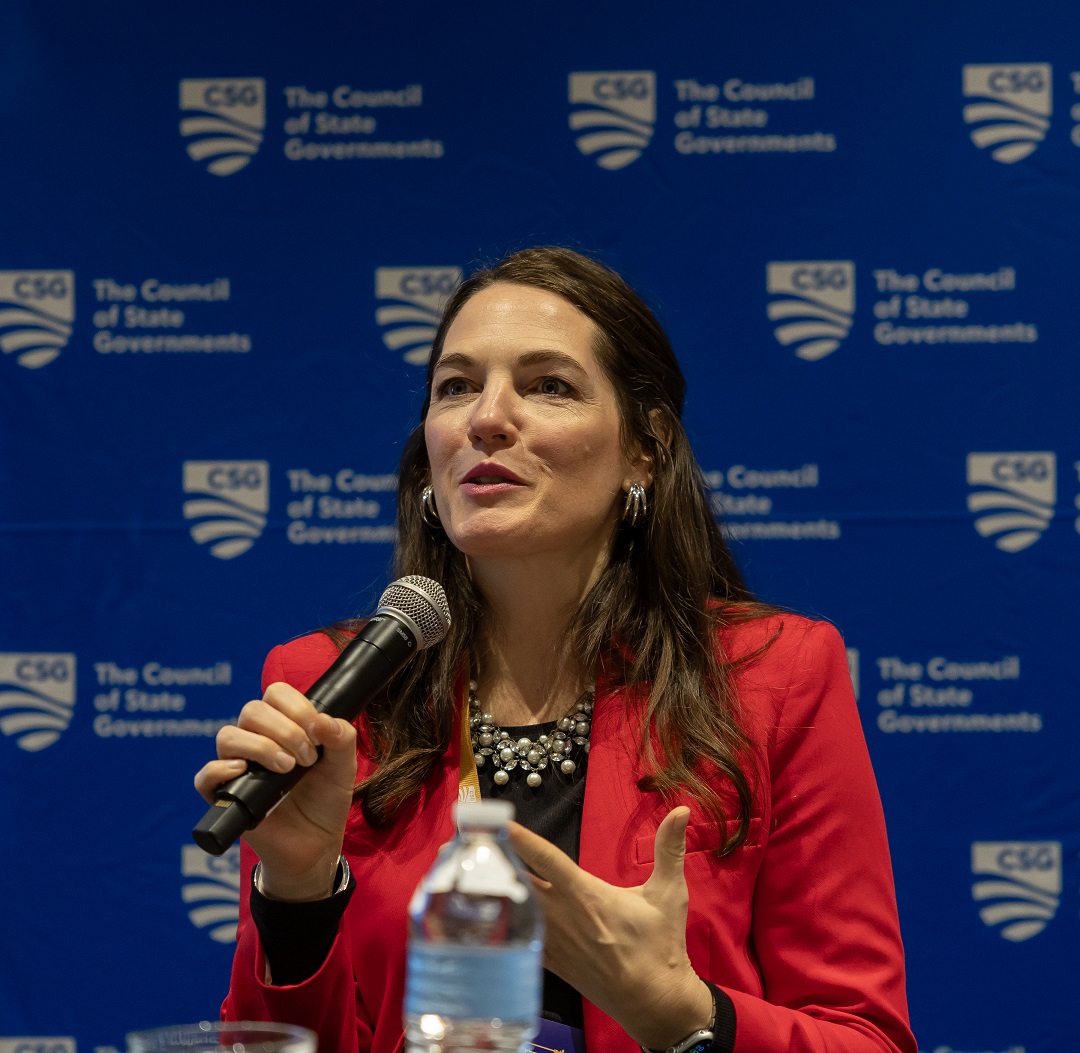
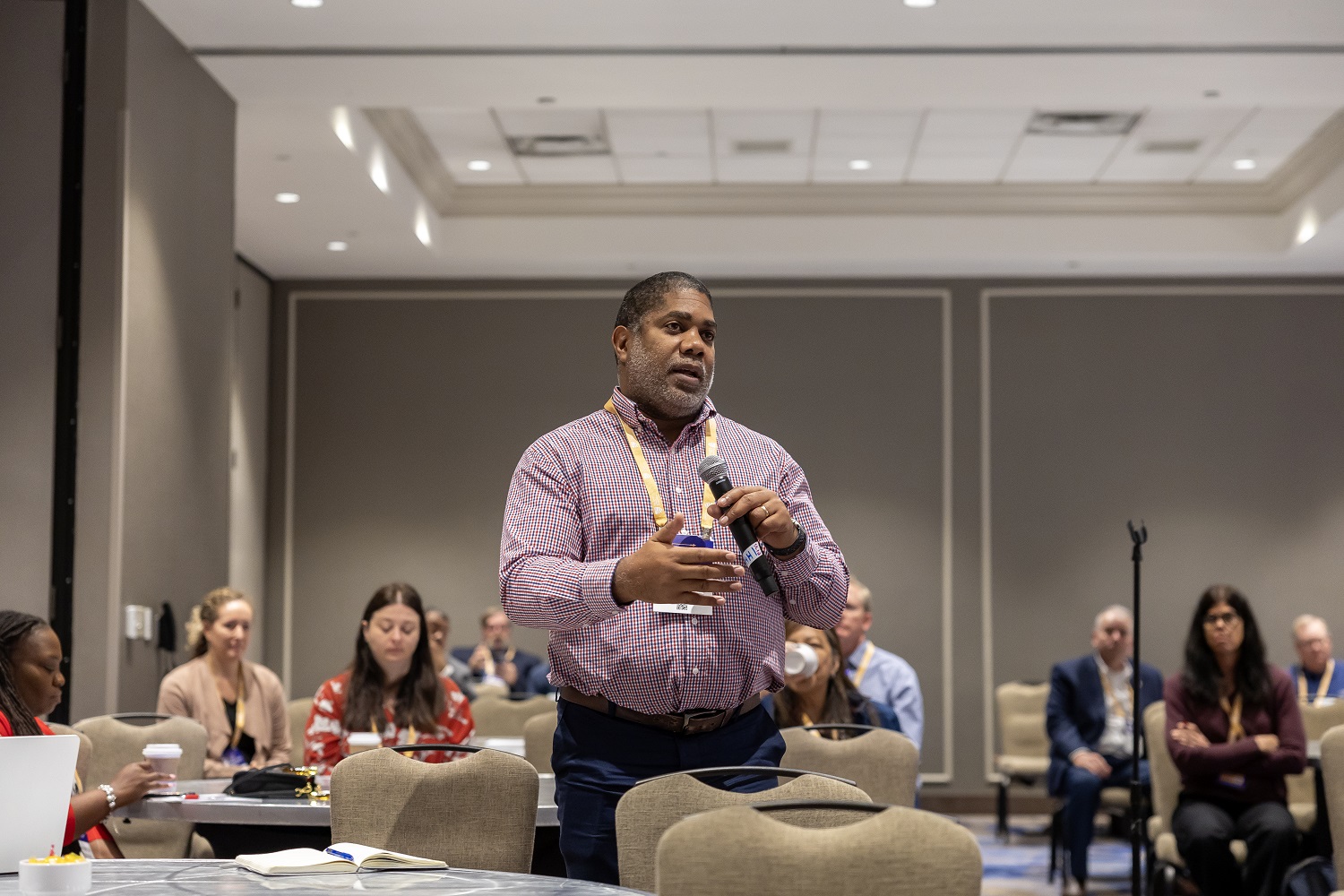
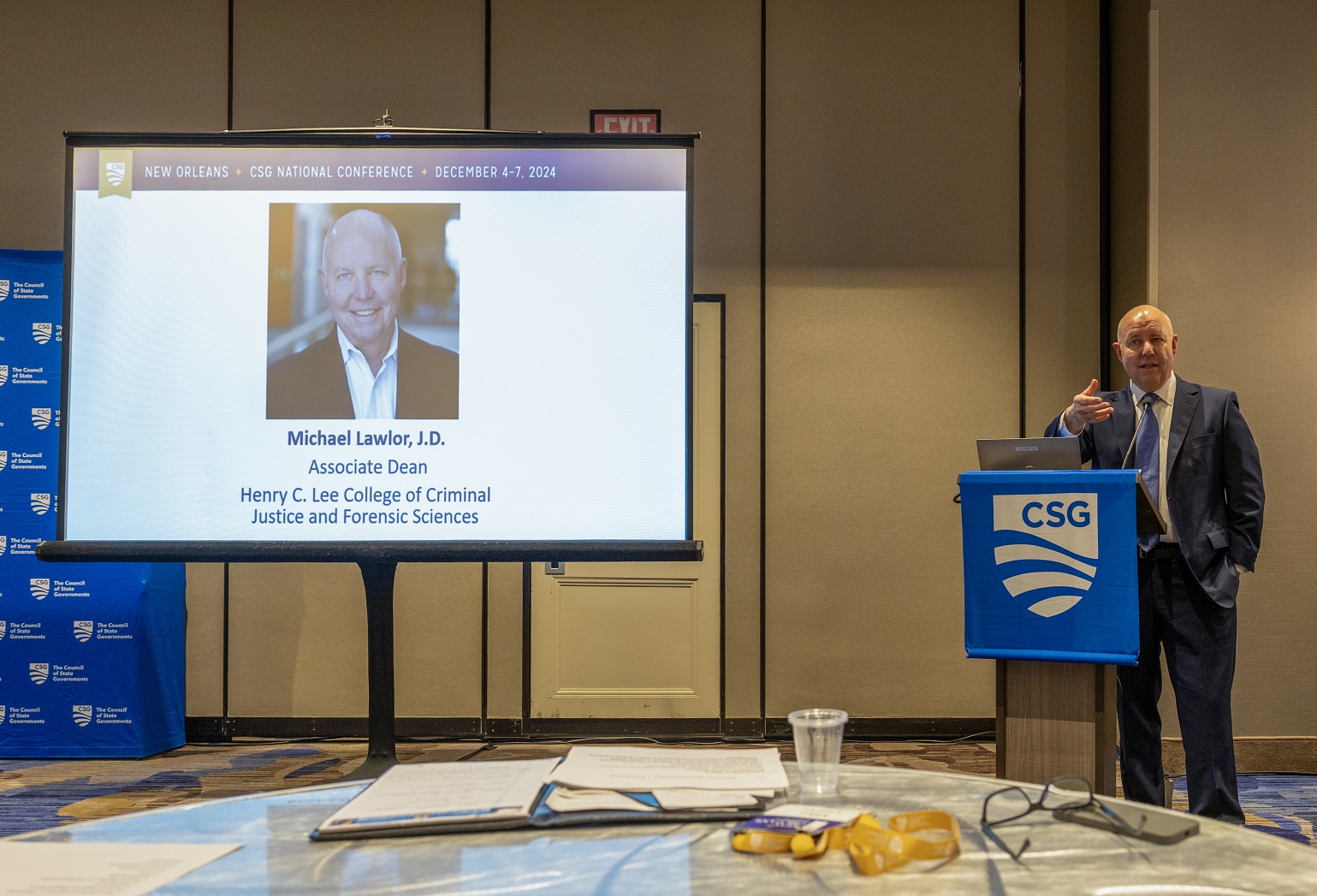
Now when it came to the educational sessions held by the Council of State Government Conference everyone was impressed by the Civil Discourse Strategies session.

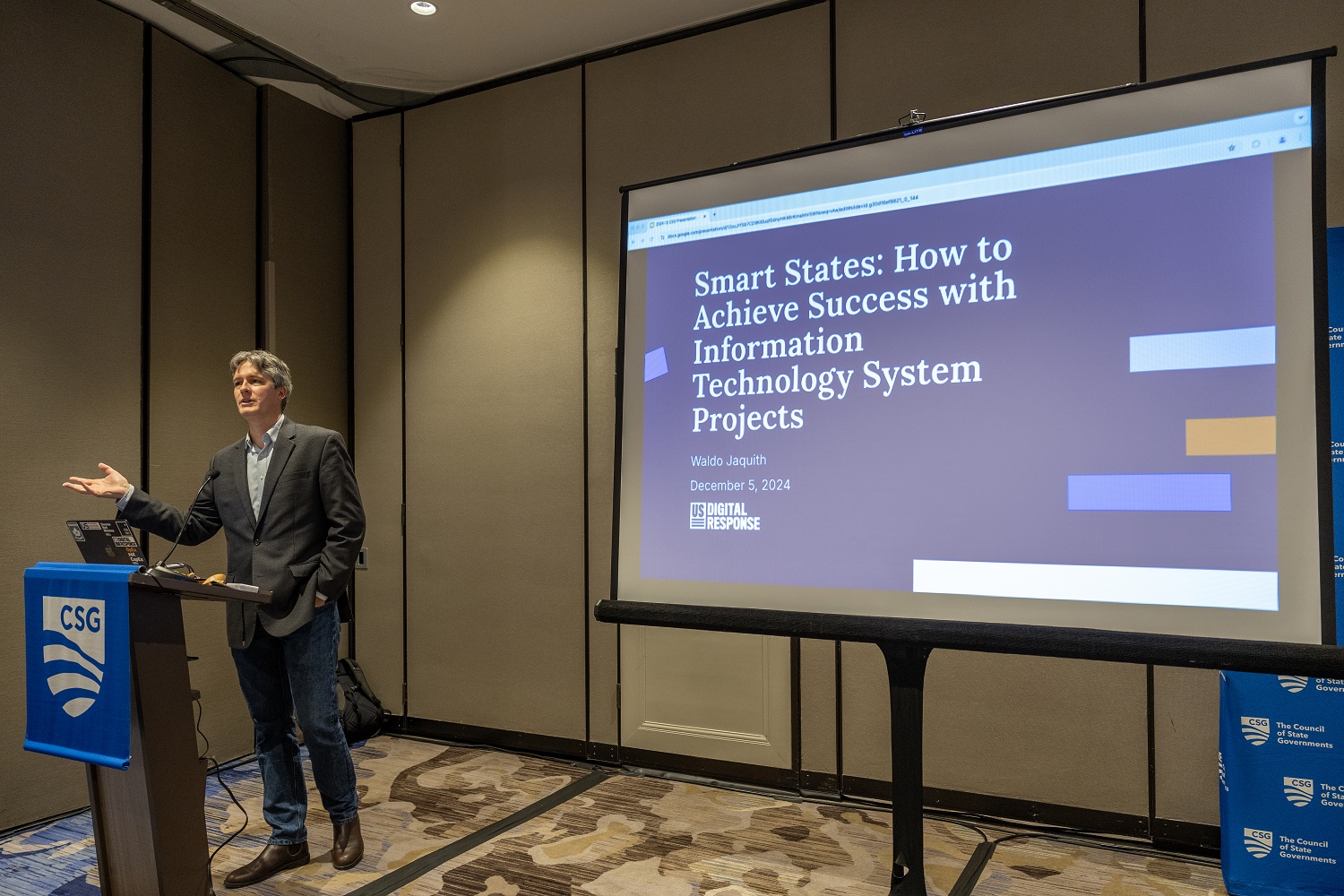
Michelle also learned a whole lot from the session detailing U.S. Supreme Court Updates, while Chrissy and Olivia got lost in the future with the Smart States session.

But we learned from all our adventures, packing in as much as possible in a four-day trip–the LEAP way.

Unknown's avatarAuthor mikeyawnPosted on December 12, 2024December 12, 2024Format AsideCategories Art, Civic Engagement, Civil Rights, Law, PoliticsTags Center for Law Engagement And Politics, Council of State Governments, Louisiana State Capitol, Sam Houston State UniversityLeave a comment on LEAP Favorites from the Pelican State

The FBI Way with Frank Figliuzzi

by Katherine Burnett

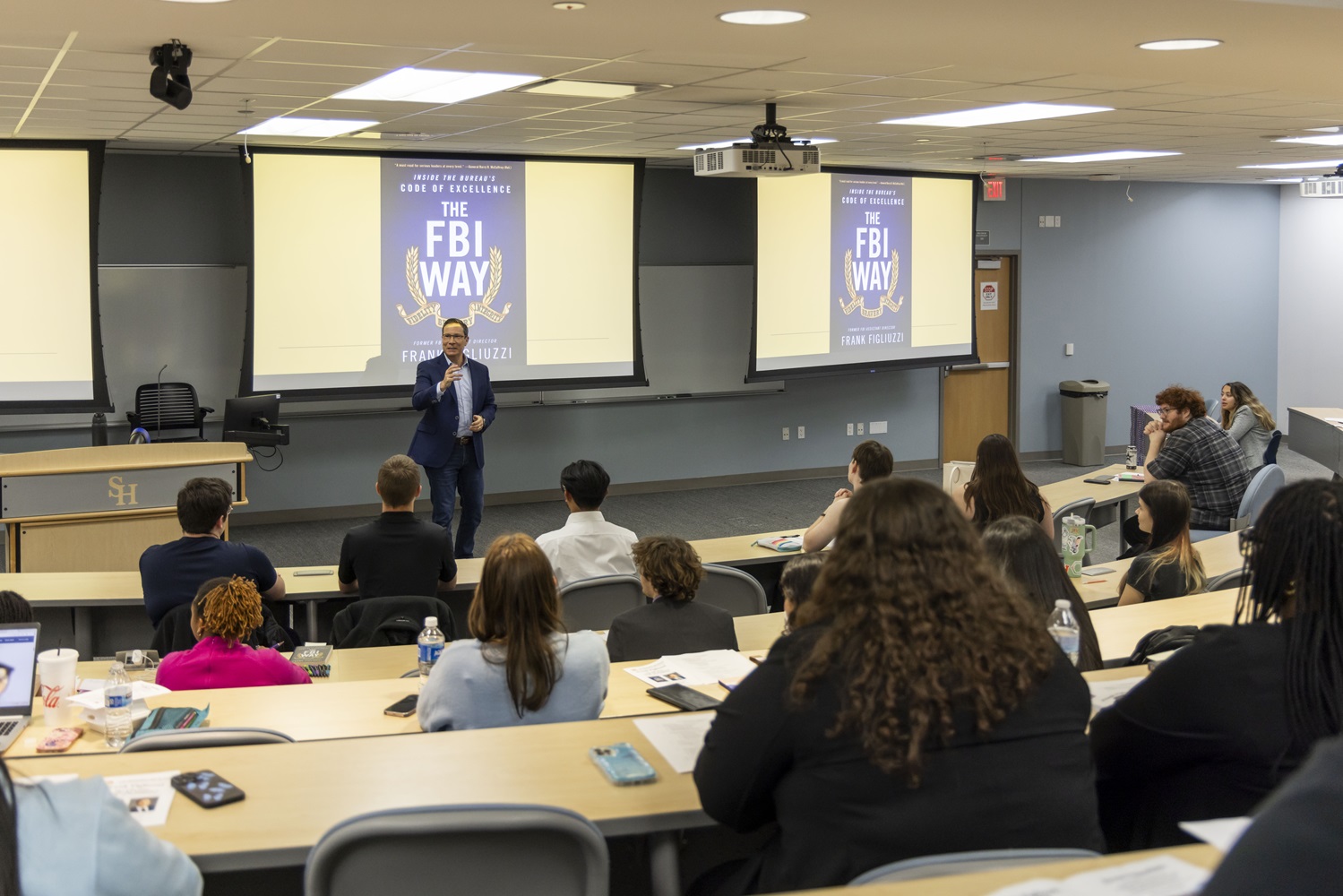
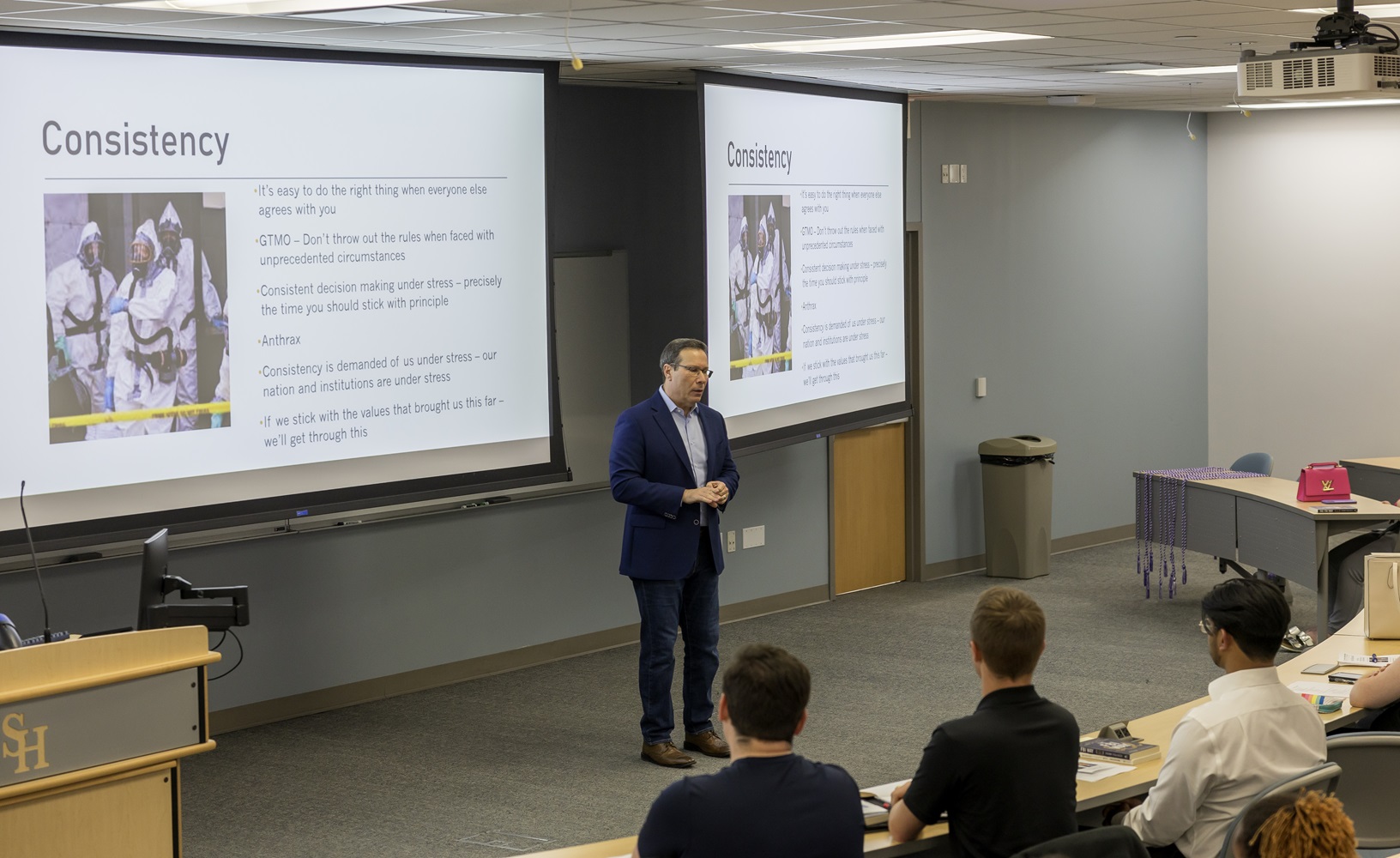
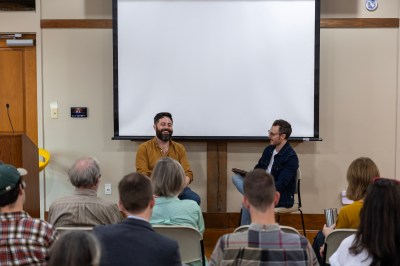
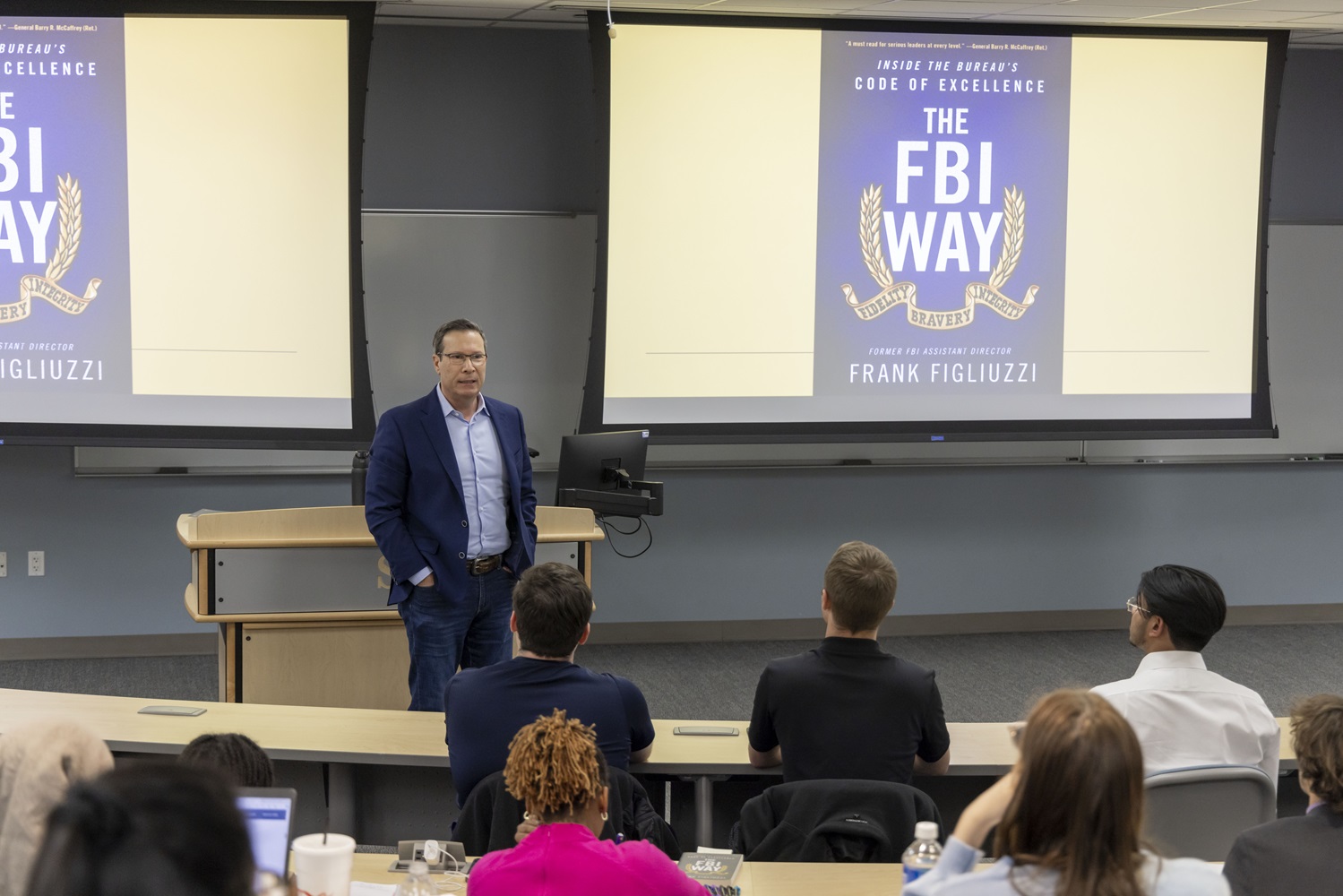
This week’s meeting was a unique one for the Pre-Law Society; the meeting was not only open to current members but also to everyone on campus! There was a reason for this unique approach–we had a unique speaker, Frank Figliuzzi, who is not only an attorney, but also an author and the former Assistant Director of the FBI.

After President Discon went through business updates for the Pre-Law Society members…

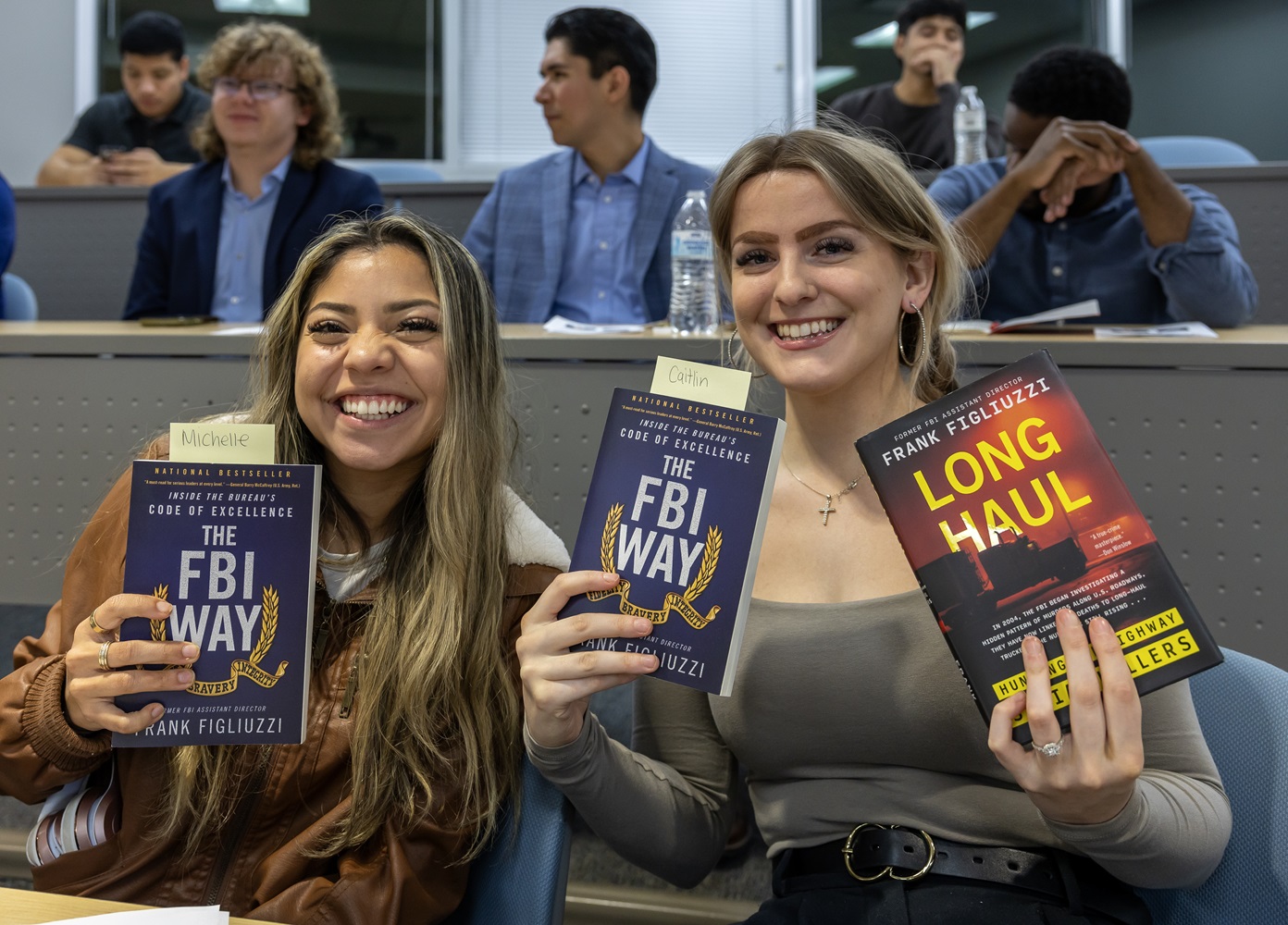
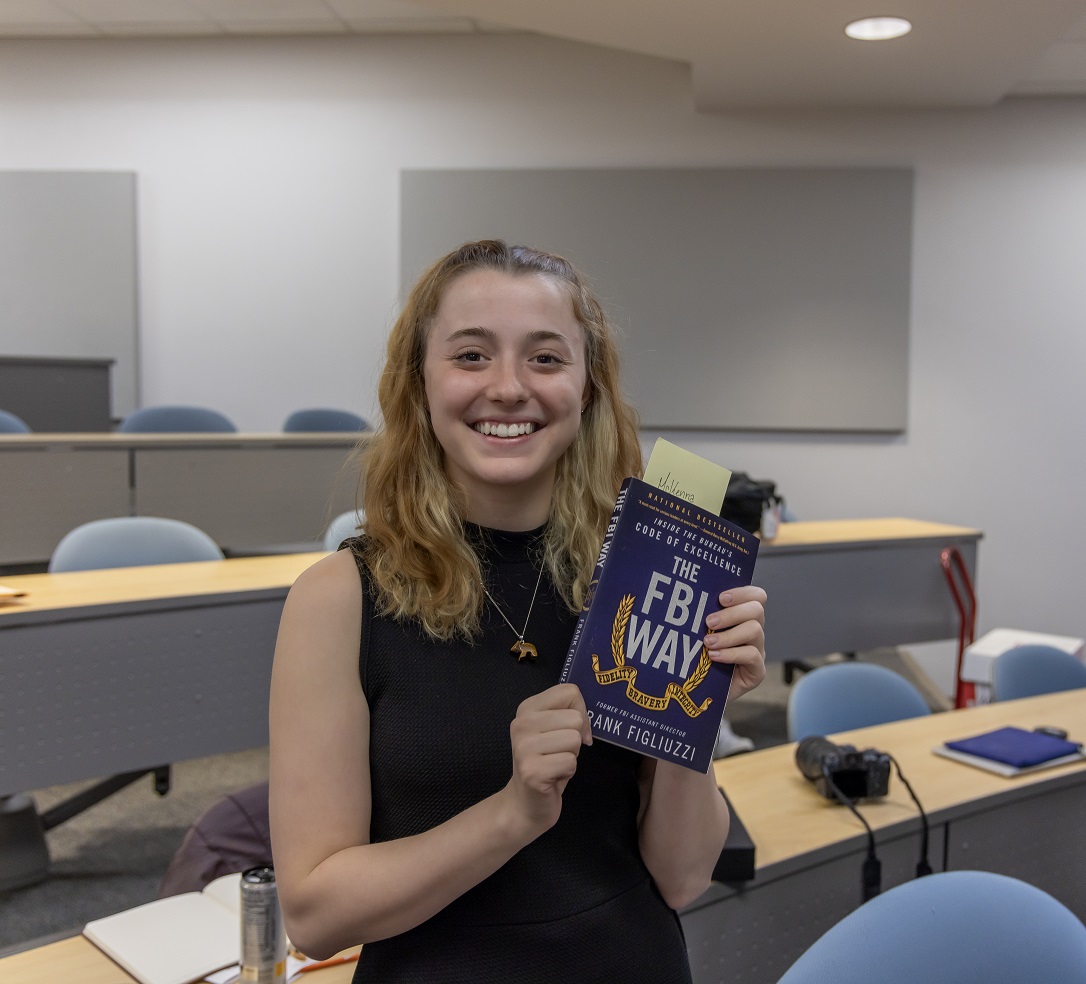
…it was time for Figliuzzi to speak. Mr. Figliuzzi wrote the national bestseller, The FBI Way: Inside the Bureau’s Code of Excellence, which he would be discussing with us!

Mr. Figliuzzi started his presentation with a quote by J. Edgar Hoover, “The most effective weapon against crime is cooperation… The efforts of all law enforcement agencies with the support and understanding of the American people.”

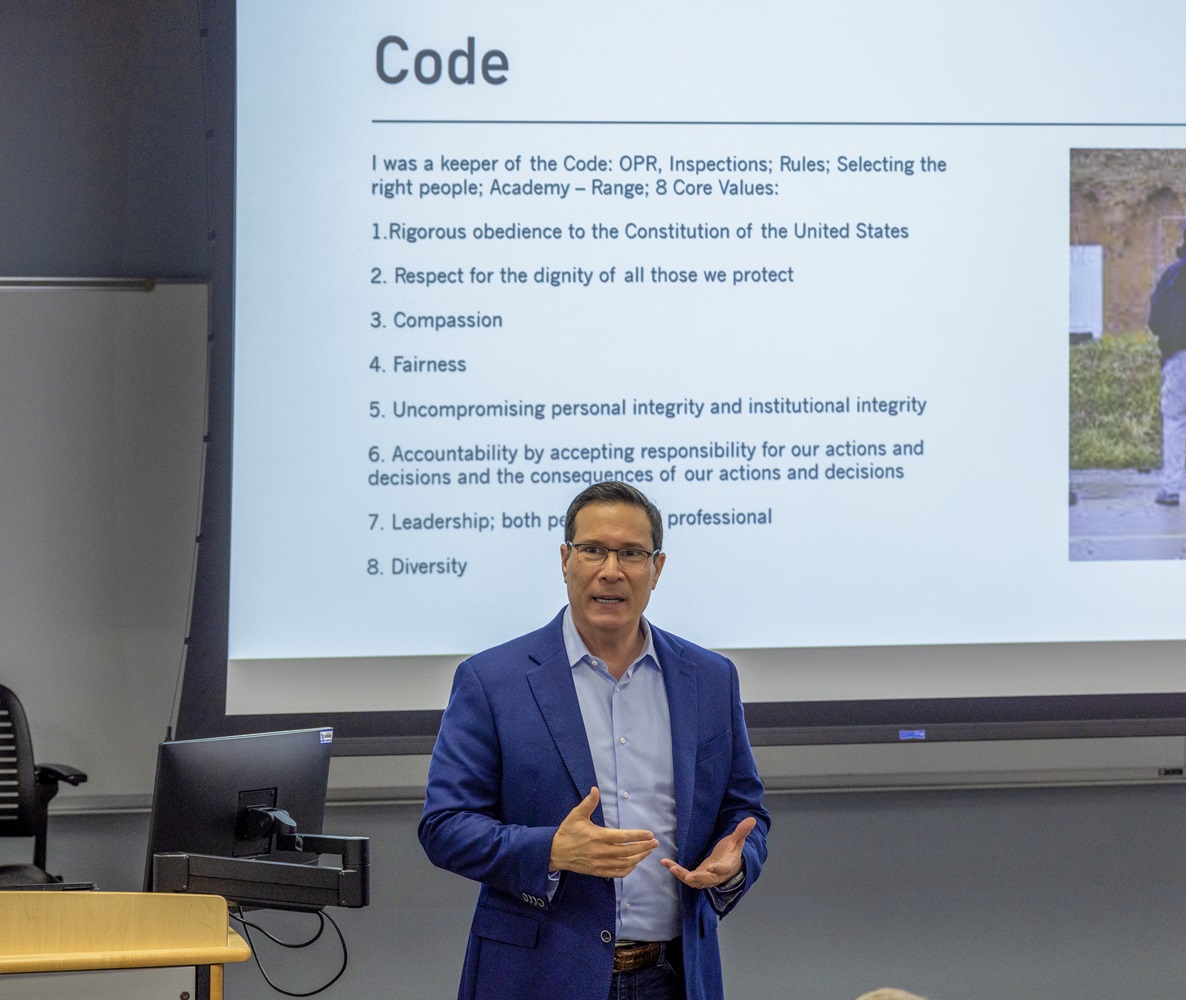
Next, he gave insight on his book’s origin, saying that the FBI was under attack, which made him angry and led him to write the book as a way to counter the incorrect assumptions being made. He then went in depth about what he says are the preserving values of the “FBI way,” otherwise called the “7 Cs.”

The first “C” is Code, which refers to the values and principles you stand by. The second is Conservancy, emphasizing the importance of being part of something larger than yourself. The third is Clarity, which involves clearly and honestly expressing your values.

The fourth is Consequences, meaning doing the right thing, even when it is difficult. The fifth is Compassion, which is about striving to understand others’ perspectives. The sixth is Credibility, with the reminder that “people won’t believe in your team if they don’t believe in you.” Lastly, the seventh is Consistency, which involves sticking to your code, no matter what.

He also introduced the term “undercover syndrome,” describing how officers who spend too much time undercover may begin to commit petty thefts and other crimes sloppily, with the subconscious desire to get caught by police. This act of self-sabotage is typically due to the complete subversion of morals and identity that comes along with undercover work. The FBI tries to anticipate this through providing mental health support to its agents and their families.

He finished his lecture with a word of advice to prospective law students: “start viewing yourself as a leader now.” As I looked around the room, I was sure that this advice was impactful to all.

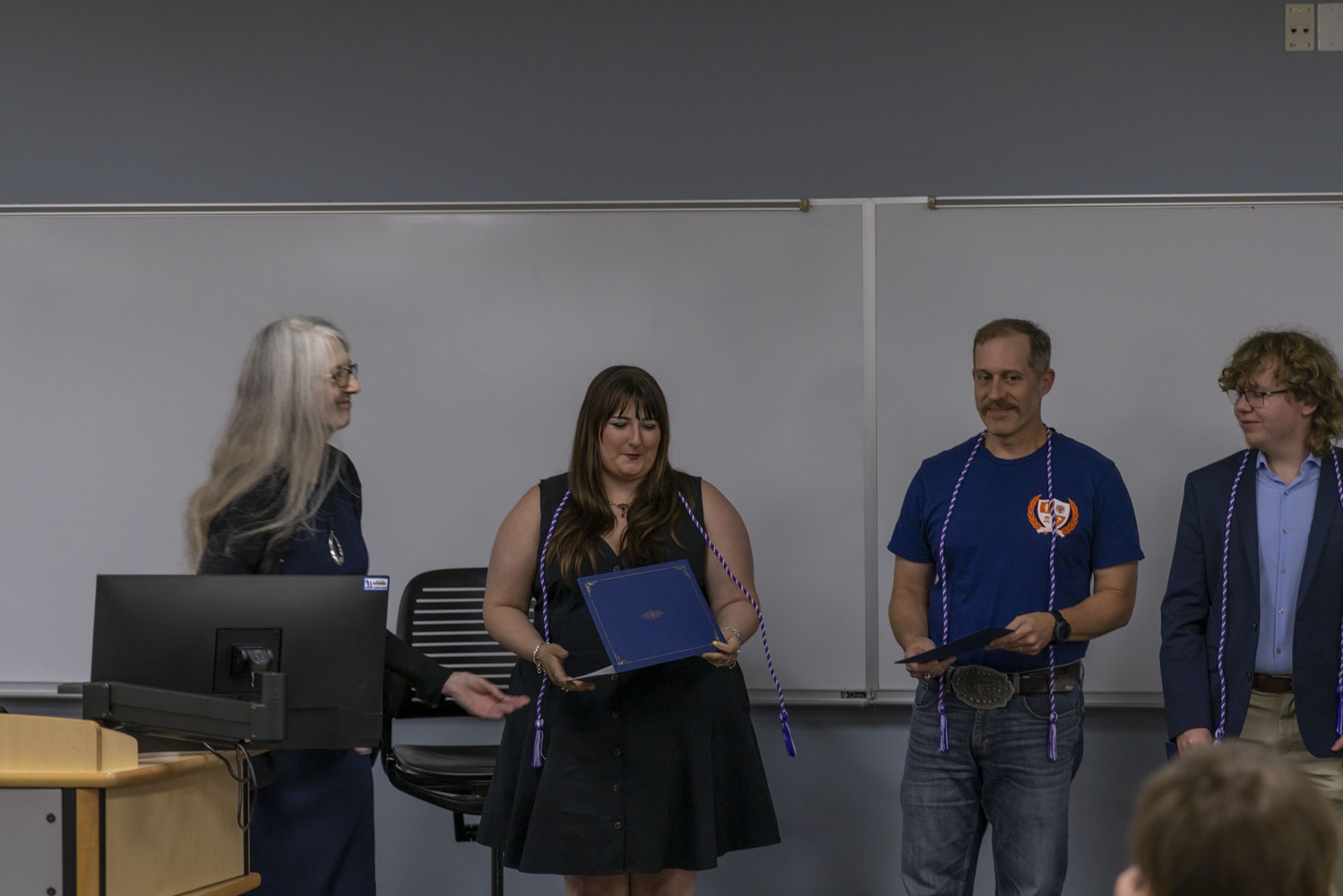
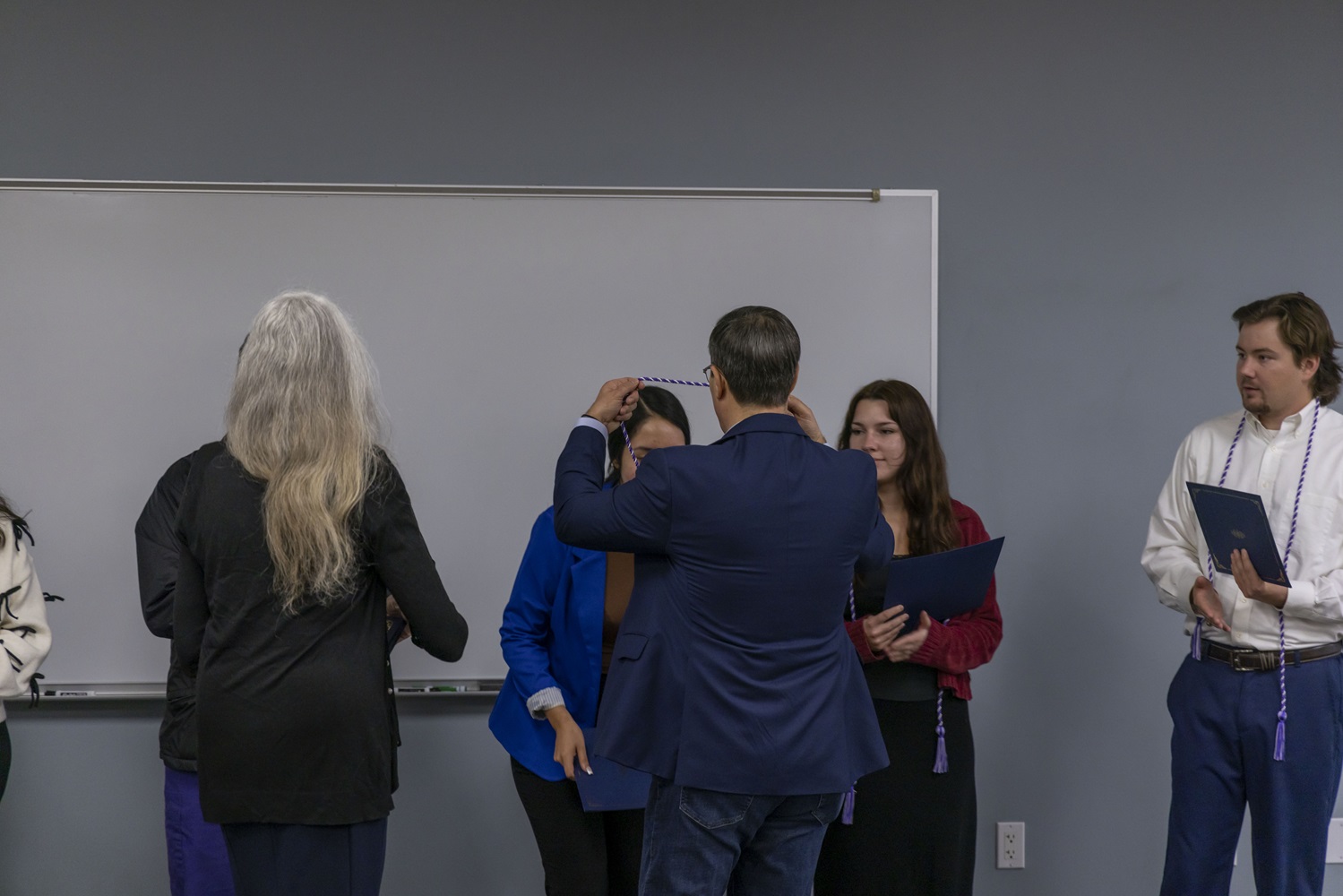
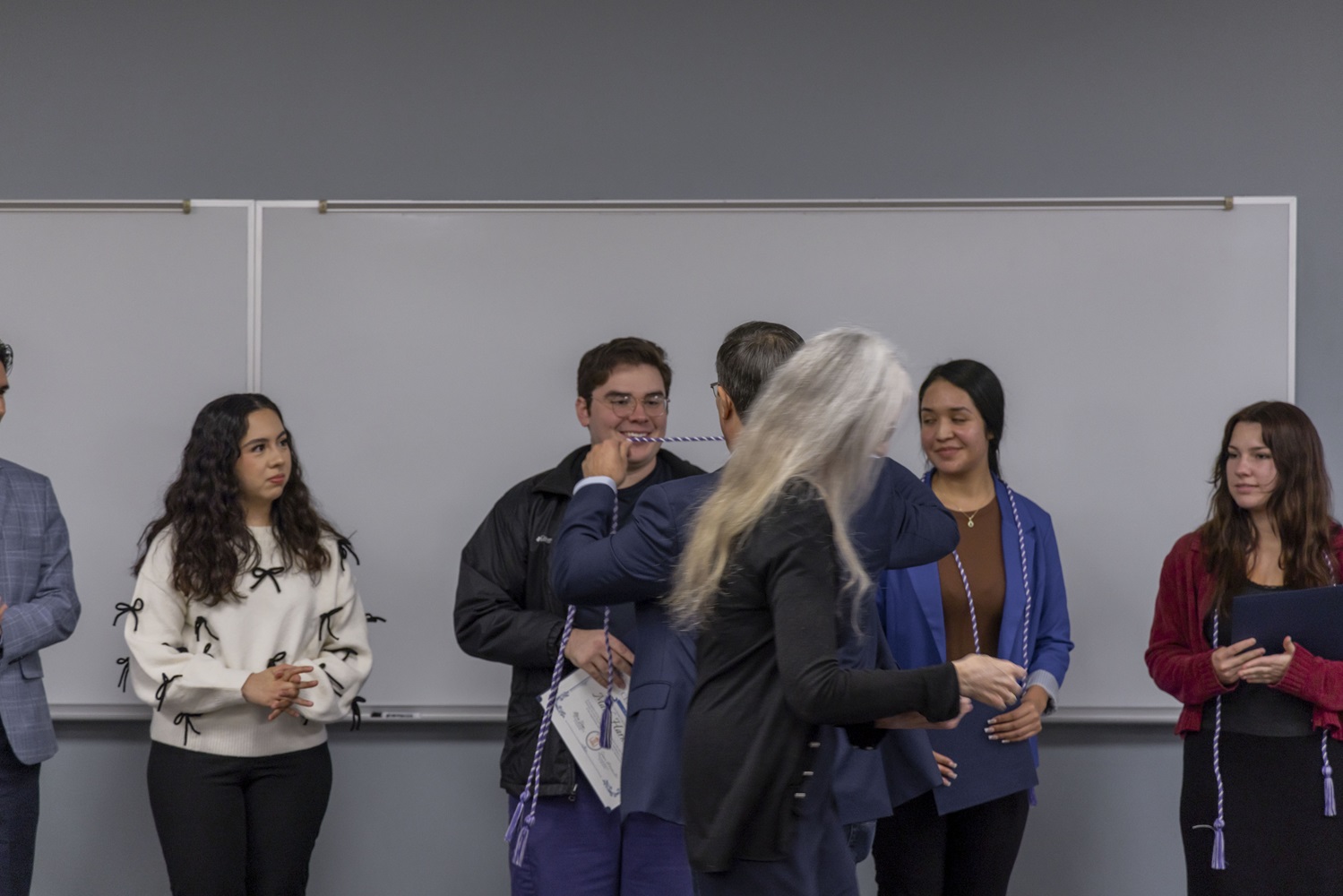
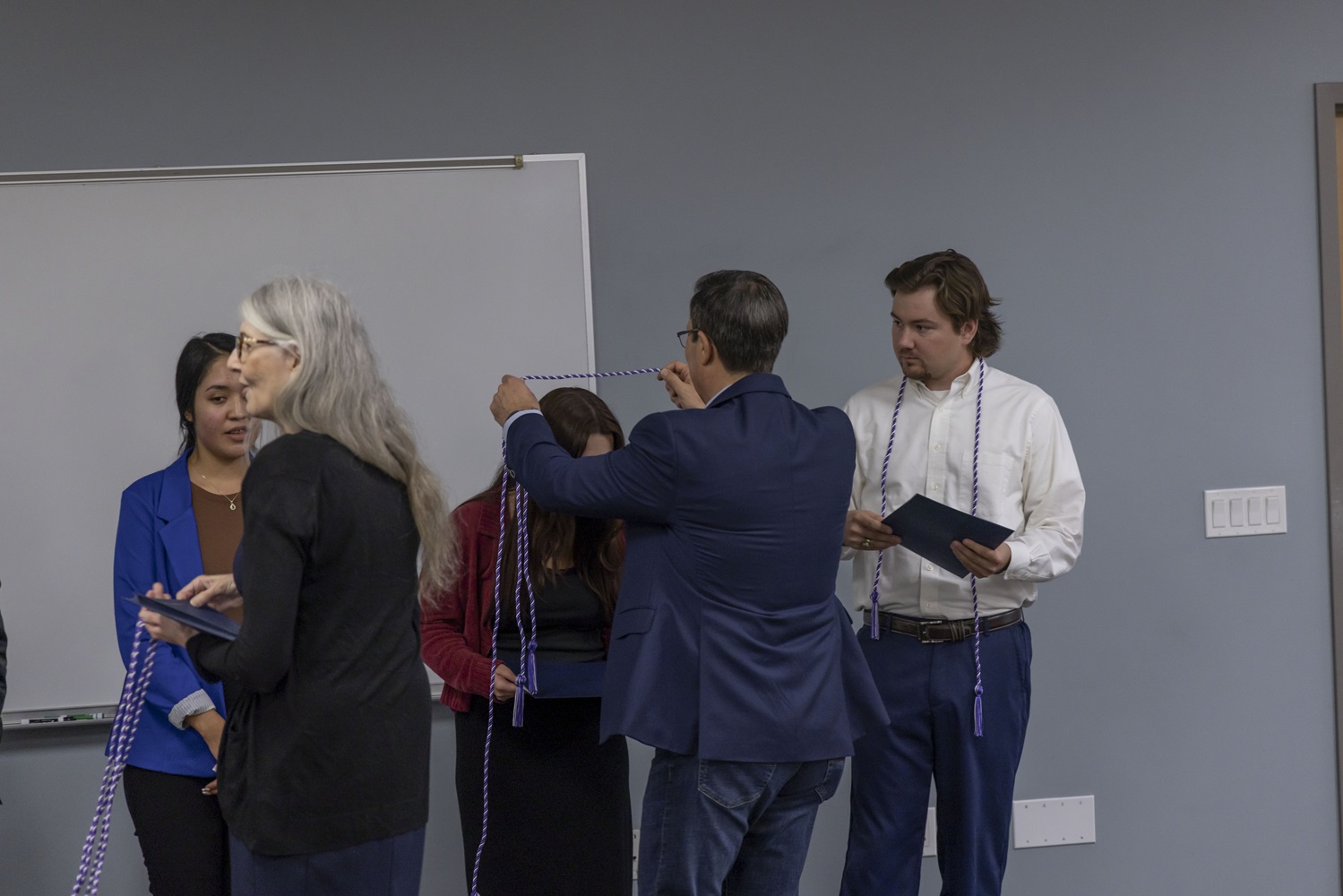
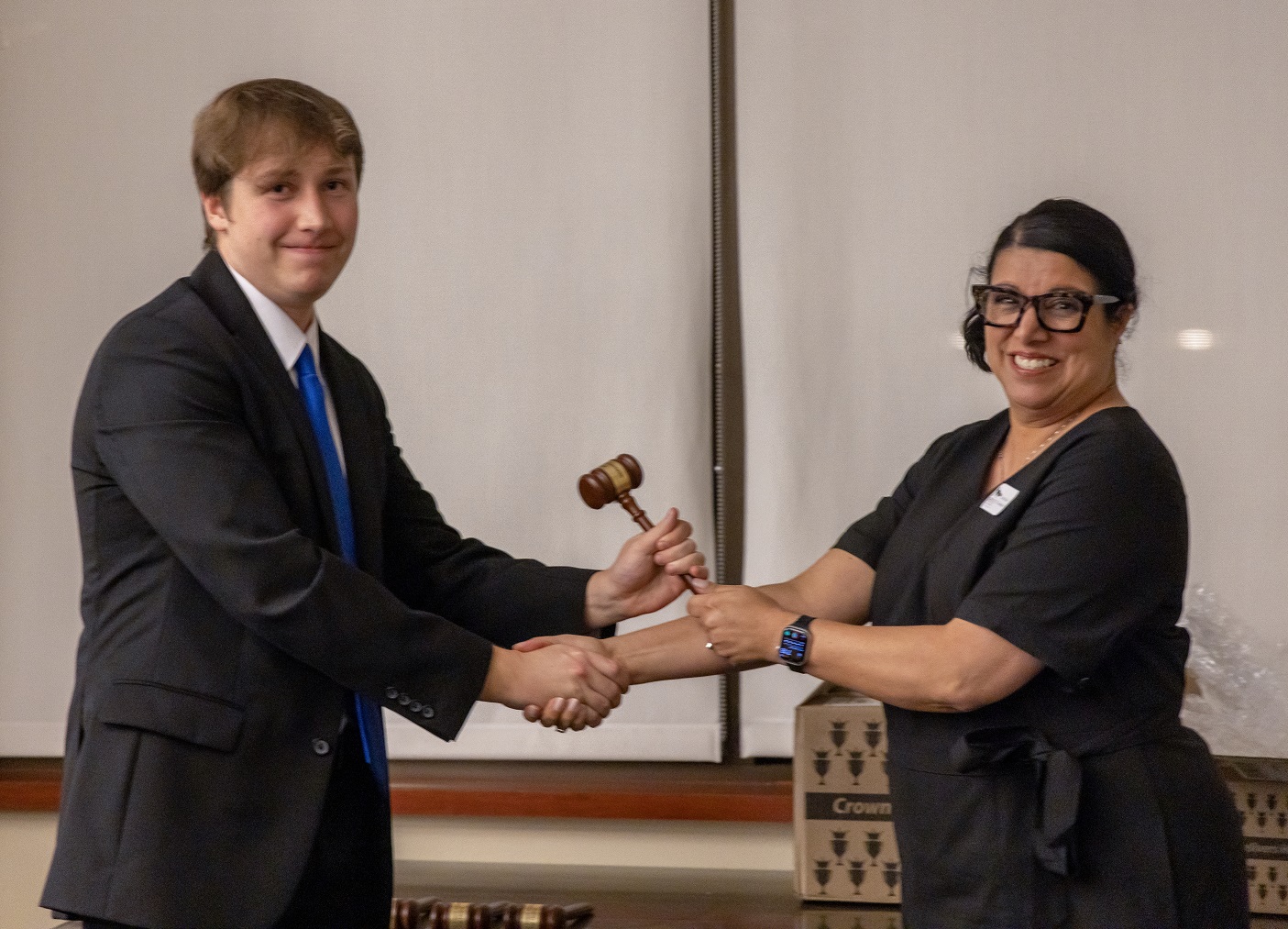
After Mr. Figliuzzi’s presentation, the meeting continued with the cord ceremony for this semester’s graduating seniors. Making it more special, Mr. Figliuzzi corded the seniors while Ms. Loveall gave them their certificates.

These seniors included: Clay Barton, Natalie Bradford, Yajaira Gutierrez Marin, Mark Harkrider, Daniel Pierce, Emily Segovia, Mason Solomon, Grant Threatt, and Alexandra Von Heuvel. While we are sad to see the seniors graduate, we are excited to see all that they will accomplish in the future.

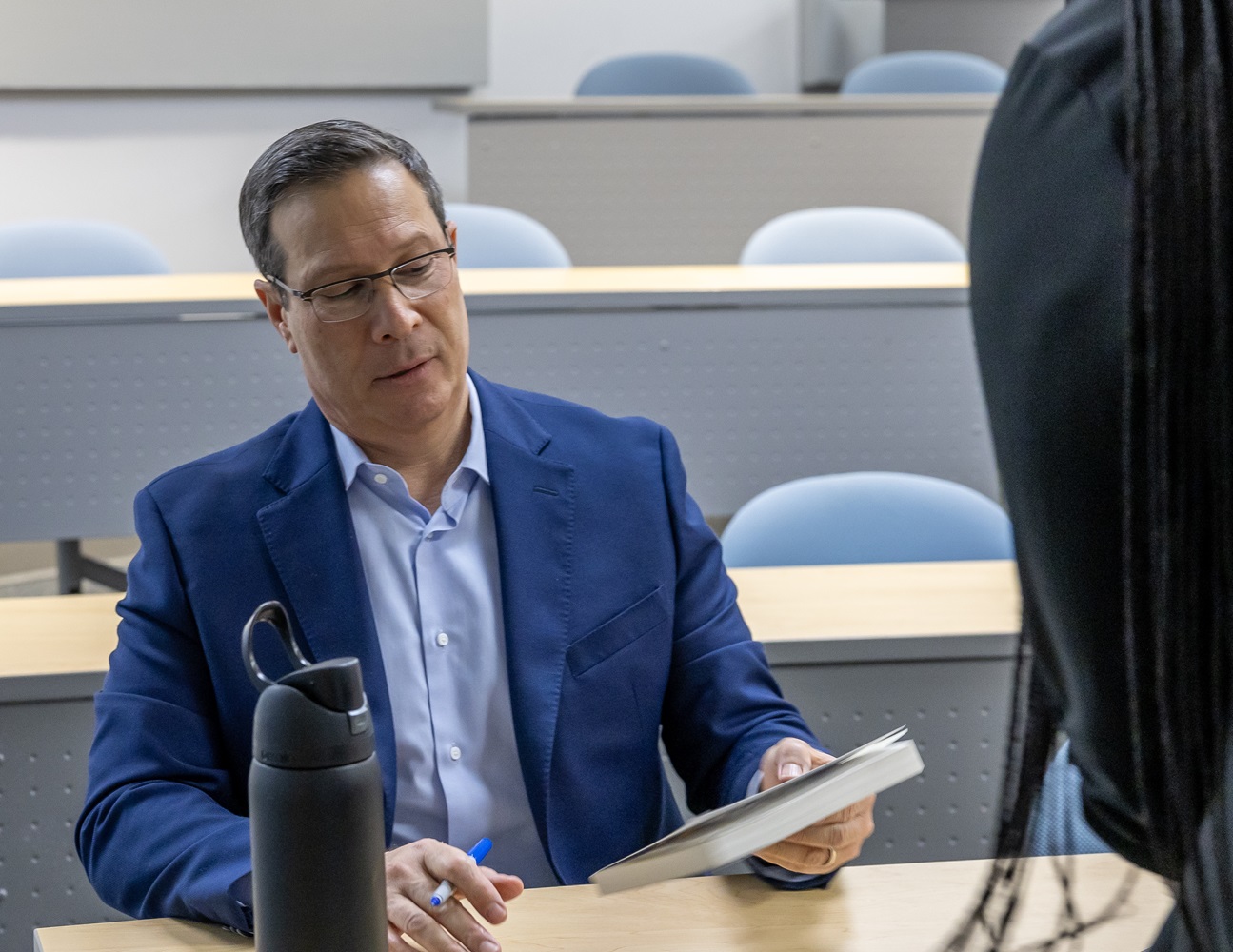
Following the event, Mr. Figliuzzi spent additional time signing books for the students, capping off one of our best-ever meetings with a wonderful personal touch.

The Pre-Law Society would like to give a big thank you to Mr. Frank Figliuzzi for taking the time to speak with Sam Houston students. His presentation was incredibly captivating, informative, and humorous!

Unknown's avatarAuthor mikeyawnPosted on December 2, 2024November 29, 2024Format AsideCategories Civic Engagement, Civil Rights, Criminal Justice, LawTags Center for Law Engagement And Politics, Frank Figliuzzi, Pre-Law, Sam Houston State UniversityLeave a comment on The FBI Way with Frank Figliuzzi

Pleading a Worthy Cause in Moot Court

While most students are pleading for extra credit at the end of the semester, LEAP students were pleading their cases, literally, in moot court. Facing off against teams that came from eleven different universities across four states to compete in the South / Texas Regional American Moot Court Association tournament held in Fort Worth, with its rich history and home of Texas A&M University’s Law School. This tournament is one of sixteen regionals across the United States that will help select the top U.S. moot court team.

LEAPsters depart SHSU for their first moot court tournament

This was the first time in seven years that SHSU fielded a team. Olivia Discon and Maggie Betancourt stepped up this fall to engage in weekly meetings, much “homework,” and a lot of learning to serve as Bearkat mooters. They also received help from Dr. Diana Brown (COBA, SHSU), Dr. Gene Roberts (SLMS, SHSU), Victoria McClendon-Leggett, Stephanie Fors, and Maddie Cawthon–the latter serving as bailiff, and a potential mooter in future years.


Day one of the contest was an all-day affair, a Saturday of three rounds. For Olivia and Maggie–team 419–this involved facing off, first, against Kathryn Dearing and Julia Daniel from the University of North Texas, one of the most active universities in the moot court universe over the past two decades, largely a result of the efforts of Dr. Kimi King. This year, King was on hand, along with Dr. Adam Whitten, both of whom served as coaches for their two UNT teams.

The SHSU team was designated as representing the petitioner, in this case a “William DeNolf,” who may, or may not, be responsible for recklessly goading a Ms. Bronner into suicide.

With the fate of DeNolf in their hands, Betancourt and Discon took turns arguing his case to two “Supreme Court Justices” (actually, law-school professors).

Tackling issue one (the 5th Amendment), Betancourt began, using her nine minutes to argue that the State violated DeNolf’s protection against self-incrimination when using biometric access to the contents of his phone.

Olivia Discon, meanwhile, argued the second issue (1st Amendment), making the case that the State violated DeNolf’s freedom of speech by criminalizing the case for suicide.

They were countered by Daniel and Dearing, who ably argued that the State was justified in their steps to access and regulate DeNolf’s speech.

Delving deep into the cases and the record, Daniel and Dearing demonstrated a strong grasp of the material, and they edged out the SHSU team, winning both ballots.

For their second round, the SHSU students faced Ethan Ellis and Amanda Parker-Chavez of Lamar University. With their first round jitters somewhat abated, the LEAP students performed better this time, winning both ballots.

The third round, then, would likely determine whether the LEAP/SHSU team would make it the “Sweet Sixteen,” a prospect that, no doubt, brought back some of those early jitters.

In this round, which featured the most aggressive of the judges and a “hot panel,” Discon and Betancourt split the ballots, finishing 3-3.

The outcome of this contest was, however, withheld until the Day-One reception and awards, hosted by TAMU Law. Following a discussion of the law-school’s many merits…

…the crowd eagerly awaited news on the leading orators and the teams moving on to day two of the competition.

The top orators were chosen first:

  • Ashlyn Dodson (UNT)
  • Quinn Kelly (UNT)
  • Jordan Peterson (Berea College)
  • Kylie Kinsella (TCU)
  • Dominic Mendlik (TCU)
  • Kaitlyn Allen (TCU)
  • Landon Reffitt (Benedictine)
  • Jeffrey Schremmer (Benedictine)
  • Collin England (Benedictine)
  • Jacob Hahn (Benedictine)

Following these congratulations, Ann Dutia read off the list of teams competing in the “playoffs,” the “Sweet Sixteen.” Reading in “no particular order,” Dutia listed team numbers…443…437…402…and, finally, after seven teams were announced, we heard “419.” The SHSU students made it to the second day of competition.

Maddie, who served as bailiff for the rounds, look bemused…

…Maggie beamed; and Olivia, in her way, looked equal parts ill and gratified.

With the results in hand and an unexpected day of competition ahead of us, we walked back to the hotel. Along the way, we ran into a reminder of Fort Worth’s rich history, statues of Butch Cassidy, the Sundance Kid, and the “Hole in the Wall” gang, a scene that prompted a selfie.

It also prompted a little gratitude. While we were anxious about the showdown looming the next day, at least we wouldn’t face the fate of Butch and Sundance–who were shot to death in Bolivia. It’s a small thing, we know, but it reminded us that Moot Court is a cause Worth taking, on a trip Worth making!

Unknown's avatarAuthor mikeyawnPosted on November 17, 2024November 17, 2024Format AsideCategories Civic Engagement, Civil Rights, Criminal Justice, Law, TravelTags American Moot Court Association, Center for Law Engagement And Politics, Moot Court, Pre-Law, Sam Houston State UniversityLeave a comment on Pleading a Worthy Cause in Moot Court

LEAP Hits the Books!

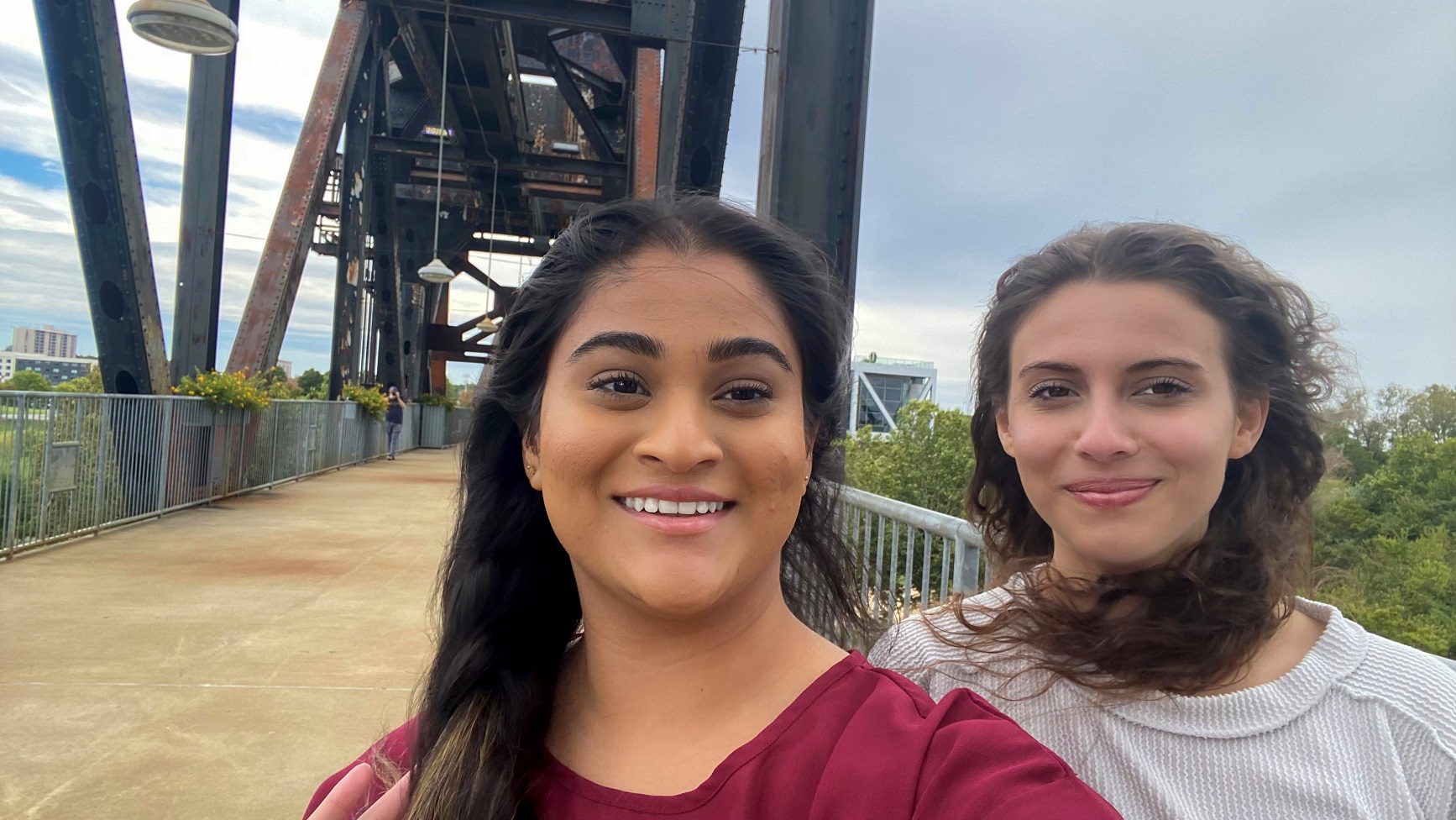
After two learning-laden days in Little Rock, we turned our attention primarily to the Book Festival and the authors on hand to present. One of the joys of Little Rock is that the downtown area is more akin to a small town than a larger, capital city, and we were able to walk to the book festival with no trouble–while still enjoying coffee stops, capitol views, and public art…

A Discussion on Authenticity and its Cost with Garrard Conley

by Olivia Discon

While others in LEAP attended more learned sessions, I attended a book talk with Garrard Conley for my first session at the Six Bridges Book Festival, where he discussed his new book, All the World Aside. He described the novel as a character study set in 18th-century Puritan New England, covering modern conversations about love, faith, and identity within the strict religious society of the time.

Conley emphasized how the characters’ internal struggles resonate within the modern context, despite the historical backdrop.

During the session, Conley read a passage about the protagonist’s mother struggling with depression, and it was reminiscent of Flannery O’Connor’s The River. During the Q&A, I asked if O’Connor had been an influence in his work, and to my surprise, he lit up with excitement.

He made mention that he had taken classes covering her short stories in college and was greatly inspired by her ability to navigate the complexities of a changing society within the scope of region, time, and politics. I was glad I asked, and it was nice to see that he appreciated the connection.

To make this experience even more special, after the session, when I went to buy a copy of the book, a generous Arkansan offered to purchase it for me. It was an unexpected but incredibly kind gesture that tied into the theme of Arkansan Traveler with which we have become well acquainted.

A Deep Dive into Cultures, Immigrants, and Natives

by Saara Maknojia 

The Covid-19 pandemic had a significant impact on the nation’s economy, leading to a decline in business profits. This period was particularly difficult for immigrants working in the meatpacking industry, who were exploited and forced to work under inhumane conditions. Executives from companies like Tyson told workers that if they didn’t continue supplying food, the entire nation would starve. 

In my first session at the Six Bridges Book Festival, I learned from Alice Driver (and Boyce Upholt–see below), author of Life and Death of The American Worker: The Immigrants Taking on America’s Largest Meatpacking Company, who shared her investigative research into the experiences of immigrant workers at Tyson Foods. Her work sheds light on the exploitation that takes place within multi-billion-dollar companies. 

According to Driver, undocumented immigrants were threatened by Tyson executives during the pandemic—told that if they didn’t comply with the company’s demands, they would be arrested and jailed. This exploitation of vulnerable individuals has been ongoing for years and continues to shape their experiences today. 

At the end of the session, I asked Driver about the techniques she used to comfort the immigrants and help them share their stories. I also inquired about how these perspectives might affect the immigrant community facing similar challenges in other workplaces.

She explained that she needed to offer comfort because these workers were alone and misinformed. As for the broader impact, she noted that immigration is still seen as a turbulent issue in the U.S., even though the country depends heavily on immigrant labor. Sadly, these workers often don’t receive the credit they deserve. 

This session deeply inspired me, as it demonstrated how one person can truly impact a community. Alice Driver played a crucial role in reassuring these immigrants of their rights and protecting them from the company’s threats. 

As an immigrant myself, the stories of others are always something that I find myself relating to some extent. The courage shown by these workers, who risked their lives and faced potential legal battles to share their experiences, serves as a powerful reminder of the human cost behind corporate profit. Their bravery emphasizes the critical need to hold corporations accountable for prioritizing profit over people. It also reminds us of the strength and resilience of immigrant communities, who deserve recognition not only for their contributions to the economy but for their invaluable role in shaping the moral compass of our society. 

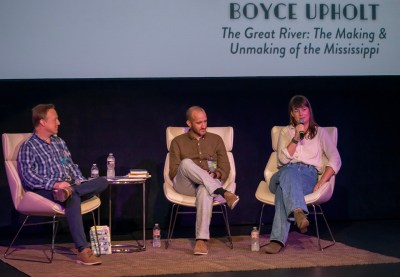
Sharing the stage with Ms. Driver was Boyce Upholt, author of numerous books, including his latest, “The Great River: The Making and Unmaking of the Mississippi.” Upholt was the perfect author to share the stage with Driver, inasmuch as he is well-read and, although he is primarily a “nature” writer, this has obvious connections to food writing. In fact, he won the James Beard Foundation Award for his work on herbicides in, “A Killing Season.”

Upholt’s erudition also came to light when discussing Ms. Driver’s book: Upholt was able to quote passages from Upton Sinclair’s “The Jungle” as it pertained to Driver’s “The Life and Death of the American Worker.”

But his most interesting discussions came when discussing the “Great River,” the Mississippi, and the impact it has had on food, culture, racial conflict, and the environment. A central theme in Upholt’s book is the Western concept that man can, at least to an extent, control nature. This has, according to Upholt, worked to some degree: the Mississippi floods less often now, thanks to an extensive levee system devised in the last two centuries. But, when it does flood, it floods more catastrophically, killing hundreds and causing billions of dollars in damages.

According to Upholt, this should lead to a realization that man will not, in the long run, be able to control nature. Indeed, as the weather becomes more volatile in the coming years, our ability to influence the forces of nature may prove humbling, costly, and deadly.

Cultivating Our Knowledge: A Gardening Workshop with Lana Williams

by Olivia Discon

We couldn’t contain our excitement that the Six Bridges Book Festival had a gardening workshop! Having recently published her book, The Container Garden Recipe Book, Lana Williams gave us the lowdown on a new method of gardening. Using a diversified array of plants within a repurposed pot has become a minimalist, economical, and eye-catching fad that requires lots of forethought to execute.

As Lana went into depth on different tactics, she assembled two container gardens with beautiful foliage while answering questions throughout the presentation.

Saara, who takes pride in her personal garden was immediately inspired to take the lessons learned from the workshop back home, such as avoiding “root rot”, types of soil to utilize, and frequency of maintaining the plants depending on climate. This session ended with a particularly optimistic note, being that “there is no such thing as having a black thumb.” While some might describe my efforts to maintain plants as borderline herbicidal (editor: She’s a herbicidal maniac), it was quite interesting to experience a tutorial from a professional.

Eli Cranor and Gabino Iglesias

One of the highlights of the day was the join session of Eli Cranor and Gabino Iglesias, moderated by Jonathan Portis–Editor of Arkansas Gazette, author of “The Comeback Kid,” and brother of Charles Portis (author of True Grit).

Portis, although undoubtedly knowledgeable, fumbled a bit as moderator, tripping on his introduction, appearing to stammer a bit, and letting the conversation wander.

When left to their own devices, however, Cranor and Iglesias were excellent, offering humorous anecdotes, relating interesting stories, and providing real insight into their writing practices. Iglesias, for example, has to write his novels in between various other obligations, including a hefty travel schedule and writing articles for the New York Times.

Cranor, too, had to do much of his writing at 5:00am, before his daughter awoke and in his lunch period or free period while teaching high school.

This was less of a problem for Iglesias when he was eleven, and he wrote his first short story. He had time and imagination, and he wrote a story for class about a monster that lived in a basement of his hometown, and when the monster got too big for the basement, he went on a murderous rampage around town. Iglesias, ever a stickler for accuracy, used real names of the murder victims, which one imagines, he delighted in killing off. Understandably, this caught the attention of the teachers (it was not noted whether a teacher was among the victims), who called his parents. His father stood beside him, asking only one question: “Was it well written?”

Cranor also had the experience of writing about a small town in Arkansas, while living in a small town in Arkansas. Portis suggested that there might be some push-back from residents who didn’t care for how their town–or the townspeople–were portrayed. Cranor, however, indicated that he has not run into a lot of problems with that, although he did note that his column in the Arkansas Democrat-Gazette does, occasionally, rankle people, and he hears about it.

Iglesias also hears from critics, and when the author thinks the critics are unfair, he simply puts them in his next book–often as the villains. It’s unclear what the long-term effects of this strategy will be, but Iglesias seems to enjoy his ability to highlight the often unsolicited and often irrational responses to fiction and art from the public.

If nothing else, we are learning that irrespective of genre, fiction, or non-fiction, it’s maybe not a great idea to argue with people who buy ink by the barrel.

Wrapping Up

The real takeaway, however, is the importance of taking opportunities to learn. In our case, it paid off beautifully, with lessons on gardening, nature, pandemics, workers, crime fiction, journalism, the writing process, and more generally, the importance of travel, which as Mark Twain noted, “is fatal to prejudices.”

Unknown's avatarAuthor mikeyawnPosted on October 2, 2024Format AsideCategories Civic Engagement, Civil Rights, Food, Health, Literature, TravelTags Center for Law Engagement And Politics, LEAP Ambassadors, Little Rock AR, Sam Houston State University, Six Bridges Book FestivalLeave a comment on LEAP Hits the Books!

On a Roll in Little Rock

On our second day in Little Rock, AR, we hoped to continue the momentum set on our busy first day. With this in mind, we set out to tackle a new restaurant or two, the Clinton Presidential Library, the Arkansas Museum of Fine Arts, and to kick off the Six Bridges Book Festival. We did all we set out today–and more!

Clinton Presidential Library and Museum

by Olivia Discon

Continuing our exploration into history, politics, and culture, we had the opportunity to visit the Clinton Presidential Library and Museum. Before stepping inside, we took a moment to explore the grounds, which are beautifully landscaped and situated along the Arkansas River. The glass-and-steel building, designed to resemble a “bridge to the future,” offers a modern backdrop that complements the historical significance of the museum.

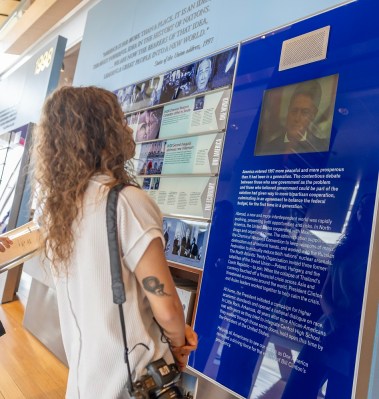
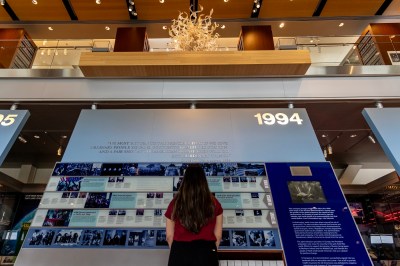
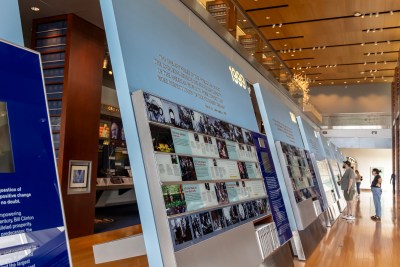
The visit kicked off with a short film detailing Bill Clinton’s early life and career. The film highlighted Clinton’s journey from a small-town boy in Hope, Arkansas, to his time at Georgetown, and later his entry into politics. One of the most compelling parts was hearing about how he navigated the turbulent waters of the 1992 election, ultimately becoming the 42nd president of the United States. After the film, we ventured into the heart of the museum: the comprehensive overview of Clinton’s two terms in office. Each section of the exhibit is organized by year, giving us a look at the major events that defined his presidency.

From intense policy battles to personal moments, it was a well-rounded portrait of his time in office.

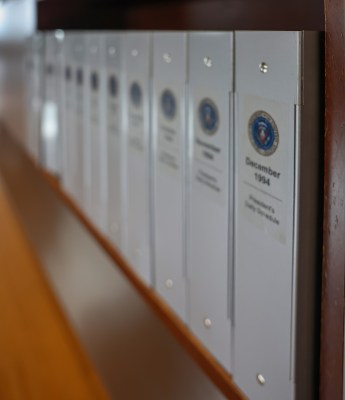
One feature I enjoyed was the binders of Clinton’s daily schedules for every single day—ranging from meetings with world leaders to a quick jog! 

Among the many highlights was learning about President Clinton’s key reforms. His policies on healthcare, particularly insurance and medical leave, were revolutionary for their time, affecting millions of Americans. We also spent time on his efforts to address the federal budget deficit, an emphasis throughout his presidency that has shaped many political conversations since. It’s easy to focus on President Clinton’s charm and charisma, but this visit reminded us of his policy legacy as well.

 Oh, and it’s hard not to mention his other legacy—though the museum delicately handled his impeachment proceedings.

A special moment for us was the section on the Little Rock Nine.

The connection to our visit the previous day was clear, tying civil rights struggles from the 1950s to the ongoing political landscape Clinton navigated during his presidency. It felt like a seamless link between the past and present struggles for equality and justice. 

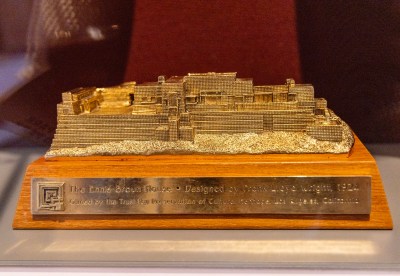
We also thoroughly enjoyed the art on display. There was a small Frank Lloyd Wright statue of a house that had been gifted to Hillary Clinton, a beautiful example of his architectural style in miniature form.

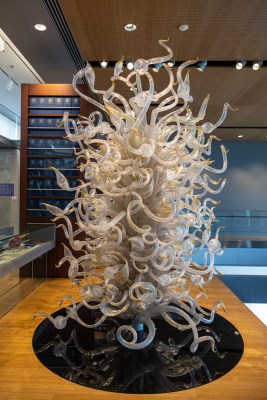
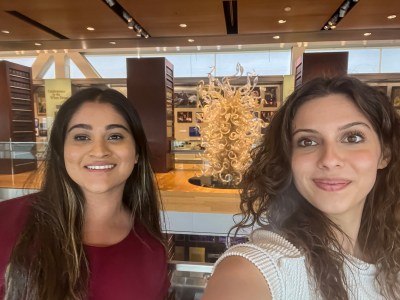
We also saw a stunning Dale Chihuly glass sculpture…

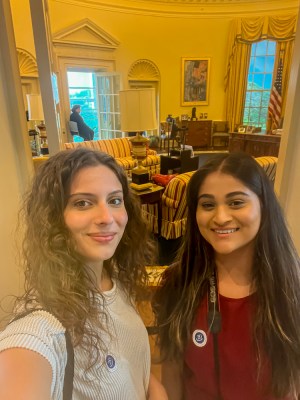
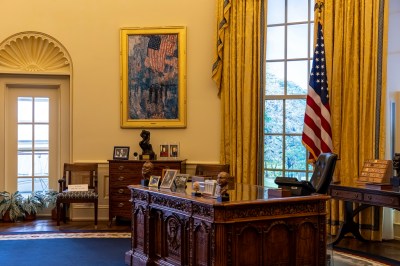
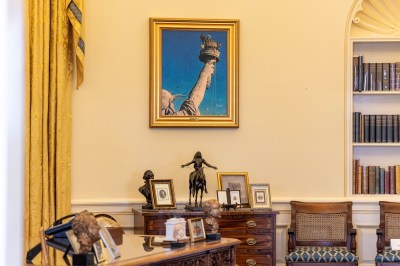
The Oval Office replica was another highlight, showcasing Clinton’s presidential style.

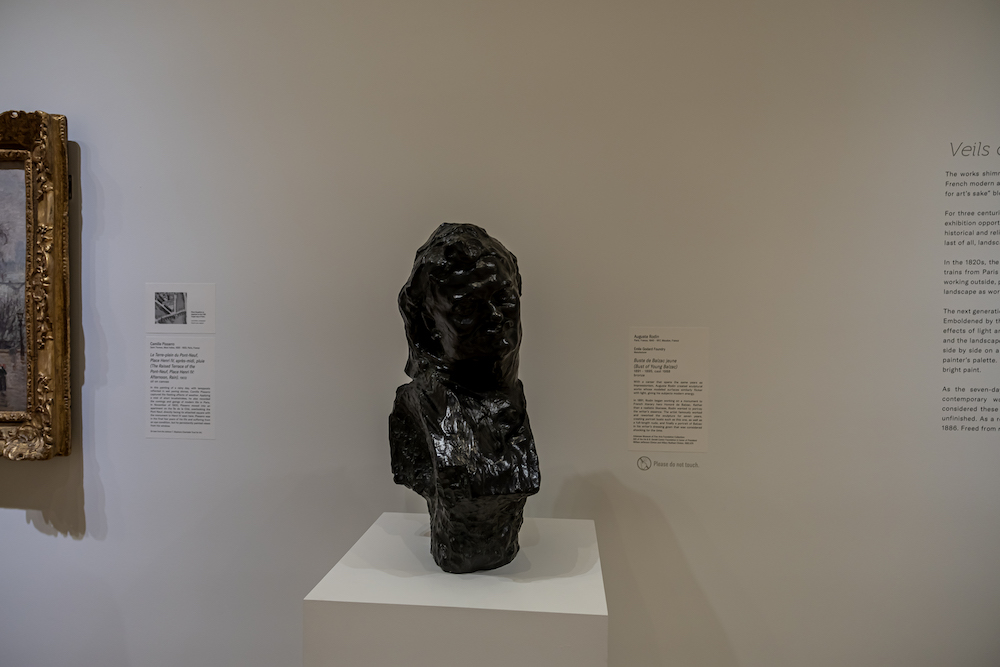
We saw sculptures by Remington and Rodin and a painting by Childe Hassam.

An unexpected surprise was a Norman Rockwell painting that we didn’t immediately recognize.

All in all, our visit to the Clinton Library was both educational and enjoyable. It gave us a new perspective on President Clinton’s legacy on American history.

A Trip to the Arkansas Museum of Fine Arts 

Saara Maknojia 

Walking through a stunning collection of artworks at the Arkansas Museum of Fine Arts (AMFA) was the perfect way to spend our afternoon.

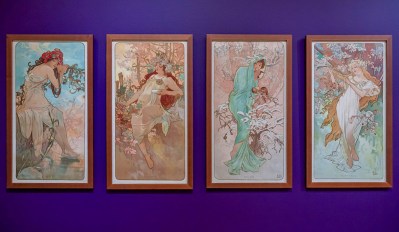
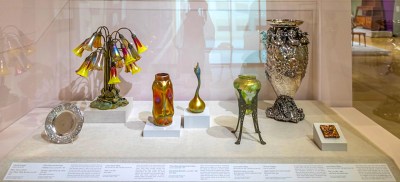
Olivia and I were particularly excited to see the new Art Nouveau exhibit, so we headed straight for it upon arrival.

We were greeted with a beautifully curated selection of vases, jewelry, woodwork, and glass sculptures from the 19th century. What stood out to me the most was the Tiffany & Co. collection, renowned for its exquisite craftsmanship and iconic designs. The intricate detail and elegance of the pieces left a lasting impression. 

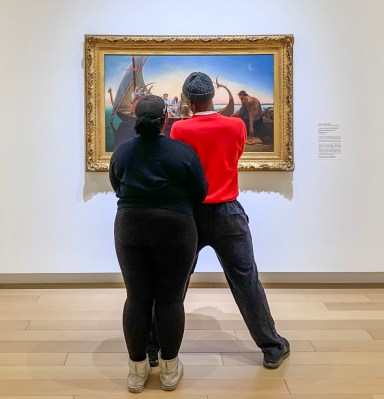
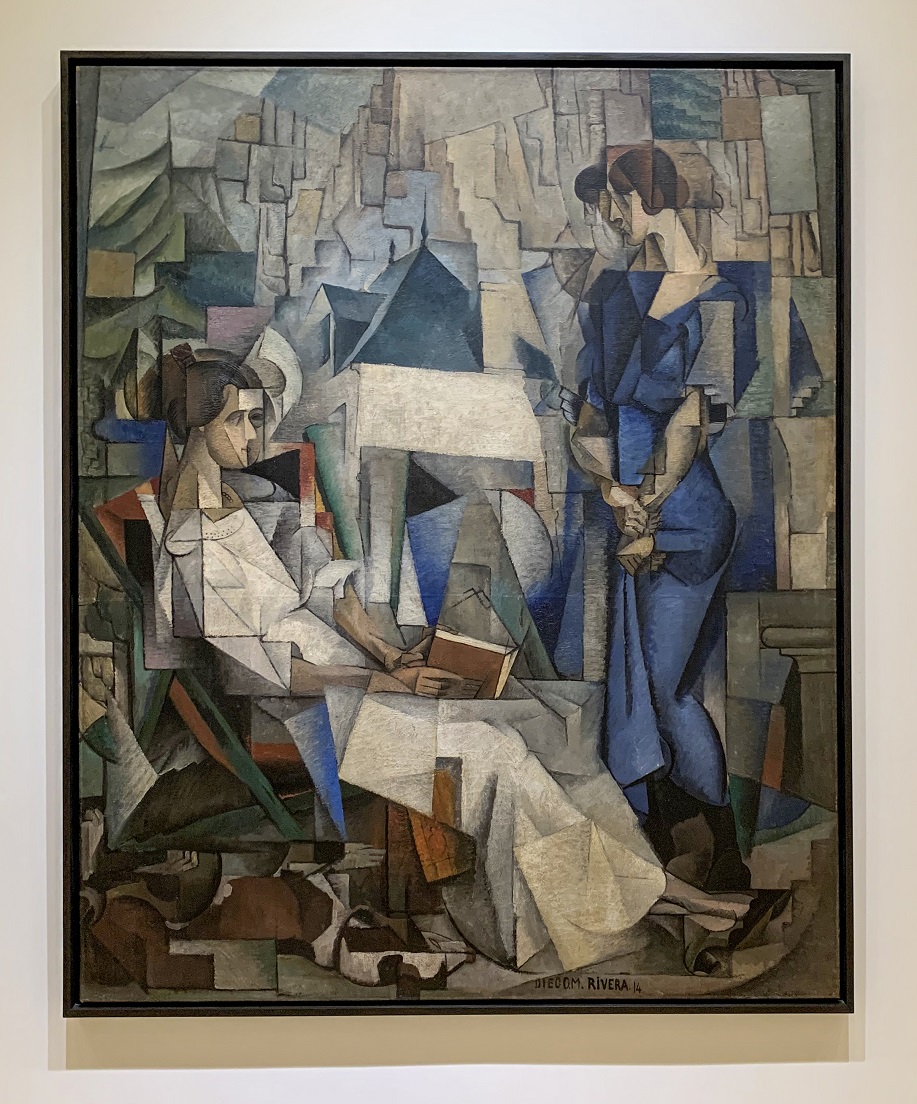
Since this was our first time at an art museum together, we took the opportunity to share our thoughts on various artworks. As we walked through the galleries, passing by pieces from prominent artists like Gustav Klimt, Pablo Picasso, Claude Monet, and Diego Rivera, we discussed our interpretations of what each artist intended to convey, and we watched others contemplating similar questions.

It was stimulating to exchange perspectives and delve into the emotions and possible stories behind these pieces. 

One painting that captivated us both was Homage to Alberti by Terrance Corbin. We found ourselves returning to it multiple times. The artwork’s focus on landscape, combined with its use of geometric shapes and lines to create illusions of depth, was intriguing. Although abstract landscapes aren’t typically my preferred style, this particular piece drew me in with its complexity and the many ways it could be interpreted, making it one of my favorites from the museum.

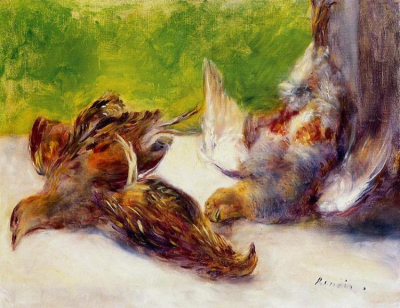
Olivia, on the other hand, was fascinated by Pierre-Auguste Renoir’s Three Partridges, an impressionist work that spoke to her appreciation for soft brushwork and natural themes in art. 

We ended our visit on an unexpected yet delightful note. David Warren, the Chair of the museum’s art school, graciously gave us a spontaneous tour of the art studio and pottery workshop. His warm hospitality reminded us of the spirit of the Arkansas Traveler—welcoming, generous, and always eager to share his knowledge and passion for art.

It was a fitting end to a day spent appreciating the beauty and culture on display at the Arkansas Museum of Fine Arts, and we left feeling both inspired and grateful for the experience. 

Bound to Books: The Six Bridges Book Festival Kickoff

Owing to some difficulty with our schedule and the timing of the Texas Book Festival, we looked to Little Rock and the Six Bridges Book Festival–and we are glad we did! The Six Bridges Book Festival takes place over a longer period than the Texas Book Festival, and it is smaller. This, as we found out tonight, allowed for a more intimate and personal experience.

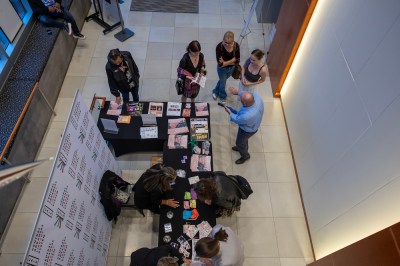
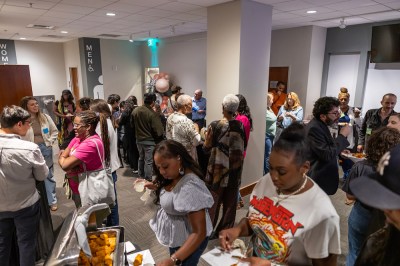
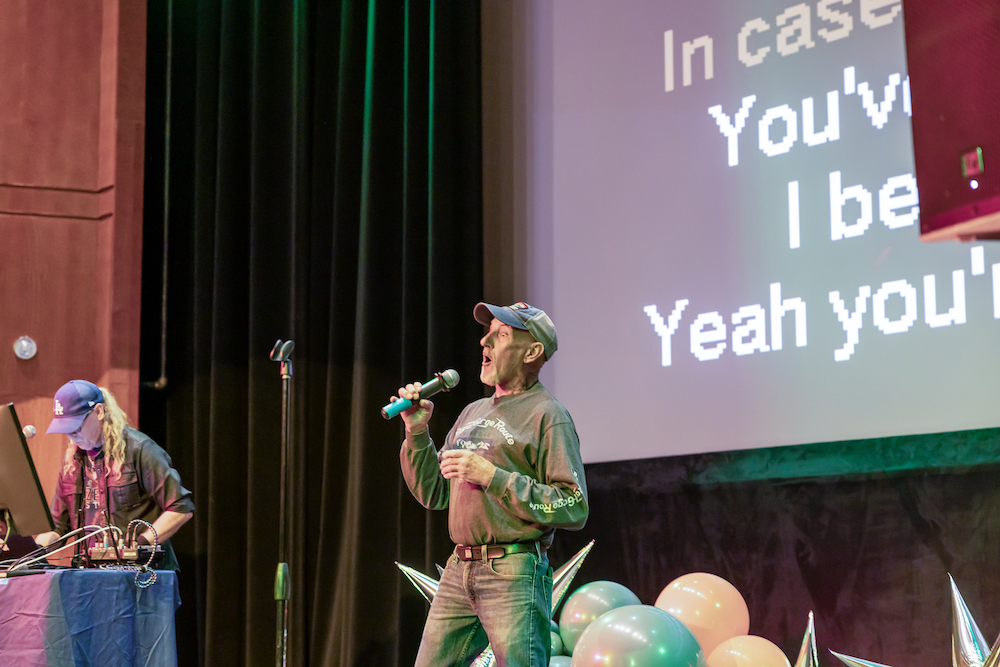
The Festival’s kickoff offered some finger foods and snacks; a photo booth, which was much fun; authors on hand, mixing with the crowds; karaoke; and, of course, books for sale.

We began by scouting the facility, the “Ron Robinson Theatre,” part of the Central Arkansas Library System (and the organizer of the festival). The two-story venue was attractive, with a particularly appealing theatre, which was hosting the karaoke. A talented set of spectators took turns at the microphone, and we enjoyed a few songs, before moving on to the next activity.

The next activity included the photo booth, which allowed us to continue the theme of money, one established during our tour of the Arkansas Treasury. Saara grabbed some Benjamins, a money bag, but drew the line at wearing a dollar-sign fishing hat.

We enjoyed the book selection, and we purchased a few before the authors’ supplies were fully depleted. We also played “spot-the-artist,” and we are pretty sure that we “saw” far more authors than were actually there.

But the event whetted our appetite for the next day’s sessions, when we would see Eli Cranor (“You Don’t Know Tough”), Boyce Upholt (“The Great River”), Garrard Conley (“Boy Erased”), Samuel Freedman (“Into the Bright Sunshine: Young Hubert Humphrey and the Fight for Civil Rights”), Randall Woods (“John Quincy Adams: A Man for the Whole People”), John Vercher (“Devil is Fine”), Brian Fairbanks (Willie, Waylon, and the Boys”), and Lana Williams, the latter of whom is a gardener and owner of Tender Gardener.

Wrapping Up

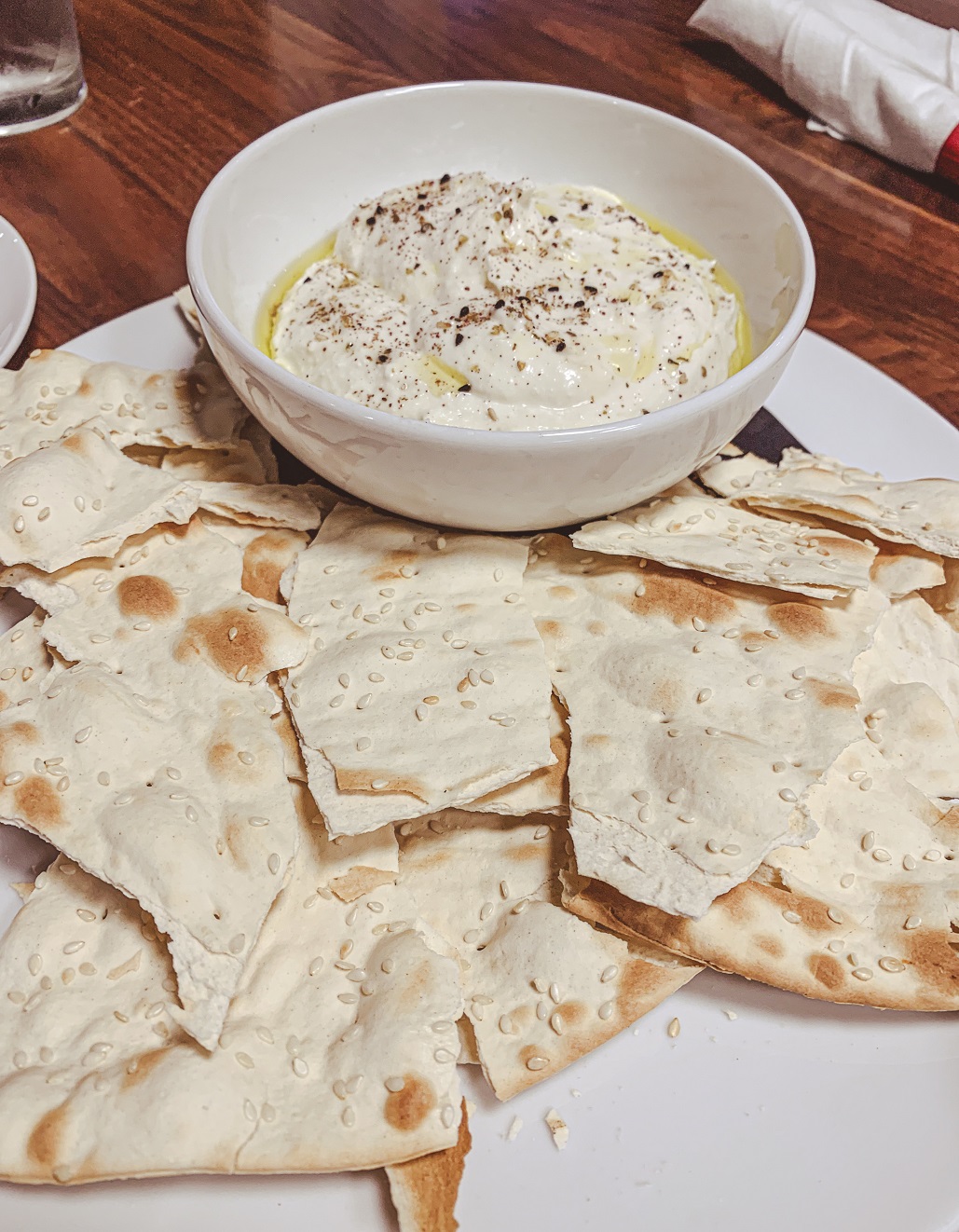
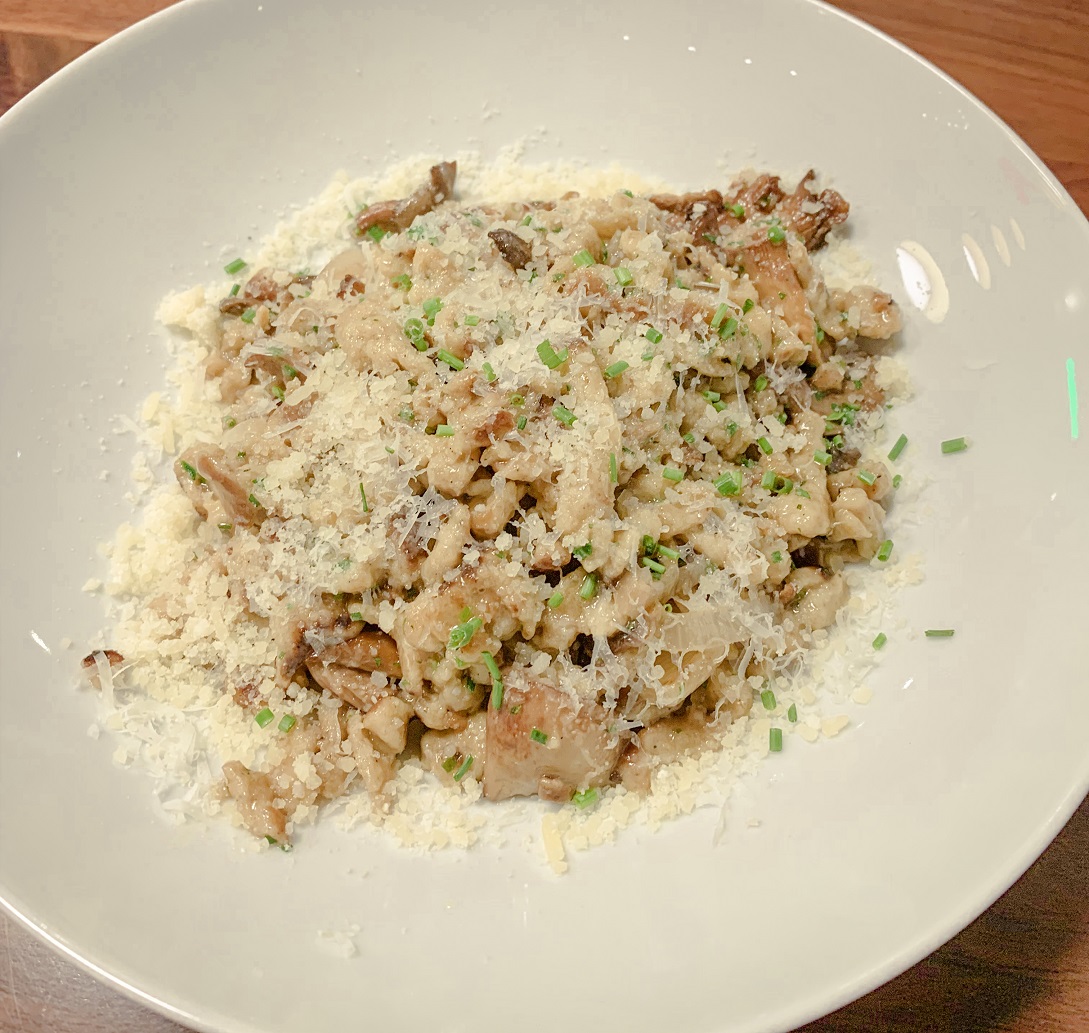
With small pangs of hunger reminding us to eat a full meal, we decided to visit Sterling Market. The restaurant might have been a Lana Wiliams fan, inasmuch as they emphasized ingredients from local farmers. The food was wonderful, and we can publicly vouch for the ricotta dip, the bearnaise sauce, the smoked chicken sandwich, and the mushrooms and dumplings.

It was another nice ending to our ongoing Arkansas adventure, meeting friendly locals, Arkansas authors, and experimenting with some wonderful Arkansas food!

Unknown's avatarAuthor mikeyawnPosted on September 30, 2024September 29, 2024Format AsideCategories Art, Civic Engagement, Civil Rights, History, Politics, TravelTags Arkansas Museum of Fine Arts, Center for Law Engagement And Politics, Clinton Presidential Library, LEAP Ambassadors, Sam Houston State University, Six Bridges Book Festival, Sterling MarketLeave a comment on On a Roll in Little Rock

A Big Day in Little Rock: A Capitol Tour, Civil Rights, and Hiking

In LEAP’s ongoing quest for experiential learning, Ambassadors set out for Little Rock, AR, where opportunities for education about Civil Rights, politics, history, cinema, art, and literature abound. And our first day was a big one…

A Visit to the Arkansas State Capitol

by Olivia Discon

Our first stop in Little Rock, Arkansas set the tone for an incredible trip filled with history, learning, and a deeper appreciation for the Natural State.

Naturally, we couldn’t visit without stopping at the Arkansas State Capitol…

…where Cheryl Augustine, who had guided LEAP students three years ago, once again took time out of her day to give us a tour that was both engaging and one to remember.

We began in the Governor’s Reception room, where we learned about the history of Arkansas, institutional traditions, and the current Governor (Sarah Huckabee-Sanders) and soaked in the beautiful room.

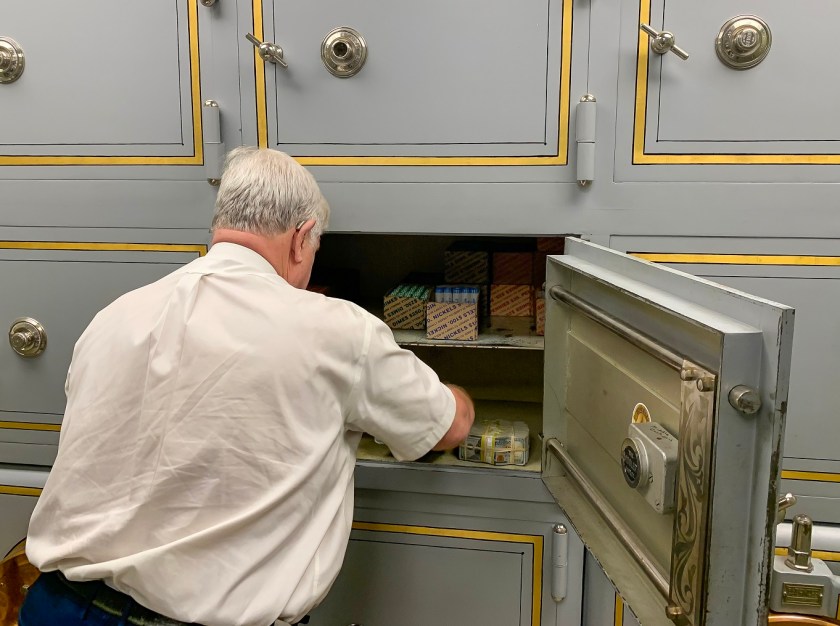
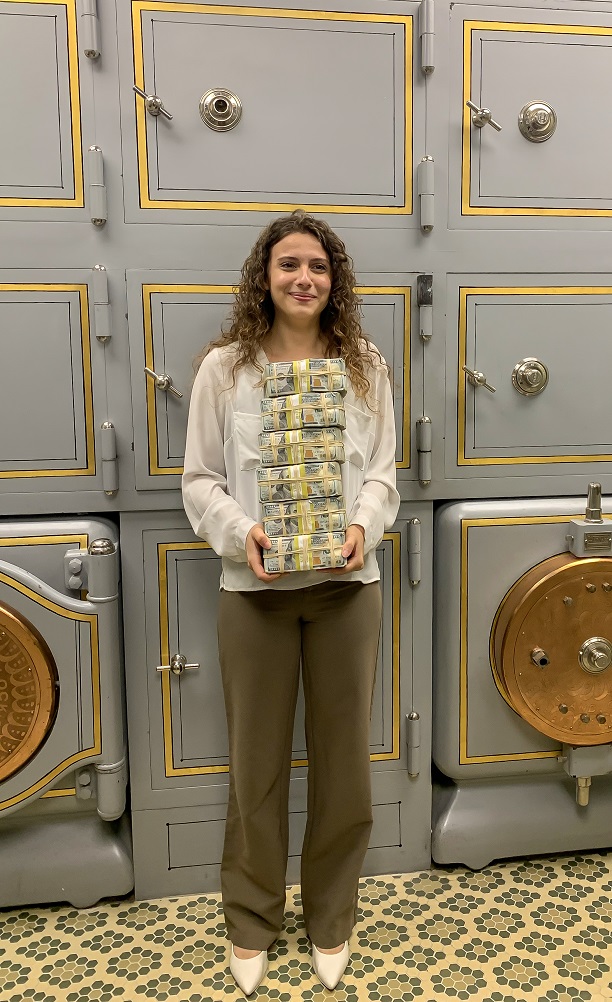
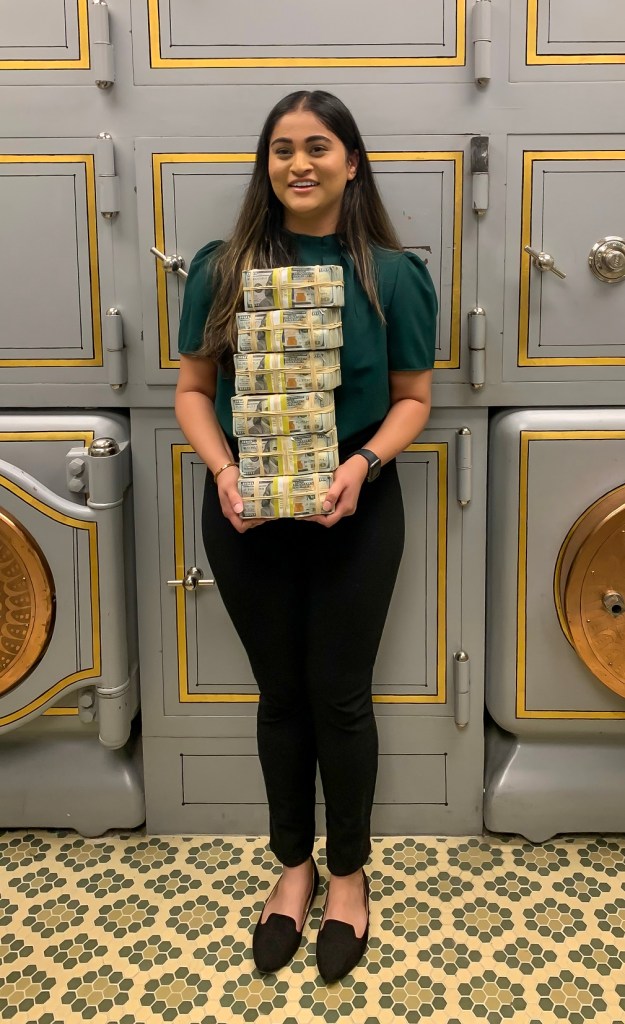
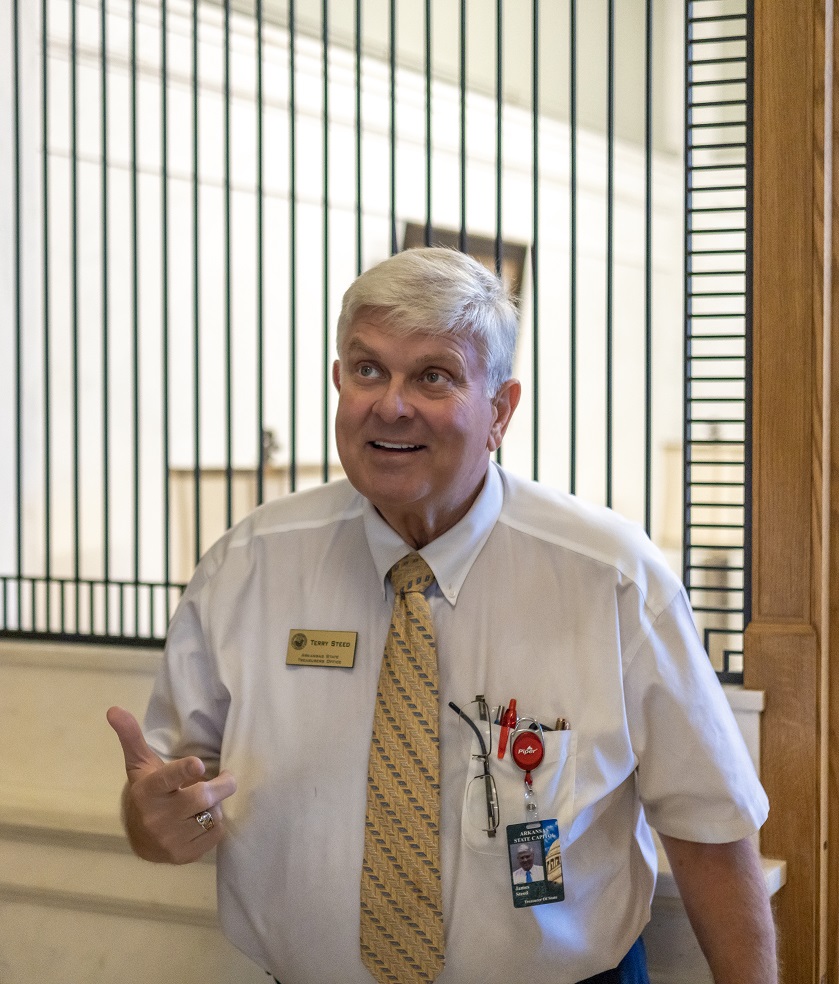
This was followed by one of the highlights of the tour, the Treasury Room, a space rich in history and, quite literally, in cash. With the help of Cheryl and Terry Steed…

…we had the chance to walk past the 12-ton vault door and even hold $600,000 in cold, hard cash.

While it was exciting to hold such a large sum, we learned the more practical side: the state loses $38,000 annually by displaying the cash instead of investing it. But this tradition connects Arkansans to their government in a tangible way.

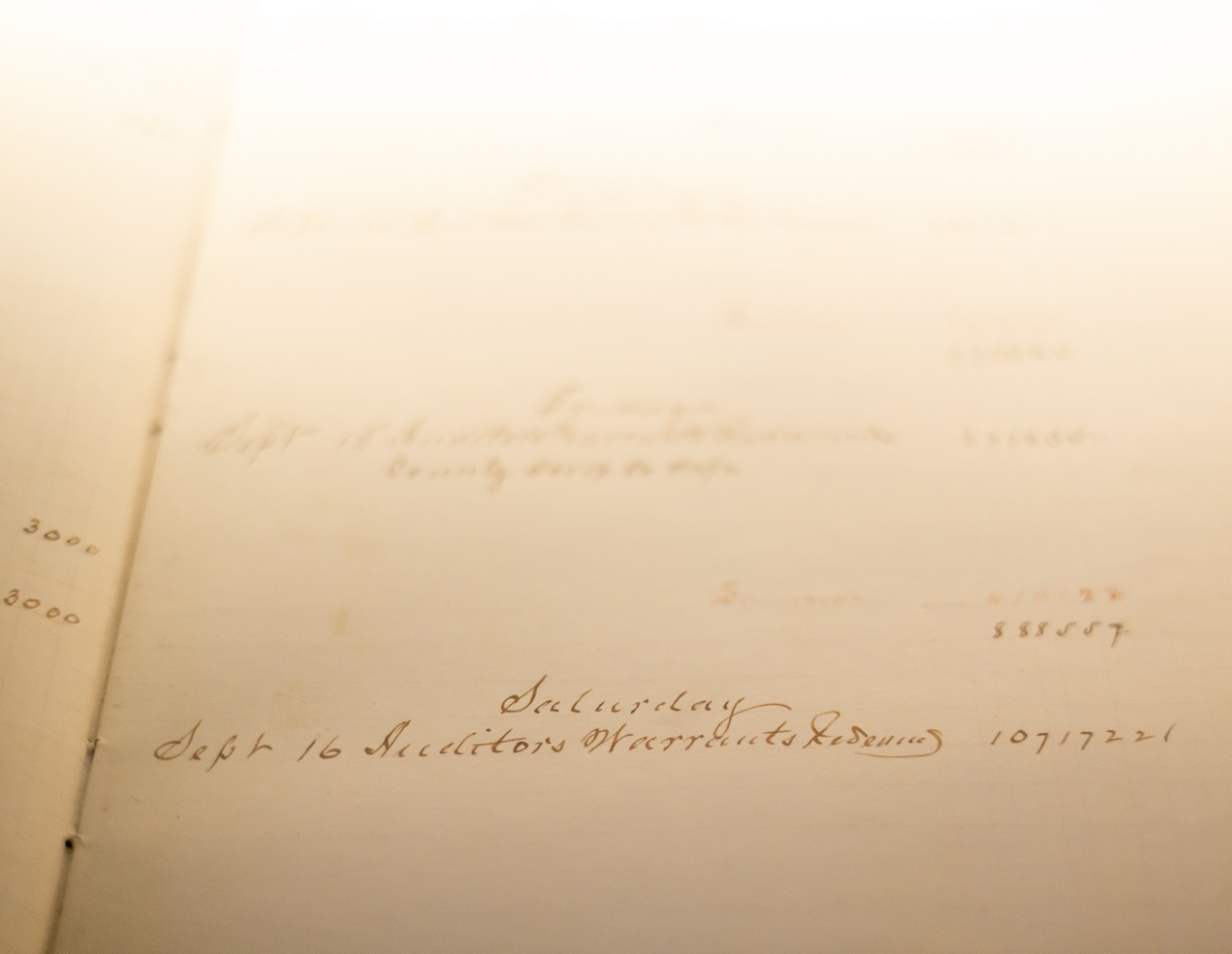
The Treasury Room itself is stunning. Its ornate ceiling, restored with 17 different shades of green, is as much a part of the Capitol’s history as the vault itself. Adding to the room’s charm, they displayed calculator machines from over 100 years ago…

…and everything down to the floors has been carefully preserved since its inception…

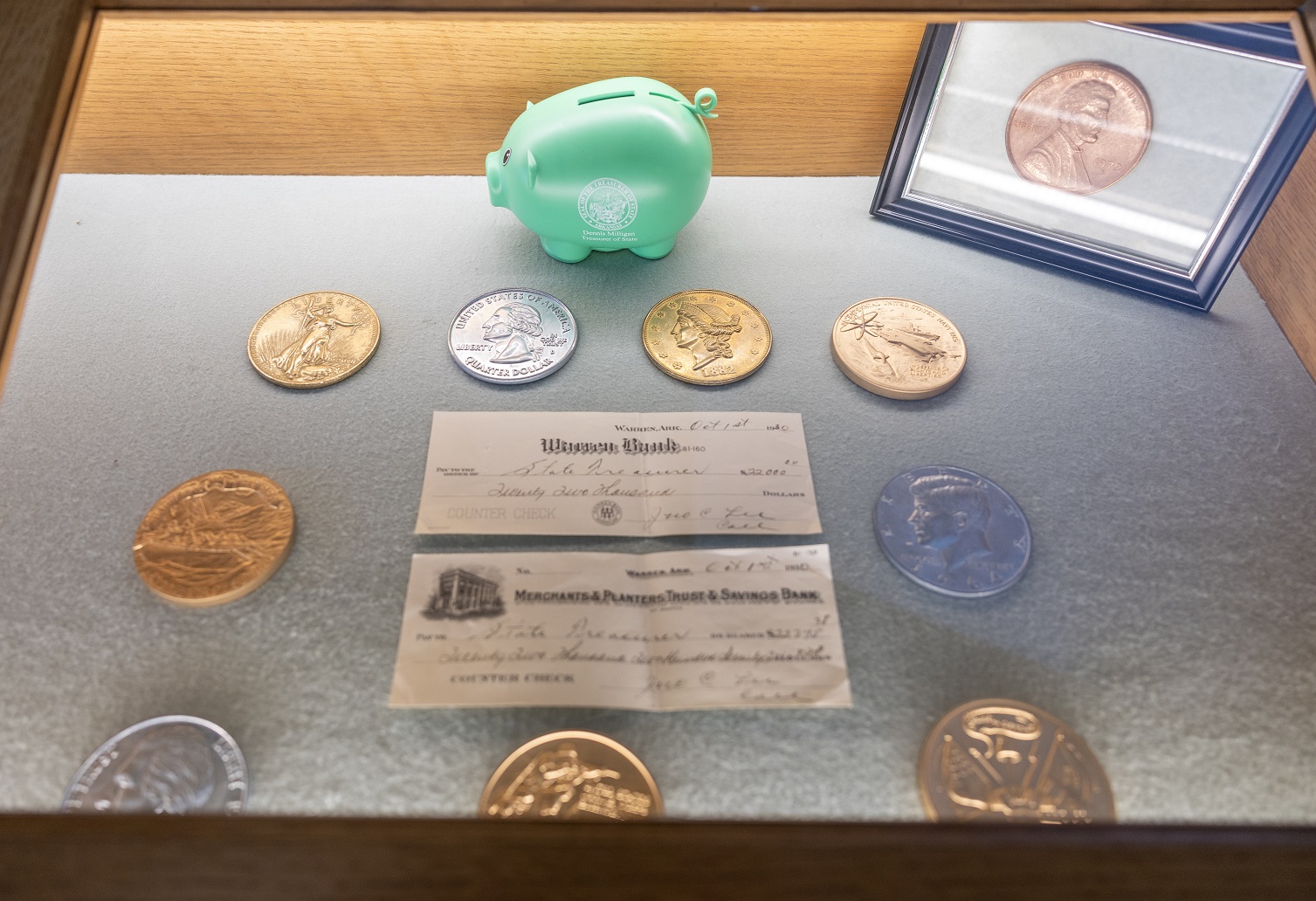
…with numerous artifacts on hand for viewing pleasure.

While in the vault, we also had the chance to meet Stephen Bright, Chief of Staff to State Treasurer Mark Lowery.

He shared insights into the Arkansas legislature and gifted us two challenge coins, one from Treasurer Lowery and another in memory of the late Larry Walther. These coins, rooted in military tradition, are exchanged as symbols of respect and accomplishment, which we were very grateful to receive.

The Arkansas State Capitol is an impressive building, with its original design by George R. Mann and later finished with the help of Cass Gilbert, the same architect behind the U.S. Supreme Court.

It took from 1899 to 1915 to complete, and you can really see the effort that went into every detail. The exterior is made from Limestone (from Batesville, AR), the floors and walls are made from Vermont marble, the grand staircases are Alabama marble, and the columns are from Colorado marble, all of which were beautiful!

We explored both the House and Senate chambers, each equally impressive. Arkansas has 100 representatives…

…and 35 senators, with legislative sessions lasting 60 days. The grandeur of the Capitol is undeniable, but it’s the details—the stained glass ceilings, the drapery, and even the pigskin door—that really make the building stand out.

Our tour, which lasted an impressive 2.5 hours, flew by thanks to Cheryl’s knowledge and enthusiasm.

We ended our tour with a story that was reminiscent of our experiences on this trip: the tale of the Arkansas Traveler. As Cheryl recounted, the story follows a lost traveler in search of directions, who, after a brief misunderstanding, receives not only help but also hospitality from a local man.

Much like the traveler, we arrived at the Capitol curious and eager to learn…

…and we left having found guidance, warmth, and generosity from everyone we met–and we, in turn, have become ambassadors for the state!

A Reflection on the Past: Little Rock Central High

by Saara Maknojia

The students at Little Rock Central High School were dismissed from class at 4:00 p.m., giving Olivia and me a few moments to reflect on the diversity of the present-day student body. Standing outside the iconic school, we couldn’t help but consider how far the nation has come since its rocky process of desegregation.

Just moments earlier, we toured the Little Rock Central High School National Historic Site, where we were both struck by the profound realization that the opening words of our Constitution, “We the people,” were not necessarily intended to include everyone.

The exhibit exposed us to deeply reflect on how for a long period of our nation’s history, the phrase excluded diverse groups of the population, including African Americans, who were denied the same rights and freedoms as Whites.

The historical significance of Brown v. Board of Education and the grit of the Little Rock Nine are beyond question. Their resilience in the face of extreme adversity not only provided momentum leading to the desegregation of schools but also reshaped the course of American civil rights. The historic site offered a powerful overview of this pivotal moment in U.S. history, immersing us in the experience of those nine brave students who, despite intense opposition, stood firm in their pursuit of equality.

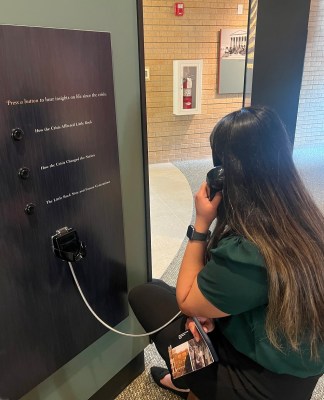
As we walked through the exhibits, photographs capturing the tense moments, media coverage showing the nation’s divided response, and phone recordings of the threats and insults said at the students, we were reminded that the struggle for civil rights was definitive.

It was lived and deeply felt by those who dared to stand against injustice. The visit provided us with a deeper understanding of the personal sacrifices made, and the bravery required, to break down societal barriers. This experience left a lasting impression on us, particularly as we observed the diverse faces of today’s student body, a living testament to the progress that has come into existence from the courage of those who came before.

Little Rock Central High School, once the center of racial strife, now serves as a symbol of the journey taken by the Little Rock Nine toward inclusivity and equality for the progression for the United States.

Pinnacle State Park

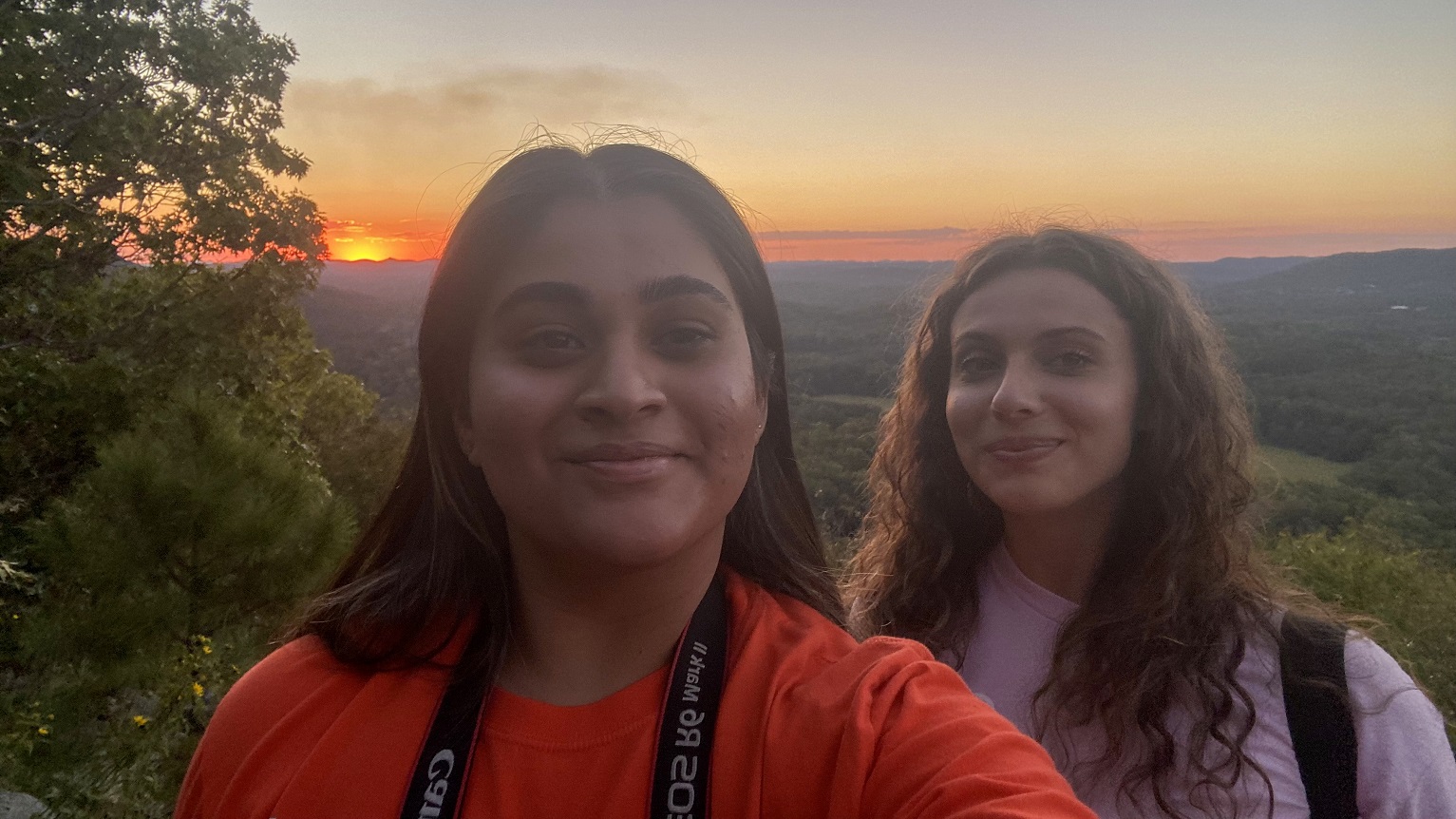
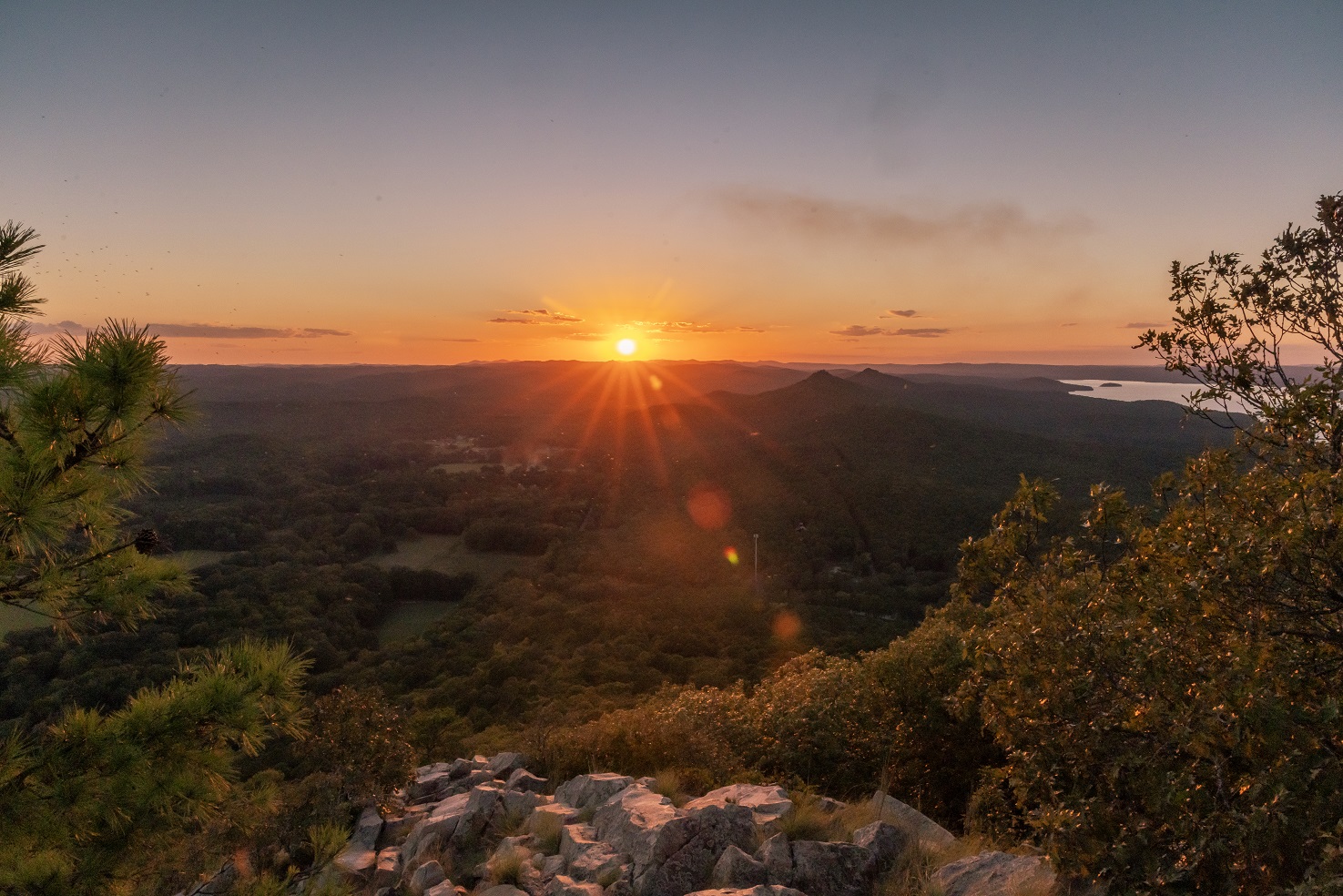
One moment you are in the state capital, enjoying nice restaurants, relishing a visit to the state capitol building, and touring museums; and then about 20 minutes later, you are at Pinnacle Mountain State Park, climbing a mile-long incline to get a view of the beautiful Arkansas country-side.

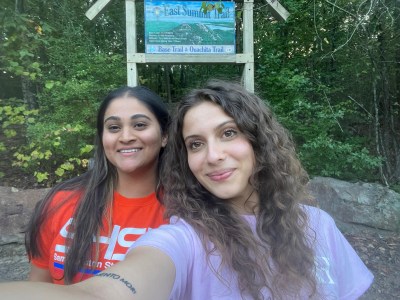
It takes a bit of planning. There is much to do in the Park—it sports an Arboretum, Ranger-led activities, and two rivers. But the attraction to us were the hiking trails, specifically east and west summit hikes. Our plan, in theory, was simple.  Olivia and Saara would ascend the East Summit Trail, a demanding hike that requires rock scrambling, a 1.5 total distance and, most important, an ascent of 1,000 feet.

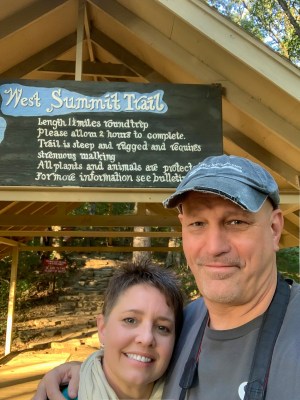
Mike and Stephanie would ascend from the West side, which involves a similar distance and ascent, but less rock scrambling.

For Mike and Stephanie, things worked as planned, and although their advanced age prompted several breathers along the way…

…they enjoyed unparalleled views of the valley…

…distant hills…

…and the Big and Little Maumelle Rivers. 

Things also worked as planned for Saara and Olivia, for about the first 1/20 of a mile…

…when they accidentally followed the base trail rather than the East Summit trail.  This is a great way to see the perimeter of the mountain, without ever actually ascending, and with literally no chance of reaching the summit of the mountain. After an hour or so of this, a passerby noticed the dazed and bewildered look on the girls’ faces, and he kindly directed them to go up the mountain if they wanted to get to the top.

Other than this hiccup, though, things did go generally as planned.  We hoped to see some wildlife, and we did, albeit in the form of a tarantula. 

When urged to take a closer look, Olivia responded directly, “Oh, hell no.”  True to her word, she refused to proceed on the trail—possibly even reversing—until the tarantula hustled off the trail.  We planned to get a good workout, and we did.  The East Summit trail is especially challenging, with several areas most often referred to as “boulder fields.”  Indeed, “Alltrails.com” admonishes hikers to “proceed cautiously,” noting it is a “highly challenging route” to be tackled by only “experienced adventurers.” 

And the payoff is worth the climb, with some beautiful views from almost any angle.

It was a wonderful time..

And it was a fitting end to a rewarding first day in Little Rock. We mixed some outdoor fun with a healthy mix of history, civil rights, politics, architecture, finance, and friendship, all within twenty minutes or so from one another. It is a mix we hope to repeat tomorrow, striving to reach another pinnacle in our educational adventure.

Note: We would like to say “thank you” again for all the great people we met today. Cheryl Augustine was a wonderful tour guide and person; Terry Steed is, as Cheryl notes, “a treasure to the Capitol,” and a very nice person; and Stephen Bright, who generously spent time with us and gave us some terrific advice.
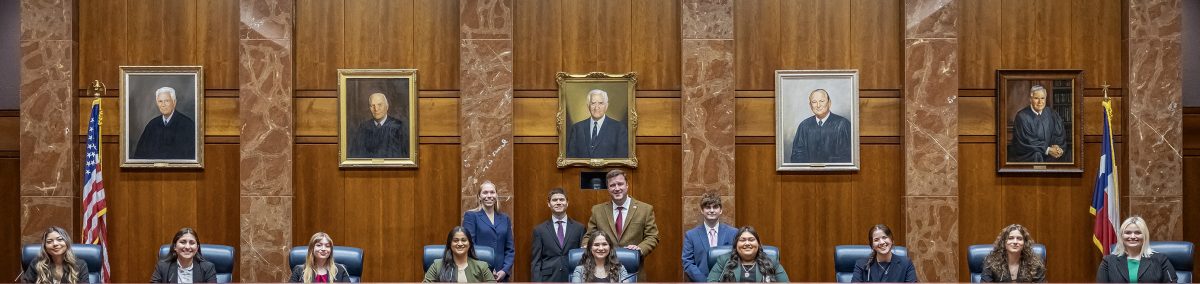
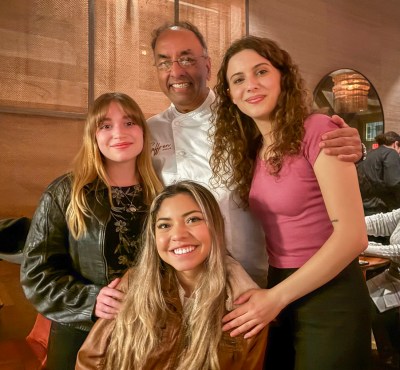
Unknown's avatarAuthor mikeyawnPosted on September 28, 2024September 30, 2024Format AsideCategories Architecture, Civic Engagement, Civil Rights, History, Law, Politics, TravelTags Arkansas State Capitol, Center for Law Engagement And Politics, LEAP Ambassadors, Little Rock Central High, Little Rock Nine, Pinnacle Mountain, Sam Houston State UniversityLeave a comment on A Big Day in Little Rock: A Capitol Tour, Civil Rights, and Hiking

Along the way with LBJ

by Chrissy Biello

During my time in LEAP, I have noticed that the final day of our trips often leaves me feeling a bit reflective. With so many enriching experiences—whether educational, cultural, or just for fun—students have the chance to grow into better versions of themselves. After attending the Texas Tribune Festival, we decided to extend our learning with a visit to the Lyndon B. Johnson Presidential Library in Austin, Texas, offering all three of those experiences.

As we first walked in, we watched a video about LBJ. It began with remarks from those who knew him, describing him as a “force of nature,” “human dynamite,” and (my favorite) a “tornado in pants.” Yet, the one consistent theme throughout was that President Johnson was driven by a deep desire to serve.

As we watched the video, Cinthia and I were excited to see Luci Baines Johnson, LBJ and Lady Bird’s daughter, on screen. Having just met her at the Texas Tribune Festival, seeing her again felt both surreal and personal.

We continued exploring LBJ’s life, from his time as a teacher and principal in Cotulla, Texas, to his final speech at the Civil Rights Symposium at the Lyndon Baines Johnson Library and Museum in 1972.

Naturally, we could not resist getting up close to experience the infamous “Johnson Treatment” for ourselves. Personally, I was not a fan, Cinthia looked particularly terrified, and Maggie seemed to have fun with it.

Looking up the grand stairs, I immediately noticed the archives behind a large glass covering. I could not stop imagining all the pieces of history enclosed within. My amazement must have been evident, as Olivia quickly began snapping pictures of my reaction!

Next, we pondered how we would feel if our personal phone calls were on display for anyone to listen to. This reflection was prompted by the chance to hear LBJ’s phone calls discussing various topics such as Vietnam, foreign policy, civil rights, and space. One conversation that particularly stayed with me was between LBJ and Jacqueline Kennedy, where she thanked him for a letter he had written to her; her voice was incredibly soft-spoken.

As we began to walk through his presidential years, the first thing everyone noticed were pictures of Lady Bird and LBJ together. We could not help but admire how lovely they looked, especially Lady Bird in her striking yellow dress!

As we moved further into the exhibit, the Civil Rights Movement took center stage. It was a powerful reminder of how LBJ’s presidency was marked by significant legislative achievements that reshaped American society. From the Voting Rights Act of 1965 to the Civil Rights Act of 1964, these were moments that changed the course of history, and walking through the displays, we could feel the weight of the sacrifices made by countless individuals.
This being my first visit to a presidential library, I was truly amazed, and I cherished every moment. From the engaging discussions at the Texas Tribune Festival to exploring the history at the LBJ Library, this trip perfectly embodied the essence of the LEAP experience—educational, cultural, and, of course, a lot of fun!

Unknown's avatarAuthor mikeyawnPosted on September 13, 2024Format AsideCategories Civic Engagement, Civil Rights, TravelTags Center for Law Engagement And Politics, LBJ Presidential Library, LEAP Ambassadors, Sam Houston State UniversityLeave a comment on Along the way with LBJ

First-Generation Legal Regional Summit: South Texas College of Law

by Christina Biello

Bright and early on April 26, LEAP students traveled to Houston to attend the First-Generation Legal Regional Summit, hosted by the South Texas College of Law…

…sponsored by the American Bar Association’s Young Lawyer’s Division, Houston Young Lawyers Association, and the Texas Young Lawyers (among others). First, we started the day with a simulated Voir Dire activity. The attorneys were Armin Salek, prosecution, and Thuy Le, defense.

Salek began by informing us of his first-generation attorney background and his journey to establishing the country’s first high-school legal-aid clinic. Continuing his presentation, he meticulously explained the charges in this case, ensuring that every audience member comprehended the intricate legal jargon.

He then began a captivating analogy, unveiling fragments of the Mona Lisa painting. His analogy illuminated the concept of “beyond a reasonable doubt,” likening it to recognizing the iconic masterpiece even from incomplete glimpses, noting that it is a “high bar, but not an impossible bar.”

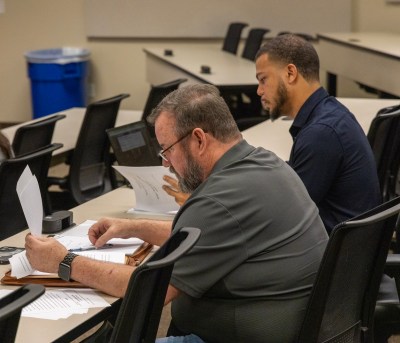
As we started to kick into gear with the selection questions, Salek began asking the audience about any personal convictions that might hinder their ability to judge others. He proceeded to have each person respond to questions aloud, one by one, rating their feelings towards law enforcement on a numerical scale. Additionally, he inquired about any connections individuals might have to law enforcement through friends, family, or other associations, prompting further explanation from those who answered in the affirmative. It was fascinating to observe his thought process as he skillfully formulated questions designed to gain insight into individual’s perspectives and beliefs. This approach enabled us to gradually piece together clues about the nature of the case. 

Next, Thuy Le, who began her career as a prosecutor in the Galveston and Harris County District Attorney’s Office before opening her criminal defense practice, had her chance to question the potential jurors. She began by presenting a visual representation of the “level of proof staircase,” aiming to illustrate the high threshold of “beyond a reasonable doubt” and the gravity of decisions affecting another’s life. Using relatable scenarios, such as someone insulting her three-year-old niece, she prompted the audience to consider the difference in response between verbal insults and potential threats like kidnapping. This exercise highlighted the nuanced nature of legal reasoning and the significance of discerning justifiable actions in diverse circumstances. 

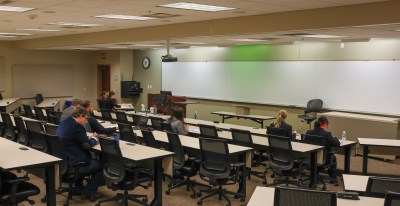
After a short break, both attorneys called select jurors up to the stand for further questioning. Le clarified that there would typically be background noise during such proceedings, but in this simulated scenario, the audience could listen in to understand the jurors’ views. They then outlined the process, explaining that each attorney had six peremptory challenges.

Following deliberation, the chosen jury members were announced, with Olivia and me, unexpectedly, among them. The attorneys shared with the audience that quieter individuals with more neutral responses often made the final cut, removing the short-lived mystery of us being selected.

Trailblazers on the Bench: Judges Panel

by Michelle Cardenas

In a session titled “Trail Blazers on the Bench,” a panel of multiple judges shared insights into their career paths and experiences. Among them were Judge Alfred Bennett and Judge Charles Eskridge, serving on the U.S. District Court for the Southern District of Texas, alongside Judge Diana Song Quiroga, a respected U.S. Magistrate Judge, and Judge Sarah Beth Landau of the Texas Court of Appeals. Moderated by Brandi Pikes, an Associate Attorney at Winston & Strawn LLP, the discussion explored the diverse backgrounds of these legal figures.

Throughout the conversation, the judges recounted personal stories of overcoming challenges and seizing opportunities. Despite the occasional setback, their journeys were marked by perseverance and a commitment to making a difference. What struck a chord with many listeners was the shared experience of being first-generation pioneers in their respective field, a testament to their determination in breaking barriers.

A particularly striking instance occurred when Judge Song Quiroga shared how her dedication to the law originated from advocating for her parents amid language barriers and cultural disparities. Her story deeply resonated with me, as my own passion for the legal field was ignited by a similar experience.In the stories of these judges lies a reminder of the transformative power of resilience and Grit that comes from being a First-Generation Student who is trying to navigate their way through life without a model or guide.

Your Next Dream Job: Legal Career Transitions Panel

By Cinthia Villarreal

For the next session, “Your Next Dream Job: Legal Career Transitions Panel,” Armin Salek, Founder and CEO of Youth Justice Alliance; Tamara Nash, Director of Experiential Learning at the University of South Dakota Knudson School of Law; Lacy Durham, Assistant General Counsel at Benefits & Compensation Constellation Energy Generation, LLC; and Cecelia Mitchell, Associate Corporate Counsel at Amazon, came together to talk about their experiences with their broad career transitions.

Each of the speakers went on to narrate their personal stories, describing their reasons for switching career paths, some leaving decade-long jobs for something they truly felt passionate about. Among the reasons, burnout resonated with several of the speakers. Tamara Nash, for example, served as a Special Assistant United States Attorney where her practice focused on felony narcotics and firearms prosecution in the state and federal courts. She described that after eight long years of working file after file, she was mentally and physically exhausted.

Prompted by the moderator, Lacey Durham emphasized the importance of networking and making connections with other professionals, “the worst thing they can do is say no” she said. Tamara affirmed this by encouraging us to reach out to people and ask them to have lunch or coffee with us to learn more about them and their profession.

Concluding Thoughts

Following the main event, the Houston Young Lawyers Association asked us how the event went, and they filmed us trying to articulate our thoughts.

For us, it was a transformative experience. We had a chance to visit South Texas College of Law, benefit from the experience and advice of bright minds, learn about career options, and we were taught skills we can take with us where ever we go.

Unknown's avatarAuthor mikeyawnPosted on May 3, 2024May 3, 2024Format AsideCategories Civic Engagement, Civil Rights, LawTags Center for Law Engagement And Politics, First-Generation Legal Summit, Houston Young Lawyers Association, LEAP Ambassadors, Sam Houston State University, South TX College of LawLeave a comment on First-Generation Legal Regional Summit: South Texas College of Law

Posts pagination

Previous page Page 1 Page 2 Page 3 … Page 15 Next page

LEAP Ambassadors Are Involved!

This slideshow requires JavaScript.

Follow Us On Facebook!

Follow Us On Facebook!

Catch Up With Us

  • A M*A*S*H* Wrapup December 24, 2025
  • Understanding Globalization: Lessons from a Leading Journalist December 22, 2025
  • Crafting for a Cause December 18, 2025
  • Exploring The Shining: A Kubrickian Journey December 15, 2025
  • Interactive Experiences at Asia Society Texas: A Student’s Perspective December 14, 2025

Join The Conversation!

The Civic Leadership… on Foundational Activities of the…
The Civic Leadership… on The Philosophical Foundations…
LEAPing Into Action… on The Philosophical Foundations…
Jada Cook's avatarJada Cook on SHSU Students LEAP Across Five…
Reflections from the… on Kicking off the Semester Right…

Find Previous Posts

Elvis Presley, the “King of Rock and Roll,” was born on this day in 1935.  The LEAP Center has been to his birthplace, seen an original Andy Warhol painting of Elvis, and attended a concert by Travis Powell, an ETA (Elvis Tribute Artist)” at the Old Town Theatre here in Huntsville!

We also have Twitter!

My Tweets

LEAPing Into LEARNing

This slideshow requires JavaScript.

  • About LEAP
  • LEAP Ambassadors
Center for Law, Engagement, and Politics Blog at WordPress.com.
  • Subscribe Subscribed
    • Center for Law, Engagement, and Politics
    • Join 487 other subscribers
    • Already have a WordPress.com account? Log in now.
    • Center for Law, Engagement, and Politics
    • Subscribe Subscribed
    • Sign up
    • Log in
    • Report this content
    • View site in Reader
    • Manage subscriptions
    • Collapse this bar
 

Loading Comments...