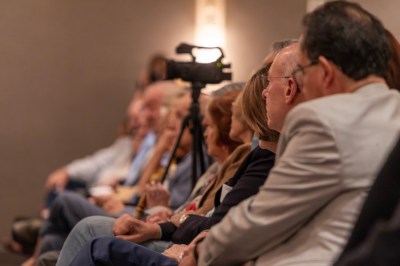
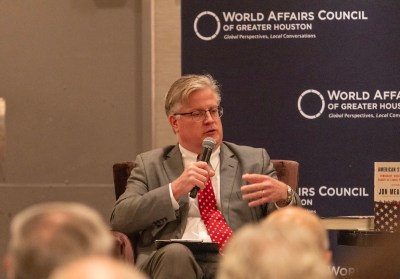
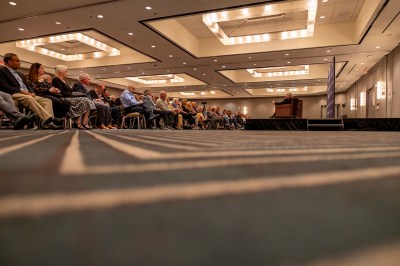
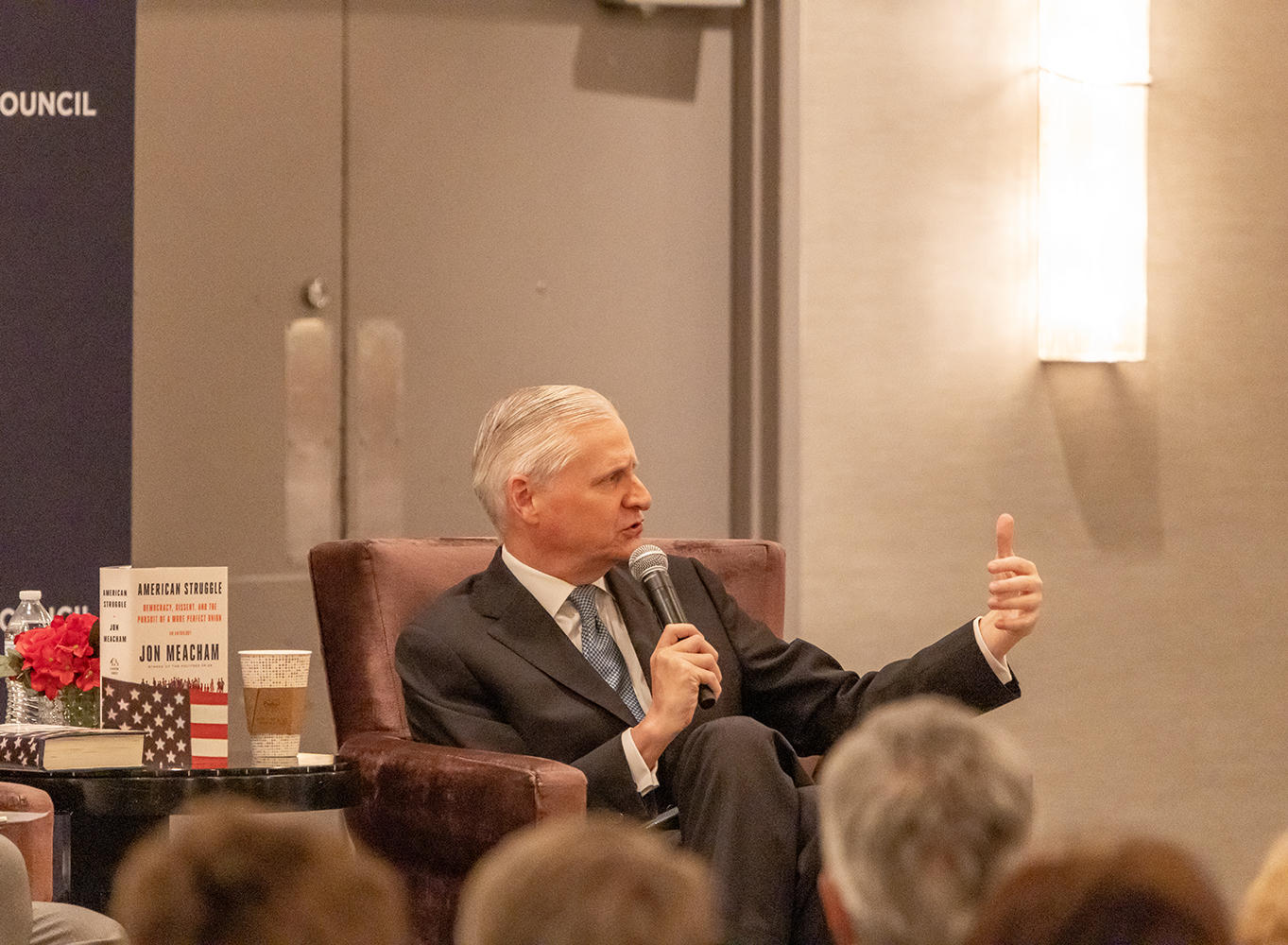
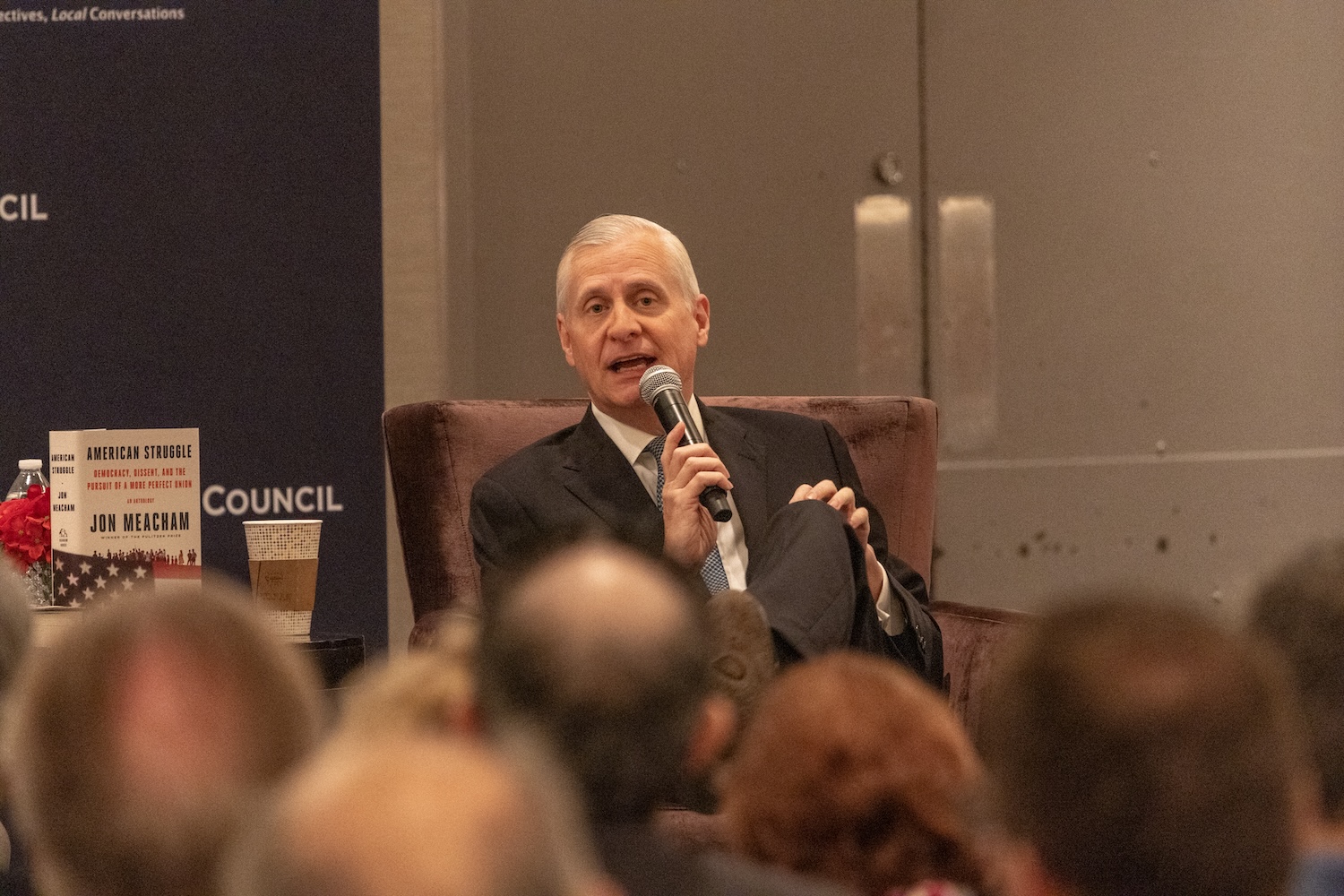
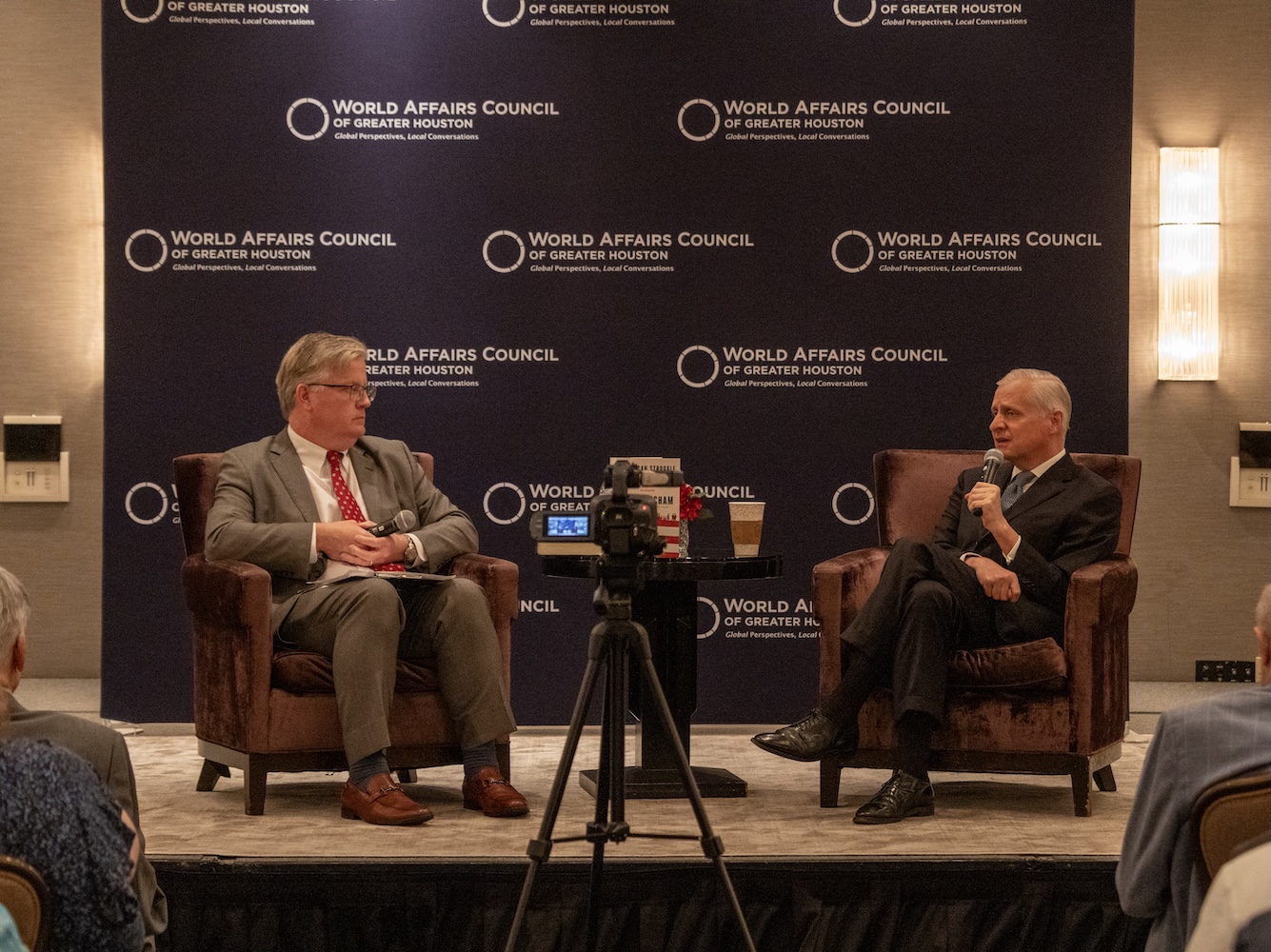
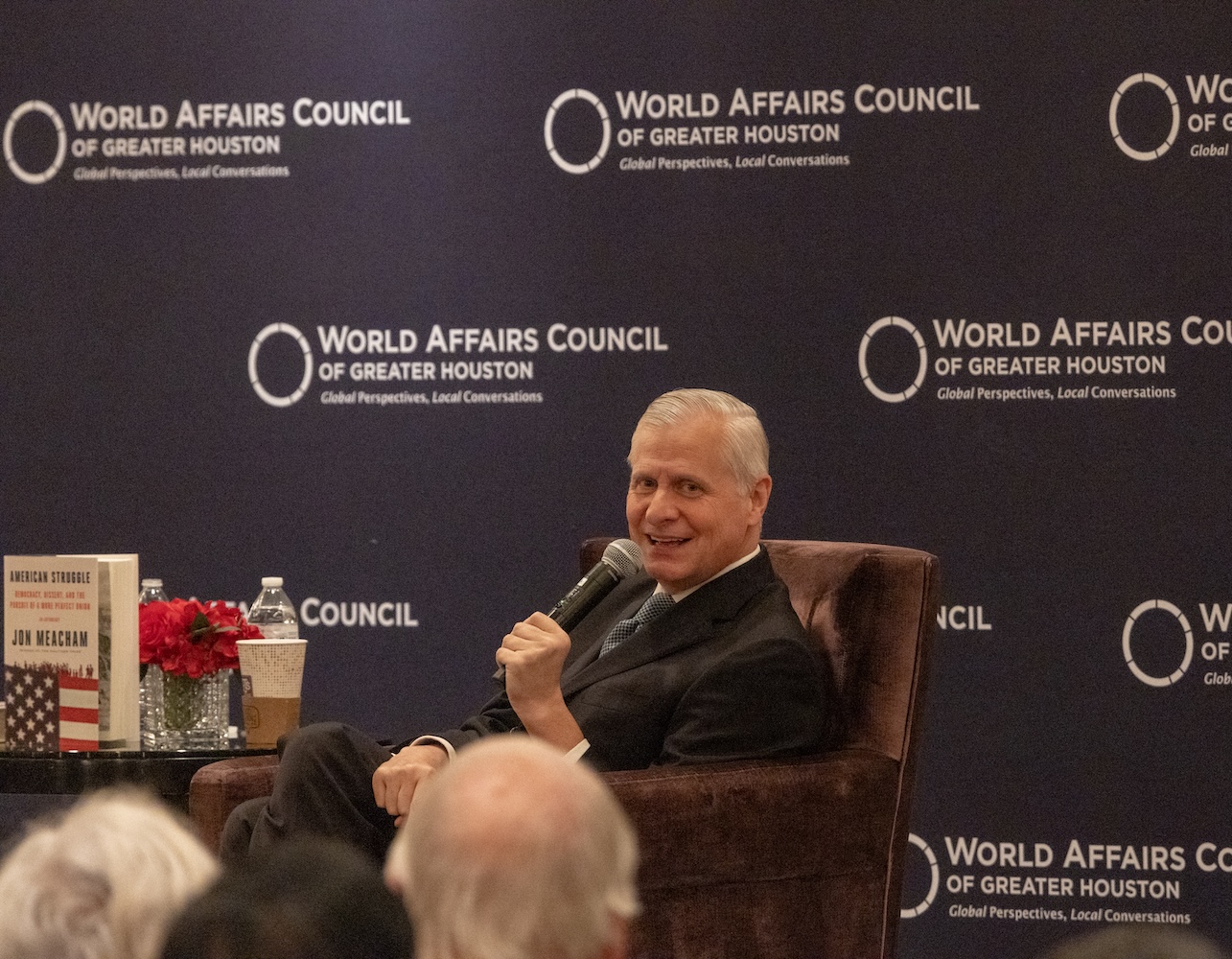
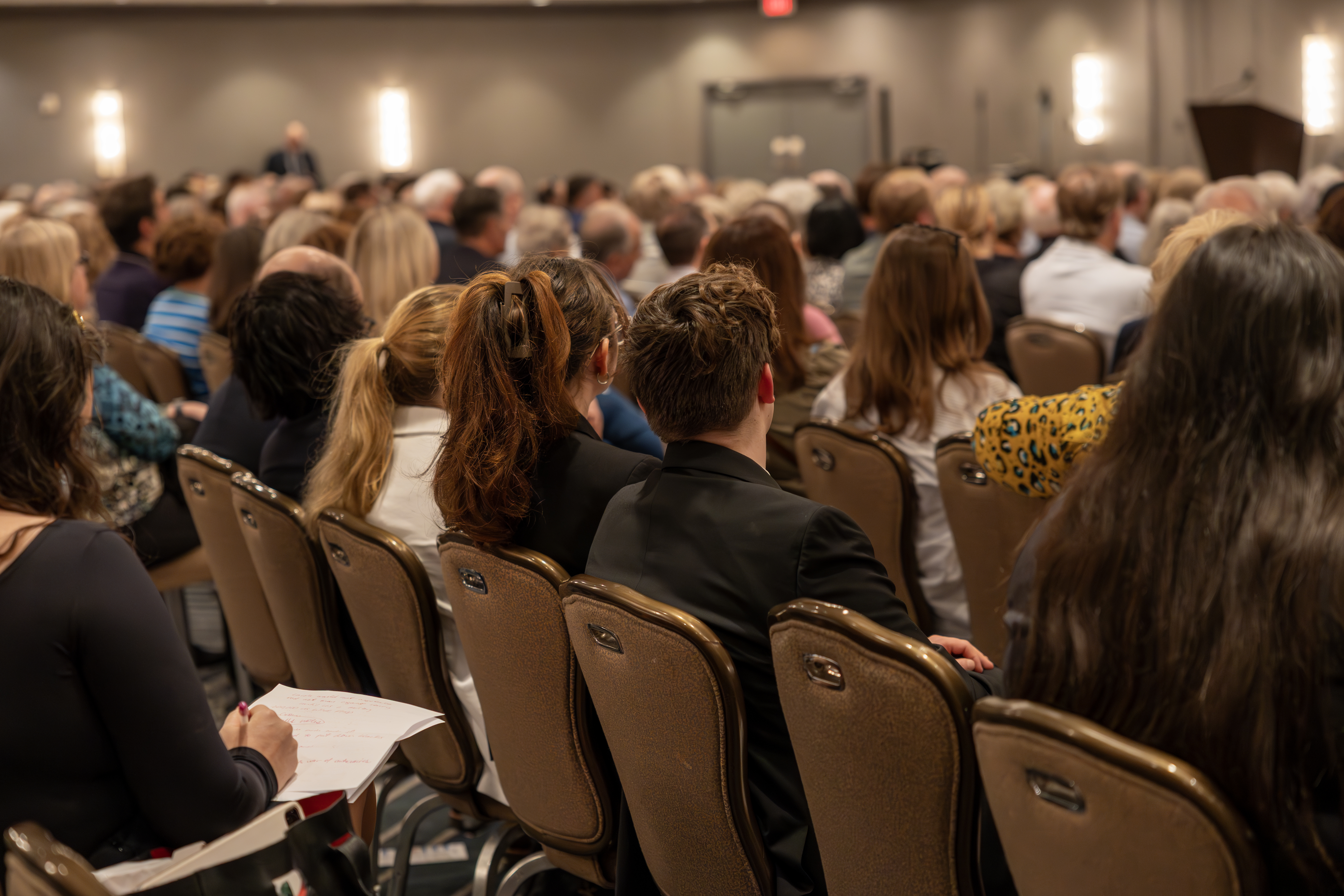
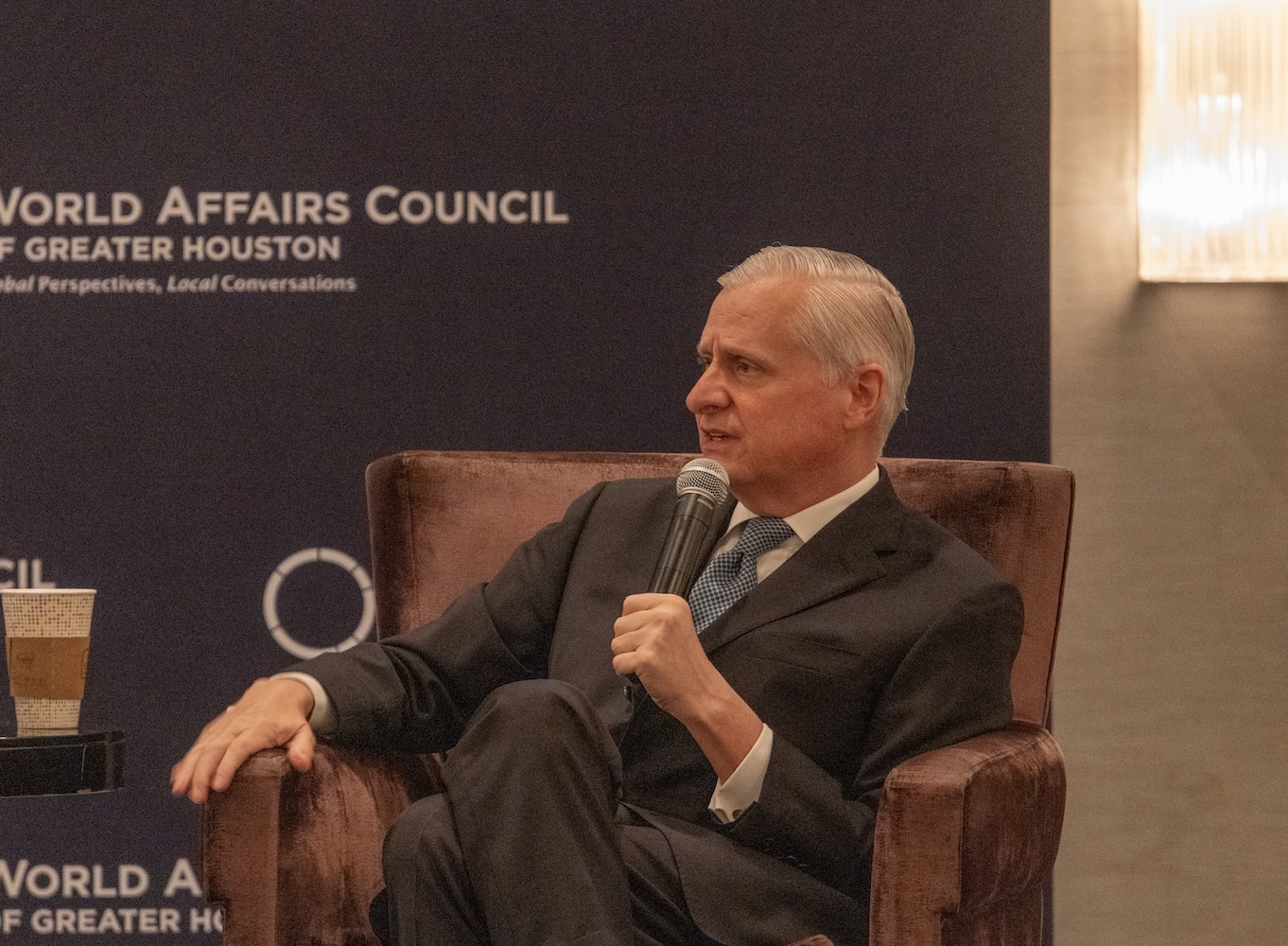
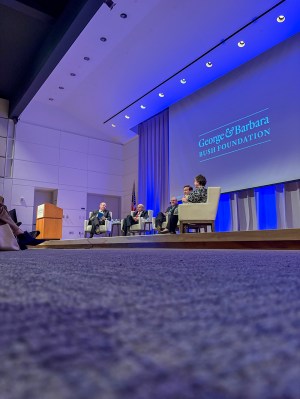
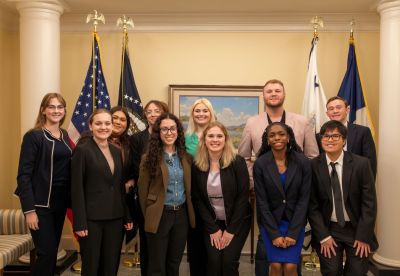
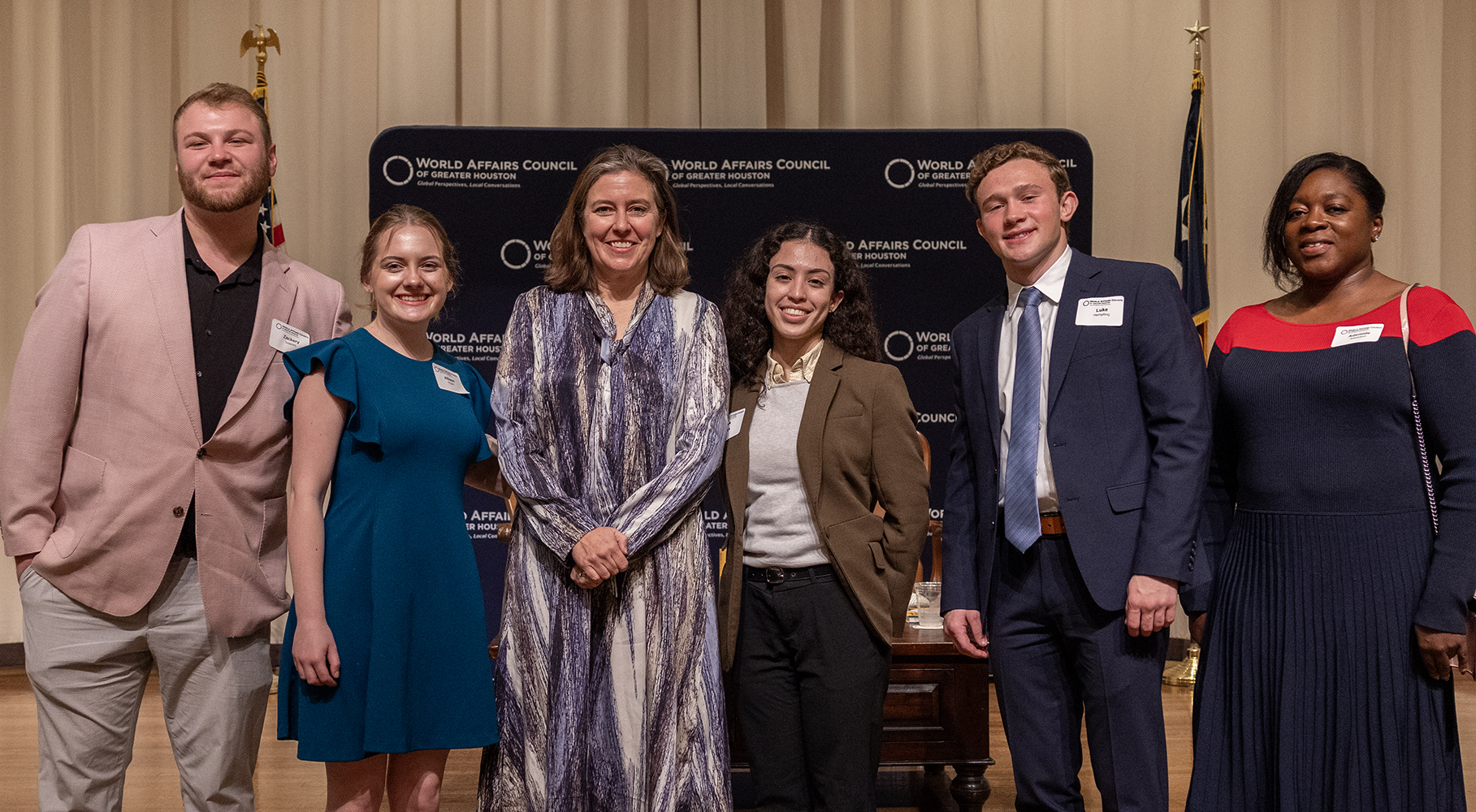
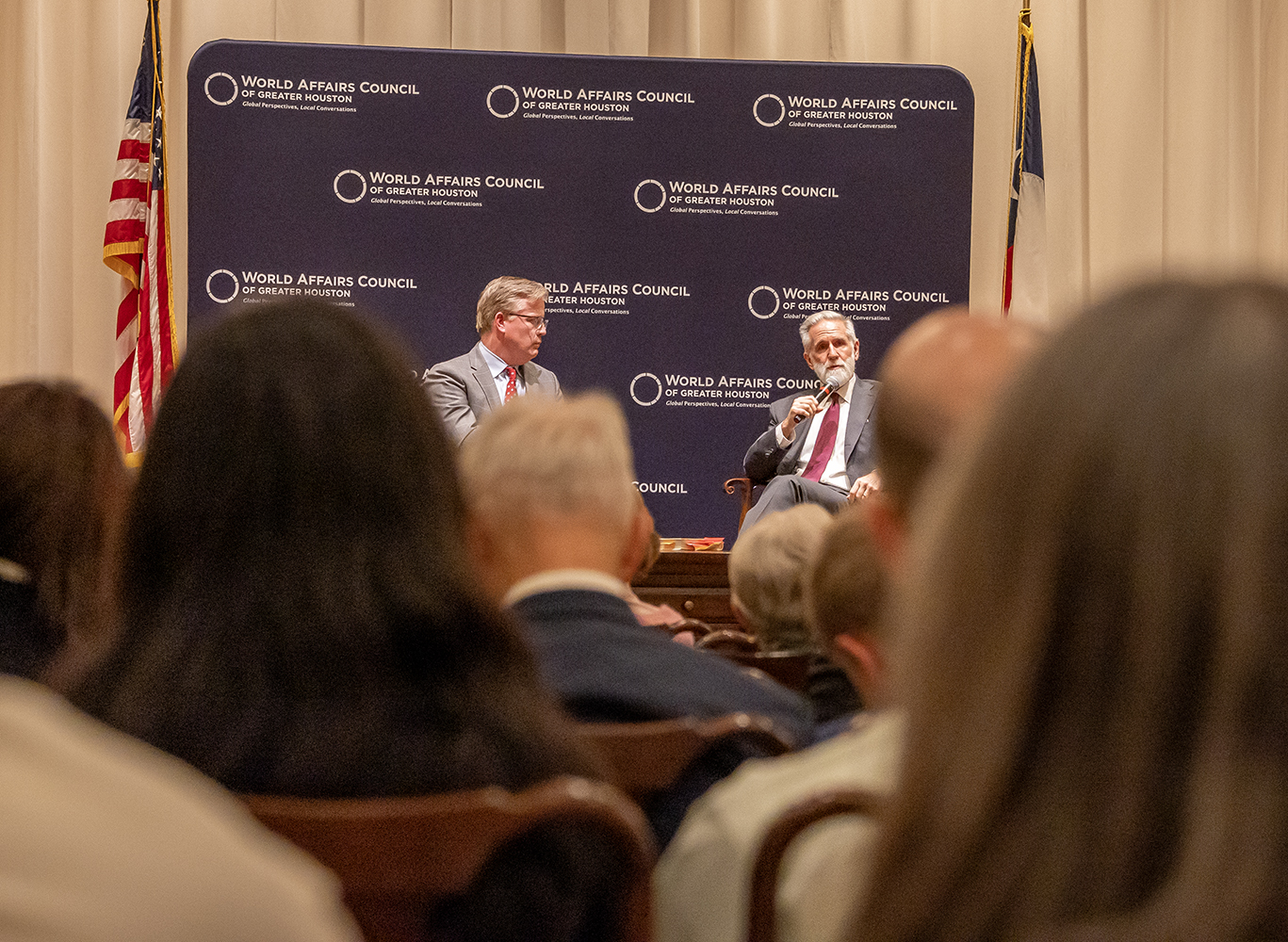
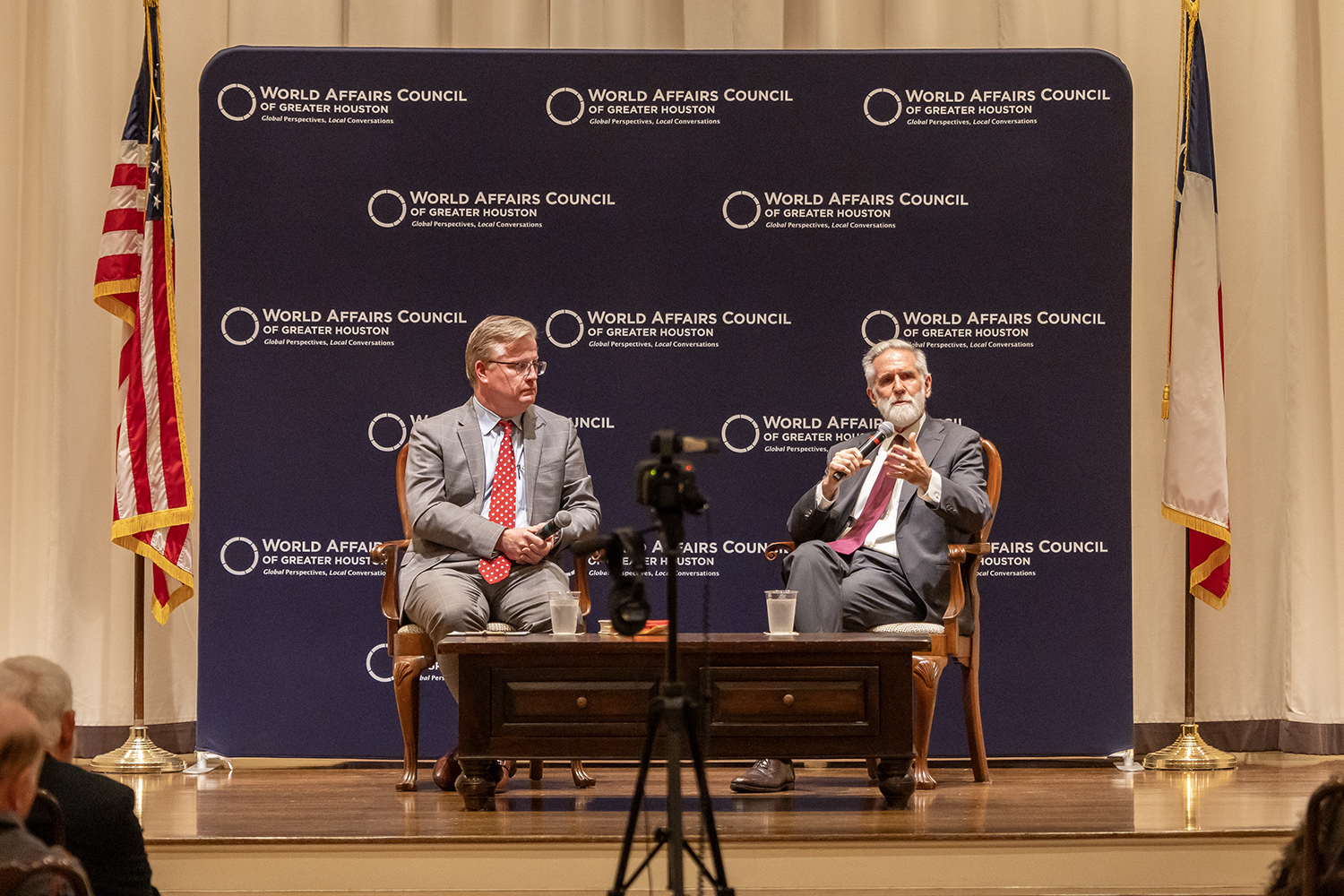
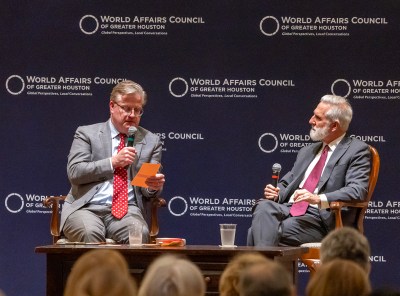
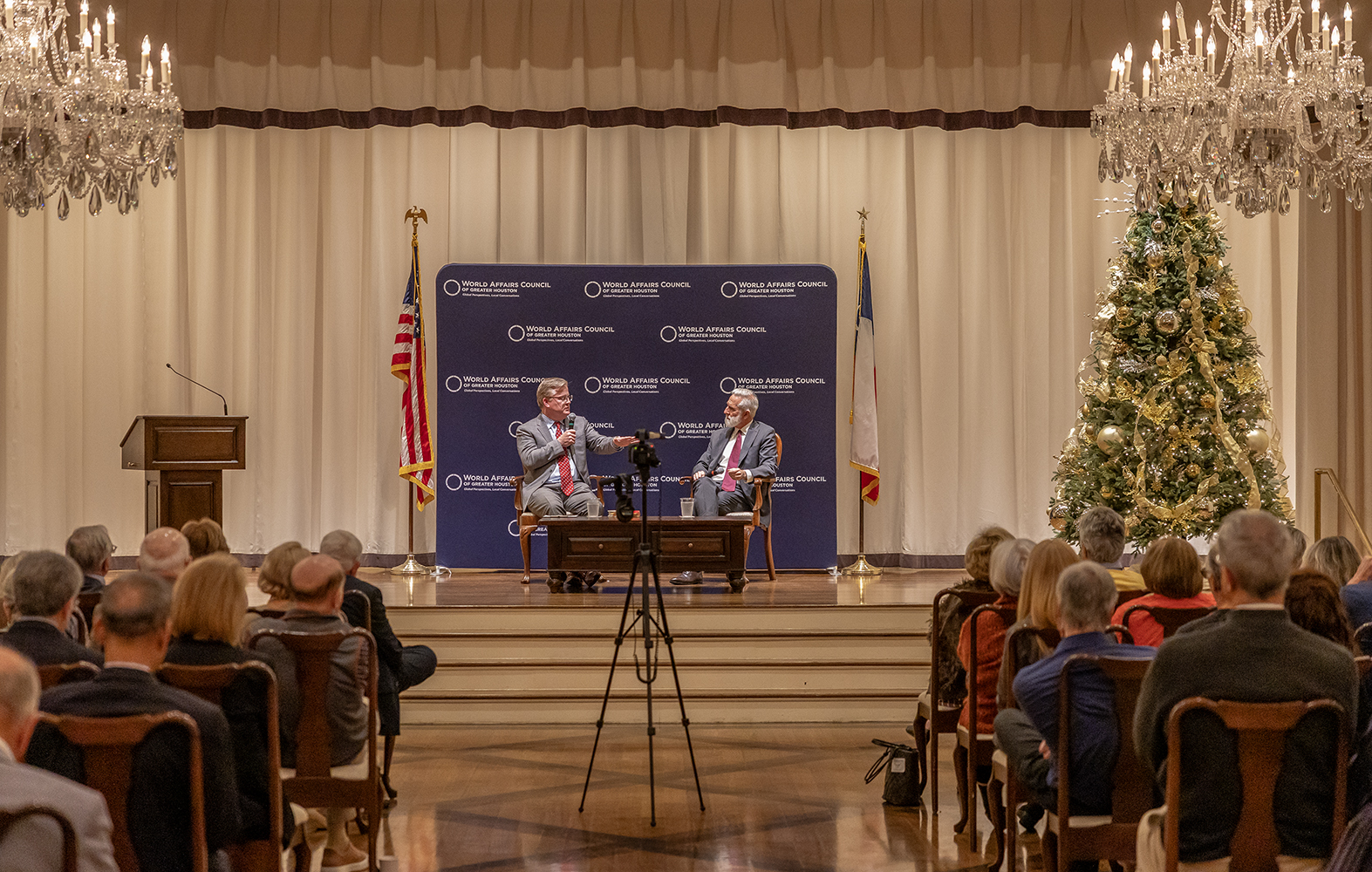
Saturday, February 28th was an eventful day for LEAP students! We travelled to the Royal Sonesta Hotel in Houston for a book talk on Pulitzer Prize Winner Jon Meacham’s new anthology American Struggle, which explores the history of politics.
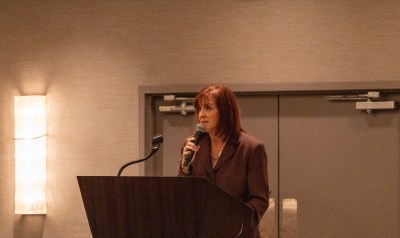
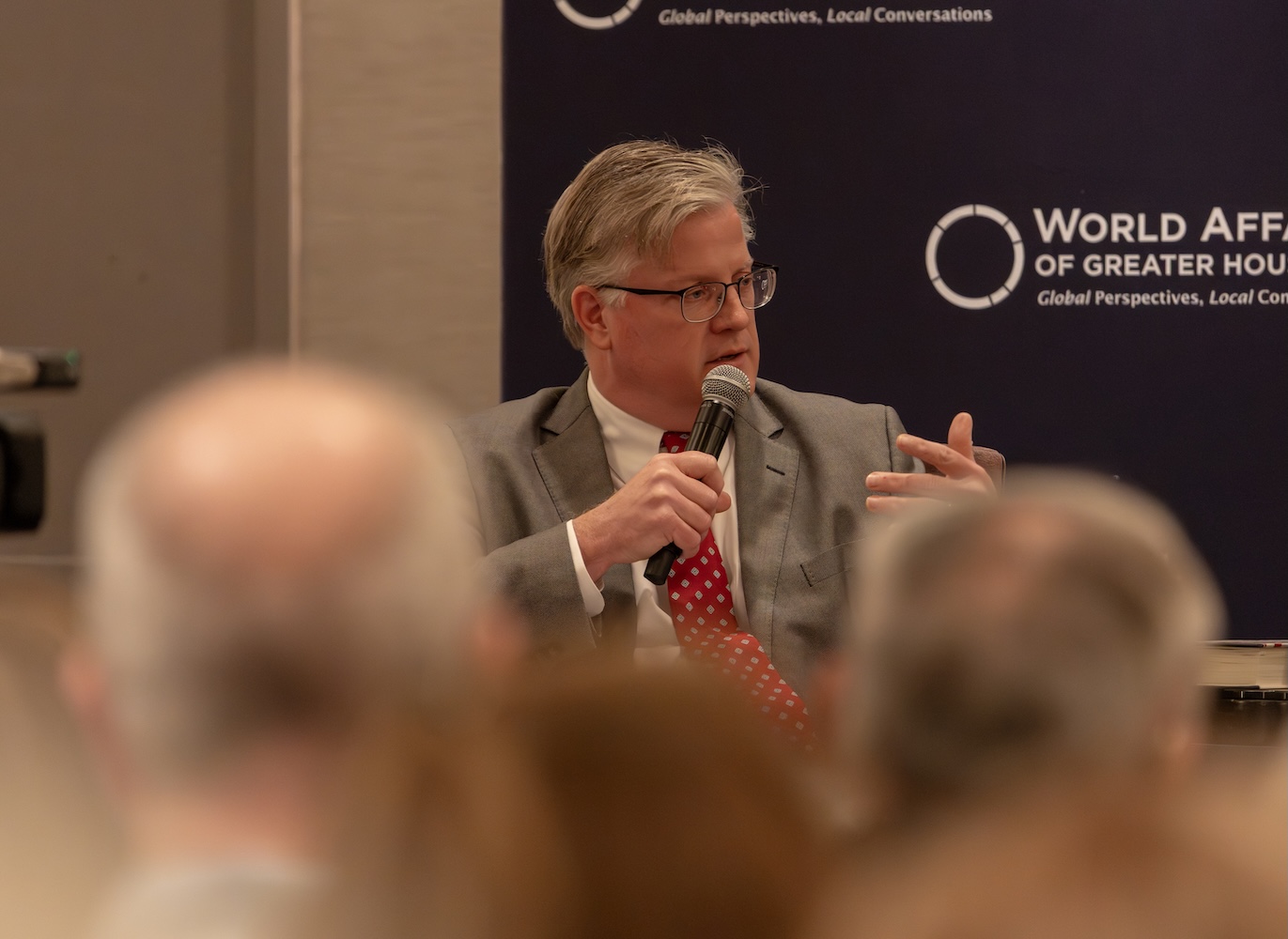
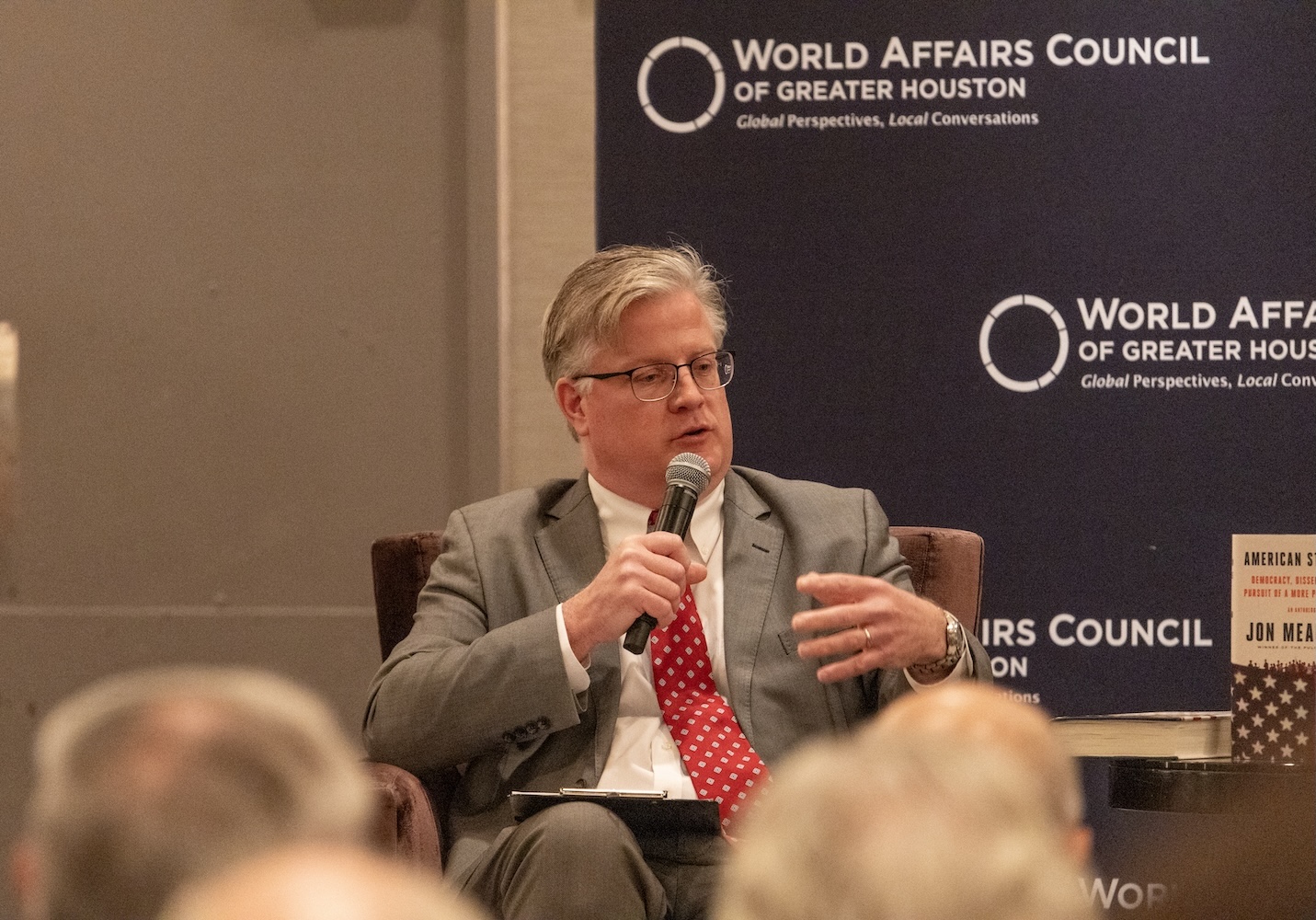
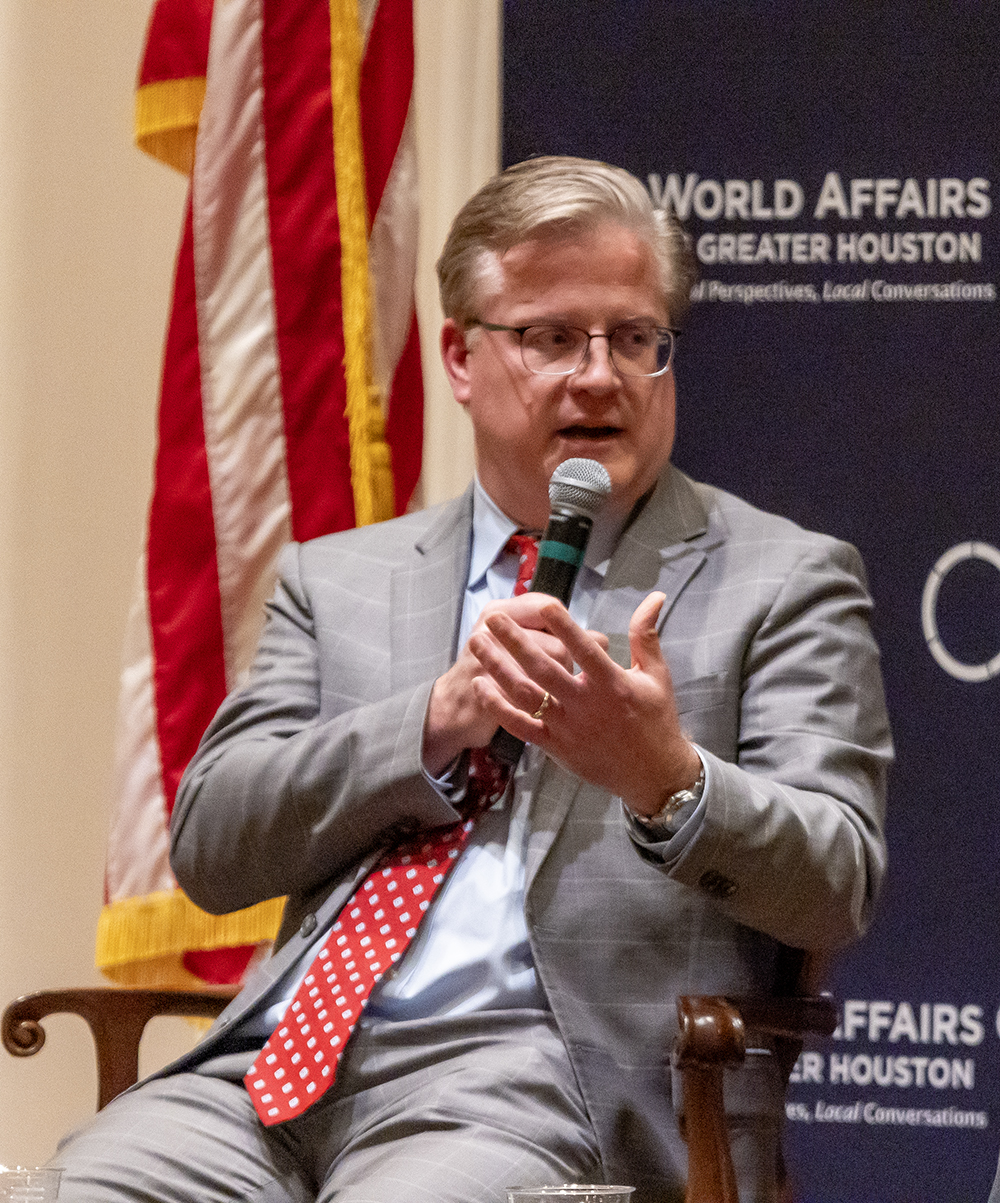
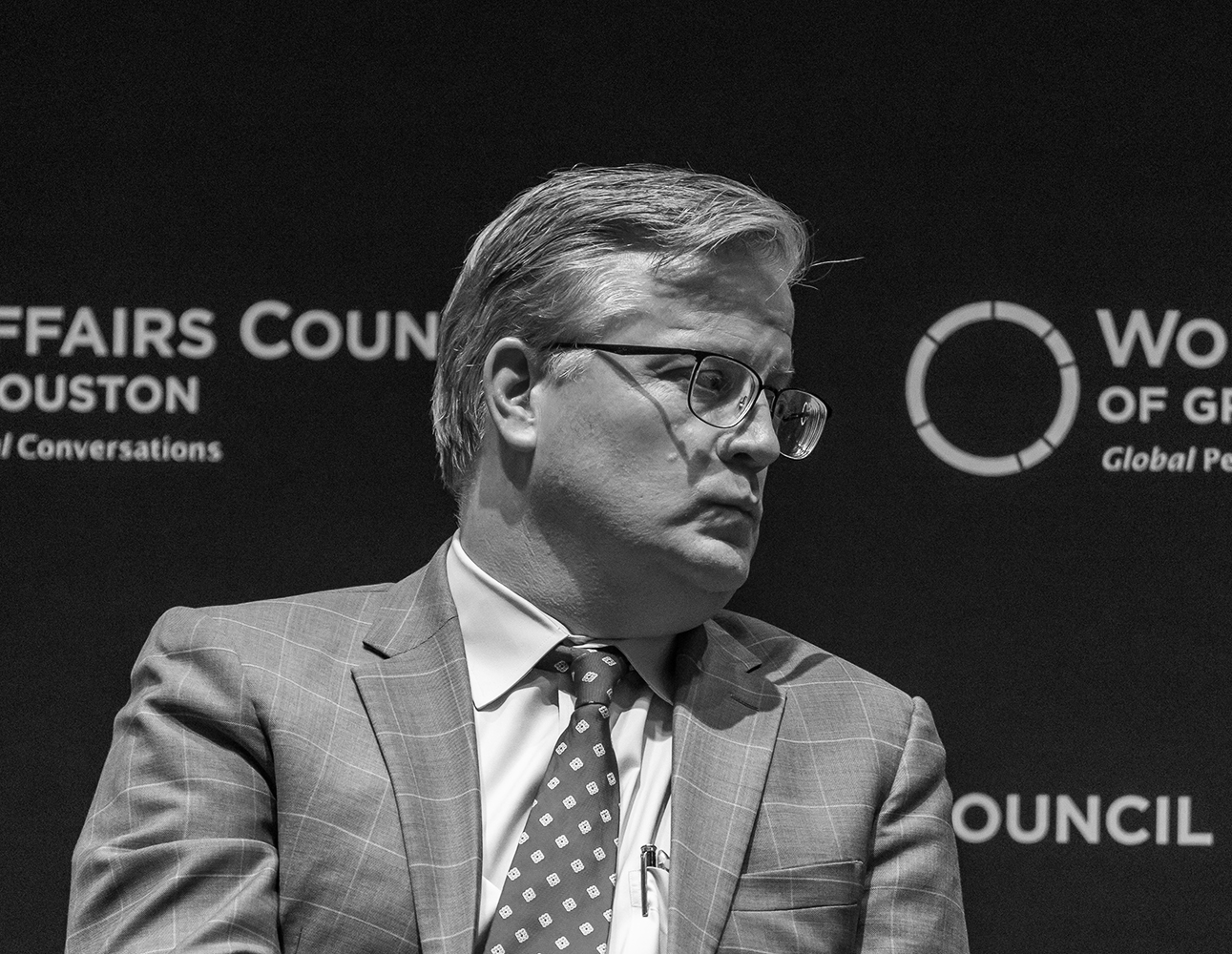
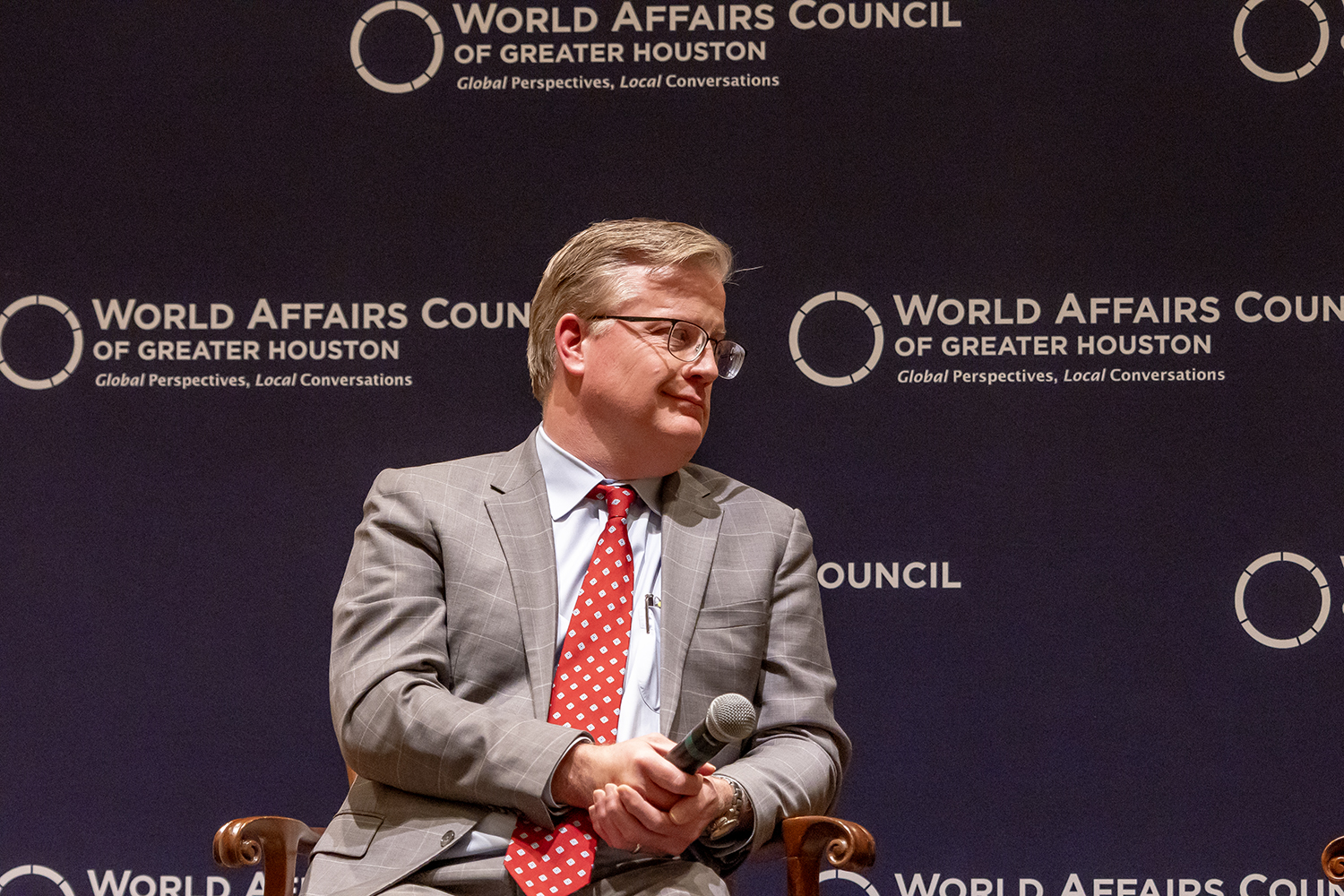
…and moderated by Chief Programs Officer Ronan O’Malley…
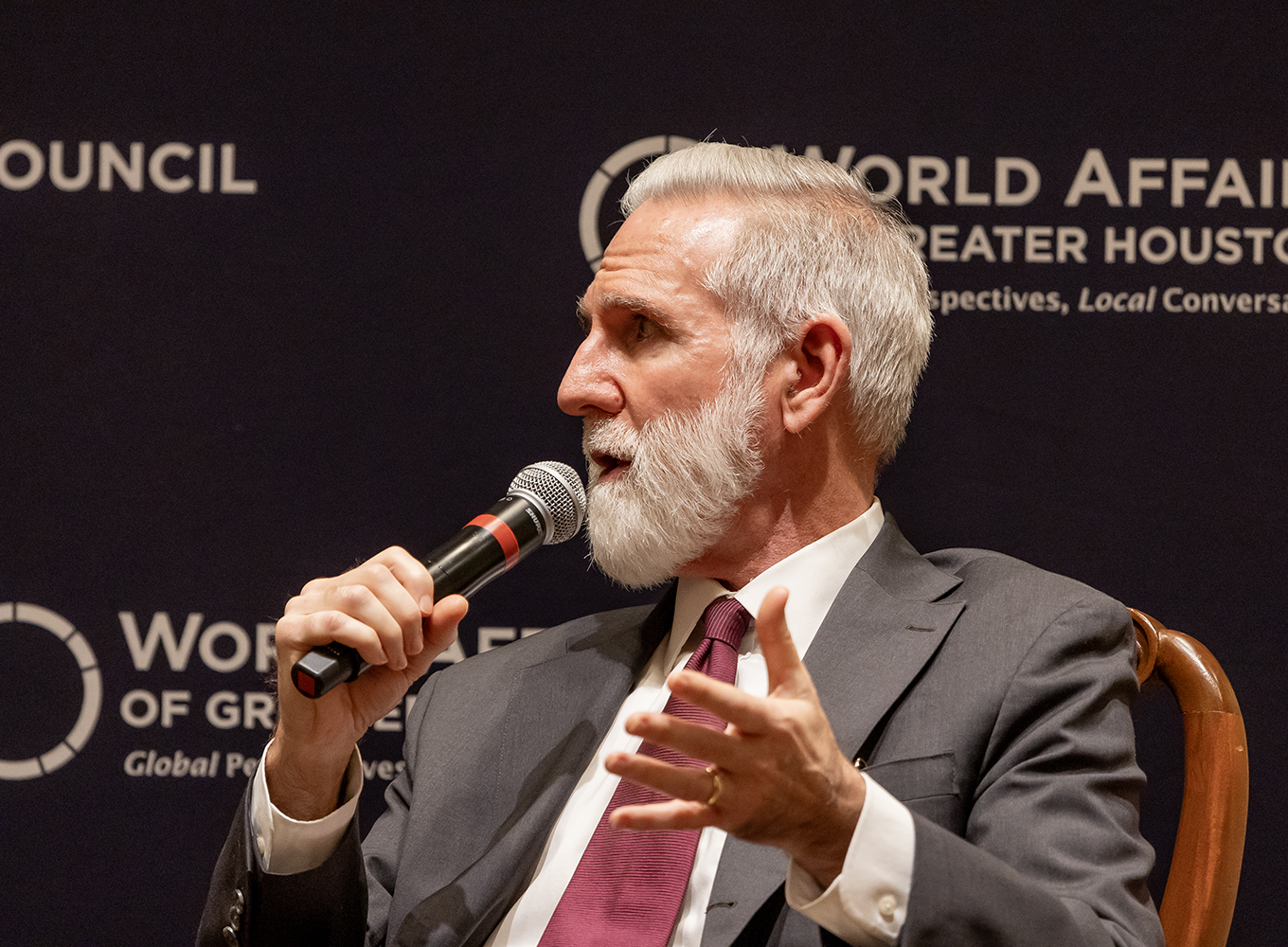
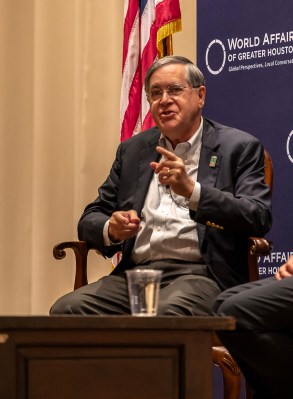
…Meacham discussed American political history, getting into the nitty gritty of the division of party lines with witty humor and anecdotes.
In addition to the United States’ religious roots, he explored the impact of African Americans as far back as the Civil War, such as Frederick Douglass, on the development of political ideology– more specifically, the creation of the Republican party.
Meacham had several interesting points on the distinction between an “anti-slavery” and “abolitionist” person in the 1800s. These two ideas were once very different, yet today, most Americans would consider them the same thing. This kind of trend is frequent in politics, as ideology and morality evolves. He also unpacked the lasting effect of the World Wars, Great Depression, and Cold War, describing the general idea of modern American politics as “a vigorous debate, from 1932 to 2016, between [the ideas of] FDR and Reagan.”
He also reflected on the development of factions within the two major political parties, such as the John Birchers of the 1950s. On today’s politics, he determined that while we do live in a time of political upheaval due to party extremism, this “crisis” is not unprecedented. America’s political history has been littered with events that were perhaps more destabilizing than what we experience today, such as the Great Depression, the rise of the Ku Klux Klan, and the fight for Civil Rights in the 60s. These events shook Americans to their core. While today’s Americans may feel like they exist in a space of political turmoil, the moral and financial roots of a nation were shaken during these events. He suggested that history serves not as a roadmap, but as a diagnostic tool, helping citizens understand how democratic institutions have survived moments of extremism in the past.
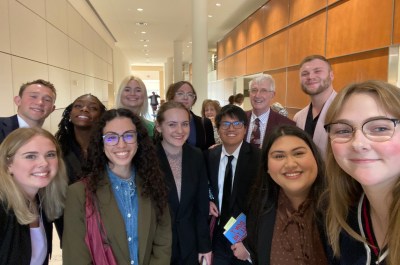
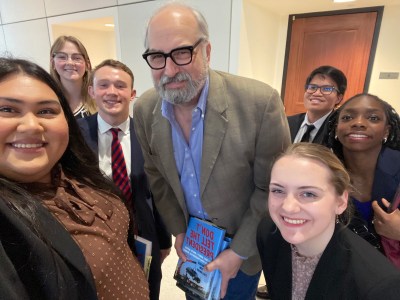
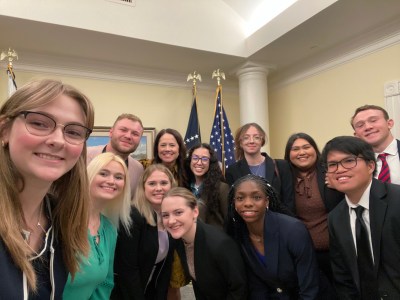
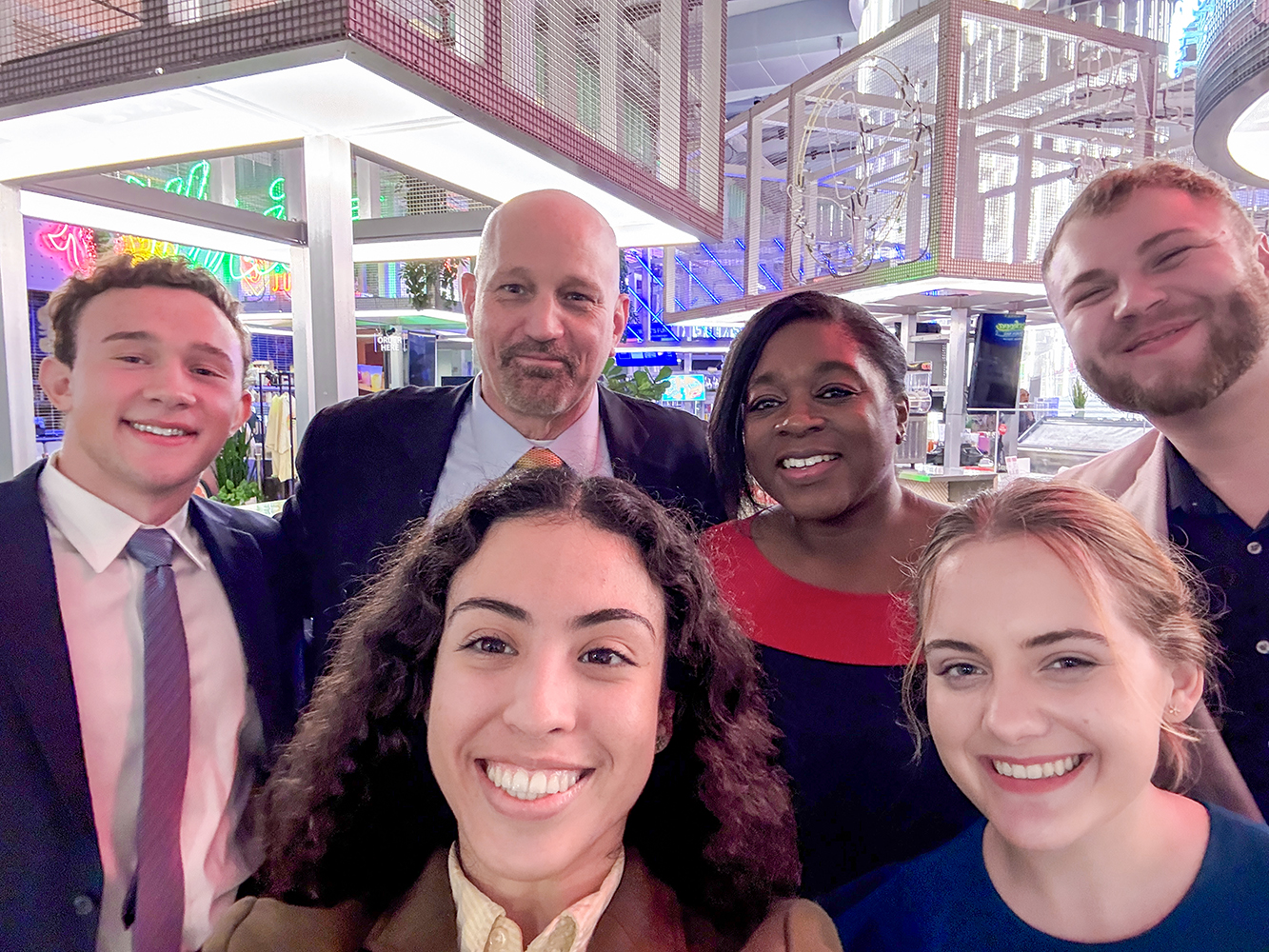
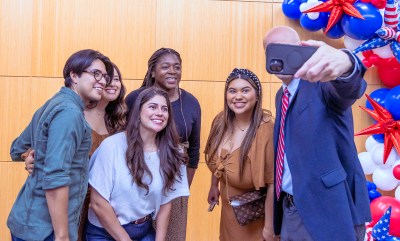
Following the talk, we were surprised to see Jean Becker, whose book event we had attended at the Bush School of Government and Public Service just days earlier. After a brief conversation and a quick selfie, we had the opportunity to introduce ourselves to Meacham– a memorable end to a day that brought American political history to life.
The Bush Foundation: Jean Becker and Tom Collamore &
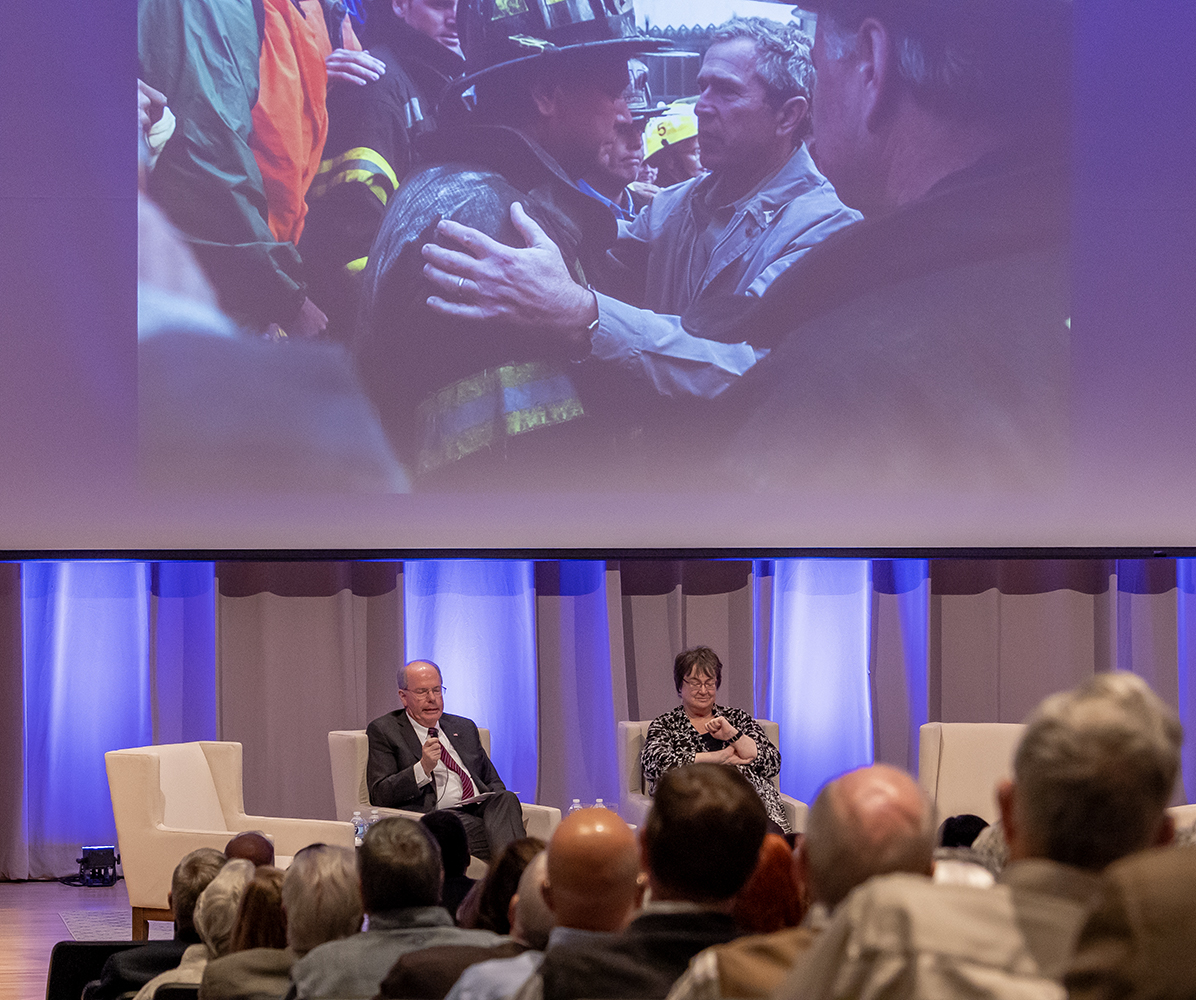
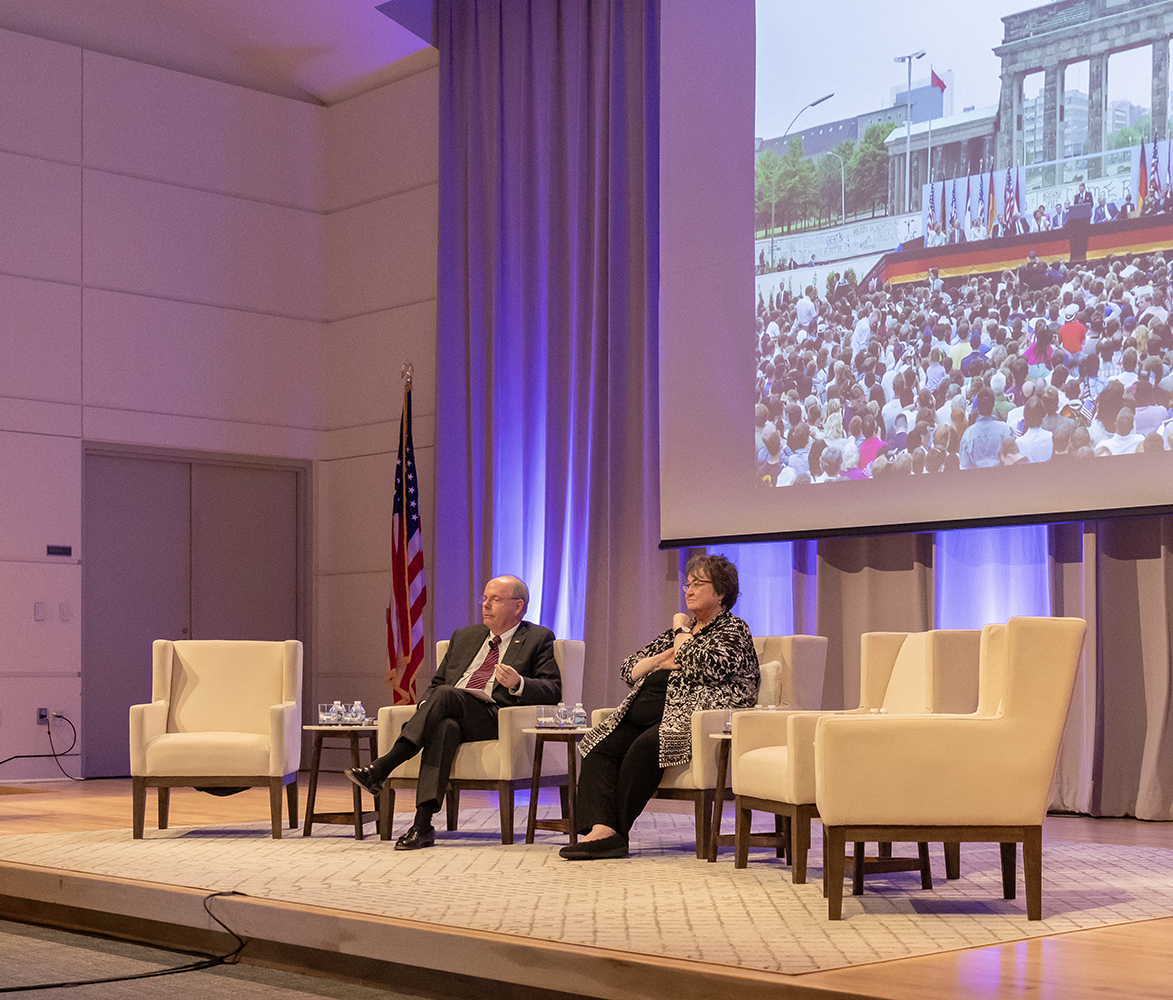
In a special event hosted by the George and Barbara Bush Foundation, authors Jean Becker and Tom Collamore took the stage to discuss their new book, “Don’t Tell the President.” And as with all Bush Foundation events, the setting and the audience proved to be as interesting as the main attraction.
That was certainly the case this time, as we ran into Secretary Andrew Card…
…and photographer Mark Burns before even entering the auditorium! Both were generous with their time, discussing their favorite stories concerning President Bush.
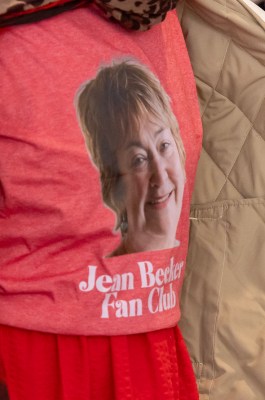
Of course, they were also there to see Jean Becker, and while we may not be members of the Jean Becker Fan Club….
….we make the opportunity to see her speak.
Don’t Tell the President: The Best, Worst, and Mostly Untold Stories from Presidential Advance
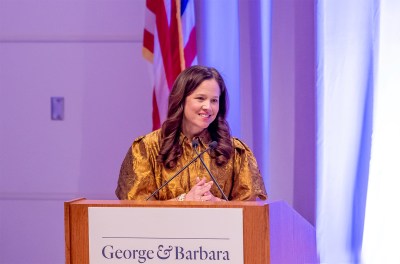
…introduced the event, and it was a pleasant and unexpected surprise when she introduced us!
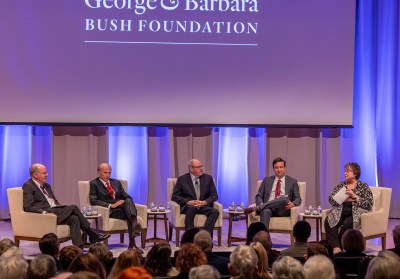
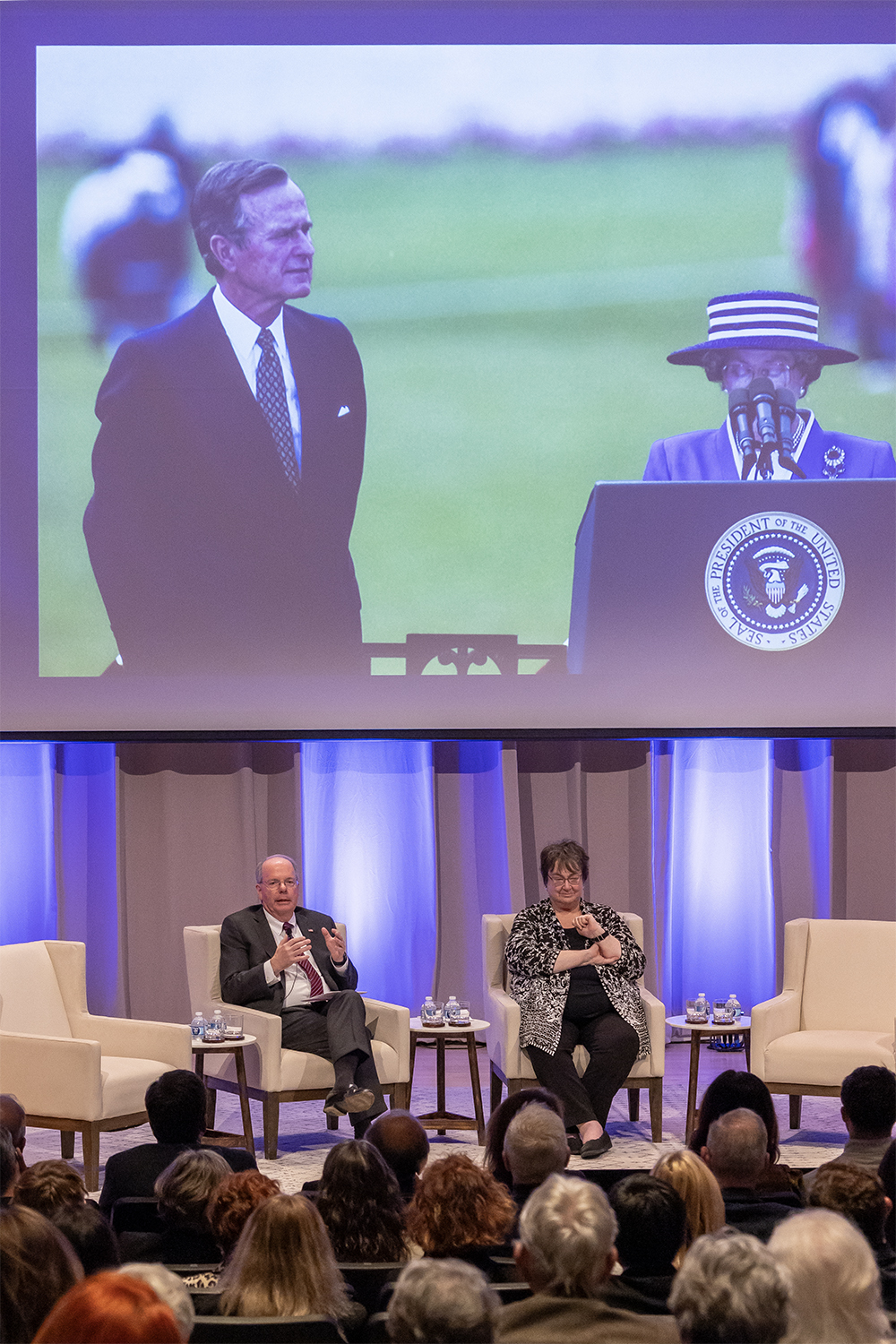
The most enjoyable part of the evening, of course, was hearing from Jean Becker and Tom Collamore–and contributing authors Robbie Aiken, Jay Allison, and Greg Jenkins–discuss a blend of behind-the-scenes chaos and the concomitant responsibility that comes from preparing the nation’s most important figure for public engagements.
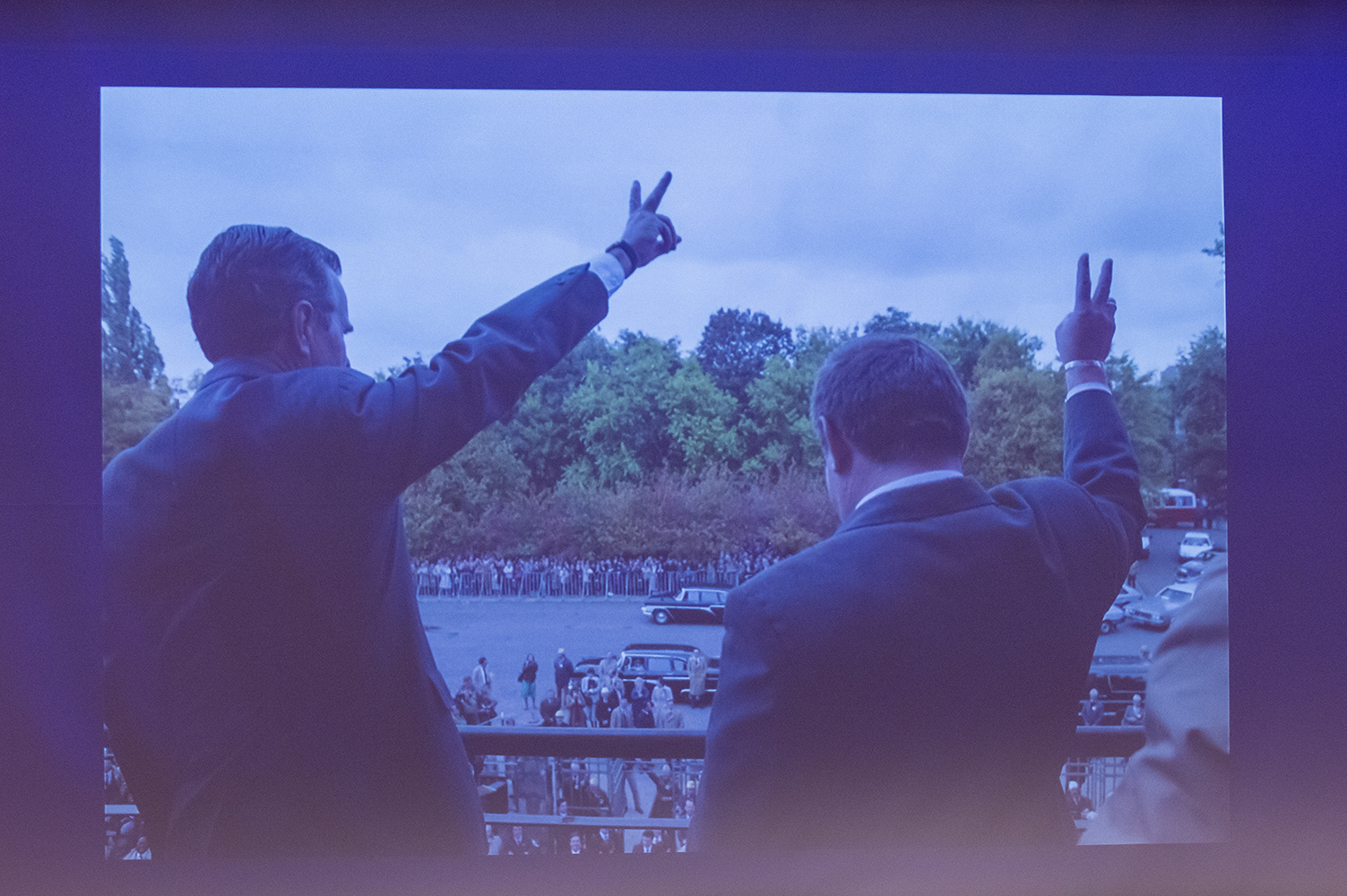
The engagements discussed ranged from the picayune to the momentous, from an imposter surreptitiously boarding the press plane for a presidential trip to getting just the right setting to support Solidarity in Poland with Lech Walesa and the destruction of the Berlin Wall in Germany.
This was the perfect pairing with our visit to the Bush Presidential Library earlier in the day, providing insights into some of the history we had observed while also reminding us of the importance of event planning, even in our own small events.
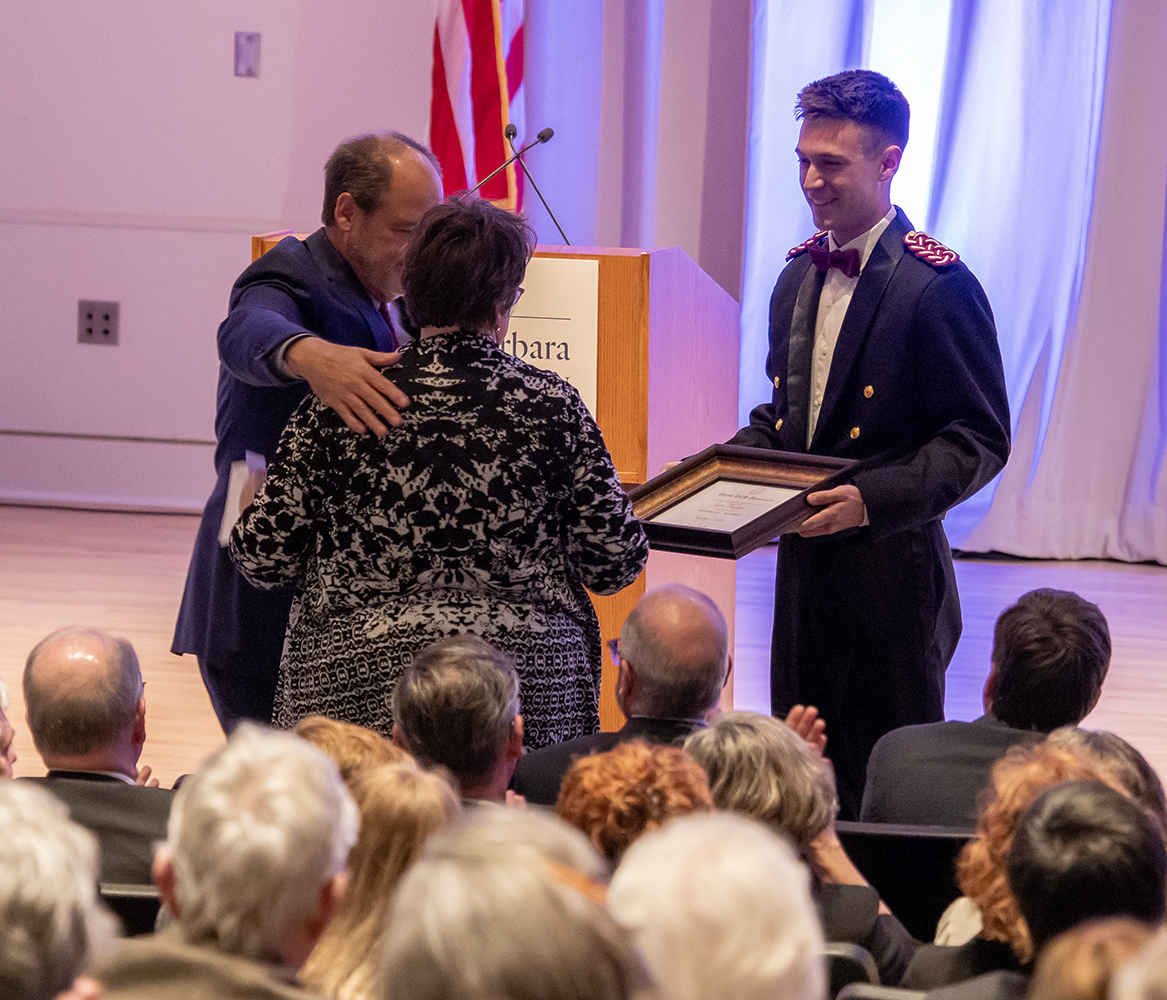
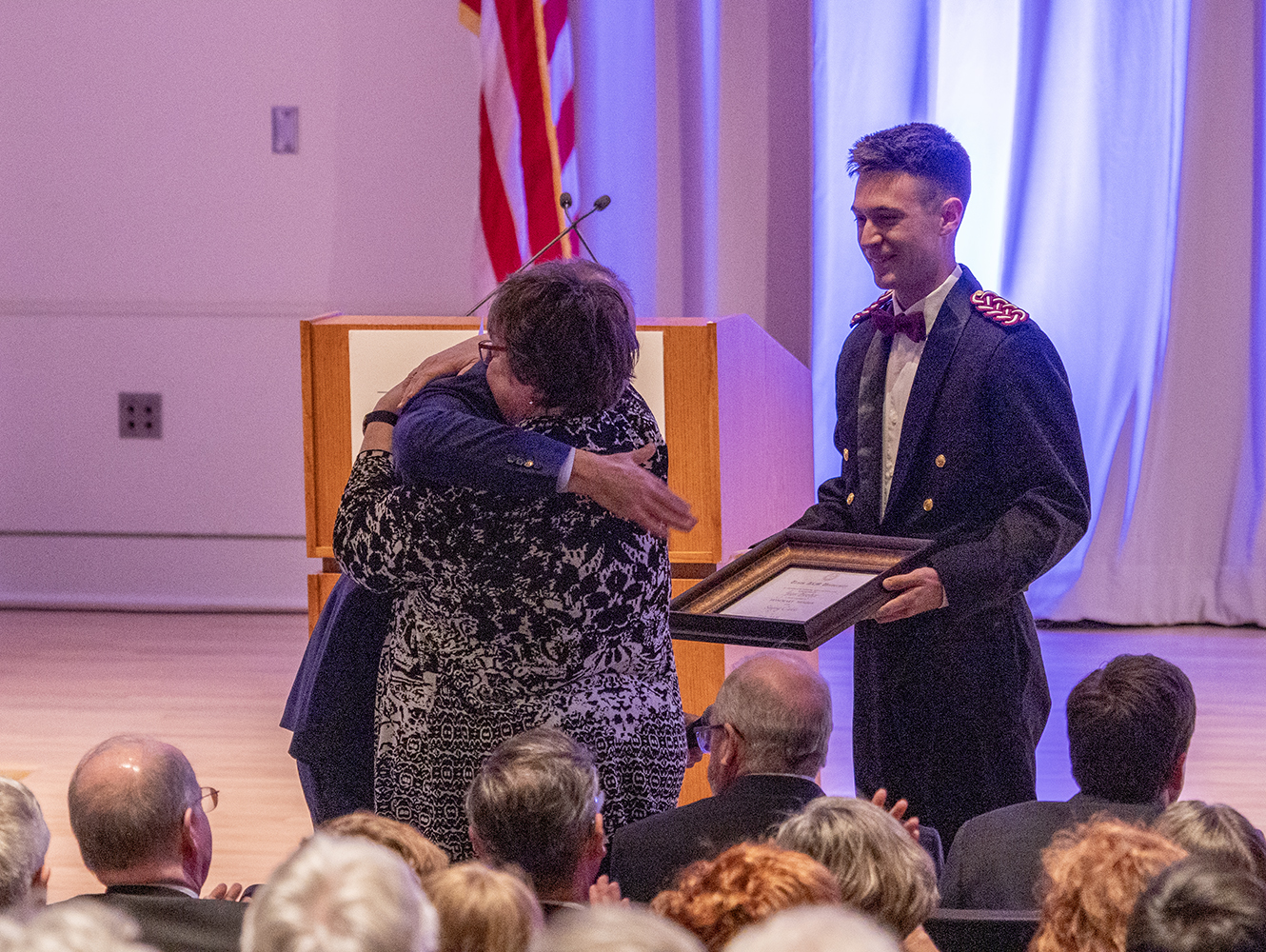
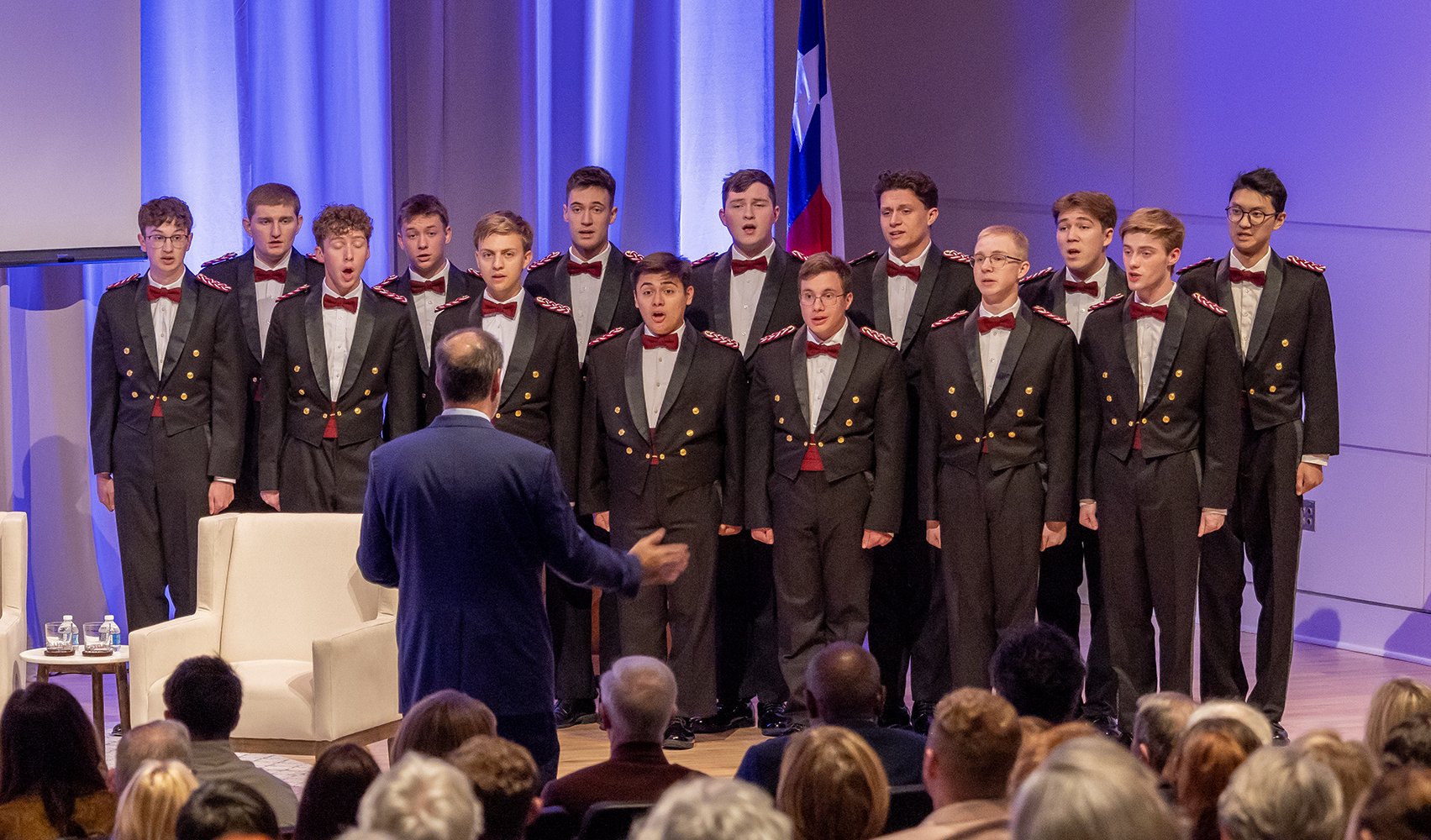
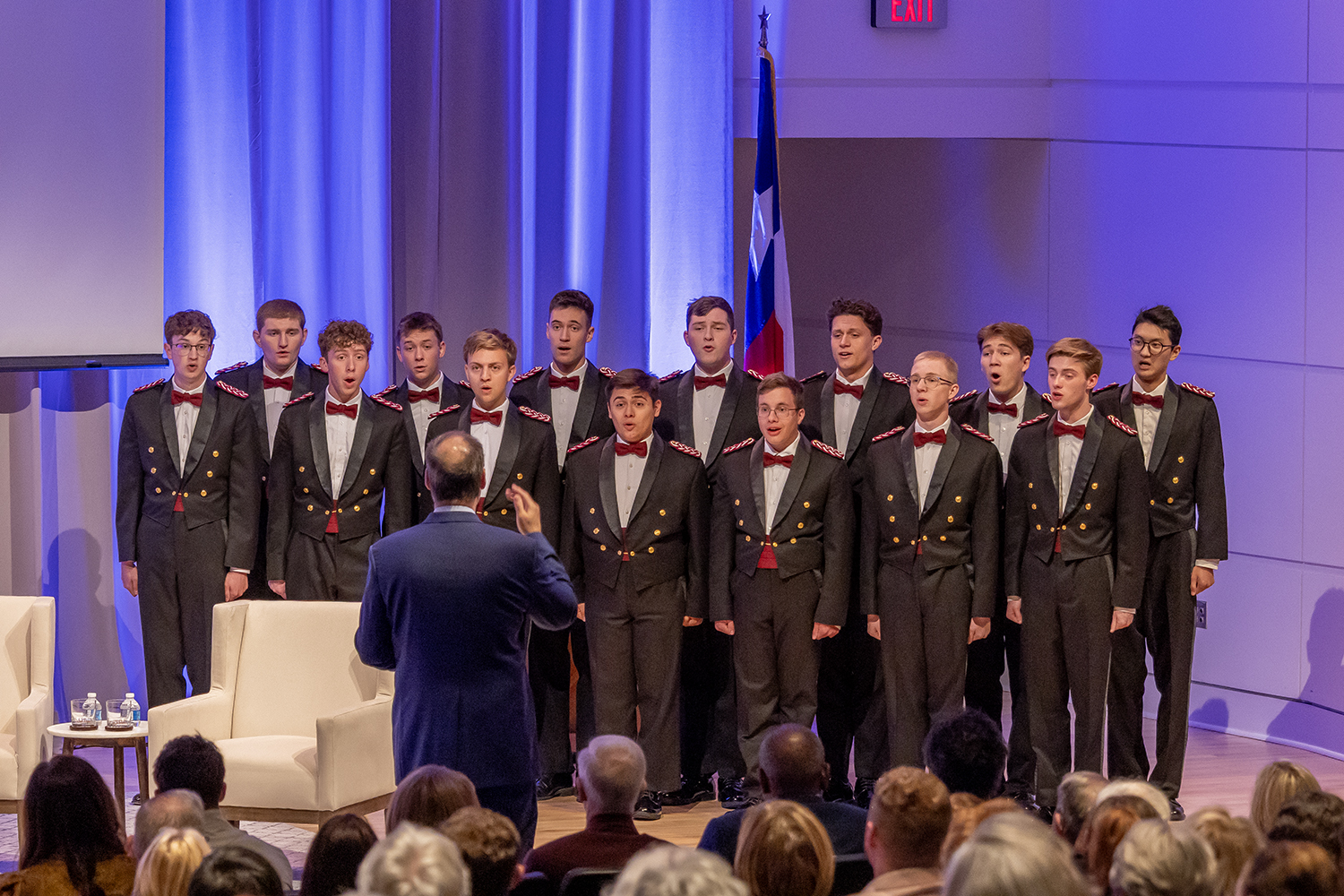
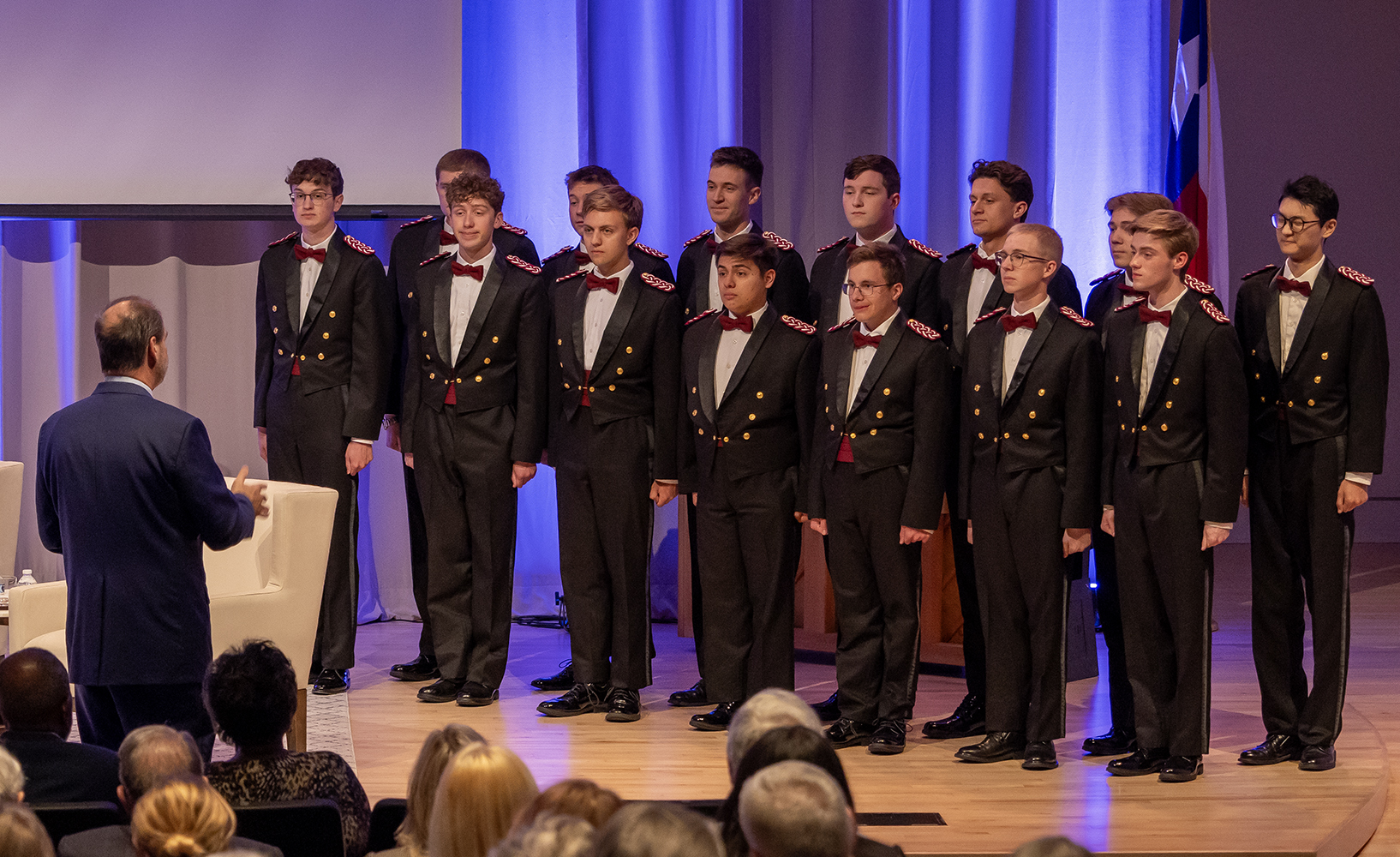
Adding to the fun of the evening was seeing Ms. Becker be recognized as an honorary member of the TAMU Singing Cadets, who sang “America the Beautiful” as an honor to the United States as part of the country’s 250th anniversary of independence.
Tour: The Foundation Offices
Following the event, we approach Ms. Yates to thank her, and she graciously spent more time with us, even as she had additional work to do. During the conversation, she offered to give us a tour of their offices, tell us more about the Foundation, and let us see the “Bush Apartment.”
We had already had a wonderful day: seeing the Bush Presidential Library, hearing from Kathryn Meyers at the Bush School of Public Service, and attending the Becker and Collamore event. So, the opportunity for something on top of all that was certainly unexpected, and while we didn’t want to delay Ms. Yates from her work any further, this was an opportunity we couldn’t decline.
Ms. Yates provided an overview of the Foundation’s work, while also givinga wonderful tour of the Foundation’s space. It was a beautiful space, one that has been preserved since the President’s passing, and one that is still used for myriad purposes. It was an honor to be given the tour, and it was the perfect way to end our time at the Bush Presidential Library.
Dinner
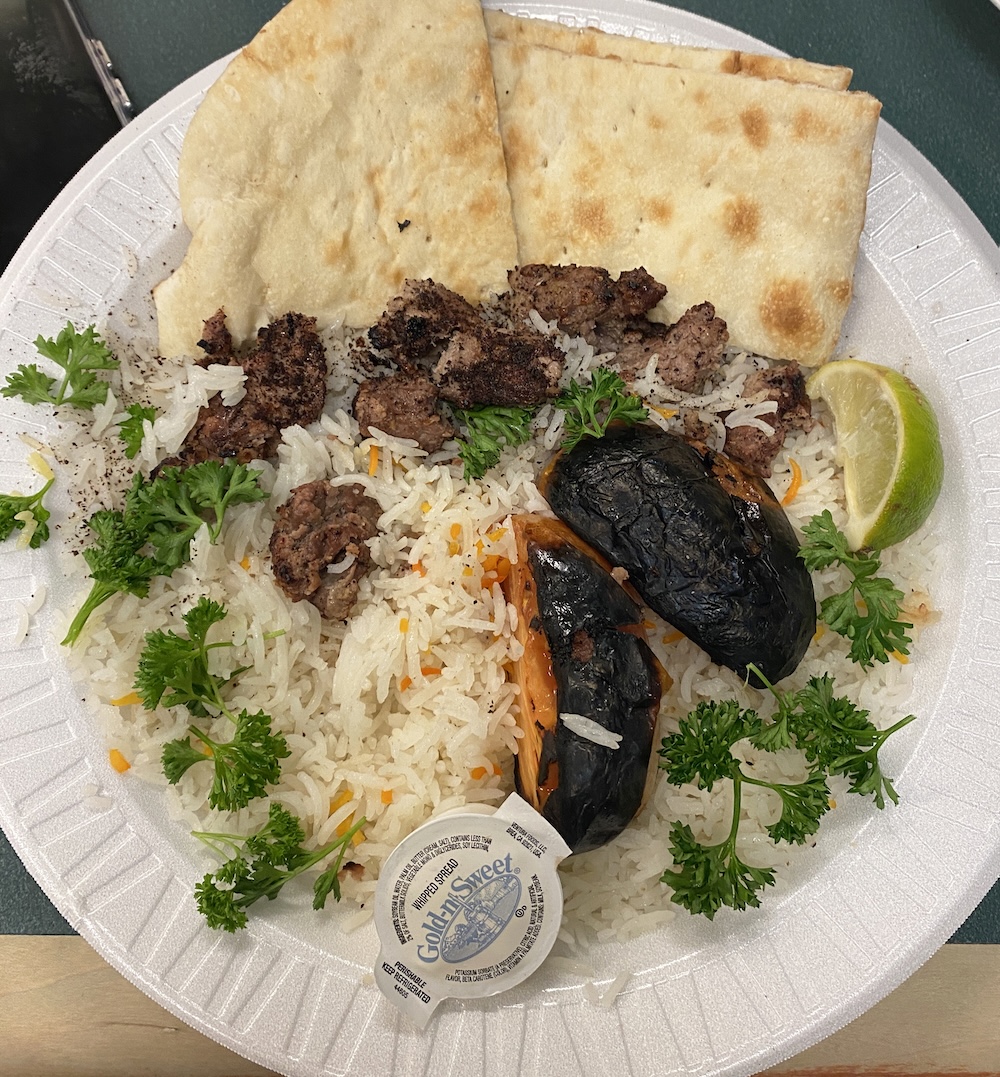
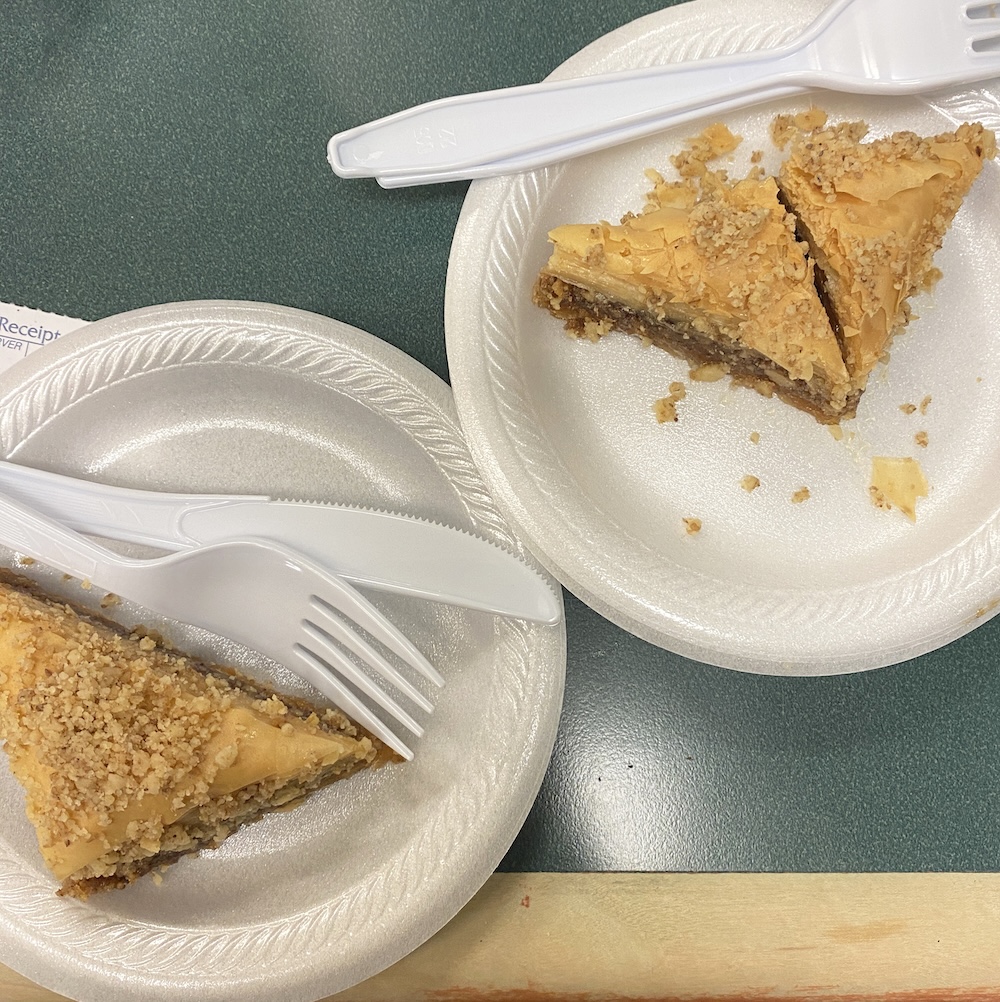
While the tour was an ideal cap to our day at the Bush Library, we all believed that dinner would be the perfect way to end our; accordingly, we headed to Shiraz Shish Kabob. On LEAP field trips, we do our best to eat at restaurants themed with our learning opportunities, and after spending a day at the Bush Library–where the Middle East was much on display–we enjoyed diverse fare from one of our favorite College Station places.
For many, it was the first time to try Baklava or Shawarma or even Hummus, and it was met with great approval.
With full stomachs, on a high of a fantastic nine-hour learning sprint, and a renewed spirit of public service, we returned to SHSU.
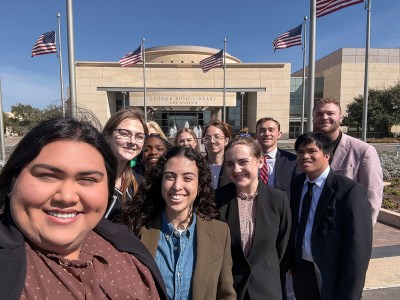
Public service is something LEAP students know well, but that knowledge was reinforced, expanded, and reaffirmed during a recent visit to the George H.W. Bush Presidential Library and Museum. The Museum, with its emphasis on President Bush’s long career of service, was ready-made for the eleven students on this LEAP trip, and the subject matter and the mix of students made this one of the best LEAP field trips in recent memory.
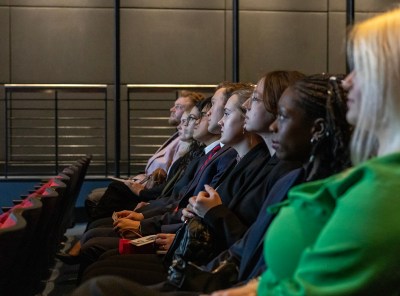
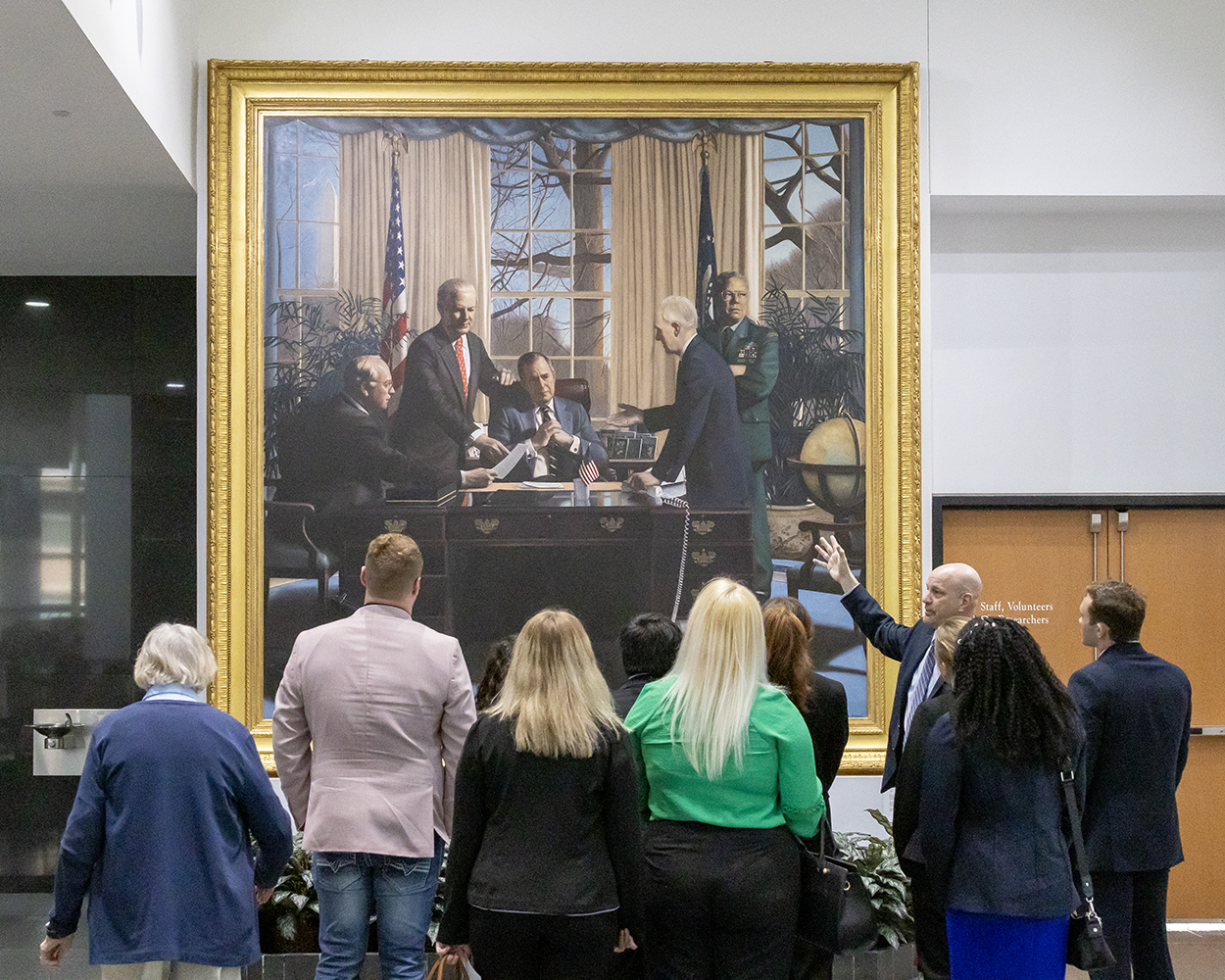
The experience started with a tour from a lovely SHSU alumna who guided us to the museum theatre, where we got to watch a short film on the highlights of President Bush’s career.
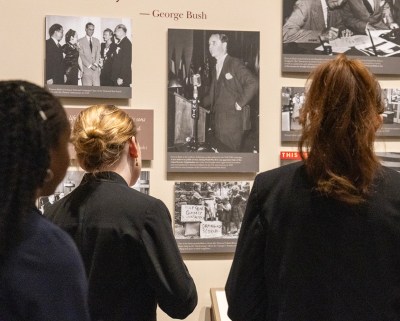
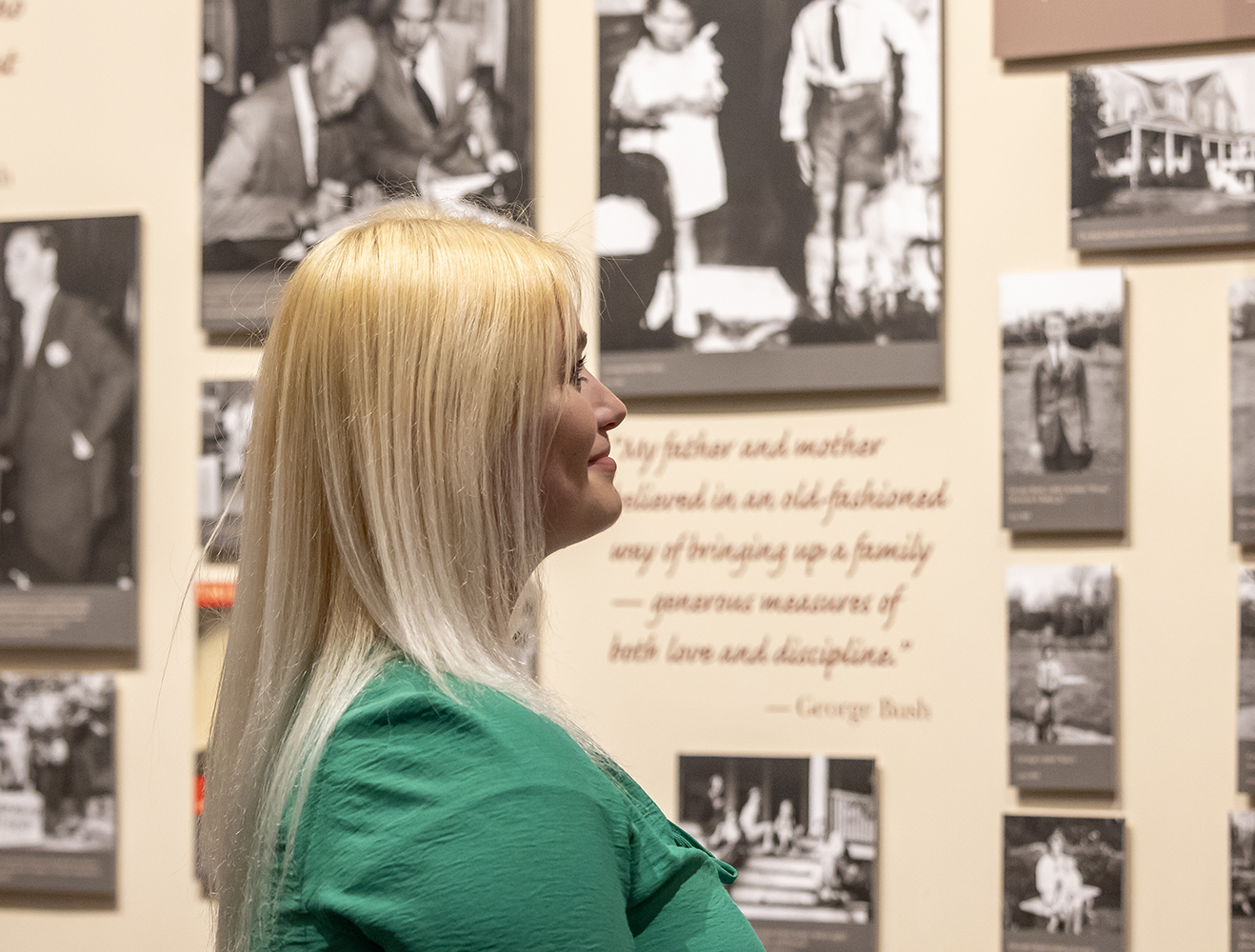
Following the movie, we went through a chronological tour of Bush’s life, which in many ways, is a tour of the 20th century. His early life was highlighted by photos of family, including his father, a US Senator from Connecticut.
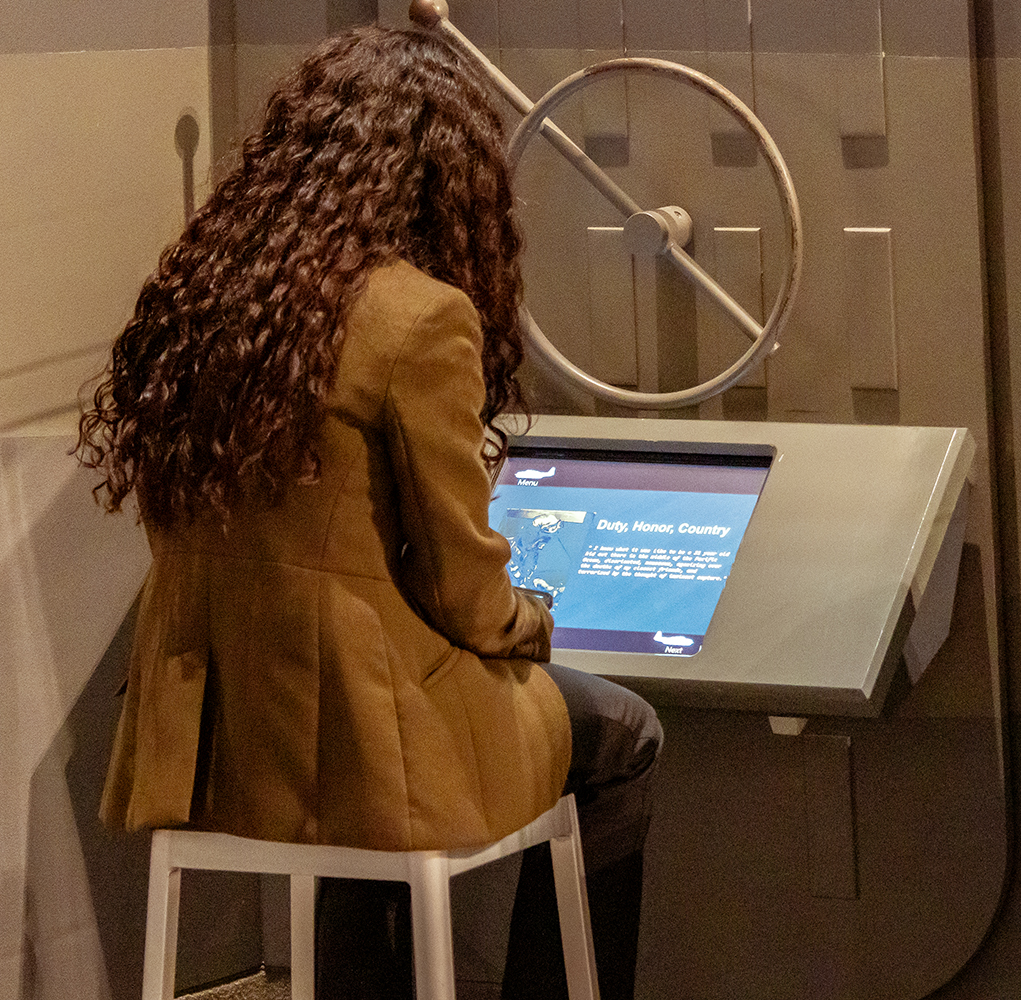
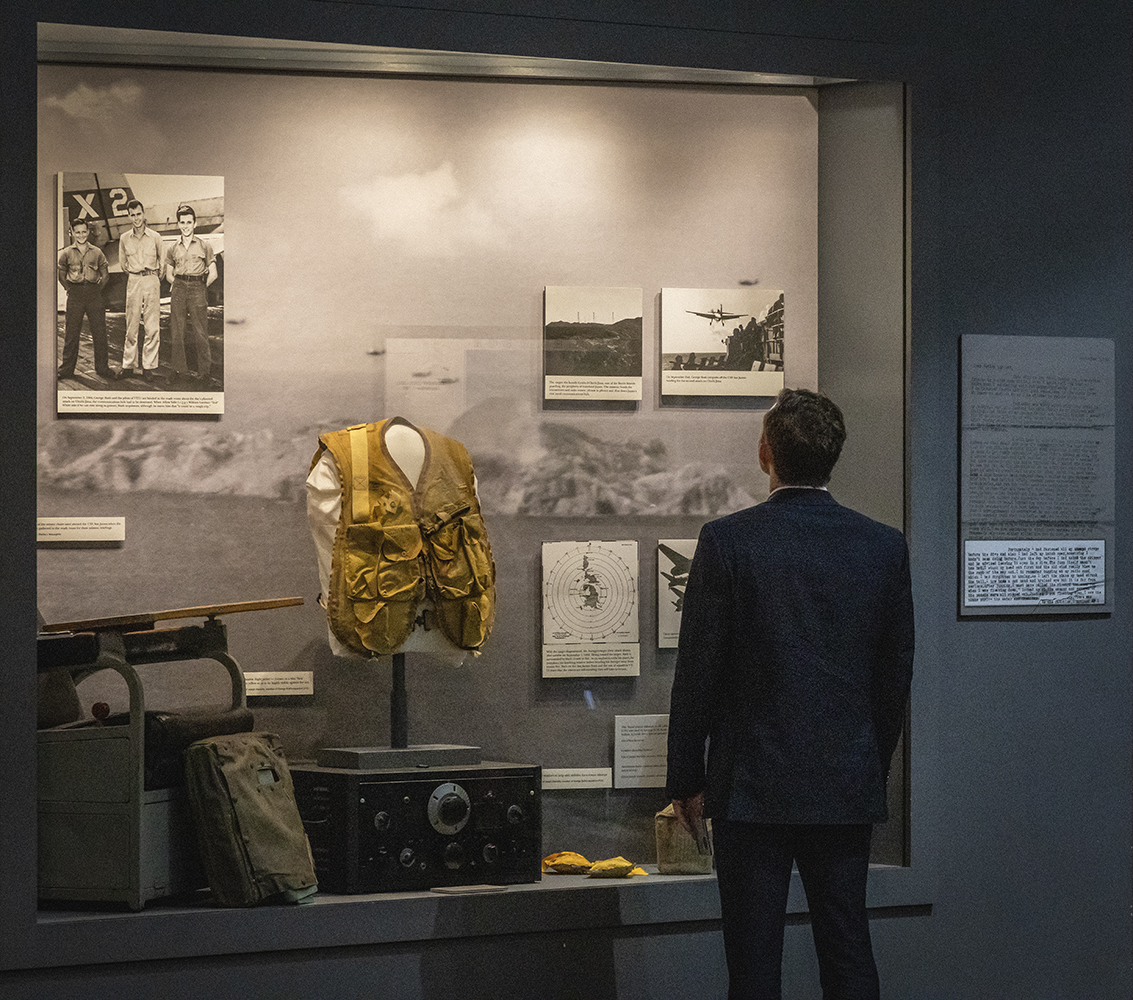
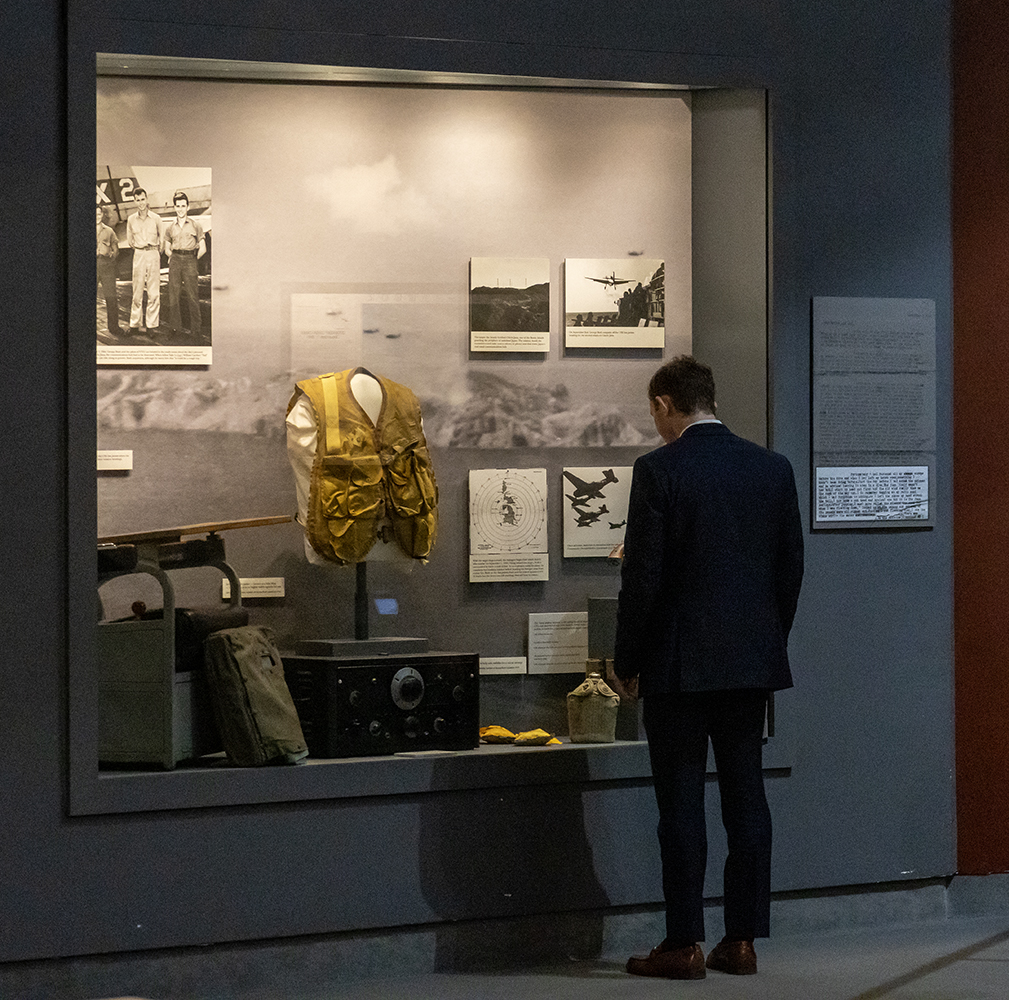
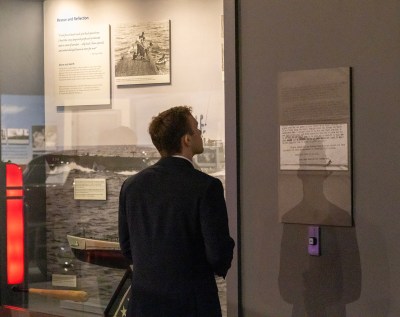
His Navy career was strikingly told through video, excerpts of letters, and a replica of the Navy TBM Avenger that he piloted in WWII–and in which he was shot down.
The letters lining the museum walls gave us a glimpse into how 20-year-old Bush dealt with such a life-changing event and who was important to him during that time of his life.
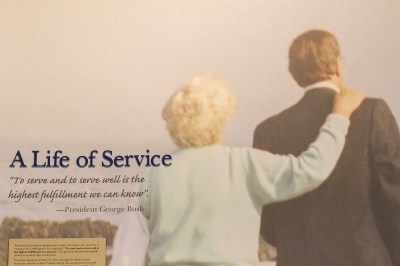
Arguably, the most important person in President Bush’s life, his wife, Barbara Bush, had many portions of the museum dedicated just to her wonderful work. Her efforts and contributions to literacy programs such as the Barbara Bush Foundation for Family Literacy are remembered through the many panels detailing just how many lives she changed with her avid community work.
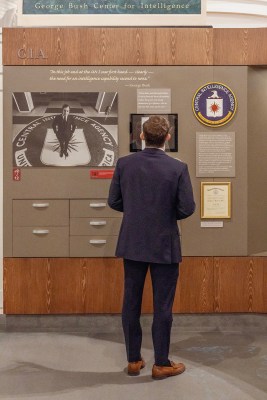
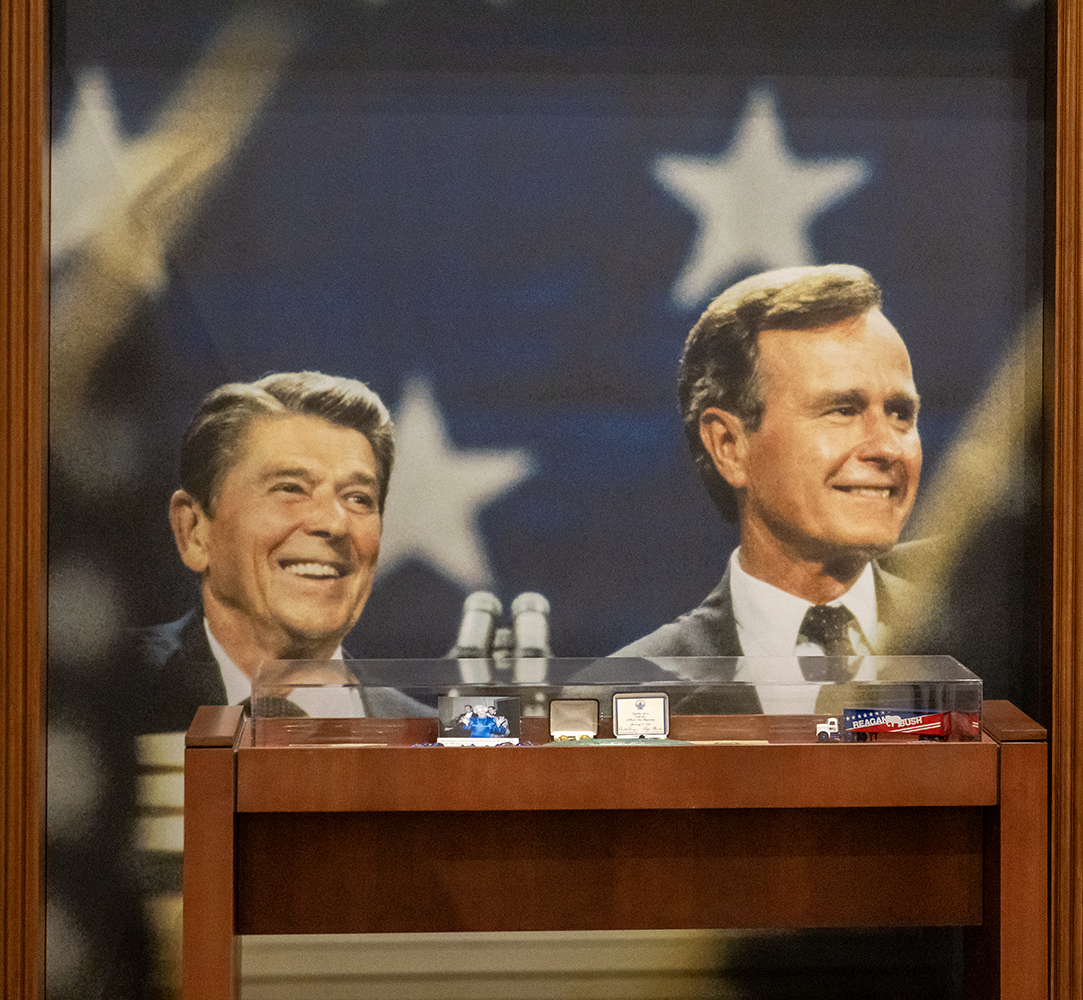
The many campaigns and careers leading to President Bush’s time in office were another prominent aspect in the museum. Details about his role as Director of Central Intelligence for the CIA, an often overlooked aspect, offered a sneak peek into the intricacies of dealing with classified information.
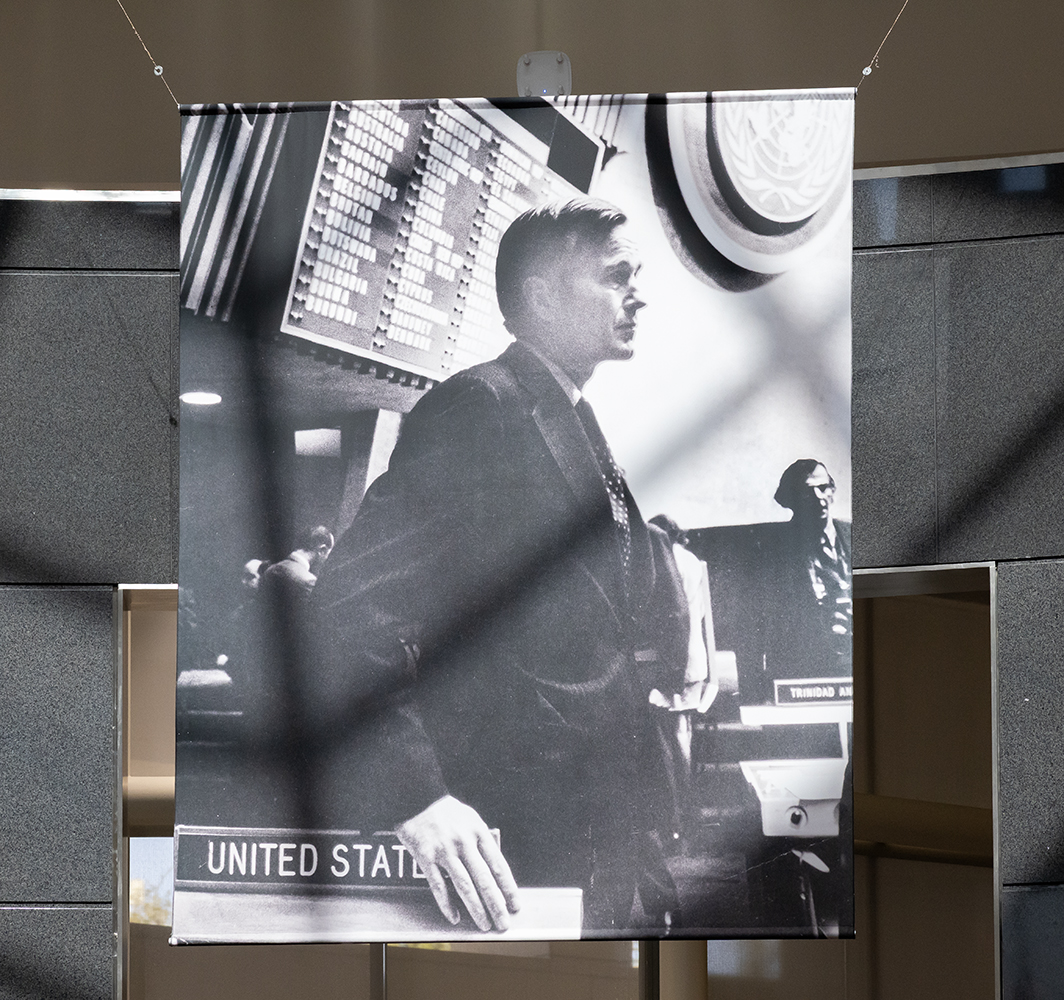
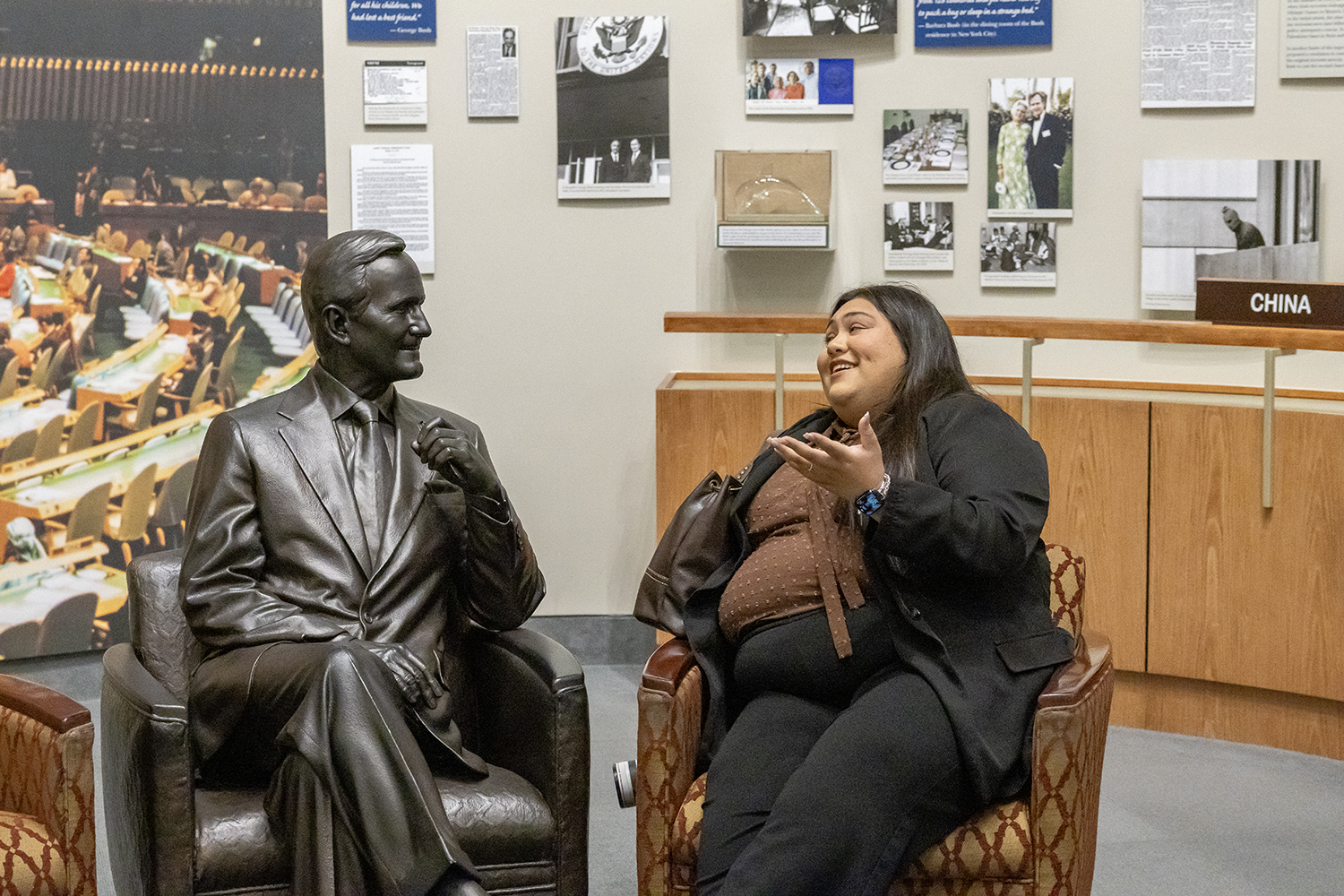
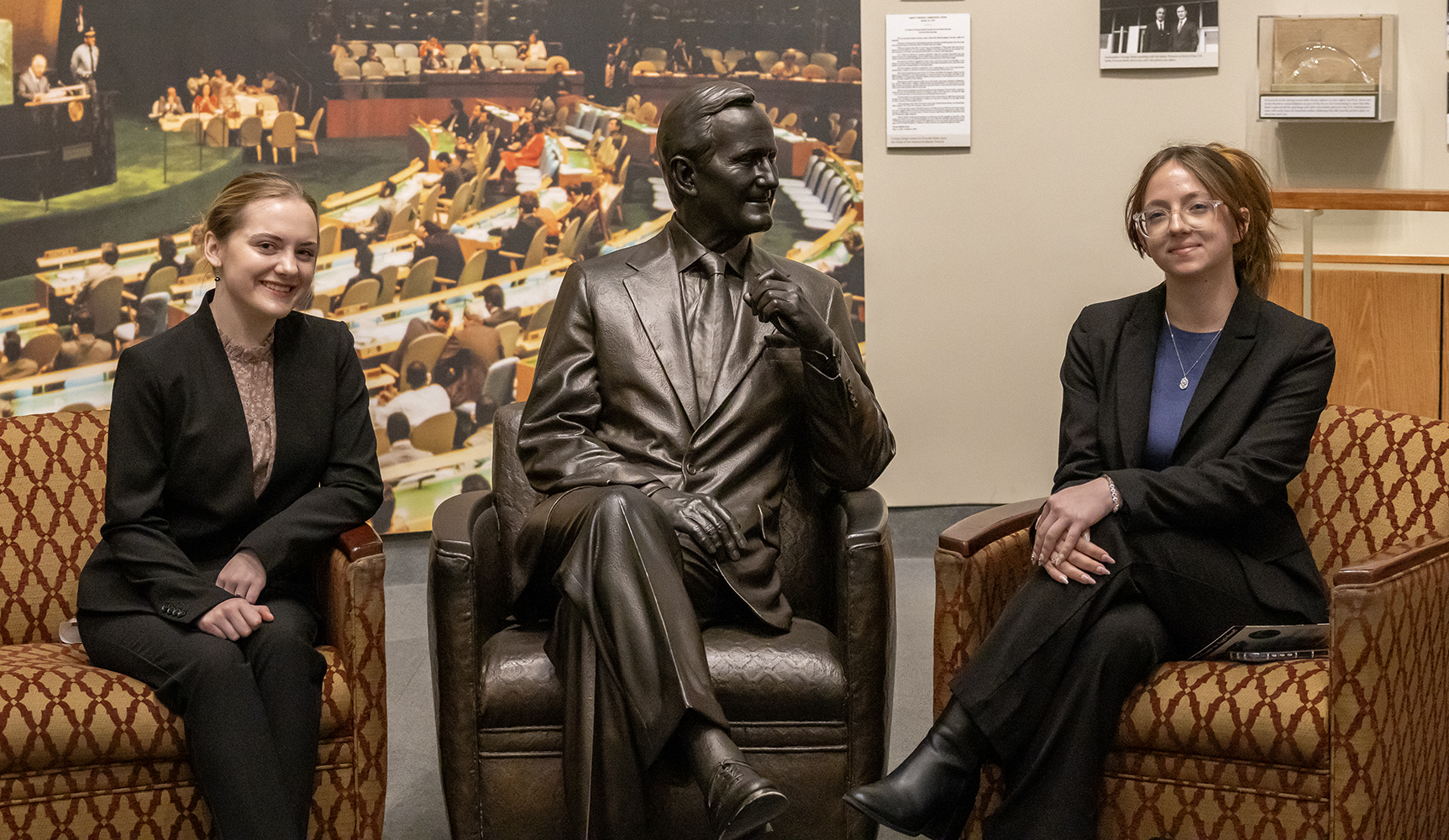
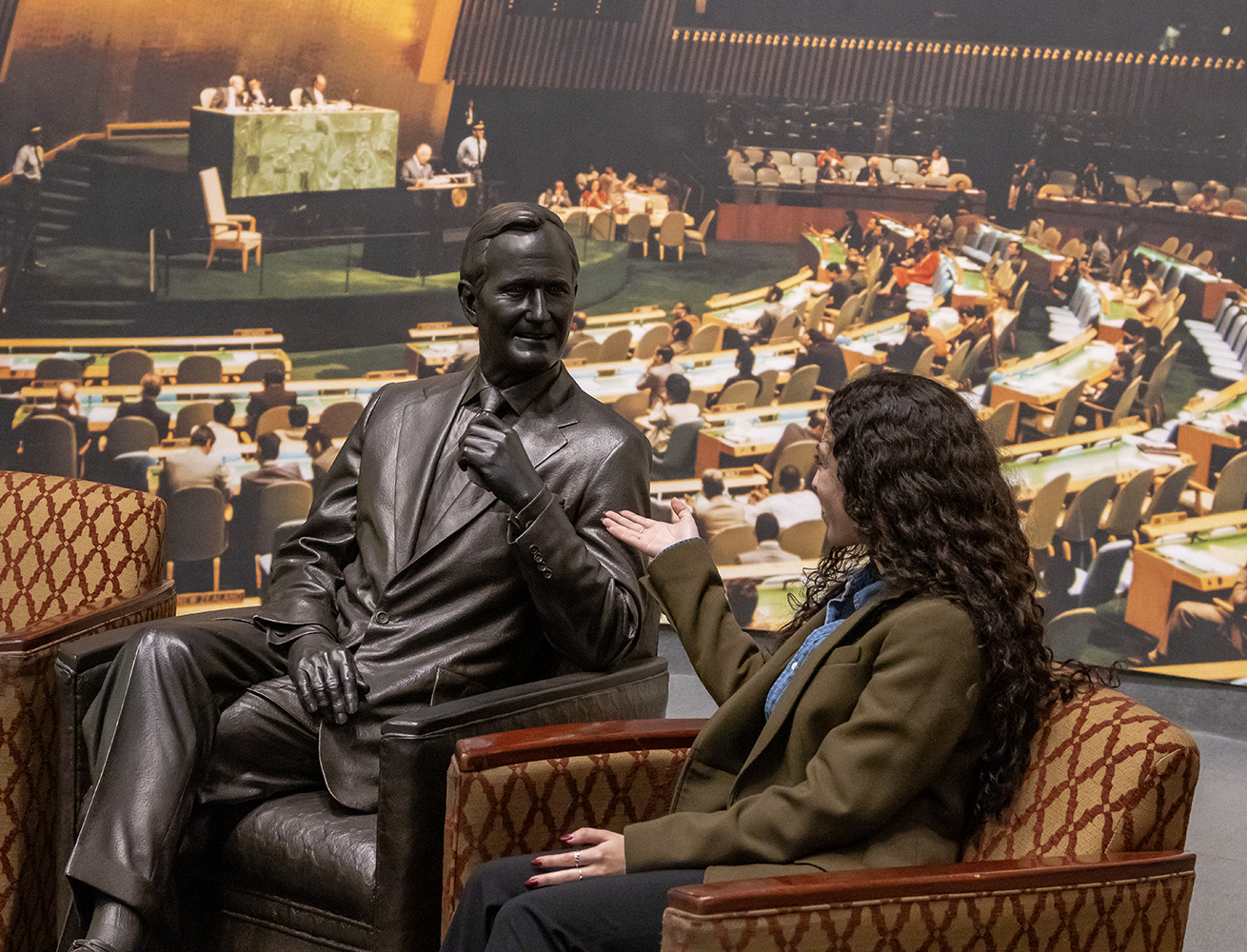
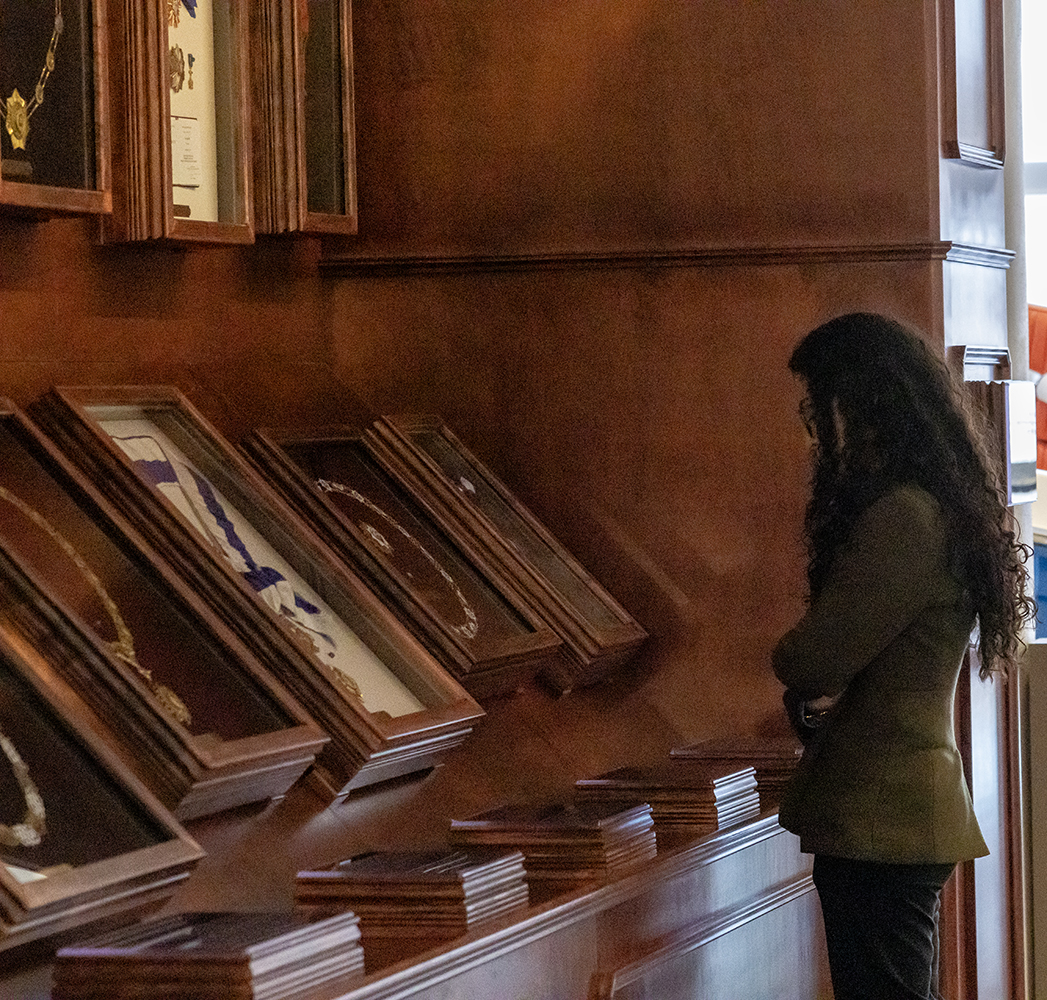
This foreign-policy bent was reinforced by Bush’s time as Ambassador to China and Ambassador to the UN, the latter exhibit gave us a chance to pose with the man himself (or at least his statue).
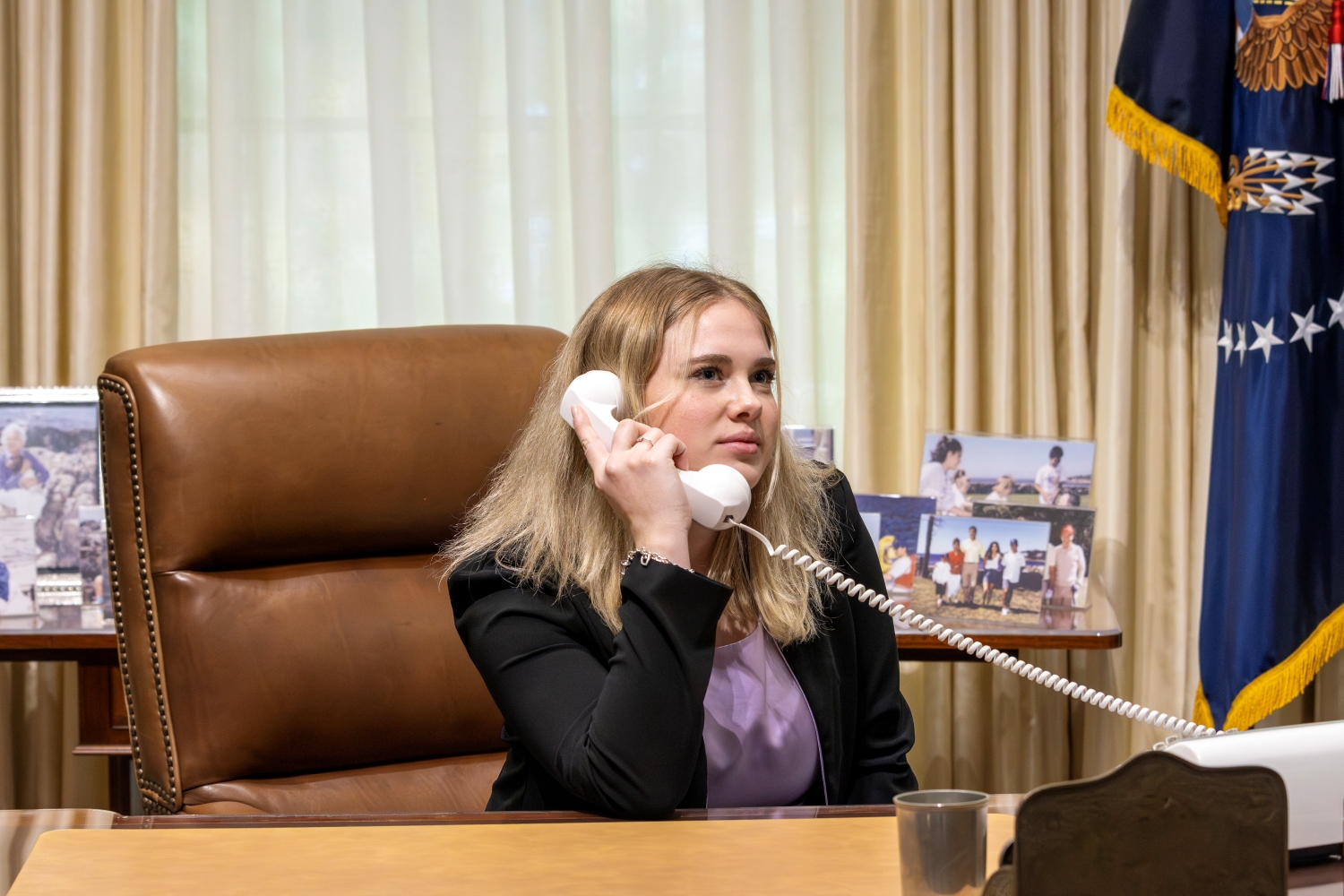
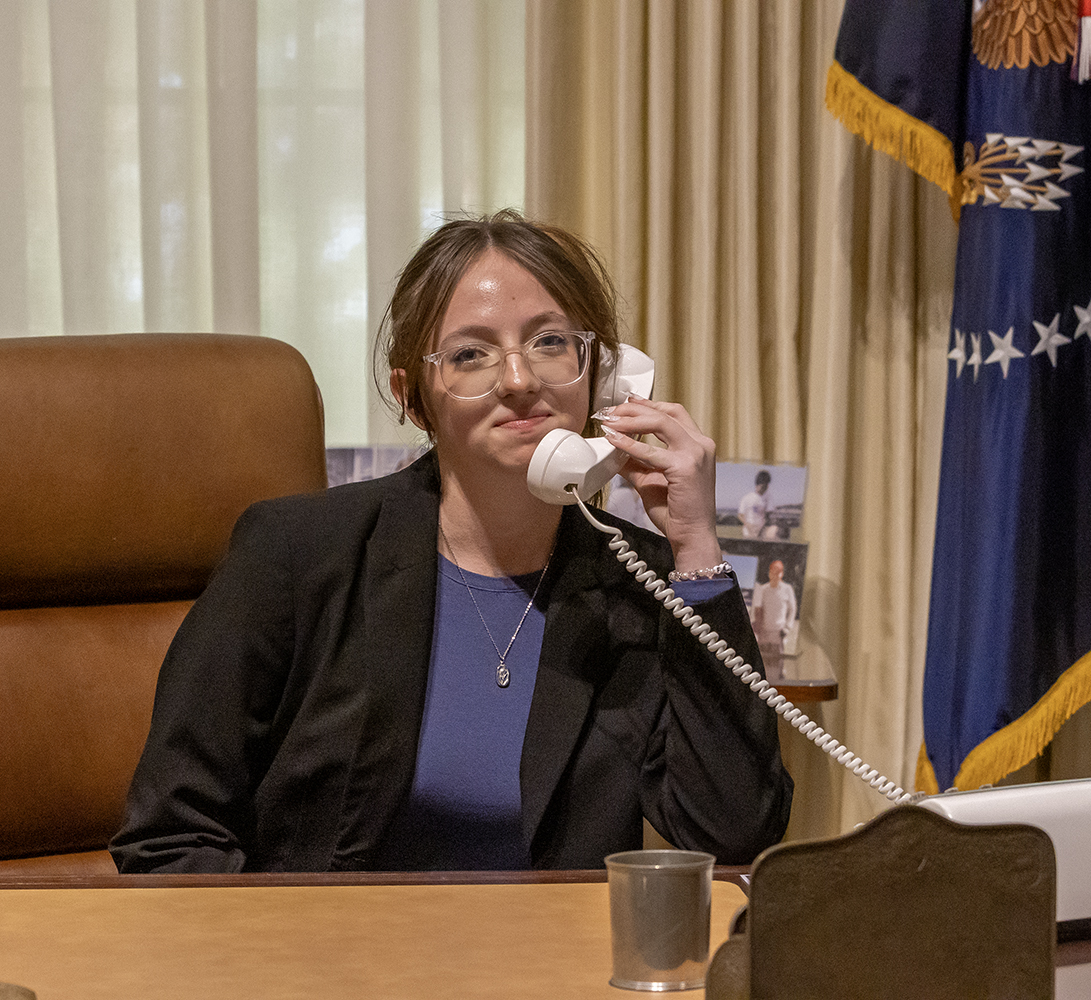
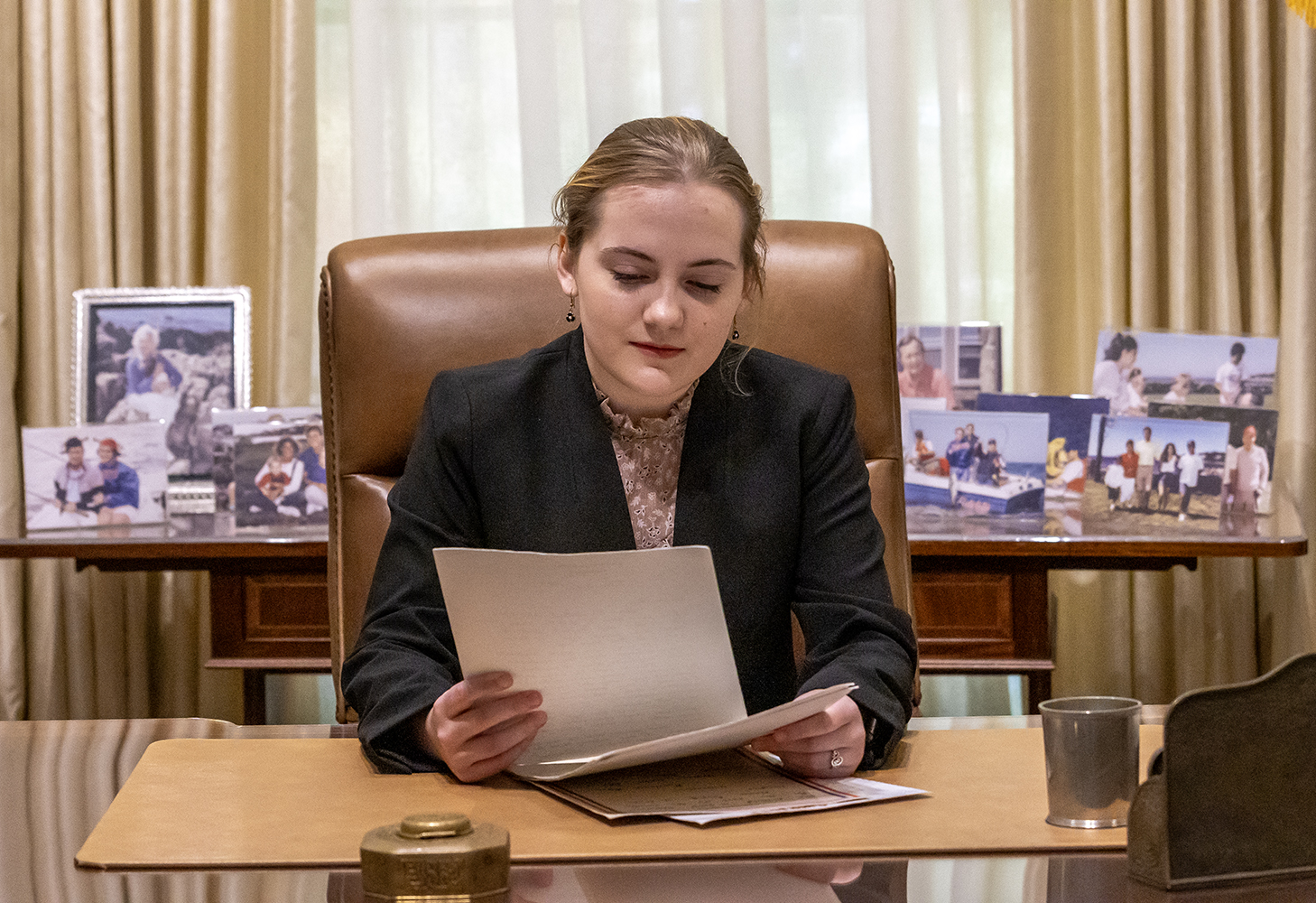
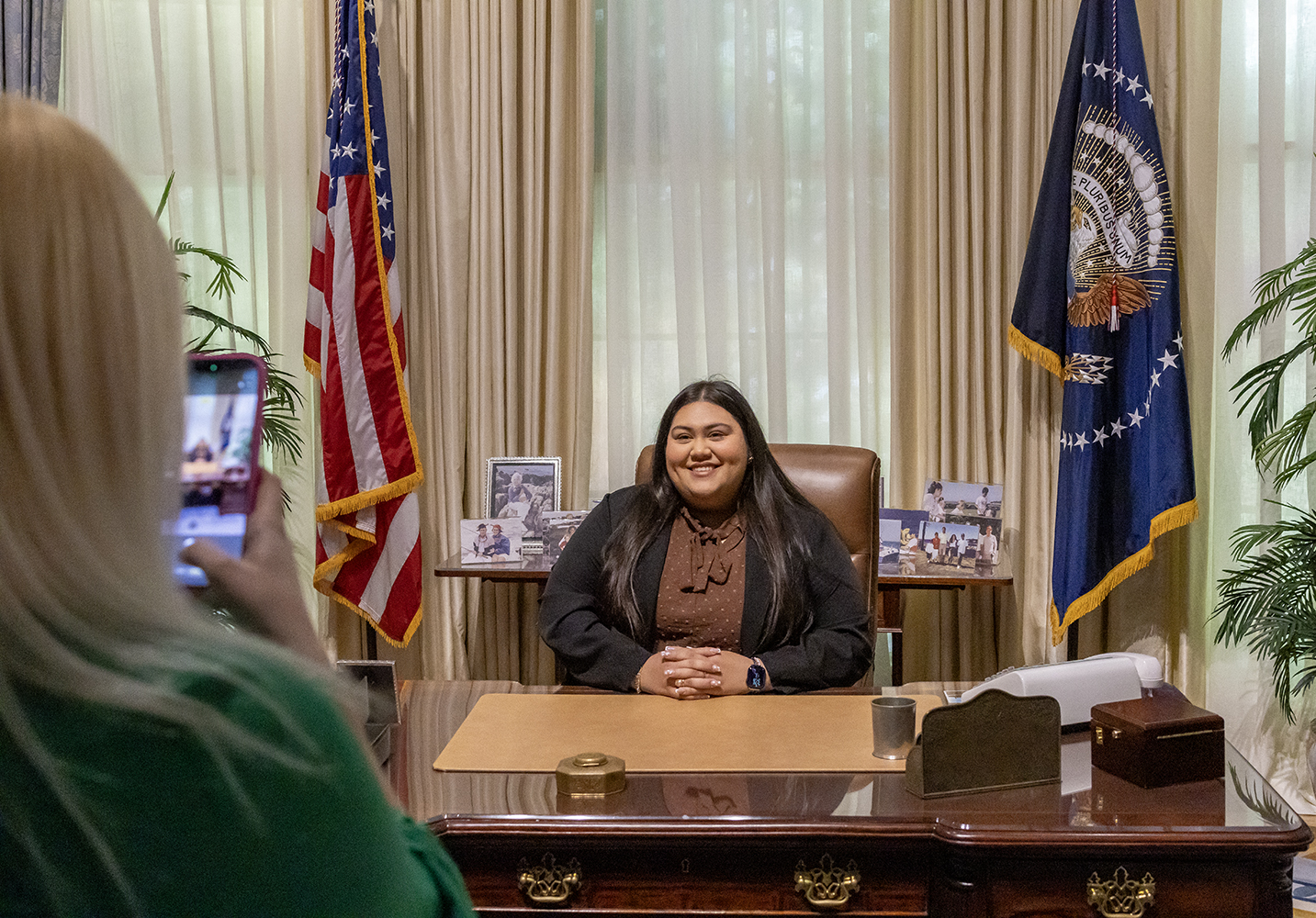
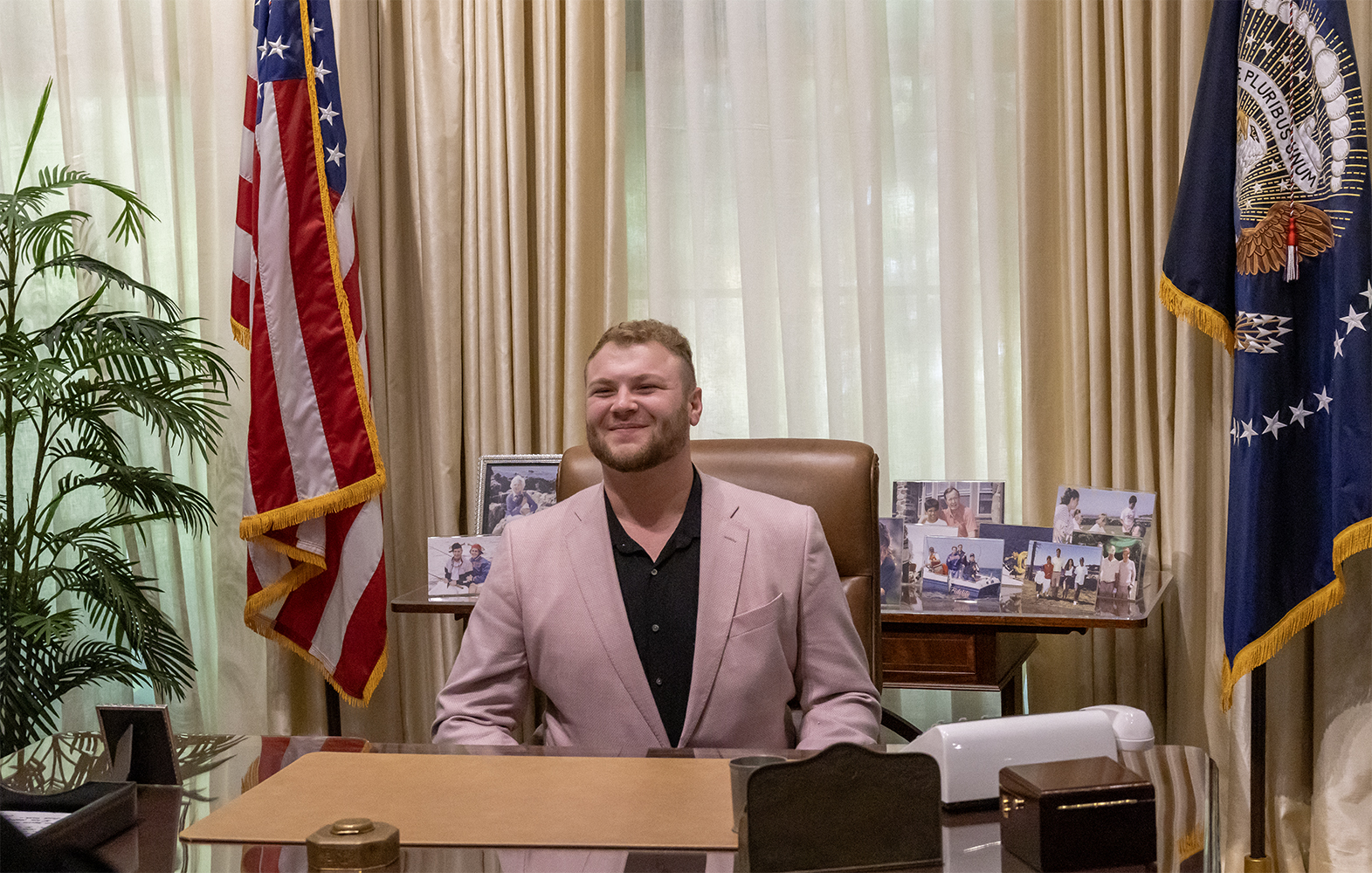
The replica of the Oval Office seemed most popular, with nearly everyone taking a turn to sit where the president would, and pretending to answer the phone or read important papers.
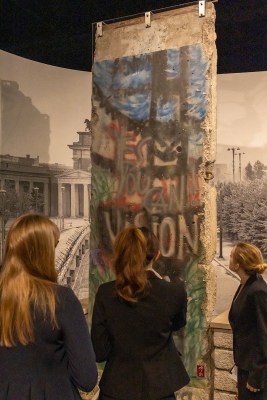
Further into the museum, we found that President Bush’s term in office is remembered by all the good he did for the people of not only America, but for those in Kuwait, Germany, and other places across the globe as well. With pieces of the Berlin Wall standing tall over us, we felt the impact of all the work that went into tearing it down.
Sand from the land of Kuwait, alongside the war tools turned into art, left a lasting impact on us, giving us an understanding of the many points of view Bush was able to incorporate into his foreign policy vision.
Each of us took something different from the Museum. Luke, Brianne, and Michelle spent more time reviewing Bush’s military life; Mikaela, as a Model UN student, focused on the international scope of the Museum; Gavin, a history student, soaked it all in; Zackery, a political junkie, enjoyed the electoral exhibits; and all of us enjoyed learning more about the major events from 1941-1993, and beyond.
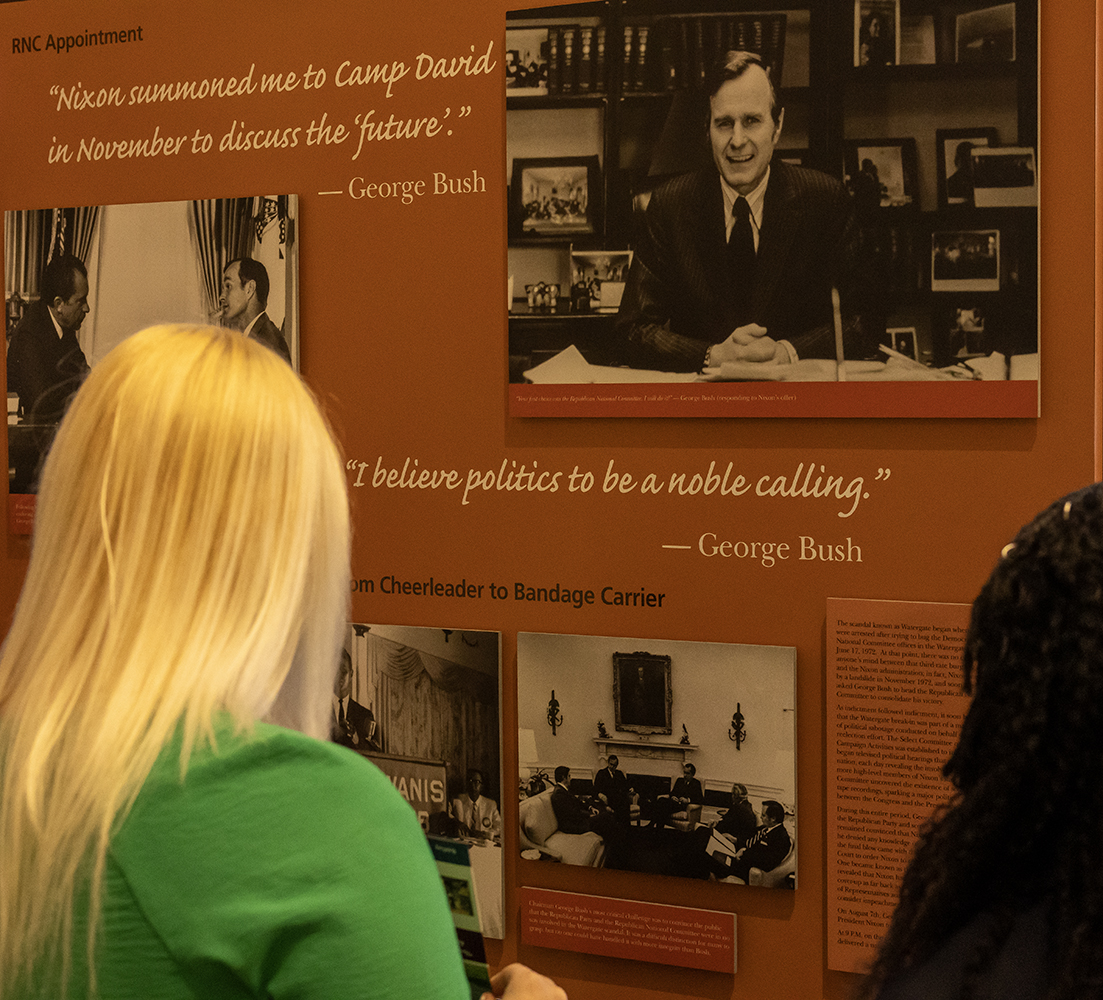
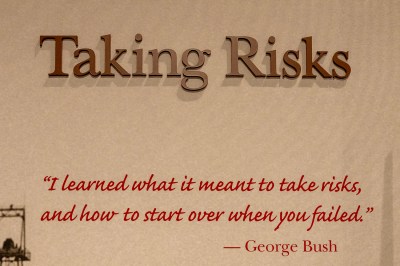
The Library reminded all of us the importance of public service–as Bush referred to it, a “Noble Service”–while also reminding us that doing good in the world requires taking risks, making sacrifices, and working hard–all good lessons.
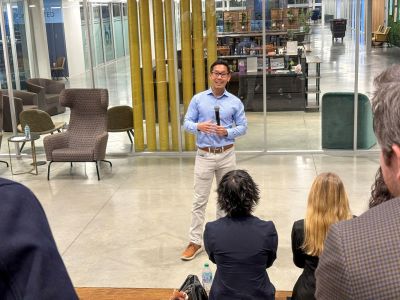
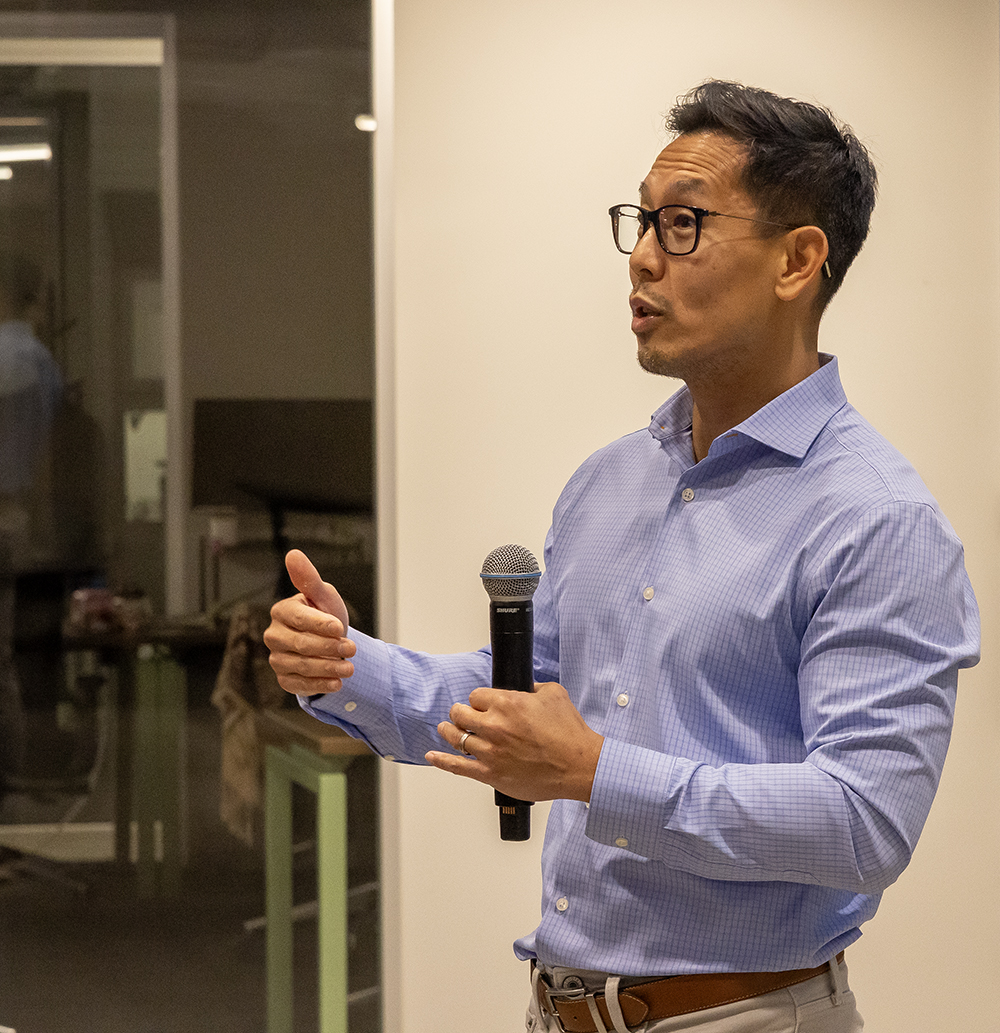
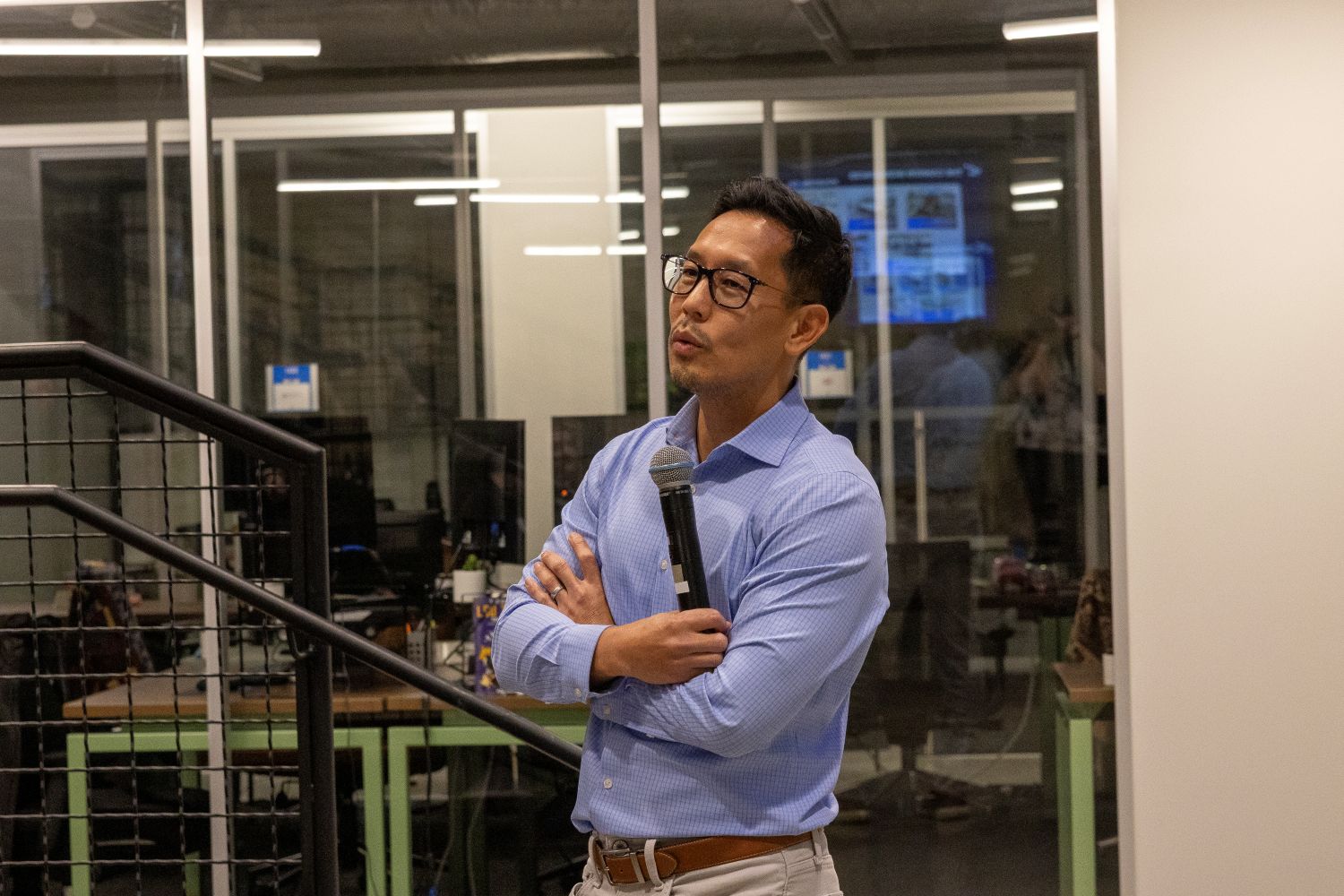
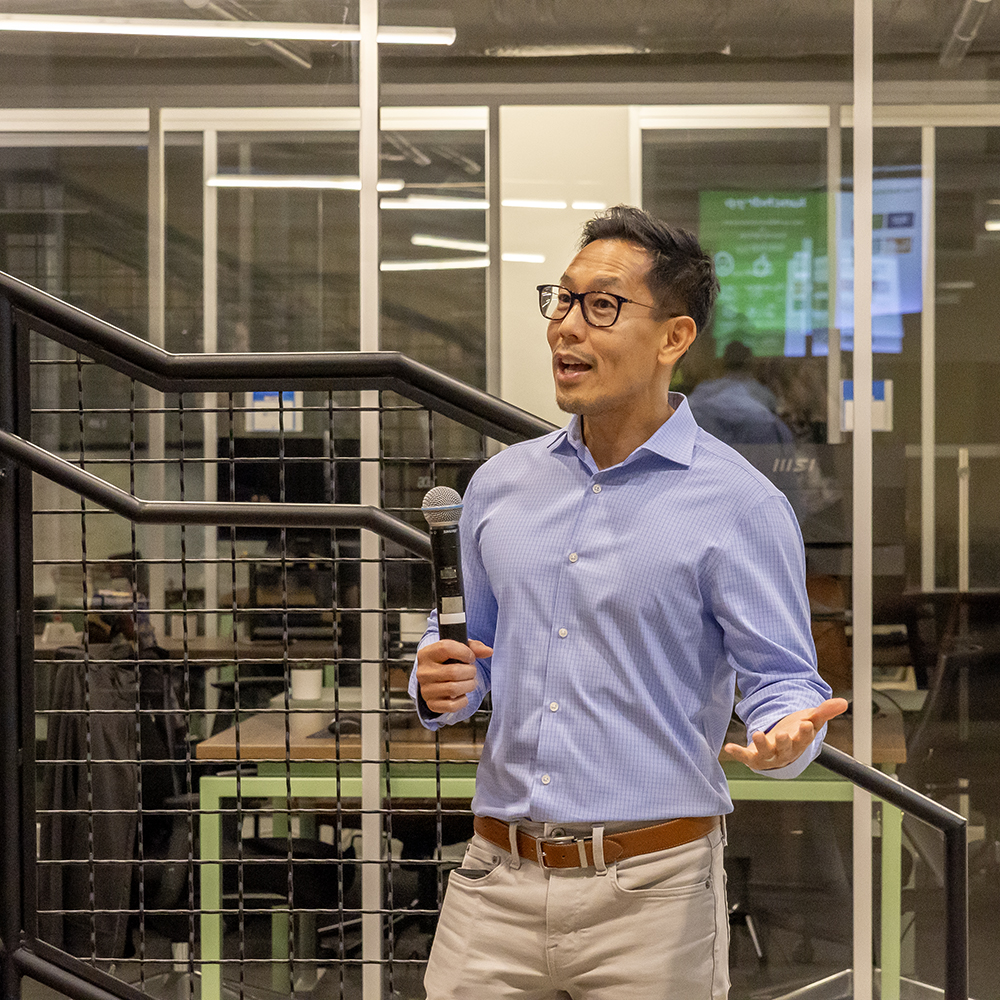
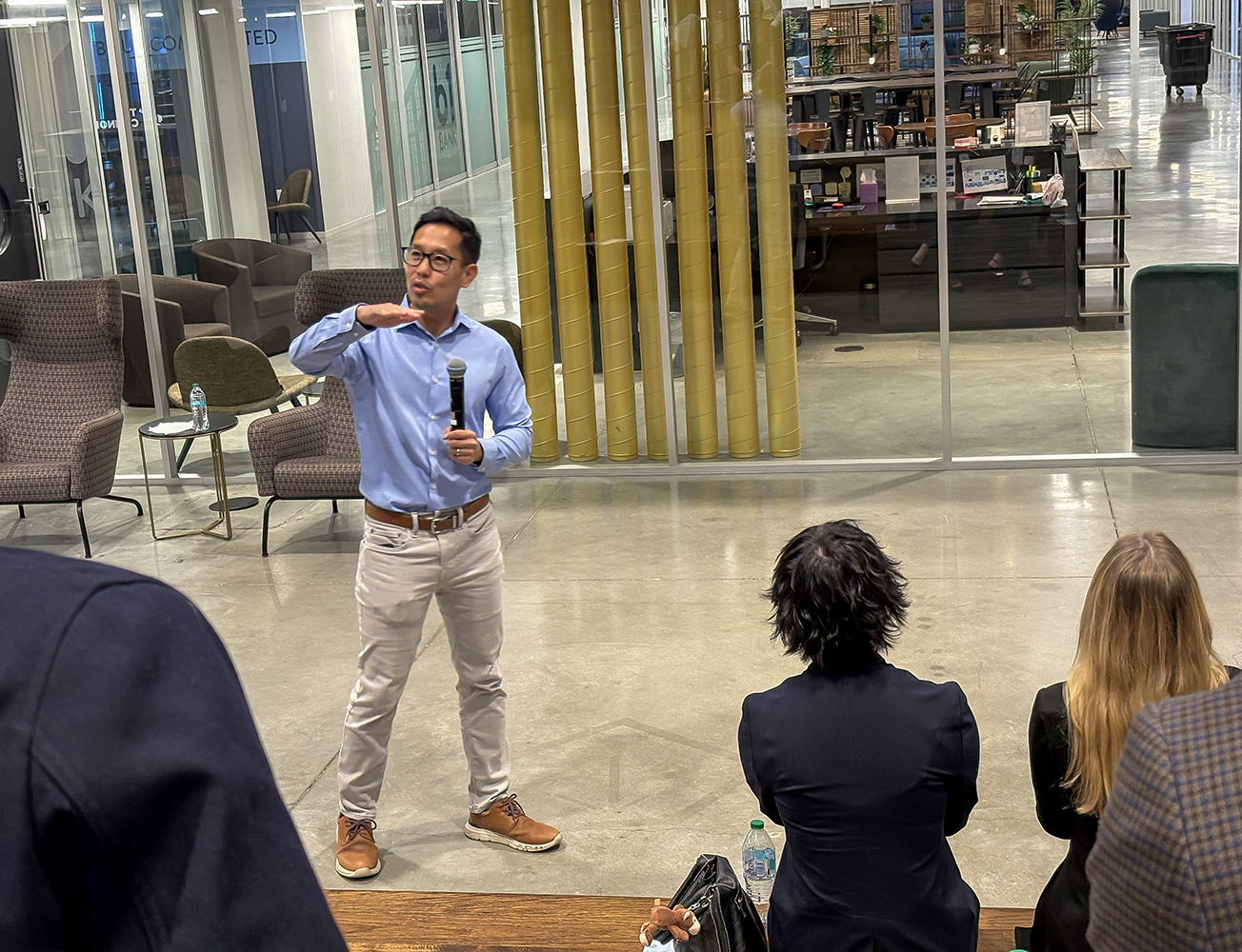
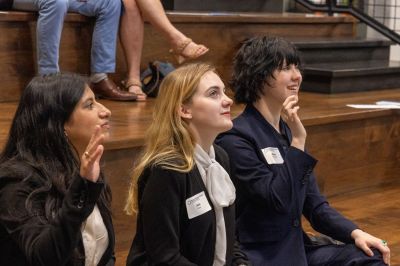
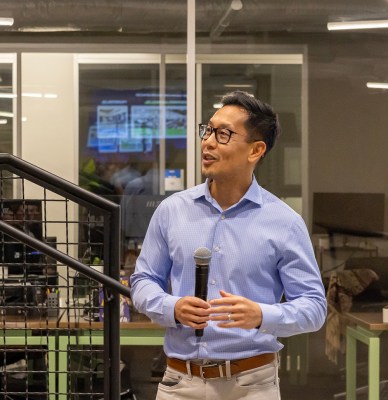
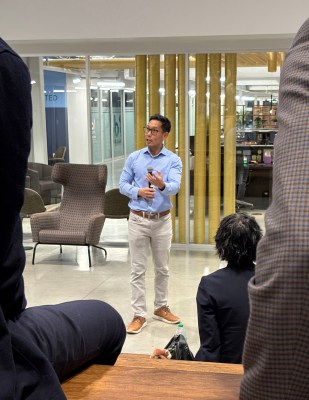
I have attended many World Affairs Council Events, but none has caught my interest in the way that Dr. Tam Dao did with his presentation on “Sexpionage”–the use of sex in the world of espionage.
Dr. Doa is the Associate Vice President for Campus Safety and Research Security at Rice University. Before joining Rice University, Dr. Dao held various positions at the FBI, including work in the counterintelligence task force, classified briefings, and as a certified hostage negotiator.
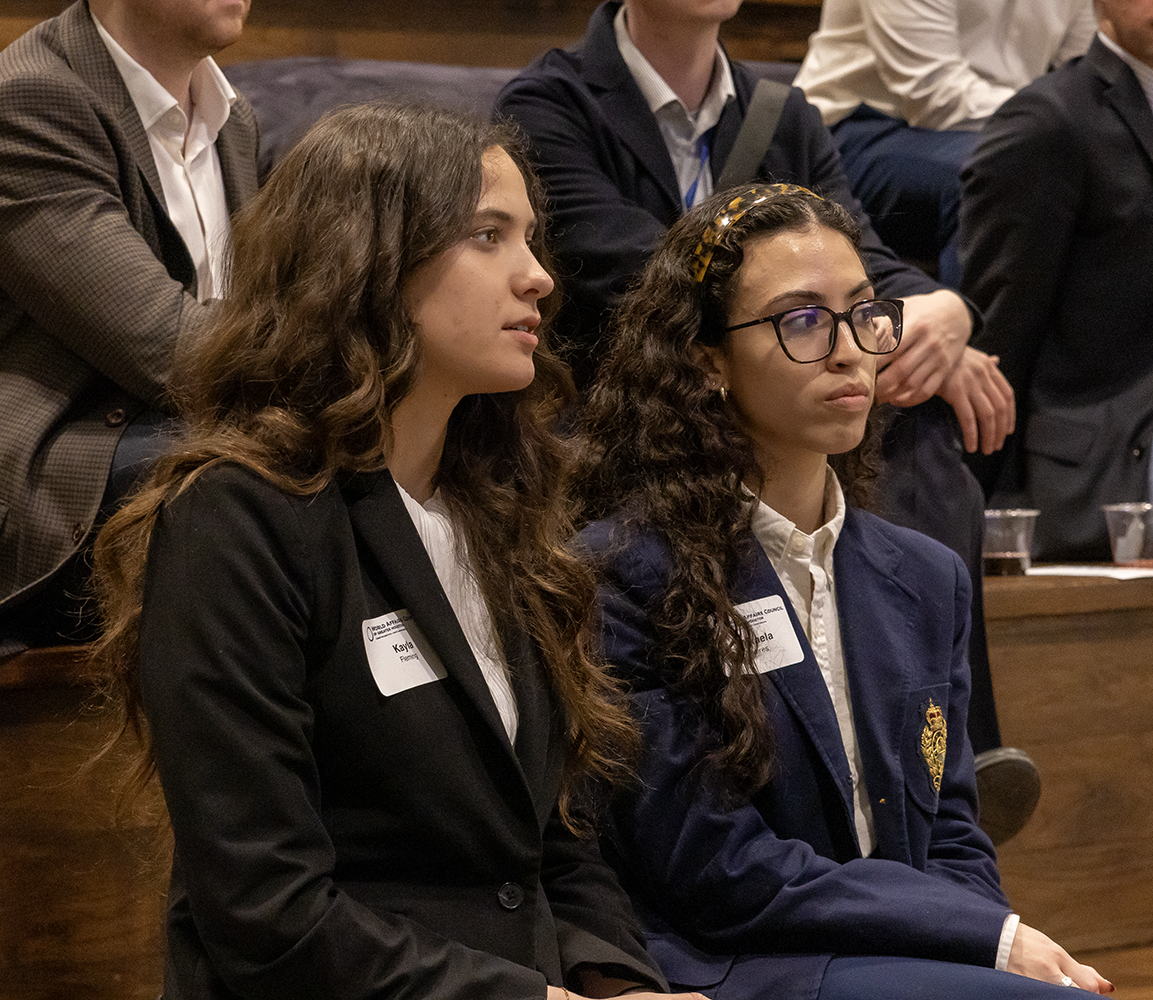
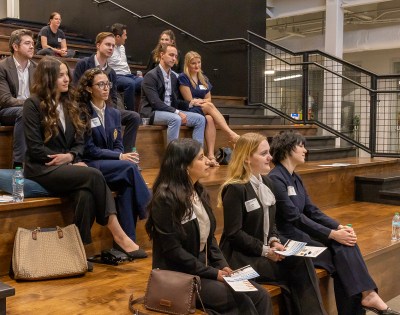
The event was in a smaller setting, making it more intimate and interactive.
Dao noted that men are much likely to be “victims” of sexpionage than women, and the examples he offered, such as Lt. Col. Benjamin Bishop, bore that out. We also discussed the case of Robert Hanssen, although this was not a true “sexpionage” case.
Not all the cases, however, were as high profile as the above. In many cases, the “espionage” is the process of surreptitiously gaining access to professors’ academic research. Interestingly, Dao noted, many of the people who are seeking this information are doing it for the love of their native countries–despite the fact that they live in the United States and enjoy the opportunities the US affords them.
Dao, an immigrant himself, finds this behavior curious and ironic. While acknowledging flaws in the US culture, politics, and economic system, he praised the US for the opportunities it has offered him and his family.
This was one of the most enjoyable of the WACs we have attended, a sentiment we shared with Dr. Dao following his presentation.
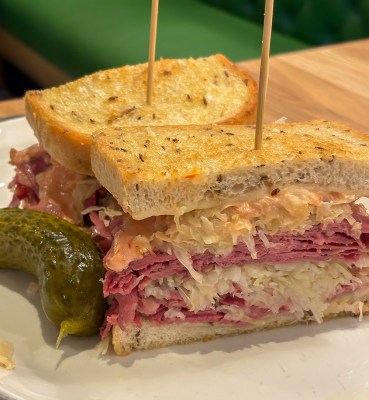
Katz’s Deli
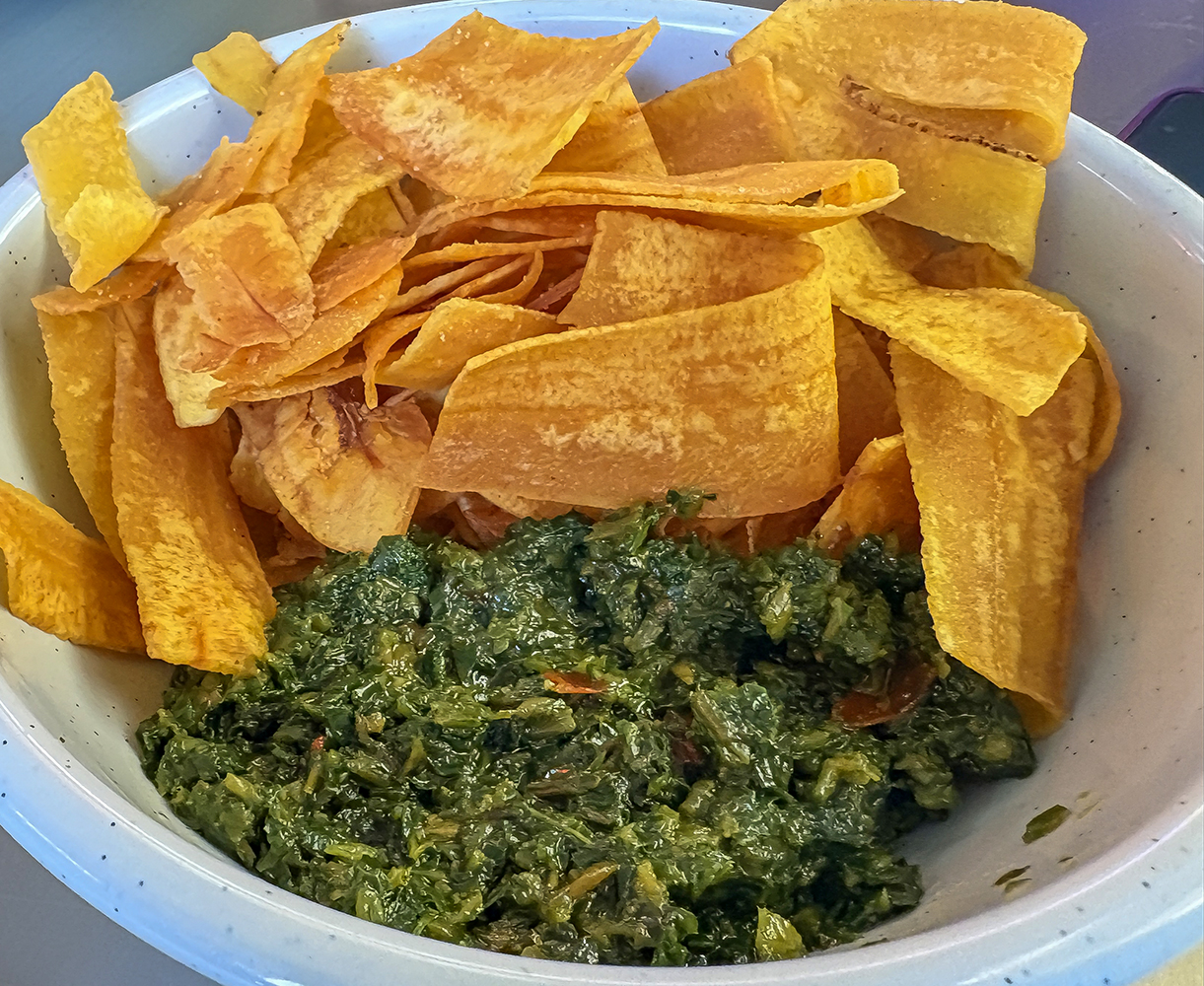
Following the WAC event, we stopped at Katz’s Deli, where we enjoyed various deli-type sandwiches, including a Lox sandwich, a Reuben…
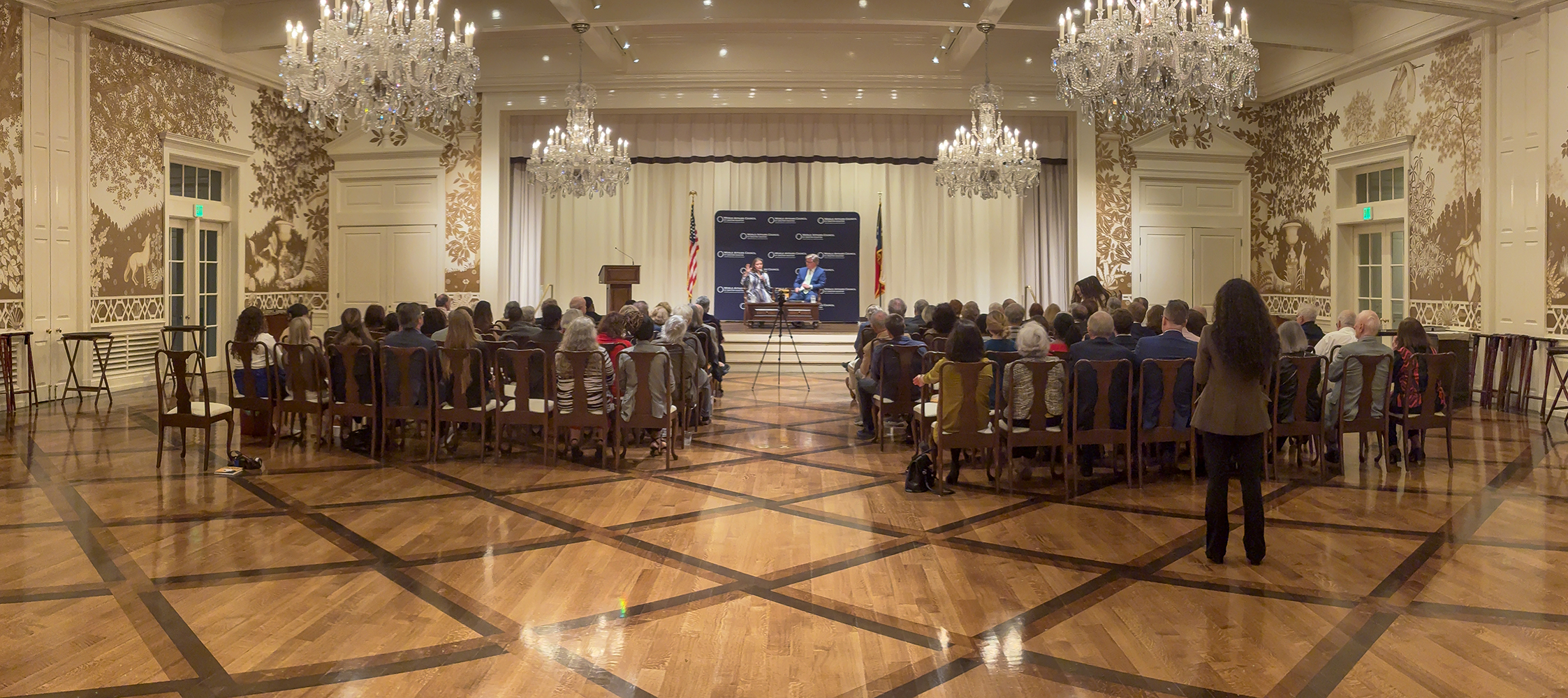
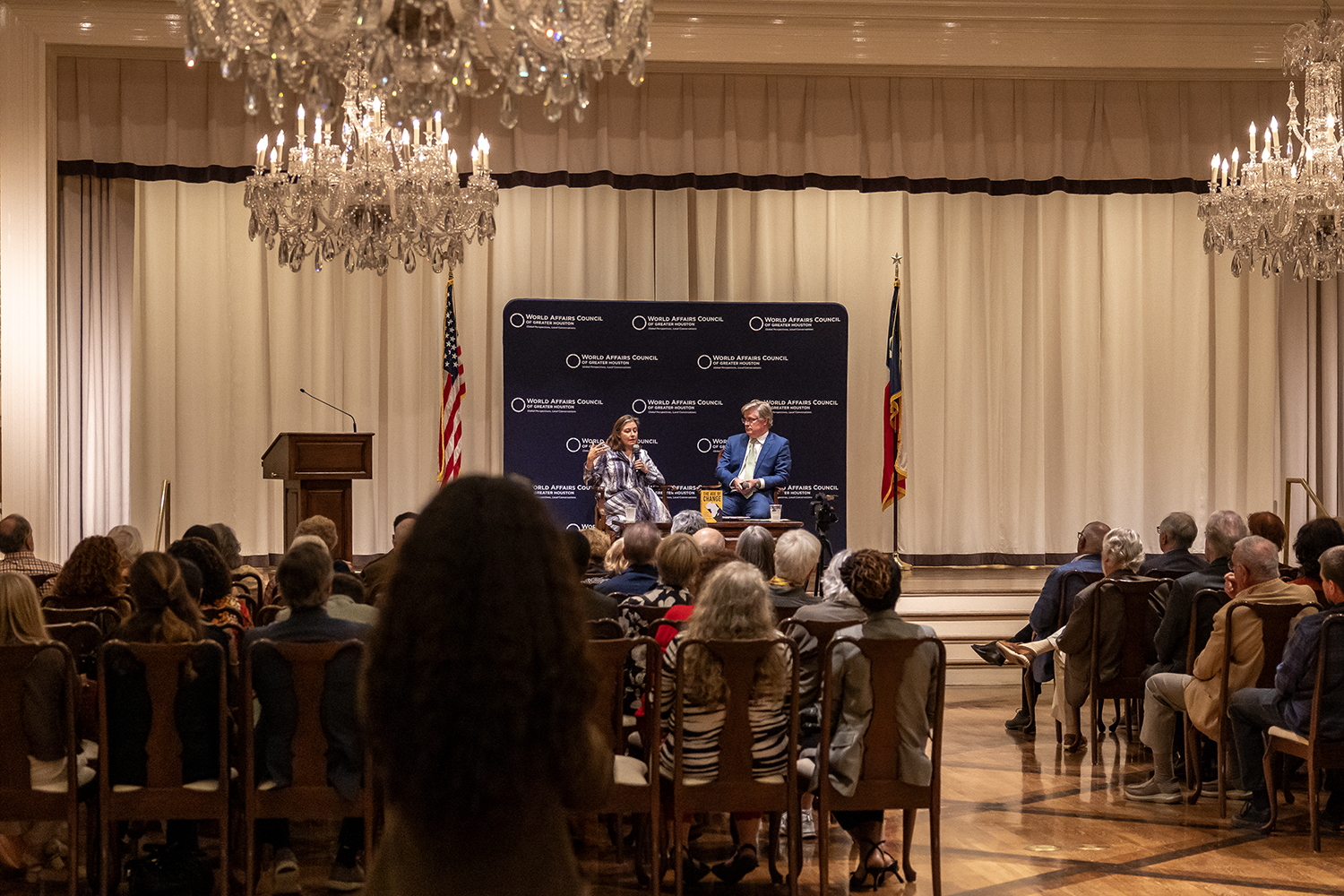
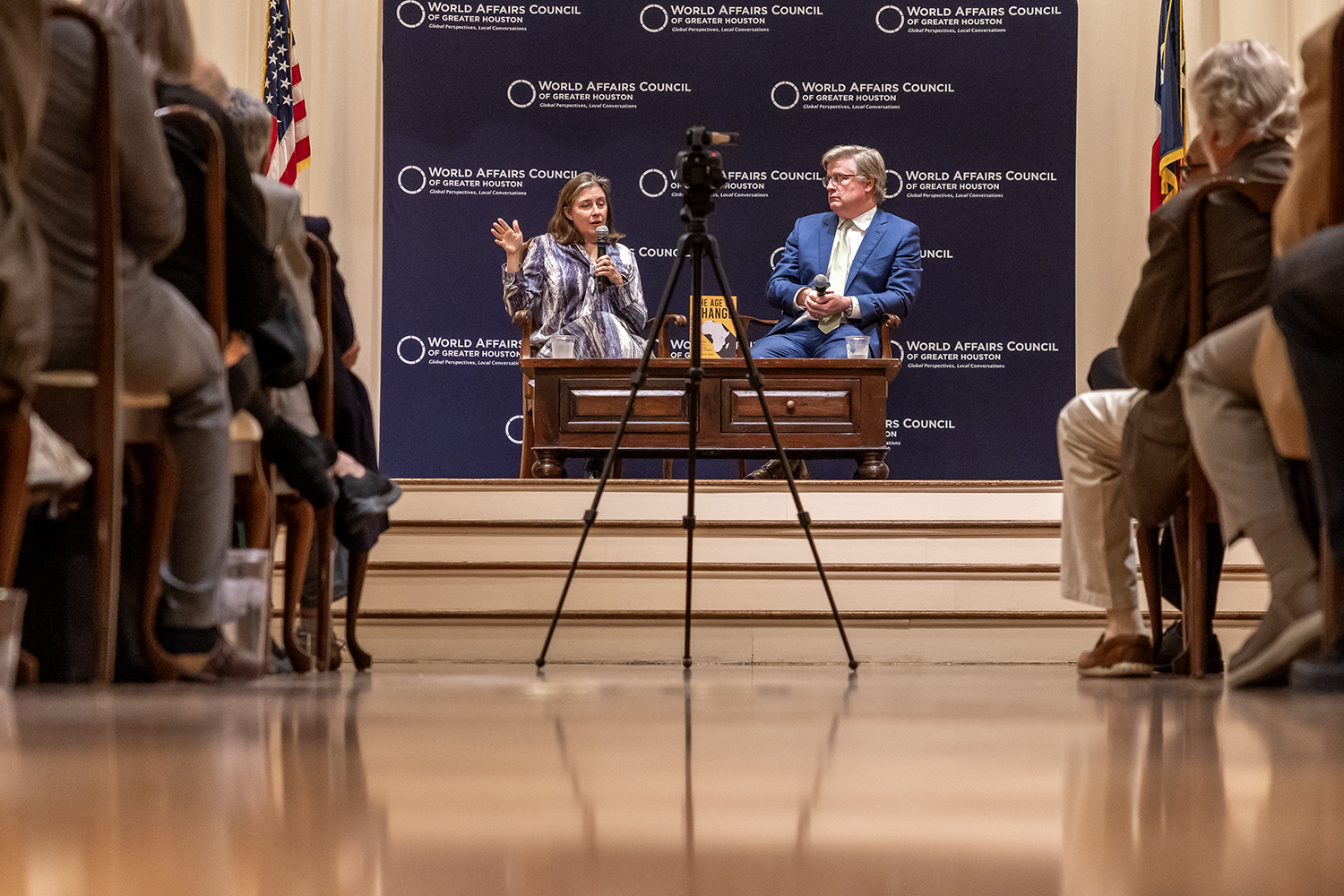
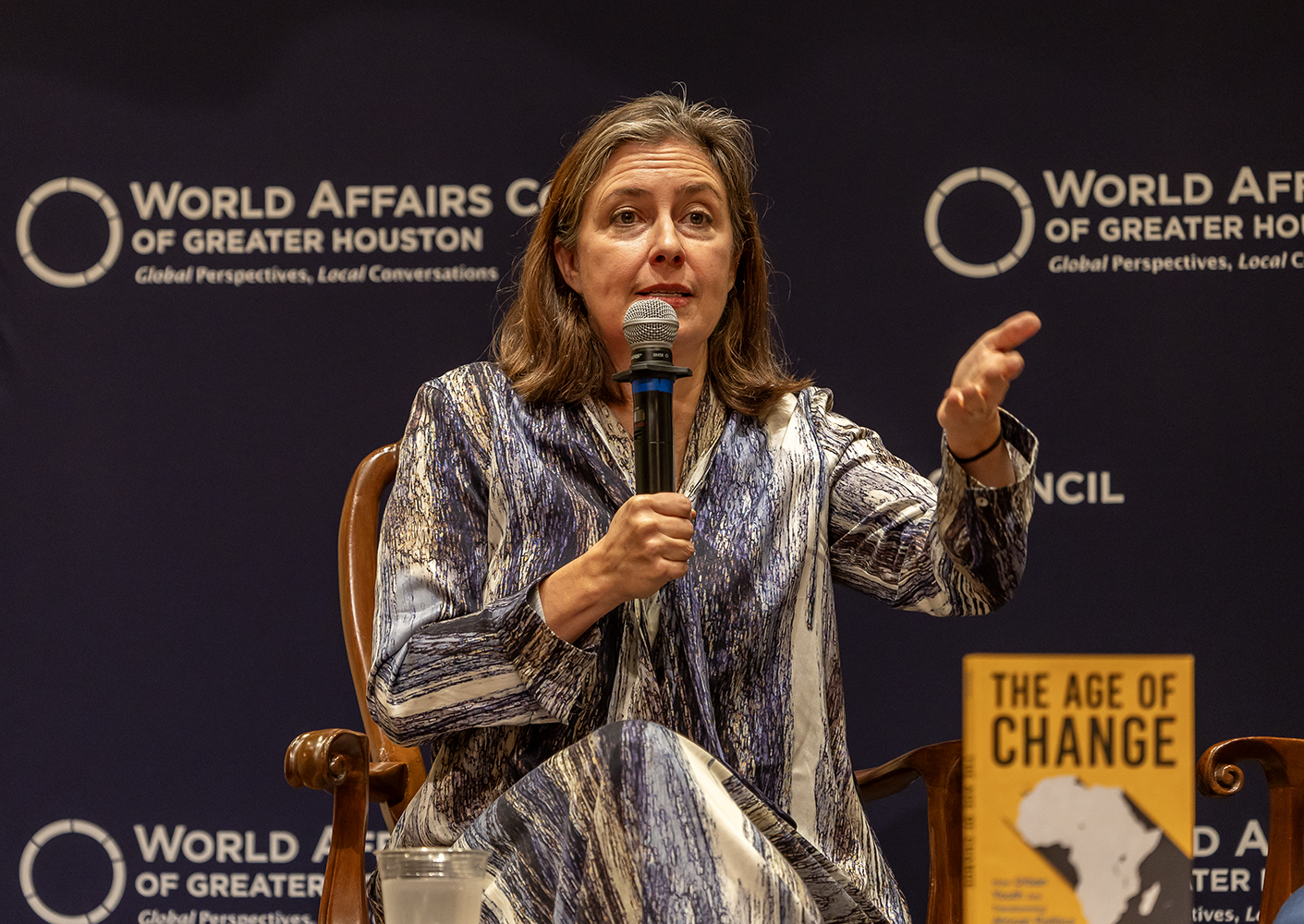
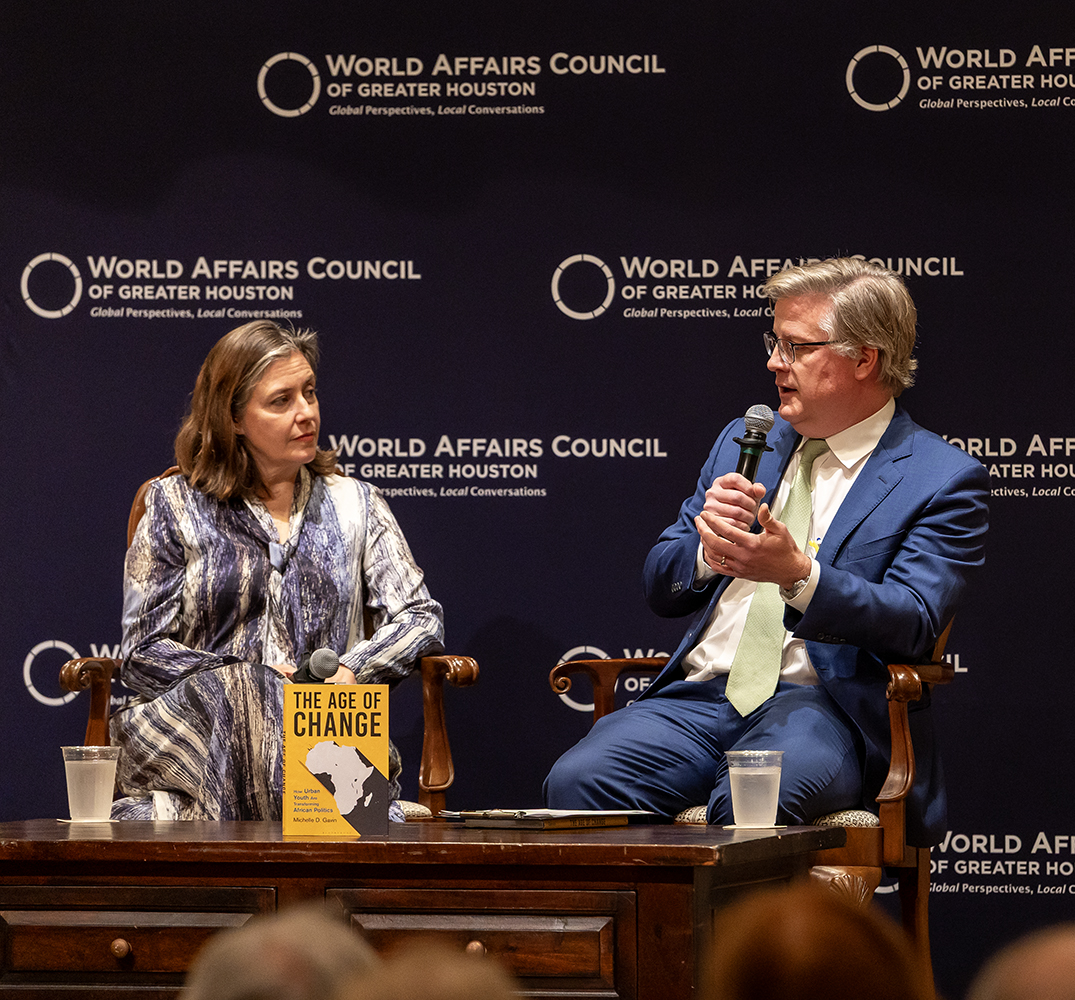
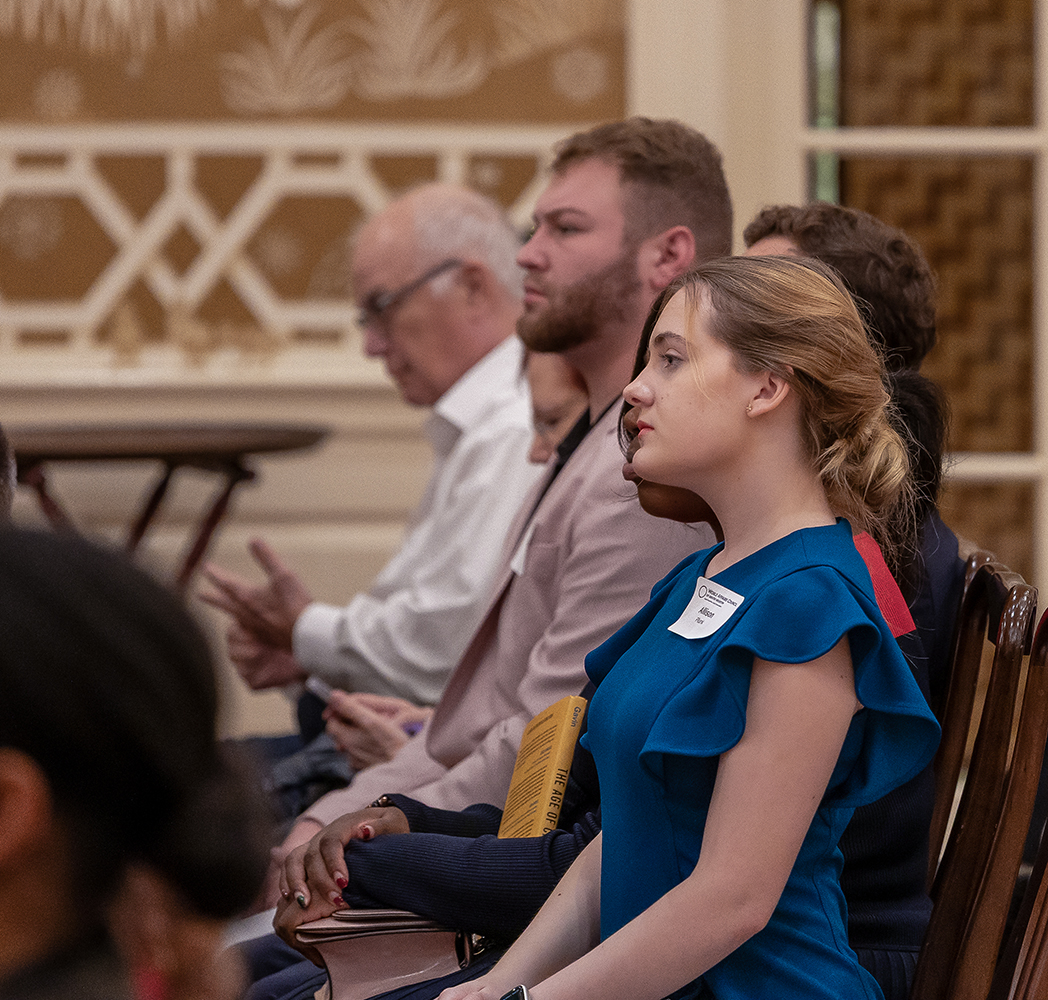
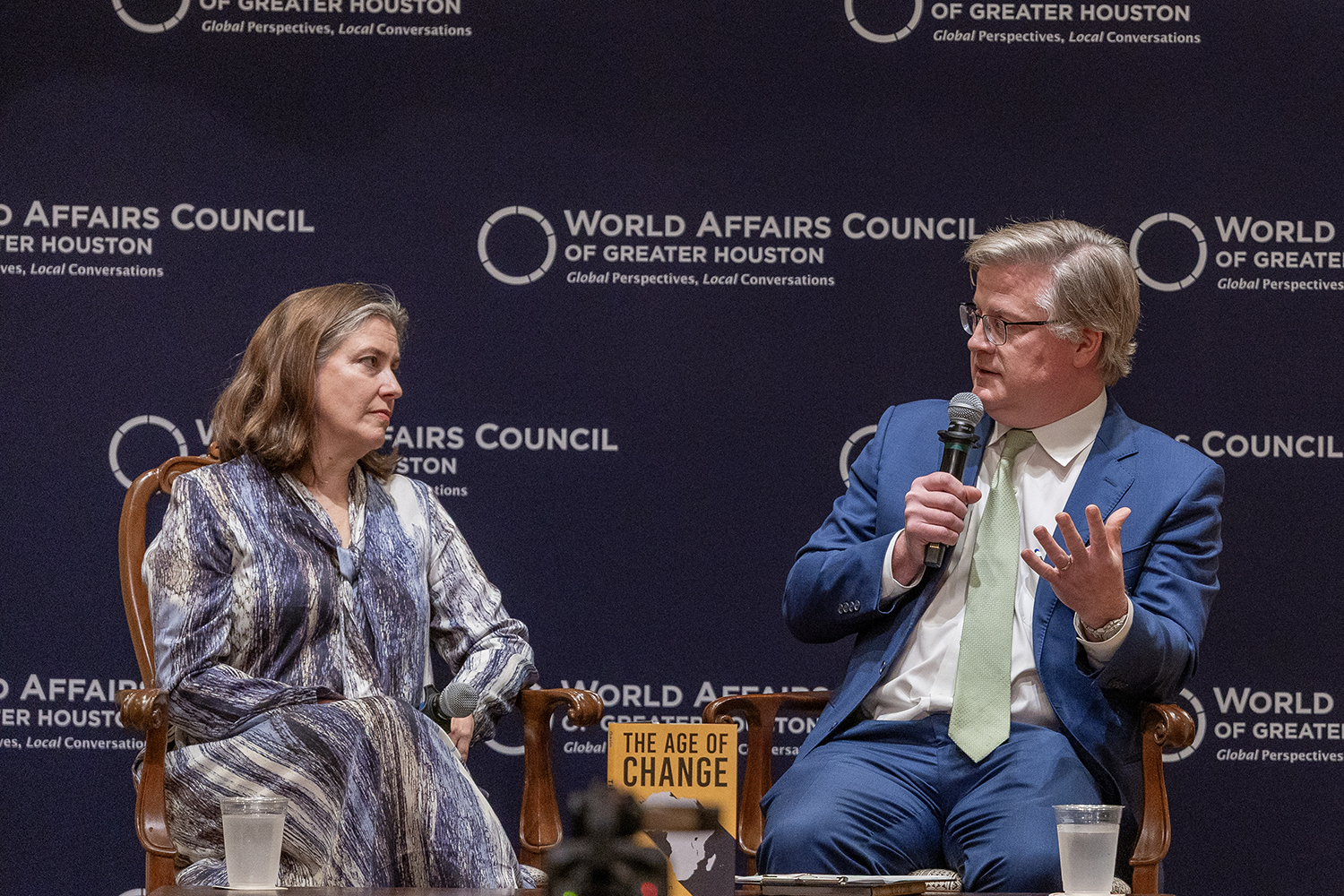
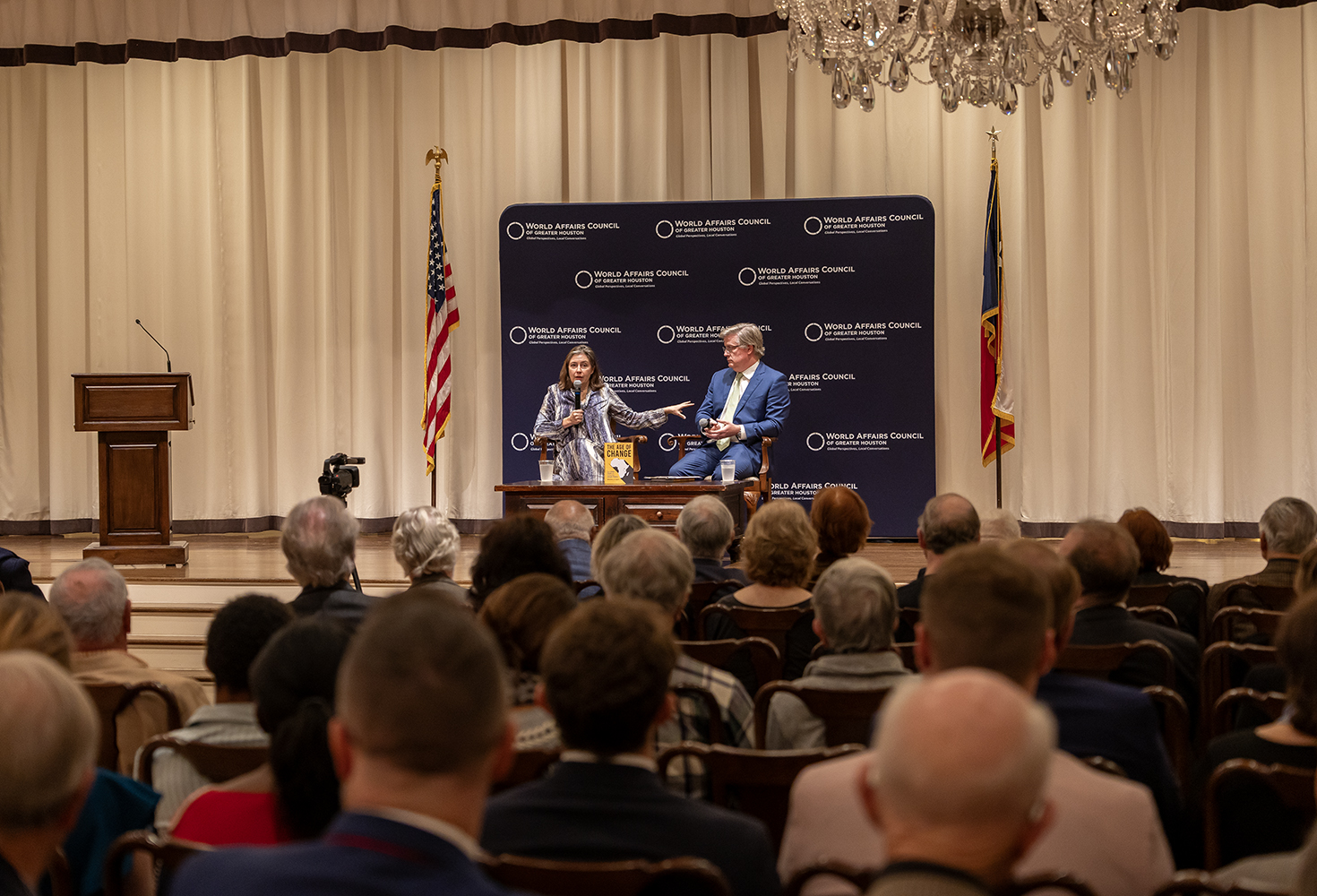
On February 2, LEAP students Zackery Isaacks, Mikaela Baires, Luke Hempfling, and I accompanied Professor Yawn and former Junior Fellow/LEAP Ambassador Ademide Adedokun to the Junior League of Houston to hear Ambassador Michelle Gavin speak about the rapid changes occurring in African politics– and what that might mean for the futures of African youth.
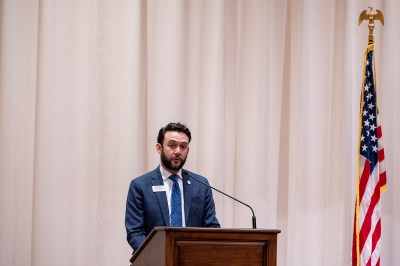
After Jahan Jafarpour, the Director of Programs, offered a brief introduction…
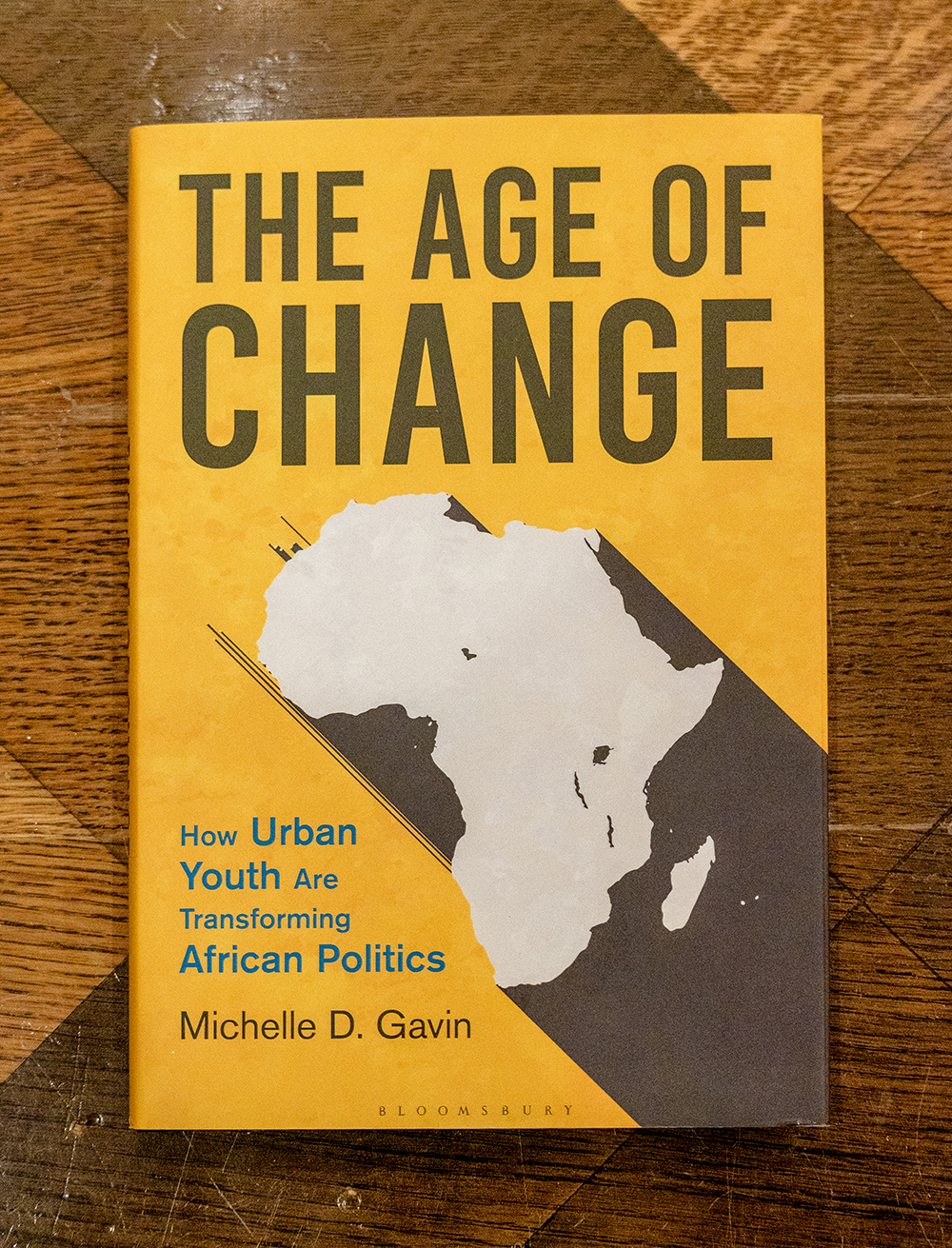
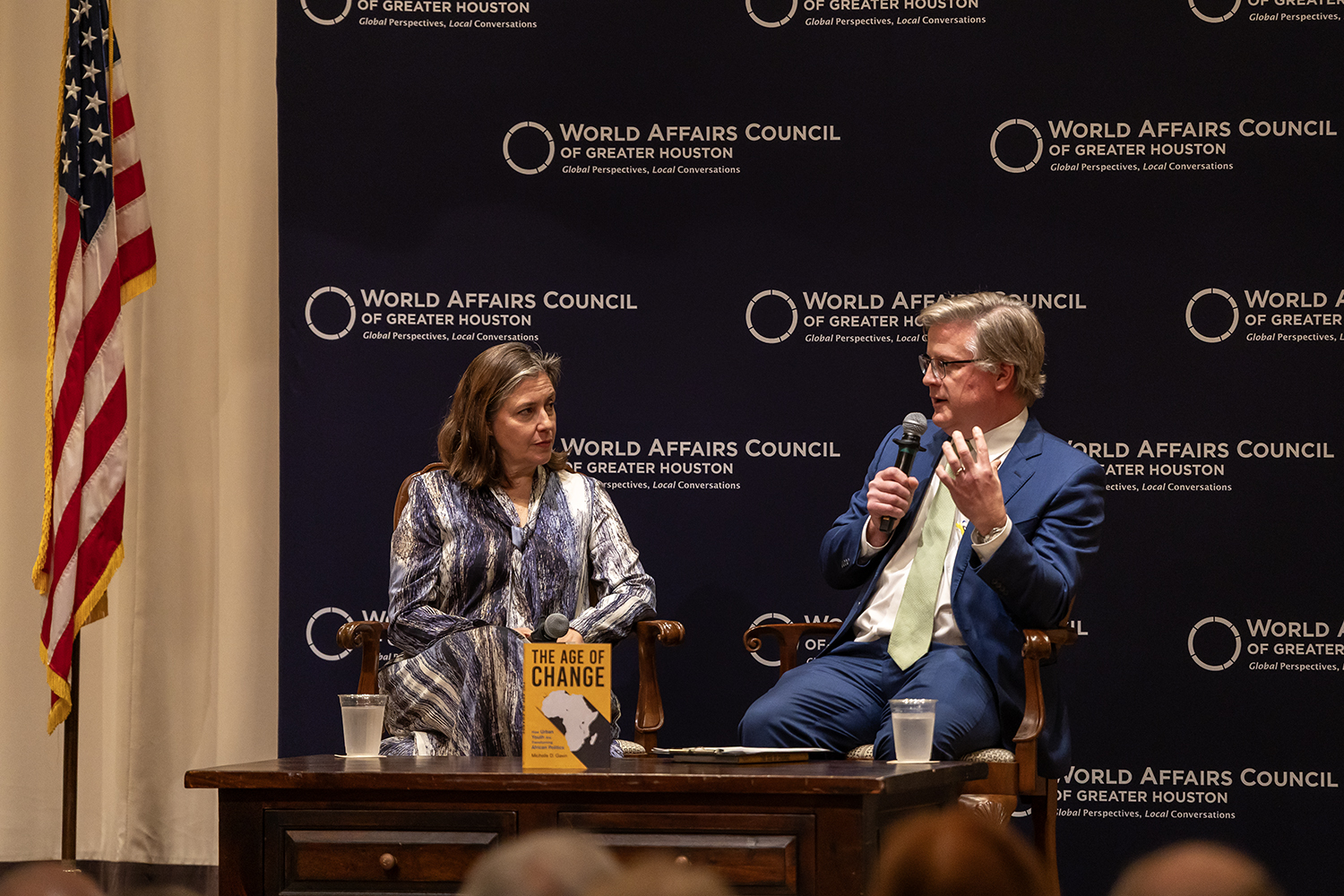
…our favorite moderator, Ronan O’Malley, began the interview, discussing some of the ideas Ambassador Gavin explores in her book, The Age of Change. One of these is the concept of a “demographic dividend,” which means a big boost to national productivity due to the increase of labor force and decrease of dependents, and this is occurring in a large number of Africa’s 54 countries.
While young people are gaining power in numbers and entering the job market, older generations are still running the government. Ambassador Gavin highlighted the example of Paul Biya, the President of Cameroon, who has been president for forty-three years, and he was just re-elected in October for another seven-year term. While some may political stability, others may see the potential for corruption and a stale–rather than dynamic–political culture.
Such regimes, according to Gavin, may not last much longer, as the African youth are becoming increasingly urbanized and have more resources to be connected. Under such circumstances, political organization becomes possible and real change can occur.
There are models of successful democracies in Africa, and if young people use countries such as Botswana as models, it is realistic to think that democracy can spread. Botswana has maintained peace and stability by electing good leaders, preventing corruption, and using their greatest natural resources (diamonds) wisely. In terms of governance, they use “Kgotla meetings,” something akin to “town halls,” which allow citizens to bring questions and concerns to community leaders. This provides for a sense of interconnectedness, promotes accountability, and allows for clear and frequent communication.
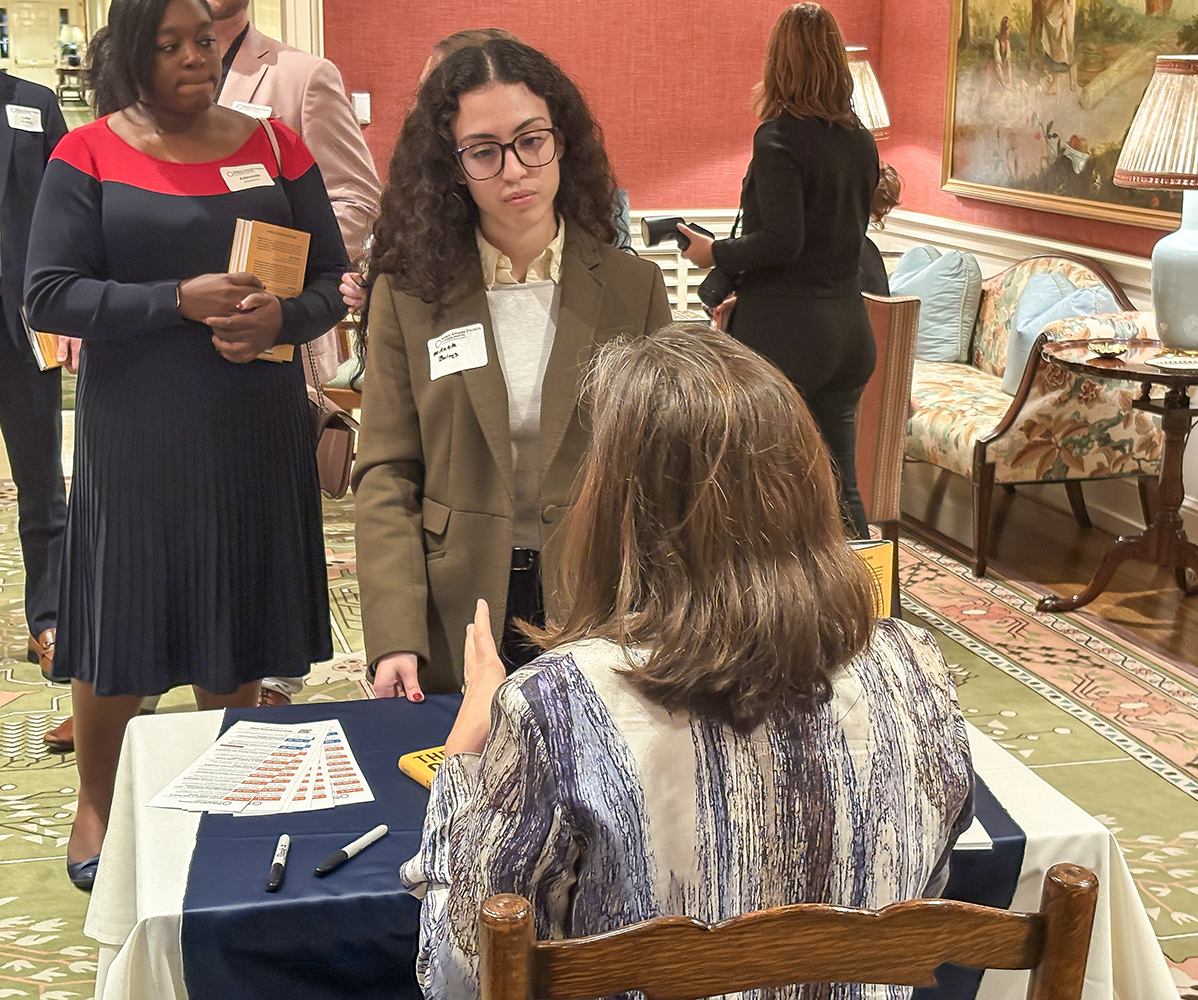
Following the talk, Maria Guarache swept us up to see Ambassador Gavin, and we were able to get photographs and our books signed, capping off a wonderful program.
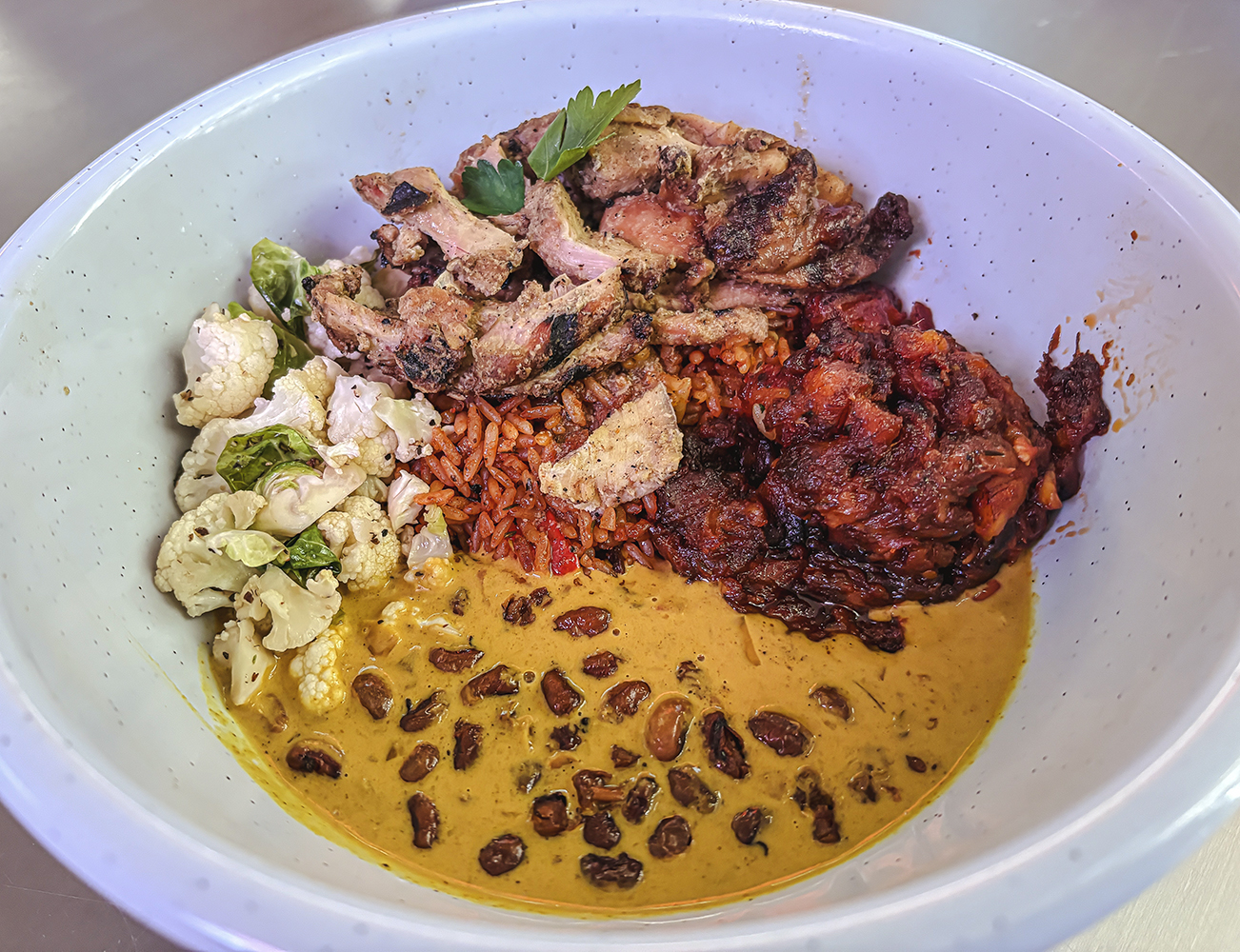
And, to further enhance the evening, we joined Ms. Adedokun at ChopnBlok for some African food. Many of us had never tried African food before, so it was a nice way to add even more educational aspects to the field trip, while also learning more about Ms. Adedokun and her career, her perception of African politics, and a little bit of LEAP history, all wrapped into a top-notch meal by a James Beard Award-winning chef.
With the semester over, LEAP students had the opportunity to continue their learning with the World Affairs Council in a program featuring The Washington Post reporter David Lynch. Hosted at the Junior League of Houston, the event featured moderation by Ronan O’Malley and covered a wide range of aspects of ‘The World’s Worst Bet”–that is, globalization.
Lynch defined globalization as referring “to the easy movement across countries and continents of money, technology, and phenomena.” This is somewhat different than free trade, although, he noted, the two concepts are often used interchangeably.
In the 1990s, according to Lynch, many politicians suggested that free trade would help shape globalization, which was already occurring. By shaping how globalization unfolded through free trade, leaders believed, they could encourage countries to become more democratic and more capitalist, resulting in more world-wide freedoms.
In the 1990s, it seemed like these promises would come to fruition, as Lynch said that it looked like “the U.S. had cracked the code” at the time, something he believed to be true. He and others, however, failed to see that increasingly open borders would contribute to income inequality and growing nativistic tendencies; that democratic processes would not necessarily follow from increased trade; or that the more extensive supply chains could be exploited or disrupted by rising autocratic powers.
He did note that globalization would have occurred with or without free trade, and it will continue to do so. But the United States–and many other countries–have not created a process to ensure that globalization-induced wealth benefits everyone. Ominously, the rise of automation and artificial intelligence could exacerbate these trends to few life opportunities for those with limited skill sets (or the opportunities to expand their skill sets), and leaders will have to address these mutually reinforcing trends in tandem.
These concepts–and their consequences–were a lot to process in the first week of the winter break. But the weight of this process was counteracted by the engaging and educational manner in which O’Malley and Lynch presented the material, giving our leaders–and us–much to think about as we move into the future.
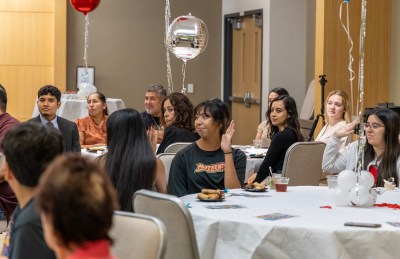
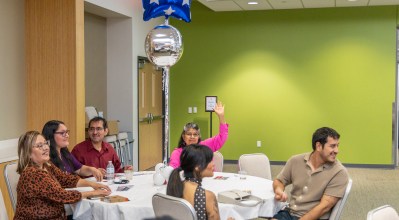
After months of anticipation and careful planning, we opened the doors to our Citizenship Celebration at The Woodlands Center–an evening that marked not just a milestone, but the launch of an exciting new chapter for our existing citizenship program.
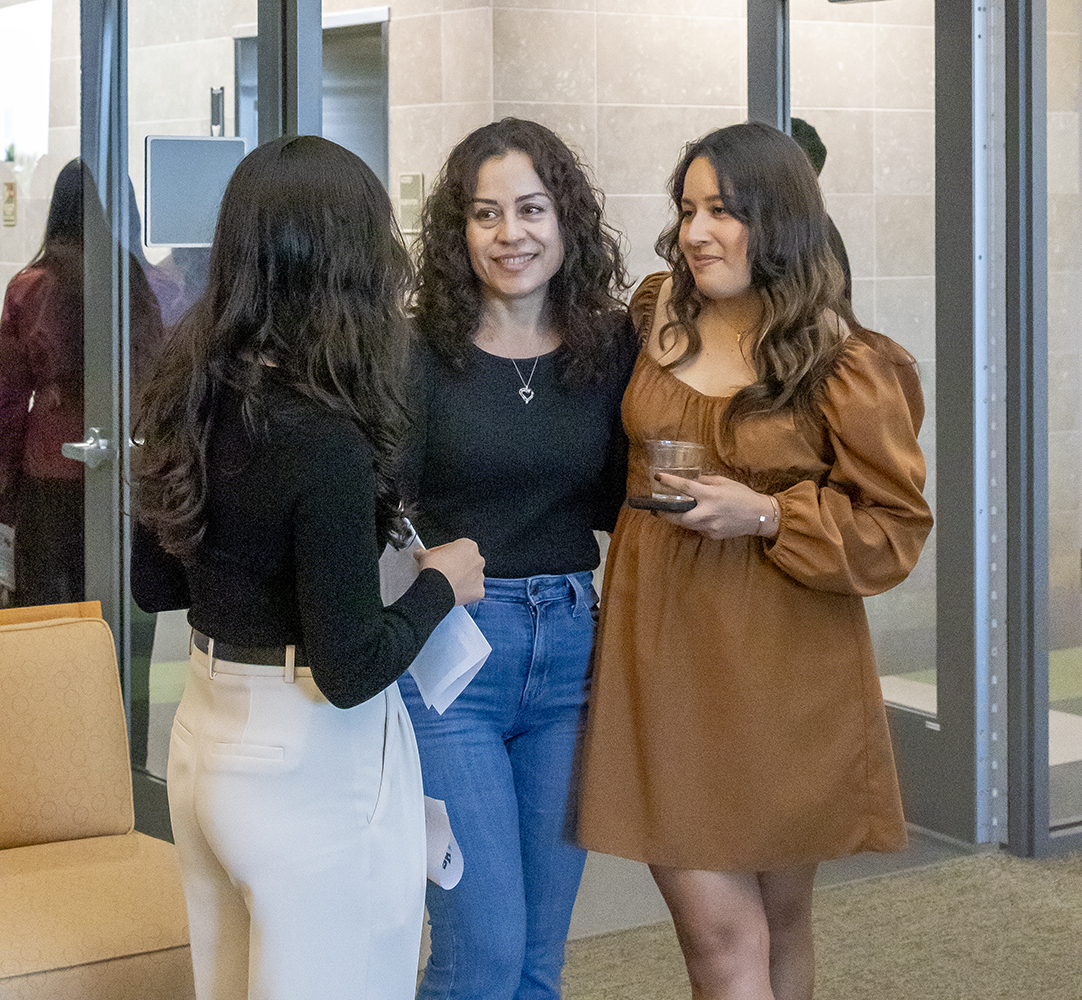
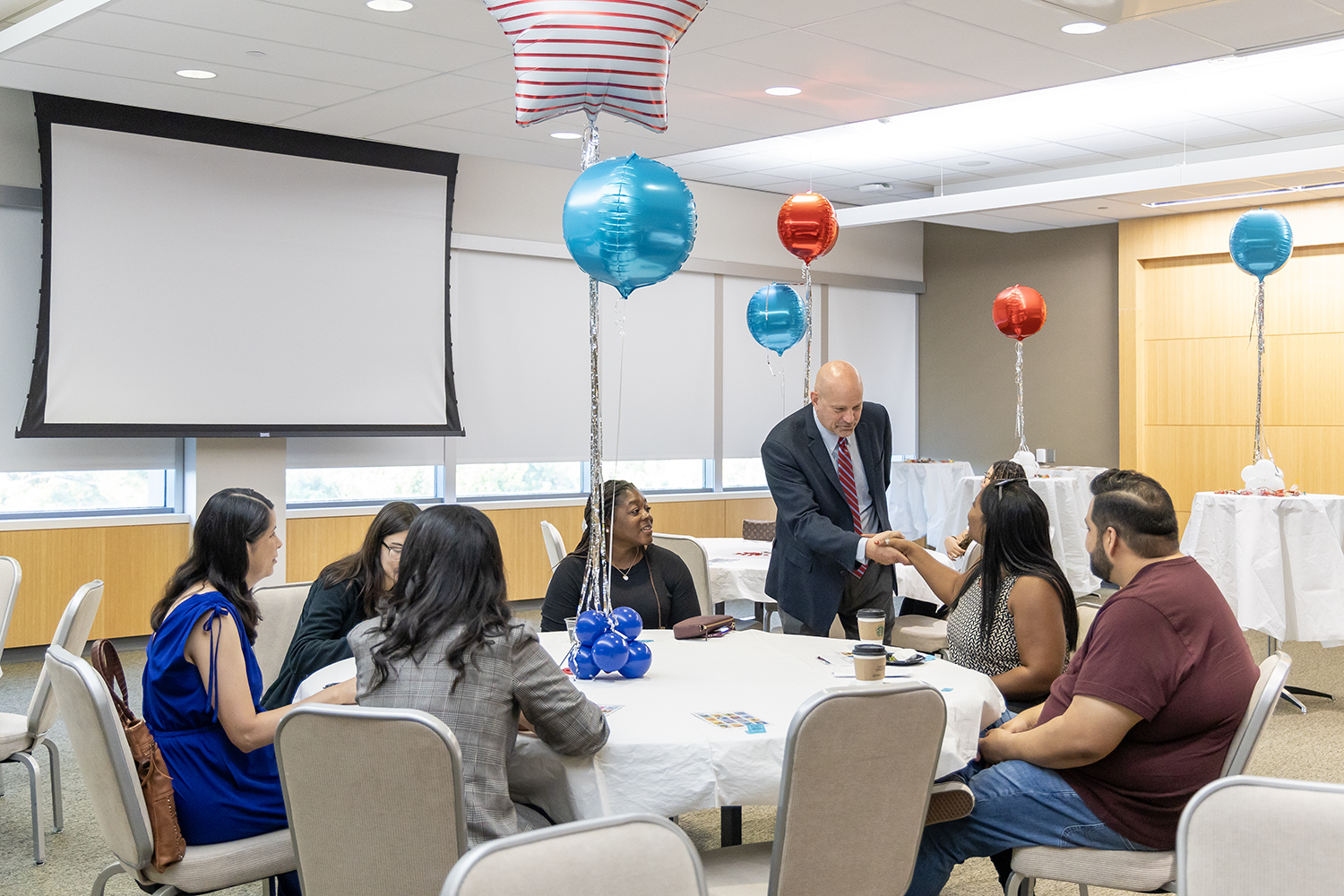
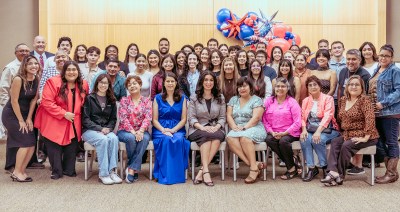
The celebration brought together naturalized citizens, aspiring citizens, LEAP friends and alumni, all united by a shared support for those on their journey toward citizenship and the program.
What began in 2008 as a local initiative in Walker County has grown far beyond its original scope. Thanks to National Partnership for New Americans, the program now reaches into Montgomery County, creating new connections and expanding the community in meaningful ways.
One of the many goals for this celebration was to ensure every guest left with a meaningful takeaway. This is always easier when everyone shares a common purpose. For us, this growth brought new connections in the Montgomery area, including volunteers from Caney Creek High School…
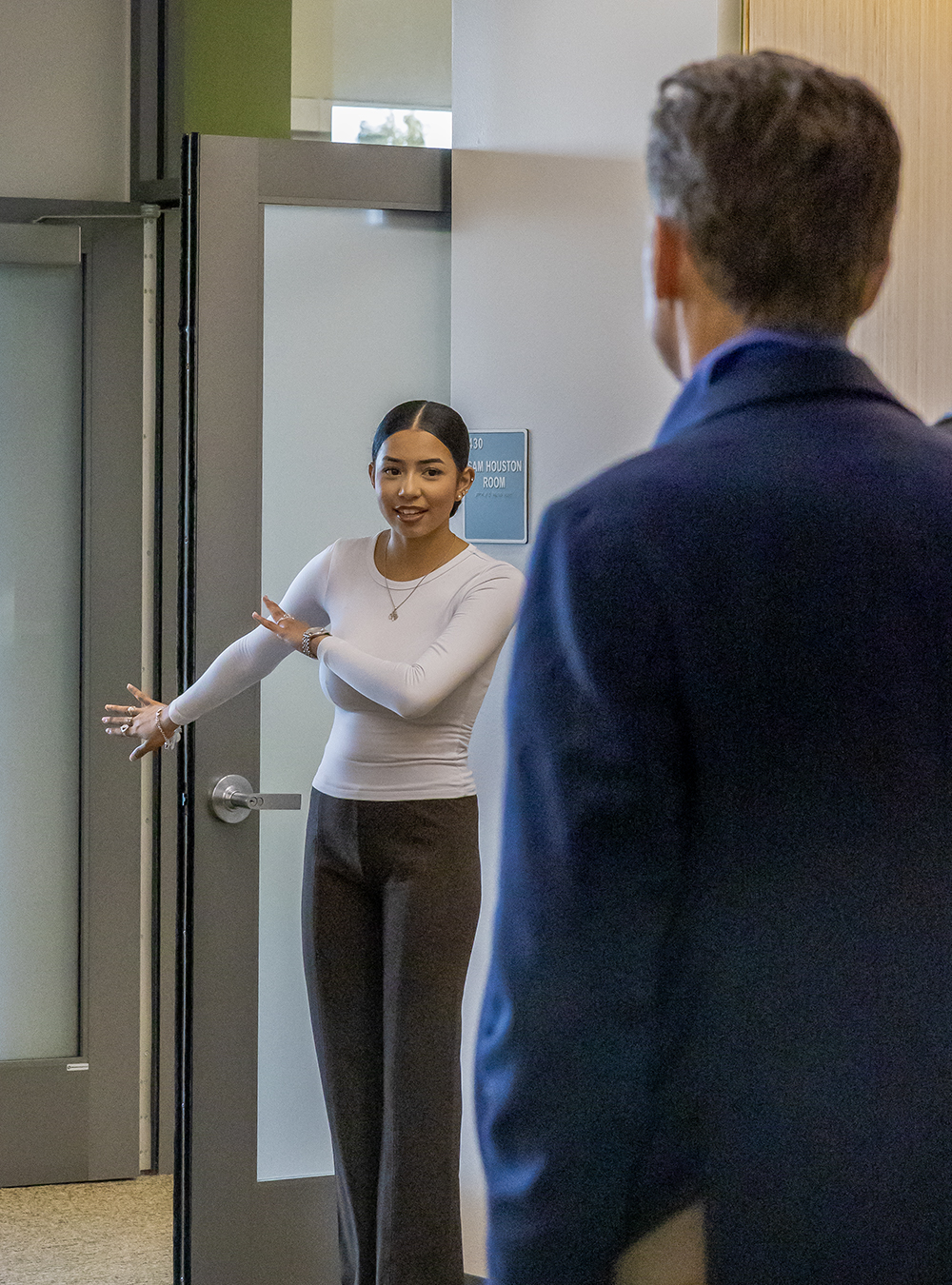
…who joined SHSU students to create a welcoming, vibrant atmosphere for the guests as they arrive.
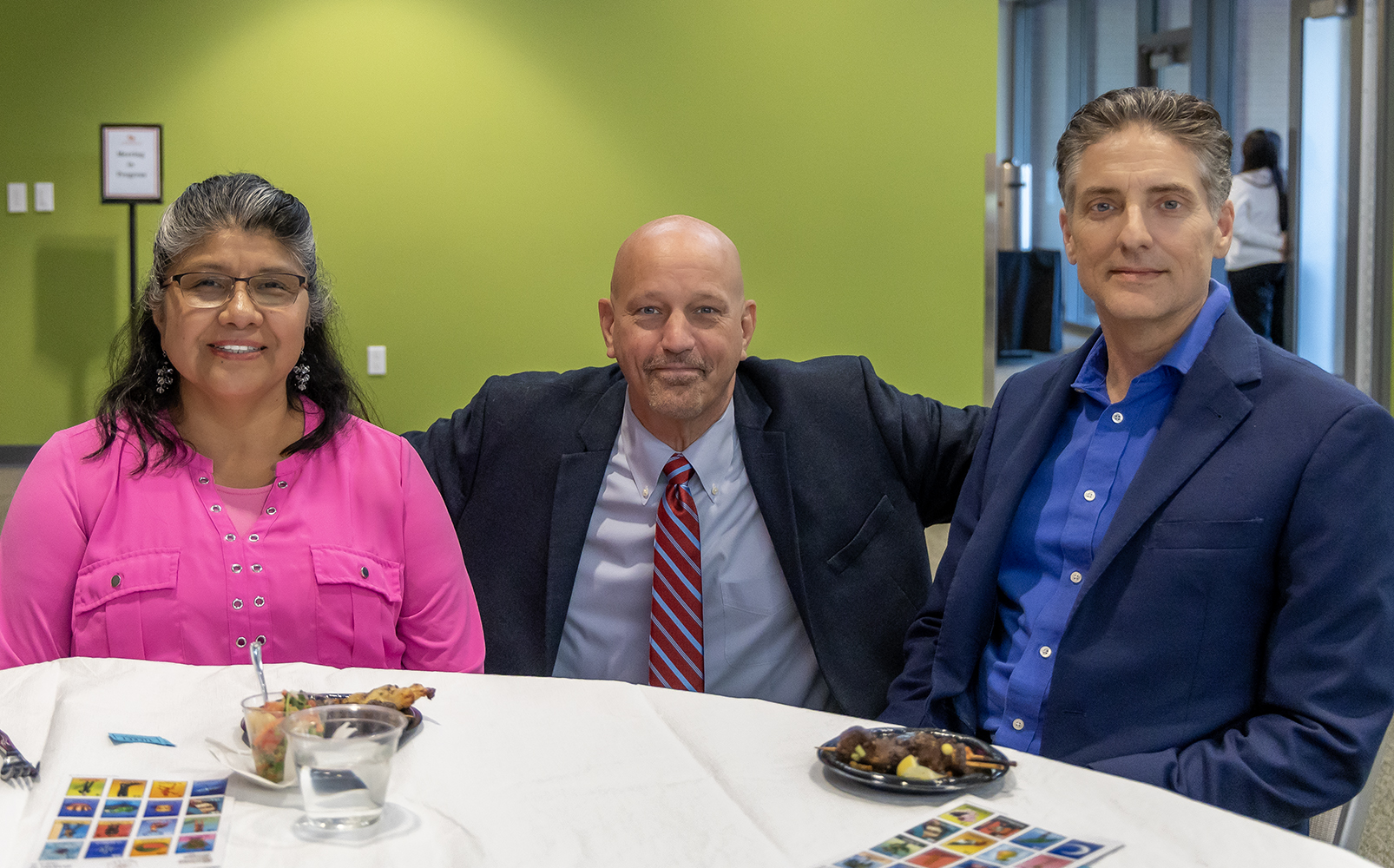
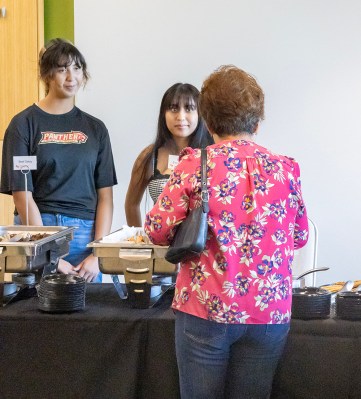
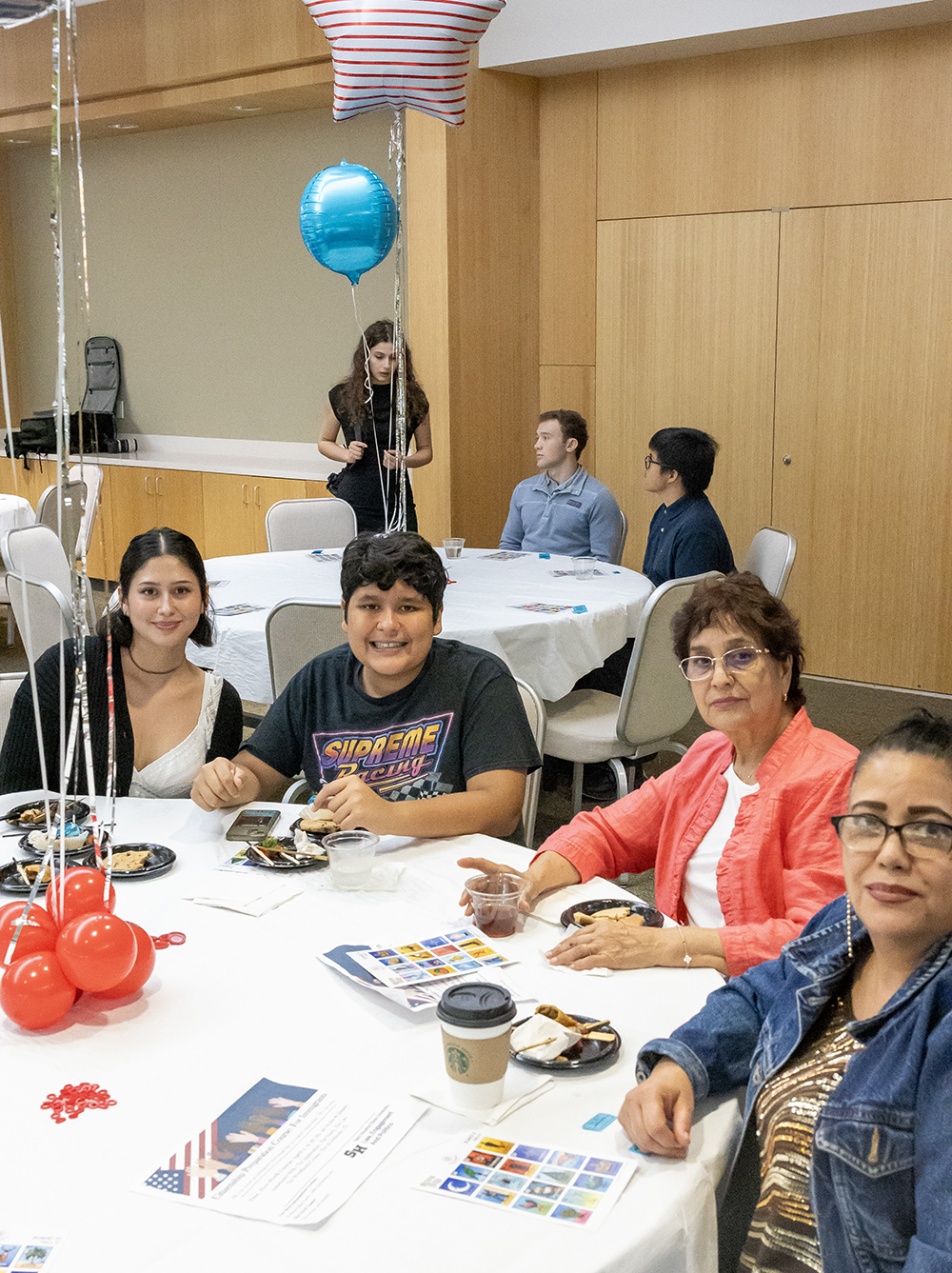
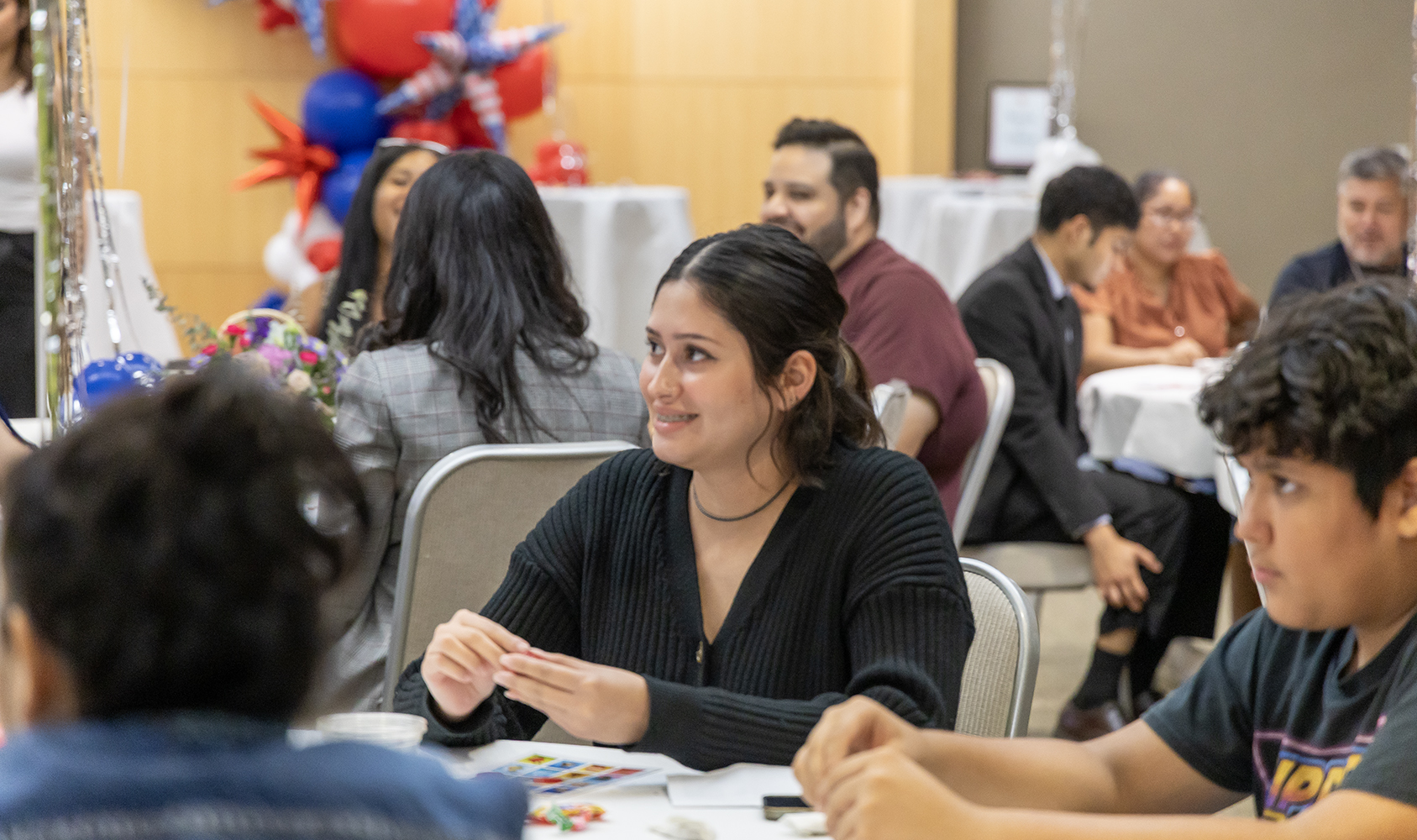
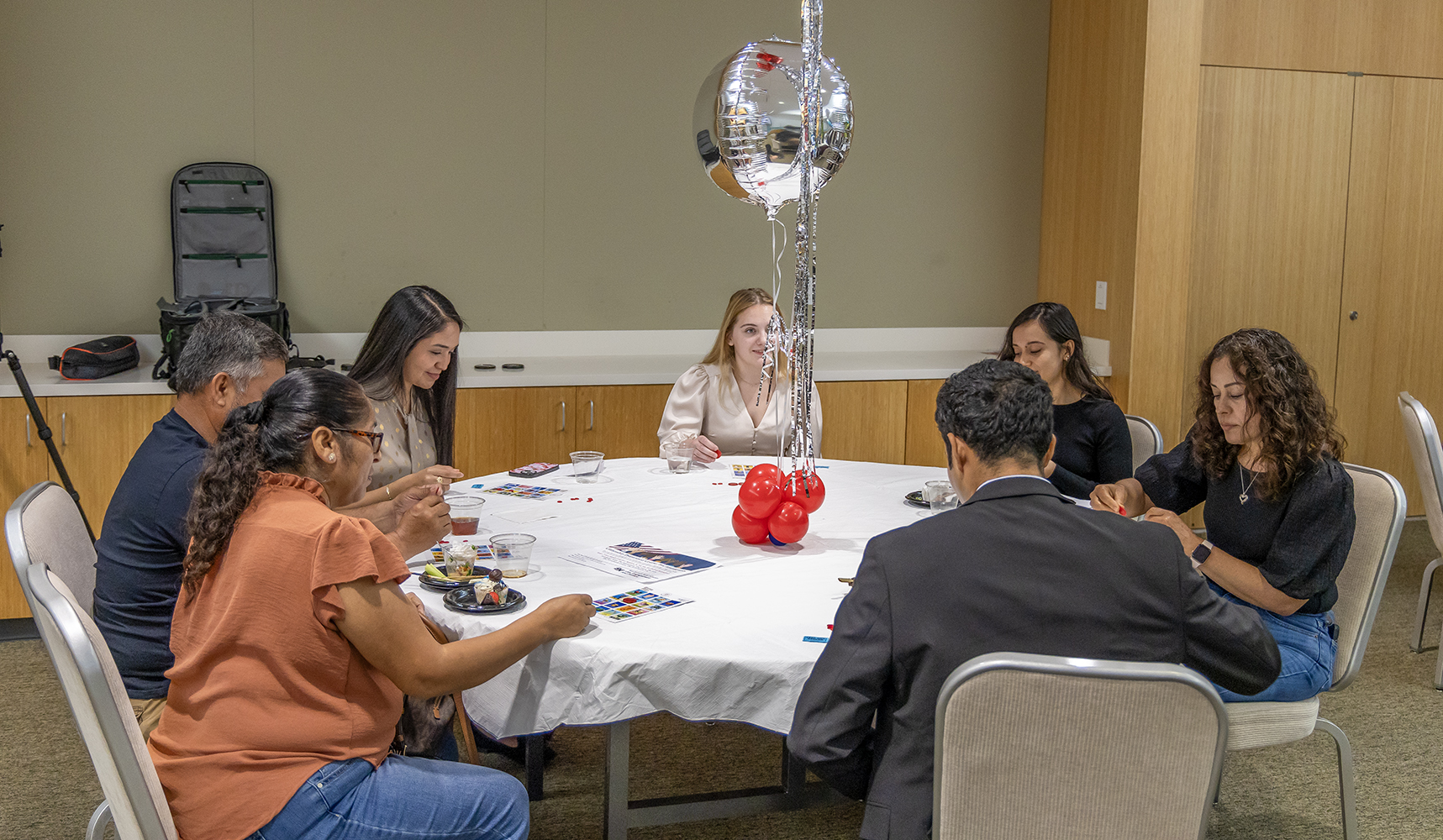
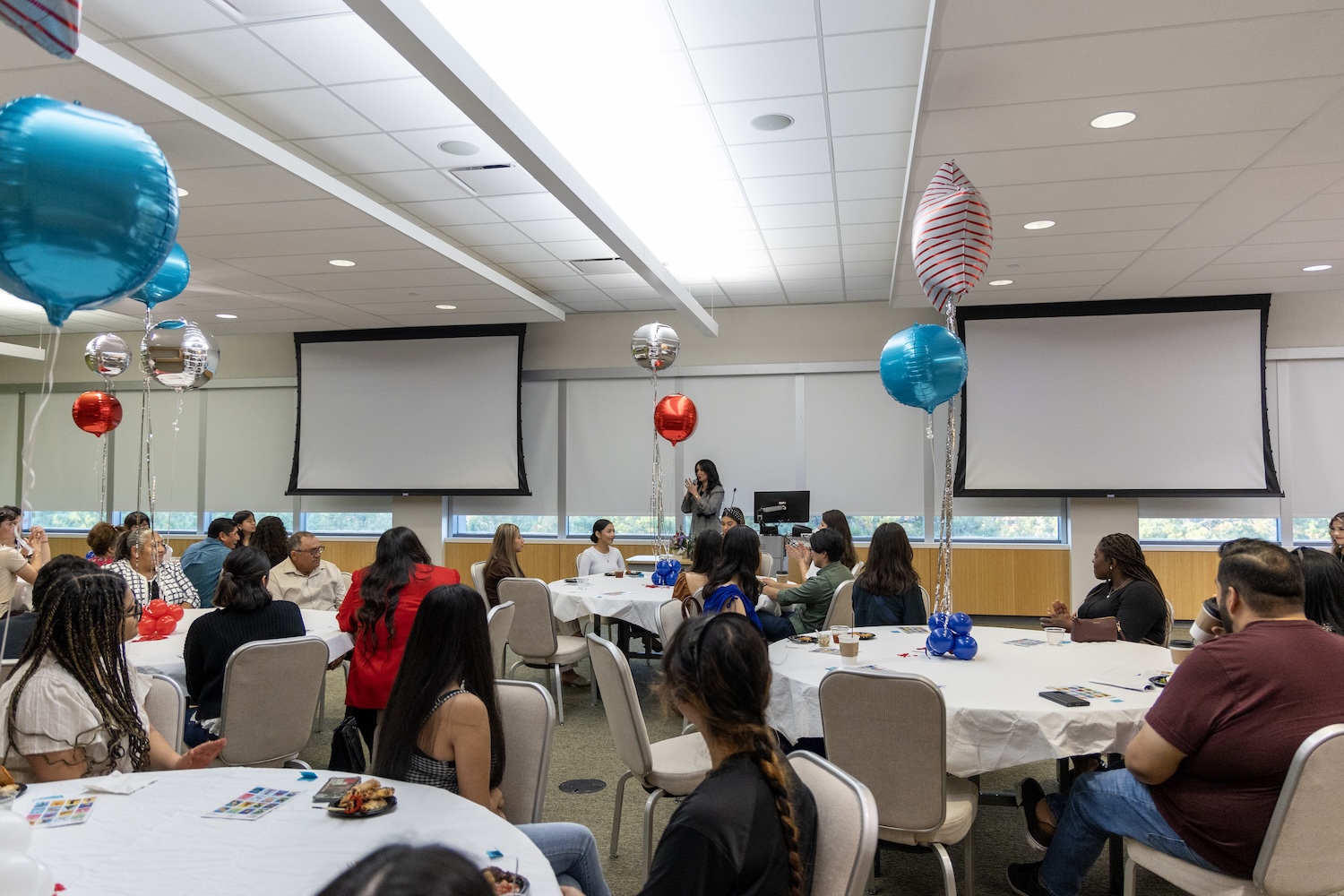
As guests arrived, they settled in with plates of delicious food–empanadas, beef satay, ceviche, and an array of other cultural dishes–setting the stage for an evening of culture and connections. The room itself was beautifully decorated with a patriotic theme symbolizing the civic pride and sense of belonging that come with citizenship.
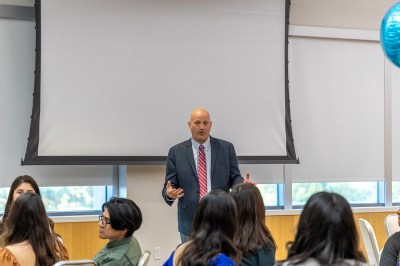
The ceremony began with Professor Yawn, who welcomed attendees and explained how LEAP’s citizenship program is expanding beyond Walker County.
The audience included familiar faces like Gregoria McGuire and Roxana Woychesin, former course participants, alongside eager newcomers ready to begin their journey.
LEAP alumni–Brian Aldaco, Bianca Saldierna, Ademide Adedokun, and Megan Chapa–also in attendance, perfectly timed to coincide with LEAP’s upcoming 20th anniversary celebration and the launch of new initiatives.
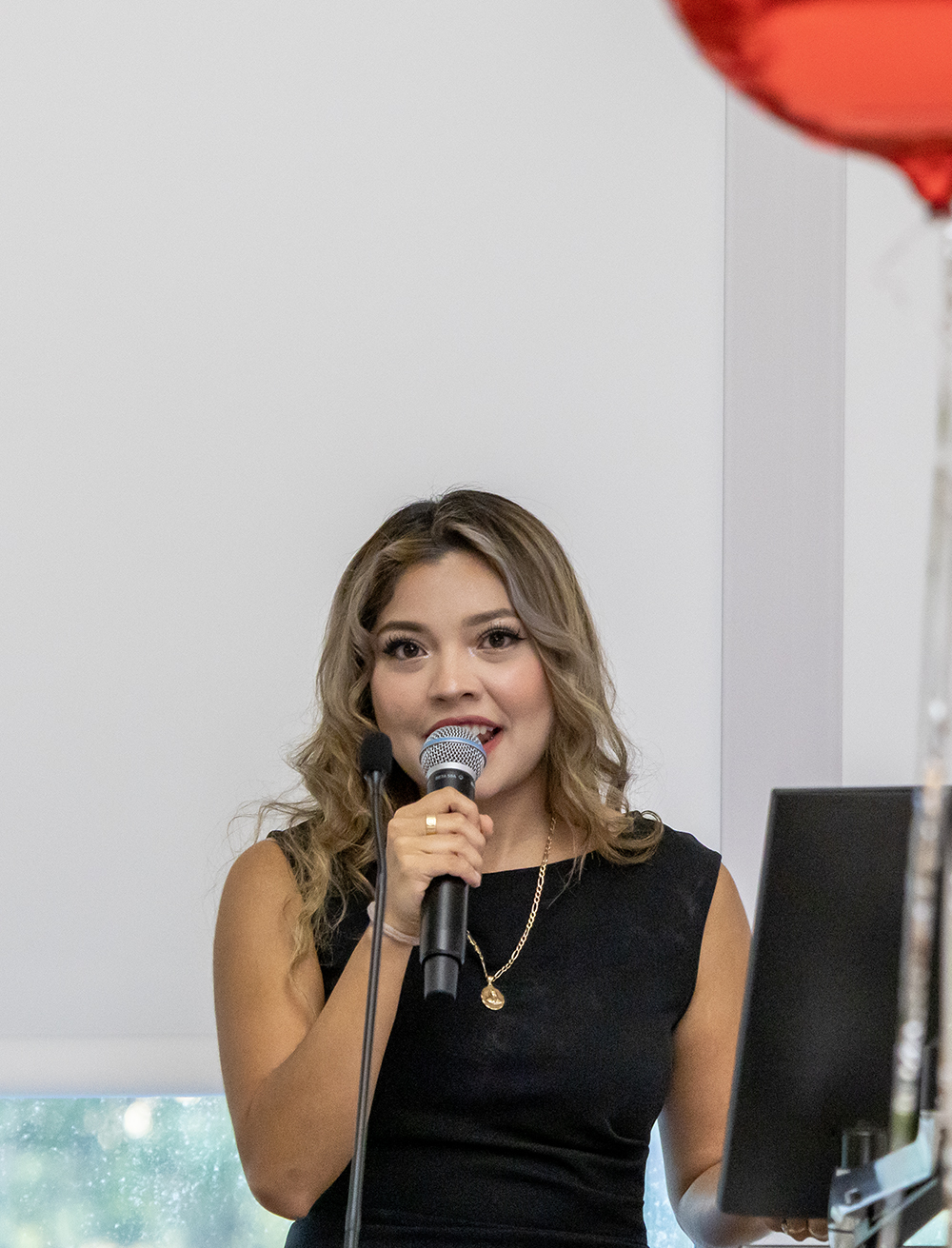
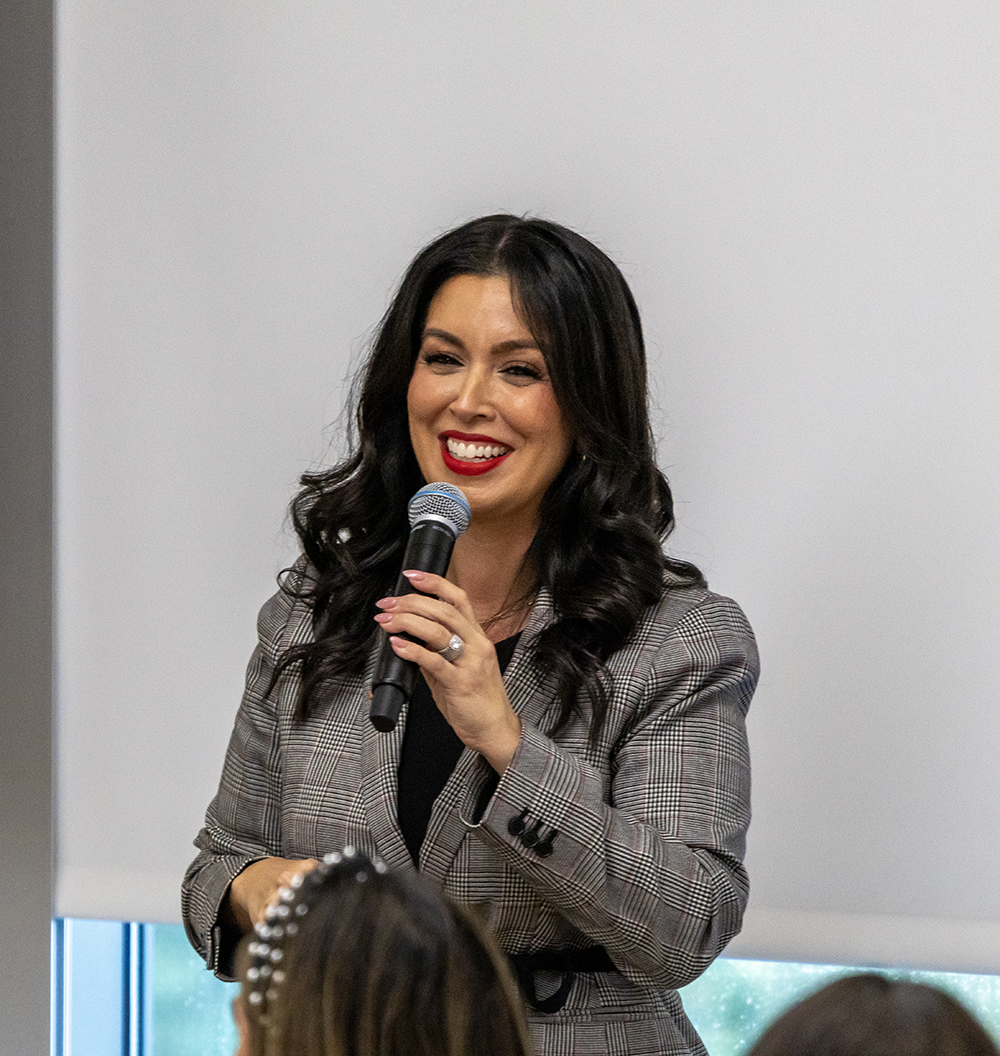
I then had the chance to offer my own words of welcome — thanking everyone for their incredible support and emphasizing that this event was truly a celebration for all: those who had been naturalized, those beginning the journey, and those supporting this civic milestone.
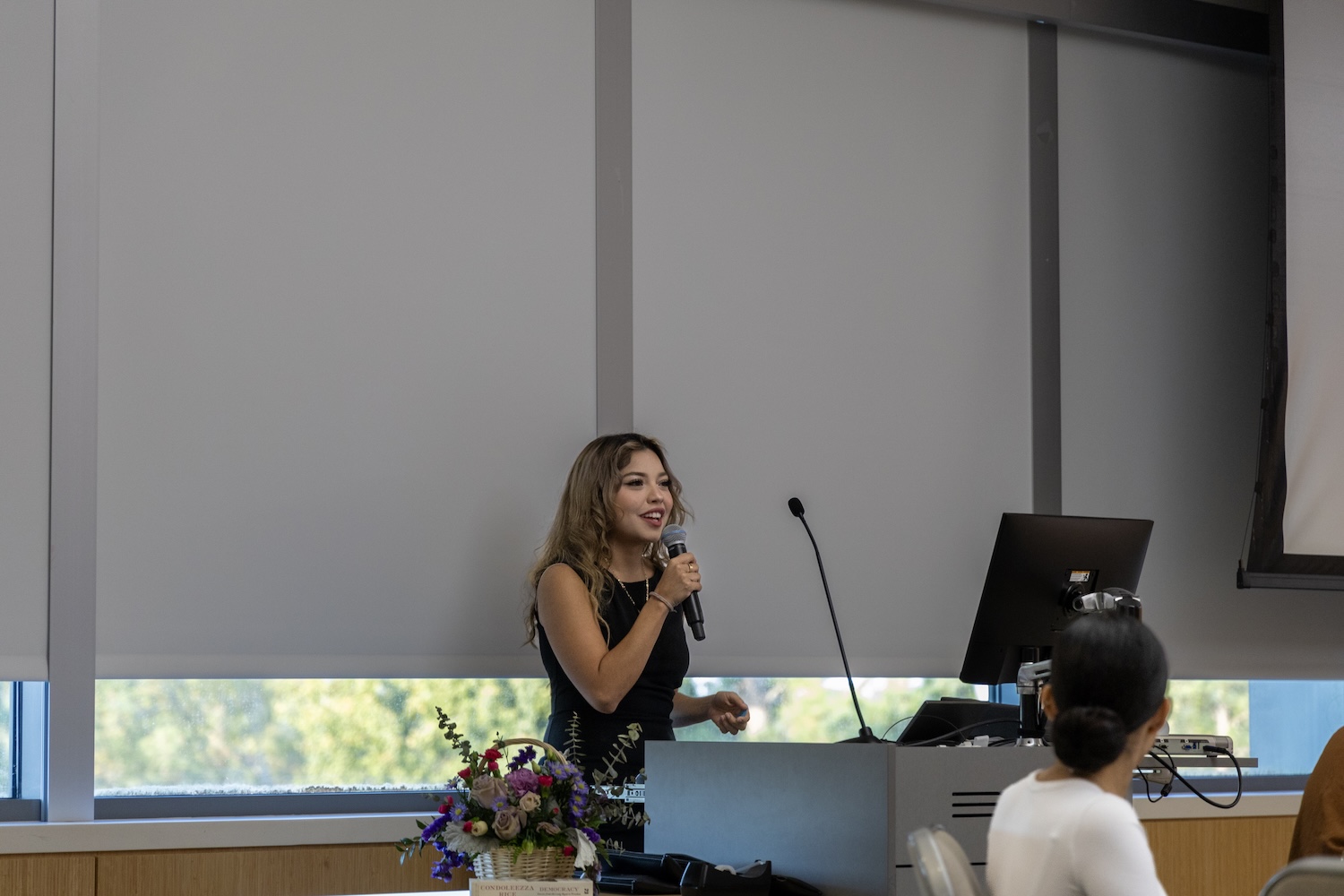
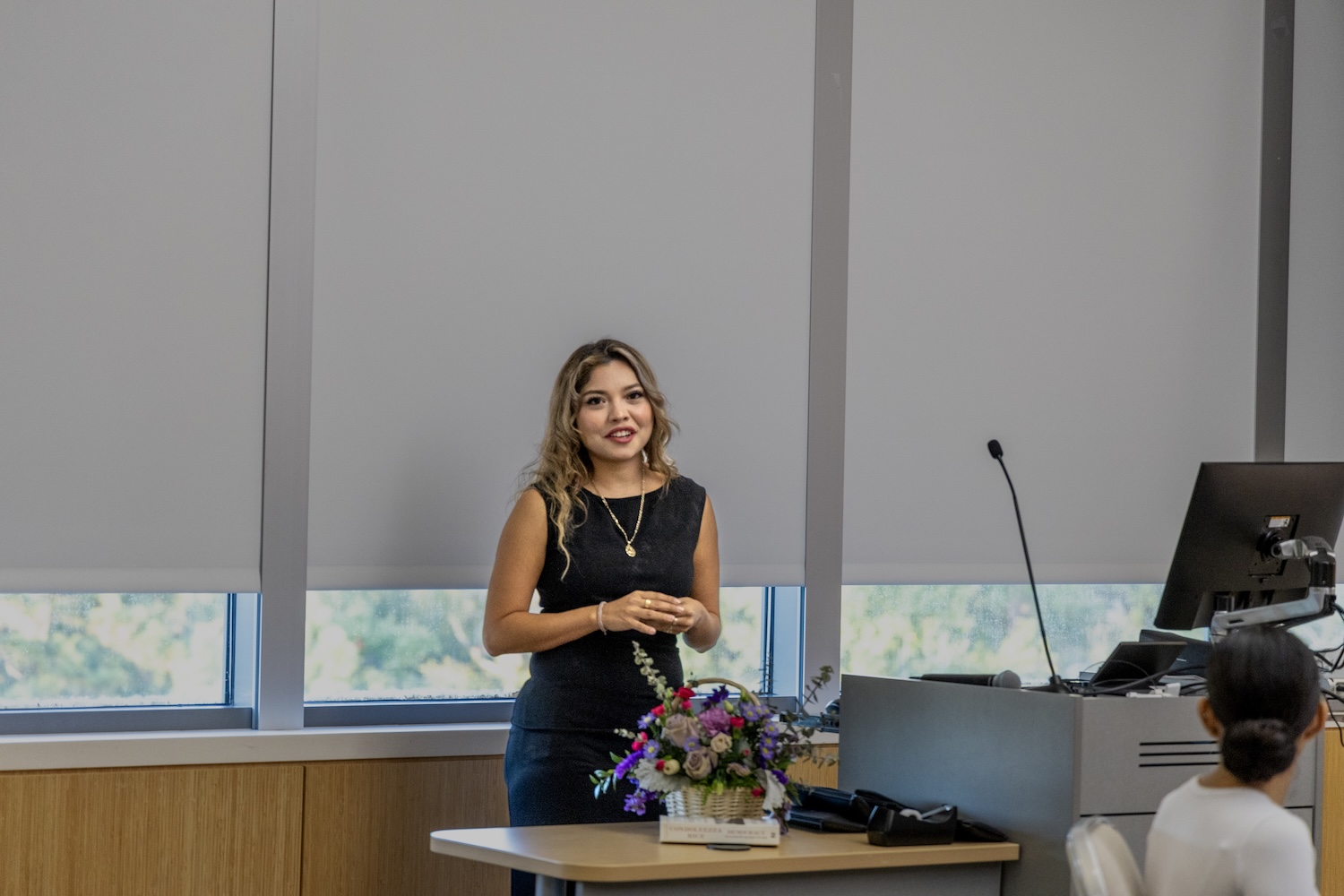
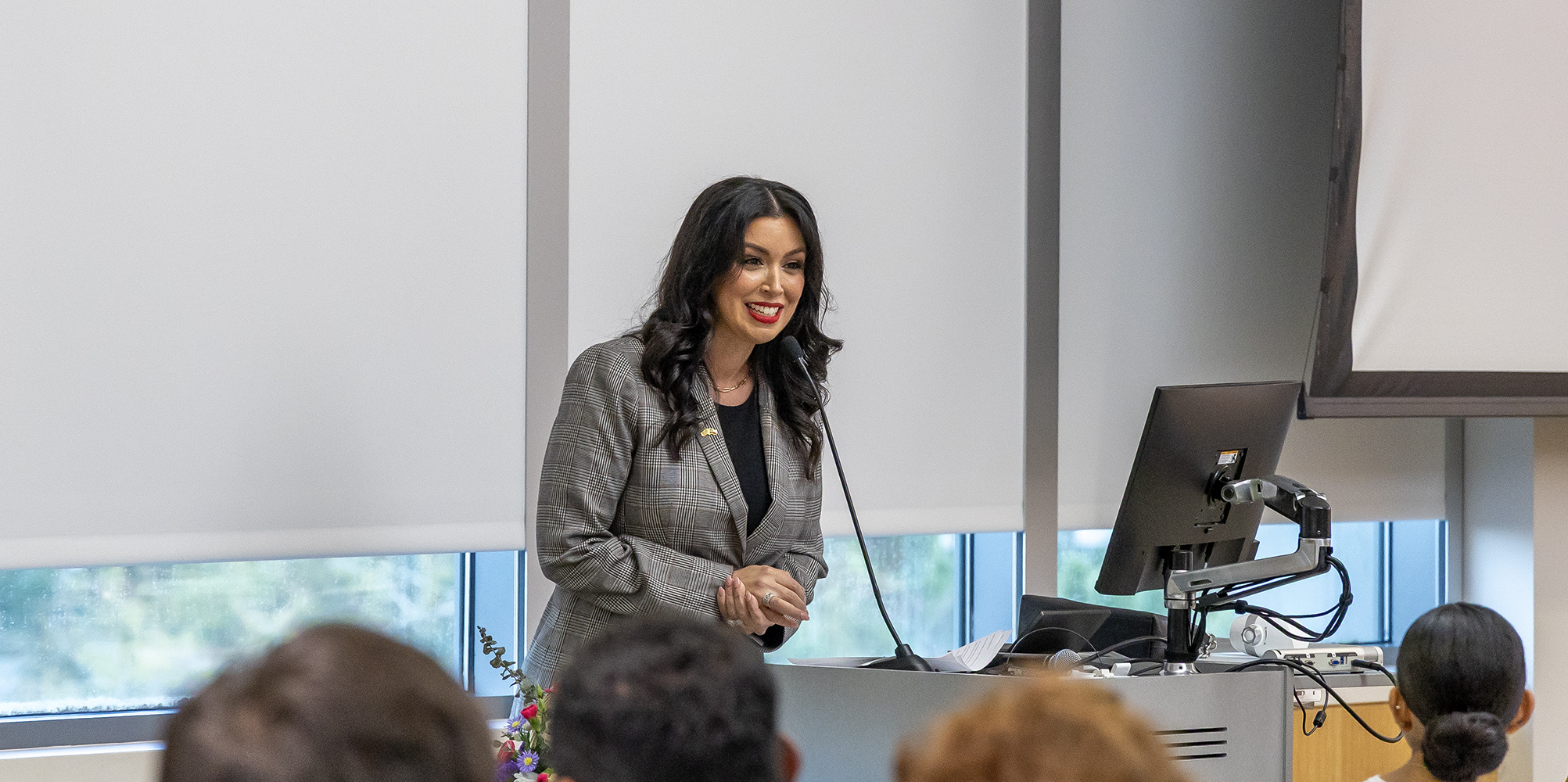
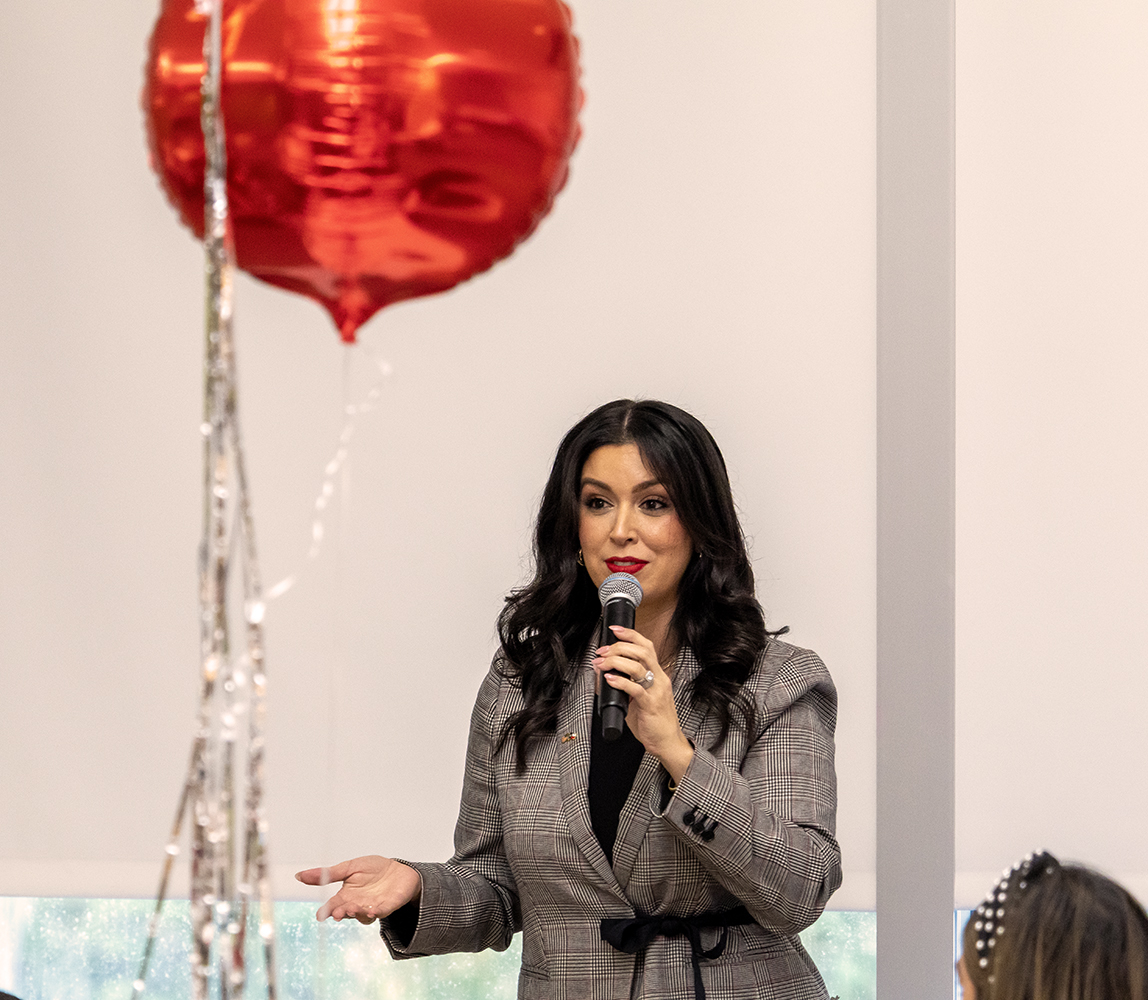
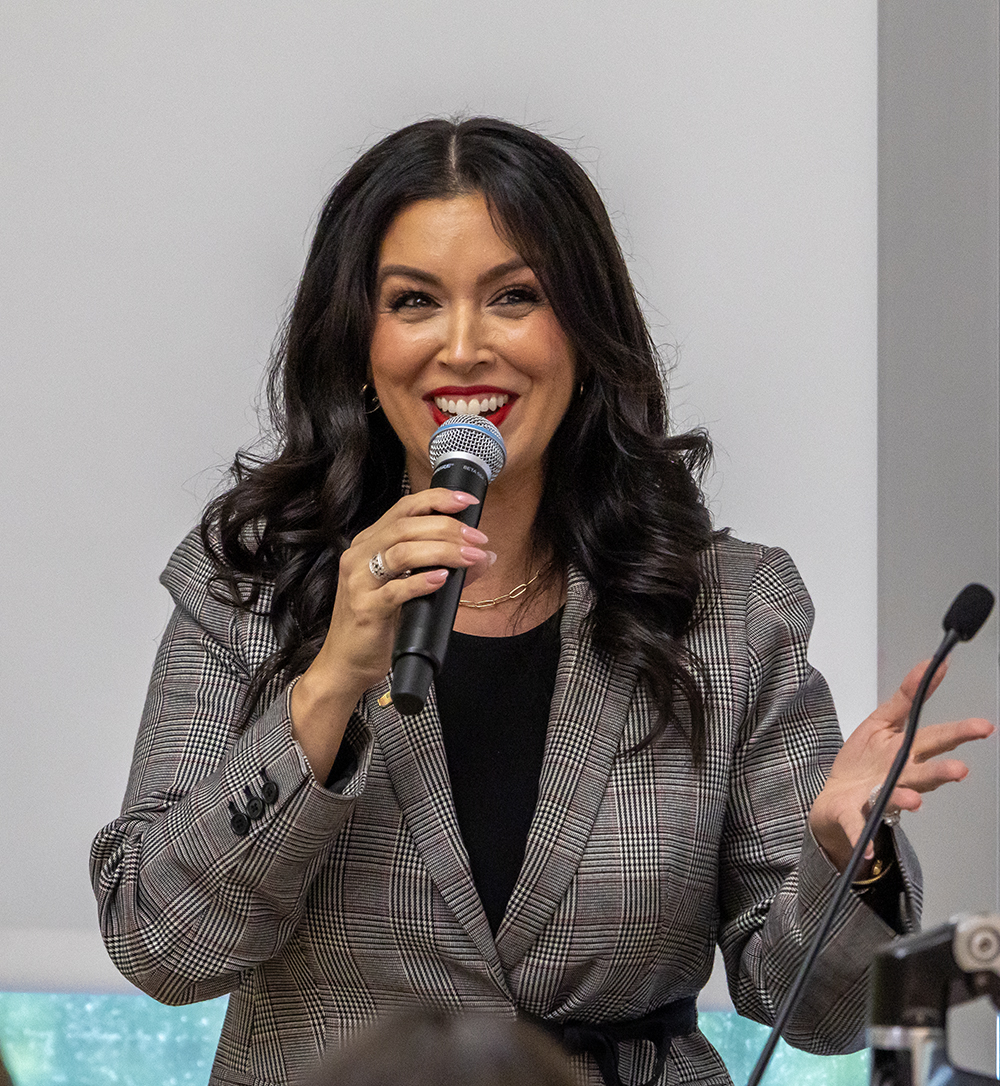
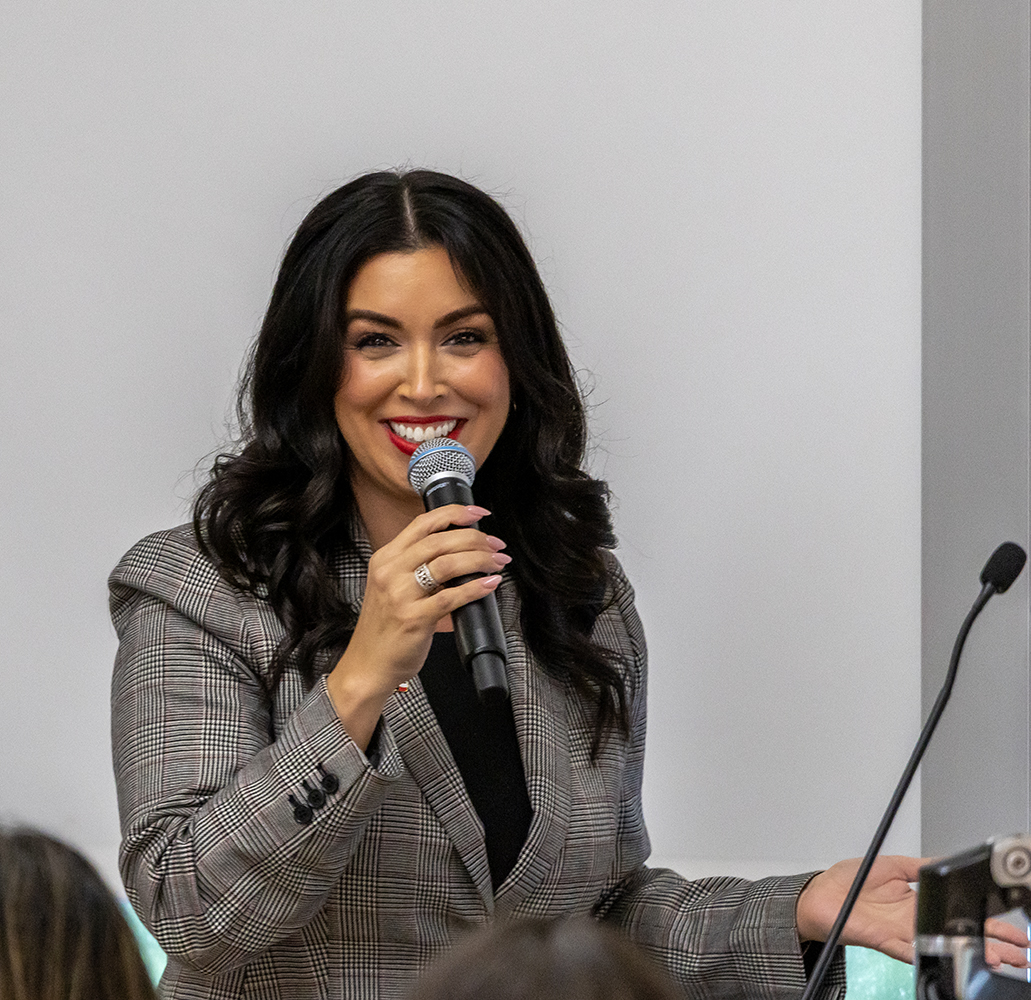
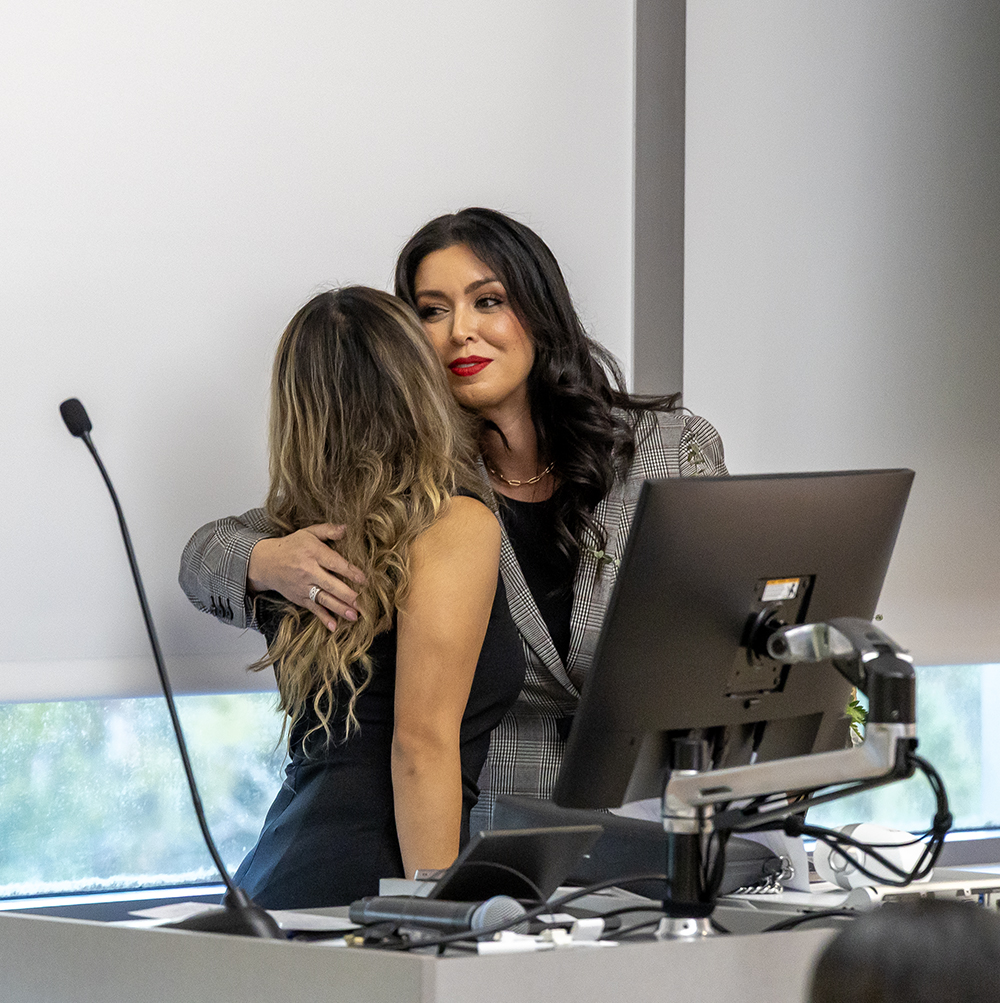
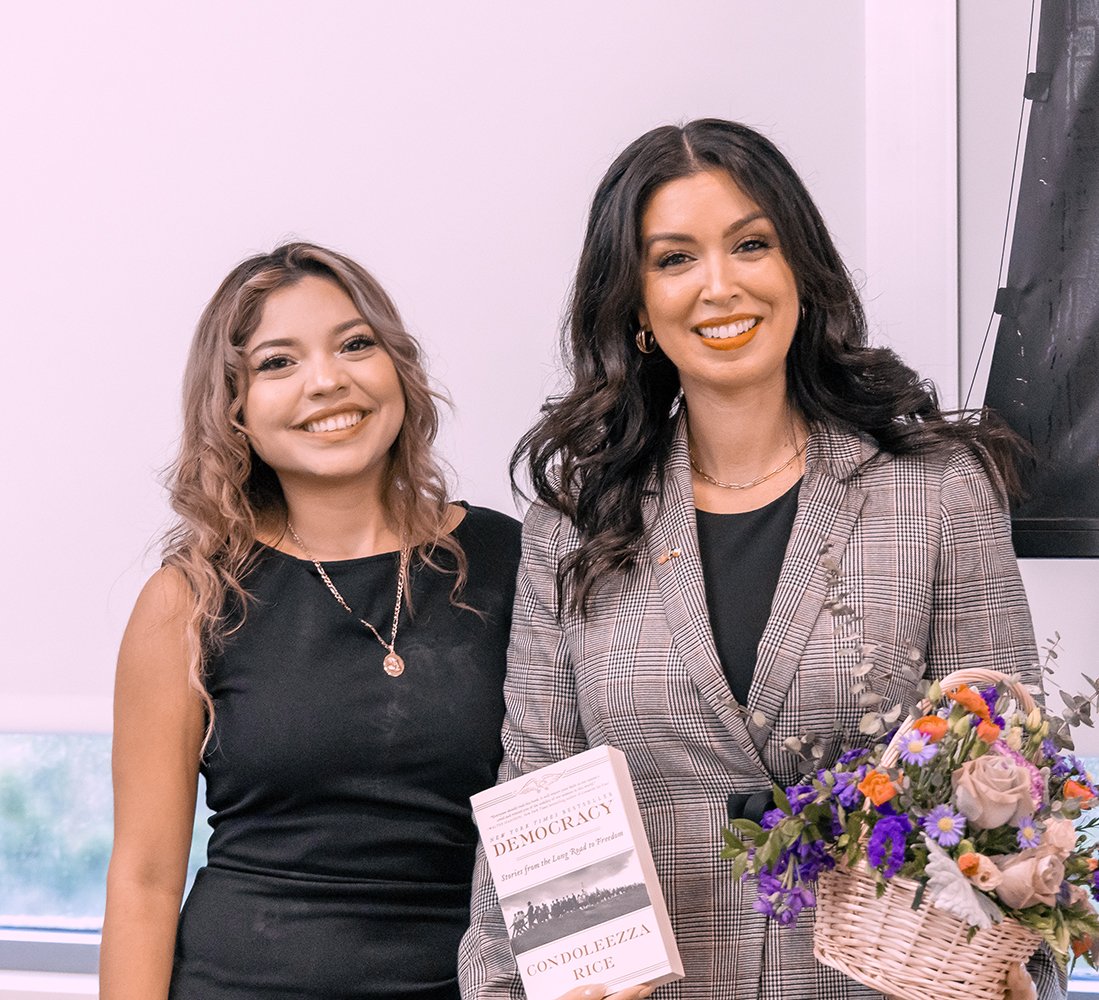
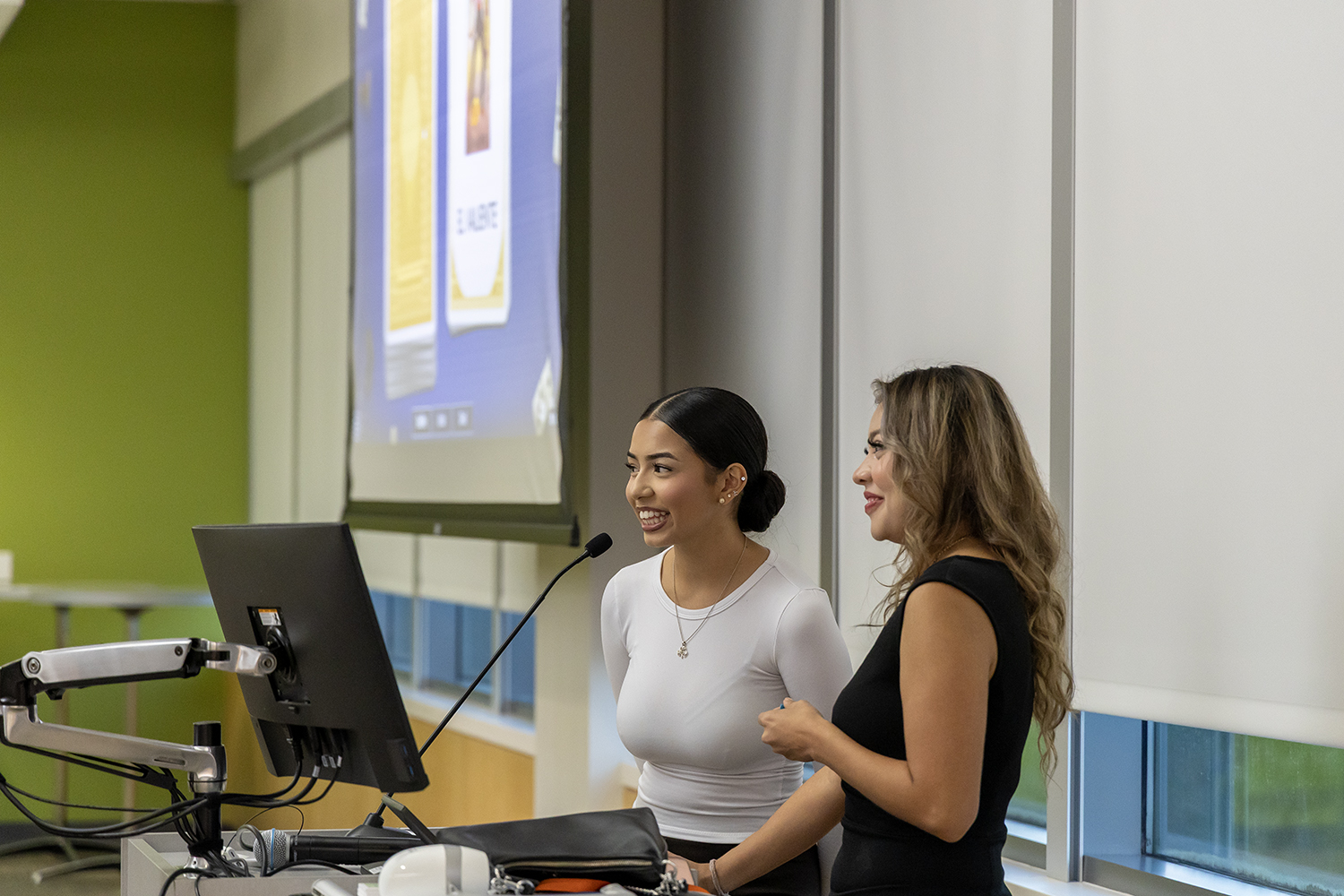
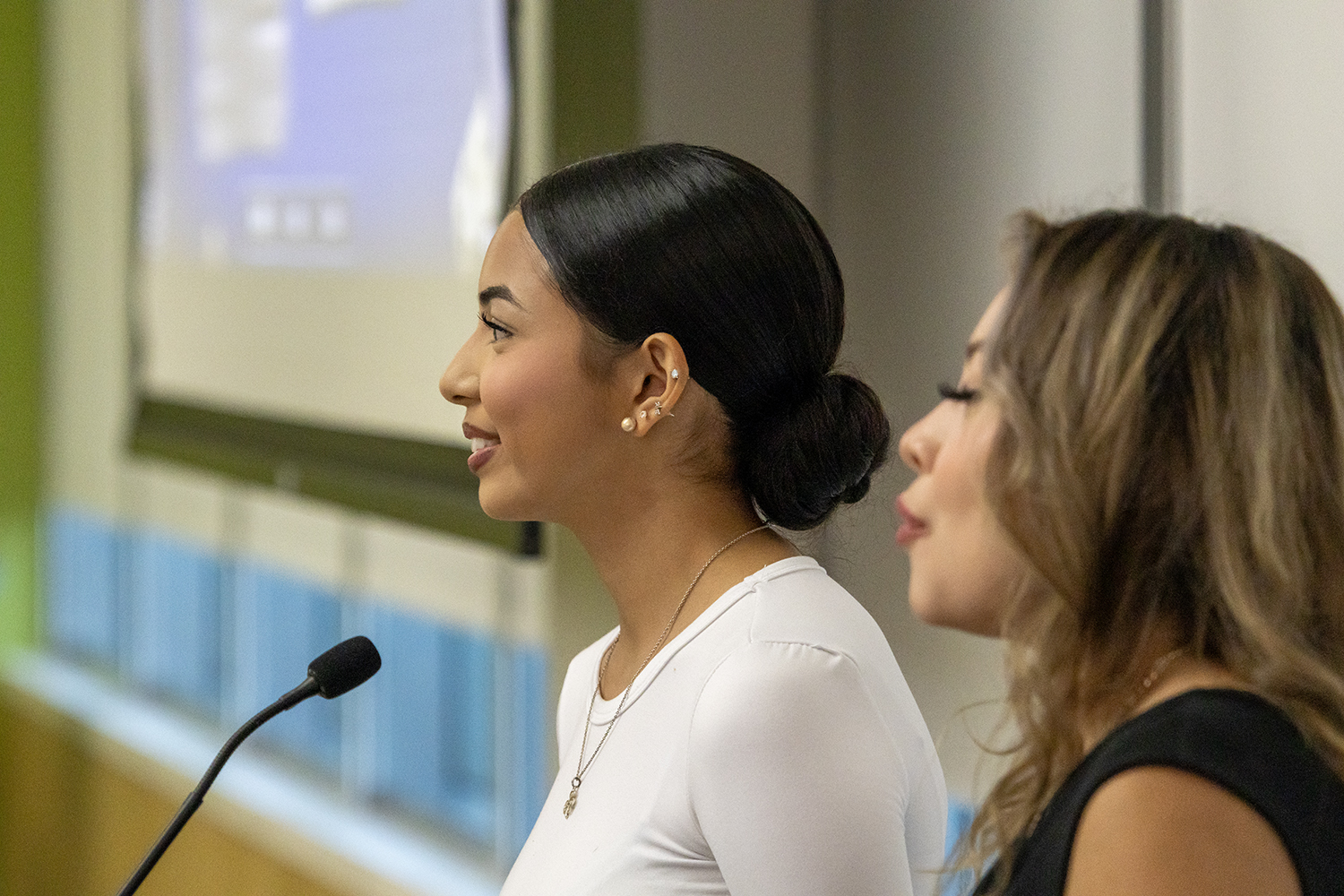
Then came the moment I’d been looking forward to — introducing Christina Sato, who so graciously agreed to share her journey and beautiful words with us. Christina Sato is an accomplished actress, singer, and University of Texas at Austin graduate who interned for former U.S. Senator Kay Bailey Hutchison and has built an impressive career bridging entertainment and public service.
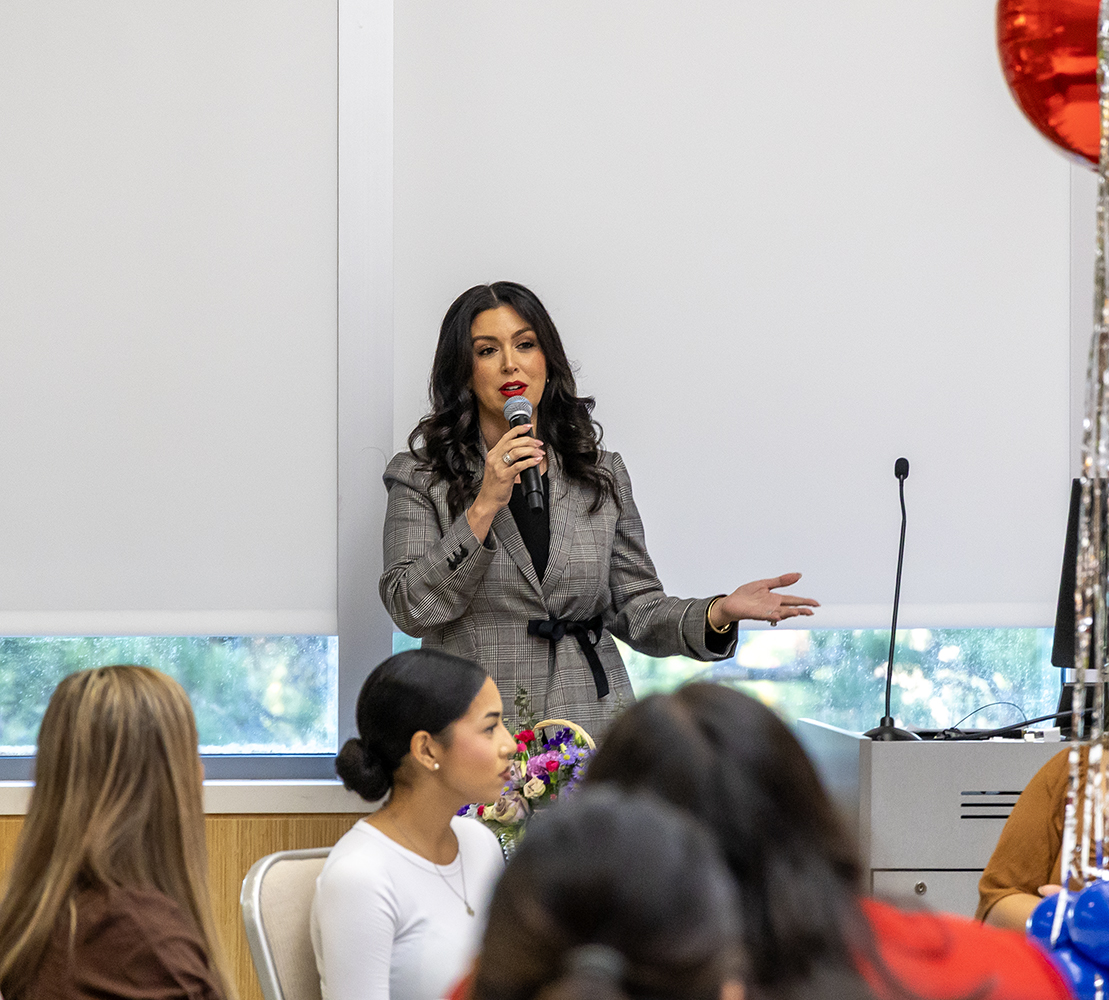
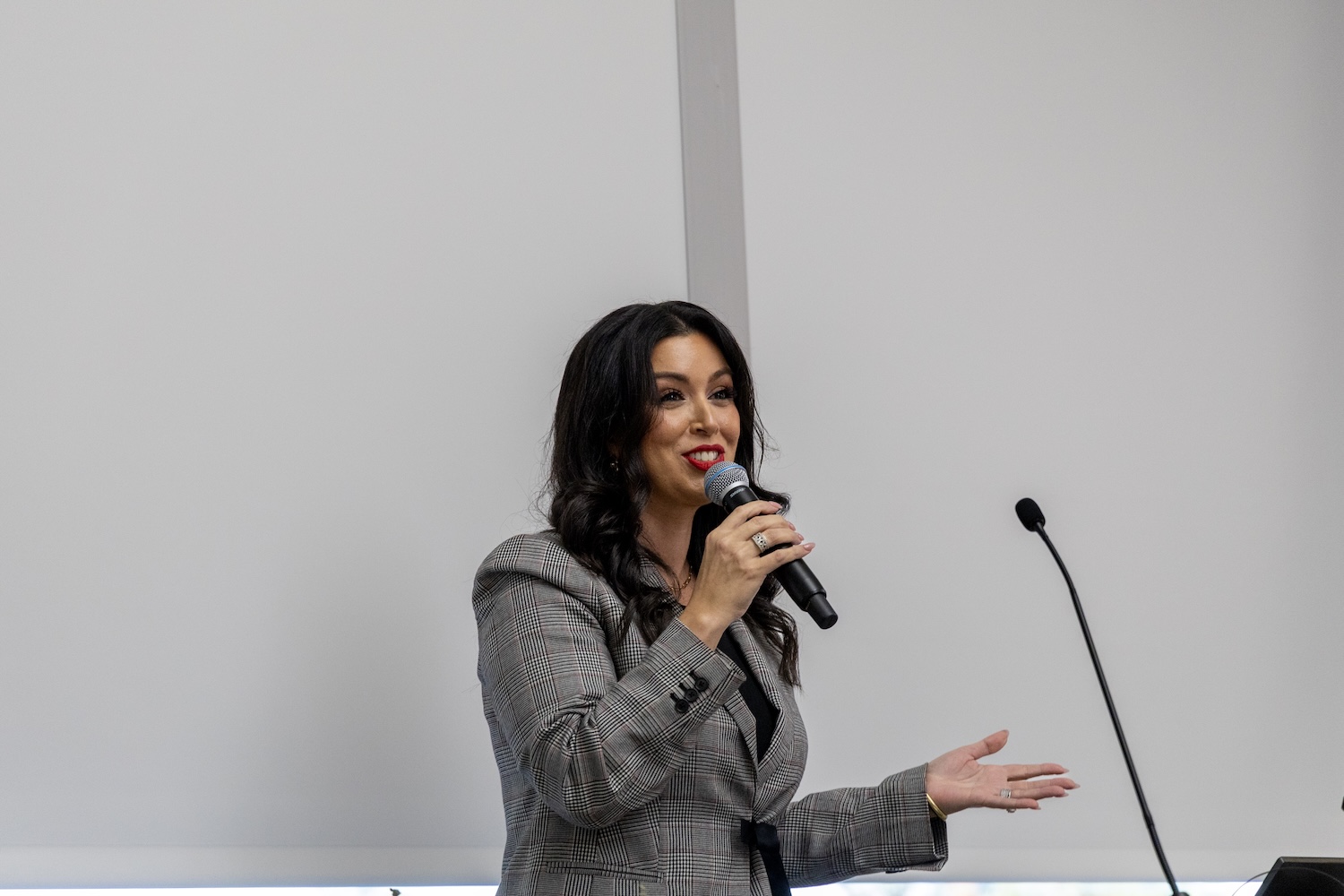
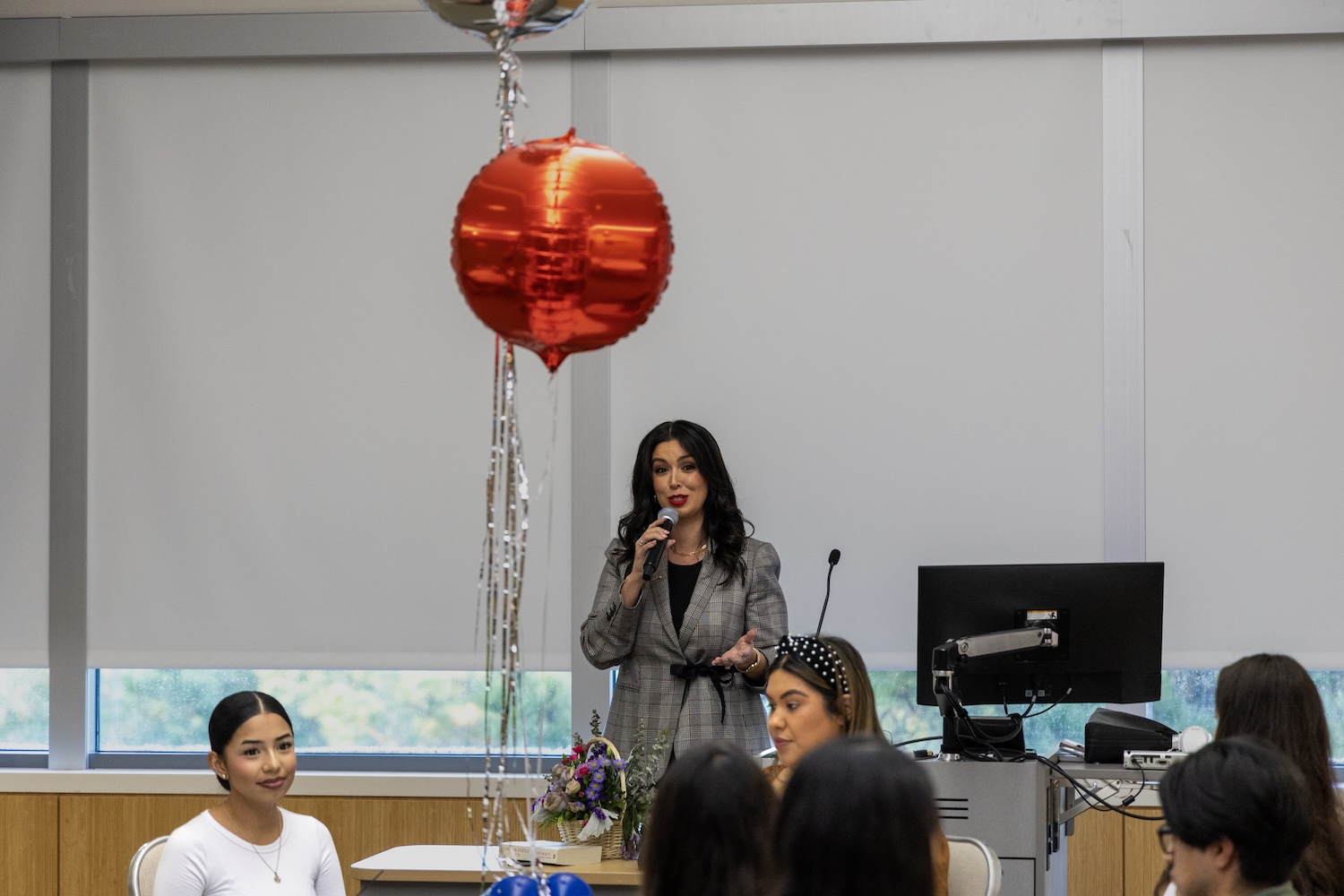
Christina spoke beautifully about three important themes, with one particularly powerful message about the importance of an invitation…
…recalling that she first met Professor Yawn in an elevator, three years ago. That chance meeting, followed by some networking, led to the invitation to speak at this event.
She tied this concept perfectly to the crowd and their purpose, making everyone feel the significance of being present and being welcomed into community.
Her story was one of unexpected turns and beautiful detours. Sato shared how she began her career with aspirations in public service, only to find life taking her down different paths-through entertainment, through various roles and opportunities that she never initially imagined. Rather than viewing these changes as setbacks, she embraced them as part of life’s natural rhythm. Her journey wasn’t linear, and she owned that truth with grace and authenticity.
For the naturalized citizens in the room– many of whom had taken long, winding roads to reach that point–her story struck a personal note. For those still on their journey toward citizenship, her message offered hope, encouragement, and a reminder that every experience brings us closer to where we’re meant to be.
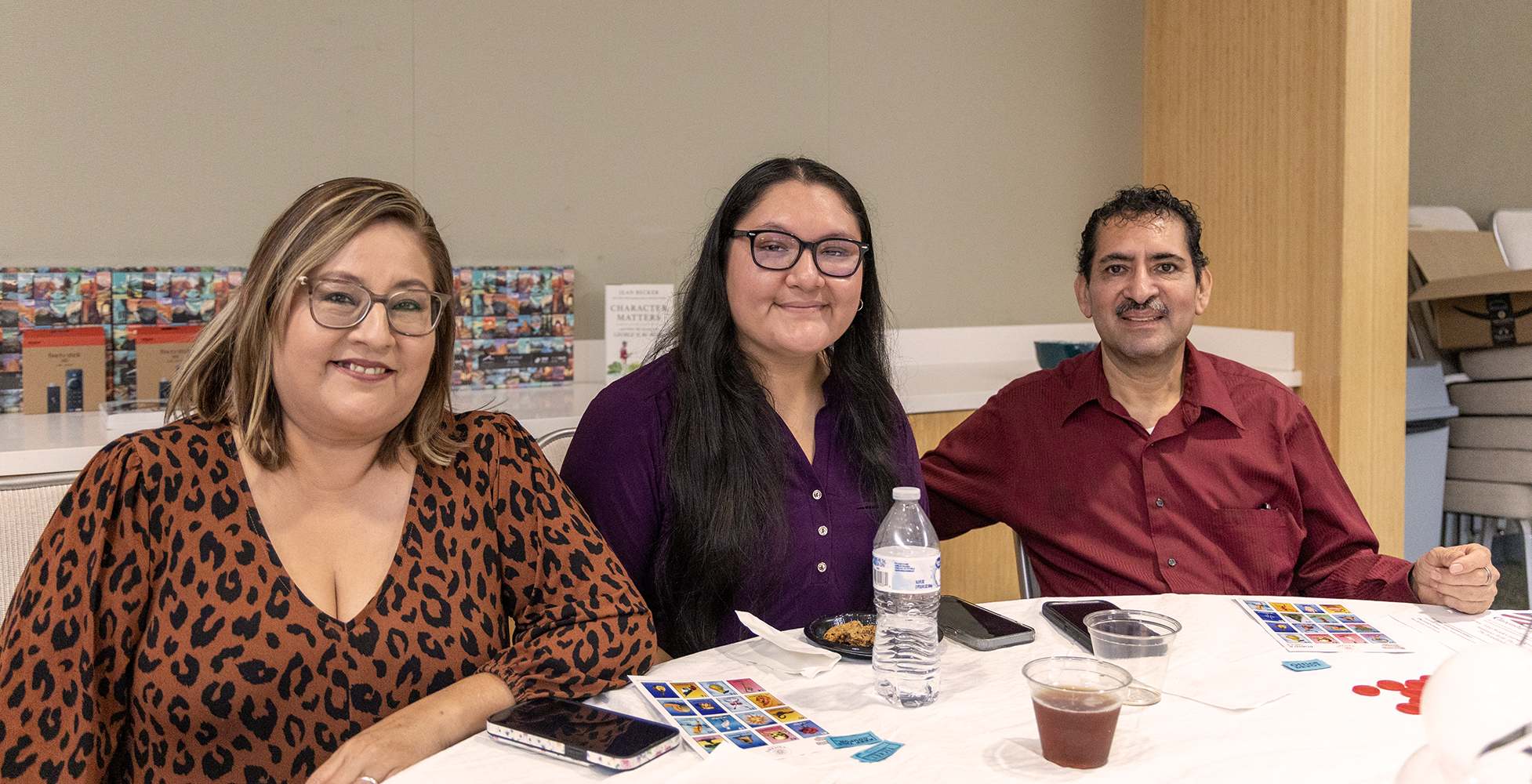
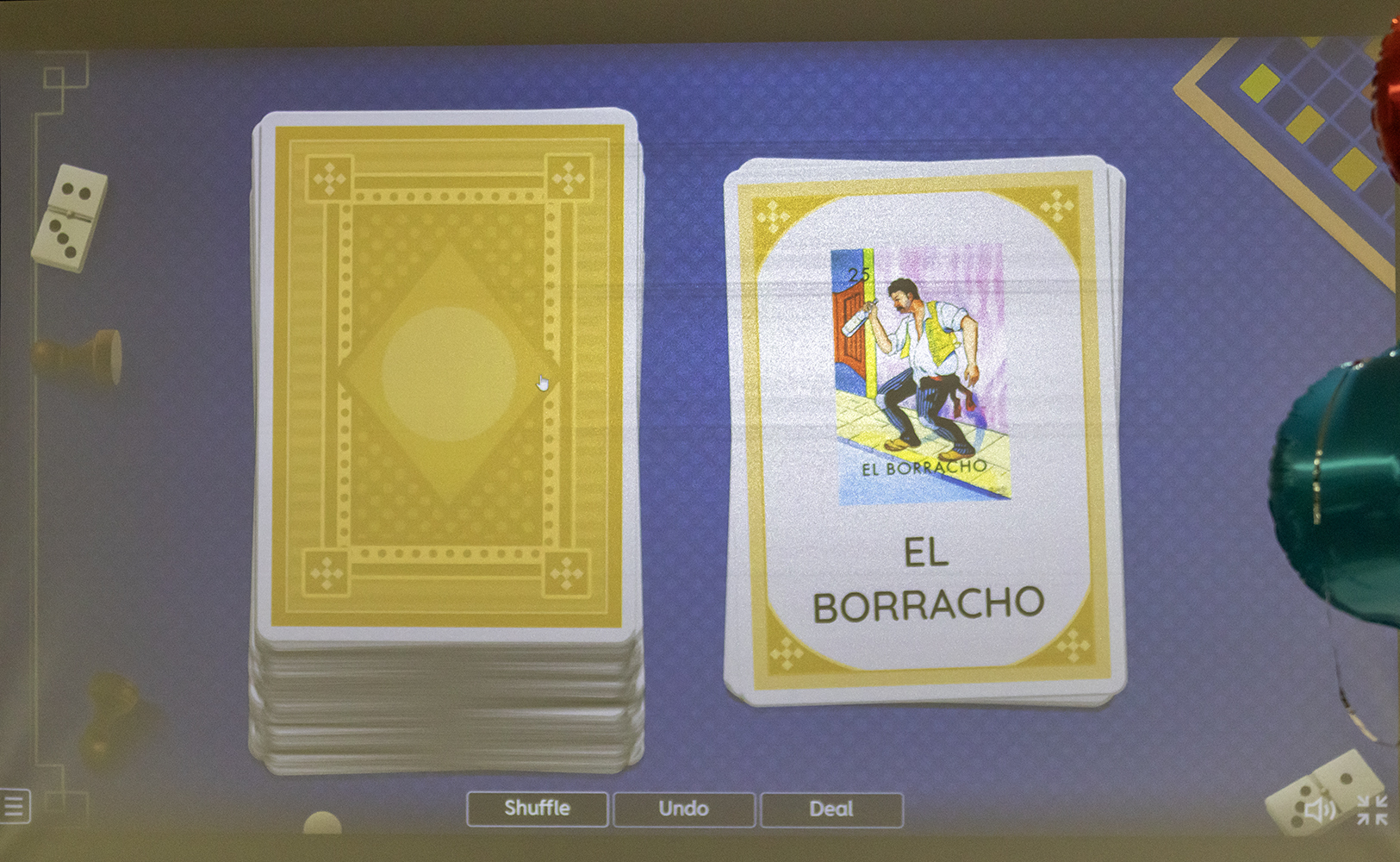
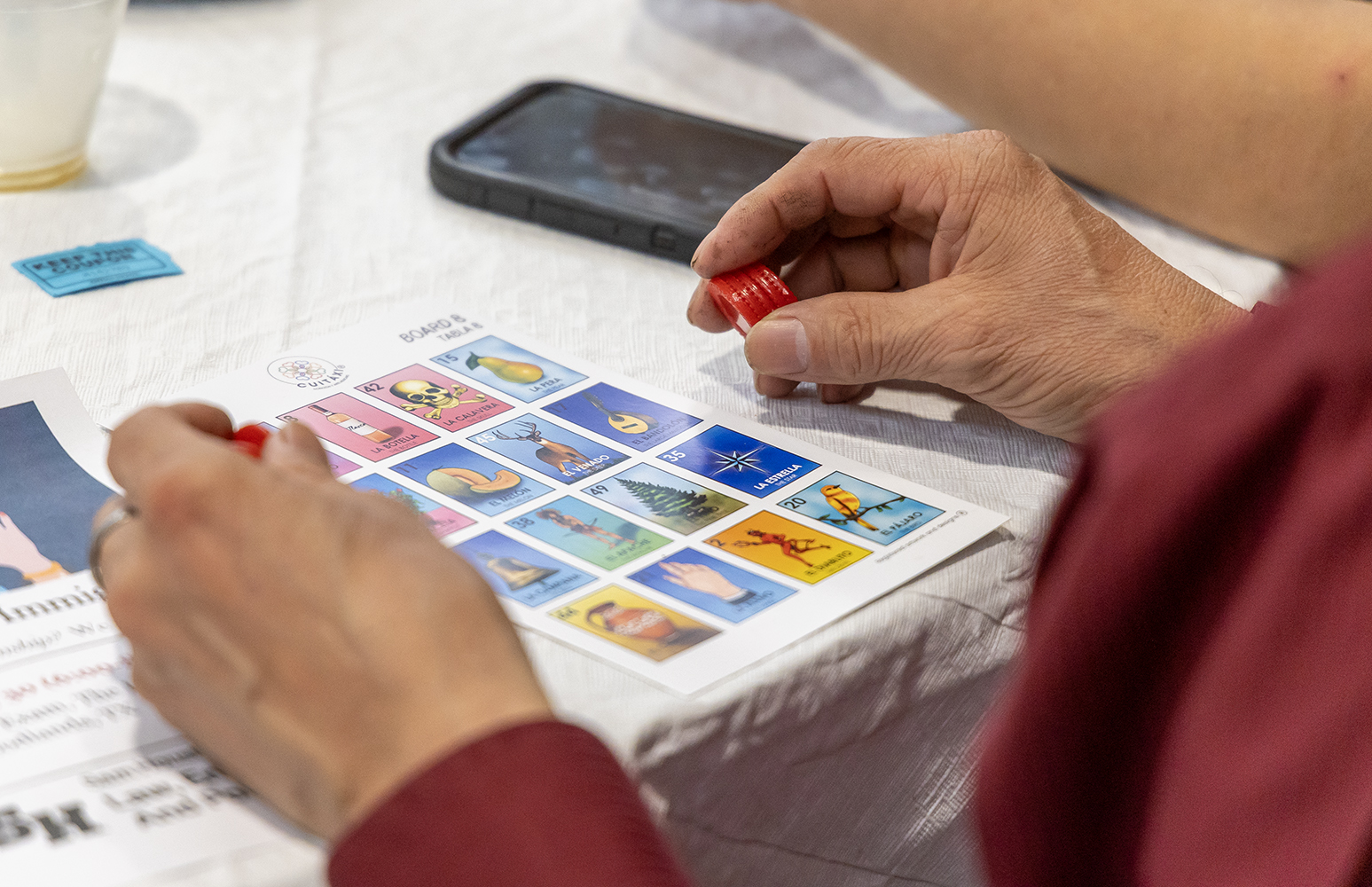
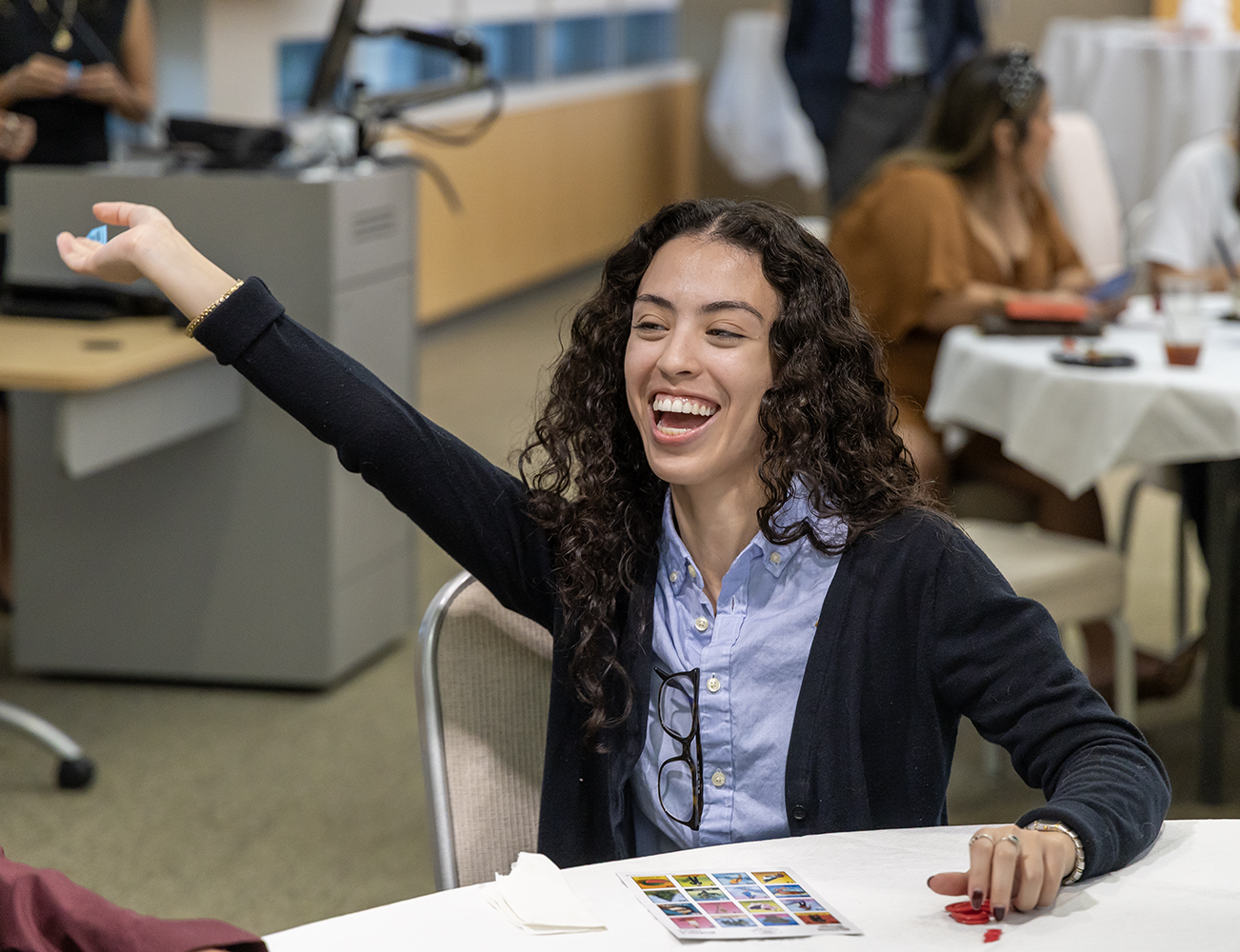
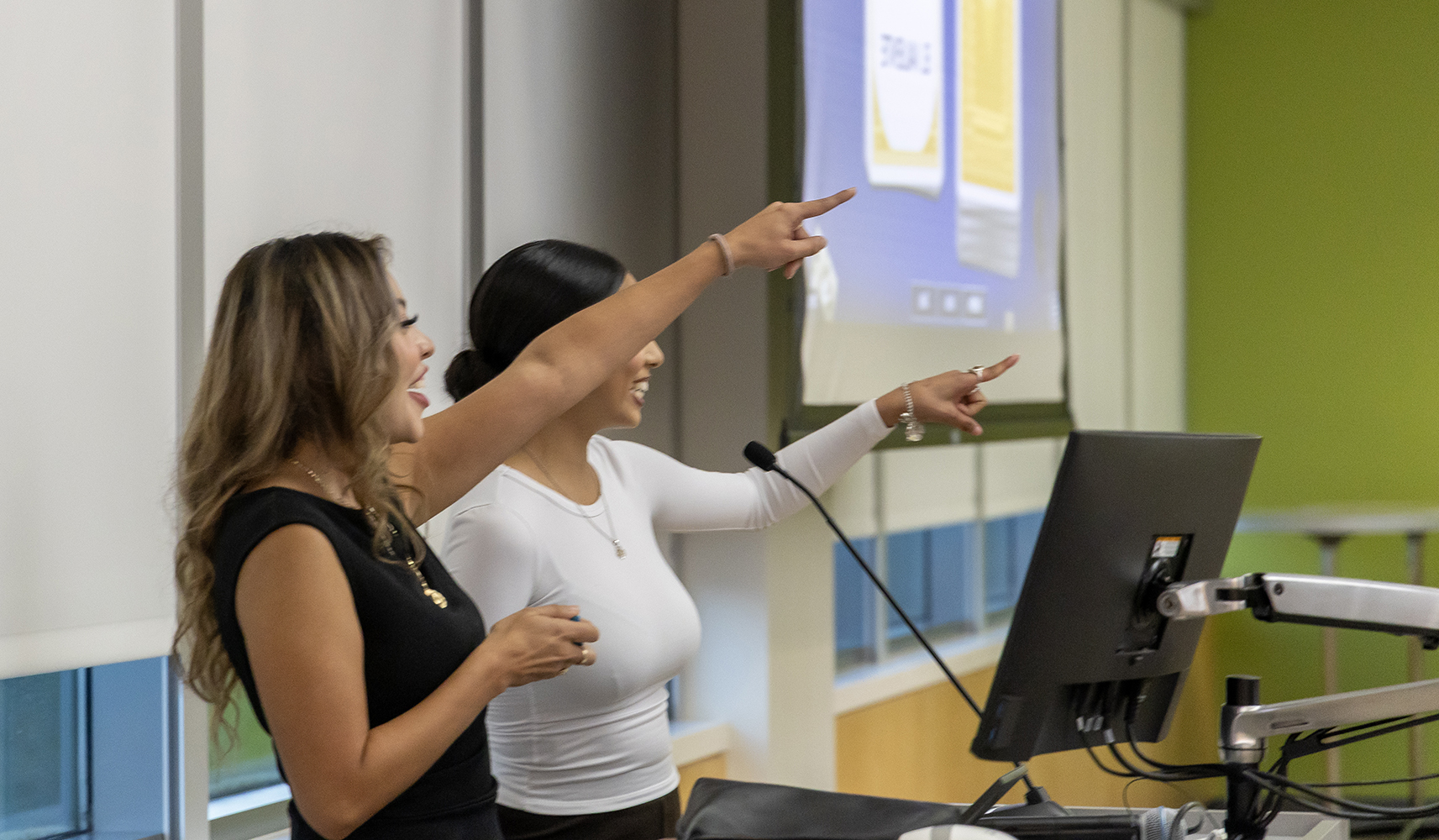
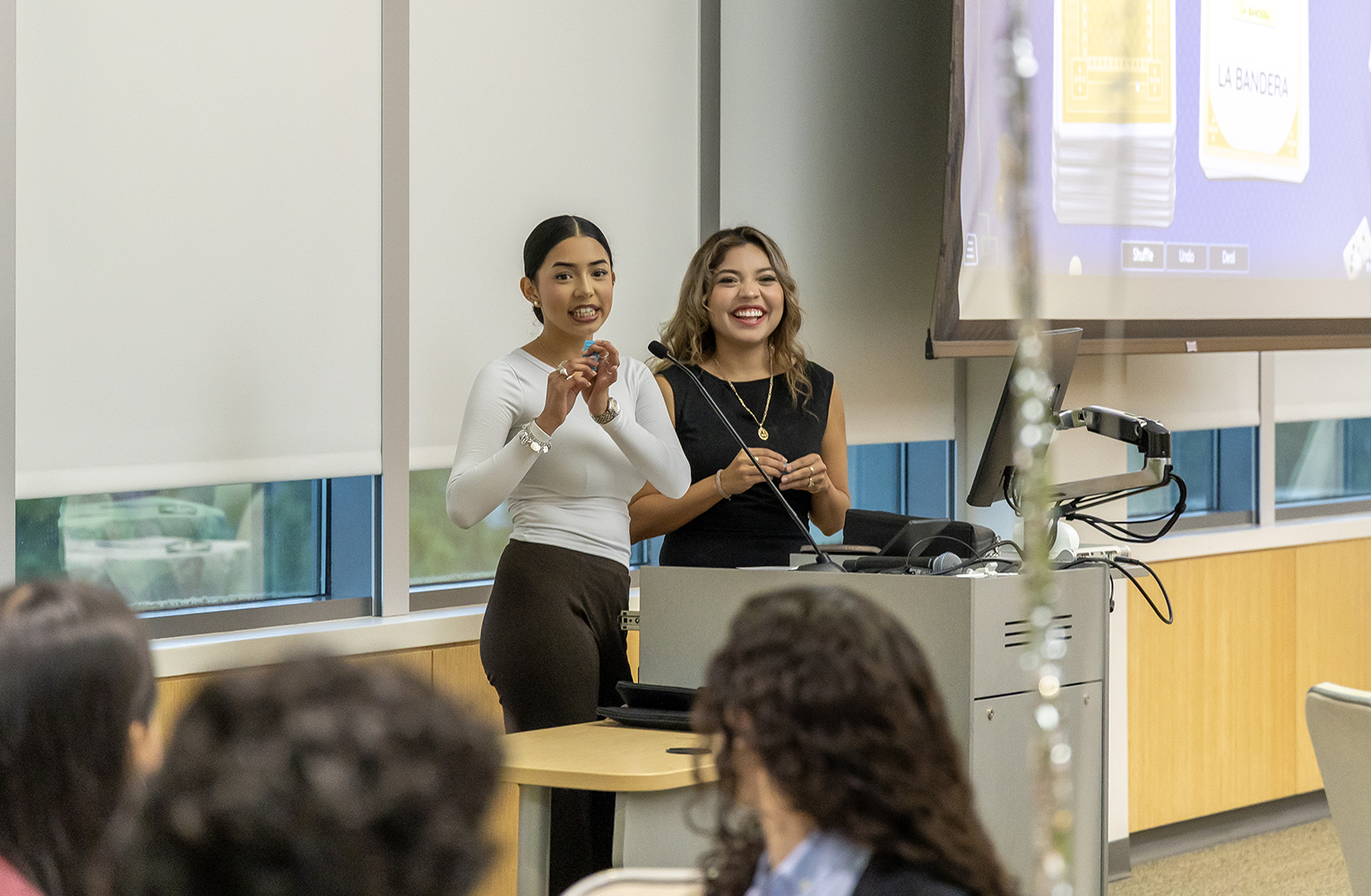
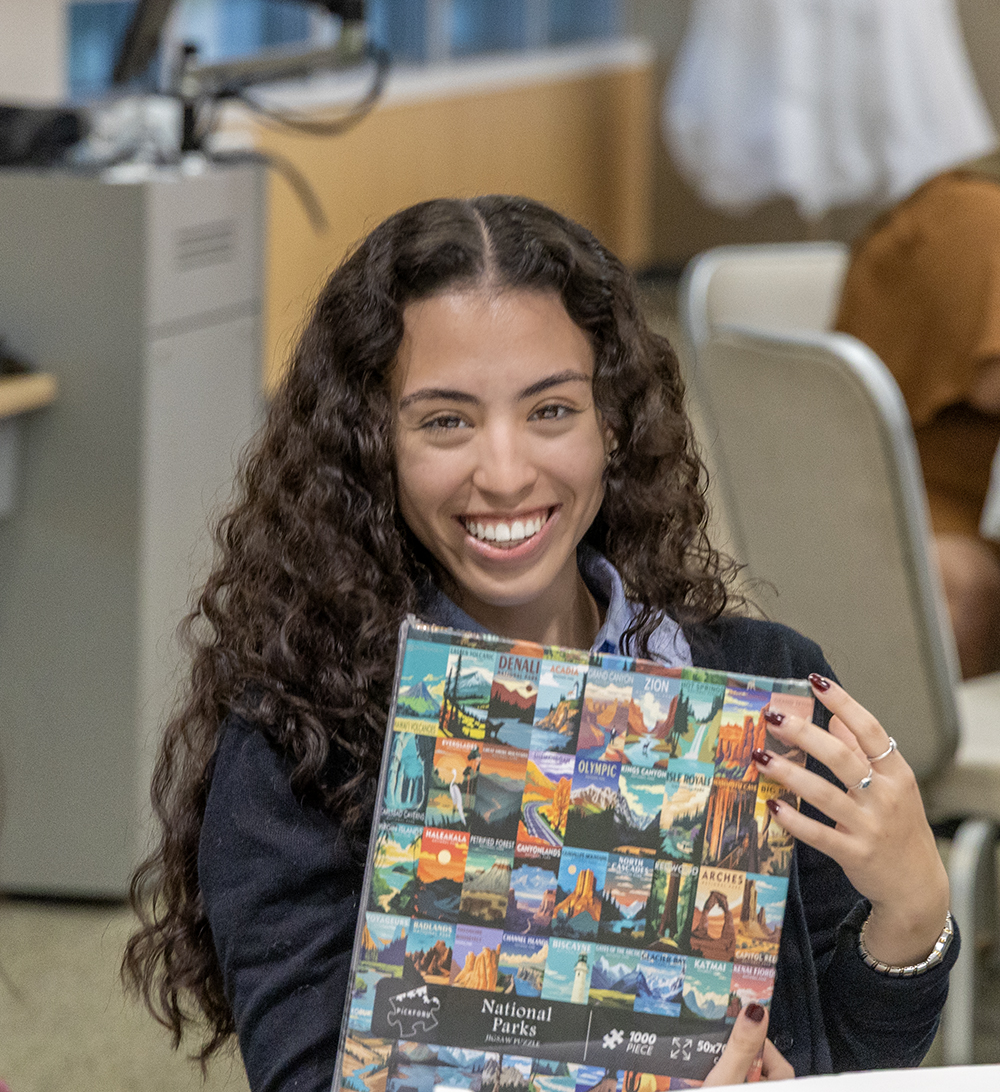
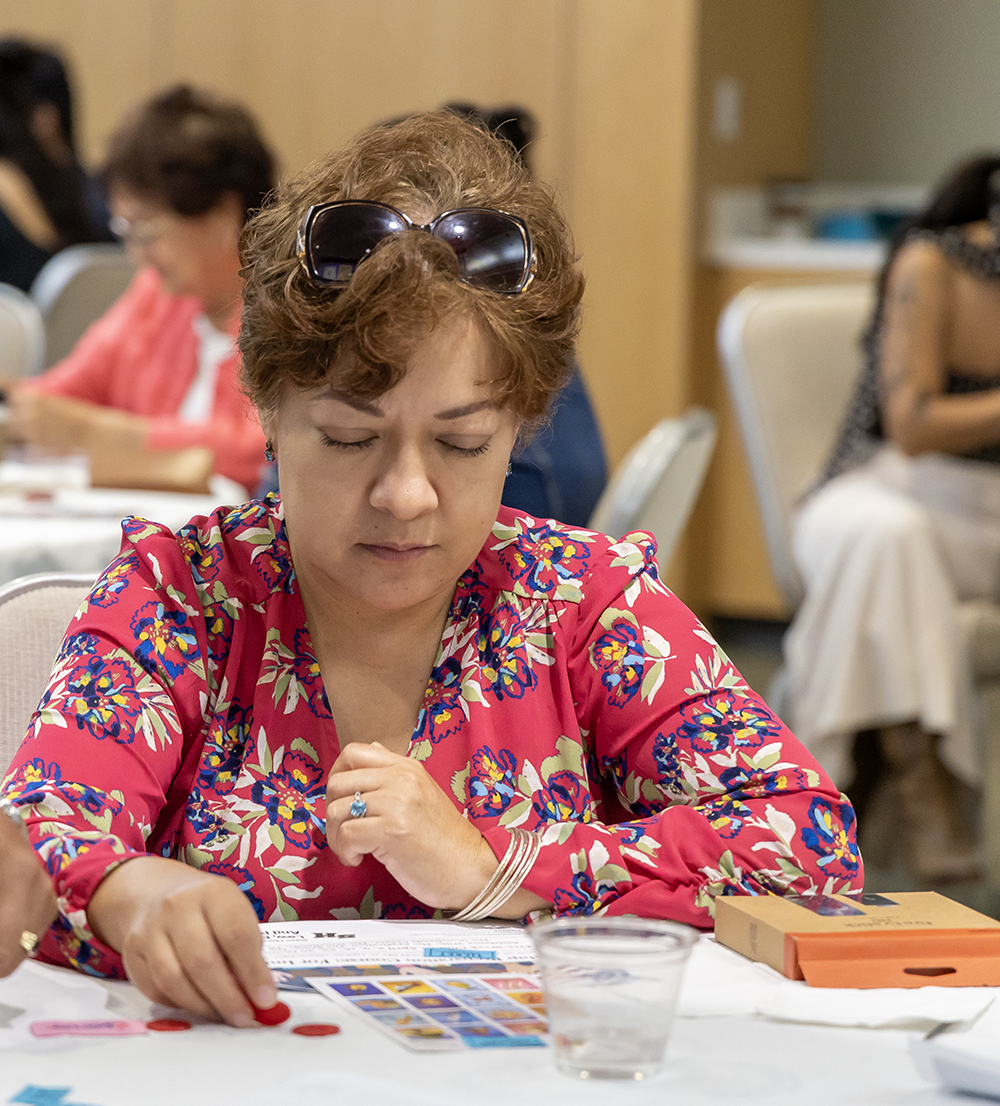
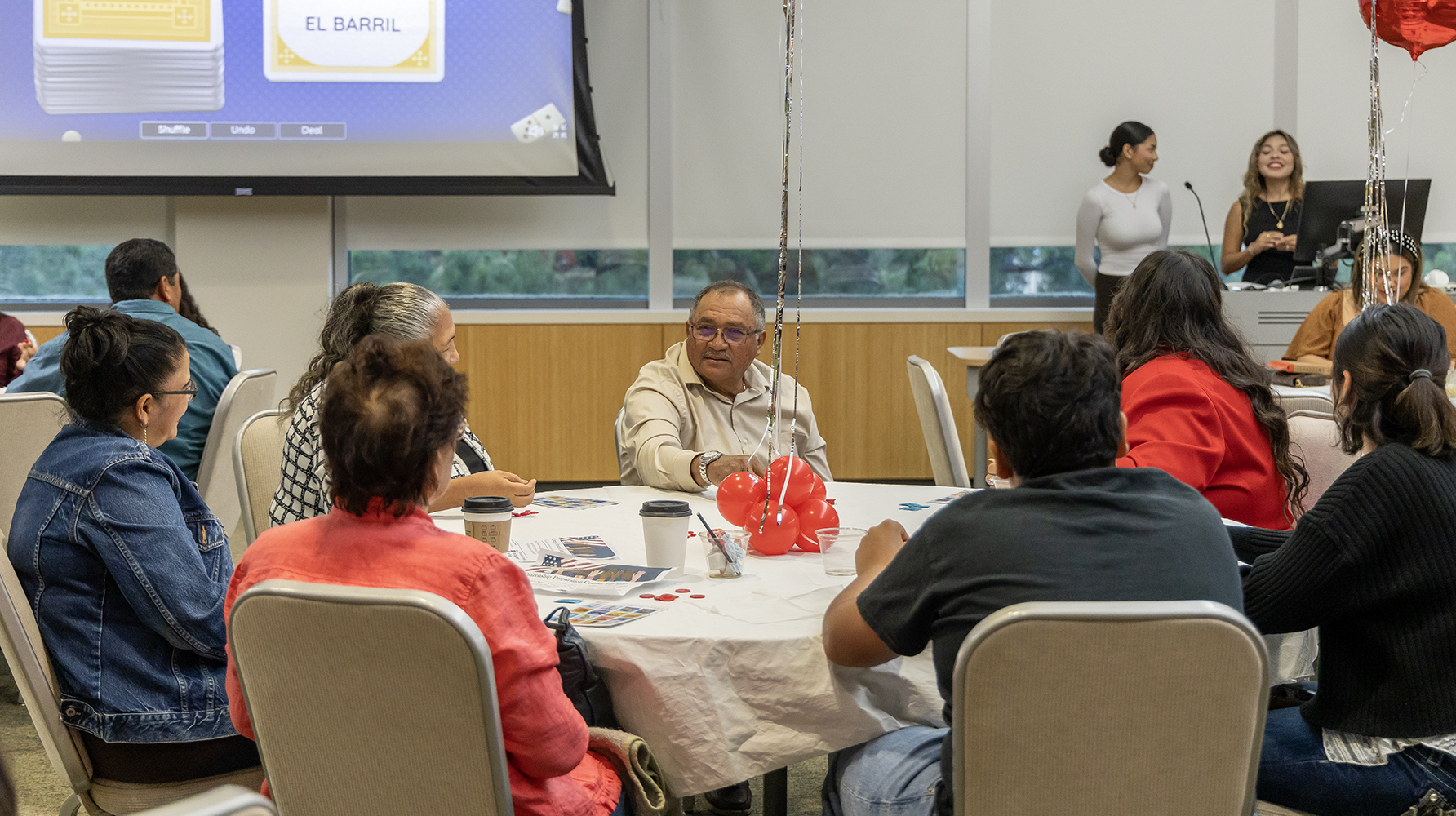
The evening then shifted to something wonderfully fun–Lotería! For those unfamiliar with this traditional game, it’s similar to bingo but with a uniquely cultural twist.
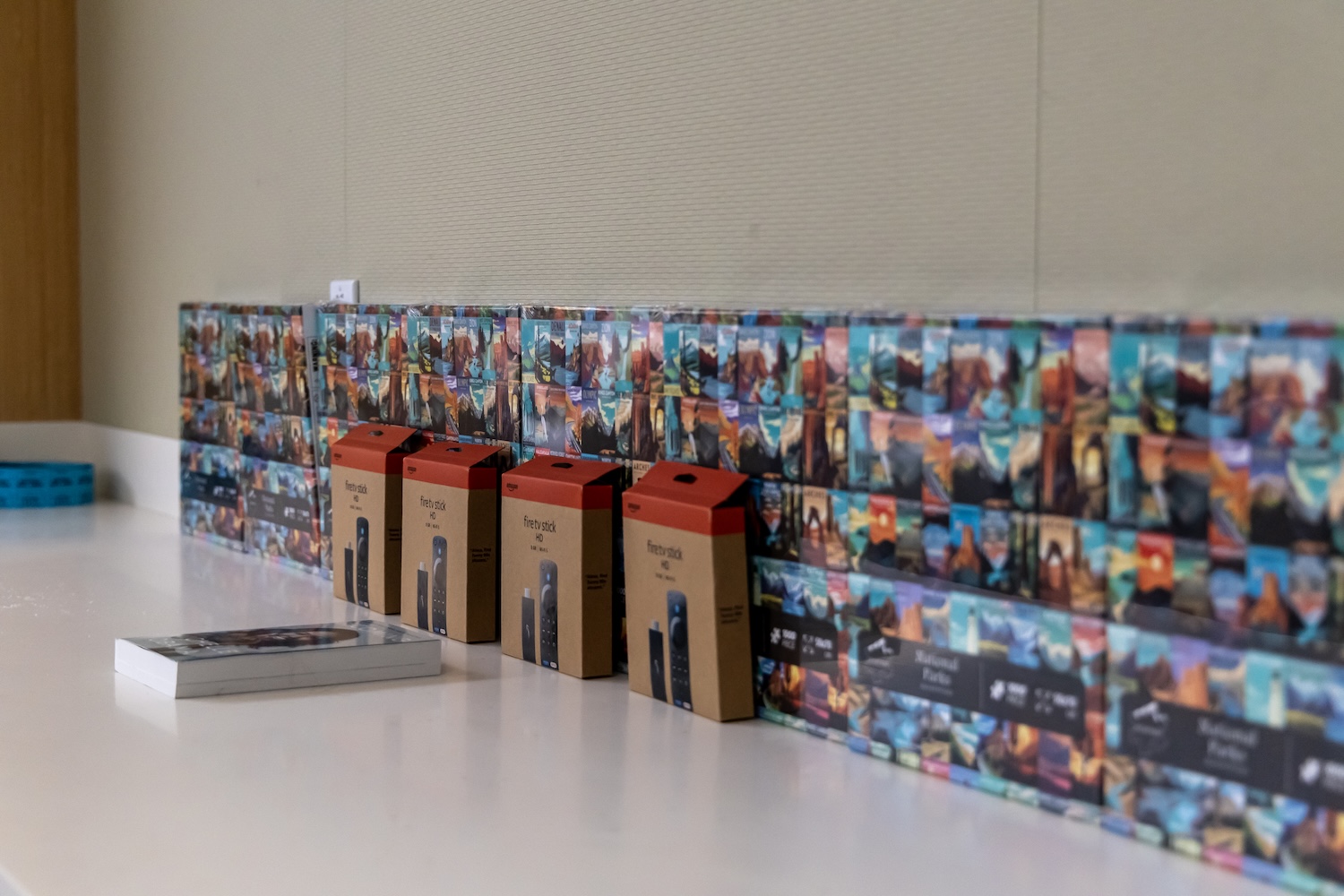
We played a couple of rounds, giving away prizes to lucky winners throughout the evening, with the help of volunteers Andrea Torres, Olivia Discon, and Laura Juarez Ordonez.
It was a beautiful reminder that while we gather for serious purposes – citizenship, community, growth – we also come together to celebrate, to play, and to enjoy each other’s company.
As the celebration concluded, we announced the next phase of our program: our Spring 2026 Citizenship Course. This course will be held on April 2nd, 9th, 16th, 23rd, and 30th at The Woodlands Center, to support immigrants as they work toward their citizenship, providing the resources, guidance, and encouragement they need to succeed.
A heartfelt thank-you to everyone who made this evening possible: thevolunteers and LEAP alumni whose ongoing support sustains the program, Christina Sato for generously sharing her time, inspiring story, and wisdom, and most importantly, the naturalized citizens and immigrants whose journeys continue to inspire this program and remind us of why it initially started.
Here’s to the journey ahead–and to all the events yet to come!
For more information about LEAP’s citizenship program or our upcoming Spring course, email Professor Mike Yawn at mikeyawn@shsu.edu.
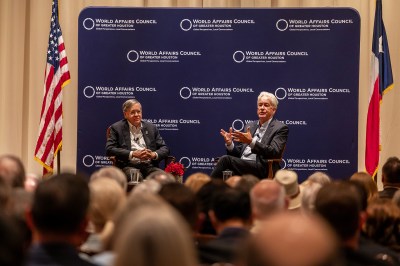
The World Affairs Council and the Baker Institute for Public Policy welcomed William Burns, the 8th Director of the Central Intelligence Agency, who provided an insightful and engaging discussion on the complexities of global affairs, drawing on his experiences in diplomacy, intelligence and leadership during some of the most pivotal moments in recent history.
During the networking session, we had the pleasure of reconnecting with Wendall Braniff, whose continued generosity and support at various WAC events have been invaluable. She introduced us to Vitalii Tarasiuk, the Consul General of Ukraine in Houston, who shared about his diplomatic career and offered advice for those pursuing careers in international affairs.
After an introduction by WAC CEO Maryanne Maldonado and WAC Director of Advancement Sandija Bayot, Ambassador David Satterfield took the microphone to moderate the event.
Director William Burns is one of the most distinguished American diplomats of the modern era. Over a career spanning more than three decades, he served under six U.S. presidents from both political parties, earning a reputation for integrity, strategic vision and effectiveness. He was the first career diplomat to lead the CIA as Director and previously served as Deputy Secretary of State, Ambassador to Russia and Jordan and in numerous senior roles at the State Department.
Throughout the discussion, Ambassador Burns reflected on the United States evolving role in a complex global landscape. Burns reflected on the challenge posed by Russia’s aggression and the damage Vladimir Putin has inflicted not only on Ukraine but on Russian society itself. He suggested that while Putin’s regime has entrenched authoritarianism and nationalism, its longevity is uncertain, as corruption, stagnation and battlefield losses erode both public confidence and elite unity. Burns cautioned against assuming rapid change after Putin, predicting a messy transition but holding hope that over time Russia could move beyond autocracy. Lastly, he noted that how the U.S. and its allies sustain support for Ukraine will shape global perception of American leadership for decades to come.
He described China under Xi Jinping as America’s most formidable long-term competitor, emphasizing the need for a disciplined strategy that balances confrontation, cooperation and competition while avoiding complacency in technologies like artificial intelligence and quantum computing. Turning to the Middle East, he recounted his efforts to negotiate ceasefires and hostages releases in Gaza, stressing that sustainable peace requires both humanitarian compassion and political will. Burns also discussed the fragility of global alliances, noting that America’s greatest comparative advantage lies in the trust of its partners, something that must be continually earned through reliability and measured leadership.
On domestic matters, he voiced concern over efforts to politicize public institutions, warning that retribution disguised as reform undermines the integrity of career civil servants and weakens U.S decision making.
Burns closed with advice for young professionals, encouraging them to pursue public service with integrity and courage. He concluded with a touch of humor and timeless wisdom from former Secretary of State James Baker, under whom he served: Baker’s “7 Ps – Proper Preparation plus Perspiration Prevents Piss Poor Performance” Emphasizing the importance of learning your craft, being prepared, and being ready for when the moment comes.


















 Center for Law, Engagement, and Politics