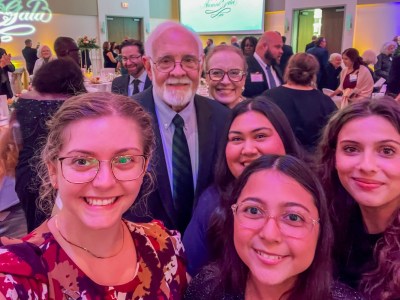
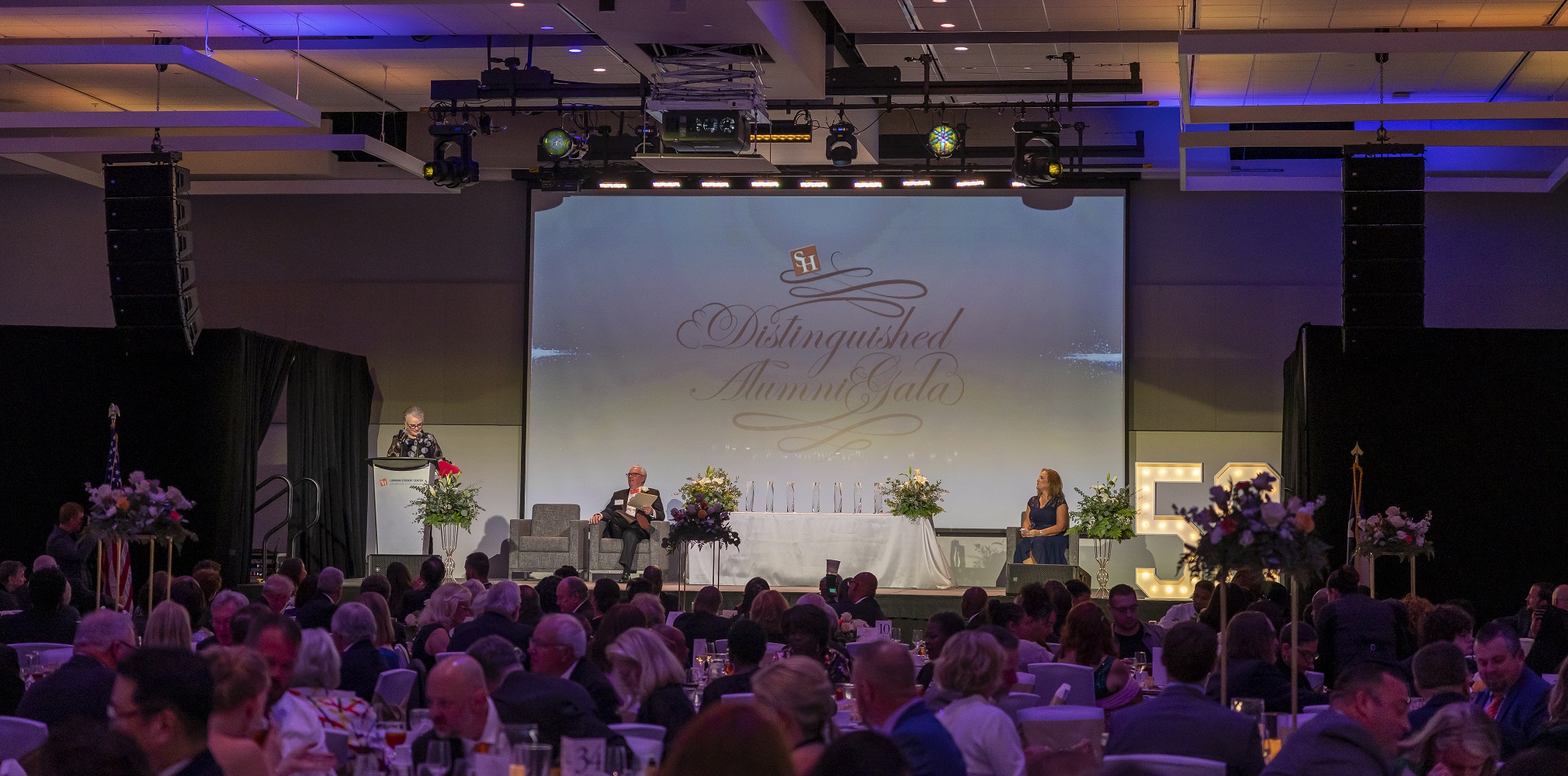
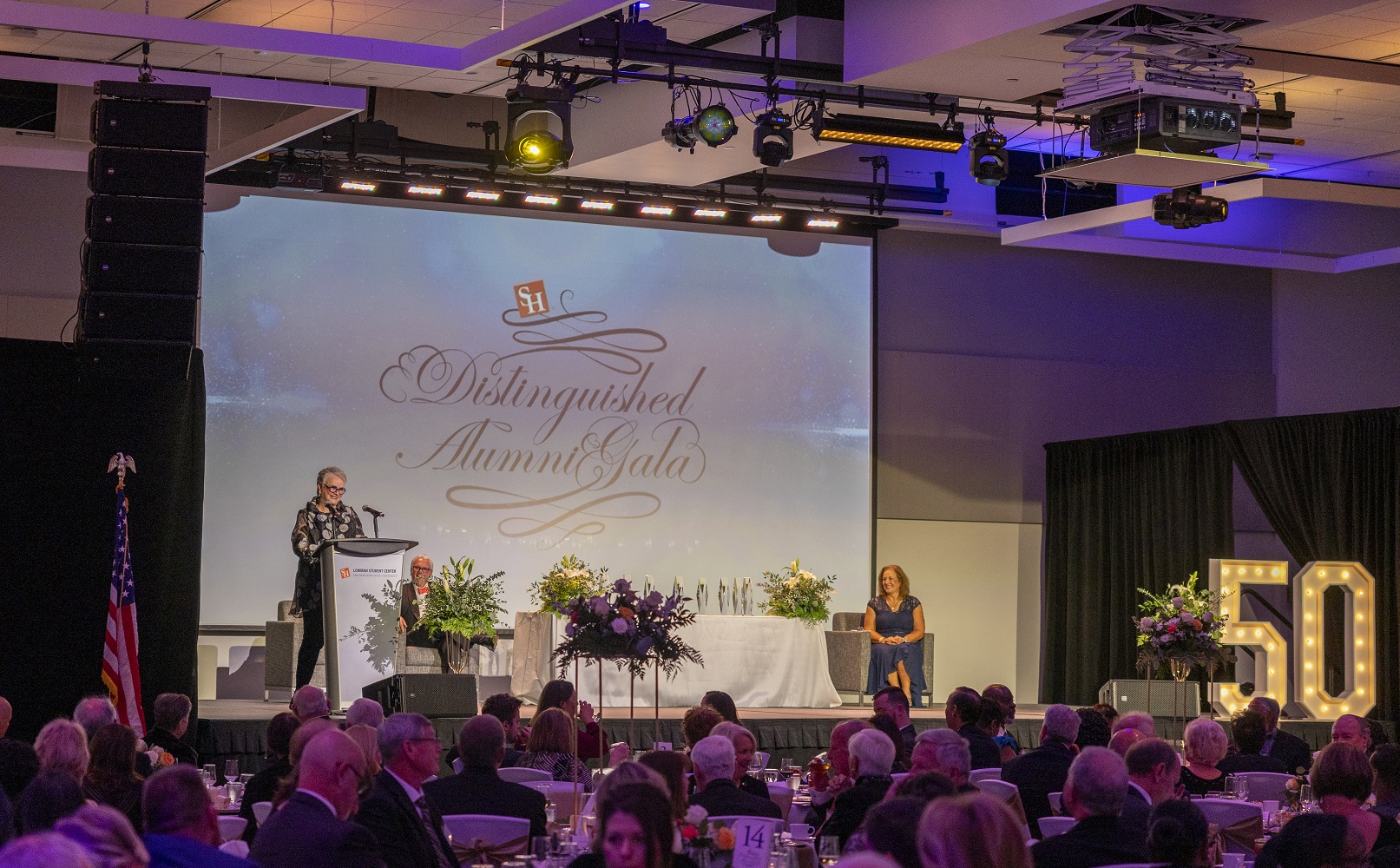
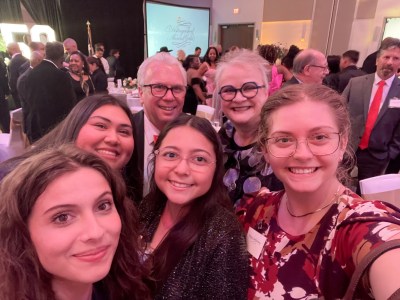
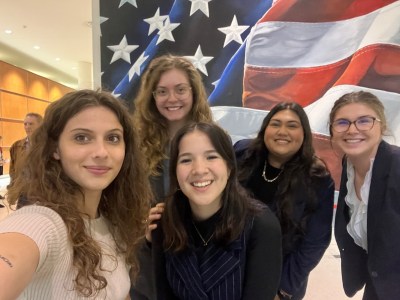
One of the events LEAP Ambassadors look forward to each year is the Distinguished Alumni Gala, hosted by the Alumni Association and their wonderful staff. This year was no exception, and when Mr. and Mrs. Woodward invited us to sit at their table, we jumped at the opportunity!
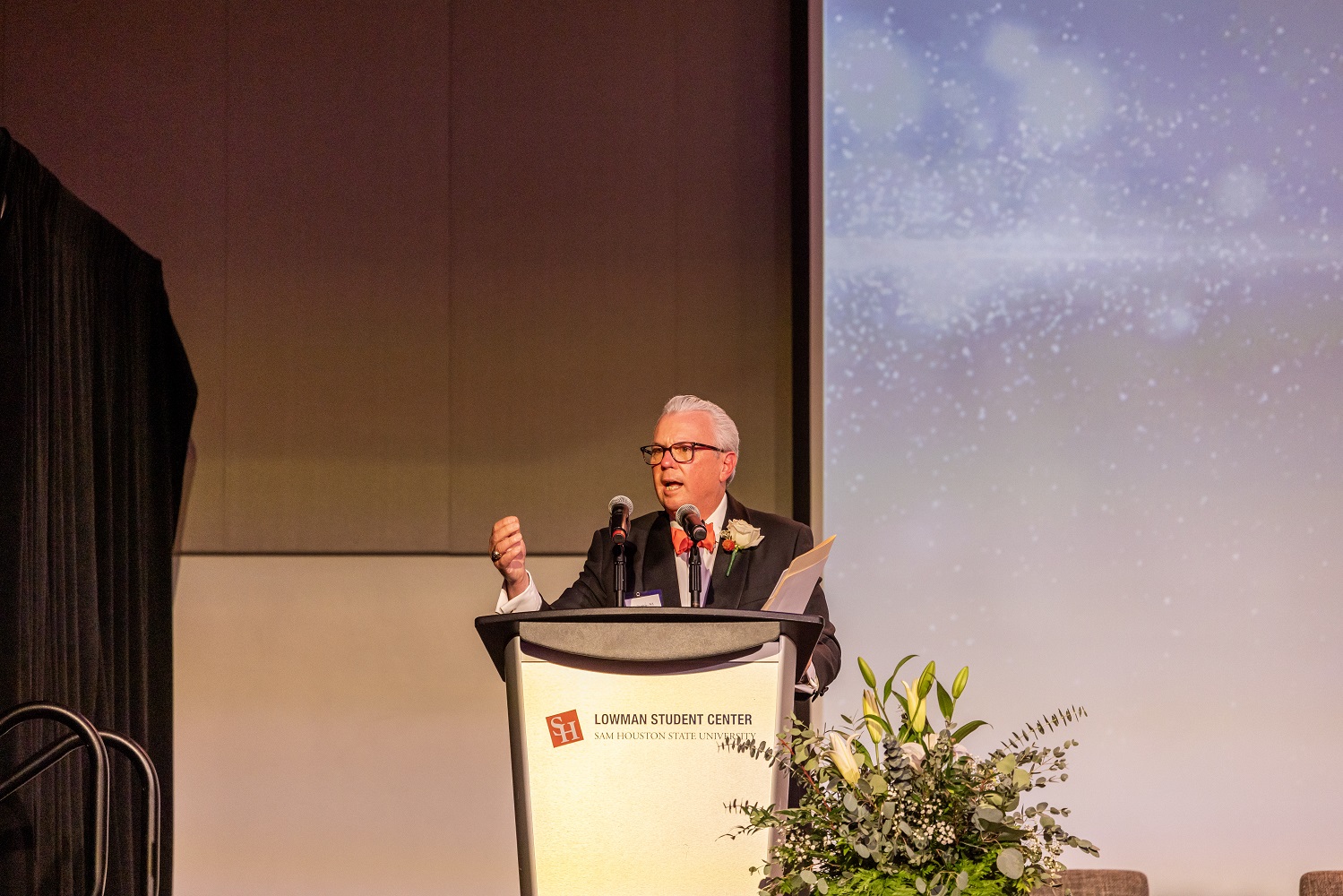
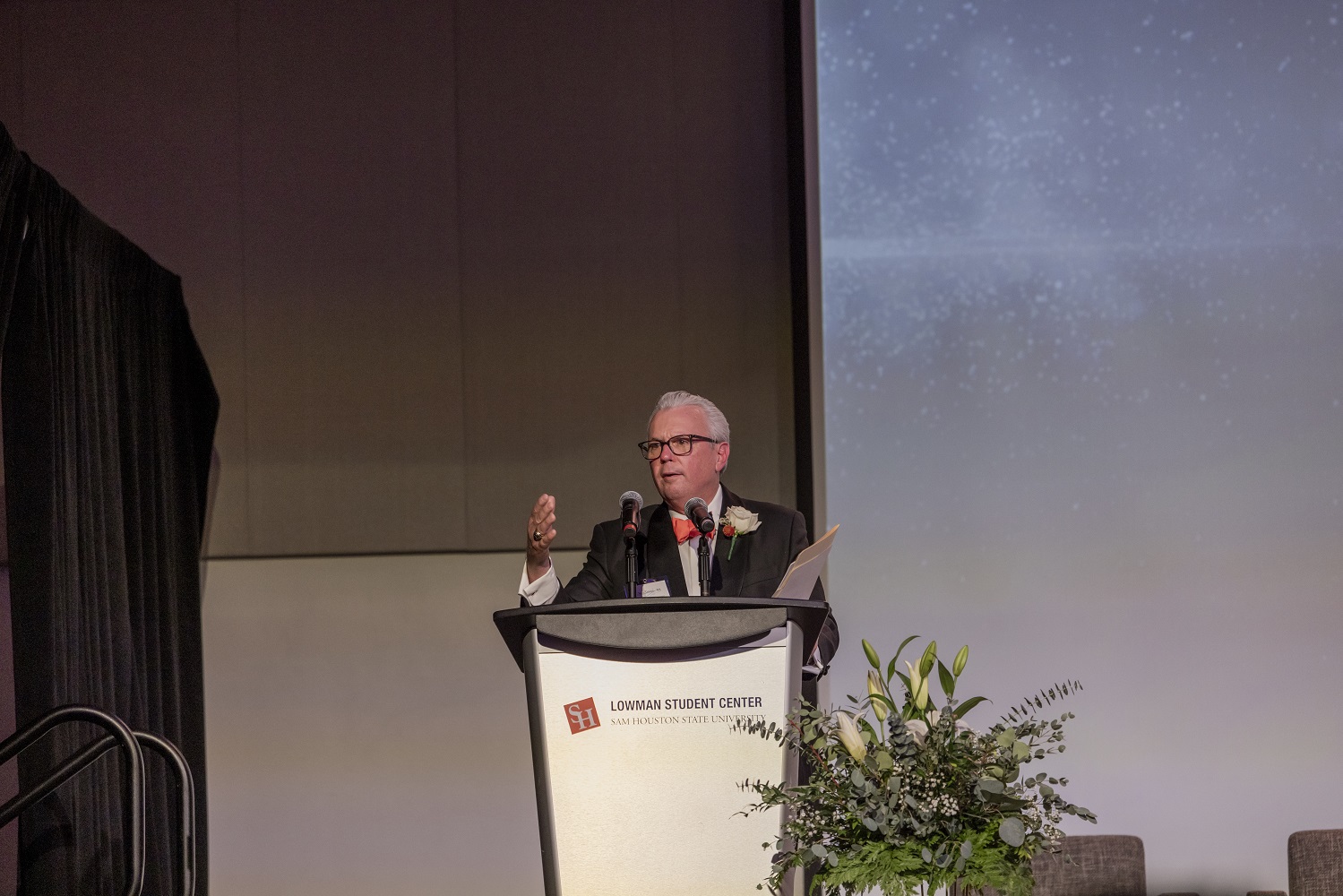
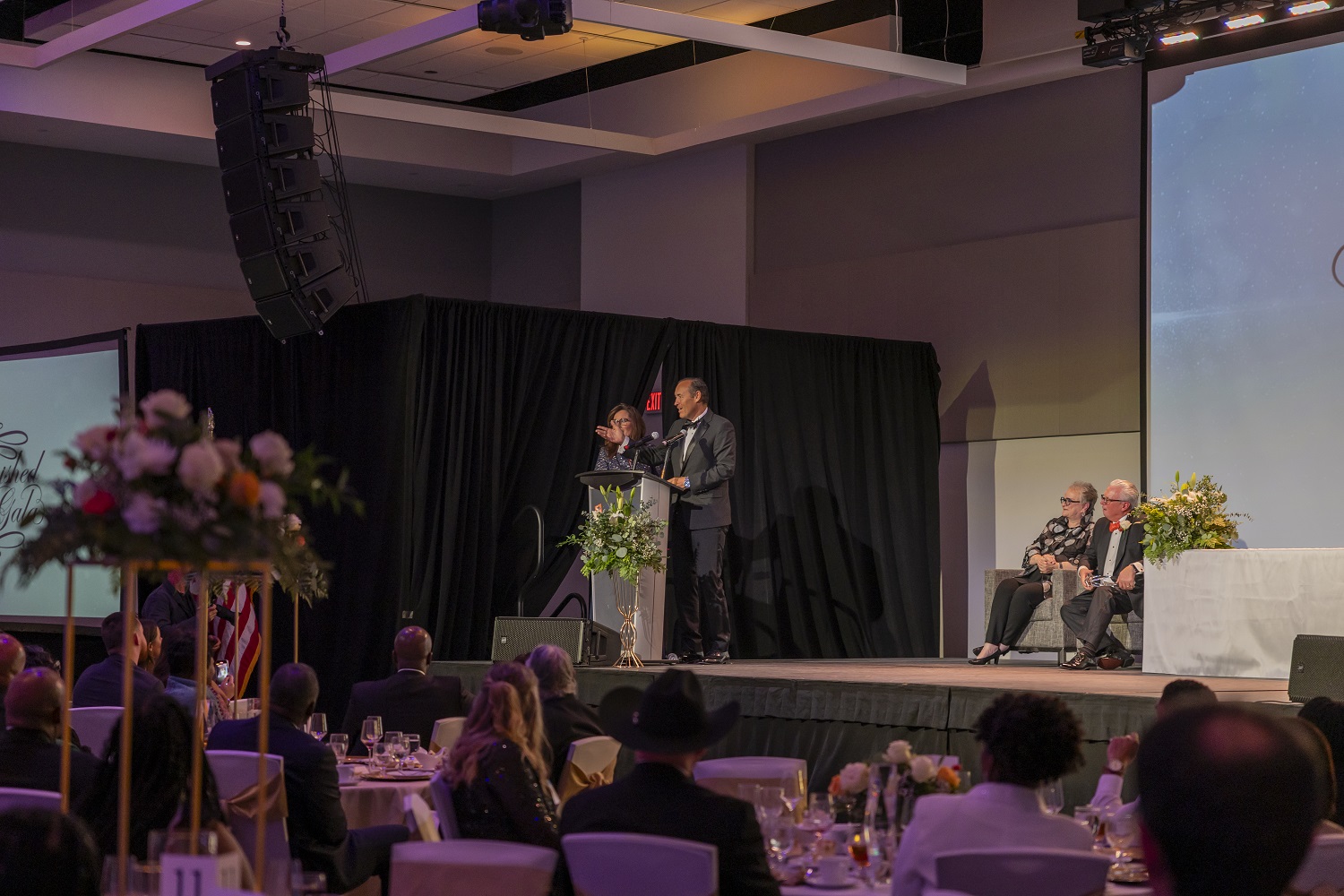
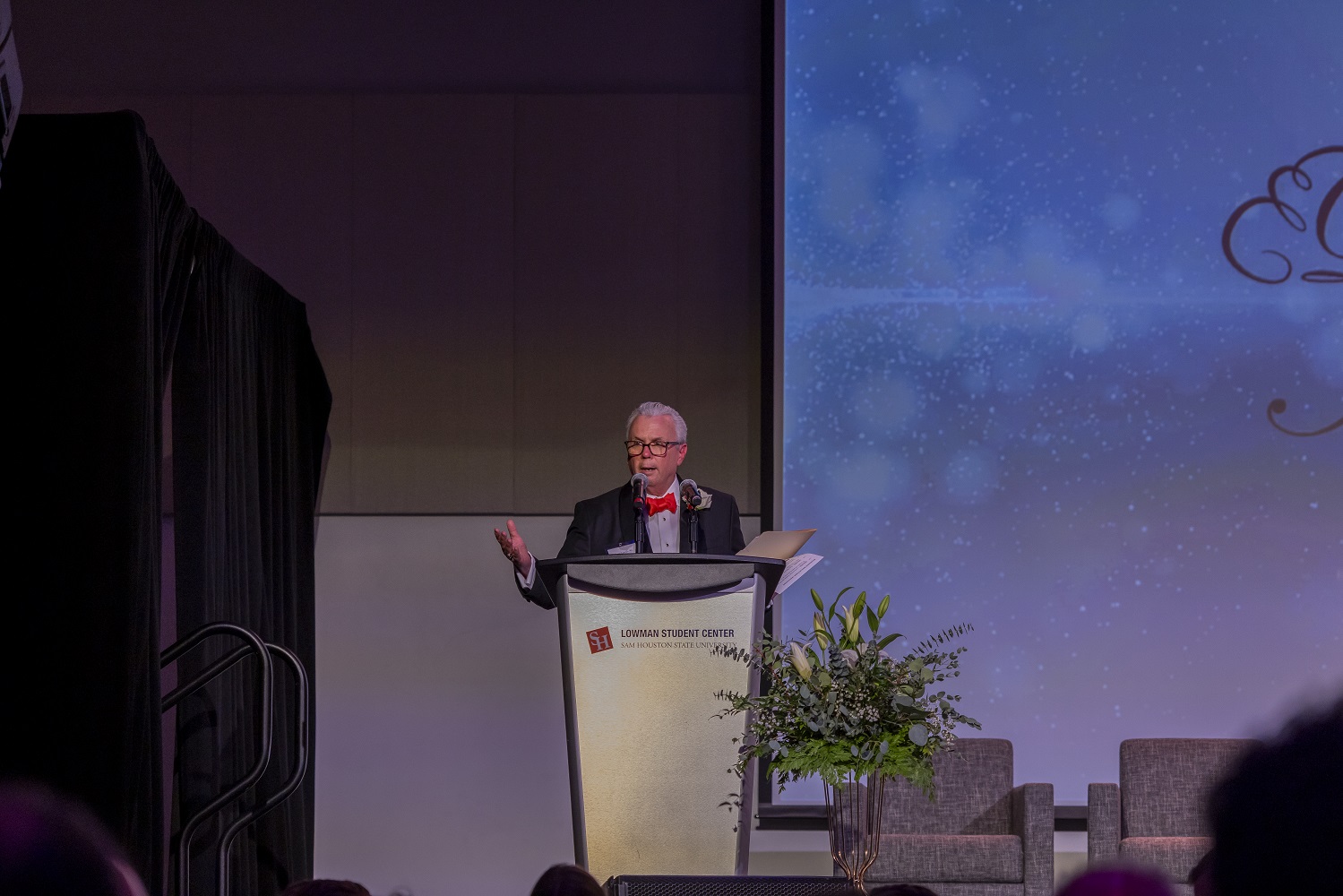
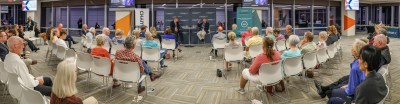
With a return engagement by Chris Tritico as emcee, the Gala kicked off with its usual air of amiability, camaraderie, levity, and appreciation.
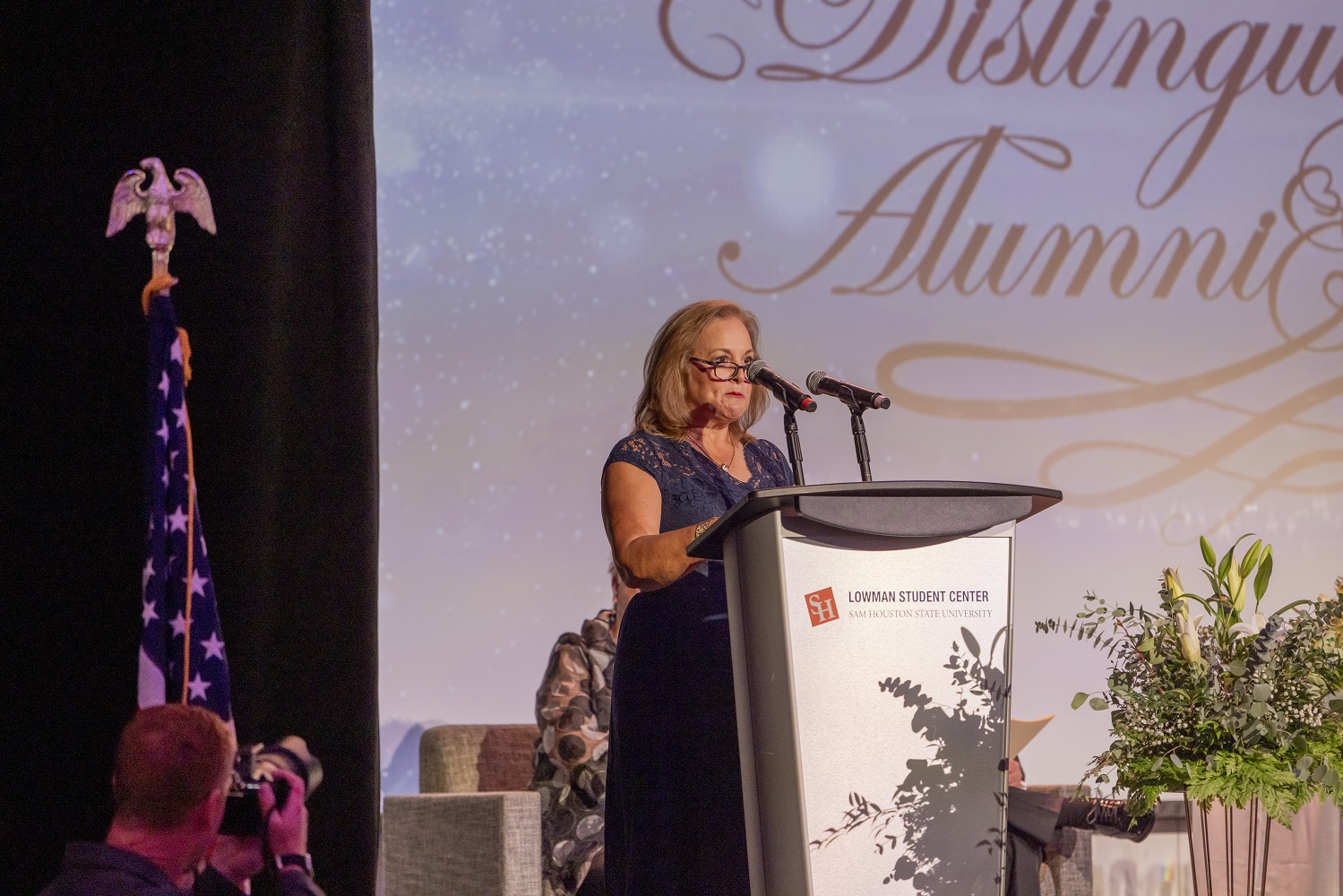
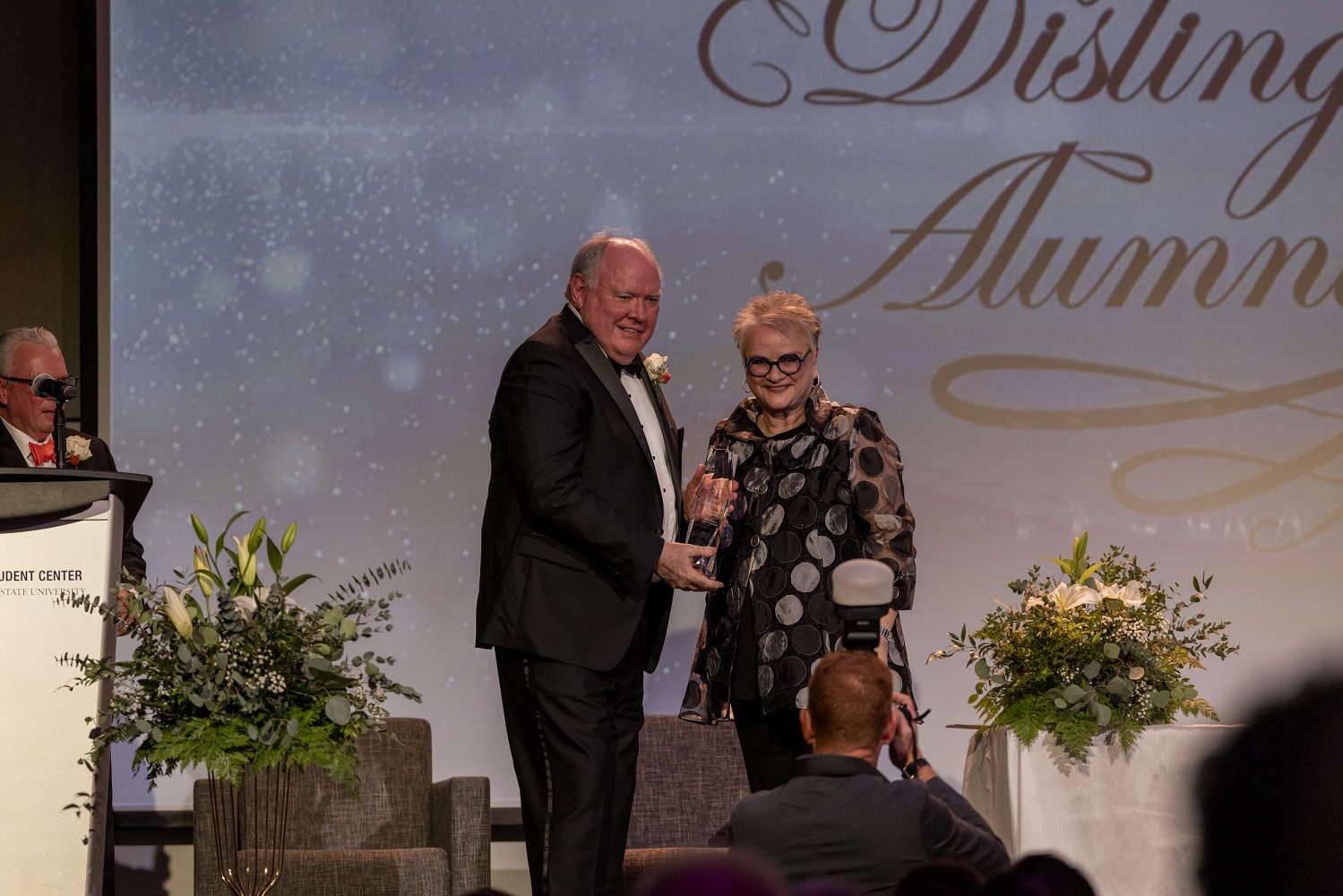
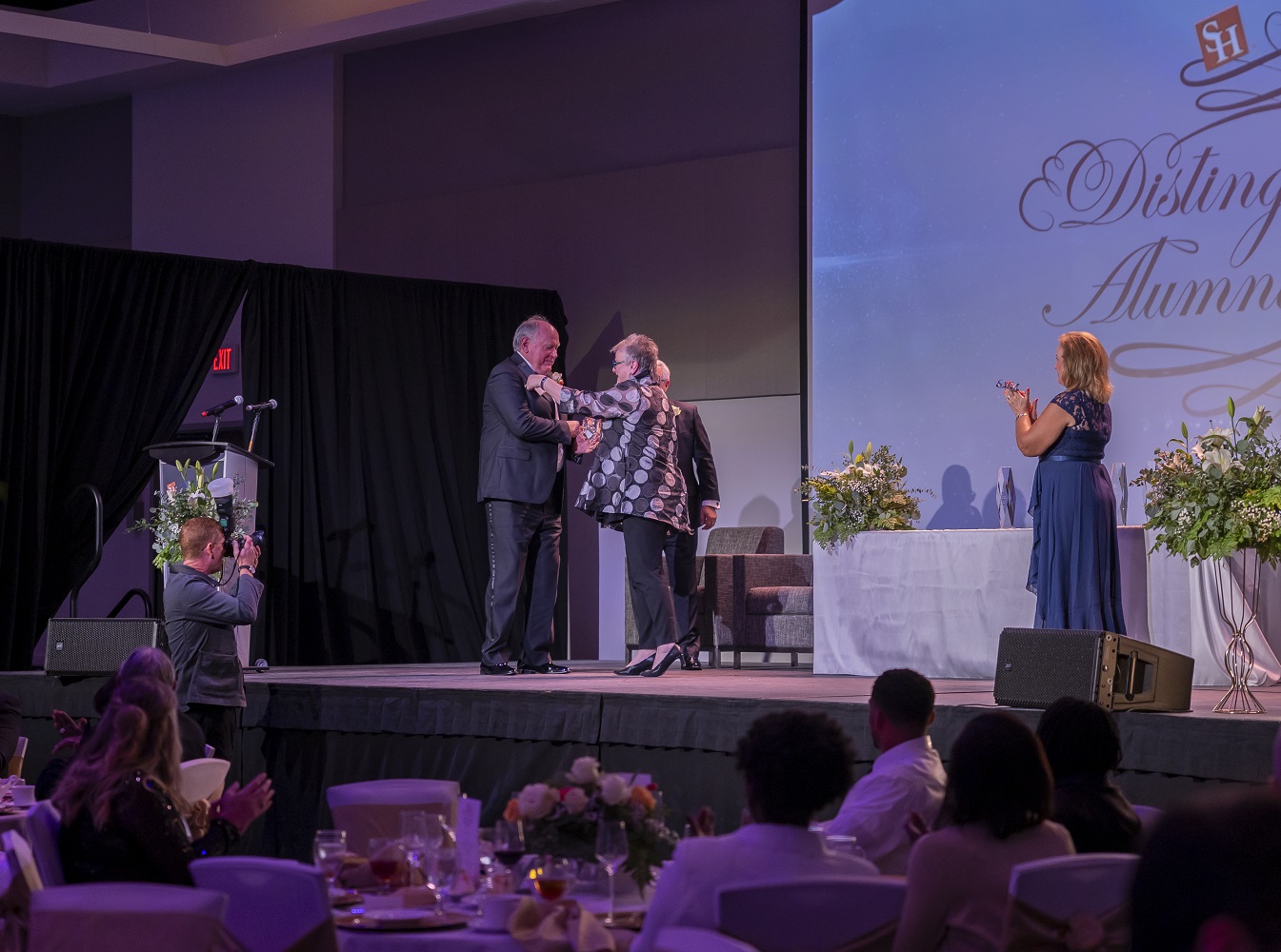
This year, Distinguished Alumni honorees included Beth and Kelly Damphousse; the Honorable Monica Thompson Guidry; and Colonel Vanessa Hicks-Callaway. Morgan Chesky was named “Outstanding Young Alumni;” and Rose Avalos and Paul Pearce were honored for Service Awards.
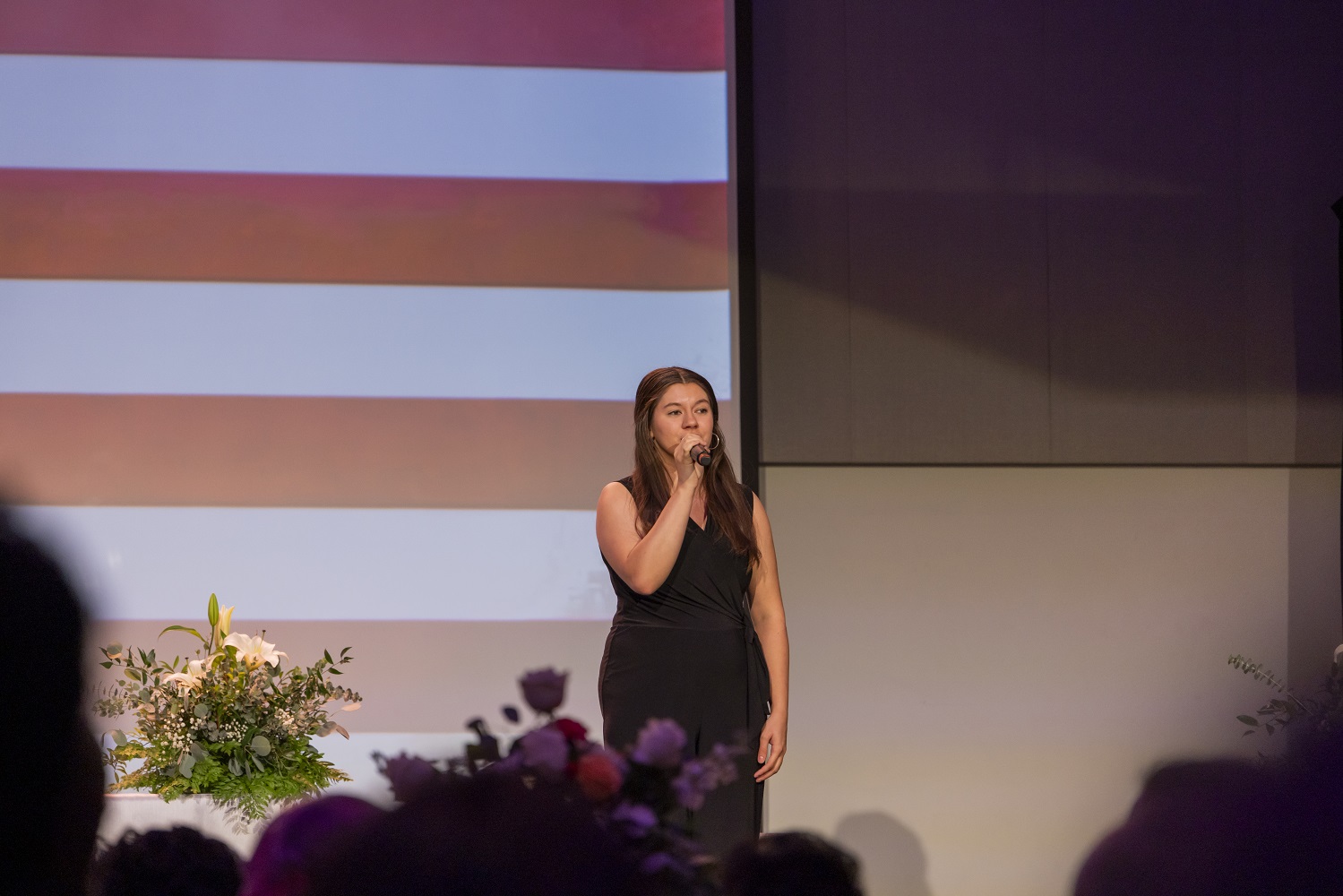
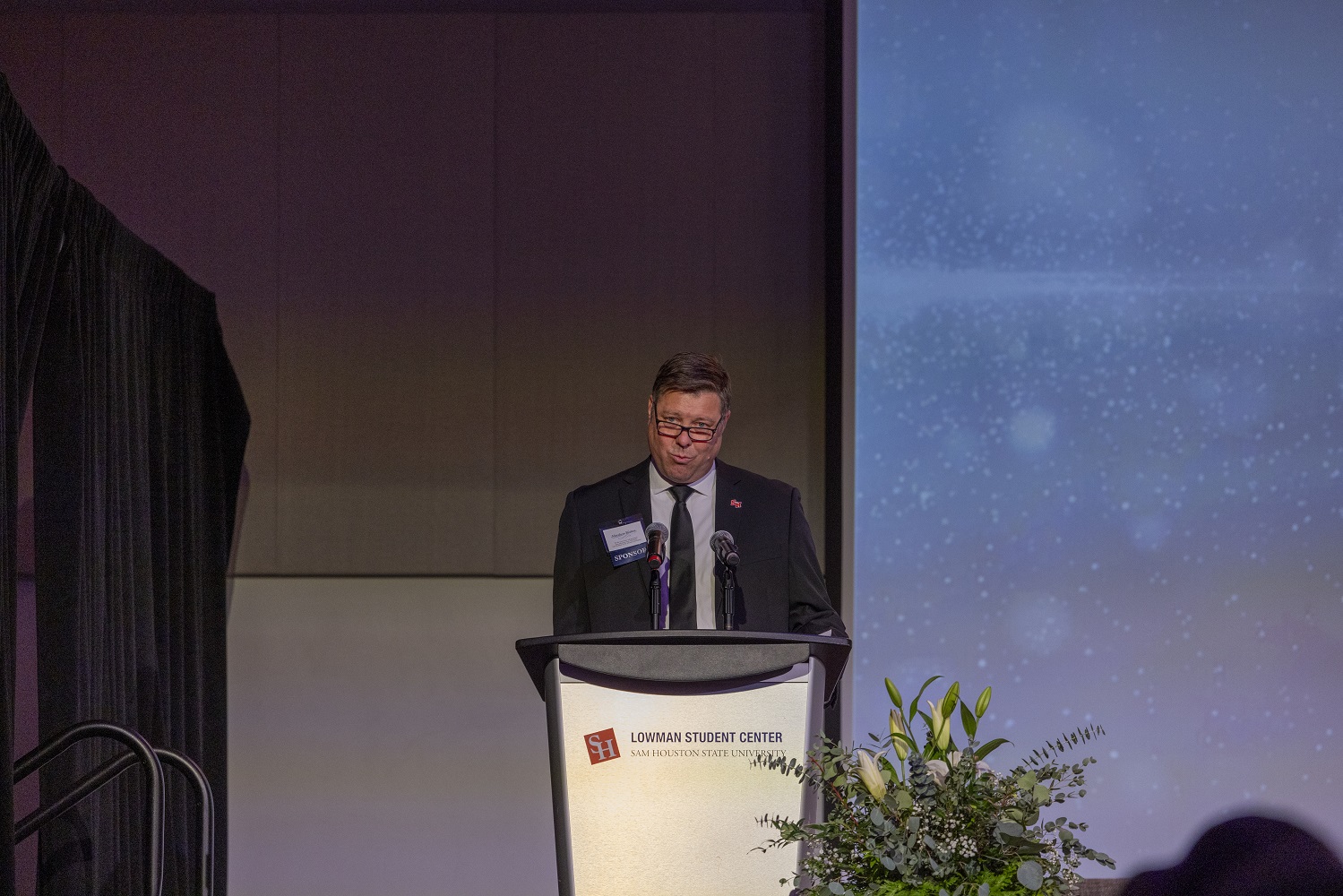
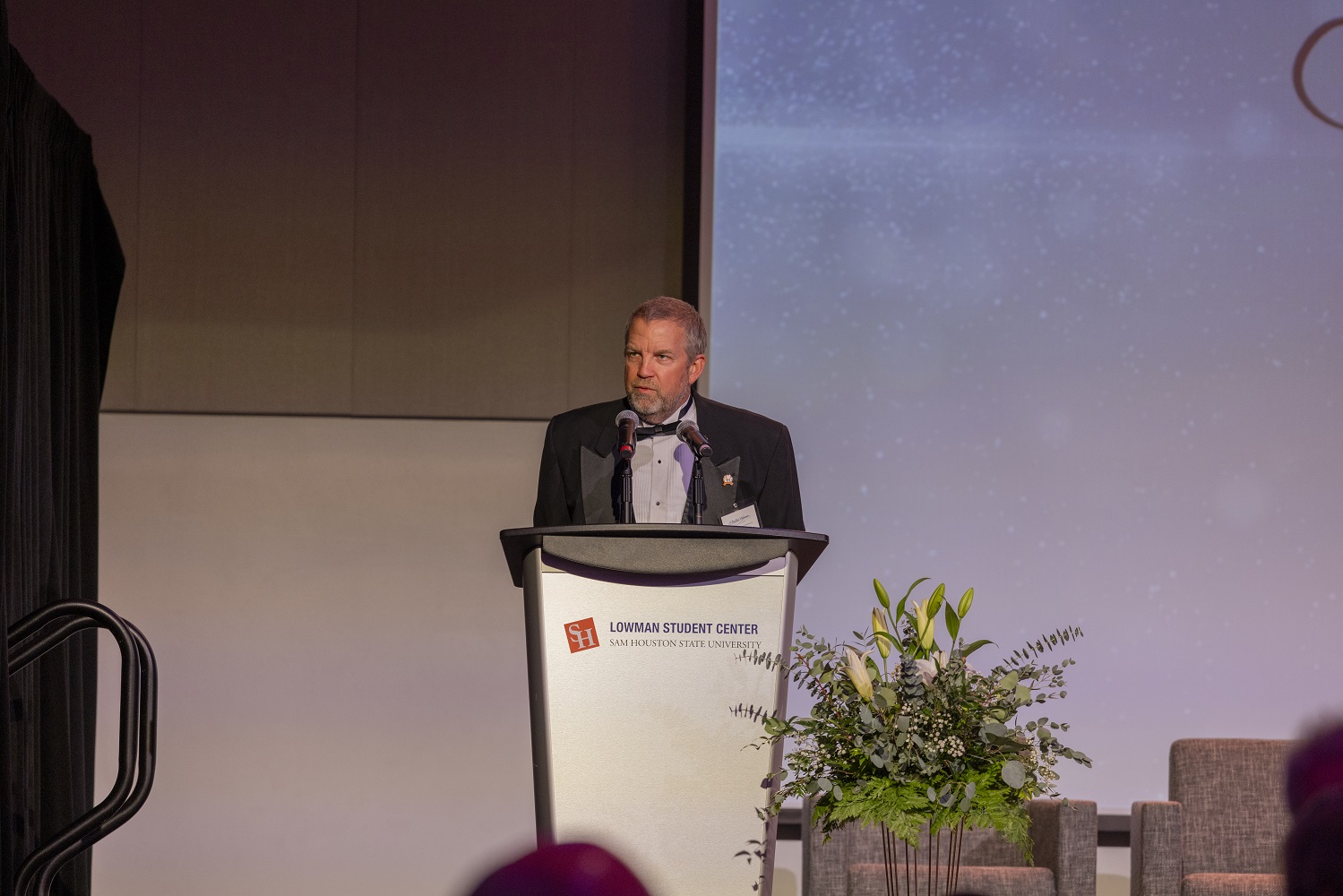
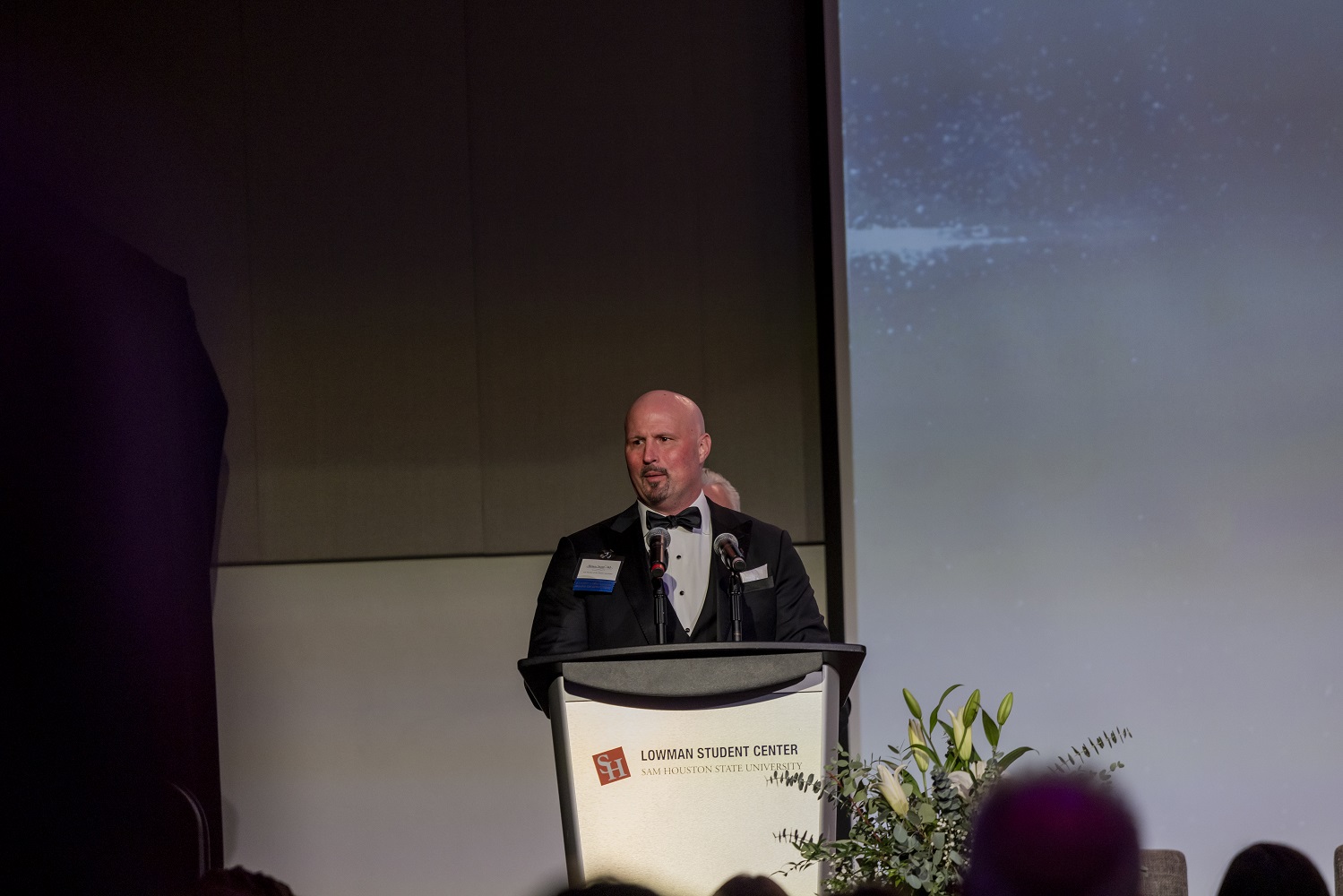
In addition, we heard from members of the Alumni Association Committee, Charlie Vienne, VP of Advancement, Matt Bethea, and were treated to the wonderful vocal talents of SHSU music student, Amy Hemphill.
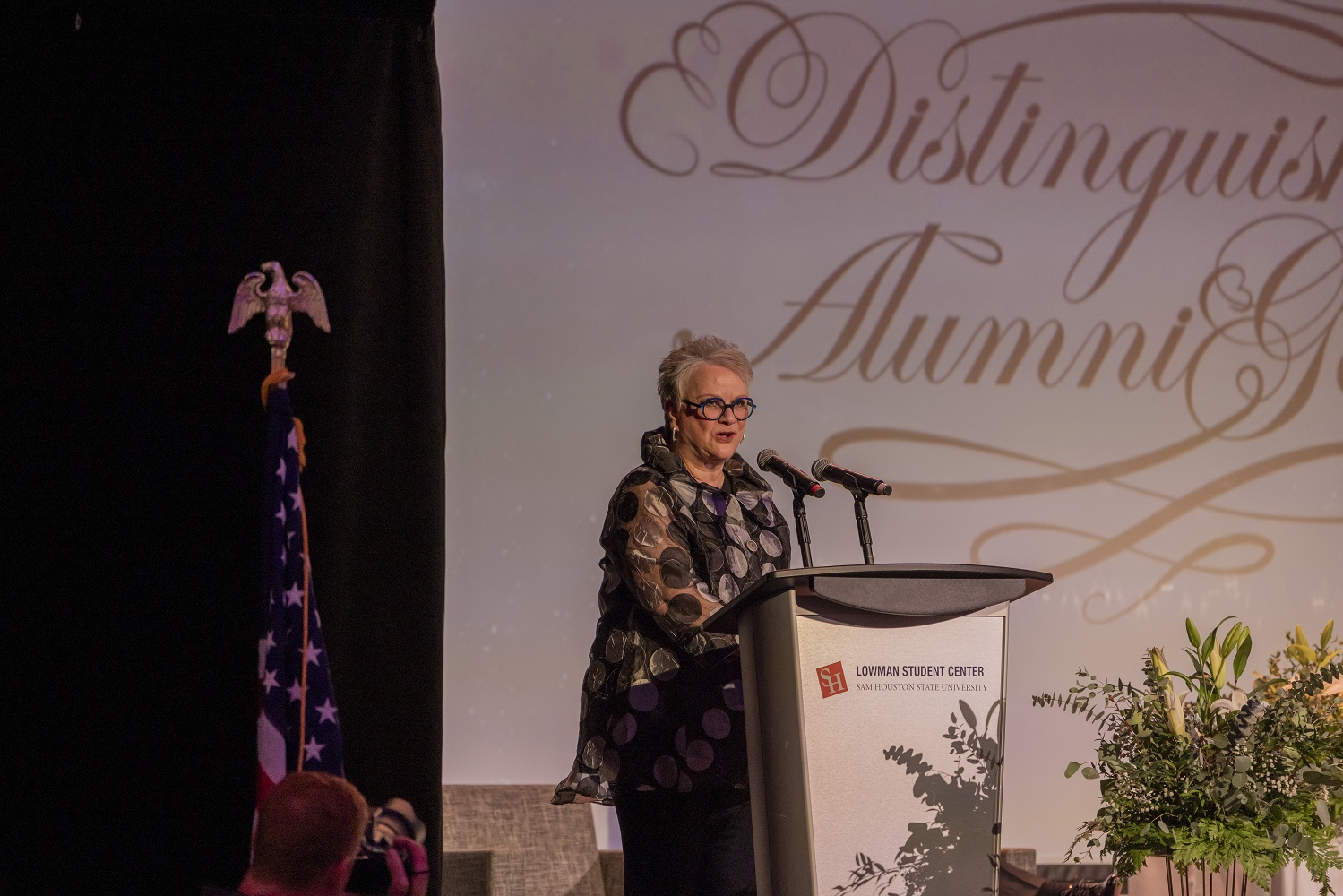
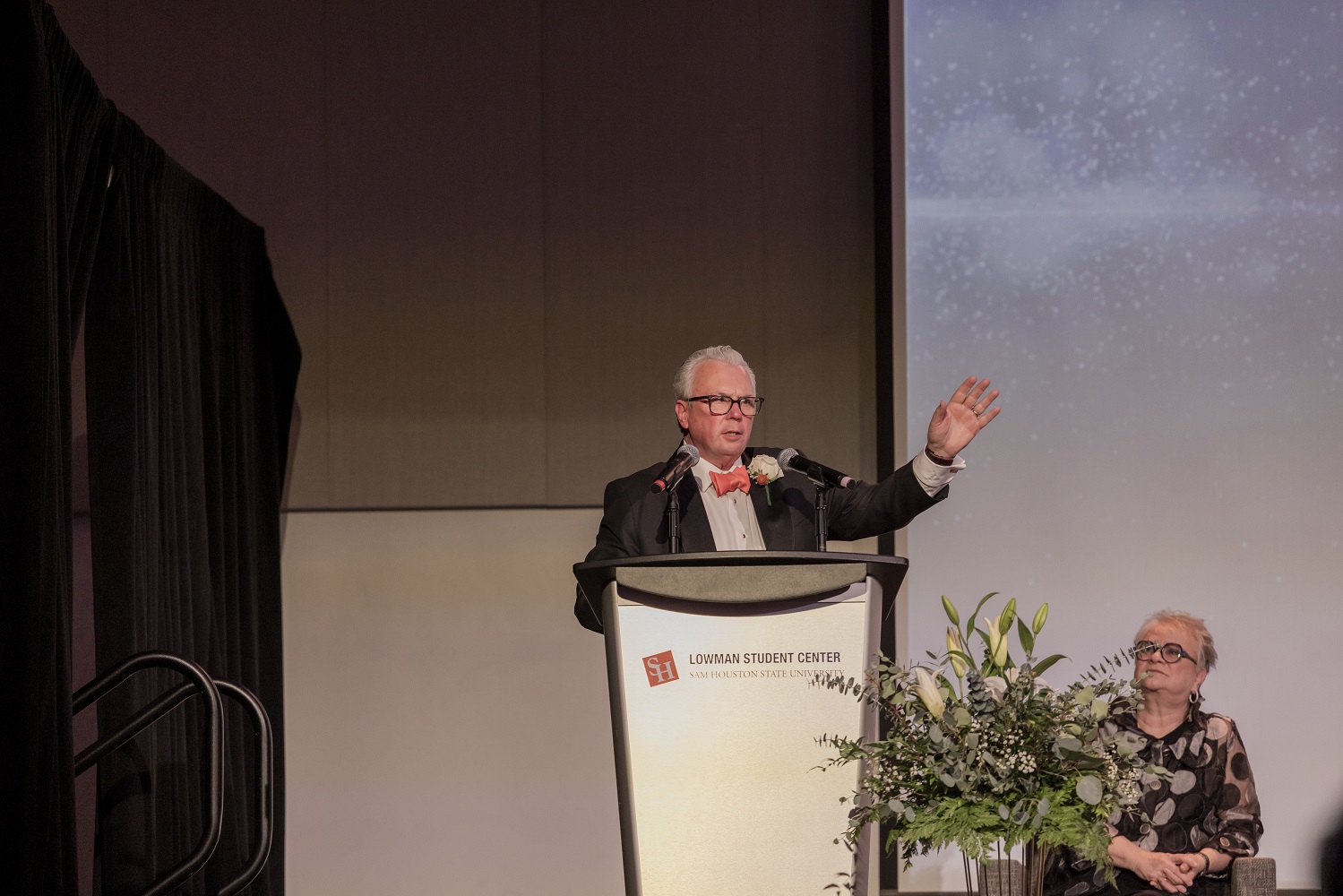
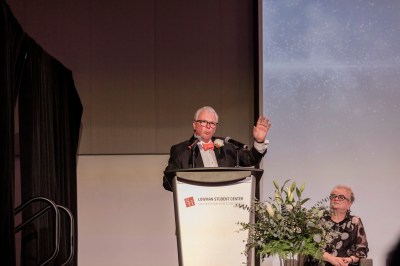
And, of course, we also heard from President White, who gave an impassioned speech about the honorees, all alumni, and Sam Houston State University.
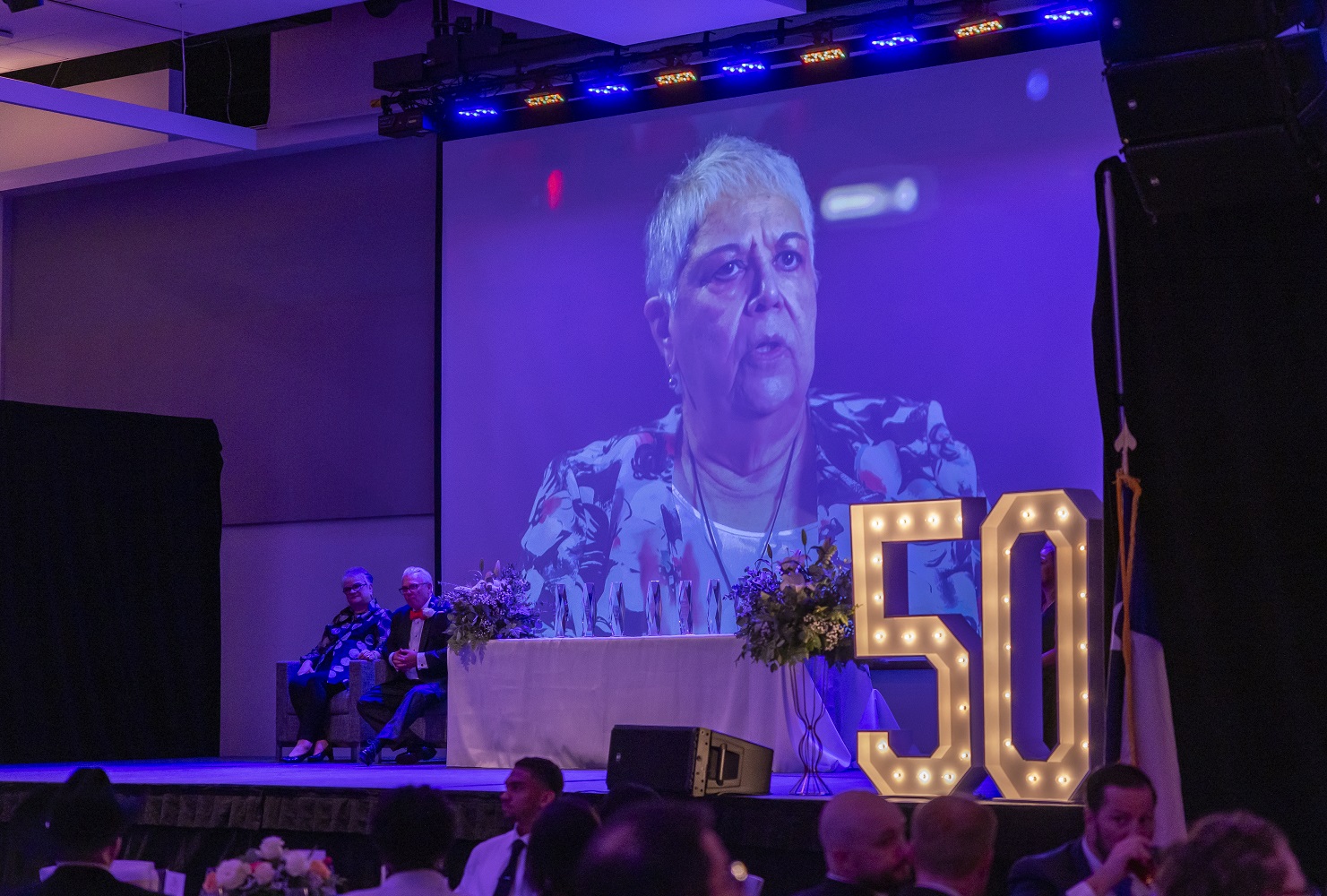
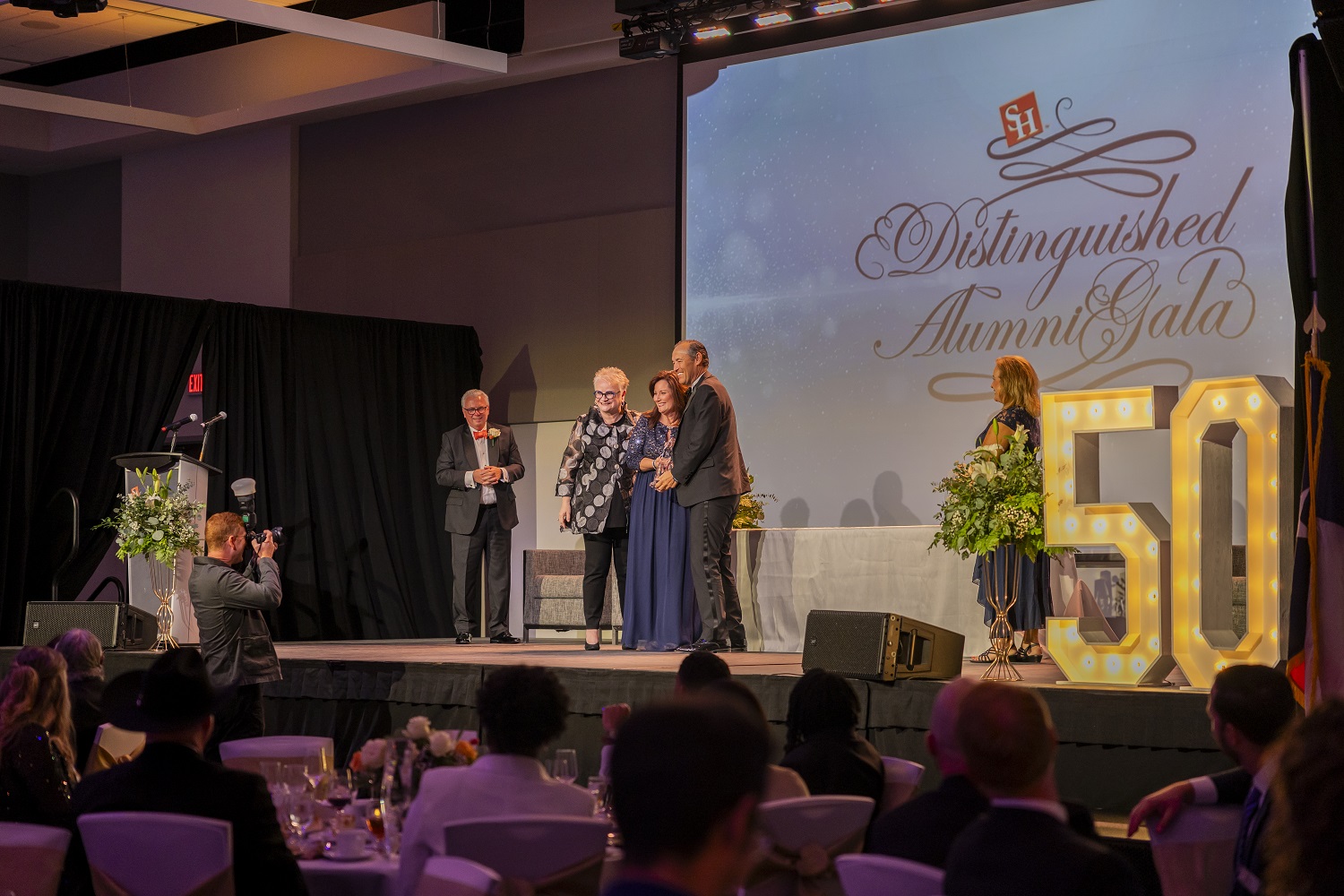
With this being the 50th Anniversary of the Distinguished Alumni Gala, the Alumni Association decided to also present a “Lifetime Achievement” award, and this went to Joe and Winnie Sandel and Byron and Charlene Sandel.
(The bios of each of the honorees can be found here).
The speeches this year were inspiring, and the honorees’ accomplishments were impressive, making this another rewarding year at the Gala.
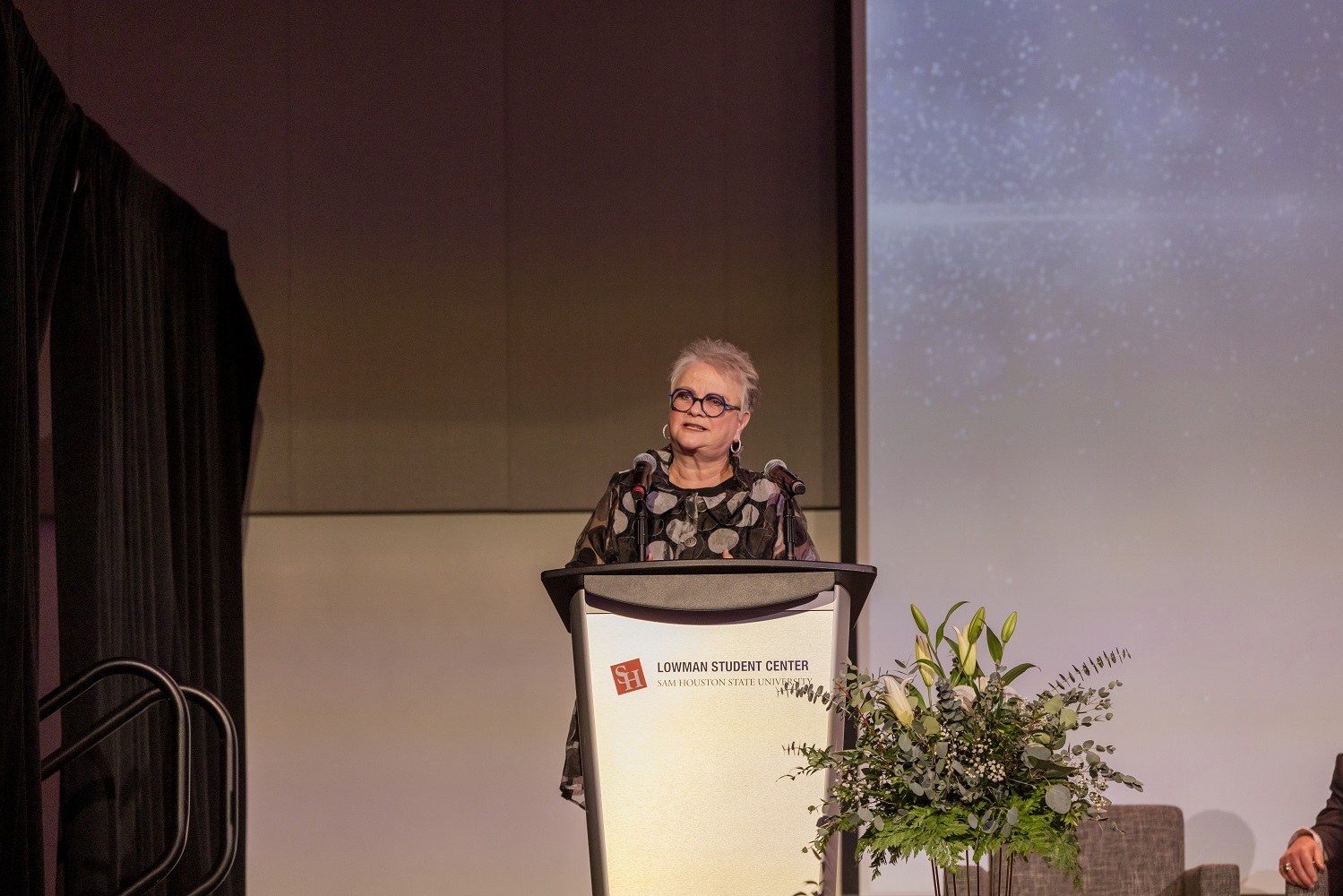
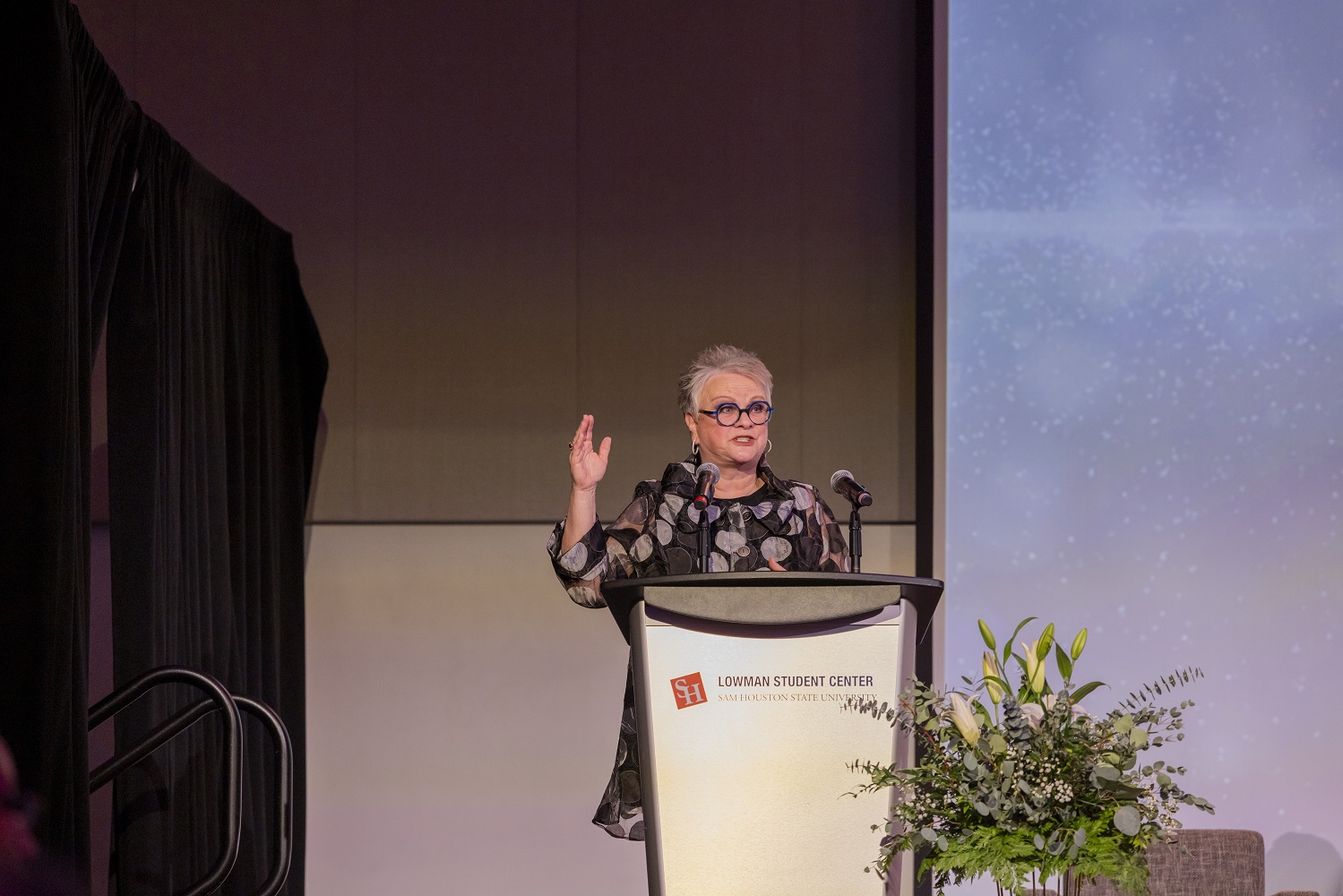
Rose Avalos, a lifelong educator, gave one of the nicest speeches we have heard at a Distinguished Alumni Gala. In her understated way, Ms. Avalos offered eloquent testimony to the importance of education. As a first-generation college graduate, Ms. Avalos recounted her long career, which progressed from teaching, to serving as a principal, and now as an elected official on the school board. She is, she said, “On the committee to help, and I will do so as long as I can walk.”
Paul Pearce recounted his arrival at SHSU, when he was moving into the Roy Adams Dorm, and he told his family, “I’ll see you at Thanksgiving.” Pearce, who parlayed his time at SHSU into a career as an entrepreneurial scientist, focused on the importance of community. “It’s great to succeed in your career,” he noted, “but you have to support your family and your community. That’s how you make a difference.”
Morgan Chesky, only 37, focused on the role that relationships at SHSU played in his career, highlighting the importance of his fraternity brothers, and the fact that SHSU was a place that he felt appreciated, respected, and loved.
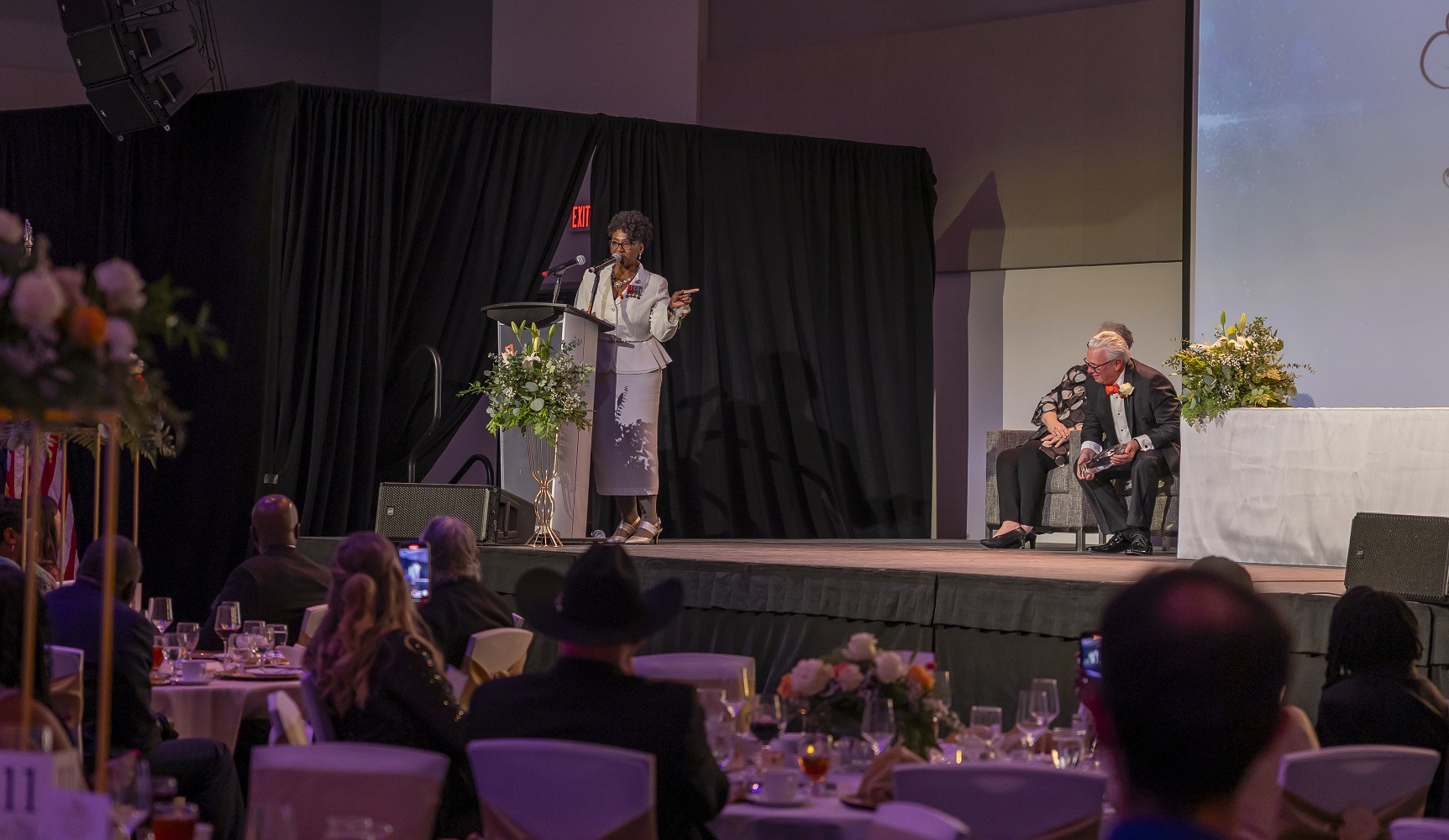
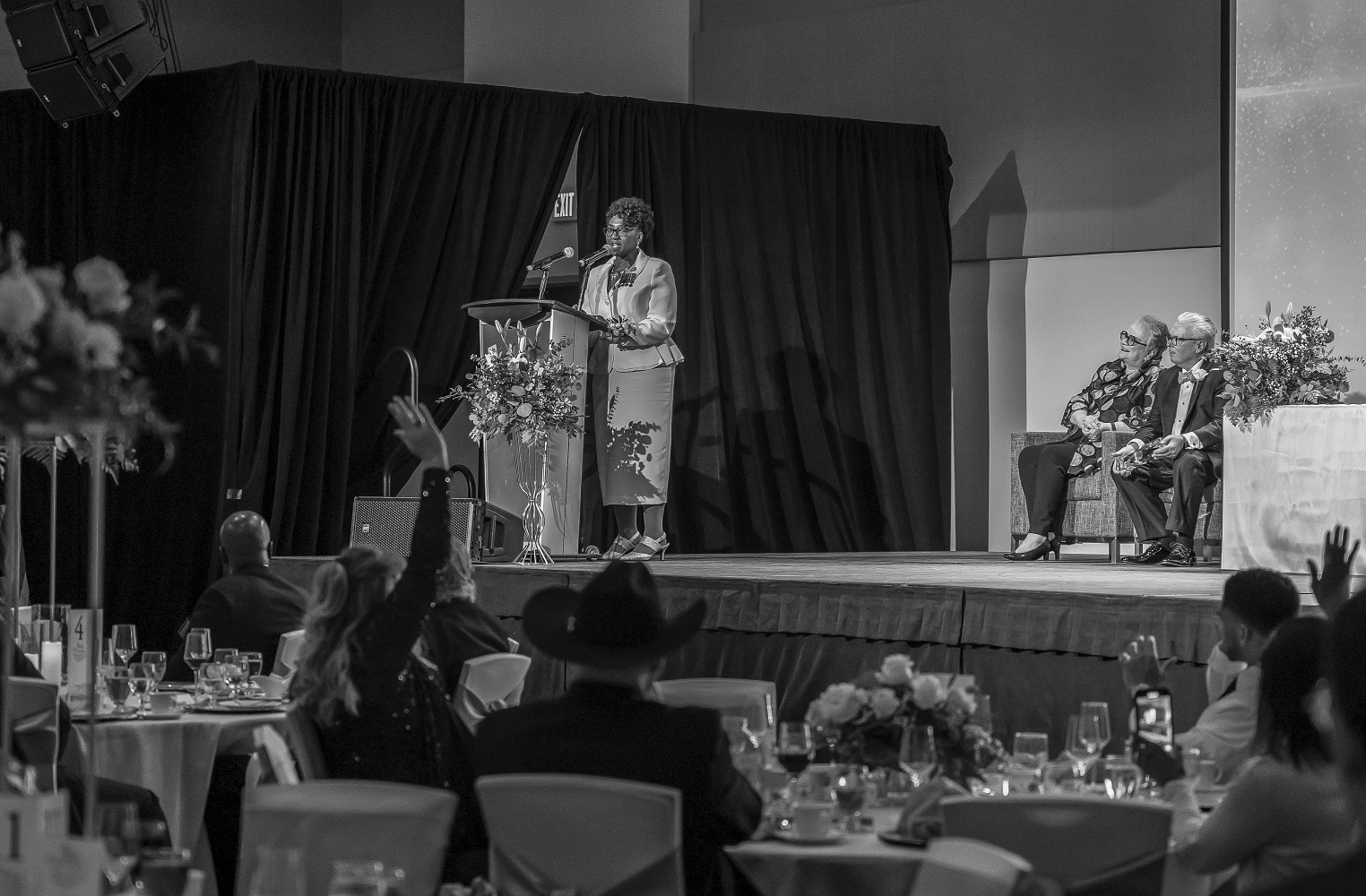
Lt. Col. Vanessa Hicks-Callaway gave perhaps the most inspirational of the speeches. She described herself as “multi-faceted,” noting she was “a believer in Jesus Christ, a mother, a wife, a veteran, and a politician”–while offering humorous examples of each role. Like several of the award recipients, she met her spouse at SHSU, and her son is also an SHSU graduate. To the SHSU Alumni Association, she offered “exponential thanks to the infinite power” for the award.
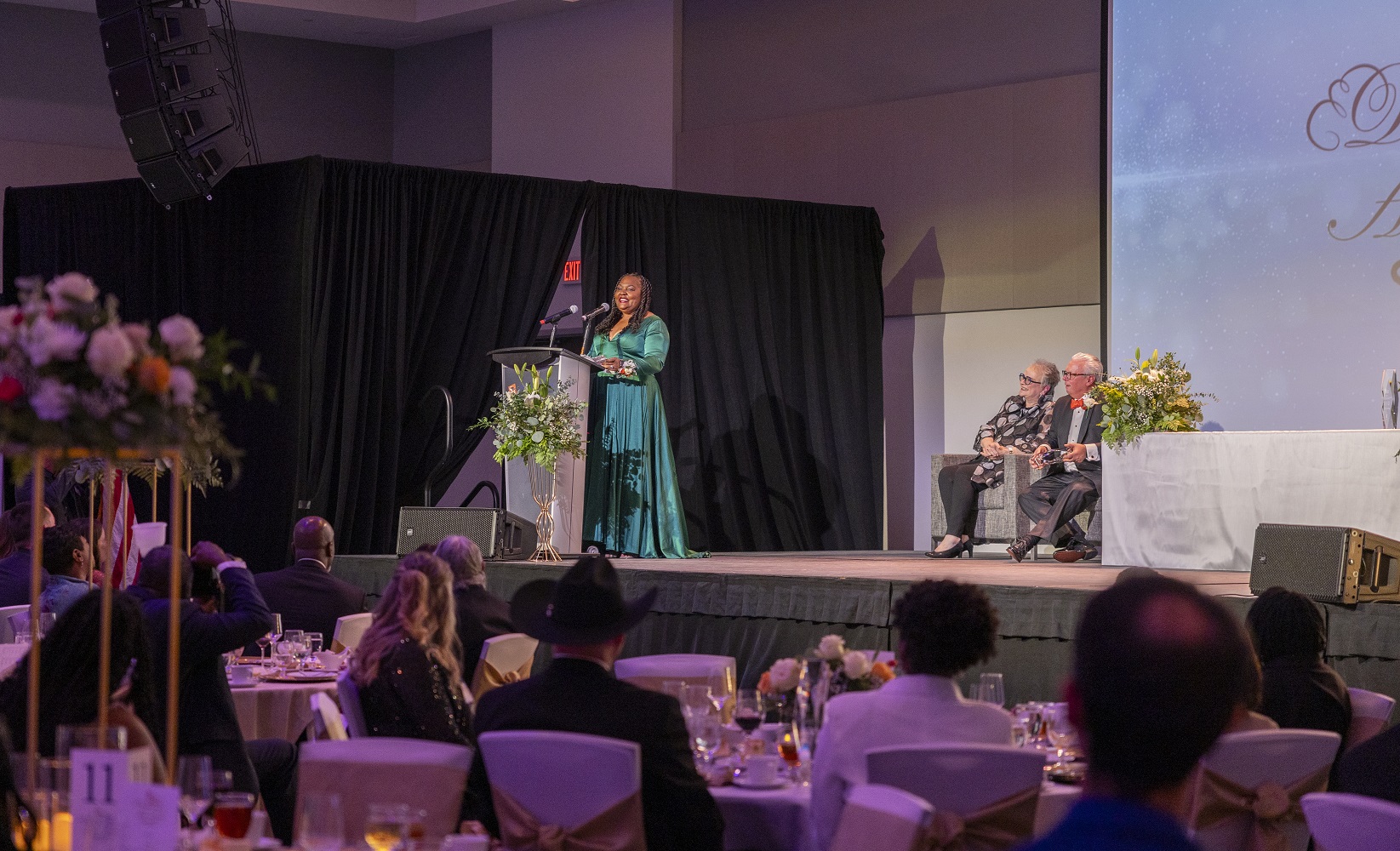
Judge Guidry began her modest speech by noting, “I am not a public speaker, so I wrote this down.” She thanked her family, her sorority, and her time at SHSU, connecting her learning as a graduate student in biology with her current role as a judge: she weighs evidence. While she offered a quiet speech, her friends and family made up for it with enthusiastic appreciation.
Beth and Kelly Damphousse highlighted the importance of family and SHSU in their speeches. In fact, President Damphousse (Damphousse is President of Texas State University) said he divided his life into two parts: before and after SHSU, a milestone punctuated by the fact that he met Beth at SHSU. He closed his emotional speech by thanking his daughters, who were also present at the event.
As a feature of the 50th anniversary of the Distinguished Alumni Gala, the Alumni Association gave its first “Lifetime Achievement Award,” which went to two generations of the Sandel family. With Joe and Winnie and Byron and Charlene Sandel on hand to accept the award, the family highlighted their long association with Texas and SHSU. More than 30 family members have attended SHSU! The family members have also been generous donors to SHSU, with the most recent example of this generosity being impressive additions to the Gibbs Ranch at SHSU–including a seven-figure donation.
There are many reasons we enjoy this event. Spending time with the Woodwards and other nice University and community people is always enjoyable. Also, we get to learn more about the University, its alumni, and its faculty and staff. Of course, we get to see Chris Tritico again!
And we learn a little more about what is expected of us as future alumni. While we may not be selected as Distinguished Alumni, we do know that everyone can make a difference through service of others, and that this service takes many forms.
And with that lesson fresh in mind, we headed off to get some sleep, before volunteering for the University’s homecoming!
Many thanks to Mac and Leanne Woodward who invited us to join them at this year’s Gala. We are enormously grateful to them for their mentorship, friendship, and support. And congratulations to Charlie Vienne, Hollie Garza, Donna Gilbert, Meggan Thompson, Chantel Finley, and the entire Alumni Association staff for a successful and enjoyable event.
































 Center for Law, Engagement, and Politics