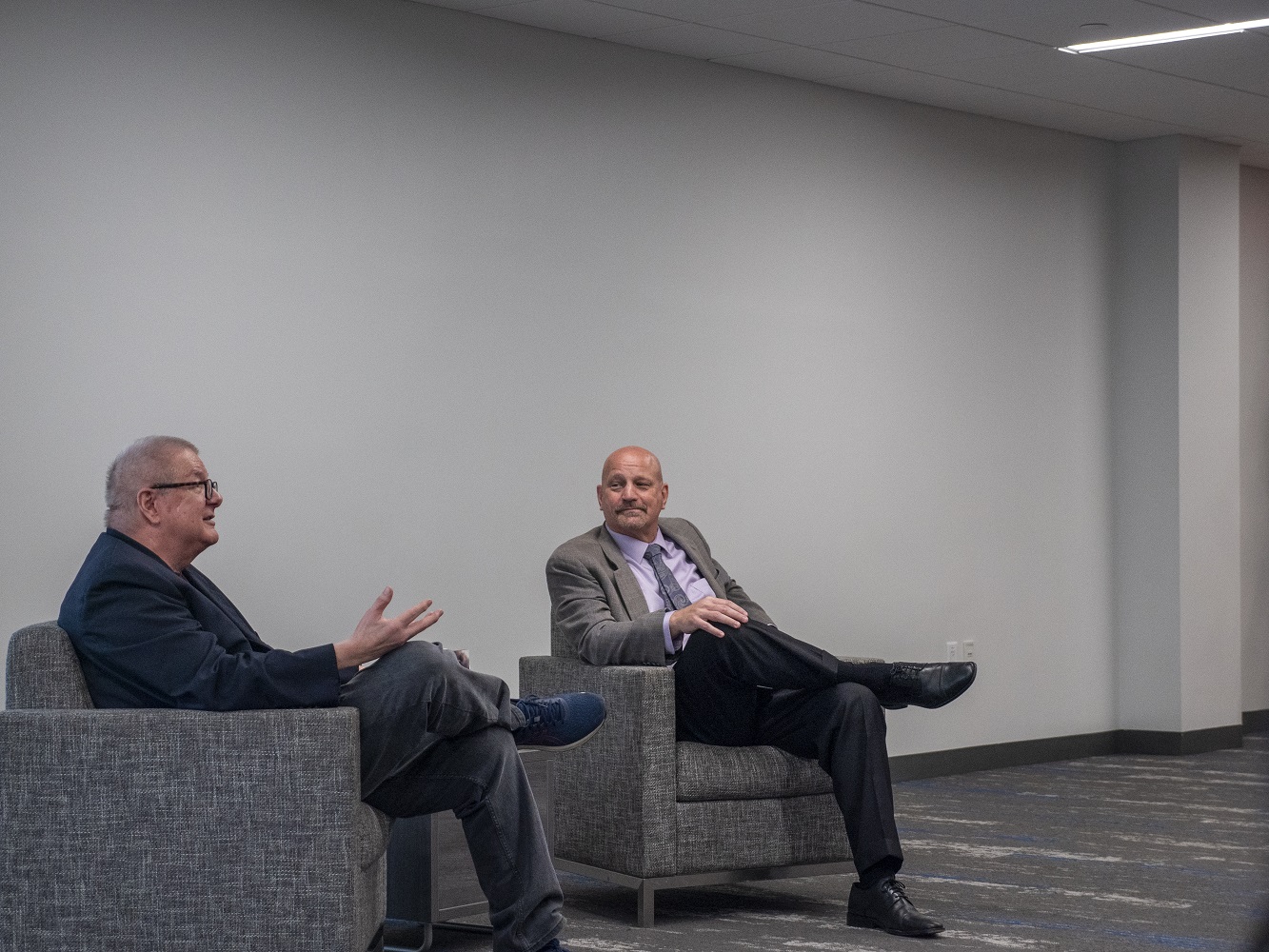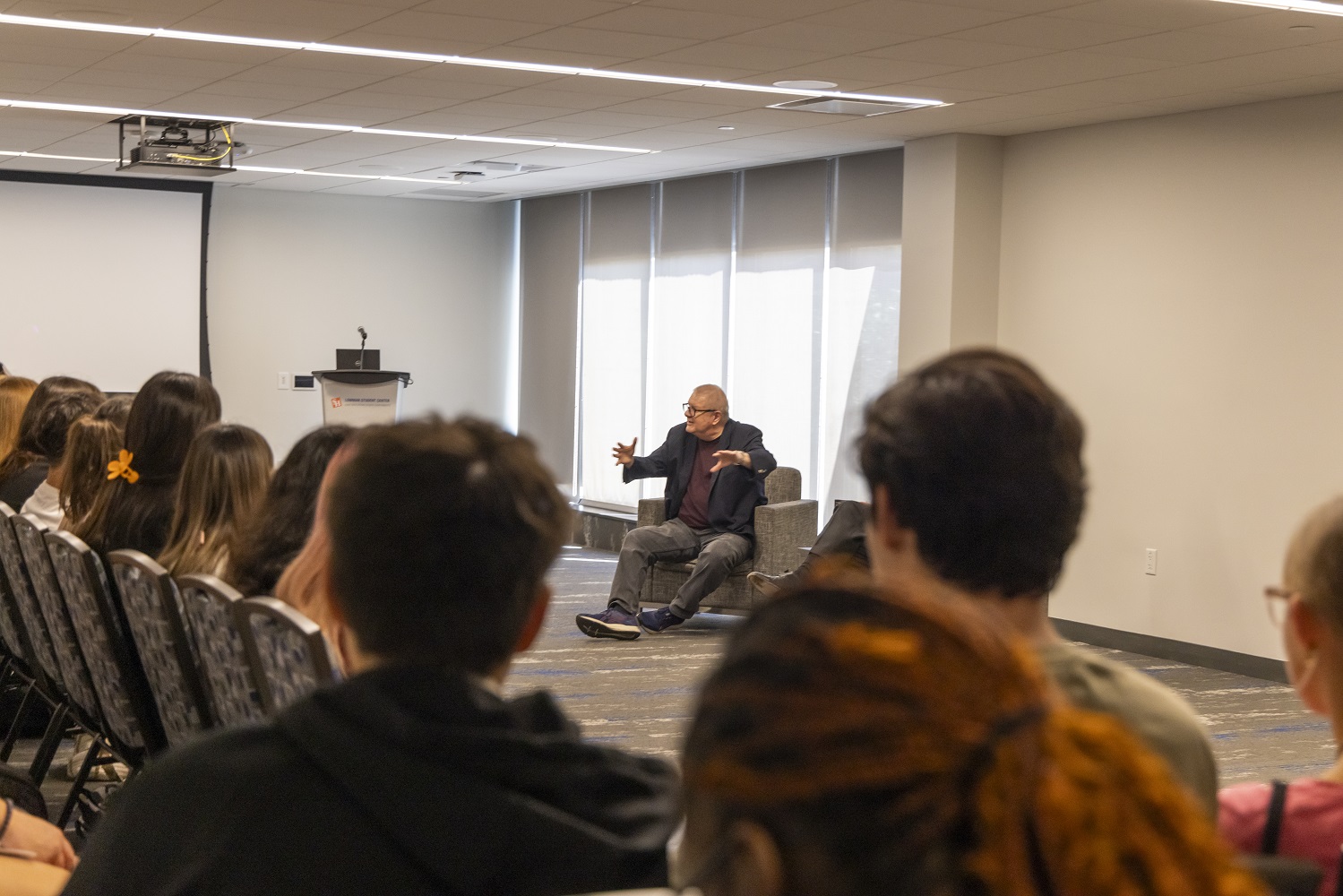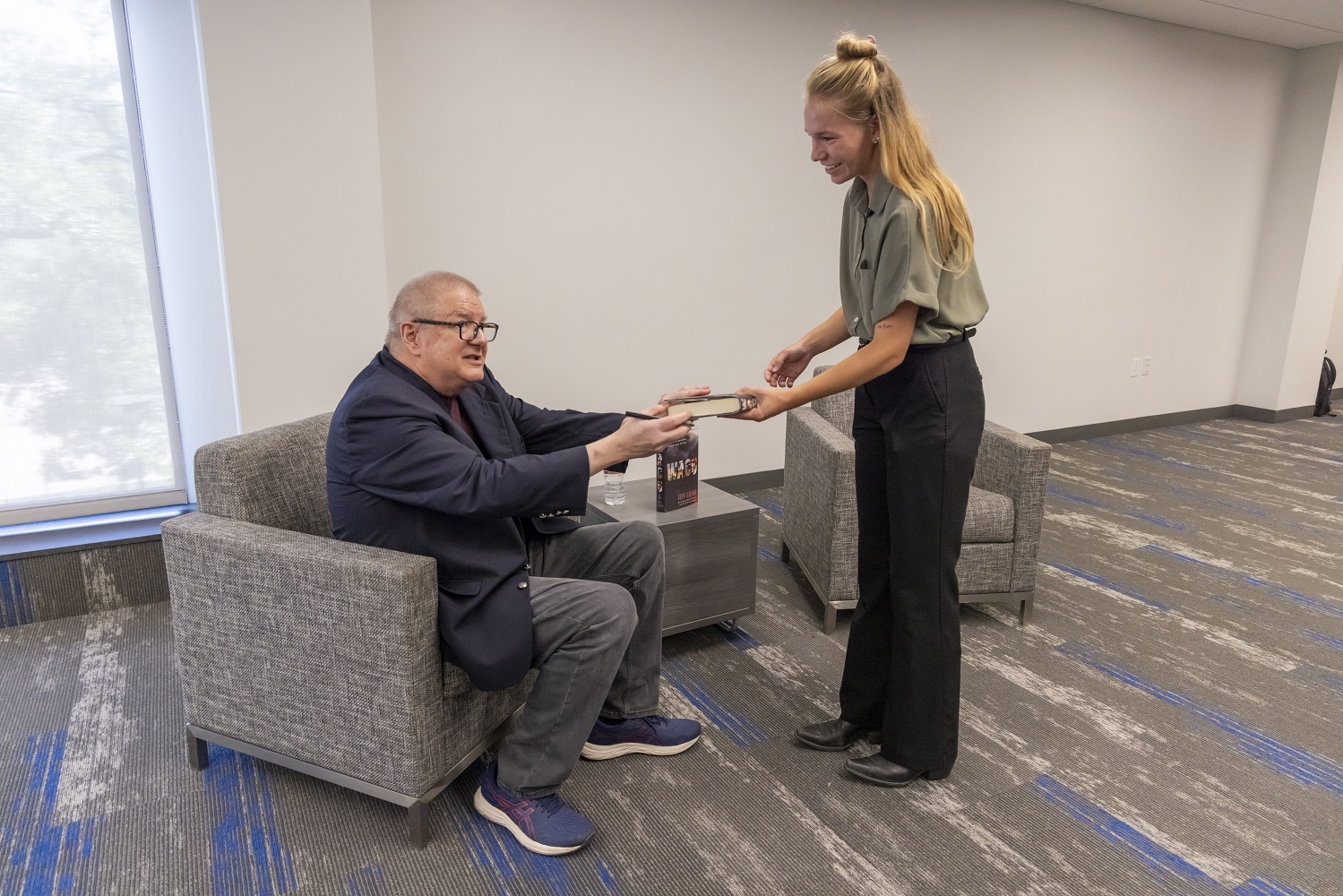
Gene Roberts Interviews the Billion Dollar Bearkat, Brad Ertl

Jessica Cuevas, 09/05/2023

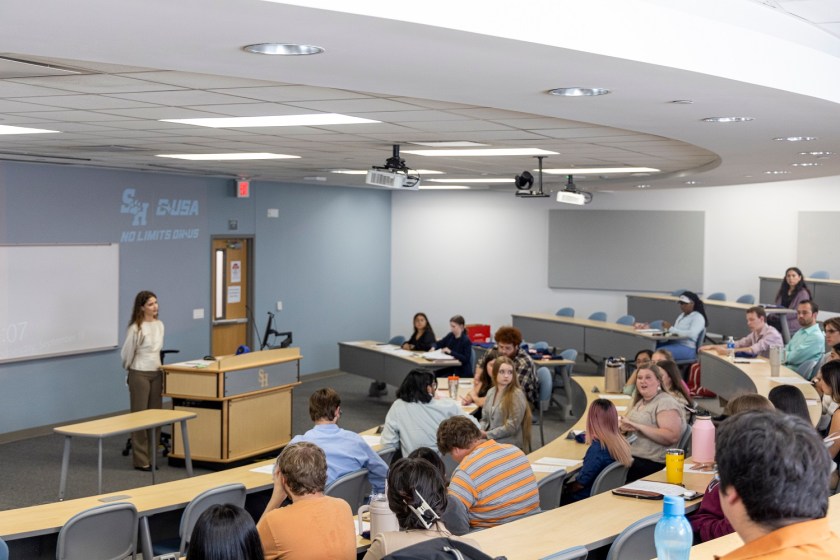
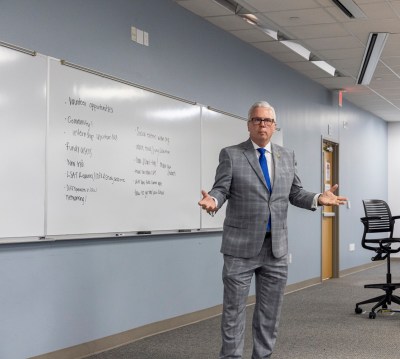
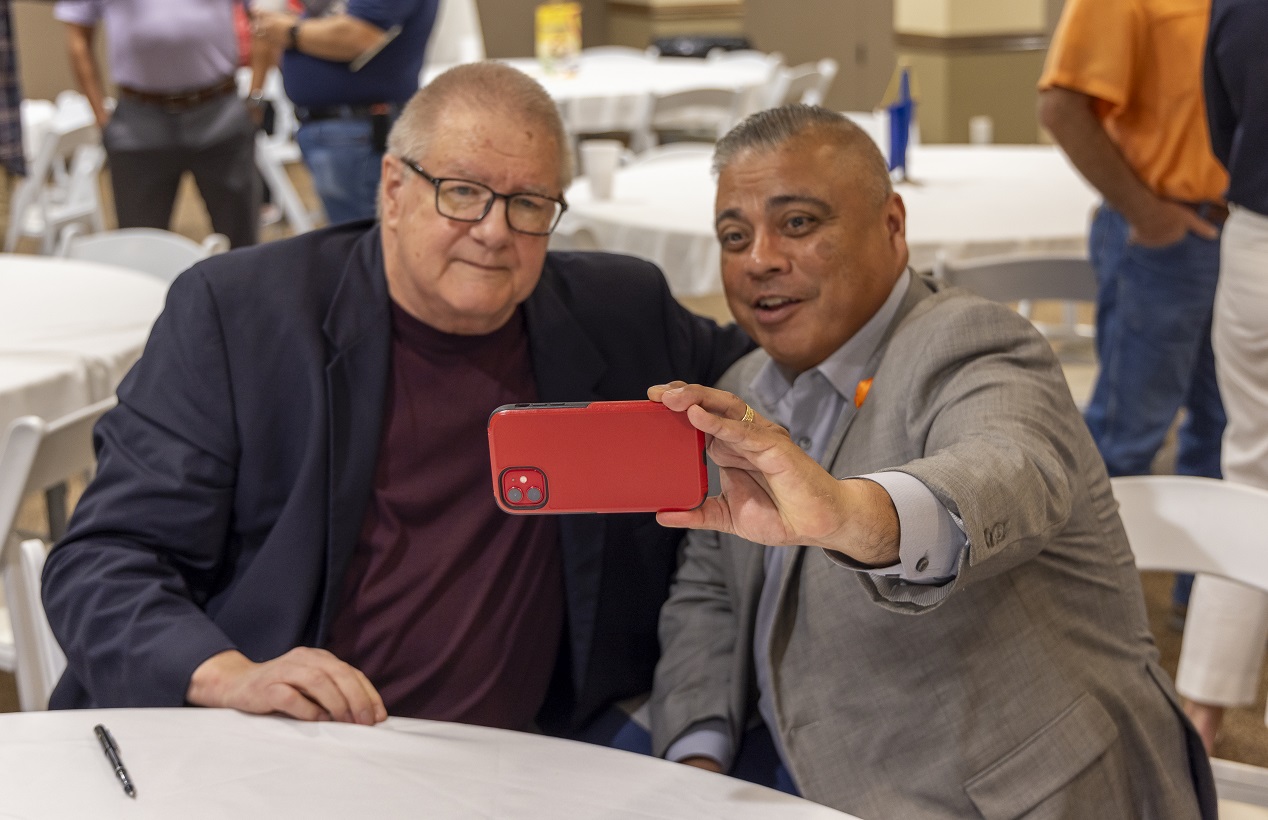
Unlike a typical Tuesday afternoon, the LEAP Ambassadors had the opportunity to attend a virtual event hosted by Sam Houston’s Student Legal Mediation Service (SLMS) Director, Dr. Gene Roberts, featuring Bradley (Brad) Ertl who would be discussing a recent multi-billion dollar ‘revenge porn’ case in Harris County. Brad Ertl is a Sam Houston Alum who, during his tenure at SHSU, received the student Sammy Award. He received his JD from South Texas College of Law and is currently an attorney at Gilde Law Firm, PLLC.

Ertl and his firm took the case of Mark West Jamall Jackson v Jane Doe not for the money but to send a message to the world that the sharing of invasive visual recordings or ‘revenge porn,’ as we colloquially know it as, is not okay. This is what they intended to do from the start, and they were successful in it despite the defendant never appearing in court or having had responded to being served.

In 2012, Mark West Jamall Jackson and Jane Doe met at the wedding of their best friends: he was his best friend’s best man and Jane was her best friend’s maid of honor. They became good friends and kept in contact after the wedding, but it was not until Jane’s father became terminally ill that she began to confide more in Mark and grew closer to him. This led to the start of their relationship in 2016. Soon after Mark was offered a job in Chicago and he asked Jane if she would move with him, which she happily agreed to since their relationship was going well.

The first couple of years were great until Mark lost his job in 2019 and became verbally abusive towards Jane who was currently excelling in her career as an educator. There was testimony to prove that he was a womanizer and could not have any woman be smarter or better than him. Even when things got pretty bad between the two, Jane went to see her mom and believed that she and Mark were going through a rough patch, just like everyone else in their life, she believed this was a ‘forever relationship.’ However, things only went downhill from here when Mark began to share and threaten Jane with nonconsensual sharing of a nonconsensual recording of intimate behavior between the two through all social media, internet websites, emails to her co-workers, etc. Ultimately, after telling their story the jury delivered their verdict within 30 minutes of delivering and favored Jane Doe by $1.2 billion. Although it may seem like a lot, this case was not about the money and no amount of money will ever repair the hardships and emotional toll that she had to endure during the past years.

After providing us with a couple of details of the case but was careful not to share too much, as this case is ongoing and the final judgment is still pending, Ertl broke down the case and explained the legal aspects of the case for the pre-law students: how to choose a jury, how to prepare for a case or determine causes of action, how to continue a case when the defendant evades being served, what the expectations were as he and his colleagues eagerly waited for the final judgment to be delivered by the judge, and how to deal with a case that is emotionally heavy.

To end the evening, Ertl was asked to give pre-law students some advice and he highlighted three things: (1) be present, (2) have and maintain good grades, and (3) go with your gut and tell your story. The latter of which really stood out to me because it was different from what we normally hear but it was a great piece of advice, nonetheless. Intuition is crucial in the legal field as you want to trust gut feelings when having to decide who you want to represent and the best way to defend them to create your reputation. However, at Gilde Law Firm, PLLC. they do focus groups to help guide them in what evidence present to a jury and how to present it as they prepare for a trial.

Thank you, Dr. Gene Roberts…

…for hosting Brad Ertl, and thank you Mr. Ertl for taking the time to discuss this case with Sam Houston State University students and faculty! If you are interested in reading more about the case search Ertl’s name and news articles will come up about this multi-billion-dollar case.

Investigating Crime in Real Time

Cobb County Real Time Crime Center

By Michelle Cardenas

Real-time crime centers are revolutionizing the way police departments address criminal activity in their community. With innovative technologies and procedures, these centers are becoming widespread across the country. One of the first areas in the United States to have adopted a Real-Time Crime Center (RTCC) in their community is Cobb County in Marietta, Georgia. We were very privileged to have Captain Hull organize this tour of their facility and further enlighten the group on the future of policing.

Upon our arrival, we were welcomed by Lieutenant Thorp and Major Bell, who help lead Cobb County’s RTCC in Cobb County’s Police Department. Before entering the room itself, the two took the time to explain to us the importance of centers such as these in regard to protecting their community with speed and efficiency. One way the real-time crime center has revolutionized modern policing, unique to other counties, is through their surveillance technology, which was at work just around the corner.

The dimly-lit crime center was illuminated by 10 screens; displaying a map of the city with pin points of police officer locations, LPRs (License Plate Readers), live video camera footage, and crime alerts. Led by Captain Darin Hull, we viewed a PowerPoint presentation that helped us better understand the functions of their facility. To provide the typical structure of their operations, the presentation provided two examples of their crime center in action, which both lead in the apprehension of the suspects. 

The two examples, one involving a home invasion and the other theft, showcased the enhanced police response to crimes, made possible by the RTCC. With live recording and reporting, the police have stronger capabilities to swiftly arrest and convict criminals.

The officers emphasized the various concerns during the early stages of modern policing, including the general public’s fear of privacy invasion. Understanding the citizens’ apprehension, the analysts at the Real Time Crime Center have taken proactive measures to acknowledge the importance of establishing trust within their community; offering informative sessions for those seeking to learn more about the center’s operations and benefits, as well as providing discounts for businesses on purchases of a Fusus Core to integrate their cameras with the RTCC database to provide live transmissions for the officers.

One of the most interesting things about the Real Time Crime Center was their staff. It takes true dedication to use all the technology provided to capture suspects and get them away from the public. Deputy Chief Stuart Vanhoozer mentioned in one of the videos that technology means nothing if the staff does not demonstrate resilience and determination to stop crime. It was pretty evident that the staff there was more than capable, and they demonstrated extreme kindness towards us and welcomed all of our questions with pleasure. 

As a Criminal Justice major, it is very important to see another of various career paths one may take in the field. I personally enjoyed experiencing a different aspect of law enforcement outside of the classroom, that itself is emerging in real time.

Thank you again to Captain Darin Hull, Lieutenant David Thorp, Major Stan Bell, and the staff of Cobb County’s Real Time Crime Center for taking the time to educate us on the amazing work your division is doing for modern policing practices.

Exploring Law School Options: Charleston

By Jessica Cuevas

On our final day in Charleston, we had a special treat in store: a tour of the Charleston School of Law. One of the advantages of SHSU as a “law-school feeder,” is that we have an active pre-law society, engage in many activities relevant to the law, and we have opportunities to visit and explore law schools.

Charleston School of Law

On this trip, we were set to visit the Charleston School of Law, a visit that included a meeting with the Director of Admissions, visiting with law-school students, and sitting in on a class.

So, while Ingrid and Morgan did various tours of Charles, Olivia, Michelle, and I met with Marisa Banke, who graciously organized our tour, and Michael Banks, Director of Admissions, on the second floor of the building. Mr. Banks covered all bases of our general questions, including an overview of Charleston’s School of Law, its application process, and what they look for in a personal statement and financial aid.   We then met with a 2L student and a 3L student, the latter of whom is studying for her Bar exam, to show us around the school.

Although it is quite small, it consists of everything a Law School student might need: a library and plenty of study areas. The tour was unique in that it was Olivia and Michelle’s first law school visit, which allowed them to build a point of reference for potential schools they may be interested in including Charleston School of Law.

The Law School Journey

One important thing to know for pre-law students: most schools follow the same admissions processes. Almost all law schools are going to look at your LSAT score, GPA, personal statements, letters of recommendation, resume, as well as volunteer service and organizations. Of these factors, LSAT and GPA are, by far, the most important.

Different law schools do have somewhat different clinics, programs, or specialties. And law schools have different cultures. A visit allows you to experience those factors that do differ and help to see if you “fit in,” while also experiencing the city in which you might be living.

As a senior, I have visited and toured three law schools: Belmont College of Law, Chicago Kent College of Law, and Charleston School of Law. In fact, with the Chicago Kent College of Law, I was able to do their PLUS program and really learn a lot about the process.

If you are interested in law school at SHSU, I recommend you meet with either Professor Mike Yawn or Ms. Jean Loveall, enroll in the Pre-Law Society, and take the Mock LSAT as early as possible. Once those things are done, you will have the opportunity to hear more from law school representatives through the Pre-Law Society and, we hope, visit your own preferred law schools!