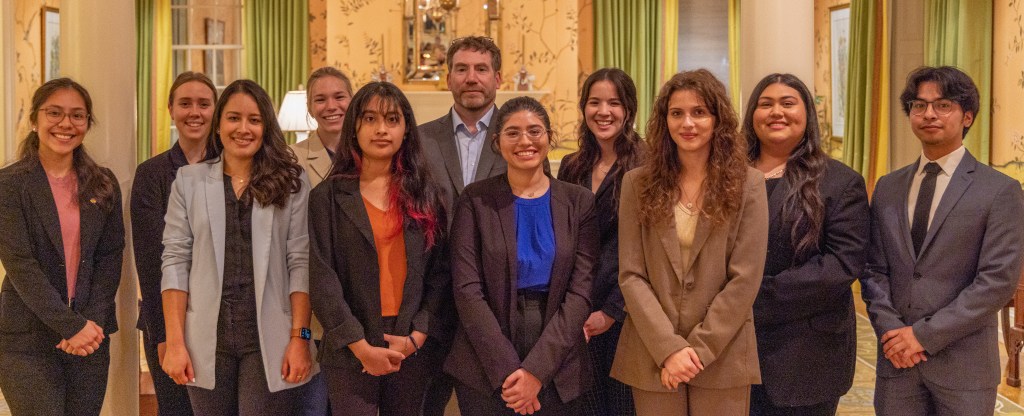
Pre-Law Society Meeting: Voir Dire

Last month’s Pre-Law Society meeting was a natural segue to the topic for this month’s Pre-Law Society meeting. Last month’s discussion featured three attorneys in a question-and-answer format focused on what to expect in law school and what life is like as an attorney.

This month’s meeting had multiple foci. First, the officers provided updates:

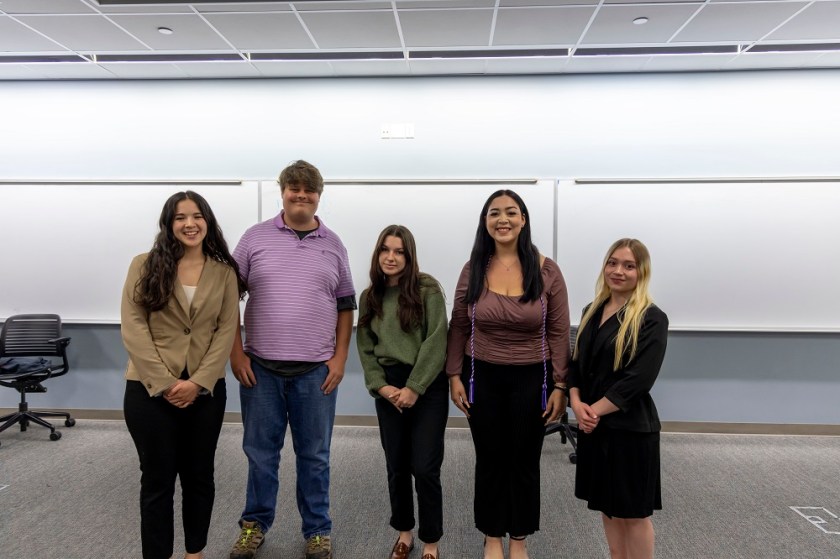
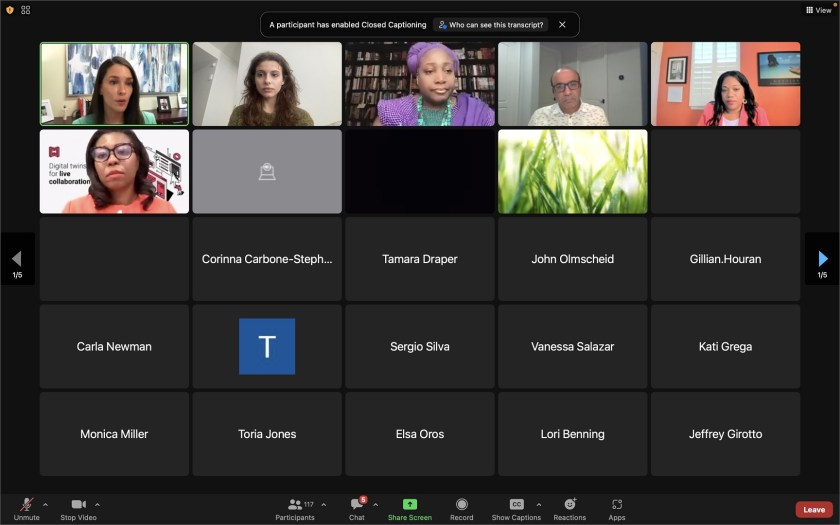
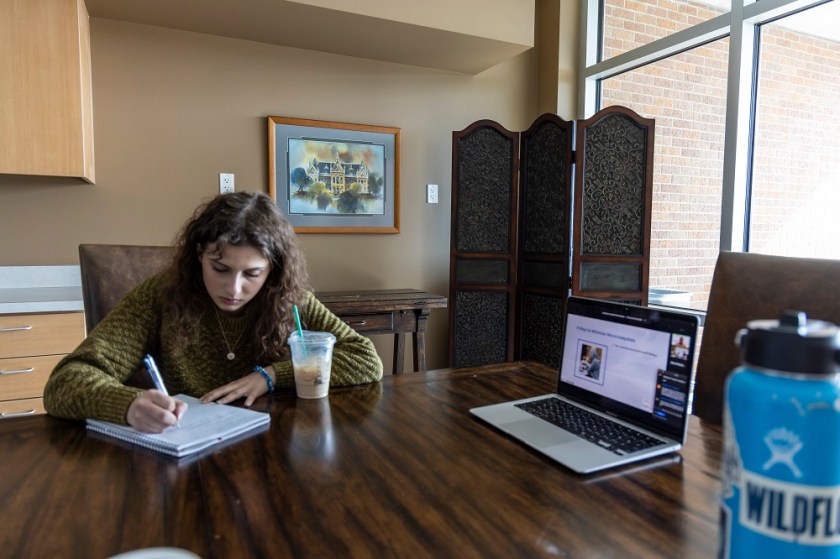
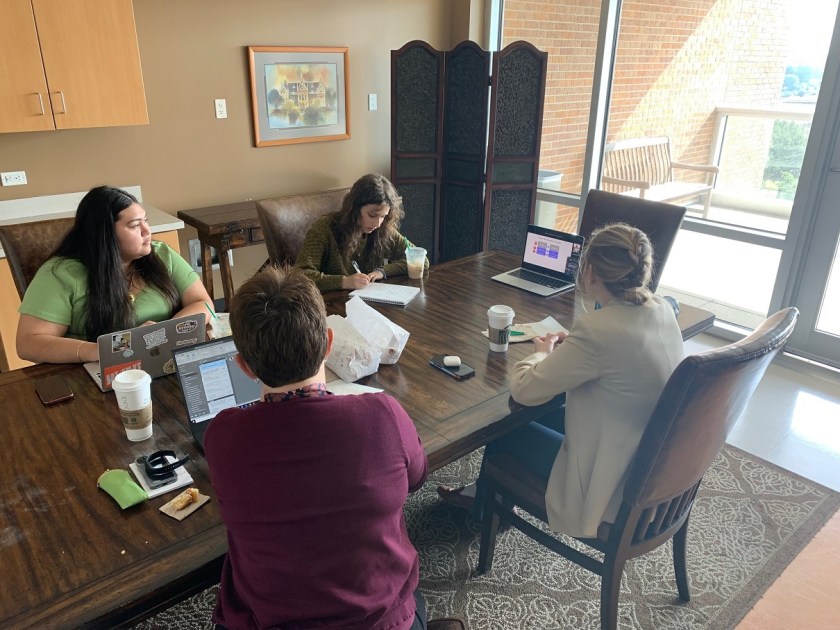
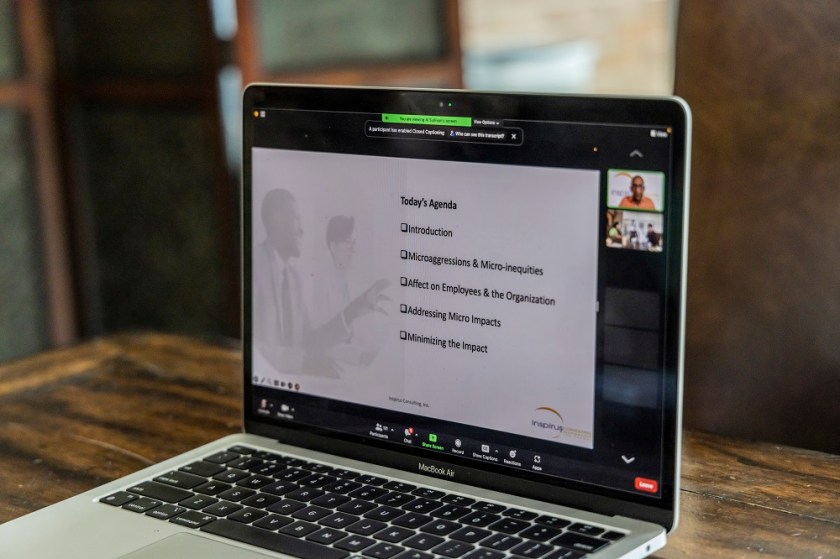
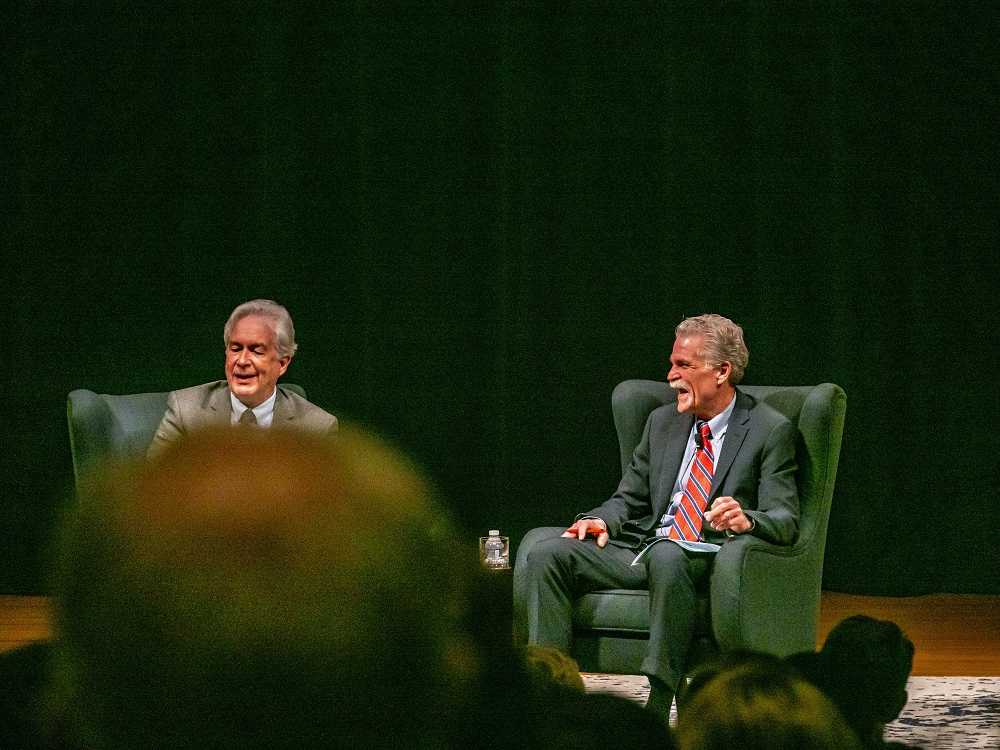
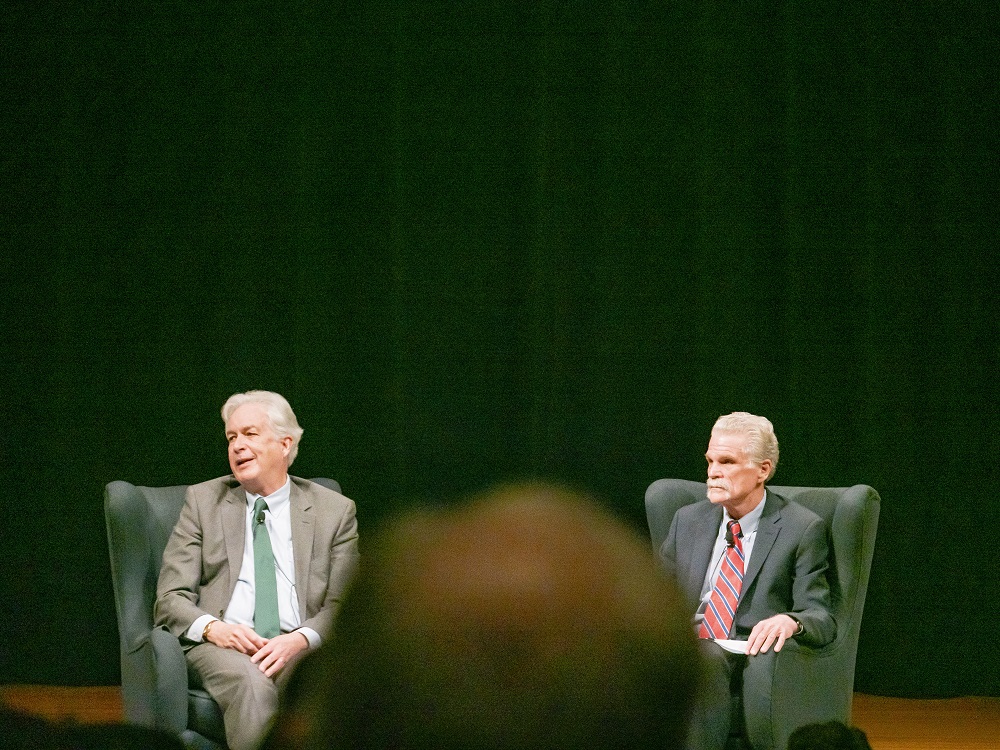
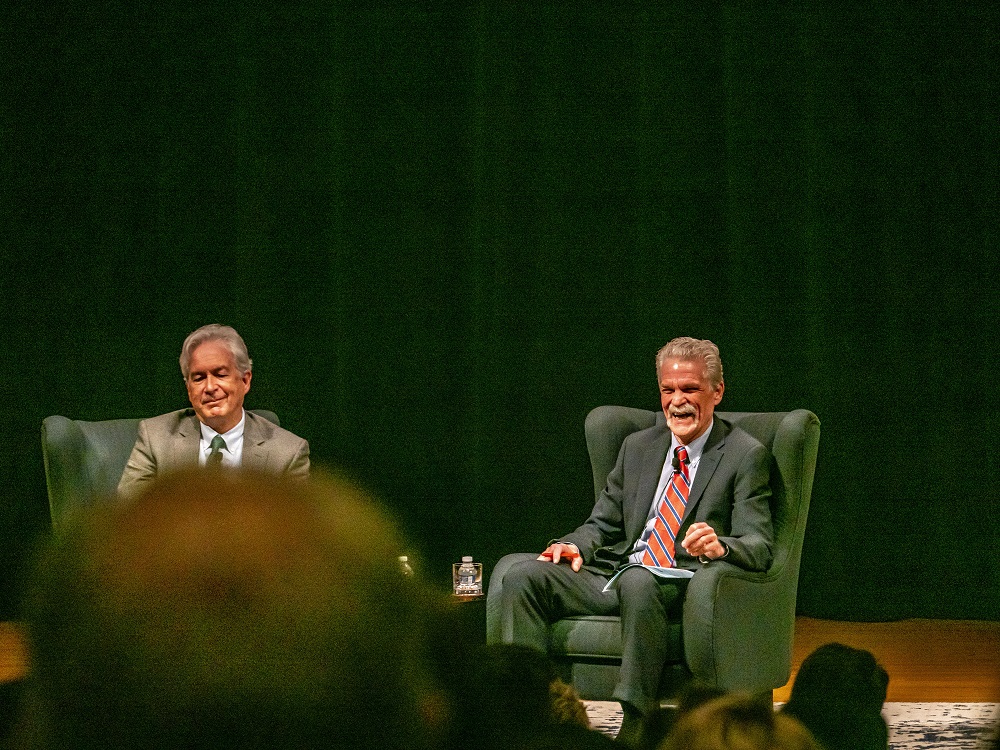
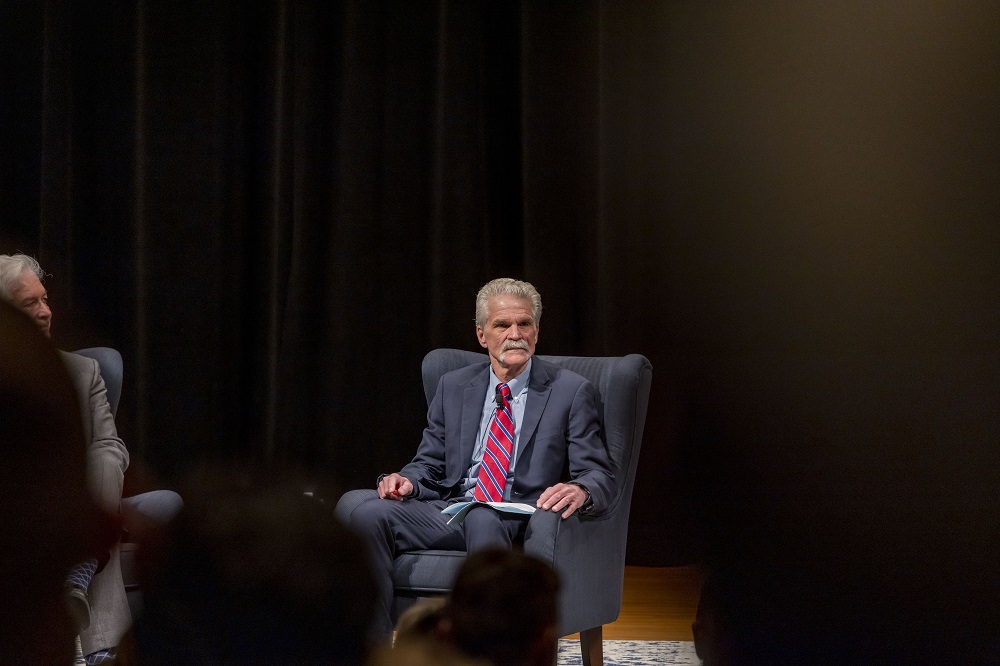
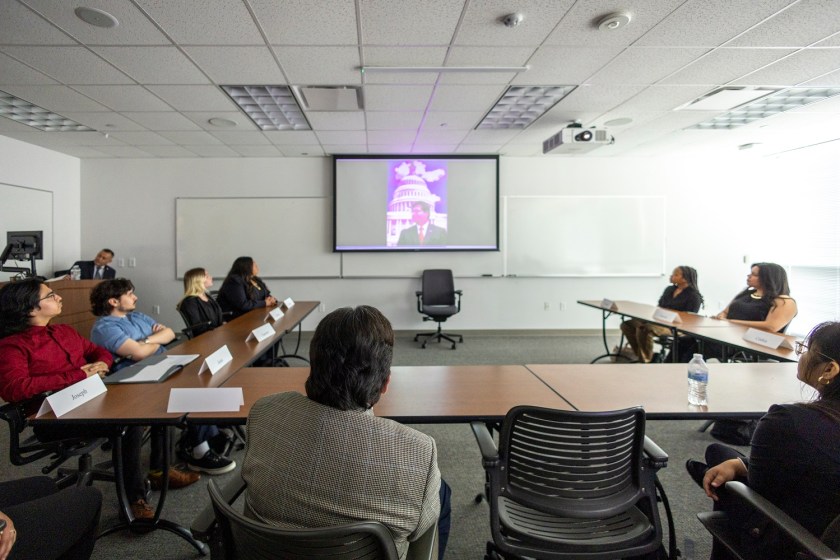
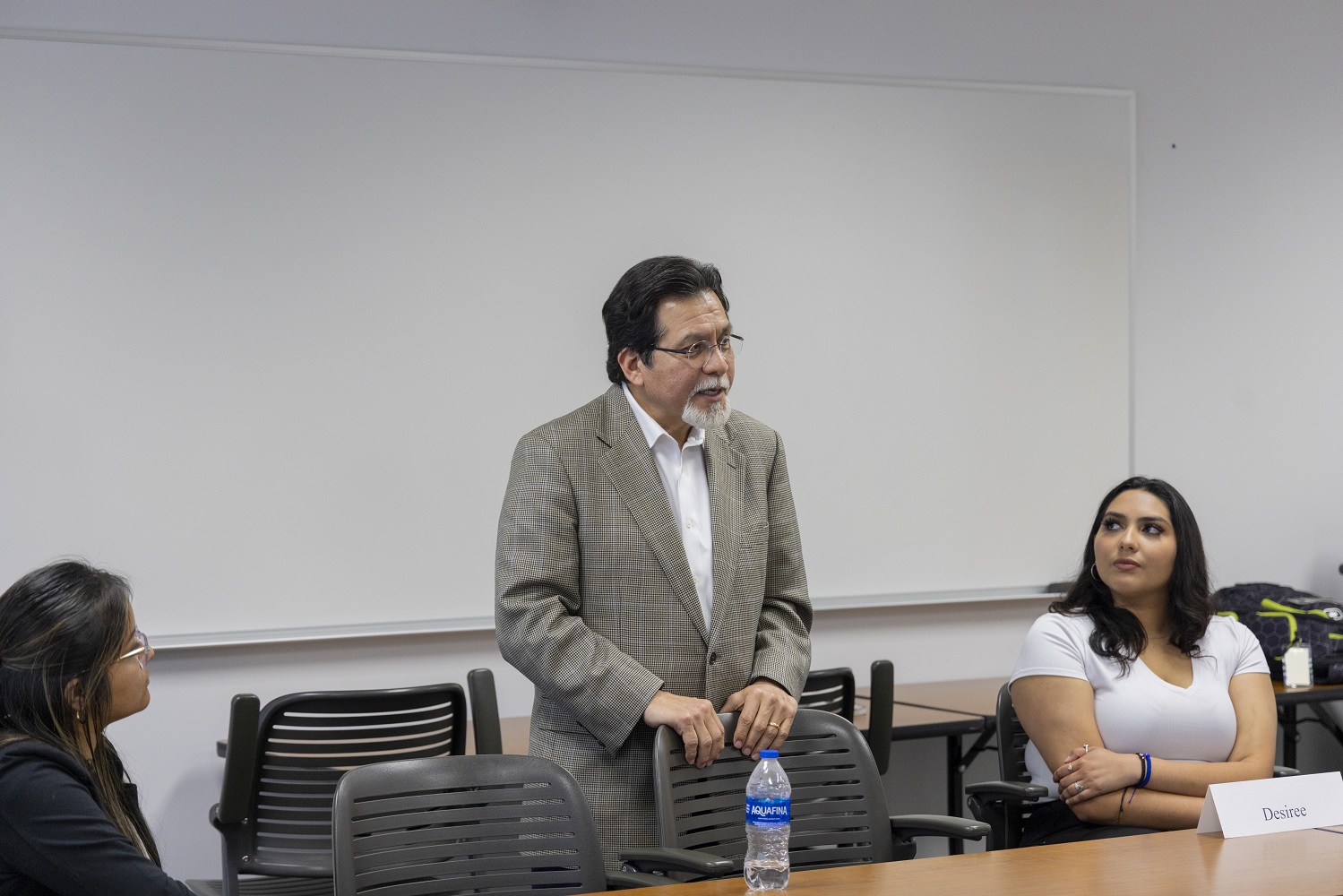
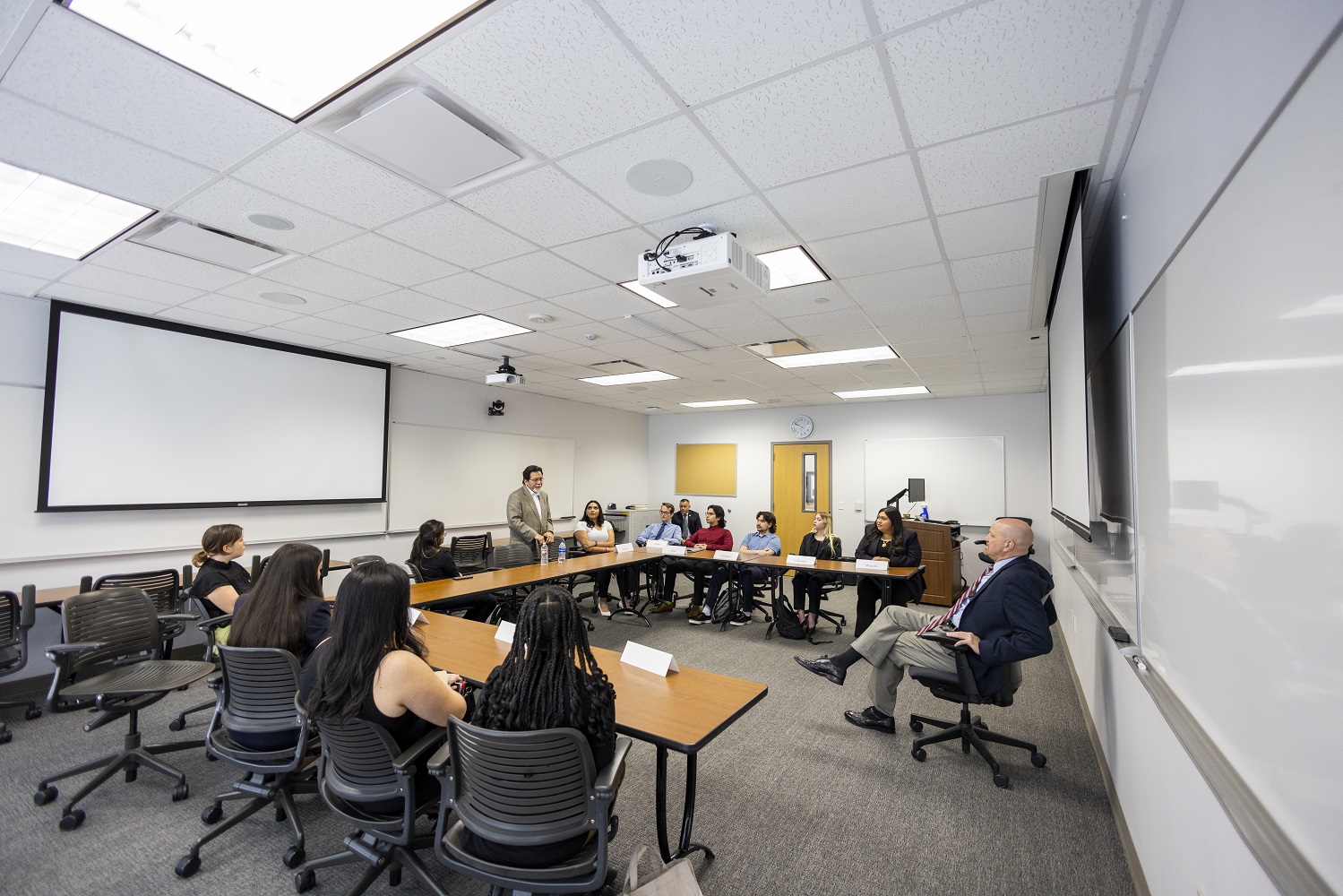
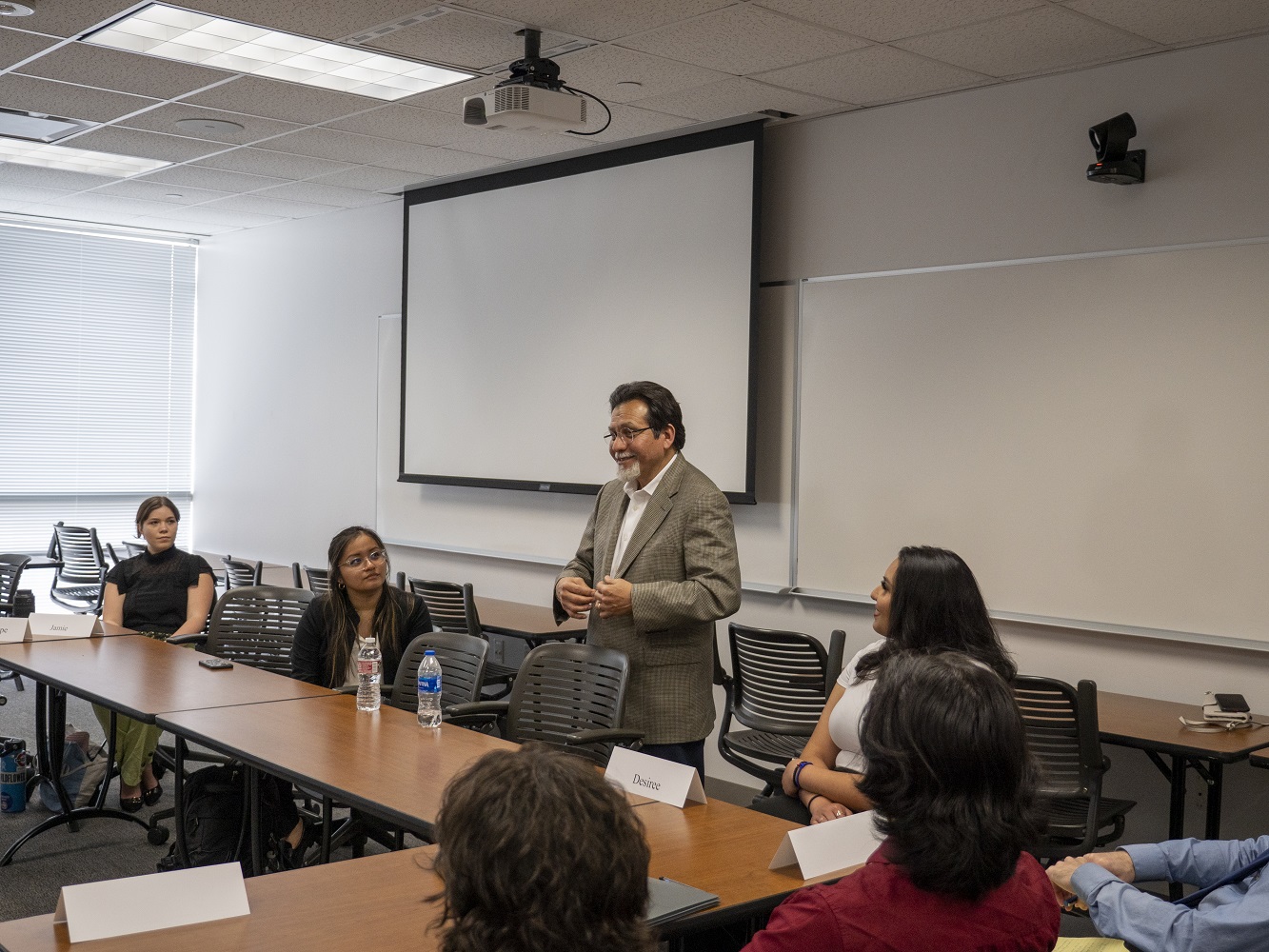
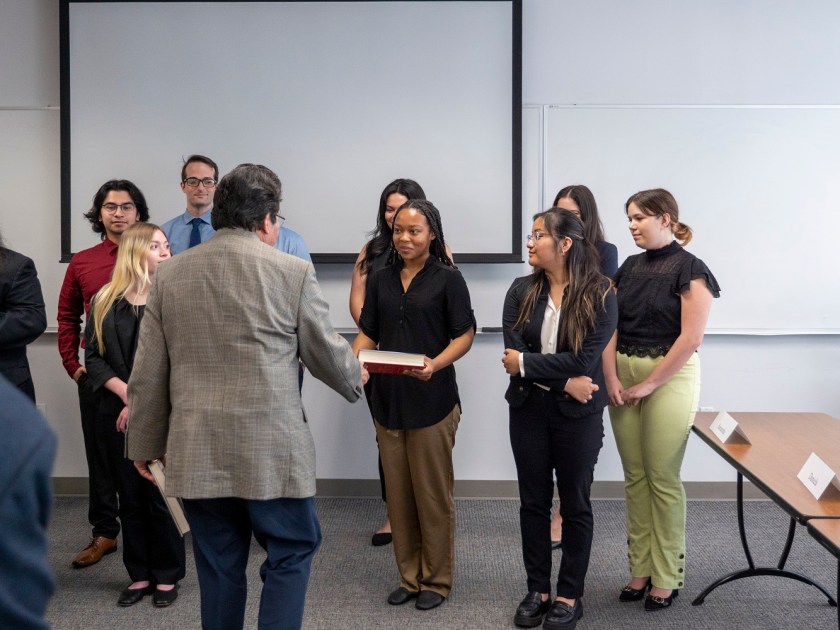
In the second part of the meeting, Jade Miller, Pre-Law Society President, Professor Mike Yawn, and Jean Loveall discussed a timeline to go to law school from freshman year to senior year of college.

Since Jade just completed her LSAT Prep, took the LSAT, and applied to her chosen law schools, she shared a wealth of information gleaned from her path to law school. With her personal story of LSAT Prep, Jade inspired the Pre-Law students with three strategies that worked for her: (1) take the Critical Thinking philosophy class (PHIL 2303); (2) budget your LSAT Prep time wisely; and (3) focus on developing and writing a strong argument when completing the Writing Sample part of the LSAT.

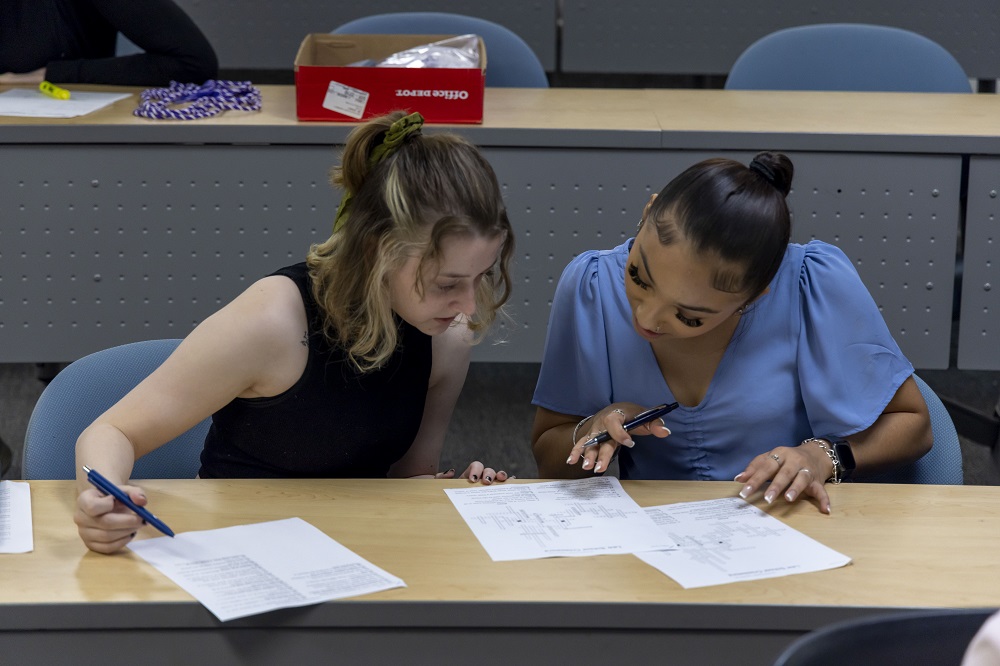
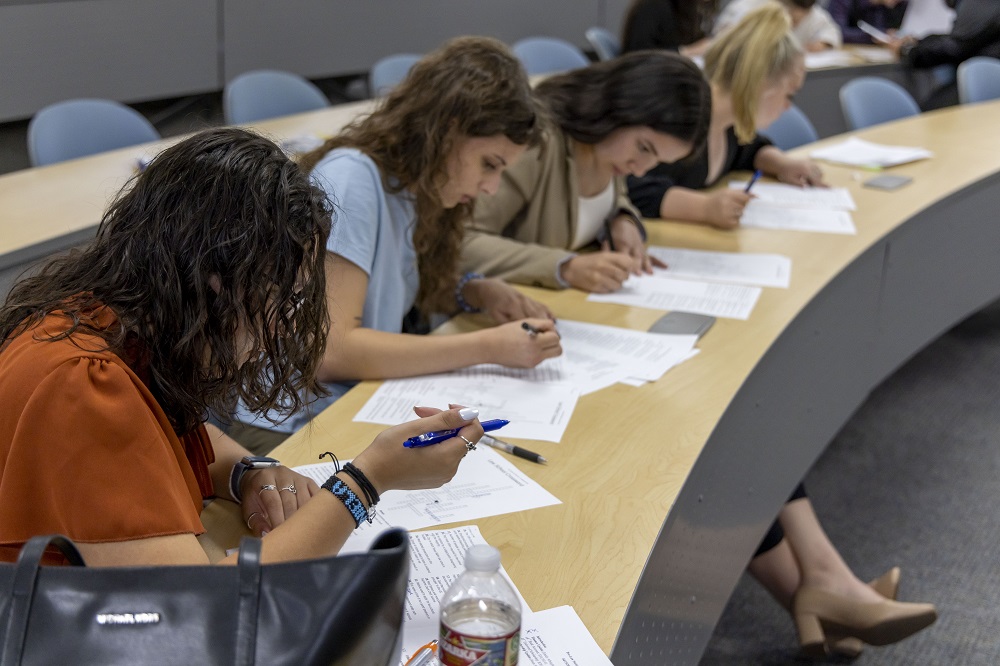
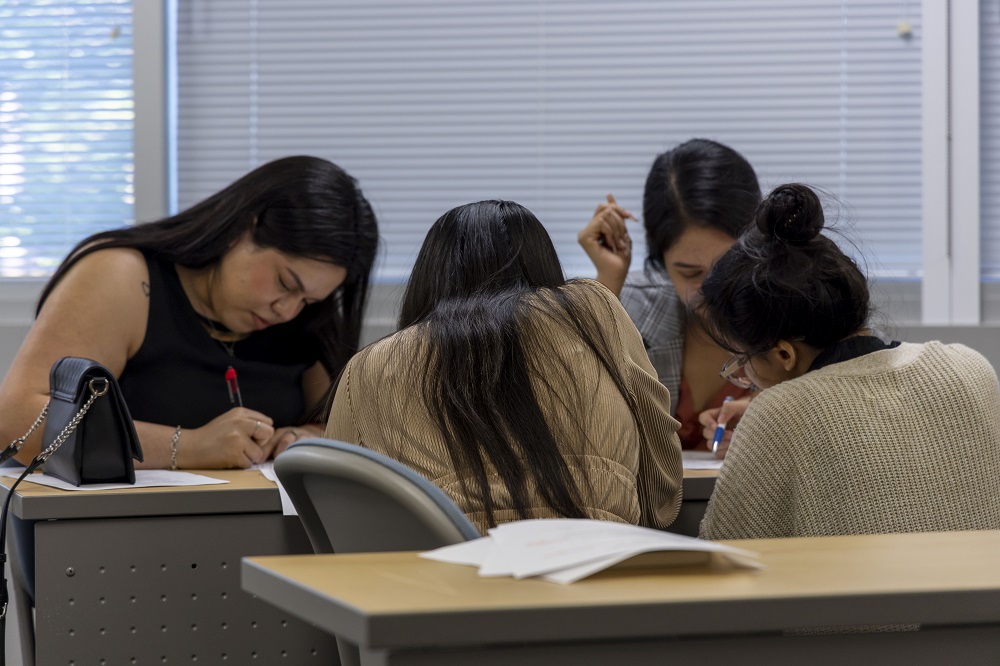
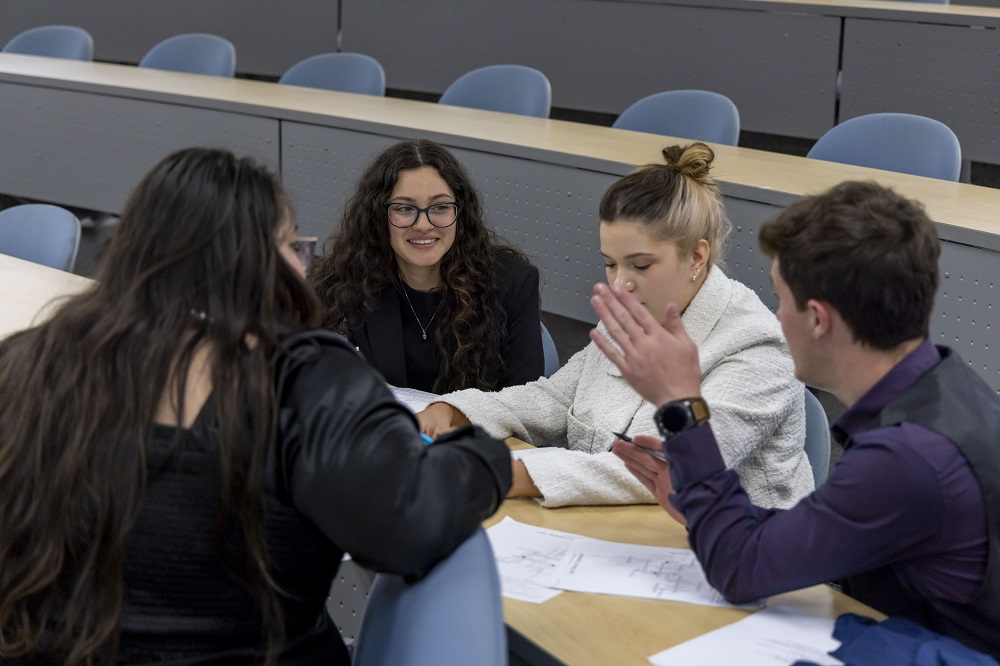
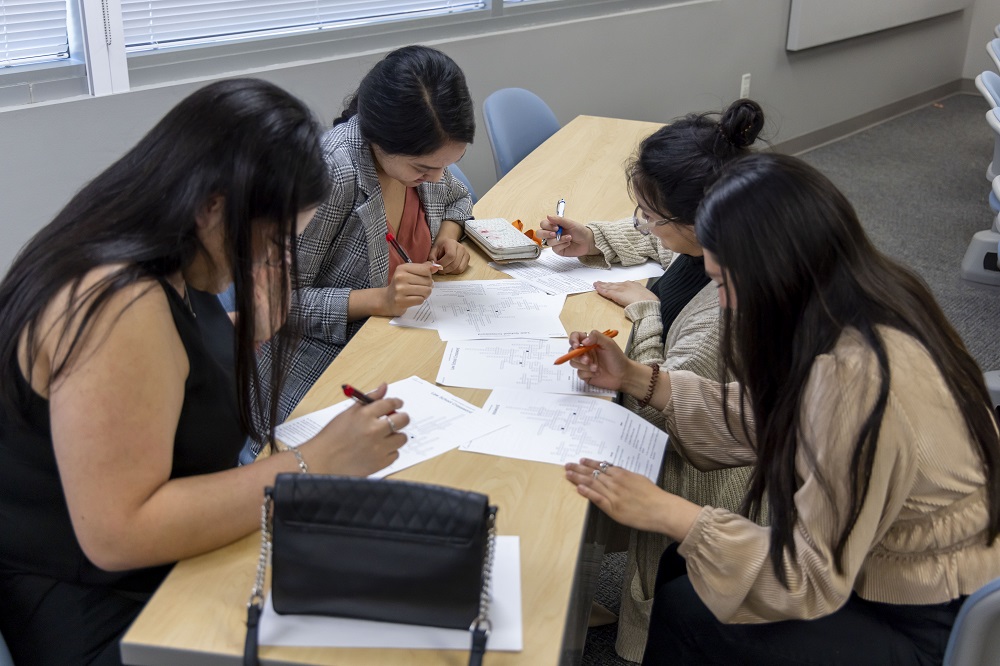
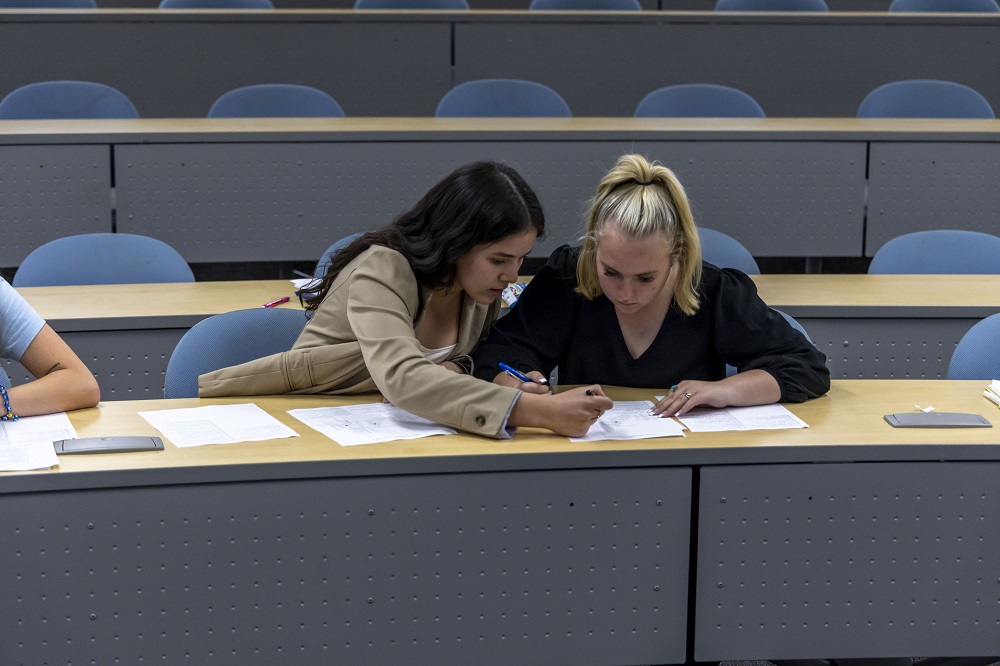
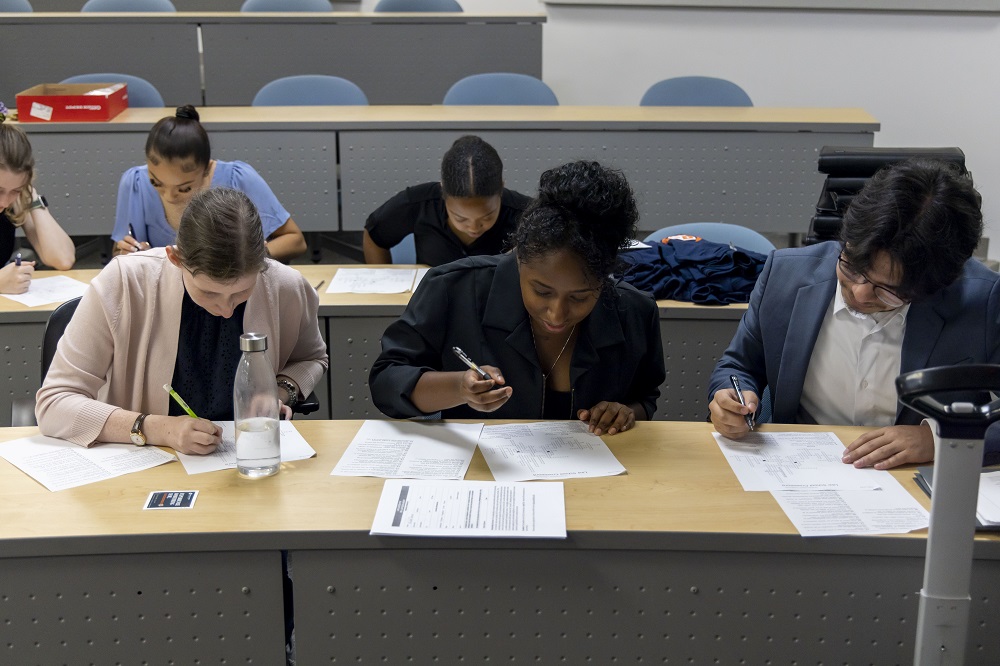
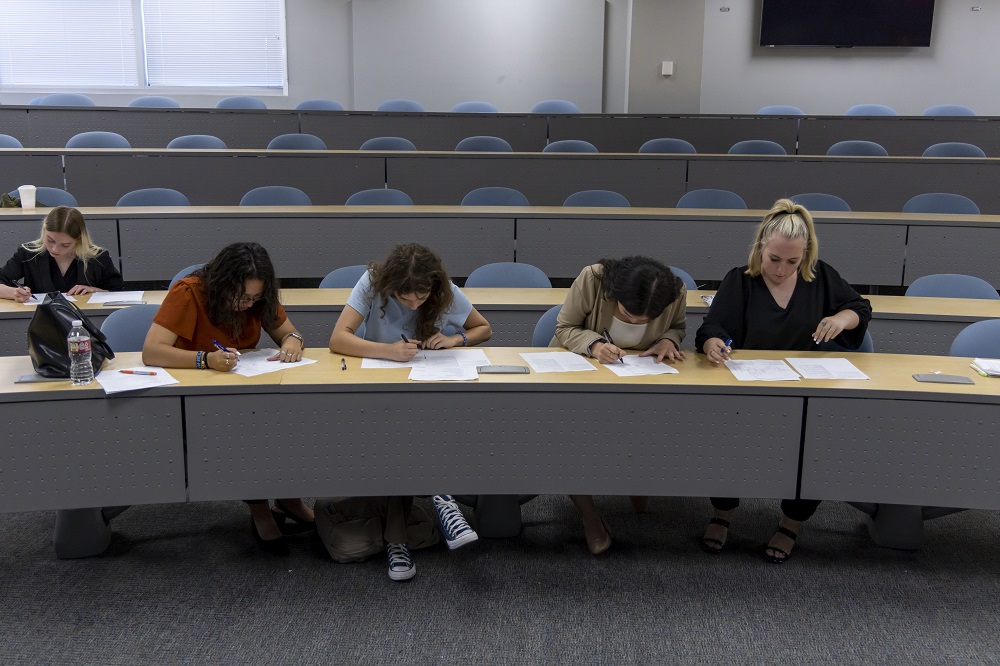
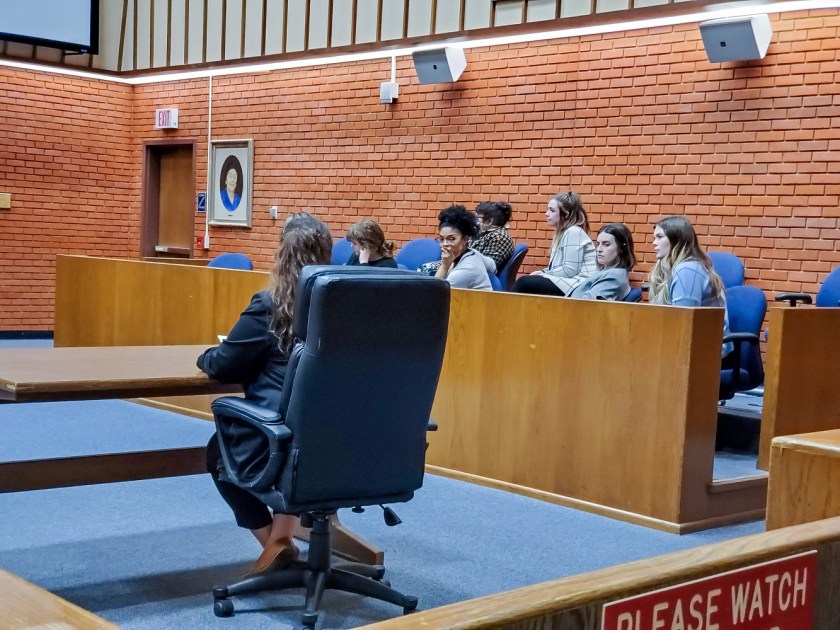
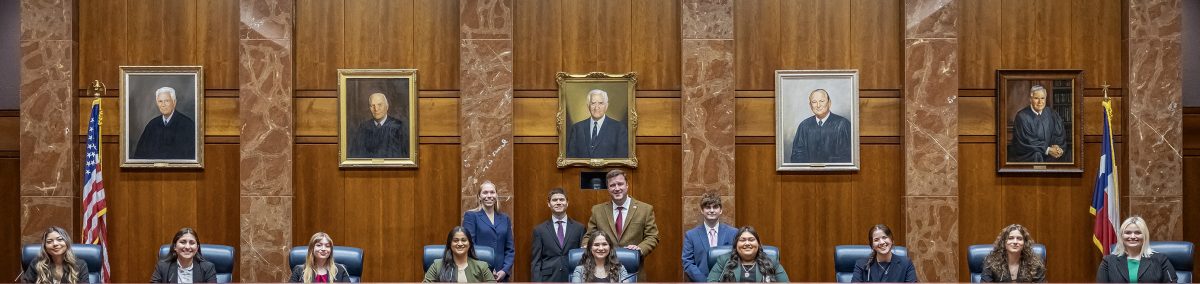
After hearing such encouraging words and valuable advice from the three presenters, the Pre-Law Society members were energized to engage in a voir dire activity. Voir dire is the process in which trial attorneys examine potential jurors before the jurors are selected to serve on the trial.

Amari Gallien presided over the voir dire as the Judge, Sephora Pham and Matthew May were the defense attorneys, and Professor Yawn was the prosecutor. As the potential jurors, each of the remaining Pre-Law Society members received a vignette of the character they would portray as a potential juror. These vignette characters ranged from a male country music singer/songwriter with a high school degree to a female accountant pregnant with her second child to a 72-year-old retired art history teacher. This activity introduced future attorneys to the nuanced questioning and strategies involved in selecting jurors for a criminal trial.

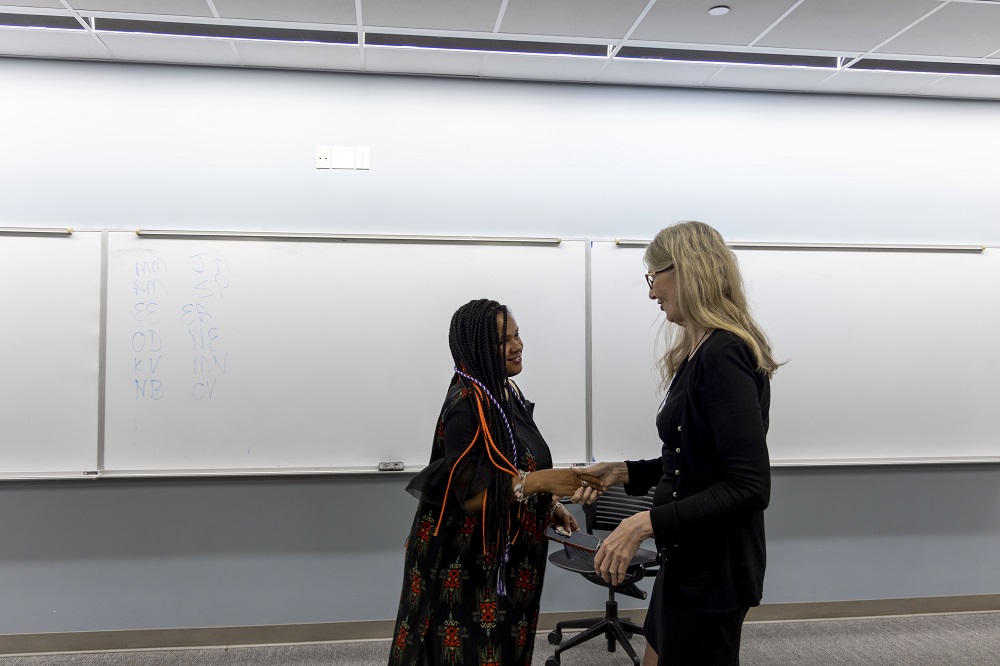
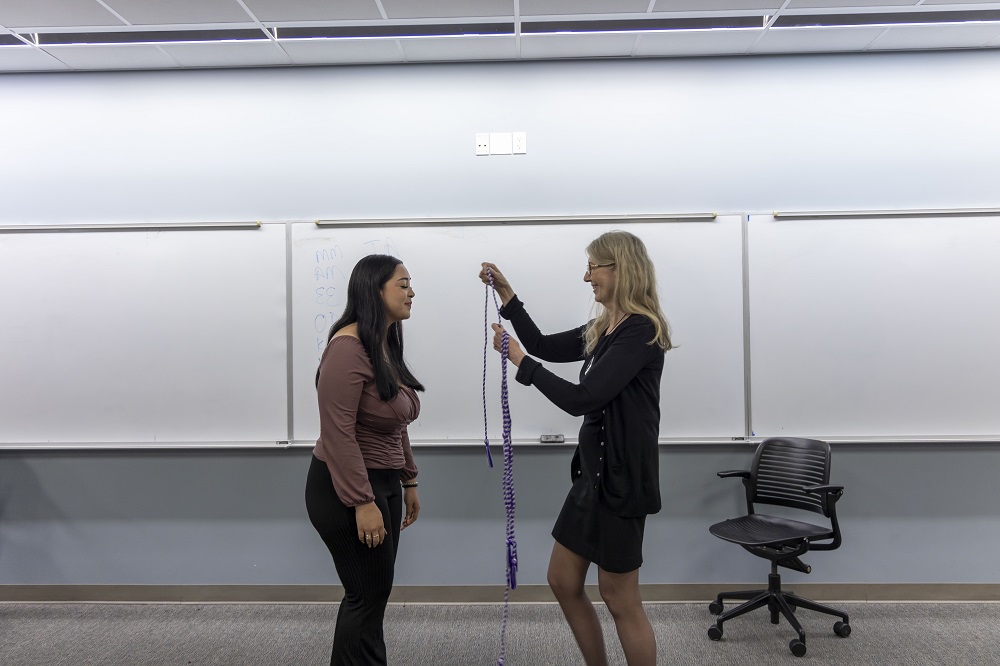
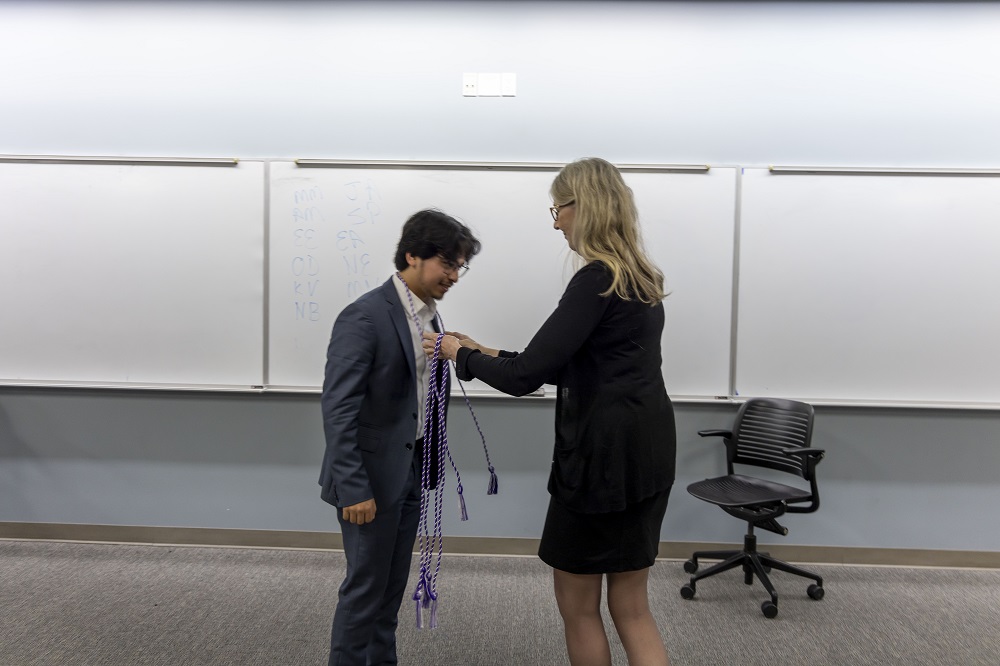
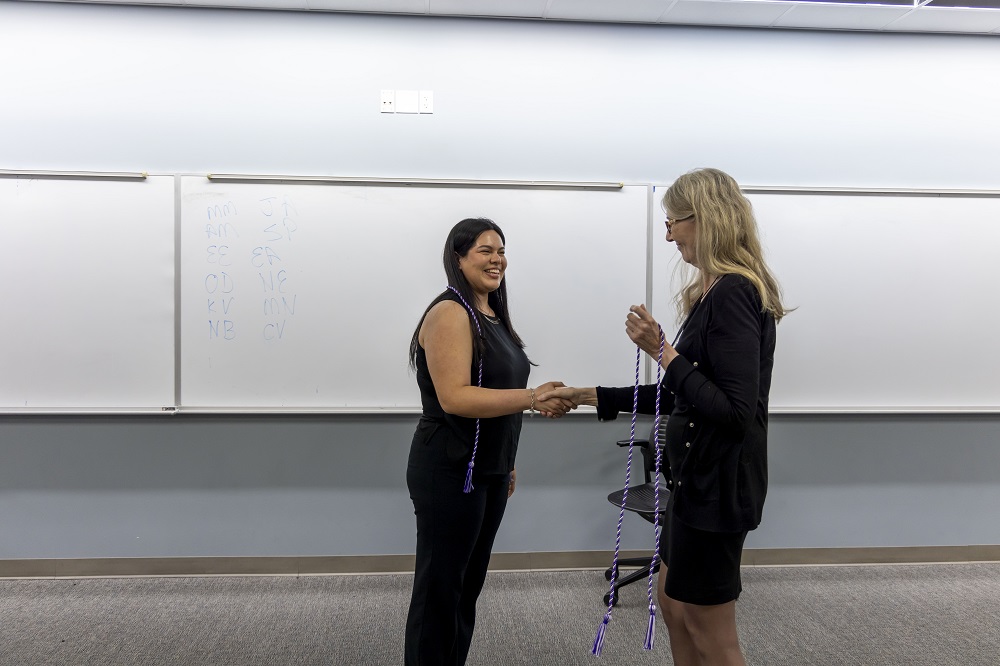
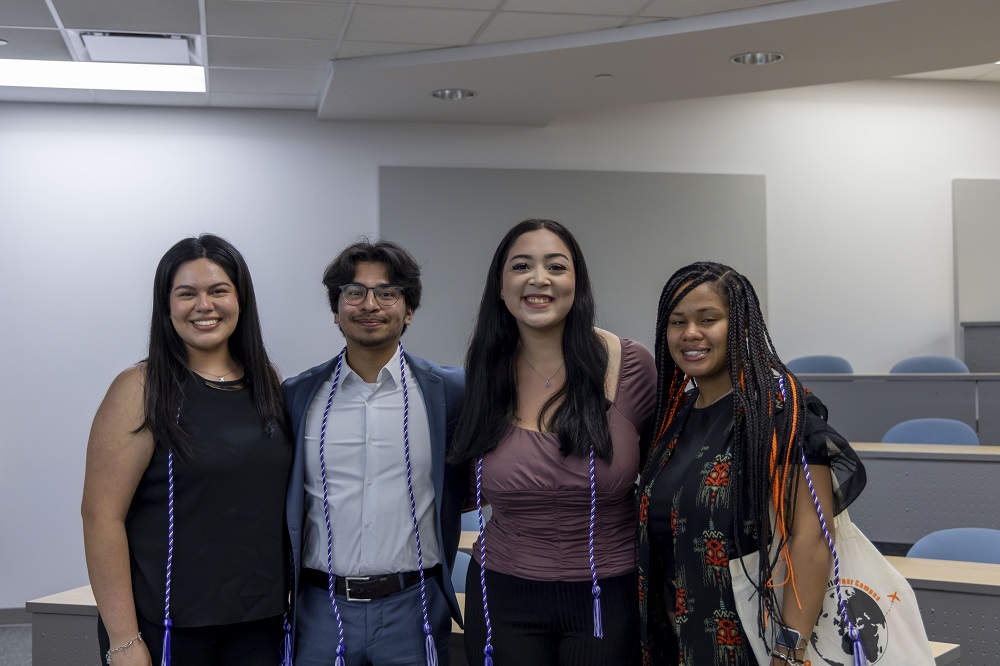
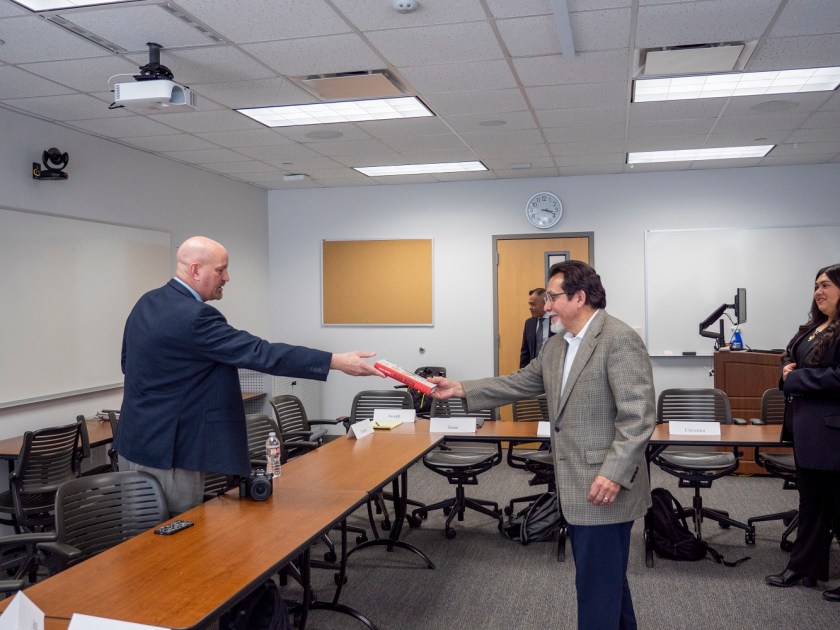
Thank you to all the Pre-Law Society members who participated in this interactive meeting. As president, Jade Miller has some exciting topics planned for next month’s meeting. One activity to look forward to is the cording of all Pre-Law Society members who are graduating in spring 2023. We hope to see all Pre-Law Society members on April 19th!

Pre-Law Elections: Charting the Spring

McKenna Nonnenmann

May I be the first to welcome all new and old Pre-Law society members back from winter break!?


We welcomed three guests, each with varying degrees of familiarity. Victoria McClendon recently graduated from law school at Duquesne, and she just passed the bar this summer! She, interestingly, is a former Pre-Law Society President and, of course, a Sam Houston State University alum.

We were also introduced to Dr. Gene Roberts, who graduated with a law degree from SMU. He works here as the Director of Student Legal and Mediation Services and as Associate Dean.

He even has an EdD and a JD! We also heard from Ms. Jean Loveall, a mainstay as a pre-law advisor here at SHSU and the LEAP Center.
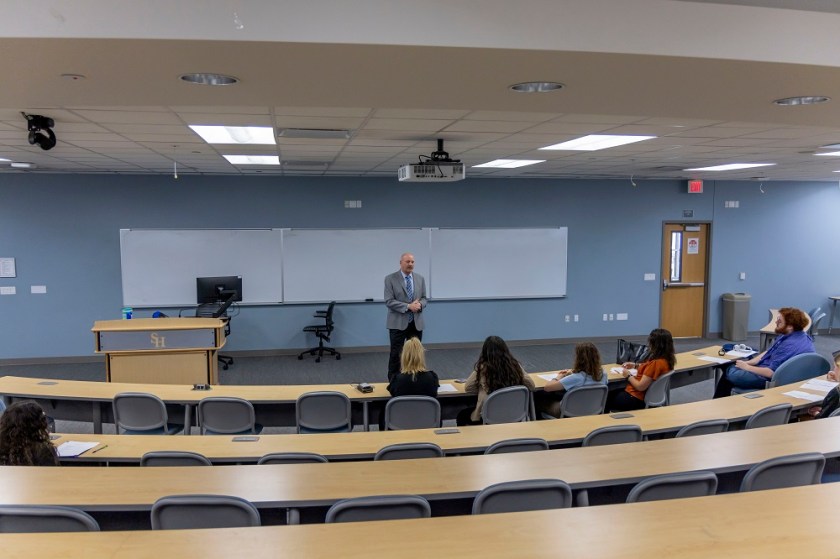
Together, they did a great job of explain what to expect from law school, attorney life, and our future years here at Sam. 

As it is a new semester, we also needed to fill some officer positions. Jasmine Crooks was re-elected as the Society’s secretary, as well as McKenna Nonnemann (that’s me!) remaining as the historian. With the president position open we had three society members run for the position: Jacelin Daniels, Jessica Hernandez, and Jade Miller.

We also had two members challenge each other for the Vice President of Membership: Christion Chancellor, and Jesus Ayala.

Each member brought wonderful ideas and gave heartfelt speeches, with Jade Miller and Jesus Ayala being awarded the officer positions!

We’d like to thank all Pre-Law members for joining us at this meeting. As well as all members who ran for officer positions along with the officers themselves. We hope to see you next meeting, on March 22!

Wrapping Up the Fall with the Pre-Law Society

PLS Meeting: Cross Examination Exercise

November 16, 2022

McKenna Nonnenmann

For our last Pre-Law Society meeting, all the members engaged in a cross and direct examination exercise! Following our previous meeting with an attorney, Mr. Chris Thompson, who spoke on tips and tricks to successfully cross-examine a witness in the courtroom, we dove into an immersive experience to apply what we learned from him.

As an interactive exercise, all members were given roles and could ask unique questions to either reinforce the case’s witness or discredit them. To start us off a model group came up to present how the exercise should be done with the roles being played by Yvette Mendoza (police officer), Ashley Kinyon (prosecutor’s witness), Anthony Roughton (prosecutor), and Jocelyn Vazquez (defense attorney).

They each presented a crime scene from the famous movie Taxi Driver. In this case, a man is being convicted of second-degree murder but was pleading for self-defense. This was presented in great detail through excellent opening statements that Jocelyn and Anthony gave. The cross and direct examination the model group gave was a great way to see how to either discredit the witness or make your witness look good!

Turning it over to the members, they each got into their groups with the crime scene they had to examine from the movie Dirty Harry. The members were heavily dedicated to their roles! The officers gathered the witness statement from the witnesses, and the attorneys went to watch the crime scene, which was considered “camera footage,” and used the witness statements to articulate their direct and cross-examination questions.

This experience allowed us, as future attorneys, a piece of the pie of what life could be like as an attorney. There was so much excitement and curiosity about this exercise. It was a great way to learn how a trial may work when the attorneys need to examine the witnesses, and we all hope to do it again soon, possibly in a mock trial!

As we close the fall 2022 semester, we would like to congratulate any seniors graduating this semester and wish them a safe journey. We will see the rest of you next semester, and happy holidays!

How to Get Into Law School–A Texas Tech Case Study!

McKenna Nonnenmann, October 29, 2022

This past week at the Pre-Law Society meeting, we welcomed Ms. Shawn Adams, the director for recruitment at Texas Tech School of Law.

Ms. Adams graduated from Texas Tech with a Master’s in Business Administration and a JD! We learned a lot from her educational background and experience as a practicing attorney.

On this evening, her goal was not only to recruit students to Texas Tech School of Law, but also to give us loads of advice regarding the law school application process and what to look for in law schools. She started by looking for three main things when choosing a law school. 

  1. Looking at what the cost of living will be at the school apart from tuition
  2. Bar passage rate
  3. Post-graduate employment rate

All three items can be located on the law school’s 509 reports!

Ms. Adams covered what is needed in a law school application: transcript, letter of recommendation, personal statement, LSAT score, and resume–and how those are weighted at Texas Tech.

We also learned more about what Texas Tech school of law offers and how beautiful and engaging their campus life is! In addition, they offer many great resources for students interested in criminal defense and even have a dual degree program.

As the meeting ended, Ms. Adams stressed that it is essential to go at our own pace, and it is okay if we do not make straight A’s in law school because of how rigorous it is. And she encouraged us, noting that if we continue to work hard and have our hearts in the studying, we can go far. 

Many thanks to Ms. Shawn Adams for her continual support of the LEAP Center and Pre-Law Society at Sam Houston State University.

Real Law in a Simulated Context

The LEAP Center typically invites Professor Val Ricks from the South Texas College of Law–Houston to campus in the spring, but we made it a fall event this year. And so it was that, last week, Professor Ricks spoke to 35 SHSU pre-law students who signed up for an educational event–without extra credit, a class assignment, or give-away prizes.

They came because they wanted to learn, and they were willing to do some dense reading beforehand. The reading involved a contract, and this was no accident. Professor Ricks is one of the leading experts in the country on contract law; in fact, some of our alumni who have gone on to law school have informed us that they were assigned his book in their classes!

Professor Ricks began the course by informing us of his goals for this and any class that he teaches: (1) Get the words of the law – law is words, (2) Set the words out in a workable way, (3) Practice applying them, and (4) Consider what is “right” – the law is a moral exercise.

He went about this through the Socratic method since everyone loves being called on and questioned until they cannot answer. At least, we will have to if we plan on practicing the law, especially, in the courtroom. Through his random number generator, he called on those people to answer his questions regarding the G.D. Holdings, INC v H.D.H. Land & Timber, L.P., 407 S.W.3d 856, 2013, after delivering the facts and procedures of this case.

Many of us believed we were prepared but we did not know what to expect, so were we really prepared for Professor Ricks to hit us with questions like, What is the legal issue being addressed? How did you draw this conclusion? What is the ruling of the Court? A few of us addressed this question with the trial court’s ruling which led Professor Ricks to ask us, Where did you read that? Why do you think that is the final ruling? In these instances he let us help each other out when the person he called on was stuck, which we later learned that in an actual law class he would have picked that individual’s brain until they provided the answer he was looking for.

We continued this process as we provided evidence that we thought best fit or would prove the three different clauses of Promissory Estoppel- the legal issue of the case – (a) a promise, (b)foreseeability of reliance by the promissor, and (c) substantial reliance by the promisee to his detriment. It was at this moment, that we felt the high pressure that lawyers feel in a courtroom the most. With us acting as lawyers and Professor Ricks as a judge, who questioned us to help fill in the gaps in the story and understand what we were thinking. This proved to be a lot harder than we thought since proving that a promise, the first part of Promissory Estoppel, had been made was difficult and some of us soon learned that in this context a promise was defined as a commitment.

Following the class, most of us were more certain than ever that we wanted to attend law school. This was a sentiment Professor Ricks encouraged, as we learned when he stayed after to encourage us, answer questions, and take photos.