When LEAP Ambassadors travel, they aim to make the most of it, unsure of when they might be able to return. Today exemplified that spirit, as we tried interesting food, dropped in to our ACJS Conference site, roamed the Denver Public Library, toured the Clyfford Still Museum, explored the Colorado State Capitol Building, and visited a National Wildlife Refuge.
Denver Public Library
The Denver Public Library is not only the home of thousands of books, ideaLAB Makerspaces, and research materials, but it also owns some impressive art, and that is one of the major reasons we stopped by.
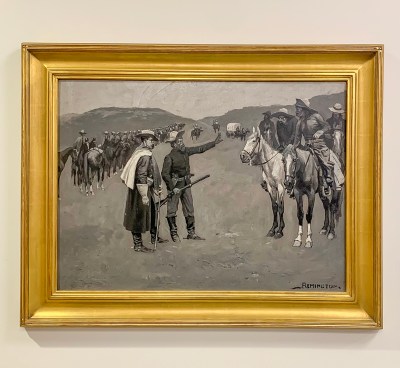
Along the way, we saw some impressive pieces, such as a Frederic Remington…
…but we also had a chance to see the work of artists new to us, such as Marie McFarland, Chase Varney, and, especially, Otto Kuhler.
Perhaps most impressive among the paintings was an Albert Bierstadt!
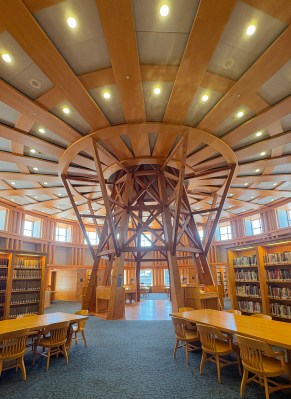
Although we also just loved some of the spaces, such as one of the reading rooms…
Our experience suggests that a robust library system across a wide variety of services benefits the community greatly. They promote literacy; allow for research in the community, which foster a sense of community identity; if done correctly, they can beautify the community; and, perhaps most important, they bring a community together. And this is what we witnessed in Denver: a friendly staff, a beautiful interior–further beautified by the art; and a diverse group of users, which included us!
Clyfford Still Museum
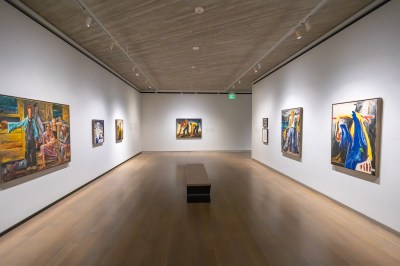
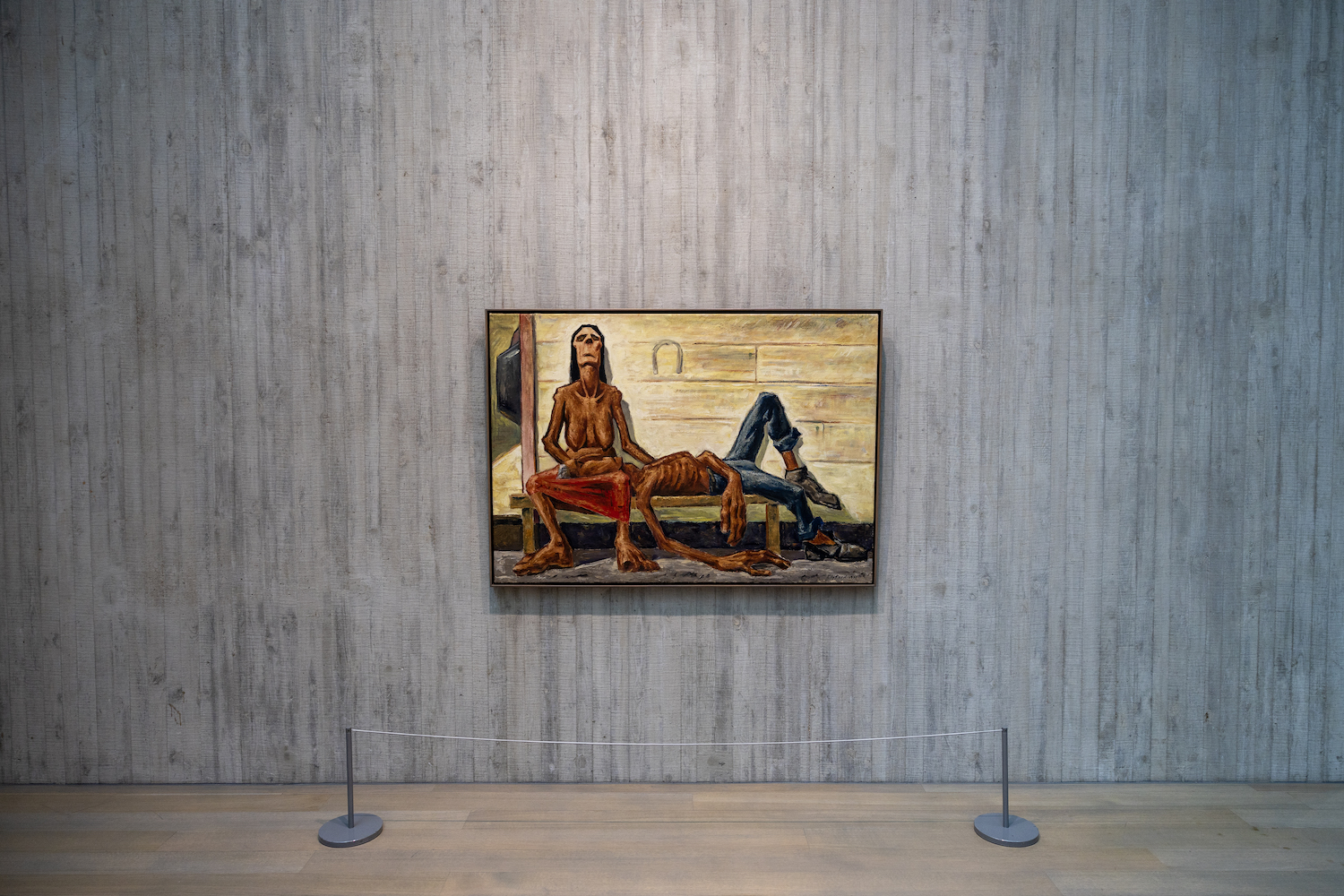
The Clyfford Still Museum gave us a chance to see the evolution of an artist who refused to conform to the art world’s expectations. The galleries were arranged to show the progression of his work, starting with his early pieces, which were more representative and realistic, before gradually shifting toward abstraction.
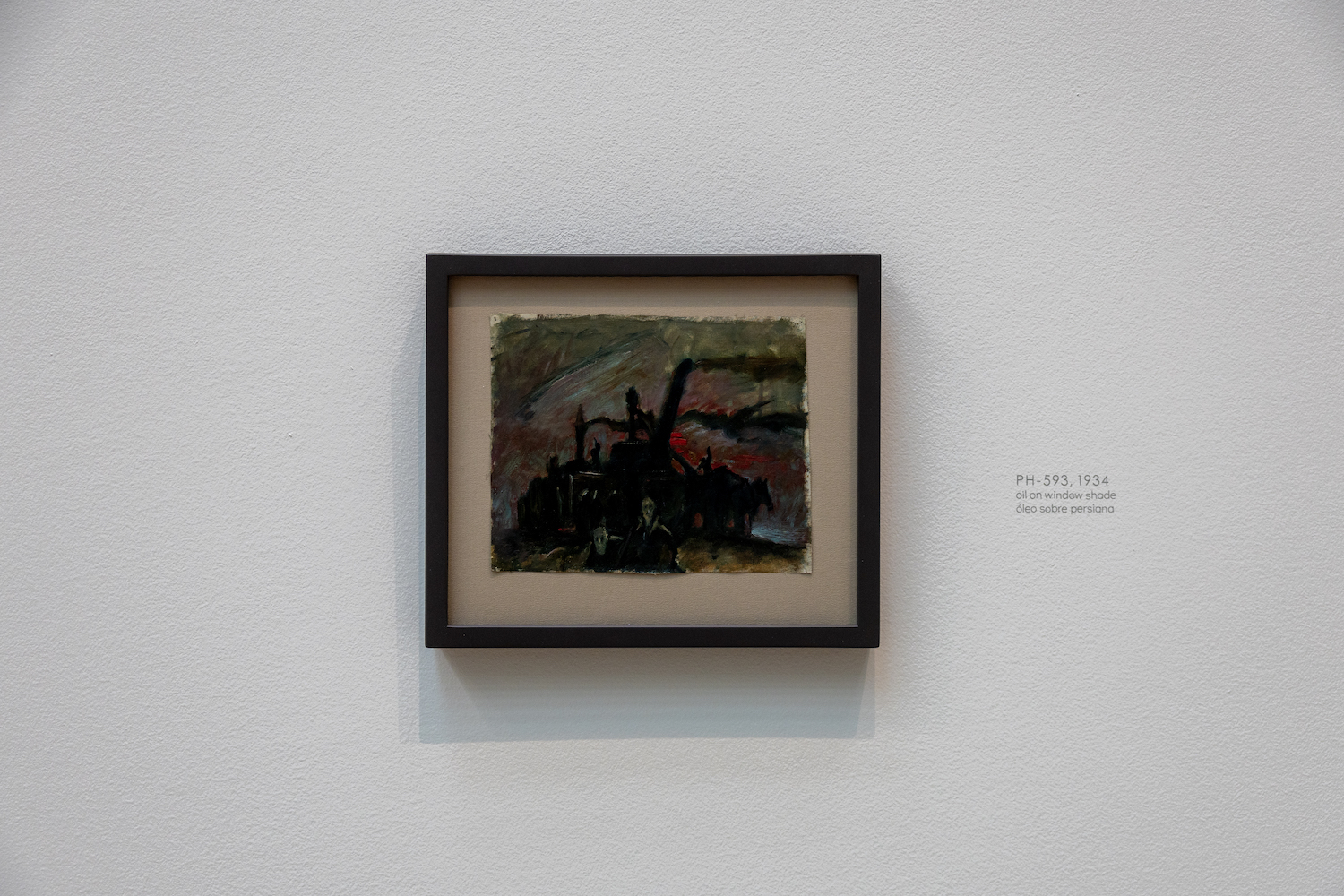
I found his earlier works particularly interesting, especially the ones featuring figures with large hands and elongated faces.
While I’m still not entirely sure what to make of them, they seem to reflect struggle and resilience, possibly tied to the hardships of the Great Depression.
What stood out to me the most, though, was Still’s complete rejection of the art industry. He despised galleries, museums, and critics, believing they distorted the meaning of art and prioritized profit over artistic integrity. He was known to pull out of exhibitions and refused to title his paintings, even going so far as to remove preexisting titles to prevent outside interpretation.
His frustration was clear in a statement he made in 1971: “I am deeply outraged that my entire life is being interpreted as a long struggle to be recognized by some damn fool art critics or to be sold successfully in the galleries or even to find their way into art museums because I consider these institutions to be corrupt in the purpose and their meaning and their effect on the artist and society.”
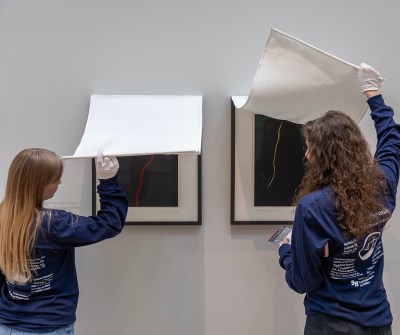
One of the more unexpected features of the museum was the use of canvas screens to partially cover certain pieces, allowing them to be revealed while also being preserved.
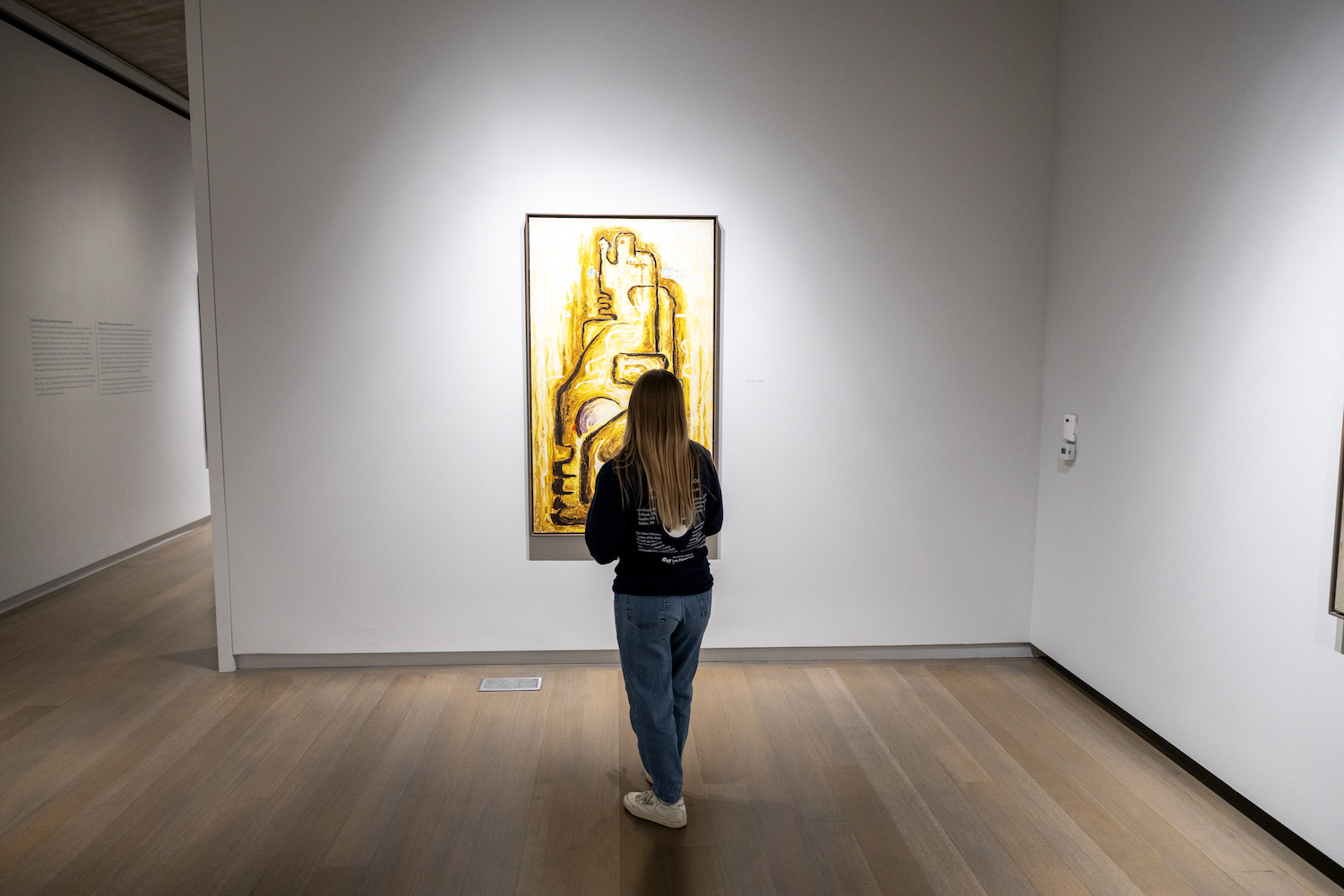
As we moved through the galleries, we could see how Still’s work became more abstract and how much control he maintained over his legacy.
Even after his death, his wishes shaped how his art was displayed and handled. Unlike many of his peers, his work wasn’t scattered across various museums or private collections—it was kept together, exactly as he intended. He may have been a particular man, but he was also a particularly fascinating man.
Colorado State Capitol Building
by Chrissy Biello
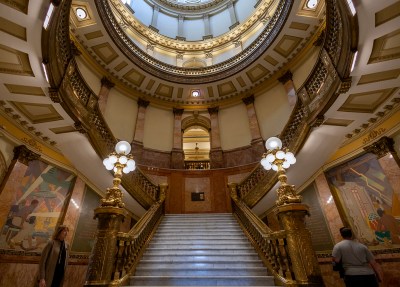
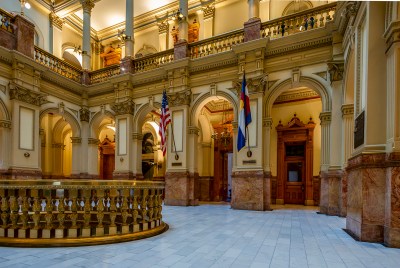
The Colorado State Capitol took fifteen years to complete, finishing in 1901 at a cost of nearly three million dollars. Despite its distance from Texas, the building evokes a sense of recognition among many Texas visitors. This familiarity comes from its design by Elijah E. Myers, the same architect who designed the Texas State Capitol. In fact, Myers’ influence extends beyond these two states, as he also designed the Michigan State Capitol in Lansing.
Walking into the building, visitors can see many features that connect it to significant landmarks across the country.
The floors, made from white Yule marble, are the same material used in the construction of the Lincoln Memorial and the Tomb of the Unknown Soldier at Arlington National Cemetery in Virginia.
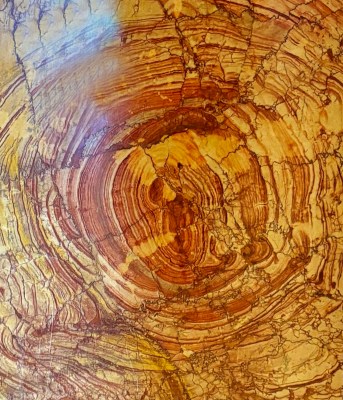
Moreover, the building showcases rare Colorado Rose Onyx, a pink-hued stone found only in a quarry near Beulah in Pueblo County. Nearly the entire known supply was used in the Capitol’s construction, making it the only building in the world to feature this material.
For sci-fi fans, one particular design in the Rose Onyx resembles the likeness of Princess Leia‘s hair from Star Wars…
And one interesting detail for those interested in city government is that John Hickenlooper, the 42nd Governor of Colorado, was the mayor of Denver from 2003 to 2011. His gubernatorial portrait stands out dramatically among the gallery of solemn official paintings in the West Foyer. Instead of opting for a conventional formal pose, Hickenlooper is captured atop the dome of the Capitol with the Denver City and County Building behind him, dressed casually in a plaid shirt.
When touring the Capitol, one will also notice how some of the building’s design nods to the British Parliamentary system. The Senate chamber is filled with red-colored stencils on the wall, while the House features green.
In the Senate, there are multiple stained glass portraits of some of the state’s most influential figures. Ruth Stockton, the first woman to serve as President pro tem of the Senate, is one that is frequently mentioned. She made history not only by being the first woman in that role but also by serving longer than any other woman in the legislature (24 years).
While the Senate has several stained glass portraits, the House Chamber has just one: a stained glass portrait of Barney L. Ford. Ford was an escaped slave who became a civil rights leader and fought for voting rights for African Americans in Colorado.
The ending highlight of touring the Colorado State Capitol is the opportunity to go up to the dome.
However, you will need to brace yourself for the 99-step climb, which is also pretty steep.
From this elevated vantage point, the panoramic view encompasses significant landmarks throughout the city.
Straight ahead, one can spot the Denver City and County Building featured in John Hickenlooper’s gubernatorial portrait.
To the left, one can see the Colorado Supreme Court building. Most notably, the Rocky Mountains can be seen in the distance, providing a stunning backdrop that highlights Denver’s unique geographical setting.
Rocky Mountain Arsenal National Park
To end the day on an even higher note of adventure, we headed eight miles northwest of Denver, where forty years ago, the United States Army operated a chemical weapons manufacturing plant—scary stuff. After an expensive clean-up process, the site is now the Rocky Mountain Arsenal National Wildlife Refuge, an expanse of land that hosts more then 330 species of animal.
We did not see all of those species, but we saw a sufficient amount to make our afternoon.
We saw rabbits and deer. We have, of course, seen these species previously, but on this day we saw more than 60 deer on the eleven-mile driving tour!
Moreover, we saw some species that, for us, were first-time spottings. A favorite was Prairie Dogs, which we saw scurrying from the sound of our vehicle, barking a warning to their fellow Dogs, or simply going about their business of eating. They were a delight.
We also saw several species of birds, including the ever-present Canadian Geese…
…Robins, Red-Tailed Hawks, Canvasbacks, a Tri-Colored Heron, Northern Shovelers, European Starlings, Red-Winged Blackbirds, and a murder of crows–one of which was carrying a bone.
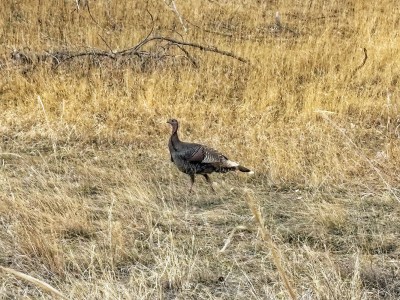
That may not sound exciting, but we also saw a Bald Eagle (Chrissy’s first), , numerous Magpies (first for both Chrissy and Olivia), and three Wild Turkeys (another first for both Chrissy and Olivia).
Of course, the big find was the herd of Bison. Numbering more than 100, they spent most of their time eating, but they were surrounded by some amazing scenery, as they roamed the prairies with the towering and snow-capped Rocky Mountains in the background.
We even saw part of the herd begin to run, kicking up dust all the way, as they rejoined part of the herd from which they had separated. It was a majestic sight at a majestic site.
As we headed to the close of the wildlife drive, we were able to spot the Denver skyline framed against the beautiful Rocky Mountains.
Tocabe
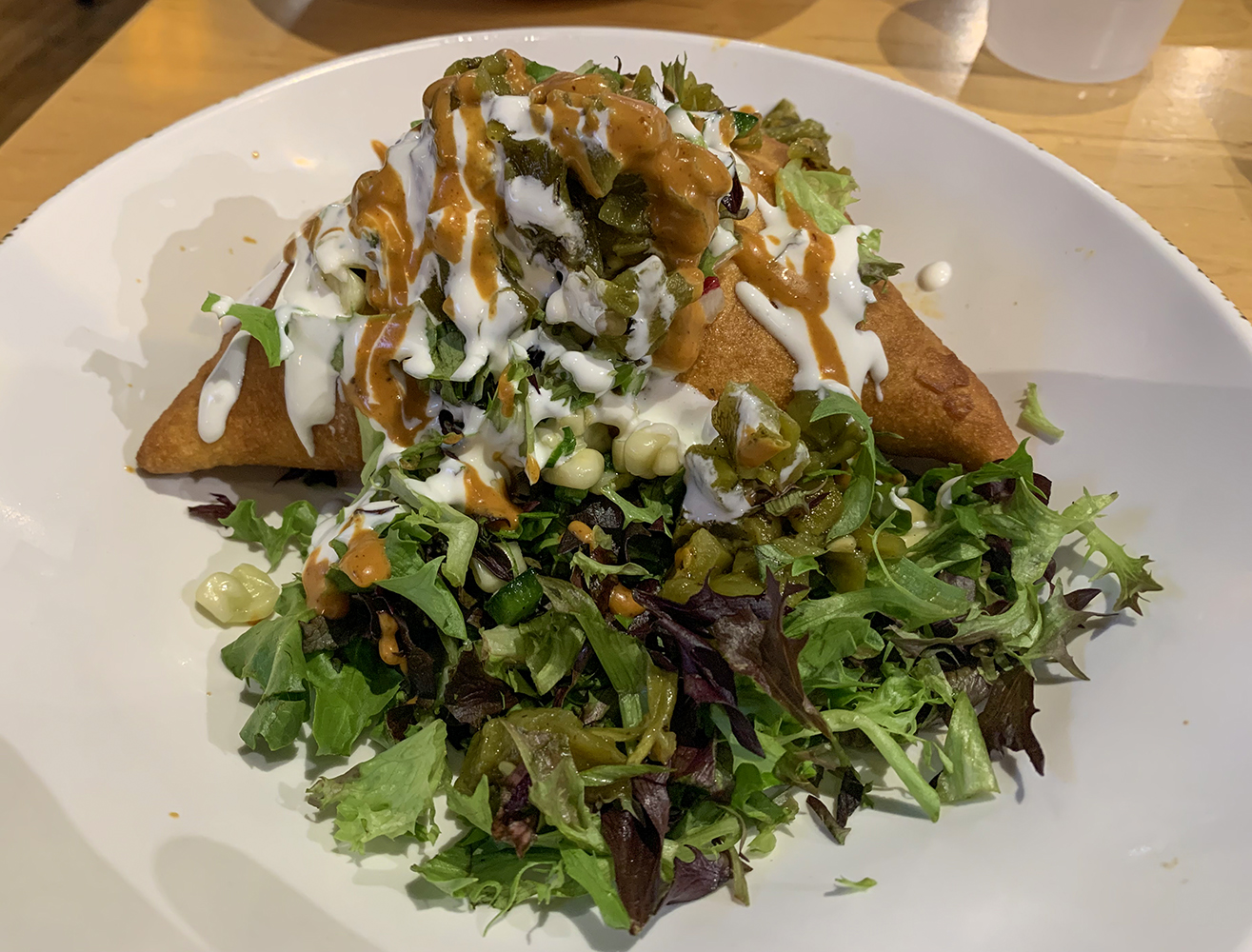
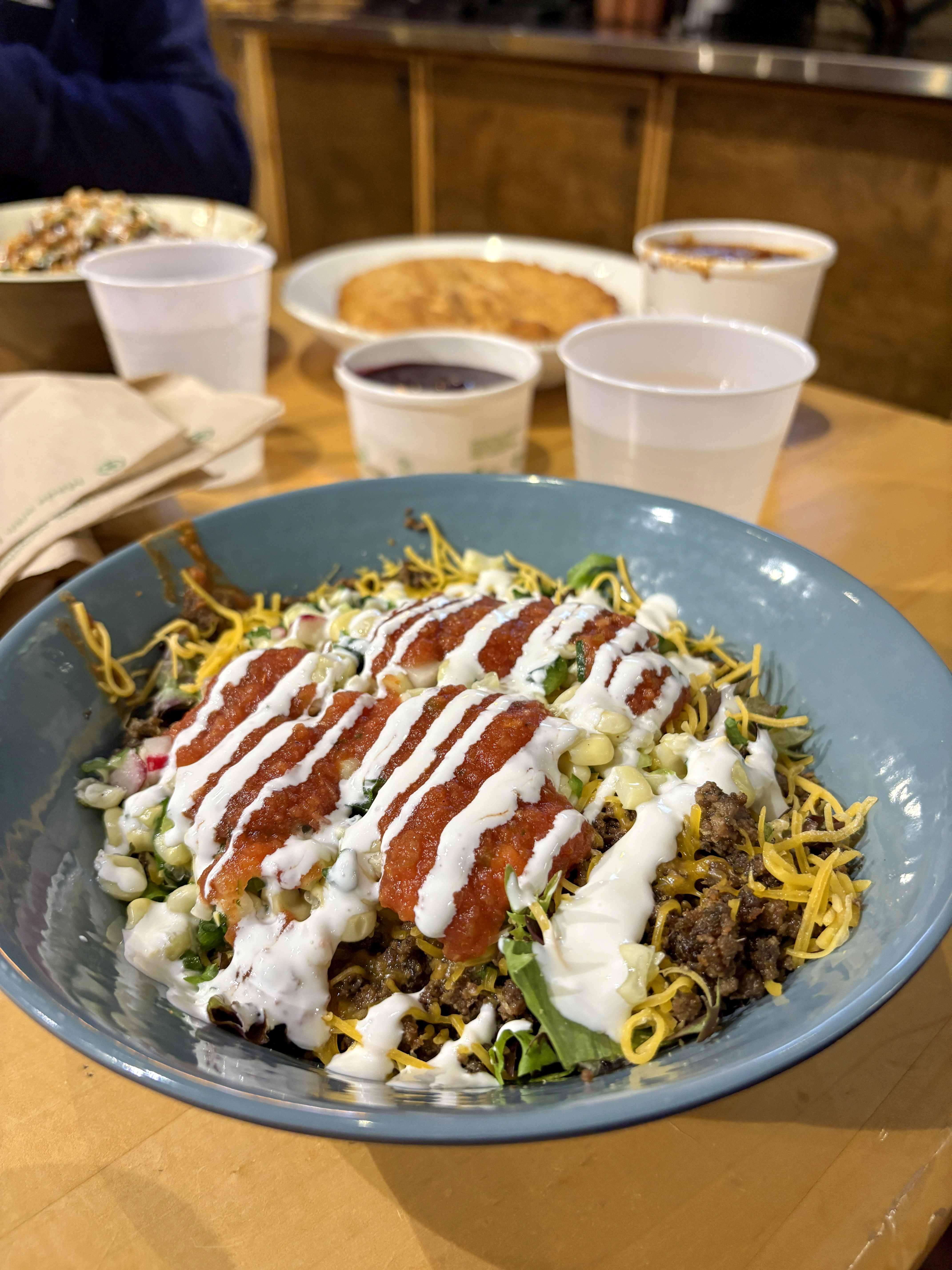
Our final stop of this long and adventurous involved additional adventure: dinner. Keeping with the LEAP tradition of exploring food consistent with the cultures we are visiting and/or learning about, we decided to eat at Tocabe, which is co-owned by a member of the Osage Nation, and which bills itself as a restaurant offering meals that tell the stories “of our American Indian culture through native-sourced recipes and ingredients.”
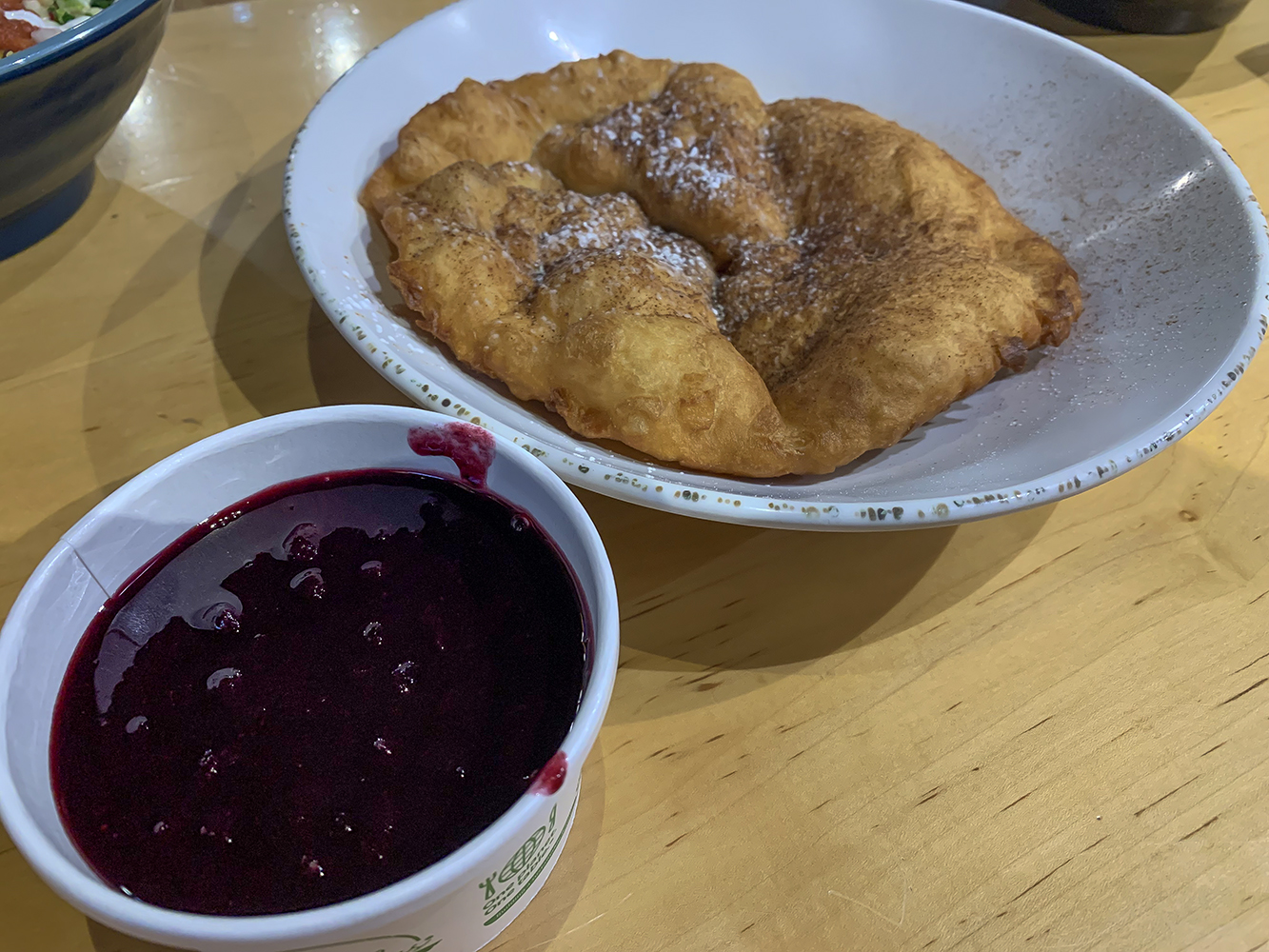
We tried a variety of dishes and did some sharing, hoping to get sampling of their entire menu. Professor Yawn tried the Indian Fry Bread, stuffed with shredded Bison; Olivia opted for the chicken; and Chrissy explored the ground Bison; and we also ordered a bowl of Bison chili and, for desert, we tried Wojapi with Indian Fry Bread (with cinnamon and sugar, of course).
It was a fulfilling way to end the day, providing insight into the culinary traditions of Native Americans, offering a new food experience, and whetting our appetite for more Bison and Wojapi.


















































 Center for Law, Engagement, and Politics