Following an exploration of historic Lewisburg, WV, where we visited stores, investigated historic sites, and met with the Visitors Bureau staff…
…we changed into our conference clothes, readied ourselves for the beautiful Greenbrier, and prepared ourselves for a different type of learning.
The Rest is History: Historic Preservation Tax Credits and Economic Development
by Chrissy Biello
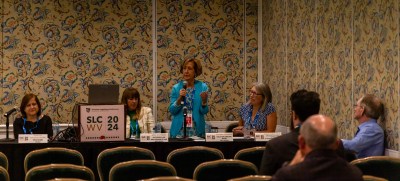
Our favorite session was titled Historic Preservation Tax Credits and Economic Development, an appropriate topic inasmuch as three of us had completed internships with the Economic Development Department for the City of Huntsville. For this session, The speakers included Eric Nelson, a West Virginia State Senator; Danielle Waltz, Partner at Dinsmore & Shol LLP; and Shaw Sprague, VP of Government Relations at the National Trust for Historic Preservation.
The speakers provided a comprehensive overview of the federal Historic Tax Credit (HTC) program. Initiated in 1978 with a 10% credit and made permanent in 1986, the program now offers a 20% credit based on qualified expenditures. This federal credit is available only for commercial properties and is distributed over five years at a rate of 4% annually. This detailed explanation was enlightening, as it clarified how federal policies are structured to support long-term preservation efforts.
They further discussed how transferable credits can significantly impact financing for preservation projects. Transferable credits are valuable because they allow property owners with limited tax liability to sell their credits to other taxpayers, thereby facilitating the financing of historic renovations. This concept is crucial for cities seeking to revitalize older areas without relying solely on their own financial resources.
The speakers also covered how states can optimize various tax sources to support these programs. For instance, Texas, which lacks an income tax, leverages business or insurance taxes to fund preservation efforts. This strategy was particularly interesting to me because it showcases how states can creatively utilize available resources to achieve their preservation goals.
An illustrative example from West Virginia was the Wesbanco Building, a 17-story office building built in 1972. Despite its initial drawbacks, such as not having a sprinkler system and being abandoned, a developer acquired it for only $5 million and utilized HTCs to renovate the property! This truly demonstrates how historic tax credits can transform underperforming assets into valuable community resources.
Another example shared was from Fayetteville, West Virginia, where old schools are being repurposed into community assets. Ms. Waltz explained how an elementary school is being converted into a 20-24 unit apartment building, with additional townhomes planned. This project, supported by HTCs, has created 30 construction jobs and will provide 25 permanent jobs upon completion.
The speakers effectively offered a new perspective (to us) on the complexities and benefits of preserving historic buildings and towns, making it another great session at the Southern Legislative Conference.
To make the experience even better, we had the opportunity to speak with Senator Nelson and Mr. Sprague following the event. Senator Nelson, showing the kind of constituent service that has helped him win reelection since 2010 in West Virginia, helped us with our plans in Charleston, WV for the following day.
Following a day full of learning, we had an evening full of activities–some for everyone. We began by taking the scenic route to The Greenbrier, which involved going to the Herns Mill Covered Bridge, one of many such historic structures in West Virginia.
To divert ourselves for a bit, we sent Chrissy into the one-lane bridge. We figured if a car came from the other direction, we could see how fast Chrissy was capable of running in high heels. Just our luck, though, no car came through.
Consequently, we had to take her to The Greenbrier, where the SLC, in creating Family Night, had something on tap for everyone.
For Chrissy, we had smores.
Cinthia, meanwhile, summoned her inner Lizzie Borden, and she ventured into axe-throwing for the first time.
This proved to be a popular sport among the group, and Professor Yawn noted, with some concern, that we could be pretty accurate when motivated.
Olivia proved to be the marksman with a bow and arrow. She managed kill shots in two of the three targets, earning her the moniker, “Killer in High Heels.”
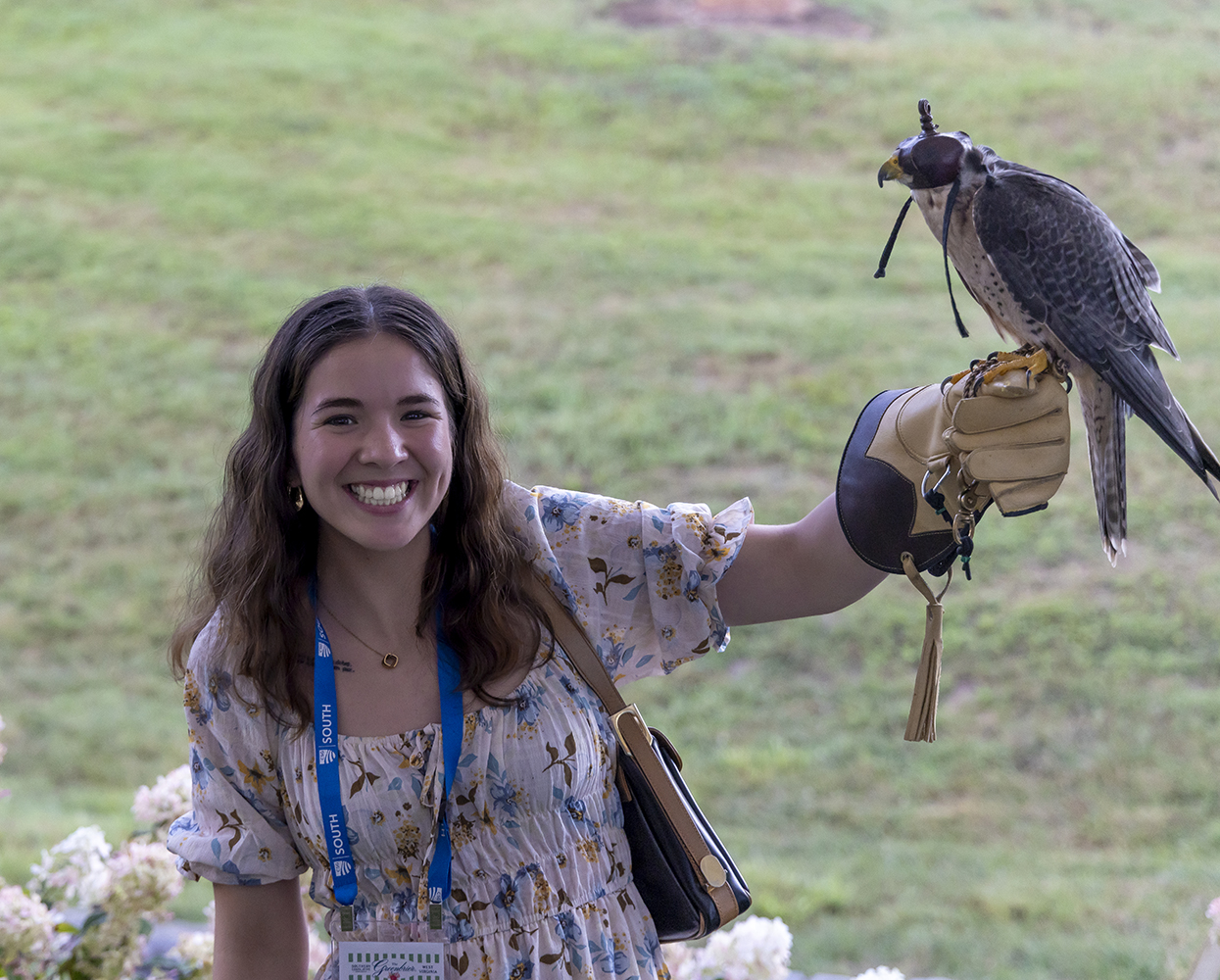
She displayed greater fear, however, when confronted with a live animal.
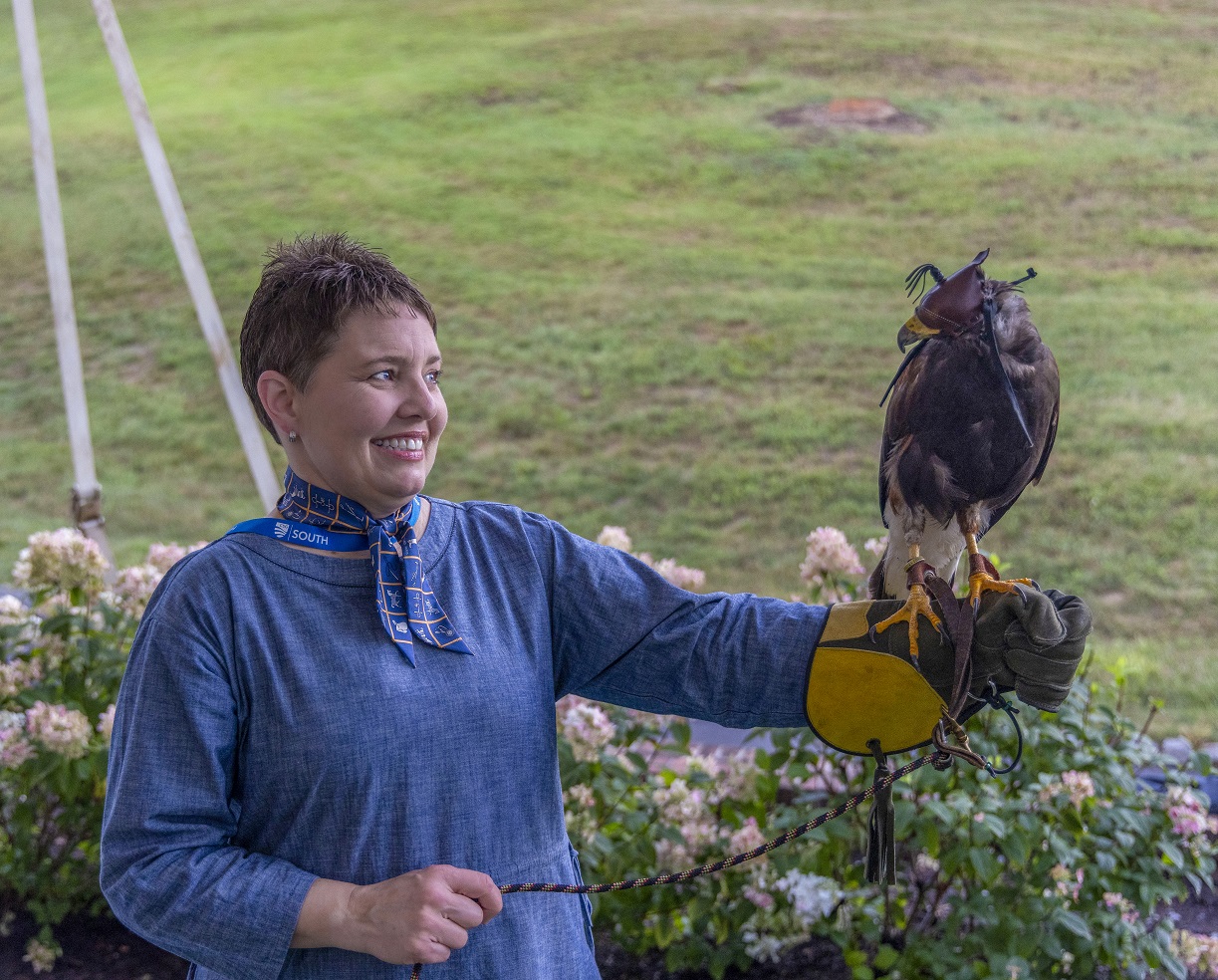
Michelle, on the other hand, was the Dr. Doolittle of the group…
…and the falconry proved popular, being the only activity every member of the group engaged in.
Cinthia, however, seemed to have the most fun with it.
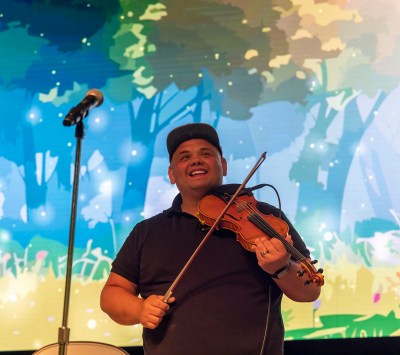
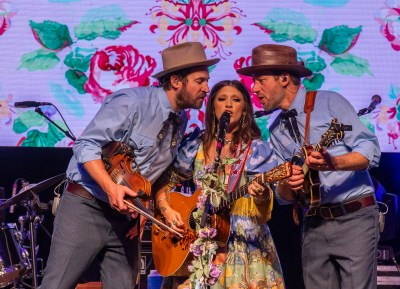
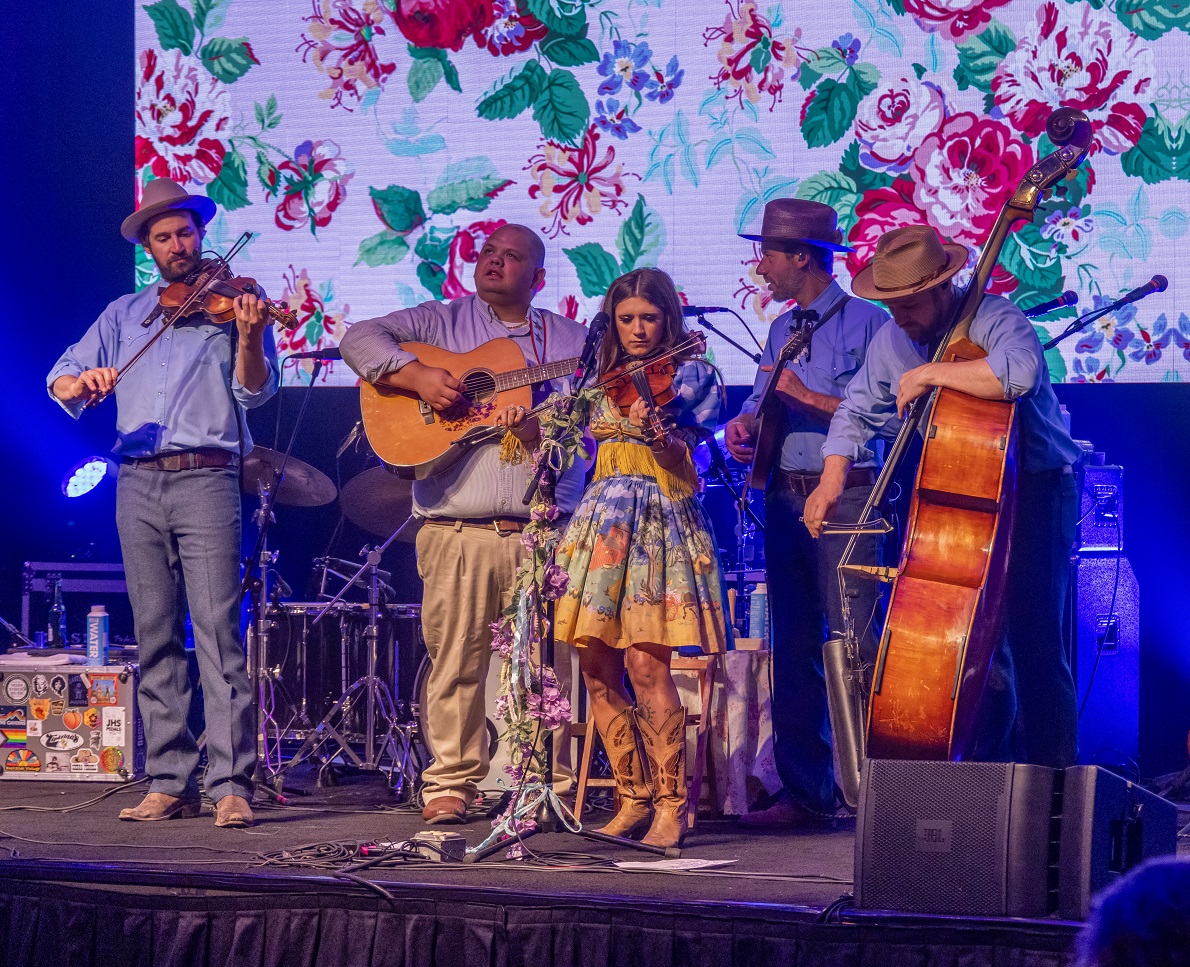
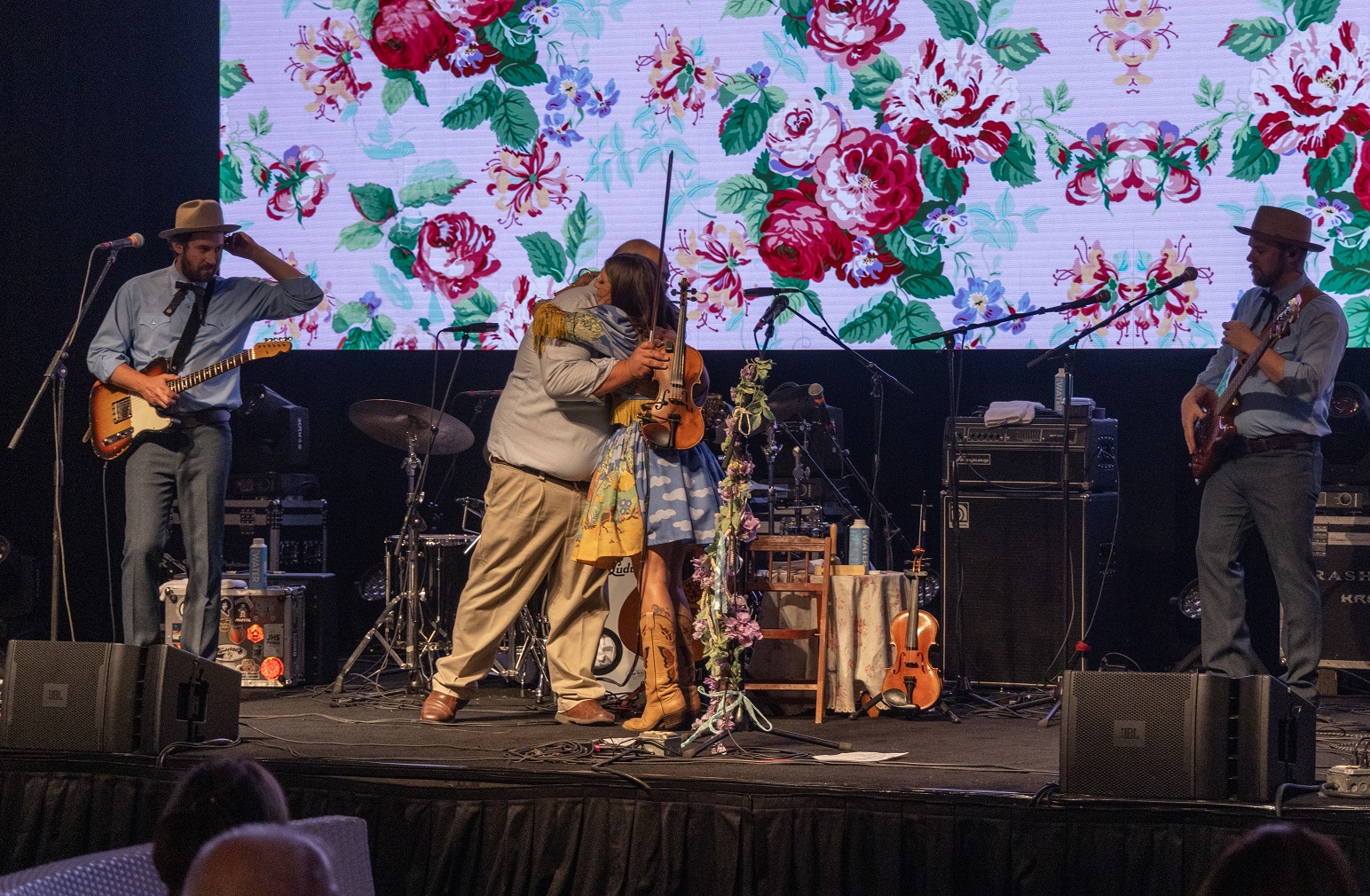
When we weren’t fiddling around with animals or weapons, we took advantage of the opportunity to see expert fiddler and West Virginia native Philip Bowen, who has earned praise from NPR and other national media for his authentic sound and bow virtuosity.
And what would a Southern Legislative Conference be without hearing from a legislator? This year, we again heard from West Virginia Speaker Roger Hanshaw…
…who welcomed everyone to the conference, spoke of things to come, and helped us feel at home–in a very nice home.
And, reflecting on a day that saw us go to Carnegie Hall, rub shoulders with legislators, throw axes, serve as a perch to a falcon, shoot arrows, and enjoy smores, we headed back to our hotel (a Holiday Inn) to find some rest before another busy day.
Not everyone can say they made it to Carnegie Hall–but, following a recent trip to the Southern Legislative Conference, the LEAP Ambassadors can! While in the charming historic town of Lewisburg, West Virginia, Ambassadors toured the downtown and its curtilage, coming across Lewisburg’s own Carnegie Hall, one of four continuously used Carnegie performance halls in the world.
While the Hall was actually closed, the organization’s Box Office Manager, Sheila Hutchinson, cheerfully offered us a tour, allowing us to see the building and learn about its operation. The Hall was originally constructed in 1902, with almost $27,000 coming from Andrew Carnegie, and another $10,000 coming from the local community.
For the past 35 years, the Carnegie Hall Inc, a non-profit organization, has operated the building.
The repurposed building now serves as a performance venue, gallery space, and arts education programming open to the community–and passersby, including ourselves!
As we entered the 400-seat auditorium, we were had the pleasure of meeting Cathy Rennard, the president of the non-profit; and Mary Leb Foster, the Performance Director. They were extremely kind to share their experiences from working at Carnegie Hall, including their preparation for their upcoming musical, The Hunchback of Notre Dame.
Their work involves not only the things you typically think about when running a theatre (sets, sales, casting), but also community building, something close to our heart. The staff work hard to earn community buy-in, to collaborate with community stakeholders, and to offer a point of pride for West Virginia.
Thank you for the tour and your commitment to the Lewisburg community!
During our recent trip for the Southern Legislative Conference, the LEAP Ambassadors had the privilege of dining at 1010 Bridge, a Charleston gem that has recently captured national attention. Chef Paul Smith, the creative force behind this establishment, made history by winning the prestigious James Beard Award for Best Chef: Southeast.
Chef Paul Smith and Carrie Smith at James Beard Ceremonies (Taken from 1010 Bridge Website)
This recognition puts West Virginia on the map, showcasing Charleston’s growing reputation as a hub for culinary and economic innovation.
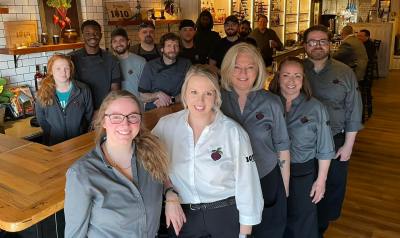
1010 Bridge Staff (Taken from 1010 Bridge Website)
Chef Smith’s achievement is not just a personal triumph but a testament to his dedication to elevating the local food community. As the Culinary Ambassador for Capitol Market, he partners with local farmers and producers, using quality, locally grown ingredients to build his menu.
His efforts extend beyond his own restaurants as he actively participates in community cooking classes and serves on various boards, enriching the Charleston community in numerous ways.
Thanks to some facilitation by West Virginia Senator Eric Nelson, we were fortunate to spend two enlightening hours with Chef Smith, where he shared his philosophy on what being a public servant means in the kitchen.
His approach is inspired by the belief that success is not about competition but collaboration, echoing JFK’s idea that “a rising tide lifts all boats.” Chef Smith sees his peers not as competitors but as partners in the mission to promote West Virginia’s culinary arts.
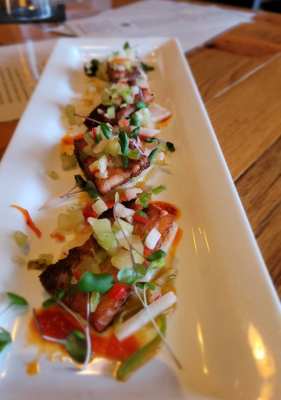
We started with an array of appetizers: White Cheddar Pimento Cheese, Bacon Wrapped Dates, House Cured Pork Belly, Fried ‘Nashville Hot’ Oysters, and Whipped Feta.
(Taken from 1010 Bridge Website)
Each dish showcased Chef Smith’s creativity and commitment to local flavors. He noted that he wants his dishes to be an elevated, but encouraging dining experience. By using ingredients and elements of well-known dishes, his menu can be an approachable experience to fine dining. Feeling particularly moved by Chef Smith’s words, I decided to try oysters for the first time! As someone who usually has an aversion to seafood, having the ability to enjoy a dish I would normally avoid was a pleasant surprise.
This surprise was also shared by Cinthia, who tried bacon-wrapped dates–and loved them! This was a surprise because (1) she doesn’t like dates, and (2) she doesn’t like bleu cheese, with which the dates were stuffed. She was very surprised to learn that ingredients she didn’t like resulted in a dish she did like.
Cinthia learning that a dish she loved contained Bleu Cheese
Our dining experience was unforgettable. Melissa, our server, was fantastic and clearly knowledgeable about the cooking process, local ingredients and restaurants, and the history of the restaurant, adding a further elevated aspect to our meal. Chrissy and I enjoyed a pasta Bolognese, Cinthia savored a risotto, and Michelle tried the salmon with pea and mint agnolotti. Everything was nothing short of exceptional!
Of course, we couldn’t leave without sampling some of the desserts on the menu. We tried the peach bread pudding, lemon gelato, and crème brûlée, each offering a delightful end to our meal.
Thank you very much, Chef Smith, for your time and perspective.
We congratulate you on the well-deserved award and look forward to the opportunity to return someday.
Whenever LEAP Ambassadors have the opportunity to travel, we make the most of it. So it was that on an off morning of conference sessions, we stepped foot into the Lost World Caverns which, for many of us, was the first time stepping foot into a cave.
Discovered in 1942, these caverns have become a popular destination, offering a fascinating glimpse into the subterranean world carved out over millions of years by the relentless force of water.
Originally, the only way into the cave was through a hole in the ground, and “visitors” had to be lowered in by rope, and then hauled out in reverse.
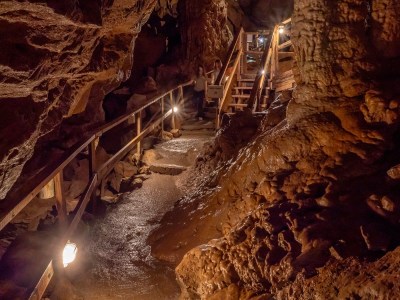
For us, it was much easier. We entered through a man-made opening, we were immediately struck by the chill in the air, a stark contrast to the surface temperatures. The sound of dripping water echoed (literally!) around us, setting the stage for the natural wonders we were about to witness.
Inside, the caverns revealed spectacular dripstone speleothems, including stalactites and stalagmites.
These formations, created by the slow deposition of minerals from dripping water, were breathtaking. We were particularly fascinated by the columns referred to as “soda straws” or “pencil stalactites,” delicate formations that looked as though they could be easily snapped.
The formations themselves, with whimsical names like the “Pig Tail,” and “The Veil” left us in awe. Each turn in the path revealed a new and stunning sight, and it was hard not to be overwhelmed by the beauty and intricacy of the cave’s interior.
I didn’t really know what to expect, but from the beginning, it was clear that this was a unique and special place.
The views were unlike anything I had ever seen before, with each rock formation appearing both immense and intricately detailed.
It’s amazing to know that the Earth presents its beauty not only on the surface but also beneath it. Most importantly we all had fun caving in to our sense of adventure!
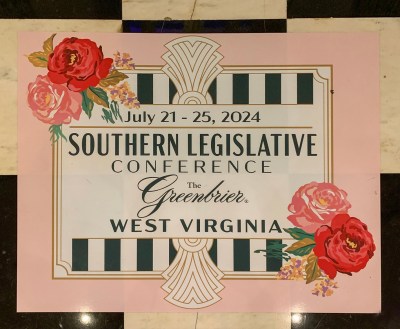
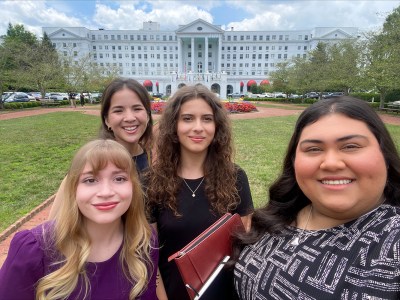
After two days of learning on the road, we had another full day planned. Following our regular Sunday LSAT Prep Course class, we were returning to a more formal educational setting for our learning–and what a setting! Much of our activity today took place at The Greenbrier Resort, a home-away-from-home for celebrities, presidents, legislators, and….us!
The GreenbrierResort
by Christina Biello
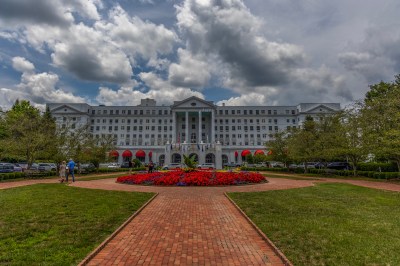
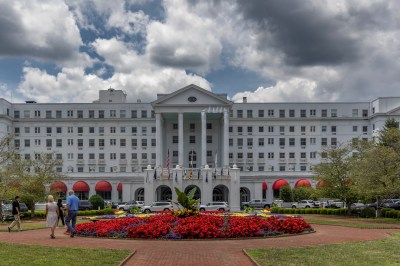
As with all our adventures, I did a little pre-experiential preparation, learning about the hotel’s rich history. The Greenbrier, which opened in 1778, served as a hospital for 24,000 soldiers needing surgery and rehabilitation during the Second World War. After the war, it underwent extensive renovations, resulting in the look it has today, one that has attracted the wealthy and powerful.
As we strolled along the pathways, the beauty of the property was evident in the flowers and greenery. Upon turning the corner, the sight of the expansive and luxurious resort took our breath away. While I had seen numerous photos beforehand and was tremendously excited, nothing could have prepared me for it in person.
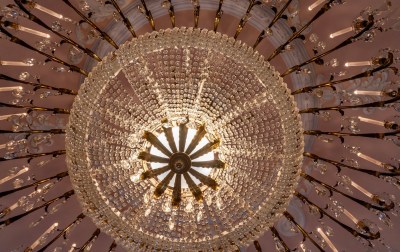
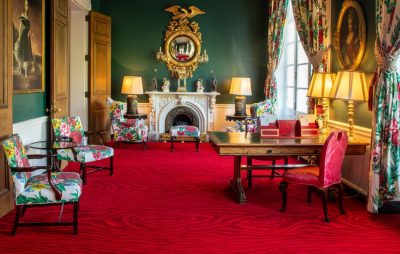
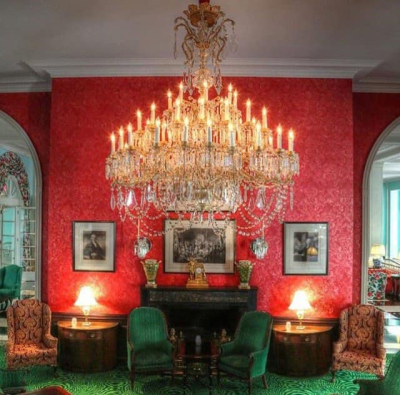
Upon entering the building, the first thing that caught my eye was the abundant and colorful (some might say “busy”) designs. From grand drapes to elaborate wallpaper and opulent chandeliers…
…the Greenbrier showcased meticulous attention to detail in its design.
Walking through the many rooms, we encountered works by artists such as Thomas Sully, Gilbert Stuart, and James Stuart. Cinthia and Olivia delighted in recognizing these artists whose works they admired.
We also stumbled upon a chandelier that was featured in Gone with the Wind. As a movie enthusiast, it was a thrill to see it up close and imagine stepping into Ashley Wilkes’ home.
Photo from The Greenbrier
Next, we proceeded to Drapers Restaurant for lunch, named after Dorothy Draper, whose distinctive decor transformed the Greenbrier in 1948 after the resort reopened. This style, which one website referred to as “anti-minimalist,” is known as “Hollywood Regency.”
Photo from The Greenbrier
Personally, I admire her style and could envision drawing inspiration from it for my own home one day.
The restaurant exuded her signature taste, with glamorous touches of pink that prompted us to point out various details to each other. A portrait of Ms. Draper was even on one of the walls.
Photo from The Greenbrier
During lunch, Olivia and I tried grits for the first time, and everyone savored the cherry vanilla milkshake. When my meal arrived, I was momentarily taken aback by its generous portion size and the elaborate dinnerware.
We did our best to finish our meals, but we were also cognizant of not overdoing it, not wanting to be in a food coma when our afternoon conference sessions took place.
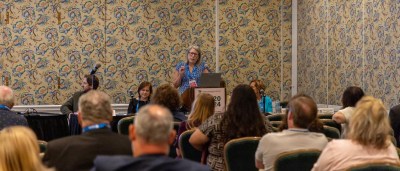
Conference Session: Adapt and Survive: Artificial Intelligence in the Classroom
by Olivia Discon
Our first session of the conference offered a compelling exploration of how ArtificialIntelligence (AI) and educational technology are shaping modern learning environments. As students directly impacted by the ever-changing world of AI, we were very intrigued to hear from those addressing these issues head-on.
The discussion highlighted a significant finding: studies show people are more likely to believe misinformation generated by AI compared to that created by humans. This requires ethical and responsible use of AI tools in education. The panelists emphasized that while AI can be a powerful educational resource, it should be utilized as a tool and not as a replacement for traditional teaching methods.
A key focus of the session was the promotion of critical thinking in the classroom. The panelists stressed the importance of using AI as a “thought partner” to enhance students’ cognitive skills rather than to replace critical thinking. They advocated for fostering an environment where students are encouraged to question and analyze information, ensuring that technology serves as an aid rather than a crutch (this was a focus of a book recently recommended to me, Academically Adrift).
Equitable access to AI tools was another major point of discussion. The panelists noted that for many students, particularly in rural or economically disadvantaged areas, schools may be the primary source of access to advanced technology. Ensuring that all students have the opportunity to benefit from these tools is essential for creating a level playing field in education.
The session also included a visual comparison of generative AI outputs from 2022 and 2023, highlighting the rapid advancements and potential of these technologies. The panelists pointed out that while these changes may seem dramatic, they are part of a continuous evolution in technology. Just as we adapted to the advent of the internet, we need to find ways to integrate AI responsibly into education.
Overall, the session emphasized that while the landscape of technology in the classroom is rapidly changing, it is crucial to balance innovation with critical thought and ethical considerations.
Welcome Night
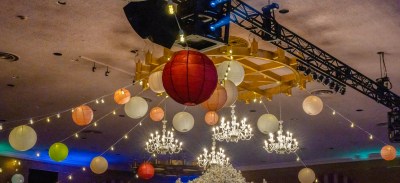
The Southern Legislative Conference began with an outstanding welcome evening that truly set the tone for the event. Held in the stunning Colonial Room, we marveled at its elegance and opulent pink design.
The buffet-style dinner was a mix of local ingredients and favorites, all with a healthy helping of sides.
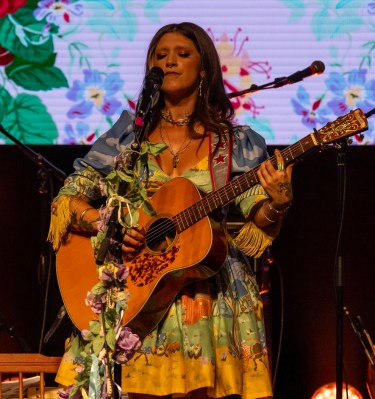
Sierra Ferrell, a West Virginia native, took the stage for the evening, delivering an impressive, two-hour performance.
Her folk and country music, tinged with jazz, pop, and even calypso influences, captivated everyone.
In between songs, she offered opinions on everything from the water supply to elite control of the country to love, hate, and authenticity.
Working on little sleep, and following an eighteen-hour first day, LEAP Ambassadors arose at 6am to explore architecture in and around Pittsburgh, with a stop at PPG Place, a mural by Richard Haas, and two major works by Frank Lloyd Wright.
PPG Place
Our first stop was PPG place, a six-building, “glass gothic” design by Philip Johnson.
As part of our LEAP travels, we had seen Johnson buildings in Houston, and we had watched a documentary on him in preparation for this trip, but PPG place was a place like no other.
Completed in 1984, its towering glass spires and sleek facades embody Johnson’s signature postmodern style, blending classical elements with contemporary materials. Its gothic detailing pay homage to Pittsburgh’s industrial heritage, its all-glass encasing embraces the future with innovative design, and its central plaza allows for a nice place to gather, which we did!
Richard Haas Mural As a teenager, Haas spent a summer apprenticing for Frank Lloyd Wright, so it is no surprise that his murals take on an architectural quality. Indeed, Haas’s website describes him as an “architectural muralist,” an apt sobriquet.
We know Haas primarily through his 15 works in Huntsville, but we’ve also seen his work in Fort Worth, which is a masterpiece. So it was with excitement that we tracked down his Pittsburgh mural, which is near the corner of Sixth and Fort Duquesne Boulevard.
As you might expect, it features an industrial scene, an homage to Pittsburgh steel-making history, with nods to its central location at the juncture of multiple rivers.
It’s always a pleasure to see Haas’s work, but this was especially true today, when we would also have a chance to see the work of his former boss, Frank Lloyd Wright.
Kentuck Knob
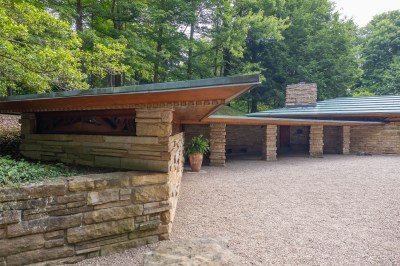
The first of our Frank Lloyd Wright site visits was to Kentuck Knob, which is nestled in the mountains of southwestern Pennsylvania. Designed in 1953, Kentuck Knob embodies Wright’s principles of organic architecture, seamlessly blending with its natural surroundings–and, in this case, adorned with a healthy helping of artwork, by artists such as Anthony Caro, Scott Burton, and George Rickey. We learned much of this thanks to our wonderful tour guide, Jan.
Among Wright aficionados, Kentuck Knob is known as a “Grand USoNian.” Wright’s USoNian homes were designed for middle-class residents. They were, relatively speaking, affordable, while still serving as an interesting, sculptural domicile.
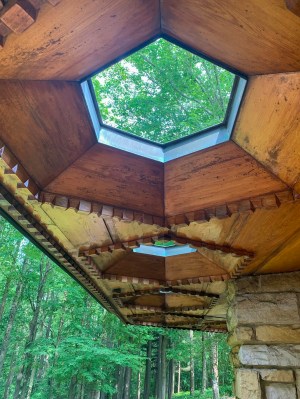
Kentuck Knob had Wright’s characteristic overhanging eaves…
…adorned with clerestory windows;
…a double carport (he hated garages, which he regarded as receptacles for junk); and a “compression and release” entrance to the house.
The home follows is structured as a series of parallelograms, giving the home an interesting look and an aesthetic cohesiveness.
We were particularly struck by the beautiful living room with floor-to-ceiling windows (which could also serve as doors to the patio), beautiful Wright-designed furniture, and the unique touches for which Wright was famous.
But it was the way the home interacted with the environment that we most enjoyed. The home is about five miles from Fallingwater, and the owners wanted their own “water element,” so they added a small rockfall and pool on the patio. The home is also perched on the brow of the hill, not atop the hill. Wright did this to ensure that the home merged with the environment (rather than overtaking the environment), and with a short walk along the property, we were able to see the beautiful art-adorned grounds and a view that even real-estate agents could not exaggerate.
Fallingwater
After visiting Kentuck Knob, another of Frank Lloyd Wright’s masterpieces, we headed to Fallingwater. Seeing Kentuck Knob had piqued my interest, and I was even more excited to explore another of Wright’s creations.
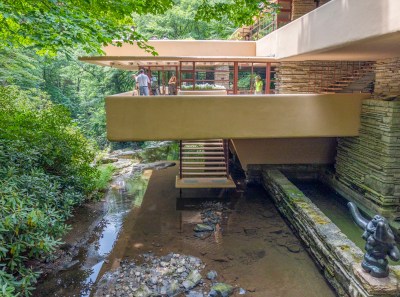
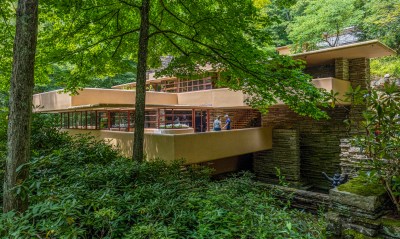
Frank Lloyd Wright was a fascinating and complex architect, known for his innovative USoNian homes—affordable, stylish, and functional houses for middle-class Americans. He also pioneered organic architecture, harmonizing structures with their natural surroundings, which Fallingwater epitomizes. Designed in 1935 and built directly over a waterfall in 1938 for the Edgar J. Kaufmann family, this house, which blends stone, concrete, steel, glass, and wood, celebrates what Wright termed “organic architecture.”
With the help of our tour guide, Millie from West Virginia, we approached the house. At first sight, Fallingwater was magnificent. Wright’s design philosophy was evident in the “hidden” doorway, a narrow entrance that transitioned into open spaces meant to connect inhabitants with nature. The structure is supported by concrete beams that project out over the waterfall, creating an impression of weightlessness.
The entrance repeated Wright’s “compression and release” philosophy, and he continued the cantilever motif, making much of the furniture and design elements an echo of the home’s overall design. The living room’s open design encouraged social interaction while the more intimate upstairs rooms offered privacy. The master bedroom, with its large balcony over the waterfall, provided a serene and breathtaking view.
We noticed Wright’s attention to detail, such as the seamless glass-to-glass windows, which eliminated barriers between the indoors and the natural world, as well as the art work in the home–much of which also repeated the cantilever design.
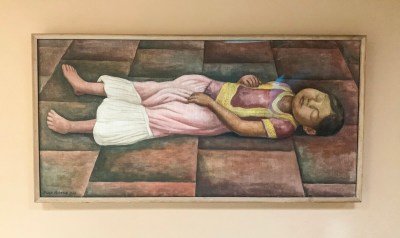
Indeed, art was a theme throughout the house, with a Picasso, several Audubon works, and a Diego Rivera (Frida Kahlo was a guest at the house!).
Our tour concluded with a view of the waterfall from across the home, capturing the full splendor of Wright’s integration of architecture and nature.
We all sat momentarily, taking in the beauty and snapping photos, cherishing the experience.
Our group’s arrival in Pittsburgh for the Southern Legislative Conference marked the beginning of an enriching journey through art, culture, and history. Eager to delve into the city’s offerings, we kicked off our exploration at the renowned Carnegie Museum of Art.
Our visit to the Carnegie Museum of Art was a journey through time and artistic expression, a tapestry woven with modern marvels and timeless classics. As we entered the galleries, we were greeted by a vibrant array of contemporary artworks that challenged our perceptions and sparked our imaginations.
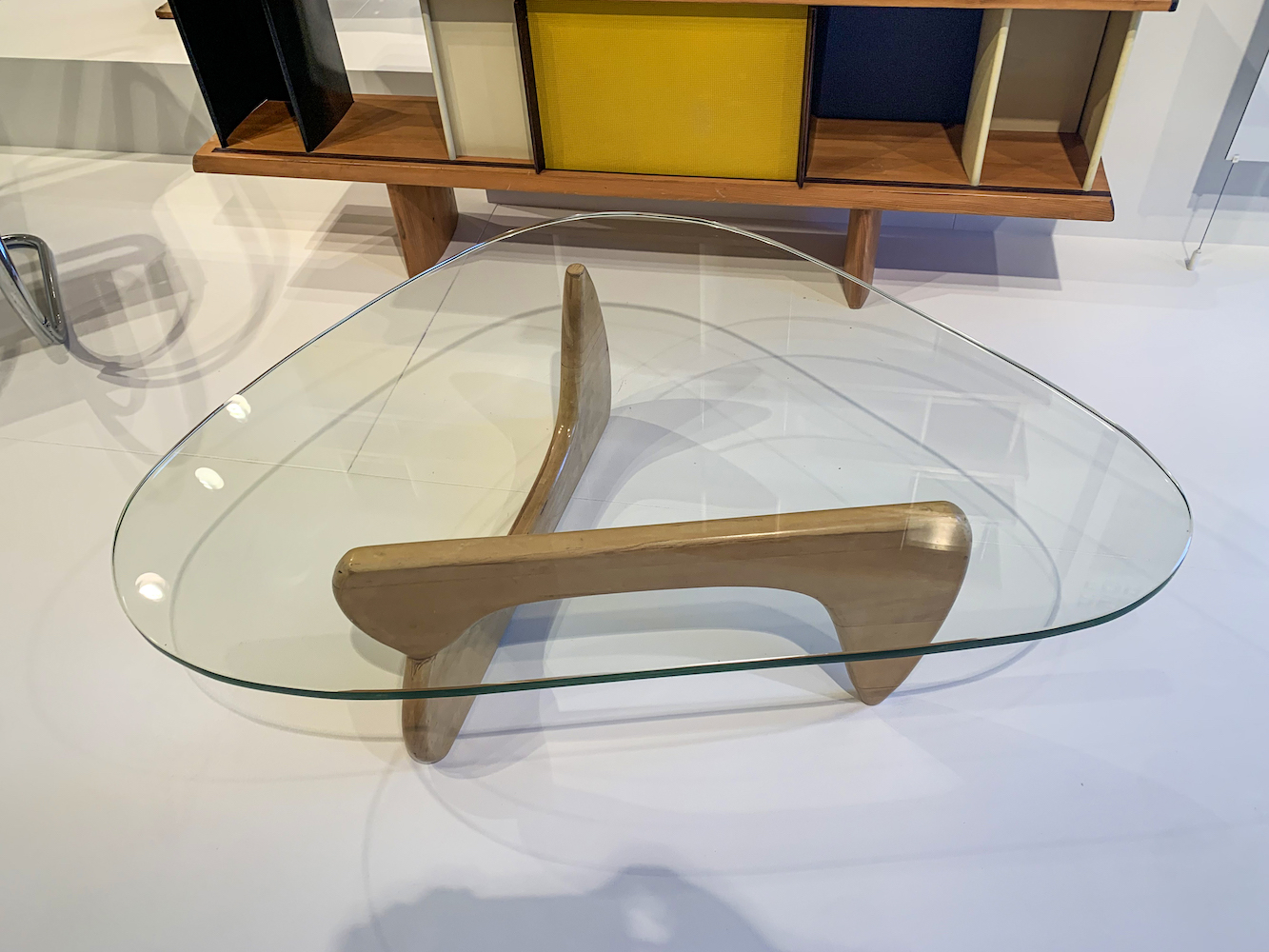
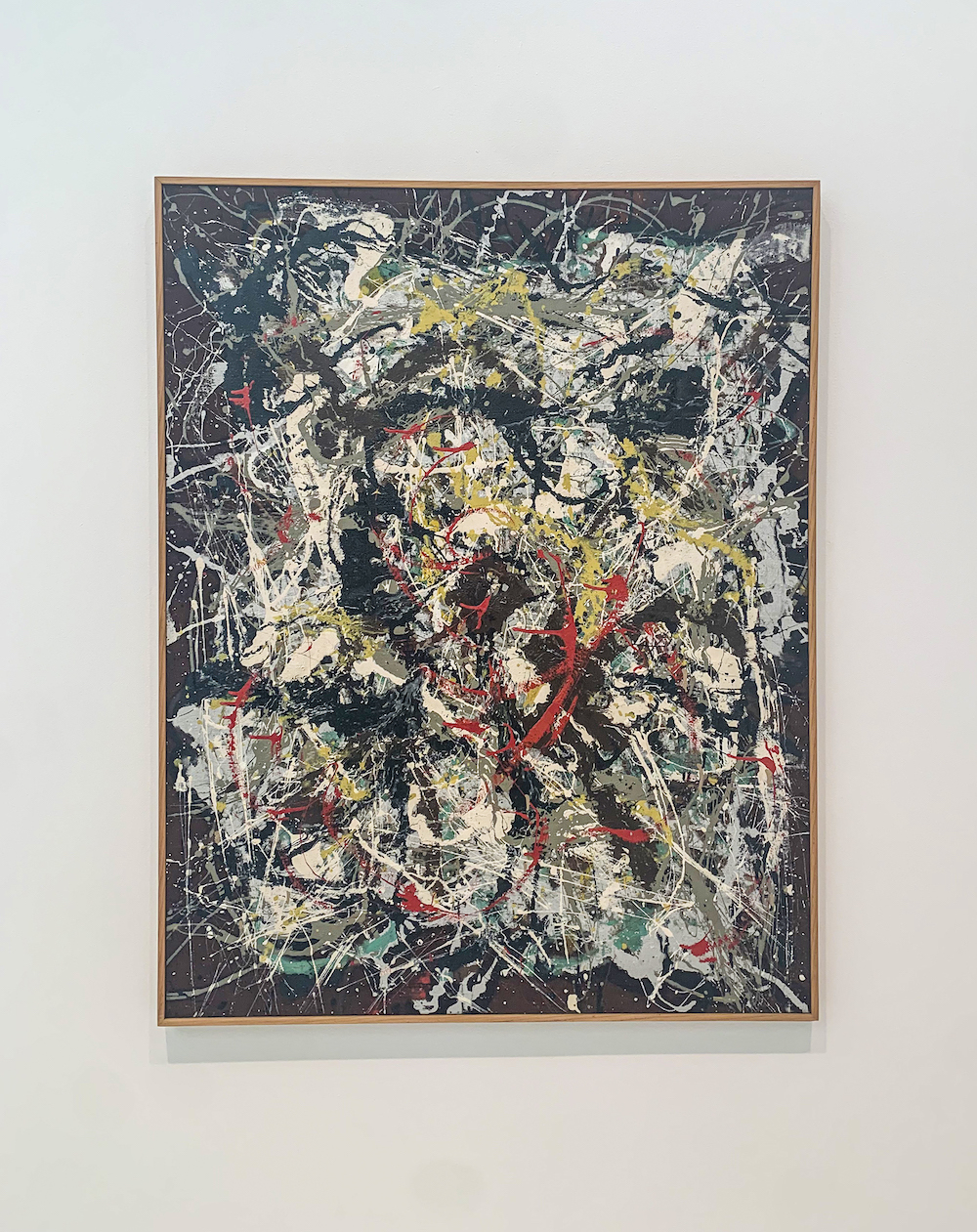
With familiar artists such as Mark Rothko, Jackson Pollock, Vincent Van Gogh, and Isamu Noguchi, our group was fully immersed in the Museum’s collection.
Cinthia and I found a familiar touchstone in Georgia O’Keeffe’s painting of an adobe church. Having recently visited New Mexico, where these structures dot the landscape, we were transported back to the sun-drenched vistas and rugged beauty of the Southwest. O’Keeffe’s ability to capture the essence of these structures resonated deeply with us, bridging our past experiences with the present moment.
In contrast to the contemporary pieces, the hall of Greek sculptures offered a glimpse into ancient mythology and classical beauty. Among the serene depictions of gods and goddesses, one sculpture stood out—a modern twist on antiquity. An oversized figure sat casually, engrossed in a smartphone, a stark commentary on contemporary culture.
The contrast between the timeless marble and the modern device held a mirror to our society’s evolving relationship with technology.
As we explored further, we encountered the dynamic works of Stanton MacDonald-Wright, whose vibrant compositions danced with color and rhythm. His mastery of synchromism, a style he co-founded, brought a sense of harmony and movement to the canvas, captivating us with its energy and vitality.
However, it was in the surreal and unexpected that we found our deepest connections. René Magritte’s “The Spirit of Family” challenged us to confront the discomfort of recognizing the familiar in the unfamiliar, echoing themes of surrealism that provoke and intrigue. For me, surrealism isn’t just about aesthetics—it’s about delving into the subconscious, where dreams and reality merge in unexpected ways.
Not far behind, Michelle, with her unwavering love for Impressionism, led us straight to the Monet Lilies, where she stood in awe of their ethereal beauty. Her eyes gleamed with admiration as she traced the delicate brushstrokes that brought Monet’s gardens to life.
Cinthia, on the other hand, found herself captivated by Renoir’s “The Garden in the Rue Cortot, Montmartre.” The painting’s vibrant hues and tranquil atmosphere transported us to a serene Parisian afternoon, where we could almost feel the warmth of the sun and smell the fragrant flowers.
Our journey took an unexpected turn when I almost missed Francis Bacon’s haunting painting. Titled simply but evocatively, Bacon’s work captured the raw intensity of human emotion in a way that both unsettled and captivated us. It was a poignant reminder of the power art holds to provoke and stir our innermost thoughts.
As we wandered through the museum’s corridors, each artwork seemed to tell a story, inviting us to unravel its mysteries and absorb its messages. From Degas’ delicate sculptures to the bold strokes of Francis Bacon, every piece sparked conversations that ranged from artistic techniques to philosophical musings on life and existence.
Our visit wasn’t just about admiring famous names on canvas—it was a journey of discovery, where we uncovered new passions and deepened our appreciation for the artists who shaped the course of art history. The Carnegie Museum of Art became more than a collection of paintings; it became a sanctuary of inspiration and contemplation.
As we bid farewell to the museum, our hearts and minds brimmed with newfound insights and shared experiences. The day had been a celebration of friendship, curiosity, and the enduring power of art to provoke thought and stir emotions. It was a reminder that amidst our hectic lives, moments of cultural exploration with friends are not just enriching but essential for nurturing our souls.
The Carnegie Museum of Art had not only expanded our artistic horizons but had also reinforced the bonds of friendship that drew us together. It had ignited a passion for creativity and a hunger for knowledge, leaving us eagerly anticipating our next adventure in the world of art and culture.
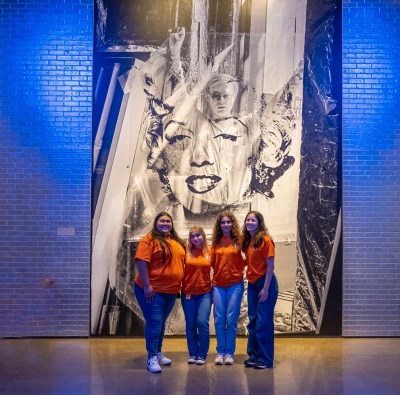
Ambassadors enjoy a Warhol Self-Portrait at Carnegie, in anticipation of the Warhol Museum
Next, we ventured to the Cathedral of Learning, an architectural marvel at the University of Pittsburgh.
Its Gothic spires soared above us as we explored the intricately designed commons area.
It was a beautiful building, one that reminded us that the architecture can play a large role in education and receptivity to learning.
Exploring Art and Nature at the Phipps Conservatory and Botanical Garden
Our recent visit to the Phipps Conservatory and Botanical Garden was a delightful blend of art, nature, and learning.
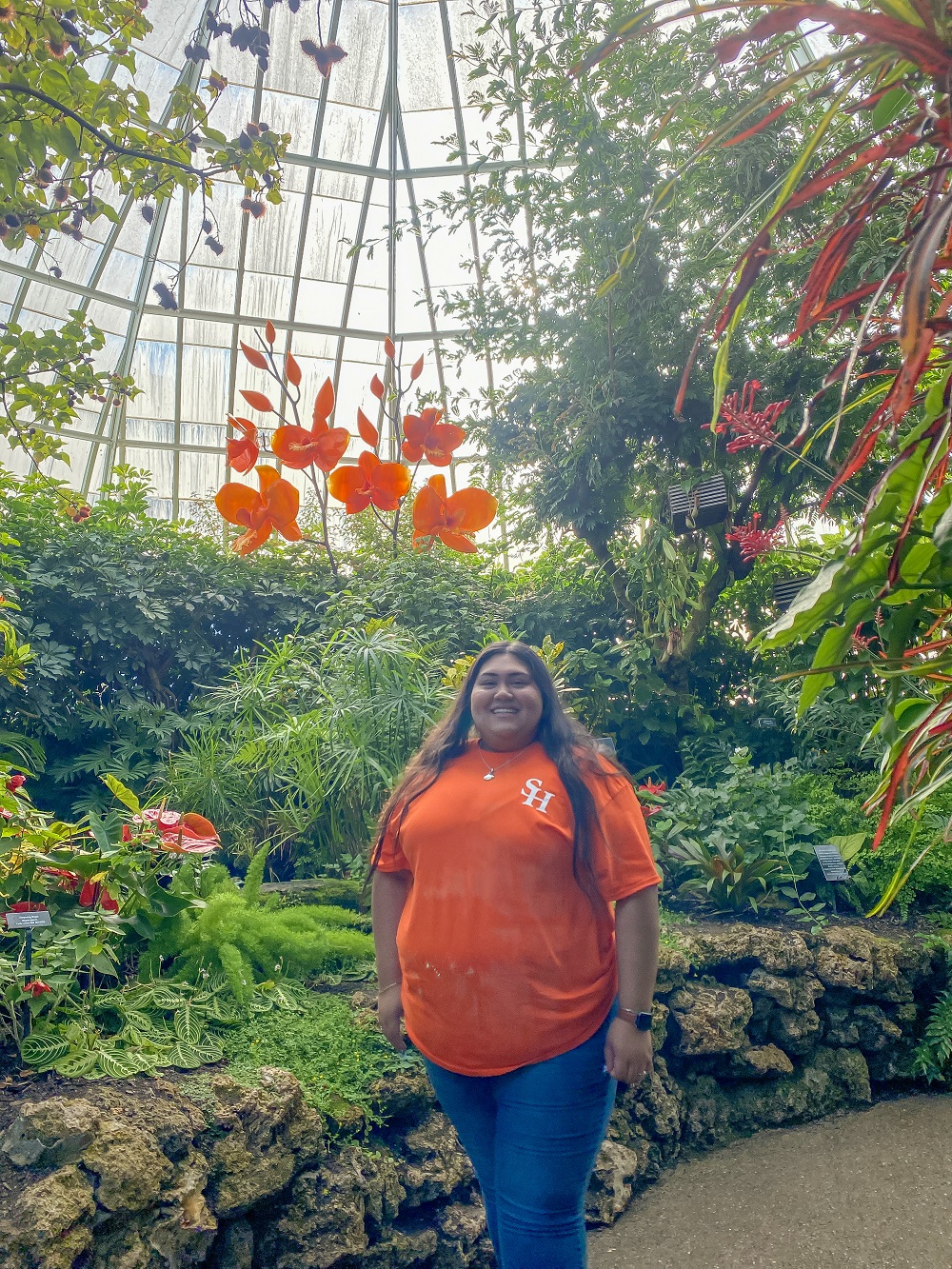
As we stepped into the conservatory, we were immediately greeted by the mesmerizing Goldenrod, Teal, and Citron Chandelier, which hung magnificently from the dome of the welcome center. This stunning piece by Dale Chihuly set the tone for the rest of our visit, showcasing his extraordinary talent in manipulating glass into captivating forms and colors.
Wandering through the various rooms and pathways, we encountered several other Chihuly installations that added vibrant and artistic touches to the already beautiful garden setting. The delicate Cattails and the bold, colorful Paint Brushes were among the many pieces that stood out, each one enhancing the lush greenery and floral displays around them. Chihuly’s art, with its intricate designs and brilliant hues, created a magical atmosphere that enriched our visit.
Beyond the captivating glasswork, the conservatory was a botanical wonderland teeming with life. We found ourselves surrounded by hundreds of different plants and flowers, each adding to the garden’s rich tapestry of colors and scents.
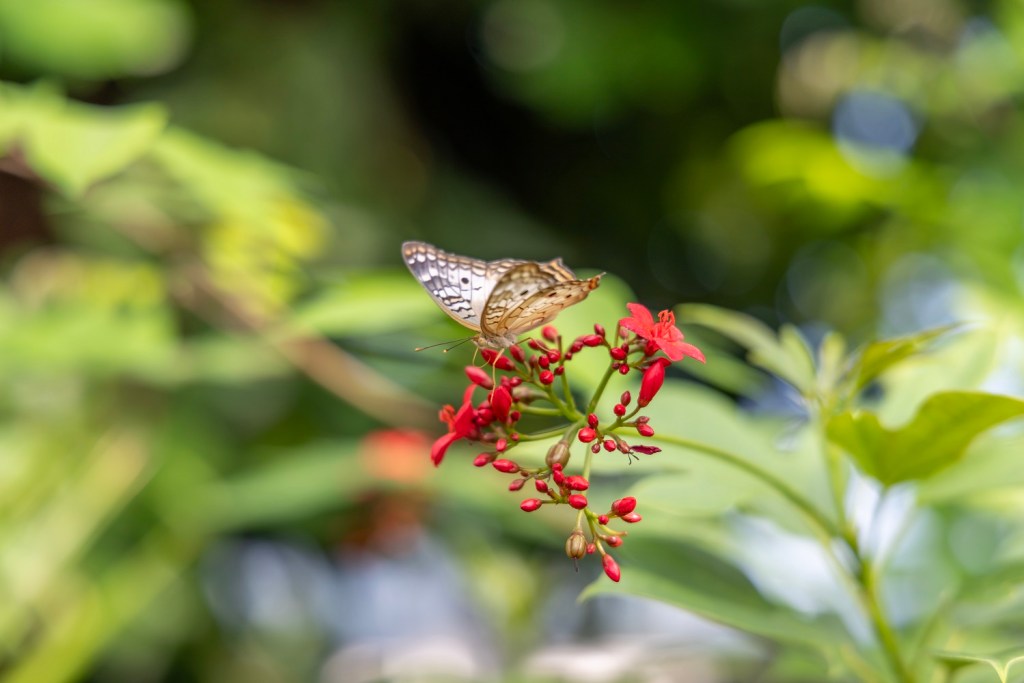
One of the most thrilling parts of our visit was exploring the Butterfly Forest. This enchanting area allowed us to witness a variety of butterfly species fluttering around, creating a truly magical ambiance. The Monarch and Zebra Longwing butterflies were particularly memorable, their vibrant colors and delicate wings adding a sense of whimsy and wonder to the experience.
Adding to the enchantment, we encountered many beautiful flowing fountains, fish, and other creatures crafted entirely out of flowers and plants.
As we continued our journey, we discovered the Orchid Room, a space dedicated to the stunning diversity of orchid species. This room was a feast for the senses, with an array of beautiful orchids in every imaginable color and shape adorning the space. Some of our favorite species were the Vanda Orchid and the Lady Slipper Orchids.
Overall, our visit to the Phipps Conservatory and Botanical Garden was both fun and educational.
We thoroughly enjoyed exploring the beautiful gardens, marveling at Chihuly’s art, and learning more about the diverse plant species.
Max’s Allegheny Tavern
Energized by our cultural immersion, we savored traditional German-inspired cuisine at Max’s Allegheny Tavern. The quaint charm of the restaurant was evident from the moment we walked in, with its cozy ambiance accentuated by adorable lamp shades casting a warm glow.
As a newbie to German food, Michelle and Cinthia were eager to try some of the region’s specialties. The potato pancakes were a revelation, crispy on the outside and fluffy inside, served with applesauce for a perfect blend of flavors. The bratwurst was hearty and satisfying, accompanied by tangy sauerkraut that complemented its savory goodness. And who could forget the schnitzel? Tender and perfectly breaded, it melted in my mouth with every bite.
Overall, Max’s Allegheny Tavern surpassed my expectations, not just with its delicious dishes but also with its inviting atmosphere. It’s definitely a place we hope to return to for more culinary adventures
Duquesne Incline
Visiting Pittsburgh for the first time was an unforgettable experience, made even more magical by a ride on the Duquesne Incline. As the sun set, we boarded the historic cable car that ascended Mount Washington. The city’s skyline, illuminated against the darkening sky, unfolded before me in a breathtaking display of lights and architecture. It was a view that truly encapsulated Pittsburgh’s charm and beauty.
The incline itself, with its rich history dating back to the late 19th century, added a sense of nostalgia to the journey. Originally built to transport workers up and down the steep hillside, today it serves as both a historic landmark and a beloved tourist attraction.
The weather that evening was perfect—a cool breeze complemented by a clear sky—making the experience even more enjoyable. Arriving at the summit, I found myself surrounded by panoramic views of Pittsburgh’s twinkling lights and shimmering rivers. It was the perfect end to a day filled with exploration and discovery in a city that had already captured my heart.
The Duquesne Incline not only provided a literal and metaphorical high point of my Pittsburgh visit but also set the stage for a day filled with new experiences and cherished memories.
Andy Warhol Museum
Being in Pittsburgh for the first time has been a fantastic experience; from the weather to the beautiful architecture, it has all been breathtaking. The variety of new foods from Max’s Tavern was an adventure, preparing us for the sensory feast at the museum. Our latest adventure took us to the Andy Warhol Museum, blending art, history, and personal discovery. Having recently watched a documentary on Warhol, I was particularly excited to see his artistic evolution across the museum’s seven floors.
The Andy Warhol Museum takes visitors on a chronological journey through Warhol’s life and work, from his early years on the top floor to the final years of his prolific career on the ground floor. This layout allowed us to see the progression of his style and the expansion of his artistic repertoire in a way that felt like stepping through a living biography.
On the top floor, we were introduced to Warhol’s early life, trying to identify him in old-school photos. This personal touch made the experience more intimate. Warhol’s early commercial art, including his advertisements and product illustrations, hinted at his future as a leading figure in pop art.
Descending the floors, we encountered various works, from his famous Campbell’s Soup Cans to his iconic Brillo Boxes.
We marveled at his silkscreen technique, which he used to create the vibrant Marilyn Monroe series and the striking Elvis Presley prints. Seeing these pieces up close highlighted the bold colors and repetitive patterns that defined his style.
One of the most playful parts was the Silver Clouds room, filled with giant, reflective silver balloons. We could not resist gently pushing them around, feeling the air lift them up.
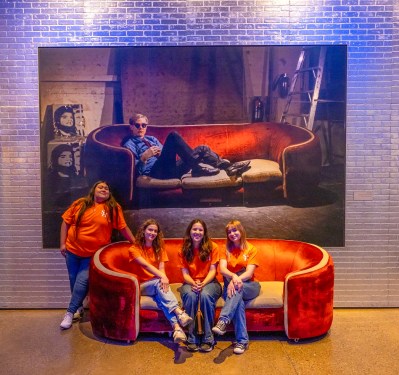
Before leaving, Cinthia, Olivia, and I took pictures on the museum’s famous red couch, a nod to Warhol’s studio. Connecting the documentary insights with the exhibits added depth to our visit, making it a memorable chapter in our Pittsburgh adventure.
Reflecting on our enriching day, Pittsburgh emerged not only as a city of steel and industry but also as a vibrant cultural hub. Each visit—from the Carnegie Museum’s artistic splendors to the Cathedral of Learning’s educational marvels, Max’s Allegheny Tavern’s culinary delights, the Duquesne Incline’s panoramic views, and the Andy Warhol Museum’s artistic legacy—contributed to a deeper appreciation of Pittsburgh’s diverse and dynamic character. As our journey with the Southern Legislative Conference continues, Pittsburgh remains an inspiring destination where art, culture, and history converge to create lasting memories for all who visit.
As we prepare for the next leg of our Southern Legislative Conference trip, Pittsburgh a highlight of our trip—a city where art, history, and culture converge to create an unforgettable experience for all who visit.
With our competition out of the way, we were determined to make the most of our remaining time at the TCMA conference. To do this, we heard from a rewarding speaker, got an Association update from the new President of TCMA, engaged in a networking lunch, and stole a few moments on the beach.
AI and City Government
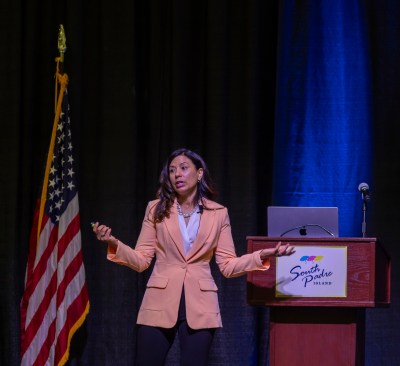
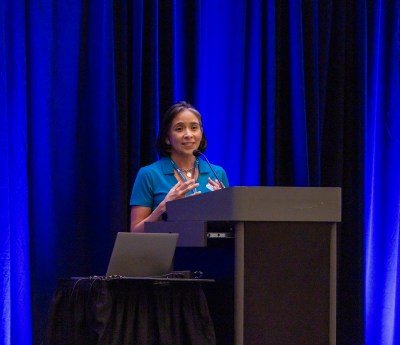
Our last true session of the conference featured, Ann Marie Sastry, a distinguished mechanical engineer and entrepreneur known for her groundbreaking work in energy systems engineering and artificial intelligence. She earned her bachelor’s degree in mechanical engineering from the University of Delaware and a PhD from Cornell University.
Following a career in academia, Dr. Sastry co-founded Sakti3, and she currently serves as President and CEO of Amesite, an AI software company. She brought this work home to us by noting that the days of City Managers being able to ignore AI in their communications and analyses are over. She went so far to say that any company who doesn’t begin use of AI in the immediate future won’t be in business in 2030, comparing such a decision to a business in 1995 choosing not to use computers.
Her talk was well received, and for us, two things stood out, both of which are relevant to what we do. One, she mentioned that AI could write a blog in 8 seconds, which is significantly shorter than the time we take! Second, she noted that AI can easily do a PowerPoint for free; but free AI cannot do an excellent PowerPoint. And while this was a suggestion from her that City Managers should look closely at which AI companies they use, it was a reminder to us to put some old-fashioned thought and sweat equity into our blogs and our PowerPoints.
Passing of the Torch: A New President of the TCMA
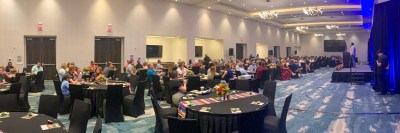
The last day of the conference, Sunday, June 23, began by foreshadowing the 2025 conference in San Antonio…
…with a nice promotional video that stirred some excitement among the audience.
It also marked the passing of the torch from President Opal Mauldin-Jones to Jay Abercrombie, City Manager of Henderson.
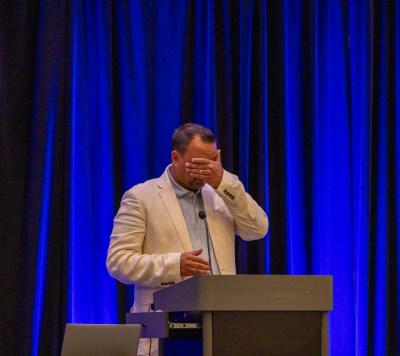
Mr. Abercrombie became emotional as he thanked his family, Association members, and noted the passing of his father.
But he composed himself quickly, making a joke about his inability (the day before) to pronounce the word “academician.” With much fanfare, he demonstrated a successful pronunciation of the term.
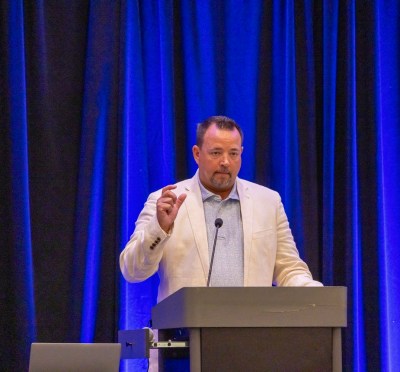
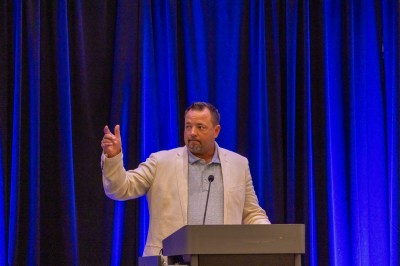
In an animated speech, he highlighted some features of the Association…
…ensured everyone was aware of next year’s meeting in San Antonio, and encouraged members not to become cliquish which, he noted, they have a “tendency to do.”
And with that admonishment, the Conference ended…
…with members mingling (uncliquishly), and reflecting on a positive and productive conference.
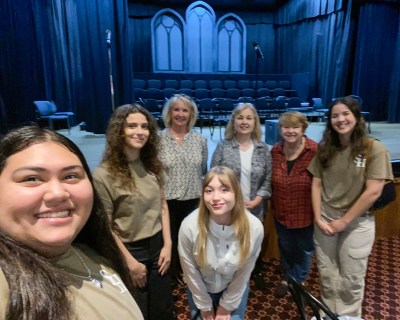
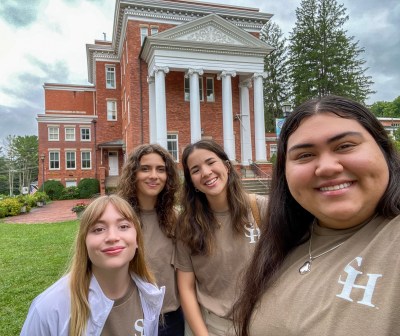
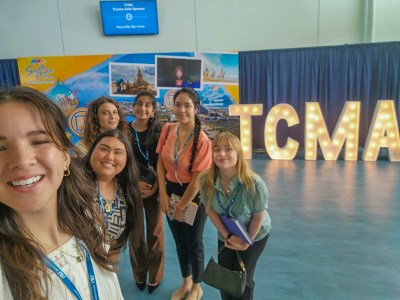
Among those members were a group of six SHSU students, all newly minted TCMA members!














































 Center for Law, Engagement, and Politics