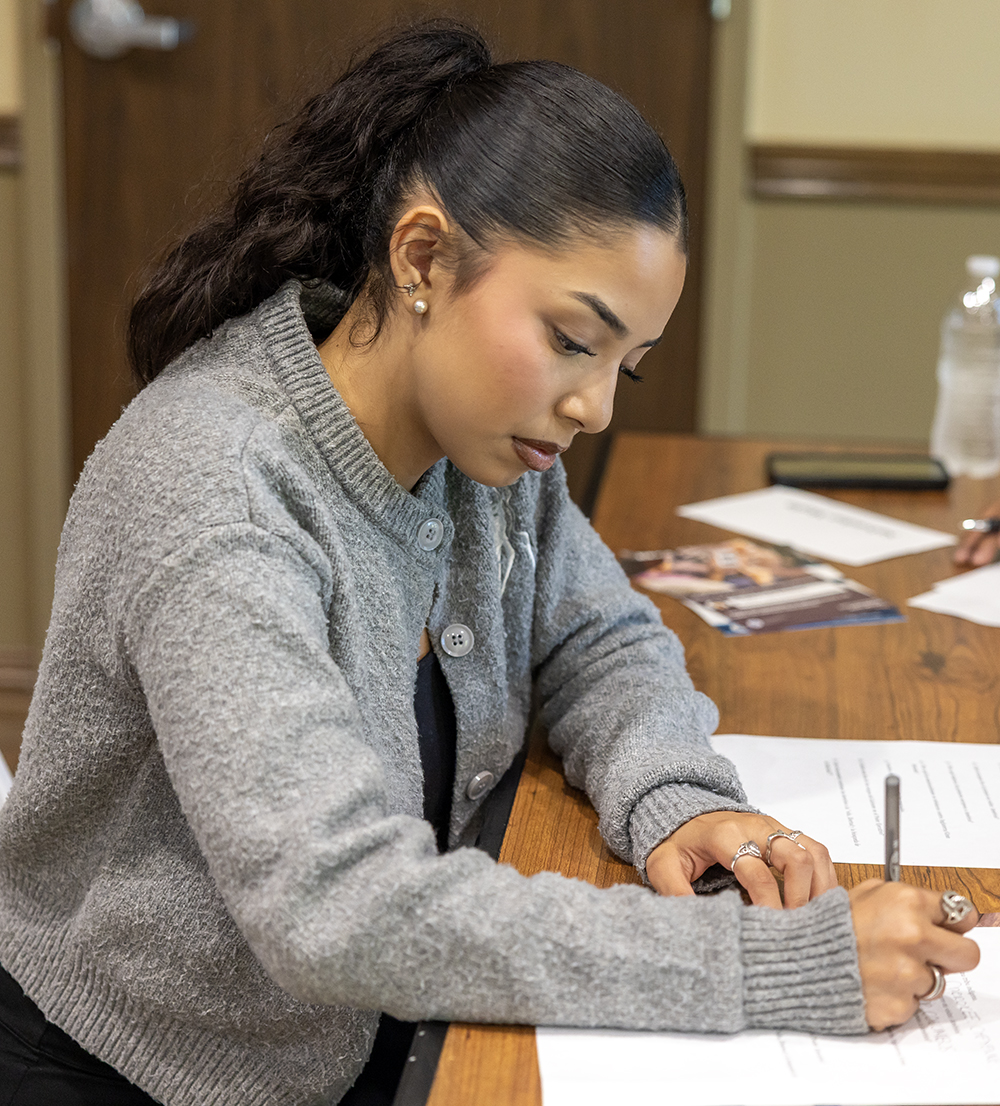
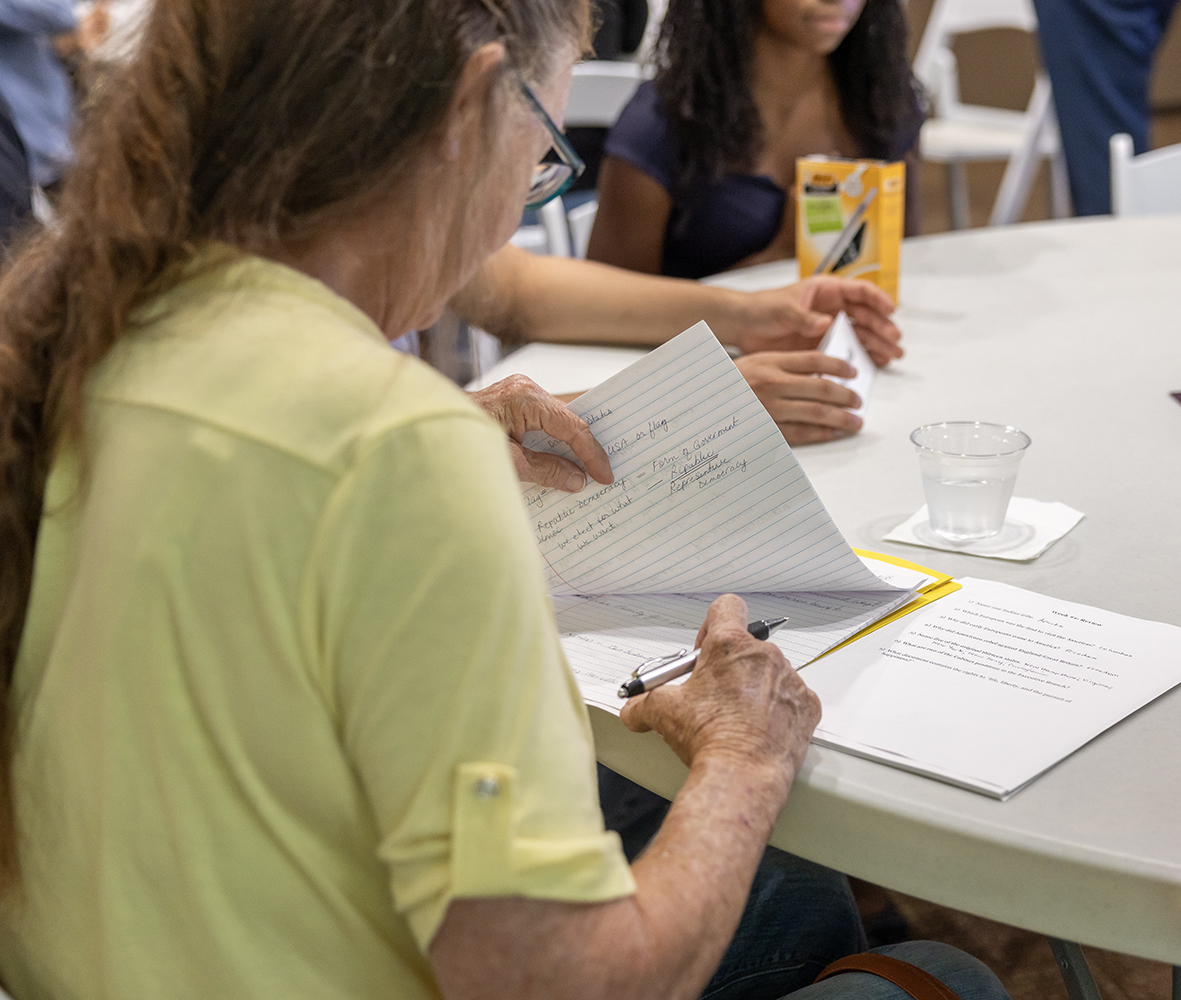
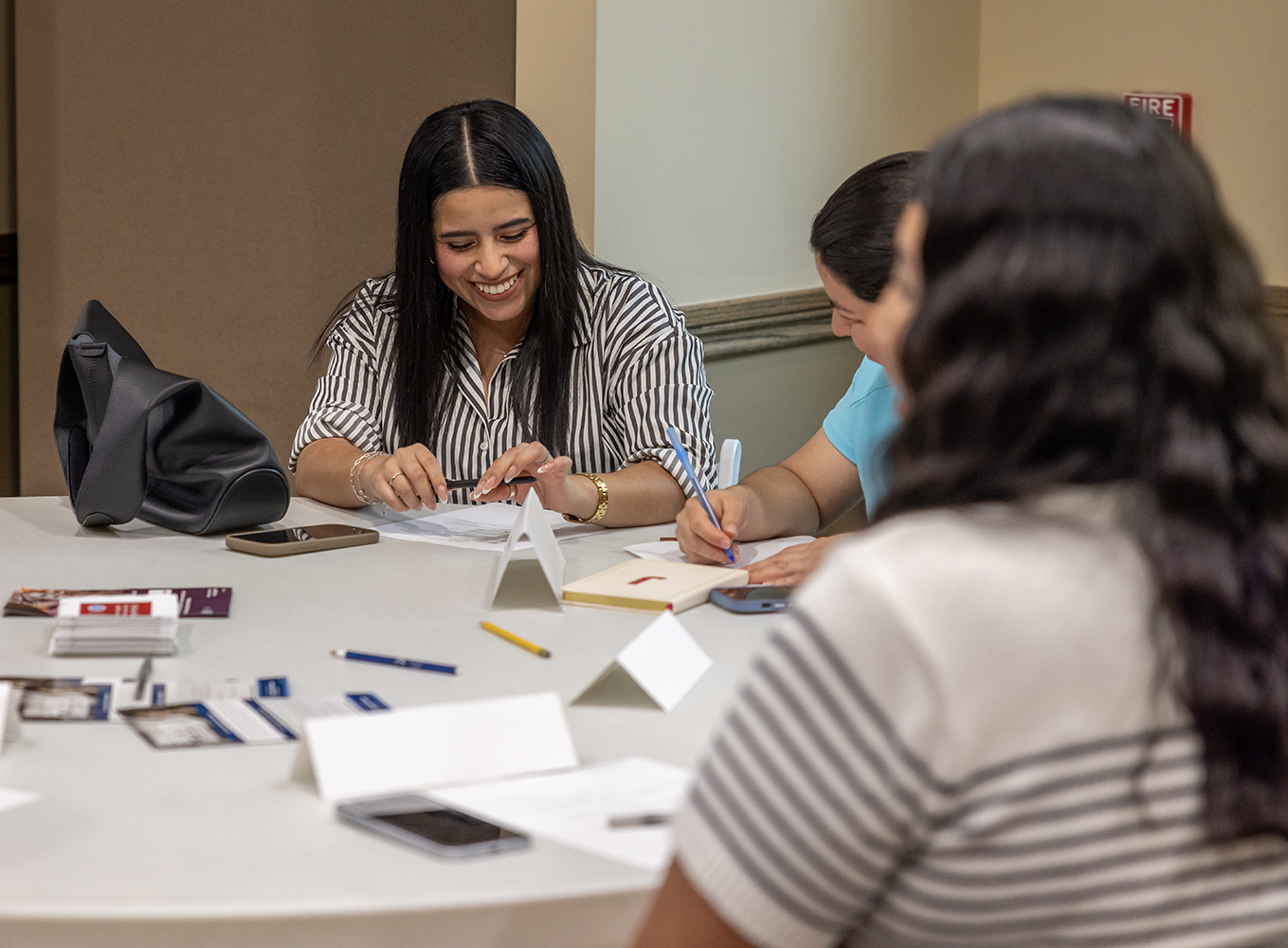
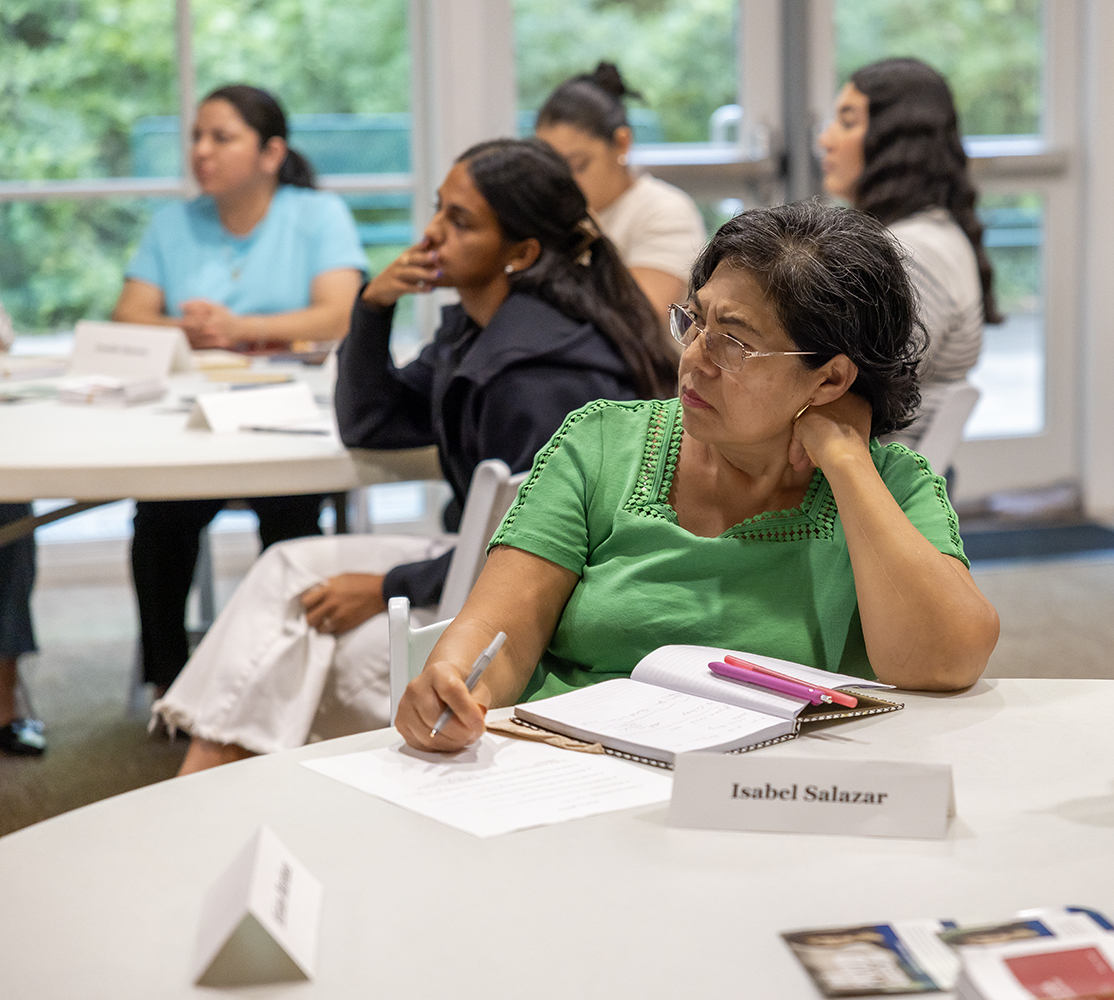
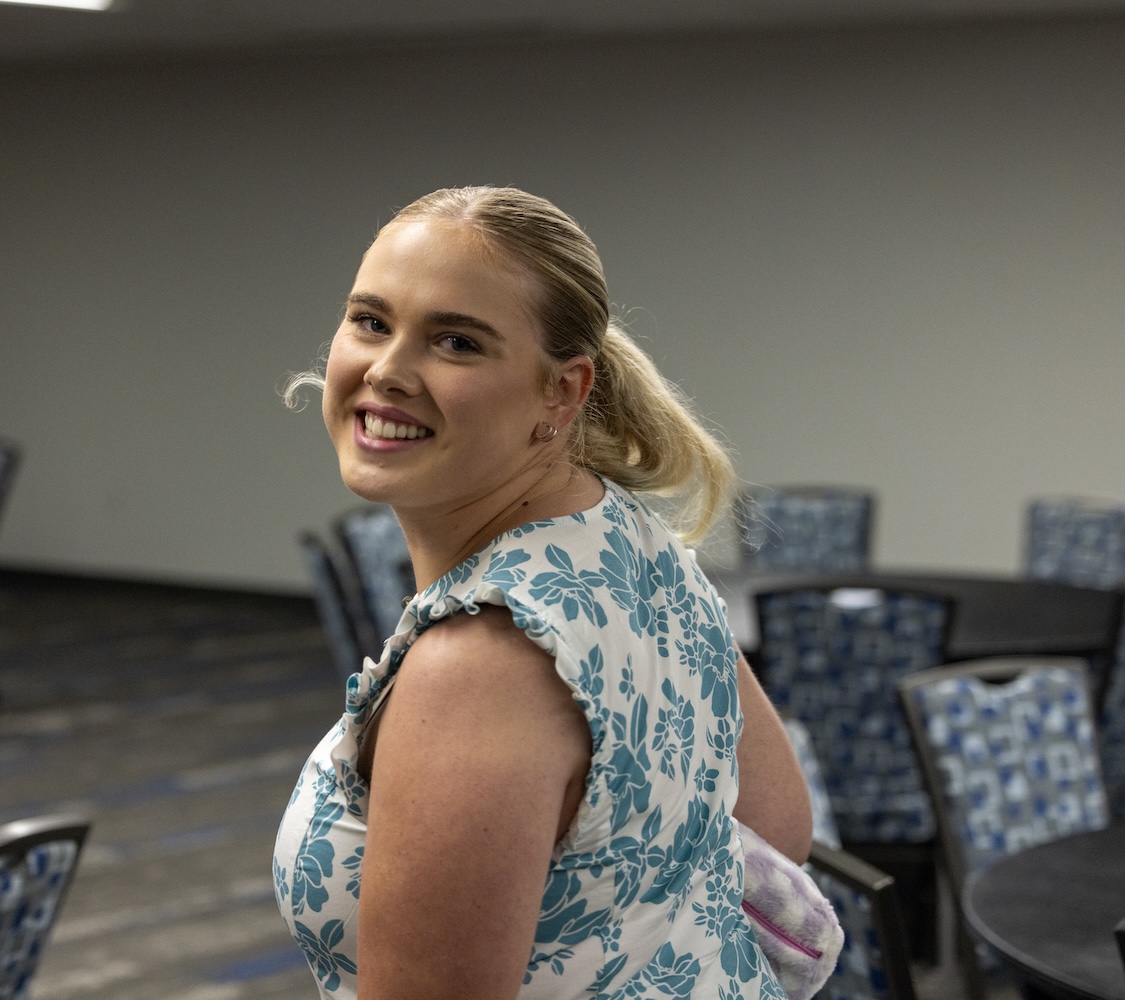
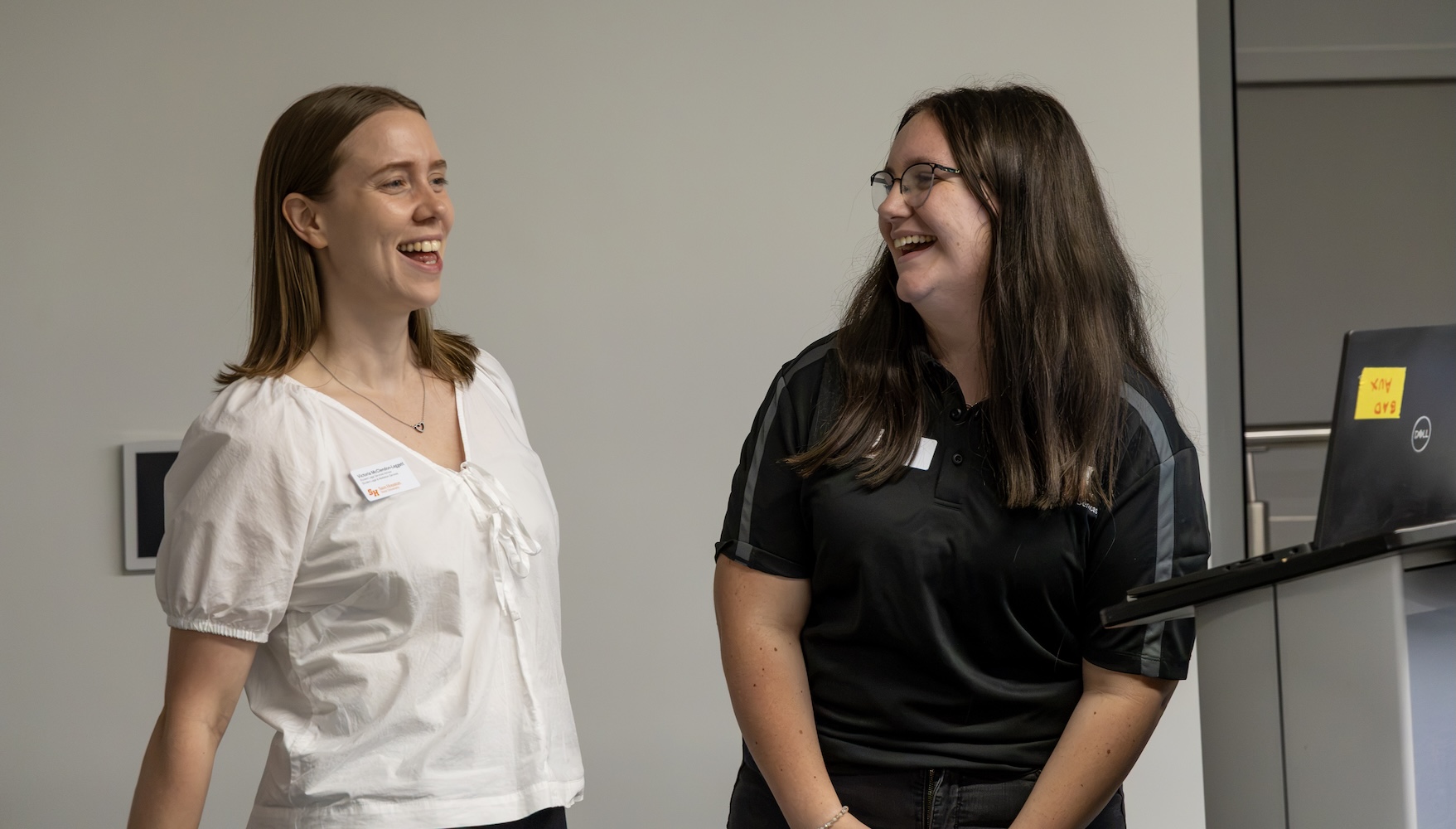
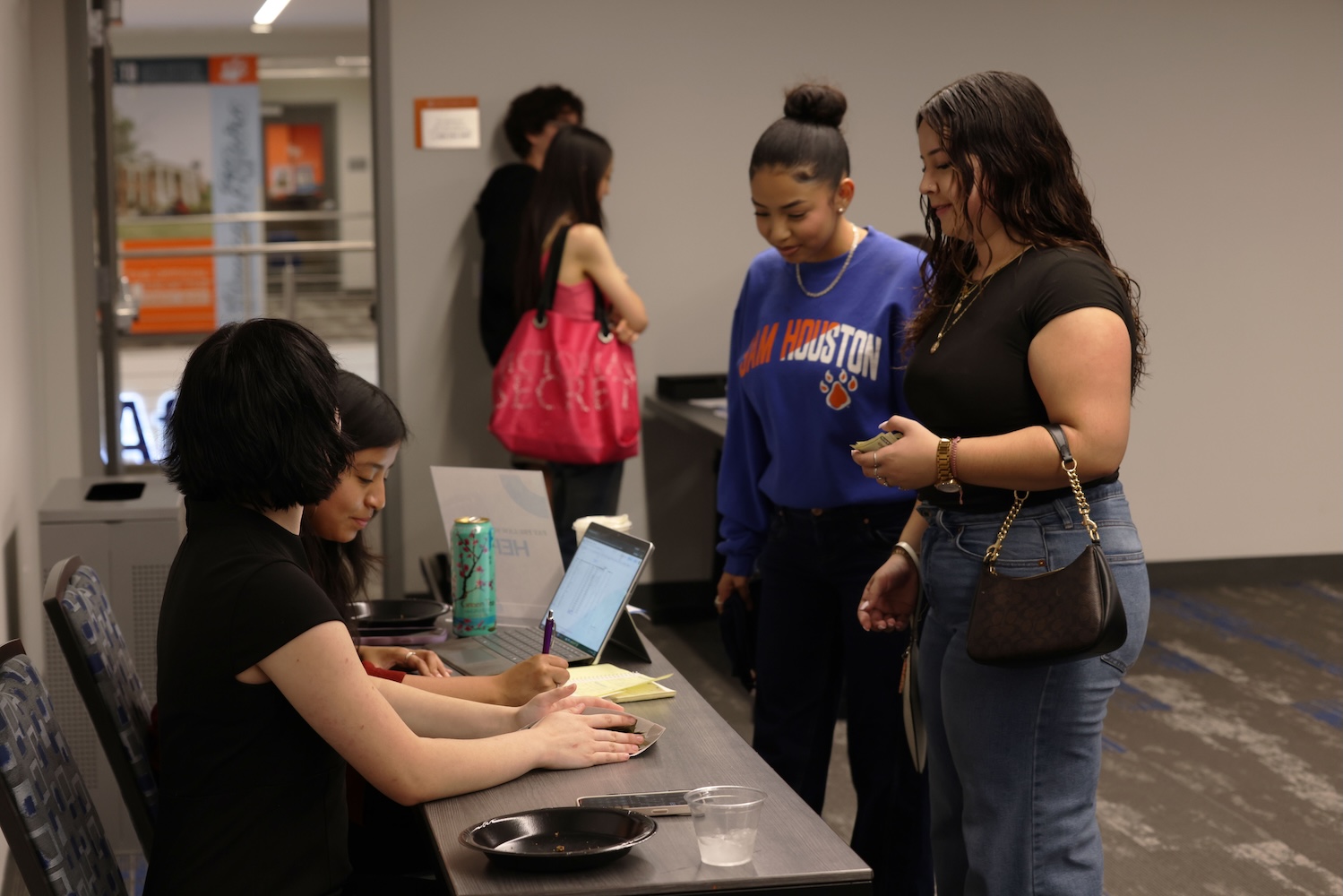
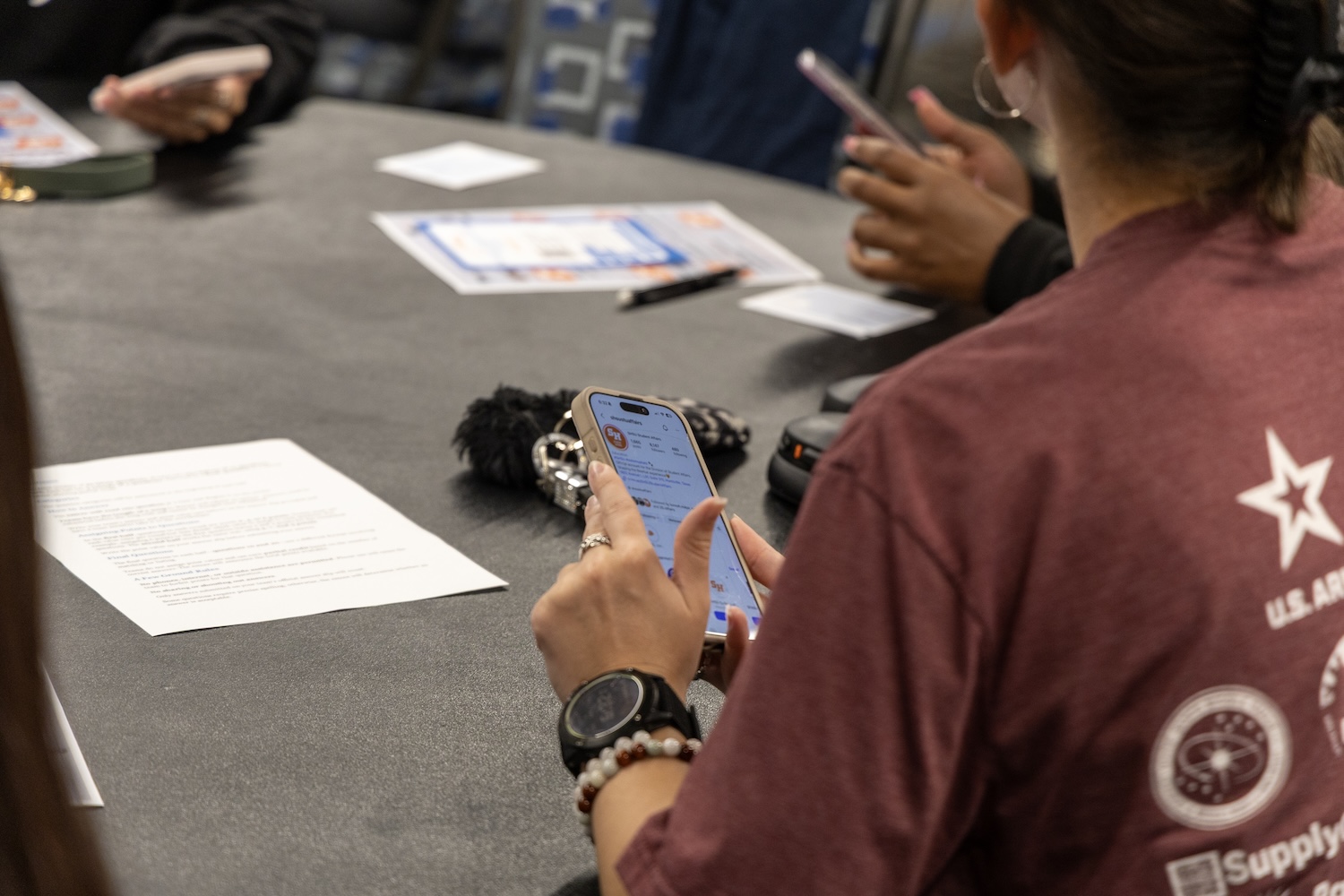
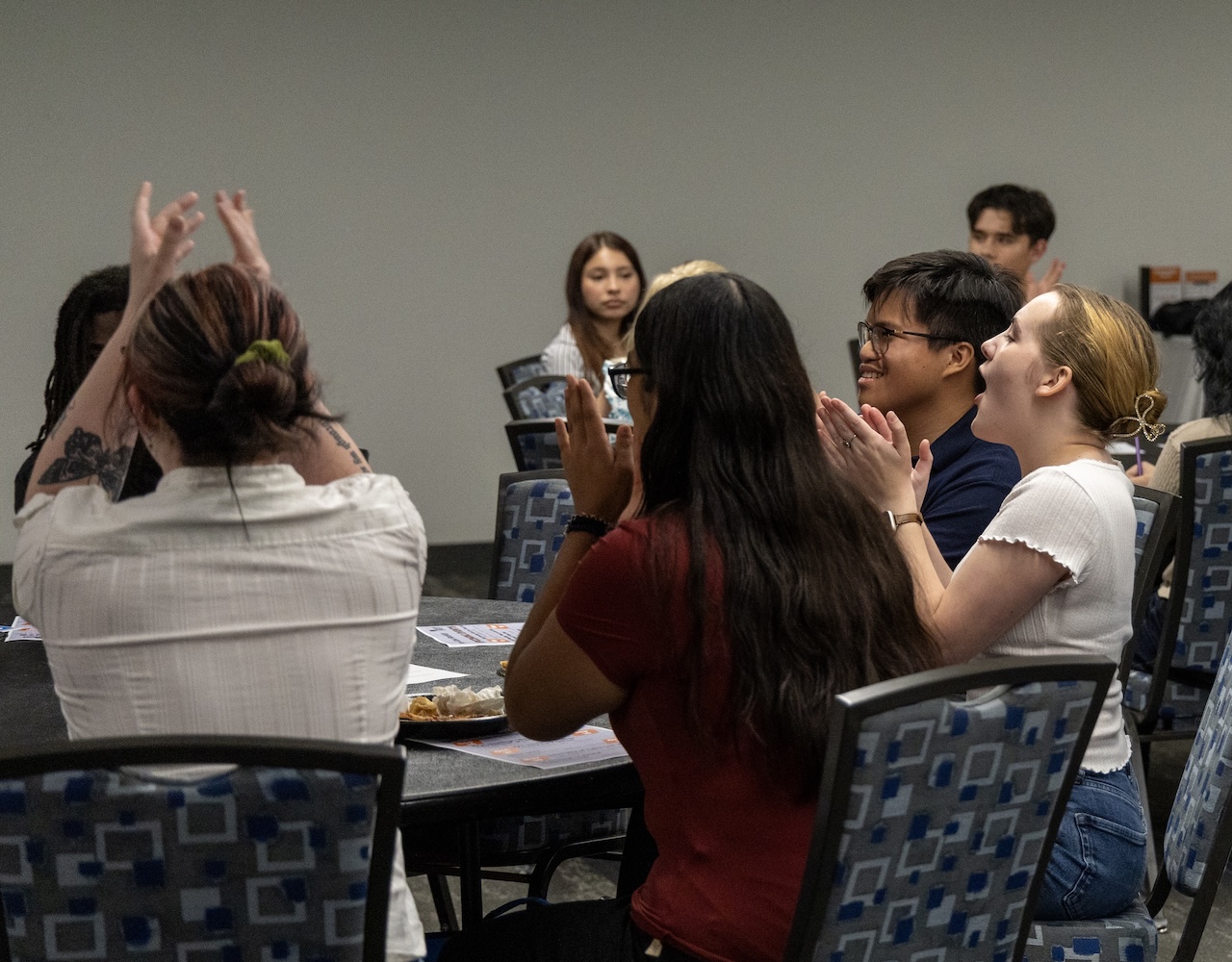
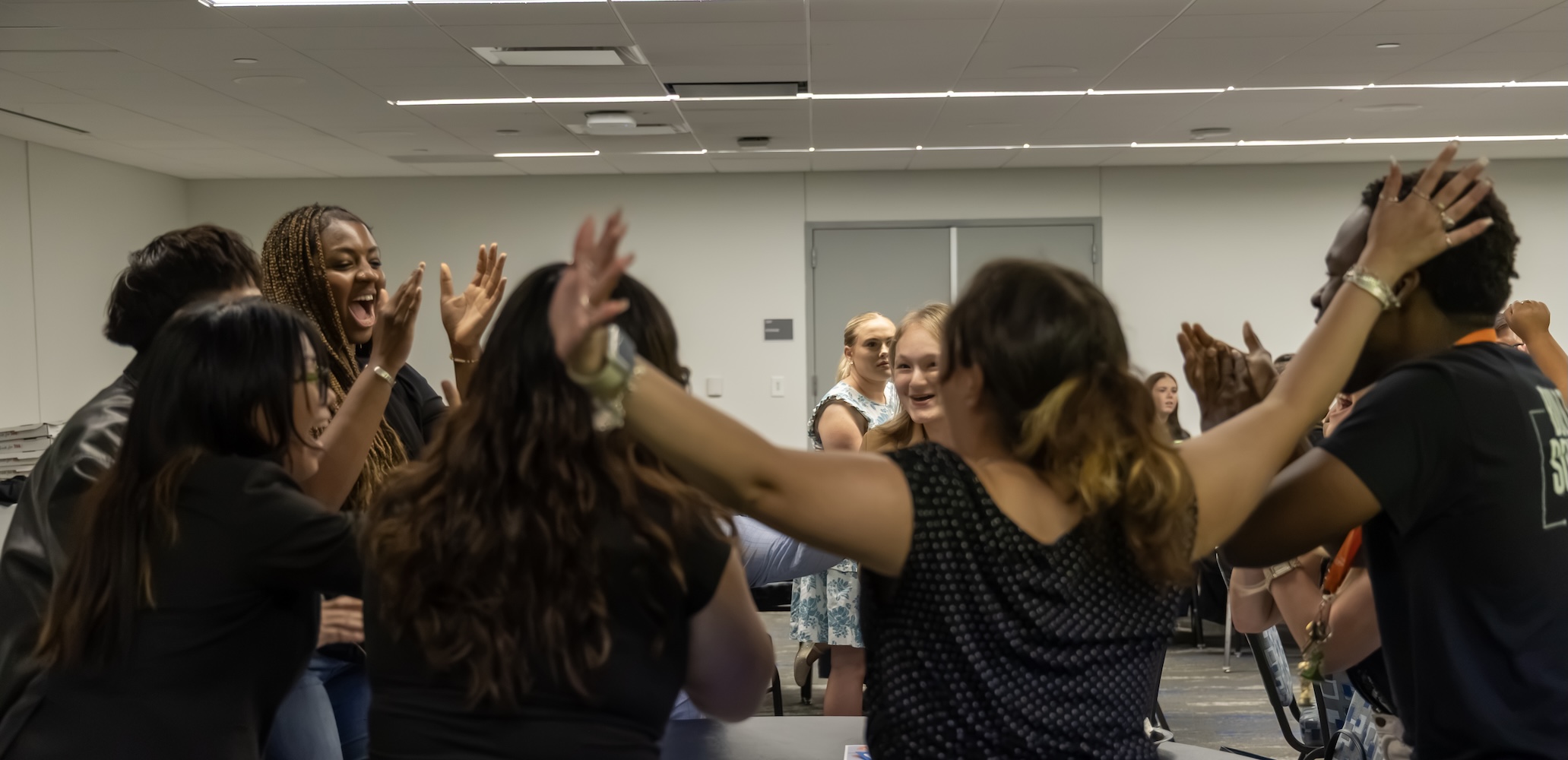
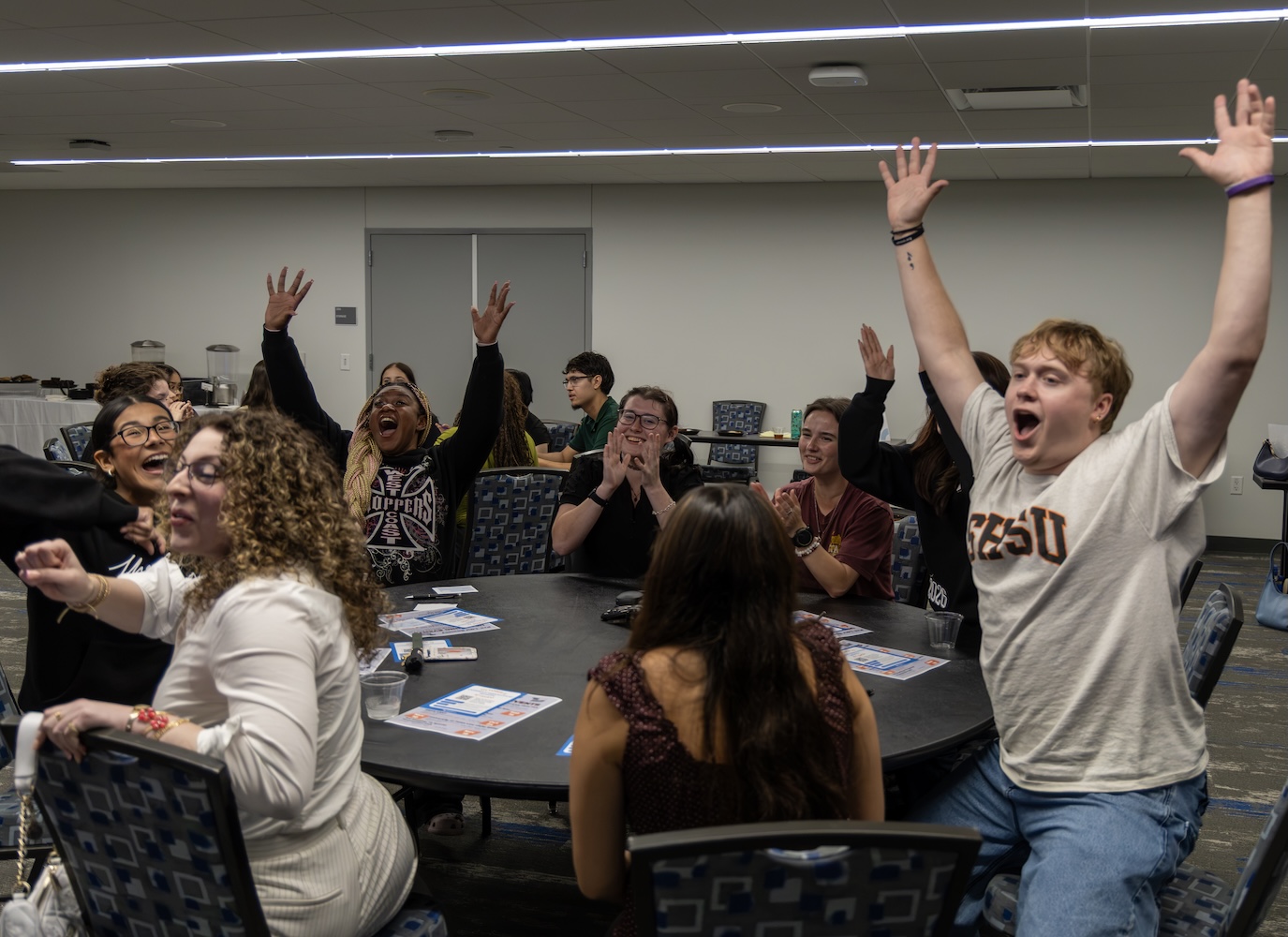
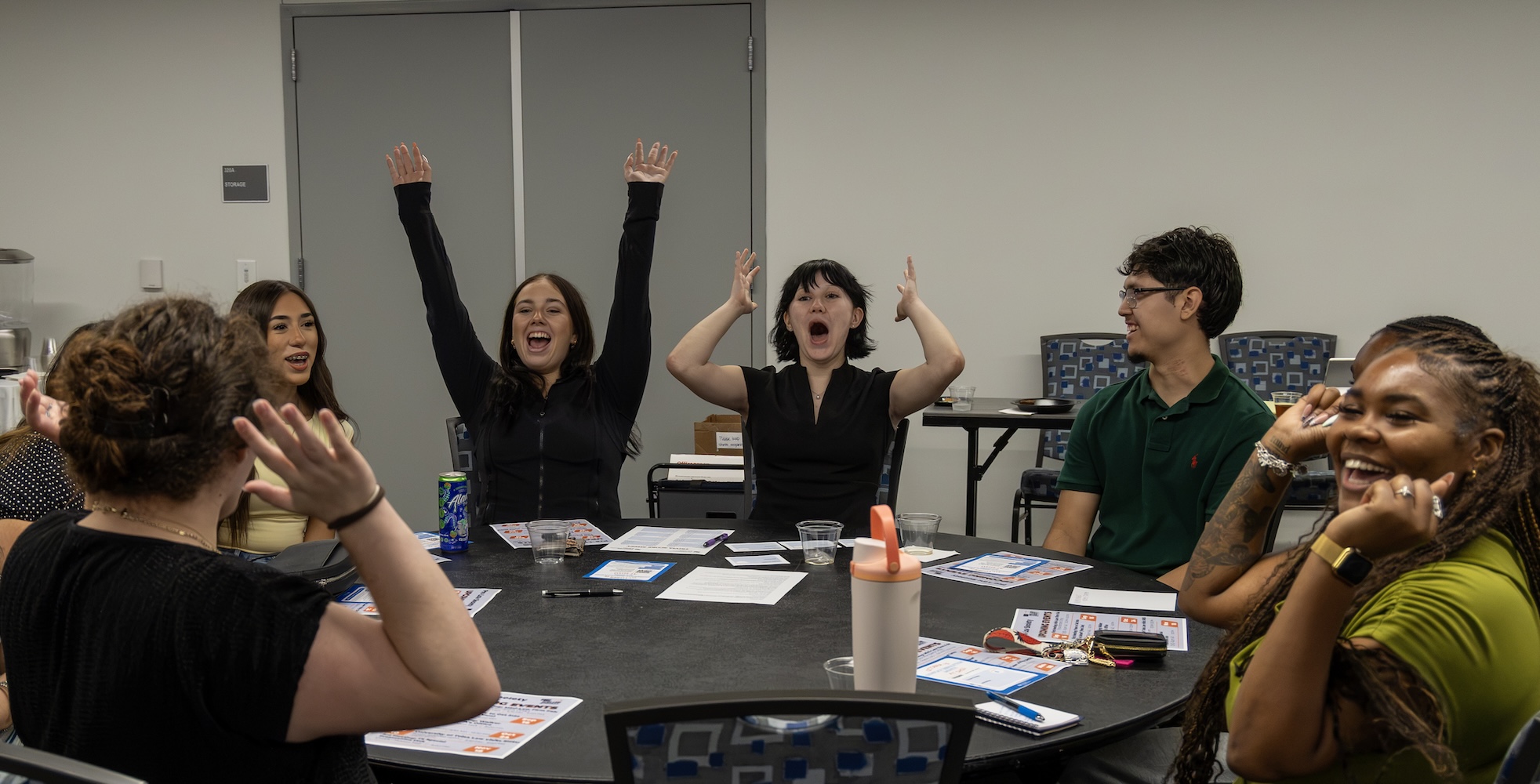
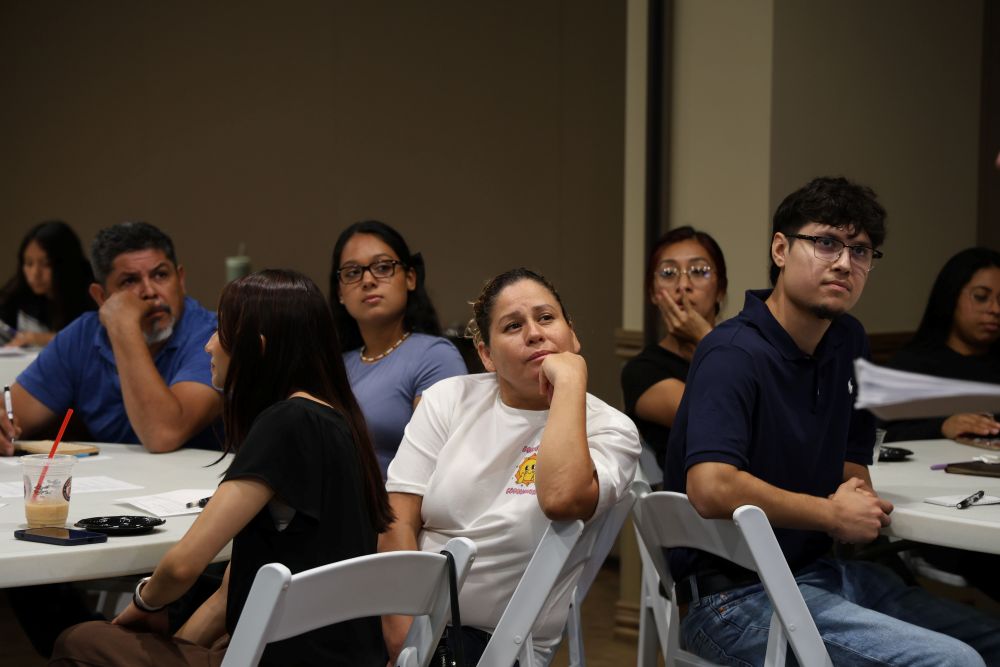
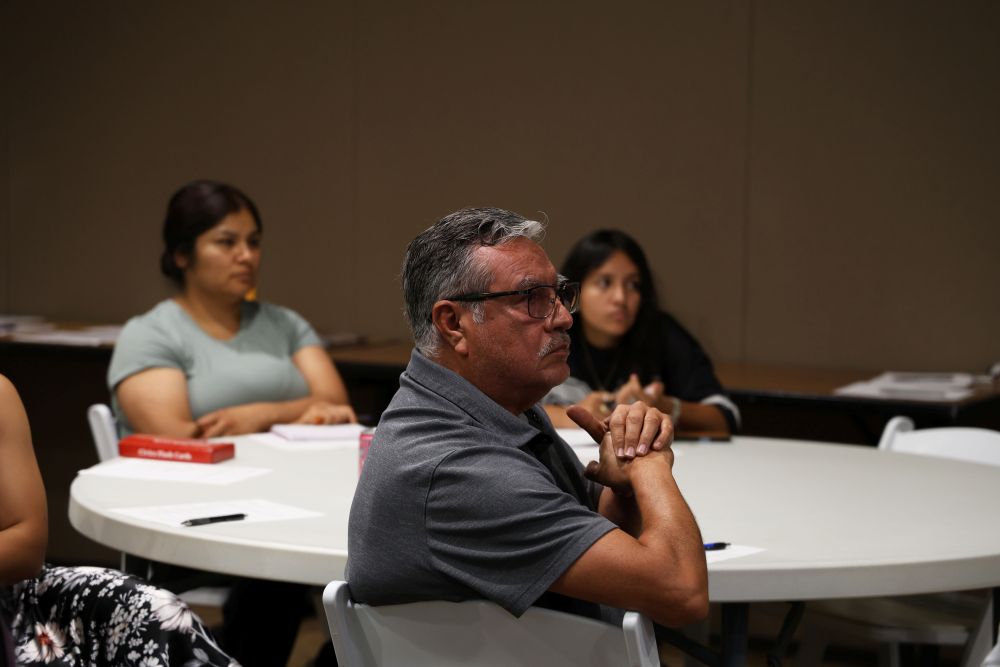
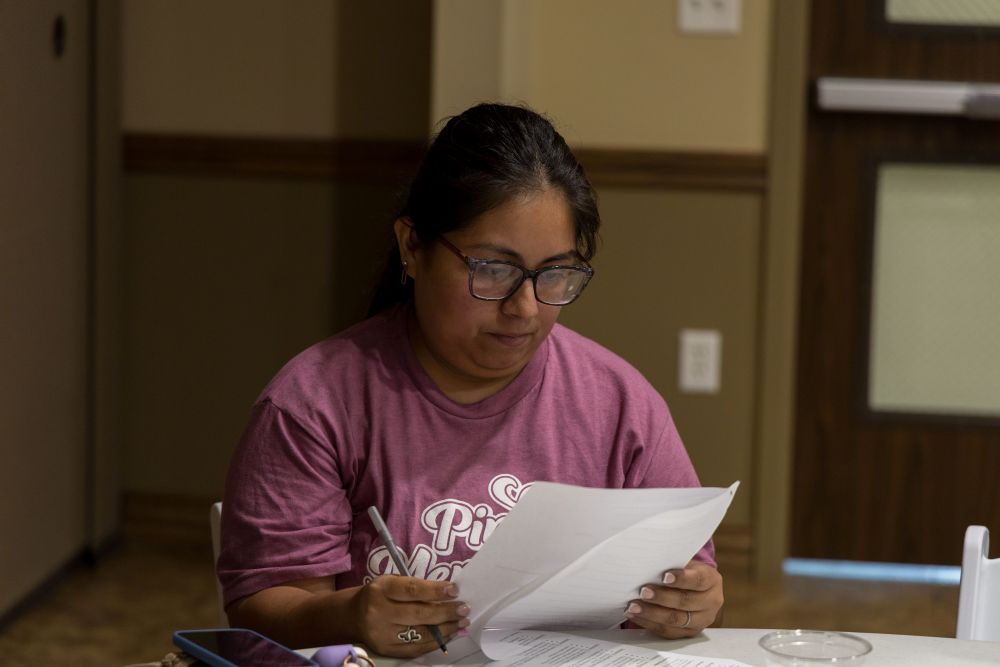
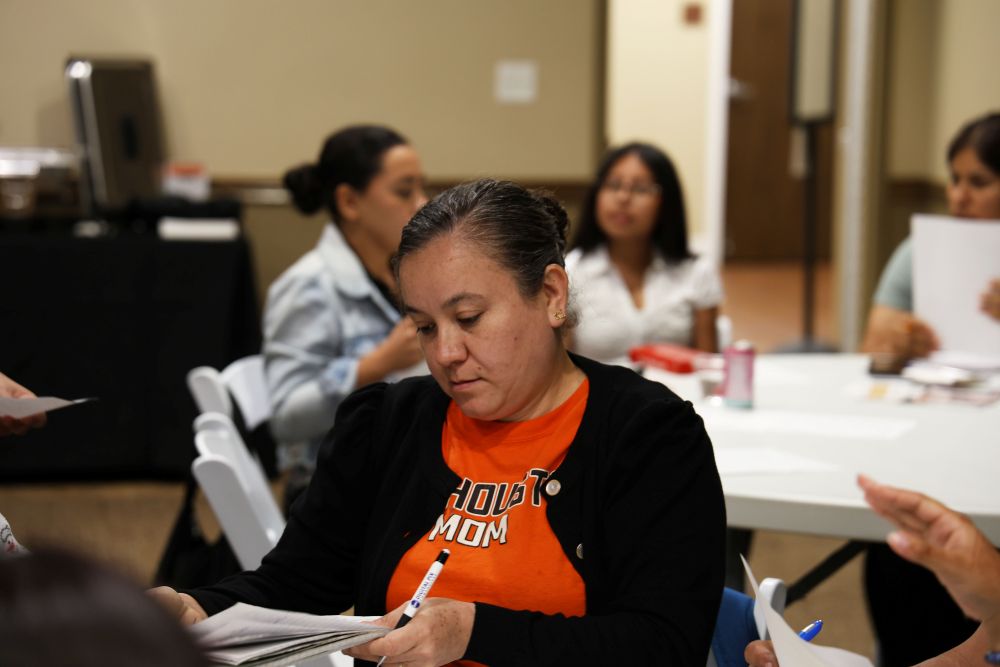
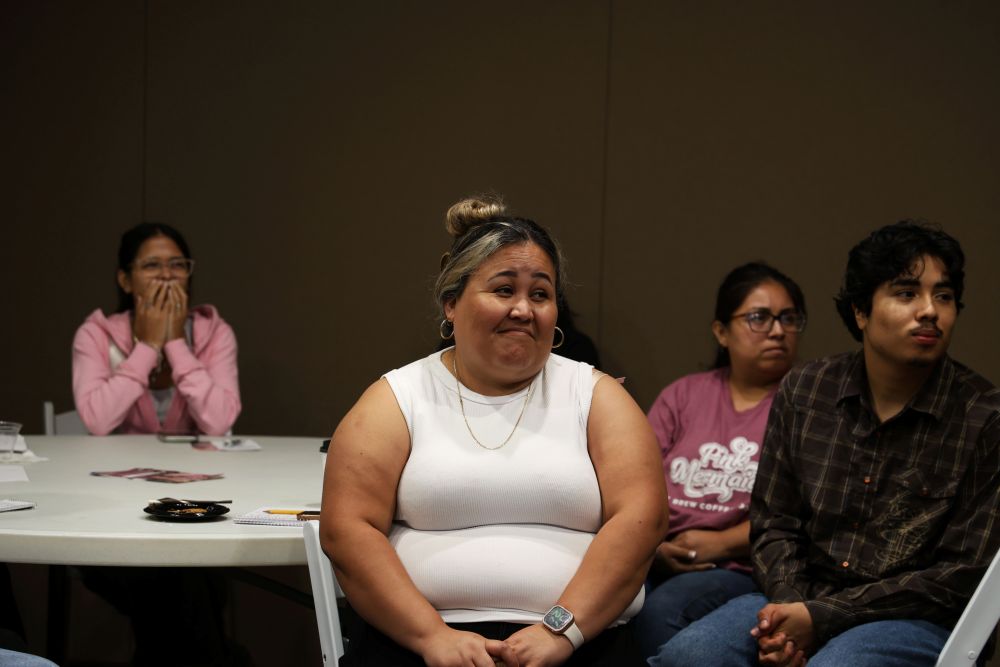
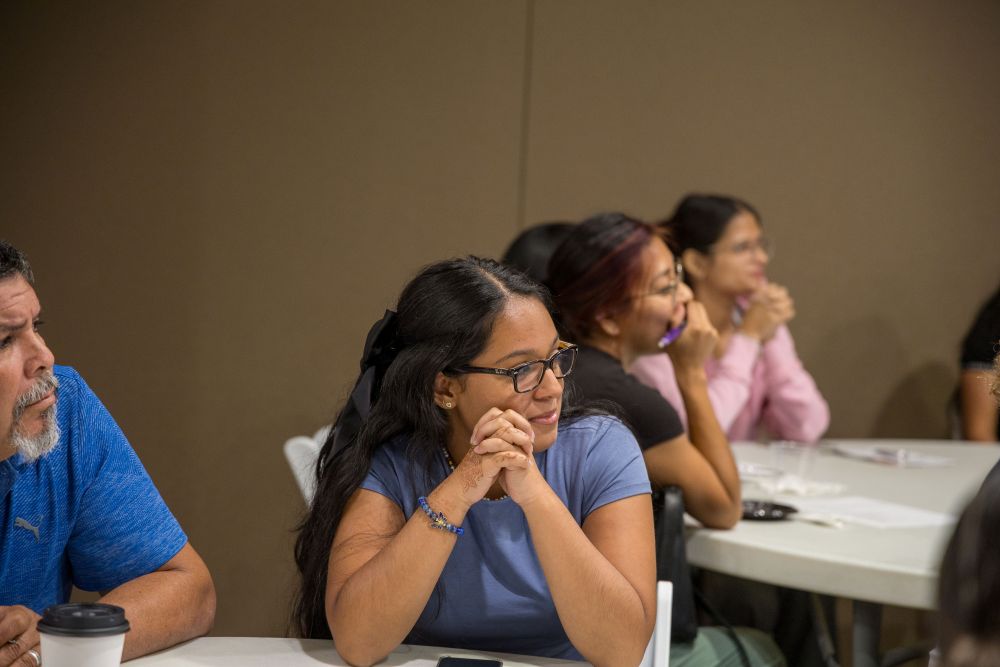
The Center for Law, Engagement, and Politics (LEAP) recently completed the second week of its annual Citizenship Preparatory Course, continuing a five-week program designed to help area residents prepare for the naturalization process and pursue their goal of becoming United States citizens.
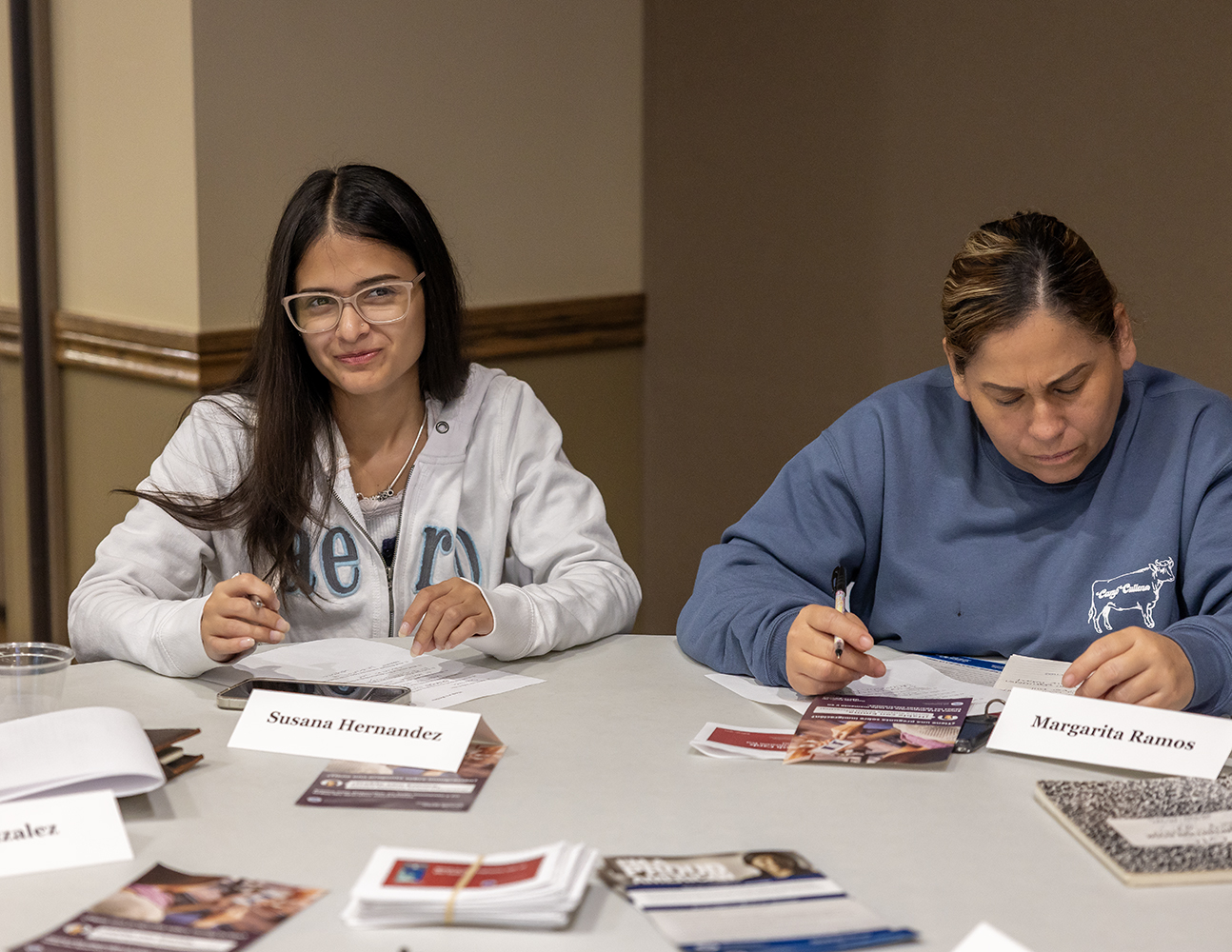
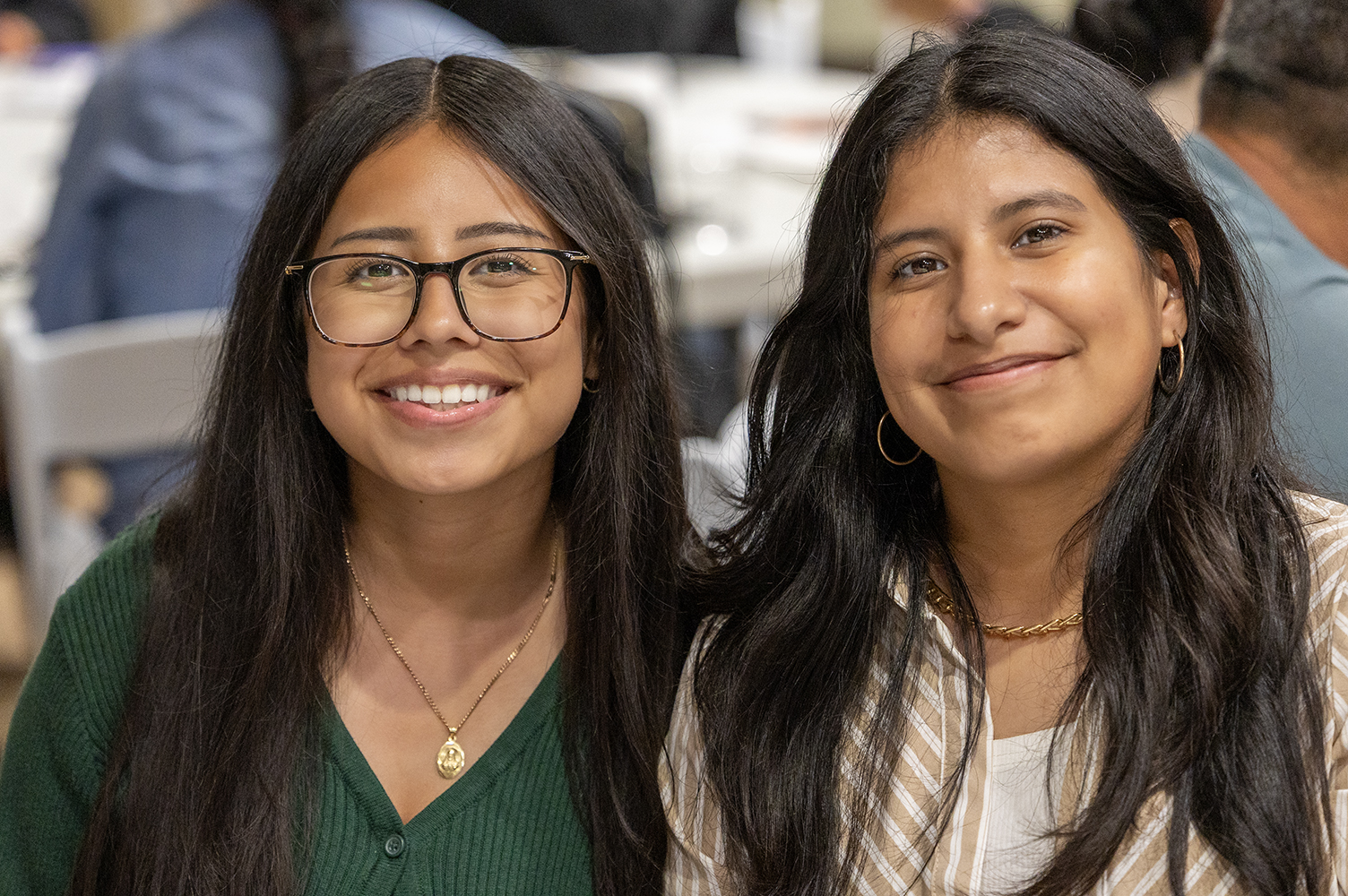
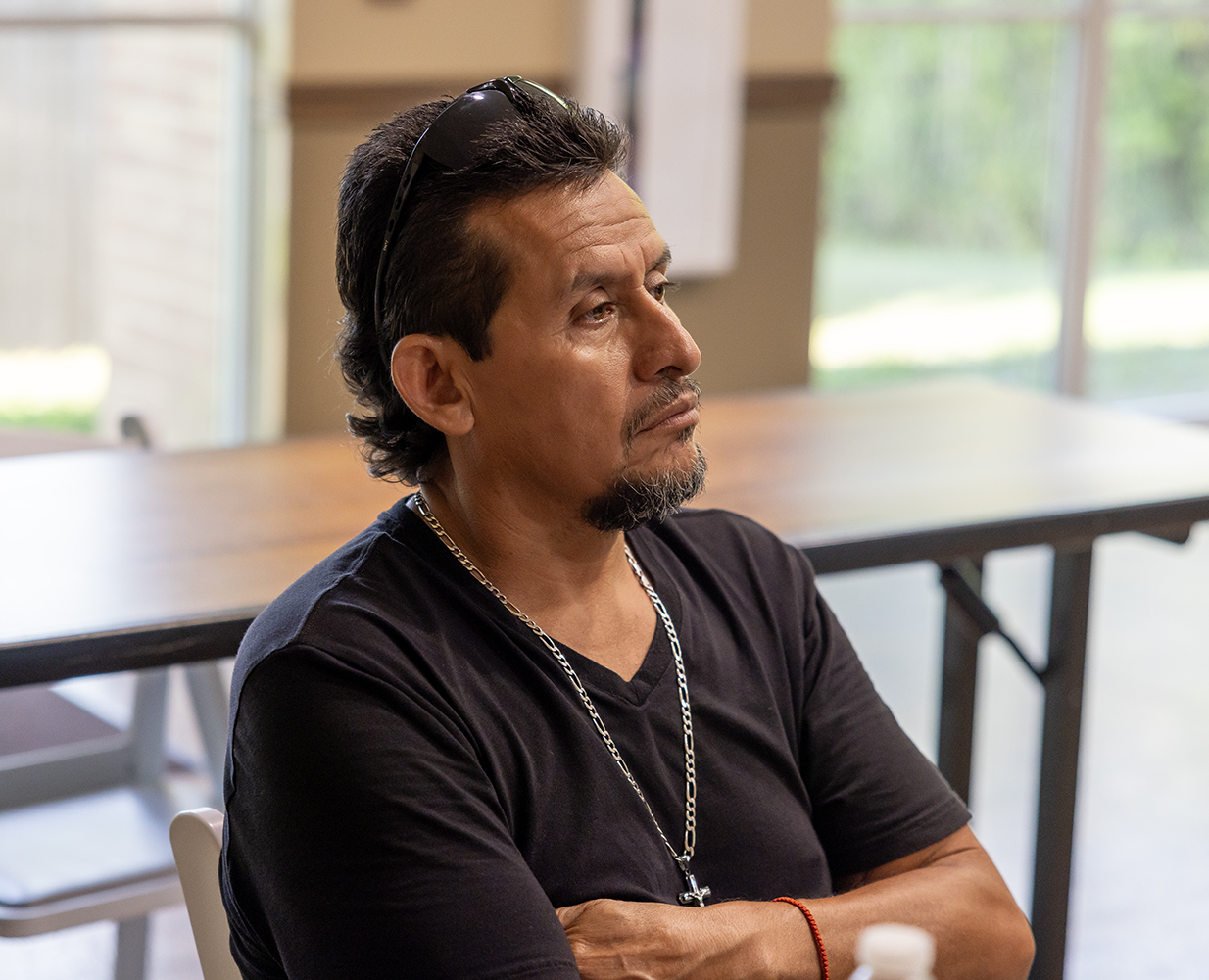
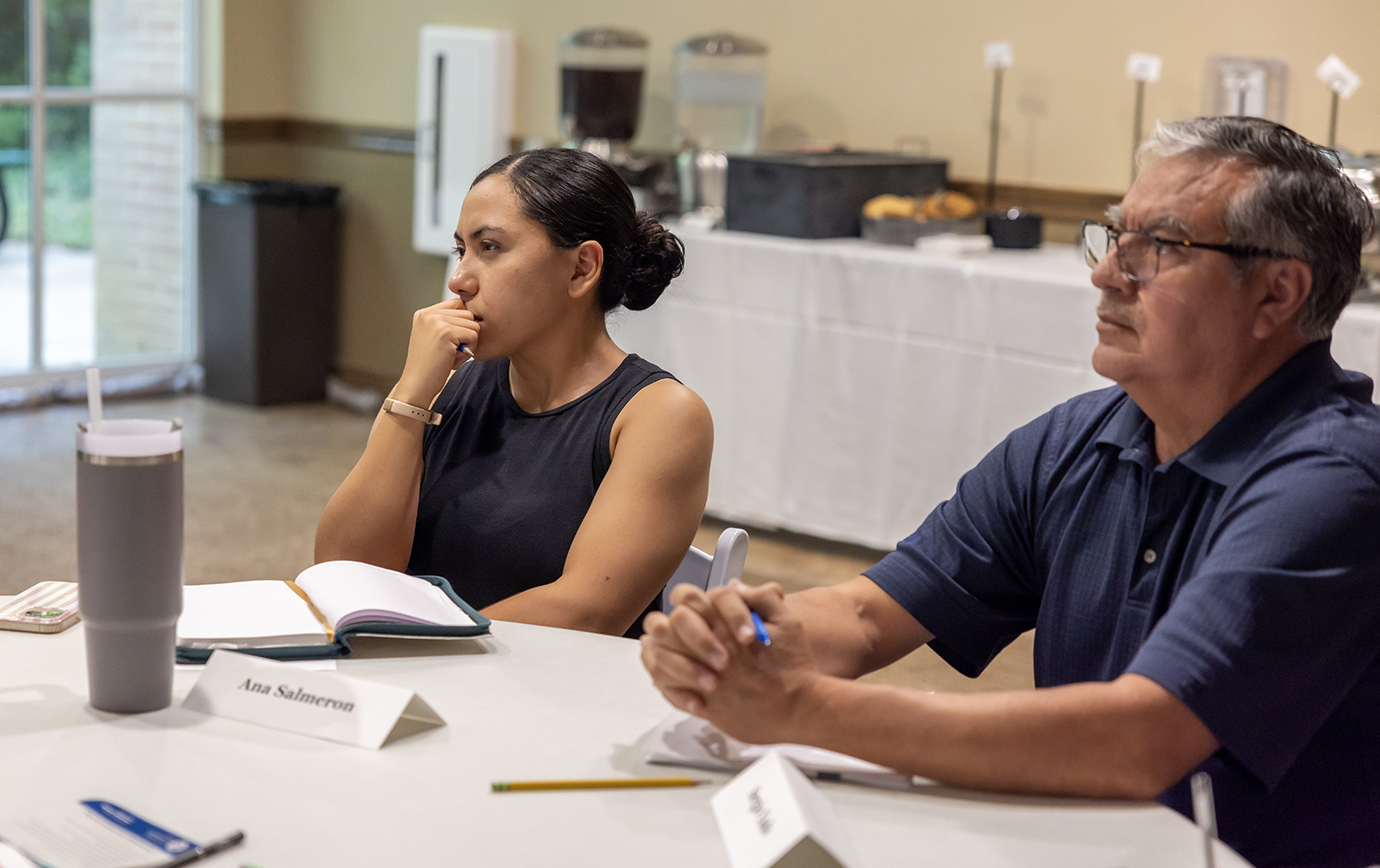
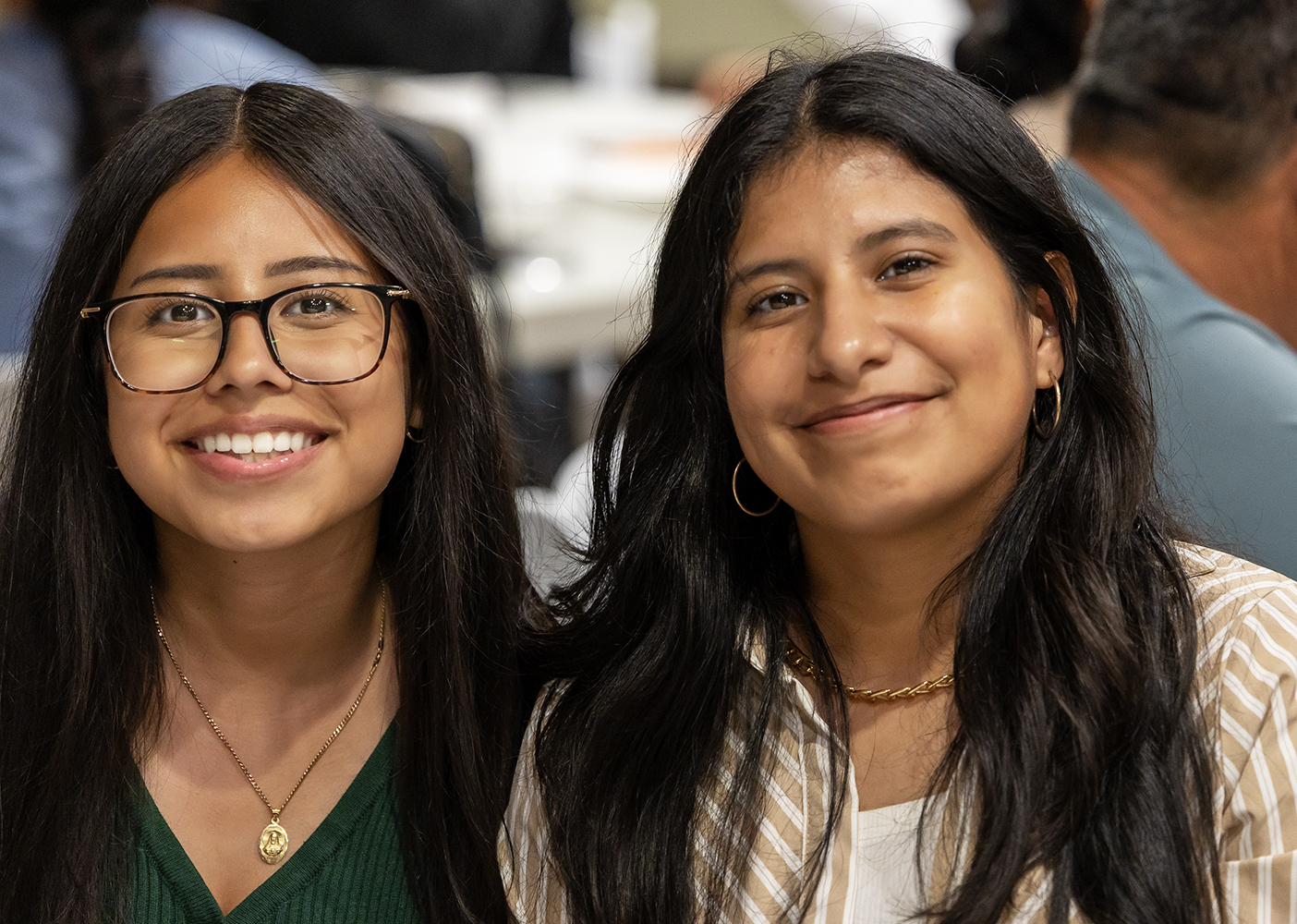
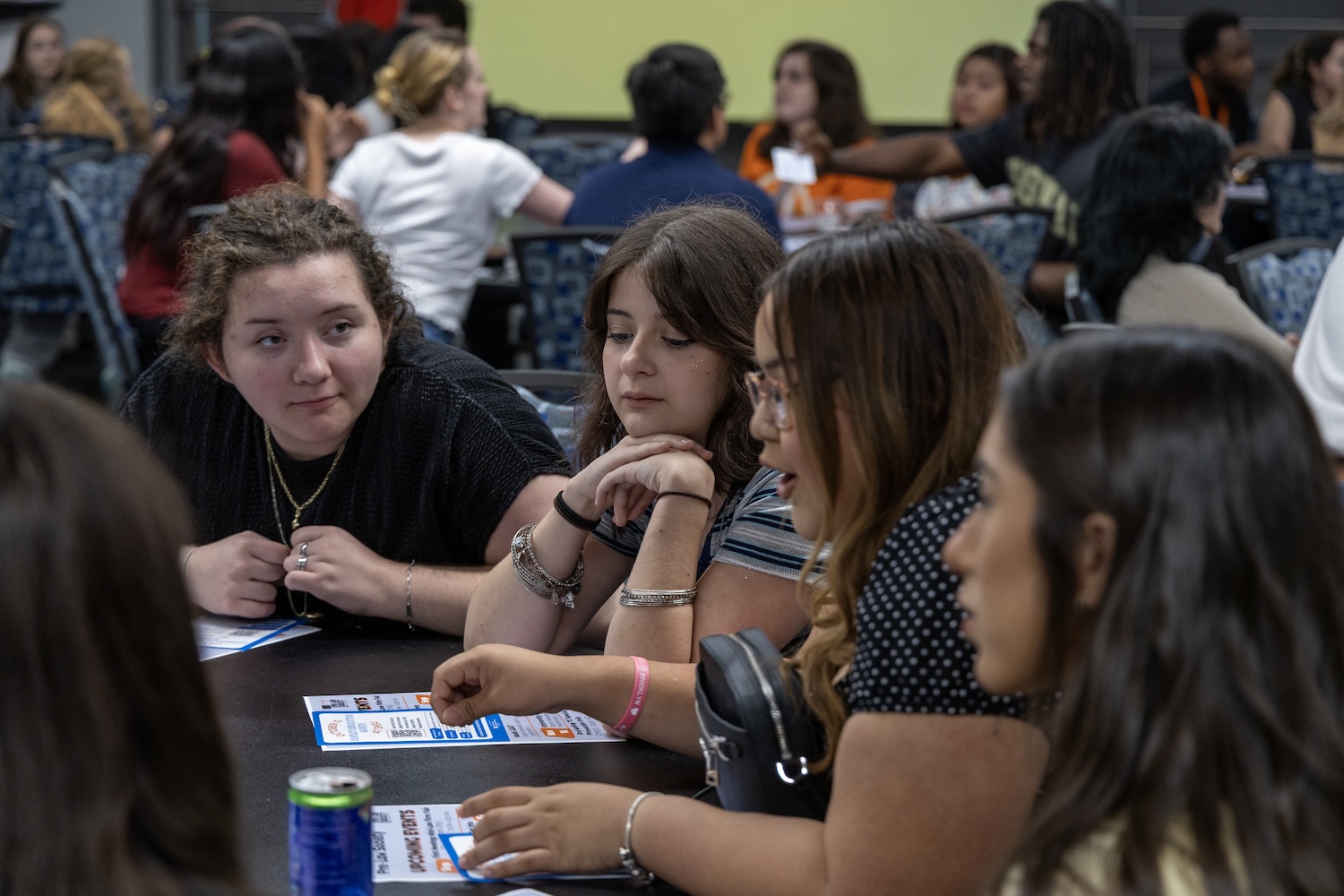
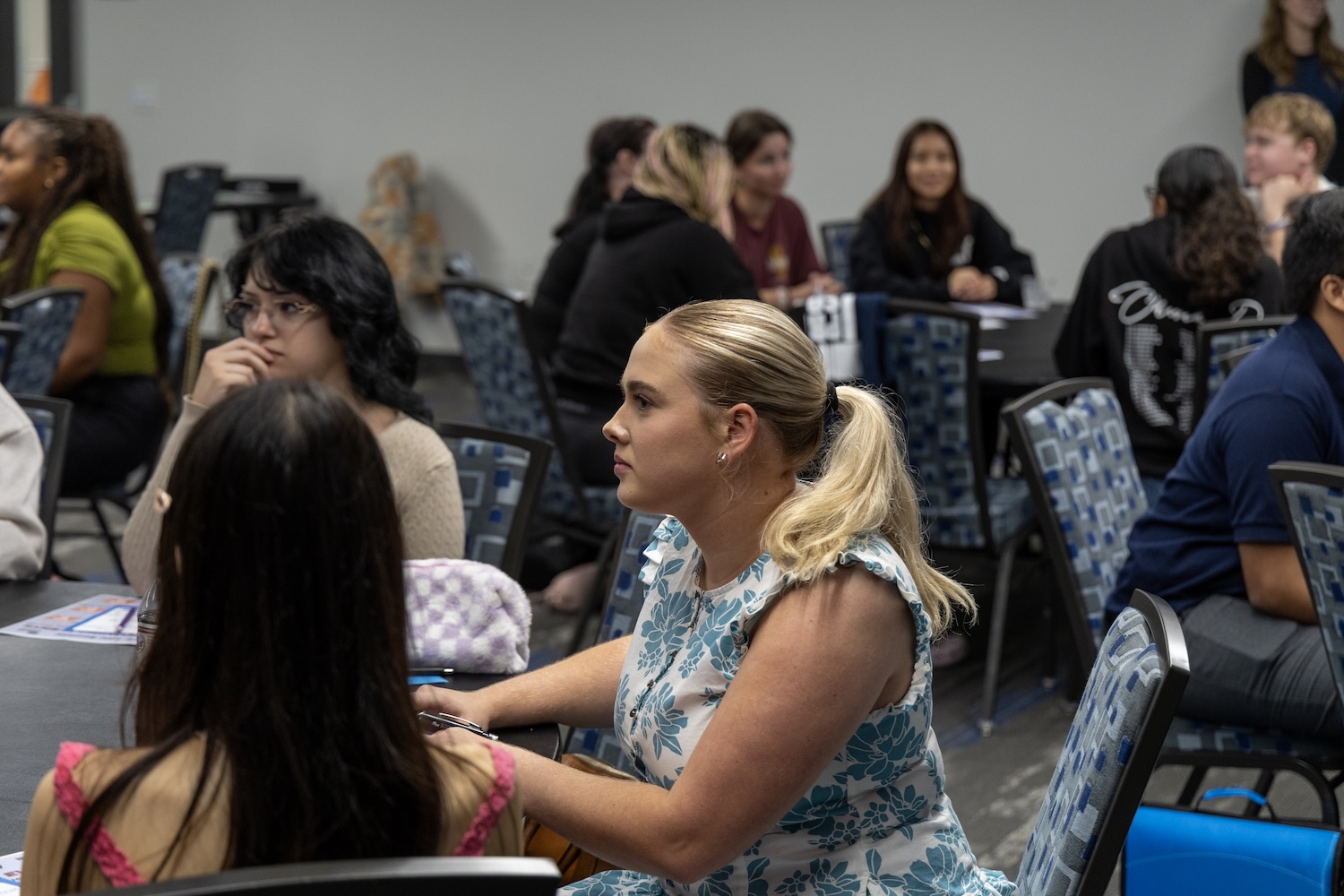
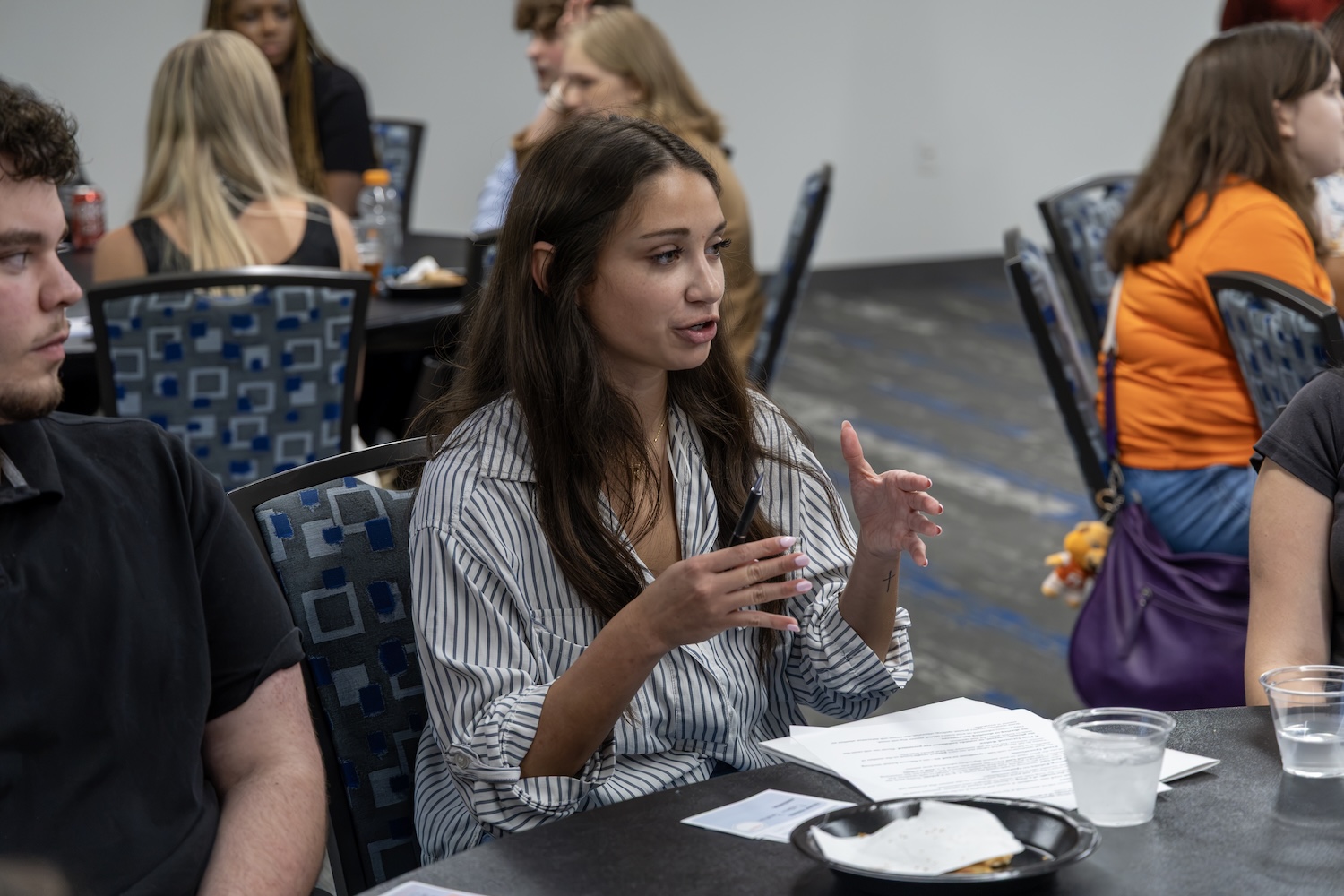
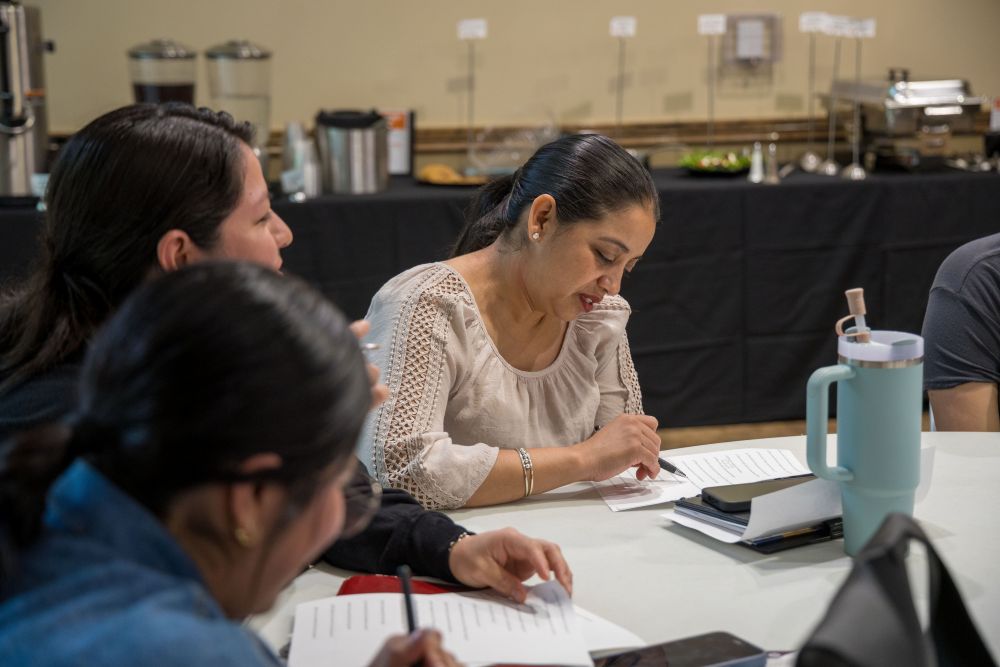
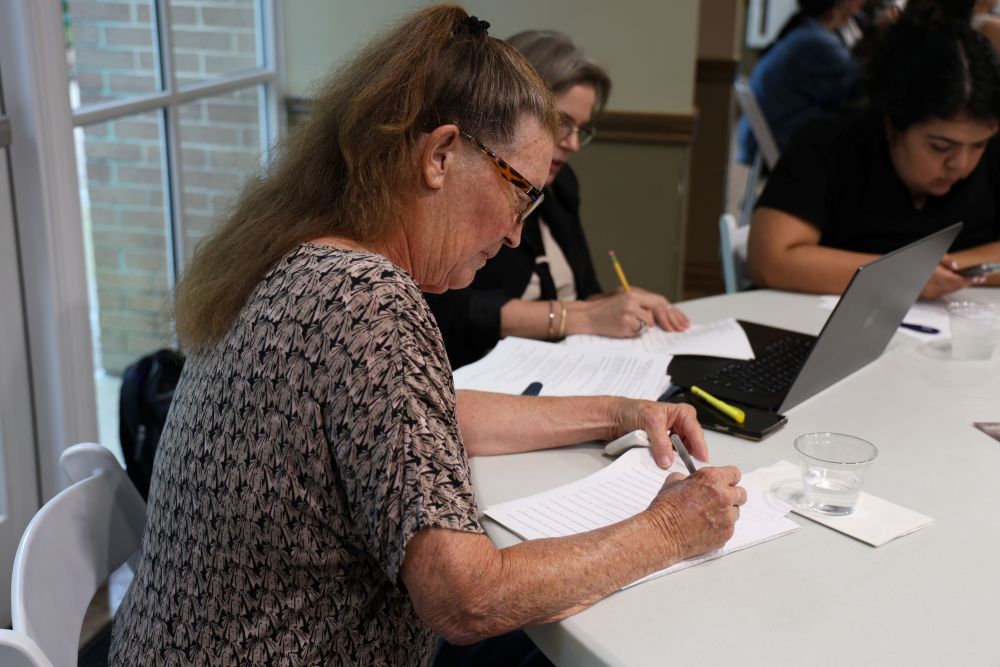
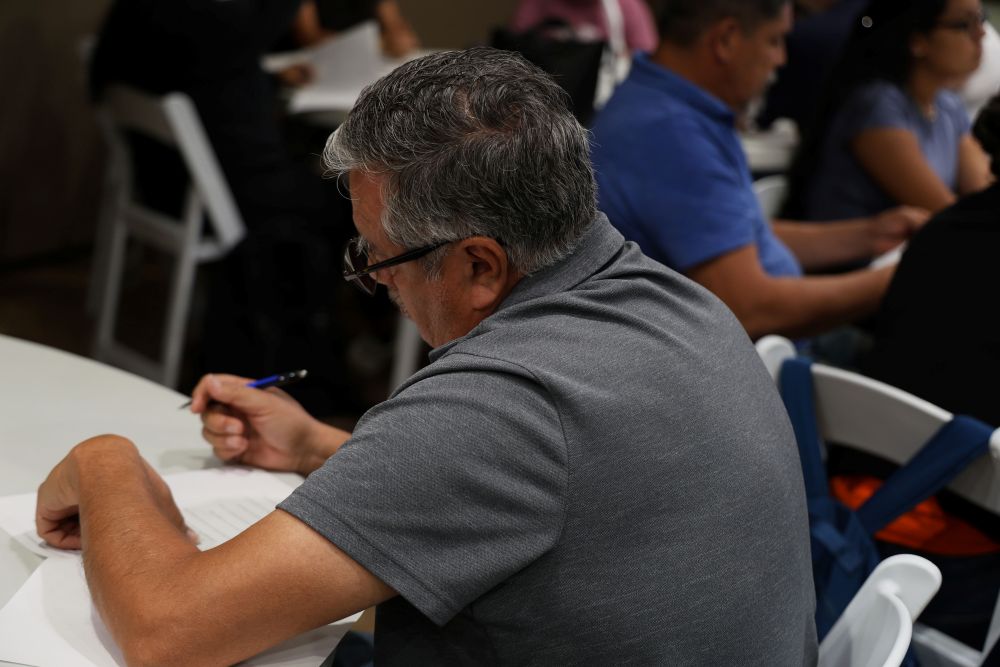
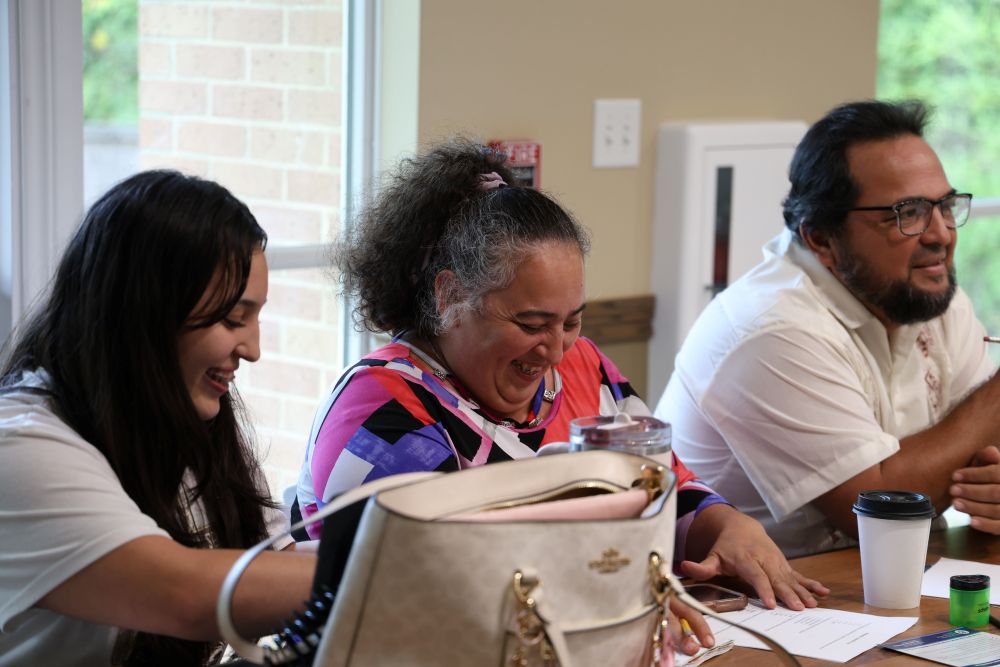
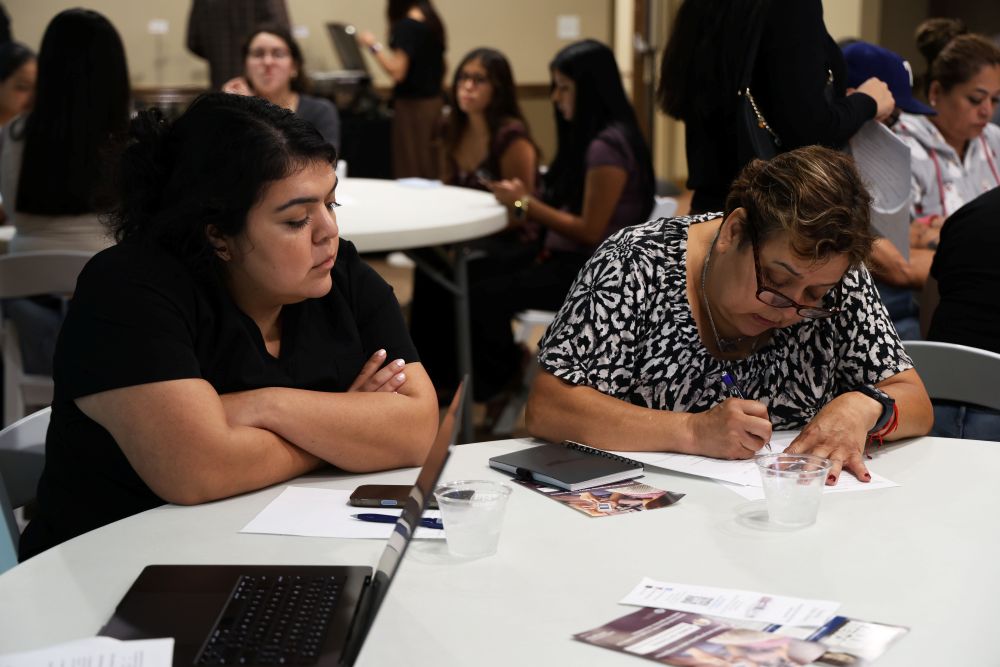
Held Tuesday evenings in September from 6:00–8:30 p.m. at the Walker Education Center, the course brings together immigrants, instructors, and volunteers in an environment devoted to learning and mutual support. Approximately 35 immigrants attended the second class, assisted by a dozen volunteers—almost all of whom were students from Sam Houston State University.
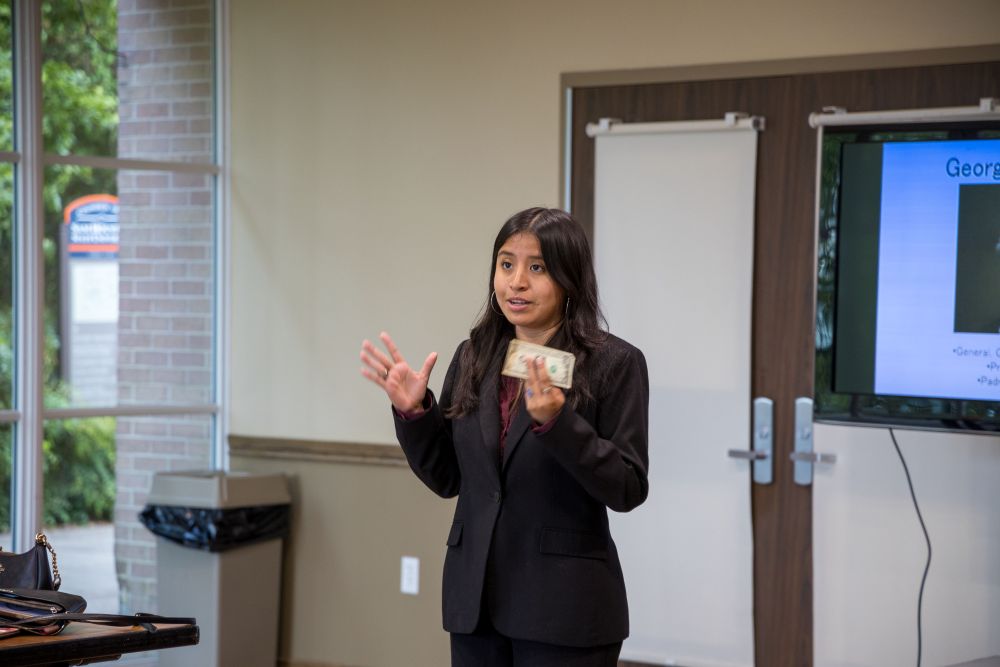
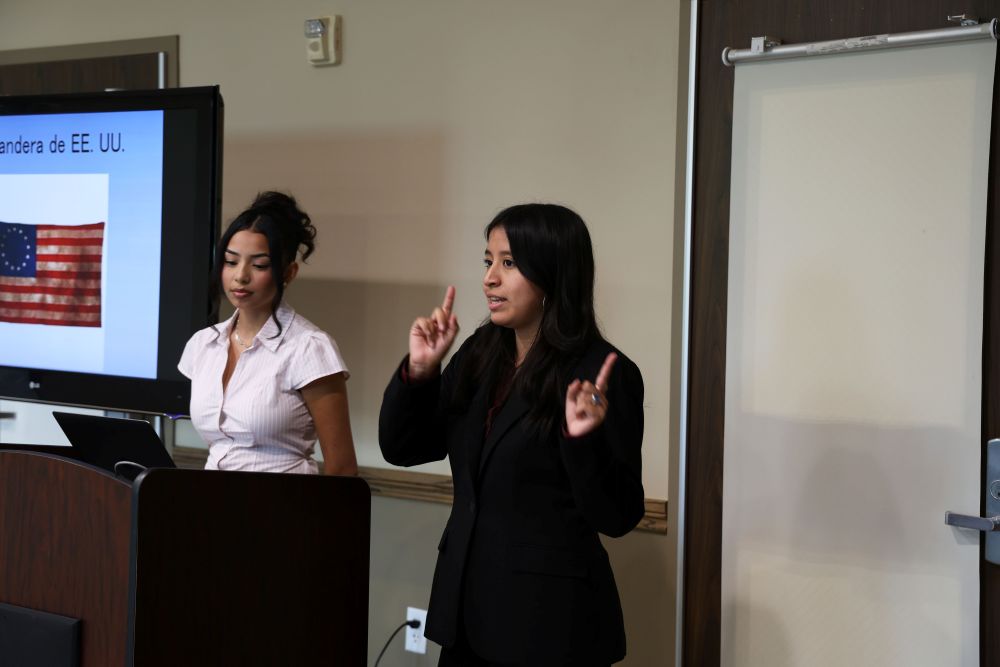
After focusing on the earliest portion of American history during the first class, participants moved into the period from 1776 to 1803. This era encompasses the Declaration of Independence, the American Revolution, the drafting and ratification of the Constitution, and the formation of the new national government.
The class also explored the form of government established by the Constitution, including the three branches of government and the separation of powers among them. Participants learned about the Federalist Papers and discussed many of the nation’s leading founders, gaining both historical context and knowledge that may appear on the naturalization examination.
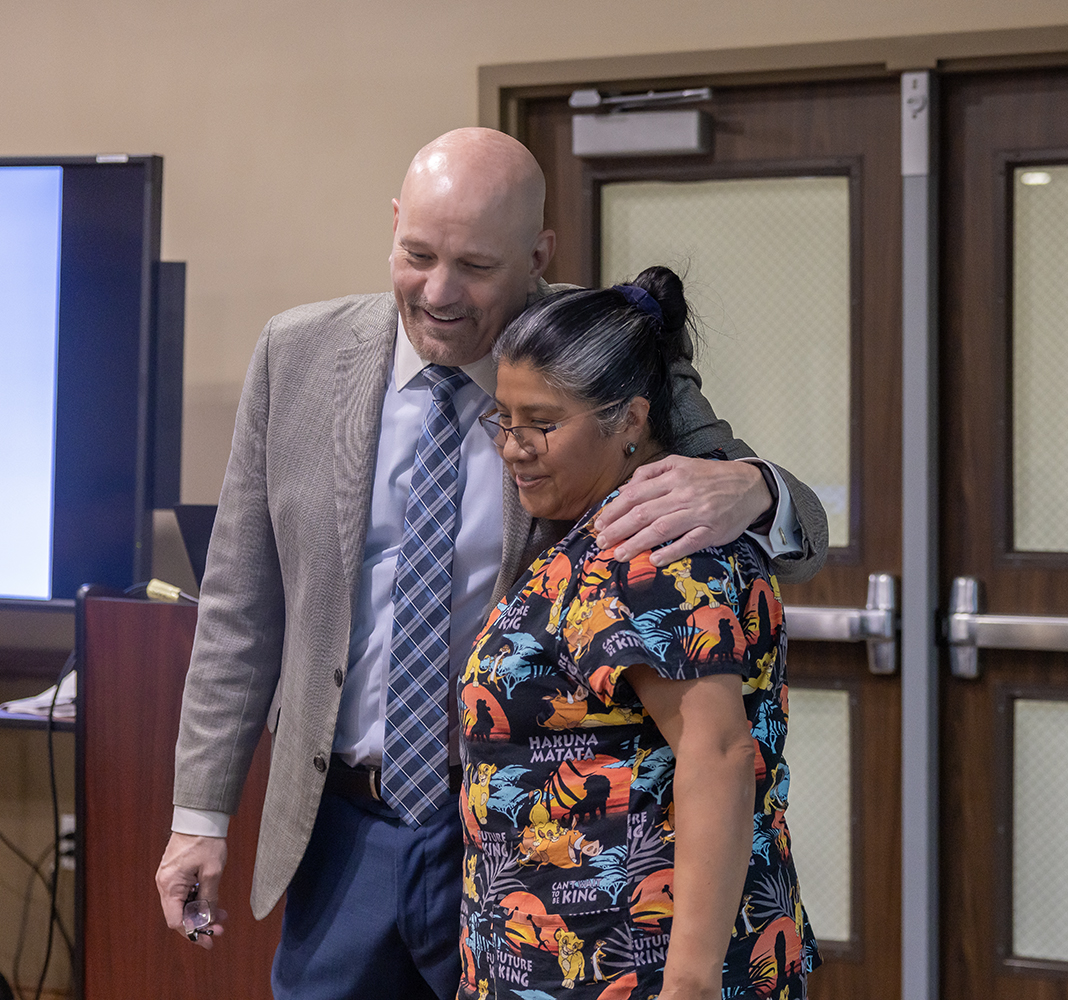
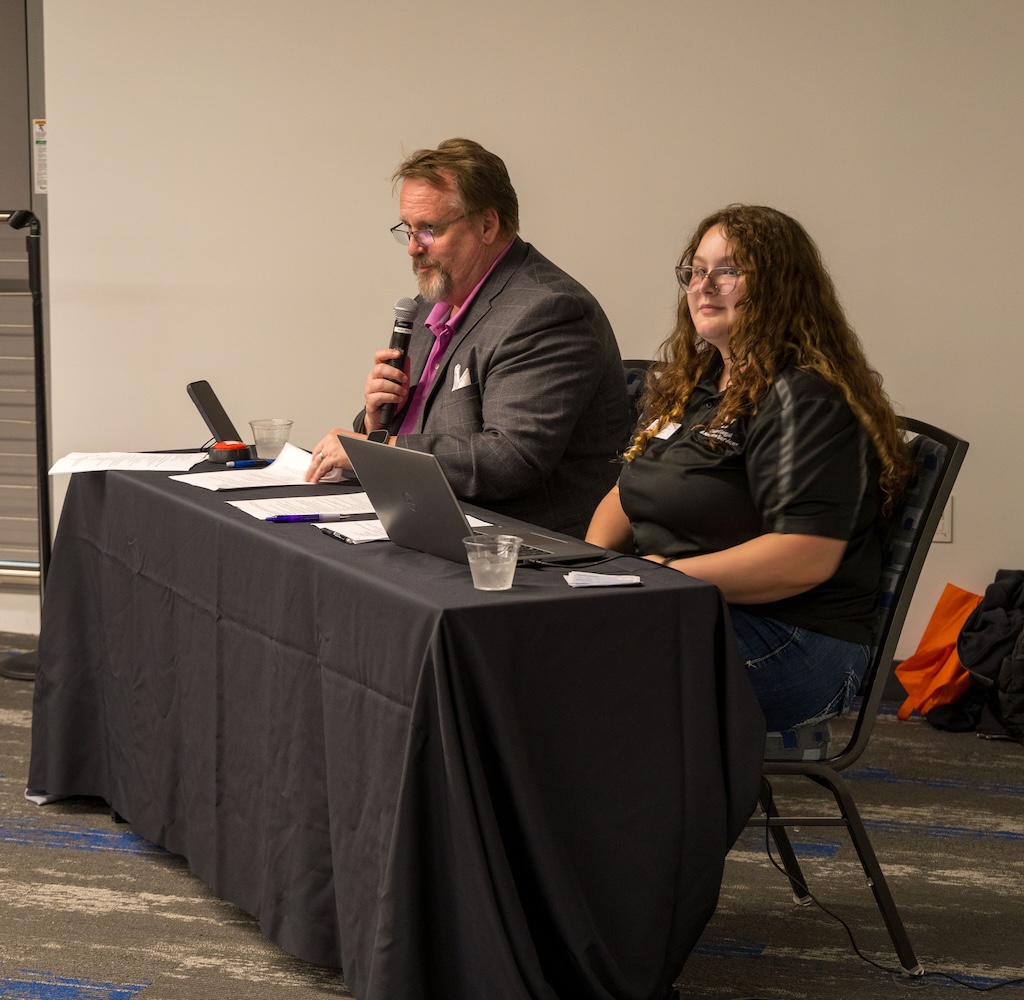
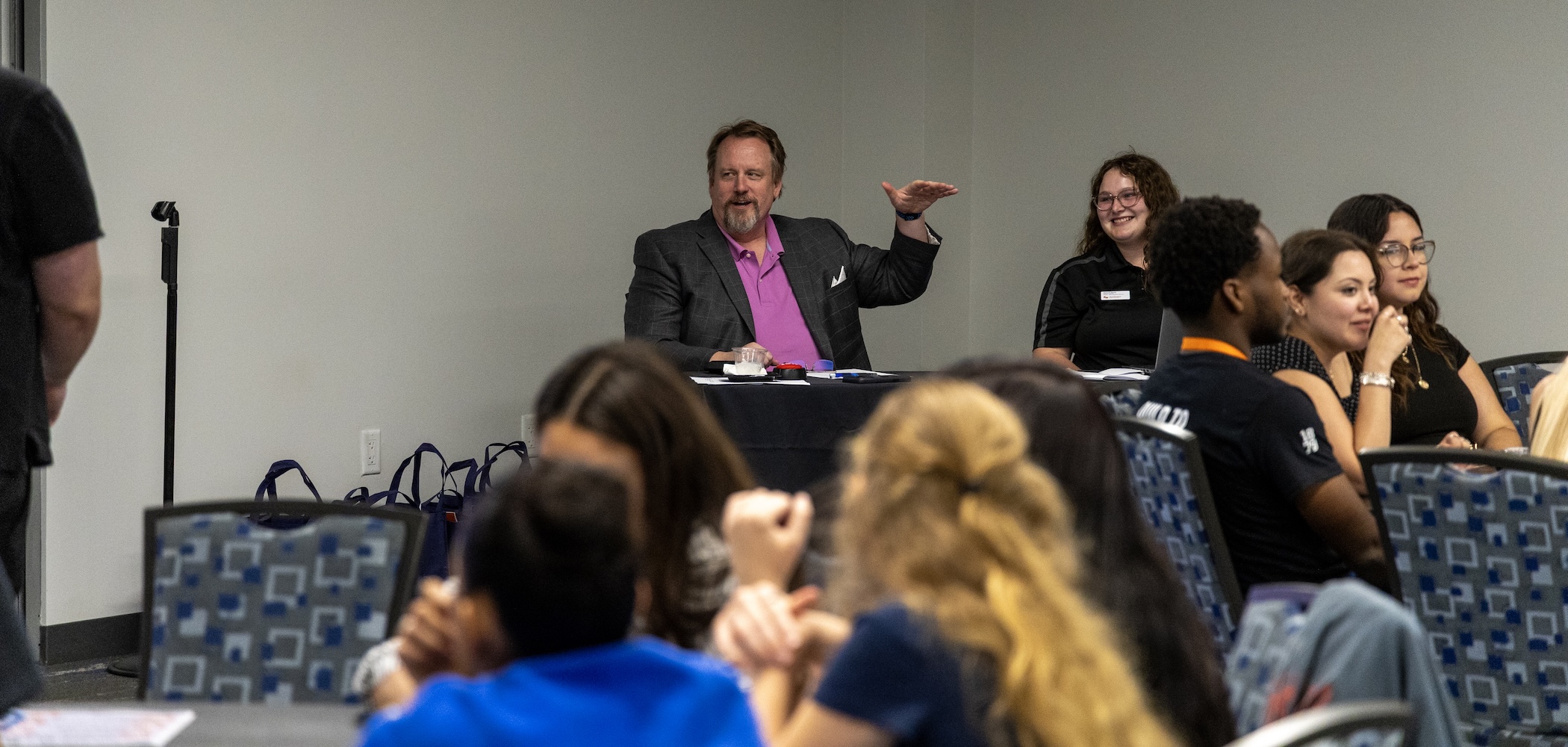
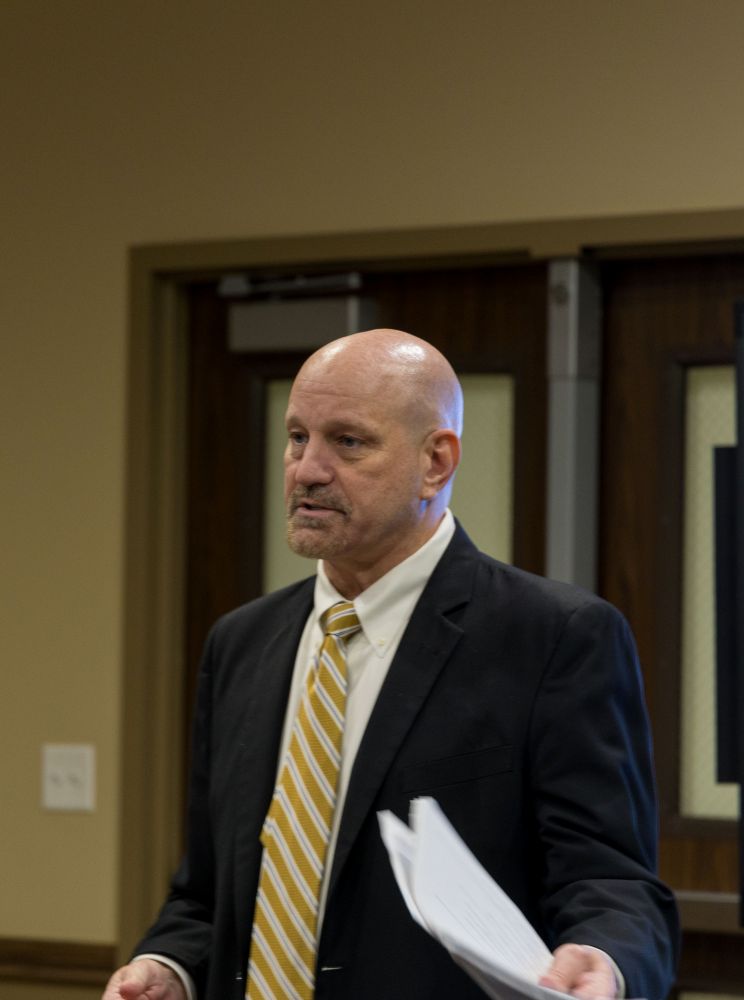
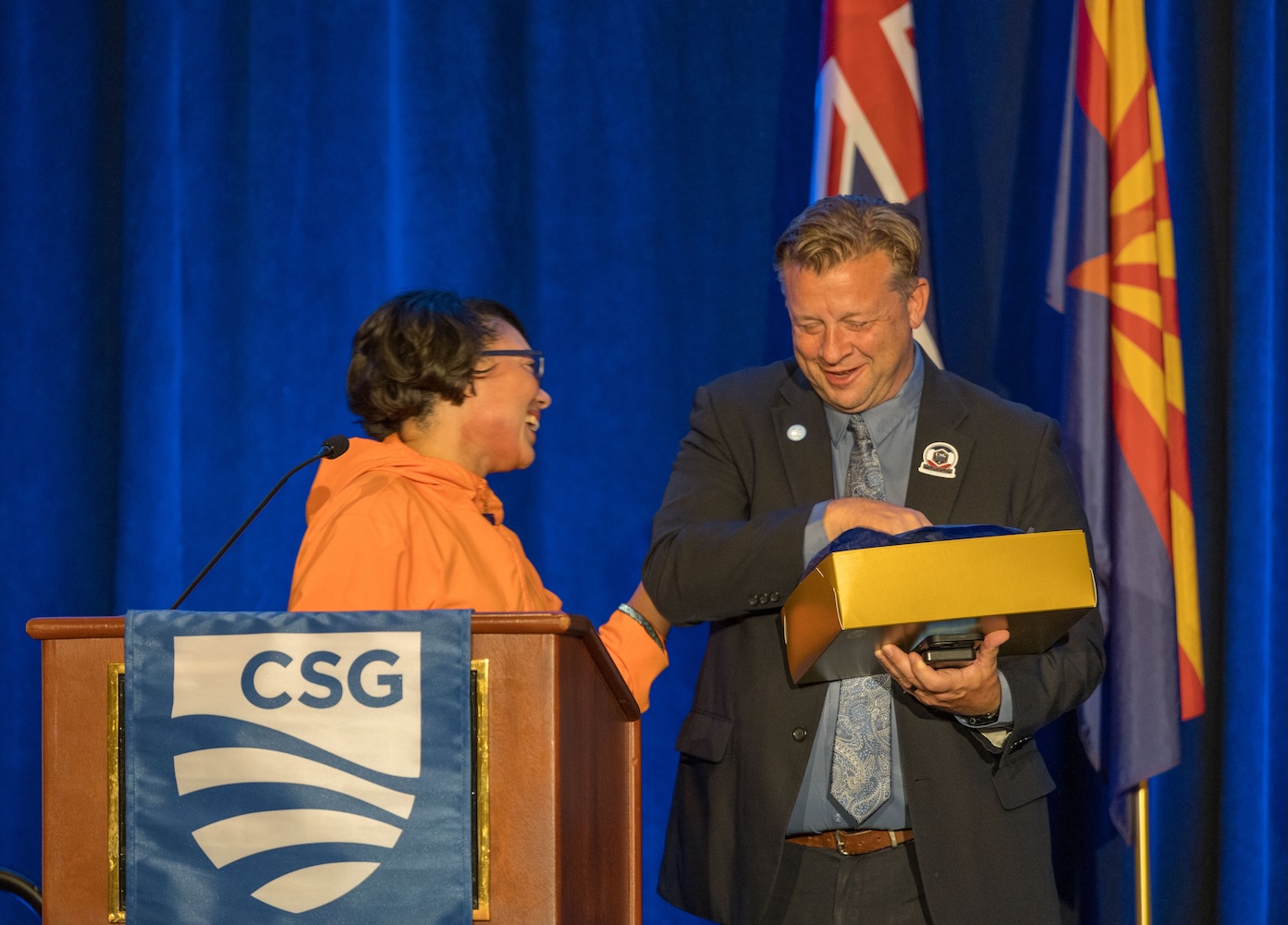
Professor Mike Yawn, an SHSU faculty member and director of the LEAP Center, taught the main English-language class, where he was reunited with Gregoria McGuire, a former “student” in the class who returned on this evening to inspire the current class. She obtained her citizenship in 2025.
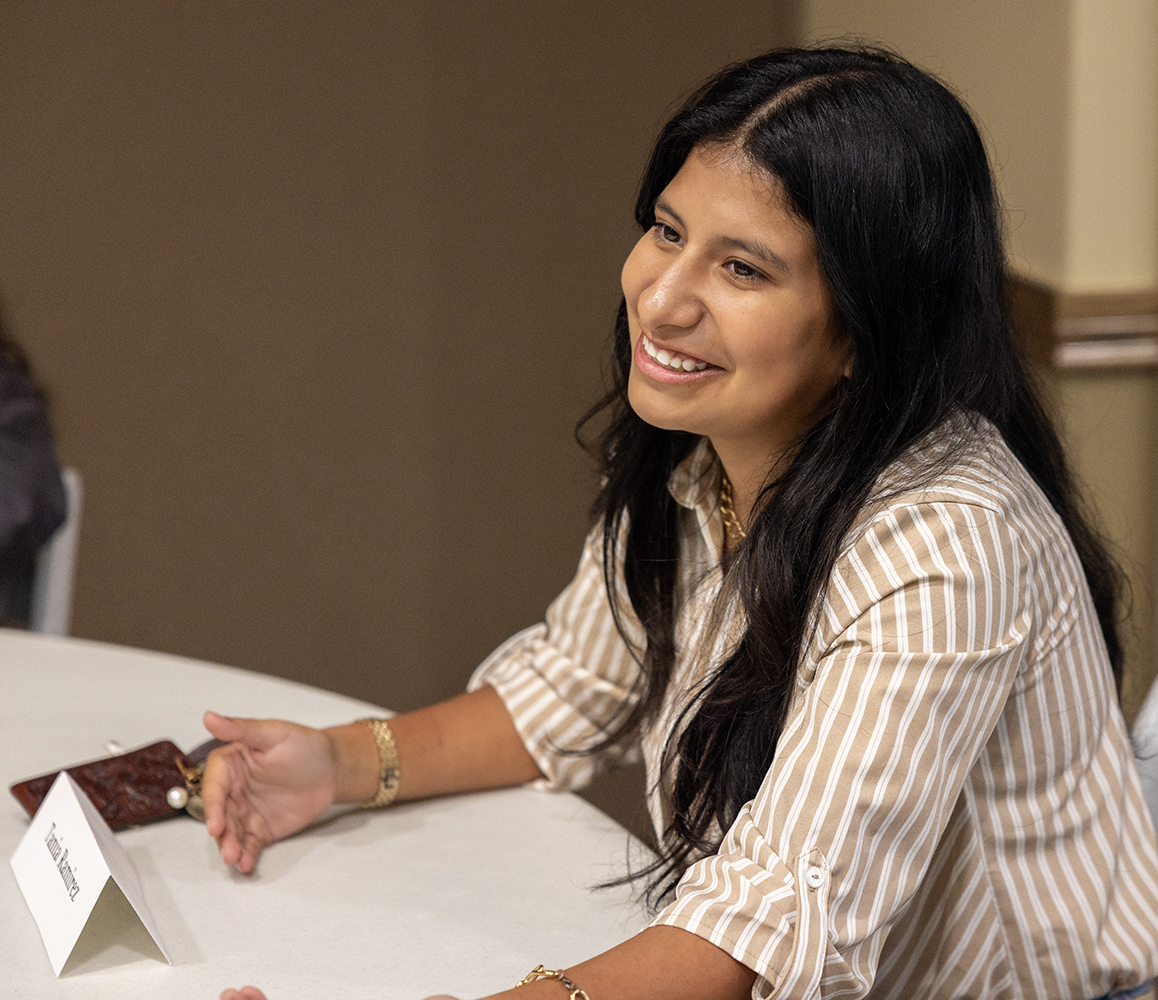
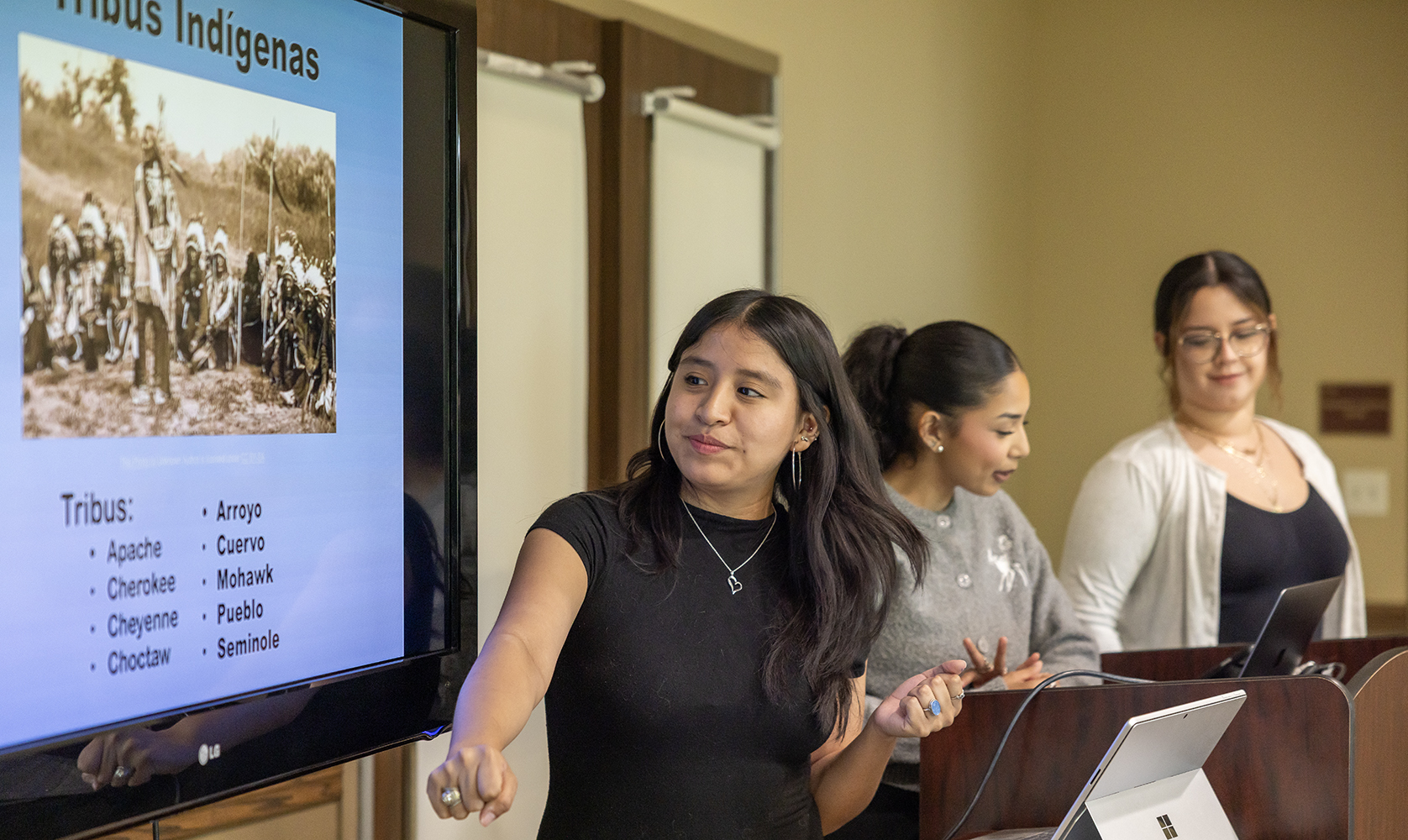
SHSU student Nataly Elizondo led a smaller class for participants eligible to complete the naturalization examination in Spanish. Her work allows Spanish-speaking participants to study the same important concepts in the language in which they will be tested.
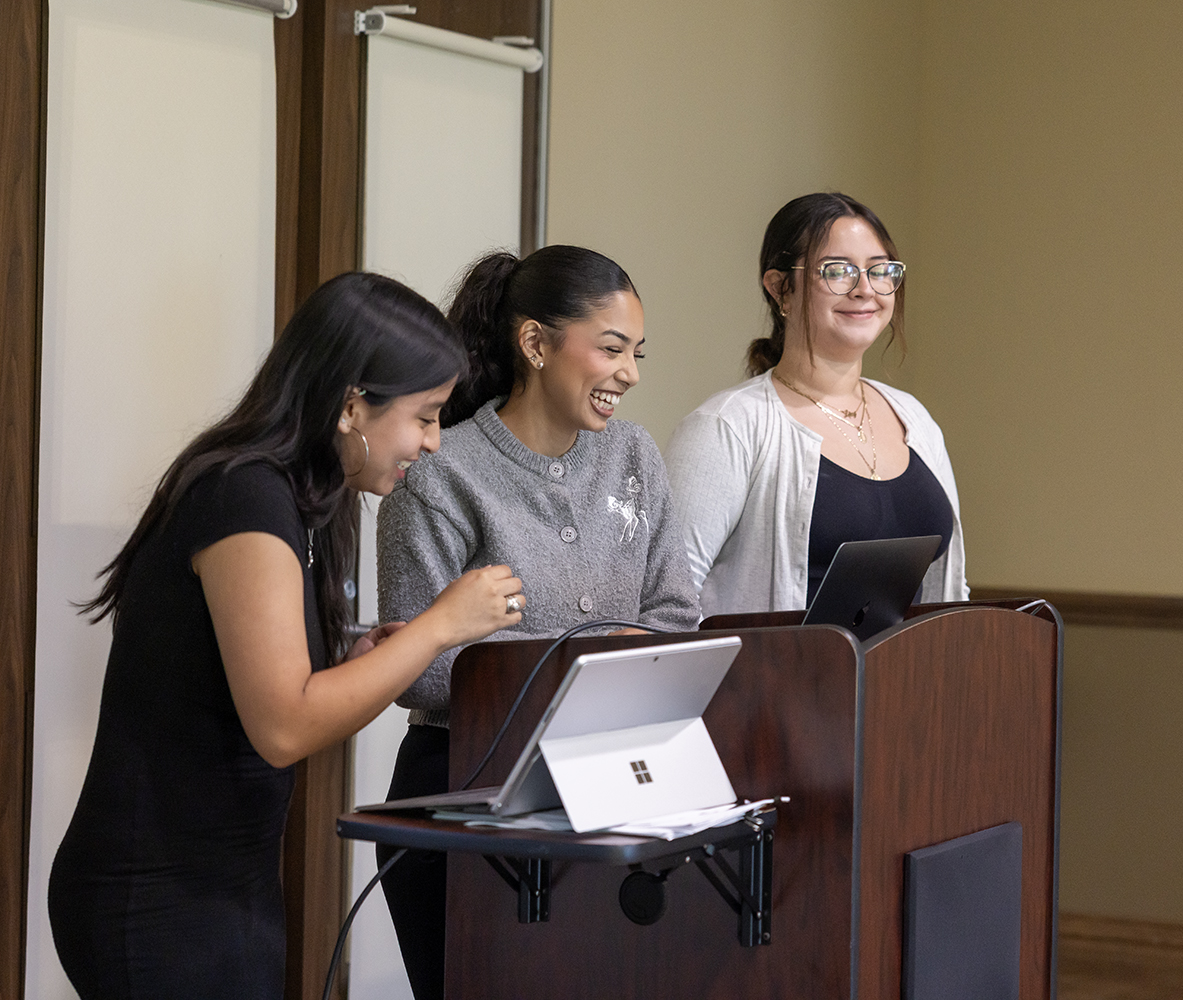
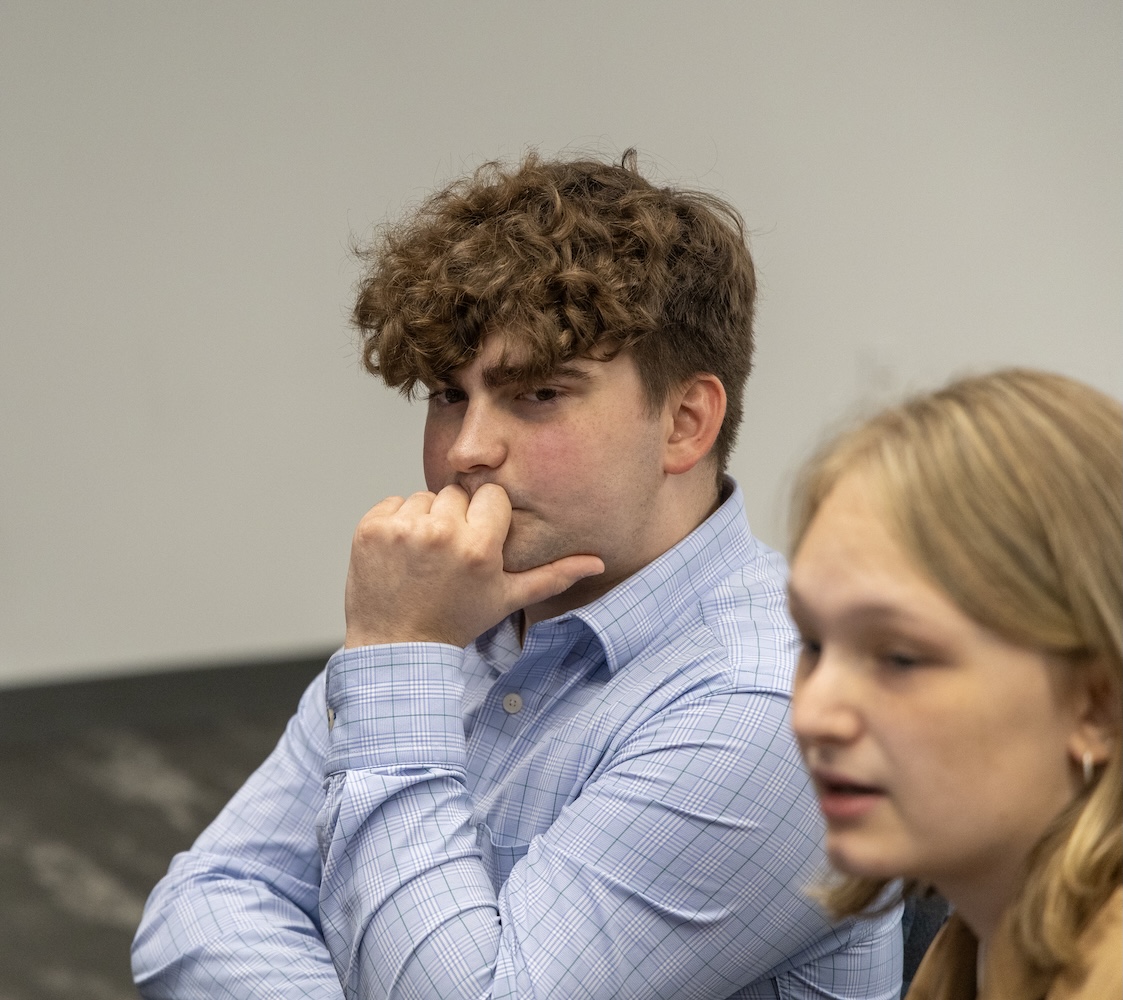
The course’s volunteers were also central to the evening’s success. They helped participants work through questions, clarify unfamiliar concepts, and practice material in smaller groups. With one week of experience behind them, volunteers and participants appeared more comfortable with one another, allowing for more conversation, interaction, and laughter.
By the conclusion of the second class, participants had expanded their knowledge of American history and government, while the volunteers had gotten to know the individuals behind the shared goal of citizenship. With three classes remaining, the program continues to combine education, encouragement, and community as participants move closer to the naturalization exam—and, they hope, citizenship.
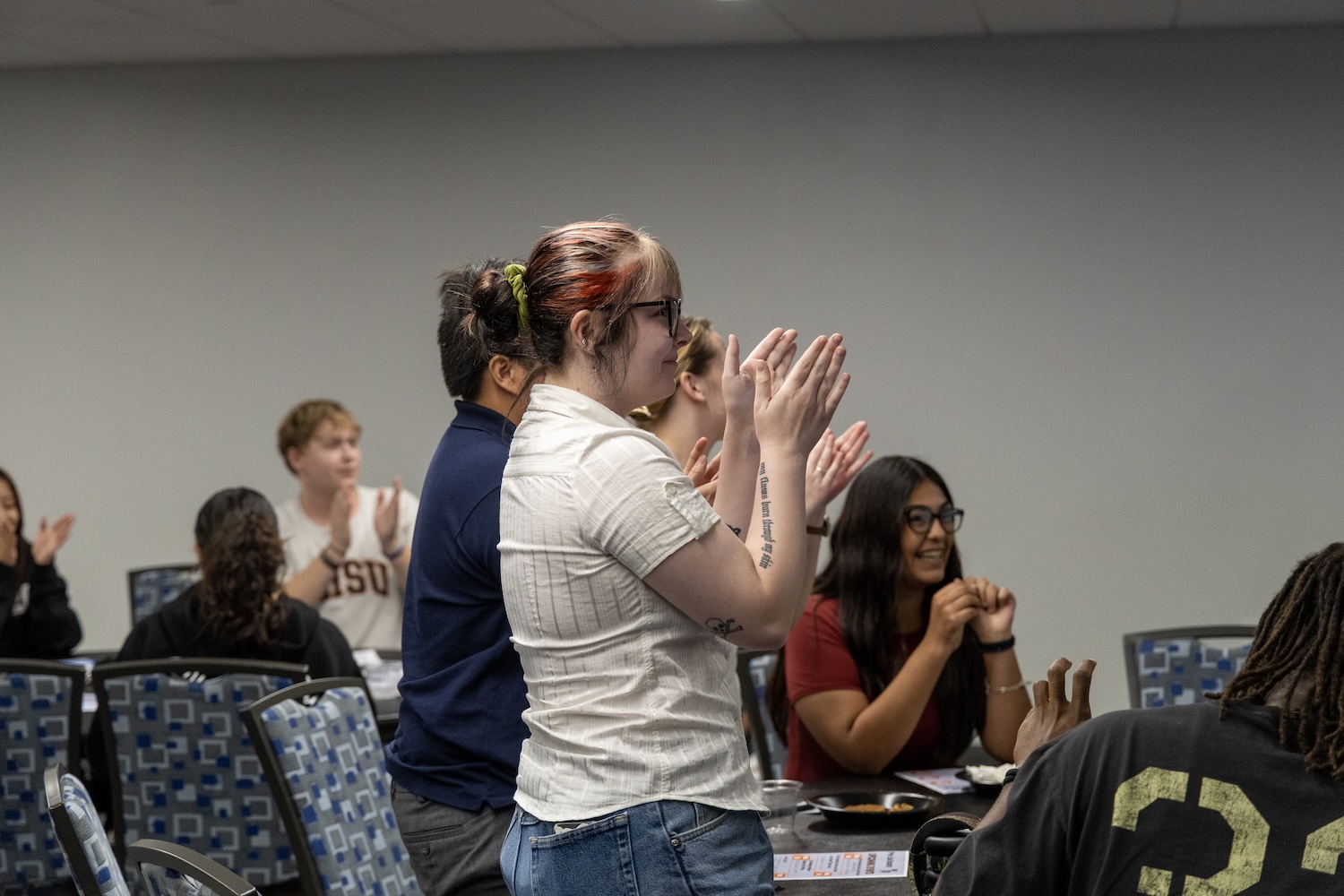
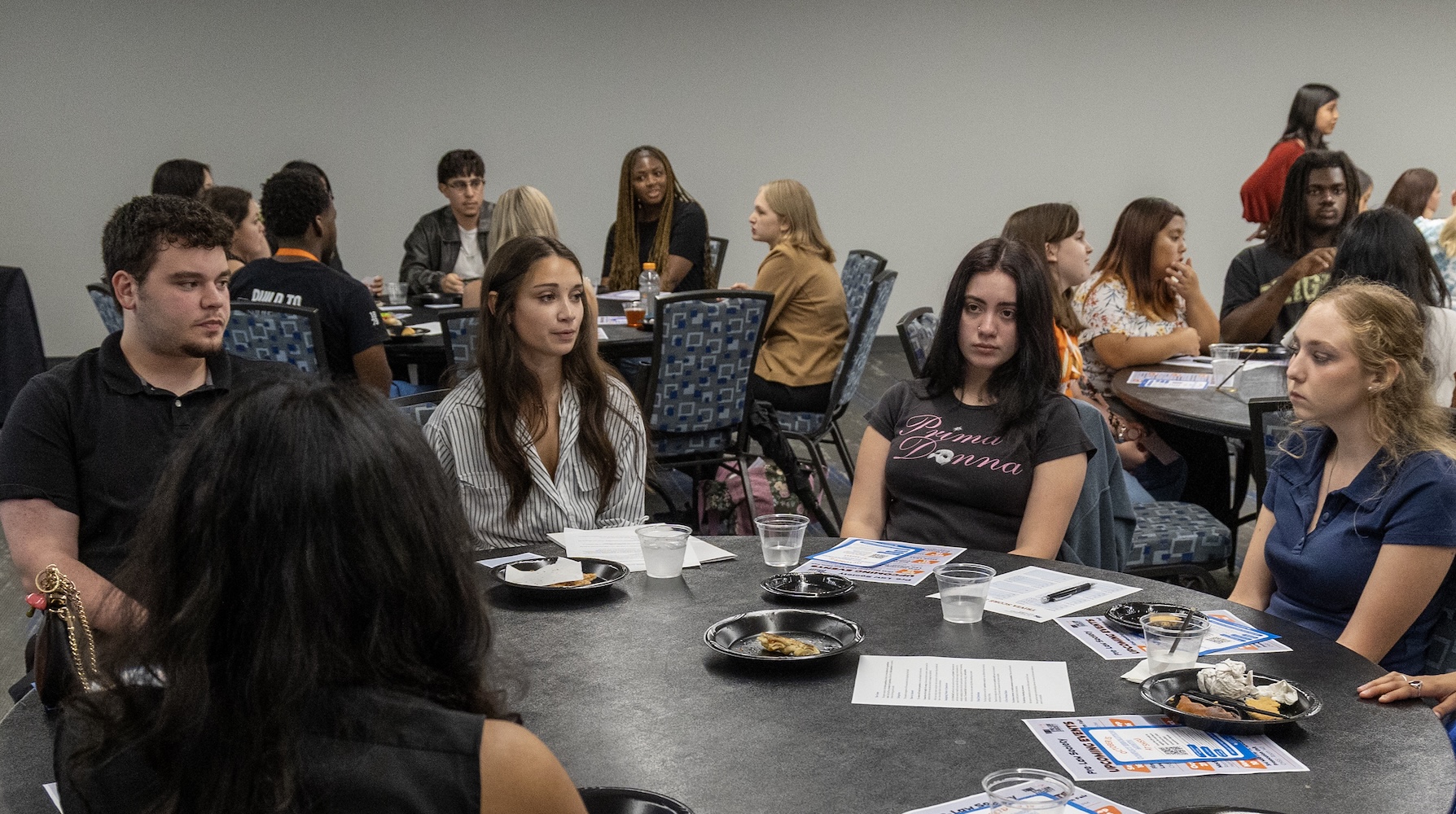
Pre-Law Society kicked off the semester with a night of fun, games, and friendly competition, thanks to the help of Dean Roberts, Victoria Cardenas, and our very own Victoria Reich, at SHSU’s Student Legal and Mediation Services Department.
As students arrived, they helped themselves to an assortment of pizza, cookies, and other snacks before settling in for the evening’s main event: Legal Jeopardy. While everyone ate, we had the opportunity to get to know our teammates, come up with team names, and go over the rules of the game. It was a great way to ease into the evening and get everyone acquainted before the competition began.
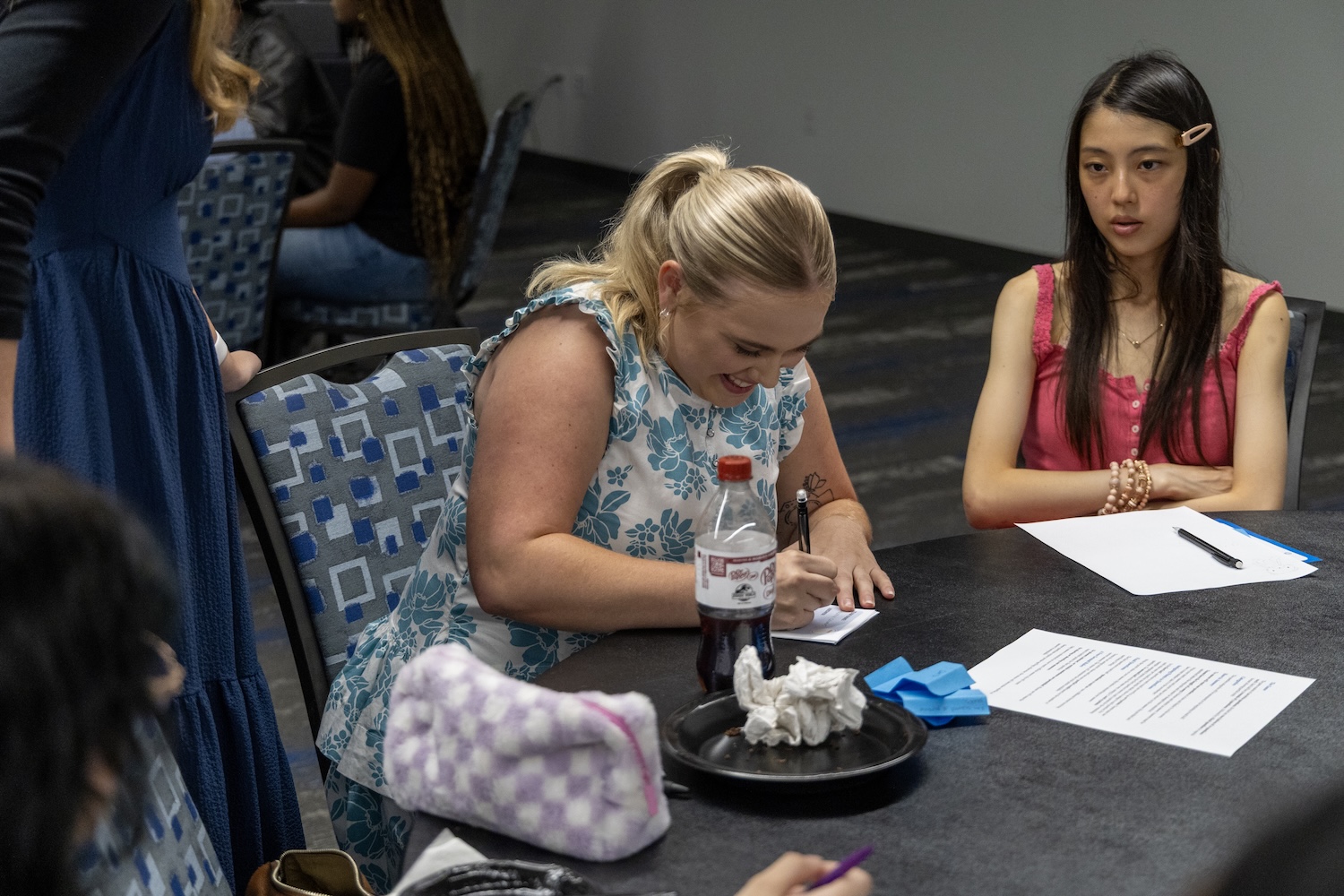
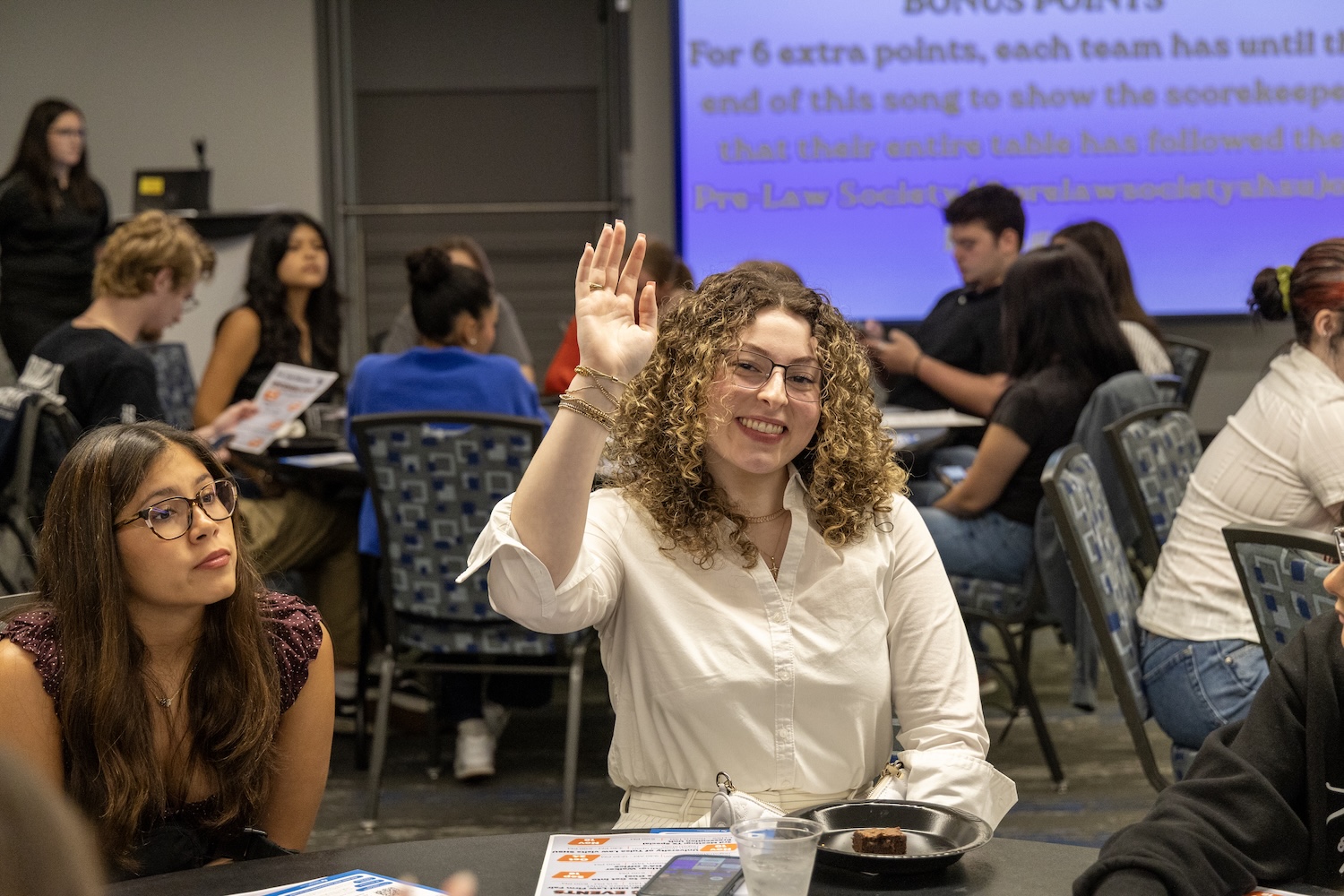
The rules were fairly simple. The game was divided into two parts, with each part containing three rounds and each round containing three questions. Before each round, Dean Roberts, our emcee for the evening, announced the categories. Once a question was read, teams had the length of a song to discuss their answer and decide how many points they wanted to wager. We then wrote our answers on our answer cards and sent a representative to turn them in.
There were plenty of interesting categories throughout the game, but some of my personal favorites were “Celebrities in Trouble with the Law” and “Legal Films.” The categories managed to combine what we already knew about the law with some more entertaining and unexpected trivia. After my less-than-stellar performance at last year’s Legal Jeopardy, I was determined to redeem myself this time around.
For much of the game, my team, Suits and Kats, was neck-and-neck with Four for Four. Every round seemed to bring us closer together—or further apart—as teams tried to make the most of their wagers and rack up enough points to take the lead. In the end, Suits and Kats was able to pull ahead and secure the victory! After last year’s loss, coming out on top this year made the win that much more satisfying.
More than anything, though, the event was a great way to bring Pre-Law Society members together at the beginning of a new semester. Between the food, the trivia, the friendly rivalry, and plenty of laughter along the way, everyone seemed to have a great time. And while we may have arrived ready to compete, I think we all walked away having learned a little more about the law—and maybe a few random legal facts we’ll remember for a long time.
A big thank-you goes to Dean Roberts, Victoria Cardenas, Victoria Reich, and Rachel Modisette for helping make the event possible and giving Pre-Law Society such a fun way to start the semester!
September 1st marked the first day of LEAP’s Annual Citizenship Classes, an initiative that provides free resources and support to immigrants preparing to take their Naturalization Exams.
Before the class officially began, volunteers gathered to take a practice Naturalization Exam ourselves. This gave us a better understanding of the information participants would need to know before pursuing U.S. citizenship. Many of us were surprised by the complexity of some of the questions, and several volunteers—including myself—learned something new by the end of the evening!
Once the participants arrived and had an opportunity to eat, we divided them into two groups: those eligible to take the Naturalization Exam in Spanish and those who would need to take it in English. Applicants may qualify to take the test in their native language if they meet certain age and residency requirements, including being at least 50 years old and having lived in the United States as a lawful permanent resident for 20 years, or being at least 55 years old with 15 years of permanent residency. Nataly Elizondo led the Spanish-speaking group, while Professor Yawn led the English-speaking group.
The class began with a twenty-question practice Naturalization Exam, similar to the one the volunteers had taken earlier. Participants were encouraged to answer the questions to the best of their ability, allowing us to get a better understanding of their current knowledge of American history and, for those taking the English exam, their English-speaking skills. After the practice test, Professor Yawn covered important interview basics and discussed recent changes to the Naturalization process. He then began working through some of the most important moments in American history, covering everything from Christopher Columbus to George Washington.
One of my favorite moments of the evening was listening to what was arguably one of the most infamous performances of the National Anthem in recent American history: Fergie’s rendition at the 2018 NBA All-Star Game. While certainly memorable for all the wrong reasons, it provided a humorous and lighthearted way to introduce the Star-Spangled Banner. It was an unexpected moment of laughter that made the lesson much more memorable for everyone in the room.
More than anything, it was incredible to see a room full of people working toward the same goal: becoming U.S. citizens. Each participant brought their own experiences, challenges, and reasons for pursuing citizenship, but they all shared the determination to take the next step in their journey. Being able to play even a small role in helping them prepare for such an important milestone was a genuinely rewarding experience, and I am looking forward to seeing what the rest of this year’s Citizenship Classes have in store.
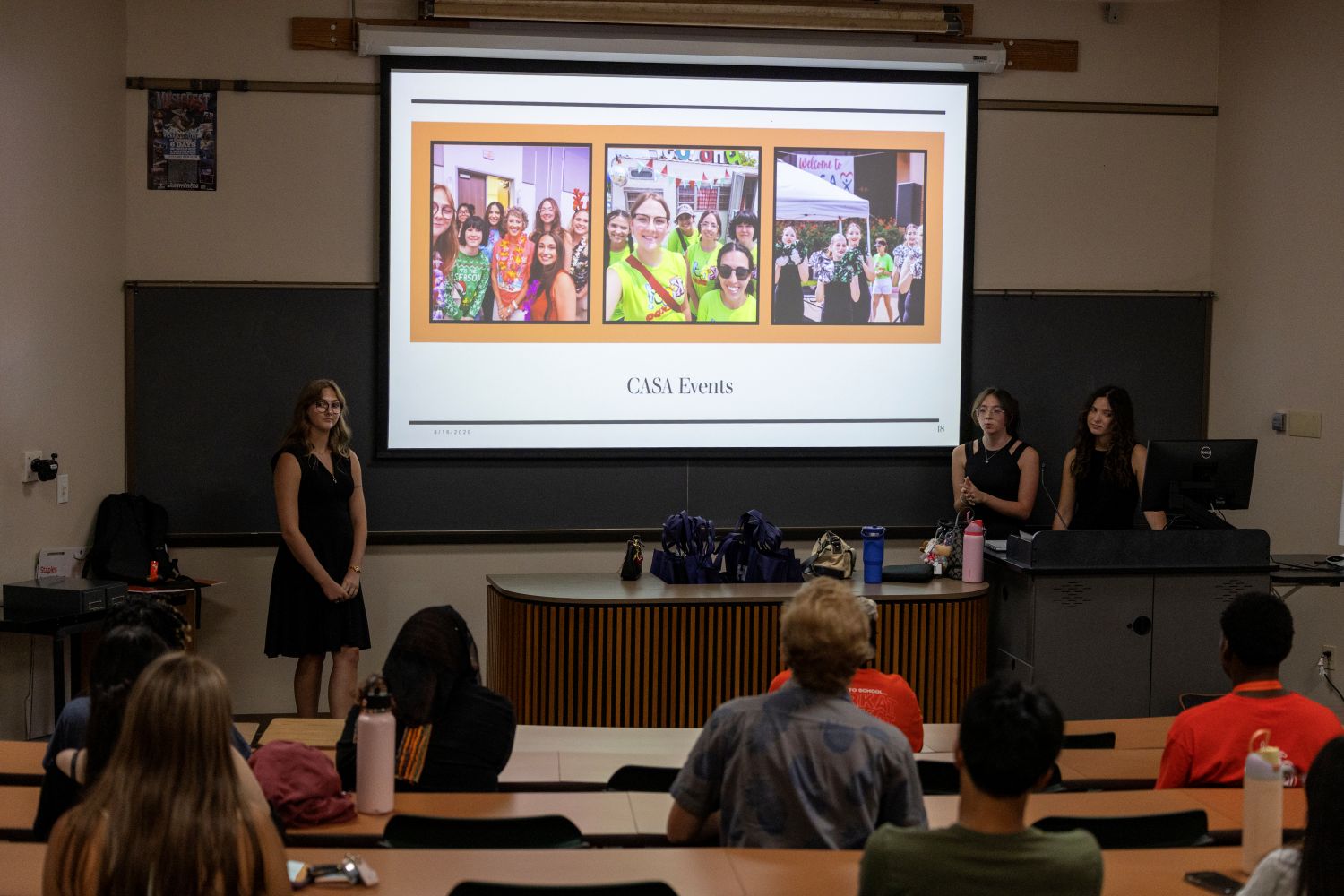
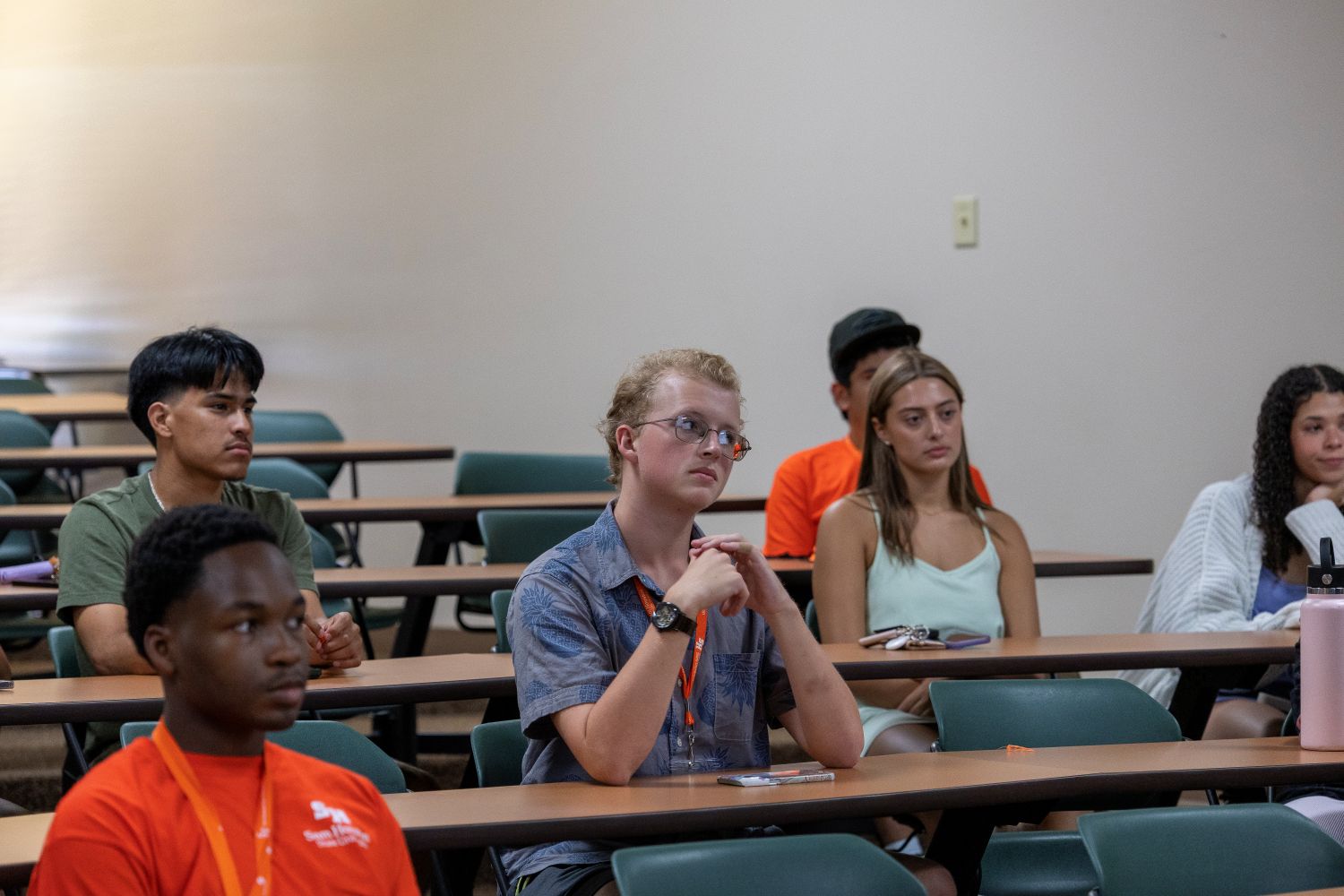
With the fall semester just around the corner, Sam Houston State University welcomed incoming students to campus with Bearkat Kickoff, a multi-day series of informational sessions, activities, and opportunities designed to help new Bearkats learn more about SHSU—and find their place within the university community.
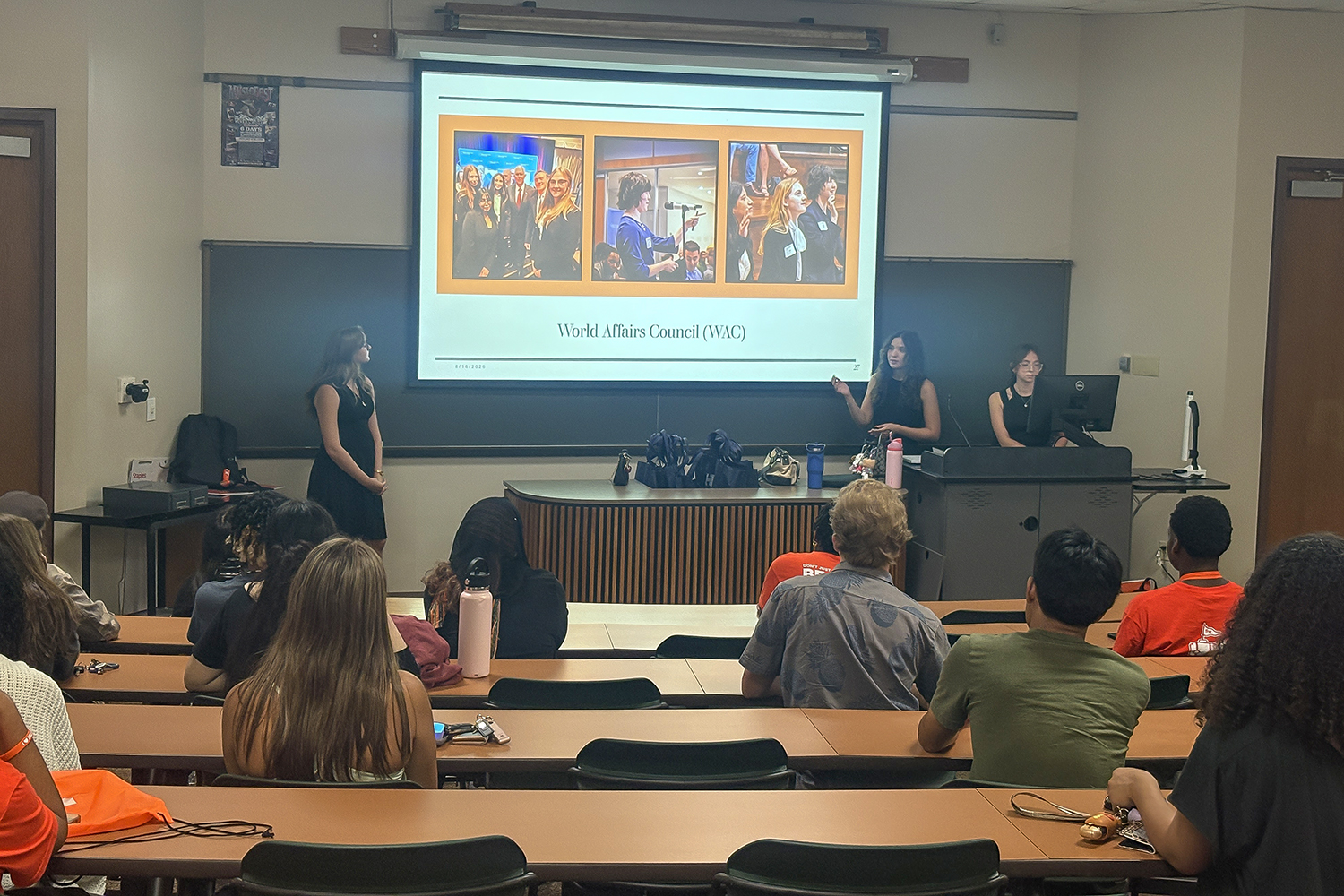
On Sunday, August 16, students had the opportunity to attend “interest sessions” hosted by various campus organizations and programs. The LEAP Ambassadors were pleased to be among those participating, offering sessions at 11:00 a.m. and 2:00 p.m. for students interested in pre-law, government, civic engagement, and volunteerism.
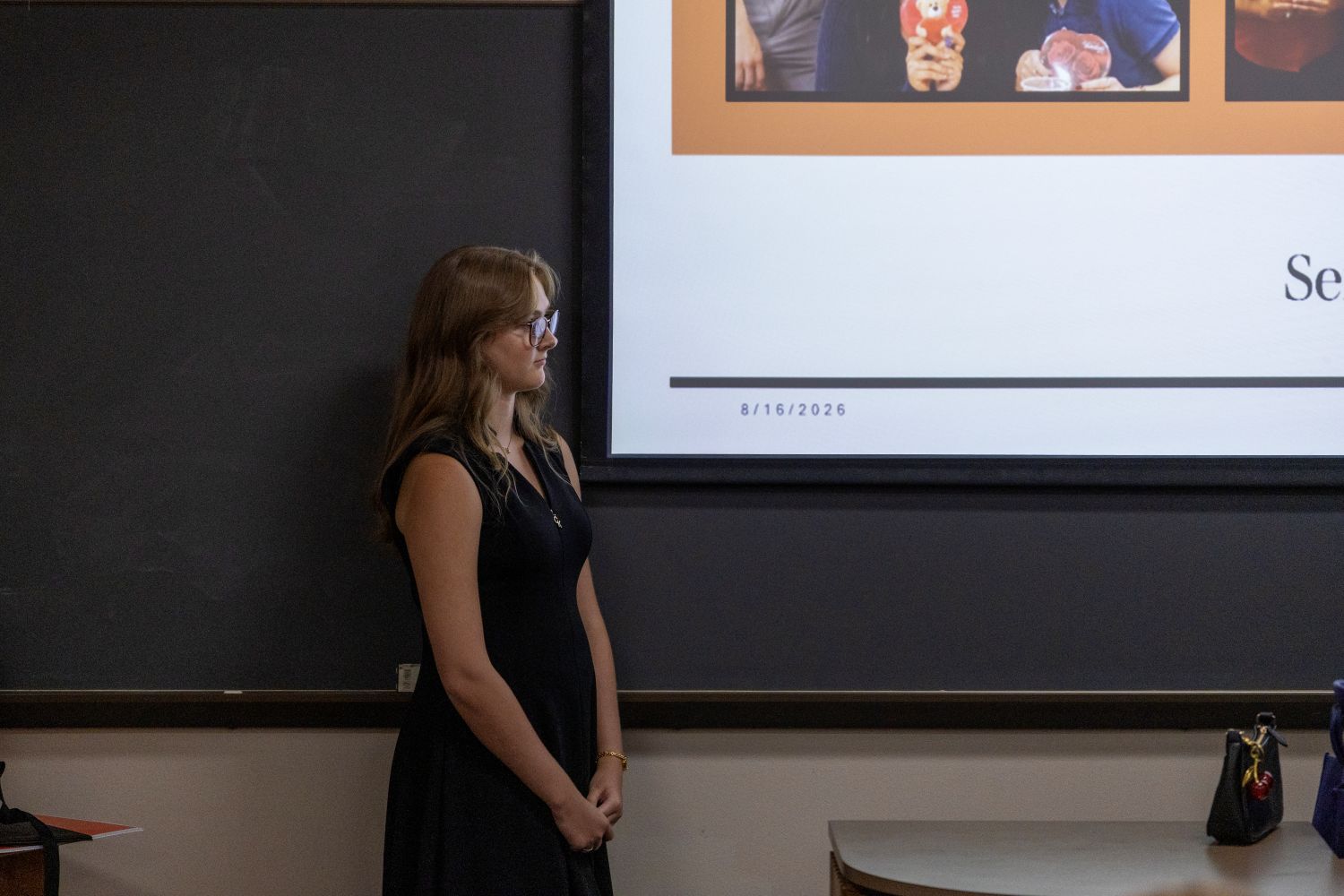
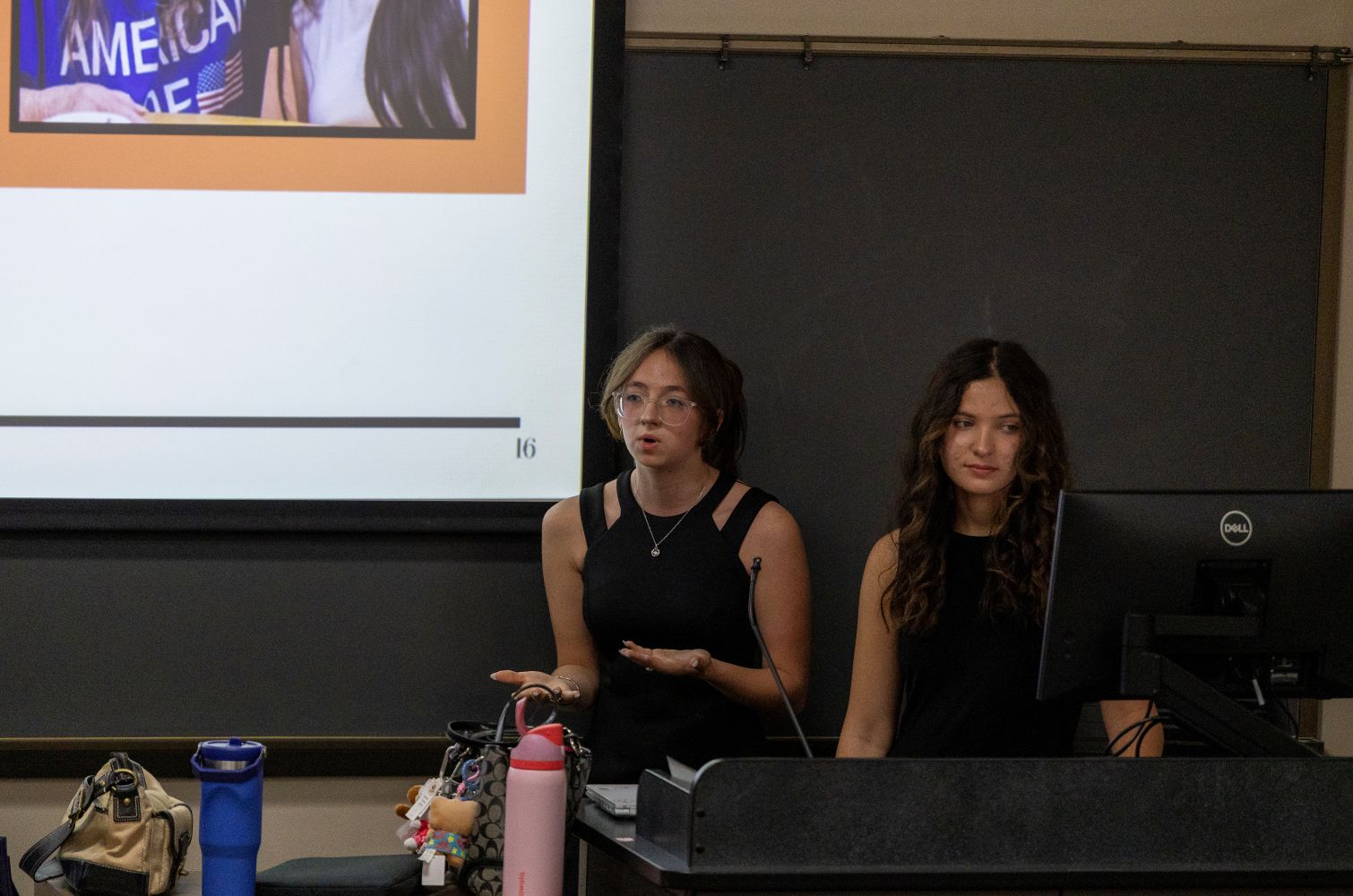
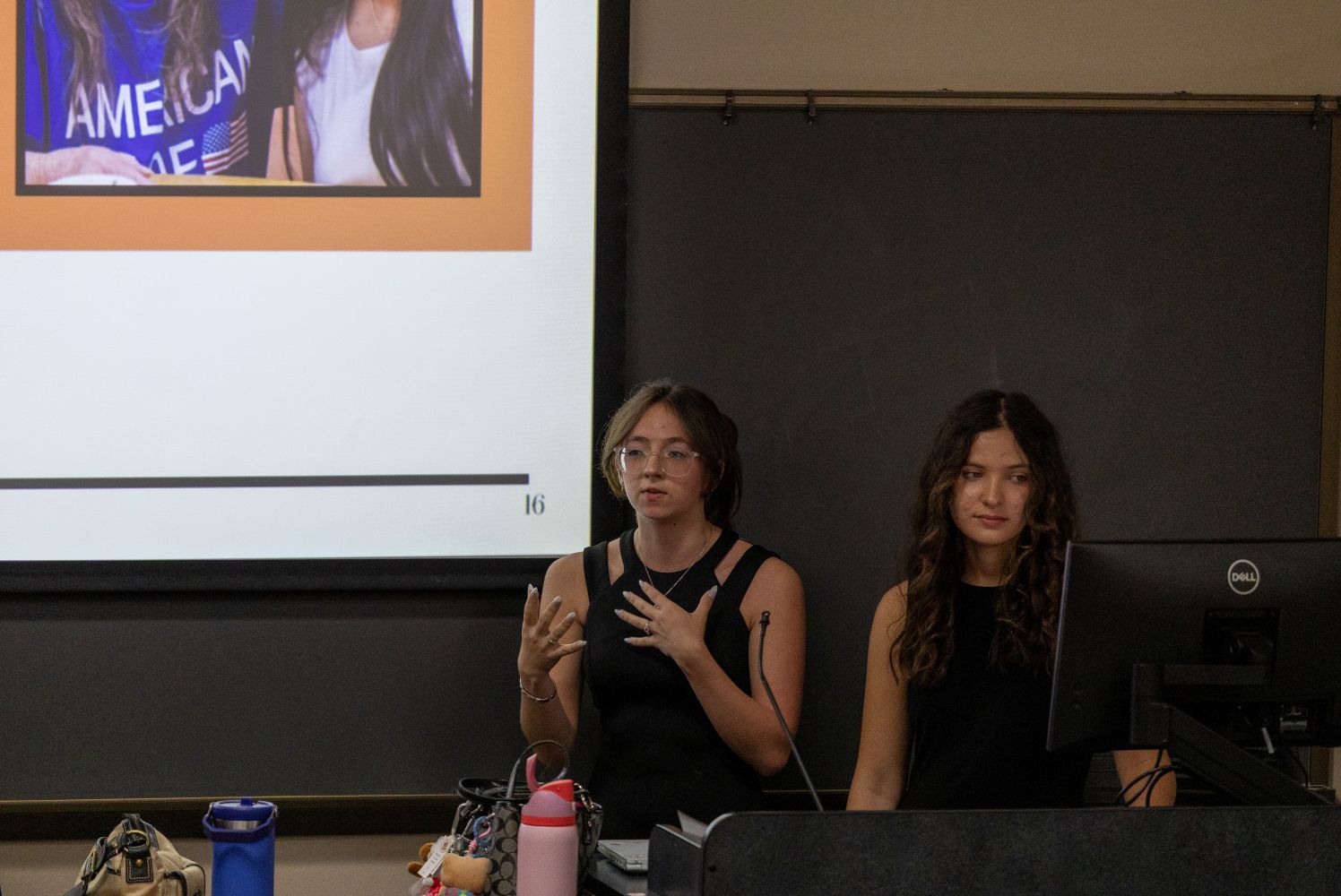
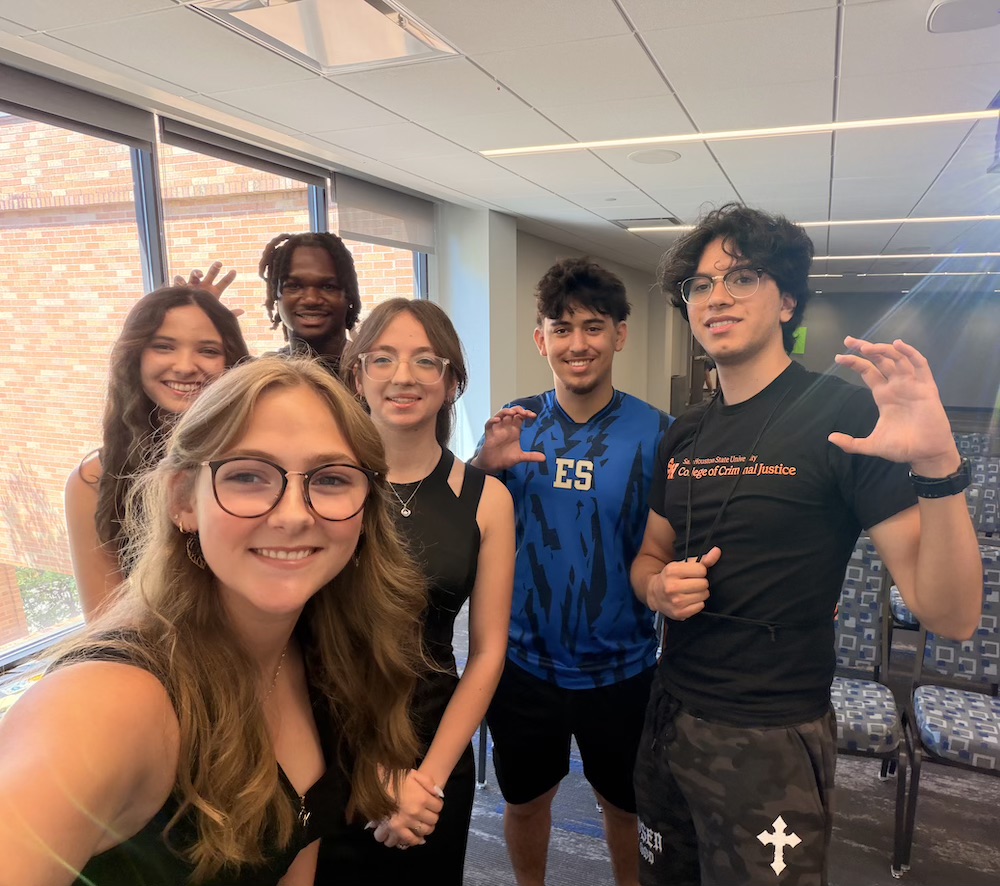
For LEAP Ambassadors Olivia McCaughan, Isis Hollis, and Kayla Fleming, the sessions offered a chance to introduce incoming students to the Center for Law, Engagement, and Politics (LEAP) and the many opportunities available through the organization.
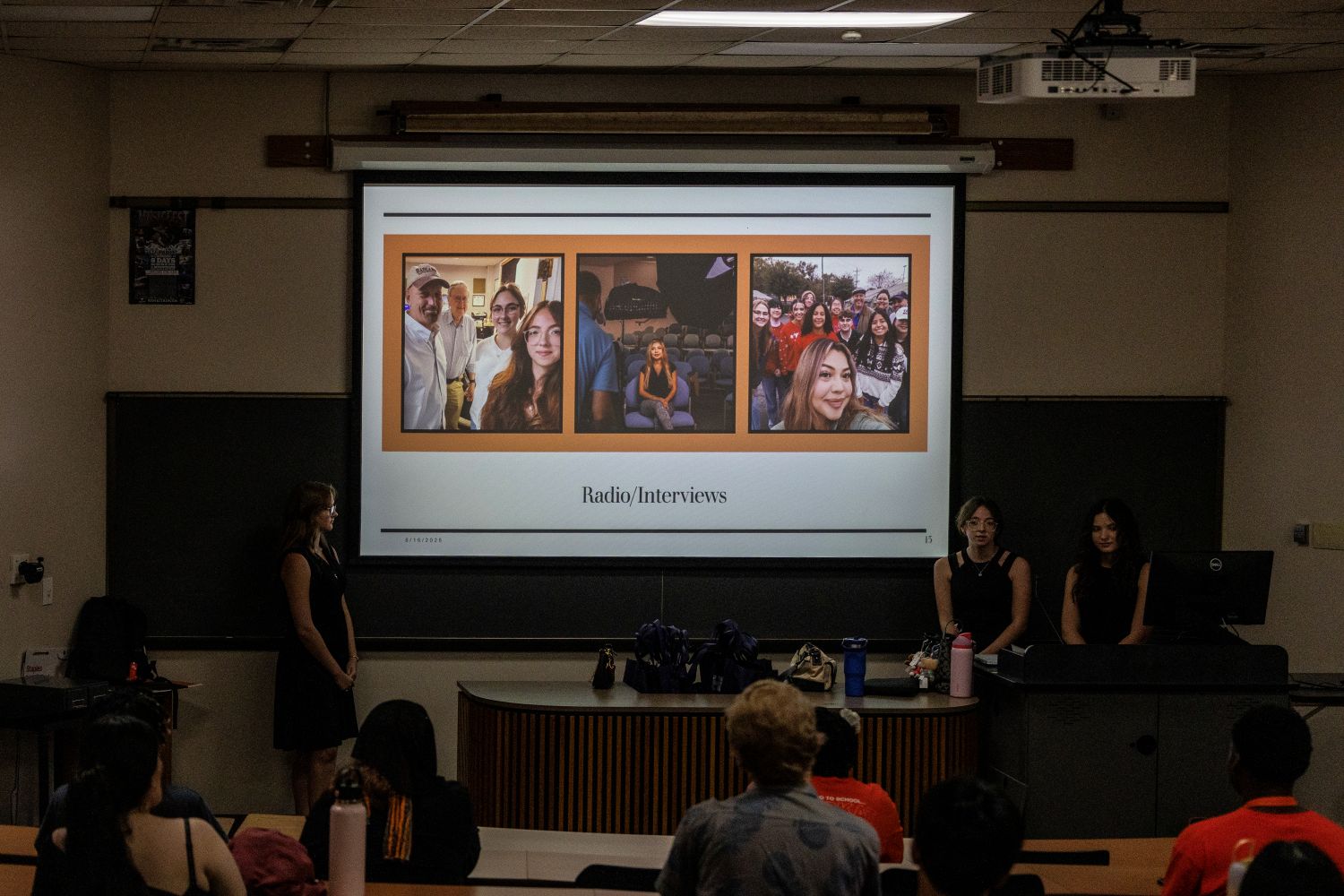
The Ambassadors used a slideshow to highlight LEAP’s activities and programs while also fielding questions from the audience. They discussed ways students can become involved on campus and in the community, particularly through volunteer activities, pre-law programs, and opportunities to learn more about government and public service.
The 11:00 a.m. presentation attracted 24 students, while another 19 attended the afternoon session. With 43 students participating across the two sessions, the Ambassadors were excited by the turnout—and even more encouraged by the students themselves.
Although it was the first time McCaughan, Hollis, and Fleming had presented this particular program, they came away impressed by how attentive the incoming students were and by the thoughtful questions they asked. The strong attendance and engagement made the presentations an encouraging way to begin a new academic year.
Of course, Bearkat Kickoff is all about helping new students make connections, and the LEAP Ambassadors hope Sunday’s sessions represented the first of many such connections during the coming year.
The LEAP Ambassadors extend their thanks to Tiffany Driver and Joellen Tipton for inviting them to participate in Bearkat Kickoff and, most importantly, to the incoming Bearkats who spent part of their Sunday learning about LEAP. We hope to see many of them again soon—at a LEAP event, a volunteer activity, or perhaps even as future LEAP Ambassadors!
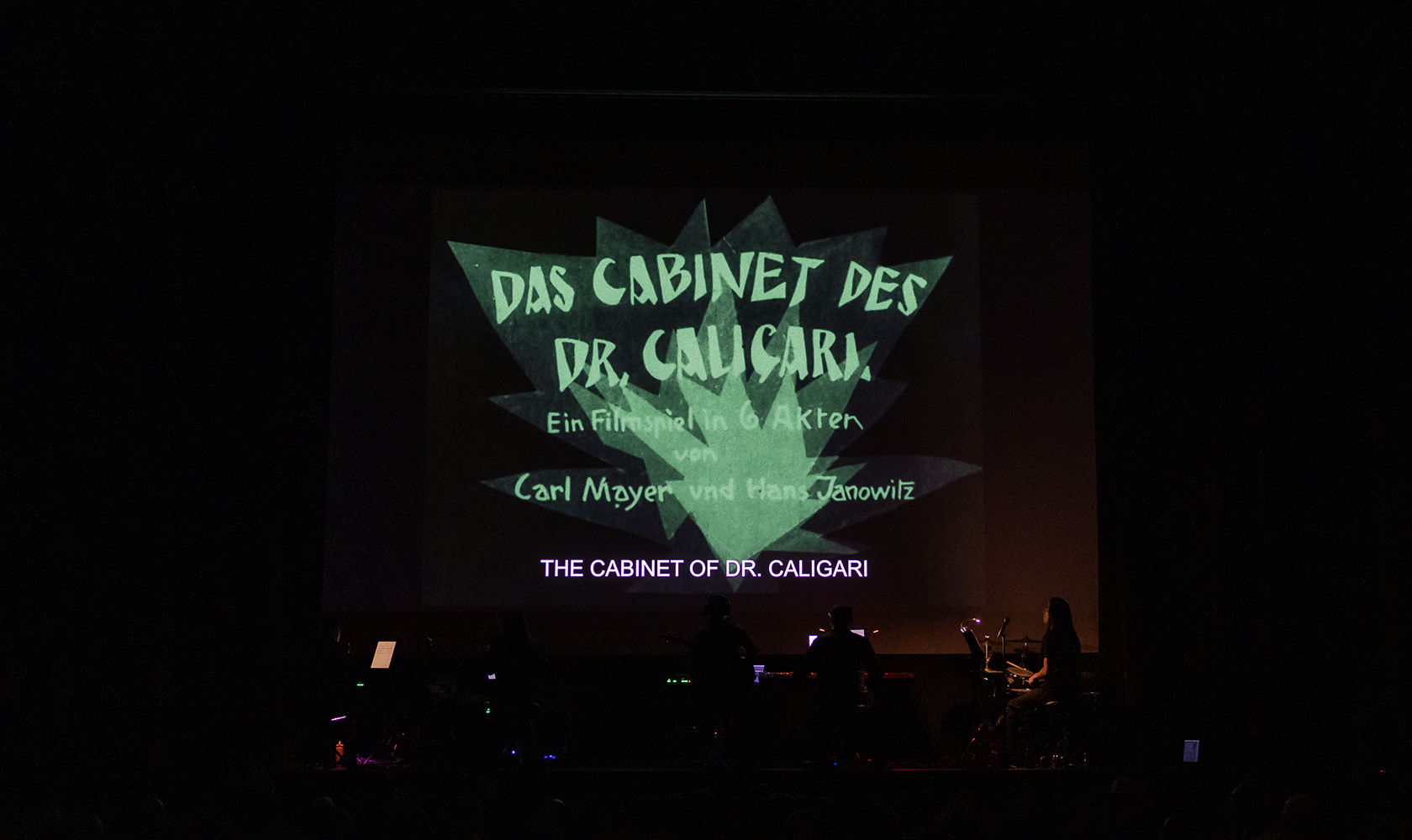
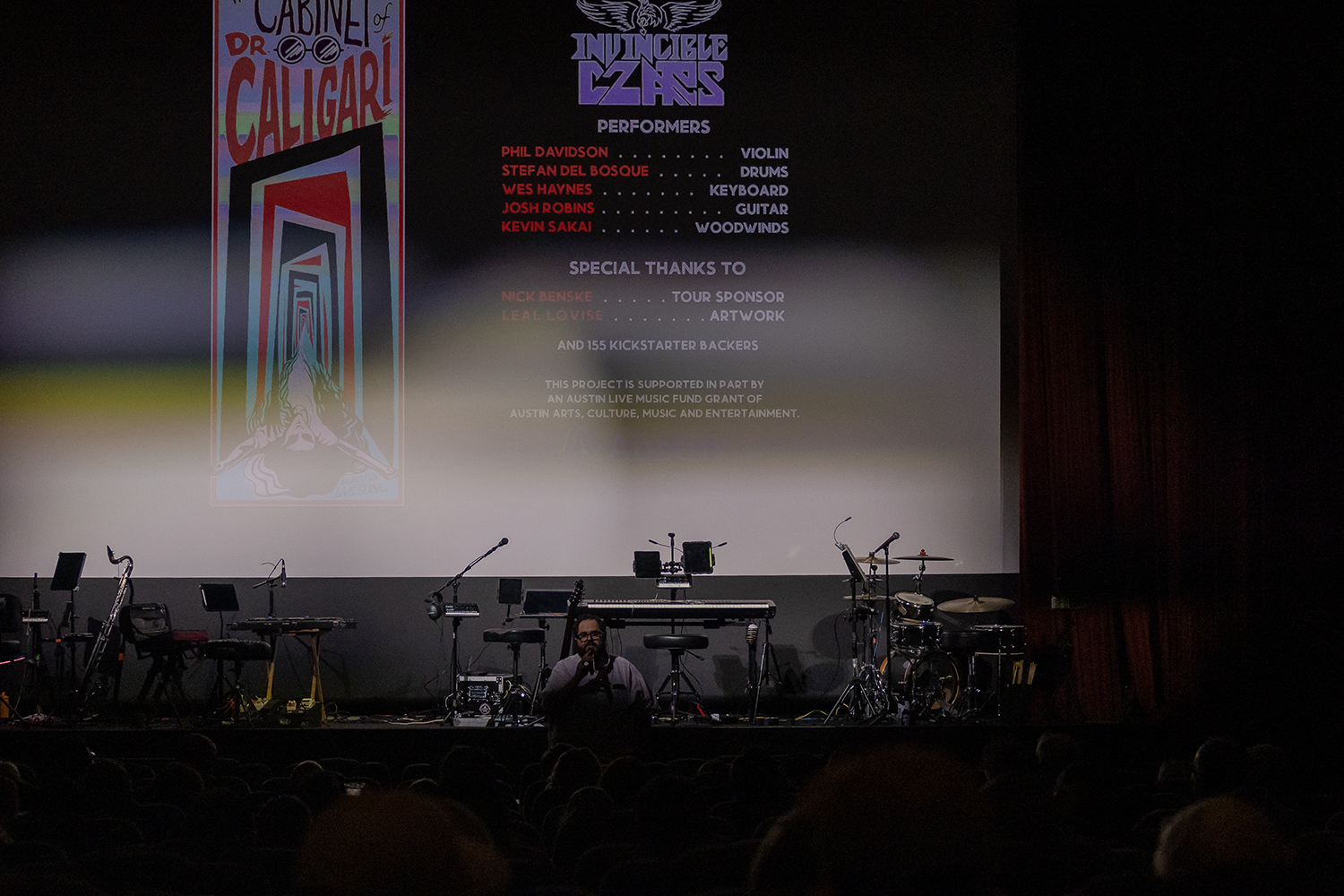
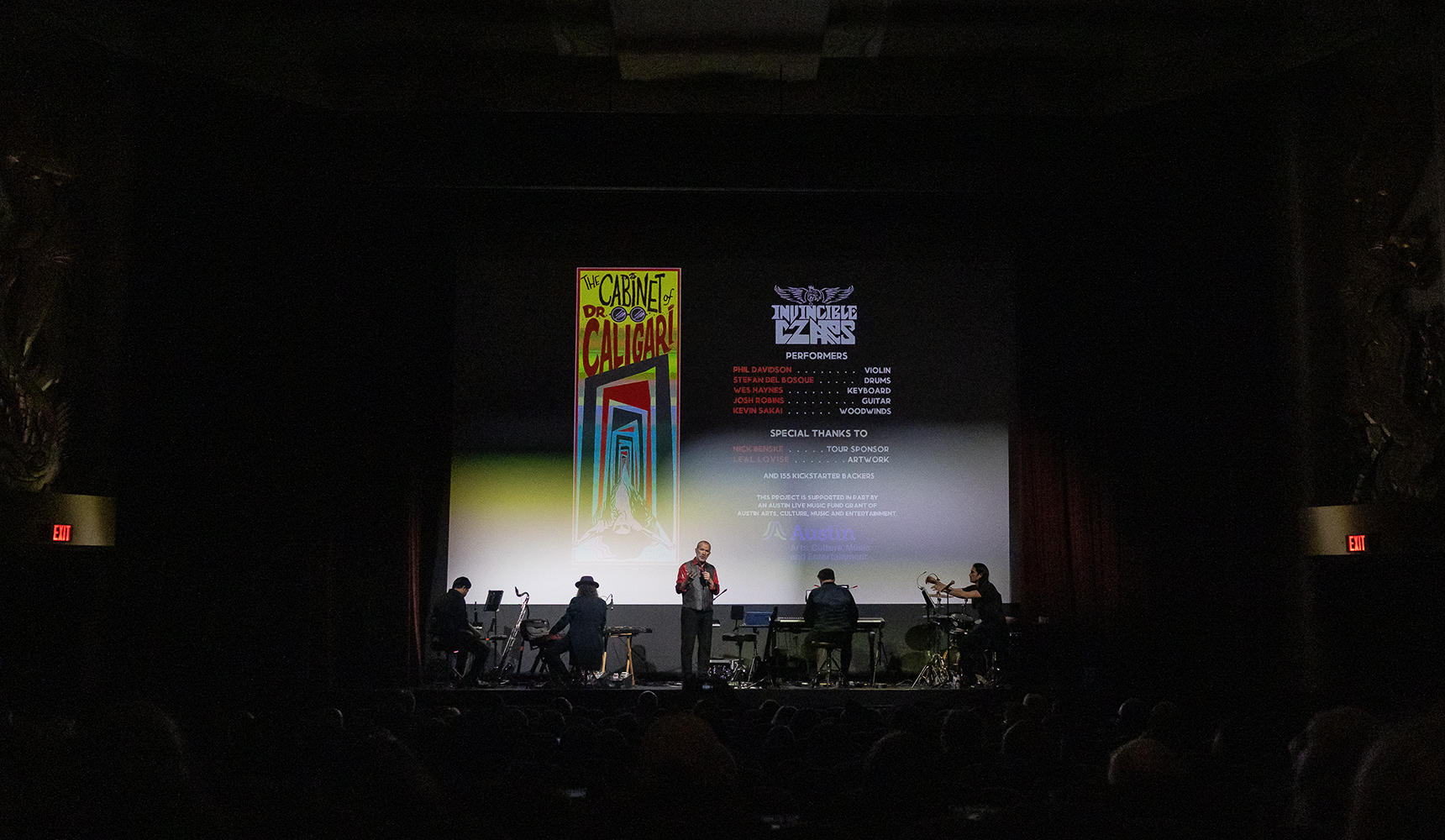
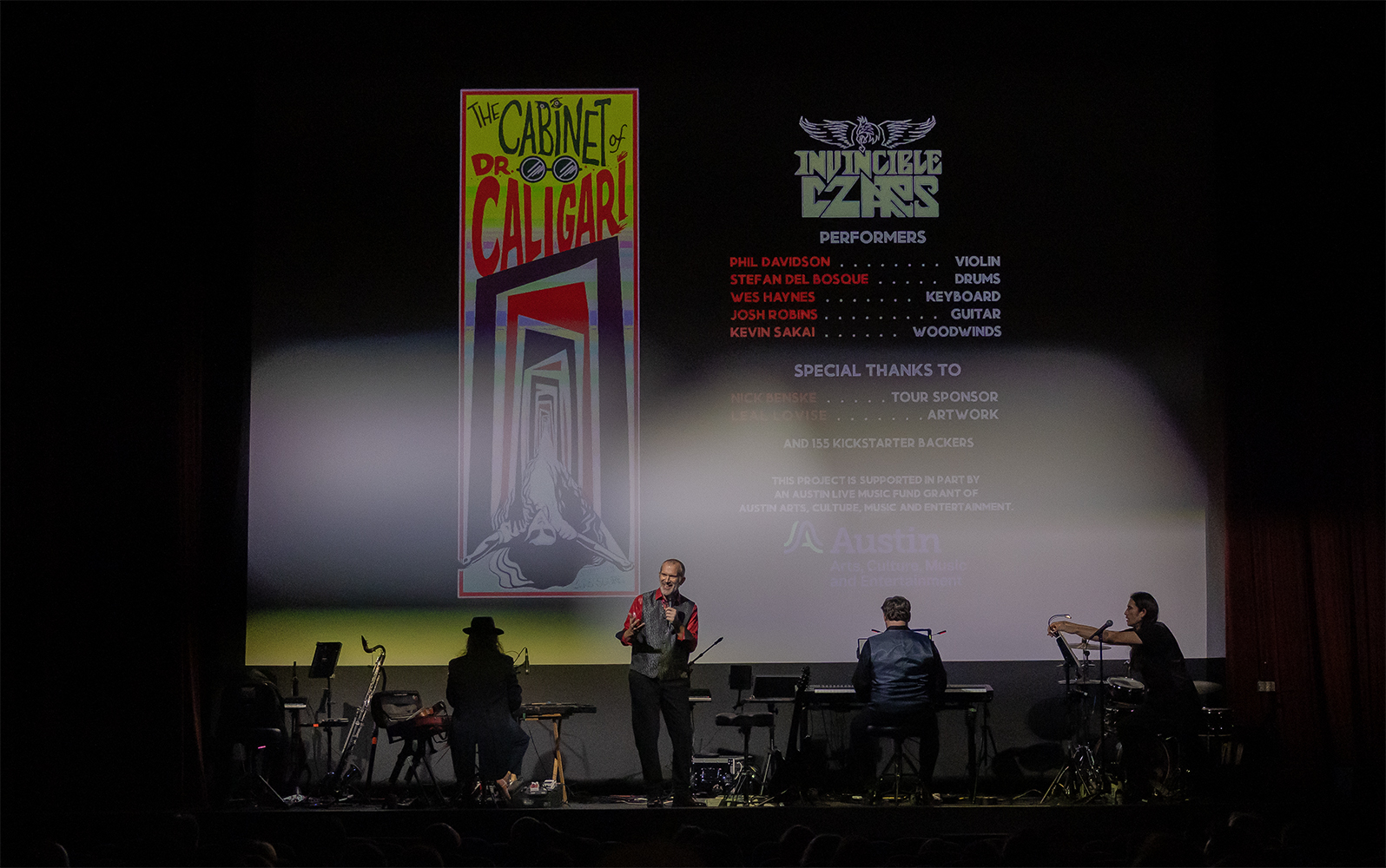
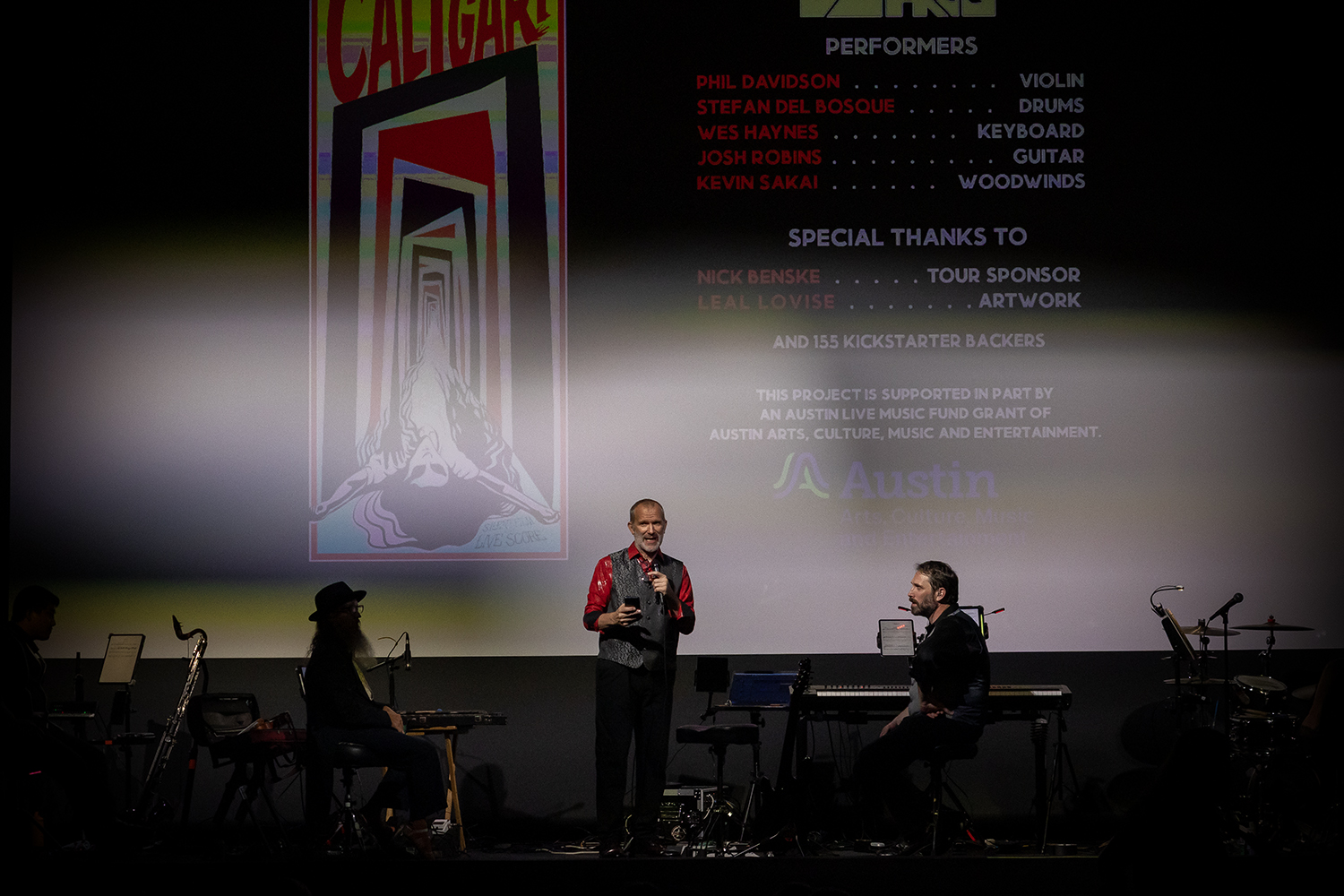
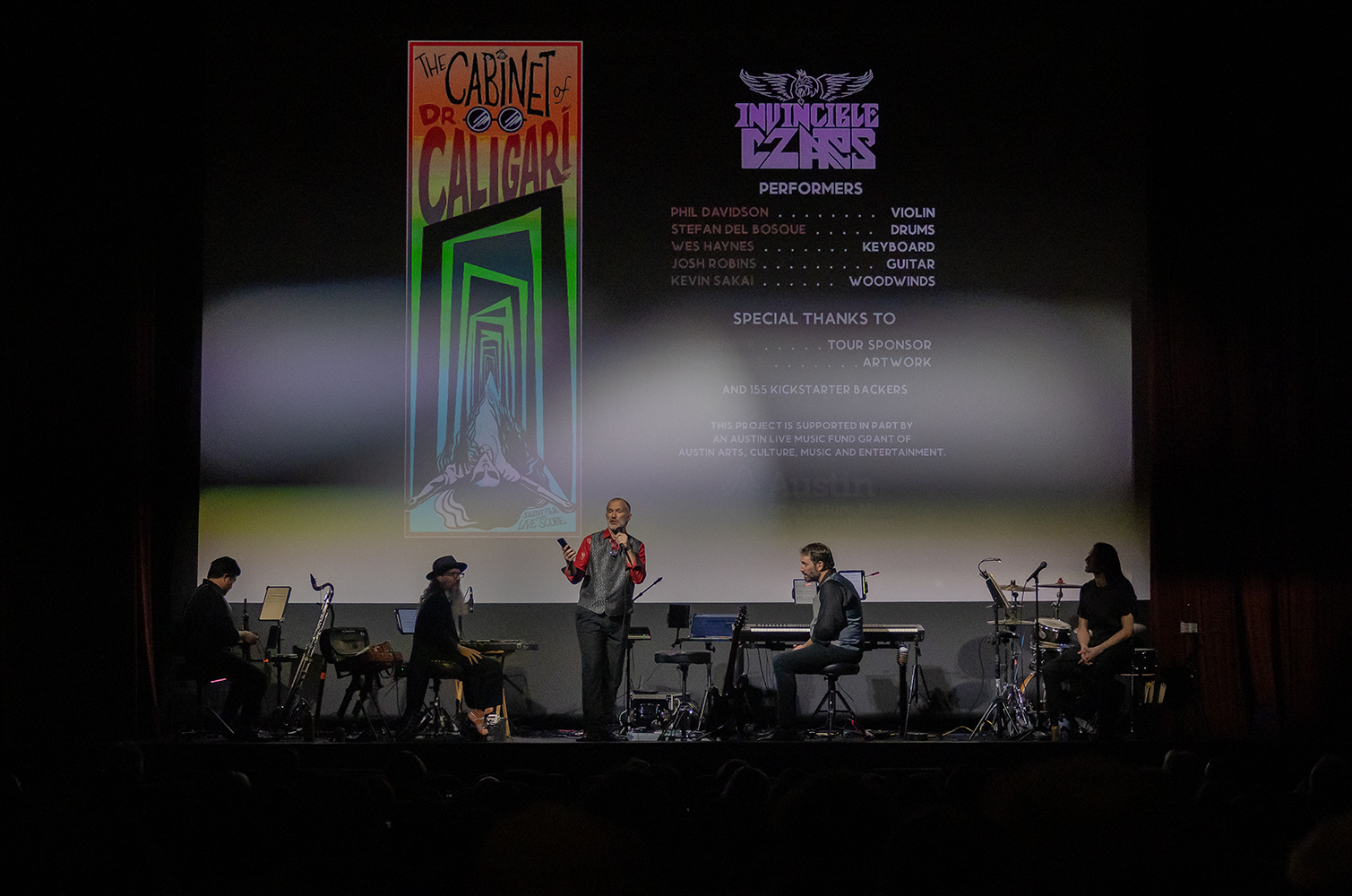
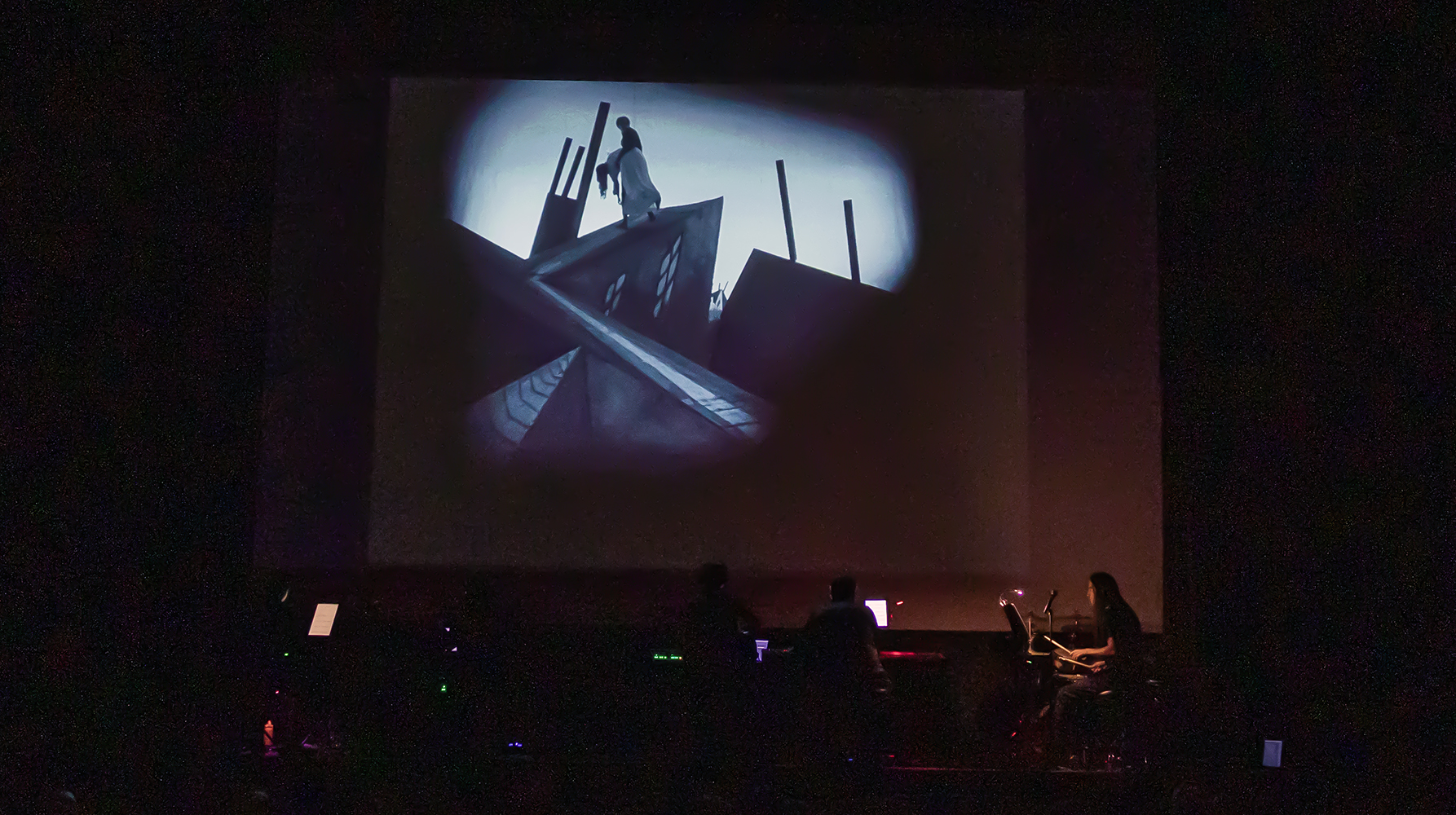
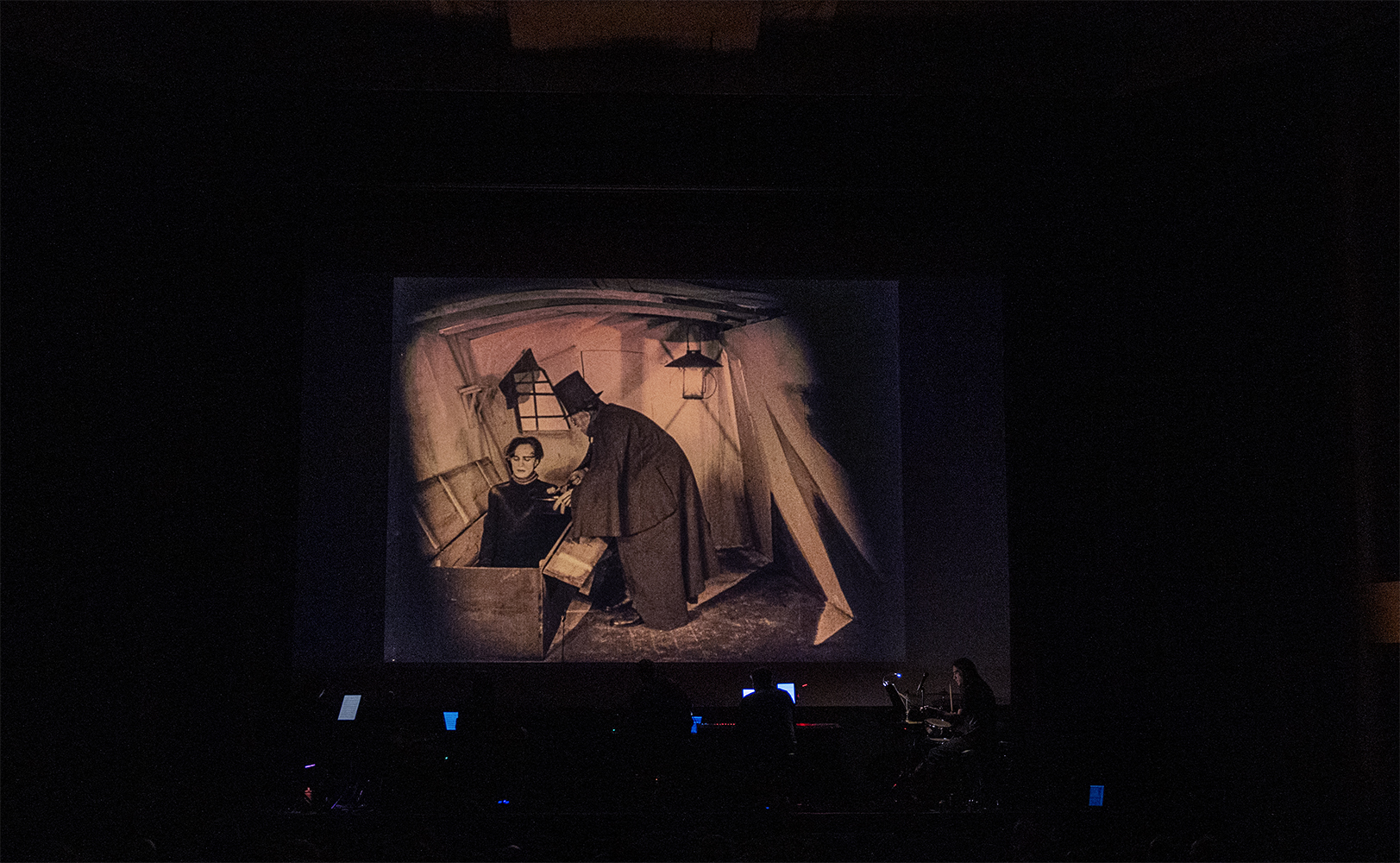
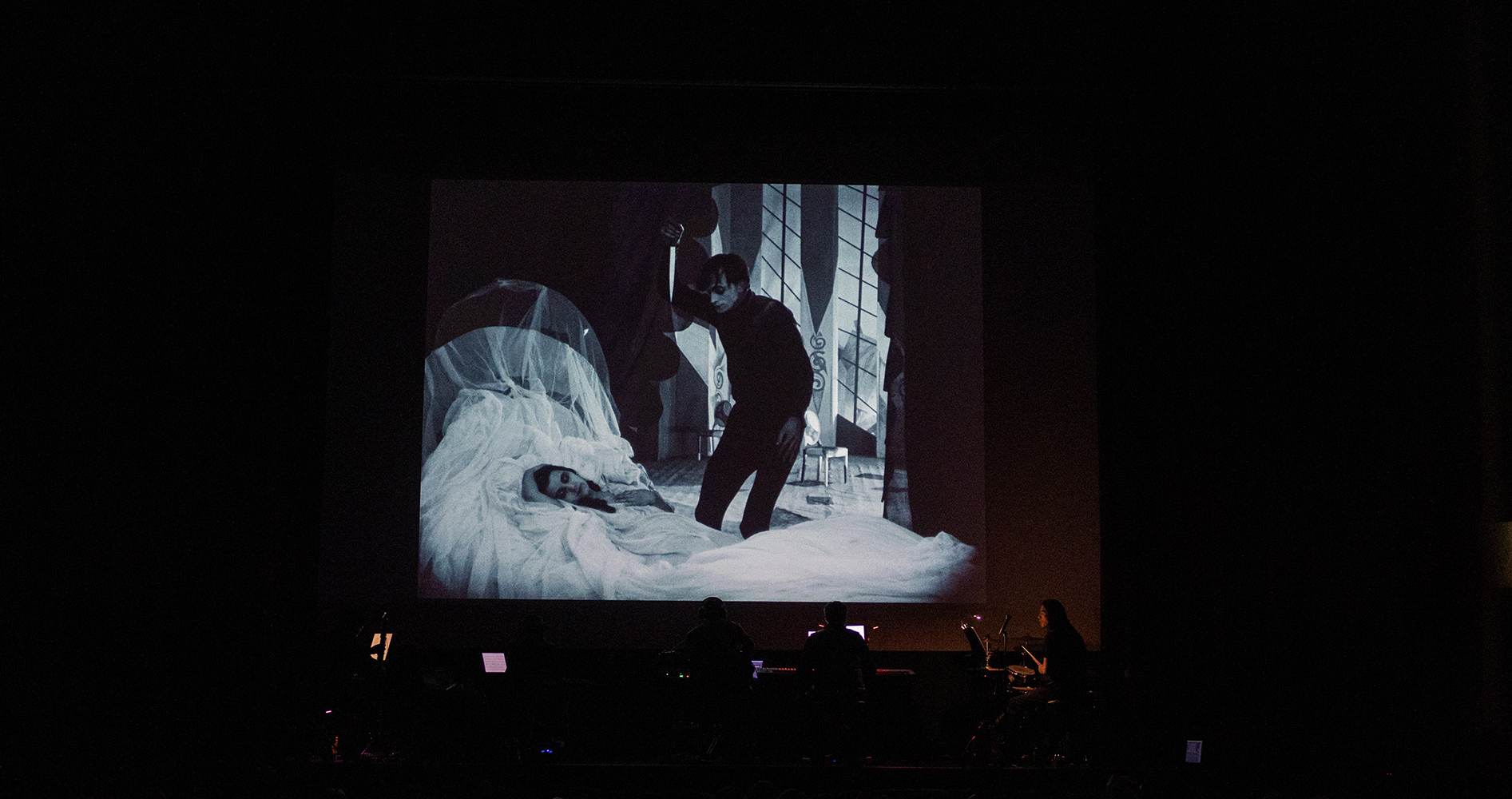
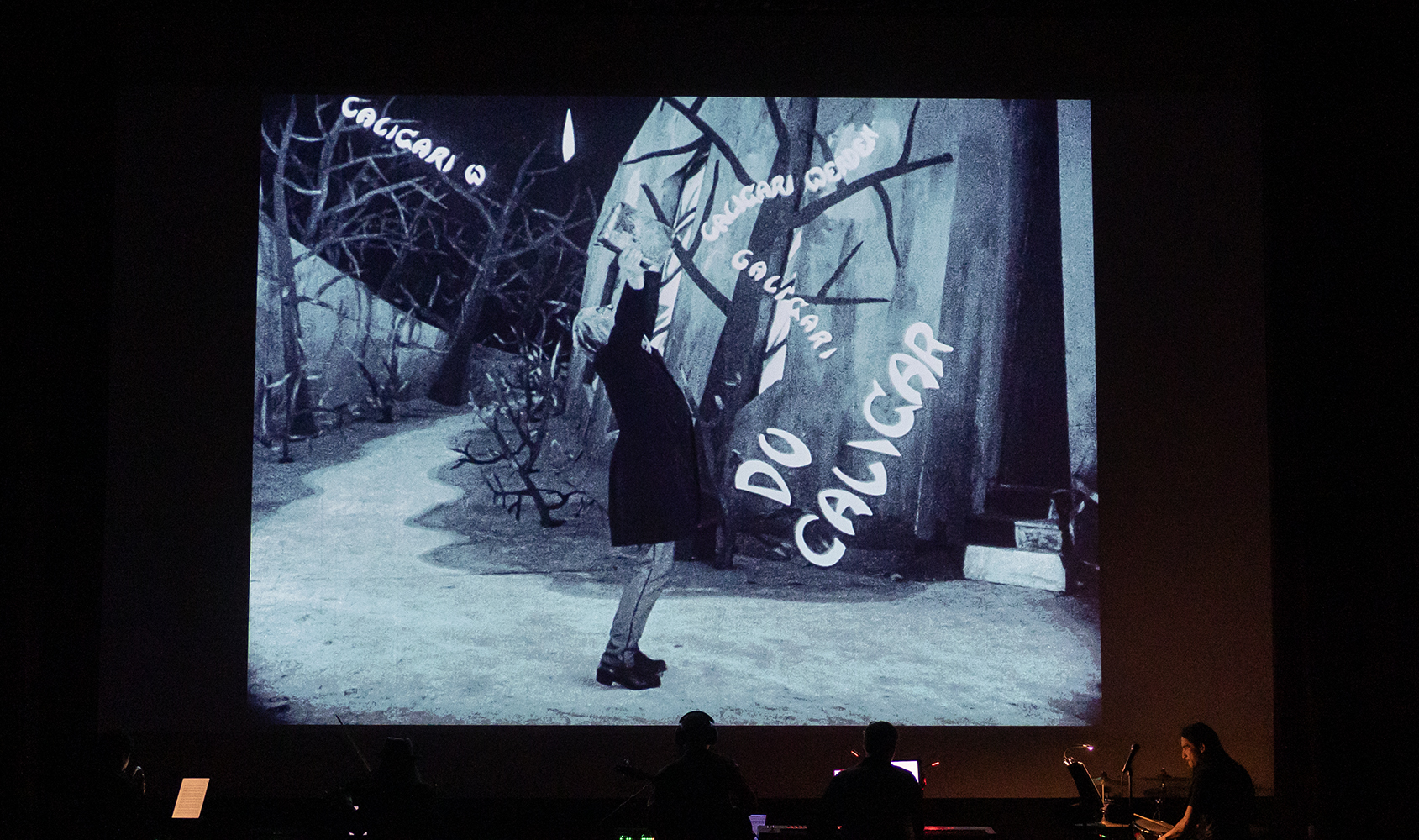
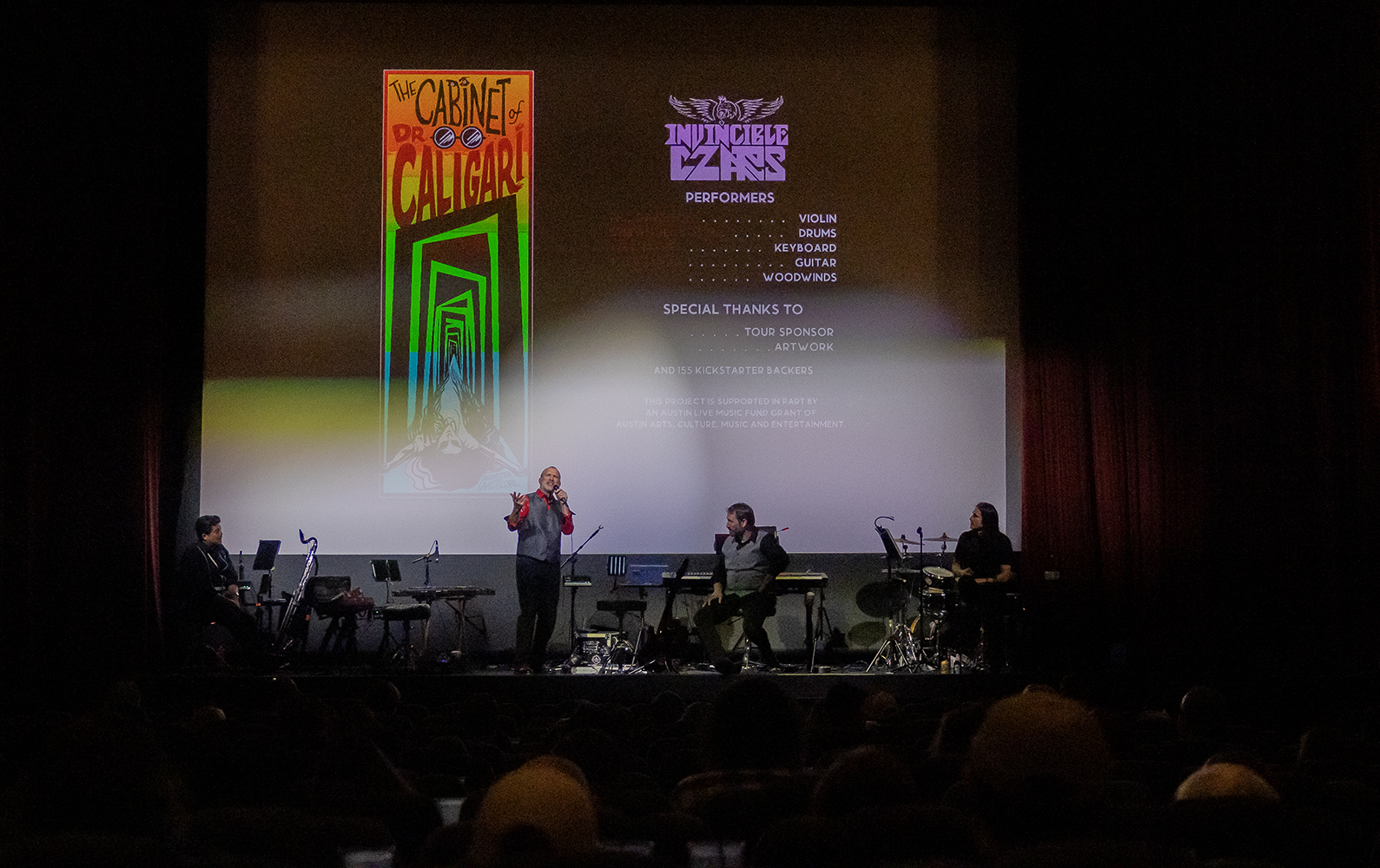
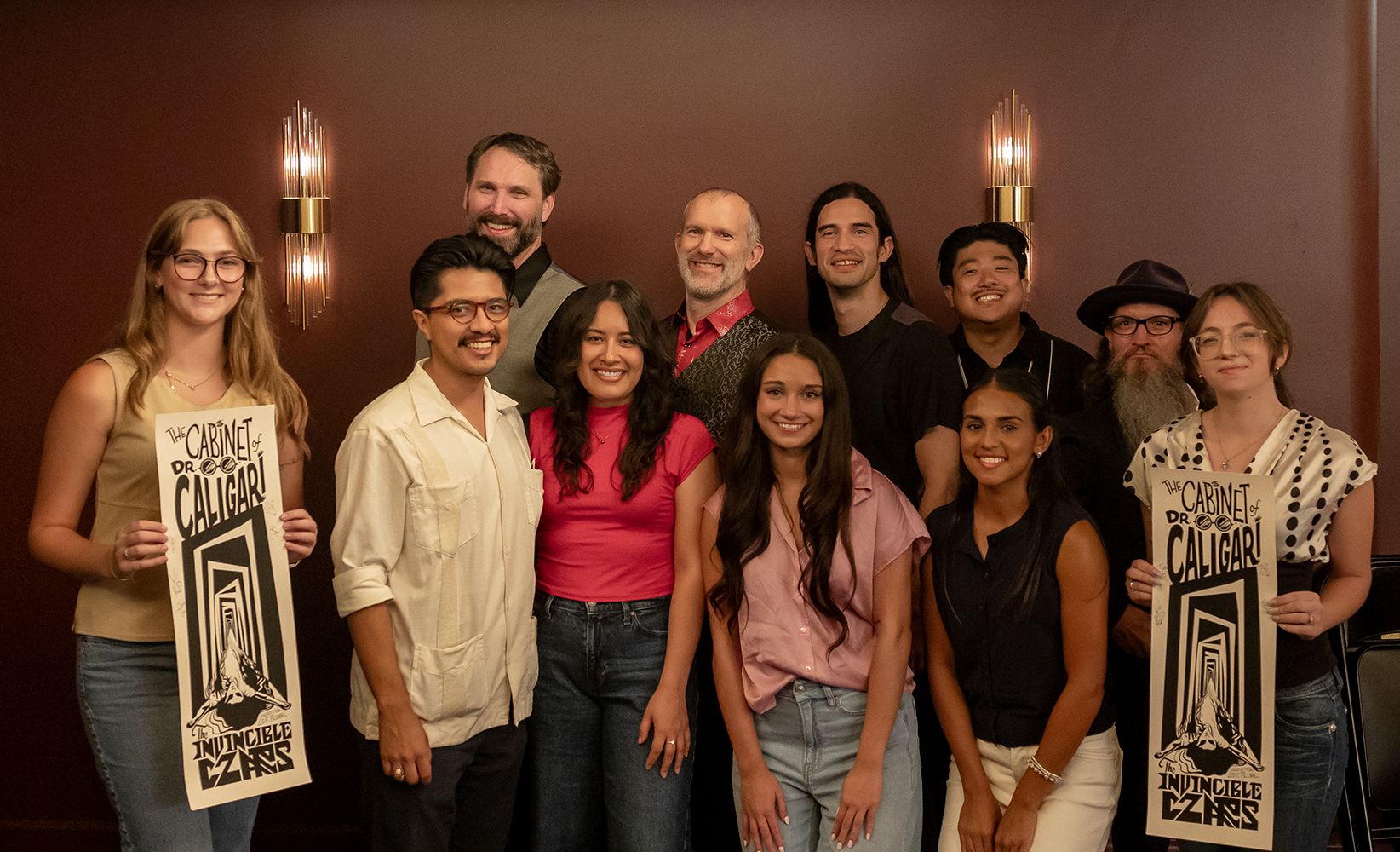
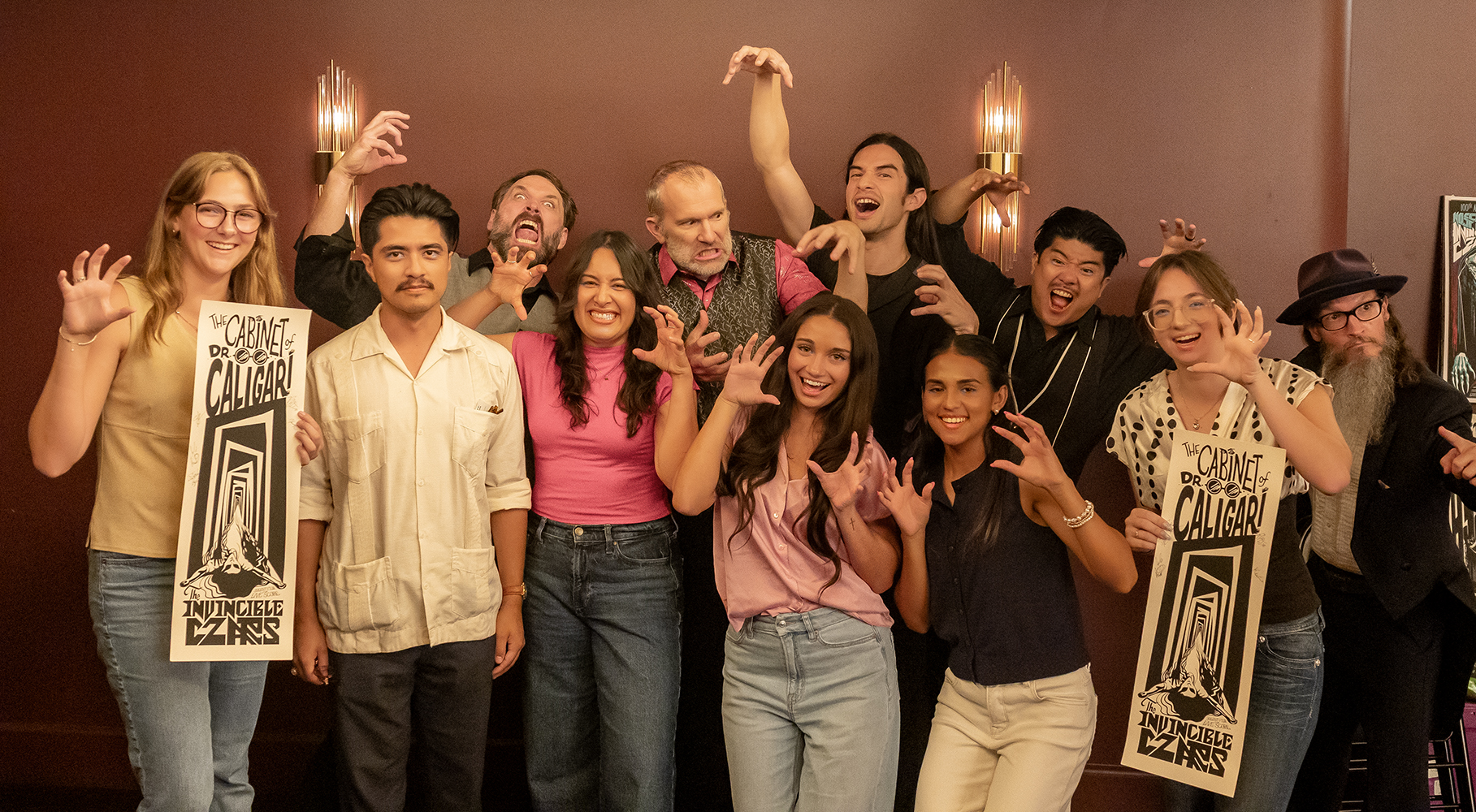
This past Saturday, LEAP students and alumni got the chance to visit the River Oaks Theatre once again to watch what is considered to be the first horror movie/film ever produced! The Cabinet of Dr. Caligari, a German expressionism silent film released in 1920, was alongside the band Invincible Czars, who wrote their own score to accompany the film.
After some remarks from River Oaks Artistic Manager Robert Saucedo, Bandleader Josh Robins provided some background, and then Stefan Del Bosque introduced the band members and the history of the film With the background established, the showing started.
The set of the movie, with its geometric shapes and gothic feel, reminded me a lot of Tim Burton, who was said to have taken much inspiration from the film.
I enjoyed the unique style of captions and intertitles that had small easter eggs relating to what was happening at that time of the film, such as the cross at the end of the caption explaining the scene following the funeral of one of the characters. The score added to the mysterious storyline by changing the rhythm and sound of each instrument, which was another element I really enjoyed throughout the movie! The ending was one of the most interesting parts as it left room for two different interpretations.
A short discussion once the movie ended revealed the context for many of the choices made for the film such as the somnambulist, Cesar, being a symbol of Germany’s military population being “asleep” after WWI.
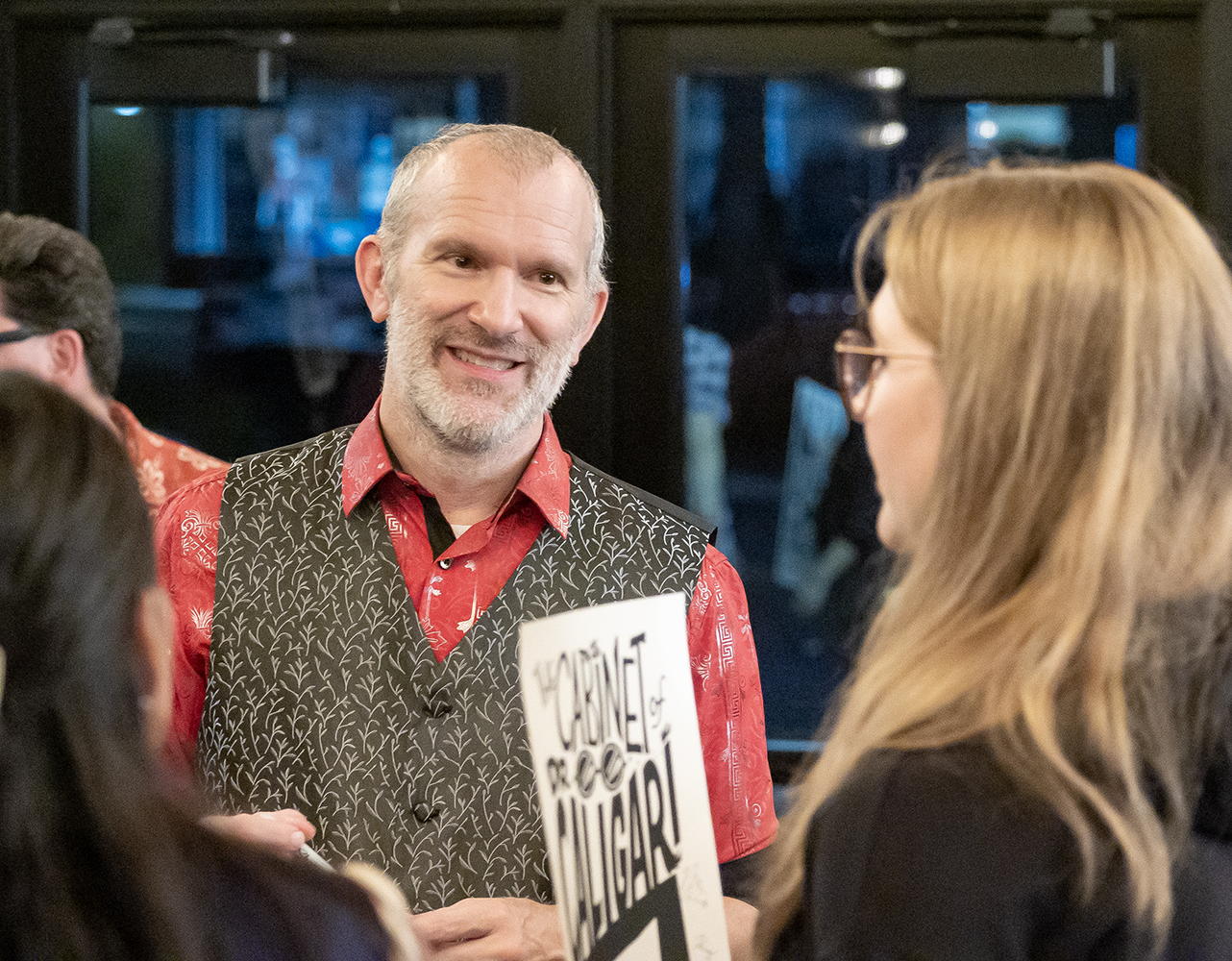
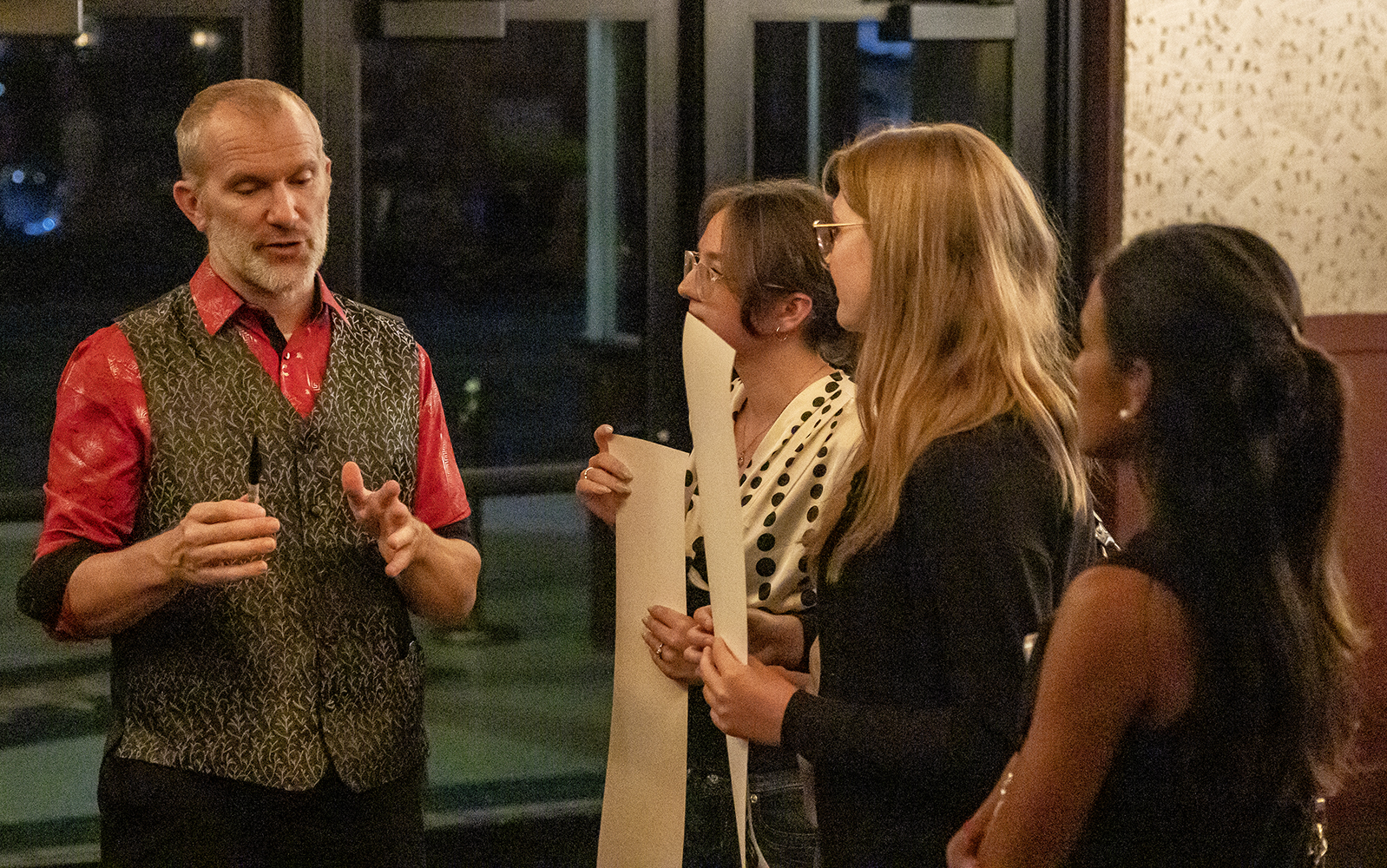
We also had the chance to talk with the members of the band and get our posters signed following the film! Overall, the event was fun and a new experience for many of us who attended!
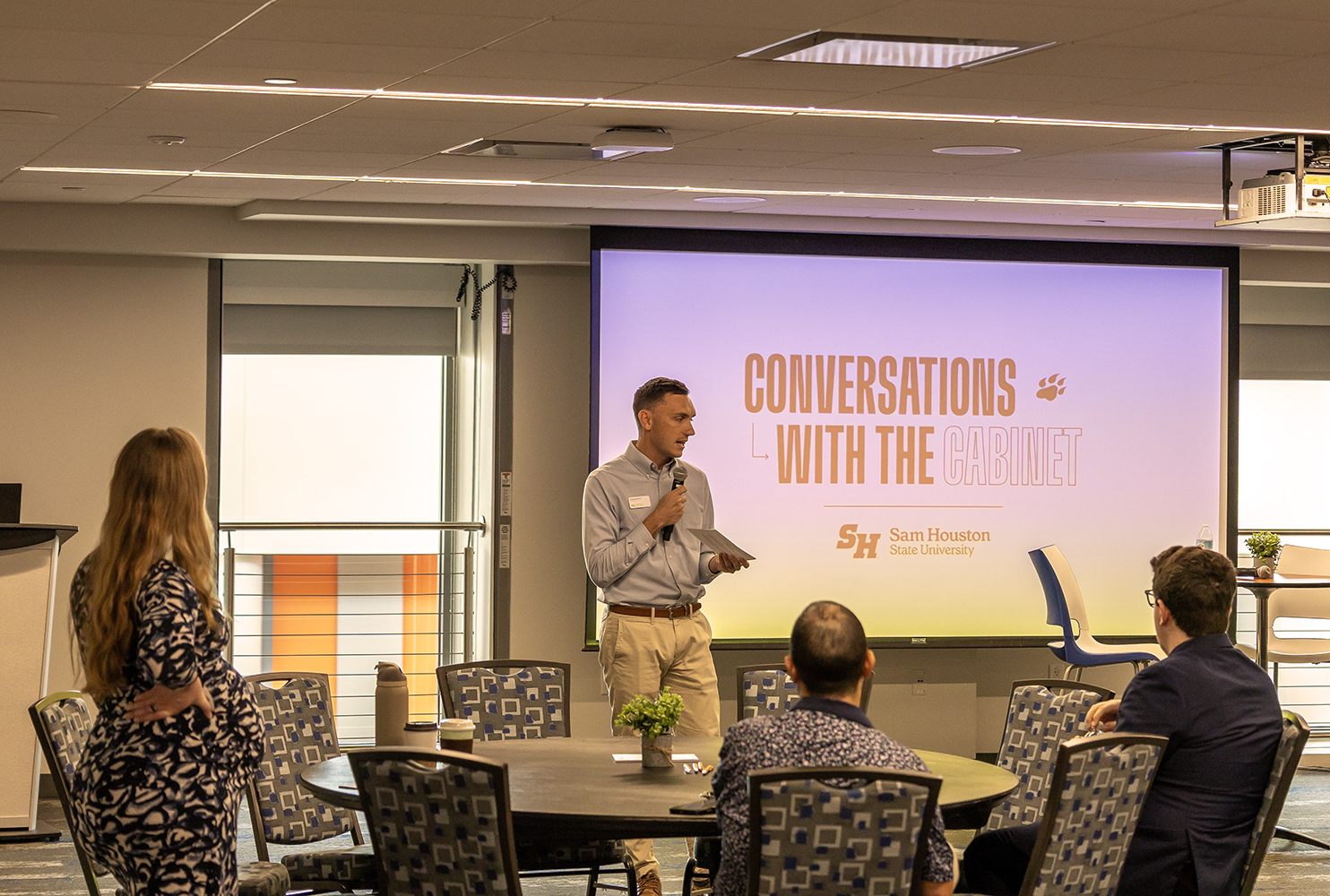
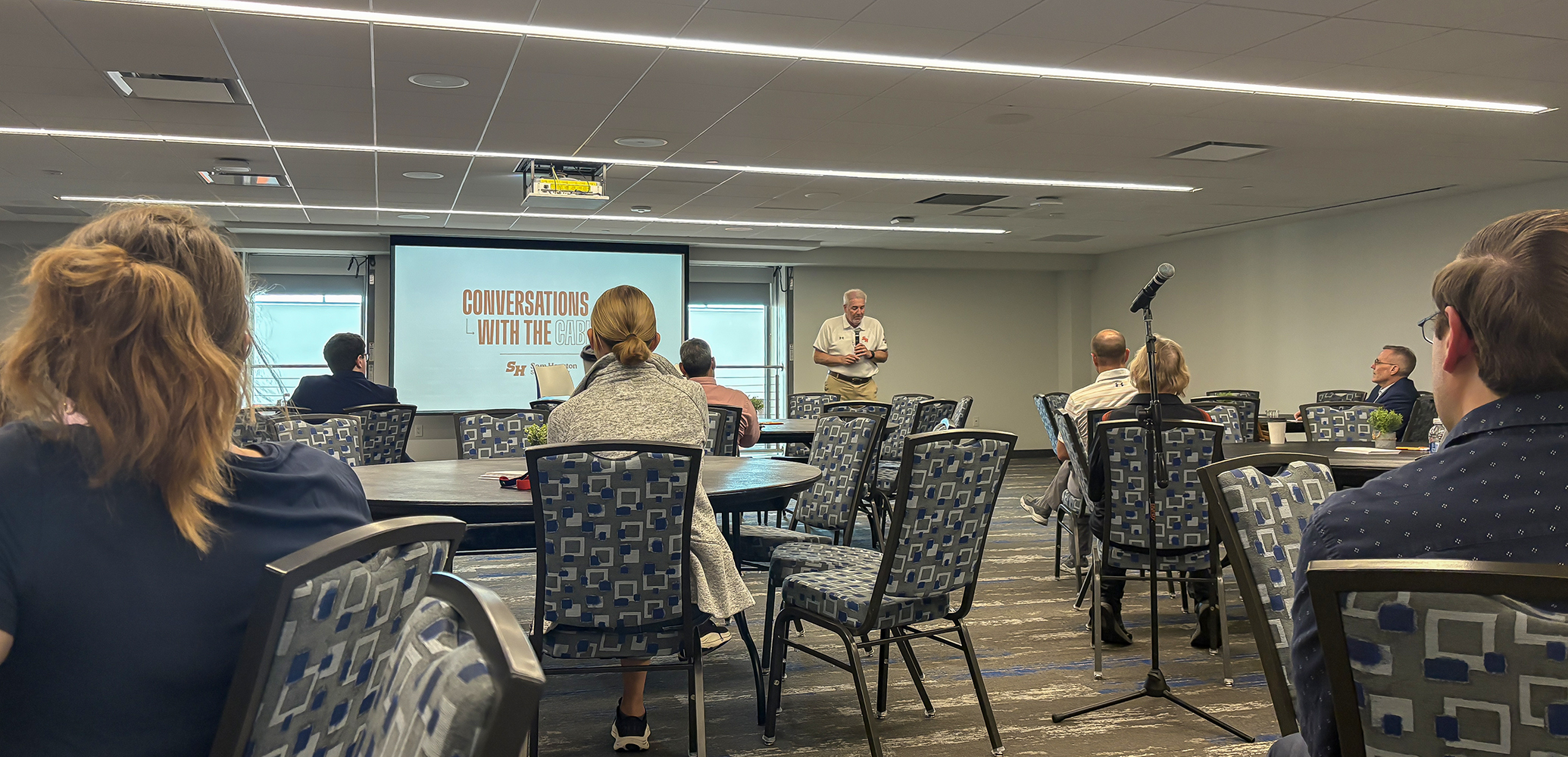
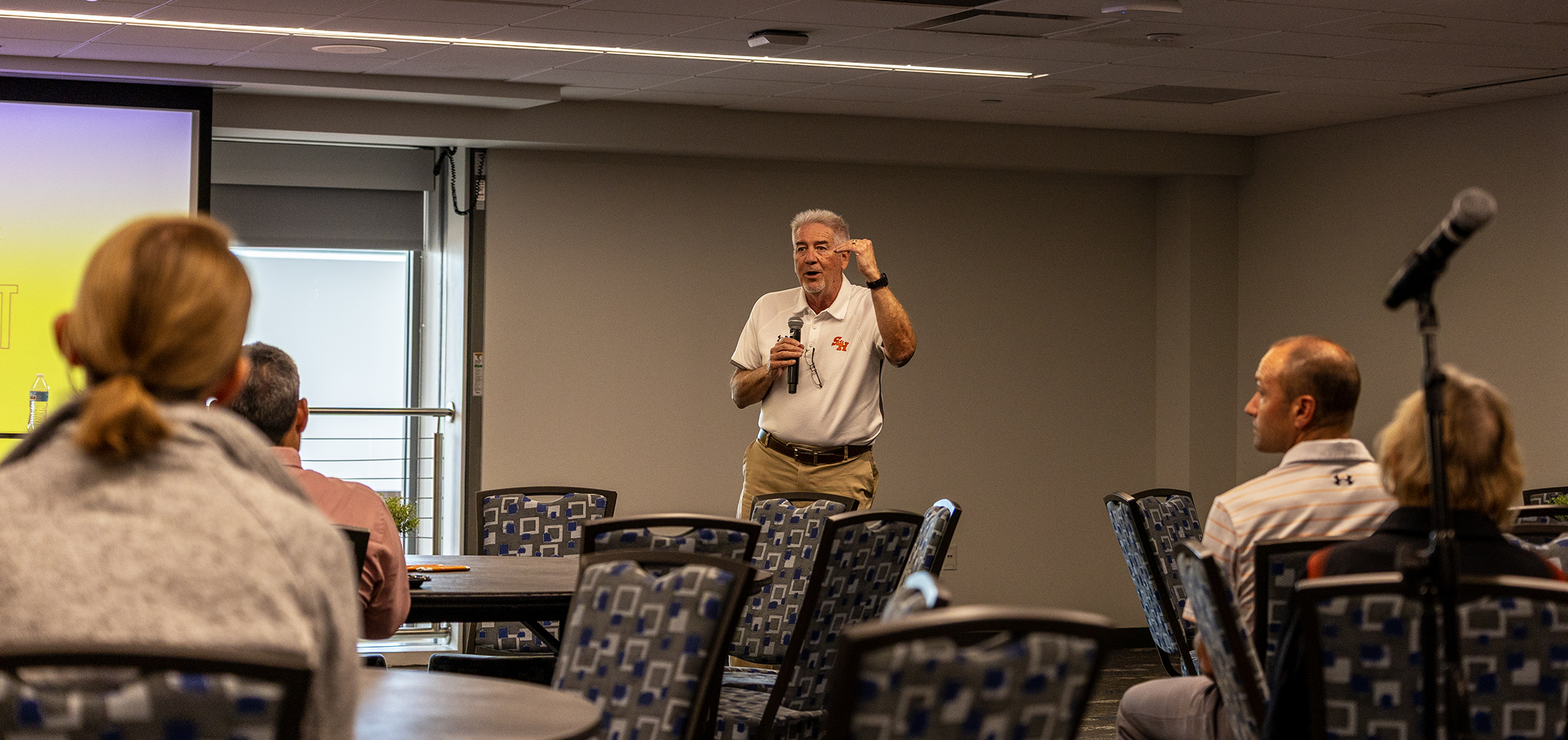
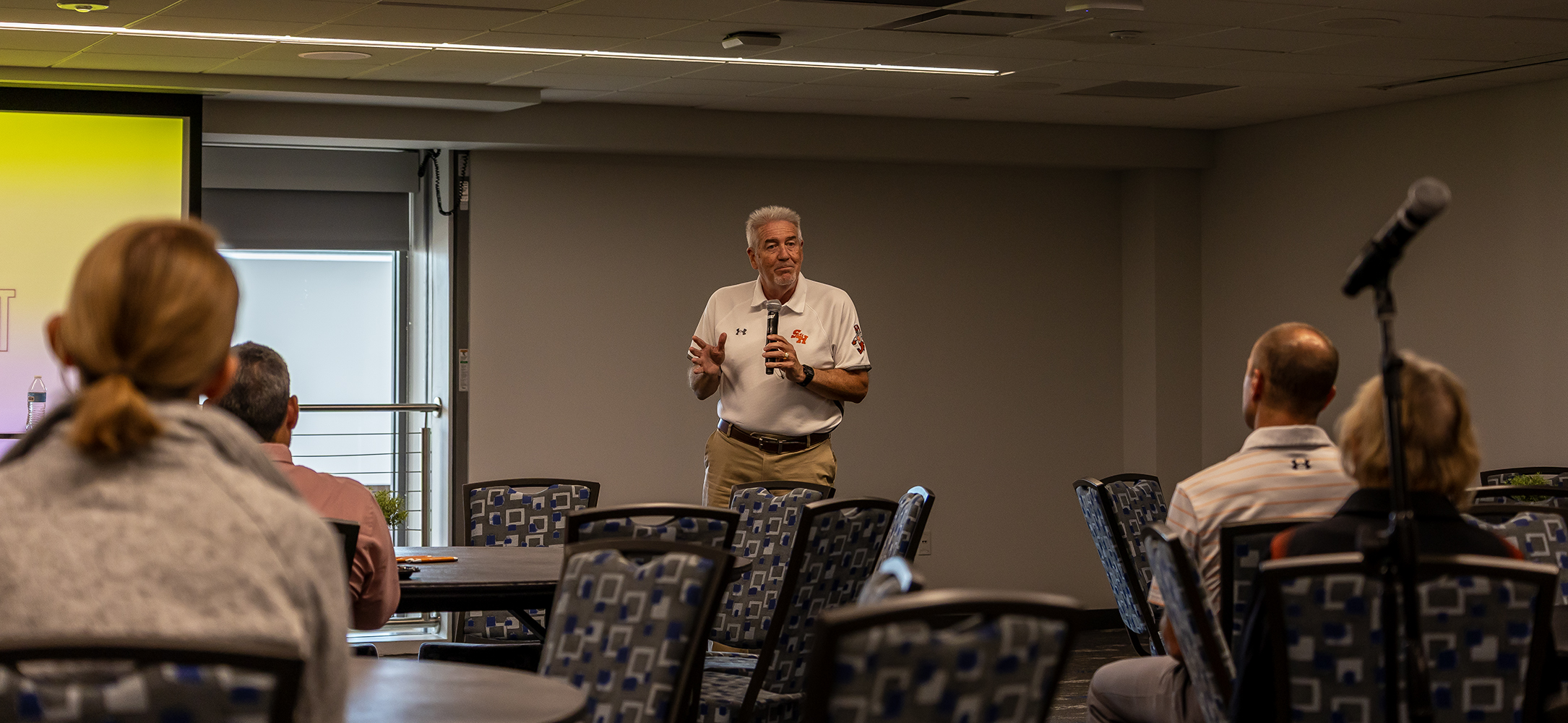
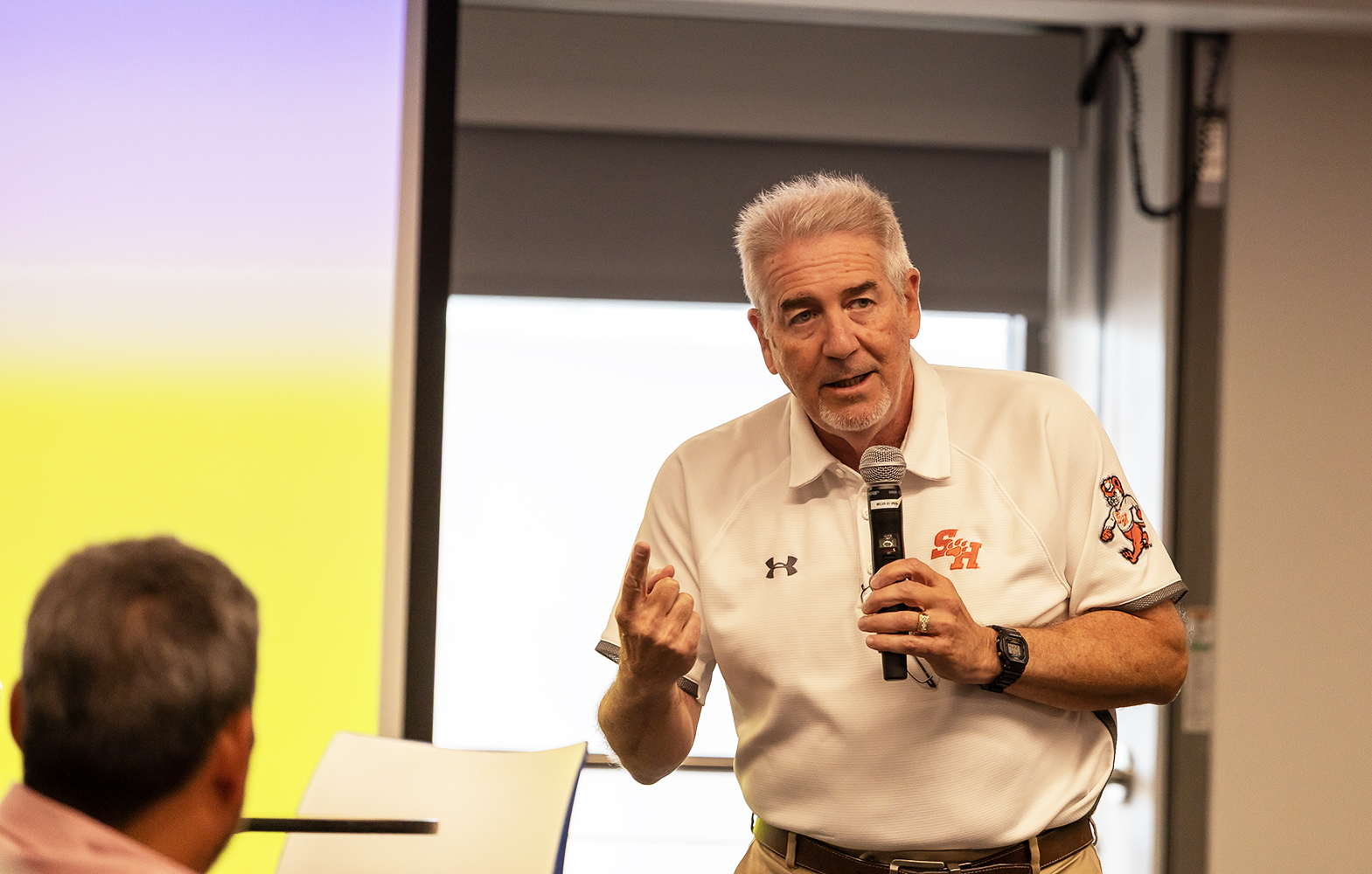
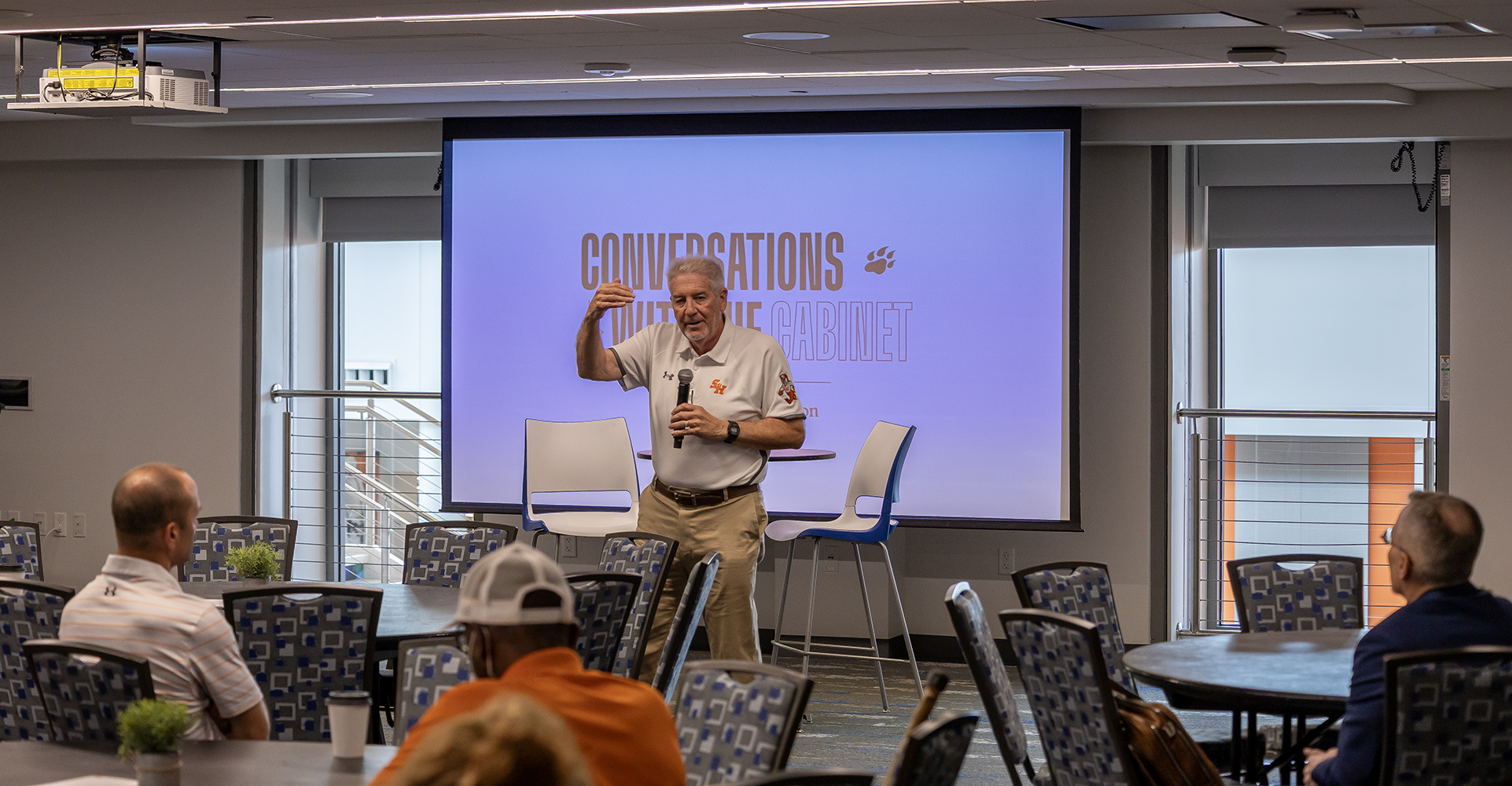
Faculty and staff had the opportunity to learn more about Sam Houston State University Athletics during the latest Programs with Administrators session, which featured SHSU Director of Athletics Bobby Williams. The event drew 27 attendees for an engaging discussion that ranged from the University’s athletic history to its future priorities.
Following an introduction by HR’s Brandon Richard, Williams reflected on his remarkable 30-year tenure at SHSU, noting that he is now the longest-serving athletic director in Division I athletics. His perspective spans decades of Bearkat history.
When he first arrived on campus, football was still played at Pritchett Field, providing a reminder of how much both the University and its athletic facilities have evolved. He also shared a memorable story about being hired by coach Ron Randleman, adding that, in an unexpected twist, Randleman would eventually work for Williams for six years.
The conversation also explored the complexity of managing a modern athletic division. Williams explained that SHSU currently sponsors 18 varsity sports and emphasized that Title IX is one of the first considerations whenever the University evaluates adding a new team, with the related issue of cost also factoring large.
Audience members asked about challenges facing collegiate athletics today. When asked how the growth of online education affects student engagement, Williams acknowledged that it is a challenge “we all face.” As more students complete coursework remotely, he noted, campus experiences can become more transactional, making it harder to build the loyalty and sense of community that have traditionally defined the college experience.
Facilities were another popular topic. Williams explained that the University’s new football press box carries a $60 million price tag, with a significant portion already covered through private donations. If fundraising continues as hoped, SHSU could have approximately $40 million paid within the next year, leaving about $20 million remaining on the 30-year bond.
Looking ahead, he identified upgrades to the track facilities as a priority, while noting that nearly every sport has facility needs. He also expressed hope that the east side of Don Sanders Stadium can someday receive improvements similar to those made on the west side.
When put on the spot about how the Bearkat football team will do next year, Williams boldly went where every cornered athletic director in history has gone, and he said: “I think we’ll do better than last year.” (Last year the team was 2-10).
Williams concluded on a personal note by describing how his family established a $100,000 endowment supporting both athletics and education. With his wife having served as both a public-school principal and faculty member in SHSU’s College of Education, and his daughter working in the University’s Career Success Center, Williams said the gift reflected his desire to give back—not just to athletics, but to the entire University community.
Written By: Isis Hollis, Robin Houghton, and Allie Plunk
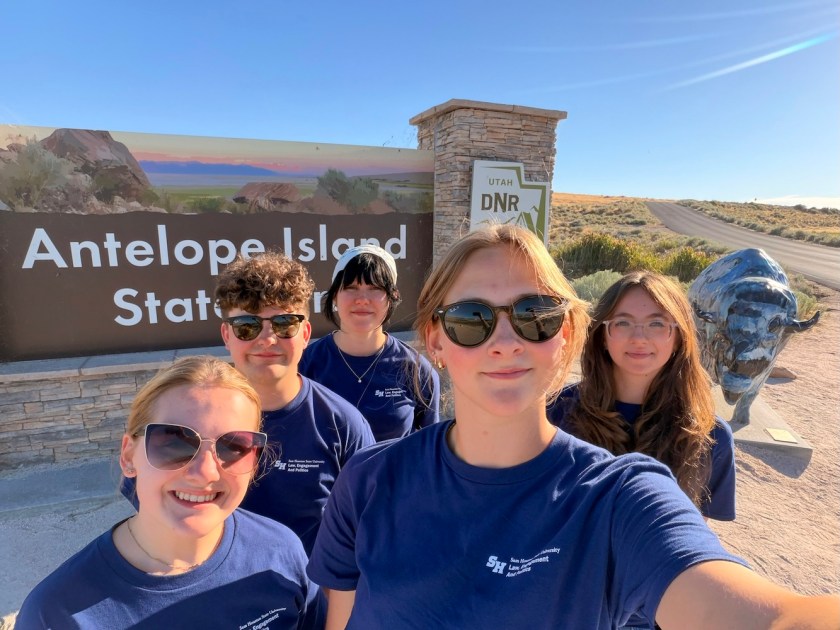
On our last day in Salt Lake City, LEAP Ambassadors were able to see the scenery and wildlife of the Great Salt Lake before heading home! Something we had been looking forward to all week, we were thrilled to have the chance to more thoroughly explore the beautiful area.
Salt Lake City Farmer’s Market
Our busy day began with exploration in a few more “local” spots.
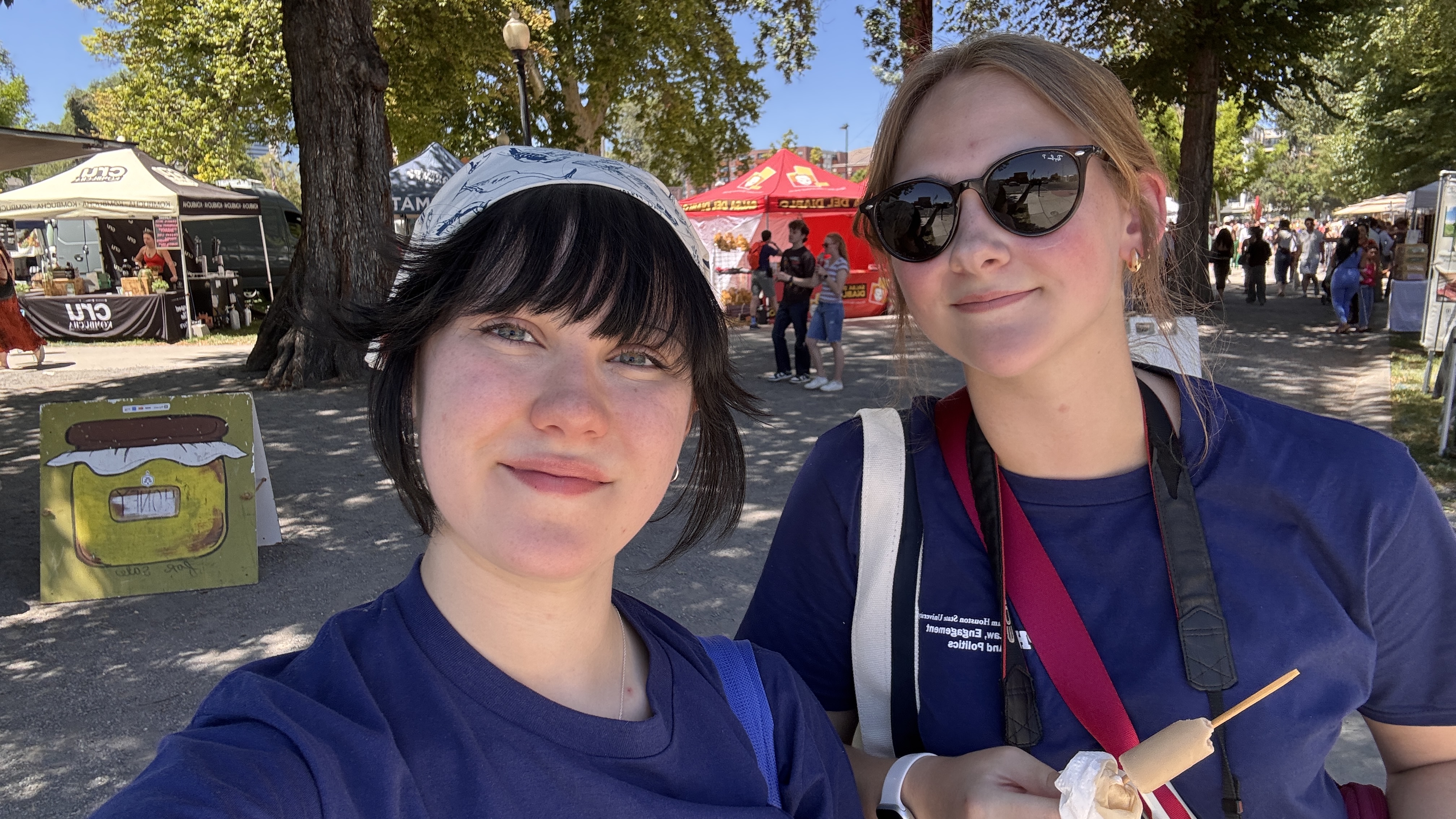
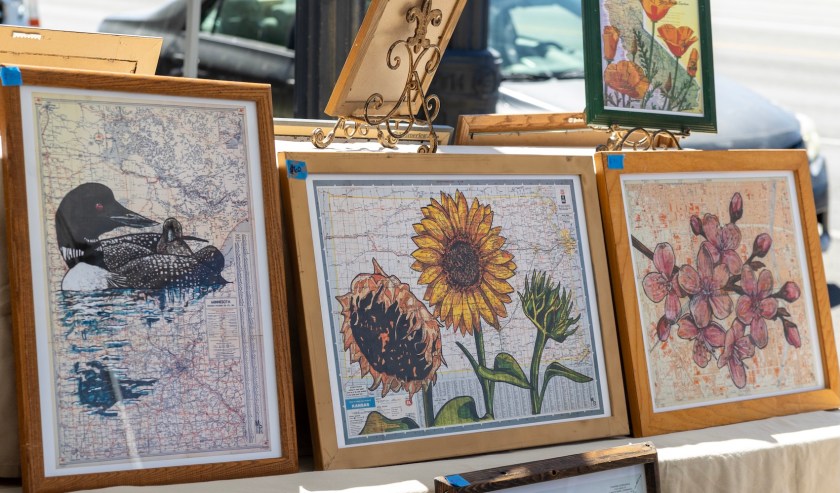
A few of us split off to check out the Salt Lake City Farmer’s Market. Located downtown and stretching nearly 10 acres, the Farmer’s Market hosts a large array of vendors, selling everything from textiles to fresh honey. Though the food looked enticing, we couldn’t bring any food products back with us to Texas, so we spent most of our time exploring the vast number of local artisans, browsing work from ceramics, linocut prints, and even some photography!
One favorite purchase was a linocut bandana, featuring almost 60 of Utah’s native birds, including a few that we’ve managed to spot on our trip, like the American Avocet and White-faced Ibis.
Our favorite artwork, however, was a print from a Utah native artist, Meish Roundy. Roundy creates art on top of state maps featuring their respective animals, including Utah’s honeybee, a thank-you gift we ended up buying for Professor Yawn and Stephanie.
Overall, we ranked the Salt Lake City Farmer’s Market one of the best– and largest– we’d seen!
Utah Museum of Fine Arts
While Robin and Olivia were checking out the local stands in the farmers market, the rest of us were exploring local and historic arts at the Utah Museum of Fine Arts!
The museum features two floors of art from all different time periods and regions!
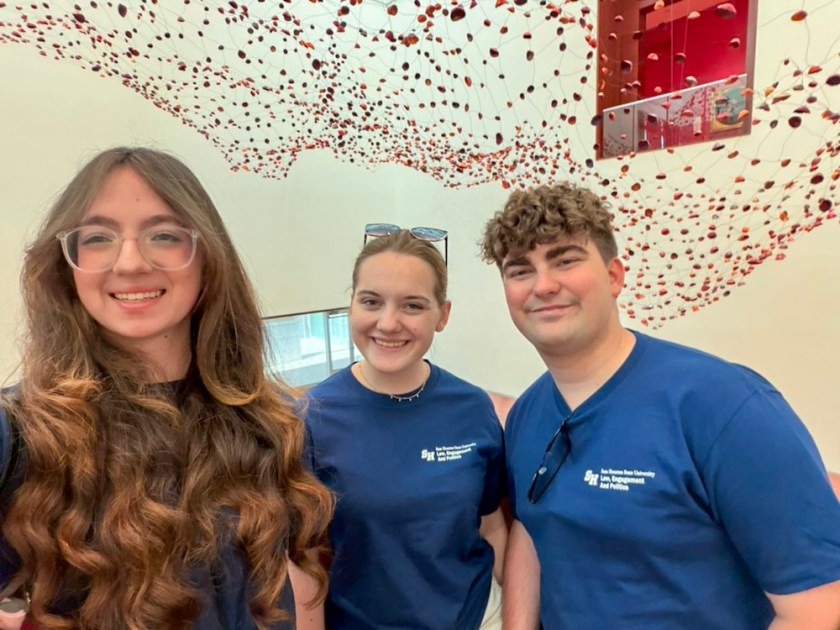
In the first room of the museum is a piece by Japanese artist Onishi Yasuaki, titled Stone on Boundary. Something we found particularly striking about the piece was the fact that the foil molds that make up the suspended artwork were molded from rocks found in Japan and Utah. Though from very different places, the different shapes fit seamlessly together, reminding us of the fact that we are all connected, no matter how different we may seem. This effect was especially striking as small balconies allowed us to see the exhibition even from the more cultural sections of the second floor.
We did have a few more favorites throughout the museum, including Ralph Albert Blakelock’s Silvery Night. The Tonalist piece drew us in through its dark colors and the hazy, dream-like quality of the nighttime landscape. In the center of the darkness, though, shines a glowing moon, breathing a beacon of hopefulness into the otherwise moody painting. The painting also has a unique texture from Blakelock’s use of asphalt mixed into the paints, which enhanced the depth of the paints.
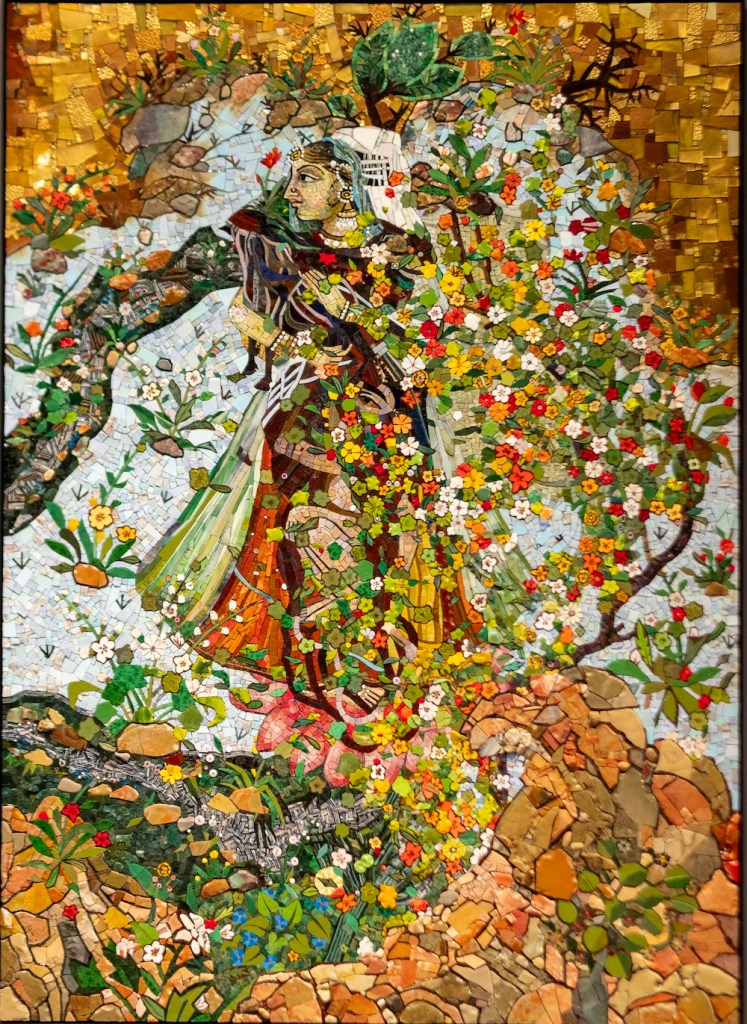
We also particularly liked the glass mosaic by Shahzia Sikander, titled Touchstone. The bright colors and organic feel given by the tile was eyecatching. It depicts a woman reaching for a chalawa, or ghostly spirit, symbolizing the human struggle to control the uncapturable and the beauty of unbound, shifting identities. By using glass shards and shifting light, the piece suggests that true agency is found not in confinement, but in transformation and infinity.
Our visit to the Utah Museum of Fine Arts reminded us that art has a unique way of connecting people across cultures, histories, and perspectives through shared human experiences.
Plates & Palates
For lunch, we ate a delicious selection of sandwiches from Plates & Palates, a small, family owned shop dedicated to making their customers feel at home.
Though we didn’t have time to eat inside, we all found our meals delicious as we ate them in an in-car picnic on our way to our next stop! We enjoyed familiar favorites, like Ham & Swiss, and Chicken Caesar Salad…
… and tried new favorites, like Curry Chicken and Southwest Turkey Sandwiches!
Though a simple meal, it was the perfect fuel we needed before continuing on our journey on the hottest day of the week.
Eccles Wildlife and Antelope Island
After our meal, we stopped by the George S. and Dolores Doré Eccles Wildlife Education Center, which was full of interesting bird egg replicas and groan-worthy bird puns, where we were pointed to a 1.2 mile trail that promised excellent shots of wildlife.
Thankfully, the trail did not disappoint! Walking along a stream extending off of the Great Salt Lake, we were in prime position to photograph plants, dragonflies, and birds!
The busy ecosystem showcased a thriving environment for the animals of Utah. The scenery was beautiful and relaxing, but with temperatures of 103 degrees, we had to be careful to keep cool!
Though we had planned for a hike on Antelope Island, the weather had started getting to all of us. We instead elected for a drive through the scenery of the island, with a few stops for pictures.
The first time we got out of the car, we were immediately struck by the smell! Though several yards away from the lake, the air was full of an almost oceanic salty scent that none of us had expected.
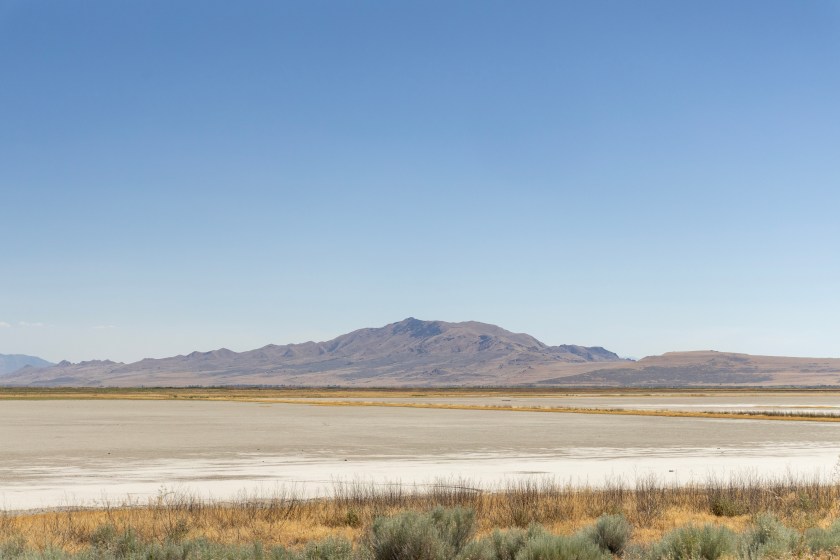
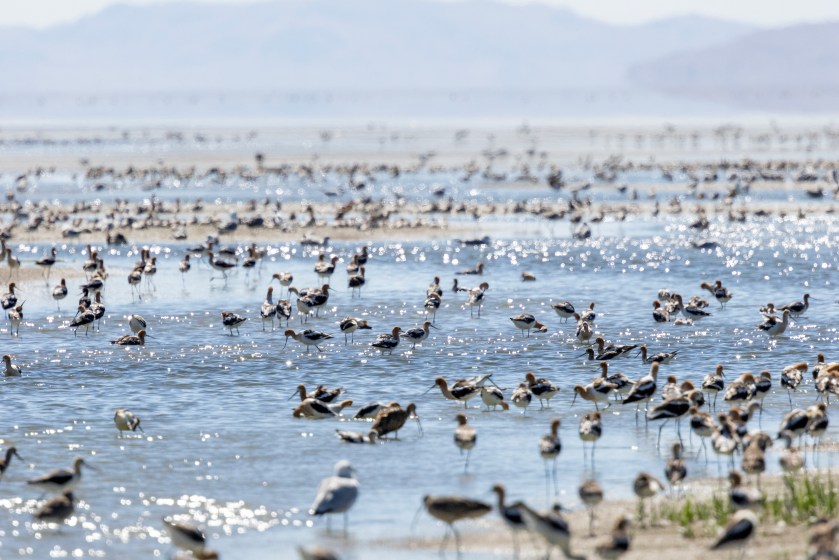
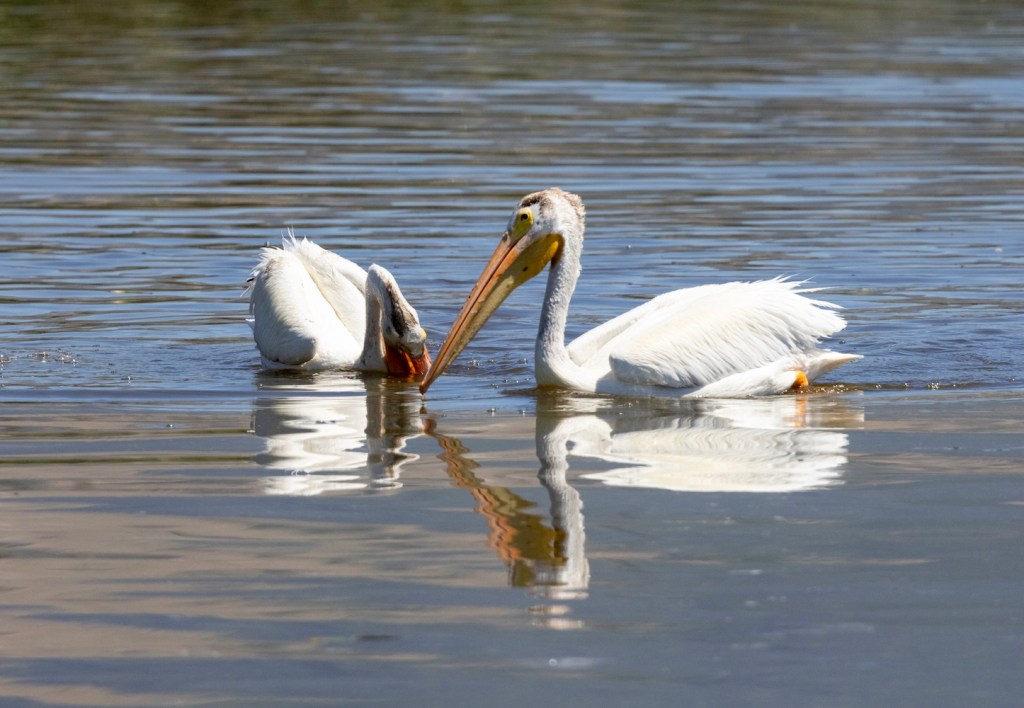
We walked along the edge of a tendril stretching from the lake, surprised by the extent at which the Great Salt Lake had retreated, even since Professor Yawn and Stephanie visited two years ago. We took several good shots of a flock of Avocets, even capturing a few stragglers that had seemingly joined the group, including a duck!
The wildlife, though, was not the only striking thing about the location: the sandy ground was crusted in salt! The residues, left from the evaporation of the lake, provided large white pads across the former lake bed that crunched underfoot. Most of us, having never visited the Great Salt Lake, were surprised by this feature of the banks of the lake.
As we drove further onto the island, we were able to spot several more animals, including several antelope and bison!
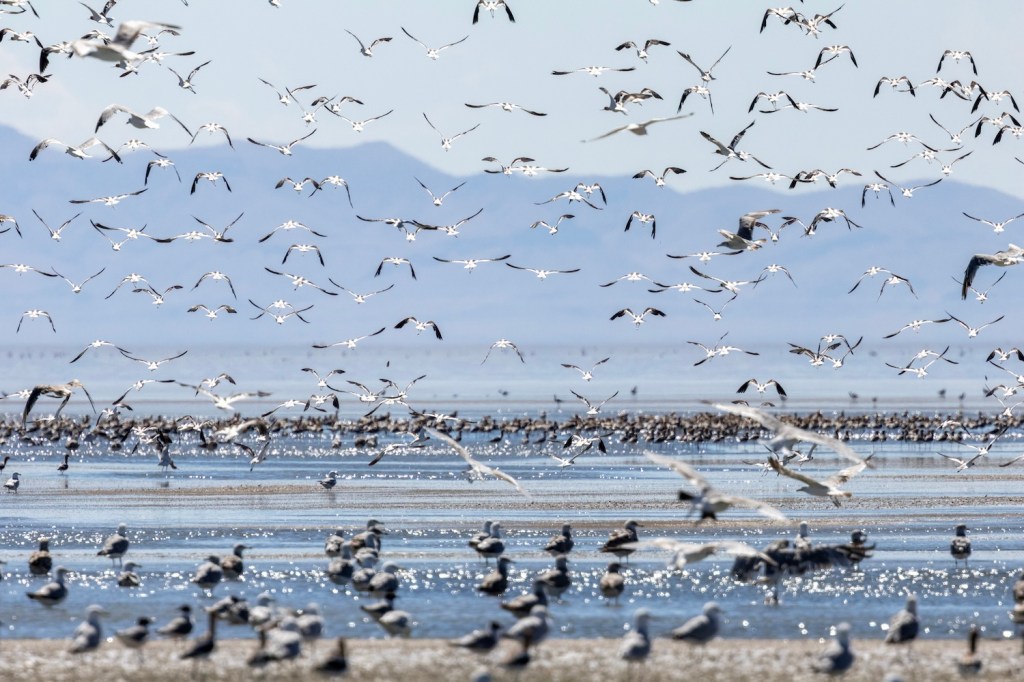
There were, of course, plenty of birds…
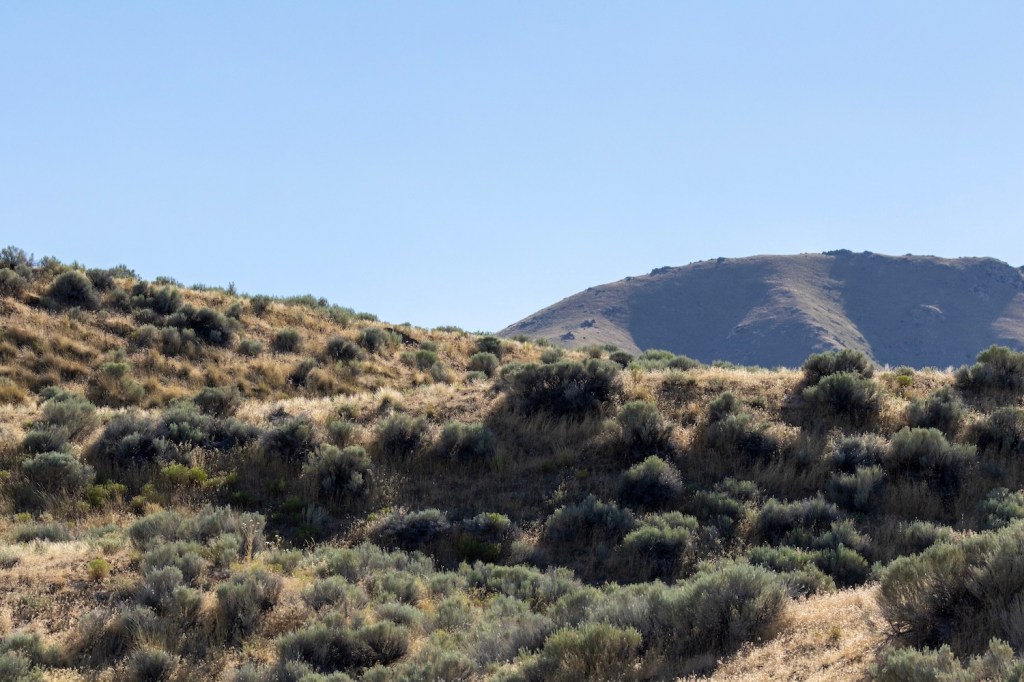
… and beautiful views!
One of our last stops was at an old ranch, open to the public for visitors. The beauty of the man-made being taken over by nature was astounding to all of us.
However, the beauty wasn’t the only thing we enjoyed! We each took turns trying to rope a metal bull. While some of us were successful very quickly, others– like the illustrious Jacob Wessels– had to give up on our back-up plans of becoming Rodeo ropers.
The beauty of Utah’s natural landscapes is something that the LEAP Ambassadors found inspiring, still one of their favorite things about the state.
Taverna
Before heading back to the hotel to get a good night’s sleep before leaving early for our flights back to Texas, we picked up dinner from Taverna!
The family owned restaurant, founded in February of 2026 on the idea of community and connection, provided excellent meals for all of us. Famous for its pizza, the Ambassadors shared Pepperoni and Supreme pizzas, while Professor Yawn and Stephanie enjoyed a Fig and Bacon pizza.
The flavors blended well together and provided an air of familiarity for our final meal in Utah.
Conclusion
Our final day in Utah was the perfect way to wrap up an unforgettable week. From exploring art and businesses to photographing wildlife at the Great Salt Lake, we were reminded one last time of the incredible beauty, culture, and community that make Utah so special. We all left with lasting memories and a newfound appreciation for the places and experiences that made this year’s Council of State Governments Legislative Conference one we will never forget!
Written By: Isis Hollis, Robin Houghton, and Allie Plunk
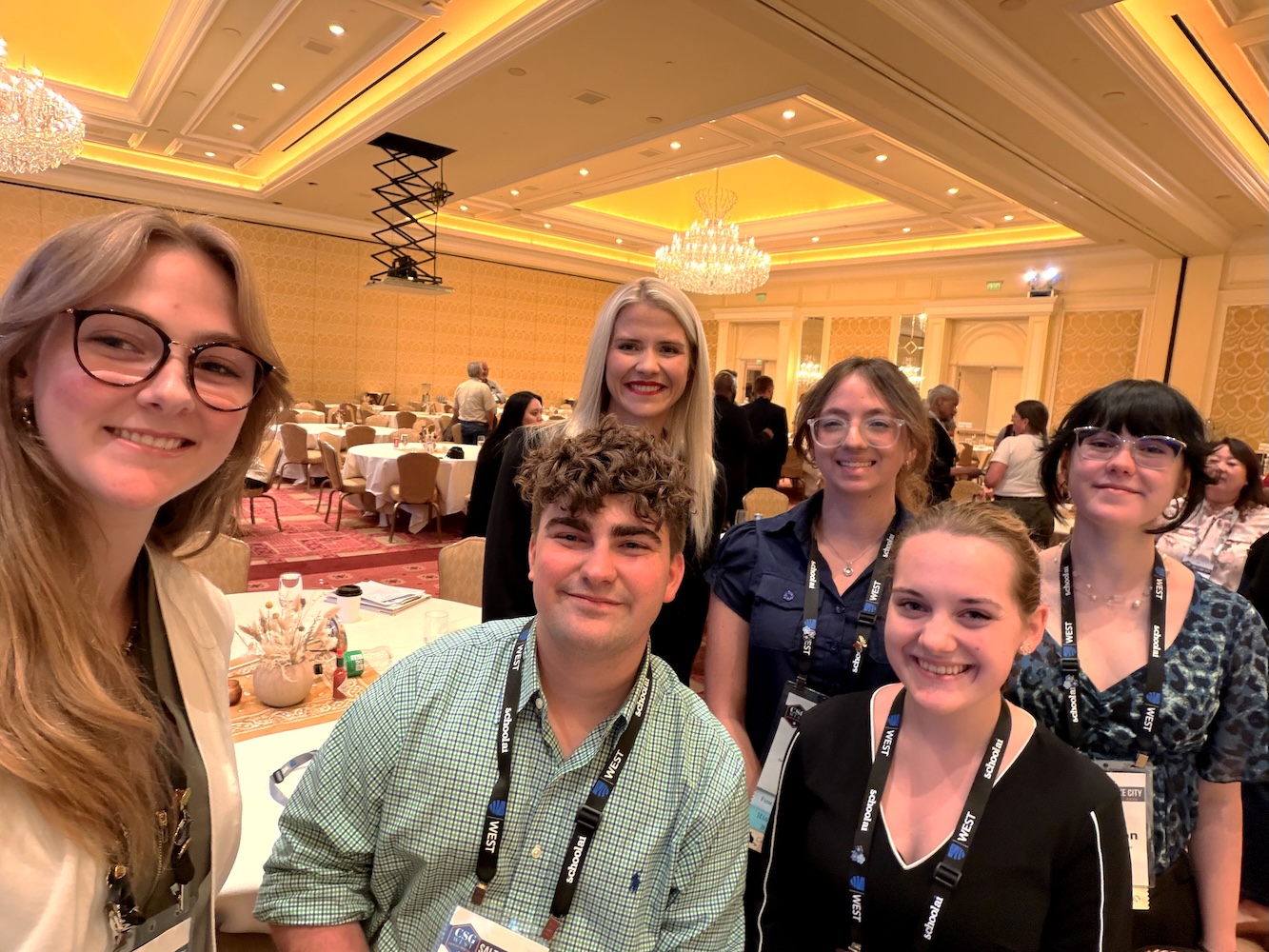
Throughout the conference, LEAP Ambassadors have had the opportunity to learn about policy from esteemed legislators and guest speakers, but on our last day, we got to experience a much more personal session, hearing from activist Elizabeth Smart, the CSG Justice Center on mental health, and attending the closing dinner.
Elizabeth Smart
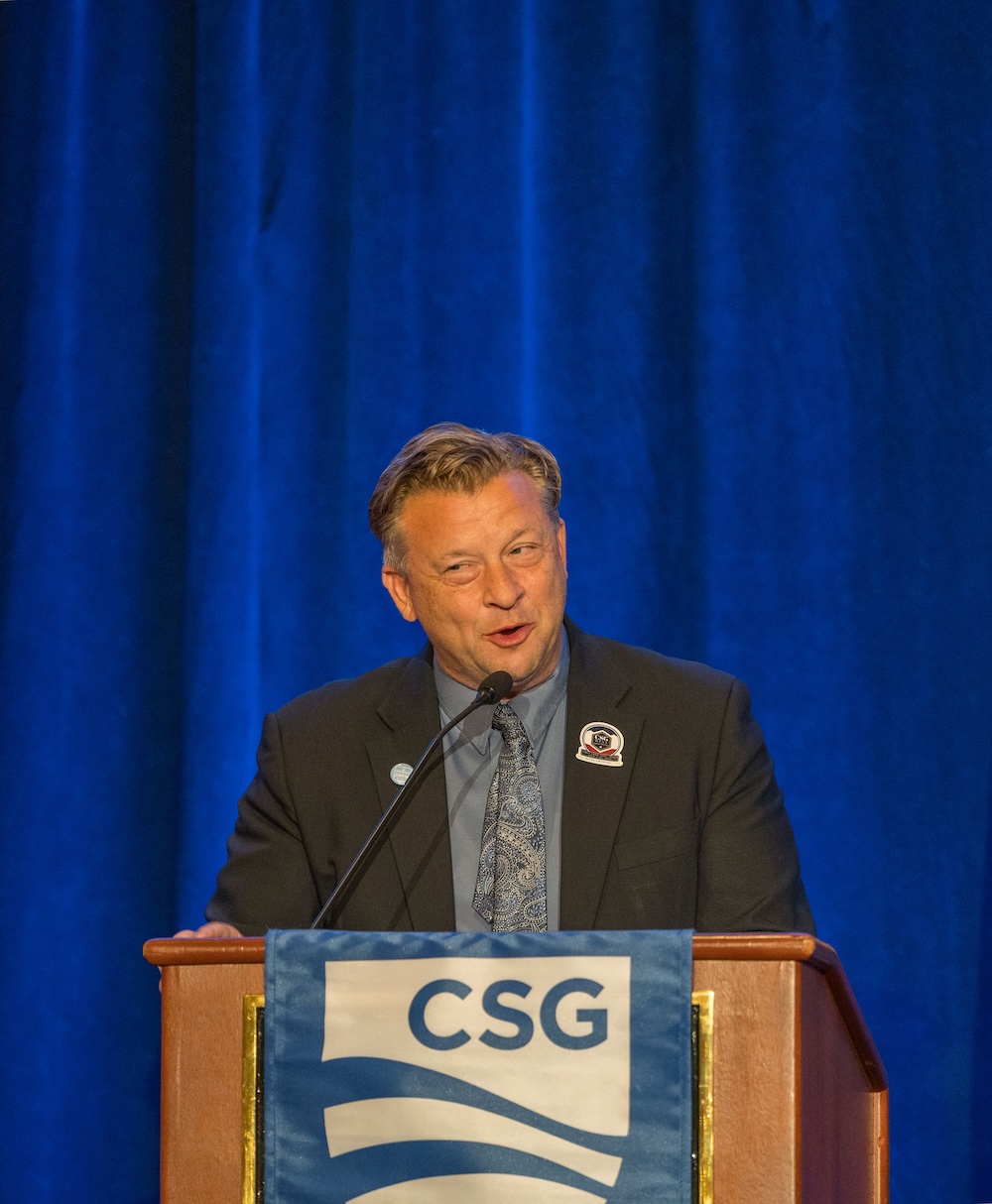
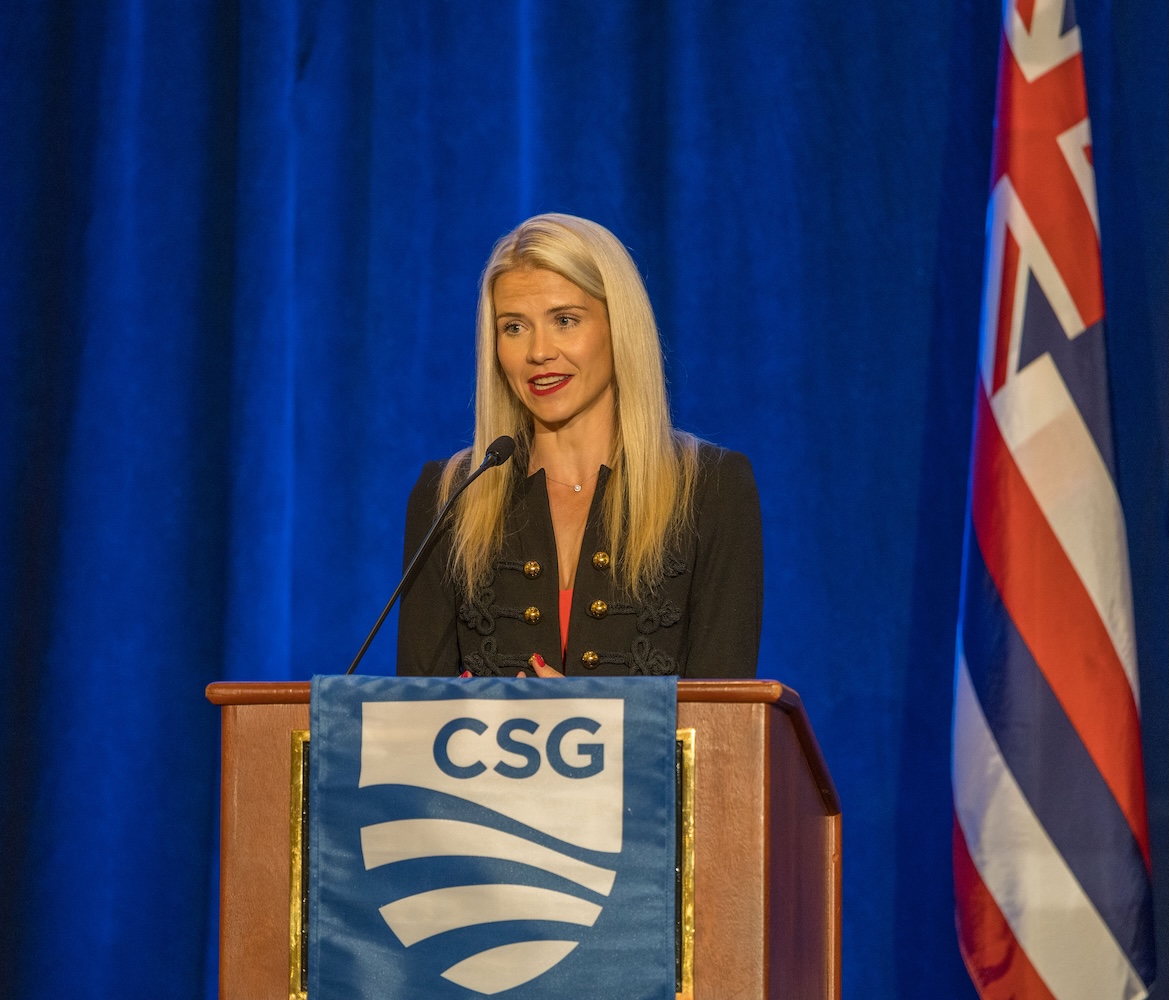
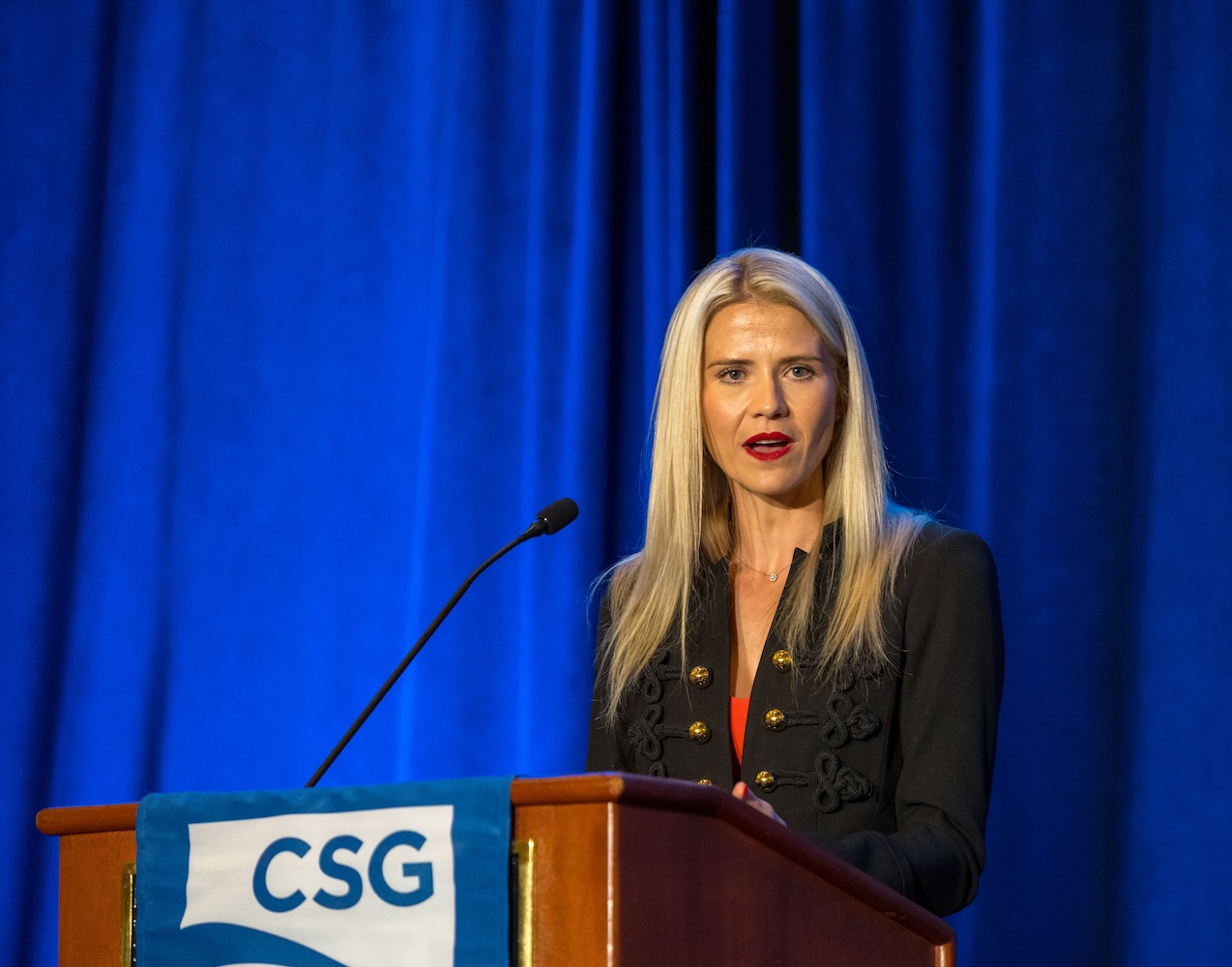
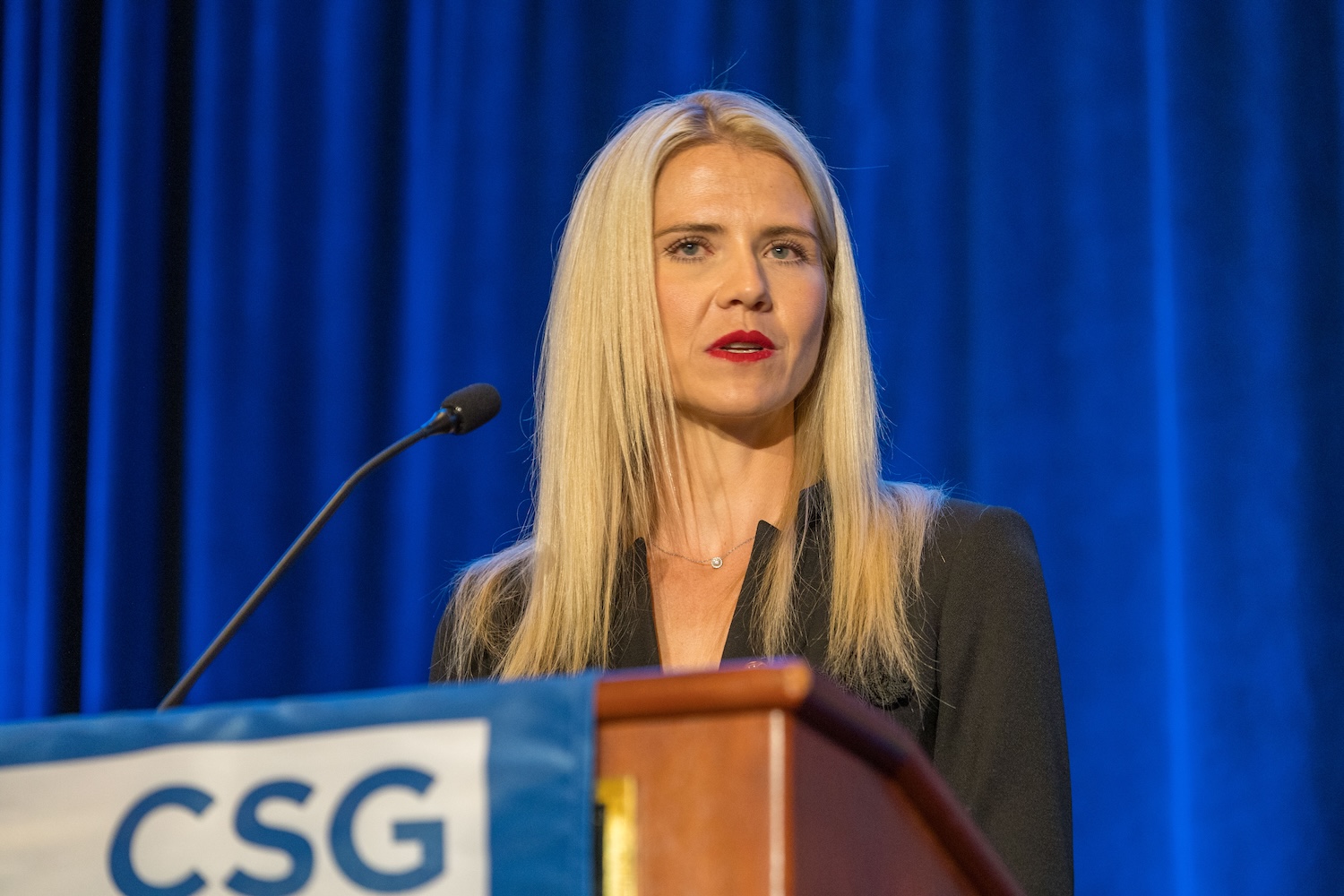
Before we heard from today’s remarkable keynote speaker, there were a few mentions and introductions from Chair Senator Todd Weiler (UT) and Chair-Prospect Senator Löki Tobin (AK). Together, they previewed next year’s CSG West meeting, which will be taking place in Alaska! Following a short “sizzle reel” for the state, Chair Senator Todd Weiler (UT) introduced Elizabeth Smart.
Smart was abducted from her bedroom at the age of 14 and survived nine months in captivity before being rescued. Though it was law enforcement that put her captors behind bars, there would be no story to tell had it not been for her resilience. It was incredibly inspiring to hear her story, and how she pushed through the darkness around her by focusing on positivity. Even though terrible things were happening to her, she reminded herself constantly throughout her abduction that things could always be worse. It was this strategy, as well as remembering the unconditional love of her family, that kept her going.
Smart also touched on the incredible difficulty she had finding value within herself during and following her captivity. Because she hadn’t been taught the difference between consensual sex and rape, she felt like she had done something horrible. It took her a long time to be able to rationalize that she hadn’t been the one to do anything wrong. I appreciated her candor and that she made it clear that recovery after something so terrifying was a long process.
Now an advocate for safety and sexual assault victims, Smart has used what happened to her for as much good as she can. This resilience and compassion is something we all admired. She was an incredible speaker, and we felt honored to have been able to listen to her.
CSG Justice Center
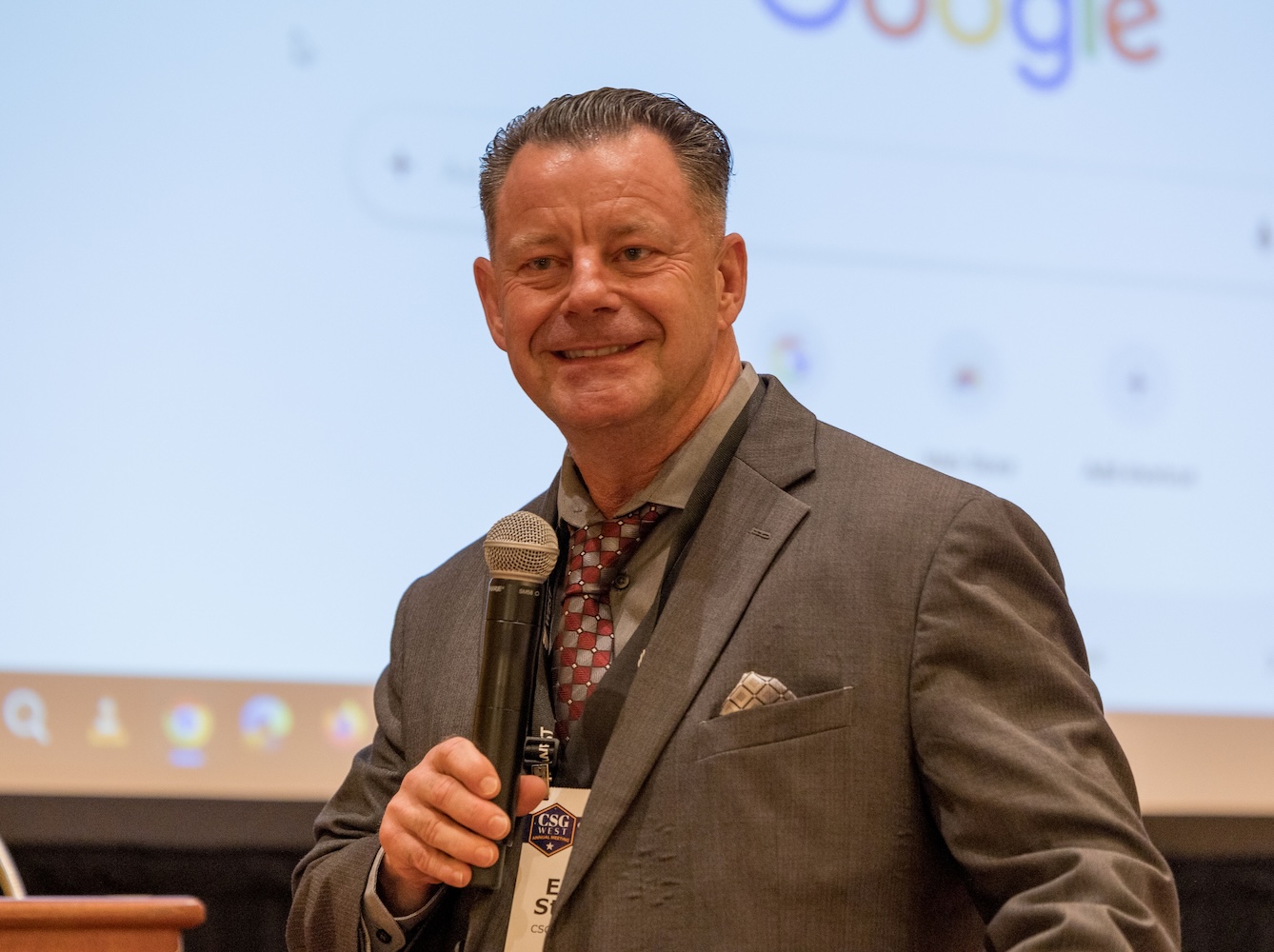
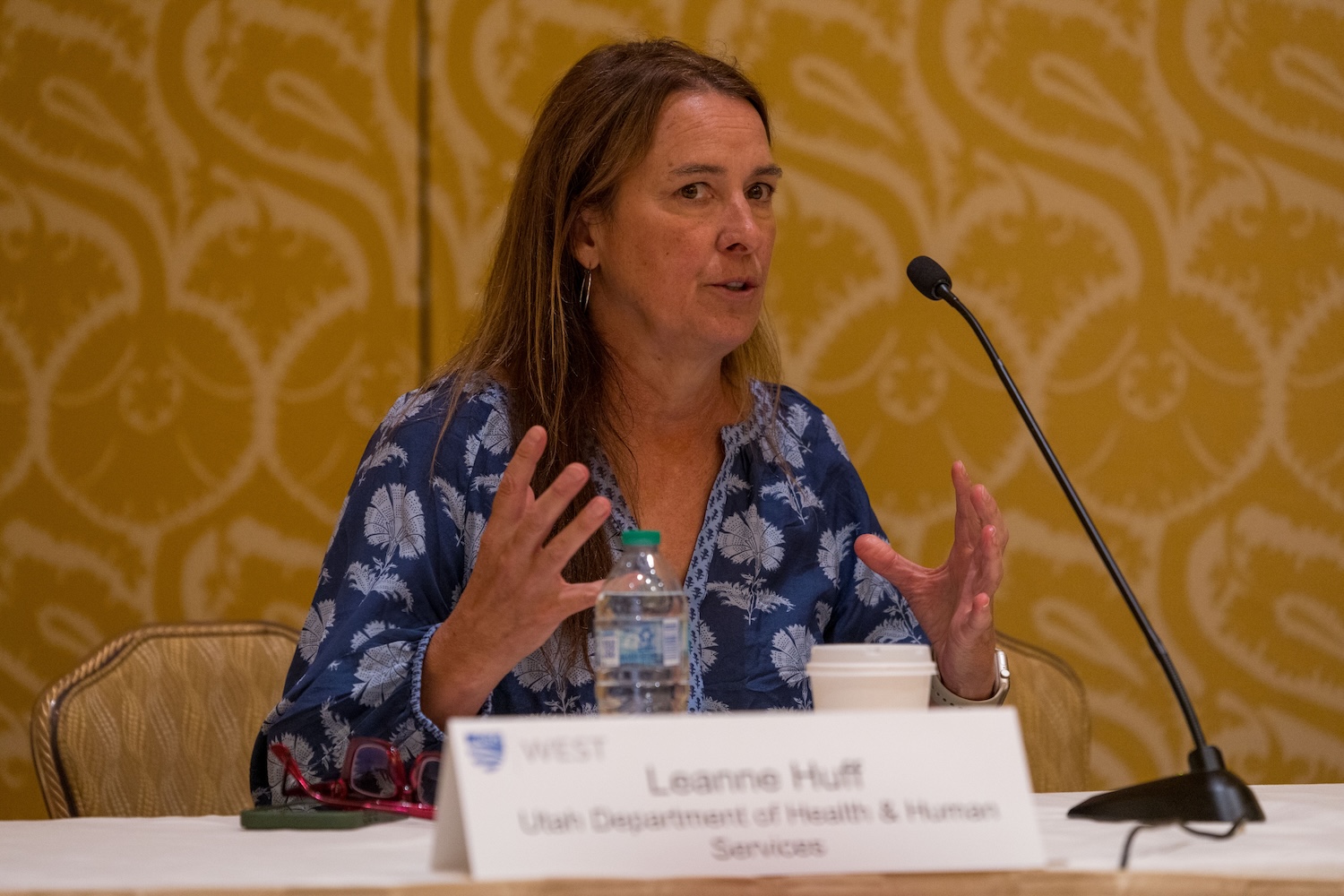
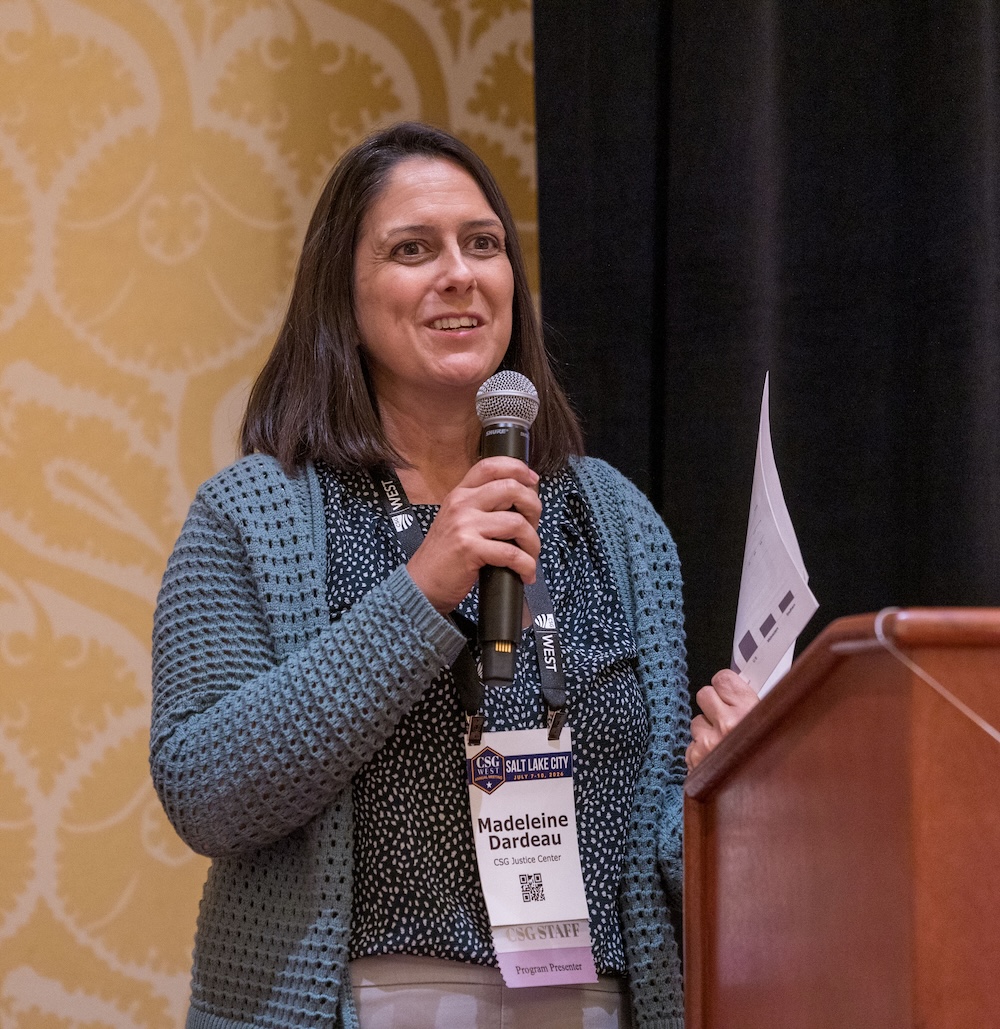
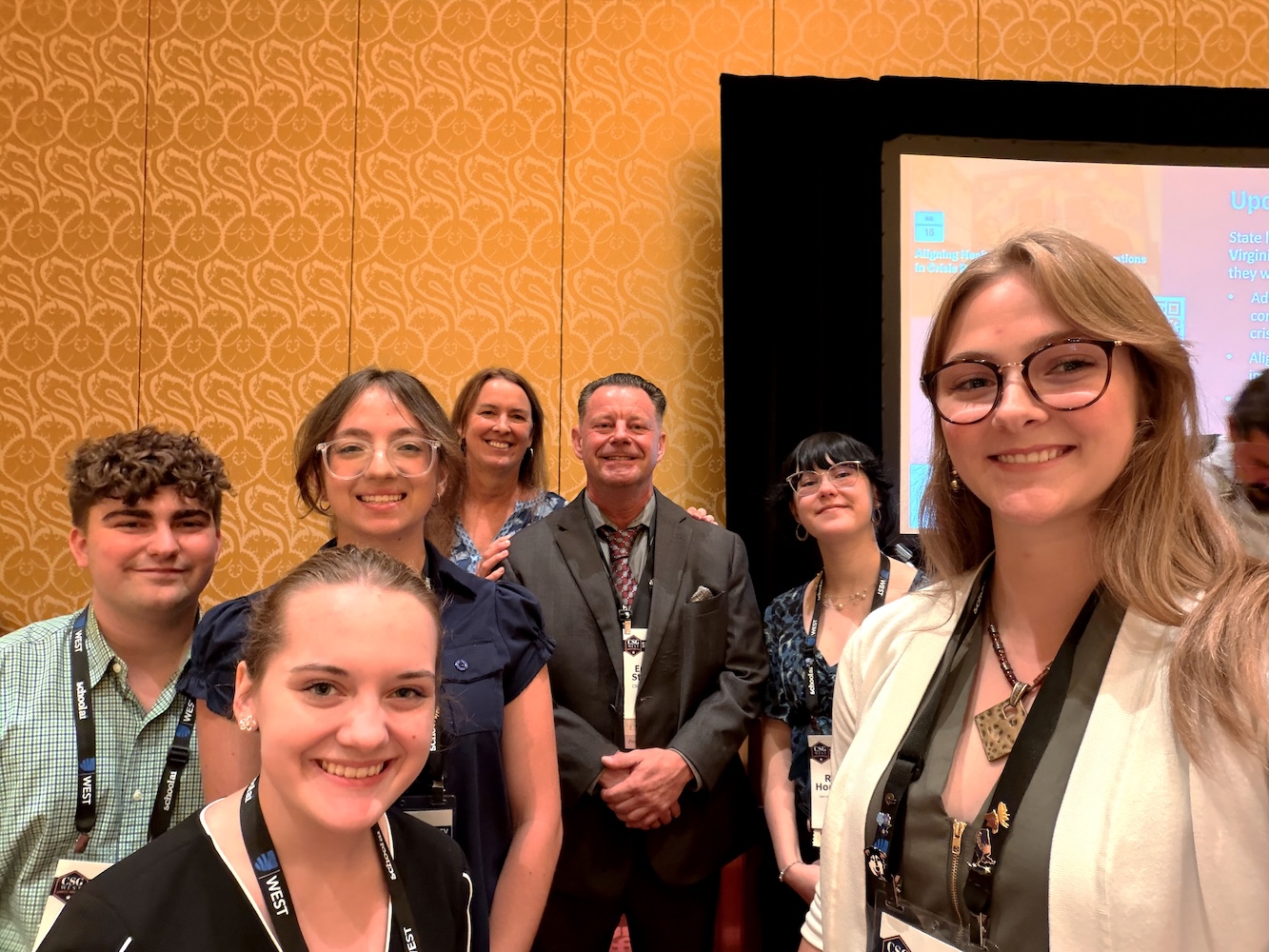
Following Elizabeth Smart’s moving speech, we attended a session on the CSG Justice Center, and their approach to mental health advocacy. Ernest Stevens, former San Antonio police officer and Crisis Intervention Team (CIT) member, current Managing Director of Behavioral Health at the CSG Justice Center, Madeleine Dardeau, CSG Justice Center State Initiatives Program Director, and Leanne Huff, Mobile Crisis Outreach Team (MCOT) Act specialist, had a panel discussion about the implementation and development of MCOTs, as well as CIT Trainings and help line 988.
The key point was the pressing need for more CIT trained teams to go out and address people with mental health problems. Stevens stated that if you send an untrained officer to deal with mental health crises “there will always be a gun.” Many people struggling with mental health have been shot or killed by officers unable to deal with their problems, and this is exactly what the CSG Criminal Justice center is trying to stop. At the core of this session was a statistic: officers spend only 8 hours learning about mediation techniques, which is something they are supposed to use every day, as opposed to a whopping 20 hours learning to use a gun, which many officers only discharge a few times.
Another factor in this issue is the stigmatization of mental health problems. If we can make people unafraid to get the help they need, then we won’t have as many suicides or overdoses. This issue is becoming something that is particularly close to a few of our hearts, and we hope that in the future we can be a part of the solution.
Dinner
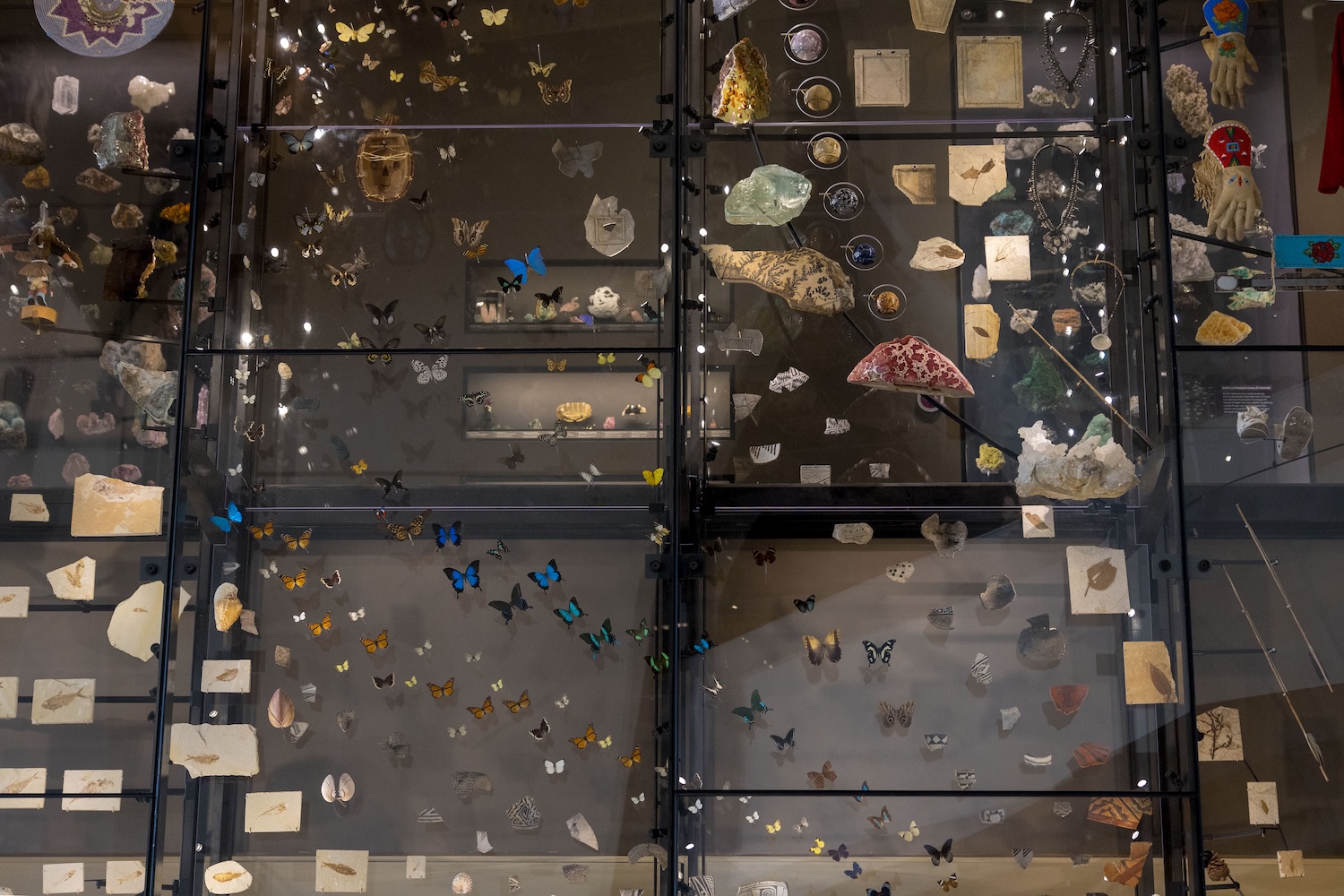
We ended the conference with fun in a closing dinner hosted at the Natural History Museum of Utah, which was just as beautiful of a venue as it was informative. After ascending the stairs, we were greeted with a wall of fossils, crystals, flora, and taxidermy that stretched from floor to ceiling, immediately captivating several Ambassadors.
The dinner also featured a local band, by the name of The Bombshell Flowers. A high-energy indie rock group, their layered harmonies added a relaxed, yet tasteful atmosphere.
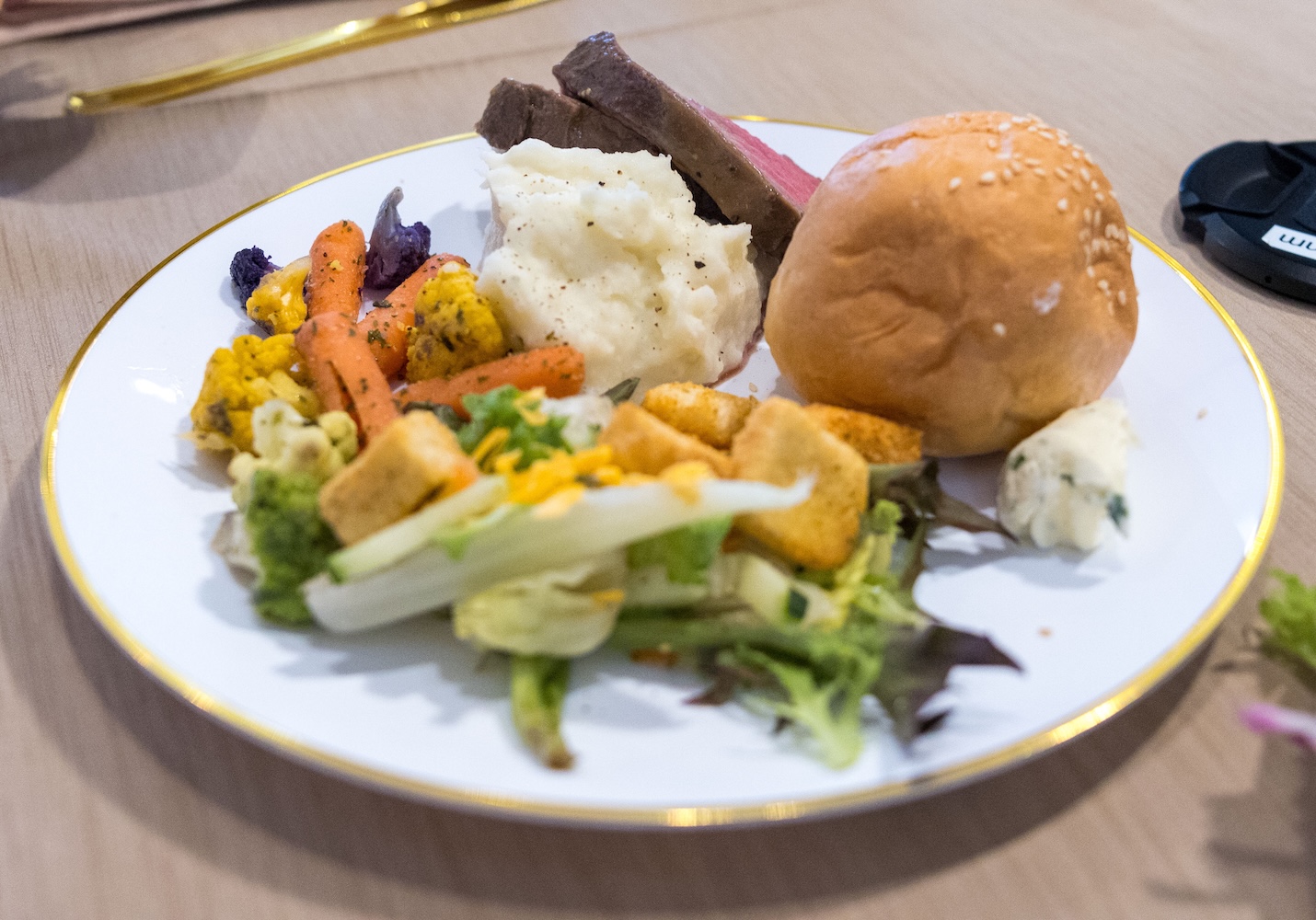
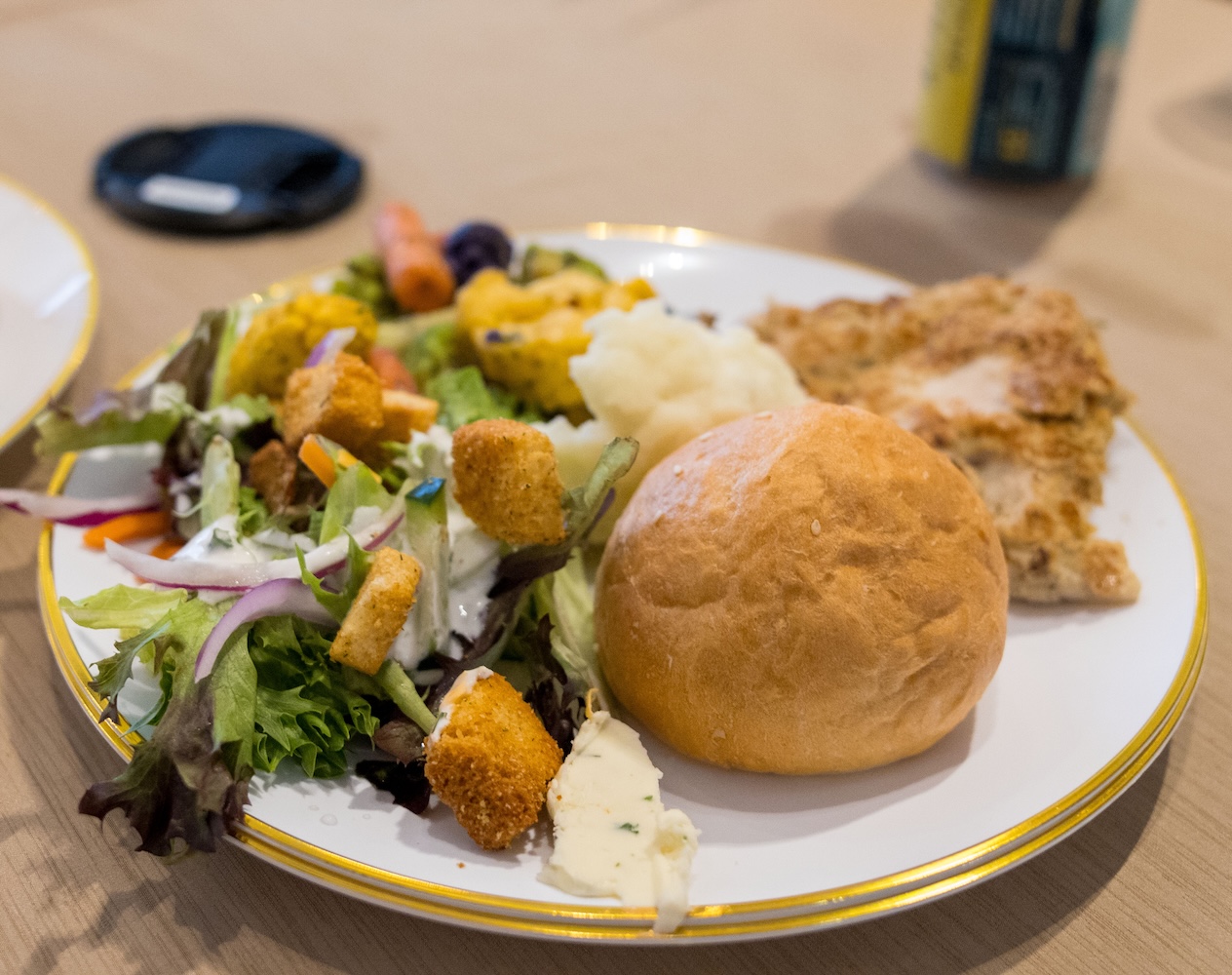
For dinner, we had tri-tip steak, cauliflower, asparagus, mashed potatoes, and salad, followed by desserts of fruit tarts and banana pudding.
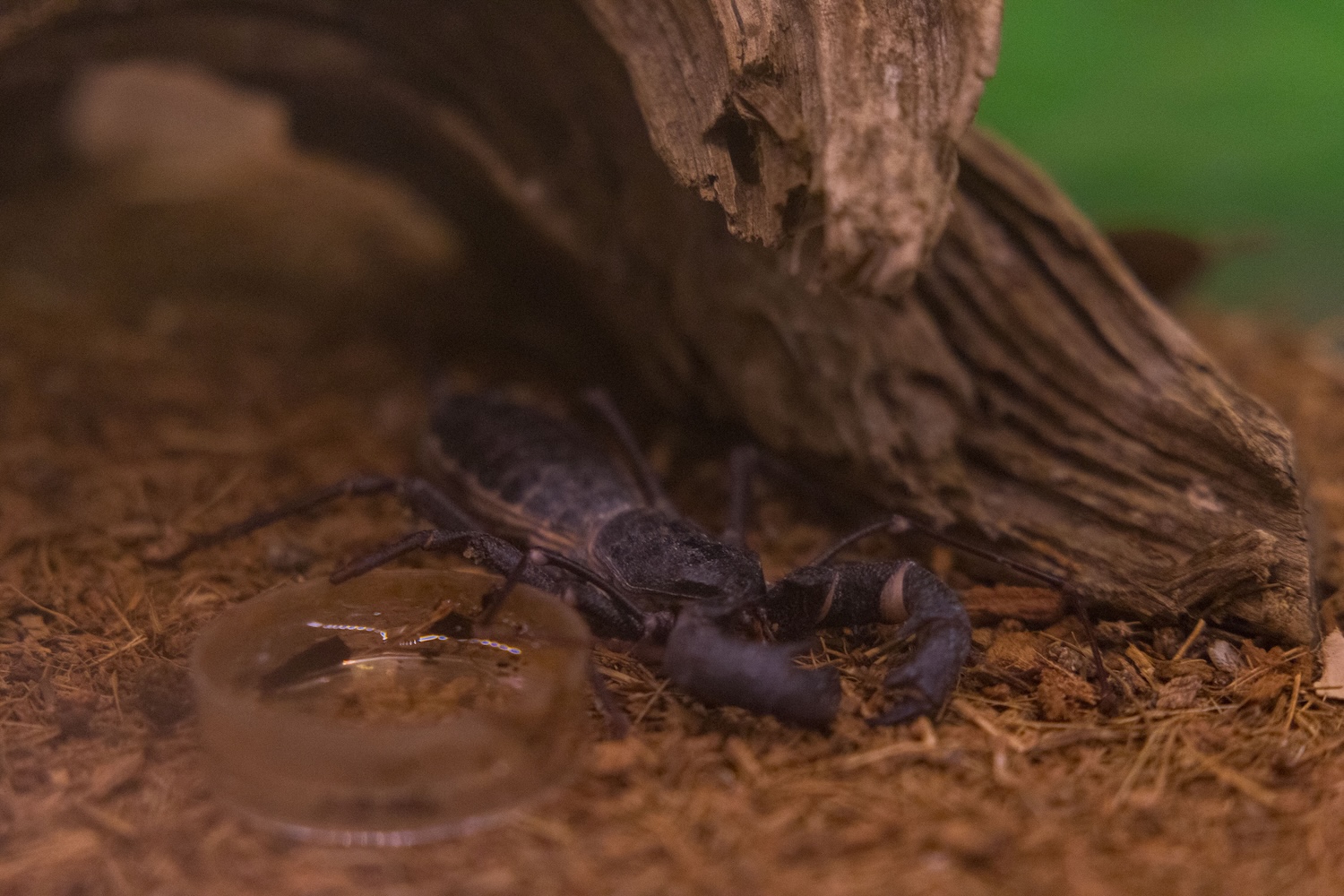
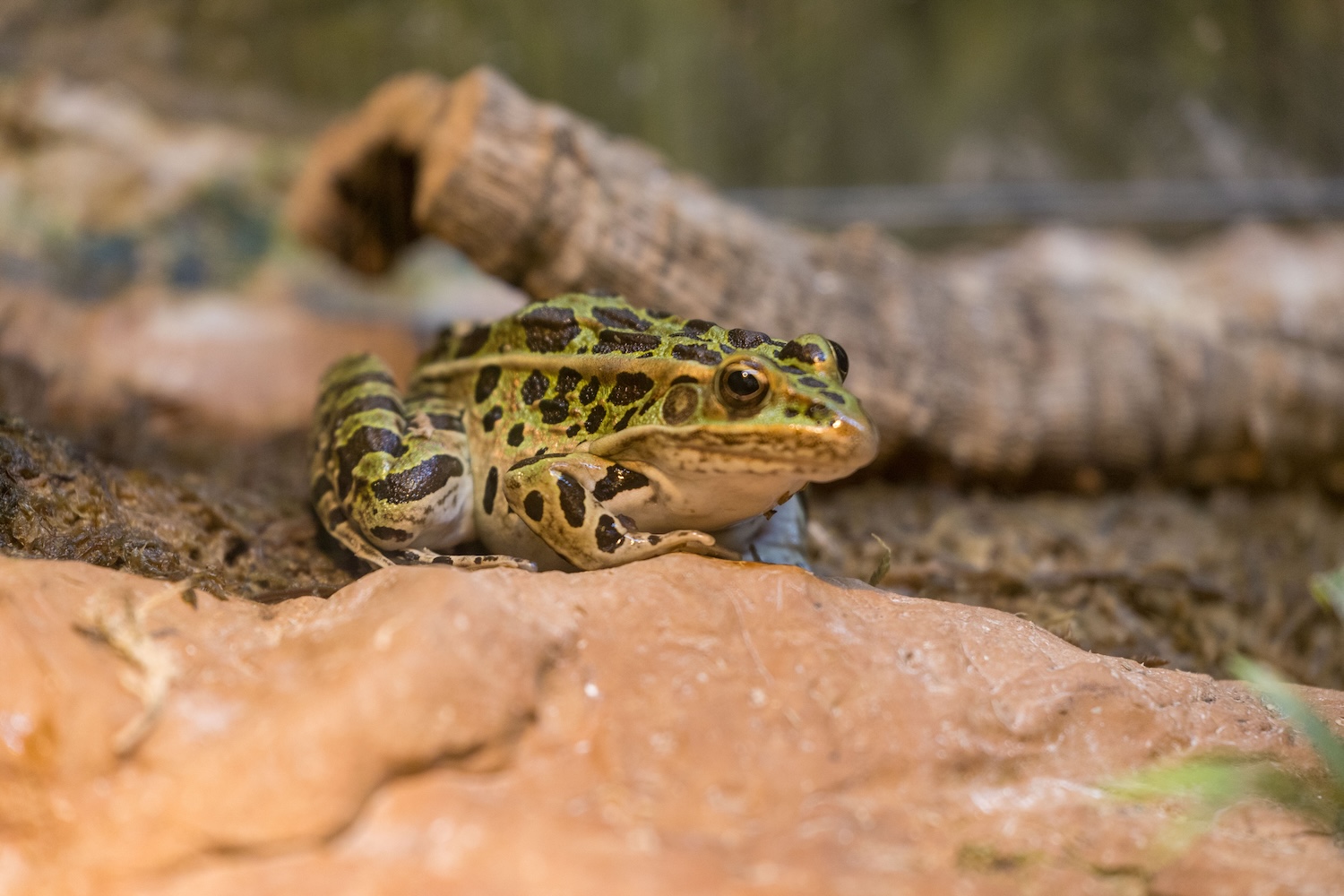
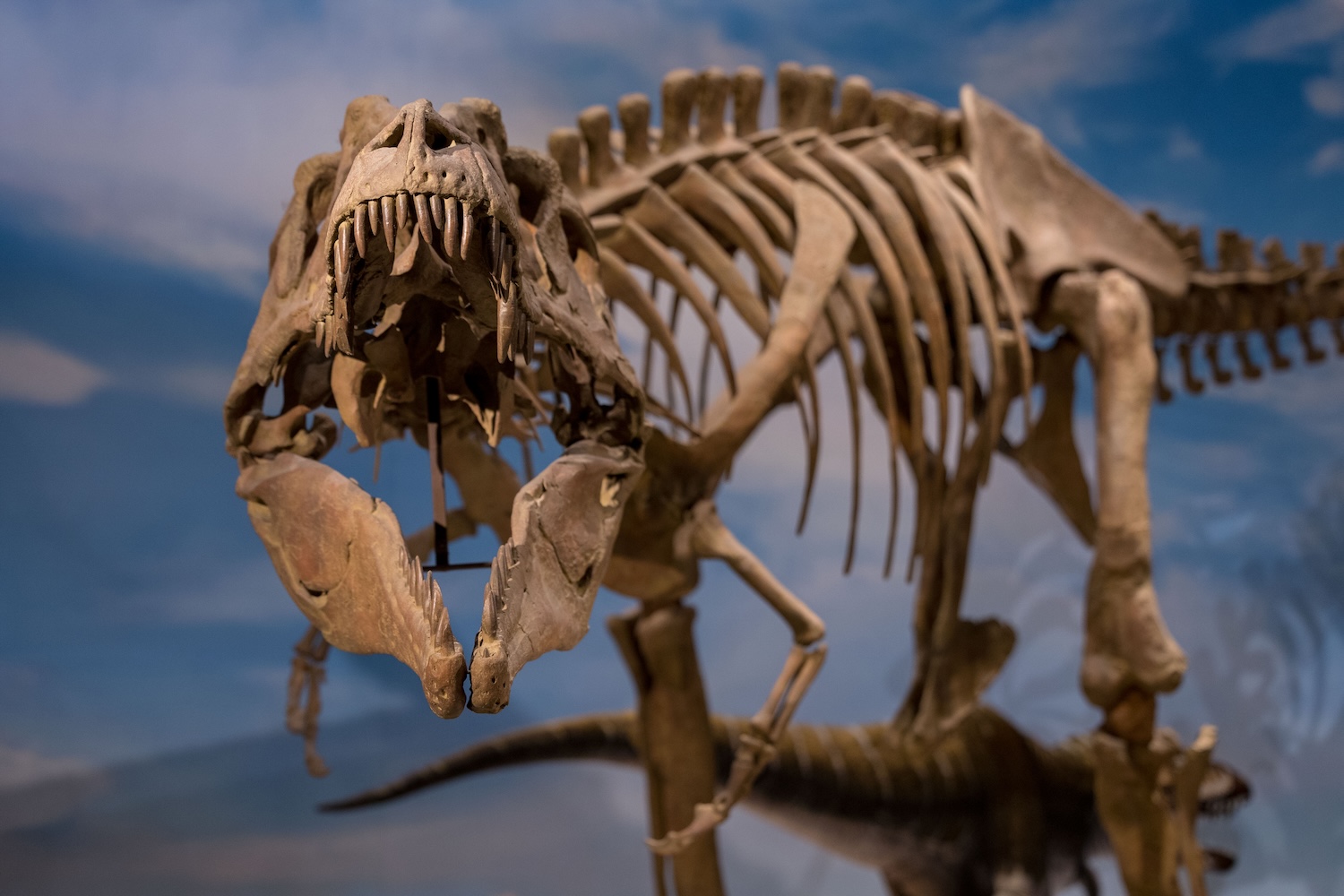
While the dinner was good, it was the museum that was truly memorable. We spent a lot of time exploring the exhibits, each highlighting an important aspect of Utah’s natural history. We even discovered that Allie is likely descended from the Allosaurus, which is where she gets her t-rex nature!
As we left, we managed to grab a shot of the breathtaking views from the museum terrace.
From dinosaurs to rock formations to earthquakes, Utah’s Natural History Museum was a wonderful place to close out the conference.
Conclusion
Our final conference day left us with a lot to think about, looking at the world through new eyes. We all admired the incredible work people like Elizabeth Smart and the CSG Criminal Justice Center are doing for those struggling with mental health and sexual assault.