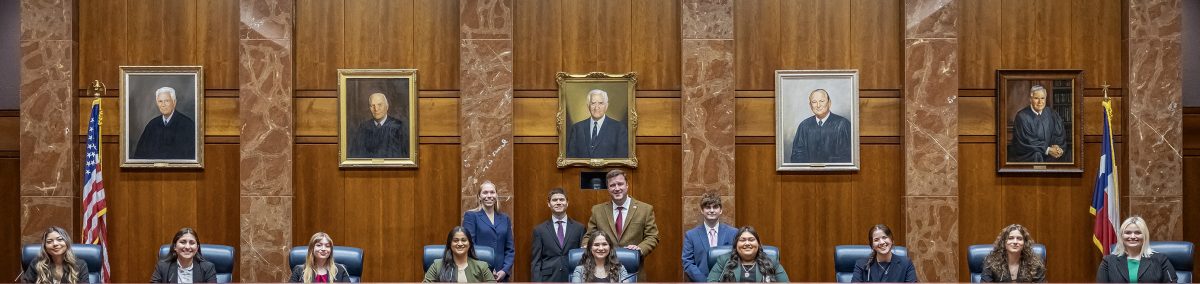
Exploring The Shining: A Kubrickian Journey

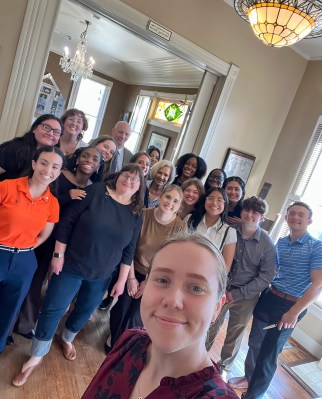
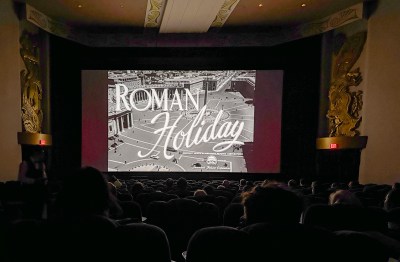
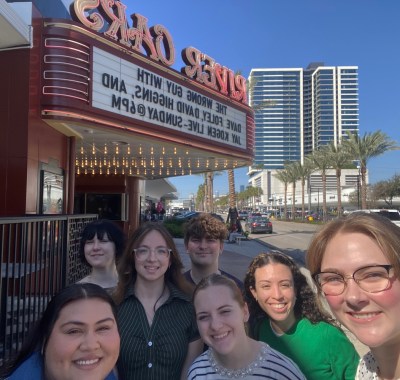
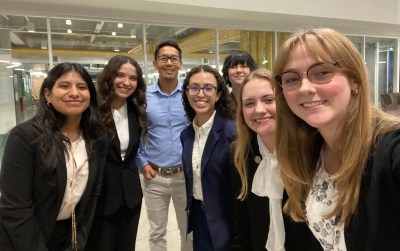
As part of the LEAP Center’s ongoing work to expose students to the broader culture, a group of alumni and current students gathered in Houston to see Stanley Kubrick’s “The Shining.” Originally released in 1980, the film is being re-released on IMAX theatres across the country as part of its 45th anniversary.

For about half those attending, it was a first exposure to a Stanley Kubrick film. Accordingly, we began with a brief background of Kubrick and his films. Of all the great directors, Kubrick produced the fewest films (13 over a 45-year career), a fact that has not deterred scholars from giving as much thought and ink to Kubrick’s work as that of Hitchcock, Welles, Spielberg, or Martin Scorsese.

Of Kubrick’s films, “The Shining” has received perhaps the most attention. The film is based on Stephen King’s novel of the same title, and it was met with a mixed critical reception on its release, although its stature has grown, and it is now considered a horror classic.

It embodies several cinematic traits of the Kubrick oeuvre: a longish running time, attention-grabbing visuals, riffs on various literary themes, and an enigmatic approach to storytelling that occasionally leaves viewers unsure what they just watched. All of these were on display in “The Shining.”

In this viewing, the visuals were most prominent, perhaps because we were watching this on an IMAX screen. The opening scenes, shot from a helicopter, including a scene where we (perceiving things through the camera) seem to pass the Torrance family on the “sidewinder” road…

…on the way to the Overlook Hotel.

Kubrick also made full use of the Steadi-Cam, which had been introduced on film in 1976. Kubrick used it throughout “The Shining,” and he innovated with it, devising an apparatus that could shoot from about 18 inches above the ground–most notably used in the film to follow Danny on his tricycle, as he traversed the maze-like corridors of The Overlook.

Kubrick’s films are often sprawling affairs and they are deeply studied by scholars and enthusiasts, so it’s no surprise that all manner of symbols and themes have been “discovered” in the director’s body of work. This is probably most true in “The Shining,” as reflected in the interesting and bizarre theories expressed in the documentary Room 237.

Professor Robert Kolker, an author of several Kubrick books and an expert on cinema, suggests that the film can be seen through an Oedipal lens (spoiler alert). Danny’s “shining” is a type of oracular vision not unlike that of the prophecies offered at Delphi, including the one offered to Oedipus. And while Danny wasn’t as close to his mother as was Oedipus, she serves as his caretaker and protector; in the end, she carries him to safety, saving his life.

Danny doesn’t proactively kill his father at a crossroads as does Oedipus, he does leave his lame father to die of exposure in a labyrinth. Of note: Jack Torrance suffers from a foot/ankle injury following a fall down stairs; he literally embodies the term “Oedipus,” which means “swollen foot.”

Whether such messages were intentional or not (it’s worth noting that Kubrick mentioned he read a lot of Freud prior to filming “The Shining”), the film is replete with sufficient ambiguities to provide fodder for the active imagination.

There are some imponderables in the film; it does, after all, involve the supernatural. But even in the logic of the supernatural, what is the purpose of the bathroom scene…

…in which Nicholson embraces a young, naked and beautiful woman, only to find her decay into a rotting but living corpse? Why is there a parlor full of fully-dressed corpses in the hotel? And what about the scene involving a man in a bare-backed bear costume and a man in a tuxedo?

This latter question was posed by many in our group (answered by none), and such questions may reflect Kubrick’s very approach to filmmaking: “if you can get people to the point where they have to think a moment what it is you’re getting at, and then discover it, the thrill of discovery goes right through the heart.”

While we probably didn’t reach “discovery” on many of the scenes, we did “think a moment” or more on the film and its many scenes. The experience offered an accessible and exciting introduction to Stanley Kubrick and his work, gave us all an excuse to get together during the holiday break, and provided us endless material for reflection (and, for some of us, concern…)!

Pre-Law Society Hosts Attorney Michael Foreman for an Engaging and Insightful Meeting

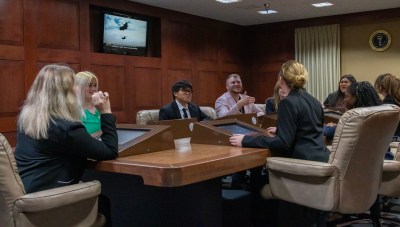
This Wednesday’s last Pre-Law Society meeting of the semester ended up being one of our most helpful and interesting ones yet. We started with our usual updates: finances, social media, minutes, and spring-semester dues, before going over upcoming events and ideas for the rest of the year.
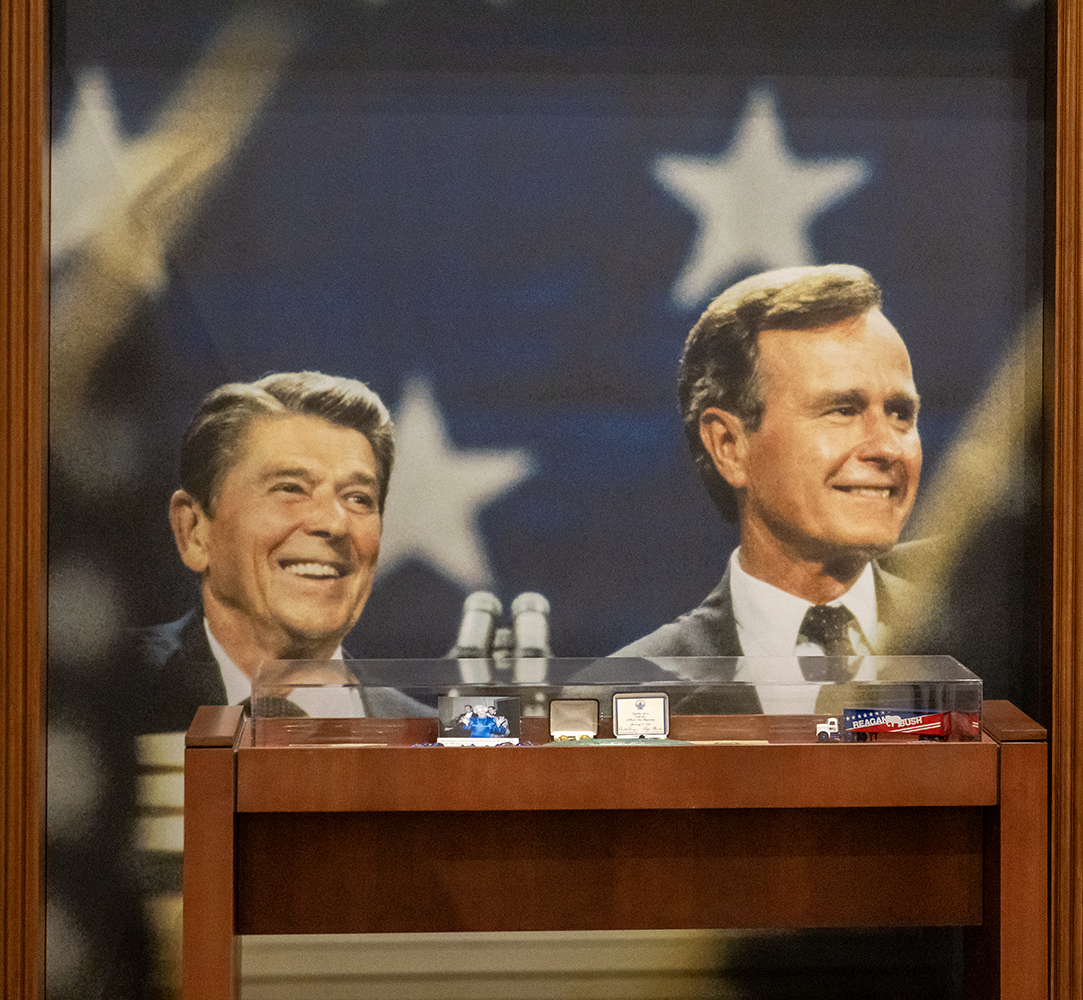
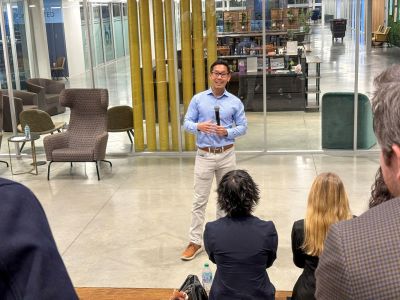
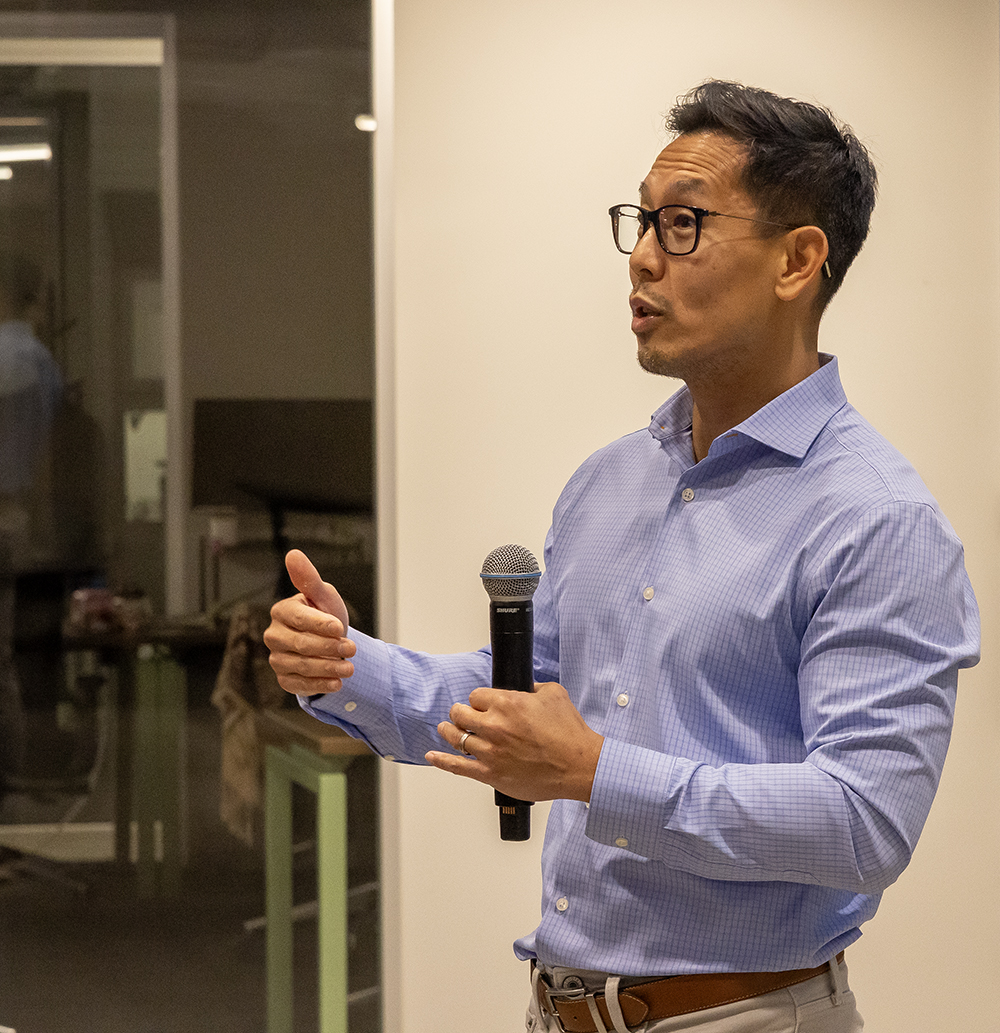
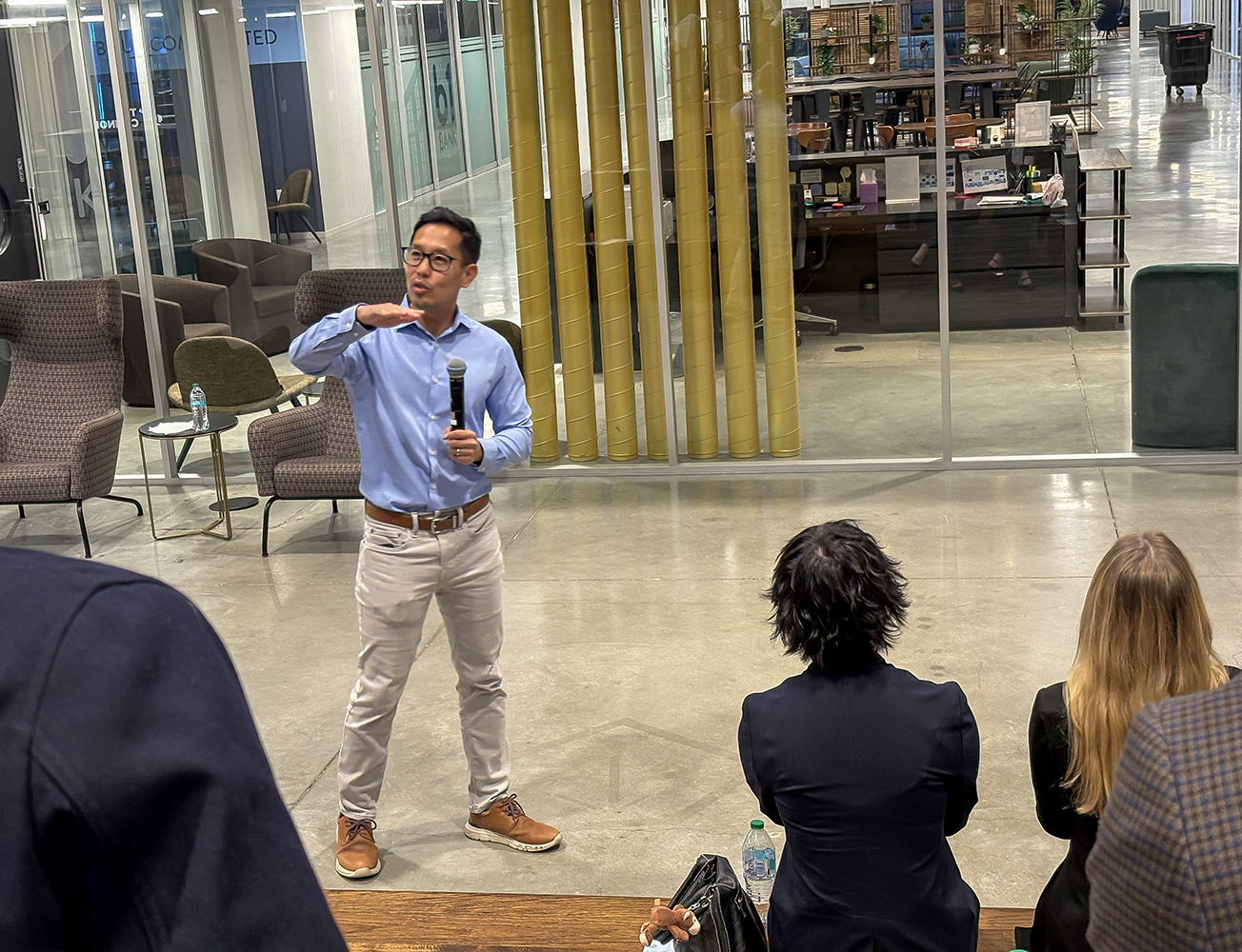
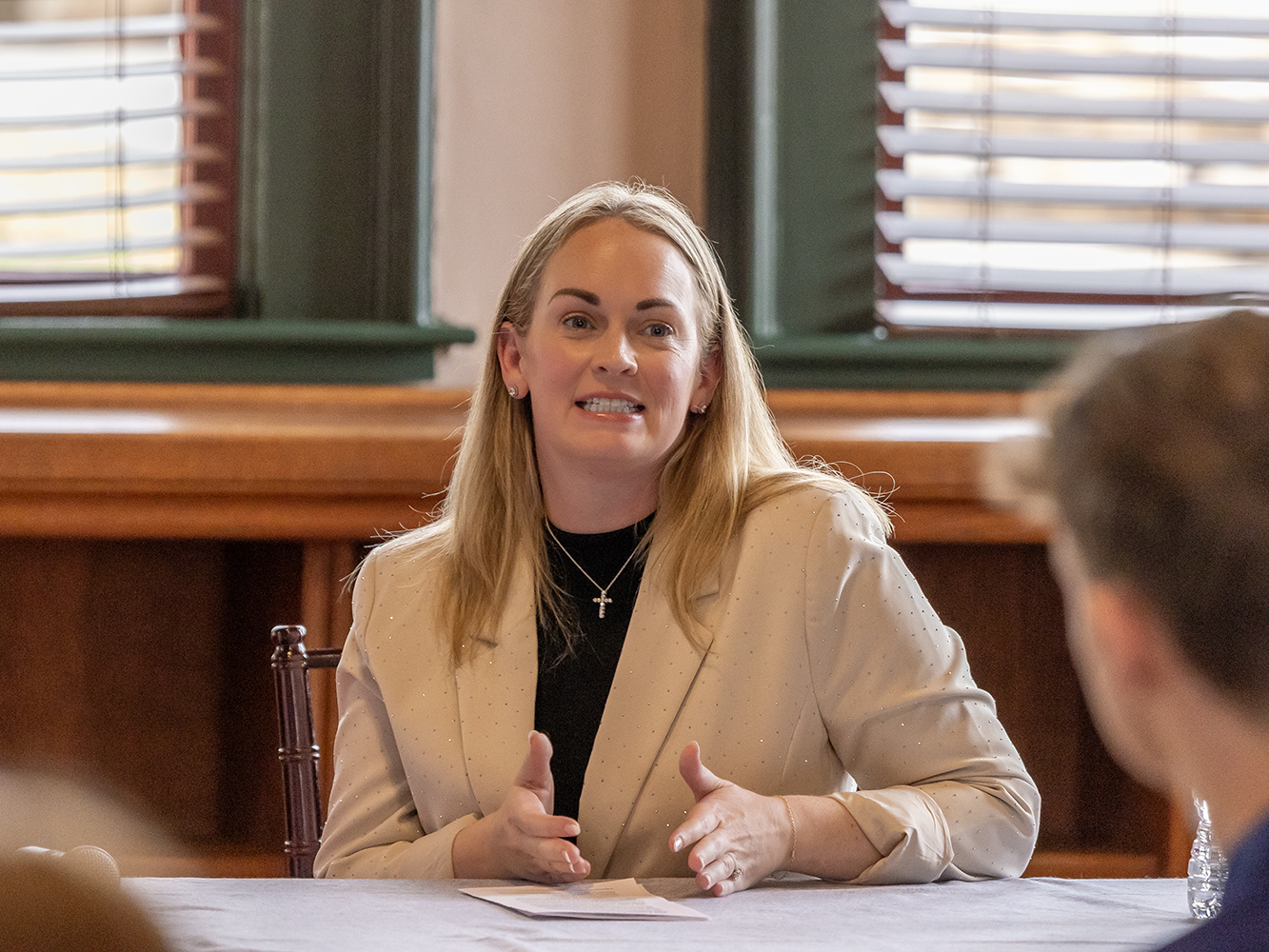
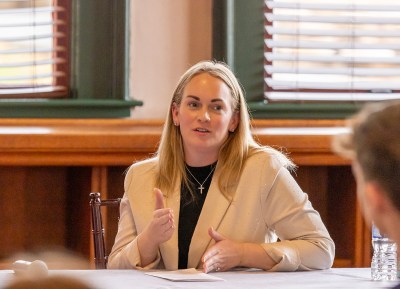
Once we wrapped up business, Olivia Discon introduced Attorney Michael Foreman, a Baylor Law graduate and trial lawyer at Haney Paschal & Romoser right here in Huntsville, Texas. Foreman works in family, personal injury, contract and property disputes, and trusts and estates law. From the moment he started speaking, it was clear he had a lot of real-world experience to share.

He began with a question many of us think about: “Does mock trial really prepare you for the courtroom?” Foreman didn’t hesitate. “It’s as close as you can get to actually being in a courtroom,” he said, and encouraged anyone considering law school to get involved. That immediately set the tone for how honest and practical he would be throughout the night.
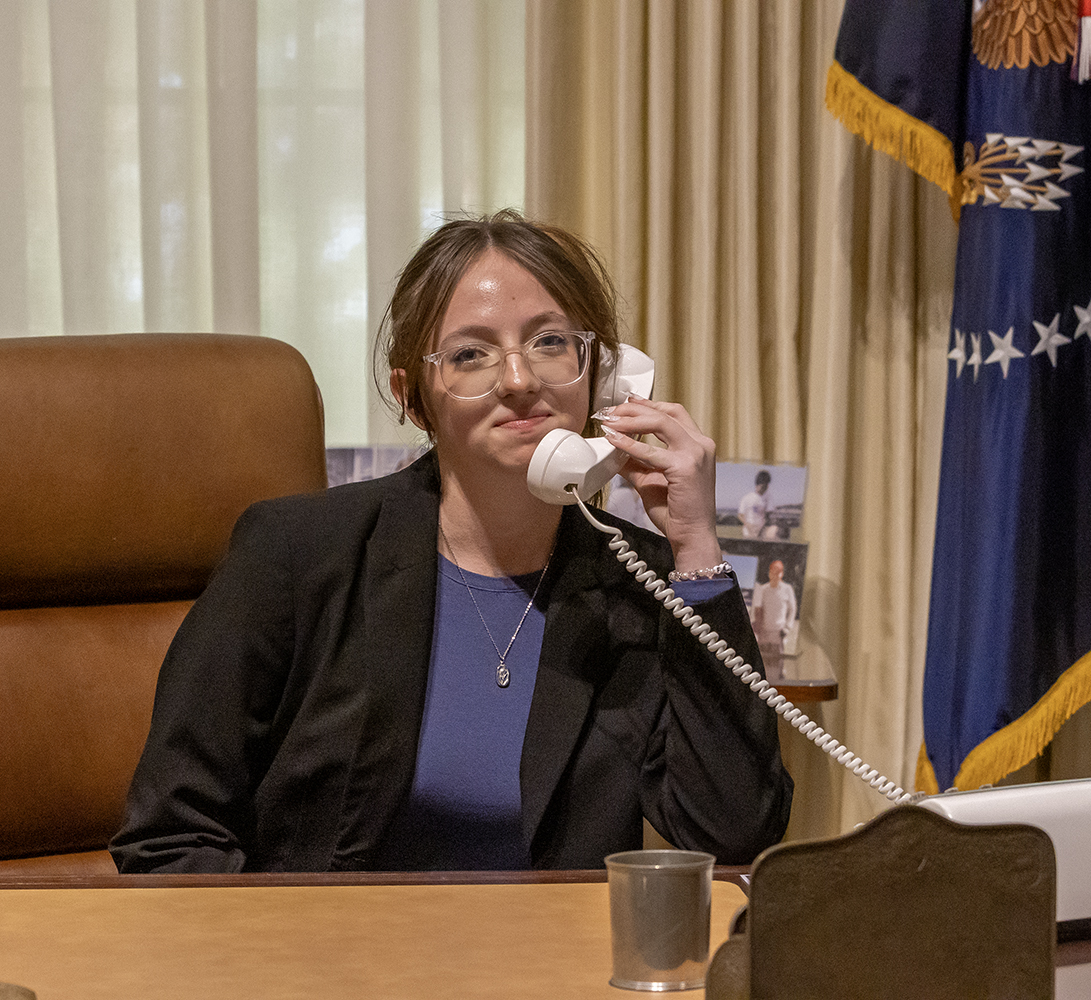
He also walked us through how he made it onto law review at Baylor. Students can qualify by being in the top 5% of their class or by submitting a strong writing sample. He explained how law review improves your writing, your ability to read cases deeply, and your confidence going into legal practice.

When he talked about law school itself, Foreman didn’t sugarcoat anything. Most classes come down to one final exam, but everything you do during the semester prepares you for it. He stressed how important class rank is your first year, saying, “Your first year is very important. It dictates your speed to success.” Hearing that from someone who has lived it made everyone sit up a little straighter.

Foreman also shared stories from his internships and clerkships, and gave advice that many of us needed to hear: if you get accepted into multiple law schools, choose the best one you can, even if another feels more comfortable. “The first ten years of your career are shaped by the path you choose,” he said. Everyone took a second to process their reality, and most even would say that motivated them even further.

He then talked about the difference between big and small firms. While large firms may seem impressive, he reminded us that new lawyers often don’t get meaningful hands-on work there. Smaller firms, like Haney Paschal & Romoser, give young attorneys real opportunities to learn the entire process, from meeting clients to preparing for trial. It made the legal world feel a little less intimidating. It gave us insight that we would not be able to find on our own as undergraduates.

One of the most interesting parts of his talk was when he described a Texas Renaissance Festival contract case involving $72 million. He used that case to explain what depositions are and why they matter. “Depositions are your first chance to question witnesses under oath,” he said, adding that you often learn the most when you take action early in a case. He also shared the heartbreaking detail that the festival’s owner later committed suicide, which reminded everyone just how much stress clients can be under. “Everyone you work with is under stress,” Foreman told us. “Your job is to give peace of mind and manage expectations.”

From there, he covered probate, personal-injury billing, and the emotional nature of family law. He explained that while the legal part of family law may be straightforward, the challenge comes from guiding clients through tough, emotional situations. “Emotions do not determine decisions,” he said, “but they determine how you communicate.”

He ended the night with a line that stuck with almost everyone: “Law school is ultimately betting on yourself.” For many of us, that was the reminder we needed, that pursuing law is a commitment, but also an investment in who we want to become.

Overall, the meeting was encouraging, honest, and incredibly helpful. We left with a clearer picture of law school, the profession, and the responsibility lawyers carry. It was exactly the kind of meeting that motivates future law students to keep pushing forward.

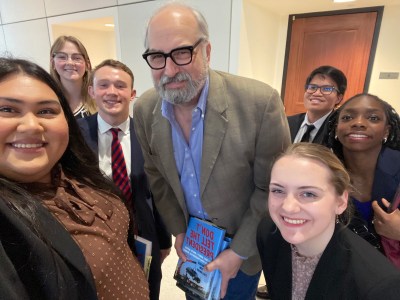
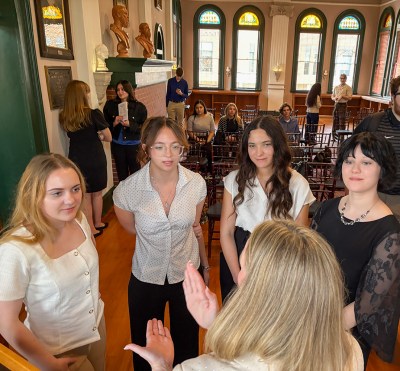
To finish off the night, the Pre-Law Society and Micheal Foreman had the honor of giving our graduating seniors their cords and PLS certificates.

We are sad to see them go, but grateful to have seen these individuals grow. We wish the best of luck to them and their journeys as aspiring attorneys!