by Chrissy Biello
Chihuly at Biltmore
After an eventful night at the State Dinner, we drove about four and a half hours to Asheville, North Carolina, to enjoy Chihuly at the Biltmore and the Biltmore Estate itself. As someone recently introduced to Dale Chihuly, I was excited to see more of his work and learn about the techniques he used.

When we entered the exhibit, we first went to a screening room where we learned more about Chihuly and his work. The video explained the creation of one of his most famous works, “Mille Fiori;” it showed various colors, shapes, and glass configurations. It also clarified Chihuly’s techniques, like heating the glass so it can be stretched to look like natural forms. We even learned that around 40-50 different colors of glass are used in his pieces!
However, one room with colorful and intricate cylinders caught our attention. While we spoke about the artwork, a staff member shared how these pieces were created. Each cylinder features a design inspired by Navajo patterns, with molten glass rolled over threads of these designs so they fuse onto the glass.

We also saw a wall with Western Trade Blankets that had similar designs. The staff member explained that Chihuly wanted to pay tribute to the influence of Native cultures on his art and show his respect for Indigenous tribes of North America.

We then walked into the next room and immediately started looking up. This was the Persian Ceiling, an art installation featuring a colorful display of hand-blown glass pieces arranged on a transparent ceiling, creating an eye-catching mix of colors and shadows. We enjoyed trying to spot more of the intricate details that comprised this work; sitting at 5000 pounds, there was plenty to look at. We spotted cherubs, shrimps, conch shells, and more!


Next, we saw an impressive display of chandeliers and towers. These were not your typical light fixtures; instead of emitting light, they ingeniously reflected it.

Each piece was so captivating that I found myself wishing I could take them all home.
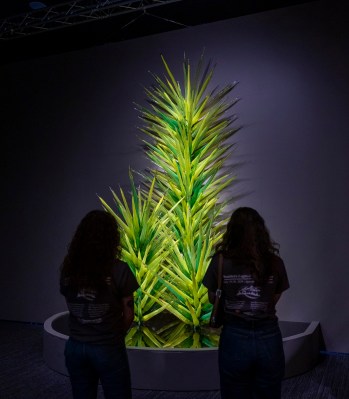
It was hard to choose a favorite, but I was particularly drawn to the striking blue chandelier and the red one that seemed to float effortlessly from the ceiling.

With much anticipation from myself, we went into the room with the Mille Fiori exhibit; it was incredible to have the chance to see it in person! As you walked around all of the pieces, each one was different in its own way. While some had similar styles, they always had different colors and overall appeals towards them.

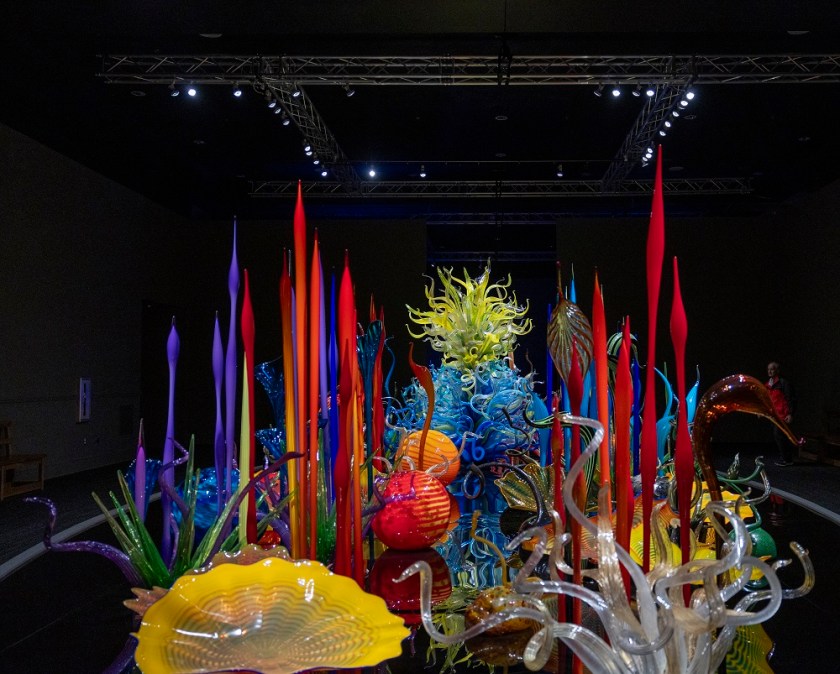


Having seen his work at the Phipps Conservatory in Pittsburgh earlier on the trip, I was thrilled to find another chance to enjoy his art. Now, I look forward to recognizing more of Dale Chihuly’s pieces in the future!


Biltmore Estate
After exploring the Chihuly exhibit, we took the trolley for a 3-mile scenic ride through the Biltmore grounds and to the Estate. Completed in 1895, this impressive house was designed by Richard Morris Hunt for George Vanderbilt II. As we made our way to the mansion, we admired the beautiful landscape created by Frederick Law Olmsted. His winding paths built up our excitement, making that first glimpse of the house even more special.

Stepping inside, I was immediately drawn to the Winter Garden with its lush greenery and a beautiful dome letting in streams of light. It was then I knew we were in for a treat exploring Biltmore House.

Our tour took us through a series of fascinating rooms. The Billiard Room, Michelle’s favorite, featured two grand pool tables where George and his guests would unwind by playing games.

The Banquet Hall, stretching seven stories high, left us imagining the dinners once held there. I could not dream of having a normal family dinner in a dining room such as this one!


In the Breakfast Room, Olivia pointed out several notable paintings. There were two by John Singer Sargent: one of Virginia Bacon (George’s cousin) and another of Mrs. Benjamin Kissam (George’s aunt). She also pointed out two works by Renoir: “Young Algerian Girl” and “Child with an Orange.”

The Salon displayed souvenirs from George’s travels, including landscape paintings by Claude Monet.
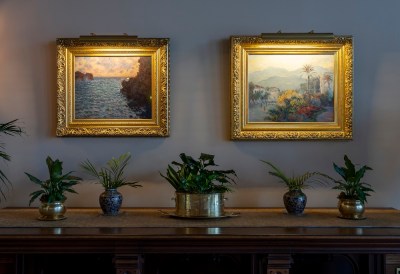
Looking out the windows, we could appreciate how Olmsted had transformed the estate’s grounds, creating a perfect backdrop for the house.
Further, we discovered an intriguing piece of history about the Music Room. In 1942, during World War II, the Director of the National Gallery of Art reached out to Edith Vanderbilt with a request; they asked if Biltmore could safeguard over 80 valuable paintings from their collection. Edith agreed, and the Music Room was transformed into a secret art vault. Protected by large steel doors, these priceless works remained hidden there until 1944!

With its exquisite ceiling painting of the Chariot of Aurora and an impressive collection of over 10,000 books from George’s original collection of about 24,000, the Library was Olivia’s favorite.

A large ladder and spiral staircase made each of us wish we could go on them! It was clear to all of us that Olivia could have spent hours exploring all of the books that George Vanderbilt once read.

As we continued our tour, we heard about the family’s dedication to preserving the estate. After George’s death, his wife Edith refused to sell anything, and their daughter Cornelia later opened the home to visitors in 1930 with help from the local Chamber of Commerce. This dedication was evident from the house looking the same way as it did when the family lived there.


Additionally, the cohesive bedrooms with intricate details and colors, along with the basement filled with drawings by Cornelia and her husband, helped us imagine what life was like for the Vanderbilt family.

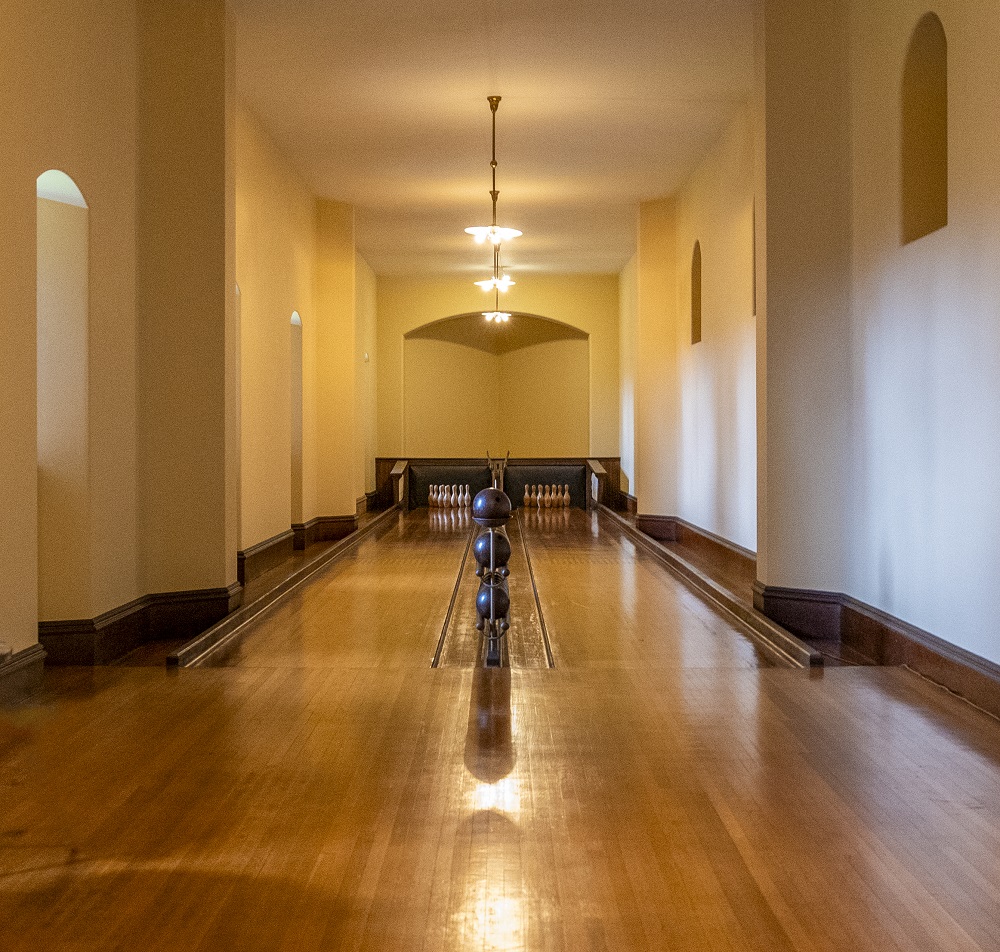
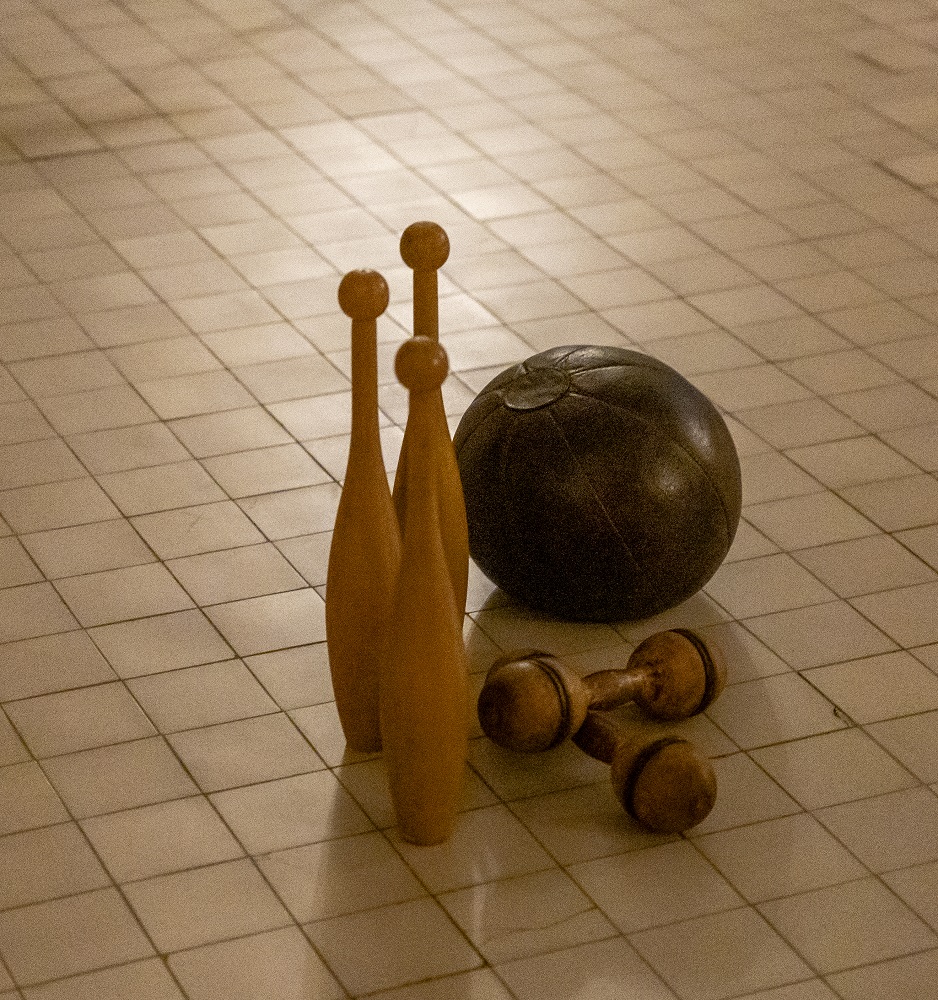
Unique features like the bowling alley and indoor pool showed how much they valued having activities at home that brought them together with family and friends.



Wrapping up our visit, I gained a new appreciation for how art can transform a space. Though I had not been too involved with art in the past, my interest has grown, and this home truly helped with that. Also, I am sure Olivia will continue to think about the Library for many years to come!




















 Center for Law, Engagement, and Politics