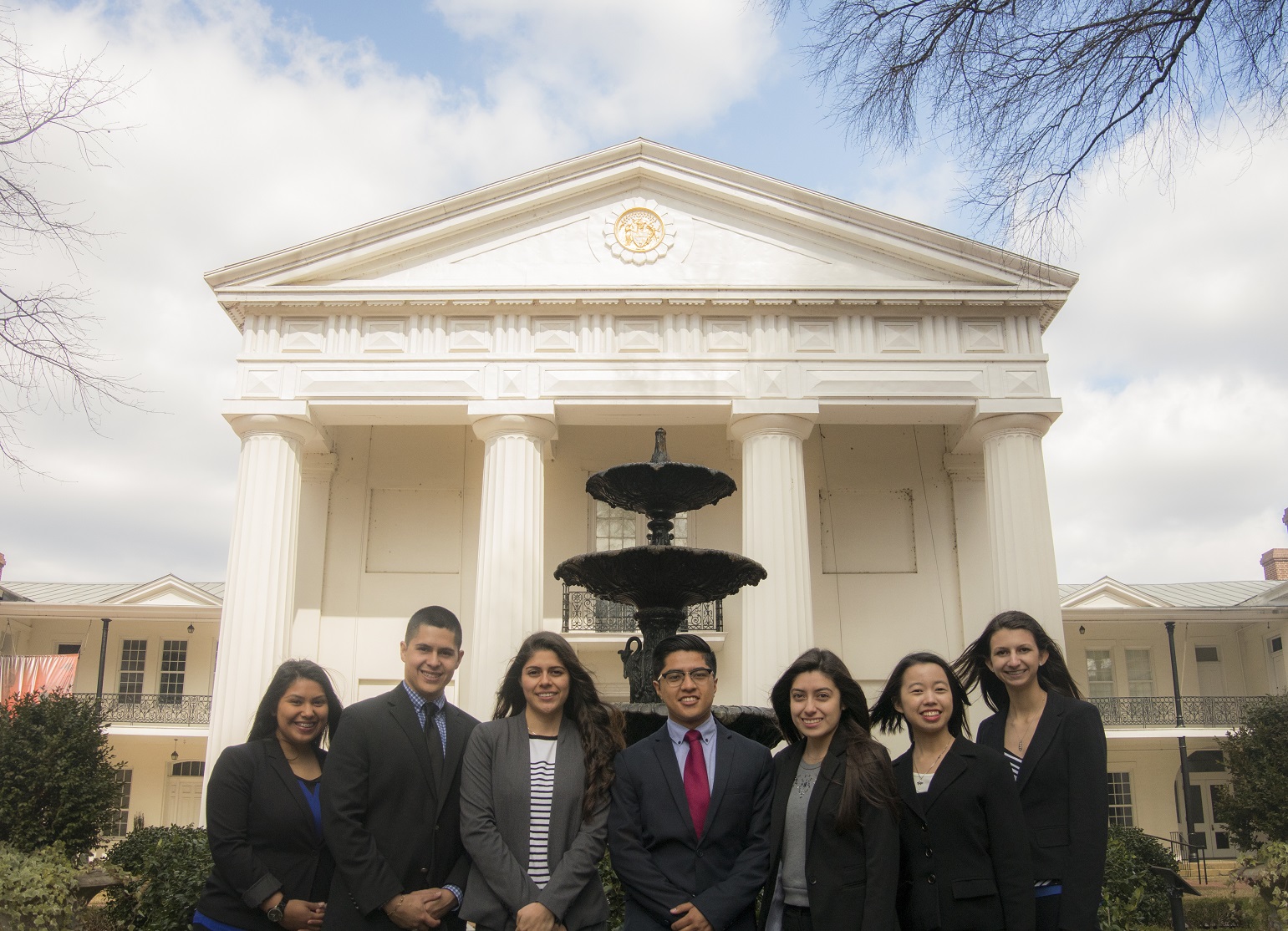
After a filling breakfast at River Market, we got our morning off to a bang by touring the Arkansas Governor’s Mansion. There, the Mansion’s tour guide, Ms. Carolyn Eastham, welcomed us warmly. The tour of the three-story Arkansan home commenced in the Grand Foyer…

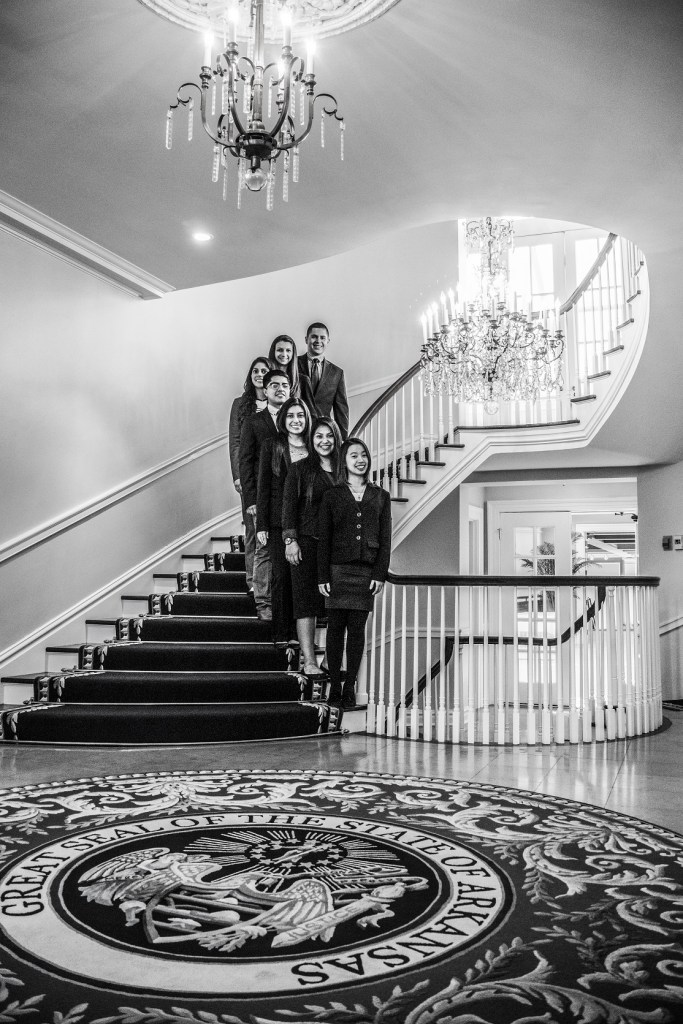
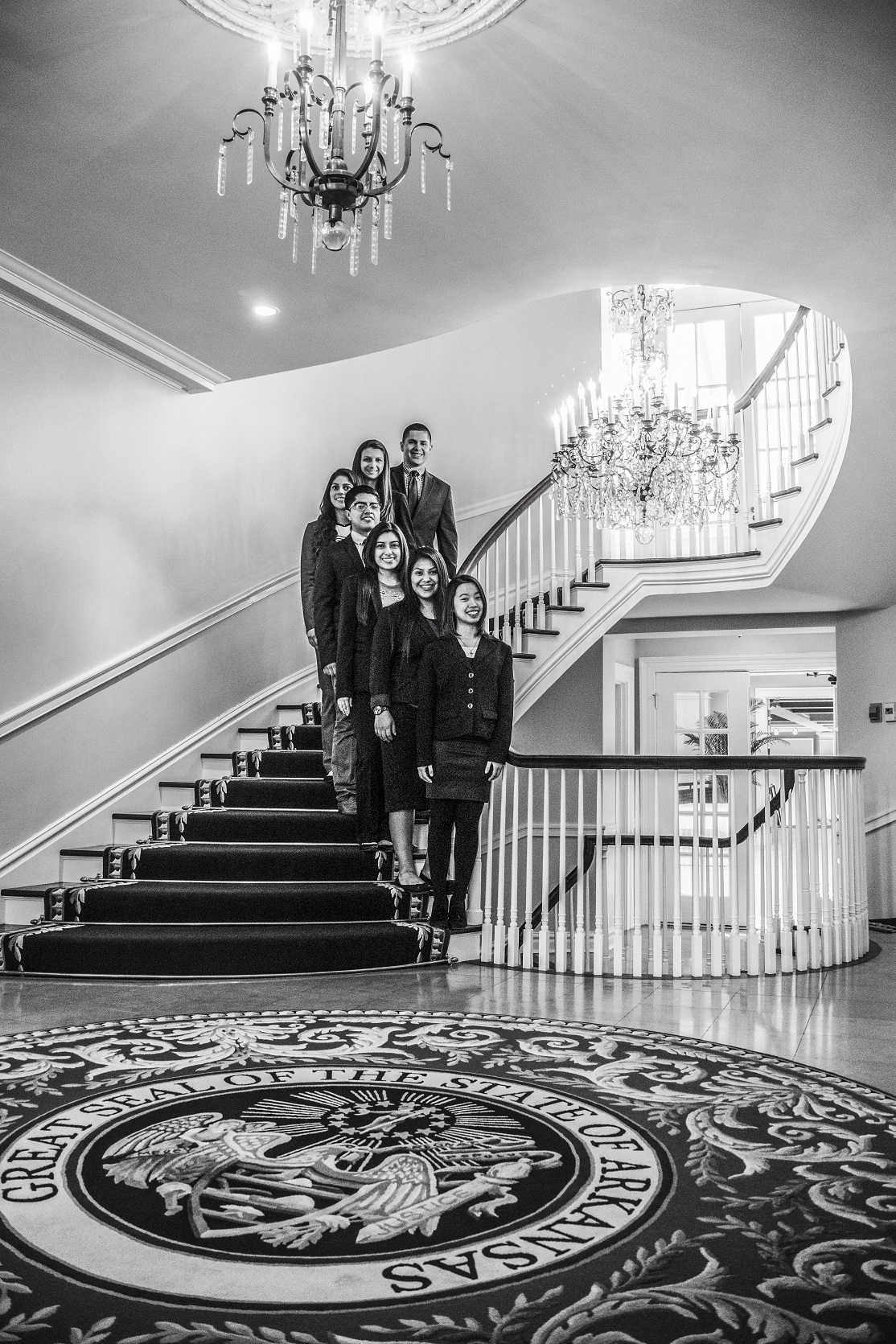
which featured an 18th-century chandelier from Paris, France, and an oversized rug displaying the seal of the State of Arkansas. Interestingly, Ms. Eastham noted that the original rug actually had to be replaced as it was damaged by former Governor/President Bill Clinton’s cat.
My favorite part of the Governors Mansion was the way that the additions to Mansion were added. The back of the mansion is an atrium which connects the old Mansion to the Grand Hall built in 2003, and showcases the original brick wall and patio of the original Governor’s Mansion that couldn’t be torn down during construction because it is a historic landmark.

Among other things, it was where Bill Clinton announced Al Gore as his running mate in 1992.
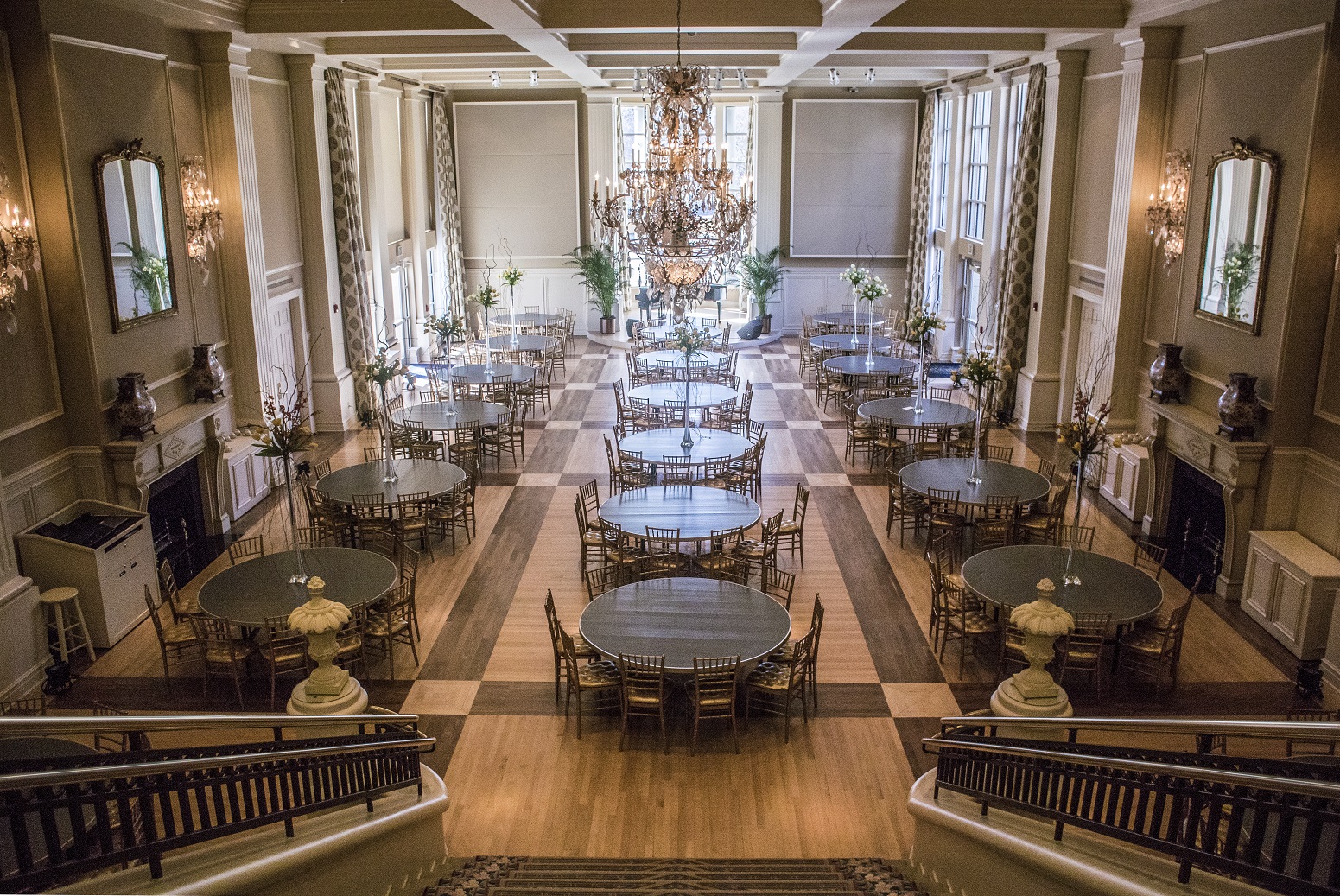
Even more impressive was the Grand Hall…
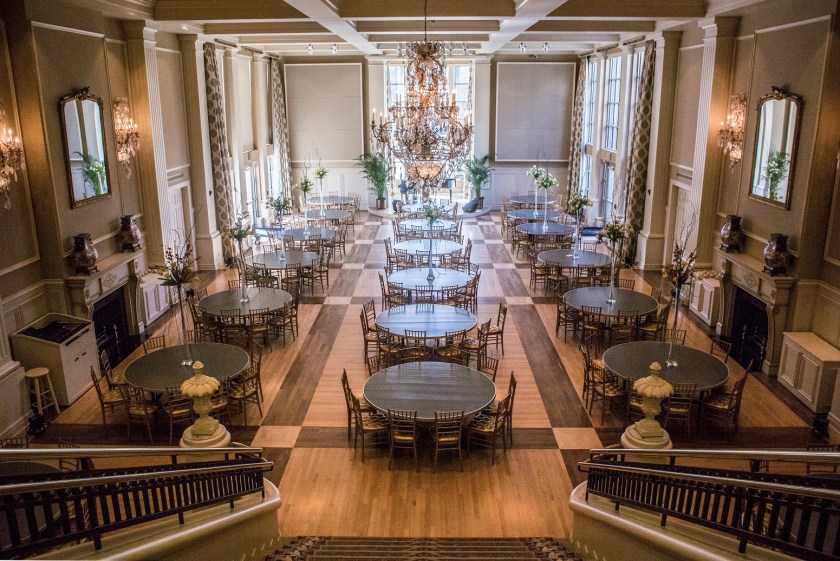
which features a staircase covered with a carpet runner that highlights woven symbols of the State and the names of the eleven governors who have lived in the Mansion.

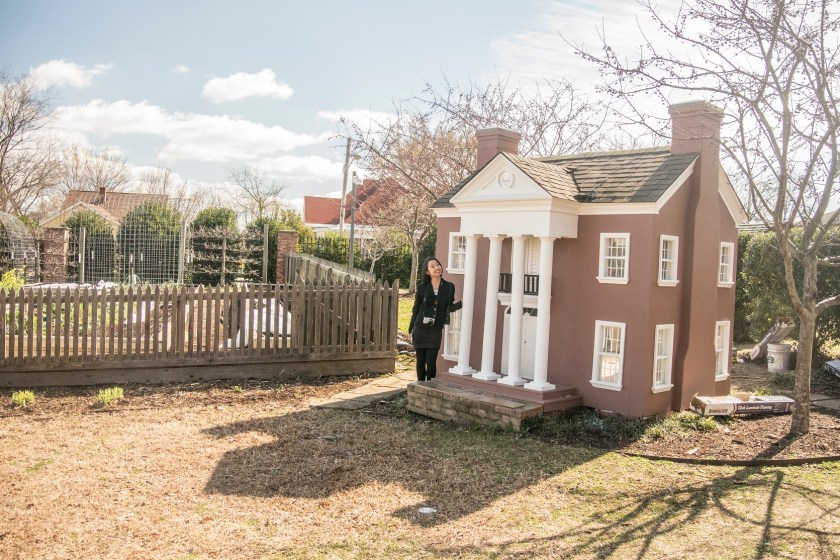
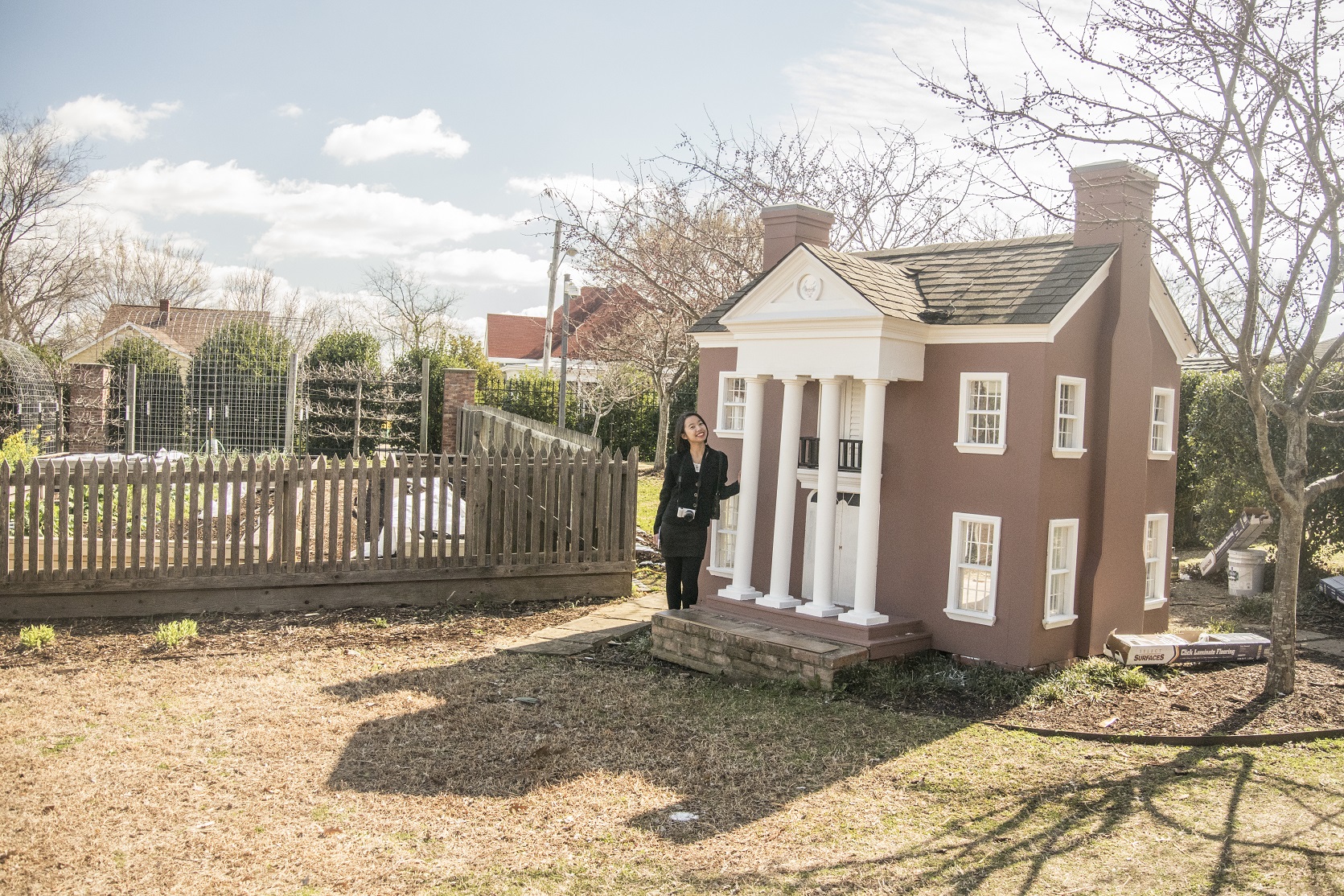
In the Grand Hall we stood under a grand chandelier that highlighted the important aspects of Arkansas, such as the bumblebee, stars and two raw diamonds. Outside, we were greeted with a tundra-like chill, as Mitch would call it, but that didn’t stop us from exploring the vast flower, vegetable, and herb garden that the Mansion manages as well as the tiny replica of the Mansion, which amusingly stood only a couple of inches taller than me.
Through the various fine furnishings adorning the Mansion such as the 17th Century Irish grandfather clock (which still keeps time precisely), the plethora of art pieces embellishing the walls like the painting of the Arkansas’ traveler legend, and the symbolic items garnishing residence such as the 62-piece silver set, we were introduced to the rich history of the Mansion’s early years and its continuing legacy. Even though the official tour was over, we were able to get a nice photo on the grand stairway that greets visitors to the home…
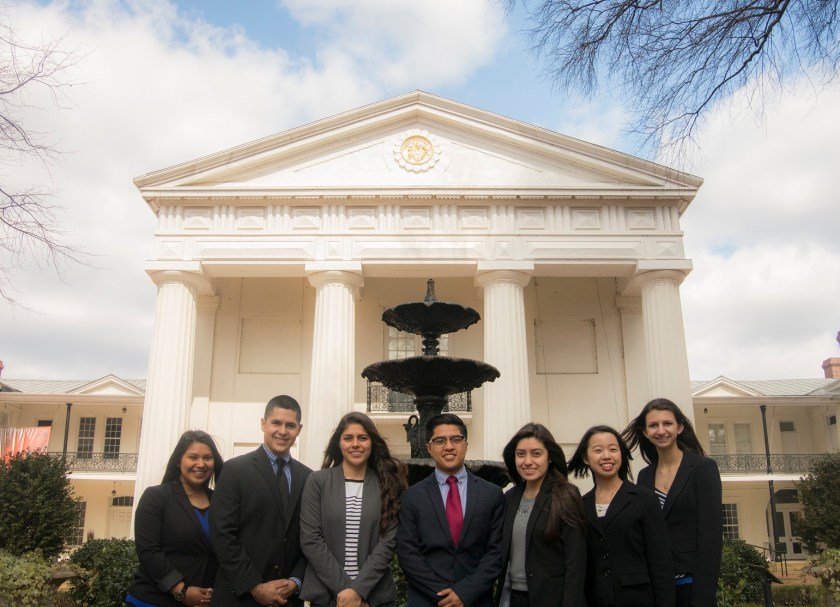
Regrettably, we did not run into Governor Asa Hutchinson or any of his family, but nevertheless, visiting the Governor’s Mansion was definitely a great way to start our first day in Arkansas!
Editor’s Note: After the tour, Ms. Eastham came up to me and said, “Your students are true ladies and gentlemen, and that compliment comes from a teacher of manners.”

After our grand tour of the Governor’s mansion, and mini mansion, we made our way to another one of Little Rock’s historic treasures, The Old State House. The Old State house was the original state capitol of Arkansas, and today it is museum that holds many of Arkansas’ memories. Arkansas’ induction into the Union, the vote of succession from the United States, medical research, two acceptance speeches by the President of the United States, and even a (Bowie) knife fight between two sitting legislators are some of the story’s that echo down the halls of The Old State House.

While wandering through the museum, we ran into the programmer of The Old State House whose brother actually graduated from Sam Houston State University! He was excited to have us there and told us background stories, including the rumor about the law, justice and mercy statues that were atop of The Old State House being removed by the women of Arkansas and thrown into the river because their attire was too risqué. We also learned that the Old State House is the oldest capitol west of the Mississippi and much about its Greek revival architecture. The Old State House Museum showcased things from History to clothing worn by previous first ladies Arkansas (and even Bill Clintons running shoes!).
After learning about the Old Statehouse, we headed to the River Market, a food court filled with variety that is overlooking the Arkansas River, to break for lunch before our tour of University of Arkansas – Little Rock Law School. Although we had many options to choose from, we agreed to eat at Tokyo, while Professor Yawn decided to eat a different cuisine and enjoyed gyro. The group sampled a variety of sushi, rice, and teriyaki plates, and some tired fruit juices from Thailand. Each were delicious and enjoyed by all. The River Market was a unique place to visit because of the local variety it offered within the River walk district.
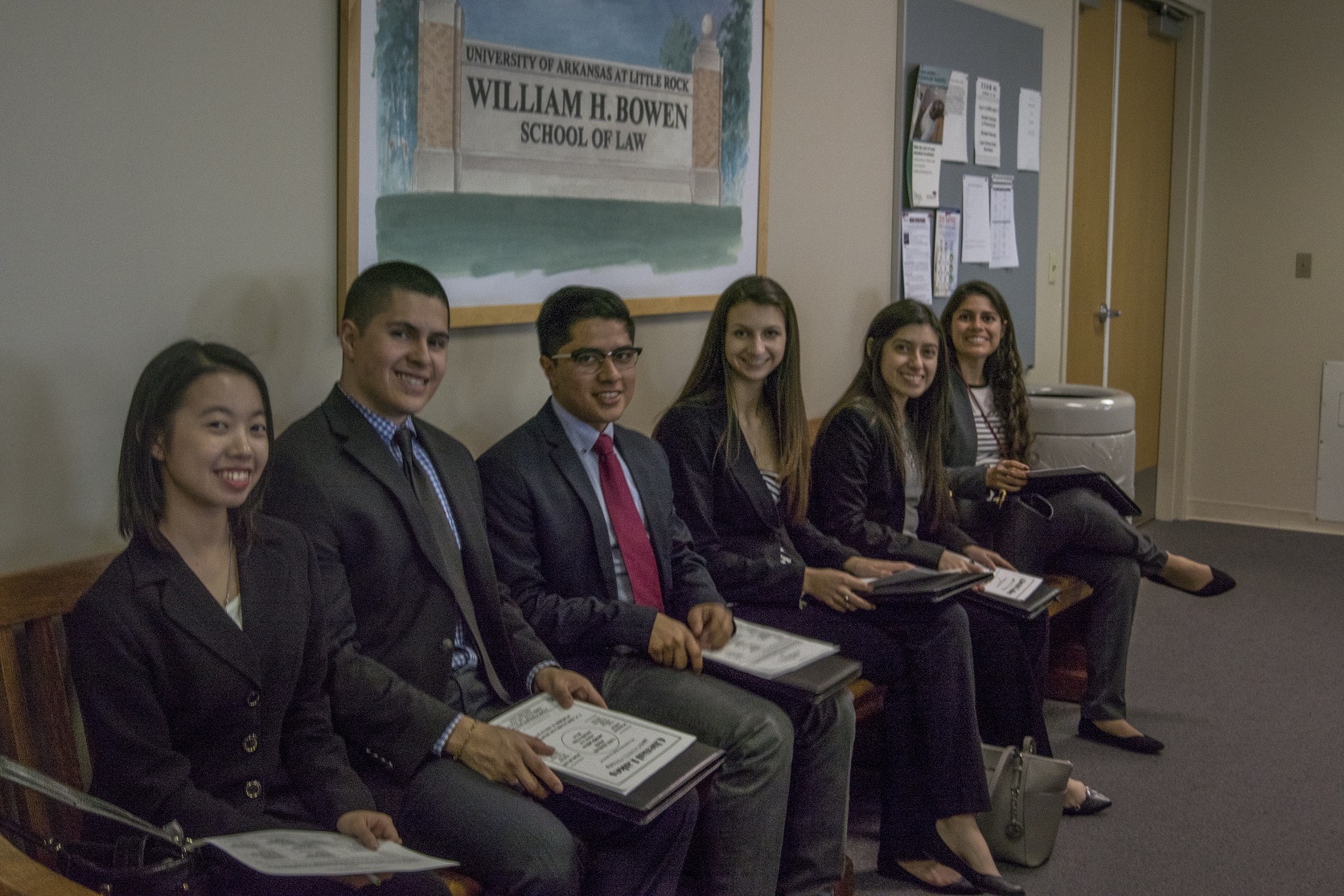
Once we were finished with lunch, we went for a tour of the University of Arkansas at Little Rock Law School. We walked in and were immediately greeted by the admissions office.

We were later introduced to the Assistant Dean of Admissions Matthew Kerns, who was really helpful and gave us plenty of advice regarding the admissions process. He specified what they look for in letters of recommendation and personal statements.

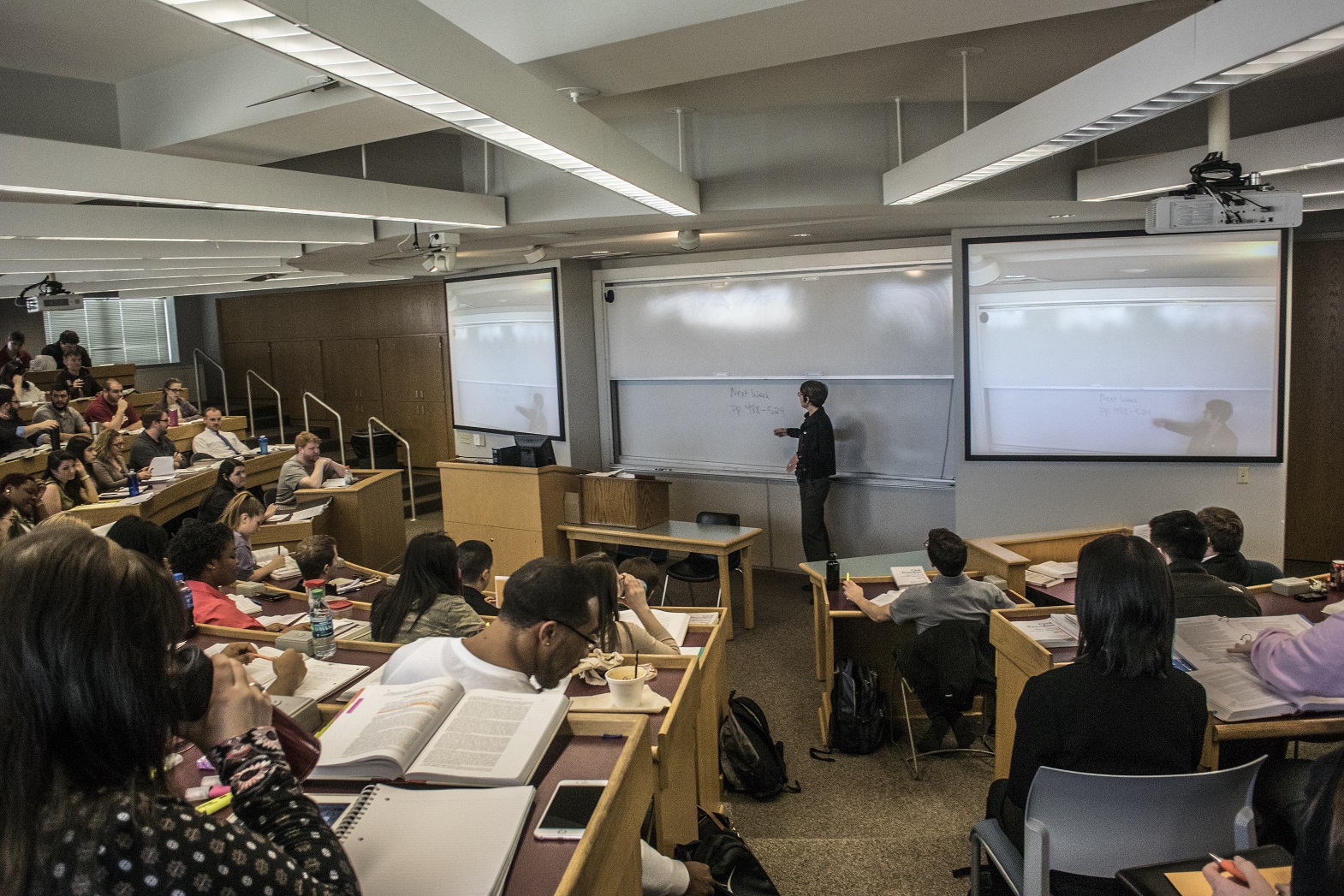
After the advice from Dean Kerns, we met with Eruore, a 3L student, ambassador for the UALR Law School, and our tour guide for the day. She began by walking us to a law class where all the fun began. We walked in and took a seat just minutes before the class began. During that time some of us had the opportunity to talk to the people sitting next to us and try to get advice for law school and maybe even again, for the admissions process.
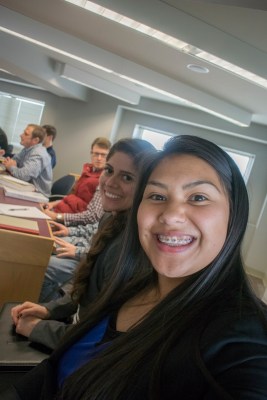 We sat in a Civil Procedure class taught by the Associate Dean for Academic Affairs, Theresa Beiner. The class began by discussing experts at trial.

The class went over the ins and outs of how, when and why to use expert witnesses at a trial. As the class proceeded, I noticed that Dean Beiner was conducting her class in a Socratic method which we had been exposed to before at the Mock Law Class held at SHSU. The class moved on to learn about physical and mental exams and we watched as the class reviewed a couple of Supreme Court cases to learn how the law applied to such cases. Watching the class was interesting and exciting because Dean Beiner was very passionate about teaching her students.

The last topic discussed was how to and when to use a request for admission and motion to council.
Before we even knew it, the class was being dismissed, and Dean Beiner invited us to stay afterwards for a few minutes to discuss our thoughts about the class and ask any questions. During this meeting we learned about the structure of the degree plan and possible internship opportunities available to students. We also learned that UALR Law School is one of the lowest tuition rates in the country. Another very interesting fact to us was that they don’t grade as A, B, C’s, instead, their grading system grades as 4.0, 3.9, 3.8 and so forth.
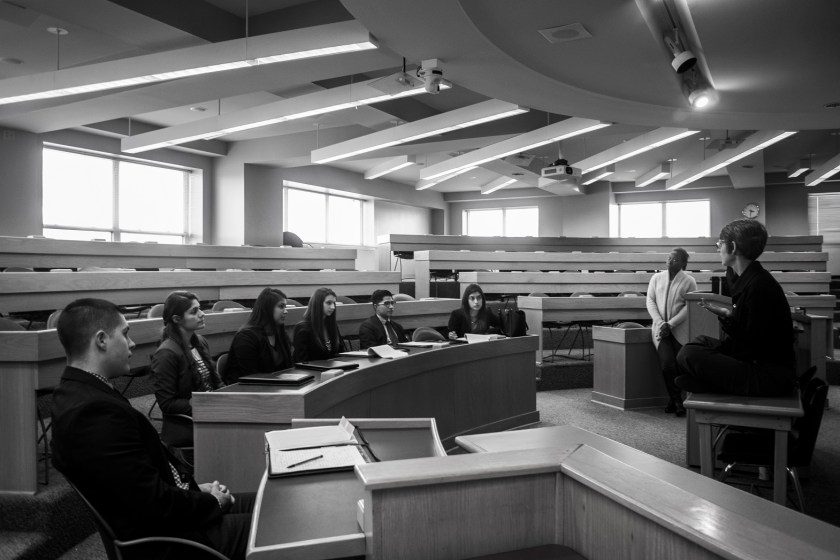
After this brief meeting, it was time to get back to our law school tour with Eruore.
The school is six floors and each floor has something particularly unique. The 6th floor is specifically reserved for the law review room and a small gym while the second floor was reserved for the law library. After touring the whole school, talking about the organizations and services, and a very informational and exciting class, we went back to the admissions office for informational flyers to take home with us.
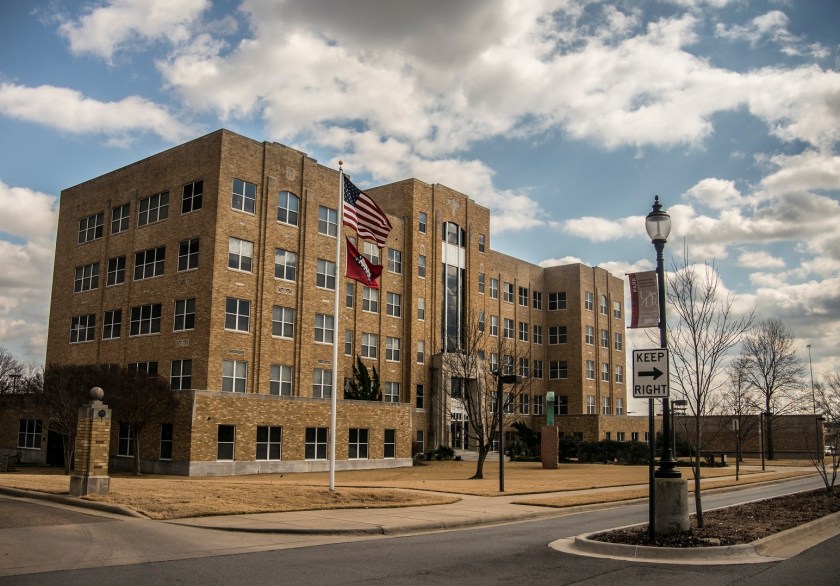
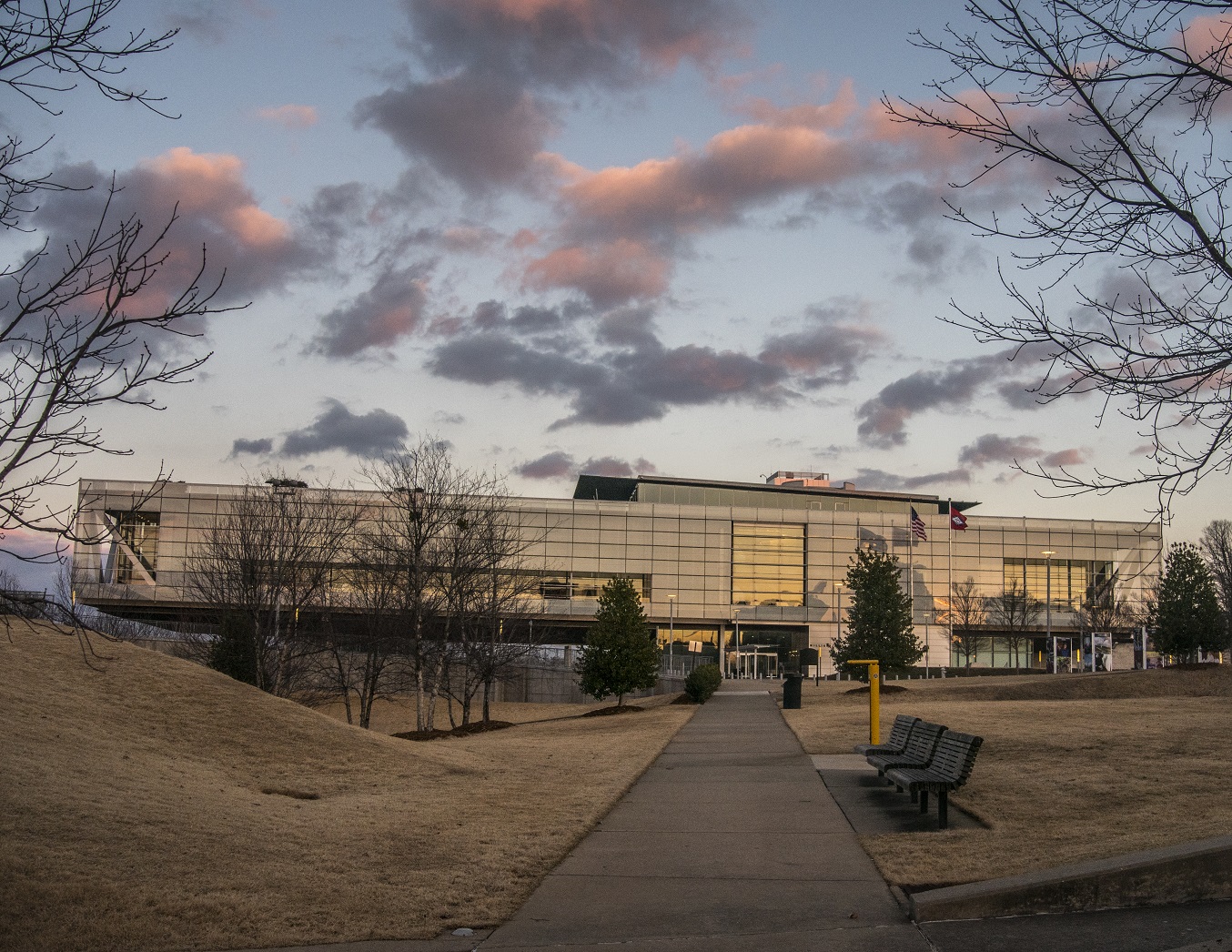
After an interesting day at the governor’s mansion and University of Little Rock Law School, we wanted to explore the city. We booked a Segway tour that unfortunately fell through, but that didn’t stop us from exploring Little Rock! We started our exploration at the Clinton Presidential Library…
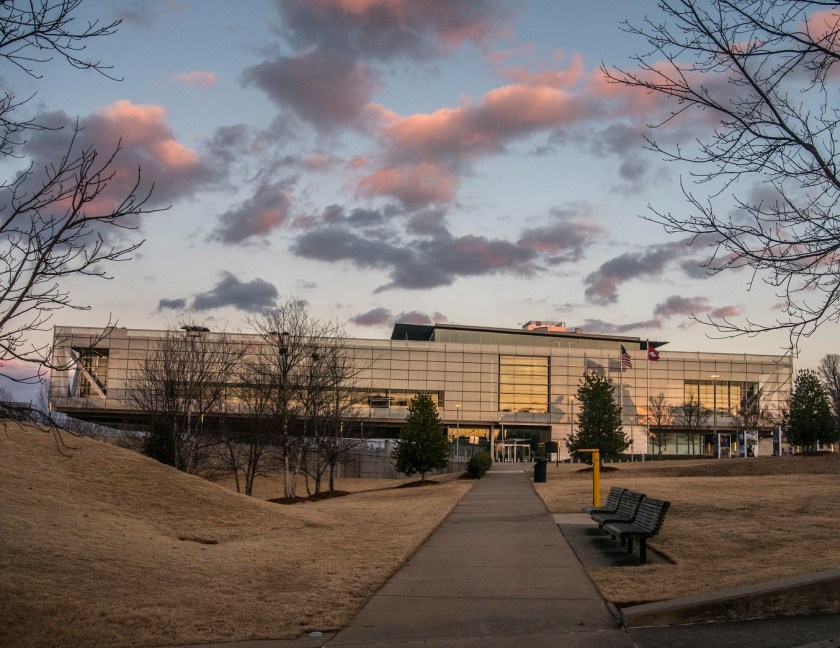
and although that’s on the itinerary for tomorrow, we learned some of the architectural meaning of the building and got some great photos around it! The library is near the the River Market area, to which we returned…

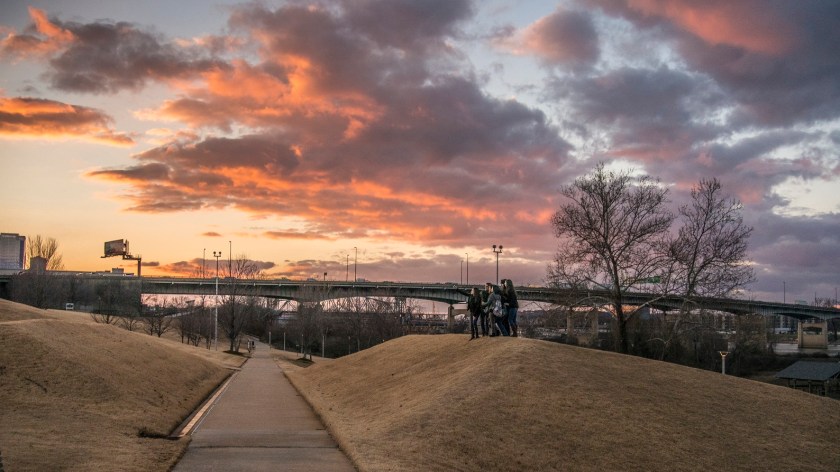
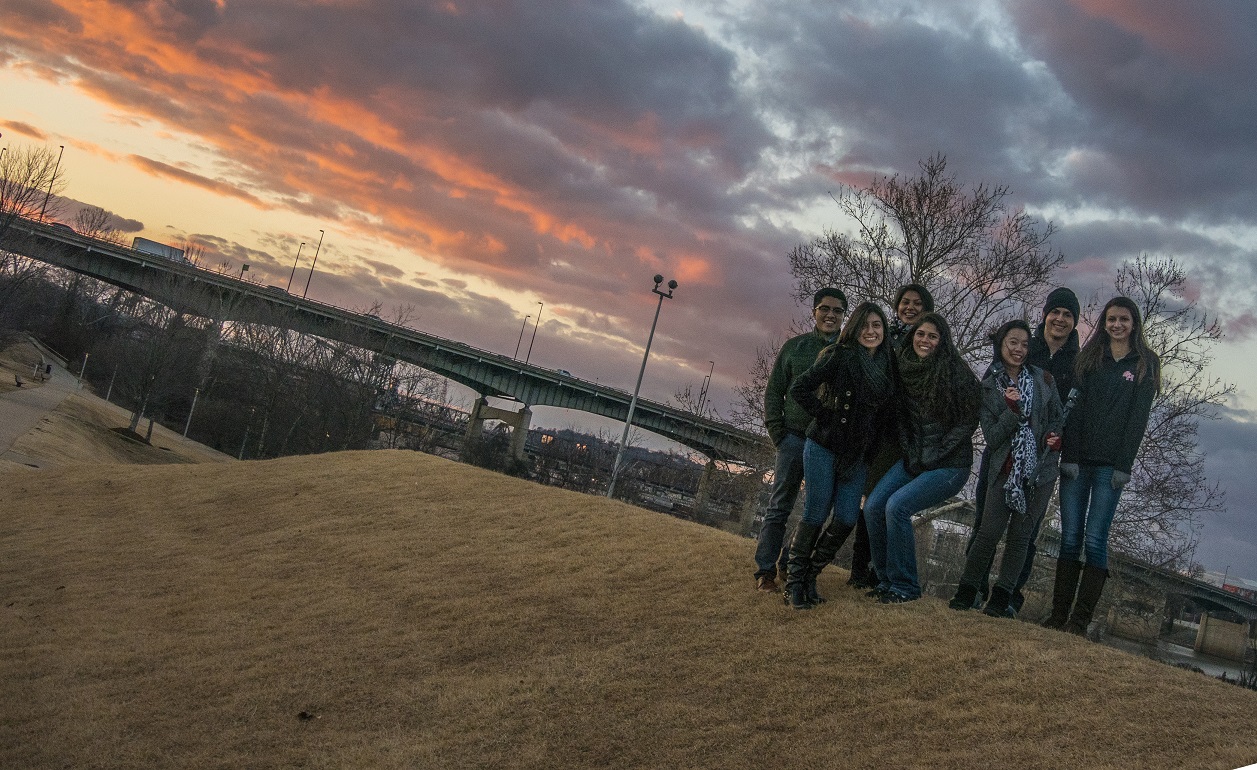
…amidst an amazing sunset…

…and explored the Junction Bridge…
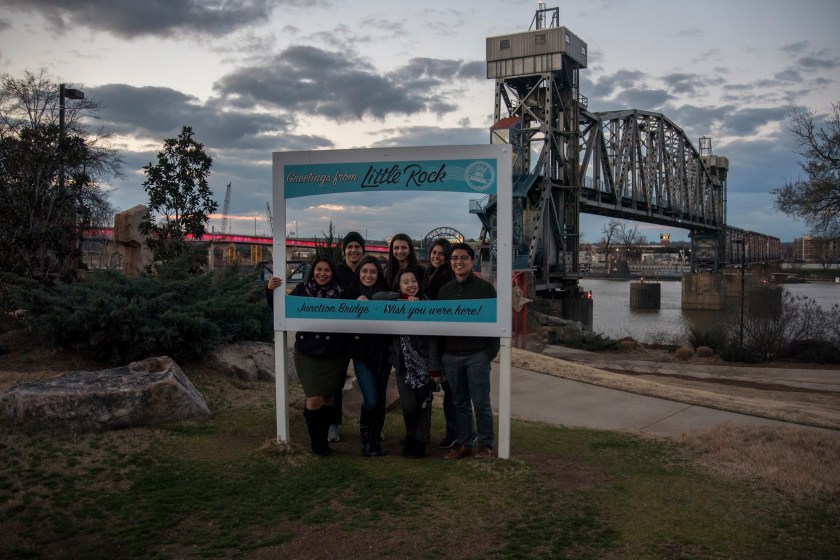
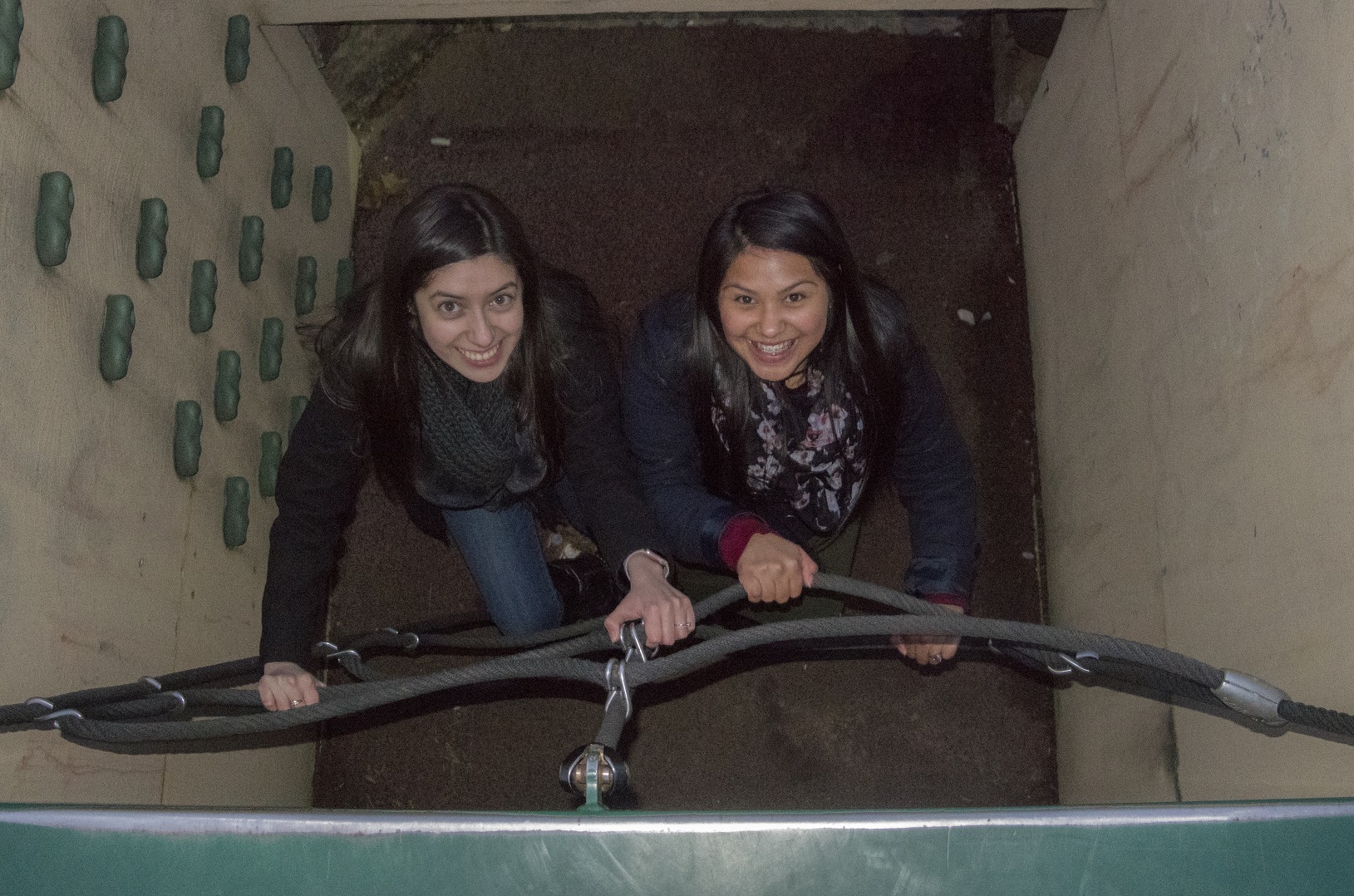
We also went to the sculpture garden, music park, despite it being very cold out! We also played on a river-walk playground that Little Rock features to great effect. There is a jungle gym…
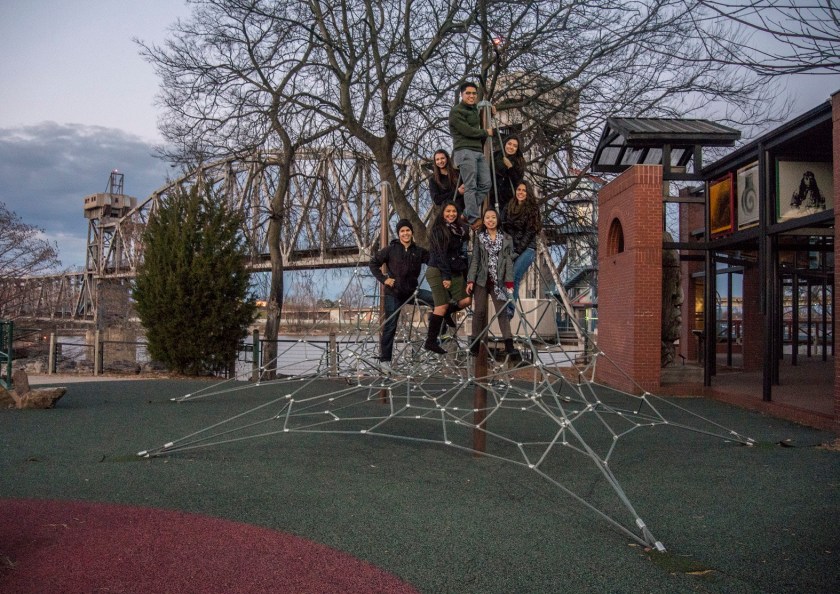
…a tunnel system, which we climbed in…

…and out of…

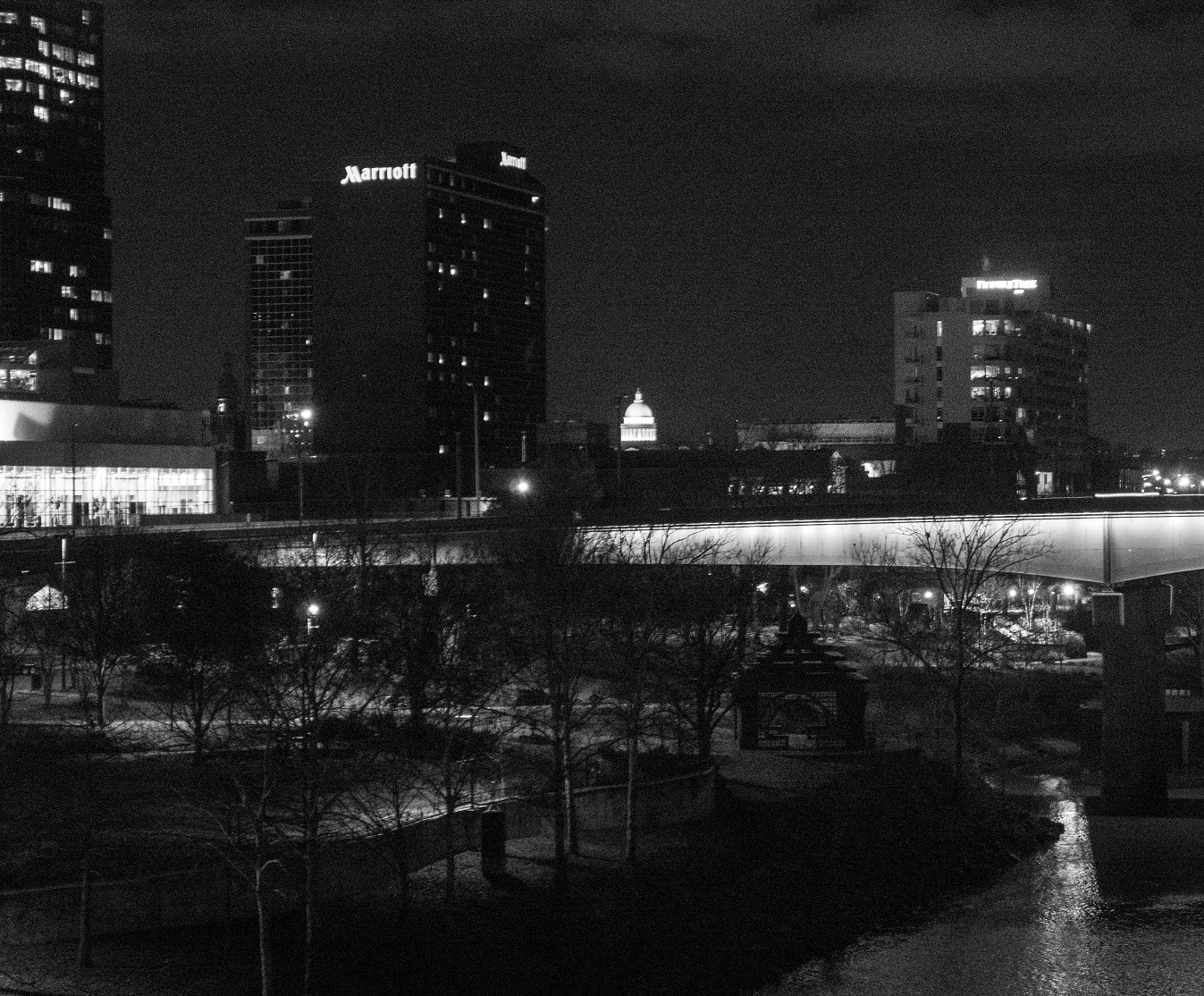
It was great enjoying the sunset while doing some fun activities. Before we headed to dinner the group headed up for the tallest bridge.

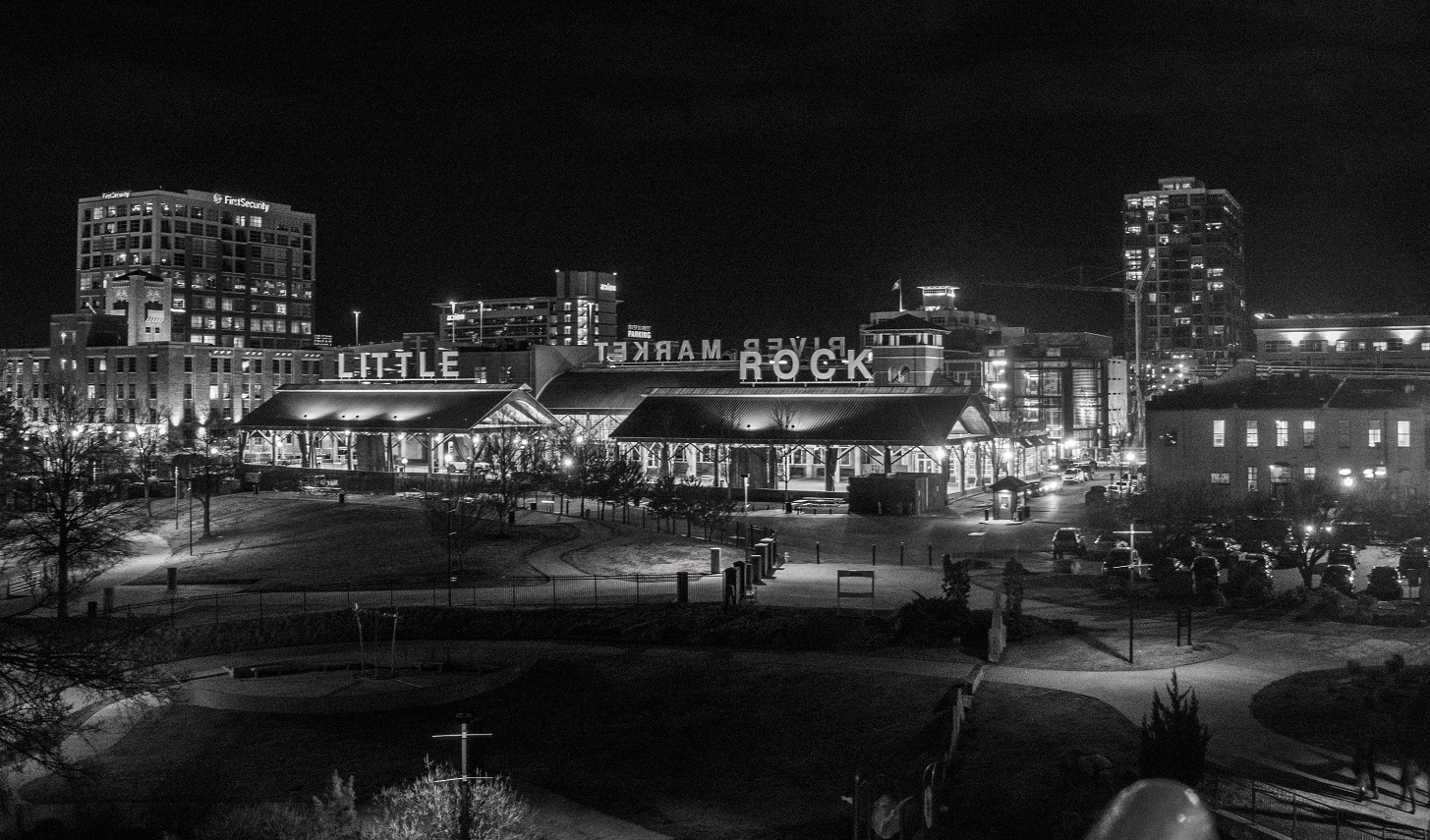
It was an amazing view of the Capitol at night…

…and the River Market…
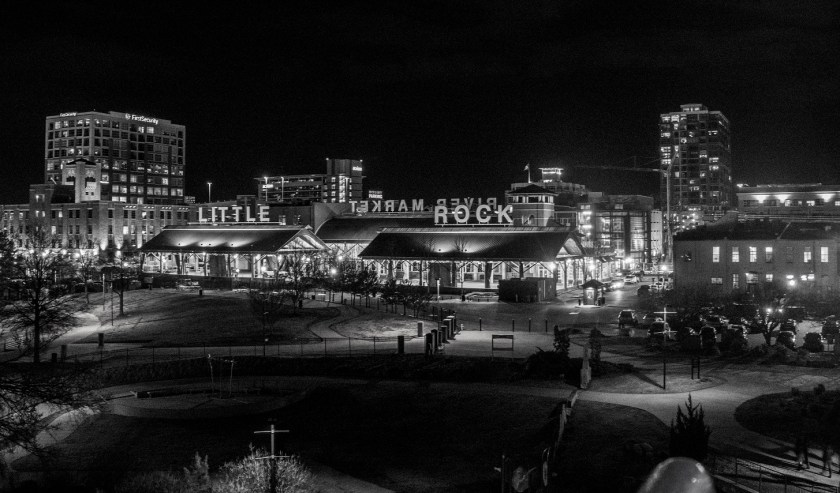
Even after seeing everything and working up an appetite, we couldn’t resist taking a last look at the bridge…
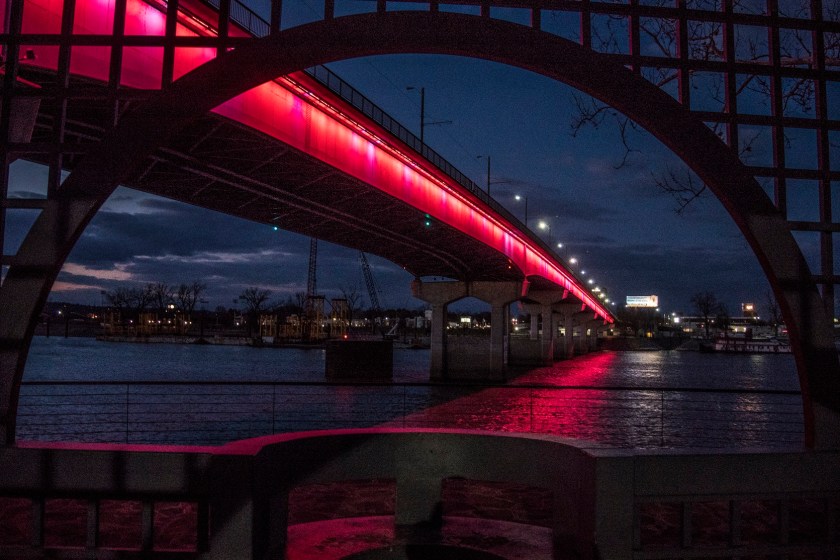
…and one more posed photo…
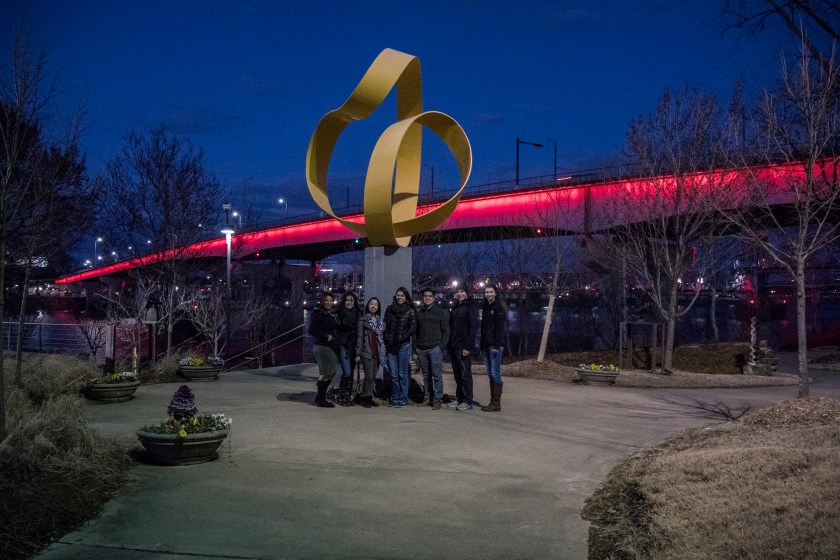
Having seen the river area for the third time that day, we turned toward Midtown in search of food.
To satisfy our appetites, we decided to indulge in DamGoode Pies. With high expectations, we were eager to find out what makes their pizzas so yummy! We ordered the Damgoode Trios to sample their popular appetizers. Each piece of bread was garnished with toppings such as bacon and jalapeños, shredded mozzarella and tomatoes, or spinach and meatball. When our pizza arrived, we enjoyed trying a variety of the signature pies. The Hog layered pepperoni, Canadian bacon, sausage, crumbled bacon, and cheddar cheese pizza was a favorite to many of us. We also ordered a Hawaiian pizza, and a Garden Supreme pizza that provided us with a different mix of flavors. Satisfied from a tasty meal, we decided to head back to the hotel to prepare for our next day in Little Rock!























 Center for Law, Engagement, and Politics