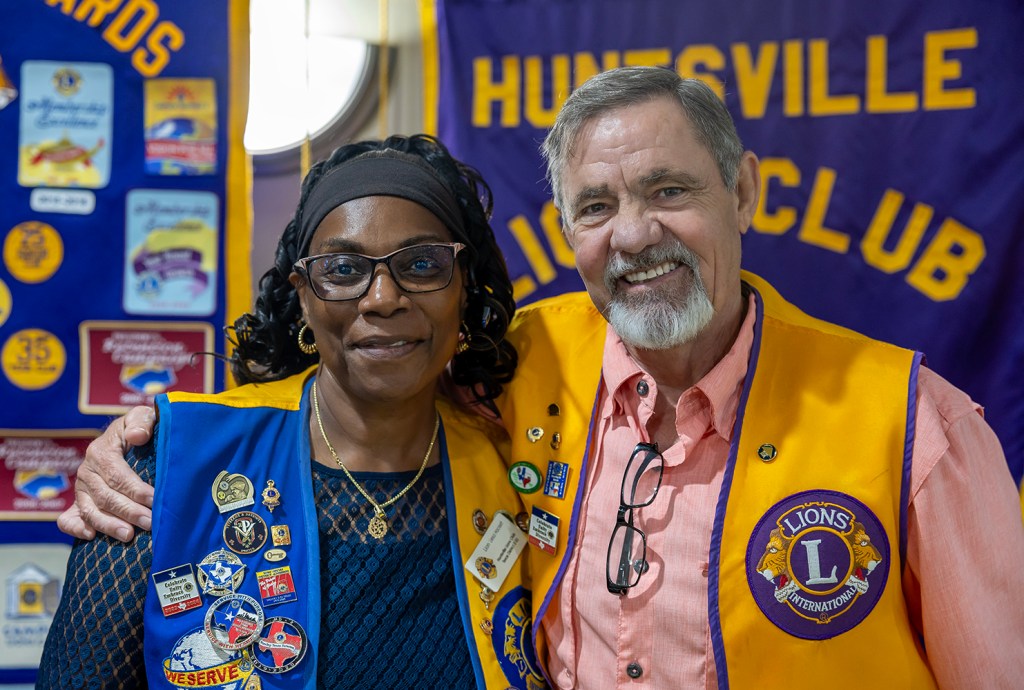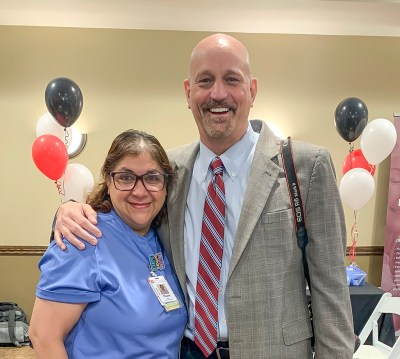
It’s no secret that the future success of a community rests heavily on its leaders and its children. With that in mind, CASA of Walker County created its “All About Kids Expo” in 2024, an event designed to educate the public about children’s health services, local activities, education, and even financial investments that can take care of educations and other contingencies.
The event was a success, and this past weekend, CASA brought it back for its second year–and LEAP was there to document the good things the community has to offer to children and families.
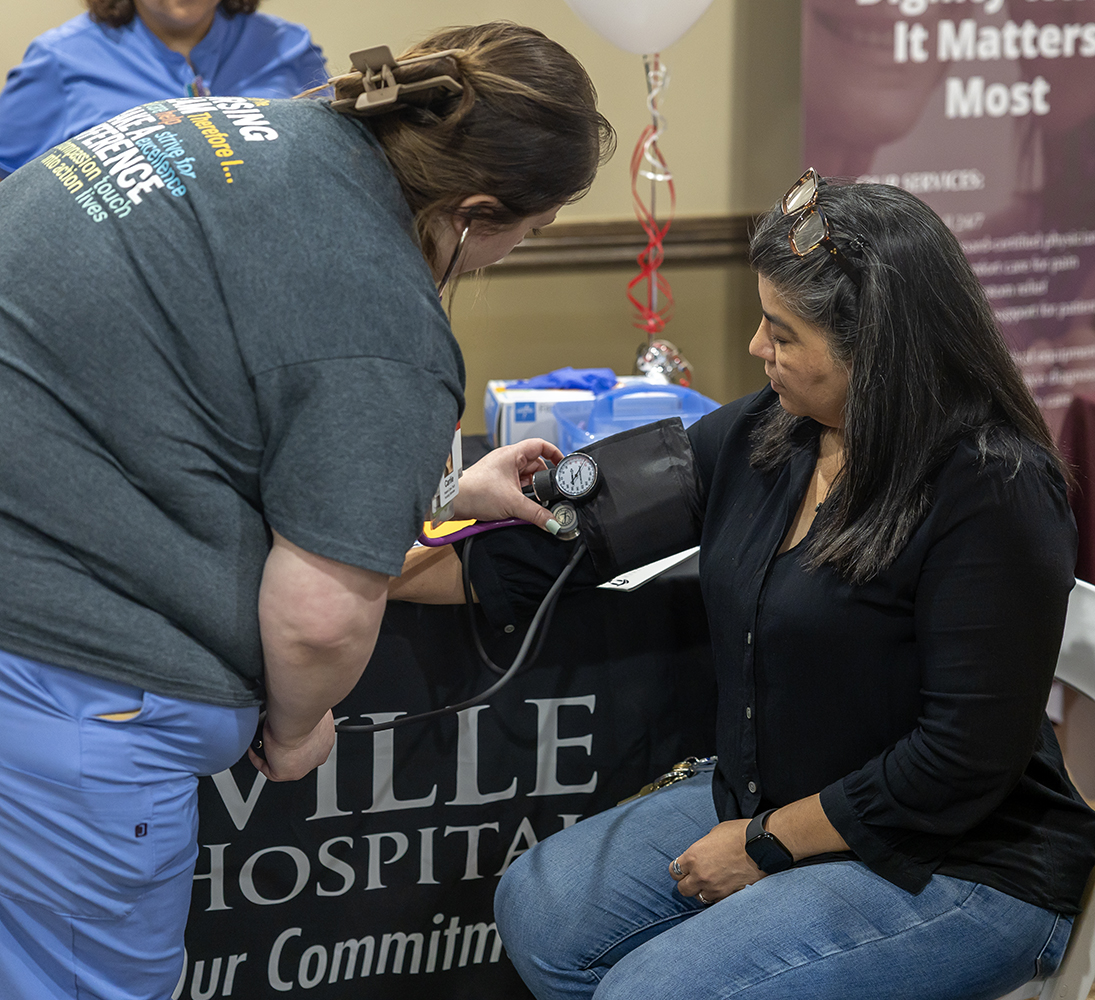
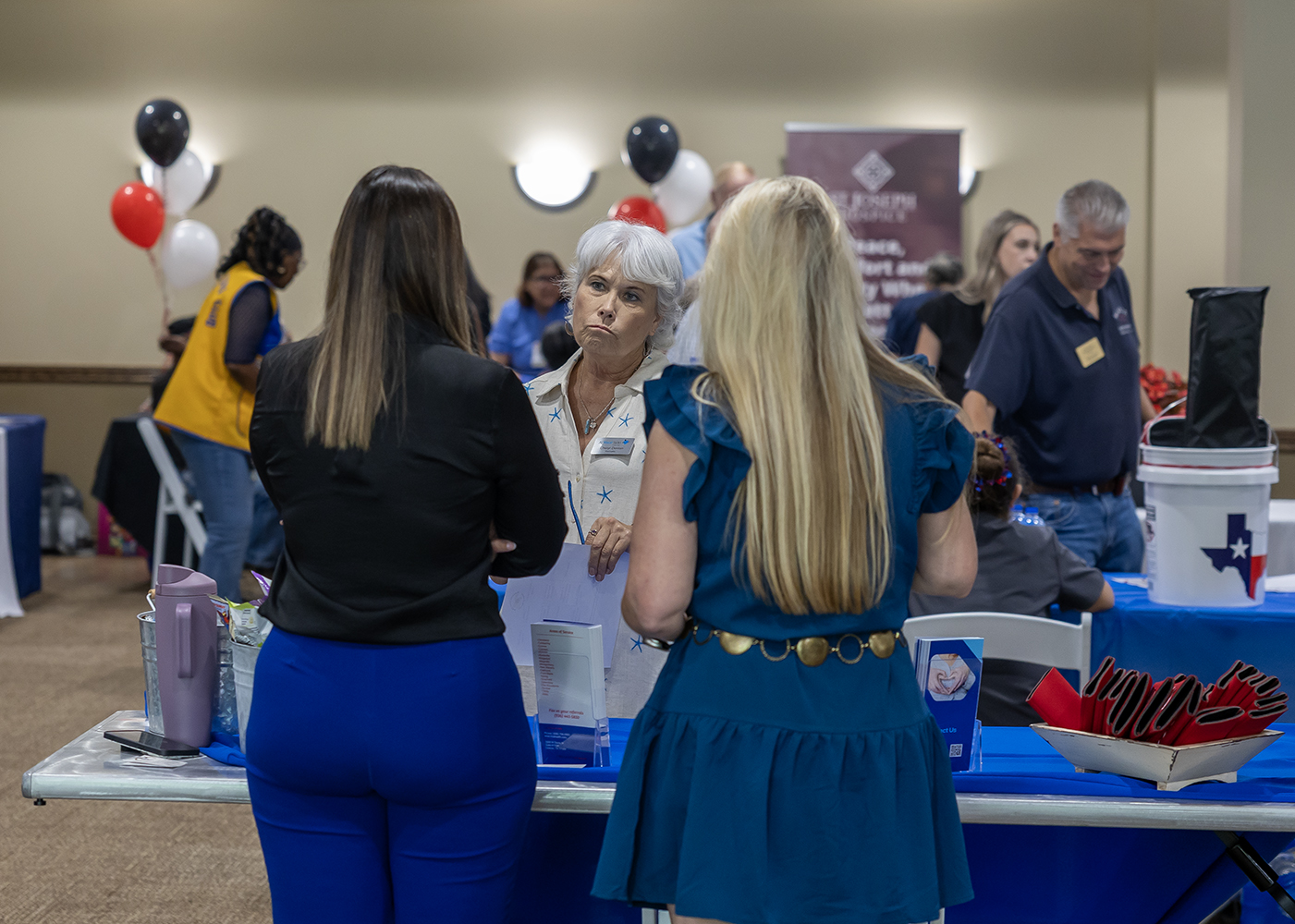
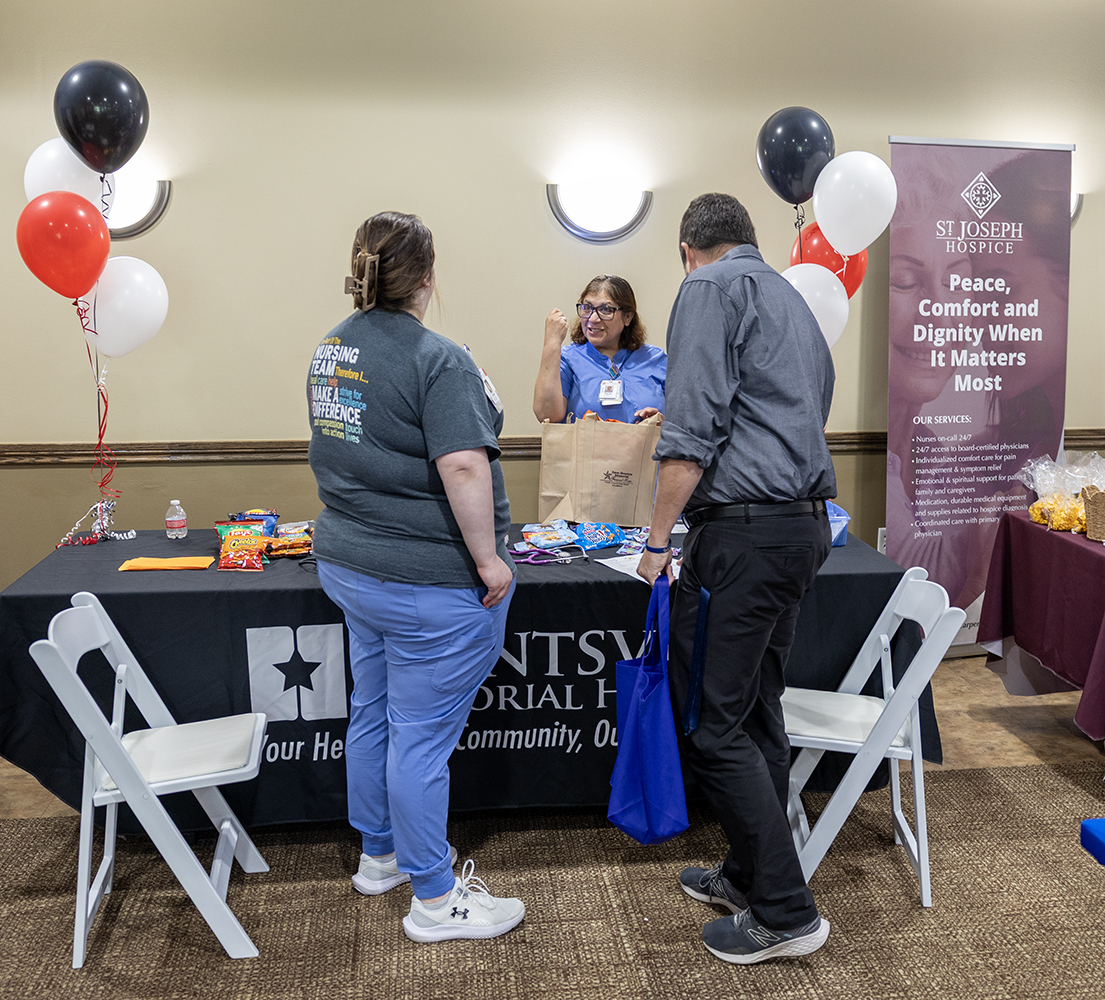
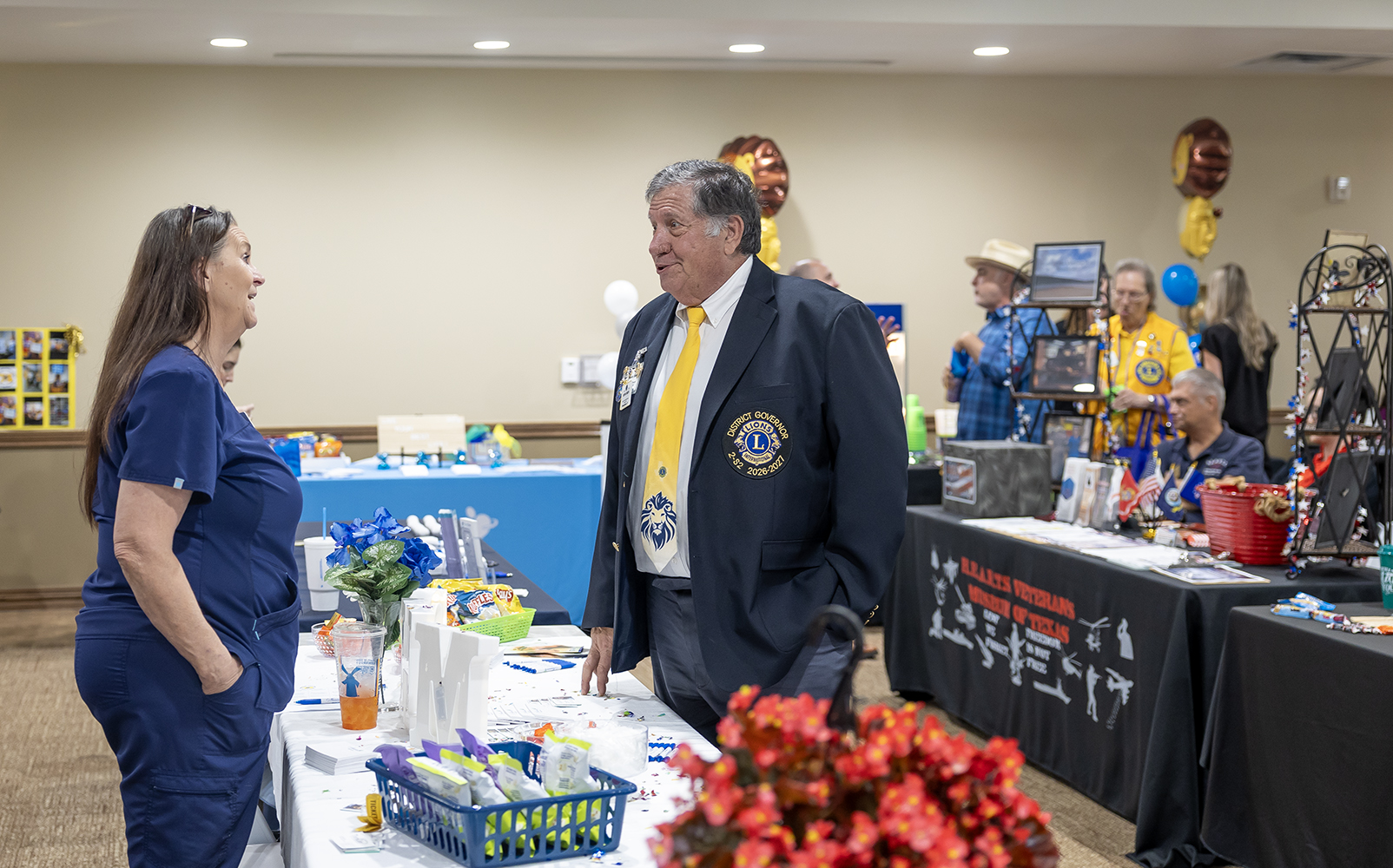
The event ran smoothly, reflecting the deft touch of event coordinator Laura Green. More than 80 organizations set up booths, with groups from the Huntsville Memorial Hospital…
In addition, there were numerous children’s activities, with bouncy-houses, balloon artists, several games involving Velcro projectiles, and a mini-train.
Not to mention a petting zoo.
In short, there was fun for everyone!
There was also entertainment. Following an introduction to the event, attendees were able to see Maggie Collum’s Dance Studio participants perform…
…enjoy the colorful, joyful, and lively steps of Ballet Folklorico…
…and groove to the moves of the Junior GGs of Mance Park Middle School…
…and the Grenadier Guards of Huntsville High.
Of course, one of the key promoters of children’s success in Walker County is the entity that organized the Kids Expo: CASA of Walker County.
Established nationally in 1977, CASA provides crucial support to children who need “a voice” while in the custody of Child Protective Services.
Our local CASA covers the counties of Walker, San Jacinto, and Trinity Counties, while promoting events such as All About Kids Expo that make communities stronger.
Those interested in supporting or attending one of the aforementioned events, or who would like become an advocate, or who would like to donate should contact Laura Green at 936-291-2272 (ext. 105).
In today’s competitive job market, the difference between landing a job and missing an opportunity often lies in how well one presents themselves in both formal and social settings. Recognizing this, the Career Success Center at Sam Houston State University hosts an annual Etiquette Dinner every spring, designed to equip students with essential dining and professional etiquette skills.
Career Success Director Benji Cantu Introduces Ms. Gottsman
This highly anticipated event is led by Diane Gottsman, an internationally recognized etiquette expert and founder of The Protocol School of Texas. With more than two decades of experience, Gottsman is widely respected for her practical, modern approach to etiquette.
Her philosophy is clear: etiquette isn’t about rigid rules but rather about fostering confidence, showing respect, and making positive impressions.
To set the tone for the evening, Ms. Gottsman encouraged engagement from the start, inviting students to ask questions throughout the event. This approach created a welcoming environment—which evidently paid off, as several thoughtful questions came from attendees.
One of the first things we covered was understanding the layout of a formal place setting. Ms. Gottsman introduced the “B and D” hand signal, a simple mnemonic to help guests remember the correct placement of their bread plate (left) and drink (right).
This was followed by a presentation of proper utensil layout, illustrating the rule of “outside-in”: always use the outermost utensils first, moving inward as each course is served.
As we prepared for the meal, Ms. Gottsman emphasized napkin etiquette, explaining that the napkin should be placed on the lap with the fold facing toward your waist. If stepping away from the table, the napkin should be placed on the chair, not the table.
She also advised against placing purses on chairs or using purse hooks at formal events.
Posture was another key point—encouraging everyone to sit upright by imagining a ball behind their back as a way to maintain poise without seeming stiff.
We also learned to “prepare” our iced tea, where Ms. Gottsman explained to stir quietly, avoid clinking the glass, and place the spoon behind the glass once finished.
She also touched on the circumstance where if you are given a drink with the lemon on the side, you should place it in the glass or behind it—but do not drink it with it on the rim.
The first course was gazpacho soup…
…during which we learned to spoon the soup away from the body to avoid spills and to sip quietly from the side of the spoon—no slurping.
Ms. Gottsman shared a helpful distinction between smooth and chunky soups: while smooth soups should be sipped directly from the side of the spoon with minimal movement, chunkier soups may require small, discreet cutting motions with the spoon to break down larger pieces—always maintaining grace and control.
Throughout the evening, students posed thoughtful questions. LEAP Ambassadors Christina Biello and Olivia Discon were among those who contributed. Christina asked about the proper way of wiping your face with a napkin, prompting a detailed explanation from Ms. Gottsman on napkin positioning and handling. Olivia inquired about how to eat a sandwich or burger properly—whether deconstructing was acceptable. Ms. Gottsman emphasized the importance of ordering wisely in formal settings, reinforcing that certain dishes—like salads or spaghetti—are best avoided.
She also mentioned what to ask for and what not to ask for while dining. Unless there are fries on the table, ketchup should not be requested; and ranch dressing should never be ordered. Requests for ranch and ketchup, Ms. Gottsman noted, send a message to the chef and the table that the requester is accustomed to cheap, low-quality food.
Another thoughtful question involved excusing oneself from the table. Ms. Gottsman advised simply saying, “Excuse me” without offering unnecessary details and always pushing in your chair and placing the napkin on your seat, not back on the table, during the temporary departure.
The main course featured chicken, vegetables, and mashed potatoes. During this course, Ms. Gottsman introduced the “resting” and “finished” utensil positions—important non-verbal cues for servers. When pausing between bites, utensils should form an inverted “V” on the plate, with the fork tines face up and the knife stays on the right.
When finished, both utensils should be placed parallel across the plate, with the fork tines up and the knife blade inward. These signals help maintain a seamless dining experience and show respect for the meal and staff. Also adding in the differences between American and European dining styles, encouraging students to become familiar with the European method for a more polished approach.
The evening concluded with a delicious red velvet dessert cake and coffee.
In formal dining settings, coffee is typically served after the main course, often accompanied by dessert. When passing cream or any condiment, always pass it to the left (counterclockwise) of the person sitting next to you.
In her closing remarks, Ms. Gottsman spoke of the importance of first impressions—how a teethy smile, confident presence, and genuine attentiveness can leave a lasting impact.
Many attendees, including myself, left the event feeling not only more confident in formal dining settings but also more aware of how small, thoughtful gestures reflect professionalism and poise.
This advice encapsulated the essence of the evening: that etiquette is not about perfection but about presenting oneself with confidence and respect in every interaction, and we can toast to that!
Many thanks to the Career Success Center and Ms. Gottsman for a wonderful program.
The weekend of April 12 was a vibrant celebration of community spirit in Huntsville, packed with events that really showed off the city’s sense of unity. After months of planning, registration, and preparation, it was incredibly rewarding to see Junk-A-Palooza come to fruition in Downtown Huntsville.
The City of Huntsville Main Street Program brings several annual events to Huntsville, and as intern for Main Street, my role this semester was helping with Junk-A-Palooza, which proved to be a success. With more than 100 vendors and an estimated 300-400 attendees, the event demonstrated its ability to bring people together and showcase community collaboration.
Junk-A-Palooza is a community-wide garage sale that gives people a chance to declutter and repurpose their old or unused items. Families, individuals, and groups set up booths filled with a wide variety of items, from unique treasures to everyday essentials—artwork, furniture, vintage items.
Following much work from Main Street Director Amanda Schillaci, Event Coordinator Angela Robinson, and myself, the event officially kicked off bright and early at 7 a.m., with booths set up ready to go and many already downtown checking out everything the booths had to offer.
One vendor featured a mystery box that sold out almost immediately, while one of the most memorable finds for me was collectable toys of red vintage cars.
This year’s Junk-A-Palooza coincided with the Wynne Home’s Easter Egg Hunt and the Pineapple Run, a 5K held in memory of Peyton Irwin. The race benefited the Peyton Irwin Foundation, which aims to educate others on the dangers of distracted driving while also awarding scholarships to students.
The Pineapple Run added to the festive atmosphere, with a bouncy castle, costume contest, and food stands supporting a great cause, not to mention the pineapple I purchased!
The combination of Junk-A-Palooza and the Pineapple Run created a day full of fun and community spirit in downtown Huntsville. Junk-A-Palooza was a huge success, thanks to the efforts of many community members.
The events showcased the best of Huntsville, highlighting its sense of unity and community spirit. Thank you to everyone who participated, volunteered, and attended!
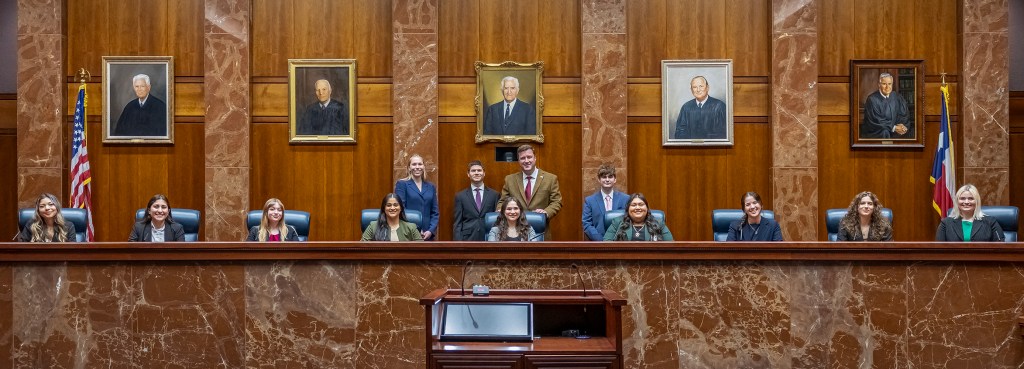
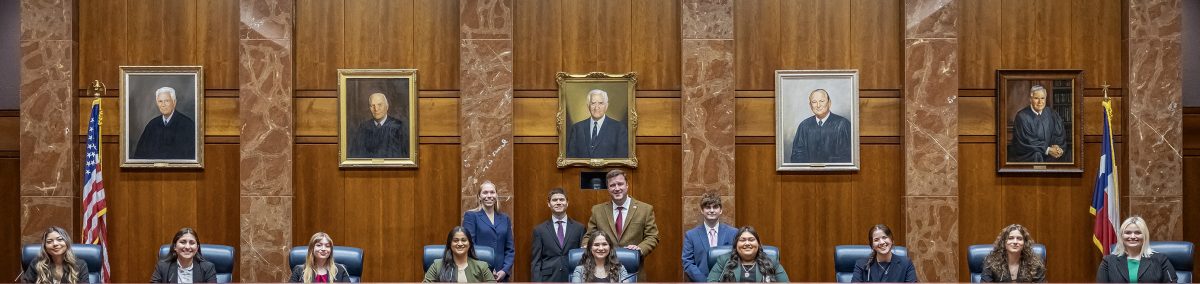
For fourteen consecutive years, the LEAP Center at Sam Houston State has been proud to host the Texas 10th District Court of Appeals on our campus. With a newly elected Chief Justice, Matt Johnson, a newly appointed Justice, Lee Harris, and 3 thought-provoking cases, the LEAP Center was grateful to help coordinate and host this event for the Huntsville community.
Appellate Courts are fascinating, due to the fact that they have, of course, been heard in trial court previously. Distinctions between interpretations of case law, the handling of the case, and legalese can be found at the 10th Court of Appeals.
The other unique thing about this experience is that each attorney has three minutes reserved for a brief overview of their argument, during which they can turn to the audience to speak.
It is here that attorneys can provide context about the initial case and its history, along with their chief arguments they will make before the Justices.
The lawyers then have twenty minutes each to make their argument, along with a five-minute rebuttal from the appellate attorney.
For the Ambassadors, the primary tasks were to (1) ensure the room was ready, and Ms. Rowley from the Criminal Justice Center was very helpful in this regard; (2) ensure all the equipment worked; (3) provide questions and the identities of elected officials to the Justices and Clerk Williamson;
…and (4) to take photos.
Having the opportunity to view legal proceedings of this nature on our campus is an incredible opportunity.
We had several community friends join us for the day, including Pat Graham, City Councilmember; Linda McKenzie, GOP Republican Party Chair; Scott Swigert, City Manager; Judge David Moorman of the 12th District Court; Dr. Kim Webb, Justice of the Peace of Jacinto County, Pct. 4. Will Durham, District Attorney of Walker County, was of course in attendance, given that they were the Appellee on 2 of the cases that day!
After the 11am case, the court graciously opened up for a brief Q&A session with our students. We got some new insights on the manner in which the courts are organized and how they make it to the 10th Court of Appeals.
We then had lunch with the Justices before the final case of the day. This experience is always a pleasure, and having the opportunity to connect with such esteemed individuals as students who are interested in the field of law is incredible.
After a full day of court hearings, and a Pre-Law Society meeting to attend to later that day, we sadly concluded an event full of learning, law, and community.
Thank you so much to Chief Justice Johnson, Justice Smith, and Justice Lee…
…for your dedication and for continuing this opportunity for our students.
Tucked away in Houston’s vibrant Museum District, the Asia Society Texas Center is a cultural gem that embodies the rich diversity of Asia through architecture, exhibits, and innovative and cultural experiences. Designed by renowned Japanese architect Yoshio Taniguchi, the building is LEED certified, making it a visual delight and a wonder to experience.
As you enter the museum, the North Gallery provides a welcoming space with five touch screens arranged in a circle around a central pillar; each screen contains a globe with the Asian countries shaded in different colors.
Once a country is touched, the person “travels” to the country through a screen that shows the nation’s capital as well as the local time and how many miles it is from Houston.
Similarly, the most Instagram-worthy spot in the entire center is a wall covered with Asian culture-inspired neon signs. Ranging from a glowing lucky cat sign, a bowl of pho, and even one displaying Bellaire Boulevard. Each experience implements an interactive way to learn about Asia’s culture.
The “Gathering Table” interactive section highlights different foods of Asia and, most importantly, where you can find that food in Houston.
This area also offers a scent station that adds a sensory dimension to the experience.
The central section of the Asia Society is the two-story Grand Hall, lined with Jura limestone and wall paneling with American cherry wood. Each of these elements is used throughout the interiors for warmth and connection to the local landscape.
Also in the building is the Brown Foundation Performing Arts Theatre, featuring perfect acoustics, created through carefully designed architectural elements. The stage is an Appalachian white oak, with the maximum capacity at 273 steel-gray seats and acoustic cherry wood wall panels that ultimately create a sumptuous atmosphere.
We also explored the “LEO Bullet Train,” which is a digital bullet train ride through Asia.
This rectangular room is filled with screens shaped to look like windows on a bullet train.
As the ride takes place, videos of all the countries scroll past on the screens, displaying a little touch of different cultures.
On the second floor, the mood shifts to serenity with the Water Garden Terrace. The display is filled with 12,000 gallons of constantly recirculating water. Large glass windows also connect the space to its natural surroundings while designed to withstand 110 mph winds, meeting Houston’s stringent glass structural codes.
Situated next to the water garden is the Louisa Stude Sarofim Gallery, which is composed of the minimalist installation by artist Lee Ufan, named Relatum. It consists of a raw stone and steel plate, arranged in a way that emphasizes spatial relationships and the quiet tension between man-made and natural forms (we assume). Relatum doesn’t demand attention; rather, it provokes the viewer to think, so the perception is up to the viewer.
The gallery also displayed intricate Japanese art pieces of cutting and using paper stencils to dye textiles. The art combines contemporary international design with an understated elegance that reflects Asian aesthetic principles.
My personal favorite of all Museum pieces was a miniature version of the building.
The exhibition space features rotating shows of traditional and contemporary Asian art, from holograms and push-button lessons on how to say words like “Houston” and “Texas” in Japanese and many other languages.
The Asia Society Texas Center blends both modern design with traditional Asian style. From the exhibitions to the building itself, it combines contemporary international design with modest beauty and calm one may associate with Asia. It’s a special place in Houston where people can learn about and connect with Asian cultures in a meaningful way!
A mysterious death. A howling hound. A suspiciously Texan heir. What do all these things have in common? Chaos, comedy, and the incredible Todd Waite in his final bow as Sherlock Holmes at the Alley Theatre.
With only five actors and 36 characters flying in and out of scenes, The Hound of the Baskervilles was a theatrical juggling act, with a few wig, costume, and accent changes. Which is to say: it was impressive, ridiculous, and a lot of fun.
Before diving into the fun, we primed ourselves with a little chaos of our own: lunch at Post Market. In the spirit of the show’s variety, we went for food from all corners: noodles, rice, sushi, and African inspired power bowls— none of which appeared to be from the same restaurant.
Our group included LEAP friends Bill and Carol Hyman and Wayne and Andrea Scott, along with students Macey Schank, Jacob Wessels, Chrissy Biello, Michelle Moya, Mikaela Baires, and Austin intern Cinthia Villarreal. We showed up full and ready for whatever the Alley threw at us.
The Hound of the Baskervilles follows Sherlock Holmes and Dr. Watson as they investigate the mysterious death of Sir Charles Baskerville and the legend of a supernatural hound that haunts his family’s estate. In this version, five actors take on dozens of characters, adding a fast-paced, comedic twist to the story.
When we saw Todd Waite last month at Murder by the Book, he mentioned how Sherlock Holmes is, frankly, a smart aleck, but one you can’t really get mad at, because he’s always right on the nose. Having heard him talk about the role made seeing him perform it even better. His timing, his wordplay, and even his smallest asides all landed with precision. He clearly knows Sherlock inside and out.
Dylan Godwin was another fan favorite in this show among our group. As the Texan heir to the Baskerville estate (among a dozen other characters), he was constantly shifting personalities and finding ways to distinguish the hilarious traits for both a grumpy street cop and a simple minded Texan—even when they are both in the same scene!
In all, this was a great experience for the LEAP Center to share with some amazing community friends.
Even with the busiest time of the legislative session in full swing, the LEAP Ambassadors always find ways to stay engaged and keep learning. After a long day at the Capitol, we made our way to BookPeople in downtown Austin for an author event featuring Lise Olsen and her latest true crime book, The Scientist and the Serial Killer.
As true crime fans and students focused on criminal justice and pre-law, this event was right up our alley. Lise Olsen, known for her investigative reporting and current work with the Texas Observer, has spent her career uncovering the truth behind long-forgotten crimes. The conversation was moderated by Michelle Pitcher, one of Olsen’s colleagues who also covers criminal justice topics.
The book centers around Dean Corll (Nicknamed Candy Man), a Houston serial killer responsible for the abduction and murder of over 27 teenage boys in the 1970s. Despite the scale of the crimes, police negligence allowed Corll to operate undetected for years. After the crimes were uncovered, the investigation was shockingly mishandled. The Houston Police Department sent inmates with trash bags and shovels to dig up remains from a boat shed where the victims were buried—no forensic experts, no proper evidence collection, and very little communication with the victims’ families.
That’s where the heart of the book lies. Olsen reported on the findings and the work of Sharon Derrick, a forensic anthropologist who became deeply invested in identifying the unnamed victims. Derrick took on the challenge of reexamining the case, believing at first it might be simple but she quickly realized she was wrong. Many of the families were gone, DNA matches were limited, and records were scarce. Still, Derrick worked to connect the dots, uncovering overlooked evidence, personal items, and even previously unidentified remains. Olsen followed and reported on this journey, often reaching out to families herself to gather clues and piece together the victims’ stories along the way.
Pitcher asked Olsen about how she was able to capture not just the investigation but also the social and institutional failings of the time.
The book dives into what policing looked like in 1970s Houston: limited resources, no communication systems, and almost no understanding of serial killer patterns. Authorities often dismissed missing teens as runaways or troublemakers, even blaming parents. There were rumors that some had fled to avoid the draft. And the juvenile crime division? It consisted of officers who would write a one-page report/description and move on.
Olsen interviewed hundreds of people—friends, family members, investigators—and gave space for those who had been grieving in silence for decades. Her mission wasn’t to glorify a serial killer, but to give voice to the nameless victims and to honor the hard work of investigators still trying to bring justice and closure. The book is haunting, especially as a Houston native who’s grown up hearing stories about the Candy Man.
After the talk, we got the chance to chat with Ms. Olsen for a bit about criminal justice and let her know how much we enjoyed the event. It was a great way to end the night—getting to meet someone who’s doing meaningful work and hearing firsthand how much time and care goes into telling these stories. We snapped a quick selfie and left BookPeople feeling a little more curious, a little more inspired, and definitely glad we made the time to go.
Despite a packed day in Huntsville—with Junk-a-Palooza and the Pineapple Run taking place simultaneously, and Rotary’s “Wine Fest” and a Sip N’ Shop event scheduled for later—the Wynne Home remained a go-to destination for local families eager to celebrate the season, drawing more than 200 people in attendance.
This year’s event was led by Wynne Home and Economic Development Events Coordinator Angela Robinson, along with Wynne Home Director Andrea Howard, and Administrative Assistant Lauren Payne. They were supported by an enthusiastic team of volunteers, including LEAP Ambassadors (some of whom drove in from Austin where they work as SHAIP interns in the Texas Legislature)…
…City Fellows Interns, Pre-Law Society members, and longtime community contributors Lois Stehlik, Nancy Ormsby, Janette Roesler, Stephanie Fors (our in-house chef!), and City Fellows intern Liv Hernandez.
To prepare for the festivities, volunteers arrived early to hide eggs—some tucked away in much trickier spots than others.
To make sure the games ran smoothly, a few volunteers even did a “test run” of the activities beforehand.
By 11:00 am, families began to arrive, and the children wasted no time jumping into the fun.
There was something for everyone: chalk, bubbles, hula hoops, jump ropes,
From cornhole…
Ring toss…
Velcro darts…
And the ever-tricky egg-and-spoon race.
This game is no easy feat, but that did not stop kids from giving it their all—even if it meant using a few creative tricks to stay balanced and win.
For those who preferred a quieter activity, the crafts table with Lois Stehlik and Nancy Ormsby offered a space to sit down and create something festive.
Not to mention, visitors could bring home their very own balloon art. Some opted for swords, while others wished for animals or flowers!
Then came one of the most anticipated moments of the day—the arrival of the Easter Bunny! Most children welcomed the Bunny with big smiles, hugs, and high-fives. A few were a bit unsure, but the Easter Bunny remained cheerful and kind throughout.
To fuel up before the big egg hunt, Stephanie generously prepared lunch for everyone—grilling around 200 hot dogs, served alongside chips and (hopefully not too messy) mustard and ketchup.
At 12:45 pm, it was finally time for the main event: the Easter Egg Hunt! Children were divided into two age groups—5 and under, and 6 and up. When the signal was given, kids took off running, eagerly scooping up eggs in every direction.
With 800 eggs hidden for the older group and 700 for the younger group, there were around 1,500 eggs in total—more than enough for every child to fill their basket.
Although the event officially ended at 1:00 pm, many families stayed afterward to play a few more games or proudly show volunteers the eggs they had collected.
The Easter Egg Hunt at the Wynne Home Arts & Visitor Center continues to be a heartwarming tradition that brings the community together for a joyful Saturday morning.