Written By: Isis Hollis, Robin Houghton, Allie Plunk, and Jacob Wessels
LEAP Ambassadors had a wonderful second day at the Council of State Governments Western Legislative Conference! We enjoyed learning about Quantum Computing, the West’s take on the upcoming Olympics, Policy tours, and a visit to the Church of Jesus Christ of Latter-Day Saints’ Salt Lake City Temple Visitors Center.
Quantum Computing
Though a daunting subject, we attended a conference session on the implications and impacts of Quantum Computing, hosted by Senator Catherine Blakespear (CA) and Representative Justin Wilmeth (AZ).
With a series of presentations by Rohan Basu Roy, Professor at the University of Utah; Pratik Soni, Professor at the University of Utah; Chris Spitzer, of Lawrence Berkeley Laboratory; and Ben Eikey, of the Levin Center, we were amazed to learn about the quickly approaching 2030 deadline for the official implementation of Quantum.
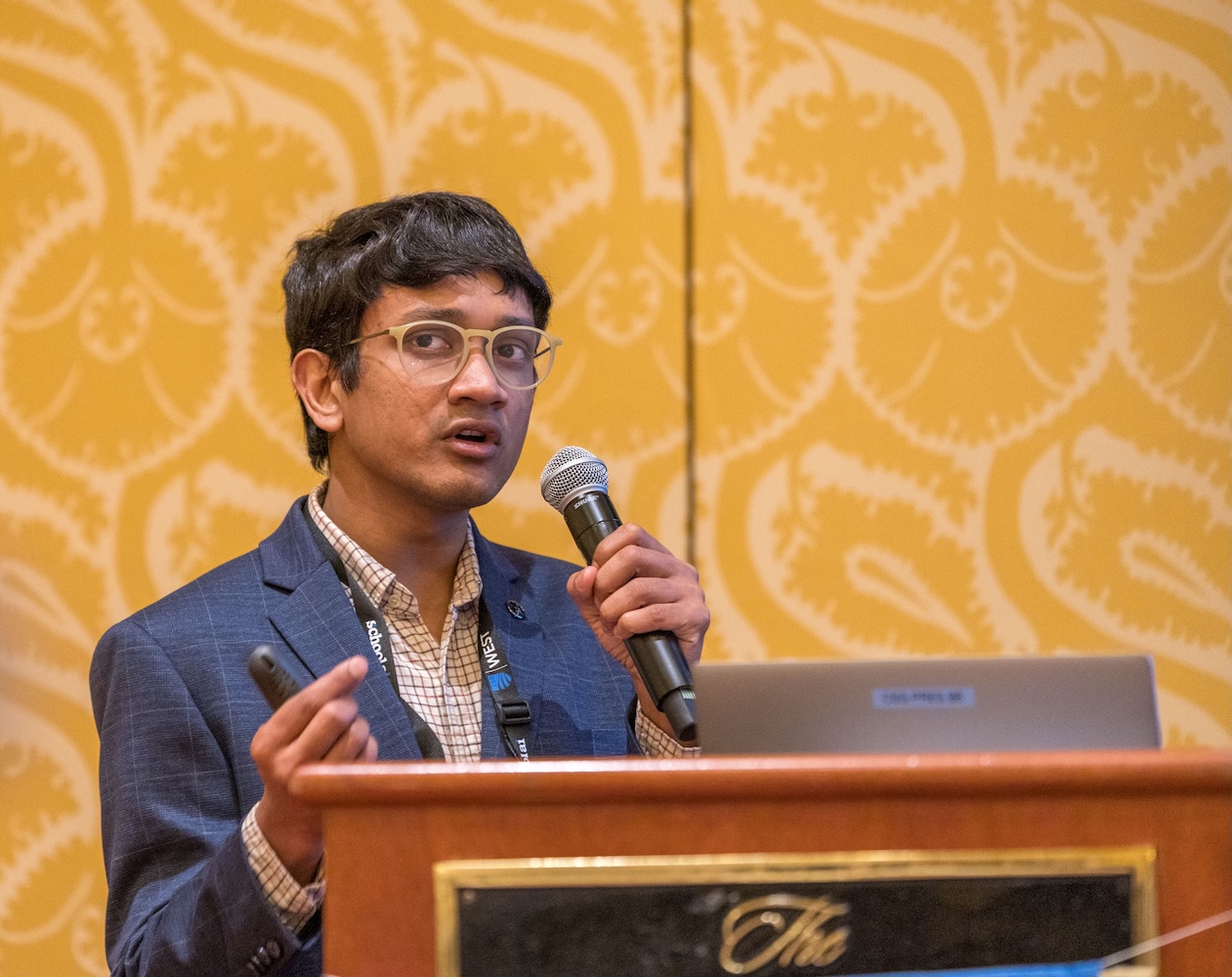
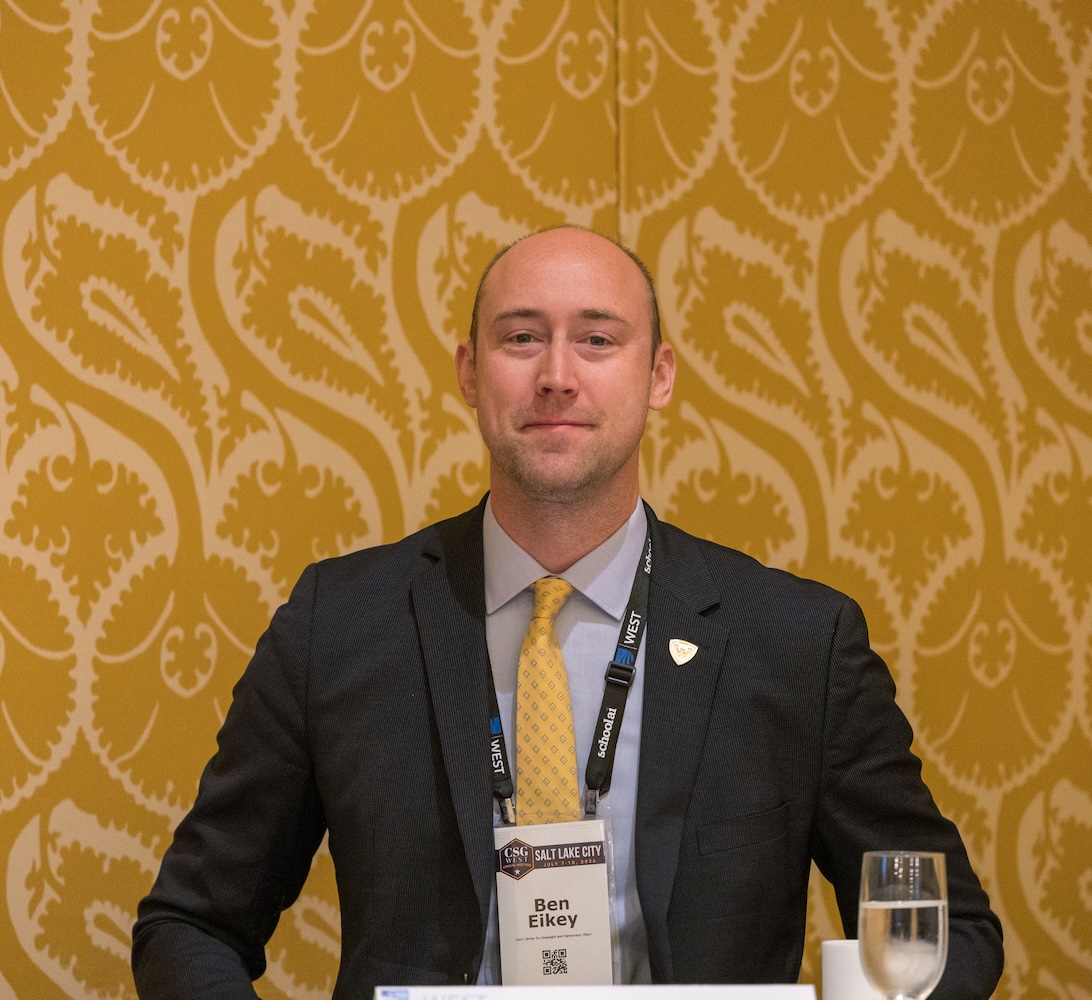
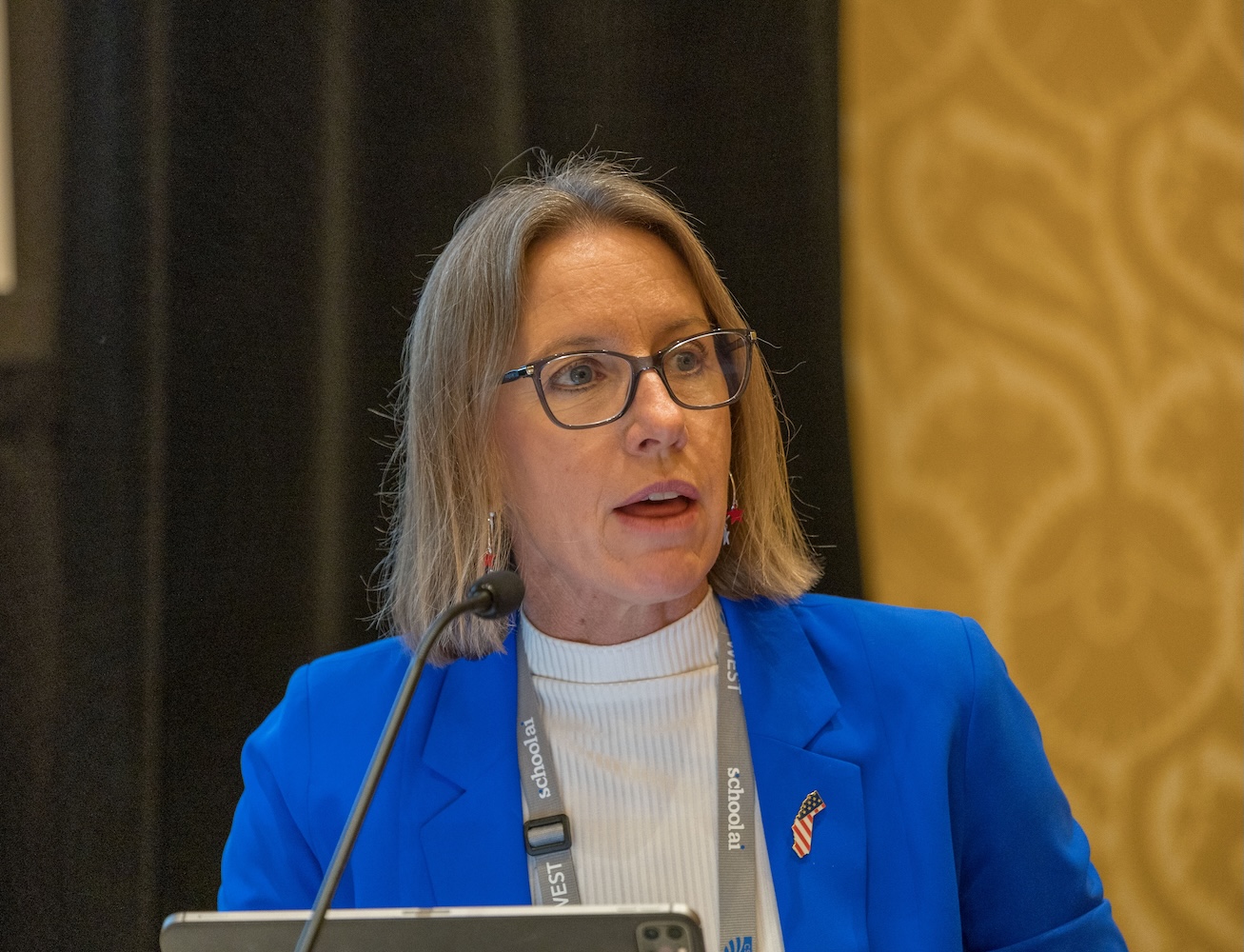
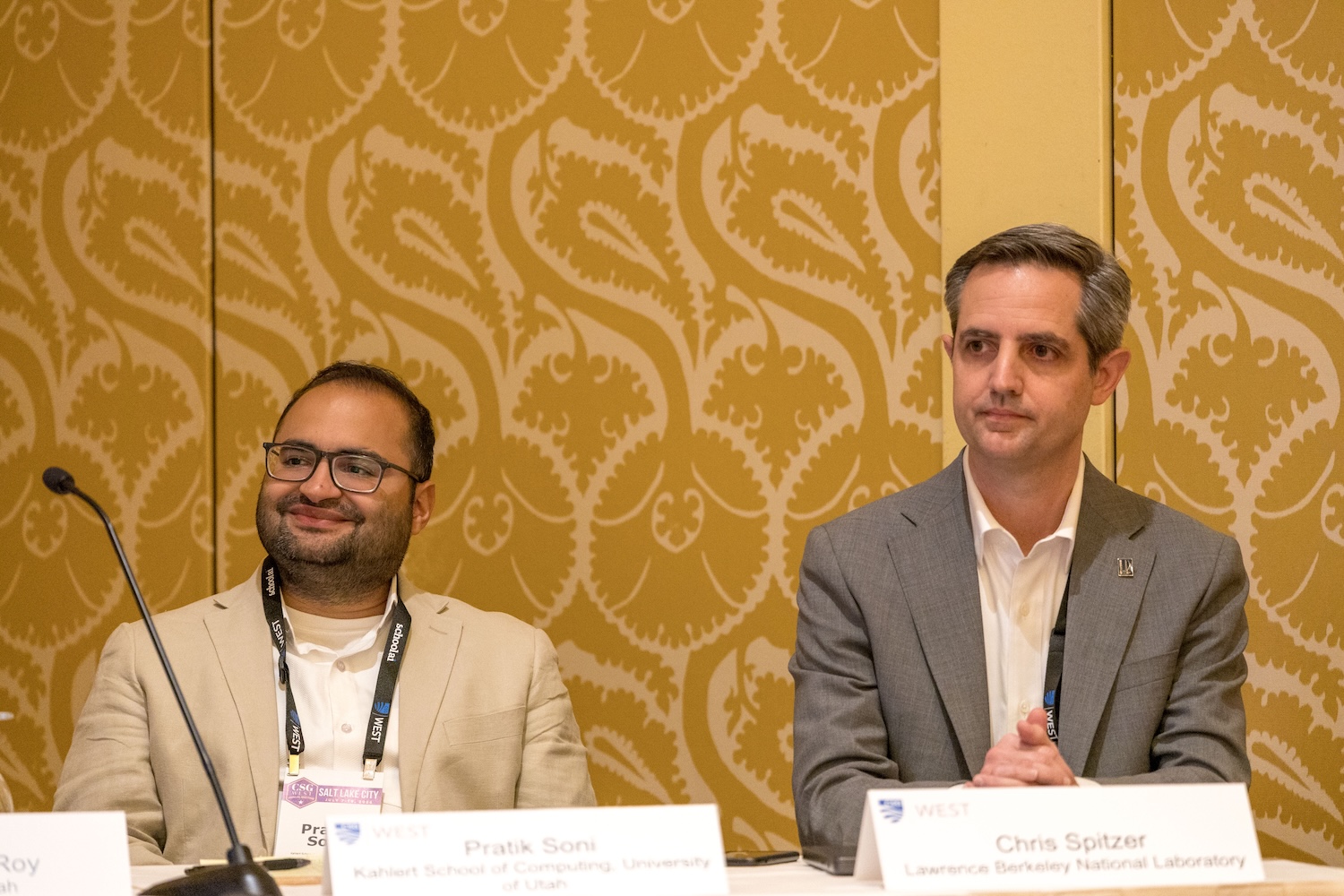
This astounding software will significantly cut down the production time for molecule simulators used in drug manufacturing, risk analysis for things like finance, and even enhanced AI. However, as Professor Soni stated, Quantum also comes with significant risk to national security and could potentially widen the employment gap. In order to resolve this conflict, speakers suggested training programs for teachers and students as young as elementary school to introduce Quantum so that we can raise a generation of young people properly equipped to handle the technology.
The tone of the session was one of preparation: Quantum is coming to the West, and it’s up to the legislators to build a safety net to keep things from going downhill. Quantum Computing is a somewhat new concept to the Ambassadors, though one that got us thinking about our own futures and how Quantum might affect our careers in law.
The Power of Sports
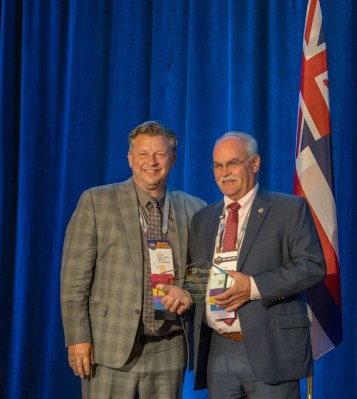
Following our crash course in Quantum, we were off to lunch! Before the keynote speech began, Chair Senator Todd Weiler (UT) presented the Bettye Fahrenkamp Award to Senator Ron Winters (UT) for his outstanding leadership.
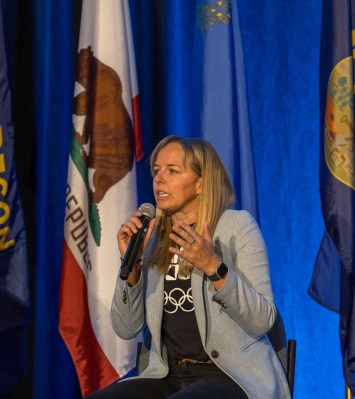
After the awards, we learned about the value of sports from Kelsey Berg, who is currently leading government relations for the Utah 2034 Organizing Committee for the Olympic and Paralympic Winter Games…
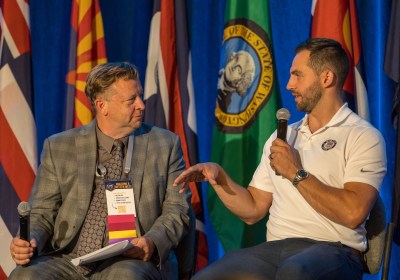
…and Chris Mazdzer, Olympian and Paralympic activist, and moderator Senator Todd Wieler (UT).
Following the incredible success of the 2002 Winter Olympics hosted in Utah– one of the only Olympic games in which the host country made a profit– the state is thrilled to host the 2034 Winter Games.
However, the benefits of Olympic sports are not only financial. The speakers testified to the incredible cultural unification that happens when people from across the globe unite in the name of sports, citing the overwhelmingly positive reaction from visitors to the World Cup.
Even as someone who has never been particularly athletic, I found this connection inspiring, and I look forward to being a part of the host country for another worldwide sporting event.
Huntsman Crisis Center
The LEAP Ambassadors had the opportunity to attend post-lunch policy tours to witness the effects of legislation in action.
Isis, Allie, and Jacob attended a tour of the Huntsman Mental Health Institute and Crisis Center of Utah. The institute is leading the way for many significant improvements in behavioral health by focusing on creating a welcoming environment for its patients through a variety of methods, including referring to those whom they treat not as patients, but as guests. The architecture of the building helps achieve this as well by being intentional with every aspect, all the way down to the lighting, which is timed to the body’s circadian rhythm!
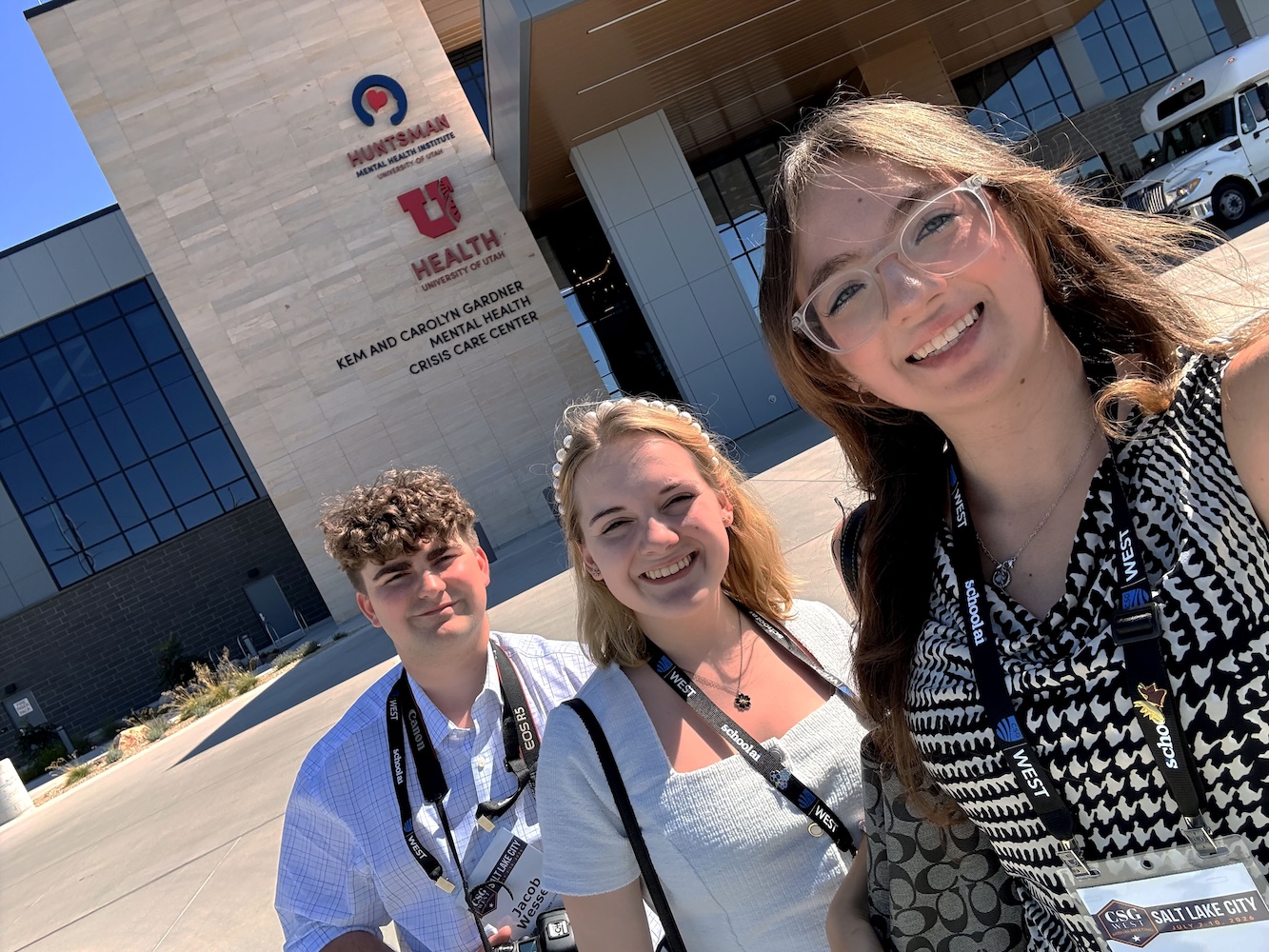
Representative Steve Eliason and Operations Manager Kevin Curtis shared how they have made an impact through collaborating with local police departments and hospitals to keep those facing mental challenges out of prisons and instead getting the care they need. Their work has helped many people with rehabilitation after facing a crisis while creating a more accepting community for those who may have mental problems. The session informed us on the resources available for nearly every demographic to seek care, along with ways legislators can help push for destigmatizing mental health treatment.
The tour created a lot to think about for the Ambassadors, but it brought along with it a newfound interest in psychology and the treatment of the mentally ill.
The Great Salt Lake
Robin, Olivia, and Professor Yawn chose to attend the policy tour on Water and the Future of the West. On the bus ride there, we learned about water usage in Utah. Utah Water Ways, led by Executive Director Tage Flint, is behind a campaign called “Slow the Flow.”

Their organization is unique: it is set up as a non-profit, but it is funded in part by the Utah Legislature and in part by community/corporate partners, with a goal of reducing per capita water consumption by almost a third in the next twenty-five years.

Part of this goal is to save the Great Salt Lake.

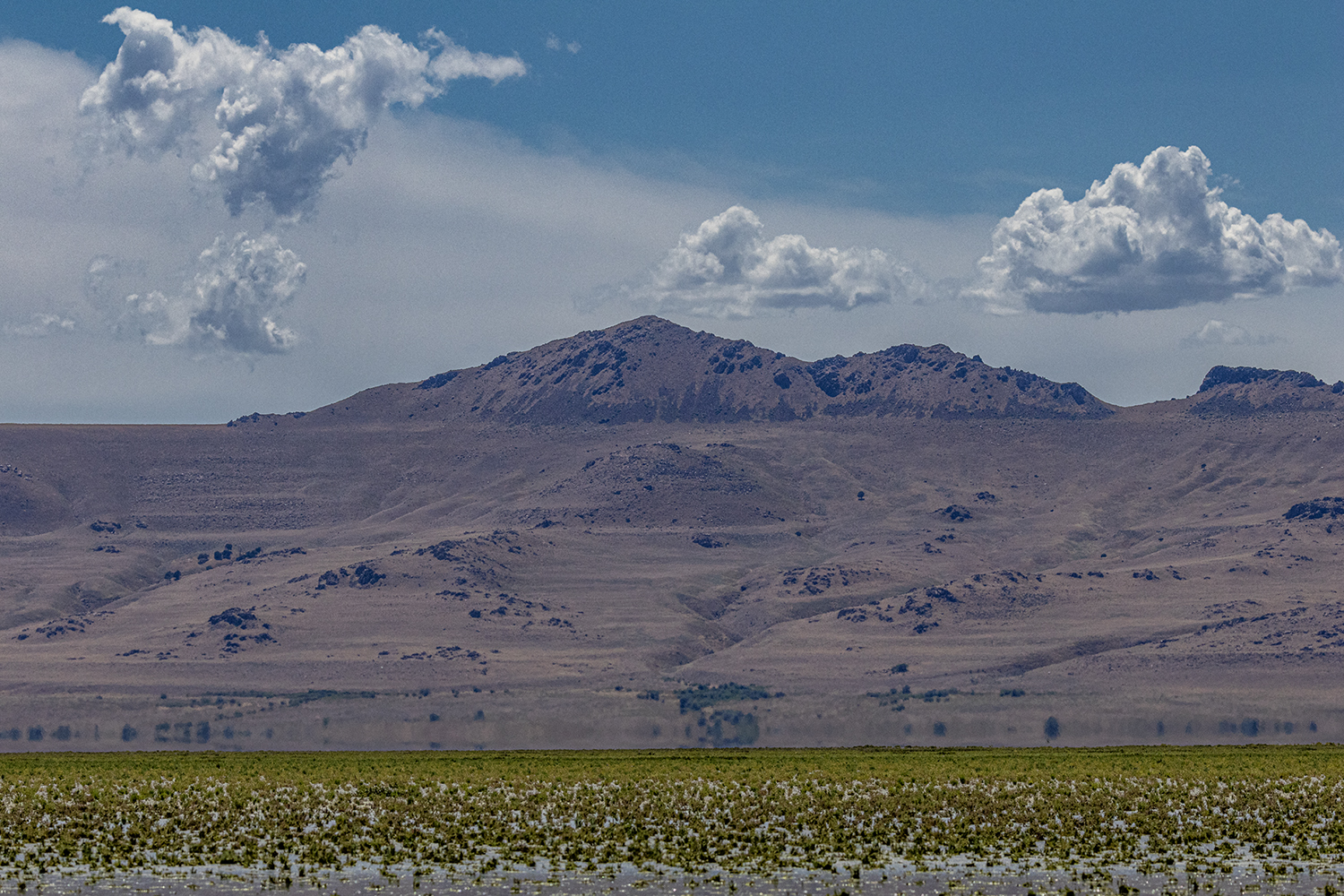
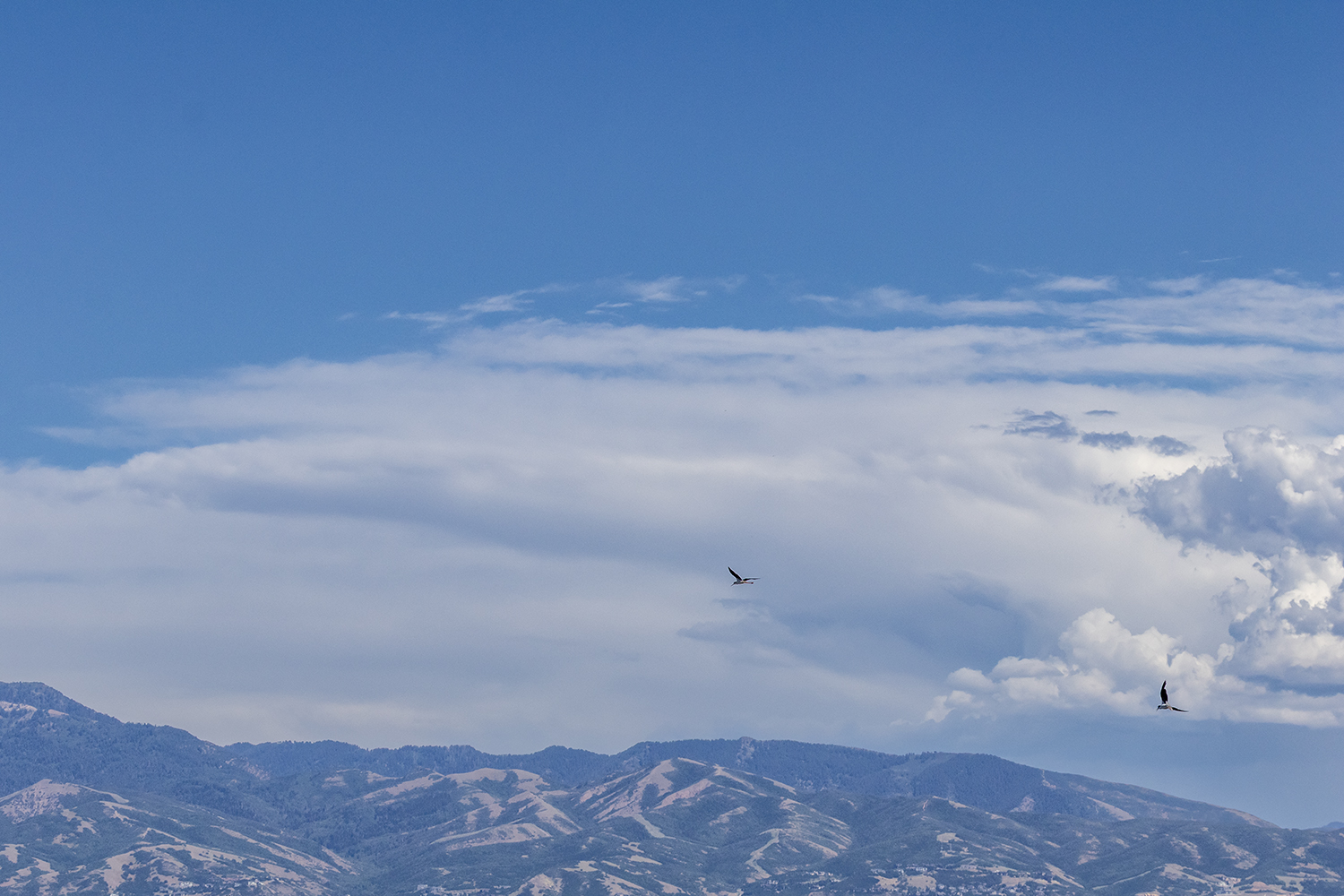
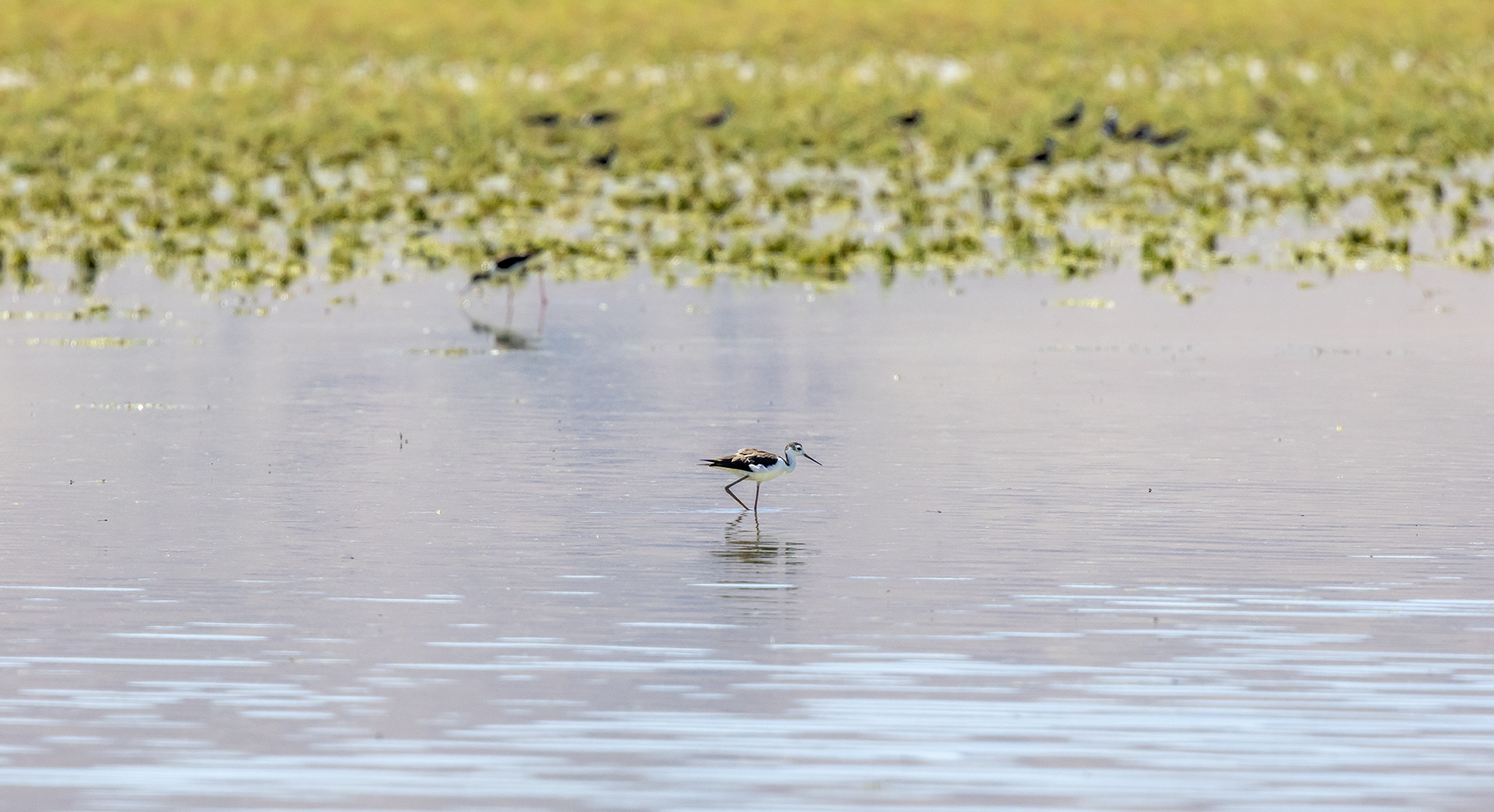
The Lake has been subsiding in the past several decades, a particularly trouble phenomenon because it offers a unique ecosystem, providing a home for hundreds of thousands of migratory birds.
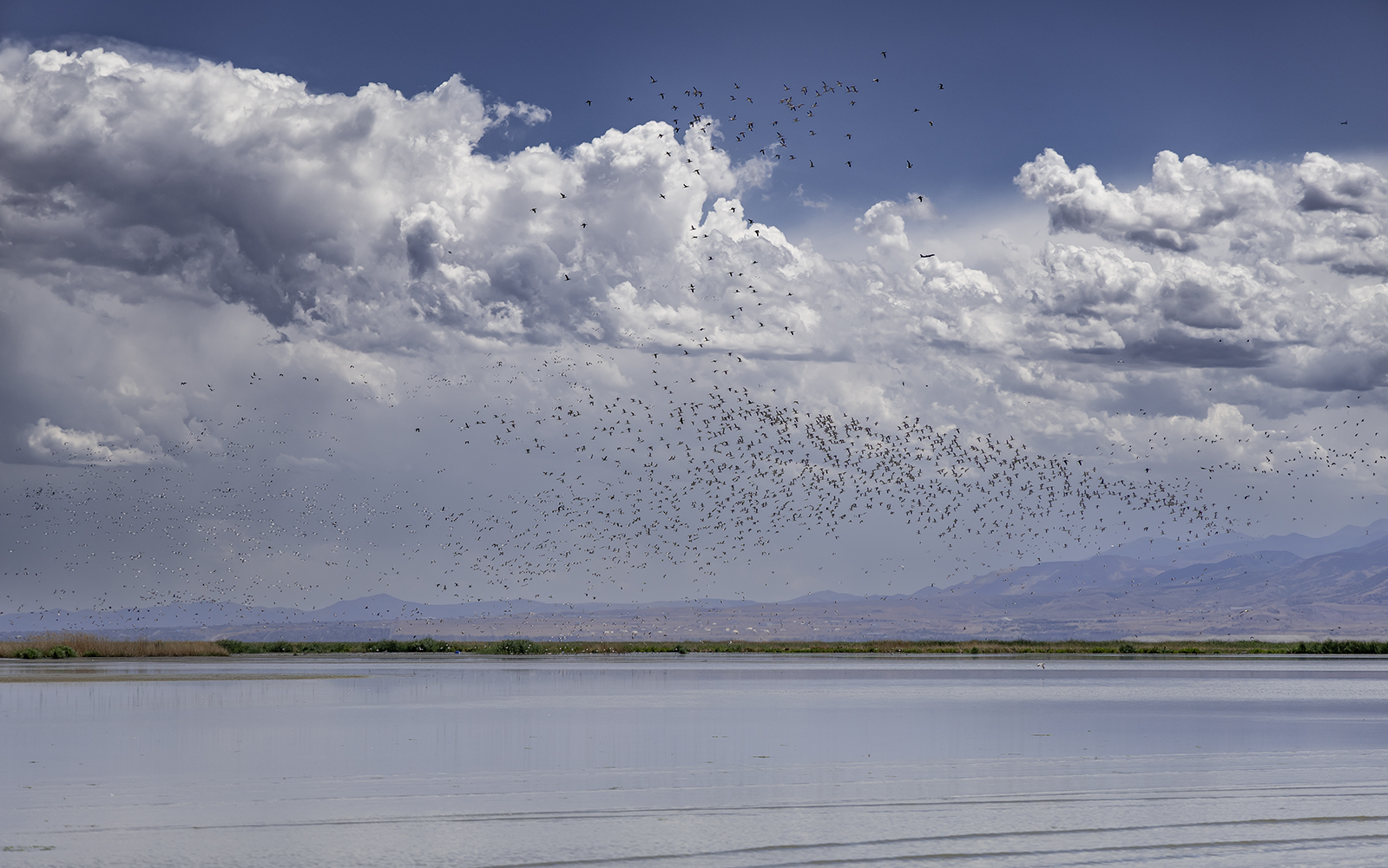
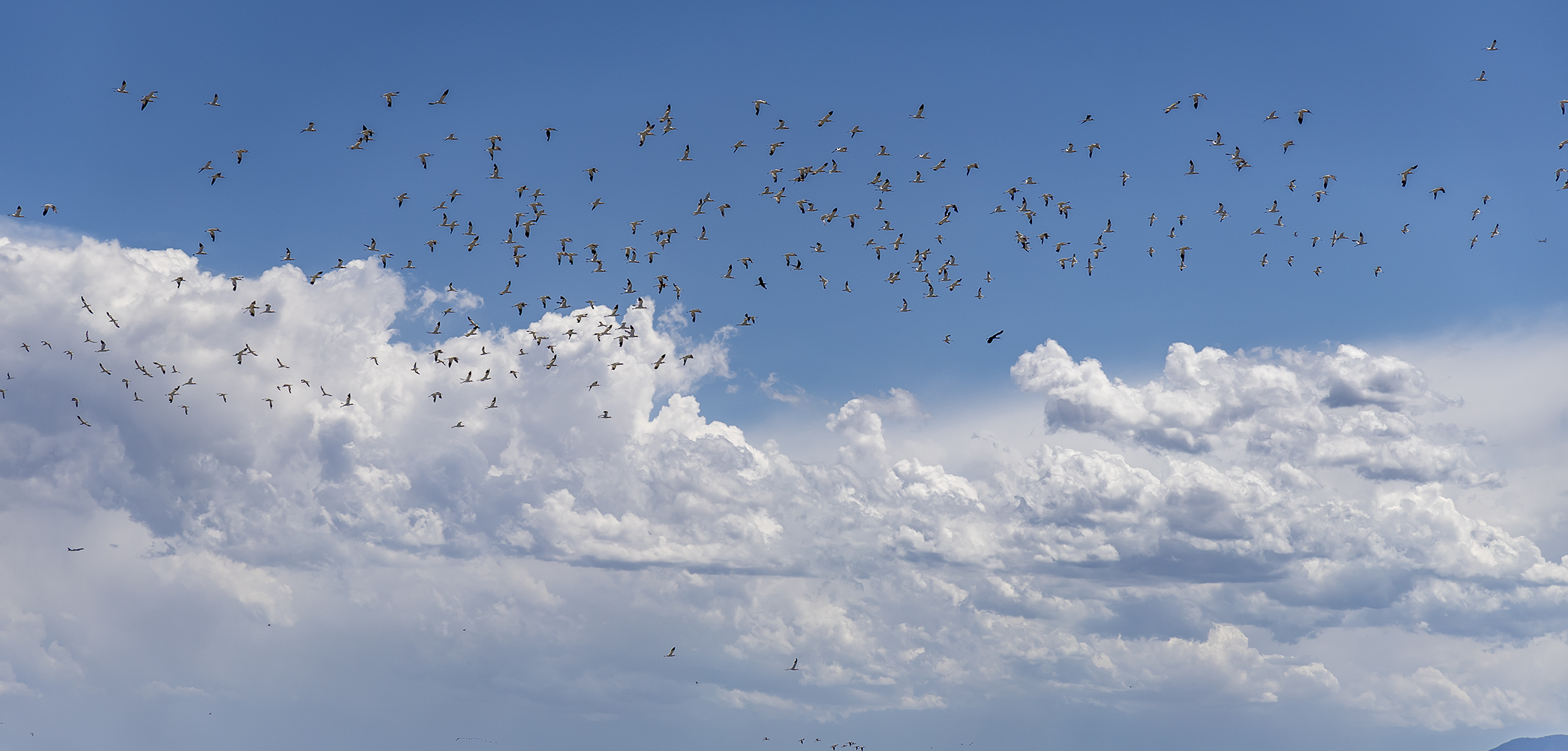
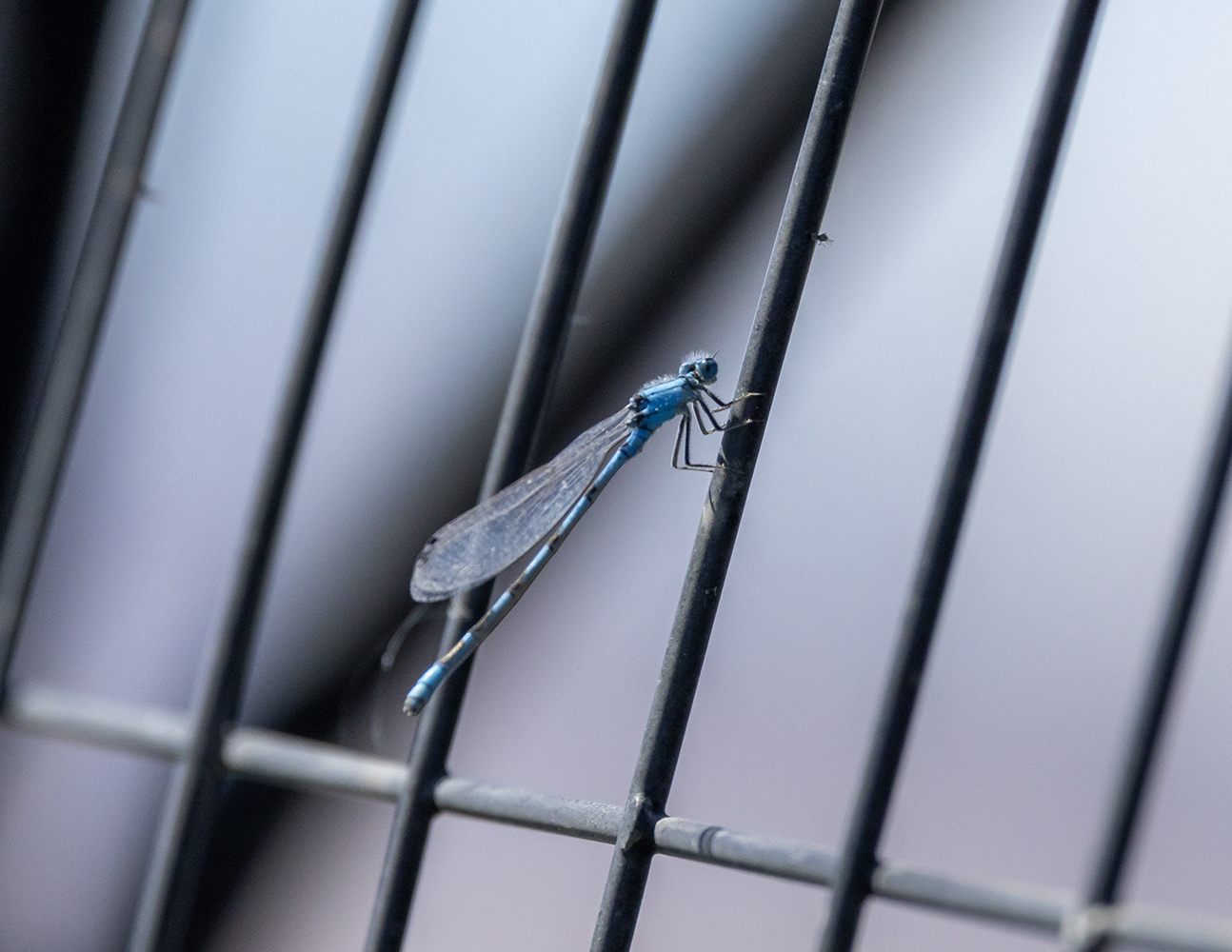
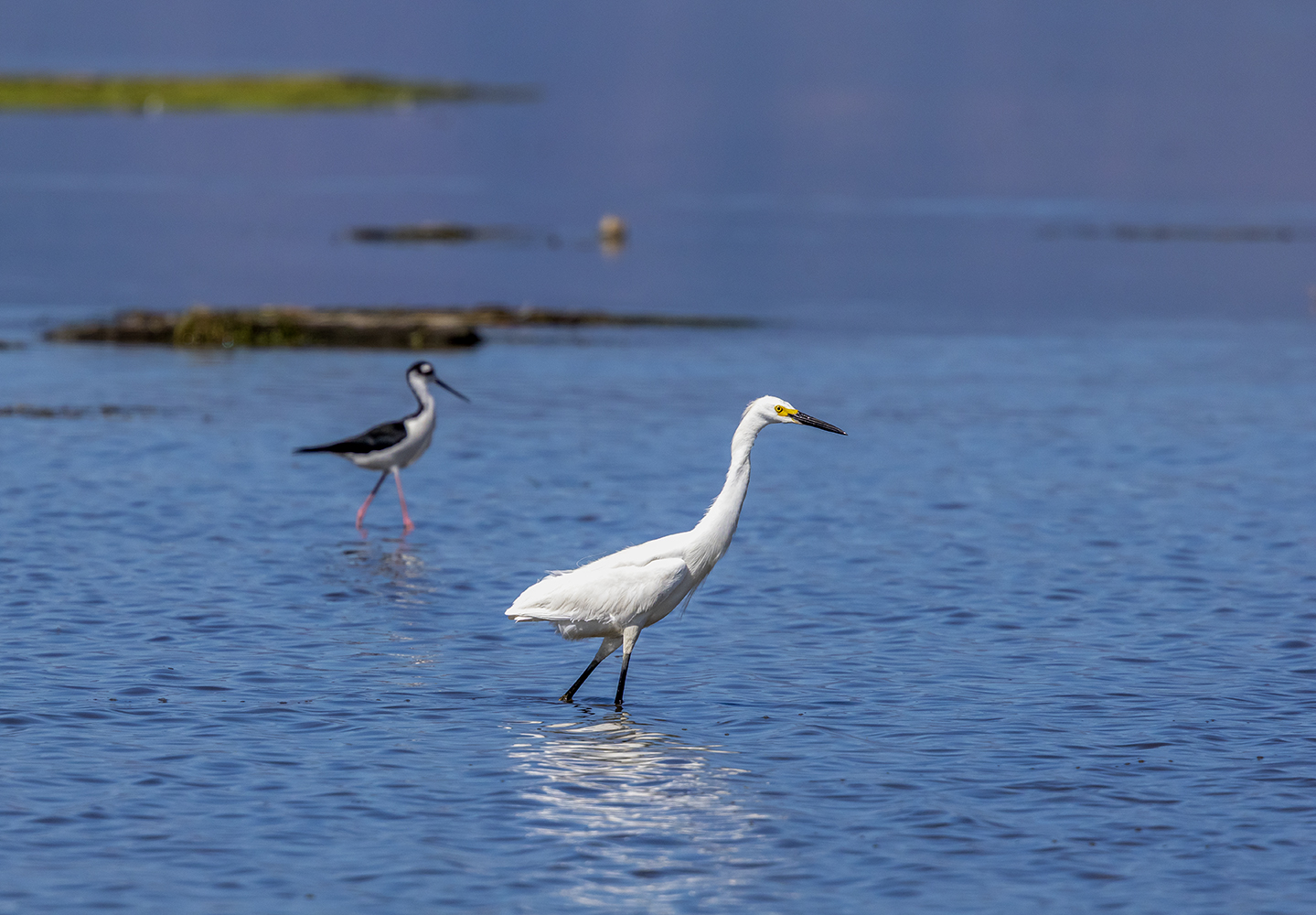

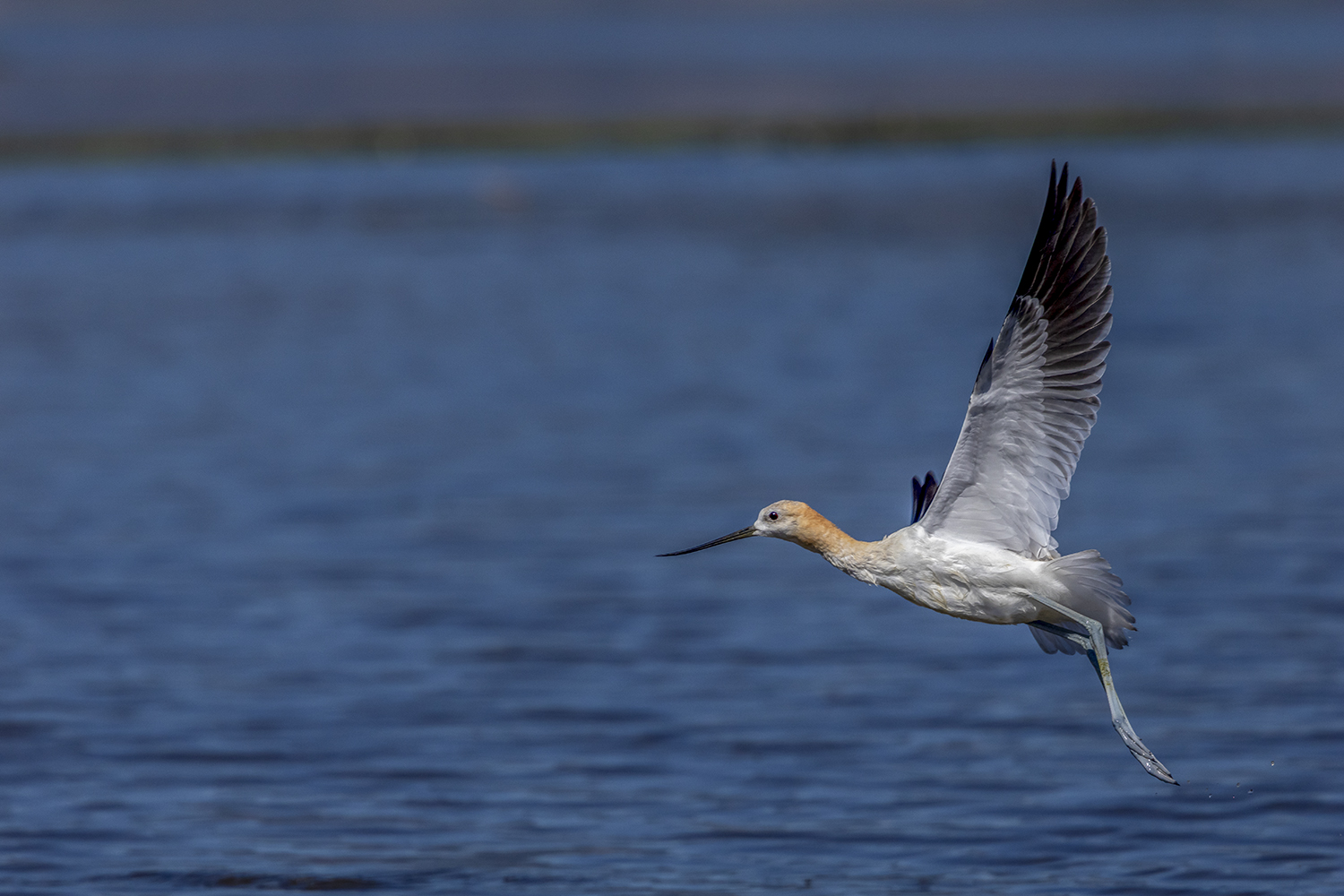
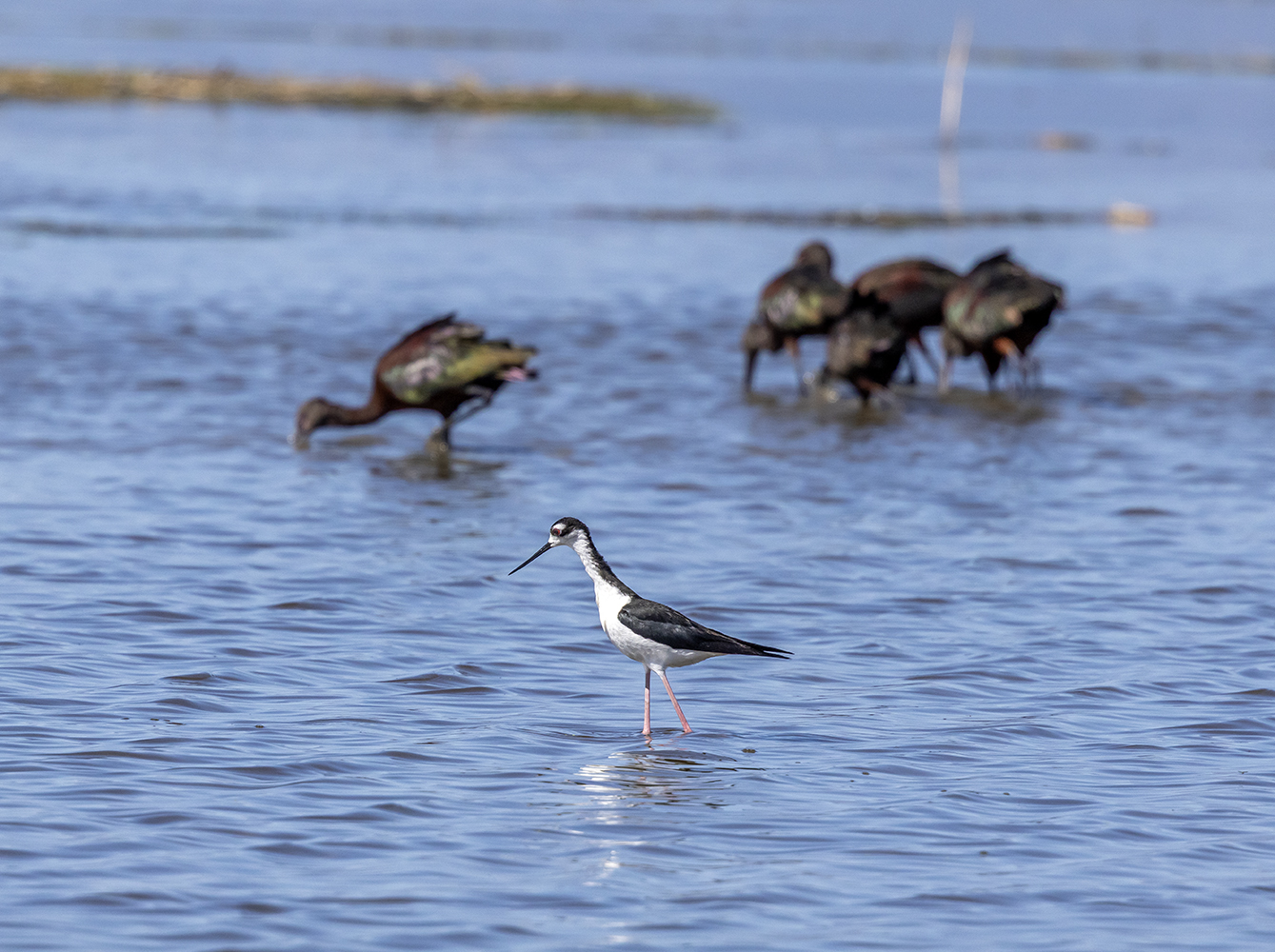
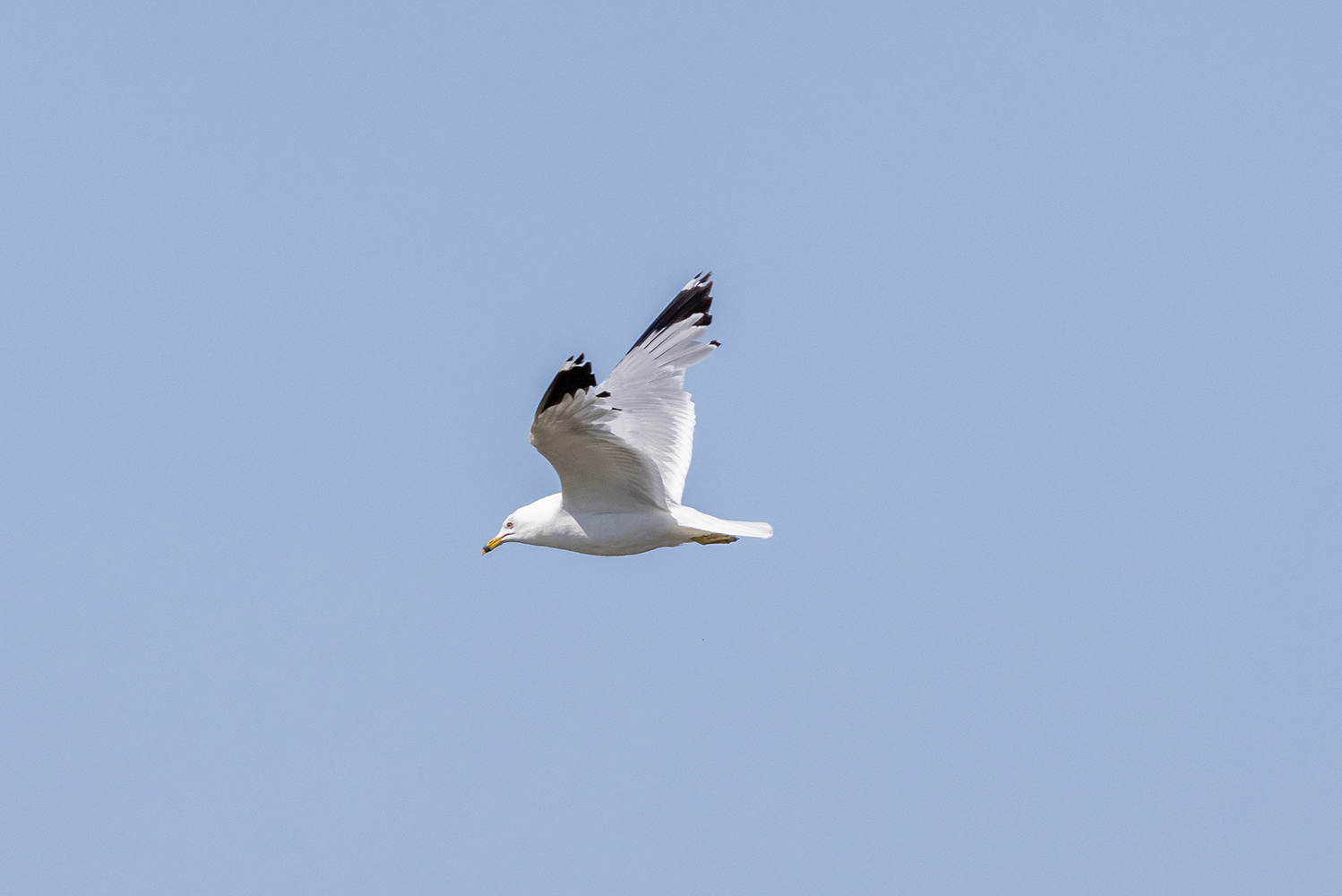
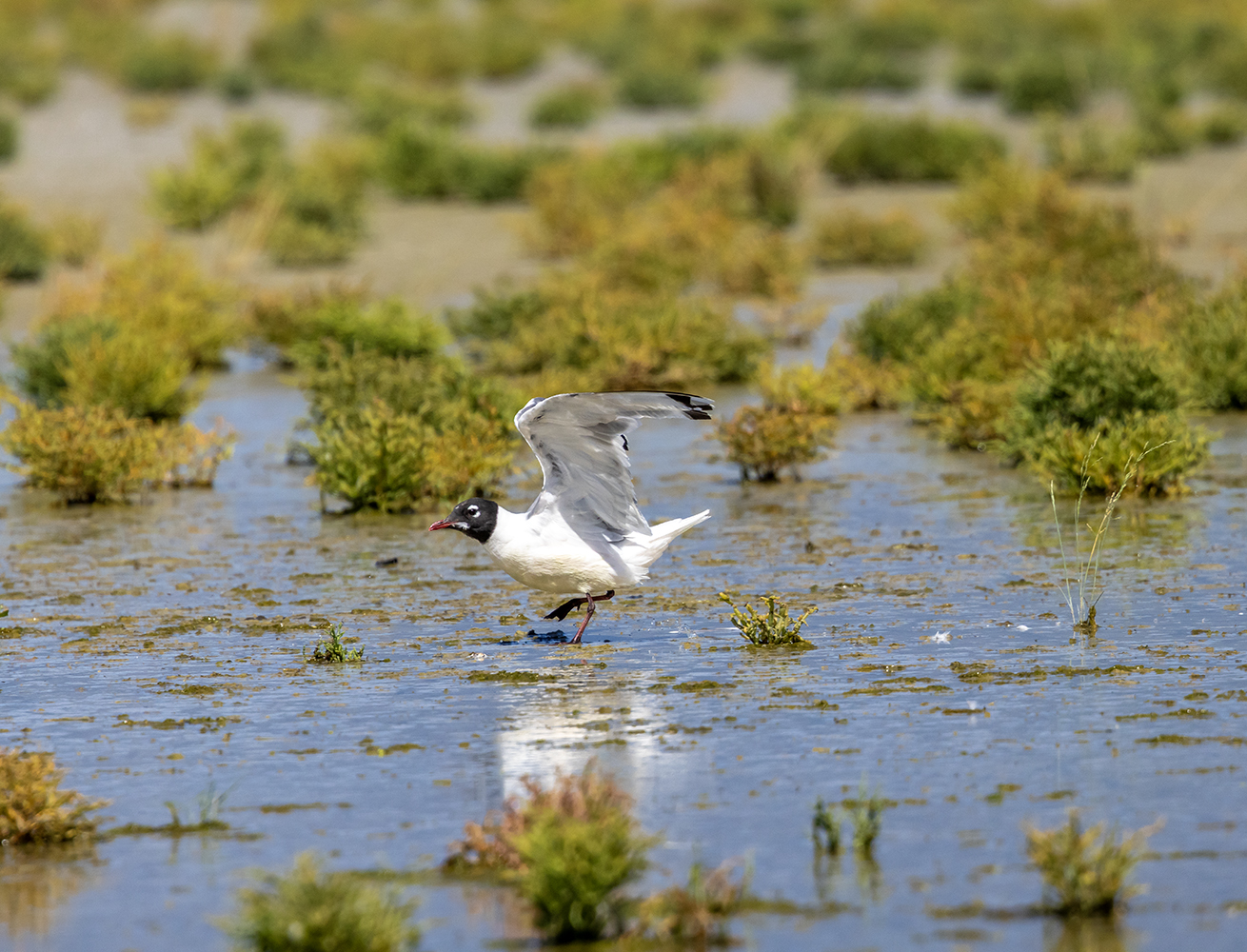
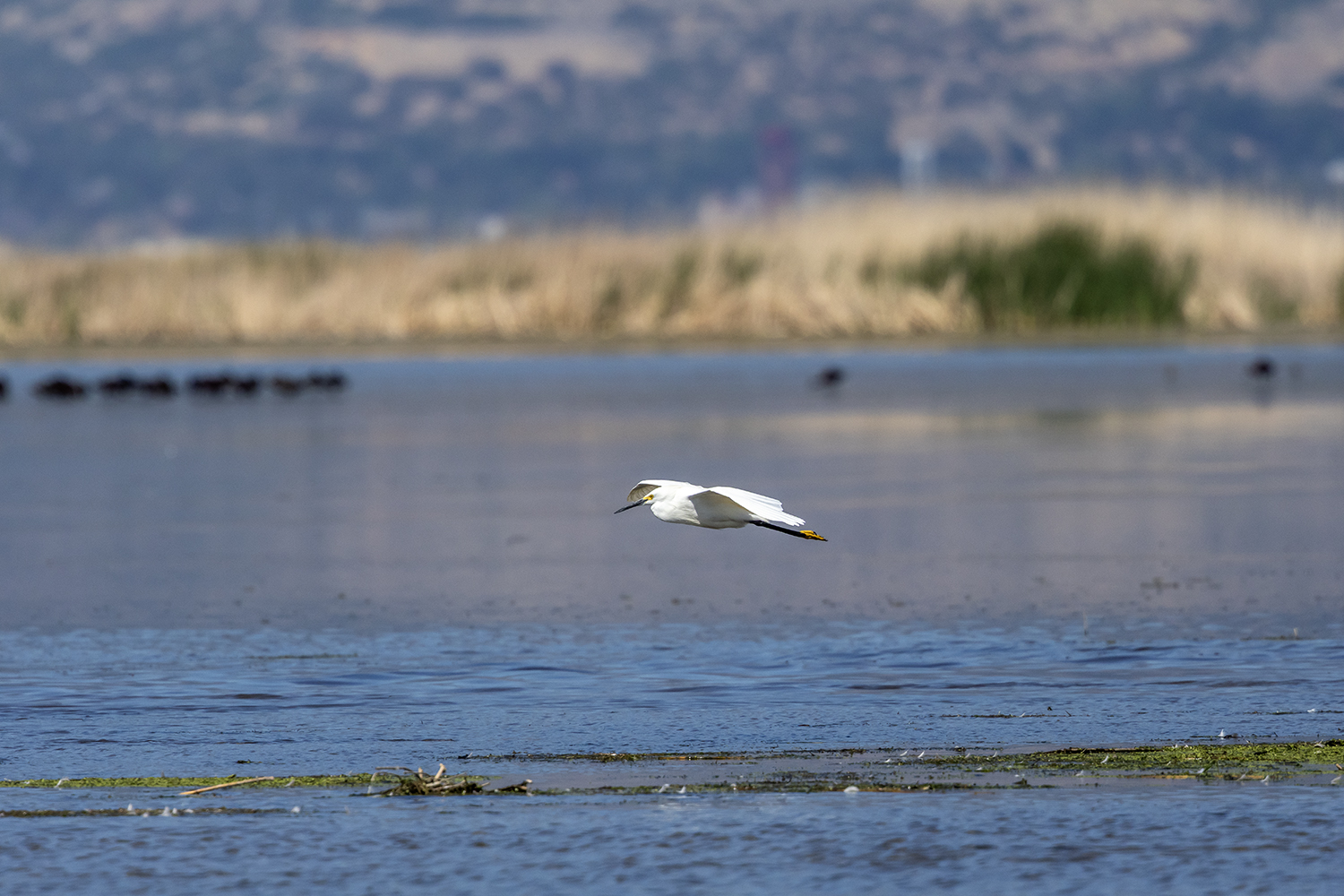
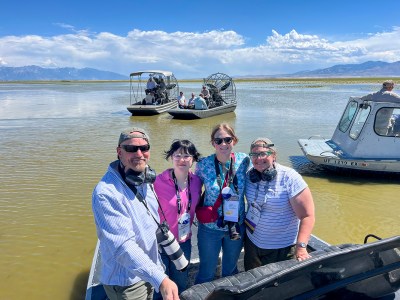
As the tour began, we boarded an airboat, and, accompanied by Nevada Legislator Natha Anderson and our guide, Carter…
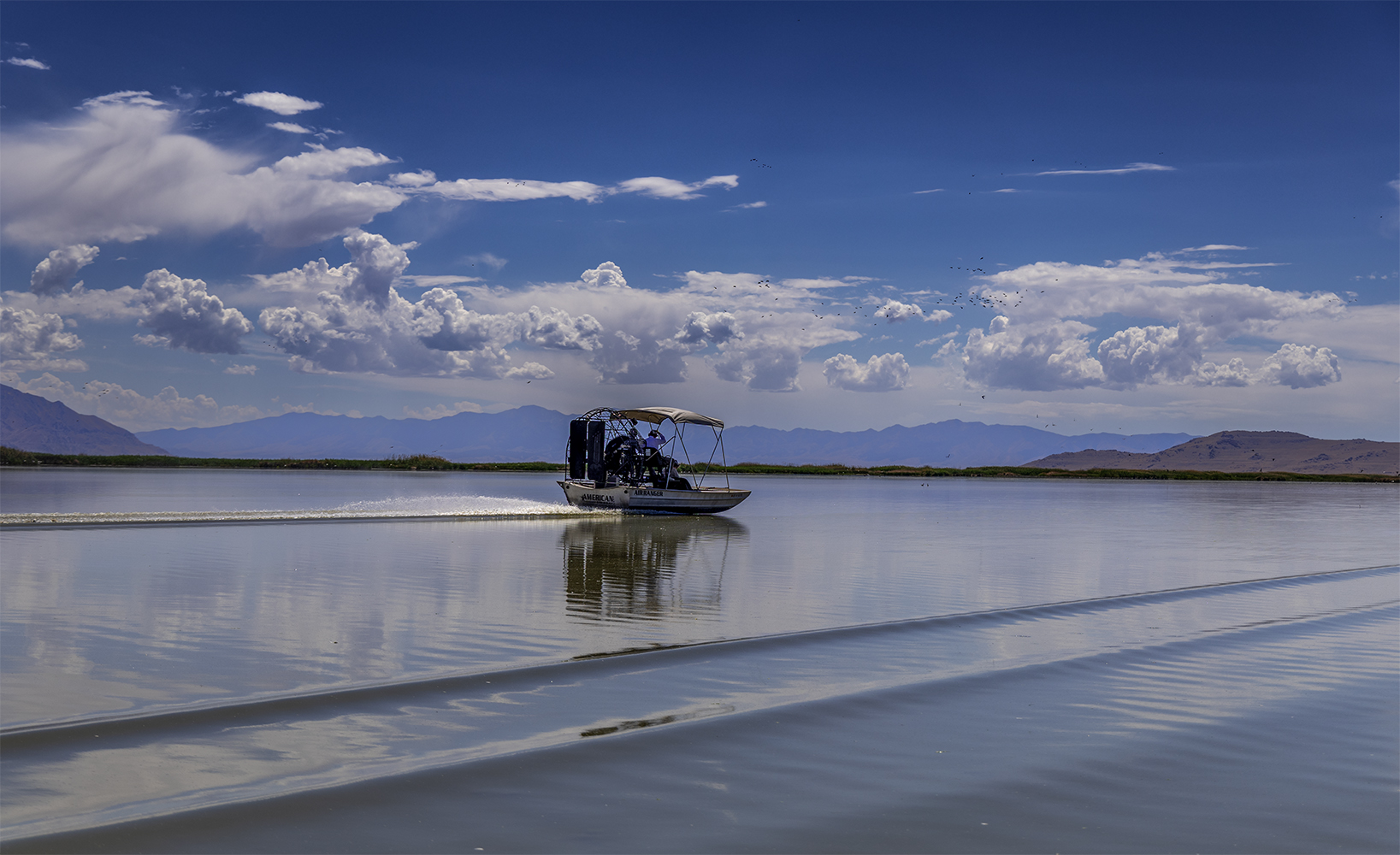
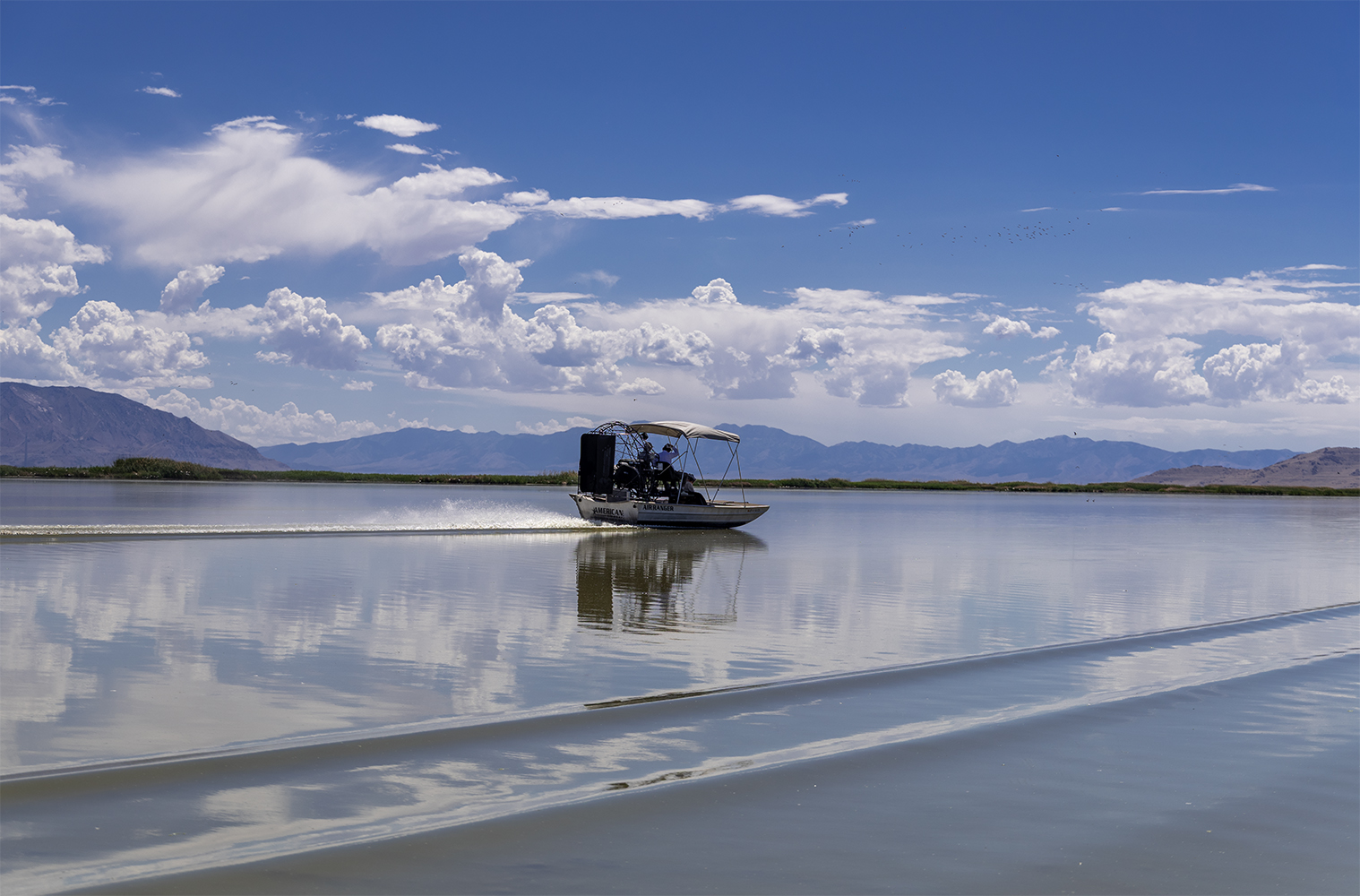
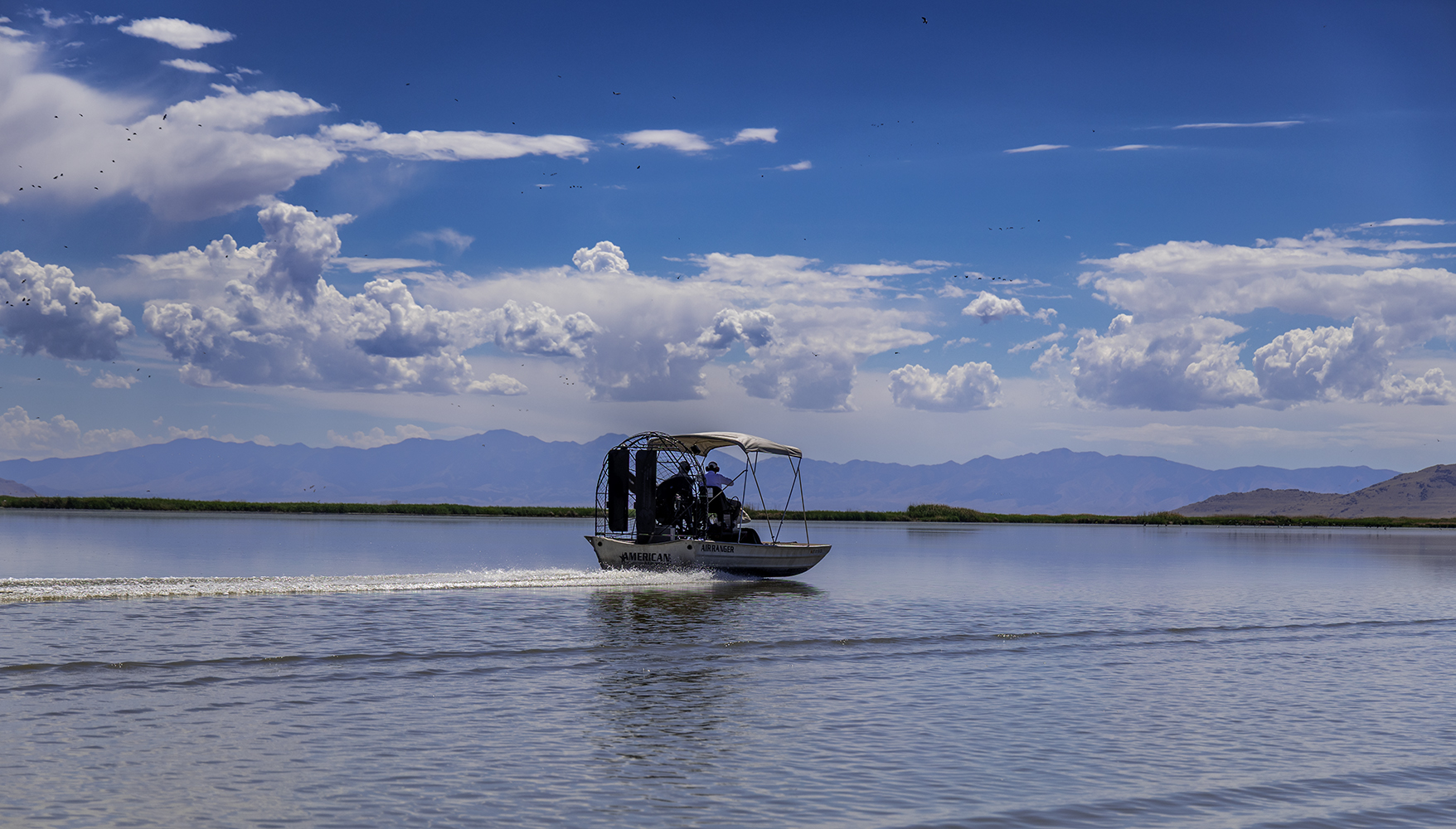
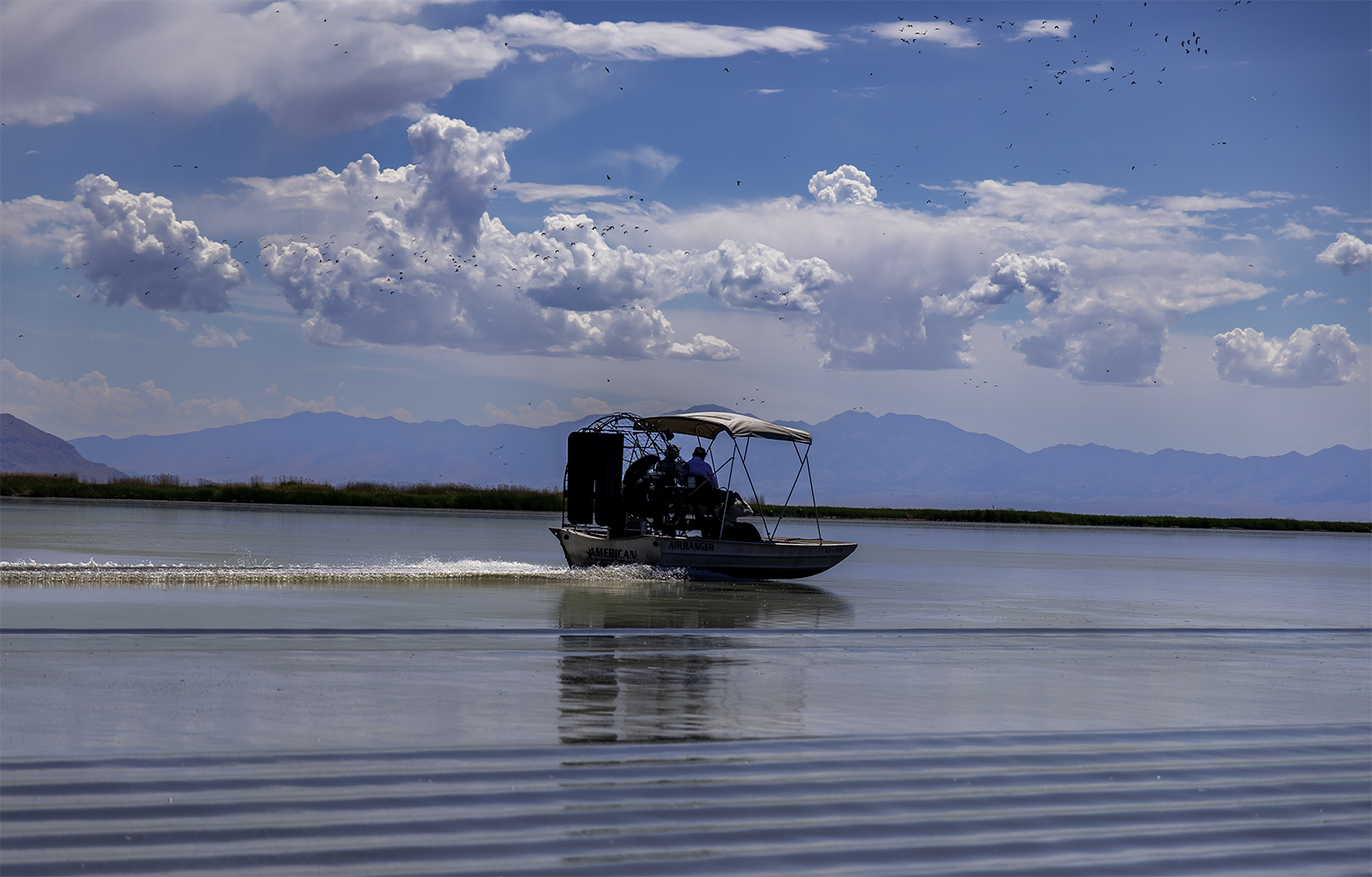
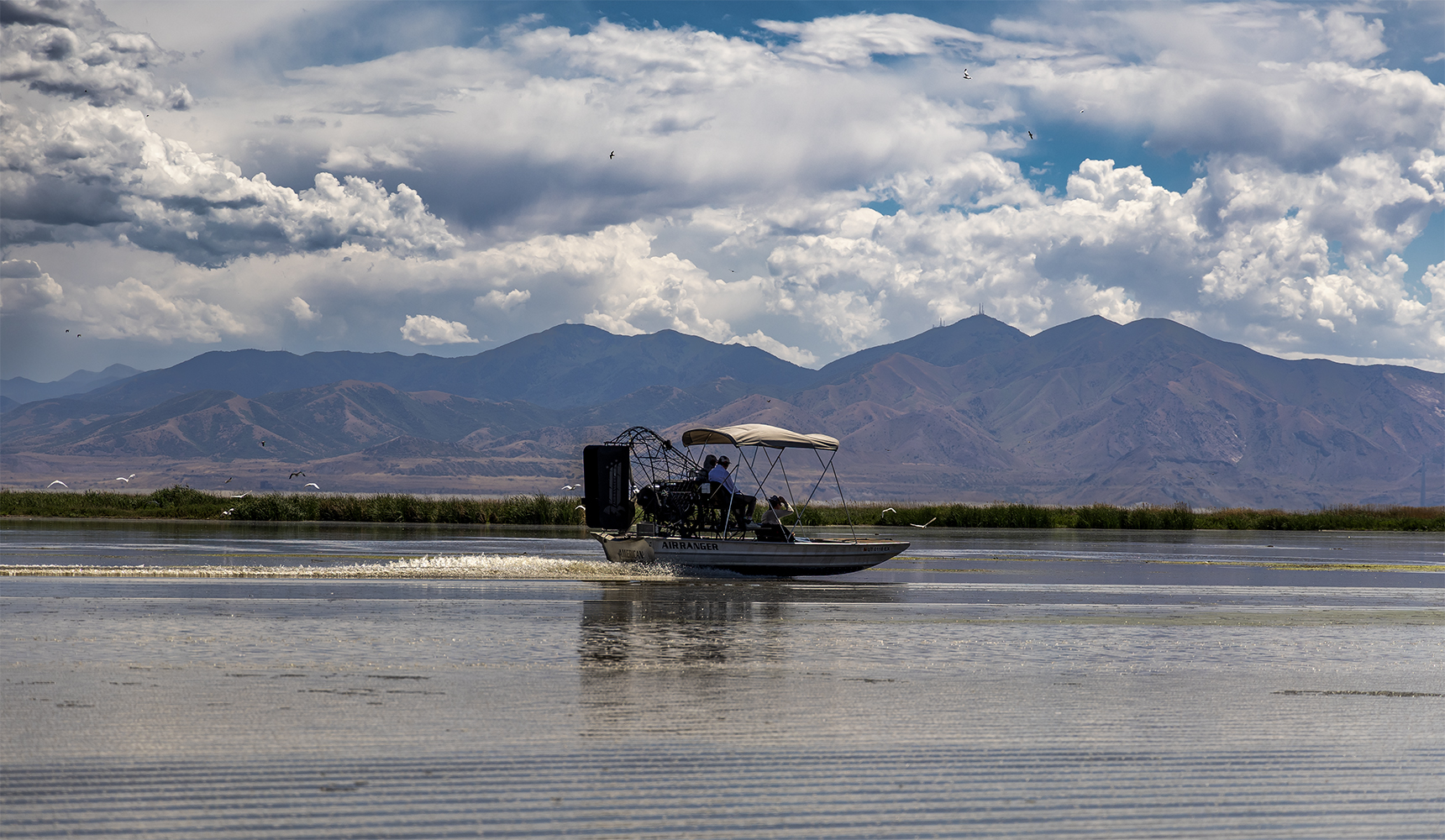
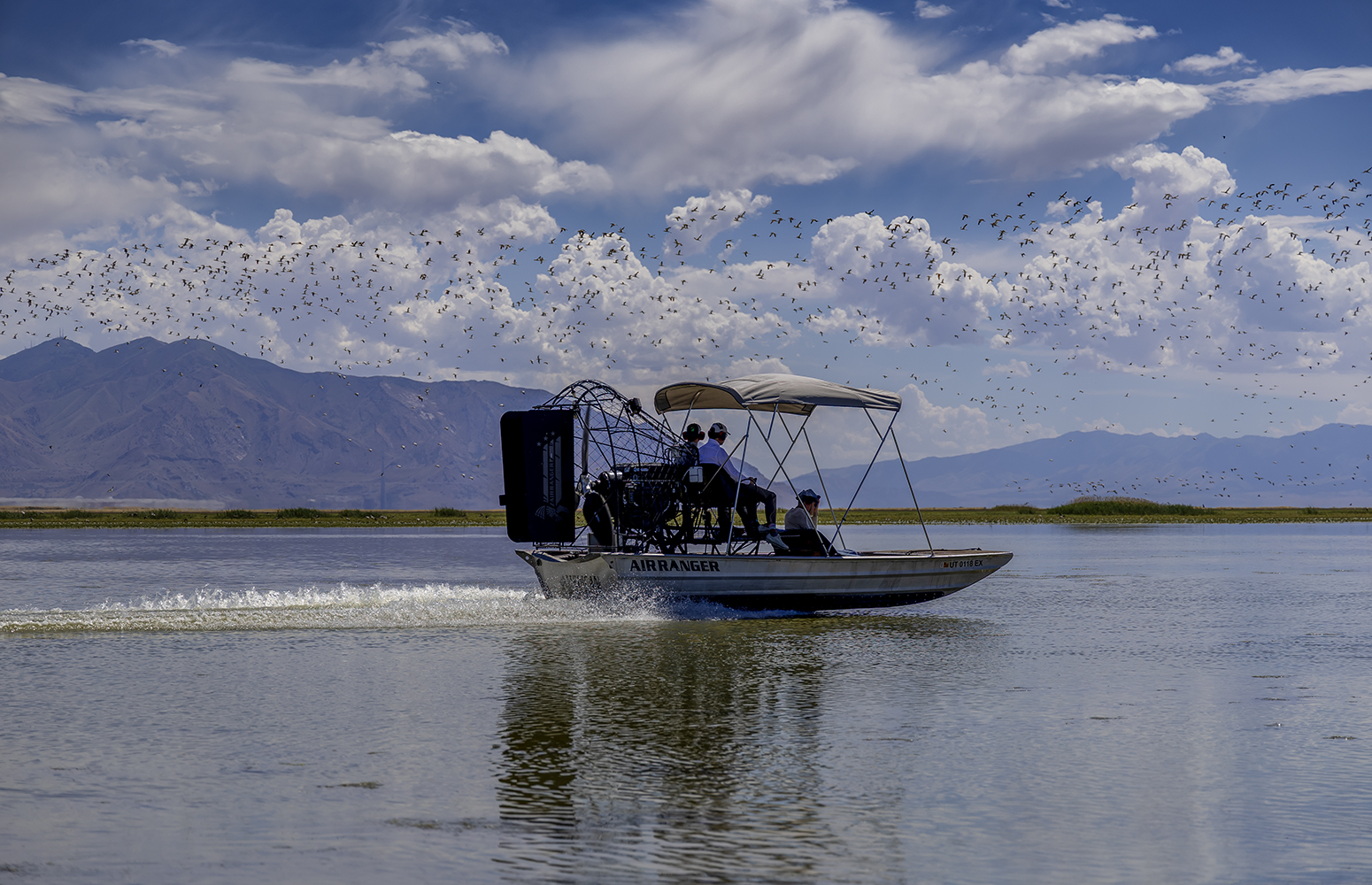
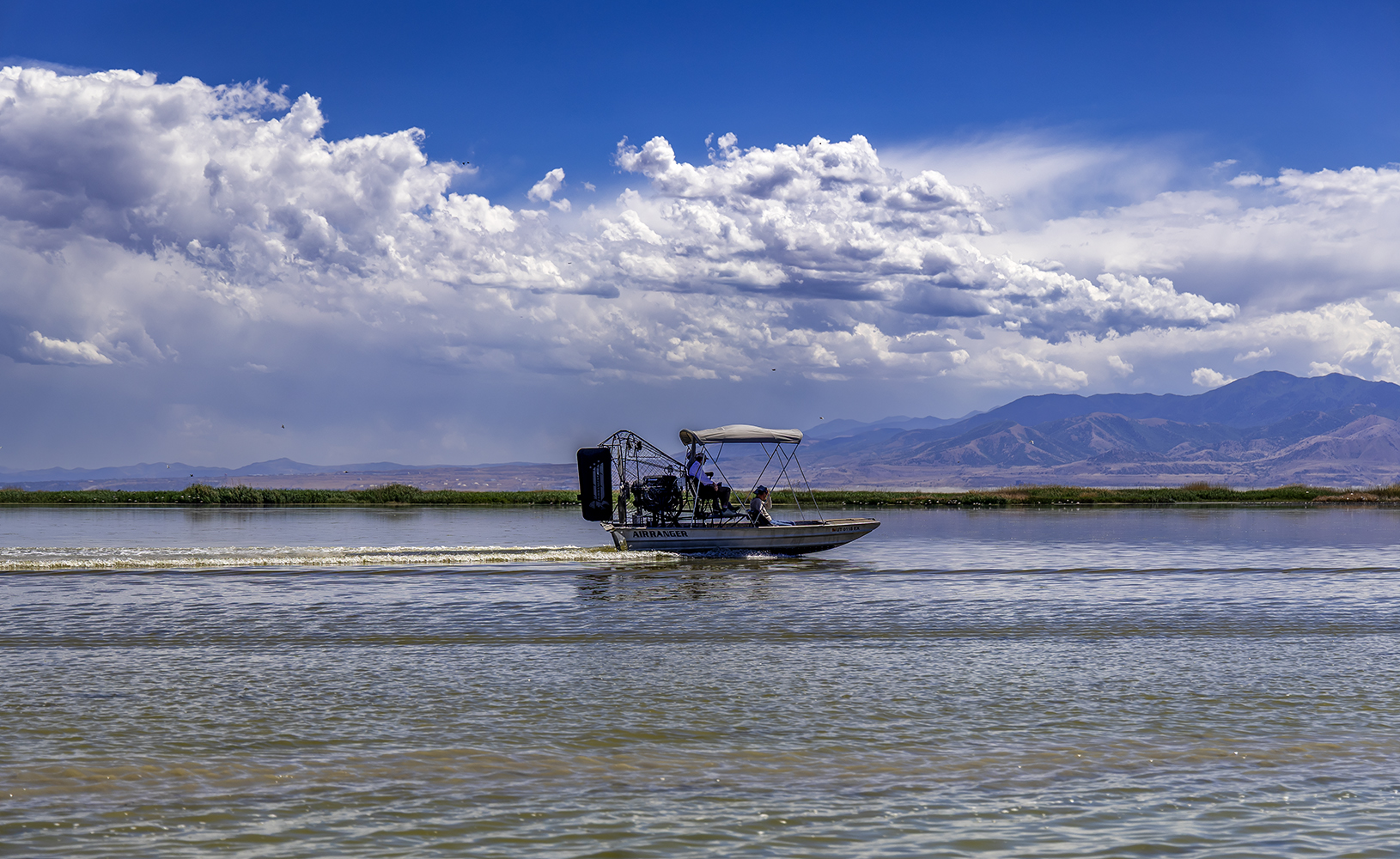
…we spent a wonderful couple of hours exploring the Utah wetlands, seeing birds, insects, and other wildlife critical to the wetland ecosystem.
Seeing the wetlands in person reminded all of us of the importance of water conservation, especially in Utah, the second-driest state in the country.
The Church of Jesus Christ of Latter-day Saints’ Salt Lake City Temple
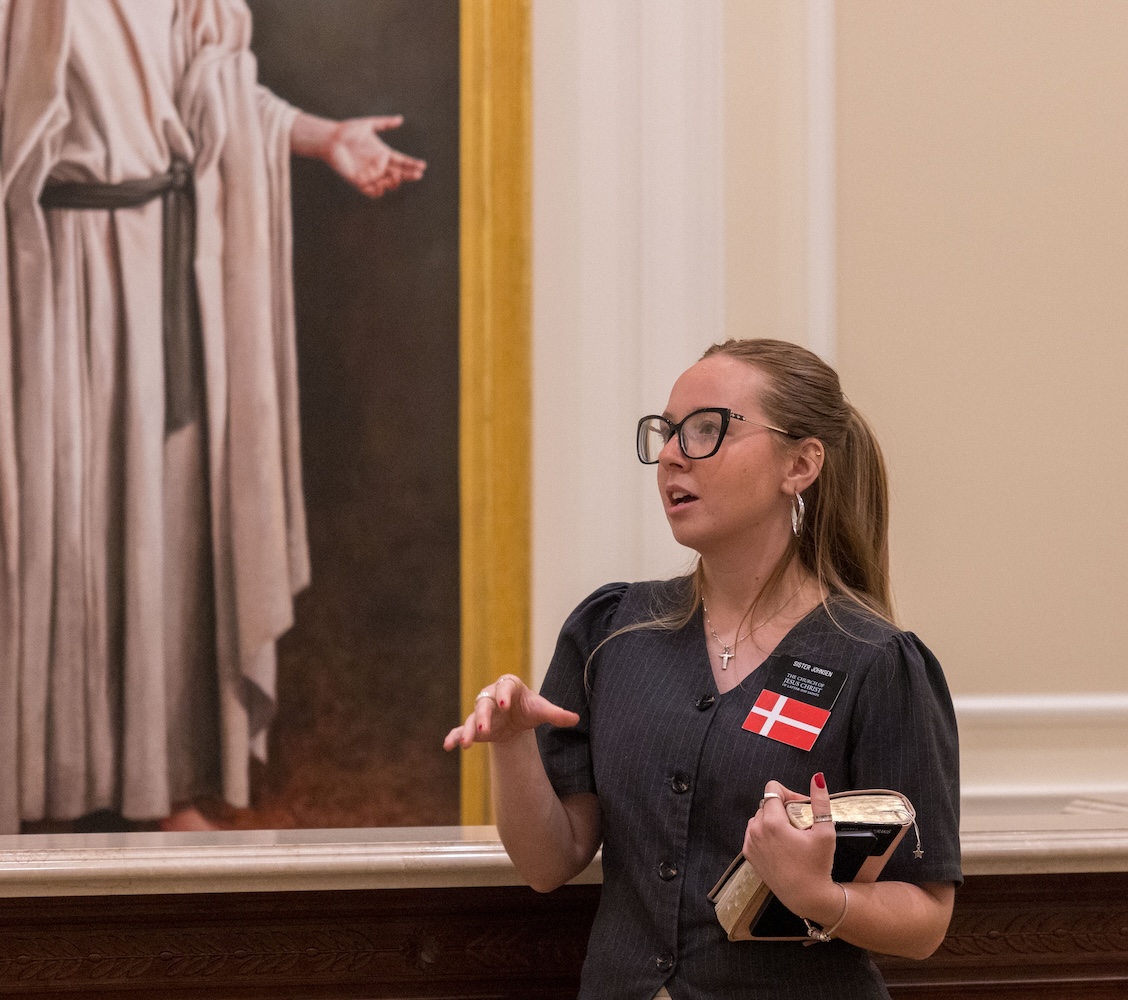
Following the Policy tours, LEAP ambassadors headed out to explore the historic Temple Square for a tour of the Church of Jesus Christ of Latter-Day Saints’ Salt Lake City Temple Visitors Center. Though not allowed in the Temple itself without a Temple Recommend from the LDS Church, we were soon immersed in the history, culture, and beliefs of the Church.
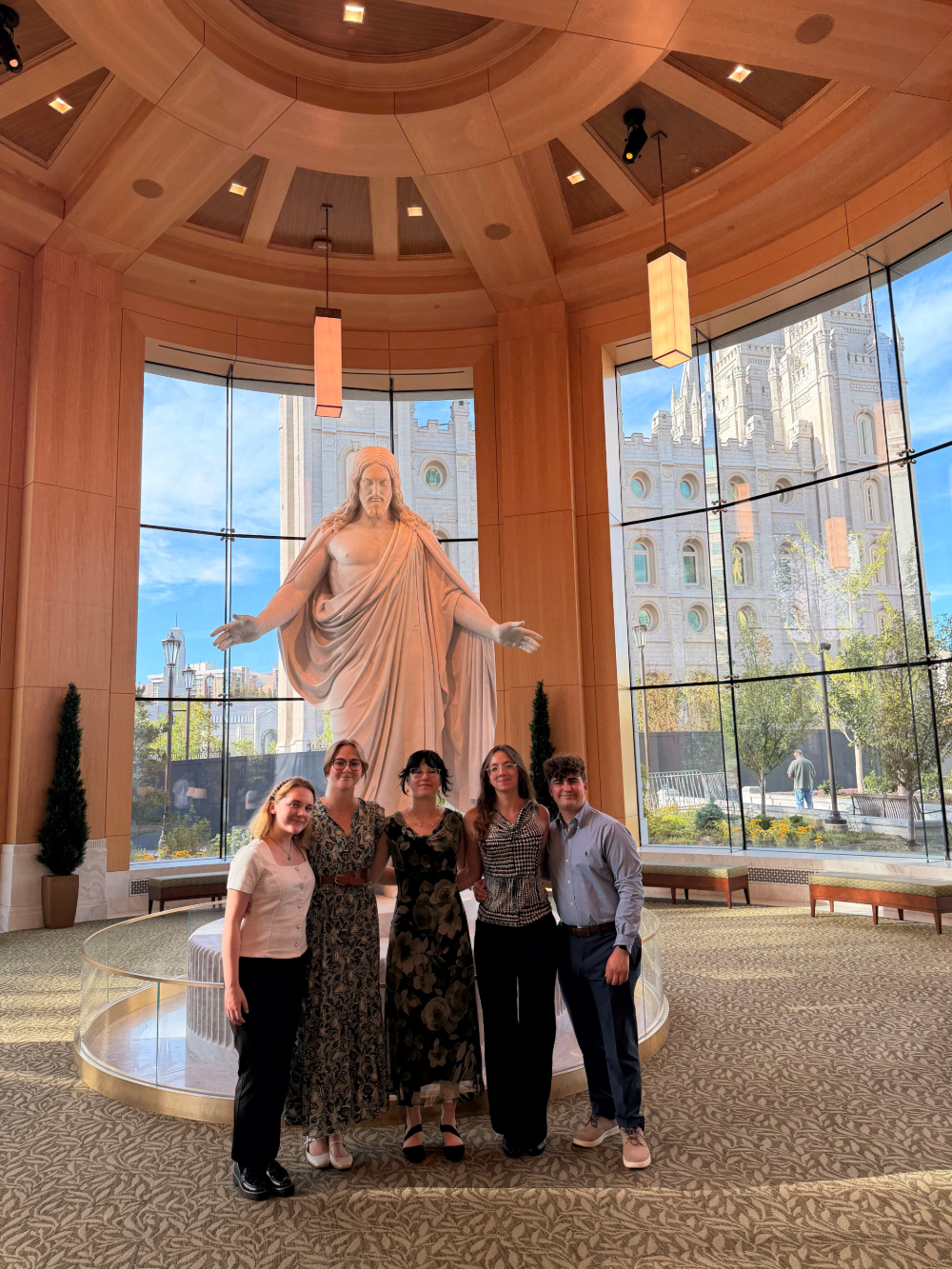
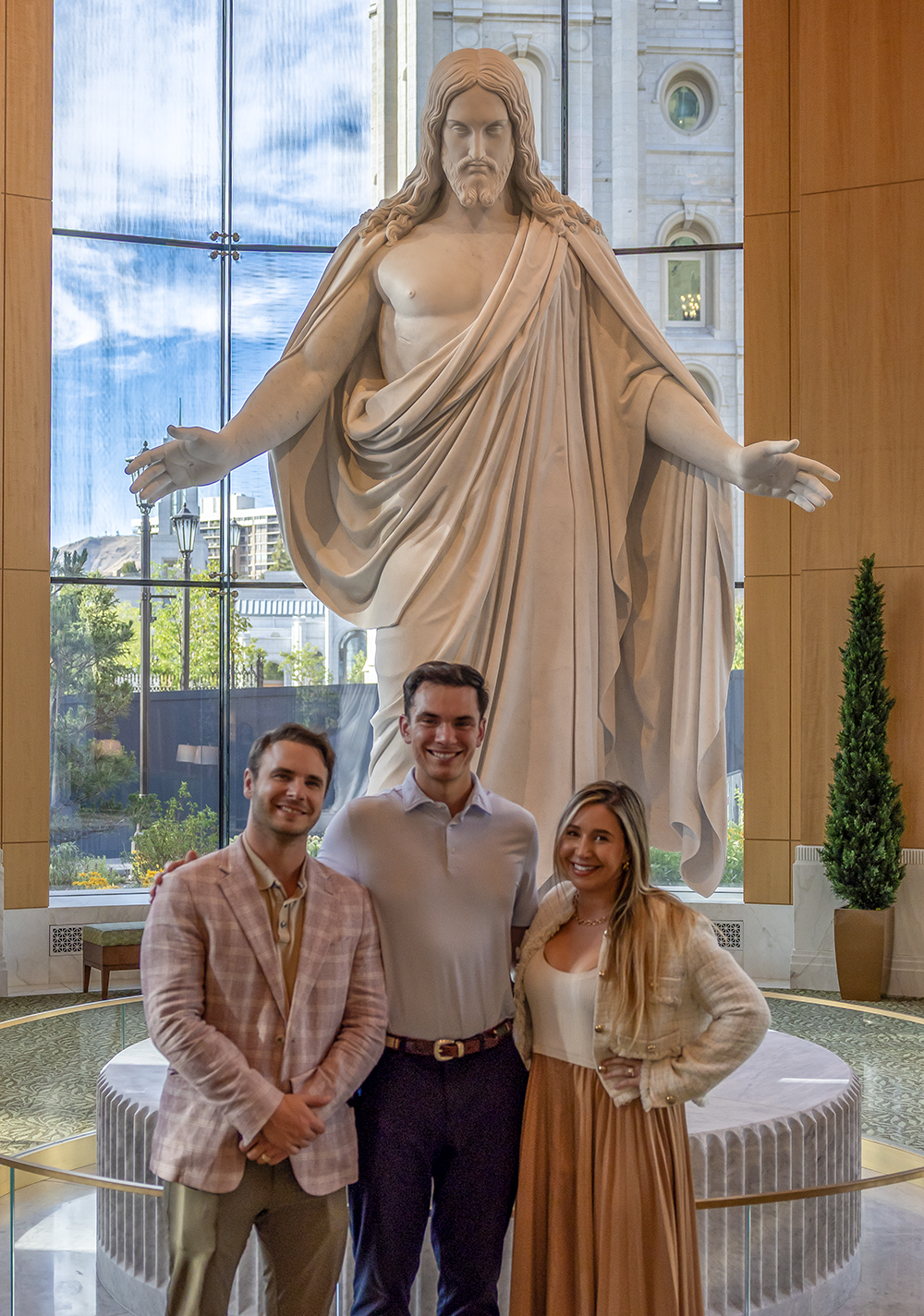
Our first stop was to take a picture with Thorvaldsen’s Christus, an 11-foot-tall statue of Jesus Christ that has a unique connection to Huntsville. Home to a full-scale bronze replica of the same statue (which can be found in historic Oakwood Cemetery), Huntsville possesses the only full-sized replica of Christus in the state of Texas.
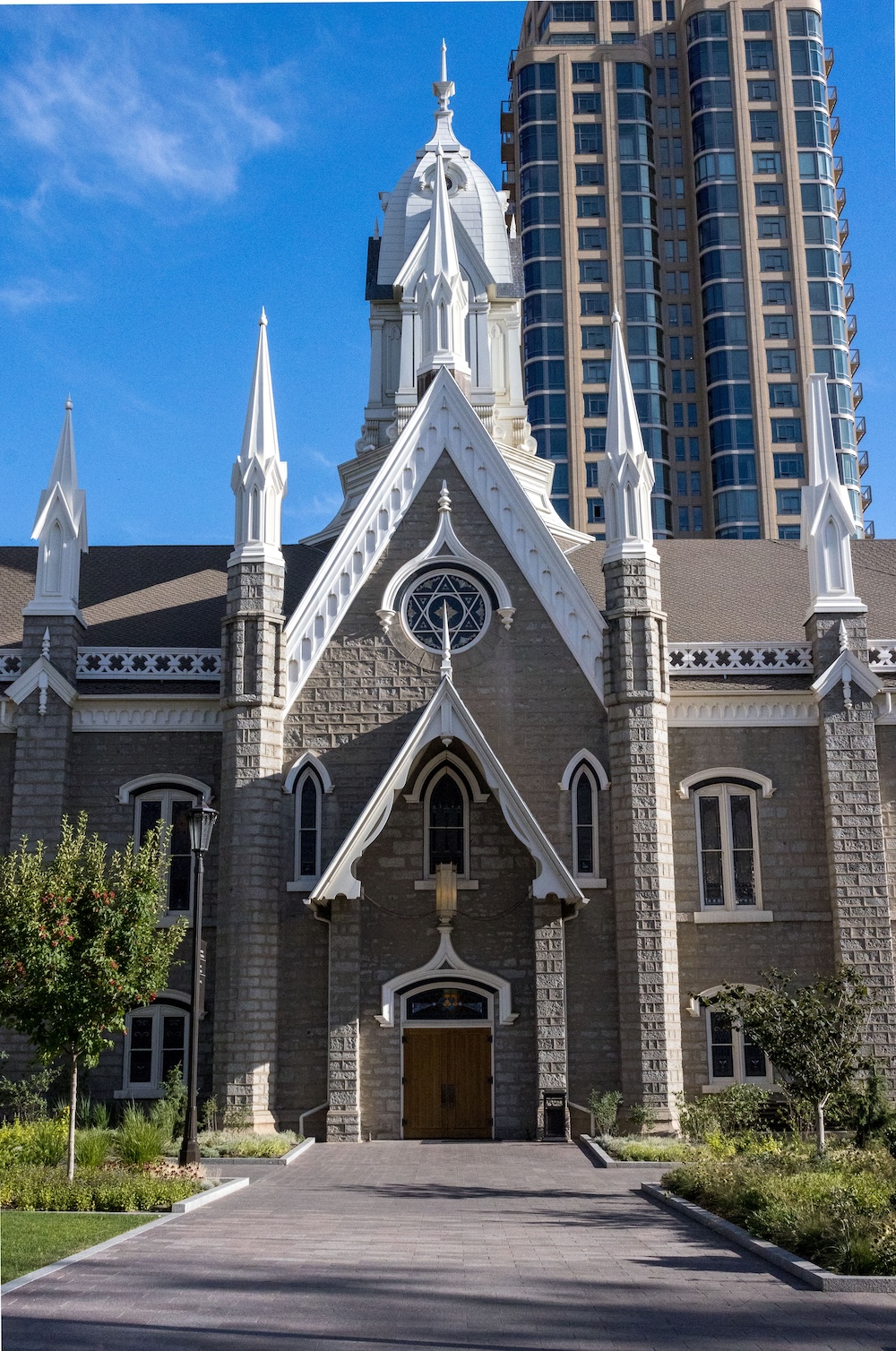
We then were led through five rooms of a replica temple: the foyer, the baptistry, the celestial room, the instruction room, and the sealing room, each of which are copies of real temple rooms.
The most interesting room to me was the baptistry, which features a large bath resting on the backs of twelve life-sized oxen that symbolize the Twelve Tribes of Israel. The baptistry is also located on the temple’s lowest level to represent the symbolic burial and resurrection associated with baptism. Members of the Church perform baptisms there on behalf of their deceased ancestors who did not have an opportunity to convert, though their ancestors still must choose to accept the baptism.
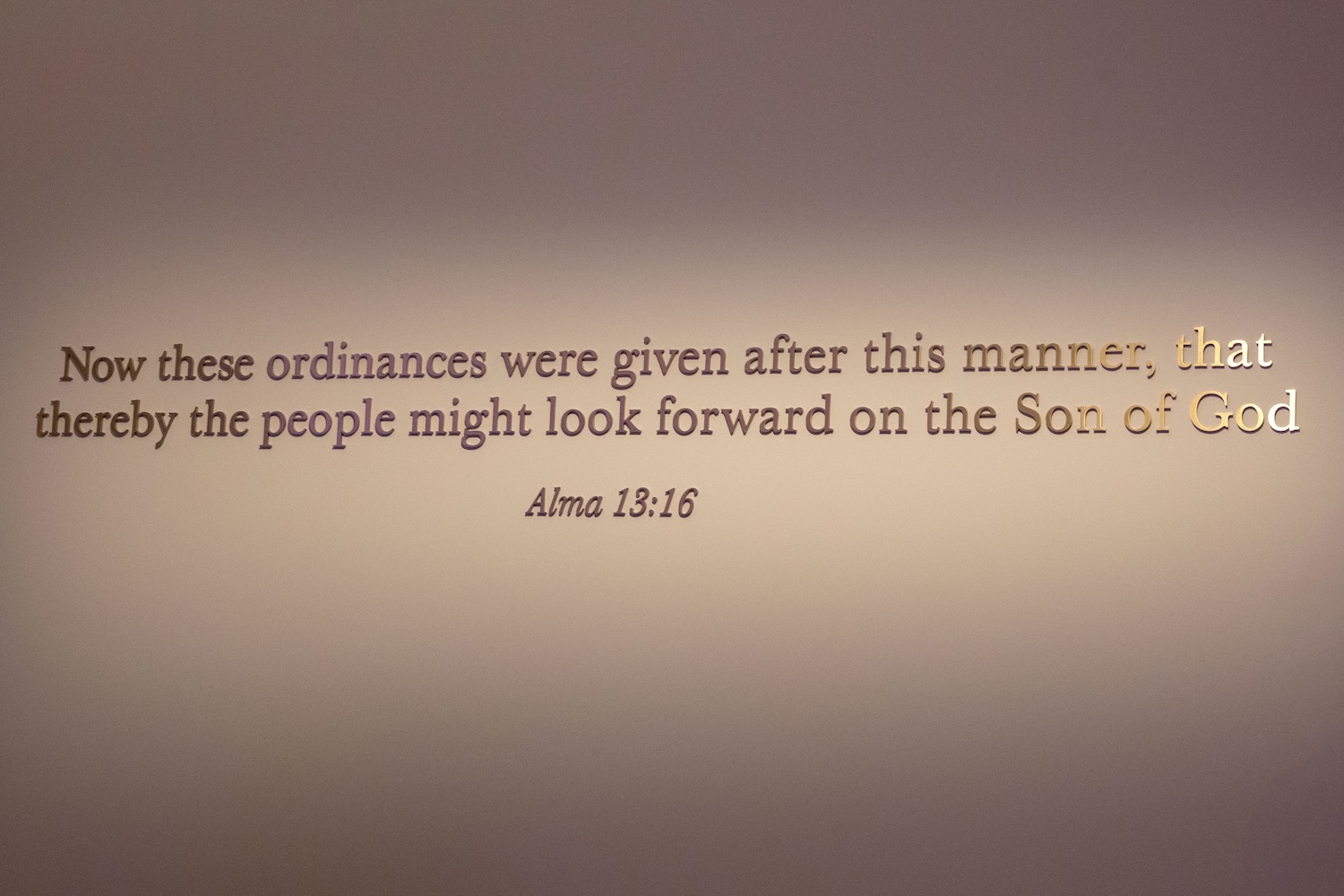
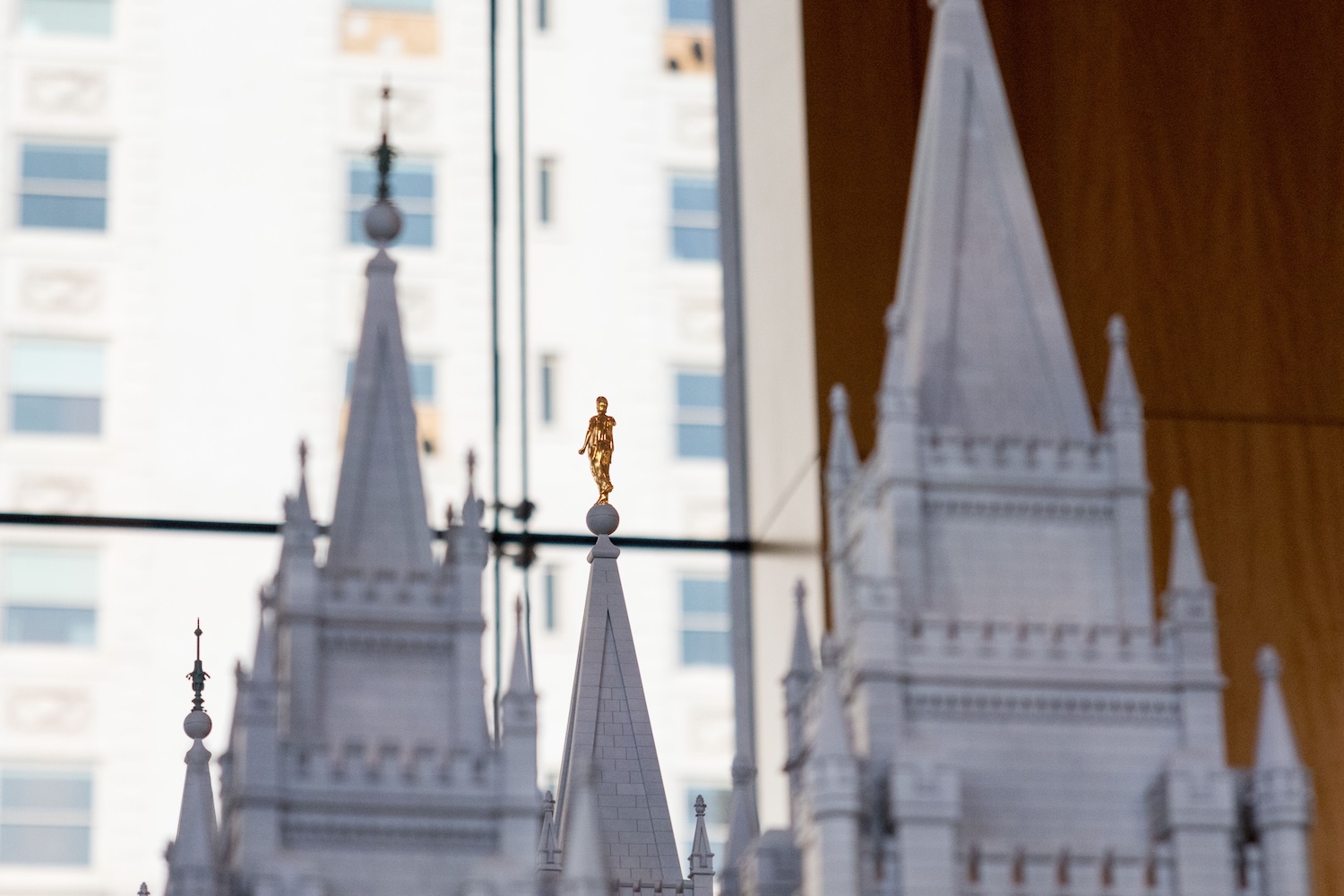
After the tour, we were taken to the Tabernacle to listen to the Grammy, Emmy, Peabody, and Mother Teresa award-winning Tabernacle Choir perform.
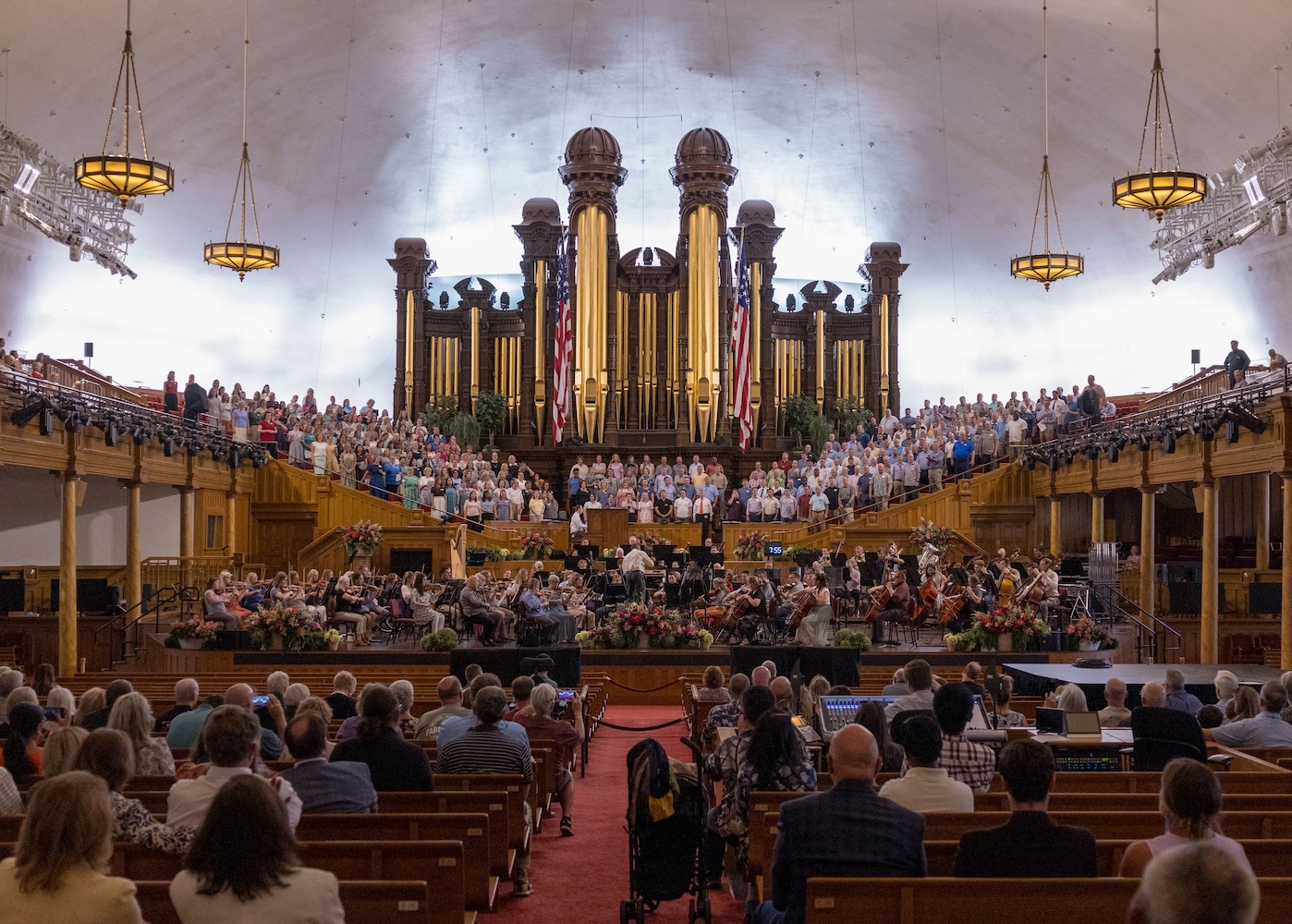
Many of the ambassadors were deeply moved by the experience, and we all understood why it is considered one of the ten greatest choirs in the world.
Overall, we enjoyed our visit to The Church of Jesus Christ of Latter-Day Saints. The experience gave us a greater appreciation for the culture, history, and beliefs of many of the people who call Salt Lake City home.
Central by Saffron Valley
Hungry after our longest conference day, we stopped in to Central by Saffron Valley for a meal that would have made the James Beard Foundation proud. Actually, it must have made the Foundation proud, because the chef, Lavanya Mahate, was nominated for a James Beard award in 2024.
The restaurant is an homage to the “golden age of India’s train travel,” and it is themed accordingly. The tables are labeled by platform, there is a “railroad crossing” sign in a corner, there is a faux train compartment wallpaper in parts of the restaurant, and some of the dishes are served in the tins used on Indian train travel.
The theme is appropriate, in that the meals come from different regions of India: curries from across the country; chicken tikka dosa from “southbound parts”; and a dessert menu featuring “sweet departures.”
We opted to eat family style, with some naan, chicken tikka kebabs, samosas, fish and chips (a nod to India’s one-time status as a British colony, and a sop to Olivia), Nawabi lamb biryani; the ever-reliable Old Delhi Butter Chicken (from the ever predictable Jacob Wessels); and for dessert, chai creme brulee, gulab juman cheesecake, and Indian ice cream.
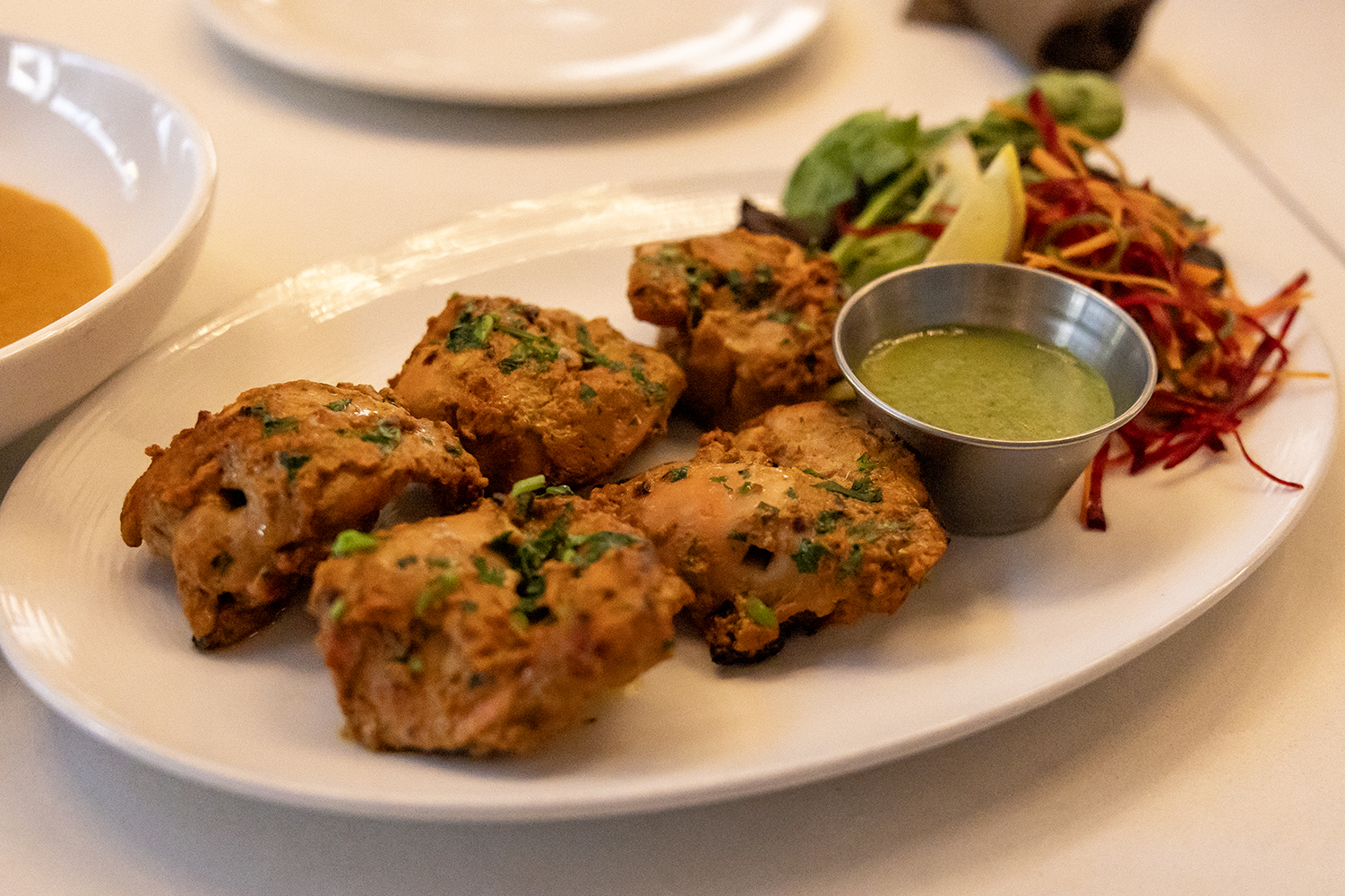
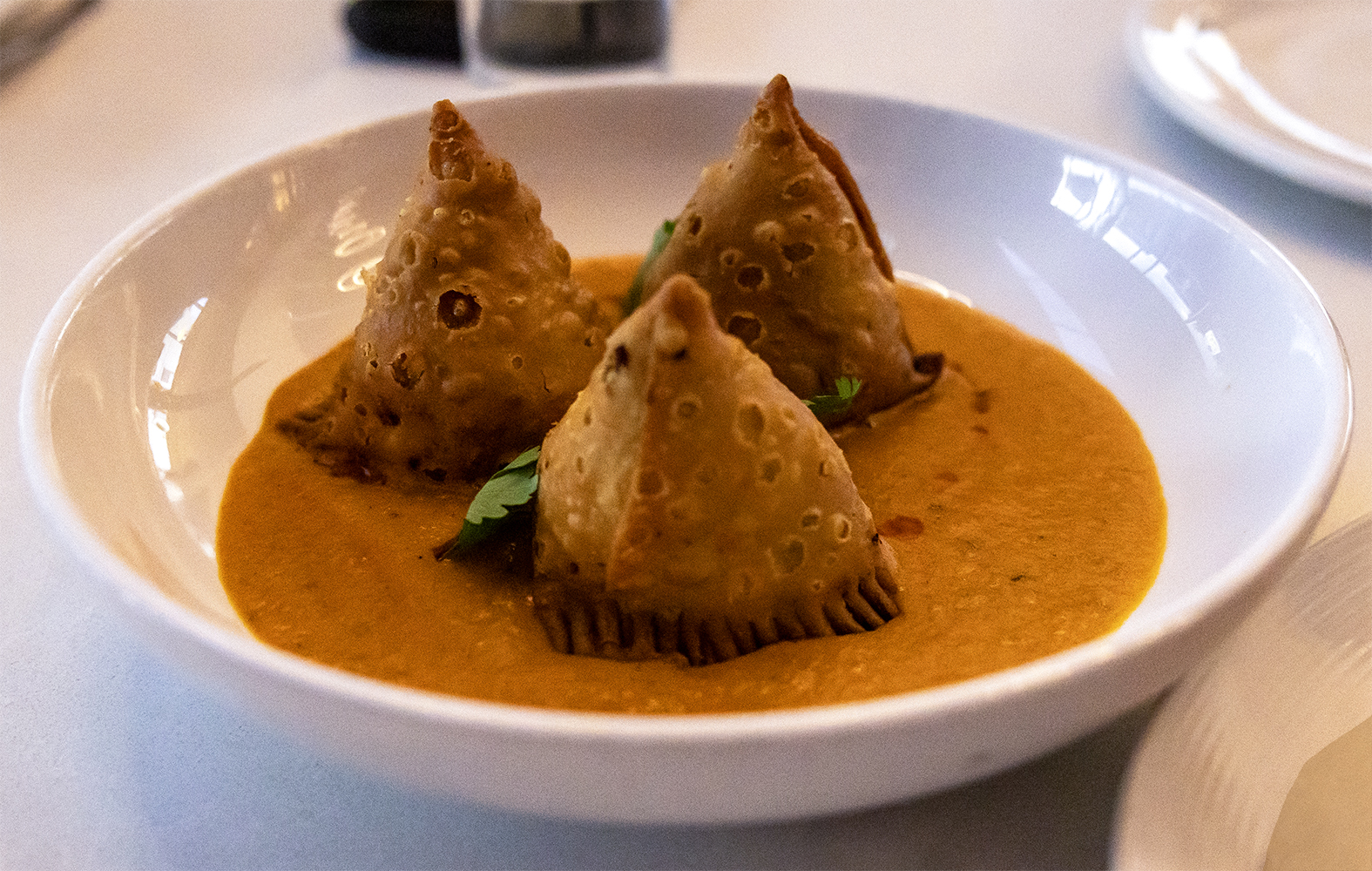
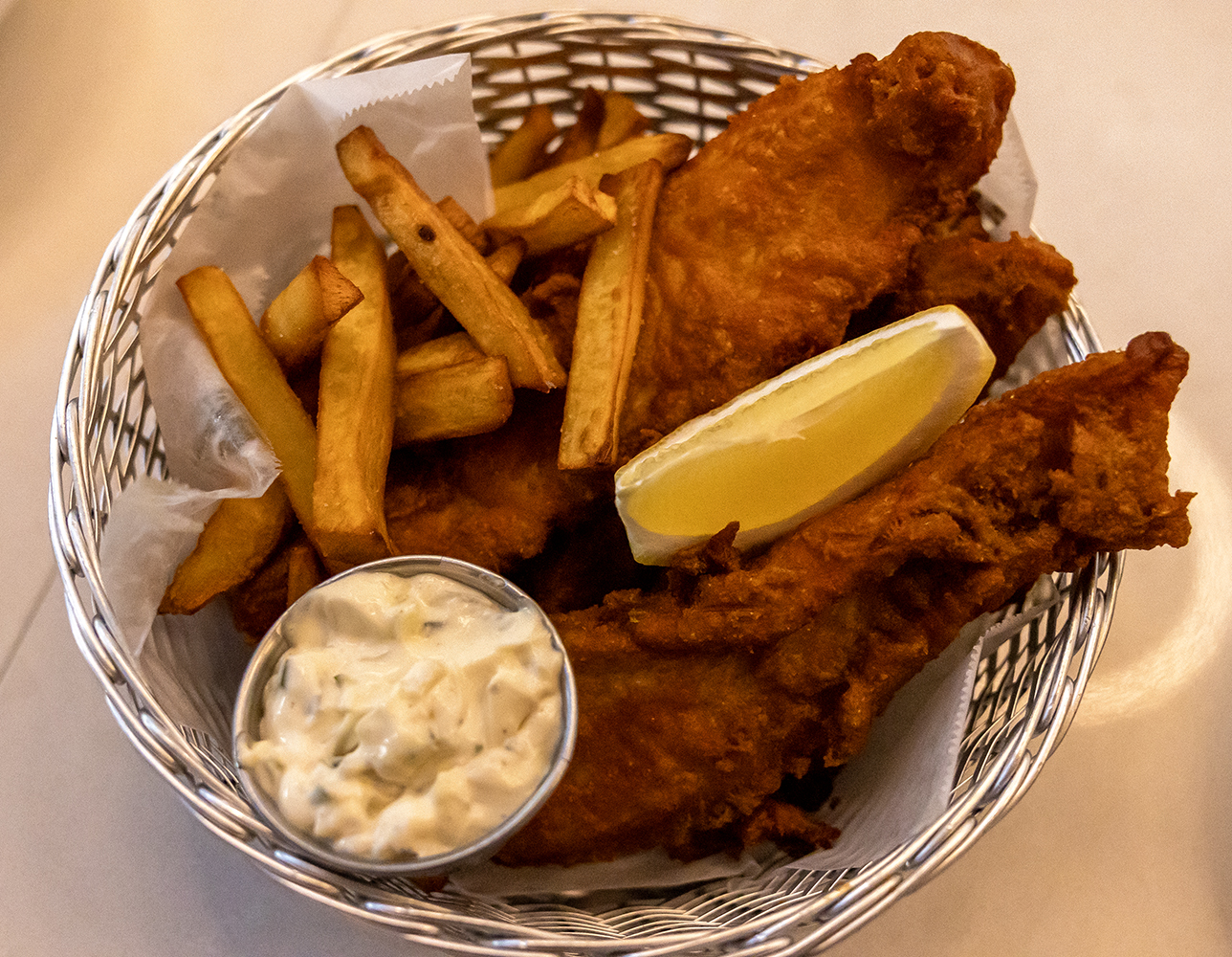


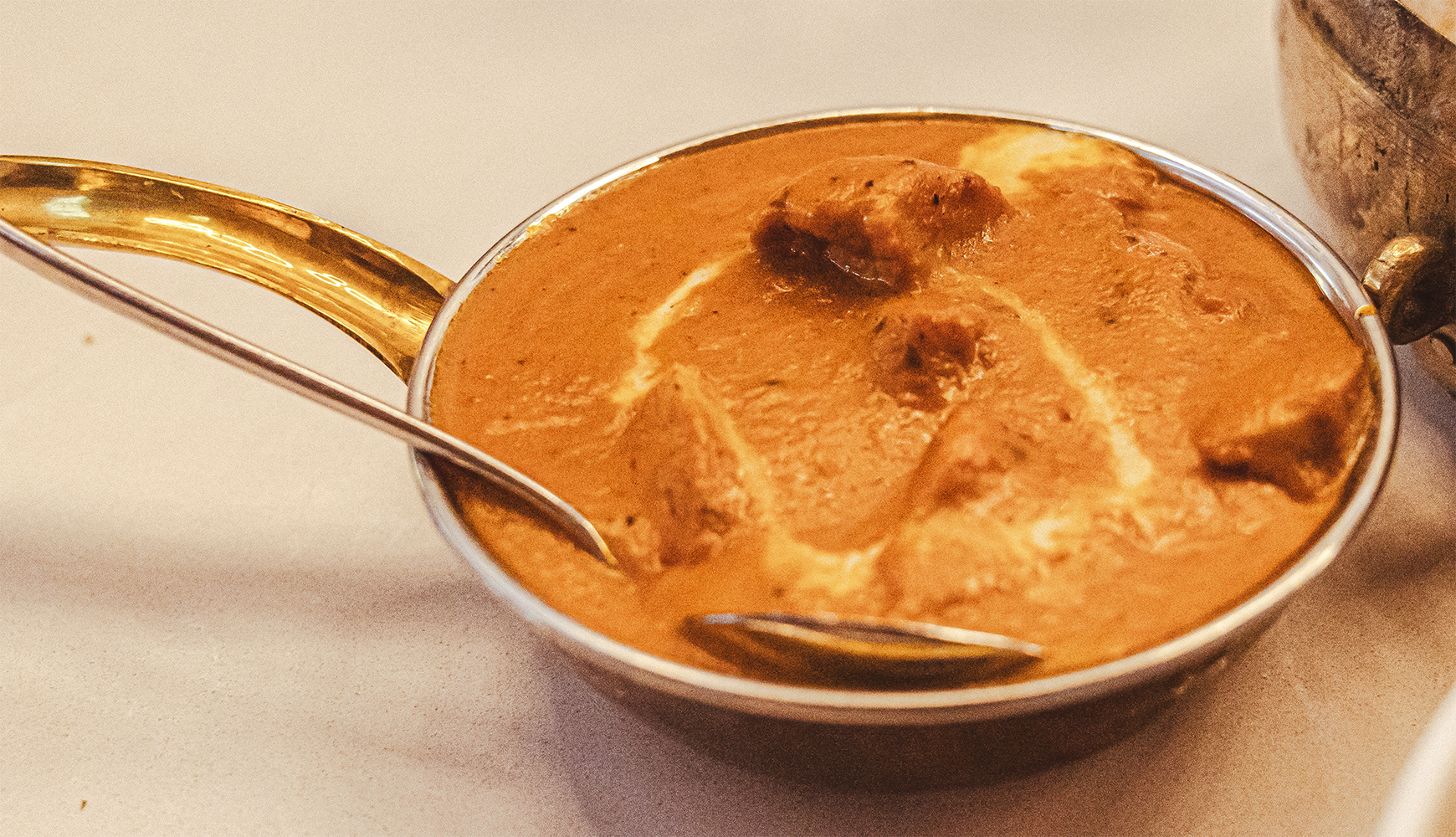
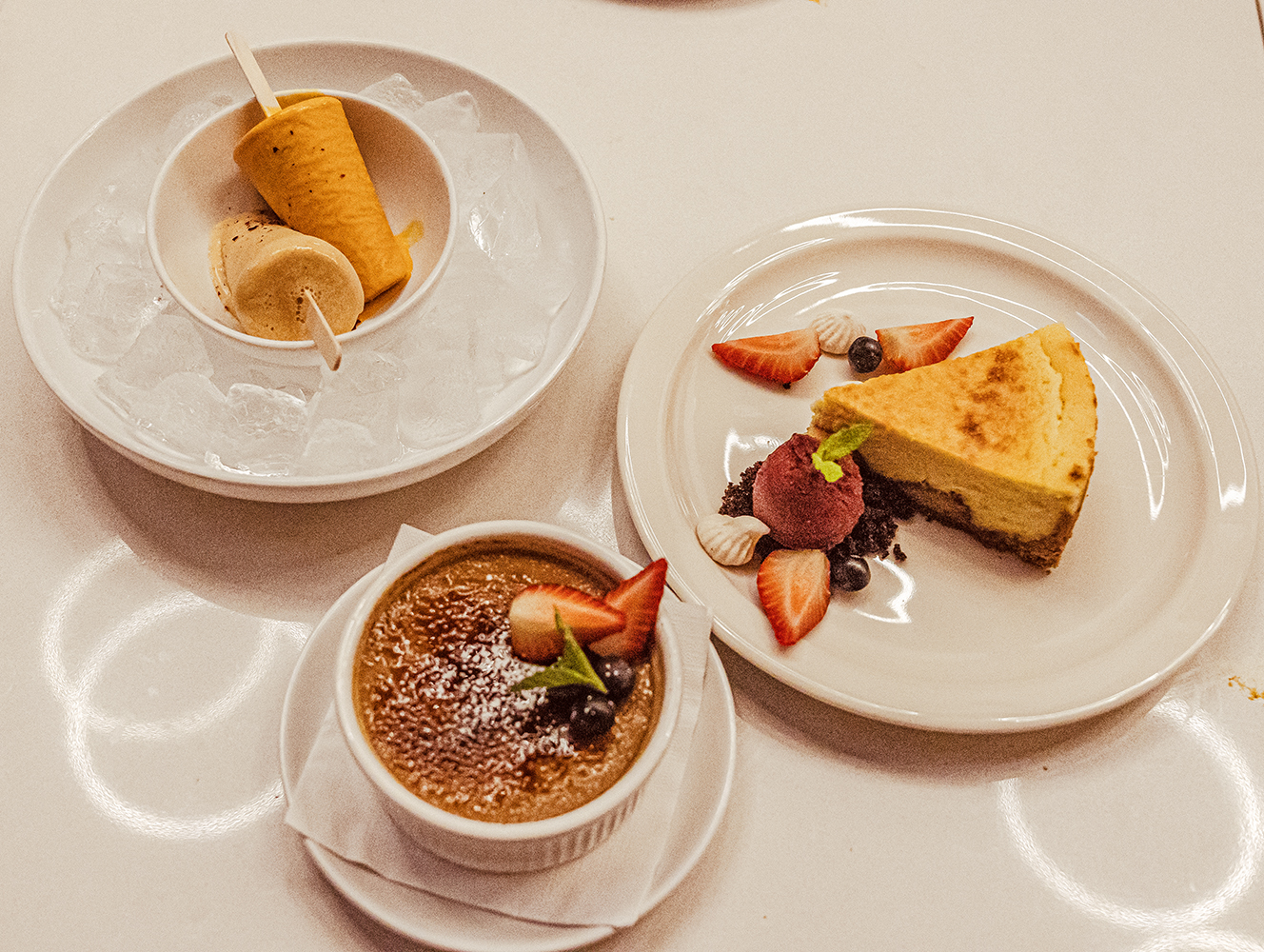
Everything we had was at least good, and several of the dishes being excellent: the chicken tikka and butter chicken standing out as exceptionally tender; the samosas as a spice-filled specialty; the ice cream as tasty and inventive.
Owner Mahate told the Deseret News that she wanted to make “Indian food more accessible,” and she seems to be doing just that, providing excellent food to the Salt Lake City community. The entire meal was delicious, and it was an enjoyable evening with friends while extending the LEAP Center’s ethnic-themed meals during this trip– a nod to Salt Lake City’s history of attracting immigrants who contribute in many ways, not the least of which is adding to the culinary culture of the community.
Conclusion
Each session and policy tour demonstrated that effective leadership requires curiosity, collaboration, and a willingness to understand perspectives different from our own. As we look ahead to our final day at the conference, we are grateful for the opportunity to learn from legislators, policy experts, and community leaders from across the West.