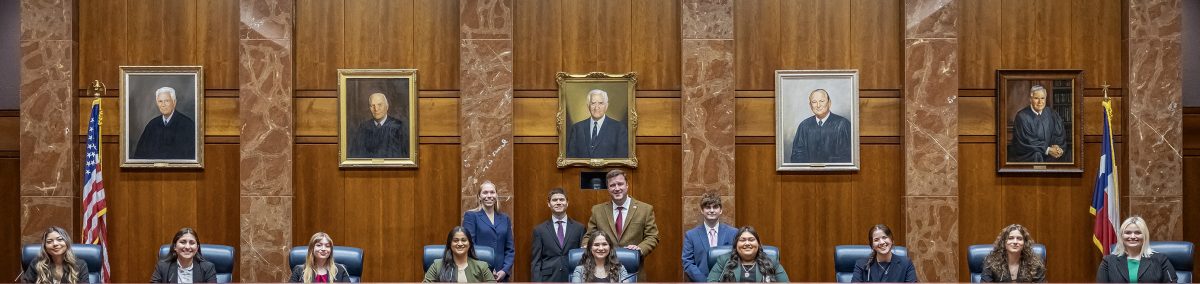
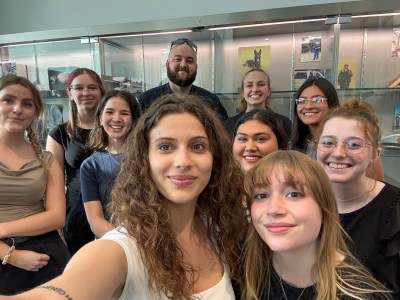
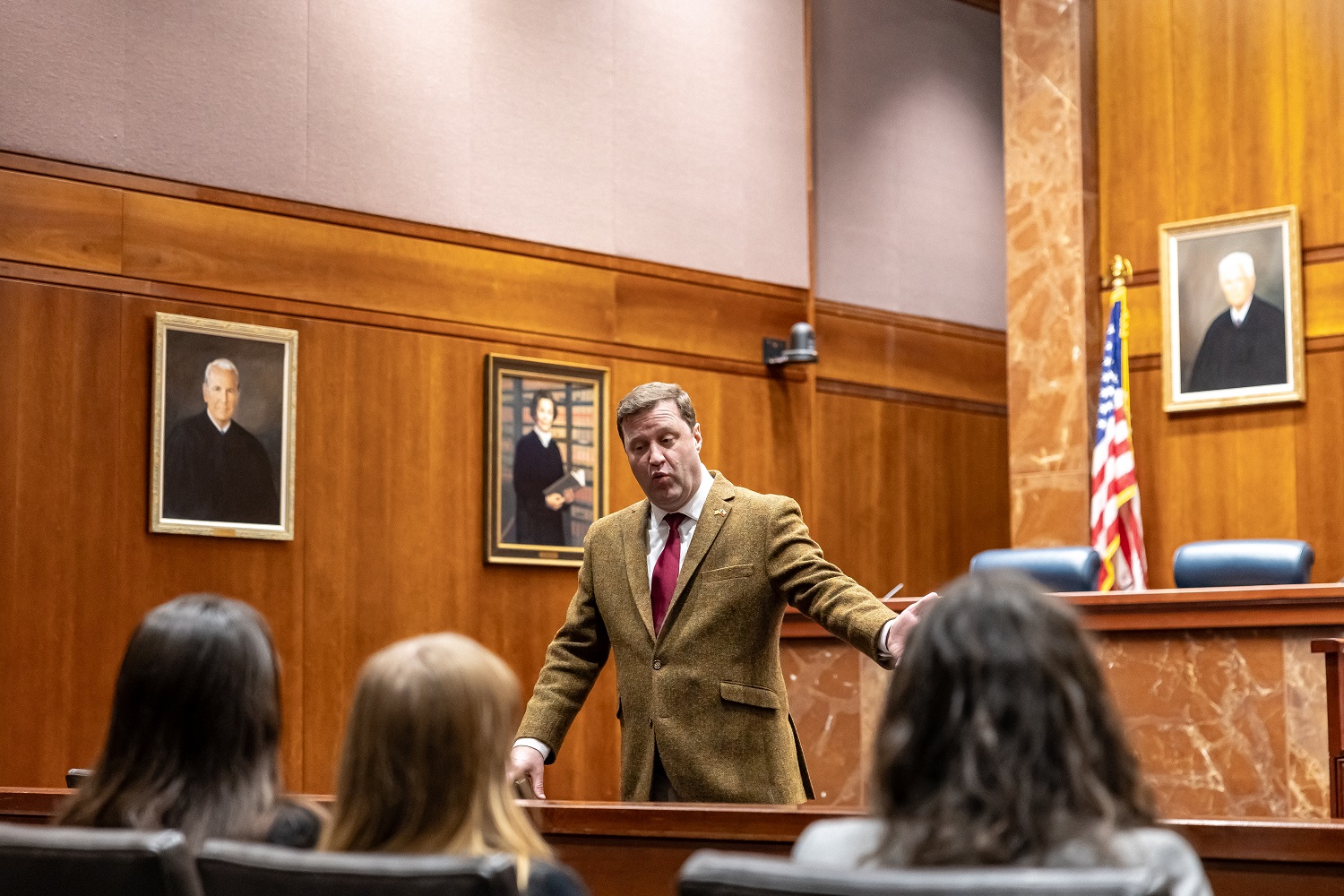
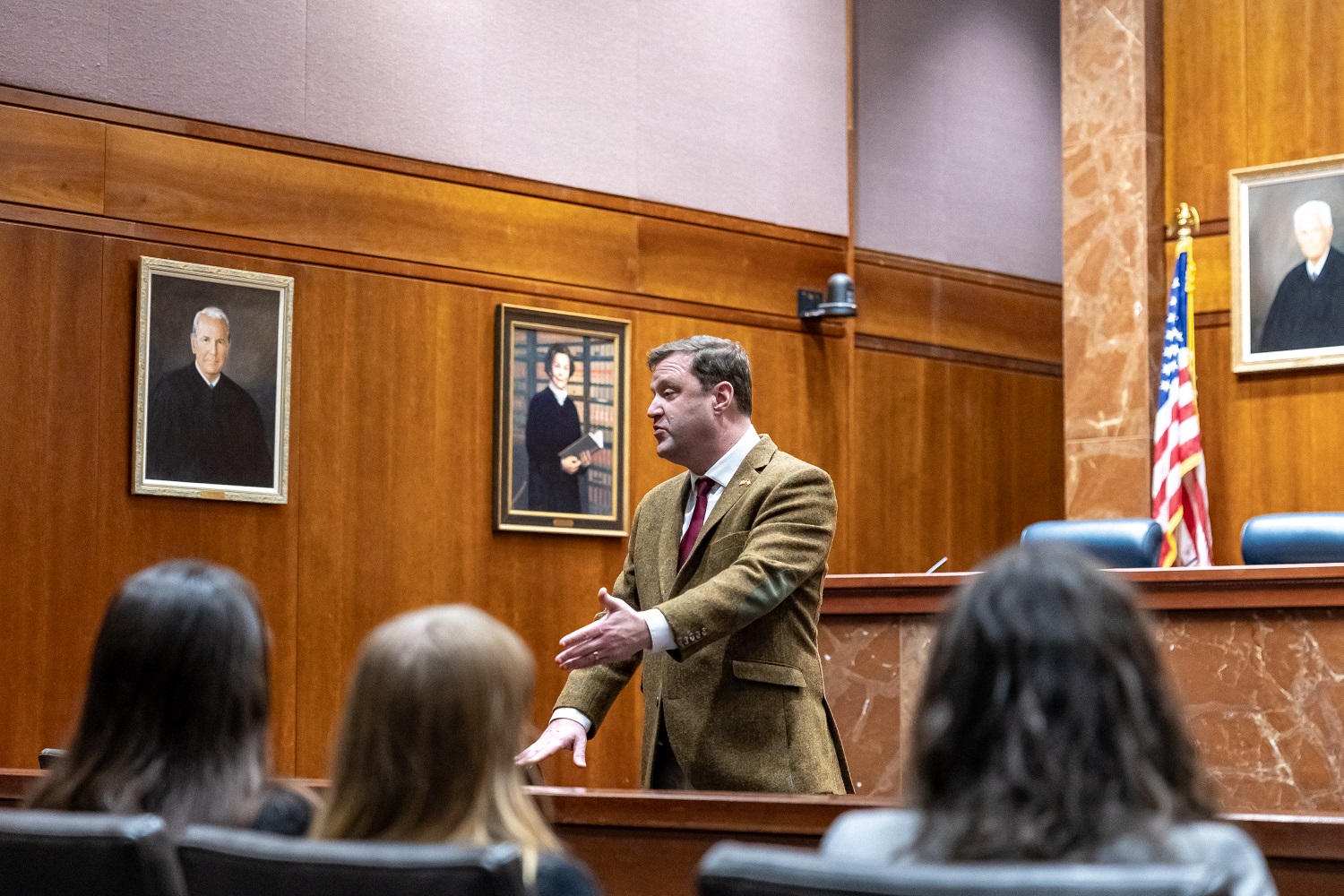
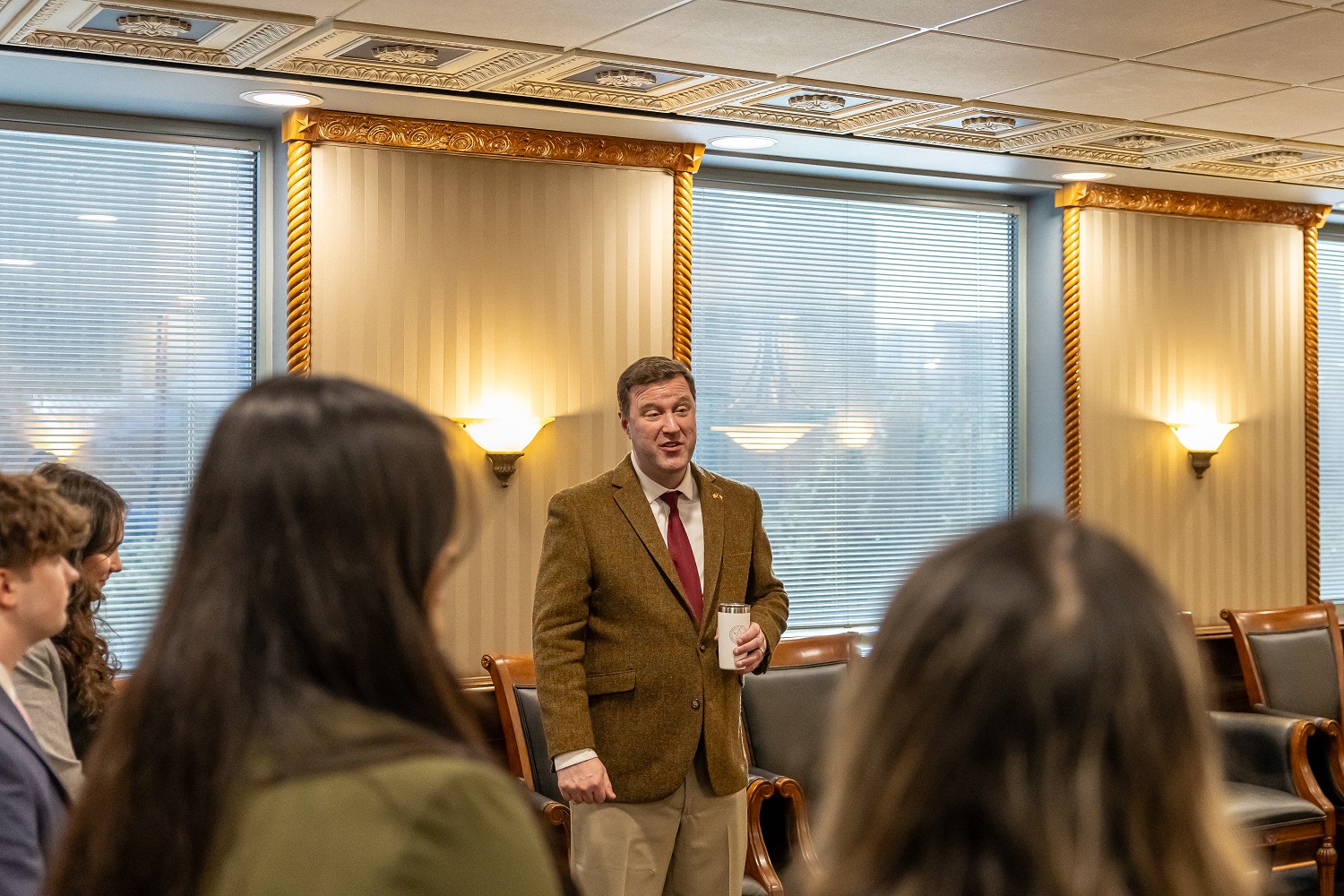
After four educationally filled days in New Orleans, it is time to reflect on our favorites adventures in New Orleans.
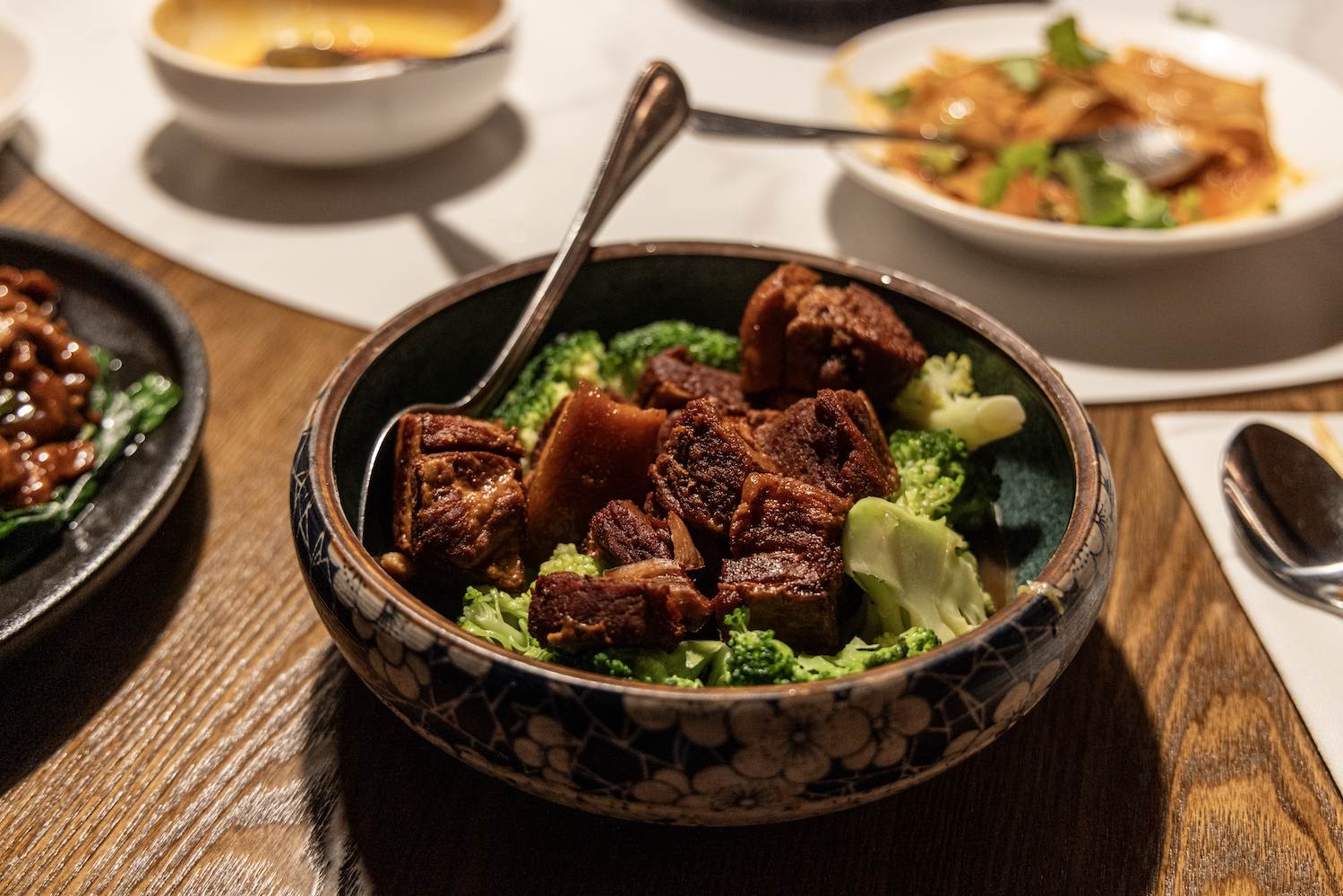
Saffron was a hit amongst the group, being their highest ranked restaurant!
There was so much food variety that is no clear favorite, but the Chicken Lasooni and the Ginger Creme Brulee from Saffron would be the closest to it.
The Besthoff Sculpture Garden was the most talked about attraction in NOLA!
But Chrissy thoroughly enjoyed the World War II Museum, making it her favorite.
Now when it came to the educational sessions held by the Council of State Government Conference everyone was impressed by the Civil Discourse Strategies session.
Michelle also learned a whole lot from the session detailing U.S. Supreme Court Updates, while Chrissy and Olivia got lost in the future with the Smart States session.
But we learned from all our adventures, packing in as much as possible in a four-day trip–the LEAP way.
…we were determined to make it worthwhile, so we hit a couple of must-dos on our way back to Texas, finals, and preparation for next semester.
Café du Monde
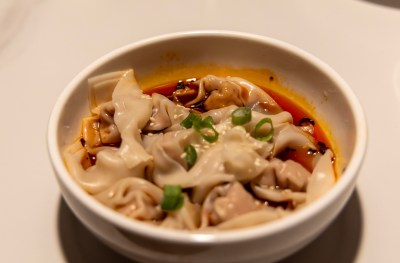
While we had done a good job of sampling New Orlean’s food scene, we had yet to visit the legendary Cafe Du Monde and sample their legendary beignets.
We learned they were messy before we learned they were good, but their quality was, in fact, soon confirmed, bringing smiles to our faces!
Louisiana State Capitol Building
by Chrissy Biello
On our way back home to Huntsville, we had the opportunity to stop in Baton Rouge to see the Louisiana State Capitol. As we approached the building, Professor Yawn sparked our curiosity by challenging us to guess its architectural style. I initially thought it looked modern, while Olivia suggested post-modern. Up close, we discovered the building was a stunning example of Art Deco architecture!
The interior immediately welcomed us with a decorated Christmas tree that transformed the governmental space into something unexpectedly warm.
Professor Yawn first took us to the area where Huey Long, the 40th Governor of Louisiana from 1928 to 1932, was assassinated inside the Capitol. The assassin, Dr. Carl Weiss, killed Governor Long after he was trying to get a redistricting bill passed. However, after the bill was passed, Long entered the hallway and was shot by Dr. Weiss. Professor Yawn then pointed out the preserved bullet hole in the wall!
Nevertheless, the House Chambers offered a striking contrast to the earlier sad story. Holiday decorations filled the room, with vibrant poinsettias creating a festive atmosphere.
Yet, the ceiling was what really caught our attention; its intricate design and beautiful gold color added something special to the space.
We moved on to the Senate chambers, getting a view we thought might be similar to where press members usually sit during sessions.
Next, we made our way to the elevators so we could reach the tower. From the tower, we could see the entire landscape in front of the building. I recognized the design as a radial layout.
Moreover, there were interesting Art Deco themes that could be seen from above, such as the geometrically shaped parking lot!
Before leaving, we walked down to the grounds and noticed something quite funny; the Huey Long statue was holding Mardi Gras beads!
After noticing this humorous detail, we ensured to get a group photo in front of the Capitol building, making us look incredibly small in comparison.
In all, visiting the Louisiana State Capitol was a great way to conclude our Council of State Governments National Conference trip. Michelle, Olivia, and I left with new experiences, whether educational, cultural or simply memorable moments to look back on!
On the third day of our New Orleans trip, we had an exciting itinerary lined up to continue our learning! After grabbing some coffee to start the day, we set off on a 20-minute walk to St. Louis Cemetery.
St. Louis Cemetery Tour
by Chrissy Biello
Traveling through New Orleans, one might notice the cemeteries and how distinct they are from other cities. With approximately forty-two historic burial grounds, our curiosity led us to explore the oldest existing cemetery in the city, St. Louis Cemetery. Thankfully, we had a knowledgeable and humorous tour guide named Denise who could explain things along the way.
Denise discussed the origin of St. Louis Cemetery, which emerged from a pressing need for space. On August 14, 1789, the cemetery opened because the neighboring St. Peter Street Cemetery had become severely overcrowded. During this time, Spanish colonists persuaded the residents of New Orleans to adopt an innovative solution: above-ground tombs that would maximize limited burial space.
Interestingly, there are strict protocols for burial. A new interment cannot occur until two years have passed since the previous burial, allowing for proper decomposition. When a new burial takes place, the remains of previous occupants are carefully collected, placed in a bag, and pushed to the back of the tomb using a long pole; a practice that reportedly inspired the popular phrase, “I would not touch them with a ten-foot pole.”
Turning around, we examined the oven tombs. Denise illustrated that they have this name because they have a wide opening, continuing to say that “they resemble a baker’s oven; can’t you imagine a pizza sliding in there?!”
Moreover, one could not help but notice the striking nine-foot-tall pyramid tomb for Nicolas Cage when he passes away. Notably, it is inscribed with the Latin phrase “Omnia Ab Uno” meaning “Everything From One.”
Continuing on the tour, Denise took us to the Orleans Battalion of Artillery tomb, which holds those that fought, but did not die, in the Battle of New Orleans in 1815.
Further, the New Orleans Italian Mutual Benevolent Society’s marble tomb. Denise explained that many Italian immigrants, facing financial difficulties, could not afford individual burial plots. To address this, they pooled their resources to collectively purchase and share a communal burial site.
Additionally, the “the Faux Laveau” grave, often mistaken for the famous Voodoo Queen, Marie Laveau, was adorned with symbolic crosses. In sets of three, they represent the Holy Trinity positioned sideways to signify the completion of crucifixion and resurrection.
Nonetheless, we ended the tour at the authentic Marie Laveau’s grave. Here, Denise explained that while Marie practiced Voodoo, she was a devout Catholic that would attend Mass daily. In her whimsical voice, Denise noted that the over emphasis of the voodoo aspect of Marie Laveau is “all a part of the loooreeee!”
As we exited the cemetery, we felt we had gained a deeper understanding of New Orleans’ unique culture. We would like to thank Denise for a great tour; her captivating storytelling and deep knowledge of the cemetery’s history made the experience both educational and memorable!
3rd Annual Children’s Hospital New Orleans Holiday Parade
by Chrissy Biello
Following the cemetery tour, we began the walk to return to our hotel before heading out to get lunch. To our surprise, a holiday parade was taking place! We learned that this parade is organized by the New Orleans Children’s Hospital and began in 2022.
Starting at the French Market, the parade winds through Downtown. As we watched the floats go by, we saw the Grinch dressed as Santa Claus and the Children’s Hospital float featuring their very own Mrs. Claus.
The best part of the parade was the cheerleaders and dancers. Their performances were fun and festive, bringing energy and excitement to the crowd. They also threw beads to the audience, which many were trying to catch!
St. James Cheese Company – Lunch
by Chrissy Biello
While walking the streets of New Orleans, we came across the St. James Cheese Company. Having passed this establishment before, we had assumed that they only sold cheese. To our surprise and delight, they offer a wide selection of sandwiches, bagels, fondue, and festive drinks.
Since we all greatly enjoy cheese, we decided to order the sharable fondue. Although I may appear quite serious in this photo, I assure you that my expression does not reflect how I truly felt at the time.
The sandwiches also looked especially appealing. Olivia chose the Gruyere Sandwich, while I opted for the Hot Mozzarella Sandwich. Michelle, who tends to make healthier choices, ordered the Soup of the Day, which turned out to be Creamy Garlic and Mushroom Soup!
After finishing our meal, we continued on to our next destination, the National World War II Museum.
National World War II Museum
by Michelle Moya
Following the parade and our meal at the St. James Cheese Company, we headed to the National World War II Museum. As it was National Pearl Harbor Remembrance Day, we felt very reflective and thankful for the soldiers that fought for us. Nevertheless, as a self-proclaimed American History hater, I went to the museum with not much knowledge. However, this tour definitely changed that!
One fascinating feature of this museum was the “dog tag experience.” We grabbed our “dog tags,” each of which was linked to a real soldier’s experience and role in the conflict that you had to find throughout the museum. I got Mike Colalillo!
To begin our walk-through, we started at “the Arsenal of Democracy” on the second level. The museum was a labyrinth of fascinating displays. This section demonstrated all of the great inventions that helped America win the war. Essentially, the “Arsenal of Democracy” was made possible by these tools!
Then, we dove into the heart of the Normandy invasion. My favorite there was the mass of hanging planes, a reminder of the airborne operations that preceded the beach landings that depict the Normandy morning crash.
Noteworthy, the “Personal Accounts” booths that have two-minute oral history programs with soldiers. Olivia walked into the “Night Drop into Normandy” booth and ended up hearing a horrible story about a soldier that got shot in his jaw but proceeded to fight. This goes to show the atrocities that these troops had to endure during this battle.
We then made our way to my personal favorite exhibition, the “Road to Tokyo” exhibit. The museum’s immersive displays, including a recreated jungle environment, provided a glimpse into the challenges faced by American soldiers fighting in the Pacific. The setting was super captivating, and the stories of the soldiers fighting in the Pacific were both inspiring and heartbreaking to hear.
To finish off our tour, we went to the museum store to look at the goodies they had. Olivia ended up purchasing a chocolate bar and Stephen E. Ambrose’s book Eisenhower: Soldier and President. Ultimately, the National WWII Museum not only taught me about a pivotal era in history, but it also inspired me to implement more history knowledge into my life.
I left the exhibition with a deeper appreciation for those who fought for our freedom, which was the overall goal!
Creating Common Ground: Civil Discourse Strategies
by Michelle Moya
In the heart of New Orleans, we were looking forward to our second day of the CSG conference with enthusiasm and optimism. We woke ready for another day with an itinerary loaded with much exploration, walking, and cultivating visual art of the “city that never sleeps.” Fueled by coffee from Fourth Wall, we hurried off to our first session of the day!
Our second day at the CSG conference was a masterclass on civic debate and leadership. The session, “Creating Common Ground: Civil Discourse Strategies,” led by NICD Executive Director Keith Allred (who, unintentionally, made me wonder if he was related to Colin Allred), transformed what could have been a dry lecture into a riveting analysis of historical decision-making.
With his professor’s precision, he drew a sharp contrast between two watershed periods in Kennedy’s presidency: the Bay of Pigs disaster and the Cuban Missile Crisis to illustrate his points. These weren’t just history teachings; rather, they were contrasting examples of how government officials should approach their decision-making. While this may not sound so interesting on a Friday morning, that session was the greatest one!
Allred began by describing the split of effective conversation inside contemporary governments, which is mostly due to a significant unbalanced change in political parties. However, his nonpartisan approach is effective in all areas of government and in our daily lives. He briefly outlined the Bay of Pigs disaster, as well as the administrative initiatives and coordination they took to come to it. The result? A catastrophic failure that lasted mere days but left an indelible mark on American history. The culprit was not just poor planning—it was the silence of those who knew better but chose not to speak. While the majority opposed the plan, they failed to share honest views, which was taken as a “green light” for JFK to go with the plan. The lack of communication and interpersonal contentions resided in the decision-making process, which ended in disaster only 3 days after the plan went into effect.
Allred soon shifted his focus to how they should have handled the situation and why it ultimately became a disaster. He accomplished this using the Cuban Missile Crisis, where a different approach would save America from the brink of nuclear disaster. The “commonsense sweet spot,” as Allred refers to it, is built on three pillars: embracing contrasting perspectives, avoiding the stampede effect, and navigating interpersonal tensions.
Through compelling footage from “13 Days,” we witnessed the transformation from Day 1’s despair to Day 2’s advancement, led by Robert Kennedy’s courage to voice dissent. We were able to understand the audience’s viewpoints and the lessons learned from Allred’s participatory approach, which helped us make wise conclusions. My favorite portion was undoubtedly this, and it has even inspired me to put the film on my “watch next” list!
The session closed with a powerful message that resonates beyond government powers: “There is something immoral about abandoning your own judgment.” In an era of increasing polarization, these words carry special weight. People elect officials for their judgment, not their ability to follow the crowd. Like great coffee, great decisions are best made when they are bold, well thought out, and discussed with people who aren’t scared to voice their concerns.
Washington Watch: What States Can Expect from the Next Congress and Administration
by Chrissy Biello
With a new administration moving into the White House, many are predicting the future of the country. Because of this, the next session, “Washington Watch: What States Can Expect from the Next Congress and Administration,” posed a high amount of interest for us to gain insight from. The speaker, William Crozer, is the Co-Head of BGR’s Bipartisan State and Local Advocacy Practice. Moreover, from 2018-2021, Crozer served as the Special Assistant to the President and Deputy Director of the White House Office of Intergovernmental Affairs (IGA) in the Trump-Pence Administration, highlighting he has a wealth of experience to discuss the upcoming Congress and the new administration.
Crozer began by speaking on his past role in the White House Office of IGA, noting that during the pandemic, he “ran the local Covid calls from the White House,” making it likely that he spoke with individuals in the room. However, they are probably unaware of this since there was not much face-to-face contact. This being the case, he was coined the “emailer in chief,” sending various information to the state, local, and tribal officials.
Pivoting to the upcoming administration, Crozer spotlighted what he believes to be the “day one priorities” for President-elect Donald Trump. He maintained that it boils down to key issues: trade, taxes, the economy, and immigration. Further, that SNAP Pilot Programs will be a significant focus.
When the moderator asked about the executive orders Biden passed, Crozer stated that “everything will be on the chopping block; Biden repealed Trump’s executive orders.” He then hypothesized that the most likely roll backs will be those that are high spending, such as the CHIPS Act; thus, President Biden is dispersing as many awards as possible.
Speaking on partisanship, he stated that the “red states are getting redder, and the blue states are getting bluer,” remarking that some state governor’s will attempt to challenge Trump on executive orders. He gave the example of Gavin Newsom, the Governor of California, which many were not surprised to hear. Nonetheless, he emphasized that the legislatures in the room should engage with the Trump Administration, no matter what side of the party line they are on.
Transitioning to a humorous anecdote from his time in the White House, he described that when sending invitations to municipal mayors to travel to DC, many thought it was a “Russian Hoax.” The room filled with smirks and chuckles; however, Crozer quickly commented how this displays the lack of outreach to state and local officials. To end on a light note, he closed the conversation by asserting that if someone in the room receives something from the White House, it is likely not spam. But, he ensured to clarify that the White House will never ask for a person’s Social Security Number!
Lunch Break at Cafe Reconcile
by Michelle Moya
After two great sessions, we headed to try another great taste! In New Orleans’ Central City neighborhood, we were successfully able to go to Café Reconcile. As requested by Professor Yawn, we did some research into the café and its history. To our surprise, this place was not just serving up amazing food—it was serving up hope and opportunities for young adults in NOLA.
While the food was absolutely amazing, what actually distinguishes Café Reconcile is that it is a non-profit that uses its program to alter the lives of young people. Upon being seated, we saw that the restaurant featured various frames showcasing these students’ lives, including their personal aspirations and triumphs, which was quite encouraging. When you eat here, you’re supporting a program that helps young adults ages 16-24 kick-start their careers in various industries. We collectively agreed that we need something like this in Huntsville. Imagine having a restaurant that not only serves amazing food but also gives young people in our community real career opportunities and life skills. This little touch of history enhanced the overall experience and made it more delightful!
Now, moving on to the food, I kept with my borderline seafood fixation and ordered their catfish plate with veggies. To my surprise, the veggies stole the shine on my plate (never thought I’d say that). The catfish was great too! It came with an incredibly colorful side salad that popped with personality thanks to these vibrant radishes that made the whole plate “Instagram-worthy.”
LEAP Ambassadors Olivia and Chrissy shared this plate of jerk chicken that resembled a Thanksgiving turkey—or as Professor Yawn joked, perfect for “eating for two.” They ordered potato salad and the mac and cheese, which they mentioned, had them fighting over the last bites. Speaking of Professor Yawn, he went classic with red beans and rice, while Stephanie tackled a traditional New Orleans po’boy and this sweet potato crumb that she would not stop raving about and sharing—bless her.
For the grand dessert? A banana bread pudding that had everyone at the table seemed to enjoy (except me) team no bananas here.
Next time you’re in NOLA, skip the tourist traps and head to Café Reconcile. The food and service was amazing, the portions are generous, and best of all? Your money goes toward helping young people build better futures. This was a great experience and gave me a grasp of the great food New Orleans had to offer!
Cybersecurity in Focus: Assessing and Mitigating Risks of Cyberattacks Against State Governments and Critical Infrastructure
by Olivia Discon
Our last session for the day, and ultimately, for our time at the conference, was Cybersecurity in Focus: Assessing and Mitigating Risks of Cyberattacks Against State Governments and Critical Infrastructure.
We were fortunate to hear from three panelists; Brad Manuel, Jing de Jong-Chen, and Dr. Mike Garcia, each providing an individual presentation from their respective backgrounds on prioritizing cyber resiliency.
Brad Manuel, Region IV’s Cybersecurity State Coordinator for the Cybersecurity & Infrastructure Security Agency (CISA) took the podium first to discuss cyber infrastructure and “Best Practices”.
Having formerly worked as a Chief Information Officer for a state agency and contributed several statues to state legislatures on cybersecurity, he is a huge proponent of everyone in organizations holding stake in risk management and cyber hygiene practices.
Jing de Jong-Chen, current Senior Associate at CSIS and former executive at the External and Legal Affairs Division at Microsoft Co., focused on Supply Chain and Policy Alignment. She emphasized the importance of executive orders and strategic partnerships with federal agencies to enhance cybersecurity frameworks. Jing also highlighted the need for investment in IT modernization and fostering a resilient ecosystem through public-private partnerships. Her approach centered on integrating security into every layer of the supply chain, prioritizing cultural awareness, and creating holistic assessments to identify vulnerabilities. She also discussed the critical role of real-time monitoring and compliance attestations in maintaining system integrity.
Dr. Mike Garcia, Senior Elections and Security Person, Center for Internet Security, closed the panel with an in-depth look at the global impact of cybersecurity risks, focusing on international cooperation and domestic investment. He stressed the importance of adapting to rapidly evolving threats by fostering relationships in the field and engaging with vendors to align their goals with long-term resilience strategies. Dr. Garcia also addressed lessons learned from incidents like SolarWinds, emphasizing the value of competition and diversification in creating robust defense mechanisms.
As state governments increasingly rely on digital infrastructure, the discussions reinforced the urgent need to integrate proactive security measures to mitigate cyber security risks.
The Sydney and Walda Besthoff Sculpture Garden
by Olivia Discon
My favorite aspect of the LEAP experience is the opportunity to improve our cultural literacy. One way this is achieved is through reinforced exposure to key artists in various places across the country. New Orleans’ city-owned park was a perfect iteration of the LEAP experience, as it is home to the Besthoff Sculpture Garden.
There were some heavy hitters immediately upon entry. Roy Lichtenstein was featured at the front of the museum.
In addition to that we saw a Louise Bourgeois’ Spider…
…alongside works by, Robert Indiana, Jaume Plensa, and Claus Oldenburg.
As we continued exploring, we encountered works by Henry Moore and, to our delight, an Isamu Noguchi piece. The collection also included unexpected surprises such as Renoir and Rodin—names often associated with painting or smaller sculptures, but here showcased in a new context. Jesus Moroles, SHSU alumni and LEAP favorite artist, is also featured in this collection.
One artist I didn’t recognize but thoroughly enjoyed was Do-Ho Suh. His sculpture, a stack of figures resembling a spinal cord, was visually striking to me.
Michelle and Chrissy were drawn to two particular sculptures. One, Leandro Erlich’s Too Late for Help, featured an interesting hidden ladder to a gateway.
They were especially caught up in the physics of how such a sculpture could exist. The other, Rona Pondick’s Monkeys, had a strange, morphing form that they initially thought depicted humans or dogs—until Stephanie pointed out we were mistaken.
We also saw kinetic sculptures by George Rickey, whose moving parts added a dynamic element to the collection, and a work by Deborah Butterfield…
…and George Segal. Of course, no trip to New Orleans would be complete without encountering a Blue Dog piece by George Rodrigue.
On our way out, there was one final surprise—a sculpture by René Magritte (one of my favorite artists). Although the work differed from his typical surrealist paintings, it was an unexpected and satisfying way to end the visit.
The beautiful Spanish Moss was the excellent backdrop for these amazing works.
Oceana Grill
by Chrissy Biello
After exploring the French Quarter, we headed to Oceana Grill, a popular restaurant favored by both tourists and locals! Known for its contemporary Louisiana dishes, the restaurant offered a new set of choices to those of us that have not had much experience with New Orleans cuisine.
Alligator Bites was the relatively new item for the table, a food I had tried before and reassured Olivia tasted much like chicken. To her surprise, she did not hate it; however, I would definitely say she would not order it again if given the opportunity.
When it came time to order our main courses, Olivia shocked the table by ordering Cajun Jambalaya Pasta, which contains shrimp! For those that do not know Olivia, the pasta part is not unexpected, but the shrimp part is. She noted that the “dish was very flavorful, and it drowned out the shrimp.” Needless to say, she left the restaurant still not a fan of shrimp.
Michelle also dabbled in a little bit of experimentation. Her meal, the Blackened Chicken Platter, was served with Jambalaya, a dish she had never heard of. However, I ended up being the boring one of the group by ordering something I have had several times in the past, Crawfish Etouffee.
When making our choices for dessert, we were experiencing a shared sweet tooth and decided to order three! The desserts included La Boheme Crème Brûlée, New Orleans Bread Pudding, and the Chocolate Kahlua Mousse. After finishing off all of them, we had a slow but satisfied walk back to our hotel for the night.
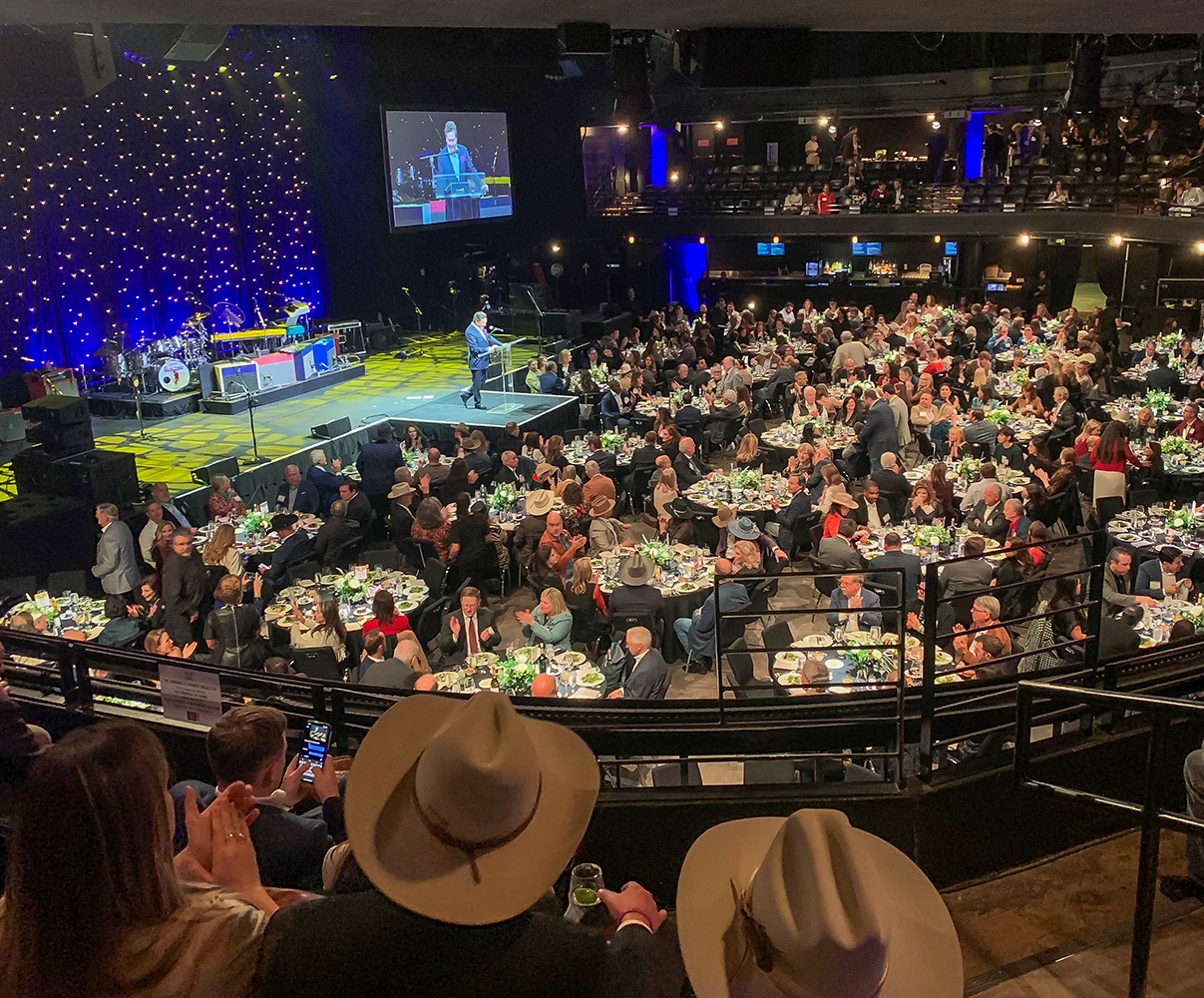
Council of State Governments National Conference- Day One!
by Michelle Moya
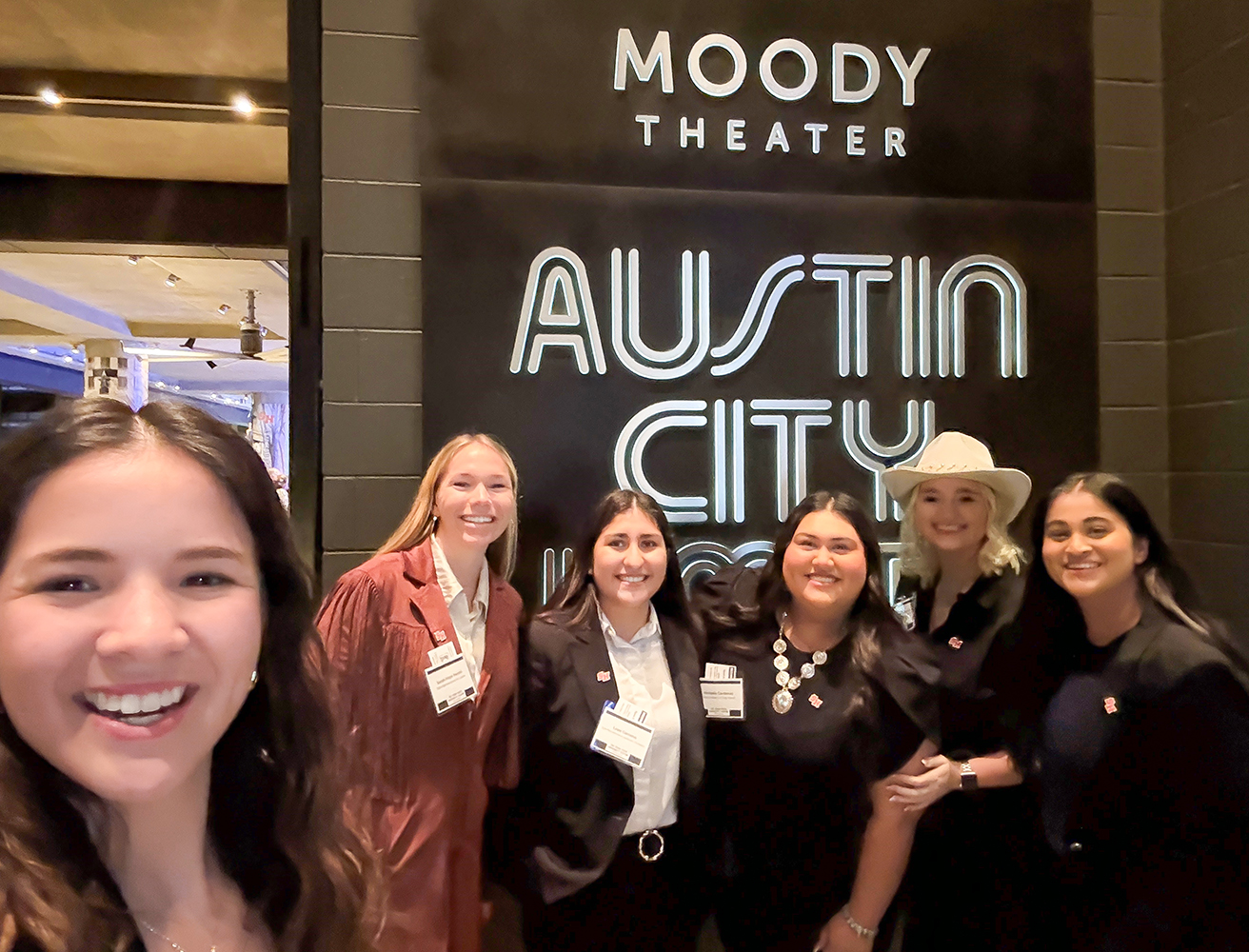
After what felt like the longest drive on Wednesday night, we woke bright and early to start an insightful couple of days at the CSG National Conference in New Orleans, Louisiana. For Olivia and me, stepping into this culturally rich state for the first time promised fresh perspectives and a new experience!
Starting off day one, we began with an engaging session with Waldo Jaquith from U.S. Digital Response, addressing one of state governments’ most pressing challenges: successful software system implementation.
His presentation structure was particularly compelling, starting with a “what not to do” story from Rhode Island (spoiler alert: it didn’t go well), followed by data statistics, and then shifting focus to actionable strategies that government officials could implement in their own jurisdictions to avoid outcomes like these.
The real takeaway? When he broke down why we need to ditch the most used Waterfall method for the Agile software integration method. We were all struck by the wealth of knowledge shared, and it ended up being Chrissy and Olivia’s favorite session of the day!
After a debriefing discussion among us all, we hurried into our next session. Next up was the issue everyone is currently buzzing about—AI in government. We had a diverse panel with three totally different perspectives: a Professor Neil Kleiman (bringing academic wisdom)…
…Michael Mattmiller, an Microsoft US Government Affairs Industry Team Lead…
…and Amy Hille Glasscock, with the National Association of State Chief Information Officers!
This session was particularly different and interesting because they weren’t feeding us that “AI is taking over” narrative. Instead, it was all about how AI can make government officials better at what they do. Coming to the end of the session, one key takeaway was the emphasis on AI improving people’s efficiency rather than replacing them. Its effectiveness is based on how well its intelligence complements our own. After insightful perspectives from the speakers, we were even able to snag a picture afterwards!
A Quick Lunch Break at Elizabeth’s
by Chrissy Biello
Following the morning conference sessions, we headed to Elizabeth’s Restaurant, an authentic New Orleans eatery. Upon arriving, Olivia noticed that many colorful signs on the walls displayed the phrase, “Be Nice or Leave!,” a popular adage in New Orleans. Stephanie explained to the group that this saying was created and illustrated by the local artist, Dr. Bob. The vibrancy of the restaurant and the matching neighborhood allowed for us to get a glimpse of New Orleans outside of the French Quarter.
When it came time to order appetizers, we got a great balance of foods that highlighted the diversity of New Orleans flavors. The options included praline bacon, Korean brussel sprouts, and fried boudin balls.
Every one of them was great; however, we all have our favorites. I especially enjoyed the praline bacon…
…and Korean brussels sprouts, as did Olivia!
After filling up on appetizers, we went on to our main courses. Olivia and I shared the chicken and sausage gumbo (which was Olivia’s first).
As Elizabeth’s is famous for their breakfast food, Michelle got the veggie scramble…
…and Professor Yawn and Stephanie had “Crabby Eggs,” including crab cakes, poached eggs, and hollandaise sauce.
For their side, they had the grits, which sparked a conservation about the famous movie, My Cousin Vinny.
And, of course, we ensured to get an order of the beignet biscuits! Served with a side of maple syrup, this dessert was filled with much nostalgia as I had it years prior on a past trip to New Orleans. Leaving Elizabeth’s, we headed back to the conference for another session!
U.S. Supreme Court Update: Implications for State Policymakers
by Michelle Moya
As a finisher, and after a fulfilling meal at Elizabeth’s, we attended our last session. This one being one I was particularly excited for, rightfully so, as it proved to be my personal favorite. Thankfully, we got there early, which allowed us to engage in meaningful dialogue with the speaker, Michael Lawlor, about our personal ambitions and the LEAP program!
Highlighting the session, it spanned various contemporary issues, from gun rights to freedom of speech and social media regulations. He spoke on cases the Supreme Court is currently deciding on and ones from last term.
We were surprised to see that many of the cases going before the Supreme Court pertained to social media practices. This goes to show the impact modern technology has had everywhere, even on government decisions! We all showed major interest in two cases dominantly, Lindke v. Freed from the 2023 term and Smith and Wesson Brands v. Estados Unidos Mexicanos.
Ogden Museum of Art
by Olivia Discon
To continue our educational pursuits in New Orleans, we ventured on to Ogden Museum of Southern Art. The museum prides itself on providing a large, comprehensive collection of Southern art, which served as the perfect place for us to learn more about the city’s cultural offerings.
Before entering the museum, we were greeted with a massive James Surls sculpture! The cast bronze and stainless steel sculpture, known as Me, Knife, Diamond and Flower, was an incredible iteration of his distinguishable style.
LEAP Students with a James Surl’s art piece at the Ogden Museum of Southern Art
Having seen his work several times now, I am quite a fan! Surls continues to be a LEAP favorite, as a distinguished Sam Houston State University alumni and excellent Texas artist.
There was a wide variety of contemporary art exhibits. Admittedly, some of them perplexed me. The first gallery we entered featured a multimedia installation called stream or river, flight or pattern by Joan Jonas. With bird-like kites fixed to the ceiling, paintings, and a few films playing consecutively throughout the room, the group was determined to decipher its meaning.
After some perusing and ultimately admitting defeat, we read that the comprehensive work is meant to reflect our interactions with nature.
Naturally, we moved on to the next gallery.
A newfound artist we enjoyed was Benny Andrews, although the pieces we respectively enjoyed differed. Andrews had various styles and mediums in this gallery, which made for an interesting sample of his work. Chrissy liked a piece called Destiny, Destruction, and Despair…
…Professor Yawn enjoyed a 1994 Baptism Study…
…and I personally liked Keep Your Eyes on the Acrobats.
In the meantime, Michelle had made some headway through the galleries, proceeding to find what would become her favorite piece in the museum: Uptown Street by Lulu King Saxon. Michelle, who is relatively new to the art scene, learned that she takes to nature scenes–and large scenes at that!
Chrissy, on the other hand, prefers Impressionist paintings. Her favorite appeared to be Joseph Meeker’s Bayou Plaquemines; a pink-casted sunset falling over a swampy landscape.
My personal favorite, oddly enough, was a George Rodrigue painting that was not a Blue Dog variant. Instead, it was a painting called The Aioli Dinner, known as his “Cajun masterpiece”.
We then went on to Baldwin Lee’s photography exhibit, which was especially enjoyable. Lee, in the 1980’s, set off on an artistic journey to retrace the photos taken by his mentor, Walker Evans, in the 1940’s American South. Placing a focus on Black Americans as his subject matter, the photos and their strategic composition invoke the viewer to contemplate themes of poverty and hardship. We were fascinated by his experience on this expedition and impressed with his results. Many of his subjects, such as Untitled, 1983-1989, were complete strangers he approached along his journey.
Some of our favorites were Mobile, Alabama…
…New Orleans, Louisiana…
…and Waterproof, LA.
“Looking is a two-way street. Not only is the photographer looking, but the potential subject is looking too. What the subject sees carries great weight. For some reason, people would see me positively. I am not sure if it was my race, gender, physicality, dress, demeanor, or anything else. If in a day I asked twenty people permission to make photographs, nineteen would say yes.”
In all, we saw and enjoyed several new artists on this endeavor. The visit to the museum was a pleasant way to indulge in Southern contemporary art…
…and to broaden our cultural literacy.
Saffron
by Chrissy Biello
In true LEAP fashion, we opted for a dinner that would allow us to gain new experiences. Saffron, an Indian restaurant and two-time nominee for the James Beard award, proved to give us that opportunity. The chef, Arvinder Vilkhu, and his wife, Pardeep Vilkhu, opened the restaurant with the purpose of combining their Indian heritage with the New Orleans culture. As we began to peruse the menu, that was extremely evident; options included, Curried Seafood Gumbo and oysters!
For appetizers, we ordered the pickle sampler…
…Chicken Lasooni, and the garlic and chili-cheese naan.
Olivia favored the naan bread, while the Chicken Lasooni was Michelle’s main pick. As for myself, the pickler sample was my favorite; the dish included an eggplant spread, something I had never tasted before, but will confidently try again.
For our main course, Olivia and I shared the Chicken Biriyani. This dish was incredibly flavorful, containing saffron rice, crispy onions, a soft-boiled egg, and yogurt on the side!
Michelle savored the Curried Seafood Gumbo, and Professor Yawn and Stephanie relished the Oyster Bed Roast!
With already full stomachs, it was a surprise that we were tempted by the dessert. To our delight, Chef Vilkhu himself served our table! This included a cake called, “It’s Not Even Your Birthday,” surely named for the multiple layers of chocolate ganache and buttercream that would make anyone believe they were partaking in a treat for a special occasion.
Further, we had the Ginger Crème Brûlée, a definite favorite among the table.
As we had the opportunity to thank Chef Vilkhu for the amazing meal, we were very honored to take a photo with him!
In all, Saffron was a great way to end the first day of our New Orleans trip, allowing us to anticipate the next days of new experiences to come!
One of LEAP’s most rewarding acts of volunteerism is the annual donation drive hosted by Huntsville’s local radio station, KSAM. Named after the iconic 1980’s television show, M*A*S*H* allows the Huntsville community to Make A Smile Happen!
For this holiday drive, community members are encouraged to donate non-perishable food items, pet food, children’s toys and games, and monetary gifts.
This drive occurs on December 4 and December 5 (and if you’re reading this December 5, 2024–yes, you can donate today!) KSAM gathers the donations amidst a live radio broadcast in the HEB parking lot (look for the military–M*A*S*H*-themed–tents).
LEAP students always enjoy participating in this event, and this year was no exception! Despite the cold weather and rainfall, the students were invigorated with the spirit of giving this year, with many of us soliciting donations by holding out signs for the passersby–despite the less-than-ideal weather.
And although it took some of us longer to get into the spirit…
…I was warmed (metaphorically) by this particular group’s enthusiasm. From Niya and Timi’s inventive cheers, Cinthia’s sign spinning skills, Michelle serving as LEAP’s cheerleader, to the sheer number of honks Victoria and Yajaira were able to elicit from passing truckers, the vivacity of the students on a gloomy day was inspiring and encouraging.
We also assisted the generous people who made donations throughout the day by collecting items from their cars…
…and sorting them into designated piles.
We were happy to see some friendly and familiar faces such as Dr. Bill Hyman…
…Shannon Hollis, Eric Fugate, and Mac and Leanne Woodward.
Their generosity goes without saying, but each of their continued contributions to M*A*S*H* extend to their investment to support the Huntsville community.
Cinthia, who has been ever-improving in her radio-communication skills, took a go at a live interview with KSAM’s Glenn Edwards. She did a tell-all discussion on her studies, volunteerism, and Christmas.
While we can’t yet speak to the final contributions, we ended day one having collected 599 toys, 230 food items, and more than 100 pounds of pet food.
We are optimistic that the Huntsville community will come through with even more contributions on the second day of the event.
In all, making smiles happen for a day was an especially rewarding experience. We greatly appreciate all of the volunteers who came out and to KSAM for organizing an all-encompassing and thoroughly enjoyable community event.
The City Fellows Interns and LEAP Ambassadors recently stepped into the world of local law enforcement with an exclusive tour of the Huntsville Police Department, led by the warm and welcoming Corporal Sanders, Senior Officer Craig, and Officer Jennings. With this tour, we were able to experience multiple aspects of our community and get to know the dedicated officers who work tirelessly to keep our city safe.
They began by sharing the department’s history, proudly showing us old uniforms, historic equipment, and awards that marked the walls. Right by the entrance, we even saw the shiny shovel used to break ground for this incredible facility in 2021!
Walking through the common area, I realized this space was more than just a building; the walls were filled with images and stories of Huntsville’s history. As I examined these photographs, I felt a stronger connection to the community, seeing the legacy left by the officers who served before.
As we entered the gym, Professor Yawn began egging some of us on to punch the punching bag. After some weak and pitiful punches…
…we were led to the locker rooms. We learned that these are not just practical spaces; they include areas for victims in need of privacy. From this, we understood that every aspect of the building was not only built in mind for the officers but also the community.
In the evidence room, we learned a surprising amount about handling and storing evidence. Senior Officer Craig explained the steps for bagging items with precision and gave us a look at the organized system of lockers and refrigeration units.
Moreover, one of the highlights was meeting Senior Lieutenant Curt Landrum. He explained that there are two types of cases that the detectives work on: property crimes and personal crimes. When asked how many cases they work on each year, he noted that it is in the thousands!
Next, we headed outside for a little action! Senior Officer Craig set up a mock traffic stop, and Emely bravely volunteered to be “pulled over.” As Senior Officer Craig went through her routine, she explained all the safety measures she takes, from positioning her vehicle carefully to approaching with full awareness.
Finally, we got to climb aboard the SWAT truck, affectionately known as the “Pitbull.”
It was an absolute thrill to be inside this armored vehicle, knowing it’s there to protect the officers in extreme situations.
Just being in that truck gave us all a feeling of respect for the risks these officers are prepared to take.
We left the Huntsville Police Department with much appreciation for the officers who serve our community. Thank you to Corporal Sanders, Senior Officer Craig, and Officer Jennings for a day filled with learning, laughter, and unforgettable experiences!
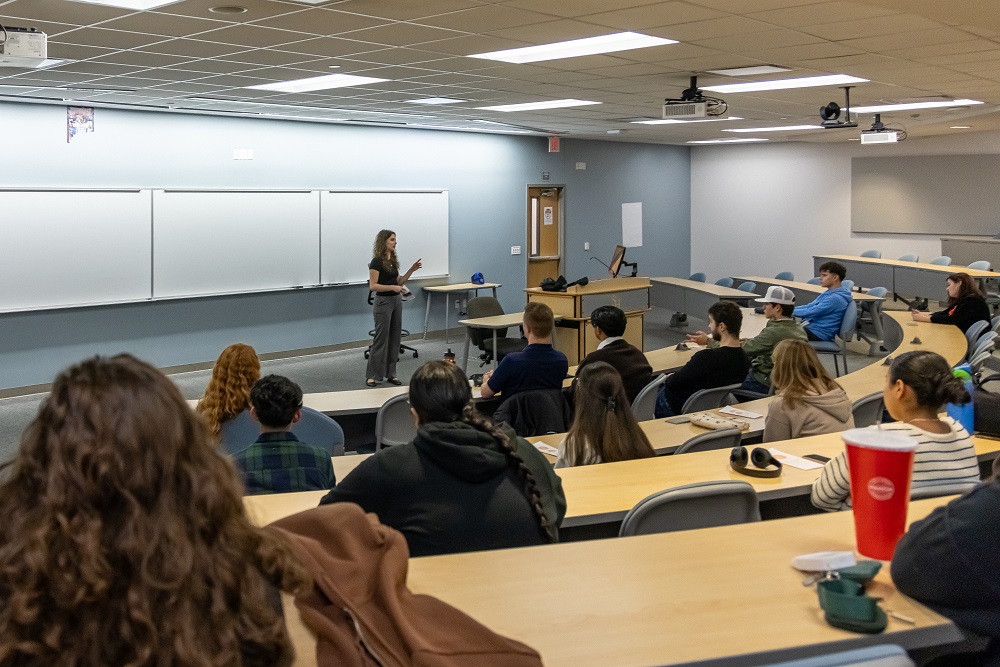
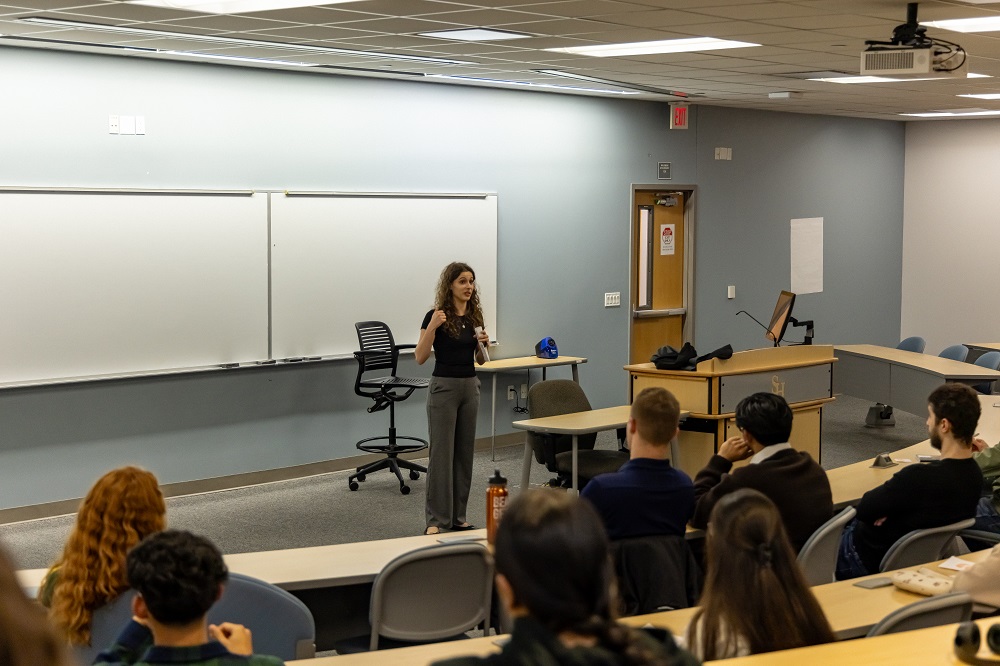
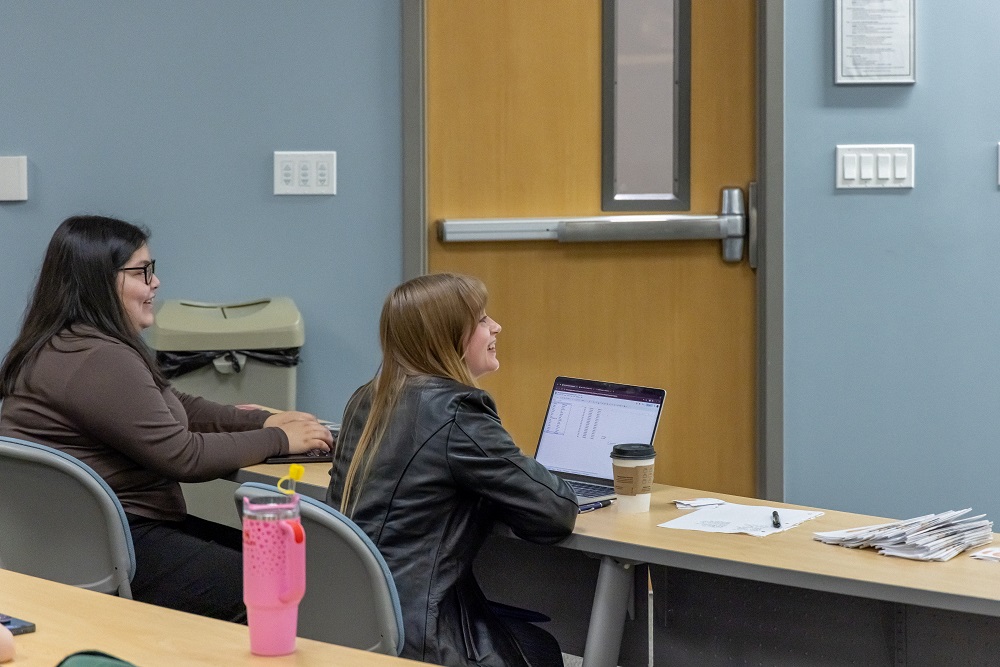
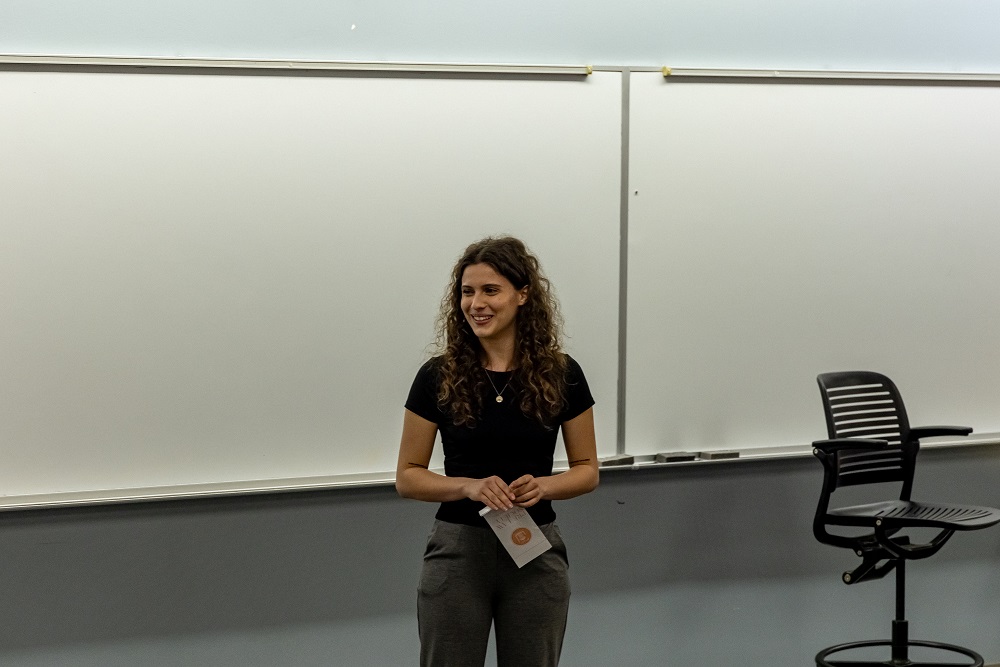
This week’s meeting was a unique one for the Pre-Law Society; the meeting was not only open to current members but also to everyone on campus! There was a reason for this unique approach–we had a unique speaker, Frank Figliuzzi, who is not only an attorney, but also an author and the former Assistant Director of the FBI.
After President Discon went through business updates for the Pre-Law Society members…
…it was time for Figliuzzi to speak. Mr. Figliuzzi wrote the national bestseller, The FBI Way: Inside the Bureau’s Code of Excellence, which he would be discussing with us!
Mr. Figliuzzi started his presentation with a quote by J. Edgar Hoover, “The most effective weapon against crime is cooperation… The efforts of all law enforcement agencies with the support and understanding of the American people.”
Next, he gave insight on his book’s origin, saying that the FBI was under attack, which made him angry and led him to write the book as a way to counter the incorrect assumptions being made. He then went in depth about what he says are the preserving values of the “FBI way,” otherwise called the “7 Cs.”
The first “C” is Code, which refers to the values and principles you stand by. The second is Conservancy, emphasizing the importance of being part of something larger than yourself. The third is Clarity, which involves clearly and honestly expressing your values.
The fourth is Consequences, meaning doing the right thing, even when it is difficult. The fifth is Compassion, which is about striving to understand others’ perspectives. The sixth is Credibility, with the reminder that “people won’t believe in your team if they don’t believe in you.” Lastly, the seventh is Consistency, which involves sticking to your code, no matter what.
He also introduced the term “undercover syndrome,” describing how officers who spend too much time undercover may begin to commit petty thefts and other crimes sloppily, with the subconscious desire to get caught by police. This act of self-sabotage is typically due to the complete subversion of morals and identity that comes along with undercover work. The FBI tries to anticipate this through providing mental health support to its agents and their families.
He finished his lecture with a word of advice to prospective law students: “start viewing yourself as a leader now.” As I looked around the room, I was sure that this advice was impactful to all.
After Mr. Figliuzzi’s presentation, the meeting continued with the cord ceremony for this semester’s graduating seniors. Making it more special, Mr. Figliuzzi corded the seniors while Ms. Loveall gave them their certificates.
These seniors included: Clay Barton, Natalie Bradford, Yajaira Gutierrez Marin, Mark Harkrider, Daniel Pierce, Emily Segovia, Mason Solomon, Grant Threatt, and Alexandra Von Heuvel. While we are sad to see the seniors graduate, we are excited to see all that they will accomplish in the future.
Following the event, Mr. Figliuzzi spent additional time signing books for the students, capping off one of our best-ever meetings with a wonderful personal touch.
The Pre-Law Society would like to give a big thank you to Mr. Frank Figliuzzi for taking the time to speak with Sam Houston students. His presentation was incredibly captivating, informative, and humorous!