Planting Flags at Dawn: Honoring Democracy on Election Day

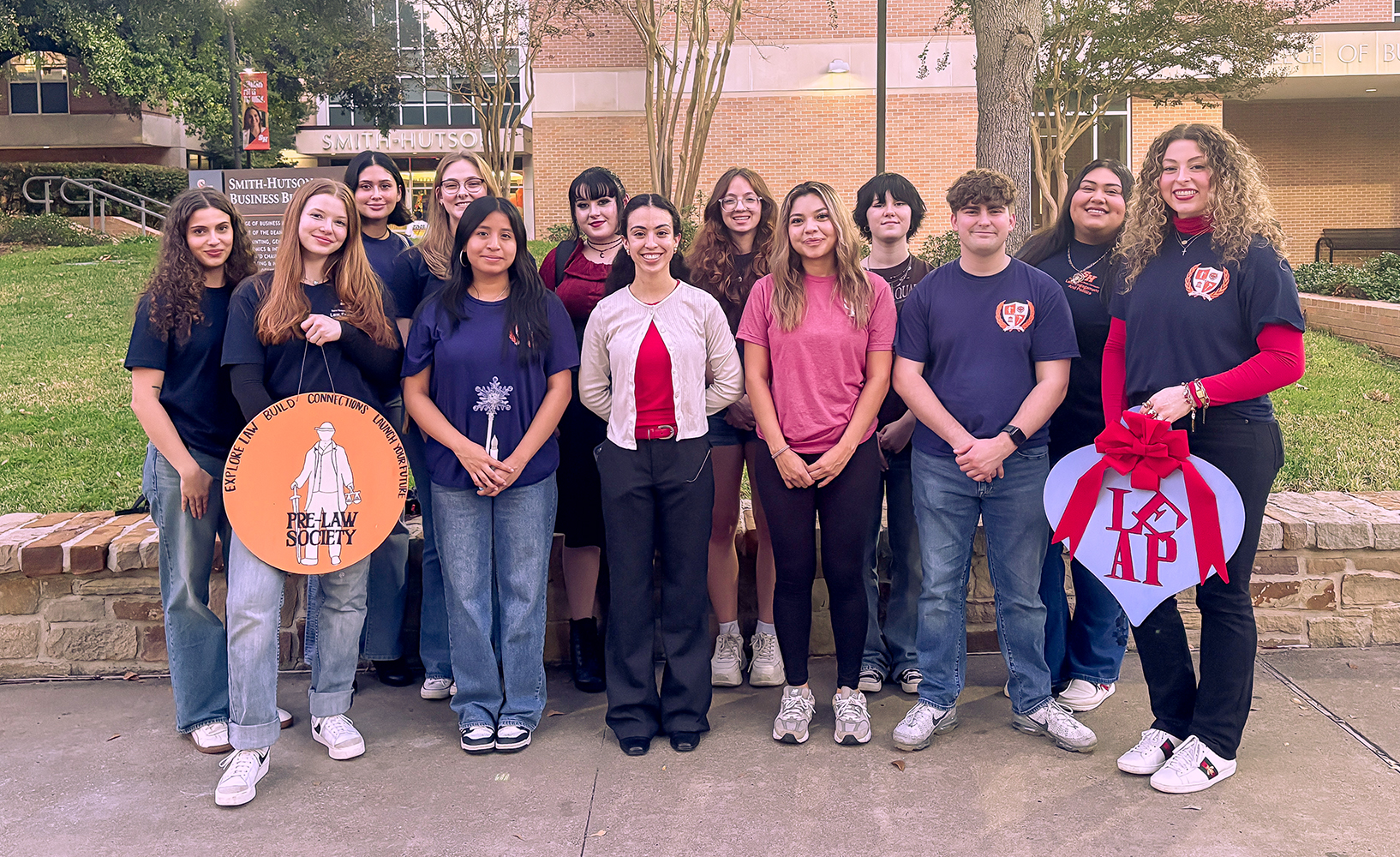
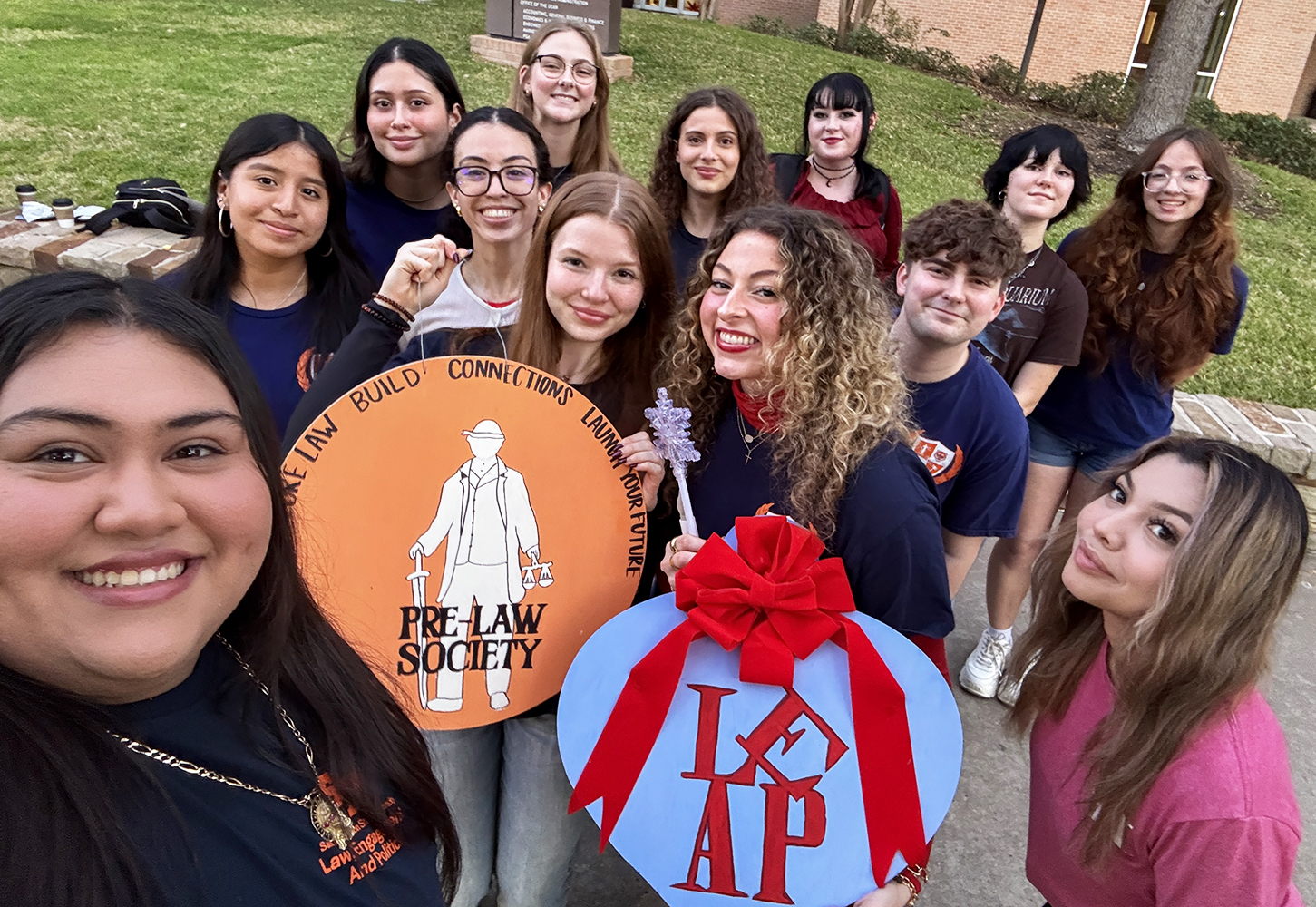
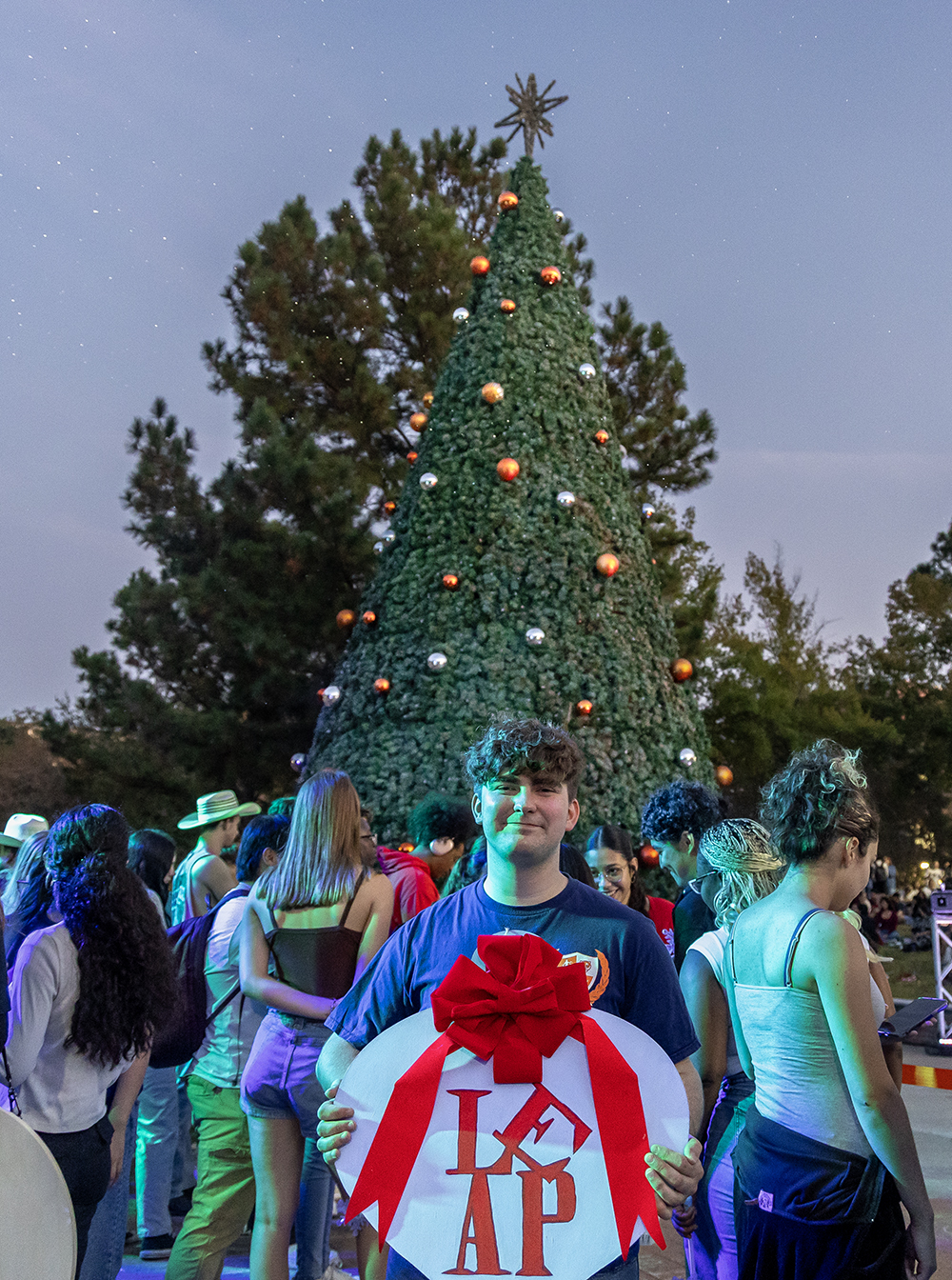
Every Election Day, Americans exercise one of democracy’s most fundamental rights–the right to vote. While some head to polling places during lunch breaks or after work, the Lions Club and LEAP center mark the day by planting flags–early in the morning–across the extended downtown in Huntsville, an activity undertaken on most national holidays!

While many are familiar with the process, we meet around 6:15 a.m. to place flags all downtown with the Huntsville Lions Club. For us, it is not only a community-building exercise, but also a way to remind people the significance of their democratic participation.

With an experienced group and an established route, we began bright and early, bundled against a chillier morning. Our task was to carry bundles of flags to assigned routes along 11th Street, Sam Houston Avenue, and throughout the extended downtown area.

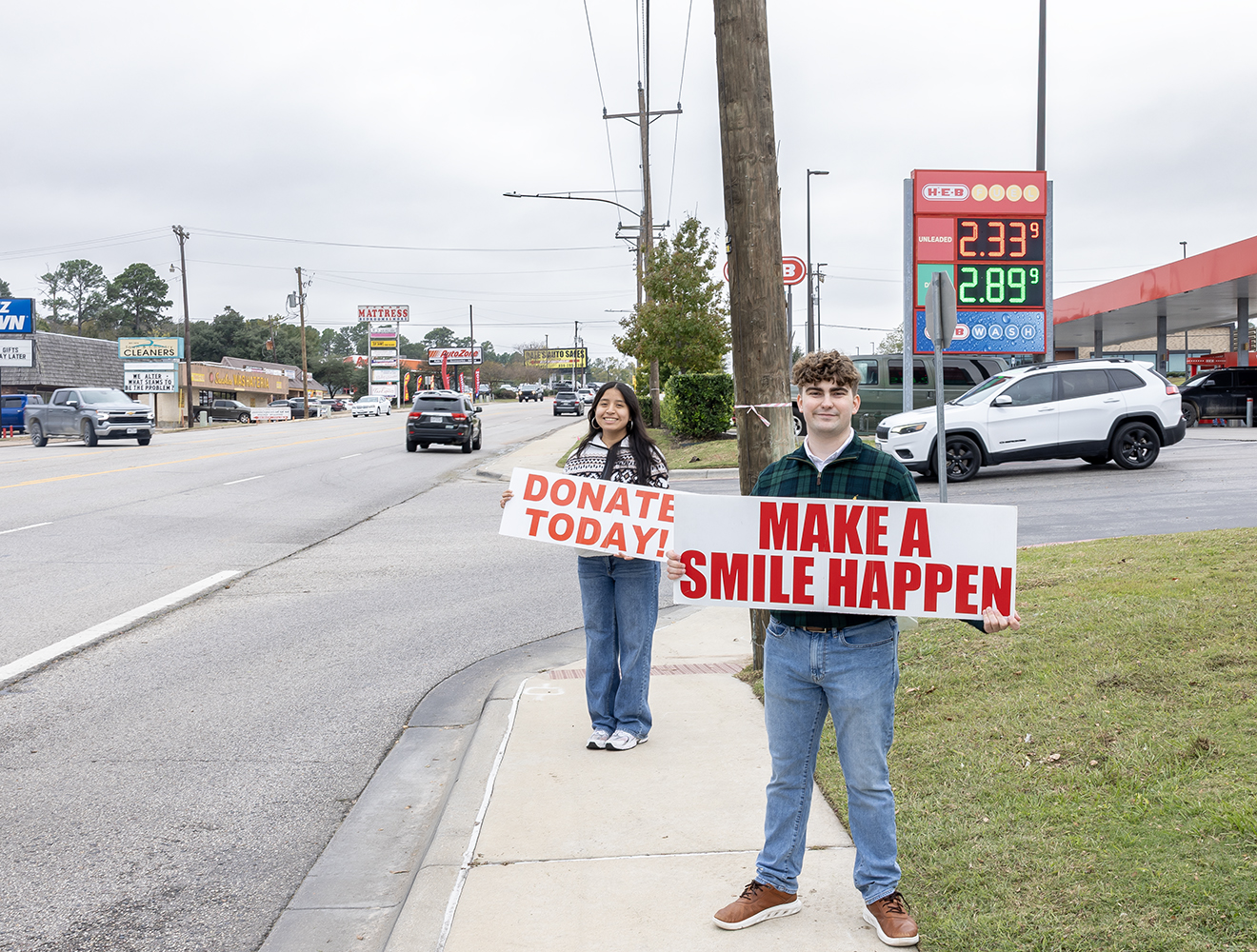
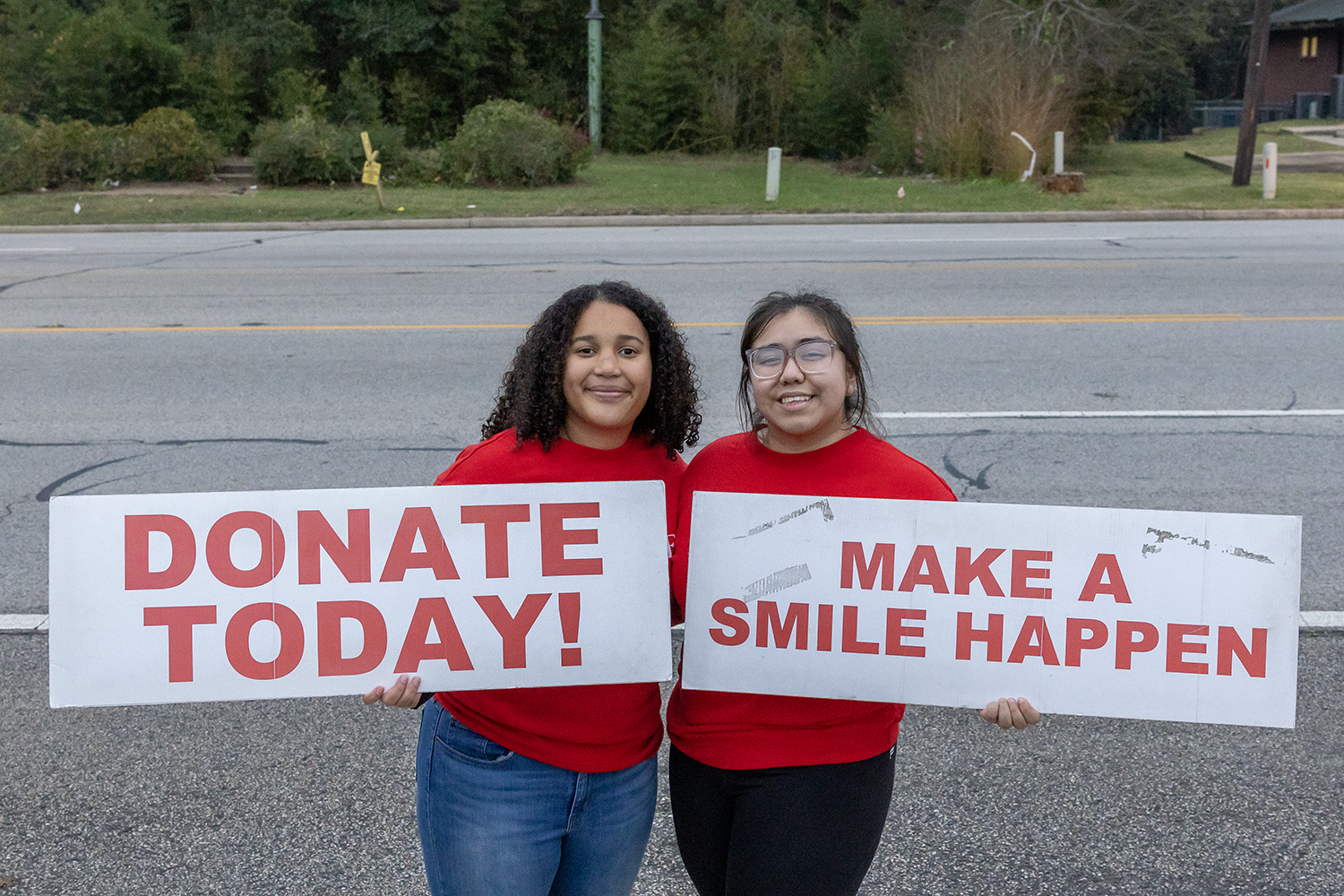
Thankfully every flag went up smoothly – however the signs were another story

The morning’s work also served as a reminder of where this tradition began…

Before 1845, Election Day looked very different across the country. Each state chose its own date to hold presidential elections-sometimes spread out over an entire month. Results from early-voting states often influenced later ones, and the lack of uniformity created confusion in a nation still finding its democratic rhythm.To solve that problem, Congress passed a law in 1845 establishing one national Election Day: the Tuesday following the first Monday in November. The timing was practical for the America of the 19th century-rooted in the rhythms of farm life. November came after the harvest but before winter roads turned to mud, and Tuesday allowed farmers to attend church on Sunday, travel to their county seat on Monday, and cast their vote on Tuesday.

The result was a schedule that balanced faith, work, and civic duty-an early example of how American democracy was built to fit into the everyday lives of its citizens. What began as a matter of convenience has since become a national tradition that still shapes how Americans vote today.

After finishing our routes through downtown, Nataly placed the final flag of the morning – a simple but fitting way to mark the start of Election Day!

In light of Election Day, with many new things to vote on this time, LEAP ambassadors have already done their duty…

Walker County voters can cast their ballots at any of the countywide polling places on Tuesday, November 4, 2025, from 7:00 a.m. to 7:00 p.m. Whether you vote at the Walker County Fairgrounds, University Heights Baptist Church, the Walker County Storm Shelter, or any of the other convenient locations throughout the county, your participation matters!

Thank you to the Lions Club for having us as part of this tradition once again!

Mooting in Miami

After a summer of study and two additional months of practice, LEAP’s Moot Court team made their way to Fort Lauderdale (which, in fairness to the title, is near Miami) for the Sunshine State Regional Moot Court Tournament–part of the American Moot Court Association’s annual national competition.

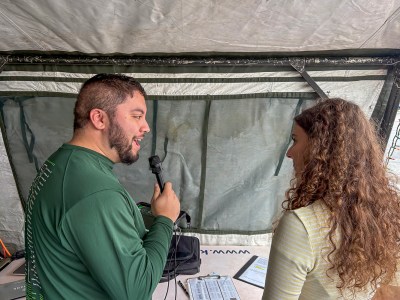
AMCA Board Member Ben Rathsam Kicking Things Off

The Moot Court Process

The Moot Court process has many moving parts, but the steps are straightforward:

  • Each team has two members, with one tackling the 14th amendment (equal protection) and one tackling the 1st amendment (speech);
  • Teams then register for one of 18 regional tournaments across the US;
  • Teams then compete in the tournament for which they registered, and if they qualify, they move on to a “Preliminary National Tournament” and, if they qualify again, the National Tournament.

Teams are evaluated on four broad categories: Knowledge, Courtroom Demeanor, Response to Questions, and the Clarity and Logic of the Argument.

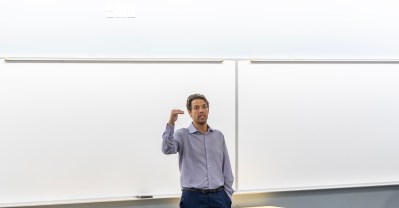
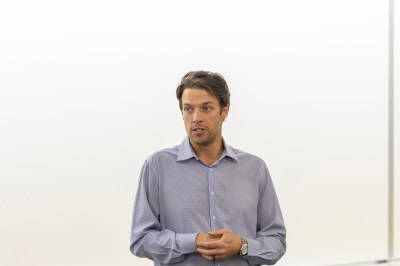
Michael Dass from NSU

Moot Court at Sam Houston State University (SHSU)

SHSU begins its Moot Court involvement shortly after AMCA releases the Case Problem (May 1). Over the summer, Professor Mike Yawn teaches “How to Win in the Courtroom,” using the Case Problem (and the ancillary 20 other cases) as the curriculum, and culminating with live “hearings.”

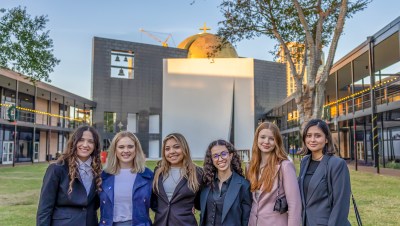
In late August or early September, official tryouts are held, and students compete for team spots. The LEAP Center selected five participants this year, making up two teams and a “spare:” Team One is Madison Thurkettle and Allison Lindle; Team Two is Ashton Droll and Maddie Cawthon. A fifth student, Katie Wilson, made the team, but lacked a teammate.

All of these students committed to weekly practices during September and October, with the goal of being prepared for today’s tournament.

The Sunshine Tournament

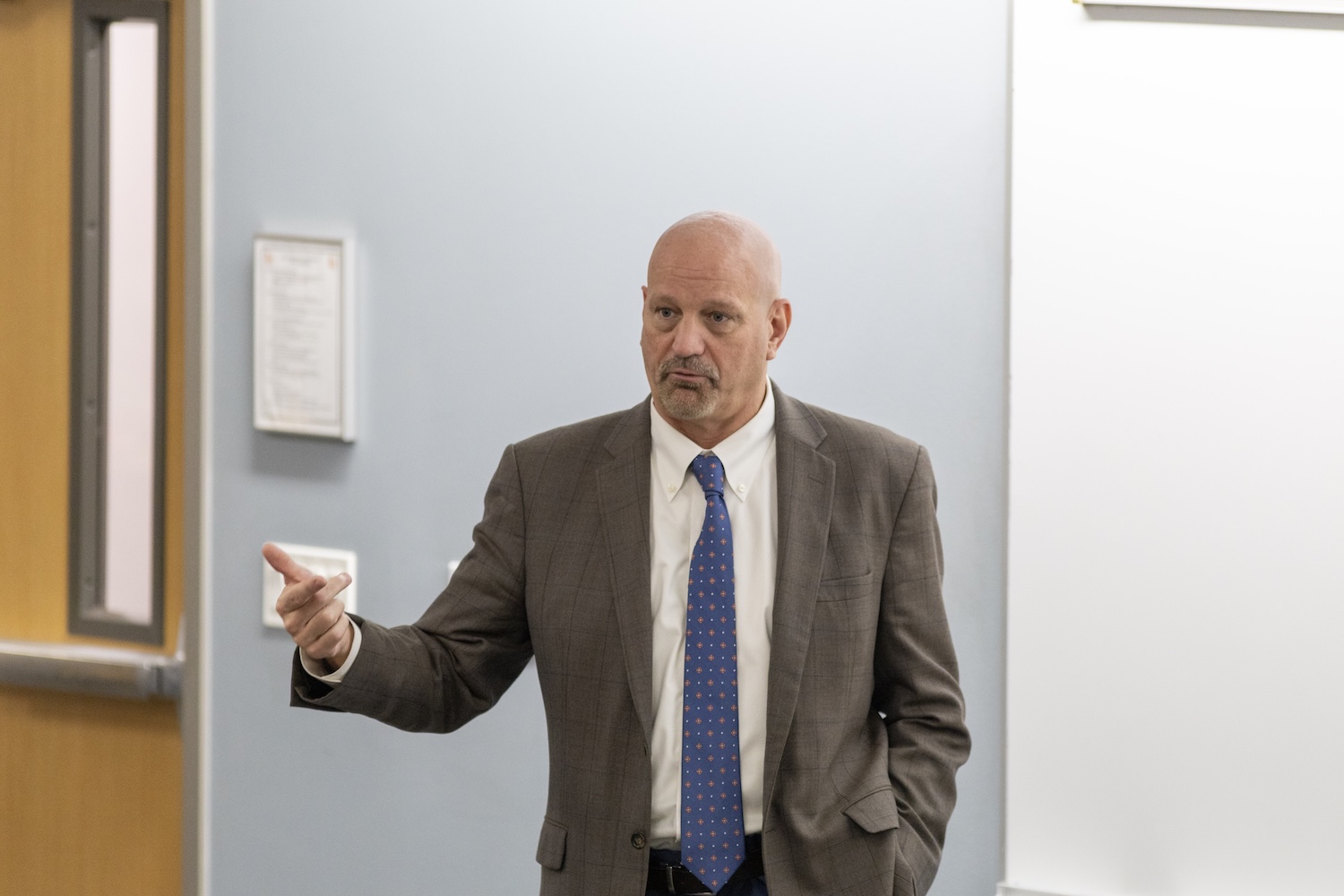
The Shepard Broad College of Law at Nova Southeastern University hosted the Sunshine Tournament, giving 64 students the opportunity to travel; visit a law school; perform in front of judges, bailiffs, and tournament organizers; and meet other pre-law students from across the country. AMCA Representative Ben Rathsam introduced the event, and Shepard Broad Law Professor Marc Consalo provided additional guidance, helping orient the students, and focusing their minds.

Day One, to use a sport analogy, is the “regular season,” and it consists of three rounds for each team. The first round began at 2:00pm, with Thurkettle and Lindle representing the petitioner and competing at a team from Central Florida; Droll and Cawthon also represented the petitioner, and they competed against a team from Nova Southeastern University. In subsequent rounds, SHSU teams faced competitors from Stetson University, Benedictine College, Liberty University, and the University of Tampa.

Moot Court Self Care

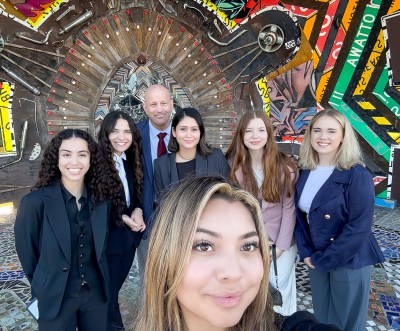
Katie Wilson, although not competing this year, travelled with the team, proving herself an expert navigator, and a quick-learning photographer.

Competing

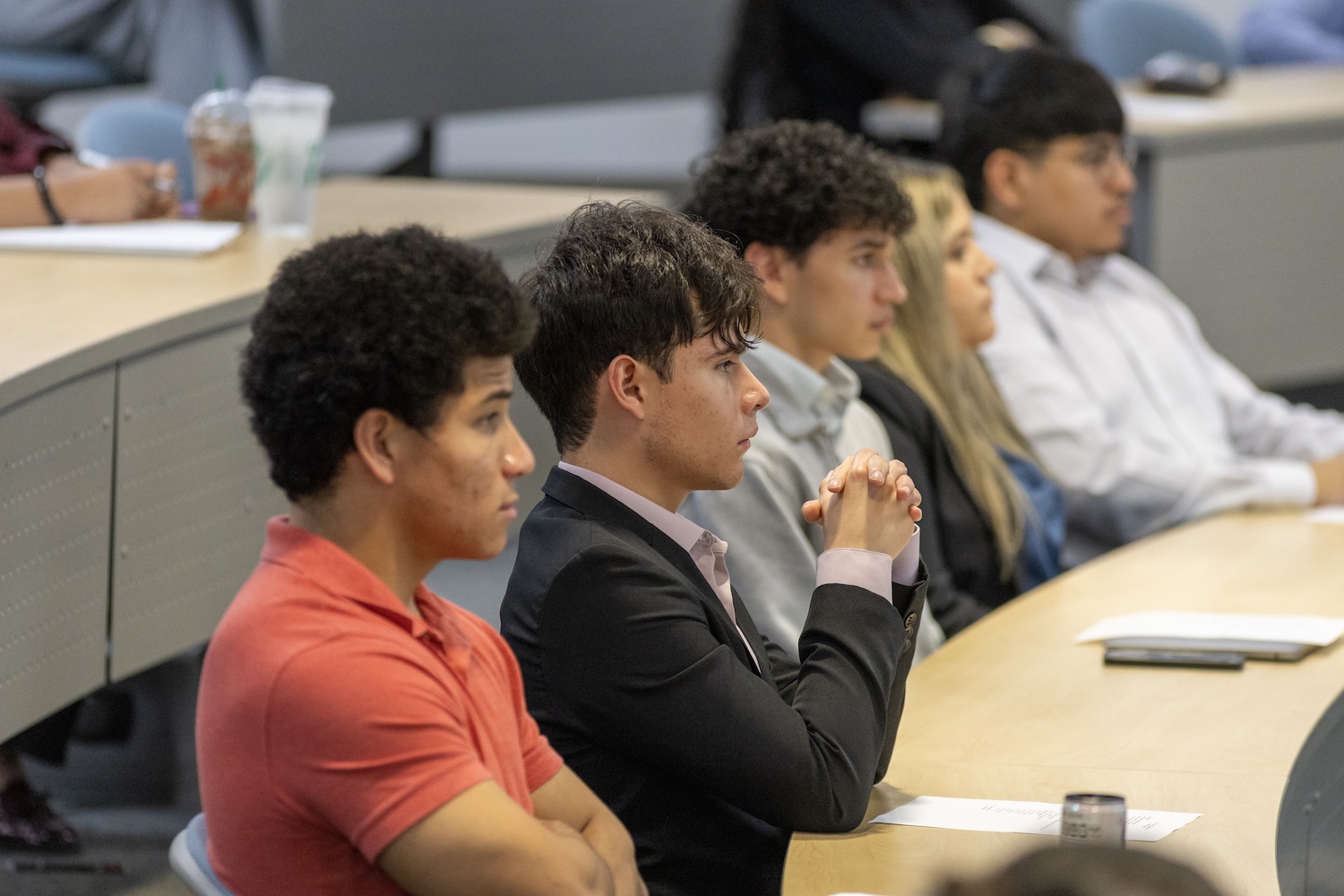
Although the students have been involved in more than a dozen formal practices and numerous individual practices, the real thing brings a fresh sense of nerves.

“For me, the first round was the worst,” noted Madison Thurkettle, a Junior at SHSU, and a first-time competitor in Moot Court, “and I was able to loosen up in the subsequent rounds.”

Allison Lindle, Thurkettle’s teammate, agreed: “The first round was nerves; the second round, we were able to see some success; and by the third round, we were hitting our stride.”

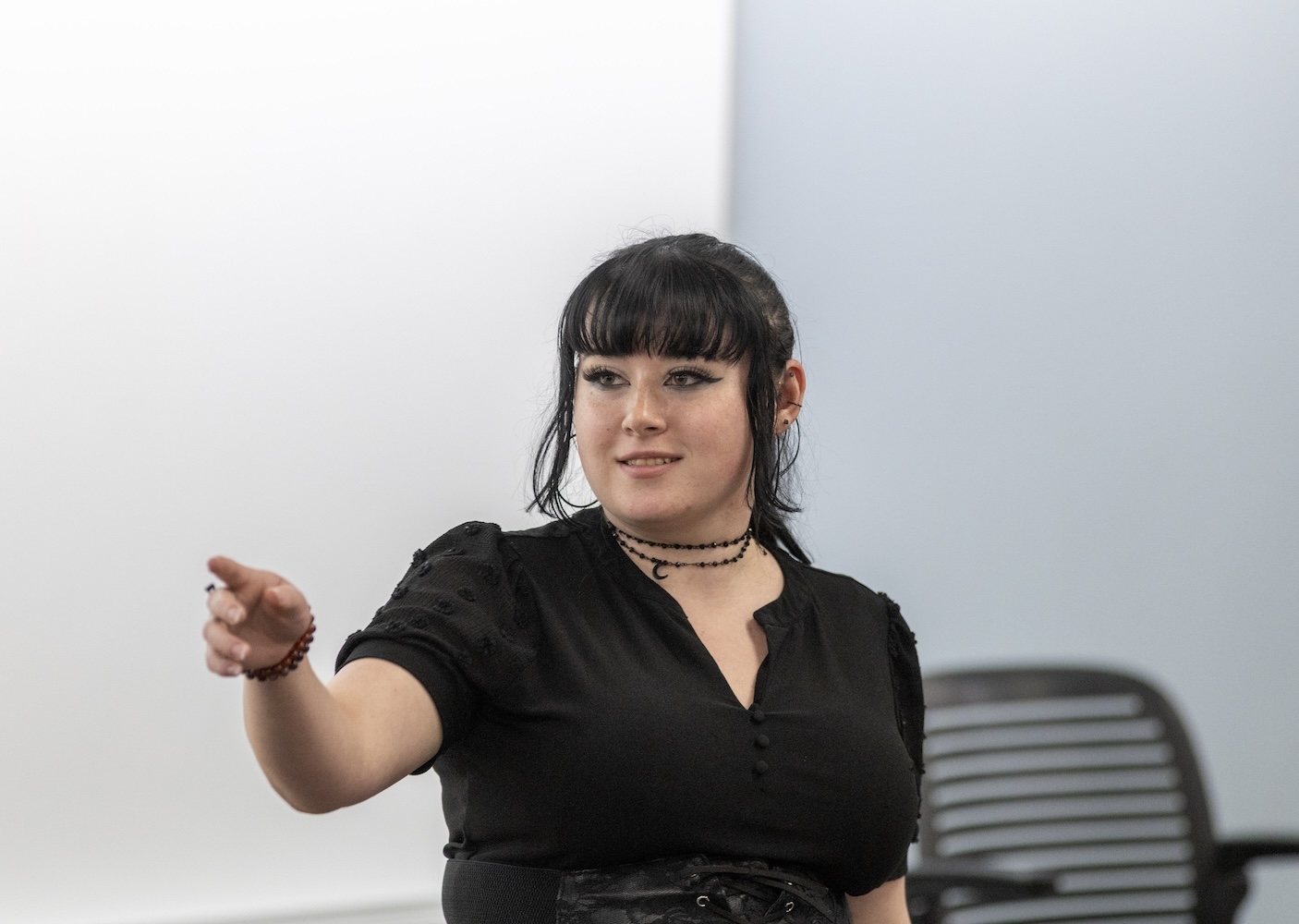
Only Known Photo of Thurkettle Smiling While at a Podium

For Ashton Droll, who did debate in high school, nerves weren’t a huge issue. But there was still the adapting to representing different parties in different rounds and learning the idiosyncrasies of the different judges. In Round One, for example, one judge gave Droll an average score of 87.5; another gave her an average score of 99.25.

At times, the judges’ feedback can be contradictory. One judge told Maddie Cawthon that she “sometimes got lost while answering questions.” The same round, a different judge told her: “Great responses to questions.” A frustrated Cawthon lamented: “they can’t both be correct.”

Outcomes

One of the outcomes of tournaments such as this is seeing the competition from other schools. Getting students out of the classroom and seeing high-achieving students from other schools is a key part of moot court, and in this setting, there were many strong students representing top universities across the nation.

For Lindle and Thurkettle, it was a steep learning curve, one punctuated by some near misses. On the final round, for example, they lost two ballots by one point each ballot. It was a tough round. Nonetheless, they both had strong showings. On one ballot, Thurkettle averaged a 98; on the same ballot, Lindle averaged a 97.5.

Droll and Cawthon similarly saw some close calls. Two of their ballot losses came from margins of 10 points or less (out of 1600), but they were in the running on every ballot–and this consistency helped them break into the Sweet 16. Indeed, they were seeded 11th out of 32 teams!

This was a victory not only for Droll and Cawthon, but for the entire SHSU delegation. As Katie Wilson noted, “I’ve spent the last couple of months with these girls, and it was rewarding to see them grow and have the opportunity to compete in front of real judges. I am already getting excited for next year’s case!”

Wrapping Up

But, of course, there is at least one more round in this year’s tournament for Droll and Cawthon, a prospect making for a long night (thankfully, Daylight Savings Time will add an hour…). But whatever that outcome, the tournament–and the organizers, judges, and volunteers–has provided the thrill and stress of competition, exposure to new places and people, and the opportunity for growth.

A Presidential Inauguration: Republic of Texas Variety

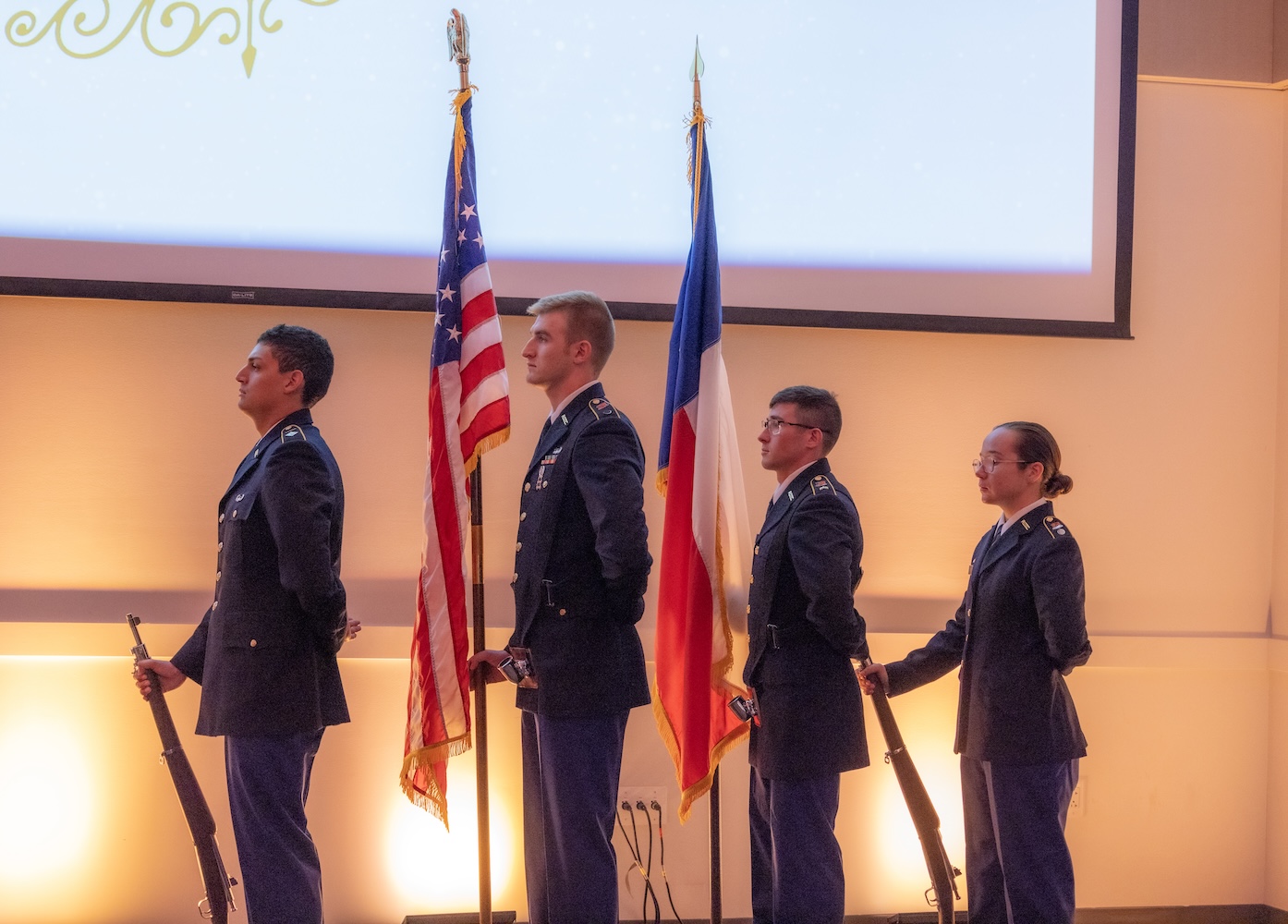
            On October 22, 1836, Sam Houston was inaugurated as the first President of the Republic of Texas. This past Wednesday, October 22, 2025, marked the 189th anniversary of this event. With a full house…

…including many VIPs, the Museum celebrated in fun style, with the LEAP Ambassadors and a few other volunteers helping with the festivities.
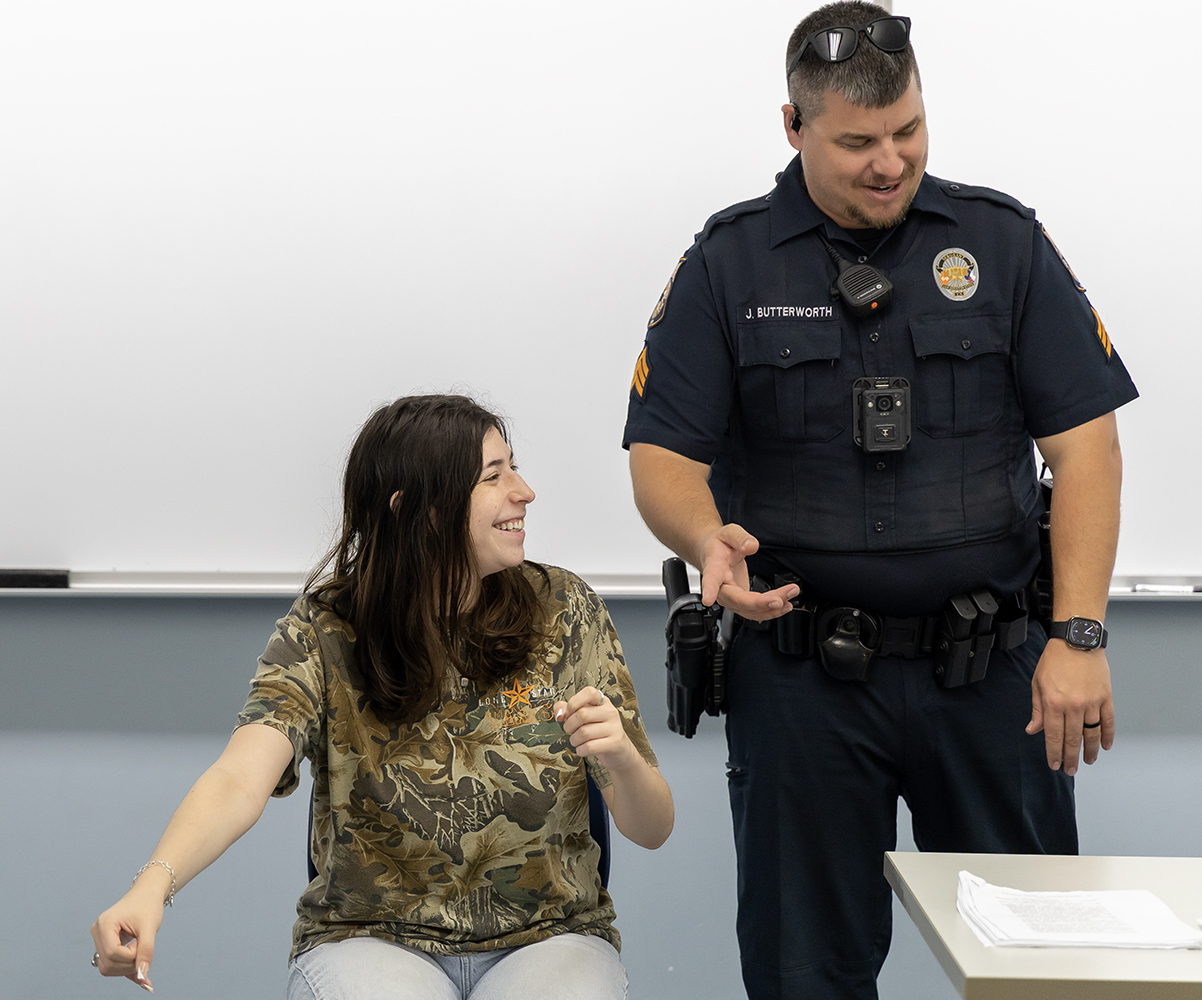
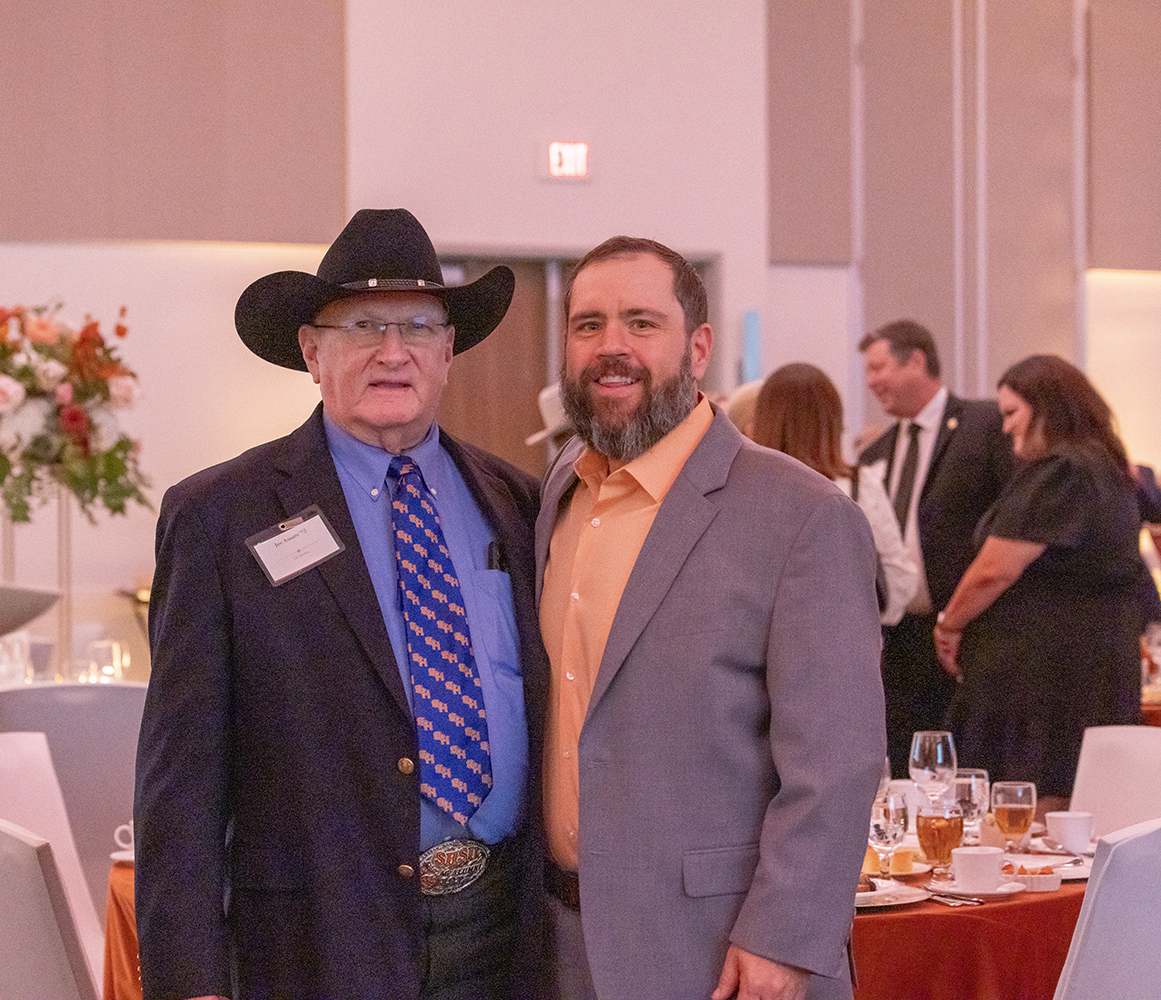
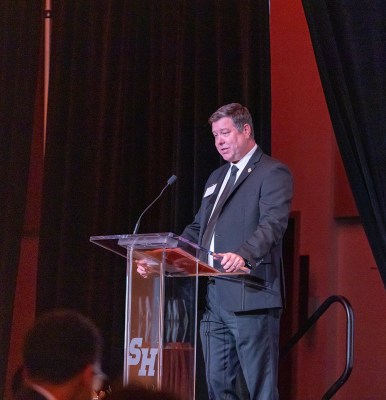
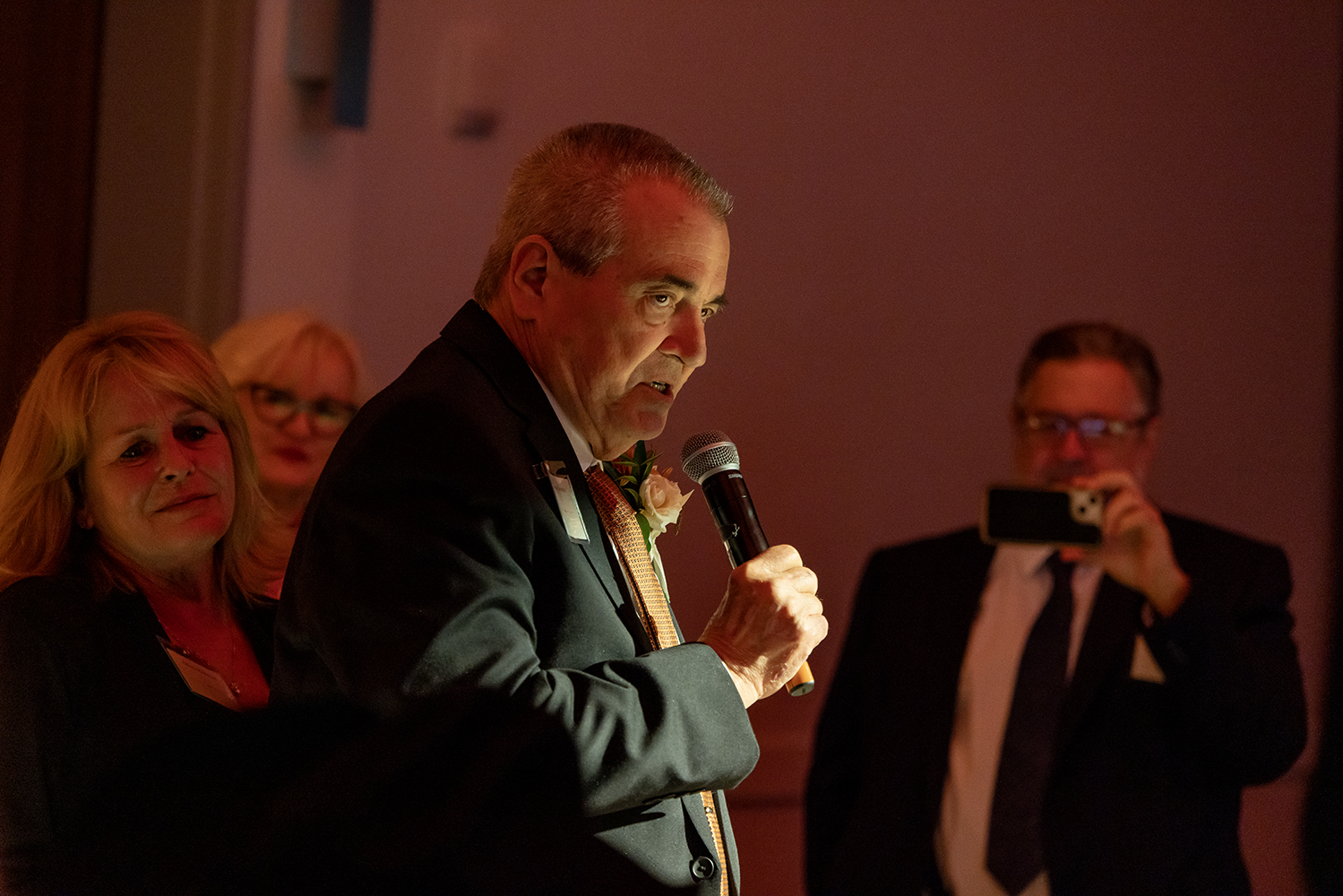
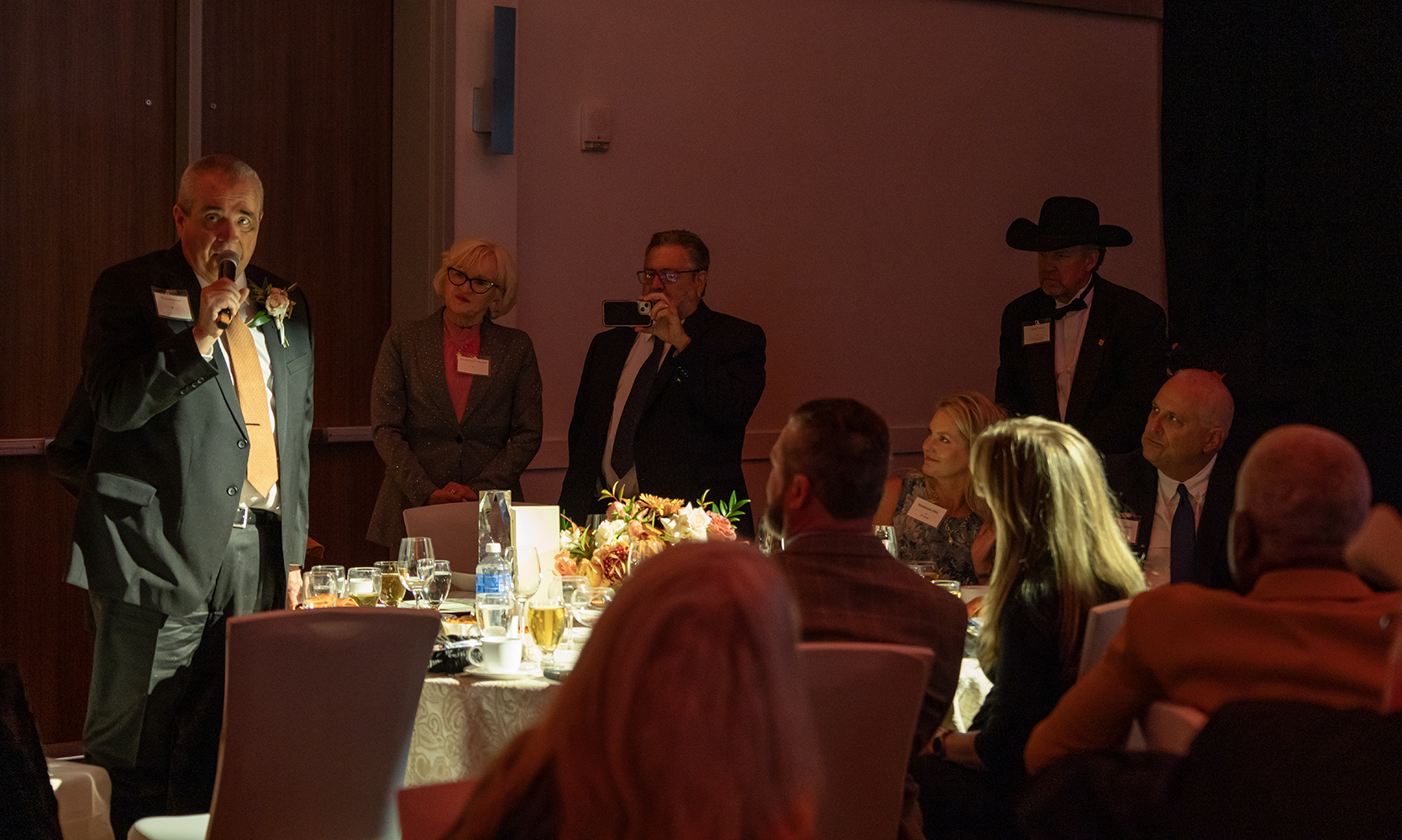
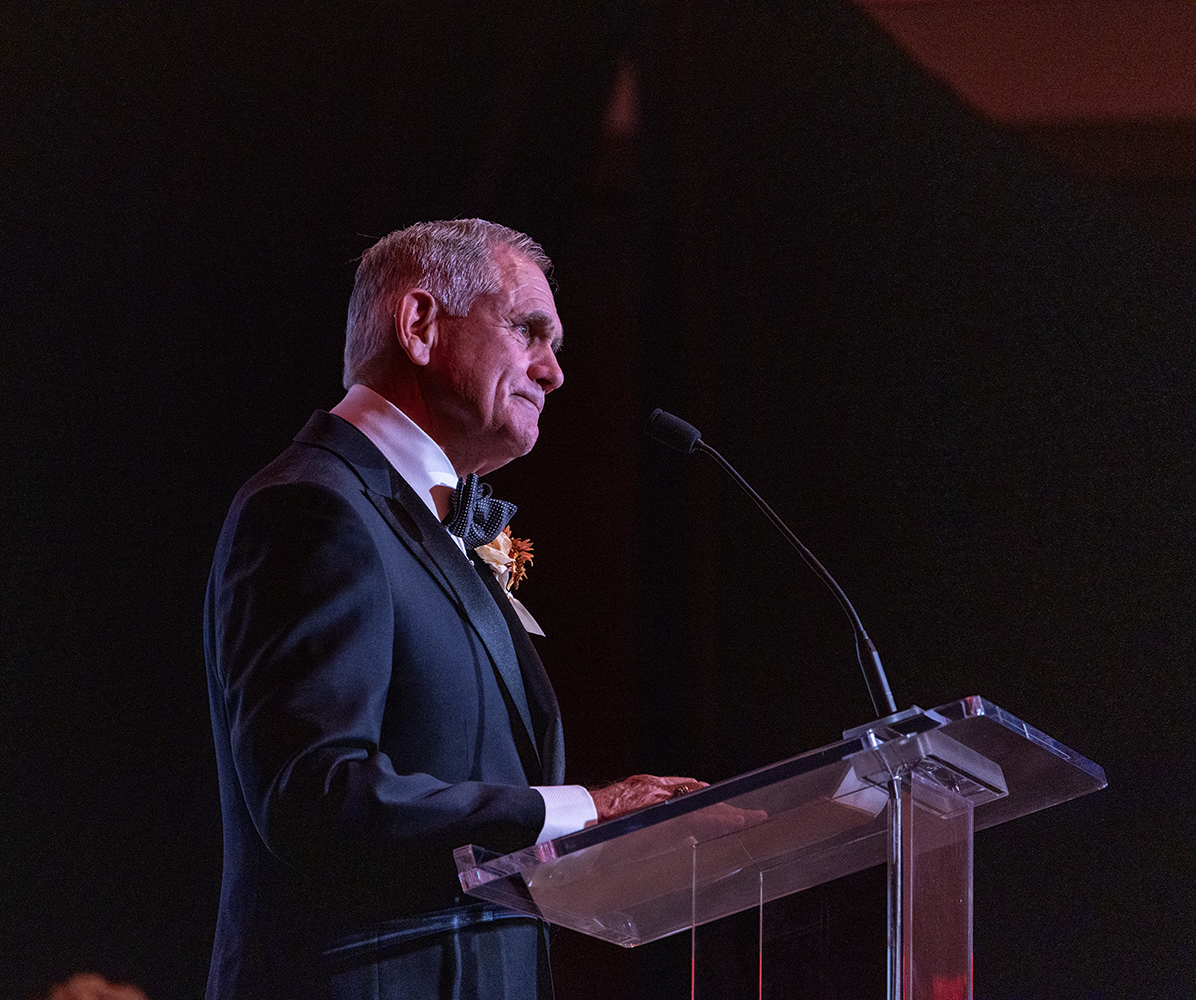
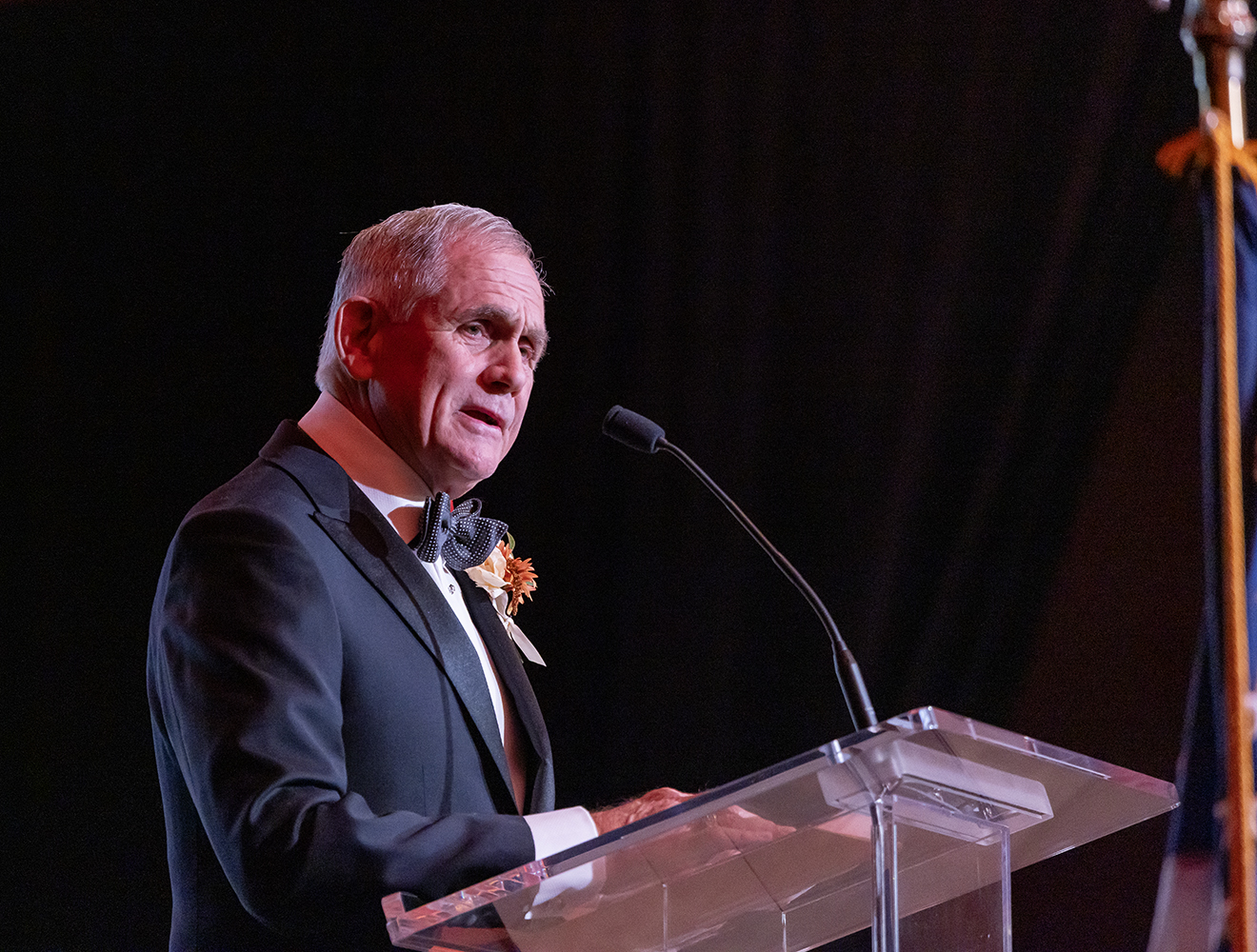
The night started out with an introduction from the museum’s director, Derrick Birdsall, who noted some of the luminaries in the audience, including former President Jim Gaertner…

…artist Lee Jamison…

…Mayor Russell Humphrey…

…Commissioner Bill Daugette…

…General David Glaser…

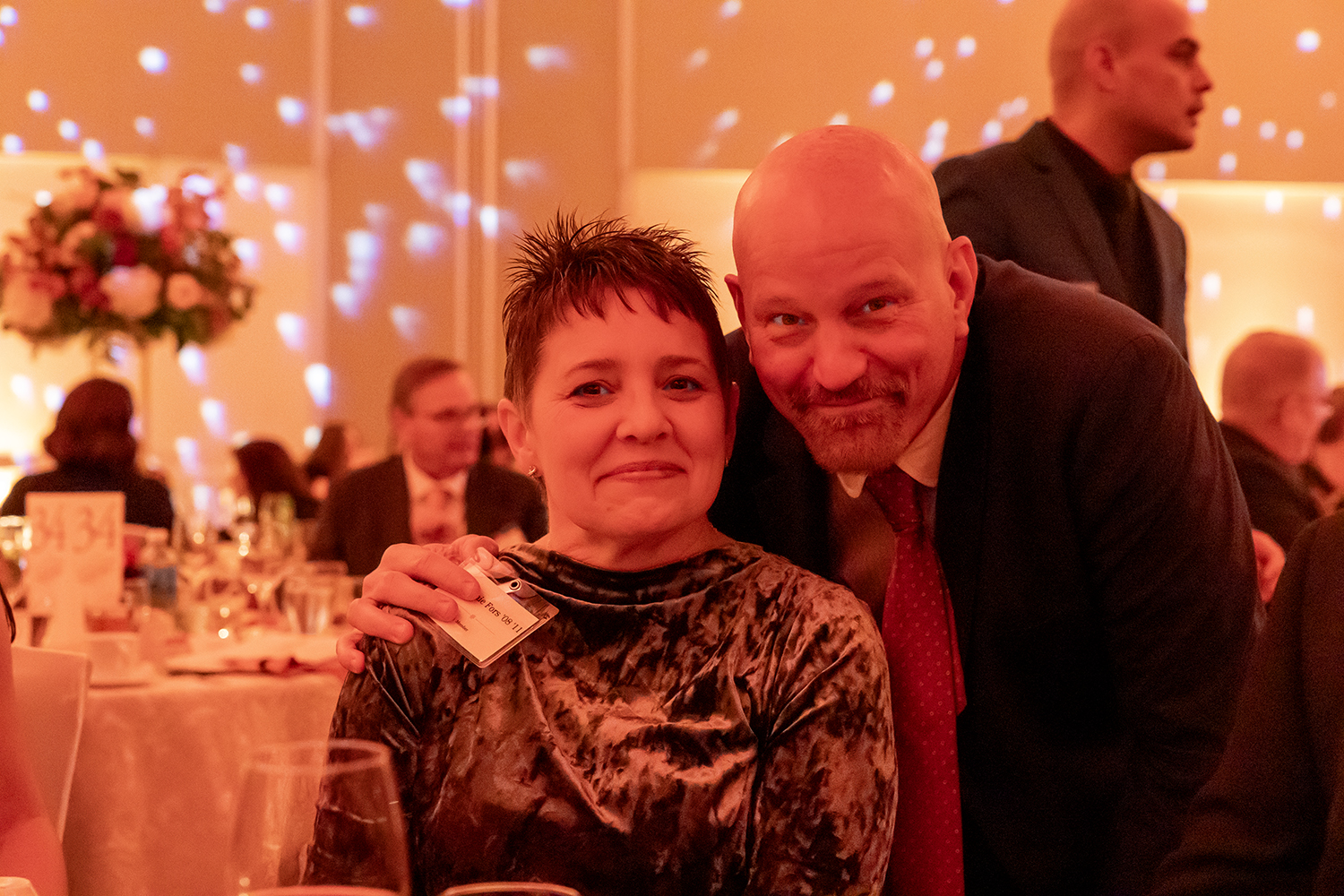
…Mac and Leanne Woodward, Stephanie Fors…

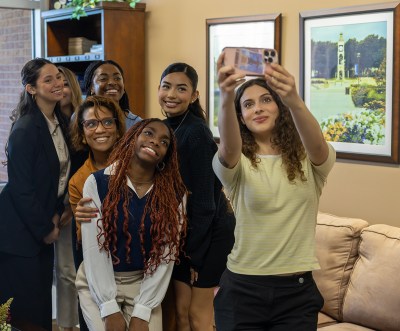
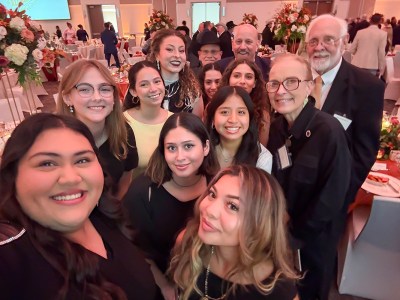
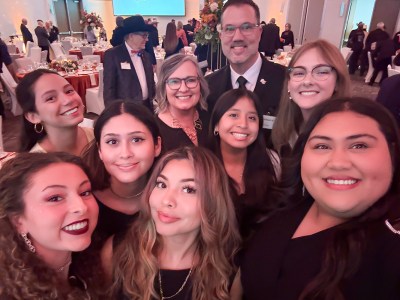
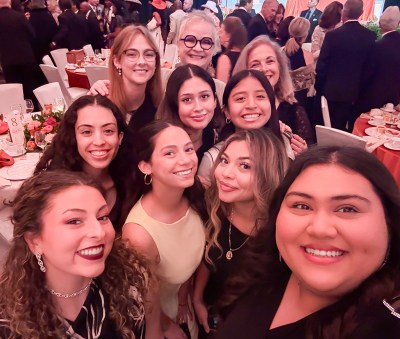
…and many others. Graciously, he also mentioned the LEAP Ambassadors, who are celebrating their 20th Anniversary as a University group.

More to the point, however, he discussed Sam Houston’s massive legacy.

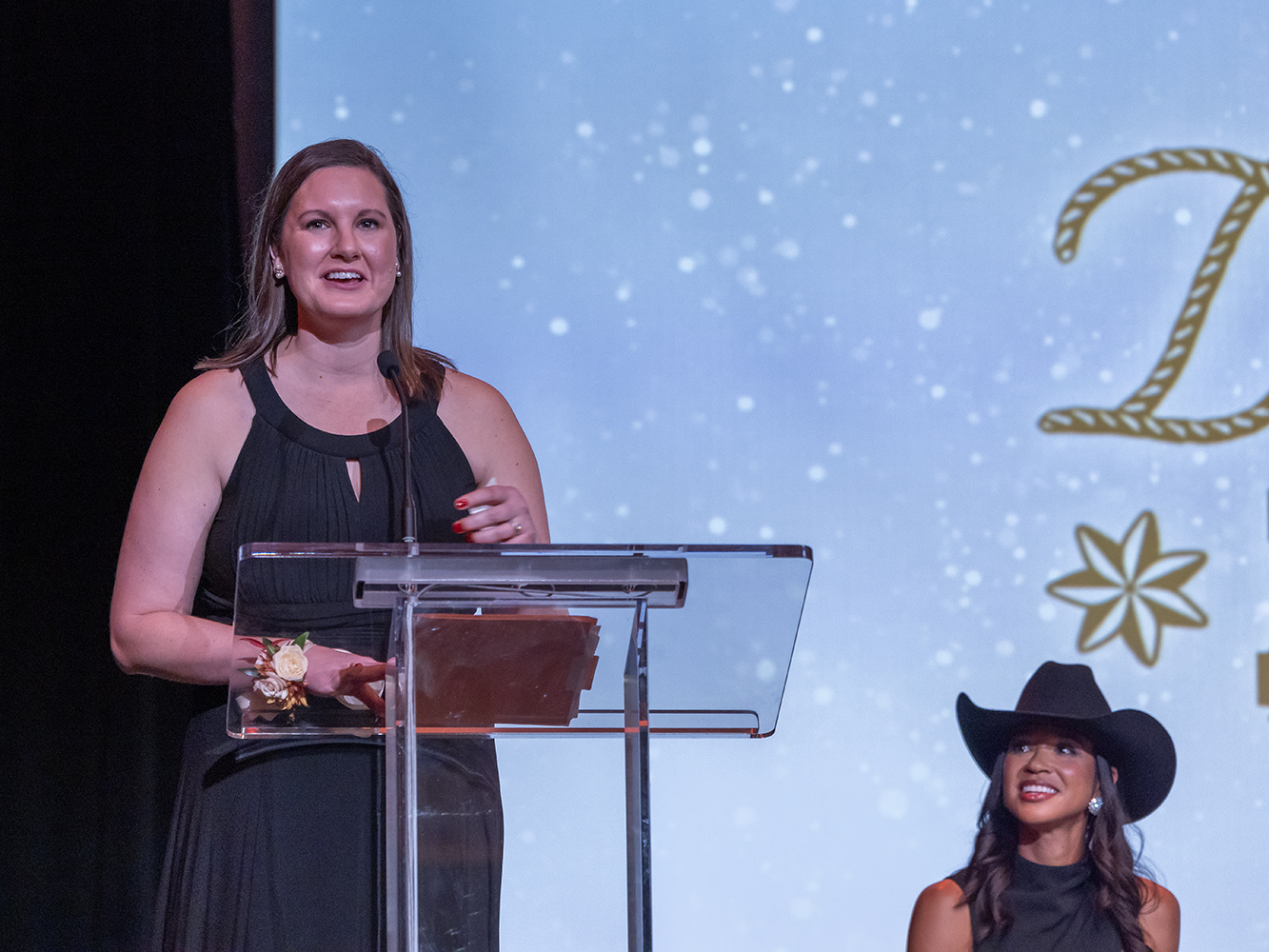
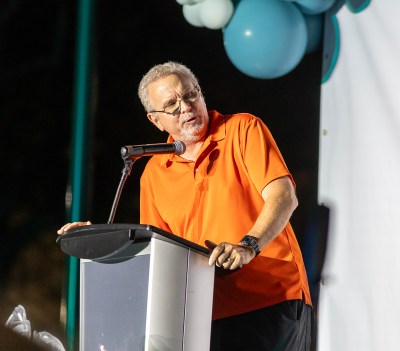
Matt Bethea also spoke, noting the importance of the Museum to the University and, on a more personal level, observed how this annual celebration was his favorite event!

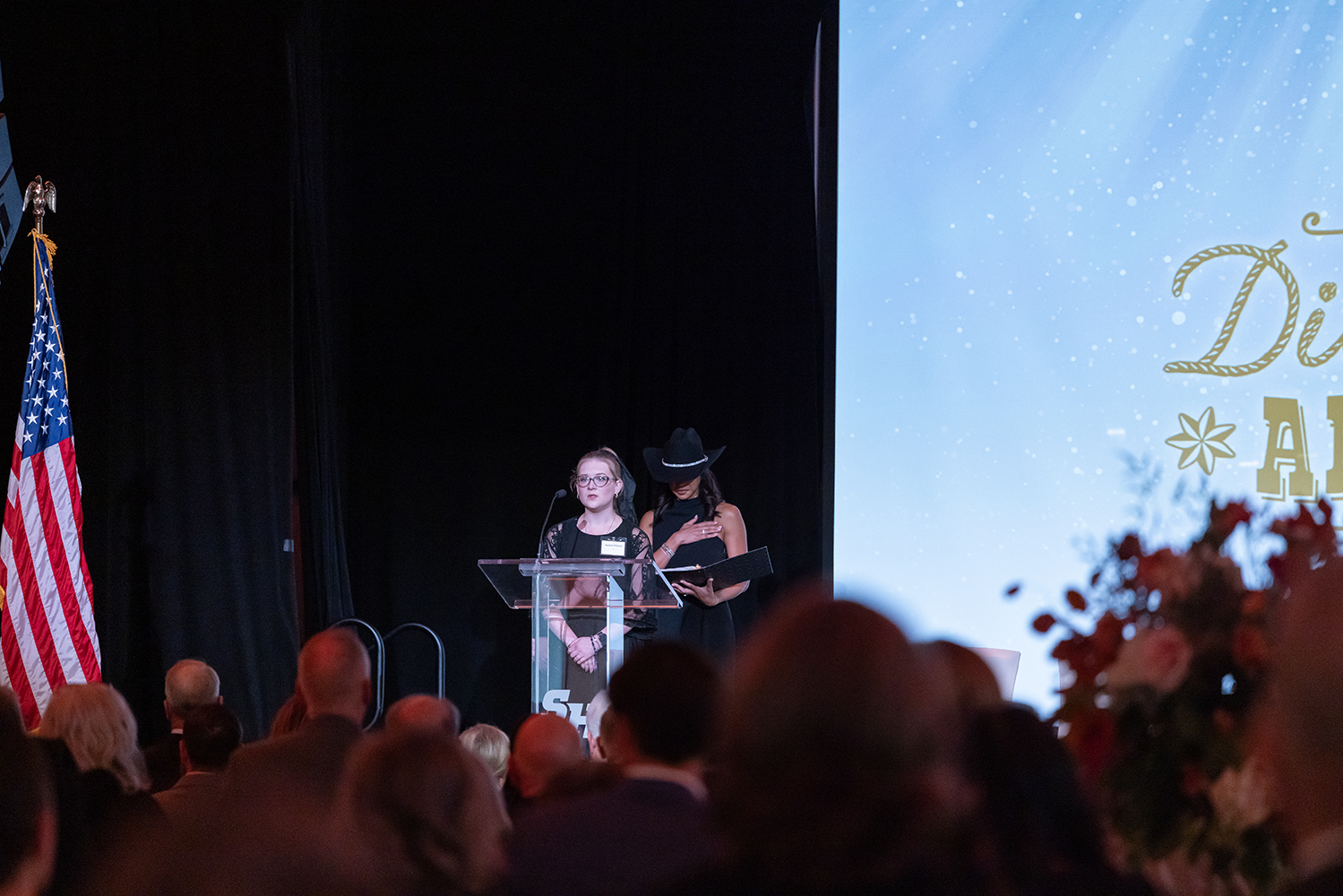
Finally, Alisa White, President of the university, brought her husband, Elliott Herzlich, to the podium accompanied by much applause.

In a spirited speech, President White extolled many of Sam Houston’s virtues, while highlighting the need to have the courage to lead, even when it can result in mistakes. But everyone, just like Sam Houston, can work to their community better, and in so doing, they are leading.
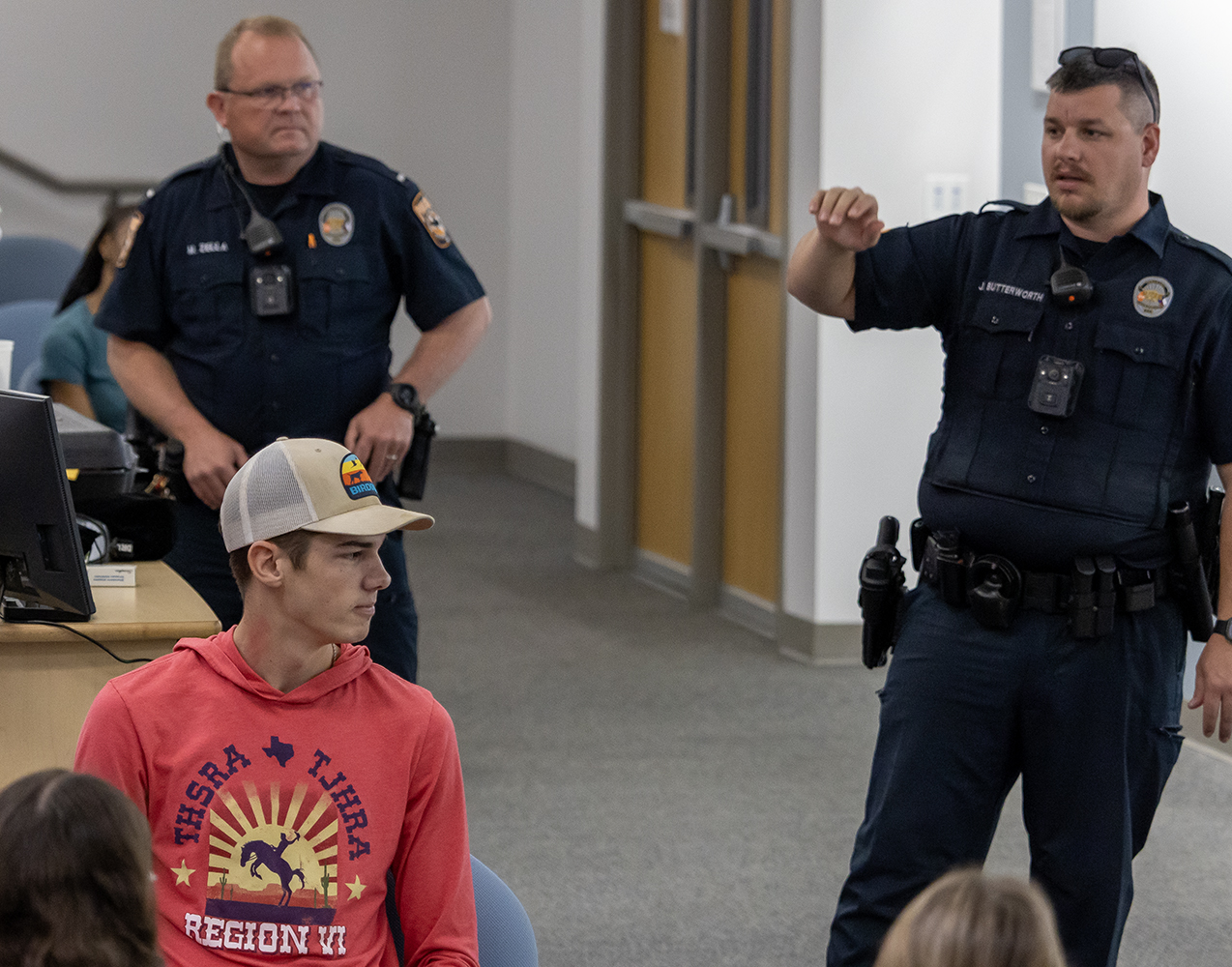
Birdsall again took the podium, this time to unveil some of the Museum’s new additions. In particular, he pointed to artist Lee Jamison and Bill Dabaghi, who unveiled Jamison’s new portrait of Sam Houston, which will hang in a privileged spot in the rotunda.
Also on display was a new letter that volunteer written by Sam Houston in 1926, when he was a congressman from Tennessee. The letter was found on Ebay, by volunteer Bruce Wiliford…

…and he referred the find to Birdsall. After some sleuthing, Birdsall pulled the trigger and purchased the letter, which shines some light on Houston’s personal life and also larger issues, such as widespread dissatisfaction among elected officials with the electoral college.

We spoke with Mr. Jamison about the painting of Houston along with his painting of Old Main, both of which show how great he is at putting life into his artwork. Through these conversations, we learned about the attention to detail that goes into portraying such historic figures.
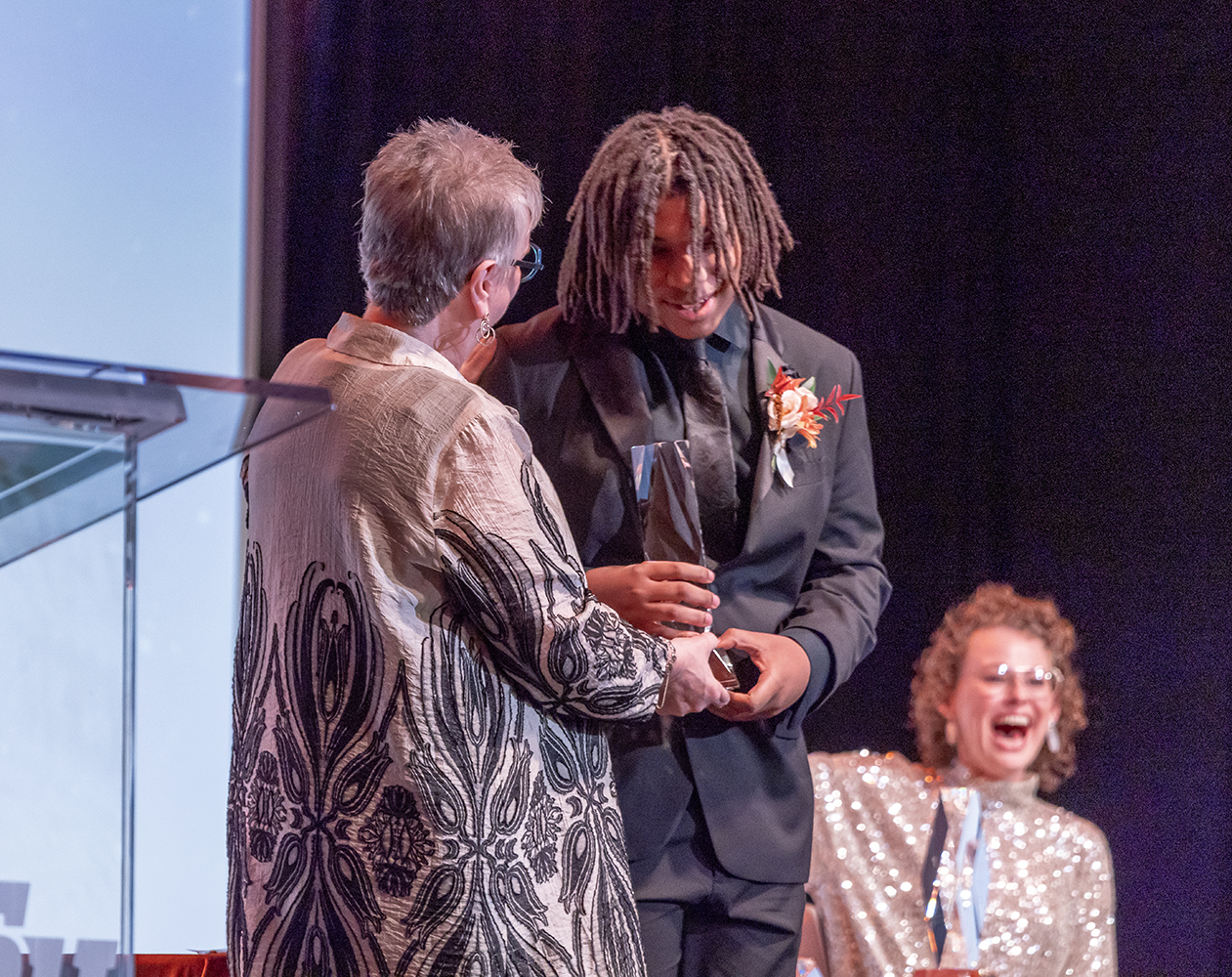
The night was filled with engaging conversations, laughter, and lots of learning. From the start of the evening when greeting doors, to the end of the night getting to walk around the museum the event was enjoyable and a great way to get more involved with the community.
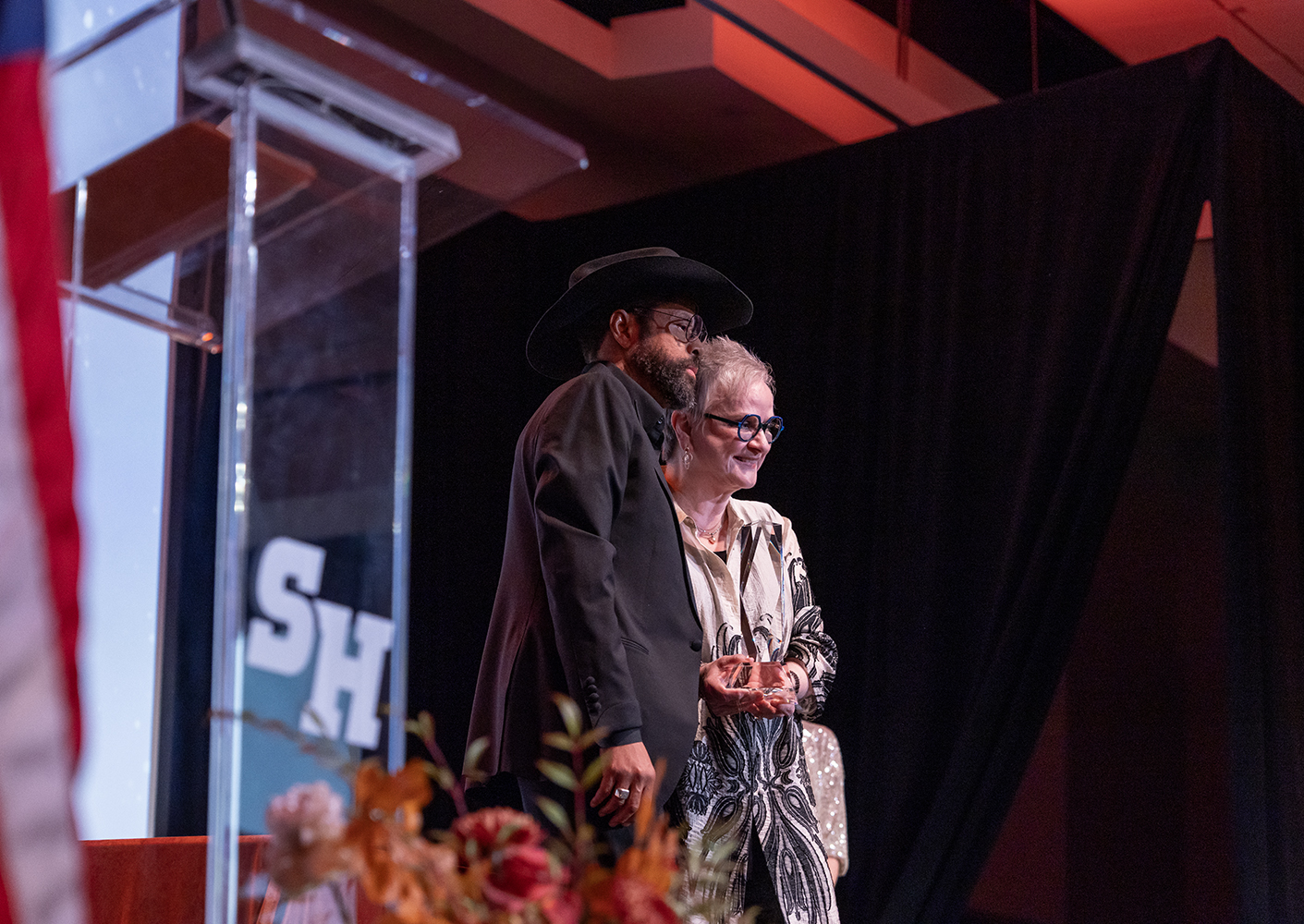
Thank you to Derrick Birdsall for inviting us to such a wonderful event, it truly was a joy to hear and learn from everyone who attended!

We look forward to all of the continued impact the museum will have on our town!