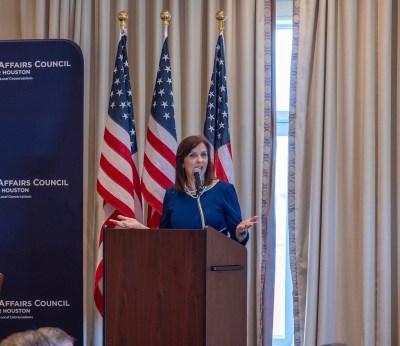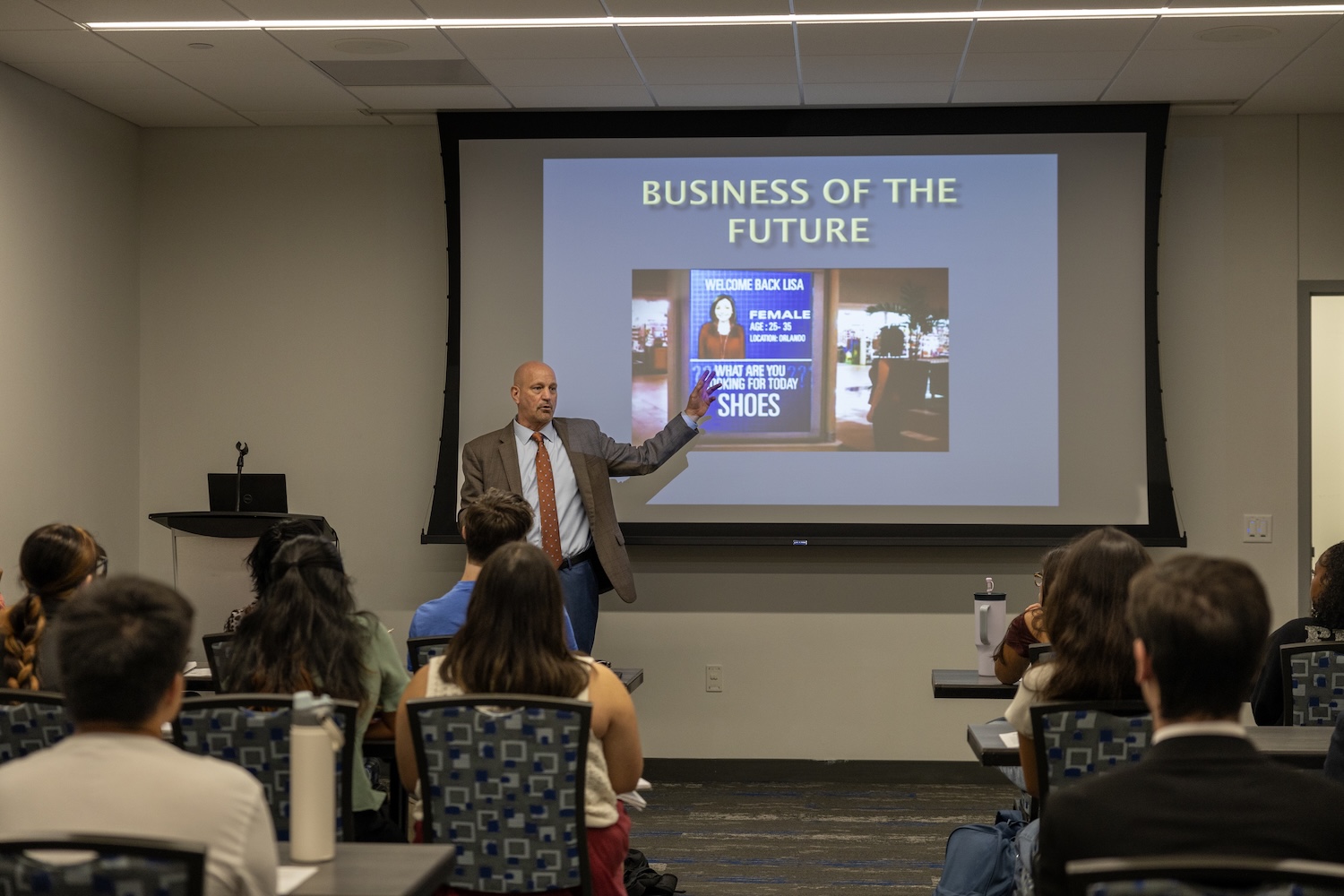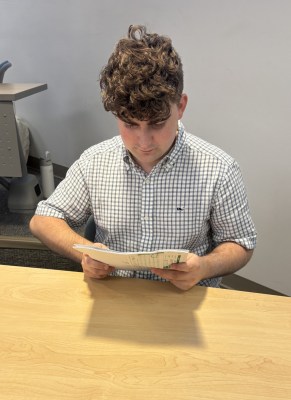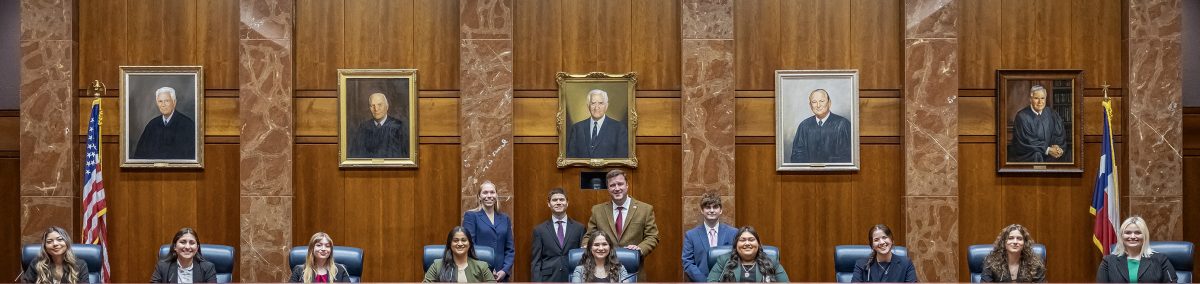
Mike Yawn teaches at Sam Houston State University. In the past few years, he has taught courses on Politics & Film, Public Policy, the Presidency, Media & Politics, Congress, Statistics, Research & Writing, Field Research, and Public Opinion.
He has published academic papers in the Journal of Politics, Political Behavior, Social Security Quarterly, Film & History, American Politics Review, and contributed a chapter to the textbook Politics and Film.
He also contributes columns, news analysis, and news stories to newspapers such as the Houston Chronicle, San Antonio Express News, Seattle Post-Intelligencer, Stamford Advocate, Greenwich Time, Huron Daily Tribune, Laredo Morning Times, Beaumont Enterprise, Connecticut Post, and Midland Reporter Telegram.
Yawn is also active in his local community, serving on the board of directors of the local YMCA and Friends of the Wynne. Previously, he served on the Huntsville's Promise and Stan Musial World Series Boards of Directors.
In 2007-2008, Yawn was one of eight scholars across the nation named as a Carnegie Civic Engagement Scholar by the Carnegie Foundation.
Our Northeast educational journey has taken us through historic cities, cultural landmarks, and architectural marvels that shaped American history. From exploring colonial sites to examining Gilded Age opulence, each stop has offered new perspectives on our nation’s past. Today’s adventure added a literal new perspective – one that Olivia had been dreading for days – parasailing!
After spending the entire morning exploring Newport’s famous mansions and learning about Gilded Age architecture, we found ourselves at the dock with Island Style Parasail. This shift from ground-level historical immersion to aerial perspective perfectly embodied the dynamic approach of our educational journey.
For those unfamiliar with the activity, parasailing involves being towed behind a boat while attached to a parachute, allowing participants to soar hundreds of feet above the water. This specific activity gave us the opportunity to fly above the beautiful waters of Narragansett Bay and view the rugged coastline of Newport, Rhode Island, all while gliding hundreds of feet behind a parasail boat.
Boarding the boat, I felt calm and excited, however Olivia’s apprehension was palpable—and it quickly influenced my own nerves. The crew fitted us with life jackets and briefly explained the landing mechanism we’d rely on upon landing from 1,000 feet above the bay. While the morning’s mansion tours had been comfortable and familiar, this was unquestionably a new kind of challenge.
The launch sequence proceeded smoothly yet rapidly. Within moments of sitting on the boat deck, we found ourselves ascending steadily above Narragansett Bay. The coastal panorama from that elevation was breathtaking, though admittedly intimidating. An amusing detail was our parachute’s distinctive smiley face design, which seemed to grin encouragingly as we soared through the air.
At first, we both gripped the connecting rope tightly—accompanied by many nervous screams—prioritizing safety over sightseeing. The boat looked surprisingly small below us, and the wind moving us in every direction made it all the more terrifying. After finally acclimating to the sensation of floating at such altitude, we finally built the courage to adjust the GoPro and record some footage.
The experience was both exhilarating and fun. The wind carried us above the water while we took in panoramic views of the Rhode Island coastline. From up there, you could see the beautiful homes, the Newport Bridge, and the famous Ocean Drive winding along the shore. The gentle swaying motion created an almost meditative experience, despite the initial adrenaline rush of being suspended so high above the bay.
When it came time to come down, we were both clearly relieved but proud. At the end of our flight, we took a picture on the boat as we were making our way back to shore, both of us happy that we had tried something new and pushed through our initial hesitations.
This parasailing adventure exemplified what makes LEAP so effective – combining traditional education with experiences that challenge us to see familiar places from entirely new perspectives. Sometimes the best learning happens when you’re floating 1,000 feet above your comfort zone!
When you wake up in Boston, and you need to be at a conference in Providence, Rhode Island, there is some driving to do. Fortunately, there are some things to see in between the two cities, and LEAP specializes in exploiting targets of opportunity.
To tackle an early morning with history, some human energy is required. This came in the form of a rare stop at a chain: Dunkin’ Donuts. But not just any Dunkin’ Donuts–the first-ever Dunkin’, which was founded in Quincy, MA, in 1950. Originally, it was “Open Kettle,” but the owner, William Rosenberg, noticed that his customers often dunked the donuts (5 cents) in the coffee (10 cents), and a new brand was born. It was this history–the 75th anniversary of which is being celebrated this year–that prompted LEAP to break its no-chain guideline.
Quincy, MA is known as “The Birthplace of Presidents.” Indeed, the town meets the plural requirement because both John Adams and his son, John Quincy Adams, were born there. If you are feeling generous, you could also allow Quincy to claim John Hancock, who is most famous for signing the Declaration of Independence, but who also served as President of the Continental Congress.
But the city’s most defensible claim is being the home of the two Adamses, and their both homes are side-by-side in a residential area. John Adams’ birth home dates from 1735, although some of the lumber used to make the house dates back to the 1670s, apparently recycled from another structure. John Quincy Adams was born next door in a home that dates back to 1717. John Quincy, however, did not arrive there until 1767, when he was born on July 11. The family would live in this house until 1783.
Interestingly, the property consists of 11 structures in all, one of which was built on order from John Quincy Adams’ will, which funded the construction of a stone library. This library, completed in 1870 and made of stone to prevent fire, holds Adams’ 14,000 books (in twelve languages).
Feeling suitably dispirited about our own reading habits, we moseyed south to what Trip Advisor raters ranked as the “most disappointing attraction in the United States”: Plymouth Rock. Trip Advisor clickers aren’t known for their taste, but they have a point. The rock is a small boulder that sits on the shore of Plymouth Bay. It is caged off.
It’s a disappointing rock, but in fairness, it has been treated poorly over the years, and it probably feels a bit vengeful. Across the centuries, it was painted with the numerals “1620”. When that proved unsuitable, someone decided to chip the numerals 1620 into the rock itself. People have stolen fragments from it, reducing it in size. At another point, town leaders decided to move the rock, and in doing so they broke it. Part of it was buried, which is probably the best thing for it in terms of safety. The rock is now approximately a third of the size it was originally, or so it is believed, but who knows?
Learning from Legislators
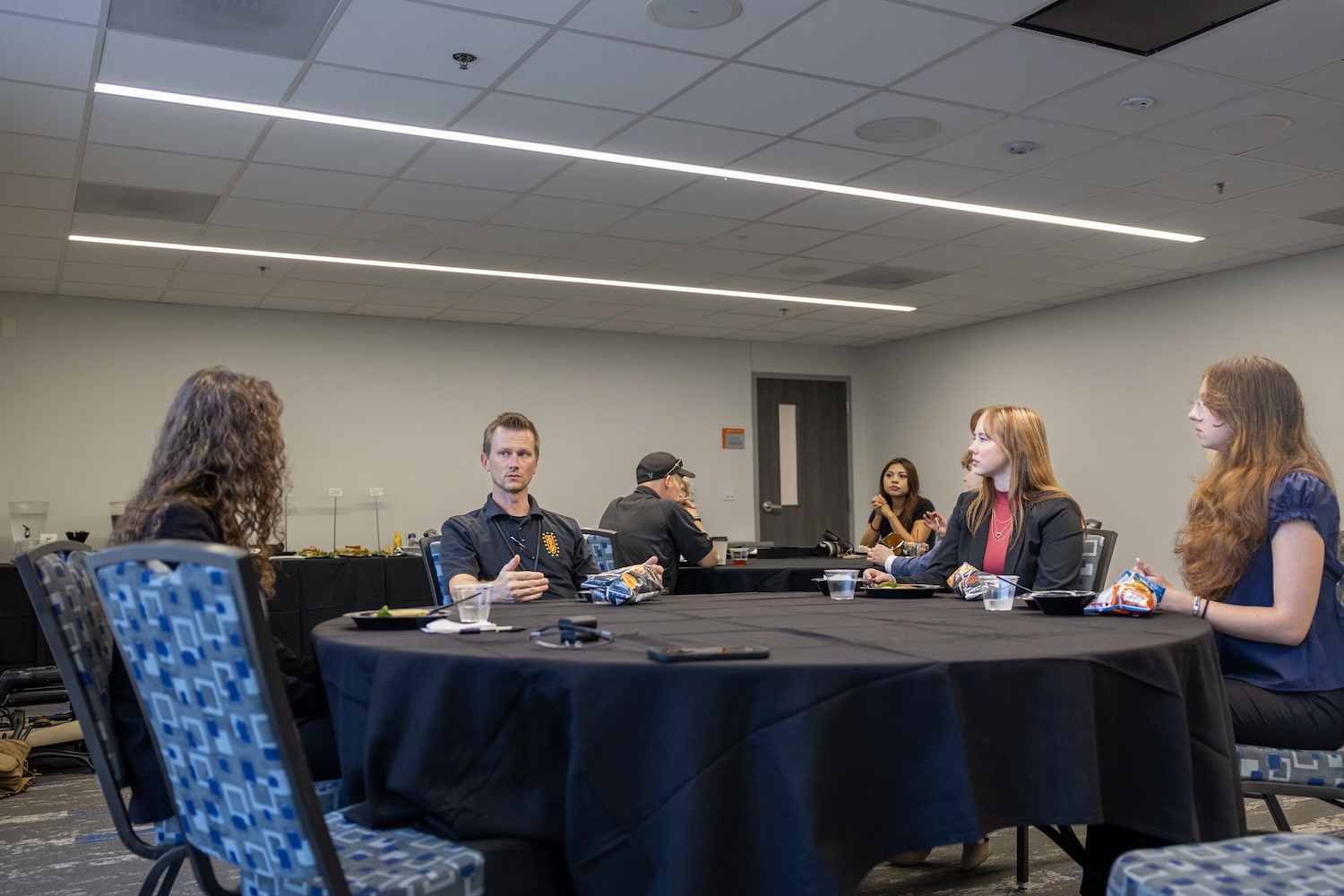
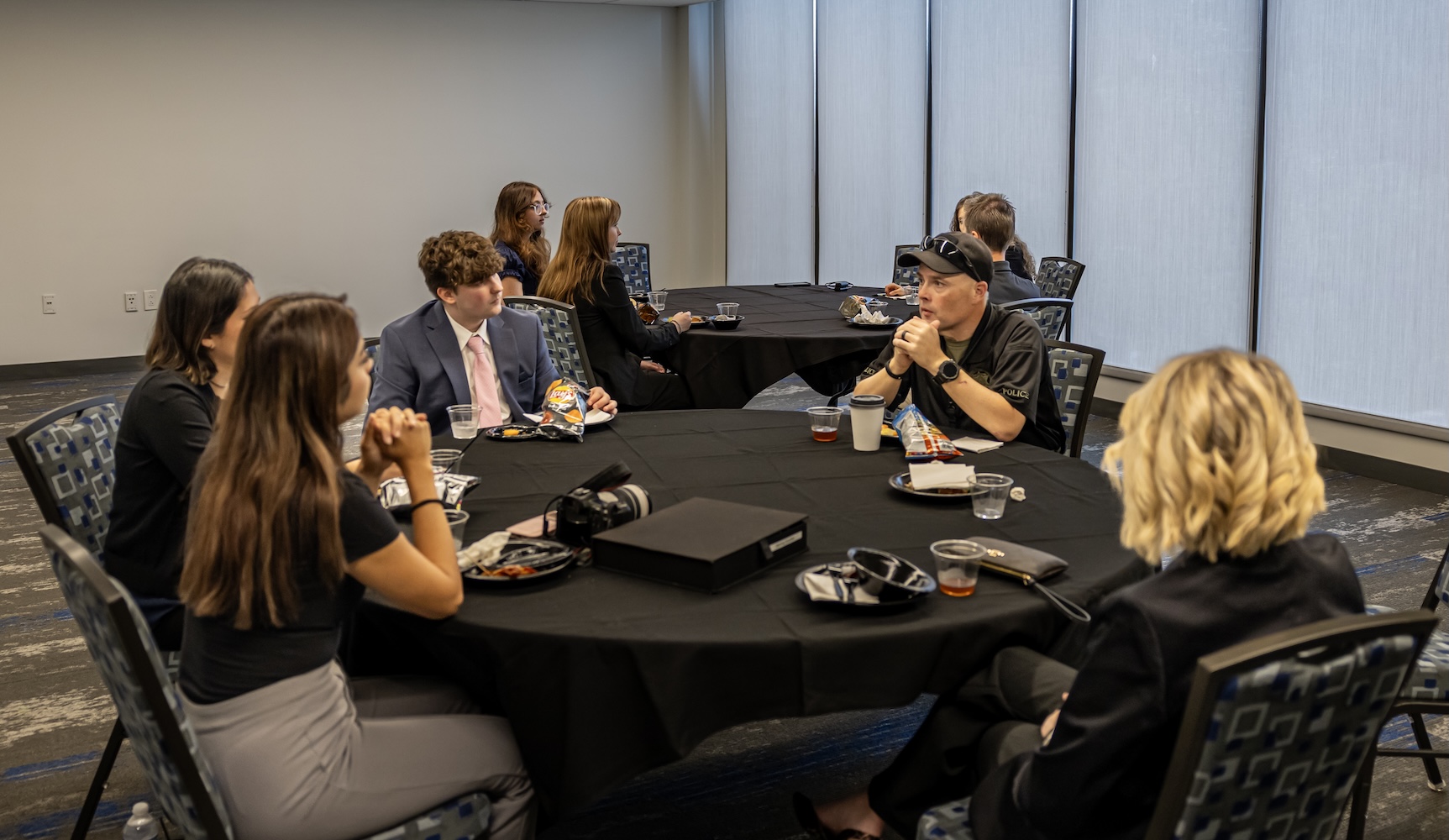
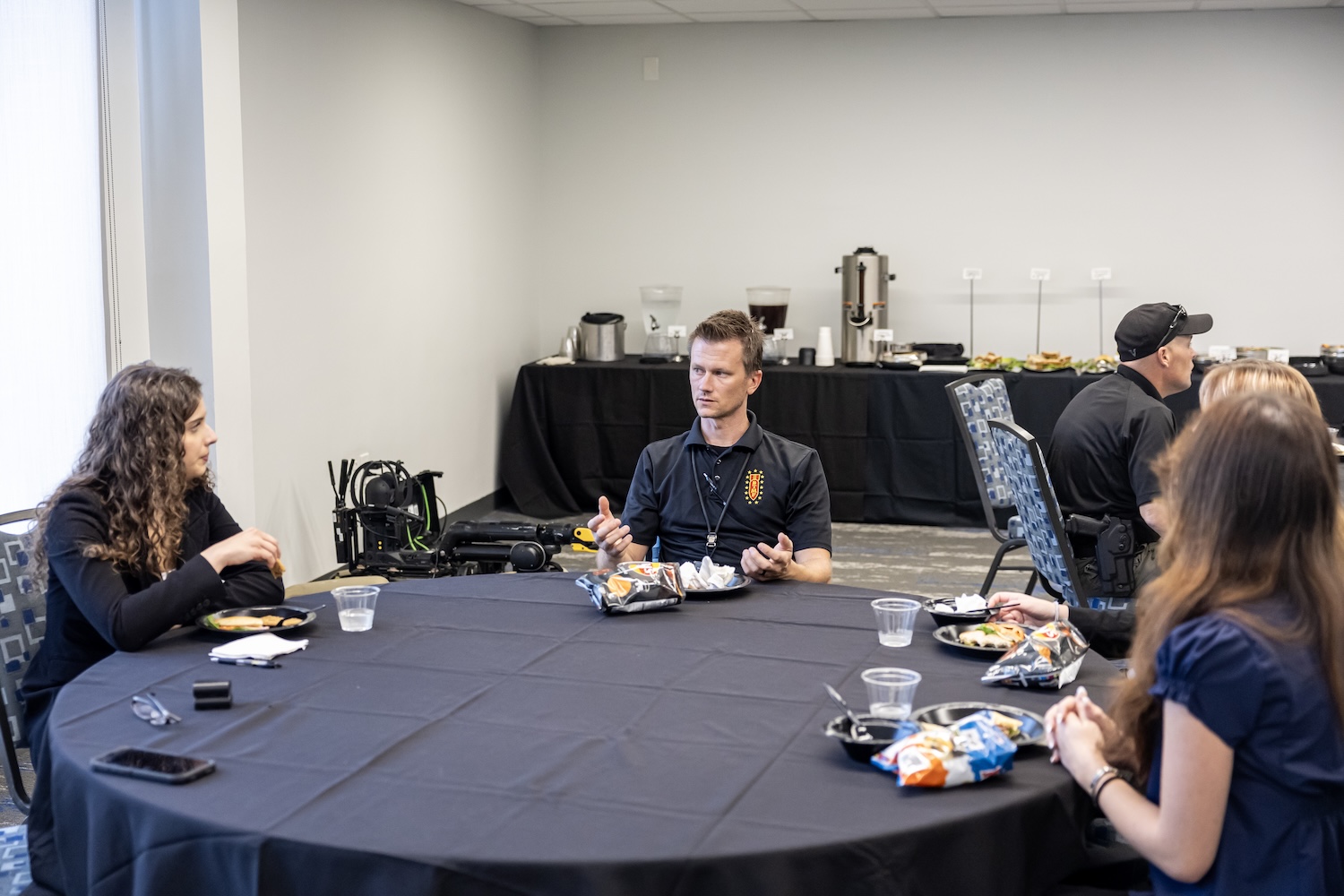
For our first day at the CSG East Conference, we split up so that we could learn directly on those topics most relevant to us, but also learn from each other in after-the-fact debriefings.
One of the key topics we explored was education, and the importance of early childhood education in children’s later development. Panelists Caroline O’Neal (CEO, Reading Assist), CT Representative Kate Farrar, Quebec Assemblywoman Marie-Belle Gendron, and RI Senator Hanna Gallo shared their experiences fighting for education for all pre-k children.
There was not a lot of ideological diversity on the panel, and as might be expected, there was a lot of agreement. All panelists agreed that the early years, when brain development is occurring most rapidly, are the most important. Living in a healthy, vocabulary-rich environment helps children reach their potential.
What was less clear was how to achieve healthy, vocabulary-rich environments for all children. Some states rely on home visits, where social workers (often health care professionals) visit the homes and provide resources to the parents, if requested. The panel was generally in agreement that Pre-K professionals should be paid the same amount and given the same respect as K-12 teachers, although little evidence was discussed to indicate that this would increase outcomes.
Perhaps most intriguingly, Representative Farrar mentioned the “Sparkler” app which parents can download and learn about developmental milestones from the ages of two months to five years. Not only does the app offer activities that can help families achieve those milestones, it also provides informational resources to parents when a child is underachieving.
Such an app is cheaper than most options, although it like many government programs, works best when families are motivated and educated. While the entire set of programs discussed are expensive, the panelists continued their unanimity in agreeing that the “cost of doing nothing,” which includes greater costs of government services and prisons, is prohibitive. And this made for a nice segue to our next session.
Criminal Justice Challenges for Youth
by Michelle Moya
One of LEAP’s core missions is cultivating well-informed professionals who can advance in their roles while gaining practical knowledge directly applicable to their work. Attending the Council of State Governments Eastern Regional Conference exemplified this mission, providing me with valuable insights that will strengthen my work for State Representative Trey Wharton and knowledge I look forward to bringing back to Texas.
On the first day of the conference, our second session was the roundtable on Emerging Criminal and Youth Justice Challenges in the Eastern Region. The discussion featured legislators from Maine, New Hampshire, Maryland, Delaware, Massachusetts, Vermont, and Rhode Island–including Representative Mary Ann Shallcross Smith, whom we had met in an earlier session…
…as well as policy analysts from New Jersey and Texas and advocates from organizations such as Casey Family Programs.
The roundtable discussion was guided by three central questions. The first asked legislators to share their most pressing challenges. New Hampshire identified the fentanyl epidemic as its greatest concern, fueling homelessness and repeated system involvement without sustainable solutions. Maryland reported rising juvenile crime rates and overcrowded facilities, disproportionately affecting minority communities. Maine emphasized inadequate behavioral health services that leave youth in correctional facilities when what they truly need is treatment. Rhode Island lawmakers described this pattern as the “criminalization door,” where children with mental health needs must go through law enforcement before receiving help, creating trauma and leaving permanent records for youth who need care, not punishment.
The second question focused on effective approaches that have been implemented in their designated states. Maryland automatically assigns public defenders to juveniles upon arrest and has a comprehensive expungement system. Rhode Island cleared more than 40,000 records through automated expungement–both efficiently and under budget. While New Hampshire strengthened constitutional privacy protections by limiting surveillance data retention to 48 hours. Some states have also adopted juvenile hearing boards as diversion alternatives and replaced school resource officers with social workers. A shared belief was shared among many: legislation alone is not enough. Effective advocacy requires direct community engagement through measures like police ride-along and town halls. One interesting example was provided, where three police officers dispatched to address a seven-year-old who hit a teacher, an incident that could be resolved only by calling the child’s grandmother. It underscored how normal childhood behavior is increasingly treated as criminal.
Another significant concern was how media coverage and public perception often overshadow data in shaping policy. Legislators noted that sensational, negative stories drive public opinion, creating fear-based narratives that are difficult to counter, even when crime rates are declining. This makes it challenging to pass reforms supported by evidence but misaligned with public perception.
As someone working for a state legislator, I found the interstate exchange of ideas particularly valuable.
Learning how other states confront shared challenges not only provided insights that could inform Texas policy development but also broadened my perspective on issues in our state.
Housing Development Through State-Municipal Cooperation
by Olivia Discon
The housing panel at the Eastern Regional Conference brought together leaders in community development from Massachusetts, New Jersey, and Connecticut to talk about how states can work with cities and towns to expand affordable housing. Noah Kazis from the University of Michigan set the stage, and then Chris Kluchman, Colleen Velez, and David Kooris walked through what their states are doing.
In Massachusetts, zoning reform has been a focus since the late 1960s. At that time, only about 7 percent of the housing stock was affordable. Today it is closer to 26 percent, with much of it located in Boston suburbs. One of the biggest tools is Chapter 40B, which allows developers to bypass some local restrictions if they include affordable units. If a town has not met the 10 percent threshold for affordability, the state can override local opposition. While effective, these kinds of requirements can also create problems. Market changes can make projects unaffordable, and strict zoning rules sometimes backfire. At the same time, the state has continued to push forward with new programs. The Healey-Driscoll administration, for example, has committed $20 million to support the creation of 4,000 new units, and more than 140 communities have now adopted multifamily zoning after initially resisting it as an unfunded mandate.
New Jersey has a long legal history in this area, dating back to its 1985 Fair Housing Act. That law created the Council on Affordable Housing, which enforces each municipality’s “fair share” of affordable units based on both local and regional needs.
Municipalities must adopt 10-year fair share plans, and the state also supports nonprofit developers through training modules on zoning, placemaking, and housing models. In addition, the Department of Community Affairs provides pre-development funding to help those organizations get projects off the ground.
Connecticut’s challenge is different. With no county governments, coordination across its 169 municipalities is difficult. The Connecticut Municipal Development Authority was created in 2019 to bridge gaps, especially around funding for housing and infrastructure. It can support a wide range of projects, from wastewater and transportation to downtown redevelopment. David Kooris, who leads the authority, described it as a carrots system, but noted that sometimes the carrot can also be used as a stick (or as he described, a “frozen carrot”). He also pushed back on the common complaint that state action takes away local control, calling it a myth. In his view, stronger partnerships actually expand what local governments are able to accomplish.
Across these states, the theme was clear. Subsidized housing alone will not solve the problem, and there is no single fix. Instead, states are using a portfolio of tools: zoning reforms, infrastructure funding, training, and impact fees to make sure developers help cover the cost of new growth. Rhode Island was noted as a positive example for requiring third-party reviews, which reduces the chance of corruption, but also as a cautionary case since reluctance to expand wastewater infrastructure has slowed housing development.
Energy: Utility Bills and Grid Investment
by Olivia Discon
The session on energy tackled another issue with both technical and political challenges: how to keep power reliable and affordable while demand keeps growing. The speakers were Rep. Chris Rabb from Pennsylvania, Asim Haque from PJM Interconnection, and Michael Downey and Sonia Griffen from the Energy Futures Initiative Foundation.
Haque explained how PJM works. It does not own any power plants or transmission lines, but instead manages the flow of electricity across multiple states, coordinating reliability, market operations, and regional planning. Reliability is the constant concern. One reason is the surge in data centers, which consume the equivalent of tens of thousands of homes each. Add to that residential growth, new manufacturing, and federal environmental rules, and the grid faces a supply and demand imbalance. Coal has largely been replaced by natural gas and nuclear, and renewables are growing quickly, but integrating them without disrupting the system is a challenge.
Downey and Griffen argued that the grid will need trillions of dollars in new transmission investment over the coming decades. The federal government cannot cover those costs alone, so policymakers will have to create the right financing structures to attract private capital. They also emphasized that building high-voltage regional transmission lines is far more cost effective than simply adding more low-voltage local lines. Texas was cited as an example of a state that invested heavily in transmission in the early 2000s and is now benefiting from it. Best practices include planning 20 years into the future, updating plans every five years, setting clear cost-allocation rules, and communicating transparently so that the public understands the value of new projects.
Rep. Rabb brought the political dimension into focus. Pennsylvania is one of the nation’s largest energy producers but does not have a strong legislative framework for energy policy. He has called for a standing committee in the House dedicated to energy and has introduced a short, two-page bill that would require utilities to explain how their votes within PJM benefit ratepayers. While simple, the bill has attracted bipartisan interest because it emphasizes accountability and transparency in a system that often feels opaque. Rabb noted that skepticism about utility rates and decision-making is widespread, and greater visibility into those processes could help rebuild trust.
The session made clear that rising demand from data centers and industry is not going away, and that reliability will require proactive investment in transmission. At the same time, policymakers are grappling with how to ensure that utilities and grid operators are accountable to the public.
Capitol Clam-Bake
With a long day of work and learning behind us, we headed to the beautiful Rhode Island State House…
…to enjoy an evening of food, music, and mixing. The staff of the CSG put together a feast for four hundred–with clams, mussels, lobsters…
…bread, cheeses, fruit, and corn.
Oh, and hot dogs for the kiddos.
After some time, we got our plates together…
…we sat back to listen to the music.
The music was performed by young adults, a group of recent Brown graduates who prefer to sing the music of old adults. Indeed, they were originally a Beach Boys Tribute Band, and they have recently branched out to other 60s-70s groups such as the Mamas and the Papas, the Beatles, The Four Tops, and others.
They were a spirited group and, at their best, had very nice harmonies.
They also had a great attitude, and their enthusiasm spilled into the crowd, who responded well to the music. Judging by crowd reaction, the favorite of the evening was Neil Diamond’s “Sweet Caroline,” which elicited much clapping, singing, and some dancing.
In these partisan times, it was good to see the Democrats and the (few) Republicans come together and bond over music.
Bipartisanship was also the theme of the night from the elected officials, who did a good job of being gracious and brief.
Senator Elgie Sims (Illinois) was particularly gracious in reminding legislators of the importance of civility–particularly in light of the shooting of Representative Melissa Hortman and her husband Mark Hortman and Senator John Hoffman and his wife, Yvette Hoffman.
It was a unifying way to end the remarks, and it is a good lesson for all to remember.
Concluding Thoughts
It’s not often that you can learn lessons in three separate towns in the same day. It’s even less often you can learn from a stop at Dunkin’ Donuts. But LEAP Ambassadors, with their resourcefulness (and love of coffee), found a way to learn in myriad ways, from diverse places, and from the generosity of policy experts who came together to share their knowledge.
Our latest day in Boston was a blend of history, art, literature, and even a little fine dining. It was a journey of exploration: a first look at the pivotal battlegrounds of the Revolutionary War; a reflection on the legacy of literary giants; an in-depth look at the presidency of John F. Kennedy, and even a foray into the halls of Harvard. In short, it was a look at much of what has been and a glimpse into what can be.
This is the third presidential library I have visited, and it is the fifth that Olivia has visited. Progress in our educational travels!
The Kennedy family is central to Boston’s identity, and this library serves as both a monument and a memorial to the 35th president. Designed by I.M. Pei and completed in 1979, the Library’s striking glass pavilion overlooks Boston Harbor, creating a contemplative atmosphere with natural light flooding the museum.
We began with Young Jack, a candid look at Kennedy’s childhood and school years. Rather than presenting a sanitized version of his youth, the exhibit honestly portrayed his struggles as a student, making his later achievements feel all the more inspiring.
From there, we watched an introductory film narrated by Kennedy himself. The film offered a clear overview of his early life, political rise, and the moment he realized his presidential ambitions, essentially guiding us through the museum experience that followed.
This led naturally into the Campaign Trail exhibit, one of my favorites, which captured the energy of the 1960 election. We explored Democratic National Convention memorabilia, many of Kennedy’s campaign signs, and a large map illustrating Kennedy’s narrow victory over Nixon–an interesting way to understand the election results in context.
The museum then shifted focus to Kennedy’s presidency, offering multiple perspectives on his time in office. This exhibit showcased footage of his inauguration in 1961, Chief Justice Earl Warren administering the oath of office, and many stages in his life as president.
Particularly fascinating was the exhibit on Kennedy’s literary achievements, including his Pulitzer Prize–winning book Profiles in Courage, which celebrates political leaders such as Sam Houston and John Quincy Adams.
Equally impressive was the museum’s full-scale replica of the Oval Office, complete with Kennedy’s presidential desk, which gave a tangible sense of life in the White House.
The “Presidential Pets” special exhibit was an unexpected highlight, revealing the lighter side of life in the White House. From FDR’s Scottish terrier Falla to Clinton’s cat Socks–the first “First Cat” to capture widespread media attention–these animals brought warmth and personality to the presidency. The exhibit ended with an interactive display where we could add our own pet’s name, creating a fun, personal connection to the exhibit.
We wrapped up our visit with a photo in front of the American flag with Boston Harbor stretching behind us-a perfect ending to what had become my new favorite presidential library!
Boston Public Library
By Olivia Discon
Following our visit to the Kennedy Library, the torch was passed to a different type of library. The Boston Public Library rivals the best libraries in the country, and it is my favorite stop thus far in our trip.
Designed by Charles Follen McKim, the Library possesses a grandeur that leads visitors to expect much from the interior.
The entrance was breathtaking. Much like the Library of Congress in Washington, DC, the high ceilings are covered in mosaic tiles with the names of some of the greatest minds in history. In the context of this trip, it was especially meaningful to see the names of Nathaniel Hawthorne…
…and Thoreau, as well as Charles Bulfinch, the architect of the Massachusetts State House. With its yellow Siena marble, the entire building is just unbelievably beautiful.
At the top of the stairs, we were met with two lion sculptures. Stephanie, who took the lead on this tour, told us that they were actually memorials to two Massachusetts Civil War volunteer infantry units. Tradition says that rubbing the lion’s bottoms brings good luck, and with the LSAT coming up, I figured I could use all the good fortune I could get, so I did not pass up the chance.
The murals along the staircase were painted by Pierre Puvis de Chavannes. Interestingly, he refused to paint them in Boston and instead created them in France, then had them shipped to the library.
We then went into the Abbey Room, which used to be a waiting room for people requesting books. Its walls are filled with Edwin Austin Abbey’s mural cycle, The Quest and Achievement of the Holy Grail. Even the waiting rooms here are more elaborate and impressive than most buildings today.
The third floor was the most awe-inspiring of all. Covering the ceiling is John Singer Sargent’s monumental series, The Triumph of Religion. It consists of 19 panels that capture key symbols and stories from different religions. In true Sargent style, the figures are powerful and striking, and the work overall is stunning.
It was moving to see a public space created with such thought and artistry during the early years of the nation. It makes sense that a young country trying to define its cultural identity would invest so heavily in these kinds of spaces.
Wusong Road
by Olivia Discon
For lunch, we stopped at Wusong Road, a tiki bar and restaurant that brought a little Hawaiian flair into our day. The bright, tropical theme made for a fun change of pace. Even if we weren’t having tiki adventures, we certainly had a culinary one!
Our table shared a mix of dishes: crab rangoon, brussels sprouts, pork fried rice chicharrón, and ceviche.
Michelle, true to her love of seafood, especially enjoyed the ceviche. Professor Yawn and I leaned toward the crab rangoon as our favorite, while Stephanie was pleasantly surprised by how much she liked the ceviche. With a mix of productivity and good conversation, we felt ready to take on the rest of the day.
A Walk Through Harvard’s Campus
On a trip filled with recurring themes of idealism, it felt fitting that Michelle, Stephanie, Professor Yawn, and I walked through Harvard University. The campus has shaped some of the greatest minds in American history, and it naturally invites reflection on what kind of nation we have become. It was also a nice touch that JFK, one of Harvard’s most famous graduates, helped us connect the political and educational themes of the trip.
The campus itself is gorgeous. The red brick buildings, many of which date to the 18th century, add the appropriate sense of history, while the modern buildings remind visitors that this is a cutting-edge educational institution.
And the campus is punctuated by green space, public art (although less than we expected), and myriad monuments.
Nearby, we saw Harvard Law School, which, for aspiring law students, is a surreal experience. It is hard to process fully how much influence this one institution has had: nearly 19 percent of U.S. Supreme Court Justices and almost 18 percent of U.S. Presidents have graduated from Harvard Law.
Harvard Art Museum
The impressive history of Harvard Law is matched by its Art Museums, which are free and open to the public! (But don’t even ask about parking.) The structure itself is impressive. Designed by Richard Morris Hunt (who also designed Biltmore, the pedestal to the Statue of Liberty, and MOMA’s fifth avenue building.
The art equaled the architecture in impressiveness. In one gallery alone, we found three Van Goghs, three Degas, two Monets, two Renoirs, and three Picassos. All of the pieces were part of Maurice Wertheim’s collection, and he, a class of 1906 graduate, donated the work to Harvard. It’s good to have successful alumni.
From there, the names just kept coming. Klimt, Munch, Fenninger, Pollock, Moore, Mondrian.
Olivia, on her first guess, identified the Gustav Klimt piece, an impressive feat considering its atypical color scheme.
For Professor Yawn, a favorite was by Lionel Fenninger, “The Bird Cloud.”
…while Olivia most enjoyed the Hopper piece, “Schumann House”…
…and Michelle found a favorite in Jehan Vibert’s “Apotheosis of Louis-Adolphe Thiers.”
With an art collection as impressive as Harvard’s, it was impossible to not find art to like.
The Shot Heard Around the World
Our third educational leg of the day involved a mix of history and literature, which connected in ways we did not anticipate prior to our preparation for this trip. We drove to Lexington, MA, where the first battle of the Revolutionary War took place. Having seen Paul Revere’s House yesterday, we travelled somewhat in his footsteps today, visiting the Hancock-Clarke House.
This is the home where John Hancock and Samuel Adams were staying as guests on April 19, 1775, when they were roused from sleep as Paul Revere rode by shouting, “The Redcoats are Coming.” Indeed, much of the town was roused, answering the call to arms. Later that day, the Colonial Militia—Minutemen–faced off against the professional British Army on the town’s Lexington Green, where “the shot heard round the world” was fired. Eight colonists were killed, and while the British suffered no significant casualties, the colonists believed—correctly–that they had performed creditably.
To commemorate this “shot heard ’round the world,” Lexington has preserved the space on which the battle occurred and erected a statue in honor of the colonial soldiers.
While the militia did not offer impenetrable resistance, the action helped galvanize the colonists. When the British reached Concord, they faced more aggressive, reflecting the increased preparation, enhanced training, and stiffer resolve of the colonial militias.
Some two months later, when the British moved on Boston and the colonial redoubt on Bunker Hill, the colonists were ready. Twice the British charged the hill, faced extensive casualties, and were rebuffed. Only on the third advance did the British make significant ground, and the colonial militia withdrew in organized fashion. Ultimately, the British took the Hill but at a prohibitively expensive cost: 1,000 dead or wounded.
Today, this battle site is marked by a large obelisk monument that was originally erected in 1825, on the 50th anniversary of the battle. It is 221 feet high, composed of 3,000 stones, and it weighs more than 7,000 tons. Standing on a hill overlooking the City of Boston, however, it appears even more imposing, supplemented too by the symbolic weight of the event that it memorializes.
This struggle for independence had long-lasting ramifications, not only for democratic movements the world over, but also in the spheres of philosophy and literature. Born in the aftermath of this revolution, men such as Ralph Waldo Emerson, Henry David Thoreau, and Nathaniel Hawthorne would forge their own literary path. Emerson, born in 1803, explicitly called on Americans to break with their European traditions and draw upon the “beauty, convenience, grandeur of thought, and quaint expression” of the American systems and culture to forge a “transcendent destiny”.
Henry David Thoreau took Emerson’s advice, forsaking custom and, to a large extent, society, by leaving on July 4 to live at Walden Pond, where he would remain for two years, two months, and two days.
And with Nathaniel Hawthorne, the United States would produce its first great novelist. Drawing on the young country’s history, Hawthorne explored the world of Puritan New England and themes of how the past impinges on the present and, of course, the future.
Collectively, these writers helped lay the foundations for a distinctively American literature and philosophical thought. And it was forged in the same New England atmosphere as that which spurred the citizens to revolt against the British. Emerson, Thoreau, and Hawthorne lived in Massachusetts, in and around Boston, and remarkably, all three are buried within 100 feet of one another (and from Louisa May Alcott) on “Author’s Ridge,” in Sleepy Hollow Cemetery.
And much to our delight, we had the opportunity to visit Walden Pond. Although it has suffered from development in recent years, we were able to get some photos that captured some of the magic that must have drawn Thoreau to the site in the mid-19th century.
Walden Pond, 2025
This beauty and its corresponding history prompted us to pause and to reflect on the importance of self-reliance, in both government and literature.
Winding Down
We closed a productive day with more productivity: dinner at Fox & The Knife. Although Boston has a rich Italian culinary heritage, The Fox & The Knife has set itself a part. Indeed, Chef Karen Akunowicz, a James Beard Foundation “Best Chef” winner, is known as “The Queen of Boston Pasta.”
It wasn’t that we doubted this designation; we just wanted to confirm it. We took our spirited waiter’s advice on starters, trying fried chickpeas, which were wonderfully snackable; carne cruda crostini, which offered a riot of flavors, with steak tartare, leeks, and parmesan somehow creating a balanced, intriguing, and pleasurable taste; the bietola & burrata, which was creamy and flavorful; and the prosciutto e melone, with a melange of melons and tender, savory prosciutto.
For entrees, we split two items: the arrosto di maiale vignorola, a tender fried pork dish; and the tagliatelle bolognese, which featured “wild boar” complemented by thyme and the restaurant’s flavorful parmesan.
The restaurant, we confirmed, was as advertised: a wonderful Italian culinary experience, a lively atmosphere, and a taste of the best of Boston, straight from the Queen of Pasta. It was a great way to end the day.
After arriving in Boston early Friday morning, LEAP officially kicked off our visit to New England! We’re here for the Council of State Governments East conference, but like any LEAP trip, we make time to absorb the cultural and intellectual atmosphere of the region.
Massachusetts State House
by Olivia Discon
Even as we approached the building, we noticed the gold dome, and we used that as a guidepost for directions to the structure. The dome, as we would later learn, was originally covered with wood shingles, but as they deteriorated, the government opted for a sturdier material. They chose Paul Revere to plate the dome, but as it weathered and turned green, another element was sought. They settled on 23-karat gold, which is, of course, distinctly different. Interestingly, the original gilding cost $3,000 (in 1872); but they expect to cost approximately 3,000,000 dollars to refurbish it today.
We learned all this from Luke, our tour guide, who gave us a great overview of the building, which was designed by Charles Bullfinch, who also designed the Maine Statehouse, University Hall at Harvard, and the updating of the US Capitol.
A highlight was the beautiful rotunda, which featured stained-glass windows and murals depicting scenes from the founding of the country. The room was built with imported Italian stone and craftsmanship, reflecting the influence of Massachusetts’ large Italian immigrant population.
From there, we entered the Great Hall of Flags, which displays 351 flags, one from each municipality in Massachusetts. The design wasn’t just symbolic, though; the flags also help improve the room’s acoustics, making it suitable for ceremonies and events.
Having seen 12 state capitol buildings, I’ve learned that the legislative chambers are often the most interesting aspects of the statehouses. In Massachusetts, the House of Representatives has 160 members, each serving two-year terms. In and of itself, this is not unusual. What is unusual is this one features a fish: a cod. The cod is such a central symbol of Massachusetts’ maritime roots that the chamber refuses to conduct business without it, although that didn’t stop Harvard students from stealing it in 1933, stopping legislative business for three days, before it miraculously returned. The sculpture is today so valued, it is known as the “Sacred Cod.”
Across the building, the State Senate chamber is home to 40 senators, also elected for two-year terms and representing roughly 175,000 people each. Their chamber is arranged in a round-table style, designed to encourage equal discussion, which is of course different from the tiered seating most state legislatures use. Indeed, Massachusetts takes this to great lengths. To ensure full equality, they actually change the heights of each chair around the table in a manner designed to ensure that each member is of equal stature while literally and figuratively occupying a Senate seat.
And because the House wouldn’t share the Sacred Cod, the Senate decided they would have their own divine creature: the “Holy Mackerel.”
In all, this visit to the Old State House was a great way to kick off the trip. It was the perfect precursor to the rest of the day and almost certainly to our time in New England.
Freedom Trail
by Michelle Moya
While the Massachusetts’ State House can serve as a standalone site, it is also part of Boston’s official Freedom Trail, a 2.5-mile path (fully paved with red bricks) that winds through downtown and connects 16 historically significant sites. The trail proved to be the perfect introduction to the city–part history lesson, part sightseeing tour–allowing us to stand where many of the pivotal moments in America’s fight for independence unfolded.
In most states, a capitol built in 1798 would be the old state house but not in Massachusetts. The Bay State’s “Old State House” was built in 1713 and is Boston’s oldest surviving public building. Its Georgian architecture stands in stark contrast to the towering skyscrapers surrounding it. For decades, it served as the seat of the Massachusetts General Court and a symbol of royal power in the colony. But it also became a birthplace of revolution: on July 18, 1776, the Declaration of Independence was read aloud from its balcony for the first time to the citizens of Boston, transforming this seat of British authority into a herald of American freedom.
Just steps away lies the Boston Massacre Site, marked today by a simple ring of cobblestones. Modest as the marker may be, this spot witnessed a tragedy that would galvanize the colonies. On March 5, 1770, angry Bostonians clashed with British troops stationed in the city. What began with snowballs, sticks, and insults escalated when confusion gave way to gunfire. Private Hugh Montgomery, knocked down by the crowd, fired his musket, and others followed suit. Amid escalating tension, five colonists were killed: Crispus Attucks, Samuel Gray, James Caldwell, Samuel Maverick, and Patrick Carr.
The consequences of that night are poignantly reflected at the Granary Burying Ground, established in 1660 and one of Boston’s three-oldest cemeteries.
Though only about 2,300 headstones remain visible, nearly 5,000 people are believed to be buried in this hallowed ground, including some of the Revolution’s most illustrious figures such as Paul Revere, Samuel Adams and John Hancock, and among these is one of the five victims of the Boston Massacre, Crispus Attucks. Of African and Native American descent, Attucks was a sailor and dockworker who stood at the front of the crowd that evening. His death marked not just the beginning of America’s struggle for independence but also highlighted the diverse coalition of people who would sacrifice for that cause.
A few blocks away, the trail leads us to the Paul Revere House, built around 1680 and now the oldest surviving home in downtown Boston. Modest in size and structure, the weathered wooden dwelling still fits in among the varied architectural buildings of modern-day Boston. Revere lived here from 1770 to 1800, balancing his work as a silversmith with his pivotal role in the Patriot cause, including his famous midnight ride that would become the stuff of legend.
The Freedom Trail offered a concise, firsthand look at Boston’s role in the nation’s founding. The trail provides both residents and visitors a clear window into the events and figures that shaped early America, making it a must-see for anyone looking to understand Boston’s historical significance and, for us, a great start to exploring a new city.
Lunch and Larks
Befitting our historic tour, we had lunch at the Union Oyster House, which opened in 1826, making it the United States’ oldest restaurant. The building in which it is housed dates back even further–at least 250 years, although no firm date has been established. In addition to some Boston staples (New England Clam Chowder, oysters, Boston Cream Pie)–which we enjoyed–the restaurant has also hosted many notable public figures. Daniel Webster was a regular customer as was John F. Kennedy. Indeed, Kennedy had the Oyster House’s Clam Chowder shipped in for his inauguration.
We also plotted out paths to some sites we wanted to see that didn’t fit a themed route. This included the remnants of a partially obscured Richard Haas mural at 31 Milk Street, which someone, inexplicably, decided should be covered up by a parking garage. For a city that cares about its history–or for any city–it was an unfortunate decision.
Also of interest to us was Ten Post Office Square, which was originally home to the Boston Latin School (1635), the oldest public school in the United States. Luminaries such as John Hancock, Samuel Adams, Cotton Mather, and Benjamin Franklin attended here. Franklin, however, dropped out, a fact which partially prompted city fathers to erect a statue of him on the site in 1865, the first such public statue in the city of Boston. The site was also been home to the Suffolk County Courthouse and, in 1865, the City built a new Town Hall on the site. It is the structure that occupies the location today, a building that provided office space for 38 separate mayors, including John Fitzgerald–the future President’s grandfather.
Boston Museum of Art
After a packed first day in Boston, we headed to the Museum of Fine Arts to see “Van Gogh: The Roulin Family Portraits”- the MFA’s first Van Gogh exhibition in 25 years. With 23 works on display, many borrowed from all over the country, this represents the largest collection of Van Gogh’s work currently showing in the United States.
The exhibition focuses on Van Gogh’s 26 portraits of the Roulin family-his neighbors in Arles, France. Fourteen of these paintings are displayed together here, something that rarely happens given how scattered they are across museums worldwide.
Joseph Roulin, a local postman, appears in several portraits wearing his postal uniform…
His wife Augustine dominates the “La Berceuse” series, where Van Gogh painted her as a maternal figure meant to comfort sailors and working people.
Their three children each get distinct personalities: Armand with his serious expression,
young Camille caught between childhood and adolescence,
and baby Marcelle with tender vulnerability.
The exhibition also includes other works from Van Gogh’s productive Arles period. The Bedroom immediately caught my attention, given its bold, simplified colors.
Alongside these, Van Gogh’s Self-Portrait from this period shows the artist at his most direct, painted just months after his breakdown in Arles…
The curators also included works by artists who influenced Van Gogh, including pieces by Rembrandt, creating a clear artistic lineage that shaped his approach to portraiture.
The exhibition ends with Van Gogh’s actual letters, written during his mental health struggles in Arles.
Continuing On!
By Olivia Discon
From there, we wandered through the rest of the museum, trying to take in as much as we could before the end of day one.

Michelle is still figuring out her taste in art, so this visit was a great chance to see a wide range of styles and time periods all in one place.

In the American Art collection, we started in a way that mirrored the country’s own development. Early American painters leaned heavily on European influences, but as we moved forward, you could see the work gradually step into a style of its own.
Moya has grown fond of the transcendentalist crowd—Heade, Thomas Cole, and Bierstadt especially.
For me, highlights included John Singer Sargent, Childe Hassam, and Rodin.
We also stumbled on an Andy Warhol that needed a little context. After I explained the, let’s say, “golden phase” of his work, Michelle was no closer to being a Warhol fan.
There was also an impressive lineup of Monets, including one from his cathedral series. That 33-painting project captures the same cathedral at different times of day. This is pivotal to art history, and I was pleased to have seen one of them in person.
And then came Degas’ Little Dancer. One of the 28 bronze casts, it’s indeed an incredible piece. However, if you’d rather not become disillusioned with another art piece in this blog, you probably shouldn’t ask me the backstory on this one.
On our way out, we caught sight of some Alexander Calder pieces! The wooden sculpture was particularly striking to me, and an excellent find on our way out of the museum.
Concluding Thoughts
It was such a busy day, it was easy to forget that we woke up in Houston, Texas, and spent only a partial day in Boston, MA. Nonetheless, we managed to spend a full twelve hours seeing sites, exploring a part of the country that is new to us, and reflecting anew on our nation’s history and the meaning of freedom.
In previous posts, we’ve discussed the philosophy of the LEAP Center, as well as some of the foundational programs we offer. The Center also actively identifies students with the potential for leadership and provides additional opportunities for the development of those leadership skills.
As noted previously, our programs bring us into contact with more than 2,500 students annually. Moreover, we generally eschew “bribing” students with extra credit or compelling them to participate as a class requirement. Rather, we encourage students to participate in extra-curricular activities by highlighting their value, illuminating their relevance, and by offering programs that are inherently rewarding—and then allowing them to choose whether to participate.
This approach to civic engagement has several positive outcomes.
Because these activities are related to—and in addition to—the regular class curriculum, there is no curricular displacement. That is, the students engaged in civic activities are not losing out on the traditional reading, writing, classroom discussions, and assessments to make “room” for additional mandatory requirements.
Our events are voluntary; thus, the students who participate are, on average, more motivated and skilled in planning than the students who would participate only when compelled.
Because we are involved extensively in planning the programs the students participate in, we can ensure they are high quality. The students, then, are rewarded for their initiative, their planning, and their participation.
We participate in or oversee all the events we facilitate, allowing us a unique perspective to assess the potential of the students.
Fortunately, we also offer myriad programs for emerging leaders. These include:
Community Programs: Although aimed at community members, students may also apply to programs we offer such as City U, County U, heART of Huntsville, Citizenship Preparatory Course, and Beyond Bars. Such programs not only teach students key facts, processes, and skills related to civics, it also allows them to mix with community leaders, and therefore expand their professional networks;
City Fellows Internship Program: The LEAP Center offers paid internships each semester, and these internships differ in important ways from traditional internships. First, our internships are project based. Students are not just asked to help staff complete office tasks. Rather, staff develop projects they need assistance with, and these projects become the selected interns’ primary duties.
Sam Houston Austin Internship Program: Every legislative session, the LEAP Center oversees selection of 6-12 Austin Interns, who work in legislative offices of professional associations. These students work full-time, and they are treated as staff or legislative assistants in the offices.
Moot Court & College Bowl Teams: The LEAP Center supervises the Moot Court team and the College Bowl team. In the former, students learn the fine arts of oral arguments, traveling to law schools and engaging in tournaments in front of lawyers and law-school personnel. In the latter, students learn about city government and public administration, and they travel to conferences, where they compete in front of city personnel and graduate faculty.
Many students are interested in specific areas. Thus, students who excel in city internships might take leadership roles on the College Bowl Team. Students who excel in Moot Court might take leadership roles in the Pre-Law Society.
Some students will show more diverse interests and exceptional promise, and these students are invited to be Ambassadors for the Center for Law, Engagement, And Politics. In addition to often taking leadership positions with the Pre-Law Society or the College Bowl teams, these students often help the LEAP Center carry out its basic functions (the LEAP Center only has two staff members).
Thus, Ambassadors assist with all volunteer activities; they lead the planning and execution of all events; they oversee and implement the LEAP Center’s social media; they meet with, advise, and sometimes tutor students in criminal justice, political science, and pre-law. They guest lecture for classes, serve as liaisons for many community non-profits and government agencies, and they help host the programs run by the LEAP Center.
The amount of work done by the LEAP Ambassadors is extensive, and it involves rigorous work and the development of professional skills. Accordingly, only the highest-level students become LEAP Ambassadors. Over the past year, for example, the LEAP Ambassadors worked, on average, 21 hours per week at part-time jobs or internships, participated in more than 100 events, and carried a GPA of 3.76.
Collectively, this approach and these activities lead to far-reaching and positive outcomes. Sam Houston State University, for example, is one of the 170 most successful four-year, higher-education institutions in North America at placing students in law schools—putting it firmly in the top three percent. In addition, many of these students have gone on to very successful legal careers, especially in Texas.
Many of the students who have obtained internships through the LEAP Center have become governmental leaders, holding down management and director-level positions in city, county, and state government. The creation of the Sam Houston Austin Internship Program, for example, increased the number of full-time, SHSU-affiliated staff four-fold since its inception in 2013.
The LEAP Ambassadors, the most successful of the bunch, have gone beyond career success by also becoming avid supporters of SHSU. Although seventy-five percent of the Ambassadors were first-generation students, they have enthusiastically supported the University by speaking to campus groups, serving on Alumni boards, and donating to the University.
In short, the programs offered by the LEAP Center go beyond curriculum enhancement. They are designed organically to meet real needs of our students—while being geared to the abilities of our students. Moreover, the rigor of the programs prepare students for real-world occupations, graduate programs, and the demands of civic life. And by offering opportunities, training, and a picture of what is possible, the LEAP Center serves as an incubator for leaders.
The LEAP Center offers a number of foundational activities that allow us to reach students, guide them in their educational and career goals, and facilitate their participation in additional activities. All of these activities reflect the philosophy and approach of the LEAP Center, as described in our “Philosophy of the LEAP Center” and “LEAPing into Action” blogs.
Teaching
LEAP Center faculty teach several classes, including:
Texas Government
Local Politics
Film & Law
Constitutional Law I
Constitutional Law II
How to Win in the Courtroom
Univ 1101 (Pre-Law Cohort)
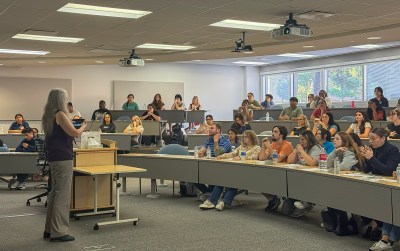
“Democracy Coach” Nancy Bocskor Speaks in Professor Yawn’s Local Government Class
These classes require much reading, often using original texts, while also requiring writing and critical thinking. Community engagement is incorporated into the classes–but always on an optional basis.
In addition to satisfying academic degree requirements for Political Science and Legal Studies degrees, also provide avenues into many LEAP Center programs. The Local Politics and Texas Government classes, for example, help provide foundational information for the City Fellows program and the Sam Houston Austin Internship Program (SHAIP). The legal classes help guide students on their pre-law path, while also providing a portal to the Moot Court Team.
Advising
Supplementing these courses is a year-round advising schedule for students. While LEAP Center advisors specialize in pre-law, they also do academic advising in political science, criminal justice, and other law-related fields.
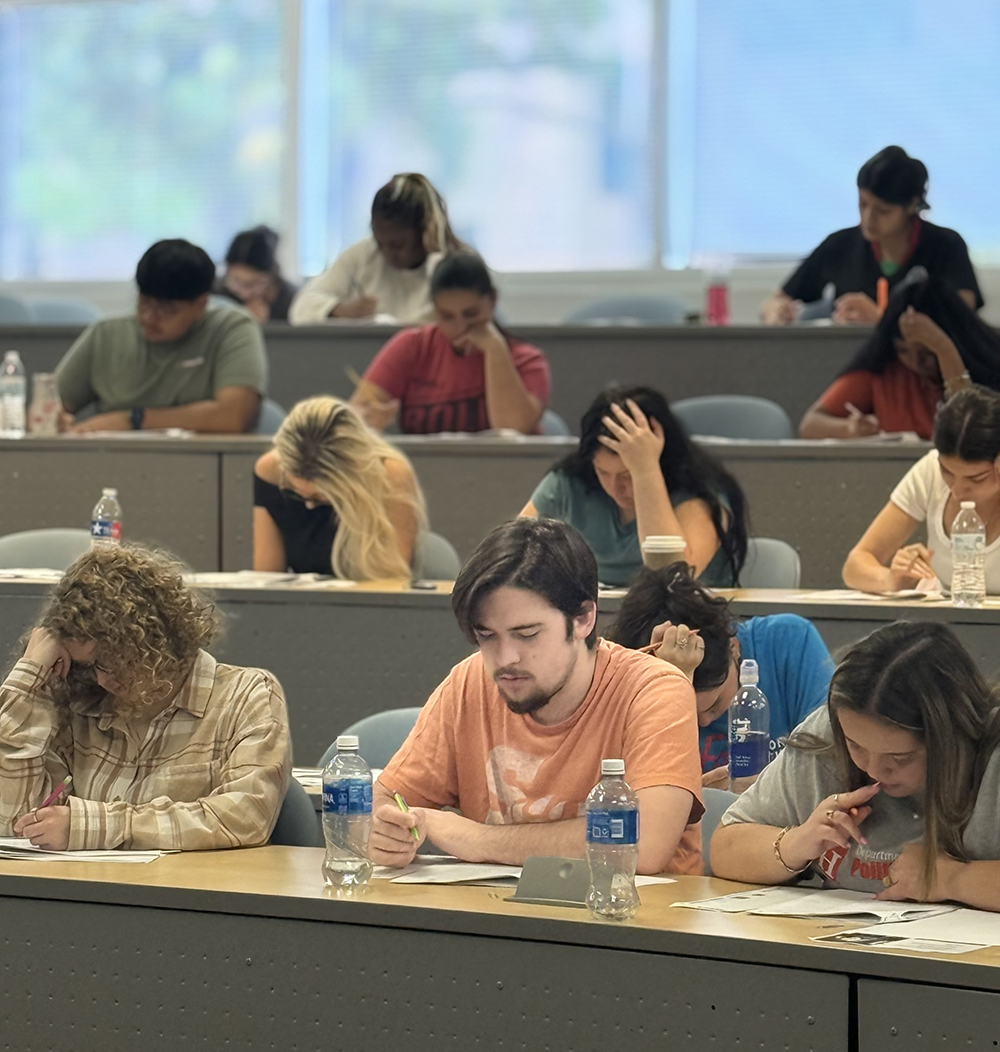
Student often ask, “What is the best major for law school?” There is no specific answer to this question, but in general, the best major will be one that requires writing, reading, and critical thinking. If most of your classes feature extensive “lecturing” off of, and “studying” from, PowerPoints, you probably aren’t getting the reading, critical thinking, and writing you need for law school. In general, social sciences such as economics, psychology, political science, philosophy, English, and history have provided solid foundations for law school.
During these advising sessions, advisors also address the unique timeline for pre-law students, which looks something like this:
Freshman Year
Establish major and minor, or at least explore minors;
Take Practice LSAT (offered by LEAP each semester);
Make Good Grades;
Join Pre-Law Society;
Sophomore Year:
Establish Minor;
Take Practice LSAT;
Attend Mock Law Class (offered by LEAP annually)
Consider Officer Position in PLS;
Consider Applying for Pipeline Programs;
Consider Which Professors You Will Request to Write Letters of Recommendation (LOR);
Create LSAC Account
Junior Year:
Take Practice LSAT;
Consider Applying to PLS’s LSAT Prep Course Scholarship, if LSAT Score is Competitive;
Begin More Aggressive Activity on LSAT Study Plan;
Consider LSAT Prep Course (summer of Junior/Senior Year)
Consider Moot Court Participation
Consider PLS Officer Position
August of Senior Year: Take LSAT
Fall of Senior Year: Apply to Law School
LEAP Students Touring UH Law
Programs& Speakers
The LEAP Center’s teaching and advising offerings are supplemented by the many on-campus programs offered by the LEAP Center, which include:
Graduate School Exploration;
Law-School Exploration;
Career Exploration;
Pre-Law Society;
10th Court of Appeals, which hears three cases annually;
Simulated Law class, featuring STCL Professor Val Ricks;
Mock LSAT, offered each semester;
Speakers from Diverse Disciplines. Past speakers have included:
Artist Ed Wilson;
Artist David Adickes;
Artist Lee Jamison;
Author Jeff Guinn;
Author Stephen Harrigan;
Author Glenn Frankel;
Author James Reston;
Author Carl Rollyson;
Former State Department Official John Nixon;
Former CIA Official Jim Olson;
Former FBI Official Frank Figliuzzi;
Former Ambassador Chase Untermeyer;
Former Attorney General Alberto Gonzales;
Former Presidential Chief of Staff Jean Becker.
By availing themselves of the classes, advising, and programs offered by the LEAP Center, students have the opportunity to explore numerous academic paths, career options, test their progress toward graduate or law school, and hear from some of the country’s leading public intellectuals.
For many, such opportunities are sufficient to satisfy their intellectual and vocational interests. Others, however, find that such endeavors whets their appetite for additional opportunities, and to these we turn in our next LEAP blog installment.
LEAP Ambassadors and SHSU Students with Ambassador Chase Untermeyer
In the prior blog, we discussed the philosophy of LEAP—the belief that education should be interactive, experiential, and multi-disciplinary. Done correctly, this also makes for good—or at least effective—citizens. But what does LEAP do to put that philosophy into action?
LEAP Ambassadors Partner with Huntsville Main Street
The LEAP Center offers a broad set of programs and services, including:
Teaching / Advising
Campus Programs
Internships
Public Figure Speaker Series
Community Programs
Volunteerism
As noted in our blog on “The Philosophy of the LEAP Center,” we take a holistic approach to learning, and we incorporate interactive and experiential learning into all of the programs we offer. Students who are open to those approaches will get more from the LEAP Center, and they will receive a more well-rounded and civic-oriented education.
We rely heavily on other practices, as well. Consistent with the Self-Development Theory, we stress the inherent value of education rather than providing external rewards for participation—rewards that, in the long run, discourage engagement. Instead, we help students form long-term relationships with the community which, in turn, provides intrinsic rewards for participation.
The Three Psychological Needs, According to Self Determination Theory
To that end, we follow general practices for every event:
Look professional and be on time;
Be prepared, get the most out of the experience, and reflect;
Reflecting often means writing a blog or a portion of a blog over the event/activity, meaning that LEAP also serves as a community news source;
Know the context of each activity or event;
Knowing the context allows the participant to know they “why” and not just the “what.” When we assist, for example, the Lions Club by putting out flags on holidays, we want the students to know what the Lions Club’s mission is, what they do, who their members are, and how this activity contributes to the Lions’ Mission (and our Mission).
Screenshot
Collectively, the LEAP Center facilitates some 2,500 students’ participation in approximately 150 events/activities per year. Some students, of course, are more involved than others. Among the most consistent and most professional of these participants are the LEAP Ambassadors, who take leadership roles in planning the Center’s events. They become, in a sense, a “team of teams”, providing crucial support to the Center’s two staff members.
Ambassadors as a Team of Teams
Without these Ambassadors, the Center would not be able to provide as many diverse academic and community based activities—the topic for our next blog!
People often ask, “What does the Center for Law, Engagement, And Politics do?” While it might be obvious that many of the topics we cover involve Law and Politics, it’s the broad understanding of “Engagement” that is a bit more complex.
The LEAP Center adopts the expansive view, promulgated most effectively by John Dewey, that people learn best through engaged and holistic learning.
Philosopher John Dewey (1859-1952)
This involves a multi-disciplinary approach, including both interactive in-class learning and experiential education outside the classroom.
Thus, for a person to truly learn a topic they must learn many topics. Learning policing, for example, would involve studying management, psychology, criminology, sociology, organizational behavior, political science, public administration, and philosophy. To gain an even more thorough understanding, education, the arts, music, and literature would also be studied.
Approached Correctly, Even Musical Theatre Can Shine Light on Topics as Diverse as Corruption, Politics, Ethics, Immigration, and Criminology
And so it is that the LEAP Center, while focusing on law and politics, takes learning opportunities as they come, in and out of the classroom. And inevitably, that will involve many different disciplines, even in a single activity.
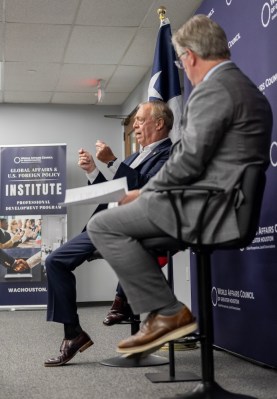
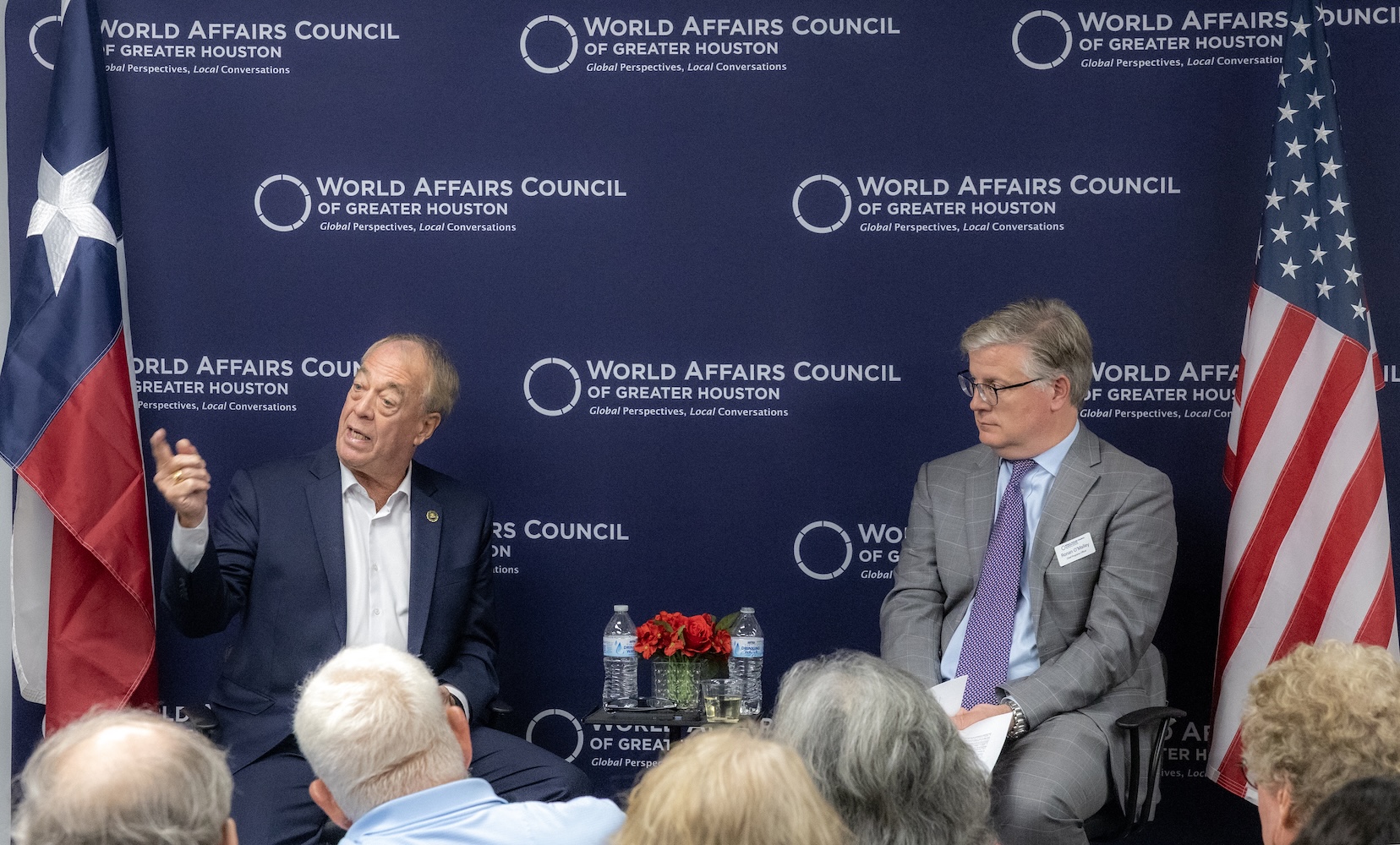
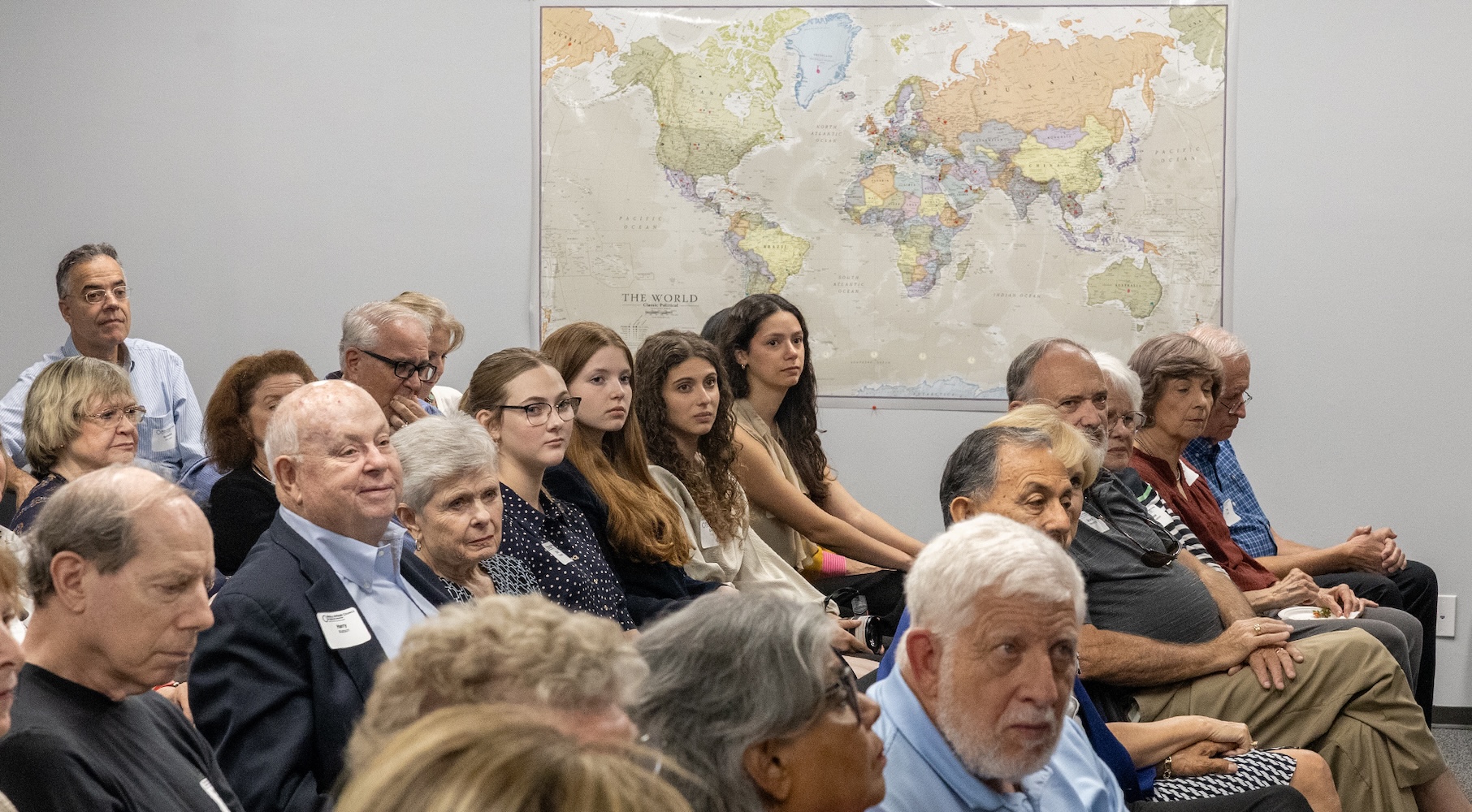
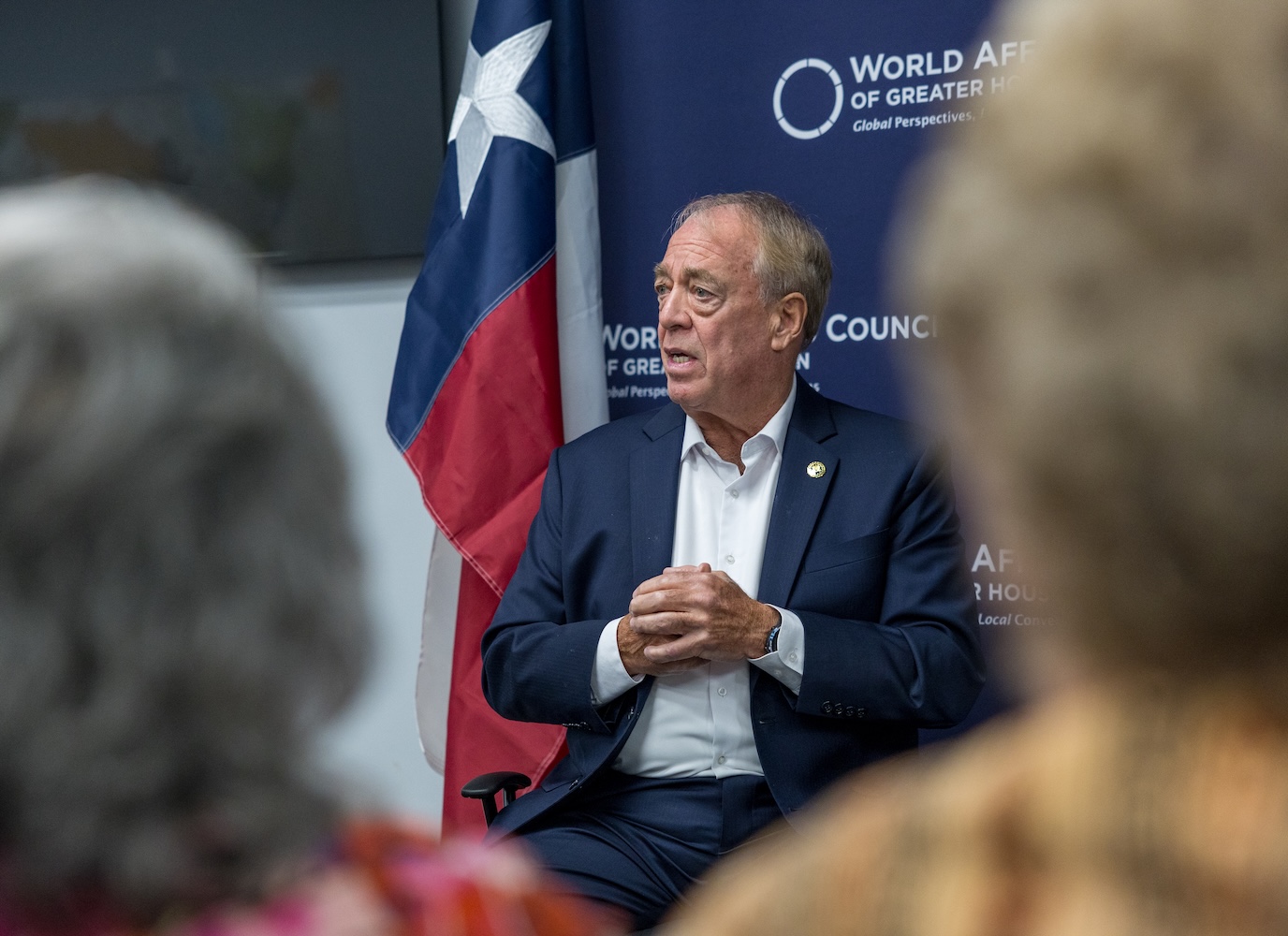
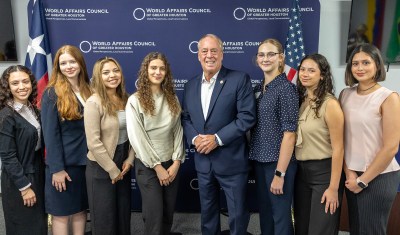
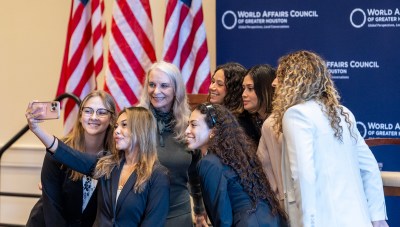
In any given month, LEAP students will, of course, attend classes, perhaps while working an internship, but they are also likely to attend a play, host a speaker on campus, do volunteer work in the community, participate in a World Affairs Council event involving international affairs, tour a government agency, and visit an art museum. As they do so, they will learn about many topics, but they will also make connections among all the topics, and in so doing, they will become more educated—and, potentially, better citizens. Indeed, the LEAP Center’s mission is much the same as a Civic Institute.
This philosophy comes to life, however, when it is put into action—a topic for our next blog!