Skip to content

Center for Law, Engagement, and Politics

Leap At SHSU!

  • About LEAP
  • LEAP Ambassadors
Center for Law, Engagement, and Politics

Category: Education

Improving Police Encounters through Experiential Education

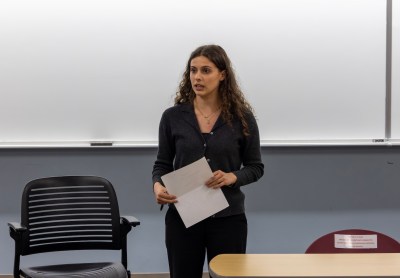
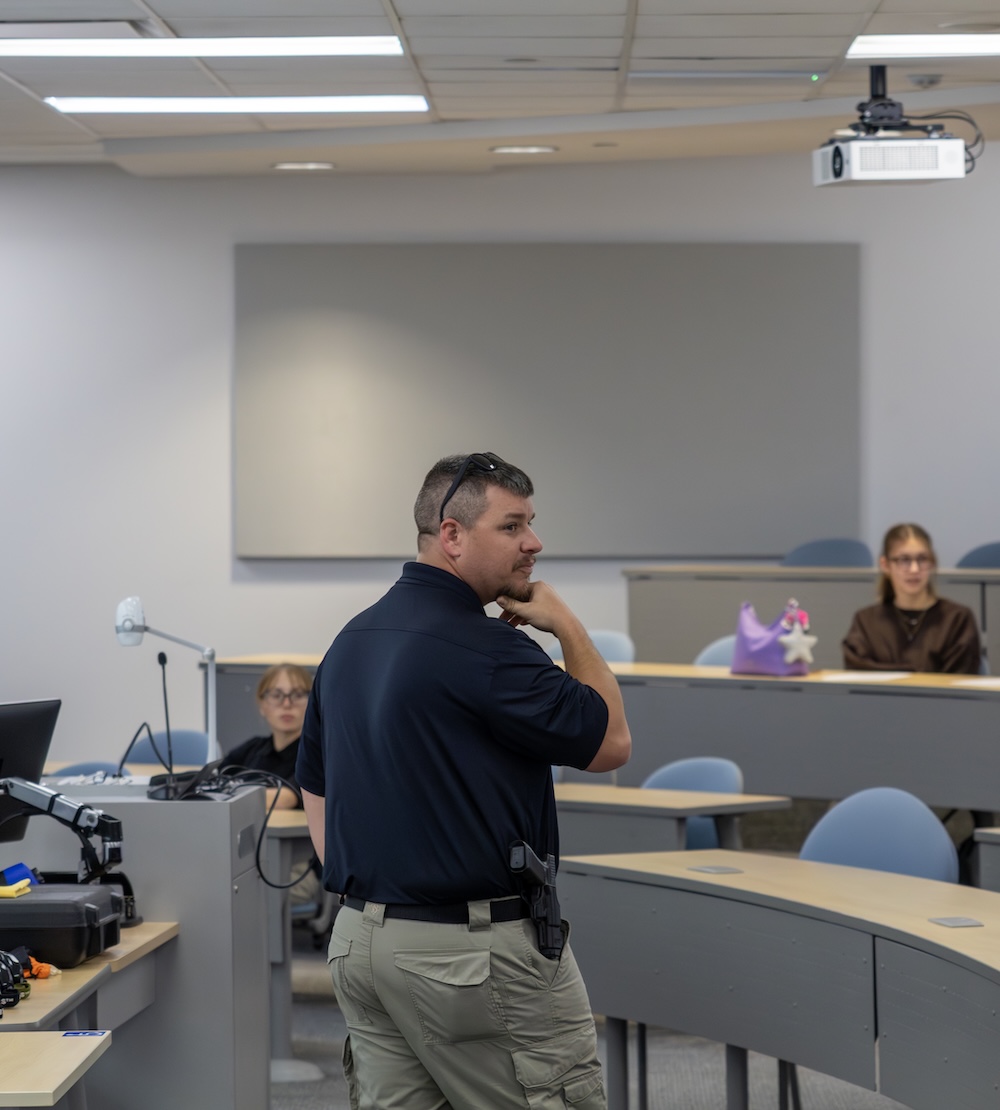
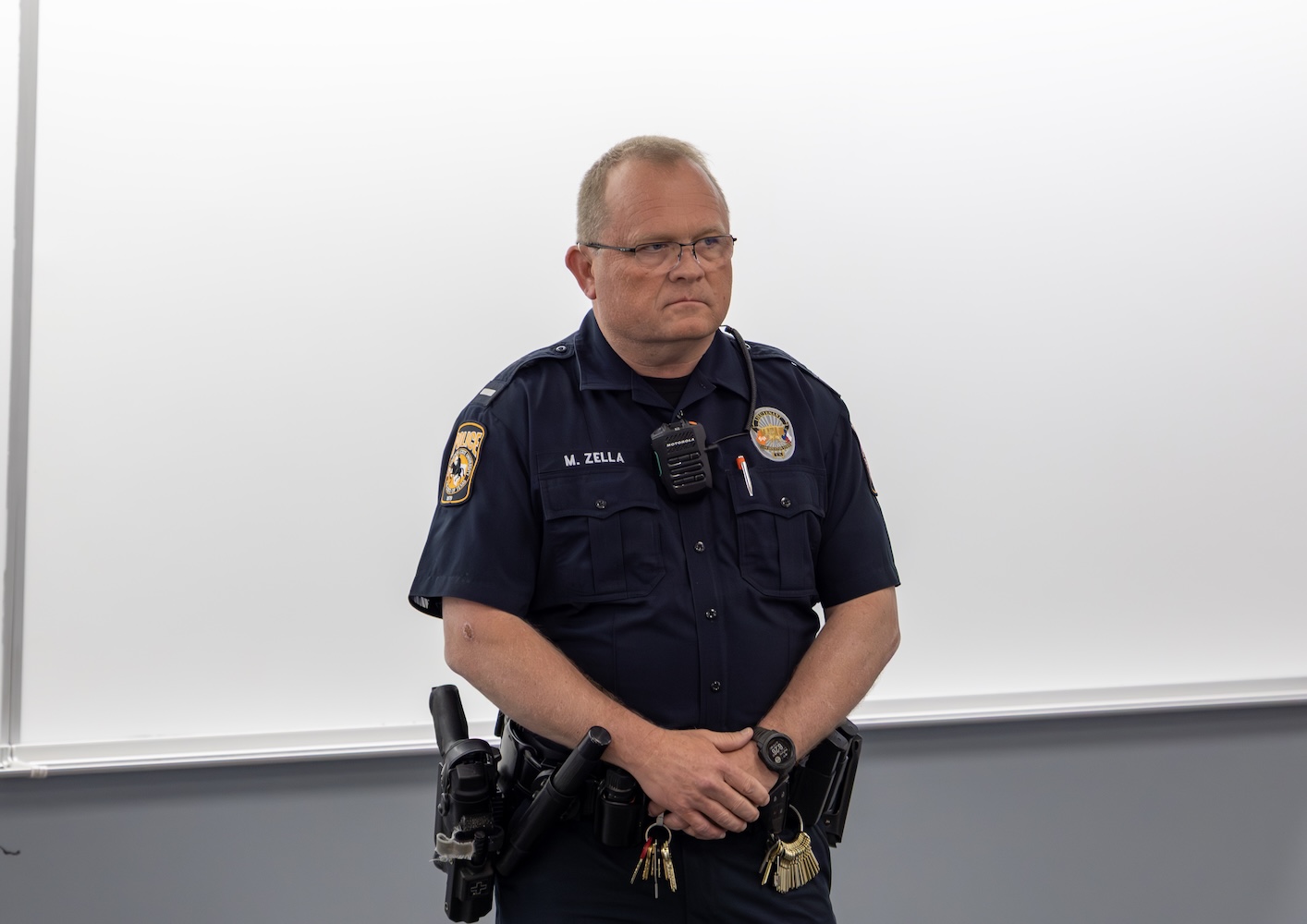
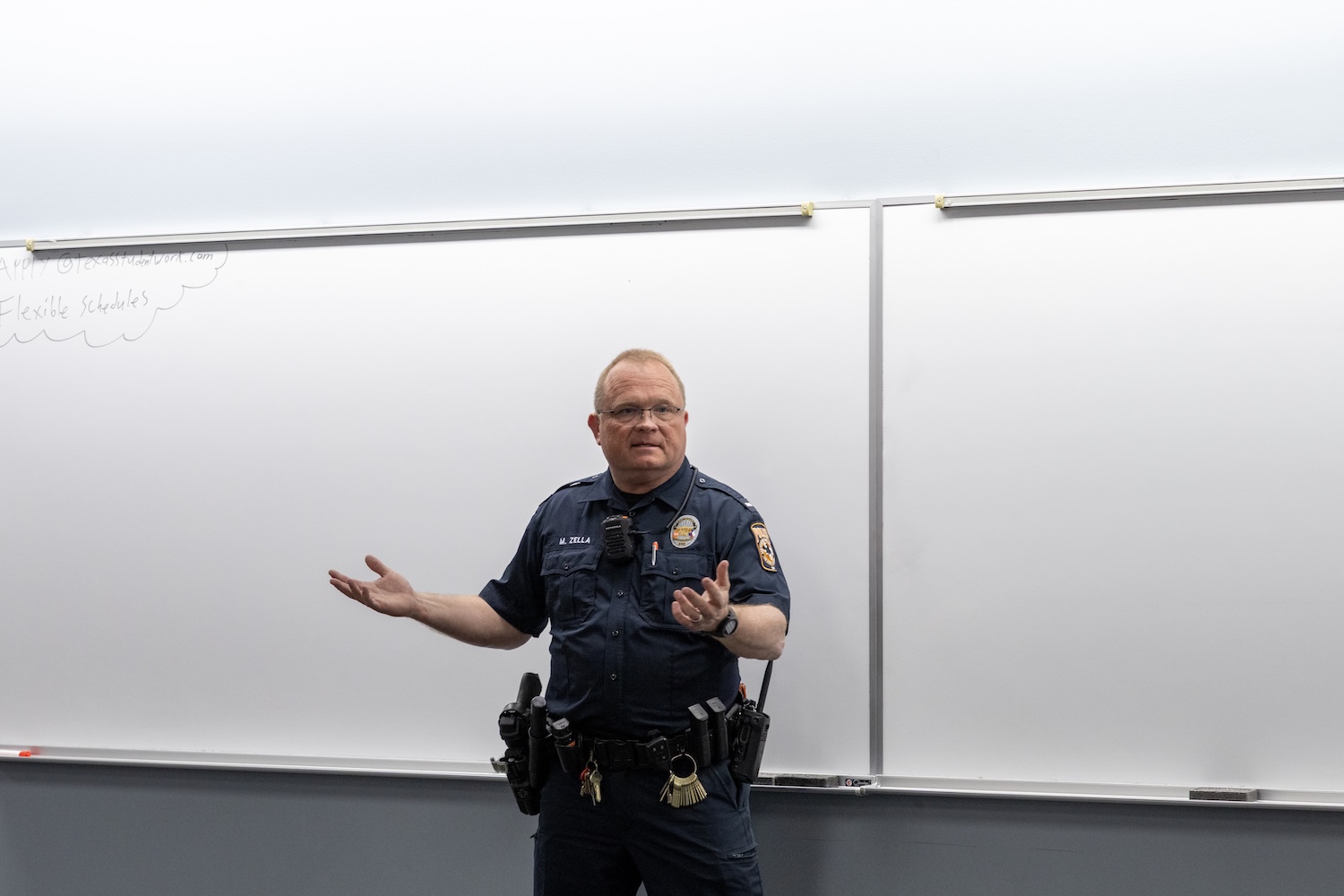
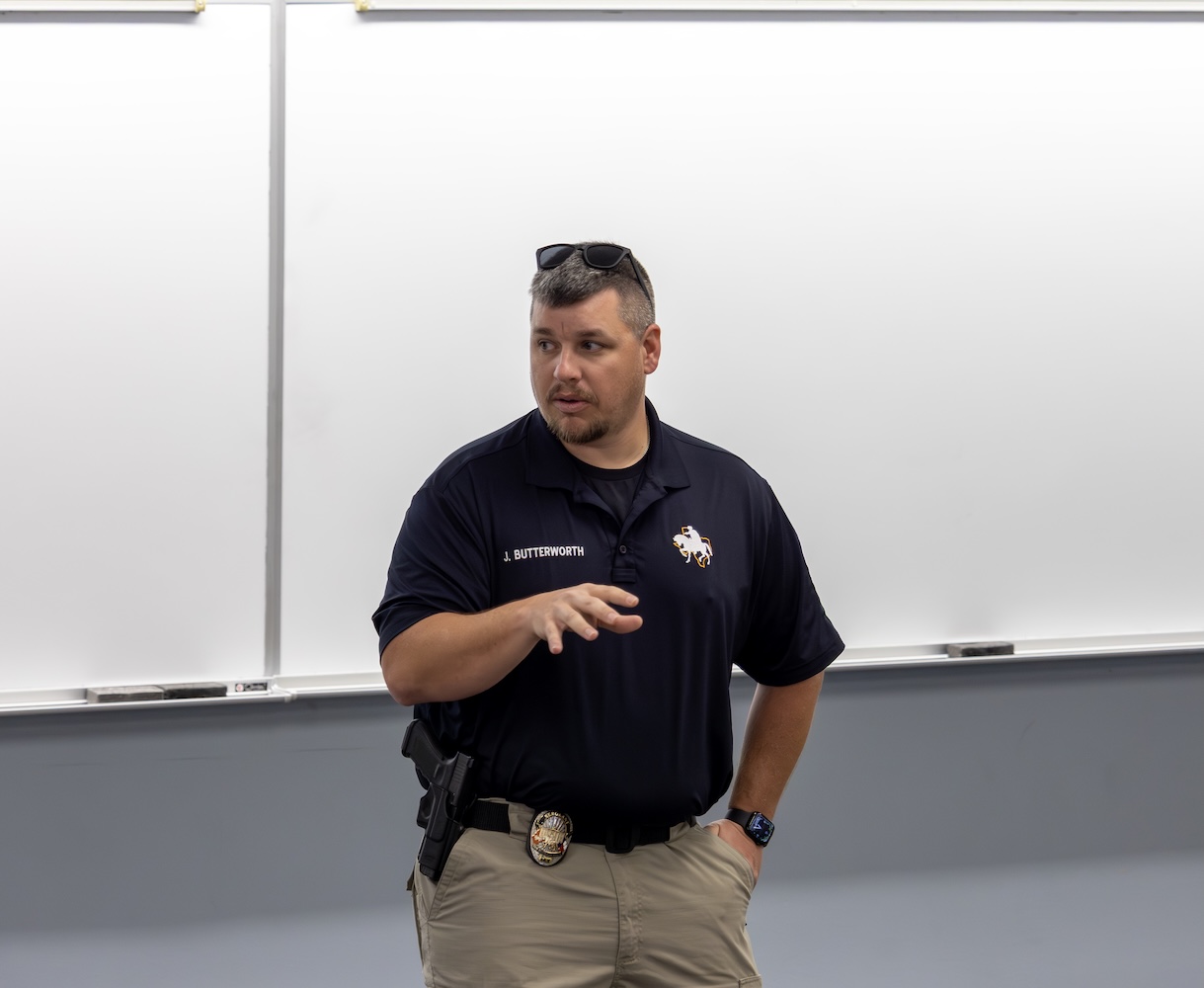
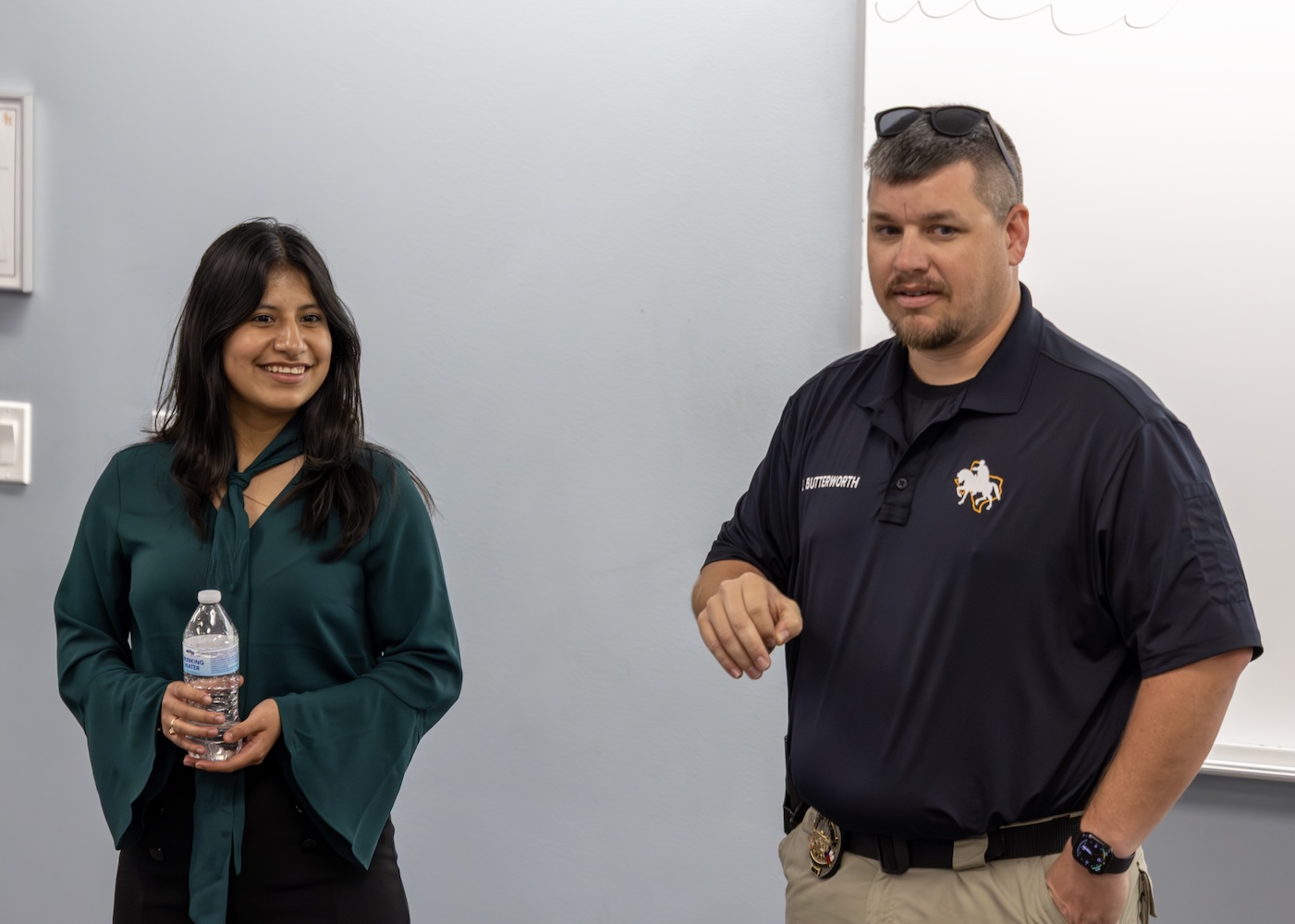
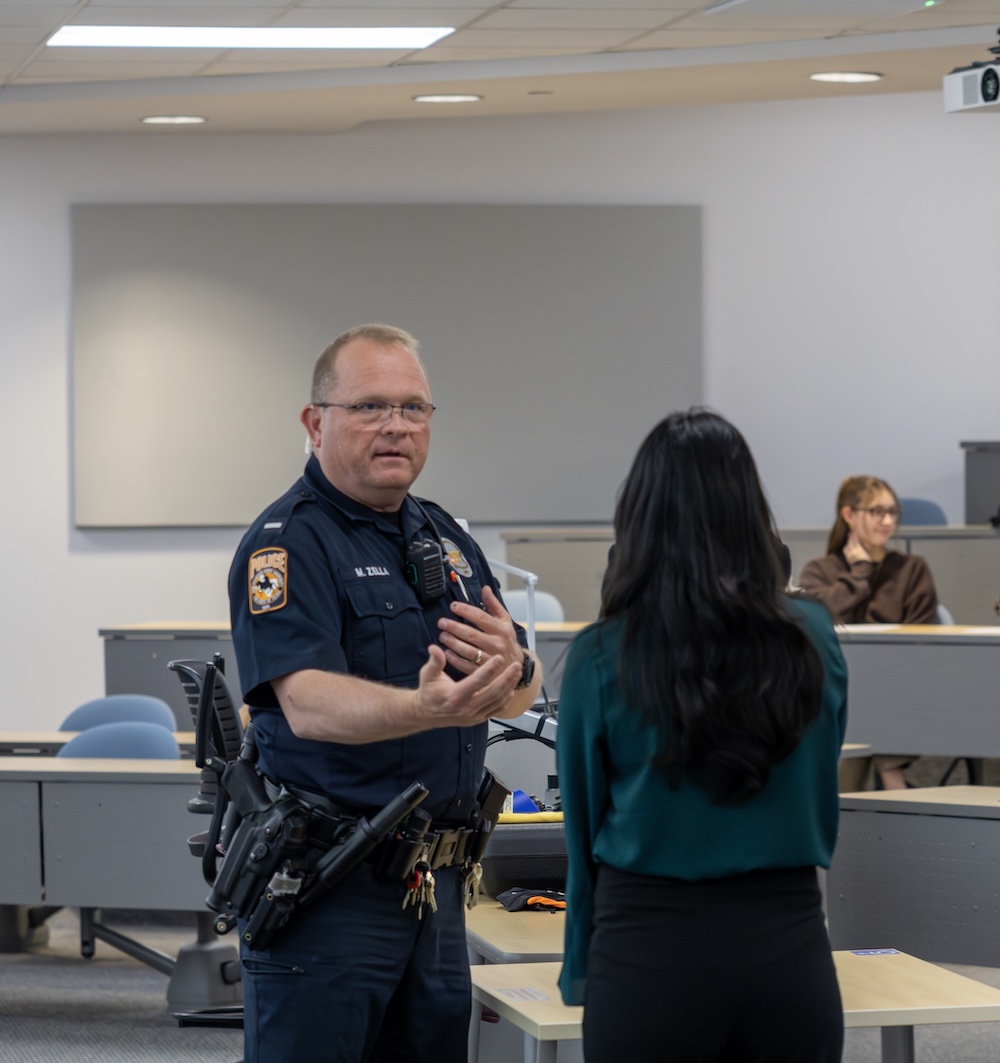
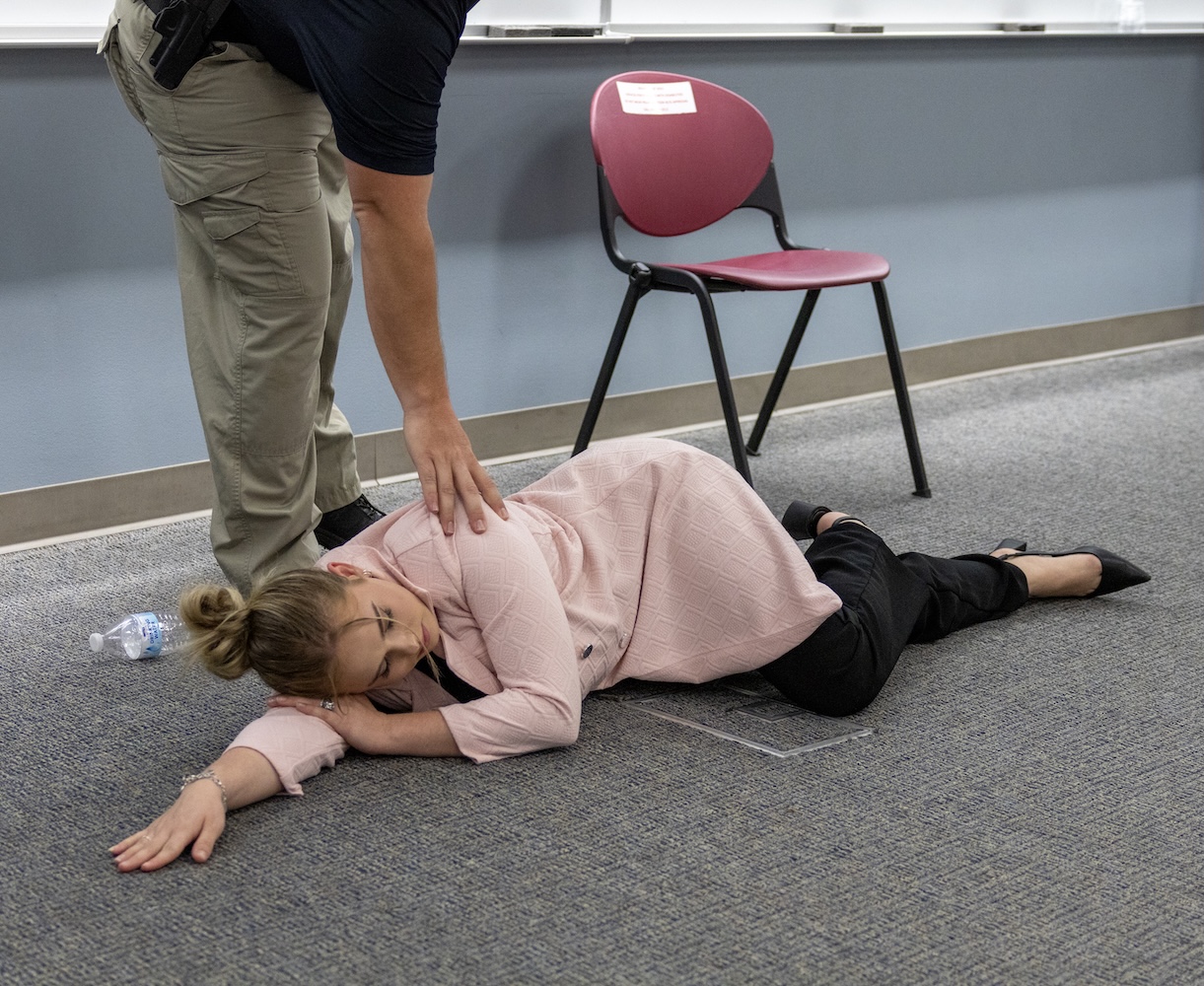
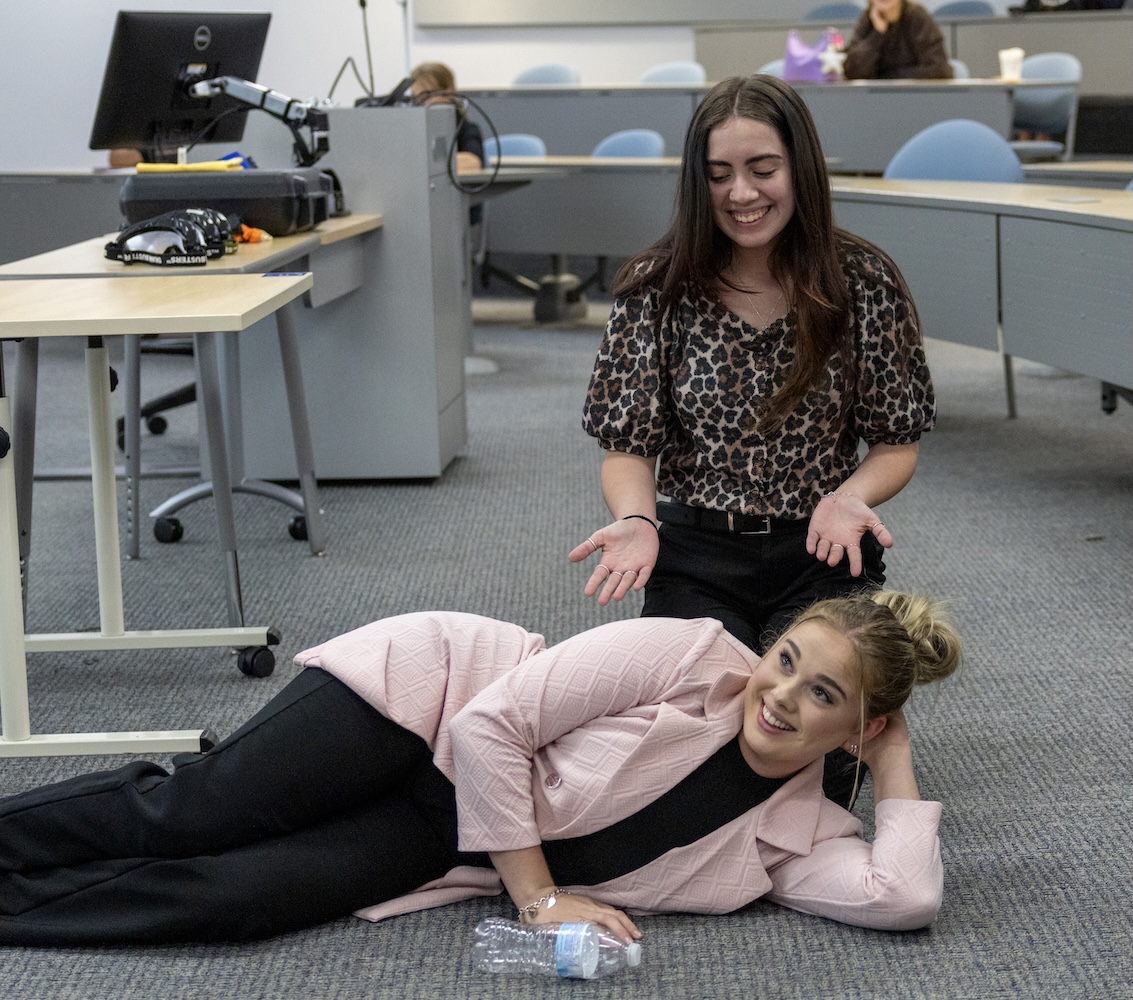
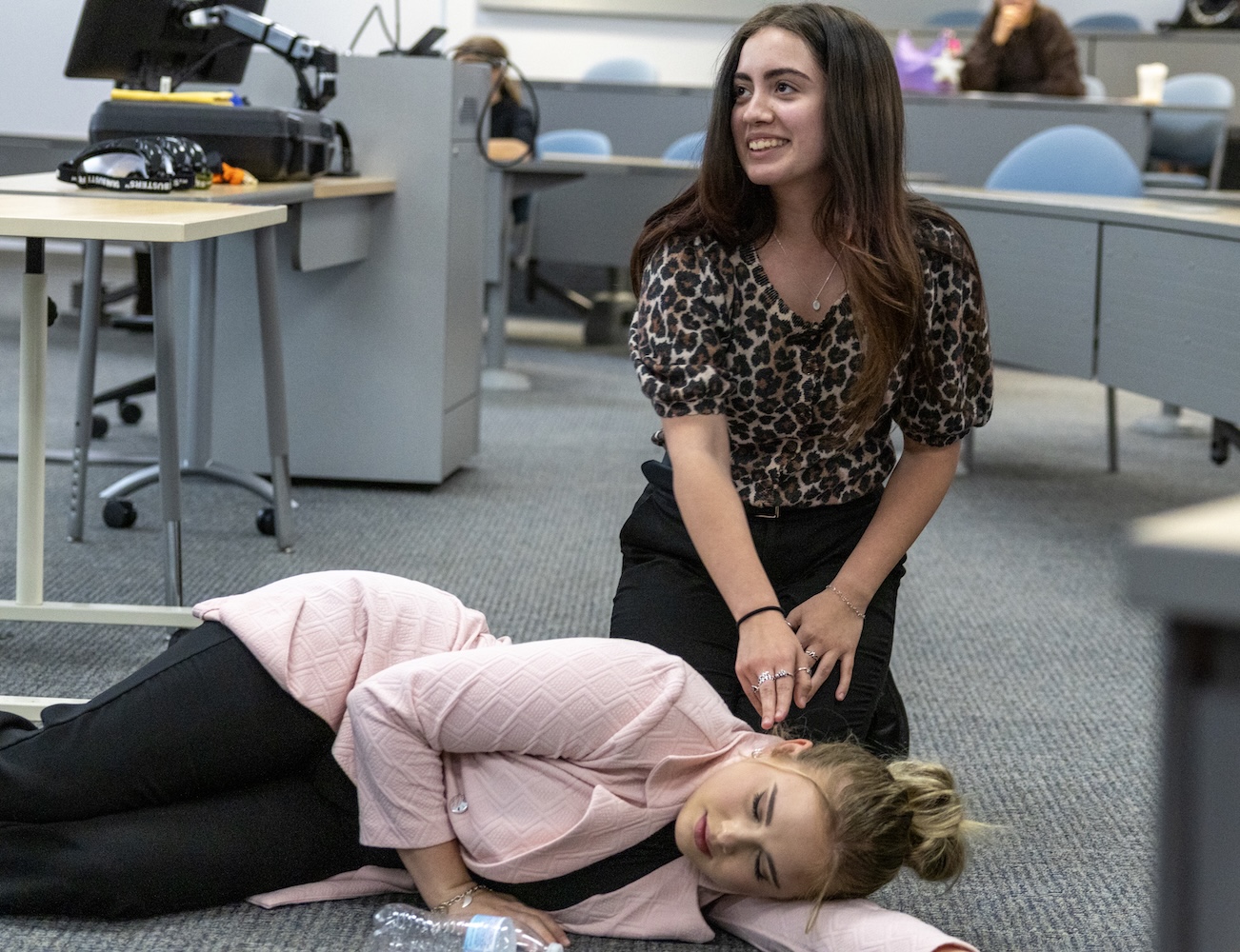
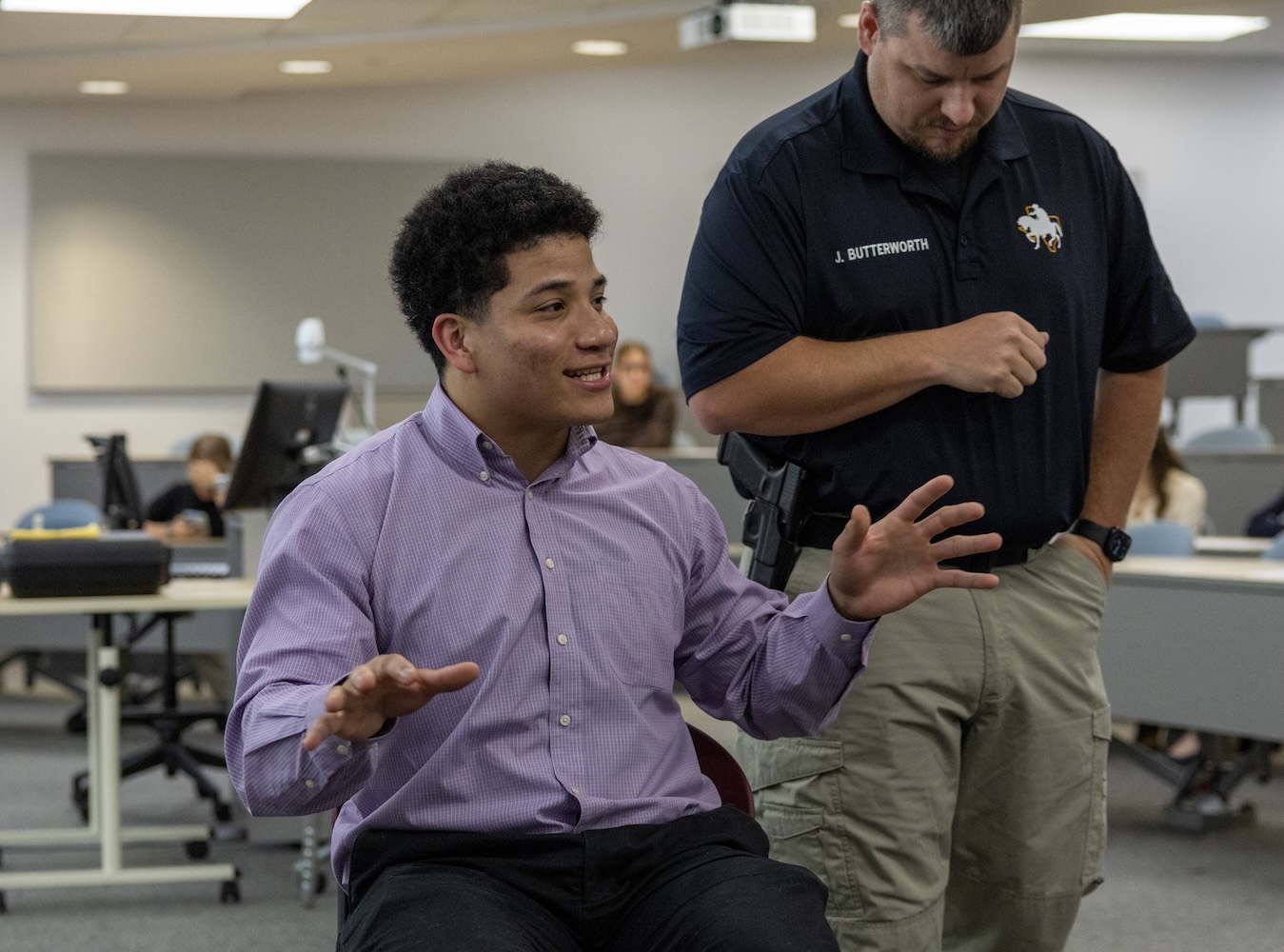
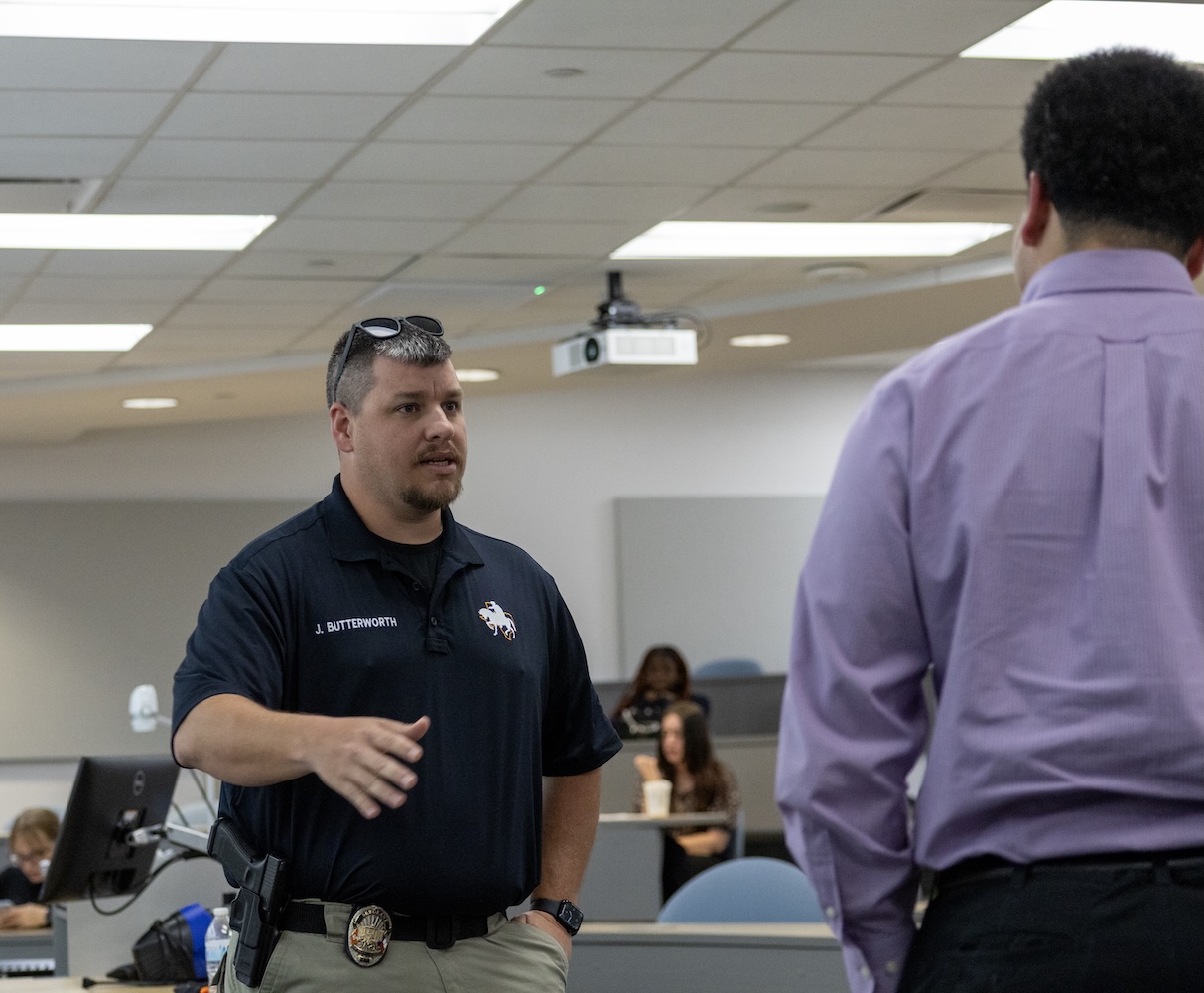
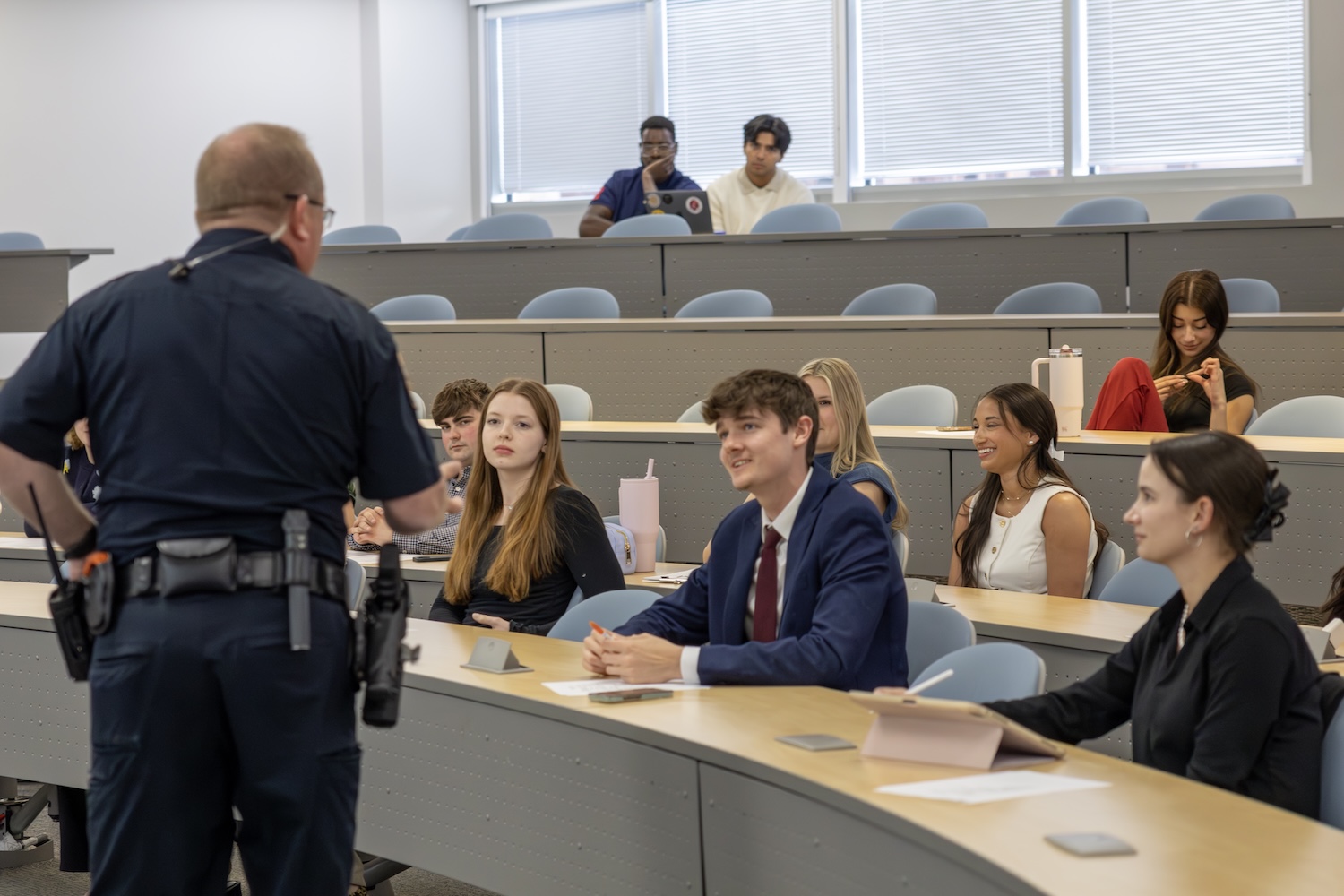
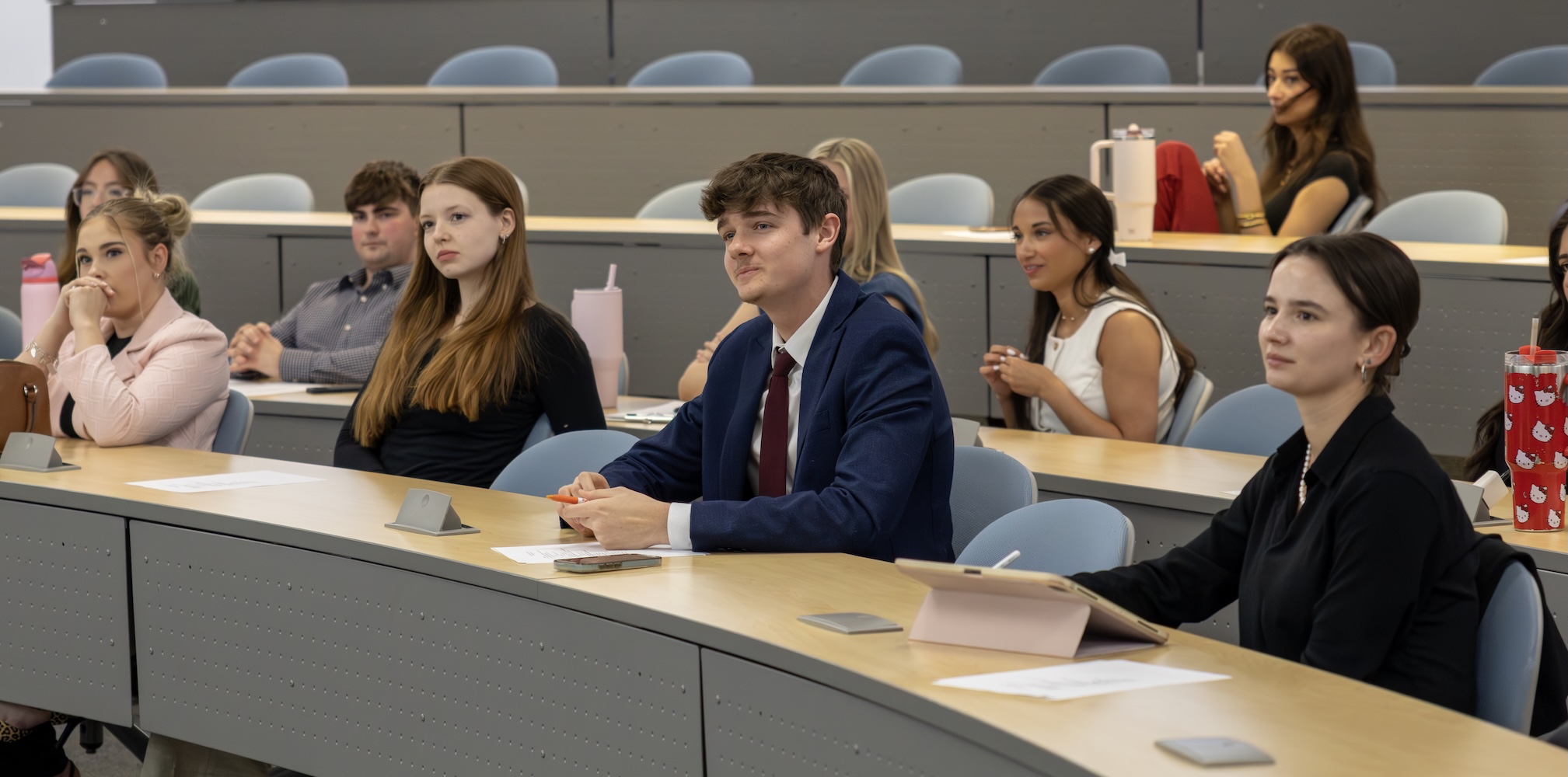
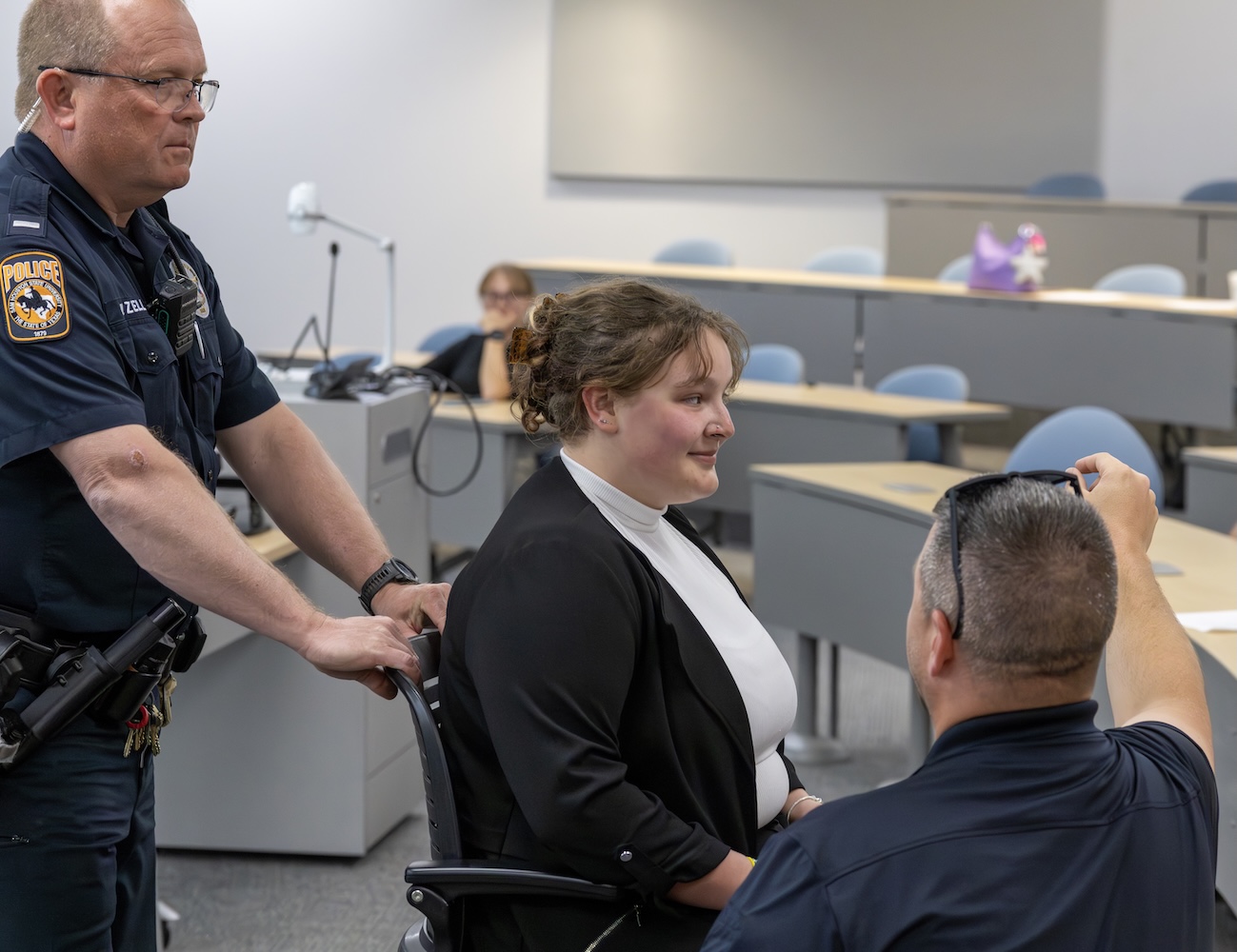
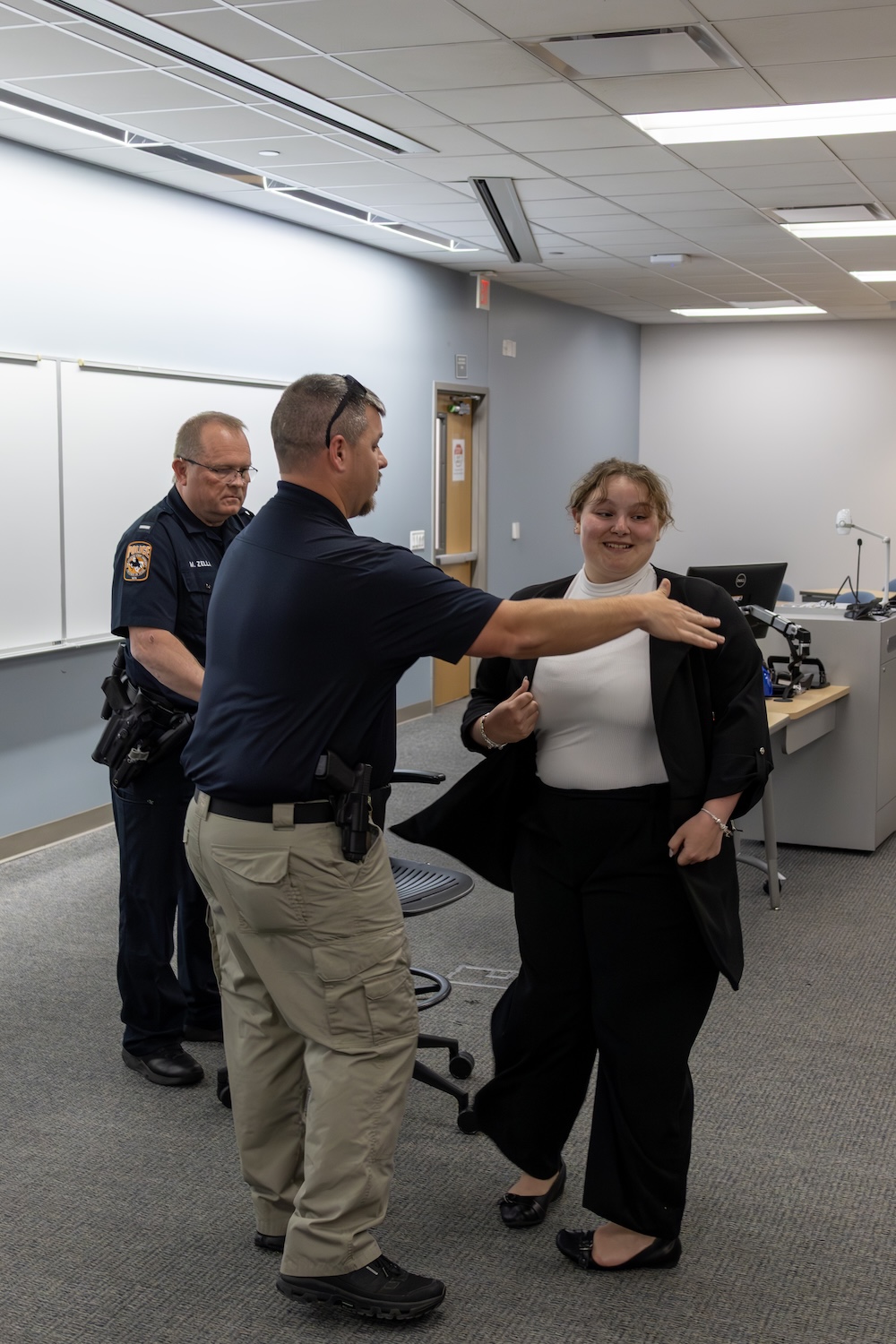
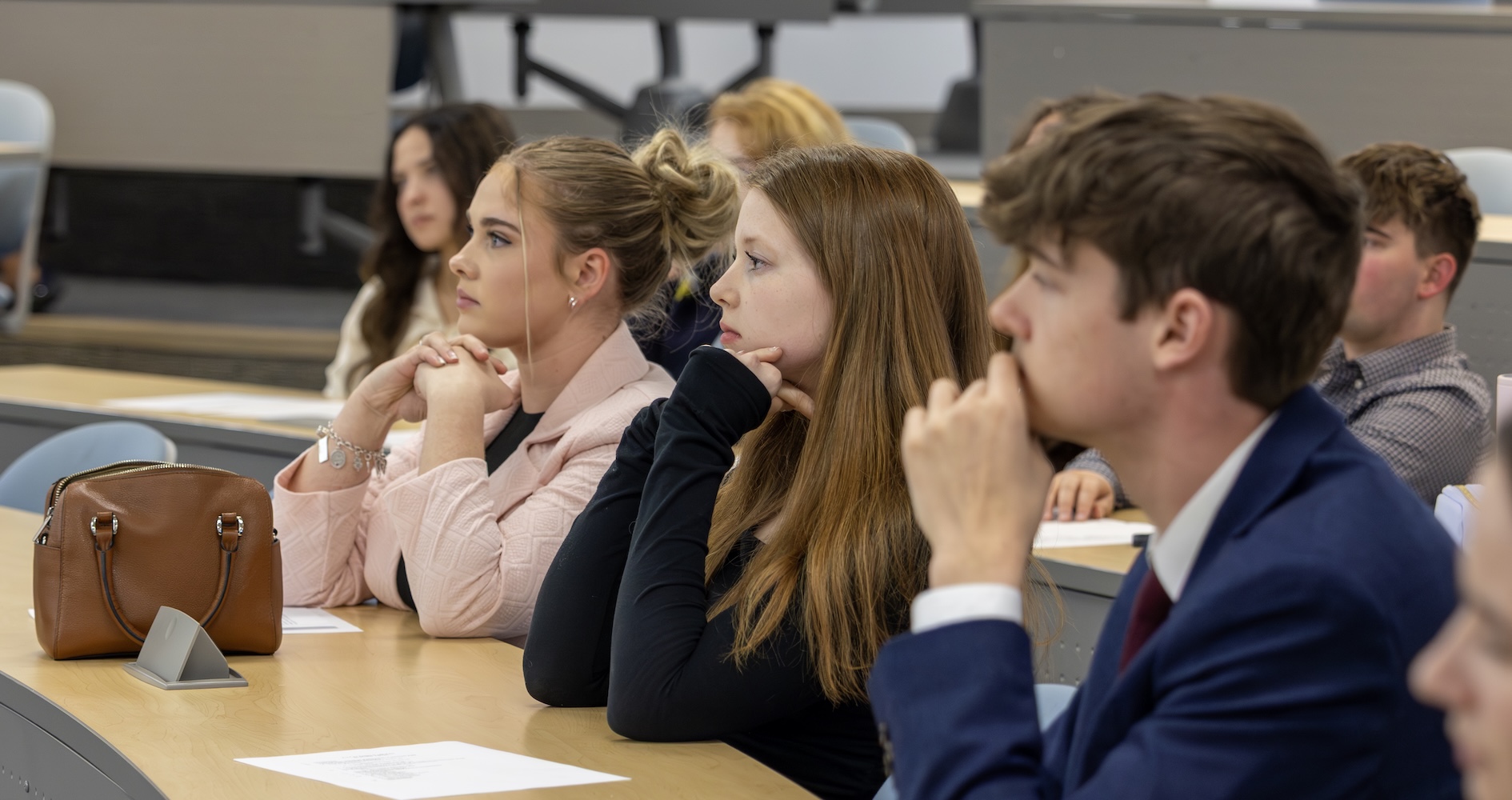
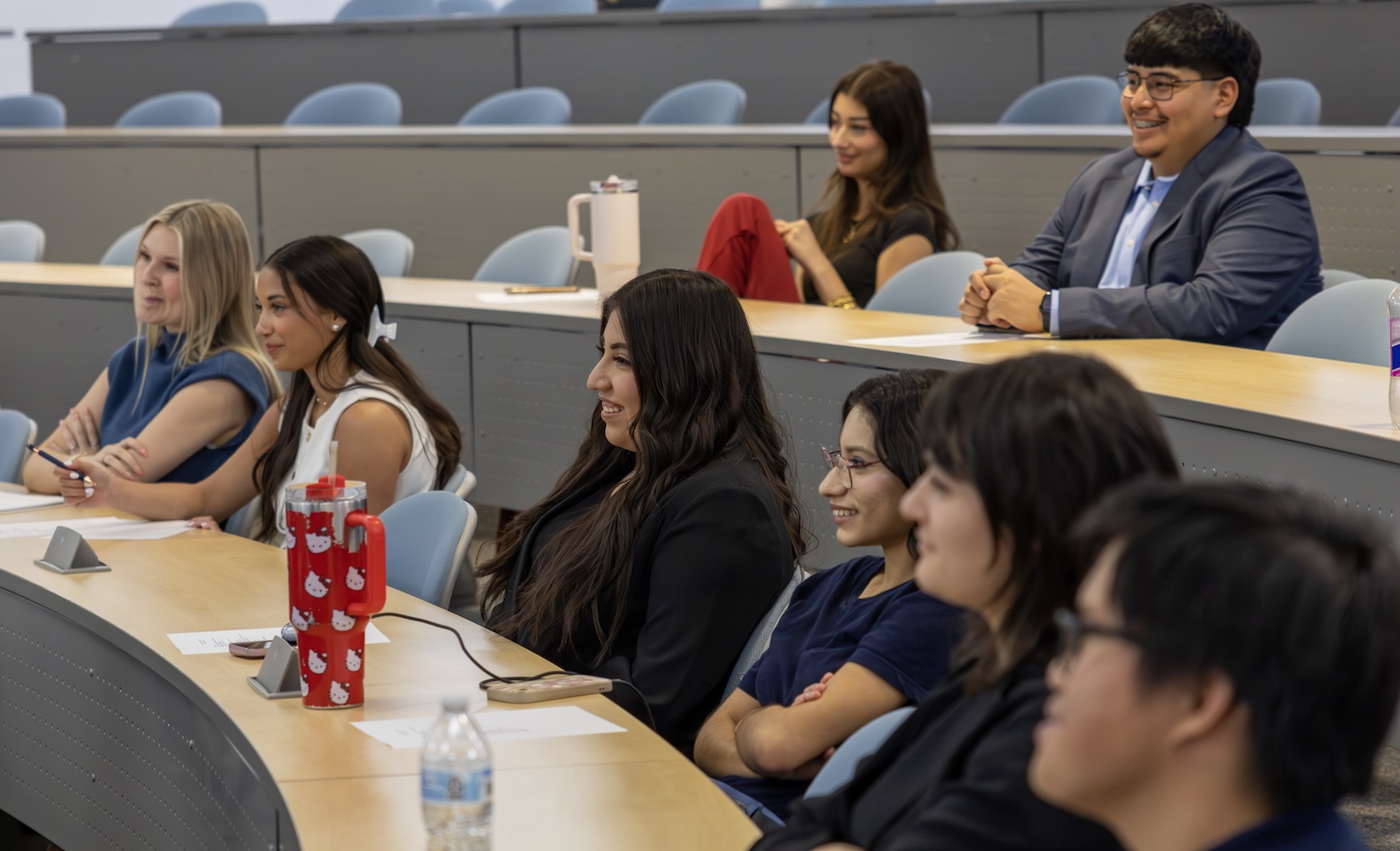
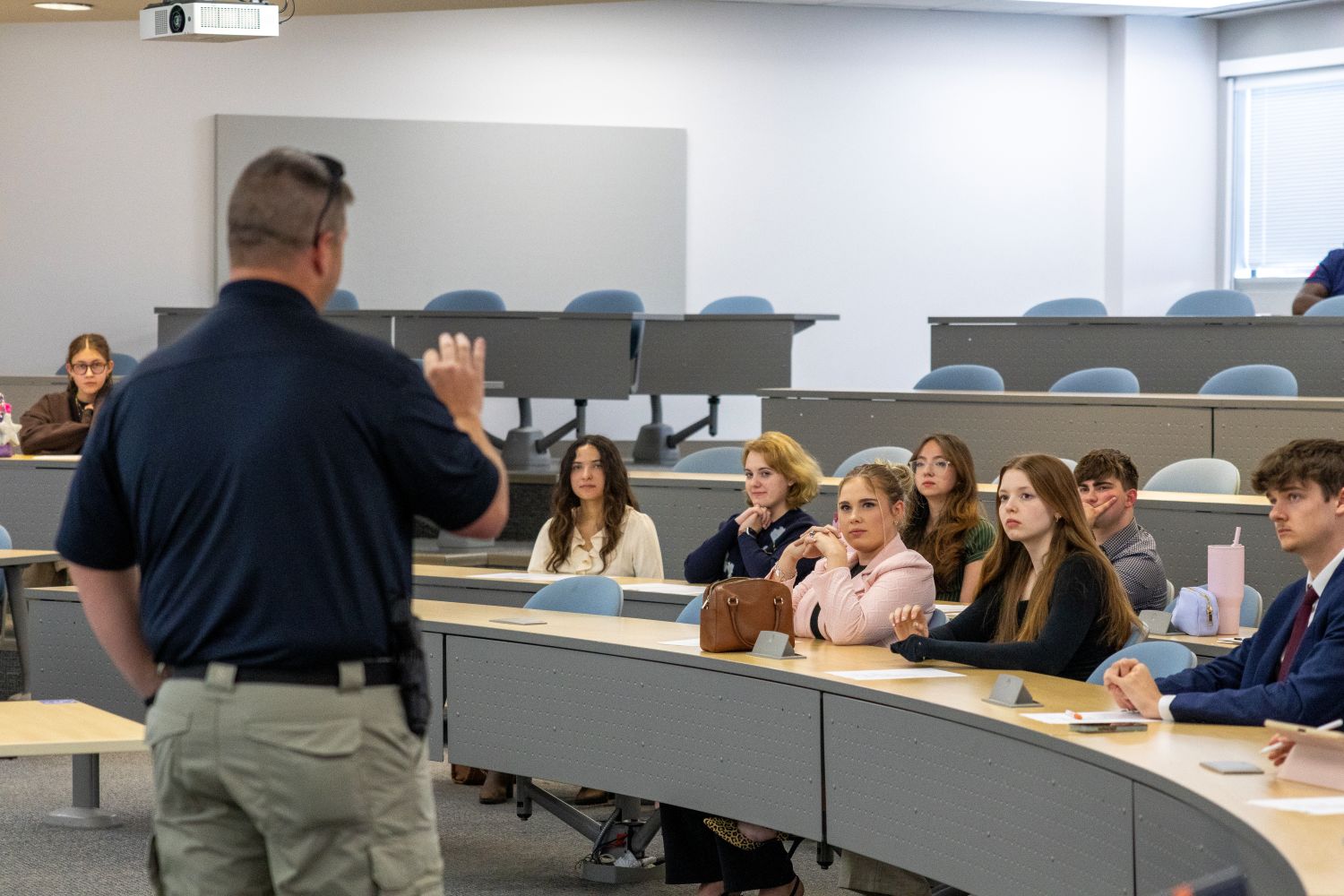
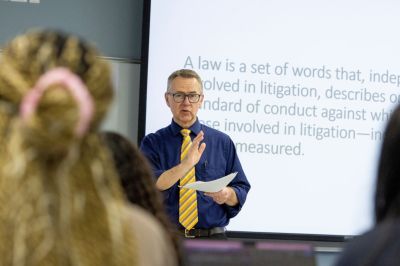
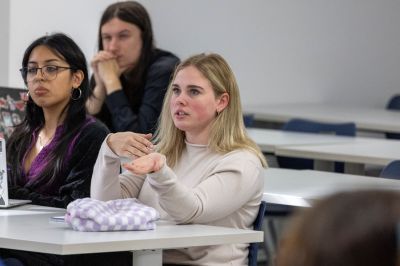
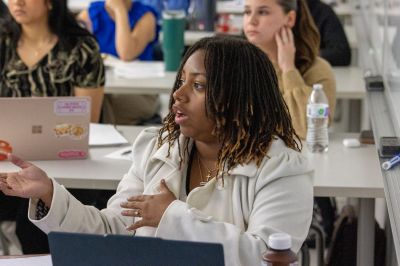
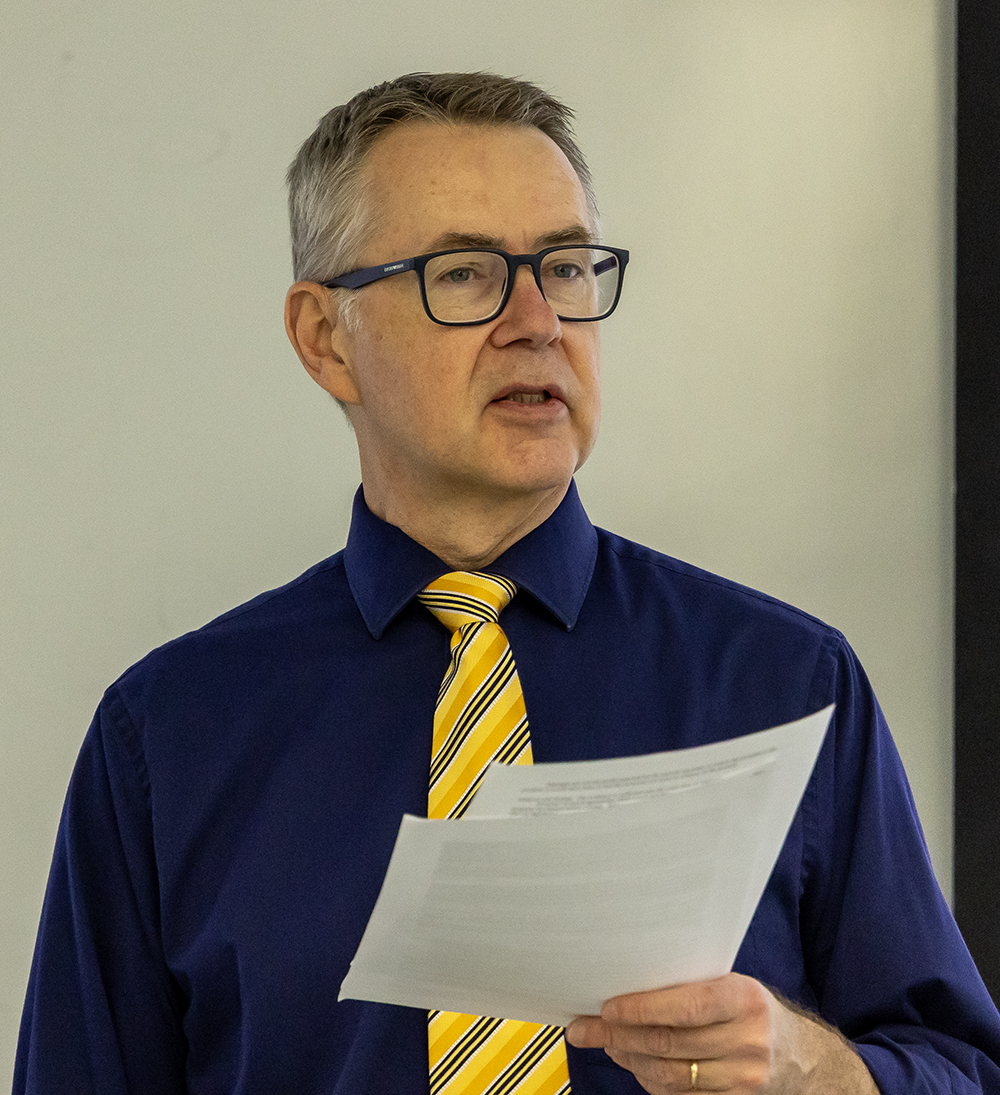
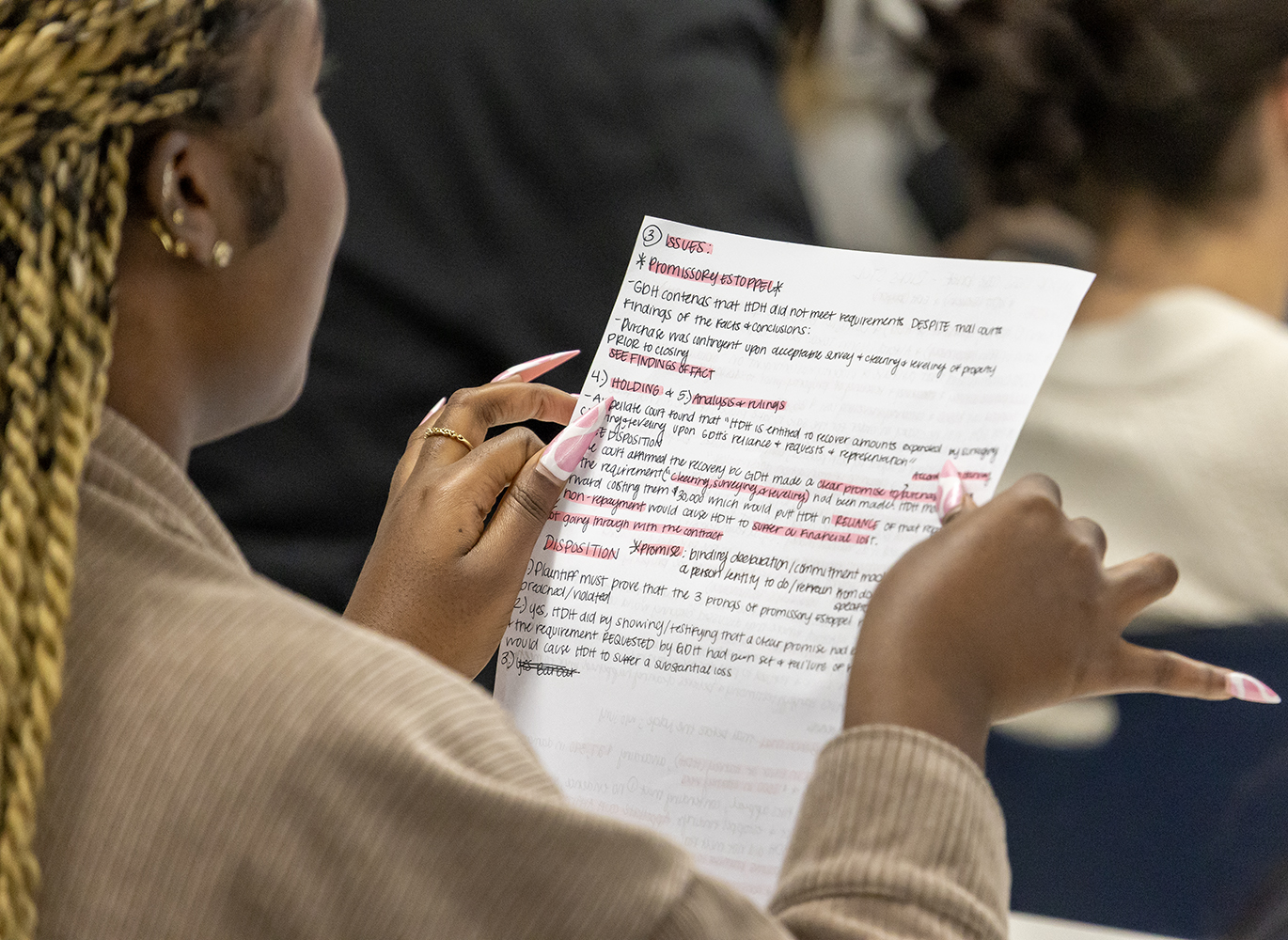
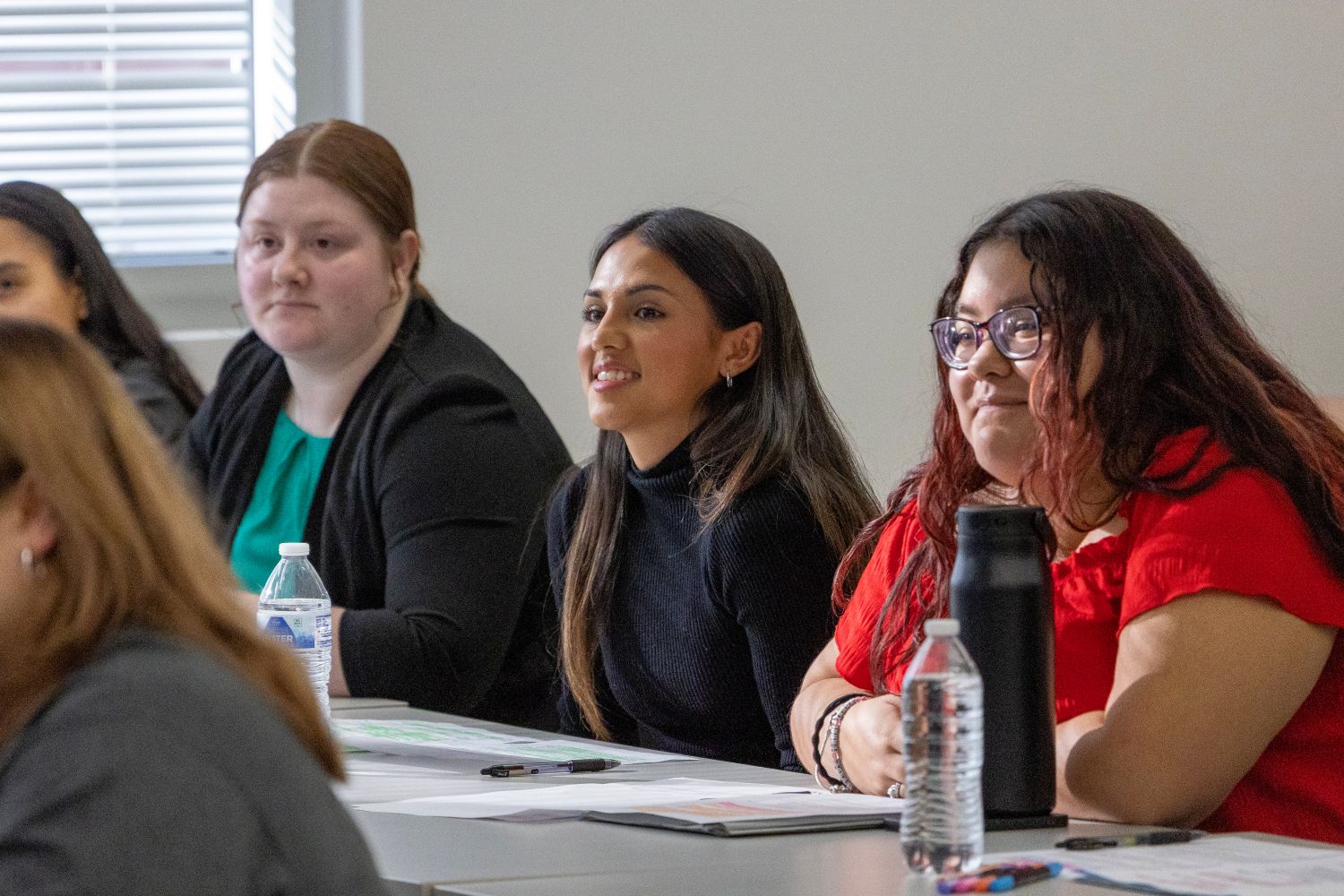
It’s not always easy to make Constitutional Law and, especially, Texas Government, fun, but it’s a lot easier with quality guest speakers. For Professor Yawn’s classes last week, the guest speakers were Sgt. Butterworth and Lt. Zella, who worked in tandem to provide information to students about police-community relations.

The discussion covered various topics and included many questions. One key takeaway was that the police approach each encounter under a certain amount of stress, and while they are trained in their encounters, things go more smoothly when citizens don’t exacerbate the situation.

A simple traffic stop, for example, can go more smoothly if the driver (1) pulls over as soon as it is convenient and signals their intention to do so (e.g., slowing down, a blinker, hazards), (2) turns on their interior lights, (3) avoids sudden movements, and (4) keeps their hands visible.

Police have much discretion on these encounters. A noise violation called on an after party, for example, can be a simple matter of telling people to “quiet down” or it can result in arrests. This is often determined by the scope of illegal activity, the demeanor of those in the house, and the extent to which people are a danger to themselves or others.

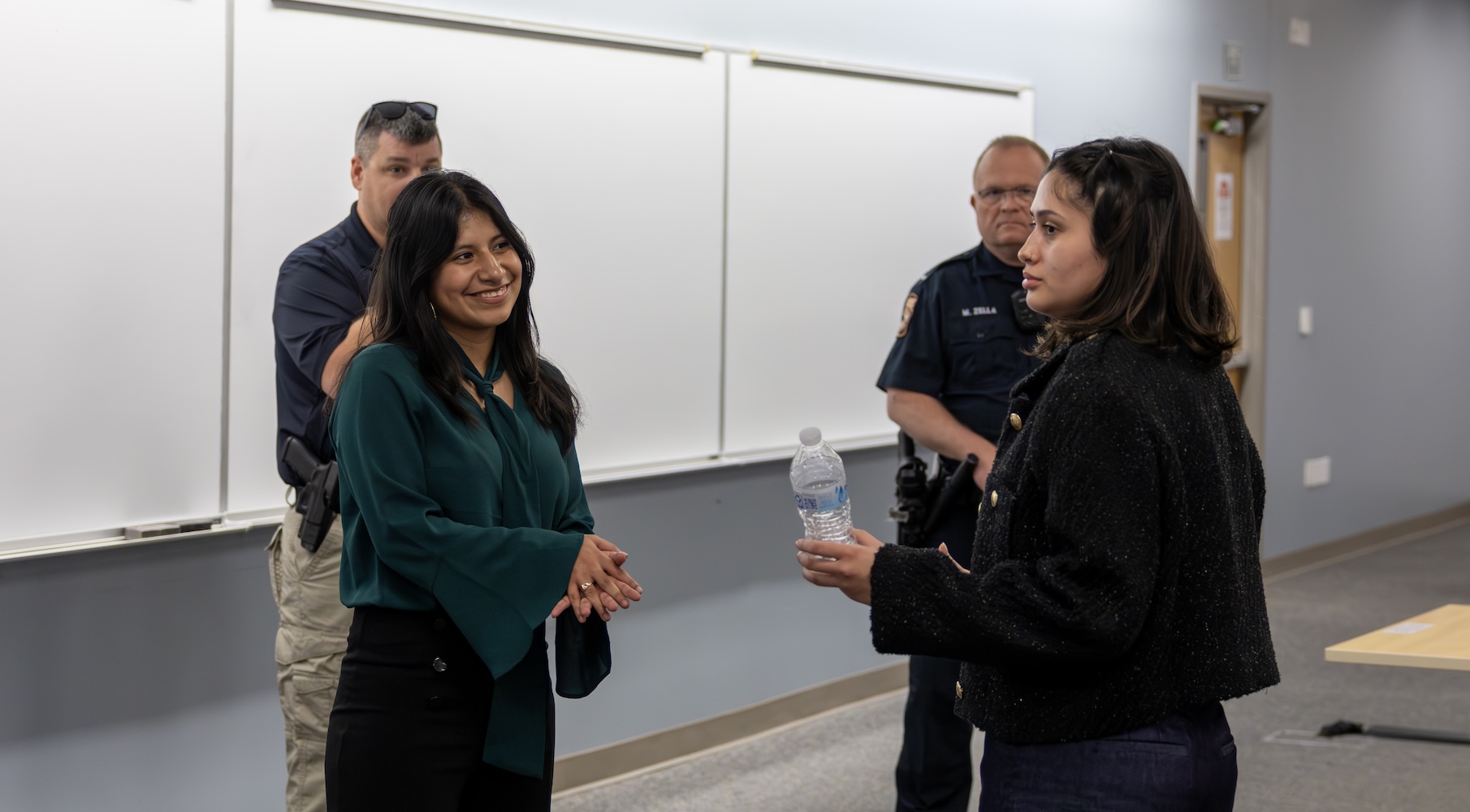
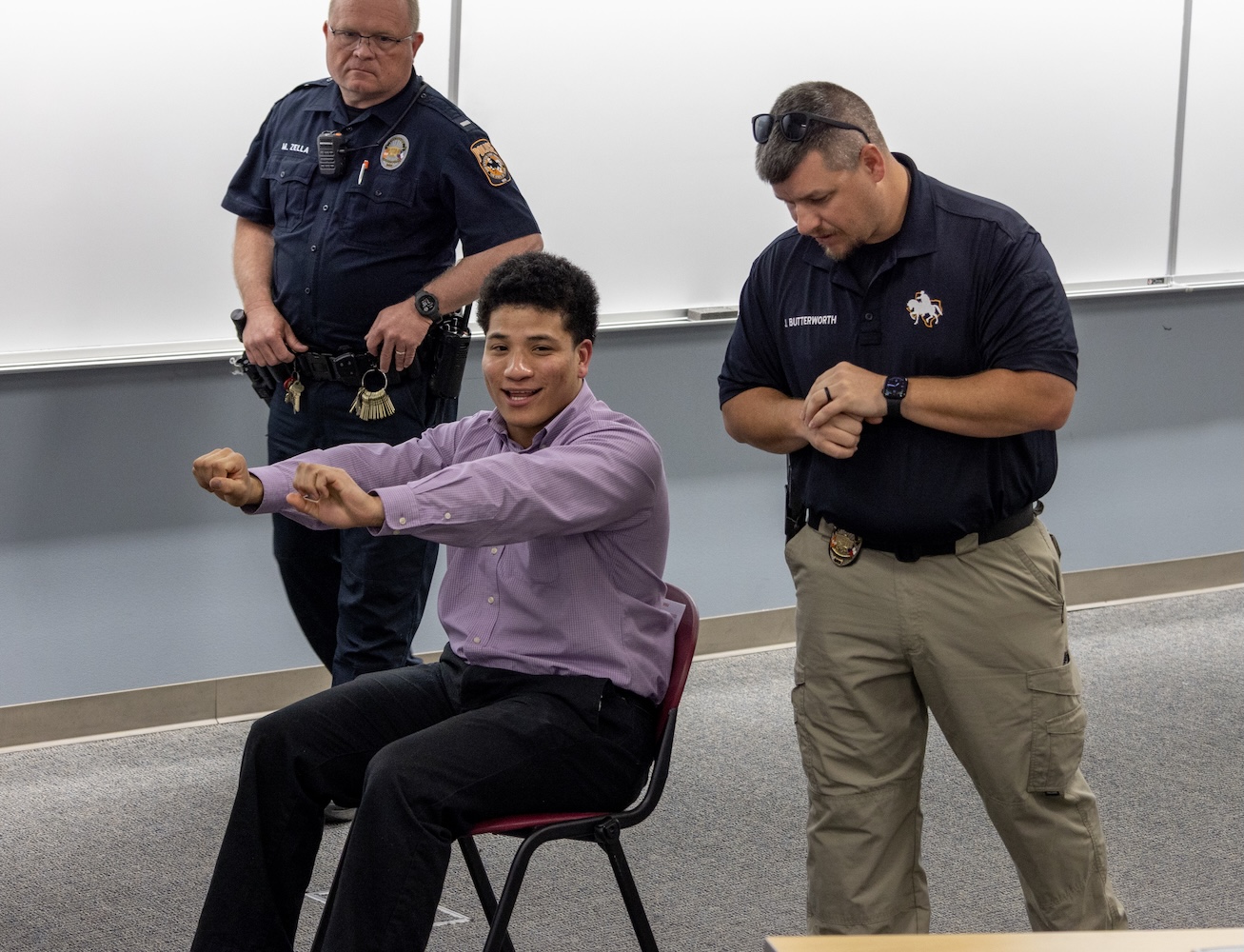
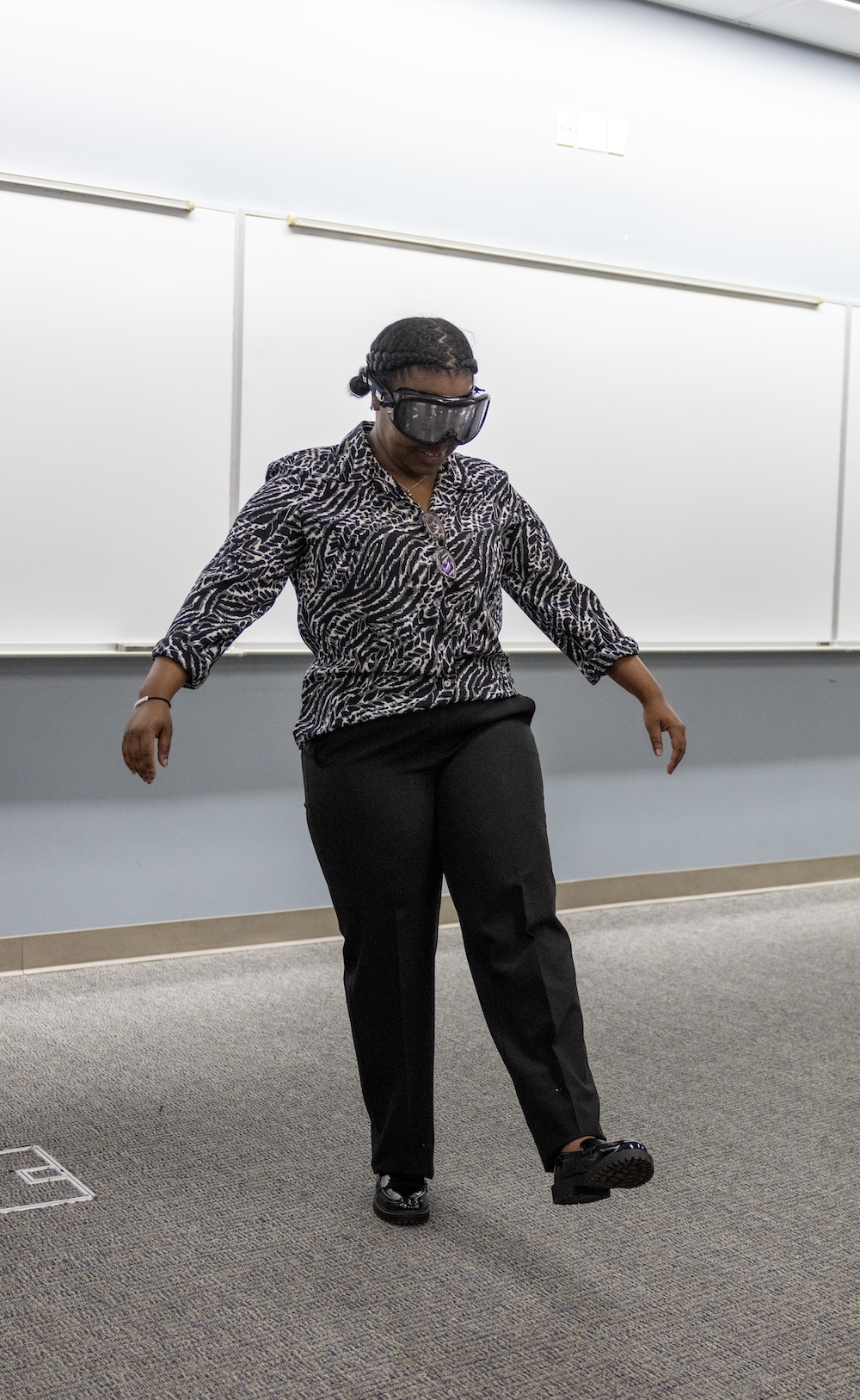
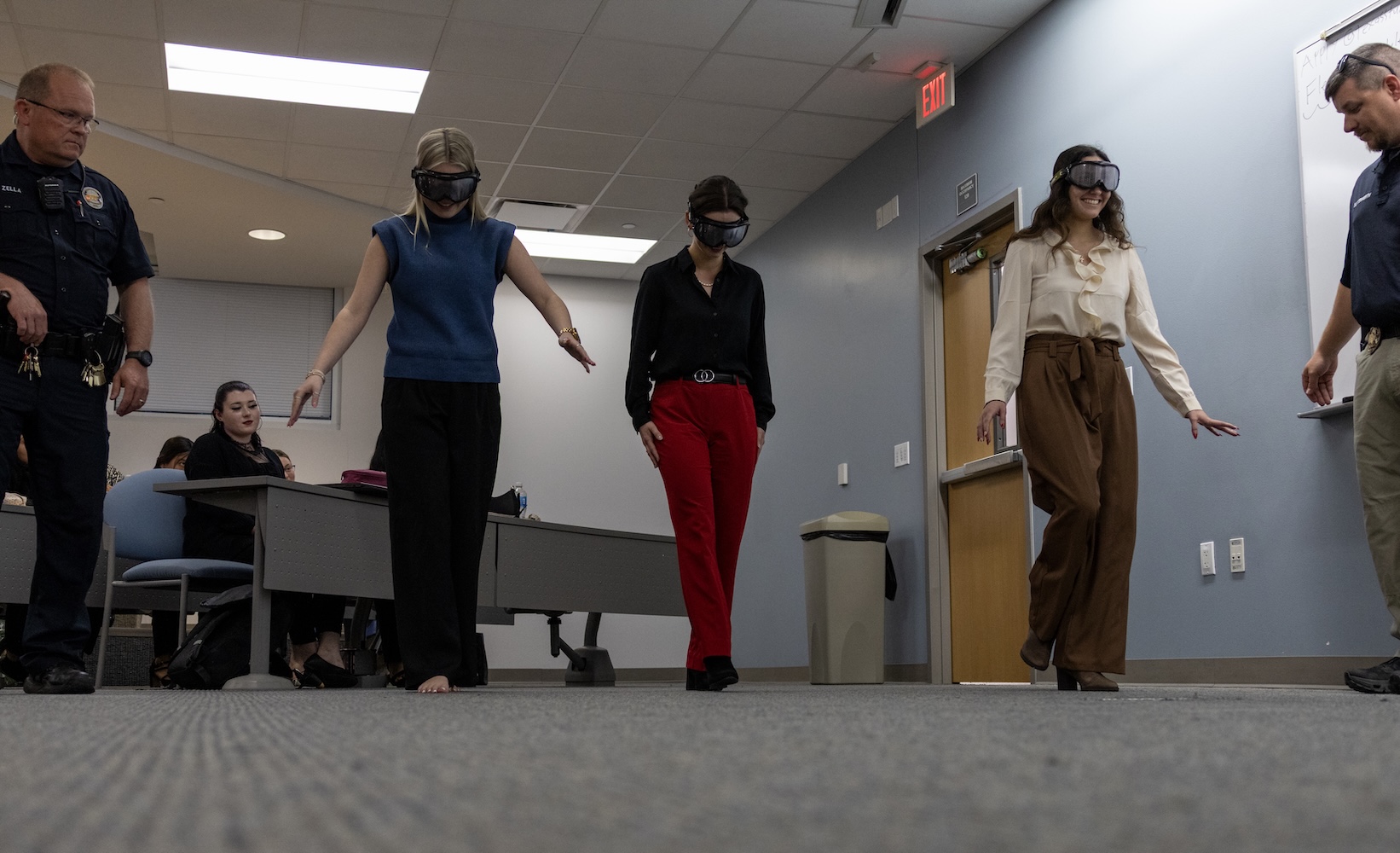
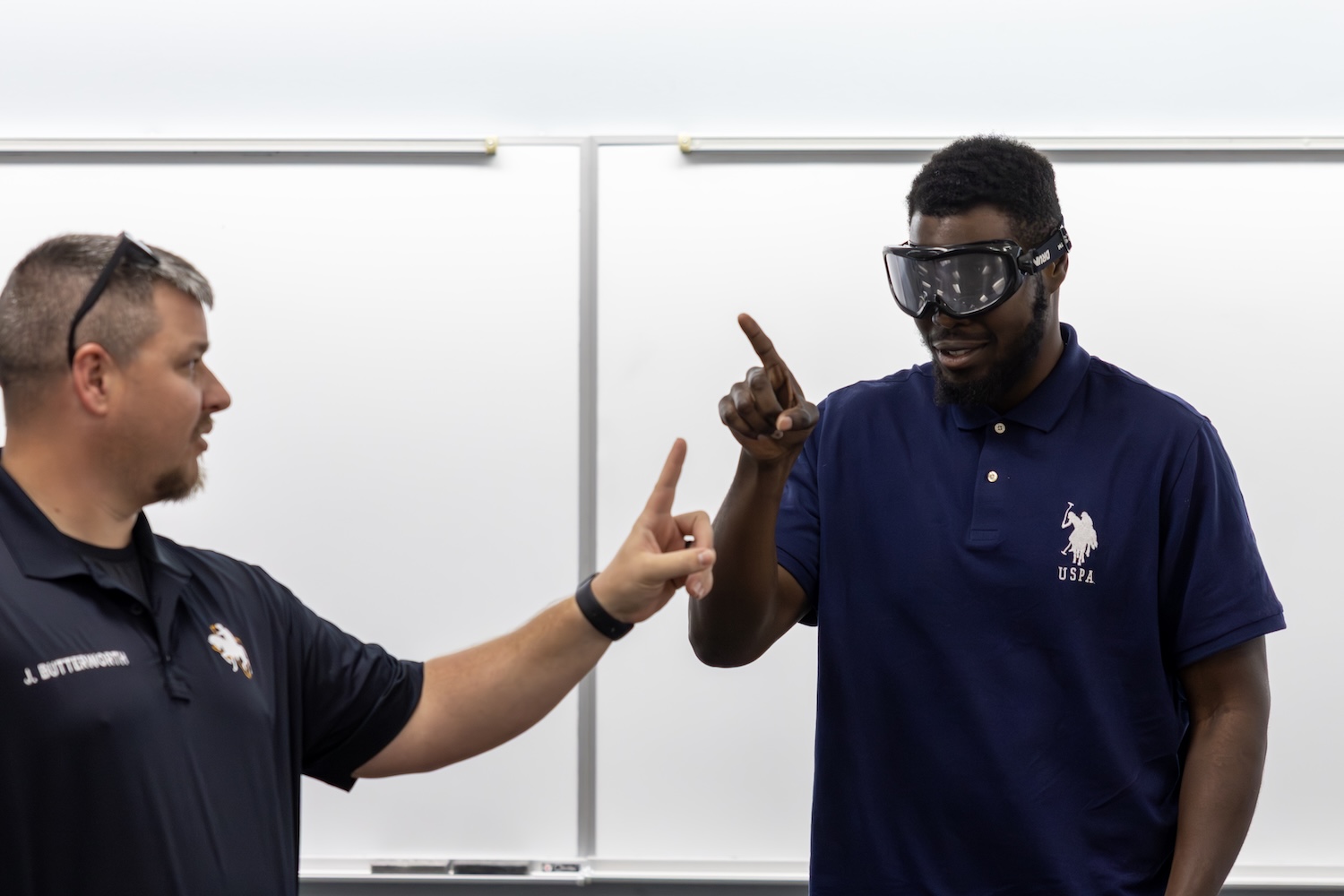
For those that don’t consider themselves a danger after drinking or smoking weed, their performances with “drunk goggles” and “cannabis goggles” suggests otherwise, although Michelle Moya (POLS 4334) and Robin Houghton (POLS 2306) did suspiciously well on the walk-and-turn sobriety tests. Other students didn’t perform quite as well on simple sobriety tests.

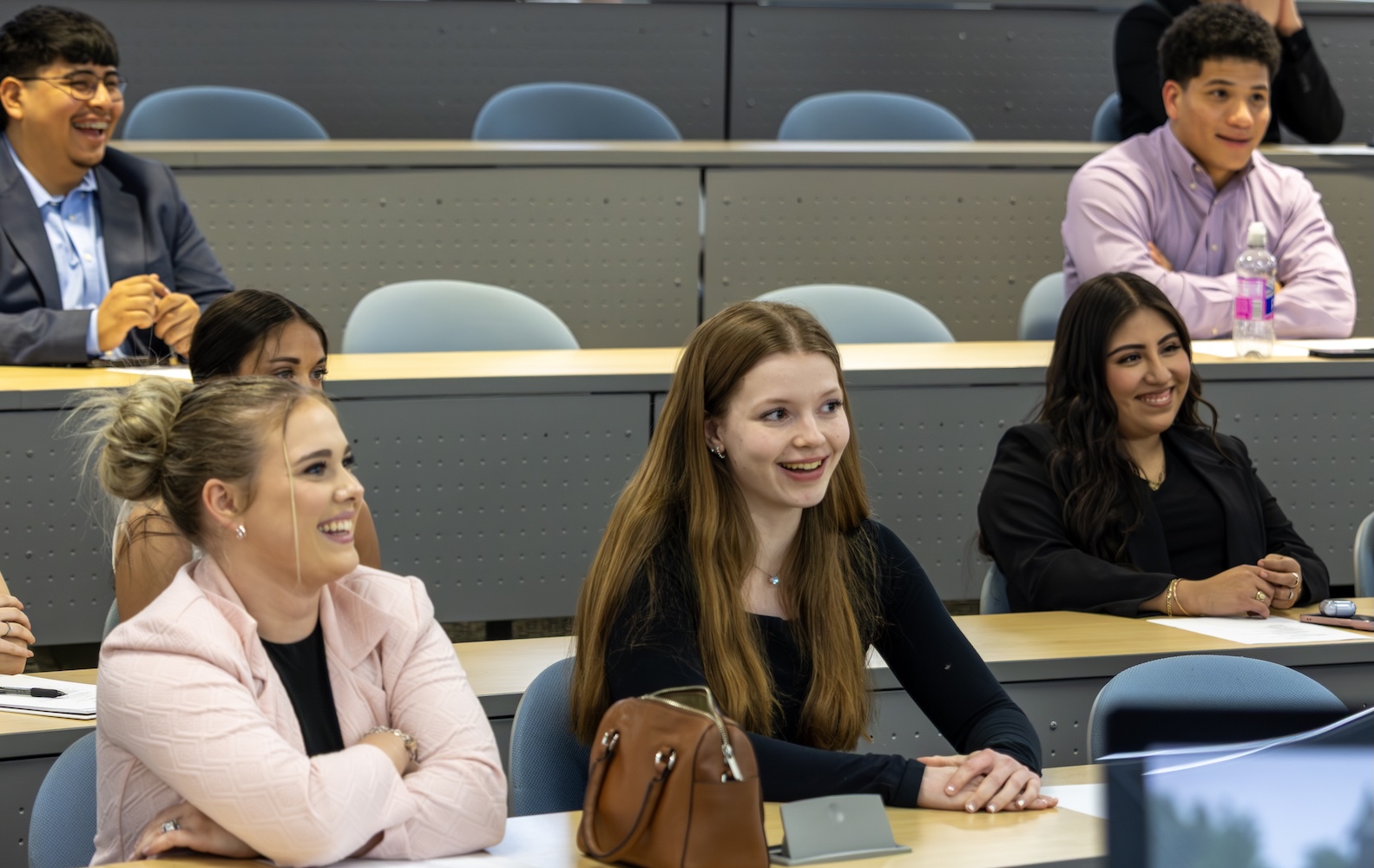
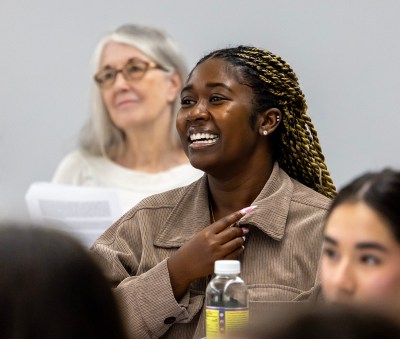
In two 75-minute sessions, Butterworth and Zella effectively reached out to more than 200 students, improving community relations, increasing mutual understanding, and leaving a lot of students laughing.

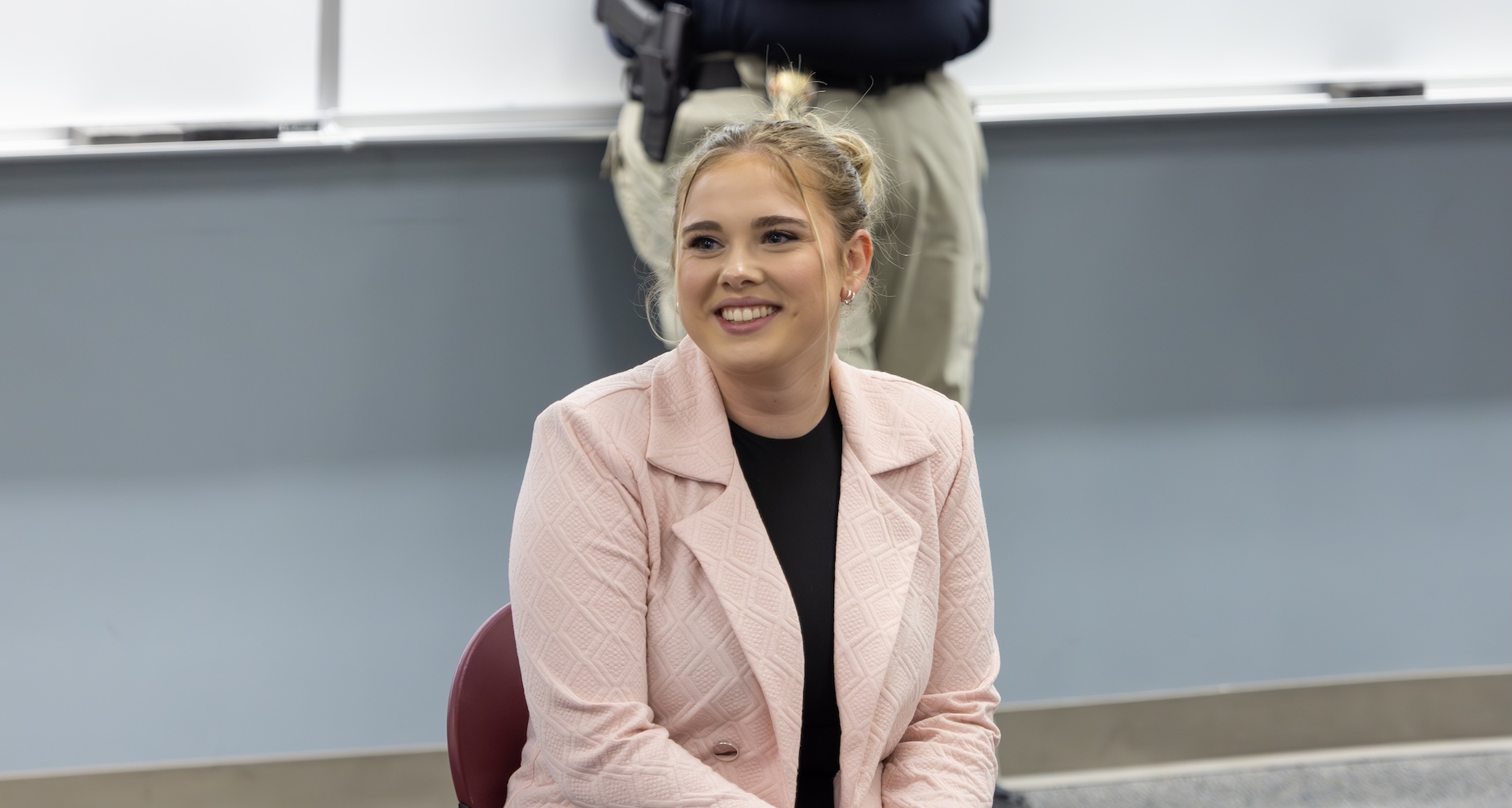
Many thanks to Kimani Vercher, Jamya Wright, Robin Houghton, Gus Stephens, Jose Carreno, Audry Brysch, Jack Robinson, Isaac Mokrane, Charlotte Olivares, Hailey Arsham, Michelle Moya, Niya Thompson, and Kevon Paire for being good sports.

To see how the POLS 2306 students performed, see the video below.

To see how the POLS 4334 students performed, see the video below.

Unknown's avatarAuthor mikeyawnPosted on December 2, 2025November 23, 2025Format AsideCategories Civic Engagement, Criminal Justice, EducationTags Center for Law Engagement And Politics, Jeffrey Butterworth, LEAP Center, POLS 2306, POLS 4334, Professor Mike Yawn, Sam Houston State University, Scott ZellaLeave a comment on Improving Police Encounters through Experiential Education

Celebrating Citizenship and Community: A Launch to the Next Chapter at The Woodlands Center

After months of anticipation and careful planning, we opened the doors to our Citizenship Celebration at The Woodlands Center–an evening that marked not just a milestone, but the launch of an exciting new chapter for our existing citizenship program.

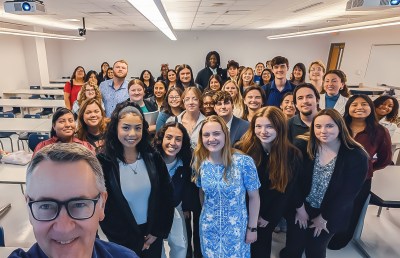
The celebration brought together naturalized citizens, aspiring citizens, LEAP friends and alumni, all united by a shared support for those on their journey toward citizenship and the program.

What began in 2008 as a local initiative in Walker County has grown far beyond its original scope. Thanks to National Partnership for New Americans, the program now reaches into Montgomery County, creating new connections and expanding the community in meaningful ways.

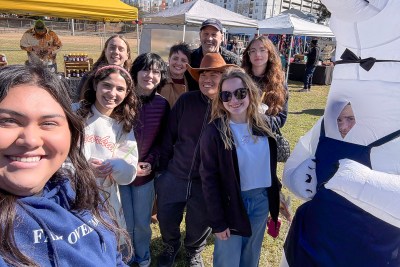
One of the many goals for this celebration was to ensure every guest left with a meaningful takeaway. This is always easier when everyone shares a common purpose. For us, this growth brought new connections in the Montgomery area, including volunteers from Caney Creek High School…

…who joined SHSU students to create a welcoming, vibrant atmosphere for the guests as they arrive.

As guests arrived, they settled in with plates of delicious food–empanadas, beef satay, ceviche, and an array of other cultural dishes–setting the stage for an evening of culture and connections. The room itself was beautifully decorated with a patriotic theme symbolizing the civic pride and sense of belonging that come with citizenship.

The ceremony began with Professor Yawn, who welcomed attendees and explained how LEAP’s citizenship program is expanding beyond Walker County.

The audience included familiar faces like Gregoria McGuire and Roxana Woychesin, former course participants, alongside eager newcomers ready to begin their journey.

LEAP alumni–Brian Aldaco, Bianca Saldierna, Ademide Adedokun, and Megan Chapa–also in attendance, perfectly timed to coincide with LEAP’s upcoming 20th anniversary celebration and the launch of new initiatives.

I then had the chance to offer my own words of welcome — thanking everyone for their incredible support and emphasizing that this event was truly a celebration for all: those who had been naturalized, those beginning the journey, and those supporting this civic milestone.

Then came the moment I’d been looking forward to — introducing Christina Sato, who so graciously agreed to share her journey and beautiful words with us. Christina Sato is an accomplished actress, singer, and University of Texas at Austin graduate who interned for former U.S. Senator Kay Bailey Hutchison and has built an impressive career bridging entertainment and public service.

Christina spoke beautifully about three important themes, with one particularly powerful message about the importance of an invitation…

…recalling that she first met Professor Yawn in an elevator, three years ago. That chance meeting, followed by some networking, led to the invitation to speak at this event.

She tied this concept perfectly to the crowd and their purpose, making everyone feel the significance of being present and being welcomed into community.

Her story was one of unexpected turns and beautiful detours. Sato shared how she began her career with aspirations in public service, only to find life taking her down different paths-through entertainment, through various roles and opportunities that she never initially imagined. Rather than viewing these changes as setbacks, she embraced them as part of life’s natural rhythm. Her journey wasn’t linear, and she owned that truth with grace and authenticity.

For the naturalized citizens in the room– many of whom had taken long, winding roads to reach that point–her story struck a personal note. For those still on their journey toward citizenship, her message offered hope, encouragement, and a reminder that every experience brings us closer to where we’re meant to be.


The evening then shifted to something wonderfully fun–Lotería! For those unfamiliar with this traditional game, it’s similar to bingo but with a uniquely cultural twist.

We played a couple of rounds, giving away prizes to lucky winners throughout the evening, with the help of volunteers Andrea Torres, Olivia Discon, and Laura Juarez Ordonez.

It was a beautiful reminder that while we gather for serious purposes – citizenship, community, growth – we also come together to celebrate, to play, and to enjoy each other’s company.

As the celebration concluded, we announced the next phase of our program: our Spring 2026 Citizenship Course. This course will be held on April 2nd, 9th, 16th, 23rd, and 30th at The Woodlands Center, to support immigrants as they work toward their citizenship, providing the resources, guidance, and encouragement they need to succeed.

A heartfelt thank-you to everyone who made this evening possible: the volunteers and LEAP alumni whose ongoing support sustains the program, Christina Sato for generously sharing her time, inspiring story, and wisdom, and most importantly, the naturalized citizens and immigrants whose journeys continue to inspire this program and remind us of why it initially started.

Here’s to the journey ahead–and to all the events yet to come!

For more information about LEAP’s citizenship program or our upcoming Spring course, email Professor Mike Yawn at mikeyawn@shsu.edu.

Unknown's avatarAuthor mikeyawnPosted on November 14, 2025November 14, 2025Format AsideCategories Civic Engagement, Civil Rights, Education, International Affairs, Law, Politics, VolunteerTags Center for Law Engagement And Politics, Citizenship, Immigration, Naturalization, Pre-Law Society, Sam Houston State UniversityLeave a comment on Celebrating Citizenship and Community: A Launch to the Next Chapter at The Woodlands Center

Connecting with Global Leaders: LEAP at the Jesse H. Jones Awards Luncheon 

Over the course of the year, the World Affairs Council brings in approximately 100 speakers in their mission to promote a “better understanding of the world.” This makes for busy day-to-day operations, but their workload is amplified once a year, when they host the Jones Luncheon and present the “Jones Award” for International Citizen of the Year. This year, with speakers such as Ambassador Mark Satterfield, author Daniel Yergin, and Bruce Neimeyer, they awarded their “International Citizen of the Year” Award to Michael Wirth, CEO of Chevron.

LEAP Students were sufficiently fortunate to attend, leaving at 8:15am from Huntsville for Houston…

…and volunteering with check-in and some basic set-up, while also continuing to benefit from the World Affairs Council’s extensive generosity to students. For us, this was another learning opportunity, folded into a volunteer opportunity as a bonus.

Ten LEAP students attended, helping as needed. Volunteers greeted guests at the entrance, distributed name tags, managed sign-ins, and assisted with table assignments, while others welcomed VIP members to their private lounge. Their professionalism and enthusiasm reflected LEAP’s continued commitment to civic engagement and hands-on learning experiences. 

The awards ceremony featured a three-course meal.

…followed by remarks by many of our favorite people: the World Affairs Council Staff: CEO Maryanne Maldonado…

…the “International Citizen of the Year” Award Winner Wirth…

…Chief Programs Officer Ronan O’Malley…

… Chief Advancement Officer Sandija Bayot…

…Director of Programs Jahan Jafarpour…

…Director of Education Ethan Eyre…

…Data Analytics and Engagement Coordinator Eli Quezada…

…and local luminaries…

…and we also had the chance to work with Leo Scarparo, Maria Guarache, Cheri Rocha, and David Dennis, making it an enjoyable experience for us all.

Author and energy expert Daniel Yergin moderated a discussion with CEO Wirth, and the two discussed extensively the massive changes in the energy sector over the past forty years.

And even with these changes, eighty percent of all energy is derived from fossil fuels, which remain the most affordable and accessible sources of energy. And Texas, as it turns out, is the country’s largest producer of gasoline and natural gas–about twice as much as Florida or Pennsylvania, which rank second in the nation.

Following the moderated discussion, the World Affairs Council staff presented their “Global Leader Awards”–recognizing leaders in various contributions of international relations. With as many WAC events as we attend, it’s no surprise that we knew some of the winners, and it was nice to see some of our friends such as Emilio Armstrong be recognized for their good works.

While the main ceremony was wrapping up, the students had a chance to visit with Bruce Neimeyer, President of Shale Exploration with Chevron, discussed career opportunities in the industry, energy, and a general discussion of energy making. The students were well prepared, and we had an opportunity to see the students of Eric Tanner at Caney Creek High School, with whom we are partnering on a major project over the next year!

The key takeaway of this segment was that key skills can aid individuals in career diversity, allowing them to learn and grow, moving in different directions. Being open to opportunities and challenges was a key theme in the overall program, and a rewarding one for students who are seeking to understand themselves and others.

For most LEAP students, this was their first time attending the Jesse H. Jones Awards Luncheon. Regardless of experience, all agreed it was an inspiring and rewarding day; one that strengthened their understanding of global affairs and reaffirmed LEAP’s mission to connect students with leaders shaping the future.


Unknown's avatarAuthor mikeyawnPosted on October 21, 2025October 20, 2025Format AsideCategories Civic Engagement, Education, International Affairs, VolunteerTags Ambassador Mark Satterfield, Bruce Niemeyer, Center for Law Engagement And Politics, LEAP Center, Michael Wirth, Sam Houston State UniversityLeave a comment on Connecting with Global Leaders: LEAP at the Jesse H. Jones Awards Luncheon 

Bridging Military and Civilian Divides: Lessons from Admiral Kirby and the World Affairs Council

One of the most valuable aspects of the LEAP experience is the chance to learn from leaders who have dedicated their lives to public service. The World Affairs Council regularly provides such opportunities, and at the Royal Sonesta in Houston, we had the privilege of hearing from Admiral John Kirby.

Admiral Kirby began his career in the United States Navy as a Public Affairs Officer, which eventually led him to serve as Press Secretary for the Pentagon and later as Coordinator for Strategic Communications at the National Security Council. Having worked under both the Obama and Biden administrations, Admiral Kirby has long been at the center of national security, communications, and public affairs.

The evening’s conversation, emceed by Sandiya Bayot…

…and introduced by WAC Board Chair Ken Tubman (President of PPA Resources)…

…and moderated by our good friend Ronan O’Malley, touched on a wide range of issues: foreign affairs with superpower nations, military missions and operations, the role of the media, and the importance of sharing information responsibly.

One of Admiral Kirby’s first reflections was on the difficulty of his role: explaining tough decisions to the American people. He emphasized that while he could not alter the facts or decisions already made, his responsibility was to provide clarity about why those decisions were in the nation’s best interest and how different choices might have carried heavier consequences.

On military matters, Admiral Kirby spoke about the Russia-Ukraine conflict, Afghanistan, and broader concerns about military culture. Regarding Russia, he explained how U.S. intelligence delayed some of Vladimir Putin’s plans and stressed the importance of declassifying information when possible. By making certain intelligence public, the U.S. can share insights with allies and citizens without compromising sources.

Reflecting on Afghanistan, he noted how the Vietnam War left a strained relationship between the press and the military. Later, steps were taken to rebuild trust, such as embedding reporters with platoons during the Bush administration. This gave journalists firsthand experience and allowed them to write more accurate, informed accounts for the American people.

Even with these improvements, Admiral Kirby expressed concern that military service is increasingly becoming “a family business,” passed down through generations. While traditions of service are admirable, he worries this could widen the divide between those who serve and the broader public. For him, bridging that gap remains essential.

A recurring theme throughout the evening was the power of stories and information. Admiral Kirby explained that every story matters, and sharing them connects the military to the people it serves. Stories, he said, keep the world turning.

The conversation then turned toward media and technology. Admiral Kirby noted that while the rapid spread of information makes misinformation difficult to contain, it also provides powerful opportunities when used correctly. He drew comparisons across history: President Kennedy mastering live television, Roosevelt using photography, and Lincoln embracing the telegraph. For today’s leaders, the revolutionizing force is technology and social media, and Admiral Kirby stressed the importance of adapting to it.

One of his most powerful points was that, regardless of political party, Americans ultimately want “information, not confirmation.” Rational decision-making, he reminded us, depends on honest, clear information.

On a personal note, I had the chance to meet Admiral Kirby before the event. As we arranged for a group photo, he asked me about my studies and future goals. When I shared that I wanted to become an attorney and later involve myself in politics, he responded with a smile: “You’ve got it, go get ’em!” 

That moment reflected what made the entire evening so meaningful. Admiral Kirby has a rare ability to connect with people, whether addressing an audience of hundreds or speaking one-on-one. His insights were powerful, but it was his ability to inspire and make each person feel included in the conversation that left a lasting impression.

This event will remain one of my favorites from the World Affairs Council.

Unknown's avatarAuthor mikeyawnPosted on September 29, 2025Format AsideCategories Civic Engagement, Education, International Affirs, PoliticsTags Admiral John Kirby, Center for Law Engagement And Politics, LEAP Ambassadors, LEAP Center, Ronan O'Malley, Sam Houston State University, World Affairs Council HoustonLeave a comment on Bridging Military and Civilian Divides: Lessons from Admiral Kirby and the World Affairs Council

LEAPing into College: A Freshman’s Take on the LEAP Program

By Allison Plunk

Being a part of the LEAP program isn’t just about preparing for a career in law –it’s about learning to see the world through a new lens. I came to understand this during a presentation in Professor Yawn’s UNIV 1101 Pre-Law class, where LEAP Ambassadors Olivia McCaughan and Michelle Moya outlined the program and highlighted the wide range of opportunities it offers.

Through LEAP, students gain access to experiences that prepare them for the future—ranging from civic engagement, like volunteering at the Main Street Program’s Scare on the Square (which I look forward to participating in this October), to hearing from special guest speakers, to interning in Washington, D.C., Austin, and local government. I was especially delighted to learn that LEAP is not limited to students pursuing law school, but is open to anyone interested in making a difference in their community through civic work. LEAP members don’t volunteer to meet a quota, but rather to get involved in ways that are meaningful, impactful, and connected to their communities.

My first-year experience has also been shaped by UNIV 1101, a pre-law course designed to introduce students to the field. Professor Yawn’s daily quizzes extend a vast array of subjects, from LSAT prep to Emotional Intelligence to LEAP Ambassadors Olivia Discon and Michelle Moya’s Parasailing trip. True to law school style, at the end of each short quiz, students are called on to announce their answers to the class! On a whole, Univ 1101 has proven to be a very detail-oriented class, reminding our group of prospective lawyers the importance of every detail, even those that seem menial.

This focus on preparation carried into another highlight of my week: attending my first Pre-Law Society meeting alongside several of my UNIV 1101 classmates. We learned about several prospective law schools, including the University of Houston Law Center, South Texas College of Law, and Texas Tech Law, directly from their admissions representatives. We even received Pre-Law Society t-shirts, signifying our official place in the program! I also had the chance to meet our organization’s leaders as they reviewed the agenda and introduced our guest speakers.

As Michelle Moya explained, the Pre-Law Society is just one branch of the broader LEAP program. I’m eager to explore each branch throughout my four years at Sam Houston, confident that every experience—whether in the classroom, the community, or beyond—will bring me closer to the leader and lawyer I aspire to be.

Olivia McCaughan, Allison Plunk, and Michelle Moya

Unknown's avatarAuthor mikeyawnPosted on September 25, 2025September 25, 2025Format AsideCategories Civic Engagement, Education, Law, UncategorizedTags Center for Law Engagement And Politics, dailyprompt, dailyprompt-2071, LEAP, LEAP Ambassadors, LEAP Center, Sam Houston State University, SHSULeave a comment on LEAPing into College: A Freshman’s Take on the LEAP Program

Showing Up, Working Hard, and Embracing Continuous Learning: LEAP at the CSG

Having already learned a lot at the conference and on our own, we were ready for another day of educational excursions and events. Today’s itinerary included a plenary luncheon focused on challenges associated with the availability of primary care physicians, a site visit concerning education and workforce development, and a state dinner.

Primary Care Shortages and Challenges

by Olivia Discon

Over a lunch of fish, rice, and broccoli—quite healthy (well, mostly), might I add!—we enjoyed some good company, a brief award ceremony, and a rich educational opportunity to learn about medical care in the 21st century.

To begin, we were happy for Rep. Kevin Ryan of Montville, NJ, who received the W. Paul White State and Regional Leadership Award.

we enjoyed hearing from Senator Gustavo Rivera of New York, chair of the CSG East Health Policy Committee, who discussed the suboptimal supply of primary care physicians.

Just a generation ago, a primary care physician was a trusted source of care and advice. Today, however, many cities struggle with finding doctors who will accept sufficient numbers of insurance patients to make a real difference in their communities.

The keynote speaker, Joe Telano, senior policy manager at the Primary Care Development Corporation, laid out the problem.

The existence of quality primary care physicians in communities has been demonstrated to lengthen lives, but not enough communities have access to those physicians. In turn, this creates greater stress on specialized medicine, as patients are delayed in having serious issues diagnosed and referred. Moreover, the lack of primary care physicians adds to community health problems: increased likelihood of pandemics, more suffering from chronic diseases (e.g., diabetes), and even more gun violence.

Currently, only about 5-7 percent of health care expenditures go toward primary care, and a greater investment, according to Telano, is needed. Of course, this is only one part of a comprehensive plan. Other needed changes include: insurance regulations, grants for low-income communities, and a broader perspective of what constitutes “public health.”

Interestingly, part of this expanded view of public health could include education and workforce development…

Building Futures: Apprenticeship and Workforce Development

By Michelle Moya 

One of the conference highlights was the site visit for our Education and Workforce Development session, which a tour of Building Futures, Rhode Island’s premier pre-apprenticeship program. Olivia and I were joined by a diverse group of senators and representatives from across the country for what would become one of my favorite sessions.

Our visit began in the hands-on training space, where we witnessed day two of a five-week intensive course. The tour was led by Andrew Cortez, president of Building Futures and a former apprentice himself, who shared insight into what the program is and what makes it effective.

Building Futures connects community residents to registered apprenticeship opportunities in the building trades. The program has a dual mission: preparing individuals for apprenticeships through training and readiness while also partnering with project owners to require apprentice participation in construction. This two-pronged approach ensures both workforce preparation and job placement.

Cortez emphasized that success in the trades depends on three essentials: showing up every day on time, working hard, and applying yourself to learn. Technical skills matter, but they rest on these fundamental values of reliability, perseverance, and a willingness to grow. As a student, I found this surprisingly inspiring. It reminded me that success in any field—whether in school or in a career—often comes down to those same habits. Technical skills can be taught, but without consistency and the right attitude, it’s hard to succeed anywhere.

From the active training floor, we transitioned to a classroom setting where our group of legislators and workforce development professionals gathered around tables for a deeper conversation about the program. A highlight of our roundtable was learning about recent legislation that allows apprenticeship pathways to count toward college credit in Rhode Island. Senator Hanna Gallo, who helped lead this effort, joined us for the discussion, along with Matt Weldon, Director of the Department of Labor and Training.

The program’s impact became tangible through the graduates who shared their stories with us. Vennicia Kingston, who transitioned from banking to carpentry, now owns Eagle Eye Construction Services and employs multiple Building Futures alumni—a great example of how networking creates a cycle of opportunity. Another graduate shared how, just months after incarceration, he not only completed his apprenticeship but also bought his first home and eventually built his own million-dollar construction company.

These transformations illustrate what Cortez stressed throughout our visit: the most valuable skills are consistency, work ethic, and a learning mindset. This philosophy mirrors the character development emphasized in LEAP, where academic and career success are built on the foundation of personal responsibility and values.

As we concluded our tour and roundtable discussion, one lesson stood out clearly: good students and successful professionals are people who show up, work hard, and embrace continuous learning. This blend of character and skill creates pathways to both personal transformation and economic opportunity—lessons we will carry forward as we pursue our future goals. 

State Dinner

by Olivia Discon

The conference concluded with the State Dinner, the most formal event of the conference, where we dined with some of the event organizers, an event photographer, as well as some fellow southerners. Senator Walter Michel–whom we had lunch with–and his wife, Laura, joined us for a nice meal and delightful conversation.

We also had a chance to see the host committee, who spent years planning for this event, be recognized.

The main event, however, was the meal, which featured a three-course meal including a beef entrée, asparagus, and potatoes as its main course, along with a salad and a scrumptious dessert (Chocolate Mousse).

In the background wafted the swing beat of Sinatra tunes, performed by Michael Dutra: “Simply Sinatra.”

We shared stories about our visits to waterfalls in North Carolina, where one of the event organizers is from, to challenges faced by the Mississippi Legislature, to the decreasing importance of ISO in modern cameras. It was a wonderful way to cap our evening programs at the Council of State Governments–East.

Unknown's avatarAuthor mikeyawnPosted on August 29, 2025August 29, 2025Format AsideCategories Civic Engagement, Education, Law, Local Government, Public Administration, TravelTags Center for Law Engagement And Politics, LEAP Ambassadors, LEAP Center, Providence Rhode Island, Sam Houston State University, SHSULeave a comment on Showing Up, Working Hard, and Embracing Continuous Learning: LEAP at the CSG

A Sense-Sational Day in the Ocean State

It was a day to remember: we had already luxuriated in the extravagance of the Newport Mansions; enjoyed the sun, the wind, and the rush of parasailing. And still we had much to do. We wanted to spend a little time on the beach on Aquindeck Island, seeing wildlife and enjoying the coastal breeze; trying some of Rhode Island’s tastier dinner spots; and witnessing first-hand the famed installation art Waterfire.

Aquindeck Island

You might be forgiven if you think that Rhode Island is surrounded by water. That is, after all, the definition of an island. But the state of Rhode Island isn’t an island. Originally, Rhode Island consisted of settlements such as Newport and Portsmouth, which are, in fact, on an island, plus the territory on the mainland (Providence). This, then, is the Rhode Island in the State’s name, which was technically, “Rhode Island and the Providence Plantations.”

No one, however, used the full name of the island. Still, the State stuck with “Rhode Island and the Providence Plantations” for some 300 years, only changing its name officially in 2020.

Nonetheless, Rhode Islanders do have quick access to the shore; in fact, by our calculations, everyone in the state can get to the ocean or a bay in less than 35 minutes. It may not be an island, but it can fairly call itself “The Ocean State.”

Accordingly, as part of our Rhode Island explorations, we spent considerable time alternating between land and sea–and, as we noted in our prior blog, the air.


But we also wanted a closer, more tactile feel of the Rhode Island Coastline. So we drove along Ocean Drive, walking on the rocks; traipsing along the shore, where the wet waves tickled our feet; and overall gaining a different sensory perspective of Rhode Island.

We saw more evidence of the wealth that populates the coastline…

…and we observed and listened to some of the coastal wildlife.

It was, as the photos attest, a very different experience than the beaches with which we were familiar (e.g., Galveston).

All this touring, parasailing, beachcombing, and wildlife watching helped us build up a hunger, which made (most of) us think of seafood. To that end, we researched restaurants en route to our evening conference destination, and we found Track 15, a food court on the river.

Track 15

What kind of dining establishment, you ask, is named “Track 15?” In this case, it is a dining destination at the former Union Station (1898), which housed 14 separate railroad tracks. The food court, then, is an extension of a key transportation hub in Providence’s history, the 15th Track.

The 15th Track doubles as a “third place,” a place that brings people together while also allowing the past and present to intermingle. The restaurants are adjacent to Providence’s Waterplace Park, an urban park where the land and sea merge and people gather, coming together. Even the experience of dining is reimagined, bringing the past to the present: some of the eating establishments offer menus in the shape of arrival/departure boards of the old railroad stations; and the table tops on which we and others ate were made from wood recycled from the old rail cars.

True to Rhode Island’s proximity to the sea, we enjoyed an excellent (small) seafood platter (clams, mussels and shrimp), fish, and a lobster roll.

But we mixed it up a bit, and we also tried some pasta; true to the spirit of being in a former transportation hub, we also wanted some food more common to other places.

The food was excellent. The pasta was hand-rolled and featured subtle flavors that came together just right. The lobster was creamy and fluffy; the fish buttery and flaky; and the seafood platter a surprising variety of flavors: the clams were sweet and light; the mussels more tender and briny; and the oysters clean and less salty than one would imagine.

We also enjoyed the people watching. There is both indoor and outdoor seating, and the latter features games, versatile seating, and alcoves. People played cornhole; mothers danced and laughed with daughters; and others just relaxed and listened, delighting in the nice weather.

Following this enjoyable sensory experience, we ambled on to our next stop, Waterplace Park.

Waterfire

To end our day, we attended a reception in downtown Providence organized for us by the Council of State Governments and operated by WaterFire , a nonprofit dedicated to revitalizing city life through visual and performance art.

We set up stations and split into two groups to capture different photos and videos of the evening. Hundreds of people were in attendance, including legislators, conference participants, local residents, and passersby.

As the crowd filled the beautiful space, the event began with a ceremonial gong. An eclectic playlist emanated from speakers in the park. Myriad musical styles were represented: African, Latino, 60s Rock, Classical, Rap, and Alt-Contemporary. The music was selected consciously, offering a global scope to the ceremony, reflecting the goal of bringing people together.

The installation sculpture incorporates the world’s four elements. humans sit on the earth surrounding the water. The Fire Dancer enters…

…while fire starters and fire tenders light logs on fire, and as the wind sweeps along the river, sparks fly in the air.

Conceived as performance art, the ceremony is multi-sensory: the sound of the music, the touch of the wind and the heat on the skin, the smell of the fire, and, of course, the visual spectacle of a fire coming forth from water.

The event was effective in stimulating our senses, while also playing with our expectations. What we all agreed on was that it was a thought-provoking and interesting event that brought strangers and friends together while highlighting the beauty of Providence, Rhode Island.

It was a sense-sational way to end a full day in Providence, Rhode Island.

Unknown's avatarAuthor mikeyawnPosted on August 24, 2025Format AsideCategories Art, Civic Engagement, Education, Food, History, TravelTags Center for Law Engagement And Politics, Council of State Governments East, CSG, LEAP Ambassadors, Newport Rhode Island, Providence Rhode Island, Sam Houston State University, Track 15, WaterfireLeave a comment on A Sense-Sational Day in the Ocean State

Dispatches from the East Coast

When you wake up in Boston, and you need to be at a conference in Providence, Rhode Island, there is some driving to do. Fortunately, there are some things to see in between the two cities, and LEAP specializes in exploiting targets of opportunity.

To tackle an early morning with history, some human energy is required. This came in the form of a rare stop at a chain: Dunkin’ Donuts. But not just any Dunkin’ Donuts–the first-ever Dunkin’, which was founded in Quincy, MA, in 1950. Originally, it was “Open Kettle,” but the owner, William Rosenberg, noticed that his customers often dunked the donuts (5 cents) in the coffee (10 cents), and a new brand was born. It was this history–the 75th anniversary of which is being celebrated this year–that prompted LEAP to break its no-chain guideline.

Quincy, MA is known as “The Birthplace of Presidents.” Indeed, the town meets the plural requirement because both John Adams and his son, John Quincy Adams, were born there. If you are feeling generous, you could also allow Quincy to claim John Hancock, who is most famous for signing the Declaration of Independence, but who also served as President of the Continental Congress.

But the city’s most defensible claim is being the home of the two Adamses, and their both homes are side-by-side in a residential area. John Adams’ birth home dates from 1735, although some of the lumber used to make the house dates back to the 1670s, apparently recycled from another structure. John Quincy Adams was born next door in a home that dates back to 1717. John Quincy, however, did not arrive there until 1767, when he was born on July 11. The family would live in this house until 1783.

Interestingly, the property consists of 11 structures in all, one of which was built on order from John Quincy Adams’ will, which funded the construction of a stone library. This library, completed in 1870 and made of stone to prevent fire, holds Adams’ 14,000 books (in twelve languages).

Feeling suitably dispirited about our own reading habits, we moseyed south to what Trip Advisor raters ranked as the “most disappointing attraction in the United States”: Plymouth Rock. Trip Advisor clickers aren’t known for their taste, but they have a point. The rock is a small boulder that sits on the shore of Plymouth Bay. It is caged off.

It’s a disappointing rock, but in fairness, it has been treated poorly over the years, and it probably feels a bit vengeful. Across the centuries, it was painted with the numerals “1620”. When that proved unsuitable, someone decided to chip the numerals 1620 into the rock itself. People have stolen fragments from it, reducing it in size. At another point, town leaders decided to move the rock, and in doing so they broke it. Part of it was buried, which is probably the best thing for it in terms of safety. The rock is now approximately a third of the size it was originally, or so it is believed, but who knows?

Learning from Legislators

For our first day at the CSG East Conference, we split up so that we could learn directly on those topics most relevant to us, but also learn from each other in after-the-fact debriefings.

One of the key topics we explored was education, and the importance of early childhood education in children’s later development. Panelists Caroline O’Neal (CEO, Reading Assist), CT Representative Kate Farrar, Quebec Assemblywoman Marie-Belle Gendron, and RI Senator Hanna Gallo shared their experiences fighting for education for all pre-k children.

There was not a lot of ideological diversity on the panel, and as might be expected, there was a lot of agreement. All panelists agreed that the early years, when brain development is occurring most rapidly, are the most important. Living in a healthy, vocabulary-rich environment helps children reach their potential.

What was less clear was how to achieve healthy, vocabulary-rich environments for all children. Some states rely on home visits, where social workers (often health care professionals) visit the homes and provide resources to the parents, if requested. The panel was generally in agreement that Pre-K professionals should be paid the same amount and given the same respect as K-12 teachers, although little evidence was discussed to indicate that this would increase outcomes.

Perhaps most intriguingly, Representative Farrar mentioned the “Sparkler” app which parents can download and learn about developmental milestones from the ages of two months to five years. Not only does the app offer activities that can help families achieve those milestones, it also provides informational resources to parents when a child is underachieving.

Such an app is cheaper than most options, although it like many government programs, works best when families are motivated and educated. While the entire set of programs discussed are expensive, the panelists continued their unanimity in agreeing that the “cost of doing nothing,” which includes greater costs of government services and prisons, is prohibitive. And this made for a nice segue to our next session.

Criminal Justice Challenges for Youth

by Michelle Moya

One of LEAP’s core missions is cultivating well-informed professionals who can advance in their roles while gaining practical knowledge directly applicable to their work. Attending the Council of State Governments Eastern Regional Conference exemplified this mission, providing me with valuable insights that will strengthen my work for State Representative Trey Wharton and knowledge I look forward to bringing back to Texas.

On the first day of the conference, our second session was the roundtable on Emerging Criminal and Youth Justice Challenges in the Eastern Region. The discussion featured legislators from Maine, New Hampshire, Maryland, Delaware, Massachusetts, Vermont, and Rhode Island–including Representative Mary Ann Shallcross Smith, whom we had met in an earlier session…

…as well as policy analysts from New Jersey and Texas and advocates from organizations such as Casey Family Programs.

The roundtable discussion was guided by three central questions. The first asked legislators to share their most pressing challenges. New Hampshire identified the fentanyl epidemic as its greatest concern, fueling homelessness and repeated system involvement without sustainable solutions. Maryland reported rising juvenile crime rates and overcrowded facilities, disproportionately affecting minority communities. Maine emphasized inadequate behavioral health services that leave youth in correctional facilities when what they truly need is treatment. Rhode Island lawmakers described this pattern as the “criminalization door,” where children with mental health needs must go through law enforcement before receiving help, creating trauma and leaving permanent records for youth who need care, not punishment.

The second question focused on effective approaches that have been implemented in their designated states. Maryland automatically assigns public defenders to juveniles upon arrest and has a comprehensive expungement system. Rhode Island cleared more than 40,000 records through automated expungement–both efficiently and under budget. While New Hampshire strengthened constitutional privacy protections by limiting surveillance data retention to 48 hours. Some states have also adopted juvenile hearing boards as diversion alternatives and replaced school resource officers with social workers. A shared belief was shared among many: legislation alone is not enough. Effective advocacy requires direct community engagement through measures like police ride-along and town halls. One interesting example was provided, where three police officers dispatched to address a seven-year-old who hit a teacher, an incident that could be resolved only by calling the child’s grandmother. It underscored how normal childhood behavior is increasingly treated as criminal.

Another significant concern was how media coverage and public perception often overshadow data in shaping policy. Legislators noted that sensational, negative stories drive public opinion, creating fear-based narratives that are difficult to counter, even when crime rates are declining. This makes it challenging to pass reforms supported by evidence but misaligned with public perception.

As someone working for a state legislator, I found the interstate exchange of ideas particularly valuable.

Learning how other states confront shared challenges not only provided insights that could inform Texas policy development but also broadened my perspective on issues in our state. 

Housing Development Through State-Municipal Cooperation

by Olivia Discon

The housing panel at the Eastern Regional Conference brought together leaders in community development from Massachusetts, New Jersey, and Connecticut to talk about how states can work with cities and towns to expand affordable housing. Noah Kazis from the University of Michigan set the stage, and then Chris Kluchman, Colleen Velez, and David Kooris walked through what their states are doing.

In Massachusetts, zoning reform has been a focus since the late 1960s. At that time, only about 7 percent of the housing stock was affordable. Today it is closer to 26 percent, with much of it located in Boston suburbs. One of the biggest tools is Chapter 40B, which allows developers to bypass some local restrictions if they include affordable units. If a town has not met the 10 percent threshold for affordability, the state can override local opposition. While effective, these kinds of requirements can also create problems. Market changes can make projects unaffordable, and strict zoning rules sometimes backfire. At the same time, the state has continued to push forward with new programs. The Healey-Driscoll administration, for example, has committed $20 million to support the creation of 4,000 new units, and more than 140 communities have now adopted multifamily zoning after initially resisting it as an unfunded mandate.

New Jersey has a long legal history in this area, dating back to its 1985 Fair Housing Act. That law created the Council on Affordable Housing, which enforces each municipality’s “fair share” of affordable units based on both local and regional needs.

Municipalities must adopt 10-year fair share plans, and the state also supports nonprofit developers through training modules on zoning, placemaking, and housing models. In addition, the Department of Community Affairs provides pre-development funding to help those organizations get projects off the ground.

Connecticut’s challenge is different. With no county governments, coordination across its 169 municipalities is difficult. The Connecticut Municipal Development Authority was created in 2019 to bridge gaps, especially around funding for housing and infrastructure. It can support a wide range of projects, from wastewater and transportation to downtown redevelopment. David Kooris, who leads the authority, described it as a carrots system, but noted that sometimes the carrot can also be used as a stick (or as he described, a “frozen carrot”). He also pushed back on the common complaint that state action takes away local control, calling it a myth. In his view, stronger partnerships actually expand what local governments are able to accomplish.

Across these states, the theme was clear. Subsidized housing alone will not solve the problem, and there is no single fix. Instead, states are using a portfolio of tools: zoning reforms, infrastructure funding, training, and impact fees to make sure developers help cover the cost of new growth. Rhode Island was noted as a positive example for requiring third-party reviews, which reduces the chance of corruption, but also as a cautionary case since reluctance to expand wastewater infrastructure has slowed housing development.

Energy: Utility Bills and Grid Investment

by Olivia Discon

The session on energy tackled another issue with both technical and political challenges: how to keep power reliable and affordable while demand keeps growing. The speakers were Rep. Chris Rabb from Pennsylvania, Asim Haque from PJM Interconnection, and Michael Downey and Sonia Griffen from the Energy Futures Initiative Foundation.

Haque explained how PJM works. It does not own any power plants or transmission lines, but instead manages the flow of electricity across multiple states, coordinating reliability, market operations, and regional planning. Reliability is the constant concern. One reason is the surge in data centers, which consume the equivalent of tens of thousands of homes each. Add to that residential growth, new manufacturing, and federal environmental rules, and the grid faces a supply and demand imbalance. Coal has largely been replaced by natural gas and nuclear, and renewables are growing quickly, but integrating them without disrupting the system is a challenge.

Downey and Griffen argued that the grid will need trillions of dollars in new transmission investment over the coming decades. The federal government cannot cover those costs alone, so policymakers will have to create the right financing structures to attract private capital. They also emphasized that building high-voltage regional transmission lines is far more cost effective than simply adding more low-voltage local lines. Texas was cited as an example of a state that invested heavily in transmission in the early 2000s and is now benefiting from it. Best practices include planning 20 years into the future, updating plans every five years, setting clear cost-allocation rules, and communicating transparently so that the public understands the value of new projects.

Rep. Rabb brought the political dimension into focus. Pennsylvania is one of the nation’s largest energy producers but does not have a strong legislative framework for energy policy. He has called for a standing committee in the House dedicated to energy and has introduced a short, two-page bill that would require utilities to explain how their votes within PJM benefit ratepayers. While simple, the bill has attracted bipartisan interest because it emphasizes accountability and transparency in a system that often feels opaque. Rabb noted that skepticism about utility rates and decision-making is widespread, and greater visibility into those processes could help rebuild trust.

The session made clear that rising demand from data centers and industry is not going away, and that reliability will require proactive investment in transmission. At the same time, policymakers are grappling with how to ensure that utilities and grid operators are accountable to the public.

Capitol Clam-Bake

With a long day of work and learning behind us, we headed to the beautiful Rhode Island State House…

…to enjoy an evening of food, music, and mixing. The staff of the CSG put together a feast for four hundred–with clams, mussels, lobsters…

…bread, cheeses, fruit, and corn.

Oh, and hot dogs for the kiddos.

After some time, we got our plates together…

…we sat back to listen to the music.

The music was performed by young adults, a group of recent Brown graduates who prefer to sing the music of old adults. Indeed, they were originally a Beach Boys Tribute Band, and they have recently branched out to other 60s-70s groups such as the Mamas and the Papas, the Beatles, The Four Tops, and others.

They were a spirited group and, at their best, had very nice harmonies.

They also had a great attitude, and their enthusiasm spilled into the crowd, who responded well to the music. Judging by crowd reaction, the favorite of the evening was Neil Diamond’s “Sweet Caroline,” which elicited much clapping, singing, and some dancing.

In these partisan times, it was good to see the Democrats and the (few) Republicans come together and bond over music.

Bipartisanship was also the theme of the night from the elected officials, who did a good job of being gracious and brief.

Senator Elgie Sims (Illinois) was particularly gracious in reminding legislators of the importance of civility–particularly in light of the shooting of Representative Melissa Hortman and her husband Mark Hortman and Senator John Hoffman and his wife, Yvette Hoffman.

It was a unifying way to end the remarks, and it is a good lesson for all to remember.

Concluding Thoughts

It’s not often that you can learn lessons in three separate towns in the same day. It’s even less often you can learn from a stop at Dunkin’ Donuts. But LEAP Ambassadors, with their resourcefulness (and love of coffee), found a way to learn in myriad ways, from diverse places, and from the generosity of policy experts who came together to share their knowledge.

Unknown's avatarAuthor mikeyawnPosted on August 20, 2025August 20, 2025Format AsideCategories Civic Engagement, Criminal Justice, EducationTags Center for Law Engagement And Politics, Council of State Governments, CSG East, LEAP Ambassadors, Providence Rhode Island, Sam Houston State UniversityLeave a comment on Dispatches from the East Coast

Posts pagination

Page 1 Page 2 Next page

LEAP Ambassadors Are Involved!

This slideshow requires JavaScript.

Follow Us On Facebook!

Follow Us On Facebook!

Catch Up With Us

  • Crafting for a Cause December 18, 2025
  • Exploring The Shining: A Kubrickian Journey December 15, 2025
  • Interactive Experiences at Asia Society Texas: A Student’s Perspective December 14, 2025
  • A Culinary and Artistic Journey Through Houston December 13, 2025
  • Alumni Insights: Jessica Rodriguez-Wahlquist Returns to LEAP December 11, 2025

Join The Conversation!

The Civic Leadership… on Foundational Activities of the…
The Civic Leadership… on The Philosophical Foundations…
LEAPing Into Action… on The Philosophical Foundations…
Jada Cook's avatarJada Cook on SHSU Students LEAP Across Five…
Reflections from the… on Kicking off the Semester Right…

Find Previous Posts

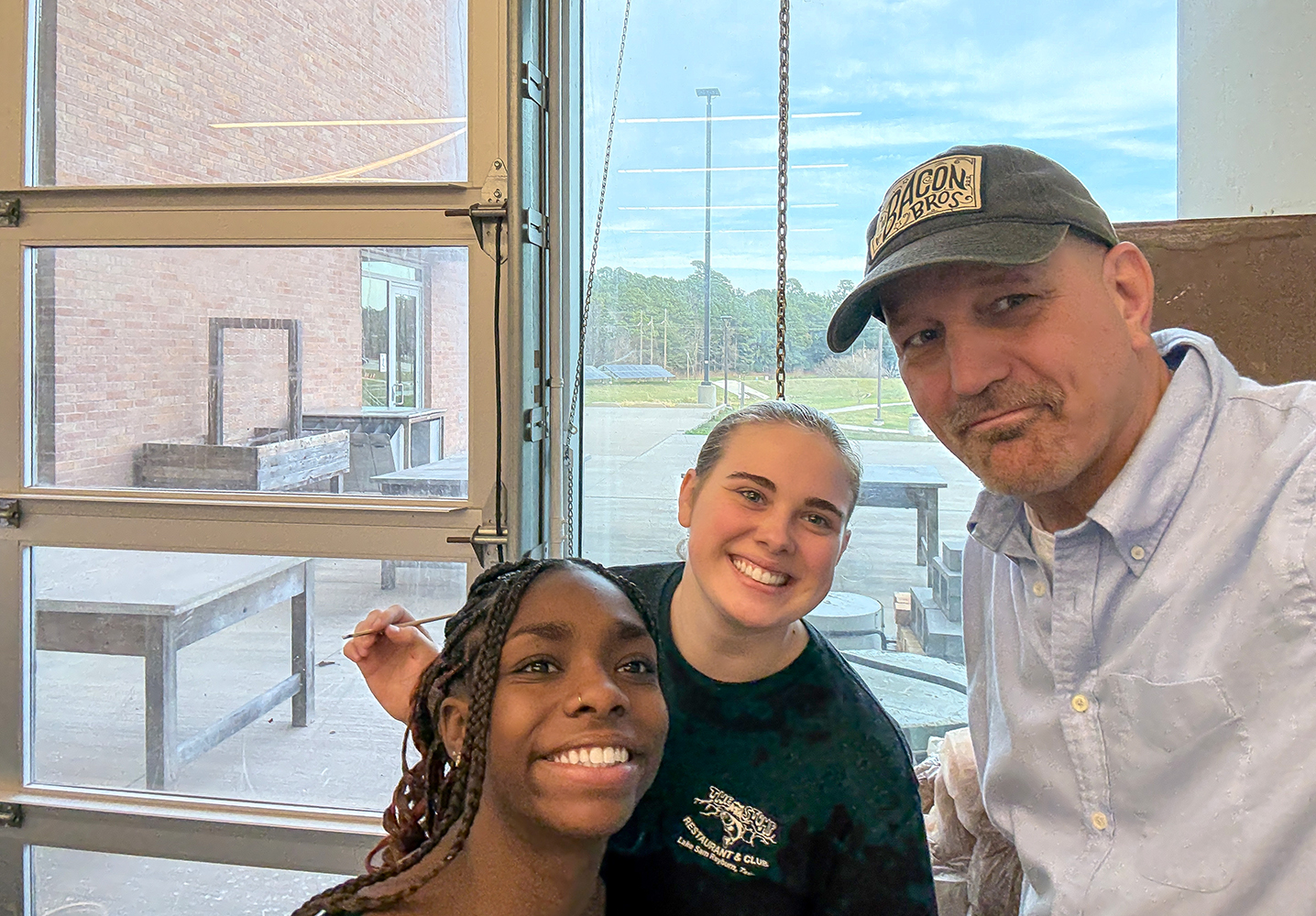
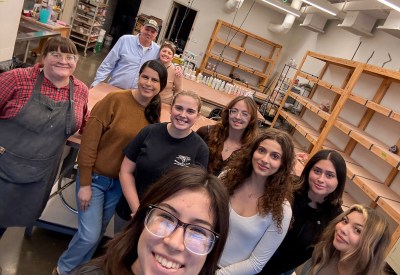
Many thanks to Professor Lauren Clay, who led a ceramics class for LEAP students. This effort promotes the arts while fighting food insecurity through the Empty Bowls program, benefitting Meals on Wheels.

We also have Twitter!

My Tweets

LEAPing Into LEARNing

This slideshow requires JavaScript.

  • About LEAP
  • LEAP Ambassadors
Center for Law, Engagement, and Politics Blog at WordPress.com.
  • Subscribe Subscribed
    • Center for Law, Engagement, and Politics
    • Join 486 other subscribers
    • Already have a WordPress.com account? Log in now.

    • Center for Law, Engagement, and Politics
    • Subscribe Subscribed
    • Sign up
    • Log in
    • Report this content
    • View site in Reader
    • Manage subscriptions
    • Collapse this bar
 

Loading Comments...