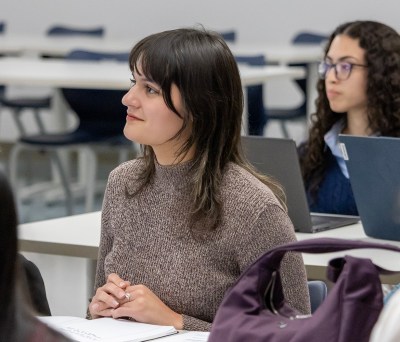
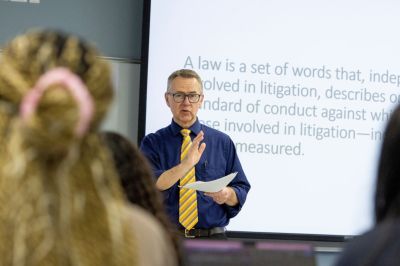
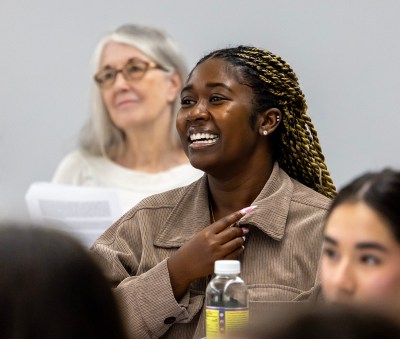
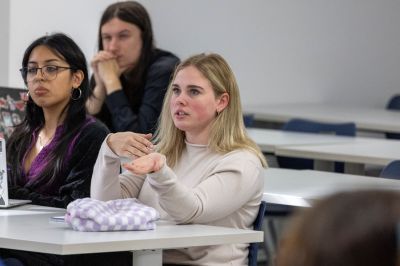
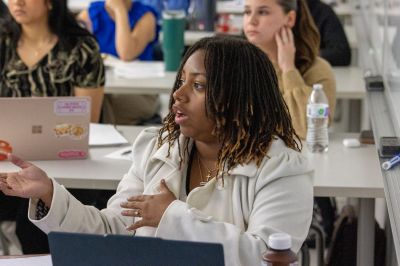
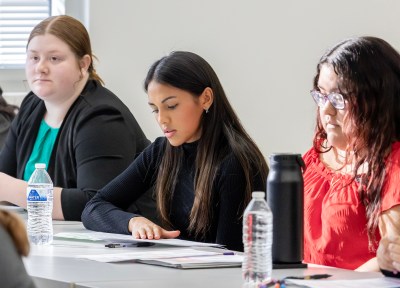
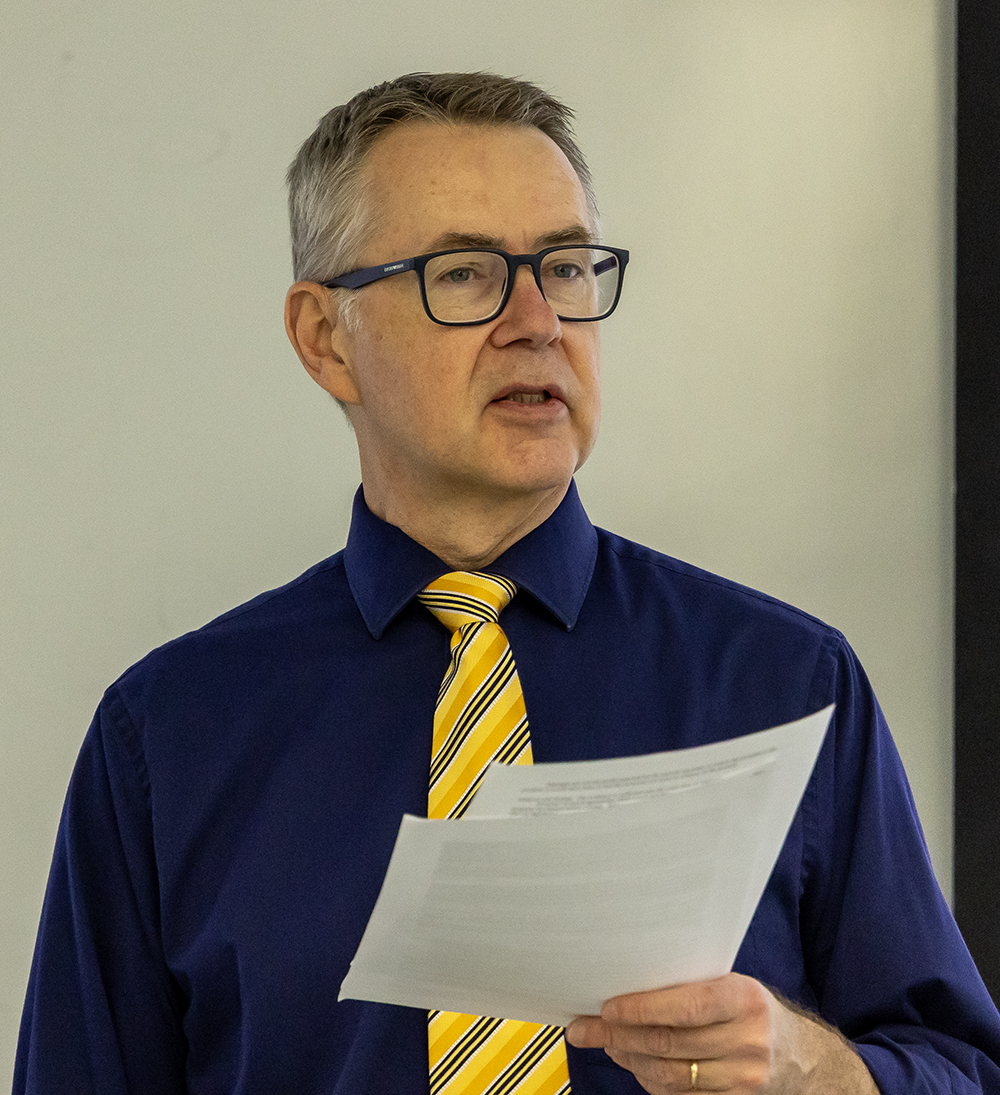
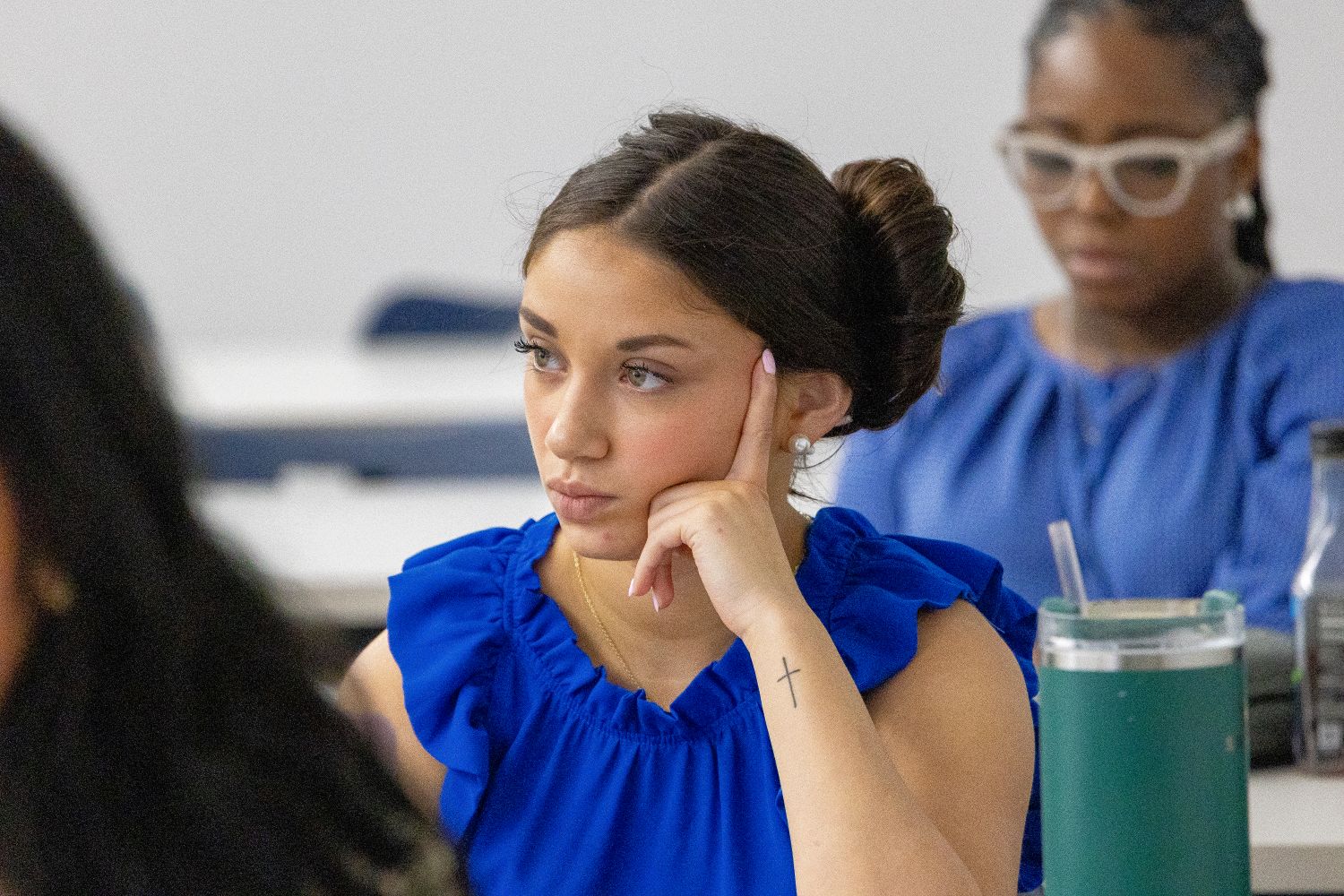
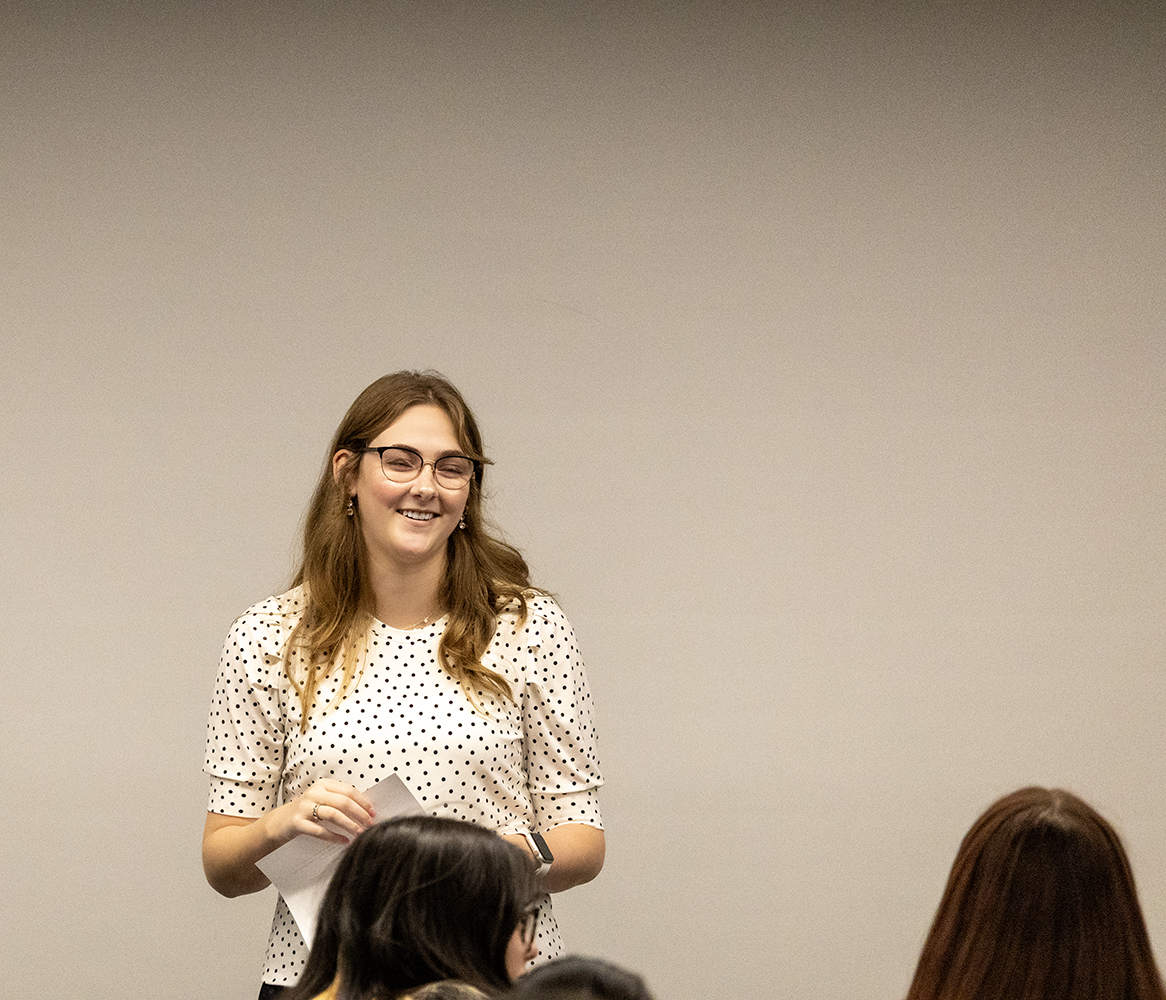
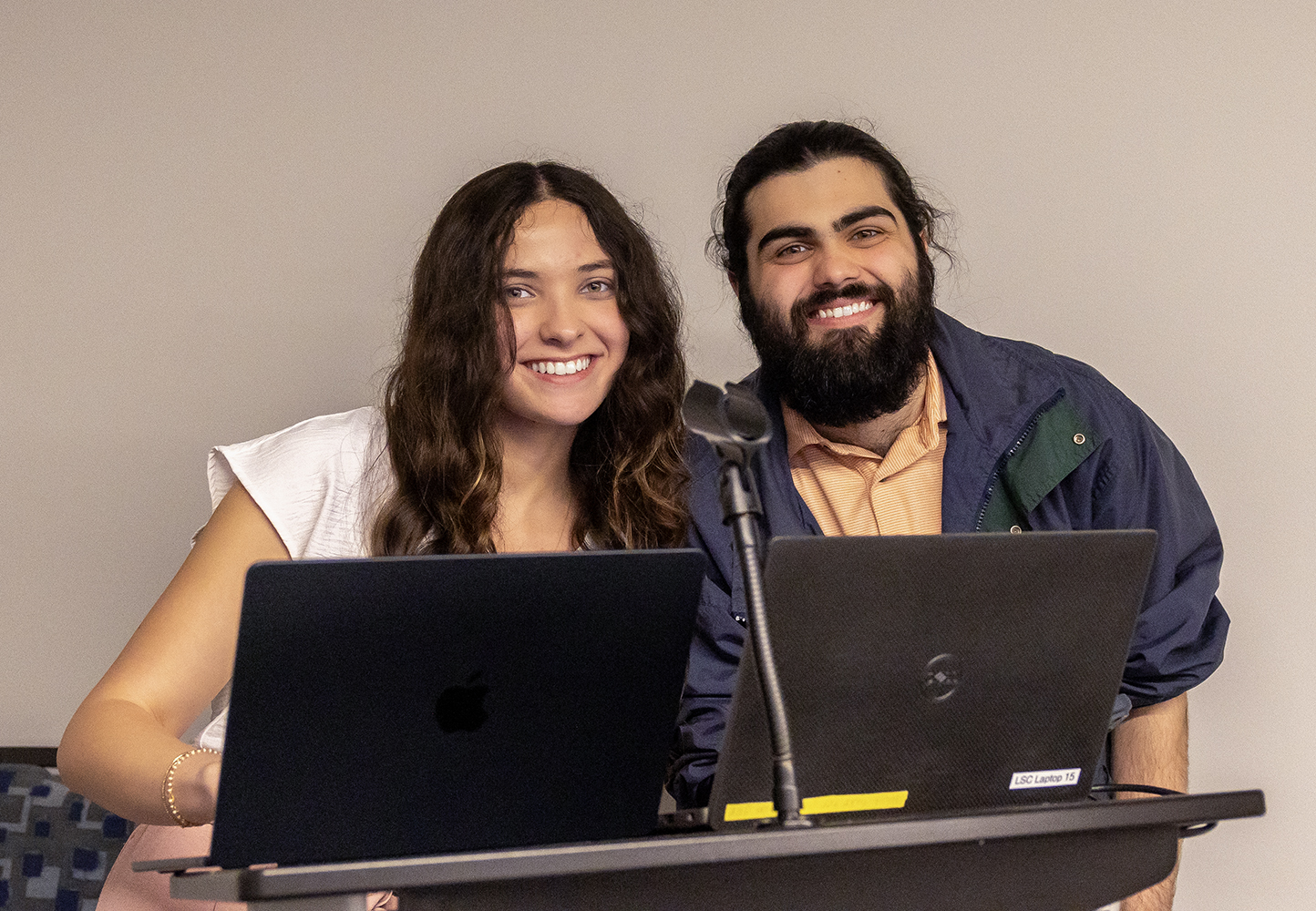
Last week, LEAP students had the opportunity to experience what it’s like to be in a law class led by Professor Val Ricks at South Texas College of Law Houston! From cold calls that made us lean in with anticipation…
…to deep dives into Promissory Estoppel, Professor Ricks left us all with new knowledge and a new way of viewing words.
The mock class started with defining what law is, specifically:
Law: a set of words that, independent of anyone involved in litigation, describes or establishes a standard of conduct which against the actions of those involved in litigation — including the judge — may be measured.
Why do humans form law? Would law exist if humans didn’t? The simple answer is: Law is just a standard of conduct humans use to govern themselves. Even though we write them down, without us here to interpret those words, they would have no value.
Professor Ricks related law to a game of Chess, each piece on the board is affected by a rule, that, in turn, influences the sequence of the game.
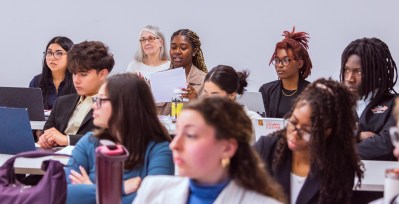
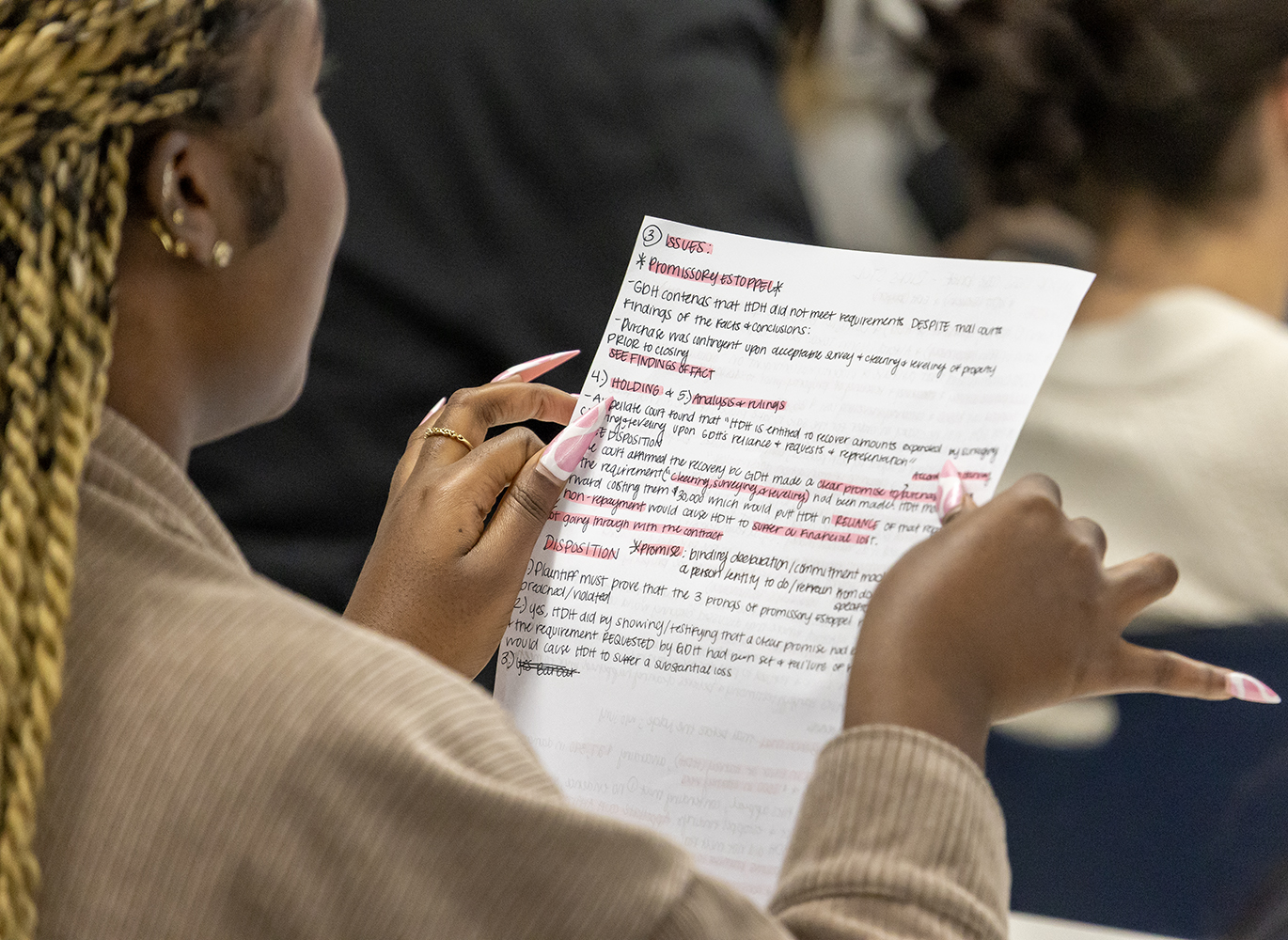
Then it was time for the case: G.D. Holdings, INC. v. H.D.H. Land & Timber, L.P., a civil case revolving the transaction of 300,000 dollars in exchange for nine acres of land IF the land were to be surveyed, cleared, and level. Professor Ricks provided us with the facts of the case and turned it over to us, cold calling on students…
…to give the other aspects of their case briefs.
Learning from each other, we began to apply the rule of Promissory Estoppel, re-defining its three requisites.
As a class we came to understand that Promissory Estoppel is when a promise is made and the person making the promise can reasonably predict that the person agreeing to the promise will rely on that promise in a detrimental way.
In the example case, the promise was the purchase of land by G.D. Holdings from H.D.H. once the land got cleared.
We also learned that even though both parties signed a contract, because one party crossed out a clause in the contract before signing, the law considers that to be two different contracts meaning there wasn’t ever a valid contract.
After we dissected the case and the language used in it, we got to practice our application with a few examples and found that Professor Ricks (to no one’s surprise) did an excellent job at teaching us the concepts so we all properly applied the learned rules to other cases.
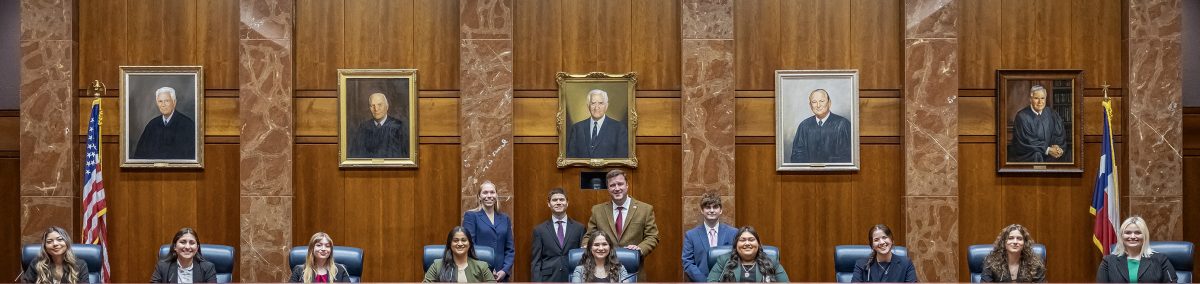
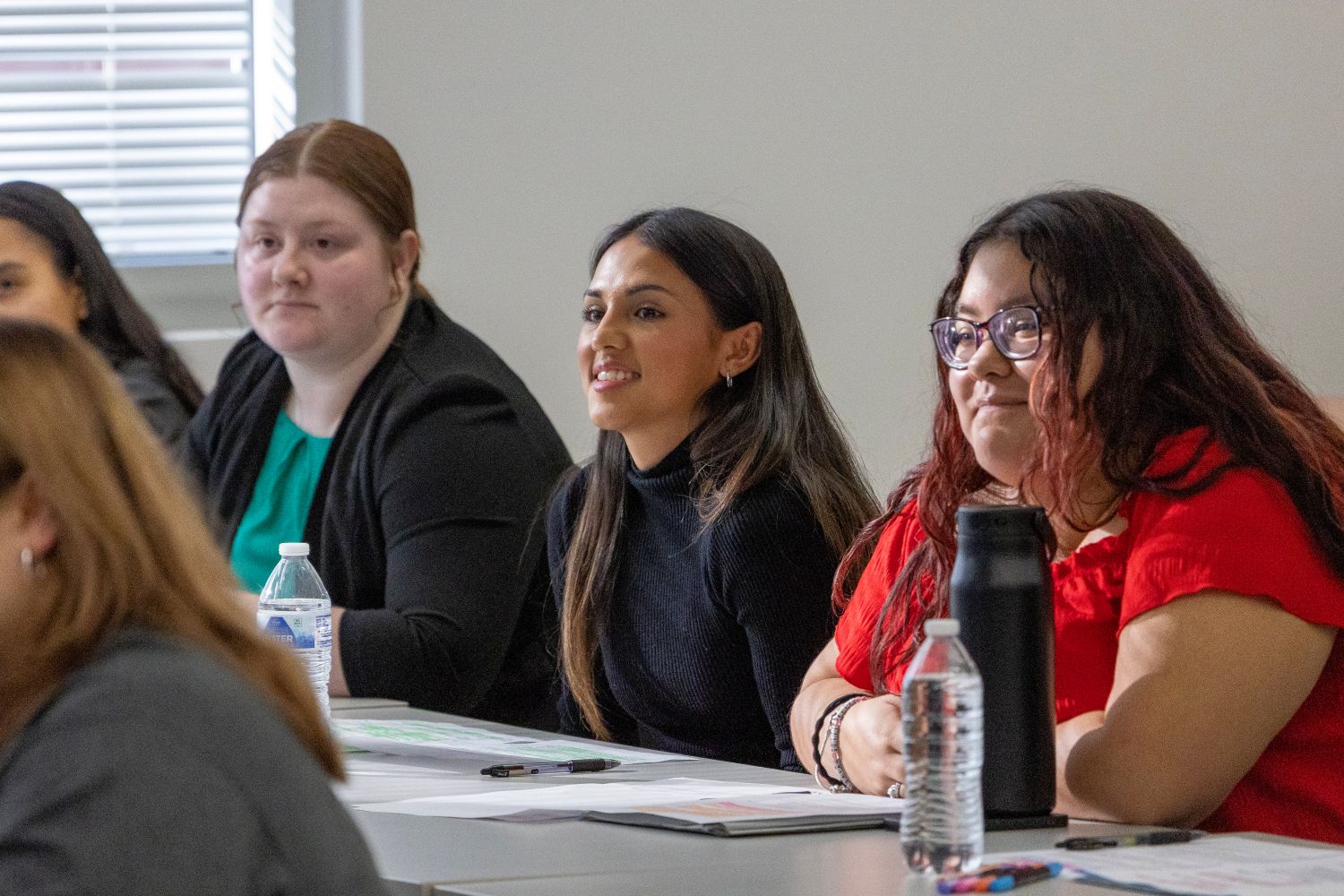
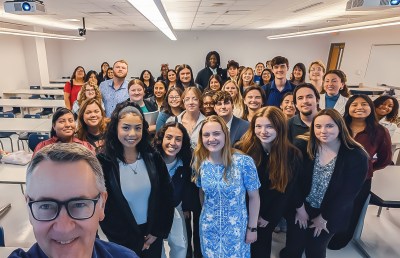
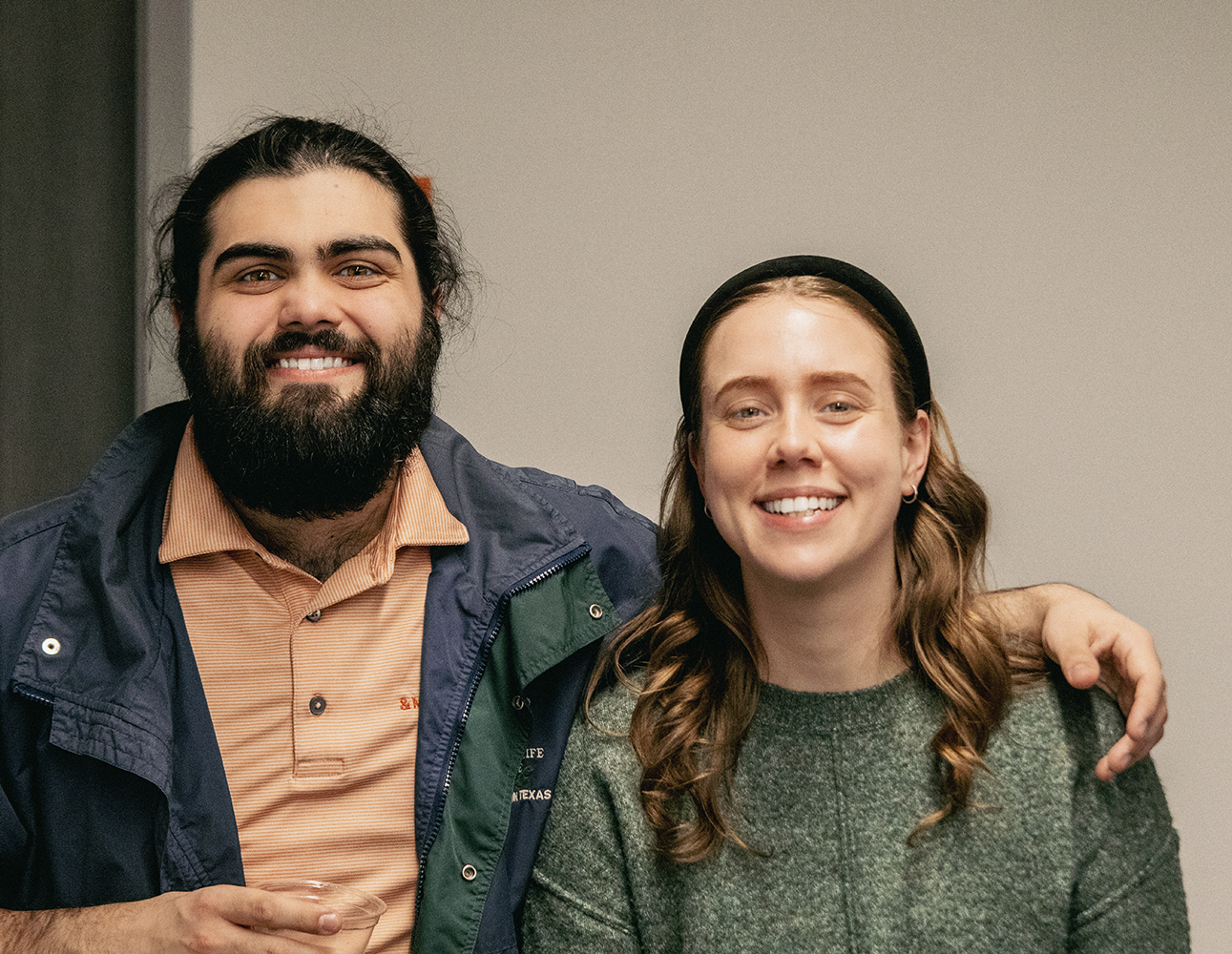
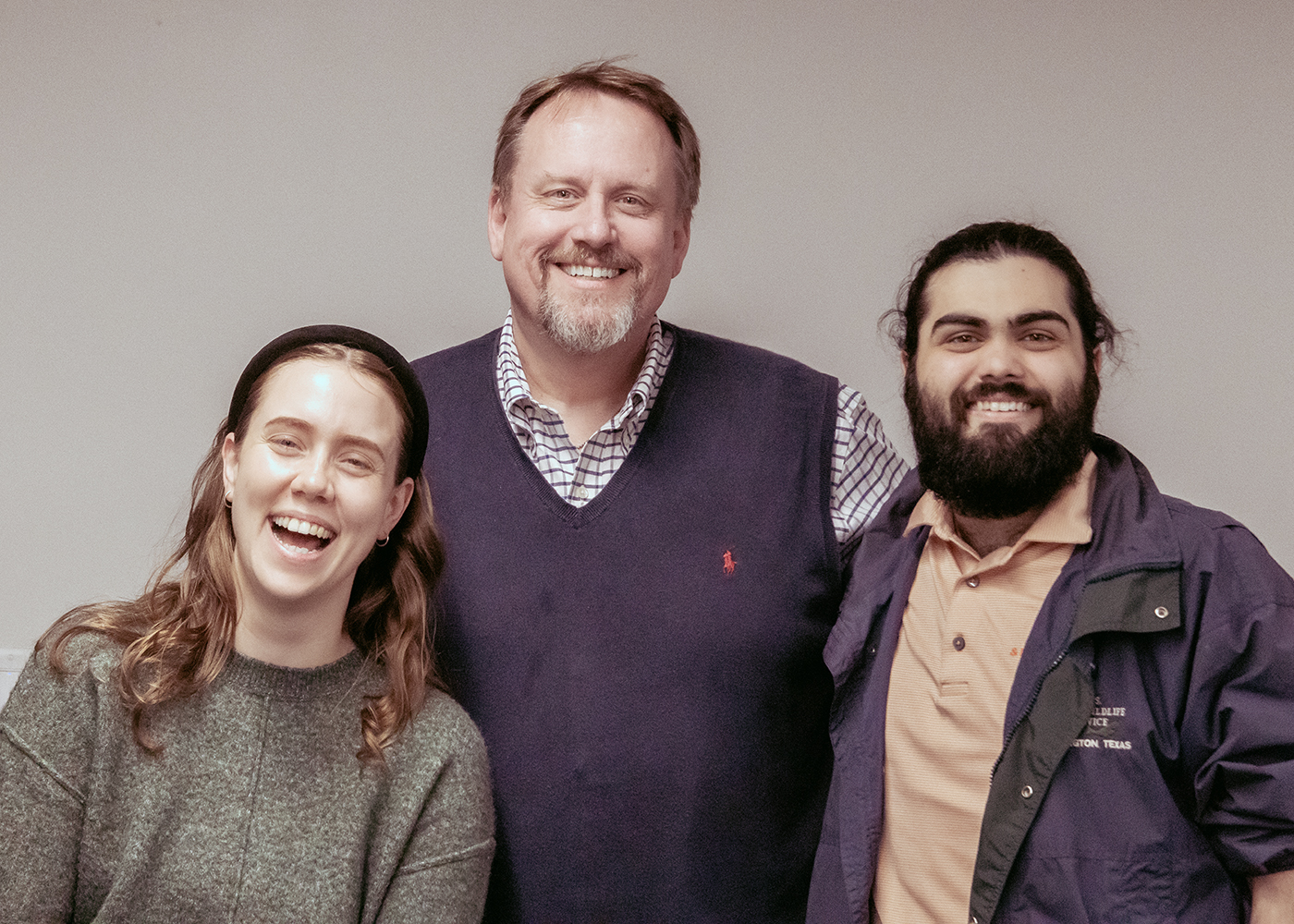
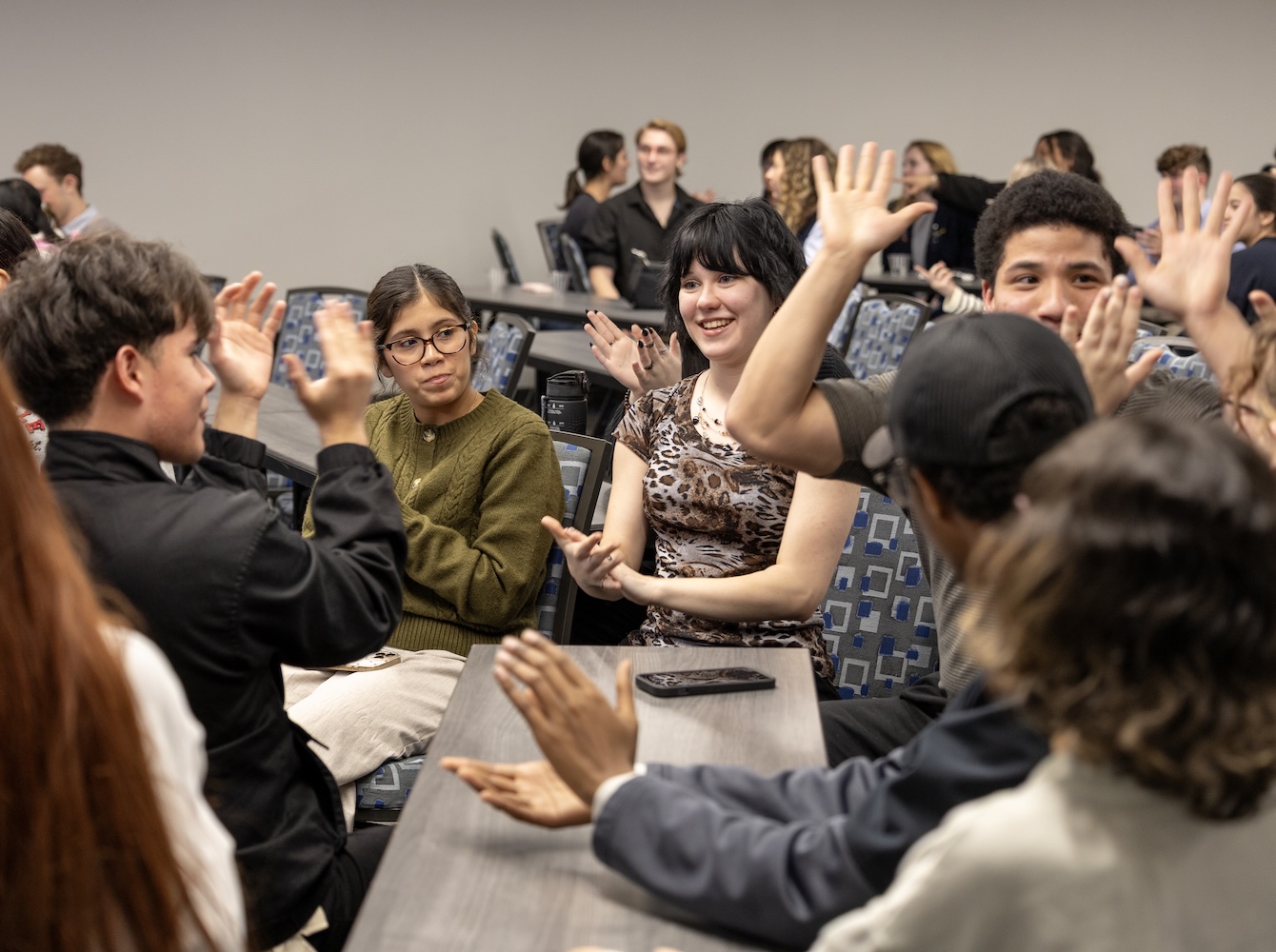
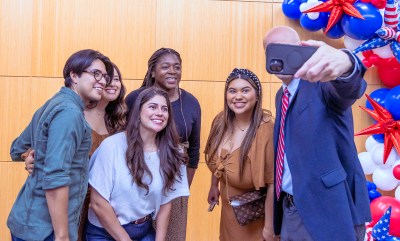
We also got the chance to ask Professor Ricks about law school admissions, grading, as well as what to expect in similar law school classes. Of course, we had to get our signature selfie to finish the class, but the learning didn’t stop there as even afterwards, all of us were beaming with a new passion for contract law and hopes for what future knowledge lies ahead.
On January 21, Student Legal & Mediation Services, the Pre-Law Society, and the LEAP Center hosted “Legal Jeopardy” in the LSC, bringing together students for an evening of learning, connection, and friendly competition.
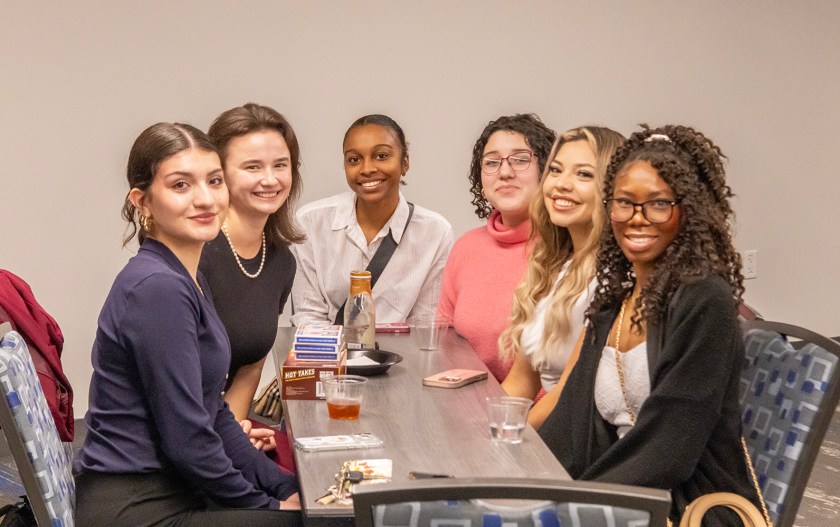
The evening began at 6pm, with check-in and networking while students enjoyed pizza and dessert. Upon arrival, each attendee was assigned to one of four teams, each led by our team leaders: Brittlyn Jackson (Team 1), Jacob Wessels and Allie Plunk (Team 2), Elizabeth Werts and Abigail Wilmot (Team 3), and Isis Hollis and Robin Houghton (Team 4), while our logistical managers, IT Directors, and Sergeant-at-Arms prepared for the evening.
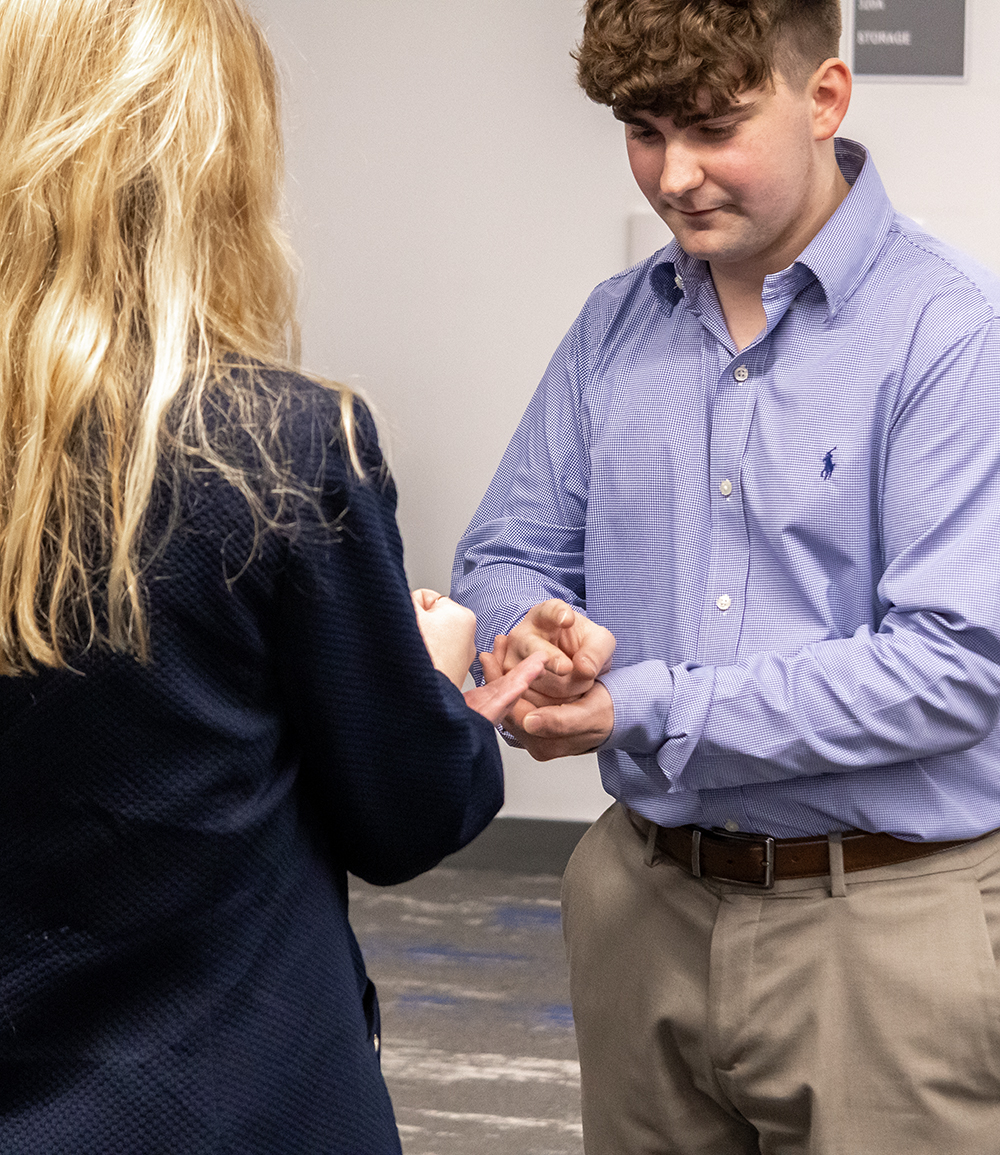
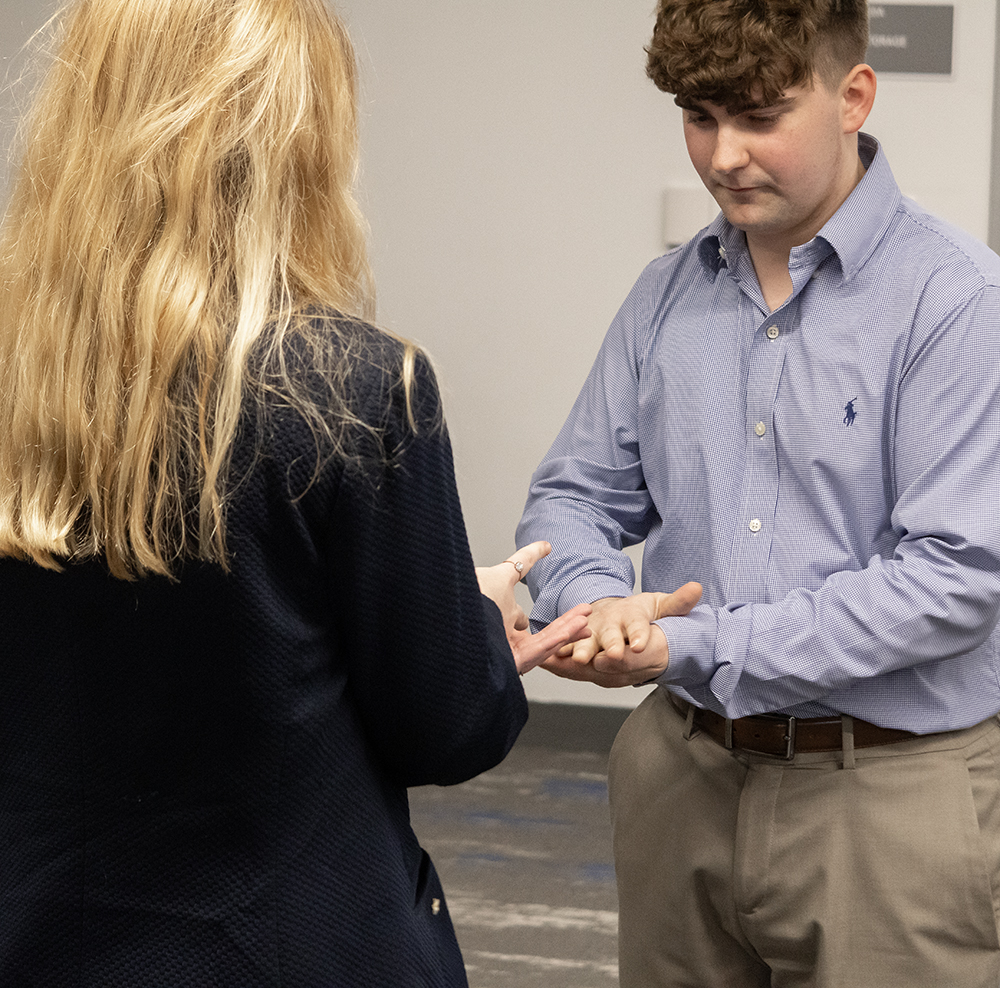
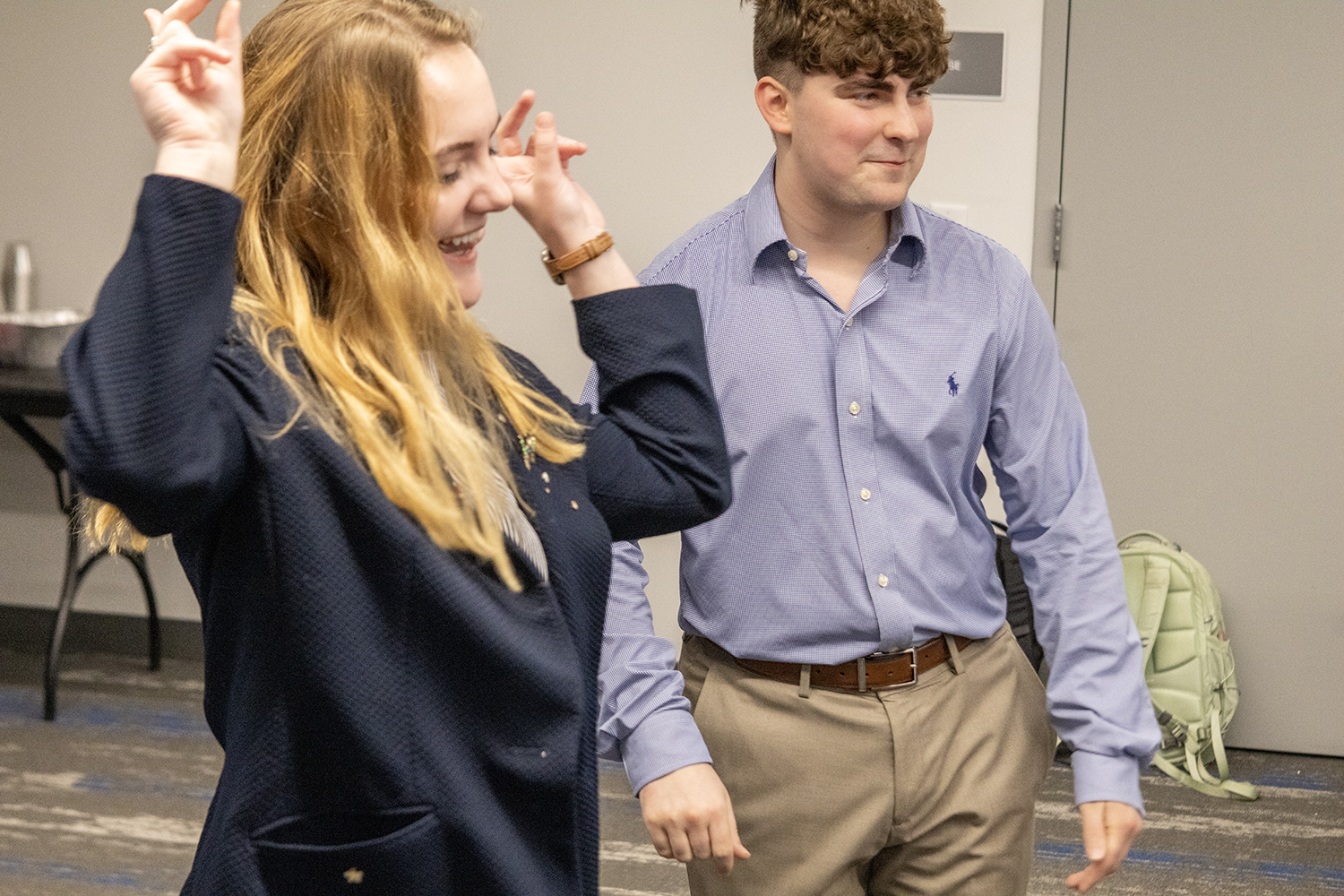
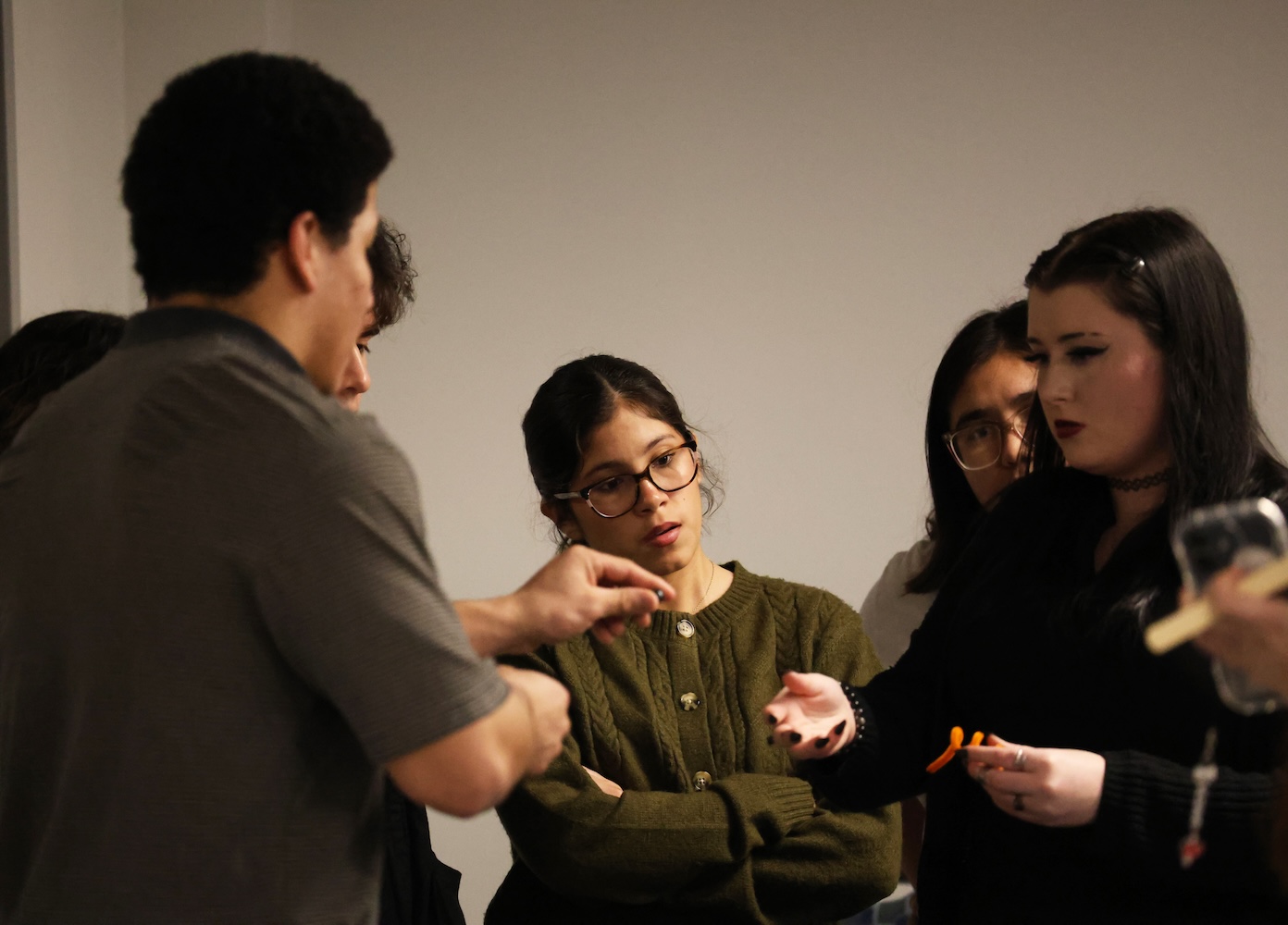
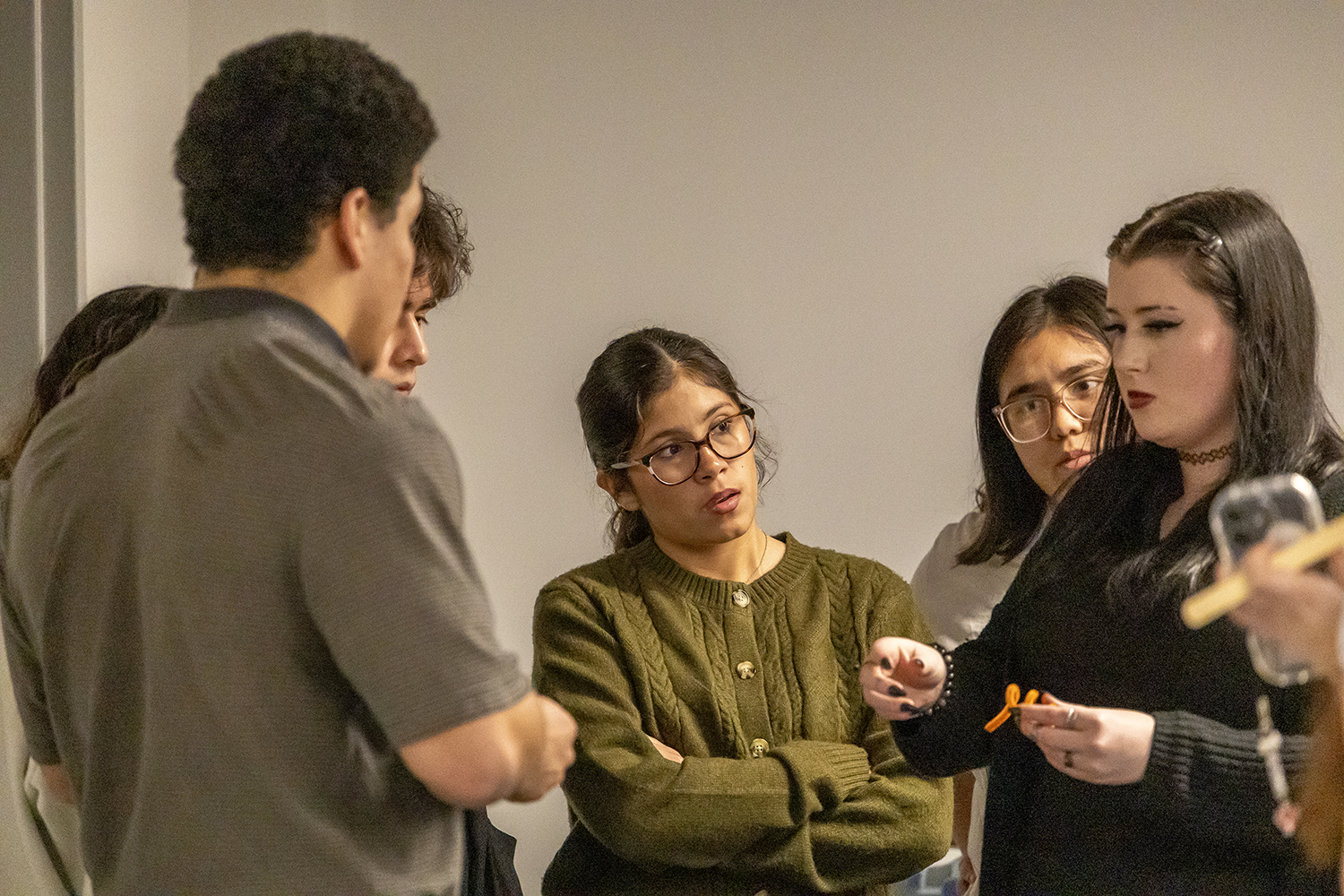
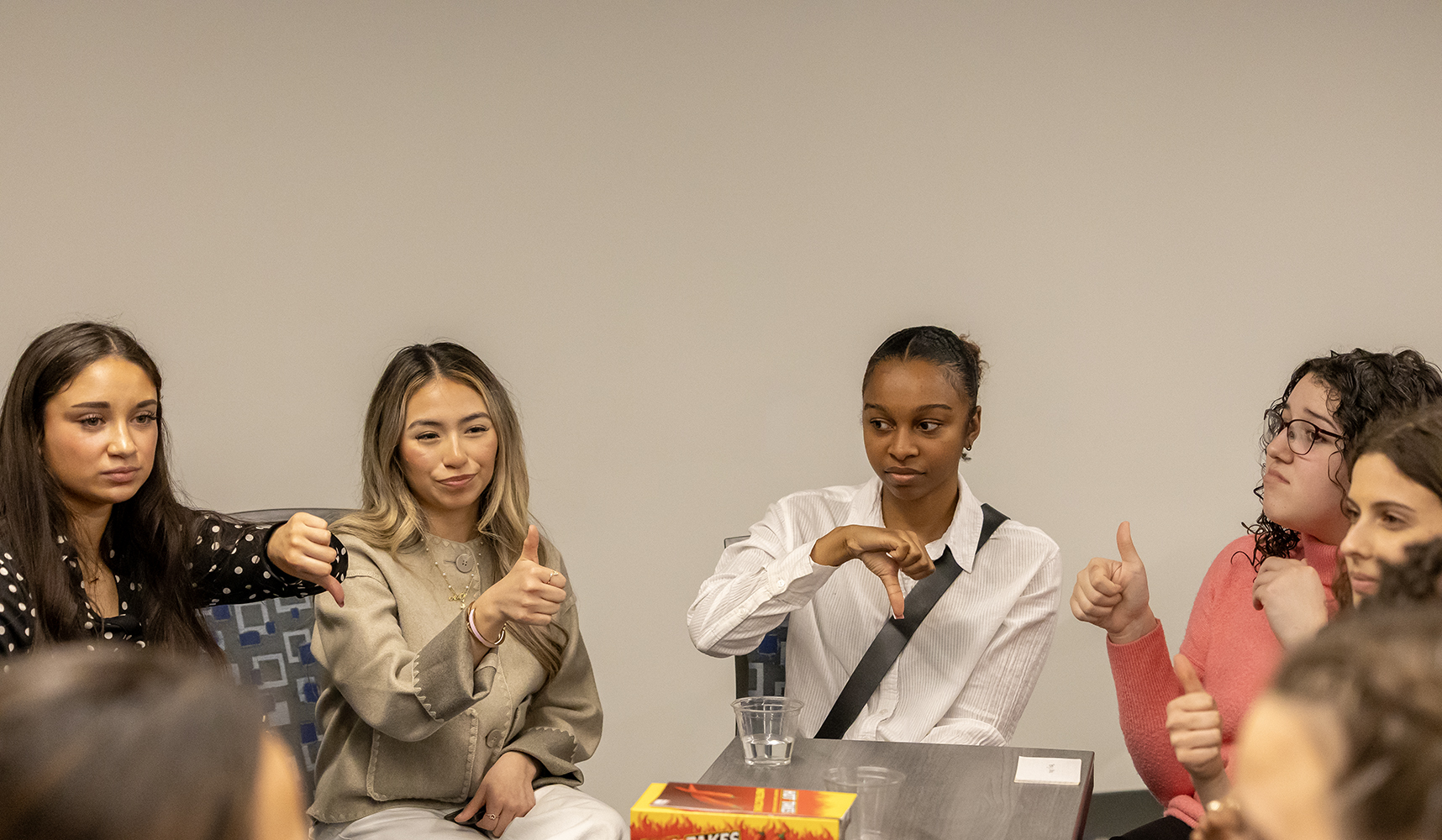
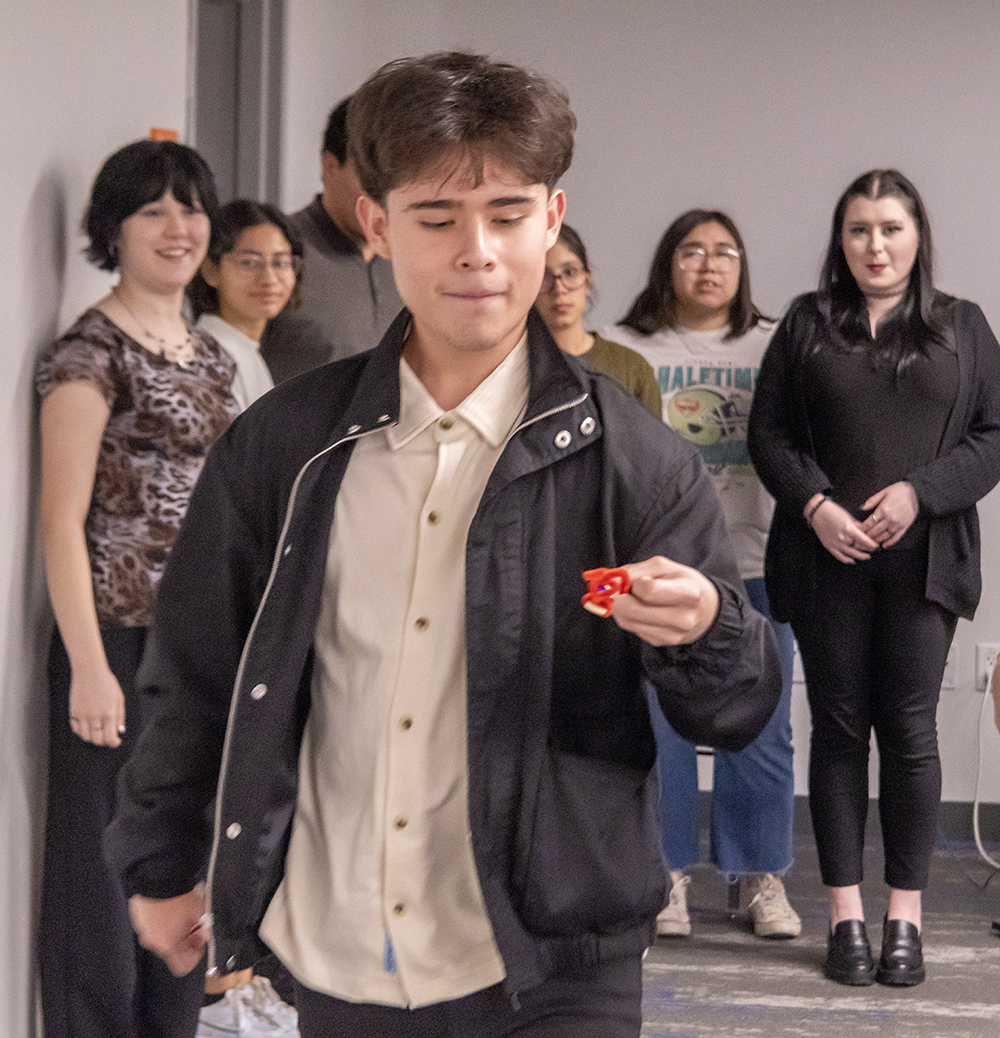
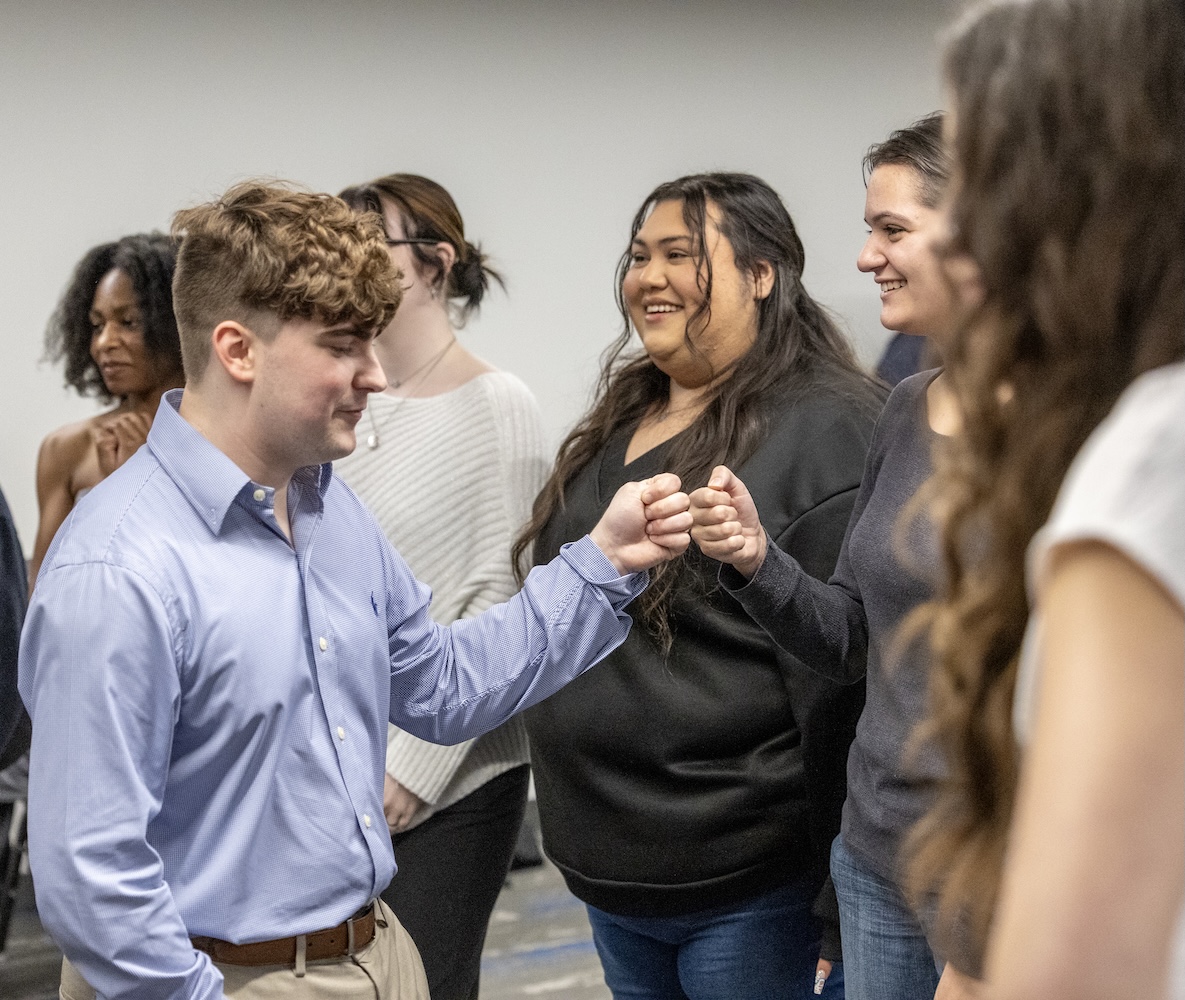
With games ranging from spoon races (with crafted spoons) to rock-paper-scissors to “Hot Topics” and more, the students engaged various levels of fun and sportsmanship.
The team-building brought people together, while also providing cues to the teams who they did–and didn’t–want to represent them in the official jeopardy contests.
Jeopardy officially began at 7pm, with Logistics Manager Olivia McCaughan introducing our host, Dr. Gene Roberts, our IT Director Kayla Fleming, and our Sergeant at Arms, Matthew Bocanegra and, most important, explaining the rules of the game.
The first round of Jeopardy featured categories such as:
Famous Speech and Expression Supreme Court Cases
Famous Supreme Court Criminal Cases
Legal Terminology
Supreme Court Chief Justices
Legal Thrillers (Film)
The US Constitution
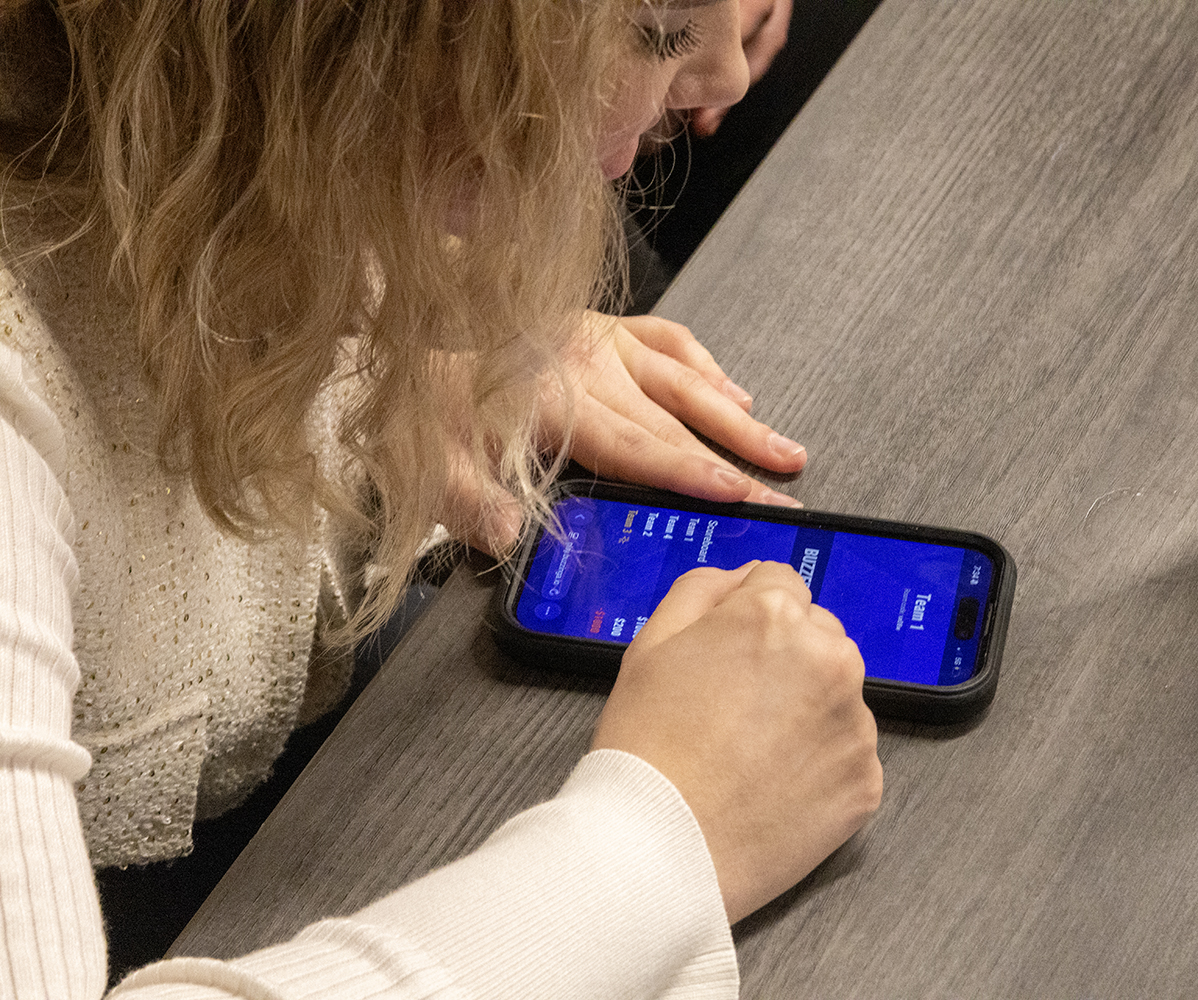
With each team having a designated spokesperson and buzzer pusher, the games commenced!
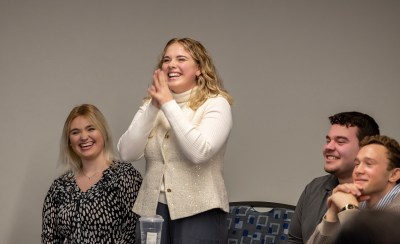
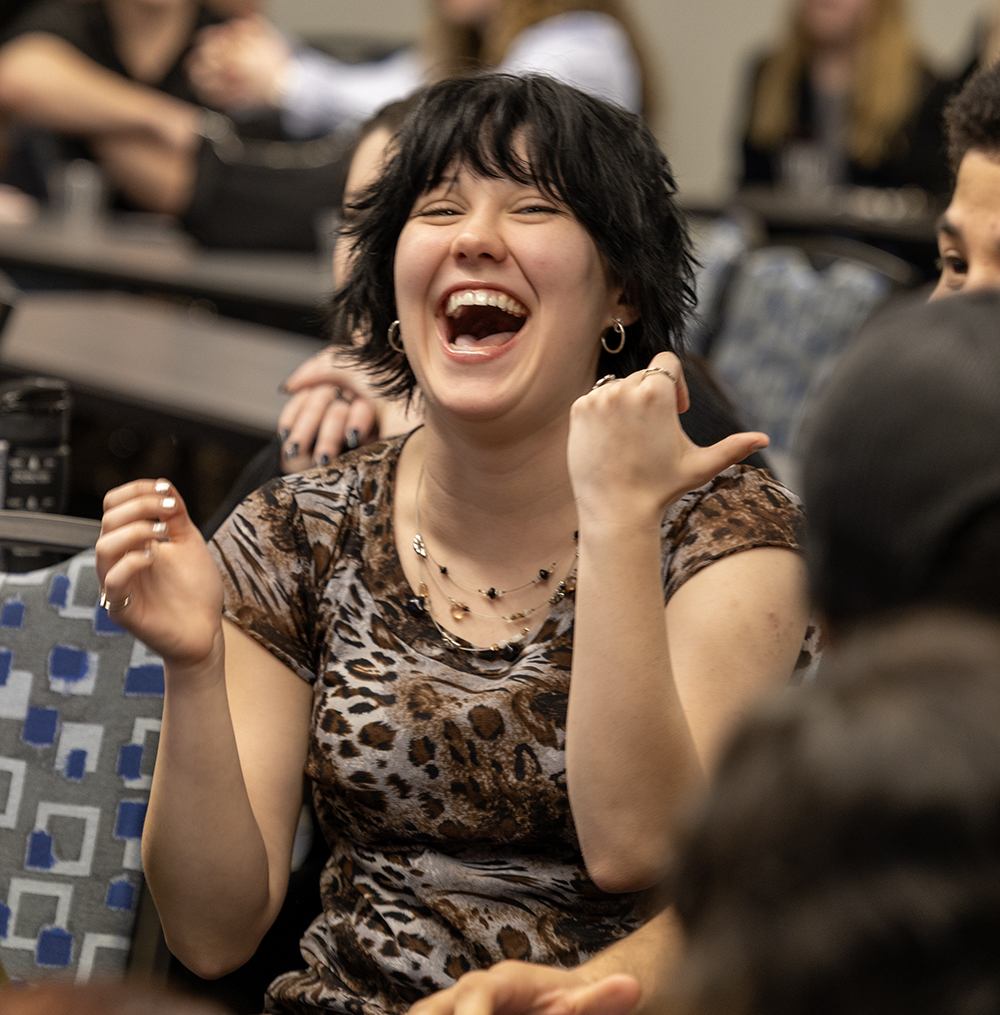
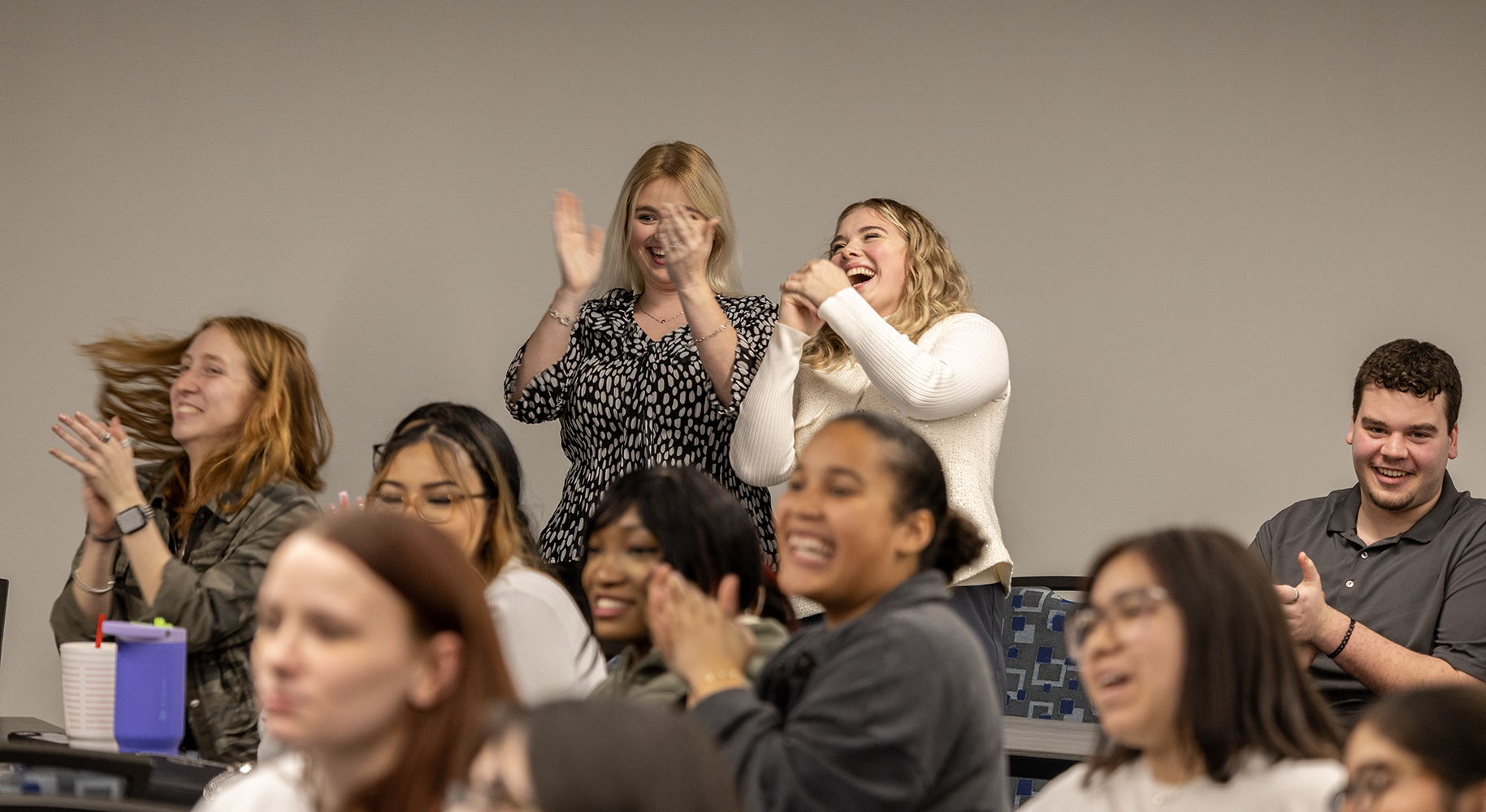
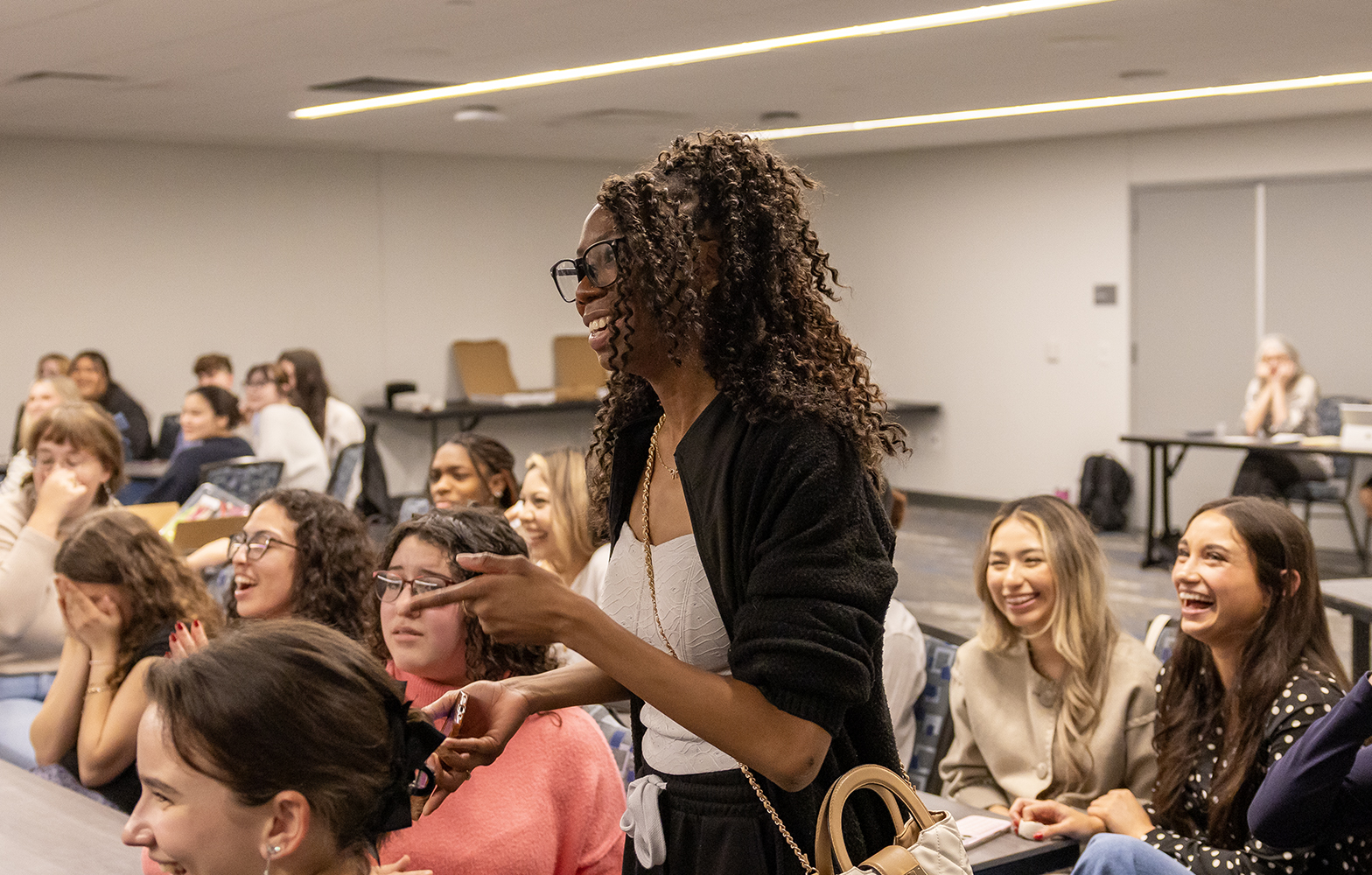
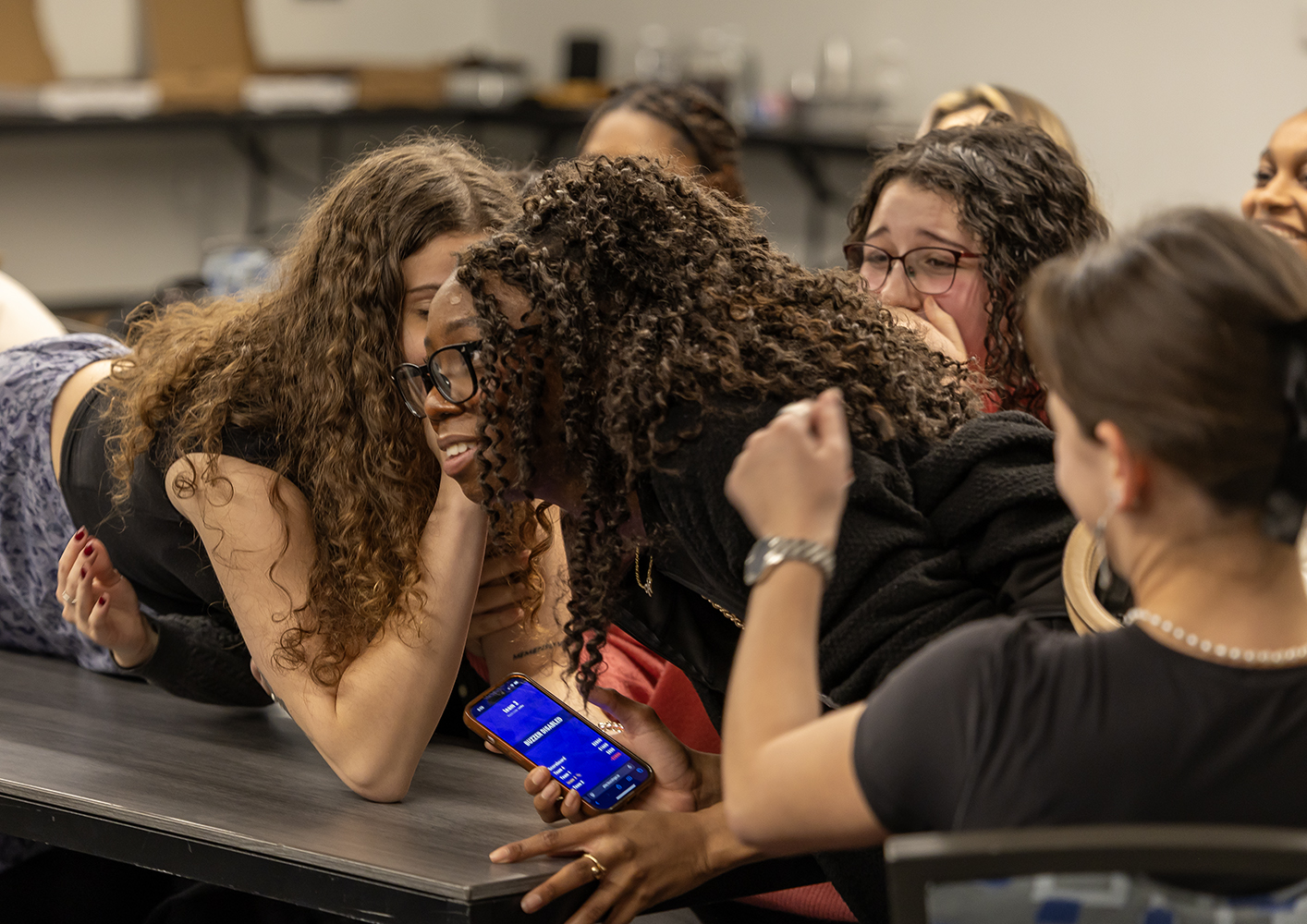
The room soon erupted in cheers, groans, and laughter, as teams deliberated and tried to be the first on the buzzers (which could measure differences up to a millisecond).
Ultimately, Team One came out the winner, armed with the talent of Brittlyn Jackson, Makenna McDaniel, Luke Hempfling, and Eduardo Maia, and they were definitely among the most animated. They won Orange Lululemon belt bags as prizes, courtesy of Student Legal & Mediation Services.
A second round, purely for fun, ensued, with lighter categories such as SHSU, Pop Culture Mashup, State Capitals, Things Pre-Law Students Should Know, and Things You Should Have Learned in High School. For this round, the entire group was able to participate, and this time, Team Four won.
With almost seventy people in attendance at this event, we needed a lot of help. Makenna McDaniel and Brianne Barclay did a great job checking people in; PLS Treasurer, Nataly Elizondo, accepted dues for the organization–bringing in some new members in the process; and Jackie Balbuena took video for some follow-up marketing.
The event highlighted the contributions that the Pre-Law Society, the LEAP Center, and the Student & Legal Mediation Services make across campus, while also bringing people together for a night of a lot of fun and a little bit of learning, too.
This Wednesday’s last Pre-Law Society meeting of the semester ended up being one of our most helpful and interesting ones yet. We started with our usual updates: finances, social media, minutes, and spring-semester dues, before going over upcoming events and ideas for the rest of the year.
Once we wrapped up business, Olivia Discon introduced Attorney Michael Foreman, a Baylor Law graduate and trial lawyer at Haney Paschal & Romoser right here in Huntsville, Texas. Foreman works in family, personal injury, contract and property disputes, and trusts and estates law. From the moment he started speaking, it was clear he had a lot of real-world experience to share.
He began with a question many of us think about: “Does mock trial really prepare you for the courtroom?” Foreman didn’t hesitate. “It’s as close as you can get to actually being in a courtroom,” he said, and encouraged anyone considering law school to get involved. That immediately set the tone for how honest and practical he would be throughout the night.
He also walked us through how he made it onto law review at Baylor. Students can qualify by being in the top 5% of their class or by submitting a strong writing sample. He explained how law review improves your writing, your ability to read cases deeply, and your confidence going into legal practice.
When he talked about law school itself, Foreman didn’t sugarcoat anything. Most classes come down to one final exam, but everything you do during the semester prepares you for it. He stressed how important class rank is your first year, saying, “Your first year is very important. It dictates your speed to success.” Hearing that from someone who has lived it made everyone sit up a little straighter.
Foreman also shared stories from his internships and clerkships, and gave advice that many of us needed to hear: if you get accepted into multiple law schools, choose the best one you can, even if another feels more comfortable. “The first ten years of your career are shaped by the path you choose,” he said. Everyone took a second to process their reality, and most even would say that motivated them even further.
He then talked about the difference between big and small firms. While large firms may seem impressive, he reminded us that new lawyers often don’t get meaningful hands-on work there. Smaller firms, like Haney Paschal & Romoser, give young attorneys real opportunities to learn the entire process, from meeting clients to preparing for trial. It made the legal world feel a little less intimidating. It gave us insight that we would not be able to find on our own as undergraduates.
One of the most interesting parts of his talk was when he described a Texas Renaissance Festival contract case involving $72 million. He used that case to explain what depositions are and why they matter. “Depositions are your first chance to question witnesses under oath,” he said, adding that you often learn the most when you take action early in a case. He also shared the heartbreaking detail that the festival’s owner later committed suicide, which reminded everyone just how much stress clients can be under. “Everyone you work with is under stress,” Foreman told us. “Your job is to give peace of mind and manage expectations.”
From there, he covered probate, personal-injury billing, and the emotional nature of family law. He explained that while the legal part of family law may be straightforward, the challenge comes from guiding clients through tough, emotional situations. “Emotions do not determine decisions,” he said, “but they determine how you communicate.”
He ended the night with a line that stuck with almost everyone: “Law school is ultimately betting on yourself.” For many of us, that was the reminder we needed, that pursuing law is a commitment, but also an investment in who we want to become.
Overall, the meeting was encouraging, honest, and incredibly helpful. We left with a clearer picture of law school, the profession, and the responsibility lawyers carry. It was exactly the kind of meeting that motivates future law students to keep pushing forward.
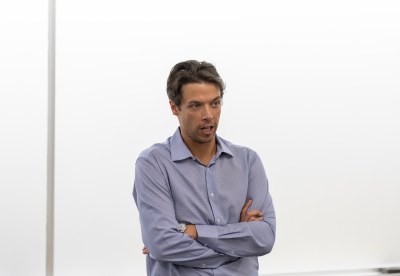
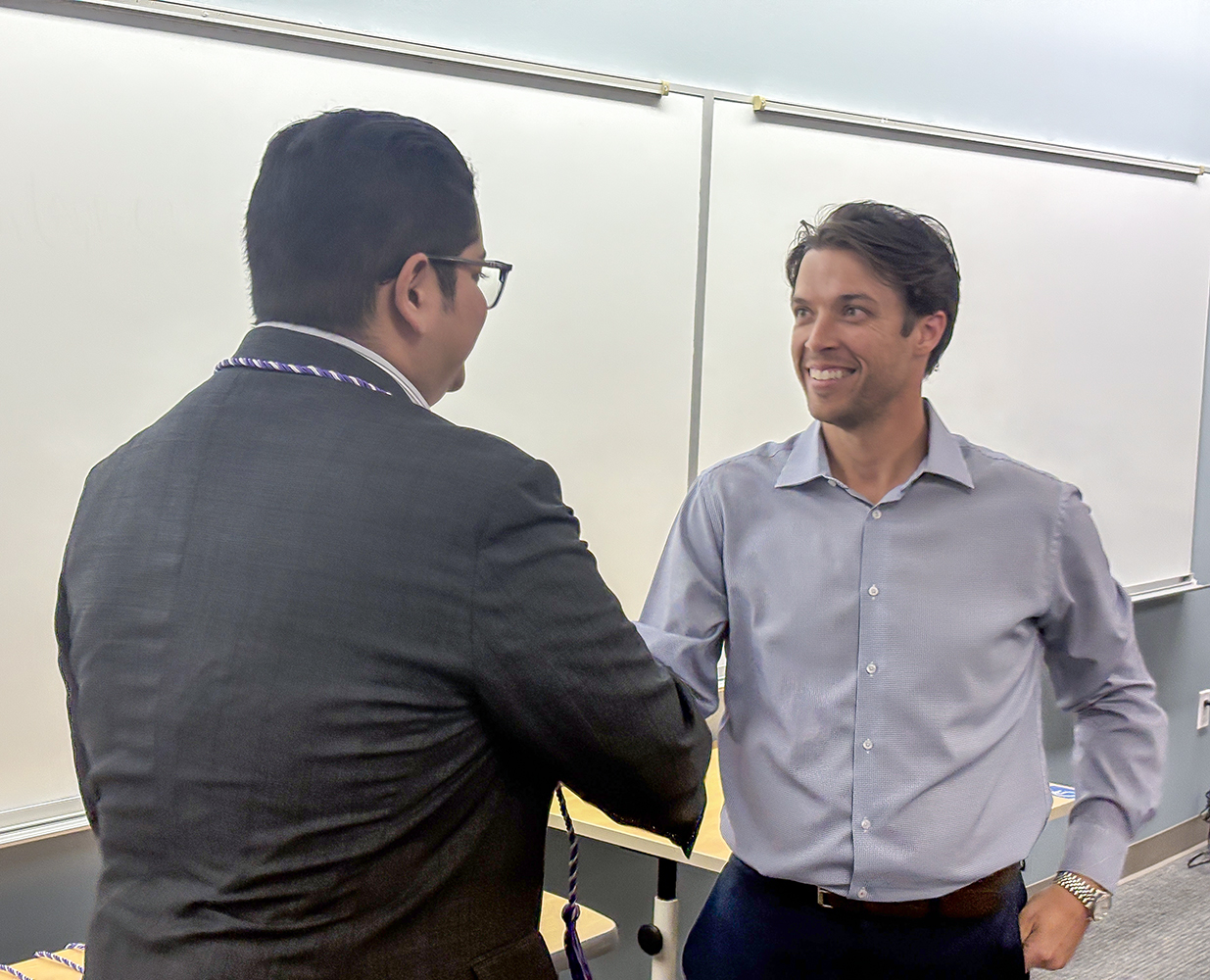
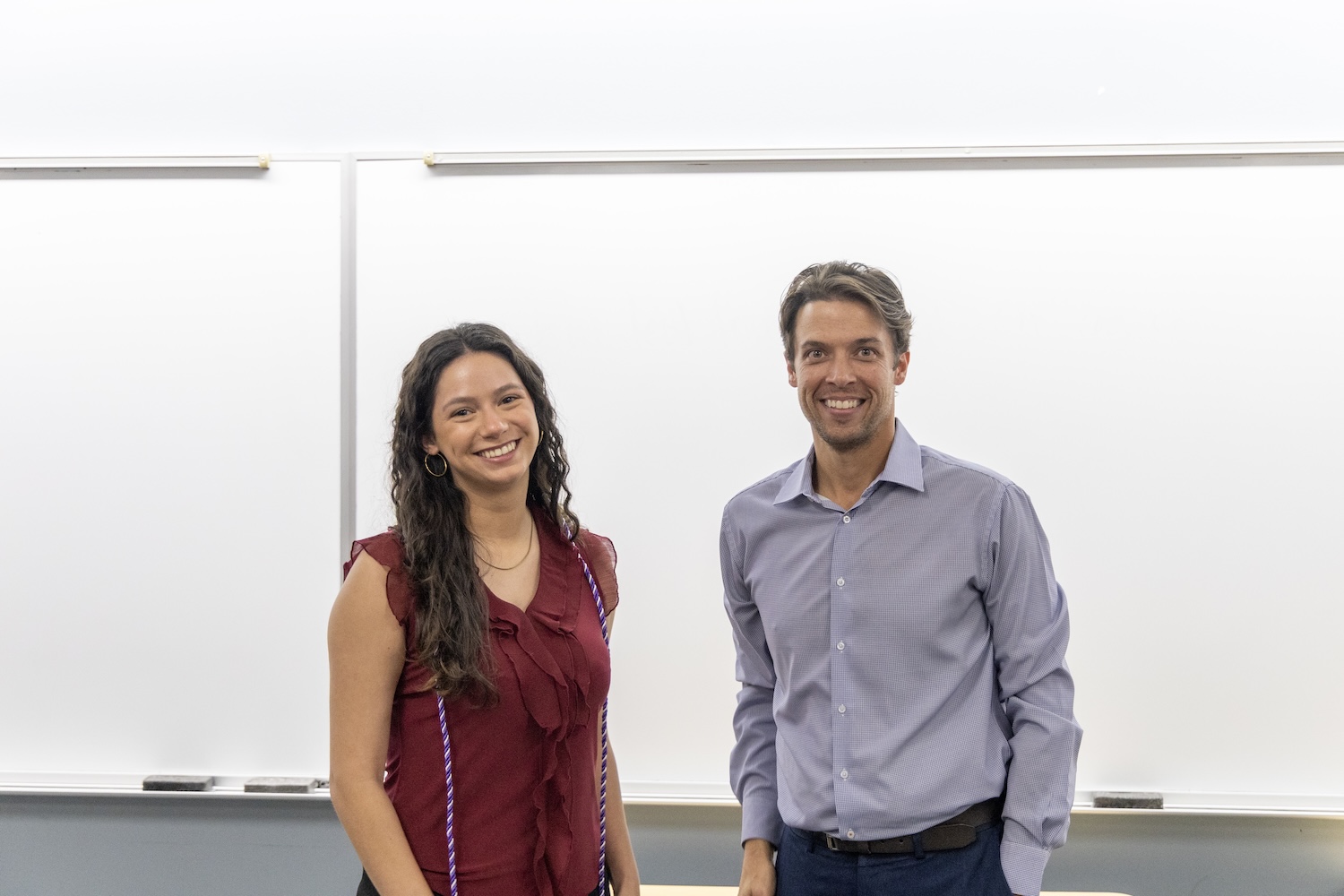
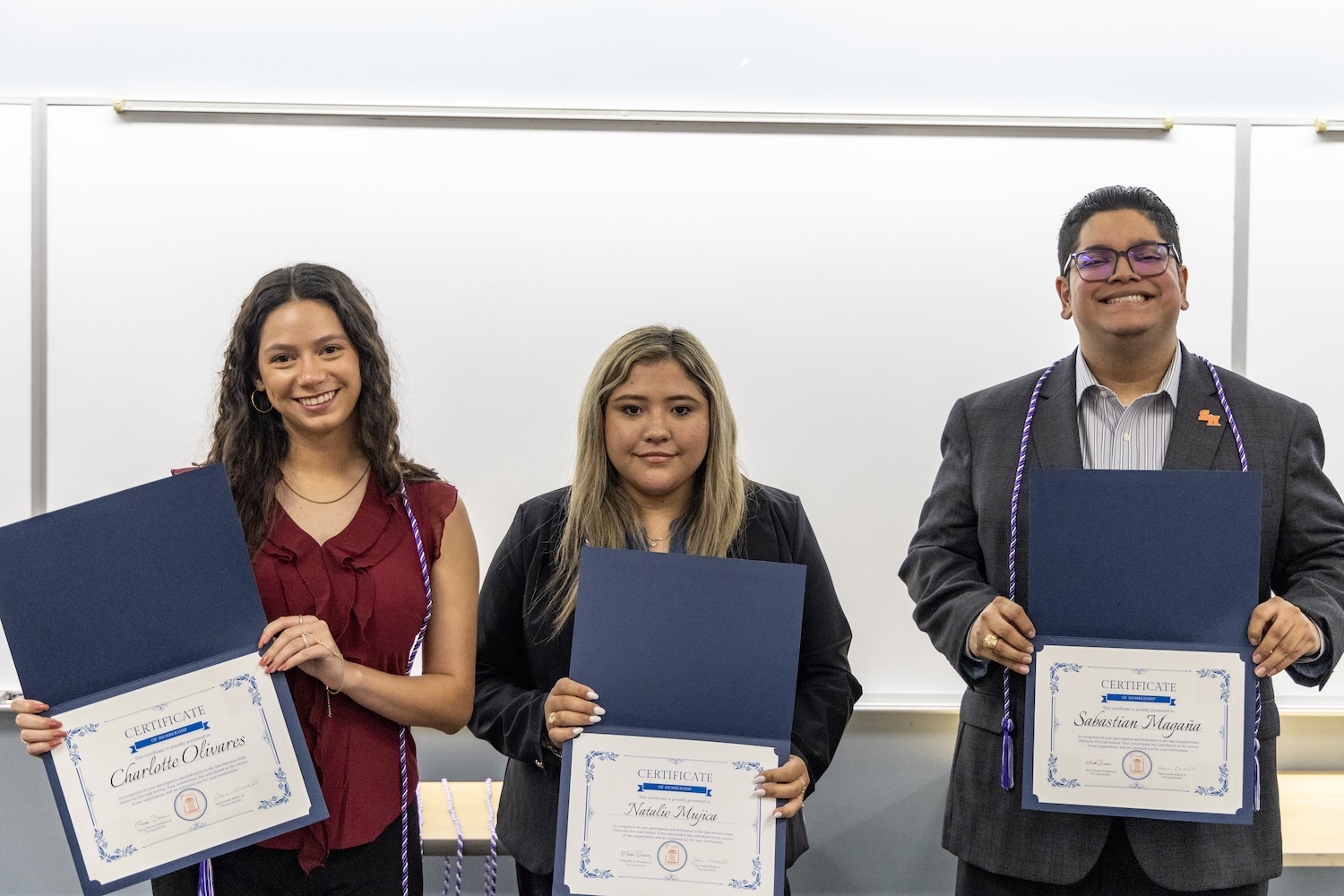
To finish off the night, the Pre-Law Society and Micheal Foreman had the honor of giving our graduating seniors their cords and PLS certificates.
We are sad to see them go, but grateful to have seen these individuals grow. We wish the best of luck to them and their journeys as aspiring attorneys!
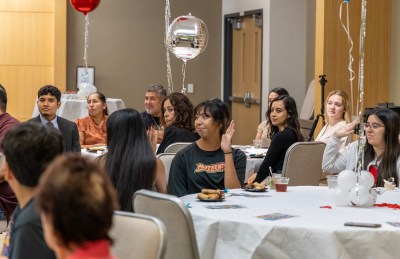
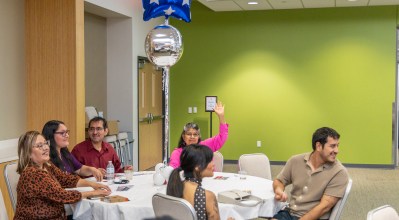
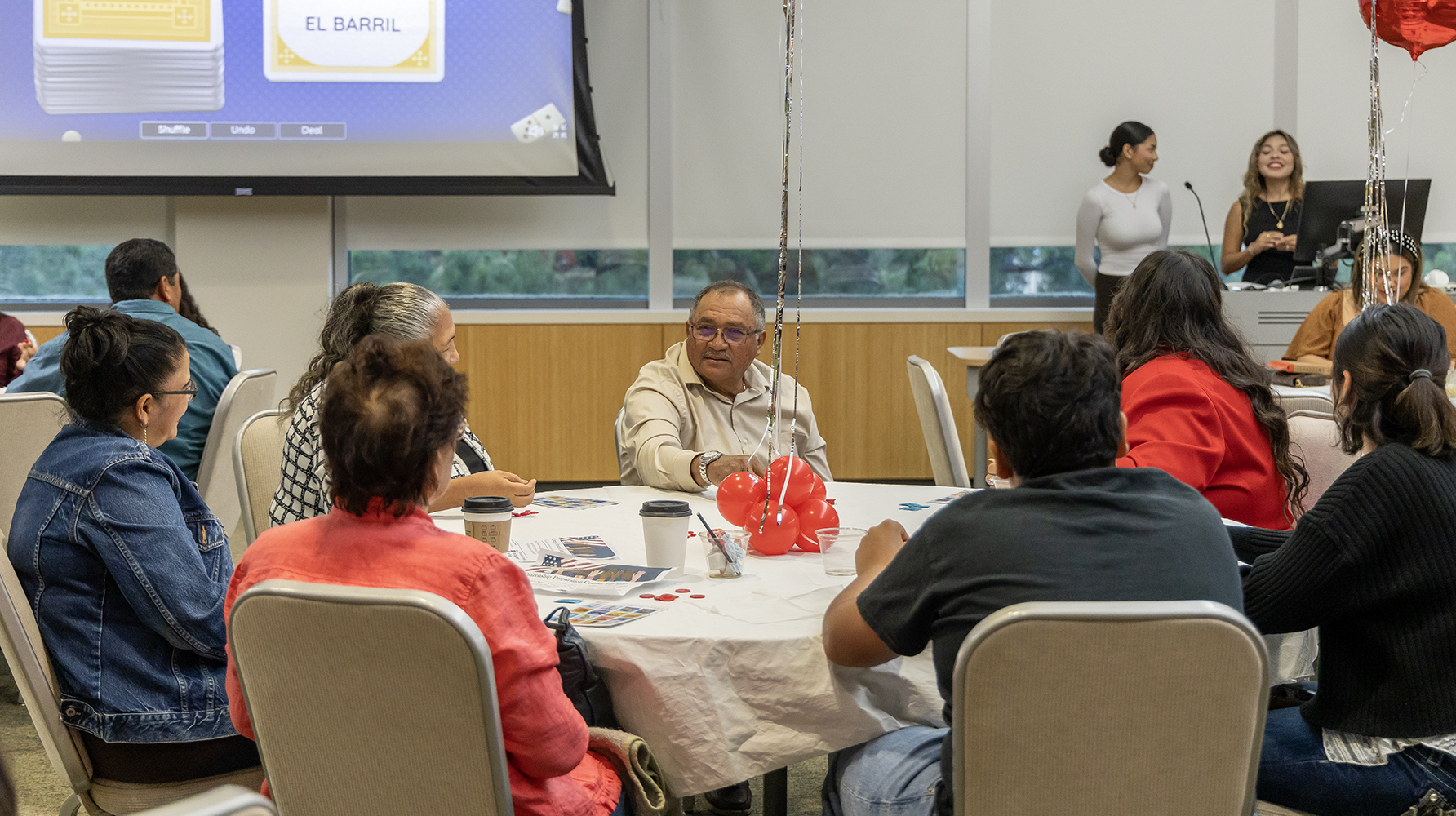
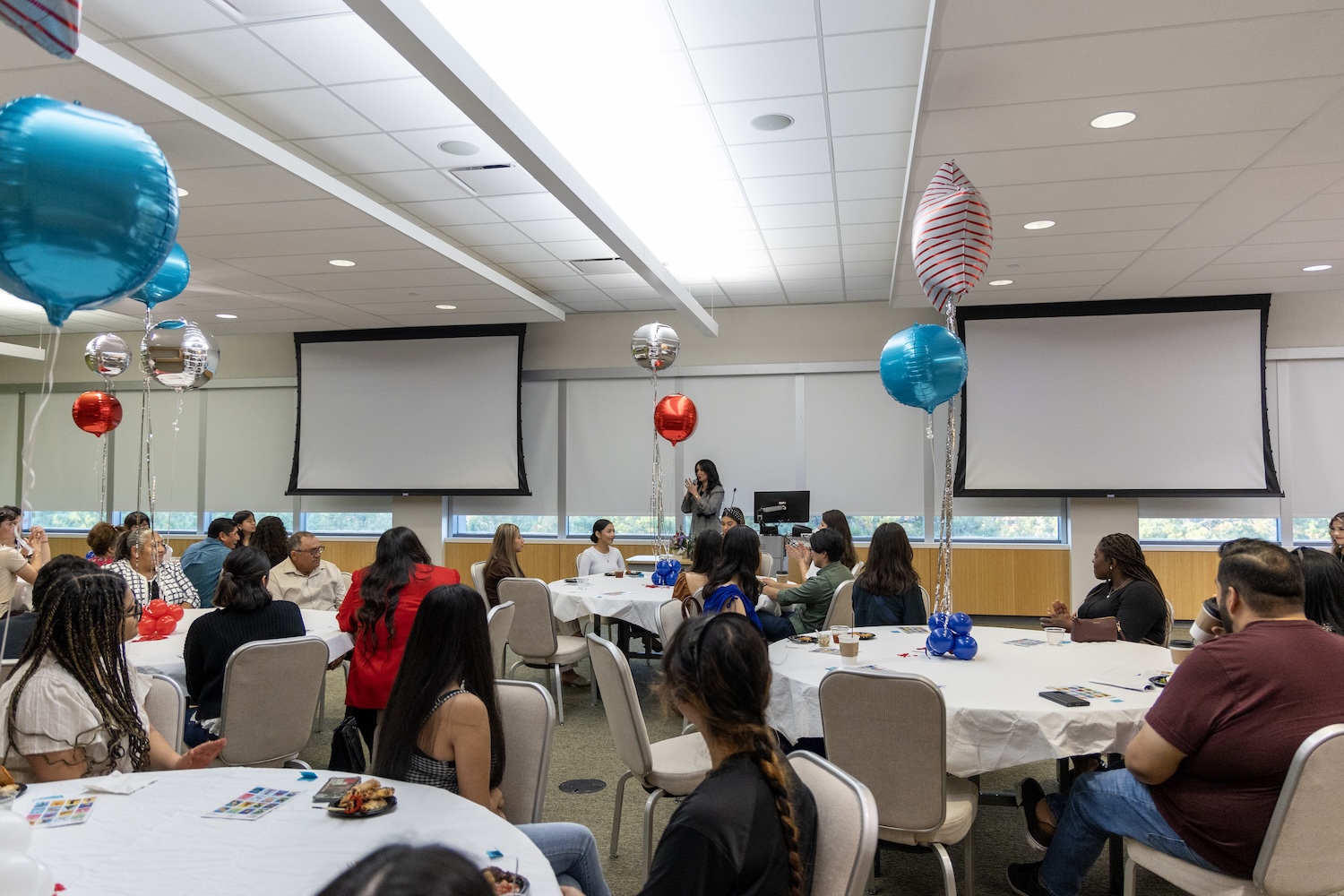
After months of anticipation and careful planning, we opened the doors to our Citizenship Celebration at The Woodlands Center–an evening that marked not just a milestone, but the launch of an exciting new chapter for our existing citizenship program.
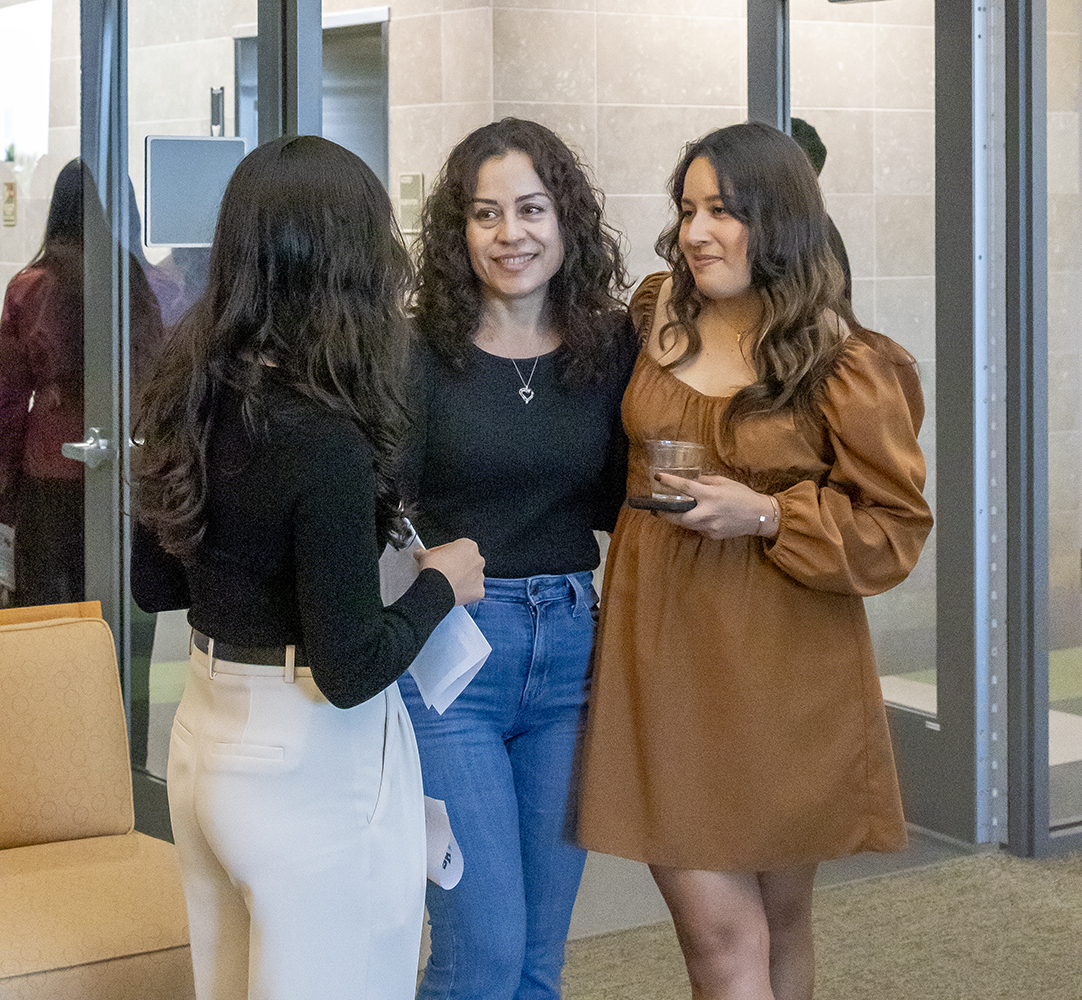
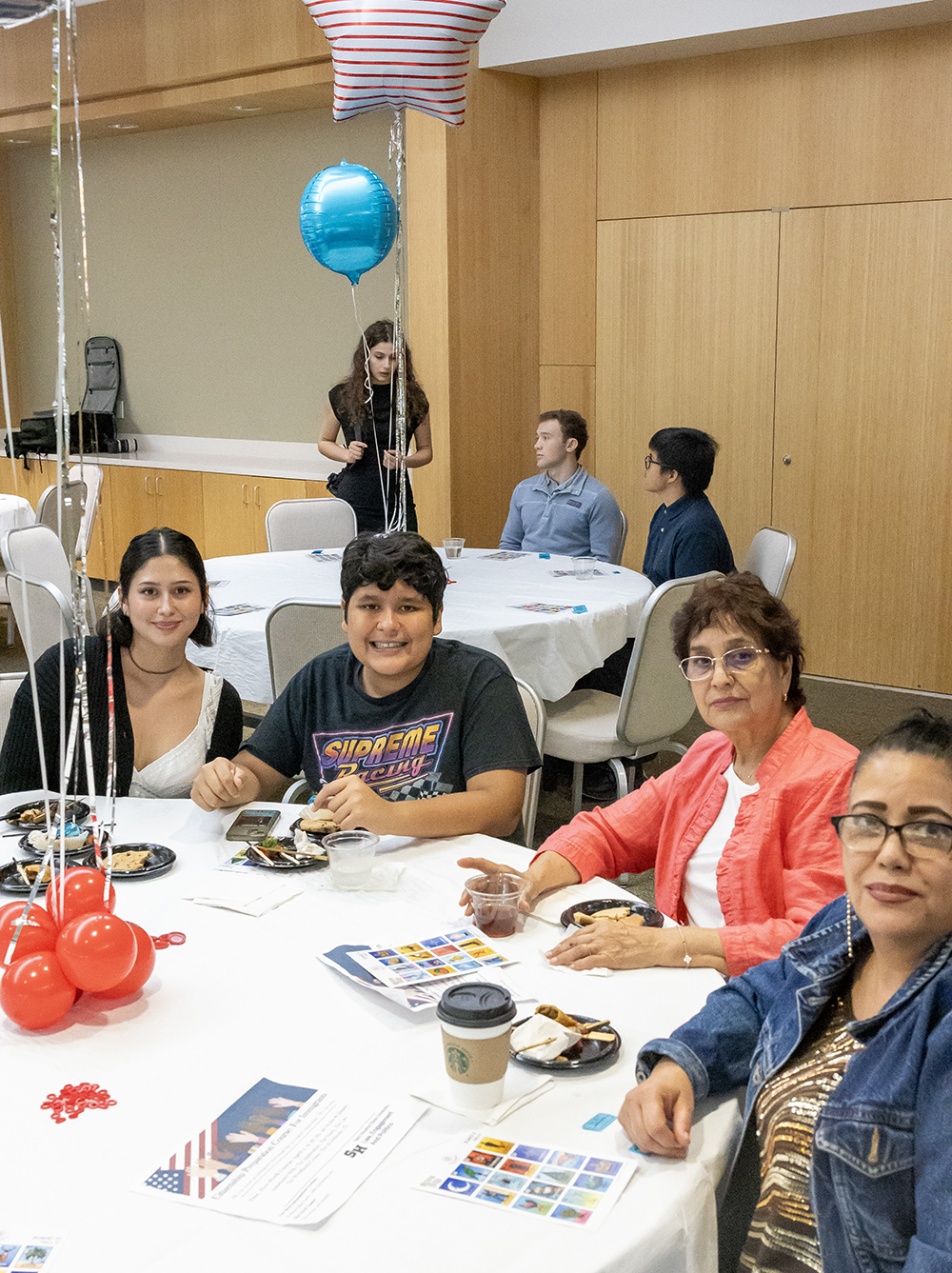
The celebration brought together naturalized citizens, aspiring citizens, LEAP friends and alumni, all united by a shared support for those on their journey toward citizenship and the program.
What began in 2008 as a local initiative in Walker County has grown far beyond its original scope. Thanks to National Partnership for New Americans, the program now reaches into Montgomery County, creating new connections and expanding the community in meaningful ways.
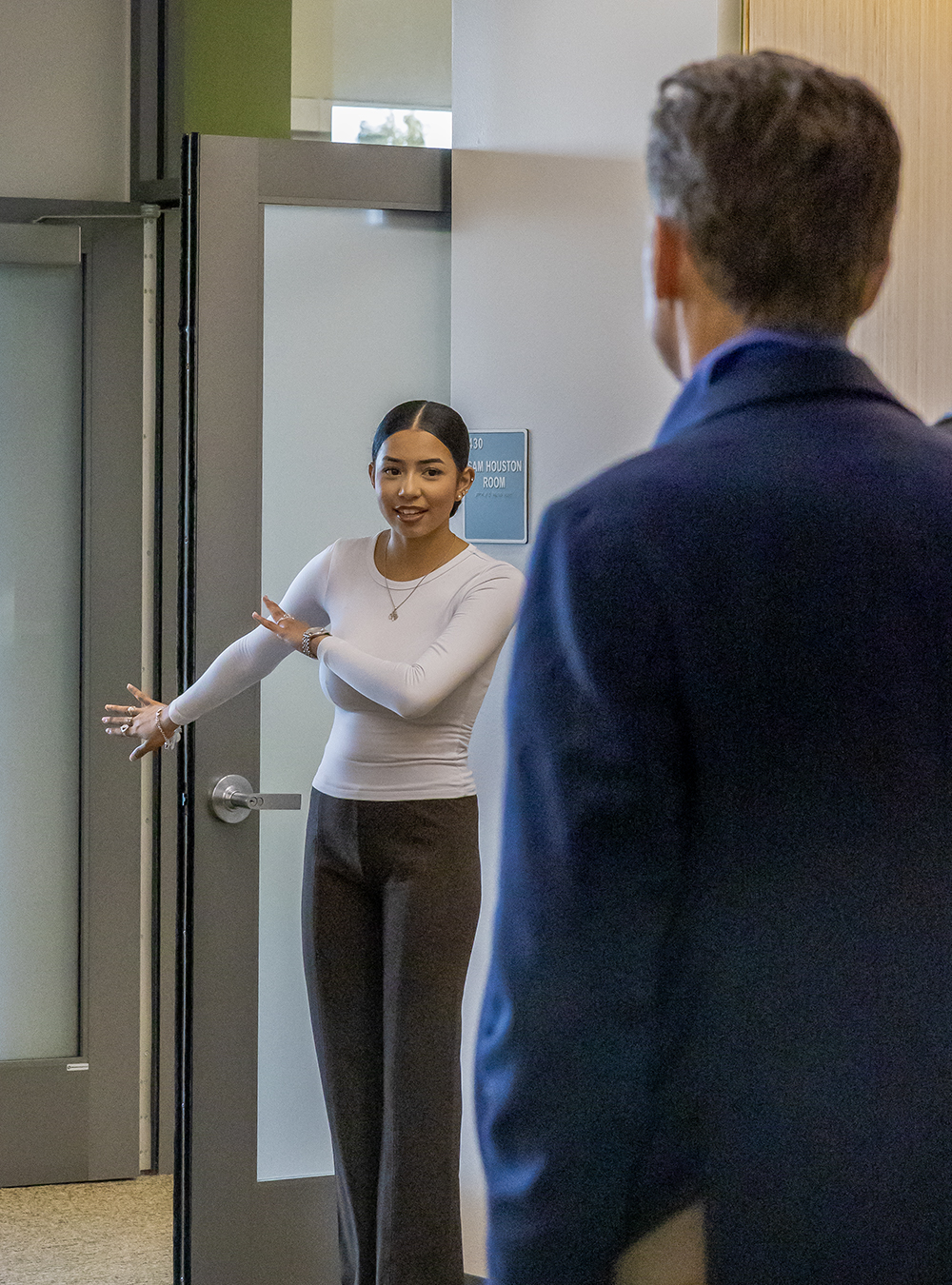
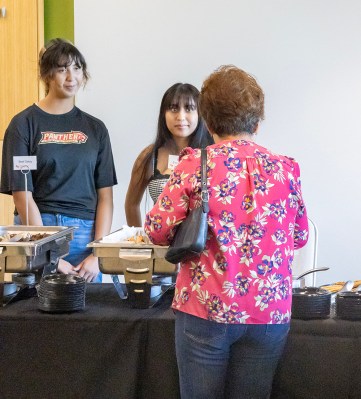
One of the many goals for this celebration was to ensure every guest left with a meaningful takeaway. This is always easier when everyone shares a common purpose. For us, this growth brought new connections in the Montgomery area, including volunteers from Caney Creek High School…
…who joined SHSU students to create a welcoming, vibrant atmosphere for the guests as they arrive.
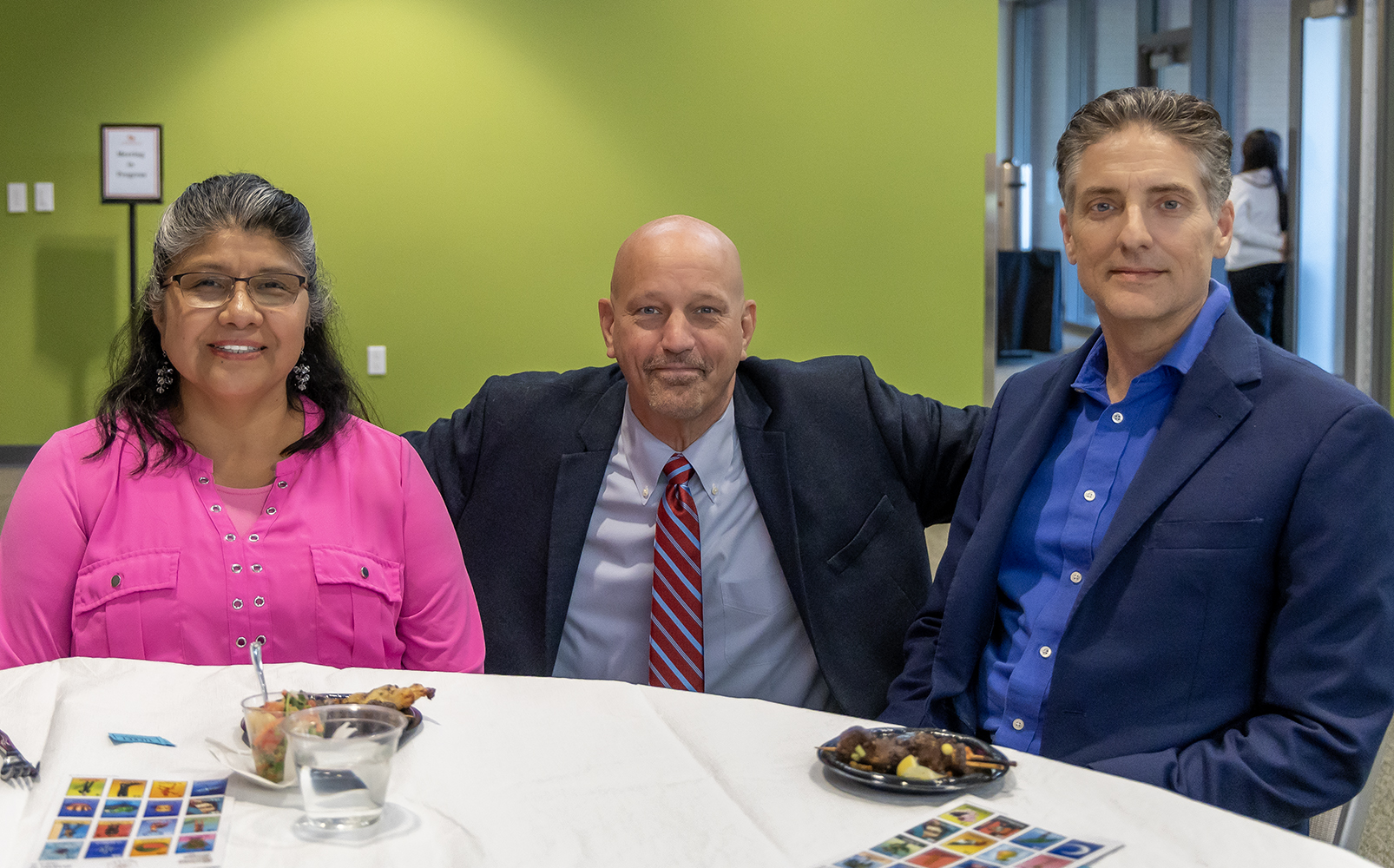
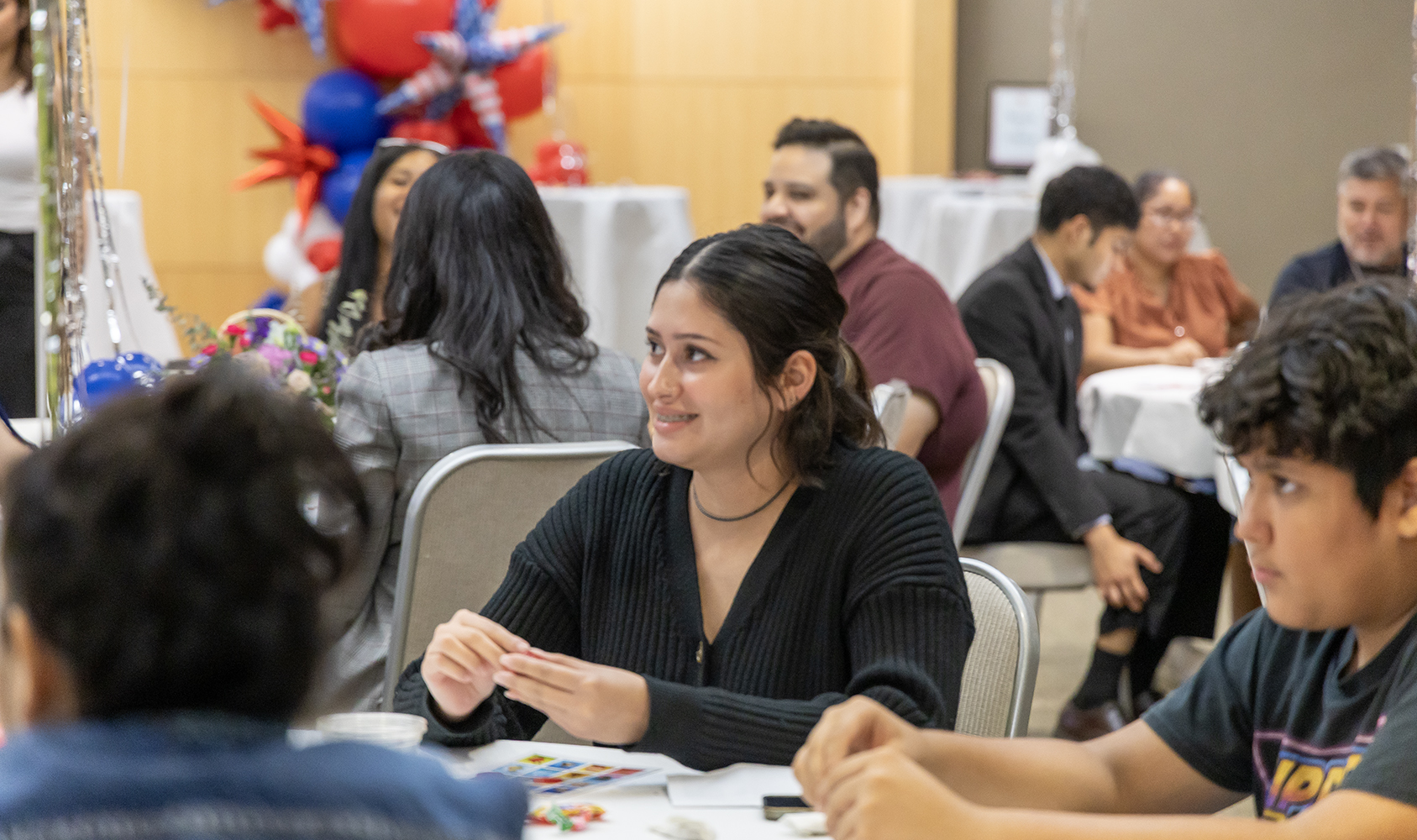
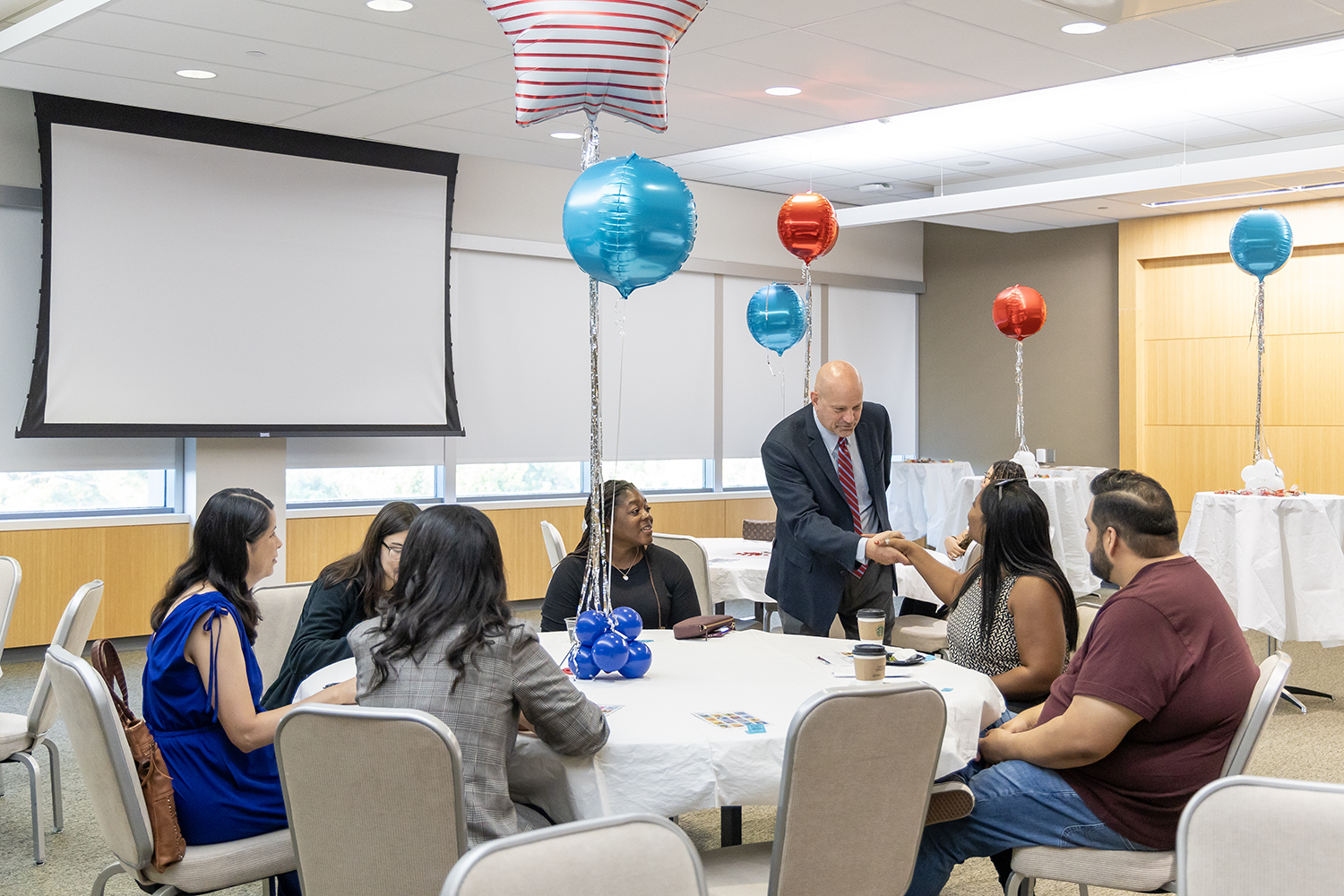
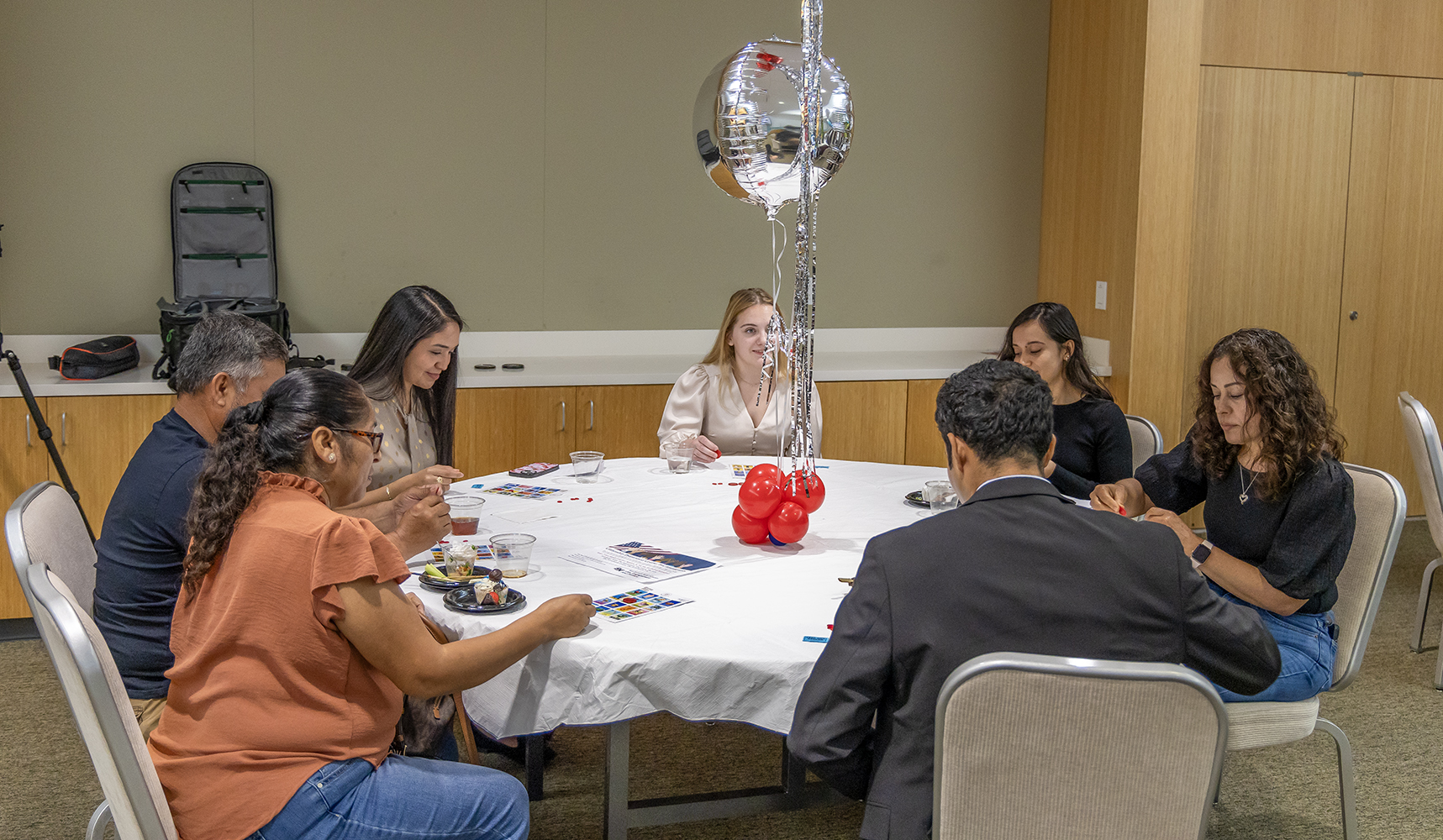
As guests arrived, they settled in with plates of delicious food–empanadas, beef satay, ceviche, and an array of other cultural dishes–setting the stage for an evening of culture and connections. The room itself was beautifully decorated with a patriotic theme symbolizing the civic pride and sense of belonging that come with citizenship.
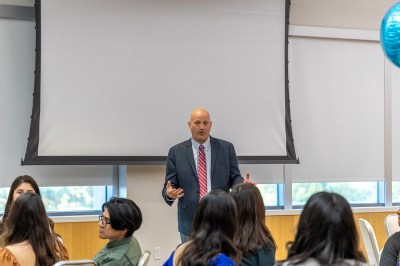
The ceremony began with Professor Yawn, who welcomed attendees and explained how LEAP’s citizenship program is expanding beyond Walker County.
The audience included familiar faces like Gregoria McGuire and Roxana Woychesin, former course participants, alongside eager newcomers ready to begin their journey.
LEAP alumni–Brian Aldaco, Bianca Saldierna, Ademide Adedokun, and Megan Chapa–also in attendance, perfectly timed to coincide with LEAP’s upcoming 20th anniversary celebration and the launch of new initiatives.
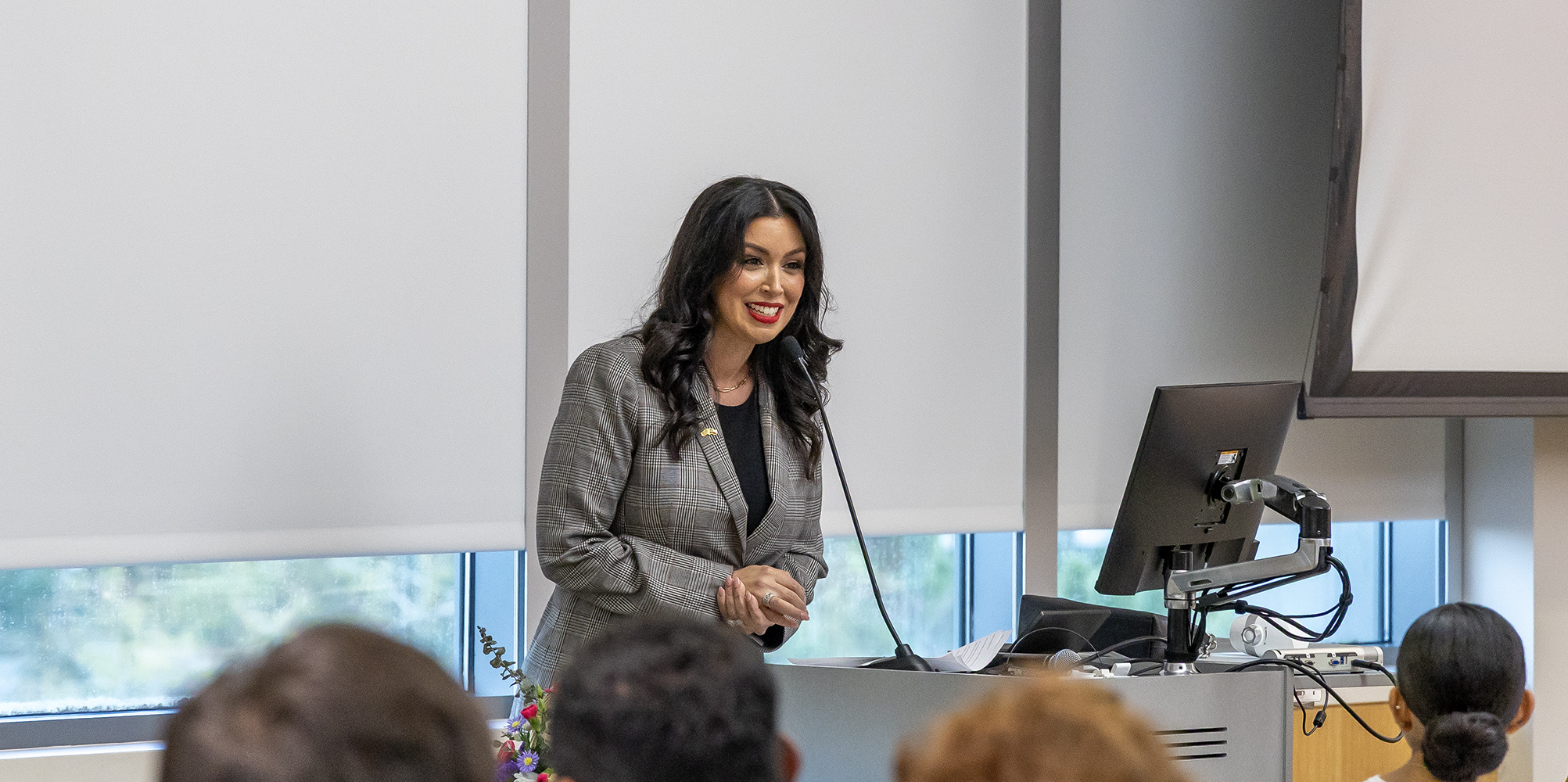
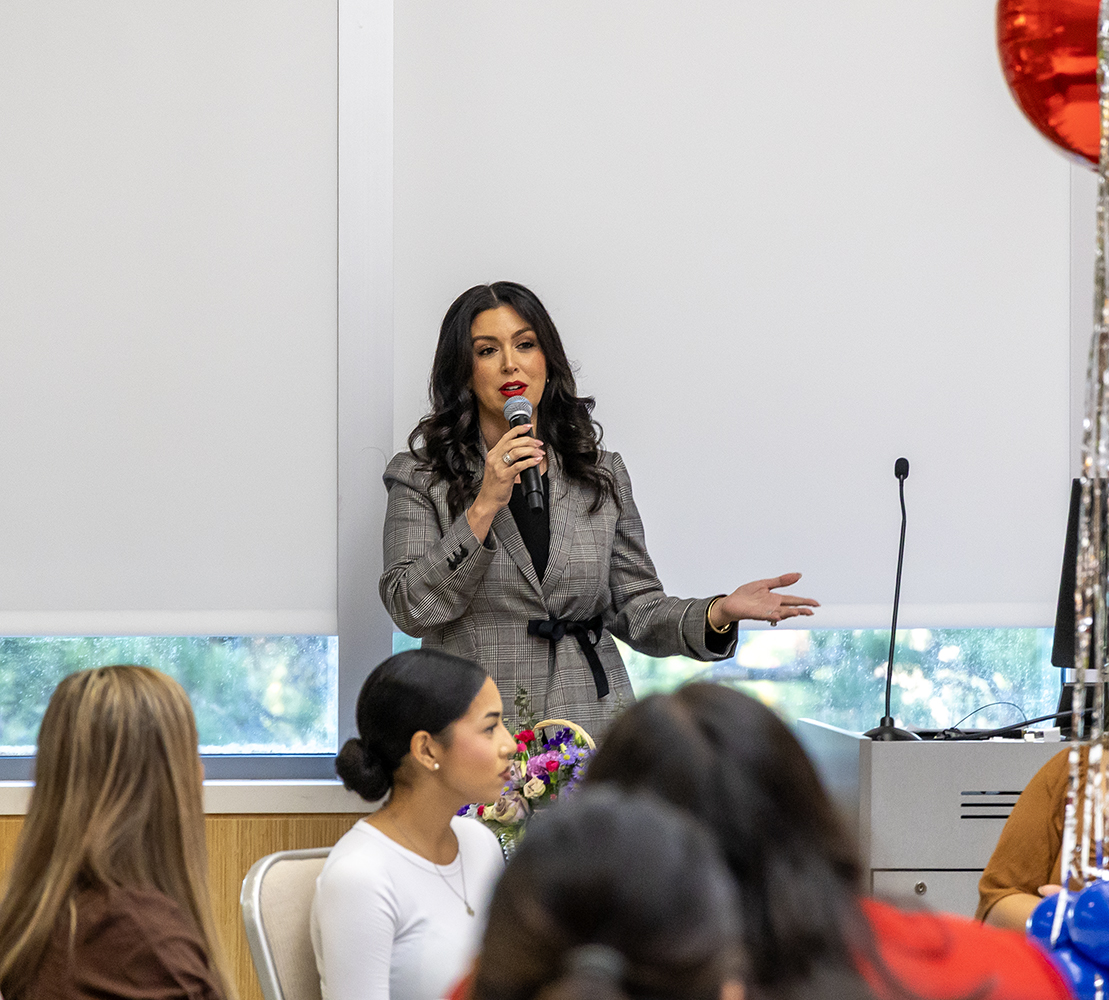
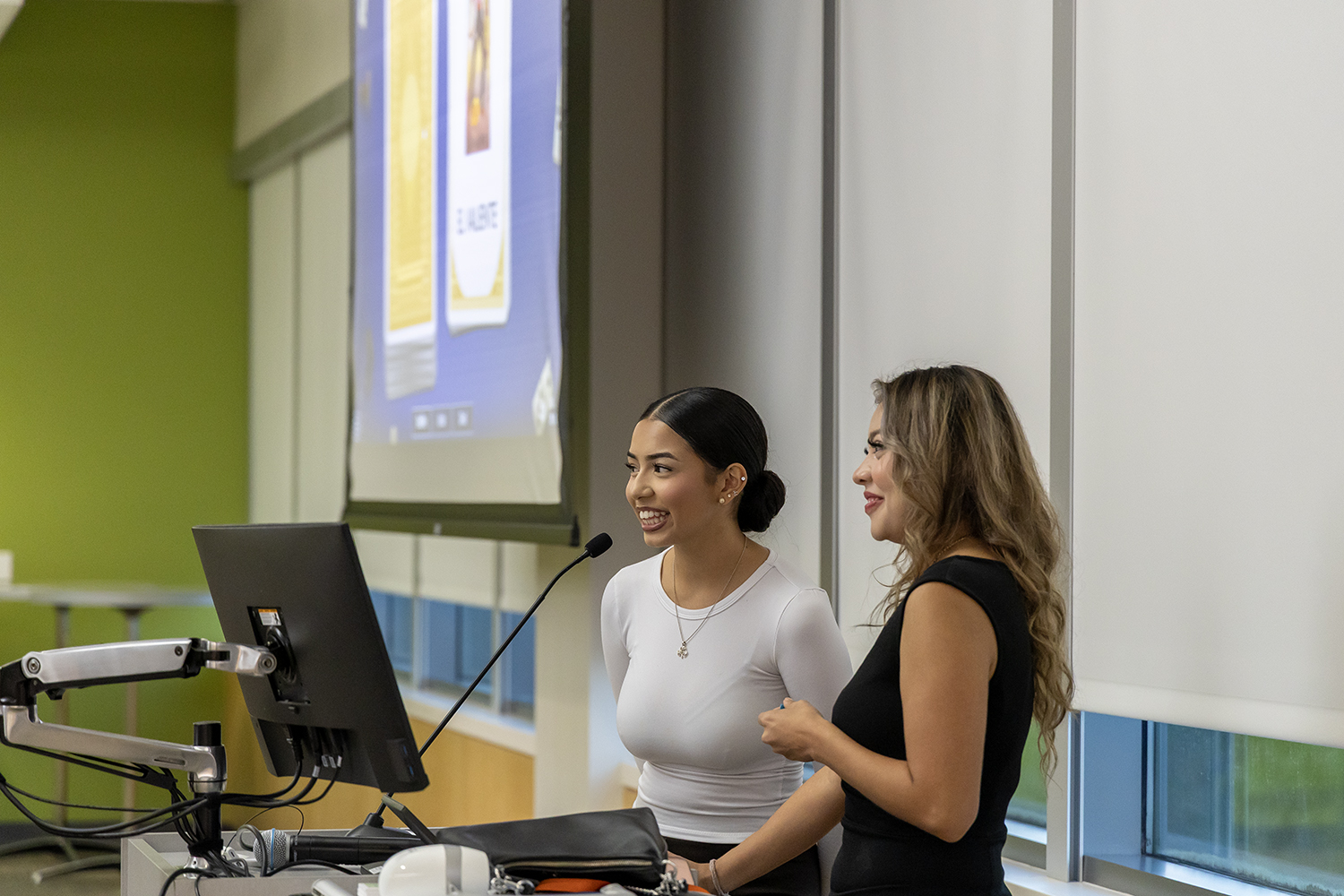
I then had the chance to offer my own words of welcome — thanking everyone for their incredible support and emphasizing that this event was truly a celebration for all: those who had been naturalized, those beginning the journey, and those supporting this civic milestone.
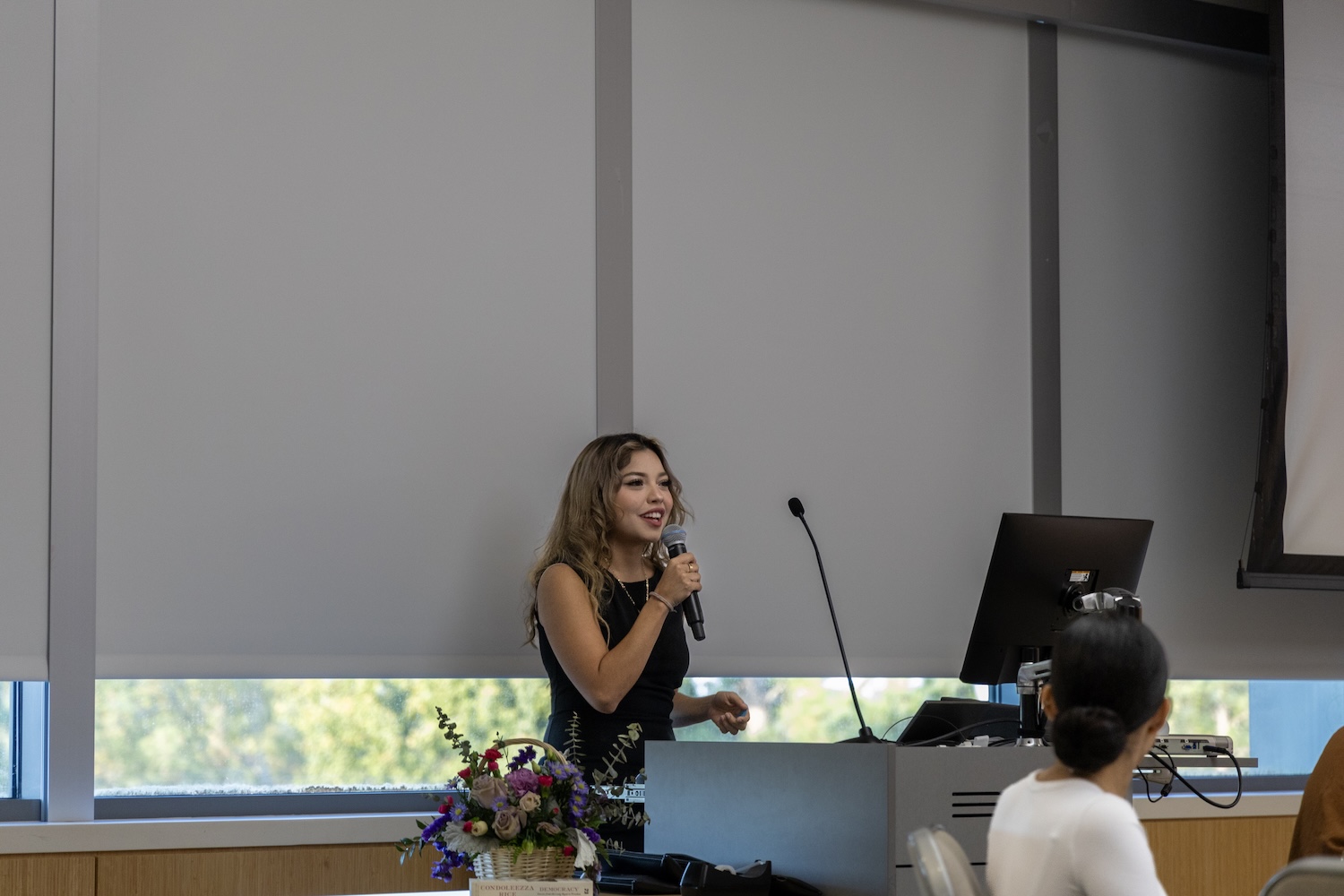
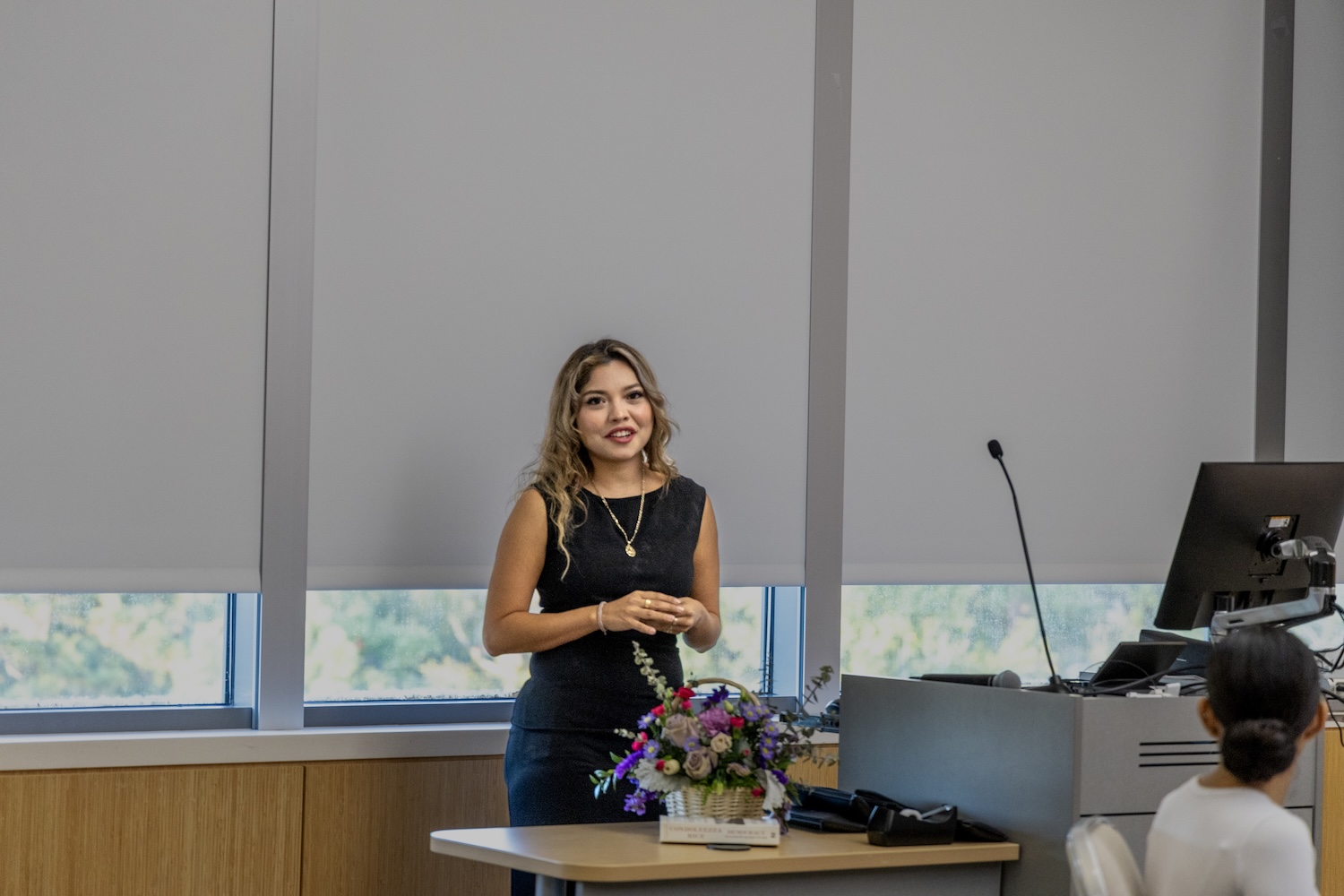
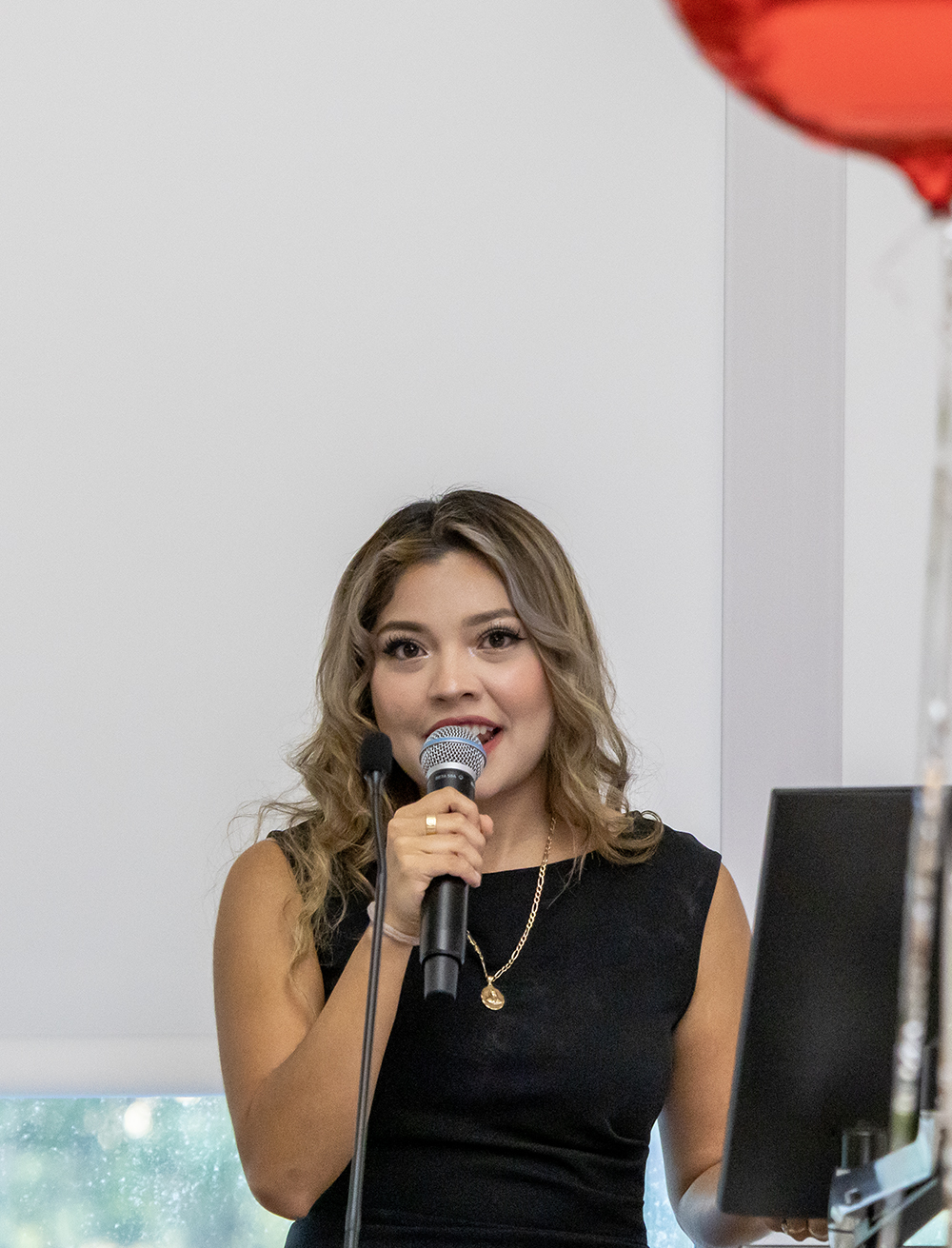
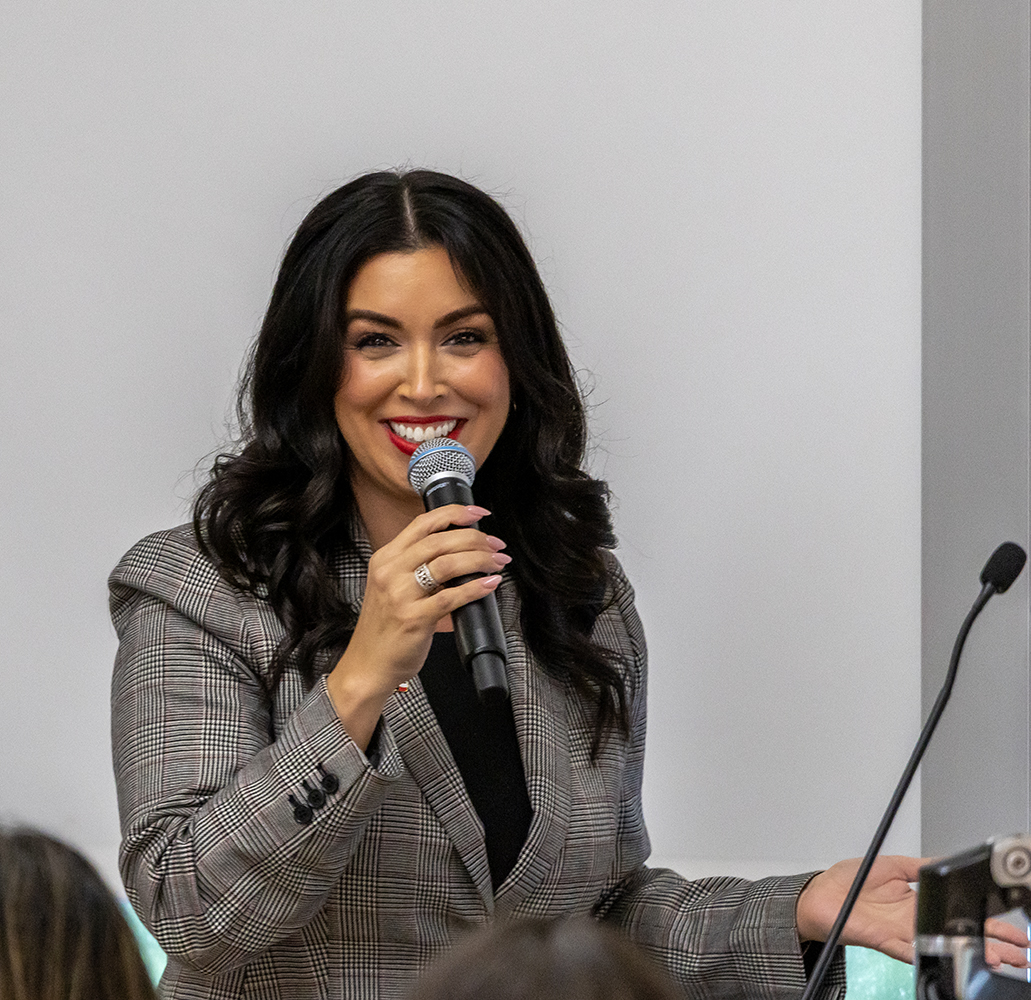
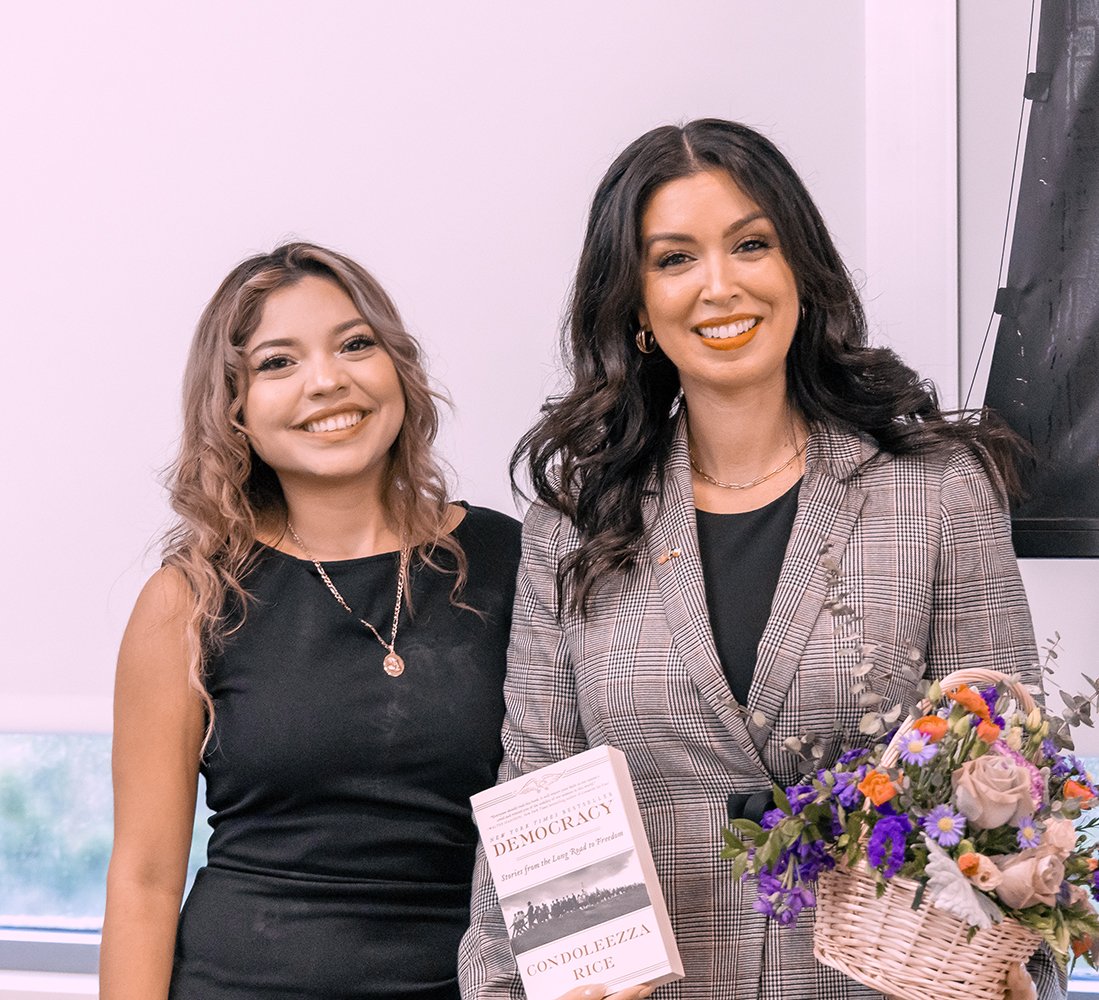
Then came the moment I’d been looking forward to — introducing Christina Sato, who so graciously agreed to share her journey and beautiful words with us. Christina Sato is an accomplished actress, singer, and University of Texas at Austin graduate who interned for former U.S. Senator Kay Bailey Hutchison and has built an impressive career bridging entertainment and public service.
Christina spoke beautifully about three important themes, with one particularly powerful message about the importance of an invitation…
…recalling that she first met Professor Yawn in an elevator, three years ago. That chance meeting, followed by some networking, led to the invitation to speak at this event.
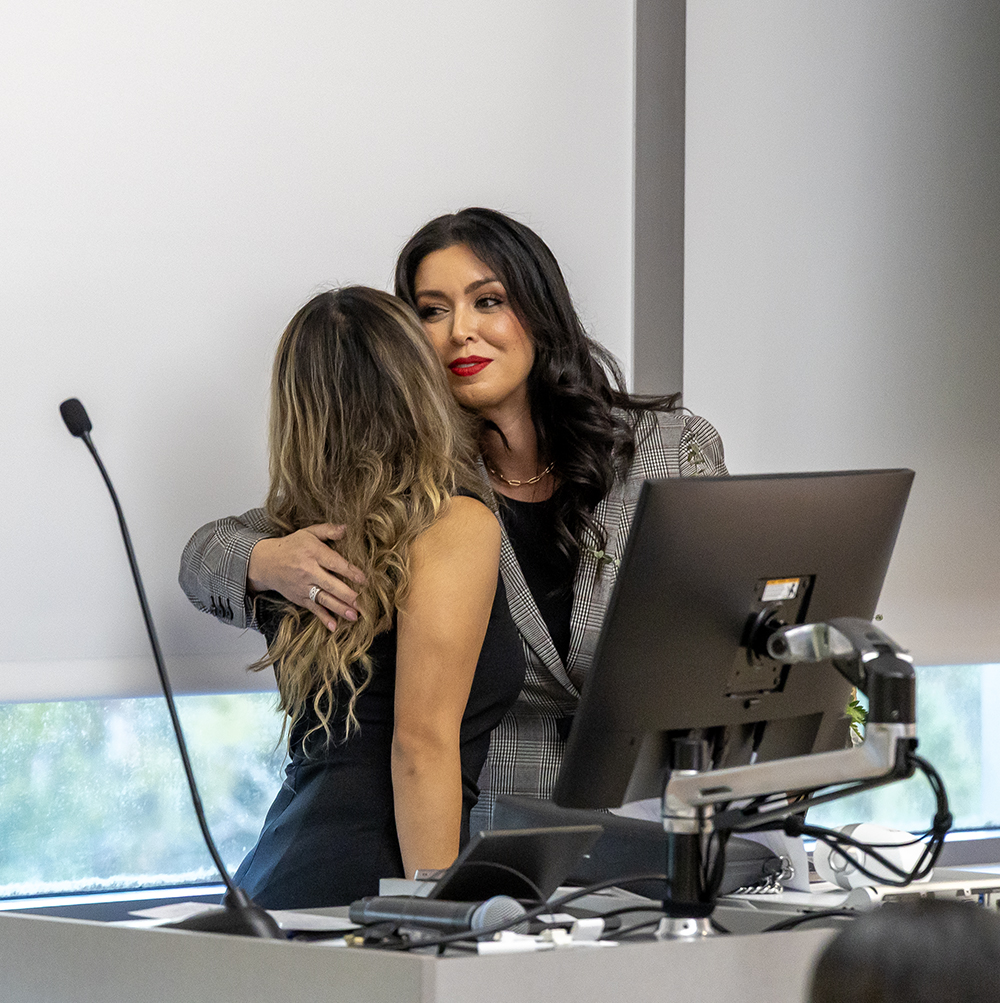
She tied this concept perfectly to the crowd and their purpose, making everyone feel the significance of being present and being welcomed into community.
Her story was one of unexpected turns and beautiful detours. Sato shared how she began her career with aspirations in public service, only to find life taking her down different paths-through entertainment, through various roles and opportunities that she never initially imagined. Rather than viewing these changes as setbacks, she embraced them as part of life’s natural rhythm. Her journey wasn’t linear, and she owned that truth with grace and authenticity.
For the naturalized citizens in the room– many of whom had taken long, winding roads to reach that point–her story struck a personal note. For those still on their journey toward citizenship, her message offered hope, encouragement, and a reminder that every experience brings us closer to where we’re meant to be.
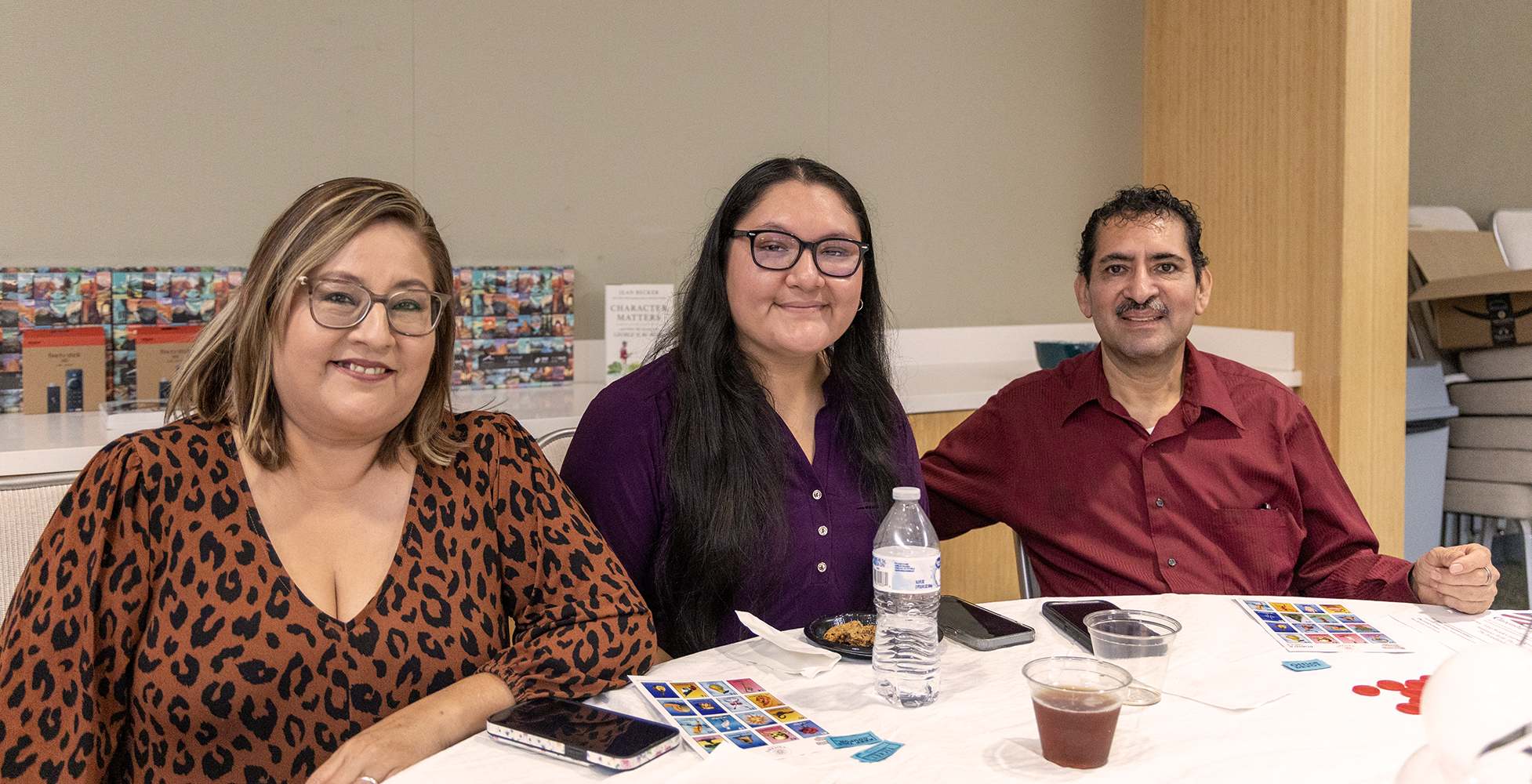
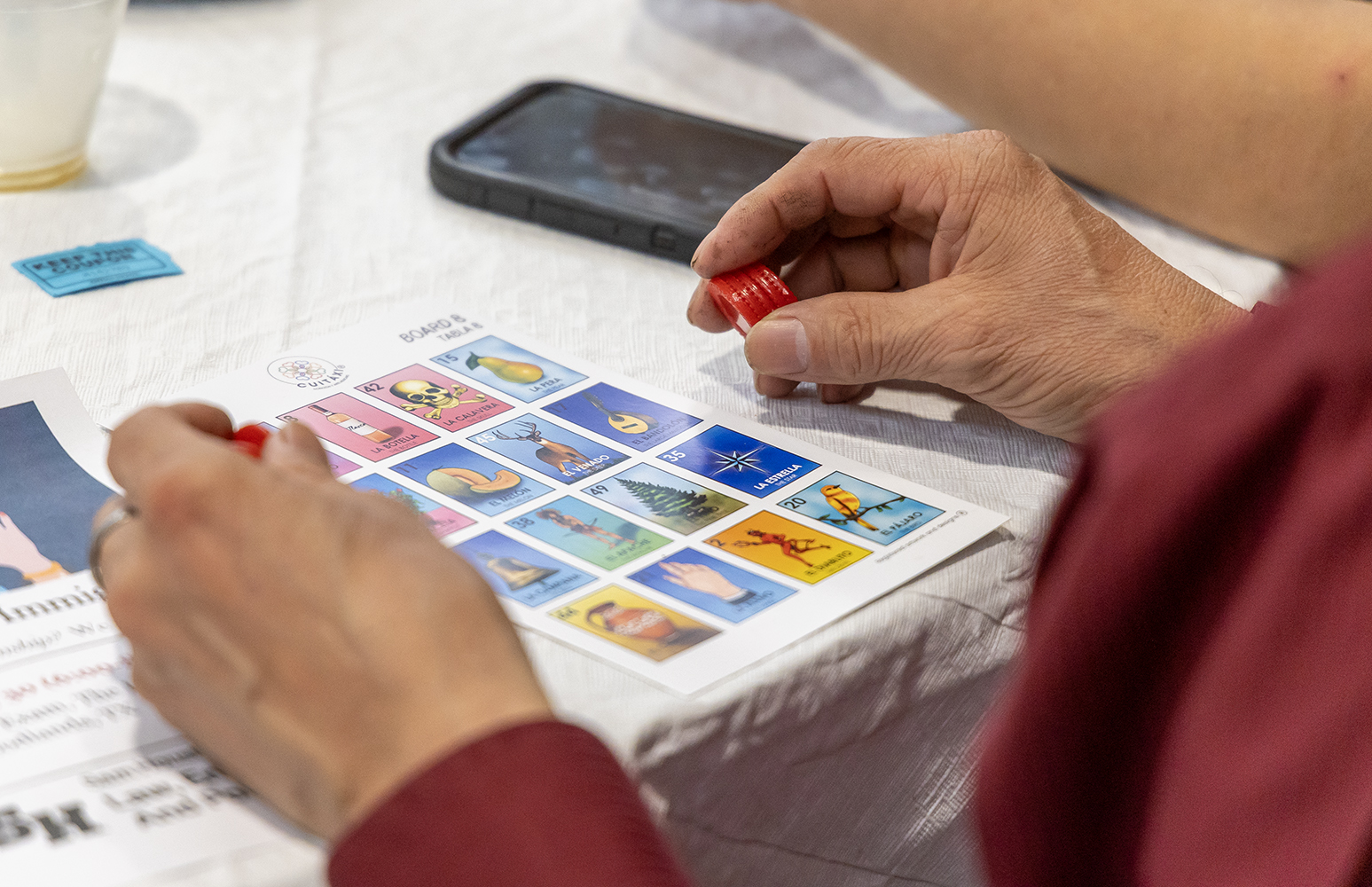
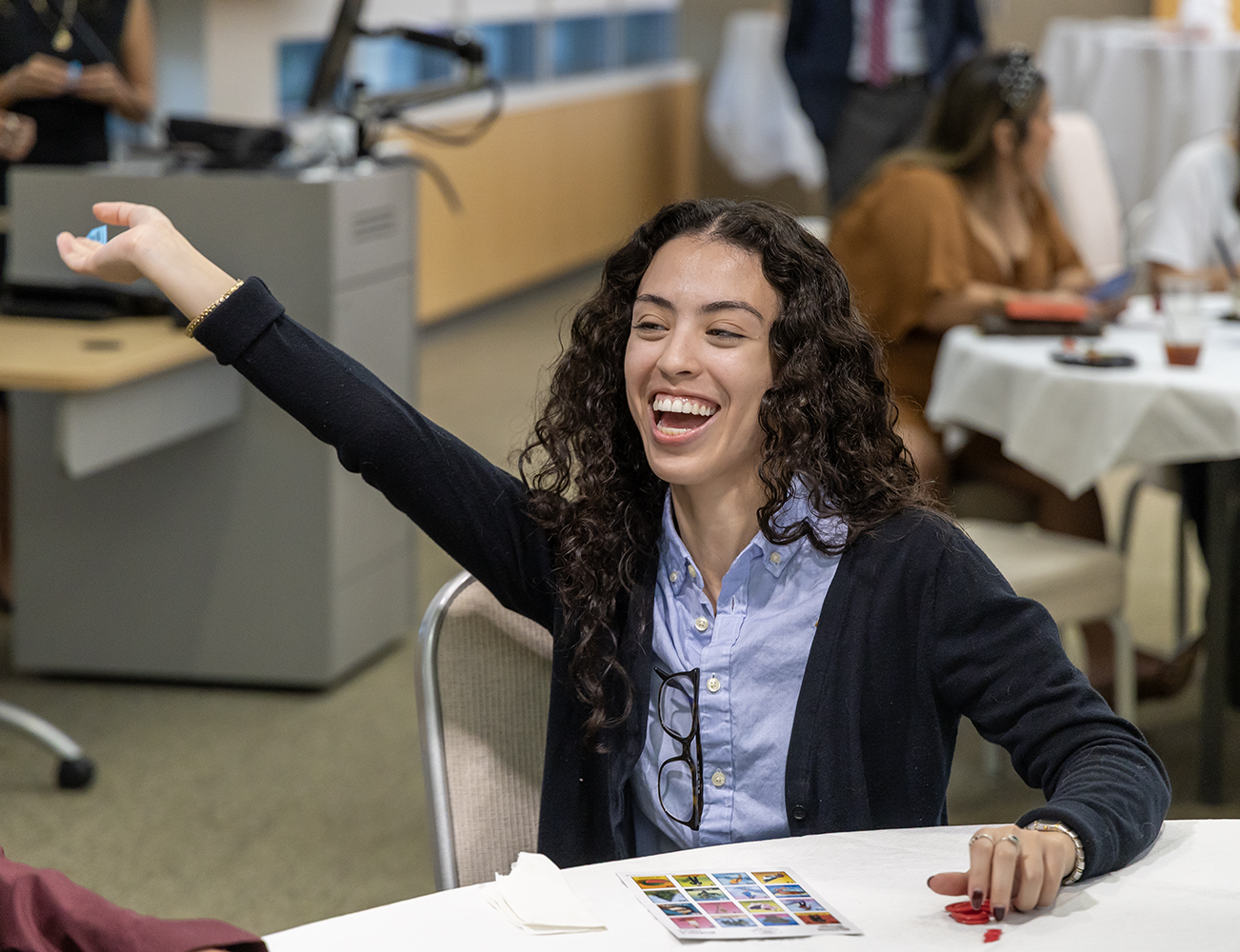
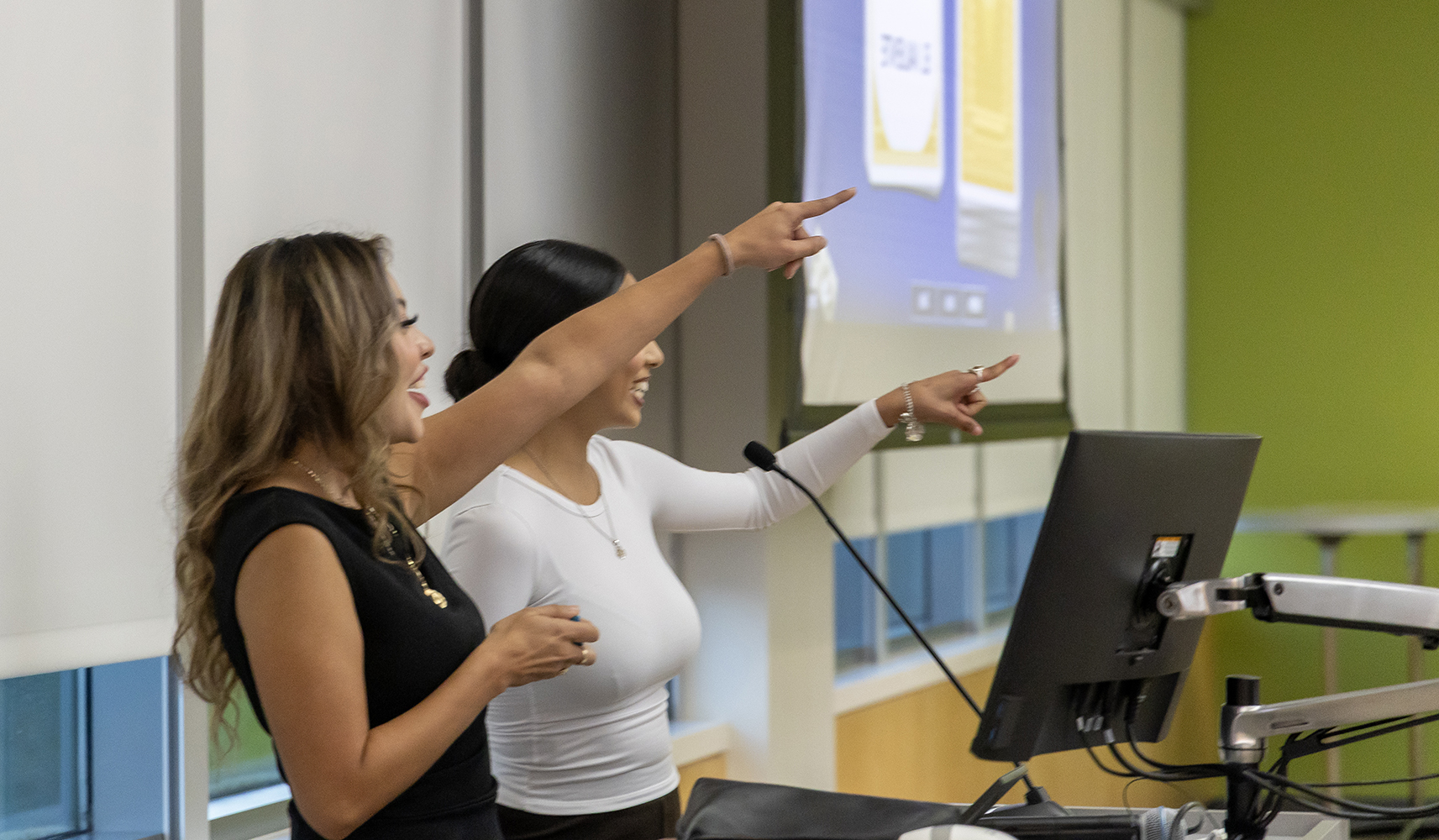
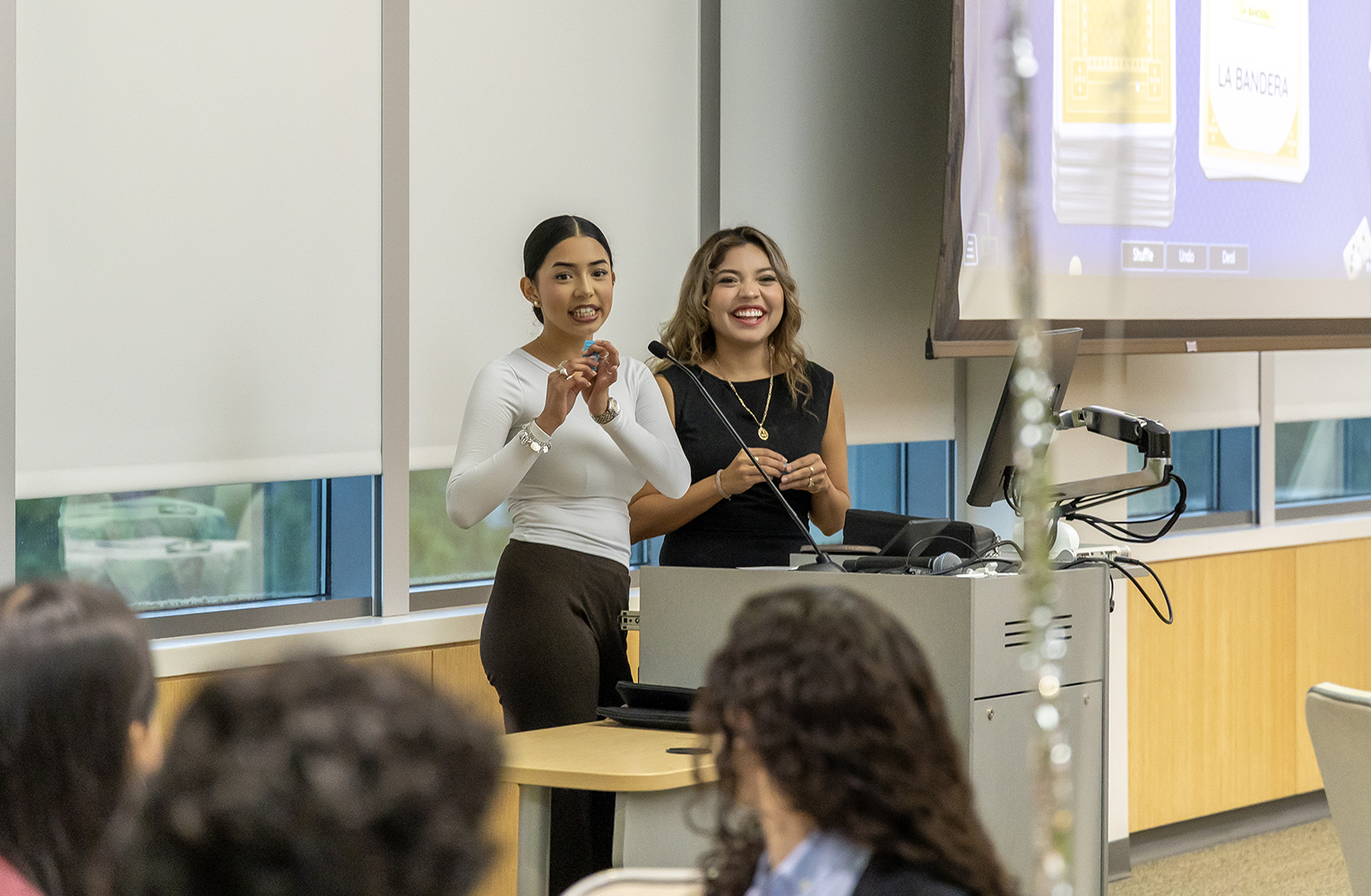
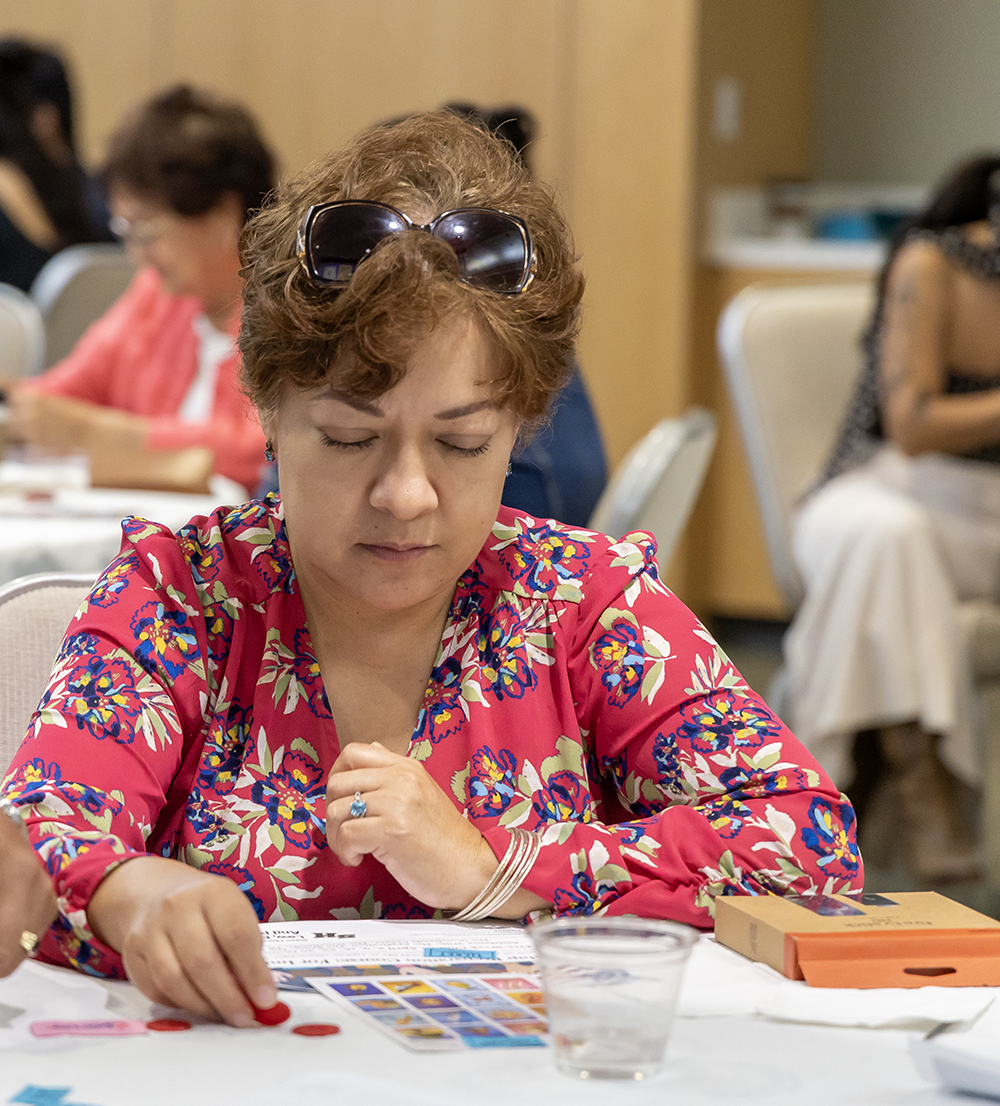
The evening then shifted to something wonderfully fun–Lotería! For those unfamiliar with this traditional game, it’s similar to bingo but with a uniquely cultural twist.
We played a couple of rounds, giving away prizes to lucky winners throughout the evening, with the help of volunteers Andrea Torres, Olivia Discon, and Laura Juarez Ordonez.
It was a beautiful reminder that while we gather for serious purposes – citizenship, community, growth – we also come together to celebrate, to play, and to enjoy each other’s company.
As the celebration concluded, we announced the next phase of our program: our Spring 2026 Citizenship Course. This course will be held on April 2nd, 9th, 16th, 23rd, and 30th at The Woodlands Center, to support immigrants as they work toward their citizenship, providing the resources, guidance, and encouragement they need to succeed.
A heartfelt thank-you to everyone who made this evening possible: thevolunteers and LEAP alumni whose ongoing support sustains the program, Christina Sato for generously sharing her time, inspiring story, and wisdom, and most importantly, the naturalized citizens and immigrants whose journeys continue to inspire this program and remind us of why it initially started.
Here’s to the journey ahead–and to all the events yet to come!
For more information about LEAP’s citizenship program or our upcoming Spring course, email Professor Mike Yawn at mikeyawn@shsu.edu.
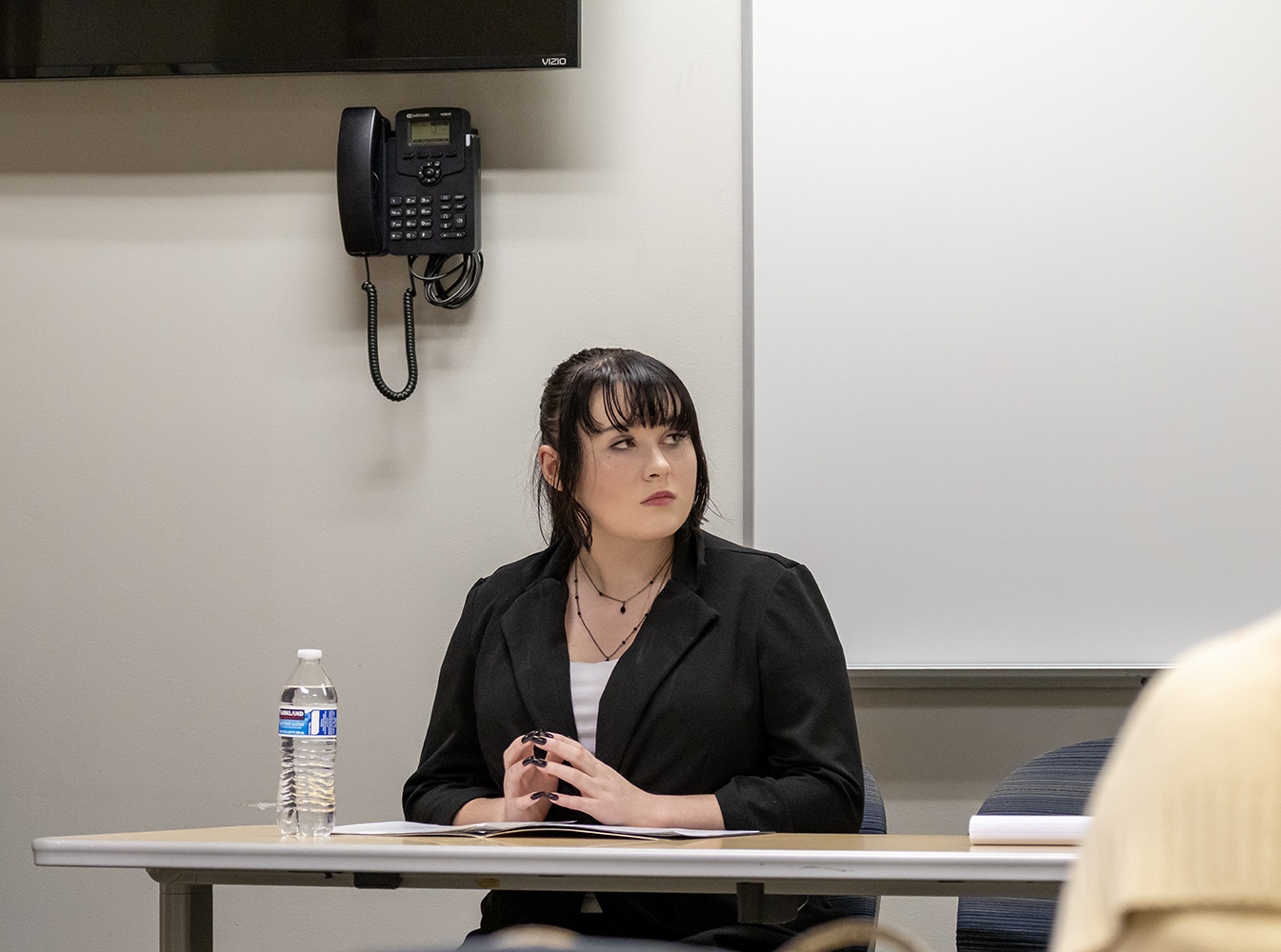
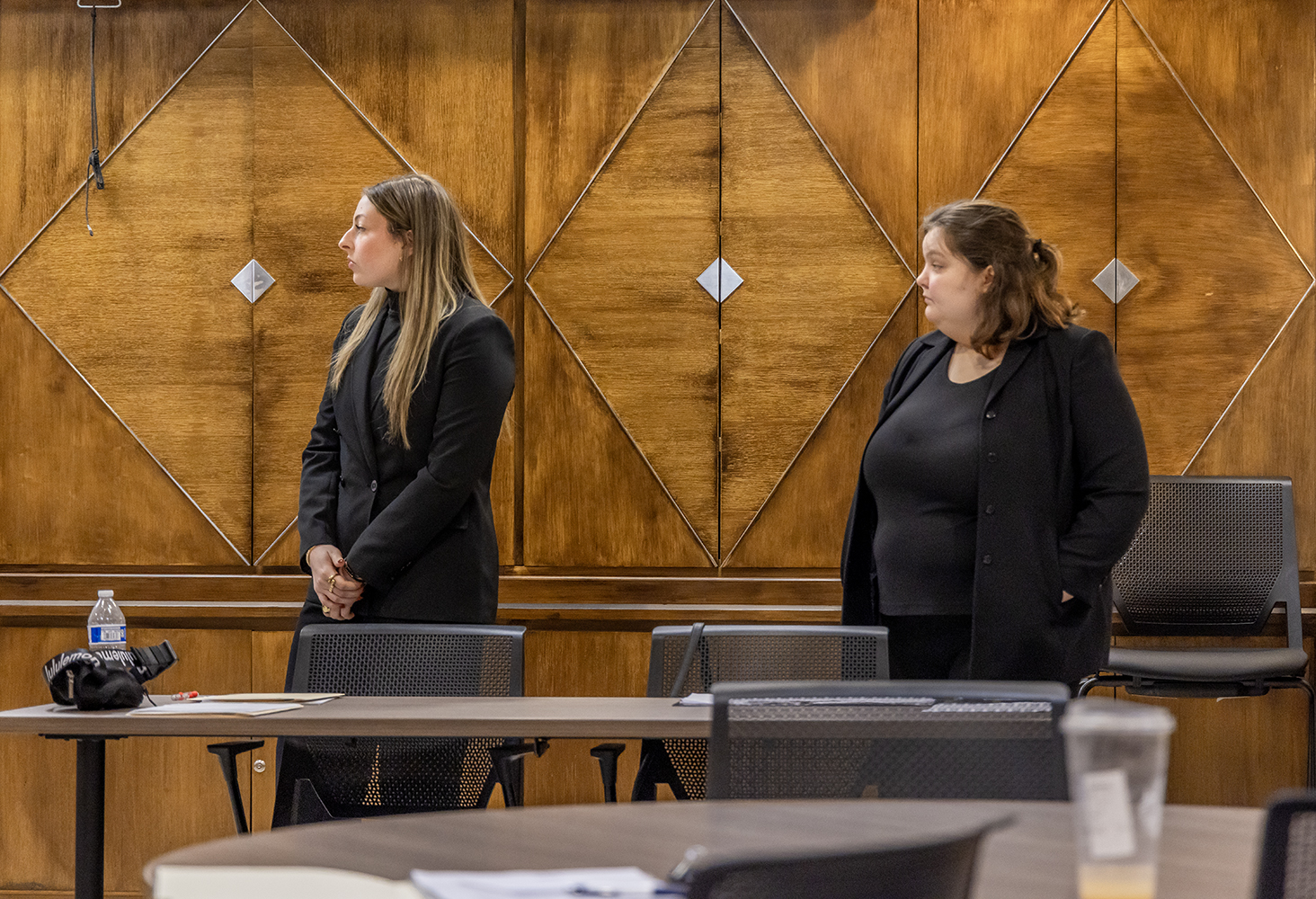
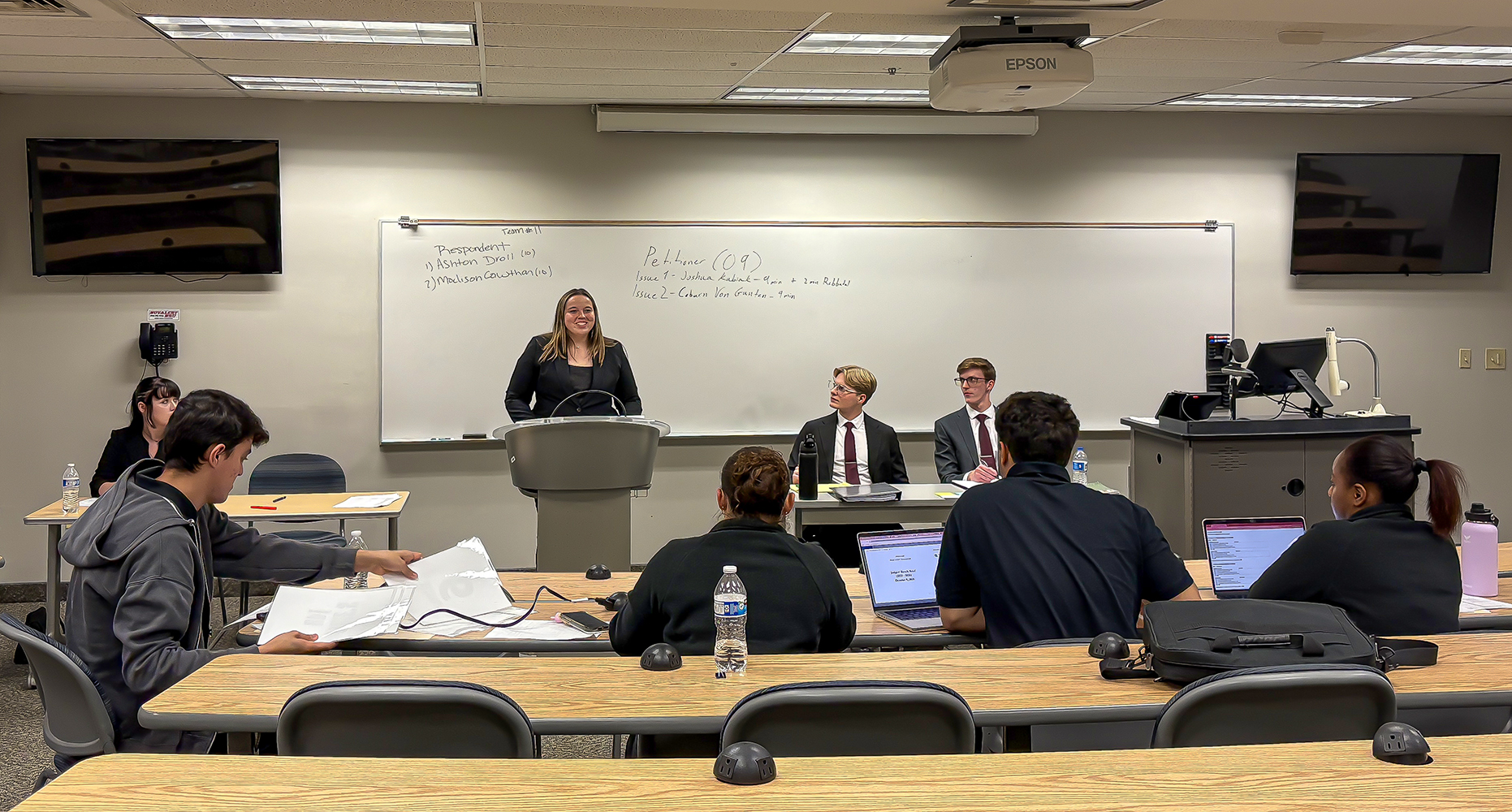
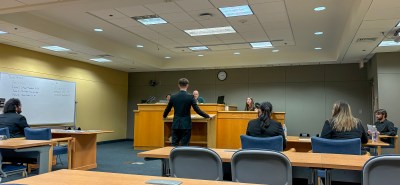
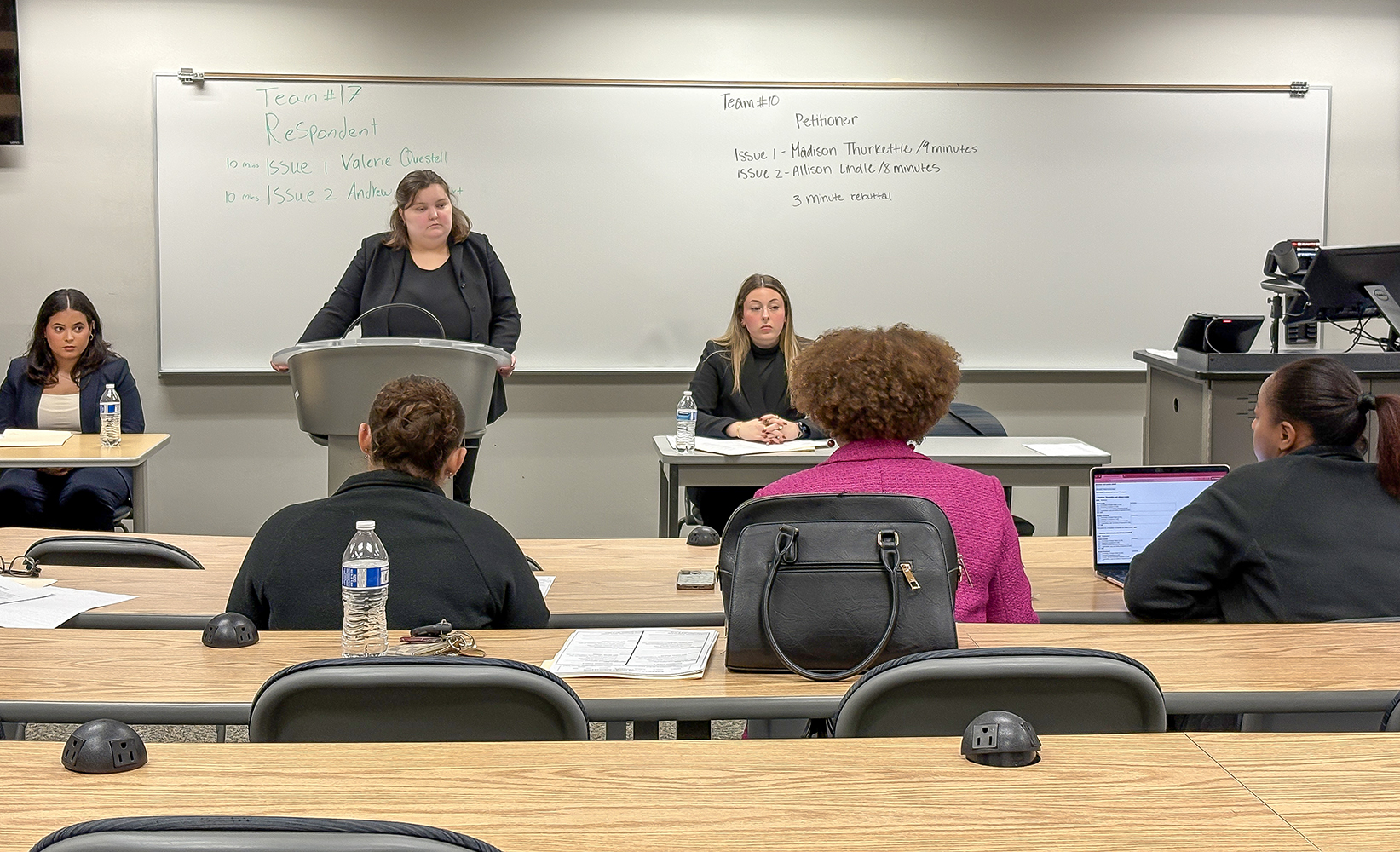
After a long day of Moot Court competition and work that persisted late into the night, our LEAP competitors enjoyed the mercy of an extra hour of sleep, courtesy of Daylight Savings Time. But the sun rises even after the longest nights, and we–Madison Thurkettle, Allison Lindle, Katie Wilson, and our Day Two competitors, Ashton Droll and Madison Cawthon–hastened to the Shepard Broad College of Law to extend our Moot Court season.
A Time to Keep…
With admonishments to arrive no later than 9:30am, we arrived early, in time to witness the coin toss that would decide whether we were representing the petitioner or respondent.
Our competition was Connor Rust and Inanna Khansa from the University of Chicago, and winning the coin toss, they chose to represent the respondent–which was fine with us.
A Time to Build Up…
A win in this round would place us at the Preliminary Nationals, scheduled for Virginia in January. For Maddie, who wasn’t expecting to get this far, much of the pressure had been shed from her shoulders. Ashton, on the other hand, animated by what many judges described as “a passion for moot court,” felt the pressure and the need to win. Both, however, experienced the ups and downs of preparing for competition.
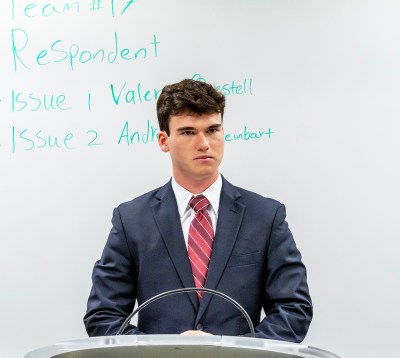
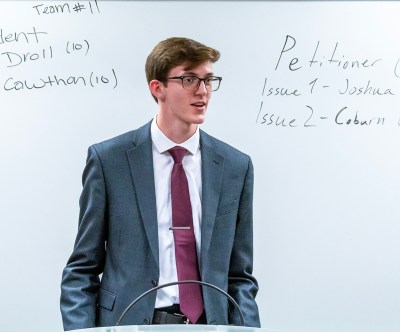
Both sensed immediately the elevated level of competition. “We could cite the record and the cases,” observed Droll, “but Rust and Khansa took it a step further. They cited the record and then cited cases within the cases.”
A Time to Speak, a Time to Keep Silence…
Nonetheless, Droll and Cawthon executed their best performances. Heeding the Biblical admonition that “a fool’s voice is known by a multitude of words,” they answered questions directly, demonstrating their knowledge of the cases and applying that knowledge judiciously and to the point. “They were,” noted Wilson, “more polished than they’ve been the entire Moot Court season.”
In the end, however, it wasn’t quite enough. Rust and Khansa edged out Droll and Cawthon on two ballots (one was decided by three points out of 1,600) and solidly on a third. Despite the loss, the team members’ outlook remained undimmed, happy with their portion, and equipped with a focus on a new season and a renewed sense of purpose.
Two Shall Withstand…
The finals pitted Anna Barker and Steven Abraham (University of Central Florida) and Christy Banker and Gaege Gobezie (Liberty University)–the latter of whom had taken the tournament’s first and second-place individual orator honors.
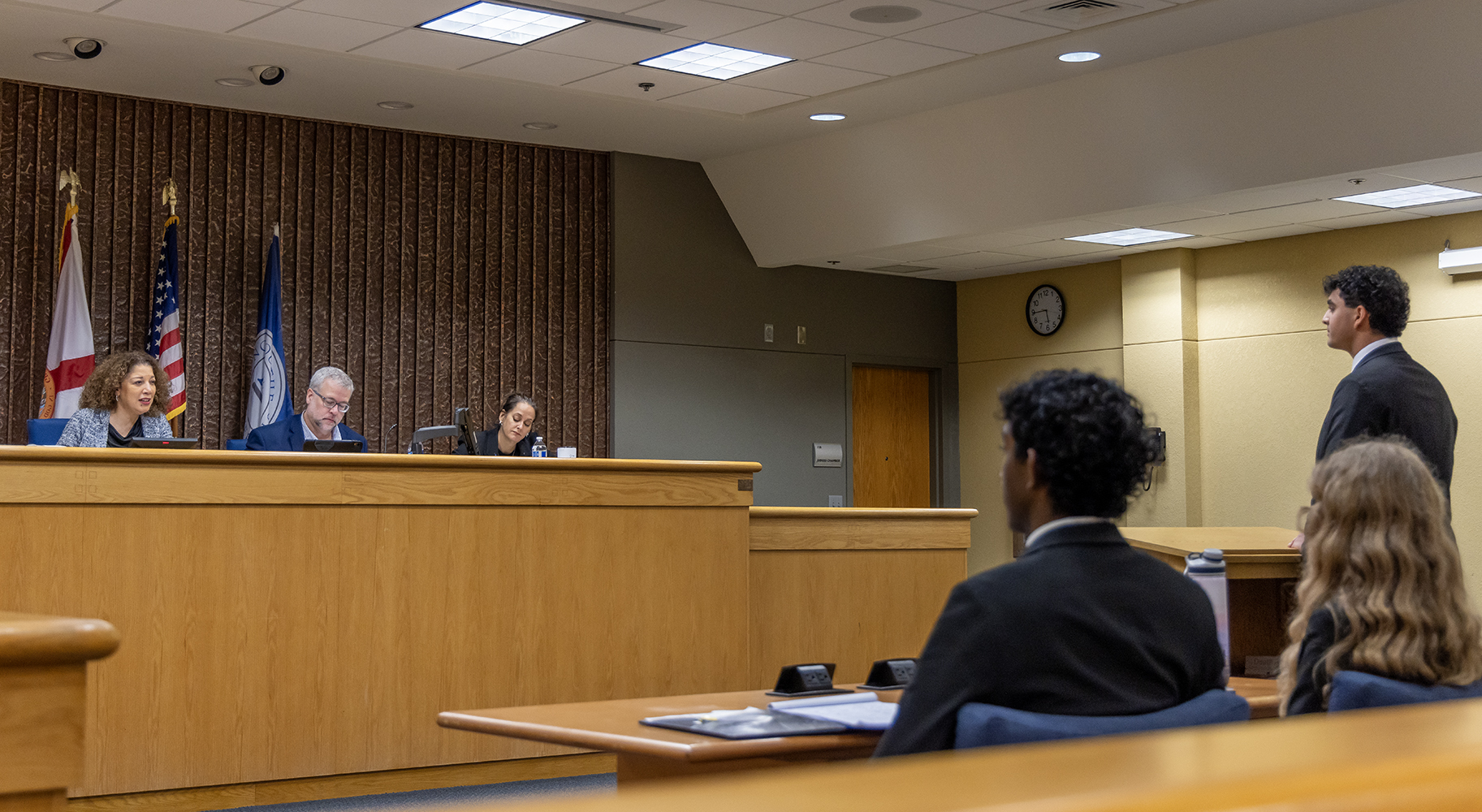
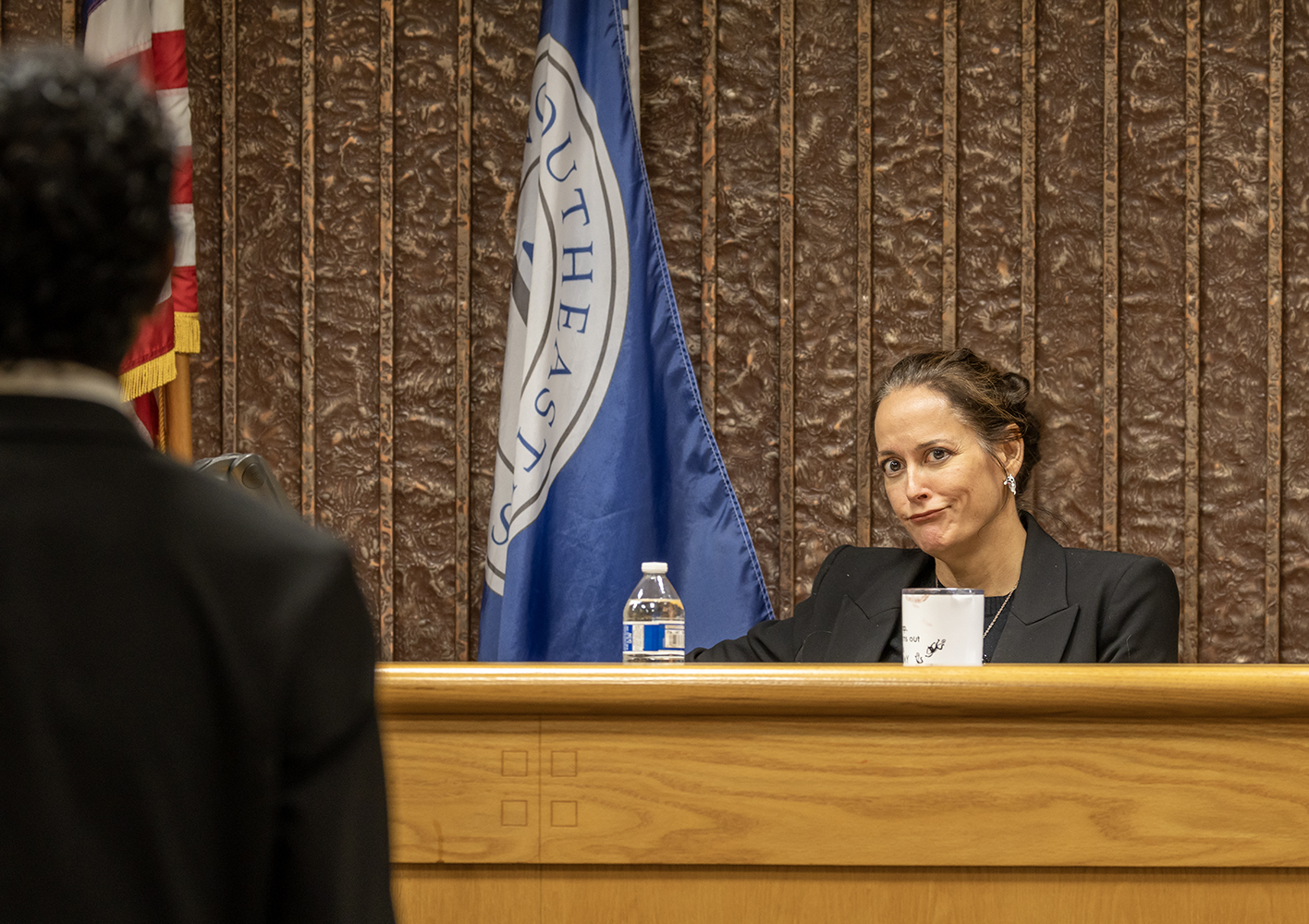
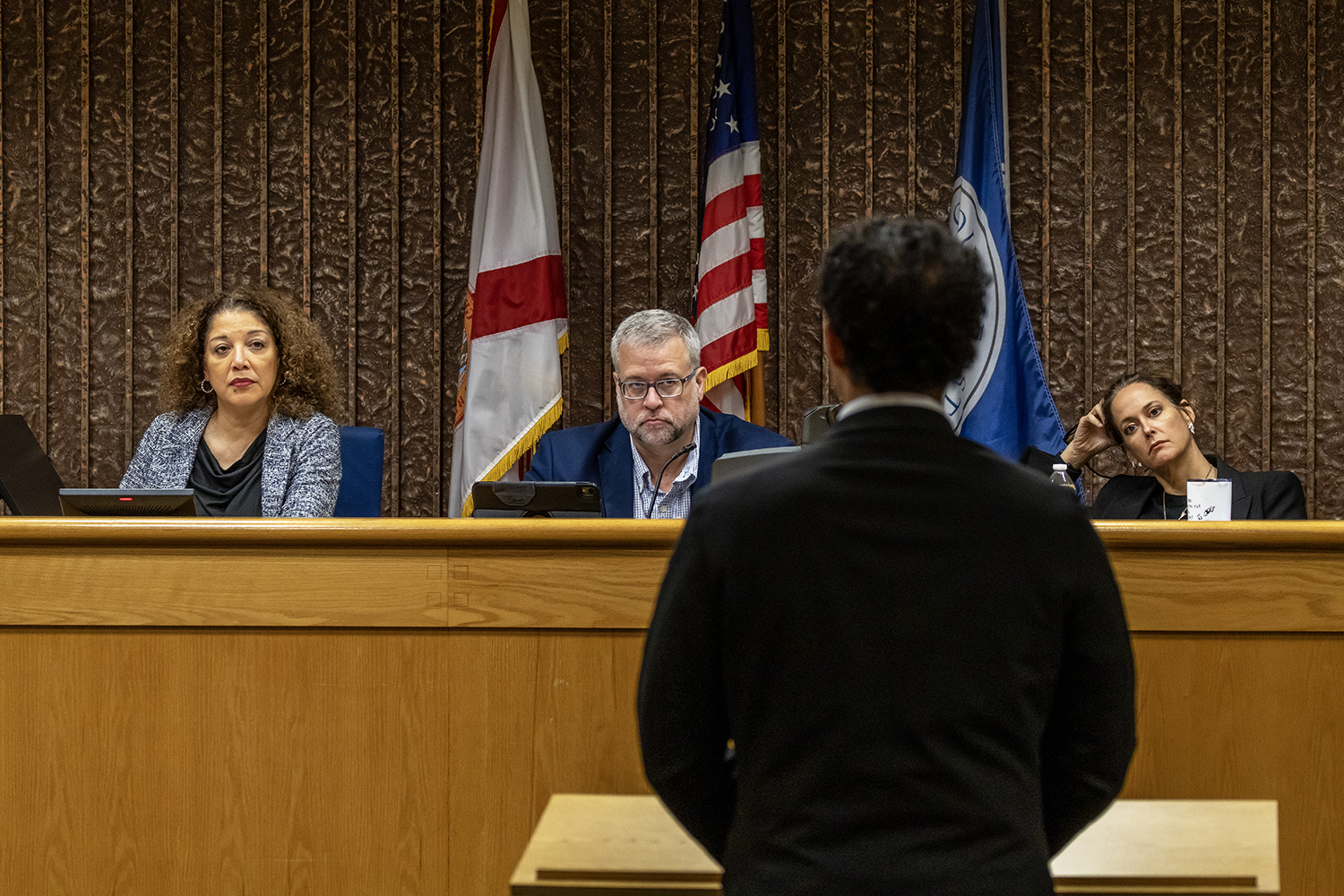
Facing a hot panel–which included the Dean of the Law School (Olympia Duhart), the Director of Advocacy Programs for the Shepard Broad College of Law (Joe Lester), and an animated Criminal Law Professor (Megan Chaney)–
…the four competitors showed impressive knowledge of the cases, verbal agility, and the enviable skill of anticipating the judges’ line of questioning and redirecting it. It was, LEAP students noted, a lesson to learn.
The contest was close, perhaps the closest of the tournament…
…with Anna Barker and Steve Abraham of the University of Central Florida edging Christy Banker and Gaege Gobezie of Liberty University. The match was decided by two points.
Every Man Should Eat and Drink…
With competitions behind us and much before us, we decided on a meal at Rocco’s Tacos, which was recommended by Orlando Magazine and Eater. The recommendation was well founded.
We began with guacamole (excellent), which had just the right mix of tomato, salt, and garlic; chips and a salsa sampler, with the salsa verde and the smoked salsa being the favorites; and sauteed shrimp, which were impressively tender and bursting with flavor. It was a good way to begin the meal.
Our entrees were equally impressive. Half of our group ordered salads, while Ashton sampled the cheese enchiladas (featuring creamy Chihuahuan cheese); Professor Yawn tried the veggie and pork tacos; and Cawthon explored the Chorizo tacos, featuring Cotija cheese.
The food was excellent and filling, and the time at the table offered a respite from a competition and an opportunity for reflection.
Patient in Spirit…
With the tournament receding into a remembrance of former things, we contemplated the transitional and cyclical nature of things.
Each of us has enjoyed a new experience on the trip, whether it be a new food experience, learning photography with a mirrorless camera, or simply our first travel without family in tow. For all of us, this was our first Moot Court competition.
And while it is natural to see a cohort go and a cohort come, four of our five competitors will still be at Sam Houston State University next year and–at least following the high of competition–are interested in participating again in Moot Court, renewing a cycle of education, experience, and exploration.
And with these reflections on the good of our labor, we returned to the hotel, where we looked forward to the sweet sleep of the hard working and to the start of a new day.
After a summer of study and two additional months of practice, LEAP’s Moot Court team made their way to Fort Lauderdale (which, in fairness to the title, is near Miami) for the Sunshine State Regional Moot Court Tournament–part of the American Moot Court Association’s annual national competition.
AMCA Board Member Ben Rathsam Kicking Things Off
The Moot Court Process
The Moot Court process has many moving parts, but the steps are straightforward:
Each team has two members, with one tackling the 14th amendment (equal protection) and one tackling the 1st amendment (speech);
Teams then register for one of 18 regional tournaments across the US;
Teams then compete in the tournament for which they registered, and if they qualify, they move on to a “Preliminary National Tournament” and, if they qualify again, the National Tournament.
Teams are evaluated on four broad categories: Knowledge, Courtroom Demeanor, Response to Questions, and the Clarity and Logic of the Argument.
Michael Dass from NSU
Moot Court at Sam Houston State University (SHSU)
SHSU begins its Moot Court involvement shortly after AMCA releases the Case Problem (May 1). Over the summer, Professor Mike Yawn teaches “How to Win in the Courtroom,” using the Case Problem (and the ancillary 20 other cases) as the curriculum, and culminating with live “hearings.”
In late August or early September, official tryouts are held, and students compete for team spots. The LEAP Center selected five participants this year, making up two teams and a “spare:” Team One is Madison Thurkettle and Allison Lindle; Team Two is Ashton Droll and Maddie Cawthon. A fifth student, Katie Wilson, made the team, but lacked a teammate.
All of these students committed to weekly practices during September and October, with the goal of being prepared for today’s tournament.
The Sunshine Tournament
The Shepard Broad College of Law at Nova Southeastern University hosted the Sunshine Tournament, giving 64 students the opportunity to travel; visit a law school; perform in front of judges, bailiffs, and tournament organizers; and meet other pre-law students from across the country. AMCA Representative Ben Rathsam introduced the event, and Shepard Broad Law Professor Marc Consalo provided additional guidance, helping orient the students, and focusing their minds.
Day One, to use a sport analogy, is the “regular season,” and it consists of three rounds for each team. The first round began at 2:00pm, with Thurkettle and Lindle representing the petitioner and competing at a team from Central Florida; Droll and Cawthon also represented the petitioner, and they competed against a team from Nova Southeastern University. In subsequent rounds, SHSU teams faced competitors from Stetson University, Benedictine College, Liberty University, and the University of Tampa.
Moot Court Self Care
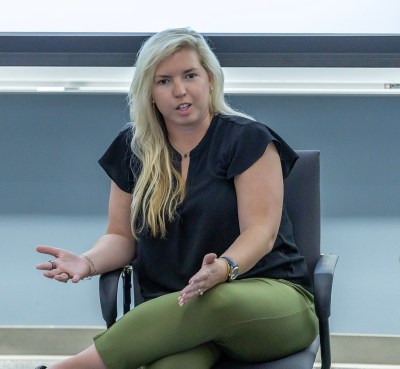
Katie Wilson, although not competing this year, travelled with the team, proving herself an expert navigator, and a quick-learning photographer.
Competing
Although the students have been involved in more than a dozen formal practices and numerous individual practices, the real thing brings a fresh sense of nerves.
“For me, the first round was the worst,” noted Madison Thurkettle, a Junior at SHSU, and a first-time competitor in Moot Court, “and I was able to loosen up in the subsequent rounds.”
Allison Lindle, Thurkettle’s teammate, agreed: “The first round was nerves; the second round, we were able to see some success; and by the third round, we were hitting our stride.”
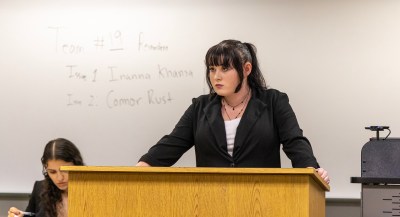
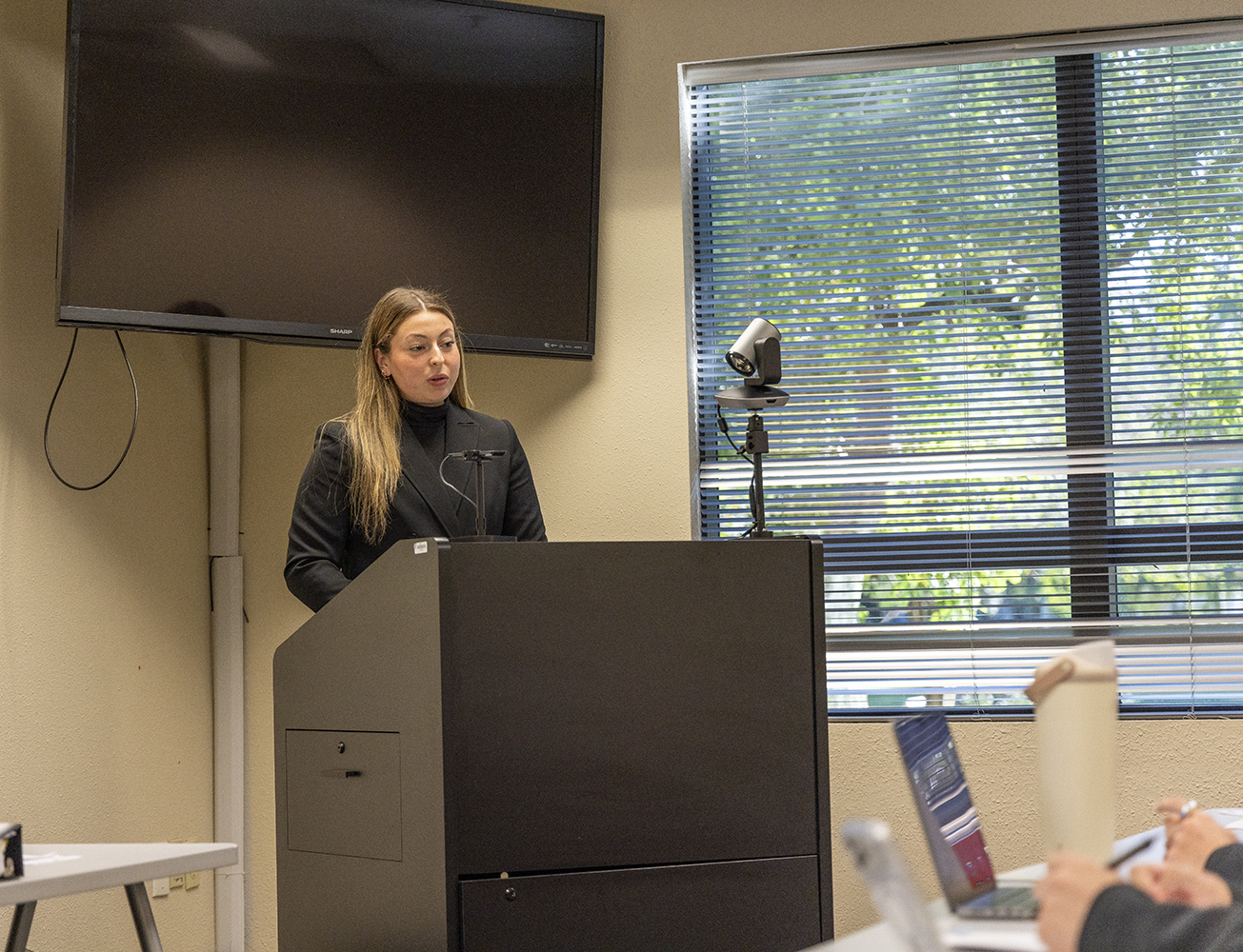
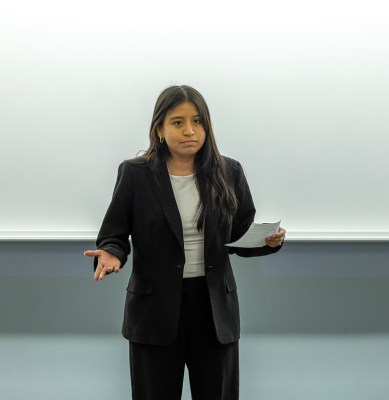
Only Known Photo of Thurkettle Smiling While at a Podium
For Ashton Droll, who did debate in high school, nerves weren’t a huge issue. But there was still the adapting to representing different parties in different rounds and learning the idiosyncrasies of the different judges. In Round One, for example, one judge gave Droll an average score of 87.5; another gave her an average score of 99.25.
At times, the judges’ feedback can be contradictory. One judge told Maddie Cawthon that she “sometimes got lost while answering questions.” The same round, a different judge told her: “Great responses to questions.” A frustrated Cawthon lamented: “they can’t both be correct.”
Outcomes
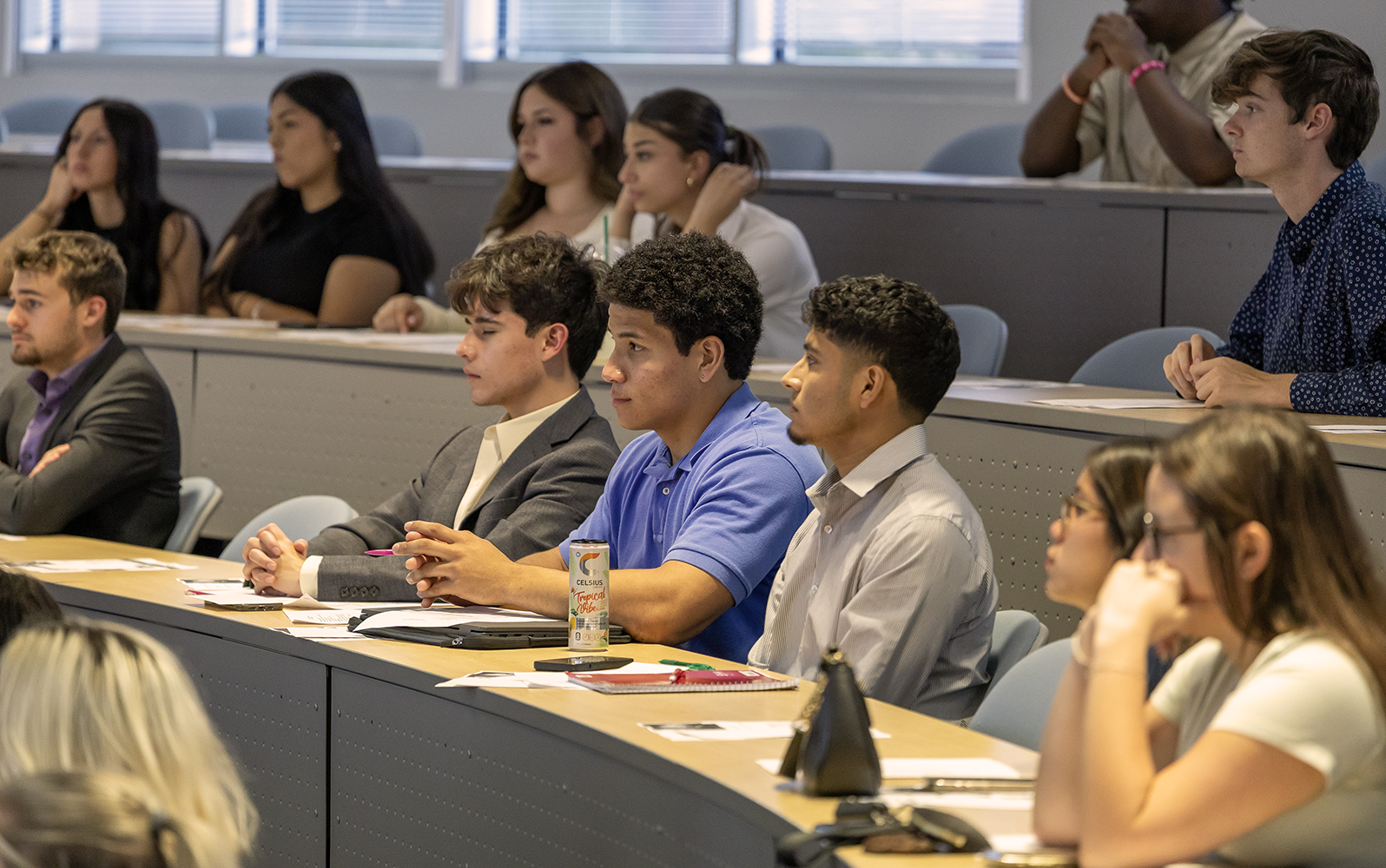
One of the outcomes of tournaments such as this is seeing the competition from other schools. Getting students out of the classroom and seeing high-achieving students from other schools is a key part of moot court, and in this setting, there were many strong students representing top universities across the nation.
For Lindle and Thurkettle, it was a steep learning curve, one punctuated by some near misses. On the final round, for example, they lost two ballots by one point each ballot. It was a tough round. Nonetheless, they both had strong showings. On one ballot, Thurkettle averaged a 98; on the same ballot, Lindle averaged a 97.5.
Droll and Cawthon similarly saw some close calls. Two of their ballot losses came from margins of 10 points or less (out of 1600), but they were in the running on every ballot–and this consistency helped them break into the Sweet 16. Indeed, they were seeded 11th out of 32 teams!
This was a victory not only for Droll and Cawthon, but for the entire SHSU delegation. As Katie Wilson noted, “I’ve spent the last couple of months with these girls, and it was rewarding to see them grow and have the opportunity to compete in front of real judges. I am already getting excited for next year’s case!”
Wrapping Up
But, of course, there is at least one more round in this year’s tournament for Droll and Cawthon, a prospect making for a long night (thankfully, Daylight Savings Time will add an hour…). But whatever that outcome, the tournament–and the organizers, judges, and volunteers–has provided the thrill and stress of competition, exposure to new places and people, and the opportunity for growth.
Ever wondered what it’s like to serve as a judge in your own community? The SHSU Pre-Law Society had the chance to find out firsthand during a moderated Q&A with Judge Devan Dawson, Municipal Judge for the City of Huntsville, and Judge Kim Webb, Justice of the Peace for San Jacinto County, Precinct 4.
From balancing private practice with public service to campaigning for elected office, both judges offered honest insight into the realities of serving at the local level and the unique paths that brought them to the bench.
Judge Devan Dawson, a Baylor Law alumna, shared how her path to law began unexpectedly. Originally an English major planning to teach, a family connection introduced her to the legal field, and she never looked back. Today, she divides her time between her private practice and her duties as a municipal judge, where she handles fine-only misdemeanors and civil cases. Her advice to aspiring law students was simple yet meaningful: “You can help people in countless ways, even something as small as a traffic ticket.”
Judge Kim Webb offered a different but equally inspiring journey. A graduate of Sam Houston State University and the University of Houston, she began her career in law enforcement and worked her way up to captain before pursuing public administration, and eventually, the bench. As a Justice of the Peace, she oversees fine-only misdemeanors, civil cases up to $20,000, inquests, and evictions. Judge Webb emphasized how women bring valuable communication and empathy skills to both law enforcement and the judiciary, qualities that strengthen fairness and trust within the community.
Above all, both judges reminded us that justice must not only be done but be seen to be done, and that every person should leave their courtroom knowing they were treated fairly.
The students were inspired by their humility, perseverance, and commitment to public service. It was a reminder that pursuing law is not just about cases and codes, but about people, integrity, and making justice visible in every community we serve.
With that renewed sense of purpose, our Pre-Law Society turned their attention to organizational business.
and to the big issue of the night: elections. Ten candidates, both new and returning, presented thoughtful speeches about the positive changes they hoped to bring to the organization.
We are proud to introduce of our newly elected PLS Officers: VP of Marketing, Jackeline Balbuena;
VP of Finance/Treasurer, Nataly Elizondo;
…and Secretary, Madison Cawthon.
Congratulations to our new officers, and PLS is ready to make this an incredible year.
Dr. Larry Schooler Shares Real-World Lessons in Conflict Resolution
By Elizabeth Werts, Pre-Law Society
The Sam Houston State University Pre-Law Society was honored to participate in Conflict Resolution Month, sponsored by the Student Legal and Mediation Services, and hear from Dr. Larry Schooler, Assistant Professor in the Department of Communication Studies at The University of Texas at Austin, for an engaging discussion on the importance of communication, empathy, and understanding in conflict resolution.
With his extensive experience within government agencies and community groups as a mediator, Dr. Schooler emphasized the importance of conflict in development. He encouraged us not to concentrate on ‘winning’ an argument, but to listen.
“We spend so much time preparing to advocate,” he said, “but rarely enough time preparing to understand.”
Throughout the session, Dr. Schooler shared real-world examples from his work in mediation, public engagement, and even his family dynamics. He illustrated the role each party plays in an argument and how to become an objective assistant, focused on resolution and relationships. If each individual maintains patience, an agreement can be formed through consensus or acceptance of different views. He encouraged students to think critically about conflict in legal, professional, and interpersonal contexts, as well as the role of empathy as a tool for resolution.
We’ve each experienced conflict in multiple capacities, yet there is also room for growth in understanding and tactics to achieve a universal result.
“When formal education ends,” Dr. Schooler said, “being a student of life doesn’t.”
The event concluded with an open Q&A dedicated exclusively for Pre-Law Society students, where we asked thoughtful questions about careers in mediation, negotiation tactics, and the role of emotional intelligence in law. Dr. Schooler left attendees with a challenge: to seek understanding before seeking victory.
The event was part of a broader effort by the Pre-law Society to expose students to diverse perspectives and prepare them for the professional and personal challenges ahead, but it was made possible by the Student Legal and Mediation Services Center, which has put on Conflict Resolution Month programming since 2103 in partnership with the Dispute Resolution Center of Montgomery County.
As one member reflected after the meeting, “It reminded me that law isn’t just about rules and arguments—it’s about people.”
The LEAP Center and its students have been fortunate to partner with the Student Legal and Mediation Services for more than a decade. Many thanks to Dean Gene Roberts, Victoria McClendon-Leggett, and the many good student workers in the SLMS office for making this event possible. A full calendar of Conflict Resolution Month events can be found here.


















































 Center for Law, Engagement, and Politics