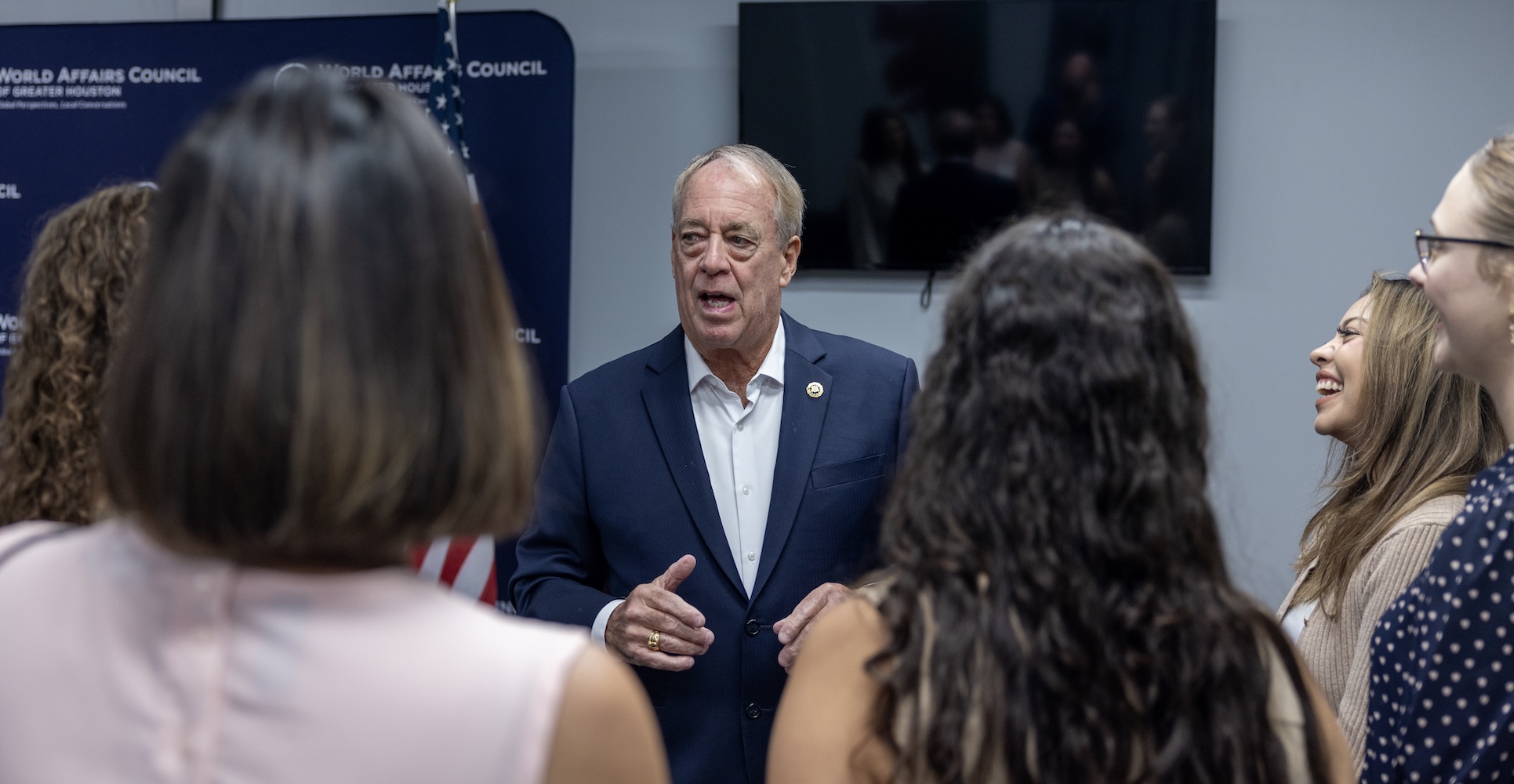
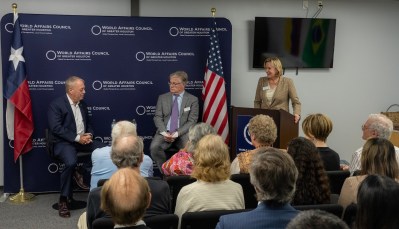
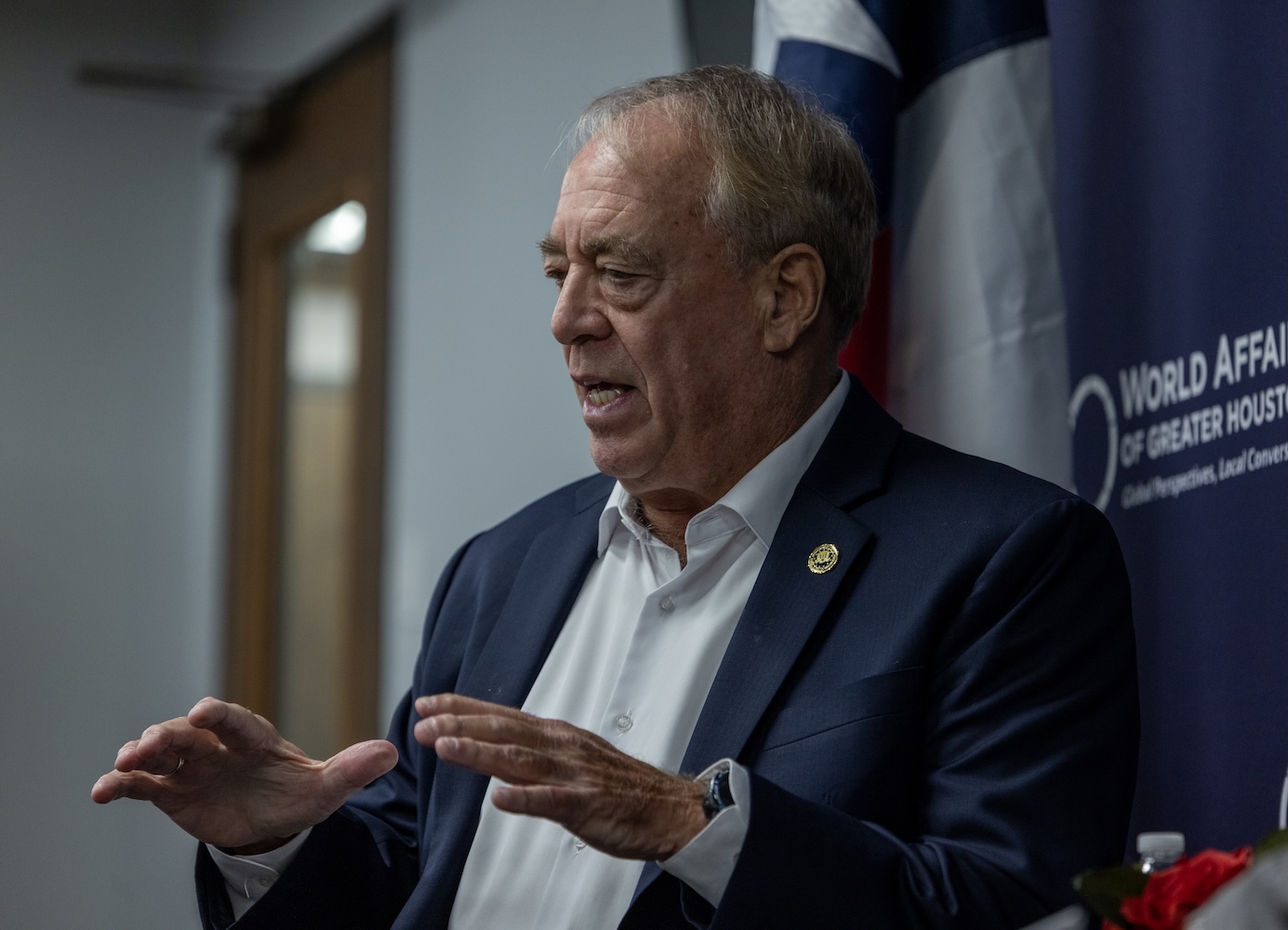
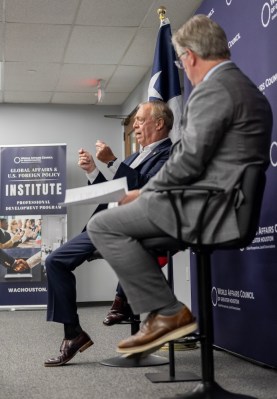
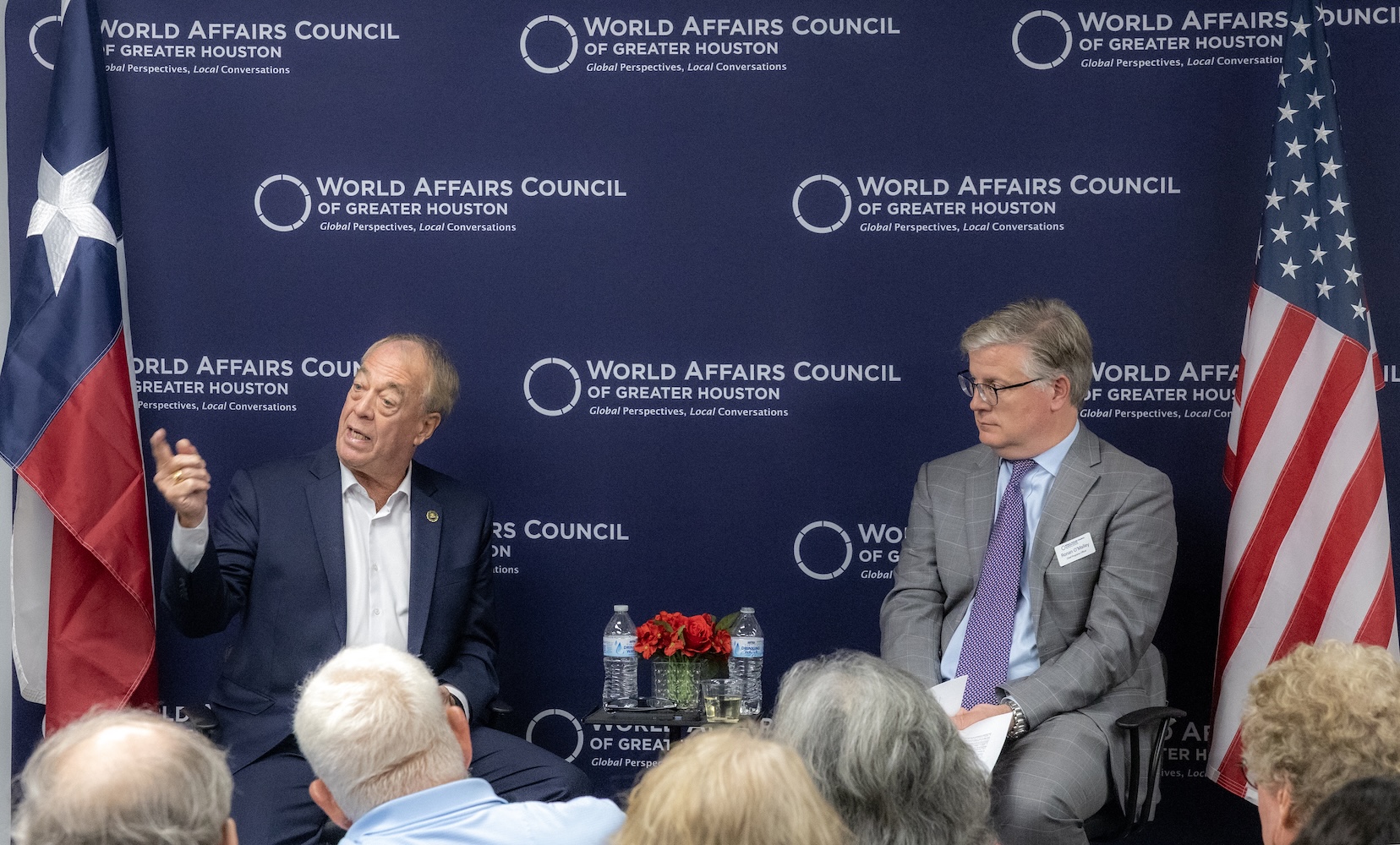
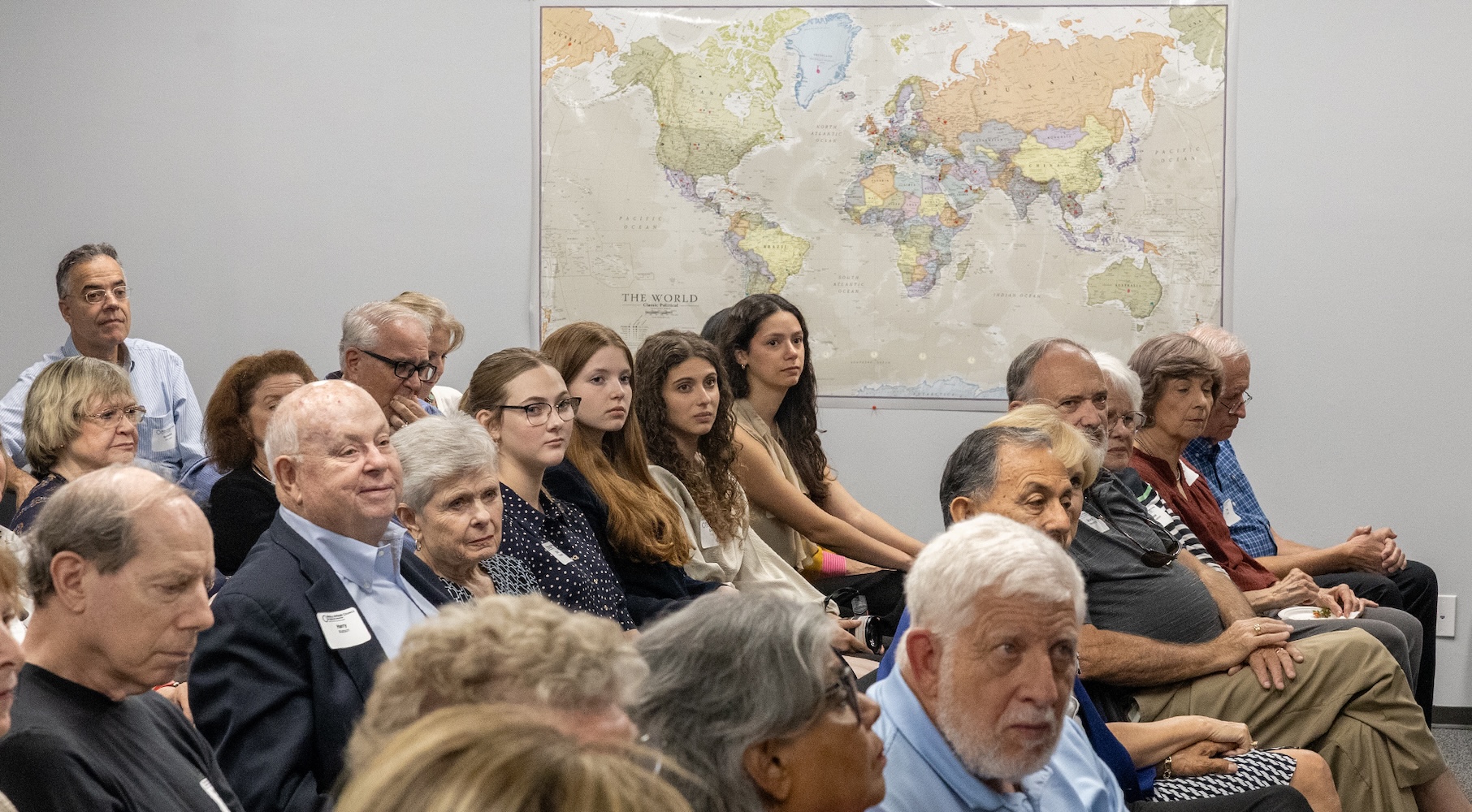
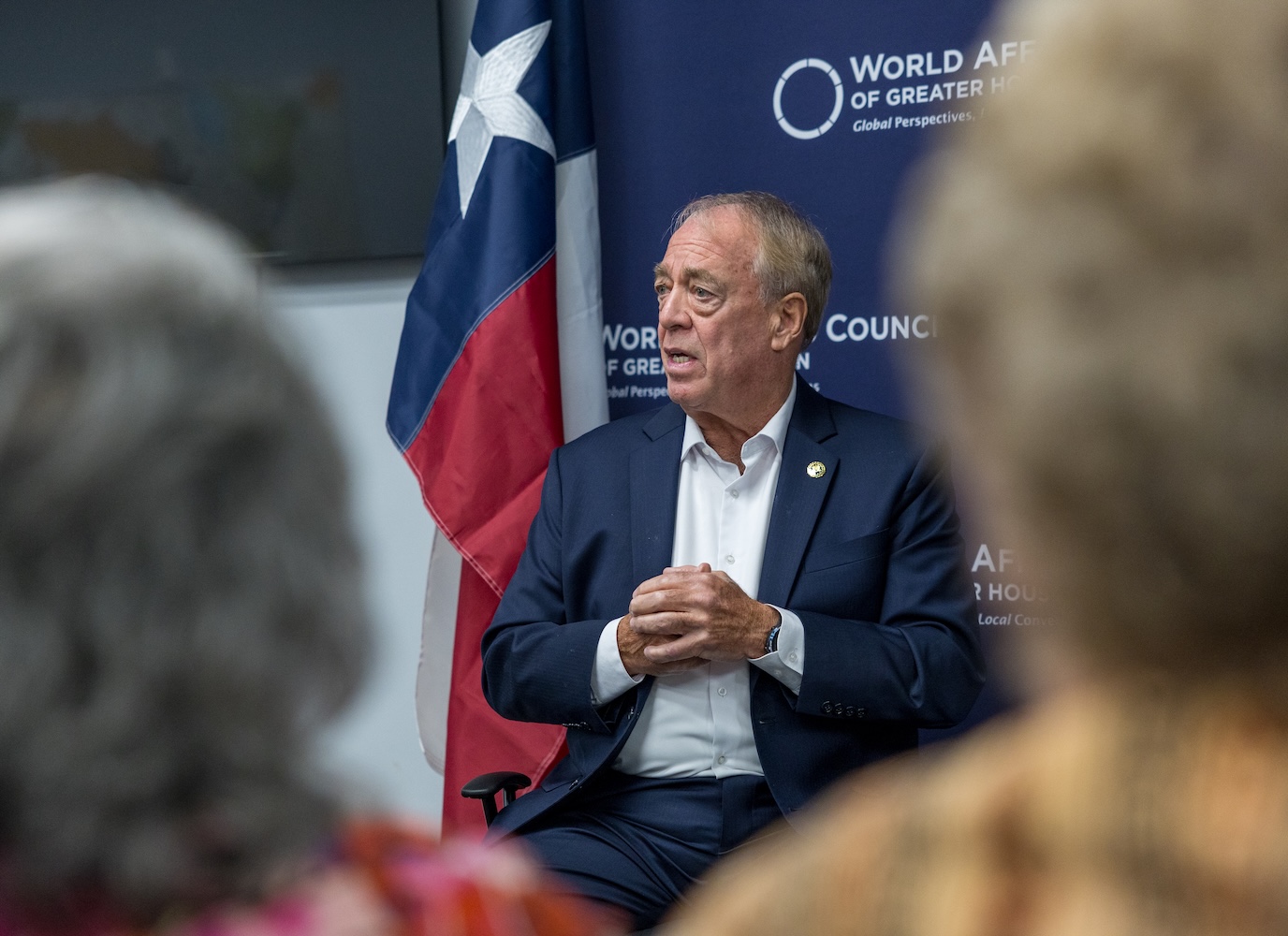
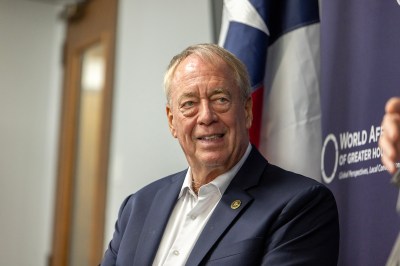
The FBI pops up a lot in discussions, but few people really know what the FBI does, the dangers and tasks involved, or the people who do the job. To help remedy this issue, the World Affairs Council brought in former FBI Agent (and Counterintelligence expert) James Conway, who offered an insightful, interesting, and engaging discussion on numerous law-enforcement and intelligence related topics.
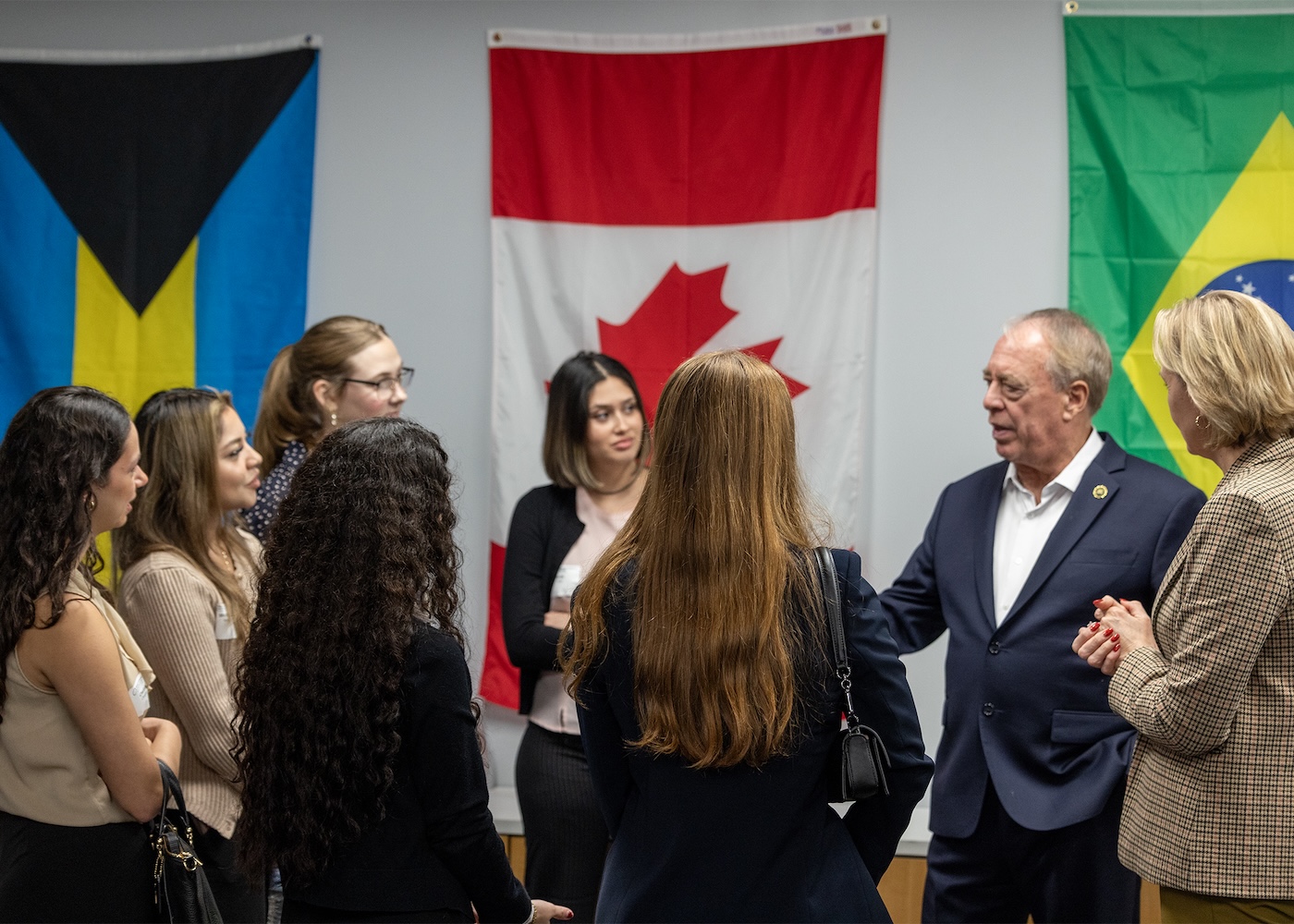
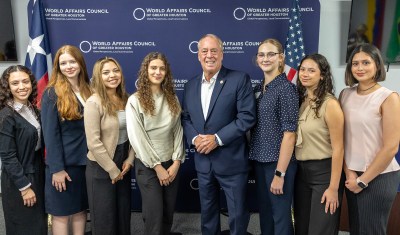
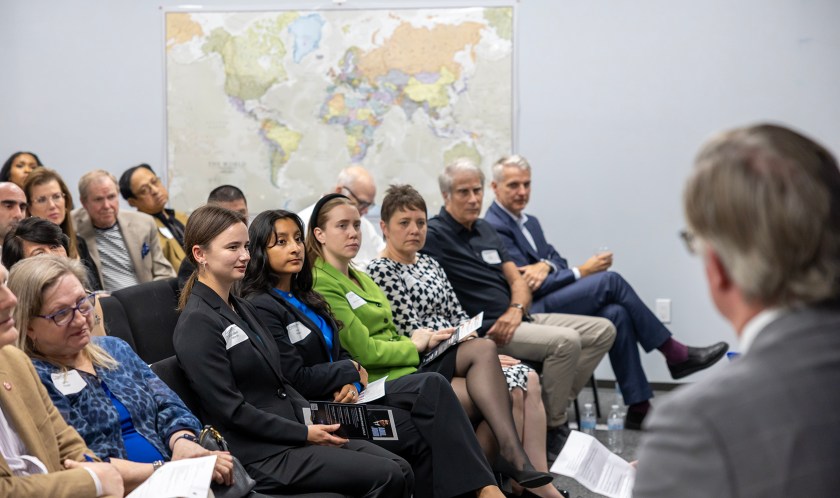
During the networking session, we had a chance to meet a number of friendly professionals, who took us in. It was a very welcoming experience, and we are grateful for everyone’s friendliness–and this was especially true of Mr. Conway, who spent a very generous amount of time with us.
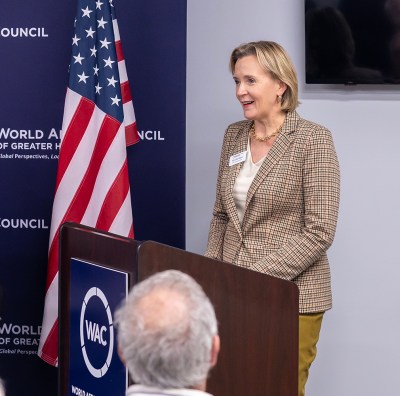
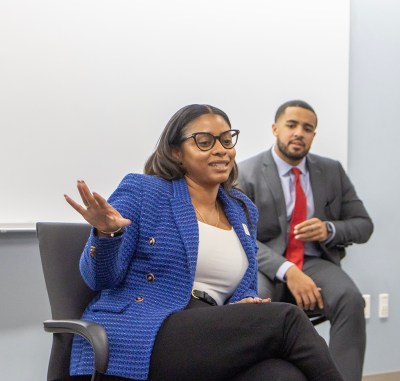
The formal program began with remarks by WAC Director of Advancement Sandija Bayot…
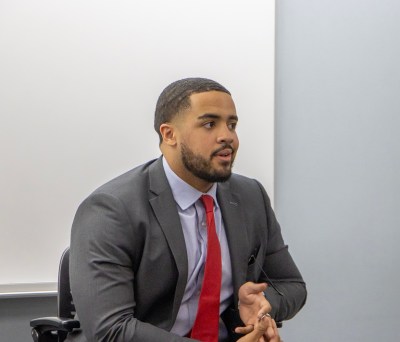
She also introduced Ronan O’Malley and James Conway…
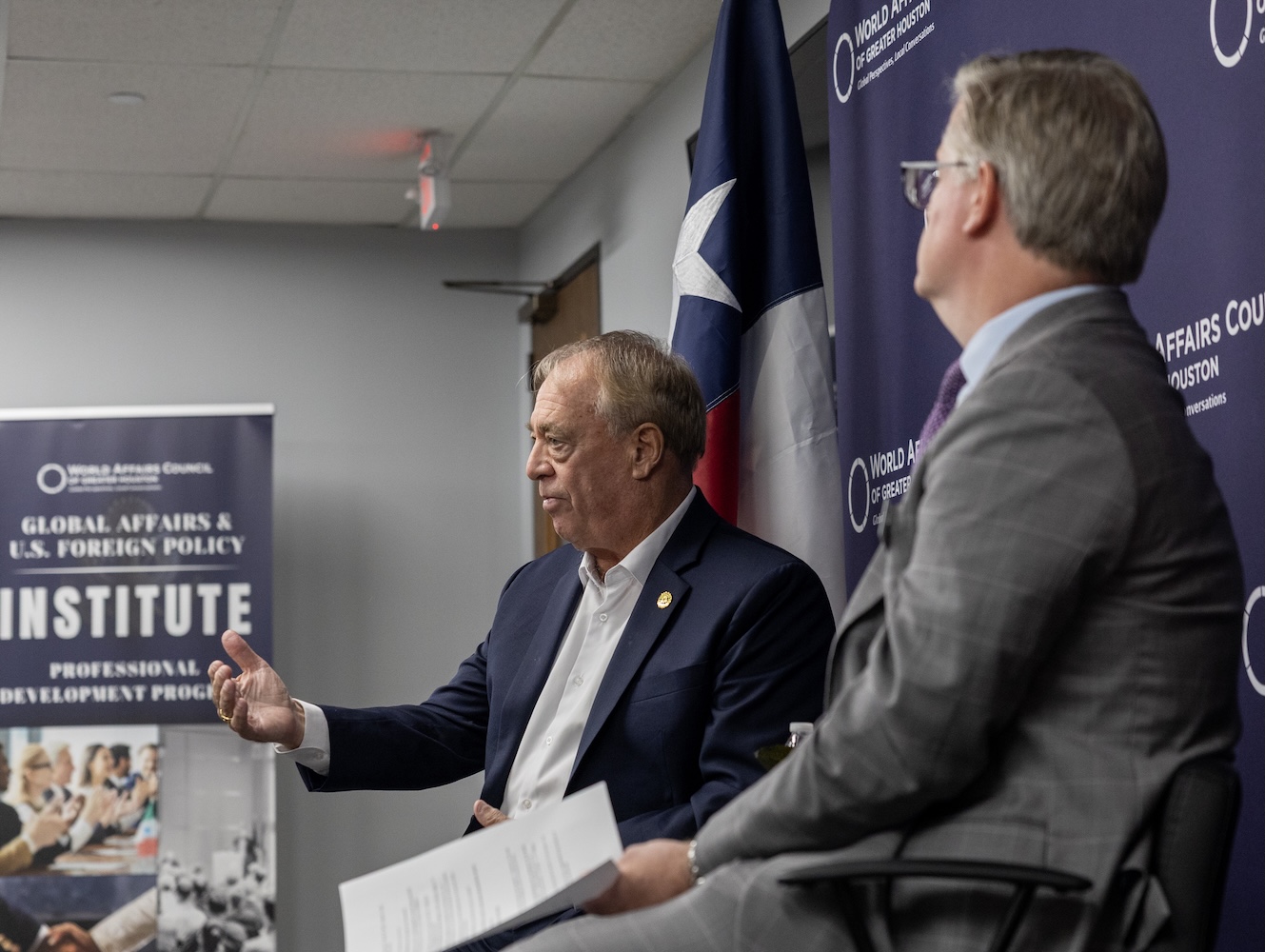
…and then turned the microphone over to Ronan, who moderated the event.
Mr. Conway is a former FBI Special Agent who built a distinguished career focused on national security and counterterrorism. Over his years of service, he investigated high-profile cases, collaborated with law enforcement agencies across the world, and developed expertise in intelligence operations. He described many of his operations–including as counterintelligence expert in Mexico City–in an animated fashion.
After retiring from the FBI, Mr. Conway transitioned into public speaking, teaching, and consulting–sharing his deep knowledge of security strategy and crisis response with organizations and communities nationwide.
Throughout the discussion, Mr. Conway touched on policies and shifts in leadership in the FBI, providing a wonderful history of the relationship between the last ten presidents and the CIA–relationships that have not always been close.
He also discussed operations in Houston, Galveston, and New York, particularly with organized crime. The stories were fascinating, but they also illuminated the painstaking care that FBI professionals take with their cases. On a darker note, Conway expressed concern that politics has crept–or been pushed–int0 the agency, and that professionalism could erode, if such politics-creep continues.
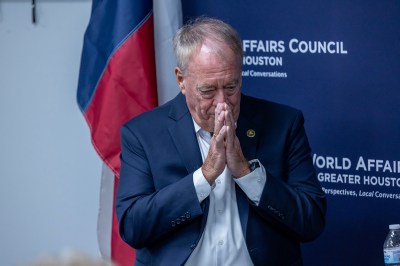
It was apparent that this prospect caused Conway pain, but he reiterated his optimism and confidence in the United States people and government, a wonderful way to close a wonderful event.
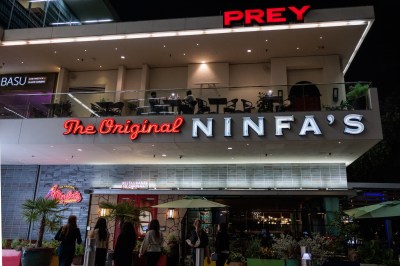
They had delicious Tex-Mex and Coastal Mexican cuisine. Their service was excellent. After some great conversation about the event, we concluded our day with some unique and flavorful desserts.
We had a wonderful time and will definitely be attending more World Affairs Council events throughout the year with the hope of seeing James Conway and more fascinating speakers in the future.
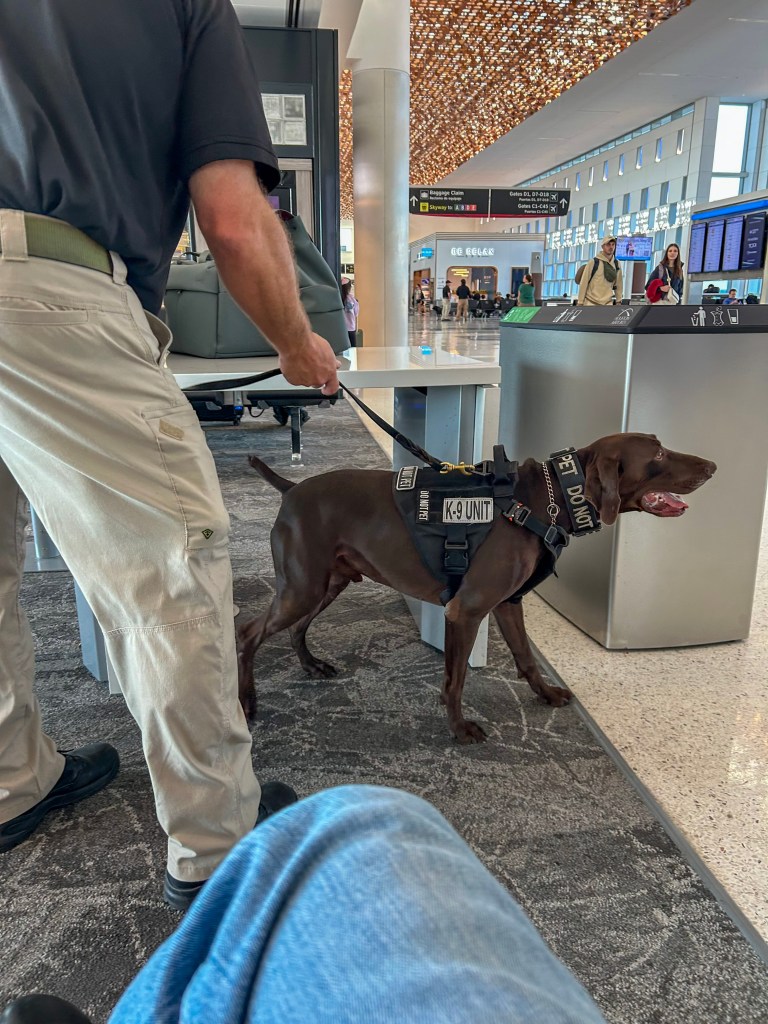
They say a dog is a man’s best friend, but they can also be a flier’s best friend. I learned this while volunteering as a K9 decoy at the George Bush Intercontinental Airport, and it was truly one of the coolest experience I’ve had!
This program is part of TSA’s Passenger Screening Canine (PSC) initiative. It’s designed to enhance passenger safety by using canine assisted detection to help prevent the unauthorized entry of explosive materials into airports. These highly trained K9 teams and their handlers work together in real-world environments to detect potential threats before they happen. Volunteers like me help create realistic scenarios that prepare these teams for the real thing.
Before beginning, I received a safety briefing which covered everything I needed to know. Volunteers are given instructions on what to wear, what not to do, and how to behave. The idea is to look and act like a real airline passenger. All details regarding the type, placement, and quantity of training aids used during training are classified information.
My job is easy! Blend in like any other traveler. The day was divided into three training phases:
First, I walked through the security lane as if I were preparing to go through TSA screening;
Then, I meandered through the terminal hallways and blend in with big groups of people.
Finally, I sat in the boarding gate waiting area as passengers do before a flight.
Throughout each phase, the K9 teams used their sense of smell to detect any concealed training aids. When a dog identified a training aid, they would signal their trainer/handler that something was amiss.
The dogs were rewarded with their favorite toys to reinforce positive behavior.
But it’s not just the dogs having training, the handlers are learning too. They practice interpreting their dog’s signals and ensure their K9 stays focused and well-behaved in the airport. Many of these dogs begin training around one year old and continue working until they retire. Recently, a K9 retired at 11 years old!
This experience gave me a new appreciation for the behind-the-scenes work that goes into keeping travelers safe. The K9 teams and their handlers are highly skilled, and it was inspiring to see them in action.
Although the volunteerism was just a small action on my part, there is a sense of pride that comes with contributing to the safety of our airports and airlines, while also learning more about our security systems in practice. It is, in short, a perfect education for a student wanting to go into a law-enforcement career!
The LEAP Center is always looking for new ways to offer opportunities for SHSU students, and this fall, the Center has partnered with the FBI to offer a “Collegiate Academy.” The program, which takes place on Wednesday, November 12, offers up to 50 students an exposure to the FBI, its operations, its investigations, and potential careers with the agency.
Hosted by the FBI’s Houston field office, the program will offer (1) an FBI career panel, (2) a deep dive into art-related crime, and (3) live demonstrations. This unique opportunity is designed to offer transparent views of the FBI’s work, encourage an understanding of its mission, and potentially recruit students for careers in the FBI. It is one of many FBI-focused programs offered by SHSU’s LEAP Center.
LEAP Students Meet With FBI Agent Christopher Combs
Students from all majors are eligible to apply, but it is a competitive process. Only students with a 3.0 GPA (cumulative and SHSU) will be considered, and the FBI only considers students who are legally in the United States. Both SHSU and the FBI are involved in the selection process, with an SHSU committee selecting on various criteria (GPA, involvement in LEAP programs, career goals, organizational activities), and the FBI running background checks on students for clearances. Students should submit a professional resume using the model offered by Career Success Center and LEAP (which can be found at the bottom of this page) and submitting it while filling out the application.
LEAP Students Hear From FBI Director Christopher Wray
Students who apply to the program should have a good faith belief that they can be free from class and work obligations on Wednesday, November 12. Professor Yawn will send a note requesting an excused absence on behalf of accepted students, but it is the Professor’s discretion to decide whether to accept such an absence and whether to allow makeup work.
Pre-Law Society Students Hear From Former FBI Asst Director Frank Figliuzzi
The LEAP Center will rent a bus and provide transportation, with a departure time between 7:00am-7:15am. The program lasts from 9am-Noon, followed by a lunch. Students will likely be back at SHSU’s campus by 4pm.
Students needing more information should contact Professor Mike Yawn. The deadline to apply is October 24, but earlier submissions will be given preference. To apply to the program, fill out the linked form.
Sam Houston State University’s Center for Law, Engagement, And Politics offers numerous programs for those interested in legal careers. One of the most popular is our Mock LSAT, which is offered every fall (open to all) and spring (open to Pre-Law Society members).
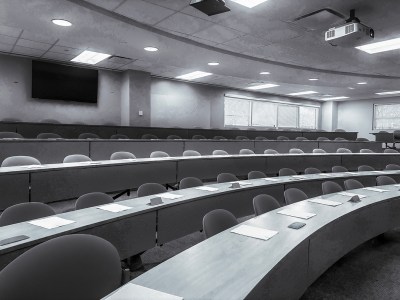
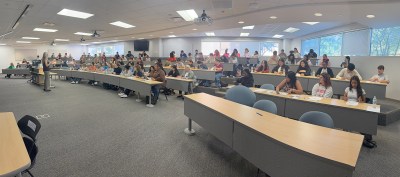
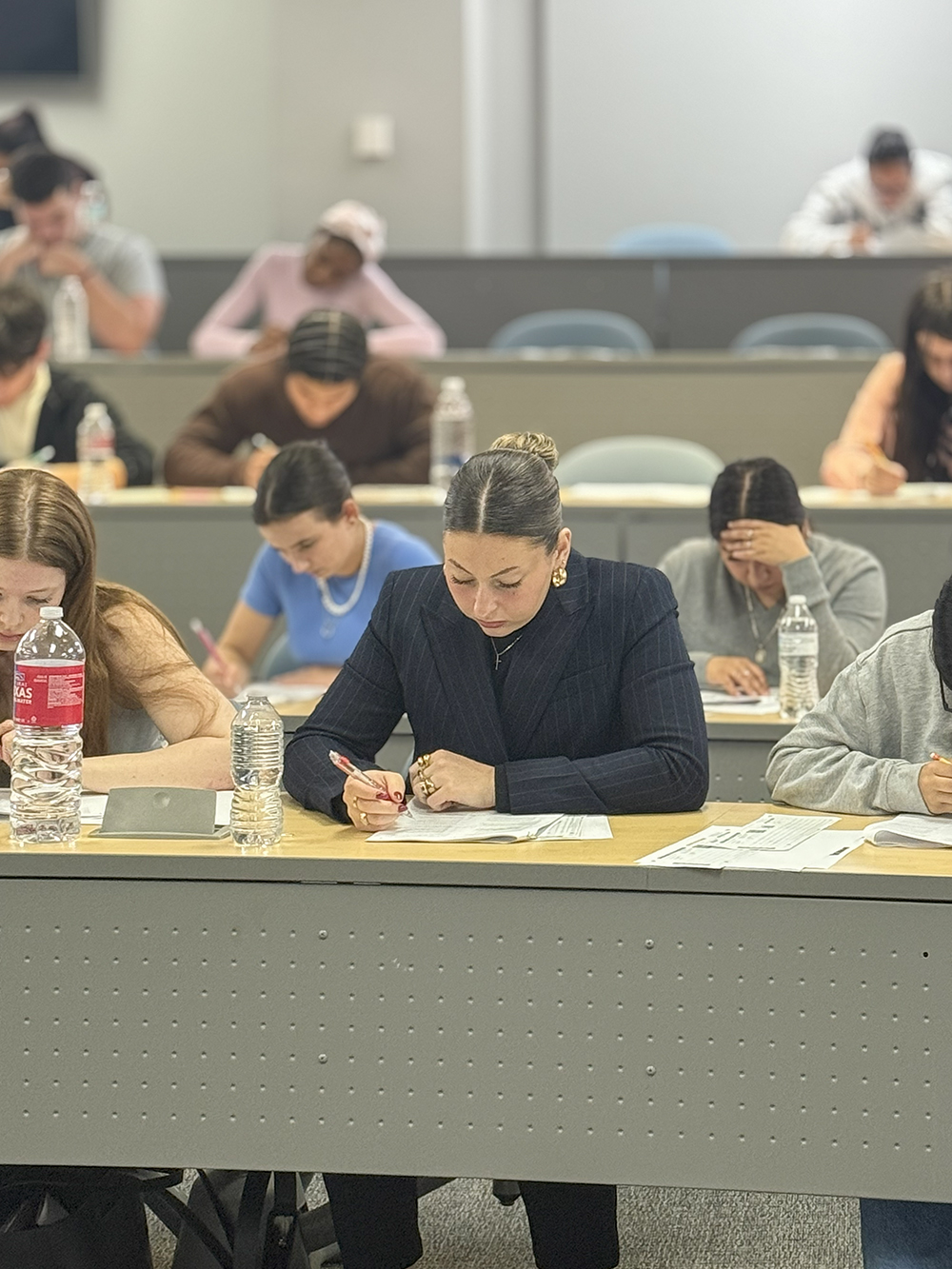
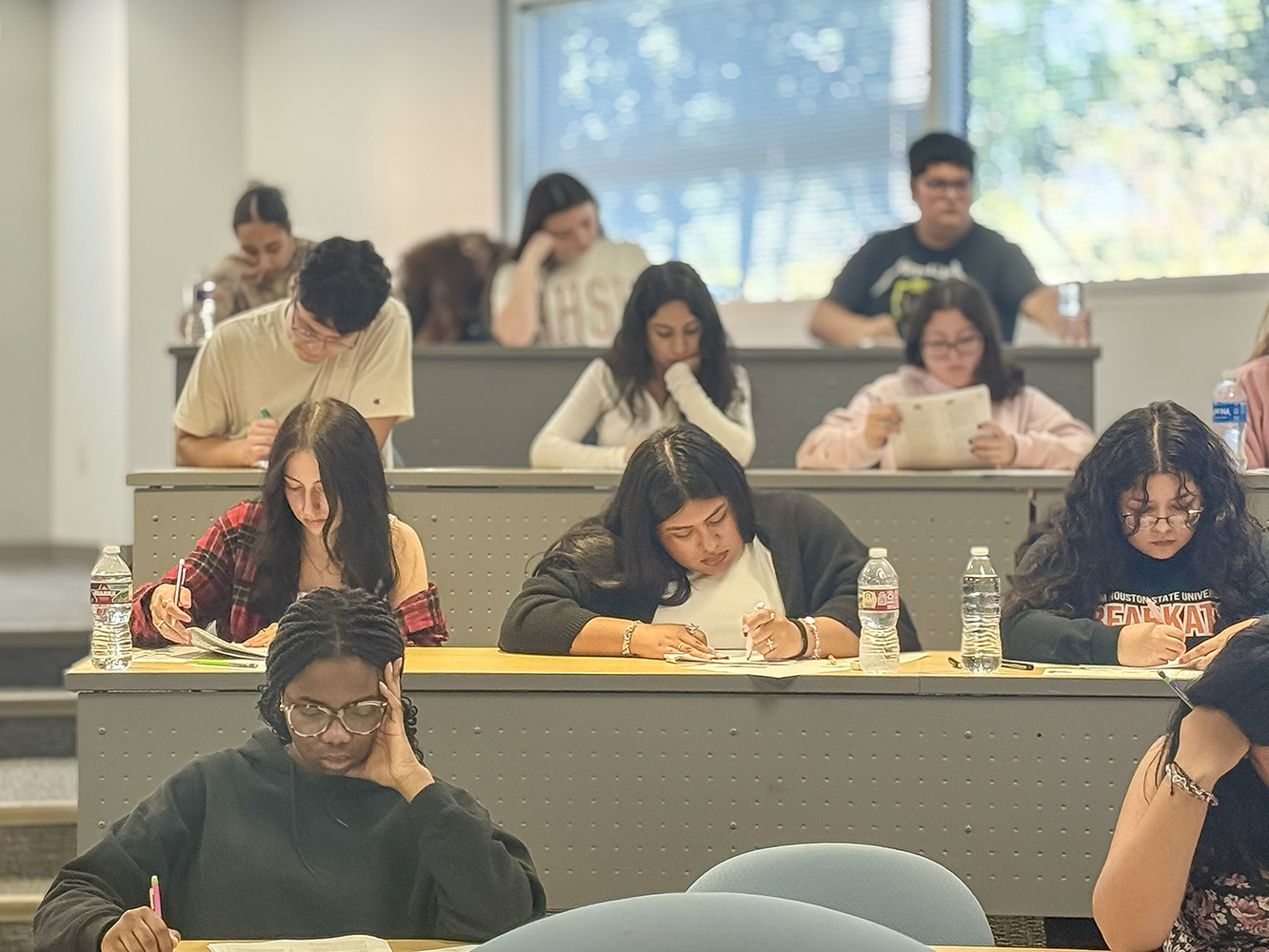
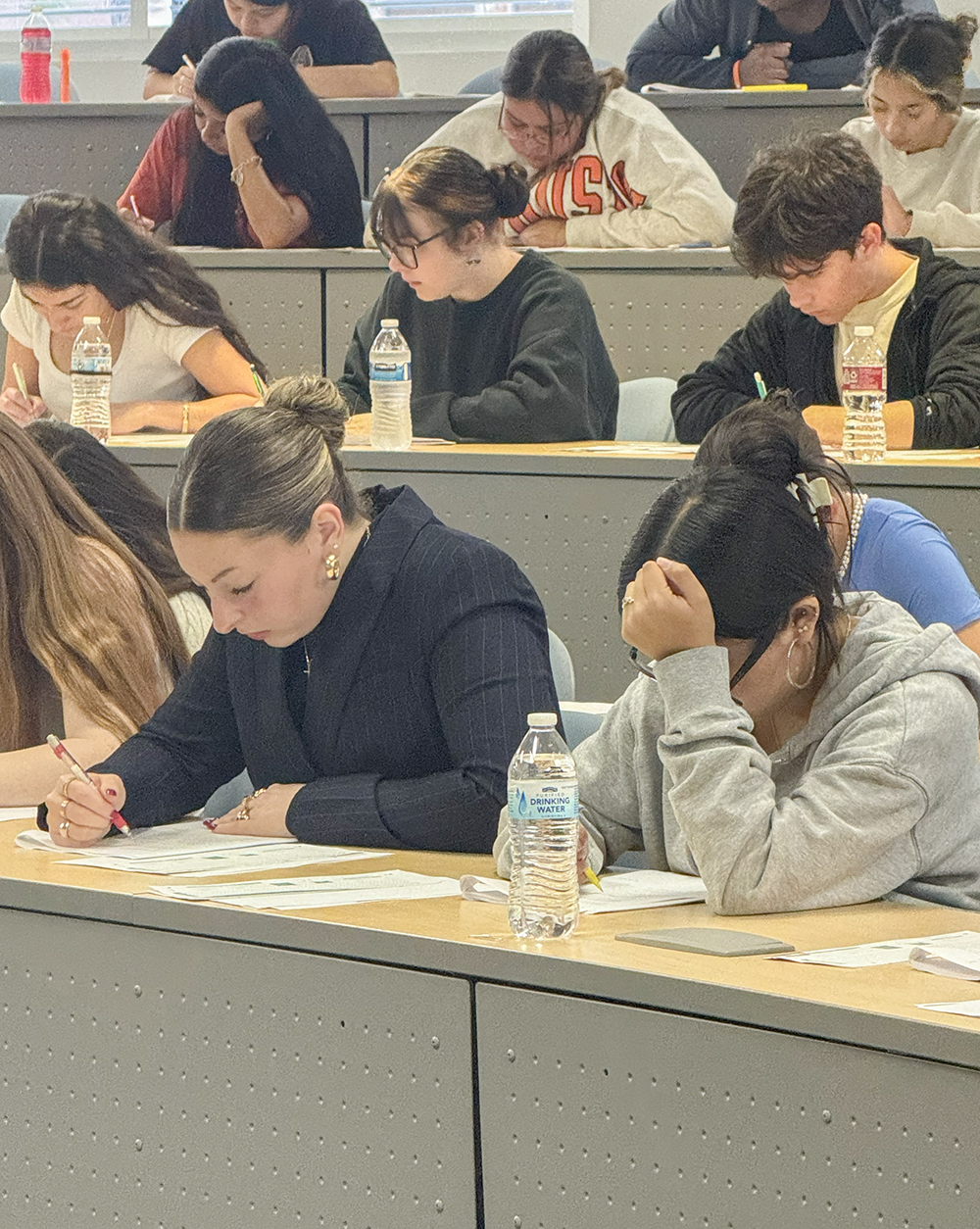
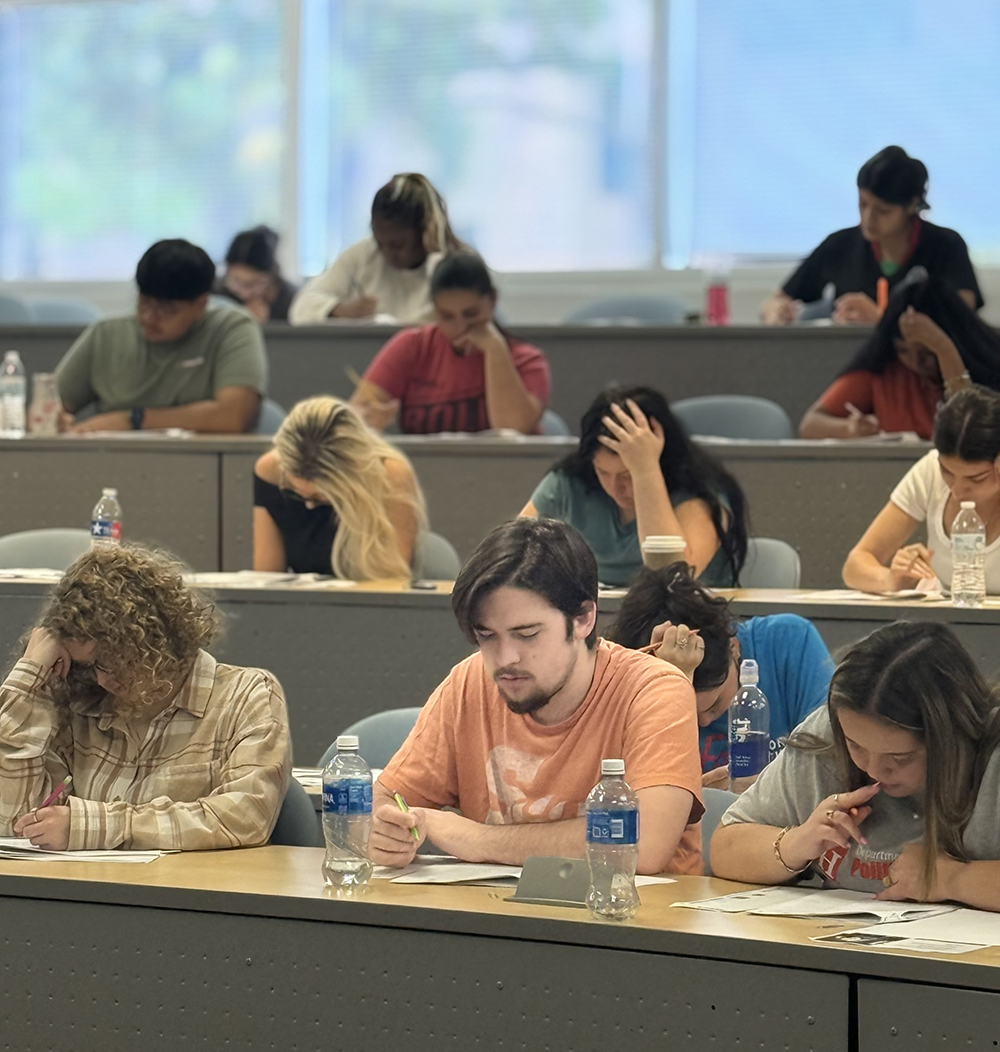
This fall’s practice test occurred yesterday, with Olivia Discon and Michelle Moya coming up early on a Saturday to volunteer, student worker Gabila Flores working, Mike Yawn helping, and Jean Loveall leading the event. To accommodate the record-setting 125 people signed up, the bustling band set up the test in each of the room’s chairs while also providing flyers for a pre-law class in the spring (“Negotiation,” by Professor Chris Thompson).
As people began rolling in around 9am, guests were checked in, pencils and scantrons issued, and soon rules were covered.
Like the real test, the Mock LSAT is given in four sections, each 35 minutes. There are two Logical Reasoning sections, one Reading section, and one experimental section. Over the course of the morning, you could see the students’ energy fade a bit, as the test took its toll.
Getting to law school requires more work than the average post-graduate career or program of study, but with the right mindset and the willingness to take advantages of the resources that the LEAP Center offers–such as the Mock LSAT–law school is within your reach.
Being a part of the LEAP program isn’t just about preparing for a career in law –it’s about learning to see the world through a new lens. I came to understand this during a presentation in Professor Yawn’s UNIV 1101 Pre-Law class, where LEAP Ambassadors Olivia McCaughan and Michelle Moya outlined the program and highlighted the wide range of opportunities it offers.
Through LEAP, students gain access to experiences that prepare them for the future—ranging from civic engagement, like volunteering at the Main Street Program’s Scare on the Square (which I look forward to participating in this October), to hearing from special guest speakers, to interning in Washington, D.C., Austin, and local government. I was especially delighted to learn that LEAP is not limited to students pursuing law school, but is open to anyone interested in making a difference in their community through civic work. LEAP members don’t volunteer to meet a quota, but rather to get involved in ways that are meaningful, impactful, and connected to their communities.
My first-year experience has also been shaped by UNIV 1101, a pre-law course designed to introduce students to the field. Professor Yawn’s daily quizzes extend a vast array of subjects, from LSAT prep to Emotional Intelligence to LEAP Ambassadors Olivia Discon and Michelle Moya’s Parasailing trip. True to law school style, at the end of each short quiz, students are called on to announce their answers to the class! On a whole, Univ 1101 has proven to be a very detail-oriented class, reminding our group of prospective lawyers the importance of every detail, even those that seem menial.
This focus on preparation carried into another highlight of my week: attending my first Pre-Law Society meeting alongside several of my UNIV 1101 classmates. We learned about several prospective law schools, including the University of Houston Law Center, South Texas College of Law, and Texas Tech Law, directly from their admissions representatives. We even received Pre-Law Society t-shirts, signifying our official place in the program! I also had the chance to meet our organization’s leaders as they reviewed the agenda and introduced our guest speakers.
As Michelle Moya explained, the Pre-Law Society is just one branch of the broader LEAP program. I’m eager to explore each branch throughout my four years at Sam Houston, confident that every experience—whether in the classroom, the community, or beyond—will bring me closer to the leader and lawyer I aspire to be.
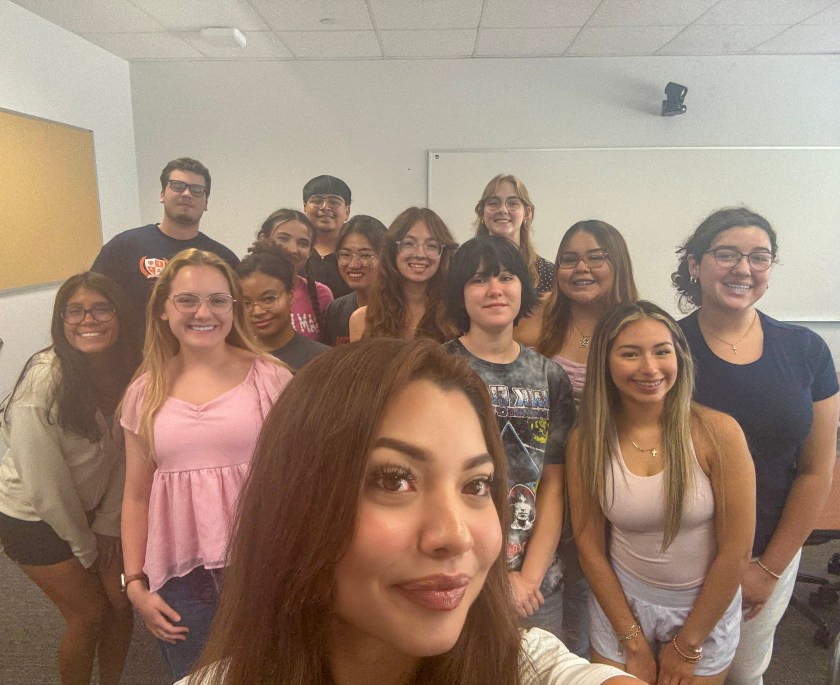
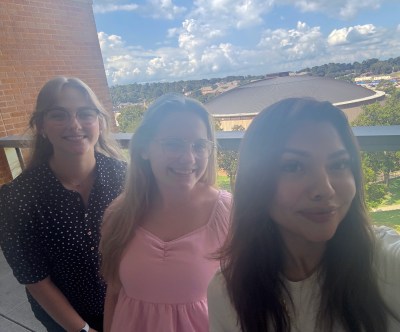
Olivia McCaughan, Allison Plunk, and Michelle Moya
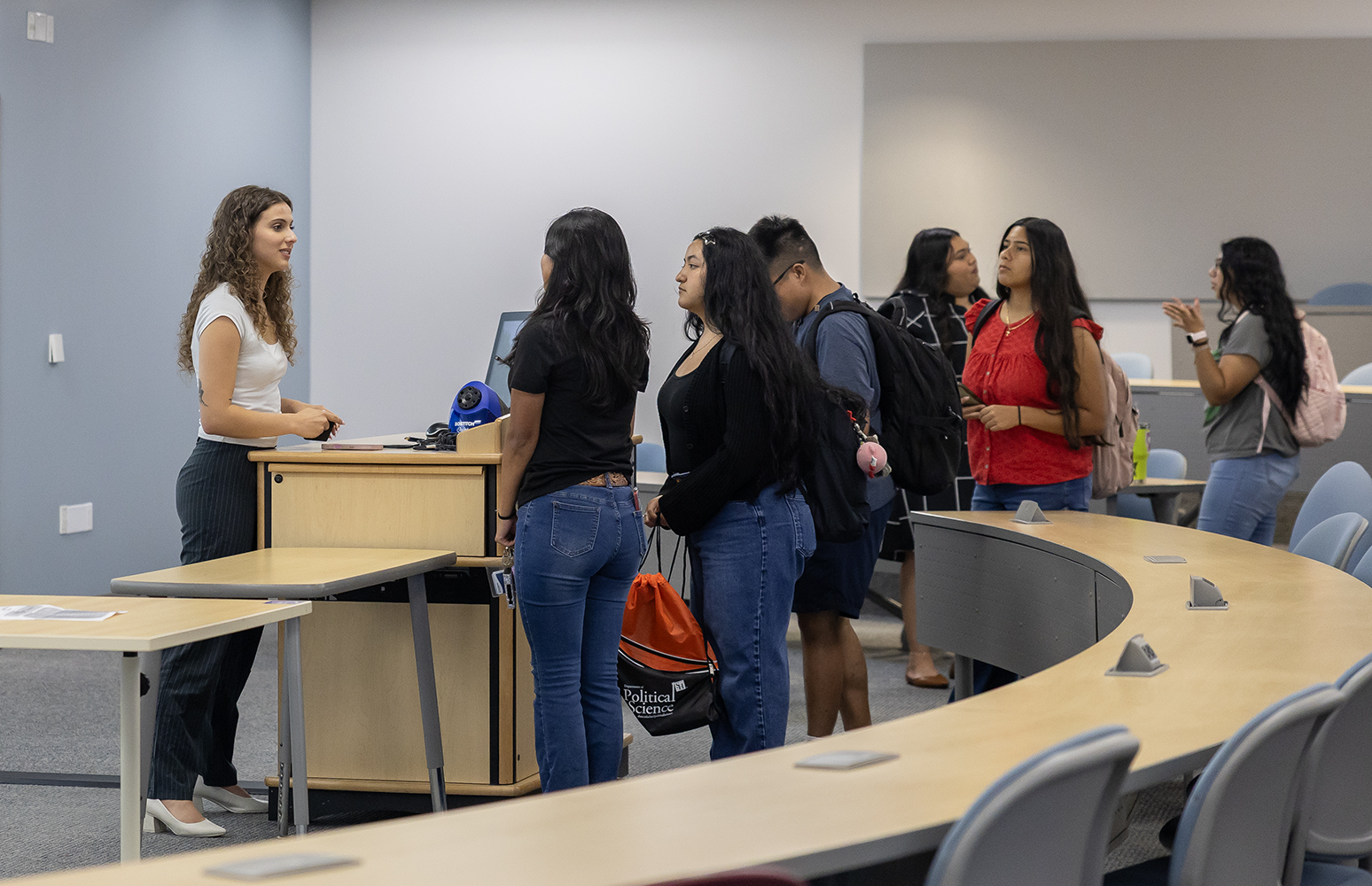
It’s always exciting to begin a new semester in the Pre-Law Society, but this was especially the case this year, when we set a new record for members with 144! The lines delayed the meeting a bit…
…but the wait was worth it: we had Deans of Admission from South Texas College of Law (Nakita Wanza), University of Houston Law Center (Pilar Mensah), and Texas Tech University School of Law (Danielle Saavedra). With a general session moderated by President Olivia Discon and breakout sessions that followed, it was a semester’s worth of information into one record-breaking meeting.
General Body Meeting
Not wanting our minimal business reports to get in the way of the main program, President Discon and the officers moved rapidly through the business.
It was, however, the panelist’s evening. President Discon did an excellent job moderating the event, and we learned information that is useful for pre-law students everywhere.
How important are grades and the LSAT?
Very important! While this is to be expected, many students may not realize that (1) law schools look at your cumulative GPA–grades from dual credit, community colleges transferred in, repeated grades (the original grades are factored back into the GPA for law school)–and (2) the LSAT is the only indicator they have that is common to all students who apply. Keep those grades up and make appropriate plans to spend the necessary time on LSAT studying–the latter of which demonstrates times management, a much needed skill in law school.
What do law schools look for in personal statements and letters of recommendation?
All three Deans emphasized the personal statements, noting that they were looking for authenticity. This is the chance for the students to provide information provided only by a personal statement and to provide an insight into the applicant’s true self. For those who wish to present their true selves through AI, Deans of Admissions can tell. Moreover, applicants should (1) follow instructions and (2) proof read. You’d think this would be common sense, but every year, law schools receive personal statements addressed to other schools, longer than the permitted length, or responsive to prompts not provided by the school.
Similar care should be taken with letters of recommendation. Some students may be tempted to ask the professor they liked the most, or they thought was “cool,” or someone whom they spoke with often. But law schools want to hear from professors who have seen the student’s writing, (critical) thinking skills, and reading ability. If the class didn’t require any of these things, or if you didn’t earn a strong grade in the class, seeking letters elsewhere might be your best bet. Dean Mensah also encouraged students to have their letter writers identified by their junior year, rather than waiting to the last minute–another time management lesson!
Additional Information
The schools emphasized the importance of taking this process seriously and the importance of character. Of course, character can reflect a student’s priorities–such as grades and the LSAT–dedication to those priorities, and those who possess integrity will carry that trait with them into law school, and one hopes, to their career beyond.
President Discon also introduced Michael Chambers, an SHSU alum (class of 2023) who is a 2L at South Texas College of Law. He emphasized the importance of hard work, asking questions when needed, and applying oneself in an area of interest.
With this foundation, the general body meeting was adjourned, and students left for breakout sessions, each of which featured a presentation from a different school.
South Texas College of Law (STCL)
by Katherine Burnett
The South Texas College of Law session was led by Associate Director of Admissions, Ms. Nakita Wanza, along with 3L law student and SHSU alum, Michael Chambers. Ms. Wanza began by walking students through the “holy trinity” of law school applications: the LSAT, the personal statement, and letters of recommendation. She emphasized the importance of researching every school you’re considering—especially their median LSAT scores—and setting that as a target when preparing.
Once the basics were covered, the discussion shifted to opportunities available at STCL. These include internships, legal clinics, student ambassador positions (which Michael called the “best job ever”), moot and mock court, journals, and more. Michael shared personal insights about his law school journey, noting that success comes from daily study habits but also from keeping a flexible schedule. He reassured students that “cold calling” isn’t as terrifying as it’s made out to be—it feels more like a conversation once you get used to it.
Michael also discussed how summers in law school are “what you make of them,” whether through internships, travel, or taking a break. On the topic of grades, he explained that law school’s suspenseful grading system makes it harder to track progress, but the best indicator of understanding is whether you truly know what’s happening in class.
The session wrapped up in just thirty minutes with Nakita and Michael encouraging students to study hard, stay open-minded, and remember that law school is within reach.
University of Houston Law Center
By Madison Cawthon
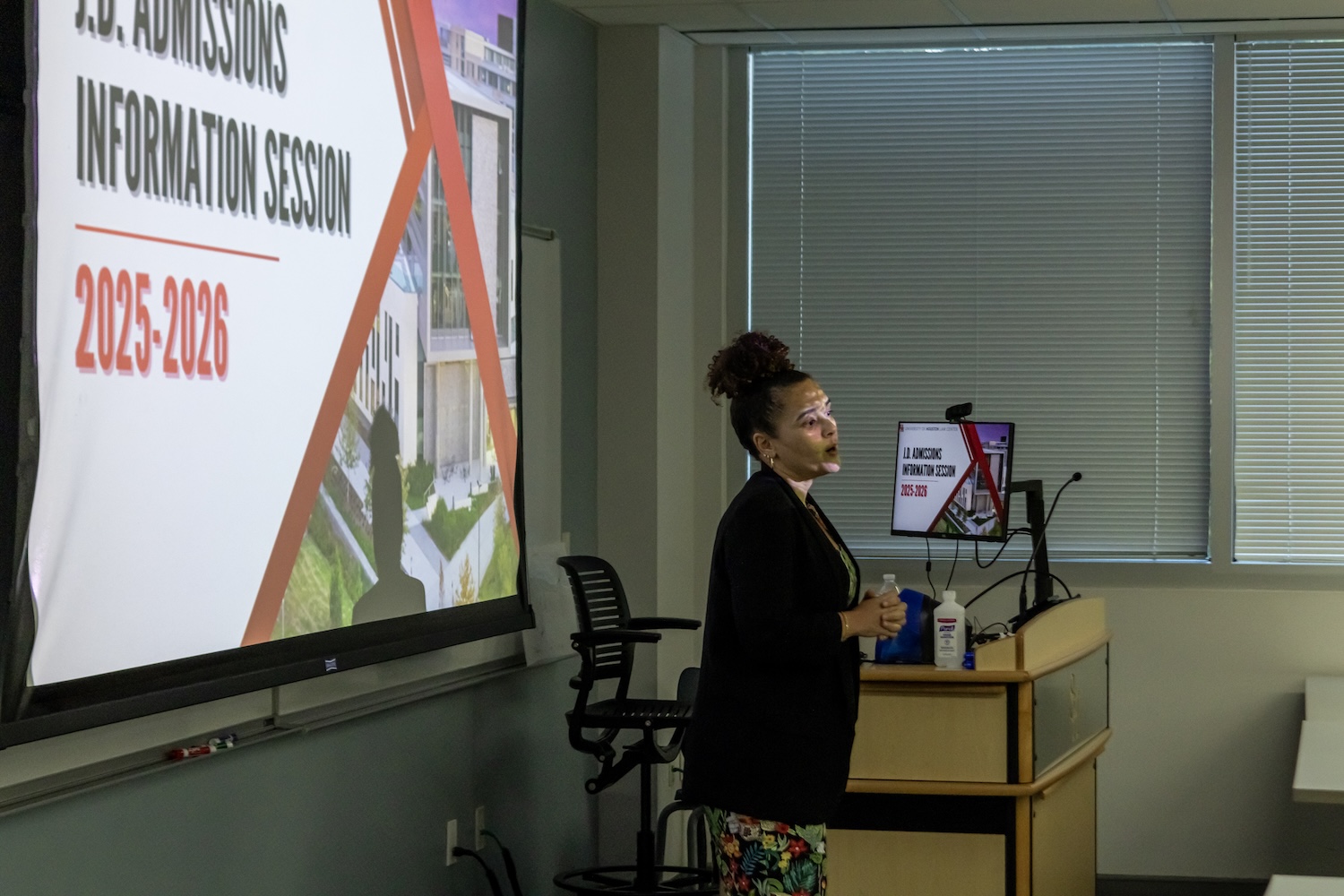
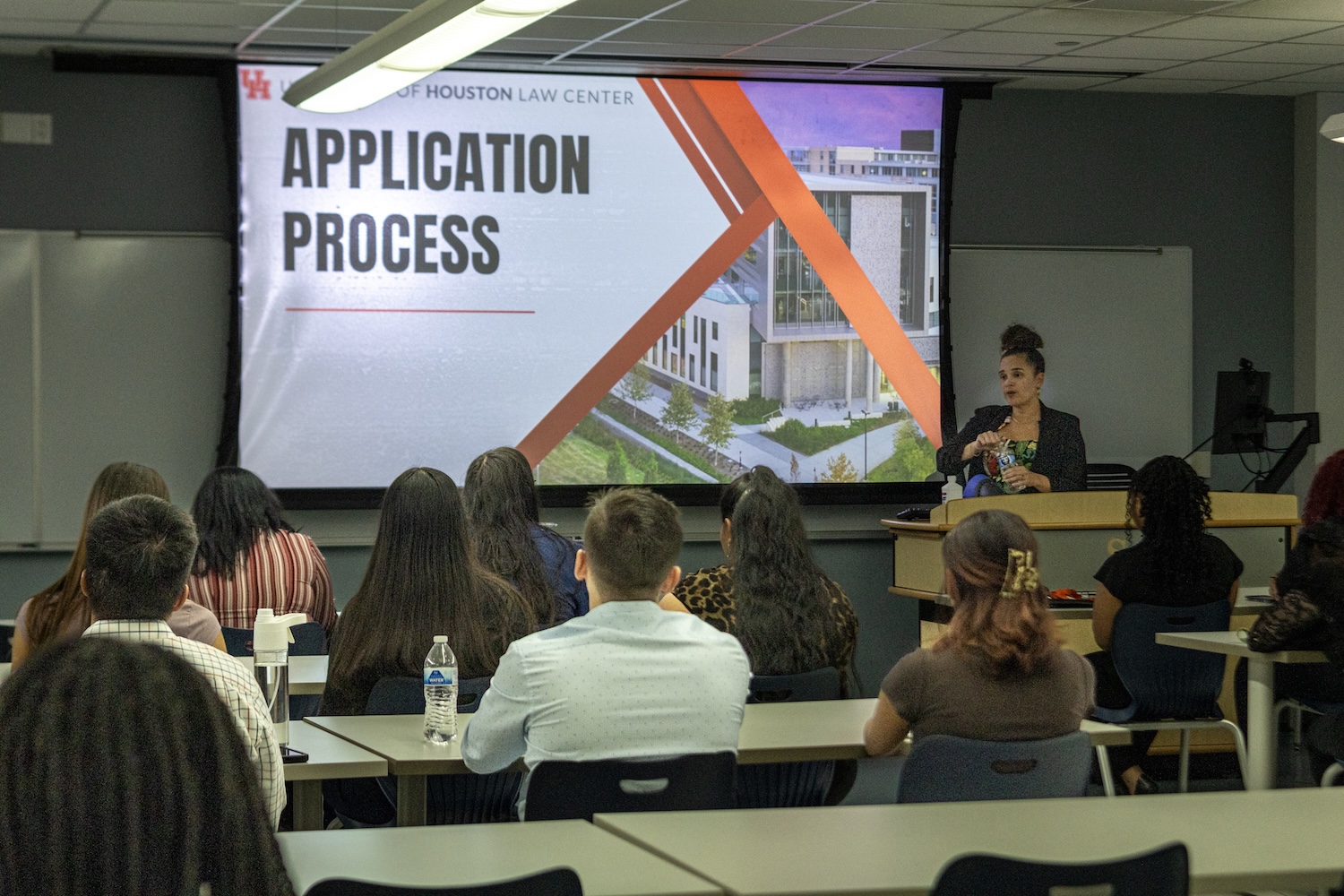
In another breakout session, we heard from Pilar Mensah, Assistant Dean of Admissions at the University of Houston Law Center–which we toured on August 1! Dean Mensah shared valuable details about UH’s programs, starting with the flexibility of part-time and full-time options, as well as the availability of dual degree pathways alongside the JD.
She also highlighted UH’s wide variety of legal courses, student organizations, and other opportunities for involvement, along with the amenities and on-campus housing available to law students.
These resources, she explained, help foster both academic and community life at UH Law.
Toward the end of the session, Dean Mensah offered insight into what admissions officers are really looking for in applicants, sharing her perspective on how to stand out in the process. She then opened the floor to questions, giving students the chance to engage with her directly about both law school in general and the UH Law experience specifically.
Texas Tech School of Law
by Madison Thurkettle
Danielle Saavedra, Assistant Dean of Admissions and Director of First-Generation Resources at Texas Tech Law School, brought an encouraging perspective to the session.
For many, applying to law school can feel daunting, but Dean Saavedra worked to replace that sense of intimidation with confidence and motivation.
She began by highlighting the importance of undergraduate years in the admissions process. Law schools carefully consider your GPA from the first three years of college, but she reminded us not to view “median numbers” as immovable barriers. While GPA and LSAT scores matter, Texas Tech looks beyond the numbers, valuing the strengths, experiences, and qualities that make each applicant unique.
On the LSAT, Dean Saavedra stressed preparation and time management but also reminded us that the exam does not define who we are—it’s simply one more step toward a legal career. She also shared practical admissions advice: timing is critical, and applying in the fall helps your application stand out.
Dean Saavedra highlighted the personal statement as one of the most important components of an application. She urged students to follow instructions carefully and to write authentically, rather than trying to predict what admissions officers want to hear. She even admitted that she wished she had reached out to admissions when she was applying, encouraging us not to hesitate with questions.
She closed with a reminder to adopt a growth mindset. Law school, like the application process itself, comes with challenges, but each obstacle is an opportunity to learn and improve—a mindset that will serve us well far beyond admissions.
Concluding Thoughts
With 144 members–one of the largest organizations on campus–and a top-notch panel, members left the meeting with a bounce in their step, despite the late hour. They also have a renewed sense of mission, understanding the importance of committing oneself to a course of study, behaving with integrity, and managing their time and energy toward their highest priorities–qualities that, incidentally, are valuable in all courses of study, careers, and in life.
LEAP Ambassadors enjoy learning in the classroom, a fact made evident by a collective 3.81 GPA. But the special part of the program is the learning outside of the classroom, where we work to expand our professional networks, learn new information, and venture outside our comfort zones. Such outcomes were on full display at the World Affairs Council‘s “Inside the CIA” event featuring Michael Ard.
A former CIA Analyst now teaching international affairs at Johns Hopkins University, Ard took us on a far-ranging tour of the CIA and the world in a discussion facilitated by everyone’s favorite moderator, Ronan O’Malley.
The CIA oversees 11 centers and undertakes, according to Ard, four major activities:
Analysis
Collection
Covert Action
Counterintelligence
Obviously, these actions involve sensitive operations, and Ard noted that this can lead to conflict with the rest of the world, the Congress, and, most notably, the President. The President relies heavily on the CIA, and when operations do not go well, it can lead to negative consequences for the Chief Executive, which can, in turn, lead to strained relationships. Nixon, in particular, was distrustful, a fact punctuated by Ard, when he quoted Nixon: “What are those clowns in Langley doing? Reading the newspaper?”
But it wasn’t just Nixon: JFK felt burned after The Bay of Pigs disaster in Cuba; Congress was disillusioned during the Church Hearings in the 1970s, when many of the CIA’s activities came to light; and George W. Bush, according to Ard, was sorely disappointed in the CIA’s investigation into Weapons of Mass Destruction (WMD) in Iraq.
Speaking of which, during Q&A, the audience asked whether the Bush Administration put pressure on the CIA to find what it wanted to find: WMD. Ard said, “No.”
He encouraged the audience to read the Silberman-Robb report, noting that the biggest problem in Iraq was that Hussein wanted some countries (his regional enemies) to believe he had WMD, and he wanted us to believe he didn’t. This caused him to act with much furtiveness, which was then interpreted as guilty behavior. It wasn’t correct, he noted, but it was a reasonable conclusion.
Ard was also asked whether any movies get the CIA right. The former analyst noted he doesn’t watch a lot of movies, and he was generally dismissive (“they’re movies”), but he noted that “Argo” had the right feel, and “The Sum of All Fears” captured some of the banter among analysts.
Following the event, Dr. Ard put on his professorial hat, and spoke to us as students for a while.
Even as he noted the challenges associated with recent budget cuts, he was encouraging, prompting us to dream big, take opportunities, and to be assertive in putting our goals into action.
At the beginning of each semester, the Pre-Law Society hosts an informational for those who are considering a future involving law school. For the past year and a half, the person leading this informational has been President Olivia Discon, and she again welcomed returning and prospective members.
She also did her usual effective job at describing the organization, highlighting upcoming events, and providing an overview of how to prepare for law school. Highlighting the organization, Discon stressed that the commitment is purposefully light: one official meeting per month. For those with more time and ambition, however, there are at least as many unofficial meetings–socials, mock LSATs, simulated law classes, live hearings, and guest speakers. The goal is to allow students to obtain the information they need but have the time necessary to study for the LSAT.
Indeed, this semester is likely to bring the usual share of events. These include:
September 17: “How to Get Into Law School,” with Admissions Deans from Texas Tech Law, University of Houston Law, and South Texas College of Law;
October 15: “Law at the Local Level”
November 19: Litigation in Action
Moreover, students will have the opportunity to try out for Moot Court (September 8), and if they make it, they will have a scrimmage (October 11-12) and a live tournament at Texas A&M Law. The organization and its parent department, LEAP, will also host a Mock LSAT (October 4), and will likely participate with the Student Legal & Mediation Services for conflict resolution seminars.
Perhaps the most useful information provided by the Pre-Law Society, however, is information pertaining to the law-school path. Throughout a student’s college career, the Pre-Law Society and the LEAP Center offers services that help students achieve their goals. This includes a lending library, scholarships for prep courses, law-school advising, and workshops.
To join PLS, new members pay $55 and returning members $25. Hard-working co-treasurers Jacob Wessels and Olivia McCaughan are available:
Tuesdays: 12:30-4:15
Wednesdays: 12-4
Thursdays: 2:00-4:15
They will also take dues from 5-6pm on September 17, the date of the first official meeting–and, importantly, the last date to pay dues.
After the informational meeting, students had the ability to chat one-on-one with Pre-Law Society Officers and members. Many students who joined us gained a hopeful view on their future from like-minded individuals.
To stay up to date and involved with upcoming events and information, you can follow our Instagram @prelawsocietyshsu. For more information and questions, please contact President, Ms. Olivia Discon, at Oliviadiscon@shsu.edu.



























 Center for Law, Engagement, and Politics