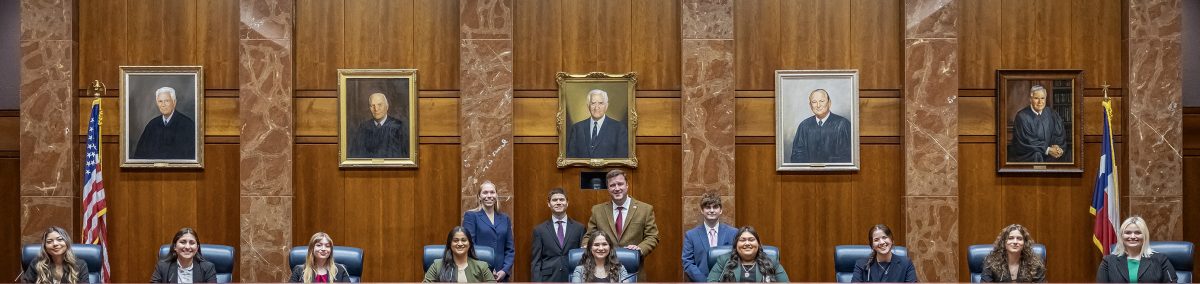
On our second day in Little Rock, AR, we hoped to continue the momentum set on our busy first day. With this in mind, we set out to tackle a new restaurant or two, the Clinton Presidential Library, the Arkansas Museum of Fine Arts, and to kick off the Six Bridges Book Festival. We did all we set out today–and more!
Clinton Presidential Library and Museum
by Olivia Discon
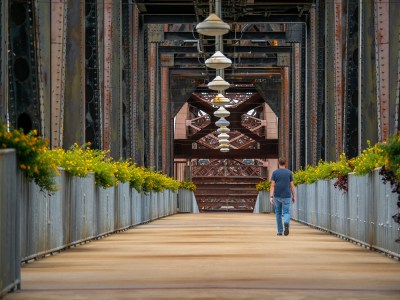
Continuing our exploration into history, politics, and culture, we had the opportunity to visit the Clinton Presidential Library and Museum. Before stepping inside, we took a moment to explore the grounds, which are beautifully landscaped and situated along the Arkansas River. The glass-and-steel building, designed to resemble a “bridge to the future,” offers a modern backdrop that complements the historical significance of the museum.
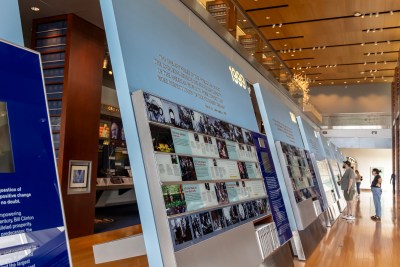
The visit kicked off with a short film detailing Bill Clinton’s early life and career. The film highlighted Clinton’s journey from a small-town boy in Hope, Arkansas, to his time at Georgetown, and later his entry into politics. One of the most compelling parts was hearing about how he navigated the turbulent waters of the 1992 election, ultimately becoming the 42nd president of the United States. After the film, we ventured into the heart of the museum: the comprehensive overview of Clinton’s two terms in office. Each section of the exhibit is organized by year, giving us a look at the major events that defined his presidency.
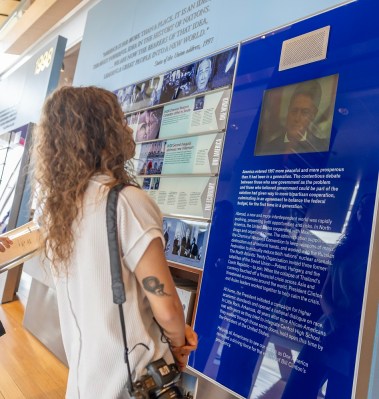
From intense policy battles to personal moments, it was a well-rounded portrait of his time in office.
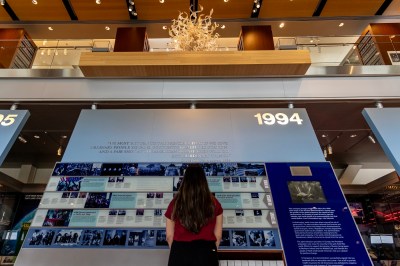
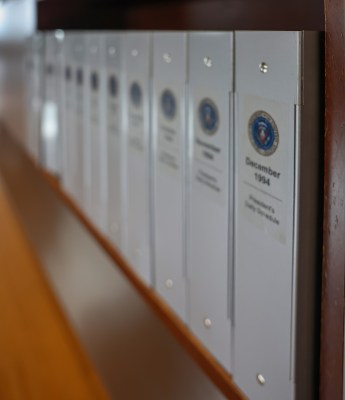
One feature I enjoyed was the binders of Clinton’s daily schedules for every single day—ranging from meetings with world leaders to a quick jog!
Among the many highlights was learning about President Clinton’s key reforms. His policies on healthcare, particularly insurance and medical leave, were revolutionary for their time, affecting millions of Americans. We also spent time on his efforts to address the federal budget deficit, an emphasis throughout his presidency that has shaped many political conversations since. It’s easy to focus on President Clinton’s charm and charisma, but this visit reminded us of his policy legacy as well.
Oh, and it’s hard not to mention his other legacy—though the museum delicately handled his impeachment proceedings.
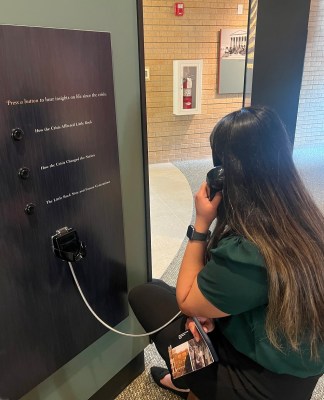
A special moment for us was the section on the Little Rock Nine.

The connection to our visit the previous day was clear, tying civil rights struggles from the 1950s to the ongoing political landscape Clinton navigated during his presidency. It felt like a seamless link between the past and present struggles for equality and justice.
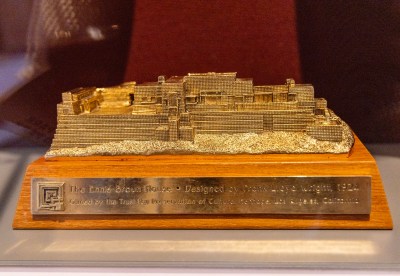
We also thoroughly enjoyed the art on display. There was a small Frank Lloyd Wright statue of a house that had been gifted to Hillary Clinton, a beautiful example of his architectural style in miniature form.
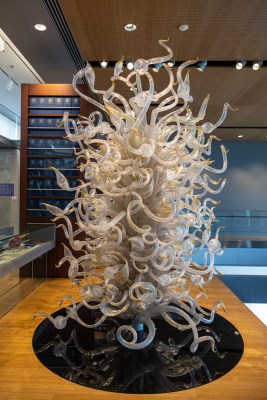
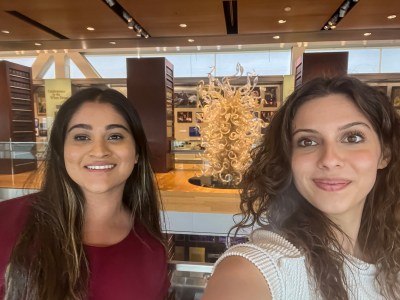
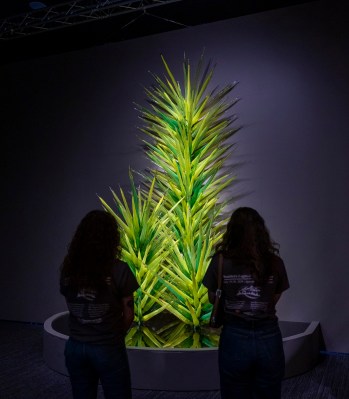
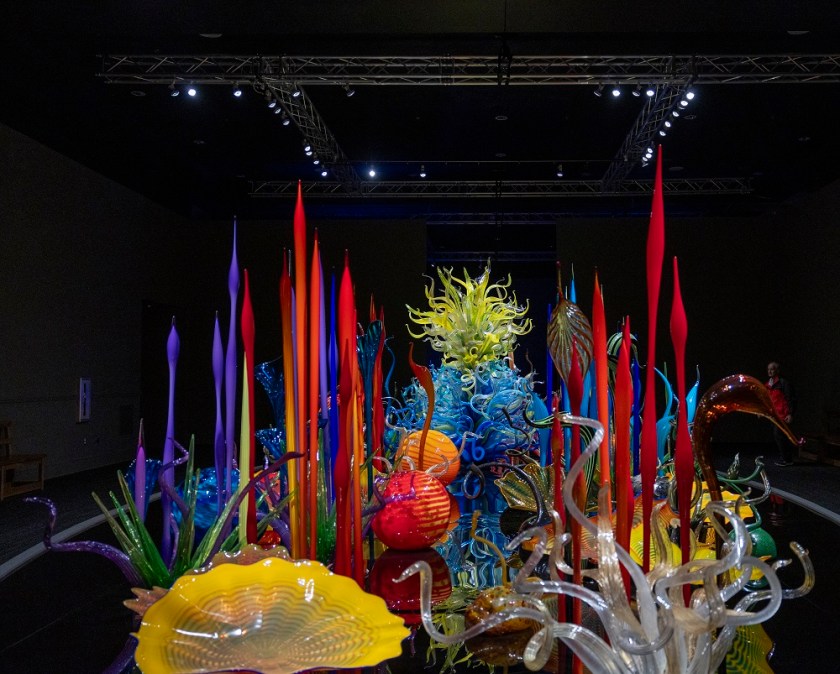
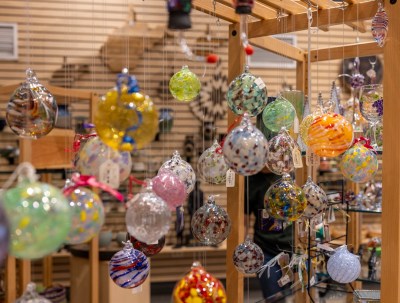
We also saw a stunning Dale Chihuly glass sculpture…
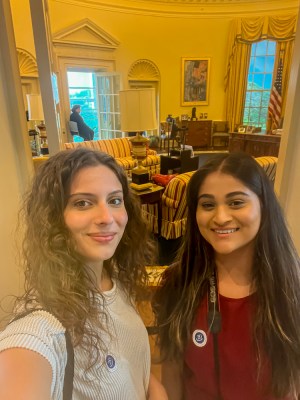
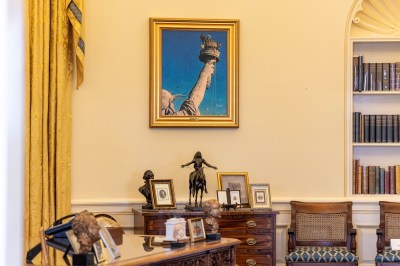
The Oval Office replica was another highlight, showcasing Clinton’s presidential style.
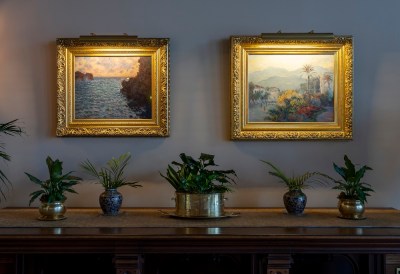
We saw sculptures by Remington and Rodin and a painting by Childe Hassam.
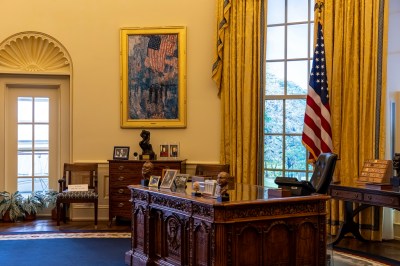
An unexpected surprise was a Norman Rockwell painting that we didn’t immediately recognize.
All in all, our visit to the Clinton Library was both educational and enjoyable. It gave us a new perspective on President Clinton’s legacy on American history.
A Trip to the Arkansas Museum of Fine Arts
Saara Maknojia
Walking through a stunning collection of artworks at the Arkansas Museum of Fine Arts (AMFA) was the perfect way to spend our afternoon.
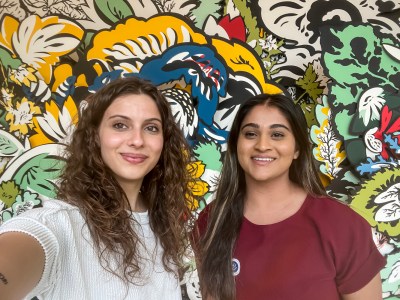
Olivia and I were particularly excited to see the new Art Nouveau exhibit, so we headed straight for it upon arrival.
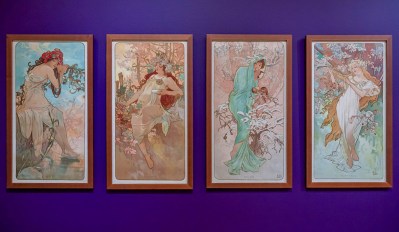
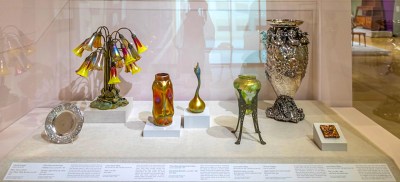
We were greeted with a beautifully curated selection of vases, jewelry, woodwork, and glass sculptures from the 19th century. What stood out to me the most was the Tiffany & Co. collection, renowned for its exquisite craftsmanship and iconic designs. The intricate detail and elegance of the pieces left a lasting impression.
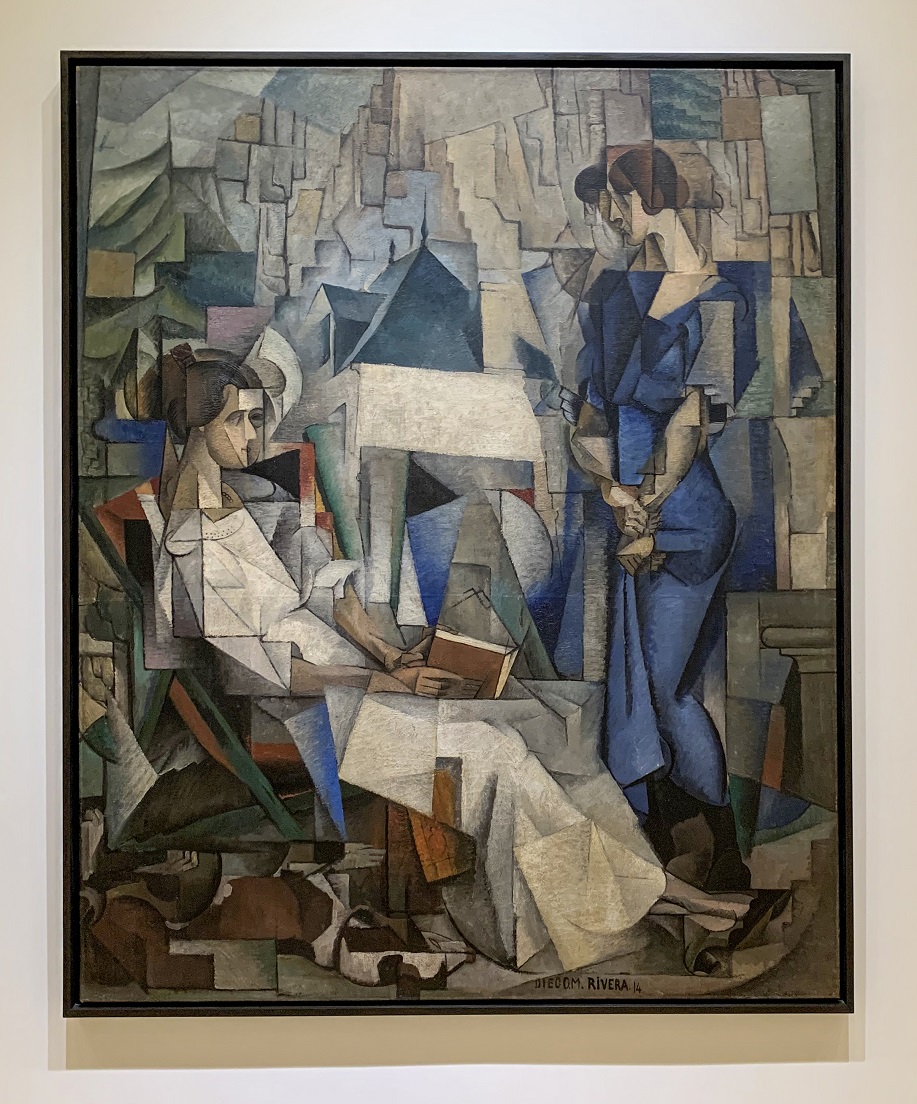
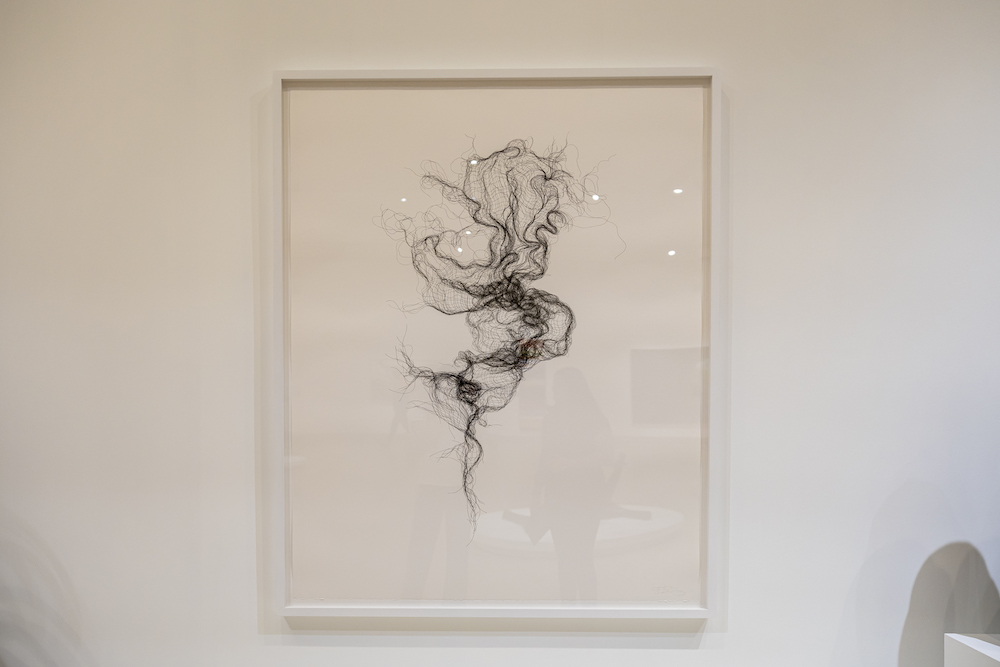
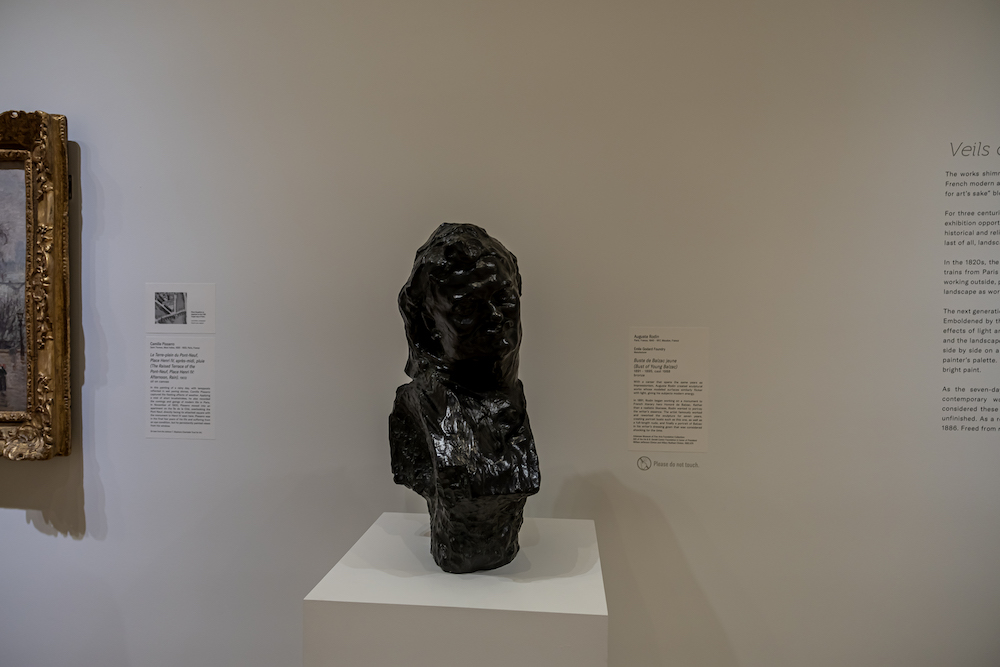
Since this was our first time at an art museum together, we took the opportunity to share our thoughts on various artworks. As we walked through the galleries, passing by pieces from prominent artists like Gustav Klimt, Pablo Picasso, Claude Monet, and Diego Rivera, we discussed our interpretations of what each artist intended to convey, and we watched others contemplating similar questions.
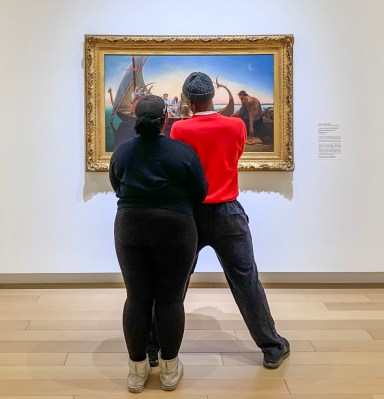
It was stimulating to exchange perspectives and delve into the emotions and possible stories behind these pieces.

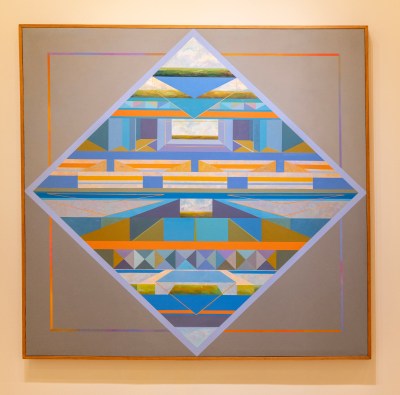
One painting that captivated us both was Homage to Alberti by Terrance Corbin. We found ourselves returning to it multiple times. The artwork’s focus on landscape, combined with its use of geometric shapes and lines to create illusions of depth, was intriguing. Although abstract landscapes aren’t typically my preferred style, this particular piece drew me in with its complexity and the many ways it could be interpreted, making it one of my favorites from the museum.
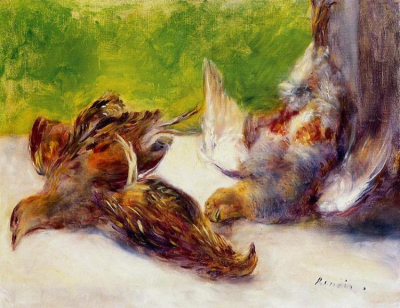
Olivia, on the other hand, was fascinated by Pierre-Auguste Renoir’s Three Partridges, an impressionist work that spoke to her appreciation for soft brushwork and natural themes in art.
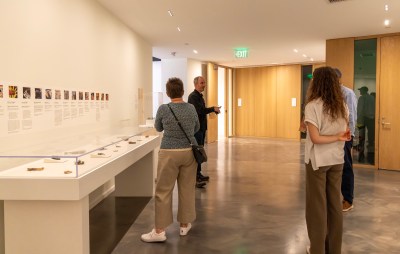
We ended our visit on an unexpected yet delightful note. David Warren, the Chair of the museum’s art school, graciously gave us a spontaneous tour of the art studio and pottery workshop. His warm hospitality reminded us of the spirit of the Arkansas Traveler—welcoming, generous, and always eager to share his knowledge and passion for art.
It was a fitting end to a day spent appreciating the beauty and culture on display at the Arkansas Museum of Fine Arts, and we left feeling both inspired and grateful for the experience.
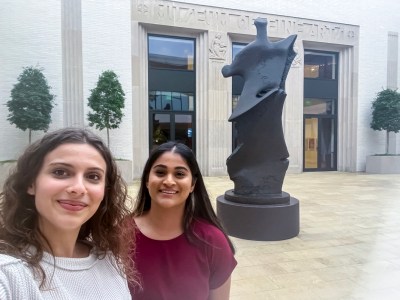
Bound to Books: The Six Bridges Book Festival Kickoff
Owing to some difficulty with our schedule and the timing of the Texas Book Festival, we looked to Little Rock and the Six Bridges Book Festival–and we are glad we did! The Six Bridges Book Festival takes place over a longer period than the Texas Book Festival, and it is smaller. This, as we found out tonight, allowed for a more intimate and personal experience.
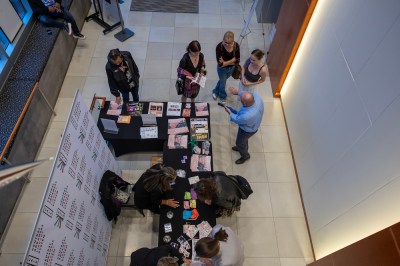
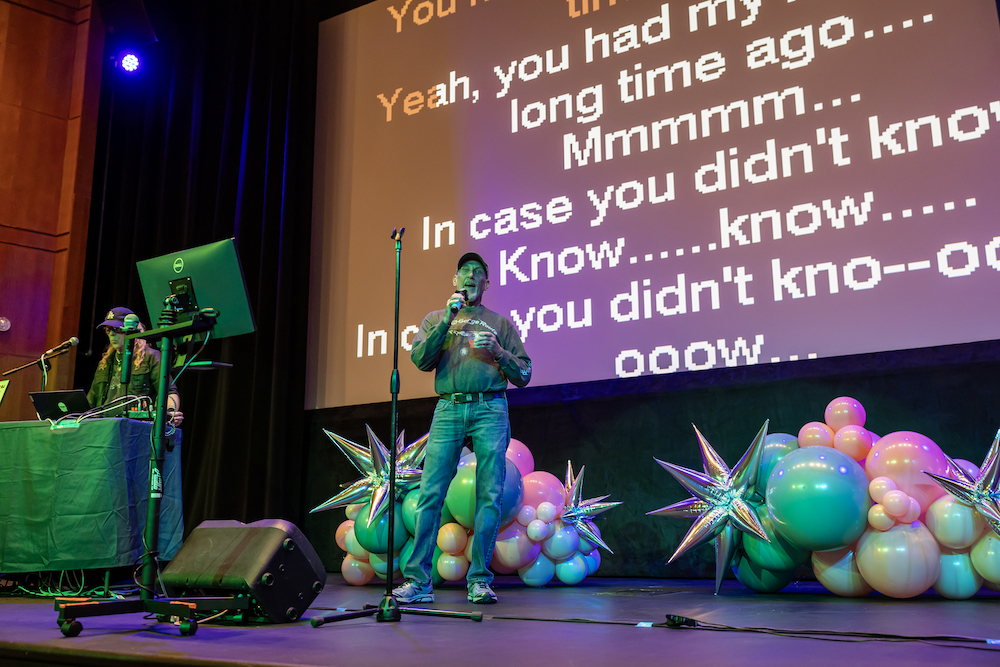
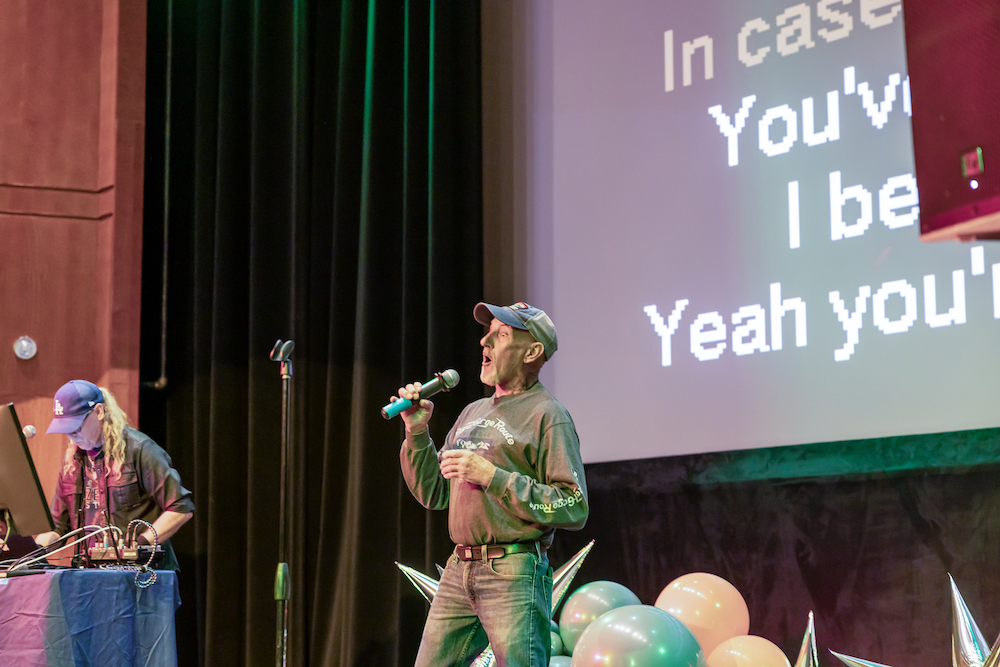
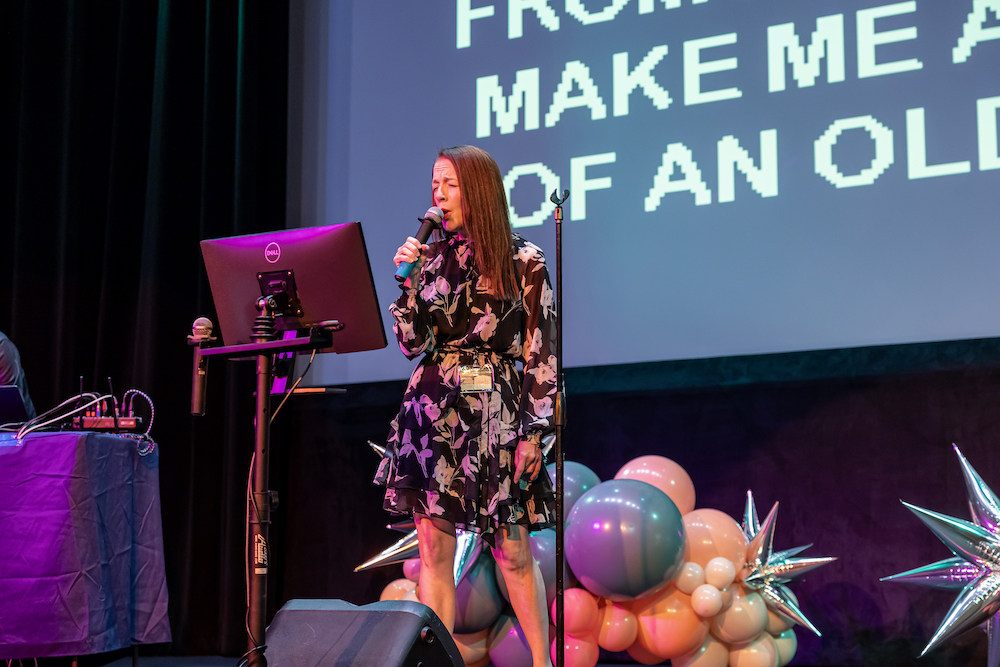
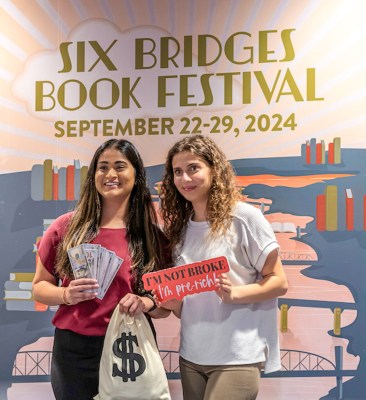
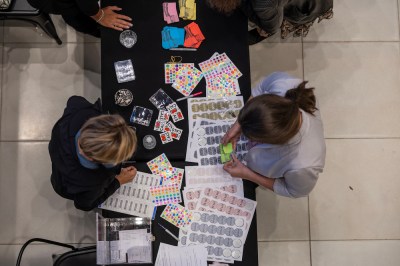
The Festival’s kickoff offered some finger foods and snacks; a photo booth, which was much fun; authors on hand, mixing with the crowds; karaoke; and, of course, books for sale.
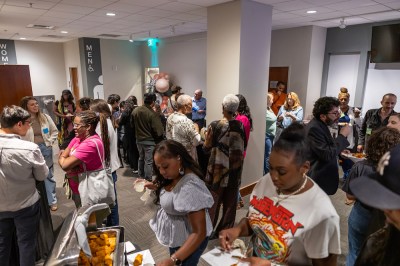
We began by scouting the facility, the “Ron Robinson Theatre,” part of the Central Arkansas Library System (and the organizer of the festival). The two-story venue was attractive, with a particularly appealing theatre, which was hosting the karaoke. A talented set of spectators took turns at the microphone, and we enjoyed a few songs, before moving on to the next activity.
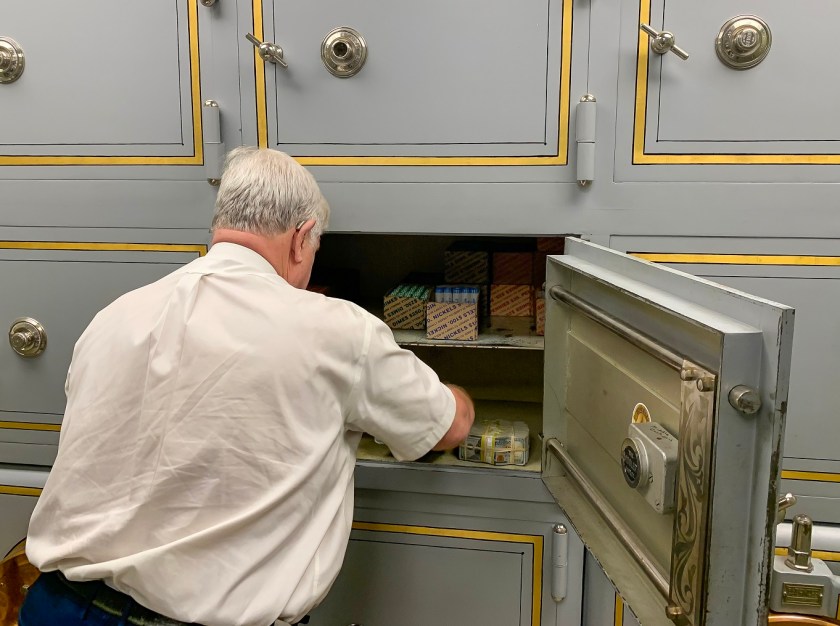
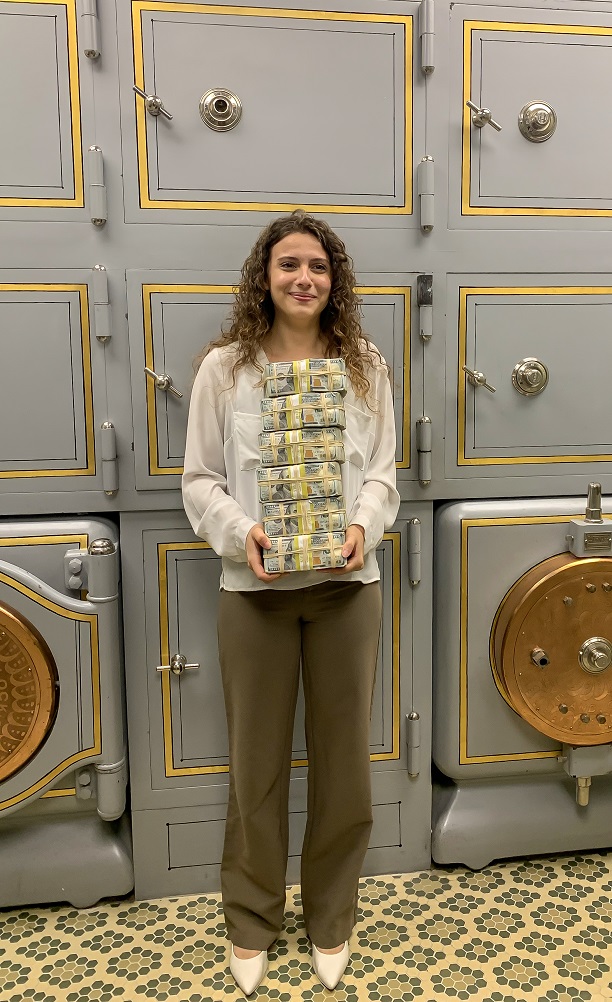
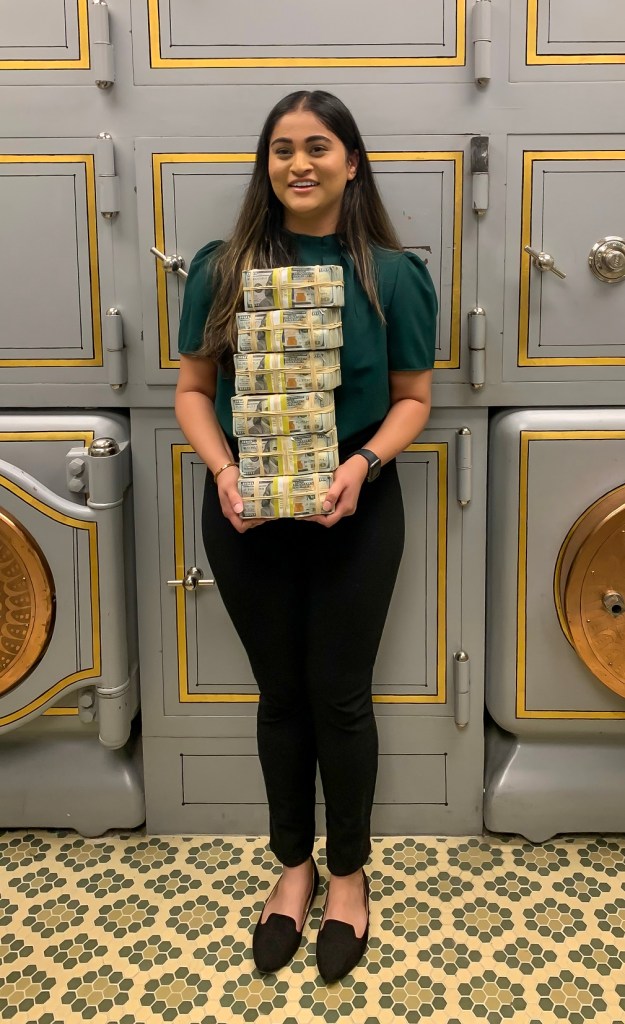
The next activity included the photo booth, which allowed us to continue the theme of money, one established during our tour of the Arkansas Treasury. Saara grabbed some Benjamins, a money bag, but drew the line at wearing a dollar-sign fishing hat.
We enjoyed the book selection, and we purchased a few before the authors’ supplies were fully depleted. We also played “spot-the-artist,” and we are pretty sure that we “saw” far more authors than were actually there.

But the event whetted our appetite for the next day’s sessions, when we would see Eli Cranor (“You Don’t Know Tough”), Boyce Upholt (“The Great River”), Garrard Conley (“Boy Erased”), Samuel Freedman (“Into the Bright Sunshine: Young Hubert Humphrey and the Fight for Civil Rights”), Randall Woods (“John Quincy Adams: A Man for the Whole People”), John Vercher (“Devil is Fine”), Brian Fairbanks (Willie, Waylon, and the Boys”), and Lana Williams, the latter of whom is a gardener and owner of Tender Gardener.
Wrapping Up
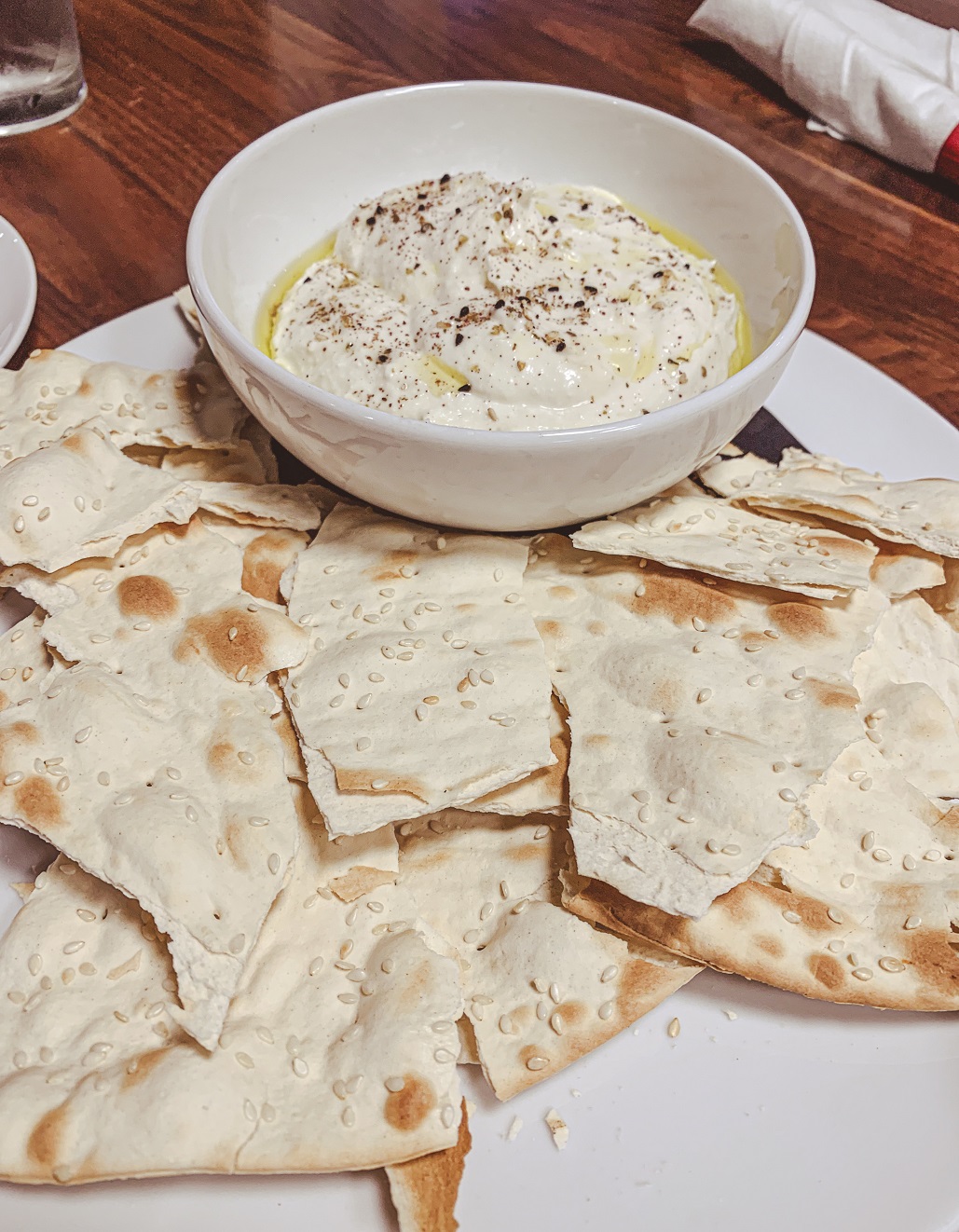
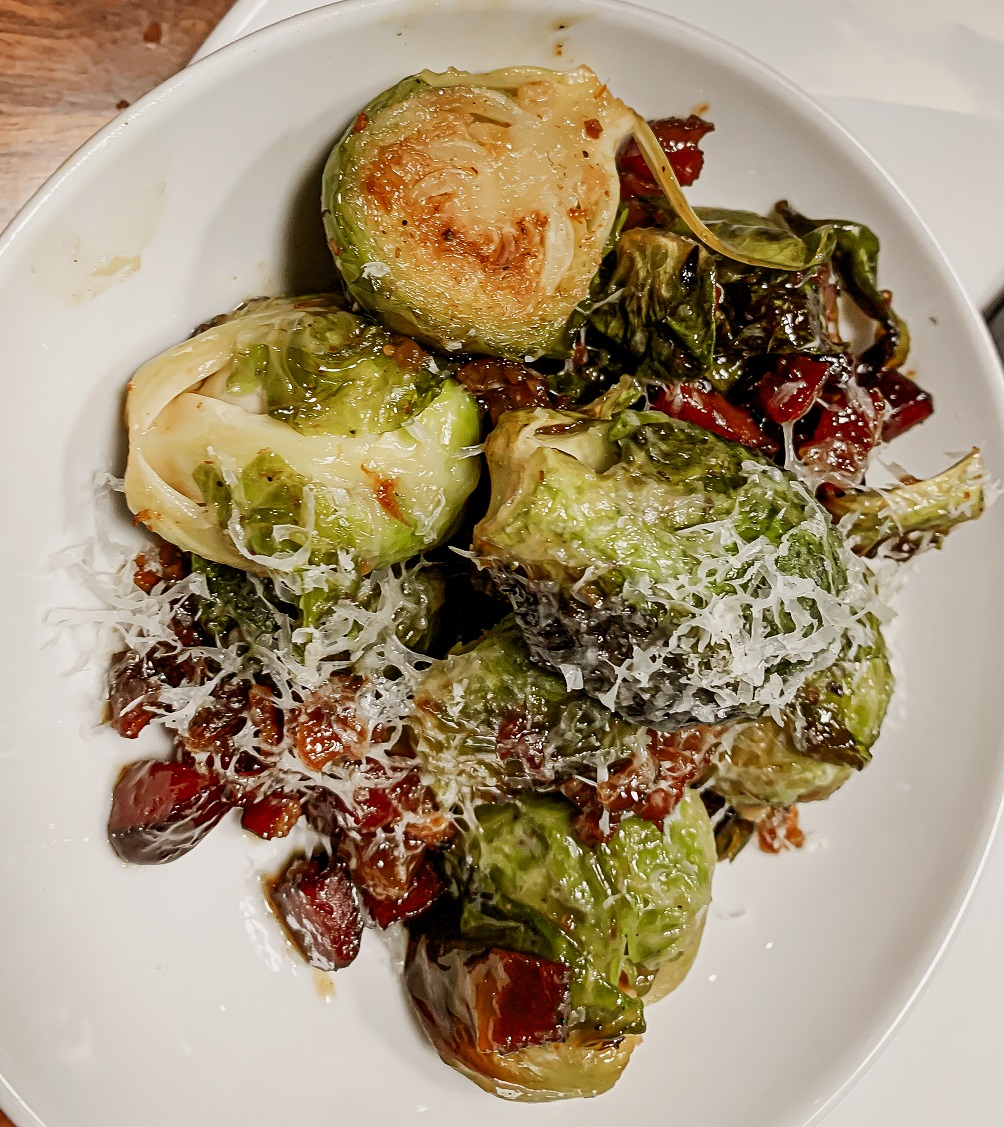
With small pangs of hunger reminding us to eat a full meal, we decided to visit Sterling Market. The restaurant might have been a Lana Wiliams fan, inasmuch as they emphasized ingredients from local farmers. The food was wonderful, and we can publicly vouch for the ricotta dip, the bearnaise sauce, the smoked chicken sandwich, and the mushrooms and dumplings.
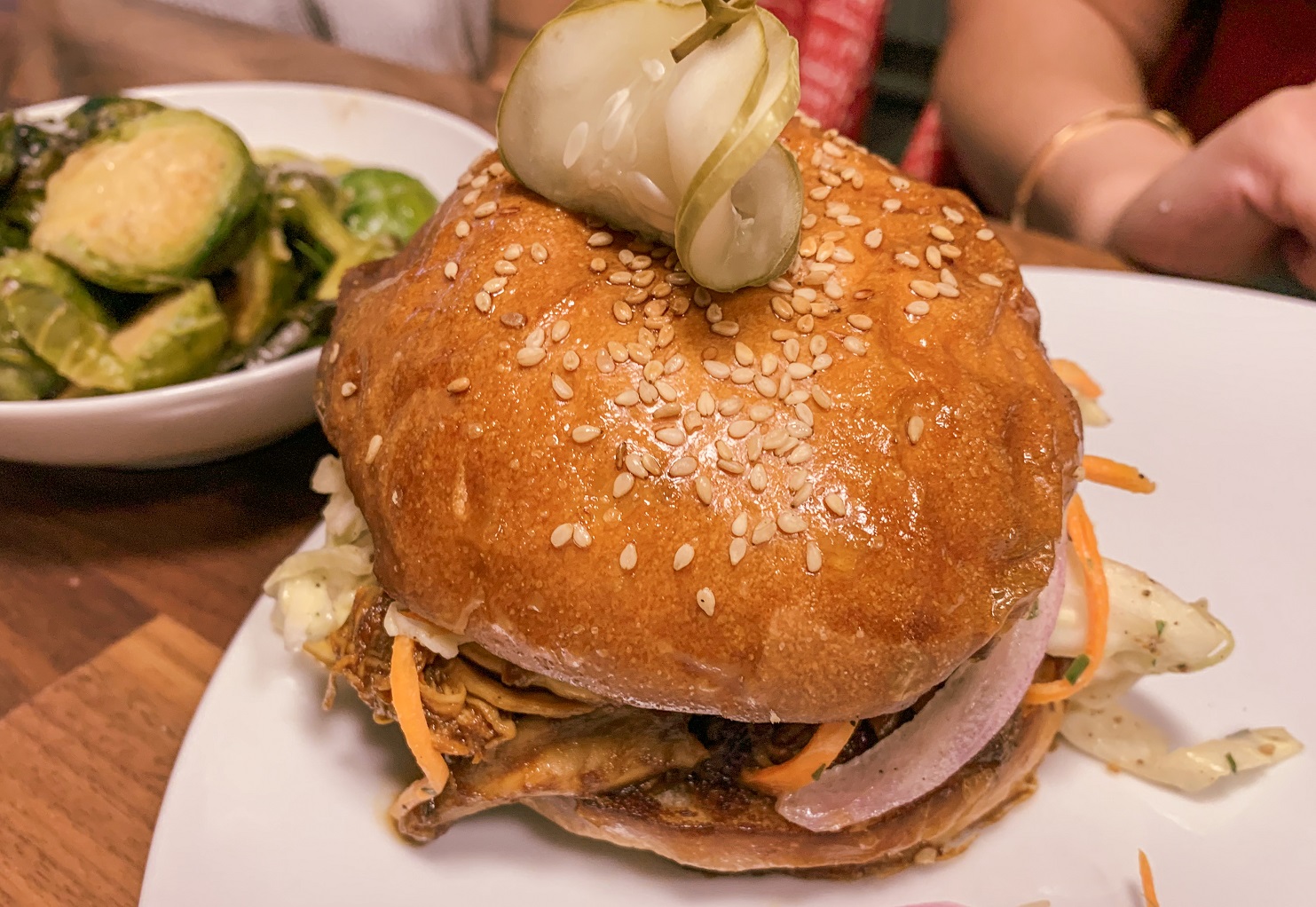
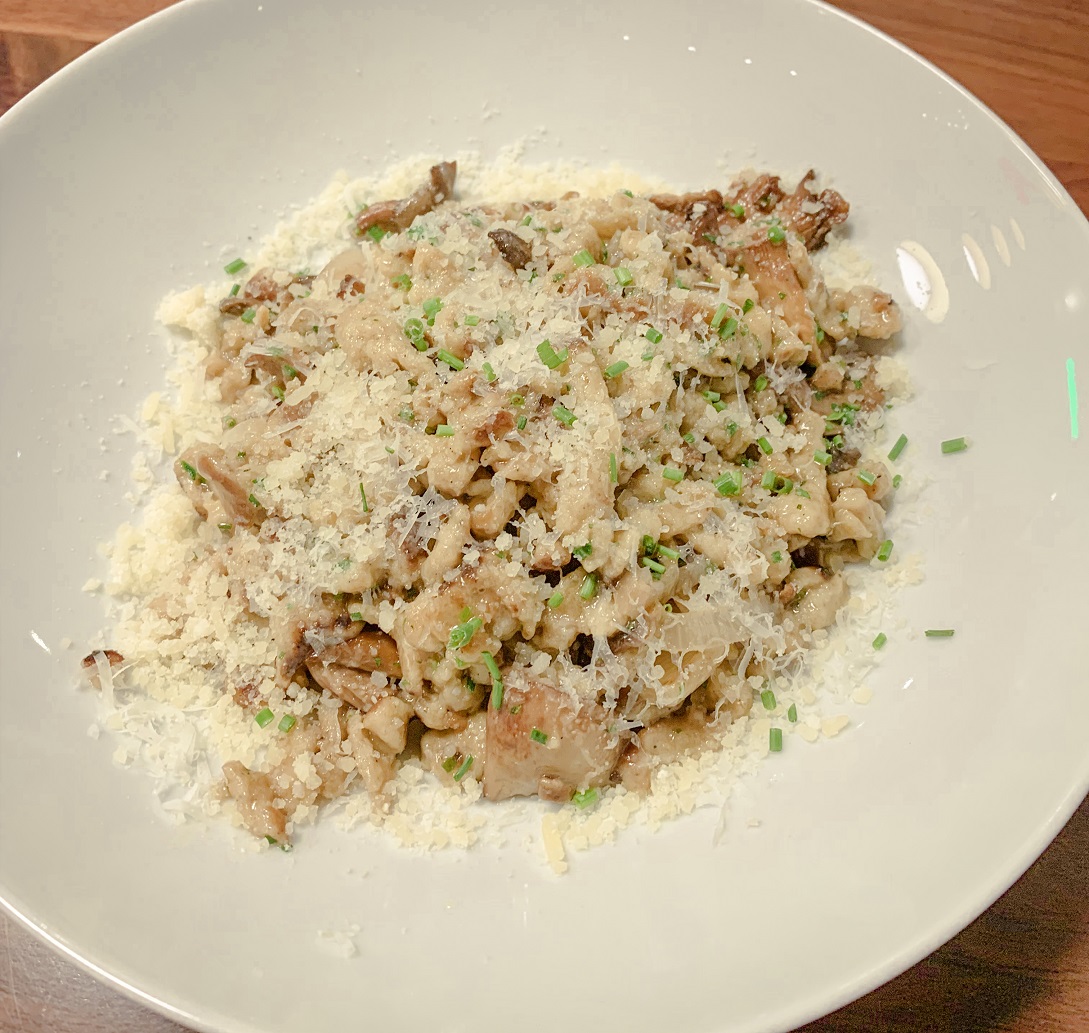
It was another nice ending to our ongoing Arkansas adventure, meeting friendly locals, Arkansas authors, and experimenting with some wonderful Arkansas food!






















































 Center for Law, Engagement, and Politics