Sunday morning, June 7, 2015, came extremely early and that meant it was time to hit the road and head to Austin, Texas. It was a nice drive, but nerve wrecking to say the least; mostly because we had no idea what to expect at NEW Leadership Texas (NLT) . We recited facts about the House Bill 5, practiced using our best smiles, and informed one another about all the interesting facts of the keynote speakers that would be speaking in the NLT program. New Leadership Texas is a summer institute that focuses on women in politics and the essential skills that produce success in public service.
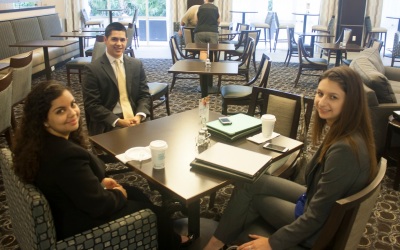
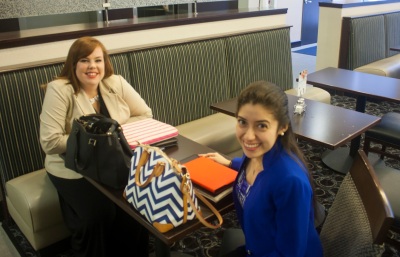
We arrived at University of Texas just in time to unpack and head to lunch. Vegetable lasagna, salad, and breadsticks were served along with a selection of cold beverages. During this lunch period we introduced ourselves to our fellow participants. I learned the diverse ages, social classes, cultures, and areas that were being represented here at the summer institute. Although all of us were nervous, the energy that filled the room was great. There were non-stop laughs and conversation.
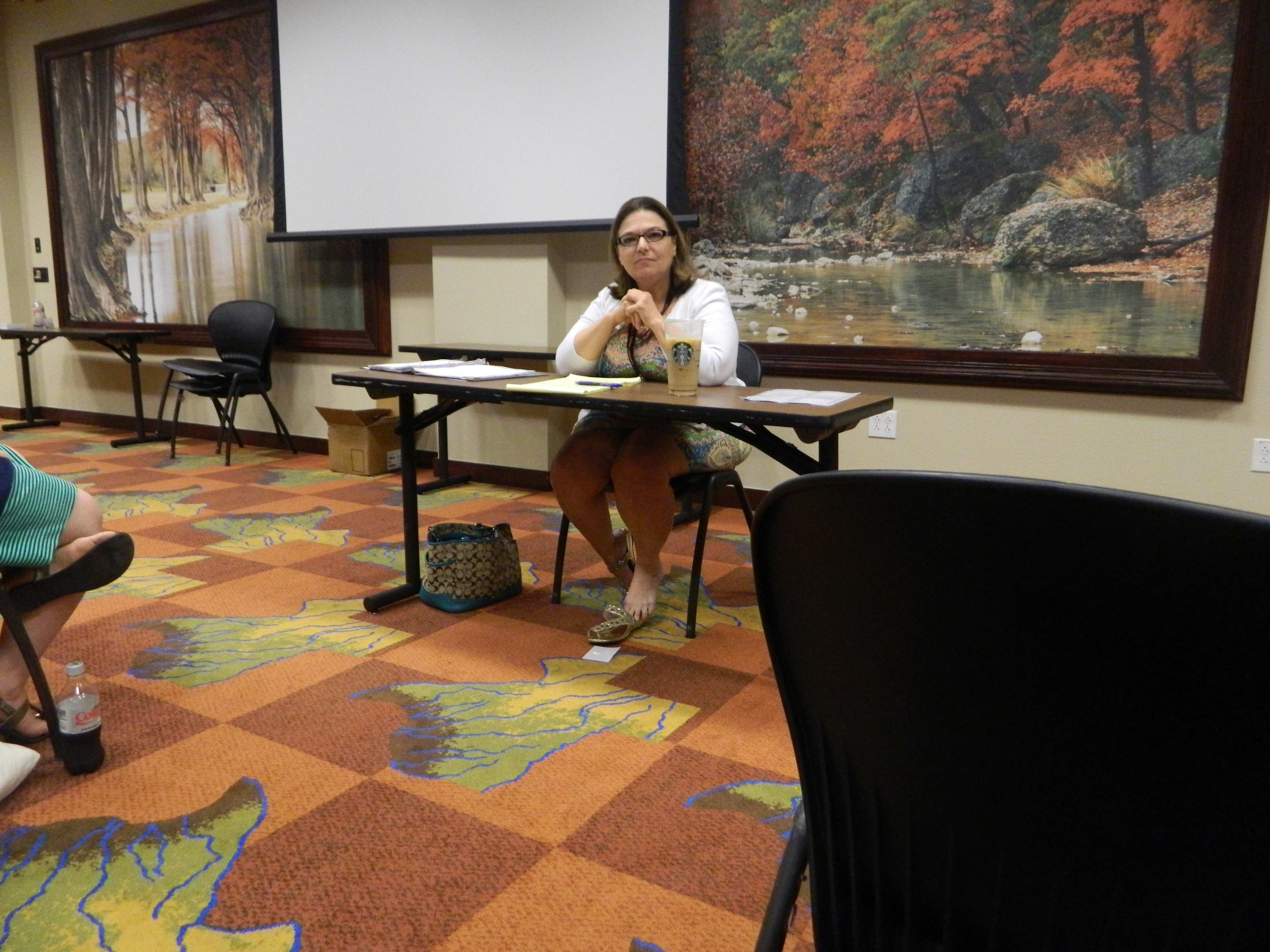
Directly following lunch we headed back to the Texas Rivers Room for an ice-breaker activity with Ms. Kathy Stanton, a PhD psychology student at the University of Texas. The activities were engaging and required everyone to depart from their comfort zones. This was definitely a time of fun and sentimental value. We opened up about issues we had and also laughed at some. Ms. Stanton did not let us conclude the arguments until we all reached a state of comfort with each other.
Next was the workshop of Effective Presentations and Communications by PhD student, Maegan Stephens, which was interesting because she also presented at our recent New Politics Forum Campaign Bootcamp. We learned about speeches of introduction and interview pointers. It was in this time that I learned an hour later I’d have to practice what I’ve learned about introductions and introduce Ms. Nancy Bocskor. I was anxious because I was one of the first presenters, but excited to practice what I had just learned. Moreover, it was exciting to me because I had spent significant time with Ms. Bocskor in the spring, when the LEAP Center had brought her to SHSU to speak to students. I followed up on my existing knowledge of her by briefly interviewing her about the fascinating coaching she’s done regarding women and politics, both, foreign and domestically. The introduction was great and I used everything I learned.
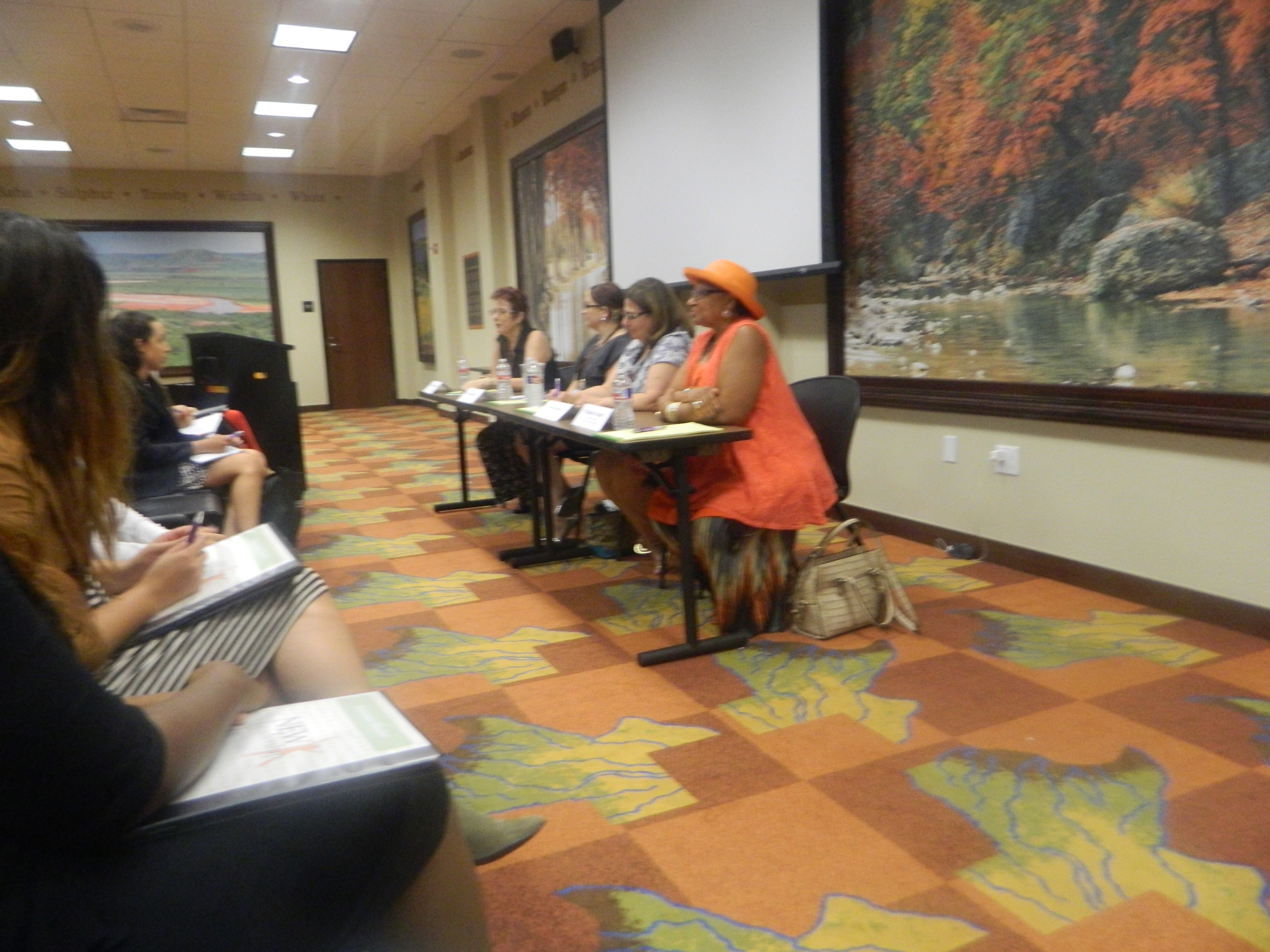
The latter part of the evening consisted of a presentation on Political Texas Women, small group discussions about political issues we face in our communities, and a discussion panel that included various successful women on the topic of leadership. In the discussion panel, one of my favorite quotes from Ms. Mavis Knight. She said, “Leadership is not a title I give to myself, it is given to me by others–which is more rewarding.” This reaffirmed the importance of impacting others, especially through public service.
The first day concluded with some ice cream and socializing. It was a “cool” way to end the night with amazing women leaders. It was also a time to reminisce and internalize all of the great tips and information we learned about.
I am excited to see what the coming days will bring and what I will learn.
LEAP Students were eager to start our final day in Austin. After grabbing a quick breakfast at the hotel, we headed to the Capitol to meet up with the Austin Interns. For the interns and capitol staff, today was an exciting day because it marked the end of Texas’s 84th Legislative session. For LEAP Students, it was an exciting opportunity to see the Texas Legislature in action.
A Junior Fellow Alum and present Advance Aide for Governor Abbott, Blake Roach arranged a photo opportunity for the Sam Houston Interns and LEAP Students! It was such an exciting opportunity for us as we were invited to meet Governor Abbott.
As we entered the Governors Reception Room, many students were eager, with maybe a few jittery nerves as they admired the intricate detailing from the molding to the door hinges. Shortly after we arrived, Governor Abbott entered and asked about us our majors and goals and such, and then we took a photo:
Meeting Governor Abbott was the highlight of our weekend and made our trip unforgettable. Not only did Governor Abbott schedule time out of his busy day to take pictures with us, but he also was very personable and friendly. Many thanks to Governor Abbott for taking time out of his incredibly busy day and to Blake Roach for arranging this memorable meet and greet.
After meeting Governor Abbott, LEAP Students and the Austin Interns hurried over to the House Gallery to hear the resolution and recognition of the Sam Houston Interns by Representative John Otto. It was a memorable experience for the Austin Interns to be recognized for all their hard work during the session. For visiting LEAP students, the entire experience should provide much motivation to work hard and stay focused on the goal of interning during the next legislative session.
After watching all of the Austin Interns get recognized by Representative Otto, Sadie McLaughlin, one of the Interns, gave us a tour of Representative Otto’s Office.
While at Representative Otto’s office we met up with Melva Gomez who was a previous intern and is now serves as an administrative aid for Representative Otto. Melva shared her adventures as a staff member with all of us, while crediting the Austin Internship program and the Junior Fellows for all of her wonderful opportunities.
Invited by Alexis Gonzales, another Austin Intern from SHSU, to take a tour of Armando Martinez’s office, we left Representative Otto’s office on a mission. In Representative Martinez’s office, Scott Jenkines, the chief of staff for Armando Martinez, kindly greeted us. We were able to sit down with Mr. Jenkines while he answered any questions that we had and gave us insight about what occurs during the 140 days in session.
Jenkines also showed us his black Lucchese cowboy boots that were stitched with the House of Representatives logo, which I thought were pretty cool. Alexis was also there to give us information about her life as an Intern at the Capitol. She told us about her extremely rare experience of walking on the House floor without begin stopped and let us know that anyone wanting to be a future Austin Intern must be able to work with a flexible schedule. The tours of the offices allowed us to learn more about what happens in the capitol and gain great insight into the experiences of the current Austin Interns.
We left the Capitol overwhelmed by the awesome opportunities awaiting us in our future endeavors, although that did not stop us and our grumbling bellies in search for lunch. We made a quick stop at Whole Foods Market to eat, after windy through the huge amount of Austonians aiming to satisfy their hunger as well. Satisfied, we got back in the car and made our way home, whilst discussing the weekend and everything we had learned. Not many college students can say they understand the running of a campaign or have met the governor, but we can attest to both. Safely in Huntsville once again, we left each other ready for some good sleep and hopefully the next adventure LEAP throws at us.
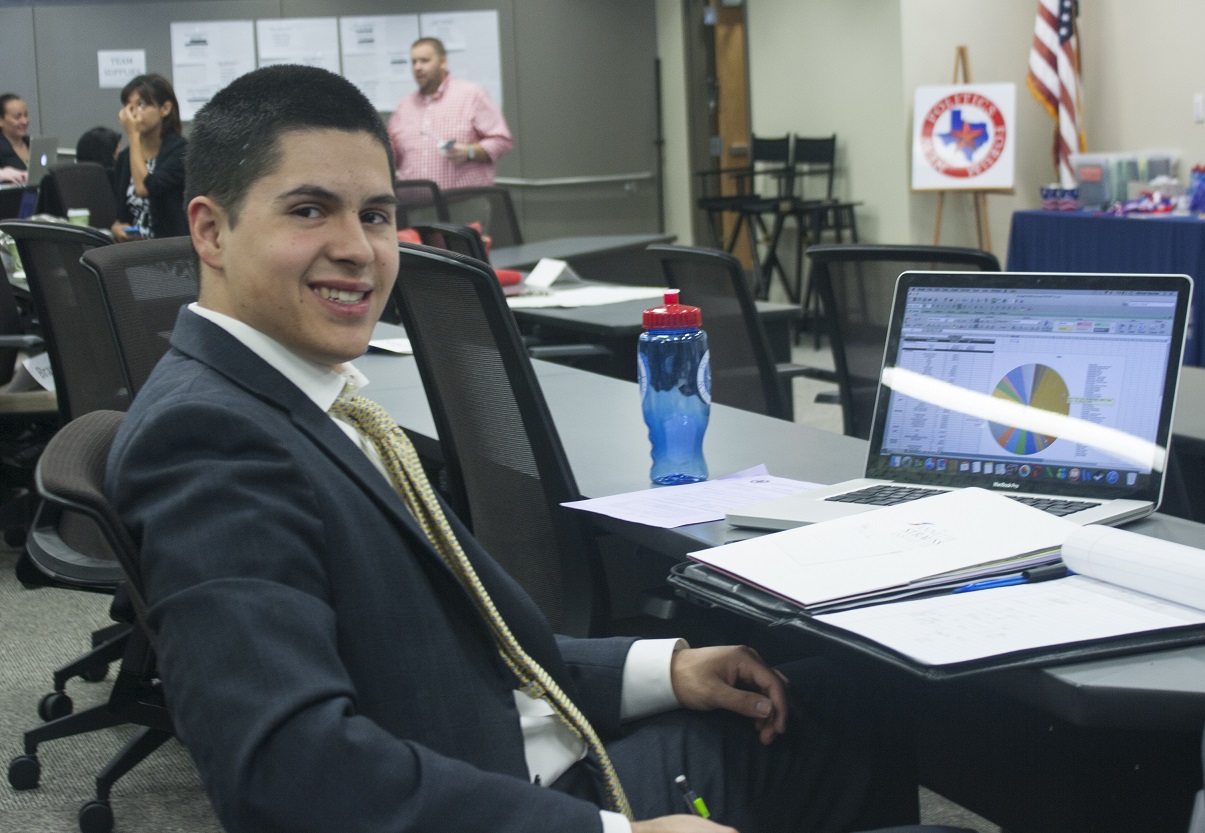
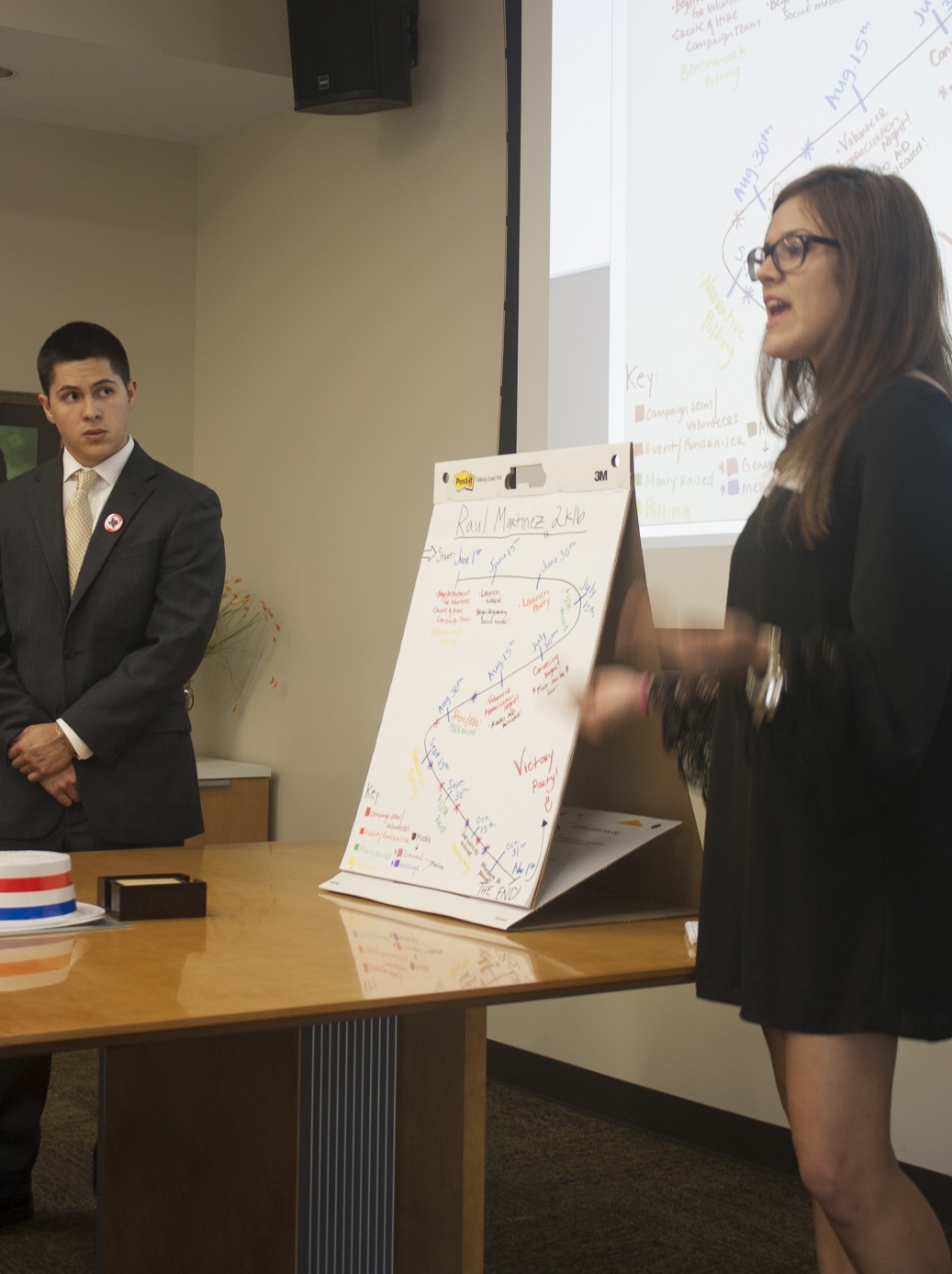
LEAP students woke up to nerves this morning, looking ahead to a day of preparation and presentations. After roughly forty-eight hours of learning the ins and outs of campaign management, fundraising, budgeting, and direct voter contact, we finally had the chance to present our path to victory for our fictional candidates to an esteemed panel of expert judges, most of who had been lecturing us this weekend on the same topics.
We worked for the beginning hours of the day to practice and make finishing touches to our presentations, with jitters pervading most group sessions.
In the early morning, we made some last-minute revisions to our projects, working in groups or, occasionally, alone.
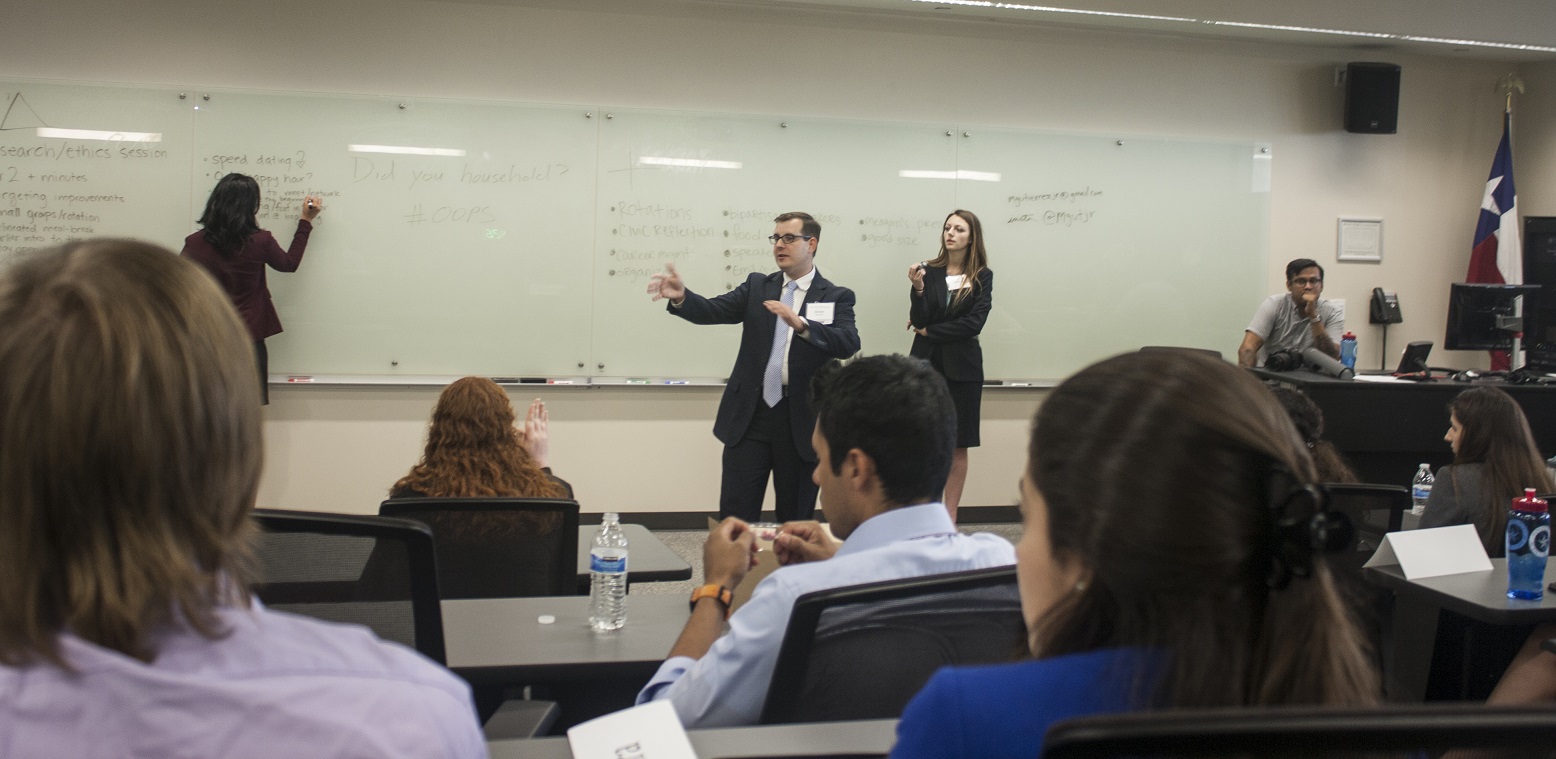
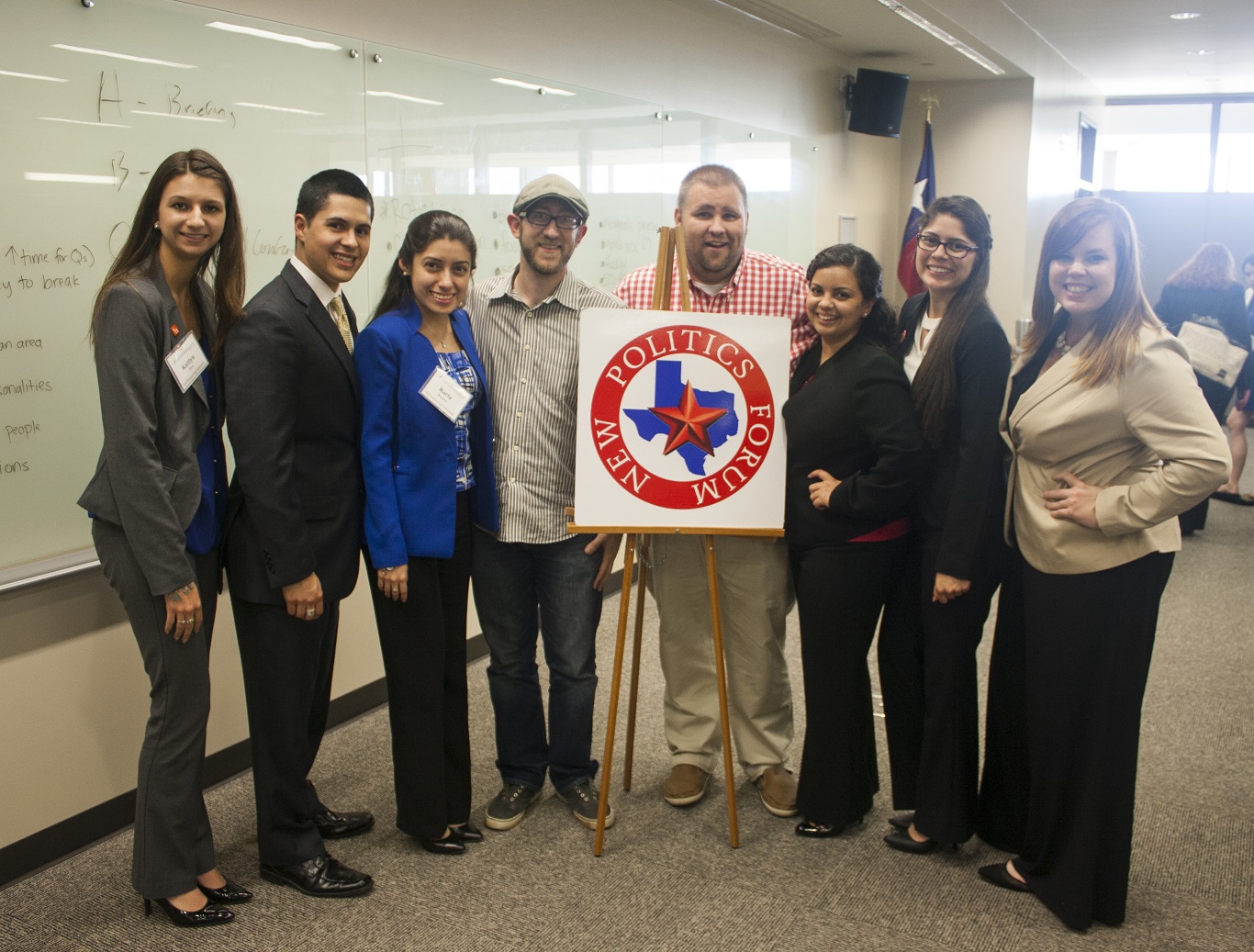
By 10:30 we had to turn in our finished products and hope that everything would go well. After getting a group picture with the whole Campaign Bootcamp group, we split up into three different groups of three different rotations: presenting, a session on getting your foot in the door in the workplace, and a workshop over civic reflection and engagement in young people.
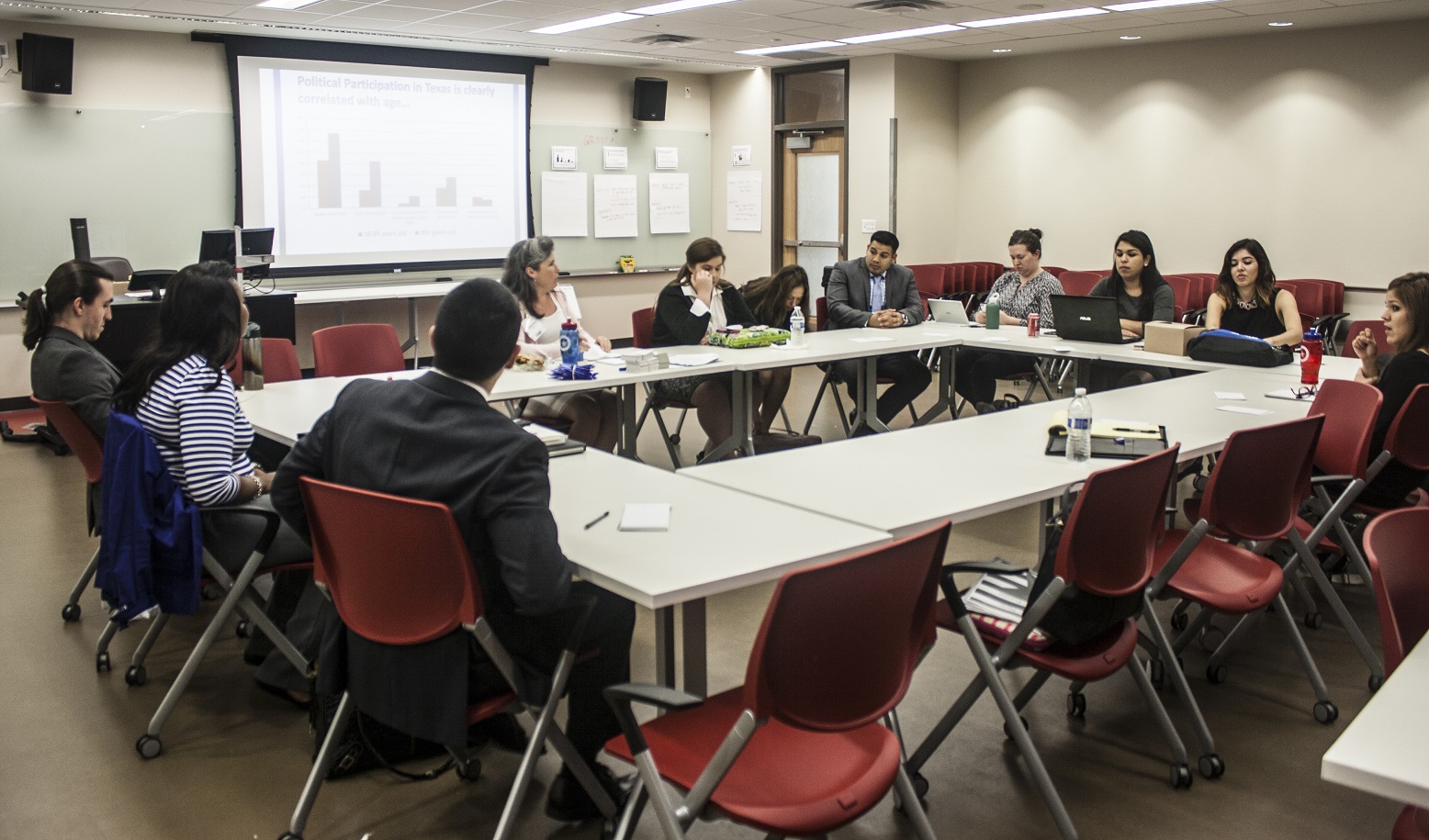
After the group photos, all of the groups were separated into three rooms, one of which was meant for civic reflection. Deborah Wise, the director of educational outreach for the Annette Strauss Institute for Civic Life was there to guide the session and explained to us that civic engagement is how the community gets involved with politics.
Once in the room she separated us randomly into three different groups where we discussed the lack of civic engagement as well as solutions for it. The topics revolved around the age gap in voters, why people don’t go out to vote and the impact of the media. Once we had enough time to discuss the issues and possible solutions, all of the groups sat together as a whole and we went into a deep brain storming session. Everyone had their own opinions for targeting younger people to get involved in politics but the main ones were to target education, parents, and how politics are viewed. I shared my opinion about the lack of education over local politics in high schools and giving politics a “young face”. Others shared their opinions of targeting the parents and educating them in politics. Deborah Wise then separated us into groups of 2-3 to discuss plans to boost civic engagement for younger people in communities. Once we had time to discuss our plans in the small groups we went back to our whole group and discussed them with everyone. The group as a whole agreed that the reasons that young people do not participate in politics is because they believe their vote doesn’t matter, they are undereducated in regard to local government and they believe it is an old mans game and its out of their reach. Solutions for this were showing younger people that they CAN vote by setting an example and being civically engaged ourselves, local government having a bigger part in high school other than just federal government and targeting issues in politics that affect the 18-29 year olds.
The Civic Reflections section was a great session that provided a more hands-on learning environment that we really enjoyed. Everyone was vocal and loved sharing and hearing different opinion. It showed us that people could really come together to solve an issue.
Heading to the conference room to present between the two different sessions, each group was given just eight minutes for their presentation and an additional seven minutes to answer questions from the judges.
As a student, the presentation was intimidating because groups were given relatively little time to prepare and practice. Although daunting, presenting to our judges proved to be a useful learning tool and a valuable public speaking experience.
In addition, each group had the opportunity to observe various other groups present and learn from what they did well and ways they could improve. Stressed the whole weekend, the hard part did not end once the presentation was over, but instead the Q & A proved to be almost more strenuous, as the judges asked questions and probed for questions that could have been left out during the presentation. The group presentations may have been stressful, however; it was arguably the best hands on learning experience and preparation for a career within political campaigns.
Continuing with rotations we moved on to a presentation by Maegan Stephens, a communications lecturer at the University of Texas at Austin. We learned about the major steps for getting our feet in the door in political campaigns. We started with an interesting and fun activity of searching for the person sitting next to us on the internet and finding anything that could affect their possibility of getting hired. It was a fun way to learn about tactics professionals use to search job candidates and tips for us to remember when posting on social media. Next, we signed up for a LinkedIn account. Our trainer gave us tips for developing our account such as customizing our URL, and developing a strategic headline and summary. She also gave us great tips for building our endorsements and recommendations on our profile. After developing our LinkedIn accounts we moved on to interview tips. We learned that Interviews would be a very important part of an employer’s decision. We learned great ways to answer commonly asked questions in a strategic way and ideas about our goals to have clear in our mind before an interview. Clear goals will help us build a story and may brand our name. Interview delivery tips are also of great importance. We should be able to deliver effectively even if we might be nervous during an interview. Lastly, we discussed networking and the importance of making connections in political careers. Sometimes networking may be hard, but we learned excellent tips on how to approach it and overcome challenges. Networking should be the next step for getting our foot in the door.
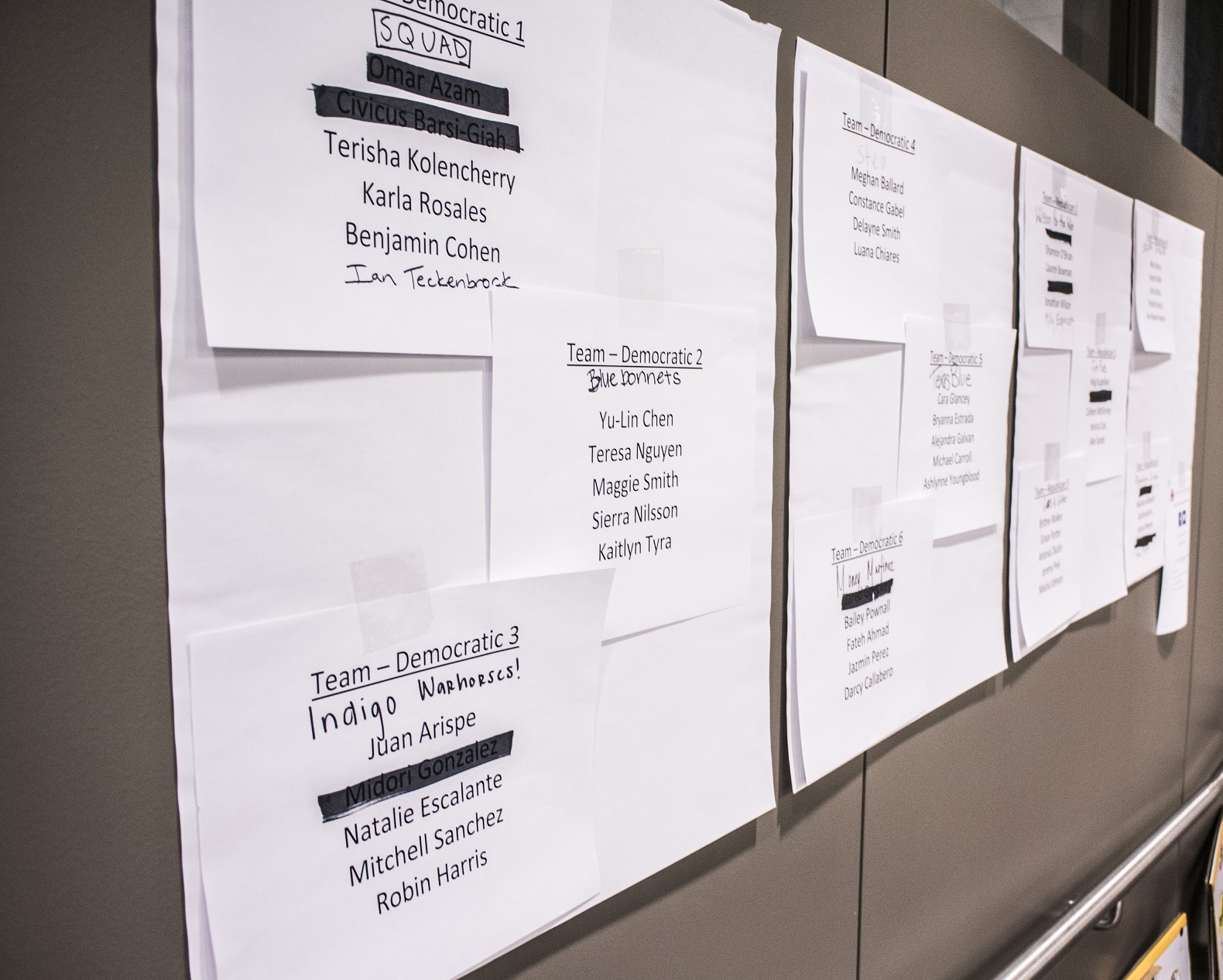
After our rotations and regrouping in the main conference room, we were able to give some feedback as a large group about what was good and what could improve for next year. Following the opinion piece, we finally received the judge’s decisions on the different categorical winners for the campaign plans and also the overall winner. Representing Sam Houston State University, Constance Gabel and her group Democratic Team 4 won the “Get Out the Vote”/voter contact category over the other teams efforts in the same area. Needless to say after much networking techniques, knowledge, and tools for campaigning presented to us, we left the New Politics Forum Campaign Bootcamp completely different students.
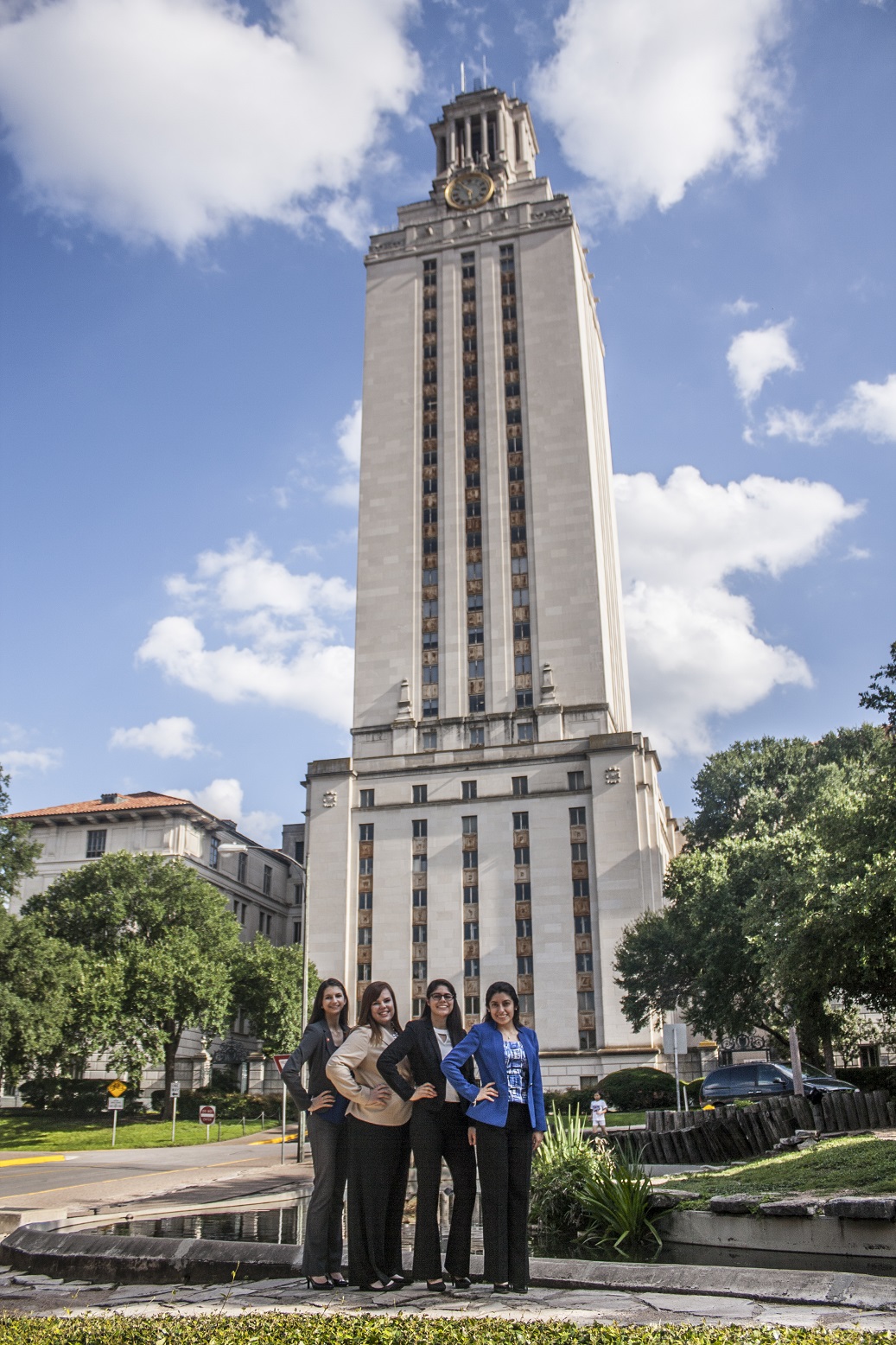
We did some brief site-seeing around campus…
…and then headed back to the hotel.
At this point, Jazmin Perez and Mitchell Sanchez had to leave, going back to Huntsville to begin work the next day. The rest of us, however, stayed on in Austin for another day to watch the House and Senate in their final day of the session.
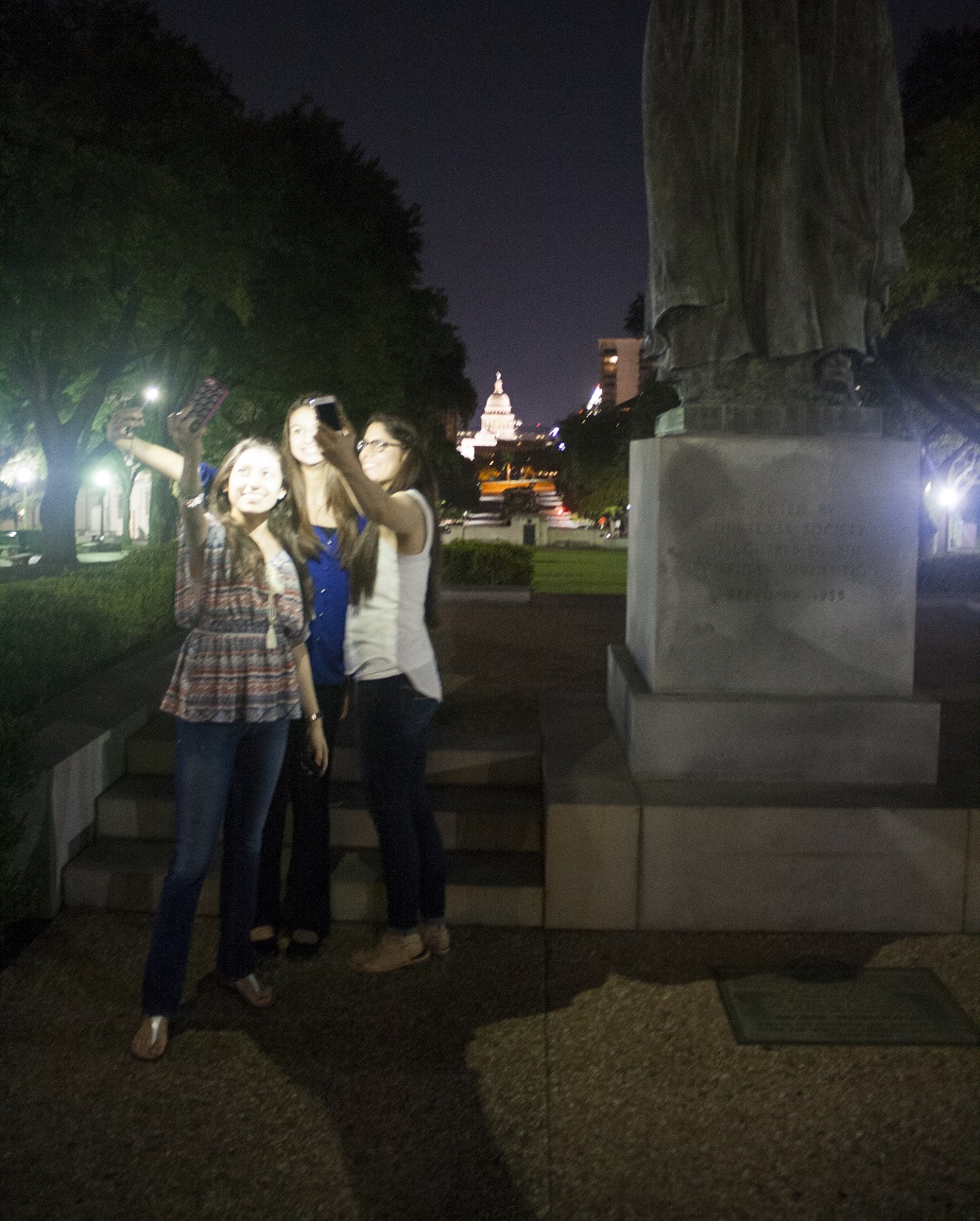
To finish the day, we ate dinner at The Clay Pit, a wonderful Indian restaurant in the heart of Austin’s downtown. Most of us not ever having tried Indian, it was such a blessing to have a waitress that clearly walked us through the menu and gave suggestions that turned out to be delicious. We tried many different kinds of dishes including Naan, a pita bread type of dish, a seafood grill, Tikki Masala, a red sauce, Khuroos-E-Tursh, a chicken dish stuffed with cheese and spinach in a sweet, almond sauce, and Lamb Roganjosh, a lamb dish in an onion sauce that might have been the table favorite. We finished with a dessert of Chai Spice Crème Bru Lee, rice pudding, and vanilla pudding with a side of grated carrot pudding. Stuffed, we left the restaurant to take a late night stroll through some of the older parts of UT’s campus.
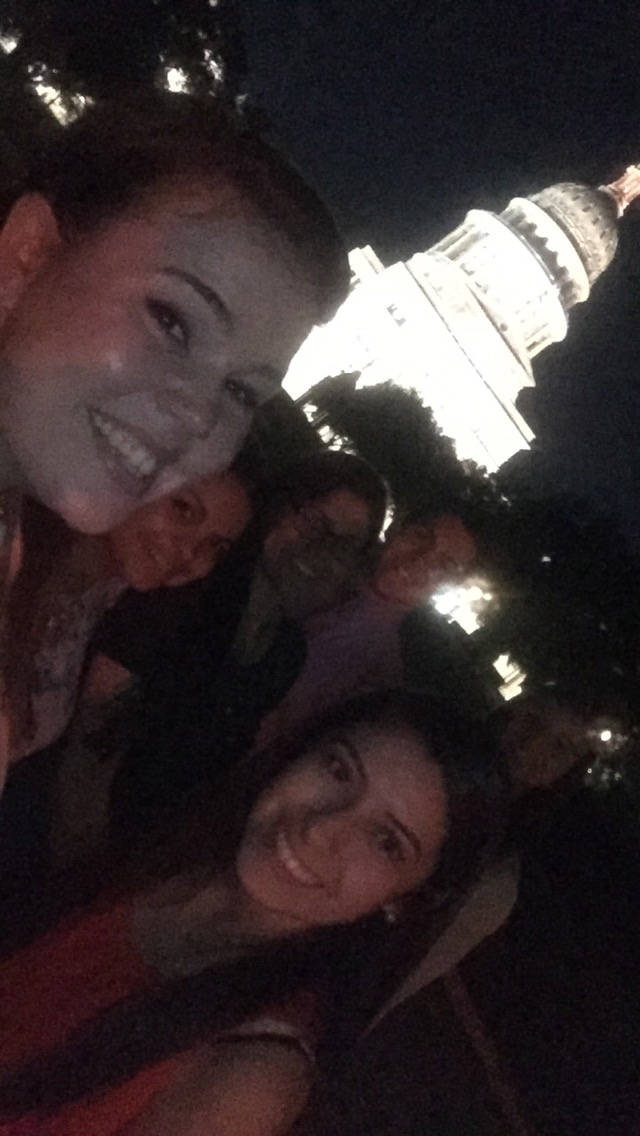
Selfies at Night
We spotted some art and some strategically placed greenery, but the evening and the whole weekend culminated standing between the UT Tower and the Capitol, feeling the immensity of the city and our civic purpose as college students in a time full of political apathy. We also ended the weekend a much closer group, better prepared to tackle future challenges and opportunities.
We ended the evening exhausted and drove back to the hotel ready to tackle the last day of our weekend trip.
Glazer, Marchant, and LEAP Students
LEAP Center Students would like to thank Emily Einsohn, Drew Galloway, Luke Marchant, and Matt Glazer for leading such a great program!
Upon arrival this morning, boot campers were greeted with warm breakfast tacos, fruit, homemade granola, yogurt, and coffee to start the second day of NPF’s Campaign Bootcamp. It was a great start to a fourteen-hour day, filled with learning about all manner of campaign topics.
Chris Perkins & Polling
The first presentation of the day was centered on polling and how to use it to your advantage within a campaign. The speaker, Chris Perkins, partner at Wilson Perkins Allen Opinion Research and an expert on quantitative and qualitative analysis, presented helpful guidelines to think about when managing a real campaign.
One of his main points throughout the presentation was the importance of targeting: “targeting the right persuadable voters is key to victory, especially if you cannot afford to reach out to everyone.” His close created a seamless intro for the next session, how to craft a campaign message.
Rindy Miller Media, Crafting a Message
That presentation, crafting a campaign message for earned and paid media, was led by veteran media consultant Cynthia Miller, with her spouse Dean Rindy, also a media consultant.
They gave us strategies for effective message delivery and great ways to build a campaign message. We learned the four key rules:
visualize the message,
tell the story,
use emotion,
and keep it short.
We were also reminded “it’s not what you say, but who you are.” A great way to promote a successful message is by frequency and repetition because it takes the human brain five or more repetitions before it recognizes an important message. After ten repetitions, the human brain has absorbed the message, which is especially applicable for voter contact via mail. All these great tips and strategies will be very useful when strategizing for our campaign presentations tomorrow afternoon.
Vincent Harris & Social Media
We were then introduced to “The Man Who Invented the Republican Internet,” Vincent Harris. His presentation was filled to the brim with energy and strong delivery.
Harris, CEO of Harris Media, discussed the power of the digital media and the leverage this medium can bring to a party. Facebook, a large part of the digital media, plays a vital role, as do other smaller social media outlets. Currently working on Rand Paul’s bid for President, Harris believes digital media will be one of the deciding factors of the election. The direction and the ever-changing political climate have indicated that the Internet along with digital media will become king in political campaigns. The capabilities with rapid response will make it especially crucial in the end game parts of elections. Sticking to one or two messages makes getting the word out simple and effective, and it worked for us–as we remained engaged in the midst of a long Saturday.
Of course, crafting the message is part of the battle—implementing that message is another part.
“The great thing about the NPF, is that you learn so much, from so many people, in such a short time.”–Constance Gabel, LEAP Center VP
Matthew Brownfield, Colleen Loper, and Voter Targeting
This session focused on teaching us the essentials of targeting, voter contact and voter files, and how to get the most from knocking on doors. Essential information resources for the campaign manager, according to Brownfield and Loper, include the district’s electoral history district census data, and on-the-ground reports. Each mentor then went into specific tools that their party utilizes to narrow their voter targets as quickly and accurately as possible. Loper spoke about the main Democratic tools, which include the Voter Association Network (VAN), DCCC, DND, TDP, Blue Labs and the Analyst’s Institute for research. Brownfield admitted that the Republicans are lacking in this field by only having the GOP data center, but he still gave general research methods such as the state party databases, county party databases and voter files.
The two presenters then explained how important door-to-door campaigning is and how it is much more effective when trying to get out the vote (GOTV), but can be much more time consuming than phone calls. We learned that “knocking on doors” drives turnout and can be an effective method when trying to target moderate voters. Knocking on doors also insulates the campaigns from any change in opinion that the targeted voter might have had. Brownfield also mentioned that block walks during door-to-door campaigning can provide intelligence on the electoral situation of the opposing campaign. The two presenters agreed that the most appealing aspect of door-to-door campaigning is all of the positive media attention that can be earned. We learned that a good strategy when knocking on doors for a campaign is to have the candidate himself or herself knocking on doors as well. The presenters ended by mentioning that the candidate should always show that they are willing to put in work even in the smallest aspects of the campaign and that they can change a targeted voter’s mind easily, especially face-to-face.
Maegan Stephens and Communication
Finishing up the day of informative sessions, the energetic communication specialist, Maegan Stephens, focused on political pitches and presentations.
She began by engaging the students in a quick icebreaker, allowing them to move around and tune in.
Throughout this session, Ms. Stephens covered the content, delivery, slide deck, and questions and answers section of a successful presentation as well as the tools to create a political pitch. More specifically, she discussed the three parts of the content: the introduction, strategy, and the conclusion. She also emphasized the importance of delivering a presentation, being conscious of the presenter’s non-verbal and vocal communication. With her help we gained knowledge and confidence beneficial to our upcoming presentations.
Luke Marchant, Matt Glazer, Drew Gallaway, Coda
Luke Merchant and Matt Glazer, boot camp mentors, wrapped up the day with last-minute details and Q&A regarding the project and presentation…
…followed by a brief overview of tomorrow’s agenda by Drew Galloway who, prior to working for the Annette Strauss Institute, worked for the White House.
While listening and learning occupied students through most of the day, the evening hours were spent creating mock campaigns…
…from real data and hypothetical candidates from House District 117 in San Antonio.
Mitchell Sanchez and Luke Marchant
We once again practiced the “working dinner” concept and vigorously tried to get as much as possible done in our teams, with the help of our mentors, Mr. Merchant, Mr. Glazer, Ms. Holden, and Ms. Moore.
Balancing different topics such as budgeting and polling, LEAP Center students tried to recall as much as possible from the previous sessions to create campaigns that would make the mentors proud.
This slideshow requires JavaScript.
Finally, with work still left to do, we left the campus for the hotel around 10:00pm, for an evening of blogging, research, and presentation practice. Hopefully, some sleep will follow this evening while we look forward to a packed day of presentations tomorrow.
The LEAP Center Student Advisory Board (and some fellows SHSU students) embarked to Austin this week to attend the New Politics Forum’s “Campaign Bootcamp.” But in the true multi-disciplinary spirit of the organization, we had a few other things to tackle first…
Salado Creek
To begin of our first full day in Austin, LEAP students headed to Salado, TX to explore a tiny, tourist town full of southern hospitality. Upon our arrival, we visited Salado Creek with hopes to see Tabletop Rock, where wagons crossed the creek bed during the nineteenth century. The group took the opportunity to take selfies with the overflowing creek.
Salado College
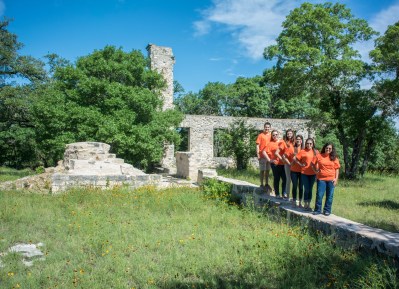
In the nineteenth century, Salado was also home to Salado College, which had 300 students at peak registration. Unfortunately, in 1901 the college burned down leaving ruins which have since been converted into a public park. The ruins made for an exciting photo opportunity!
Following our visit to the Salado College ruins, LEAP students eagerly enjoyed browsing about in local shops. We encountered many different types of art, jewelry, and homemade goods. Helping to boost our energy, the group stopped at Salado Mercantile, a gift shop, which offered a variety of unique bottled sodas and their specially seasoned crackers.
The Legend of Sirena
Regaining a bit of jump in our step, the LEAP Center students headed to the statue of Sirena, by Troy Kelley. According to mythology, Sirena, an Indian woman, wished to marry a brave man who did not feel the same passion for her. Drawn by her pain of unrequited love, a magic wielding catfish found her and promised her marriage with the warrior if she swam as a mermaid with him each full moon for a year. She married her brave man, knowing that no human could see her in her mermaid state, lest she be mermaid forever. The last full moon of her penance, Sirena’s husband saw her swimming in the river, sealing her mermaid fate. She now lives as a bronze sculpture, forever in anguish on the bank of Salado Creek.
To suppress our mid-morning sweet tooth, we made our way to a special treat that included sampling a delicious assortment of fudge at Salado’s Mud Pies Pottery. In the end, the group favorites were the crème brûlée, red velvet, and salted caramel fudge. Inside, we also eyed with want the wonderful ceramics masterpieces by local artist, Titia Arledge.
Salado’s Sculpture Garden
One of the unique parts of Salado proved to be the Salado Sculpture Walk. Consisting of a single pathway and a small creek, the sculpture walk was an unexpected surprise. Students enjoyed observing the unique pieces of art such as Troy Kelley’s “Handicapped Mask” and another by La Paso named Starburst for its kinetic motion.
Bringing the adventure of Salado to an end, LEAP students had the opportunity to watch one of Salado’s glass blowing artists, Aaron Gist, in action as he created hand blown pieces for a Chihully-like chandelier masterpiece. Watching in amazement, LEAP students observed the art of making glasswork in one of the many local shops that exhibits the importance of art to Salado’s community.
Georgetown’s Monument Cafe
On the way back to Austin, LEAP students made a speedy stop for lunch at the Monument Café in Georgetown.
The Cafe specializes in breakfasts (served all day) and lunches. We opted for the lunch fare, with our group enjoying home cooked biscuits, club sandwiches, burgers, and delightful fried blueberry pies with frozen custard. The food was good, the service was friendly and quick, and we left satisfied and in a hurry to get to the New Politics Forum Campaign Bootcamp.
New Politics Forum
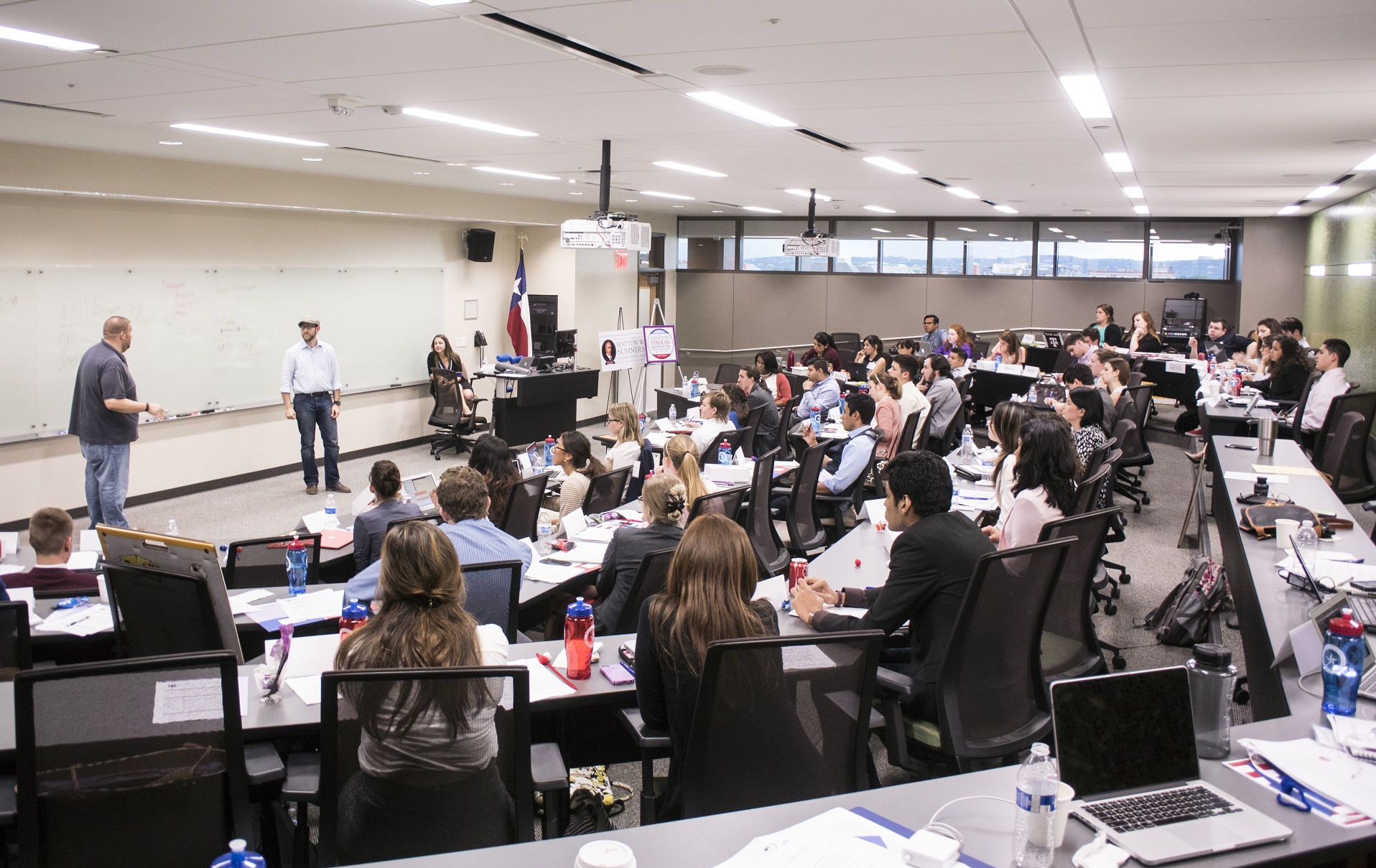
Our Salado adventures were so intriguing that we arrived late to the University of Texas campus and managed to walk straight into the beginning presentation. Luke Marchant, the director at Mammoth Marketing Group, who has successfully managed state and federal political campaigns for people such as U.S Senator Marco Rubio, was our first Republican mentor along with Democrat Matt Glazer. Matt Glazer is currently the executive director of the Austin Young Chamber of Commerce and is also a seasoned NPF democratic mentor. The two mentors opened up by discussing the types of campaigns and highlighted the different areas of them. We learned that using previous polling data would help us decide to simply mobilize the voters or persuade new voters. Marchant and Glazer also spoke to us about the elements of a campaign and some of those elements include knowing the reason why are you running, the issues that matter, the goal and the message that you want your campaign to portray. Asking yourself why you are running is one of the most important questions of campaigning.
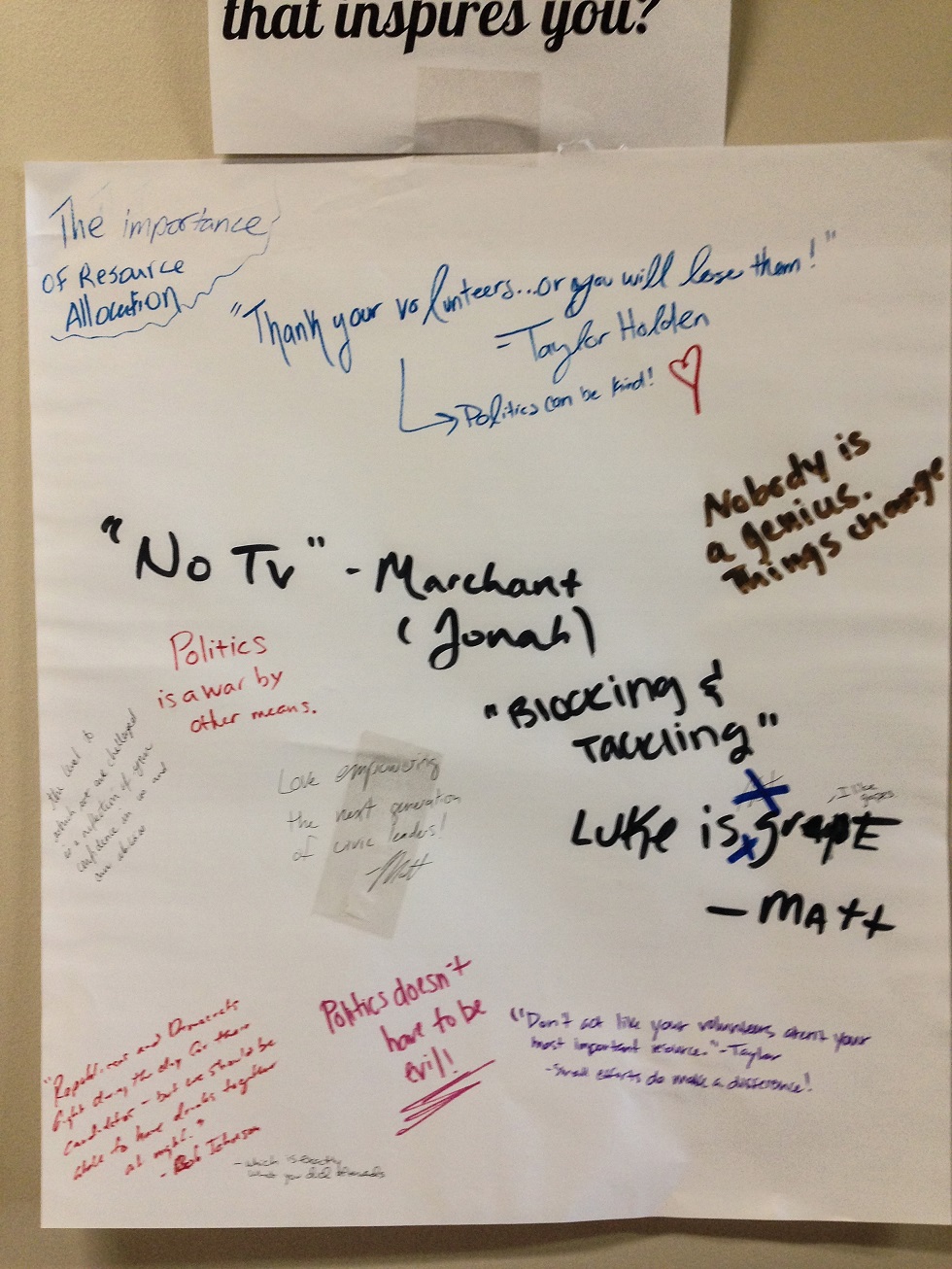
After a short break, we were introduced to Rob Johnson and J.D. Gins. Rob Johnson is the former campaign manager for Rick Perry for President and J.D. Gins is the executive director of Travis County Democratic Party. Like the first two speakers, Gins and Johnson are men of opposing parties to fulfill the nonpartisanship ideals of the program. Both speakers agreed that running a campaign involves “blocking and tackling”, meaning that following the steps to create a successful campaign is key. Rob Johnson pointed out that the Digital Director is one of the most important persons in a campaign and that adapting to society is crucial to produce a win.
Johnson and Gins at NPF
When Gins and Johnson are determining if they want to run the campaign of a candidate, they ask a few important questions, including whether they have enough money, whether there’s an open position, and most importantly whether a candidate WANTS to run and put in the effort that it takes to win. As Gins said, “When you walk in, do the work in front of you” meaning that not even the candidate is above the smallest job that needs to be done. Before closing their presentation and going to a break, the two men let the students know that they look for people who take direction well, work hard, are willing to challenge the senior staff, while being humble enough to ask for help.
When we returned from our break, Pasha Moore spoke to us about fundraising. She informed us of the reasons individuals give to campaigns and the components of a finance plan. There are many reasons that people give, such as friendships, habit, to change or affect policy, but Moore let us know that the main reason that people give to campaigns is simply because they are asked. She also emphasized “the ask”. There are different ways of asking and you should always be confident and straight forward when asking people to donate money. Finally, she closed by reminding us to always thank the donors.
Seeing as the afternoon was turning into evening, we finished the last session to emulate a real campaign scenario with a “working dinner” of pizza and salad, while being able to meet and interact with our teams for the first time.
The weekend of campaign bootcamp consists of long days of training, finishing with presentations from each team on Sunday. Ironically enough, most of the LEAP Center students, Republicans at heart, were placed on Democratic teams. This might stem some interesting debate among peers.
Our first task as a team was to pick a name. This proved to be a great way to interact with our team for the first time and share ideas. After so much brainstorming we finally came up with our team names and began planning for our presentations. We shared our ideas on different political views, which should prove helpful in order to strategize for our campaign plans.
After our “working dinner” it was time to get back to our next presentation on volunteering. Executive director of the Dallas County Democratic Party, Taylor Holden, presented how volunteers are the building blocks to a campaign. We learned about recruiting, training, and rewarding volunteers. Volunteers will authenticate and build momentum for a political campaign. We learned the cardinal sins and commandments of volunteering such as never lie or skip training and building relationships with volunteers. Seen by most as the most important building block of a campaign, we sat with bated breath while taking in all of the complexities that volunteering entails.
Exhausted, we ended our first day of campaign bootcamp and headed back to the hotel. On our way back to the hotel we made a quick stop at the Capitol building for a goodnight selfie.
Excited about our day tomorrow full of training, we headed to bed ready to learn and soak up all that boot camp has to offer.
Six LEAP Center students started preparation for the New Politics Forum Bootcamp in the last twenty-four hours. Preparation included the drive to Austin, a fine meal at Shiraz Shish Kabob, and a morning of site-seeing around the Austin Area.
The meal at Shiraz Shish Kabob was entertaining, primarily because half of the students had actually never eaten Mediterranean food! After some Hummus, Tzatziki, Chicken Kabob, Lamb Kabob, Gyros, and Baklava, at least two of those three will probably go back for more.
After plans to kayak on Lady Bird Lake fell through because of the potential for bad weather and unsafe lake conditions, we decided to head north to Salado, a small tourist community that offered a morning full of fun! This included Salado Mercantile, Salado Glassworks, the Salado Sculpture Walk, the Salado’s Mud Pies Pottery and, of course, Salado Creek–which was quite full.
More to come following our first day at the Bootcamp!
The LEAP Center has enjoyed having Ms. Nancy Bocksor in Huntsville for the week to encourage students to become engaged in politics and take action to make a change. During her Paths to Public Service lecture, Ms. Bocksor stressed the importance of gaining a sphere of influence before deciding to run for office. For students, this tip prompted many to think about their current sphere of influence, and what steps they could take to help position themselves for a career in public service.
Ms. Bocksor also discussed the importance of brand management when pursuing a path to public service. She defined brand management by calling on a definition offered by the founder of Amazon, Jeff Bezos: “Your brand is what people say about you when you leave the room.” To underscore this point, Ms. Bocskor encouraged students to act professional, be engaged, and clean up social media accounts–all of which can constitute a personal brand. Generously, Ms. Bocksor was extremely helpful to students by giving ample advice on a variety of topics ranging from thank you notes to tips for internships.
To the students’ delight, Ms. Bocksor discussed some of her successes and her many experiences traveling the world to help women become engaged in politics. Students were amazed by the amount of traveling Ms. Bocksor gets to do and how unique her career is. However, the majority of the lecture Ms. Bocksor opened up for questions, giving students the opportunity to interact directly. Ms. Bocksor’s energy appeared contagious to the students and many thought her stories were inspirational, driving them to pursue a career in public service.
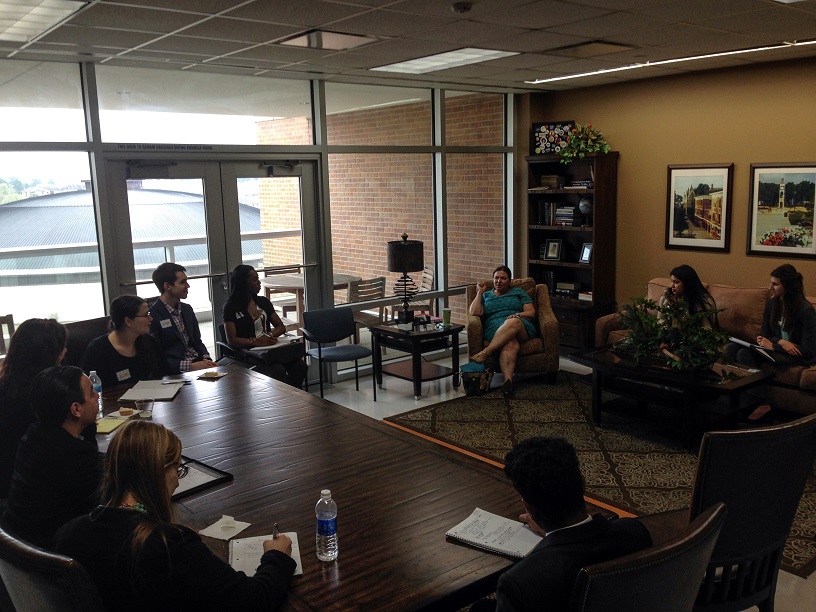
Students enjoyed getting to learn from Ms. Bocksor this week. For many, she helped instill a zealous attitude and helped give students a sense of direction in pursuing a career in public service. After enjoying some refreshments, Ms. Bocksor hurried over to the Wynne Home (with students in tow) to co-host a Film Festival with Dr. Carl Rollyson, a continuation of the learning process for students of the LEAP Center.
“Listen, learn, help, lead.” No better words could stir a group of young ladies interested in the political realm than those spoken by Nancy Bocskor, “democracy coach” and mentor, at the LEAP Center’s Women in Politics Workshop held Thursday afternoon. One of many events attended by Ms. Bocskor during her time in Huntsville, the informal workshop focused on (1) Bocskor’s experience on the Hill–and her path to getting there–(2) her accomplishments of helping international women “and a few good men” become more politically active, and (3) how this generation of women really has the chance of being the change they wish to see in their communities by running for public office.
Ms. Bocskor began the discussion with her worldview that “If you don’t have a place at the table, you’ll end up on the menu.” After spending her entire career walking the walk of what she believes, Ms. Bocskor now strives to inspire young women by putting the world into perspective. Women have the capability and empathy to run for office and change the world, but too few women, according to Bocskor, have the confidence to do so. Ms. Bocskor, impassioned by the global war on women, reaches out to women everywhere by speaking and teaching the skills it takes to achieve public office. She has done extensive research on and experienced firsthand the injustices suffered by women in places like Moldova and Jordan, where women in the past could not even run for public office, but with the help of Ms. Bocskor can now run and even win. LEAP students learned of the differences between how men and women see public office, from egos to empathy and everything in-between.
Nancy Bocskor, who worked with Newt Gingrich at the ripe age of twenty-one, has proven her idea that “in politics, you aren’t measured by your age, but instead by your capabilities.” Ms. Bocskor made the point that women have not stepped out to lead because “you can’t be what you can’t see.” Without visible role models, young women struggle finding appropriate aspirations for leadership positions.
But anyone that has had the chance of being in her presence and hearing of her impressive accomplishments, cannot help but agree that Nancy Bocskor makes one incredible role model to young political activists everywhere. All it takes is a conversation with Ms. Bocskor to completely change one’s path for good. With such a remarkable resume, Nancy Bocskor inspires young women because she has truly made a difference in the world and now she has changed lives here in Huntsville just as she has across the world. From simply listening and learning about our stories, Ms. Bocskor taught LEAP students the steps necessary to become successful in the ever-changing political spectrum, such as simple steps of doing research and asking questions. Armed with the idea that they could conquer the world by simply caring, the young ladies of LEAP left the workshop prepared and motivated to explore the political journey that lay before them.

















 Center for Law, Engagement, and Politics