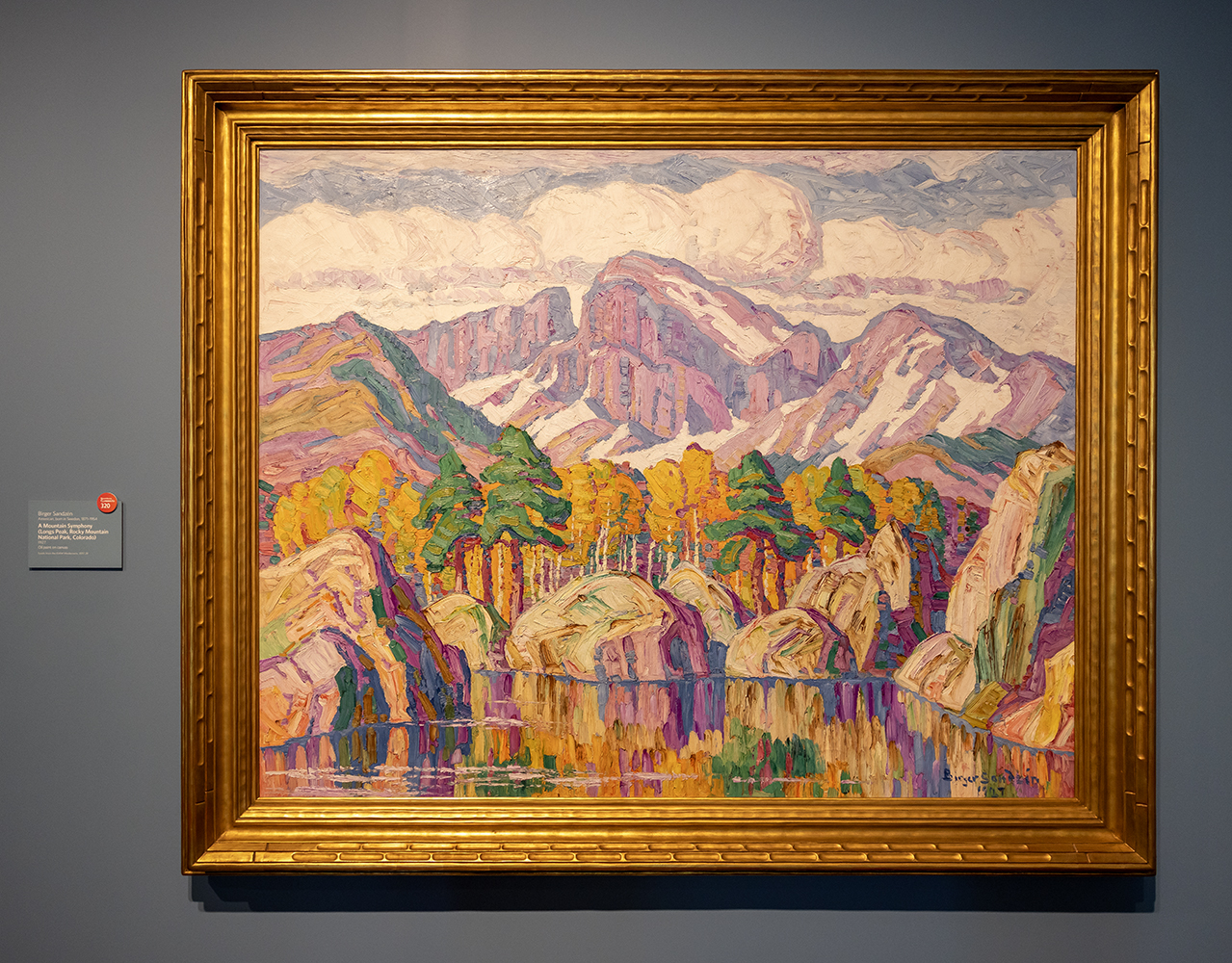
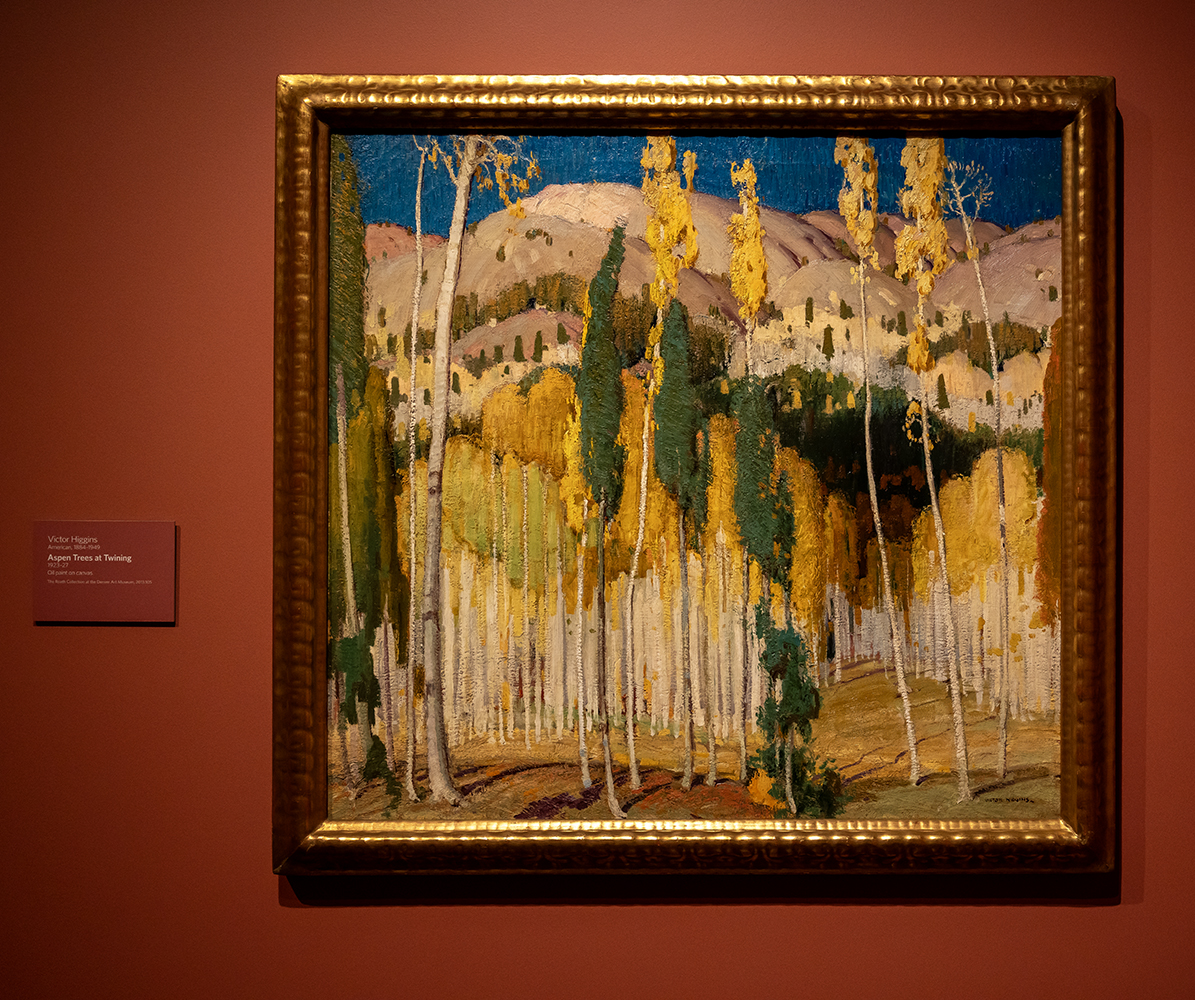
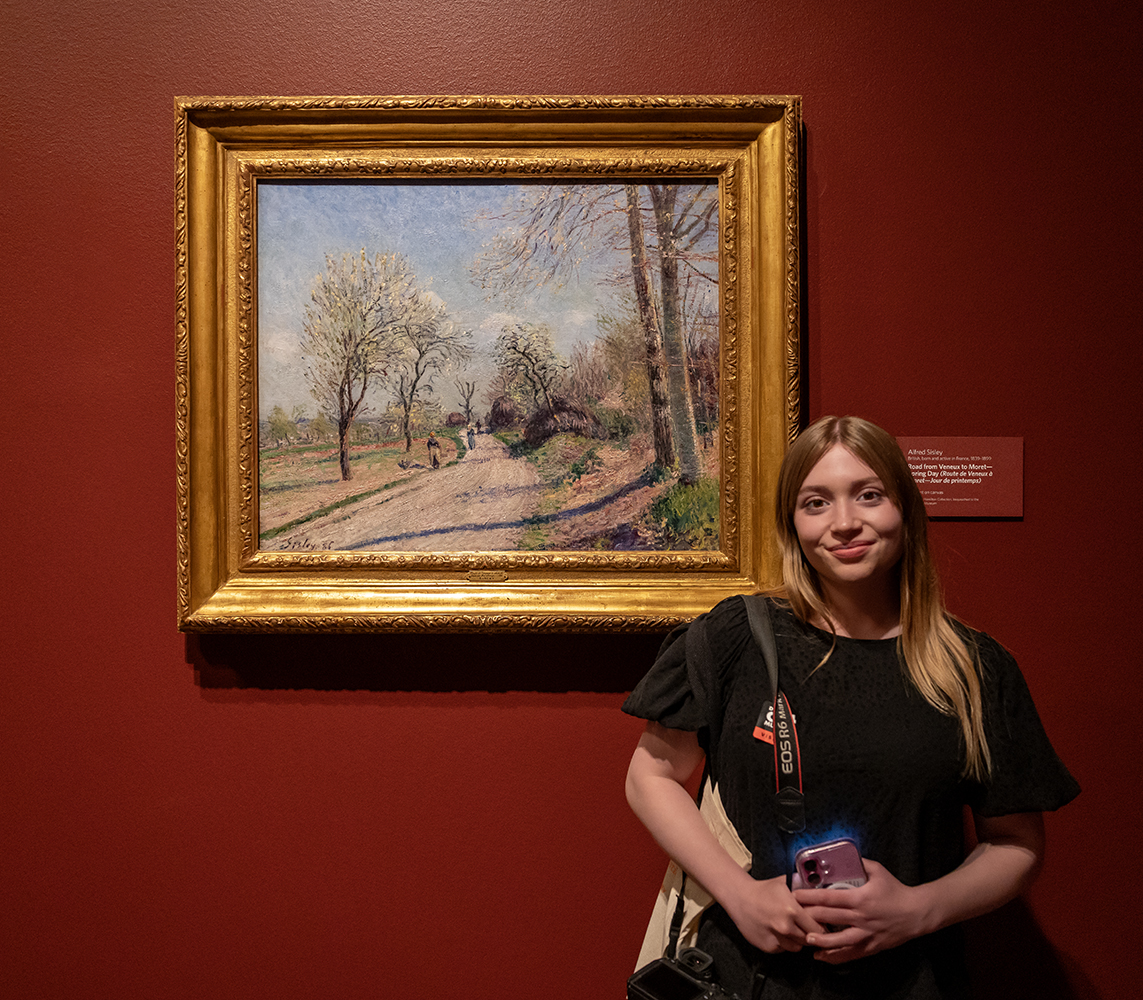
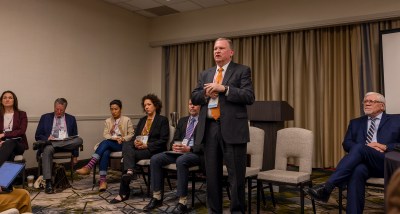
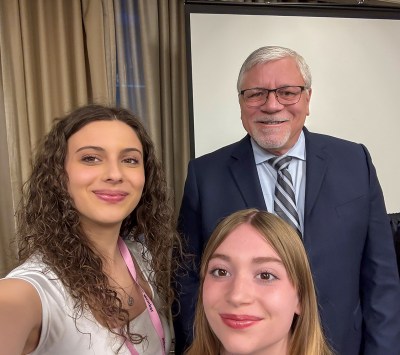
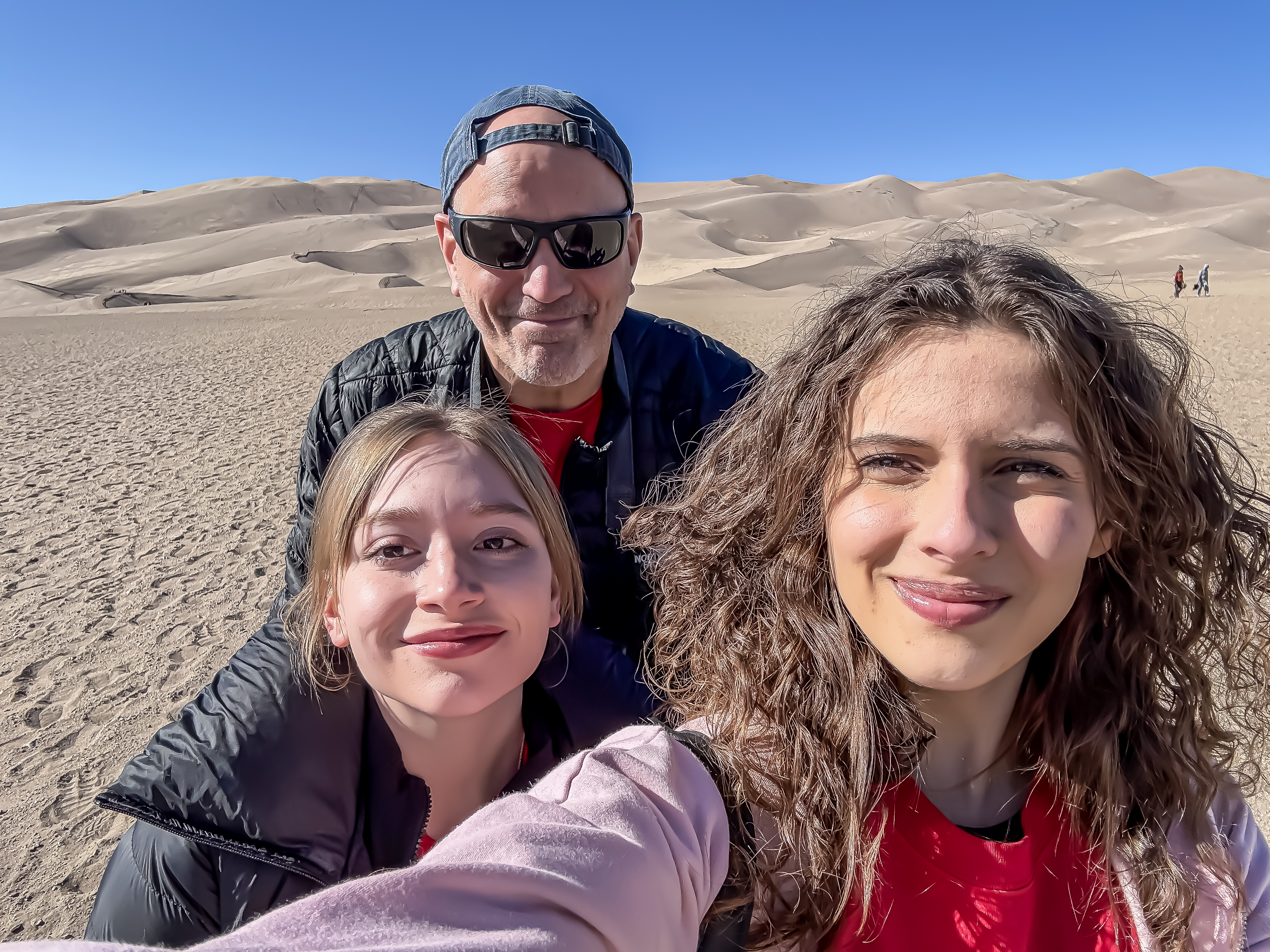
Each semester, the LEAP Ambassadors join one of their friends at KSAM, News Director Larry Crippen, for an “Around Town,” where they have a chance to fill in the public on upcoming activities with which they are involved. So Olivia Discon, Chrissy Biello, and newly minted LEAP Ambassador Michelle Moya arrived at KSAM at 8:30am last week to go on air!
Each of the students had a chance to discuss recent and upcoming events, with a heavy emphasis on their recent travels on the east coast for the presidential inauguration.
In approximately eight minutes, they were able to fit in quite a bit of information, which you can listen to here.
This is, of course, part of LEAP’s efforts to not only help the community, but also to enhance the skills of the students who are helping the community. An event such as the taping of “Around Town” not only increases awareness of events, but also sharpens the Ambassadors’ media skills.
Of course, if you don’t want to listen to the entire broadcast, you can also review our upcoming events, below. We hope you can make some of them!
If it’s the first Saturday in February, then the LEAP Ambassadors are at the Chilly at the Lodge–along with, as it turns out, much of Huntsville! With numerous vendors, almost 100 bowls of chili available for tasting, and tours of the lodge available, there was quite enough fun for everyone.
The central feature of the event is a chili cookoff recognized by the International Chili Society. In fact, on hand to guide the judges was Don Cullum, an SHSU Alum and the 2024 ICS Homestyle Champion.
And under the guidance of Karla Christian and the entire Josey Scout Lodge Foundation Board, Cullum and the “celebrity judges” helped select the winning contestants in the categories of (1) Homestyle, (2) Traditional Red, (3) Chili Verde, and (4) Vegetarian Chili. In addition, chili enthusiasts could opt to compete in “community adult” or “community youth” categories. (See categories and rules here).
Even casual attendees can participate in the judging by filling out their “community ballots,” voting on their favorites as they roam the chili booths on the Josey grounds.
On those grounds were vendors from the region, with items such as t-shirts, objects of art, tamales, spices and herbs, and other goods for the curious shopper.
The real attraction, however, was the chili on the grounds. Cooks from all over the United States were on the grounds, offering samples of their chili. For five dollars, visitors can get six tickets, each of which is a ticket to a booth. Or, for more hearty eaters (which applied to at least one of the LEAP visitors), a $20 armband can provide an unlimited number of tickets.
The event organizers also provide entertainment for visitors in the form of music, with more than a dozen musical acts on hand for performances throughout the day.
But the serious work is the judging, where community members assess the chili cooks’ entries, and this part of the process takes two days, Saturday and Sunday.
With dozens of entrants–including six world champions–it’s a competitive process.
Organized by Leanne Woodward and overseen by Don Cullum, the process worked smoothly.
Moreover, the winning contestants in each category have the opportunity to go on to the ICS World Championship in Myrtle Beach later this year. Accordingly, Cullum and others identified the winners…
…and put the scorecards on a color-coded score board.
Two of the LEAP Ambassadors were judges, and we enjoyed the opportunity to judge the chilis.
For us, it is an opportunity to explore our culinary interest, meet new people, spend time with friends and community leaders, and, of course, to support a good cause.
Of course, with such a long day, some would inevitably get tired and thirsty…
But we held up well and greatly enjoyed the event.
Many thanks to the Josey Scout Lodge Board for hosting such a wonderful event!
The LEAP Ambassadors enjoyed a six-day tour of the East Coast as part of their “Democracy Tour.” During this tour, the students had a chance to visit more than half a dozen art museums, James Beard award winning restaurants, and many historic sites. What follows is their favorites from their experiences.
Favorite Restaurants:
Lehja’s in Richmond received the most votes, with all of the food receiving high marks from the diners. The James Beard nominations appear justified!
Casa Mexico in Philadelphia was a hit among the students, with the barbacoa being particularly popular. This was an altogether pleasant dining experience in an interesting and busy neighborhood in Philadelphia. Chef Christina Martinez was named “Best Chef” in the mid-Atlantic region in 2022 by the James Beard Foundation.
Metzger’s Bar and Butchery was perhaps the most interesting and innovative of the restaurants we visited. While the pork schnitzel was the favorite entree, the “squash sundae,” was the favorite dessert and the biggest surprise.
Ambassadors also found favorites in Katz’s Deli in New York, a restaurant world-famous for its pastrami.
And, of course, we also enjoyed Jim’s South St., which specializes in Philly Cheesesteaks.
FavoriteArt Museum: Olivia and Chrissy visited four art museums in New York, and they split on their favorite, with Chrissy favoring The Whitney…
…while Olivia resisted picking a favorite and, instead, picked a top two: The Met and MOMA. She did, however, have a favorite: The Lovers.
Although smaller and less heralded than its New York and Philadelphia counterparts, the Virginia Museum of Fine Arts was one of the clear favorites among the group.
The favorites of the group reflected the diversity of the art in the Museum’s collection.
Of course, the most famous paintings among the NY, Philadelphia, and VA museums were also popular among the Ambassadors.
Finally, the group also greatly enjoyed seeing Philadelphia City Hall, the Liberty Bell, Independence Hall, and the Virginia Capitol Building. For Cinthia, Olivia, and Michelle, it marked the third–the complete collection–of extant Jefferson designs in the world.
While the Ambassadors are always happy to get back to Huntsville and SHSU (or, this semester, Austin and SHSU), they left the east coast with a lot of memories, new-found knowledge, and much nostalgia.
This was–we thought–our last day, and we were determined to enjoy it! In that spirit, we had planned out a day of history and art, with a tour of the Virginia Museum of Fine Arts, the Capitol, the Old City Hall, the Edgar Allan Poe Museum, and some interesting restaurants.
Lehja Indian Restaurant
Saara Maknojia
Keeping our streak alive of eating at (affordable) James Beard nominated restaurants, LEAP Ambassadors stopped by Lehja, a contemporary take on Indian food. Indian food is not a foreign concept for the Ambassadors so knowing the classics we ordered a plate of aloo (potato) samosas.
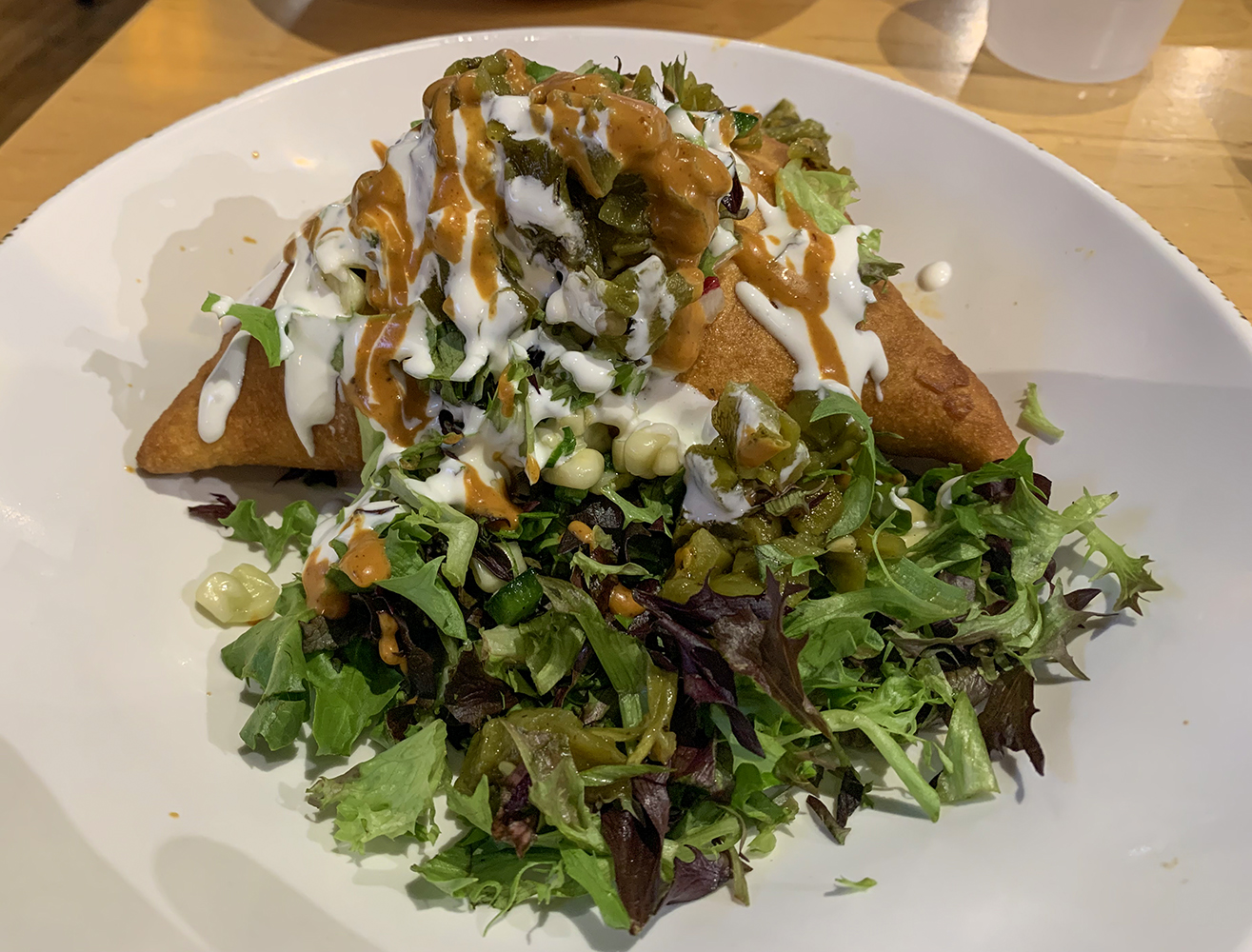
For a change we also experienced a new dish, as our server recommended the Chef’s Daily Selection, Chaat Du Jou. The chaat consisted of flashed fried curry leaves with various species, topped with a tangy tamarind yogurt chutney, paired with refreshing pomegranate seeds. Although both appetizers were tasty, the consensus favored the Chaat Du Jou!
Olivia, being the biryani connoisseur, ordered the classic chicken biryani, which is additionally paired with raita, a spiced yogurt sauce.
Bringing out the contemporary aspect of Lehja, Cinthia and Michelle ordered a plate of Tandoori Chicken Tikka. Traditionally, chicken thighs are marinated in yogurt with various tandoori spiced to bring out a smoked flavor when grilled. Lehja, however uses chicken breasts and serves with a platter of grilled market vegetables. To my surprise Cinthia, who is not the biggest fan of spicy food enjoyed the chicken tikka without breaking a sweat.
The Regional Classics for Lehja’s include various curry dishes. I found the Kofta Chaman Dilkhush appetizing, mainly because the term “Dilkhush” refers to a happy heart and what better way to leave a restaurant than with a happy heart! The vegetable kofta’s in this dish were perfectly fried with a soft potato filling, complementing the cashew-tomato curry base. Kicking the spice level up a notch, I found spice level three to best for this hearty meal.
Professor Yawn and Stephanie also tried a Regional Classic dish, the spicy garlic, ginger, and chilly based curry included tender goat meat which fell right off the bone. Eating the meal in a traditional Indian fashion way, we shared our entrees with each other to fully taste the flavor spectrum and enjoy the company of one another.
Eating Indian food always makes me personally happy, but it is always a much better experience when those around you have the willingness to try new foods to enhance their understanding of cultures, apart from theirs. Lehja’s serves its purpose as a contemporary Indian restaurant but also keeps its traditional roots with the hospitality given to us during our visit. We are grateful to have a shared experience at yet another James Beard nominated restaurant.
Virginia State Capitol Building
by Saara Maknojia
Marking off yet another Capitol building, LEAP Ambassadors spent the afternoon touring the Virginia State Capitol. Rich with history, the Virginia Capitol reflects the vision of Thomas Jefferson, who was the primary architect for the structure.
Our tour guide, Mrs. Snellings, took us through the Museum, showcasing the wonderful architecture, functions, and art. In the Rotunda, is a Jean-Antoine Houdon sculpture of George Washington.
This sculpture is considered the best likeness of Washington. Houdon took a plaster cast of the first President’s face and exact measurements of his body–no other statue of Washington reflects this level of detail.
We had a chance to peek into the House Chambers…
…and we also had a chance to visit, and spend more time in, the Old House Chambers, the largest room in the structure.
The center of the room features a ten-pound mace, made from solid silver with a 24-karat gold finish. Also gracing the room are busts of Chief Justice John Marshall and Patrick Henry, both of whom served in the VA House of Delegates.
On the opposite side of the room out of reach of our cameras, are busts of Sam Houston (who was born in Virginia) and Cyrus Hall McCormick (born in the same county as Sam Houston!).
This room also hosted the 1807 trial of Aron Burr, who was charged with treason. As Chief Justice of the United States Supreme Court, John Marshall returned to the building in which he once served as Representative, and he presided over the trial.
Walking into the Old Senate Chambers, we noticed many artworks on the walls. One piece that Mrs. Snellings highlighted was a painting of Pocahontas.
She explained the true history behind her story, correcting the common myth that Pocahontas was married to Captain John Smith (also pictured in the room).
In fact, she was married to John Rolfe, a tobacco planter.
Next, Mrs. Snellings directed our attention to the back of the room, where she pointed at a painting by Griffith Bailey Coale. The painting depicted three ships: the Susan Constant, the Godspeed, and the Discovery. Mrs. Snellings explained that this scene represented the arrival of these ships in 1607, marking the beginning of the first permanent English settlement in America at Jamestown, Virginia. She pointed out the flags atop the ships, noting that they symbolized the United Kingdom.
The largest painting in the room, by Eugene Louis Lami titled Storming a Redoubt at Yorktown captures the Battle of Yorktown 1781, as British Troops approach the American forces. Mrs. Snellings pointed to a small figure in the painting and asked if we had any guesses for who it might be. After waiting for a response, she exclaimed with excitement, “It’s General George Washington!”
The architectural features of the building were beautiful, from the central rotunda…
…and the stairwell, which at one time, housed a steam-powered elevator.
Although our time at the Capitol was brief, we left with a valuable history lesson about the foundations of American democracy and the fight for independence! We would like to thank our tour guide, Mrs. Snellings, for providing a fantastic tour and sharing insights that many of us had not known before.
Old City Hall
Also on the Capitol Square–with the Capitol and Executive Mansion–is the old City Hall, a Gothic Revival Structure built in 1894.
For more than seven centuries, it housed city offices and courts, but as early as the 1920s, there were calls to tear down this beautiful structure and replace it with a more modern city hall. These calls were partially heeded in the 1970s, when a new City Hall was built, but, thankfully, the Historic Richmond Foundation led efforts to save it. The structure re-opened in the 1980s and in the 2010s, the building was restored to its original look–a restoration that required approval from the Virginia Department of Historic Resources, Architecture Review Board, and Capitol Square Preservation Council.
At 30,000 square feet, it remains the largest granite building in Richmond, while also being the city’s finest example of Gothic architecture.
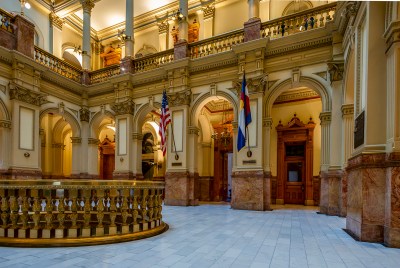
It was designed by architect Elijah Myers, who also designed the TX Capitol building (where three of the LEAP Ambassadors currently work) and the Colorado Capitol Building (which two of the Ambassadors will visit in March), as well as the capitol buildings of Utah, Idaho, and Michigan.
Today, the structure is used for state offices, and only the first floor is accessible to visitors.
But even a restricted visit is worth it for the view of the impressive clock tower on the exterior of the building, the four-story atrium…
…detailed faux-graining of the bases of the Corinthian columns…
…and the exquisite detailing of the interior.
Virginia Museum of Fine Arts
by Michelle Cardenas
The Virginia Museum of Fine Arts (VMFA) offered an experience that was both exciting and full of discovery. Originally opened in 1936, the museum has continued to evolve, with a major renovation in 2010 and plans for further expansion to accommodate even more incredible works of art. The museum’s location carries historical significance as well, sitting on what was once a Confederate camp, adding another layer of depth to our visit.
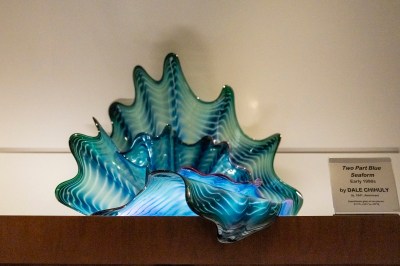
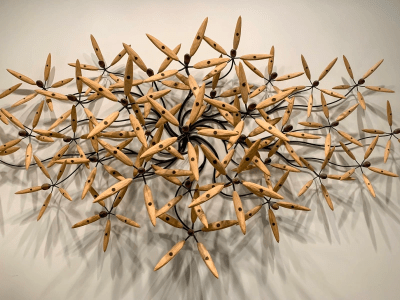
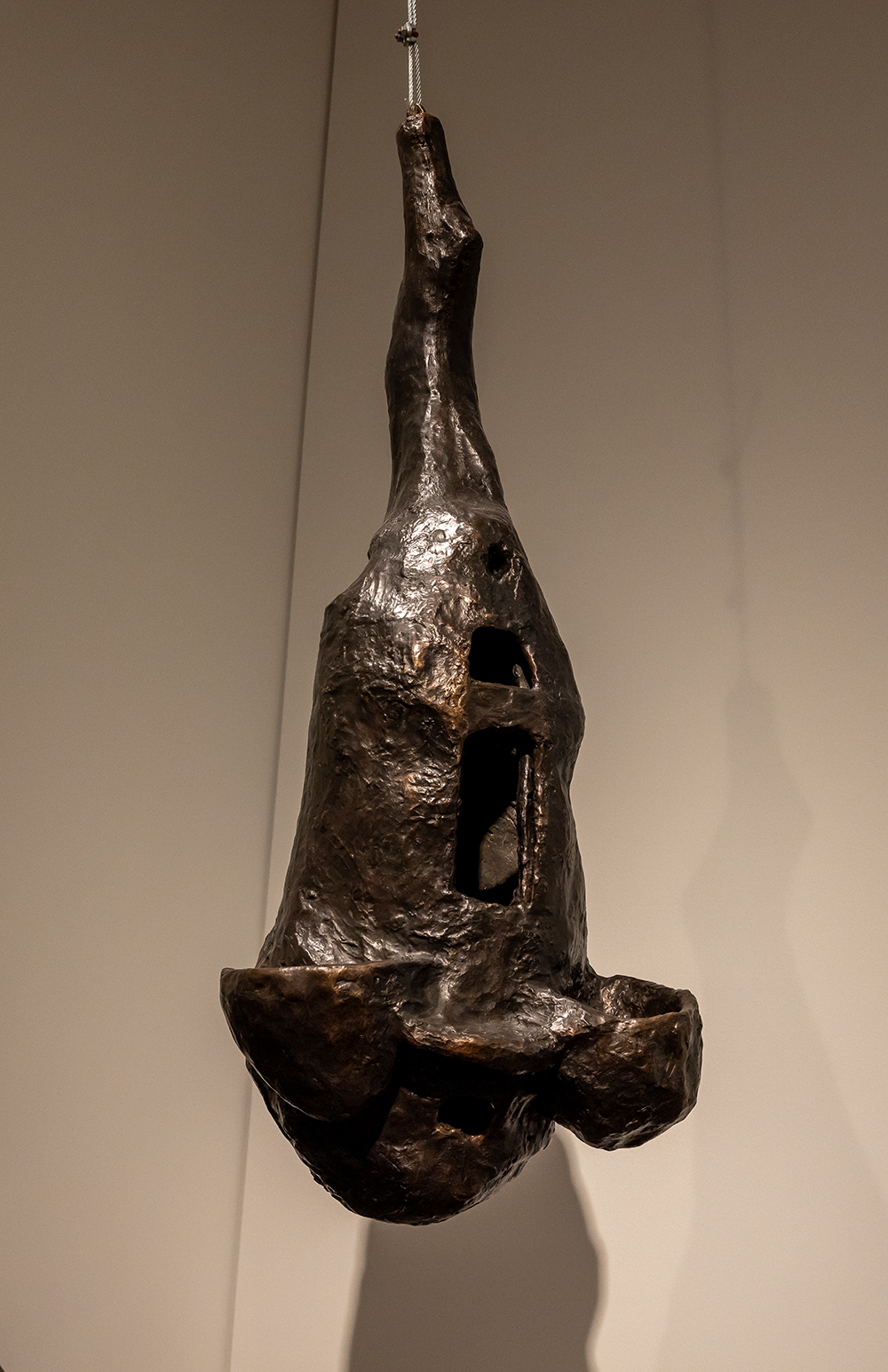
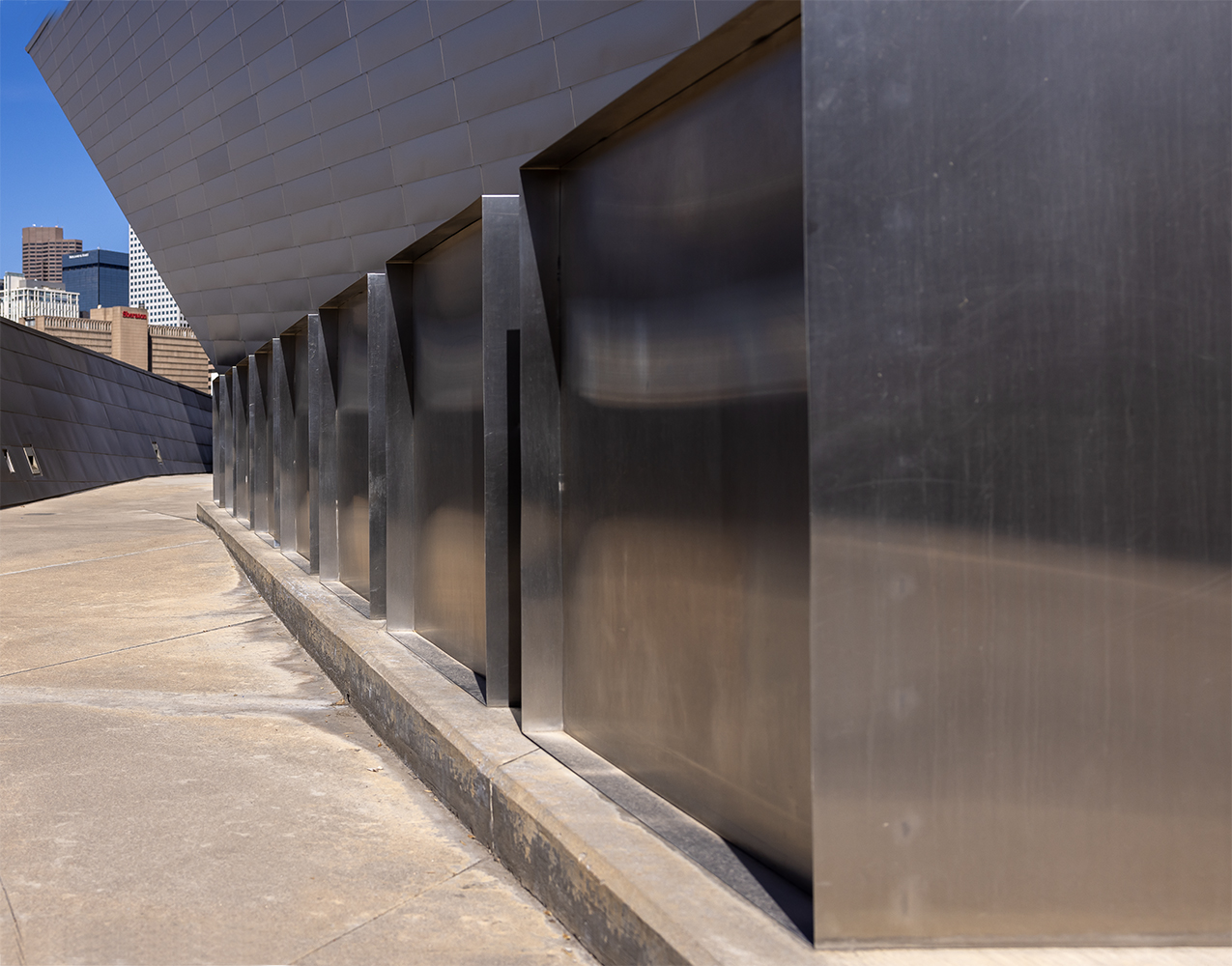
Instead of our usual self-guided exploration, we opted for a highlights tour, which provided an excellent overview of the museum’s diverse collection. Before even stepping inside, we were captivated by the stunning outdoor sculptures by renowned artists such as Dale Chihuly and Henry Moore, which set the tone for what was to come.
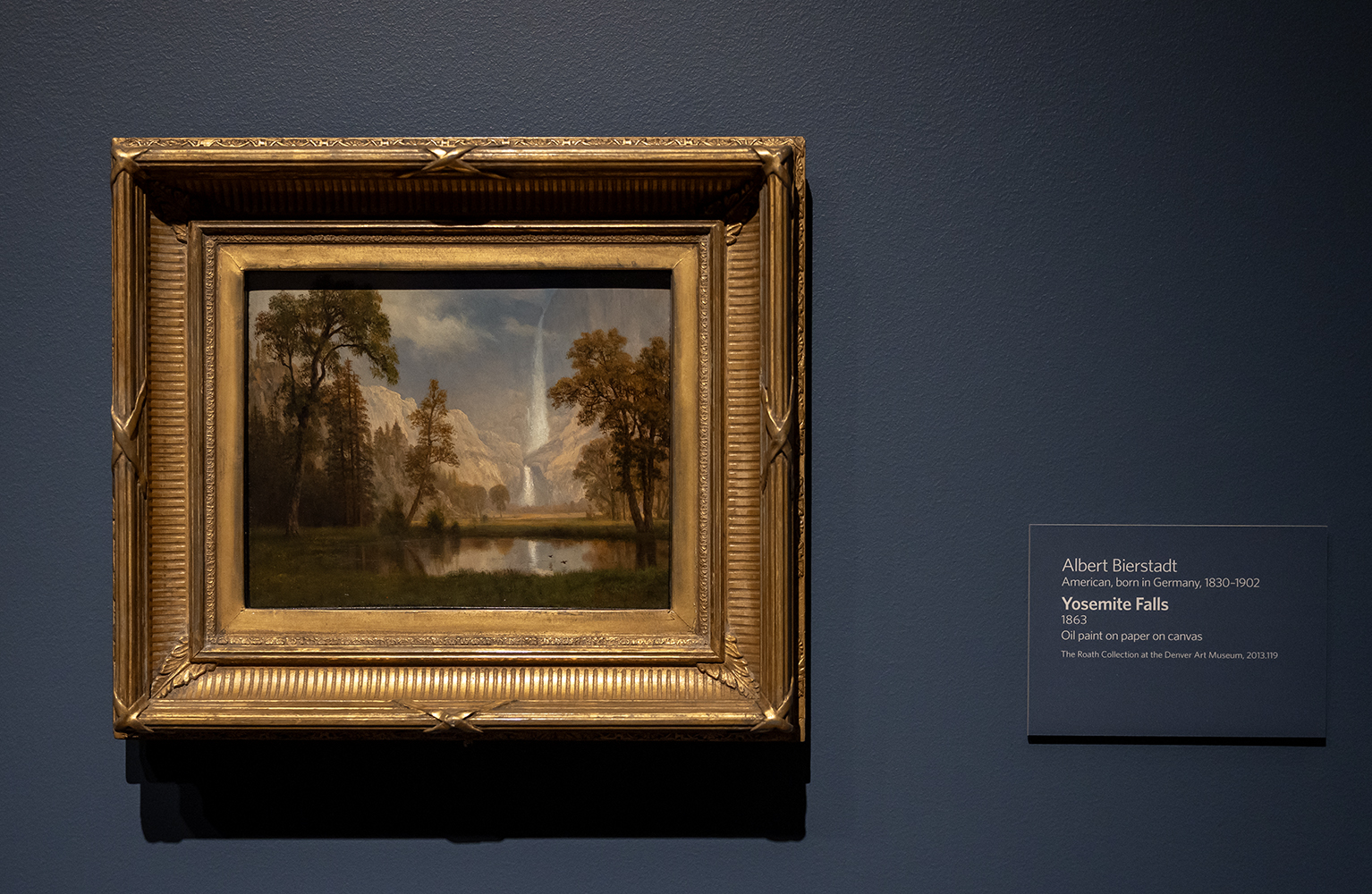
One of the standout sections for me was the American Art collection, where I was particularly drawn to Moonlight in Yosemite by Albert Bierstadt. Seeing one of his pieces with muted colors–almost black and white in places–was unexpected and fascinating, offering a different perspective on his usual style.
Another highlight was the Fabergé collection, featuring beautifully intricate Easter eggs that showcased incredible craftsmanship and history.
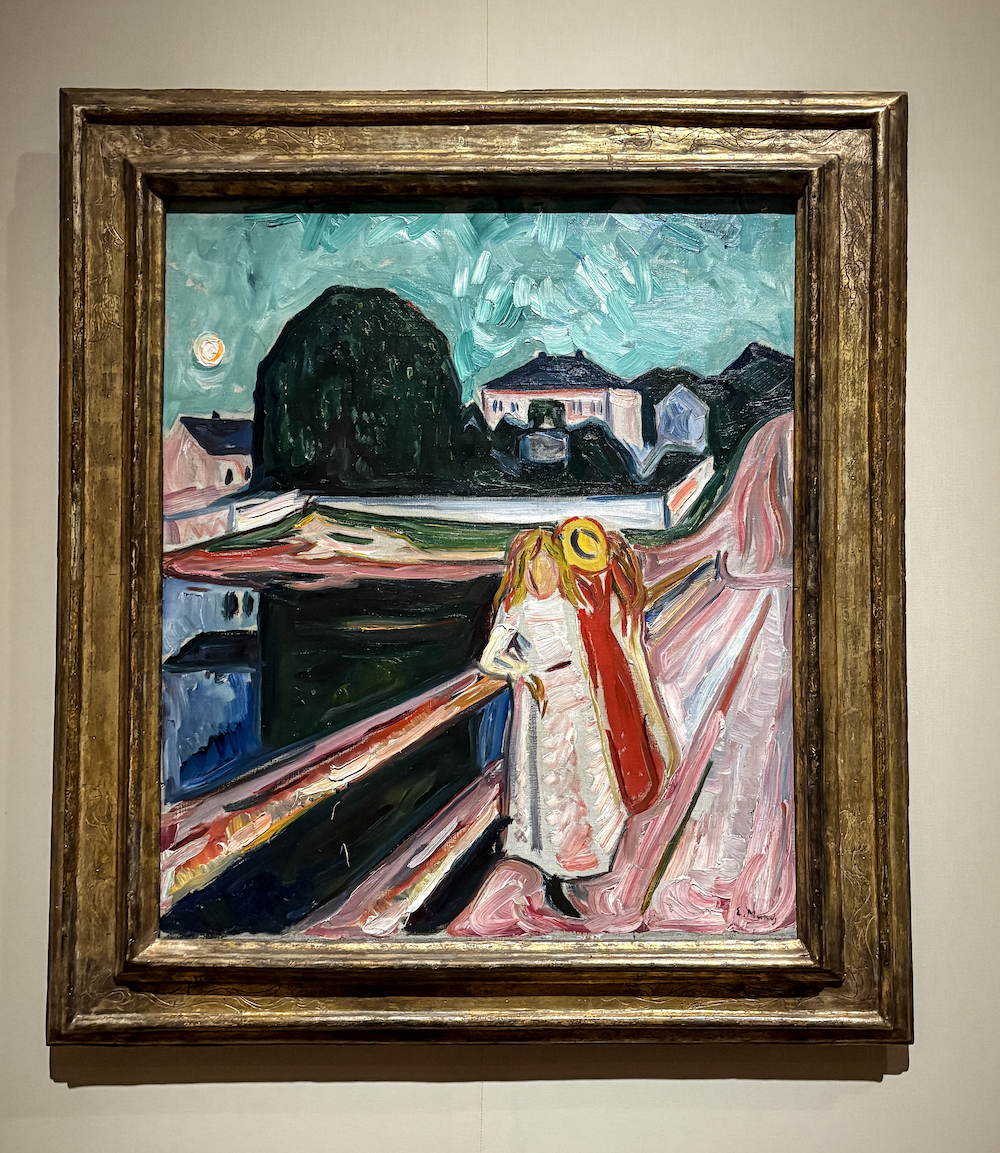
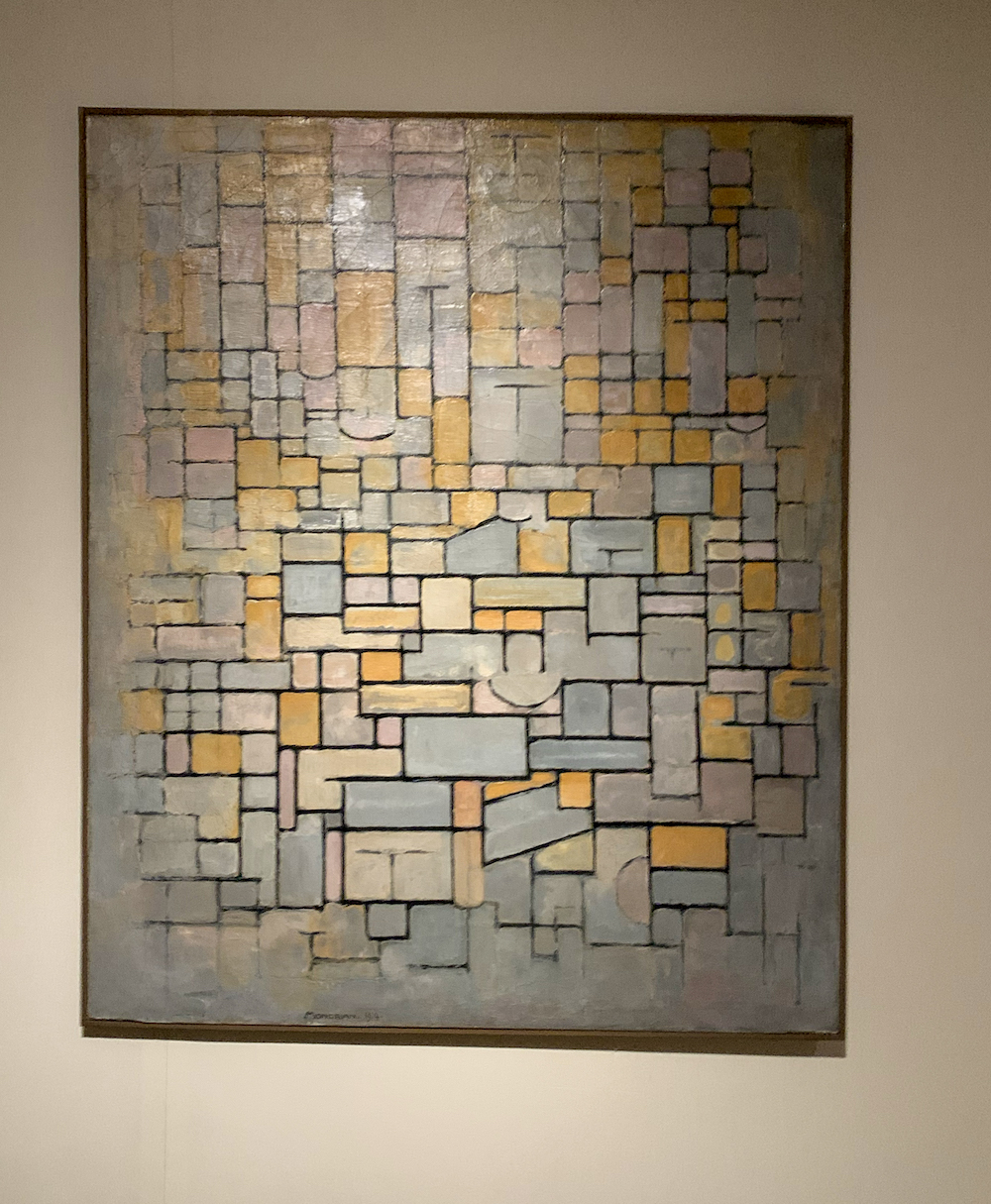
As we continued through the museum, we encountered works by well-known artists such as John Roberts, Kehinde Wiley, Ellsworth Kelly, Andy Warhol, Van Gogh, Degas, and Monet. Recognizing these names and seeing their masterpieces up close is incredibly rewarding—especially when I think back to when I first started and hardly knew any artists at all.
Each of us found pieces that resonated on a personal level. Cinthia was drawn to Edward Hopper’s House at Dusk, appreciating its quiet and reflective atmosphere. Olivia enjoyed the works of Andrew Wyeth, admiring his detailed and emotional portrayals.
Saara was captivated by Edwin Lord Weeks’ The Hour of Prayer at Moti Masjid…
…which stood out due to its rich colors and cultural depth. Chrissy’s favorite was John Singer Sargent’s The Sketchers, which impressed her with its lively and spontaneous feel.
Visiting museums like the VMFA is always a rewarding experience. No matter how many we explore, there’s always something new to learn and appreciate. Each visit offers a chance to see the world through different perspectives, and we’re grateful for the opportunity to continue discovering and growing through art.
The Poe Museum
by Chrissy Biello
Mystery, Madness, and Mayhem, three words that many would use to describe Edgar Allan Poe. Nevermore, that might not be the full story….
Edgar Allan Poe is known by many as an American short story writer and poet. His themes largely center around darkness, such as death, despair, and fear. He is widely credited with pioneering the modern detective story and significantly contributing to the emerging genre of science fiction.
Today, we had the chance to visit his home in Virginia, where we learned much about him. The museum began on a particularly somber note, discussing how his mother passed away when Poe was only two years old, leaving him orphaned.
Upon seeing a coffin, Olivia could not resist the urge to climb in. Surprisingly, it fit her perfectly, not to mention befitting her increasingly pallid complexion!
To give you some context, this coffin was placed here to symbolize the intense fear people in Poe’s era had of being buried alive. Due to this widespread anxiety, special coffins were designed with a mechanism that allowed the occupant to ring a bell from inside to call for help. However, when Olivia got inside, she chose not to ring the bell…
One aspect of the exhibit that I found especially intriguing was the pocket watch that Poe heard while writing “The Tell-Tale Heart.” I have always found this short story engaging and mysterious, as I tend to be drawn to darker subjects.
And, there has been considerable debate surrounding whether Poe was the artist of a watercolor painting or simply the gifter. The painting, which depicts a weeping woman, is quite interesting to observe. I appreciated the detailed wrinkles in her dress and the overall droopy appearance of the painting.
Another fascinating mystery in the museum concerns Poe’s hair. After his death, locks of his hair were cut from his head. Although the cause of his death remains a mystery, many have attempted to solve it. In 2002, a sample of his hair was analyzed, revealing the presence of many heavy metals, which were believed to have contributed to his death.
The museum also shed light on Poe’s posthumous reputation, largely shaped by his adversary, Rufus Griswold. Griswold painted Poe as a madman and drunkard in a posthumous biography. Ironically, this portrayal fueled Poe’s fame, but as mentioned earlier, we learned that Poe may not have been as crazy as everyone believed, leaving his legacy steeped in mystery and intrigue.
Before leaving the museum, we visited an upstairs section of the house featuring paintings. One painting, in particular, was quite amusing. It was titled Vincent Van Poe by Chris King and depicted Starry Night in the background, with Poe, a black cat, and a raven in the foreground.
As a fan of Poe, I thoroughly enjoyed the museum, especially since it was Poe’s actual home. It was also delightful to see a black cat, aptly named Edgar, moving around the building, setting the perfect atmosphere for reading and learning about Poe!
Metzger Bar and Butchery
For our last planned dinner of the trip, we opted for Metzger Bar and Butchery, whose chef, Brittany Anderson, is a two-time James Beard semi-finalist.
We started the evening with a recommendation of our server, the Charred Cabbage, whose menu description was enigmatic: “Miso Bagna Cauda, Cured Egg, Gremolata, Calabrian Chili.” Whatever it was, it was great! We also had a bread baked in house (“cottage-cheese rolls”), which came with house-made butter adorned with radish slices.
Three of our party went with the Pork Schnitzel, and the general consensus was that this was the best dish available. But we also tried the Chicken and the Steak, and all of it was excellent.
Although we were full, we were willingly talked into dessert, which included an Olive Oil Cake, the Heirloom Corn Funnel Cake, and a Honeynut Squash Sundae. The latter dessert made us pause–a squash sundae? But it was the favorite of the group!
It was a rich and fulfilling end to a busy and rewarding day.
With a full day in Philadelphia ahead of us, LEAP students ventured into town this morning to explore the beautiful public art around the city. Our first stop, of course, had to begin with Philadelphia City Hall, the largest in the nation! Afterall, this eye-catching building is grounded in one of the most historical states. The building itself is noticeable from many miles away, with a statue of William Penn, founder of Pennsylvania. The statue, sculpted by Alexander Milne Calder (Not to be confused with contemporary abstract artist Alexander “Sandy” Calder), brings not only the state’s historical aspect to the City Hall, but also connects other notable pieces of artwork to the artist.
Ambassadors in front of City Hall (and Oldenburg Sculpture)
Just a short stroll down Logan Square, we encountered Three Discs, One Lacking by Sandy Calder, grandson of Milne. Further down the Benjamin Franklin Parkway, the Calder legacy continues with the Swann Memorial Fountain, which was created by Alexander Stirling Calder, the father of Sandy Calder. These pieces not only highlight the artistic legacy of the Calder family but also illustrate how thoughtful city planning can weave art into the very fabric of a community. The alignment of these sculptures offered us a unique opportunity to reflect on how art connects generations and transforms public spaces.
As we continued exploring Logan Square, a lovely red caught the eye of many. Surely enough, we were met with yet another LOVE sculpture by Robert Indiana!
“LOVE,” by Robert Indiana
By the end of the day, we’d spotted three of Indiana’s works, including the AMOR sculpture, which added a multilingual flair to the city’s celebration of brotherly love.
“Amor,” by Robert Indiana
One artist that I was unfamiliar of during this tour was Zenos Frudakis. His sculpture Freedom, however, quickly became my favorite. The theatrical movement of the statues and the intricate details within each sculpture made every piece a part of a larger narrative, expressing an individual’s desire to abandon a life of comfort in pursuit of freedom.
“Freedom,” by Zenos Frudakis
We also encountered a mural by Richard Haas, another artist familiar to LEAP students. Keeping his famous trompe l’oeil style, the piece depicted Benjamin Franklin and William Penn and spans an entire wall to capture the essence of Philadelphia’s historical and cultural heritage.
Richard Haas Mural, 2300 Chestnut
Haas even drew inspiration from the Benjamin Franklin Statue by John Boyle, located on the University of Pennsylvania campus.
Philadelphia’s public art left us with a deeper appreciation for the city’s vibrant cultural identity. From the Calder family’s generational influence to the iconic works by Indiana, Frudakis, and Haas, each piece added a layer of history, creativity, and connection to our journey. By the end of the day, we realized that the city itself is a canvas, where every corner invites reflection and inspiration.
Lunch at Casa Mexicoand South Philly Barbacoa
by Israel Gallegos
For our much-needed lunch break, we went to Casa Mexico and South Philly Barbacoa, a joint restaurant heading towards the southern part of Philadelphia. The restaurant’s head chef, Cristina Martinez, is a James Beard Award recipient for Best Chef in the Mid-Atlantic region in 2022. So, we took this as a great sign to cross this off our trip list!
We ordered an array of dishes to get the full Mexican experience with a twist of Philadelphian culture. Accompanying our dishes, the group ordered horchata and jamaica, which passed Cinthia’s freshness test, and the guacamole, which was excellent.
The course started with half a kilo of barbacoa for the group, followed by chiles rellenos, a staple Mexican dish. The group also enjoyed enchiladas verdes. Personally, having tried enchiladas verdes many times, I can attest to the quality of the enchiladas at Casa Mexico.
To top off the main course, we had mole, which was my personal favorite as it tasted like home.
To end the meal, we of course had to indulge in our sweet craving and try both the tres leches cake and flan!
Somehow, we still found a bit of space in our stomachs, so we walked down the street in the freezing temperatures to get warm cups of coffee. The establishment, Rim Café, an Italian American café, was decorated as if they were collectors of timepieces depicting the true Italian American culture. Our Italian in the group, Olivia, was the judge, and she said the place reminded her of her uncle’s garage. I take that as the place doing a good job embodying a part of the culture.
Sticking to the classics, we ordered the original and chocolate cannoli (both of which were devoured in seconds).
Nevertheless, my favorite sight at Rim Café was an affogato that Saara got, it consisted of tiramisu gelato on the outside and hot espresso in the middle of it, providing a perfect mixture of hot and cold. Although I got the after-lunch dip, we kept moving to our next stop, the Barnes Foundation.
Experiencing the Philadelphia Barnes Collection
by Cinthia Villarreal
Dr. Barnes started his ambitious collection of art in 1912 and during four decades went on to collect what is now known as a highly regarded assemblage of art. With over 170 paintings of Renoir, and multiple works of Picasso, Van Gogh, Degas, Modigliani, and Seurat, we were all looking forward to visiting the Barnes Foundation in Philadelphia.
After a brief delay caused by an over-zealous security guard (take your jackets off!”). we entered the main room, and we could see the beautiful pieces decorating the four walls. Impressionism, characterized by short, broken brushstrokes and unmixed colors, is one of my favorite styles of art, so I was absolutely delighted as I saw Renoir’s name repeat itself throughout the walls.
As we moved through the exhibit, we started recognizing names from past museum visits, including Olivia’s favorite piece from Goya.
A unique feature of Barnes Foundation is that they do not use the common labels with the title and artist next to each of the pieces. Instead, they have brass plaques fixated with the artist’s name on each of the ornate frames.
To assist those who would like to understand a piece further, the Foundation allows one to scan the paintings with a phone to learn more about the composition and history of the piece.
Isreal, who’s less exposed to the art scene, found a particular liking for the European art, as well as Michelle, who’s favorite was El Greco’s.
In all, we greatly appreciate expanding our understanding of the humanities, especially when it highlights the contrast between where we started and how much we’ve grown. The Barnes Foundation in Philadelphia was a great end to our day, filled with experiencing the city and all that it has to offer!
On day two in New York, we woke full of hope and to clear blue skies…
…albeit with a pronounced chill in the air.
Despite the cold, we were ready to explore the city on foot–not, perhaps, expecting to get in more than 30,000 steps while visiting four museums and two libraries!
Although these museums host art from myriad genres and movements, we focused on three primary areas: American, European, and Modern/Contemporary, finding that this was more than enough to keep us busy over a long day while also expanding our knowledge of the arts.
American
With us bringing different levels of knowledge about art to the trip, there was something for everyone to enjoy–and learn about–among the Museums’ many collections. Speaking for myself, I had many opportunities for learning, and my first such experience of the day involved coming across Early Sunday Morning, by Edward Hopper, at The Whitney.
The American collections had many great pieces, showcasing the depth and diversity of American art. Edward Hopper’s Early Sunday Morning (Whitney) drew me in…
“Early Sunday Morning,” by Edward Hopper
…which was perhaps appropriate, inasmuch as Hopper was born near New York, and he died in Manhattan, not far from where we were seeing his work. This particular piece, I learned, reflected his most commonly emphasized colors (red, yellow, blue, green), as well as the sense of loneliness and isolation that so often characterizes his art.
The museums also showcased Thomas Hart Benton, one of Professor Yawn’s favorite artists. His piece The Lord is my Shepherd (Whitney), Cotton Pickers (The Met), and America Today (The Met), highlighted the regionalist style, while also showcasing Benton’s sense of artistic rhythm.
The representation of African American artists was particularly moving, including Jacob Lawrence’s emotionally charged War Series, which captured collective anxiety…
…and Horace Pippin’s compelling Cabin in the Cotton (Whitney).
We should also mention a work of art in its own (W)right: The Guggenheim Museum. Although all of us appreciate Frank Lloyd Wright’s work none of us had been inside one of the last major architectural works of Wright’s story career, In addition to scoping out the art around the walls and alcoves, we also spent much time simply looking at the interior from various angles and perspectives. Beyond the many genres of art we had a chance to experience, we added to this list American architecture.
European
The European collections presented numerous memorable works. One of the day’s highlights was getting a selfie with Vincent van Gogh’s Self Portrait with a Straw Hat (The Met) and seeing a study of Georges Seurat’s magnificent A Sunday on La Grande Jatte (The Met). Other notable works included John Singer Sargent’s Wyndham Sisters (The Met) and Renoir’s Woman with Parakeet (Guggenheim).
Moreover, I was particularly excited to see more pieces by Edgar Degas, especially after seeing a copy of his famous sculpture Little Dancer of Fourteen Years outside the Degas House in New Orleans. One that I was fond of is his Dancer Moving Forward (Guggenheim) sculpture.
Modern
The modern collections sparked much reminiscence and contemplation. Georgia O’Keeffe’s Ladder to the Moon (Whitney) initially made our group think of Leandro Erlich’s Too Late for Help piece in the New Orleans Museum of Art Besthoff Sculpture Garden, and it was a different look than what we were used to seeing from Ms. O’Keeffe.
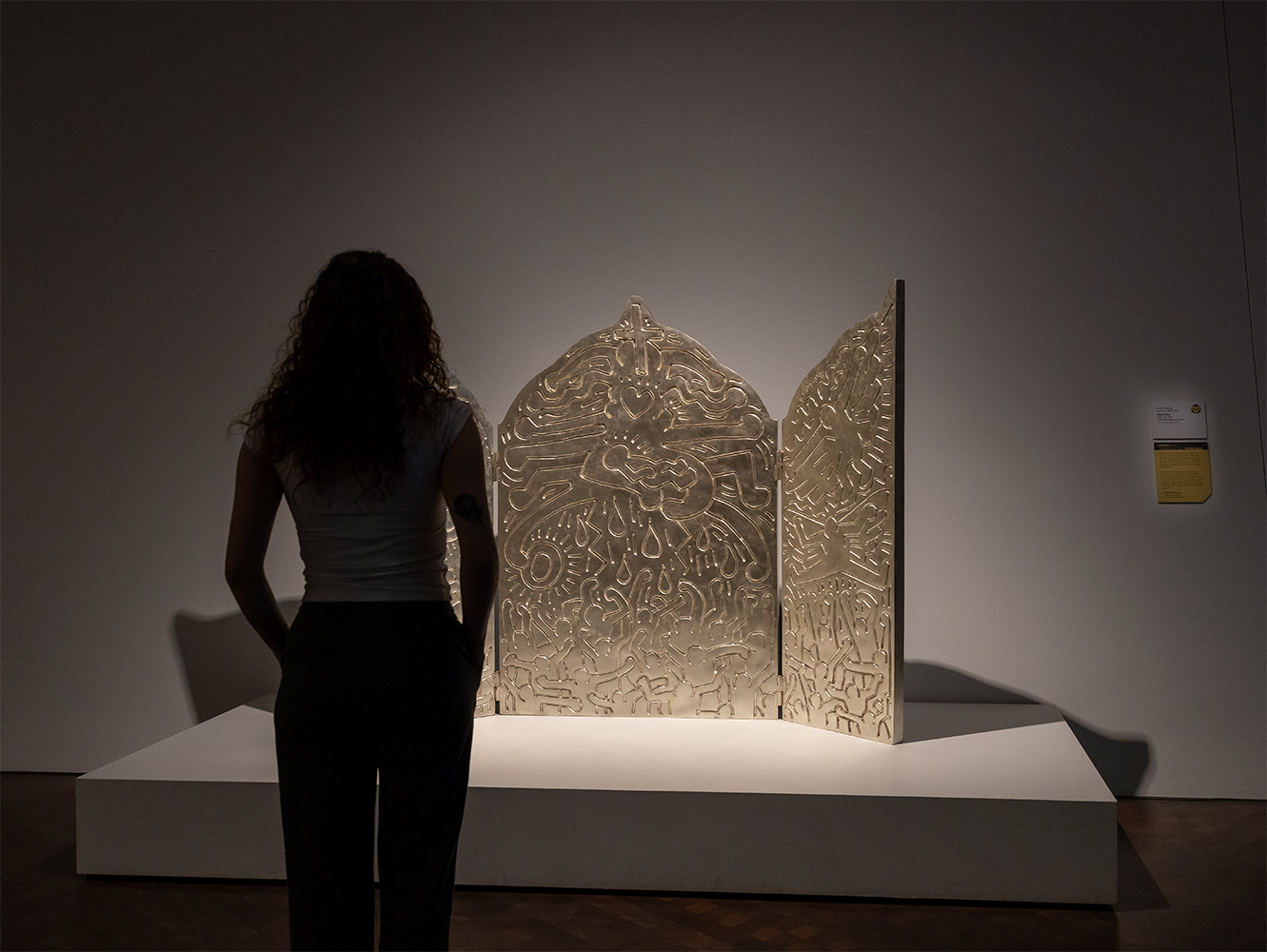
And, Keith Haring’sUntitled 1981 piece (Whitney) was enjoyed by everyone and left us thinking of his other known works.
Rene Magritte’s The Lovers (MoMA) particularly excited Olivia, while Salvador Dali’s The Persistence of Memory (MoMA) proved even more captivating in person than in reproductions.
Jackson Pollock’s One: Number 31 (MoMA) captivated us with its scale and abstract expressionist techniques. And, seeing Vincent van Gogh’s Starry Night (MoMA) in person was a treat, a piece Olivia and I had long hoped to experience!
Seeing art from these diverse categories has helped structure my understanding. As I learn more about art, it becomes enjoyable to identify artists before reading the placards. I hope to develop this skill further, aspiring to reach the expertise level of Stephanie, Professor Yawn, and Olivia!
NY Stroll
Walking to four art museums allows for quite a lot of site-seeing, and we tried too make most of our journeys on foot. We began by hoping to photograph the Statue of Liberty, but we were foiled by New York’s never-ending construction. The Statue of Liberty was visible only by boat or through a window, and we only had time for the latter–definitely not the photo we hoped for.
As if to compensate, we had an unexpected photo opportunity, when we all witnessed what Olivia described as “the most New York thing I’ve ever seen”–a squirrel eating a bagel.
We also made our way past the “Charging Bull”, which judging by the sides of the crowds, was probably one of the most popular sites in NYC.
Nearby, we saw the statue of the defiant and vigilant girl, who keeps watch on the New York Stock Exchange.
Because this trip was designed for us to see the presidential inauguration, we also stopped by “Again”, the Federal Hall, to get another and better photo of the George Washington Statue. This significant site was witness to the first ever presidential inauguration and, later, to the writing of the Bill of Rights.
Probably the biggest treat for us was visiting the grand New York Public Library. We stopped for a selfie here, named after the two famous lions who stand guard to the front of the building.
One of these lions is named Patience; one is named Fortitude. No one, it seems, knows which is which, and because they are identical, we’re not sure it matters. Inside the NY Public Library, we visited the periodical reading room, which features 13 murals by Richard Haas. After some negotiation with the paid staff, we were allowed to take a few pictures. Haas, of course, has done 15 murals in our adopted hometown of Huntsville, Texas. Interestingly, New York has the most interior murals of Richard Haas, while Huntsville has the most exterior murals of his in any city in the world. Not to brag, or anything. (Thank you Linda Pease.)
Of course, we had to stop into the nearby Grand Central Station, which we found to be beautiful.
Chrissy also found the “whispering wall,” where a vocalization on one corner will transmit to the other corner, with those in between none the wiser.
All of the above occurred fairly early in our 15 hour day. Our trip back to the hotel, however, was at the end of the day through Times Square, which Chrissy regarded as a special hell on Earth. Having walked more that 30,000 steps, Chrissy’s ankles were literally bleeding, and her misery quickly became ours.
In fairness, Times Square is a bit much, even by American standards. After spending the day reviewing the classics of art, it was a bit jarring to be amidst the gawkers, wannabe influencers, and loiterers. This, combined with the loud sounds and bright, multicolored lights, provided more than enough stimulation for everyone.
Amidst this chaos, we found Hope, literally. In 2008, Robert Indian transformed his classic LOVE sculpture into a HOPE sculpture, reflecting one of President Obama’s campaign messages. As Robert Indiana fans, we paused for a selfie, and in our head tallied up how many said large scale sculptures we have seen. Chrissy, 2; Olivia 4. And on this optimistic note, we wrapped up day two of our five-day democracy tour.
Though we weren’t able to watch the Inauguration in D.C., the LEAP ambassadors made the most out of January 20, 2025 in order to learn and expand our understanding of democracy. Through exploring the arts and historic artifacts, we are happy to say that the day was not unspent!
The Liberty Bell and Independence Hall
by Michelle Cardenas
On Inauguration Day, as the nation welcomed a new president, the LEAP Ambassadors continued their Democratic Tour with a visit to two of America’s most iconic landmarks: the Liberty Bell and Independence Hall.
Our first stop was the Liberty Bell, a powerful symbol of freedom and resilience. Standing before this historic artifact, we couldn’t help but reflect on its significance—once rung to mark the signing of the Declaration of Independence and later embraced by the abolitionist movement as a symbol of liberty for all. Of course, no visit would be complete without a photo of the famous crack, a reminder that even imperfections can carry deep meaning.
After capturing the moment, we made our way across the street to Independence Hall, where the Founding Fathers debated and signed the Declaration of Independence and later drafted the U.S. Constitution. While we didn’t go inside, standing in front of the hall offered a sense of connection to the past.
However, we had the opportunity to visit the nearby Senate and House chambers, where pivotal moments in American history unfolded. In the House chamber, we stood in the very place where the first peaceful transition of power took place—when George Washington stepped down from the presidency and John Adams was sworn in. Standing in that historic room on Inauguration Day made the experience even more meaningful, serving as a reminder of the enduring legacy of democratic leadership.
As we continued our tour, we left with a greater appreciation for the moments and monuments that have shaped our nation’s history, and a little extra gratitude for warmer climates.
Philadelphia Museum of Art (PMOA)
Saara Maknojia
Art plays a significant role in incapsulating the historical evolution of cultures across the world. To learn more about art in different parts of the world during the different time periods, LEAP students paid a visit to the Philadelphia Museum of Art.
Gravitating towards the third floor of the museum, we split into groups to take on the two exhibits. Michelle, Israel, and I began our time strolling through the European and Asian art exhibits. The European side of the exhibit began with painting and artifacts from the Medieval time period. Immediately Michelle found, what happened to be her favorite from the exhibit, a piece by Joos Van Cleve titled Descent from the Cross.
Passing through the European and Oriental artwork from Chinese, Japanese, and Korean artists, I approached a room filled with art best aligned with my heritage. The Southeast Asian collection contained a variety of “murti’s”, or idol sculptures often found in South Indian temples. From the columns with engravings of mythological characters depicted in Indian folklore stories, to the brass and golden murti’s, this surely became my favorite in the exhibit.
Making Our Way to the Next Floor at PMOA
Cinthia Villarreal
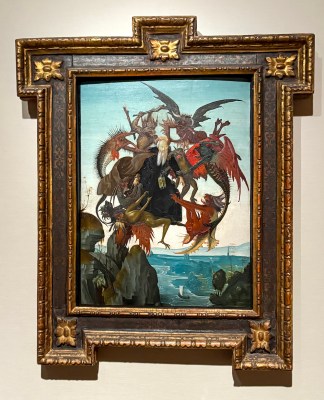
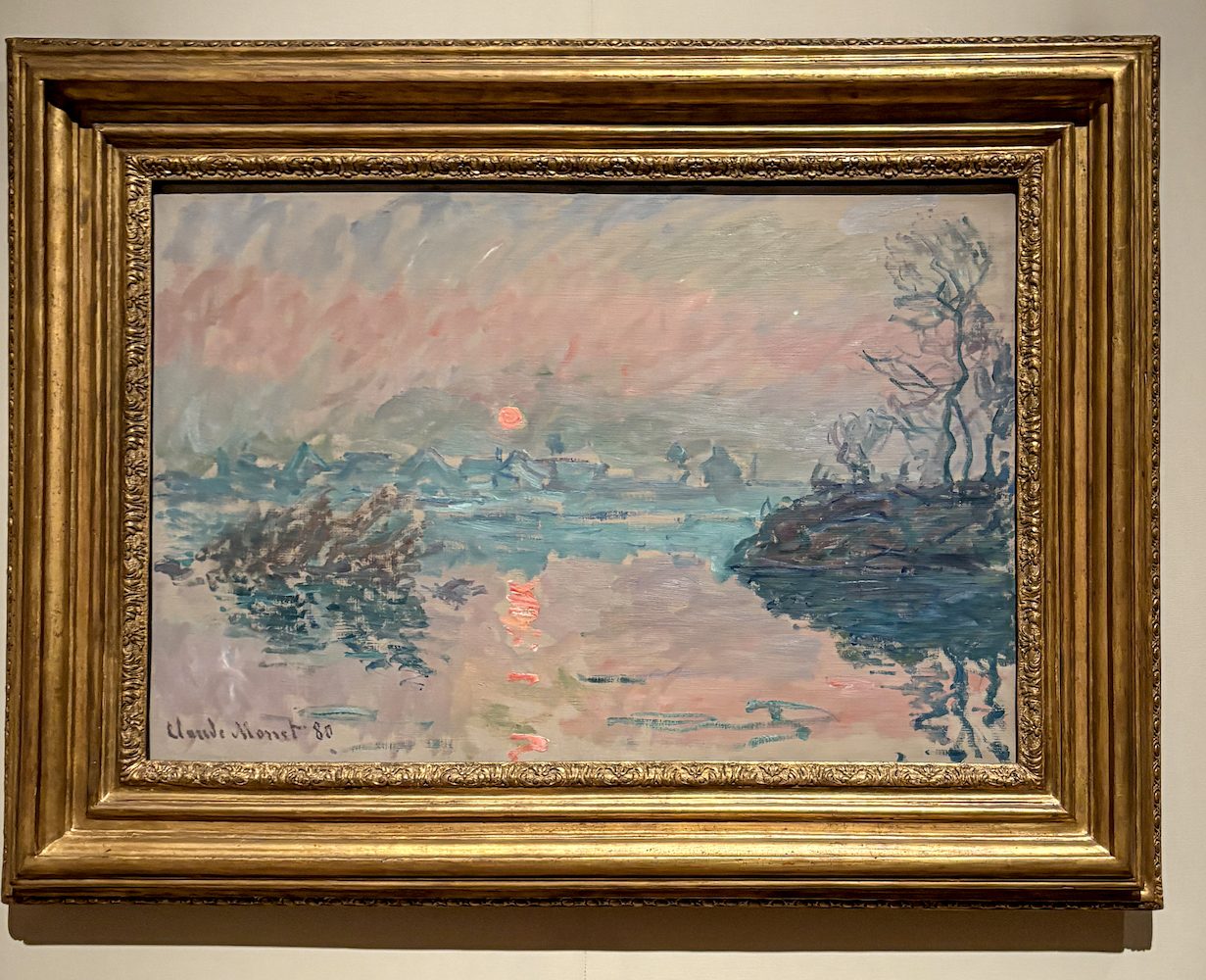
After wrapping up the third floor, we headed to see my personal favorite section of the museum, the Impressionism and Post-Impressionism exhibits. With renowned artists such as Van Gogh, Cezanne, Claude Monet, and Mary Cassatt along the walls, we were thrilled to be exposed to more of the work during this artistic revolutionary era. As always, I gravitated toward Monet’s work. However, I was quite taken aback from one of his works from the later stages in his career, characterized by a dark colored shadows and bright colored background, giving the viewer just enough detail to get his idea across. Camille Pissarro’s Summer Landscape caught Israel’s attention.
As we explored the other exhibits, we surprisingly walked past not one, but two huge Diego Rivera art pieces. We were incredibly surprised by having a Mexican American artist present so far north.
The Modern and Contemporary art exhibit was our last stop in the museum. Chrissy, who found an interesting newfound appreciation for modern art last year, became visibly excited when we approached a couple of Andy Warhol signature pieces…
Though I find myself questioning this style of art extensively and is most definitely far from being my favorite, I can appreciate people’s feelings and appreciation towards the unique styles which they may gravitate towards and try to understand the intention of an artist when trying to provoke the viewer. We are always grateful to be exposed to a variety of ideas and fields that expand our knowledge and understanding not only of the arts, but of other people’s viewpoints that might differ from ours.
A Little Fun in the Snow
By Olivia Discon
You would think that after 5 days in extremely cold weather that us Texans would immediately retreat indoors when presented the opportunity. However, we decided to hit the hills just outside the museum and go sledding!
This group had fun letting physics decide their fate, with some going down fairly smoother than others…
Cinthia, who is our ice queen, swiftly and enthusiastically rode down the hill several times and with different techniques.
Saara and Israel, who had a bit of a competitive edge, decided to race down the hill. That was soon squashed by a handful of icy collisions.
As for Chrissy, well, it was complicated. For starters, she unintentionally began backwards, and in true Chrissy fashion, did a couple of spins down the hill. She tried her best to regain control, and to that extent she did. However, it was too late for the immense fits of laughter achieved by the peanut gallery (us). So much so, that we gained the attention of CBS Philadelphia!
During an “on-the-street” interview, correspondent Kerri Corrado, was inquiring about how citizens brave the cold weather and how it may impact them.
While you can watch it here, here’s a short recap.
Michelle suggested layering up to the viewers, while Saara indicated our short-lived, childlike wonder out in the elements.
Chrissy, who made her way back up the hill from her wipeout, was covered in ice, as noted by Corrado.
Israel made it clear that he absolutely hated the cold weather and was quote “over it”.
I, myself, was not qualified to give anyone in Philly tips to brave the snow, as I had mysteriously lost one of my gloves.
While this was not the interview we were expecting, we were grateful for the opportunity to share our travels with the Philadelphian people!
As the United States Presidential Inauguration approaches, one is reminded of the principles that we were founded upon. Virtue can be identified in many of our founding fathers, but one that infamously possesses 13 of them was an excellent choice to start the Philadelphia leg of our democracy tour. In addition, the Benjamin Franklin Museum was a fun experience to share alongside the SHAIP interns, who are getting their first crack at what it means to impact others through policy and the democratic process.
Beyond that, Benjamin Franklin is simply a fascinating individual. An inventor, postmaster, writer, scientist, diplomat, and a ladies man, his life was filled with innovation and service. The museum gave us a closer look at his achievements and his role in shaping early America.
One of my favorite artifacts was a mile marker Franklin introduced as postmaster to help standardize postal routes. Made of concrete, it would be difficult to (for me, at least) read compared to today’s clearly printed green signs, but it felt meaningful to see how he worked to modernize communication systems. We also saw ink balls from his printing press, along with other instruments used at the time.
Israel and Michelle especially appreciated the “Join, or Die” mementos, inspired by Franklin’s iconic segmented snake cartoon. The message of fragmentation is relevant now more than ever!
Another awesome feature was the Lion’s Mouth—a slot where citizens could anonymously submit letters, including grievances or suggestions for improvement. It served as an early mechanism for public participation, and I appreciated the practical approach to governance, as well as his recognition of the importance of engaging with the broader community.
In many ways, LEAP and SHAIP strive to embody the spirit of civic engagement and the principles Benjamin Franklin instilled in our nation. As he once said, ‘Nothing so likely to make a man’s fortune as virtue.’ Through experiences like these, we continue to cultivate our understanding of the world to then contribute meaningfully to our communities.