Reflections from the Capitol: A Day of Service, History, and Perspective in Austin

by Olivia Discon

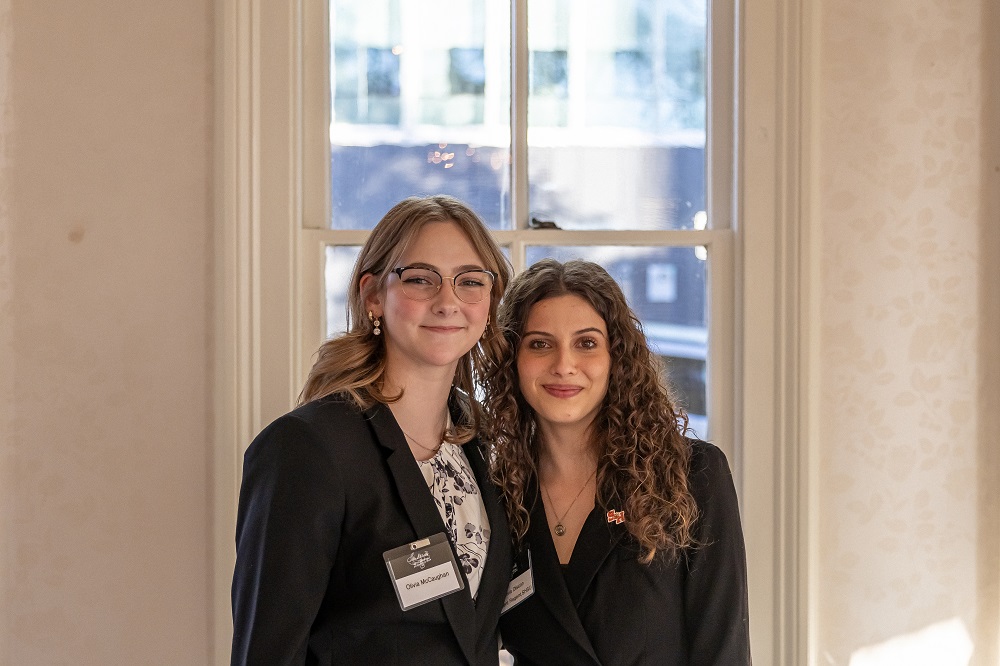
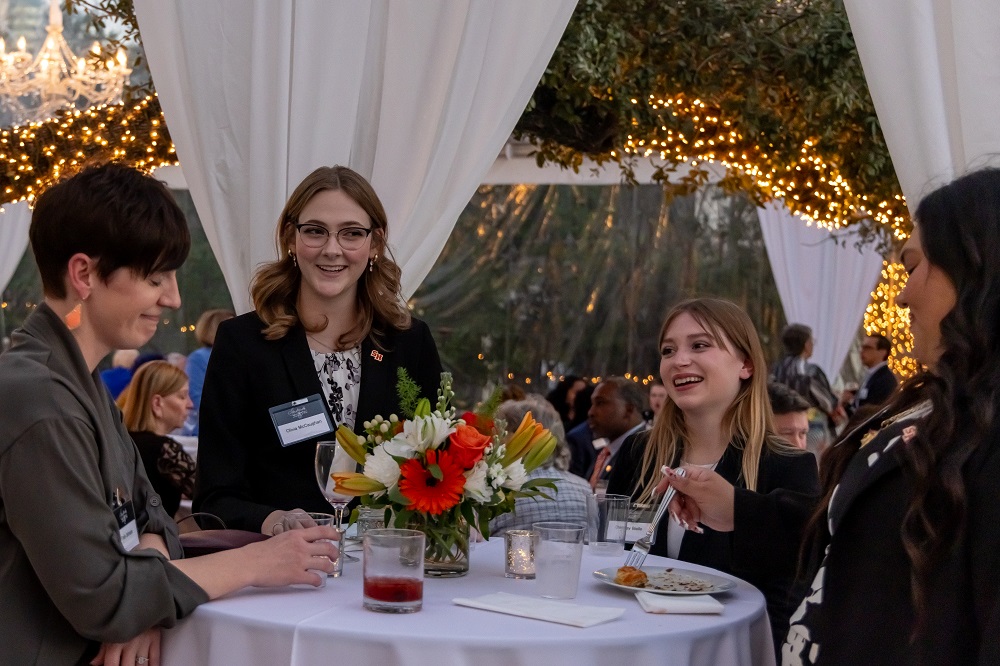
I recently had the opportunity to visit the Texas Capitol and share a few reflections from my term as student regent. I was invited by the Governor’s Appointments Office to speak to the newly appointed student regents, which was a real honor—and a full-circle moment I didn’t take lightly. I wanted to make the most of the opportunity and my time in Austin.
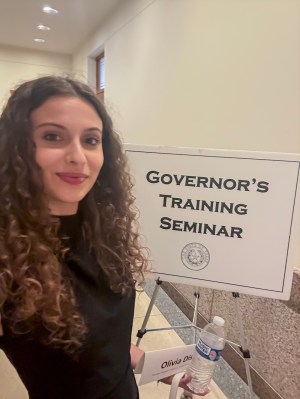
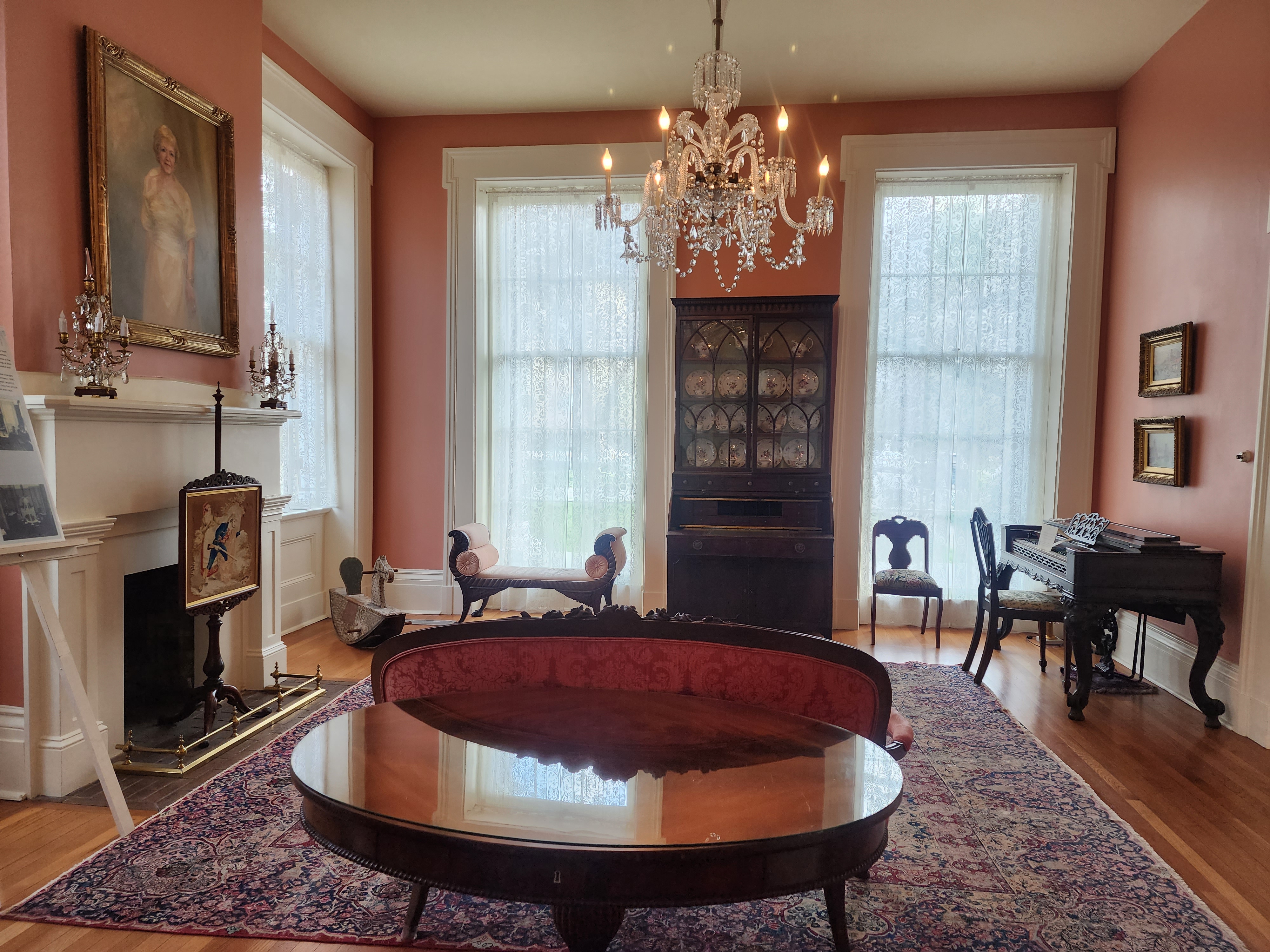
One of the biggest highlights of the day was being invited to the Governor’s Mansion. After a quick security check by DPS, I had the chance to tour one of the most historic and iconic buildings in Texas. The Greek Revival-style mansion was designed by Abner Cook—who, interestingly, also supervised the construction of the Walls Unit in Huntsville. That connection alone was enough to trigger my compulsive need to tie Sam Houston into everything.
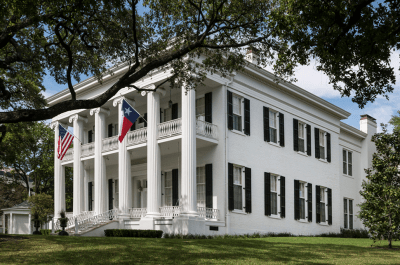
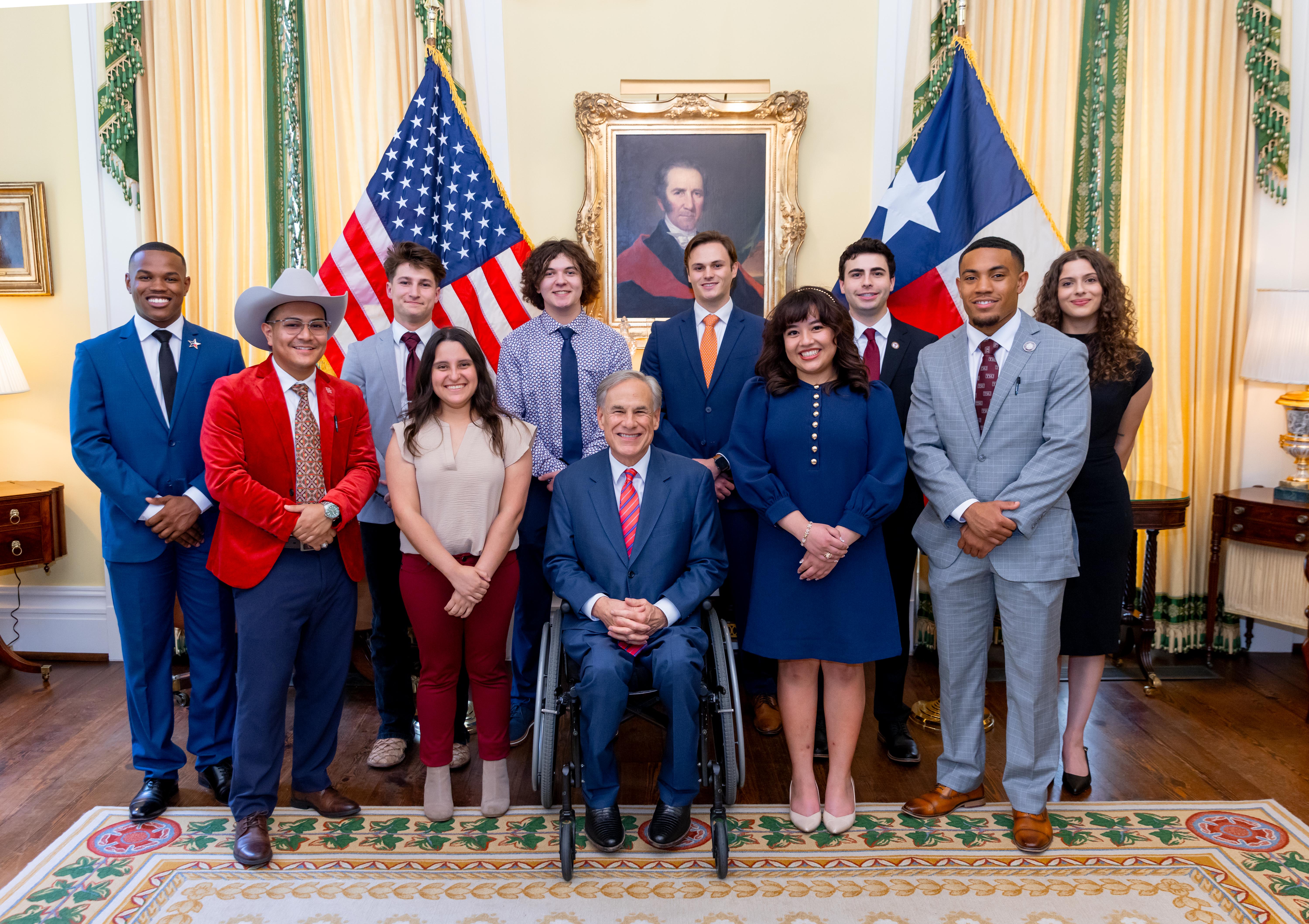
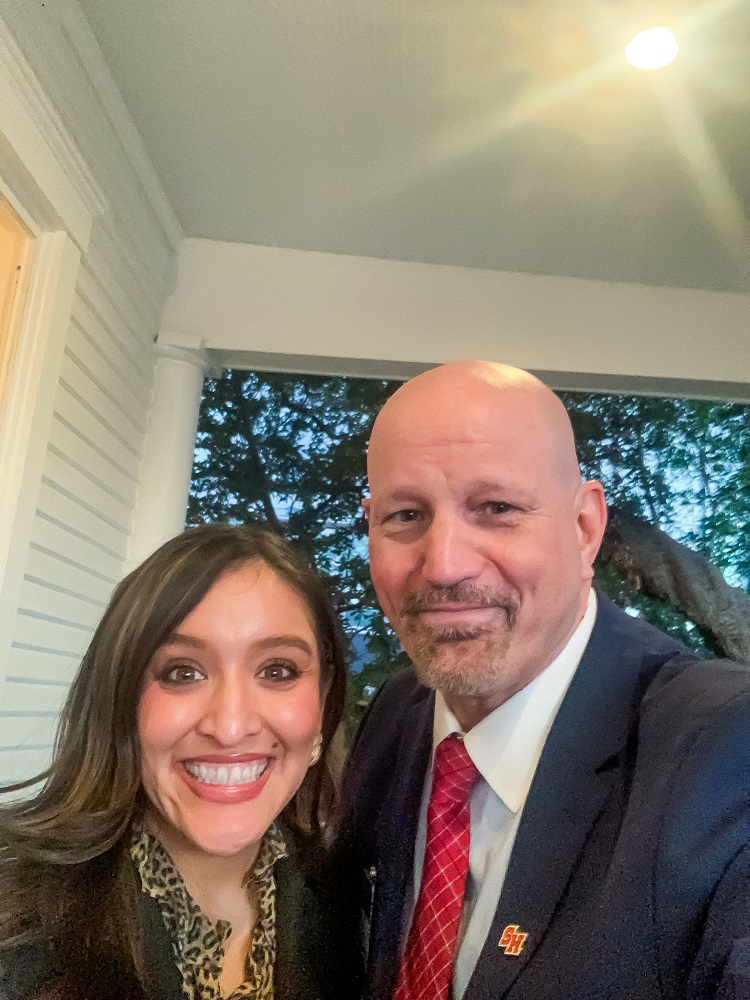
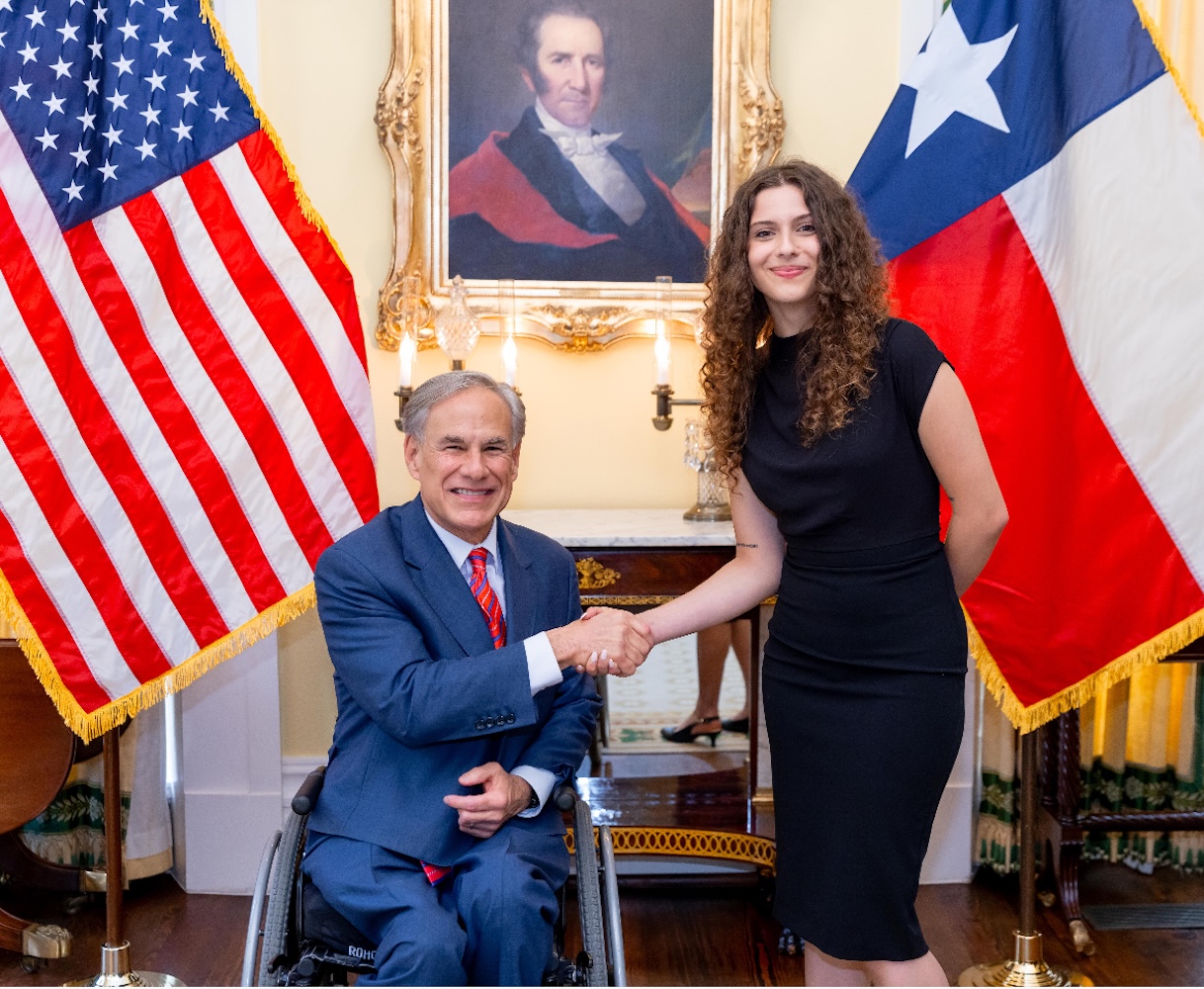
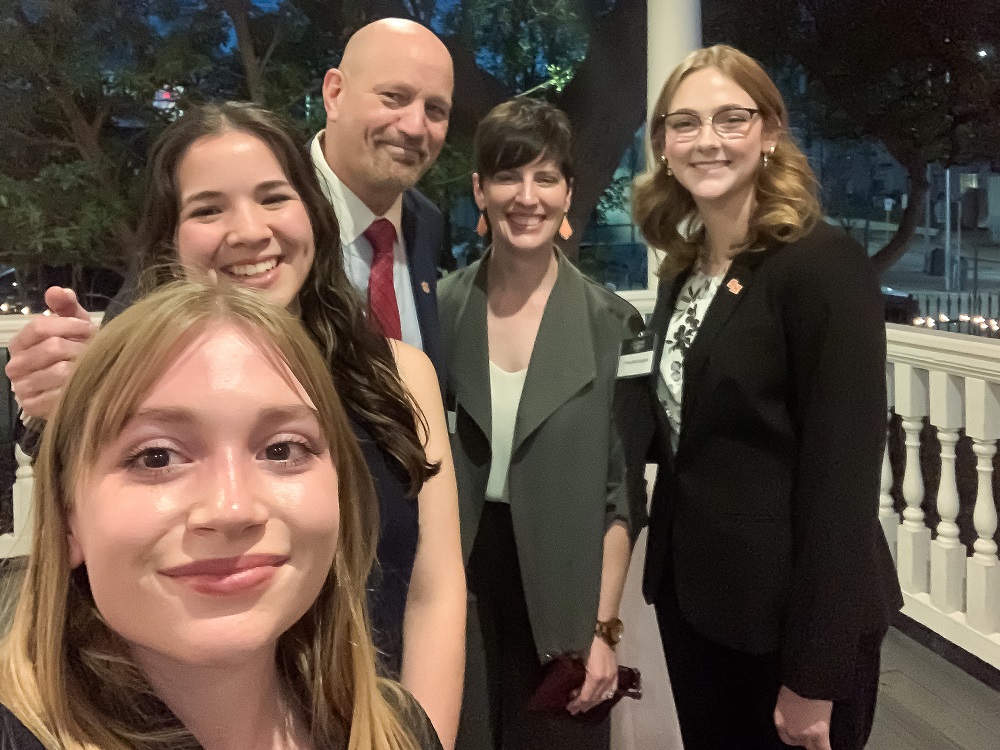
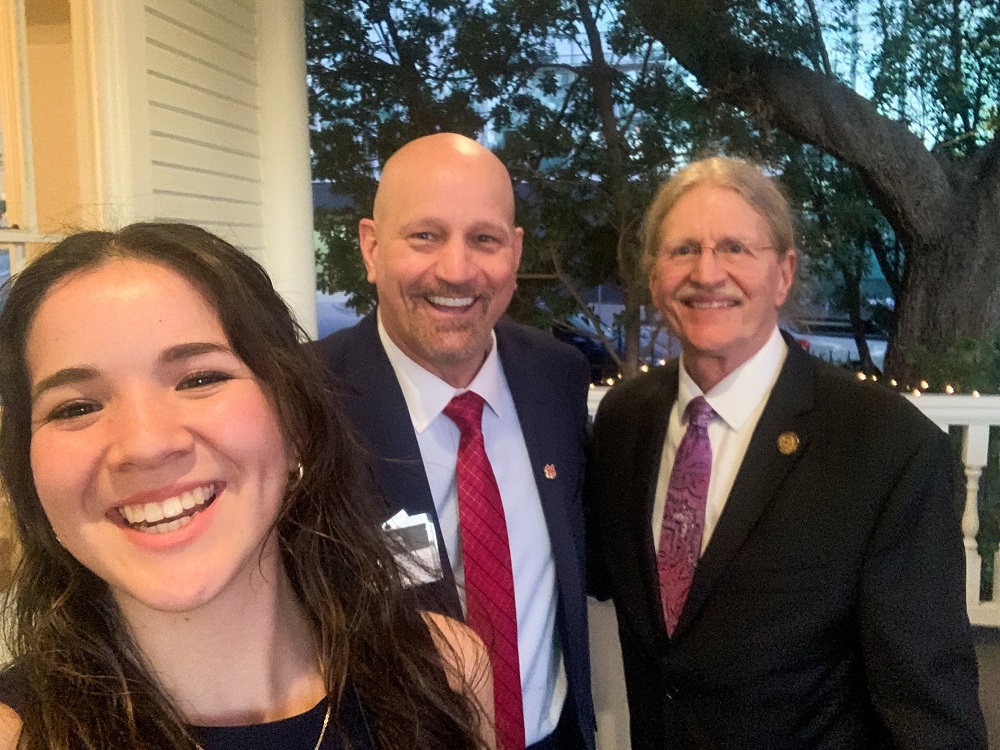
I’ll admit I was a little photo-shy walking through the mansion, but that didn’t stop a few photos from happening. To my surprise, I got to greet Governor Abbott again and take a quick photo with him—inside his house, no less. In that moment, I felt an overwhelming sense of gratitude. Being appointed as a student regent during my undergrad was an incredible opportunity, and I’ve felt supported at every level of my college experience. That support made moments like this possible.
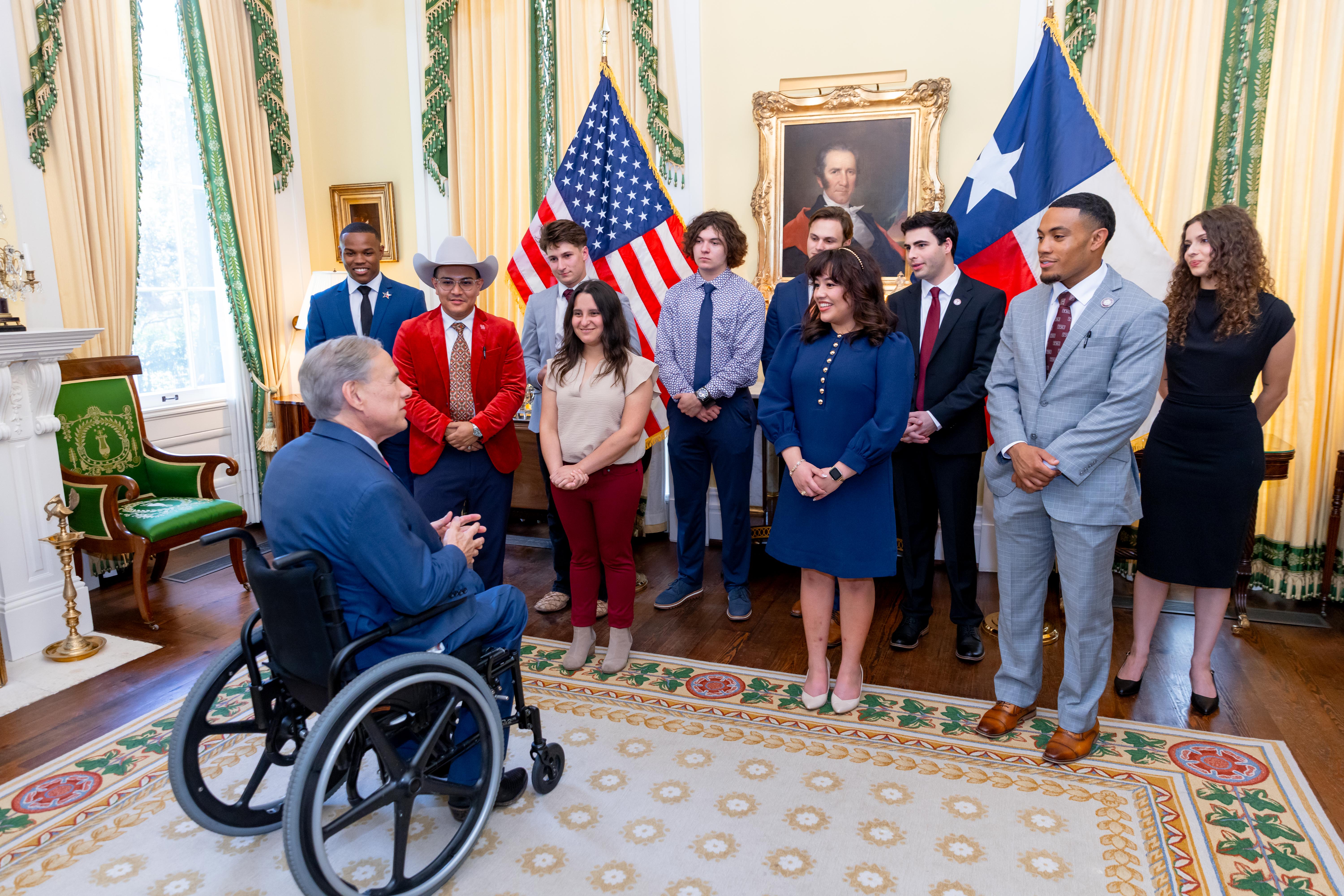
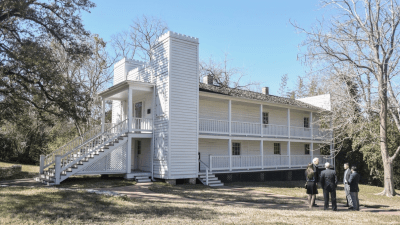
As we made our way through the mansion, we passed through rooms filled with stunning 18th-century furniture—and, of course, nods to Sam Houston in almost every one. They even have a room named after him. Seeing this more glamorous side of Houston’s life, and then comparing it to his final years at the Steamboat House in Huntsville, was oddly moving. He was so committed to his principles that he gave up comfort for conviction. It’s just one of the reasons Huntsville has such a strange charm to me. Somehow, all roads in Texas lead back to it.

Even though the Governor’s Mansion is a historic landmark, it’s still a lived-in space. Just outside the window, we caught a glimpse of the Abbott family’s three golden retrievers playing in the yard. The timing of the visit couldn’t have been better—it was a great reminder of how historic homes can still be part of everyday life, thanks to organizations like the Friends of the Governor’s Mansion.
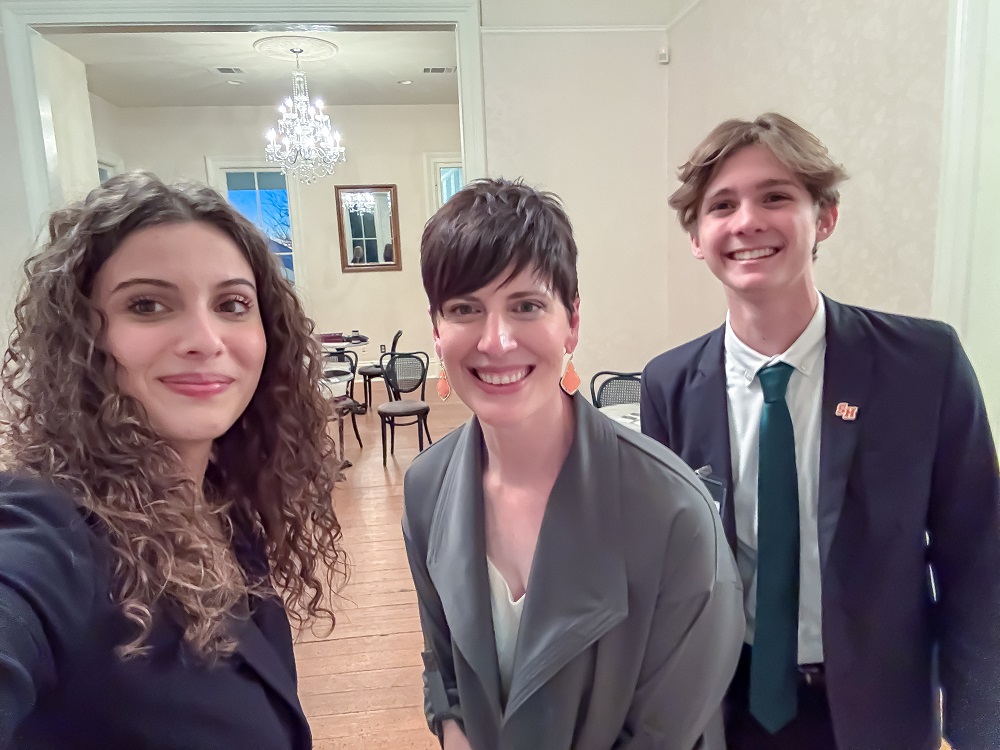
Later that afternoon, I joined Chris Covo, a former student regent for the Texas State University System, and Luke Shwartz, who was recently appointed student regent for the UT System (congrats again, Luke!). We sat down with Brent Connett for a moderated conversation about the role, what surprised us, and what advice we’d offer.

For me, the biggest takeaway was this: being a good representative can open more doors than you might expect. Investing in your professionalism, doing your research, and showing up prepared—not because you’ve “made it,” but because you’re serious about learning—goes a long way. When you present yourself as someone competent and curious, people take notice. You get to be in the room for real conversations and real opportunities.

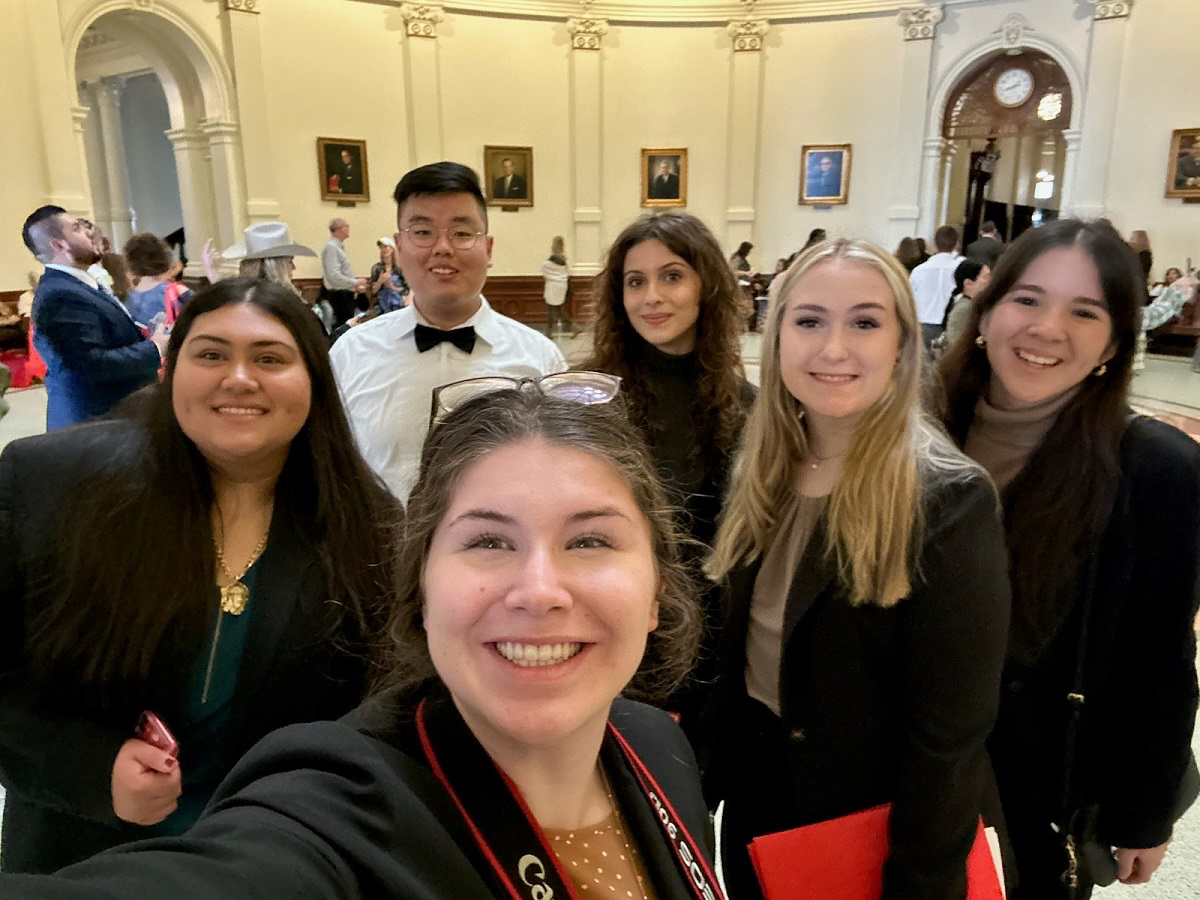
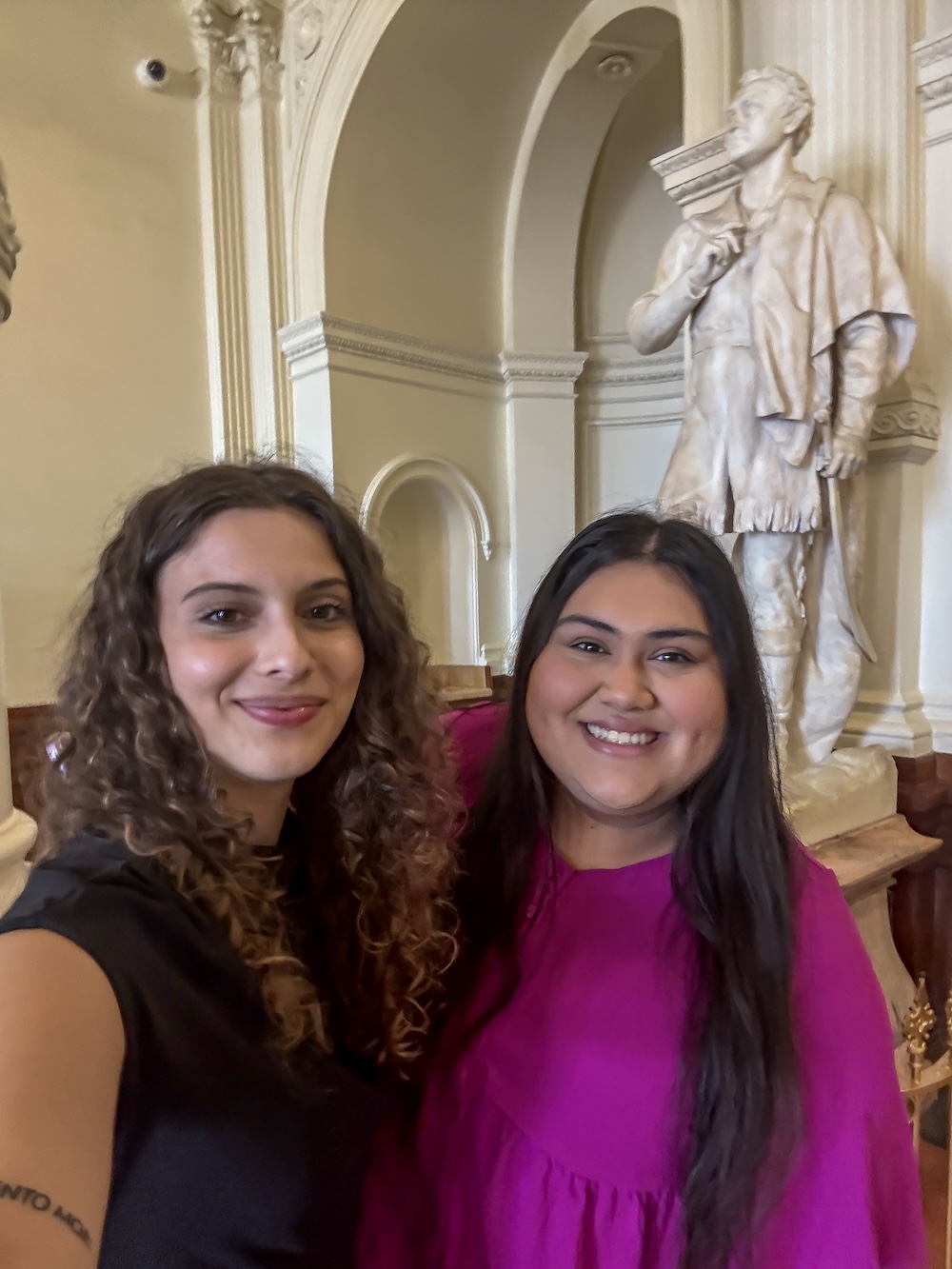
After the panel, I stopped by to see my good friend Michelle Cardenas, who was deep in the legislative trenches as session wrapped up. She took a much-needed breather and walked me through the Governor’s Reception Hall. Watching her in action, compared to where we started—back when we walked into the Capitol for the first time with LEAP—was surreal. We’re in completely different places now, but there’s something meaningful about knowing LEAP brought us both here.
Electric Gravy
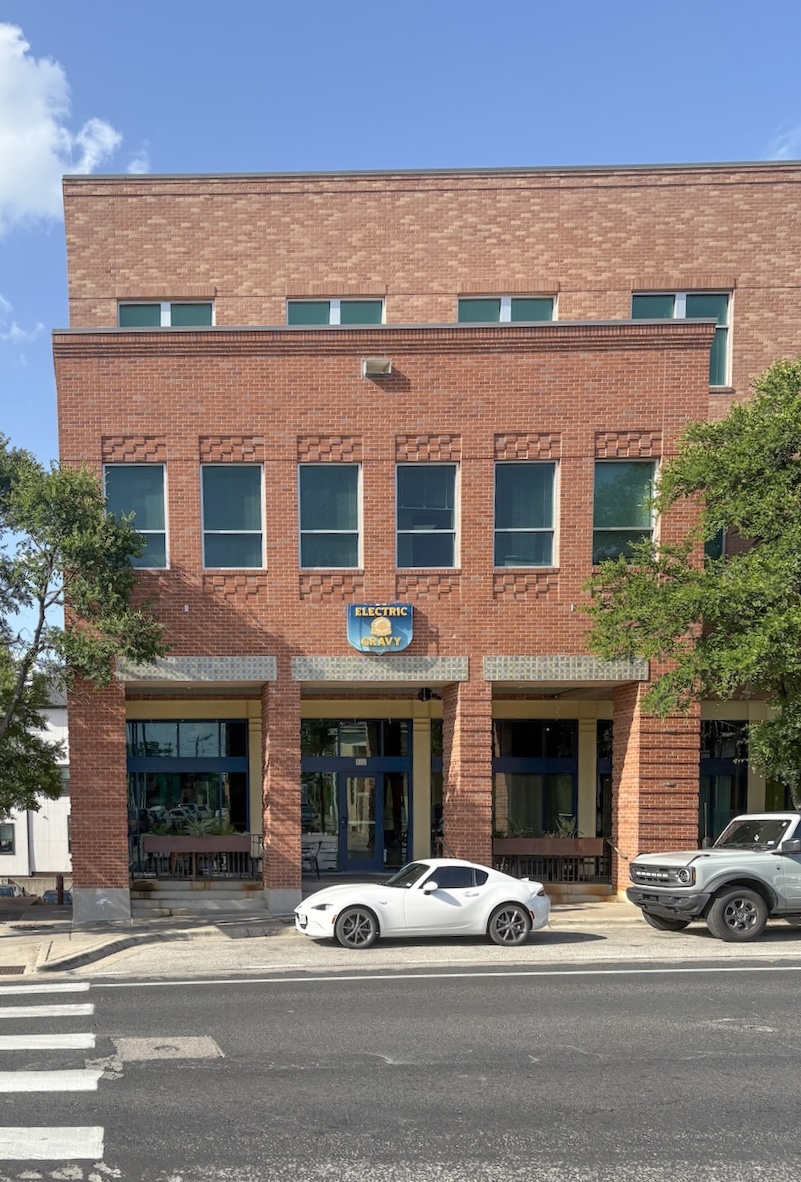
For dinner, I continued on my sappy tirade by joining Cinthia Villarreal and Michelle Cardenas at an Indian fusion restaurant—Electric Gravy.
It’s been getting a lot of local attention, including a recommendation from former LEAP Ambassador Saara Maknojia.
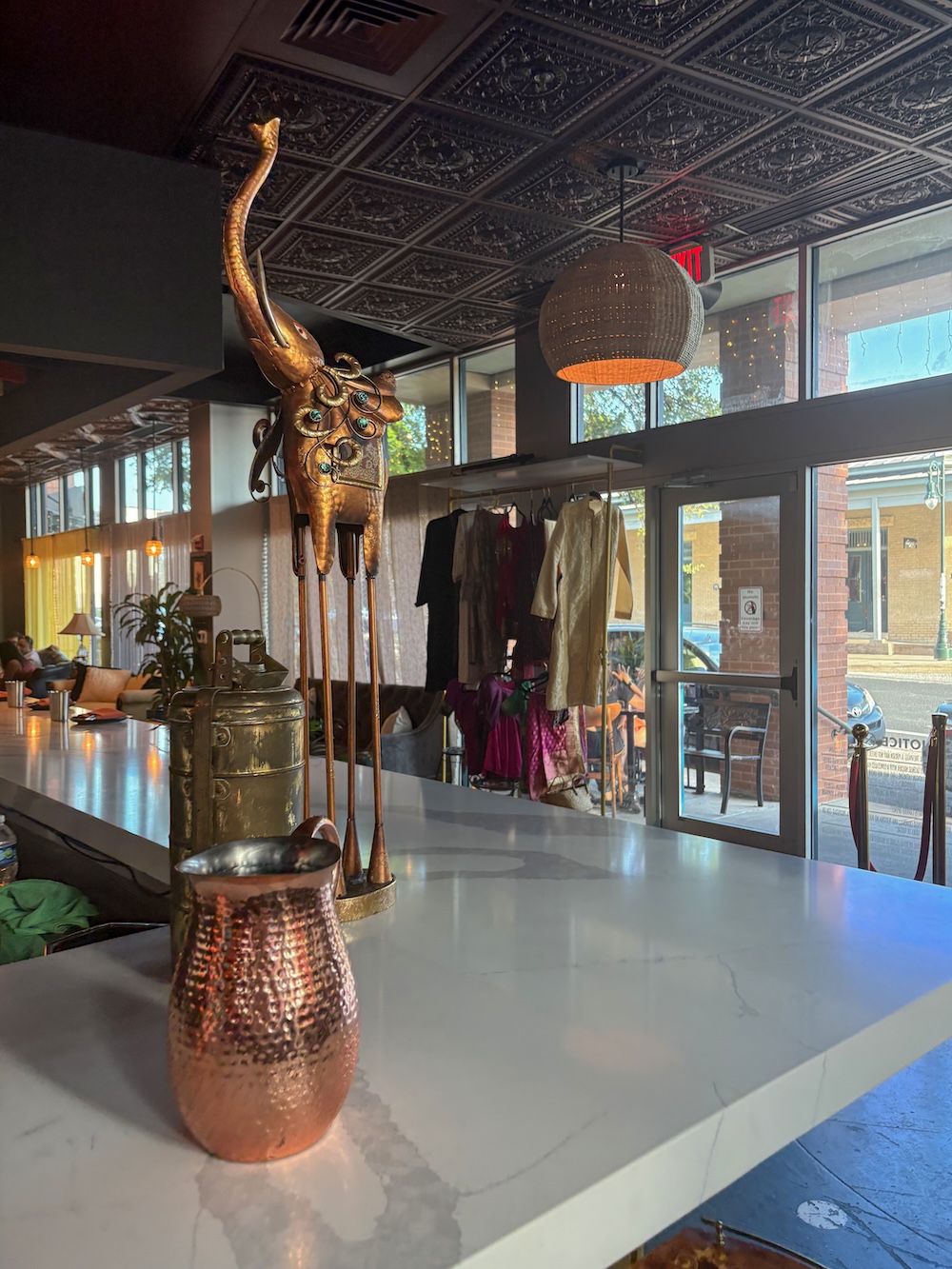
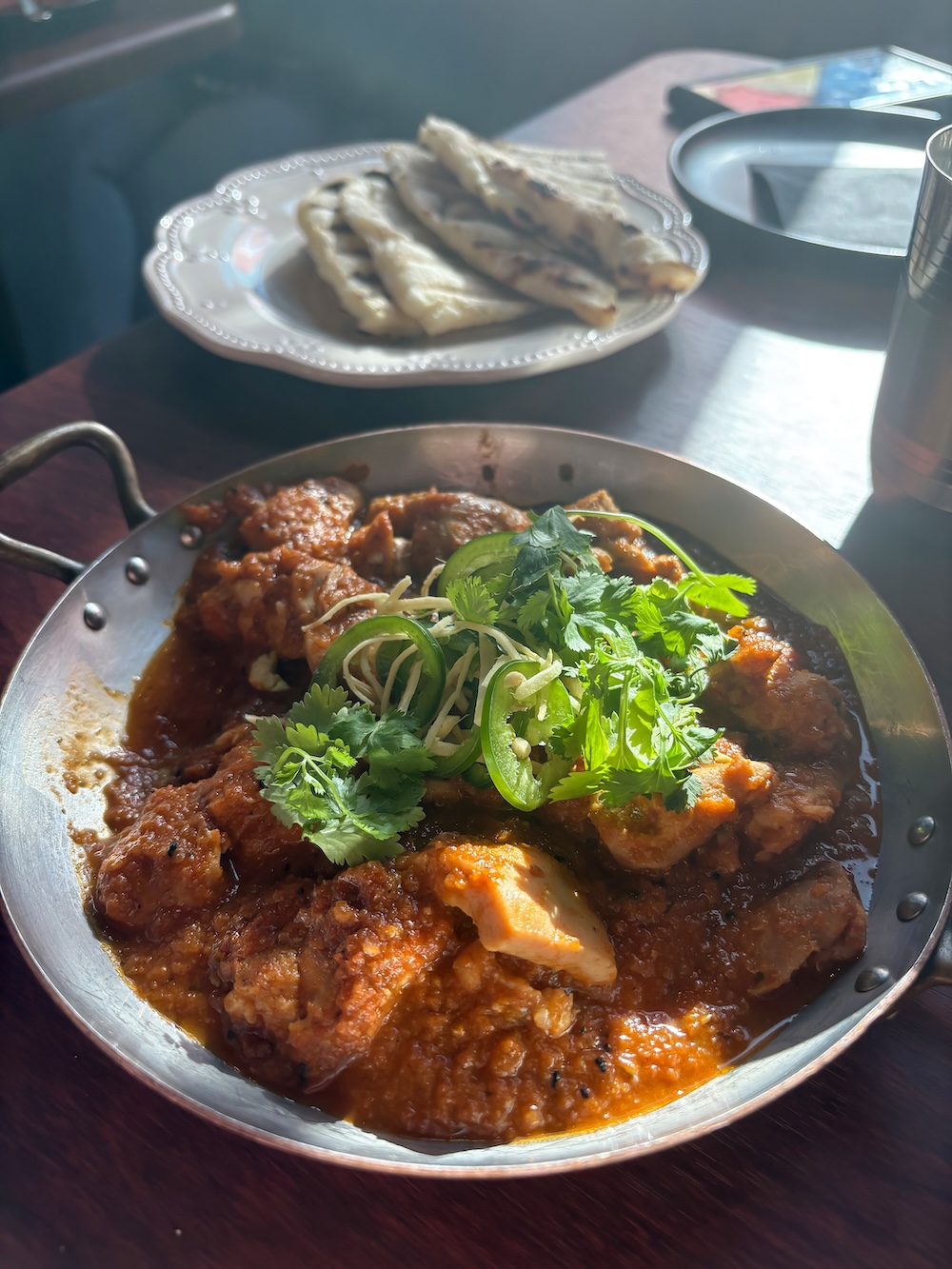
We started with the curry queso (which was excellent), and then I had the chicken tinga curry, Cinthia got the chicken masala, and Michelle went with the pork vindaloo. All of it was solid—definitely a fun place worth checking out.

Mount Bonnell
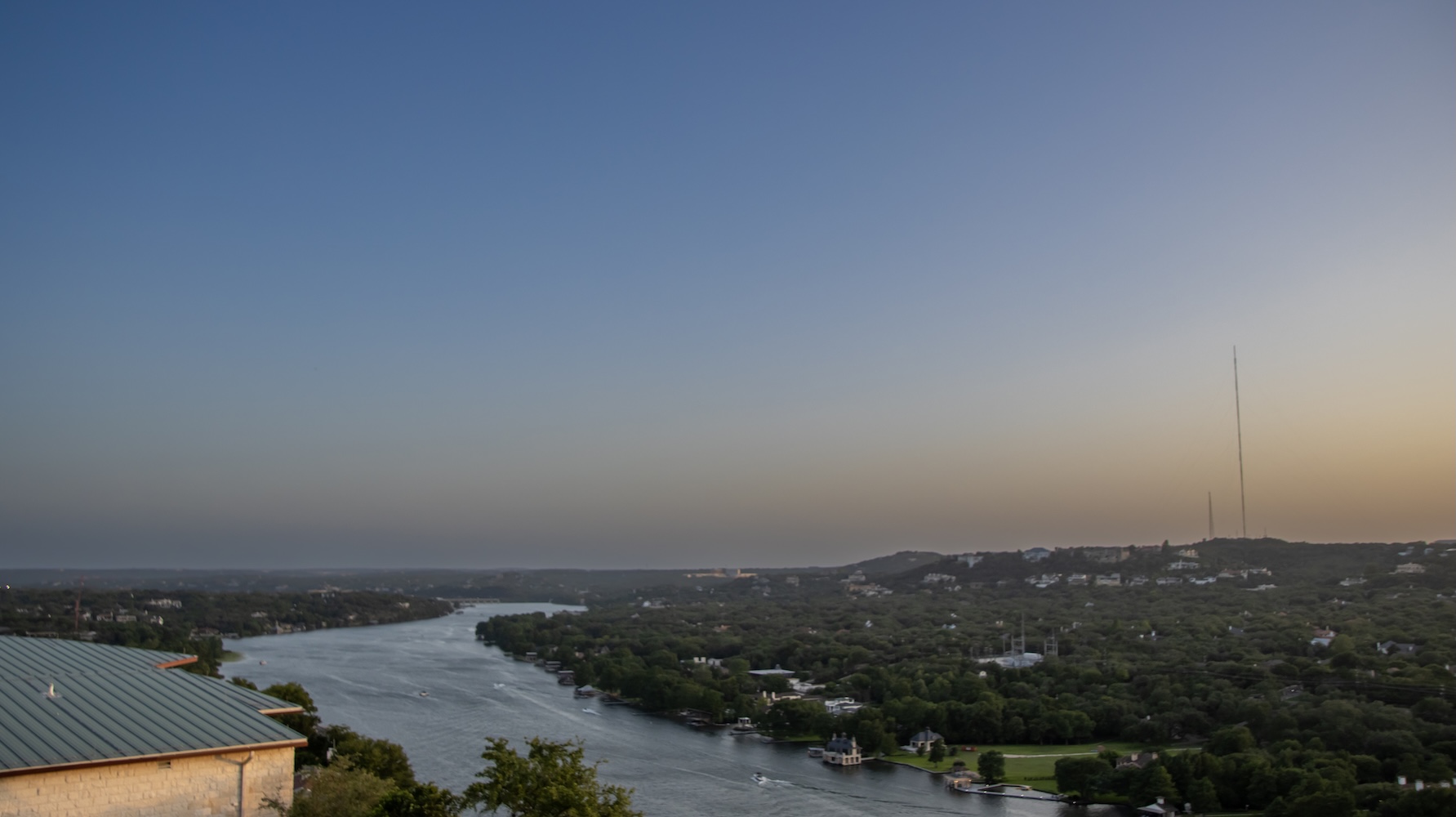
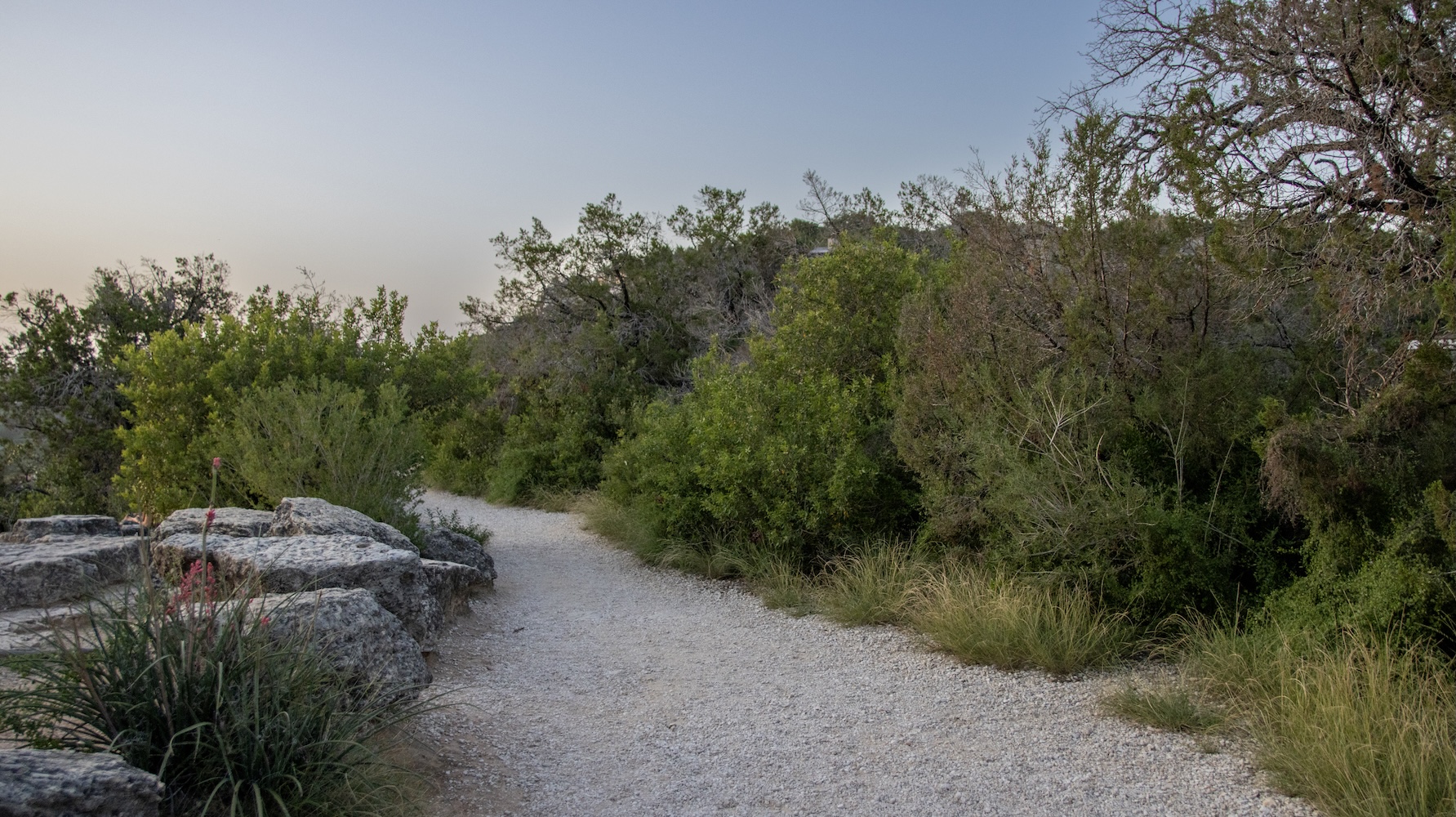
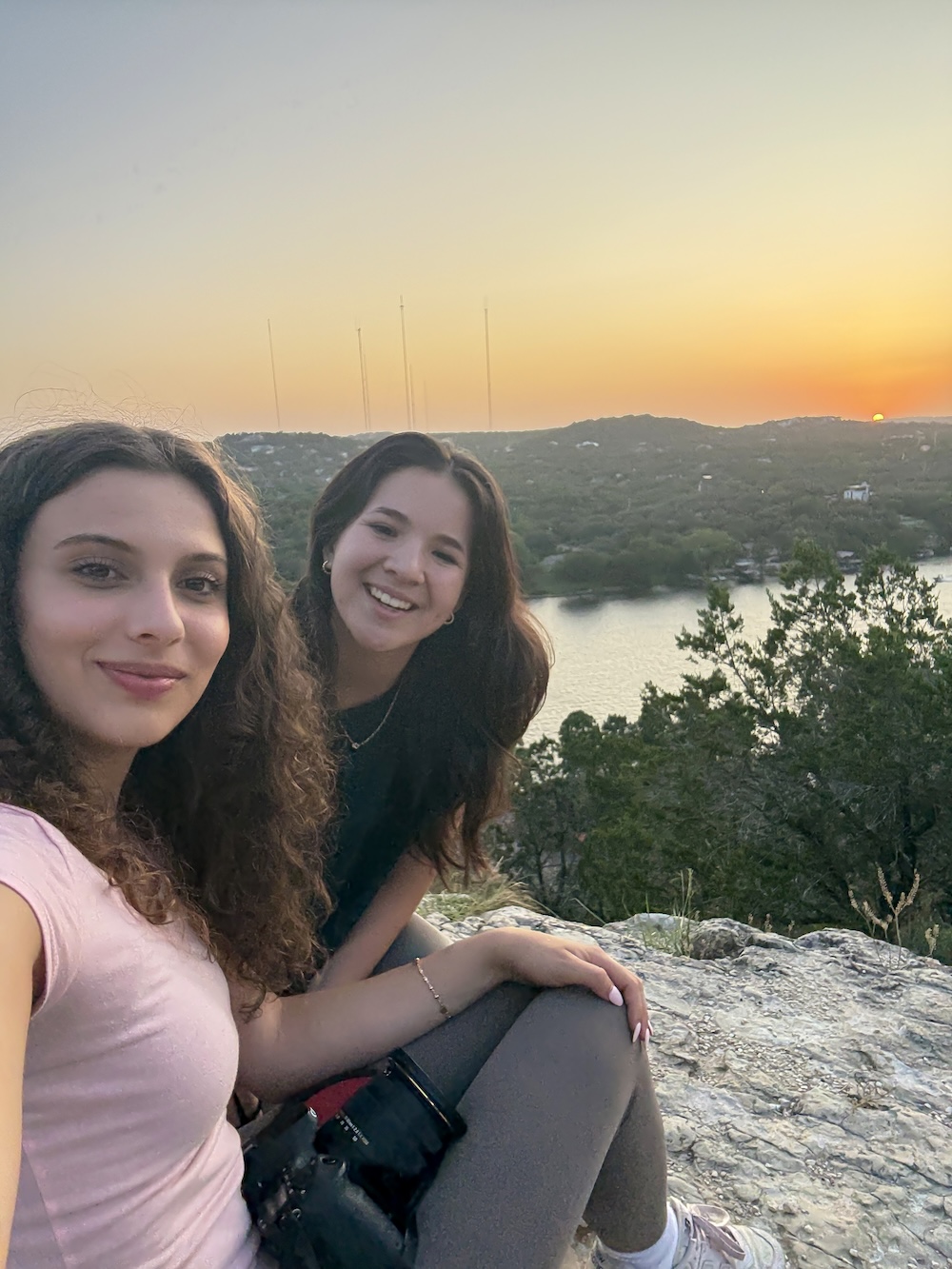
To wrap up the day, I visited Mount Bonnell for a great view of Lady Bird Lake. It ended up being the perfect spot to close out a long day—quiet, scenic, and full of the kind of quirky passersby you can only find in Austin.
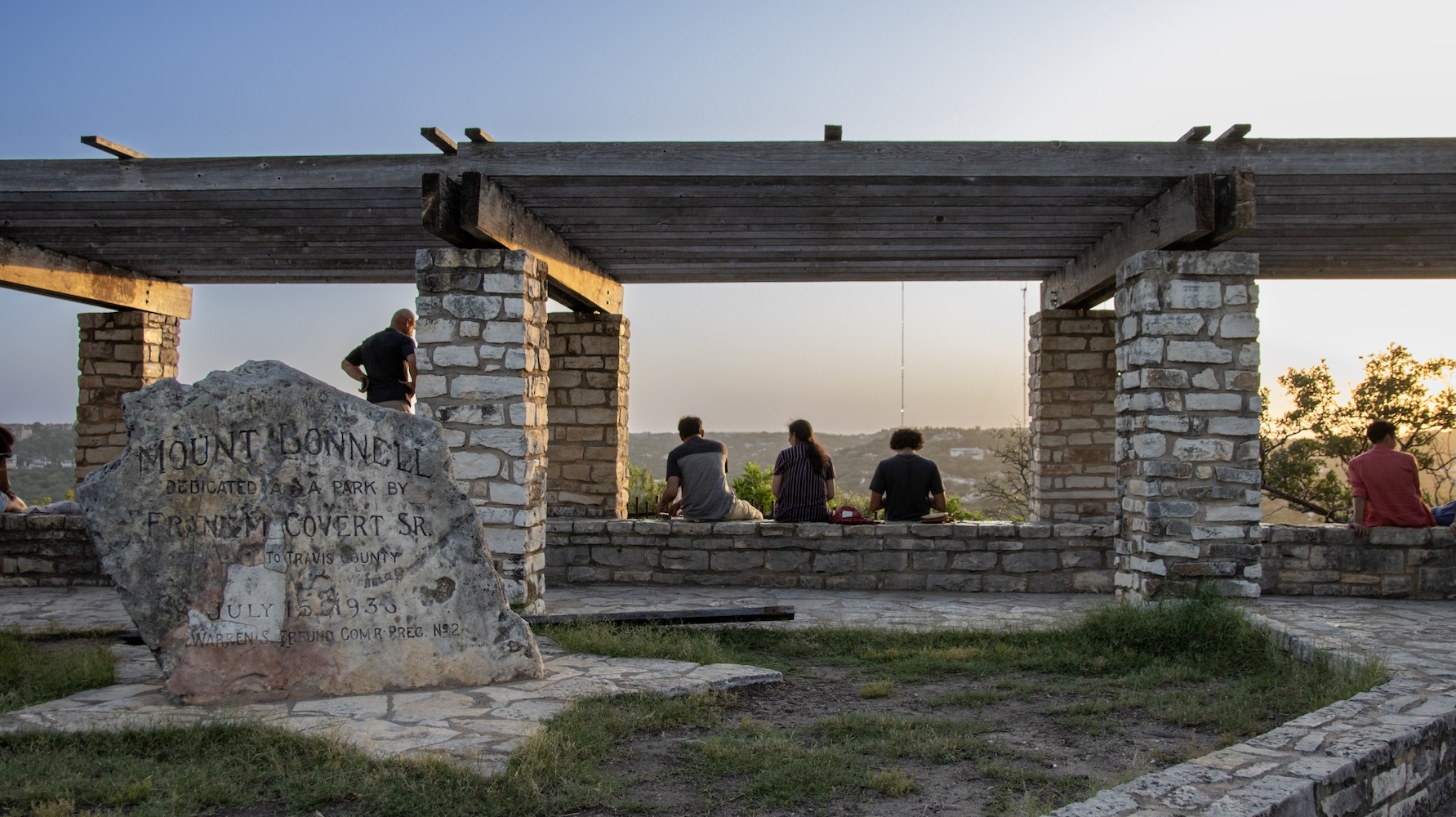
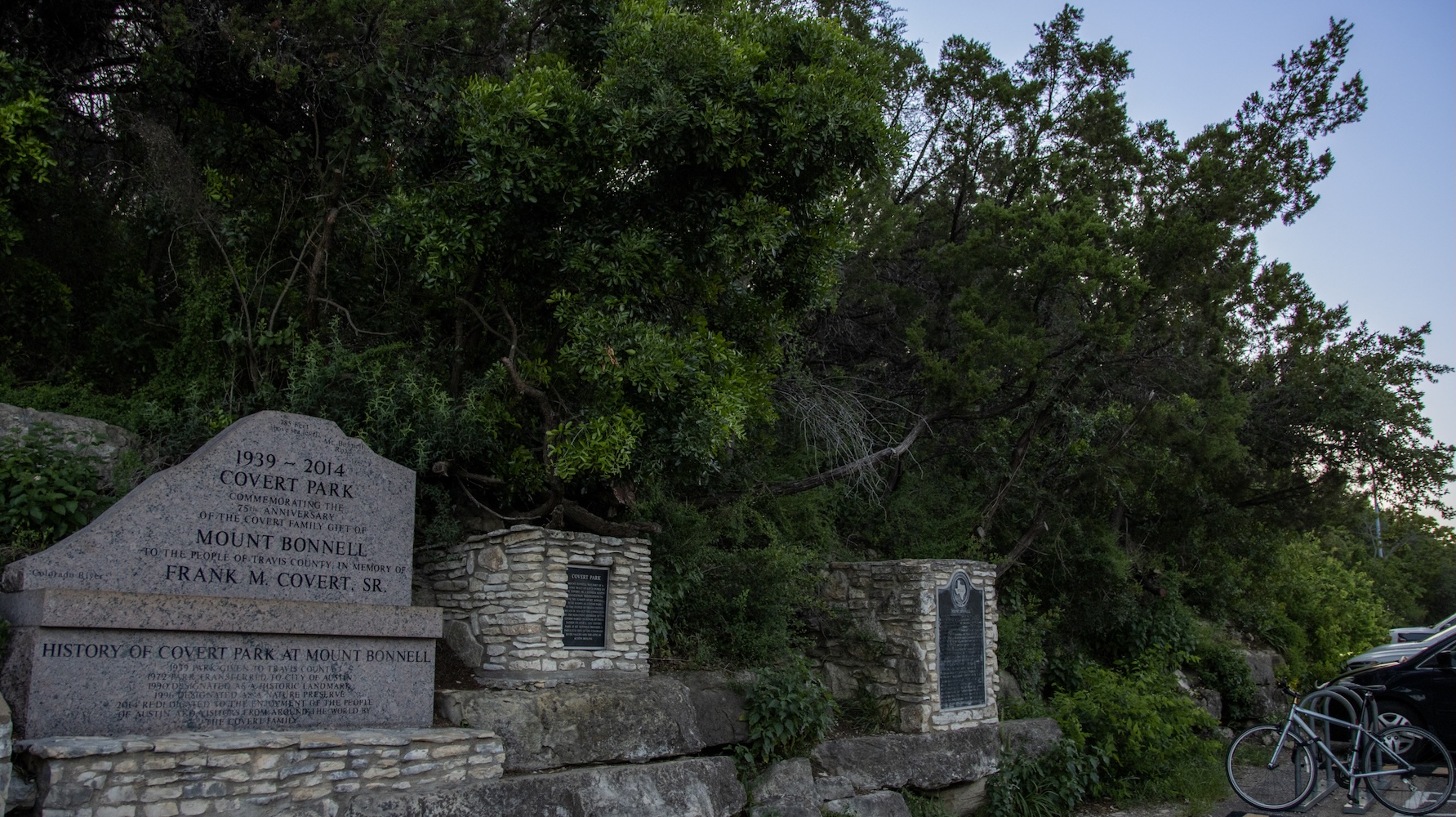
The sun didn’t set until about 8:30 p.m., but once it started going down, it dropped fast.
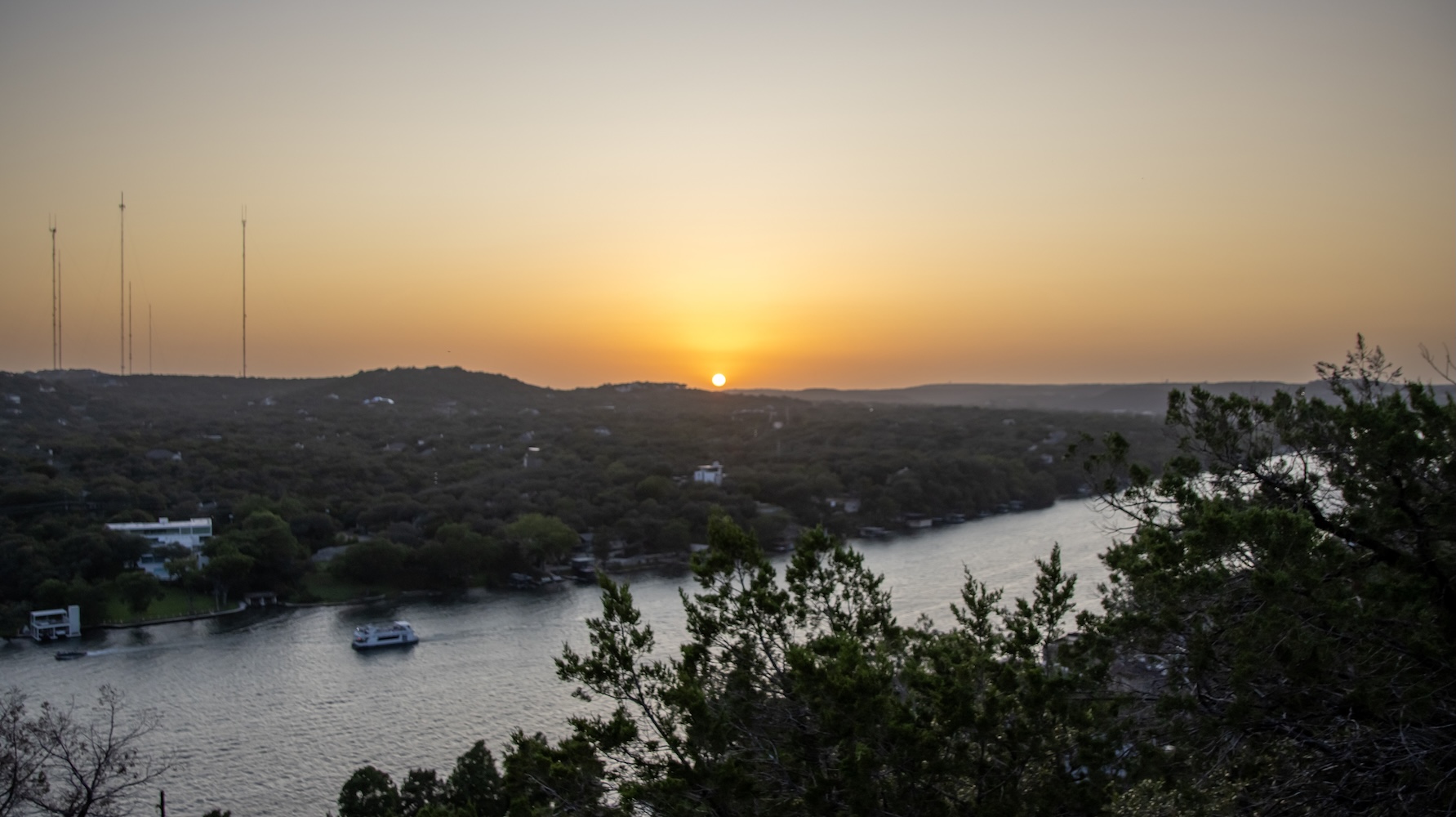
I might be wrong, but I think this was the first time I ever intentionally watched a sunset. It was a nice experience!

Book Talk with Lise Olsen: The Scientist and the Serial Killer

Michelle Cardenas

Even with the busiest time of the legislative session in full swing, the LEAP Ambassadors always find ways to stay engaged and keep learning. After a long day at the Capitol, we made our way to BookPeople in downtown Austin for an author event featuring Lise Olsen and her latest true crime book, The Scientist and the Serial Killer.

As true crime fans and students focused on criminal justice and pre-law, this event was right up our alley. Lise Olsen, known for her investigative reporting and current work with the Texas Observer, has spent her career uncovering the truth behind long-forgotten crimes. The conversation was moderated by Michelle Pitcher, one of Olsen’s colleagues who also covers criminal justice topics.

The book centers around Dean Corll (Nicknamed Candy Man), a Houston serial killer responsible for the abduction and murder of over 27 teenage boys in the 1970s. Despite the scale of the crimes, police negligence allowed Corll to operate undetected for years. After the crimes were uncovered, the investigation was shockingly mishandled. The Houston Police Department sent inmates with trash bags and shovels to dig up remains from a boat shed where the victims were buried—no forensic experts, no proper evidence collection, and very little communication with the victims’ families.

That’s where the heart of the book lies. Olsen reported on the findings and the work of Sharon Derrick, a forensic anthropologist who became deeply invested in identifying the unnamed victims. Derrick took on the challenge of reexamining the case, believing at first it might be simple but she quickly realized she was wrong. Many of the families were gone, DNA matches were limited, and records were scarce. Still, Derrick worked to connect the dots, uncovering overlooked evidence, personal items, and even previously unidentified remains. Olsen followed and reported on this journey, often reaching out to families herself to gather clues and piece together the victims’ stories along the way.

Pitcher asked Olsen about how she was able to capture not just the investigation but also the social and institutional failings of the time.

The book dives into what policing looked like in 1970s Houston: limited resources, no communication systems, and almost no understanding of serial killer patterns. Authorities often dismissed missing teens as runaways or troublemakers, even blaming parents. There were rumors that some had fled to avoid the draft. And the juvenile crime division? It consisted of officers who would write a one-page report/description and move on.

Olsen interviewed hundreds of people—friends, family members, investigators—and gave space for those who had been grieving in silence for decades. Her mission wasn’t to glorify a serial killer, but to give voice to the nameless victims and to honor the hard work of investigators still trying to bring justice and closure. The book is haunting, especially as a Houston native who’s grown up hearing stories about the Candy Man.

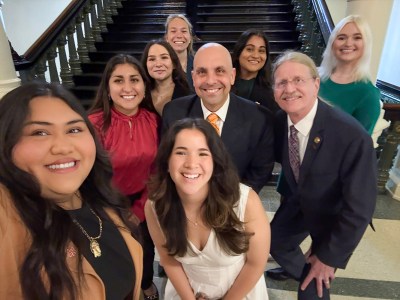
After the talk, we got the chance to chat with Ms. Olsen for a bit about criminal justice and let her know how much we enjoyed the event. It was a great way to end the night—getting to meet someone who’s doing meaningful work and hearing firsthand how much time and care goes into telling these stories. We snapped a quick selfie and left BookPeople feeling a little more curious, a little more inspired, and definitely glad we made the time to go.

Ashlyn Explores Austin

When exploring the hidden gems of Austin, Texas, one may be led downtown to the home, which happens to double as a museum, of William Sydney Porter, otherwise known as O. Henry- a prominent author famously known for his short stories such as “The Gift of Magi.”

Mr. Porter’s home is a Queen Anne-style cottage built in the mid-1890s. Amazingly, much of the original furniture is still preserved there for the public to see! The house is covered in vintage wallpaper, giving each room a different feel than the next, contrasting with most modern homes today. Interestingly, when the home was donated to the city for historic preservation, it was moved from its original location in a middle-class neighborhood to its prime location today.
Although this was Mr. Porter’s home, it was not where he constructed his famous short stories. He did most of his writing in prison for a felony of embezzlement, which he committed while working at the First National Bank. During his three years in prison, Mr. Porter wrote around 380 short stories that were published after his release, which launched his writing career, established him as an author, and later led to him becoming the famous author we regard him as today. Due to negative connotations attached to convicted felons, Mr. Porter began using his pen name, O. Henry, to prevent people disregarding his work due to serving time in prison.

The story of Mr. Porter’s past and aspiring short story author was fascinating to learn about while visiting the museum! However, the museum touched not just on Mr. Porter’s most talked about life, such as his ascent as an author; it also touched on more intimate parts that the average fan might not know. For example, Mr. Porter had a passion for music. The museum had a handwritten sheet of music titled “Main Street,” with the original notes and lyrics that he wrote on display. During his time in Austin, one could find him writing sheet music for piano, acting in the Austin Musical Union, or playing in a string instrument band, the Hill City Quartette.
I always find a little memento of Sam Houston in every museum I visit. For instance, this museum’s connection to Sam Houston was an old desk that Mr. Porter used during his time in Austin. The desk belonged to his great uncle, Adolphus Sterne, who was good friends with Sam Houston. This is one reason Mr. Porter valued this desk so much was because of the rich history behind it.

During his life, Mr. Porter was a man of many trades as he was an aspiring writer to support his family. He worked as a pharmacist, a bookkeeper, and a drafter to make ends meet. When he worked at a local drugstore, he was found to be excellent at sketching his customers. This led him to work at the Texas General Land Office for about four years, where he was tasked with drawing maps of Texas counties. He started working at the First National Bank to provide more financial support for his family, which led to his embezzlement and, ultimately, to his arrest.

One inspirational thing you can take from the legacy of the life of Sydney Porter is that every event in his life led to the next, and in the end, that is what got him to where he needed to be successful. This helps give me some perspective that not every bump in the road must be bad; it can be all about what you make of it.

Austin: Inside & (Especially) Outside the Capitol!

Morgan Robertson

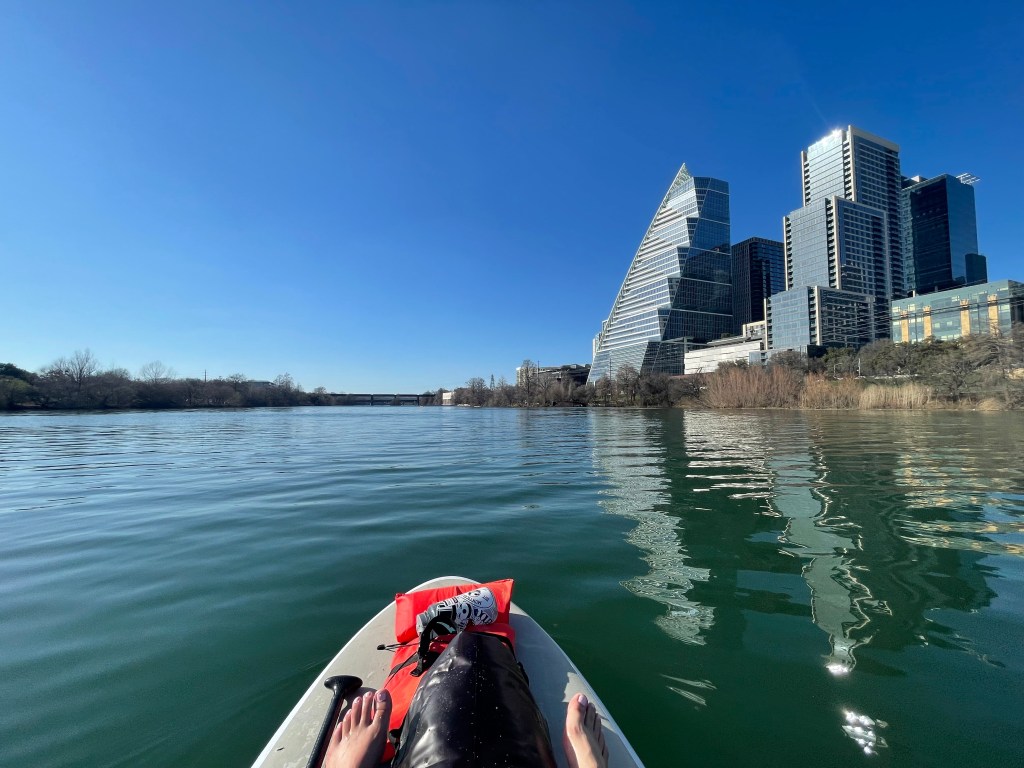
My first month and a half in Austin has been filled with learning and trying new things-but not all of my new experiences have happened in the beautiful state Capitol. In an effort to take advantage of the great outdoor spaces that Austin has, I learned to paddle board on The Colorado River! With LEAP, and on my own, I have enjoyed kayaking and exploring different waterways, but new environments called for new experiences.

Located near the boardwalk at Lady Bird Lake, EpicSUP is known as Austin’s go-to paddle dock with what seems like a whole fleet of paddle boards and kayaks. Daniel, who has worked with EpicSup for several years, knew that the best way to introduce a novice was to encourage her to simply get on the board and paddle.

I would (and I’m sure many others would as well) classify myself as the least coordinated Ambassador–a thought that I couldn’t quite shake, with no help from the wobbling paddle board beneath me. After a few minutes of getting a feel for the new activity and observing other paddlers on the water I eventually fell into a rhythm and was off!

Even after my first venture on a paddle board, I would argue that it’s easier to balance than a kayak. As with any new activity, each time I’ve paddle boarded it has gotten easier, and I’ve been able to cover more distance. On just my second time out on the river, I paddled about 8 miles in three and a half hours–which included breaks to take photos of the city around me.

My starting (and ending) point is the circle on the bottom right corner of the map and I made it up to Mopac!

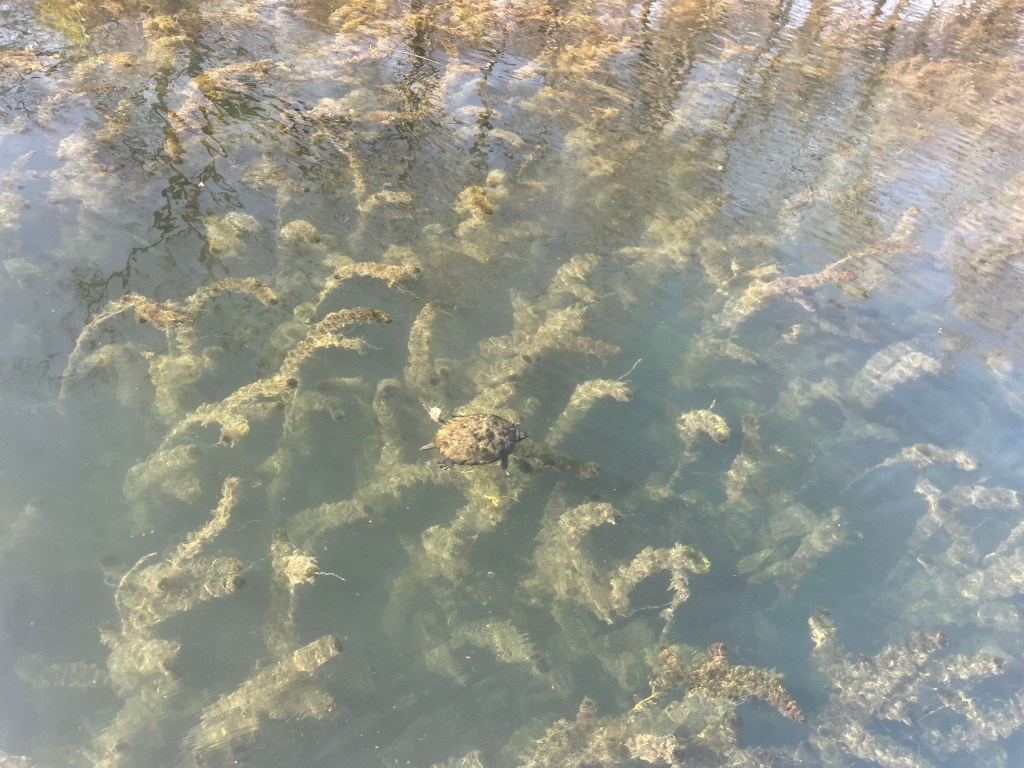
On my most recent voyage on the Colorado, I took a detour on Barton Creek which ended up being well worth it! Because of the shallowness of the creek, the clear water showcased flowing plants and even a turtle just beneath the surface.

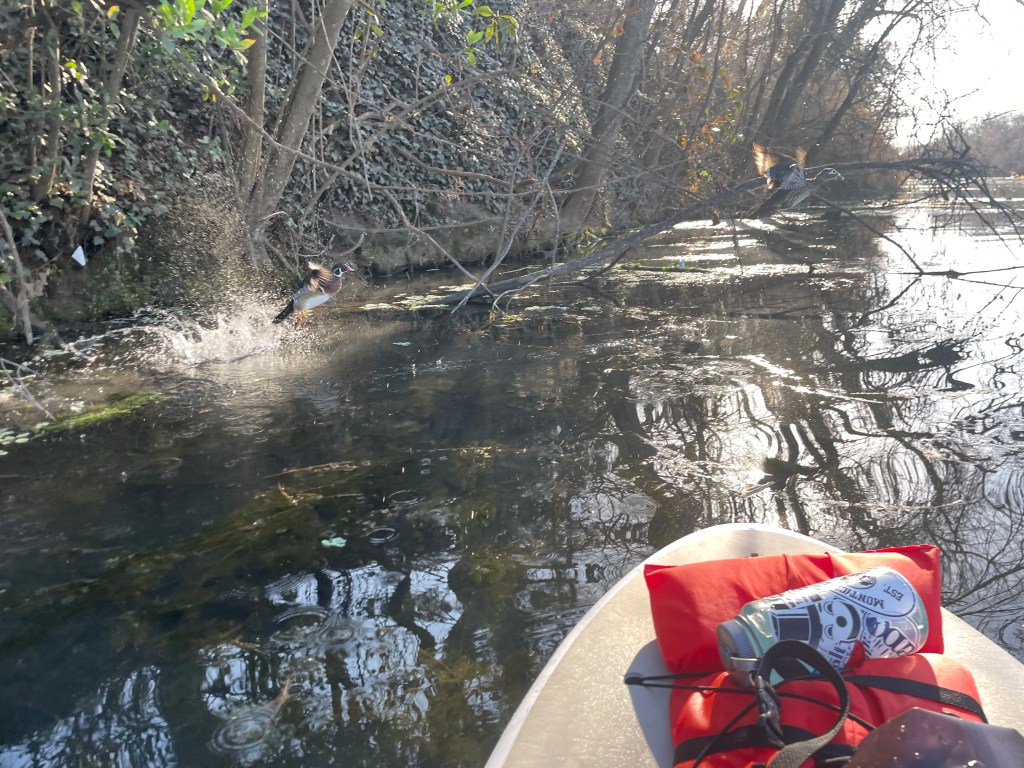
The Creek seemed to be a great spot for all the local wildlife and Austinites to enjoy the weather. One lesson I have learned from LEAP is that wildlife photography is no easy feat. However, it is even more difficult trying to maneuver and maintain stealth on an 11ft paddle board toward skittish creek dwellers! I was lucky enough to have snapped a few shots of some basking turtles, hunting herons, and even ducks taking flight (despite being the reason for their immediate departure).

The wildlife, expanse of the river, and the beautiful views of the city all amplified my paddle boarding experience, which has, in turn, expanded my Austin experiences as well.