Unfolding Law Enforcement Corruption and Cover-Ups

By Mayra Sofia Soto

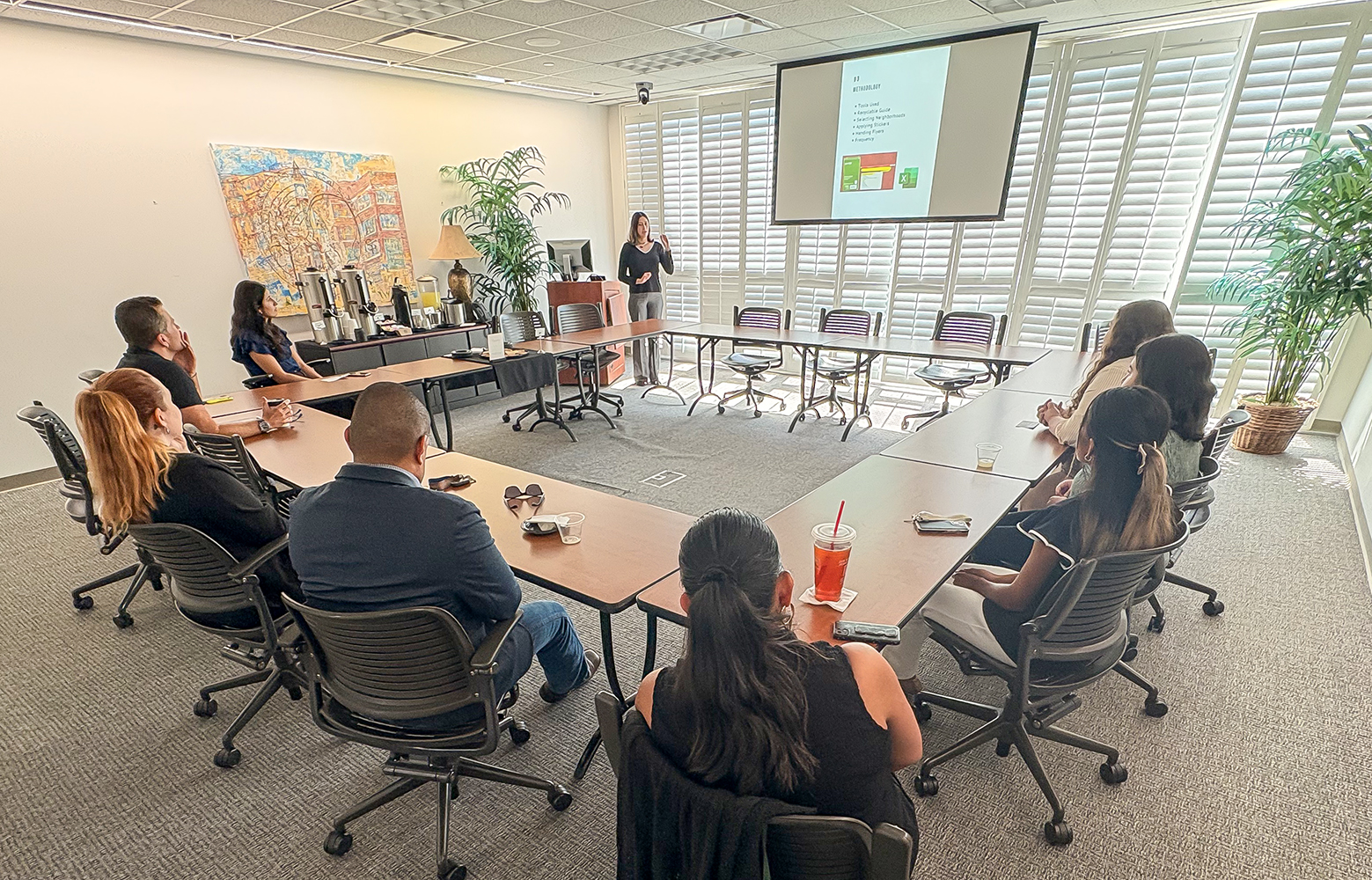
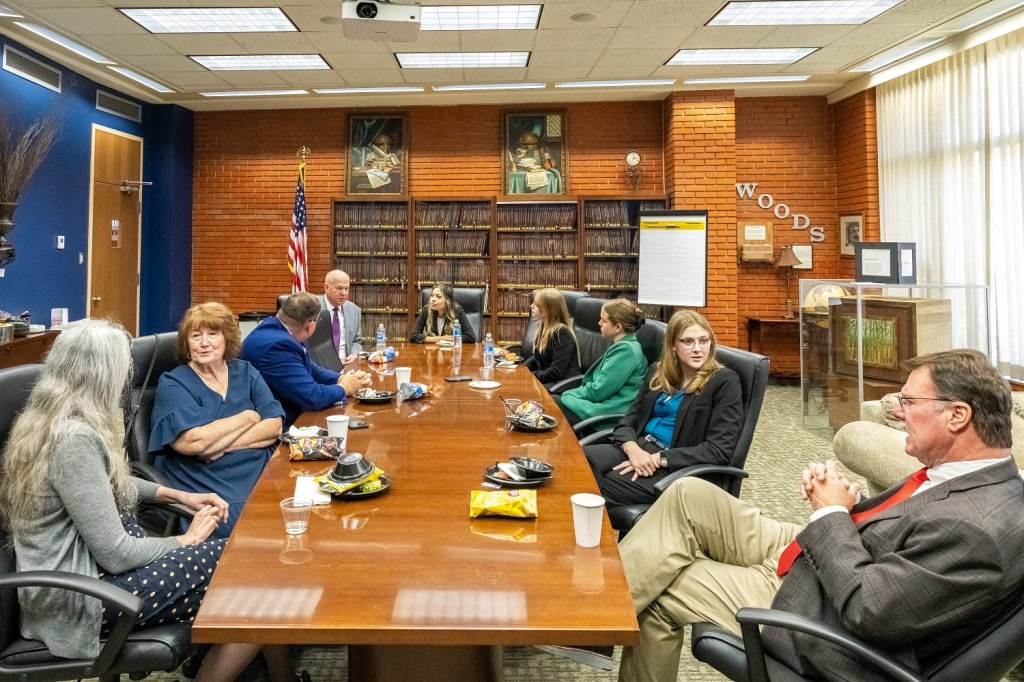
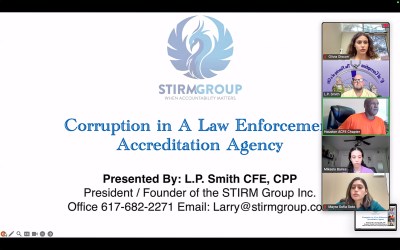
Today we joined an exciting virtual session hosted by the Houston Area ACFE Chapter of the Association of Certified Fraud Examiners and the world’s largest anti-fraud organization and premier provider of anti-fraud training and education.

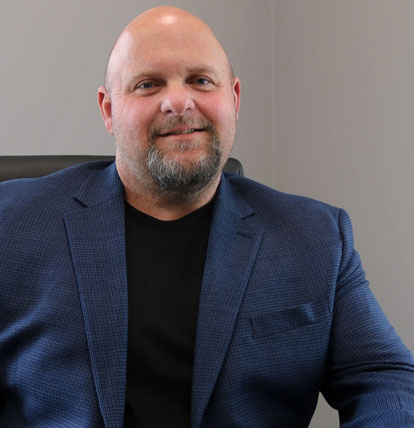
The event was led by Lawrence P. Smith, President and Founder of the STIRM Group Inc, which conducts complex investigations for law enforcement, legal entities, and private clients.

Smith, who also hosts the podcast Bribes, Lies & Alibis, is releasing a new book this fall– Six Degrees of Corruption: The Fleecing of a City– detailing corruption at the heart of institutions designed to protect the public.

The case began when a police chief approached Smith in late 2021 to investigate a forged training record tied to a former Methuen Police Department officer. What seemed at first like a simple case of document fraud unraveled into something much larger: a pattern of systemic corruption involving fraudulent certifications, fake officers, conspiracy, and significant Brady v. Maryland implication. Smith’s background in document fraud, including years with Homeland Security, allowed him to immediately spot the forgery. But the deeper he dug, the more the issue grew– from one fake cop to institutional complicity at the highest levels.

Central to the scandal was the Massachusetts Municipal Police Training Committee (MPTC), the body responsible for overseeing municipal police training statewide. Smith initially gavethem a professional courtesy call, as is customary in law enforcement when an officer is under investigation. Instead of honesty, he encountered what he believed was direct involvement andcriminal negligence by the executive director. Despite presenting overwhelming evidence such as forged academy records, evidence tampering, and false arrests. The case was rejected 11 times by the Attorney General’s Office, the District Attorney, and even the Department of Justice.

The report was not only turned down, it was impounded. Officials cited “not enough evidence” and tried to use prosecutorial discretion to avoid action. Smith detailed how elected officials and politically connected figures shielded the MPTC leadership from accountability. The MPTC agency stripped metadata from requested records, withheld documents from investigators and the media, lied to investigators and tampered with evidence. Those responsible, including Robert Ferullo, the MPTC’s executive director, faced no charges even as evidence of their active involvement increased.

These failures rippled outward. Every officer trained by the MPTC, every conviction they played a role in, now comes under question. The legal, financial, and reputational damage is profound. The scale of corruption and political protection in the state as Smith noted “is mind-numbing.”

When an accreditation body is compromised, the entire justice system is at risk ranging from civil rights violations to erosion of public trust. The fallout includes not just criminal liability, but also obstruction of justice, conspiracy and accreditation loss.

Smith emphasized that this case isn’t about money or value but it’s about protecting human rights. At the end of the day, the greatest badge of honor is honesty.

A Day on the SHMM Grounds

Throughout the summer, the Sam Houston Memorial Museum and Republic of Texas Presidential Library offers “Spotlight Saturday” programs (10am-2pm), with each one highlighting different aspects of 19th century life.

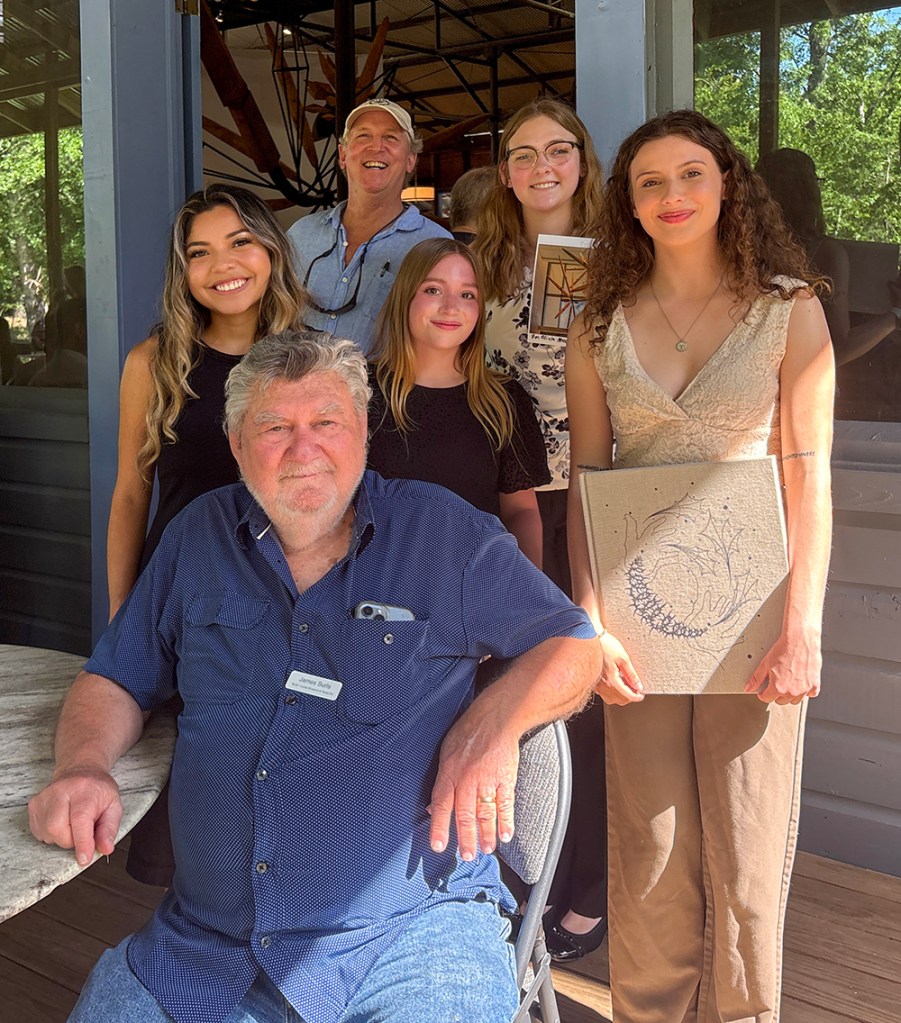
This past Saturday, LEAP enjoyed one of our many visits to the Museum to learn about spinning, home-made ice cream as made during Sam Houston’s time, and the art of dueling, an interestingly complex artifact of another time.

The ice-cream, always a significant draw, wasn’t quite ready when we arrived, so we walked the Museum’s grounds (approximately 18 acres), enjoying this rustic retreat nestled in the heart of the community. There were waterfowl…

…squirrels, and turtles, including one that had a special need for attention.

When we returned, they were still churning the ice cream.

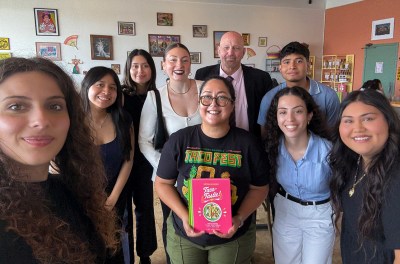
So, we ventured into the gift shop, which, in many ways, is a typical gift shop for a historical site. There are t-shirts, mugs, magnets, and the like.

But a few things distinguish the Wigwam Neosho. They have a nice book collection, including one written by Mac Woodward, one illustrated by Wade Dillon, and one written by an assemblage of students and staff, as well the excellent Houston biography written by James Haley. Moreover, Neosho has soap and pottery made on the Museum grounds, a nice touch.

We purchased one, this one made by Grady Mangum, who worked at SHSU.

Some of the bowls were a good size for ice-cream, but as it turns out, the ice cream wasn’t yet ready.

Accordingly, we checked out the spinning, which drew a full house.

After roaming the historic buildings on site…

…we managed to catch the leadup to one of the docents’ dueling sessions.

Phillips discussed some of the preparation work…

…including showing off the weapons used (which are also on display in the Museum).

Tim Ross and Matt Phillips discussed the finer points of dueling “etiquette,” which involved the use of seconds/mediaries, how to extricate yourself from an impending duel, and the negotiations over the specifications of the duel (weapon choice, number of paces). Timed for exactly “high noon,” the duel took place in front of us; Ross and Phillips did a realistic enactment of the contest–without, of course, real bullets–taking their paces, aiming, and firing, and without hurting anyone.

With the suspense over and the heat of the day bearing down, we turned back to the porch for ice cream. Unfortunately, it wasn’t ready.

After more than two hours on the grounds and feeling the heat and the pangs of hunger, we prepared to leave, having enjoyed the structures, the nature, and the gift shop, albeit without the ice cream.