From Tacos to T-Bills: A Day at the TTF

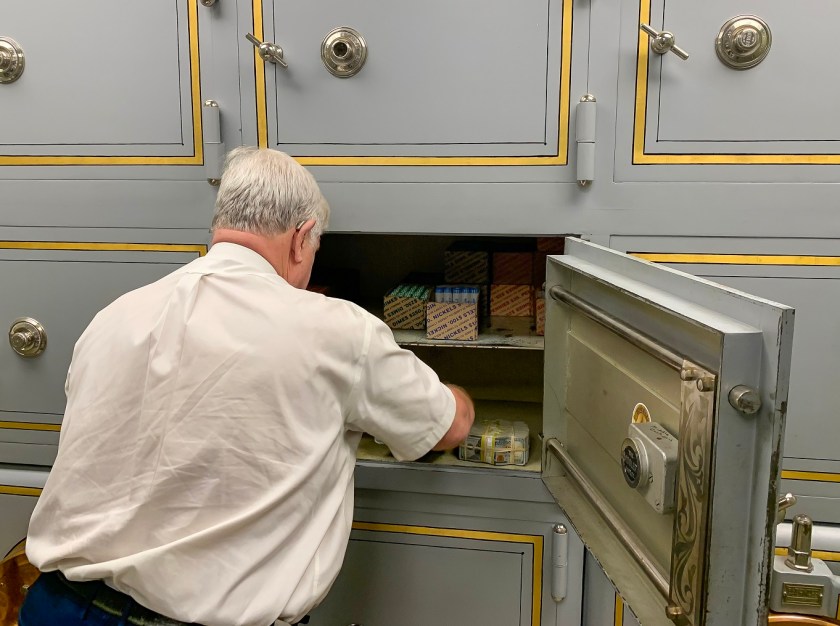
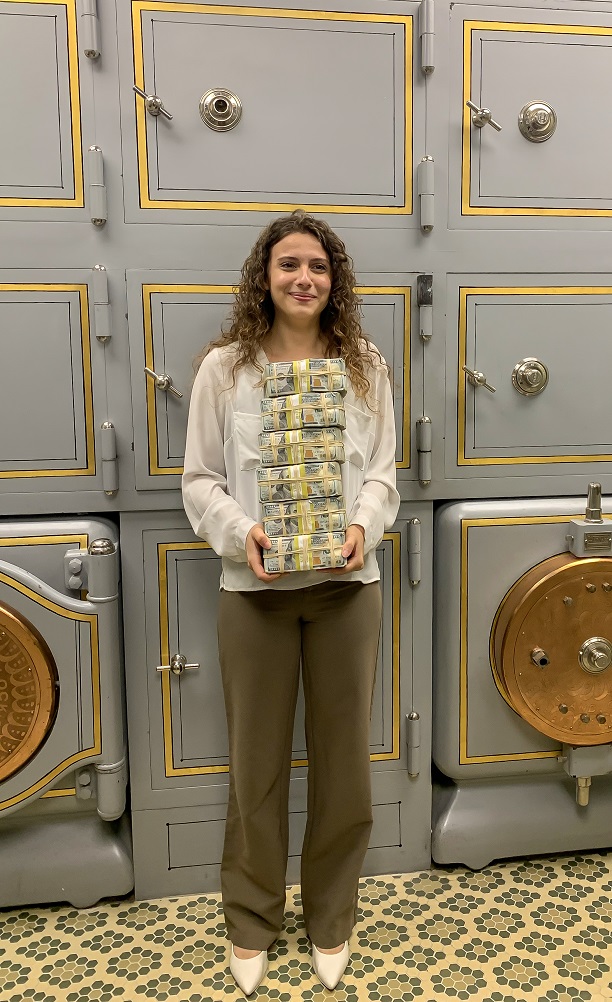
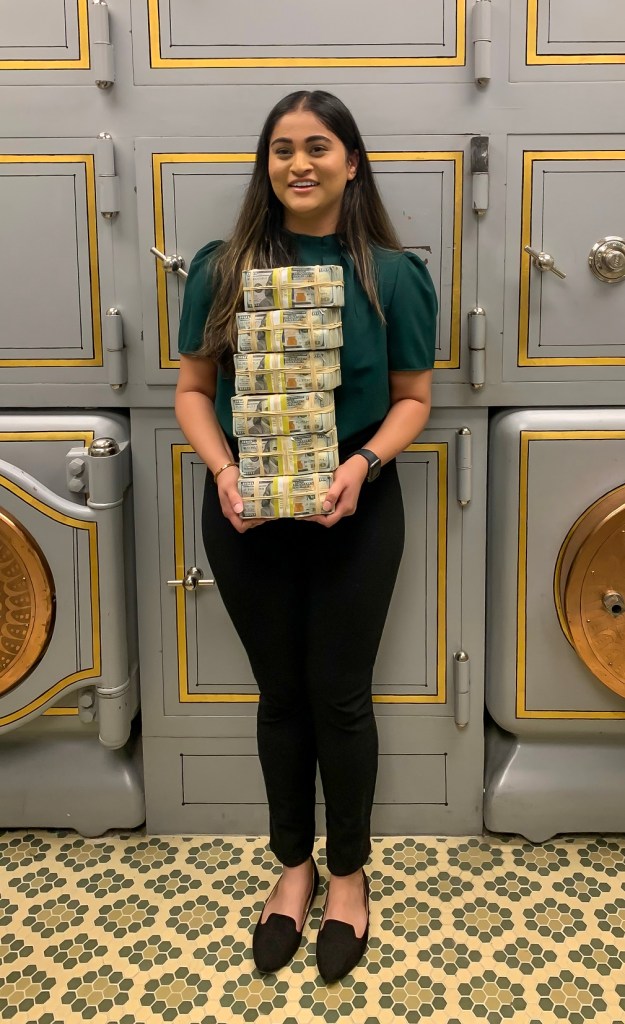
One on One with Janet Yellen

by Maggie Betancourt  

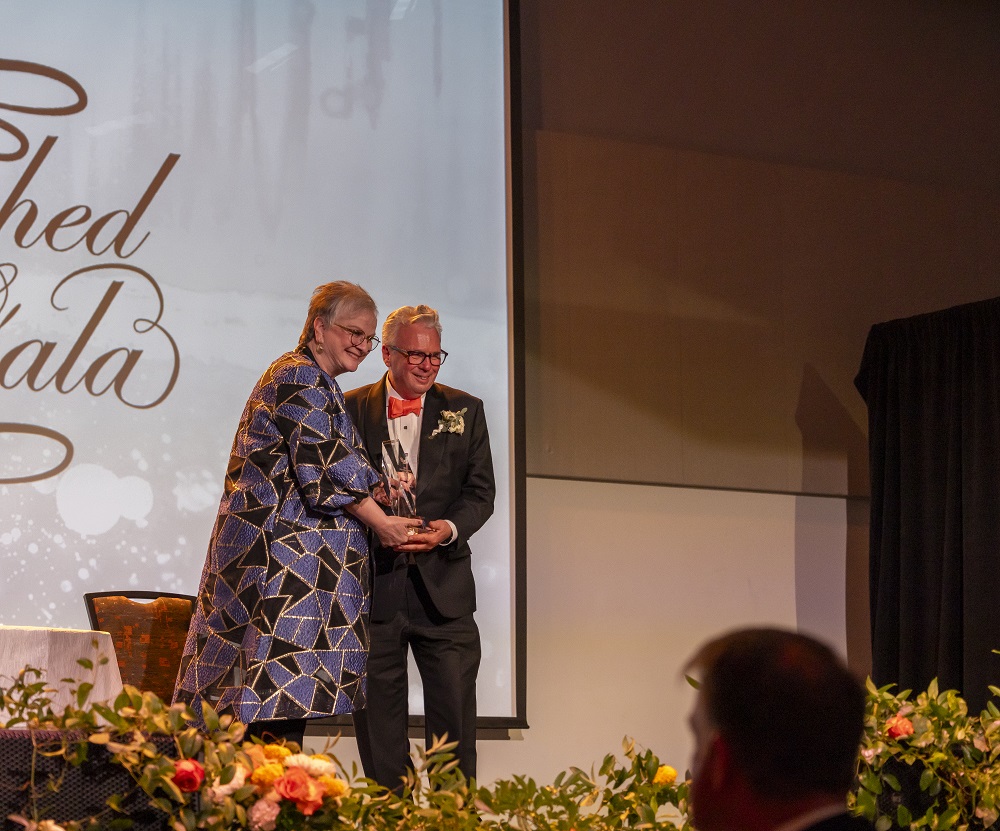
Have you ever noticed that little signature on the dollar bill? Well, the next time you do, you will see the signature of one of the most powerful women in the world: Secretary of Treasury, Janet Yellen. Known for being the first woman to be both U.S. Secretary of Treasury and Chair of the Federal Reserve Bank, Secretary Yellen, along with moderator Jake Gura, shared some of her insights with us in the first session of the day.

While hearing straight from the nation’s treasurer that our financial state is “stable and healthy,” the interviewer didn’t shy away from hard-hitting questions that many citizens are concerned about.

On the topic of the inflation crisis, Secretary Yellen highlighted some contributing factors, which, she said, are mostly due to changes in our society.

She spoke on COVID-19, explaining that because people were not spending money during lockdown, the government increased spending to stabilize the economy. This infusion of money into the economy, along with shortages in key areas (e.g., chips), led to inflation, but Secretary Yellen expressed her confidence that inflation rates will drop significantly as the economy continues to stabilize.  

The conversation pivoted to Secretary Yellen’s role in foreign affairs, specifically the United States economic relations with China. With many Americans being weary of having relations with China, Secretary Yellen’s point of view on international affairs left the audience with a sense of optimism. She stressed that foreign alliances are critical so that a nation can make positive relationships with countries that will solve many worldwide issues.

The conversation ended after Secretary Yellen expressed her admiration for the United States Treasury Department’s workforce, and she acknowledged their dedication to the American people.   

AI and All of Us

by Saara Maknojia 

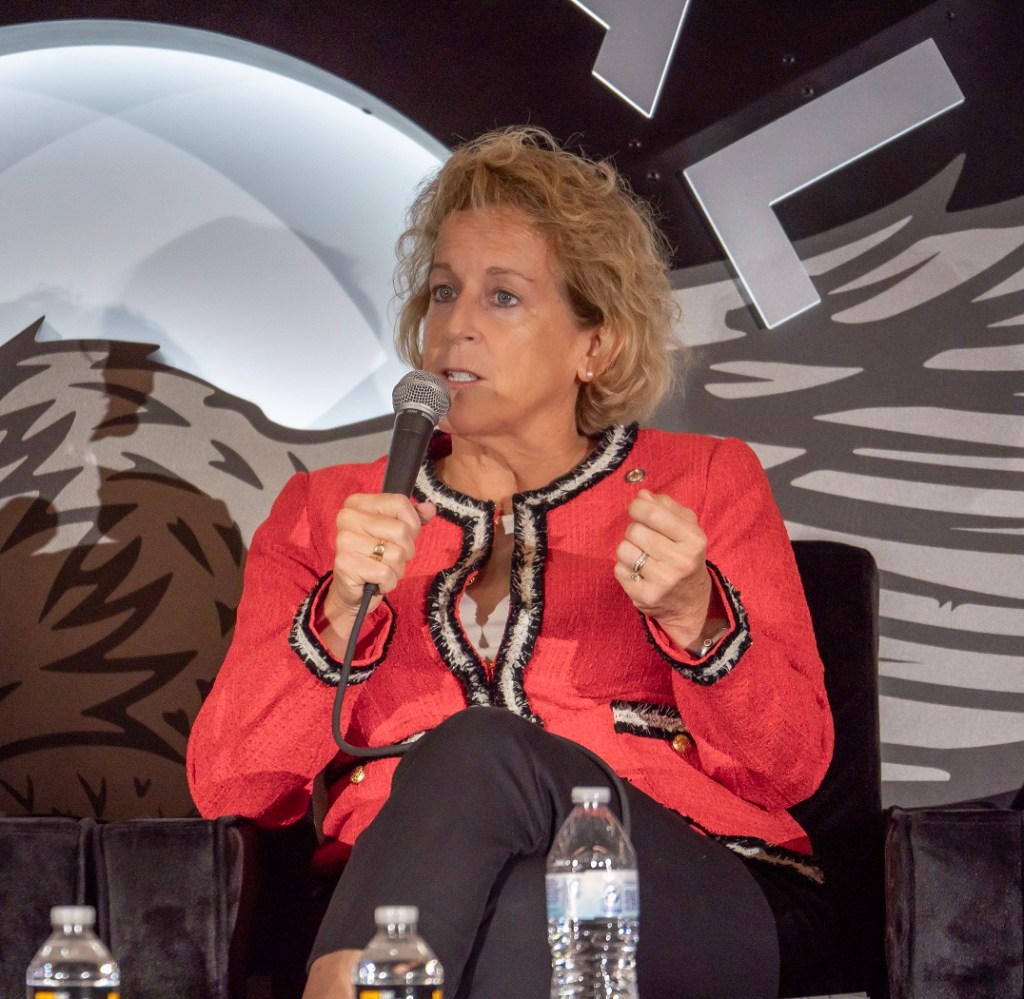
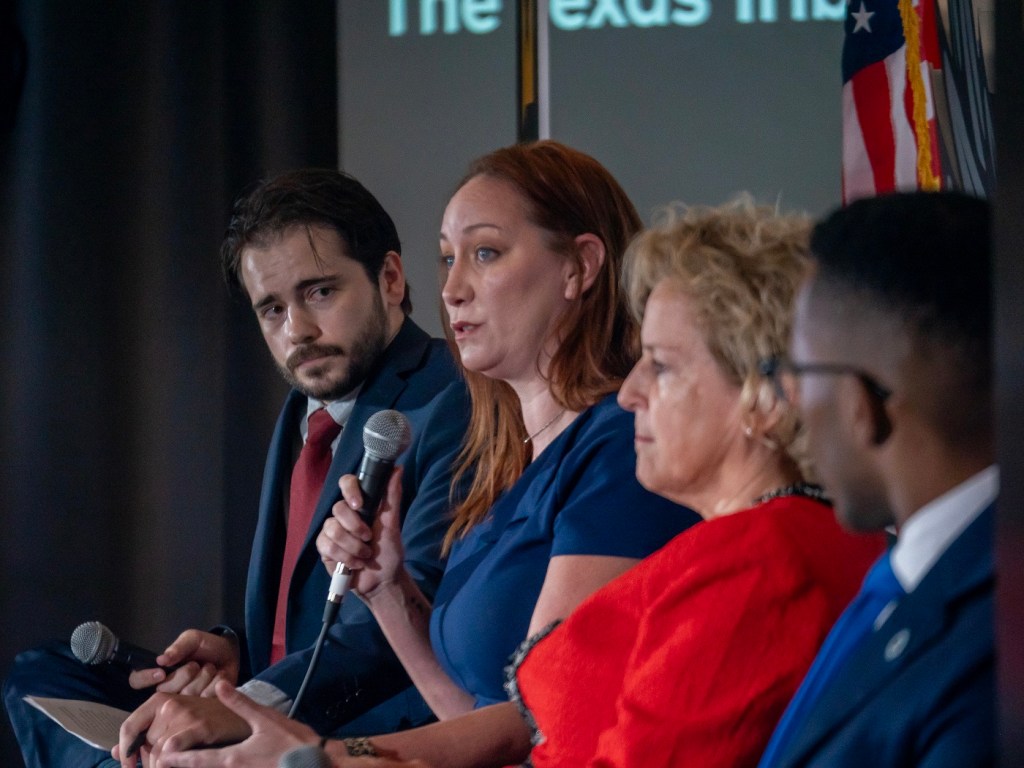
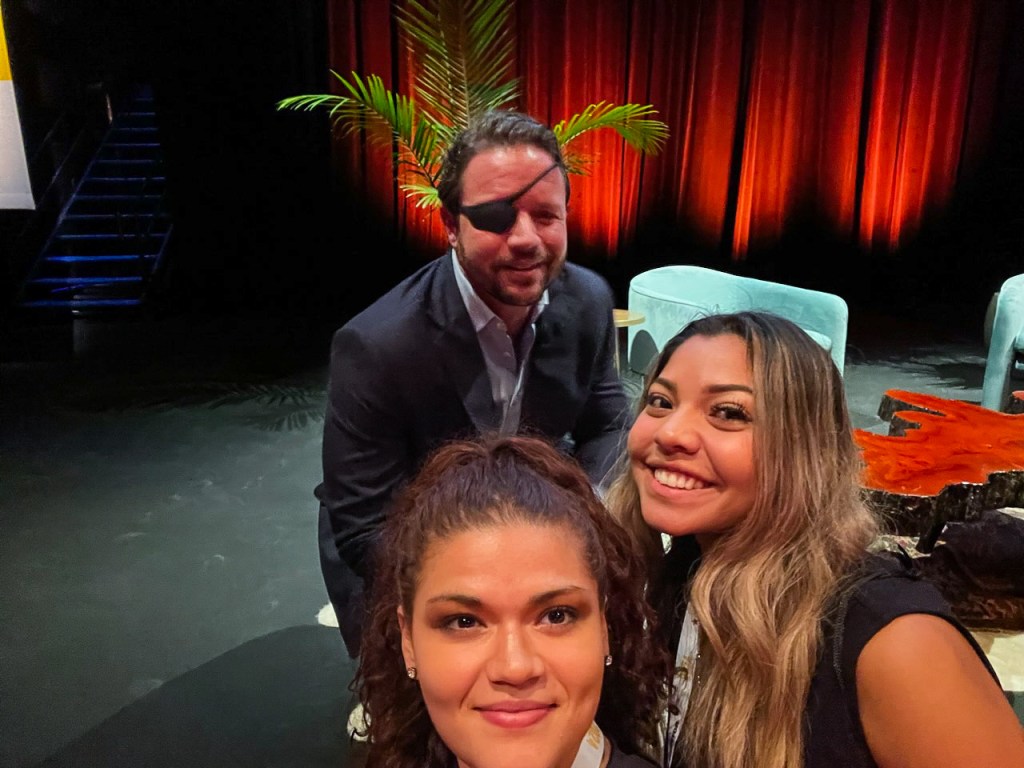
Is artificial intelligence a magical tool that answers all of our questions? Or is it a major threat to the human race? To learn more about this hot topic, Olivia and I attended the panel discussion at the Texas Tribune Festival. The panel, led by Sonal Shah, Texas Tribune CEO, also included: Chris Hyams, Indeed CEO; Armando Walle, Texas State Representative; and Dr. Alondra Nelson.

Dr. Alondra Nelson provided a short response when defining exactly what artificial intelligence is, “artificial intelligence is not magic; it is a machine-based system that uses data which makes inferences from which it generates outputs,” confirming that the revolutionized technological advancements are far from what most individuals consider humanlike. In fact, the panelists unanimously agreed artificial intelligence applications are flawed in many ways. 

Job seekers frequently utilize websites such as Indeed; however, many unregulated websites of this kind often limit the users’ ability to find jobs. Chris Hyams addressed referred to this issue as “biases and barriers,” which creates limitations to individuals searching for new opportunities. Biases and barriers pertain, largely, to unregulated artificial intelligence applications that filter the names of job applicants to employers.

State and federal governments have been concerned with artificial intelligence and its impact on citizens safety and privacy. Currently, Colorado is the only state that has established laws relating to artificial intelligence. This may create problems, according to Representative Walle, who advocated for federal laws to regulate artificial intelligence in the United States, rather than state laws.  

As young adults, we are very reliant on artificial intelligence but we don’t always understand the potential shortcomings and limitations of the technology. Reflecting on the discussions at the session, I have realized the impacts of artificial intelligence on society, whether it is for a private company or on policymaking decisions. Privacy, accurate information and a fallback system for artificial intelligence are factors to be considered for the future of AI.

The Corrections Crisis

by Katherine Burnett 

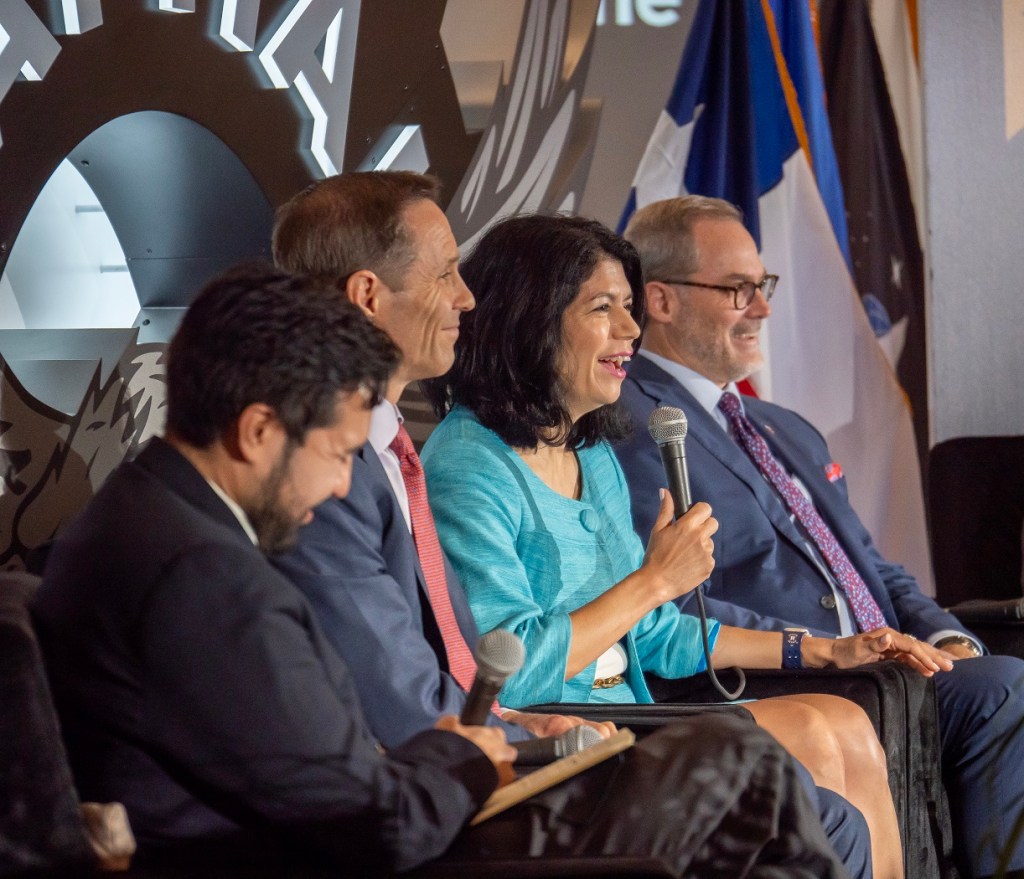
With much anticipation, Caitlin, Chrissy, Cinthia, Maggie, Michelle, and I headed up to the 8th floor to learn about the corrections crisis with Jennifer Doleac, Executive Vice President of Criminal Justice at Arnold Ventures; Matthew Charles, Senior Policy Adviser at Families Against Mandatory Minimums; Andy Potter, Founder and Executive Director of One Voice United; and Eric Higgins, Sheriff of Pulaski County in Arkansas. The four discussed understaffing, overcrowding, and other issues in contemporary prisons.

As Matthew Charles put it, correctional officers are “overworked and undervalued,” creating dangerous and hostile work environments for correctional officers and inmates alike.

When asked about possible solutions to the issues at hand, Jennifer Doleac shared a new experiment she is conducting in counties across the U.S. involving Scandinavian rehabilitation practices. Eric Higgins supported Doleac’s plan, mentioning his recent Netflix Documentary where he allowed the prisoners within his facility to be completely unlocked from their cells without any supervision.

Higgins shared that today, the unit is still unlocked and successful. Also, that his facility has a 5% recidivism rate! 

The speakers ended the session by assuring watchers that they, and many others, will continue to look for a solution that will guarantee the safety and health of not just workers, but detainees as well.

Recording of the “On With Kara Swisher” Podcast – Nancy Pelosi

by Caitlin Nortonen

This afternoon, Saara, Cinthia, Maggie, Katherine, and I had a once-in-a-lifetime opportunity to watch Kara Swisher’s podcast live as she interviewed the first woman House Speaker, Nancy Pelosi.  

Speaker Pelosi was asked her thoughts on the upcoming presidential debate this Tuesday; she shared with us that she was hopeful, and that the American people deserve this debate.

When asked about any advice she may have for Vice President Kamala Harris, Speaker Pelosi stated that she should deliver a message that is bold, be herself, and show why the American people should vote for her. When asked the same question about former President Donald Trump, she questioned if he will even show up to the debate. When the crowd reacted, Speaker Pelosi stated, “I know cowardice when I see it.”

Speaker Pelosi shared her worries about what she believes will happen if former President Trump wins the election.

Further, she expressed her concern for Project 25, specifically mentioning that if it passes, overtime and the Department of Education will be abolished.

Hearing Speaker Pelosi speak about the upcoming election made me more interested in seeing the outcome. Having the opportunity to see Speaker Pelosi this afternoon was truly a great experience, considering I am originally from the county she once represented!
Arrested Developments

by Michelle Moya

After an indulgent meal, we headed to the Arrested Development panel at the Texas Tribune Festival. It focused on crime clearance rates and the challenges around them. It featured an impressive lineup of speakers: Jennifer Doleac, Executive Vice President of Criminal Justice; John Skaggs, a retired homicide detective; and Quintin Williams, who leads gun violence prevention and justice reform programs.

I was particularly looking forward to this panel because of Homicide Detective Skagg’s participation, whose insights were both eye-opening and encouraging as a student considering becoming a homicide detective herself. 

The panel reinforced the importance of continuous learning and adaptation in law enforcement; they stated that crime-fighting techniques and tools must change to help with the current arrest rates. They discussed numerous challenges that contribute to this low rate, including funding, structural issues, and policy issues like guns. Further, they stressed that the dynamic nature of the investigative profession is both hard and exhilarating, with limitless prospects for advancement and meaningful change.

John Skaggs emphasized the emotional and physical challenges of being a detective, highlighting the significance of perseverance and dedication in the profession. My biggest lesson was that the detective’s work entails more than just obtaining evidence; it also includes piecing together the story behind the murder, caring for the victim families, and protecting witnesses.

When it came time for questions, Chrissy asked the panel about the growing use of ALPRs and if they have made an impact in making arrests. Jennifer Doleac first answered by stating that there has not been much research on the topic, making it hard to give a definitive answer.

Nevertheless, John Skaggs noted that in the cities he had traveled to with the presence of LPRs, the police department had a higher chance of making correct arrests.

Attending this session was a highlight of the festival for me. It confirmed my desire to work in criminal justice and provided vital insights that I will apply to my education and future job. As the last day of the festival, it captured the heart of our learning journey: blending academic ideas with real-world applications.

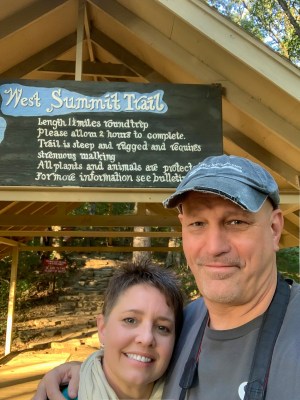
I left the panel with a renewed appreciation for those who work persistently to promote justice and safety in our communities. I was even able to chat with Detective Skaggs briefly and take a picture!
Texas Monthly Presents: A Taco Happy Hour

by Cinthia Villarreal 

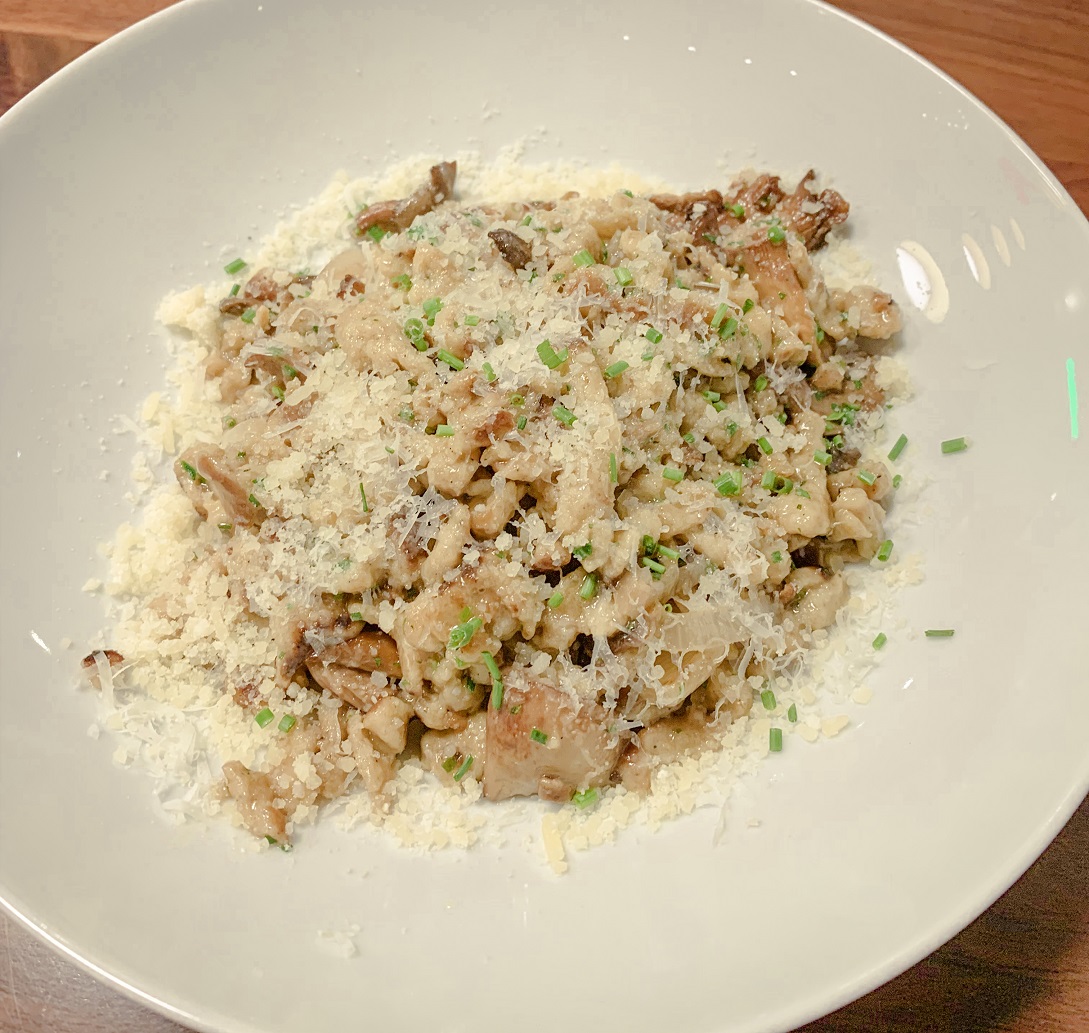
What other way to finish our day and educational adventure at the Texas Tribune Festival than to taco about food with James Beard Winners?  

To do so, we had the honor to hear from Iliana De la Vega, chef and owner of El Naranjo, rated as one of the top restaurants in Austin; Ana Liz Pulido, whose taqueria we were exposed to a couple of months ago; Jose Ralat, food journalist for the Texas Monthly magazine; and Kimya Kavenhar, senior editor of Texas Monthly who served as moderator. 

Prompted to talk about their approach to innovation and dedication, Ana Liz described her devotion to the flavor and presentation of her dishes by grilling the fajita outside of the restaurant to have a strong smoky flavor and the purchase of a Molino in which they make their own, fresh corn (white and blue) tortillas.

She expressed her gratitude for the changing minds who accept her distinct presentations and excitement for other restaurants who were following in her footsteps of having their own grinders and Molinos. Mrs. De La Vega described Nixtamalization’s tedious yet rewarding process, a traditional Mesoamerican process of cooking corn in an alkaline solution to make the corn kernels more nutritional and flavorful.  

A major subject in the discussion was the difference between Mexican and Tex-Mex food, mentioning that the spices used and the region where it is cooked, have a huge influence on the dishes display. Mr. Ralat and Ms. Kavenhkar described their unanimous decision to ban “authentic” from their articles, describing how vague and misleading it can be, especially with Mexican dishes, which are specific to the culinary region. Throughout different questions, the chefs described their dedication to staying sincere with themselves, their creativity, and sometimes stubbornness.  

Being of Mexican origin and having a very biased appreciation for Mexican food, I was thrilled to learn about the changing attitude toward Mexican cuisine.  

The acceptance and respect for Mexican and Tex-Mex dishes have come a long way, and we can only thank the trailblazers who have brought awareness and innovation to their kitchens and articles to change multigenerational ideas. 

‘Midnight in Moscow’ with Ambassador John Sullivan

by Olivia Discon

Classes may have started last week, but for LEAP students, the learning never stops! After a full day packed with classes and work, Isaac Mokrane, Caitlin Lovella Nortonen, Professor Yawn, Stephanie, and I were still eager to expand our knowledge. So, we headed to the Bush School of Public Service to hear from the distinguished John J. Sullivan.

The event was introduced by Andrew S. Natsios, Director of the Scowcroft Institute of International Affairs, and Alexandra Chinchilla, Assistant Professor. With such esteemed hosts, we knew we were in for a compelling discussion.

Sullivan, who described himself as a “Russo-phile,” began his talk by acknowledging the unfortunate state of U.S.-Russia relations in 2024, which he aptly described as being at a “low ebb.” Despite his deep admiration for Russian culture and history, Sullivan didn’t shy away from addressing the harsh realities of the current geopolitical climate.

One of the most intriguing points Sullivan made was about the constitutional limitations that Russia faces in the Ukraine war. He explained that it is unconstitutional for Russia to separate its territory, thereby prohibiting them from surrendering.

This legal nuance added a layer of complexity to the ongoing conflict that I found particularly fascinating.

When asked about the possibility of Russia surrendering or the potential outcome of the war, Sullivan provided an answer that any good attorney would: “it depends.” It was weirdly reassuring that the uncertain and fluid nature of international law and diplomacy is known across the board.

Sullivan also addressed the pressing question of whether we are on the brink of World War III. He urged the audience to draw parallels between the current geopolitical climate and the interwar years, a comparison that was both incredibly interesting and sobering.

Caitlin, Isaac, and I, who share a strong interest in pursuing law, found his insights particularly valuable. Sullivan covered the complexities of the Ukraine war, He discussed the potential for World War III, drawing comparisons between Hitler, Stalin and Putin, and offering his thoughts on what it would take to bring the conflict to an end. His statement that “nothing is easy with the Russians” resonated with us, emphasizing the intricate and often frustrating nature of diplomacy.

The experience was both educational and thought-provoking. Hearing from someone who has been at the forefront of U.S. foreign policy gave us a deeper appreciation for the challenges faced by diplomats and policymakers. We were especially grateful to have been the first to shake hands with and get our books signed by Ambassador Sullivan on his first leg of his book circuit!

His memoir, Midnight in Moscow, will be a great way to expand on the invigorating stories from the evening.

A Social and Informational Kick-Off to the Fall Semester

by McKenna Nonnenmann

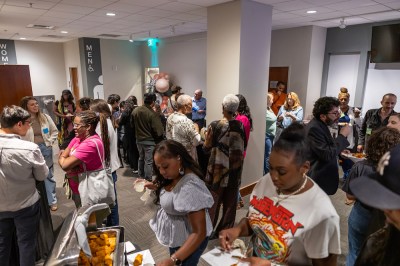
To start our fall 2024 semester with a sweet treat, the Pre-Law Society (PLS) held an ice cream social, sponsored in part by Student Legal and Mediation Services (SLMS) and the LEAP Center.

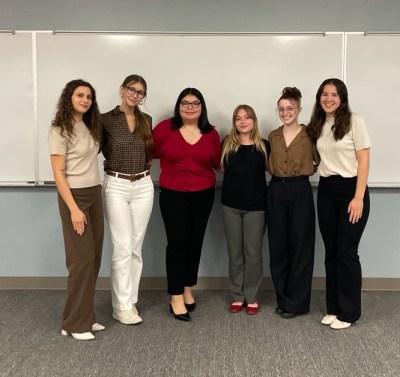
LEAP Ambassadors, current PLS Officers, and a few prospective PLS Officers (Lillie Bourgeois, Chrissy Biello, and Maggie Betancourt–thank you!) helped out, hosting an ice-cream social for all the opportunities and services offered by LEAP, SLMS, and PLS.

The ice cream social was an amazing way to meet people of all majors and classifications and it was exciting to see our returning members again after the long summer break.

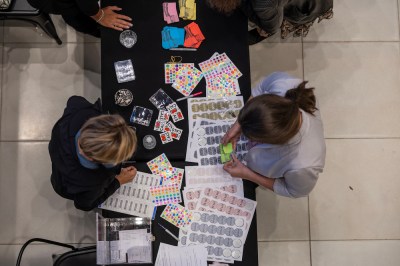
Apart from the ice cream and the multitude of its toppings, we had a spin-the-wheel game featuring prizes made up of school supplies and for some extra lucky members, a Sam Houston State University mug!

Personally, I got a pencil case with some sticky notes, pencils, and a very nice highlighter. I can’t wait to use them! Others were similarly happy with their wins.

We also had a chance to meet some prospective new members, people we hope will get more involved with LEAP, PLS, or the University at large. In all, more than 100 people attended!

Following our ice cream social, we held an informational meeting to show our prospective members what to expect during our monthly meetings. The Pre-Law Society President, Olivia Discon discussed our future events such as the first official body meeting on September 11, LSAT seminars, the Mock LSAT, and guest speakers throughout the semester.

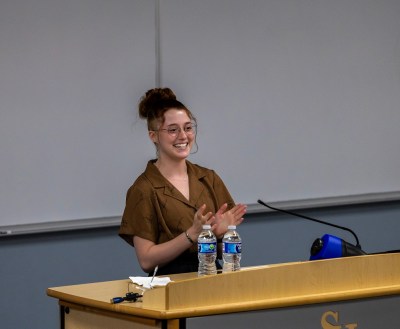
Since this is a new semester, we are once again holding elections for all positions. This year the President and the Vice President of Marketing are uncontested resulting in the automatic election of Olivia Discon and Cinthia Villarreal. This year running for Historian are Katherine Burnett…

…and Lillie Bourgeois;

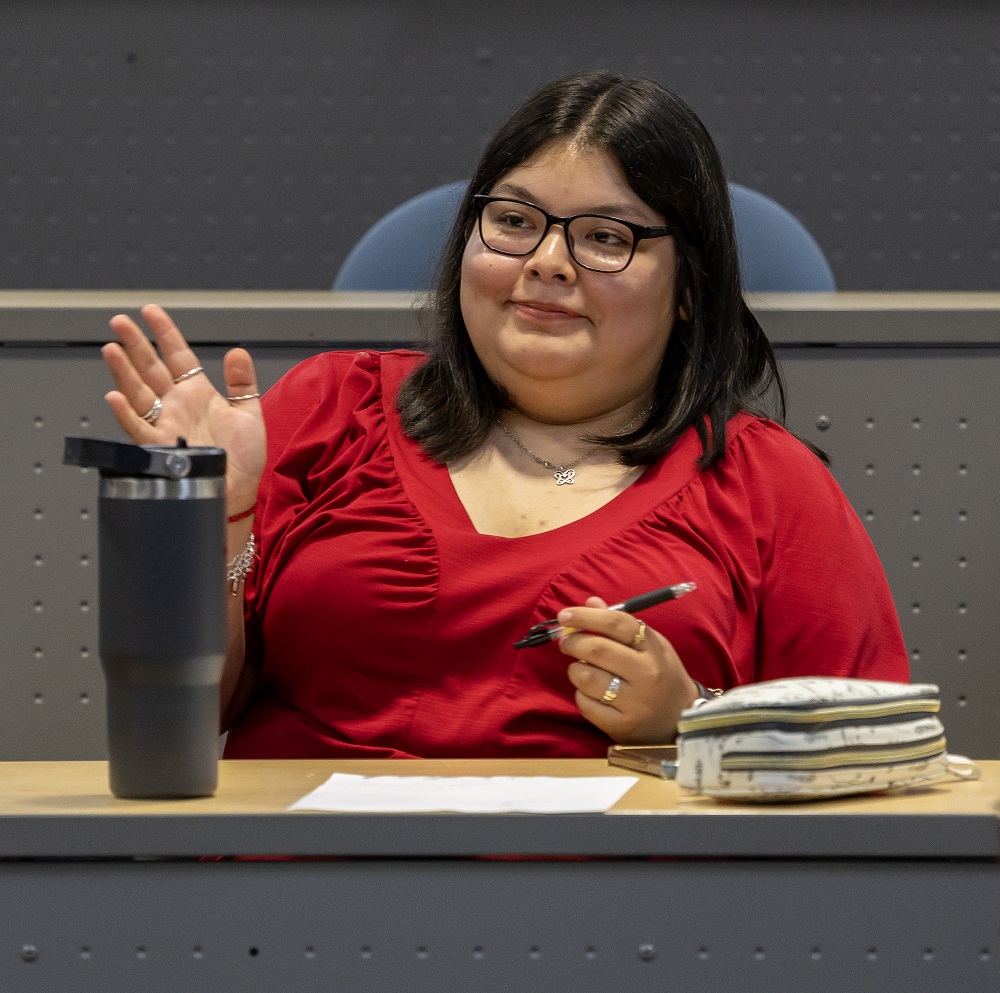
…for Vice President of Treasury: Maggie Betancourt…

…and Christina Biello;

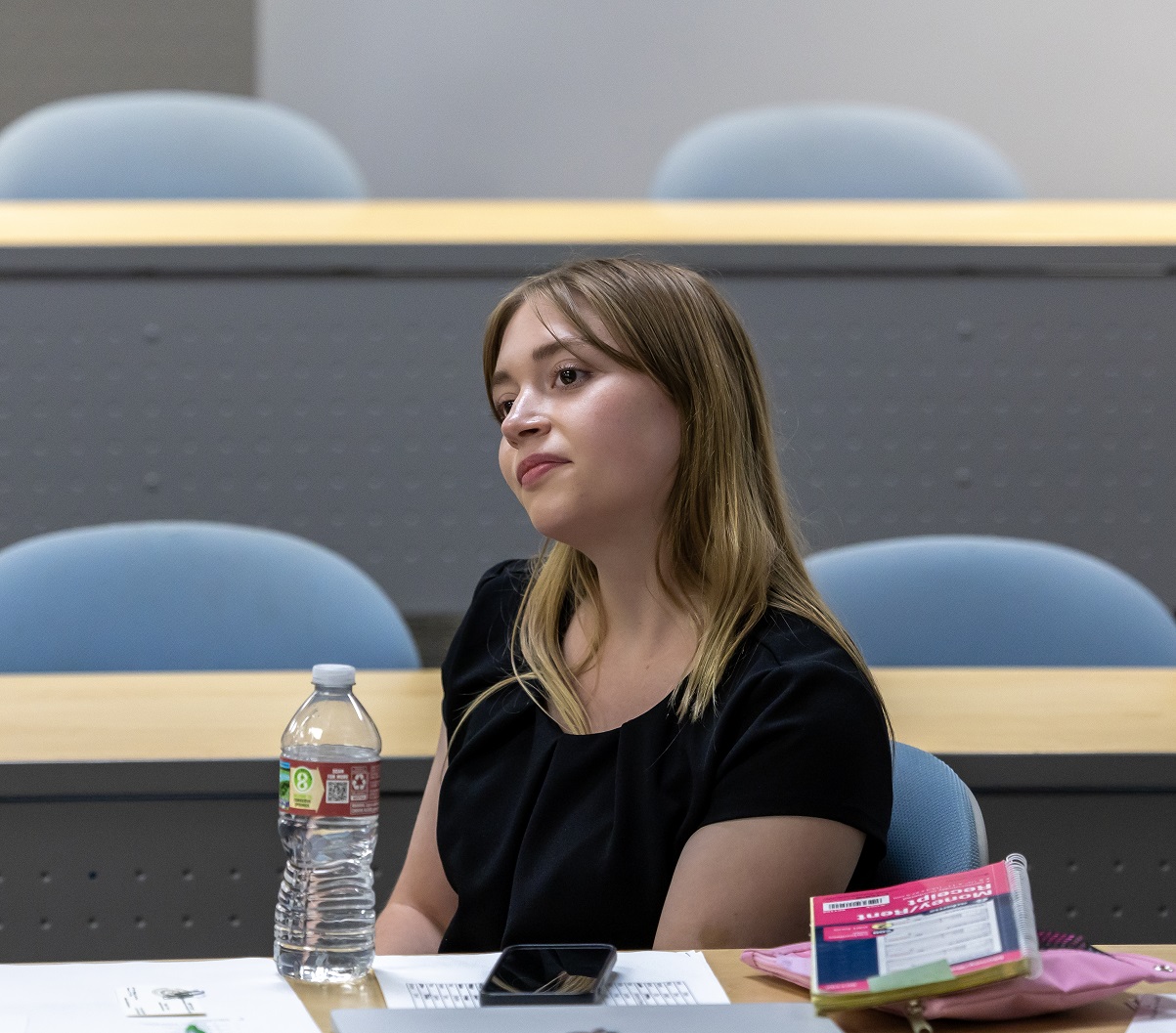
…for Secretary: Emily Alfaro has announced she is running for this position…

…as is Madison Cawthon;

…and for Vice President of Membership, McKenna Nonnenmann has announced her intention to run…

…as has Jacqueline Santos-Romano.

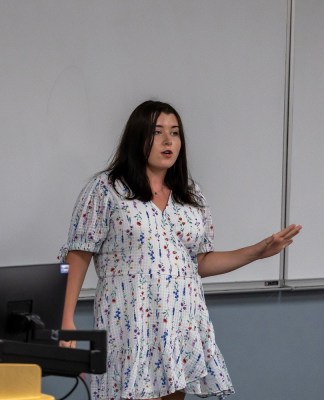
Although elections were not held at this meeting, all office runners were given a chance to speak about their qualifications for their respective positions.

Each candidate will be given a chance to speak again at our next meeting when the elections will be held. I look forward to seeing how each person grows into their role as a member and/or officer.

I’m excited to see what the Pre-Law Society has to hold this semester, and to all the future memories our members are going to make. This meeting was a great way to start the new Fall 2024 semester, and another addition to the book of memories.