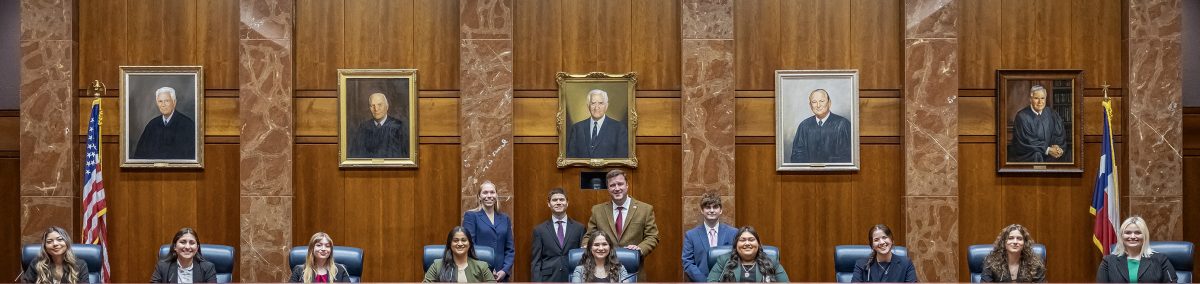
Skip to content

Center for Law, Engagement, and Politics

Leap At SHSU!

  • About LEAP
  • LEAP Ambassadors
Center for Law, Engagement, and Politics

Tag: Matt Glazer

Kicking off the Summer with Campaign Boot Camp

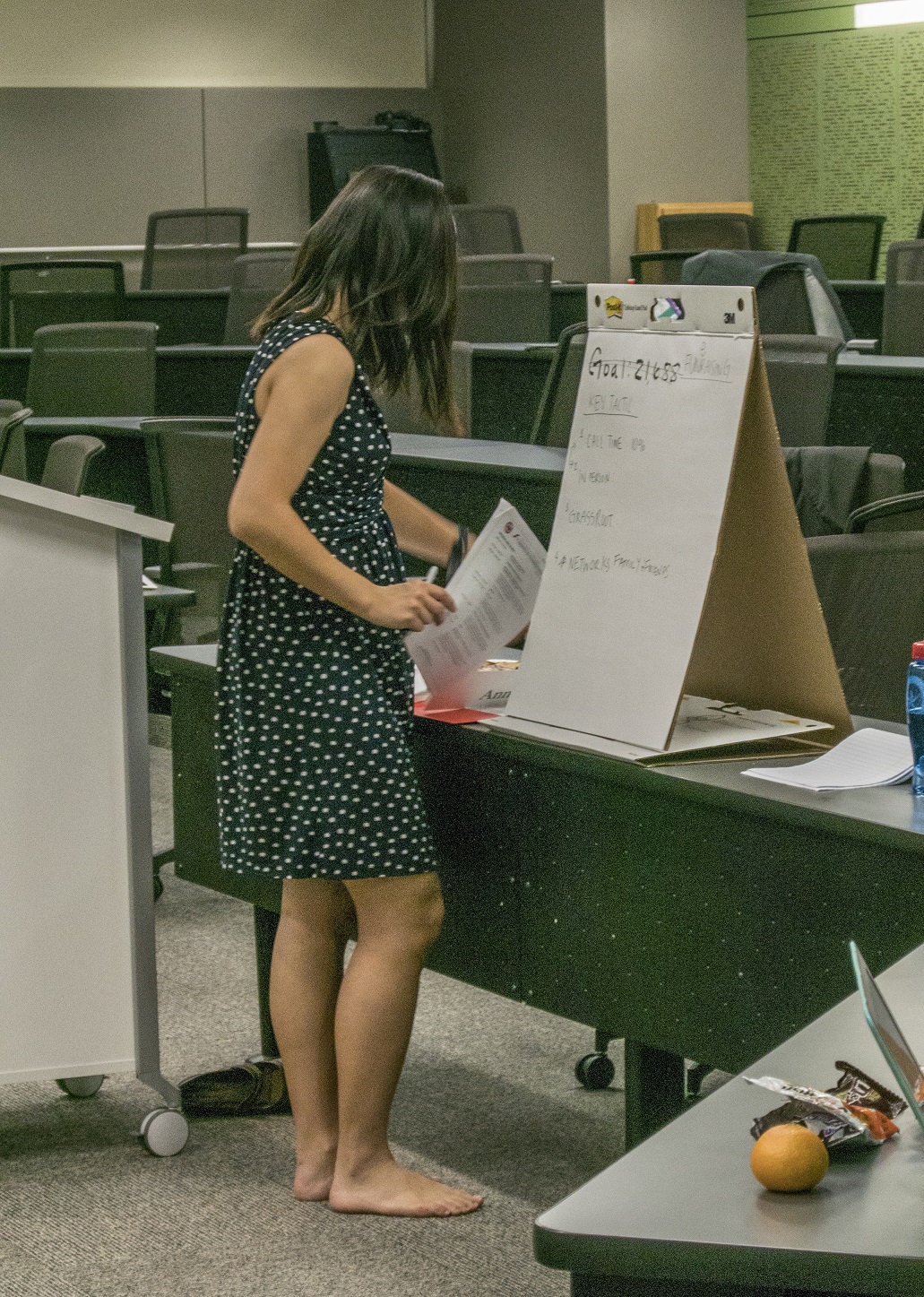
To start off the summer, I was able to represent the LEAP Center at the New Politics Forum’s Campaign Boot Camp, an event hosted by the Annette Straus Institute for Civic Life at the University of Texas. Usually hosted in Austin, this event was entirely virtual as a result of COVID-19.

SHSU, LEAP Center, Campaign Bootcamp, New Politics Forum, Annette Strauss Institute

The purpose of this event is to allow students who are interested in pursuing a career in political campaigns to connect with each other, explore internships and job opportunities, and hear from experts about the best practices of running a campaign.

SHSU, LEAP Center, Campaign Bootcamp, New Politics Forum, Annette Strauss Institute, Quinn Kobrin

Saturday

Kickoff with Cole Wilson and Rep. Talarico

To kick off the weekend, we were greeted by the emcee of the event, Cole Wilson, who gave us an overview of what Campaign Boot Camp was all about. We learned that the objective of the project was to engage young political minds, promote bipartisanship, and create opportunities for professional development. Some of the extra opportunities provided this weekend included a place for us to share our resumes, an online chat with access to communicate with our fellow attendees and our guest speakers, and a weekend-long competitive project to develop our skills and utilize the information we learned throughout the event.

After being welcomed by Cole, we heard from Rep. James Talarico of Texas’ House District 52, who gave us an inspiring call to action and a message of hope. First, he reminded us that “it’s not the size of your ego or the size of your brain that sets you apart from others, it’s the size of your heart.” He used his time to talk to us about compassion and being kind. He then shared with us some advice from the incumbent of his seat and former opponent, Larry Gonzales. Talarico said that, although they were opponents and members of opposing parties, he considers Gonzales a mentor. Upon leaving office, Gonzales reminded him of three things: to always listen, ask questions, and be kind. As we move forward in this time of divisiveness and uncertainty, I feel it is vital to share this message of compassion. Rep. Talarico’s introduction was a great start to the weekend.

Campaign Management with Matt Glazer

Our first lesson of the weekend was campaign management with Matt Glazer. Glazer introduced himself by sharing that, when he was younger, he was trying to decide whether to go into medicine or politics, but upon finding out the sight of blood made him sick, chose to stick with politics.

Glazer then launched into his presentation, the foundation of which involved asking key questions about your campaign. Questions such as “What do you prioritize?” and “How do you define victory?” are essential to leading a successful campaign. By defining your success early on in the campaign, you are setting yourself up for an efficient and well-run campaign. One of the repeated themes of the weekend was that preparation is the key to success on a campaign. Glazer discussed the importance of creating a campaign timeline, complete with a plan to prepare and develop a message and a plan to execute and share your message with voters. When it comes to sharing that message, he reminded us also that although we are seeking the support of the voters, it is not our job to chase them, but to lead them.

SHSU, LEAP Center, Campaign Bootcamp, New Politics Forum, Annette Strauss Institute, Matt Glazer

He then briefly discussed the impact of COVID-19 on the future of campaigning. He said that, although the methods and platforms may change, the tactics will not. We must continue to engage voters, get our message to them, and get them out to vote.

The lesson wrapped up with a few reminders about what working on a campaign truly entails. Glazer shared that, although campaign work is temporary, there will always be another campaign to work on. For a long time, he told us, we’ll have to own that the pay isn’t always great and there usually aren’t benefits, but that should not stop us from always doing good work, and being excited about what we do.

Nancy Bocskor and the Fundamentals of Fundraising

After a brief lunch break, we watched a recording of Nancy Bocskor, a leader in promoting engagement and leadership in public service. Deemed by a newspaper in Germany as a “Democracy Coach,” Bocskor gave us an in-depth look at the world of fundraising.

Essentially, fundraising revolves around being able to sell your candidate or cause to potential donors. To do this, it is key to remember that information is power; the more you know about a donor, the better chance you have to raise money. “Persistence,” she says, “is a necessity, but a sense of humor helps.”

Furthermore, Bocskor discussed the importance of putting together an effective finance team. She explained to us that the best occupation for a finance chair is not always an accountant or a banker, but rather someone in sales. Fundraising, she reminded us, is not solely about saving money or keeping track of it; it is about convincing people that your campaign is worth giving money to.

After this, we discussed strategy for outreach. One of the biggest takeaways from this event was that, as useful of a resource as social media is, it cannot replace the fundamental methods of voter/donor contact and outreach.

SHSU, LEAP Center, Campaign Bootcamp, New Politics Forum, Annette Strauss Institute, Nancy Bocskor

Bocskor told us that we should utilize social media to supplement and follow up on our fundraising efforts, but it should never be our primary tactic to raise money. Digital fundraising, she explained, only accounts for 8% of donations.

Finally, we learned that, as with anything, fundraising is about building and keeping relationships. It is crucial to devote time to maintaining a solid relationship with donors and potential donors because friendship often trumps party or issues. The chances of receiving a donation from someone who knows and trusts you are significantly higher than the odds of receiving a donation from someone who may agree with you but does not know you very well.

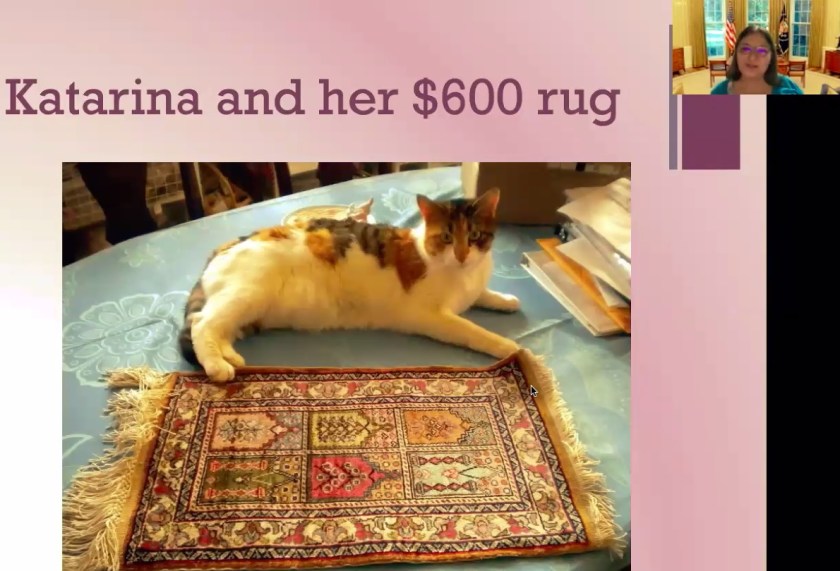
The lesson ended with a few more pieces of advice: listen twice as much as you speak, and always say thank you (in written notes, if possible)! If someone who attended this weekend read this blog, they would point out that I left out an integral story told by Ms. Bocskor about the purchase of a rug, and how it shaped her perspective of selling and persuasion.
SHSU, LEAP Center, Campaign Bootcamp, New Politics Forum, Annette Strauss Institute, Nancy Bocskor

I do not believe I can do her story justice here, but if you ever have the chance to hear it from her, by all means, listen!

Sunday

A Message from Jen Sarver

We began the day two with a message from speechwriter, communications expert and former candidate for Congress, Jen Sarver. First of all, I cannot count how many times we, as an audience, were reminded that we were not “normal people,” since we were spending a weekend during a pandemic tuning in to learn about running political campaigns instead of doing literally anything else…but this was one of those times.

Sarver took this opportunity to remind all of the students listening that the way we lead our lives right now is what will eventually lead into our legacy. She reminded us that the small, individual actions we take all help to make a difference. Her main point in saying all of this was that, if we want to make an impact in the world, no matter how we do it, we must remain active and engaged. After this, we proceeded on with our lessons for the day.

Tyler Norris and Voter Contact

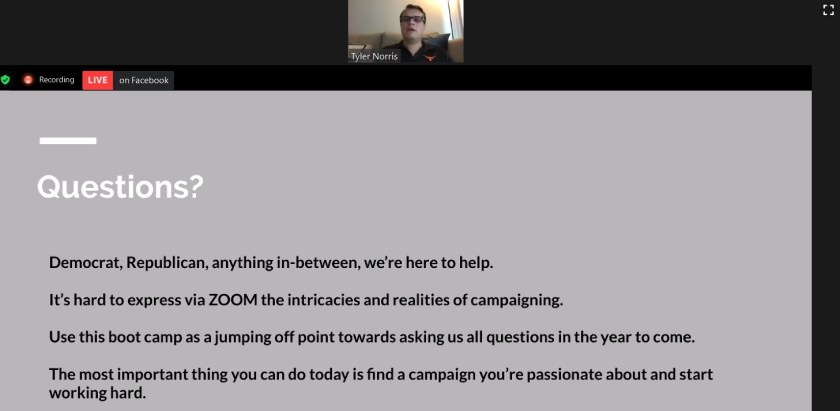
Tyler Norris, a well-known name in Texas politics, has worked for a number of candidates and legislators over the years, including coordinating grassroots efforts for Ted Cruz’s 2016 presidential bid. From his years of experience, Norris had much to share about the world of voter contact.
SHSU, LEAP Center, Campaign Bootcamp, New Politics Forum, Annette Strauss Institute, Tyler Norris

First, he defined for us what the objectives of voter contact really are. As he explains it, the hope is to maximize the number of interactions a campaign has with potential voters. Within these interactions, the intention of the campaign is to educate voters about specific issues, demonstrate why a candidate is a strong fit to deal with such issues, and convince them to vote for that candidate, thereby converting them.

After this, we went over who voters are and who actually votes. Although a voter is anyone over the age of eighteen who can and has registered to vote before the registration deadline, only a fraction of these people will actually vote. Through some Q&A, we determined that age plays a significant factor in understanding voting habits. Fewer young people turn out to vote than any other age, and the number of people who do turn out tend to increase as age does. The same goes for education: the higher degree an individual has, the more likely and often they turn out to vote.

Norris then spoke about why voters turn out. Citing President Obama’s administration as an example, he told us that the President had to deal with a majority Republican Congress because so many Republicans came out to vote two years after Obama was elected. One of the universal rules of politics, we learned, is that “moral outrage is the most powerful driving force in politics.” I believe this is an apt statement, considering the state of our nation today, and explains why most people decide to come out and vote, regardless of which party they vote for.

We then reviewed the methods of voter contact, including block walking, phone calls and texting, campaign events, social media, radio and television ads, and direct mail. While each of these has their place in campaigns, and although I will not go in depth on each aspect, I will discuss the critical importance of direct mail shortly. Perhaps the most unanimous, bipartisan takeaway from this weekend was that, whatever else you do, do not waste your money on yard signs! They take up too much of your campaign’s time and budget, and do little but boost your candidate’s ego.

To wrap things up, Norris gave us some advice on voter outreach, including how to “cheat to win.” First, he told us that most of the money spent in a campaign – at least 70% – should be invested into voter contact. Second, he told us that to win, we must make our campaigns as volunteer centric as possible. We need to find people who are committed to growing the campaign, give them a “buy in,” or a job and a title, and get them involved and excited to help move the campaign forward.

Comms 101 with Liz Chadderdon

            Our final event was with the long-awaited Liz Chadderdon. A Texas native who began her political career as a volunteer coordinator for Governor Ann Richards, Chadderdon was spoken of fondly by each of her prior speakers. We were told many times that if there was any lesson we made sure to tune in to, it should be hers. And truthfully, they were right. Throughout the weekend I took about 30 pages of notes, and her lesson accounted for 10 of them.

SHSU, LEAP Center, Campaign Bootcamp, New Politics Forum, Annette Strauss Institute, Liz Chadderddon

That being said, I cannot get into every detail she discussed today, but I will start by saying that my understanding and opinion of direct mail has shifted greatly. Until now, it was always my belief that direct mail was just an added expense to the already expensive campaign trail and would detract from paying for advertisements on social media. I understand now that direct mail is perhaps the most crucial aspect of campaigning. Although ads on the internet may reach a large number of people, they do not result in the same precision and results that physical mail does.

Specifically, while emails may be considered spam, ads can be blocked, you need permission to text, and geo-fencing and IP addresses can be inaccurate, the best way to spend your money to ensure that your message is reaching your voters is to invest in direct mail campaigns. This ensures that your intended audience will see your candidate and their message, have to engage with it – whether by reading it, saving it, or throwing it away – and may not feel overwhelmed by seeing it online all of the time. Chadderdon shared with us the accuracy of various methods of voter communication in descending order, and mail was at the top, with 90-95% accuracy.

She then discussed the need to develop a mail plan early on in the campaign. This is best accomplished by looking at the last Thursday before election day and working backwards to decide which days of the week you will send mail out. Another big takeaway from this weekend was planning. If you plan ahead in your campaign, and take into account the cost of sending direct mail and developing content, as well as the time it will take to shape your message and fundraise, you can have a clear understanding of all the work you need to do in your campaign without struggling to stay on top of things each day.

That being said, Chadderdon explained to us that a good mail plan takes repetition; you should plan on sending mail to voters at least twice a week. This prompted me to ask my first question of the weekend, which was: Is there a concern about oversaturation when sending direct mail? Ms. Chadderdon answered that there is not. “There is no such thing as too much communication,” she said. Going back to the concept of our not being normal, she reminded us that “voters don’t think about politics the same way that we do.” She then stated that we should “annoy everyone until they hate you, but be on the right message.”

The last part of her lesson covered what mail should look like. As I said earlier, planning ahead and investing are crucial aspects of a successful campaign. Direct mail should have good photos, including both posed and candid shots. Candidates should look honest and like themselves, generally in clothing that they are comfortable in. It is also essential to try and shoot to message, or get pictures that correlate with the plan you have established in your outreach calendar.

SHSU, LEAP Center, Campaign Bootcamp, New Politics Forum, Annette Strauss Institute, Liz Chadderdon

Finally, mail must make a connection with the voter in order to work. Campaigns, she explained, are not about the candidate or their ideas; they are about the voters. The message should connect with the person reading it, and the material should be easily understood in about 5 seconds. Most importantly, they should demonstrate that the candidate cares about the issues discussed, and is not simply motivated by political ambition.

Final Thoughts

I cannot fit into this blog just how helpful, intriguing, and eye-opening this event was. In just two days, I learned so much about running a campaign that my prior notion of how to do so has completely changed. As I mentioned earlier, we also got the chance to complete worksheets running a fictional campaign using the information we had learned from our lessons. From this experience, we were able to get a hands-on experience to developing a plan, creating a message, putting together a team, and determine how to reach out to voters. I thoroughly enjoyed this challenge, and – having turned all of the worksheets in – am excited to continue my learning about running successful campaigns at the Texas Tribune Festival this fall.

I appreciate each of our guest speakers for taking the time to speak to us over the weekend, and I want to give special thanks to Cole Wilson, Bianca Solis, and the rest of the Annette Straus Institute for Civic Life for hosting this event and ensuring a seamless, informative and engaging weekend.

Editor’s Note: Quinn Kobrin ended up winning the competition component of the Campaign Bootcamp.  Congratulations, Quinn!

SHSU, LEAP Center, Campaign Bootcamp, New Politics Forum, Annette Strauss Institute, Quinn Kobrin

Unknown's avatarAuthor mikeyawnPosted on June 11, 2020June 11, 2020Format AsideCategories Civic Engagement, PoliticsTags Annette Strauss Institute, Campaign Bootcamp, Jenn Sarver, LEAP Center, Liz Chadderdon, Matt Glazer, Nancy Bocskor, New Politics Forum, Quinn Kobrin, SHSU, Tyler NorrisLeave a comment on Kicking off the Summer with Campaign Boot Camp

Campaigning 101: Eyes on the Prize

Our last day at Bootcamp, and it is our biggest day.  We do some final preparations, hear a couple of more presentations from experts, and–the big item on the agenda–give our presentations.

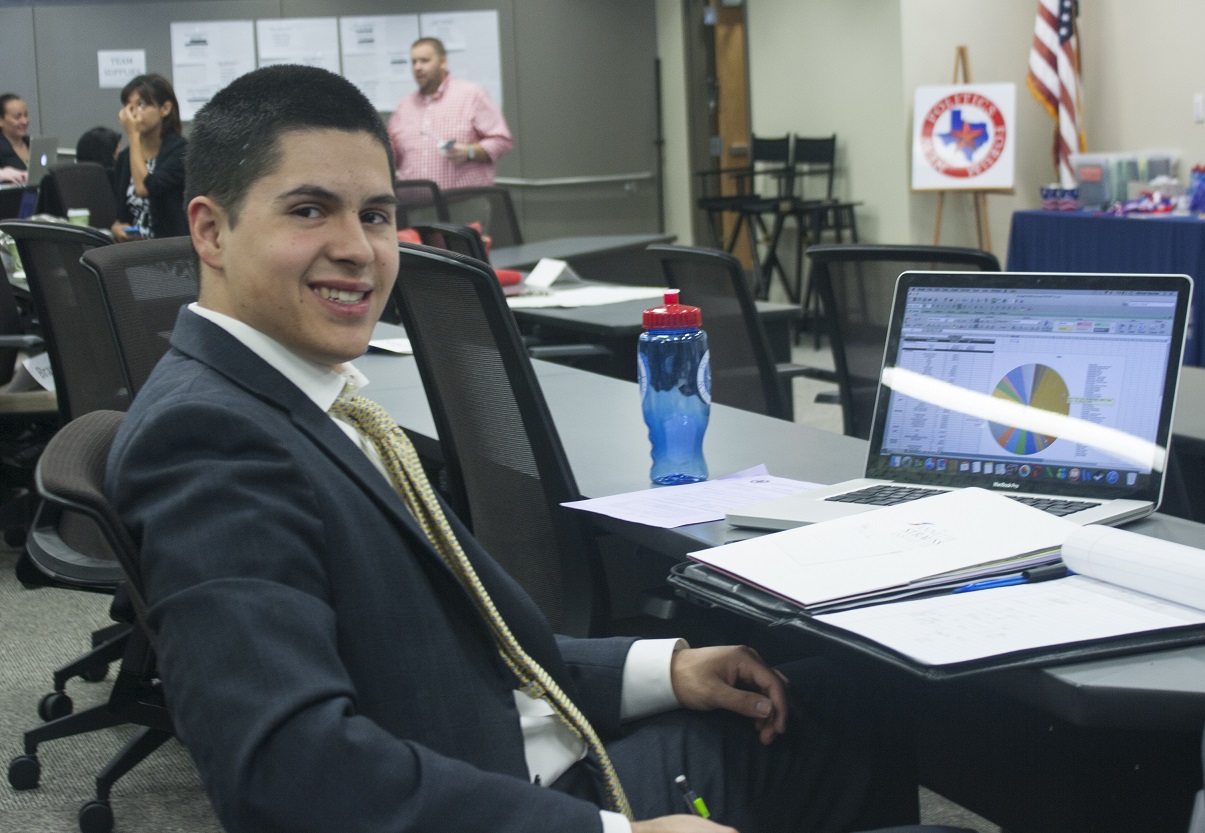
We started immediately upon arrival by working with our groups. Teams were fighting leftover fatigue from the late session the day before. Groups were on the edge, because the deadline to turn in presentations seemed to draw nearer a lot sooner than the students would have liked. Our job was to present before the “Texas Campaign Commission,” a judging panel composed of experts from all aspects of campaigning.  Knowing that you are going to put your product before the eyes of experts is a sobering prospect, but it also pushed us to go over things as many times as it took to make it right.

This did not mean, however, that we could just zone out and wait for presentation time.  We still had presentations by experts to attend!  One such presentation was by Barbara Johnson, the Career Advisor for Moody College, who captured our attention with her lesson on “tailoring your resume.”  While much of the material consisted of things we knew, she did provide us with helpful information.  Several things stood out:

  • Once you arrive at college, she recommends omitting your high-school work; Our advisor, Professor Mike Yawn, suggested that that was a good goal, but that many students, depending on the quality of their high-school work, could allow it to carry over for a year into college;
  • Tailor each resume to the job for which you are applying.  Identify the 3-4 skills most needed in the job description and emphasize those in your resume;
  • In some cases, organizational work can be used under “experience.”  That is, experience does not have to be relegated to just employment opportunities.

Barbara_Johnson_Speaking_1_Web

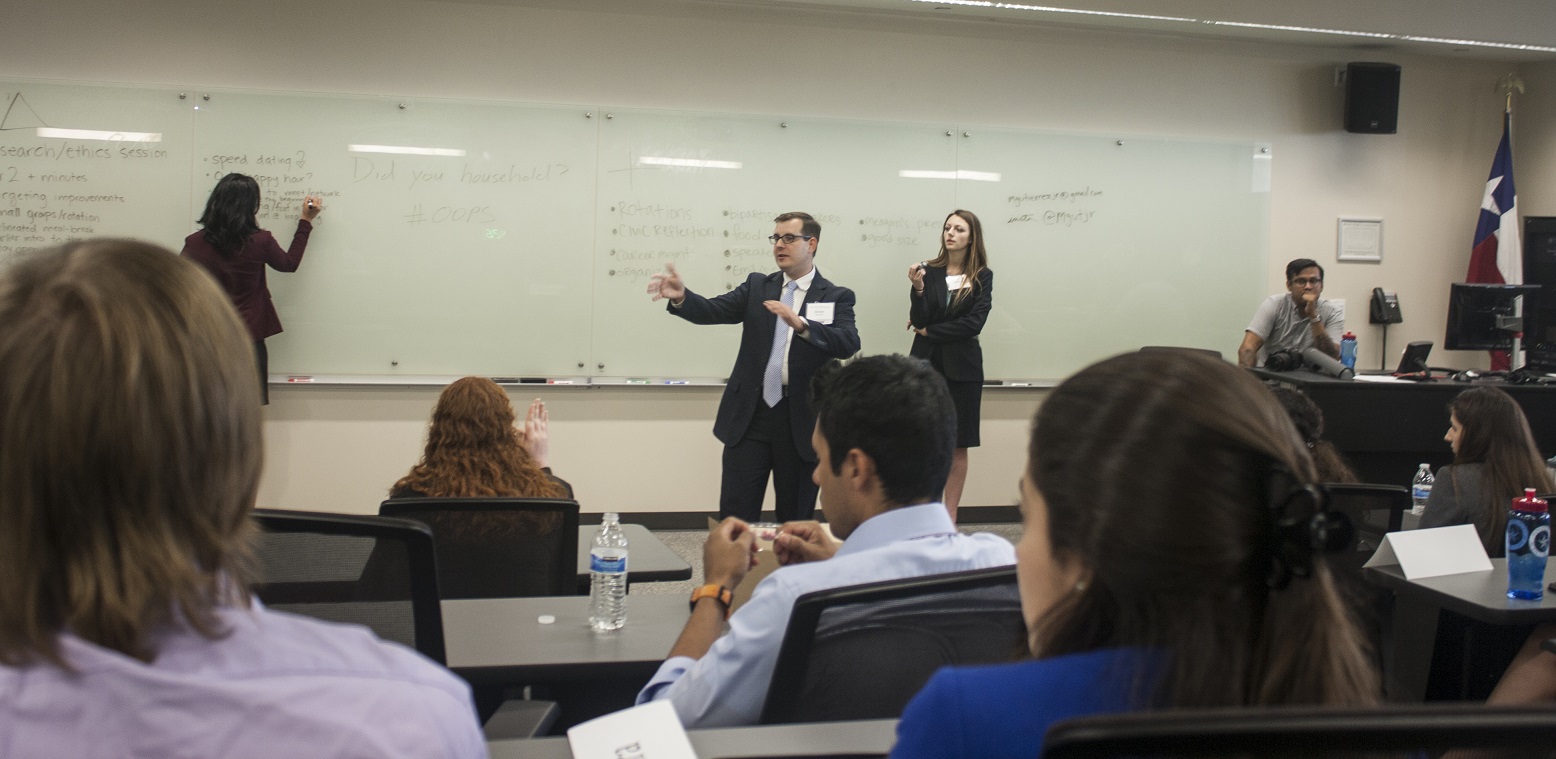
Our session on campaign law and civics was just as rewarding. Campaigning doesn’t fit into a lot of types of business practices, but there are still rules and regulations. Compliance is not only the right thing to do, but it helps prevent the loss of votes because suspicion of fraud will hamper your campaign. Susan Nold and Ross Peavey lectured us about certain laws and having good ethical leadership in the political world.  Mr. Peavey advised candidates to know the law or hire someone who did. He gave us examples of laws that could slip through the cracks, and end up damaging your name as a candidate. While we ate our lunch Ms. Susan Nold, Director of The Annette Strauss Institute, gave us ethical scenarios that were created by the speakers.

Peavey_Nold_Speaking_Web

She added that these scenarios were real experiences the speakers had encountered in certain political jobs. Her biggest message was that if it feels wrong, and someone is asking you not to tell anyone, the best decision is to resign. It was interesting to hear what everyone had to say. The best part was listening to people’s opinions and their ideas about how to go about solving the ethical dilemmas.

As my adrenaline started flowing, Taylor Foody prompted us to begin. The time had come to actually present in front of professionals in the campaign field. The nerves kicked in, but all the preparation and hard work led us to this point!

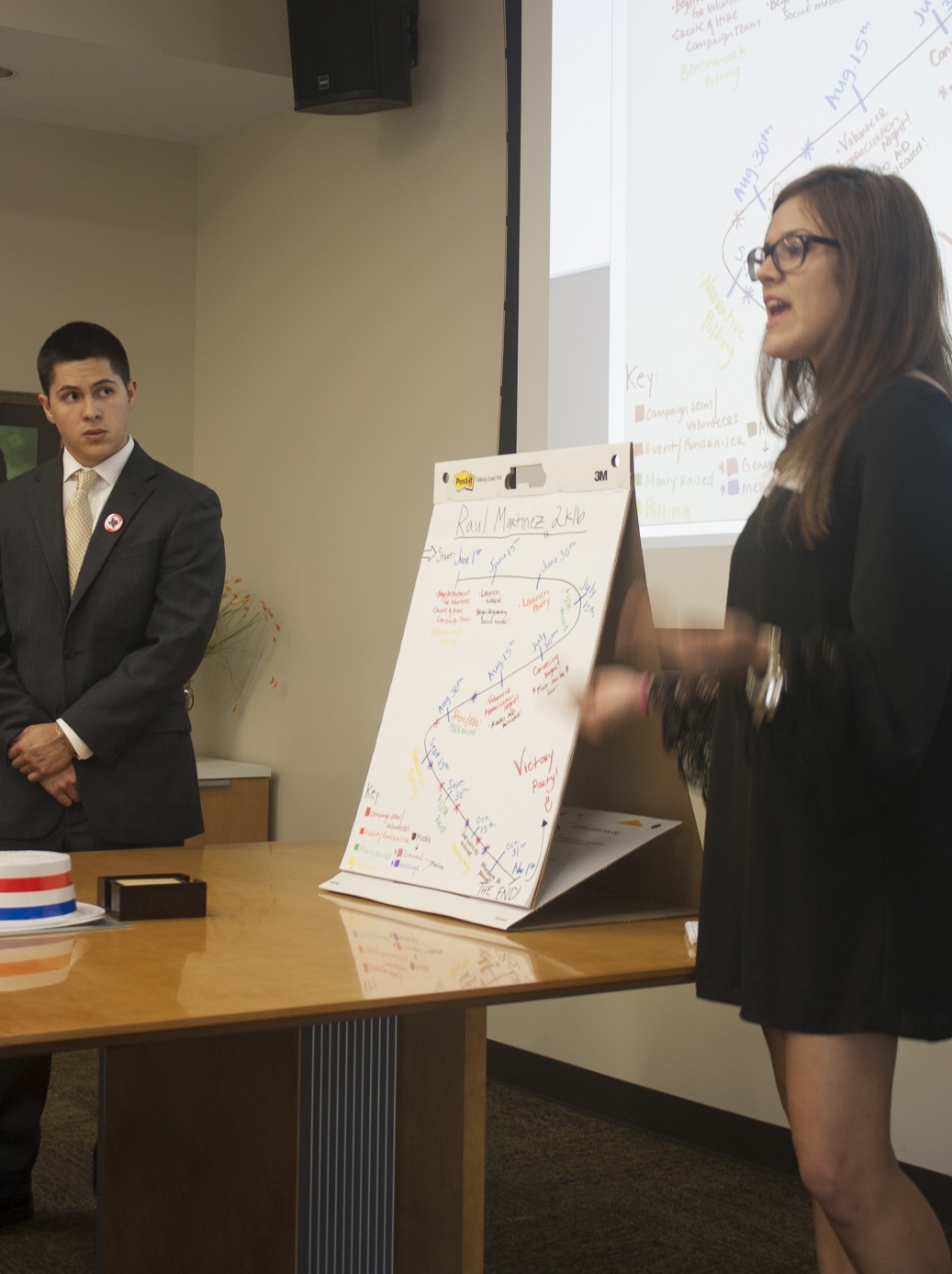
We presented information about our campaign, with each student discussing a different topic: budgeting for a campaign, recruiting and keeping volunteers, a fundraising plan, and a communication plan.

Brian_Group_Presenting_+Web

There were a couple bumps in the road.  For example, we had saved all of our demographic numbers pertaining to votes on google docs, but they were apparently not saved correctly.

Brian_Group_Presenting_6_Web

Thus when it was Brian’s turn to speak, no numbers came up!

Brian_Group_Presenting_5_Web

Fortunately, he knew the numbers, and was able to relay the information orally.  Afterward, he told us that he “crying in the back of my head.”

This slideshow requires JavaScript.

Following the presentation, the judges gave  us feedback and complimented the groups on our hard work.  They helped us improve our skills and keep a realistic approach on campaigning. Thank you to Matt Glazer, Luke Marchant, Cliff Walker, Taylor Holden, and Taylor Foody for helping us build our campaign skill set and encouraging us to keep advancing in our careers.

Audience_Web

The toughest, restless work of this weekend had been finished. We all gathered for one last time to listen to closing remarks provided by Taylor Holden and Cliff Walker on how to improve on our skills to ultimately pursue a career based on what we had learned throughout the bootcamp. Furthermore, they shared their experience of how they began their careers and, as Mr. Walker noted, we should not consider “a job too small or too big.”

Our final activity of the day was the award presentations.  Taylor Foody, the Coordinator for the New Politics Forum Boot Camp, was the presenter.  And, this being her first time to oversee the Boot Camp, she was as excited as all of us.

As it turned out, Isabela’s team was recognized for their “Communication Strategy,” and Brian’s team was recognized for their “Get out the Vote” strategy.

Brian_Group_1_Web

With two of the three SHSU students taking home hardware (or, paper certificates), we were pretty happy.  But apart from being recognized, we were more happy just to learn from the process and meet new people.

SHSU_Group_1_Web

After thanking Taylor Foody for her dedicated efforts , we headed over to The Clay Pit. The Indian cuisine restaurant provided a comfortable venue to relax and dine on new, eccentric dishes. These included a flavorful goat saag and lamb roganjosh complemented by comforting piquant jalapeño naan and ending with a sweet Gulab Jamun (deep fried pastries soaked in syrup) and Gajjar Halwa (a spiced carrot puree with vanilla ice cream).

NPF_Food_Web

With a very satisfying dinner we boasted with an air of accomplishment for finishing the NPF campaign bootcamp.

Unknown's avatarAuthor mikeyawnPosted on May 31, 2016Categories Civic Engagement, Politics, TravelTags Annette Straus, Campaigns, LEAP, Luke Marchant, Matt Glazer, NPF, SHSULeave a comment on Campaigning 101: Eyes on the Prize

Campaigning 101: Hitting the Ground Running

The 2nd day of the Bootcamp is the one that matters.  It’s when the bulk of the seminars take place; it’s where we have the most time to work with our groups, and it’s a fourteen-hour day.

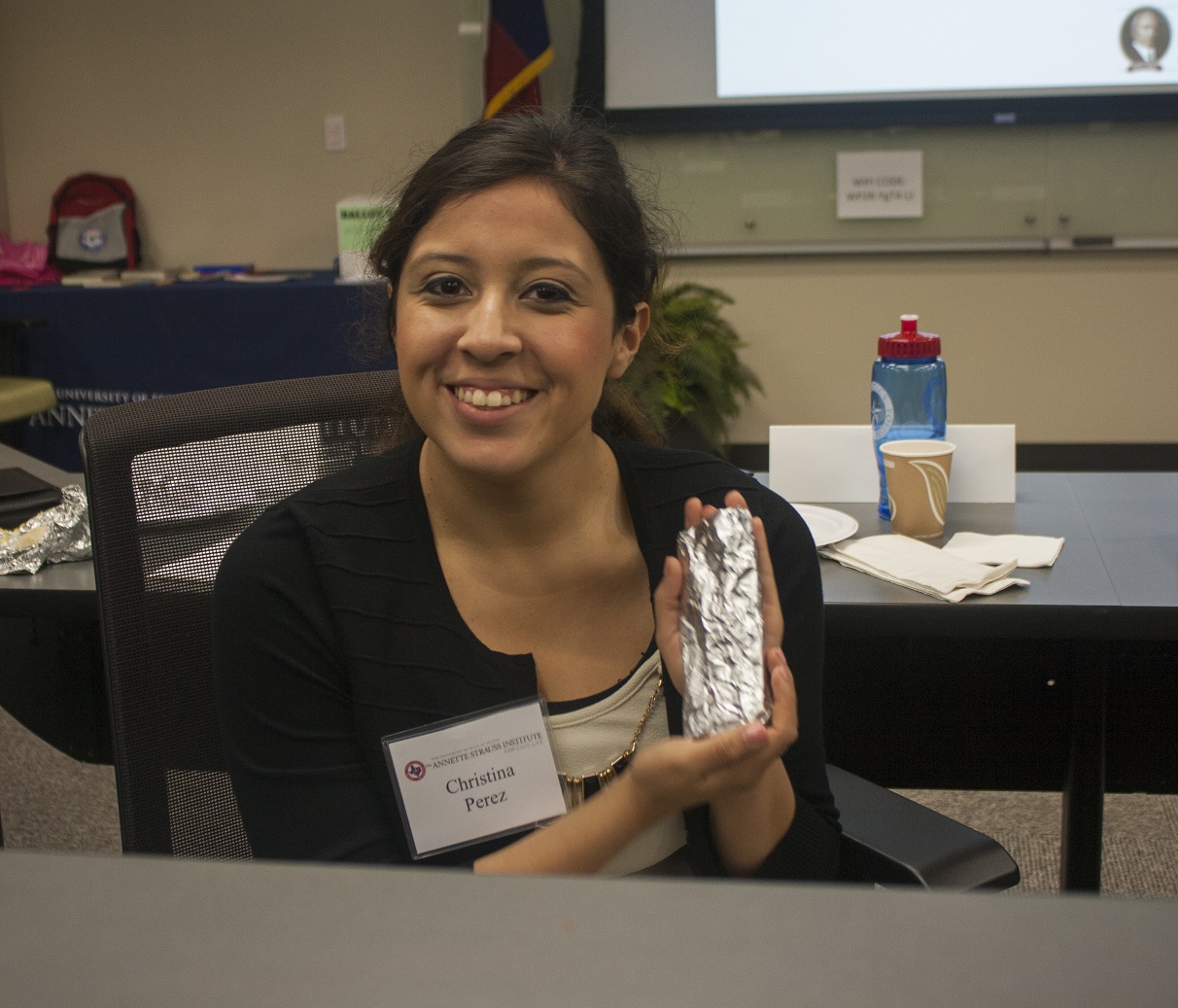
With those facts in minds little rested by sleep, we arrived at the Belo Center at 8am.  We prepared for the day by chowing down on some of the satisfying breakfast tacos…

Christina_Perez_Smiling_Web

…some revitalizing fruit, and a cup of coffee. With catchy background music (which successfully roused our spirit) we found our campaign groups so as to begin the thrilling second day of our bootcamp experience.

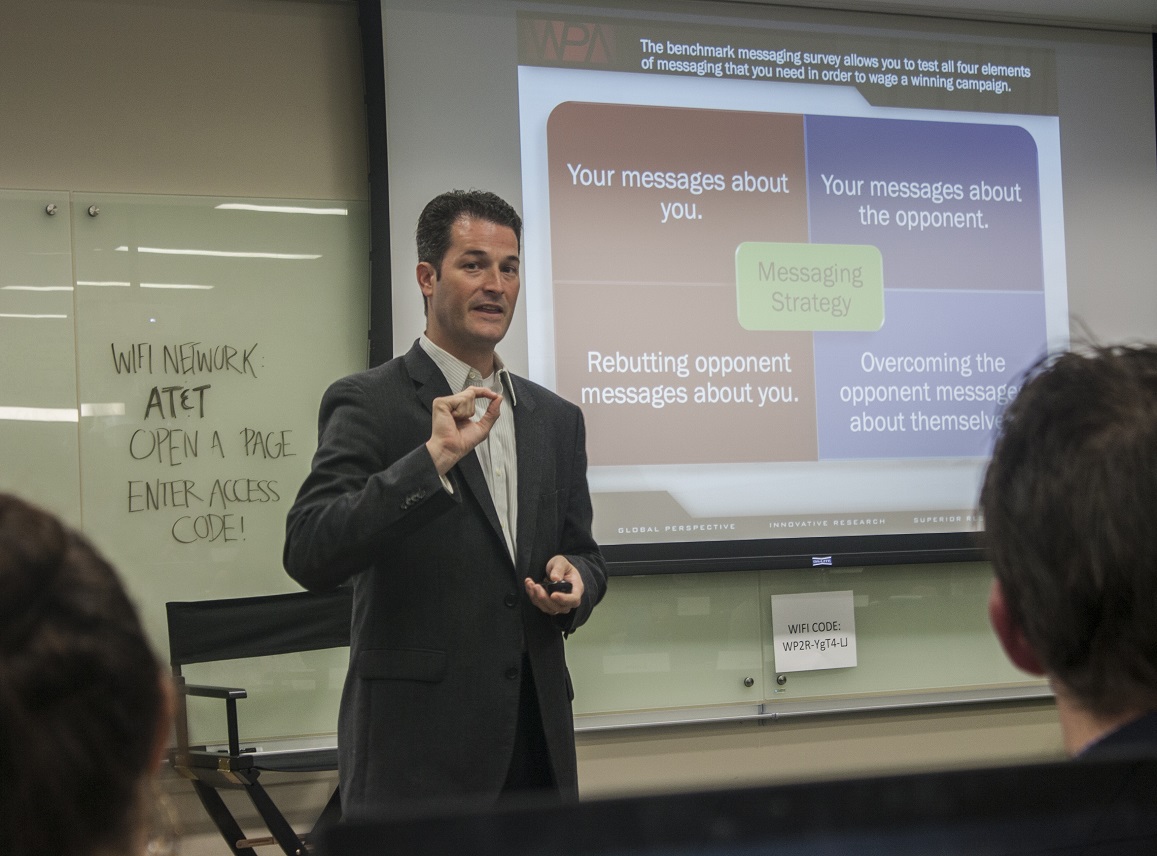
Messaging 101:

Embodying this spirit of campaign thrill,  direct mail consultant Liz Chadderdon instructed us on how to create an effective campaign message. She advised that the best rule is to follow a “one message, one piece” strategy.

Chadderdon_Speaking_1_Web

In other words, regardless of a candidate’s utilization of varying communication mediums such as television, radio, or direct mail, they should still have the same message across these platforms. Students were happy to speak with her after the presentation. After all, her advice helped establish some of the ideas for our projects.

Chadderdon_Aldaco_Web

Polling 101:

As evidence that the New Politics Forum picks out the best campaign officials to bring in, the next speaker was pollster Christopher Perkins, who has done extensive polling for Senator Ted Cruz and many other Republican heavyweights. His presentation was successful in educating the students on how polling can help a candidate win an election.

Perkins_Speaking_2_Web

The students learned that polling helps makes advertisements such as television, radio, and direct mail more effective. The results of a poll can help a candidate have a better understanding of their target audience. In effect, this helps the campaign better appeal to potential voters by aligning their message strategy with issues that voters support.

Perkins_Speaking_1_Web

Armed with information on messaging and polling, our campaign groups retreated for lunch, strategized, and emerged in fighting shape for the afternoon sessions.

Organization 201

Tyler Norris, who recently worked with Senator Ted Cruz on his campaign, was the next speaker. He began by emphasizing the importance of volunteers. His advice was to gather people who believed in the candidate’s policies and give them meaningful work to do. This is not only a budget-saving maneuver, but also a good way to garner votes.

Tyler_Norris_Speaking_Web

Additionally, he answered questions that were helpful to our teams.  As Christina Perez noted, “I thought it was interesting to hear someone who was freshly off the campaign trail speak since he had just finished working on Senator Cruz’s presidential race.”

Polling 201:

After a few technical difficulties, we were able to virtually chat with Vincent Harris. He was streaming in from Canada, where he currently is working on the country’s conservative convention.  Mr. Harris is the current CEO of Harris Media, and works for Senator Rand Paul. Known as the “father of Republican internet,” his expertise was a crucial factor to Senator Cruz’s web strategy during the 2012 senatorial campaign. During his presentation he encouraged us to create an account in every existing social media type. Nonetheless, he spoke about the importance of using these modern tools of communication to reach as many voters as possible. He presented them to us with humor, showing examples from previous campaigns.

Wrapping Up

After an intense series of sessions, it was time for the last lecture of the bootcamp, one presented by Luke Marchant and Matt Glazer. They provided us additional information on our presentations, which will take place tomorrow.

  • Each group is allotted 15 minutes;
  • We will present our polling data, fundraising tactics, budget, voter targeting, and campaign organization;
  • Each person is expected to participate and be knowledgeable about each aspect of the campaign, although different members may take the lead in different areas.

It was great to have an experienced team of NPF staff and our mentors Luke and Matt on hand to help us succeed.  But at this point, it was up to us to break into groups and work on our projects.

Hatton_Sumners_Sign_Web

Brian’s Group Work:

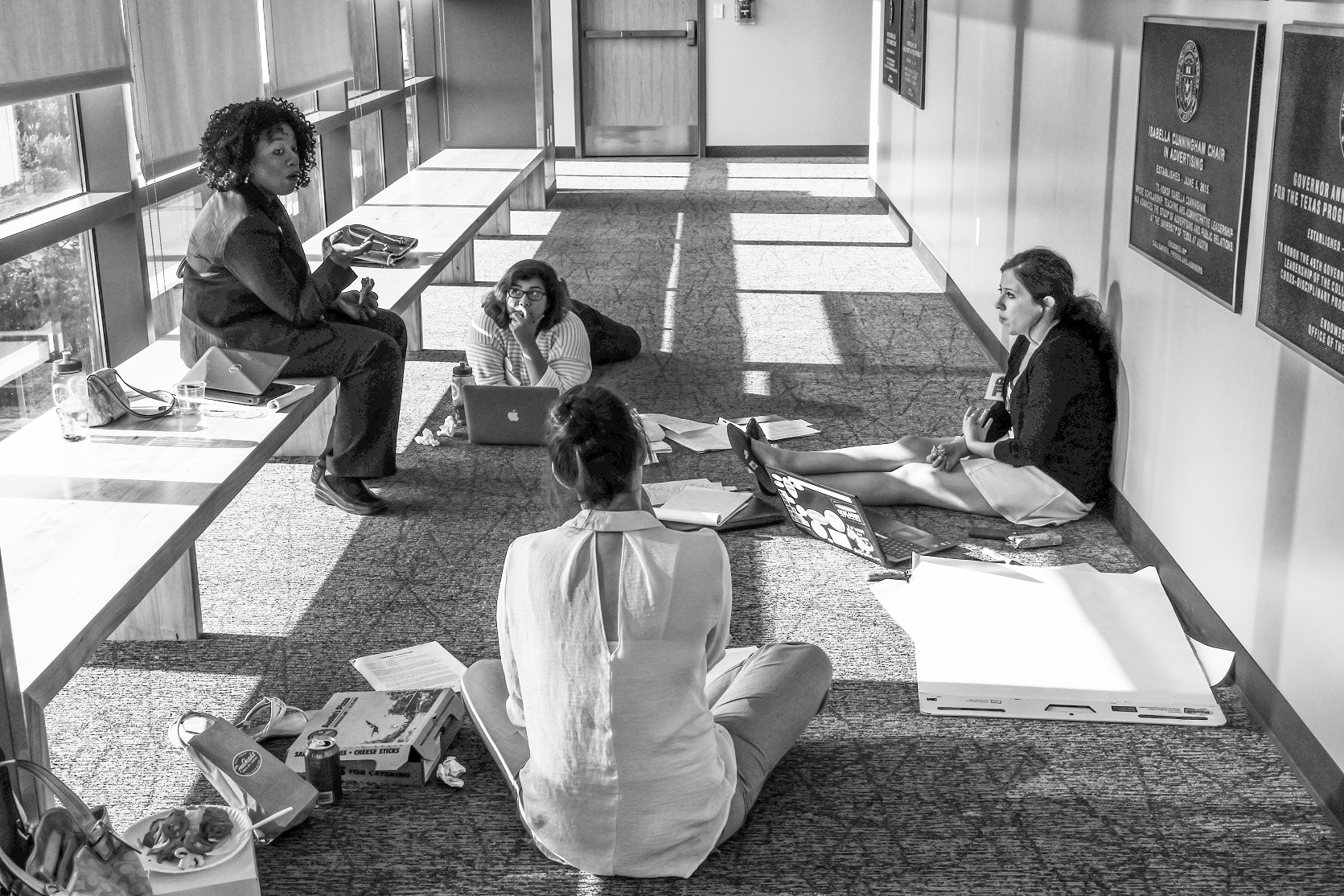
Once we gathered in our groups we began to employ every feature of our lessons. First, we outlined our campaign necessities, then we delegated our individual duties, and started crunching data, crafting messages, and laying out the framework for the victorious campaign of House District 117’s future Representative Raul Martinez.

Brian_Group_Working_4_BW_Web

Even though our assignments were hypothetical, the toil and exhaustion was real!  After five hours of non-stop work with my motivated team members (Juan Belman of UT Austin; Mason Rasco of TAMU; and Shauntey Walker of UT Austin), we were all ready to go home, meditate on our winning strategy, and recharge for our big campaign “pitch” day.

Isebala’s Group:

I was set on one thing: victory!

The competition was on and each group would show no mercy to the other, since we were all competing for bragging rights. Throughout the process many students battled with a variety of emotions–excitement, fatigue, and nervousness–because they were on a deadline and had to finish. The winner would be determined tomorrow after all the presentations were completed. Who will will win? Stay tuned for tomorrow’s blog!

Christina’s Group:

I was eager to work with my group, and after the first break out session I became excited about the project.

Christina_Group_3_Web

I enjoyed my team, and the ideas we all brought to the table. My favorite part of the breakout session was that we finally were able to get to know one another. I enjoyed hearing about campaigns they had been on , and the experience they had. Overall, it was a great learning experience and in my opinion was the best part of NPF.

Christina_Group_2_BW_Web

The Environment:

One of the many nice things about the project is the support provided by the many speakers that NPF brought in for the weekend.  Luke had a stream of visitors to his “office”…

Luke_Session_Web

…who stopped by either to bounce ideas off of people or to data grub…

Luke_Session_2_Web

Matt and the other speakers went from room to room, helping out where they could (which was everywhere!):

Group_Working_3_Web

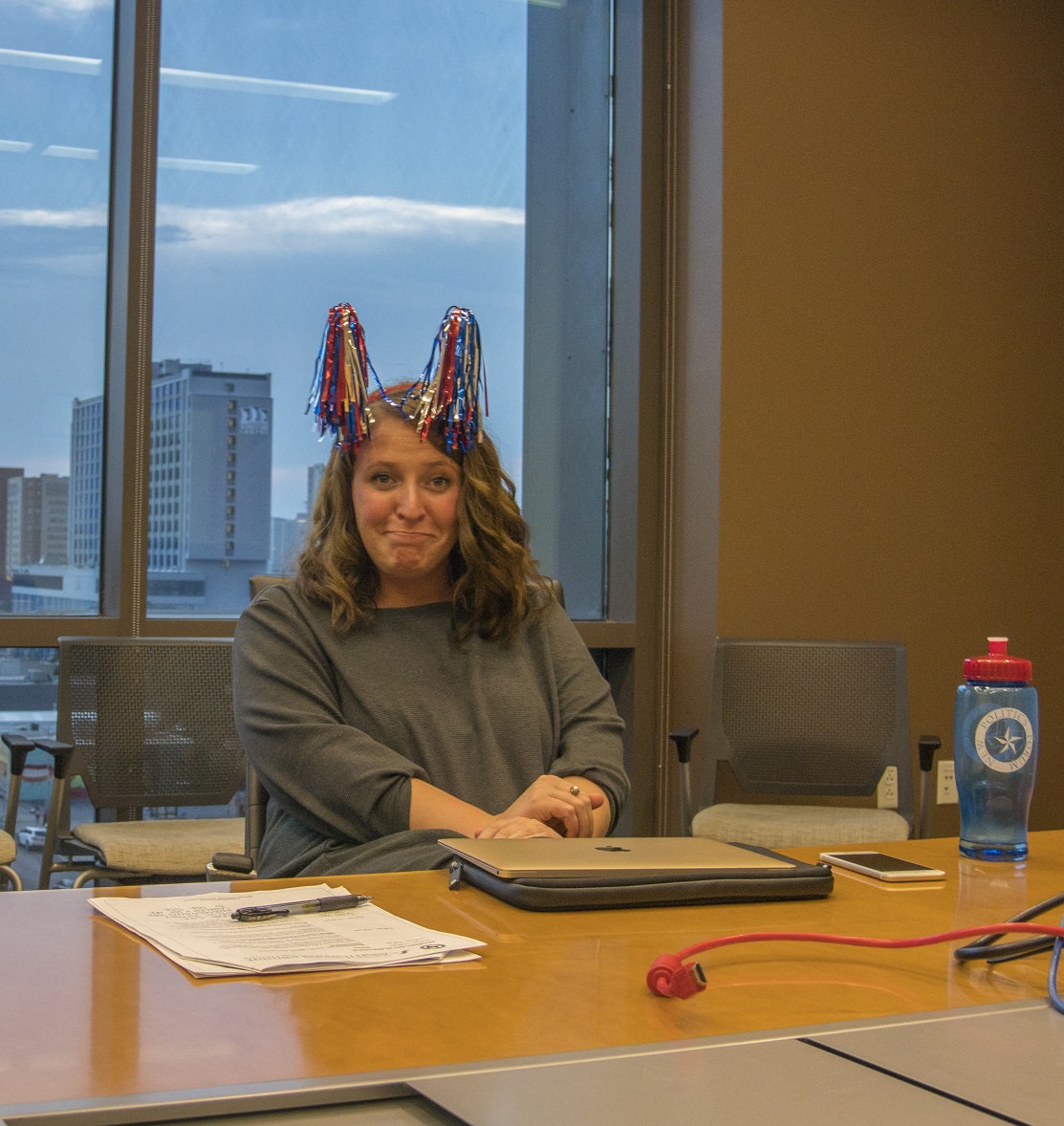
And while we all had our own way of dealing with the stress…

Taylor_Holden_Smiling_Web

…we also all showed a willingness to cooperate with each other.

Group_Working_2_BW_Web

During our bootcamp experience there was never any contention related to political rivalry, and whether working in groups or alone, we were able to achieve some intense concentration and get the work done.

Girl_Working_Web

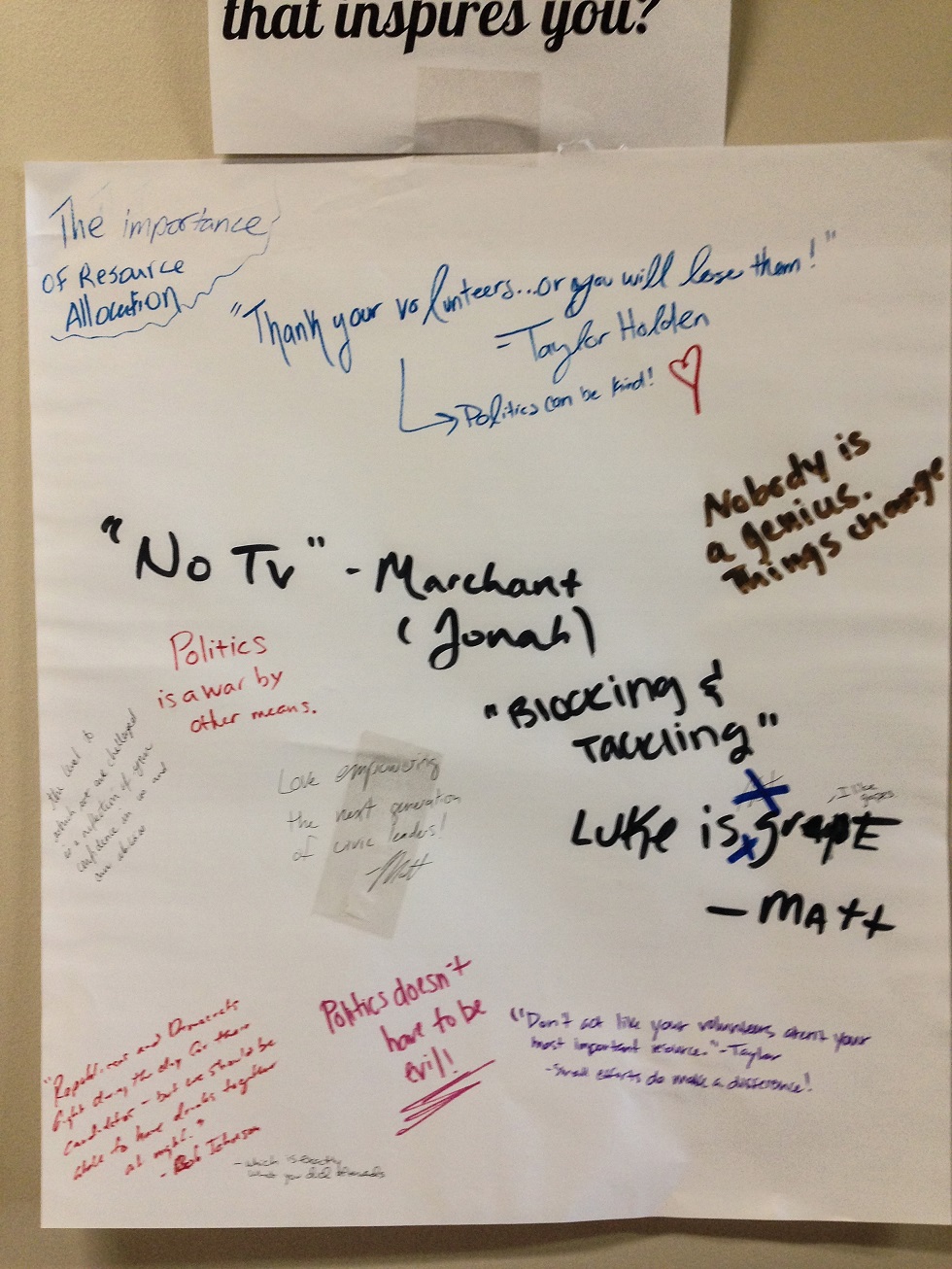
The NPF also had an “inspiration wall,” where students could write what inspired them and how they would become more engaged with the political process.

Inspiration_Wall_Web

With the knowledge we have gained through this rigorous, rewarding weekend we will surely perform well for tomorrow’s big day!

NPF_Sign_Web


Unknown's avatarAuthor mikeyawnPosted on May 30, 2016May 30, 2016Categories Civic Engagement, PoliticsTags Annette Straus, Campaign Bootcamp, Chris Perkins, LEAP, Liz Chadderdon, Luke Marchant, Matt Glazer, NPF, Polling, SHSU, Taylor Holden, Vince HarrisLeave a comment on Campaigning 101: Hitting the Ground Running

Campaigning 101: Learning from the Pros, Day 1

Separating the “governing” part of our day and the “campaigning” part of our day was the local pizza joint, “Frank & Angie’s.” While everyone grubbed on the delicious food—pepperoni with Canadian bacon pizza, pepperoni garlic bread, cannolis, and tiramisu—Professor Yawn elucidated the various cultural allusions in the restaurant.  It is named for Frank Sinatra, and the menu includes references to Italian superstars, Sergio Leone, Mario Puzo, Bela Lugosi, and Mira Sorvino.

With well-fed stomachs and minds, we moved on to the second part of our day: the Campaign Bootcamp, sponsored by the Annette Strauss Institute’s New Politics Forum. Our introduction to the process was by Taylor Foody, the coordinator for the NPF…

Foody_1_Web

…who introduced our two mentors: Matt Glazer and Luke Marchant.  They introduced themselves, explained why the affiliated with the parties they did (Glazer is a “D”, and Marchant is an “R”), and issued our campaign marching orders: to run a successful “mock” campaign for  US House.

Glazer_Marchant_2_Web

Our training then began in earnest, with Rob Johnson and Cliff Walker—veterans of local, state, and national campaigns—who covered the recruitment of political candidates. After noting that running for offices has nothing in common with “West Wing” or “House of Cards,” they discussed the importance of running for offices for the right reasons (e.g., making your community a better place) and the importance of hiring competent campaign managers and financial advisors who, beyond being competent, should also have integrity.

Johnson_Walker_Web

Session Two was led by Taylor Holden, who is the Development Director for New Era Colorado, but who has Texas campaign experience.  She was very energetic—she drank coffee during her presentation, we noted—even as she discussed fundraising and budgeting.

Holden_1_Web

Campaigns cannot run unless there is sufficient money.  Her points were simple:

  • Get to the point;
  • Don’t be afraid to ask for a specific dollar value;
  • Don’t avoid “awkward” silences; and
  • Stress urgency.

The importance of urgency was not lost on us, not with only fifty-two hours to meet our campaign team, learn about our campaigns, learn how to campaign, and develop a campaign plan.  With that in mind, Ms. Foody allowed us to meet with our campaign groups.  Christina and Isabela were placed in separate teams for separate Republican candidates, and Brian was on a team working for a Democratic candidate.

Our closing session—the keynote—was presented by Austin City Councilman Gregorio Casar, who discussed city politics and his campaign experience.  Casar, who was elected at the age of 25 and is a New Politics Forum alumnus, offered an interesting presentation not only because of his advice (e.g. “rely on friends”) and personal story (e.g., the youngest person to ever serve on Austin’s City Council)…

Casar_1_Web

…but also because of the interesting things going on in Austin’s politics.  For example, most people know that Austin recently required Uber and Lyft to abide by the same regulations as taxis, but did you know that Austin also prohibited local employers from asking about criminal records on their applications?  Even large corporations are now required to change their Austin applications to avoid any mention of a police record.  This led to much debate among the students, a debate stopped by Mr. Marchant’s admonition that we are here to learn about campaigns, not to debate policy.

It was an interesting close to a day in which we learned about both policy and campaigning and much else, much to our delight and edification.

Unknown's avatarAuthor mikeyawnPosted on May 28, 2016Categories Civic Engagement, Politics, TravelTags Annette Strauss Institute, Cliff Walker, Gregorio Casar, LEAP, Luke Marchant, Matt Glazer, New Politics Forum, Rob Johnson, SHSU, Taylor HoldenLeave a comment on Campaigning 101: Learning from the Pros, Day 1

LEAP Center Students in Austin: Day 3

LEAP students woke up to nerves this morning, looking ahead to a day of preparation and presentations. After roughly forty-eight hours of learning the ins and outs of campaign management, fundraising, budgeting, and direct voter contact, we finally had the chance to present our path to victory for our fictional candidates to an esteemed panel of expert judges, most of who had been lecturing us this weekend on the same topics.

We worked for the beginning hours of the day to practice and make finishing touches to our presentations, with jitters pervading most group sessions.

In the early morning, we made some last-minute revisions to our projects, working in groups or, occasionally, alone.

Mitchell_Sanchez_Web

By 10:30 we had to turn in our finished products and hope that everything would go well. After getting a group picture with the whole Campaign Bootcamp group, we split up into three different groups of three different rotations: presenting, a session on getting your foot in the door in the workplace, and a workshop over civic reflection and engagement in young people.

After the group photos, all of the groups were separated into three rooms, one of which was meant for civic reflection. Deborah Wise, the director of educational outreach for the Annette Strauss Institute for Civic Life was there to guide the session and explained to us that civic engagement is how the community gets involved with politics.

Civic_Group_Web

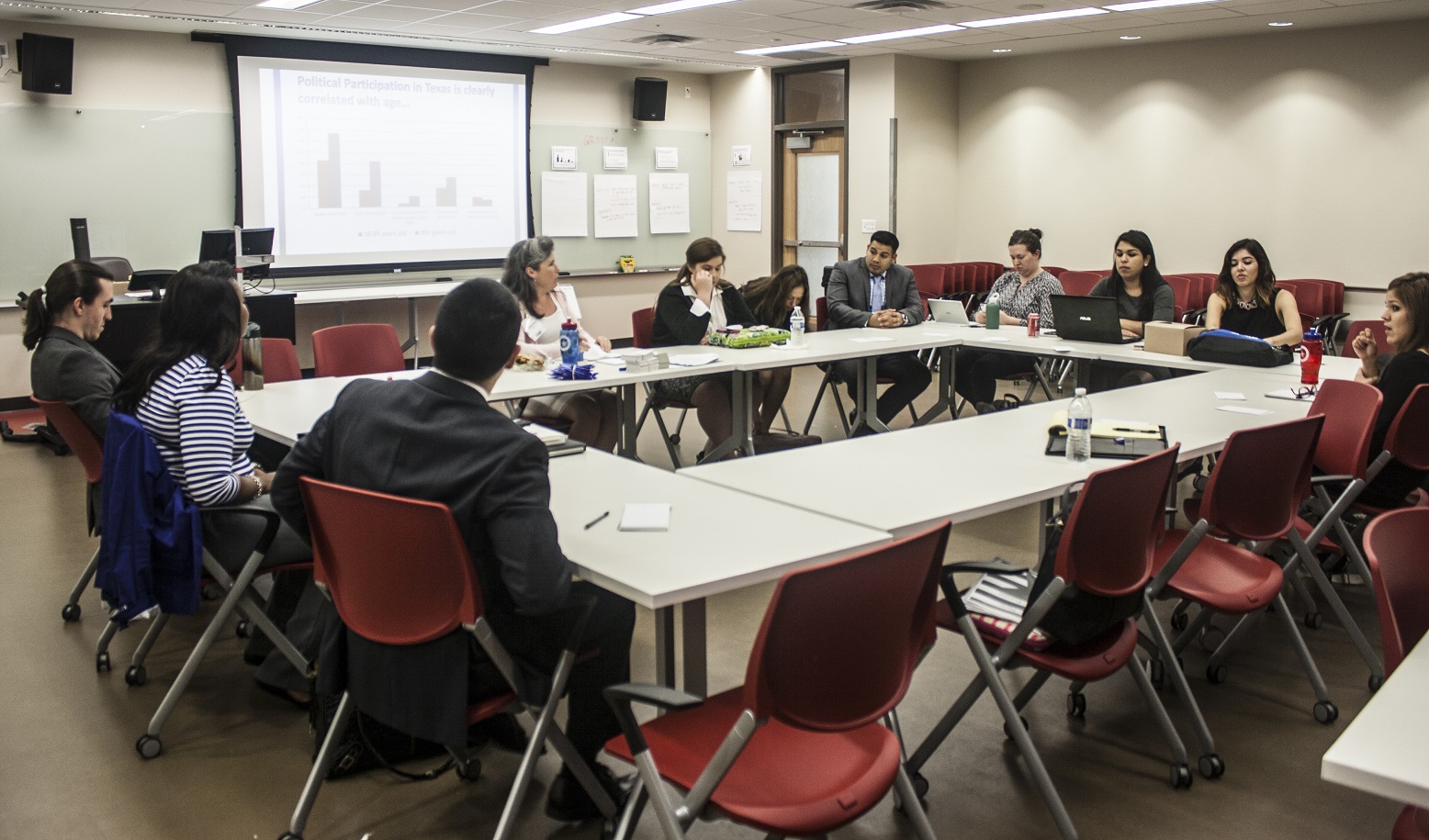
Once in the room she separated us randomly into three different groups where we discussed the lack of civic engagement as well as solutions for it. The topics revolved around the age gap in voters, why people don’t go out to vote and the impact of the media. Once we had enough time to discuss the issues and possible solutions, all of the groups sat together as a whole and we went into a deep brain storming session. Everyone had their own opinions for targeting younger people to get involved in politics but the main ones were to target education, parents, and how politics are viewed. I shared my opinion about the lack of education over local politics in high schools and giving politics a “young face”. Others shared their opinions of targeting the parents and educating them in politics. Deborah Wise then separated us into groups of 2-3 to discuss plans to boost civic engagement for younger people in communities. Once we had time to discuss our plans in the small groups we went back to our whole group and discussed them with everyone. The group as a whole agreed that the reasons that young people do not participate in politics is because they believe their vote doesn’t matter, they are undereducated in regard to local government and they believe it is an old mans game and its out of their reach. Solutions for this were showing younger people that they CAN vote by setting an example and being civically engaged ourselves, local government having a bigger part in high school other than just federal government and targeting issues in politics that affect the 18-29 year olds.

The Civic Reflections section was a great session that provided a more hands-on learning environment that we really enjoyed. Everyone was vocal and loved sharing and hearing different opinion. It showed us that people could really come together to solve an issue.

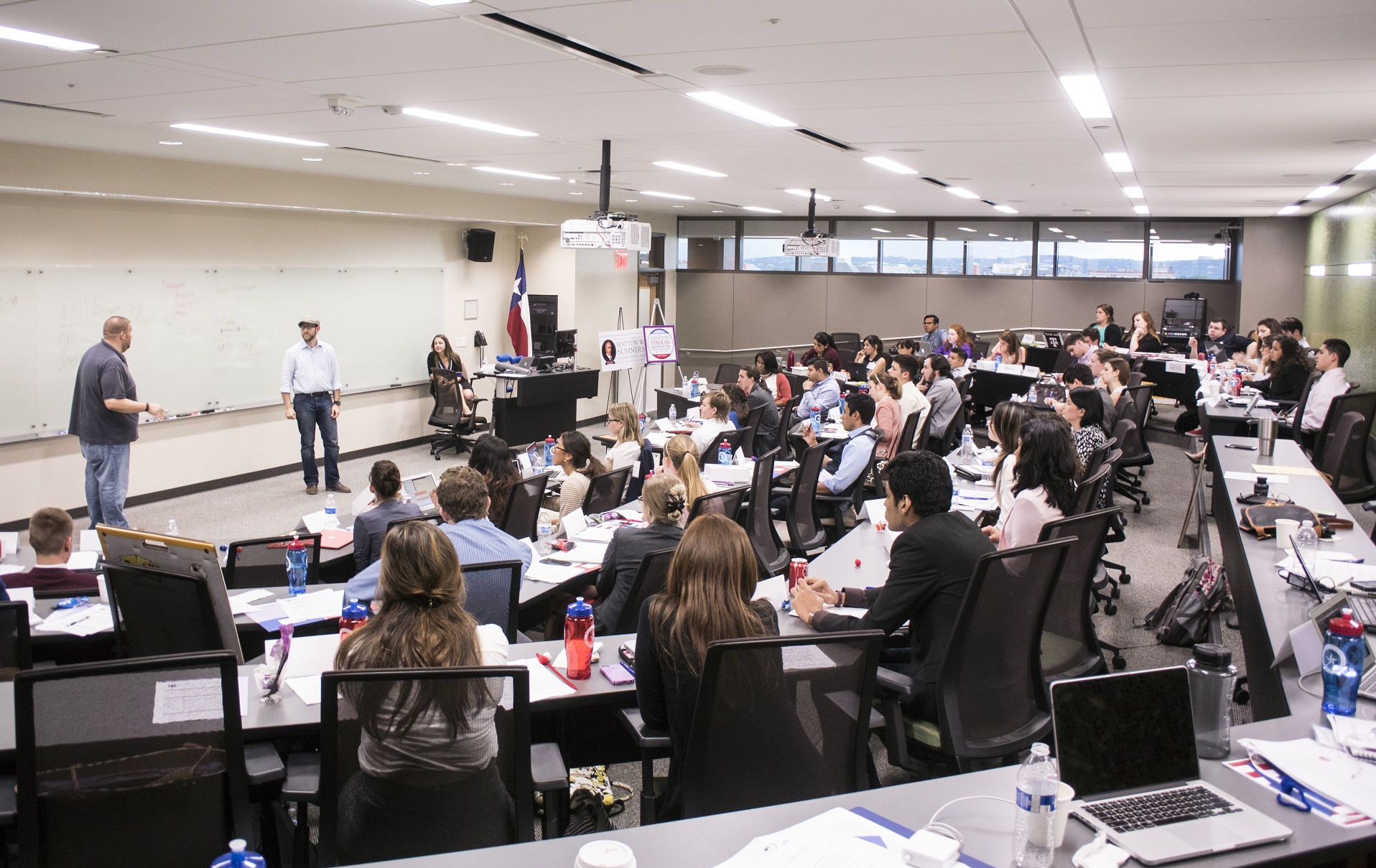
Heading to the conference room to present between the two different sessions, each group was given just eight minutes for their presentation and an additional seven minutes to answer questions from the judges.

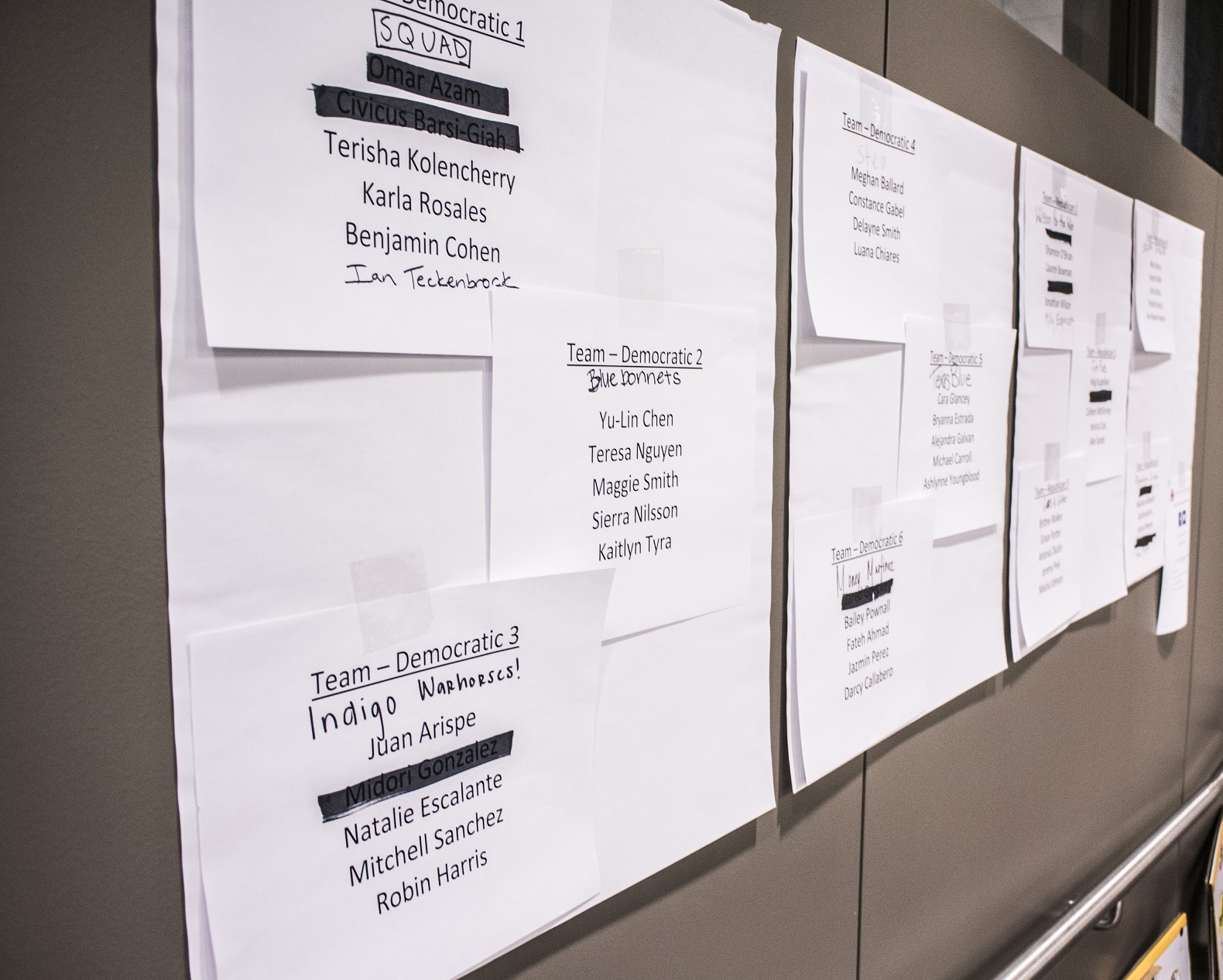
Team_Lists_Web

As a student, the presentation was intimidating because groups were given relatively little time to prepare and practice. Although daunting, presenting to our judges proved to be a useful learning tool and a valuable public speaking experience.

Mitch_Presentation_Web

In addition, each group had the opportunity to observe various other groups present and learn from what they did well and ways they could improve. Stressed the whole weekend, the hard part did not end once the presentation was over, but instead the Q & A proved to be almost more strenuous, as the judges asked questions and probed for questions that could have been left out during the presentation. The group presentations may have been stressful, however; it was arguably the best hands on learning experience and preparation for a career within political campaigns.

Continuing with rotations we moved on to a presentation by Maegan Stephens, a communications lecturer at the University of Texas at Austin. We learned about the major steps for getting our feet in the door in political campaigns. We started with an interesting and fun activity of searching for the person sitting next to us on the internet and finding anything that could affect their possibility of getting hired. It was a fun way to learn about tactics professionals use to search job candidates and tips for us to remember when posting on social media. Next, we signed up for a LinkedIn account. Our trainer gave us tips for developing our account such as customizing our URL, and developing a strategic headline and summary. She also gave us great tips for building our endorsements and recommendations on our profile. After developing our LinkedIn accounts we moved on to interview tips. We learned that Interviews would be a very important part of an employer’s decision. We learned great ways to answer commonly asked questions in a strategic way and ideas about our goals to have clear in our mind before an interview. Clear goals will help us build a story and may brand our name. Interview delivery tips are also of great importance. We should be able to deliver effectively even if we might be nervous during an interview. Lastly, we discussed networking and the importance of making connections in political careers. Sometimes networking may be hard, but we learned excellent tips on how to approach it and overcome challenges. Networking should be the next step for getting our foot in the door.

Drew_Wrapup_Web

After our rotations and regrouping in the main conference room, we were able to give some feedback as a large group about what was good and what could improve for next year. Following the opinion piece, we finally received the judge’s decisions on the different categorical winners for the campaign plans and also the overall winner. Representing Sam Houston State University, Constance Gabel and her group Democratic Team 4 won the “Get Out the Vote”/voter contact category over the other teams efforts in the same area. Needless to say after much networking techniques, knowledge, and tools for campaigning presented to us, we left the New Politics Forum Campaign Bootcamp completely different students.

Inspiration_Wall_Web

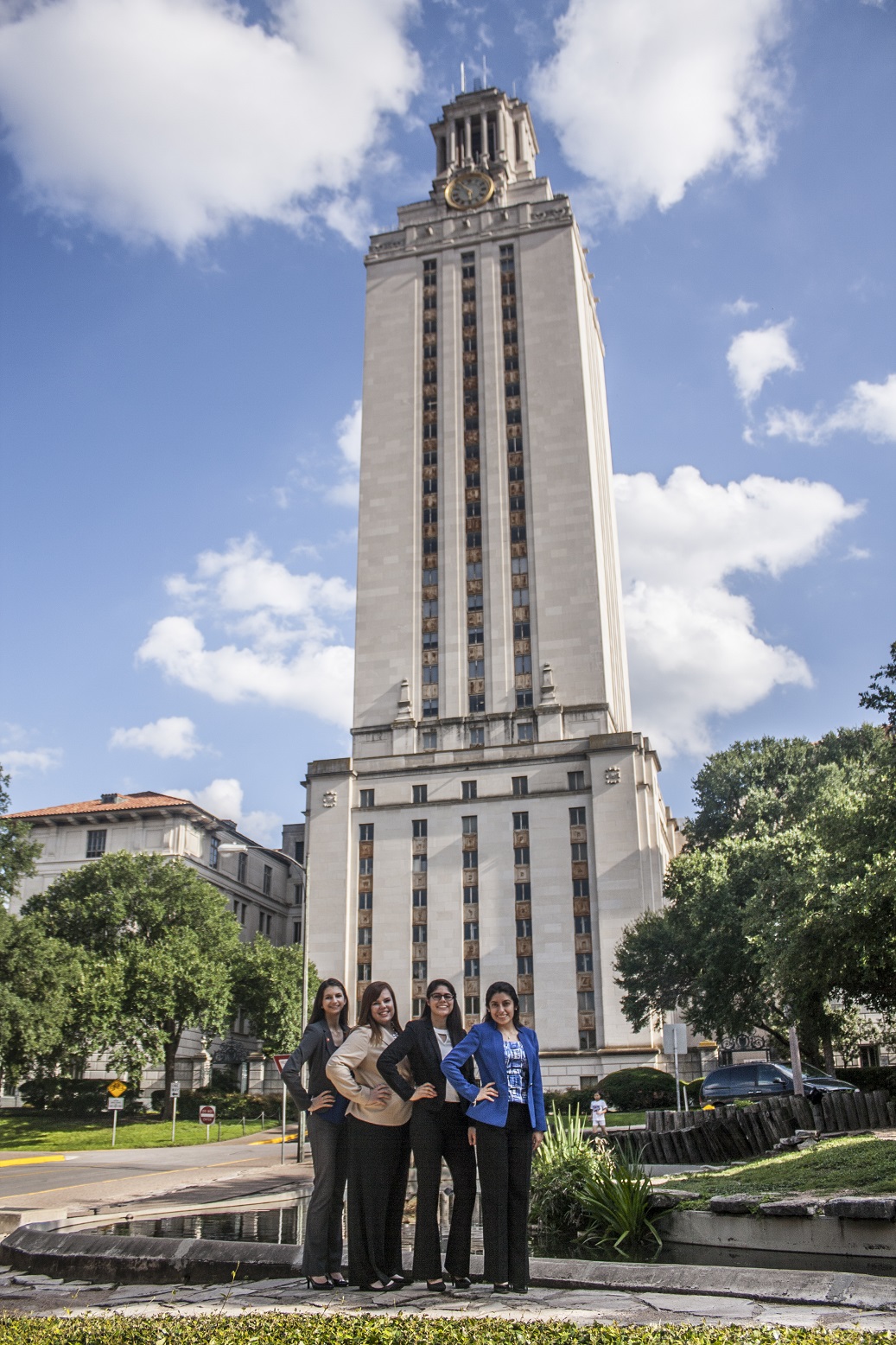
We did some brief site-seeing around campus…

Tower_Girls_Web…and then headed back to the hotel.

At this point, Jazmin Perez and Mitchell Sanchez had to leave, going back to Huntsville to begin work the next day.  The rest of us, however, stayed on in Austin for another day to watch the House and Senate in their final day of the session.

To finish the day, we ate dinner at The Clay Pit, a wonderful Indian restaurant in the heart of Austin’s downtown. Most of us not ever having tried Indian, it was such a blessing to have a waitress that clearly walked us through the menu and gave suggestions that turned out to be delicious. We tried many different kinds of dishes including Naan, a pita bread type of dish, a seafood grill, Tikki Masala, a red sauce, Khuroos-E-Tursh, a chicken dish stuffed with cheese and spinach in a sweet, almond sauce, and Lamb Roganjosh, a lamb dish in an onion sauce that might have been the table favorite. We finished with a dessert of Chai Spice Crème Bru Lee, rice pudding, and vanilla pudding with a side of grated carrot pudding. Stuffed, we left the restaurant to take a late night stroll through some of the older parts of UT’s campus.

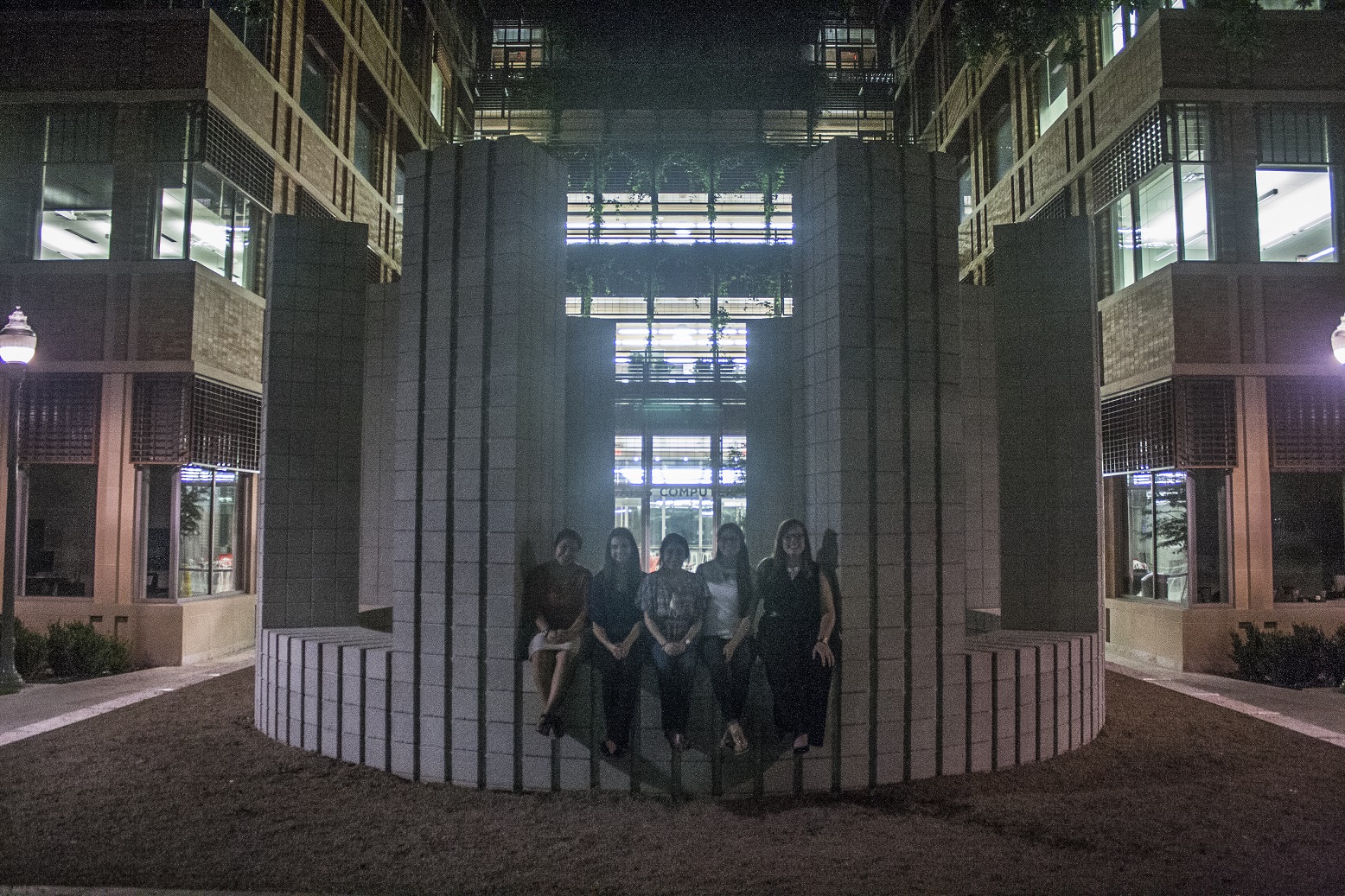
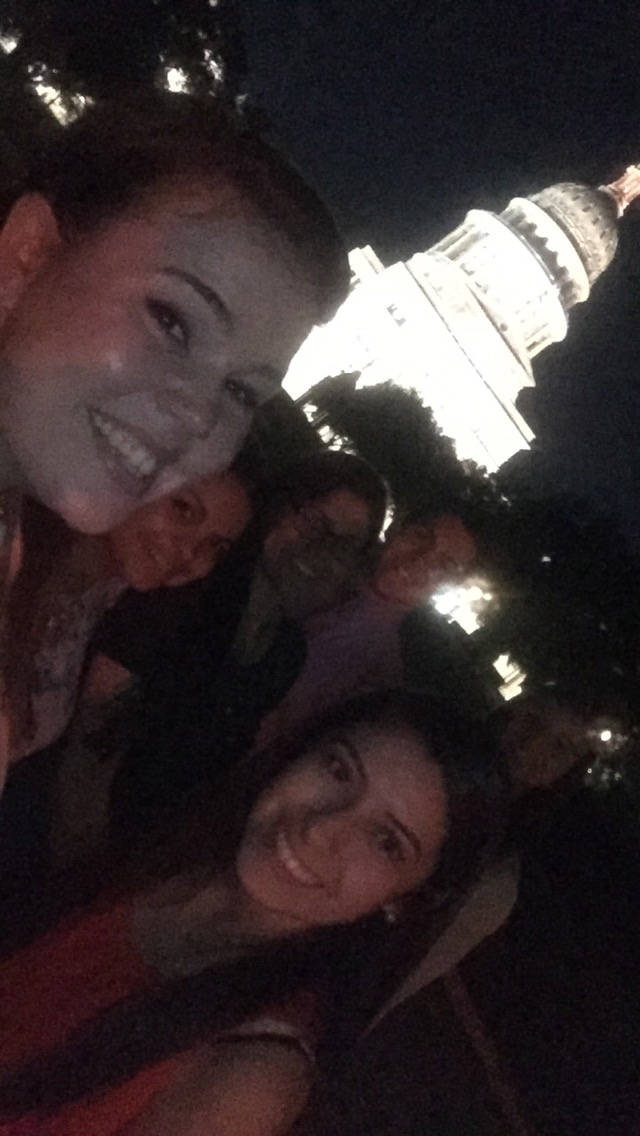
Selfies at Night
                  Selfies at Night

We spotted some art and some strategically placed greenery, but the evening and the whole weekend culminated standing between the UT Tower and the Capitol, feeling the immensity of the city and our civic purpose as college students in a time full of political apathy. We also ended the weekend a much closer group, better prepared to tackle future challenges and opportunities.

LEAP_Girls_Circle_Towers_Web

We ended the evening exhausted and drove back to the hotel ready to tackle the last day of our weekend trip.


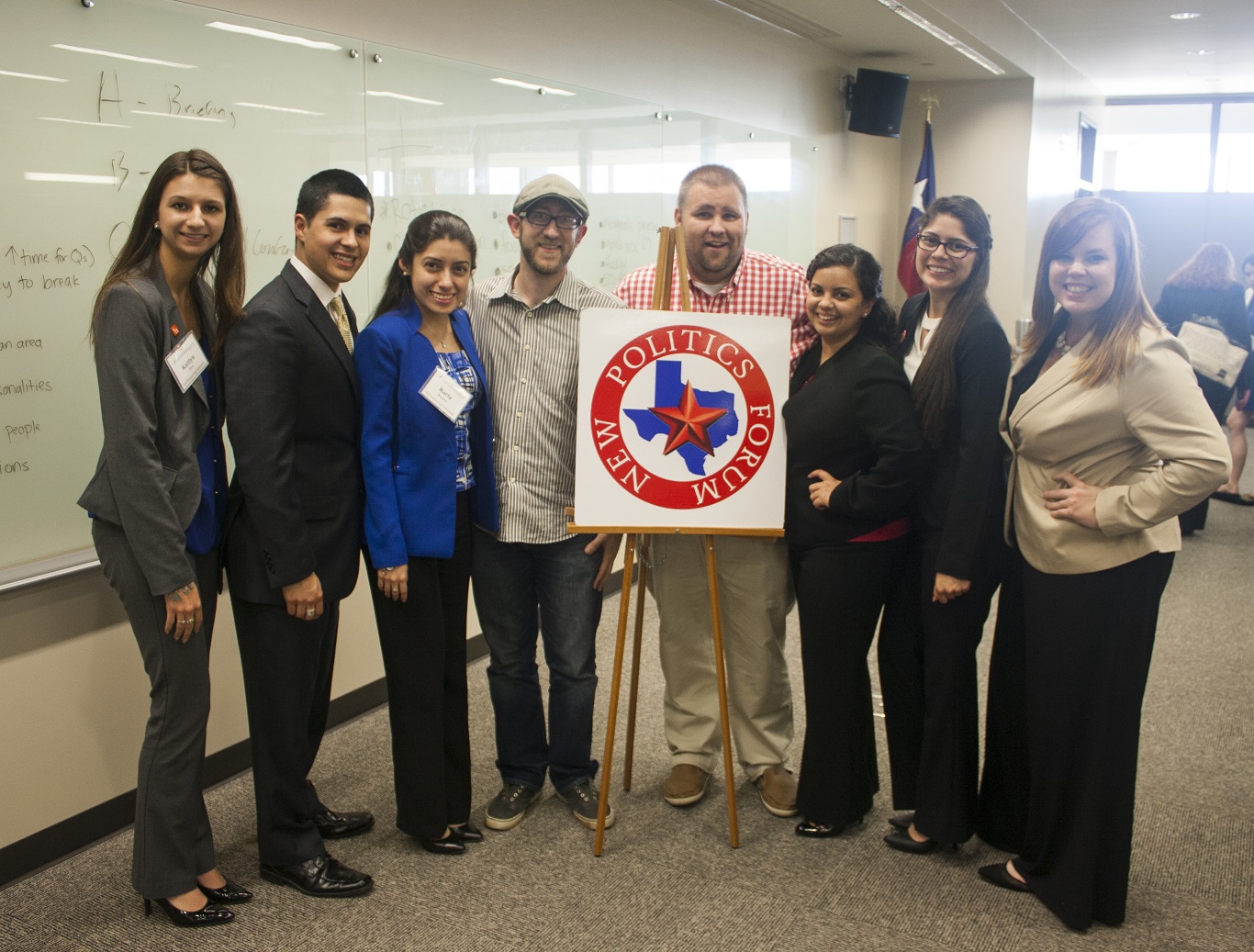
LEAP Center Students with Matt Glazer and Luke Marchant
    Glazer, Marchant, and LEAP Students

LEAP Center Students would like to thank Emily Einsohn, Drew Galloway, Luke Marchant, and Matt Glazer for leading such a great program!

Unknown's avatarAuthor mikeyawnPosted on June 1, 2015Categories Civic Engagement, Law, Politics, TravelTags Annette Strauss Institute, Austin, Campaign Bootcamp, Civic Engagement, LEAP Center, Luke Marchant, Matt Glazer, NPF, SHSU, UT TowerLeave a comment on LEAP Center Students in Austin: Day 3

LEAP Center Students in Austin: Day Two

Upon arrival this morning, boot campers were greeted with warm breakfast tacos, fruit, homemade granola, yogurt, and coffee to start the second day of NPF’s Campaign Bootcamp. It was a great start to a fourteen-hour day, filled with learning about all manner of campaign topics.

LEAP_Center_Students_Walking_web

Chris Perkins & Polling
The first presentation of the day was centered on polling and how to use it to your advantage within a campaign. The speaker, Chris Perkins, partner at Wilson Perkins Allen Opinion Research and an expert on quantitative and qualitative analysis, presented helpful guidelines to think about when managing a real campaign.

Chris_Perkins_NPF_Web

One of his main points throughout the presentation was the importance of targeting: “targeting the right persuadable voters is key to victory, especially if you cannot afford to reach out to everyone.” His close created a seamless intro for the next session, how to craft a campaign message.

Rindy Miller Media, Crafting a Message

That presentation, crafting a campaign message for earned and paid media, was led by veteran media consultant Cynthia Miller, with her spouse Dean Rindy, also a media consultant.

Rindy_Miller_NPF_Web

They gave us strategies for effective message delivery and great ways to build a campaign message. We learned the four key rules:

  • visualize the message,
  • tell the story,
  • use emotion,
  • and keep it short.

We were also reminded “it’s not what you say, but who you are.” A great way to promote a successful message is by frequency and repetition because it takes the human brain five or more repetitions before it recognizes an important message. After ten repetitions, the human brain has absorbed the message, which is especially applicable for voter contact via mail. All these great tips and strategies will be very useful when strategizing for our campaign presentations tomorrow afternoon.

Rindy_Miller_NPF_3_Web

Vincent Harris & Social Media

We were then introduced to “The Man Who Invented the Republican Internet,” Vincent Harris. His presentation was filled to the brim with energy and strong delivery.

Vincent_Harris_NPF_Web

Harris, CEO of Harris Media, discussed the power of the digital media and the leverage this medium can bring to a party. Facebook, a large part of the digital media, plays a vital role, as do other smaller social media outlets. Currently working on Rand Paul’s bid for President, Harris believes digital media will be one of the deciding factors of the election. The direction and the ever-changing political climate have indicated that the Internet along with digital media will become king in political campaigns. The capabilities with rapid response will make it especially crucial in the end game parts of elections. Sticking to one or two messages makes getting the word out simple and effective, and it worked for us–as we remained engaged in the midst of a long Saturday.

LEAP_Students_Audience_2_Web

Of course, crafting the message is part of the battle—implementing that message is another part.

“The great thing about the NPF, is that you learn so much, from so many people, in such a short time.”–Constance Gabel, LEAP Center VP

Matthew Brownfield, Colleen Loper, and Voter Targeting

After the break we were introduced to Mathew Brownfield, partner at Murphy Nasica & Associates, and Colleen Loper, campaign director at Annie’s List.

Brownfield_Loper_1_Web

This session focused on teaching us the essentials of targeting, voter contact and voter files, and how to get the most from knocking on doors. Essential information resources for the campaign manager, according to Brownfield and Loper, include the district’s electoral history district census data, and on-the-ground reports. Each mentor then went into specific tools that their party utilizes to narrow their voter targets as quickly and accurately as possible. Loper spoke about the main Democratic tools, which include the Voter Association Network (VAN), DCCC, DND, TDP, Blue Labs and the Analyst’s Institute for research. Brownfield admitted that the Republicans are lacking in this field by only having the GOP data center, but he still gave general research methods such as the state party databases, county party databases and voter files.

The two presenters then explained how important door-to-door campaigning is and how it is much more effective when trying to get out the vote (GOTV), but can be much more time consuming than phone calls. We learned that “knocking on doors” drives turnout and can be an effective method when trying to target moderate voters. Knocking on doors also insulates the campaigns from any change in opinion that the targeted voter might have had. Brownfield also mentioned that block walks during door-to-door campaigning can provide intelligence on the electoral situation of the opposing campaign. The two presenters agreed that the most appealing aspect of door-to-door campaigning is all of the positive media attention that can be earned. We learned that a good strategy when knocking on doors for a campaign is to have the candidate himself or herself knocking on doors as well. The presenters ended by mentioning that the candidate should always show that they are willing to put in work even in the smallest aspects of the campaign and that they can change a targeted voter’s mind easily, especially face-to-face.

Maegan Stephens and Communication

Finishing up the day of informative sessions, the energetic communication specialist, Maegan Stephens, focused on political pitches and presentations.

Megan_Stephens_Web

She began by engaging the students in a quick icebreaker, allowing them to move around and tune in.

Ice_Breakder_Exercise_Web

Throughout this session, Ms. Stephens covered the content, delivery, slide deck, and questions and answers section of a successful presentation as well as the tools to create a political pitch. More specifically, she discussed the three parts of the content: the introduction, strategy, and the conclusion. She also emphasized the importance of delivering a presentation, being conscious of the presenter’s non-verbal and vocal communication. With her help we gained knowledge and confidence beneficial to our upcoming presentations.

Luke Marchant, Matt Glazer, Drew Gallaway, Coda

Luke Merchant and Matt Glazer, boot camp mentors, wrapped up the day with last-minute details and Q&A regarding the project and presentation…

Audience_Web

…followed by a brief overview of tomorrow’s agenda by Drew Galloway who, prior to working for the Annette Strauss Institute, worked for the White House.

Audience_3_Web

While  listening and learning occupied students through most of the day, the evening hours were spent creating mock campaigns…

Kaitlyn_Mitchell_Groups_Web

…from real data and hypothetical candidates from House District 117 in San Antonio.

Mitchell Sanchez and Luke Marchant

We once again practiced the “working dinner” concept and vigorously tried to get as much as possible done in our teams, with the help of our mentors, Mr. Merchant, Mr. Glazer, Ms. Holden, and Ms. Moore.

Karlas_Group_NPF_Web

Balancing different topics such as budgeting and polling, LEAP Center students tried to recall as much as possible from the previous sessions to create campaigns that would make the mentors proud.

This slideshow requires JavaScript.

Finally, with work still left to do, we left the campus for the hotel around 10:00pm, for an evening of blogging, research, and presentation practice. Hopefully, some sleep will follow this evening while we look forward to a packed day of presentations tomorrow.

Unknown's avatarAuthor mikeyawnPosted on May 31, 2015May 31, 2015Categories Civic Engagement, Law, Politics, TravelTags Annette Strauss Institute, Drew Galloway, LEAP Center, Luke Marchant, Matt Glazer, New Politics Forum, NPF, SHSULeave a comment on LEAP Center Students in Austin: Day Two

LEAP Center Students in Austin: Day One

The LEAP Center Student Advisory Board (and some fellows SHSU students) embarked to Austin this week to attend the New Politics Forum’s “Campaign Bootcamp.”  But in the true multi-disciplinary spirit of the organization, we had a few other things to tackle first…

Salado Creek

To begin of our first full day in Austin, LEAP students headed to Salado, TX to explore a tiny, tourist town full of southern hospitality. Upon our arrival, we visited Salado Creek with hopes to see Tabletop Rock, where wagons crossed the creek bed during the nineteenth century. The group took the opportunity to take selfies with the overflowing creek.

Salado_Creek_Groupie_Constance

Salado College

In the nineteenth century, Salado was also home to Salado College, which had 300 students at peak registration. Unfortunately, in 1901 the college burned down leaving ruins which have since been converted into a public park. The ruins made for an exciting photo opportunity!

Following our visit to the Salado College ruins, LEAP students eagerly enjoyed browsing about in local shops. We encountered many different types of art, jewelry, and homemade goods. Helping to boost our energy, the group stopped at Salado Mercantile, a gift shop, which offered a variety of unique bottled sodas and their specially seasoned crackers.

The Legend of Sirena

Regaining a bit of jump in our step, the LEAP Center students headed to the statue of Sirena, by Troy Kelley. According to mythology, Sirena, an Indian woman, wished to marry a brave man who did not feel the same passion for her. Drawn by her pain of unrequited love, a magic wielding catfish found her and promised her marriage with the warrior if she swam as a mermaid with him each full moon for a year. She married her brave man, knowing that no human could see her in her mermaid state, lest she be mermaid forever. The last full moon of her penance, Sirena’s husband saw her swimming in the river, sealing her mermaid fate. She now lives as a bronze sculpture, forever in anguish on the bank of Salado Creek.

Sirena_LEAP_Center_Students

To suppress our mid-morning sweet tooth, we made our way to a special treat that included sampling a delicious assortment of fudge at Salado’s Mud Pies Pottery. In the end, the group favorites were the crème brûlée, red velvet, and salted caramel fudge. Inside, we also eyed with want the wonderful ceramics masterpieces by local artist, Titia Arledge.

Salado’s Sculpture Garden

One of the unique parts of Salado proved to be the Salado Sculpture Walk. Consisting of a single pathway and a small creek, the sculpture walk was an unexpected surprise. Students enjoyed observing the unique pieces of art such as Troy Kelley’s “Handicapped Mask” and another by La Paso named Starburst for its kinetic motion.

Salado_Sculptures_Groupie

Bringing the adventure of Salado to an end, LEAP students had the opportunity to watch one of Salado’s glass blowing artists, Aaron Gist, in action as he created hand blown pieces for a Chihully-like chandelier masterpiece. Watching in amazement, LEAP students observed the art of making glasswork in one of the many local shops that exhibits the importance of art to Salado’s community.

Georgetown’s Monument Cafe

On the way back to Austin, LEAP students made a speedy stop for lunch at the Monument Café in Georgetown.

Monument_Cafe

The Cafe specializes in breakfasts (served all day) and lunches.  We opted for the lunch fare, with our group enjoying home cooked biscuits, club sandwiches, burgers, and delightful fried blueberry pies with frozen custard.  The food was good, the service was friendly and quick, and we left satisfied and in a hurry to get to the  New Politics Forum Campaign Bootcamp.

New Politics Forum

Our Salado adventures were so intriguing that we arrived late to the University of Texas campus and managed to walk straight into the beginning presentation. Luke Marchant, the director at Mammoth Marketing Group, who has successfully managed state and federal political campaigns for people such as U.S Senator Marco Rubio, was our first Republican mentor along with Democrat Matt Glazer. Matt Glazer is currently the executive director of the Austin Young Chamber of Commerce and is also a seasoned NPF democratic mentor. The two mentors opened up by discussing the types of campaigns and highlighted the different areas of them. We learned that using previous polling data would help us decide to simply mobilize the voters or persuade new voters. Marchant and Glazer also spoke to us about the elements of a campaign and some of those elements include knowing the reason why are you running, the issues that matter, the goal and the message that you want your campaign to portray. Asking yourself why you are running is one of the most important questions of campaigning.

After a short break, we were introduced to Rob Johnson and J.D. Gins. Rob Johnson is the former campaign manager for Rick Perry for President and J.D. Gins is the executive director of Travis County Democratic Party. Like the first two speakers, Gins and Johnson are men of opposing parties to fulfill the nonpartisanship ideals of the program. Both speakers agreed that running a campaign involves “blocking and tackling”, meaning that following the steps to create a successful campaign is key. Rob Johnson pointed out that the Digital Director is one of the most important persons in a campaign and that adapting to society is crucial to produce a win.

Johnson and Gins at NPF

When Gins and Johnson are determining if they want to run the campaign of a candidate, they ask a few important questions, including whether they have enough money, whether there’s an open position, and most importantly whether a candidate WANTS to run and put in the effort that it takes to win. As Gins said, “When you walk in, do the work in front of you” meaning that not even the candidate is above the smallest job that needs to be done.  Before closing their presentation and going to a break, the two men let the students know that they look for people who take direction well, work hard, are willing to challenge the senior staff, while being humble enough to ask for help.

When we returned from our break, Pasha Moore spoke to us about fundraising. She informed us of the reasons individuals give to campaigns and the components of a finance plan. There are many reasons that people give, such as friendships, habit, to change or affect policy, but Moore let us know that the main reason that people give to campaigns is simply because they are asked. She also emphasized “the ask”. There are different ways of asking and you should always be confident and straight forward when asking people to donate money. Finally, she closed by reminding us to always thank the donors.

Seeing as the afternoon was turning into evening, we finished the last session to emulate a real campaign scenario with a “working dinner” of pizza and salad, while being able to meet and interact with our teams for the first time.

Mitchell_Group

The weekend of campaign bootcamp consists of long days of training, finishing with presentations from each team on Sunday. Ironically enough, most of the LEAP Center students, Republicans at heart, were placed on Democratic teams. This might stem some interesting debate among peers.

Our first task as a team was to pick a name. This proved to be a great way to interact with our team for the first time and share ideas. After so much brainstorming we finally came up with our team names and began planning for our presentations. We shared our ideas on different political views, which should prove helpful in order to strategize for our campaign plans.

After our “working dinner” it was time to get back to our next presentation on volunteering. Executive director of the Dallas County Democratic Party, Taylor Holden, presented how volunteers are the building blocks to a campaign. We learned about recruiting, training, and rewarding volunteers. Volunteers will authenticate and build momentum for a political campaign. We learned the cardinal sins and commandments of volunteering such as never lie or skip training and building relationships with volunteers. Seen by most as the most important building block of a campaign, we sat with bated breath while taking in all of the complexities that volunteering entails.

Exhausted, we ended our first day of campaign bootcamp and headed back to the hotel. On our way back to the hotel we made a quick stop at the Capitol building for a goodnight selfie.

Capitol_Groupie

Excited about our day tomorrow full of training, we headed to bed ready to learn and soak up all that boot camp has to offer.


Unknown's avatarAuthor mikeyawnPosted on May 30, 2015May 30, 2015Categories Art, Civic Engagement, Politics, TravelTags LEAP Center, Luke Marchant, Matt Glazer, NPF, Rob Johnson, Salado, SHSU, Texas CapitolLeave a comment on LEAP Center Students in Austin: Day One

LEAP Ambassadors Are Involved!

This slideshow requires JavaScript.

Follow Us On Facebook!

Follow Us On Facebook!

Catch Up With Us

  • Crafting for a Cause December 18, 2025
  • Exploring The Shining: A Kubrickian Journey December 15, 2025
  • Interactive Experiences at Asia Society Texas: A Student’s Perspective December 14, 2025
  • A Culinary and Artistic Journey Through Houston December 13, 2025
  • Alumni Insights: Jessica Rodriguez-Wahlquist Returns to LEAP December 11, 2025

Join The Conversation!
The Civic Leadership… on Foundational Activities of the…
The Civic Leadership… on The Philosophical Foundations…
LEAPing Into Action… on The Philosophical Foundations…
Jada Cook's avatarJada Cook on SHSU Students LEAP Across Five…
Reflections from the… on Kicking off the Semester Right…

Find Previous Posts

Throwing it all the way back to the days when LEAP suited up for the Sammys — and even took home a few! Over 10 years later and these trophies still make our alumni smile. Who else has their Sammy?!
We also have Twitter!

My Tweets

LEAPing Into LEARNing

This slideshow requires JavaScript.

  • About LEAP
  • LEAP Ambassadors
Center for Law, Engagement, and Politics Blog at WordPress.com.
  • Subscribe Subscribed
    • Center for Law, Engagement, and Politics
    • Join 486 other subscribers
    • Already have a WordPress.com account? Log in now.
    • Center for Law, Engagement, and Politics
    • Subscribe Subscribed
    • Sign up
    • Log in
    • Report this content
    • View site in Reader
    • Manage subscriptions
    • Collapse this bar
 

Loading Comments...