Essential Guide to the Law School Admissions Process

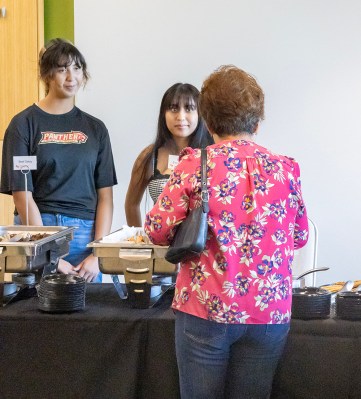
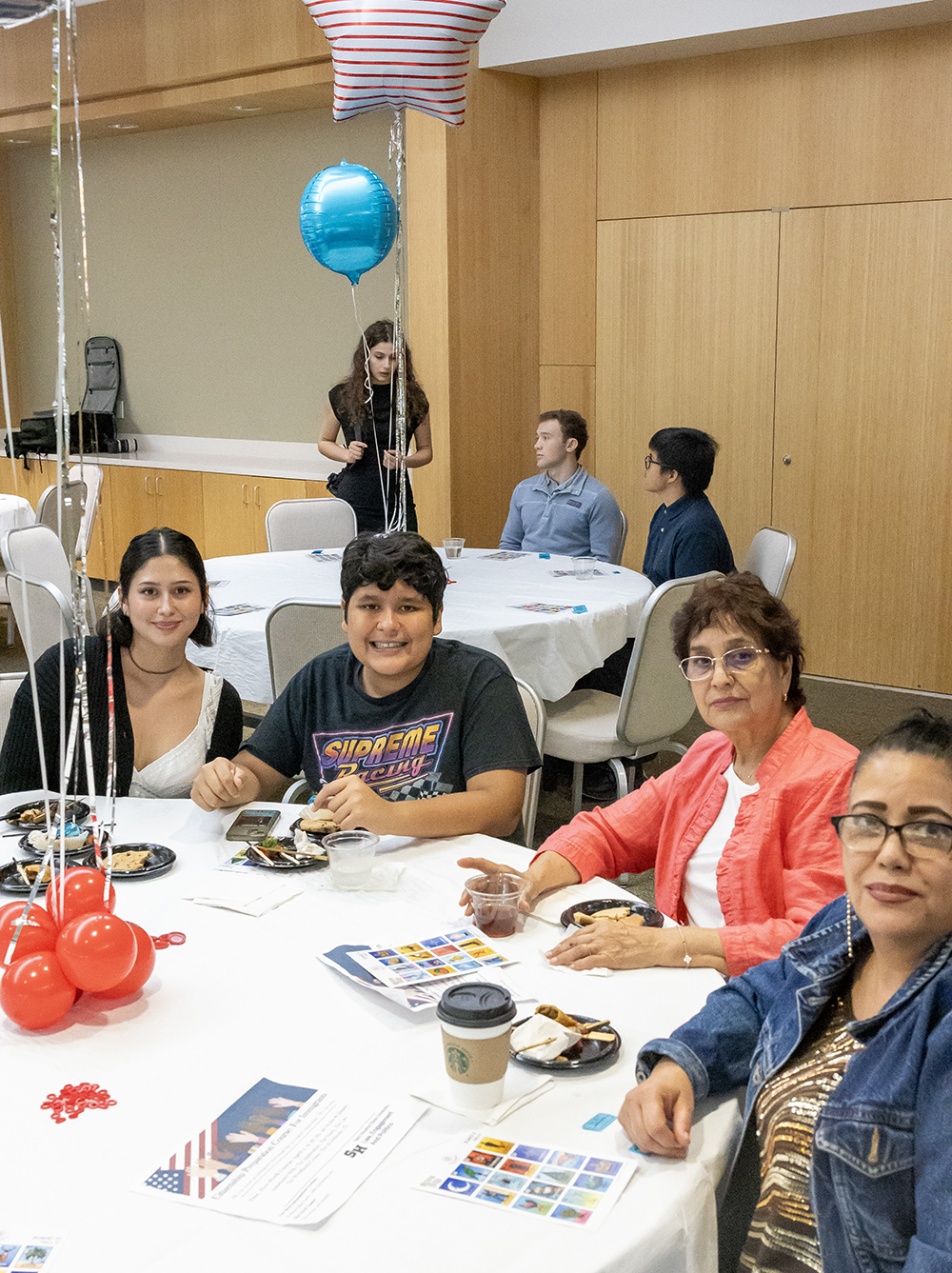
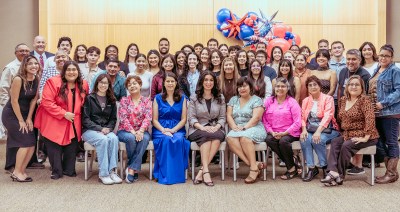
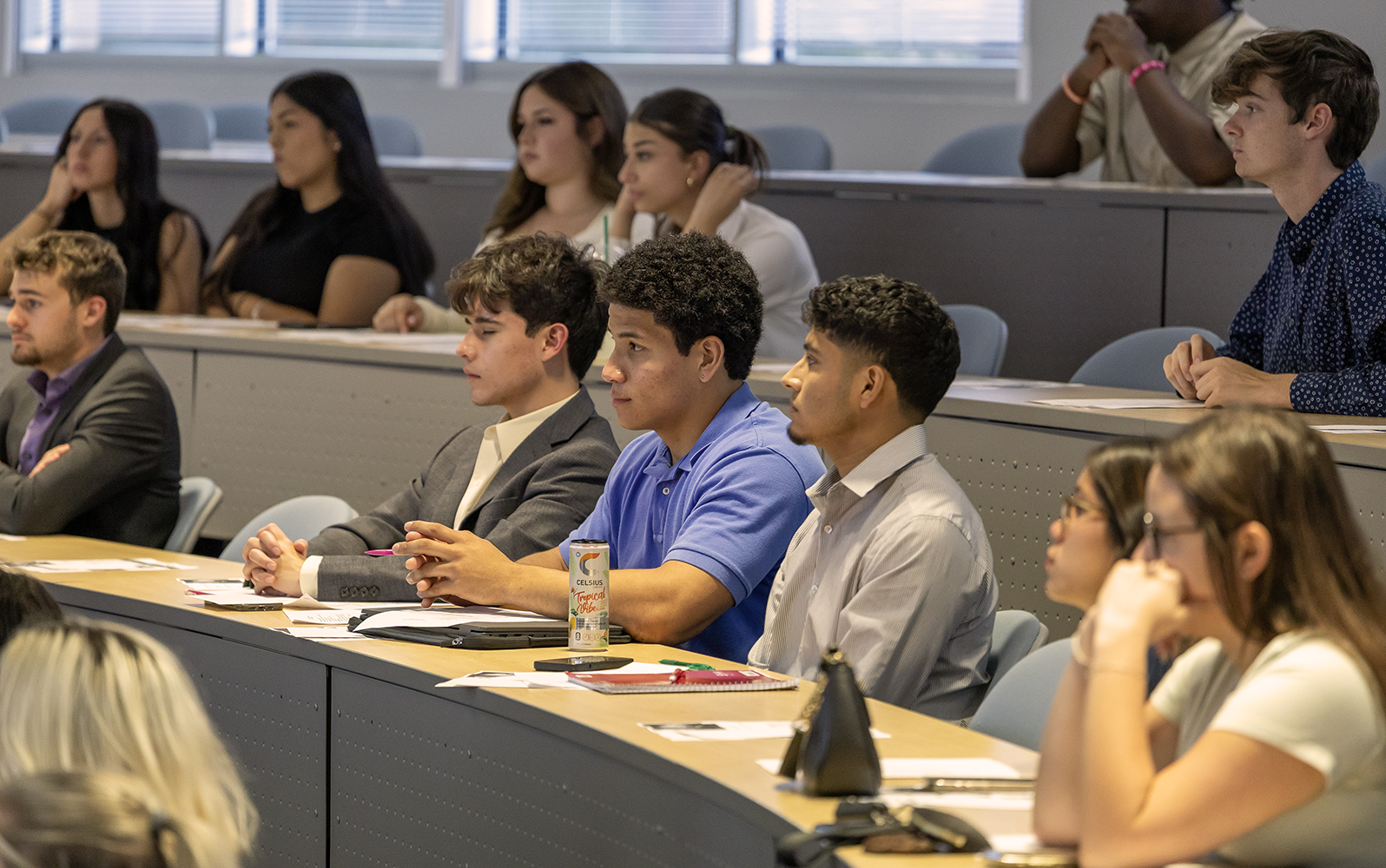
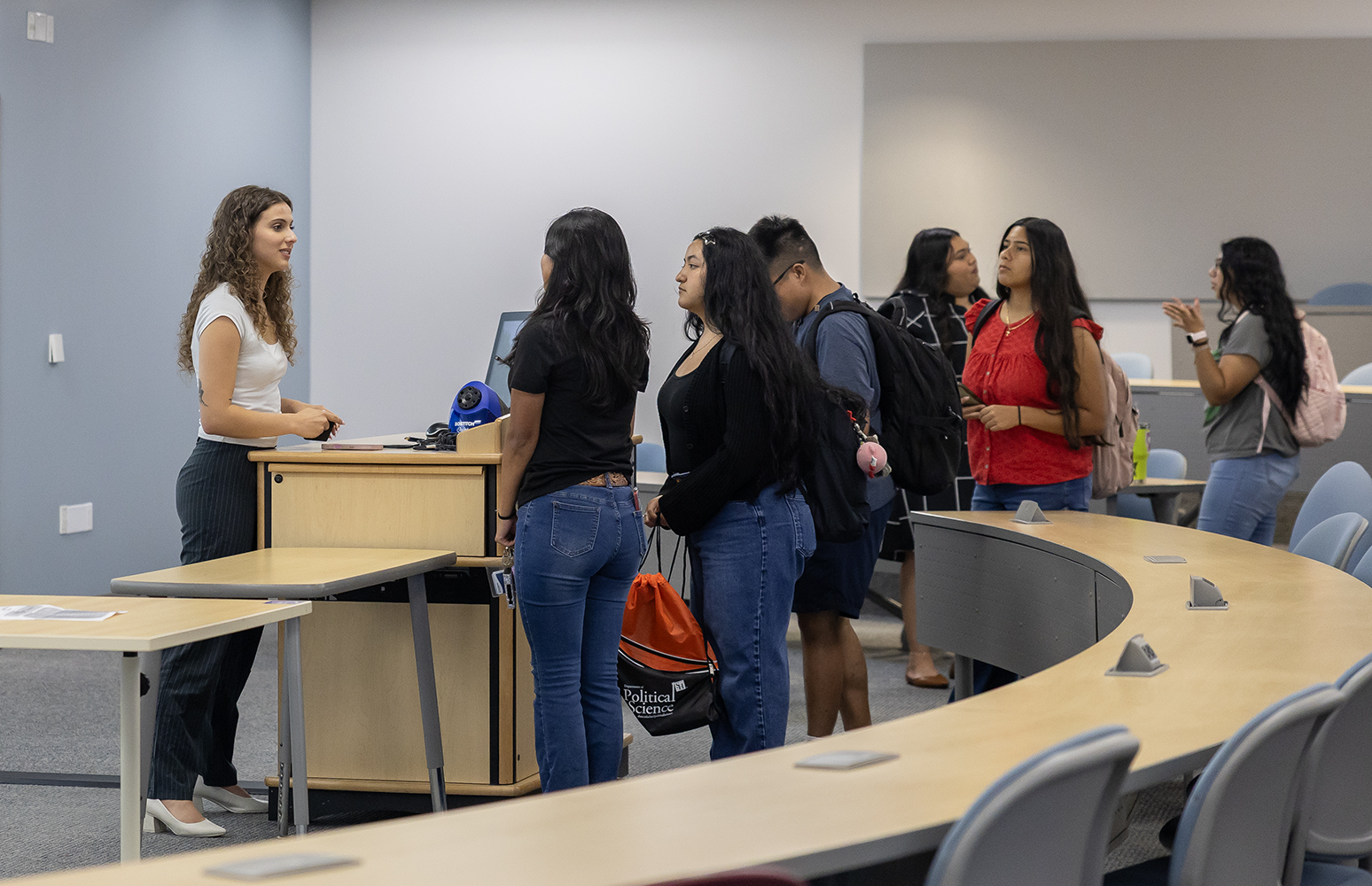
It’s always exciting to begin a new semester in the Pre-Law Society, but this was especially the case this year, when we set a new record for members with 144! The lines delayed the meeting a bit…

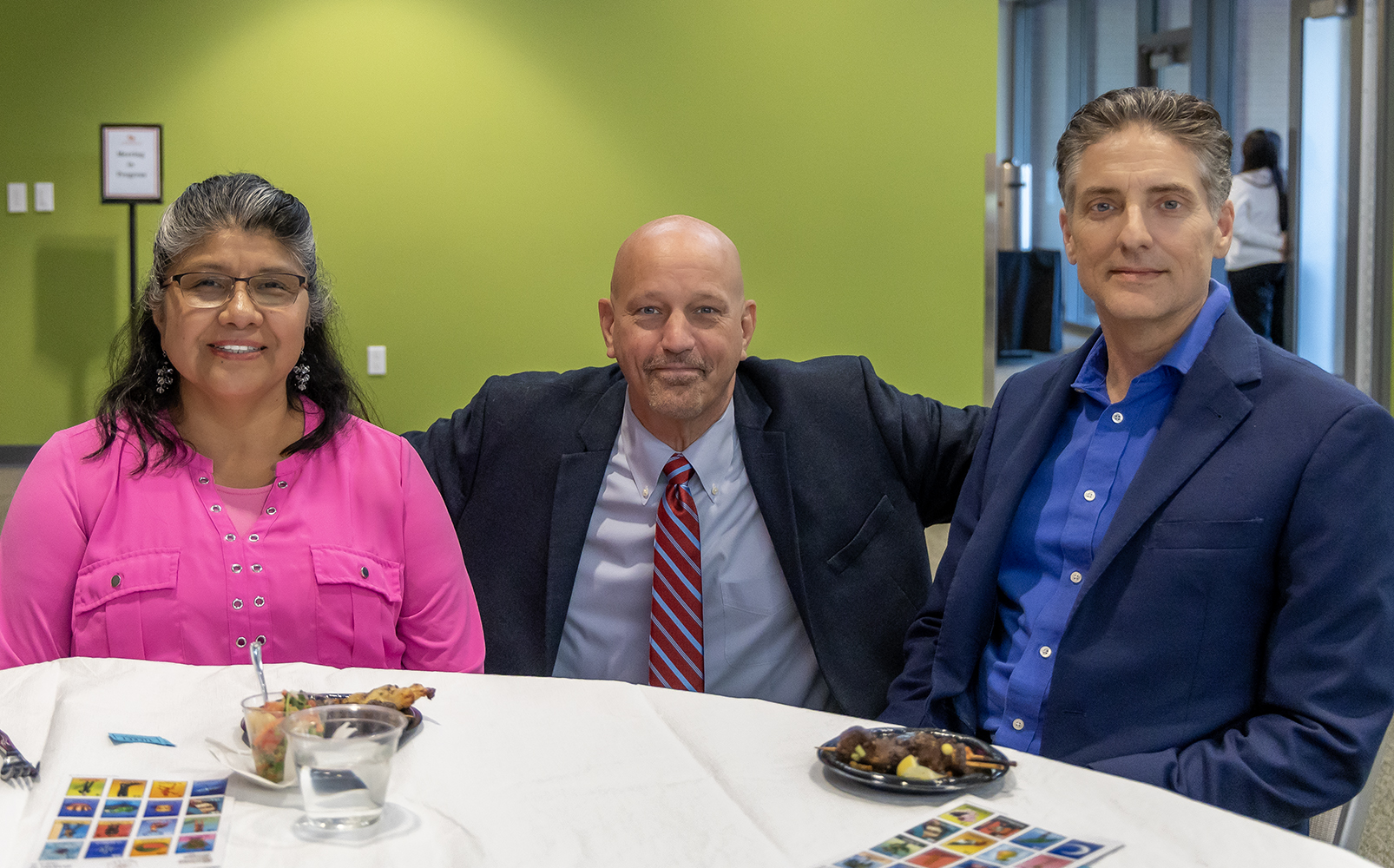
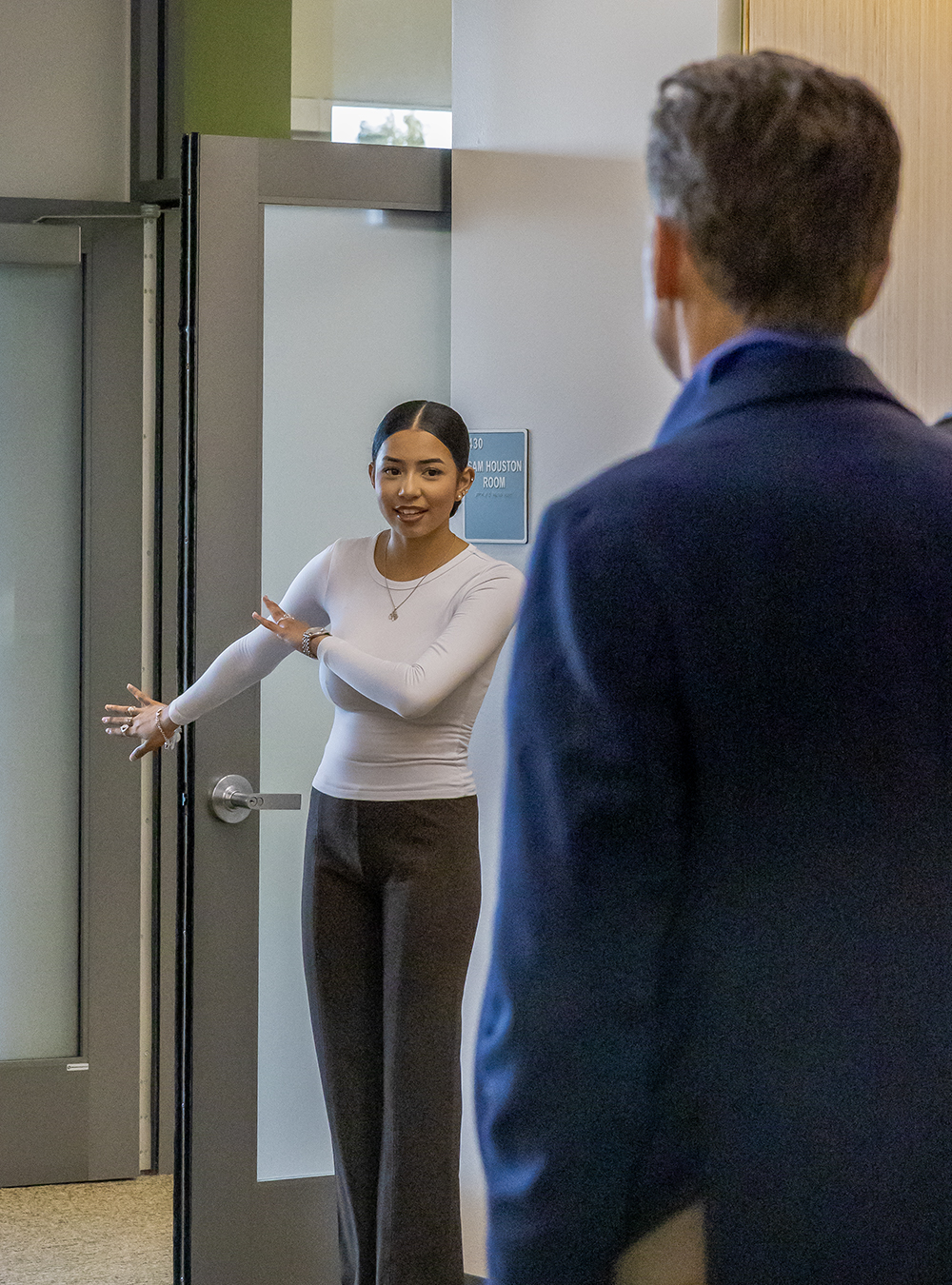
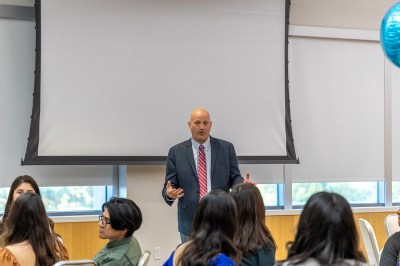
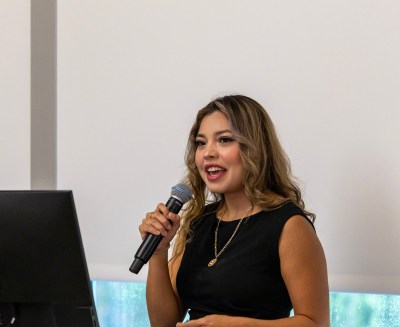
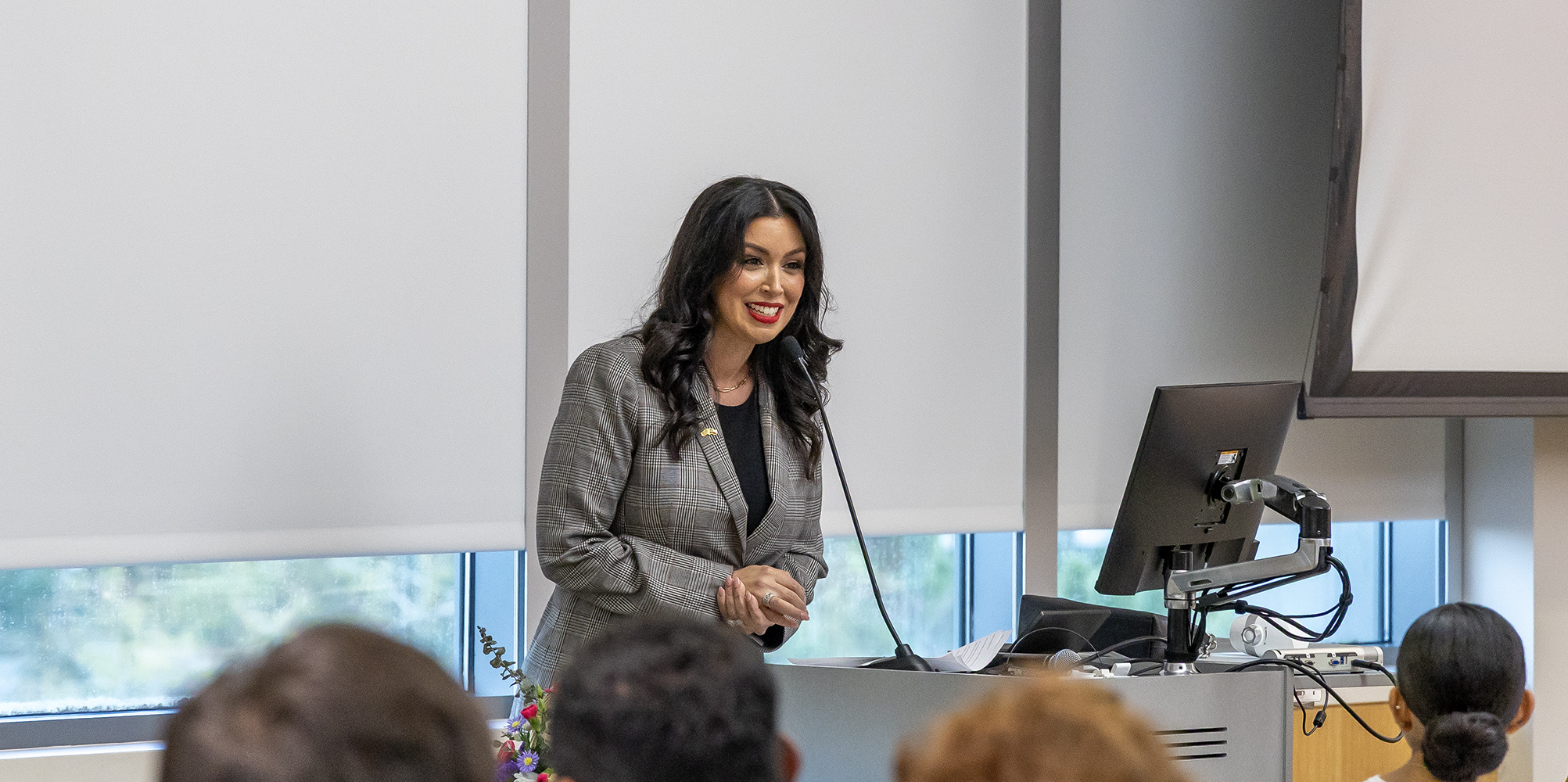
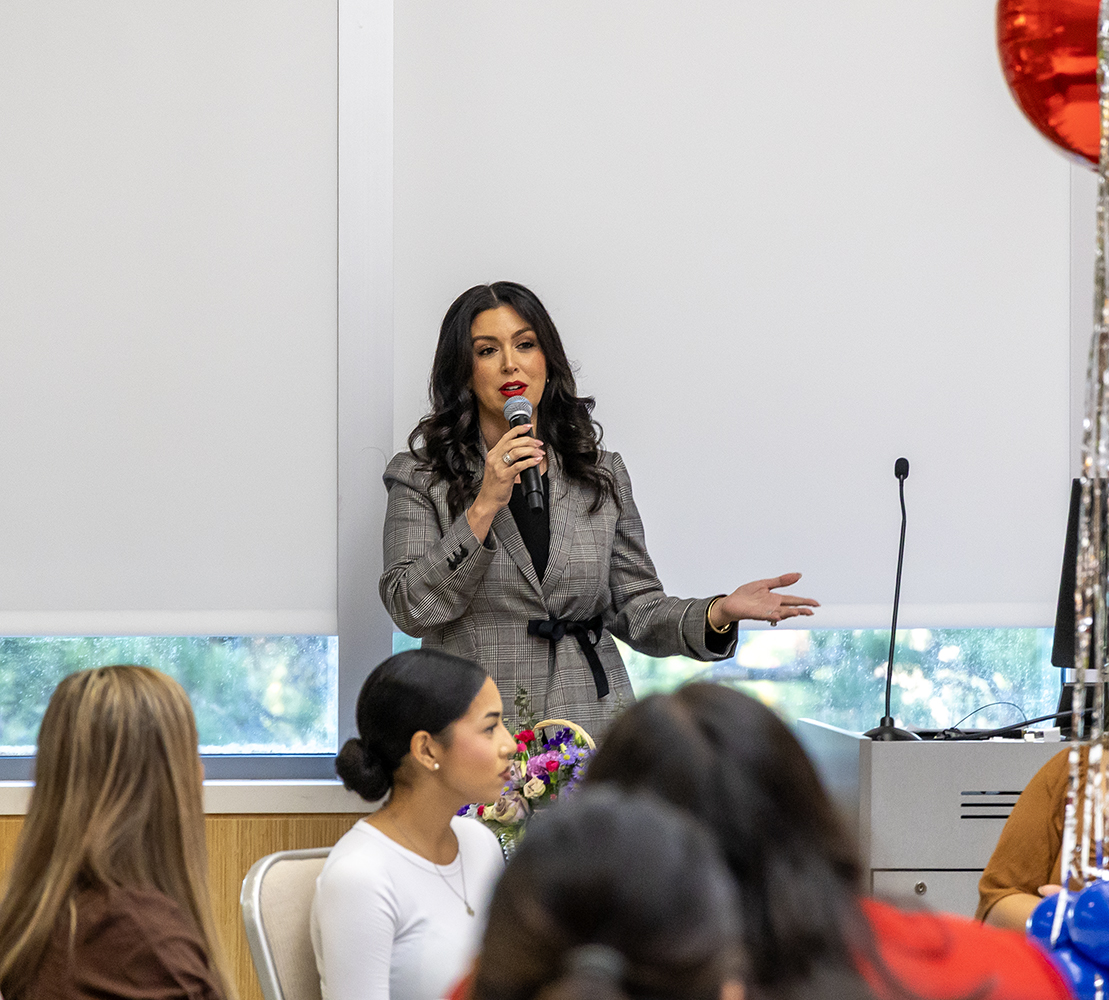
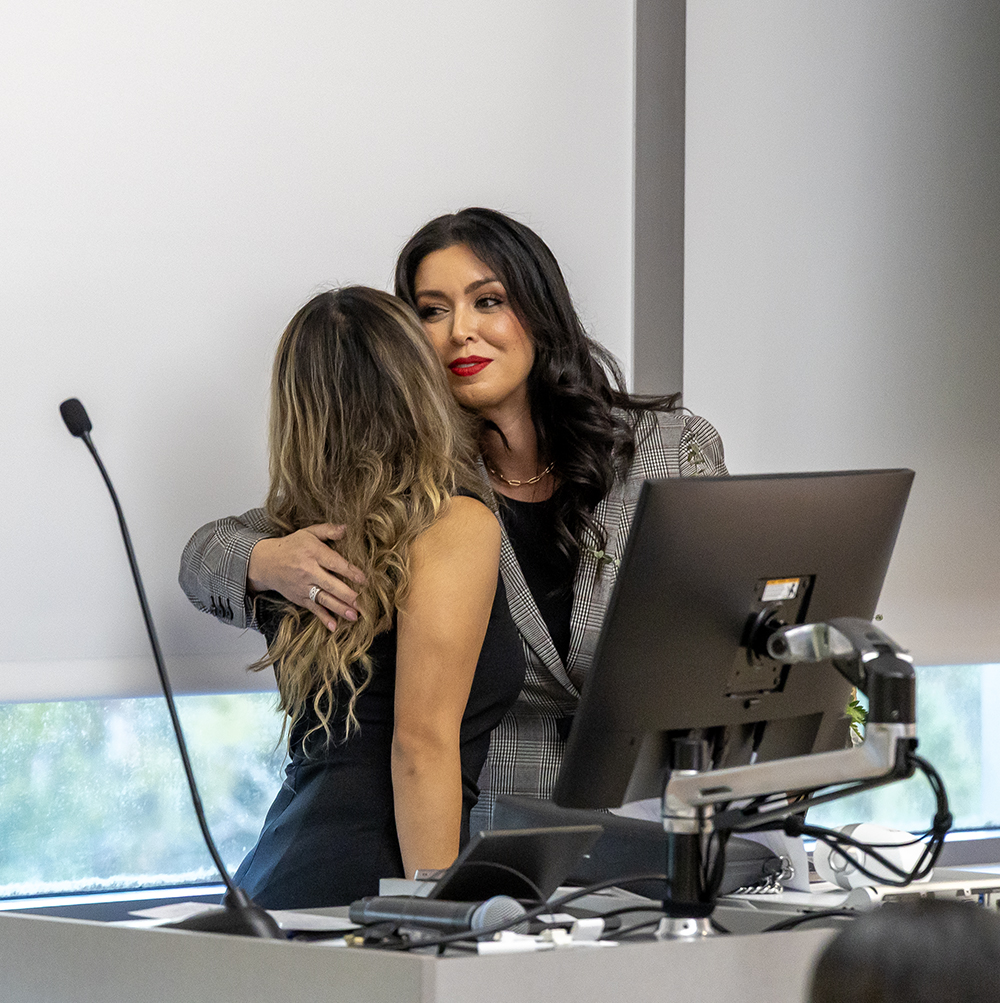
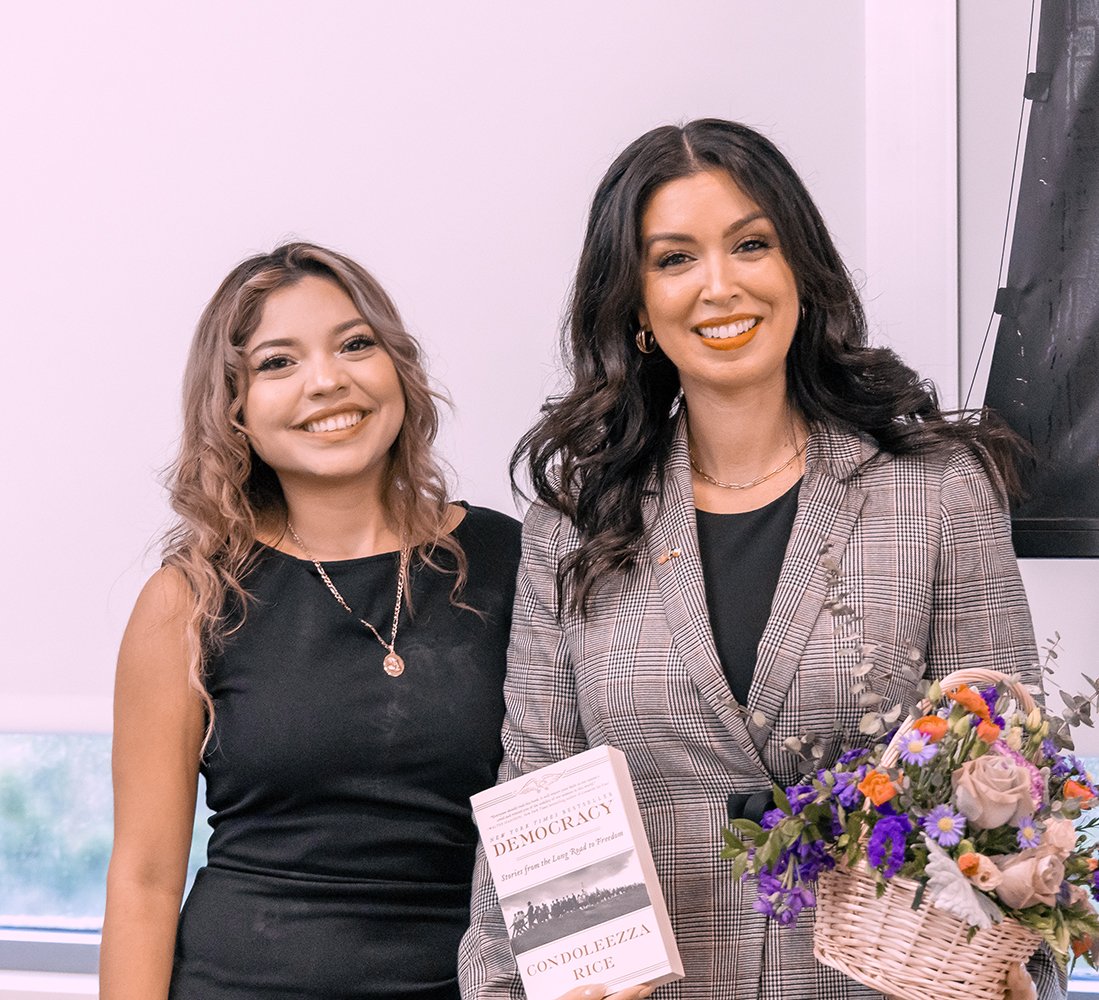
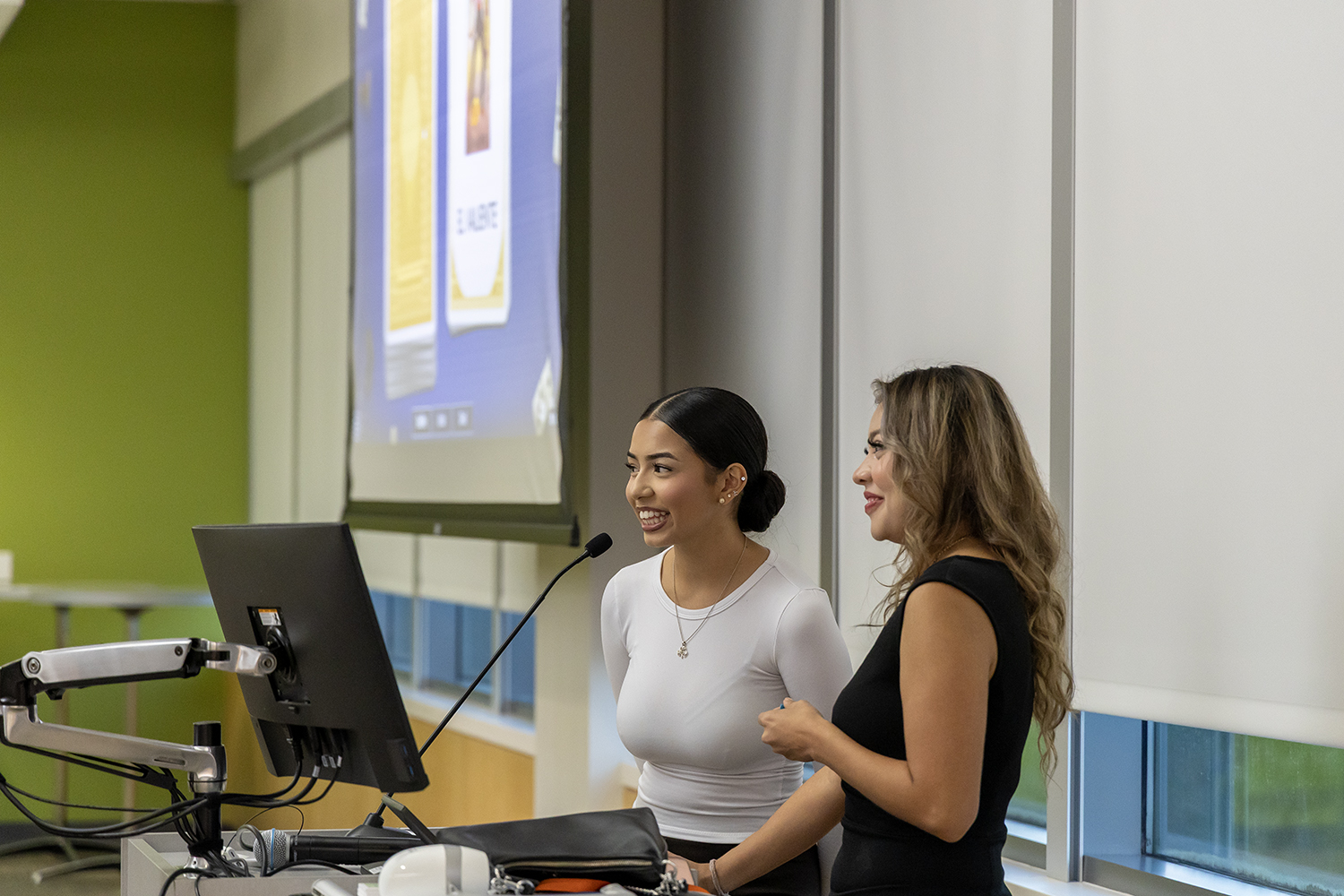
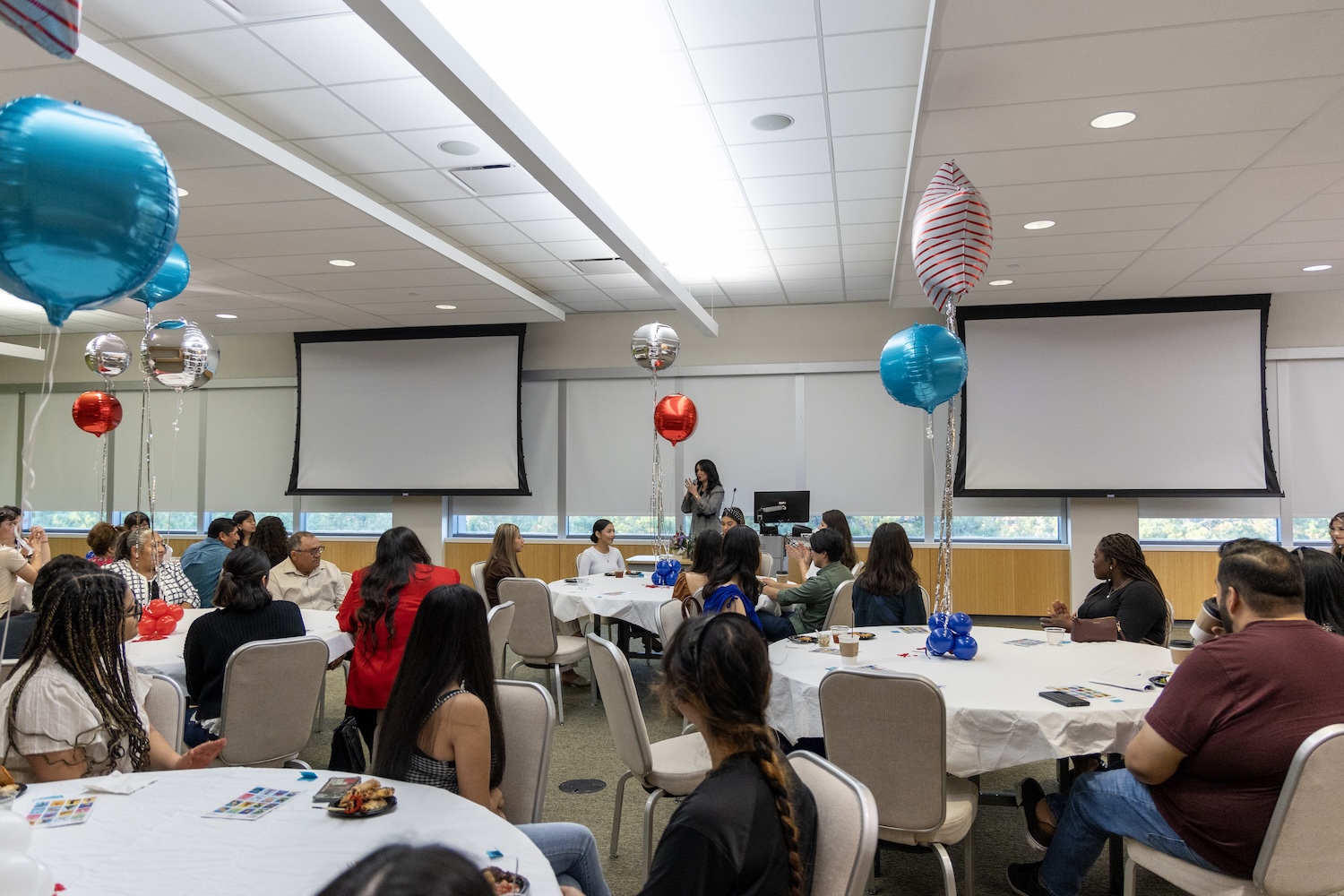
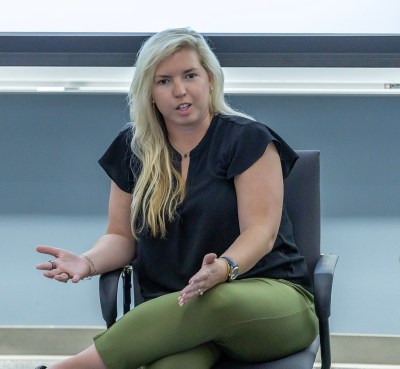
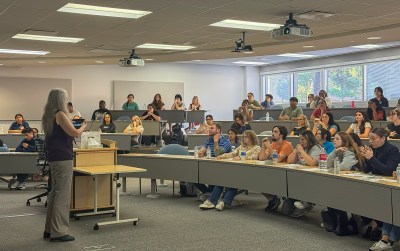
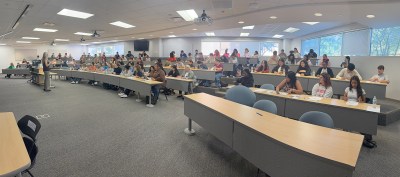
…but the wait was worth it: we had Deans of Admission from South Texas College of Law (Nakita Wanza), University of Houston Law Center (Pilar Mensah), and Texas Tech University School of Law (Danielle Saavedra). With a general session moderated by President Olivia Discon and breakout sessions that followed, it was a semester’s worth of information into one record-breaking meeting.

General Body Meeting

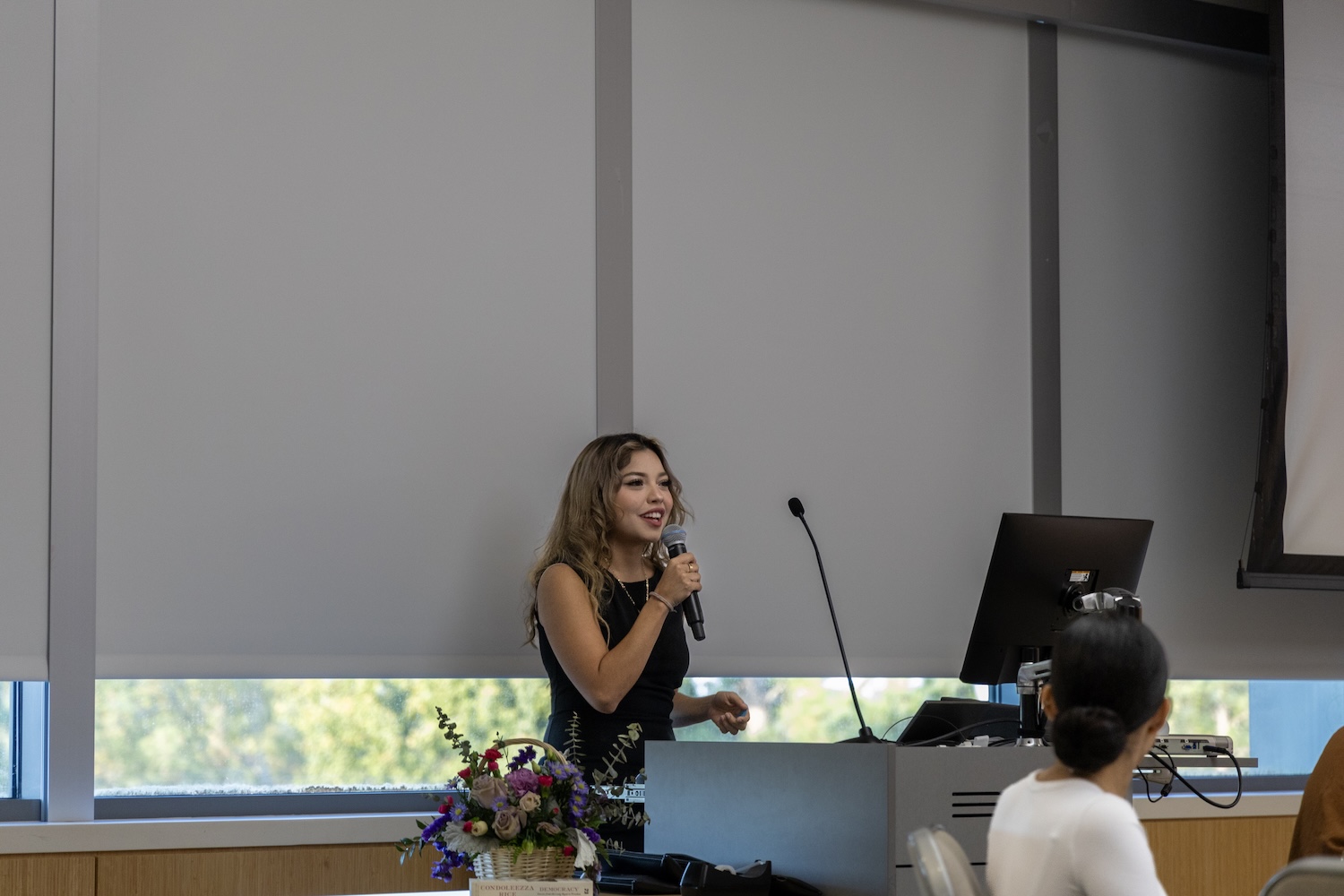
Not wanting our minimal business reports to get in the way of the main program, President Discon and the officers moved rapidly through the business.

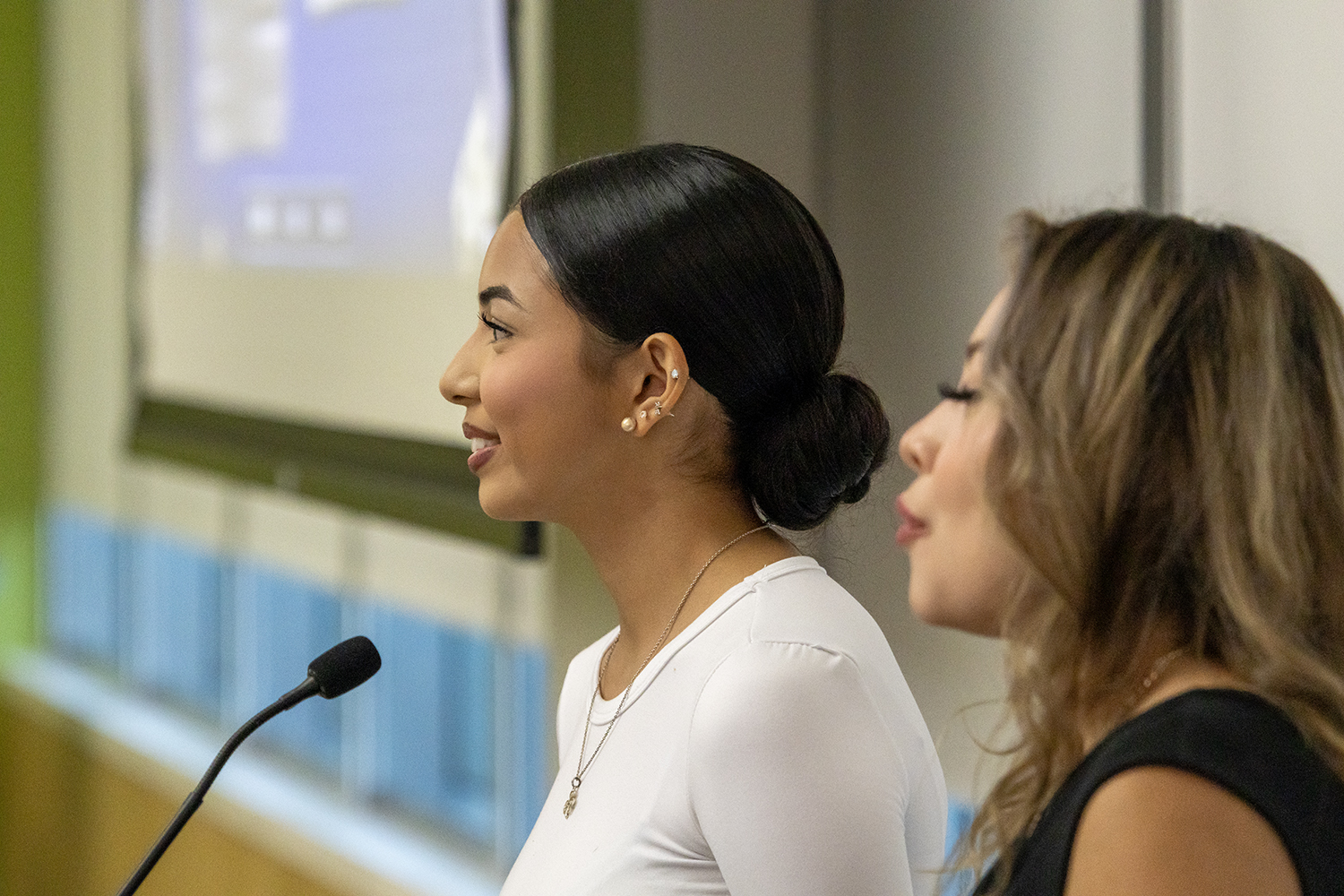
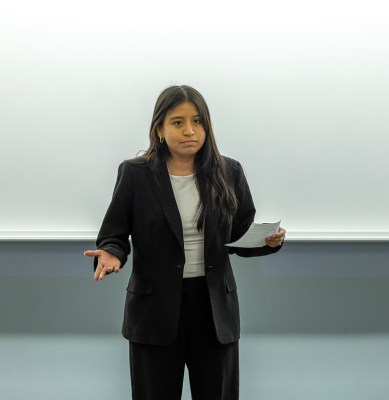
It was, however, the panelist’s evening. President Discon did an excellent job moderating the event, and we learned information that is useful for pre-law students everywhere.

How important are grades and the LSAT?

Very important! While this is to be expected, many students may not realize that (1) law schools look at your cumulative GPA–grades from dual credit, community colleges transferred in, repeated grades (the original grades are factored back into the GPA for law school)–and (2) the LSAT is the only indicator they have that is common to all students who apply. Keep those grades up and make appropriate plans to spend the necessary time on LSAT studying–the latter of which demonstrates times management, a much needed skill in law school.

What do law schools look for in personal statements and letters of recommendation?

All three Deans emphasized the personal statements, noting that they were looking for authenticity. This is the chance for the students to provide information provided only by a personal statement and to provide an insight into the applicant’s true self. For those who wish to present their true selves through AI, Deans of Admissions can tell. Moreover, applicants should (1) follow instructions and (2) proof read. You’d think this would be common sense, but every year, law schools receive personal statements addressed to other schools, longer than the permitted length, or responsive to prompts not provided by the school.

Similar care should be taken with letters of recommendation. Some students may be tempted to ask the professor they liked the most, or they thought was “cool,” or someone whom they spoke with often. But law schools want to hear from professors who have seen the student’s writing, (critical) thinking skills, and reading ability. If the class didn’t require any of these things, or if you didn’t earn a strong grade in the class, seeking letters elsewhere might be your best bet. Dean Mensah also encouraged students to have their letter writers identified by their junior year, rather than waiting to the last minute–another time management lesson!

Additional Information

The schools emphasized the importance of taking this process seriously and the importance of character. Of course, character can reflect a student’s priorities–such as grades and the LSAT–dedication to those priorities, and those who possess integrity will carry that trait with them into law school, and one hopes, to their career beyond.

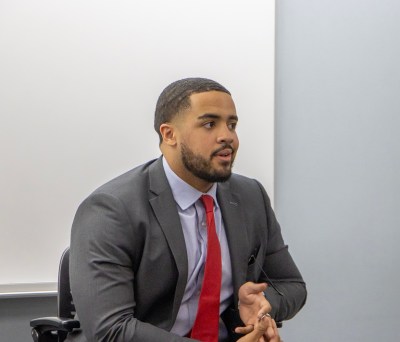
President Discon also introduced Michael Chambers, an SHSU alum (class of 2023) who is a 2L at South Texas College of Law. He emphasized the importance of hard work, asking questions when needed, and applying oneself in an area of interest.

With this foundation, the general body meeting was adjourned, and students left for breakout sessions, each of which featured a presentation from a different school.

South Texas College of Law (STCL)

by Katherine Burnett

The South Texas College of Law session was led by Associate Director of Admissions, Ms. Nakita Wanza, along with 3L law student and SHSU alum, Michael Chambers. Ms. Wanza began by walking students through the “holy trinity” of law school applications: the LSAT, the personal statement, and letters of recommendation. She emphasized the importance of researching every school you’re considering—especially their median LSAT scores—and setting that as a target when preparing.

Once the basics were covered, the discussion shifted to opportunities available at STCL. These include internships, legal clinics, student ambassador positions (which Michael called the “best job ever”), moot and mock court, journals, and more. Michael shared personal insights about his law school journey, noting that success comes from daily study habits but also from keeping a flexible schedule. He reassured students that “cold calling” isn’t as terrifying as it’s made out to be—it feels more like a conversation once you get used to it.

Michael also discussed how summers in law school are “what you make of them,” whether through internships, travel, or taking a break. On the topic of grades, he explained that law school’s suspenseful grading system makes it harder to track progress, but the best indicator of understanding is whether you truly know what’s happening in class.

The session wrapped up in just thirty minutes with Nakita and Michael encouraging students to study hard, stay open-minded, and remember that law school is within reach.

University of Houston Law Center

By Madison Cawthon

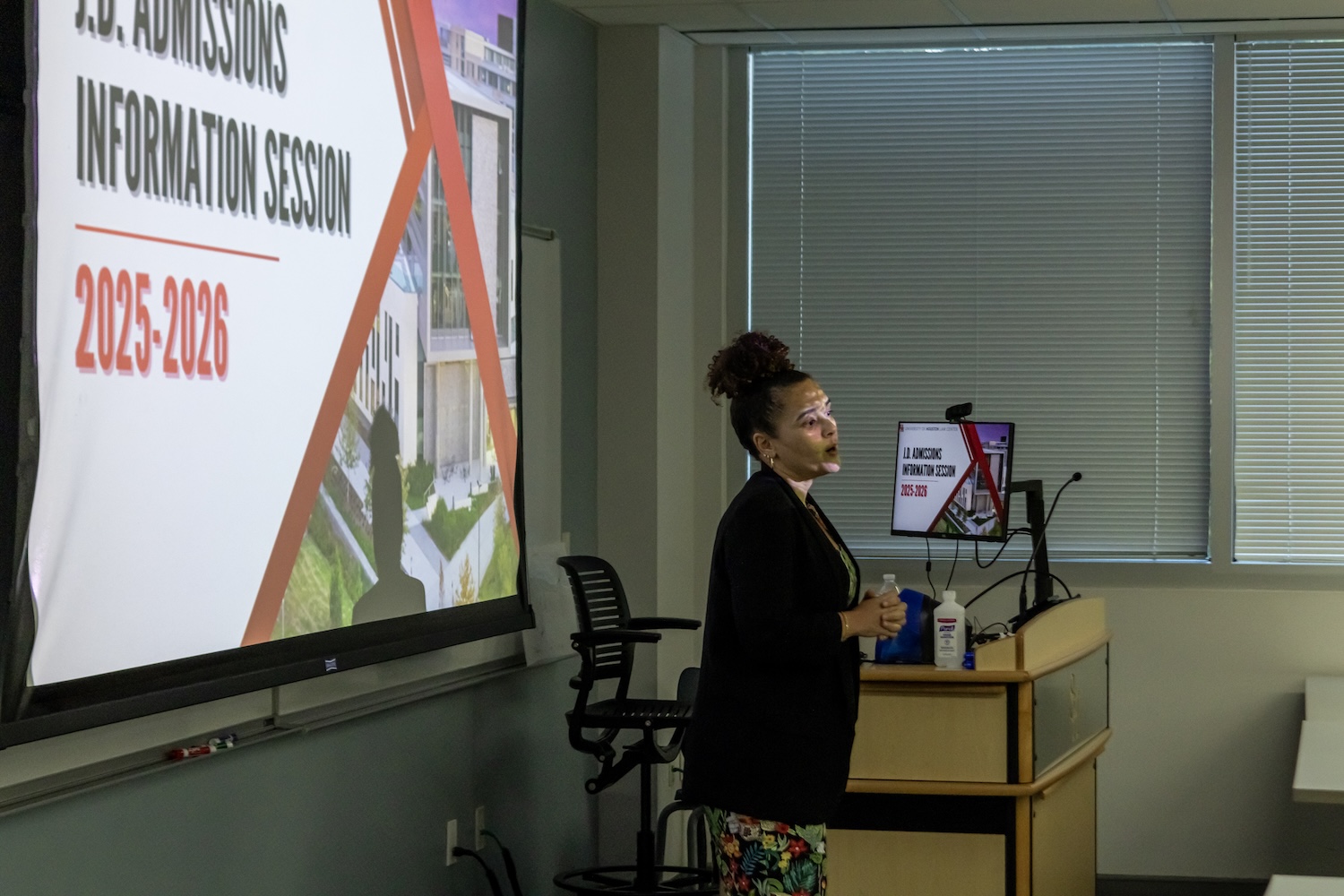
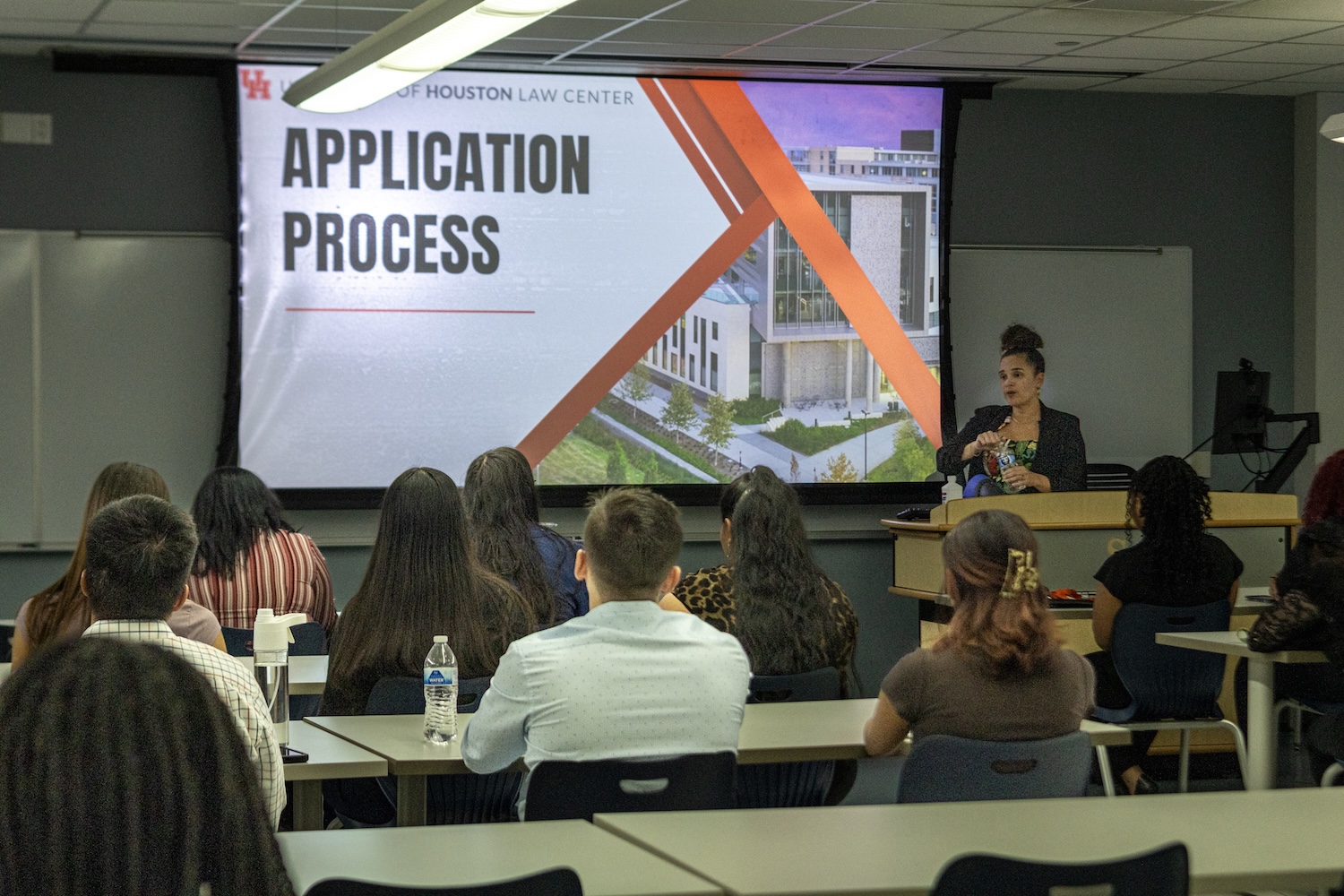
In another breakout session, we heard from Pilar Mensah, Assistant Dean of Admissions at the University of Houston Law Center–which we toured on August 1! Dean Mensah shared valuable details about UH’s programs, starting with the flexibility of part-time and full-time options, as well as the availability of dual degree pathways alongside the JD.

She also highlighted UH’s wide variety of legal courses, student organizations, and other opportunities for involvement, along with the amenities and on-campus housing available to law students.

These resources, she explained, help foster both academic and community life at UH Law.

Toward the end of the session, Dean Mensah offered insight into what admissions officers are really looking for in applicants, sharing her perspective on how to stand out in the process. She then opened the floor to questions, giving students the chance to engage with her directly about both law school in general and the UH Law experience specifically.

Texas Tech School of Law

by Madison Thurkettle 

Danielle Saavedra, Assistant Dean of Admissions and Director of First-Generation Resources at Texas Tech Law School, brought an encouraging perspective to the session.

For many, applying to law school can feel daunting, but Dean Saavedra worked to replace that sense of intimidation with confidence and motivation.

She began by highlighting the importance of undergraduate years in the admissions process. Law schools carefully consider your GPA from the first three years of college, but she reminded us not to view “median numbers” as immovable barriers. While GPA and LSAT scores matter, Texas Tech looks beyond the numbers, valuing the strengths, experiences, and qualities that make each applicant unique.

On the LSAT, Dean Saavedra stressed preparation and time management but also reminded us that the exam does not define who we are—it’s simply one more step toward a legal career. She also shared practical admissions advice: timing is critical, and applying in the fall helps your application stand out.

Dean Saavedra highlighted the personal statement as one of the most important components of an application. She urged students to follow instructions carefully and to write authentically, rather than trying to predict what admissions officers want to hear. She even admitted that she wished she had reached out to admissions when she was applying, encouraging us not to hesitate with questions.

She closed with a reminder to adopt a growth mindset. Law school, like the application process itself, comes with challenges, but each obstacle is an opportunity to learn and improve—a mindset that will serve us well far beyond admissions.

Concluding Thoughts

With 144 members–one of the largest organizations on campus–and a top-notch panel, members left the meeting with a bounce in their step, despite the late hour. They also have a renewed sense of mission, understanding the importance of committing oneself to a course of study, behaving with integrity, and managing their time and energy toward their highest priorities–qualities that, incidentally, are valuable in all courses of study, careers, and in life.

So You Want To Go To Law School…

At the beginning of each semester, the Pre-Law Society hosts an informational for those who are considering a future involving law school. For the past year and a half, the person leading this informational has been President Olivia Discon, and she again welcomed returning and prospective members.

She also did her usual effective job at describing the organization, highlighting upcoming events, and providing an overview of how to prepare for law school. Highlighting the organization, Discon stressed that the commitment is purposefully light: one official meeting per month. For those with more time and ambition, however, there are at least as many unofficial meetings–socials, mock LSATs, simulated law classes, live hearings, and guest speakers. The goal is to allow students to obtain the information they need but have the time necessary to study for the LSAT.

Indeed, this semester is likely to bring the usual share of events. These include:

  • September 17: “How to Get Into Law School,” with Admissions Deans from Texas Tech Law, University of Houston Law, and South Texas College of Law;
  • October 15: “Law at the Local Level”
  • November 19: Litigation in Action

Moreover, students will have the opportunity to try out for Moot Court (September 8), and if they make it, they will have a scrimmage (October 11-12) and a live tournament at Texas A&M Law. The organization and its parent department, LEAP, will also host a Mock LSAT (October 4), and will likely participate with the Student Legal & Mediation Services for conflict resolution seminars.

Perhaps the most useful information provided by the Pre-Law Society, however, is information pertaining to the law-school path. Throughout a student’s college career, the Pre-Law Society and the LEAP Center offers services that help students achieve their goals. This includes a lending library, scholarships for prep courses, law-school advising, and workshops.

To join PLS, new members pay $55 and returning members $25. Hard-working co-treasurers Jacob Wessels and Olivia McCaughan are available:

  • Tuesdays: 12:30-4:15
  • Wednesdays: 12-4
  • Thursdays: 2:00-4:15

They will also take dues from 5-6pm on September 17, the date of the first official meeting–and, importantly, the last date to pay dues.

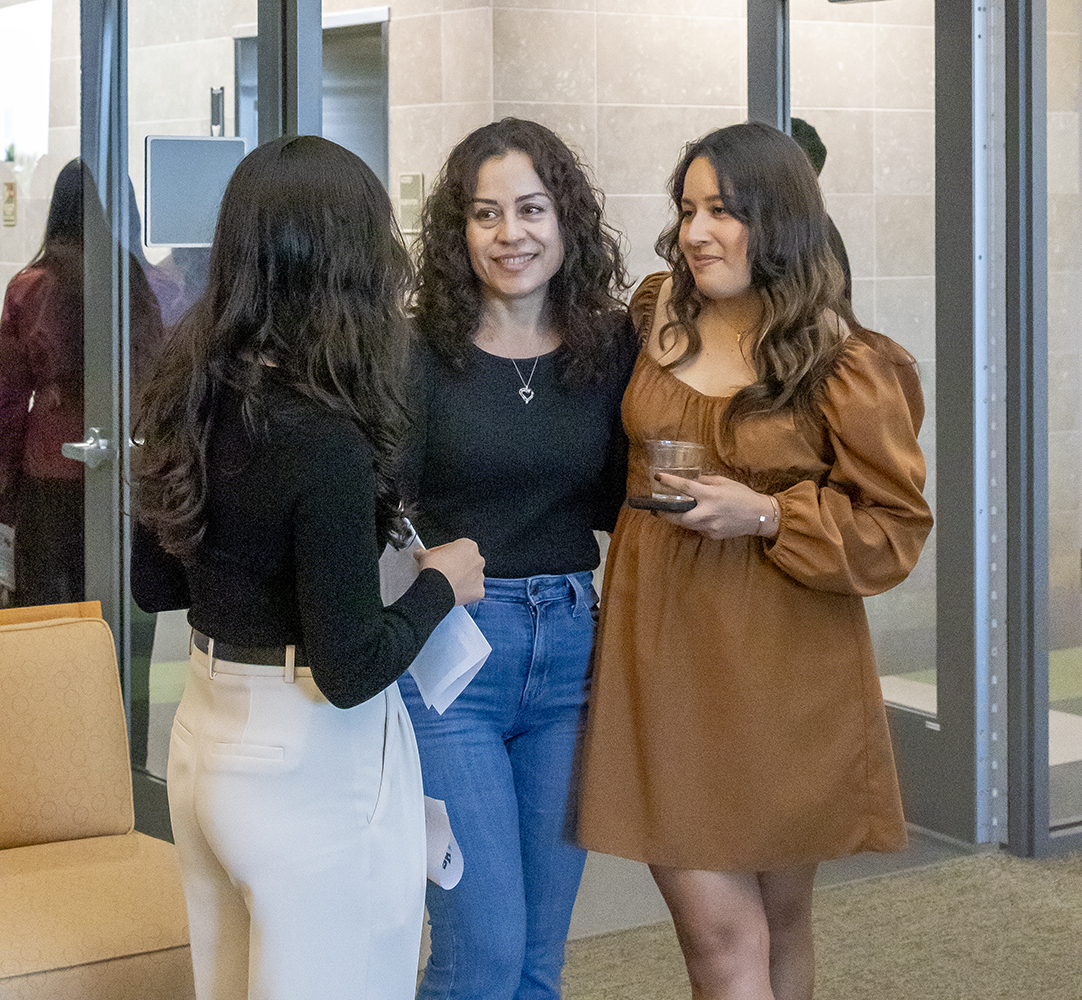
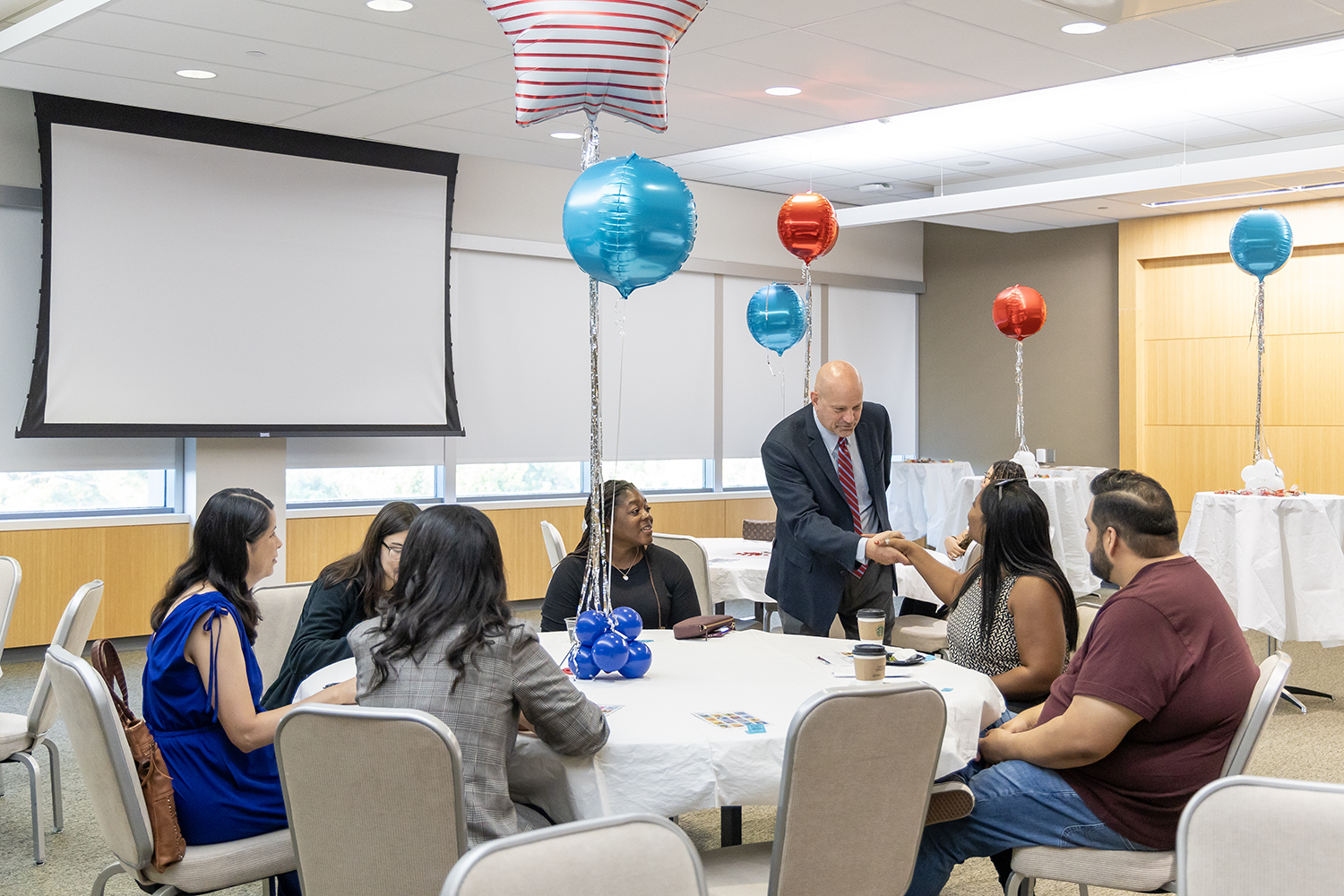
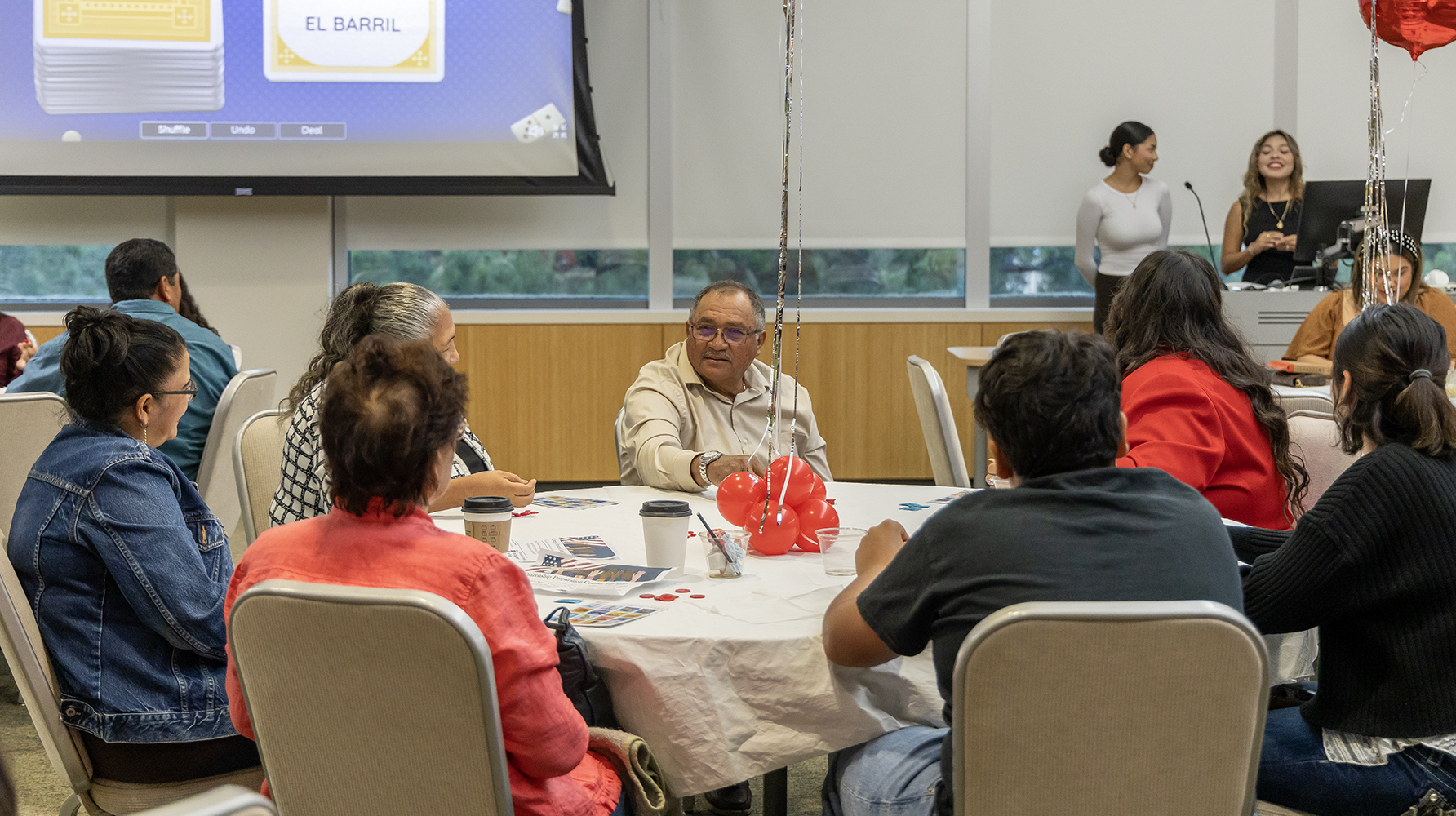
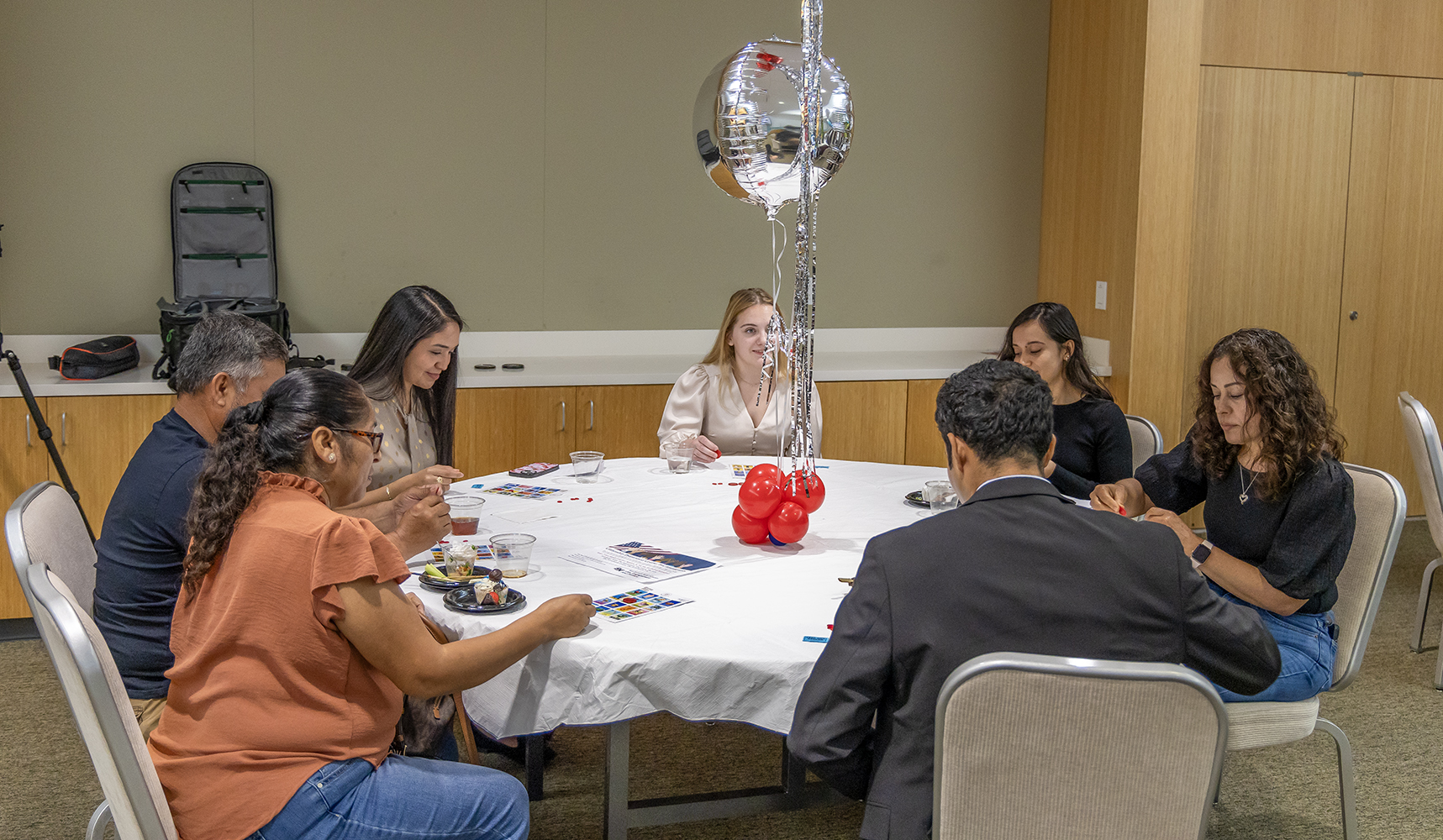
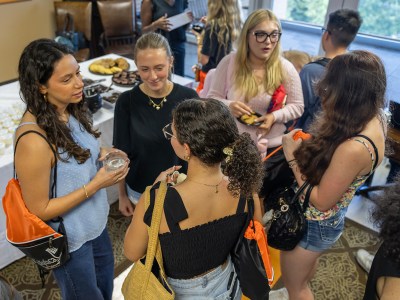
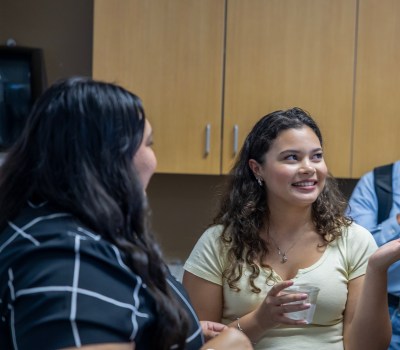
After the informational meeting, students had the ability to chat one-on-one with Pre-Law Society Officers and members. Many students who joined us gained a hopeful view on their future from like-minded individuals.

To stay up to date and involved with upcoming events and information, you can follow our Instagram @prelawsocietyshsu. For more information and questions, please contact President, Ms. Olivia Discon, at Oliviadiscon@shsu.edu.
Reflections from the Capitol: A Day of Service, History, and Perspective in Austin

by Olivia Discon

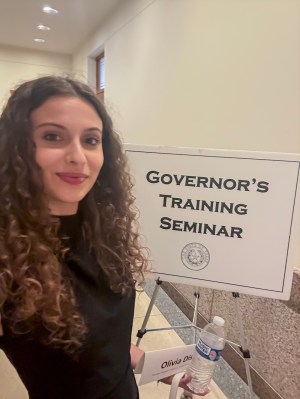
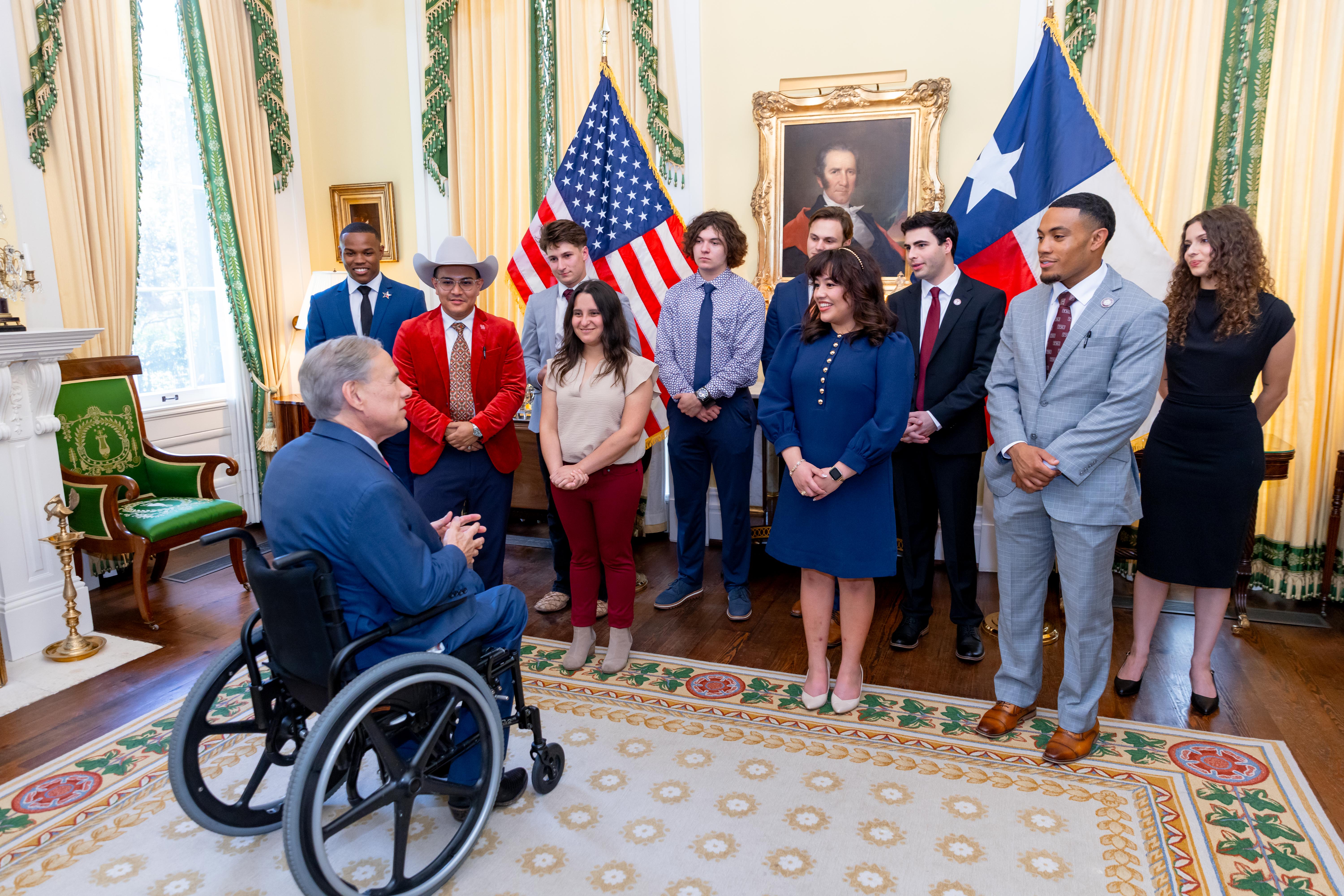
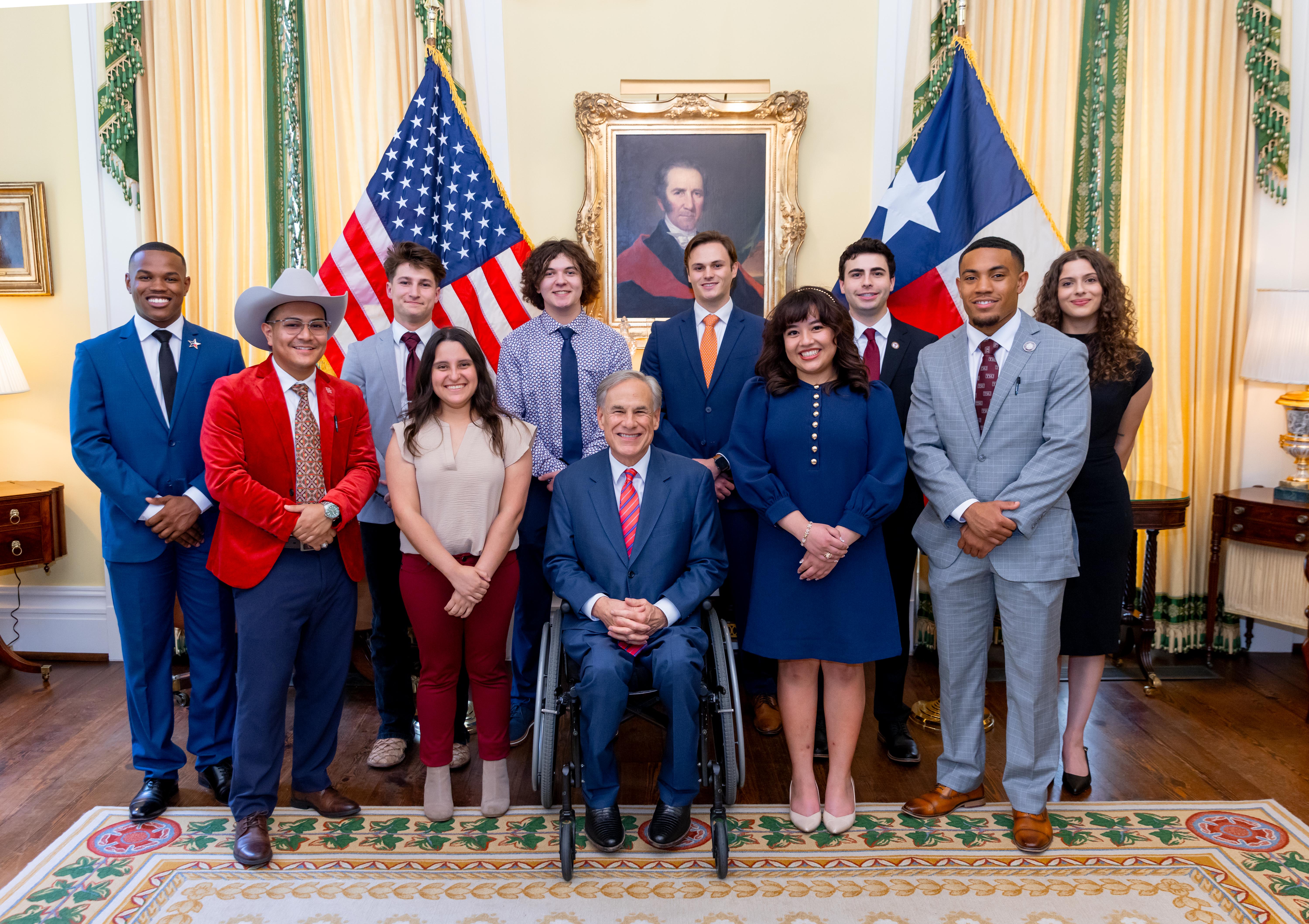
I recently had the opportunity to visit the Texas Capitol and share a few reflections from my term as student regent. I was invited by the Governor’s Appointments Office to speak to the newly appointed student regents, which was a real honor—and a full-circle moment I didn’t take lightly. I wanted to make the most of the opportunity and my time in Austin.

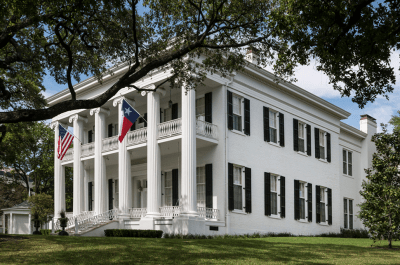
One of the biggest highlights of the day was being invited to the Governor’s Mansion. After a quick security check by DPS, I had the chance to tour one of the most historic and iconic buildings in Texas. The Greek Revival-style mansion was designed by Abner Cook—who, interestingly, also supervised the construction of the Walls Unit in Huntsville. That connection alone was enough to trigger my compulsive need to tie Sam Houston into everything.

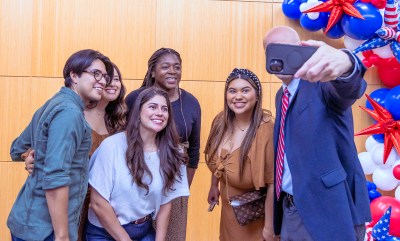
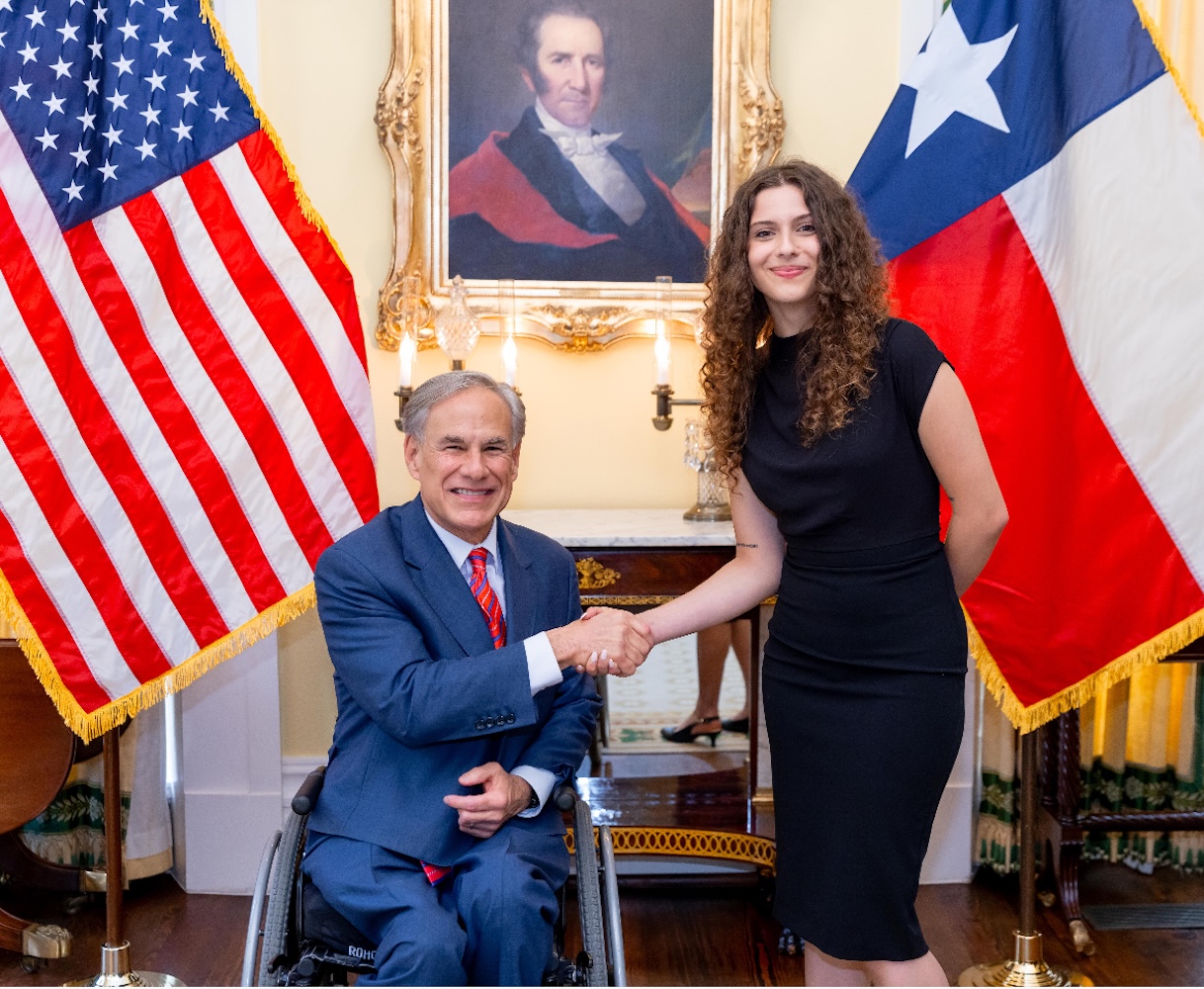
I’ll admit I was a little photo-shy walking through the mansion, but that didn’t stop a few photos from happening. To my surprise, I got to greet Governor Abbott again and take a quick photo with him—inside his house, no less. In that moment, I felt an overwhelming sense of gratitude. Being appointed as a student regent during my undergrad was an incredible opportunity, and I’ve felt supported at every level of my college experience. That support made moments like this possible.

As we made our way through the mansion, we passed through rooms filled with stunning 18th-century furniture—and, of course, nods to Sam Houston in almost every one. They even have a room named after him. Seeing this more glamorous side of Houston’s life, and then comparing it to his final years at the Steamboat House in Huntsville, was oddly moving. He was so committed to his principles that he gave up comfort for conviction. It’s just one of the reasons Huntsville has such a strange charm to me. Somehow, all roads in Texas lead back to it.

Even though the Governor’s Mansion is a historic landmark, it’s still a lived-in space. Just outside the window, we caught a glimpse of the Abbott family’s three golden retrievers playing in the yard. The timing of the visit couldn’t have been better—it was a great reminder of how historic homes can still be part of everyday life, thanks to organizations like the Friends of the Governor’s Mansion.

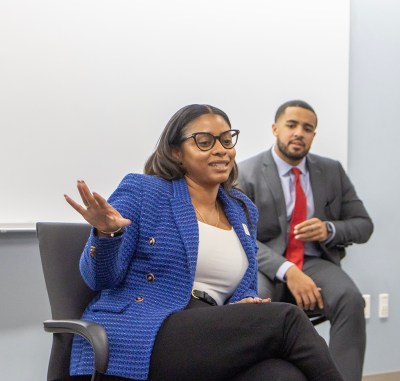
Later that afternoon, I joined Chris Covo, a former student regent for the Texas State University System, and Luke Shwartz, who was recently appointed student regent for the UT System (congrats again, Luke!). We sat down with Brent Connett for a moderated conversation about the role, what surprised us, and what advice we’d offer.

For me, the biggest takeaway was this: being a good representative can open more doors than you might expect. Investing in your professionalism, doing your research, and showing up prepared—not because you’ve “made it,” but because you’re serious about learning—goes a long way. When you present yourself as someone competent and curious, people take notice. You get to be in the room for real conversations and real opportunities.

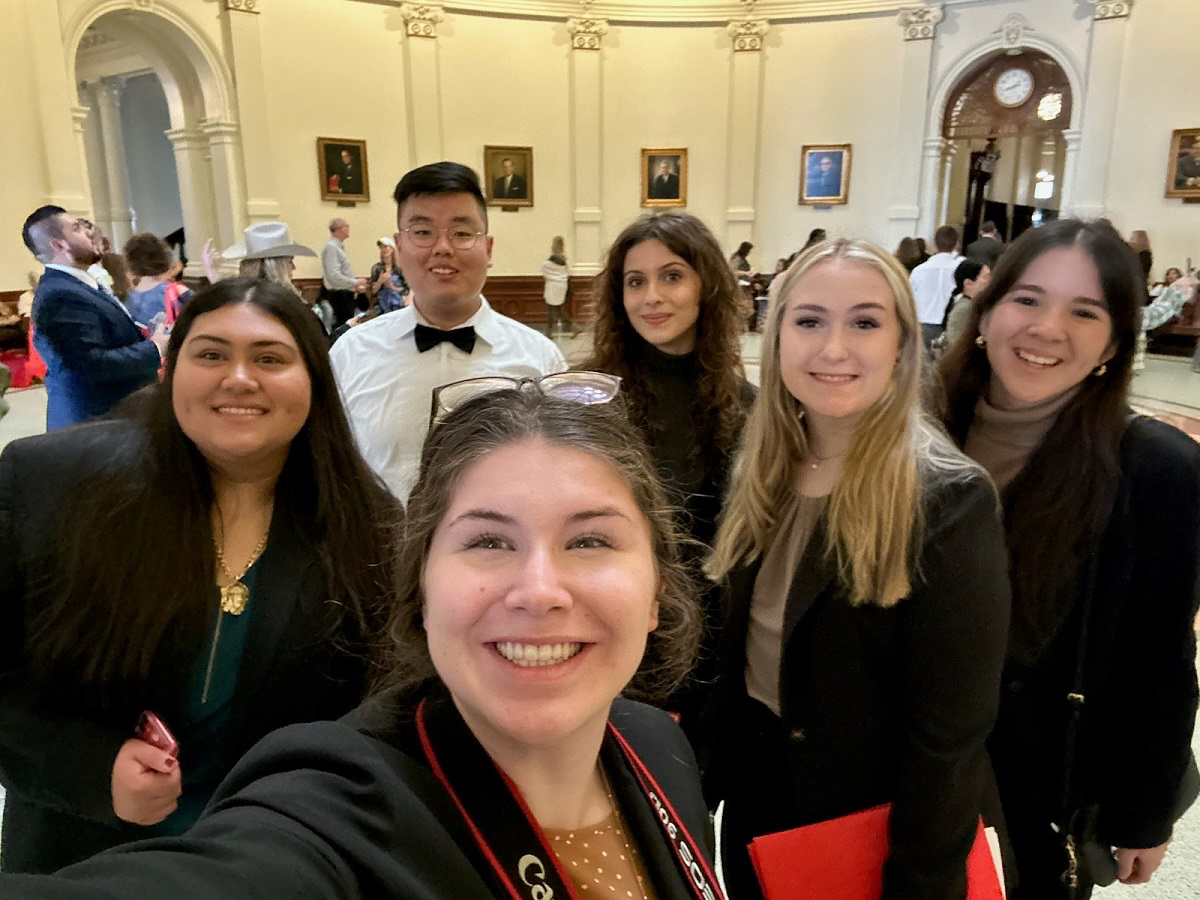
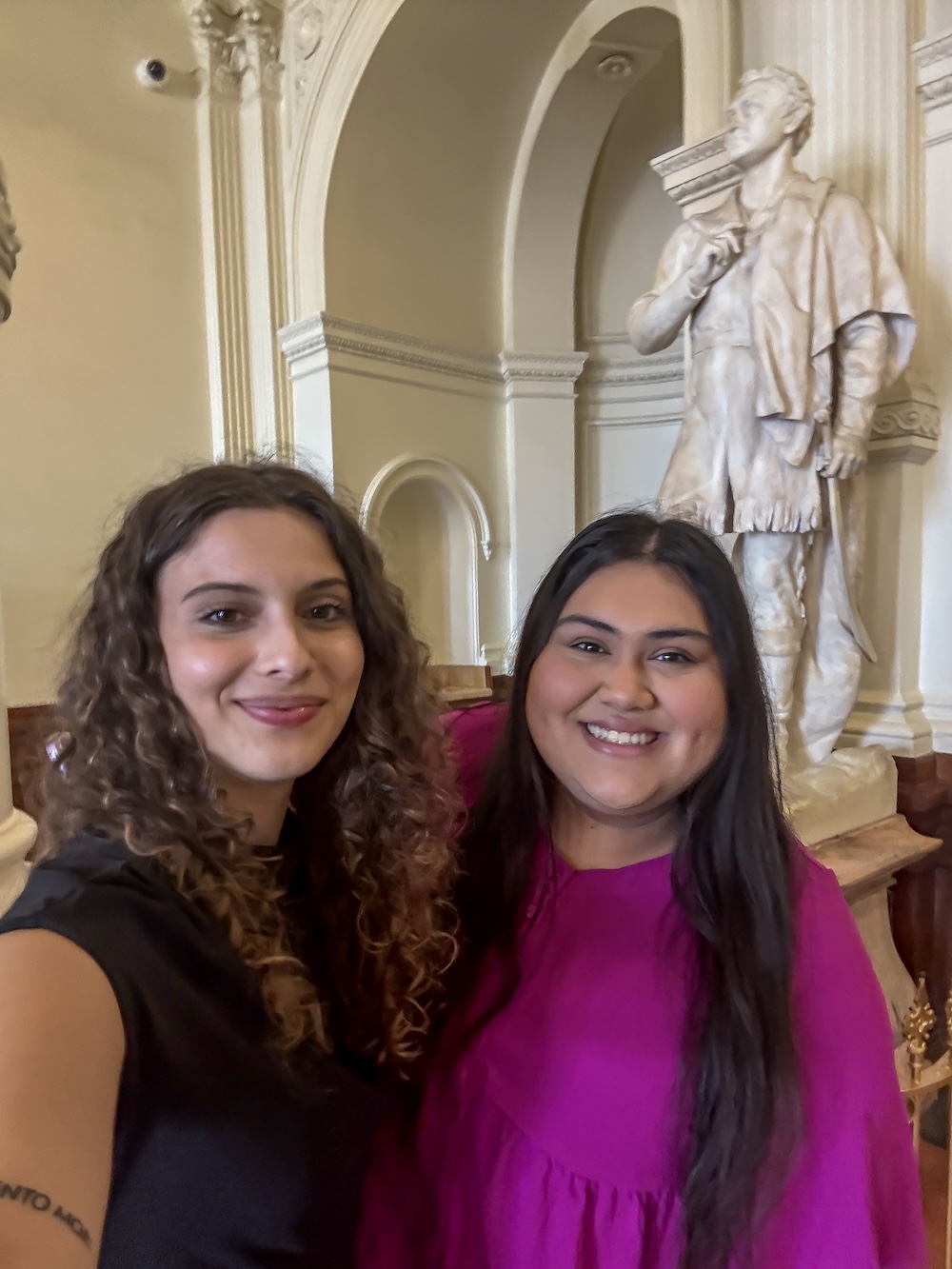
After the panel, I stopped by to see my good friend Michelle Cardenas, who was deep in the legislative trenches as session wrapped up. She took a much-needed breather and walked me through the Governor’s Reception Hall. Watching her in action, compared to where we started—back when we walked into the Capitol for the first time with LEAP—was surreal. We’re in completely different places now, but there’s something meaningful about knowing LEAP brought us both here.

Electric Gravy
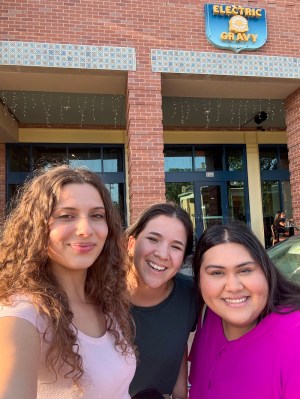
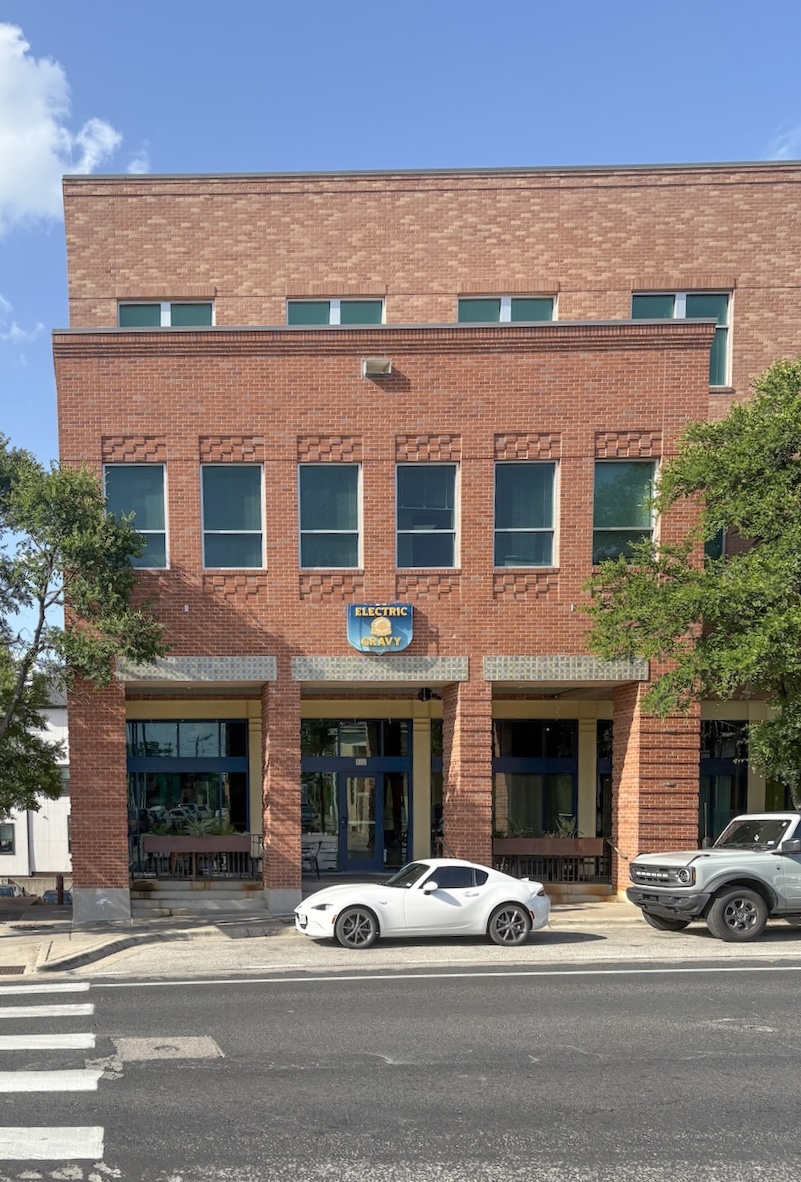
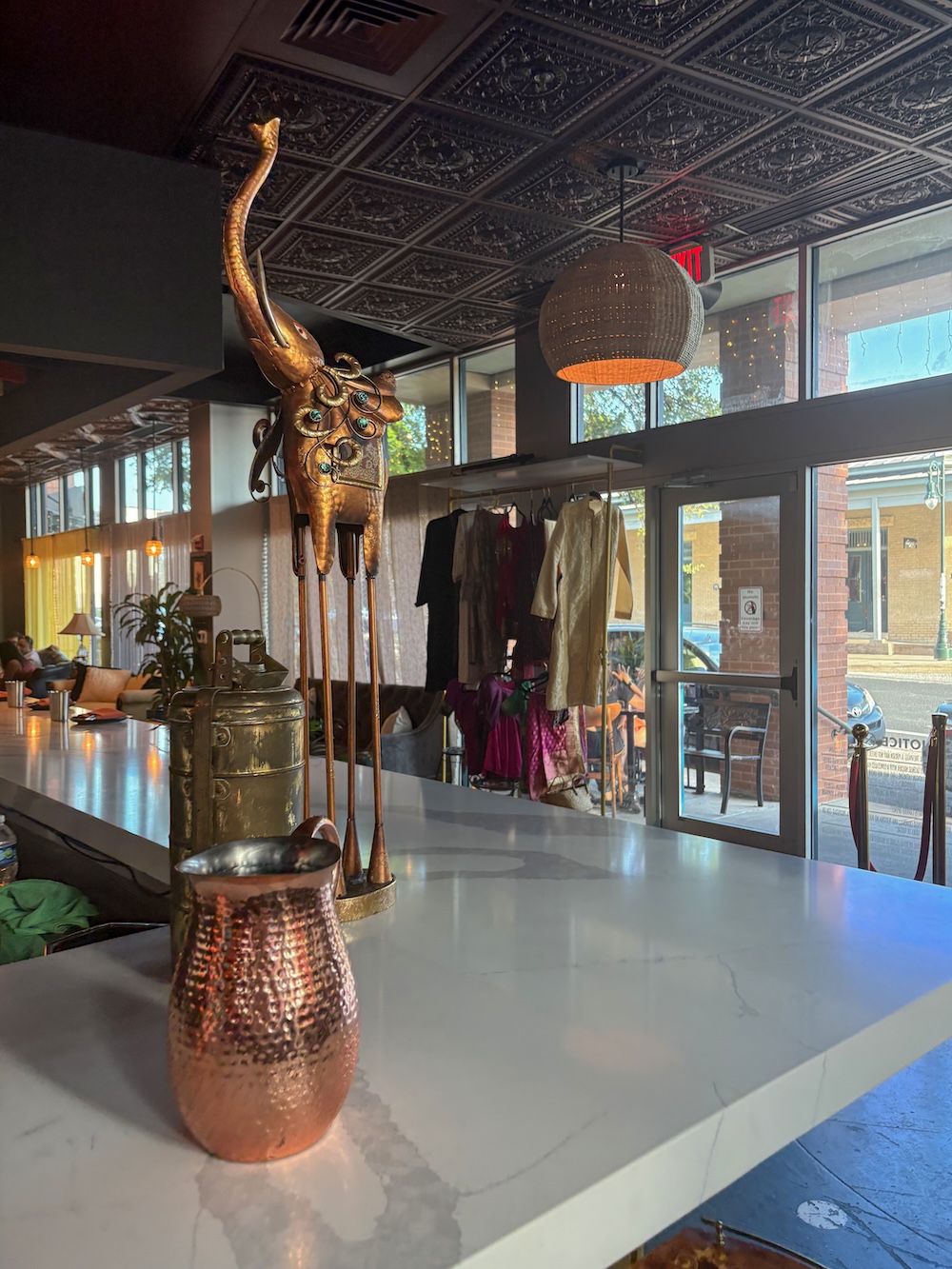
For dinner, I continued on my sappy tirade by joining Cinthia Villarreal and Michelle Cardenas at an Indian fusion restaurant—Electric Gravy.

It’s been getting a lot of local attention, including a recommendation from former LEAP Ambassador Saara Maknojia.

We started with the curry queso (which was excellent), and then I had the chicken tinga curry, Cinthia got the chicken masala, and Michelle went with the pork vindaloo. All of it was solid—definitely a fun place worth checking out.

Mount Bonnell
To wrap up the day, I visited Mount Bonnell for a great view of Lady Bird Lake. It ended up being the perfect spot to close out a long day—quiet, scenic, and full of the kind of quirky passersby you can only find in Austin.

The sun didn’t set until about 8:30 p.m., but once it started going down, it dropped fast.

I might be wrong, but I think this was the first time I ever intentionally watched a sunset. It was a nice experience!

Murder Most Foul: An April Adios

For all Pre-Law Society members, our April was the last get together of the academic year. But for one unlucky member, it was, at least in the world of fictional fun, the last meeting ever. That’s because our social involved a murder mystery, something of a theme for our sinister solicitors.

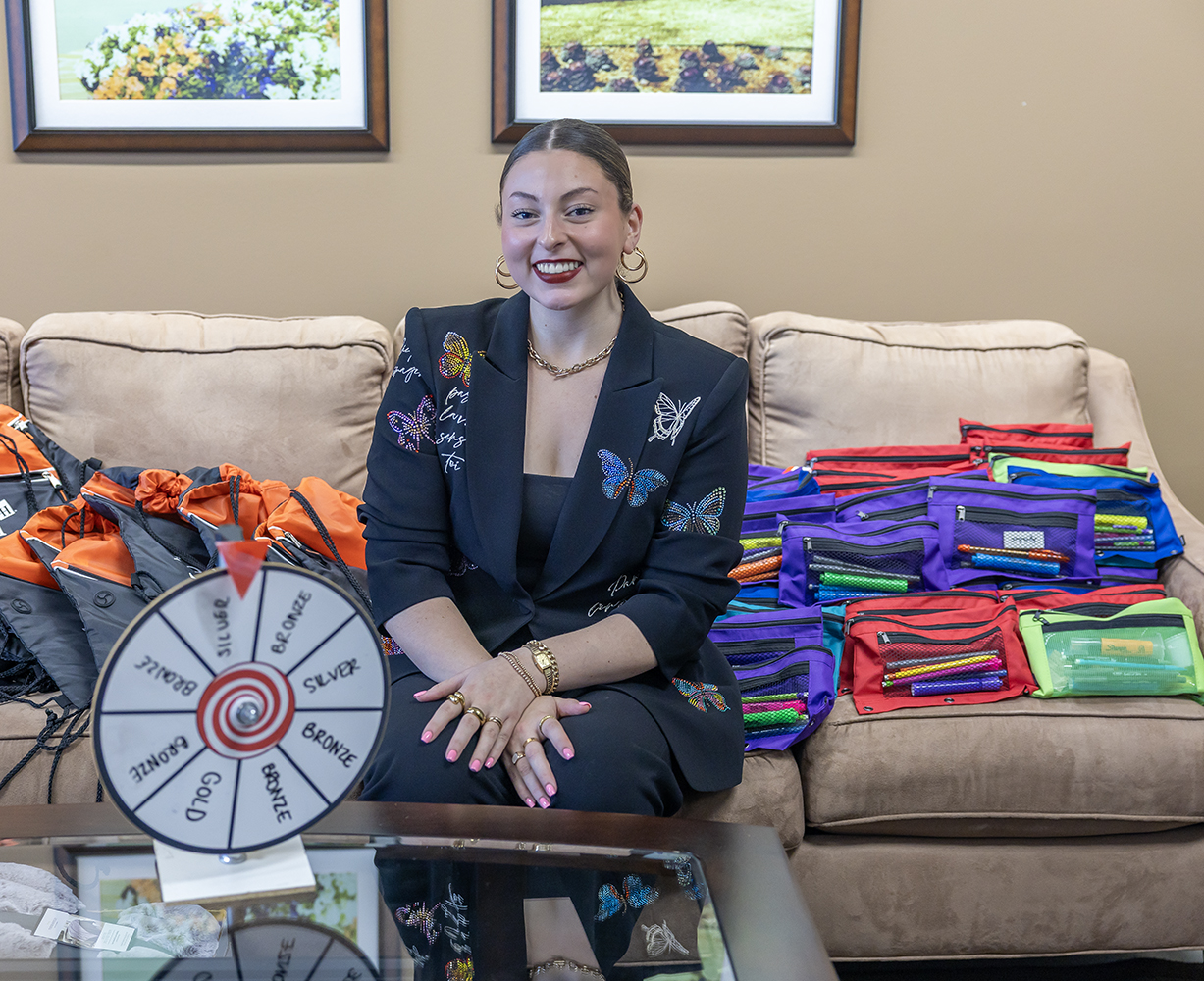
Our officers and activity committee put together treats to bribe encourage us to attend, and it worked!

A healthy 30 or so students attended, a reflection of our growing sociality as an organization.

Mikaela Baires was the unlucky victim. Indeed, she was doubly unlucky, inasmuch as the murder weapon was a laxative, giving new meaning to Shakespeare’s phrase “murder so foul” (thankfully, we did not meet at the beautiful Wynne Home this year…).

The suspects were Mikaela’s peers: Chrissy Biello…

Jose Carreno…

Katherine Burnett…

Madison Cawthon…

Neehal Ahmed…

and Niya Thompson.

Given the suspects–any one of whom is capable of such a dastardly act–it was going to be a tough evening for our social sleuths.

Thankfully, there were four clues uncovered, and throwing Miranda out the window, the suspects were questioned without their lawyers being present.

After much debate, hand-wringing, and interrogation, the law-enforcement, apparently imitating the Keystone Kops, accused the wrong person–Katherine Burnett–perhaps motivated by a strong desire to sequester her from society for eternity, or at least until they graduate.

In fairness, the actual murderer, Jose Carreno, broke the rules of the game and lied. Who knew a murderer would lie about his whereabouts? Following the game, Jose vowed that, “when things have settled a bit, I will pursue as my primary goal in life the killer or killers who slaughtered Nicole and Mr. GoldmanMikaela Baires.”

On a happier note, Madison Cawthon led the speed debating contest.

Befitting our status as future lawyers in society–and, perhaps, lawmakers–we spent our time arguing over trivialities ending in ludicrous judgments.

Neehal Ahmed, for example, argued that it should be illegal to text a single “k” to indicate affirmation via messaging.

The debate over whether “ttyl” should be punishable by firing squad was tabled. And thank God we didn’t even get to people who use odd text colors or emojis.

SHSU Pre-Law Among Top in Nation

Few schools offer as much as SHSU when it comes to preparing students for a career as an attorney. Sam Houston has a dedicated pre-law advising center (the LEAP Center), offers law-related internships, features a robust Pre-Law Society, boasts extensive programming, sports a Moot Court team, and ranks among the top four percent in North American Universities as a “law-school feeder,” according to the Law School Admissions Council.

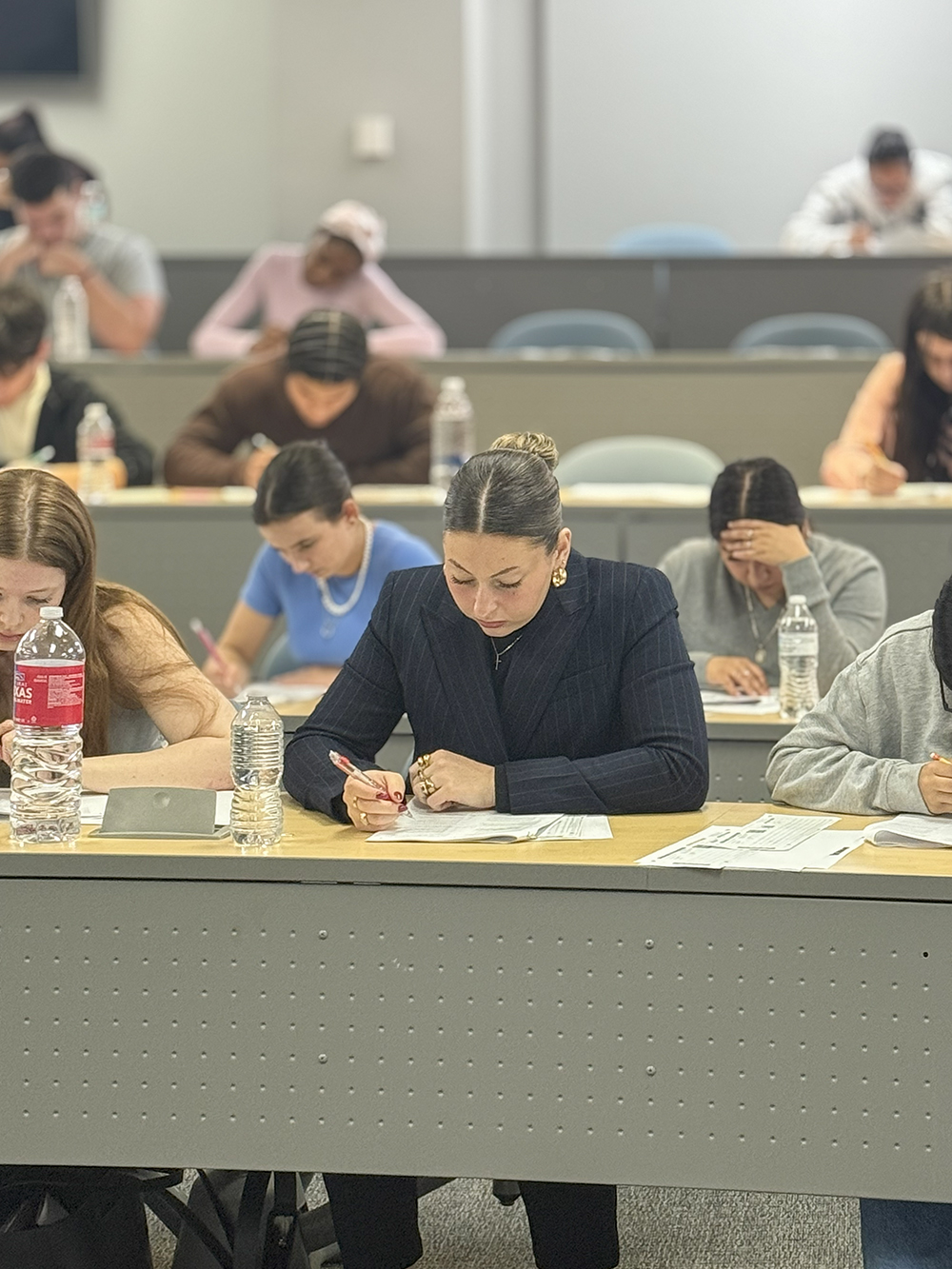
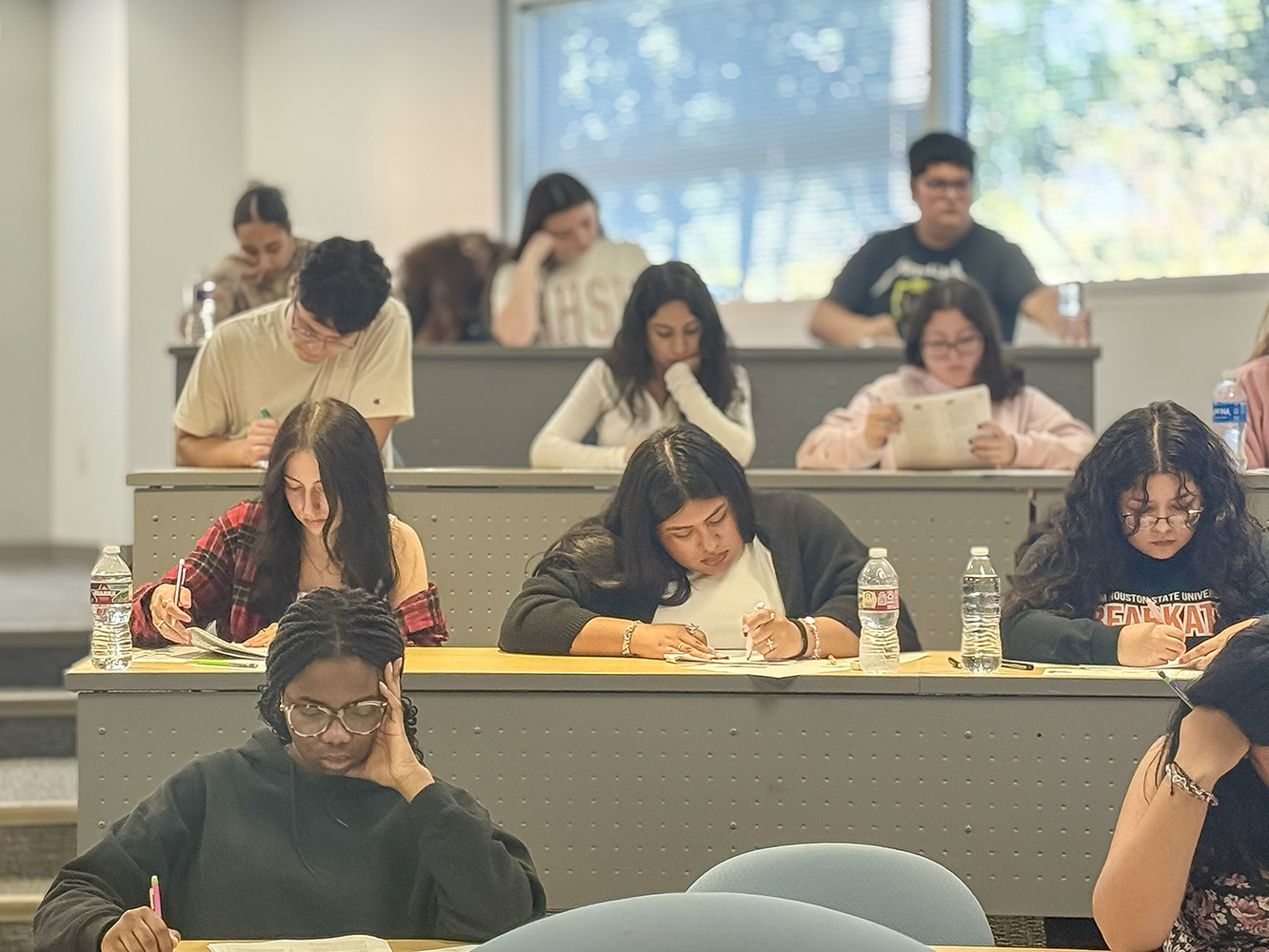
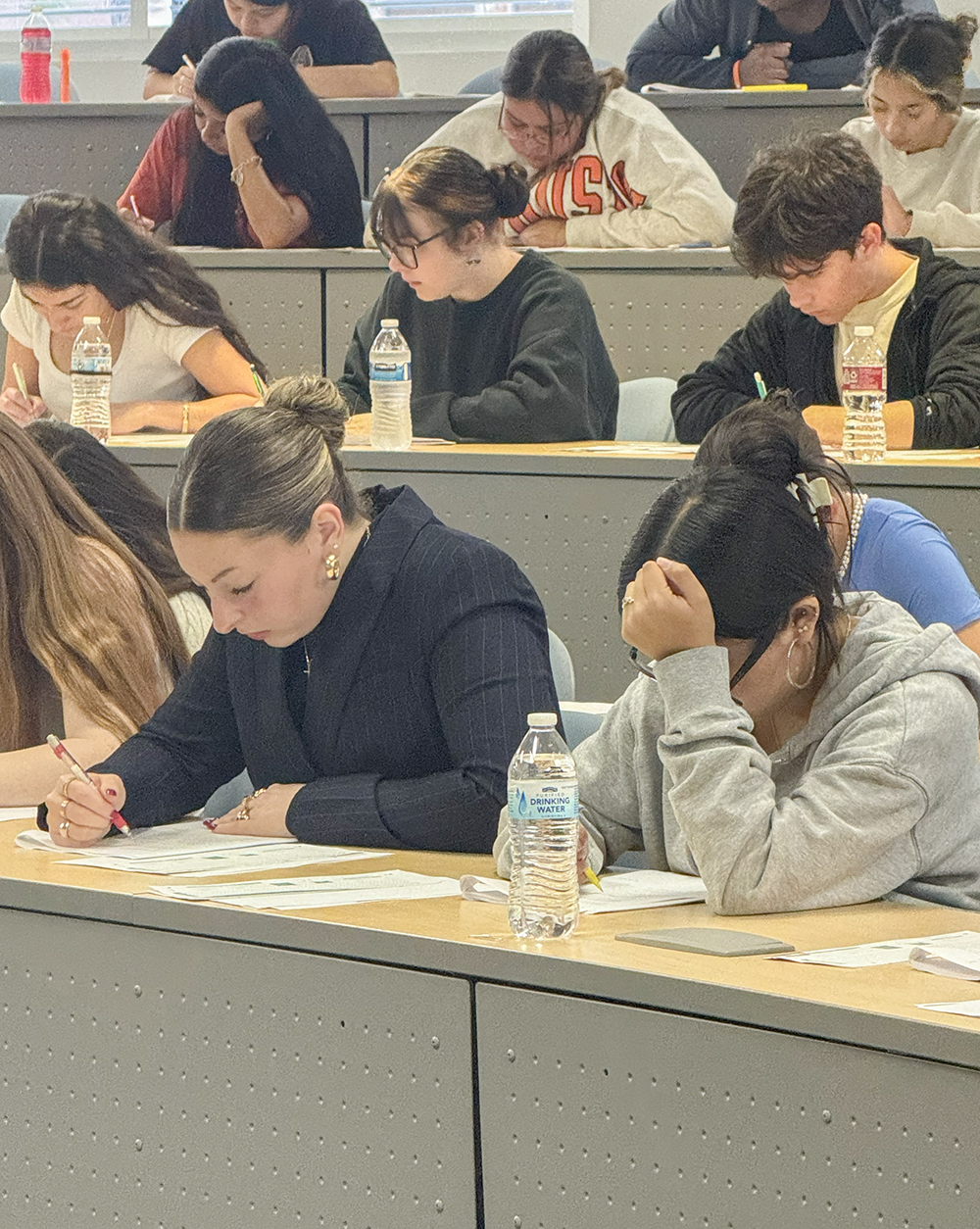
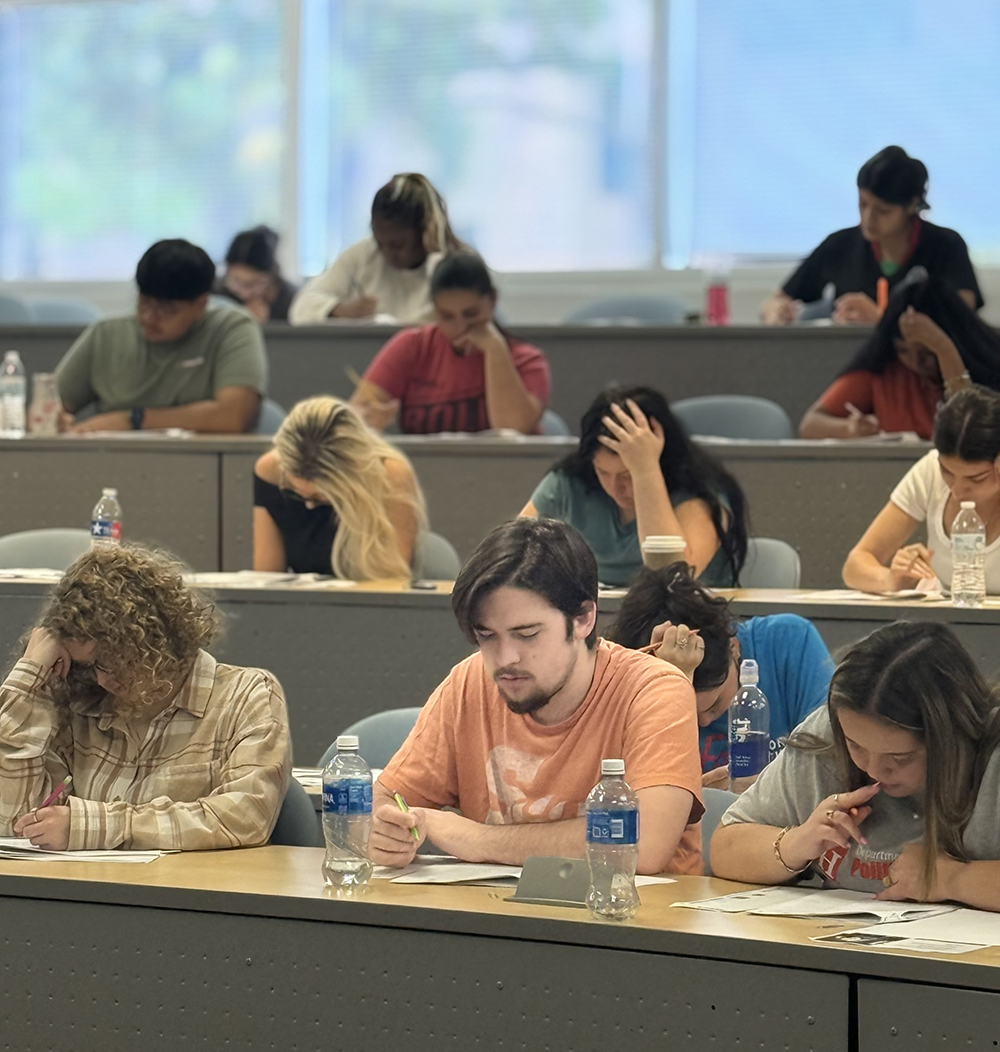
One small part of this equation is students’ access to free practice LSATs under supervised conditions, professionally scored. Each long semester, the LEAP Center hosts a Mock LSAT, where students–freshmen to post-grad–can come in and take the LSAT under test-like conditions. In the past year, more than 100 students have availed themselves of this option.

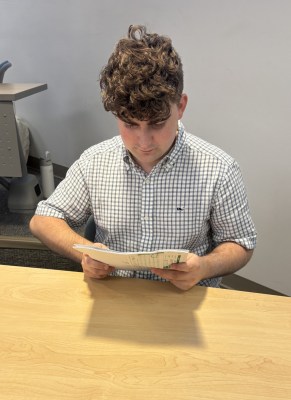
This includes 45 students who showed up today, on a rainy Saturday morning for a three-hour test.

All of them are part of the Pre-Law Society at SHSU, one of the largest academic organizations on campus, and one of the largest pre-law organizations in Texas.

The simulated test provides many advantages: (1) it provides test-day conditions for the LSAT, giving students a better idea of what to expect on the day of their real test; (2) it gives students an idea of how close they are to achieving their desired score; and (3) it allows them to compete for the Pre-Law Society scholarship for LSAT test preparation.

These advantages are just some of the reasons that SHSU ranks among the top LSAT feeders in the country. Of course, that ranking also reflects the fact that SHSU students are sufficiently dedicated to their studies and their futures that will awake early on a Saturday and sit through a grueling test.

For the motivated students at SHSU or who might be considering SHSU for their pre-law studies, advising is available at the LEAP Center. Professor Mike Yawn (mike.yawn@shsu.edu) or Ms. Jean Loveall (jal072@shsu.edu) can assist students with a timeline, steps to take, and, of course, regular opportunities such as the Mock LSAT.