Skip to content

Center for Law, Engagement, and Politics

Leap At SHSU!

  • About LEAP
  • LEAP Ambassadors
Center for Law, Engagement, and Politics

Category: Criminal Justice

Improving Police Encounters through Experiential Education

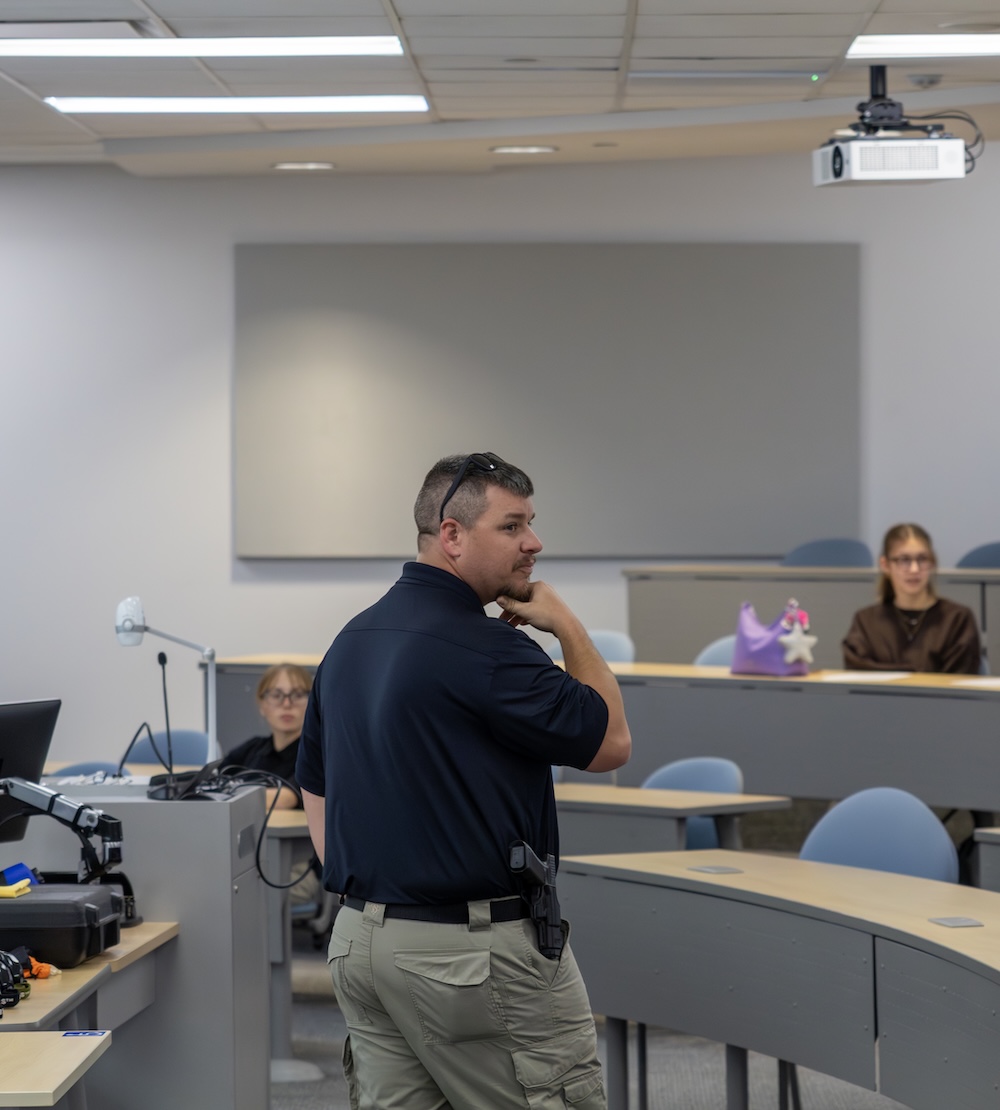
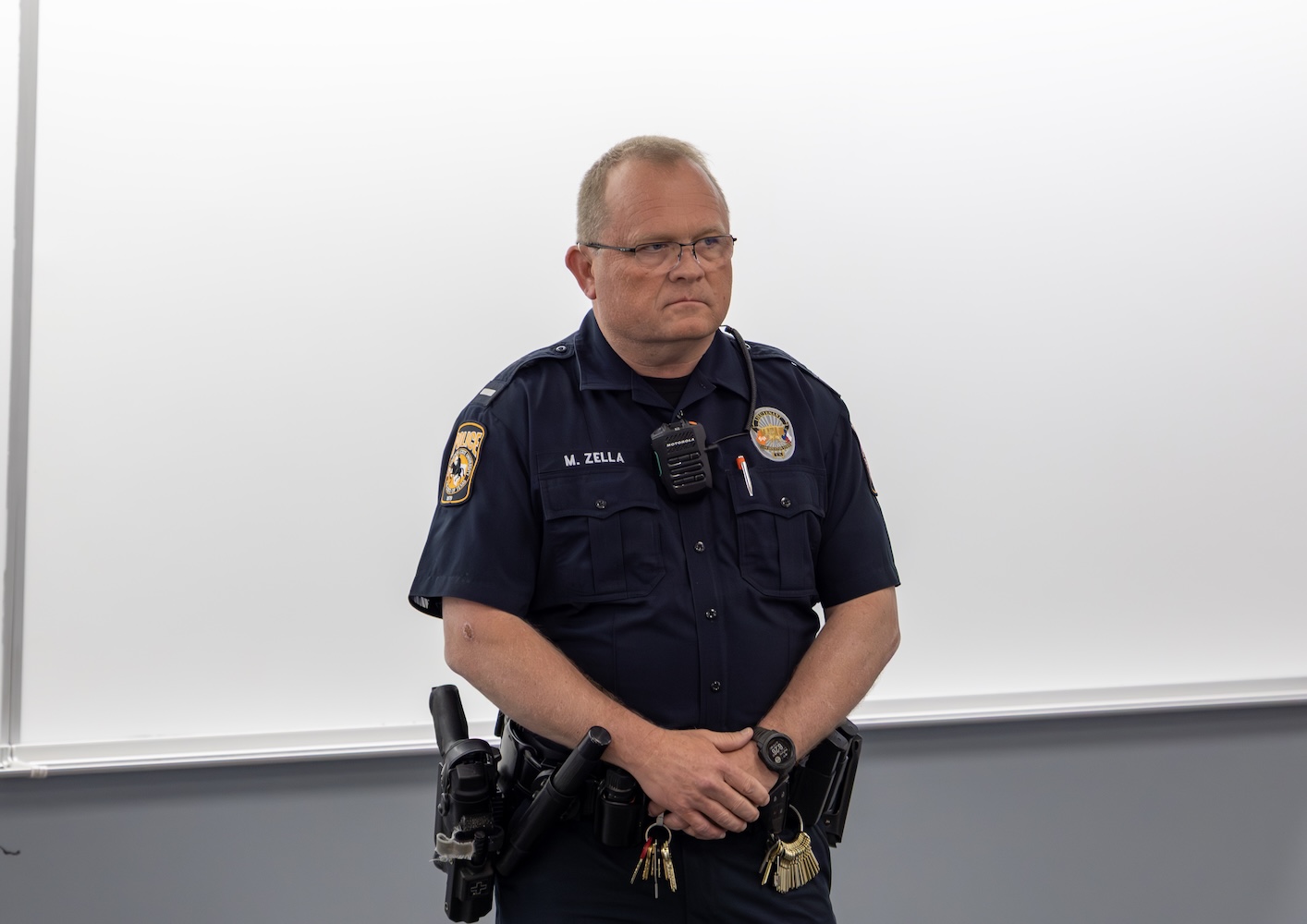
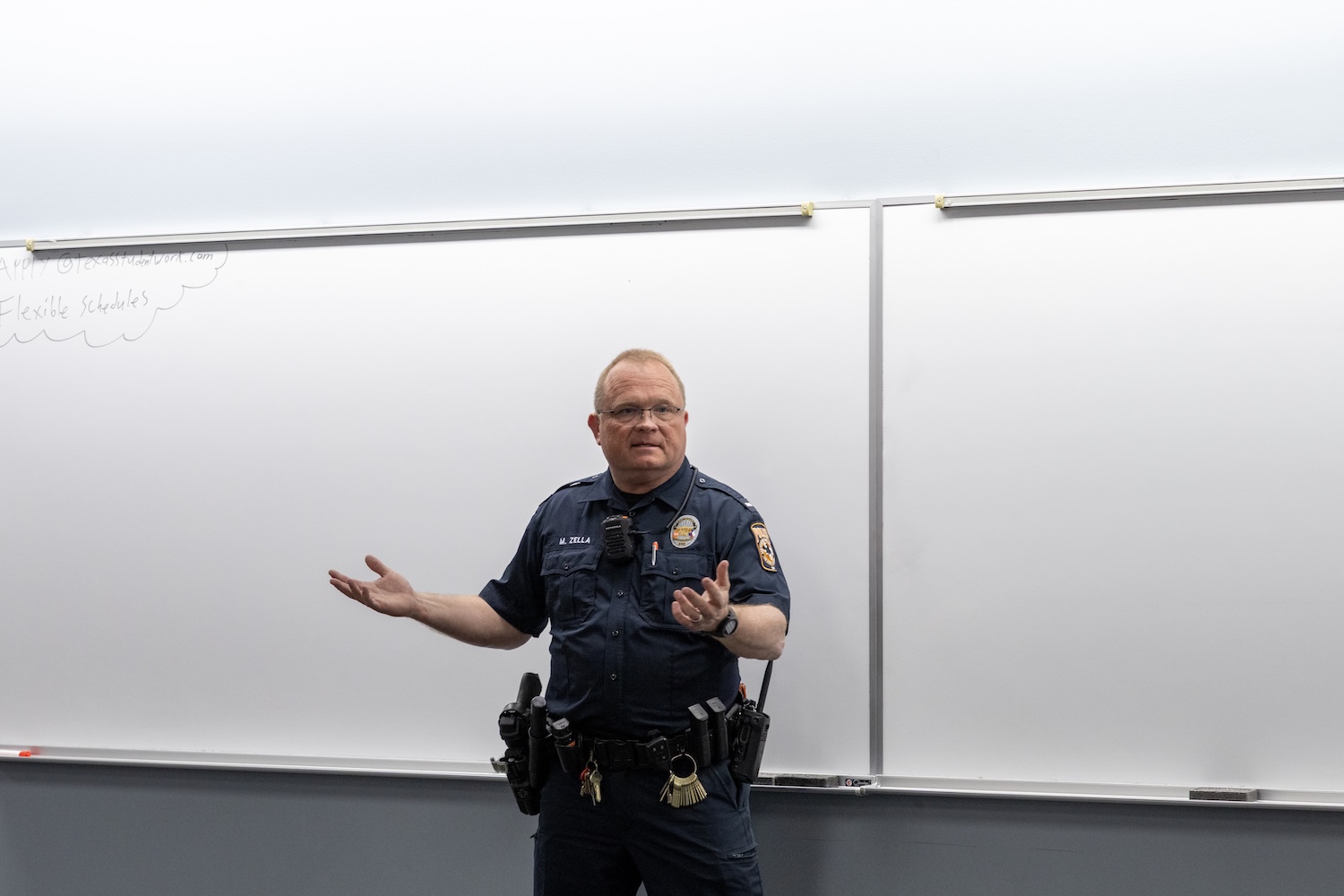
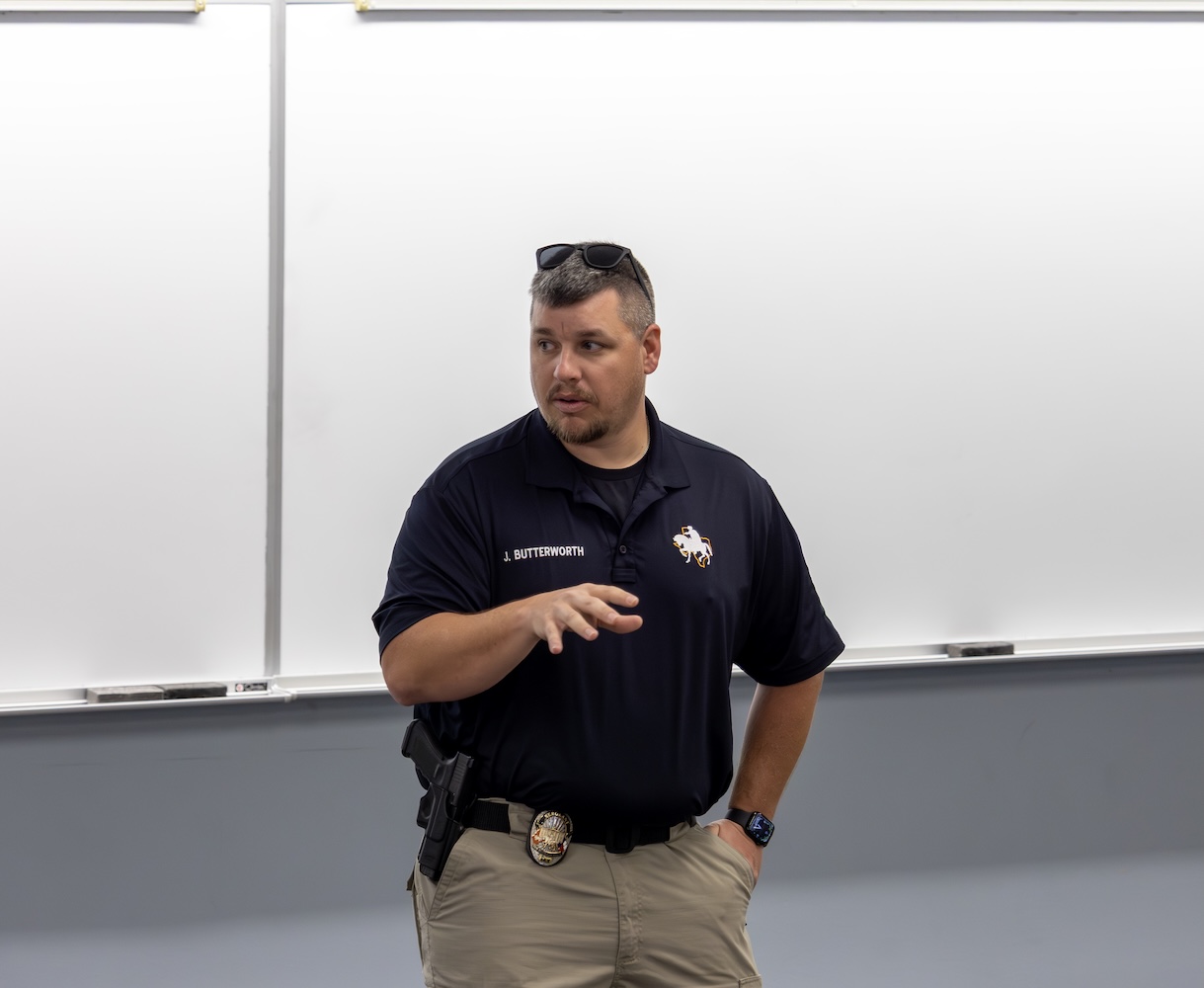
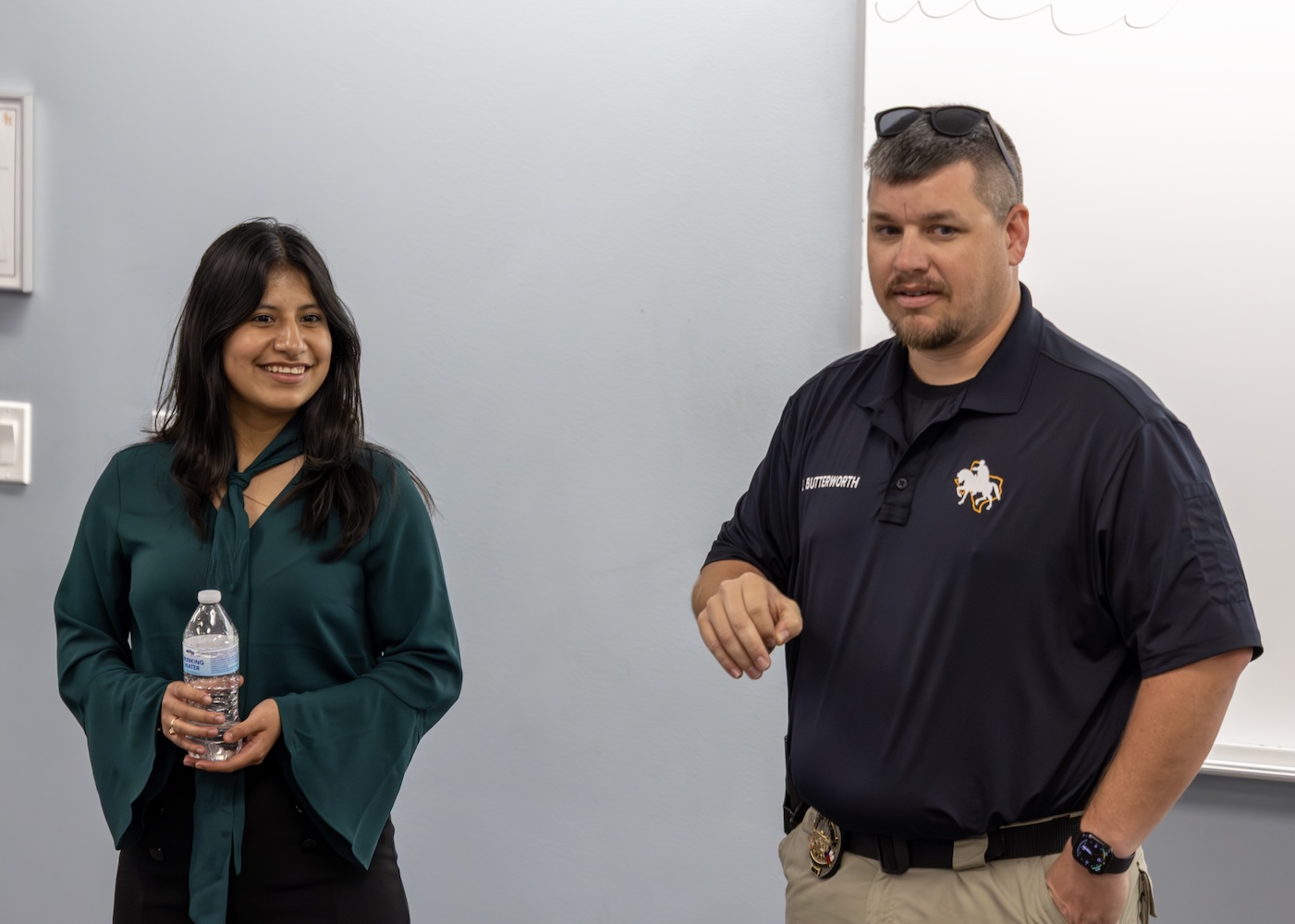
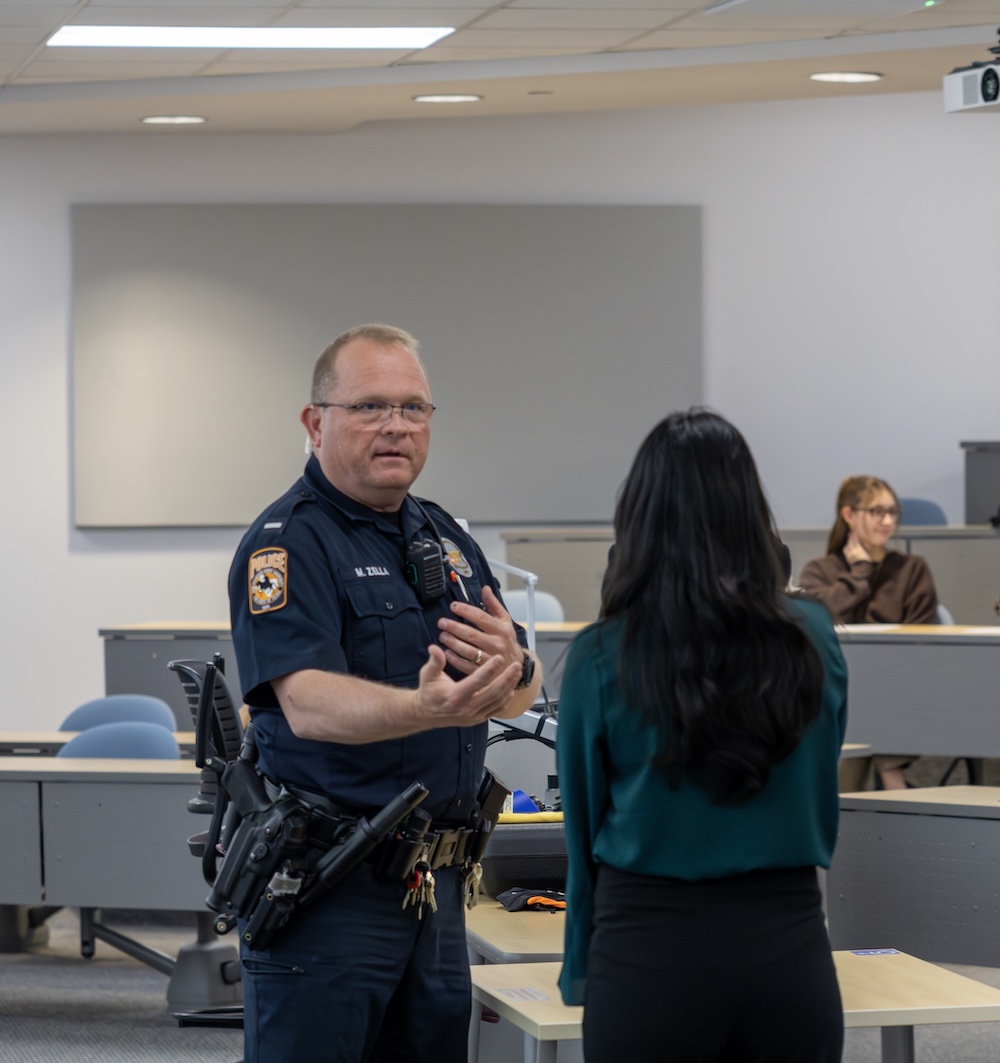
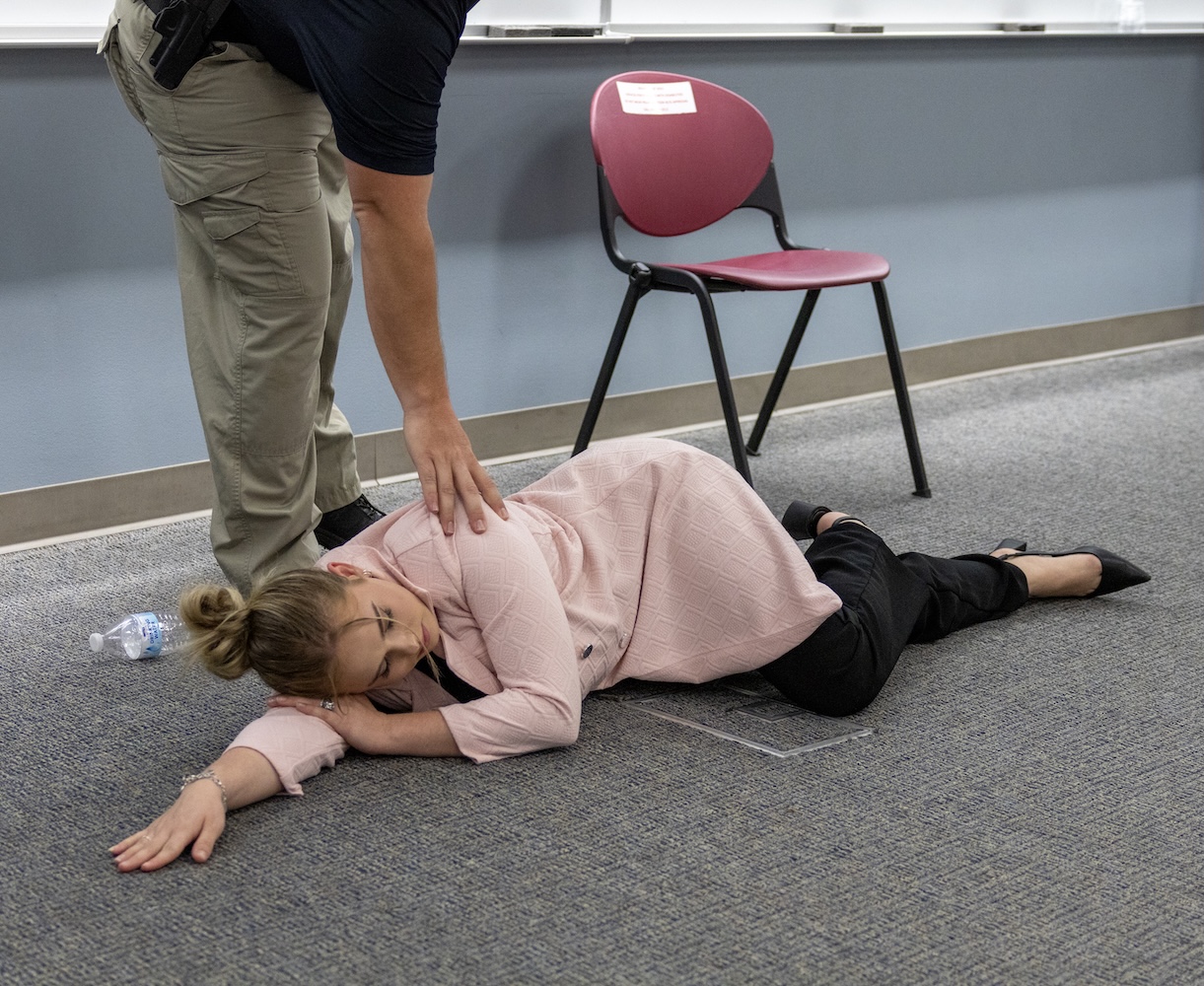
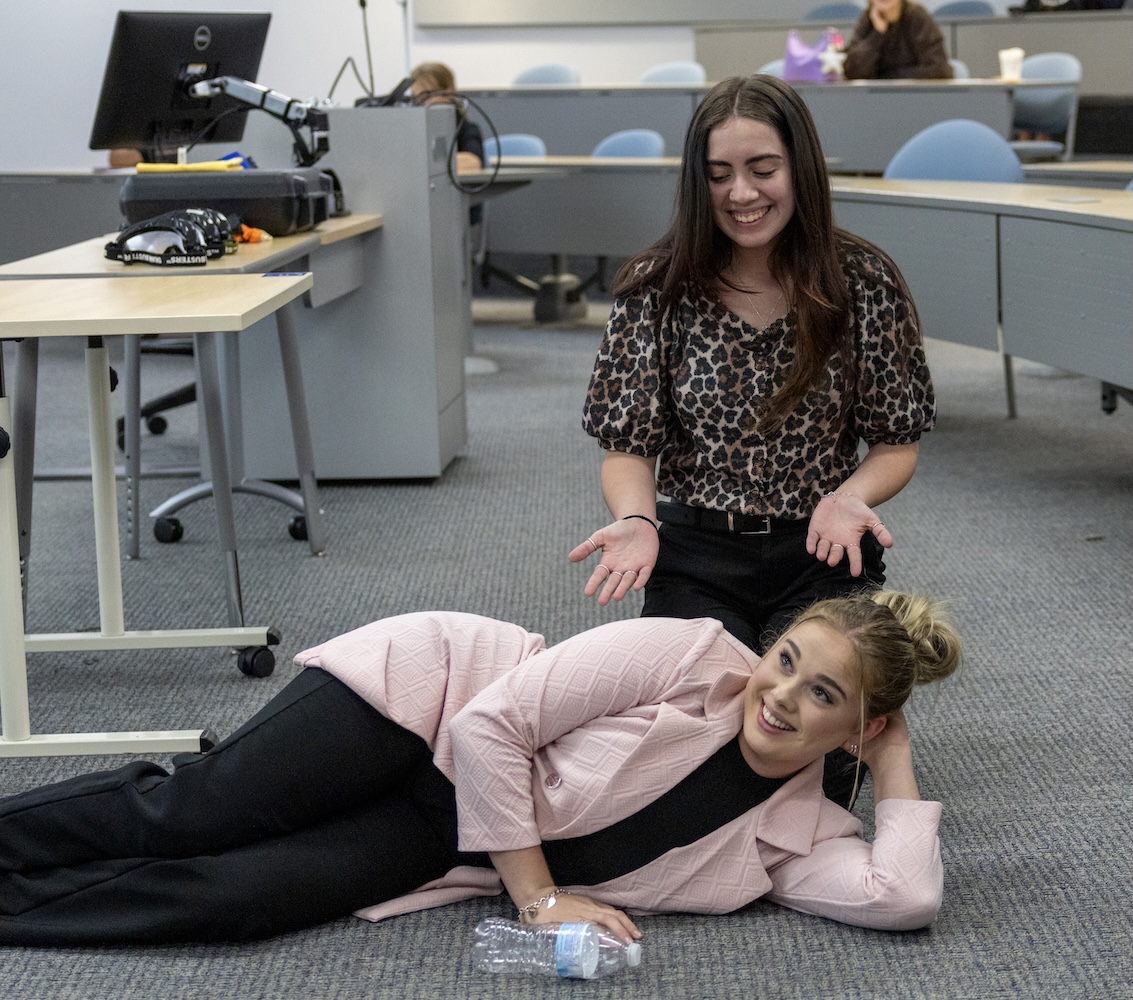
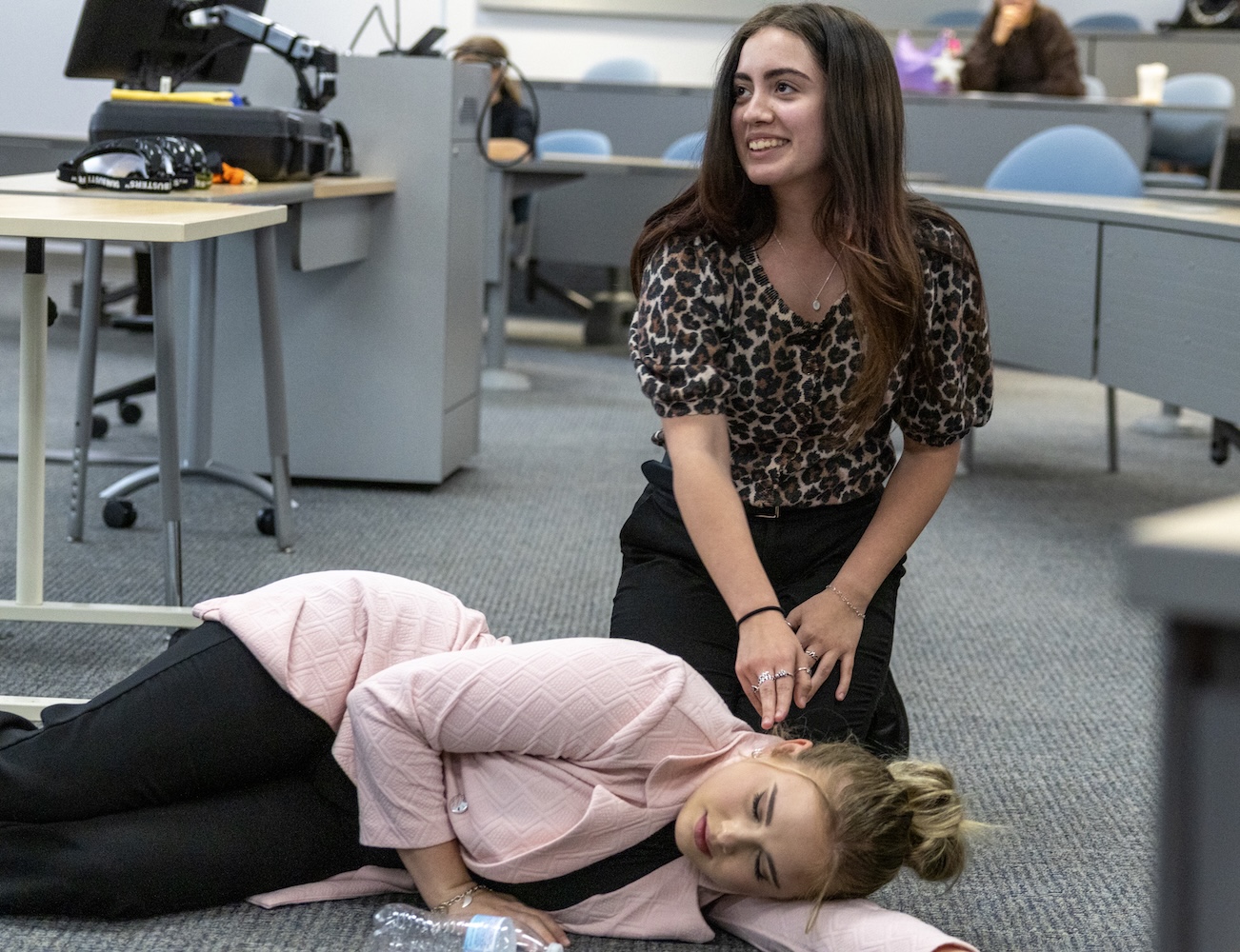
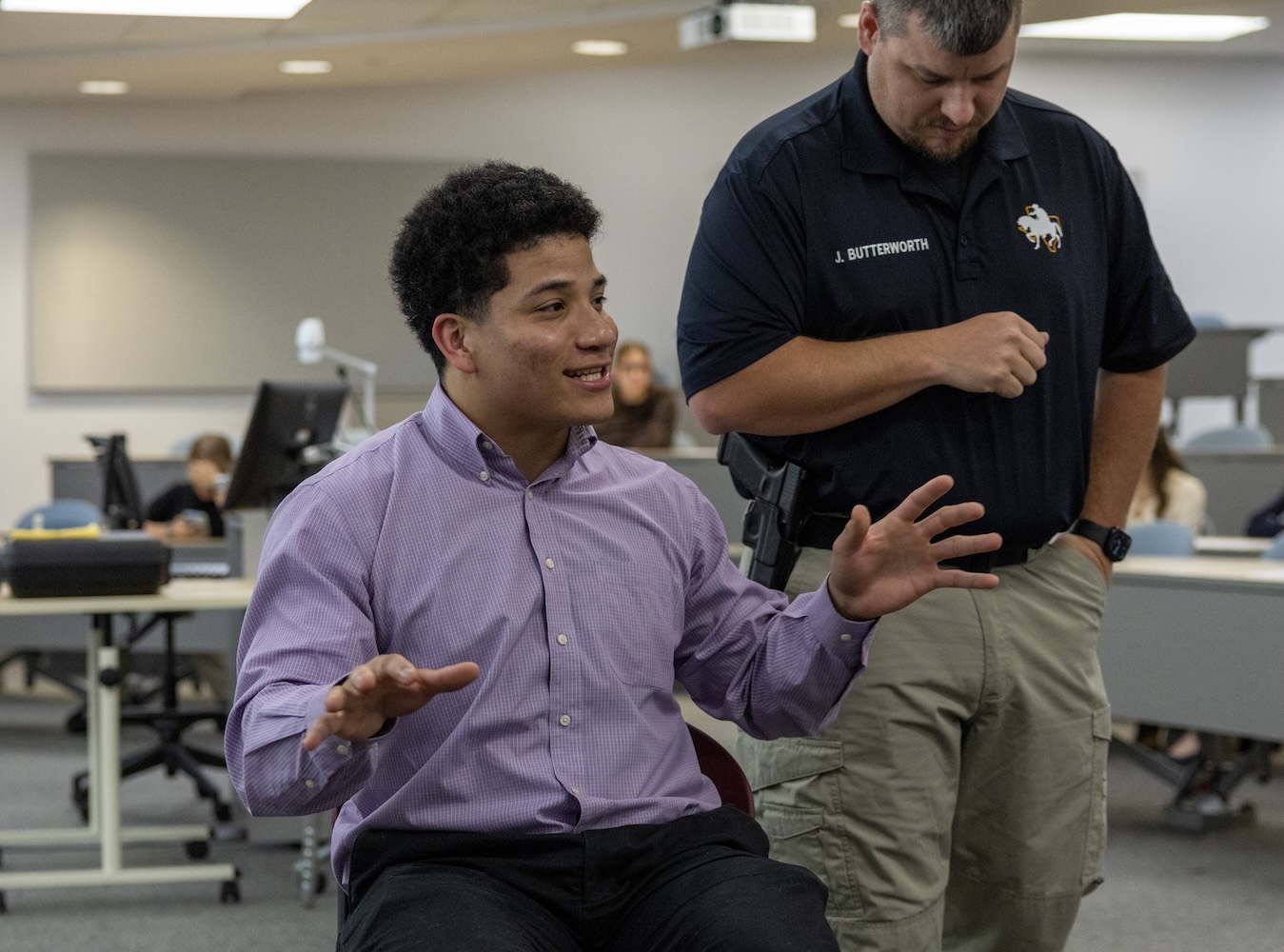
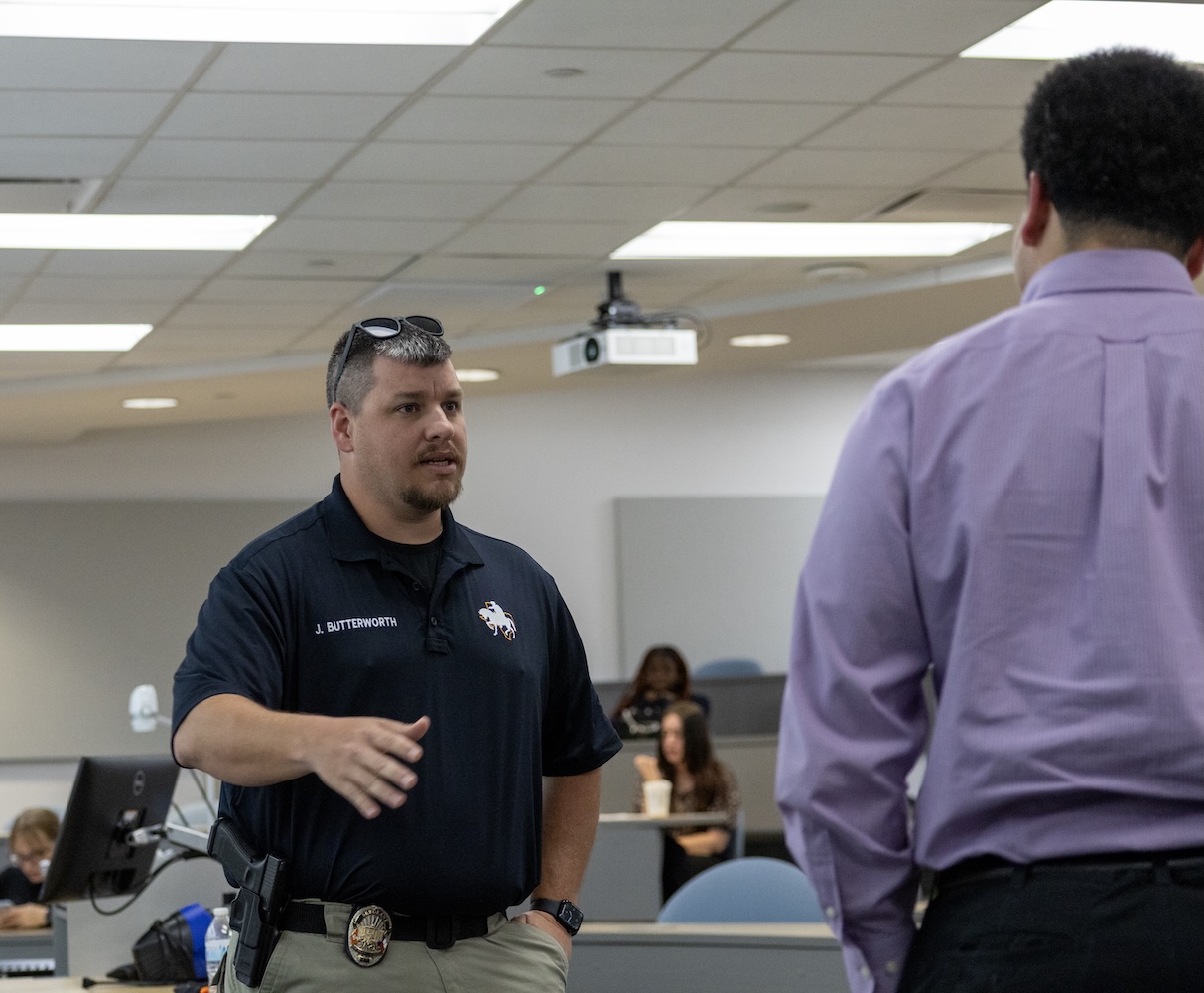
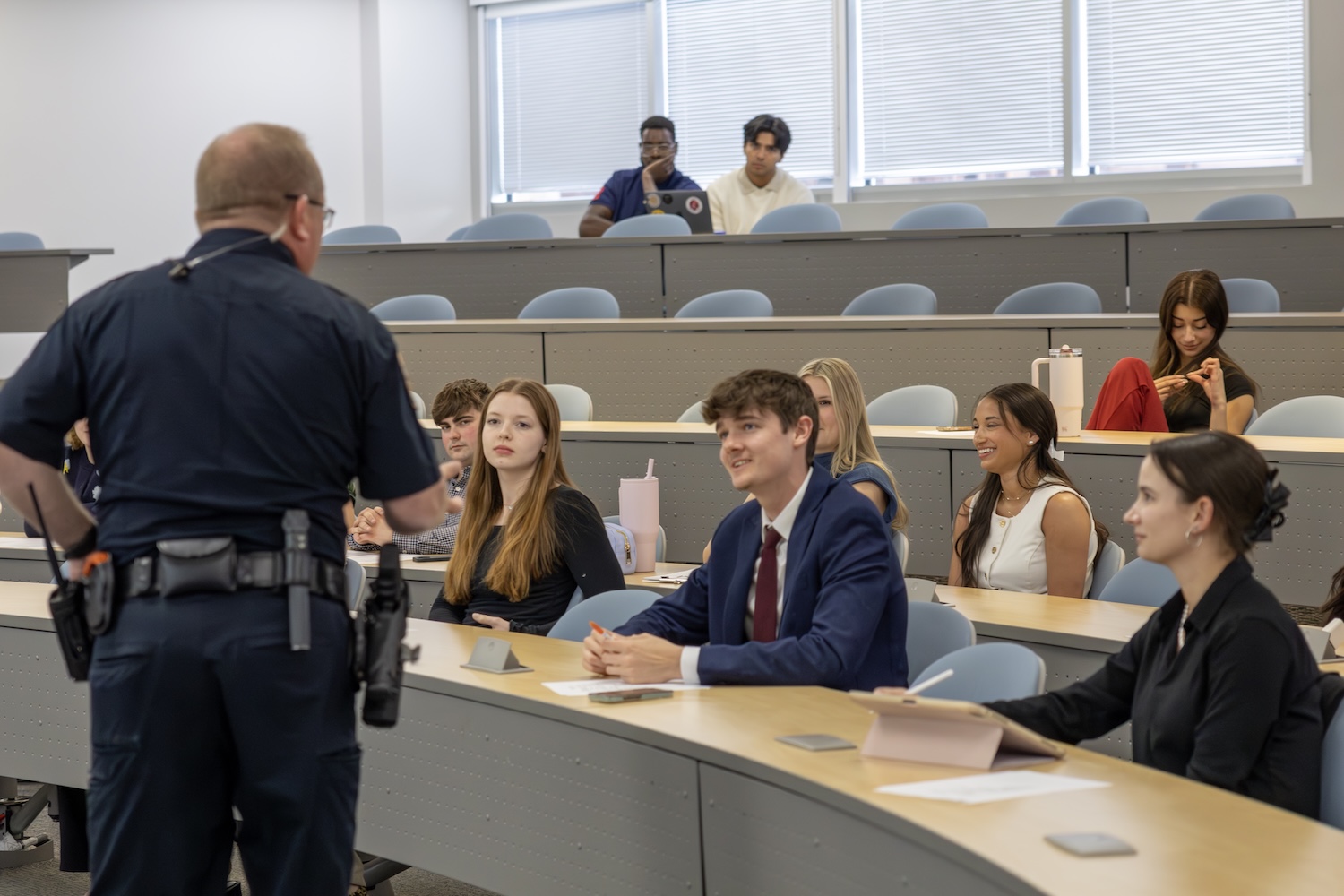
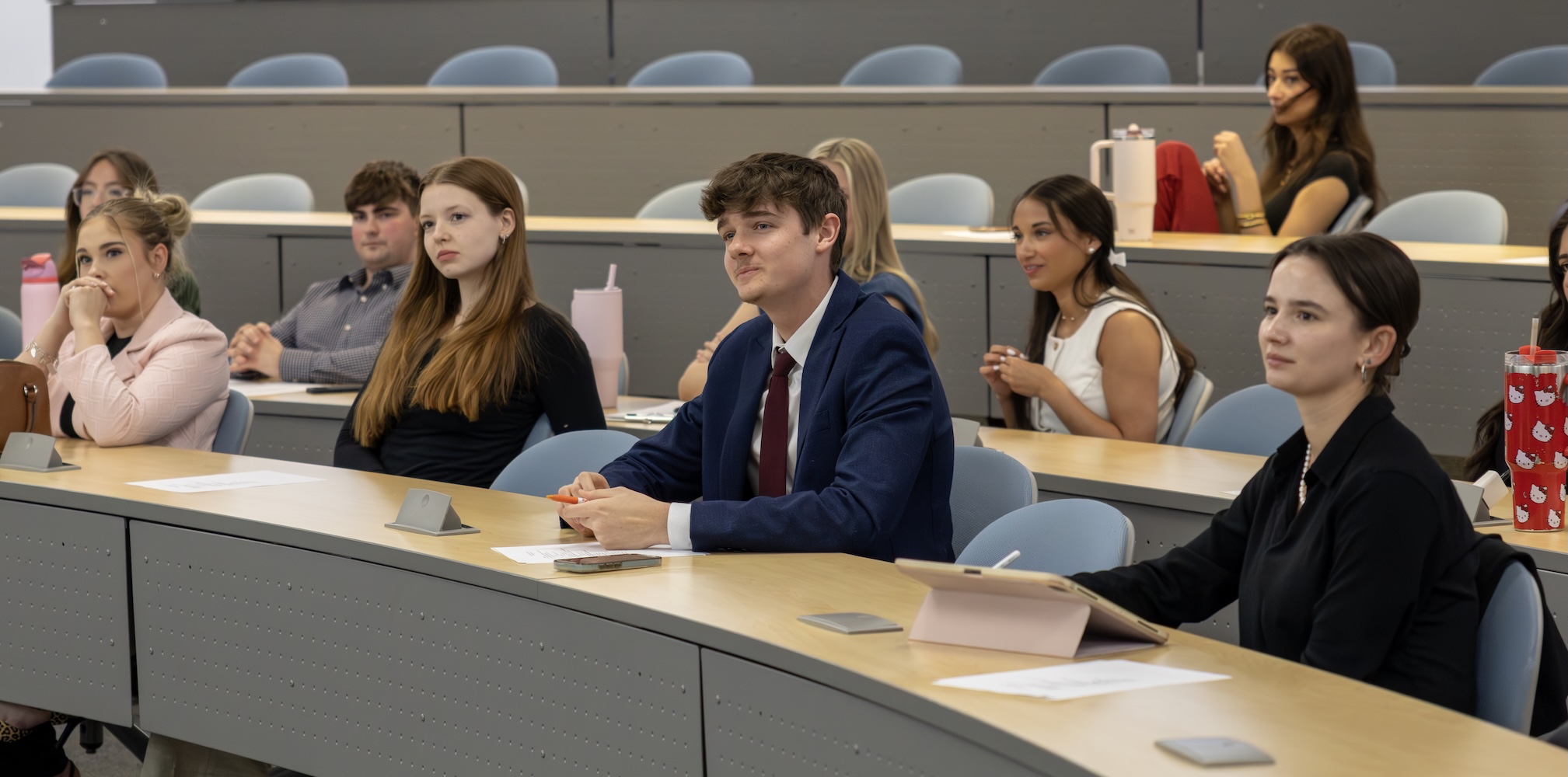
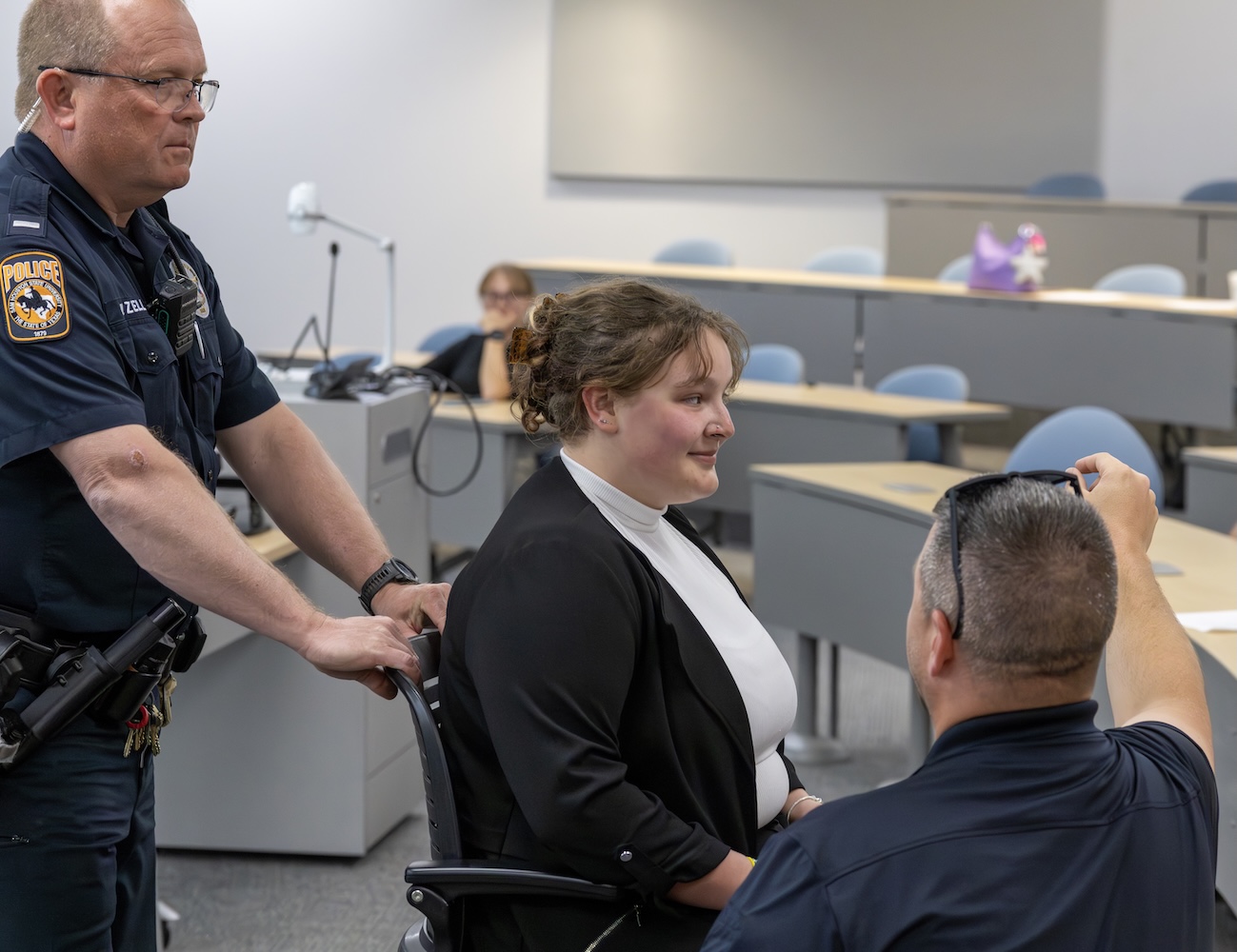
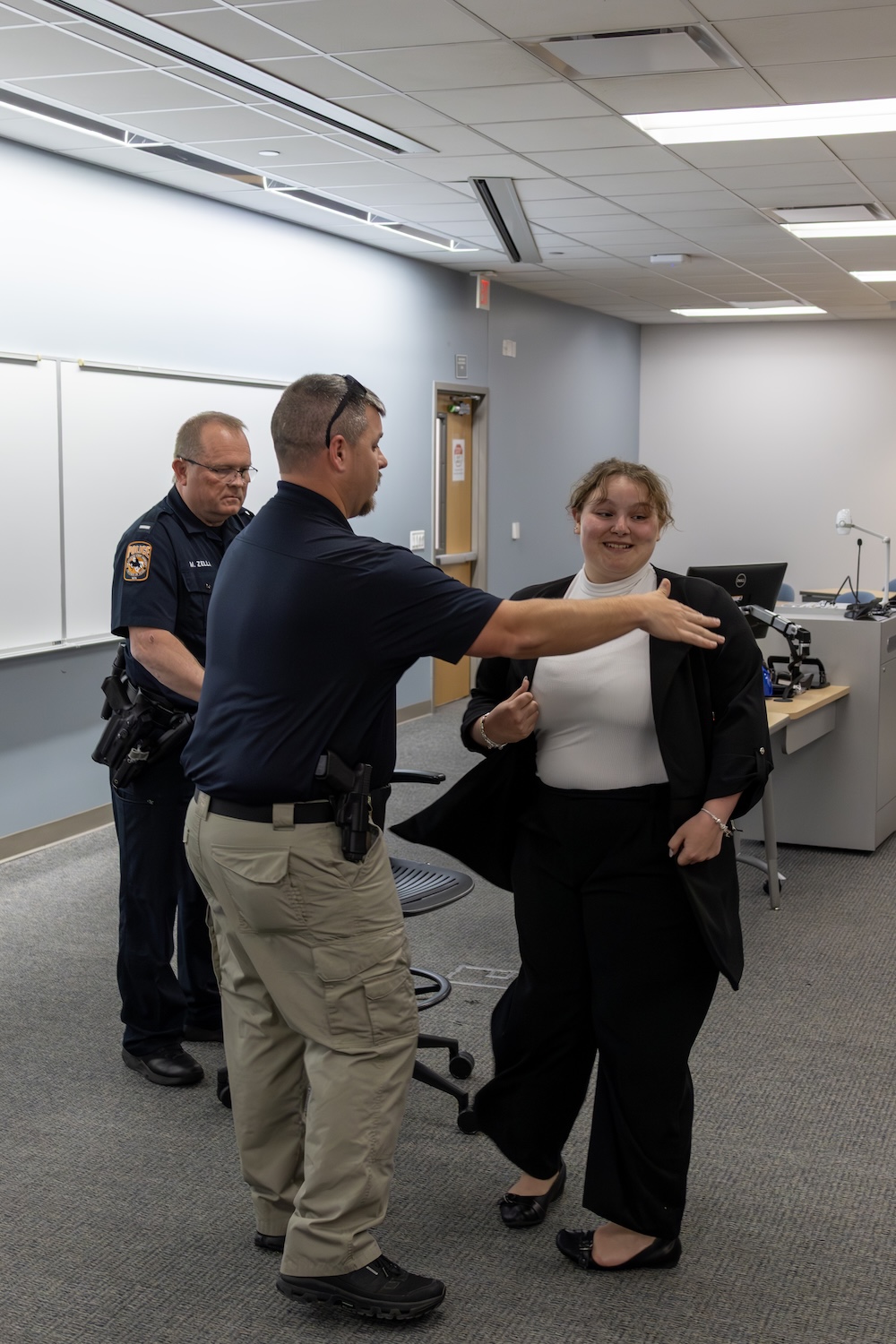
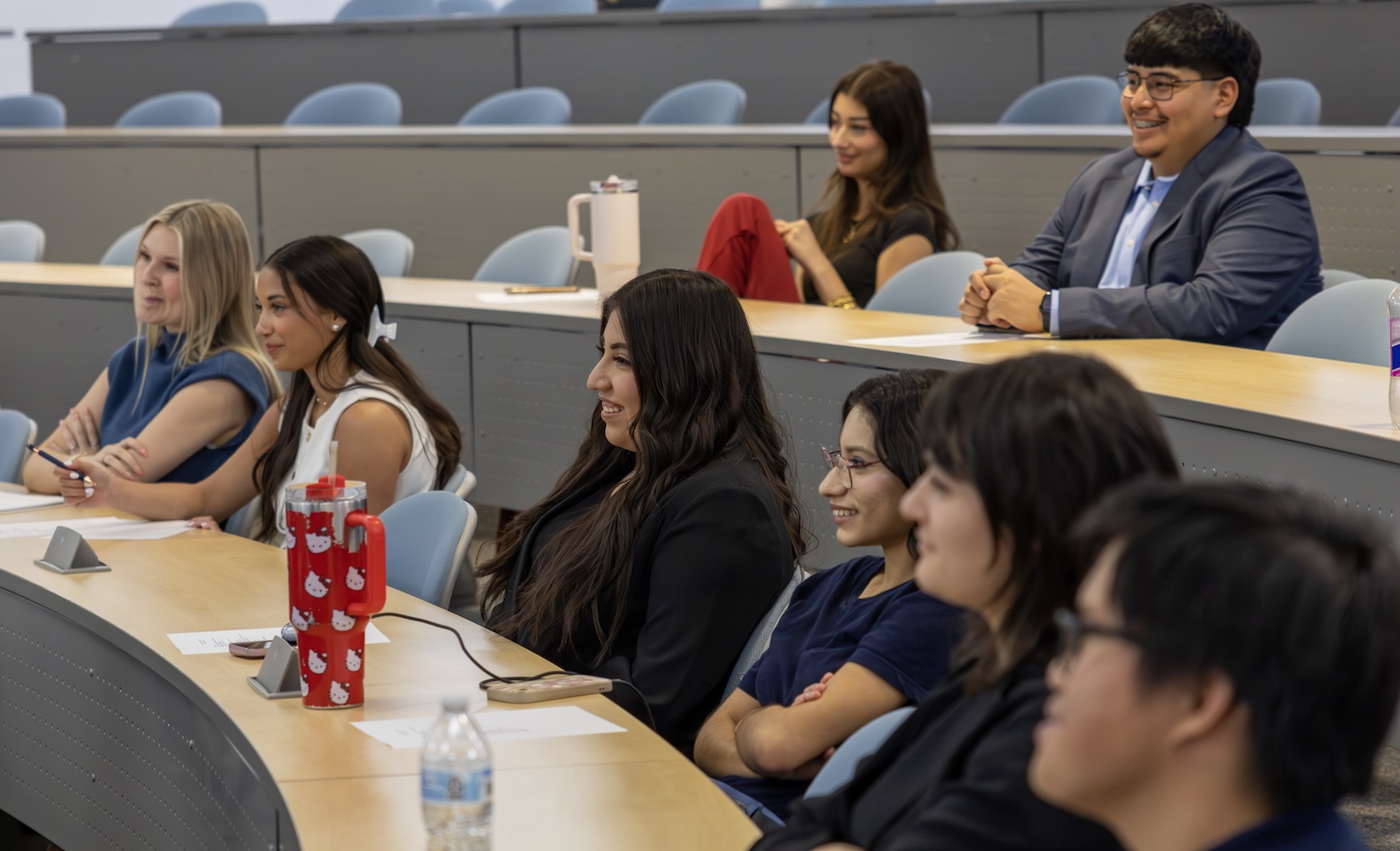
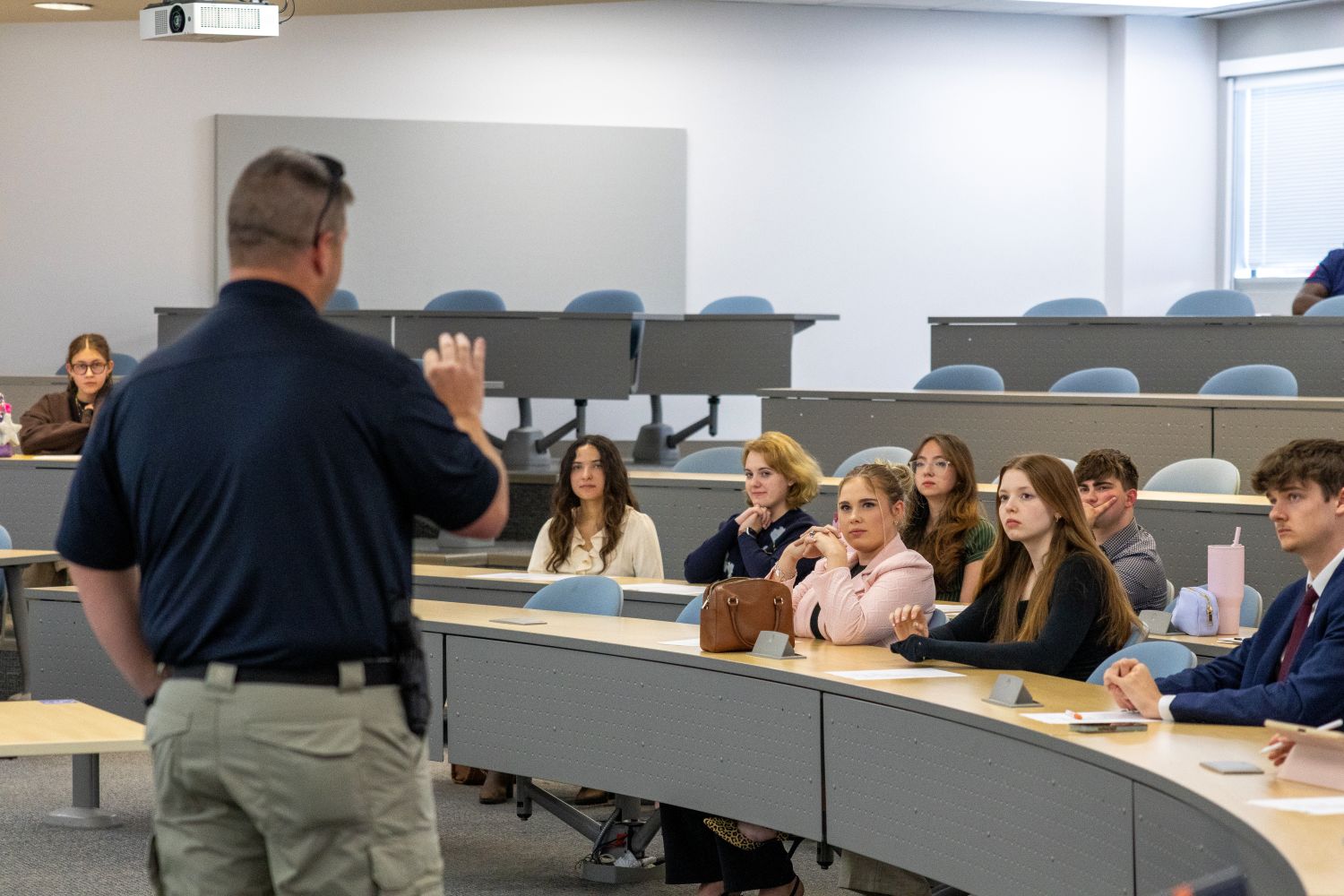
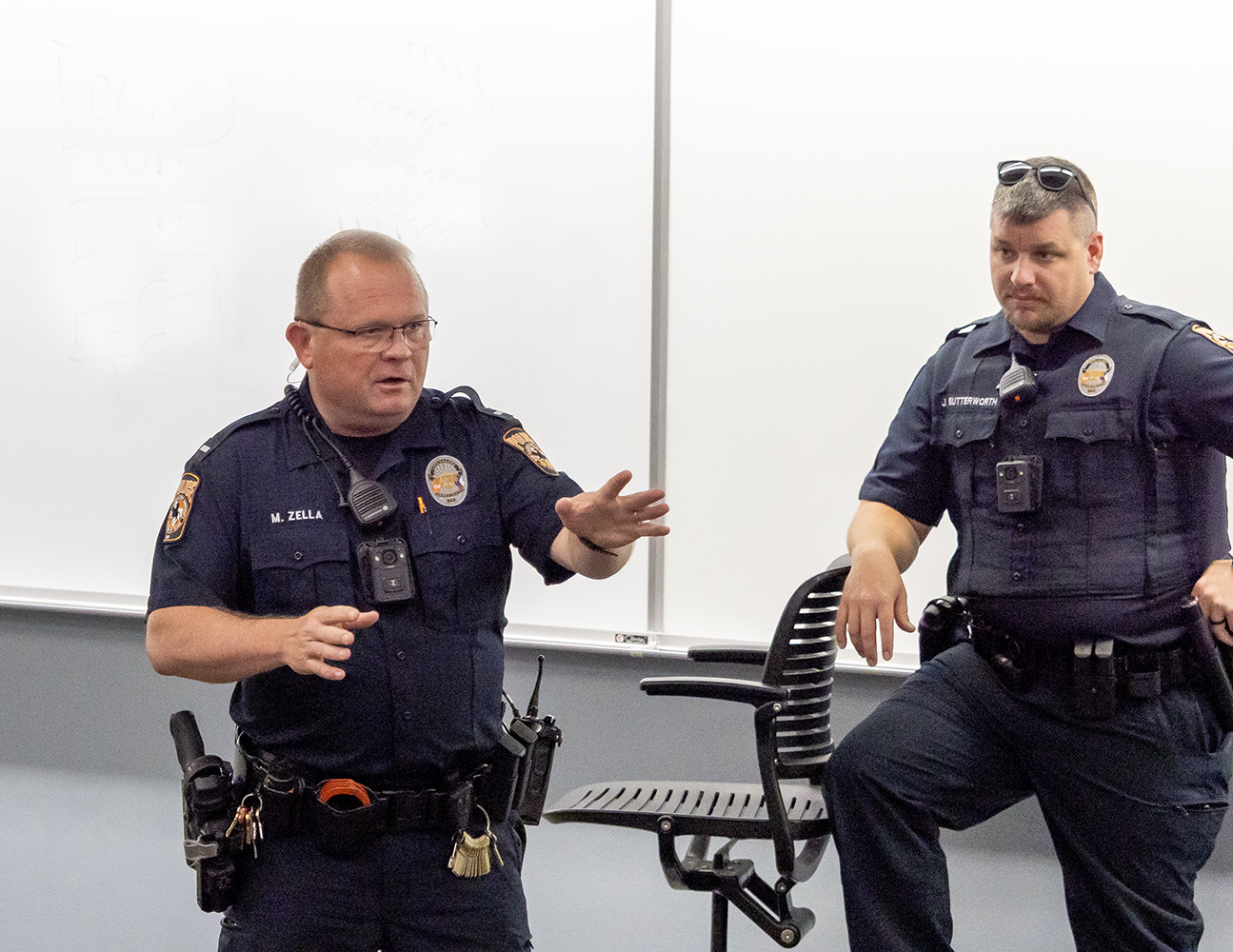
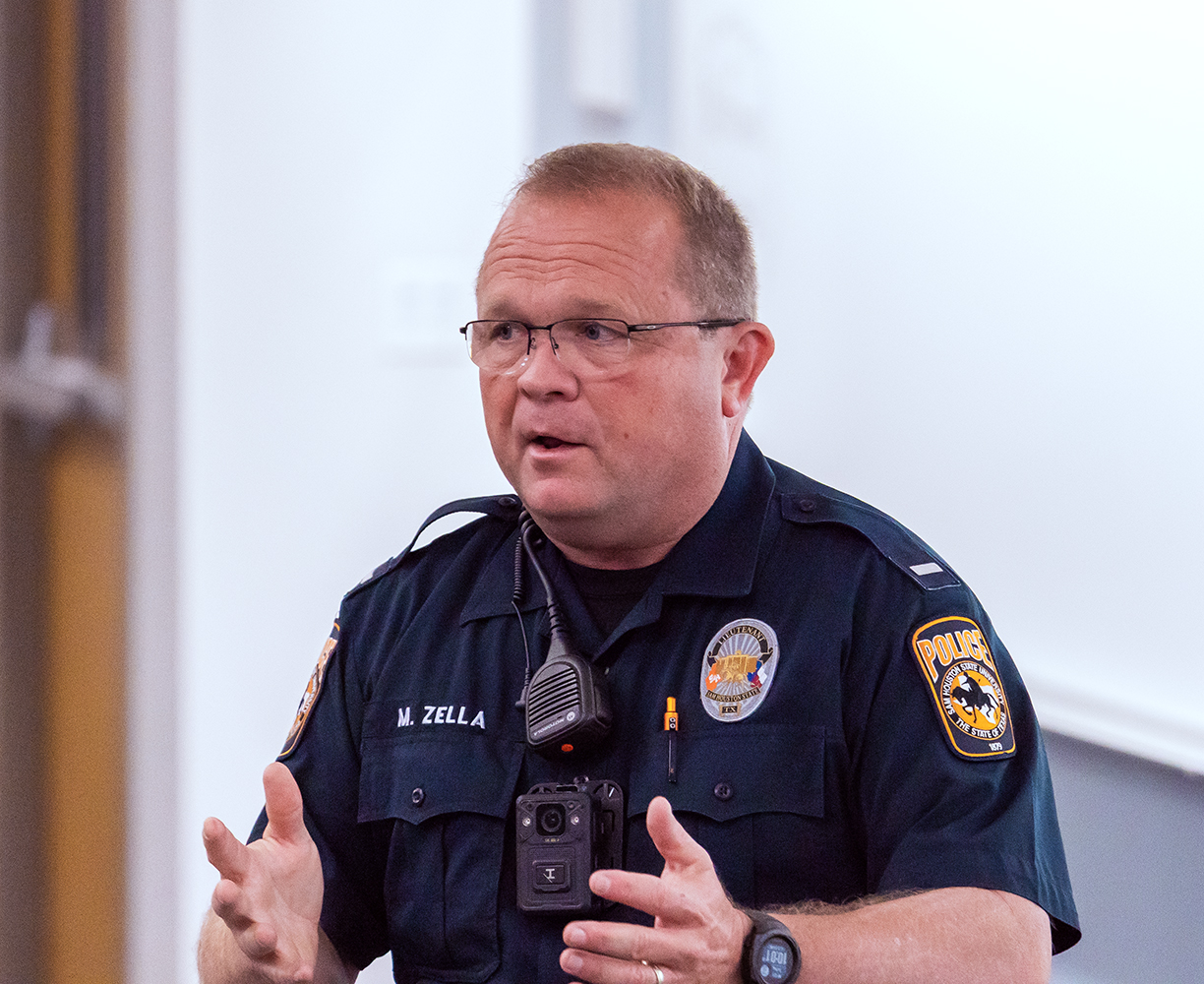
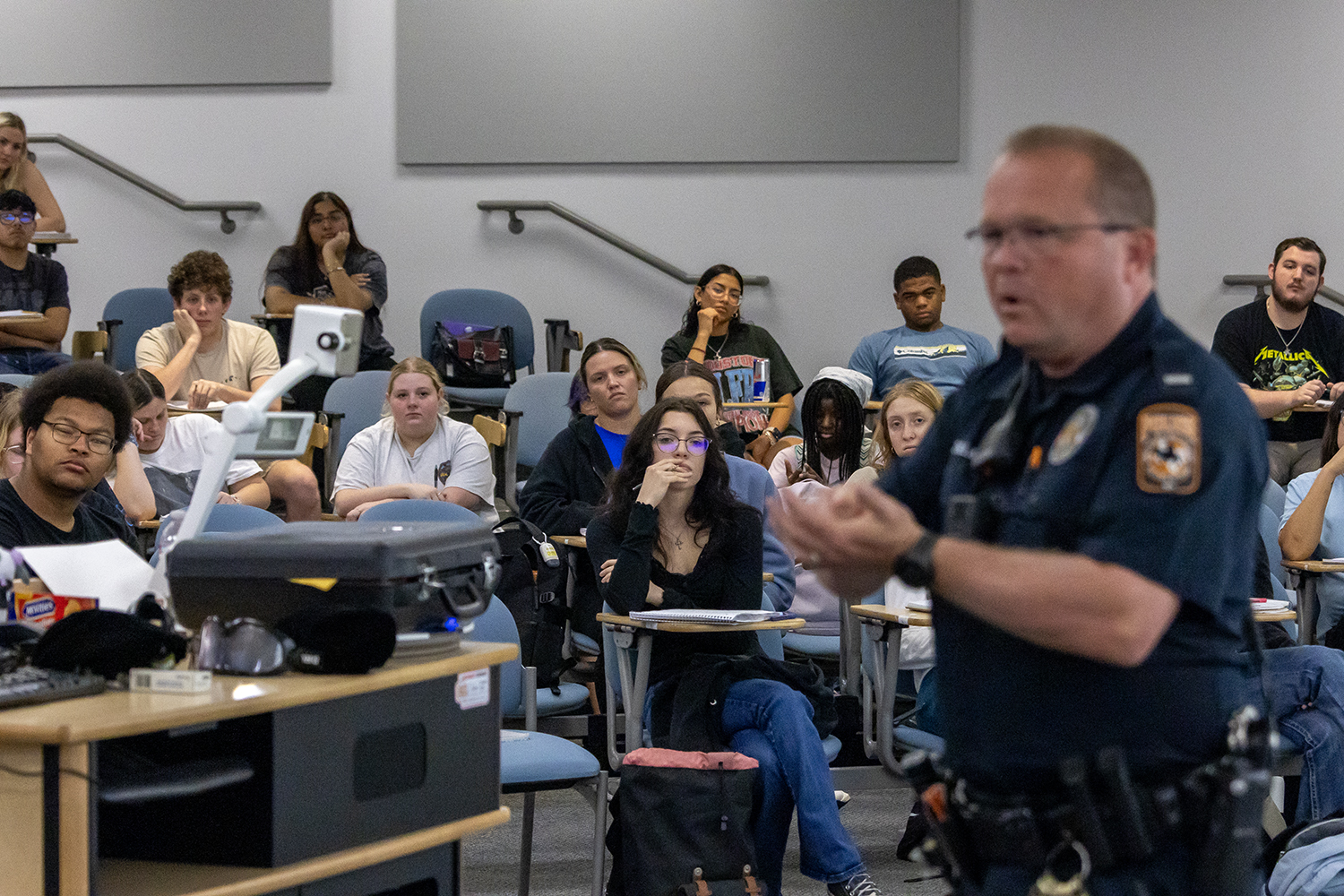
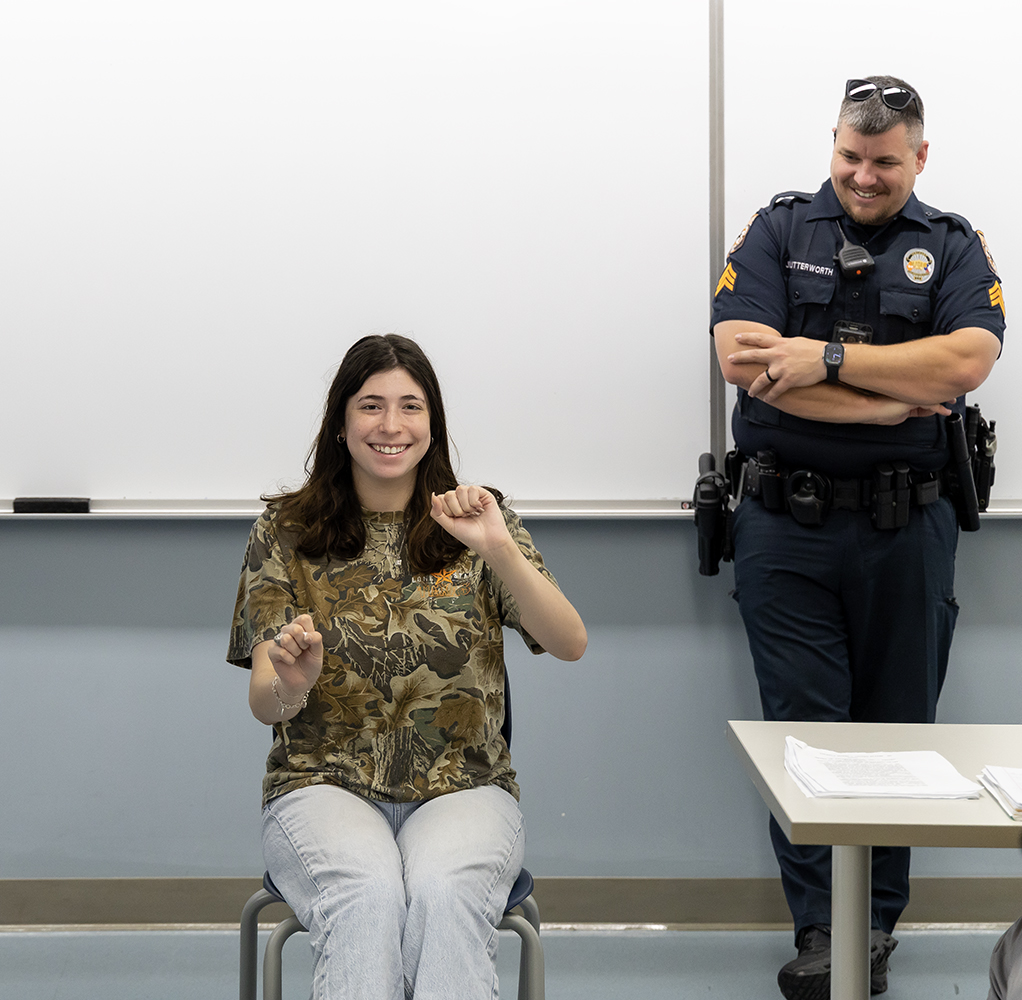
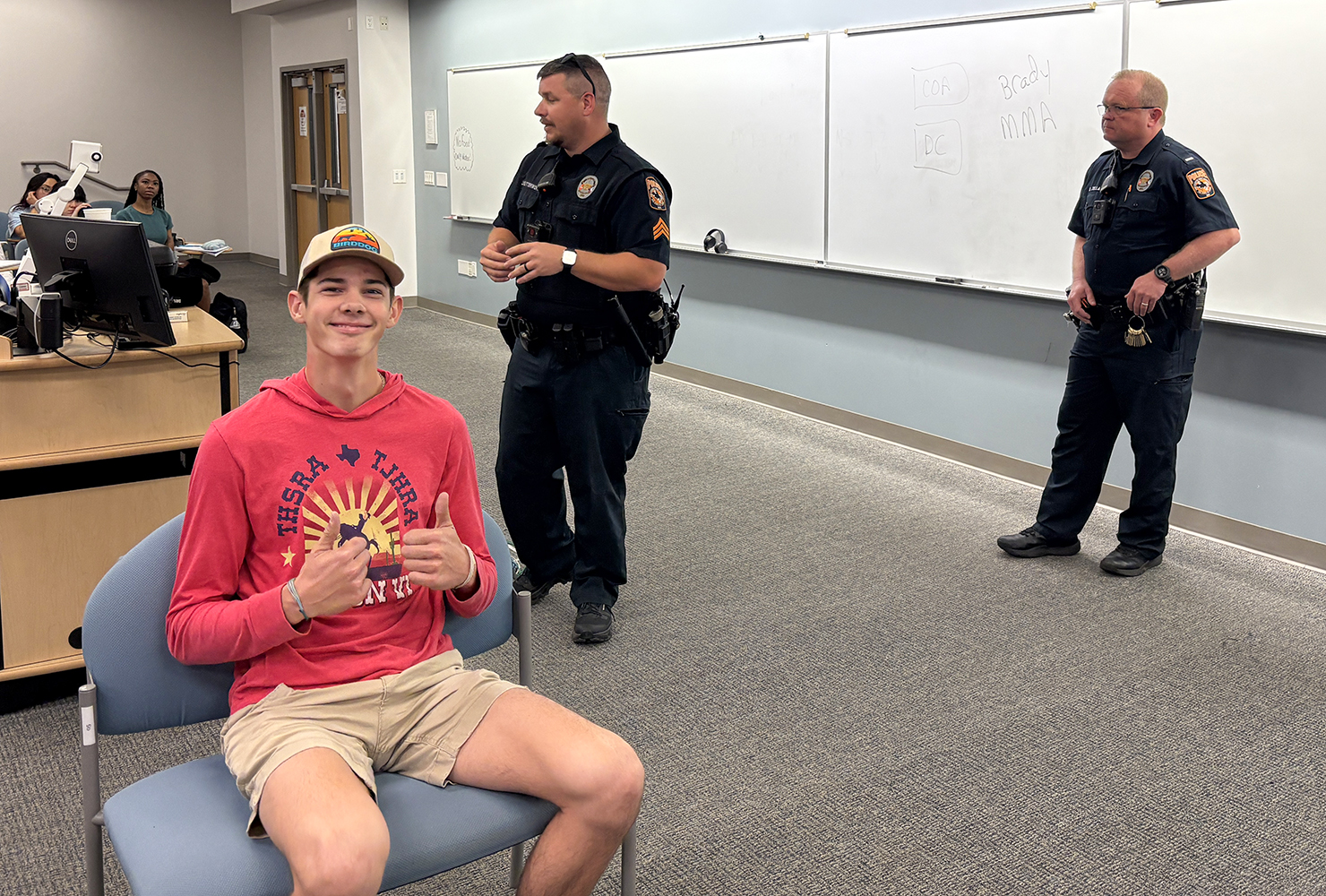
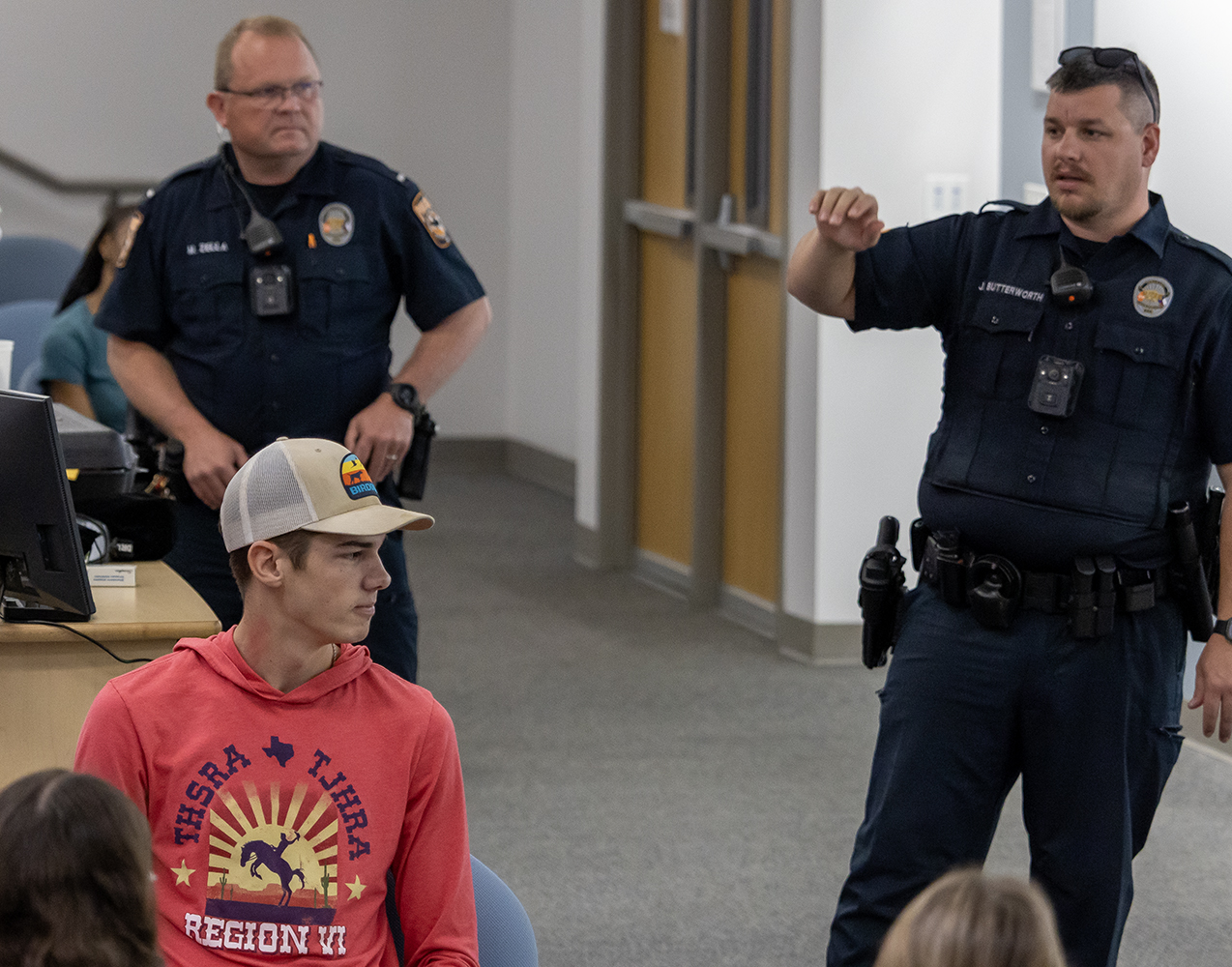
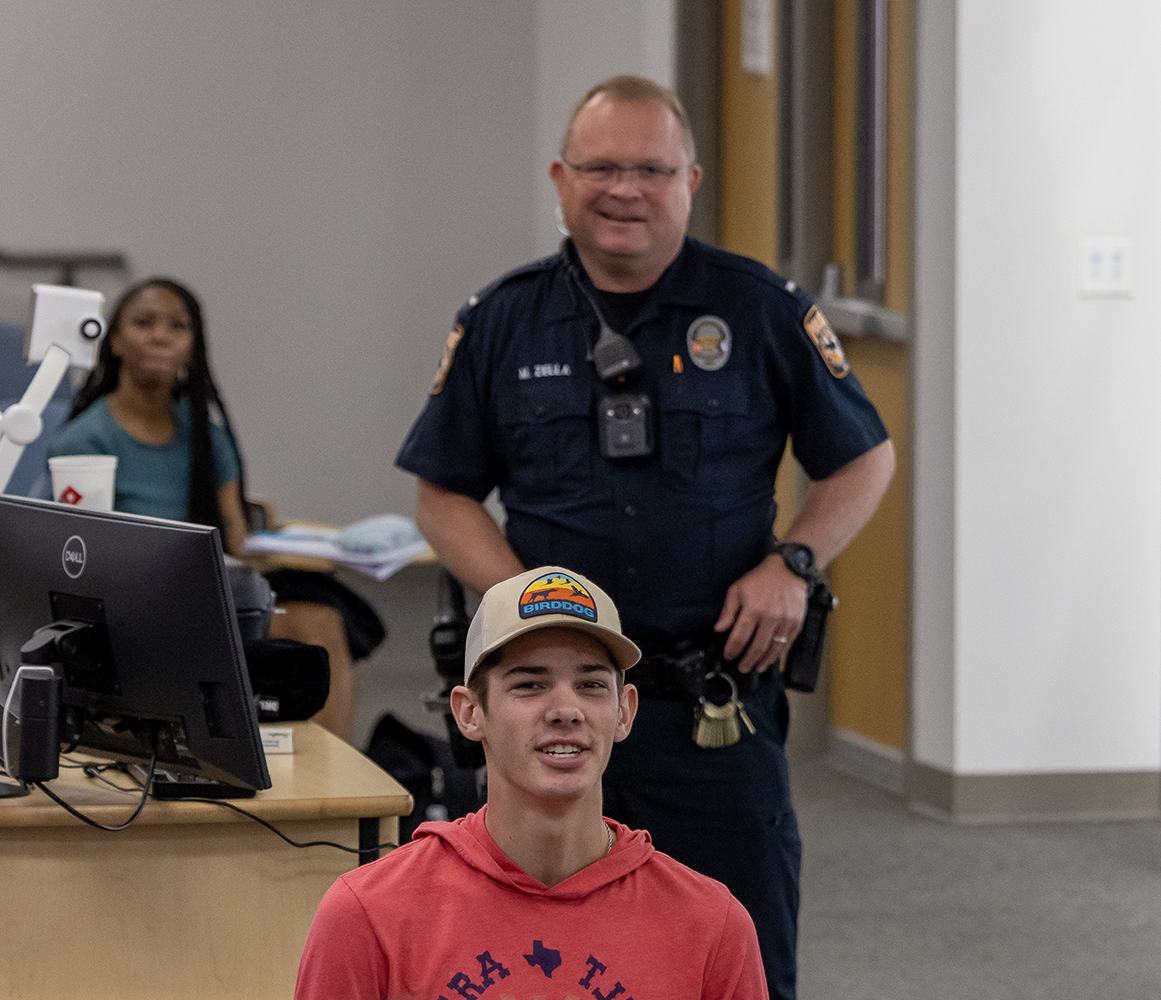
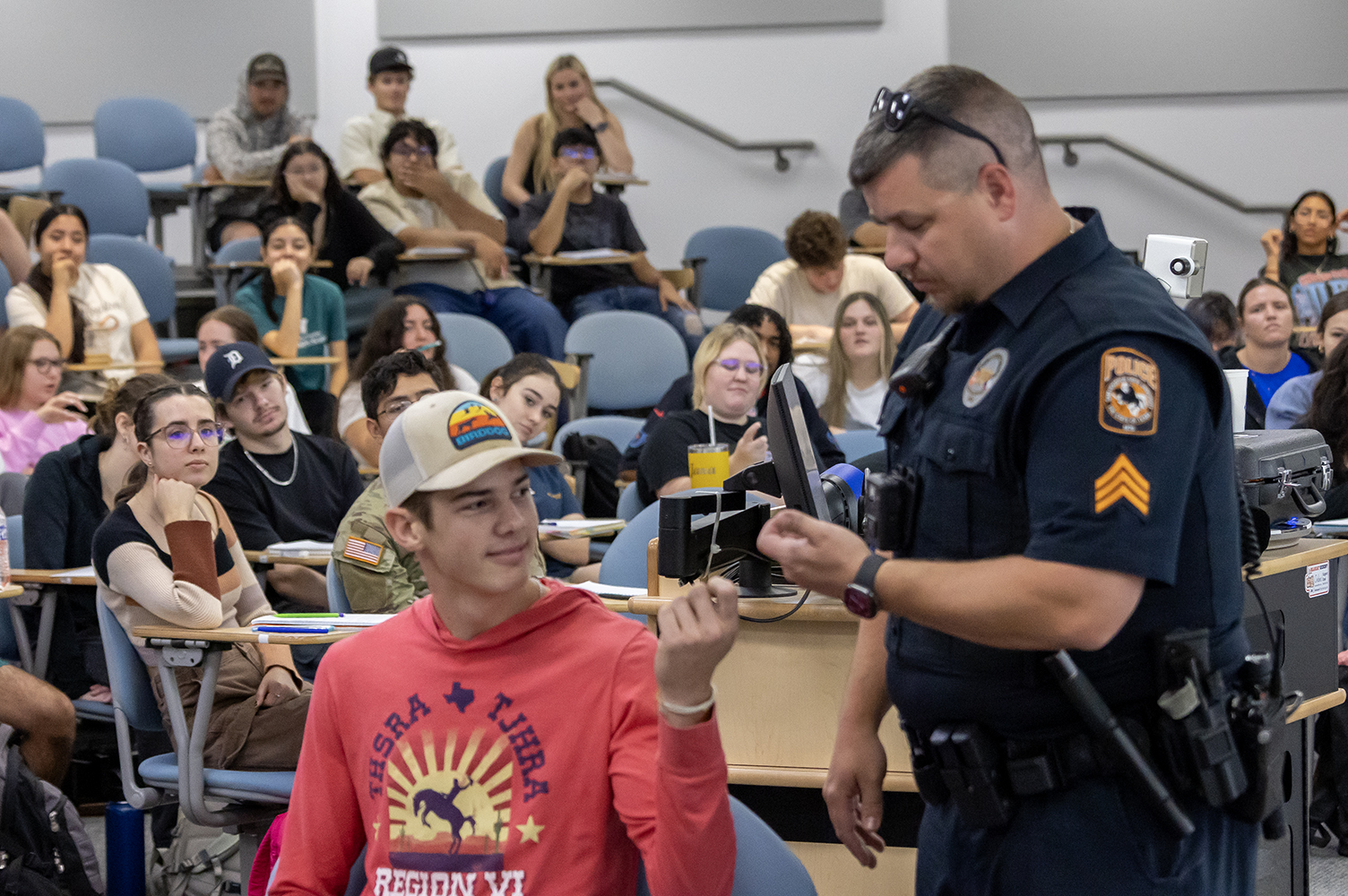
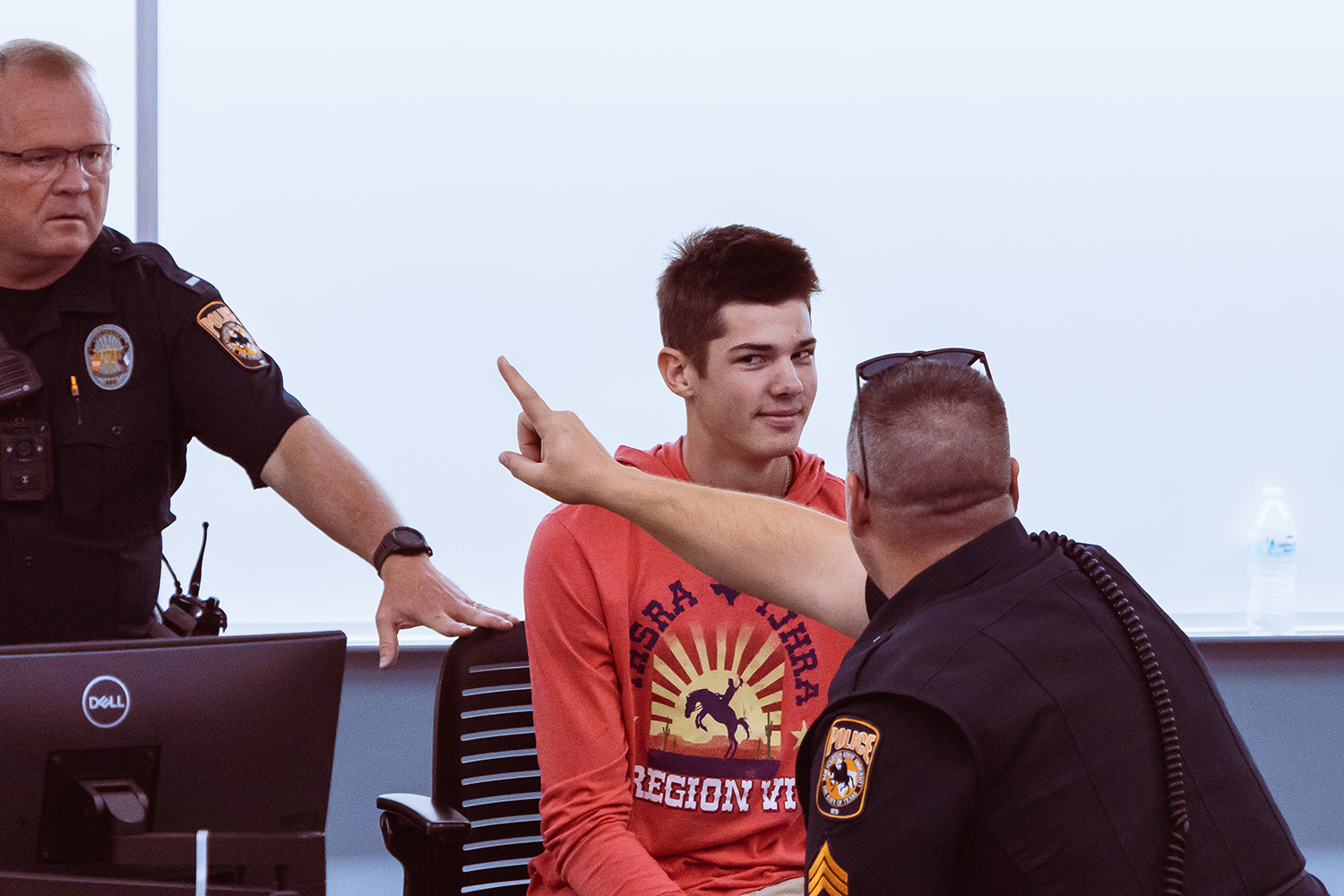
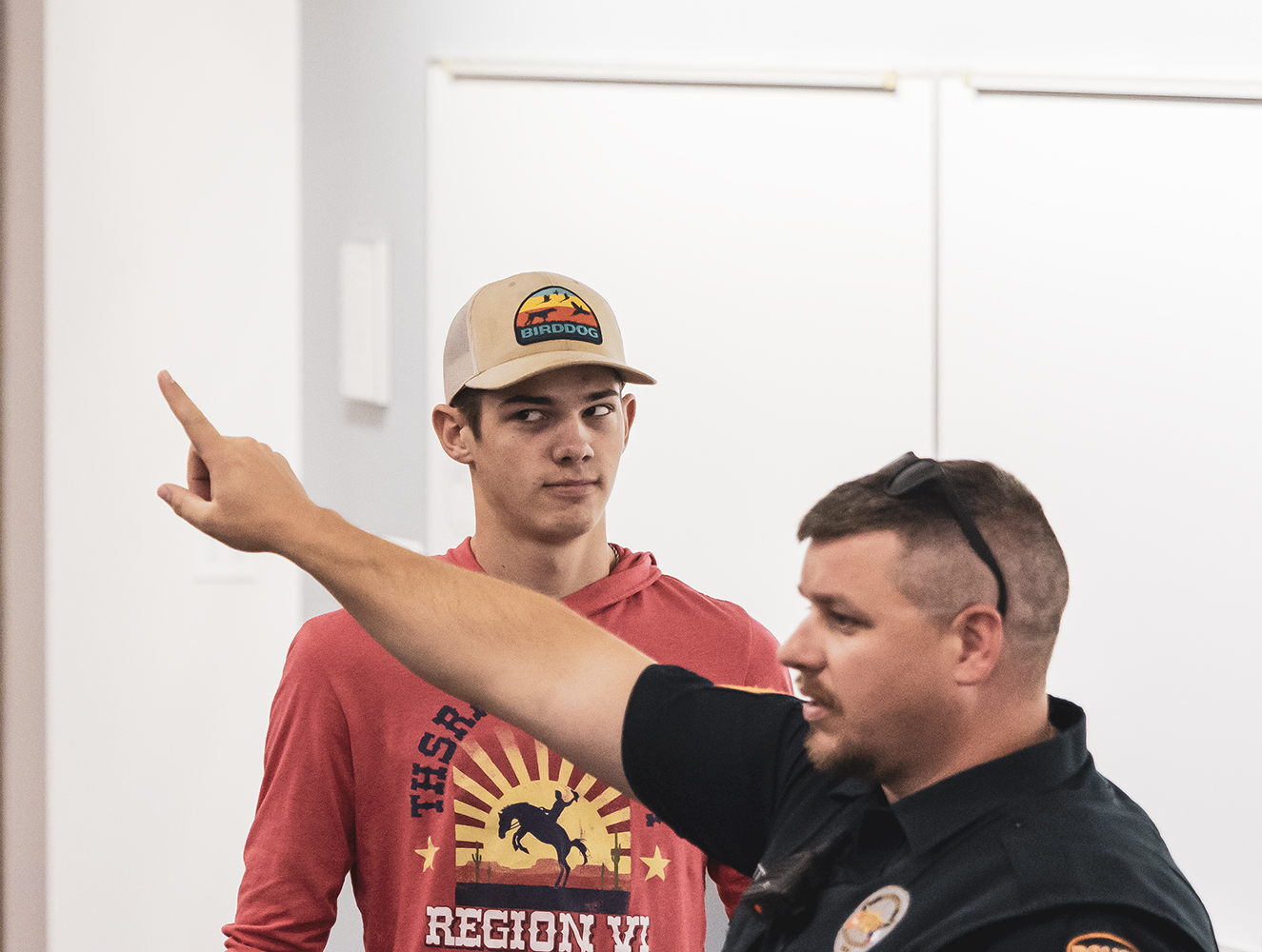
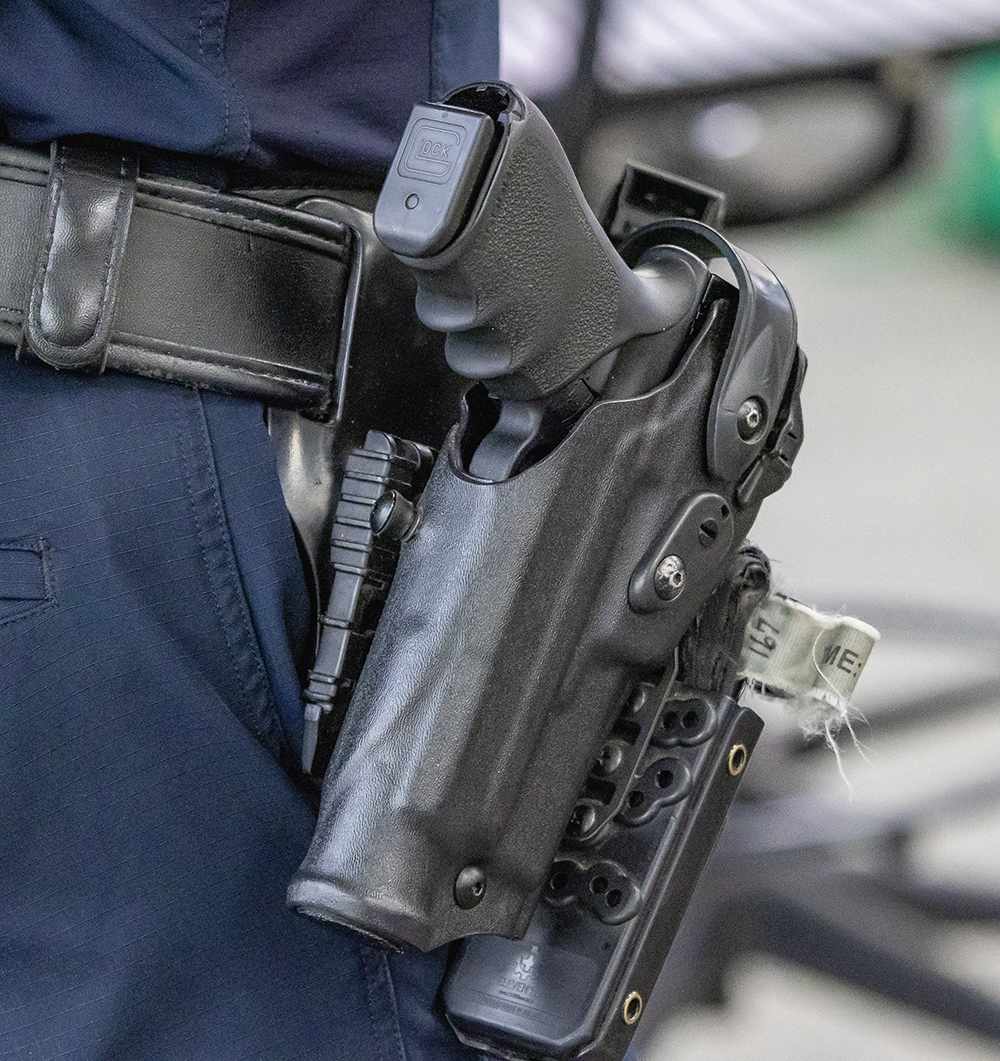
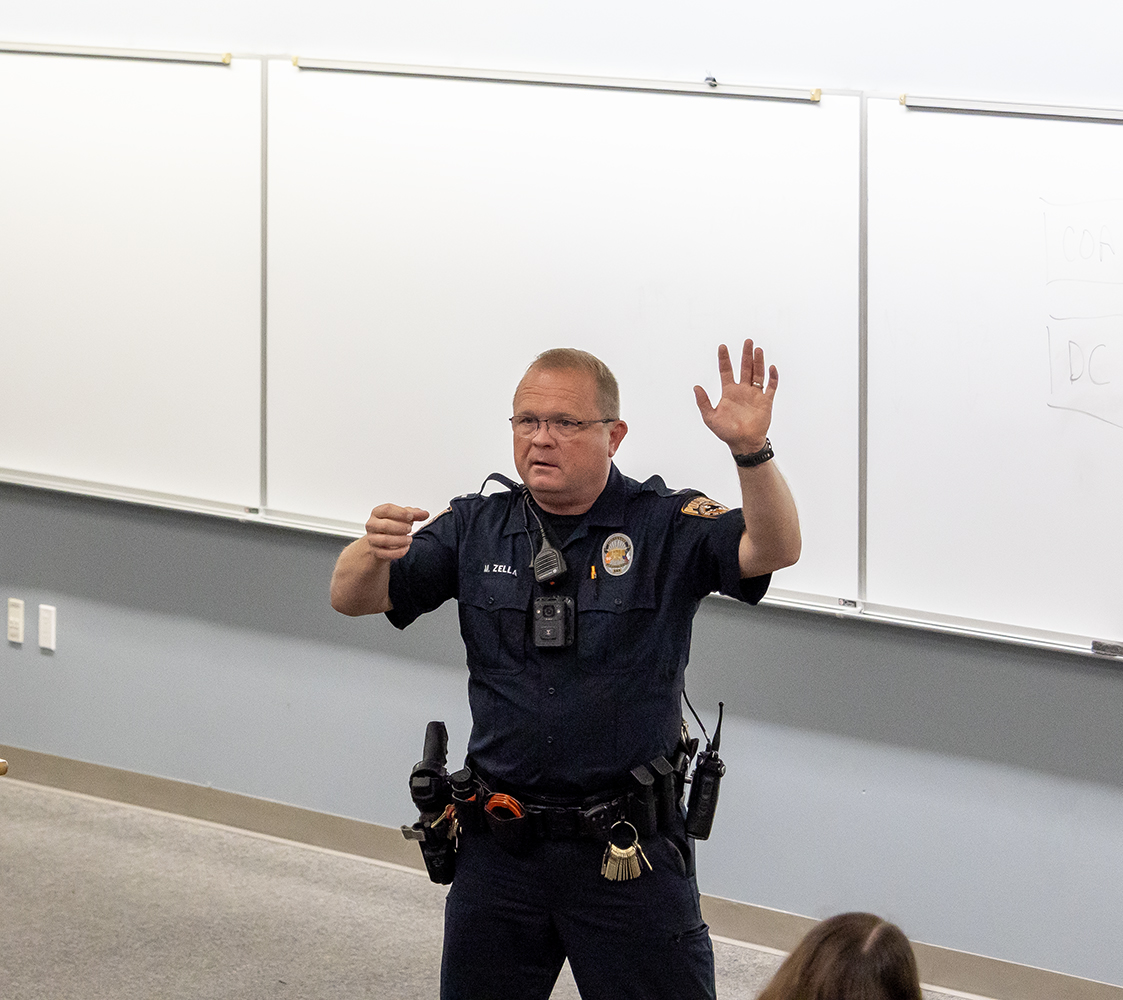
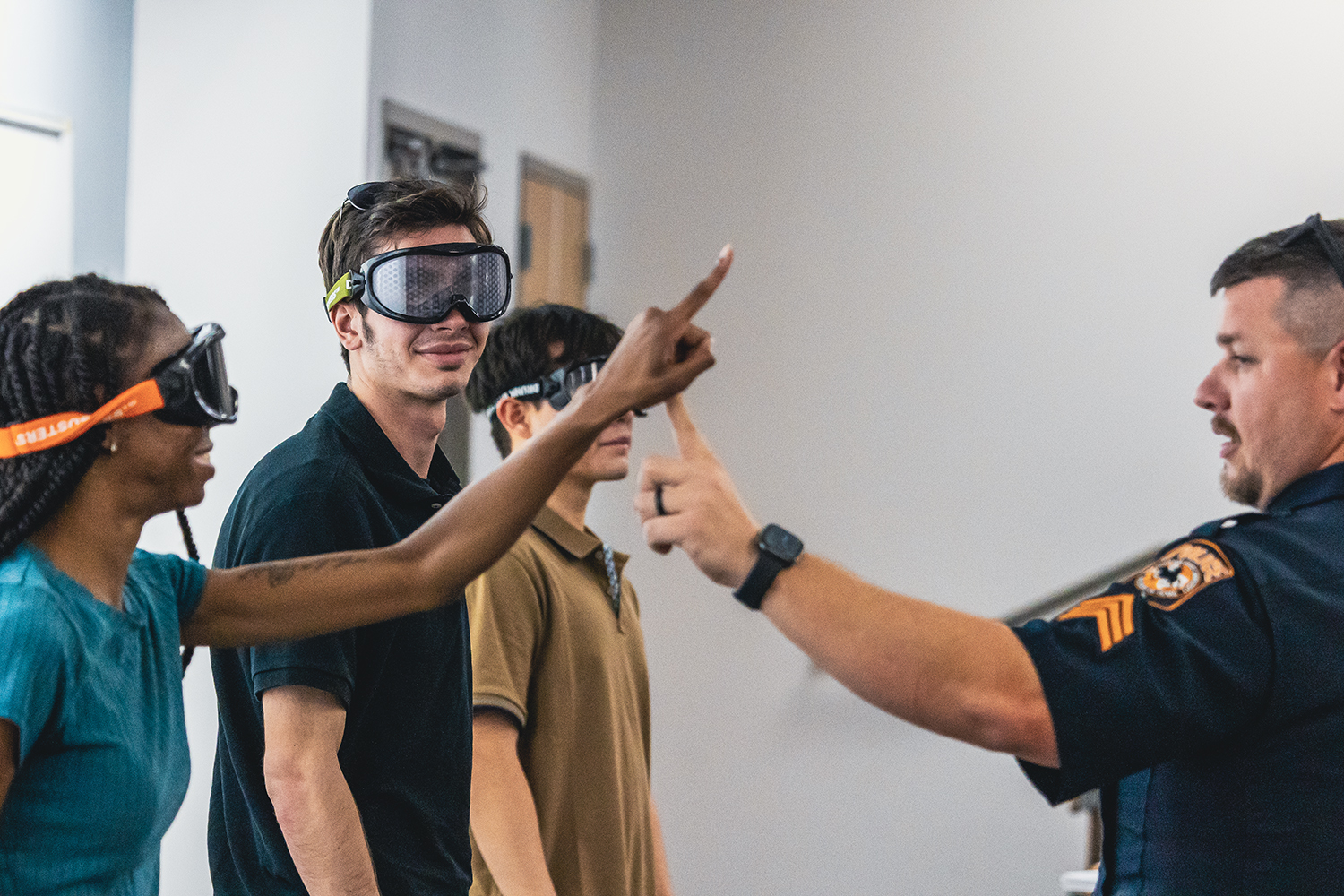
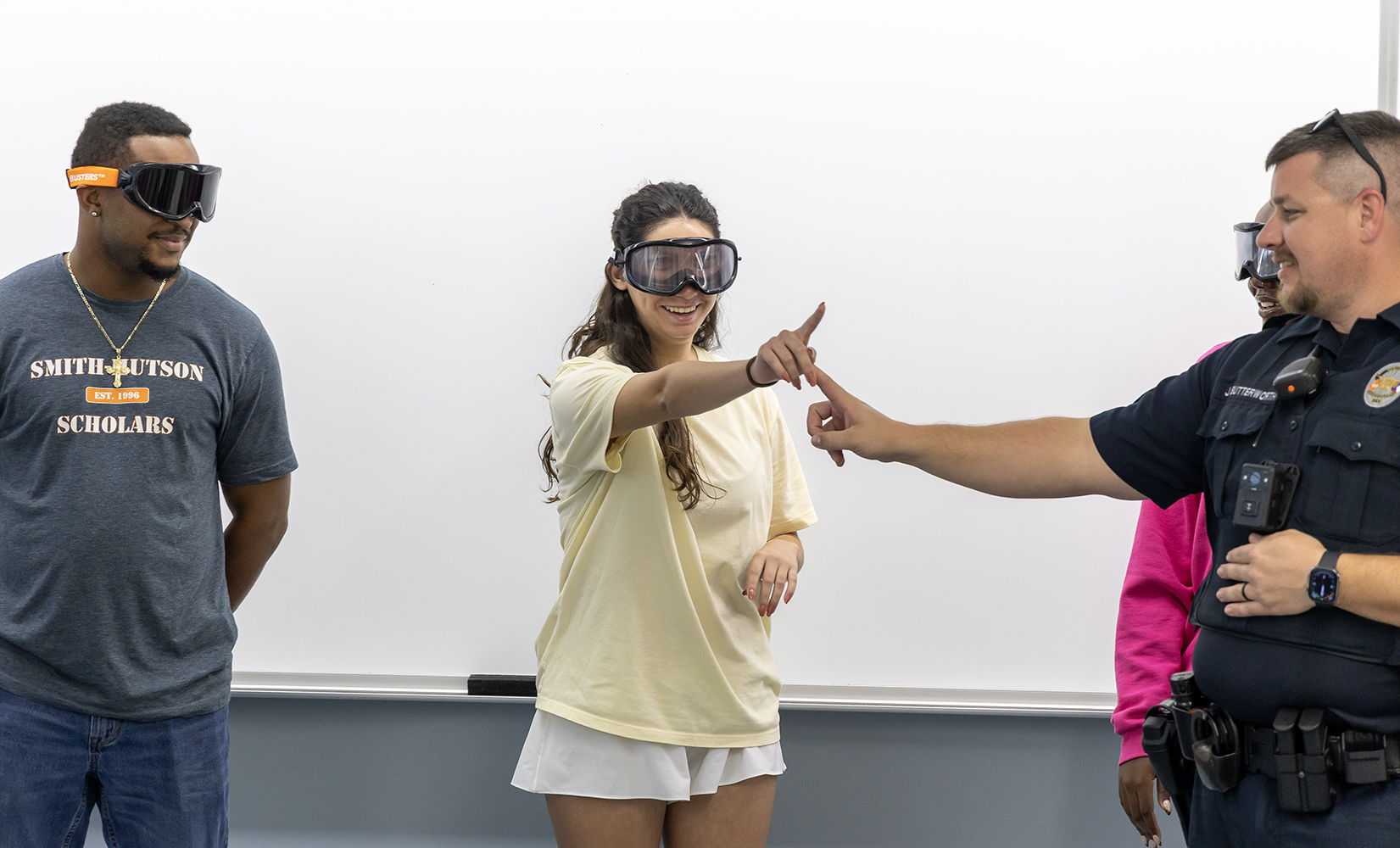
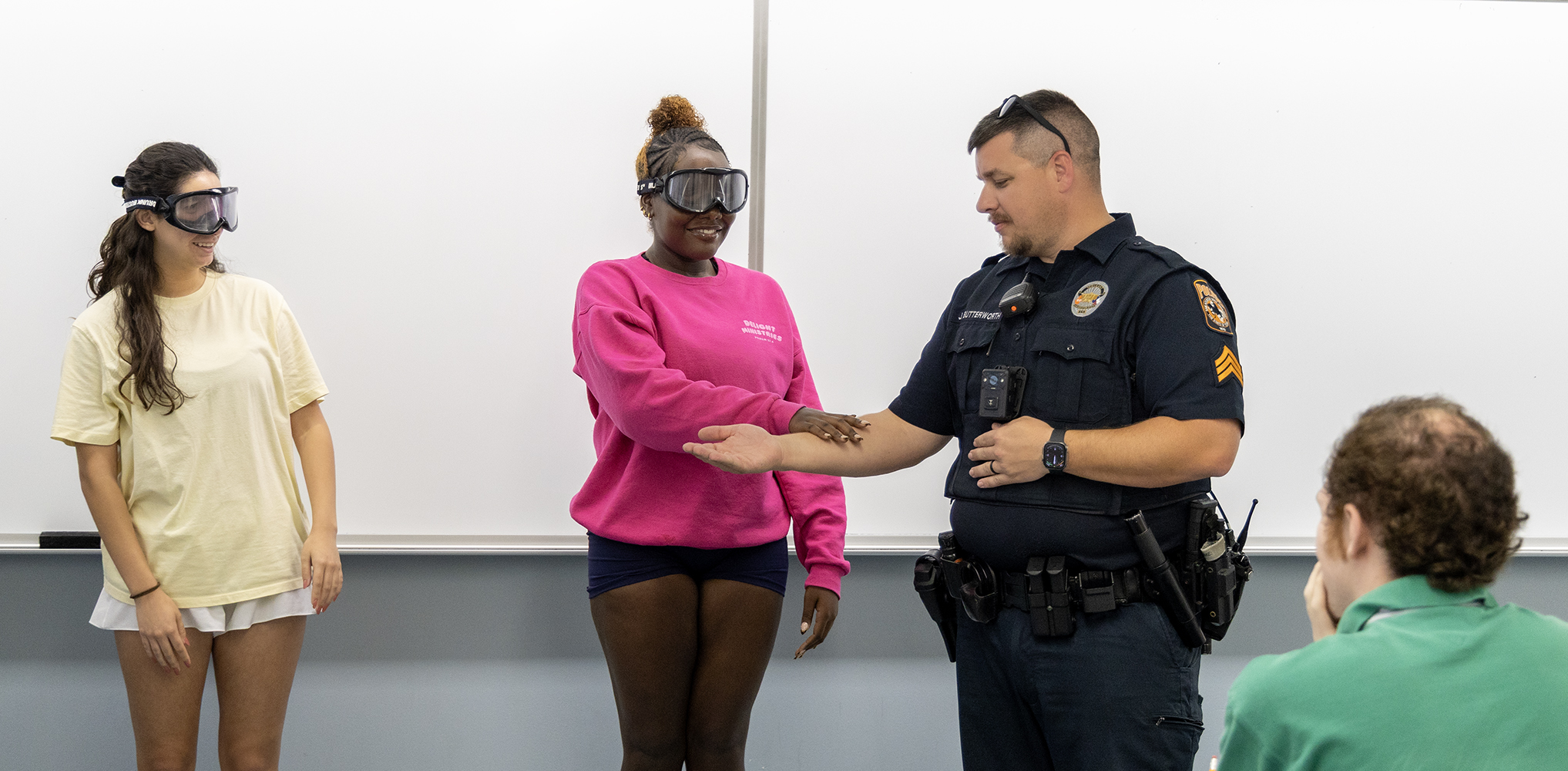
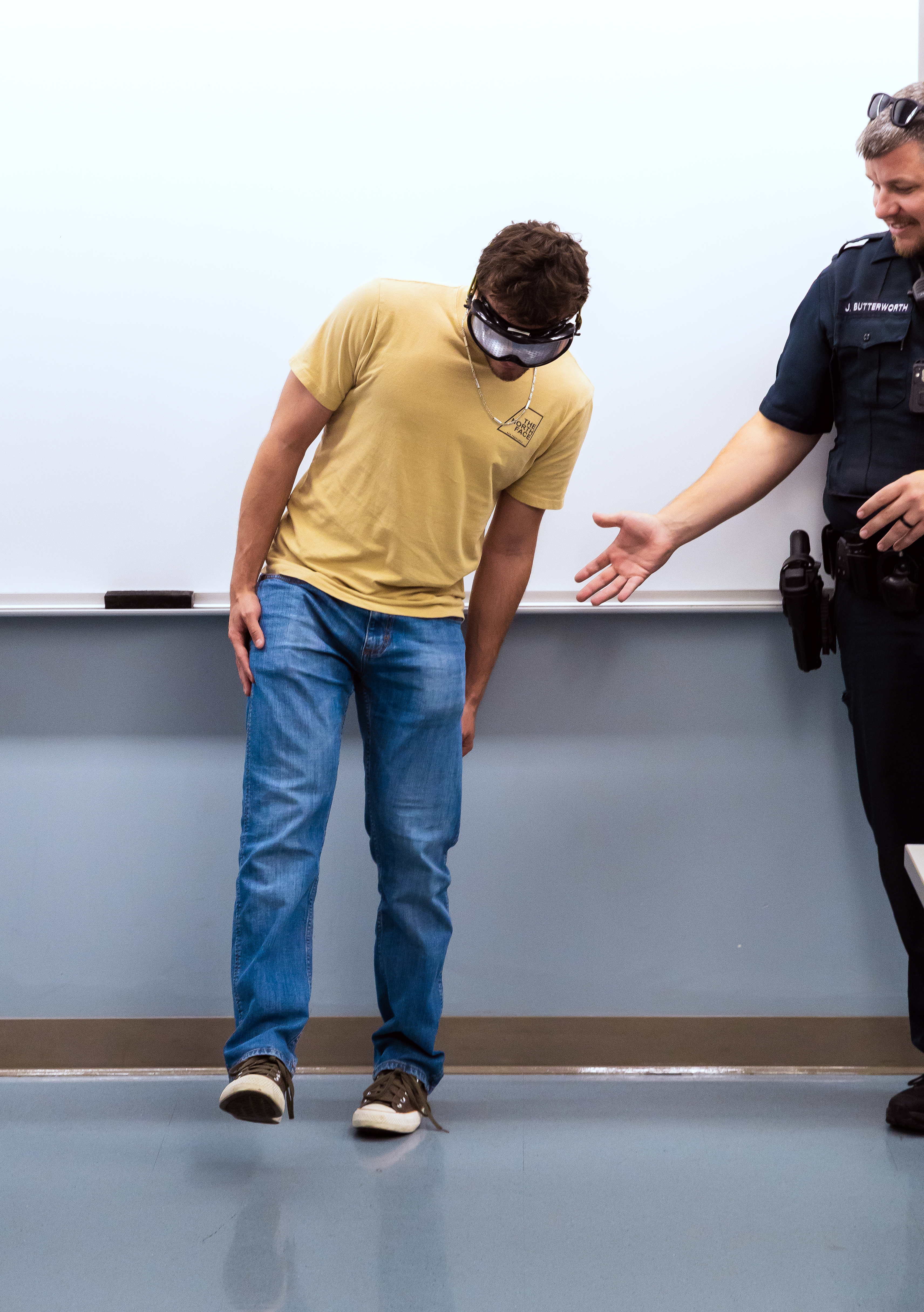
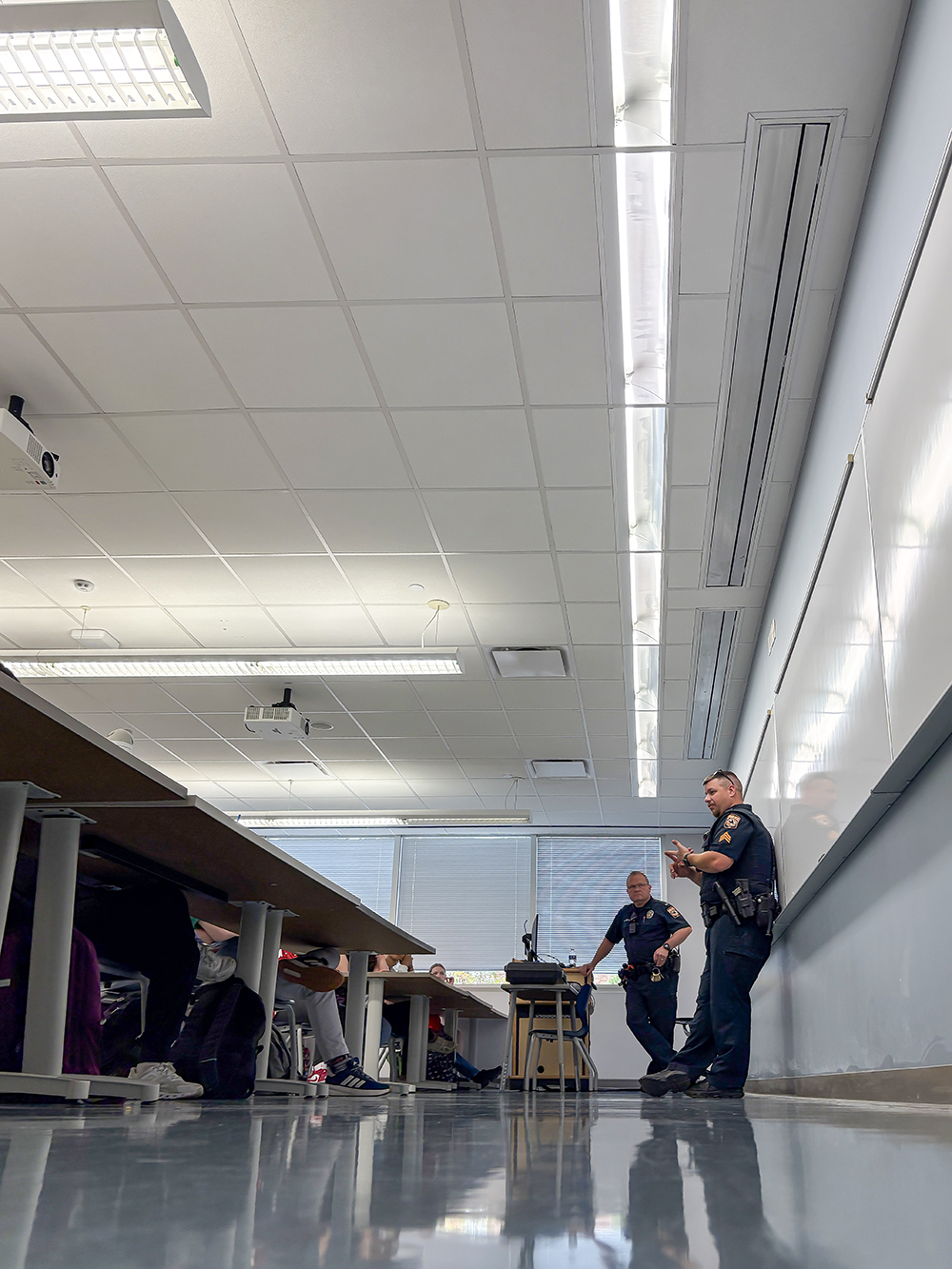
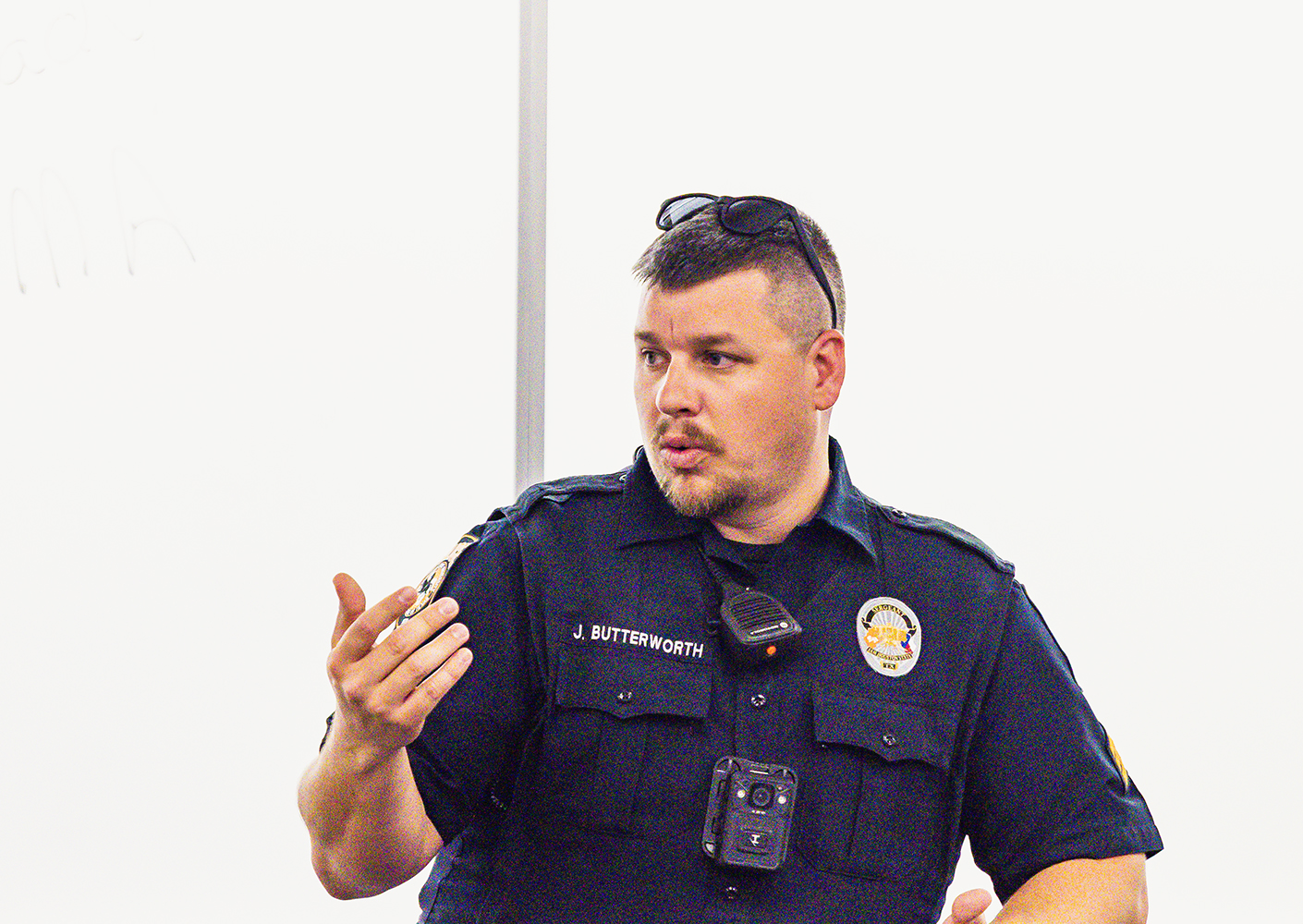
It’s not always easy to make Constitutional Law and, especially, Texas Government, fun, but it’s a lot easier with quality guest speakers. For Professor Yawn’s classes last week, the guest speakers were Sgt. Butterworth and Lt. Zella, who worked in tandem to provide information to students about police-community relations.

The discussion covered various topics and included many questions. One key takeaway was that the police approach each encounter under a certain amount of stress, and while they are trained in their encounters, things go more smoothly when citizens don’t exacerbate the situation.

A simple traffic stop, for example, can go more smoothly if the driver (1) pulls over as soon as it is convenient and signals their intention to do so (e.g., slowing down, a blinker, hazards), (2) turns on their interior lights, (3) avoids sudden movements, and (4) keeps their hands visible.

Police have much discretion on these encounters. A noise violation called on an after party, for example, can be a simple matter of telling people to “quiet down” or it can result in arrests. This is often determined by the scope of illegal activity, the demeanor of those in the house, and the extent to which people are a danger to themselves or others.

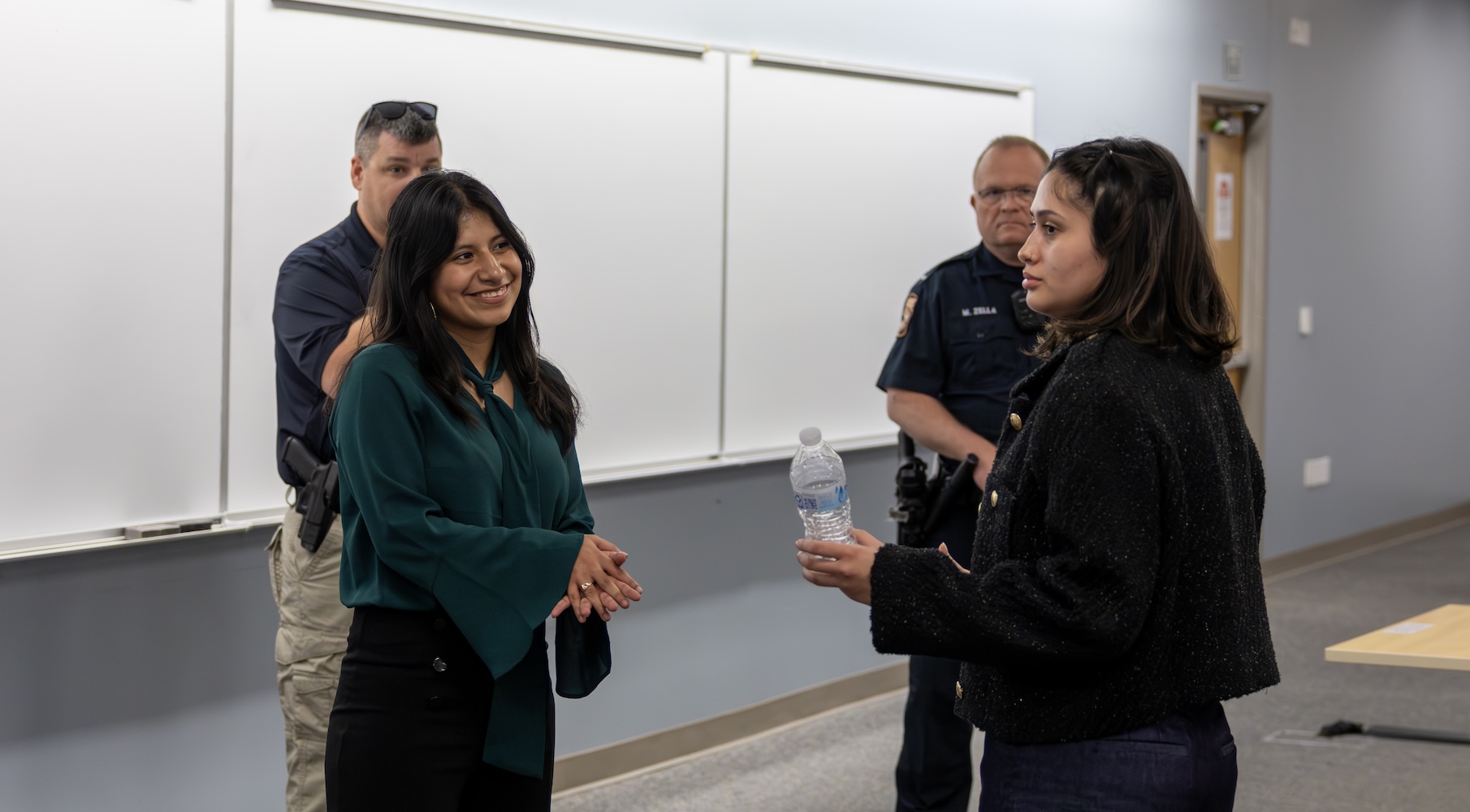
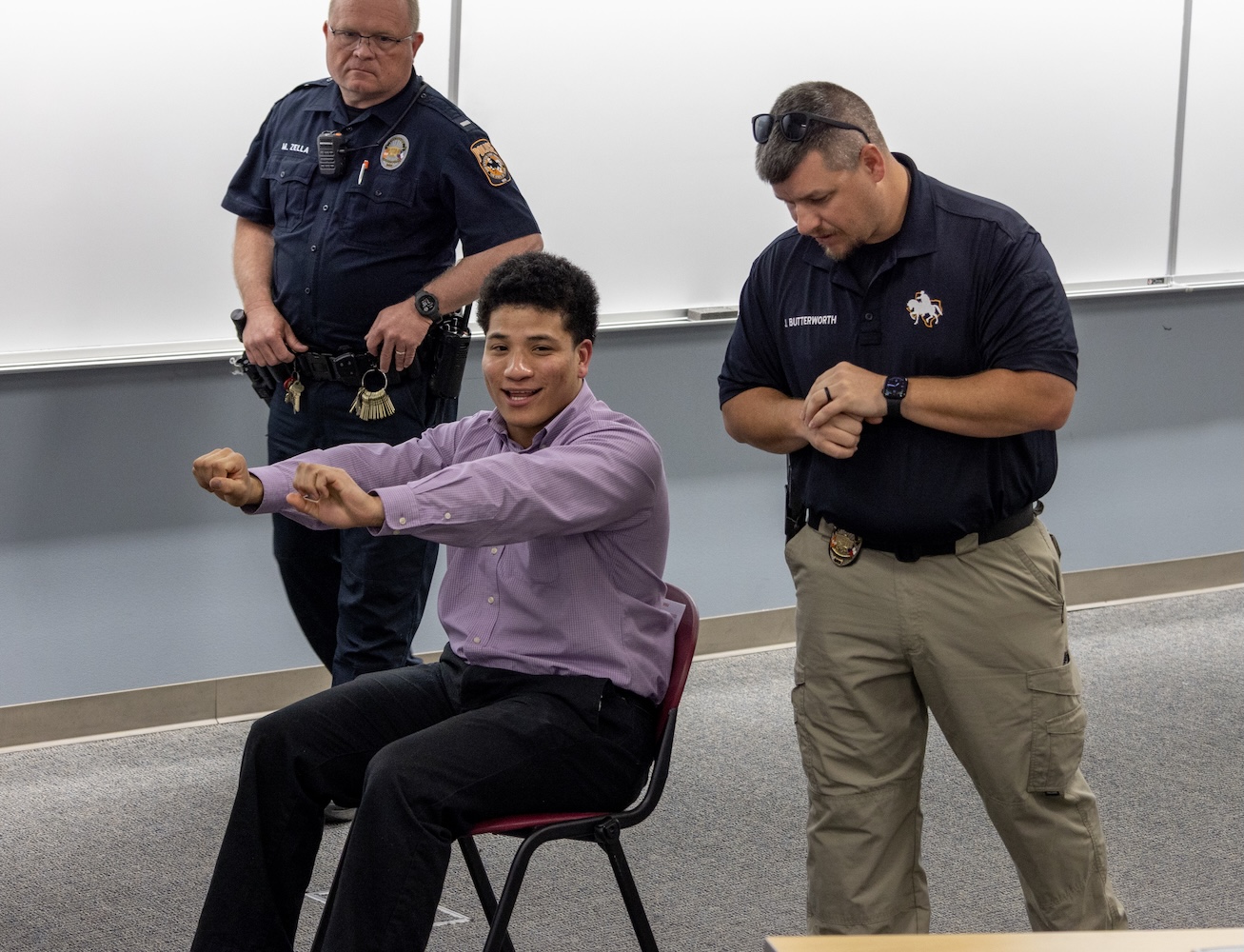
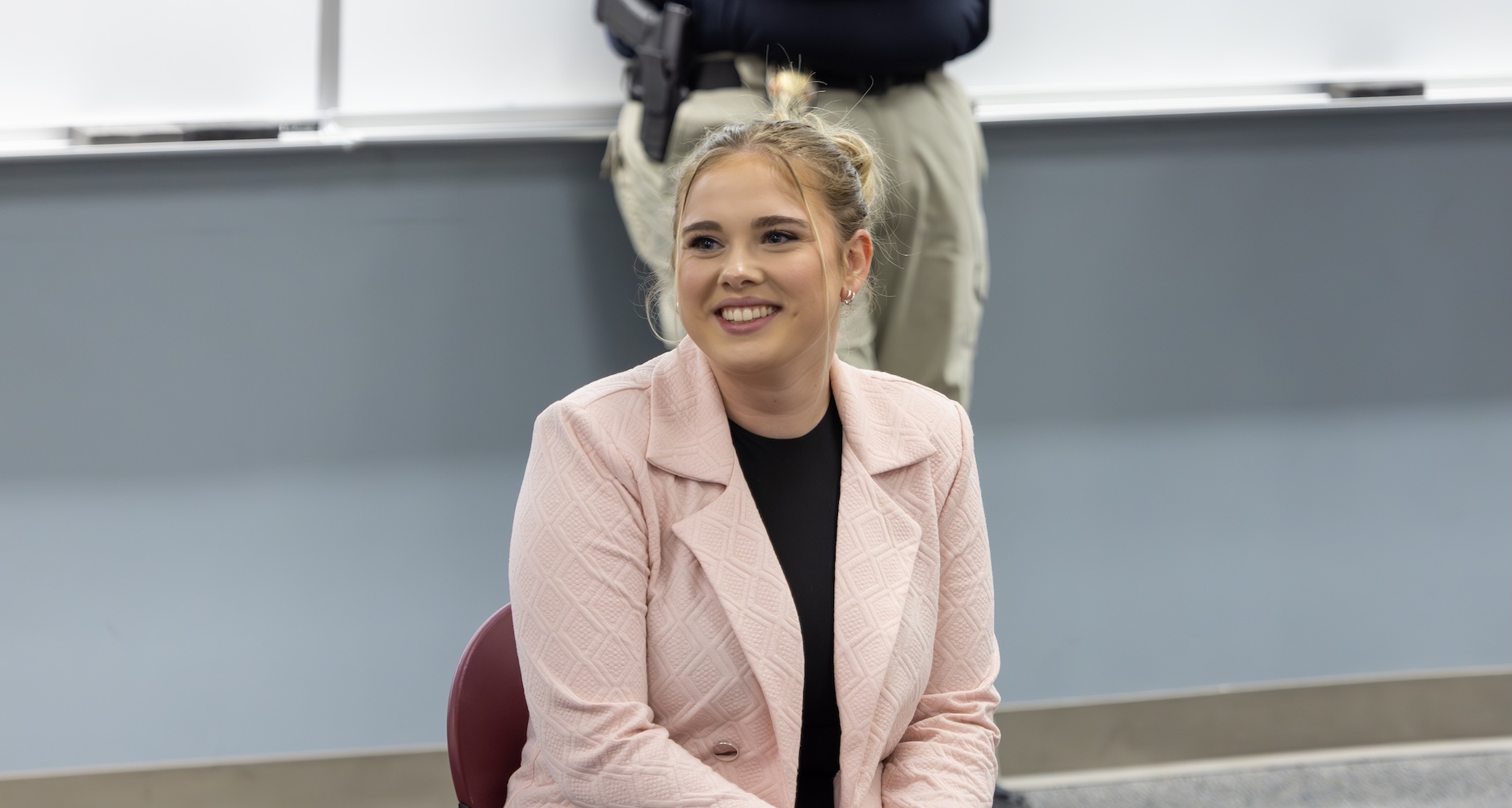
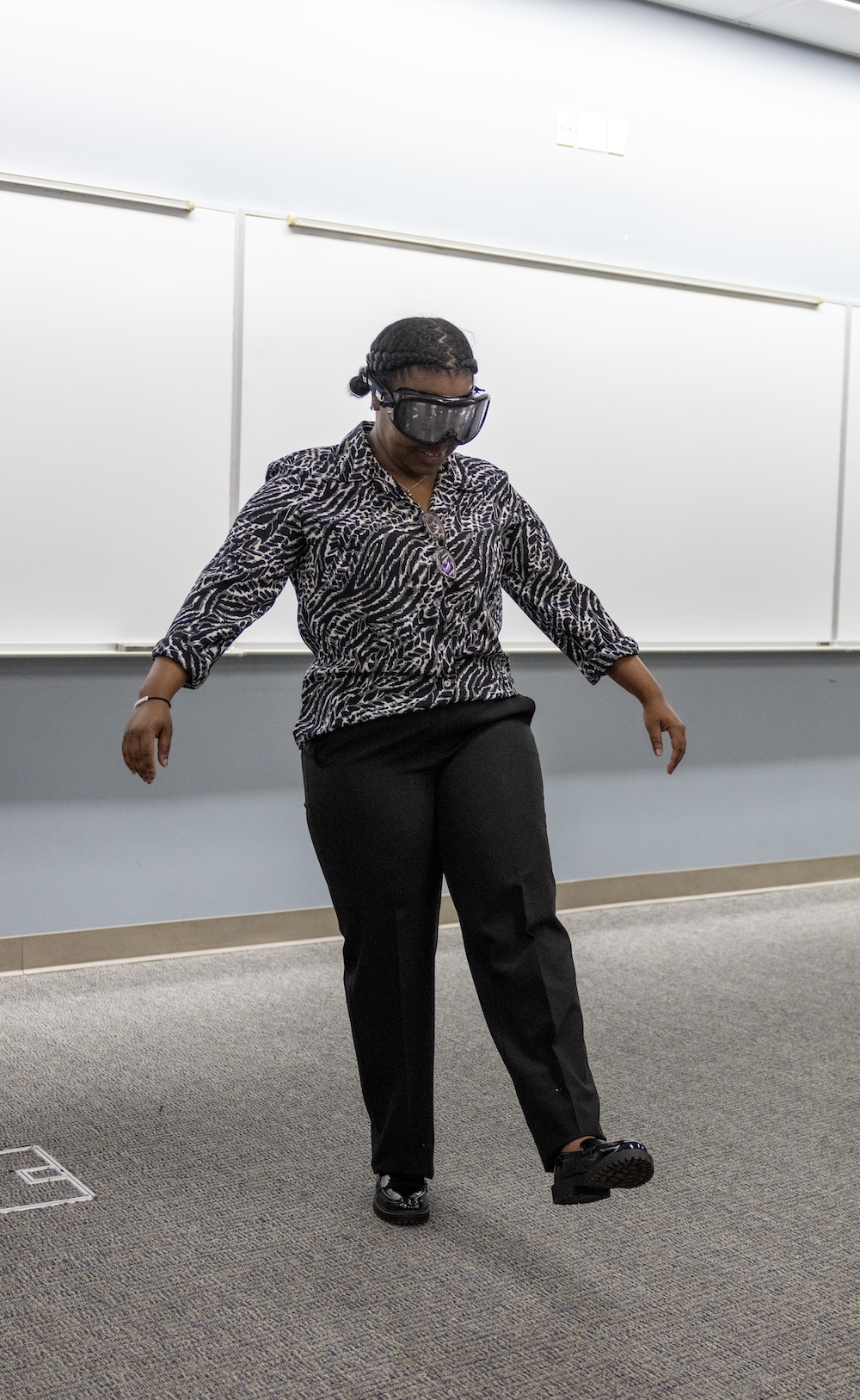
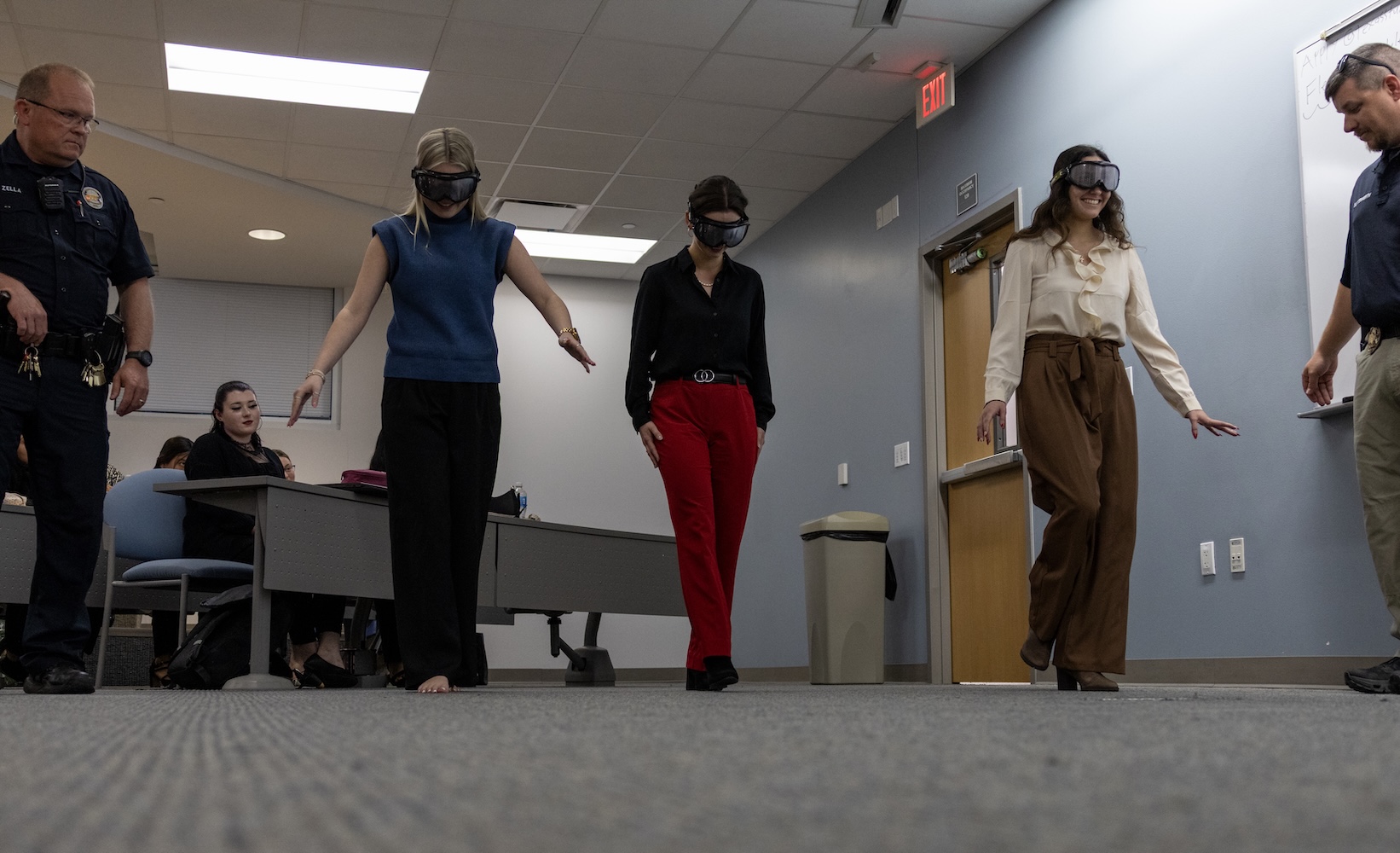
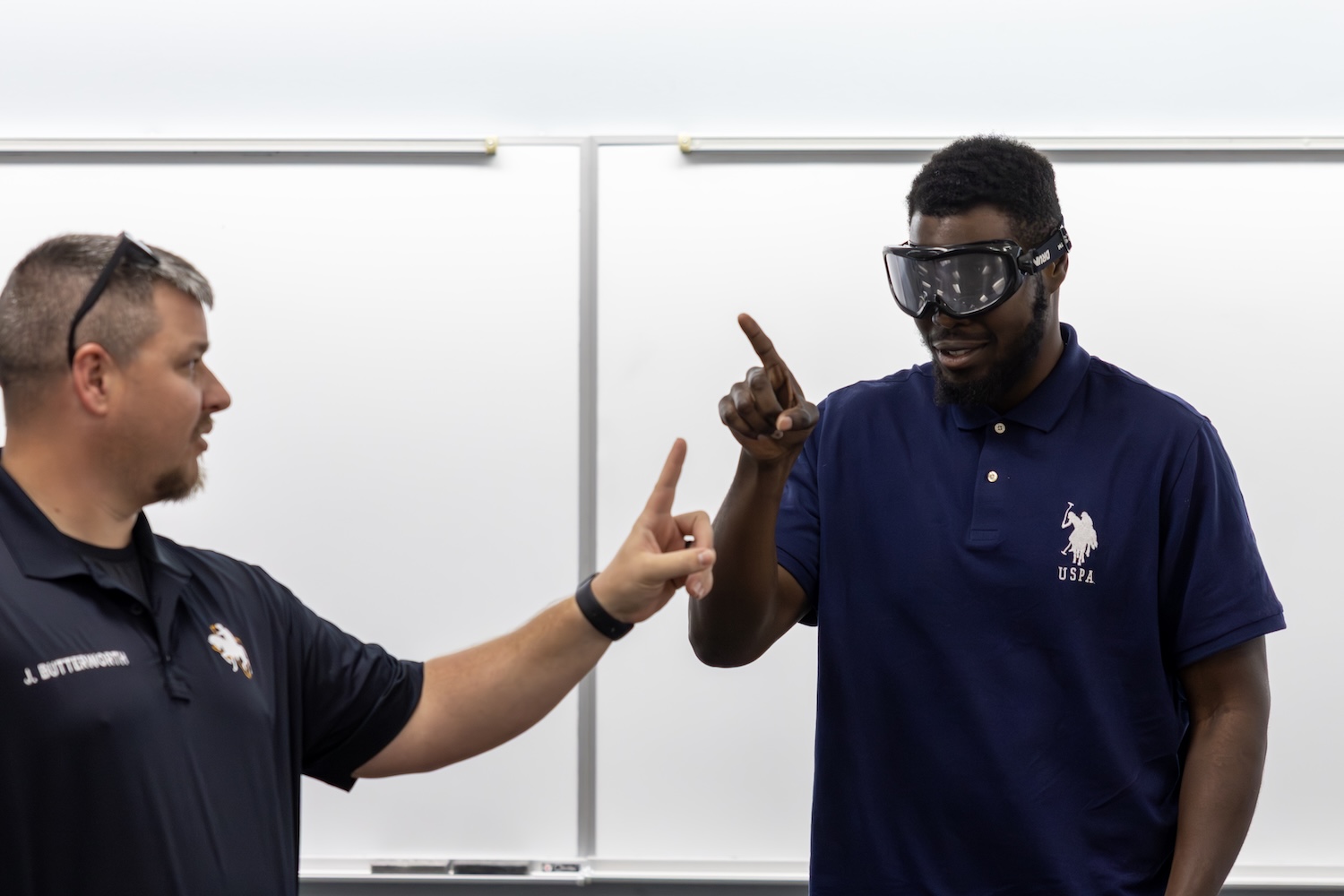
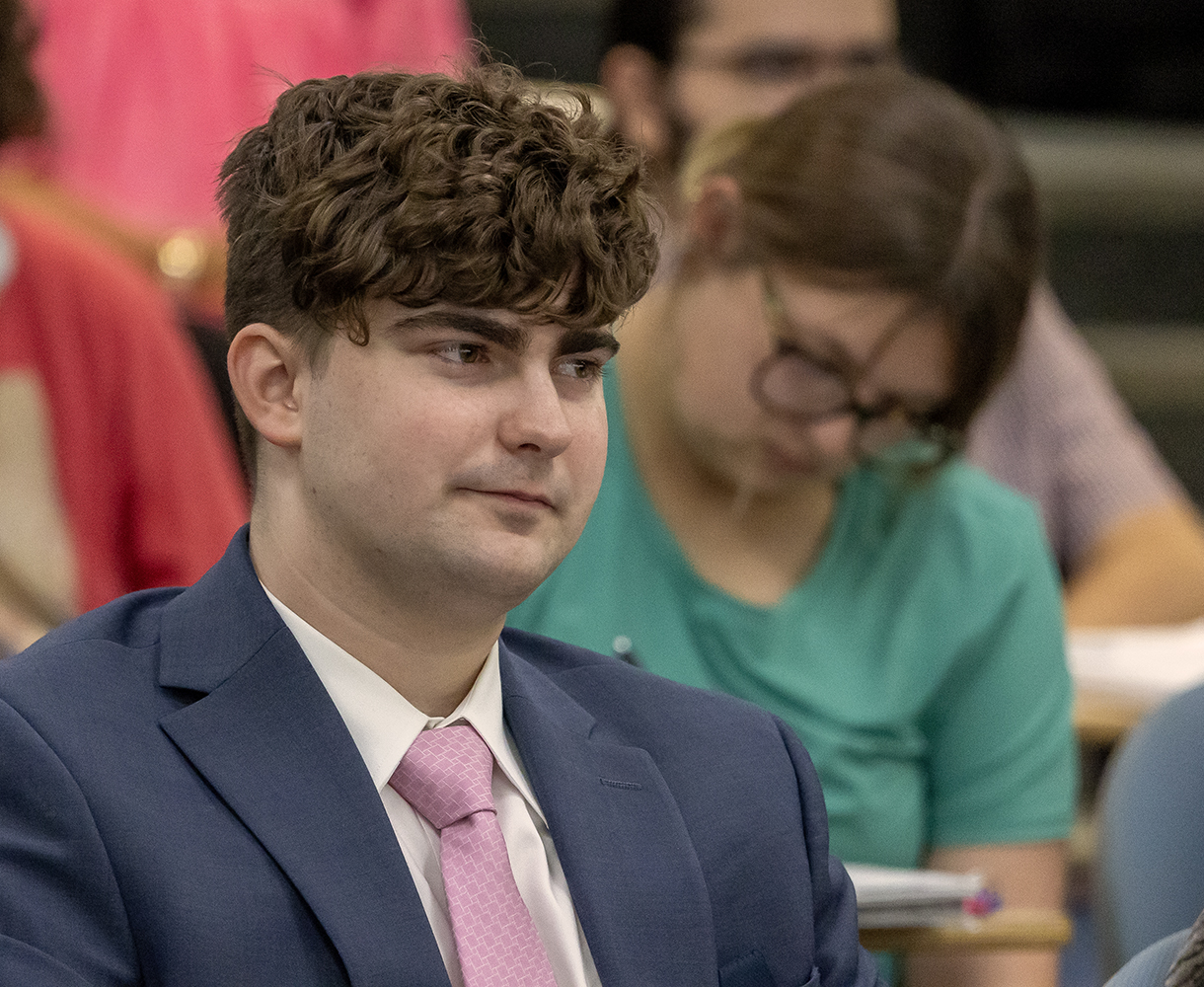
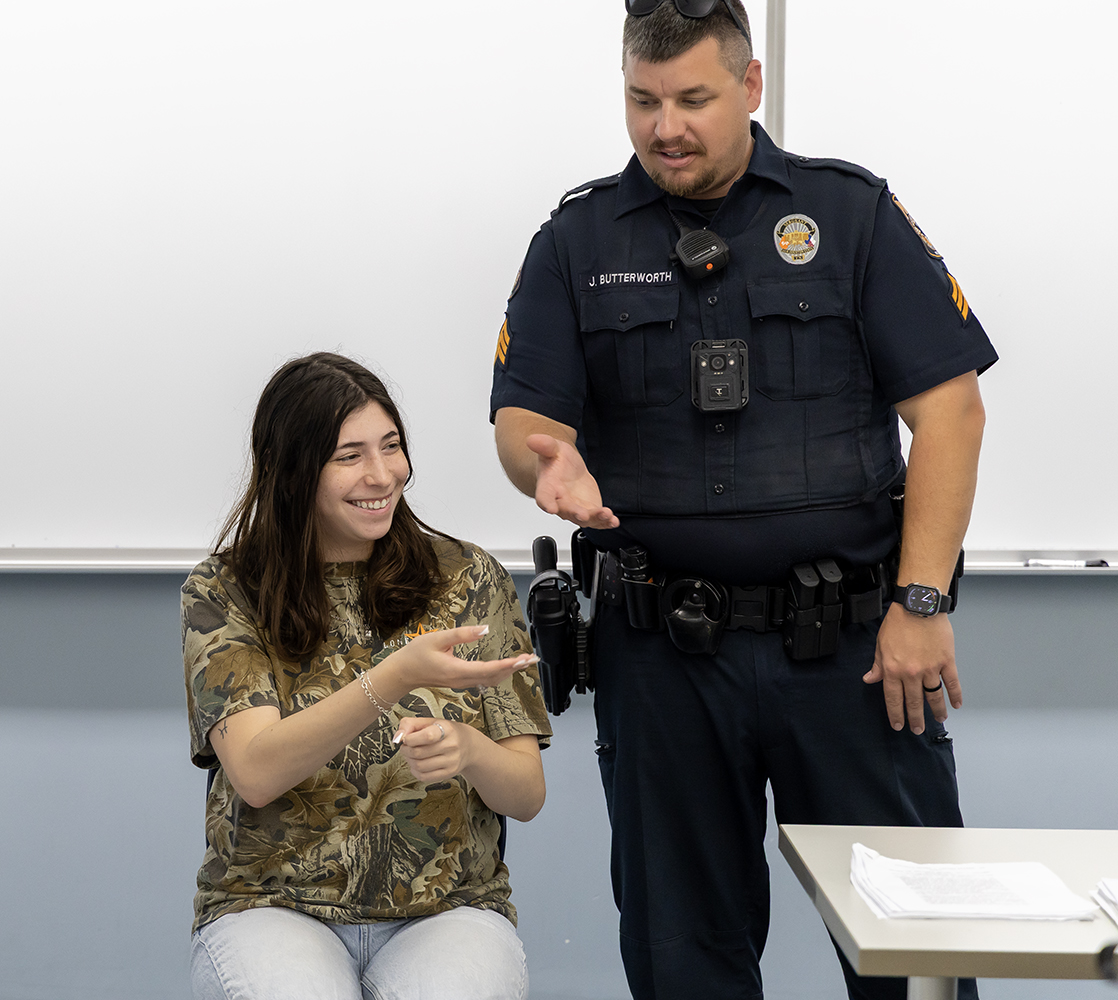
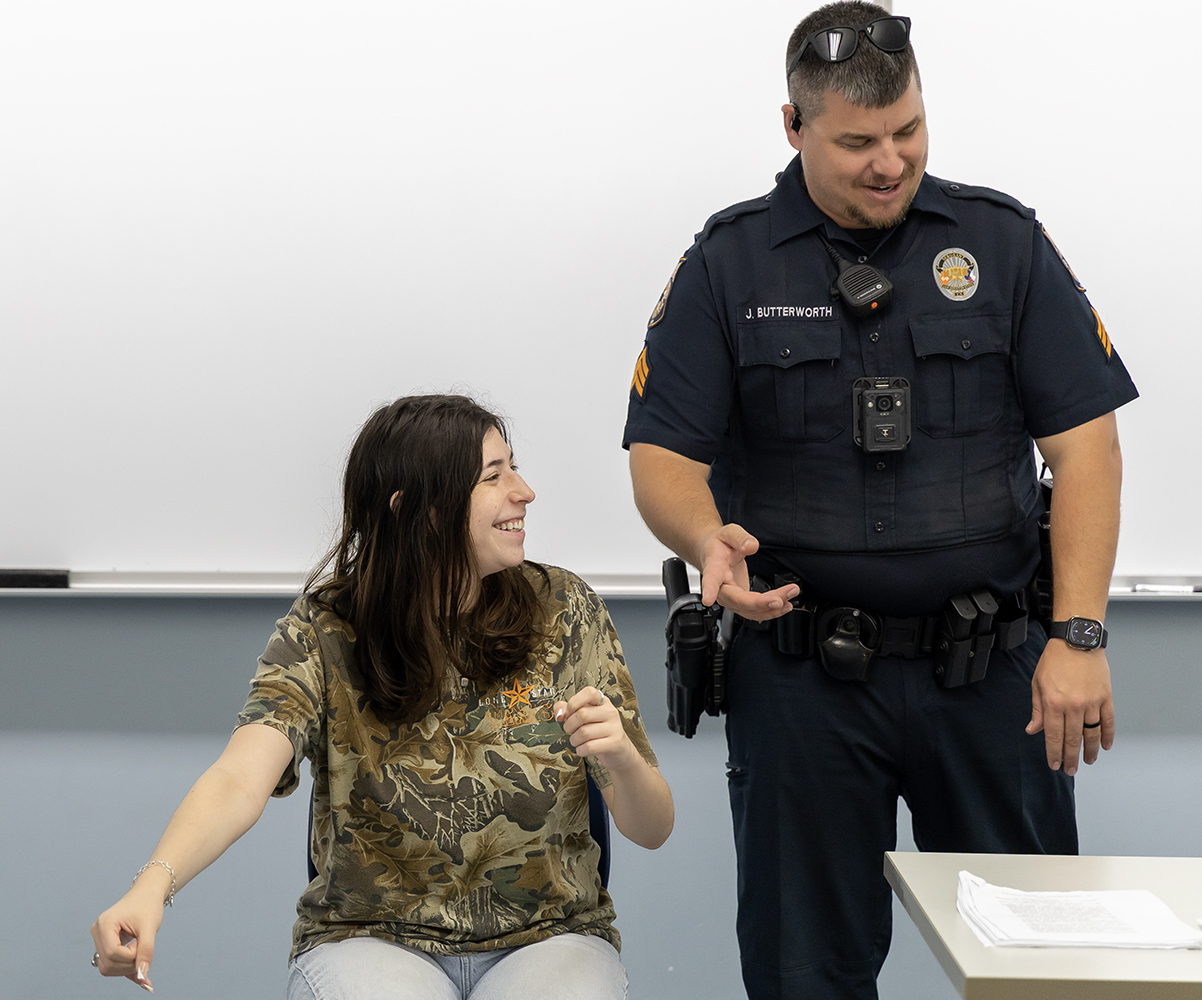
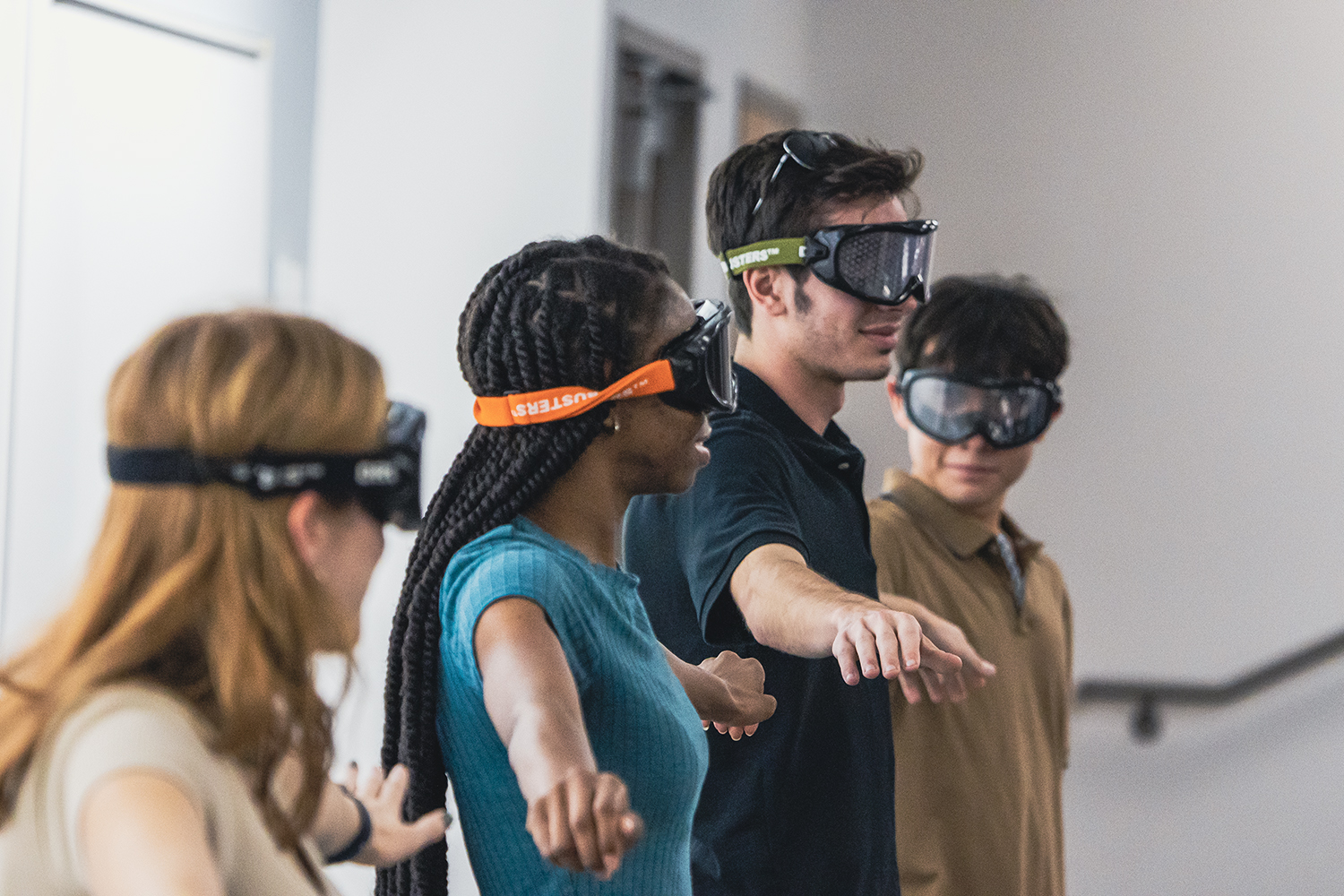
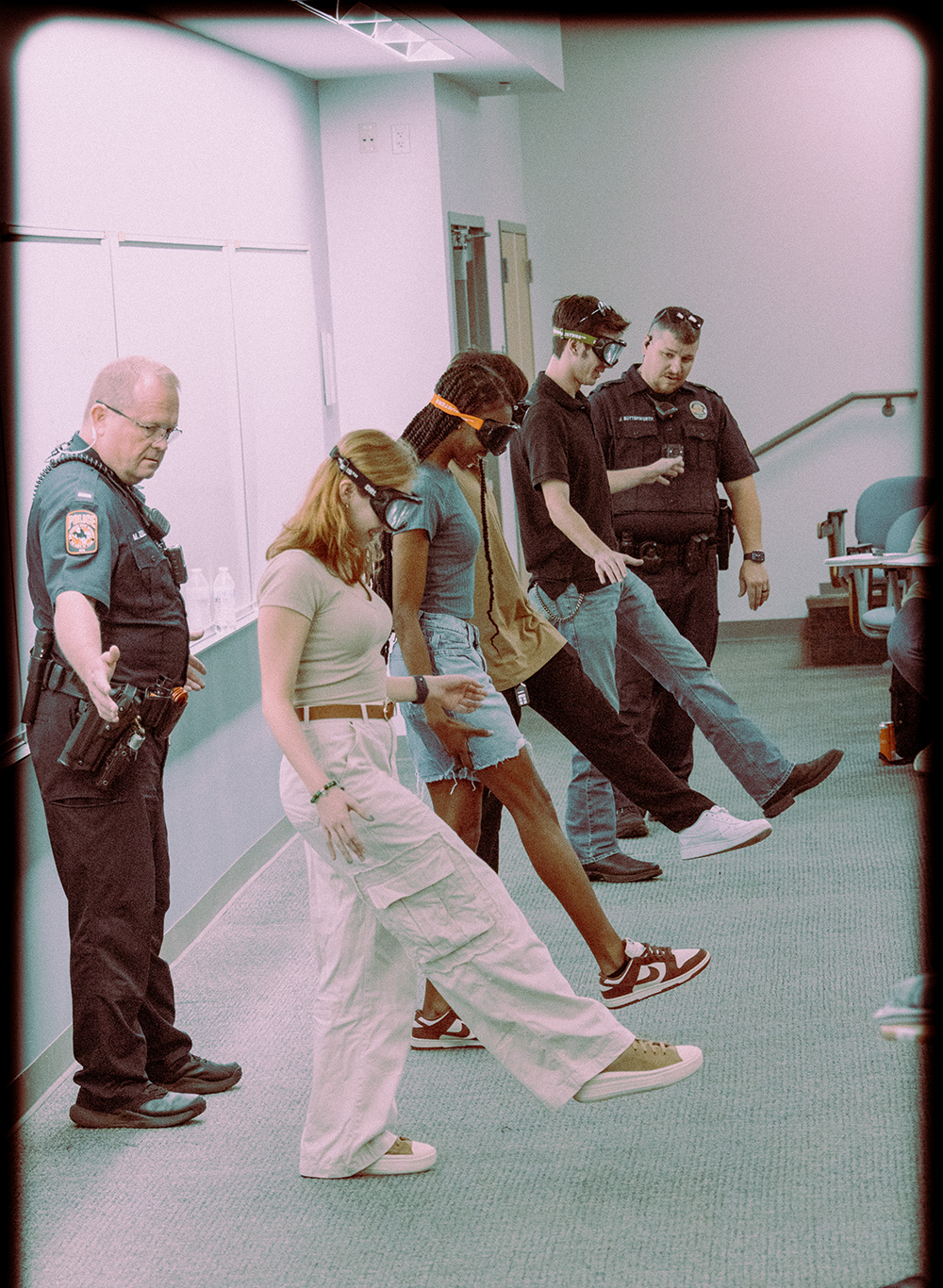
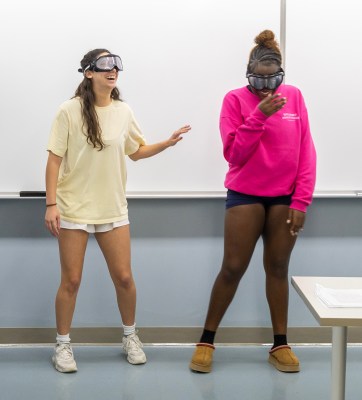
For those that don’t consider themselves a danger after drinking or smoking weed, their performances with “drunk goggles” and “cannabis goggles” suggests otherwise, although Michelle Moya (POLS 4334) and Robin Houghton (POLS 2306) did suspiciously well on the walk-and-turn sobriety tests. Other students didn’t perform quite as well on simple sobriety tests.

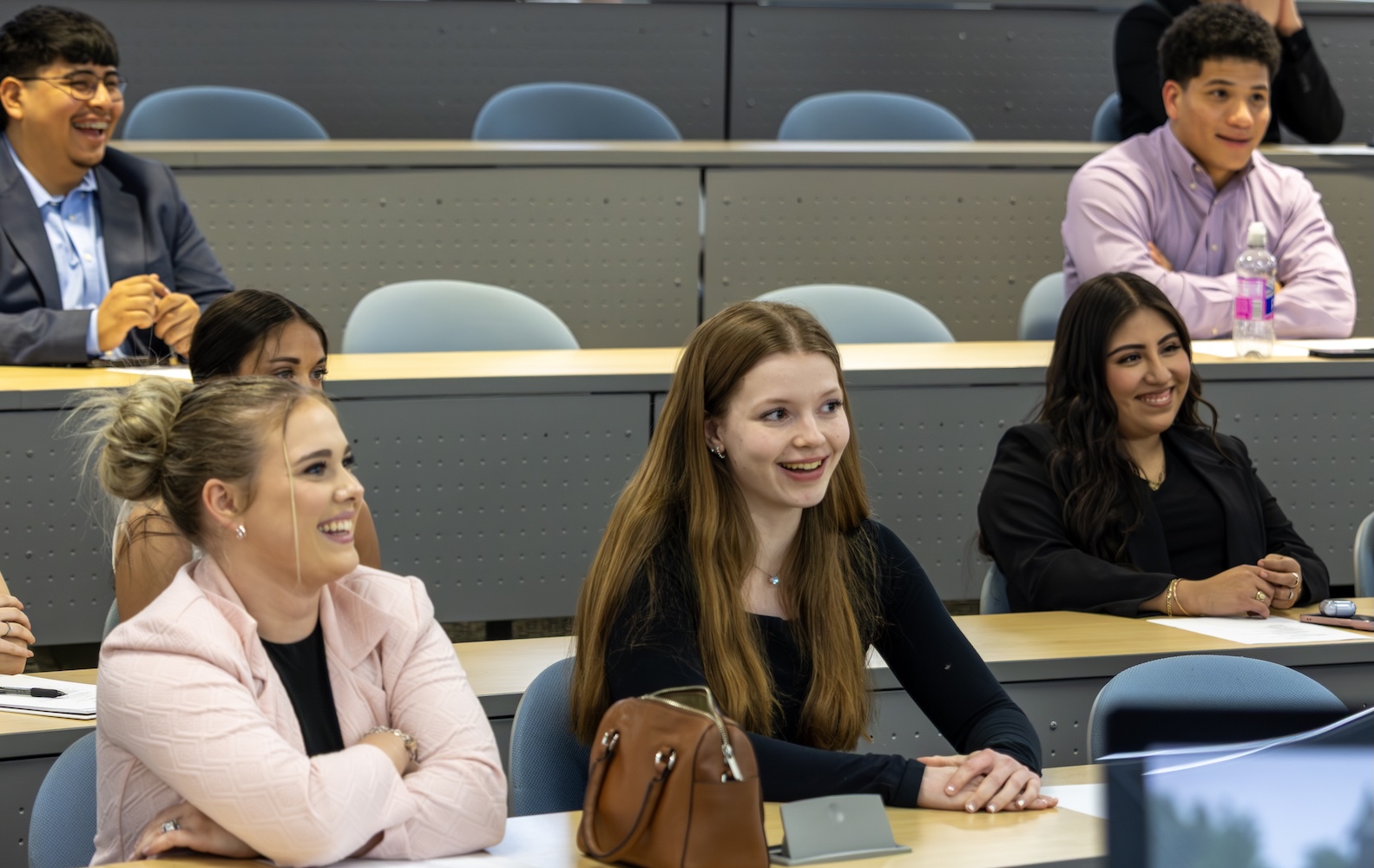
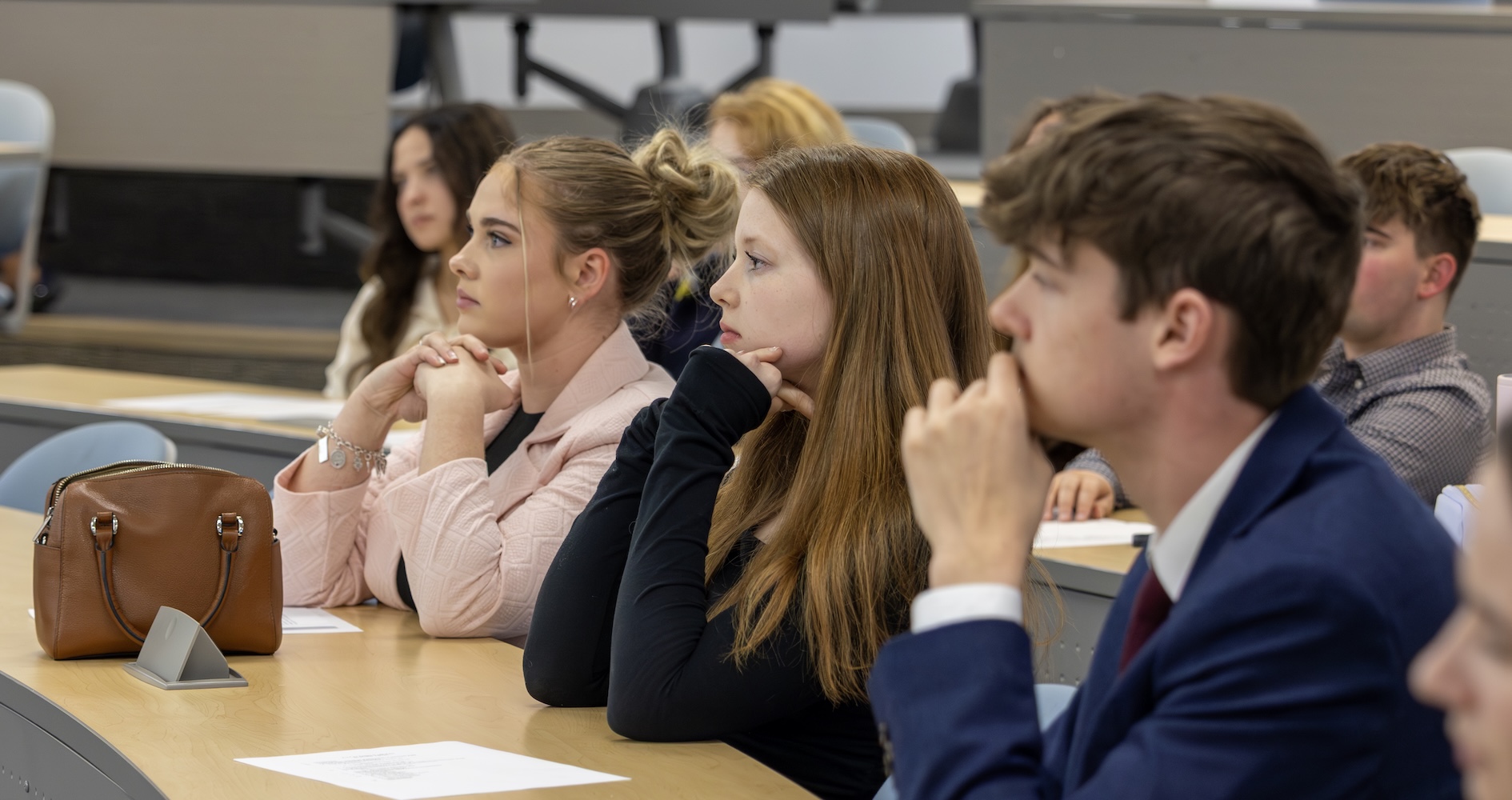
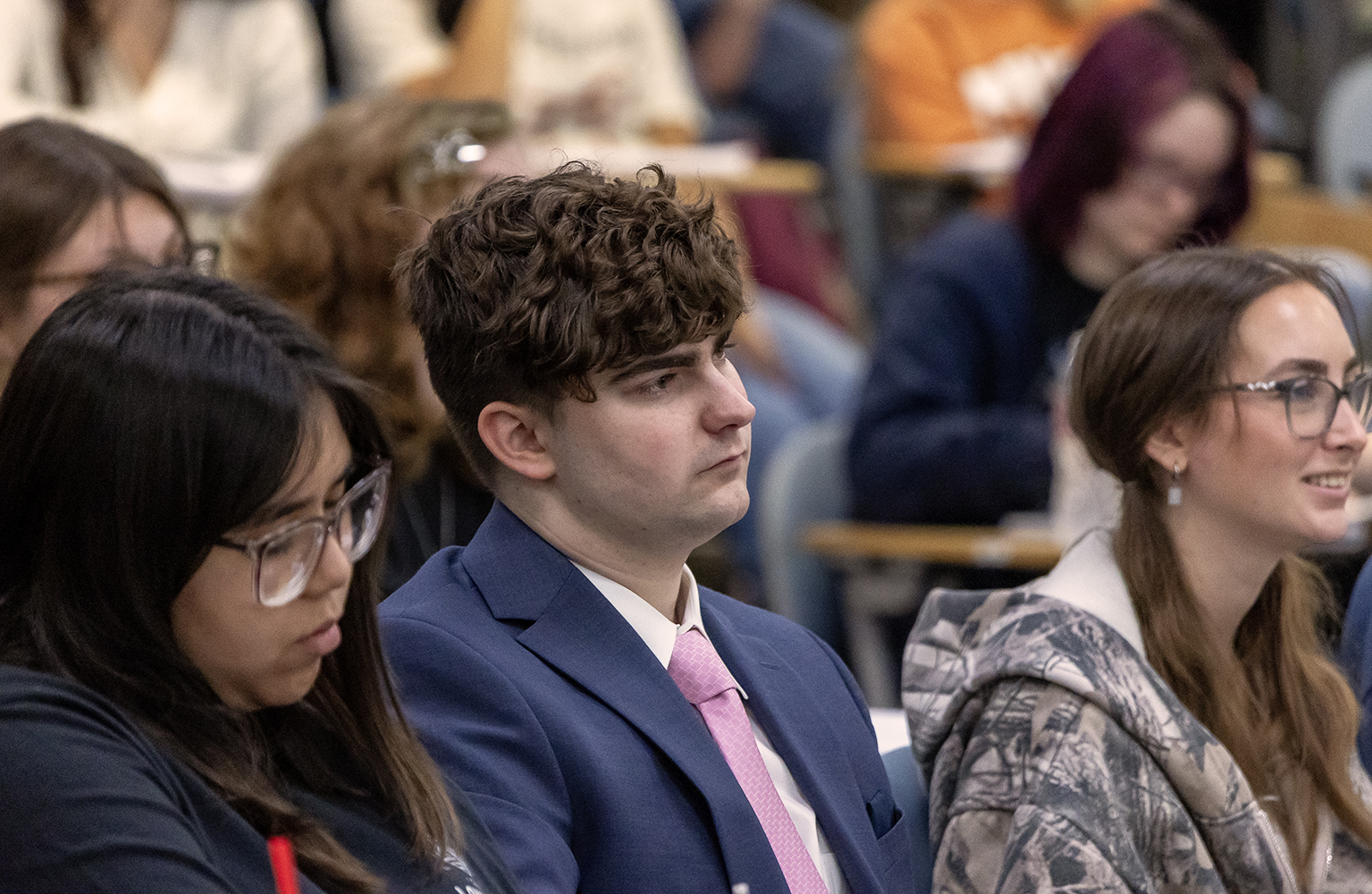
In two 75-minute sessions, Butterworth and Zella effectively reached out to more than 200 students, improving community relations, increasing mutual understanding, and leaving a lot of students laughing.

Many thanks to Kimani Vercher, Jamya Wright, Robin Houghton, Gus Stephens, Jose Carreno, Audry Brysch, Jack Robinson, Isaac Mokrane, Charlotte Olivares, Hailey Arsham, Michelle Moya, Niya Thompson, and Kevon Paire for being good sports.

To see how the POLS 2306 students performed, see the video below.

To see how the POLS 4334 students performed, see the video below.

Unknown's avatarAuthor mikeyawnPosted on December 2, 2025November 23, 2025Format AsideCategories Civic Engagement, Criminal Justice, EducationTags Center for Law Engagement And Politics, Jeffrey Butterworth, LEAP Center, POLS 2306, POLS 4334, Professor Mike Yawn, Sam Houston State University, Scott ZellaLeave a comment on Improving Police Encounters through Experiential Education

A Day at the FBI Collegiate Academy

By Isaac Mokrane

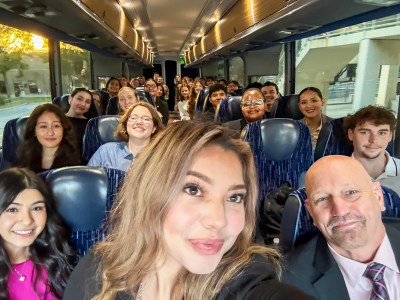
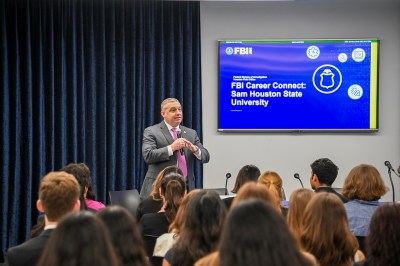
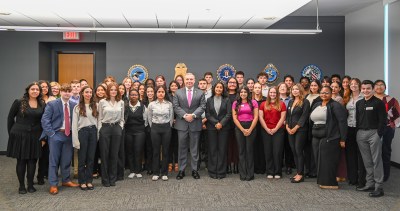
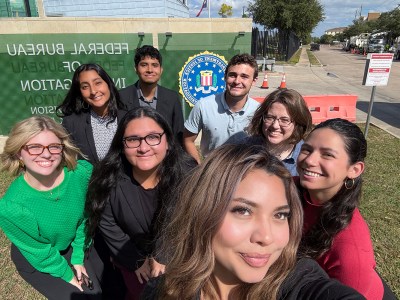
Even during a government shutdown, the Federal Bureau of Investigation engages in outreach to the broader community. Accordingly, on Wednesday, November 12th, 2025, forty-five students from Sam Houston State University with an interest in federal law enforcement were selected to attend SHSU’s first-ever FBI Collegiate Academy, organized and led by the LEAP Center.

Over a half-day, students heard from a career panel, learned about the role of genealogy and DNA in solving crimes, helped “solve” an art crime, and learned about the Emergency Response Team.

Douglas Williams, the Special Agent in Charge of the Houston Division, welcomed he students to the Field Office before turning it over to a Special Agent who offered insight into a new technique employed by the Bureau to solve crimes and cold cases: genealogy investigation. The session outlined the FBI’s work in evidence examination and presented his work in closing a cold case dating back to 1983: the murder of Susan Eads. Tracing DNA found in a long forgotten, yet perfectly preserved, piece of evidence, investigators were able to retrace the family’s genealogical tree up to a single great-grandparent, and down again. Further testing of recent relatives provided a concrete identification that put the case to rest and brought Eads’ family long needed closure. The work showed the students that the work of the FBI may not be all high-stress and high action, but methodical, research-based, and compassionate for victims who have felt forgotten about.

This presentation was followed by a Career Panel, moderated by Public Affairs Officer Connor Hagan. Five panelists (unnamed here for security reasons) each showcased their positions within the FBI: an Intelligence Analyst working cyber, a Tactical Specialist working gangs, a Special Agent, a Digital Forensic Examiner, and a Supervisory Investigative Specialist. Highly interesting was the fact that four of the five panelists were either alumni or received some sort of graduate education from Sam Houston State University–and the fifth took a class at SHSU! The panelists shared their journeys to becoming Bureau employees, whether it was interning while an undergraduate at Sam Houston State or bouncing through the law enforcement field. Emphasis was placed on the fact that anyone from anywhere can work for the FBI – anyone with the right sort of skills can make it. The panelists cleared up some common misconceptions about their jobs showcased in the media and provided examples of cases they worked on.

Recruiting Agent Becky Nguyen then guided students through the process of an FBI investigation, using the example of a high-profile art crime involving a stolen Stradivarius violin. Students participated by answering questions prompted by SA Nguyen, and received insight into how investigations operate, the jurisdictional processes that are involved, and FBI values and practices. This session segued perfectly into a presentation by an Evidence Response Team Special Agent, Mary Beth. The Houston ERT was notably present during the series of mail bombings in both Austin and Beaumont, TX and the Sutherland Springs mass shooting. Nationally, ERT secured major crime scenes such as 9/11’s Ground Zero and the recent New Year’s Eve terror attack in New Orleans. The Bureau’s forensic evidence technology is groundbreaking and expansive, using such methods as robots and drones, and laser environment scanning for crime scene reconstruction. As Public Affairs Officer Hagan added, the training the FBI’s Evidence Response Team undergoes is “the best of the best”.

Following the morning of activities, students thanked the presenters for their support and service, especially during the government shutdown. The students made their way back downstairs, passing a wall memorializing fallen FBI employees in the line of duty. Students left the building with a new sense of fulfillment and understanding of the sacrifice and commitment every FBI employee embodies, which comes from, as noted by SAC Williams, faith in an institution and purpose “that has been here long before us and will be here long after us.”

Unknown's avatarAuthor mikeyawnPosted on November 18, 2025November 18, 2025Format AsideCategories Civic Engagement, Criminal JusticeTags Center for Law Engagement And Politics, FBI, FBI Collegiate Academy, Sam Houston State UniversityLeave a comment on A Day at the FBI Collegiate Academy

Checks and Balances at the Texas Tribune Festival

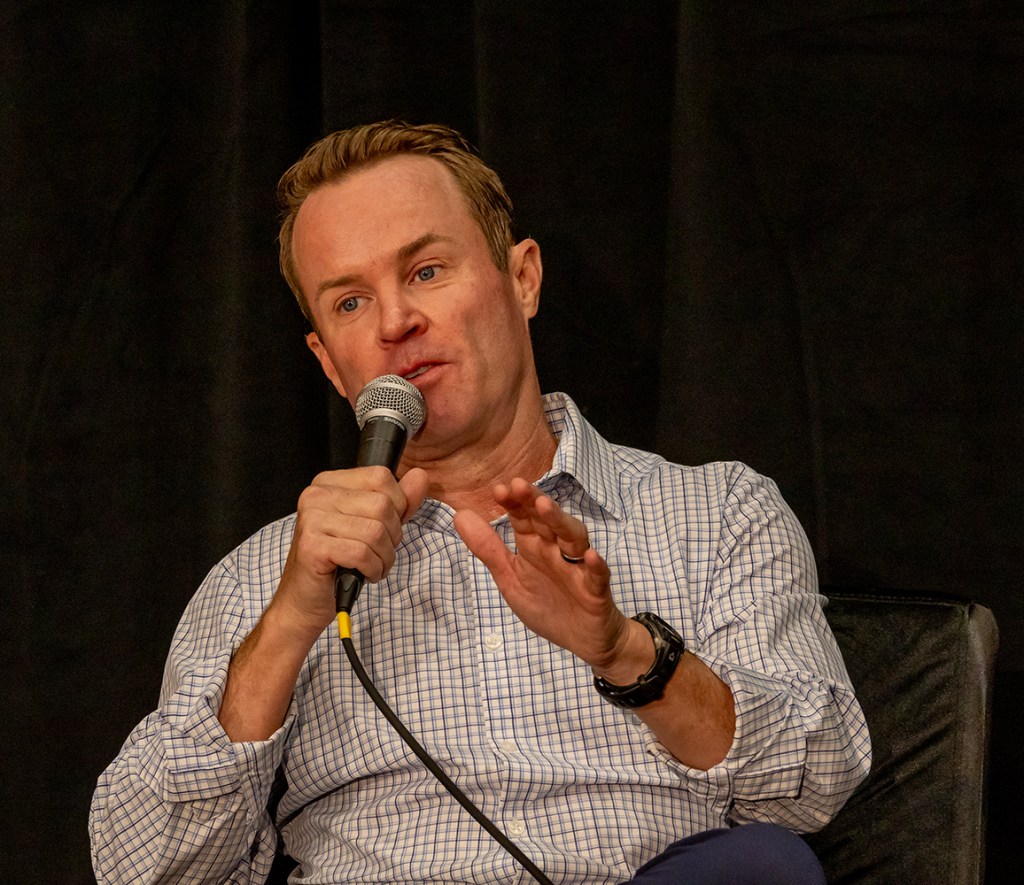
Although our foray into The Texas Tribune Festival brought us to different panels, focusing on different levels of government, and from different branches of government, a common theme pervaded: government works best when it isn’t dominated by one figure or one branch. It’s perhaps no surprise to hear federal judges push back against pressure from the executive branch, but it was more unusual to hear former Texas Speaker of the House Dade Phelan share the same sentiment.

Nonetheless, this is what we heard as we ventured into the Bethel Hall at St. David’s Episcopal Church. Despite the presence of the Texas Tribune Editor-in-Chief Matthew Watkins and Political Reporter Eleanor Kilbanoff, the focus was on former Texas House Speaker Dade Phelan, who recently announced his retirement from the Texas House.

Somewhat unusually, this elicited a comment from President Donald Trump weighed in on Phelan’s impending retirement: “Fortunately for the Great State of Texas, their Former Speaker, who is no longer Speaker, Dade Phelan, is quitting politics…” Trump’s unhappiness with Phelan probably stems from 2023, when the then-Speaker brought impeachment proceedings against Attorney General Ken Paxton, a close Trump ally. President Trump went on to endorse Phelan’s primary opponent in his next election, although Phelan was able to manage a win in a closely-contested runoff.

Ultimately, however, Phelan made a choice not to run for Speaker: “I couldn’t ask the House Republicans to choose between me and President Trump.” Noting that he wasn’t a MAGA Republican, he felt like his confrontations with the President would make things difficult for his constituents (the members of the House of Representatives) if he continued as Speaker.

President Trump also dominated the discussion at “Living Document” panel, in which UT Law Professor Grove moderated a discussion with former Federal District Judges Royal Ferguson, Lee Yeakel, and Vanessa Gilmore.

The words “messy,” “wrong,” and “unprecedented” popped up again and again like literary motifs throughout the hourlong session. A recurring theme was the role of the “Shadow Docket” of the Supreme Court, which are often decided without full oral arguments and in unsigned form. President Trump has filed 20 “emergency applications” in seven months to the shadow docket, and the Court has, at least for now, seemingly expanded Trump’s control over the executive branch.

This has resulted in the overturning of many appellate and district-level decisions, the latter of which was particularly unsettling to the panel. “The District Court level,” noted Judge Ferguson, “is where the facts are settled.” The judge and the jury have the ability to assess the credibility of the witnesses and, at times, the defendant beyond merely reading a transcript. Overturning these cases with such regularity is, according to the panel, disregarding the role of fact assessment in reaching a verdict.

Equally as appalling to the panel have been the “attacks on the judiciary,” a point Judge Gilmore noted repeatedly. Top level executive branch officials have called for impeaching judges (something that has rarely occurred throughout history) or used harsh language to criticize judges for rulings adverse to the administration.

More alarming, however, are the increasing threats against judges. Last year there were more than 500 threats to federal judges, and the threats are becoming increasingly personal. In many cases, pizzas are being delivered to the judges’ homes, ordered by a “Daniel Anderl”–the name of a judge’s son who was murdered at his front door in 2020. Such “pizza doxxings” are a clear message to judges, a reminder of their vulnerability.

It is also a clear and concerning repudiation of the philosophical foundations on which the US Government was built, laid out in the Constitution and in Madison’s Federalist #51, in which he said, “it is evident that each department should have a will of its own; and consequently should be so constituted that the members of each should have as little agency as possible in the appointment of the members of the others…”

On that discordant, we retreated to the Voltron Room at the Capitol Factory, where we listened to the soothing sounds of Texan singer Mollie Danel and contemplated the responsibilities of citizenship.

Unknown's avatarAuthor mikeyawnPosted on November 16, 2025Format AsideCategories Civic Engagement, Civil Rights, Criminal Justice, Politics, TravelTags Center for Law Engagement And Politics, Dade Phelan, Federal Judiciary, Mollie Danel, Sam Houston State University, Texas Tribune FestivalLeave a comment on Checks and Balances at the Texas Tribune Festival

A Time to Gain, A Time to Lose

To Everything There is a Season…

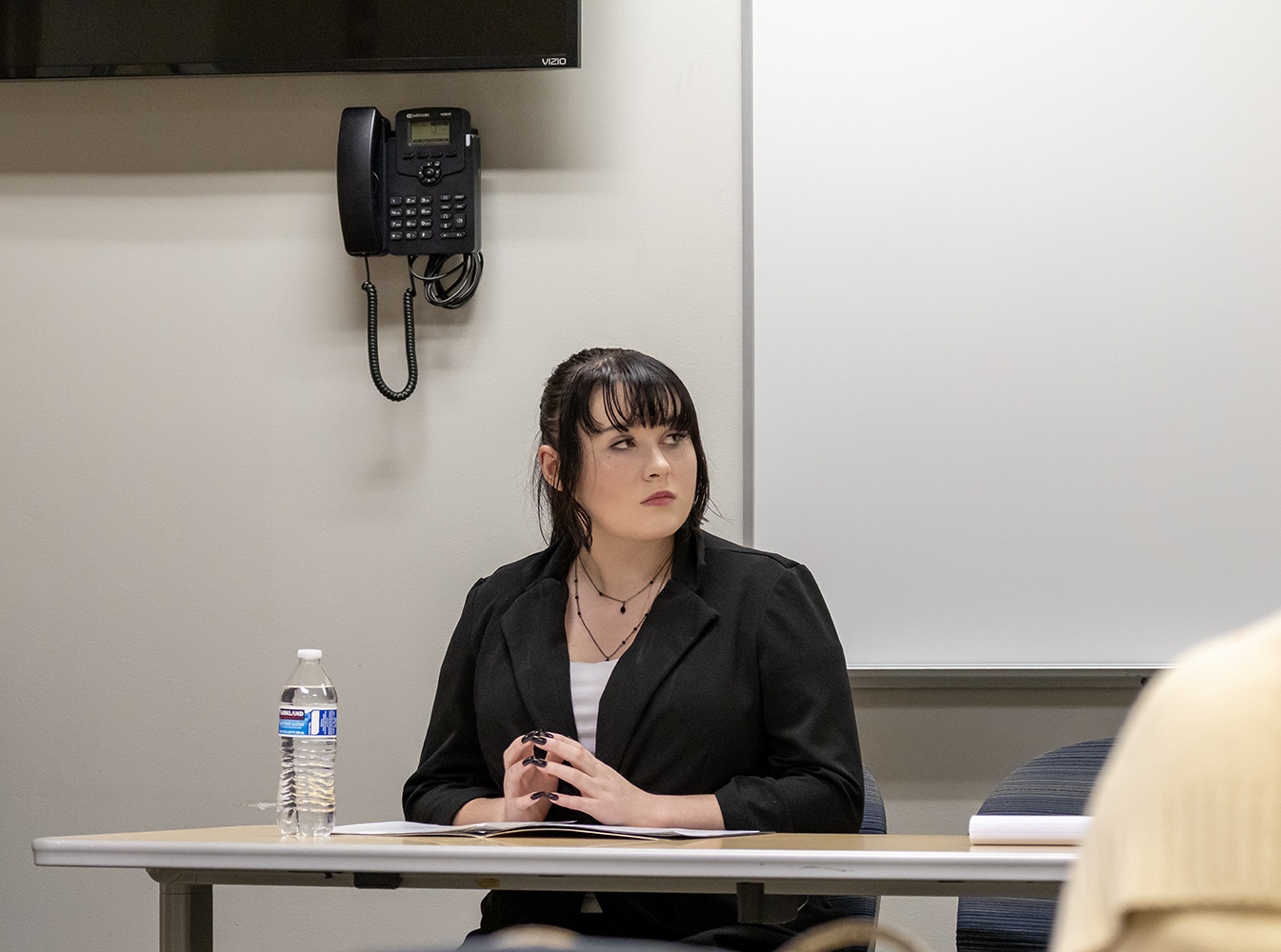
After a long day of Moot Court competition and work that persisted late into the night, our LEAP competitors enjoyed the mercy of an extra hour of sleep, courtesy of Daylight Savings Time. But the sun rises even after the longest nights, and we–Madison Thurkettle, Allison Lindle, Katie Wilson, and our Day Two competitors, Ashton Droll and Madison Cawthon–hastened to the Shepard Broad College of Law to extend our Moot Court season.

A Time to Keep…

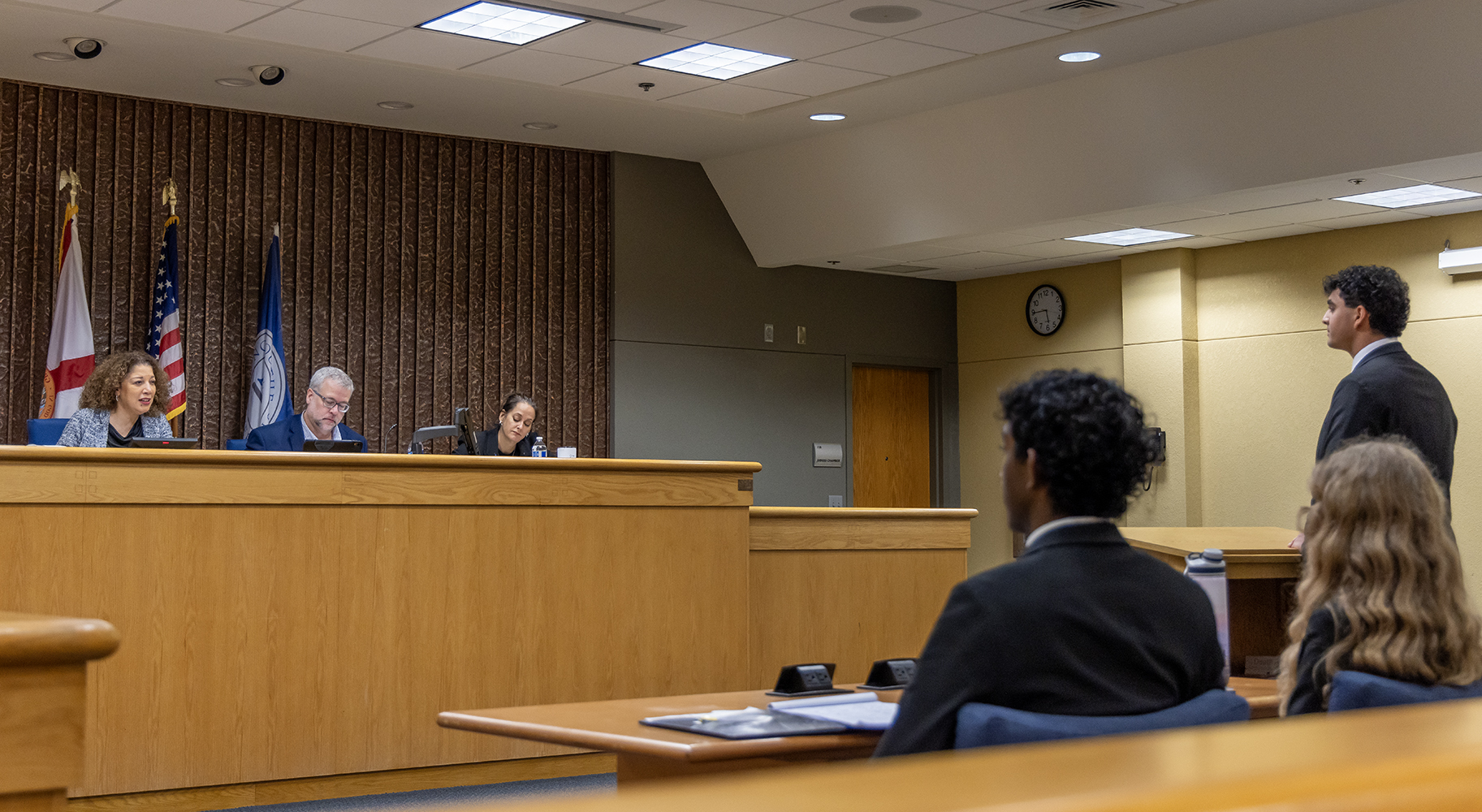
With admonishments to arrive no later than 9:30am, we arrived early, in time to witness the coin toss that would decide whether we were representing the petitioner or respondent.

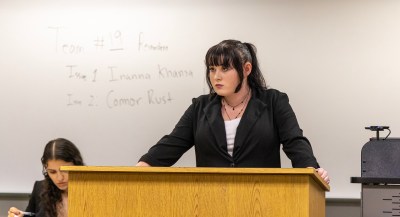
Our competition was Connor Rust and Inanna Khansa from the University of Chicago, and winning the coin toss, they chose to represent the respondent–which was fine with us.

A Time to Build Up…

A win in this round would place us at the Preliminary Nationals, scheduled for Virginia in January. For Maddie, who wasn’t expecting to get this far, much of the pressure had been shed from her shoulders. Ashton, on the other hand, animated by what many judges described as “a passion for moot court,” felt the pressure and the need to win. Both, however, experienced the ups and downs of preparing for competition.

Both sensed immediately the elevated level of competition. “We could cite the record and the cases,” observed Droll, “but Rust and Khansa took it a step further. They cited the record and then cited cases within the cases.”

A Time to Speak, a Time to Keep Silence…

Nonetheless, Droll and Cawthon executed their best performances. Heeding the Biblical admonition that “a fool’s voice is known by a multitude of words,” they answered questions directly, demonstrating their knowledge of the cases and applying that knowledge judiciously and to the point. “They were,” noted Wilson, “more polished than they’ve been the entire Moot Court season.”

In the end, however, it wasn’t quite enough. Rust and Khansa edged out Droll and Cawthon on two ballots (one was decided by three points out of 1,600) and solidly on a third. Despite the loss, the team members’ outlook remained undimmed, happy with their portion, and equipped with a focus on a new season and a renewed sense of purpose.

Two Shall Withstand…

The finals pitted Anna Barker and Steven Abraham (University of Central Florida) and Christy Banker and Gaege Gobezie (Liberty University)–the latter of whom had taken the tournament’s first and second-place individual orator honors.

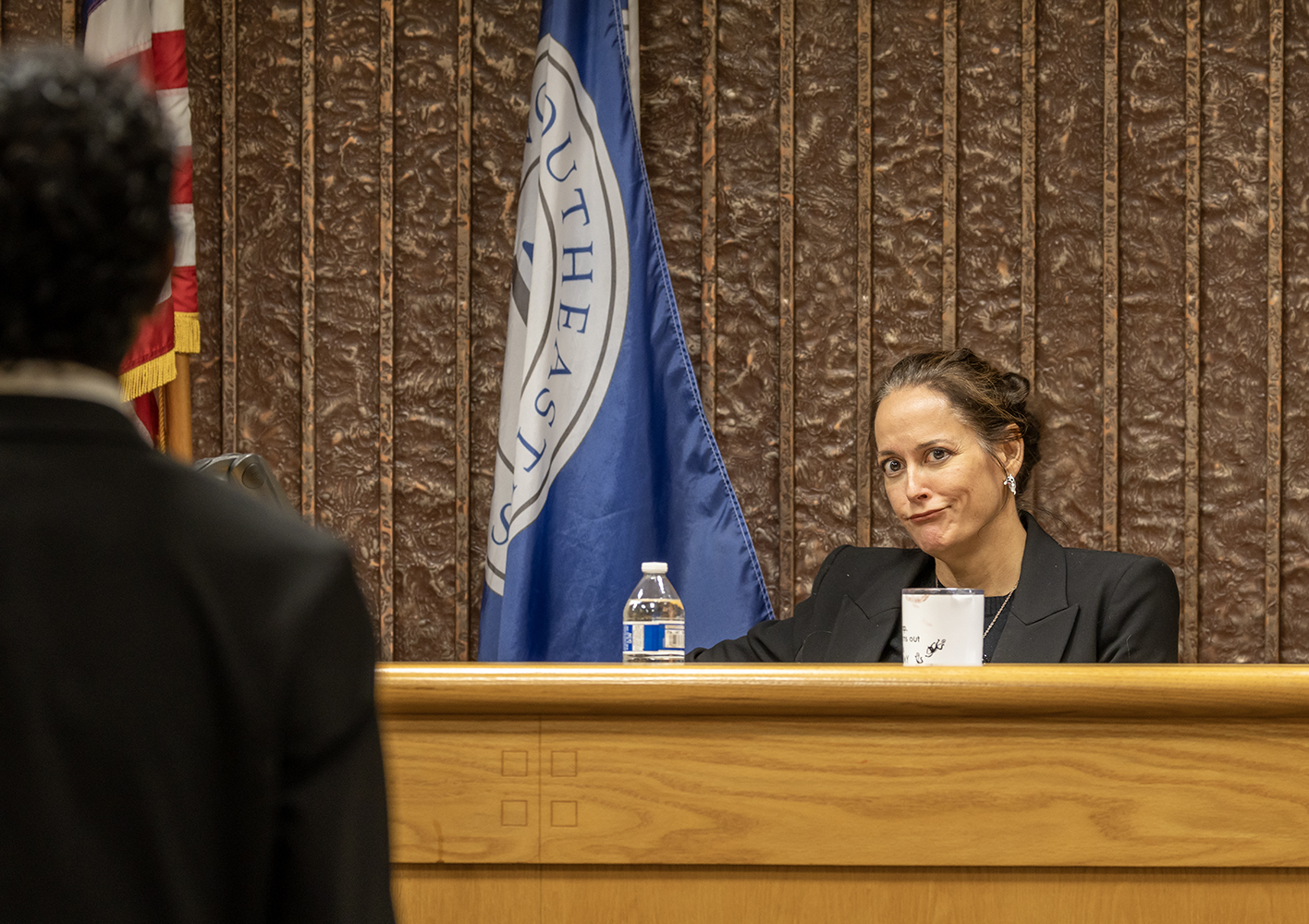
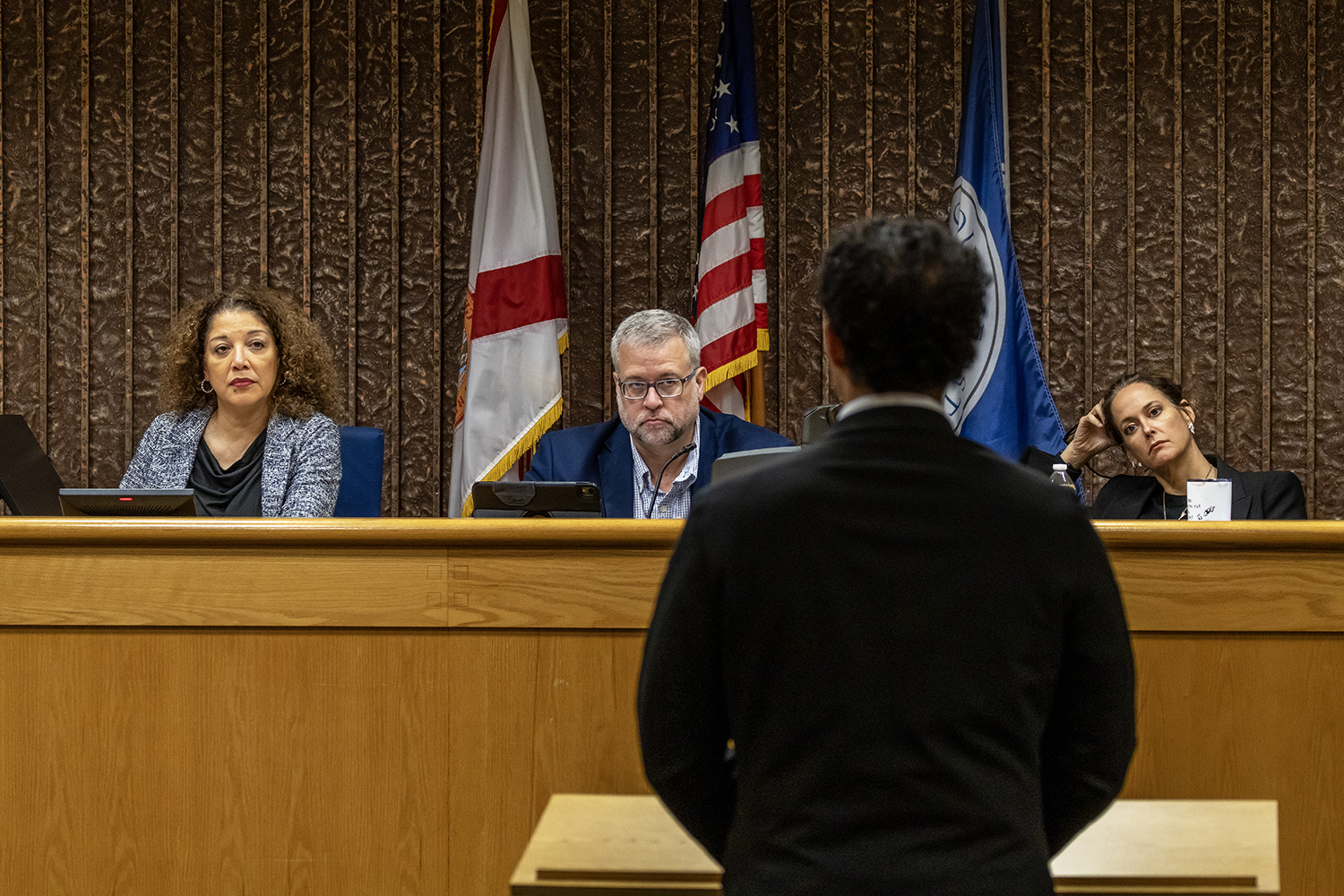
Facing a hot panel–which included the Dean of the Law School (Olympia Duhart), the Director of Advocacy Programs for the Shepard Broad College of Law (Joe Lester), and an animated Criminal Law Professor (Megan Chaney)–

…the four competitors showed impressive knowledge of the cases, verbal agility, and the enviable skill of anticipating the judges’ line of questioning and redirecting it. It was, LEAP students noted, a lesson to learn.

The contest was close, perhaps the closest of the tournament…

…with Anna Barker and Steve Abraham of the University of Central Florida edging Christy Banker and Gaege Gobezie of Liberty University. The match was decided by two points.

Every Man Should Eat and Drink…

With competitions behind us and much before us, we decided on a meal at Rocco’s Tacos, which was recommended by Orlando Magazine and Eater. The recommendation was well founded.

We began with guacamole (excellent), which had just the right mix of tomato, salt, and garlic; chips and a salsa sampler, with the salsa verde and the smoked salsa being the favorites; and sauteed shrimp, which were impressively tender and bursting with flavor. It was a good way to begin the meal.

Our entrees were equally impressive. Half of our group ordered salads, while Ashton sampled the cheese enchiladas (featuring creamy Chihuahuan cheese); Professor Yawn tried the veggie and pork tacos; and Cawthon explored the Chorizo tacos, featuring Cotija cheese.

The food was excellent and filling, and the time at the table offered a respite from a competition and an opportunity for reflection.

Patient in Spirit…

With the tournament receding into a remembrance of former things, we contemplated the transitional and cyclical nature of things.

Each of us has enjoyed a new experience on the trip, whether it be a new food experience, learning photography with a mirrorless camera, or simply our first travel without family in tow. For all of us, this was our first Moot Court competition.

And while it is natural to see a cohort go and a cohort come, four of our five competitors will still be at Sam Houston State University next year and–at least following the high of competition–are interested in participating again in Moot Court, renewing a cycle of education, experience, and exploration.

And with these reflections on the good of our labor, we returned to the hotel, where we looked forward to the sweet sleep of the hard working and to the start of a new day.

Unknown's avatarAuthor mikeyawnPosted on November 3, 2025Format AsideCategories Civic Engagement, Criminal Justice, LawTags AMCA, American Moot Court Association, Center for Law Engagement And Politics, LEAP, Nova Southeastern University, Pre-Law, Shepard Broad College of LawLeave a comment on A Time to Gain, A Time to Lose

Trauma-Informed Interaction with Children

Samuel Harrison

Working with children–especially ones who have experienced trauma–is difficult, but these are the exact situations in which deescalation techniques are most needed. Deborah Sweet and Julie Stanwood–experts in working with children with the Massachusetts Society for the Prevention of Cruelty to Children–discussed techniques for working with children as part of the Student Legal and Mediation Services “Conflict Resolution Month” programming.

Strategies for Before, During, and After Trauma Response

Children who have experienced trauma will respond differently to potential conflict, and it’s important for caregivers and professionals to know how to manage those situations. Establishing routines is part of this process, allowing the child to see that his/her expectations are being met and establishing a sense of predictability.

When stress is introduced to the environment, it’s important for the caregiver to notice it, and to respond prior to its escalation. Children who have experienced much trauma will respond to stress differently, and these reactions may resemble a “shutdown” or “defiance,” but which are actually just coping mechanisms to what the child has experienced previously. When possible, the caregiver should offer choices to the child–but not too many!–offering a sense of control.

When stress is escalated, it’s important to stay calm, to validate feelings, but to not overwhelm the child with too much discussion. The motto “Connection First–Correction Later” is good to follow.

Following a period of high stress, allow the child to re-regulate while reinforcing the child’s safety and belonging, giving the student the opportunity to “repair.” When appropriate, brainstorm with the child to think of solutions to the problem or ways to prevent such situations in the future.

Conclusion

Through a reliance on the three “R’s”–Regulate, Relate, Reason–caregivers, teachers, social workers and others can respond to trauma-affected children effectively. By following the tips provided by Stanwood and Sweet and by relying on a belief that all interactions are an opportunity for healing, children’s emotional stability can be improved which, in turn, improves society.

Many thanks to Dr. Gene Roberts and the Student Legal and Mediation Services for offering this program.

Unknown's avatarAuthor mikeyawnPosted on October 26, 2025October 26, 2025Format AsideCategories Civic Engagement, Criminal JusticeTags Center for Law Engagement And Politics, Deborah Sweet, Julie Stanwood, Sam Houston State University, Student Legal and Mediation ServicesLeave a comment on Trauma-Informed Interaction with Children

Inside the FBI–with James Conway

By Olivia McCaughan

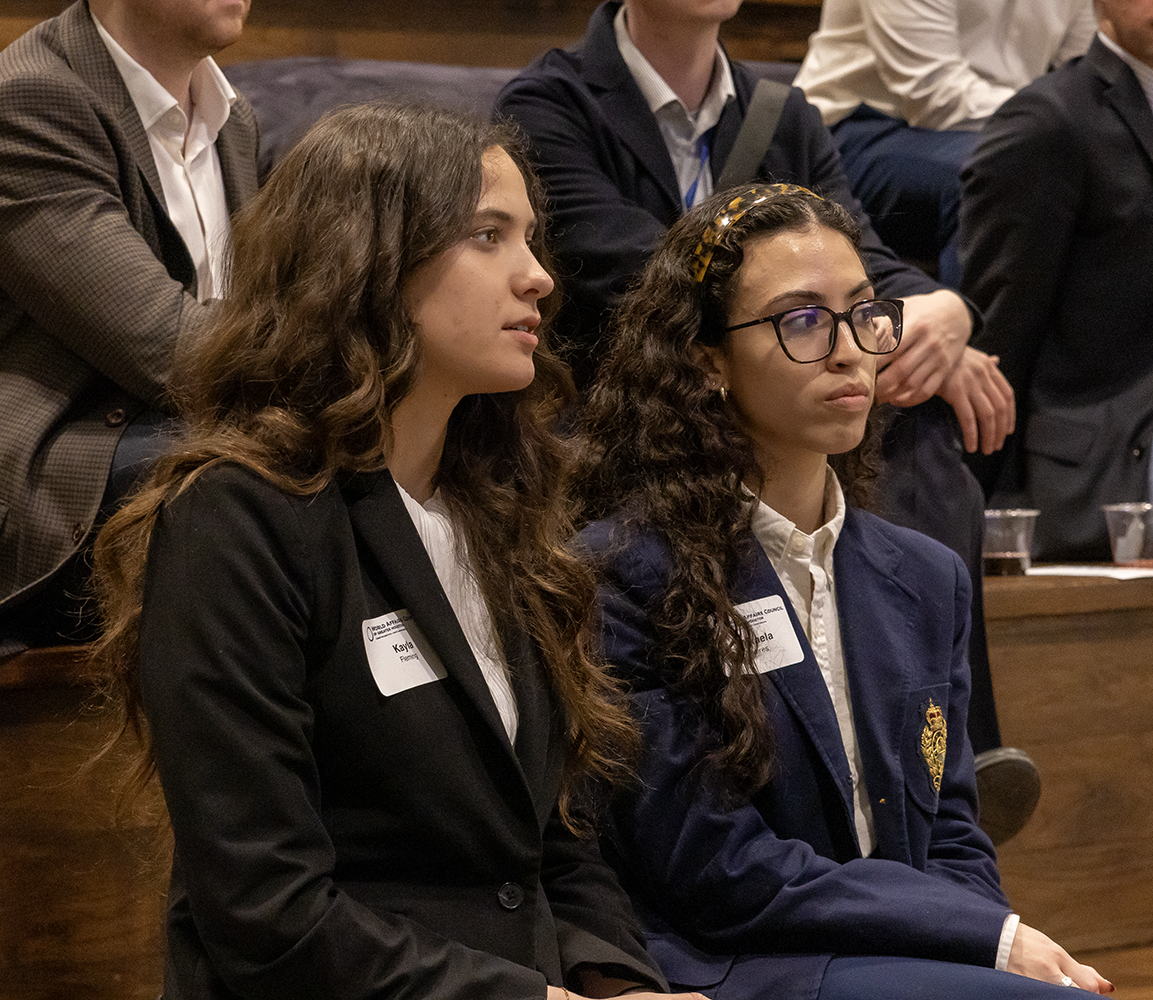
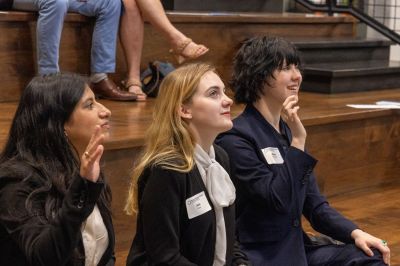
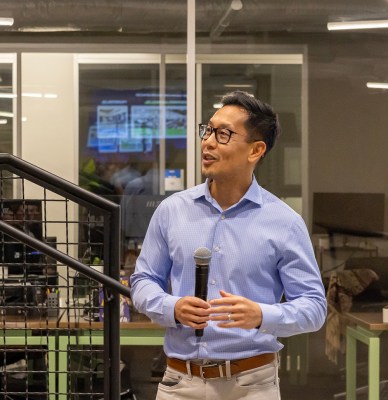
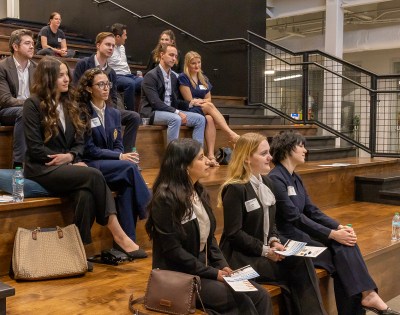
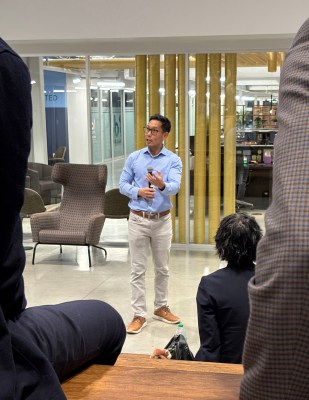
The FBI pops up a lot in discussions, but few people really know what the FBI does, the dangers and tasks involved, or the people who do the job. To help remedy this issue, the World Affairs Council brought in former FBI Agent (and Counterintelligence expert) James Conway, who offered an insightful, interesting, and engaging discussion on numerous law-enforcement and intelligence related topics.

During the networking session, we had a chance to meet a number of friendly professionals, who took us in. It was a very welcoming experience, and we are grateful for everyone’s friendliness–and this was especially true of Mr. Conway, who spent a very generous amount of time with us.

The formal program began with remarks by WAC Director of Advancement Sandija Bayot…

She also introduced Ronan O’Malley and James Conway…

…and then turned the microphone over to Ronan, who moderated the event.

Mr. Conway is a former FBI Special Agent who built a distinguished career focused on national security and counterterrorism. Over his years of service, he investigated high-profile cases, collaborated with law enforcement agencies across the world, and developed expertise in intelligence operations. He described many of his operations–including as counterintelligence expert in Mexico City–in an animated fashion.

After retiring from the FBI, Mr. Conway transitioned into public speaking, teaching, and consulting–sharing his deep knowledge of security strategy and crisis response with organizations and communities nationwide. 

Throughout the discussion, Mr. Conway touched on policies and shifts in leadership in the FBI, providing a wonderful history of the relationship between the last ten presidents and the CIA–relationships that have not always been close.

He also discussed operations in Houston, Galveston, and New York, particularly with organized crime. The stories were fascinating, but they also illuminated the painstaking care that FBI professionals take with their cases. On a darker note, Conway expressed concern that politics has crept–or been pushed–int0 the agency, and that professionalism could erode, if such politics-creep continues.

It was apparent that this prospect caused Conway pain, but he reiterated his optimism and confidence in the United States people and government, a wonderful way to close a wonderful event.

After this wonderful event, LEAP enjoyed a nice dinner at The Original Ninfa’s.

They had delicious Tex-Mex and Coastal Mexican cuisine. Their service was excellent. After some great conversation about the event, we concluded our day with some unique and flavorful desserts.

We had a wonderful time and will definitely be attending more World Affairs Council events throughout the year with the hope of seeing James Conway and more fascinating speakers in the future.

Unknown's avatarAuthor mikeyawnPosted on October 14, 2025Format AsideCategories Civic Engagement, Civil Rights, Criminal Justice, LawTags Center for Law Engagement And Politics, FBI, LEAP Ambassadors, Sam Houston State University, World Affairs Council HoustonLeave a comment on Inside the FBI–with James Conway

Safety in the Skies: My Experience as a TSA K9 Decoy Volunteer (Part One)

By Mayra Sofia Soto

They say a dog is a man’s best friend, but they can also be a flier’s best friend. I learned this while volunteering as a K9 decoy at the George Bush Intercontinental Airport, and it was truly one of the coolest experience I’ve had!

This program is part of TSA’s Passenger Screening Canine (PSC) initiative. It’s designed to enhance passenger safety by using canine assisted detection to help prevent the unauthorized entry of explosive materials into airports. These highly trained K9 teams and their handlers work together in real-world environments to detect potential threats before they happen. Volunteers like me help create realistic scenarios that prepare these teams for the real thing.

Before beginning, I received a safety briefing which covered everything I needed to know. Volunteers are given instructions on what to wear, what not to do, and how to behave. The idea is to look and act like a real airline passenger. All details regarding the type, placement, and quantity of training aids used during training are classified information.

My job is easy! Blend in like any other traveler. The day was divided into three training phases:

  1. First, I walked through the security lane as if I were preparing to go through TSA screening;
  2. Then, I meandered through the terminal hallways and blend in with big groups of people.
  3. Finally, I sat in the boarding gate waiting area as passengers do before a flight.

Throughout each phase, the K9 teams used their sense of smell to detect any concealed training aids. When a dog identified a training aid, they would signal their trainer/handler that something was amiss.

The dogs were rewarded with their favorite toys to reinforce positive behavior.

But it’s not just the dogs having training, the handlers are learning too. They practice interpreting their dog’s signals and ensure their K9 stays focused and well-behaved in the airport. Many of these dogs begin training around one year old and continue working until they retire. Recently, a K9 retired at 11 years old!

This experience gave me a new appreciation for the behind-the-scenes work that goes into keeping travelers safe. The K9 teams and their handlers are highly skilled, and it was inspiring to see them in action.

Although the volunteerism was just a small action on my part, there is a sense of pride that comes with contributing to the safety of our airports and airlines, while also learning more about our security systems in practice. It is, in short, a perfect education for a student wanting to go into a law-enforcement career!

Unknown's avatarAuthor mikeyawnPosted on October 9, 2025October 13, 2025Format AsideCategories Civic Engagement, Criminal Justice, Law, VolunteeringTags Center for Law Engagement And Politics, Sam Houston State University, Transportation Security AdministrationLeave a comment on Safety in the Skies: My Experience as a TSA K9 Decoy Volunteer (Part One)

LEAP Offers Half-Day FBI Collegiate Academy

The LEAP Center is always looking for new ways to offer opportunities for SHSU students, and this fall, the Center has partnered with the FBI to offer a “Collegiate Academy.” The program, which takes place on Wednesday, November 12, offers up to 50 students an exposure to the FBI, its operations, its investigations, and potential careers with the agency.

Hosted by the FBI’s Houston field office, the program will offer (1) an FBI career panel, (2) a deep dive into art-related crime, and (3) live demonstrations. This unique opportunity is designed to offer transparent views of the FBI’s work, encourage an understanding of its mission, and potentially recruit students for careers in the FBI. It is one of many FBI-focused programs offered by SHSU’s LEAP Center.

LEAP Students Meet With FBI Agent Christopher Combs

Students from all majors are eligible to apply, but it is a competitive process. Only students with a 3.0 GPA (cumulative and SHSU) will be considered, and the FBI only considers students who are legally in the United States. Both SHSU and the FBI are involved in the selection process, with an SHSU committee selecting on various criteria (GPA, involvement in LEAP programs, career goals, organizational activities), and the FBI running background checks on students for clearances. Students should submit a professional resume using the model offered by Career Success Center and LEAP (which can be found at the bottom of this page) and submitting it while filling out the application.

LEAP Students Hear From FBI Director Christopher Wray

Students who apply to the program should have a good faith belief that they can be free from class and work obligations on Wednesday, November 12. Professor Yawn will send a note requesting an excused absence on behalf of accepted students, but it is the Professor’s discretion to decide whether to accept such an absence and whether to allow makeup work.

Pre-Law Society Students Hear From Former FBI Asst Director Frank Figliuzzi

The LEAP Center will rent a bus and provide transportation, with a departure time between 7:00am-7:15am. The program lasts from 9am-Noon, followed by a lunch. Students will likely be back at SHSU’s campus by 4pm.

Students needing more information should contact Professor Mike Yawn. The deadline to apply is October 24, but earlier submissions will be given preference. To apply to the program, fill out the linked form.

Unknown's avatarAuthor mikeyawnPosted on October 8, 2025October 9, 2025Format AsideCategories Civic Engagement, Criminal Justice, LawTags Center for Law Engagement And Politics, Christopher Combs, FBI, FBI Director Christopher Wray, Frank Figliuzzi, LEAP, Sam Houston State UniversityLeave a comment on LEAP Offers Half-Day FBI Collegiate Academy

Posts pagination

Page 1 Page 2 … Page 5 Next page

LEAP Ambassadors Are Involved!

This slideshow requires JavaScript.

Follow Us On Facebook!

Follow Us On Facebook!

Catch Up With Us

  • Crafting for a Cause December 18, 2025
  • Exploring The Shining: A Kubrickian Journey December 15, 2025
  • Interactive Experiences at Asia Society Texas: A Student’s Perspective December 14, 2025
  • A Culinary and Artistic Journey Through Houston December 13, 2025
  • Alumni Insights: Jessica Rodriguez-Wahlquist Returns to LEAP December 11, 2025

Join The Conversation!

The Civic Leadership… on Foundational Activities of the…
The Civic Leadership… on The Philosophical Foundations…
LEAPing Into Action… on The Philosophical Foundations…
Jada Cook's avatarJada Cook on SHSU Students LEAP Across Five…
Reflections from the… on Kicking off the Semester Right…

Find Previous Posts

Many thanks to Professor Lauren Clay, who led a ceramics class for LEAP students. This effort promotes the arts while fighting food insecurity through the Empty Bowls program, benefitting Meals on Wheels.

We also have Twitter!

My Tweets

LEAPing Into LEARNing

This slideshow requires JavaScript.

  • About LEAP
  • LEAP Ambassadors
Center for Law, Engagement, and Politics Blog at WordPress.com.
  • Subscribe Subscribed
    • Center for Law, Engagement, and Politics
    • Join 486 other subscribers
    • Already have a WordPress.com account? Log in now.
    • Center for Law, Engagement, and Politics
    • Subscribe Subscribed
    • Sign up
    • Log in
    • Report this content
    • View site in Reader
    • Manage subscriptions
    • Collapse this bar
 

Loading Comments...