Discovering the Dizzying Magic of “Vertigo” at Houston’s River Oaks Theatre

By Brian Aldaco

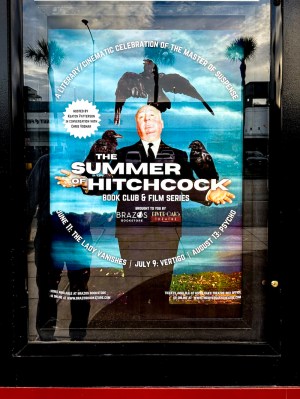
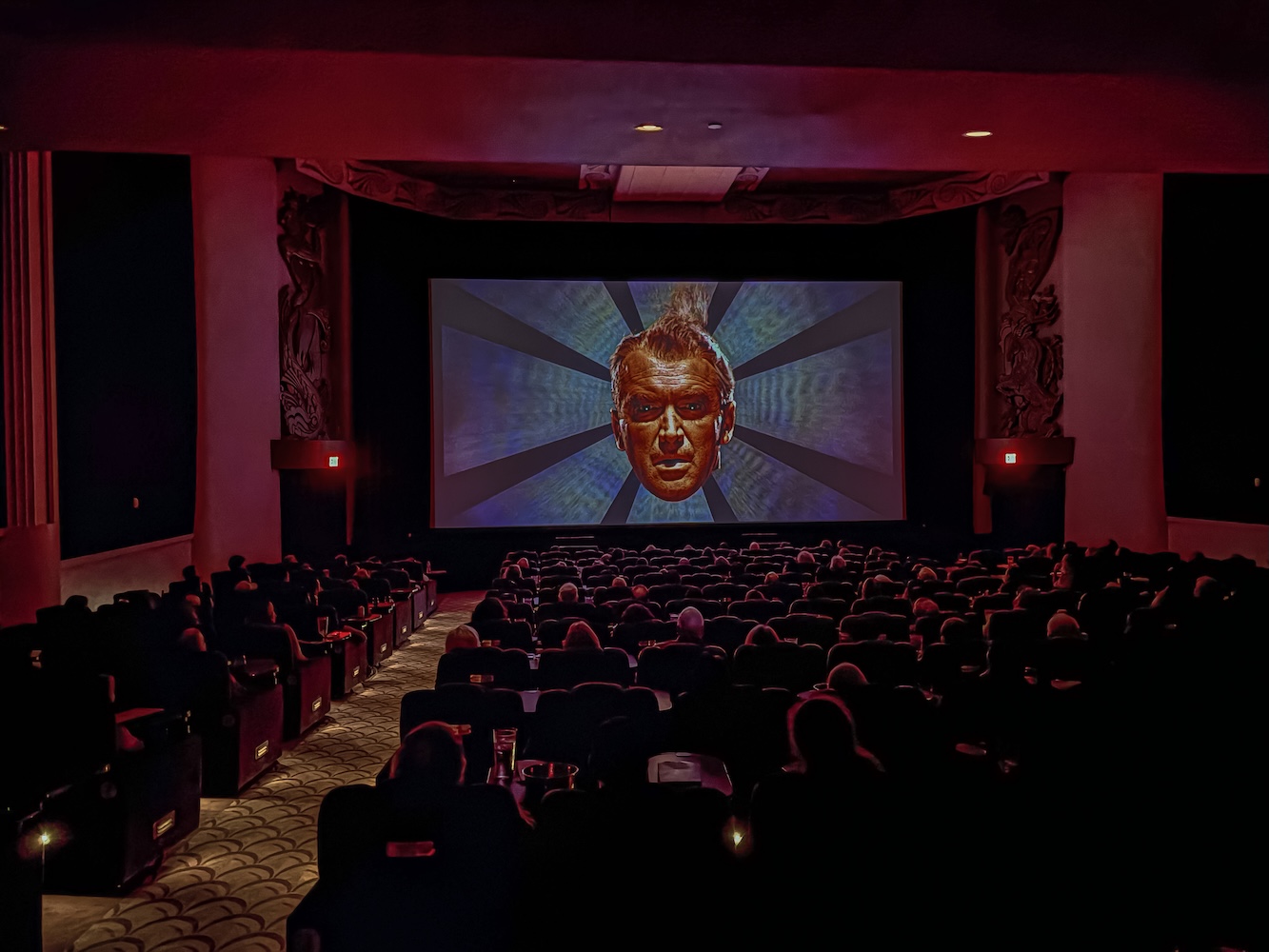
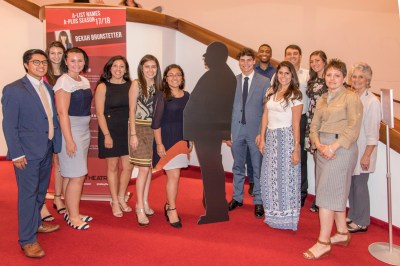
In classic LEAP fashion current students and LEAP alumni joined forces in Houston for a viewing of one of Hollywood’s most celebrated films, Alfred Hitchcock’s Vertigo. The screening is part of The Summer of Hitchcock, a joint literary venture between Brazos Bookstore and River Oaks Theatre.

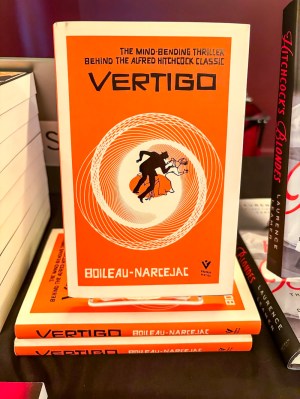
As part of this summer project, Houston-area Hitchcock fans are invited to read “The Lady Vanishes,” “Vertigo,” and “Psycho,” and watch the film adaptations directed by the Master of Suspense at the newly re-opened River Oaks Theatre.

With its glistening art deco marquee, this 1939 theatre is nestled on West Grey St. in one of the most emblematic Houston neighborhoods, for which the theatre is named. Following a post-pandemic closure of the theatre, which many Houston area cinephiles feared would be permanent (this writer included), the theater finally re-opened last October. While it retained its screening of classic, contemporary, and independent movies, the interior has been renovated to adapt to the new movie-goer expectations, while also offering seat-side meal service.


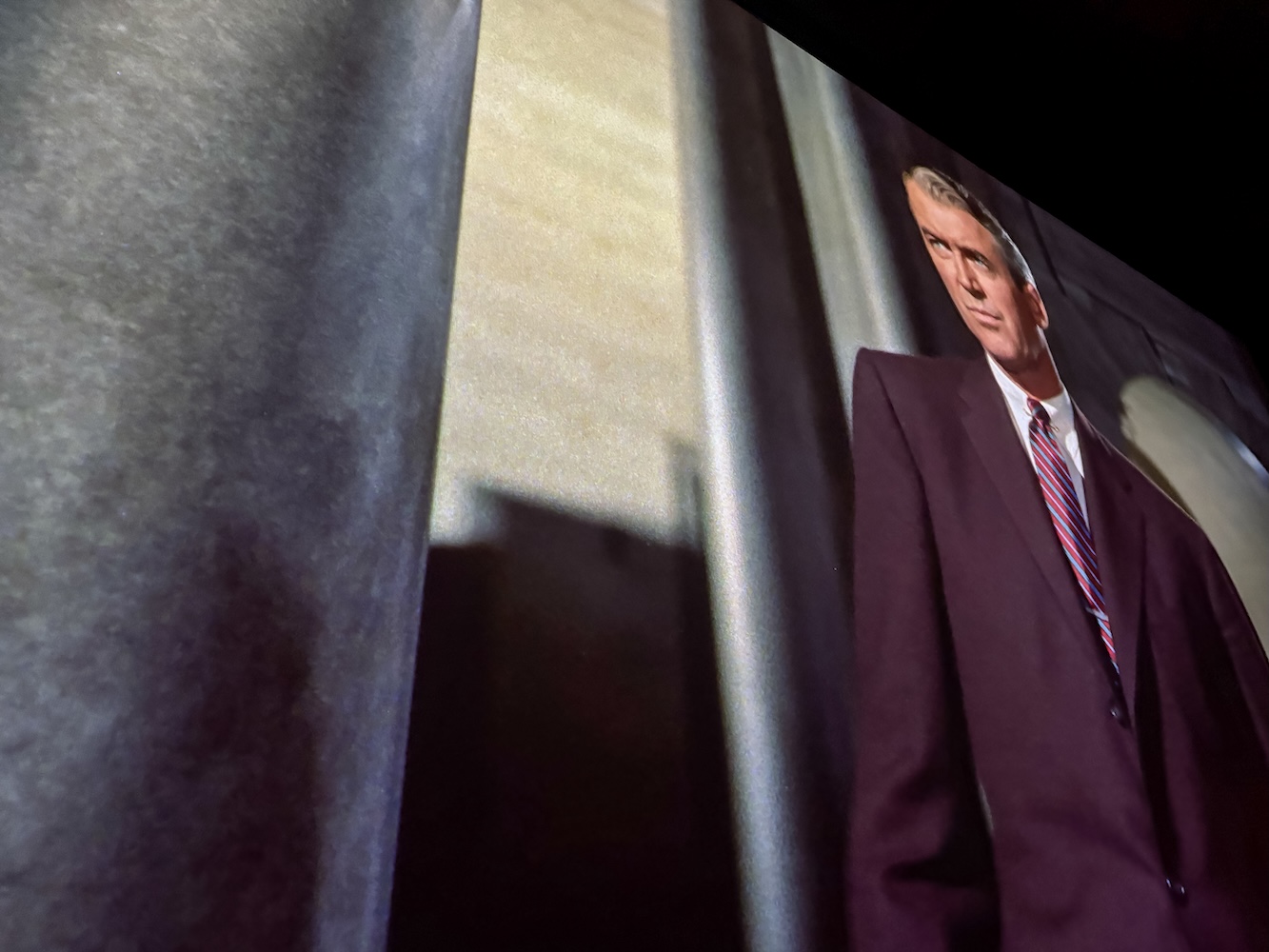
For most of the group members that joined us at the showing, it was our first time watching this adaptation of Pierre Boileau and Thomas Narcejac’s French novel “D’entre les morts” (“Among the Dead”). Released in 1958, Vertigo follows a mysterious investigation led by a recently retired San Francisco detective. Tasked by an old college friend to follow his wife who is feared to be obsessively replicating the actions of a mysterious ancestor, the former detective, played by Jimmy Stewart, along with the equally intrigued audience, tour the city of San Francisco while trailing the college friend’s wife, played by Kim Novak.

The film has been widely praised, and in fact, was ranked as the greatest film of all time in a 2012 poll of international film critics (it “slipped” to #2 in 2022). Nonetheless, the craftsmanship managed to impress and surprise. In Hitchcockian fashion, the narrative is told through expertly orchestrated POV and over-the-shoulder shots, evoking a sense of voyeurism of which the movie’s protagonist extensively takes part in throughout his investigation.

The film showcases the costume design of Hollywood legend Edith Head, which complements the equally impressive cinematography of Robert Burkes, whose striking use of color film stock (and color theory), impressive panoramas of San Francisco and San Francisco Bay, and a subjective camera contribute to the film’s beauty and psychological themes.

Such cinematic feats are perhaps most famously illustrated by the “Vertigo Zoom,” engineered by second-unit cameraman Irmin Roberts. Ask by Hitchcock to create a visual metaphor for the protagonist’s vertigo, Roberts used a subjective camera (from Stewart’s perspective) and dollied the camera toward the ground level of a staircase while simultaneously zooming the lens out (or away) from the ground level.

This effect has since been used in countless films, most famously in “Jaws,” “Goodfellas,” and “The Lord of the Rings.”

Vertigo, as with many of Hitchcock’s works, is a testament to the range of emotions that can be transmitted to an audience through stellar acting, a vivid imagination, and plethoric cinematic techniques implemented by an auteur director with a clear vision.

The whole experience reminds the viewer that this piece of cinematic literature deserves contemplation in a proper movie theatre. In the Houston of 2025, Star-Cinema-Grill owned or not, it’s difficult to think of a better site than River Oaks Theatre, and even more difficult to think of a better group of people with whom to see it.

Faith and Childhood in the 20th Century: Insights from Stephen Harrigan

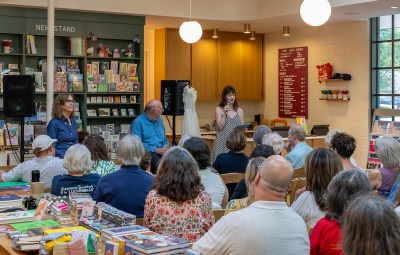
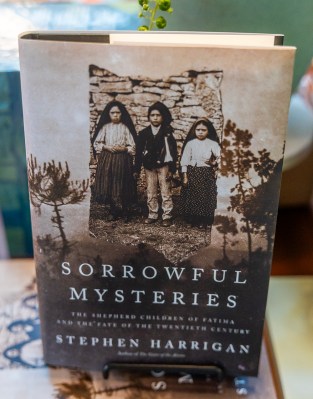
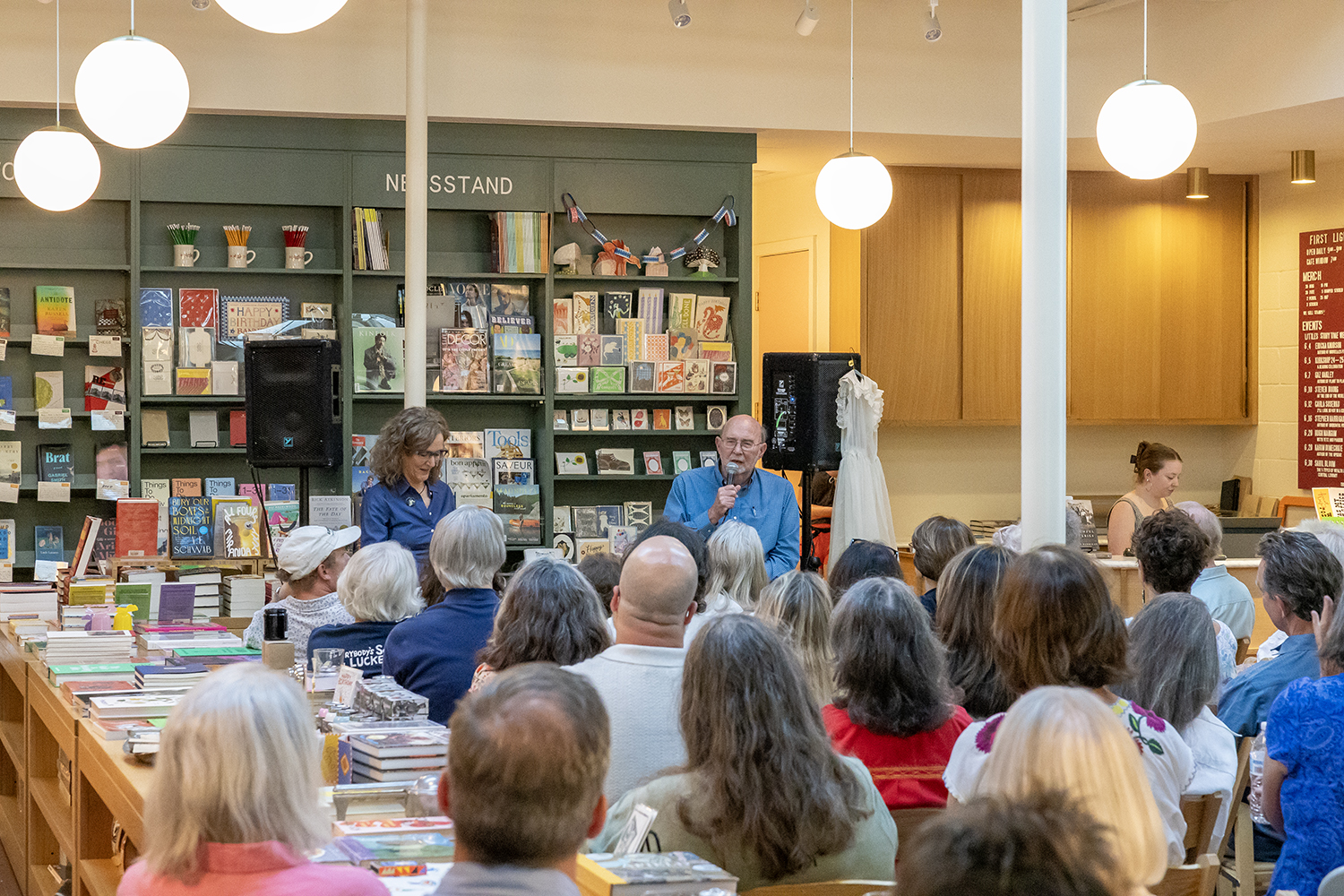
Stephen Harrigan, best-selling novelist and non-fiction author, is a veteran of book-talks. As such, he was able to manage a less-than-smooth moderated discussion of “Sorrowful Mysteries: The Shepherd Children of Fatima and the Fate of the Twentieth Century,” while still providing humor, interesting anecdotes, and his usual graciousness to a full house at First Light Books.

This audience included some impromptu stop-ins by authors Bret Anthony Johnston and Elizabeth Crook, as well as the moderator Sarah Bird, herself a novelist. Following a brief introduction….

…Bird described Harrigan as a “famously moral person,” before asking “an unfair, unanswerable question: ‘on balance, has Catholicism been good or bad for humanity?'”

Harrigan did an admirable job answering the unanswerable. While noting the good and the bad–emphasizing there was a lot of both–he indicated that asking what things would be without religion is something like asking what life would be without the weather. It’s just a part of humanity, even if a person is, like Harrigan, a non-believer.

The strongest parts of the discussion involved Harrigan describing his Catholic upbringing, while drawing parallels to the three Portuguese children who believed they saw the Virgin Mary in Fatima in 1917. Harrigan emphasized how young the children were (they were 7, 9, and 10), noting that they were at impressionable ages.

He tied that to his youth, when he was regularly instructed to “duck and cover” underneath desks, armed with the illusion that such actions could save his life in the event of a nuclear war. Of course, this fear of the apocalypse alternated with soothing lessons of the Virgin Mary’s powers and beneficence. It could be, Harrigan implied, a confusing time.

Mixed in were some discussions that were less relevant to the book. Bird asked not once but twice about the Catholic Church’s “shift to the right,” and she brought her confirmation dress to the event, and she hung it from a speaker at the front of the room.

This prompted an audience member to ask, during the Q & A, whether Ms. Bird “wore underwear with her confirmation dress,” surely one of the stranger questions Harrigan has heard at one of his book discussions.

On this question, Harrigan prudently remained silent. On others, he deftly responded by offering interesting anecdotes, exploring big topics, and mixing the personal with the universal in a manner that is as appealing in person as it is in his writing.

Exploring O’Henry’s Home: A Trip Through Literary History

This past month, I toured the O’Henry Home. Upon entering, I was greeted by Spike Gillespie, a kind and knowledgeable staff member from the City of Austin’s Museums and Cultural Programs. She shared key details about William Sydney Porter’s life, explaining that he lived in this house from 1884 to 1894 before fleeing to Honduras due to corruption allegations at his workplace, the First National Bank of Austin. A few years later, he returned to the U.S. under an alias—O’Henry—the pen name that would bring him literary fame.

The small home consists of three main rooms: the living room…

…the bedroom…

…and O. Henry’s office.

As I walked through, I enjoyed learning fascinating tidbits about his life and work. His experience drafting maps at the General Land Office in Austin resonated with me, as I’ve encountered the GLO while assisting the Land and Resource Committee in my office.

Although modern technology has replaced hand-drawn maps, I appreciated the small connection I felt while standing in O’Henry’s office.

As I continued walking through the home, I found myself amused with framed sketches located right outside O’Henry’s office. Later, Spike informed me that during his lifetime, O’Henry became a self-taught artist, focusing largely on political cartoons, which were featured in The Rolling Stone magazine. Most of his artwork throughout the home feature a mixture of political cartoons and the life of American settlers.

Spike also shared insights into how his time in Austin shaped his storytelling. Many of his short stories reflect themes of redemption, irony, and human nature, qualities that may have been influenced by his own struggles. His most famous work, “The Gift of the Magi,” showcases his signature twist endings, a style that would make him one of the most celebrated short story writers in American literature.

Beyond his literary contributions, O’Henry’s influence on Austin is still evident. His home, now preserved as a museum, serves as a reminder of the city’s rich cultural history.

Creative writing workshops hosted by individuals like Spike encourage Austinites to expand their writing skills and explore writing techniques utilized by famous writers such as O’Henry.

Visiting the O’ Henry Home provided me with insight that was much greater than a historical tour, it was a glimpse into the life of a man who turned adversities into art, which brought people together. His legacy lives on not only in his stories but also in the continued appreciation of his wit and literary style.

Holmes and Hounds in Houston

by Olivia Discon

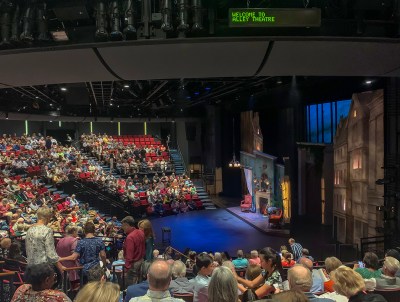
A mysterious death. A howling hound. A suspiciously Texan heir. What do all these things have in common? Chaos, comedy, and the incredible Todd Waite in his final bow as Sherlock Holmes at the Alley Theatre.

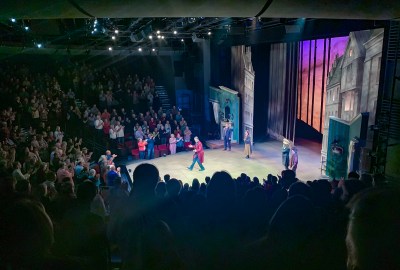
With only five actors and 36 characters flying in and out of scenes, The Hound of the Baskervilles was a theatrical juggling act, with a few wig, costume, and accent changes. Which is to say: it was impressive, ridiculous, and a lot of fun.

Before diving into the fun, we primed ourselves with a little chaos of our own: lunch at Post Market. In the spirit of the show’s variety, we went for food from all corners: noodles, rice, sushi, and African inspired power bowls— none of which appeared to be from the same restaurant. 

Our group included LEAP friends Bill and Carol Hyman and Wayne and Andrea Scott, along with students Macey Schank, Jacob Wessels, Chrissy Biello, Michelle Moya, Mikaela Baires, and Austin intern Cinthia Villarreal. We showed up full and ready for whatever the Alley threw at us.

The Hound of the Baskervilles follows Sherlock Holmes and Dr. Watson as they investigate the mysterious death of Sir Charles Baskerville and the legend of a supernatural hound that haunts his family’s estate. In this version, five actors take on dozens of characters, adding a fast-paced, comedic twist to the story.

When we saw Todd Waite last month at Murder by the Book, he mentioned how Sherlock Holmes is, frankly, a smart aleck, but one you can’t really get mad at, because he’s always right on the nose. Having heard him talk about the role made seeing him perform it even better. His timing, his wordplay, and even his smallest asides all landed with precision. He clearly knows Sherlock inside and out.

Dylan Godwin was another fan favorite in this show among our group. As the Texan heir to the Baskerville estate (among a dozen other characters), he was constantly shifting personalities and finding ways to distinguish the hilarious traits for both a grumpy street cop and a simple minded Texan—even when they are both in the same scene! 

In all, this was a great experience for the LEAP Center to share with some amazing community friends. 

Book Talk with Lise Olsen: The Scientist and the Serial Killer

Michelle Cardenas

Even with the busiest time of the legislative session in full swing, the LEAP Ambassadors always find ways to stay engaged and keep learning. After a long day at the Capitol, we made our way to BookPeople in downtown Austin for an author event featuring Lise Olsen and her latest true crime book, The Scientist and the Serial Killer.

As true crime fans and students focused on criminal justice and pre-law, this event was right up our alley. Lise Olsen, known for her investigative reporting and current work with the Texas Observer, has spent her career uncovering the truth behind long-forgotten crimes. The conversation was moderated by Michelle Pitcher, one of Olsen’s colleagues who also covers criminal justice topics.

The book centers around Dean Corll (Nicknamed Candy Man), a Houston serial killer responsible for the abduction and murder of over 27 teenage boys in the 1970s. Despite the scale of the crimes, police negligence allowed Corll to operate undetected for years. After the crimes were uncovered, the investigation was shockingly mishandled. The Houston Police Department sent inmates with trash bags and shovels to dig up remains from a boat shed where the victims were buried—no forensic experts, no proper evidence collection, and very little communication with the victims’ families.

That’s where the heart of the book lies. Olsen reported on the findings and the work of Sharon Derrick, a forensic anthropologist who became deeply invested in identifying the unnamed victims. Derrick took on the challenge of reexamining the case, believing at first it might be simple but she quickly realized she was wrong. Many of the families were gone, DNA matches were limited, and records were scarce. Still, Derrick worked to connect the dots, uncovering overlooked evidence, personal items, and even previously unidentified remains. Olsen followed and reported on this journey, often reaching out to families herself to gather clues and piece together the victims’ stories along the way.

Pitcher asked Olsen about how she was able to capture not just the investigation but also the social and institutional failings of the time.

The book dives into what policing looked like in 1970s Houston: limited resources, no communication systems, and almost no understanding of serial killer patterns. Authorities often dismissed missing teens as runaways or troublemakers, even blaming parents. There were rumors that some had fled to avoid the draft. And the juvenile crime division? It consisted of officers who would write a one-page report/description and move on.

Olsen interviewed hundreds of people—friends, family members, investigators—and gave space for those who had been grieving in silence for decades. Her mission wasn’t to glorify a serial killer, but to give voice to the nameless victims and to honor the hard work of investigators still trying to bring justice and closure. The book is haunting, especially as a Houston native who’s grown up hearing stories about the Candy Man.

After the talk, we got the chance to chat with Ms. Olsen for a bit about criminal justice and let her know how much we enjoyed the event. It was a great way to end the night—getting to meet someone who’s doing meaningful work and hearing firsthand how much time and care goes into telling these stories. We snapped a quick selfie and left BookPeople feeling a little more curious, a little more inspired, and definitely glad we made the time to go.

Waite(ing) for “Baskerville” at Murder by the Book

Olivia Discon

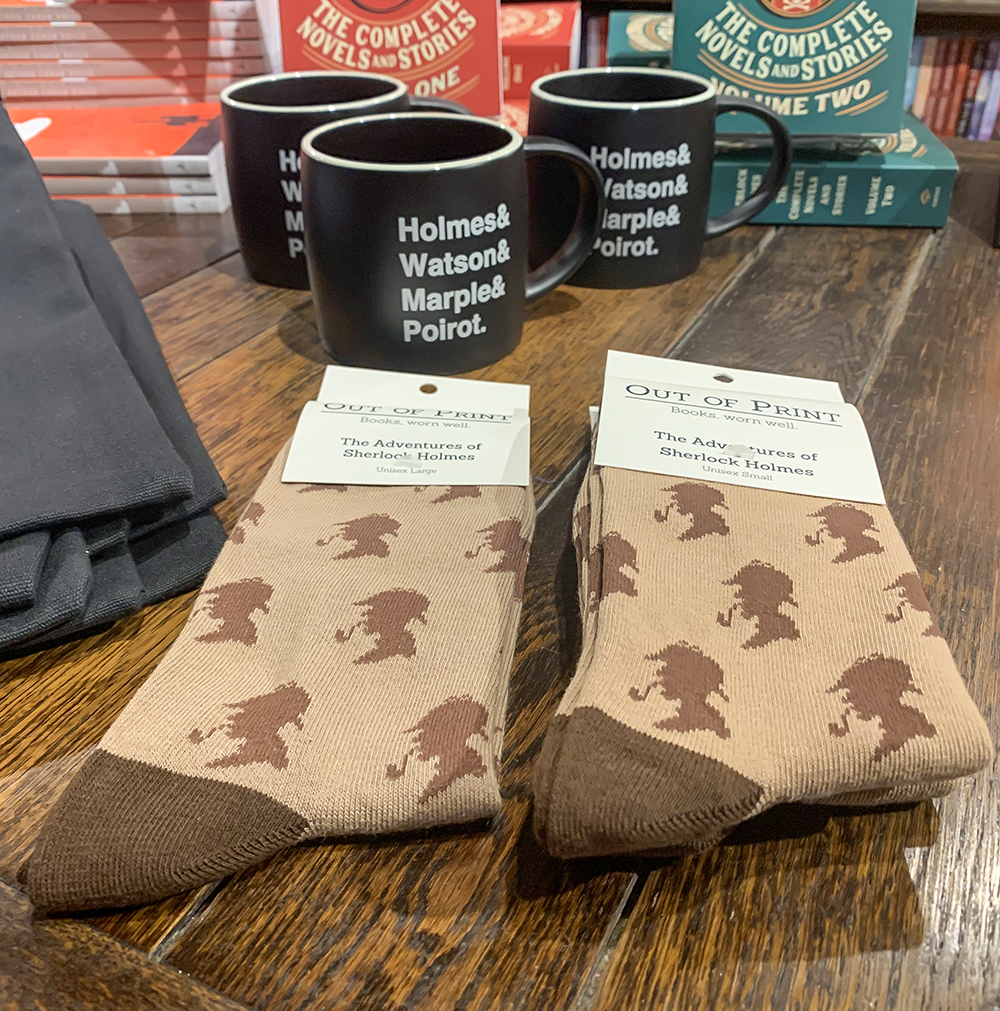
We were at Murder by the Book, and we had some time to “kill.” We leafed through the Michael Connelly, thumbed the Agatha Christie, photographed the many Sherlock Holmes artifacts on display…

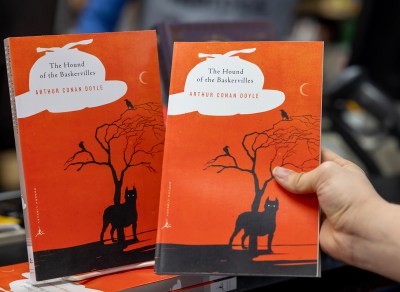
…and even bought a “Hound of the Baskervilles.”

But the real reason we were there was to see Todd Waite.

With 25 years at the Alley Theatre and an incredible 135 productions under his belt, he’s an institution in Houston theater. When he announced that he will be semi-retiring following his upcoming lead role in Baskerville: A Sherlock Holmes Mystery, we felt the “weight” of the occasion. It was “elementary:” we purchased tickets.

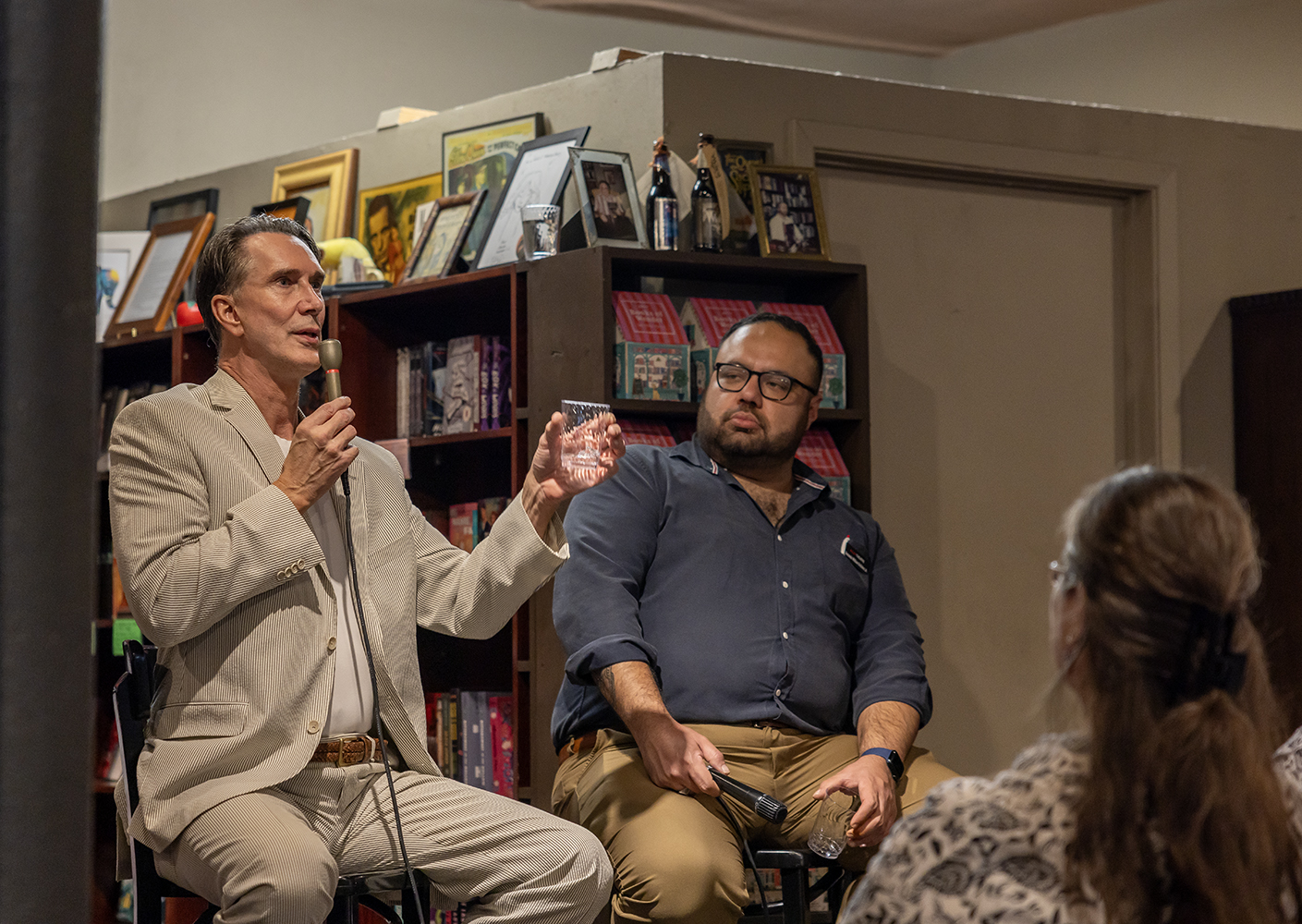
As a prelude to opening night, Waite spoke at Murder by the Book, where he took the stage to the delight of a full house.

During the discussion, Waite discussed his love of language, a passion instilled in him by his mother, an English teacher who taught him early on to appreciate the weight of every word. This foundation shaped his approach to performance, where even the smallest vocal shift—from “ah” to “oh”—can redefine a line’s meaning.

He spoke about the complexity of human emotion and how, beyond the broad categories we assign feelings, true depth is conveyed through inflection, gesture, and tone.

His role as an actor, he explained, is to bring those nuances to life in a way that honors the writer’s intent. He illustrated these ideas with stories from his career, sharing insights from specific productions that influenced his philosophy.

Theater, he notes, is a form of alchemy—combining words, movement, and presence to create something greater than the sum of its parts, and this is something the LEAP Center tries to capture in its approach to education, incorporating the fine arts, history, law, politics, and literature into its curriculum. It is perhaps appropriate, then, that a majority of LEAP students have seen their first professional play with Waite on the Alley Theatre’s stage.

LEAP Students / Alumni at the Alley’s “Thirty-Nine Steps”

The Alley Theatre itself is something of an anomaly in contemporary American theatre. According to Waite, the Alley employs a full-time, year-round resident company—one of the few, if not the only, to do so. And this, of course, allows the residents of Houston and the surrounding areas, to see first-class theatre year-round.

Although we bid farewell (for now) to Waite’s (Murder by the Book) performance, we eagerly anticipate seeing him take the stage once more as a resident of the theatre company on April 13. We anticipate Baskerville leaving audiences “howling” for more.

Beards, Bibles, and Barristers: A Day in Austin

We had a full day ahead of us, with a stop for a hearty brunch, a visit to the Harry Ransom Center, and a tour of the Texas Supreme Court, led by Justice Evan Young. With that in mind, we loaded up in the car, ready to tackle the day.

Joe’s Bakery

by Chrissy Biello

Experiencing LEAP means discovering amazing places worth remembering, and many even start making a checklist. A must-have on that list is James Beard Award winners and nominees. Joe’s Bakery, which won the James Beard America’s Classic Restaurant Award in 2022, was packed when we tried to step inside, suggesting we had picked the perfect lunch spot.

The restaurant has a rich history dating back to 1935, when it was established as La Oriental Grocery & Bakery by the current owner’s mother and stepfather. Their introduction of traditional pan mexicano to the community made it a gathering space that many would come together to. Although the original bakery closed in 1957 after 22 years of operation, Joe later reopened the establishment with his brother in law in 1962, expanding it into both a bakery and restaurant.

The sense of community was immediately apparent as we waited. Customers greeted each other warmly, which is unusual in a city as large as Austin; however, Joe’s has clearly maintained a loyal customer base that treats the establishment as a second home. While waiting, our group discussed our typical food preferences. Michelle, having grown up eating seafood, generally gravitates toward healthier options. Jacob, though not having tried much Tex-Mex food, expressed enthusiasm about trying something different.

When our turn came to order, Michelle and Jacob both selected the Caldo, a beef and vegetable soup…

Jacob was surprised when his meal arrived, indicating he didn’t know it was a soup–despite “soup” being clearly stated in the menu description. I opted for the beef tacos. Both Michelle and Jacob thoroughly enjoyed their selections, and my tacos were excellent.

In all, Joe’s Bakery proved to be a top choice for experiencing some of what Austin culture has to offer. From the strong sense of community to the classic appeal of the entire restaurant, it was a great spot to cross off of our LEAP checklist!

Harry Ransom Center

by Jacob Wessels

After having brunch at Joe’s Bakery, we headed over to the Ransom Center on the University of Texas at Austin campus. As we walked inside, we were immersed in a world of history, art, and innovation, surrounded by incredible artifacts that showcased human creativity and achievement. 

We started our tour by looking at a Frida Kahlo self-portrait, a piece that showed her unique style and deep emotions. Unfortunately, we couldn’t take any pictures. 

Next, we explored one of the most significant artifacts in the history of photography—the Niepce Heliograph. Created by Joseph Nicéphore Niépce in the 1820s, this is widely considered the world’s first surviving photograph. At first, we had a hard time seeing the picture until we were told that the best way to view it was from the middle of the doorway.

One of the most impressive things at the museum was the Gutenberg Bible, one of only 49 copies left in the world. Printed in the 1400s by Johannes Gutenberg, this book changed how people shared information and led to the start of mass printing. The pages had beautiful writing and detailed designs, showing why this book is still considered so important today. 

Next, we admired the stunning landscapes captured by Ansel Adams.

One that Professor Yawn, Chrissy, and Michelle became particularly intrigued in was Moonrise, Hernandez, New Mexico. Scanning a barcode to learn more about the photograph, Chrissy read the description out loud.

In 1941, Adams was driving in New Mexico when he quickly jumped out of his vehicle after noticing something that caught his eye: snow-covered mountains, a church, and the moon rising over a graveyard. It was a beautiful photograph to observe, one that showed Adams truly had a “photographer’s eye.”

Moving through the exhibit, we came across a stereoscope—the first 3D viewing device. Looking through the device through the glass enclosure, we could see the image inside in 3D. While we did this, a lady walking by informed us she had one of her very own, passed down from her grandmother!

Besides these highlights, the Harry Ransom Center has a huge collection of old books, important documents, and historical items. This was largely centered around PEN America, an organization that was founded in 1922 to promote the freedom of speech and human rights through literature in America.

The Harry Ransom Center is a great place for anyone who loves art, history, or literature. After gaining new insights—whether about ourselves, our personal interests, or a piece of history—we made our way to the Texas Supreme Court for a discussion with Justice Evan A. Young…

Tour of the Texas Supreme Court by Justice Young

by Michelle Moya

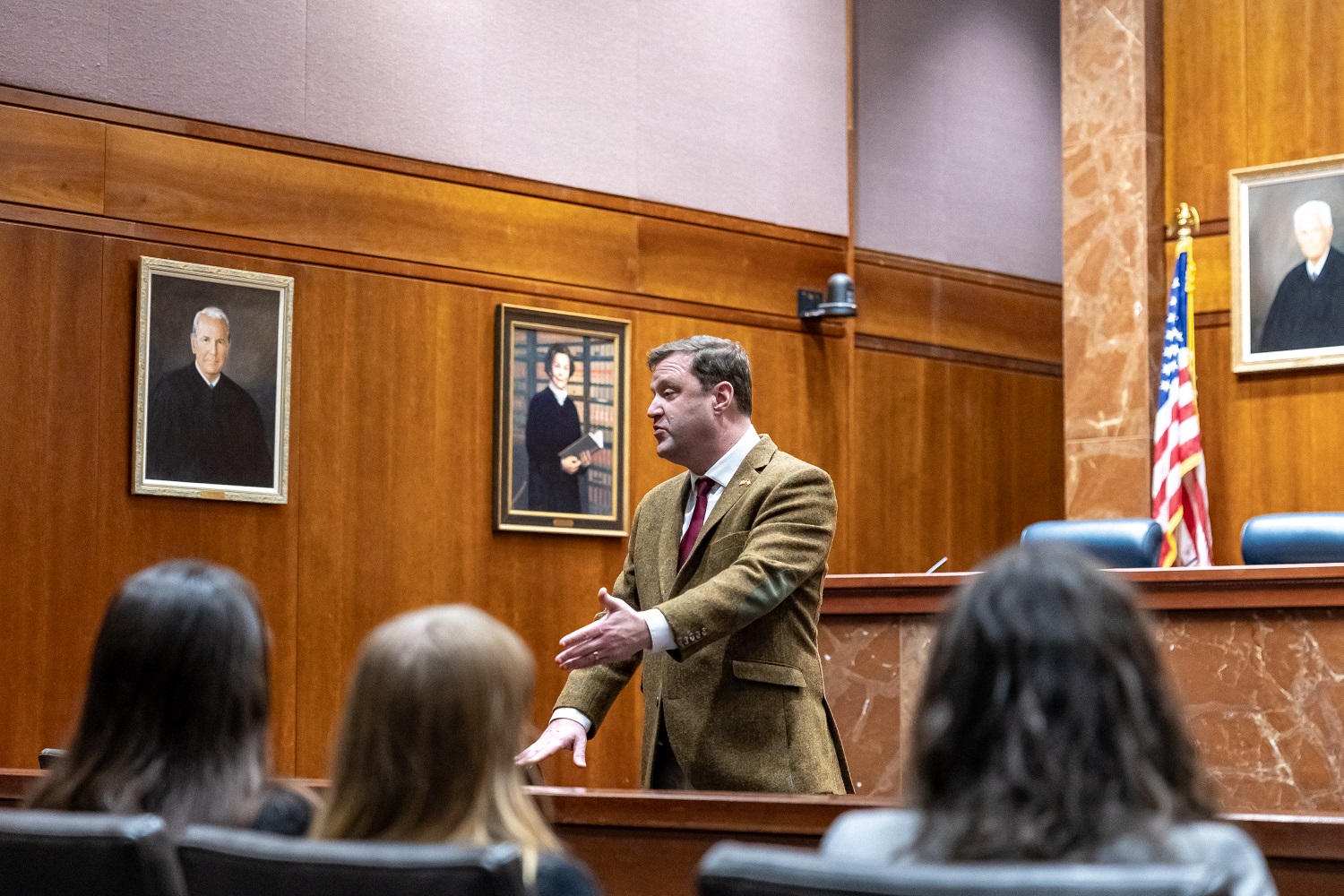
Throughout the years, LEAP has had several traditions of engaging in judicial court experiences. To carry on with this tradition, we, alongside SHIAP interns, went on a tour visit to the Texas Supreme Court, guided by Justice Evan A. Young himself! 

Interestingly enough, few people realize that Texas has one of the nation’s most unique judicial systems. Along with Oklahoma, it’s one of just two states with a bicameral supreme court—one for criminal cases and the Texas Supreme Court for civil and juvenile matters. 

To start off, Amy Starnes, the Court’s Director of Public Affairs, warmly welcomed us to begin our tour. Our first stop was the courtroom where justices hear oral arguments and deliver their rulings.

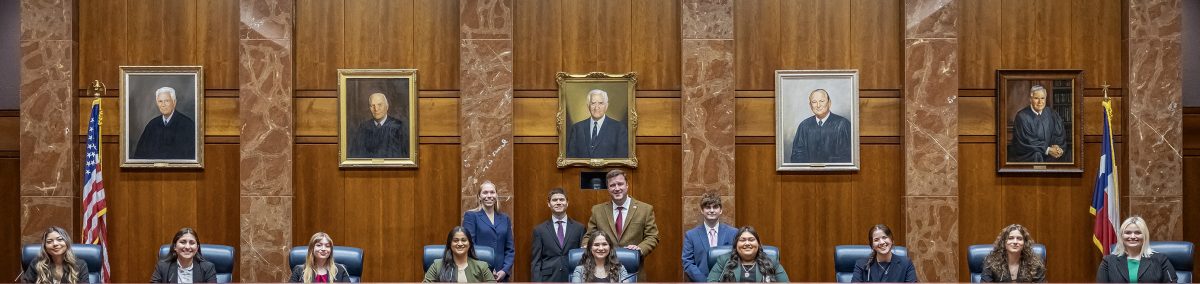
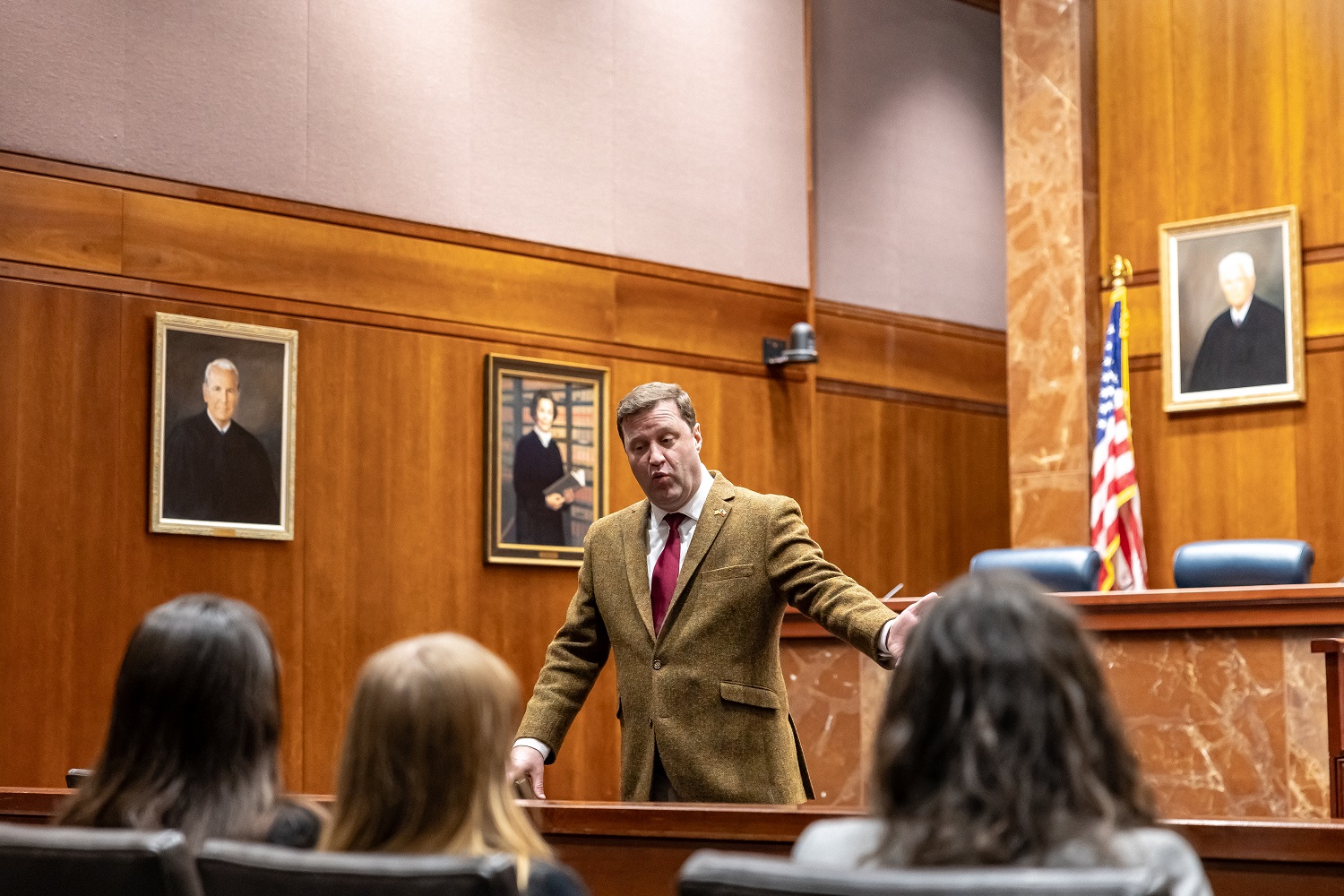
The room’s walls display portraits of former Justices, Justice Young touching on the idea that these Justices past decisions will forever be remembered, even if the justices deciding upon them might not be. Notably, one of the displayed Justices being Robert Gammage, a Sam Houston alum! 

Justice Young offered particularly compelling insights into our judicial system and informed voting. He emphasized Texas’s distinctive history of putting judicial selection in citizens’ hands while stressing the importance of researching candidates before casting our ballots. This helps us preserve the quality of our state, and these nominees are just a reflection of the citizens that vote them in. 

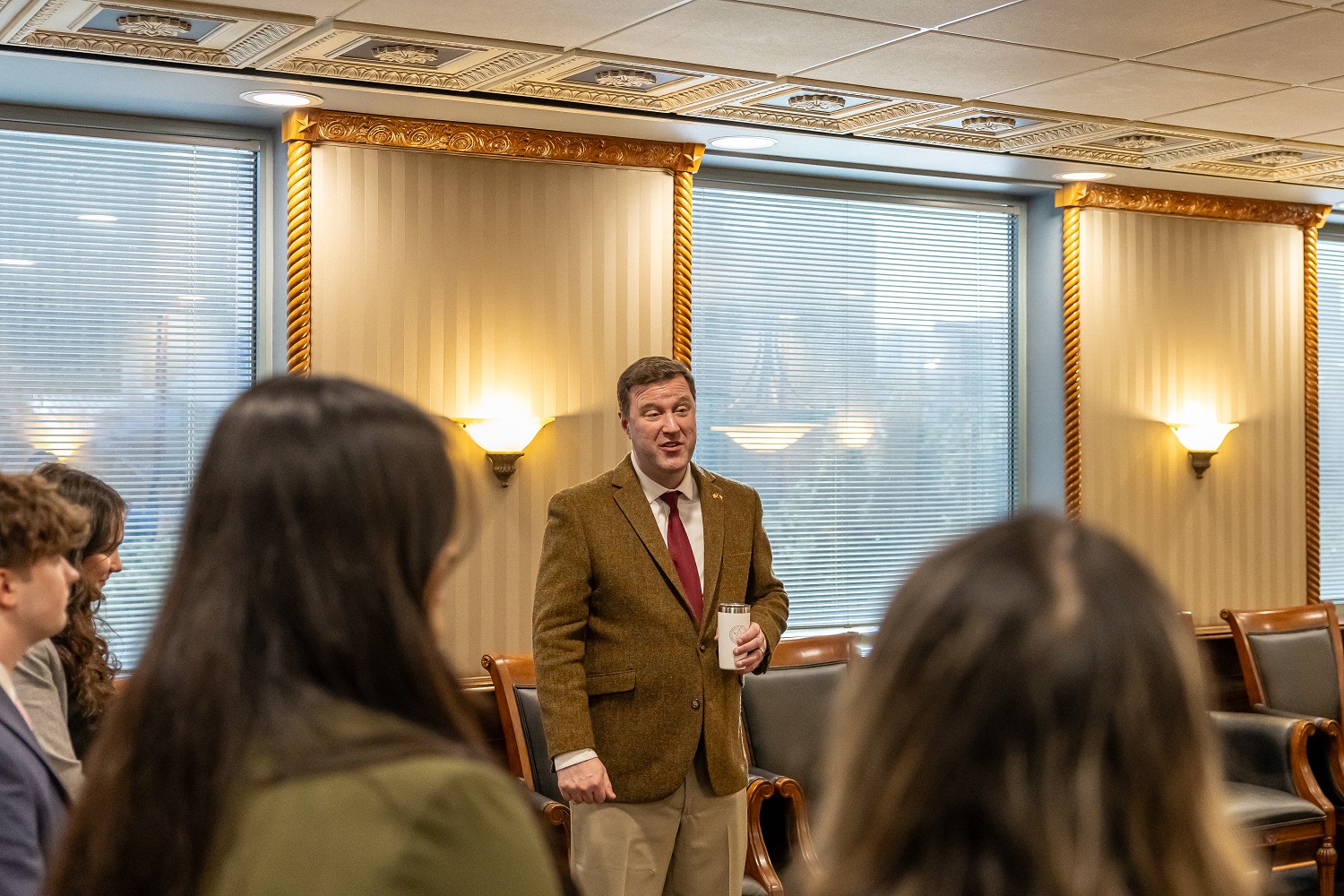
He then shared candid reflections about the challenges judges face, especially the crucial task of interpreting law without letting emotions guide decisions—a valuable lesson for our group of, hopefully, legal professionals. 

The tour continued to the judges’ robing room, which is a private space where justices can retreat for breaks, discussions, and moments of respite. (A fun detail: there’s a TV showing the courtroom, hence the need to whisper!) 

One highlight was returning to the courtroom for a photo opportunity at the justice’s bench—a moment none of us will soon forget. Although I have attended many Austin trips, this will surely be in the books for my favorite! 

Justice Young concluded by showing us the conference room where Justices deliberate cases, emphasizing its confidential nature. As we departed, Mrs. Starnes pointed out a fascinating historical artifact: a portrait commemorating three women judges from 1925, highlighting the advocacy for women’s rights in Texas and empowering women in the legal profession!