Skip to content

Center for Law, Engagement, and Politics

Leap At SHSU!

  • About LEAP
  • LEAP Ambassadors
Center for Law, Engagement, and Politics

Category: Travel

From the Parthenon to the Hermitage: Nashville

The Hermitage Tour

Yvette Mendoza

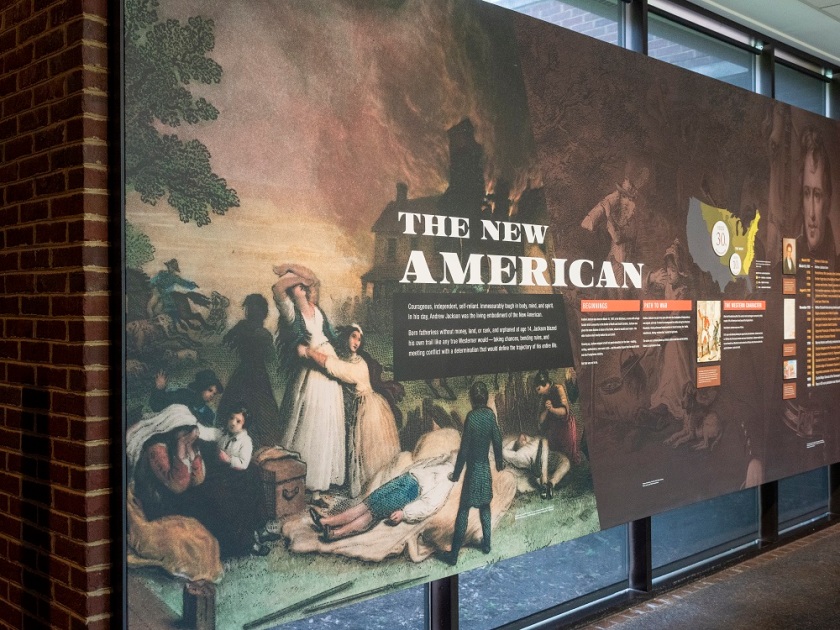
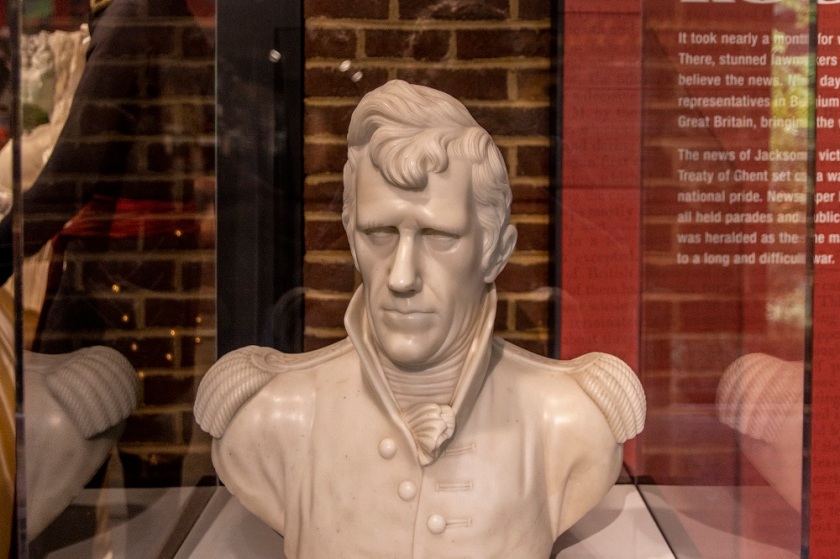
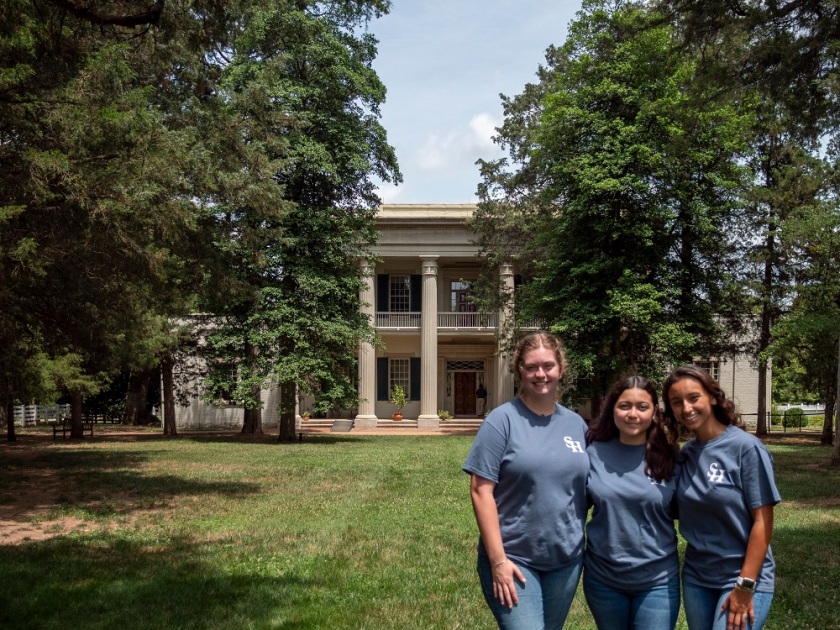
Seeking another historic home on day four, the LEAP Ambassadors ventured to Andrew Jackson’s Hermitage. This visit gave us a vivid perspective of the 1800’s lifestyle through his marvelous home and informative museum alongside it. In addition to having a tour of the Hermitage we walked through his personal idyllic garden and the cemetery where Andrew Jackson and his family currently rest.

Former president Andrew Jackson was known as “the People’s President,” because he was the first “frontier” President, and he broadened the voting process, resulting in many changes in society.

Walking through the Museum we saw his accomplishments as an attorney, soldier, and president of the United States. Viewing artifacts, Jackson effectively led the battle of the Creek War in 1801 as Colonel of Tennessee and the battle of New Orleans in 1812. After courageously serving in these wars fighting the British and the Indians, Jackson was elected president, and he is now known as the founder of the Democratic party. 

As for Jackson’s day-to-day life he lived with his wife Rachel Jackson and adopted children in a Greek-styled home where he allowed any guest comfort in his home with food and a place to stay.

Jackson was known to receive many visitors, including Sam Houston and former presidents, at his 1,120 acres of land at the Hermitage. Having guests stay made it a hectic household from managing the farm, servants, and attending to important guests.

Each LEAP Ambassador had their own favorite part of the Hermitage Jessica being the massive newspapers in Jackson’s library. Morgan enjoyed the kitchen outside since it was like Sam Houston’s kitchen in Huntsville, Texas. Whereas mine was farther away from the home being the garden. As we all entered the garden I fell in love with the bumblebees flying around the brightly colored flowers that all led up to the tombstones.

The garden and grave site rounded off a nice sentimental testament to our 7th president.

Lunch

Yvette Mendoza

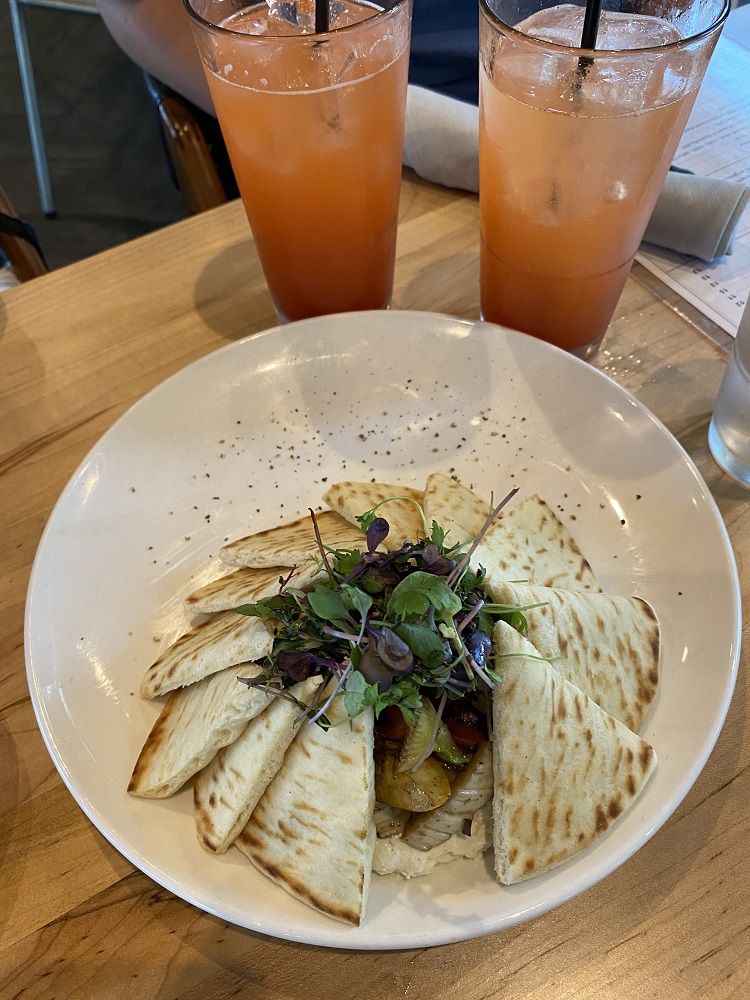
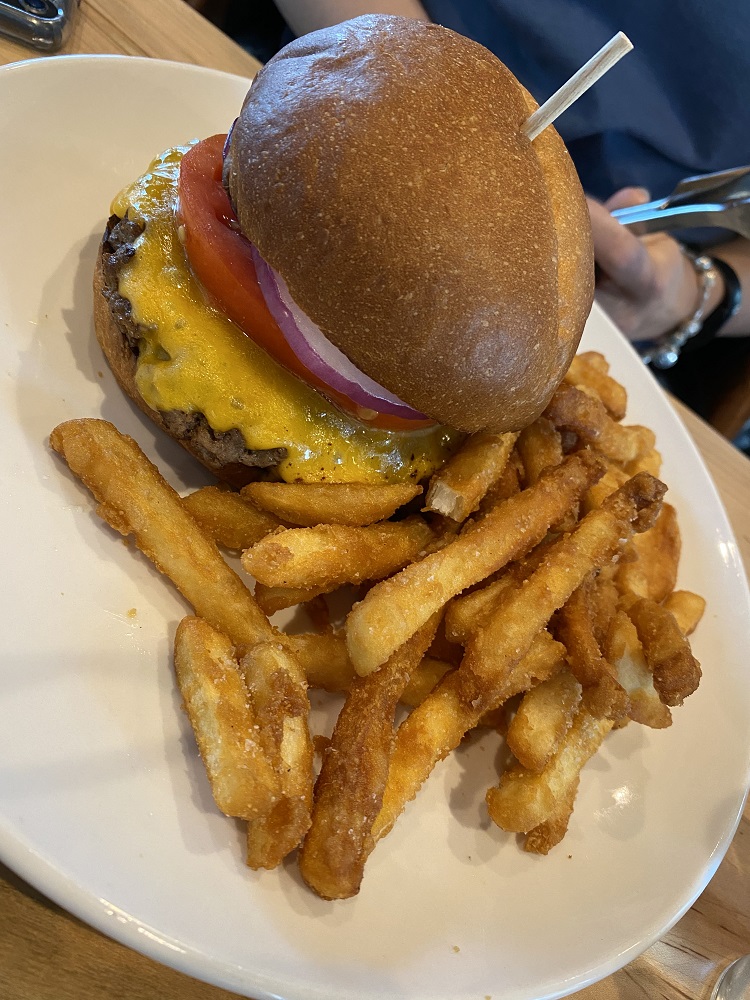
Diving into our first meal in Nashville at the Flat Iron southern fare restaurant ended up being a perfect choice. With the menu full of variety we started off with American classics by ordering whipped goat cheese filled with grilled cucumbers, onion, and tomatoes served with fresh warm pita. For our meals Morgan and Jessica got burgers, one being a tuna-patty burger and the other a grilled chicken burger. As for me, I got a waffle grilled cheese with a complimentary tomato bisque dipper. Each meal was delectable, and everyone had a delicious side of french fries. Our first taste of Nashville made us eager to try more.   

Parthenon Tour 

Morgan Robertson

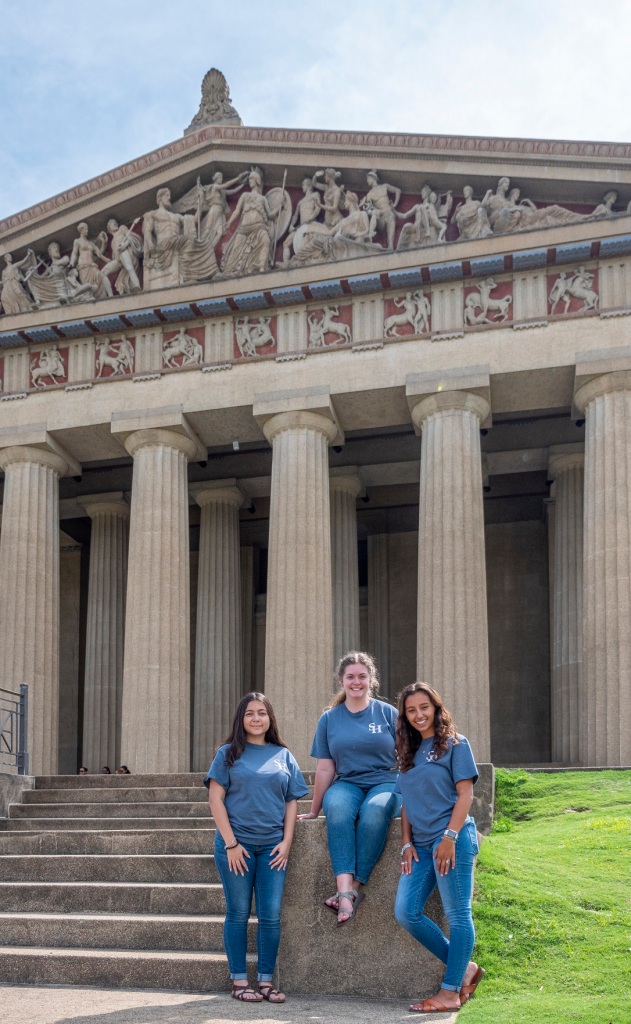
After seeing General Jackson’s home, we ventured into a City formerly known as “the Athens of the United States”–Nashville, where the great Parthenon in Athens, Greece is replicated. Initially, the project was supposed to be a temporary attraction like everything else commissioned for Tennessee’s 1897 Centennial Explosion. However, people were so impressed with its beauty and the cross-cultural connection, the Parthenon was preserved, becoming the focal point in what is now Centennial Park. 

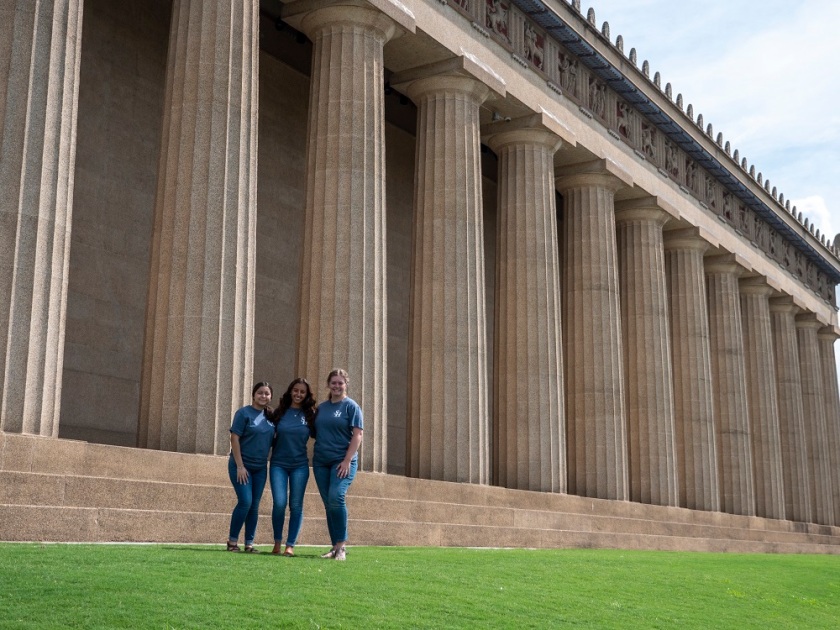
While the Nashville Parthenon is a well depicted replica of the authentic one in Athens, there are some major differences. The first difference being the materials in which the structure was constructed. The Parthenon in Greece is made of white marble, which would have been easily accessible at the time. However, in Nashville, Tennessee, there are no quarries of white marble. Using what was at hand, Architect William Crawford Smith designed the structure with wood, brick and stone, giving the Parthenon a yellowish-brown color.

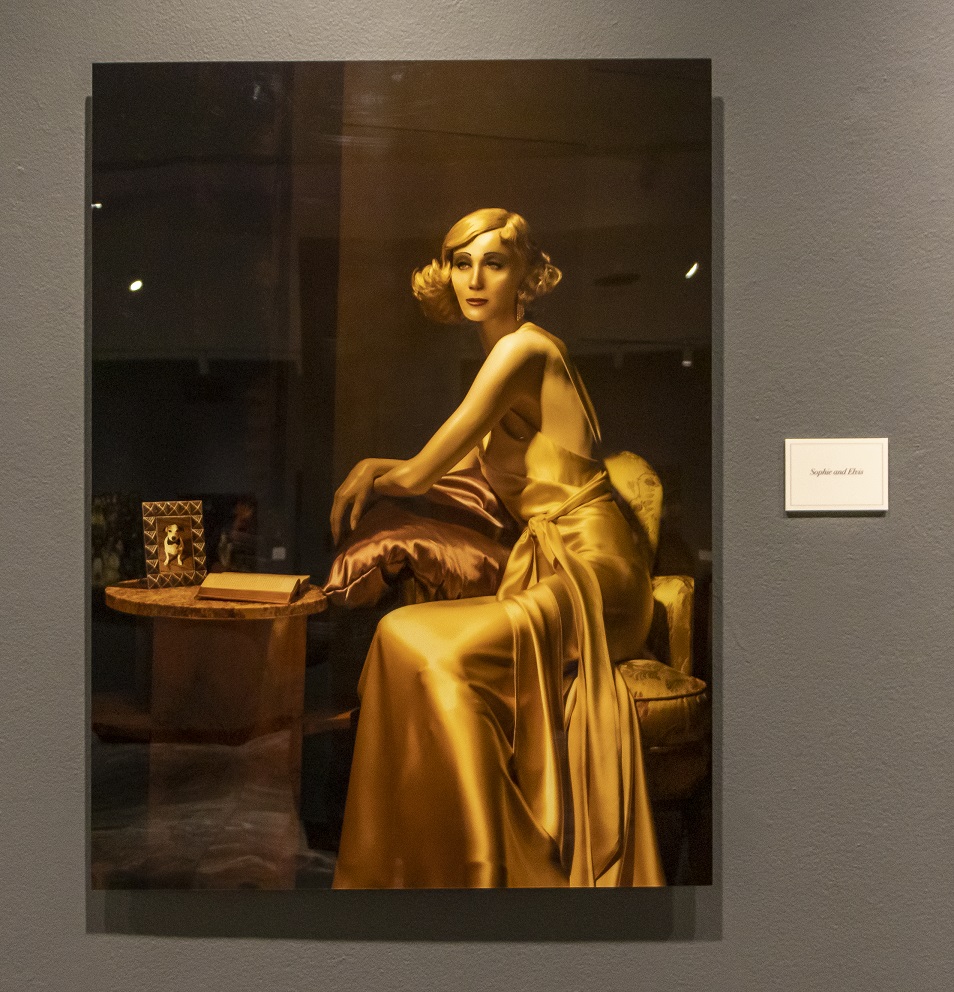
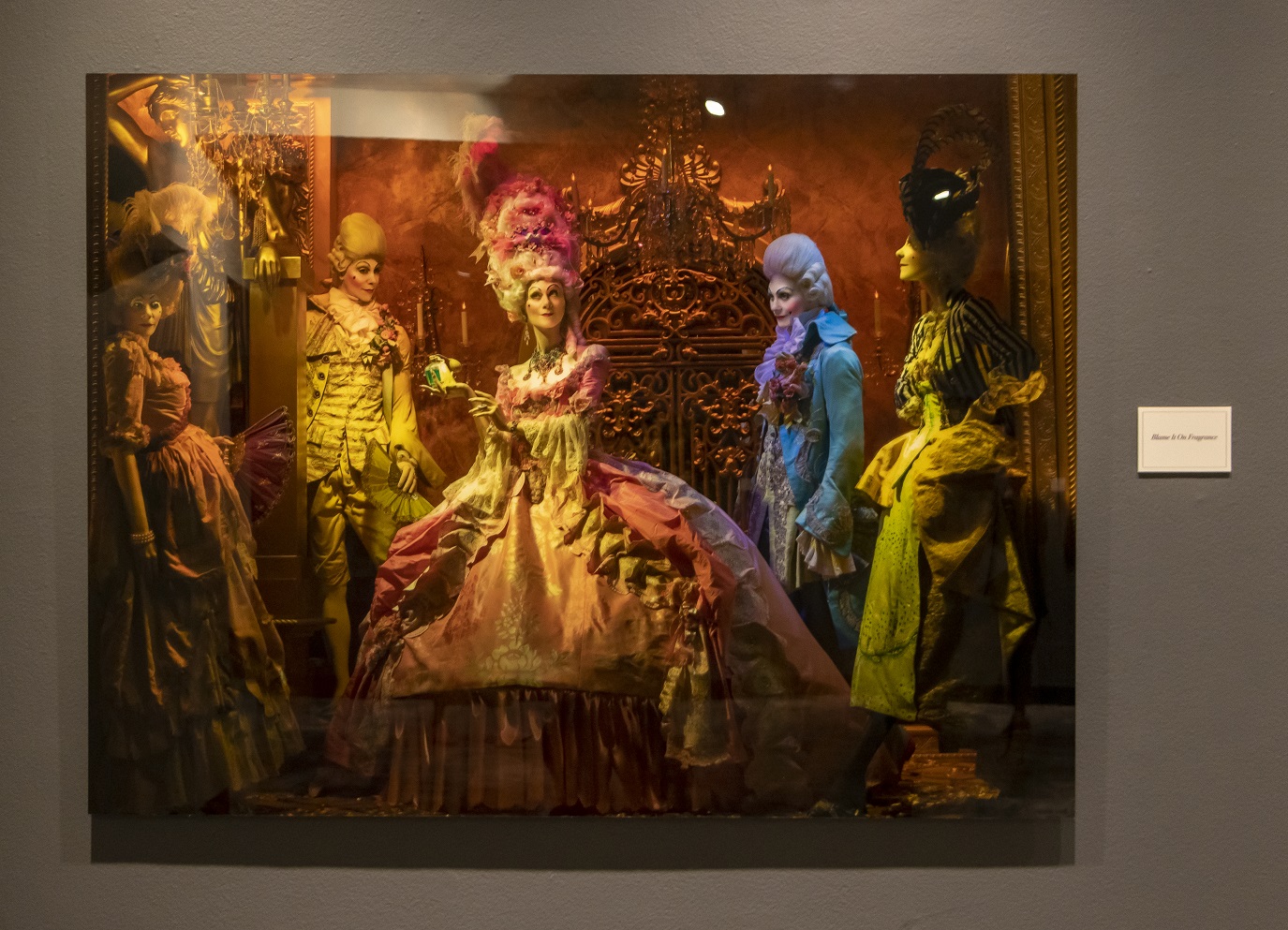
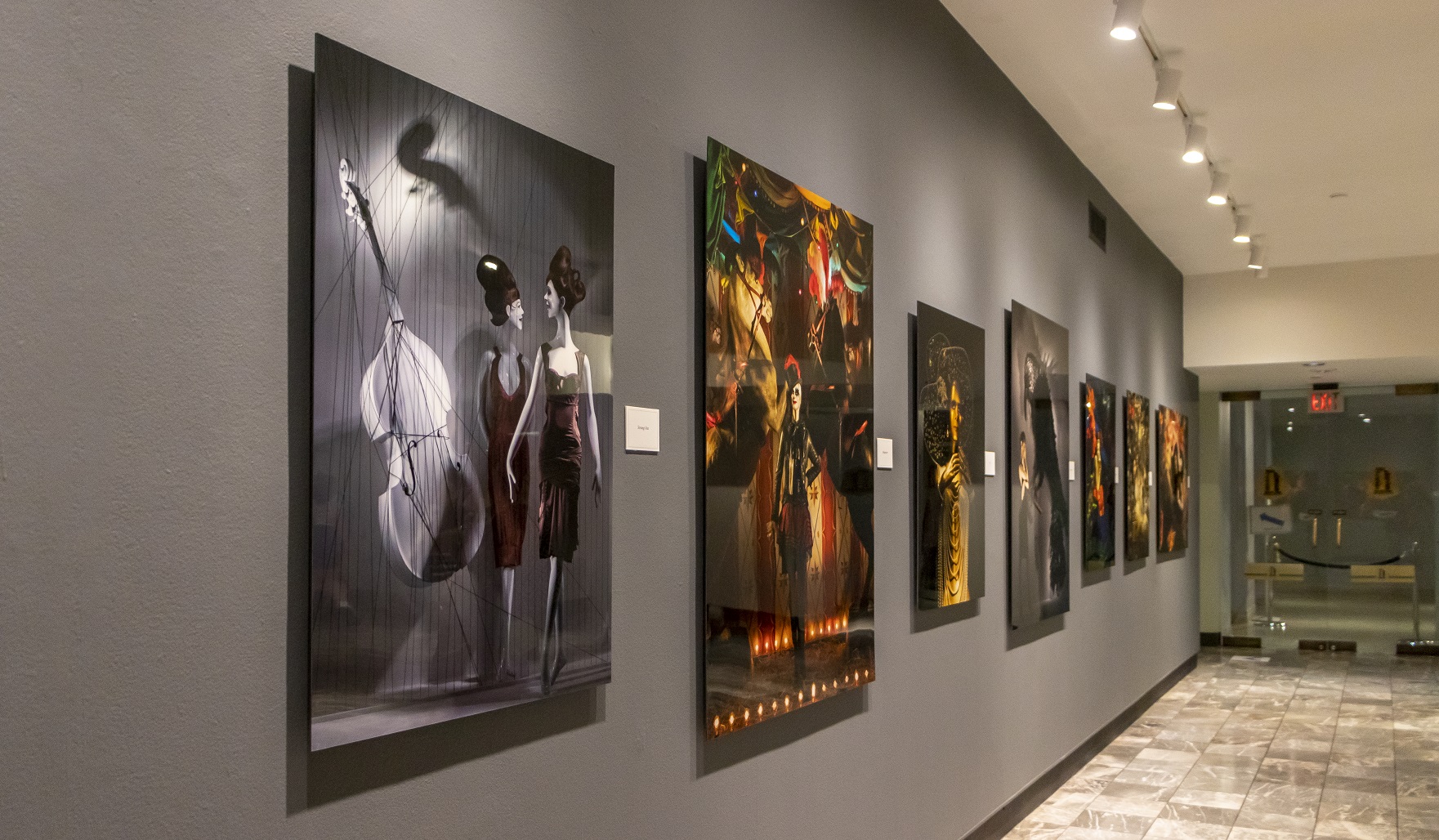
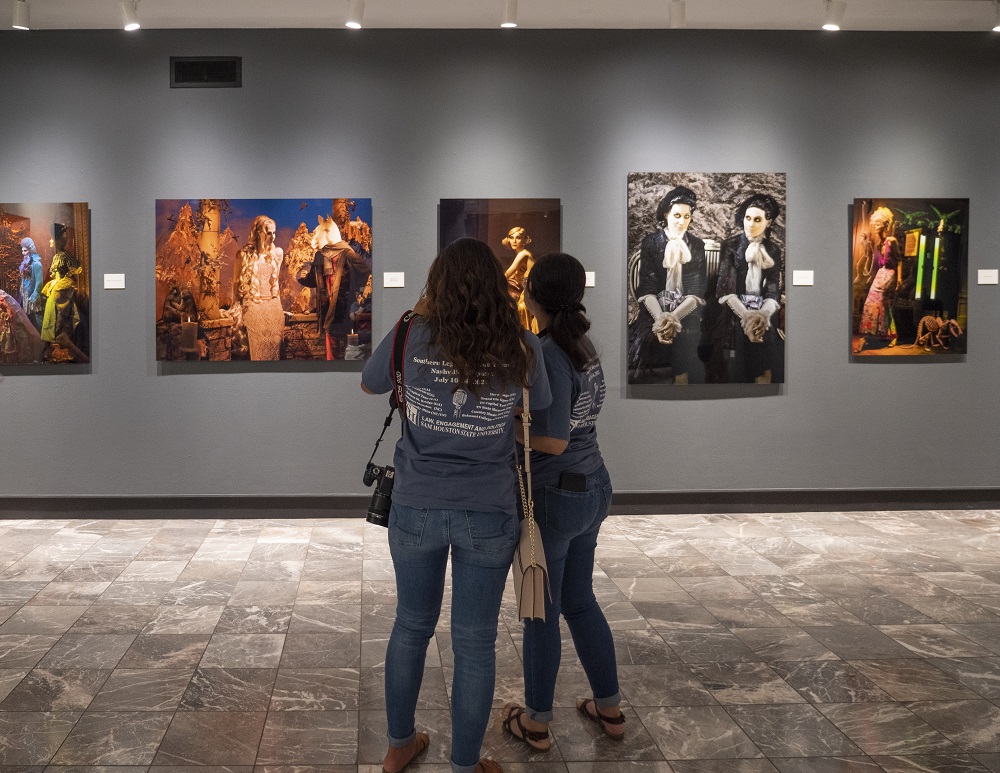
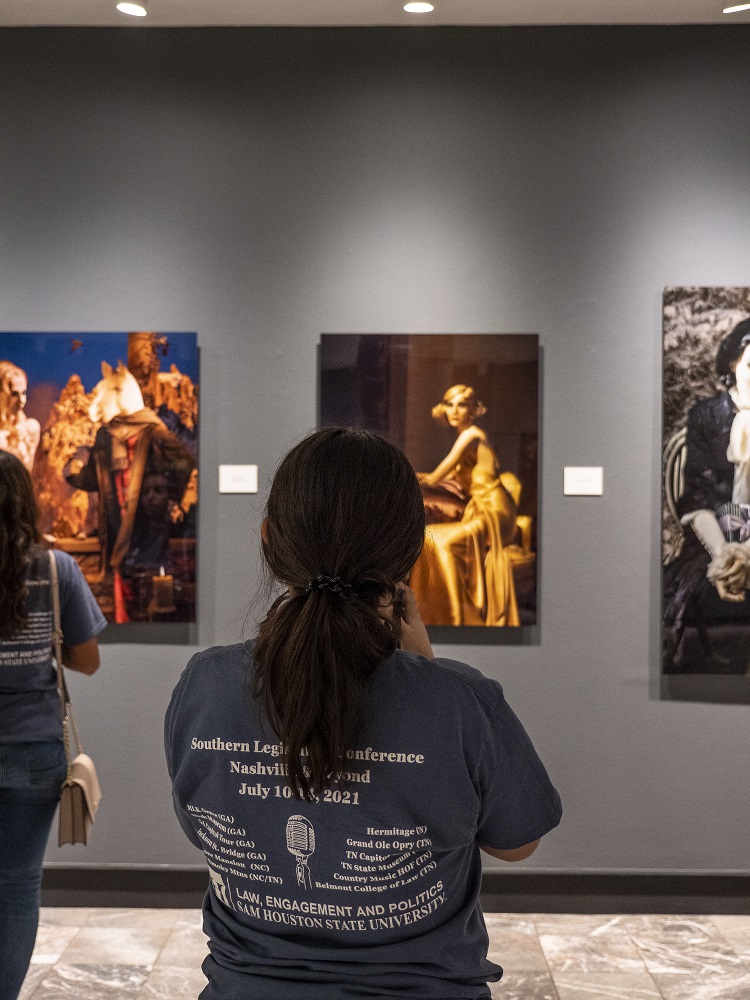
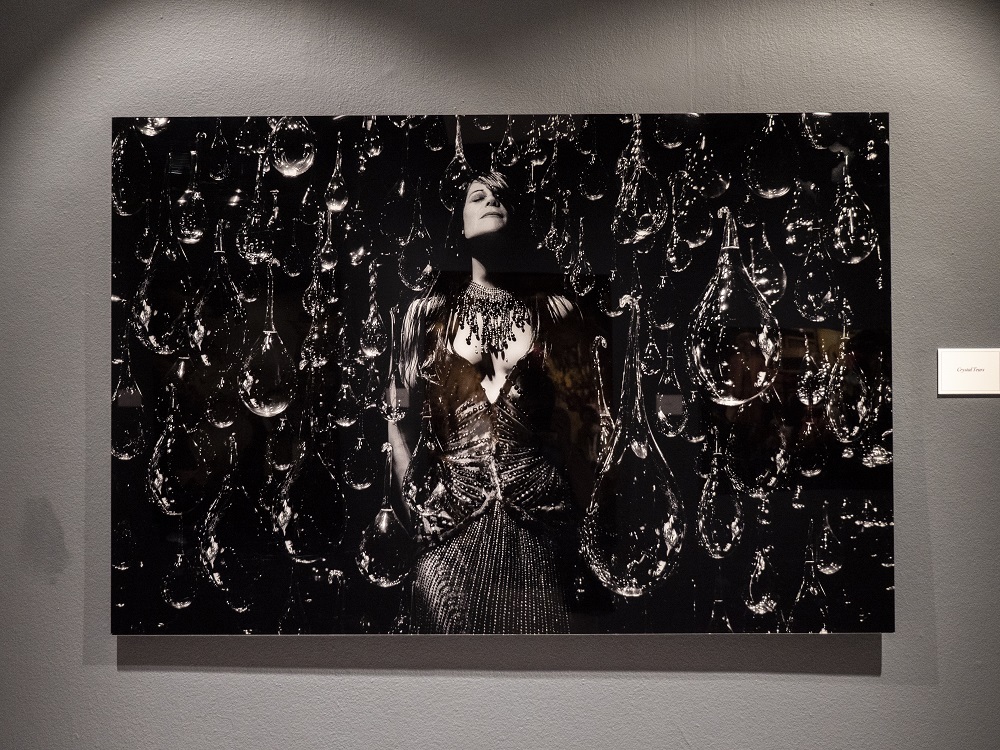
Another interesting feature that I was not expecting was the art museum on the lower floor of the Parthenon. In one of the rooms was an exhibit for artist Lynn Goldsmith whose interesting photography art is printed on metal, with each photo containing up to fifty exposures.

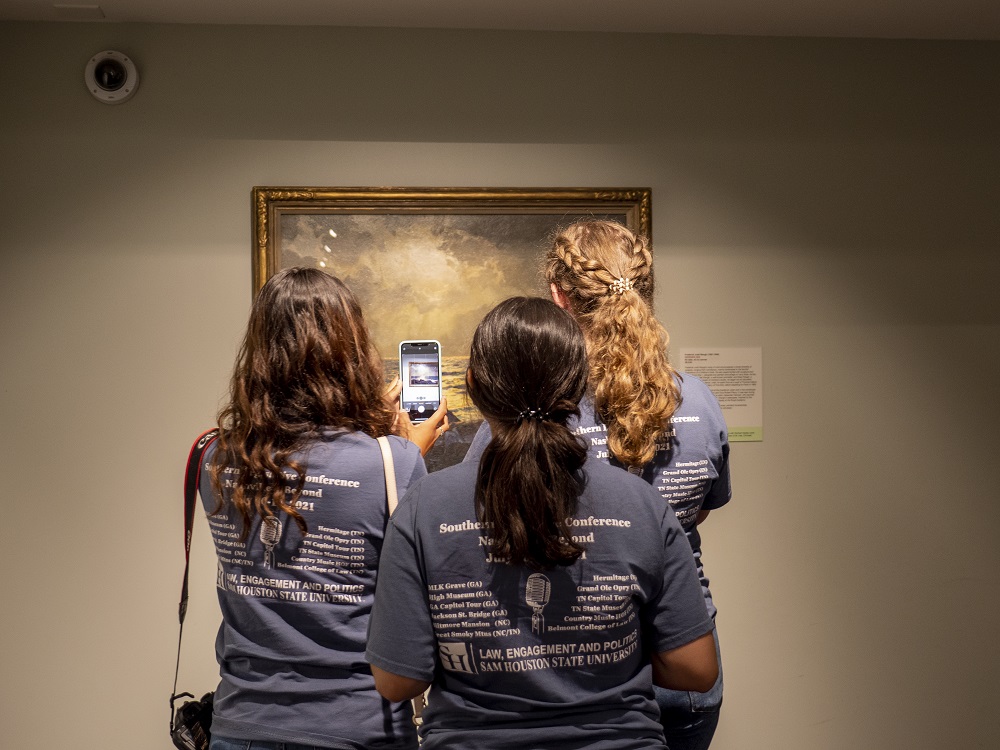
The second space was James M. Cowan’s personal collection of American art, including pieces from Durham, Moran, and Bierstadt, serving as a nice contrast to the first collection. 

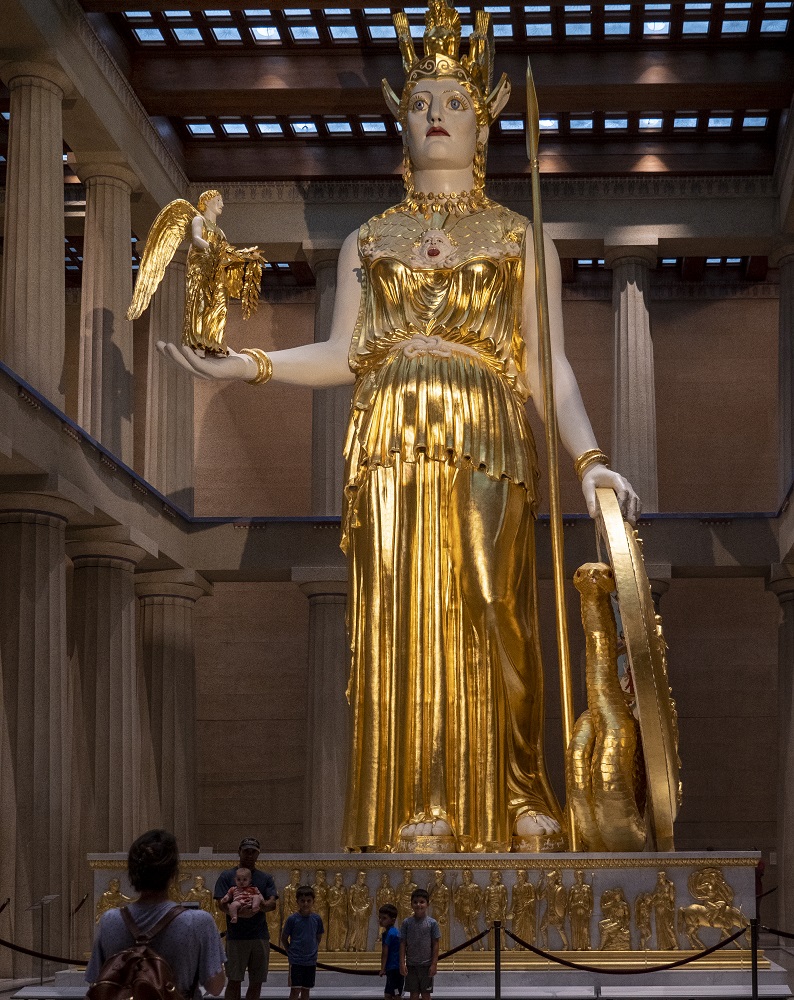
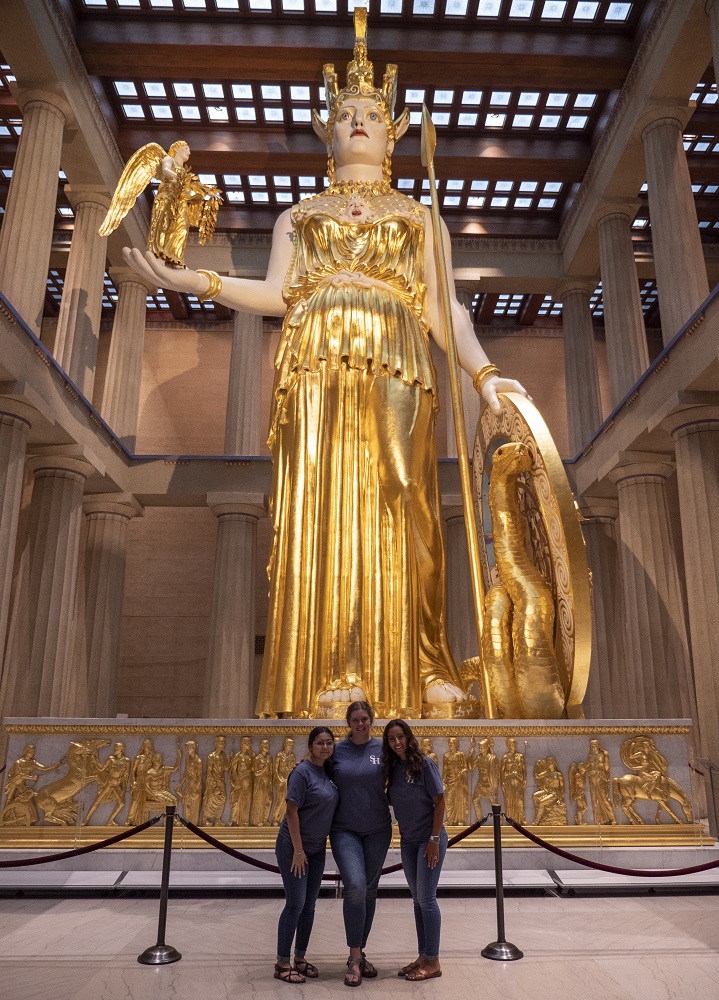
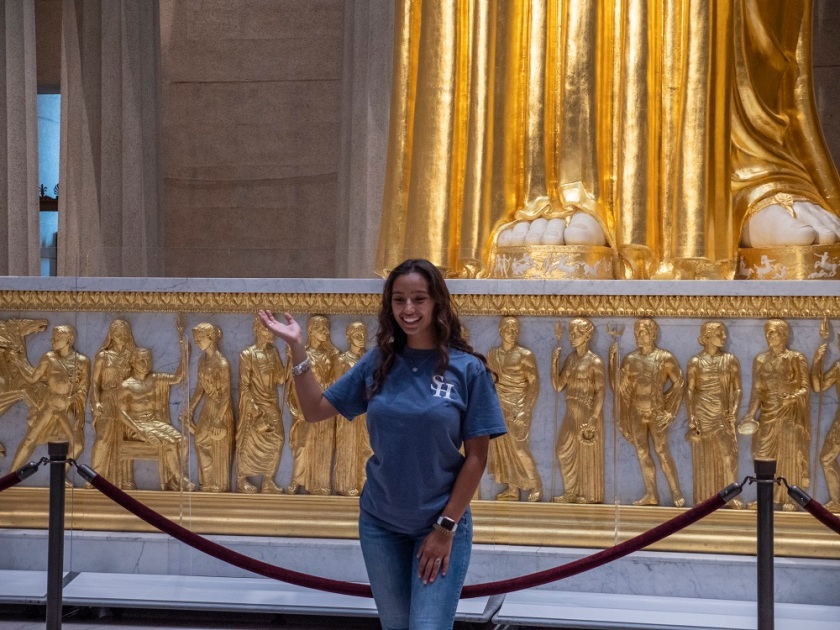
Keeping with the Greek style and culture, a 42-foot-tall statue of the Goddess Athena resides in the central room of the Parthenon. Standing tall as the Goddess of Wisdom, Athena holds the god Nike in her right hand with a shield and a snake to her left. When entering the central room of the Parthenon, the goddess is visible between the massive Doric columns, with her gold dress and accessories appearing as though they are glowing. 

Surprisingly, we found the Parthenon to be a popular picture spot for tourists and natives. There were two Quinceañera parties, a baseball team, and even a wedding set up for pictures. We of course joined the trend and posed for several pictures inside and outside of the Parthenon before heading back to await for what would come next.

Opening Night at the Country Music Hall of Fame and Museum

Jessica Cuevas

It is the opening night of the Southern Legislative Conference in Nashville, Tennessee. The LEAP Ambassadors were curious to know what to expect at the Country Music Hall of Fame and Museum as they walked to join the line for the trolley across the street. We congregated with the other attendees and waited for our turn to board the trolley. We met two friendly lobbyists from New York, Jonathan and Monisha, and a policy analyst from Ohio who each talked to us about what they do, how they got to their positions, and future advice for young professionals. Our conversations carried on into the short trolley ride on our way to the Country Music Hall of Fame and Museum. It was refreshing to meet people so passionate about their work, and who are living what we are actively learning. 

Once we arrived we were given the option to go up to the sixth floor for food or start off at the museum on the third floor. We listened to our stomachs, which drove us to the sixth floor to be greeted by live music and lots of people.

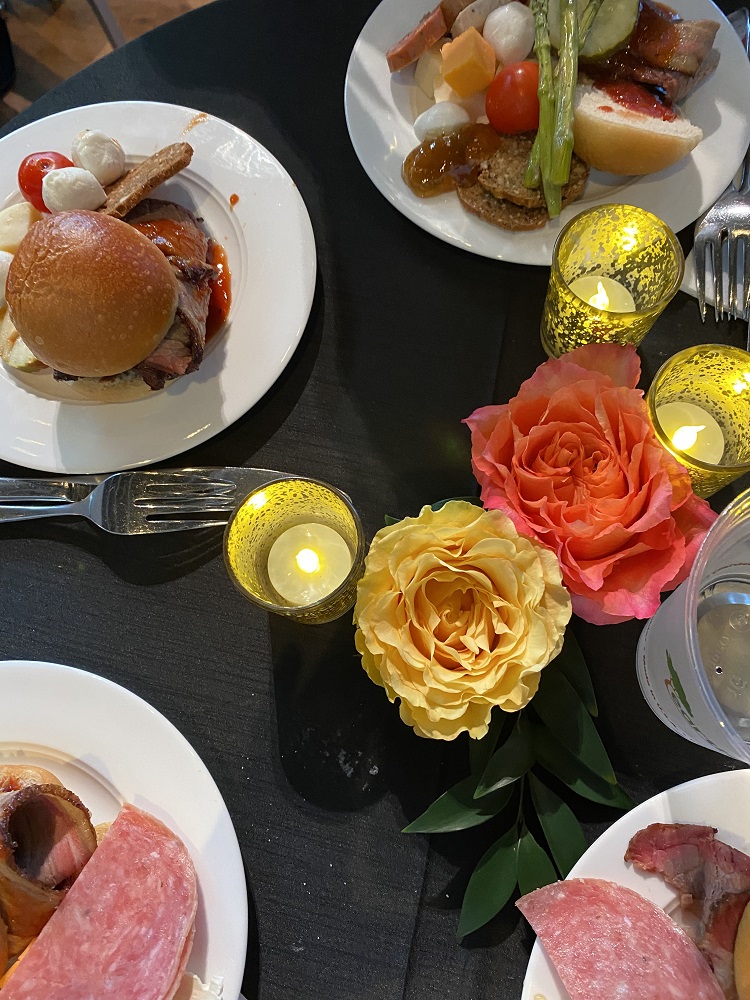
The LEAP Ambassadors were able to meet and converse with a Tennessee Senator before making our way to the colorful assortment of a Charcuterie board with different cheese, bread, cold meats, and vegetables.

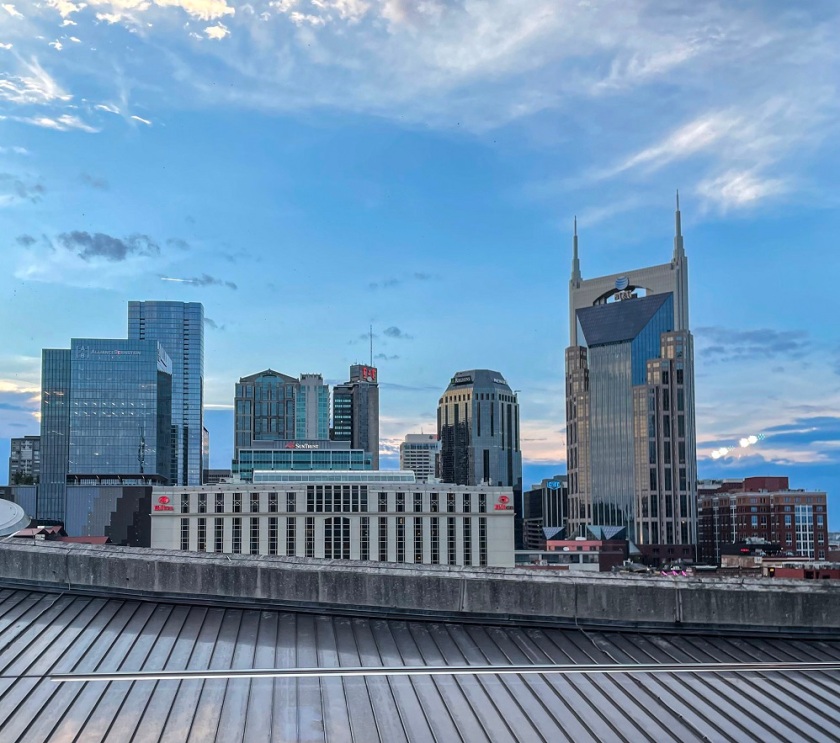
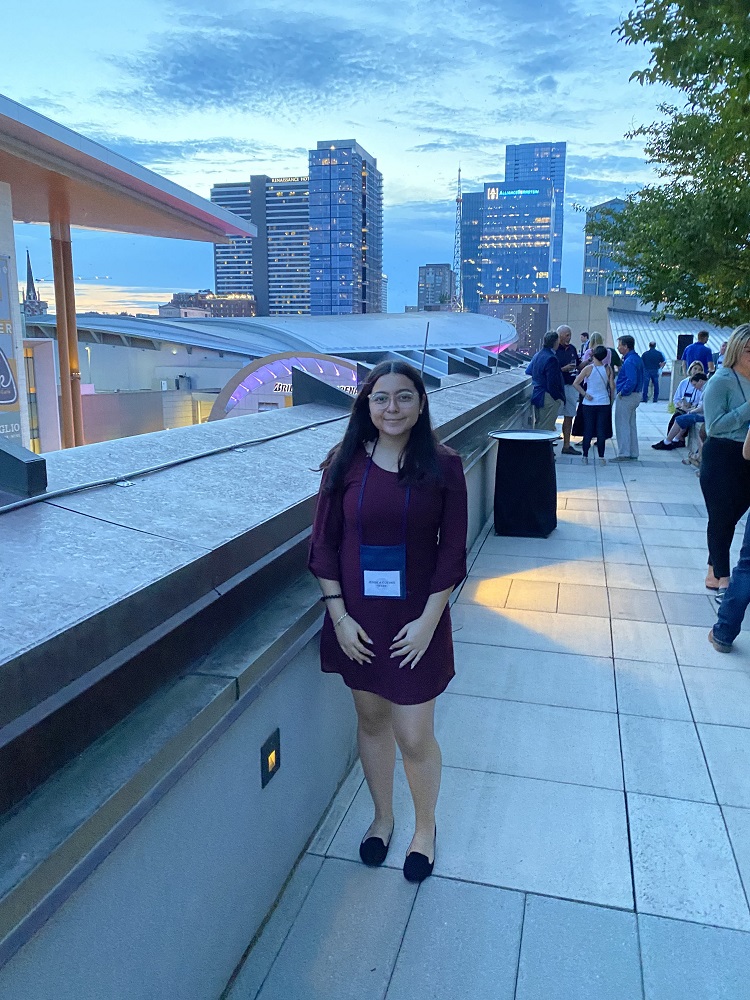
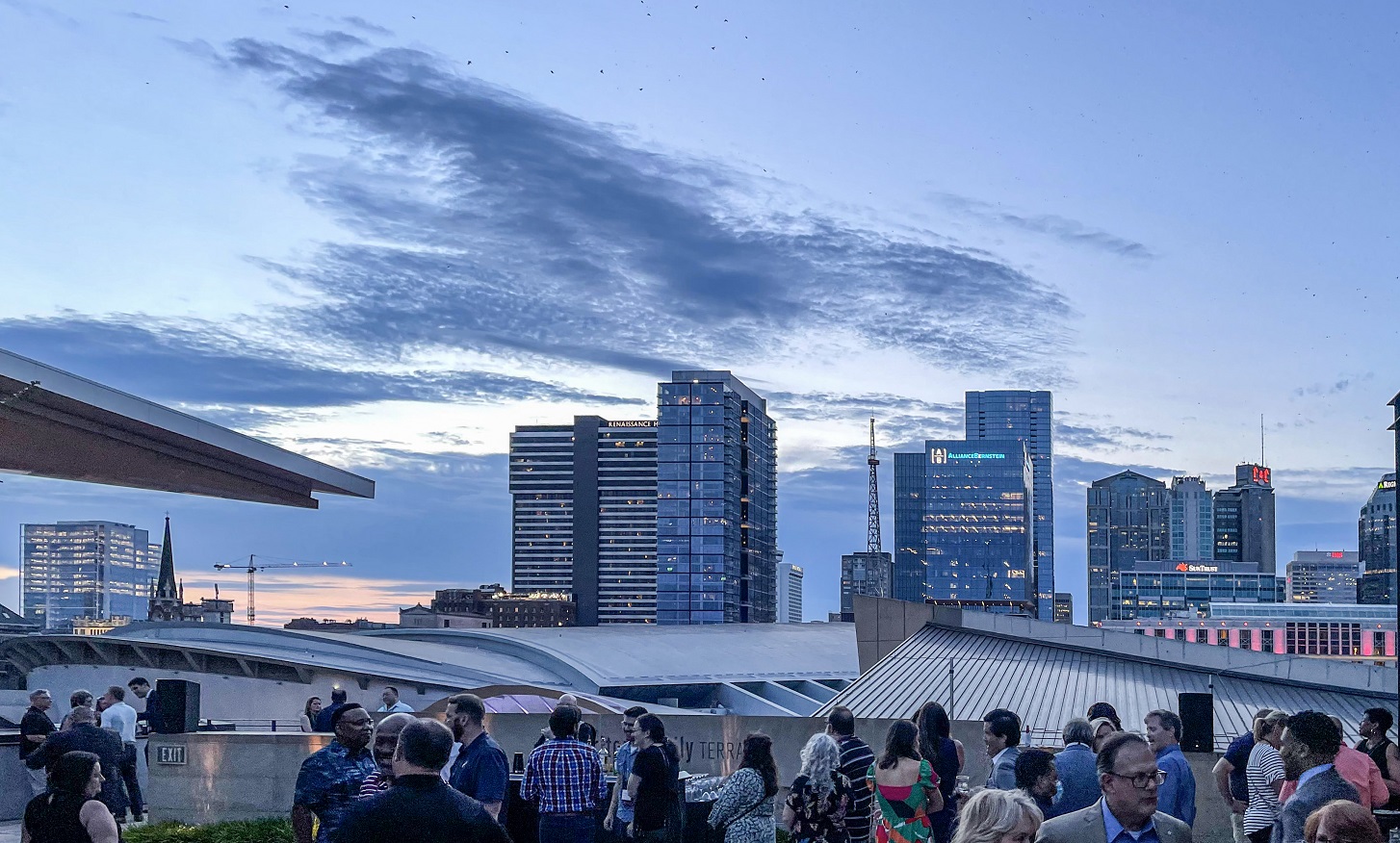
There was a beautiful view of downtown Nashville…

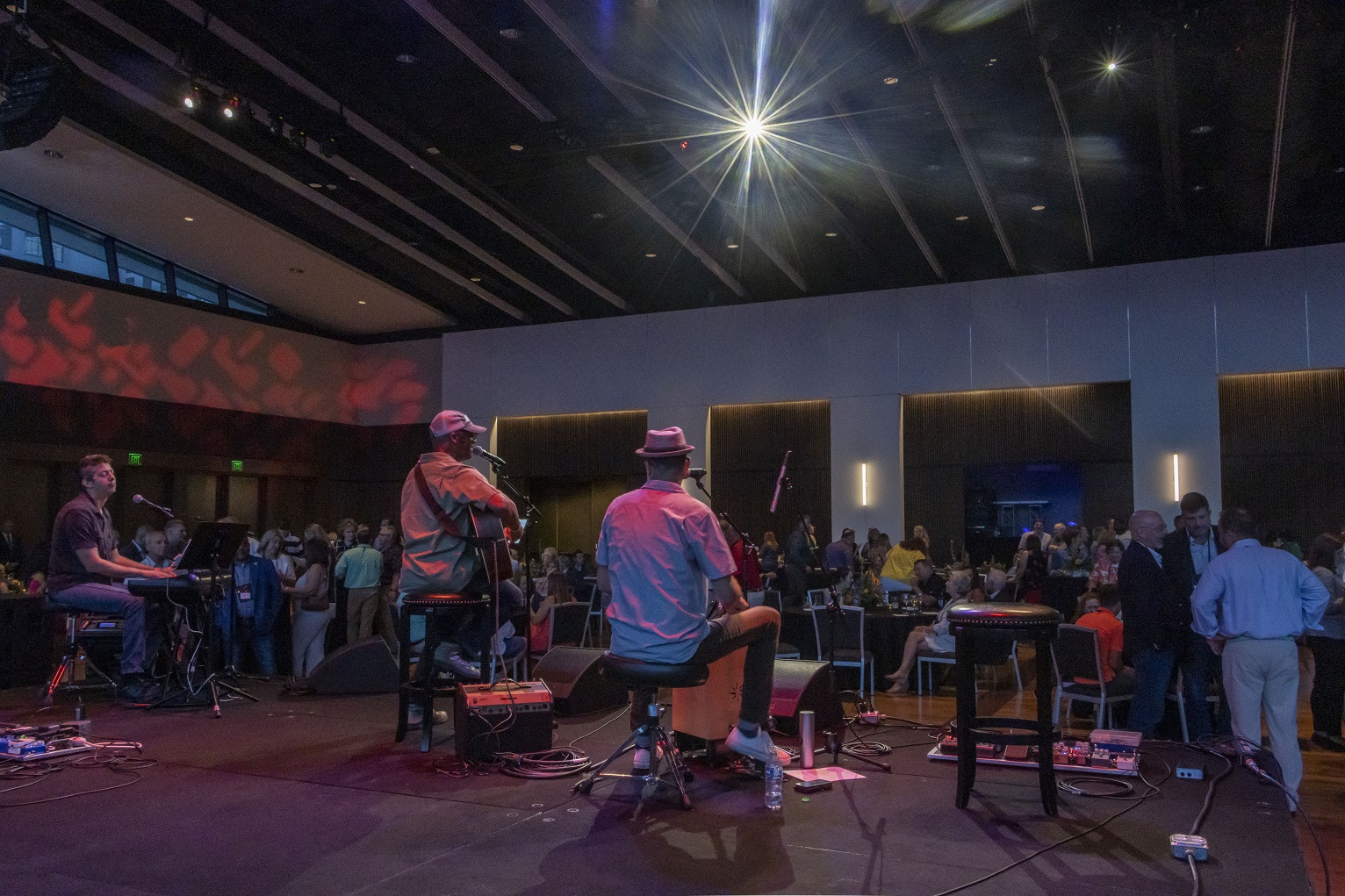
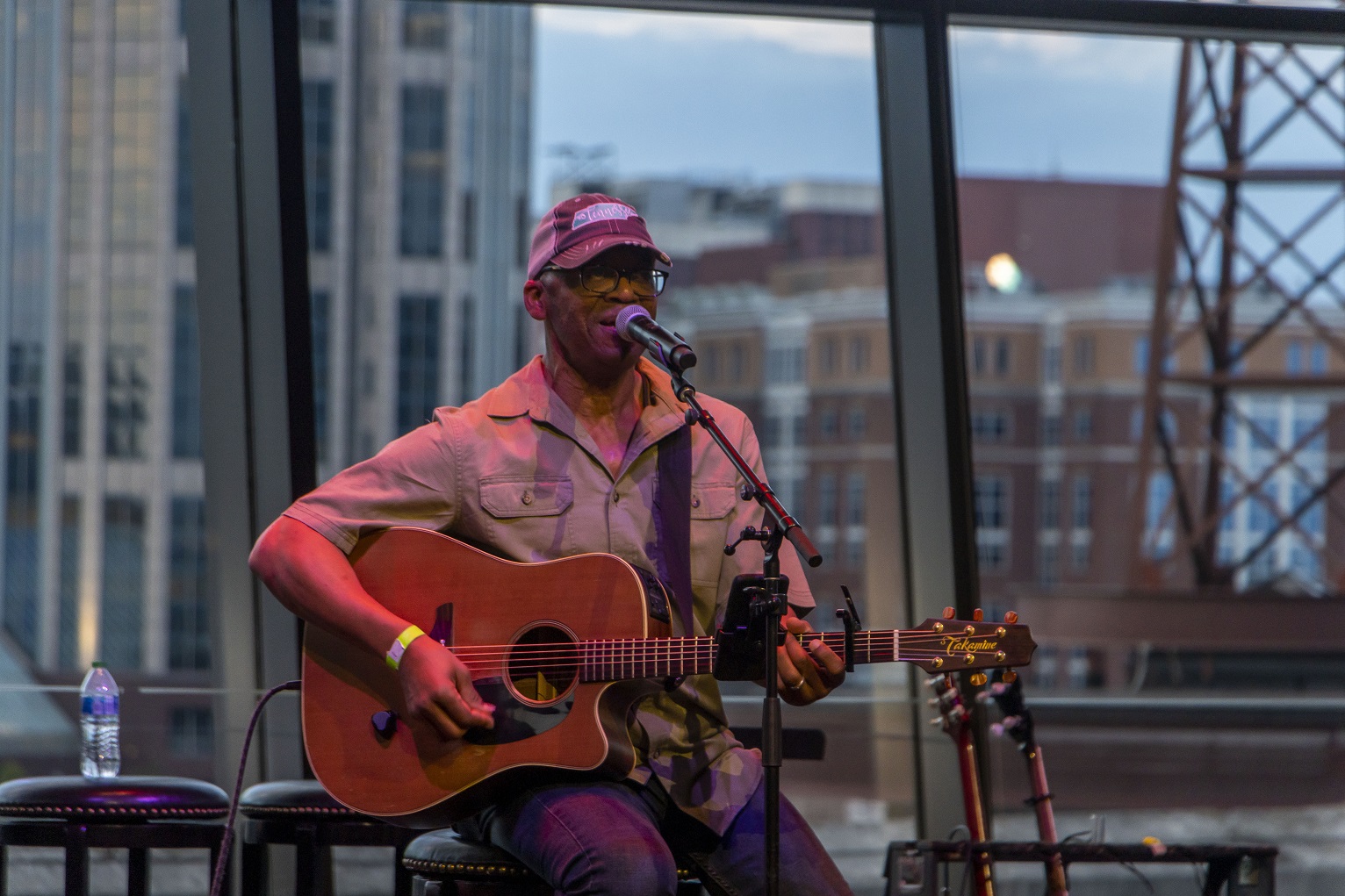
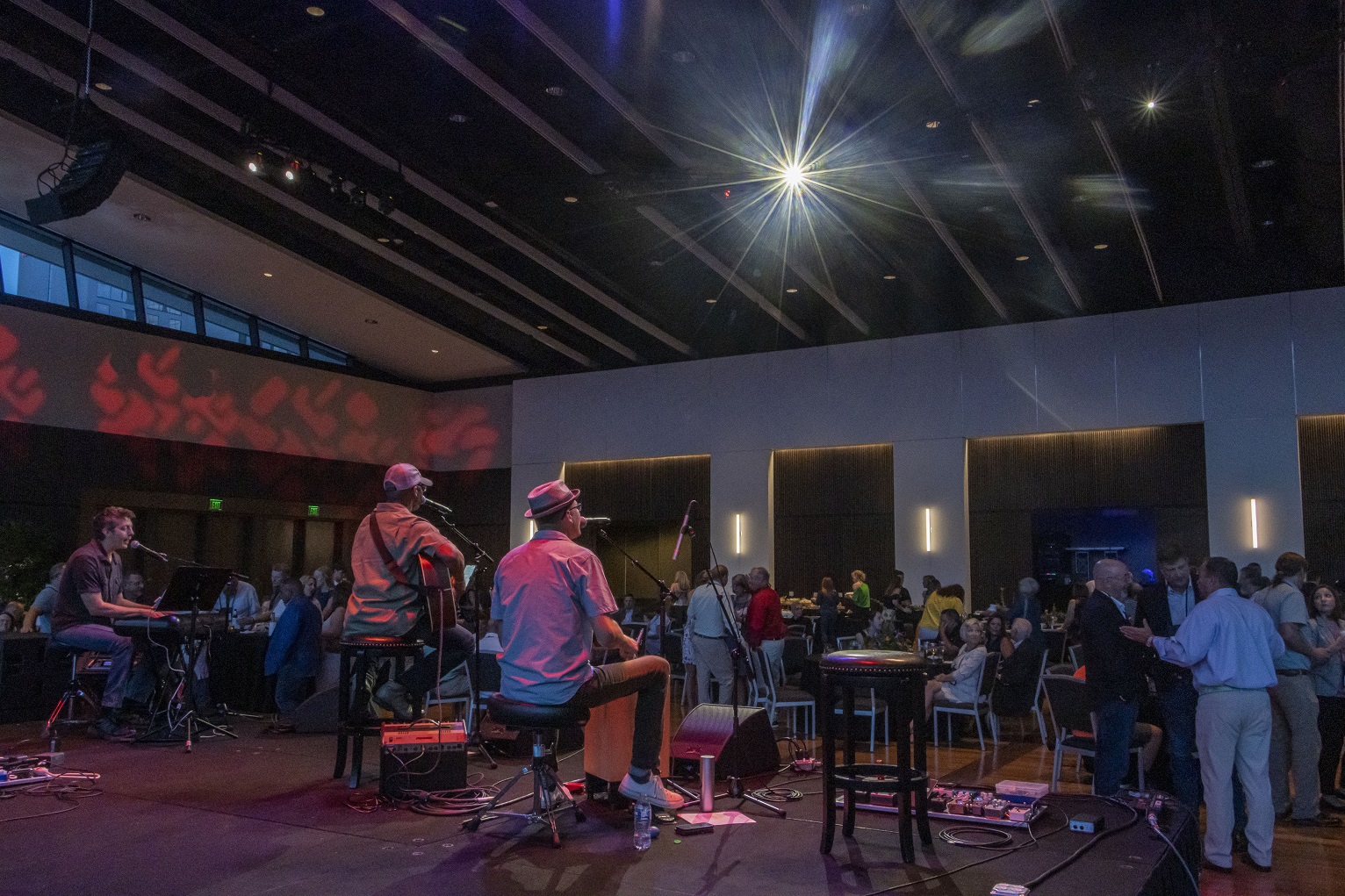
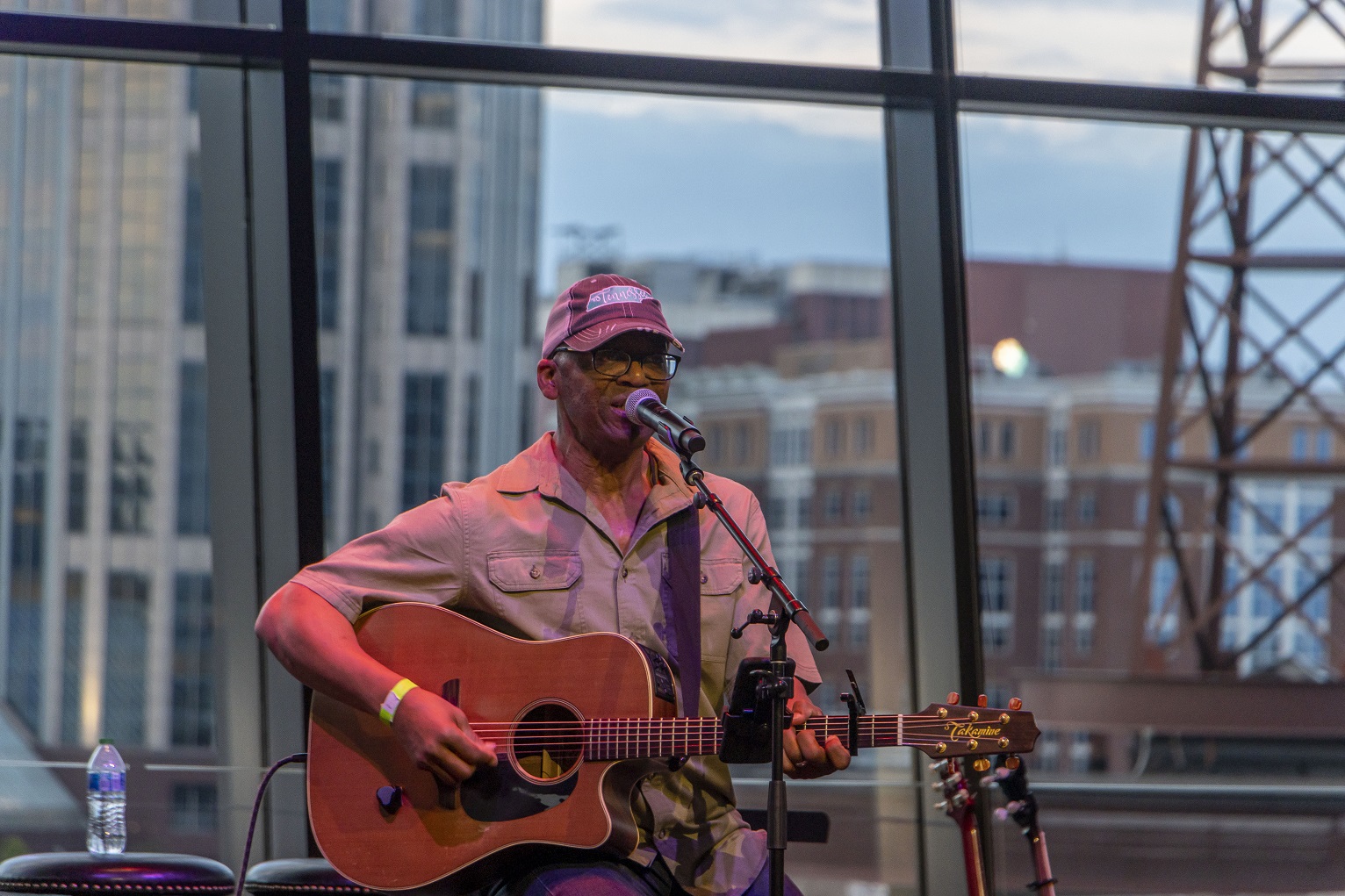
…and a live band playing covers of artists such as Willie Nelson, The Beatles, The Nitty Gritty Dirt Band.

On the balcony, where families were playing Jenga, Corn Hole, and enjoying the nice weather, the view of the Nashville skyline was amazing.

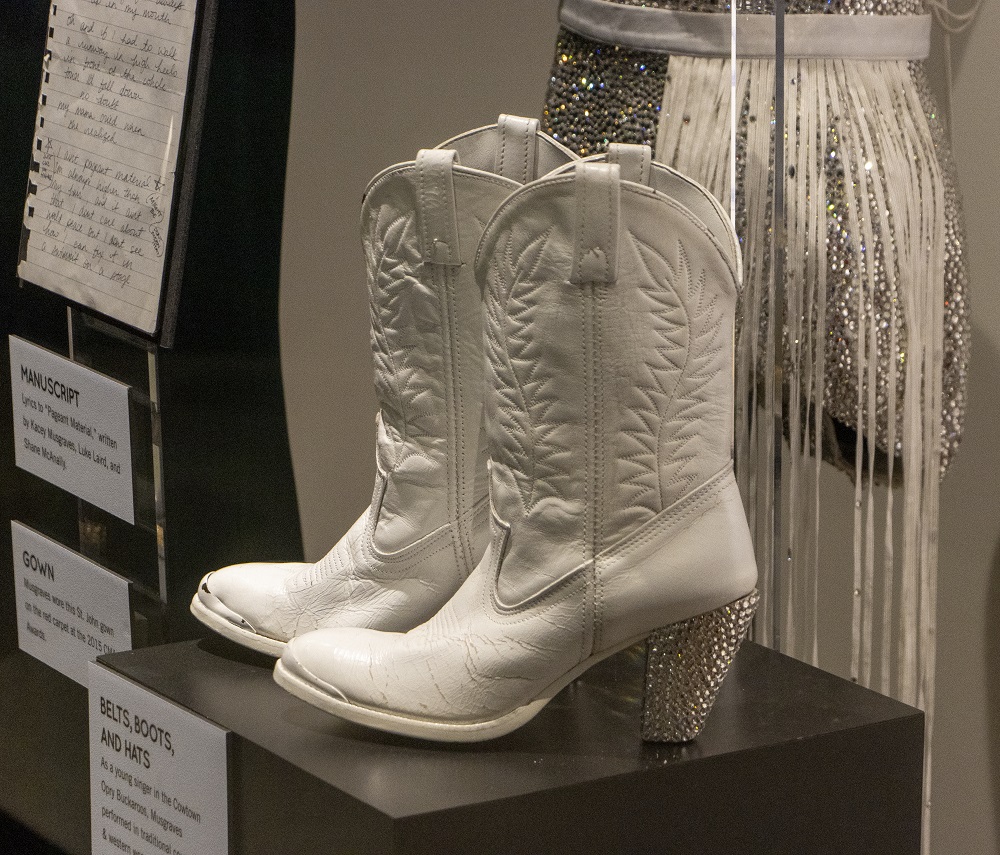
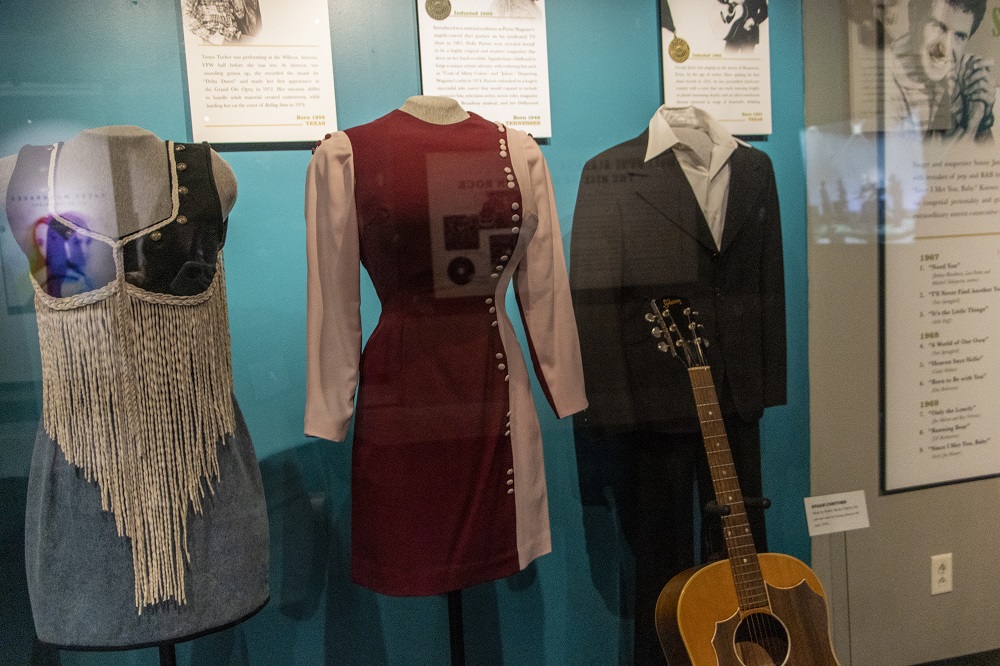
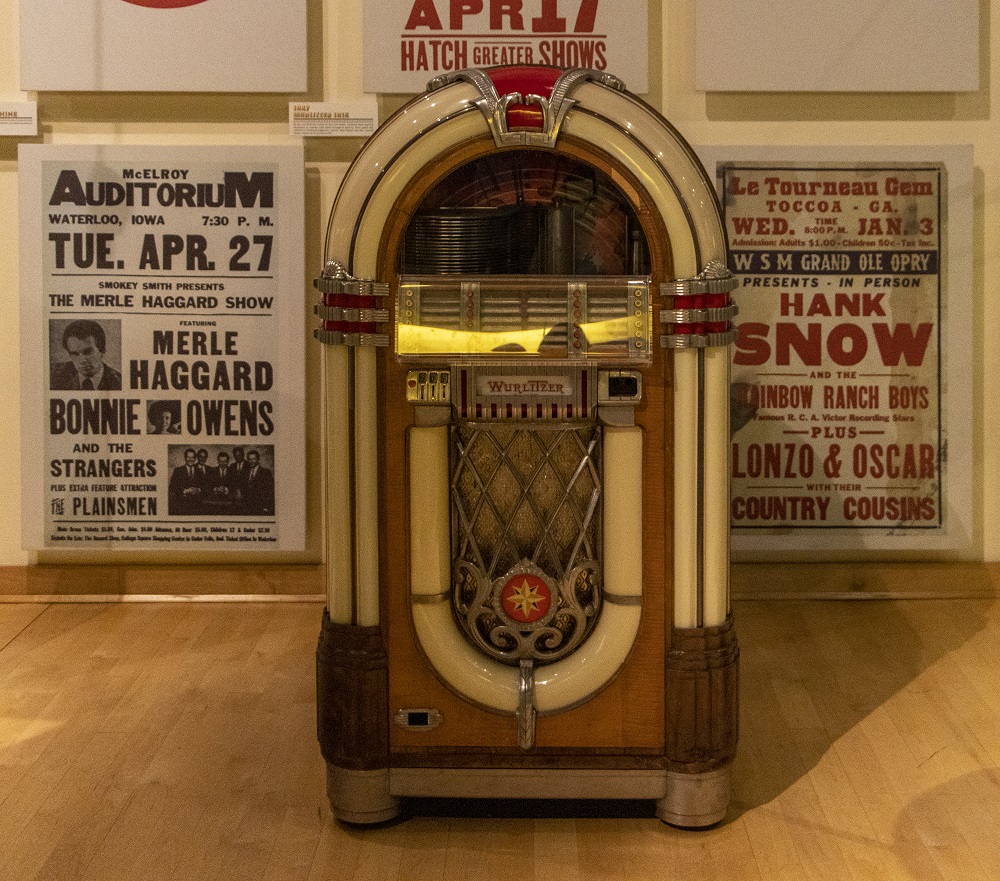
After dinner, we toured the museum, where there were artifacts such as their costumes and suits….

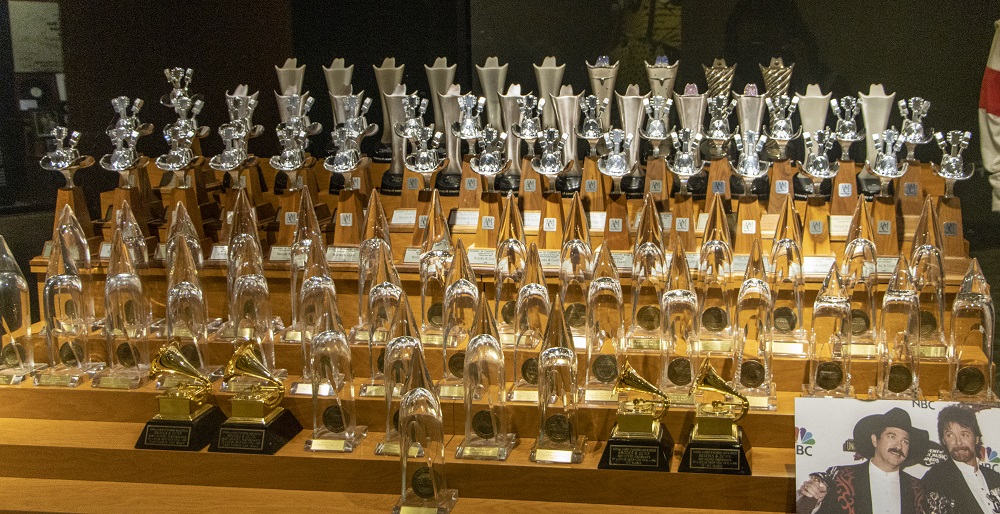
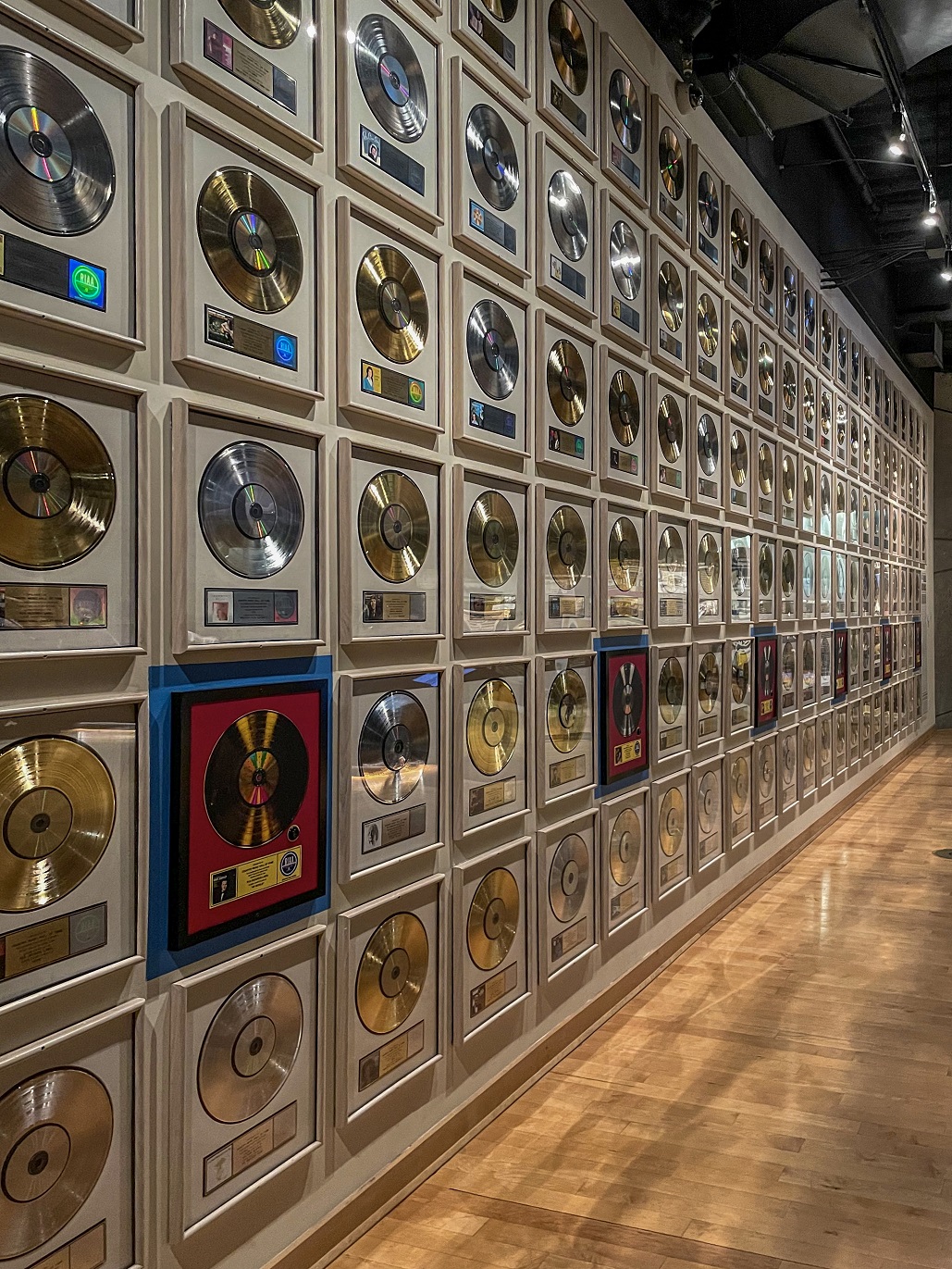
…cars, guitars, fiddles, drafts of written songs, even a whole wall dedicated to the golden records of many of the singers .

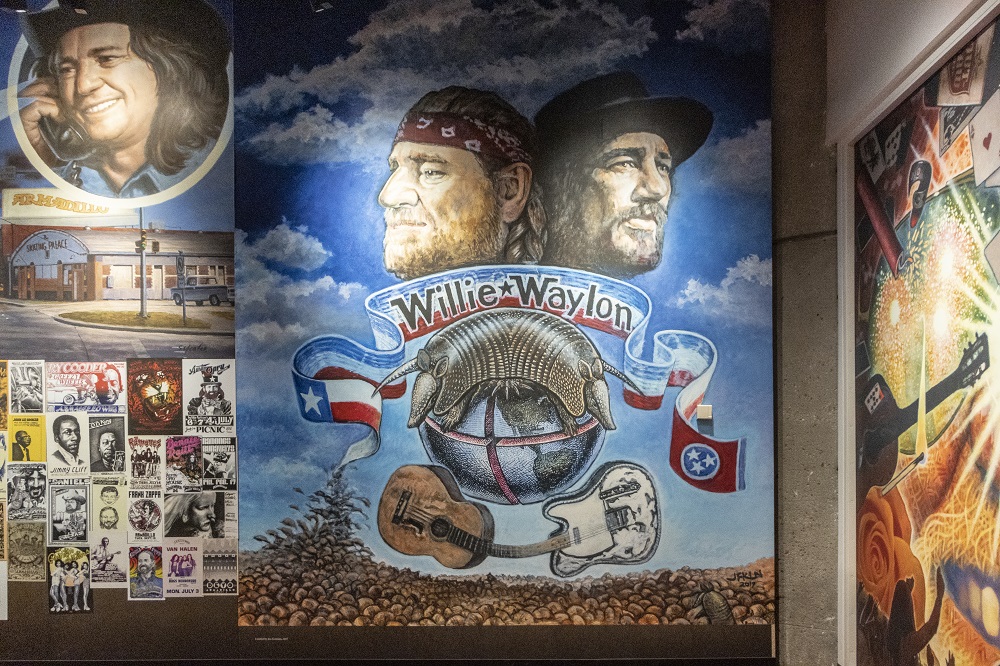
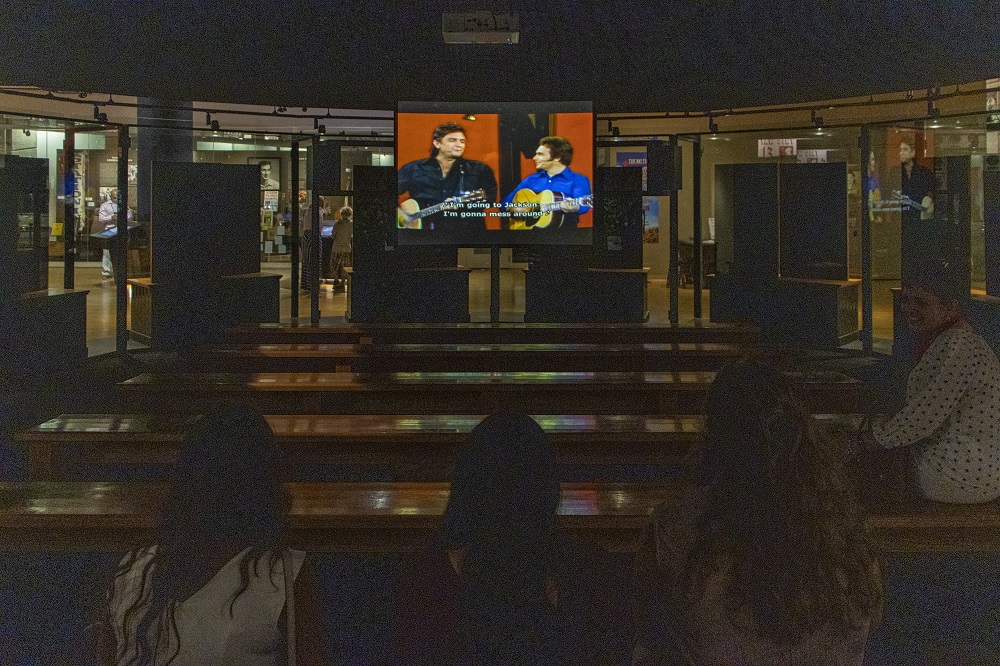
Many of these artifacts were associated with famous acts such as Johnny Cash, Elvis Presley, Dolly Parton (whose statue we saw the night before), and Willie Nelson.

Our night ended with a trolley ride back to the hotel taking in the view of the city after dark. The trolley ride should have been a 4-minute drive back to the hotel, the half mile drive seemed to take twice that time if not longer due to traffic and nightlife. The glowing city was buzzing and alive, as we were full and amazed by the opening night of the conference.

Unknown's avatarAuthor mikeyawnPosted on July 30, 2021Format AsideCategories Art, Civic Engagement, Food, Fun, Law, Politics, TravelTags Center for Law Engagement And Politics, LEAP, LEAP Ambassadors, LEAP Center, Nashville, Sam Houston State University, SHSU, Southern Legislative ConferenceLeave a comment on From the Parthenon to the Hermitage: Nashville

“Inauguration Trip” Day 9: Inauguration and Melrose Plantation

Inauguration Day: The Peaceful Transfer of Power (Kiara Williams)

This inauguration day involved a figurative transfer of power inasmuch as President Trump was not on hand to officially “hand over” the reigns of power. Nonetheless, Joe Biden assumed the Presidency at noon on January 20th, giving an inaugural speech calling on the nation to unify. Biden emphasized the difficulties in our history, particularly regarding equity, but equally emphasized the barriers that have been broken.

SHSU, LEAP Center, Center for Law Engagement And Politics, Joe Biden, Presidential Inauguration

As he touched on these topics, President Biden also referred to Vice President, Kamala Harris, highlighting the advances made by women, and to Martin Luther King to highlight progress made in racial equality.

SHSU, LEAP Center, Center for Law Engagement And Politics, Joe Biden, Presidential Inauguration

In doing so he indicated how things can change, how the nation has progressed, and how the Vice President of the United States- the first black, South Asian, and female VP in American history- is a living testament to that progression. This momentous event, regardless which side of the aisle one claims, is a statement to women and people of color everywhere that there is power in our voices and we are capable of exceeding our ancestors’ wildest dreams.

In the President’s speech he addresses the societal issues that recently arose: such as the pandemic and its effects on the American people as well…

SHSU, LEAP Center, Center for Law Engagement And Politics, Joe Biden, Presidential Inauguration

…as the economy; the attack on the Capitol 14 days prior, and the racial tensions that have plagued this country from its inception. As he addressed these problems, he promised to work to resolve these concerns and advance the nation in his tenure. Biden’s speech continuously emphasized unity and progression of the nation, and with his Vice President, he intends to repair the country for all Americans.

SHSU, LEAP Center, Center for Law Engagement And Politics, Joe Biden, Presidential Inauguration

Unfortunately, we weren’t able to be there in person, but we made the most of it by watching it in a collective group.

SHSU, LEAP Center, Center for Law Engagement And Politics, Presidential Inauguration

It just wasn’t quite the same as the last time we were there!

Melrose Plantation—Ilexus Williams

After nine days on the road, the LEAP students have come to our final destination: The Melrose Plantation. The Melrose Plantation is located in Natchitoches Parish in north central Louisiana, which is the largest parish in Louisiana. The Melrose Plantation history began in 1742 when Marie Thérèse Coincoin was born a slave into the plantation of Louis Juchereau De St. Denis, who is the founder of the city of Natchitoches. When Marie was approximately 26 years old, St. Denise leased Marie to a French merchant by the name of Claude Thomas Pierre Metoyer. Marie and Pierre Metoyer formed a relationship, which resulted in 10 children. Marie never returned to St. Denise. Instead, Pierre Metoyer purchased Marie and their children and granted them their freedom.

 After gaining her freedom, Marie began harvesting tobacco, bear grease, and raising cattle. With the help of land grants and the purchasing of slaves, Marie and her sons became known as the most prominent free people of color plantation and slave owners. In 1796, Marie’s son, Louis Metoyer was granted 911 acres of land, with this Melrose Plantation was born.

SHSU, LEAP Center, Center for Law Engagement And Politics, Joe Biden, Melrose Plantation, Clementine Hunter

However, the Metoyer family had financial debts that resulted in losing the prized Melrose Plantation in 1847.

The most notable time period of Melrose Plantation was under the ownership of John Hampton Henry and Cammie Garret Henry. More specifically, Cammie Garret Henry took the Melrose Plantation to new heights by making renovations to buildings on their property and allowing artist and writers to live on her property for free as long as they did their work.

The first structure that we visited on the plantation was the Yucca House, which is a large white home with teal-colored doors and walls made from bousillage, which is a mixture of mud, Spanish moss, and horsehair.

SHSU, LEAP Center, Center for Law Engagement And Politics, Joe Biden, Melrose Plantation, Clementine Hunter

The Yucca House was used as residency for artists and writers while they worked on their books and paintings. The first most significant resident in the Yucca Home was Lyle Saxton, who wrote the book Children of Strangers, which is a novel centered on the lives of the Cain River People of color, Creoles. Additionally, Francis Mignon was a Frenchman, who is well known for his book Plantation Memo: Plantation Life in Louisiana. More importantly, he is the best friend of Clementine Hunter. Clementine Hunter was a self-taught folk artist, whose art depicted life on the plantation.

SHSU, LEAP Center, Center for Law Engagement And Politics, Joe Biden, Melrose Plantation, Clementine Hunter

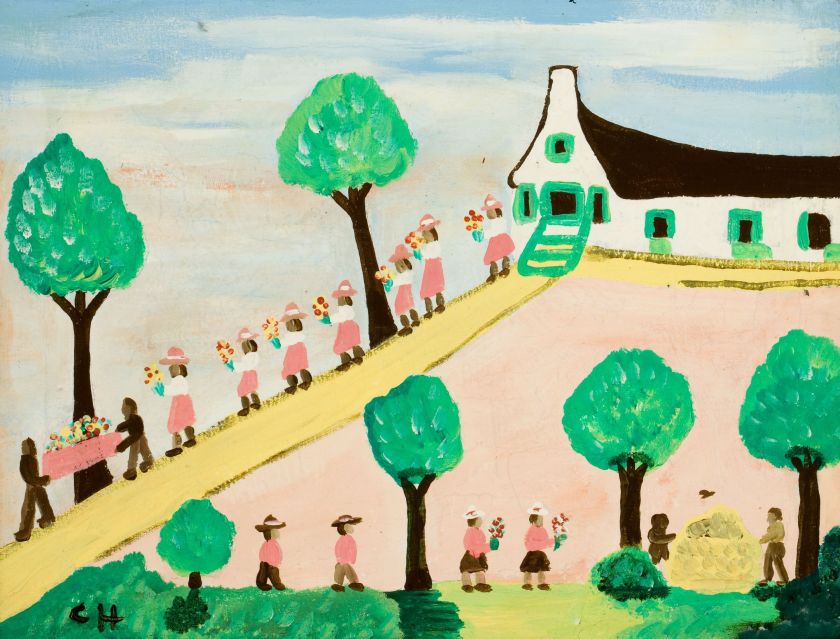
She created her first piece in 1939 on a lamp shade. Her long-time friend, Francis Mignon, encouraged her to continue painting, which she did until her death in 1988. Because of her persistence in her craft, Clementine Hunter became one of the most two-or-three noteworthy folk artists of the 20th century.

Clementine Hunter’s work is displayed in the most remarkable structure on the plantation, the African House.

SHSU, LEAP Center, Center for Law Engagement And Politics, Joe Biden, Melrose Plantation, Clementine Hunter

This hut-like building is the only one of its kind in the United States. The building is made of African bricks and cypress beams, and its main use was to store tobacco and other lucrative crops. Now the building is home to beautiful murals by Clementine Hunter. The murals cover the walls of the African Houses second story. Although we were not permitted to take photos, we did find some online.

SHSU, LEAP Center, Center for Law Engagement And Politics, Joe Biden, Melrose Plantation, Clementine Hunter

These murals show images of cotton picking, which was an activity that Hunter loved. Also, we recognized that religion was a consistent theme in Clementine Hunter’s work. Through her art, Hunter portrayed church revivals; with people catching the holy spirit, plantation baptisms, and funerals, which showed the importance of religion to the African American community.

SHSU, LEAP Center, Center for Law Engagement And Politics, Joe Biden, Melrose Plantation, Clementine Hunter

Interestingly, Clementine Hunter’s art mostly used women as the subjects in her art because she was not very fond of men. Women were often depicted as hardworking in the field, while the men were depicted enjoying idle tasks such as fishing or drinking.

SHSU, LEAP Center, Center for Law Engagement And Politics, Joe Biden, Melrose Plantation, Clementine Hunter

Next, we viewed the Big House where we saw the living quarters of Cammie Henry and her family. The building also included a library with writings from many of the authors who complete residencies at the Melrose Plantation. Also, the Big House dedicated a room to Clementine Hunter’s art and her Honorary PhD from Northwestern State University.

Lastly, to conclude our tour, we visited Clementine Hunter’s home, where she produced most of her work from 1954-1977. On the front porch, was a sign that read “50 Cents to Look,” which Hunter used to entice people to view and purchase her art.

SHSU, LEAP Center, Center for Law Engagement And Politics, Joe Biden, Melrose Plantation, Clementine Hunter

Hunter never became wealthy from her work, and she never quiet understood the impact of her art. However, she is considered “the most celebrated of all Southern contemporary painters.”

SHSU, LEAP Center, Center for Law Engagement And Politics, Joe Biden, Melrose Plantation, Clementine Hunter

Clementine Hunter’s continuous dedication to her craft is inspiring and is an attribute that LEAP students can use a model and inspiration in their future occupations.

Unknown's avatarAuthor mikeyawnPosted on February 23, 2021Format AsideCategories Art, Civic Engagement, Civil Rights, Politics, TravelLeave a comment on “Inauguration Trip” Day 9: Inauguration and Melrose Plantation

“Inauguration Trip”: Walking in Memphis, on MLK Day

January 18, 2021

MLK Day: The Dream Lives On

Jessica Cuevas, Ilexus Williams, and Quinn Kobrin shared their reactions to being at the Lorraine Motel on MLK Day, 2021.

Jessica Cuevas

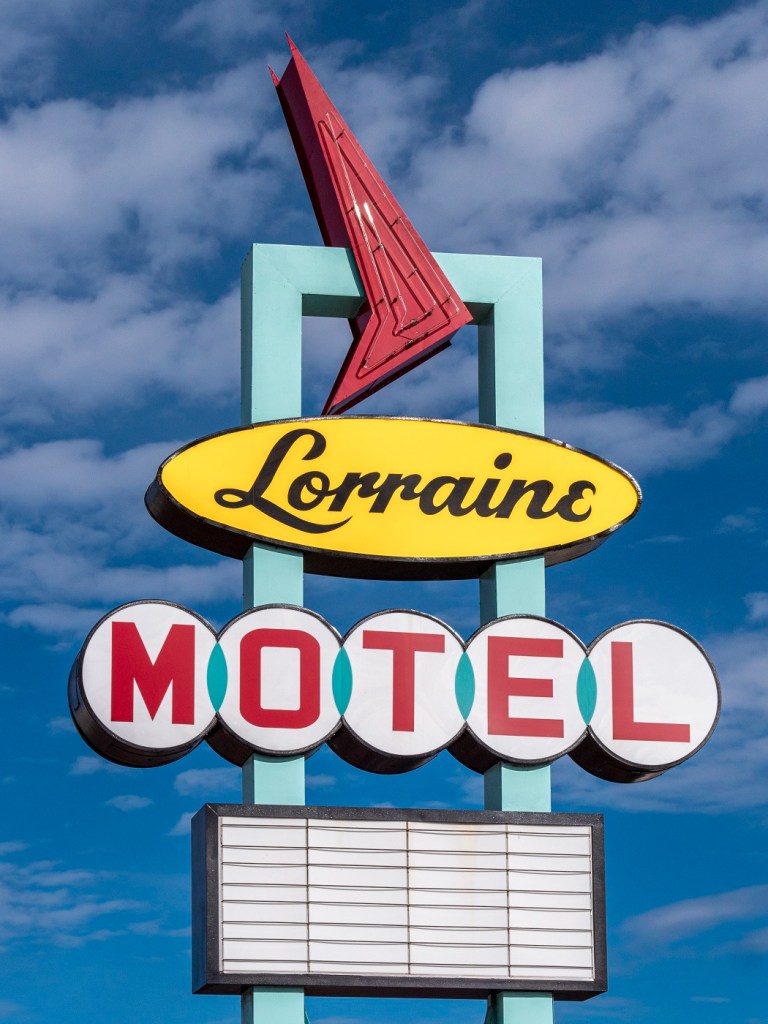
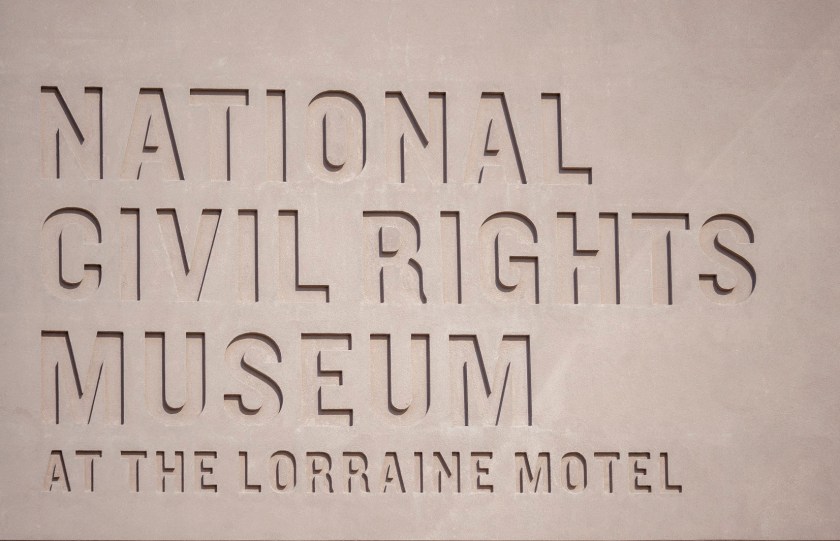
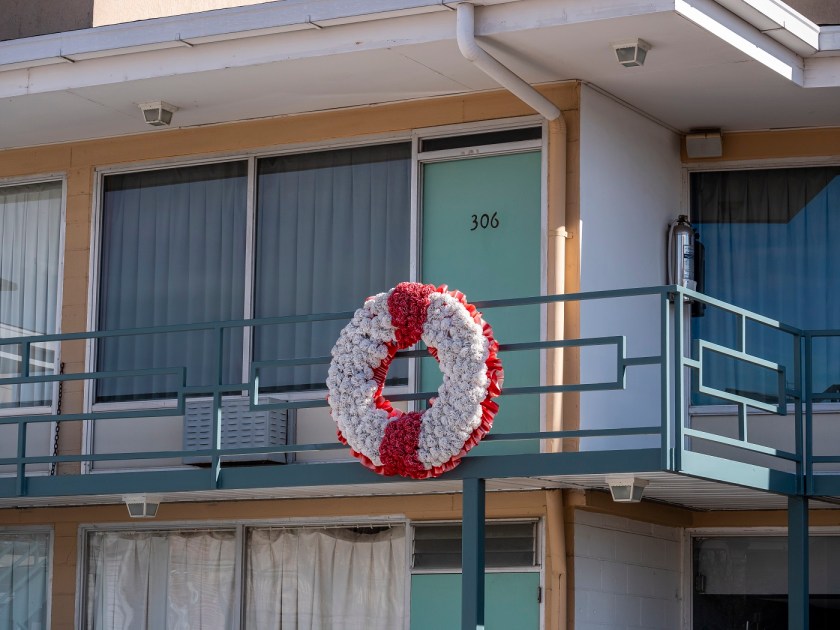
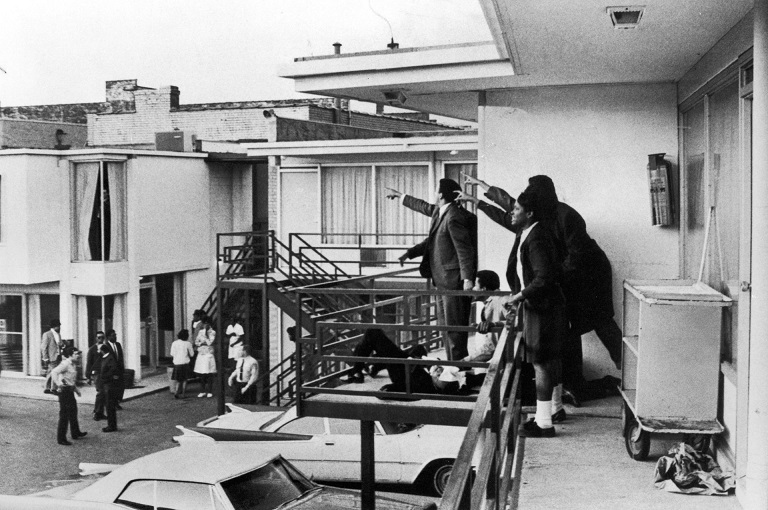
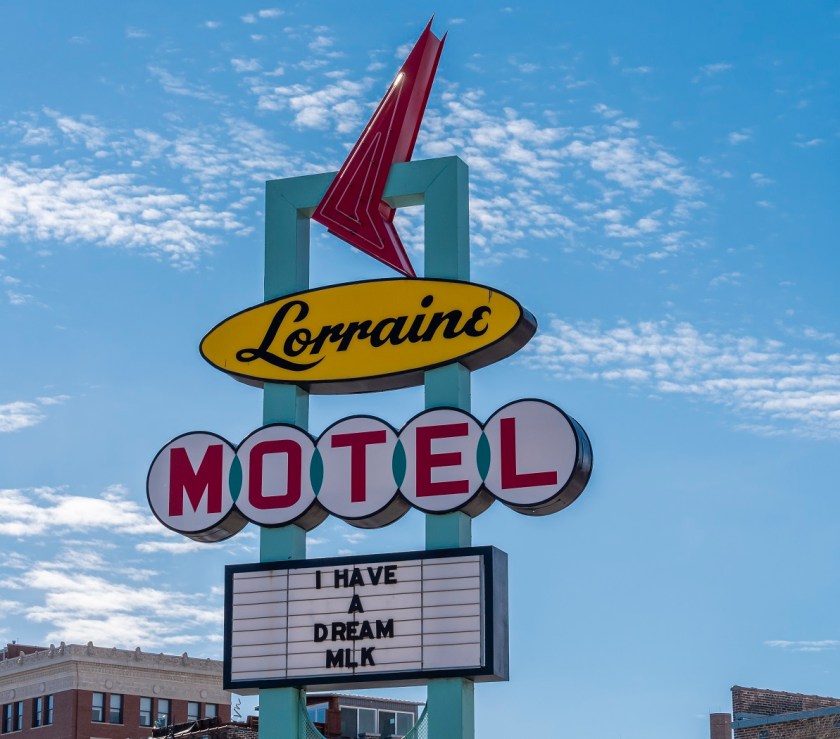
On Martin Luther King Jr. Day, we visited the grounds of the Lorraine Motel,

…now a National Civil Rights Museum, where MLK was assassinated.

SHSU, LEAP Center, Center for Law Engagement And Politics, Memphis TN, Lorraine Motel, MLK

For me, this was such a surreal experience because I never would have dreamed to be in Memphis, Tennessee, at the exact location where MLK was assassinated, especially on this day.

This is something that we simply learn about in our history classes, but we never stop to think that one day we will get the chance to see the motel and stand in such a historical spot, which is very much still standing after all these years.

SHSU, LEAP Center, Center for Law Engagement And Politics, Memphis TN, Lorraine Motel, MLK

I am very thankful for having been extended the opportunity to come on this trip and being able to experience and take in the historical significance of these sites. Being where I was today was a lot to take in; it was so very memorable and bittersweet, so much so that I am still wrapping my head around the fact that I was actually there. I, a girl who had never been outside of Texas before the 12th of January, had traveled through five states, tried new foods, and now, was standing in this place.

It pains me that despite our having come a long way since MLK’s famous “I Have A Dream” speech, some people to this day are still judged by their skin color instead of their character, as we have witnessed in recent times.

Martin Luther King, Jr. is truly a beacon for equality and an idol who has encouraged and motivated others such as Cesar Chavez to fight for fair and decent treatment, and to do so in a peaceful manner.

Ilexus Williams

In 1963, just 58 years ago, Dr. Martin Luther King gave his “I have a Dream” speech on the steps of the Lincoln Memorial. “We have come to this hallowed spot to remind America of the fierce urgency of Now!” This statement by Dr. King still rings true for our society today, especially in light of standing up against police brutality and racial inequality.

In this portion of the “I have a Dream” speech, Dr. King is strongly encouraging us not to become accustomed to taking idle or leisure plans of action to achieve social equality in our society. Instead, we must confront issues in our society with tact, focus, and vision. Dr. King set a prime example of the expectations of a servant leader.

King was purpose-driven, devoted to the growth of people, and focused on forming unity. The bar is set high, and I will strive to follow the path of perseverance and courage that Martin Luther King Jr. has paved for so many. It was an honor to give reverence to his life and fight for democracy on a day that is forever dedicated to MLK.

SHSU, LEAP Center, Center for Law Engagement And Politics, Memphis TN, Lorraine Motel, MLK
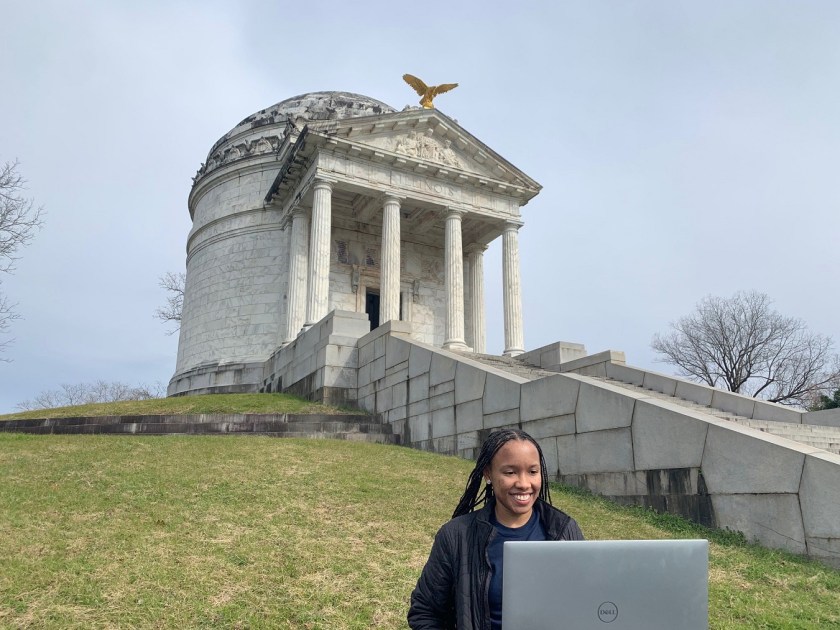
Prof. Yawn holds up a Laptop for Ilexus Williams, so she can meet by Zoom and share her experiences

Quinn Kobrin

Visiting the spot of MLK’s assassination on the day we celebrate his life was a powerful experience for us all. This is true, I would argue, due both to the awesome nature of King’s contribution to the fight for equality and due to the horrific reality of how he died.

SHSU, LEAP Center, Center for Law Engagement And Politics, Memphis TN, Lorraine Motel, MLK

As my peers and classmates have noted, there is a massive difference between reading about a historical figure in class and truly taking the time to understand who that leader was and what they stood for, which is precisely what this trip is all about.

I have not known what it is like to be judged for the color of my skin, to be ostracized simply for my appearance or heritage. For this reason, I have often felt as though I were a tourist in the fight for civil rights and social equality.

However, this trip, like Dr. King’s well-known speech, reminds me that the fight for equality is not solely the fight of the oppressors versus the oppressed. “We cannot walk alone,” said King. “And as we walk, we must make the pledge that we shall always march ahead. We cannot turn back.” It takes each and every member of society to stand up and unify against hatred and ignorance. It is not the fight of one people but of all people. For, as George Bernard Shaw once wrote, “The worst sin toward our fellow creatures is not to hate them, but to be indifferent to them: that’s the essence of inhumanity.”

Traveling to each of these historic sites in our tour of the south has taught me a great deal, but if nothing else, it has reminded me that standing for justice and equality is not just an option; it is a responsibility. And I know there is nothing more I can do than continue to learn, and battle hatred and ignorance with compassion and education. Equipped with these tools, and the fraternity of all who believe that all people are created equal, we will not turn back; we can only march ahead.

SHSU, LEAP Center, Center for Law Engagement And Politics, Memphis TN, Lorraine Motel, MLK
Unknown's avatarAuthor mikeyawnPosted on January 25, 2021January 25, 2021Format AsideCategories Civic Engagement, Civil Rights, TravelLeave a comment on “Inauguration Trip”: Walking in Memphis, on MLK Day

“Inaugural” Trip: Day 2, Heart of Mississippi

January 13, 2021

The Vicksburg Battlefield

Jessica Cuevas

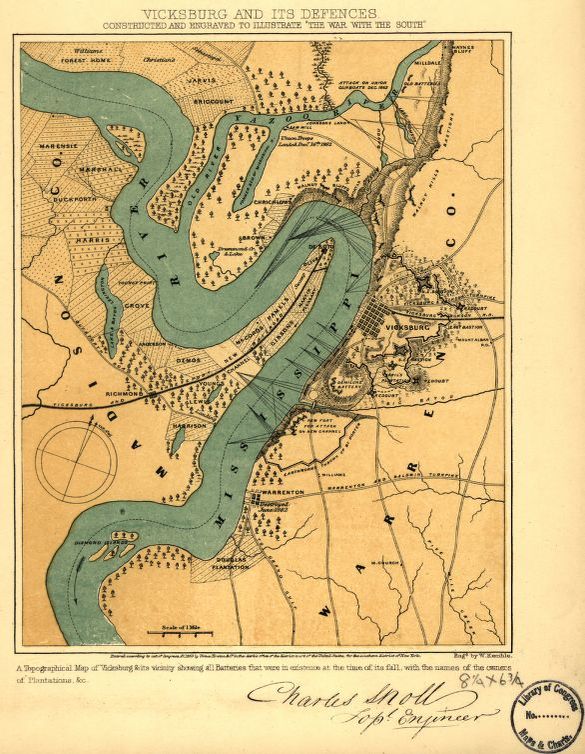
The second day of our LEAP adventures continued to focus on expanding our knowledge of civil rights, and today that began with us visiting the National Battlefield Site of Vicksburg in Mississippi. The siege of Vicksburg was a crucial strategic key point in the Civil War, a part of the Anaconda Plan, which spanned from May 18, 1863 to July 4, 1863. Vicksburg belonged to the Confederates initially, and it was crucial because it is located right next to the Mississippi River, which was very advantageous since it allowed for supplies, goods, and reinforcements to be easily transported. Another strategic advantage of the river is its course; it creates a C-like shape, where a piece of land is surrounded on three of its sides by the river like a peninsula, which allowed whoever had control over Vicksburg to place infantry along the banks and shoot the cannons at any ships or boats from the opposing side.

If the Union could take control of the Vicksburg area, they would have control and access to the river without having to worry about being attacked, and this is what happened. Conversely, for the Confederates, it meant that the Union cut off their supply chain, which left them with three options: fight to regain, retreat, or surrender. After 47 days, General Ulysses S. Grant’s move to strangle them from any resources led General John C. Pemberton to surrender.

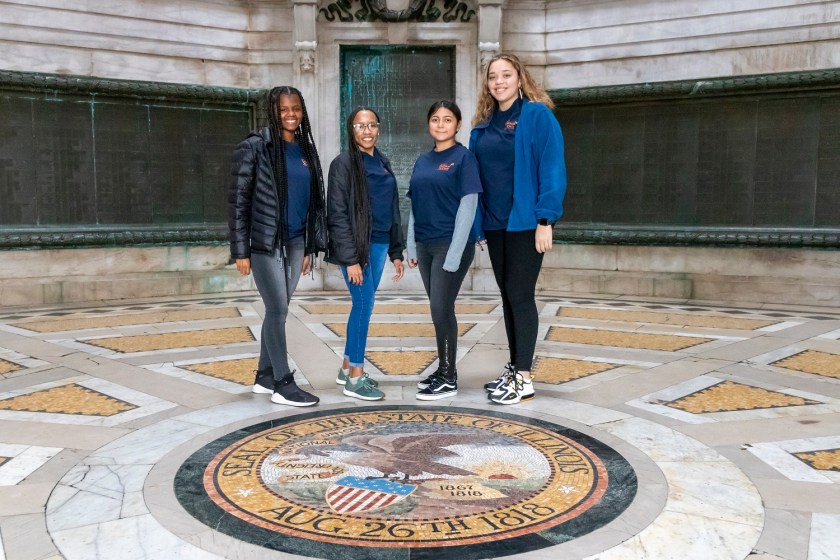
While at the battlefield site, we visited two monuments: the Illinois monument and the Texas monument.

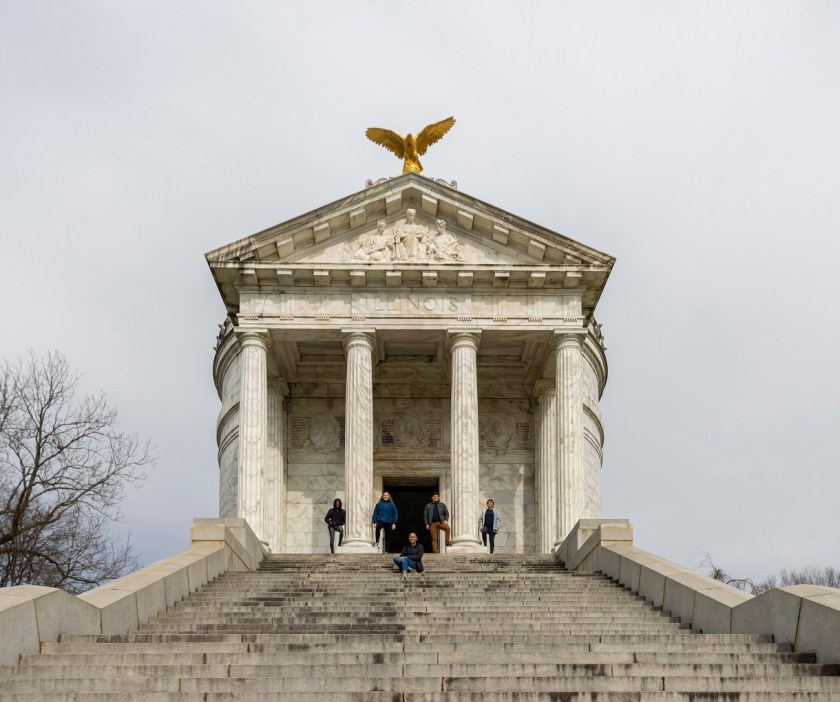
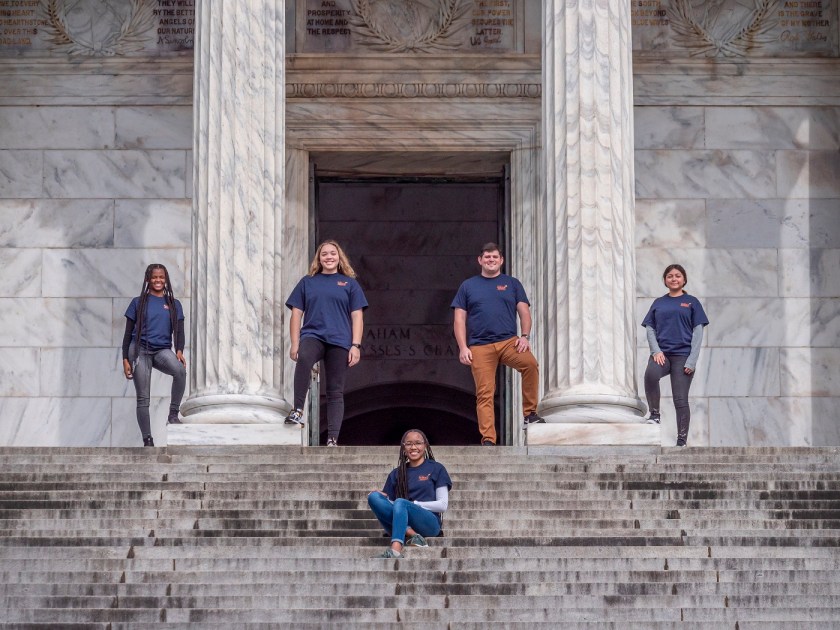
The first monument that we stopped to look at was the Illinois monument, which was dedicated in 1906.

SHSU, LEAP Center, Center for Law Engagement And Politics, Vicksburg Battlefield, Illinois Monument

It has an ornate Roman-style architecture and somewhat resembles the Roman Pantheon. This monument has 47 steps in its stairway – I counted them as I worked my way up – which symbolic of the 47 days of the battle.

SHSU, LEAP Center, Center for Law Engagement And Politics, Vicksburg Battlefield, Illinois Monument

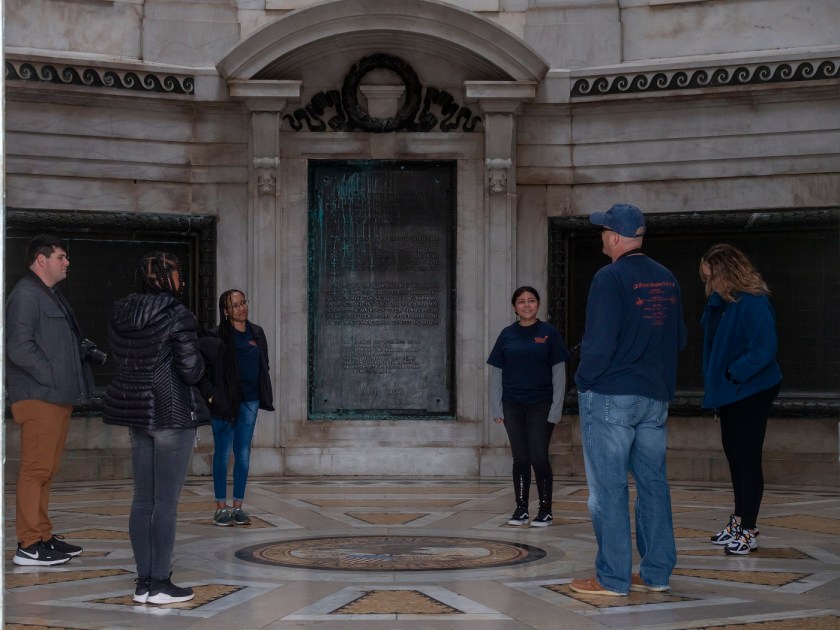
Inside of this building are bronze tablets with the names of 36,000+ Illinois soldiers who fought in this battle.

SHSU, LEAP Center, Center for Law Engagement And Politics, Vicksburg Battlefield, Illinois Monument

Another architectural note that I appreciated is the acoustics of the monument, a result of the domelike ceiling, which causes an echo of any noise within the structure.

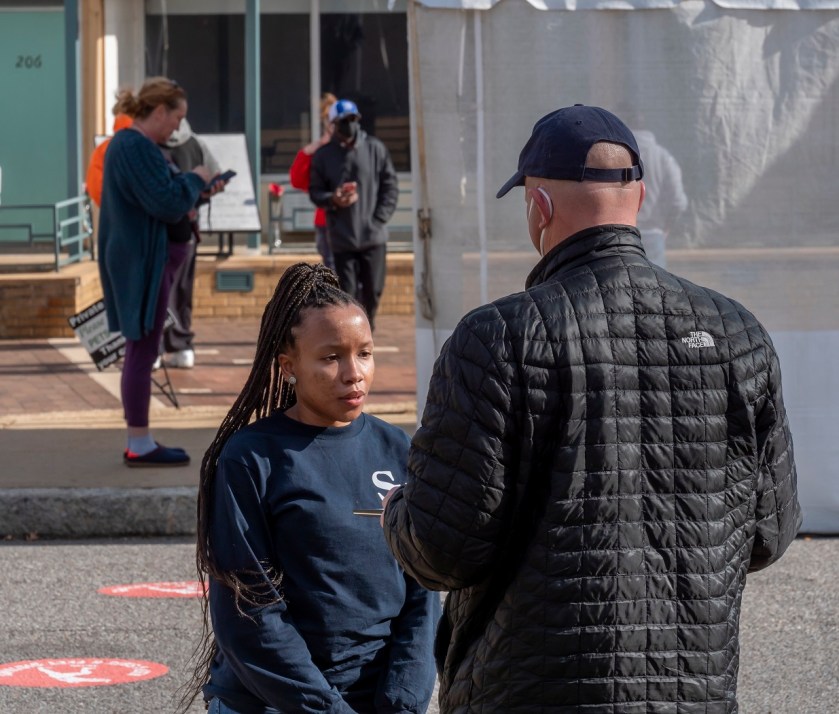
As a sidebar, it’s worth noting that Ilexus Williams was interviewed by KBTX here.

  • SHSU, LEAP Center, Center for Law Engagement And Politics, Vicksburg Battlefield, Illinois Monument, Ilexus Williams
  • SHSU, LEAP Center, Center for Law Engagement And Politics, Vicksburg Battlefield, Illinois Monument, Ilexus Williams
  • SHSU, LEAP Center, Center for Law Engagement And Politics, Vicksburg Battlefield, Illinois Monument, Ilexus Williams
  • SHSU, LEAP Center, Center for Law Engagement And Politics, Vicksburg Battlefield, Illinois Monument, Ilexus Willams

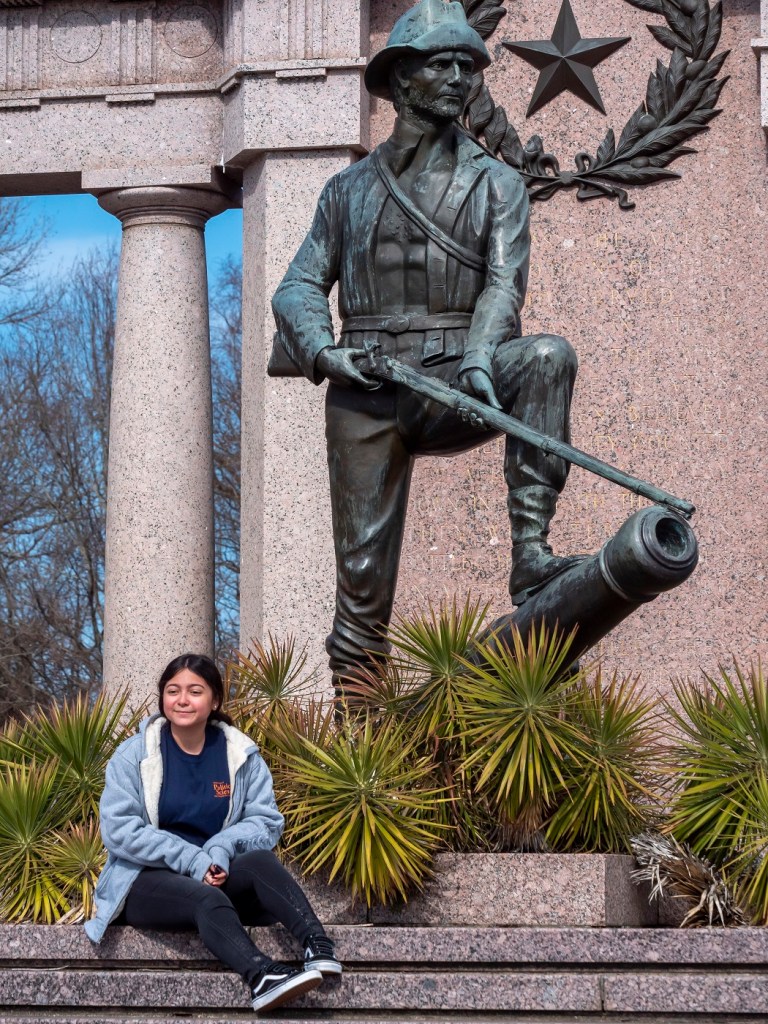
The second monument was the Texas monument, which was dedicated on November 4, 1961. This monument was in its own unique way very Texan since it was a completely different type of grand as compared to the previous one.

SHSU, LEAP Center, Center for Law Engagement And Politics, Vicksburg Battlefield, Texas Monument, John Thomason.

This monument has 11 steps which symbolize and honor the 11 states in the Confederacy. A bronze statue in the foreground displays a Texan soldier, and symbolizes the Texans who helped to seal the breach in the Vicksburg front line.

Both the architecture and the history of this national site have given us a profound new outlook about the impact the Civil War had on paving the way toward Civic/Social equality. Moreover, we discovered that the Texas Monument has an SHSU connection, in that the monument quotes John Thomason, for whom SHSU’s “Thomason Building” and “Thomason Room” in the library are named.

This was a great way to kick off the day, and ranks as one of our favorite parts of the trip thus far!

SHSU, LEAP Center, Center for Law Engagement And Politics, Vicksburg Battlefield, Illinois Monument

Sweetie Pies Frying Bird

Ilexus Williams

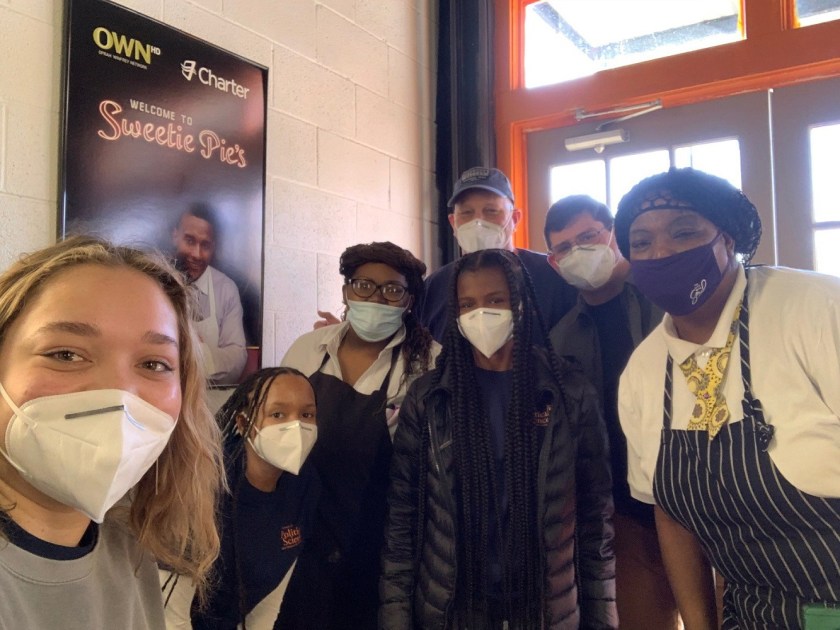
A day full of travel struck up growing appetites for the LEAP students. For lunch, we traveled to Sweetie Pies Flying Bird to satisfy our hunger with food that is nourishing to the soul: soul food.

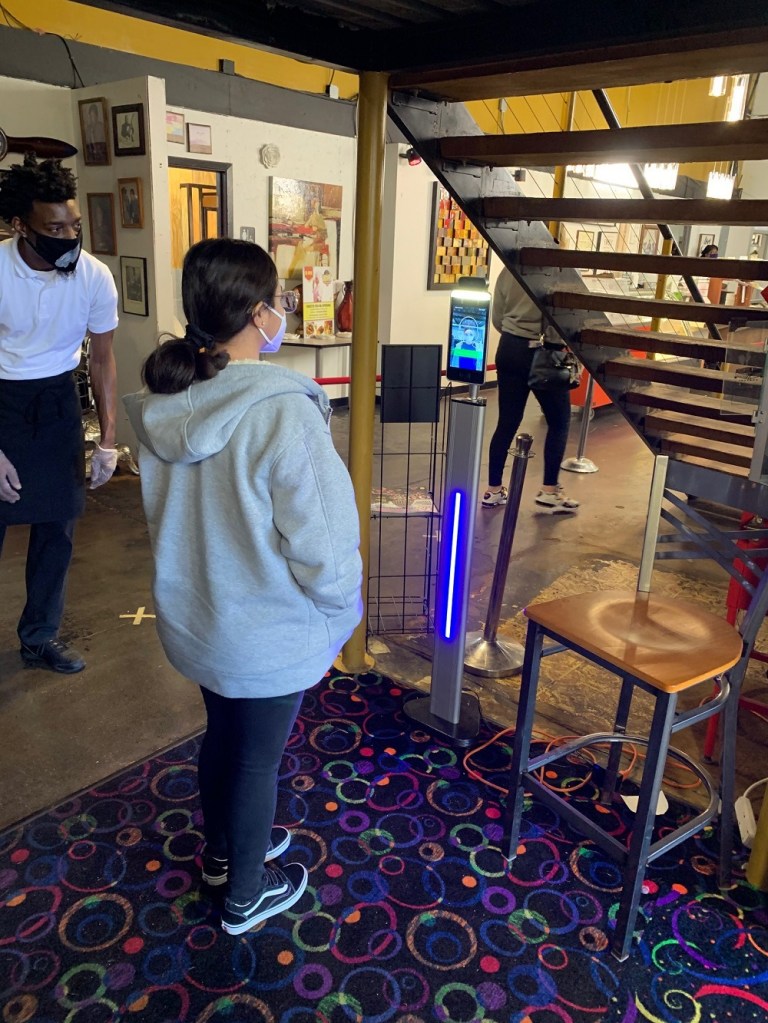
We were pleased to see that not only did the restaurant require masks, they also took customers’ temperature at the entry way.

We ordered an assortment of items including fried chicken, neck bone, fried fish, macaroni & cheese, green beans, candied yams, and black-eyed peas.

Favorites of the group were the macaroni & cheese and candied yams.

SHSU, LEAP Center, Center for Law Engagement And Politics, Jackson MS, Sweetie Pie's restaurant

The staff at Sweetie Pie’s were nice enough to take a photo with us, which we did masked, but still managed to convey the sense of stomachs well satisfied.

And this gave us some needed energy to undertake our tour of the MS State Capitol building.

Capital Tour

Ava Garrett

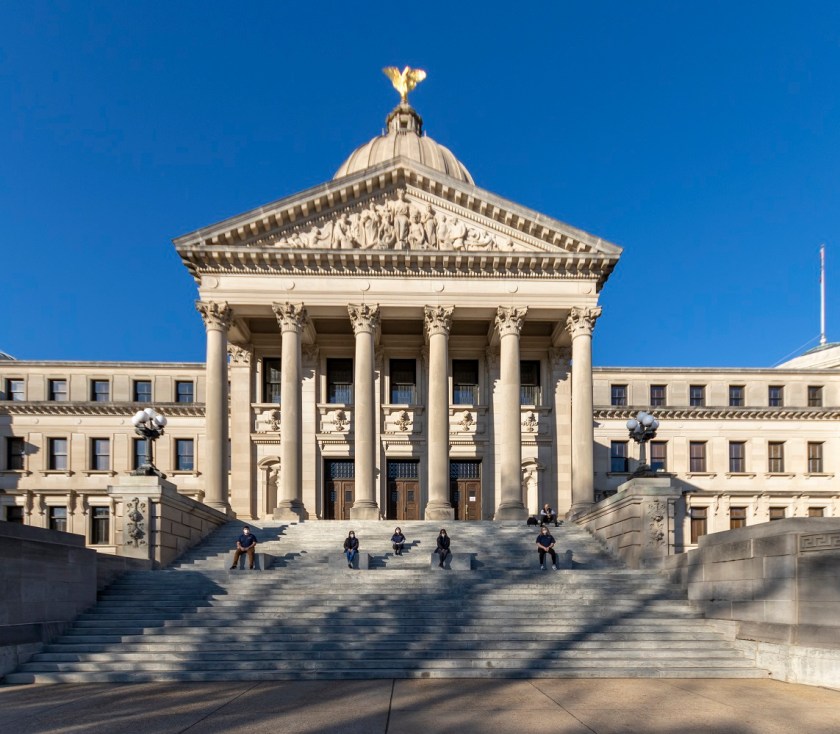
On yet another of our many stops on our inaugural trip, we visited the Mississippi state capitol which is located in Jackson. The capitol was built in just 28 months from 1901-1903, on the site of the old state penitentiary.

SHSU, LEAP Center, Center for Law Engagement And Politics, Jackson MS, Capitol Building

Just like many of the places we have visited on this trip, such as the Starr home and the Vicksburg National Battlefield, the capitol building’s architecture had a Roman and Greek influence, evident in the columns lining the entrance and the magnificent dome above it. The architect, Theodore Link, definitely worked to give the capitol a grand, elegant design appropriate for a state capitol building. Just before entering the building at the south entrance you can’t miss the beautifully crafted stained glass windows, which looked even more breathtaking from the inside when the sun shined through.

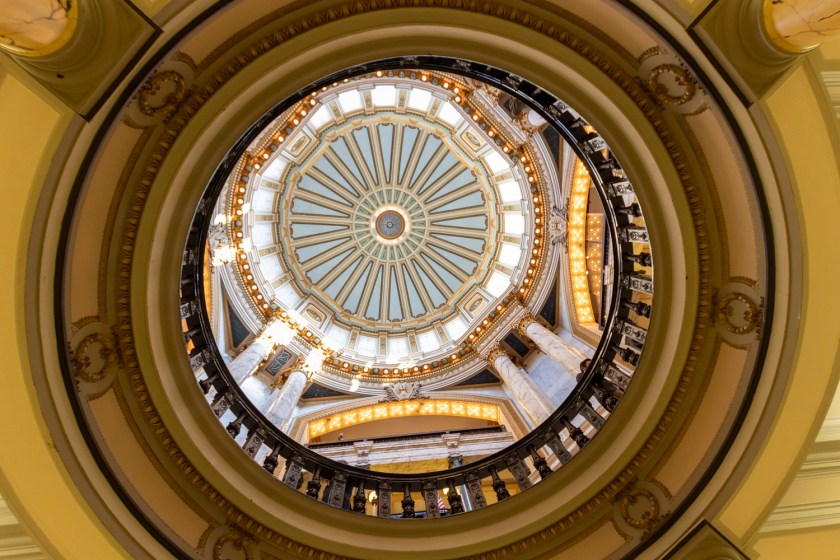
After stopping in the rotunda…

SHSU, LEAP Center, Center for Law Engagement And Politics, Jackson MS, Capitol Building

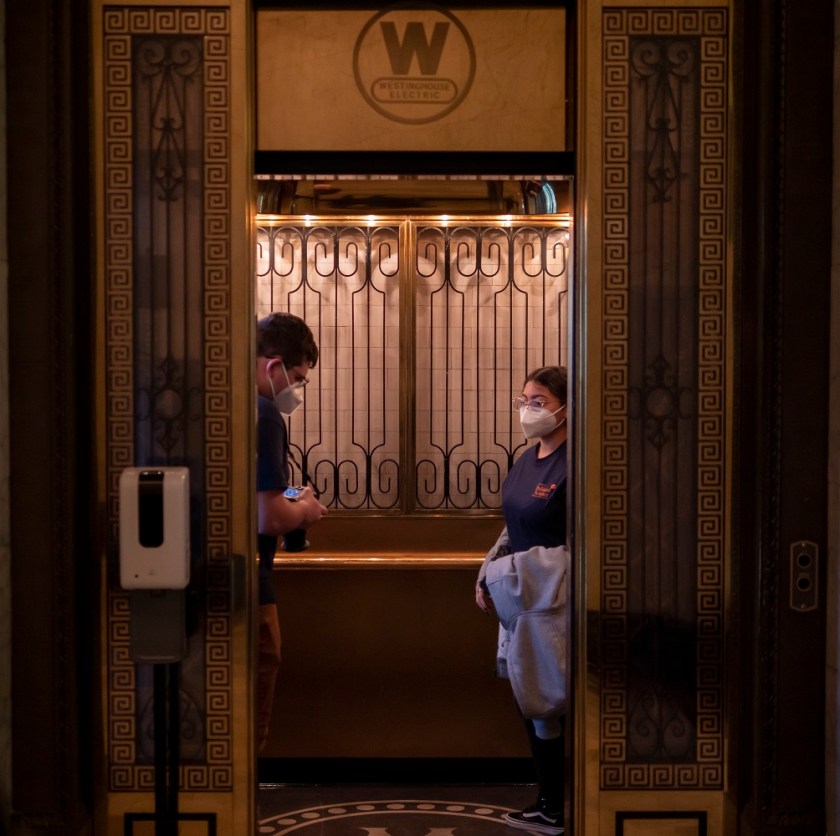
…and gazing up at the Italian white and black marble and taking in images of the blindfolded Lady Justice, we took the golden elevator…

SHSU, LEAP Center, Center for Law Engagement And Politics, Jackson MS, Capitol Building

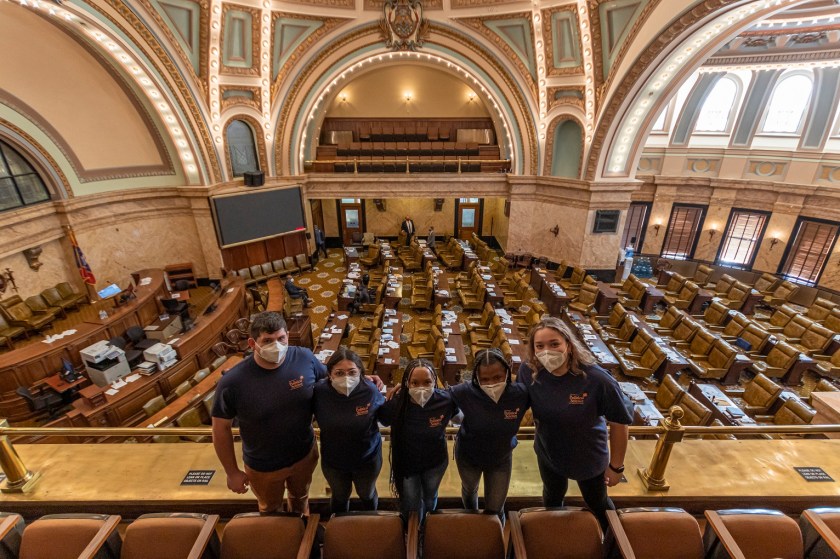
…upstairs and made our way to my favorite room in the capitol: The House of Representatives chamber, which was bustling as the legislative session was under way (the bustling activity was just underneath us, and not visible in this photo)…

SHSU, LEAP Center, Center for Law Engagement And Politics, Jackson MS, Capitol Building

Just being in that room made me really excited; it was cool to see the room being used and in action. The only other capital I have visited – the Texas capital – was much less active the last time I went.

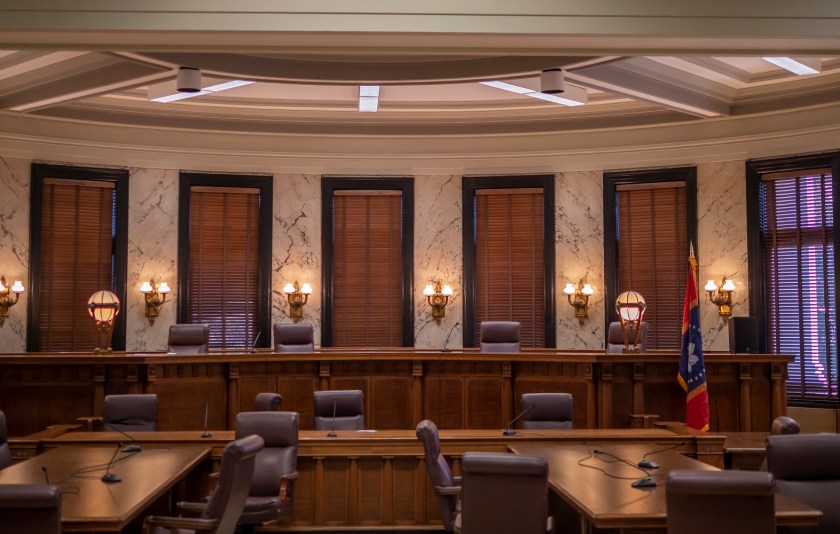
Sadly, we could not visit the Senate due to COVID-19 restrictions, but I’m sure it would have been just as interesting as the rest of the building, and we did get to see the former Supreme Court….

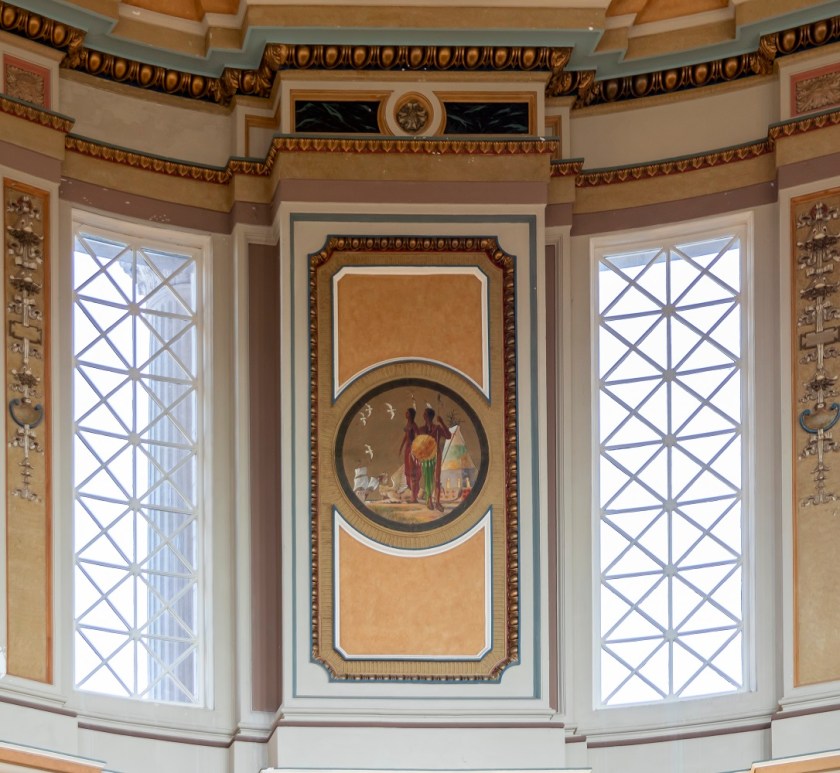
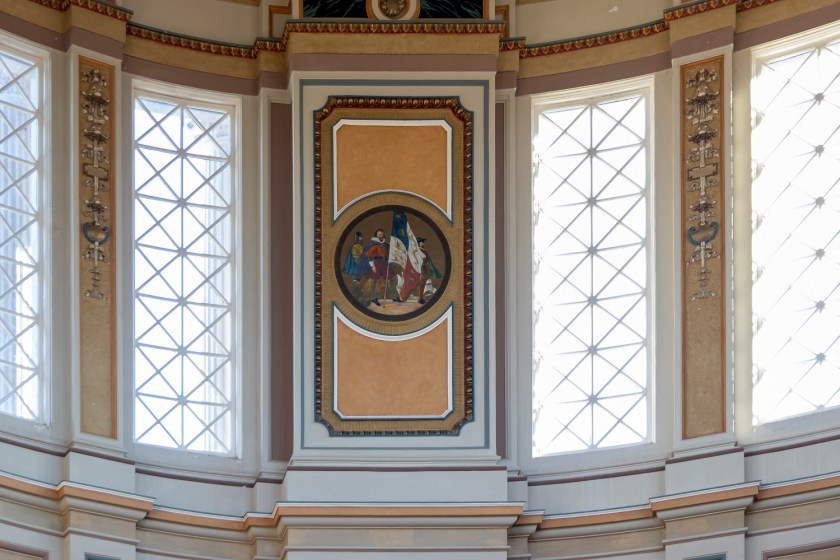
…and the art in the rotunda, painted as part of the WPA program, and designed to highlight MS history.

  • SHSU, LEAP Center, Center for Law Engagement And Politics, Jackson MS, Capitol Building
  • SHSU, LEAP Center, Center for Law Engagement And Politics, Jackson MS, Capitol Building

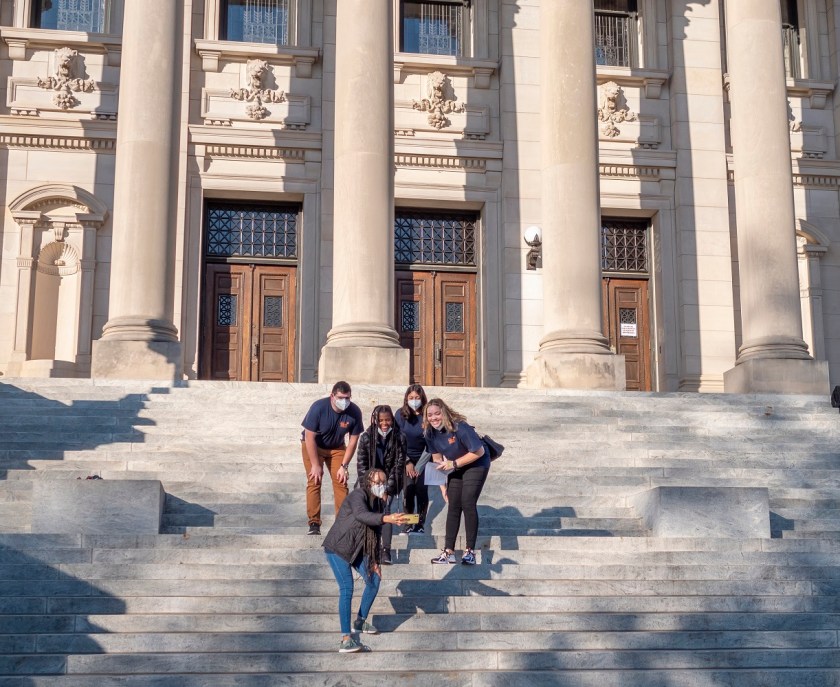
On our way out, we were able to pick up some fun souvenirs such as brochures, stickers, and even a pin with the capitol building on it. Finally, to wrap up our self-guided capitol tour we got to take some fun photos of us standing on the capitol steps.

SHSU, LEAP Center, Center for Law Engagement And Politics, Jackson MS, Capitol Building

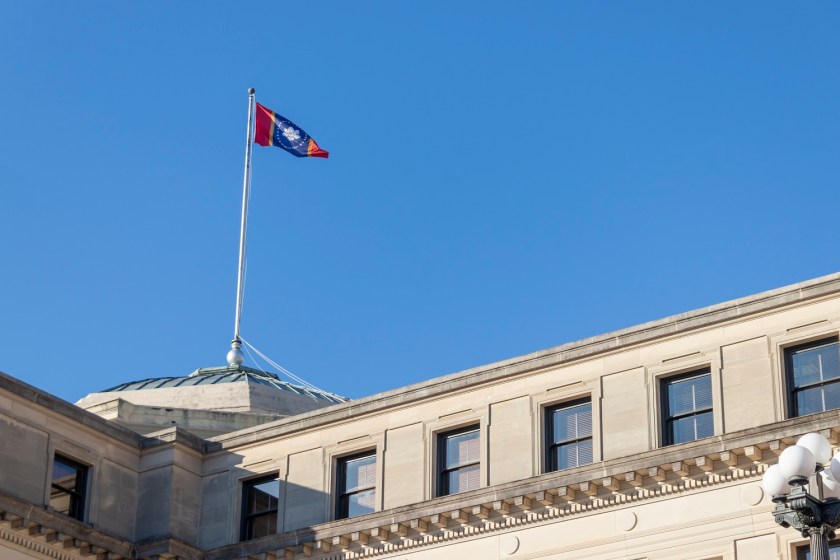
One other thing is worth noting: In November, MS voted to remove the confederate symbol from its state flag. They replaced it with a Magnolia Bloom, fitting for MS, which is the “Magnolia State.” We all agreed it was a much more inviting symbol for the state, and matched the residents’ friendly and charming natures.

SHSU, LEAP Center, Center for Law Engagement And Politics, Jackson MS, Capitol Building, State Flag

Now I can officially say I have been to 2 out of 50 capitol buildings!

Medgar Evers Home

Ilexus Williams

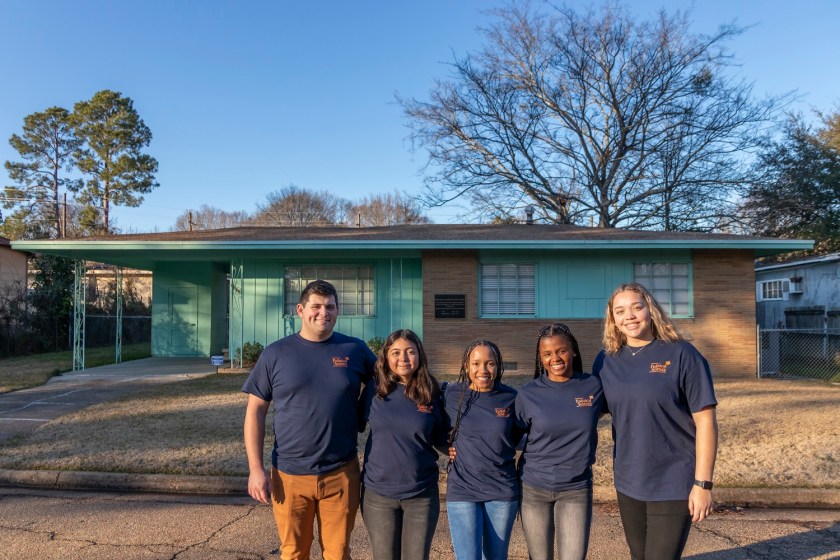
After immersing ourselves in the history of the Mississippi State Capitol, we visited the Medgar and Myrlie Evers Home National Monument, more commonly known as Medgar Evers Home. The home is located in the Elraine Subdivision, which was the first planned middle-class subdivision for African Americans in Mississippi following World War II. Medgar Evers and his wife purchased the home in 1953 and lived in the home until 1963.

SHSU, LEAP Center, Center for Law Engagement And Politics, Jackson MS, Medgar Evers Home

Medgar Evers was an influential Civil Rights Activist in Mississippi. Before embarking on his commitment to fighting for civil rights, Medgar Evers served in the United States Army, during World War II from 1943 to 1945. Evers even took part in the D-Day invasion on the shore of Normandy on June 6, 1944 during his service.

Following his time in the military, Evers began his work in civil rights as the president of the Regional Council of Negro Leadership. In this organization, Evers worked to establish measures to impact civil rights. One of the measures taken included a boycott of all gas stations that denied African Americans access to the stations’ restrooms.

To challenge the U.S. Supreme Court’s decision on segregated public schools, Evers partnered with the NAACP and submitted a Law School application to the University of Mississippi as a test case. Evers was denied admission solely because of his race. Evers’ effort to desegregate public schools brought him praise from the NAACP, so in 1954, Evers became the first Mississippi state field secretary of the NAACP. As a state field secretary, Evers organized voter registration, demonstrations, boycotts of businesses that had discriminative policies, and investigated crimes against African Americans.

Due to his activism, Evers was the most prominent civil rights leader in Mississippi. Because of this, Evers and his family experienced countless threats. On June 12, 1963, Medgar Evers was assassinated in his driveway. Although his life was cut short, Medgar Evers’ contribution to the civil rights movement and the fight for equal treatment for all will never be forgotten.

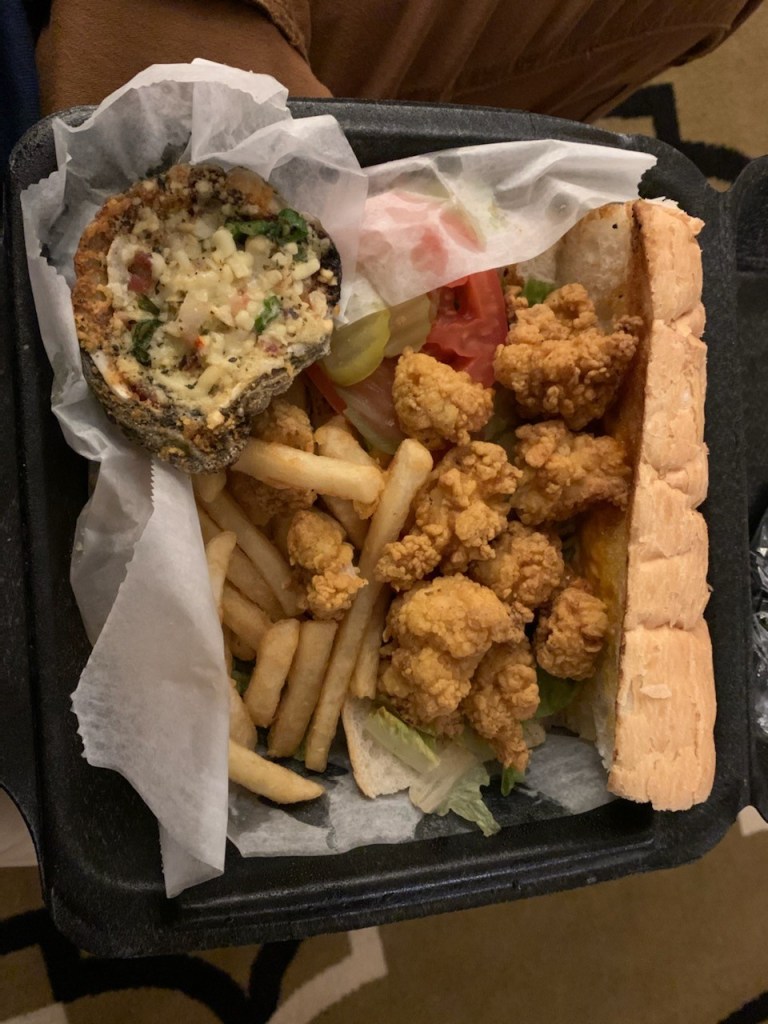
The evening came to a close as we arrived in New Orleans, Louisiana, where we settled in and sampled some creole cuisine from Creole House Restaurant & Oyster Bar, where we got to try alligator po-boys, muffaletta, blackened chicken jambalaya…

  • SHSU, LEAP Center, Center for Law Engagement And Politics, New Orleans, Creole House
  • SHSU, LEAP Center, Center for Law Engagement And Politics, New Orleans, Creole House
  • SHSU, LEAP Center, Center for Law Engagement And Politics, New Orleans, Creole House
  • SHSU, LEAP Center, Center for Law Engagement And Politics, New Orleans, Creole House
  • SHSU, LEAP Center, Center for Law Engagement And Politics, New Orleans, Creole House

…and some delicious caramel bread pudding and pecan cobbler. We have a full day tomorrow, and we cannot wait to explore New Orleans over the next two days!

Unknown's avatarAuthor mikeyawnPosted on January 14, 2021January 14, 2021Format AsideCategories Civic Engagement, Civil Rights, Food, Politics, TravelTags Capitol Building, Center for Law Engagement And Politics, Jackson MS, LEAP Center, Medgar Evers, MS State Flag, SHSU, Vicksburg BattlefieldLeave a comment on “Inaugural” Trip: Day 2, Heart of Mississippi

Eisenhower on Eisenhower: Susan Eisenhower Discusses Her Grandfather’s Life and Leadership

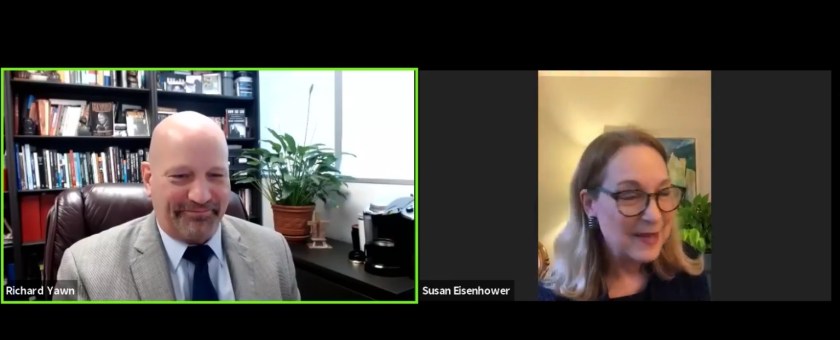
Despite all of the challenges of COVID-19, the Center for Law, Engagement, and Politics continues to provide engaging and interesting learning opportunities for students. Most recently, students were able to watch a Facebook live interview with President Dwight D. Eisenhower’s granddaughter, Susan Eisenhower, where she discussed her grandfather’s leadership in World War II and as president. Author of the biography How Ike Led, she had much to share about his life and overall legacy.

SHSU, LEAP Center, Center for Law Engagement And Politics, LEAP LIVE, Susan Eisenhower, How Ike Led, Dwight Eisenhower

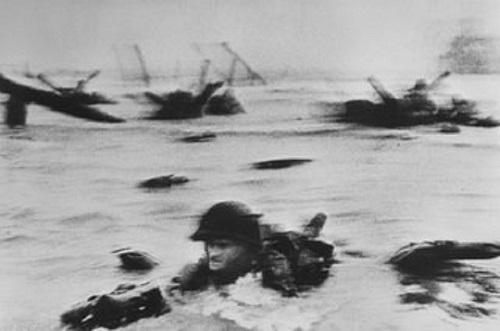
The interview began with a look at President Eisenhower’s role in D-Day,

SHSU, LEAP Center, Center for Law Engagement And Politics, LEAP LIVE, Susan Eisenhower, How Ike Led, Dwight Eisenhower

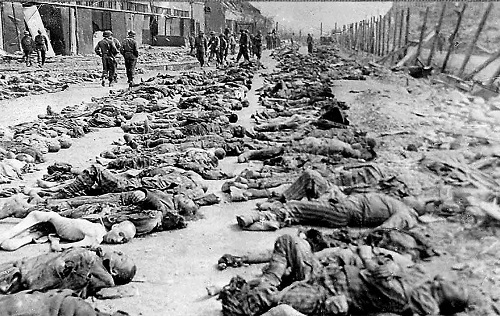
liberating Europe from Nazi rule, and his handling of the discovery of concentration camps. It was explained that Eisenhower opted for a broad, slow advance to defeat the Nazi empire, rather than a fast and hasty one. He wanted to bring an end to the regime, and prevent it from rising to power again, and for his approach he was criticized by some who wanted a quicker–but riskier–approach.

In spite of his critics, this slow advance would be an important factor that led to the discovery of concentration camps. When he learned of the atrocities, he took it upon himself to examine every corner of the camps to understand what had happened and how it had come to pass.

She told us that he then issued orders for as many people as possible to document and bear witness to the camps. He brought in journalists, elected officials, and everyone fighting on the front lines.

SHSU, LEAP Center, Center for Law Engagement And Politics, LEAP LIVE, Susan Eisenhower, How Ike Led, Dwight Eisenhower

He then had townspeople from surrounding areas marched through to see what their denial and willful ignorance had led to, and many were made to give burials to the deceased.

As she discussed the importance of Eisenhower’s foresight, and how he was able to anticipate that many people would not believe what had happened in the camps, Susan Eisenhower reminded us that Germany is one of the few countries in the world with zero tolerance of Holocaust denial. LEAP ambassadors learned about Germany’s efforts to reverse the wrongs of the Holocaust and its lingering effects earlier this year.

As the discussion transitioned to Eisenhower’s post-war service, I learned several interesting facts about his commitment to service and duty…

Apparently, on more than one occasion, President Truman offered not to run for reelection after his term, and instead let Eisenhower run for the Democratic nomination. Eisenhower refused each time because he was not in search of power. His granddaughter reminded us that he had wielded more power than most other leaders during World War II, and did not want run for president except when he felt it was his absolutely duty to do so.

A few other aspects of his commitment to duty were his refusal to wear a helmet because they should only be worn by those serving in combat, and his refusal to accept the Congressional Medal of Honor for the same reason – it was meant for those who had shown valor in combat.

SHSU, LEAP Center, Center for Law Engagement And Politics, LEAP LIVE, Susan Eisenhower, How Ike Led, Dwight Eisenhower

The conversation then pivoted to Eisenhower’s leadership style as president of the United States. It was made clear that he did not engage in personal attacks; he was strategic and methodical in his political approach. When dealing with Senator McCarthy and his infamous hearings, Eisenhower did not call him out directly. Instead, he gave speeches about what American democracy should look like, insisted on televising the outrageous investigations, and let the Senate come to censure McCarthy on their own.

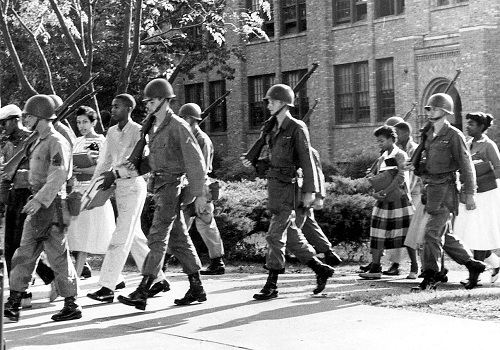
President Eisenhower also suffered no nonsense when it came to dealing with issues of race. As LEAP ambassadors learned in January of this year, the governor of Arkansas – Orval Faubus – dragged his feet in complying with the decision of Brown v. Board of Education, and made every effort to not desegregate schools. In response to this, Eisenhower mobilized the Arkansas National Guard and deployed 101st Airborne (paratroopers he had commanded on D-Day) to protect a group of African American students, immortalized in history as the “Little Rock Nine,” as they desegregated Little Rock Central High.

SHSU, LEAP Center, Center for Law Engagement And Politics, LEAP LIVE, Susan Eisenhower, How Ike Led, Dwight Eisenhower

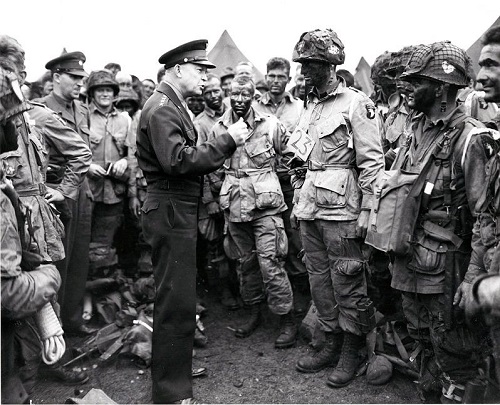
Susan Eisenhower then spoke about how her grandfather was a leader through study and discipline, and was naturally empathetic. He knew what people needed to hear, and tried to be relatable and genuine whenever he could. We saw a picture of him speaking with members of the 101st Airborne Division prior to D-Day and were told that he was discussing fly-fishing techniques with Lt. Wallace Strobel, rather than giving a pep talk about their mission. He wanted to remind them of their humanity.

SHSU, LEAP Center, Center for Law Engagement And Politics, LEAP LIVE, Susan Eisenhower, How Ike Led, Dwight Eisenhower

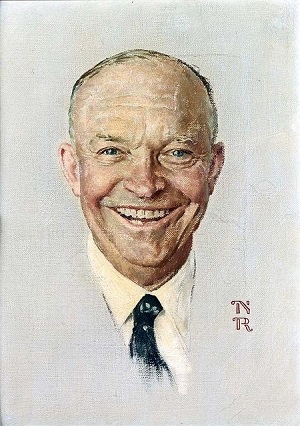
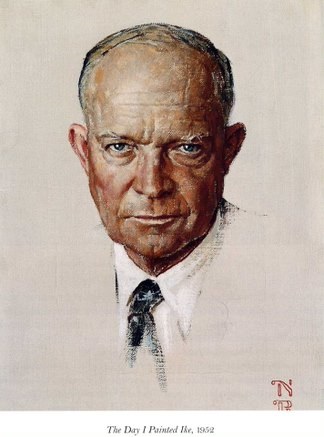
Finally, President Eisenhower’s legacy of leadership and empathy are embodied eternally in Norman Rockwell’s portraits of him, which at various times depict him both serious and smiling. As his granddaughter explained, the big, toothy grin we saw was his trademark smile, as he was generally in good spirits around his family.

SHSU, LEAP Center, Center for Law Engagement And Politics, LEAP LIVE, Susan Eisenhower, How Ike Led, Dwight Eisenhower

As the meeting came to a close, Susan Eisenhower reminded us that we will “be better as people if we can understand the views of those who come from…different backgrounds,” encouraging us to be ‘like Ike’ when it came to how we view and deal with those who are different than us.

This interview was so interesting and informative, and we were incredibly lucky to hear from Susan Eisenhower. We are grateful for her time and insight, and look forward to the possibility of meeting her in person someday soon.

SHSU, LEAP Center, Center for Law Engagement And Politics, LEAP LIVE, Susan Eisenhower, How Ike Led, Dwight Eisenhower, Norman Rockwell
Unknown's avatarAuthor mikeyawnPosted on October 28, 2020Format AsideCategories Art, Civic Engagement, Civil Rights, Fun, Law, Literature, TravelTags Facebook, Facebook Live, Ike Eisenhower, LEAP, LEAP at SHSU, LEAP Center, President Dwight D. Eisenhower, President Eisenhower, Sam Houston State University, SHSU, Susan EisenhowerLeave a comment on Eisenhower on Eisenhower: Susan Eisenhower Discusses Her Grandfather’s Life and Leadership

LEAP in DC: Day 4

Tuesday, 20200310

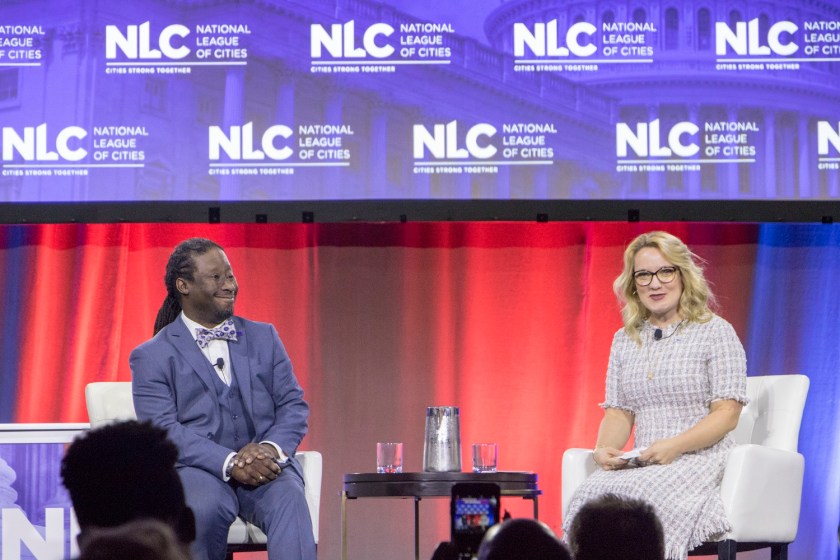
NLC Conference: General Session (MD)

LEAPsters faced another early morning for the closing day of the National League of Cities’ Congressional City Conference.

SHSU, LEAP Center, Center for Law Engagement And Politics, National League of Cities Congressional City Conference

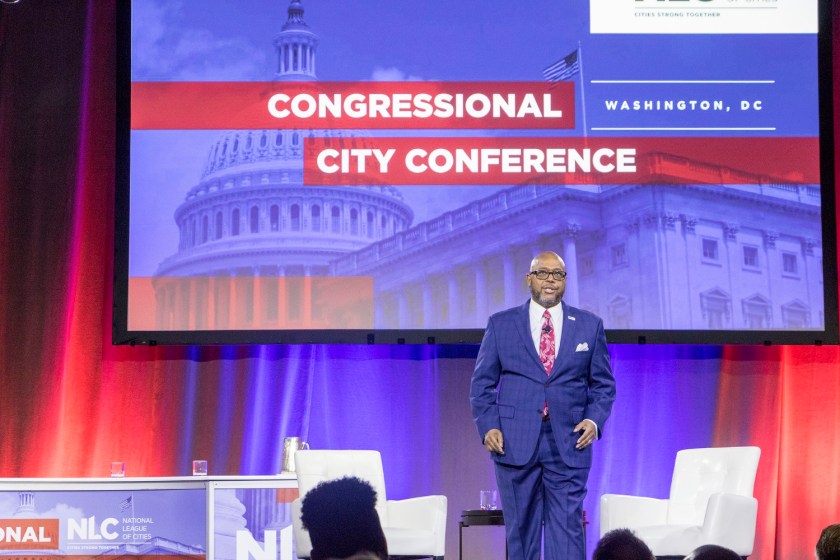
NLC Second Vice President and Mayor of Union City, Georgia, Vince Williams, called the session to order.SHSU, LEAP Center, Center for Law Engagement And Politics, National League of Cities Congressional City Conferenc, Vince Williams

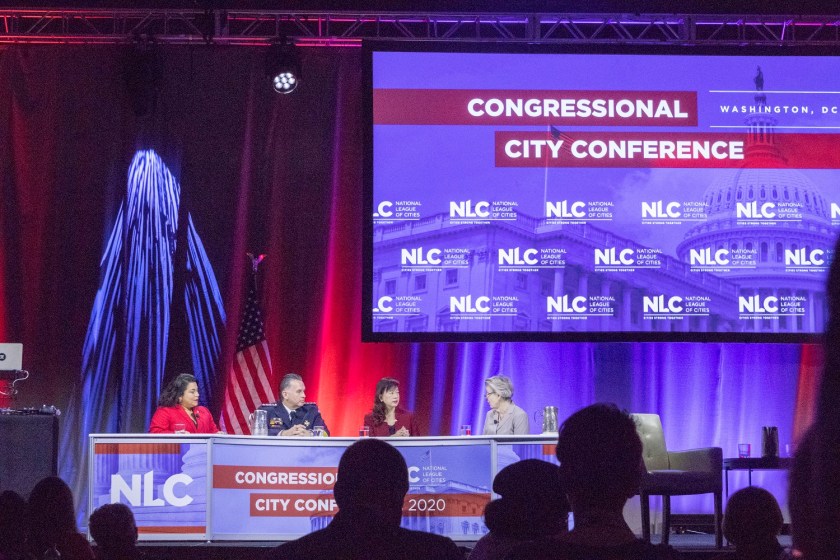
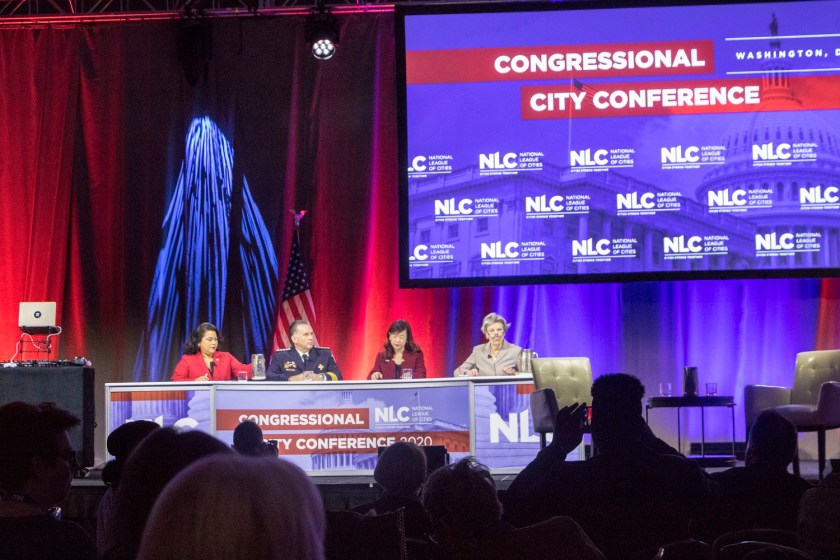
The session opening featured a panel discussion on homelessness with representatives from the Washington Metro Police Department and the National Alliance to End Homelessness as well as elected officials. Ending homelessness has become a high priority in recent years as the homelessness population continues to grow. Local and federal governments have been searching for a solution to this growing problem, and the experienced panel offered possible housing solutions, including shelters, affordable housing, and low income and veterans’ housing options. They also covered diversion programs, which divert the homeless with substance abuse or mental health problems to a health department instead of the police department.

SHSU, LEAP Center, Center for Law Engagement And Politics, National League of Cities Congressional City Conference

The (knowledgeable and clearly passionate) panel also discussed implementation of education and workforce development programs as a longer-term solution, and ultimately, about the importance of providing a safe and healthy living environment to all residents.

SHSU, LEAP Center, Center for Law Engagement And Politics, National League of Cities Congressional City Conference

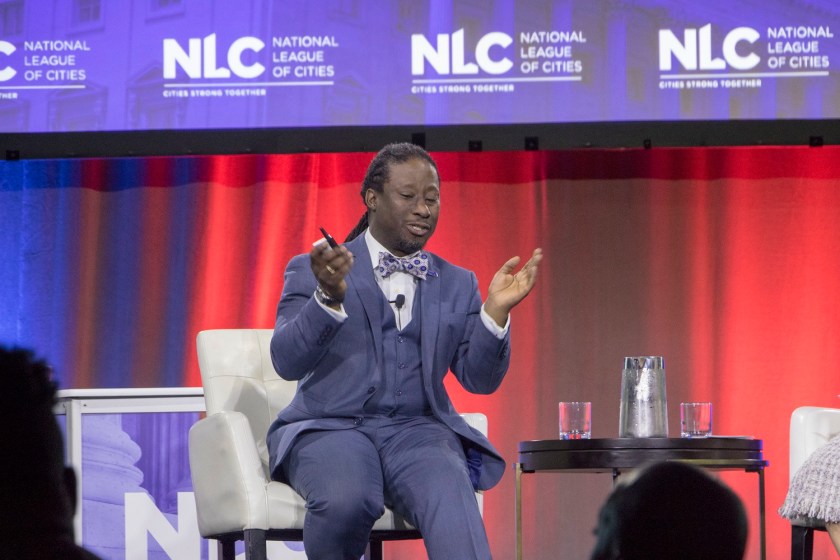
A “town hall meeting” on COVID-19 with Dr. E. Oscar Alleyne, Senior Advisor for Public Health Programs, National Association of County and City Health Officials, closed out the morning general session.

SHSU, LEAP Center, Center for Law Engagement And Politics, National League of Cities Congressional City Conference

Through an extremely informative Q&A format, Alleyne discussed the difference between COVID-19 ad the flu, and updated the audience on the current (but ever expanding) status of the COVID-19 outbreak in both the US and foreign countries.

SHSU, LEAP Center, Center for Law Engagement And Politics, National League of Cities Congressional City Conference

Alleyne was able to convert medical and science jargon into easily absorbed information, thankfully.  It was a bit scary, though, to learn about the coming microbial-resistance of future viruses because of the overuse of sanitizers and soaps in our everyday use.

SHSU, LEAP Center, Center for Law Engagement And Politics, National League of Cities Congressional City Conference

On that note, we all sanitized our hands (maybe a bit sheepishly) and headed to the next session!

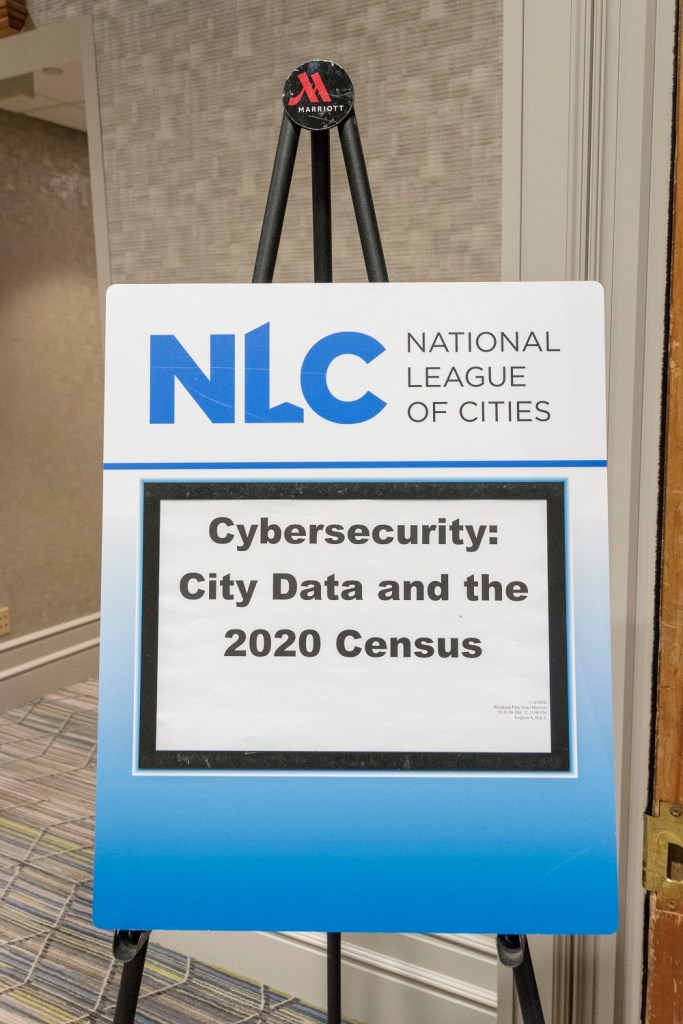
NLC Conference: Cybersecurity: City Data and the 2020 Census (EM)

SHSU, LEAP Center, Center for Law Engagement And Politics, National League of Cities Congressional City Conference

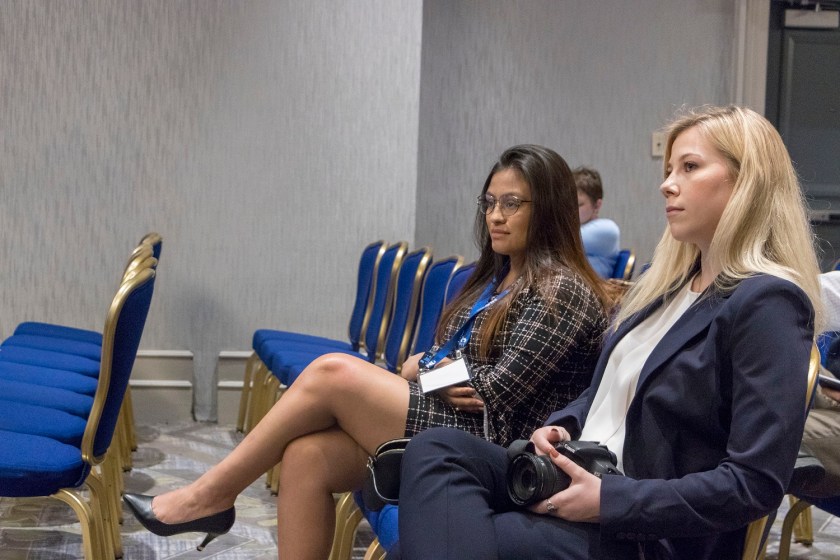
With the country’s change to an online census and the upcoming presidential election, this panel provided some great advice to prevent cyberattacks within their cities at a low cost.

SHSU, LEAP Center, Center for Law Engagement And Politics, National League of Cities Congressional City Conference

Some advice included the following items, along with a reference to https://www.dhs.gov/be-cyber-smart:

  • Enabling multi-factor authentication (MFA) to guarantee you’re the only person that has access to your log-ins.
  • Avoiding automatic updates and an all-access pass containing personal information on installed applications.
  • Setting privacy preferences to a restrictive setting by disabling geotags that will give your followers the ability to see your location.
  • NOT clicking on any link sent by a suspicious email address.

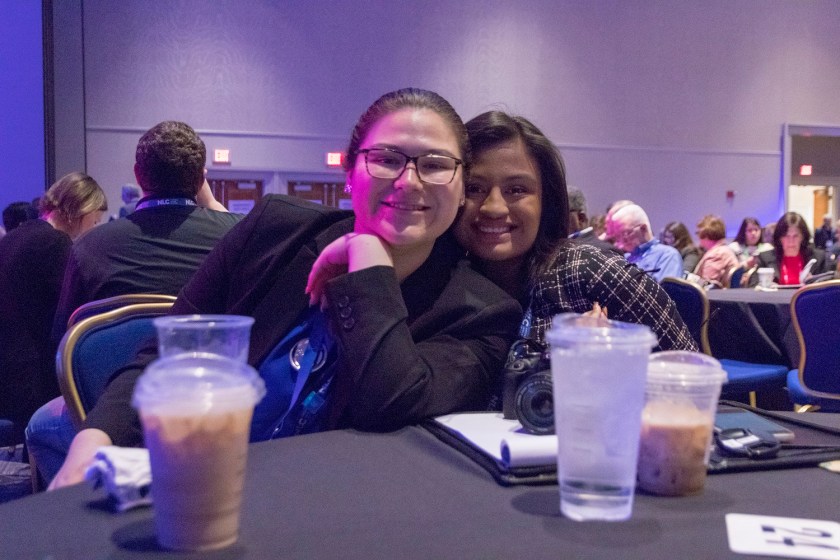
It is difficult to find a “one-size fits all” solution to address cybersecurity. And, accountability for cybersecurity is ultimately everyone’s responsibility—to understand and adopt preventative measures. According to the website referenced above, 47% of American adults have been attacked by a cybercriminal for their personal information.  Notably, Miranda asked a question at this session.

SHSU, LEAP Center, Center for Law Engagement And Politics, National League of Cities Congressional City Conference, Miranda Estrada

NLC Conference: Closing General Session, with Lunch (ME)

All attendees headed into the ballroom for the closing session,…

SHSU, LEAP Center, Center for Law Engagement And Politics, National League of Cities Congressional City Conference

…which included a catered lunch—Caesar salad, chicken with vegetables and rice, and a large slice of rich chocolate cake–that turned out decent!

SHSU, LEAP Center, Center for Law Engagement And Politics, National League of Cities Congressional City Conference

NLC President Joe Buscaino kicked off the closing session with a few words, followed closely by officials who spoke on greenhouse emissions and plans to pass comprehensive legislation for regulating those emissions that should be based on science, and without partisan politics.  They emphasized that, while this is an important issue, much misinformation abounds regarding efforts to reduce emissions. They indicated that several states have had success reducing their footprint, with Georgia making tremendous gains with a 22% reduction, and that the US is the global leader in reducing these emissions.

Buscaino next introduced Ms. Una Garvey, the Convention Center and Tourism Director for the City of Tampa, Florida. Tampa will host NLC’s annual City Summit this fall.   Garvey invited everyone to the conference and shared a video from Mayor Jane Castor, who encouraged everyone to attend the Summit and immerse themselves into all the city had to offer from food to entertainment.  Following that video, Buscaino presented the “President’s Award” to Congresswoman Anna Eshoo (not present) for her tireless efforts on the Hill to advocate for cities and local government.  

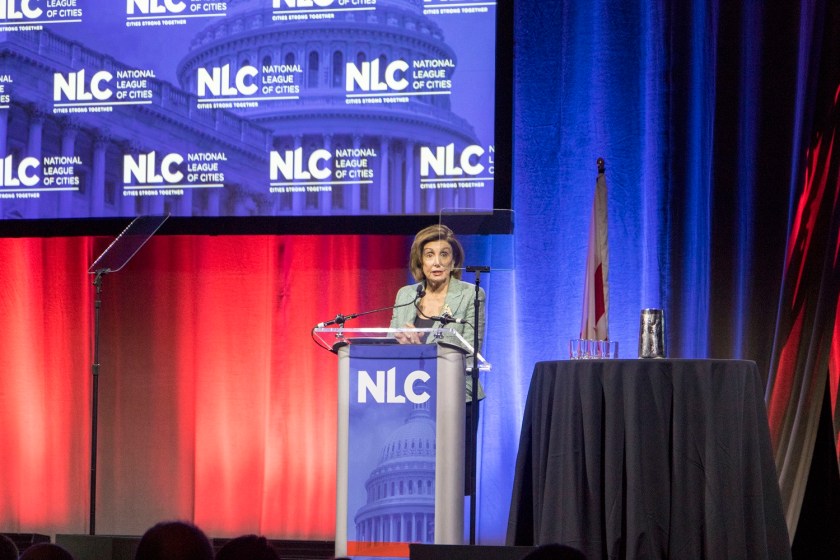
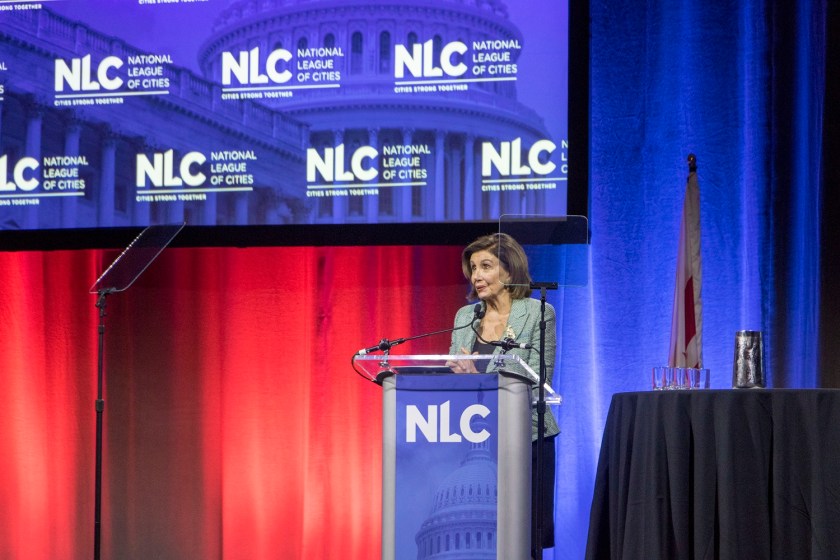
Buscaino then introduced our keynote speaker as “the woman who needs no introduction,” current Speaker of the House Nancy Pelosi. Pelosi walked onstage to a standing ovation.

SHSU, LEAP Center, Center for Law Engagement And Politics, National League of Cities Congressional City Conference, Nancy Pelosi

She started by thanking the crowd for their efforts for their public service, and spoke about how not only are public servants the eyes and ears of their cities but that their success was America’s success. Speaker Pelosi spoke on Congress’ commitment to working with local governments, especially considering the COVID-19 outbreak, by recently passing an economic response package that allocates funds directly to assist state and local governments. Pelosi also spoke about infrastructure needs affecting our communities, gun control (being adamant that it not be about politics or party but about keeping the future safe), and ended her time commenting on how it is our moral responsibility to be good stewards of this planet.

SHSU, LEAP Center, Center for Law Engagement And Politics, National League of Cities Congressional City Conference

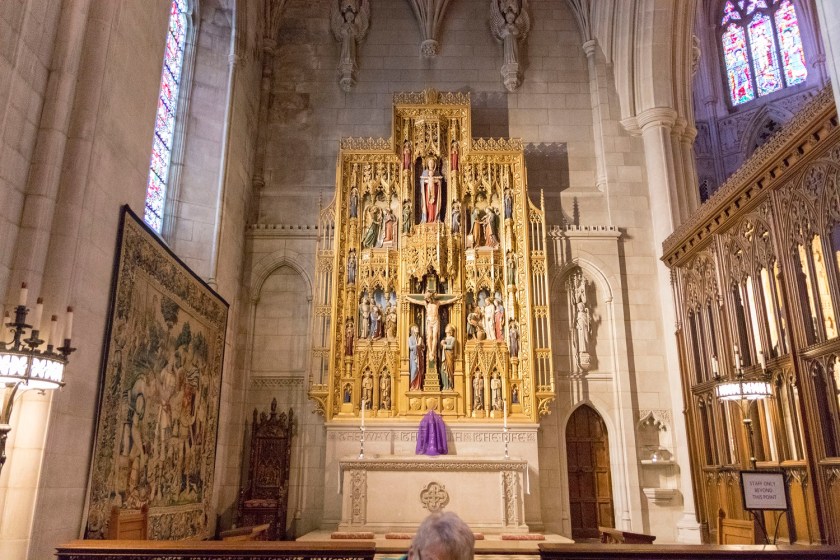
Washington National Cathedral (EM) [https://cathedral.org/]

We next found ourselves on the grounds of the Cathedral Church of Saint Peter and Saint Paul in the City and Diocese of Washington, better known as the Washington National Cathedral.  We were fascinated by the exterior of the architecture, and of course, could not resist posing in front!

This slideshow requires JavaScript.

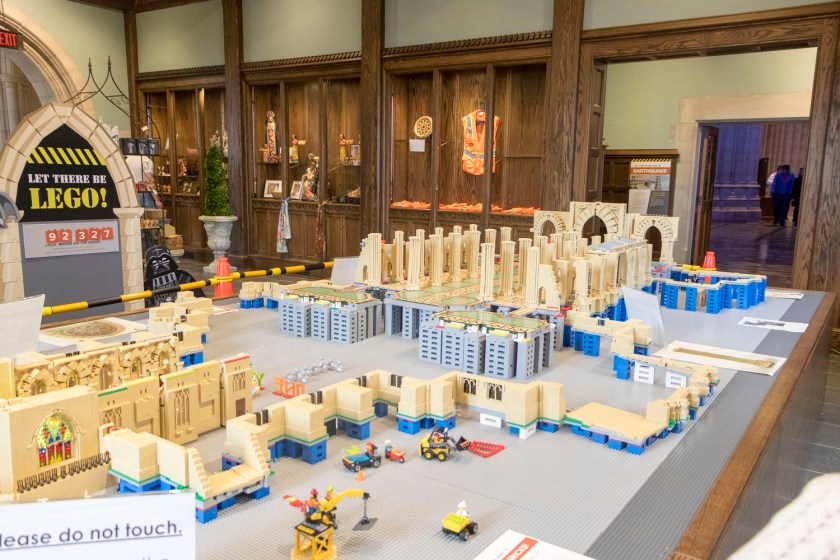
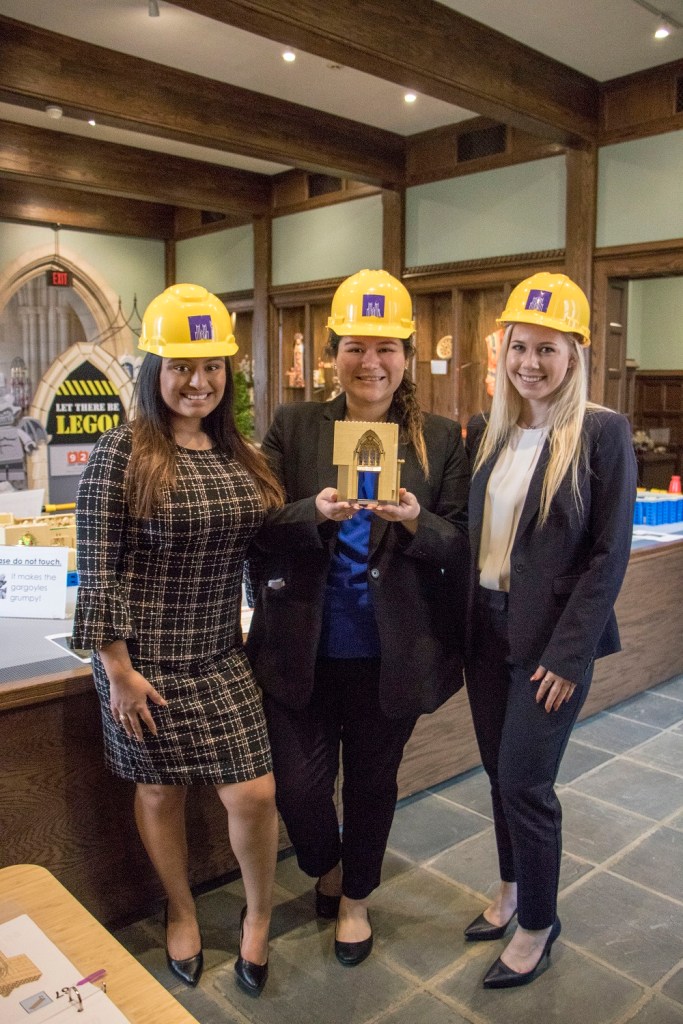
Before our tour, we visited the gift shop where a LEGO replica of the Cathedral was being built, and where which we could purchase and install a LEGO brick.  (Of course we did!)

SHSU, LEAP Center, Center for Law Engagement And Politics, Washington DC, National Cathedral

During the 2011 earthquake the Cathedral suffered extensive damage, and the LEGO installation is helping fund repairs.

SHSU, LEAP Center, Center for Law Engagement And Politics, Washington DC, National Cathedral

Repairs continue as funding become available; current estimates put the completion at 2-3 more years. Phase I repairs to the Cathedral interior were completed in June 2015; Phase II will pivot towards the damaged pinnacles of the central tower and to the various chapels found throughout the Cathedral.

During our tour, we learned that it cost $65B to the build the Cathedral, completely from donations, and that it took 83 years to complete. The Washington National Cathedral is the sixth largest cathedral in the world and the second largest in the United States. Approximately 418,000 worshippers and tourists visit the Cathedral annually.

SHSU, LEAP Center, Center for Law Engagement And Politics, Washington DC, National Cathedral

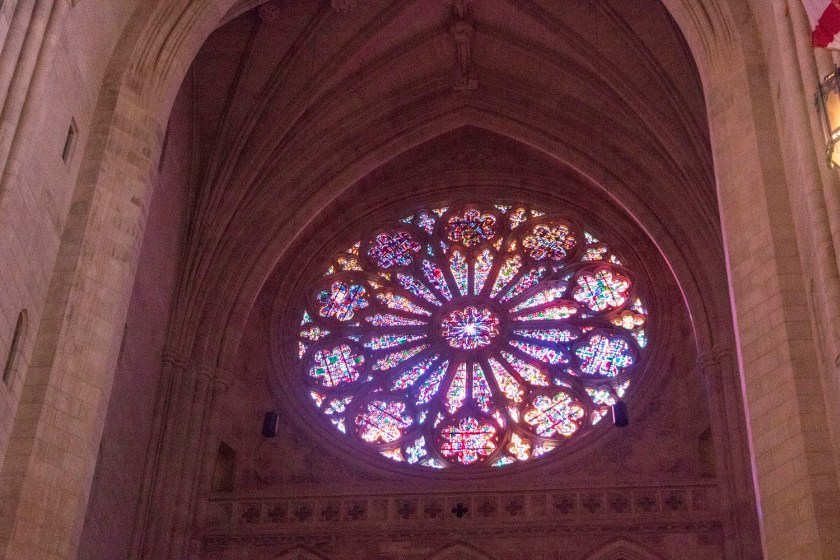
We were in awe when we caught sight of one of the Cathedral’s showpieces, the Rose Window, a 26-foot window made of over 10,500 pieces of stained glass, created by artisan Rowan LeCompte and fabricated by Dieter Goldkuhle.

SHSU, LEAP Center, Center for Law Engagement And Politics, Washington DC, National Cathedral

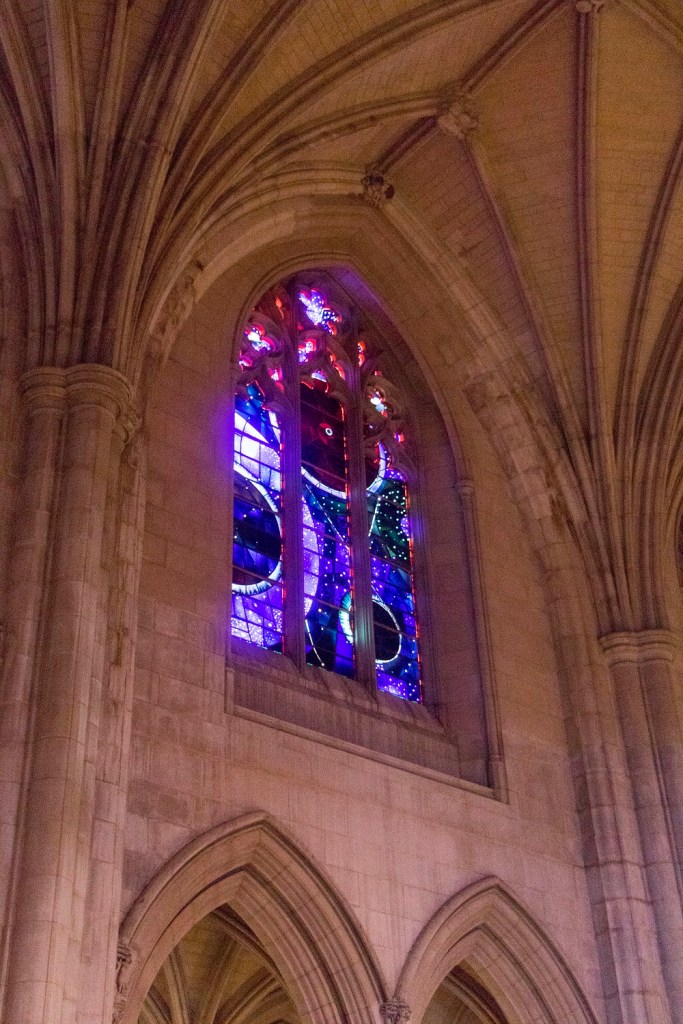
Another favorite among the 215 stained glass windows was the Space Window, donated by former NASA astronaut Thomas O. Paine.  Photographs taken during the Apollo 11 space flight inspired the design for the Space Window, and amazingly, the Space Window actually contains a small piece of moon rock.

SHSU, LEAP Center, Center for Law Engagement And Politics, Washington DC, National Cathedral

The Cathedral contains many other interesting finds, such as:

  • The Canterbury Pulpit, carved from stone from the Canterbury Cathedral in England; from which many have preached, including Reverend Martin Luther King Jr., who preached his last Sunday sermon before his assassination from there;
  • A Children’s’ Chapel, donated by parents who had lost their six-year-old son;
  • A Chapel dedicated to the wars of the world;
  • A Chapel with paintings completed by renowned American painter N.C. Wyeth; and
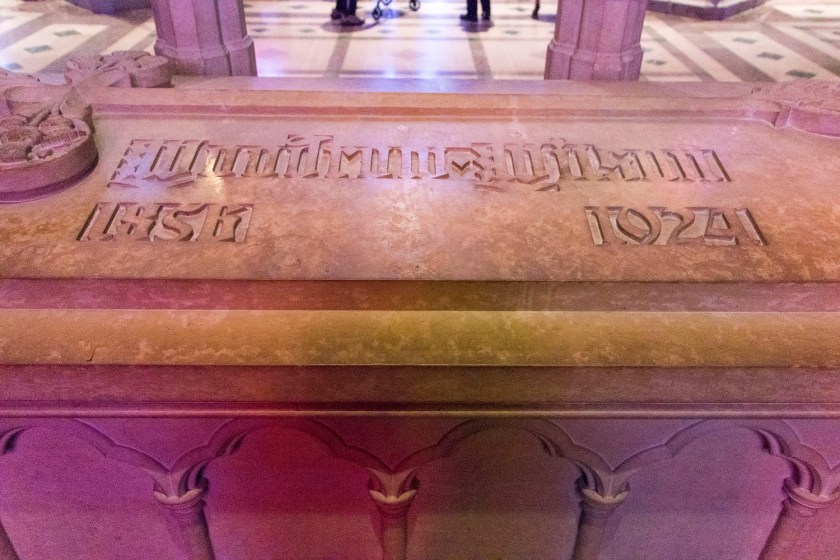
  • President Woodrow Wilson’s tomb.

SHSU, LEAP Center, Center for Law Engagement And Politics, Washington DC, National Cathedral

We saw many carvings, stained glass windows and beautiful chapels and did not even begin to cover the other areas of the Cathedral.  Inspired to return for the “behind-the-scenes” tour someday, we headed back to the hotel, joined by even our taxi driver in proclaiming just how beautiful the Cathedral truly is.

SHSU, LEAP Center, Center for Law Engagement And Politics, Washington DC, National Cathedral

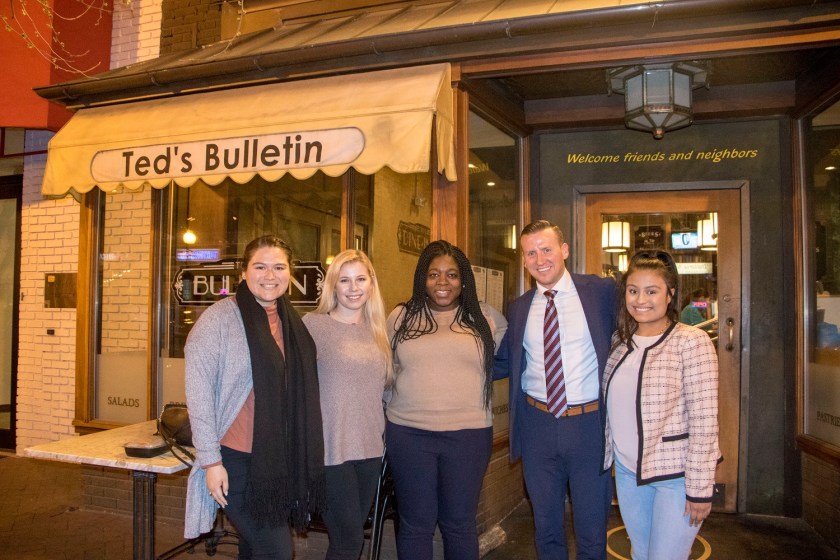
 Ted’s Bulletin, Capitol Hill (ME) [https://www.tedsbulletin.com/]

We took the Metro (being experts by now) to try a DC favorite, Ted’s Bulletin, on the recommendation of one of our two special guests, former Junior Fellows Ademide Adedokun and Justin Veillon.  Ademide and Justin both live and work for different governmental agencies in the DC area.

Over appetizers (Candied Nueske Bacon, Loaded Tots, and Pretzel Bites), we learned a little more about their journeys to DC. Both Ademide and Justin had interned and/or worked for Congressman Kevin Brady (our Huntsville Rep!) and although they had different paths, they each found their way to Capitol Hill. They also shared their internship experiences – both had interned with the City of Huntsville, a connection we could all make and talk about, as former & current interns and part-time employees.

We quizzed Ademide and Justin about how D.C. works, and without job-specific detail, they each described a typical day: the commute; the day-to-day work (sometimes explosively interesting, sometimes soul-grinding, but somehow always interesting); and the importance of maintaining a life-work balance. Ademide provided a little more background on transitioning between different positions and agencies, and how she has been successful navigating some of the DC “waters.”  She recently bought a house, so we all congratulated her on that.  Justin recently started a new position and, while his days are long, he shared that he does love about his work that he is in an environment of people who work hard and tirelessly every day.

Over our entrees (a variety of burgers and chicken dishes), we also shared our after-graduation plans and took in any advice offered. Ademide and Justin were great in offering insight on our different career paths.  One thing they insisted on, though, is that no one ever has it figured out, and if you’re willing to take a LEAP at opportunities, sometimes you can find something you really enjoy.

SHSU, LEAP Center, Center for Law Engagement And Politics, Washington DC

Either way we leaned—wanting to move to DC, or maybe just planning another visit—we truly appreciated their insight. (And we really appreciate Justin dropping us at the National Mall – we got to chat a little more on the drive, and we were spared one Metro ride – thanks again, JV!)

National Mall, Monuments @ Night (MD)

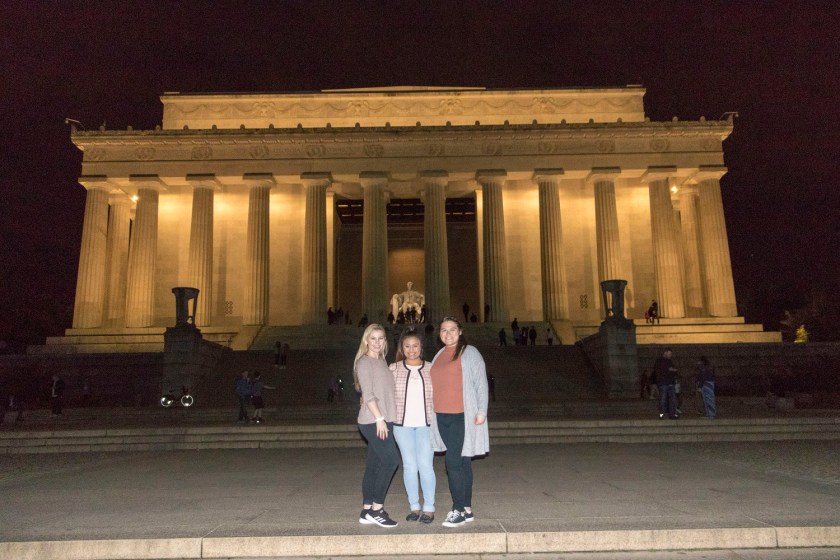
Our first stop was the Lincoln Memorial.

SHSU, LEAP Center, Center for Law Engagement And Politics, Washington DC, Lincoln Memorial

We had heard that the National Mall is exceptionally popular (and pretty) at night, with the monuments lit. On our arrival at the Lincoln Memorial, we headed up the intimidating steps, surprised by the sheer size of the statue and monument. Lucky for us, there was lull in tourists taking pictures at the base of the statue, so we stepped in for a few shots.

A little on the Lincoln Memorial: President Abraham Lincoln was assassinated on April 15, 1865. Following his assassination, Congress created the Lincoln Monument Association to build a memorial for the former President and his legacy. On February 12, 1914 the Lincoln Memorial was dedicated and construction began the following month. On May 30, 1922, a dedication ceremony was held with Lincoln’s only surviving son in attendance.

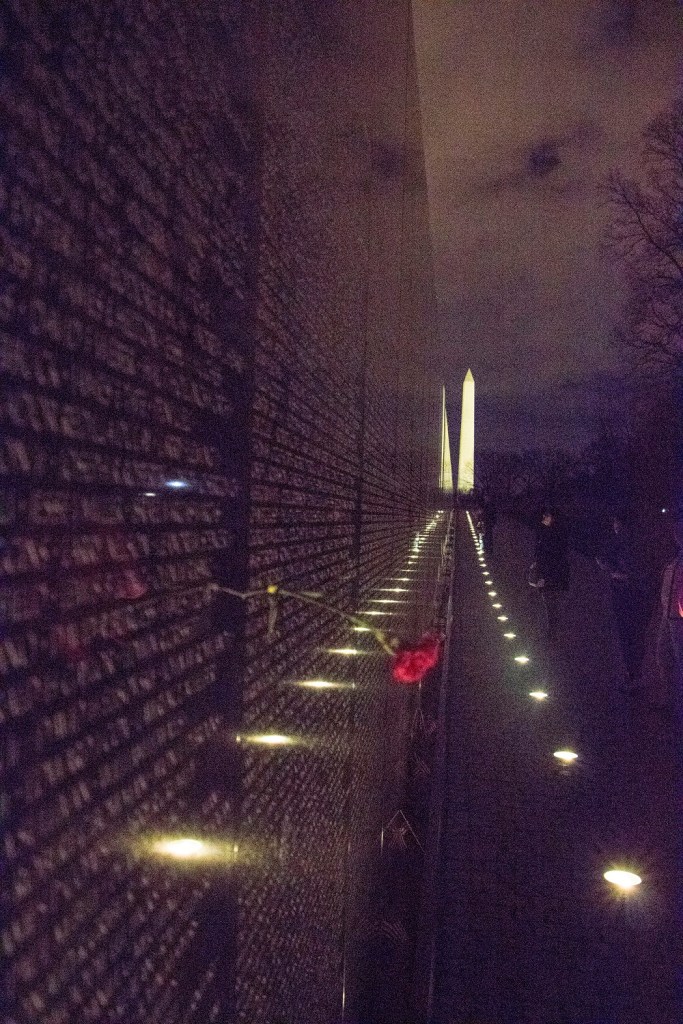
We next walked through the Vietnam Veterans Memorial. The Vietnam Veterans Memorial Wall was commissioned to Maya Lin, an American designer and architect most known for her work on this Memorial, completed in 1982.

SHSU, LEAP Center, Center for Law Engagement And Politics, Washington DC, Vietnam Memorial

“The Wall” memorializes American veterans who died in the Vietnam War. Veterans’ names are listed in the order that they died or became unaccounted for while overseas. Symbolically, Lin designed the wall to appear as a “wound that is closing and healing,” and is a form of land art that was popular in the 1960s. Built on a 125-degree angle, one wall points toward the Lincoln Memorial and the other points towards the Washington Monument. We visited all three “parts” to the Memorial, including The Three Soldiers and the Vietnam Woman’s Memorial, but we all agreed that The Wall was the most impressive.

Finishing up the night, we arrived at the WWII Memorial, which includes 56 pillars representing the United States and territories involved in WWII. One side of the memorial represents the “Atlantic” and the other side the “Pacific,” symbolizing the global impact and extent of WWII. Because of the season, the fountain and reflecting pool had been drained, but we could still feel the impact of the Memorial, dedicated by President George W. Bush on May 29, 2004.

SHSU, LEAP Center, Center for Law Engagement And Politics, Washington DC, World War II Memorial

Luckily, we got some pictures before our visit was cut short by rain!

SHSU, LEAP Center, Center for Law Engagement And Politics, Washington DC, Lincoln Memorial

+ + + + +


Unknown's avatarAuthor mikeyawnPosted on September 6, 2020Format AsideCategories Art, Civic Engagement, Civil Rights, Food, Law, Politics, TravelTags Center for Law Engagement And Politics, LEAP Center, National League of Cities Congressional City Conferenc, SHSU, Washington DCLeave a comment on LEAP in DC: Day 4

LEAP In DC: Day 3

 NLC Conference: Opening General Session (EM)

Kathy Maness, first vice president for National League of Cities and current council member for Lexington, South Carolina, welcomed us to the 55th annual National League of Cities (NLC) Congressional Cities Conference, accompanied by singing of the national anthem and the presentation of the colors by students from St. John’s College High School. She touched on the 2020 census, concerns about the coronavirus, federal authorities’ involvement in local government, and the importance of development and infrastructure at the local level.

SHSU, LEAP Center, Center for Law Engagement And Politics, Washington DC, National League of Cities, Congressional City Conference 2020, Kathy Maness

Like many speakers during the opening session, Maness expressed the impact and importance of local government in our country.

Following Maness, Bryan Barnett, President of the United States Conference of Mayors (USCM) and Mayor of Rochester Hills, Michigan, took the stage. Barnett spoke on the lack of trust between constituents and federal governmental agencies, claiming that the federal level of mistrust is much higher than at the local level.

SHSU, LEAP Center, Center for Law Engagement And Politics, Washington DC, National League of Cities, Congressional City Conference 2020

Instead, he stated that local and federal governments need strength and trust to achieve goals, over any partisanship.

Next up, Joe Buscaino, NLC President and Los Angeles District 15 Councilmember, came to the stage to much applause.

Buscaino, a 15-year veteran of the Los Angeles Police Department, led his talk with his role in creating in 2011 LAPD’s Teen Community Police Advisory Board, an entity that provides teens the opportunity to resolve issues between teens and police.

Buscaino was a favorite speaker amongst the group for the day!

SHSU, LEAP Center, Center for Law Engagement And Politics, Washington DC, National League of Cities, Congressional City Conference 2020

Similar to Barnett, Buscaino brimmed with passion about partnerships to help obtain grants and resources from the federal government, frequently citing the motto “Lead with urgency.” He encouraged the officials present to lead to building sustainable infrastructure, to creating a skilled workforce, and to ending homelessness – the NLC’s current priorities. He continued to express the importance of strengthening leadership through knowledge and building local innovation, with a bent toward preventing unemployment.

Then he went off script (he announced he was doing so).  His presentation took on a visible emotional change when he brought up on stage Brent Jaramillo, NLC Board of Director member and Councilmember from Questa, New Mexico.  He unveiled Jaramillo’s dedication to NLC despite battling cancer, and that Jaramillo recently had found out he was cancer-free.

SHSU, LEAP Center, Center for Law Engagement And Politics, Washington DC, National League of Cities, Congressional City Conference 2020

Two brief presentations then followed: one by Peter Wright, Assistant Administrator for the United States Environmental Protection Agency (EPA), who spoke on the EPA’s plans to prevent a water crisis and recent changes in recycling; and then a short welcome from the Mayor of Washington, D.C., Muriel Bowser who invited and encouraged us to visit our historical and beautiful capital.

SHSU, LEAP Center, Center for Law Engagement And Politics, Washington DC, National League of Cities, Congressional City Conference 2020, Mayor Muriel Bowser

The opening session’s keynote speaker finally took the stage.  Former Speaker of the House, Paul Ryan, held a moderated conversation with NLC’s Executive Director and CEO, Clarence Anthony.

SHSU, LEAP Center, Center for Law Engagement And Politics, Washington DC, National League of Cities, Congressional City Conference 2020, Speaker Paul Ryan

Anthony introduced the former Speaker, citing programs that made an impact while he served that role: reforming taxes, rebuilding our national defense system, addressing the opioid crisis, reforming the criminal justice system, and promoting economic opportunity. Ryan spoke briefly of his mentor, Jack Kemp, former Secretary of Housing and Urban Development (HUD), and the major influences that shepherded Ryan into politics. He answered a number of questions about local governments’ involvement with the federal government, among other topics, but keeping to the ideal of a pay for performance model, in which local governments develop a proven structure before seeking funding.
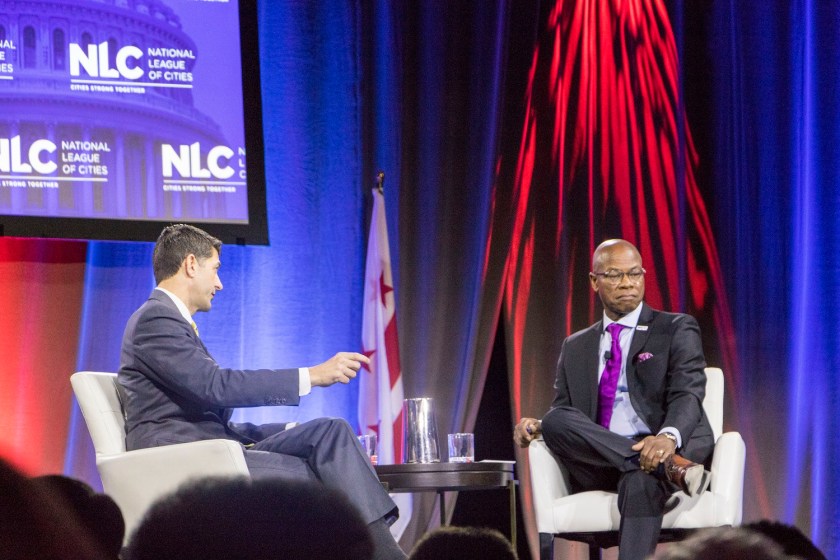
SHSU, LEAP Center, Center for Law Engagement And Politics, Washington DC, National League of Cities, Congressional City Conference 2020, Speaker Paul Ryan

It was a great opening session!  But, it was time for us to move to the second session for the day…

NLC Conference: Practical Tools for Fighting Preemption (ME) [https://ccc.nlc.org/seminar/practical-tools-for-fighting-preemption/]

One of our first sessions tackled an issue local governments everywhere face: preemption. While preemption is a neutral, legal tool, and it can be used for both “good” and “bad” reasons, recently, state and federal legislators and policymakers practicing preemption have caused major restrictions on local entities. While no one agency is inherently the “bad guy,” the three levels of government must work together to put citizens’ and community residents’ needs first. Local government officials are the most trusted of government officials; their citizens rely heavily on them and need to know that their (the citizens’) interests are a priority.

SHSU, LEAP Center, Center for Law Engagement And Politics, Washington DC, National League of Cities, Congressional City Conference 2020, Premption

Several panelists spoke of the impact of preemption in their cities.  Most of these issues primarily affect lower classes, with some of the preemption policies put in place make it nearly impossible to improve living conditions for a large amount of residents. Mayor of Chattanooga, Tennessee, Andy Berke spoke on the issues of installing broadband and/or raising the minimum wage.

SHSU, LEAP Center, Center for Law Engagement And Politics, Washington DC, National League of Cities, Congressional City Conference 2020, Preemption

Kim Haddow explained that hundreds of communities are facing a power struggle between the state and local governments.  Along with NLC researcher Dr. Christy McFarland, Haddow has suggested updates to “home rule” municipalities. They created the project to help cities and especially to comply with heavily populated cities.

SHSU, LEAP Center, Center for Law Engagement And Politics, Washington DC, National League of Cities, Congressional City Conference 2020

NLC Conference: Investing in a Skilled Workforce: WIOA Reauthorization (SF) [https://ccc.nlc.org/seminar/investing-in-a-skilled-workforce-wioa-reauthorization/]

This panel, moderated by Katie Spiker, Director of Government Affairs for the National Skills Coalition, focused on training or learning on the job, a current hot topic, and any effects, if any, that could be ascertained about the (recent) Workforce Innovation and Opportunity Act (“WIOA”).

Katie Spiker

Passed in 2014, final regulations were not developed until 2016, so implementation was truly not effective until 2017.  Given the long timeframe from passing to implementation, and turnover in Congress, one ongoing challenge has been to educate the original intent of the legislation.

Of the three speakers on this panel, who each were well-spoken and notably passionate about their work and their roles in promoting technical skills trades, on-the-job-training and a host of other options (“college is not for everyone and everyone is not for college”), the most passionate was an elected official who was actually a substitute for the initial speaker.

Mayor Lioneld Jordan of Fayetteville, AR (so this was an extra surprise, as former LEAP “friend of” Ryan Brim attends the University of Arkansas and works for the City of Fayetteville), spoke most passionately about what the City is doing to promote skills training programs in Fayetteville, a major city in northwest Arkansas. He cited his own background, which made him the perfect spokesperson for this topic—with no finances for college, Jordan attended an apprentice program at UA, accrued 1400 hours of OTJ training, and after four years, was given a certificate to operate as a licensed journeyman carpenter.  He ran for office in 2000, and has since become Fayetteville’s first-ever three-time mayor.

Office of the Mayor | Fayetteville, AR - Official Website

So what is Fayetteville doing?  Apparently, a lot.  The audience of elected officials clapped numerous times as he explained they passed a $226M bond in 2019, with $1.5M dedicated to workforce training.  With a low unemployment rate (only 2.6%), Fayetteville has recognized a serious problem with having a high (18-20%) poverty rate.  He stated that these funds are going to help pay for skilled trades and technology jobs, in “getting back to the basics”; that it should help those who can’t otherwise obtain funding for trades schools (as it isn’t as easy as for attending college). He received hearty applause for stating, “You have to give people hope for their future – and start where they are.  Not everyone is going to college, folks, but everyone needs to be able to earn a wage.”

Main points made by the two other speakers included:

  • The State of New York is trying to align economic and workforce development – ensuring that the law remains local (that local agencies know what to do and have local flexibility and responsibility), especially in the light of the vast majority of jobs being created in NY start at less than $32K; and
  • Northern Virginia Community College has been successful at creating programs that allow for a lot of “transfer” in or credit for certificate programs by forming partnerships with companies and remaining highly flexible (quoting multiple changes per year to the program, a pace relatively unheard of in higher education).

Naanwise (ME) [https://www.naanwise.com/]

With a short break for lunch, we headed to Naanwise, to have some traditional Indian dishes. As we walked in, the aroma of spices and fresh baked pita greeted us. For lunch, Maggie and Stephanie opted for the bountiful buffet; Esme was daring and tried the hottest dish – the chicken vindaloo with potatoes in a thick tangy gravy; and Miranda stuck to her all-time favorite – Chicken Korma. We also enjoyed three different types of Naan (original, garlic, & cheese) with our entrees.

This slideshow requires JavaScript.

Stuffed, we trudged back up the hill to the conference.

NLC Conference: Legal Updates: How Action from the Supreme Court and Lower Courts Impact Cities (MD)

Lisa Soronen led this presentation.  As Executive Director of the State and Local Legal Center, her primary roles is to file amicus curiae briefs to the Supreme Court on behalf of the “Big Seven” (National Governors Association, National Conference of State Legislatures, Council of State Governments, National League of Cities, United States Conference of Mayors, National Association of Counties, and International City/County Management Association).

SHSU, LEAP Center, Center for Law Engagement And Politics, Washington DC, National League of Cities, Congressional City Conference 2020, Lisa Saronen

She started with an introduction to the Supreme Court Justices and their role and tenure on the Supreme Court, going into detail on the significant leadership role played by the Chief Justice (John Roberts, since September 2005). According to Soronen, 50% of cases heard by the Supreme Court are unanimous, while 20% of cases garner a 5-4 vote. It was clear that Soronen had spent time researching chief justices’ voting history and habits. I enjoyed hearing about partisan habits of chief justices as well as interpretation techniques admirable in a chief justice. As Soronen described, a perfect chief justice is “pragmatic, moderate, and conservative.”

Se dedicated the second part of the session to an overview of previous and current legislation brought before the Supreme Court where results have had an impact on local and state municipalities. These topics ranged from controversial issues like abortion, to complicated issues like the relationship between social media and elected officials, to the Clean Water Act and other environmental legislation.  The Supreme Court can closely–and quickly–affect our local government and government leaders.

NLC Conference: University Communities Council Meeting (ME)

Our last session of the day focused directly on communities home to small and large universities, just like our Huntsville. The council meeting featured updates and notices on upcoming events from several Board of Directors and the International Town and Gown Association.

SHSU, LEAP Center, Center for Law Engagement And Politics, Washington DC, National League of Cities, Congressional City Conference 2020

With the 2020 election fast approaching along with the start of Census 2020, the Chair invited NLC Fellow Gianna Judkins to speak about her initiative, Cities Vote, which engages cities to encourage voter turnout among college students. The Cities Vote program tackles issues like voter accessibility with transportation to polls and encouraging voting for local elections.

Then, Amy Cohen, Executive Director of the Honey W. Nashman Center for Civic Engagement and Public Service at George Washington University, spoke about her work engaging student voter turnout that involved educating students on not only candidates but also how to use the US Postal System, a challenge for the Millennials, and now especially the Generation Z-ers.
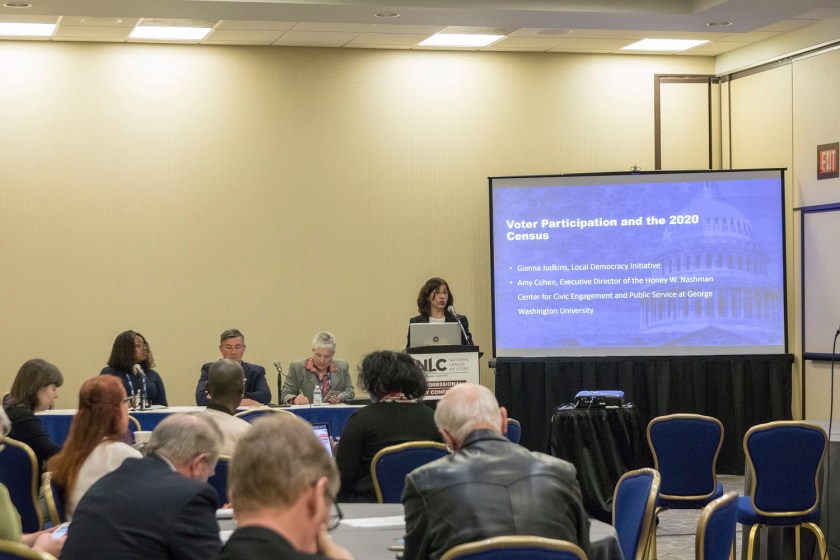
Amy Cohen, Executive Director of the Honey W. Nashman Center for Civic Engagement and Public Service at George Washington University

We learned more about several other programs: Turbo Votes, used to identify areas that need the most help; NLC’s progress on advocating for the Leading Together plan; and Moving Together, a program for  advocating for infrastructure improvement support in the form of grants for smaller cities.

Several officials spoke passionately on a major topic affecting university cities, the rise of short-term rentals (aka STRs), when single-family homes are turned into rental units, such as through Air-BNB. STRs are usually not profitable for cities because occupants do not pay hotel occupancy taxes, nor do they usually have to pass the city inspections that hotels do. STRs can also cause a strain to the housing market, but cities are also facing preemption from the state level about banning these kinds of arrangements. Different cities cited using a variety of methods including requiring permits, but many cities lack the resources to tackle this growing issue effectively.

Following these sessions, on our way to the Metro, we discussed what we learned and whether or not the City of Huntsville could/should expect to see soon these issues that other communities are facing.

Smithsonian – National Portrait Gallery (EM) [https://npg.si.edu/home/national-portrait-gallery%5D

After today’s conference, we were off to the National Portrait Gallery, housed in the Smithsonian American Art Museum.  We had a goal to recognize our favorite artist works, with a list to work from…

SHSU, LEAP Center, Center for Law Engagement And Politics, Washington DC, National League of Cities, Congressional City Conference 2020, National Portrait Gallery

The Museum is one of the largest collections of American art!  From Folk Art to Modernism and America’s Presidents, the museum offers an array of exhibits that highlights great American art, with an obvious emphasis on portraiture. Even so, there was great diversity throughout the museum—different forms of art through various periods of time, and different styles–from Impressionism to Modern and more, each that gave us a better sense of art history.

After quizzing each other on the different artists throughout the various exhibits, we were able to locate several familiar artists’ works throughout the Museum: Claes Oldenburg, Chuck Close…

SHSU, LEAP Center, Center for Law Engagement And Politics, Washington DC, Smithsonian American Art Museum, SAAM,

…Thomas Hart Benton, Georgia O’Keeffe…

SHSU, LEAP Center, Center for Law Engagement And Politics, Washington DC, National League of Cities, Congressional City Conference 2020, National Portrait Gallery, Okeeffe

Alexander Calder, and James Surls (from SHSU)….
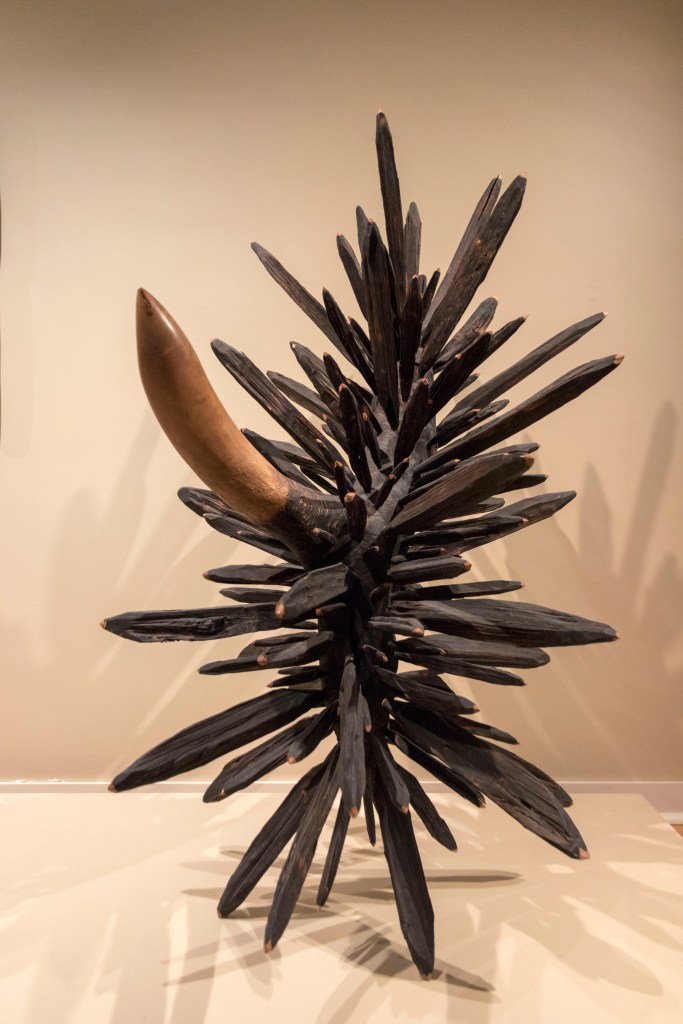
SHSU, LEAP Center, Center for Law Engagement And Politics, Washington DC, National League of Cities, Congressional City Conference 2020, National Portrait Gallery, James Surls

…to name a few.

We saw work by Kehinde Wiley (famous for doing President Obama’s questionable portrait)…

SHSU, LEAP Center, Center for Law Engagement And Politics, Washington DC, National League of Cities, Congressional City Conference 2020, National Portrait Gallery, Kehinde Wiley

…as well as work by one of our favorites: Deborah Butterfield.
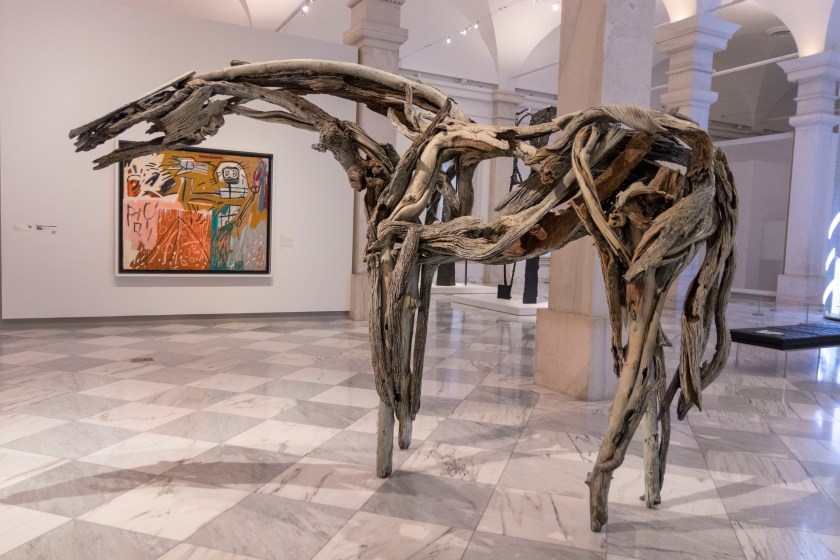
SHSU, LEAP Center, Center for Law Engagement And Politics, Washington DC, National League of Cities, Congressional City Conference 2020, National Portrait Gallery, Deborah Butterfield


We also saw the Sam Houston bronze bust made by Henry Dexter in 1860!
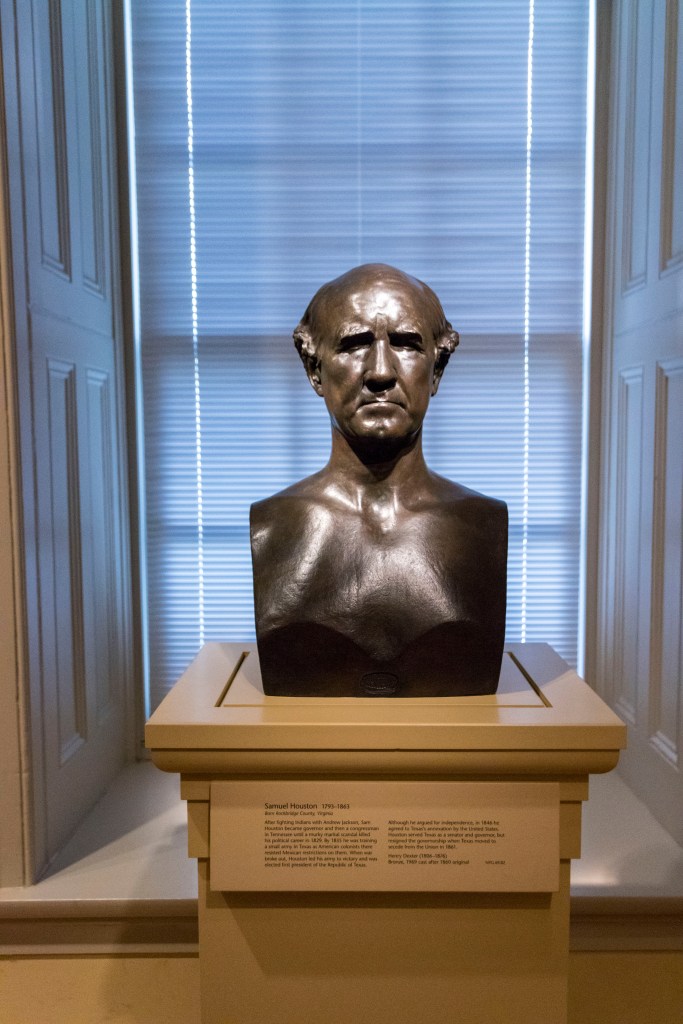
SHSU, LEAP Center, Center for Law Engagement And Politics, Washington DC, National League of Cities, Congressional City Conference 2020, National Portrait Gallery, Henry Dexter, Sam Houston


The Way Back to the Hotel: Compass Coffee, Ford’s Theater, & Roti Mediterranean (SF) [https://www.compasscoffee.com/; https://www.fords.org/; https://roti.com/]

At Compass Coffee, we regrouped & planned for the rest of the evening, buying coffee for one of DC’s SWAT team members, in line in front of us, getting coffee before heading across the street to help with security for the evening’s WWE event (no, not on our itinerary!).  The coffee was great, and the pastries were good, too.  We have noticed that the “lavender latte” craze seems to predominate the local DC coffee shop menus, but we have liked both hot and cold versions.

Filtering through the multi-block long line of WWE fans, we headed toward the nearest Metro station.  We made sure, though, to wind our way through the streets to pass by Ford’s Theater, the site of President Abraham Lincoln’s assassination, and just across the street, the house where President Lincoln was taken after being shot, and where he died.

SHSU, LEAP Center, Center for Law Engagement And Politics, Washington DC, National League of Cities, Congressional City Conference 2020, Ford's Theatre

It was a bit sobering to know we were in that place where such a monumental event in the country’s history took place.  As everything was closed, we only had time for a quick snap before moving on.

On our final leg to the hotel, we stopped around the corner for a quick bite to eat at Roti Modern Mediterranean, where we picked up Mediterranean “bowls.”

SHSU, LEAP Center, Center for Law Engagement And Politics, Washington DC, Naanwise

We took them “to go” as we had some catching up on blogs, Spring Break assignments, and (hopefully) some sleep!

+ + + + +

 

Unknown's avatarAuthor mikeyawnPosted on August 28, 2020August 28, 2020Format AsideCategories Art, Civic Engagement, Civil Rights, Law, Politics, TravelTags Center for Law Engagement And Politics, Chuck Close, Congressional City Conference 2020, Deborah Butterfield, Ford's Theatre, Georgia O'Keeffe, James Surls, Kehinde Wiley, LEAP Center, National League of Cities, National Portrait Gallery, Sam Houston, SHSU, Washington DCLeave a comment on LEAP In DC: Day 3

Washington, DC: Day 2

LEAP: NLC in DC, Day 2

We had a slightly more restful start to DC – Day Two, with a hearty breakfast and plenty of caffeine.  We jumped right into the day, with the hopes of more learning opportunities and some wonderful weather to accompany the activities on our itinerary.

NLC Conference: Making Robert’s Rules Work for You (MD)

SHSU, LEAP Center, Center for Law Engagement And Politics, Washington DC, National League of Cities, Congressional City Conference 2020

The LEAPsters started the morning with a 9:00am seminar on Robert’s Rules of Order led by Ann Macfarlane, who serves as a Professional Parliamentarian for Jurassic Parliament.

SHSU, LEAP Center, Center for Law Engagement And Politics, Washington DC, National League of Cities, Congressional City Conference 2020, Ann McFarland, Jurassic Parliament

The three-hour seminar addressed proper procedures for running an efficient meeting; board chair and member expectations; and how small board should adopt rules of order.

SHSU, LEAP Center, Center for Law Engagement And Politics, Washington DC, National League of Cities, Congressional City Conference 2020, Ann McFarland, Jurassic Parliament

Ann started with an introduction and room activity, where attendees read from a script, prompting working through expected debate in a regular meeting.

Macfarlane provided a thorough handout and went into even more depth in her presentation. Throughout the session, she took questions from the audience about their specific situations, offering tailored parliamentary advice. Promoting group interaction within our table, we read scripts about calling a point of order, improper remarks, and even included a script for an entire meeting.

Towards the end of the seminar, Macfarlane facilitated an activity where we all moved around the room, choosing a corner that allowed us to “vote” on the most important part of running an effective meeting.

SHSU, LEAP Center, Center for Law Engagement And Politics, Washington DC, National League of Cities, Congressional City Conference 2020, Ann McFarland, Jurassic Parliament

Options were “the chair is a servant,” “no one may speak again before others have had a chance,” “courtesy and respect are required at all times,” and “one thing at a time.” Most of the attendees, LEAPsters included, chose “courtesy and respect are required at all times.” We agreed that showing courtesy and respect would intuitively lead to the other three fundamental principles.

SHSU, LEAP Center, Center for Law Engagement And Politics, Washington DC, National League of Cities, Congressional City Conference 2020, Ann McFarland, Jurassic Parliament

Lunch – Food Trucks on the National Mall (MD)

Following the conference session, we stopped at the hotel for a quick change before heading to the National Mall for lunch. Annie Jamarik met up with us again as we perused the various food truck options that line the Mall area, especially on days with such wonderful Spring weather.  Esme and Maggie decided on WasSub DC, a bright food truck featuring Asian fusion, selecting Beef Bulgogi and Chicken Teriyaki bowls. Miranda chose a food truck further down the line, ordering a Philly cheesesteak with avocado.

SHSU, LEAP Center, Center for Law Engagement And Politics, Washington DC, National League of Cities, Congressional City Conference 2020

National Museum of American History (ME)

Washington D.C. is home to 17 of the 20 Smithsonian museums. Although we would not be able to see all 17, today we had the opportunity to visit the National Museum of American History. The Museum is full of iconic treasures that fill three floors and offer unique aspects of our country’s history. The Smithsonian Institute recommends taking two days to see one museum; we were limited on time but determined to see the biggest and most pertinent attractions.

SHSU, LEAP Center, Center for Law Engagement And Politics, Washington DC, National League of Cities, Congressional City Conference 2020, National Museum of American History

We started our journey through the Museum at the exhibit displaying Dorothy’s iconic ruby red slippers from The Wizard of Oz. The shoes are on display in a dimly lit room, which helps conserve the sparkling slippers. This was a childhood dream come true for some Ambassadors (Miranda) who grew up watching the slippers lead Dorothy down the yellow brick road.

SHSU, LEAP Center, Center for Law Engagement And Politics, Washington DC, National League of Cities, Congressional City Conference 2020, National Museum of American History, Wizard of Oz

We then visited “The First Ladies” exhibit, which highlights the current and former First Ladies, demonstrating changes in fashion and home decorating through several inaugural gowns and china patterns.

SHSU, LEAP Center, Center for Law Engagement And Politics, Washington DC, National League of Cities, Congressional City Conference 2020, National Museum of American History, Nancy Reagan

The exhibit also features a section entitled ‘Changing Times, Changing Ladies” that features first ladies who contributed in large part to their husband’s administration through their own initiatives and programs, featuring First Ladies such as Mary Todd Lincoln and Lady Bird Johnson.

While we could have admired the gowns longer..

SHSU, LEAP Center, Center for Law Engagement And Politics, Washington DC, National League of Cities, Congressional City Conference 2020, National Museum of American History, Jackie Kennedy

…moved to the adjacent section highlighting the highest elected position one can hold in our country: The President of the United States. “The American Presidency: A Glorious Burden” explores the lives and decisions of the past 44 Presidents. The exhibit expands to cover every aspect of what a President may face, including a round room that highlights all of the roles our president plays from party leader to commander-in-chief. The exhibit also explores life at the White House, impeachment, and the unfortunate times around a President’s passing. Home to over 900 artifacts, our favorites included: the top hat worn by President Lincoln, and a sample original Teddy Bear, named after President Theodore “Teddy” Roosevelt.

“The Price of Freedom: Americans at War” was the last exhibit we had time to see; it explores the chronological progression and growth of our country’s armed forces. In the exhibit, we saw a very familiar face and (rightfully) favorite soldier and statesman, Sam Houston.

SHSU, LEAP Center, Center for Law Engagement And Politics, Washington DC, National League of Cities, Congressional City Conference 2020, National Museum of American History, Sam Houston

We learned about the development of weapons and vehicles used in combat, and particularly enjoyed seeing the section on World War II, comparing the displays and soldiers’ stories to those we saw at The National WWII Museum in New Orleans when we visited last summer.  There were additional items from Vietnam and even 9-11.

SHSU, LEAP Center, Center for Law Engagement And Politics, Washington DC, National League of Cities, Congressional City Conference 2020, National Museum of American History, 9-11

We neared the exit, but detoured briefly…we just couldn’t leave without seeing *the* Star-Spangled Banner, our country’s flag. The flag on display was raised over Fort McHenry and signaled the American victory over the British in the Battle of Baltimore on September 14, 1814. The sight of the flag inspired Francis Scott Key to write the National Anthem. The flag was kept in a private collection and pieces were cut off and given as mementos, but what remains of the flag now is on display for thousands of people to see.  It is one of the most treasured artifacts at the Smithsonian.

National Gallery of Art – Sculpture Garden (SF) 

The warm weather, which had closed down the Garden’s central skating rink, was perfect for a walk.  The footpath took us past a number of early-budding trees that were the subject of numerous photographers, and more importantly, past pieces by several modern artists, some of which LEAPsters have seen in numerous museums in different states:

  • Roy Lichtenstein

SHSU, LEAP Center, Center for Law Engagement And Politics, Washington DC, National Gallery of Art Sculpture Garden, Roy Lichtenstein

  • Alexander Calder

SHSU, LEAP Center, Center for Law Engagement And Politics, Washington DC, National Gallery of Art Sculpture Garden, Alexander Calder

  • Sol LeWitt

SHSU, LEAP Center, Center for Law Engagement And Politics, Washington DC, National Gallery of Art Sculpture Garden, Sol Lewitt

  • Roxy Paine

SHSU, LEAP Center, Center for Law Engagement And Politics, Washington DC, National Gallery of Art Sculpture Garden, Roxy Paine

  • Ellsworth Kelly
  • Louise Bourgeois
  • Claes Oldenburg
  • Joel Shapiro

SHSU, LEAP Center, Center for Law Engagement And Politics, Washington DC, National Gallery of Art Sculpture Garden, Joel Shapiro

One favorite of nearly all cohorts of Ambassadors, though, is Robert Indiana, whose work we’ve seen in Philadelphia, PA; NYC, NY; Bentonville, AR; San Antonio, TX; and many more places! (But what’s not to LOVE about his work?)

SHSU, LEAP Center, Center for Law Engagement And Politics, Washington DC, National Gallery of Art Sculpture Garden, Robert Indiana

The 39 Steps at Constellation Theatre (EM) 

Our next stop for the day was Constellation Theatre, tickets in hand for The 39 Steps.

SHSU, LEAP Center, Center for Law Engagement And Politics, Washington DC, The 39 Steps, Constellation Theatre

Some background on The 39 Steps, the play version – it is a combination of John Buchan’s original novel (1915) and Alfred Hitchcock’s movie (1935). The story is about a typical London civilian, Richard Hannay, who becomes entangled in a spy organization after he meets at a woman, who is stabbed to death in Hannay’s home the night they first meet.  Hannay becomes the prime suspect for her murder, and ends up attempting to complete her spy work, making his way (on the lam) to the Scottish Highlands to find the master behind the 39 Steps, save his country, and bring justice about for Schmidt’s murder. It is humorous in its chaos, especially after you realize that all characters are played by four actors (but really three, as the main character only plays the lead!).

The Constellation Theatre is centrally located in DC’s “historic and vibrant U Street Corridor.” The Constellation Theatre Company’s 4-person cast for this show (the Company is led by Founding Artistic Director Allison Arkell Stockman and Managing Director A.J. Guban) gave a most enthusiastic performance that reached into the intimate setting (only 100 seats!) and kept the audience laughing. The spare (but creative) use of props matched perfectly the minimalist black-box theatre.

Dinner – Ben’s Chili Bowl (EM) [https://benschilibowl.com/]

Since we were in the neighborhood, we made a quick stop for a bite to eat at the famous Ben’s Chili Bowl. Ben’s Chili Bowl opened in August 22, 1958 in a converted pool hall. While we waited for our “chili smokes,” we checked out Ben’s “Celebrity Wall,” which included photos of Barack Obama, Jesse Jackson, Steve Harvey, and many more. Along with their famous chilidogs, we ordered “thick n’ creamy” milkshakes, sampling both chocolate and cherry.  (They did not disappoint.)

We wrapped up our evening of fun with a train ride back to the hotel – ready to rest up and prepare for the next day’s events.


Unknown's avatarAuthor mikeyawnPosted on August 7, 2020Format AsideCategories Art, Civic Engagement, Civil Rights, Food, Politics, TravelTags Ann McFarland, Center for Law Engagement And Politics, Congressional City Conference 2020, Jurassic Parliament, LEAP Center, Museum of American History, National Gallery of Art Sculpture Garden, National League of Cities, Robert Indiana, Roberts Rules of Order, Sam Houston, SHSU, The 39 Steps, Washington DCLeave a comment on Washington, DC: Day 2

Posts pagination

Previous page Page 1 … Page 14 Page 15 Page 16 … Page 50 Next page

LEAP Ambassadors Are Involved!

This slideshow requires JavaScript.

Follow Us On Facebook!

Follow Us On Facebook!

Catch Up With Us

  • Filling Empty Bowls: A Community Tradition March 13, 2026
  • CHSS Wall of Honor ceremony and Speakeasy celebration March 11, 2026
  • Jean Becker and Tom Collamore Discuss Advance Work in ‘Don’t Tell the President’ March 10, 2026
  • Public Service Lessons from George H.W. Bush March 9, 2026
  • Mexican Delights & Mediterranean Bites: Retreat Eating, Done Right March 8, 2026

Join The Conversation!

Multi-Platform Media… on Fun and Flavor: Chilly at the…
Highlights from the… on Glazing-A-Trail with Lauren…
The Civic Leadership… on Foundational Activities of the…
The Civic Leadership… on The Philosophical Foundations…
LEAPing Into Action… on The Philosophical Foundations…

Find Previous Posts

We also have Twitter!

My Tweets

LEAPing Into LEARNing

This slideshow requires JavaScript.

  • About LEAP
  • LEAP Ambassadors
Center for Law, Engagement, and Politics Blog at WordPress.com.
  • Subscribe Subscribed
    • Center for Law, Engagement, and Politics
    • Join 490 other subscribers
    • Already have a WordPress.com account? Log in now.
    • Center for Law, Engagement, and Politics
    • Subscribe Subscribed
    • Sign up
    • Log in
    • Report this content
    • View site in Reader
    • Manage subscriptions
    • Collapse this bar
 

Loading Comments...