Sam Houston remains Texas’s greatest hero, and Sam Houston Memorial Museum and Republic of Texas Presidential Library does a great job of honoring his legacy and achievements throughout the year. This is perhaps most authentically exemplified on “General Sam Houston Day,” which takes place each spring, and was held this year on April 26, 2025.
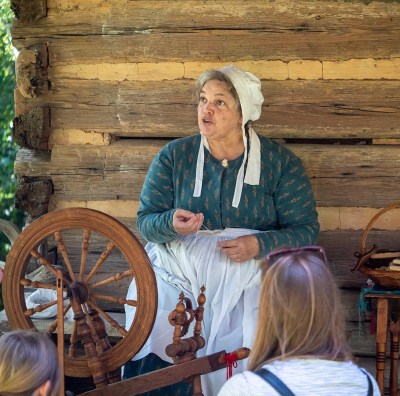
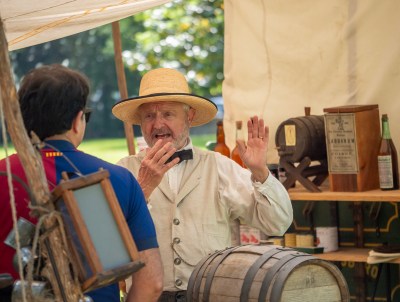
The event has myriad activities for those who want to learn more about General Sam Houston and his times. This includes demonstrations of blacksmithing, spinning…
…kick-wheel pottery, medicine…
…period music…
…19th century dance, cooking, woodworking, and even wagon rides.
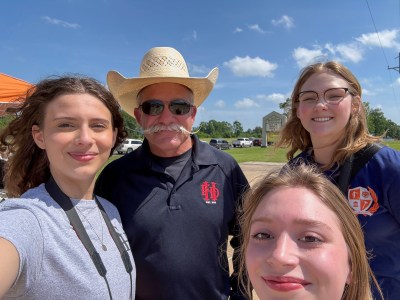
With volunteers, reenactors, and other participants coming in from across the south and southwest, the grounds of the SHMM were bustling.
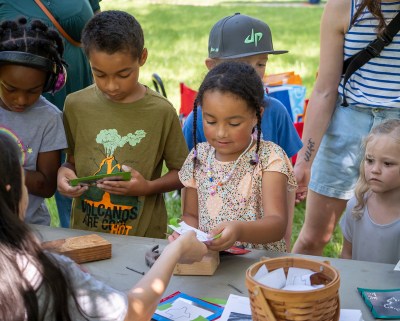
Indeed, there were amateur and professional historians on hand, volunteers, families…
…horses, and–of course–chickens, all enjoying themselves.
General Sam Houston Day has its origins in the “East Texas Folk Festival,” which was created in 1988 to help fund the Sam Houston Memorial Museum. For close to three decades, the event was known as the “General Sam Houston Folk Festival.” The shift reflects more than a name change; the “General Sam Houston Day” is less a festival and more of an exploration of 19th century life.
Whatever the appellation, the event is a celebration of Texas’s greatest hero, offered generously by the talented staff at the Sam Houston Memorial Museum, contributing to a vibrant community.
As a LEAP Ambassador, you’re not expected to be an art expert—or even an enthusiast. But after visiting dozens of museums through the program, it’s only natural that some of us become fans… or critics. I’ve now been to 75 museums with LEAP. Before joining, I’d only ever visited one. Among all those experiences, one name has stood out again and again: James Surls. Of those many wonderful educational experiences, James Surls is a name I had come to frequent more than most.
Surls is something of a household name in LEAP. As a distinguished alum of Sam Houston State University and a prominent figure in Huntsville, his work has served as many students’ first introduction to art—including mine.
So when we heard about the opening reception for the Surls + Locke Museum and the Heard of G.O.A.T.S. exhibit, we knew it was something we couldn’t pass up!
After being shuttled to the 40-acre property, we went to Surls’ studio, which had been transformed into an event hall for the afternoon. Inside, towering sculptures filled the space, and even the live musicians were performing among the artworks on stage.
We spent a long time taking in the ambiance, discussing which pieces were our favorite. Moya and McCaughan were especially drawn to the work of Charmaine Locke, Surls’ wife and an artist in her own right.
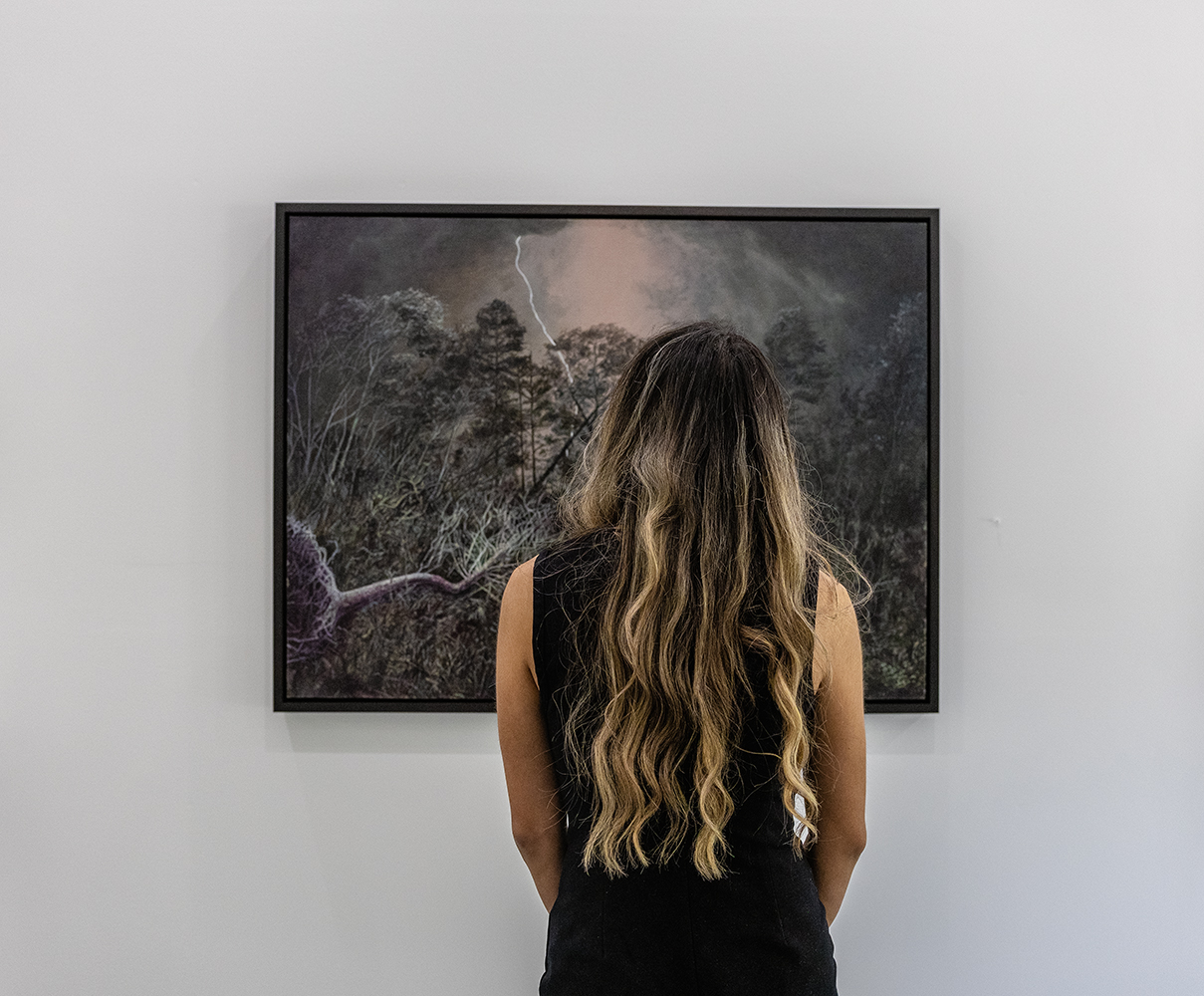
Inspired by the natural world, Surls uses both medium and or composition to emulate life. This presents itself in various ways, but he’s most known for his sculptures that resemble flowers or plants, his eye motif, and sometimes, a combination of the two!
His work stands out not just visually, but intellectually.
While I didn’t initially grasp the depth of his pieces, I’ve come to appreciate their layered meanings over time.
As one article (written by my professor) quotes Surls:
“Right then and there, I drank from the well of true belief in something far greater than myself. I got the calling for my life, and I answered the call with a resounding ‘Yes, I will do it.’”
That sense of purpose resonates with me—and with LEAP as a whole. It reminds me of why we serve and why we learn.
We later walked through the Gift from the Bower exhibit, which featured a series of outdoor installations on its final day.
We spent a lot of time here, discussing meaning, appreciating how the pieces interacted with the environment, and—for Chrissy—getting eaten alive by bugs.
I personally enjoyed Sonic Overlook by Patrick Renner…
and Chrissy liked Learning to Fly by Sherry Owens and Art Shirer.
We had the opportunity to meet Surls himself and have him sign photos we took of his work at the Gaertner Performing Arts Center. It was an honor to meet the artist behind the incredible work that so many LEAP students have enjoyed over the years, and it’s an experience I will cherish for a long time.
Victoria McClendon-Leggett, former LEAP President, also had the opportunity to meet Surls.
As for the Heard of G.O.A.T.S. exhibit itself, the gallery was filled with other famous names. John Alexander…
Lynn Randolph…
and Bill Haveron…
Michelle took a liking to a piece called His and Hers Red Nest by James Drake. She found that the nests looked like angel wings and fittingly posed for a photo upon discovery.
Chrissy, on the other hand, enjoyed a much moodier scene, Siddhartha by Carlos Canul.
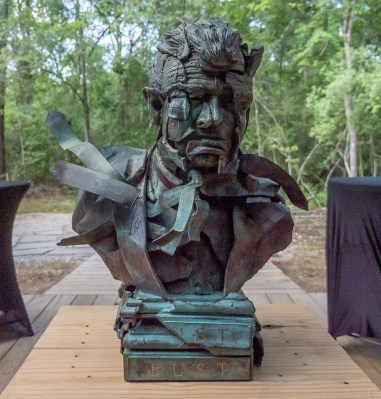
Interestingly enough, the Terry Allen sculpture was on display on the outdoor patio. Titled Bust, the piece depicts a man in a suit that is blowing against an imaginary force of wind. Like all of his pieces, this was thought provoking and visually interesting. It’s no surprise that this bust is courtesy of the Surls + Locke Museum’s collection!
In all, this was an experience that reminds you why LEAP exists—to open minds, spark curiosity, and connect students to opportunities and perspectives they might not have encountered otherwise. It was an incredibly memorable experience, and one I will always be grateful for.
Throughout the evening, there were multiple conversations taking place, some filled with friendly laughter, while others centered on the cases scheduled for the following day. Some exchanged thoughts on the legal questions involved, as some of the cases have some interesting aspects that could have greater implications on the legal field.
Clerk of the Court Sherry Williamson shared stories from her early career, including her time serving as clerk of the Eleventh Court of Appeals in Eastland, Texas. While reflecting on her time there, she mentioned “Ol’ Rip,” the legendary horned toad that Eastland is known for. According to local lore, Ol’ Rip survived a thirty-one-year hibernation, only to later pass away from pneumonia. The toad is now on display at the Eastland Courthouse!
Ol Rip in a custom-made coffin at the Courthouse
While speaking with SHSU LEAP students, Chief Justice Johnson shared his journey into law. He spoke about his early career as a practicing attorney and the transition into becoming a judge. He first served as Justice of the Peace in McLennan County, then as Judge of the 54th District Court for fourteen years, before being elected to the Texas Tenth Court of Appeals in 2020. During the conversation, he emphasized the importance of gaining trial experience for those who aspire to serve on the bench.
Judge David Moorman also spoke highly of the opportunity for students to observe the appellate court in action, calling it a unique and valuable educational experience.
The event served as both a warm welcome to the visiting court and a reminder of the strength and collegiality within the local legal community. The justices will hear three cases at SHSU tomorrow, including two driving while intoxicated cases and one involving injury to a child. The Center for Law, Engagement, and Politics continues to be grateful that the Texas Tenth Court of Appeals visits Sam Houston State University each year. The event offers a multitude of valuable learning experiences. You can read more about the event here.
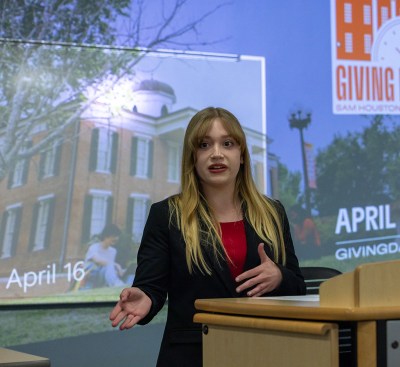
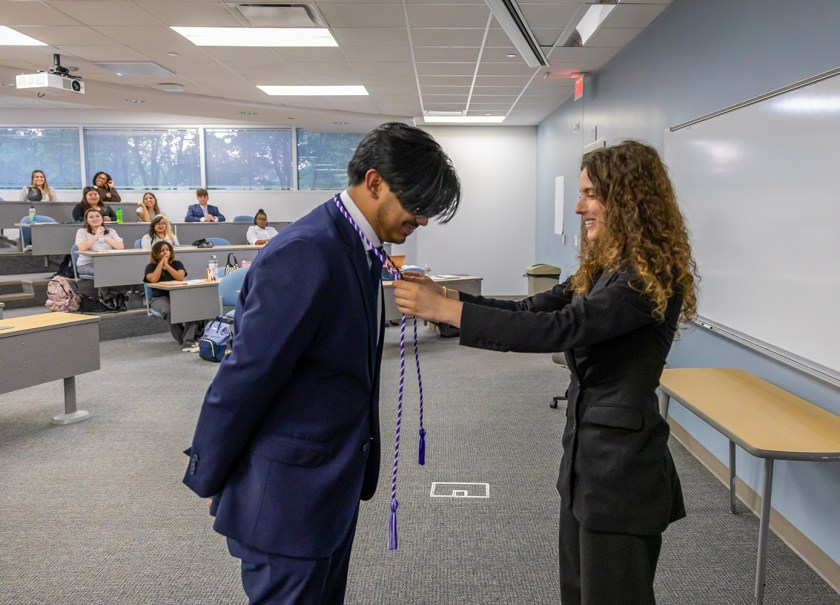
It’s been a semester of elections, practice LSATs, simulated law classes, presentations, court cases, and there’s more to come. But on April 16, the Pre-Law Society completed its final meeting of the semester, featuring a wonderful presentation by Deborah Concepcion and Liz Miller from Lone-Star Legal Aid–as well as a cording ceremony conducted by Pre-Law Society President Olivia Discon.
Lone Star Legal Aid provides legal assistance to impoverished Texans in myriad fields of law, making it a worthy place to ply the legal trade—not to mention a valuable resource for many Texans. Ms. Concepcion spoke to her experience at both Howard University and Seton Hall University, where she earned her undergraduate degrees and JD, respectively.
With this educational foundation, Ms. Concepcion worked in various capacities of the law, adding to her professional network—but, she learned, not finding the internal rewards she had hoped for.
Through several twists of fate, she found herself living in the “warm, hospitable environment of Texas.” After the move to the Lone Star State, she opened her own practice and eventually met an attorney from Lone Star Legal Aid. After learning more about the organization and its mission, she began working with Lone Star Legal Aid—advancing the legal rights of low-income Texans and ensuring equal access to justice.
Ms. Concepcion’s narrative highlighted one of the key lessons in her presentation: to find fulfillment in legal work, we must follow our passions and allow ourselves to practice in fields and ways that align with who we are as individuals.
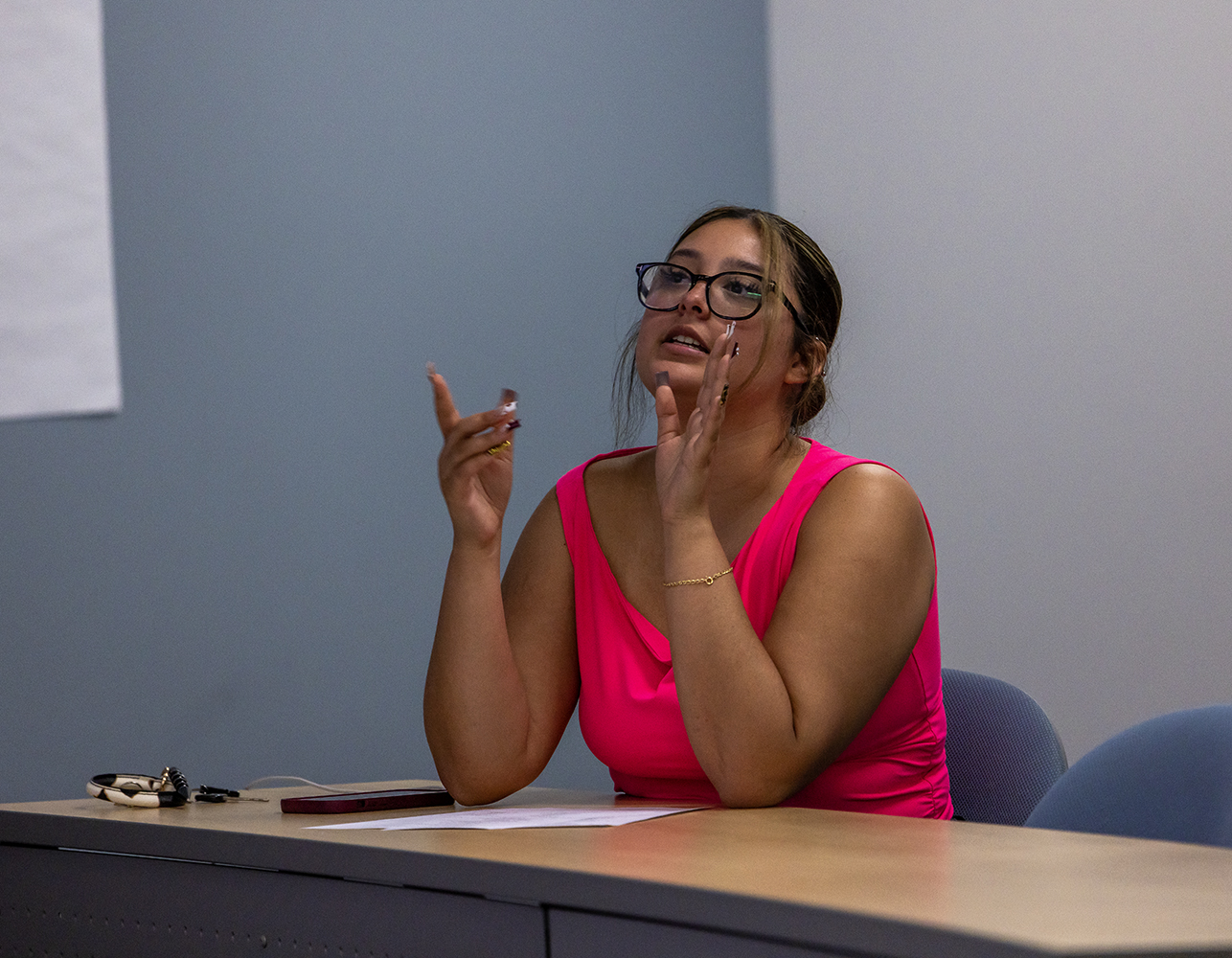
Interestingly, the work of Lone Star Legal Aid also includes serving as “first responders” during disasters, collaborating closely with organizations such as FEMA. From this, Ms. Concepcion explained how her work is varied, requiring her to learn and apply laws across a range of fields, from family law to assisting victims of sexual assault. She also described the clinics hosted by Lone Star Legal Aid, which aim to help community members with legal issues that fall outside the organization’s primary areas of practice.
Ms. Concepcion offered a plethora of advice for the Pre-Law Society students:
Be prepared;
Go beyond the required work;
Be intellectually curious, and satisfy this curiosity, in part, with questions.
Not to mention, she stressed the importance of being able to work with others, whether with fellow attorneys or legal staff. In fact, her Legal Secretary, Liz Miller, was also on hand, and she offered similar high-quality advice: law school, she noted, does a good job of teaching you to think, but not necessarily how to practice law. Behaving in a manner that makes a young lawyer worthy of help—by other attorneys and legal staff—is part of being a successful attorney.
Ms. Concepcion generously took several questions from PLS students, who were unusually engaged.
Following Ms. Concepcion’s presentation, the PLS officers quickly moved through the organization’s general business: Finance (Chrissy Biello, in her last official act as Treasurer)….
…Minutes (Laila Alimi)…..
…Marketing (Niya Thompson)…
… Membership (McKenna Nonnenmann)…
…And, of course, President Discon.
To cap the evening, McKenna Nonnenmann called on graduating seniors, who were corded by President Discon, and given their certificates by Niya Thompson.
Even as finals approach, PLS members prepare for their upcoming social, and pre-law students begin studying for the LSAT. In all, we were happy to take a long pause and learn from Ms. Concepcion and Ms. Miller and recognize those graduating seniors–whose hard work is sure to pay off in the coming years!
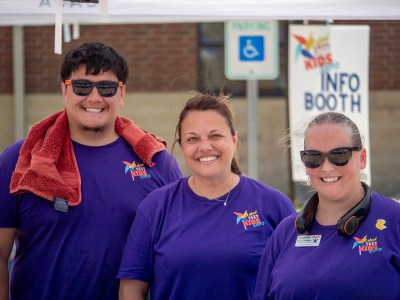
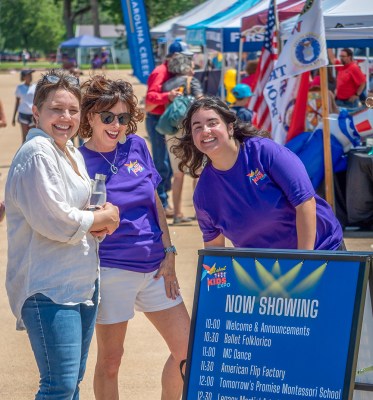
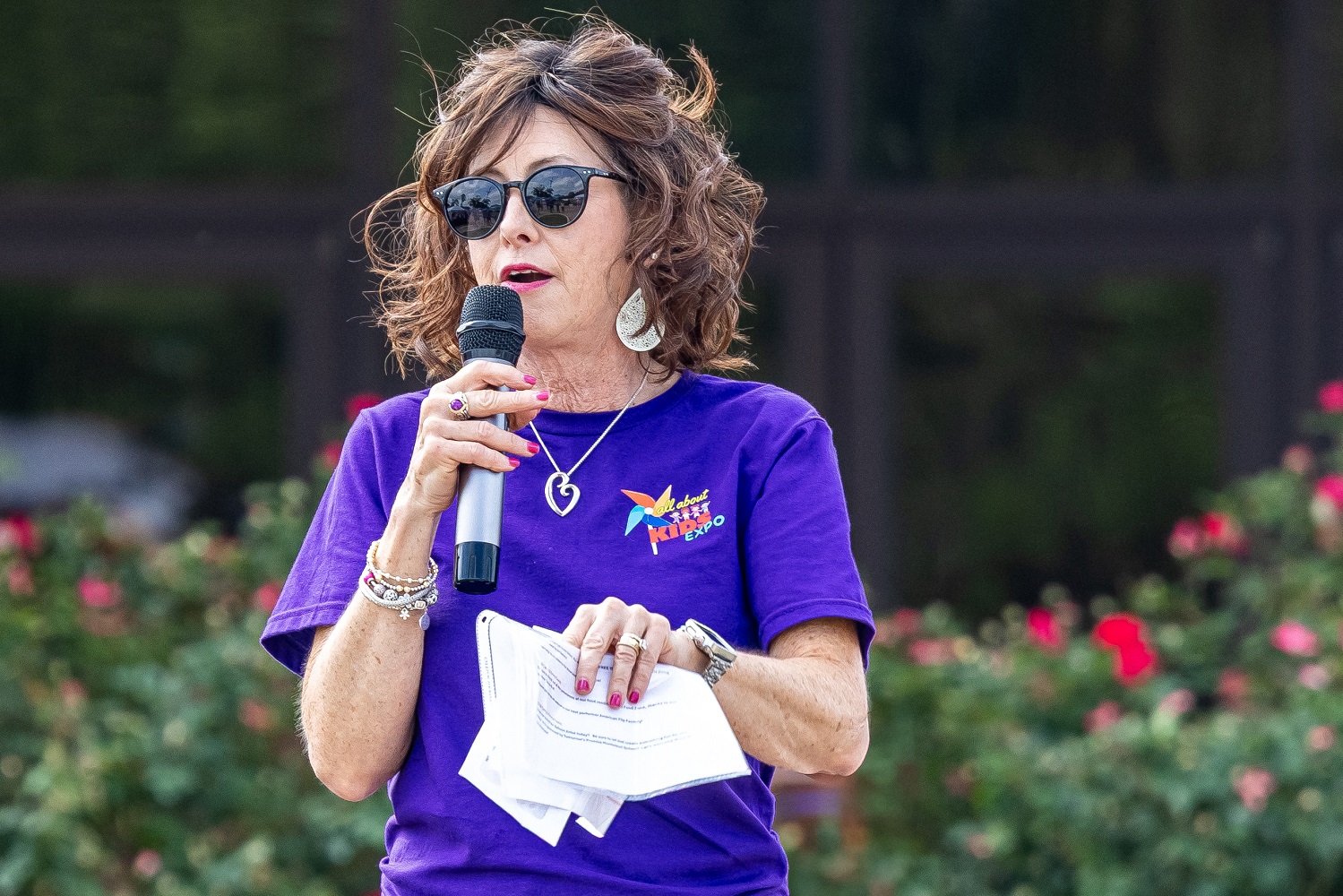
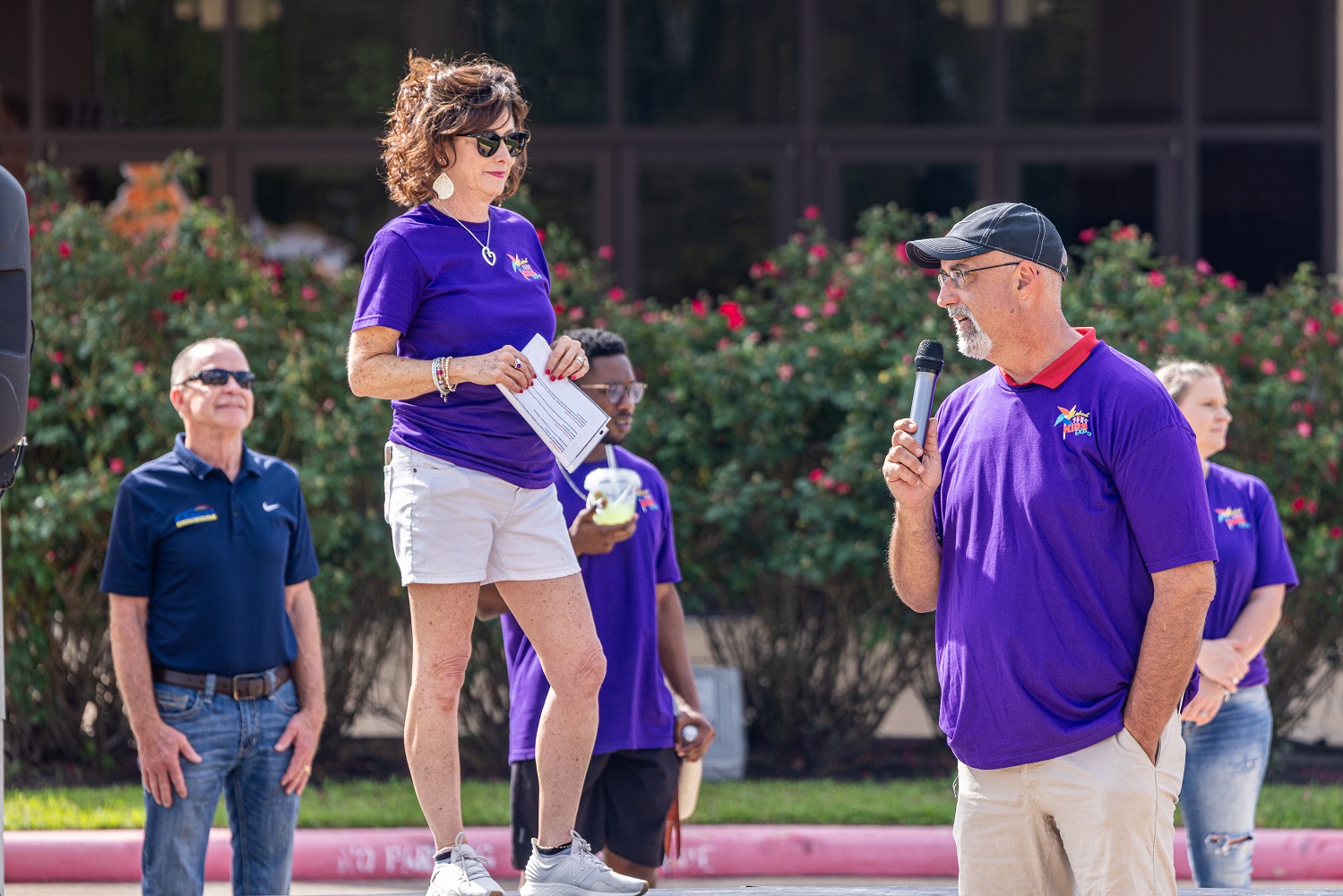
It’s no secret that the future success of a community rests heavily on its leaders and its children. With that in mind, CASA of Walker County created its “All About Kids Expo” in 2024, an event designed to educate the public about children’s health services, local activities, education, and even financial investments that can take care of educations and other contingencies.
The event was a success, and this past weekend, CASA brought it back for its second year–and LEAP was there to document the good things the community has to offer to children and families.
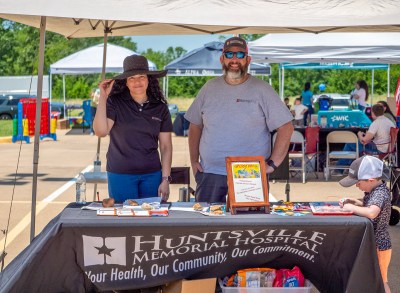
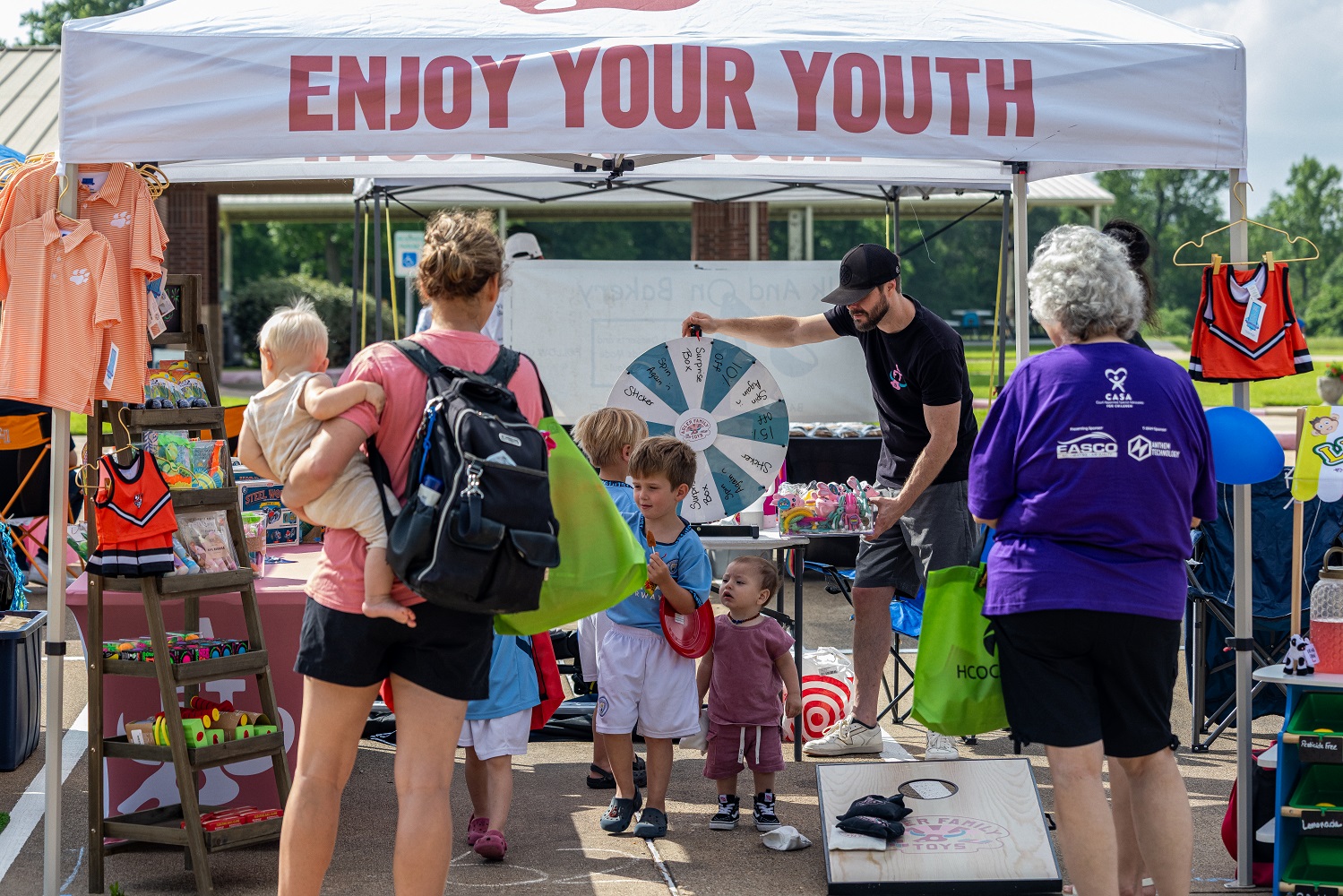
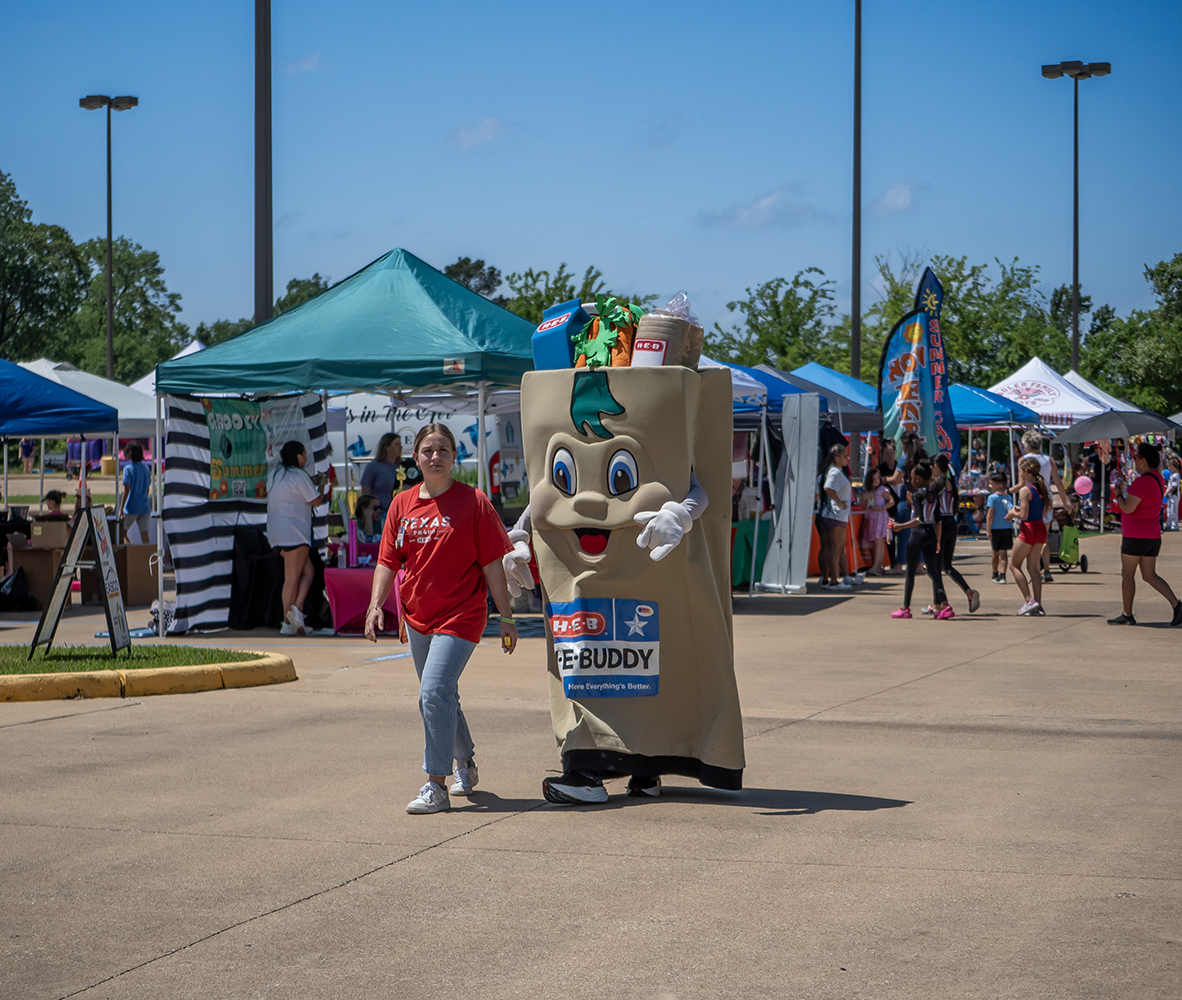
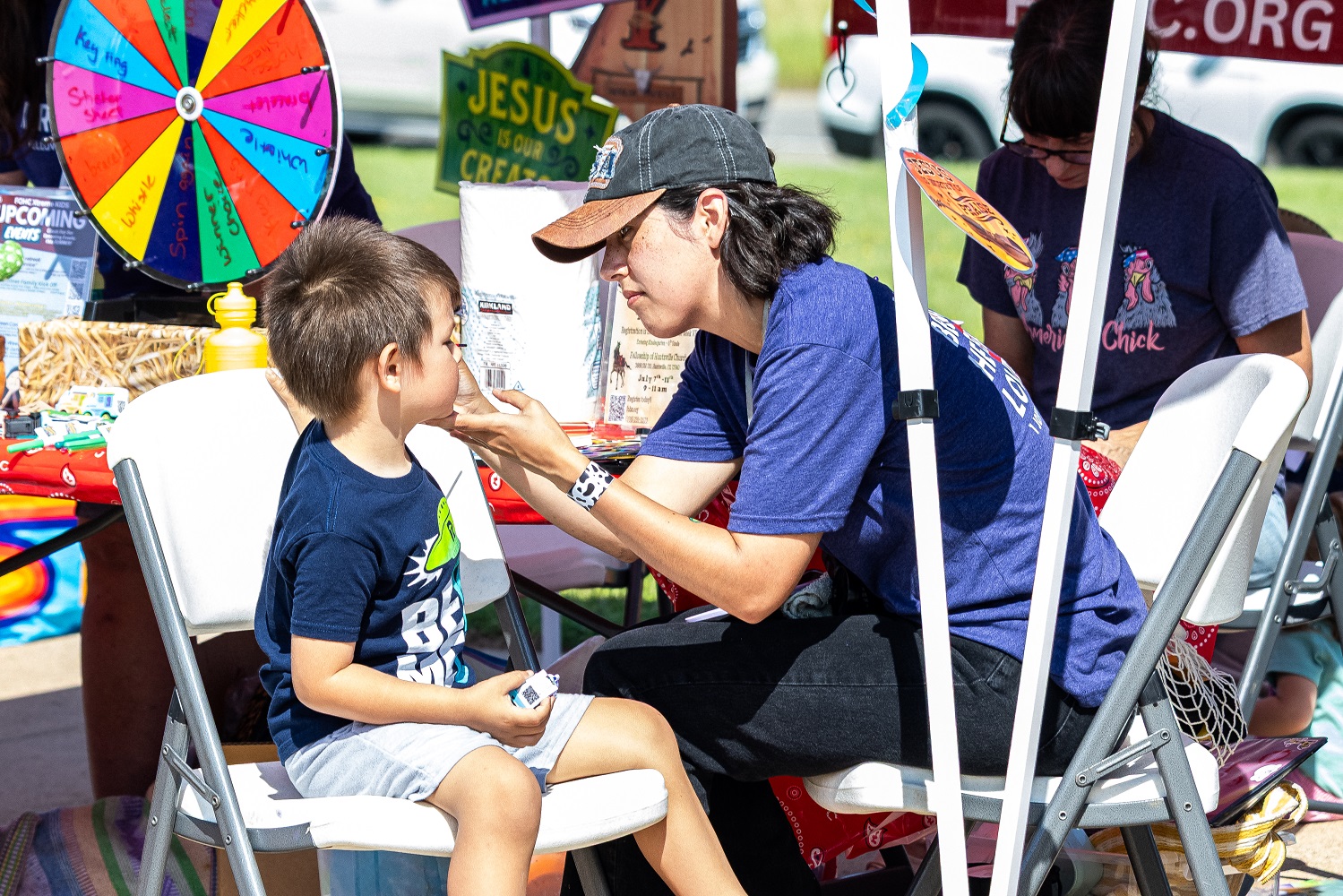
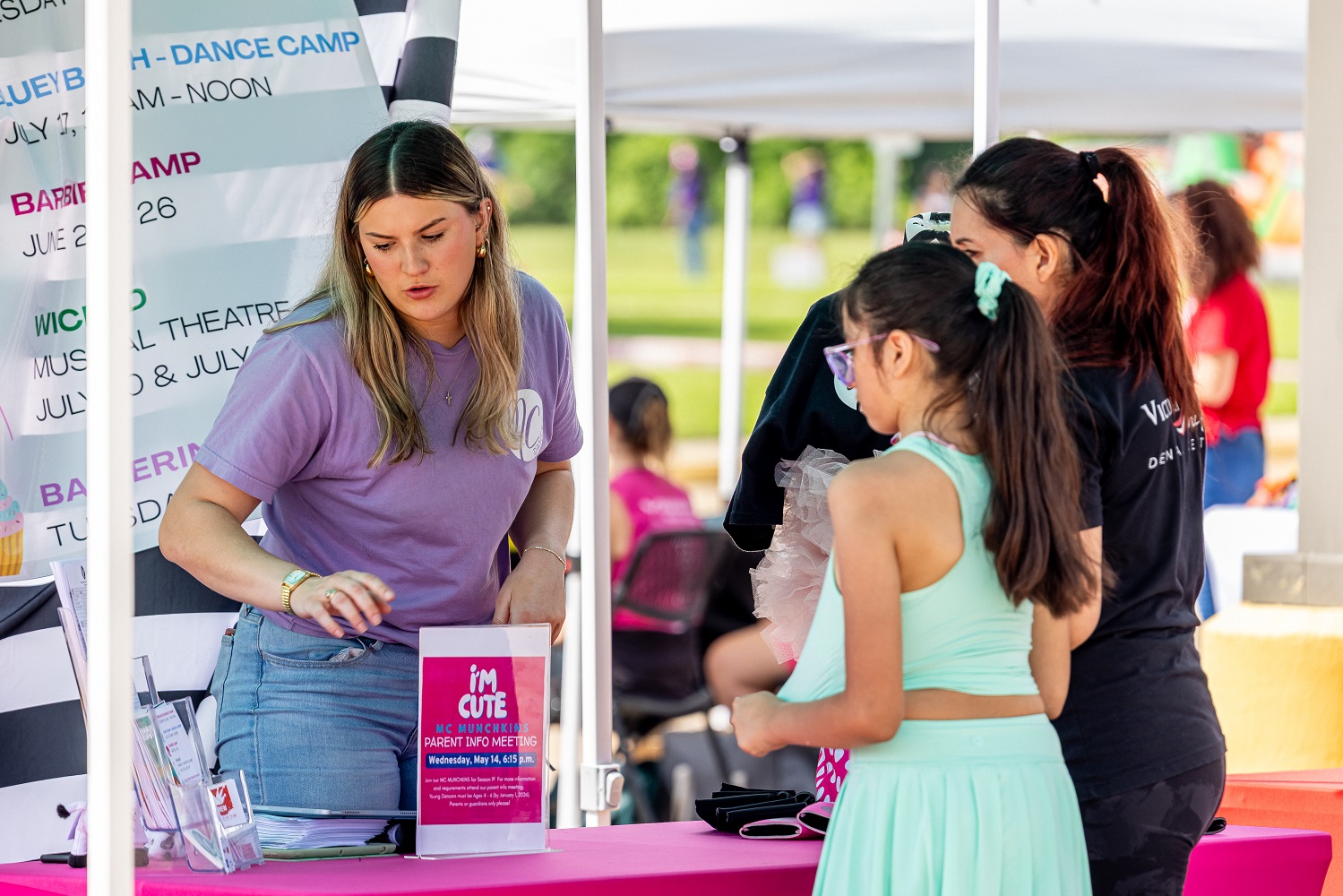
The event ran smoothly, reflecting the deft touch of event coordinator Laura Green. More than 80 organizations set up booths, with groups from the Huntsville Memorial Hospital…
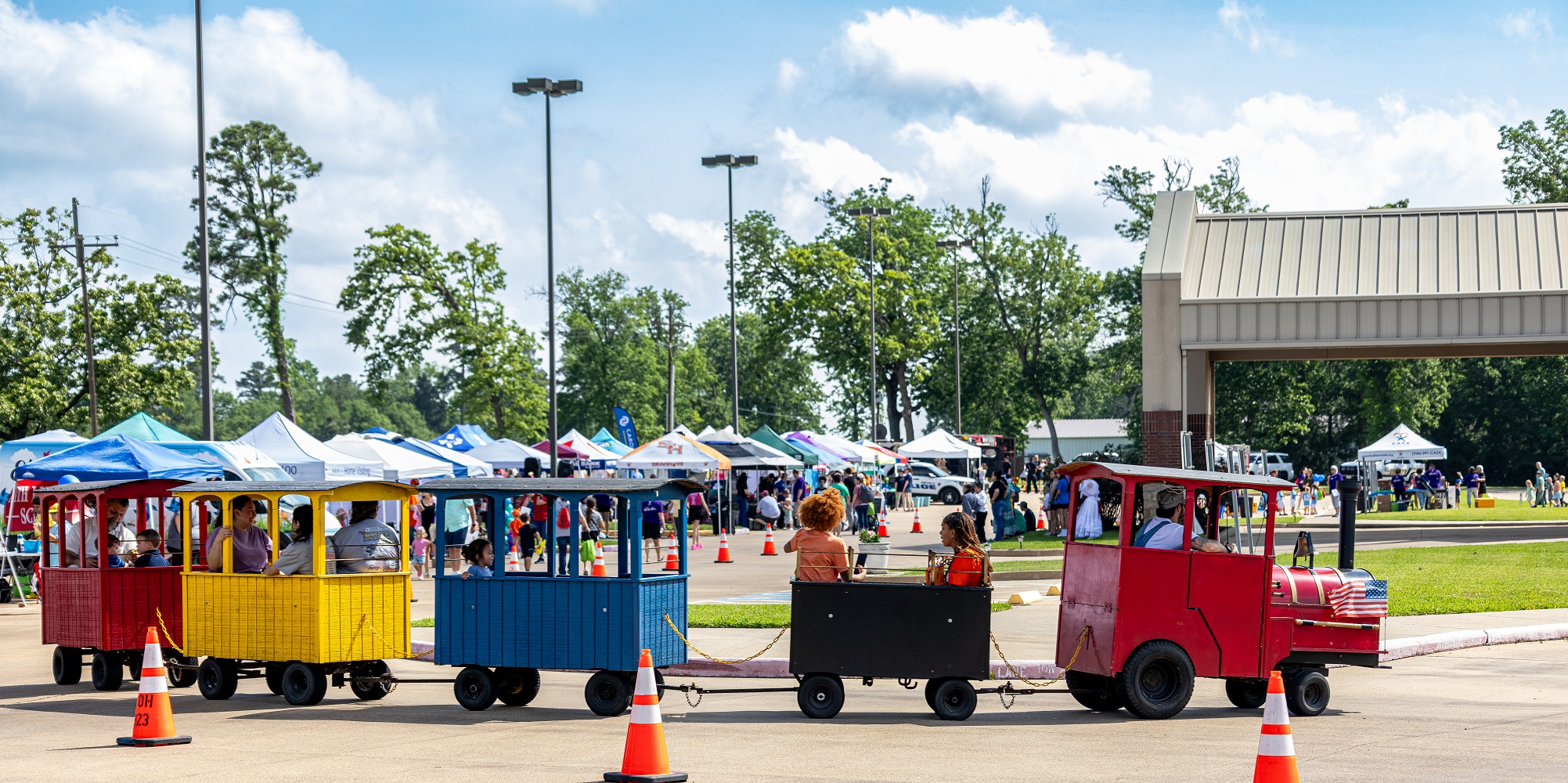
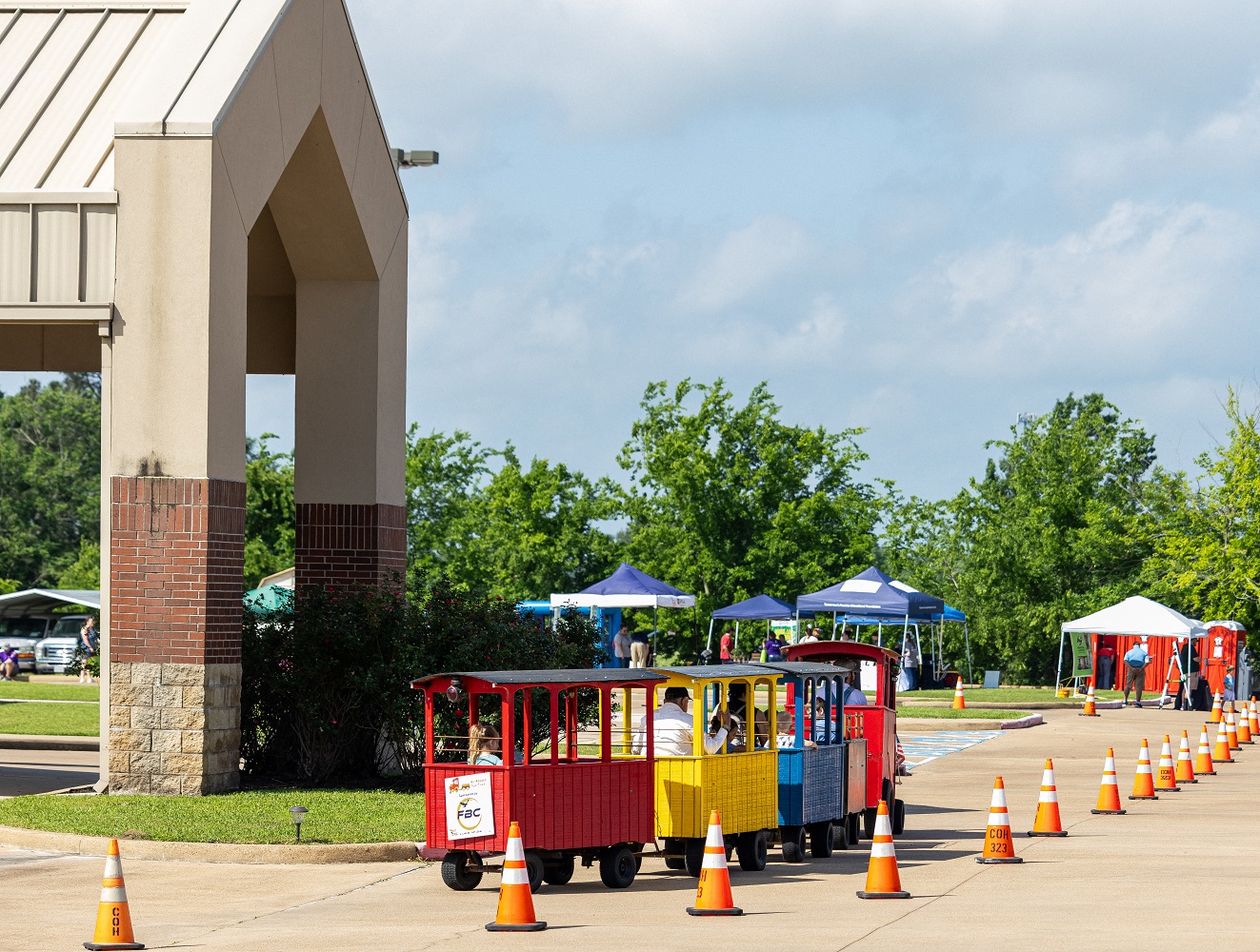
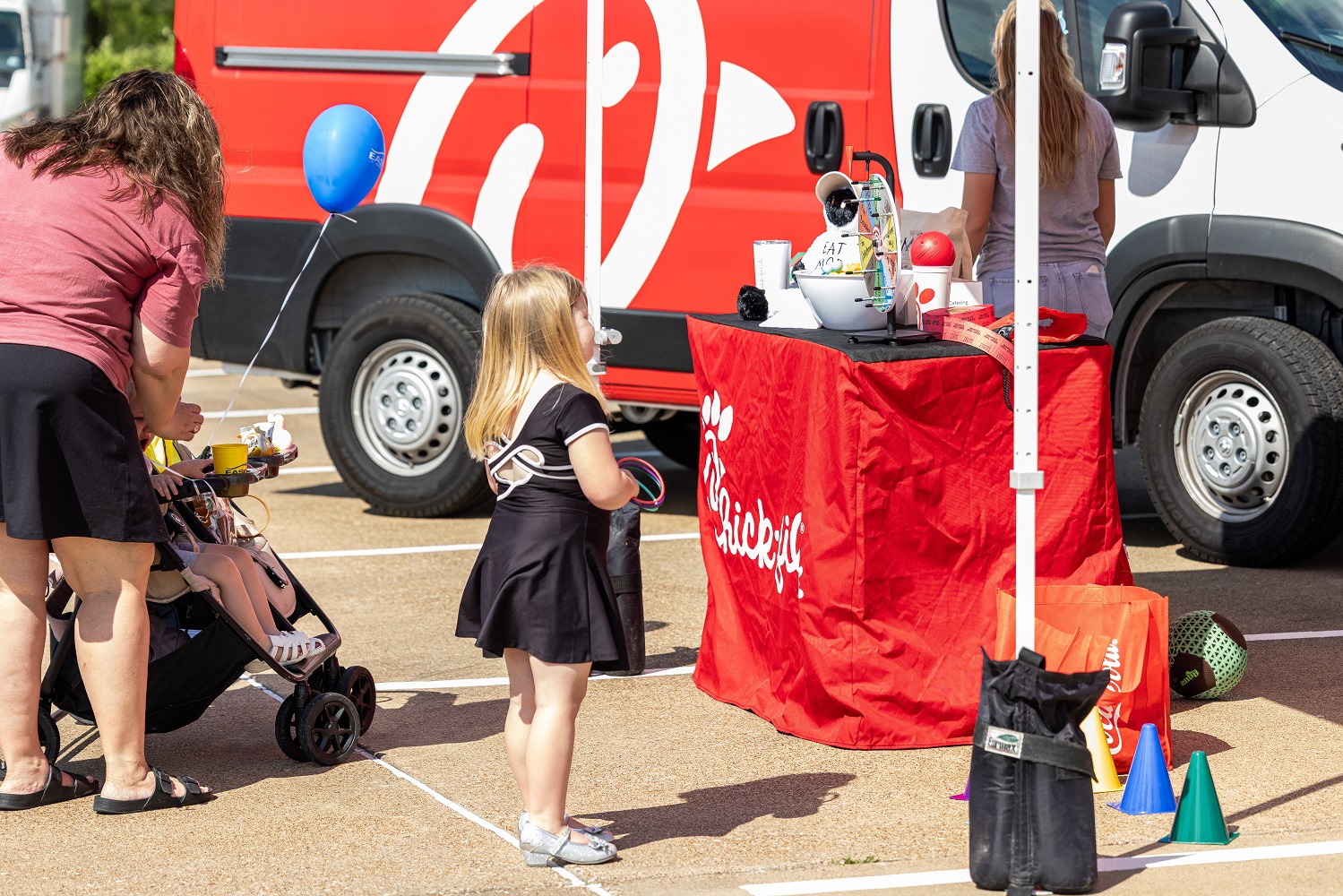
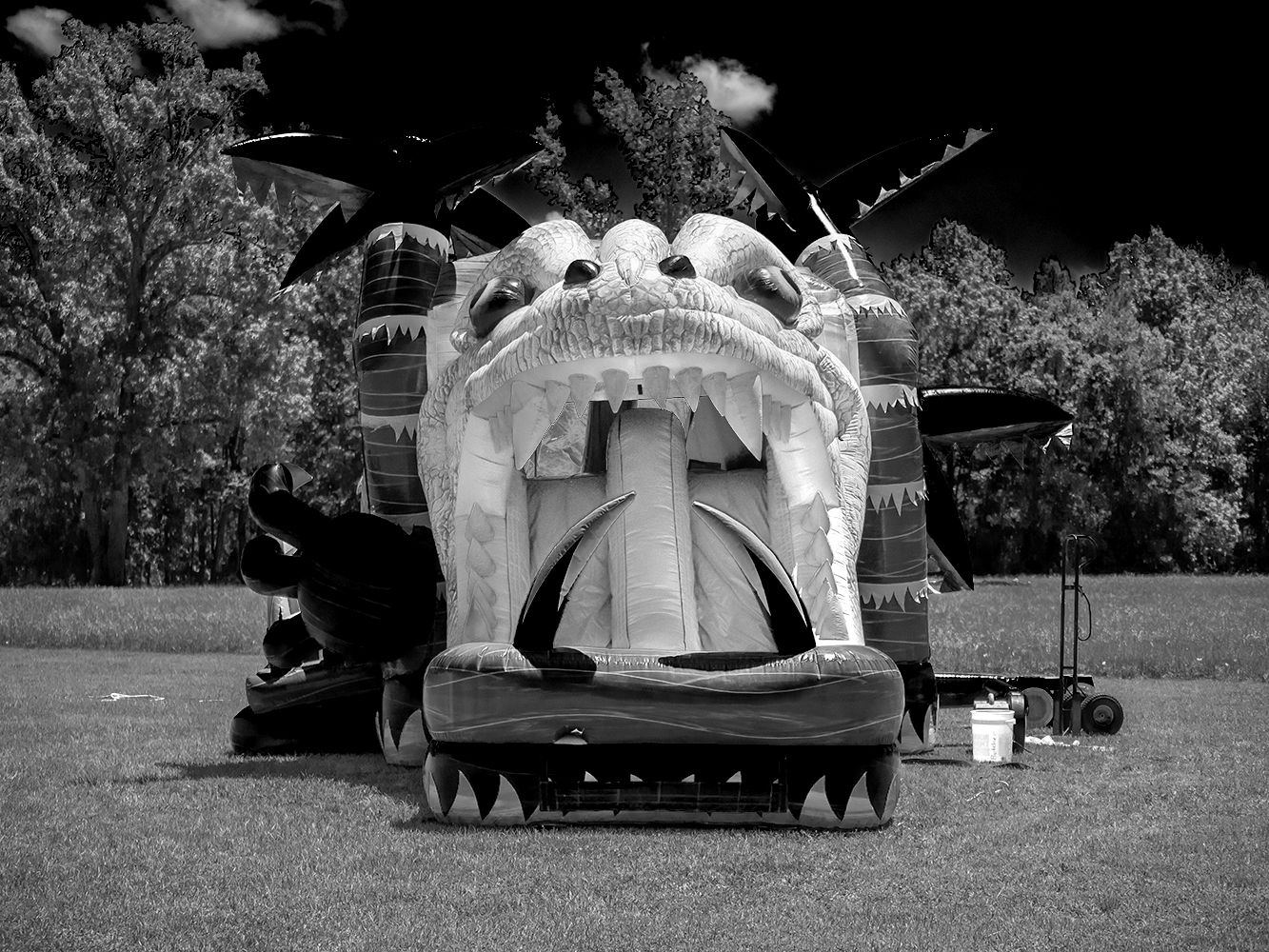
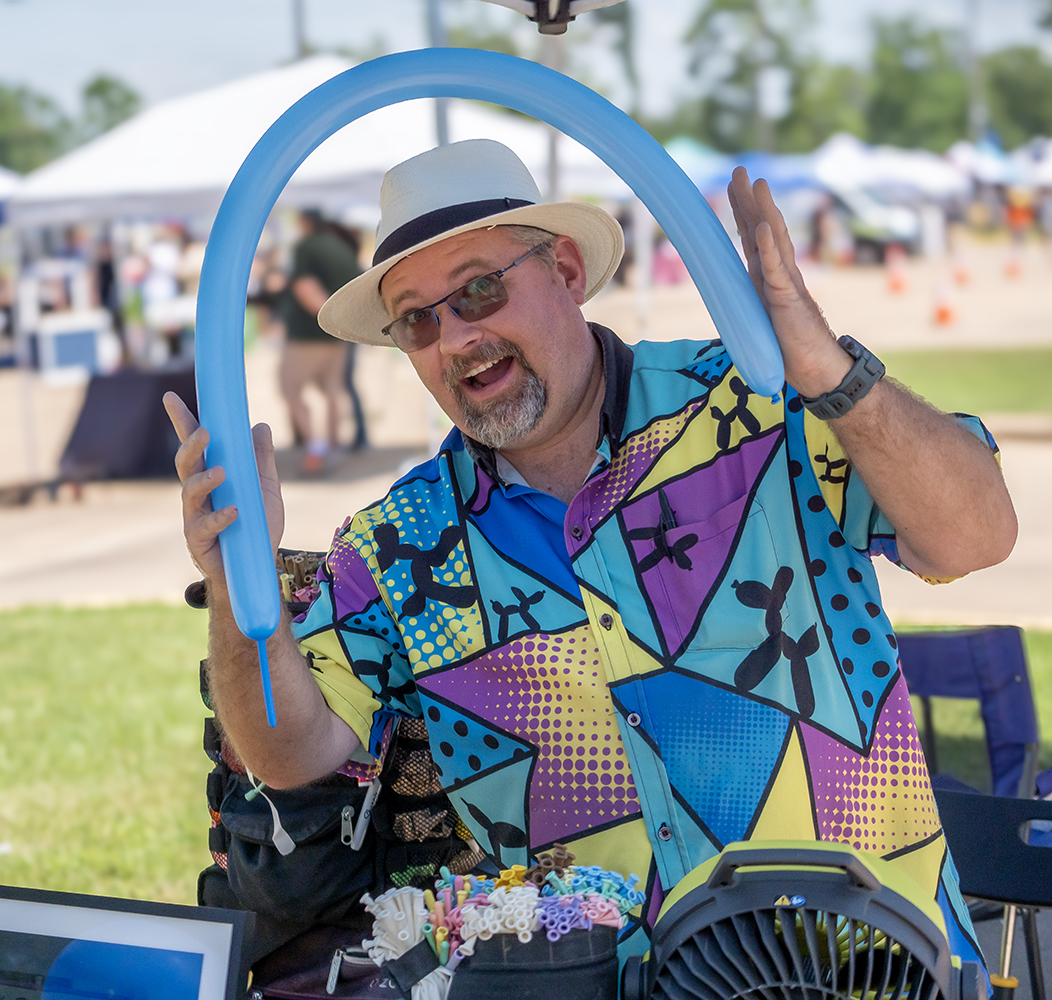
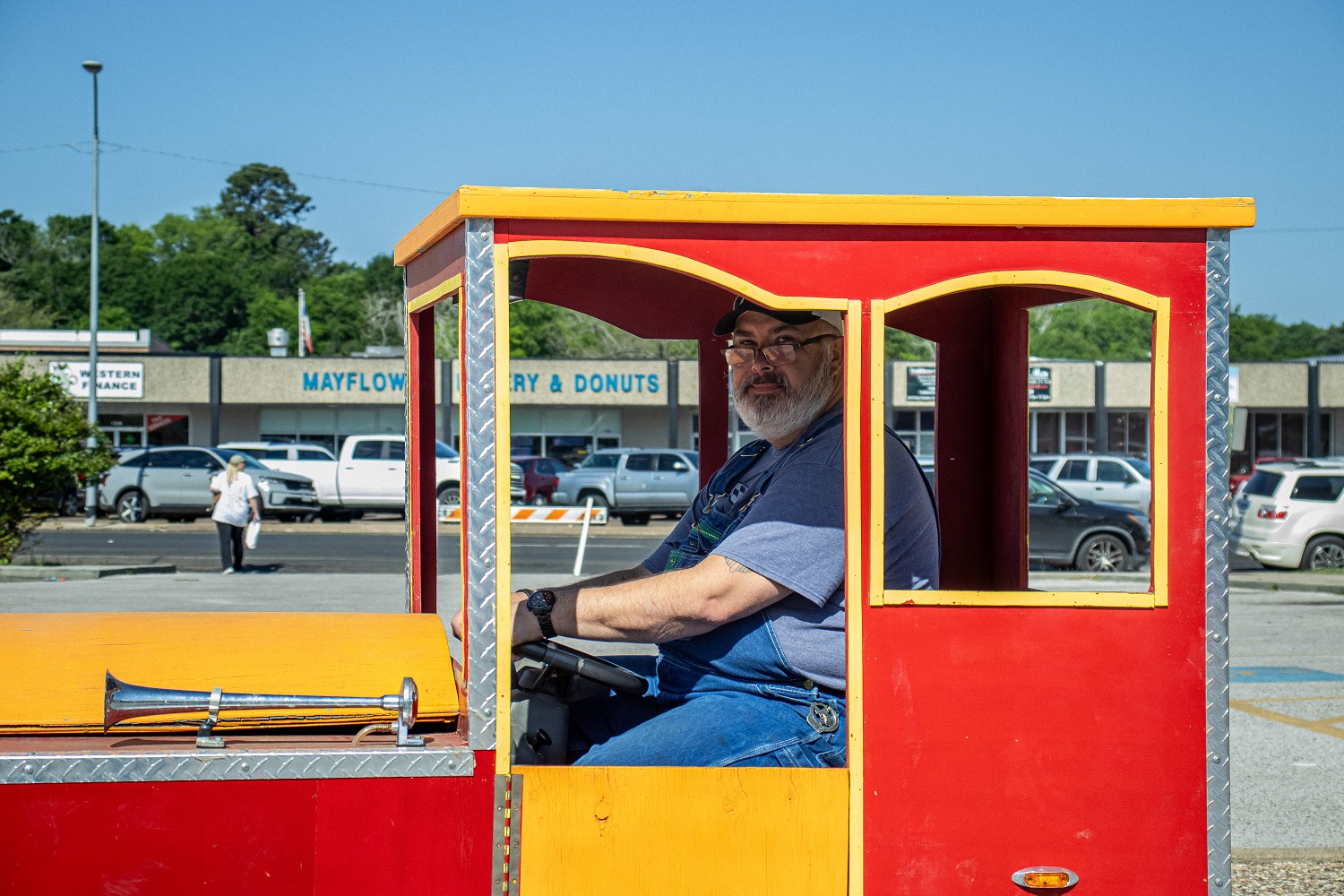
In addition, there were numerous children’s activities, with bouncy-houses, balloon artists, several games involving Velcro projectiles, and a mini-train.
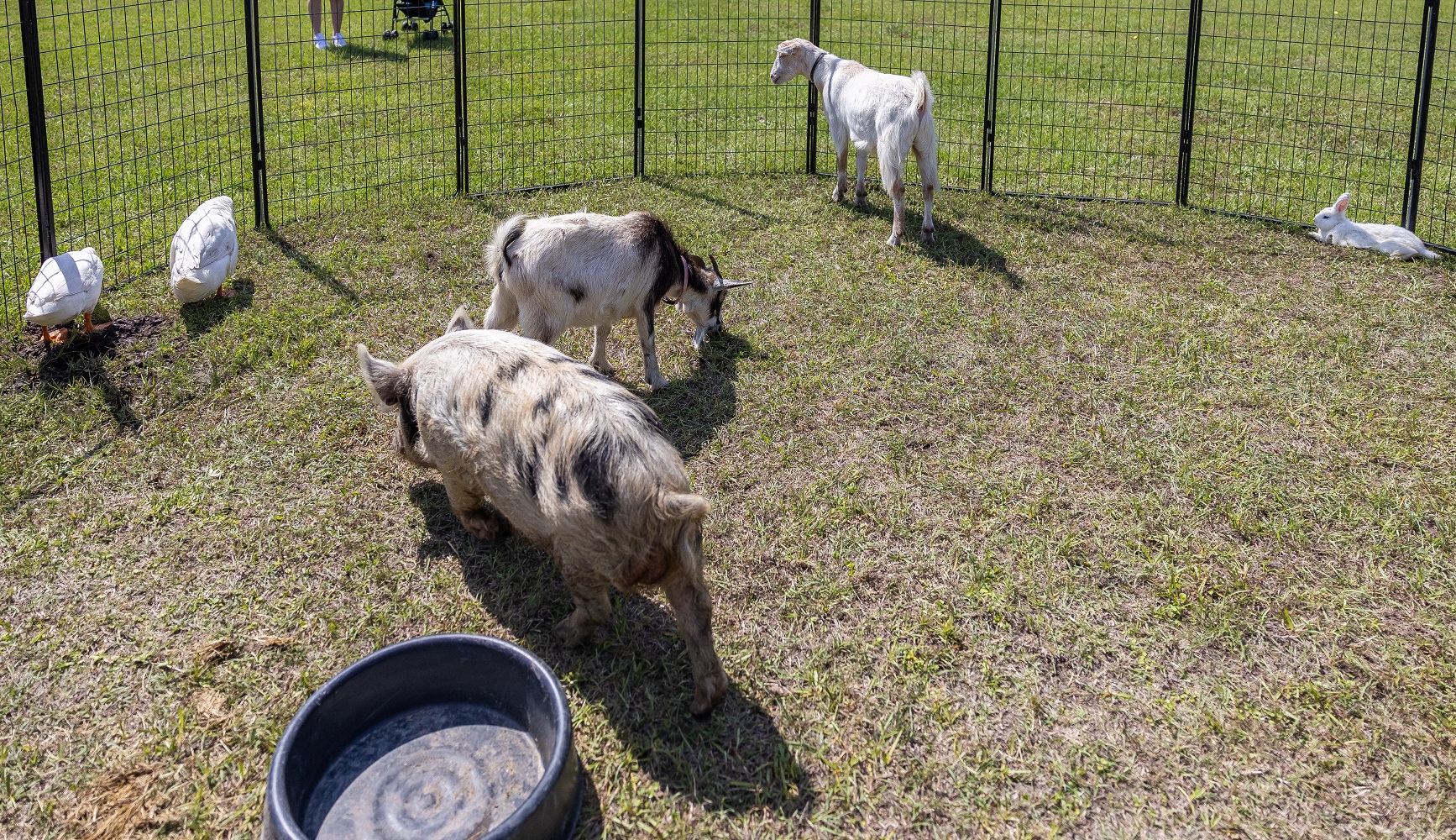
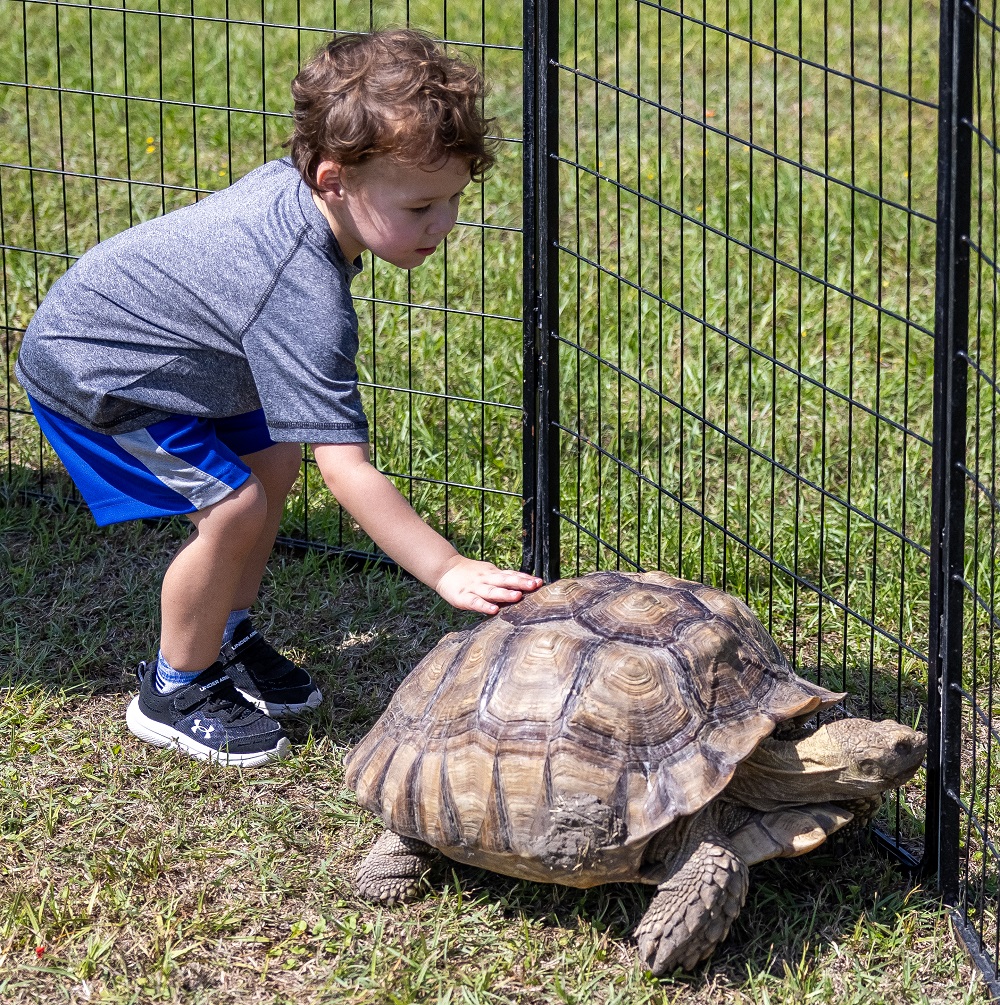
Not to mention a petting zoo.
In short, there was fun for everyone!
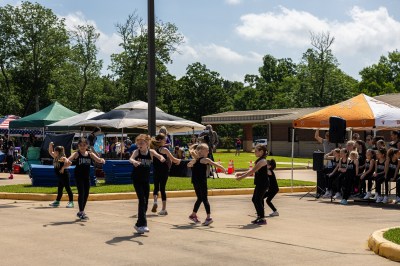
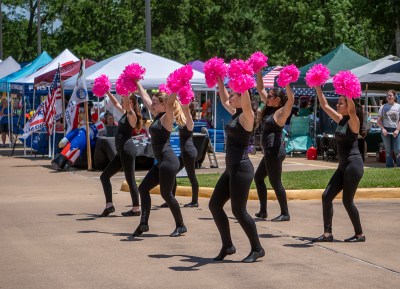
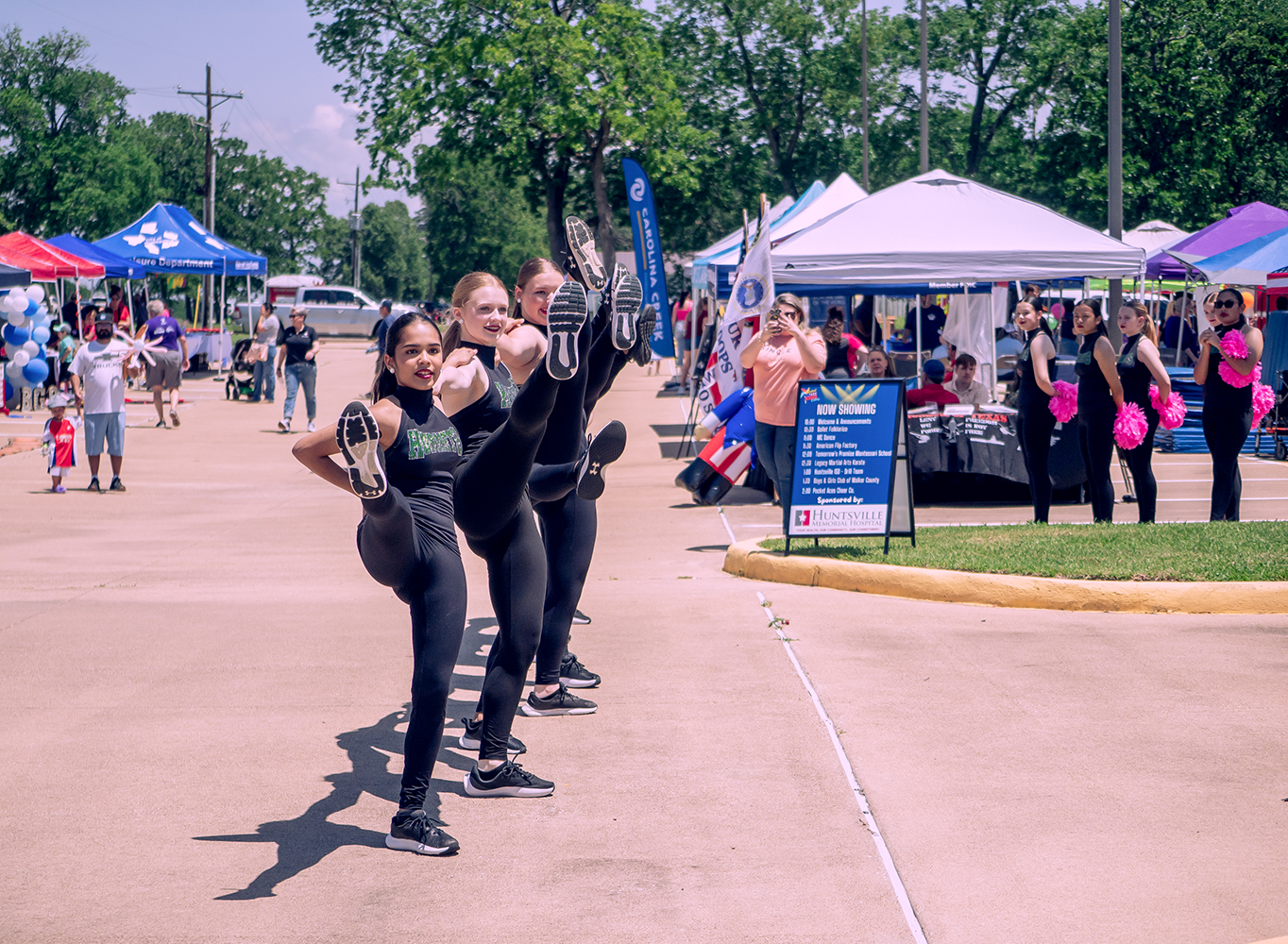
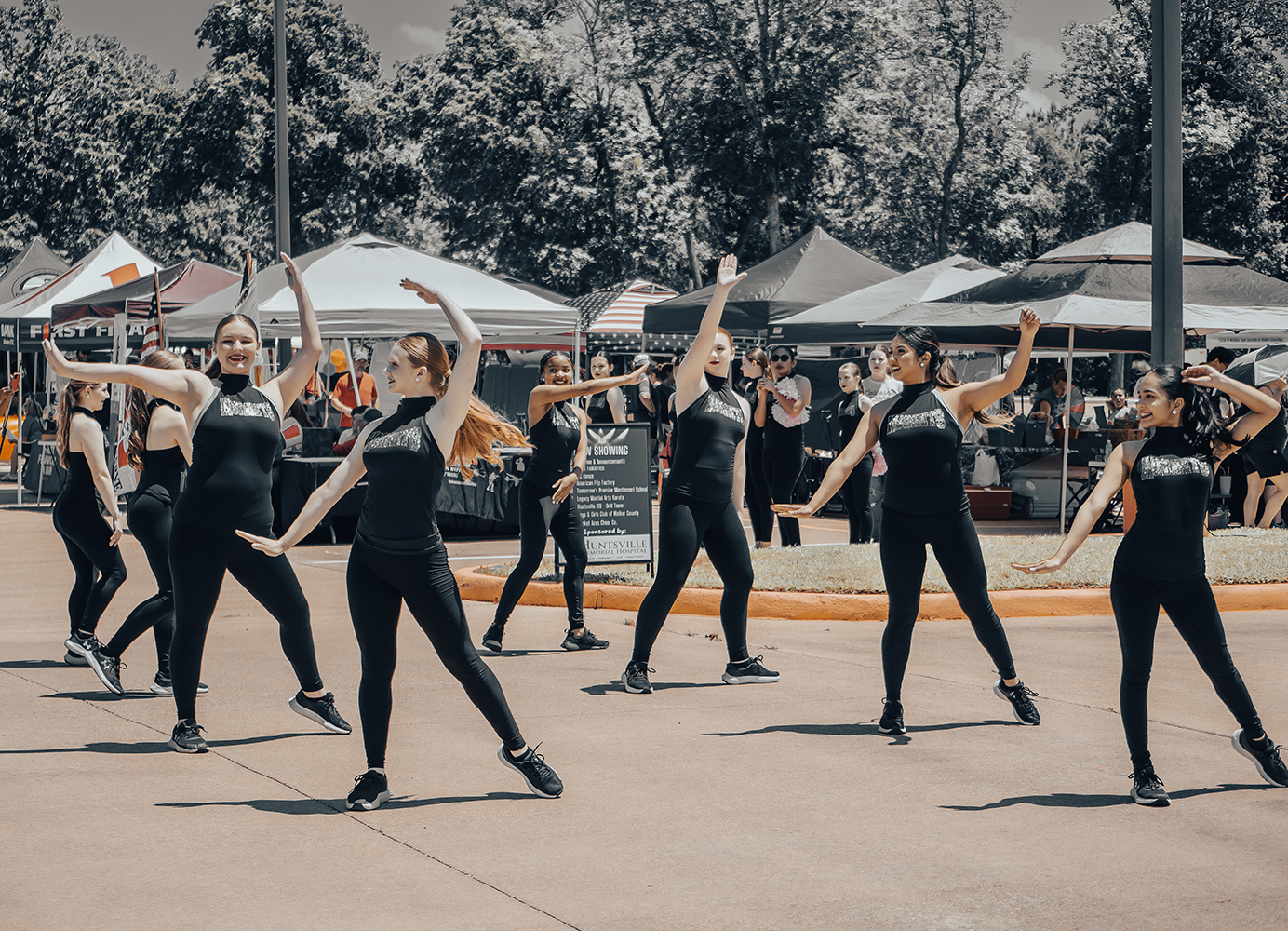
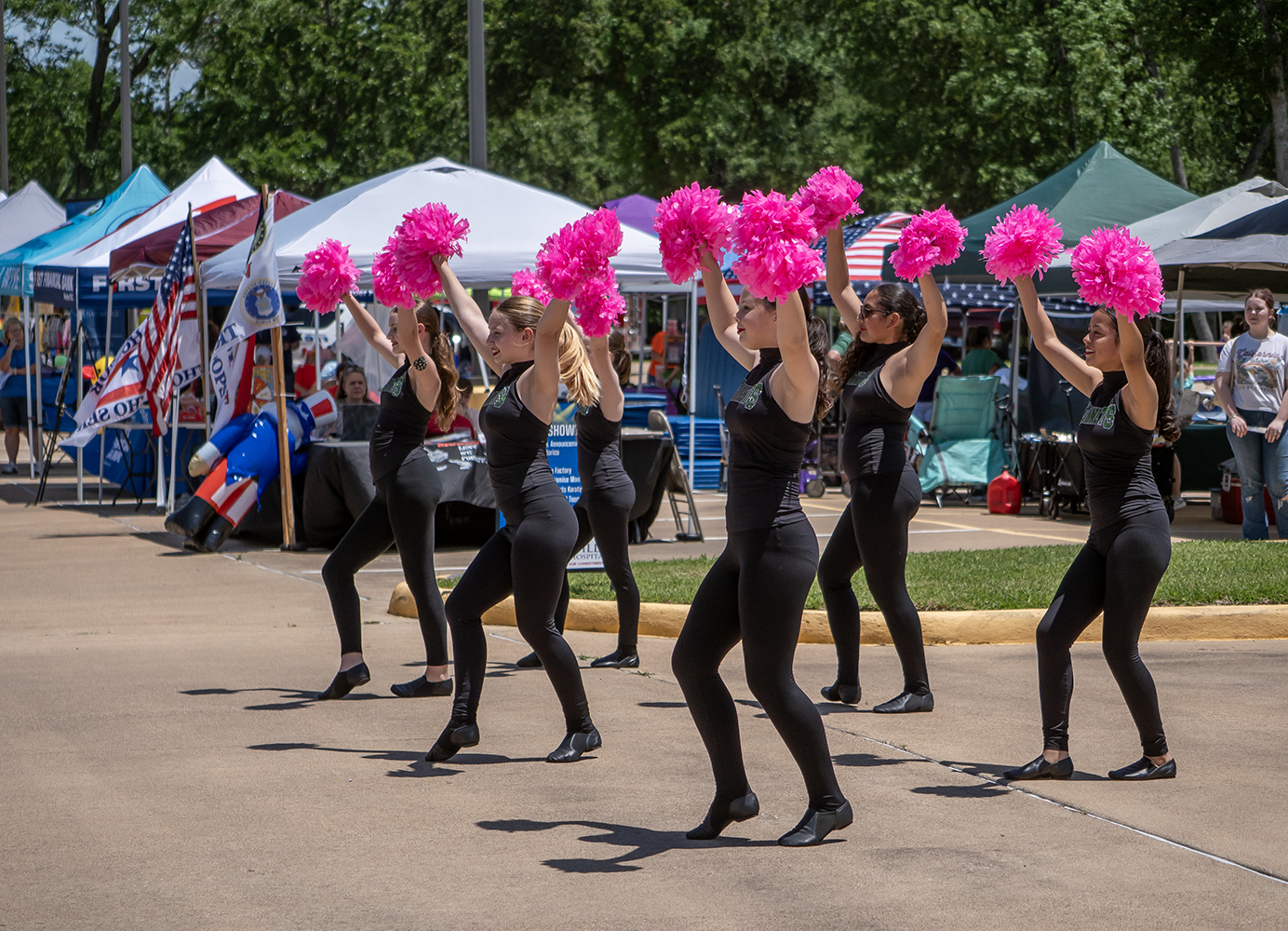
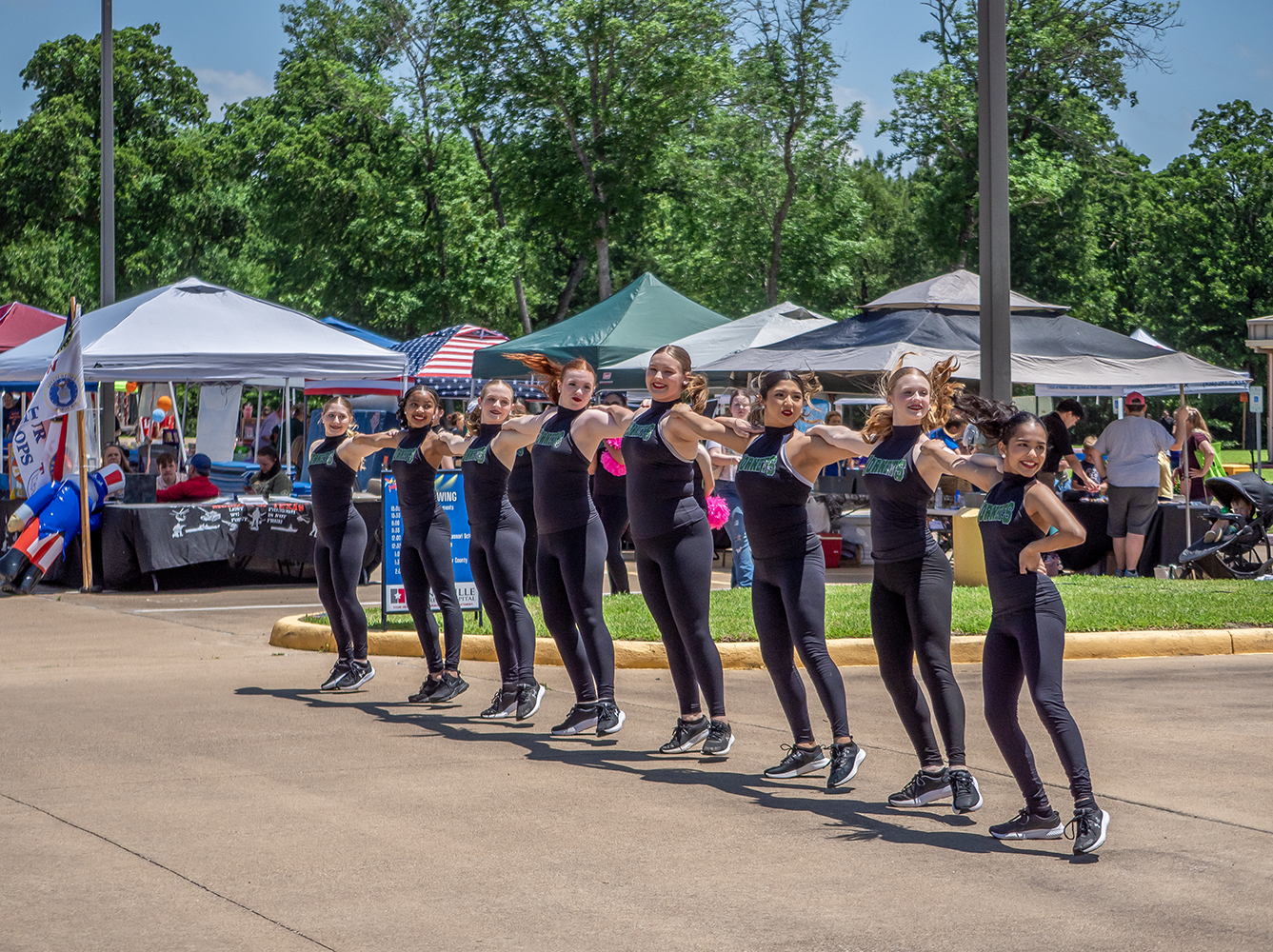
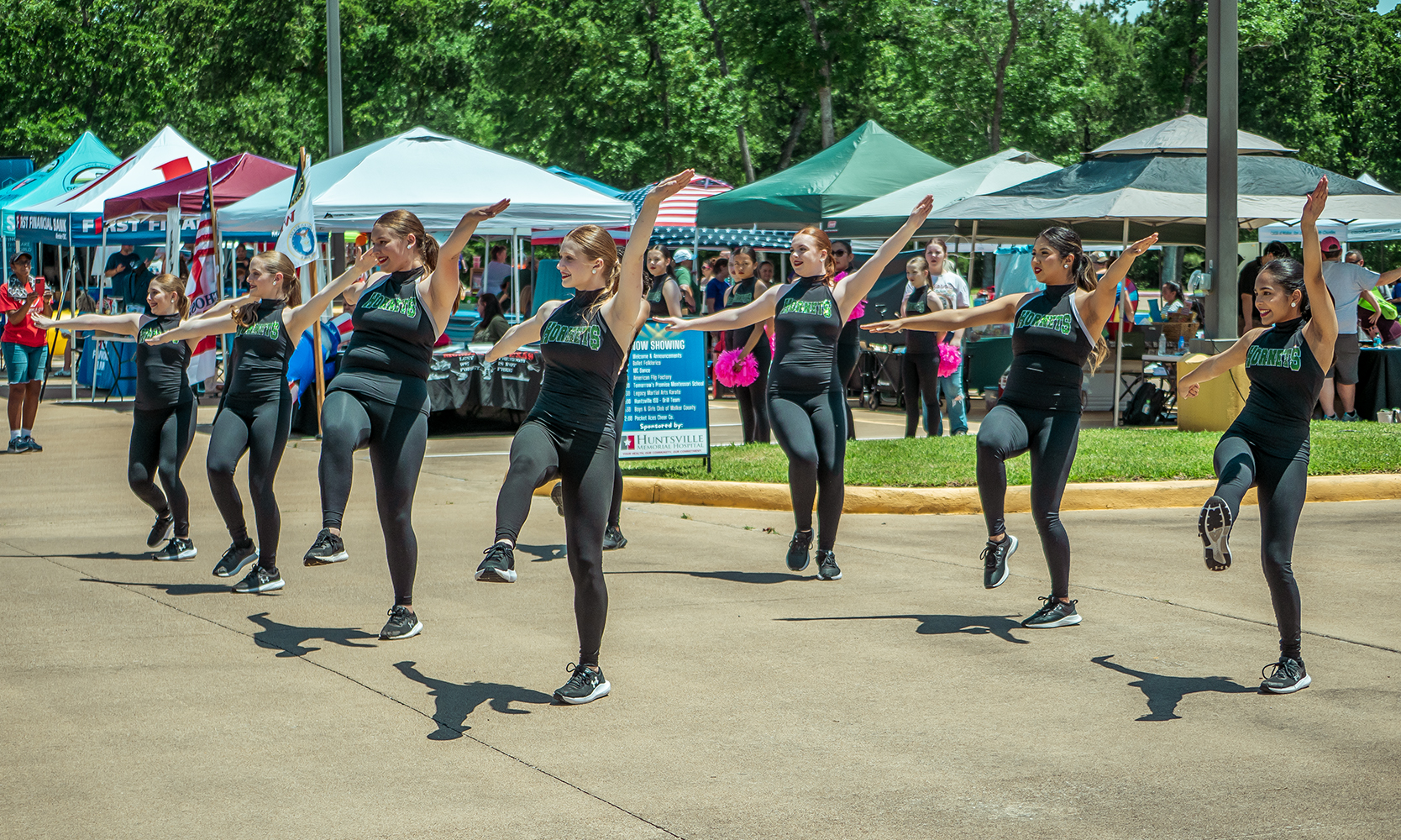
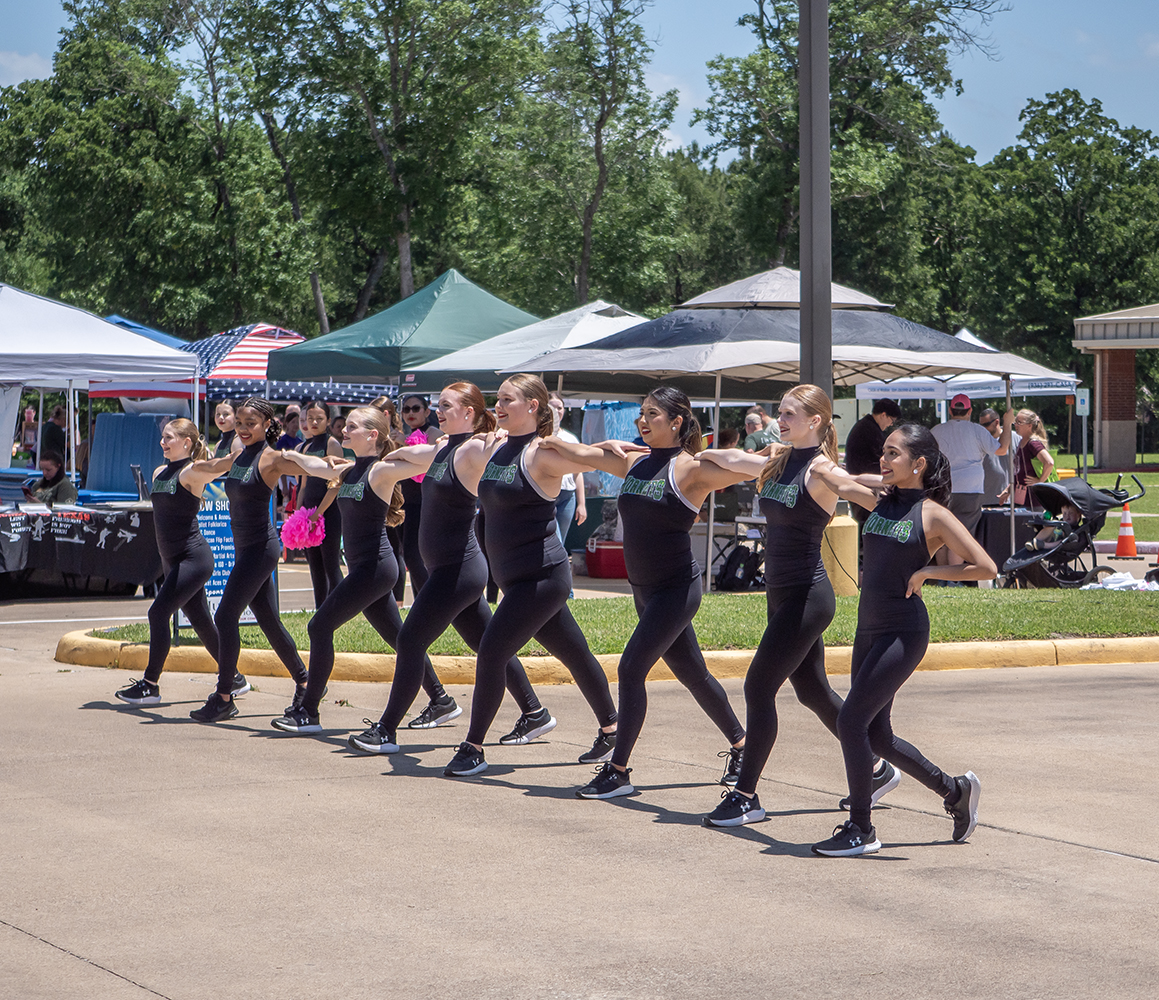
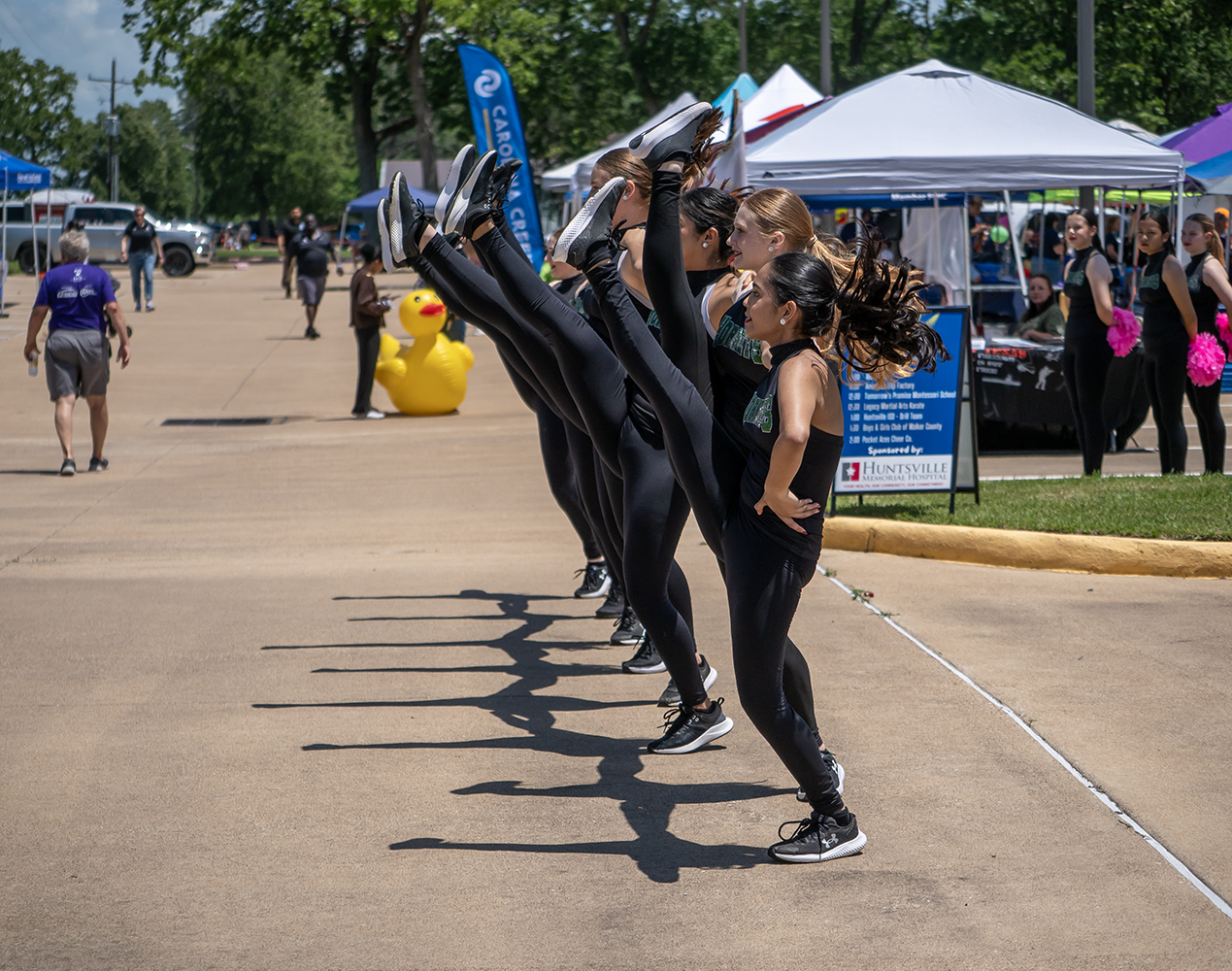
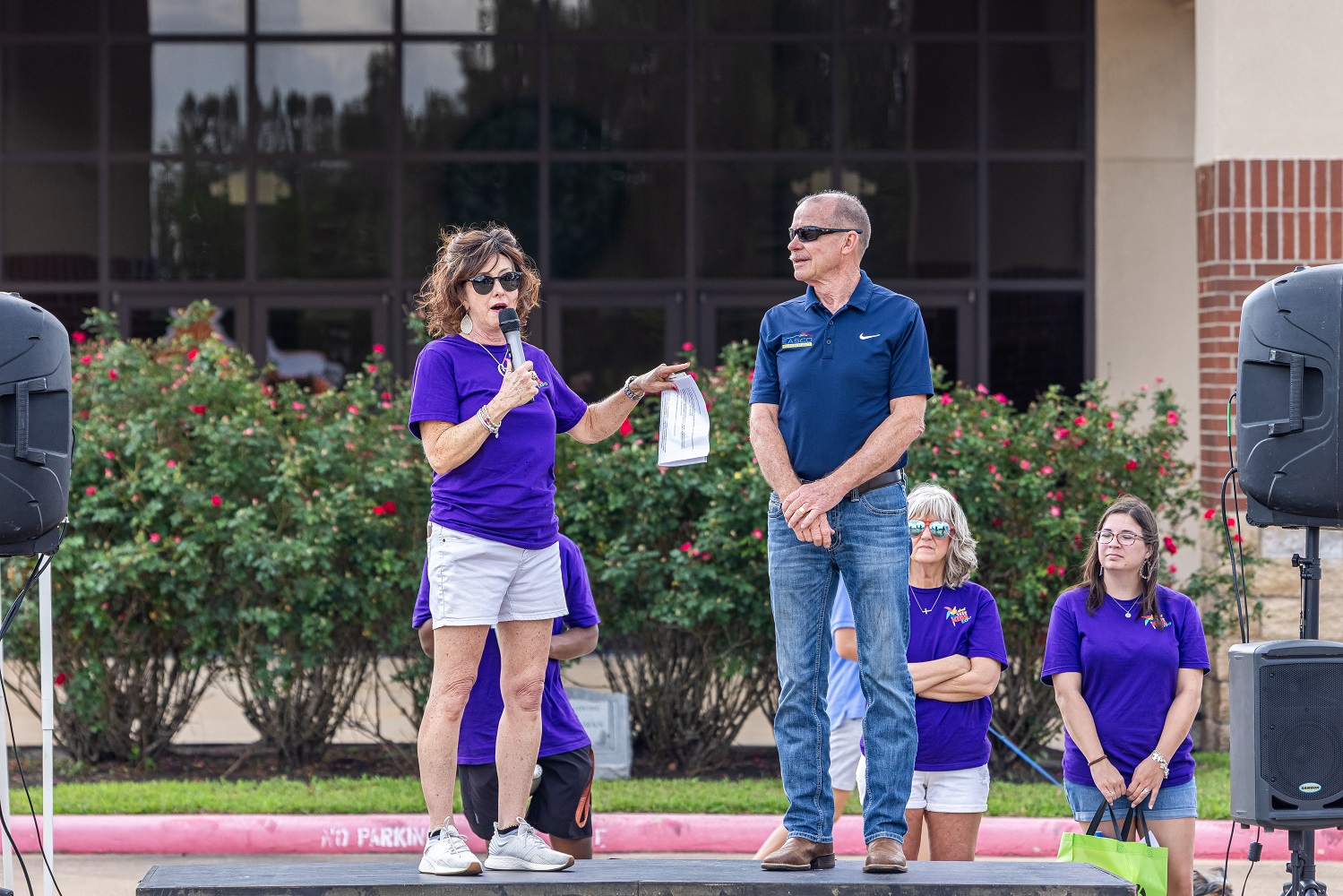
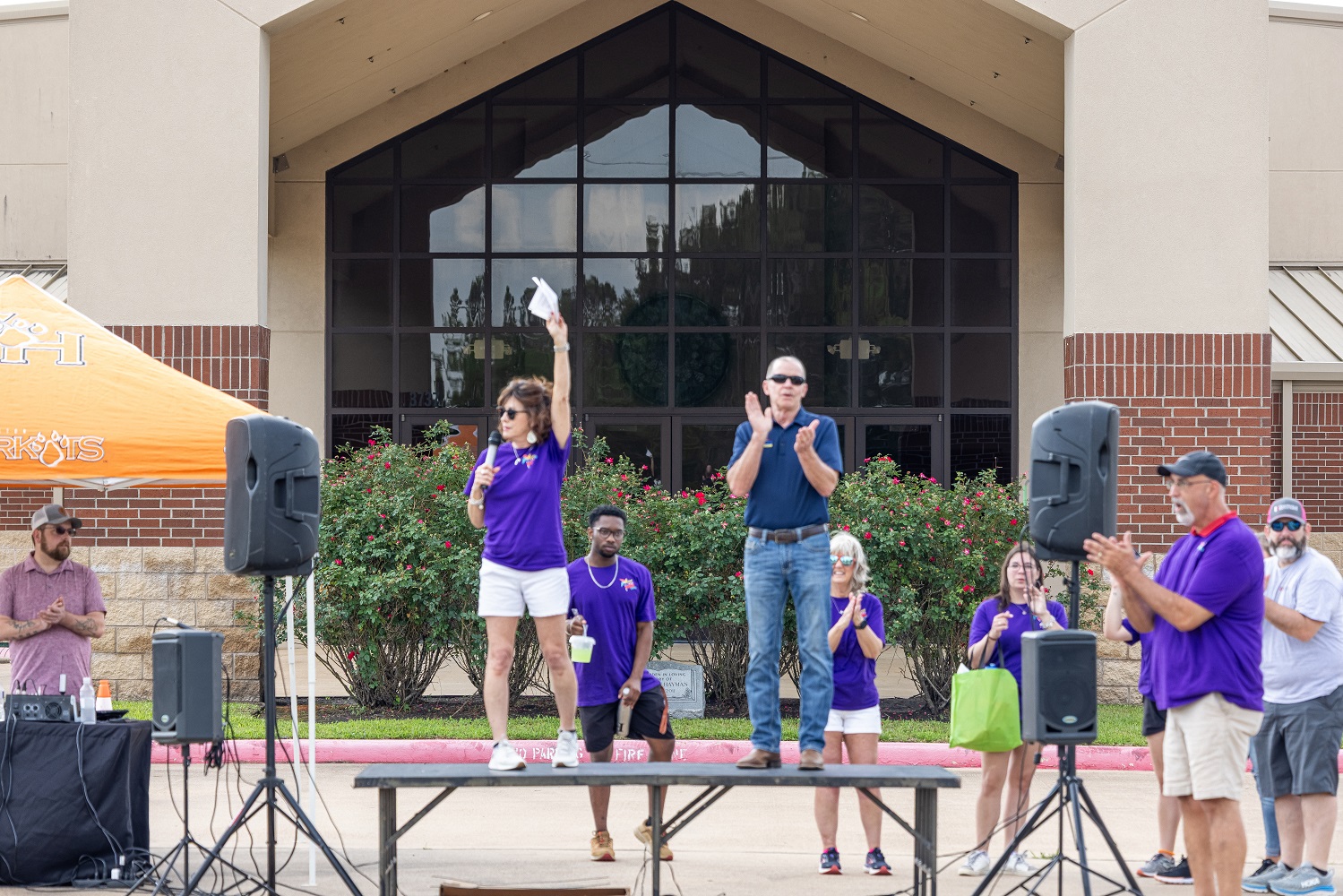
There was also entertainment. Following an introduction to the event, attendees were able to see Maggie Collum’s Dance Studio participants perform…
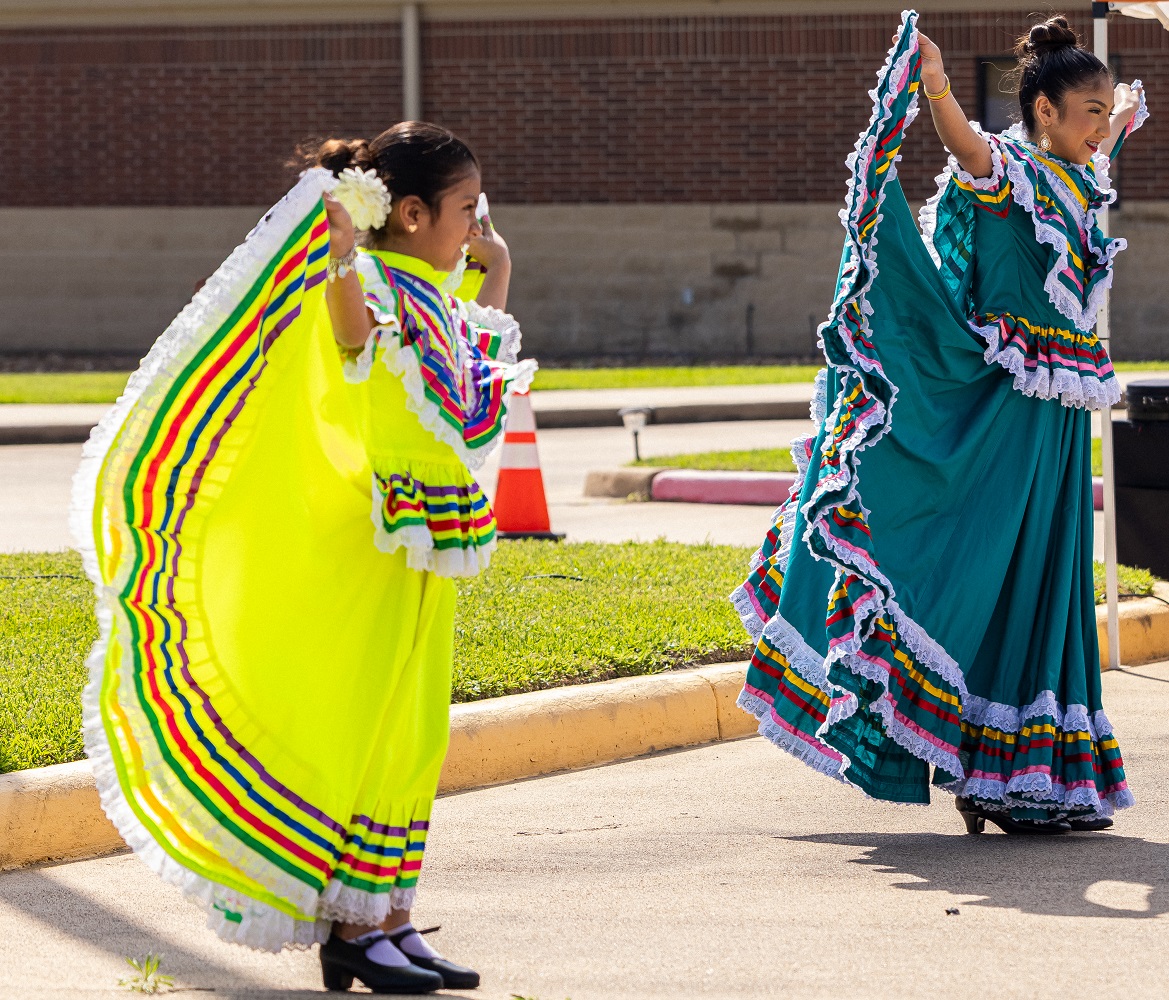
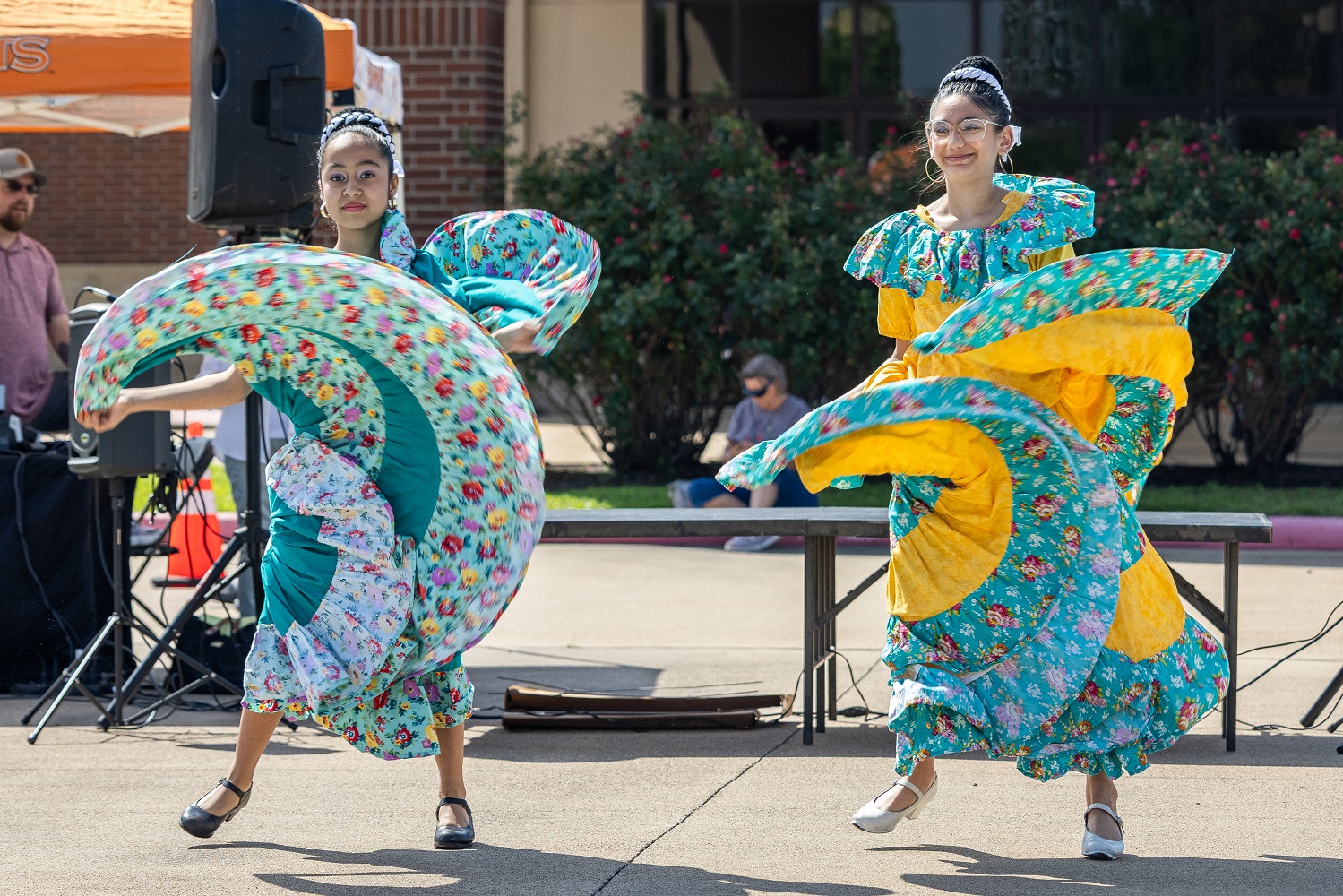
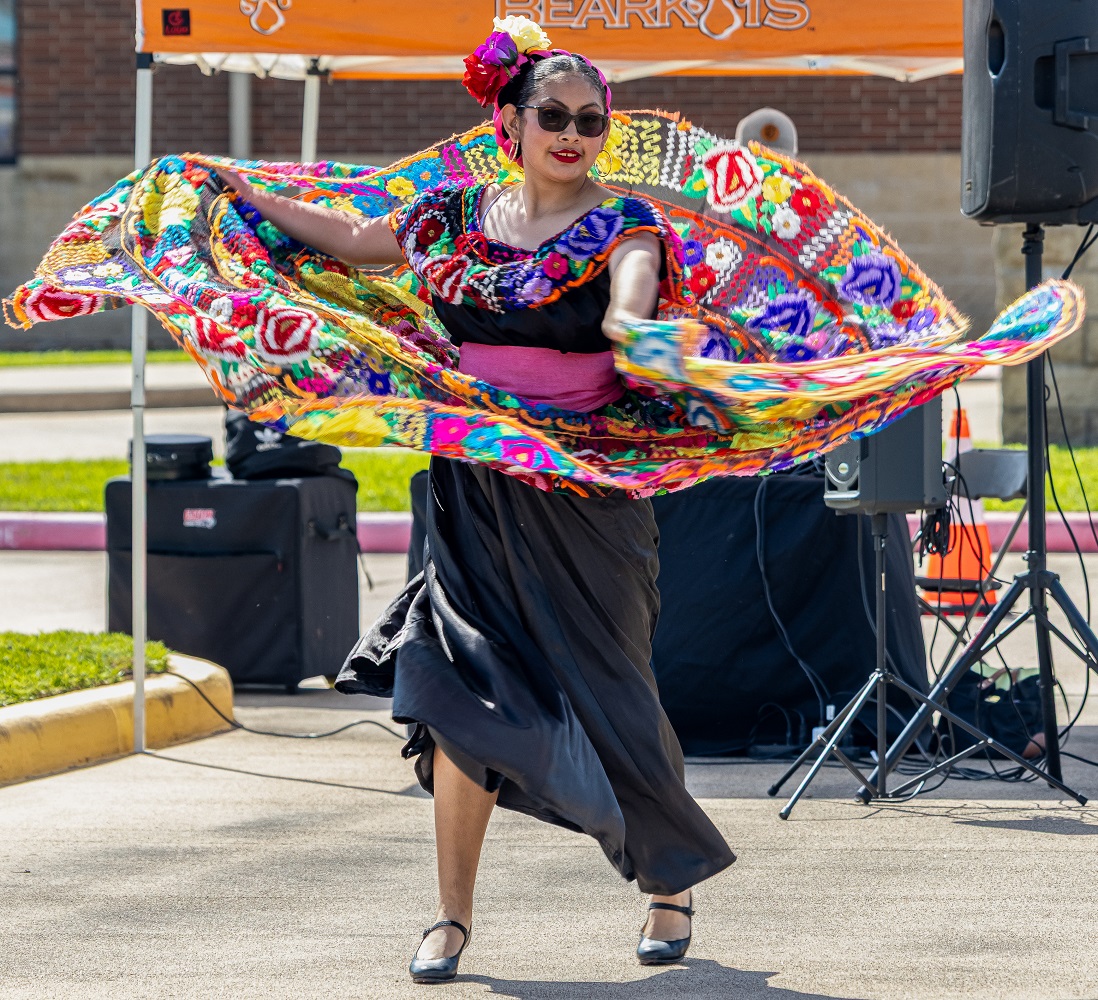
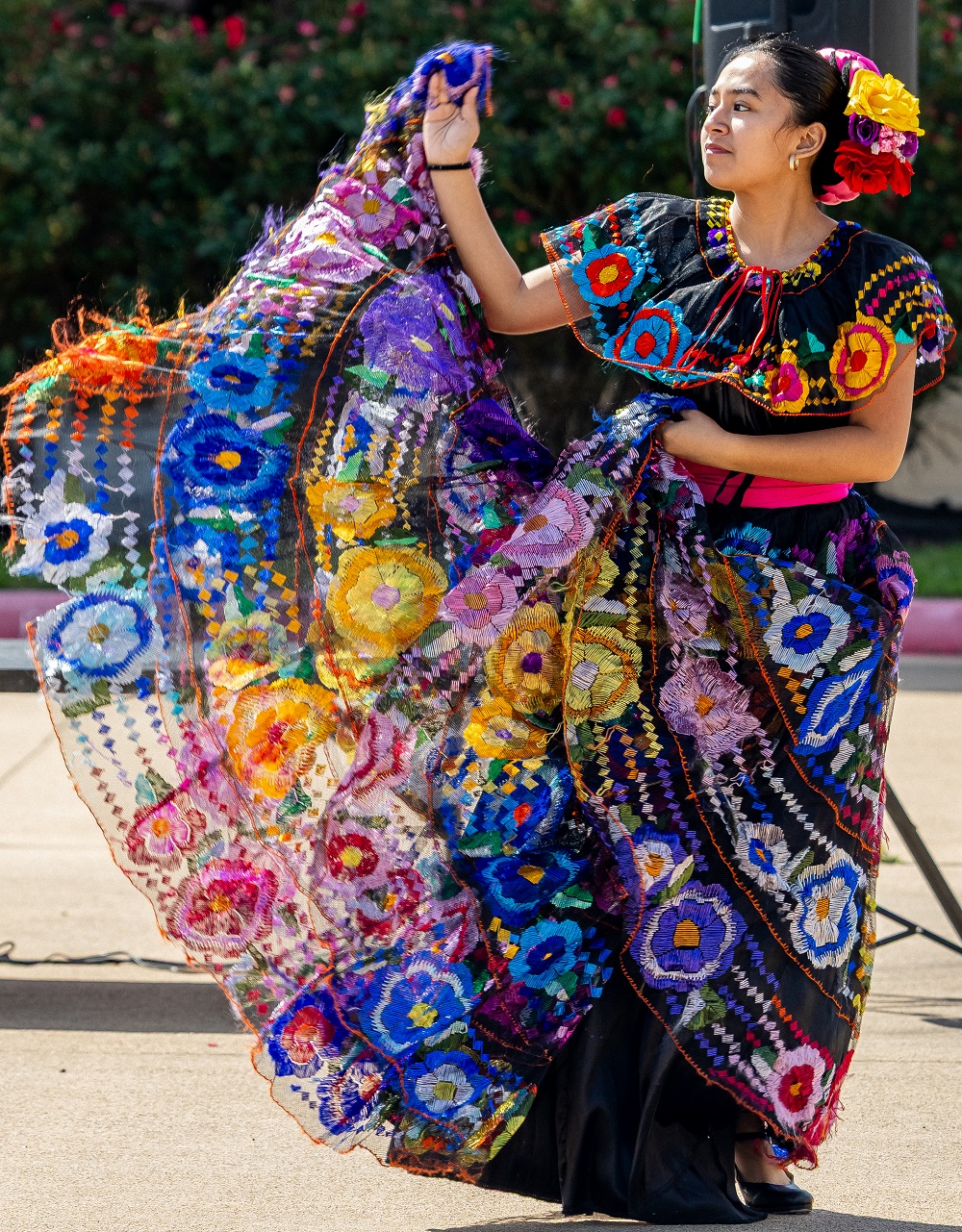
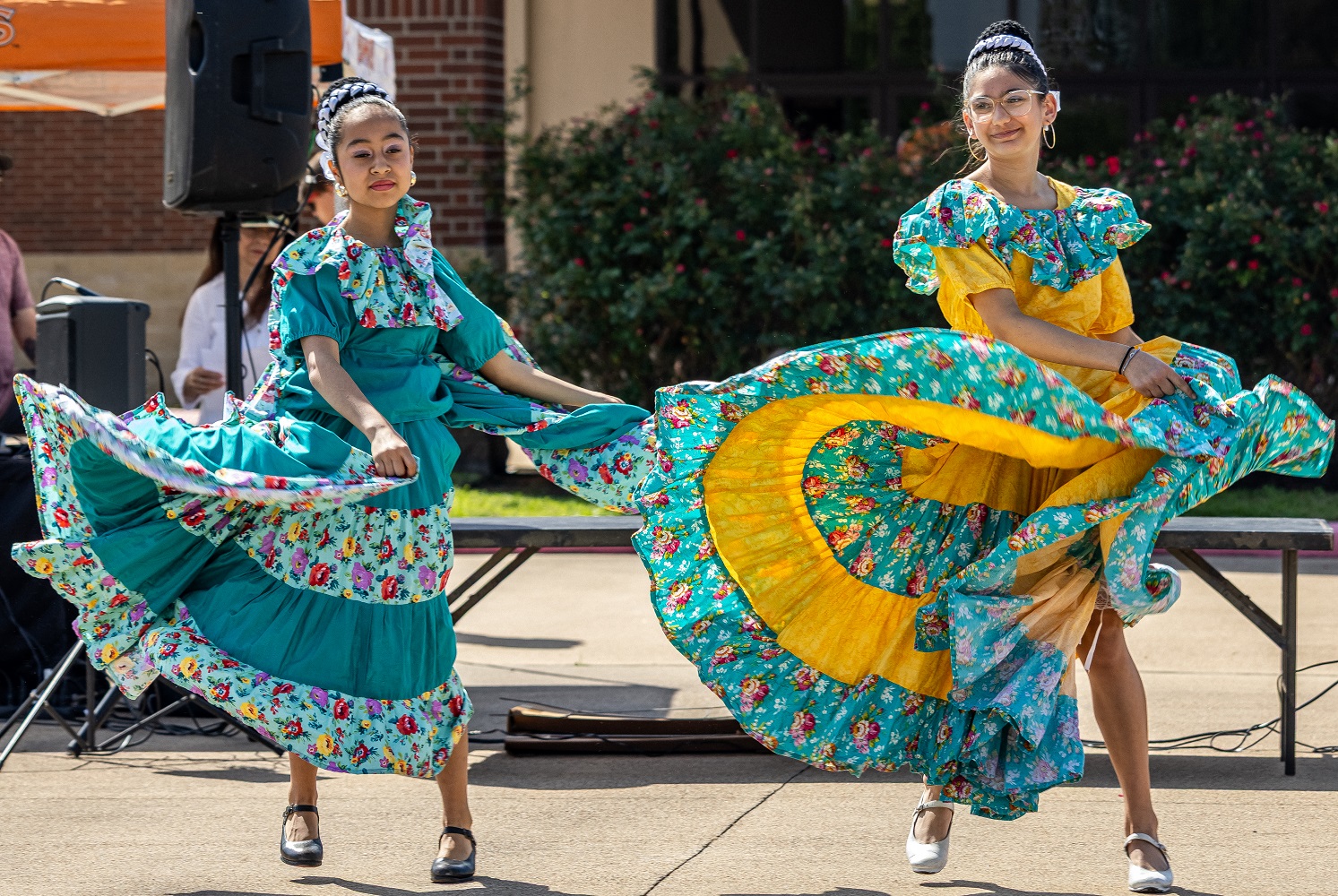
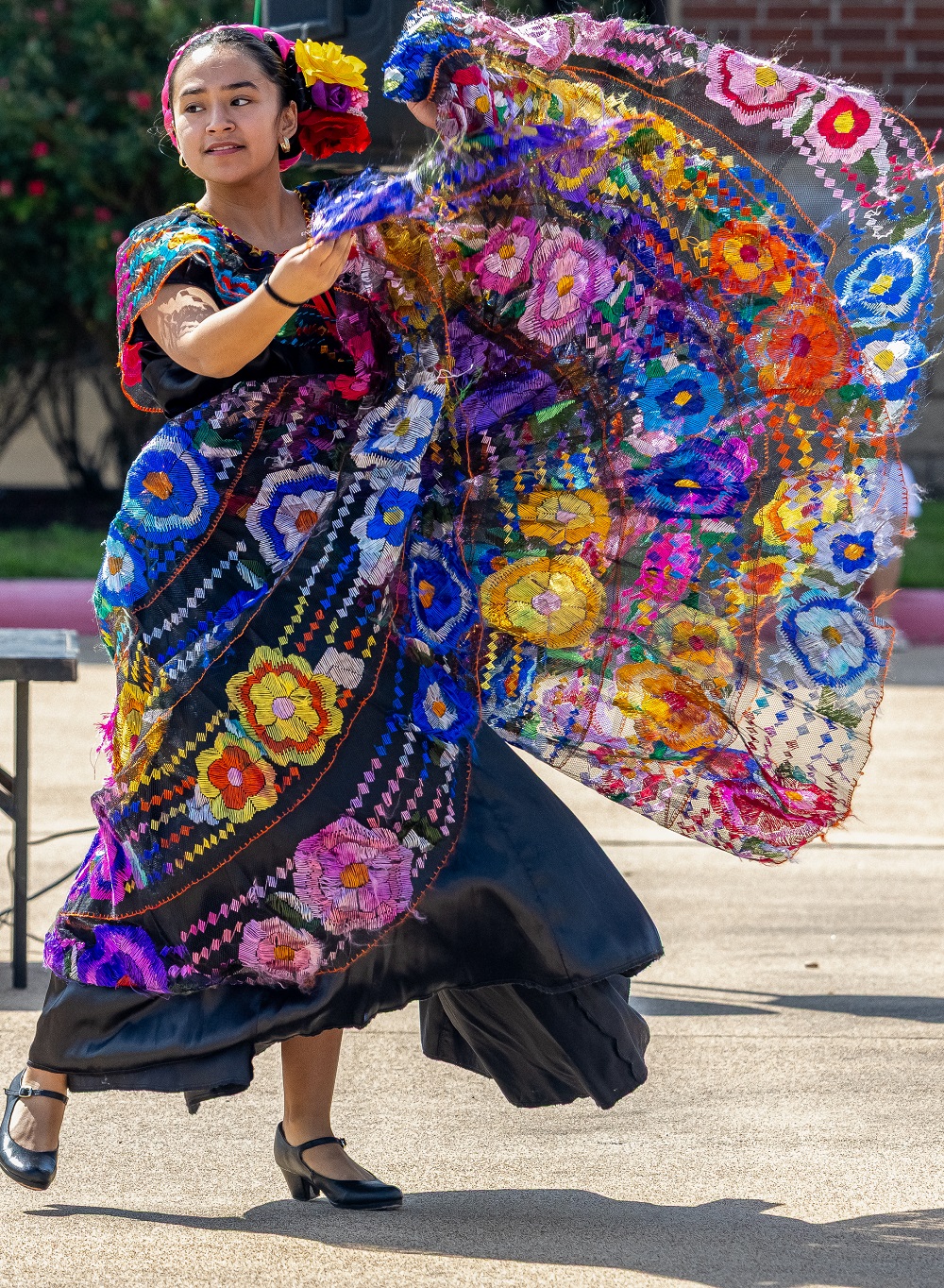
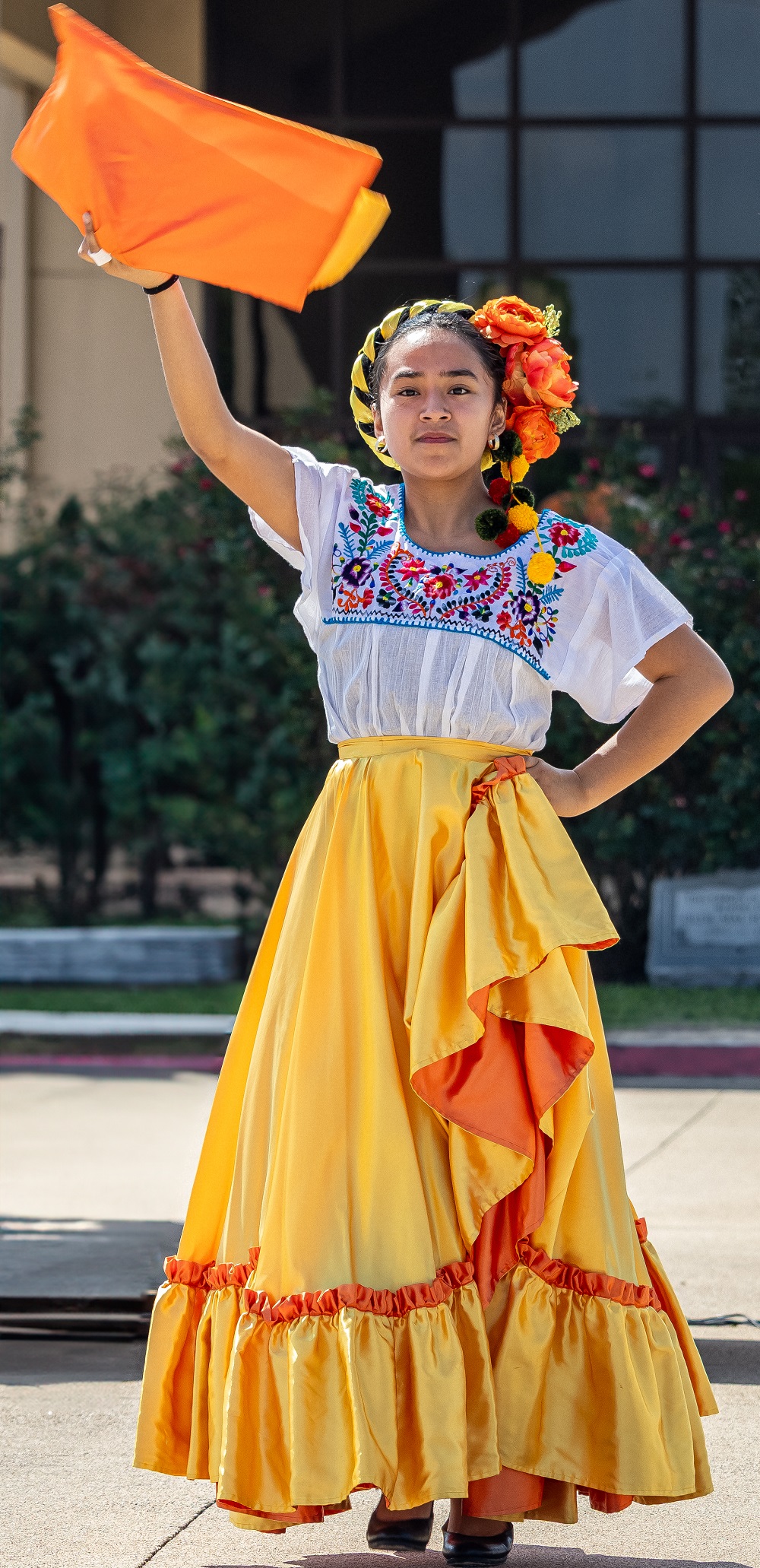
…enjoy the colorful, joyful, and lively steps of Ballet Folklorico…
…and groove to the moves of the Junior GGs of Mance Park Middle School…
…and the Grenadier Guards of Huntsville High.
Of course, one of the key promoters of children’s success in Walker County is the entity that organized the Kids Expo: CASA of Walker County.
Established nationally in 1977, CASA provides crucial support to children who need “a voice” while in the custody of Child Protective Services.
Our local CASA covers the counties of Walker, San Jacinto, and Trinity Counties, while promoting events such as All About Kids Expo that make communities stronger.
Those interested in supporting or attending one of the aforementioned events, or who would like become an advocate, or who would like to donate should contact Laura Green at 936-291-2272 (ext. 105).
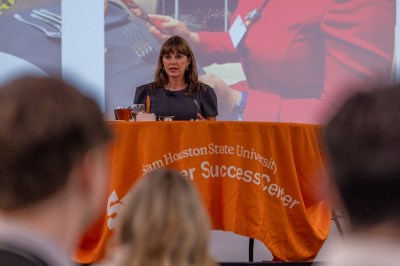
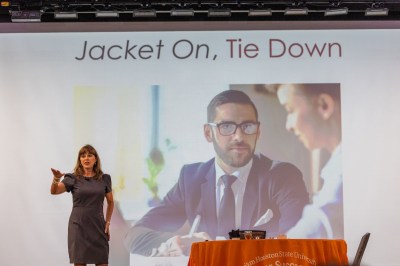
In today’s competitive job market, the difference between landing a job and missing an opportunity often lies in how well one presents themselves in both formal and social settings. Recognizing this, the Career Success Center at Sam Houston State University hosts an annual Etiquette Dinner every spring, designed to equip students with essential dining and professional etiquette skills.
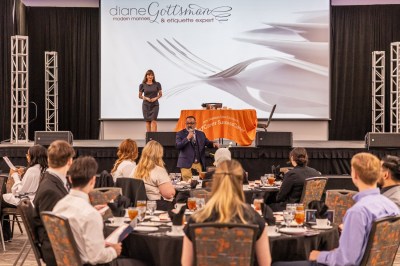
Career Success Director Benji Cantu Introduces Ms. Gottsman
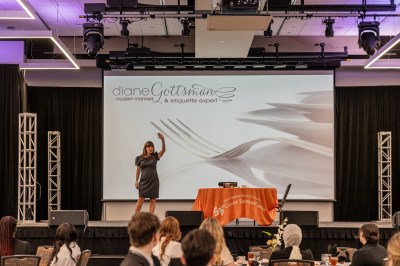
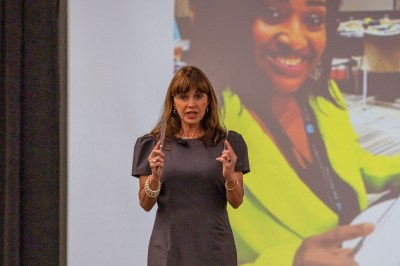
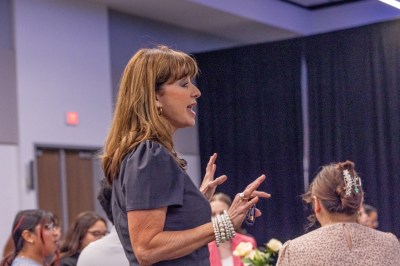
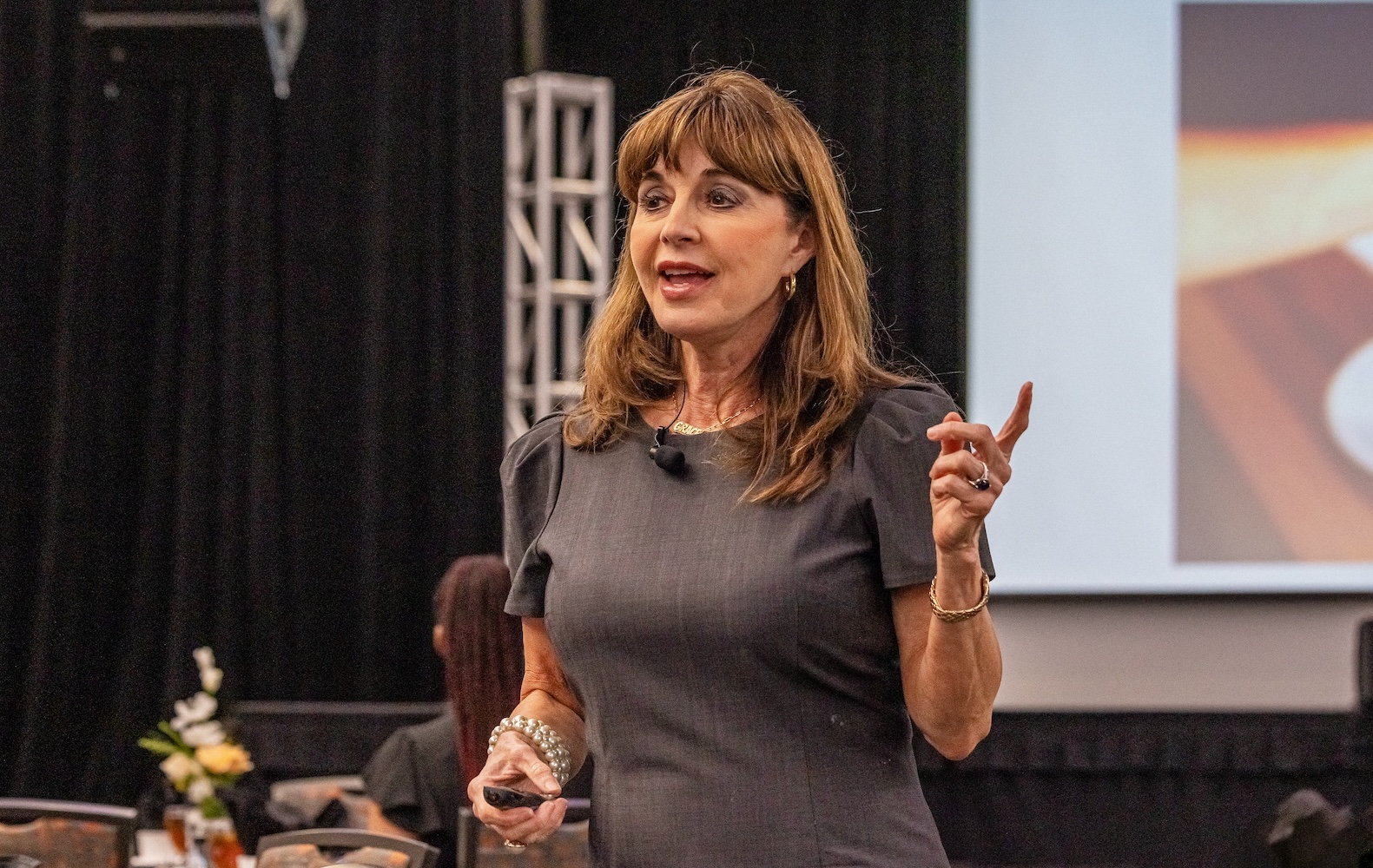
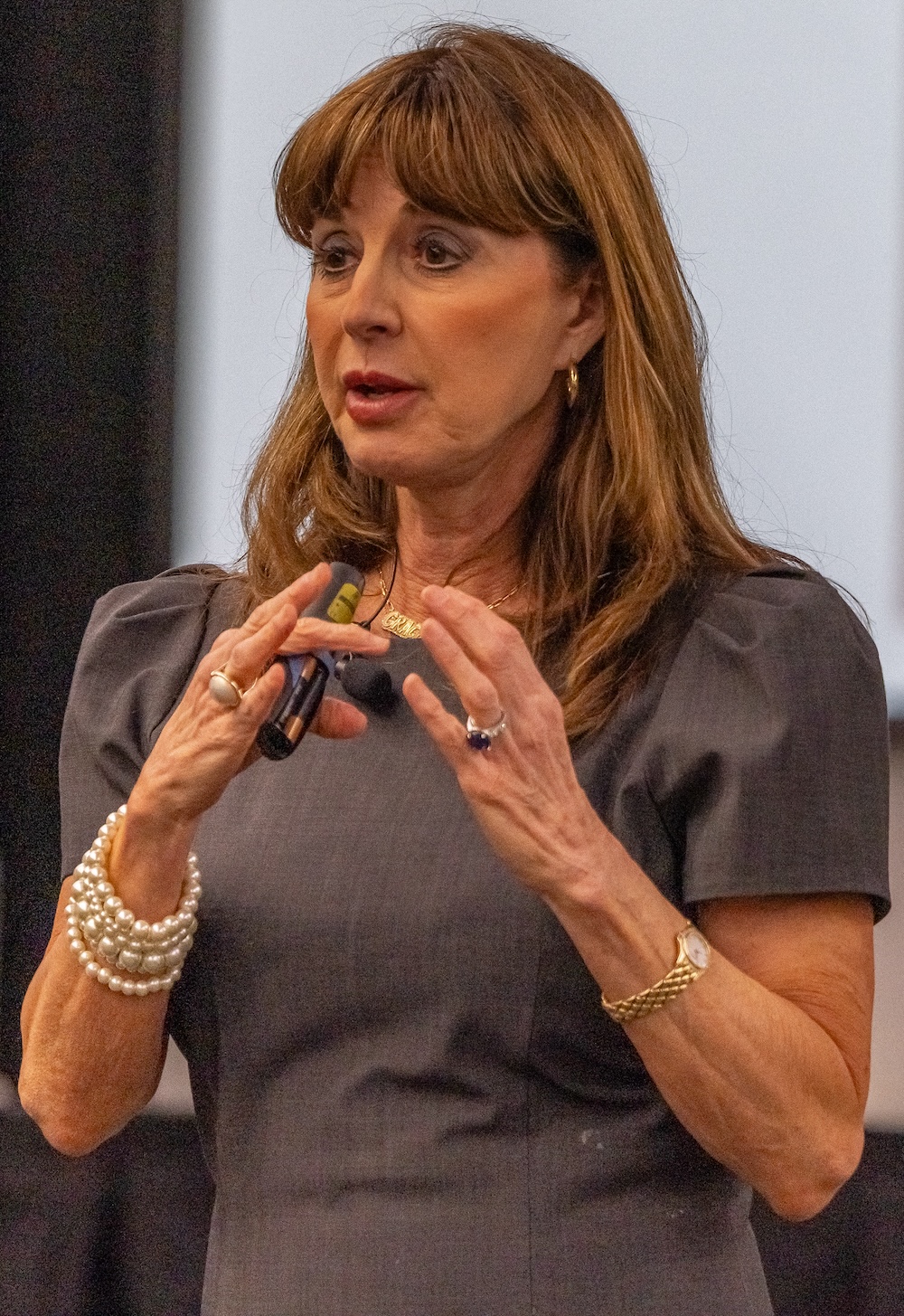
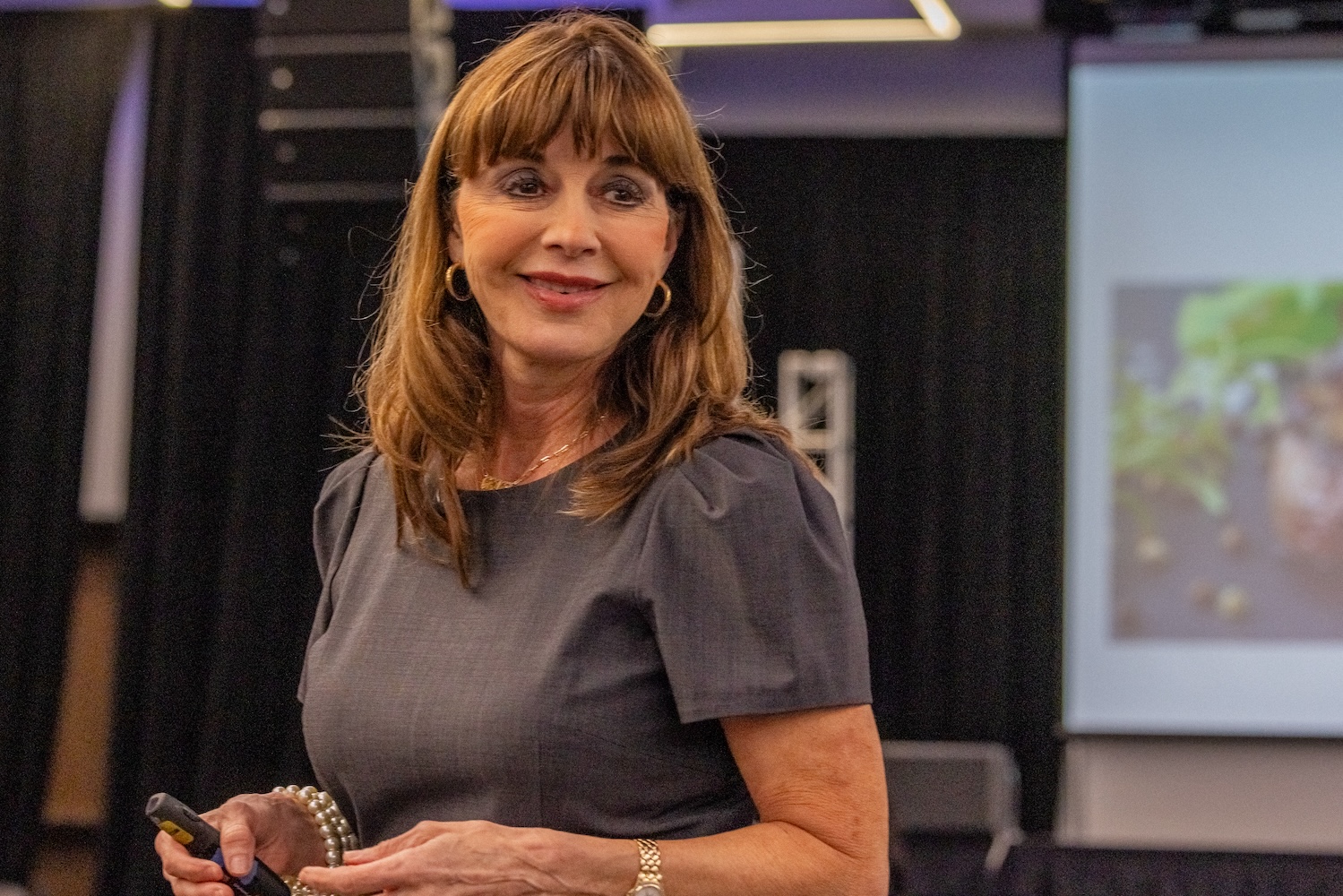
This highly anticipated event is led by Diane Gottsman, an internationally recognized etiquette expert and founder of The Protocol School of Texas. With more than two decades of experience, Gottsman is widely respected for her practical, modern approach to etiquette.
Her philosophy is clear: etiquette isn’t about rigid rules but rather about fostering confidence, showing respect, and making positive impressions.
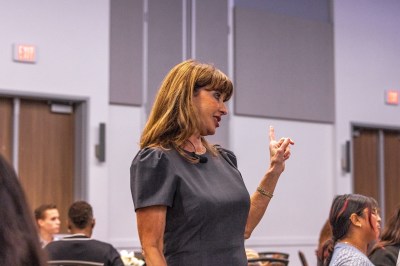
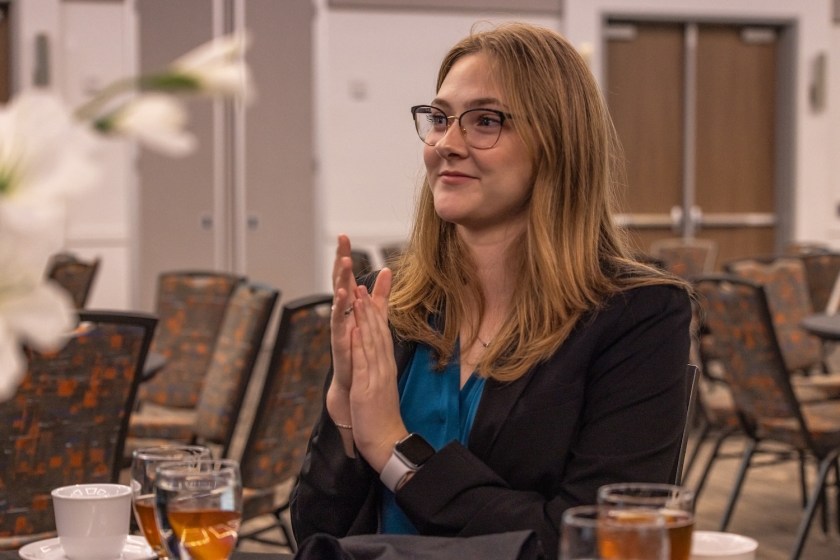
To set the tone for the evening, Ms. Gottsman encouraged engagement from the start, inviting students to ask questions throughout the event. This approach created a welcoming environment—which evidently paid off, as several thoughtful questions came from attendees.
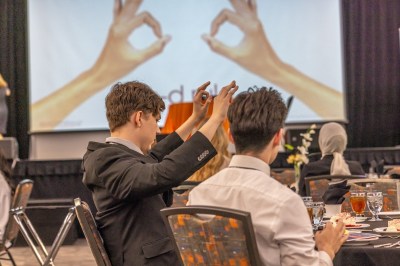
One of the first things we covered was understanding the layout of a formal place setting. Ms. Gottsman introduced the “B and D” hand signal, a simple mnemonic to help guests remember the correct placement of their bread plate (left) and drink (right).
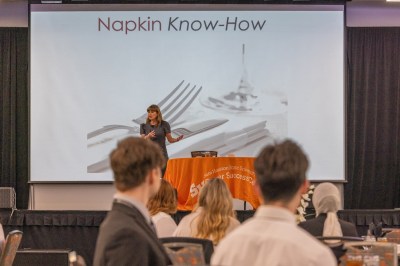
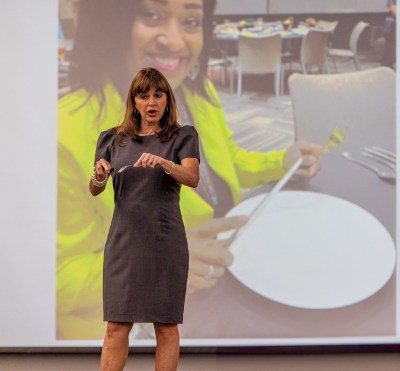
This was followed by a presentation of proper utensil layout, illustrating the rule of “outside-in”: always use the outermost utensils first, moving inward as each course is served.
As we prepared for the meal, Ms. Gottsman emphasized napkin etiquette, explaining that the napkin should be placed on the lap with the fold facing toward your waist. If stepping away from the table, the napkin should be placed on the chair, not the table.
She also advised against placing purses on chairs or using purse hooks at formal events.
Posture was another key point—encouraging everyone to sit upright by imagining a ball behind their back as a way to maintain poise without seeming stiff.
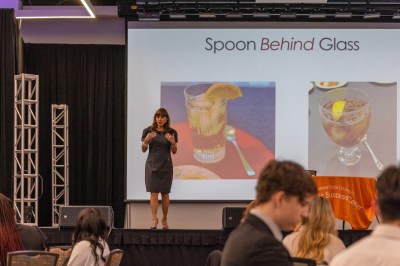
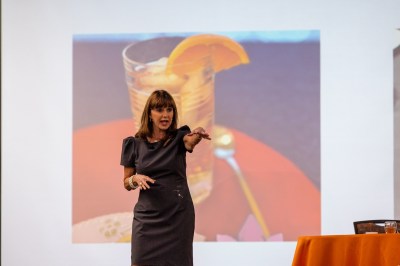
We also learned to “prepare” our iced tea, where Ms. Gottsman explained to stir quietly, avoid clinking the glass, and place the spoon behind the glass once finished.
She also touched on the circumstance where if you are given a drink with the lemon on the side, you should place it in the glass or behind it—but do not drink it with it on the rim.
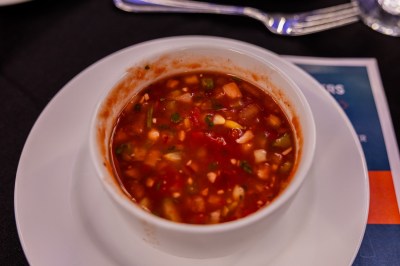
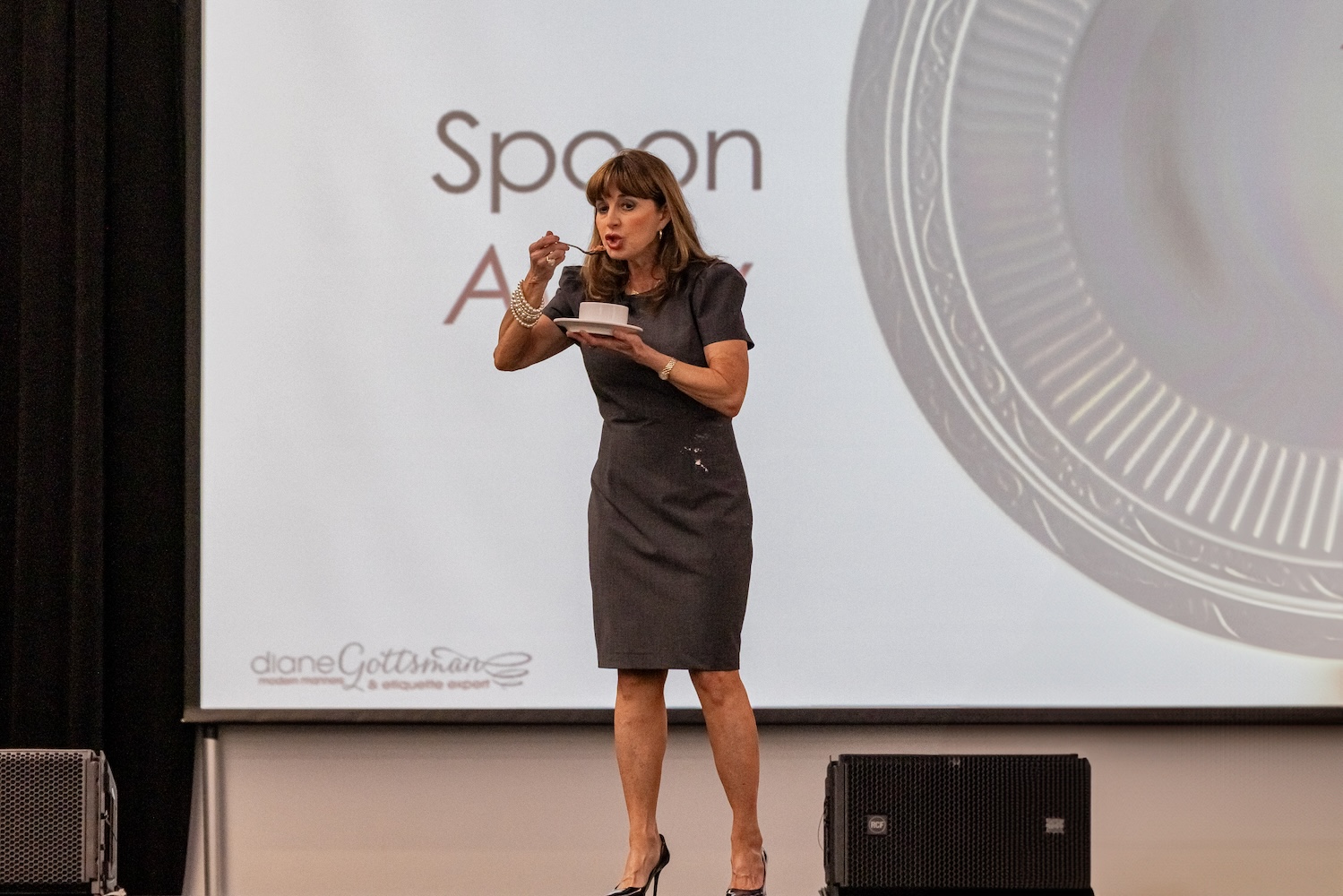
The first course was gazpacho soup…
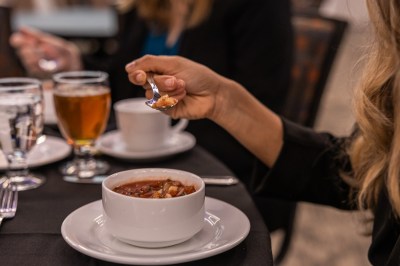
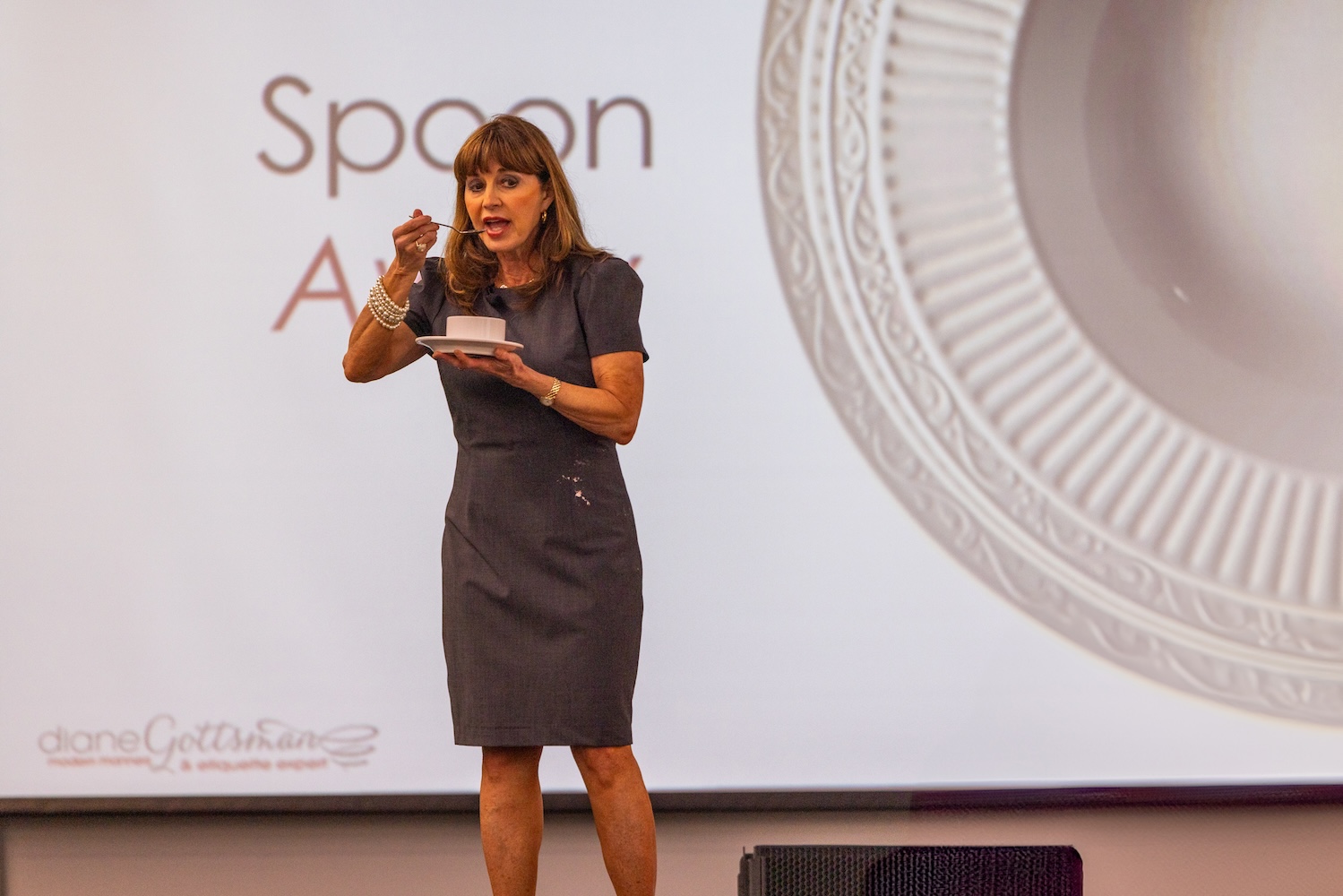
…during which we learned to spoon the soup away from the body to avoid spills and to sip quietly from the side of the spoon—no slurping.
Ms. Gottsman shared a helpful distinction between smooth and chunky soups: while smooth soups should be sipped directly from the side of the spoon with minimal movement, chunkier soups may require small, discreet cutting motions with the spoon to break down larger pieces—always maintaining grace and control.
Throughout the evening, students posed thoughtful questions. LEAP Ambassadors Christina Biello and Olivia Discon were among those who contributed. Christina asked about the proper way of wiping your face with a napkin, prompting a detailed explanation from Ms. Gottsman on napkin positioning and handling. Olivia inquired about how to eat a sandwich or burger properly—whether deconstructing was acceptable. Ms. Gottsman emphasized the importance of ordering wisely in formal settings, reinforcing that certain dishes—like salads or spaghetti—are best avoided.
She also mentioned what to ask for and what not to ask for while dining. Unless there are fries on the table, ketchup should not be requested; and ranch dressing should never be ordered. Requests for ranch and ketchup, Ms. Gottsman noted, send a message to the chef and the table that the requester is accustomed to cheap, low-quality food.
Another thoughtful question involved excusing oneself from the table. Ms. Gottsman advised simply saying, “Excuse me” without offering unnecessary details and always pushing in your chair and placing the napkin on your seat, not back on the table, during the temporary departure.
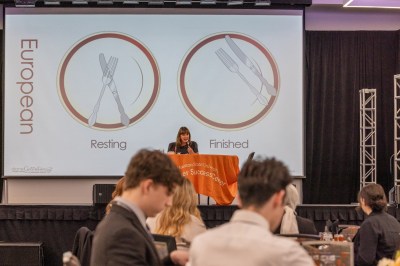
The main course featured chicken, vegetables, and mashed potatoes. During this course, Ms. Gottsman introduced the “resting” and “finished” utensil positions—important non-verbal cues for servers. When pausing between bites, utensils should form an inverted “V” on the plate, with the fork tines face up and the knife stays on the right.
When finished, both utensils should be placed parallel across the plate, with the fork tines up and the knife blade inward. These signals help maintain a seamless dining experience and show respect for the meal and staff. Also adding in the differences between American and European dining styles, encouraging students to become familiar with the European method for a more polished approach.
The evening concluded with a delicious red velvet dessert cake and coffee.
In formal dining settings, coffee is typically served after the main course, often accompanied by dessert. When passing cream or any condiment, always pass it to the left (counterclockwise) of the person sitting next to you.
In her closing remarks, Ms. Gottsman spoke of the importance of first impressions—how a teethy smile, confident presence, and genuine attentiveness can leave a lasting impact.
Many attendees, including myself, left the event feeling not only more confident in formal dining settings but also more aware of how small, thoughtful gestures reflect professionalism and poise.
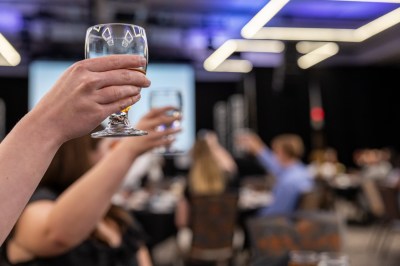
This advice encapsulated the essence of the evening: that etiquette is not about perfection but about presenting oneself with confidence and respect in every interaction, and we can toast to that!
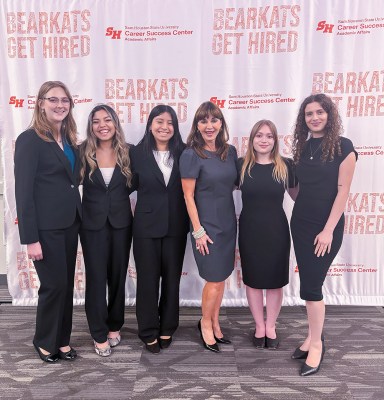
Many thanks to the Career Success Center and Ms. Gottsman for a wonderful program.
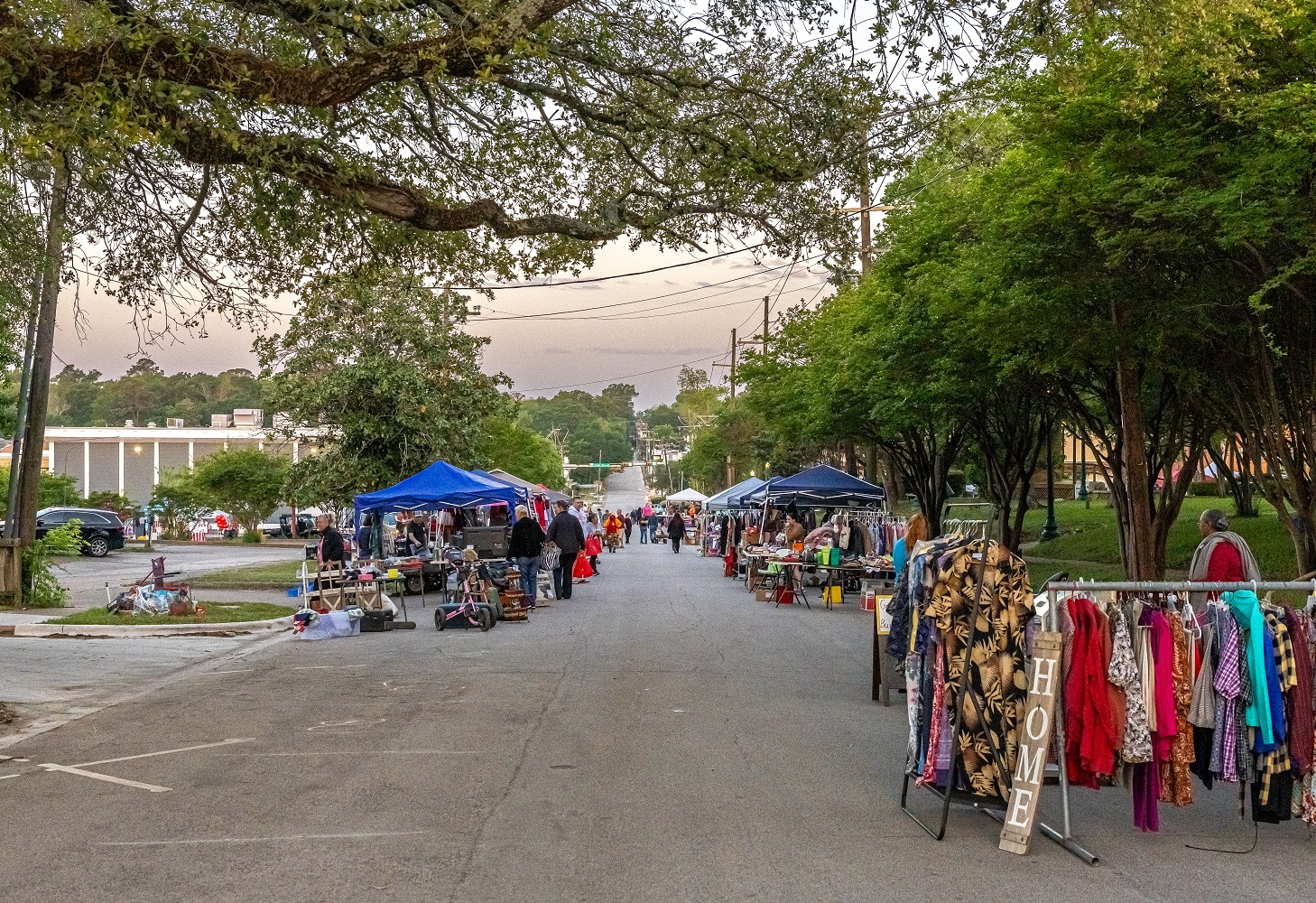
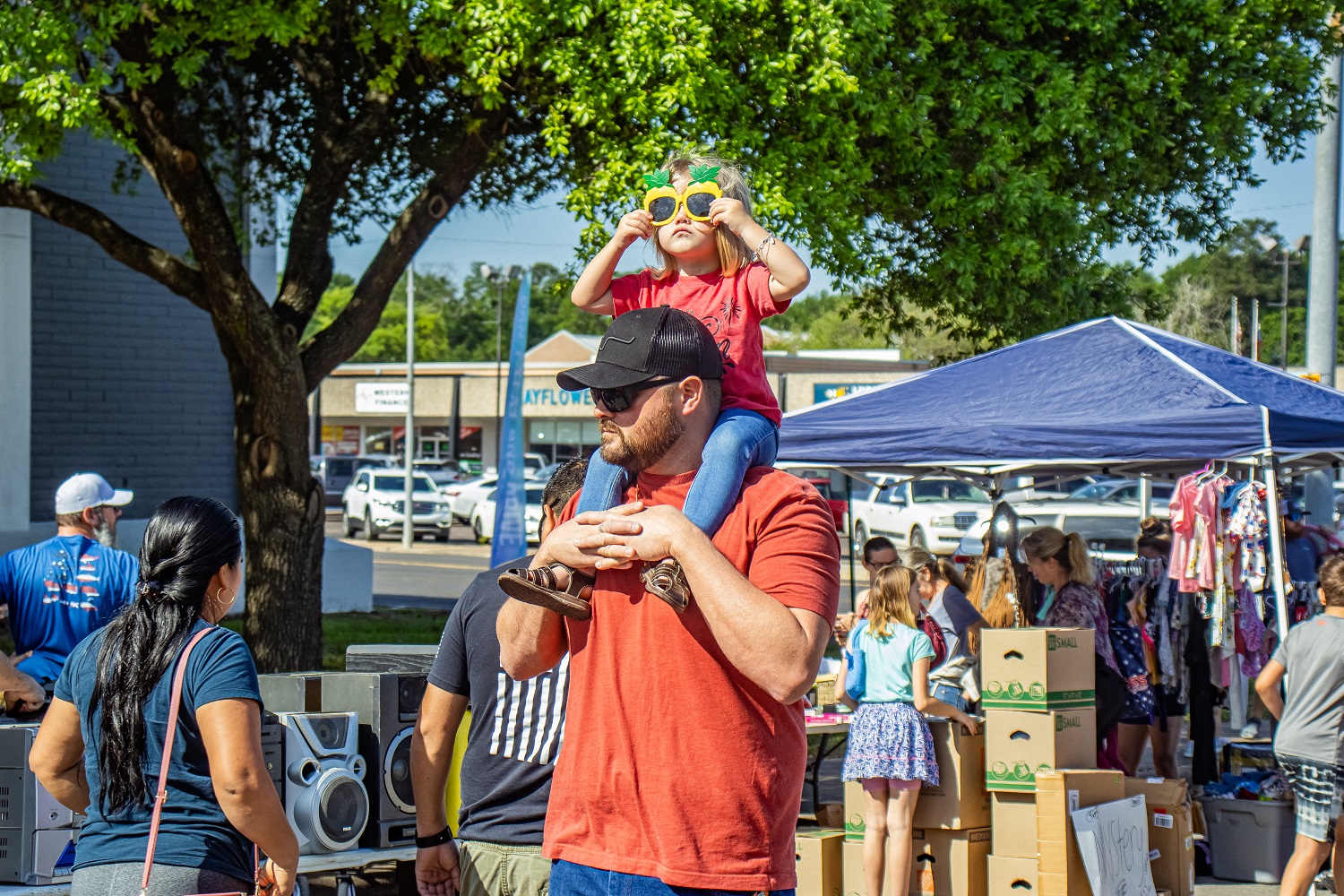
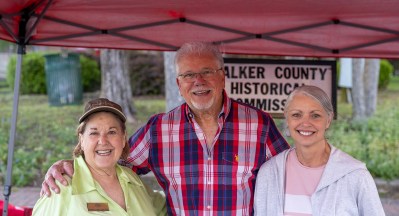
The weekend of April 12 was a vibrant celebration of community spirit in Huntsville, packed with events that really showed off the city’s sense of unity. After months of planning, registration, and preparation, it was incredibly rewarding to see Junk-A-Palooza come to fruition in Downtown Huntsville.
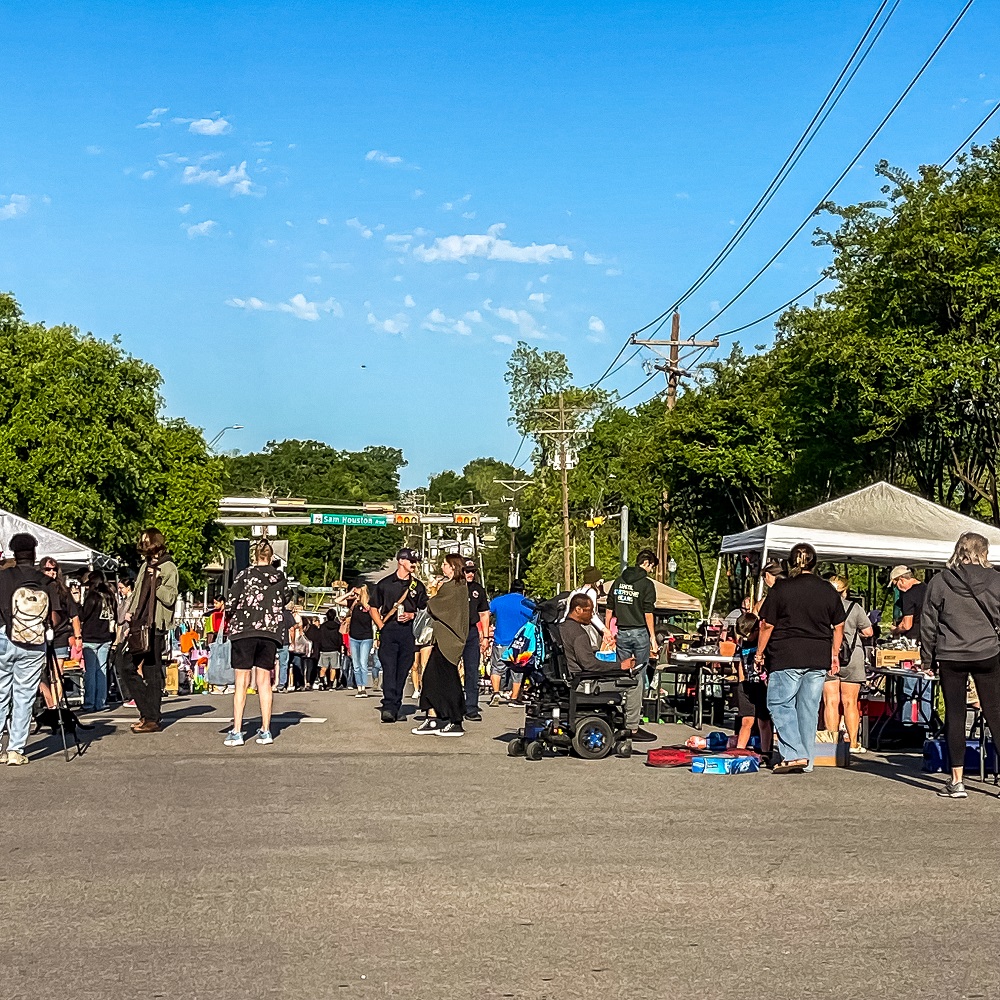
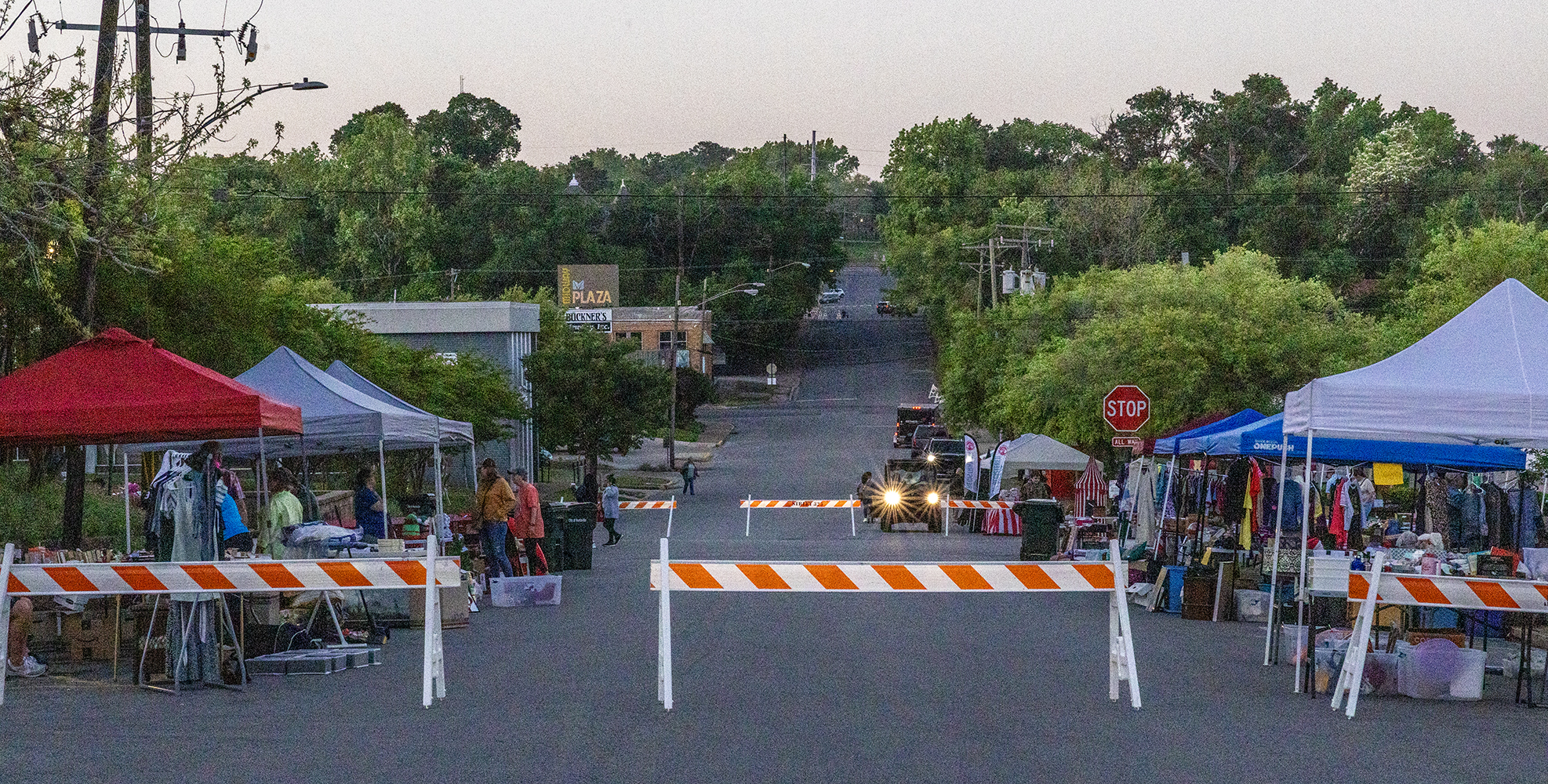
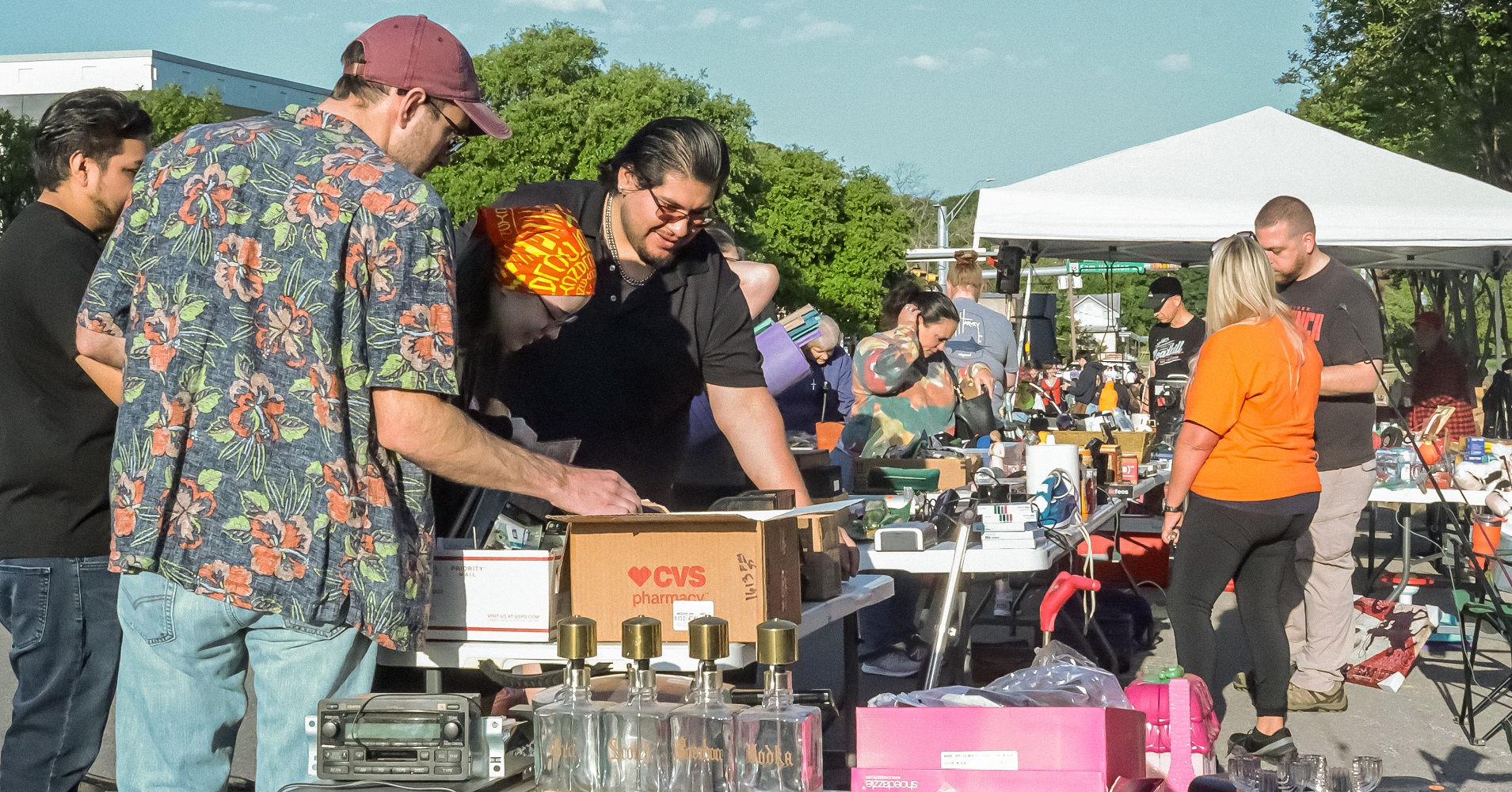
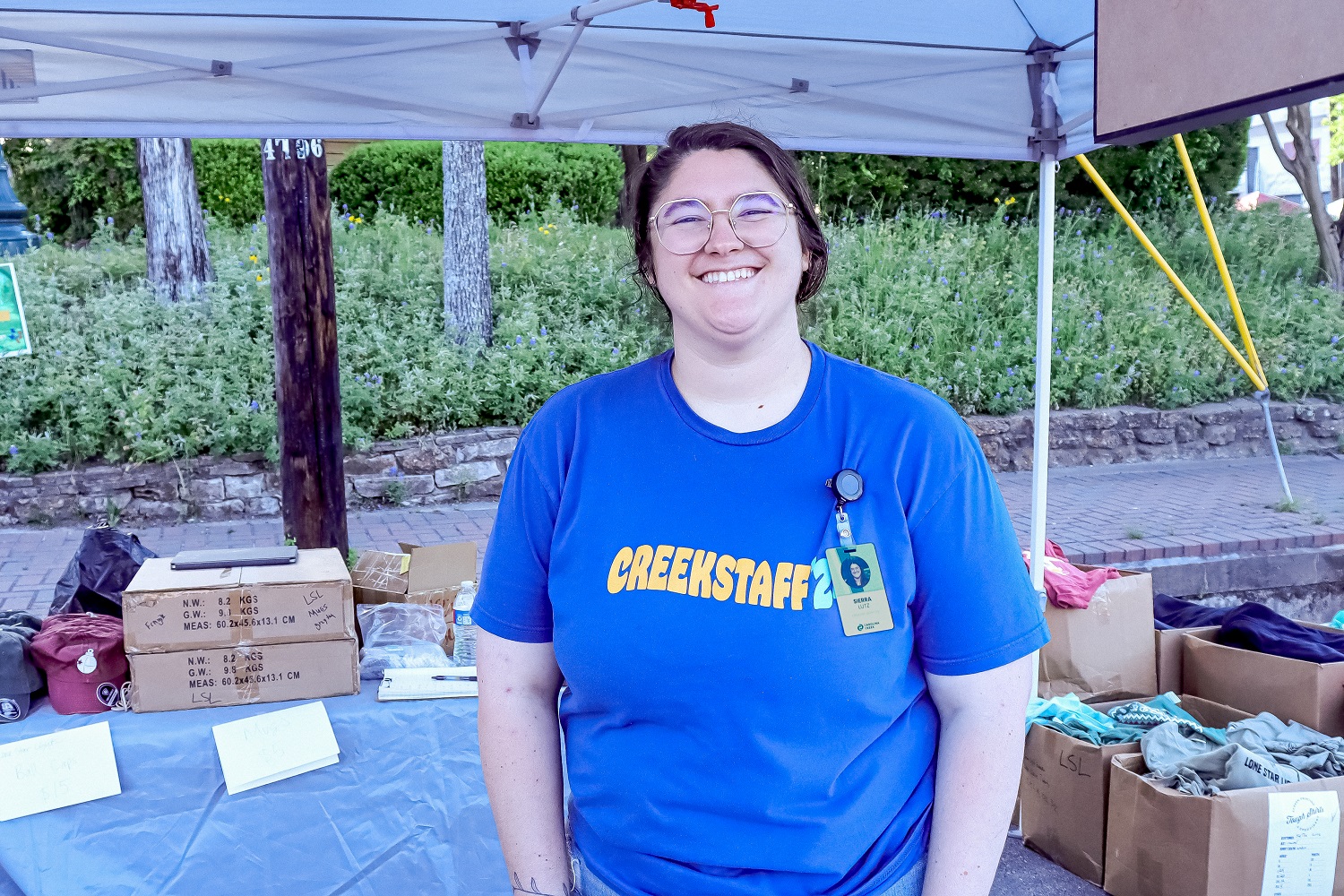
The City of Huntsville Main Street Program brings several annual events to Huntsville, and as intern for Main Street, my role this semester was helping with Junk-A-Palooza, which proved to be a success. With more than 100 vendors and an estimated 300-400 attendees, the event demonstrated its ability to bring people together and showcase community collaboration.
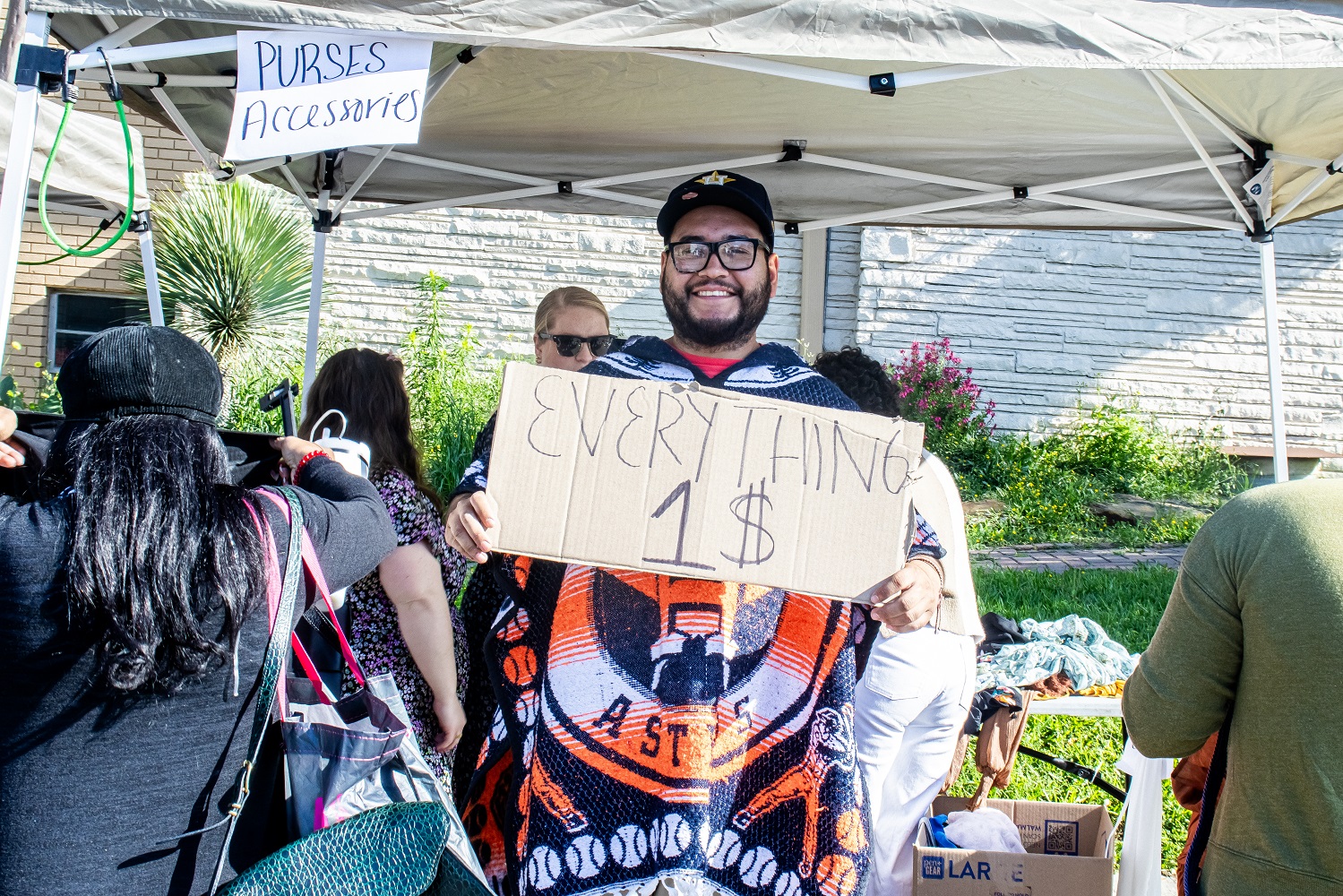
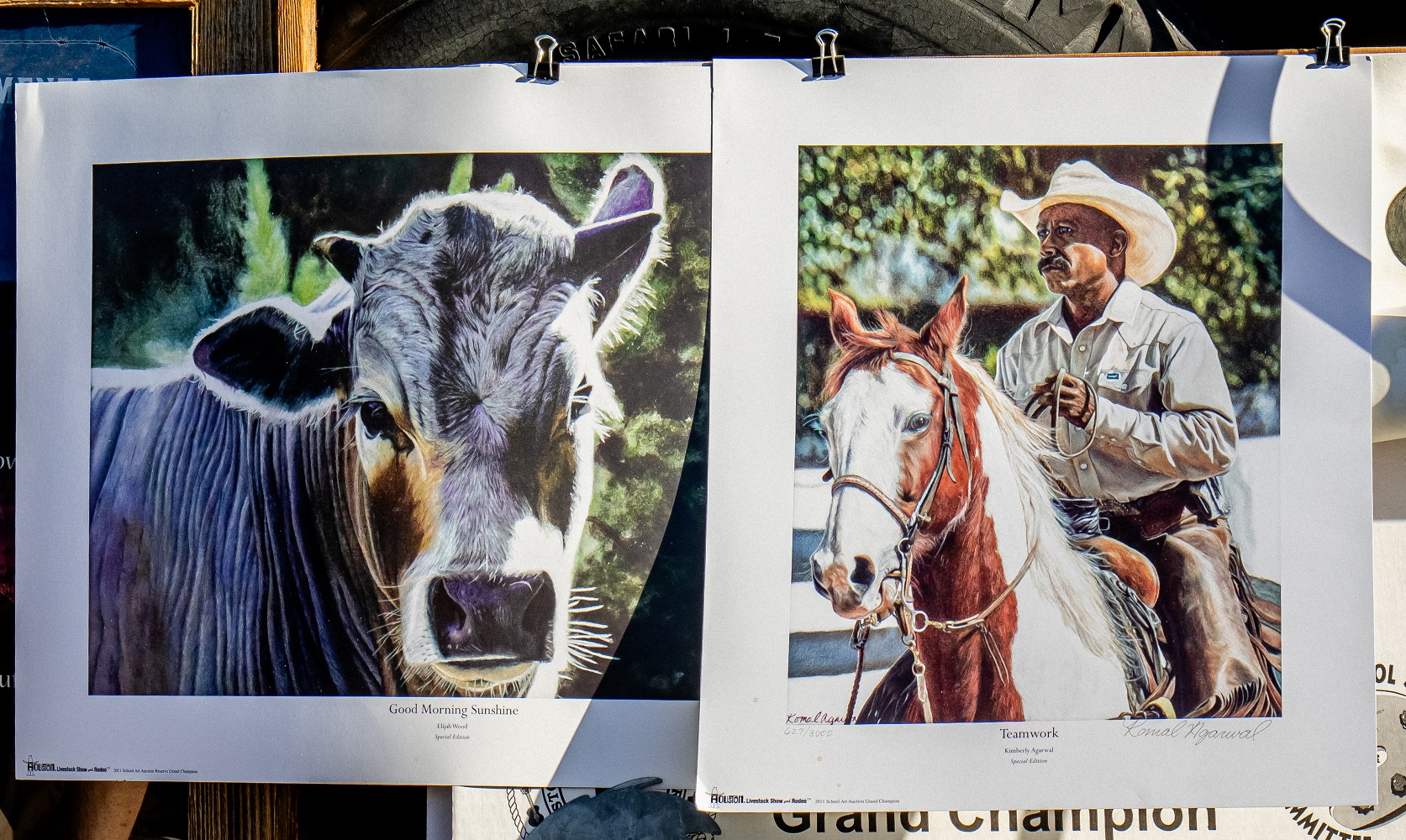
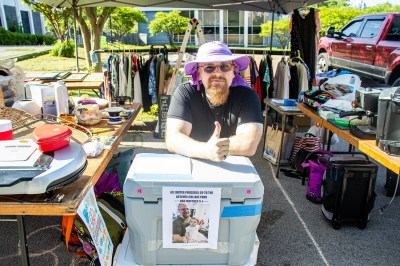
Junk-A-Palooza is a community-wide garage sale that gives people a chance to declutter and repurpose their old or unused items. Families, individuals, and groups set up booths filled with a wide variety of items, from unique treasures to everyday essentials—artwork, furniture, vintage items.
Following much work from Main Street Director Amanda Schillaci, Event Coordinator Angela Robinson, and myself, the event officially kicked off bright and early at 7 a.m., with booths set up ready to go and many already downtown checking out everything the booths had to offer.
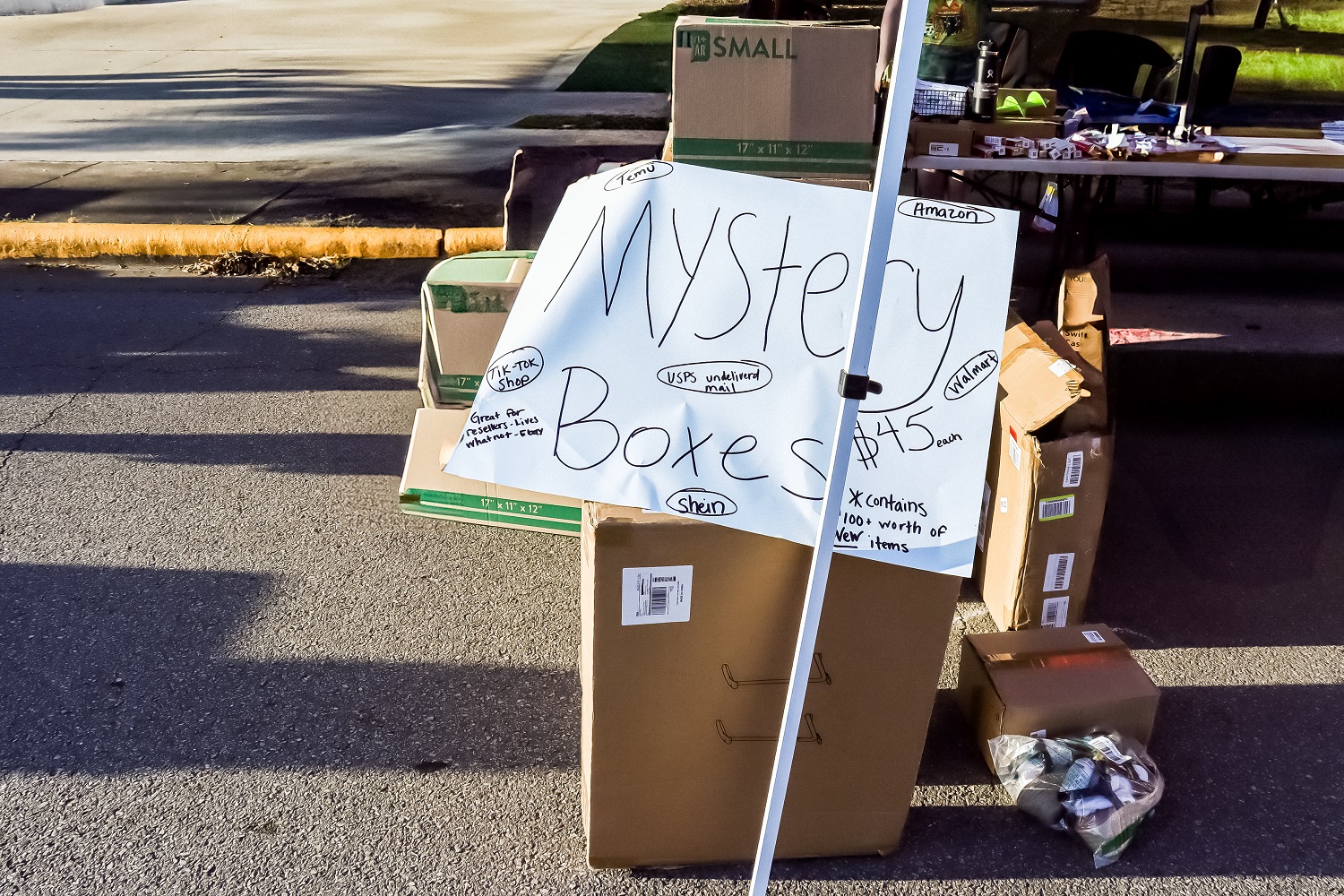
One vendor featured a mystery box that sold out almost immediately, while one of the most memorable finds for me was collectable toys of red vintage cars.
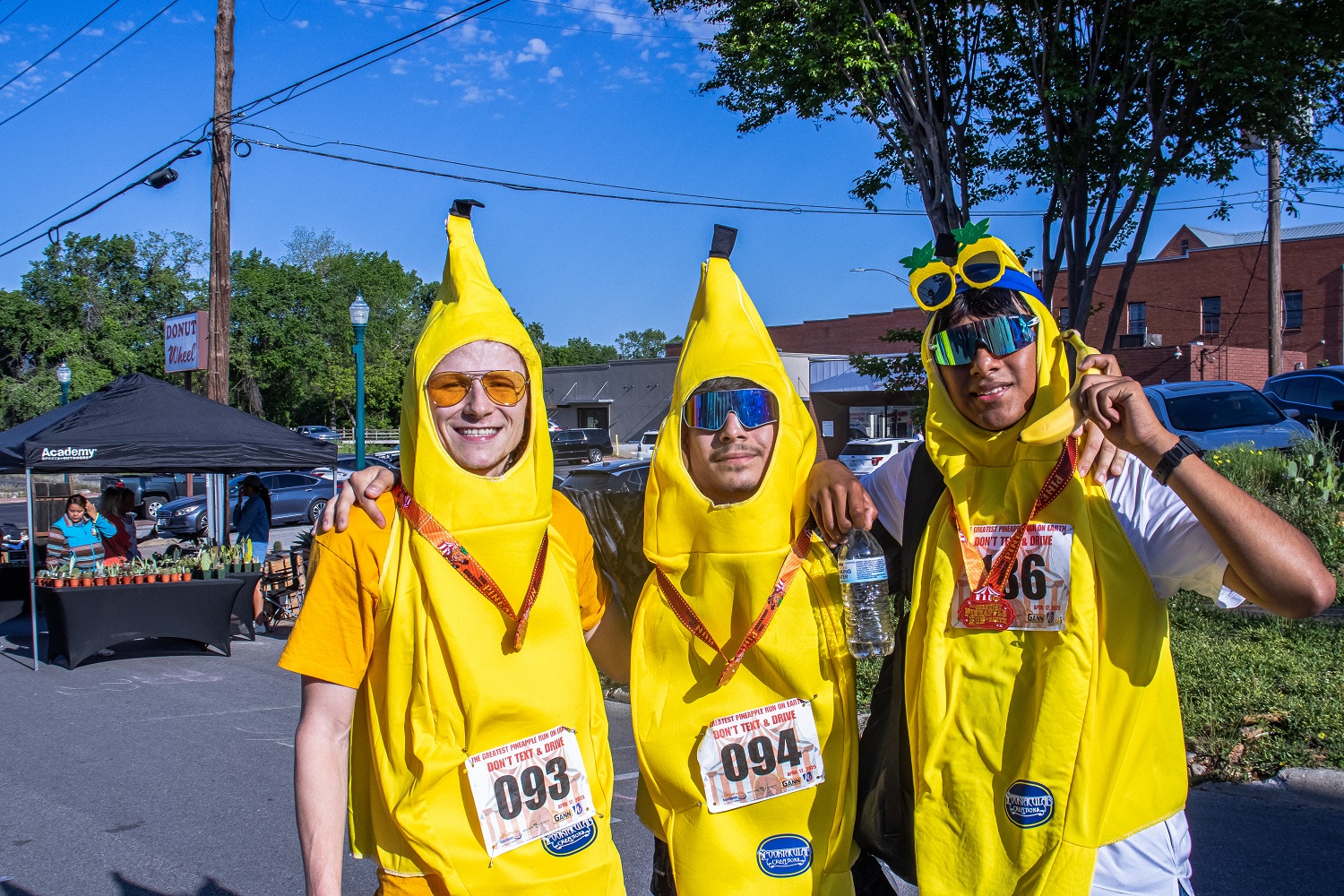
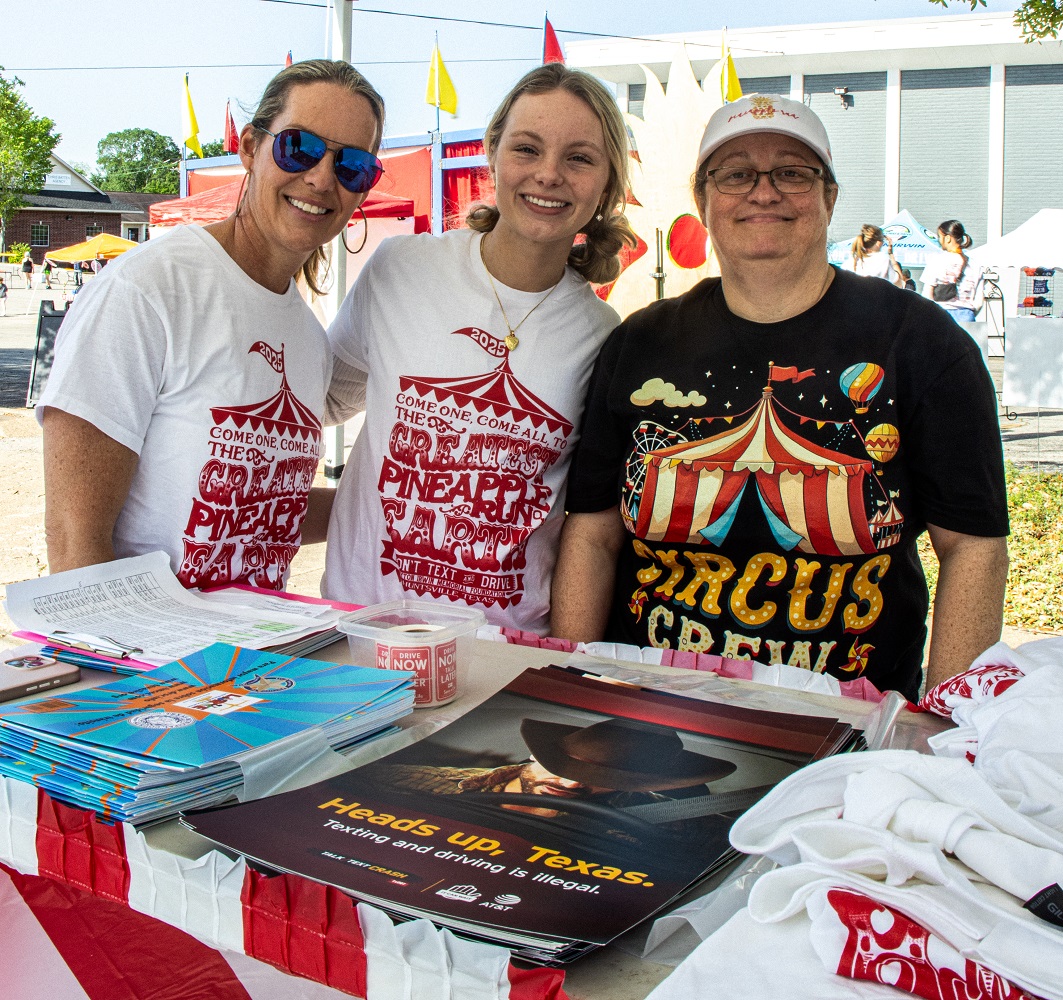
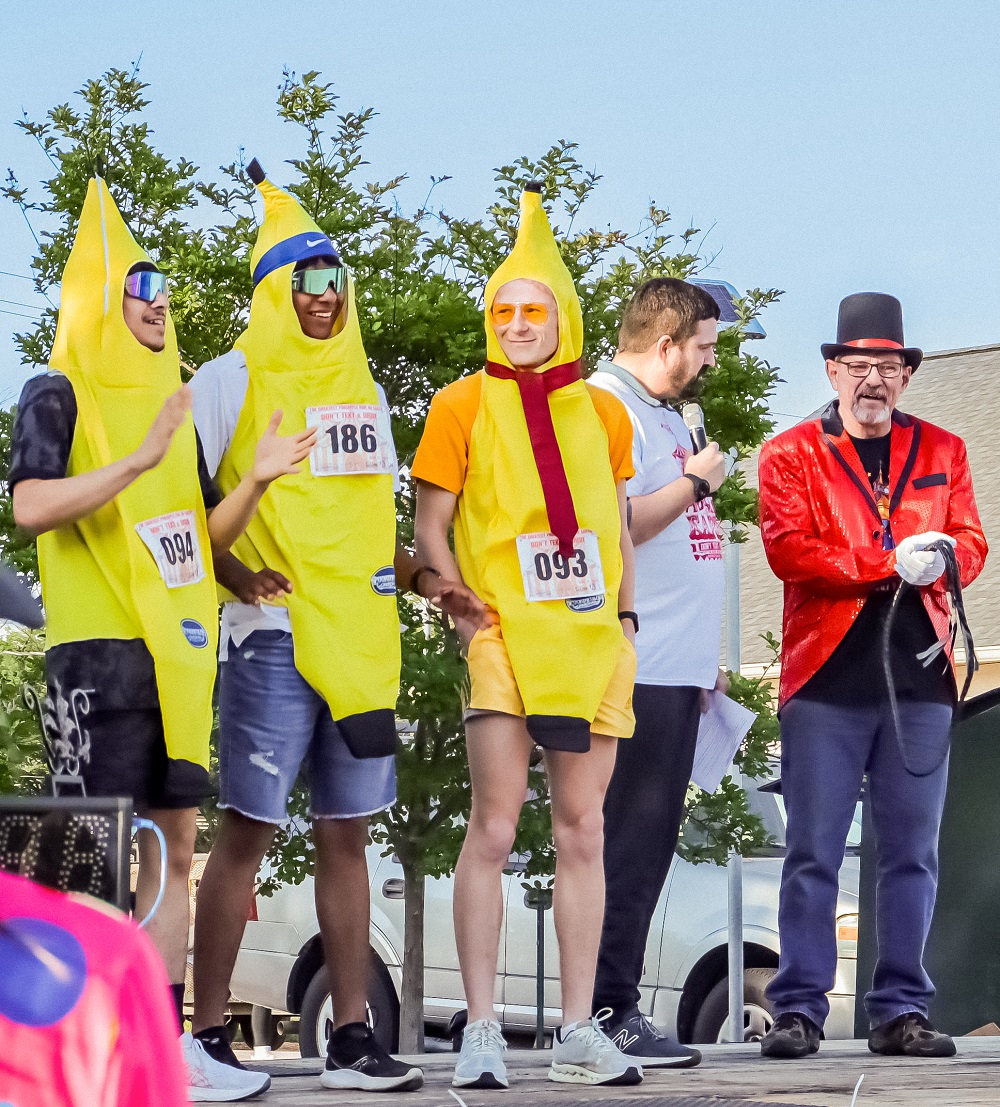
This year’s Junk-A-Palooza coincided with the Wynne Home’s Easter Egg Hunt and the Pineapple Run, a 5K held in memory of Peyton Irwin. The race benefited the Peyton Irwin Foundation, which aims to educate others on the dangers of distracted driving while also awarding scholarships to students.
The Pineapple Run added to the festive atmosphere, with a bouncy castle, costume contest, and food stands supporting a great cause, not to mention the pineapple I purchased!
The combination of Junk-A-Palooza and the Pineapple Run created a day full of fun and community spirit in downtown Huntsville. Junk-A-Palooza was a huge success, thanks to the efforts of many community members.
The events showcased the best of Huntsville, highlighting its sense of unity and community spirit. Thank you to everyone who participated, volunteered, and attended!
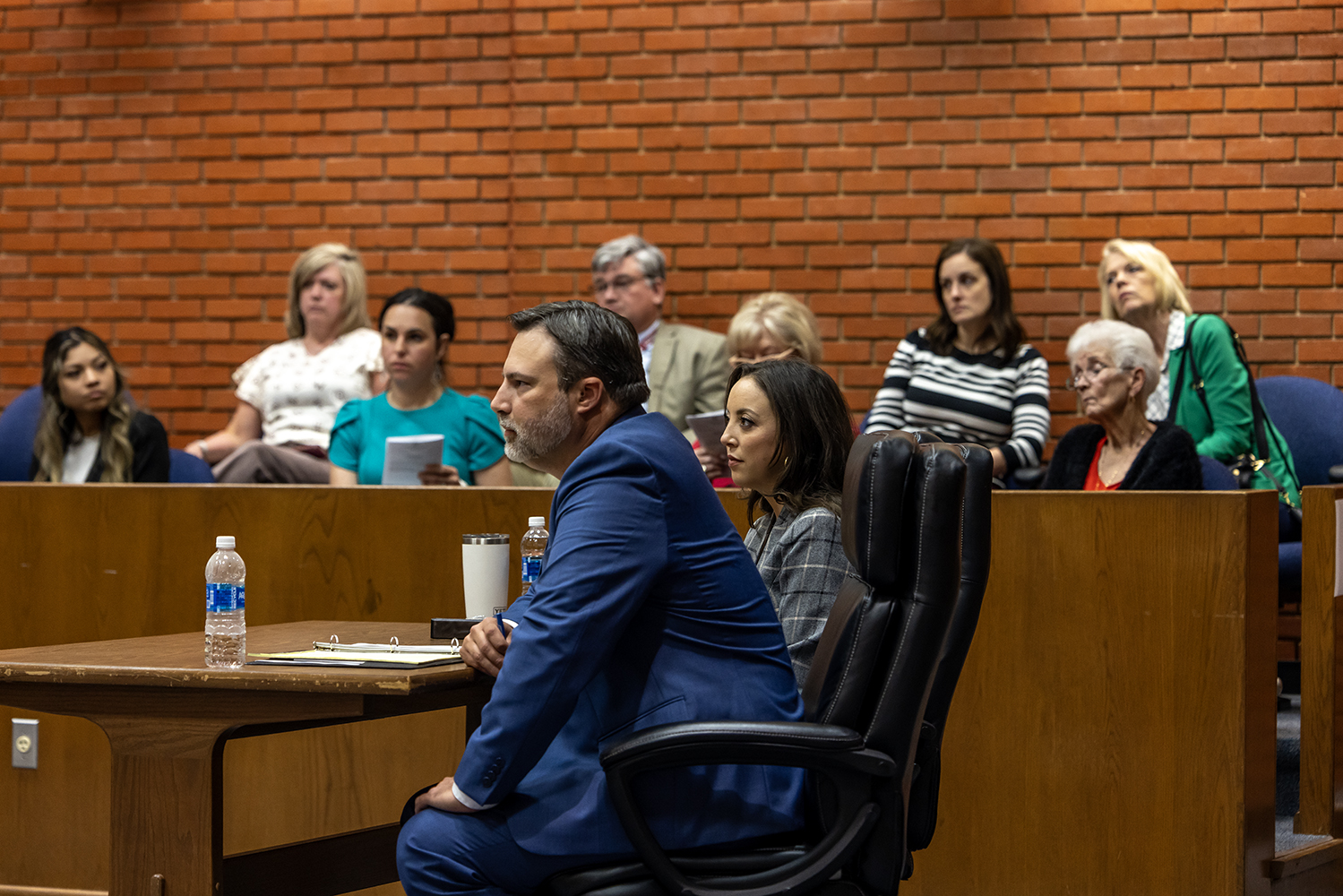
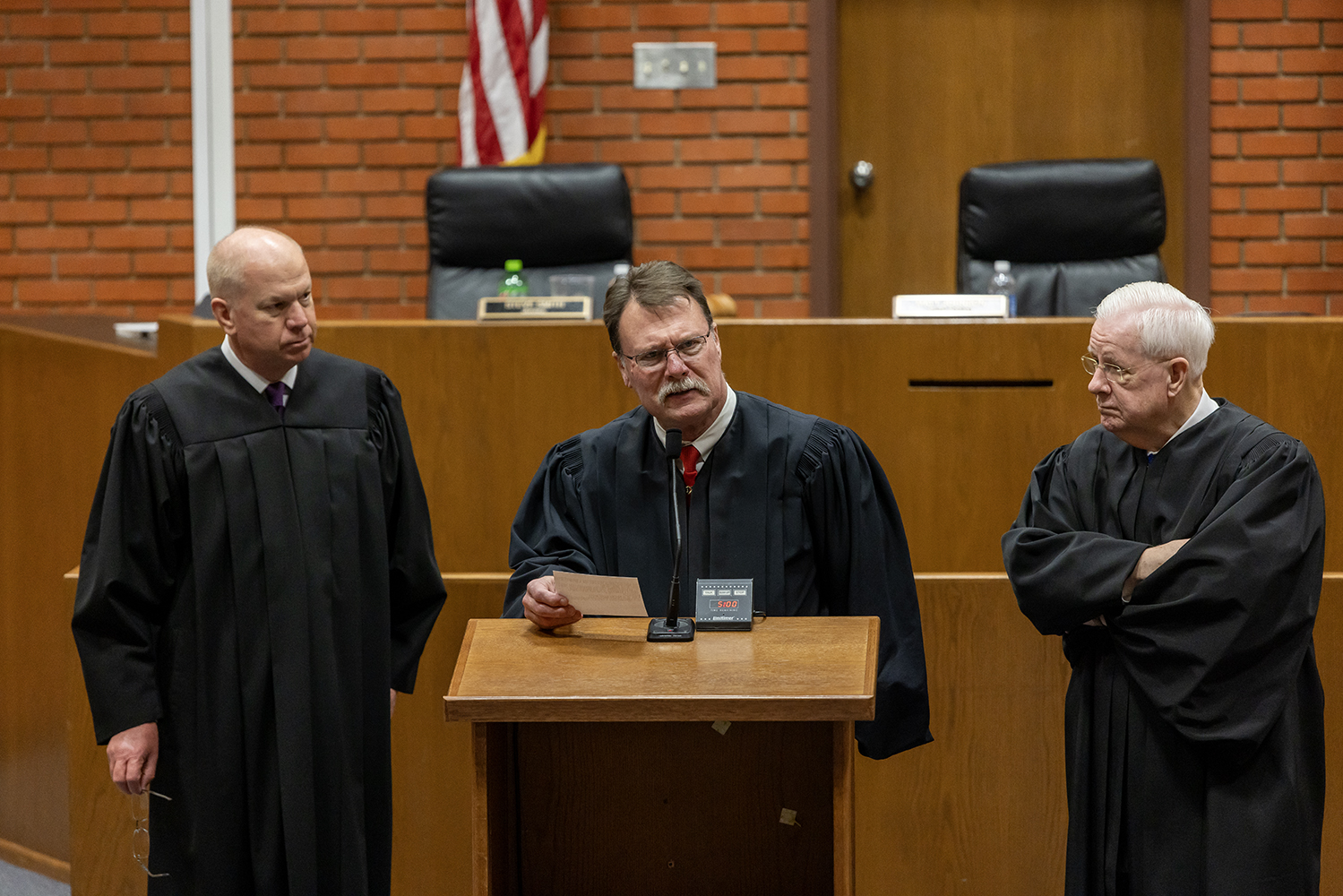
For fourteen consecutive years, the LEAP Center at Sam Houston State has been proud to host the Texas 10th District Court of Appeals on our campus. With a newly elected Chief Justice, Matt Johnson, a newly appointed Justice, Lee Harris, and 3 thought-provoking cases, the LEAP Center was grateful to help coordinate and host this event for the Huntsville community.
Appellate Courts are fascinating, due to the fact that they have, of course, been heard in trial court previously. Distinctions between interpretations of case law, the handling of the case, and legalese can be found at the 10th Court of Appeals.
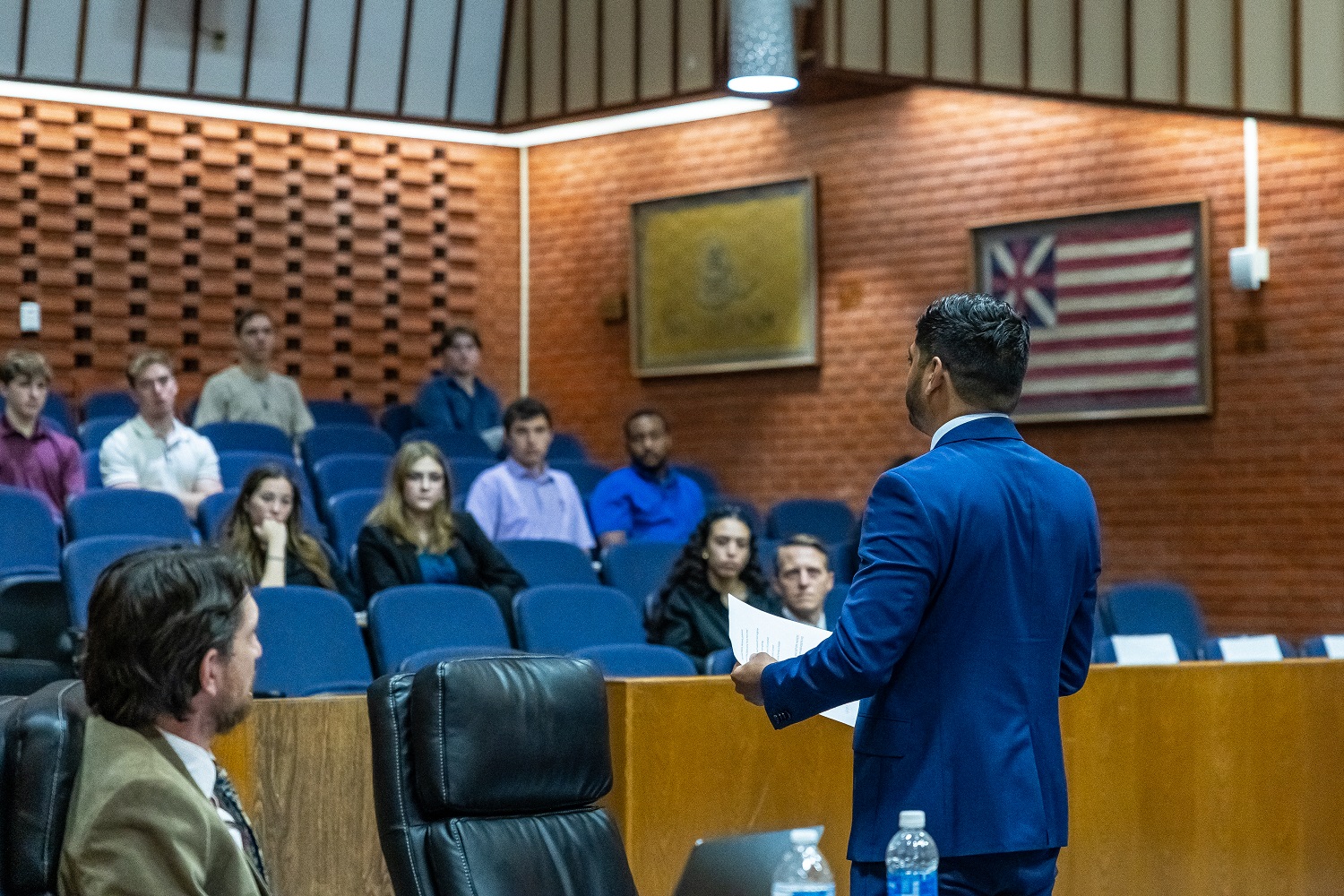
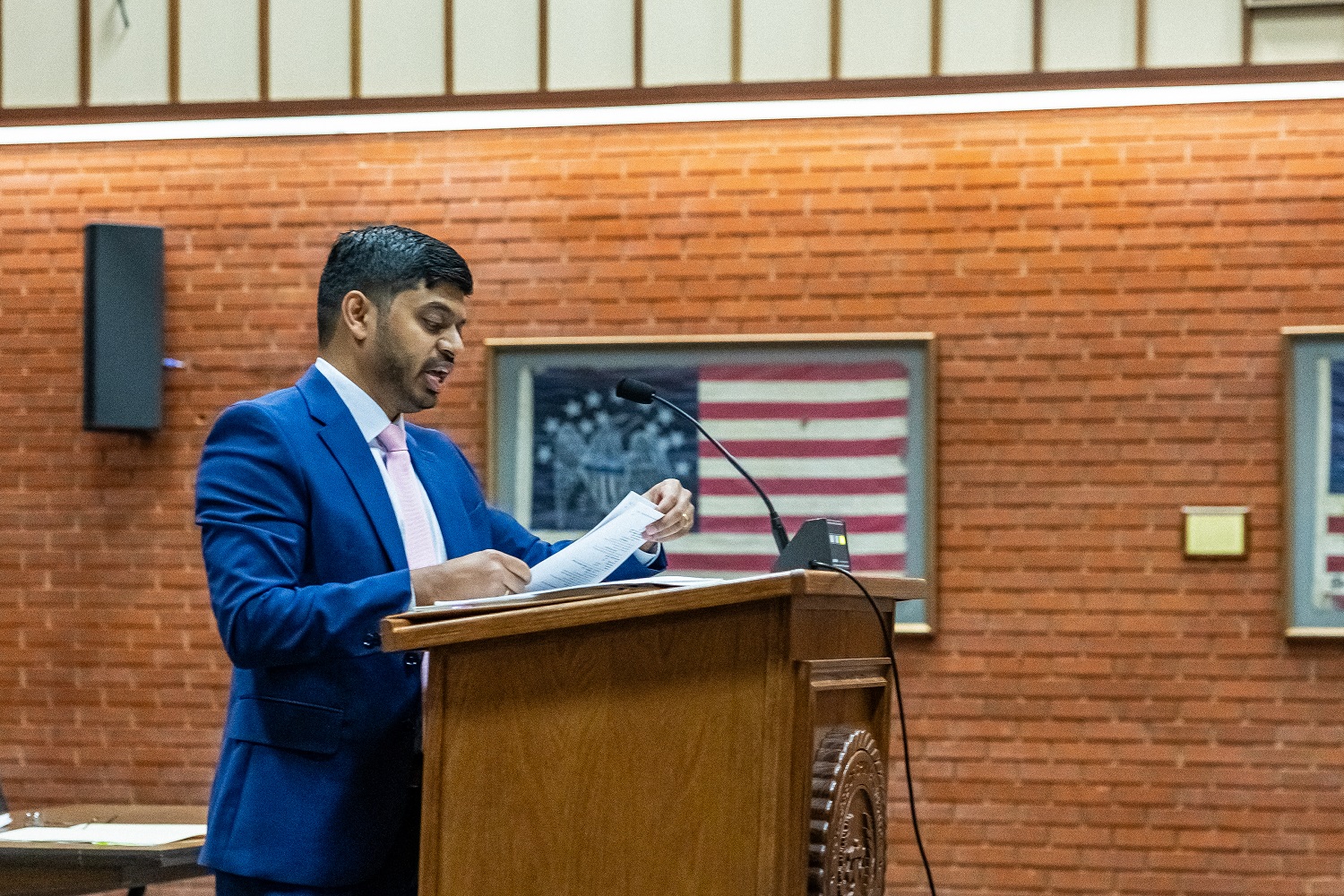
The other unique thing about this experience is that each attorney has three minutes reserved for a brief overview of their argument, during which they can turn to the audience to speak.
It is here that attorneys can provide context about the initial case and its history, along with their chief arguments they will make before the Justices.
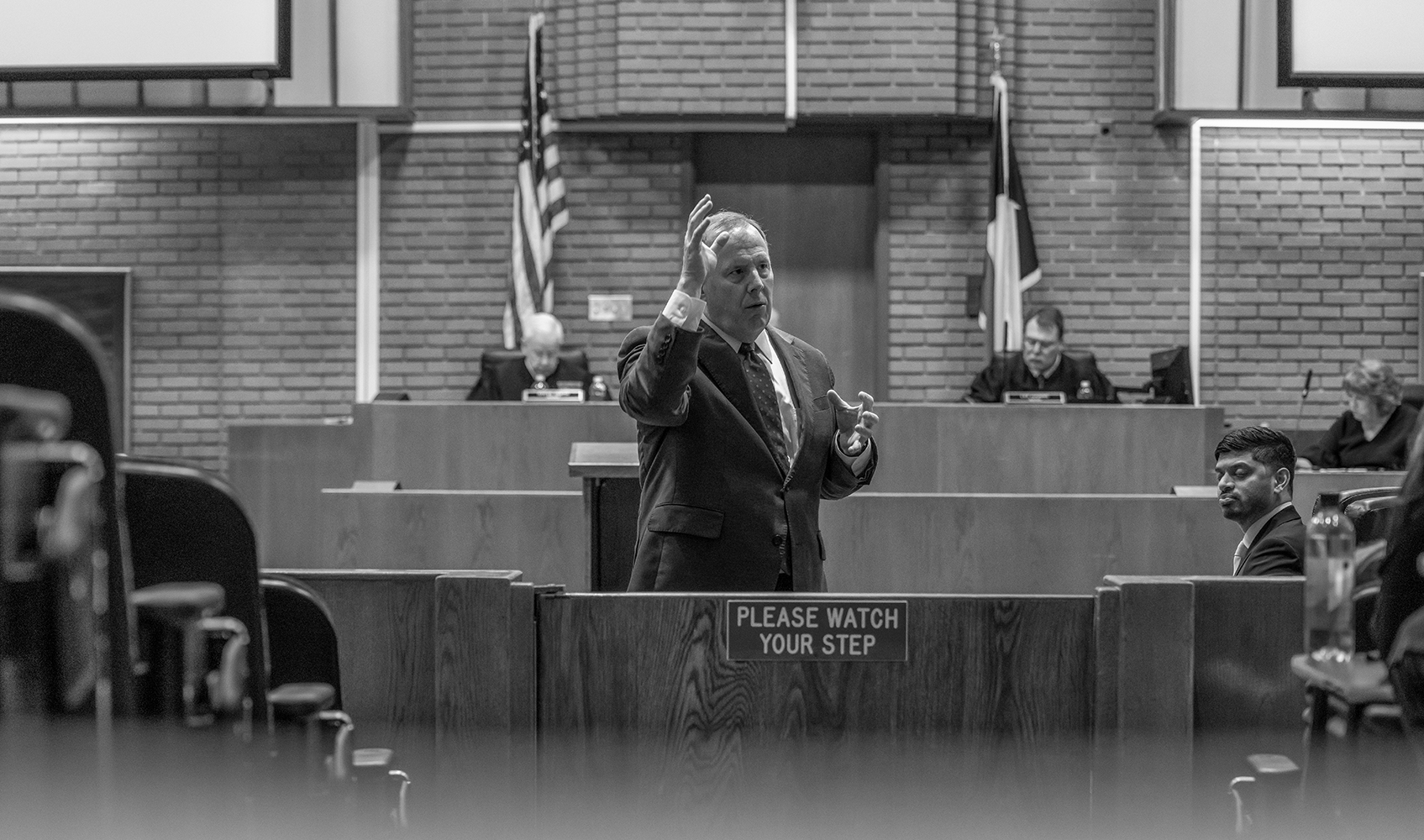
The lawyers then have twenty minutes each to make their argument, along with a five-minute rebuttal from the appellate attorney.
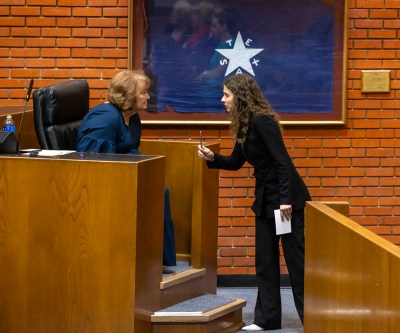
For the Ambassadors, the primary tasks were to (1) ensure the room was ready, and Ms. Rowley from the Criminal Justice Center was very helpful in this regard; (2) ensure all the equipment worked; (3) provide questions and the identities of elected officials to the Justices and Clerk Williamson;
…and (4) to take photos.
Having the opportunity to view legal proceedings of this nature on our campus is an incredible opportunity.
We had several community friends join us for the day, including Pat Graham, City Councilmember; Linda McKenzie, GOP Republican Party Chair; Scott Swigert, City Manager; Judge David Moorman of the 12th District Court; Dr. Kim Webb, Justice of the Peace of Jacinto County, Pct. 4. Will Durham, District Attorney of Walker County, was of course in attendance, given that they were the Appellee on 2 of the cases that day!
After the 11am case, the court graciously opened up for a brief Q&A session with our students. We got some new insights on the manner in which the courts are organized and how they make it to the 10th Court of Appeals.
We then had lunch with the Justices before the final case of the day. This experience is always a pleasure, and having the opportunity to connect with such esteemed individuals as students who are interested in the field of law is incredible.
After a full day of court hearings, and a Pre-Law Society meeting to attend to later that day, we sadly concluded an event full of learning, law, and community.
Thank you so much to Chief Justice Johnson, Justice Smith, and Justice Lee…
…for your dedication and for continuing this opportunity for our students.






























































 Center for Law, Engagement, and Politics